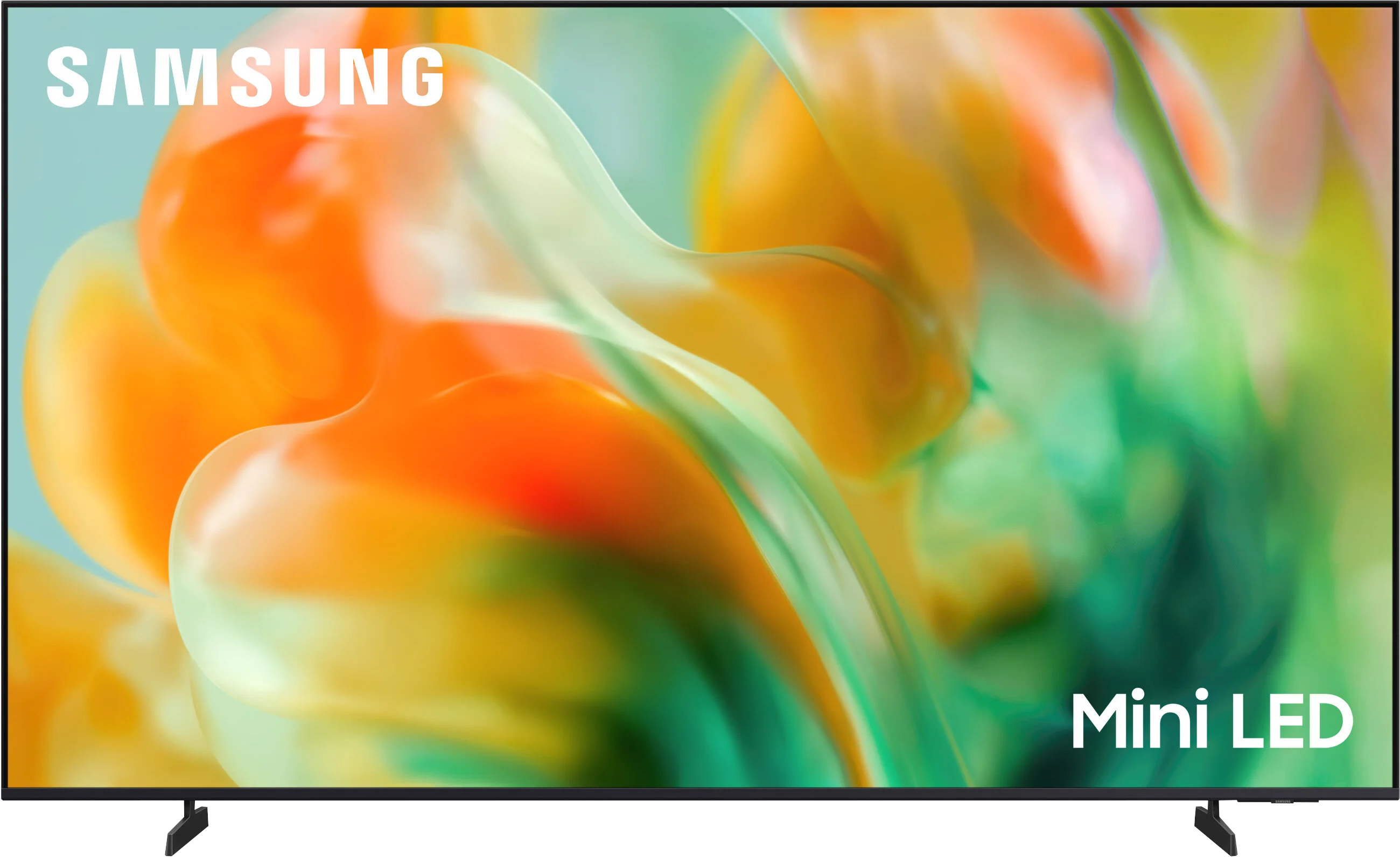
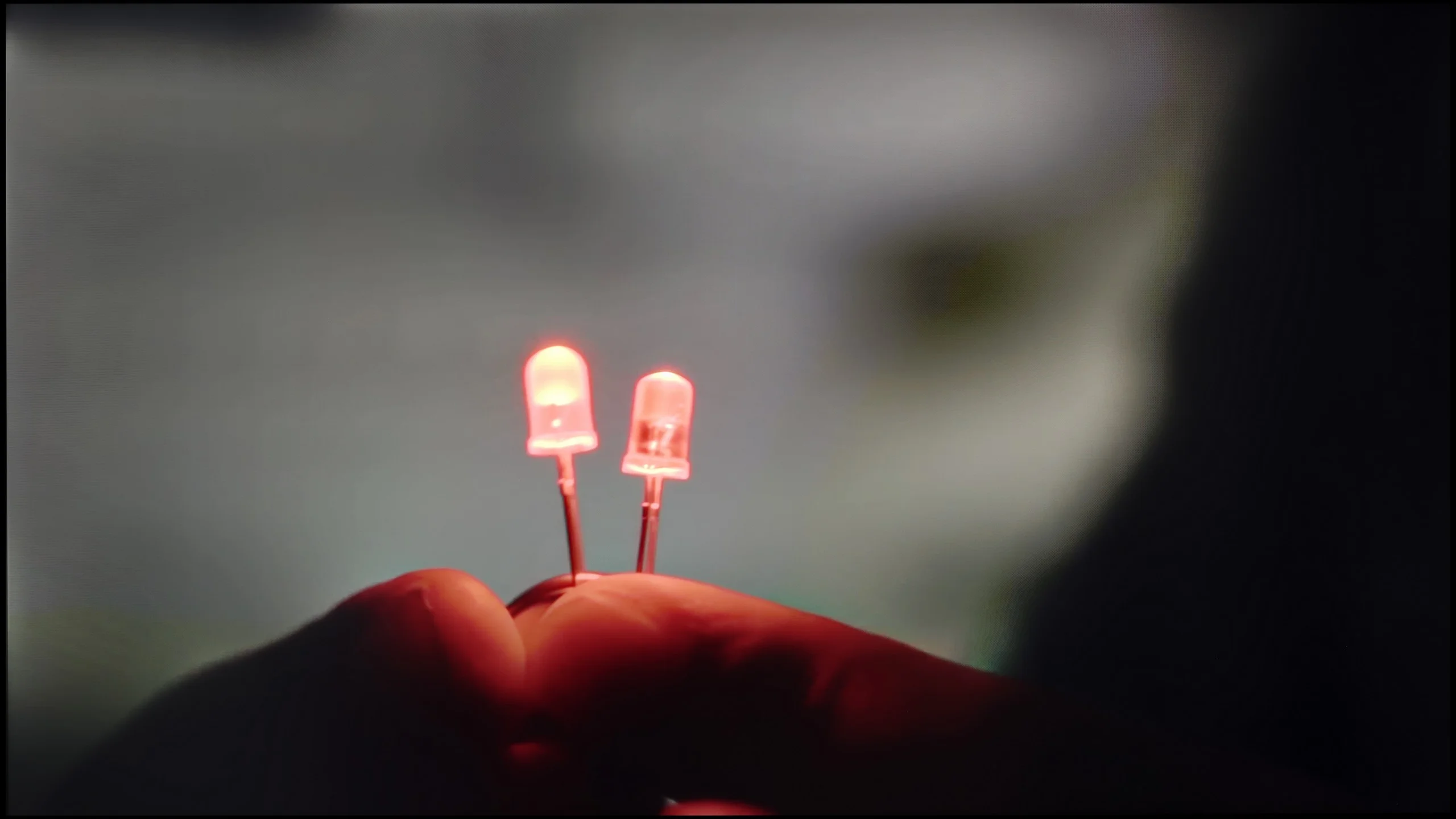
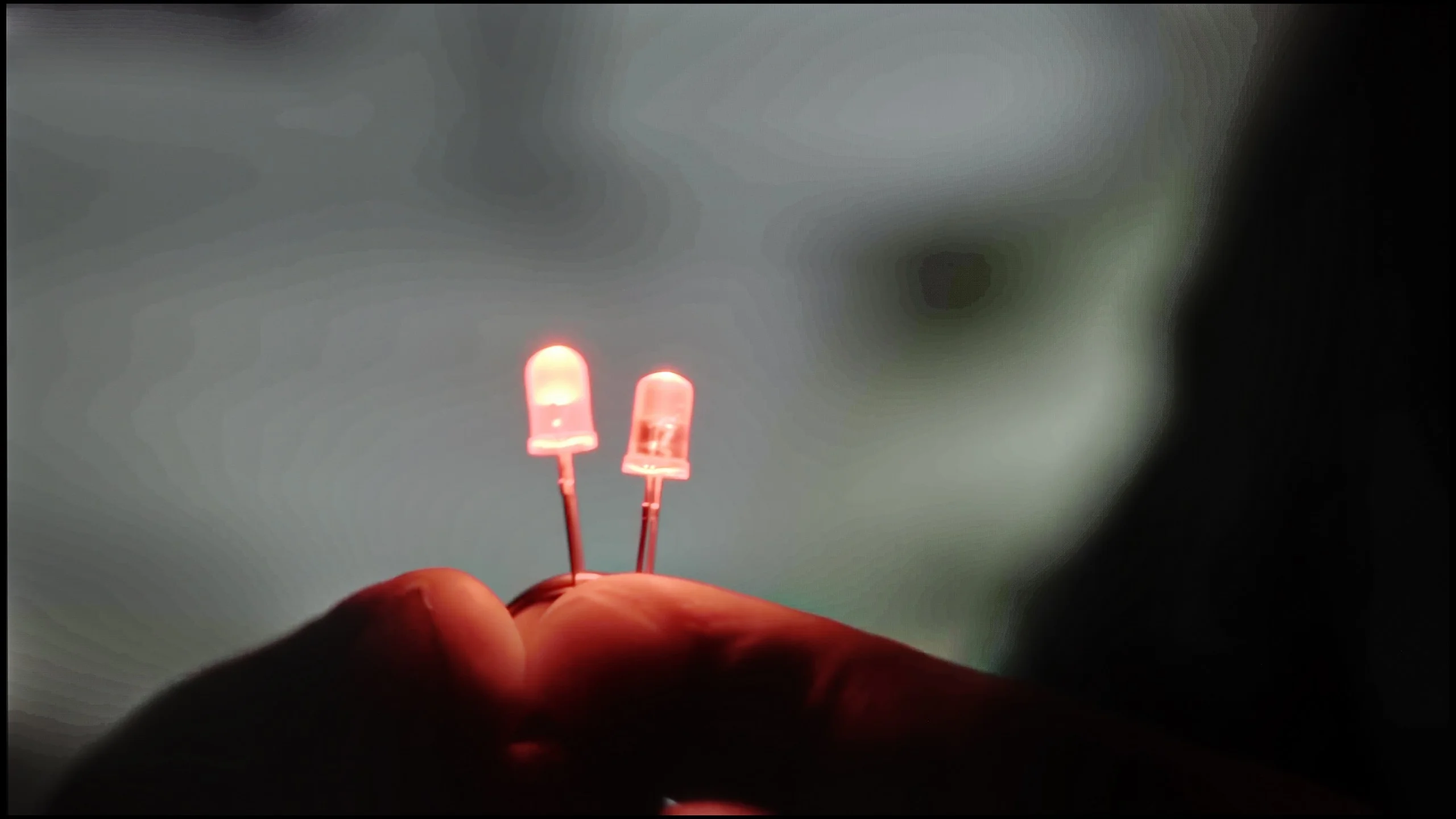
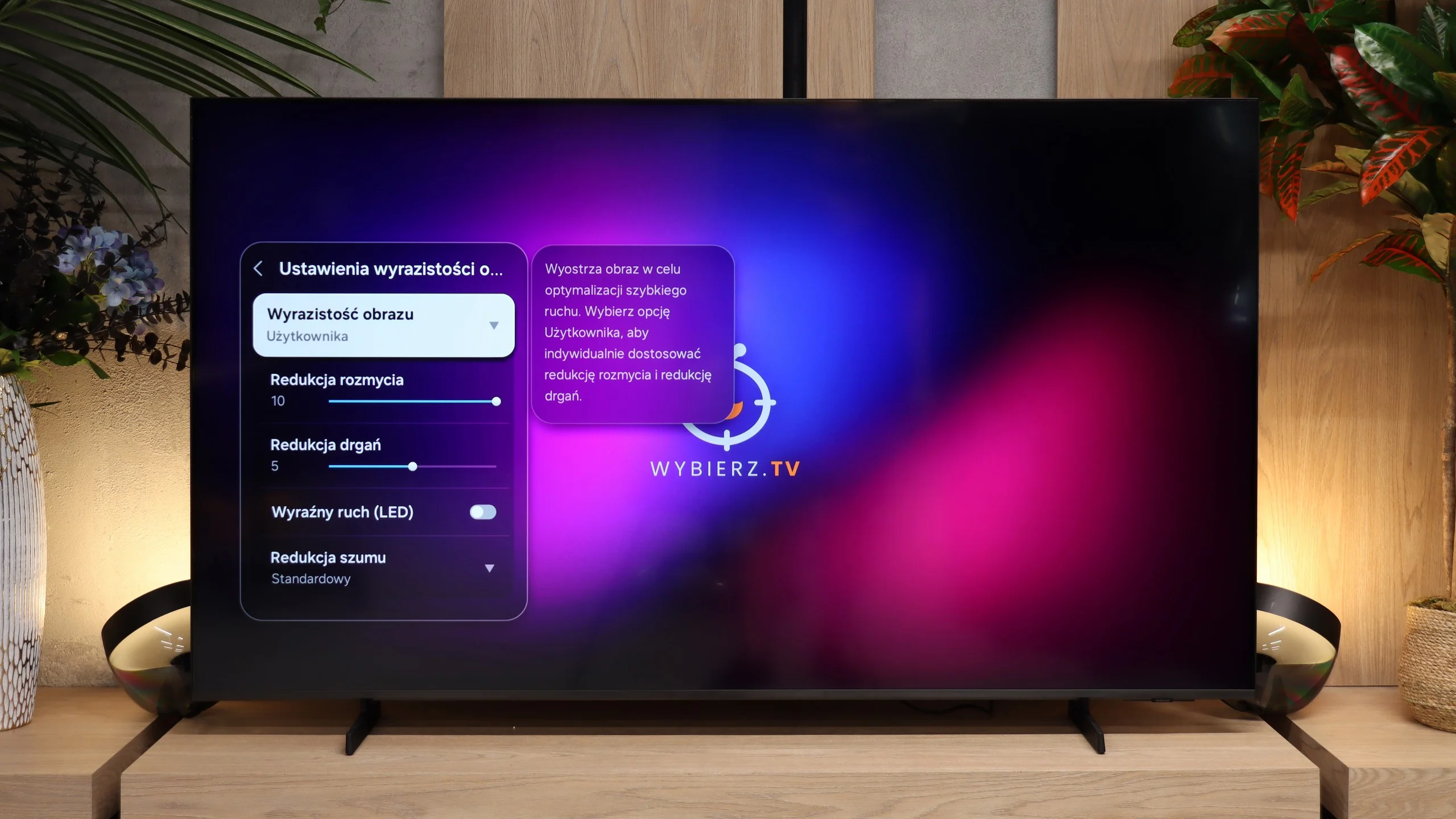
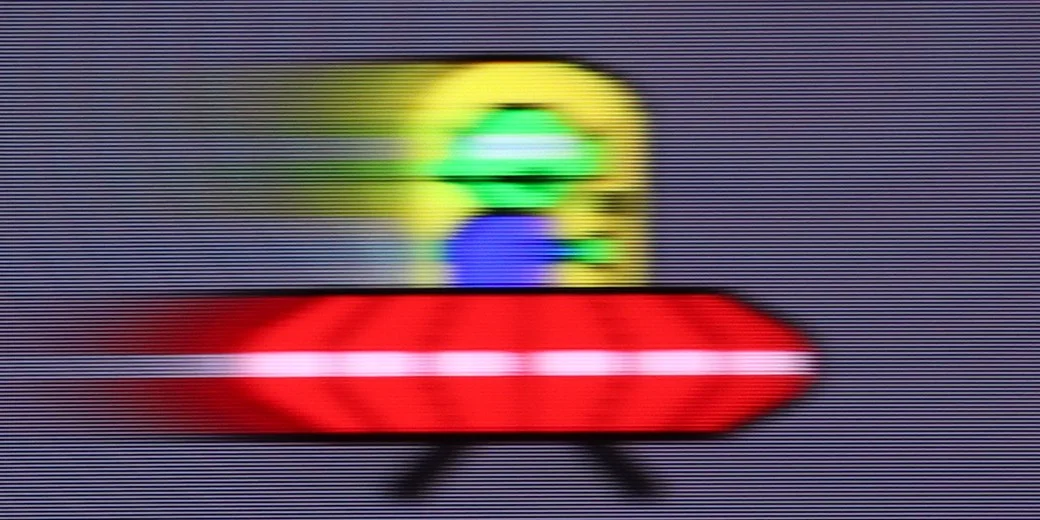
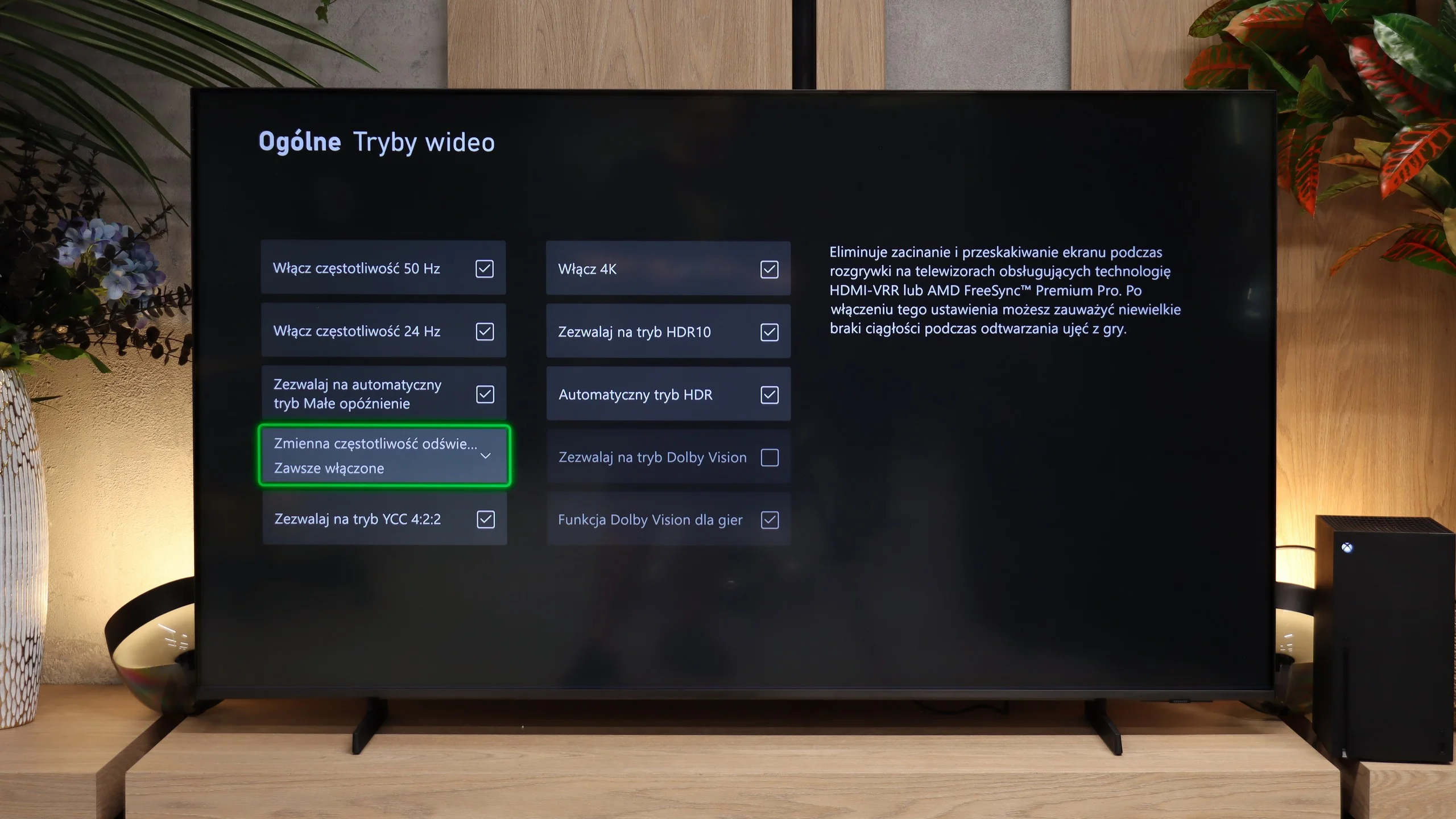
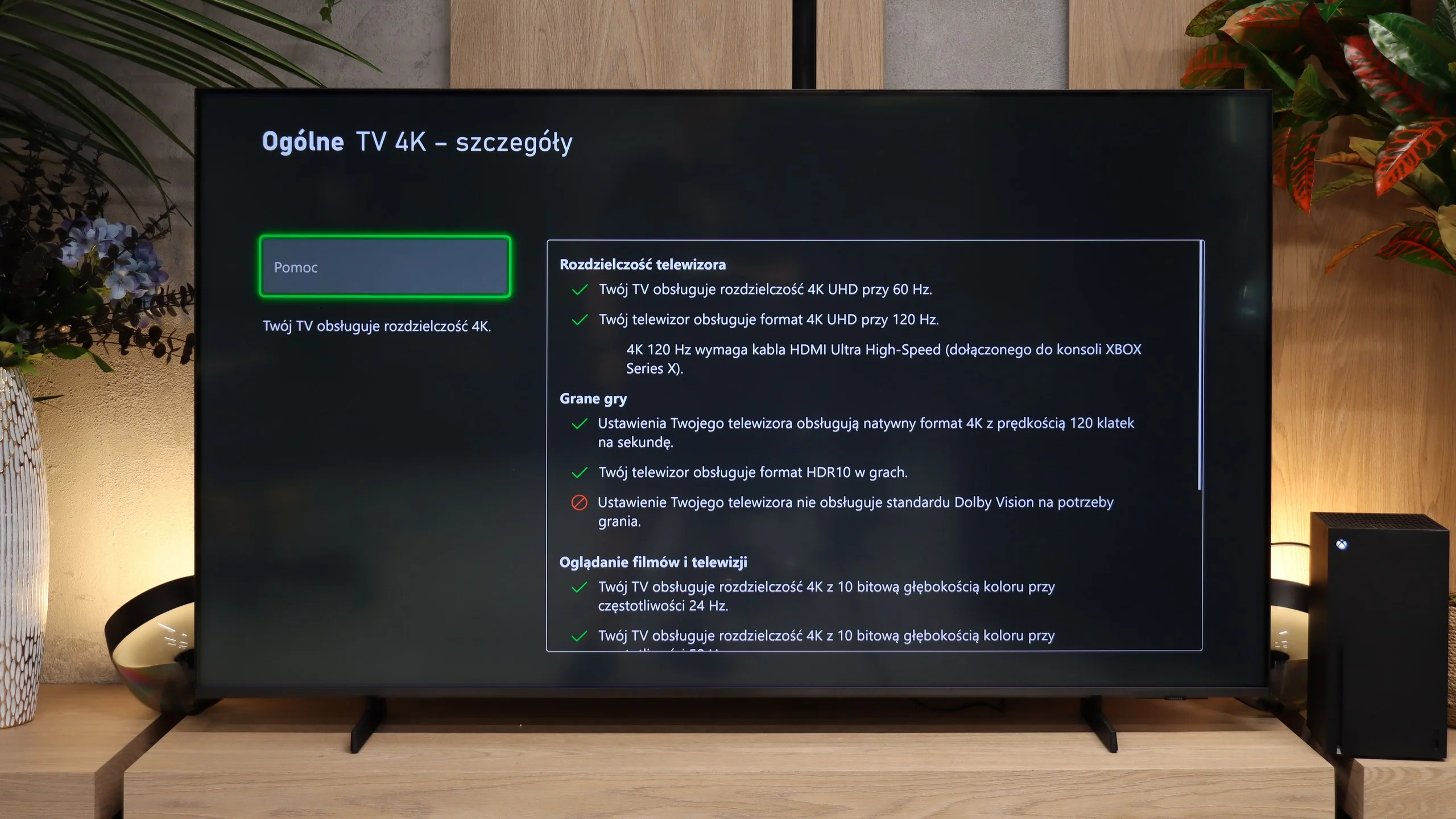
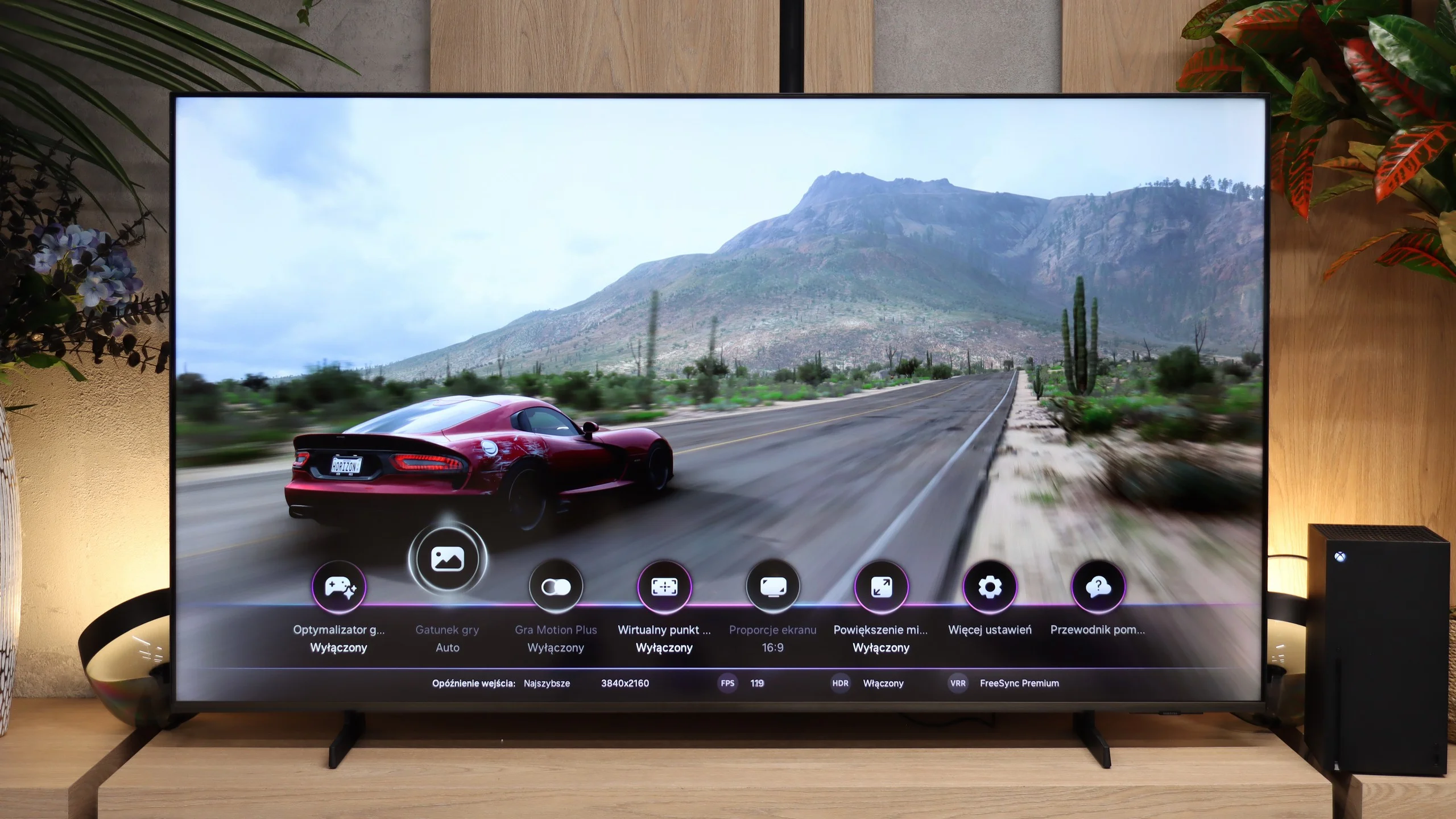
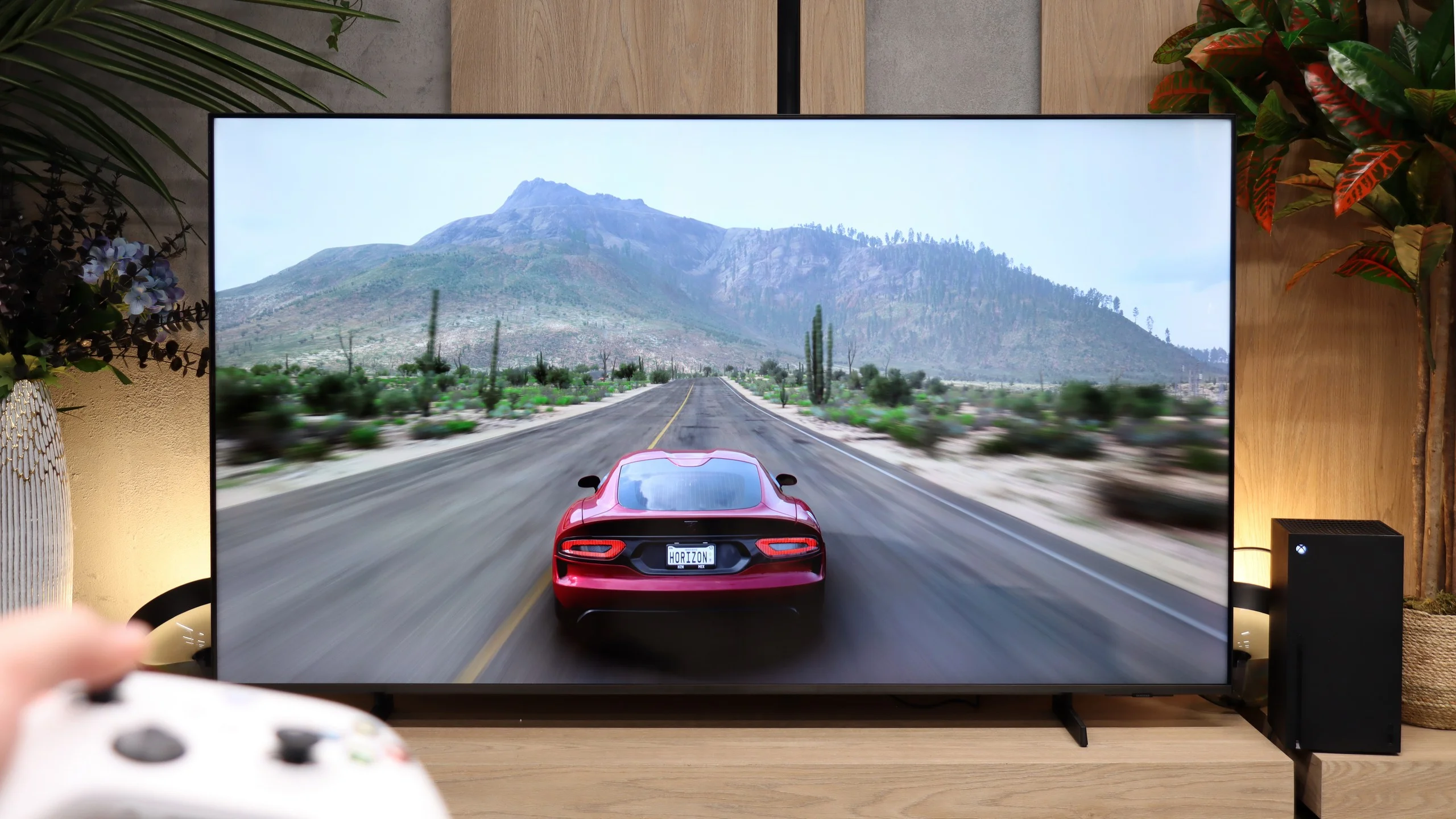
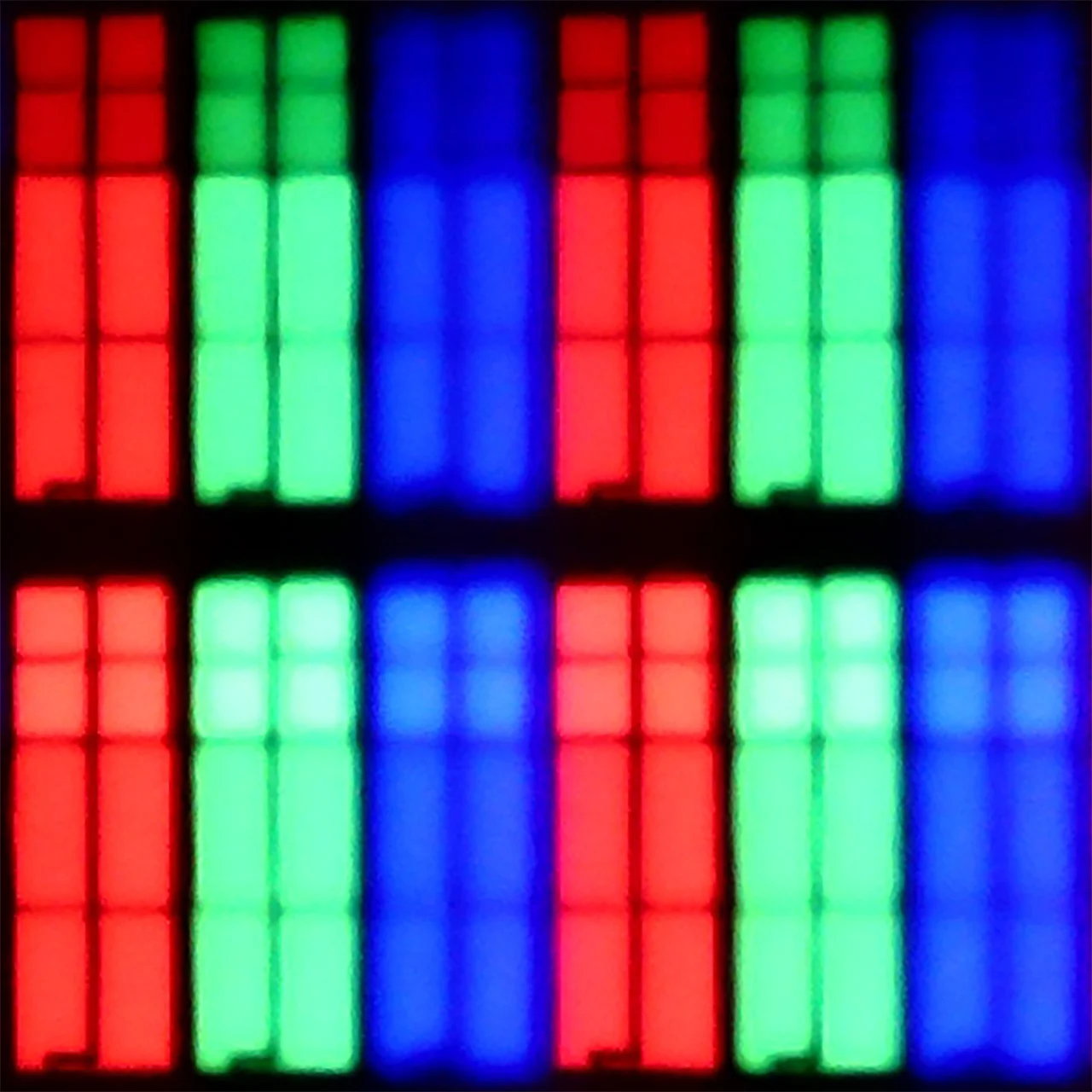
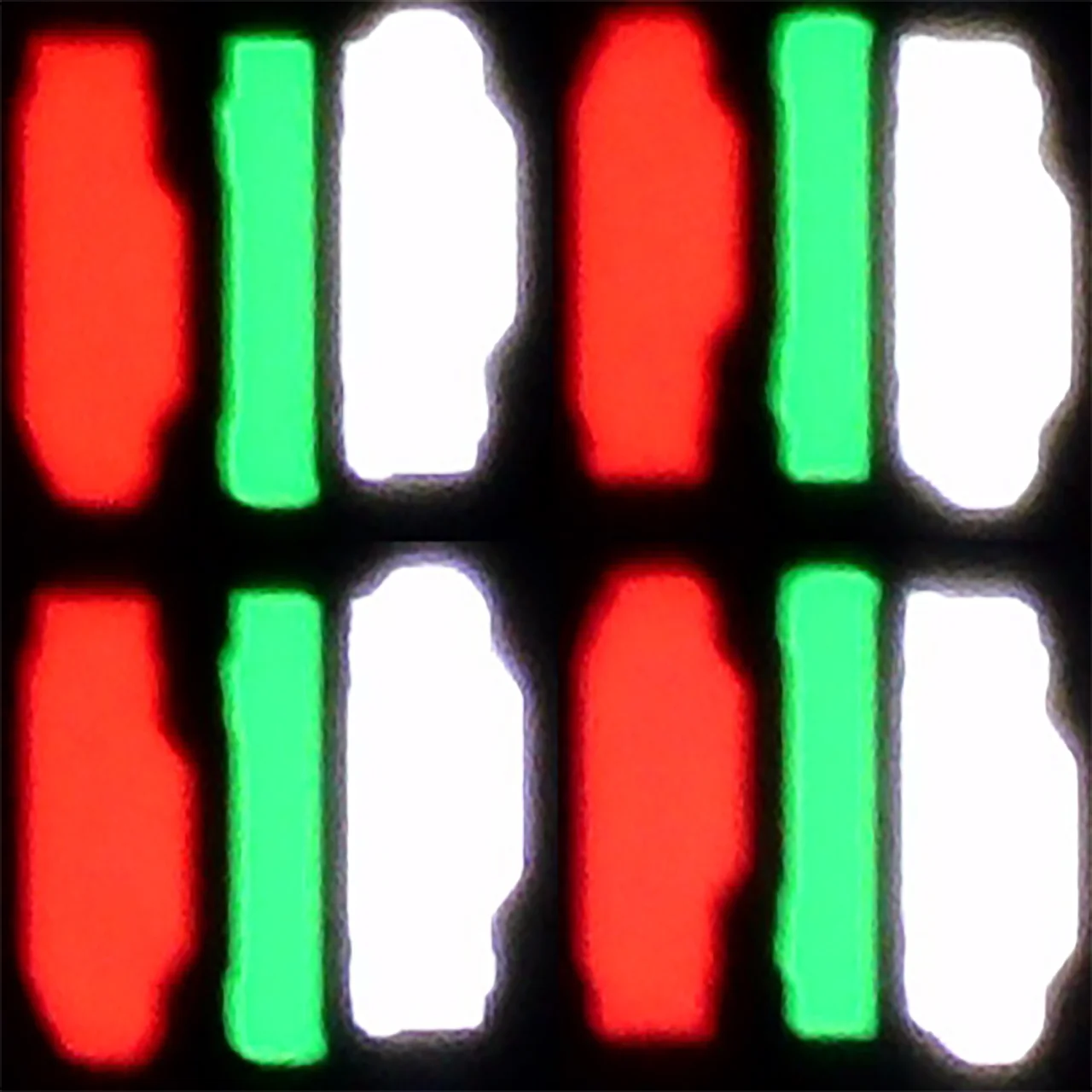
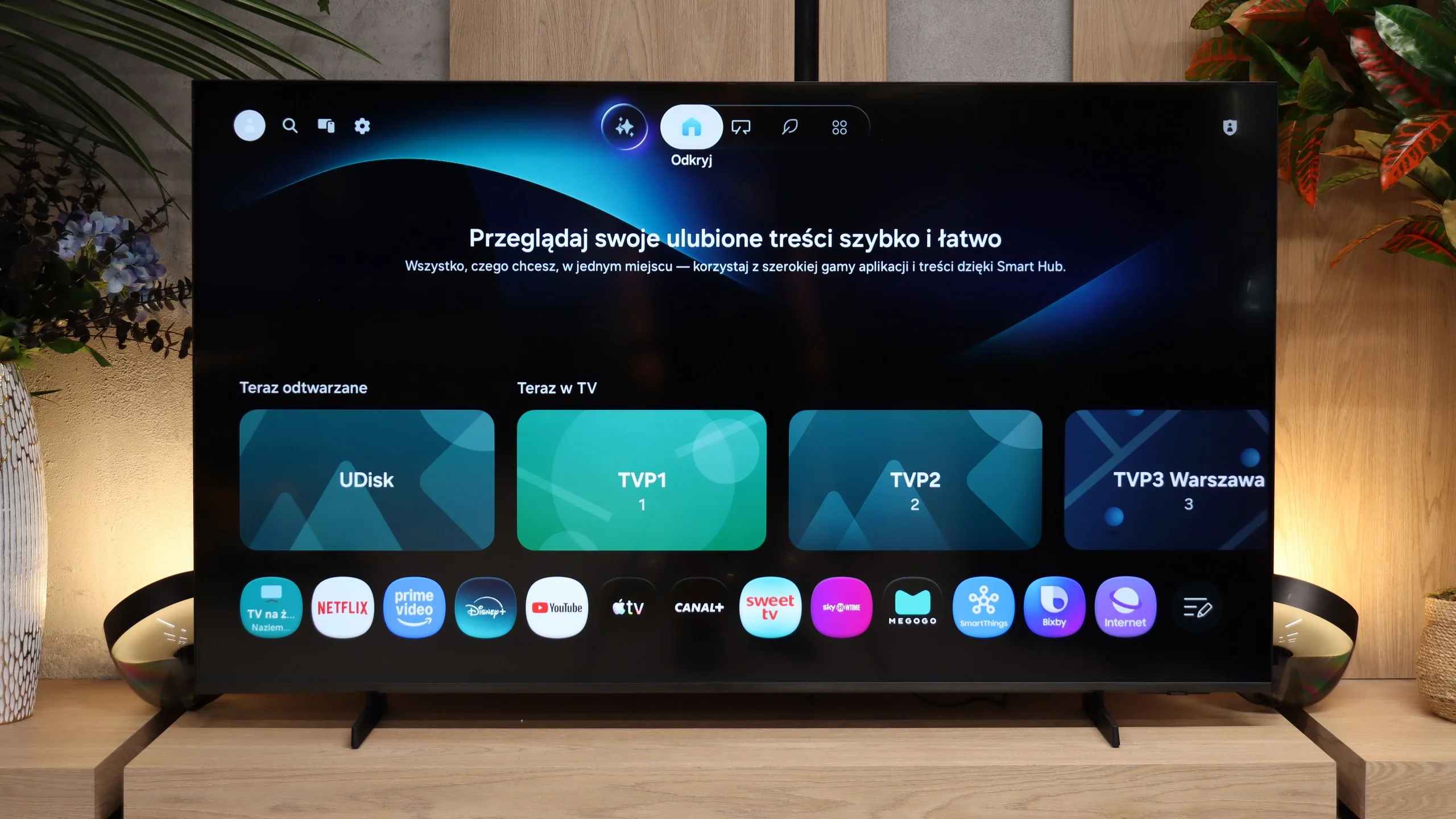
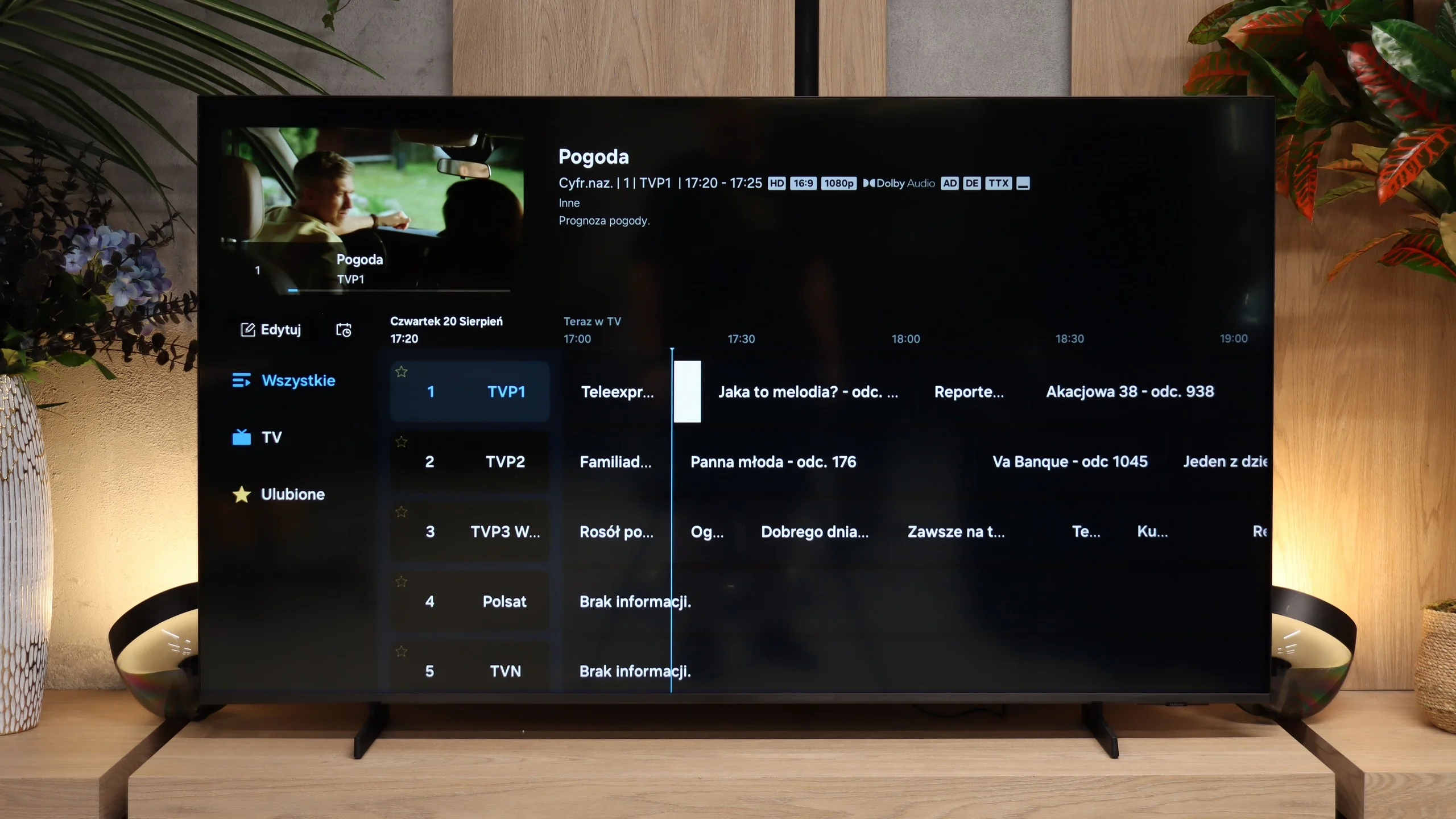
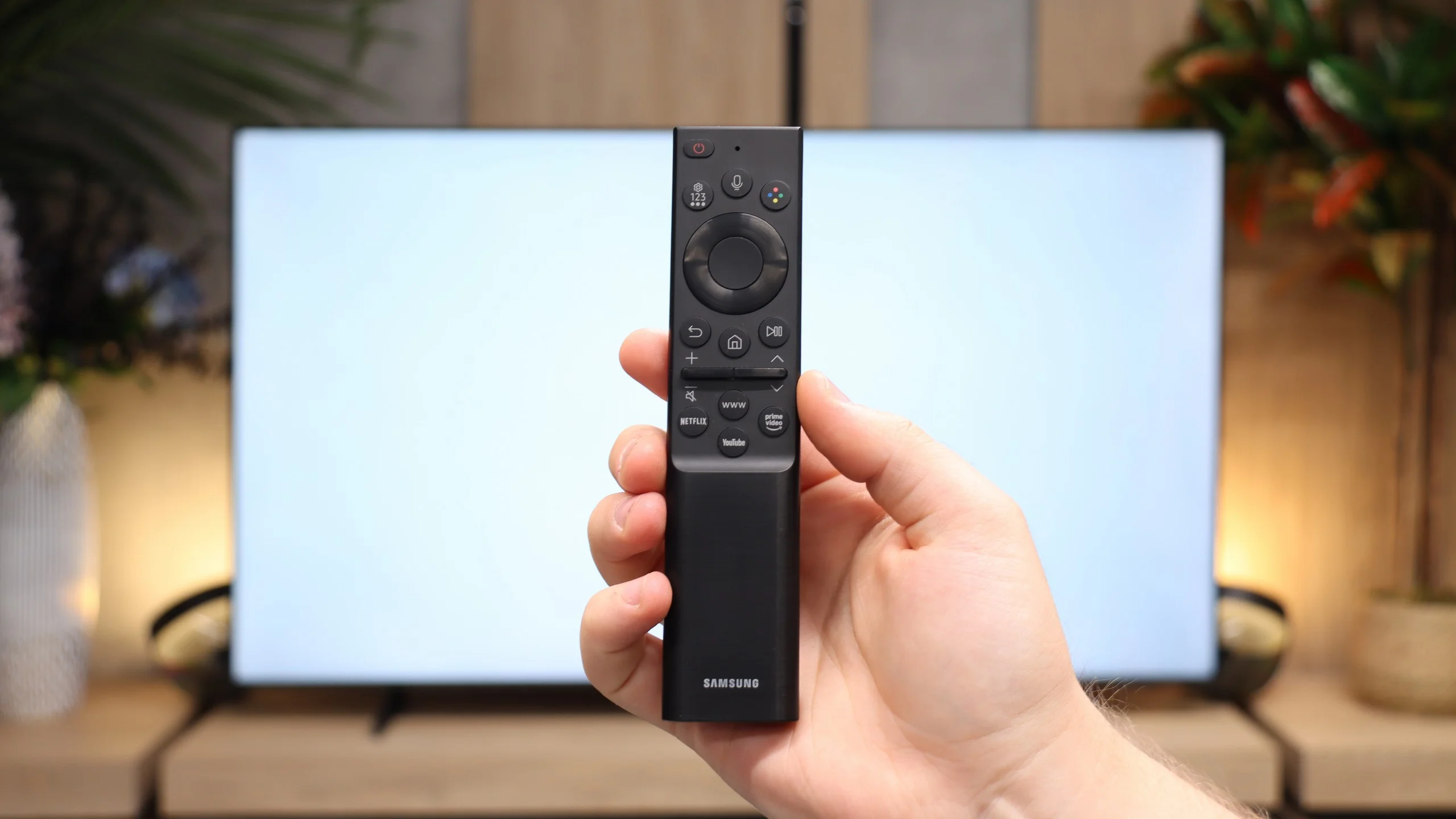
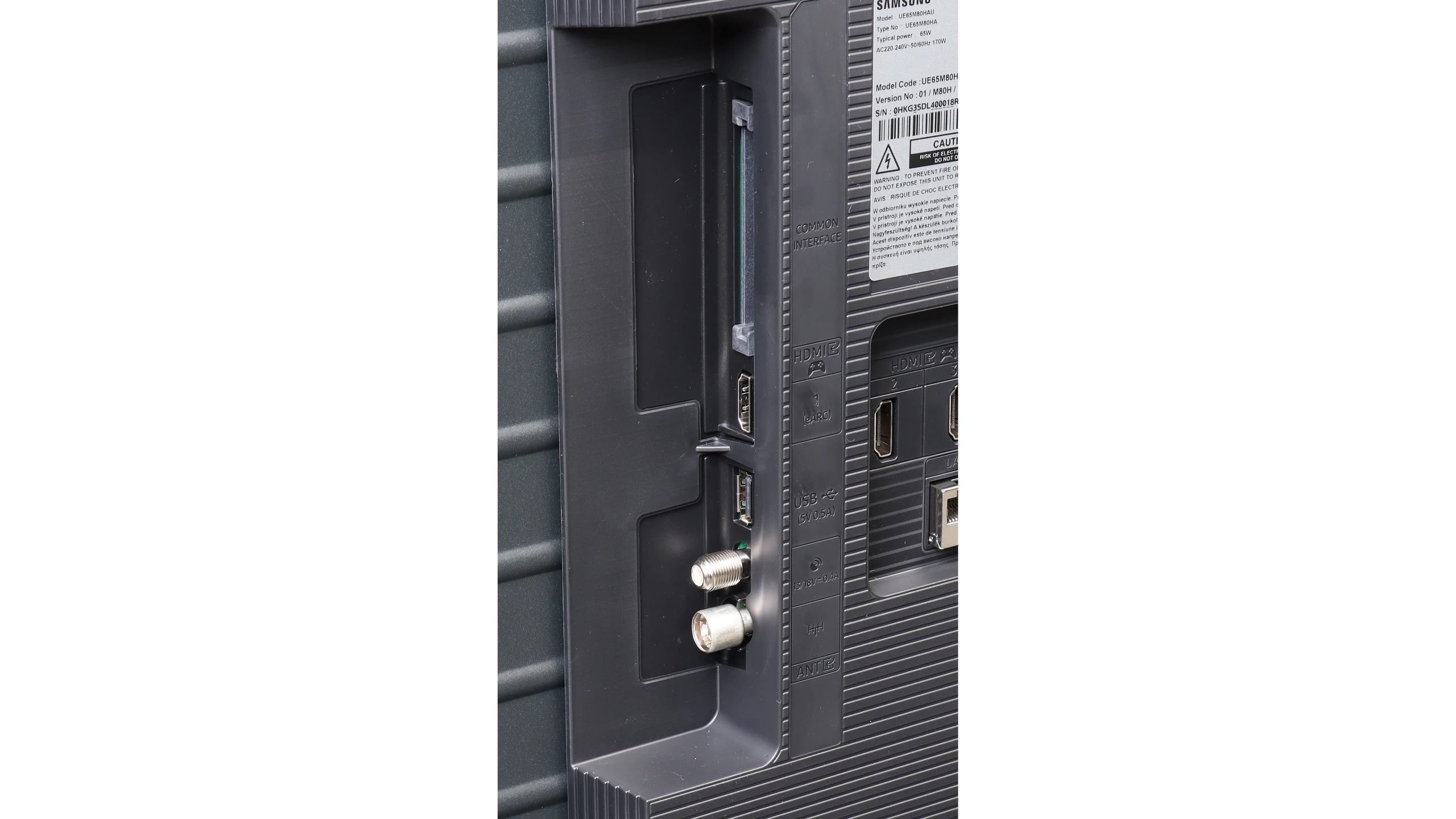
The M80H shows its strengths where motion matters most. A fast panel, refresh rate up to 144 Hz and relatively low motion blur mean sport and fast-paced games look really good on it. In this respect the TV can even outclass some much more expensive Samsung LCD models. Gamers also get low input lag, three full-bandwidth HDMI 2.1 ports and Game Motion Plus, which can improve the smoothness of games running at 30 or 60 frames per second. When connected to a PC you can also use a 240 Hz refresh rate, although only at Full HD. A considerable advantage of the M80H is the NQ4 AI Gen2 processor, until recently used in Samsung’s higher-tier ranges. It handles lower-resolution material well and can improve the appearance of weaker sports broadcasts or heavily compressed recordings. The additional picture-enhancing features do produce a noticeable effect, though at higher settings their action becomes too strong and starts to interfere with the natural look of the image. Even so, they are worth counting as positives, because in the cheapest TVs similar solutions often have far less impact.
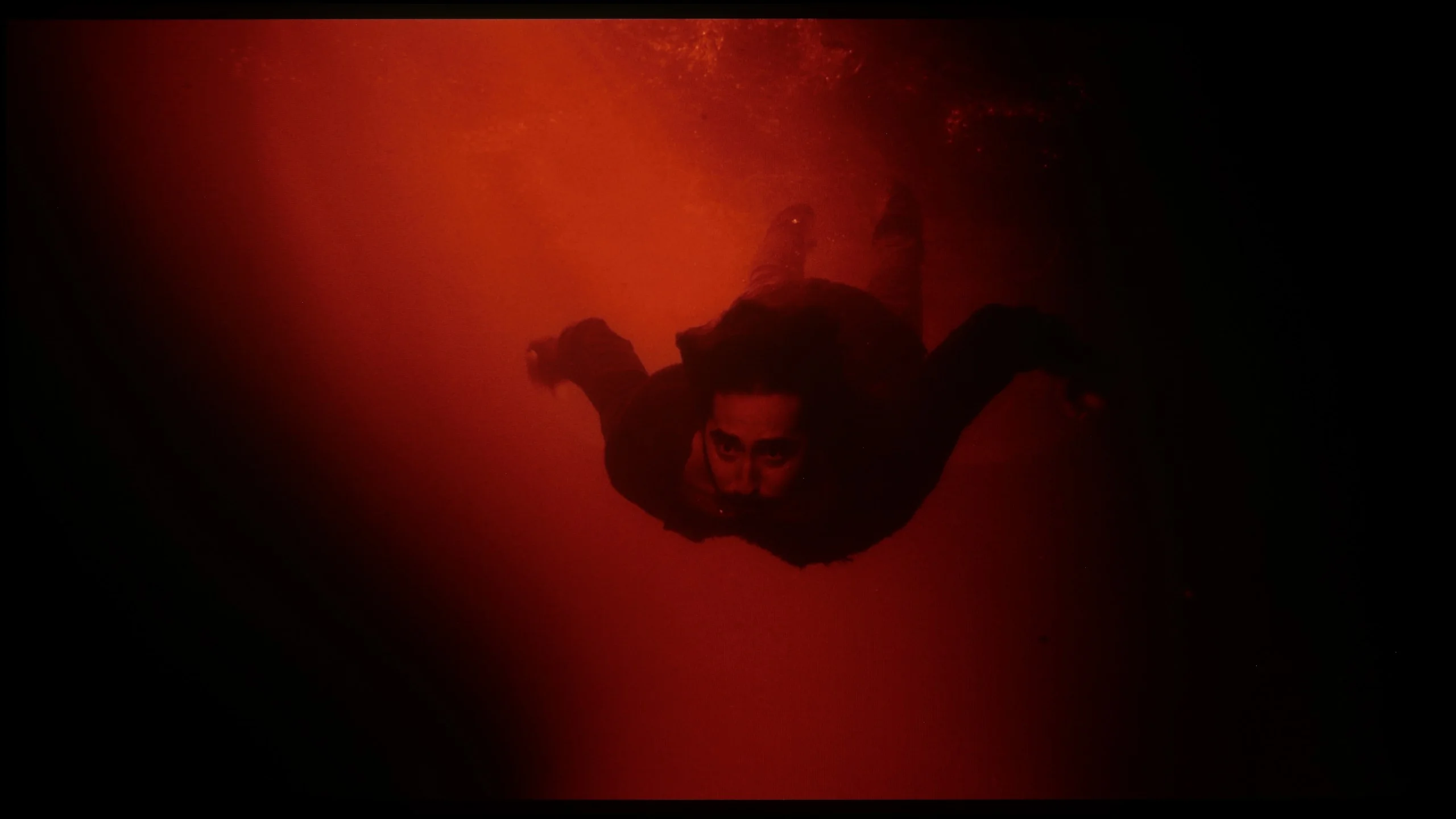
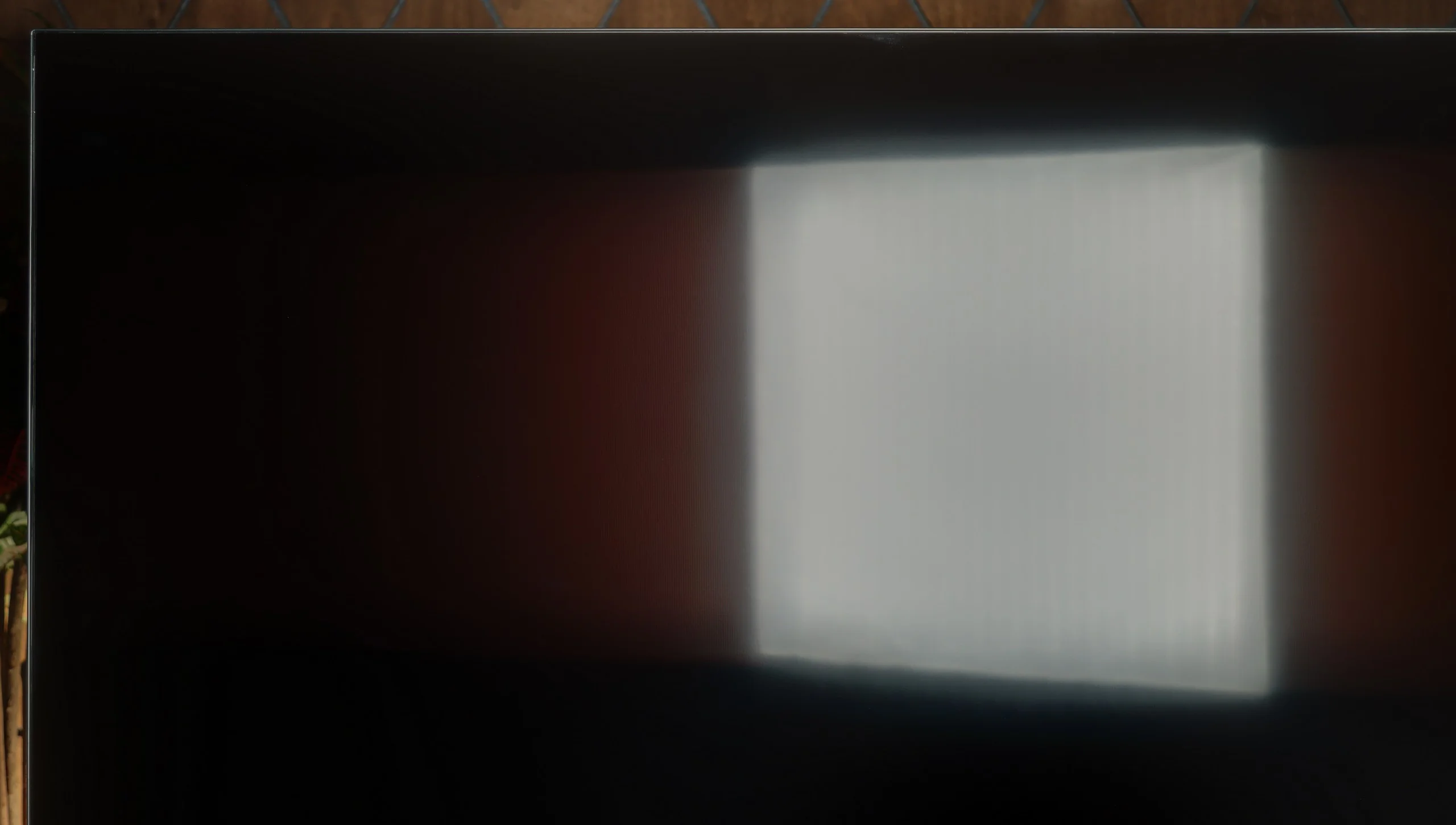
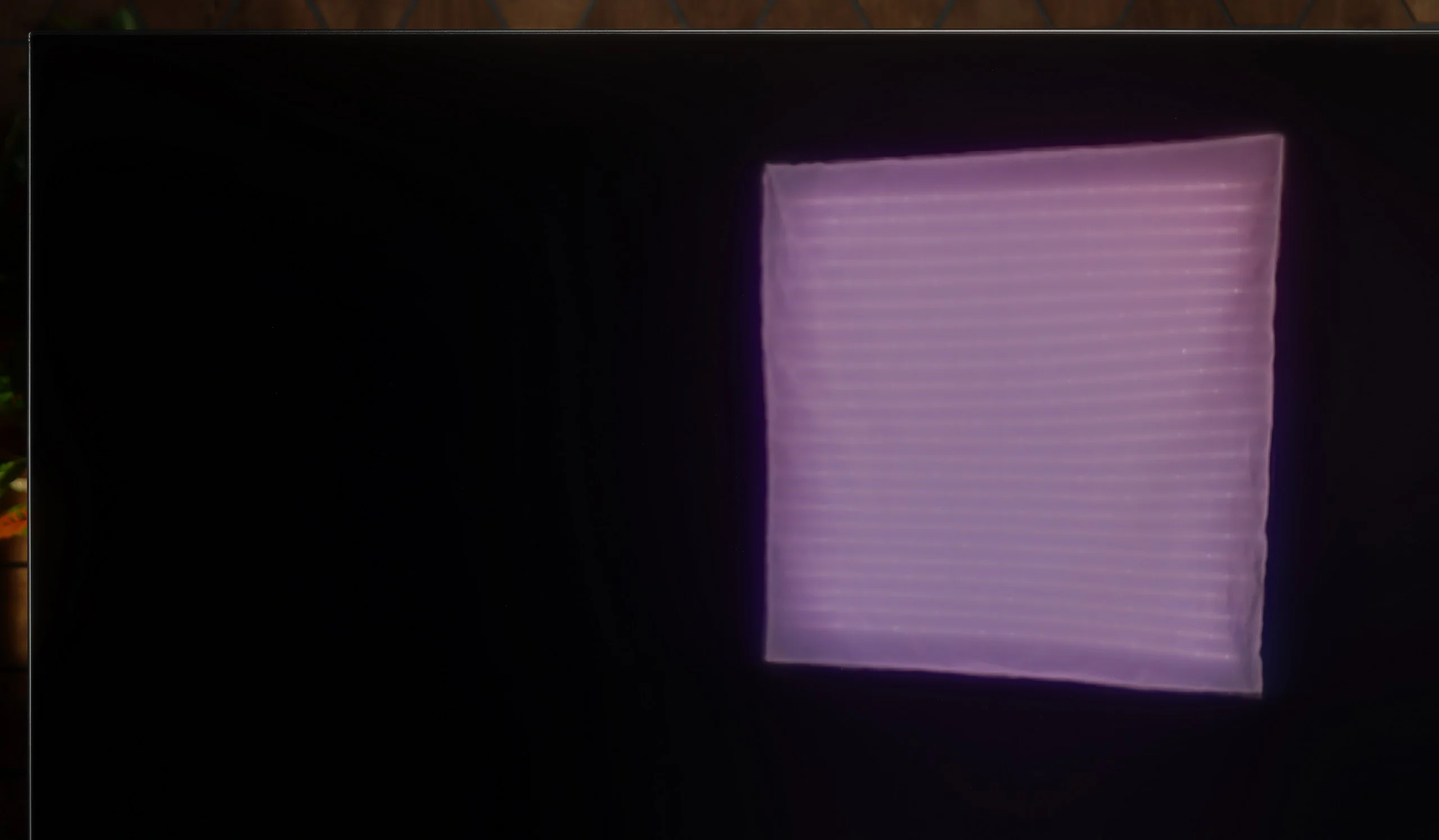
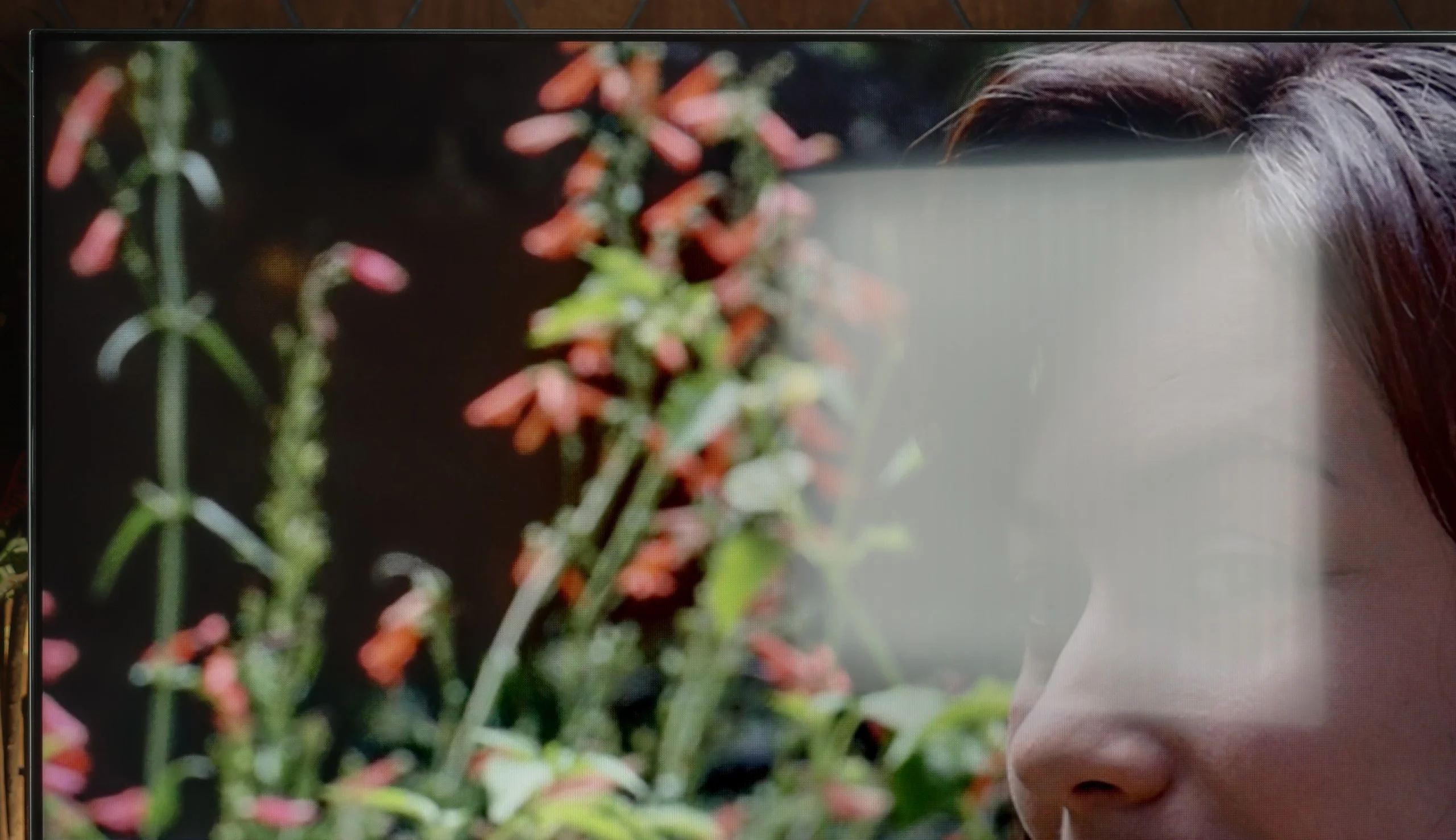
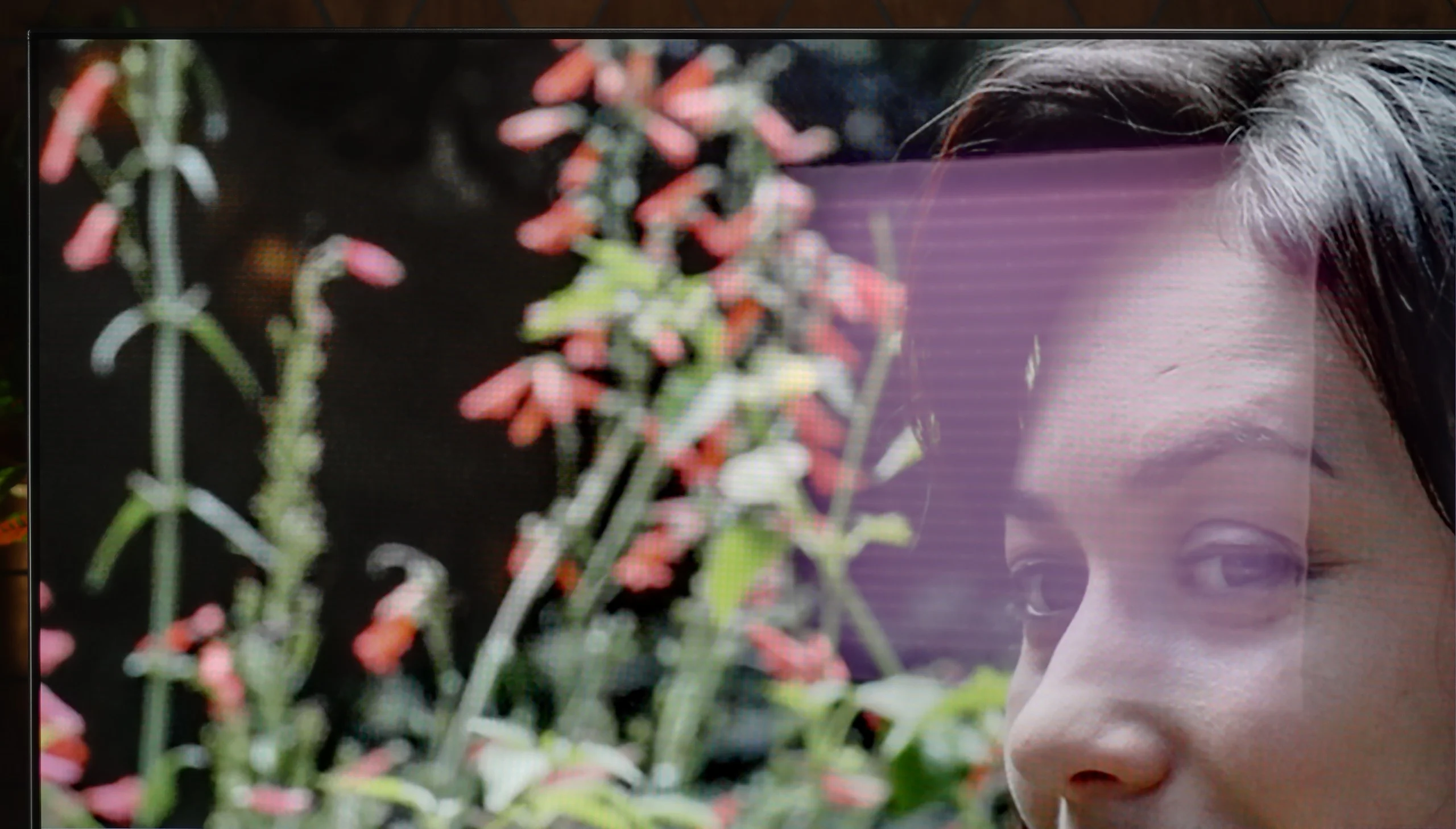
The biggest objection, however, is calling the M80H a Mini-LED television. There is no local dimming here, the feature that usually accounts for this technology’s main advantage. A peak brightness of around 350 nits also does not allow for particularly impressive HDR. In terms of picture quality the M80H therefore sits much closer to basic LCD TVs than to more elaborate Neo QLED models such as the QN80H. That does not mean films look bad on it. The VA panel provides decent contrast and the PFS filter delivers attractive, saturated colours. One should be aware, however, that the lack of local dimming clearly limits the TV’s picture-quality capabilities. The M80H is therefore not a model that reveals the full potential of Mini-LED backlighting.
It will perform much better in the hands of a gamer or a sports fan for whom panel speed, low input lag and extensive gaming features are the priorities. If its price remains noticeably lower than models equipped with local dimming, that compromise could be a perfectly sensible choice for those users.
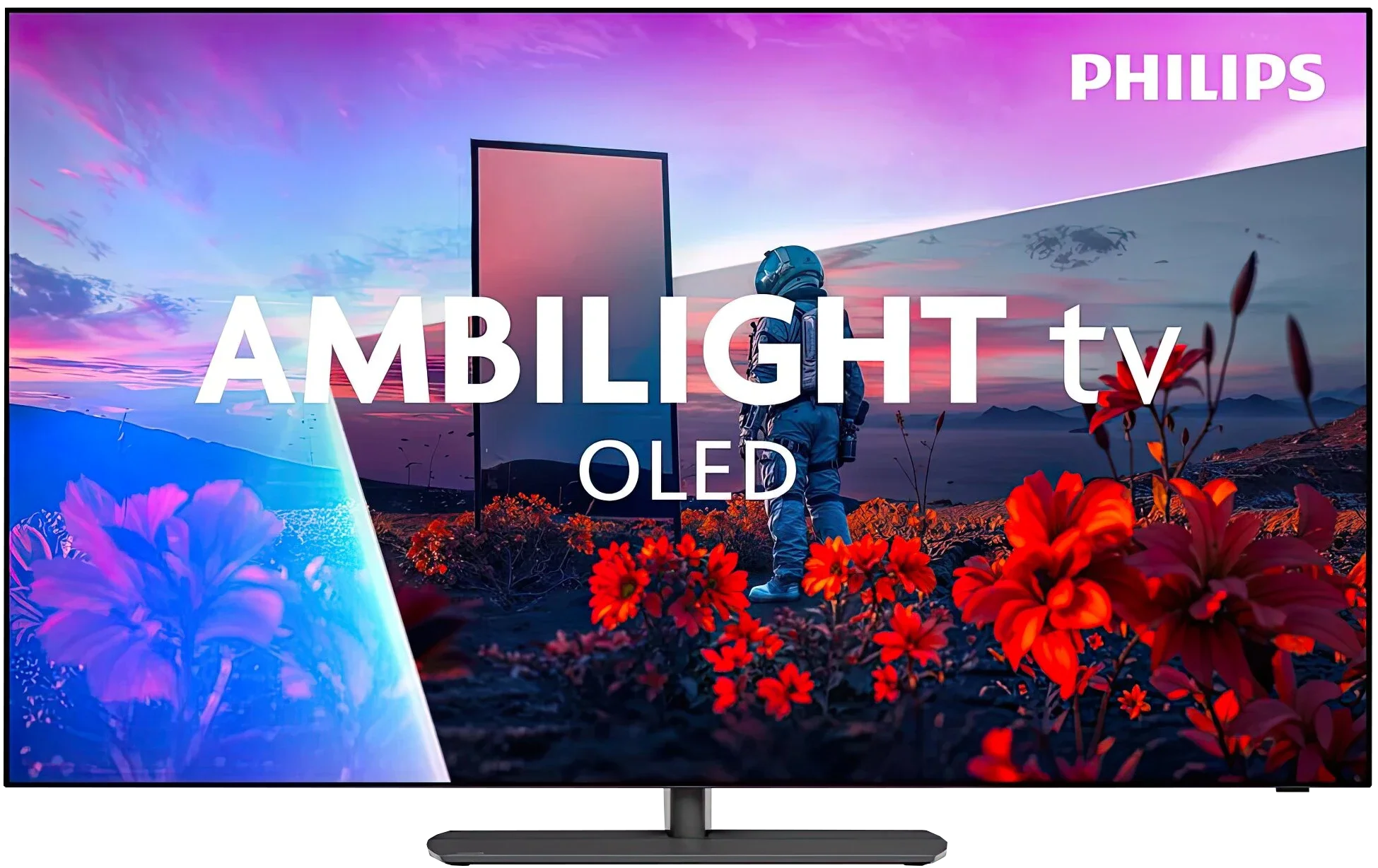
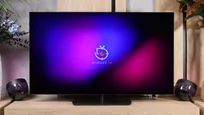
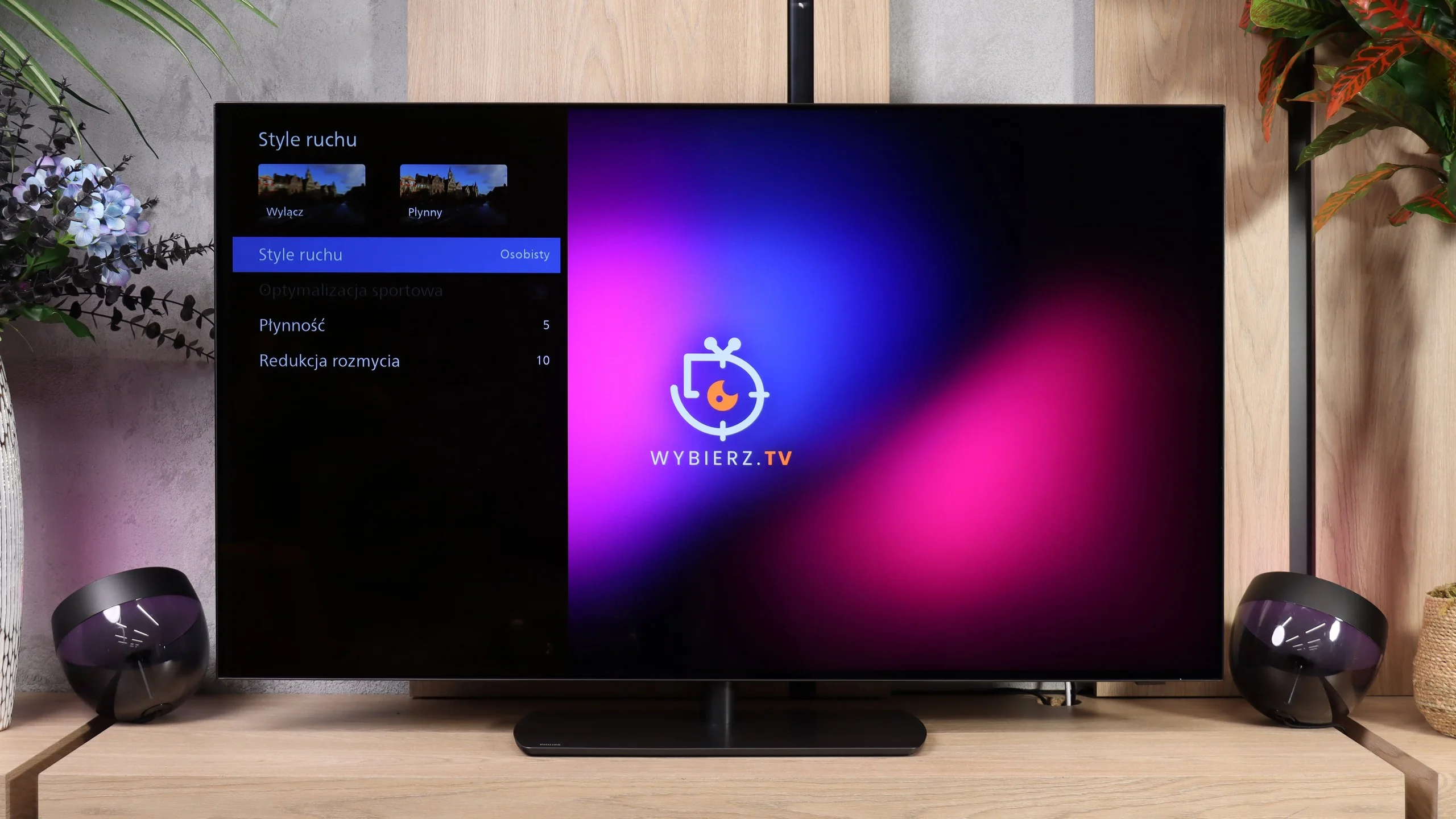
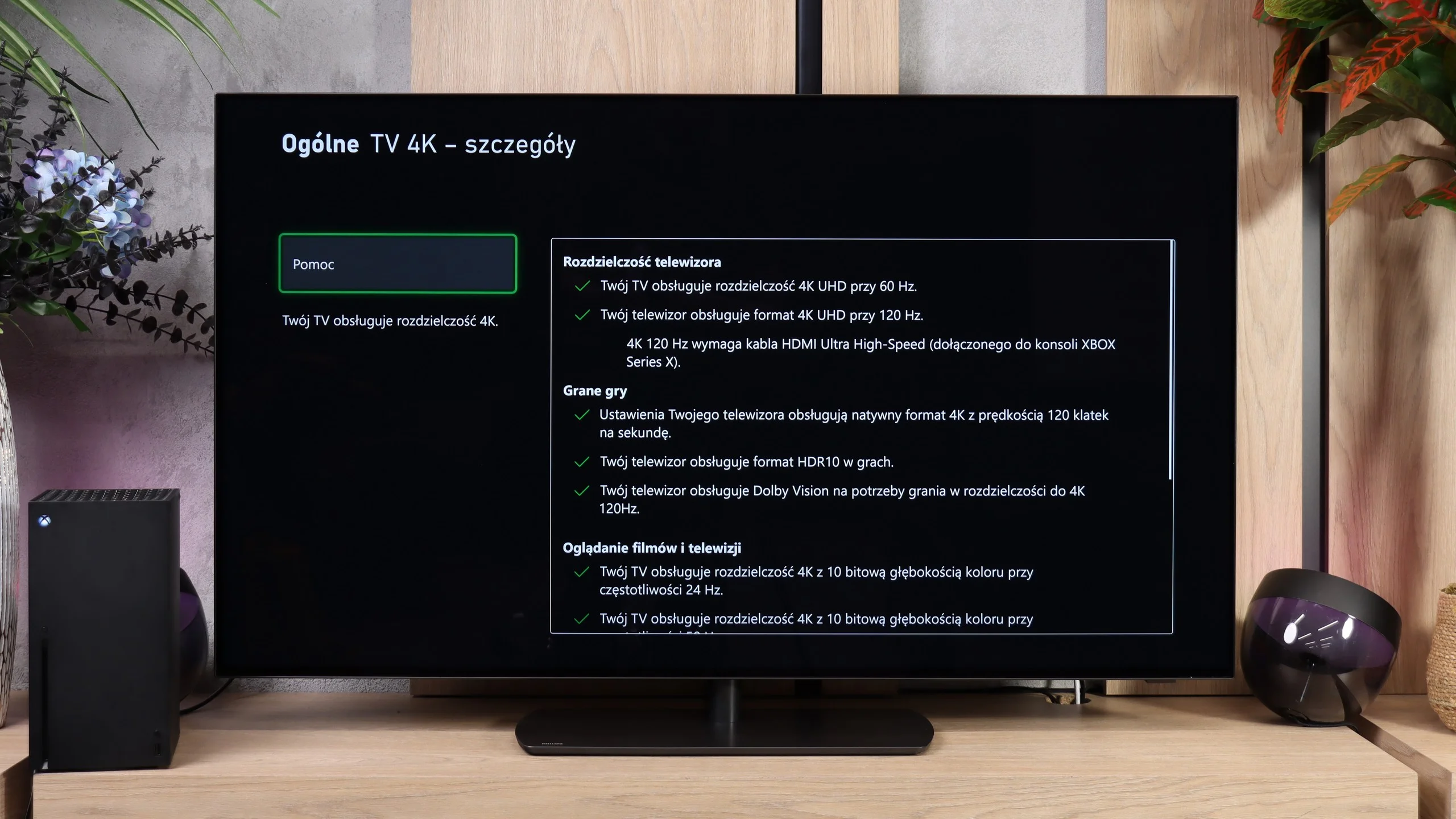
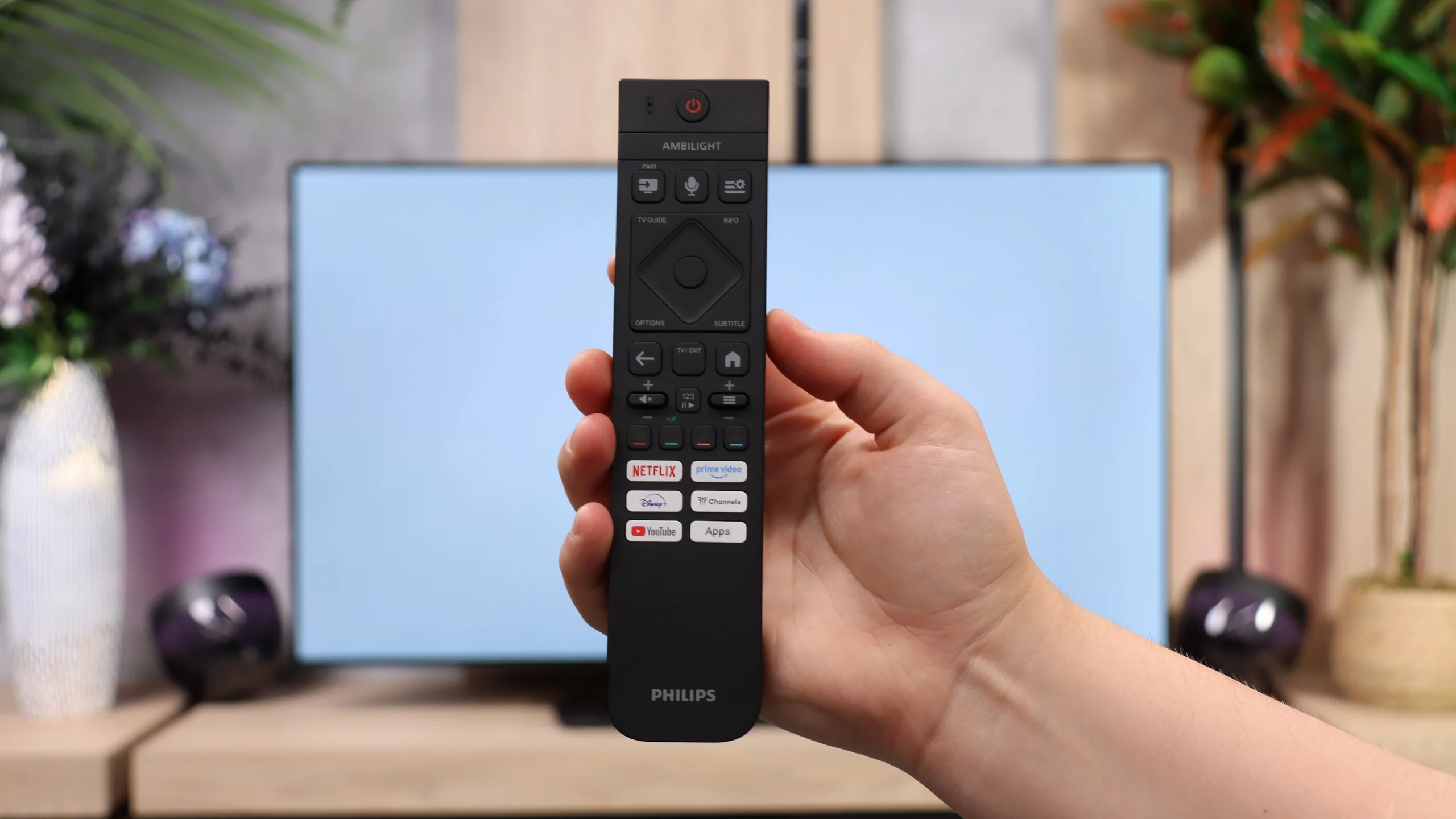
Philips OLED811 is a mid-range OLED for 2026 that stands out from its biggest rivals mainly for one thing: Ambilight. The light that follows the picture and spreads across the wall can change the atmosphere of an entire viewing session. In the evening the screen seems to extend beyond its borders and watching simply gains extra charm. For some it will be a pleasant extra, for others a sufficient reason to choose Philips again. The picture itself is very comparable to what models such as the LG C6 or Samsung S90H offer when using the same type of panel. So you get deep, perfect blacks on which bright elements make a strong impression. The OLED811 can deliver powerful HDR and, importantly, after calibration the picture itself is close to the reference. There is no big advantage over the competition, but there is also no feeling that by choosing Philips for Ambilight you are sacrificing image quality.
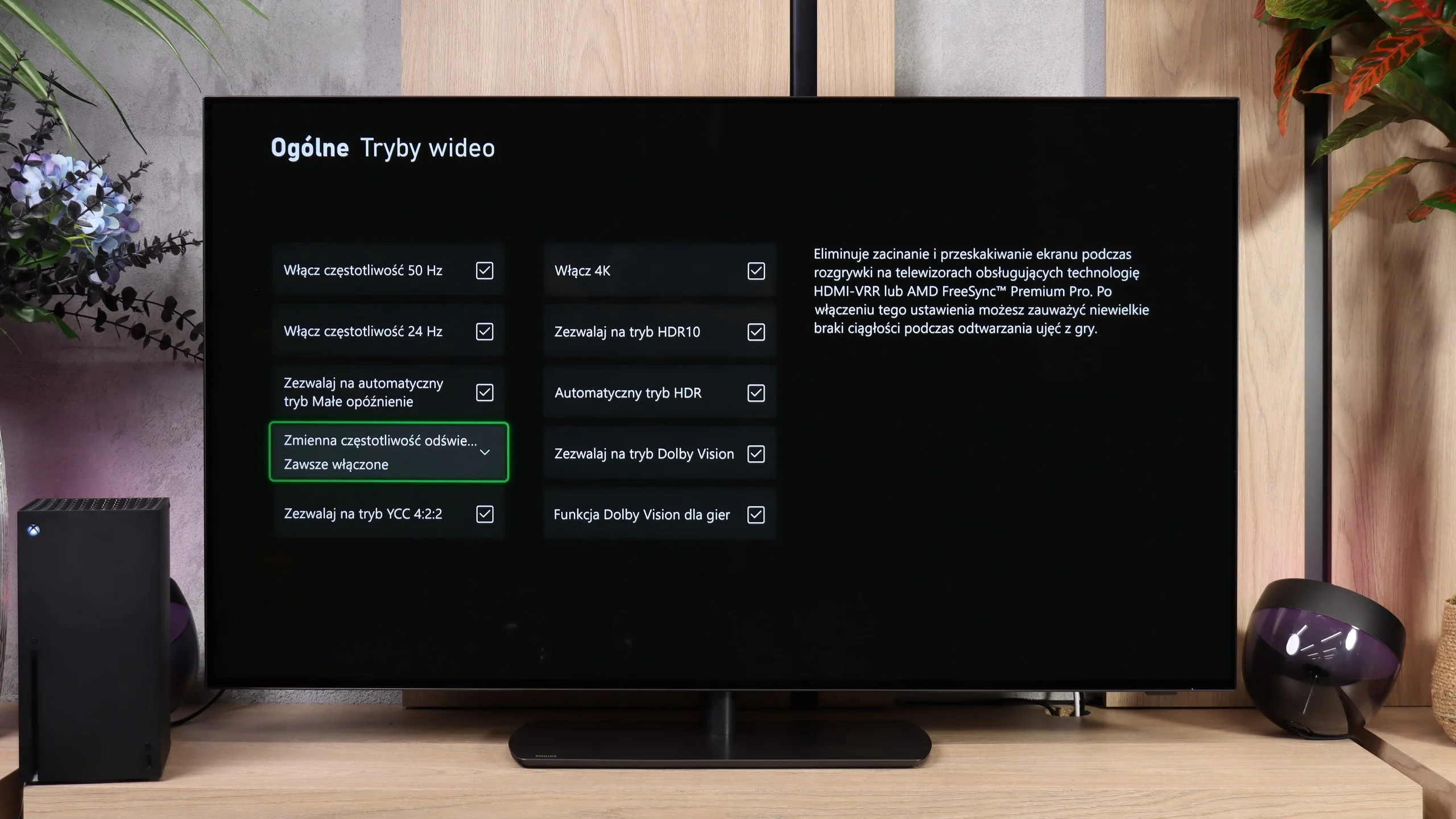
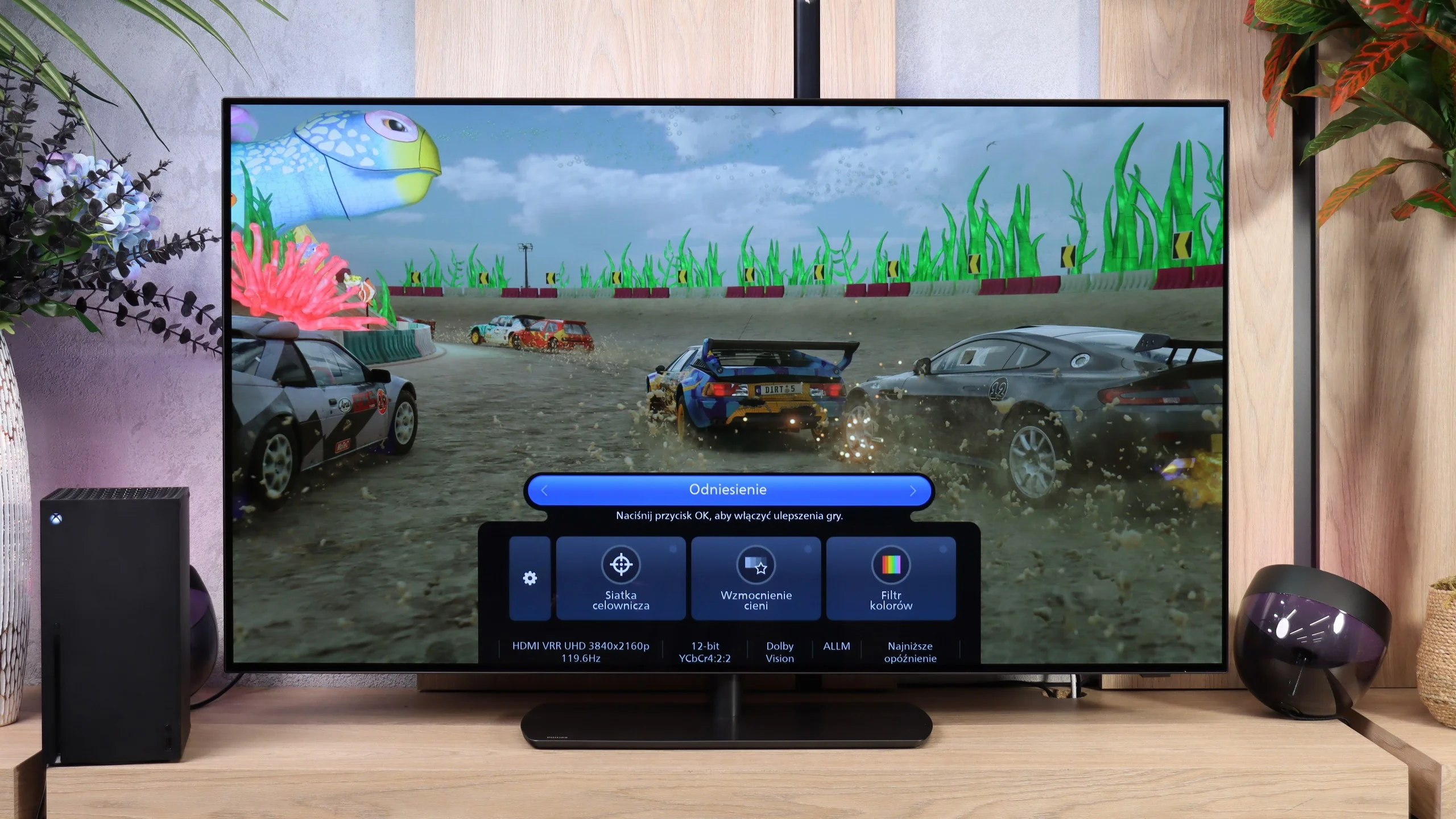
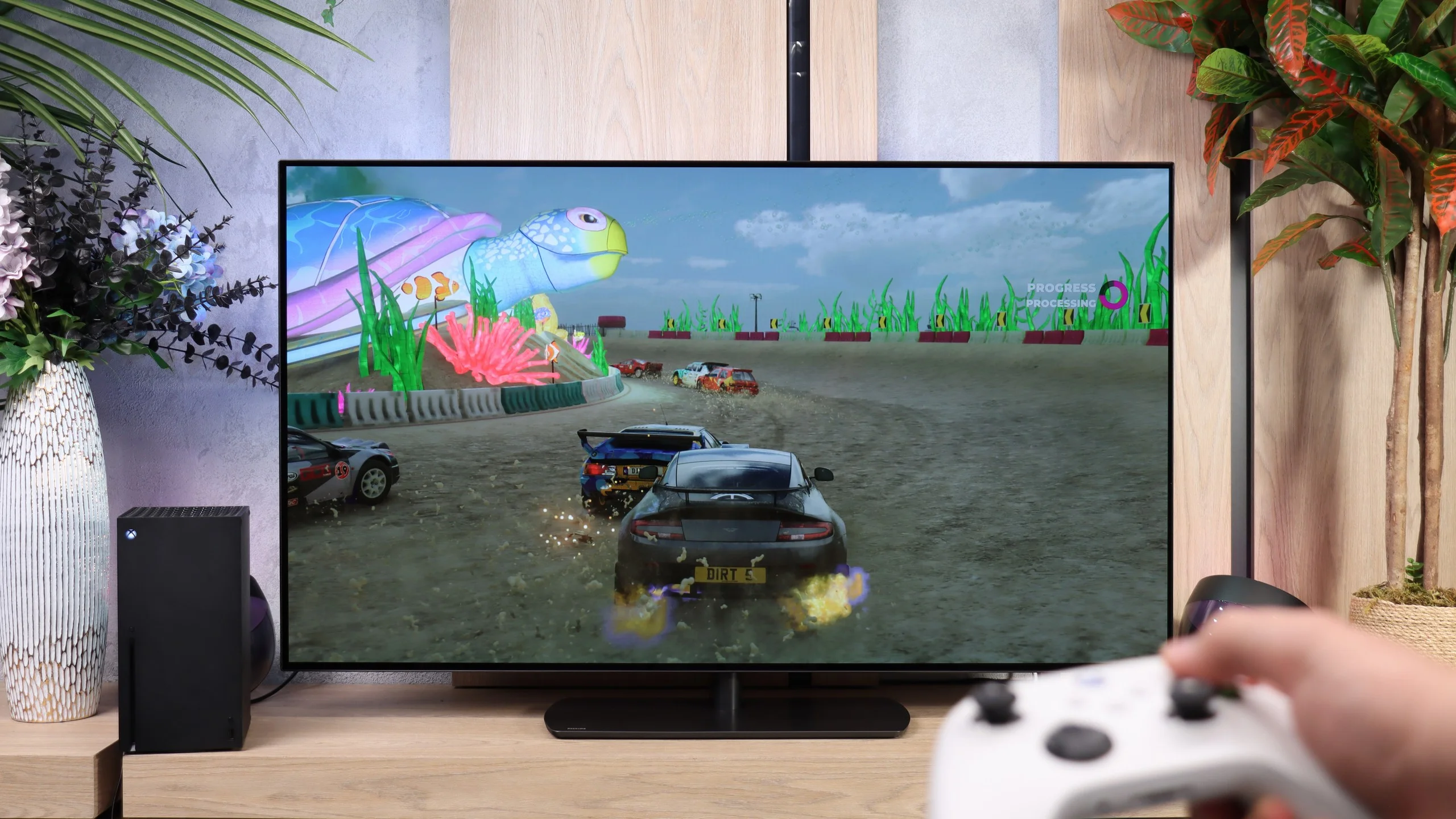
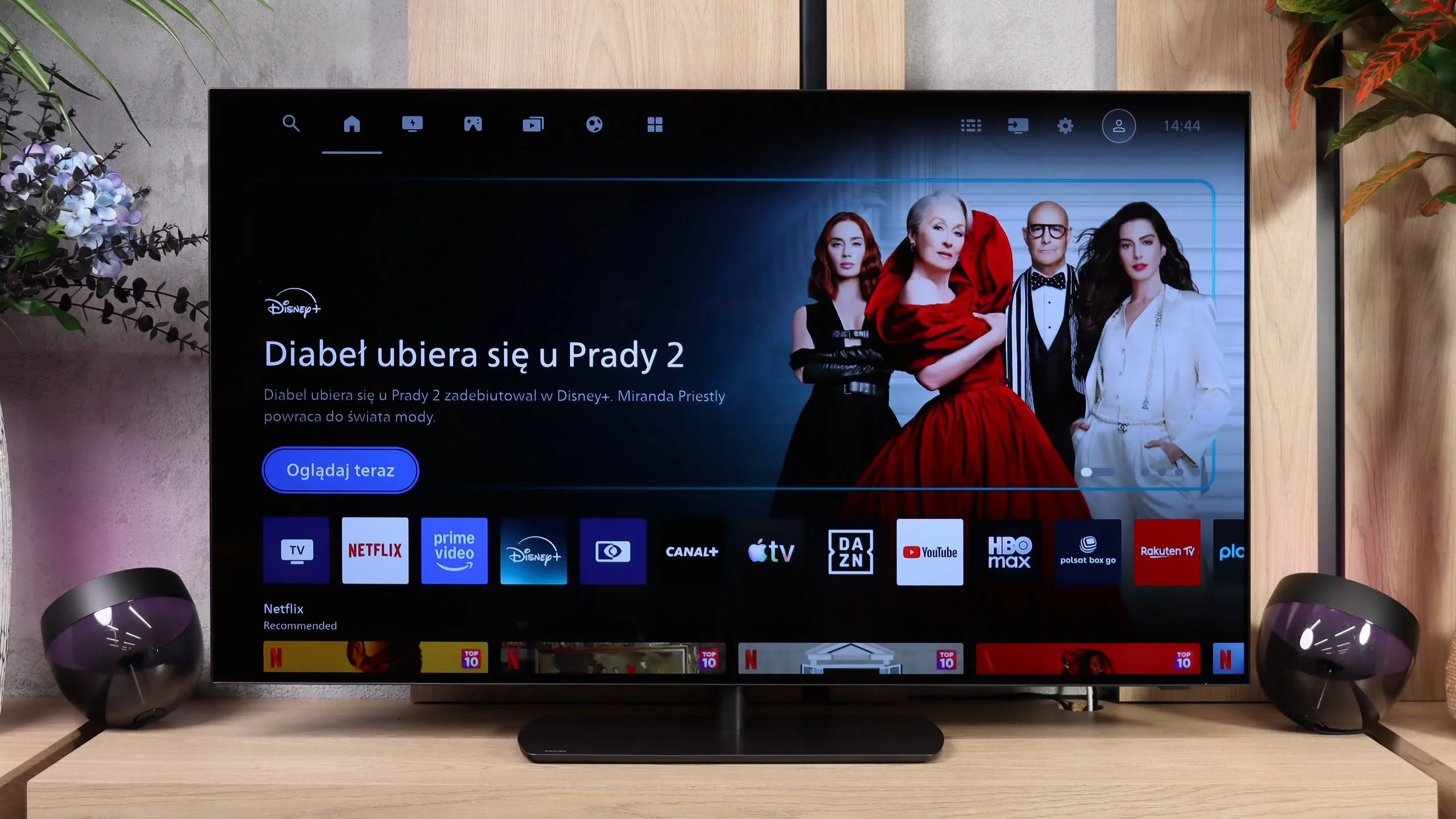
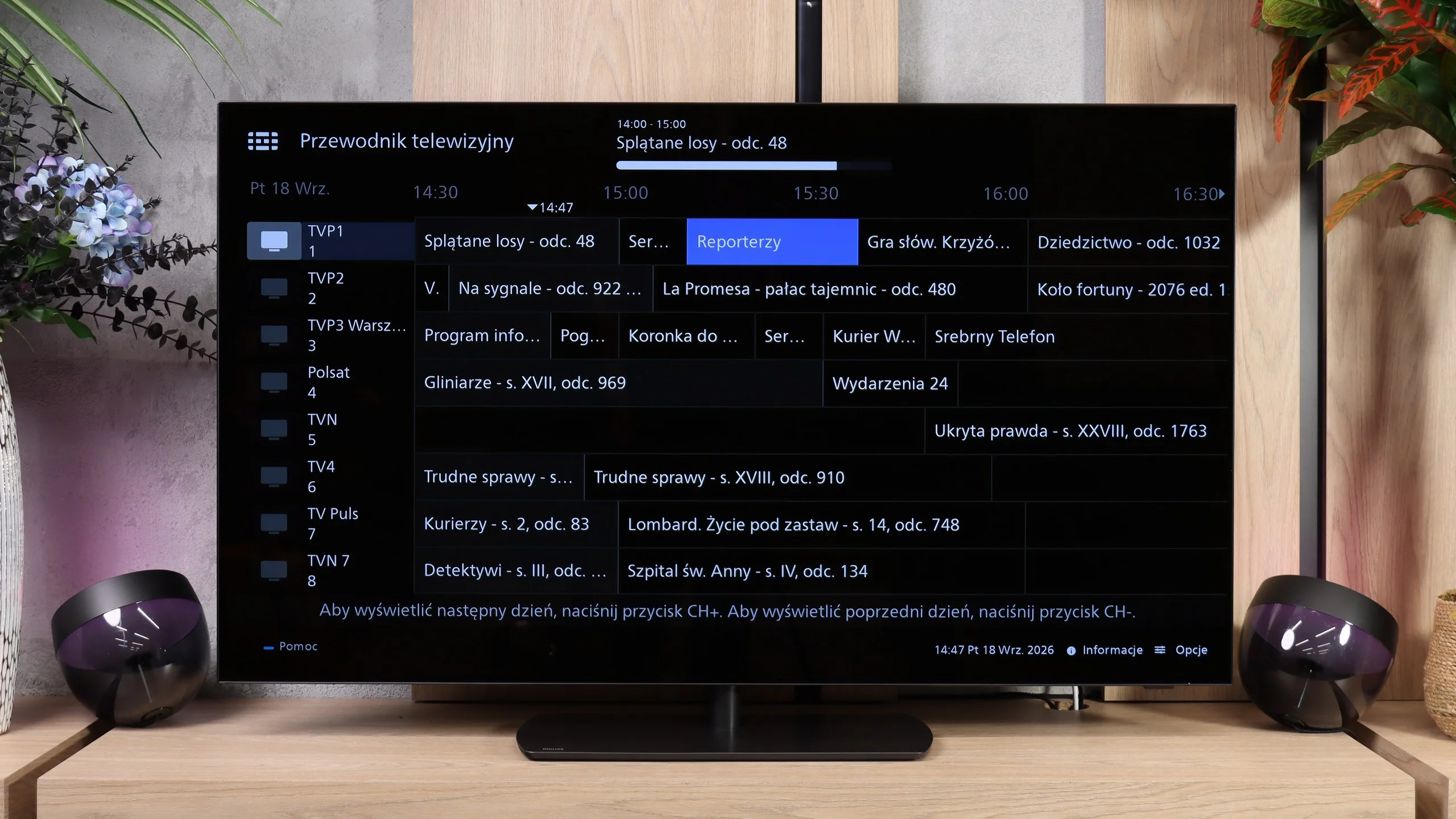
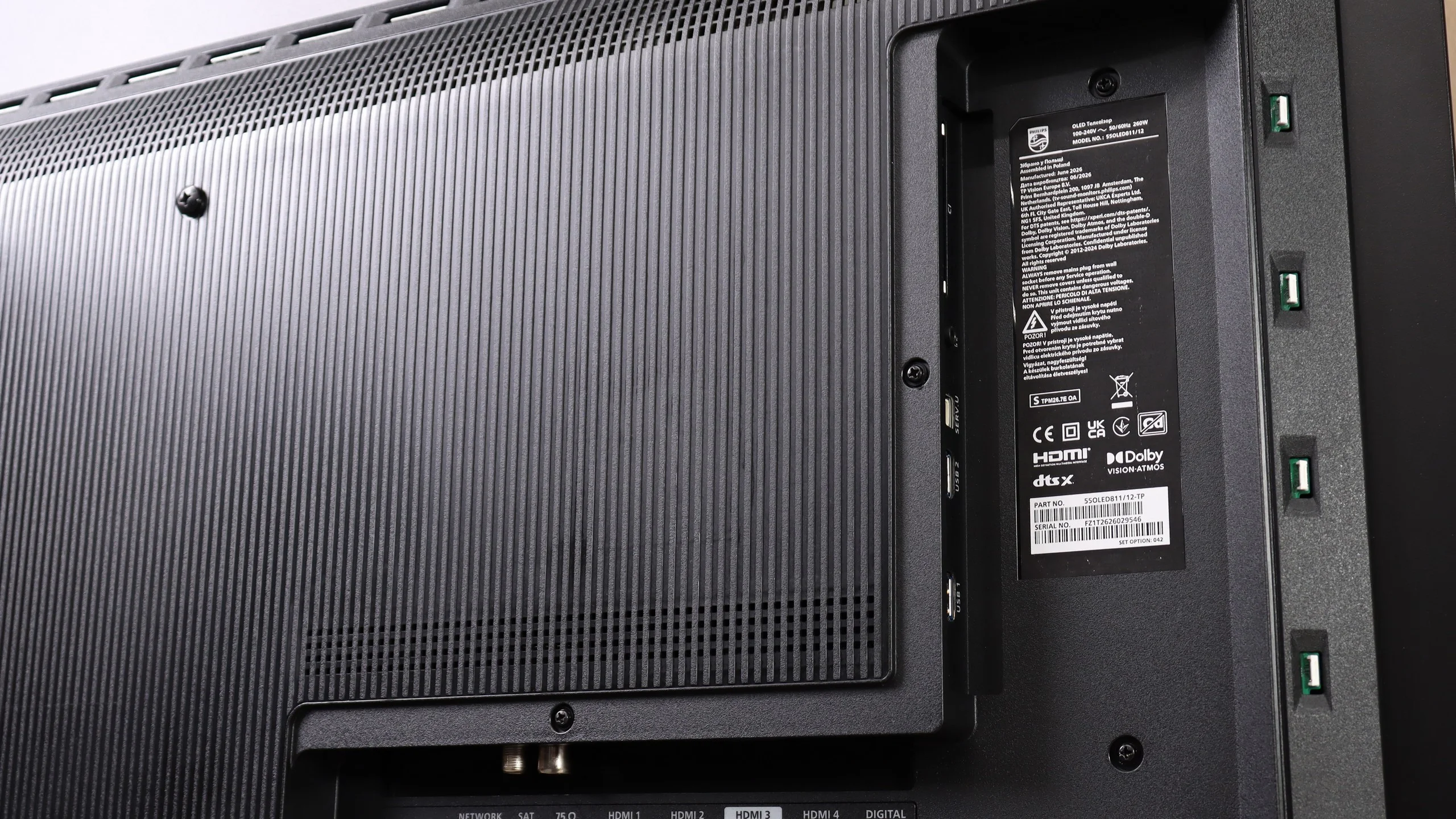
There are also a few good changes for gamers compared with last year’s model. Thanks to the MediaTek Pentonic 800 chipset we finally have four HDMI 2.1 ports, so connecting several devices, for example consoles, a PC and a soundbar, no longer requires choosing which device will get the full capabilities of the port. Gaming itself is very enjoyable — the television responds quickly, supports variable refresh rates, and from a PC allows gaming in 4K at 165 Hz. It’s a pity that the new processor’s capabilities were not put to equally good use when processing lower-quality sources. The biggest concern, however, is the operating system. Titan OS replaced the popular Google TV and although it has clearly developed over the past year, it is still hard to call the change a positive one. The system runs more smoothly, has more useful features, and the app library already contains most popular streaming services. Nevertheless, the selection of apps is still much smaller than with Google or the competition, and in our view that remains the OLED811’s biggest drawback. People who use less popular services may particularly feel this difference.
Is it worth buying? Yes, if Titan OS meets your needs. In terms of picture and gaming capabilities the OLED811 has as much to offer as its rivals, but Ambilight gives it something others do not. So Philips both gives and takes. It adds a unique viewing atmosphere but limits freedom of app choice. If the apps you use are available, that compromise may be worth making.
 Direct comparison