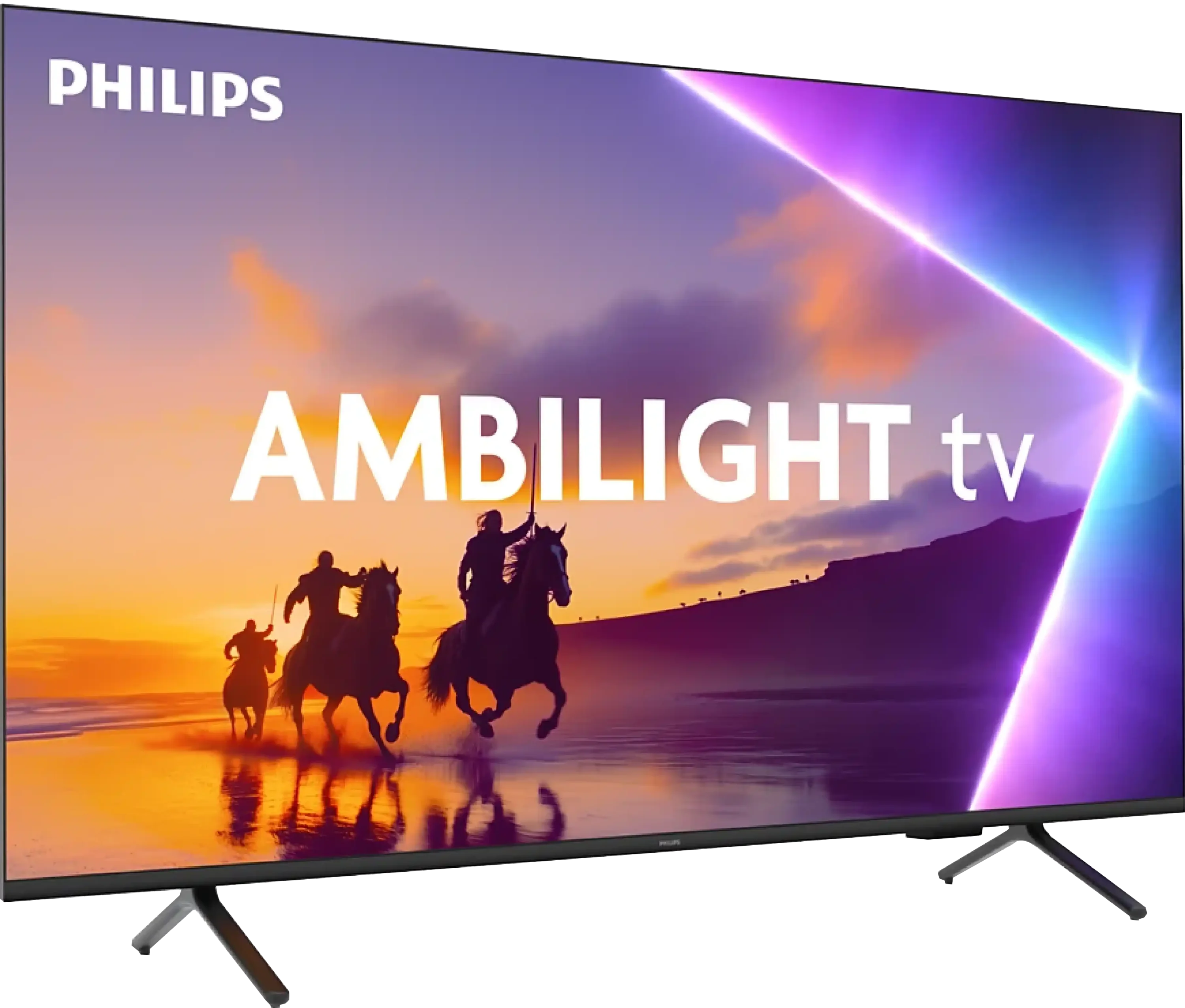
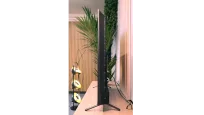
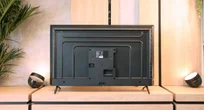
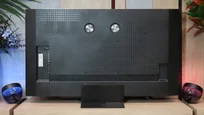
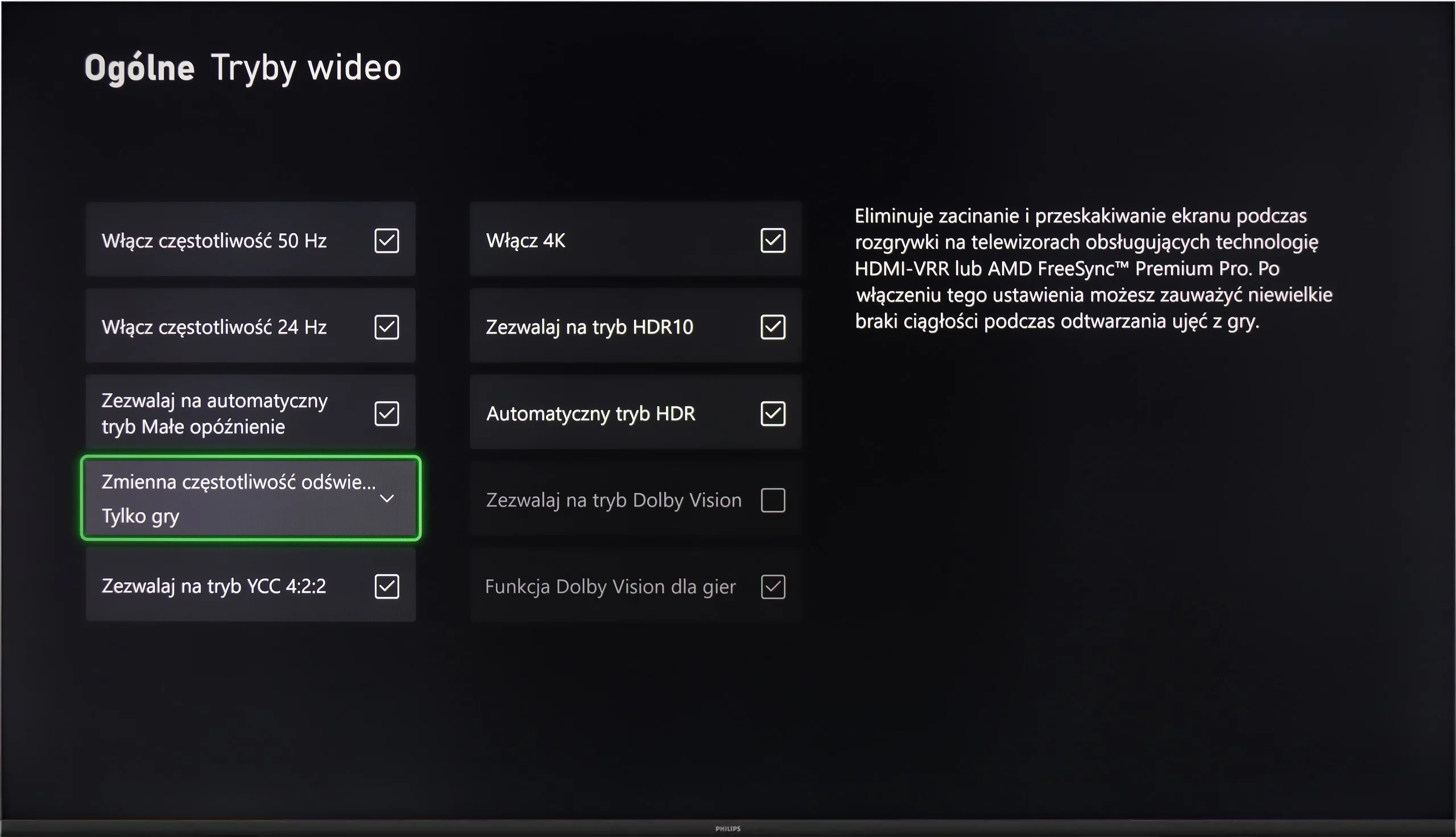
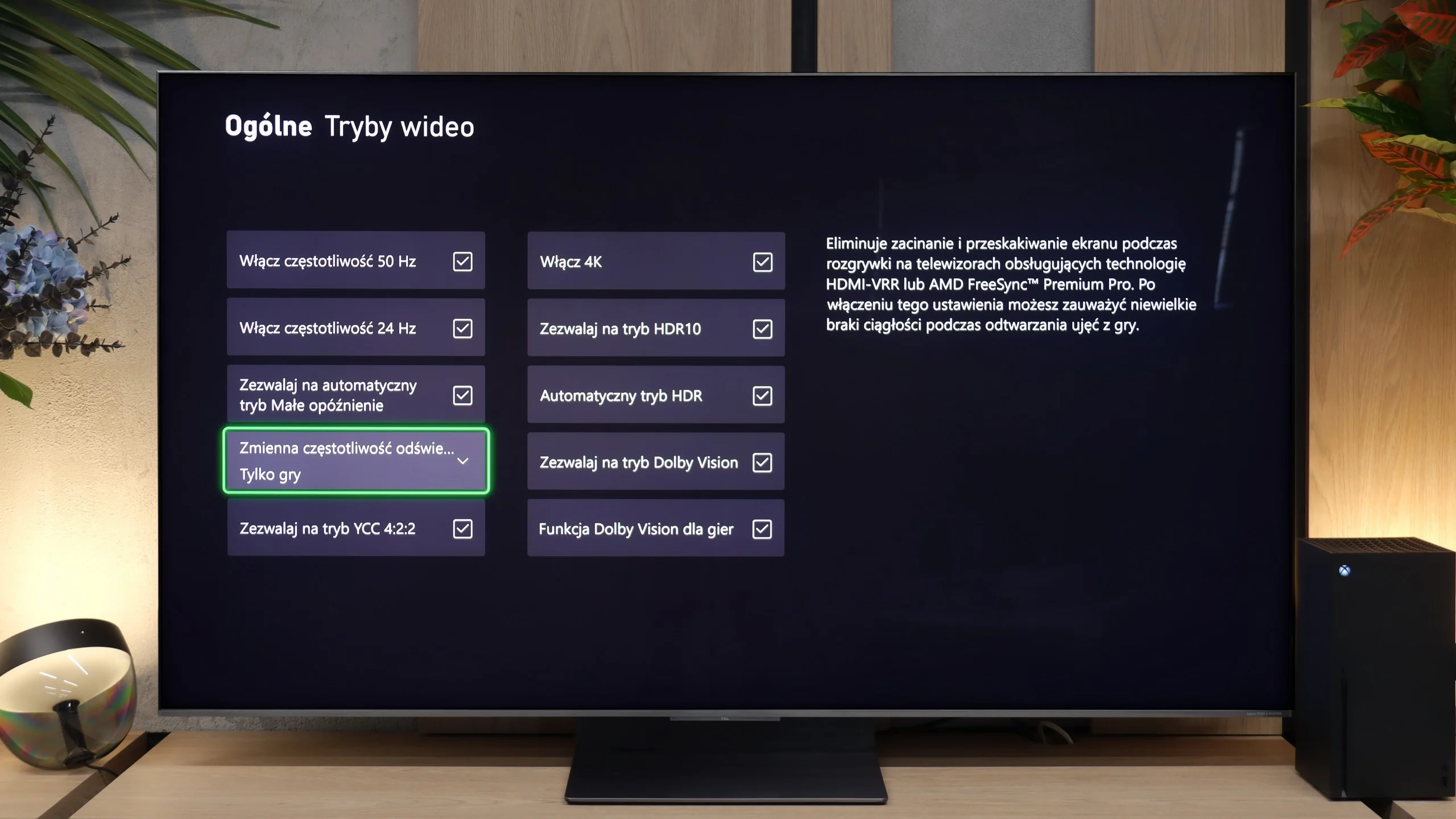
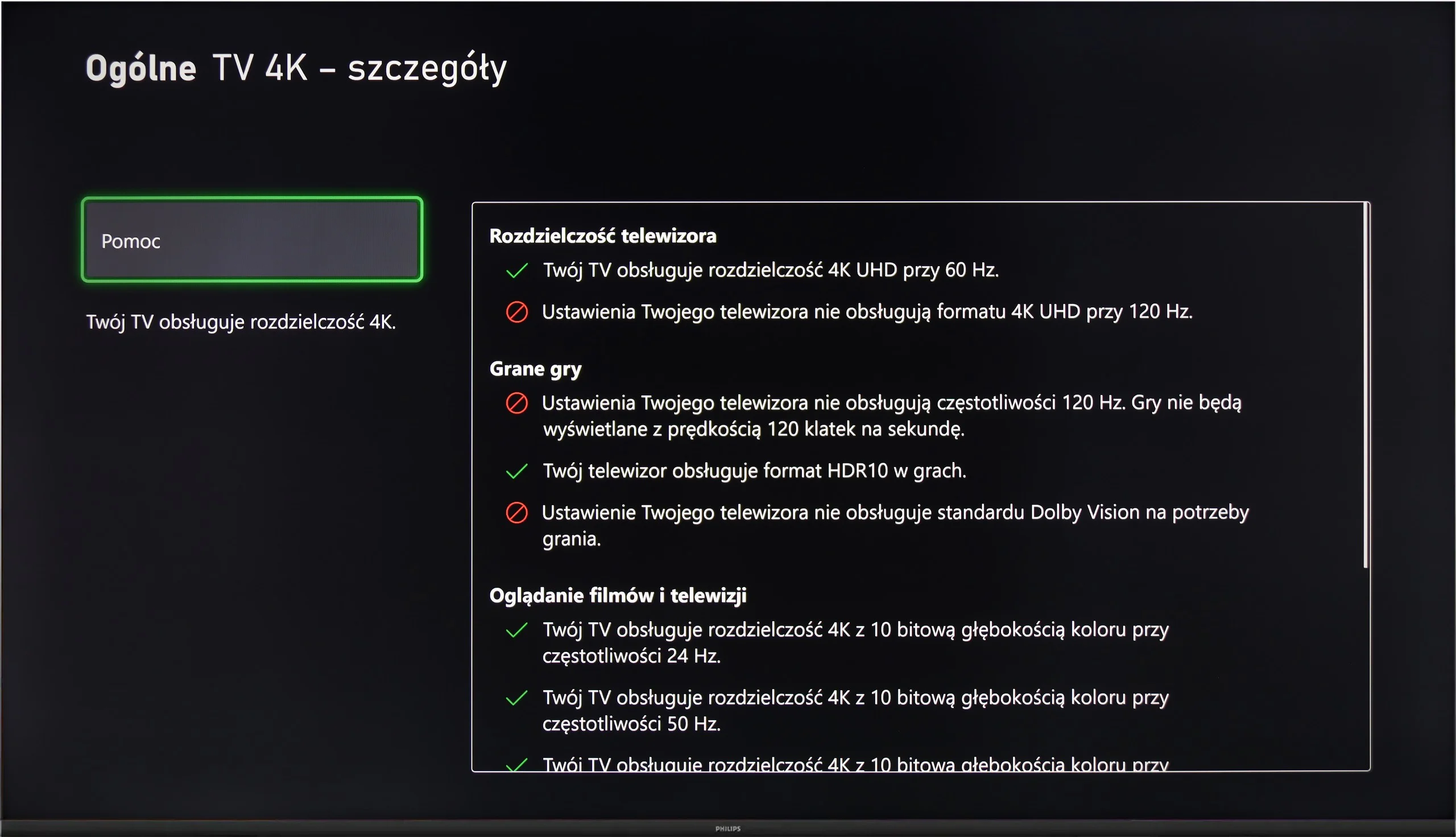
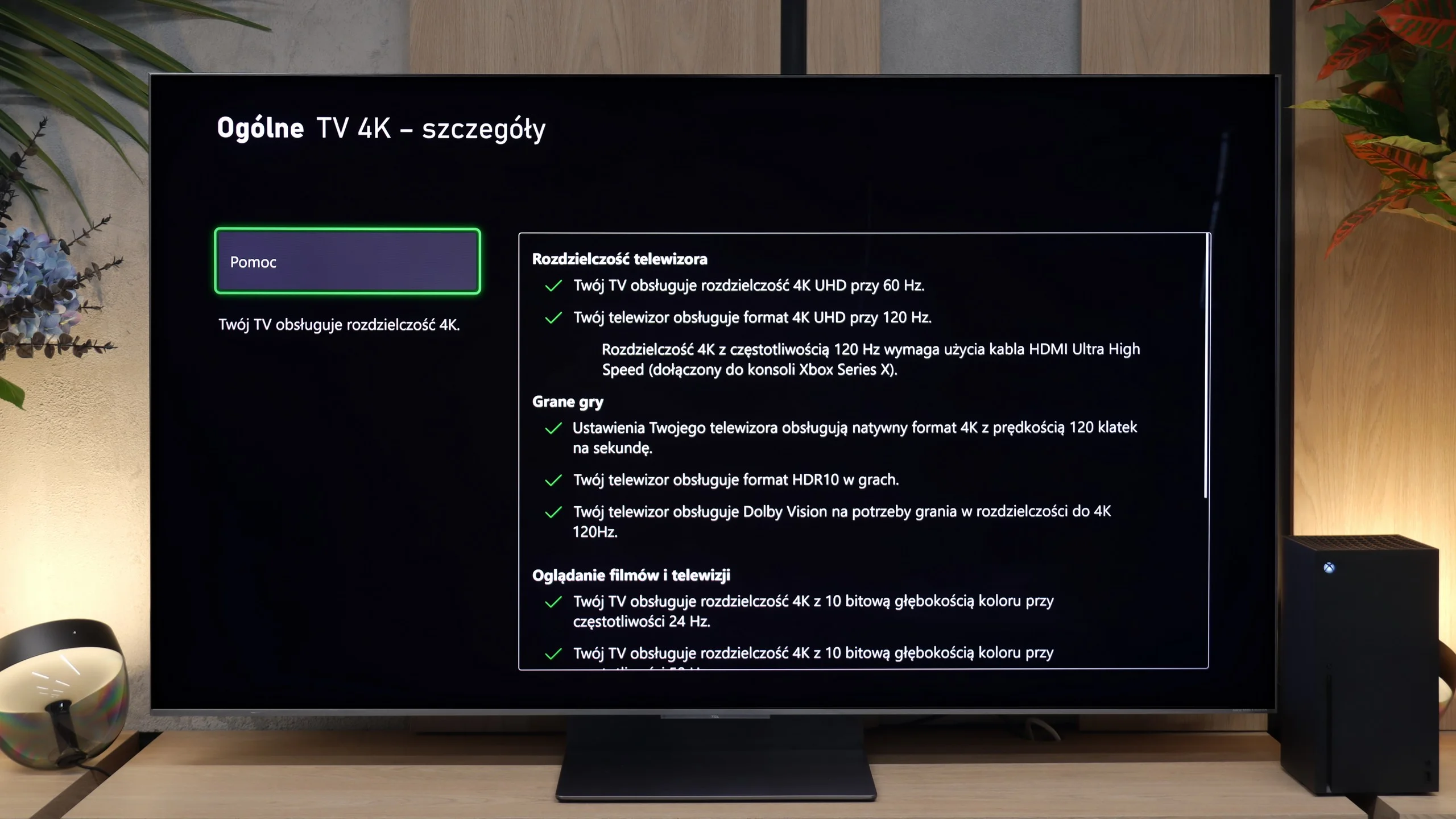
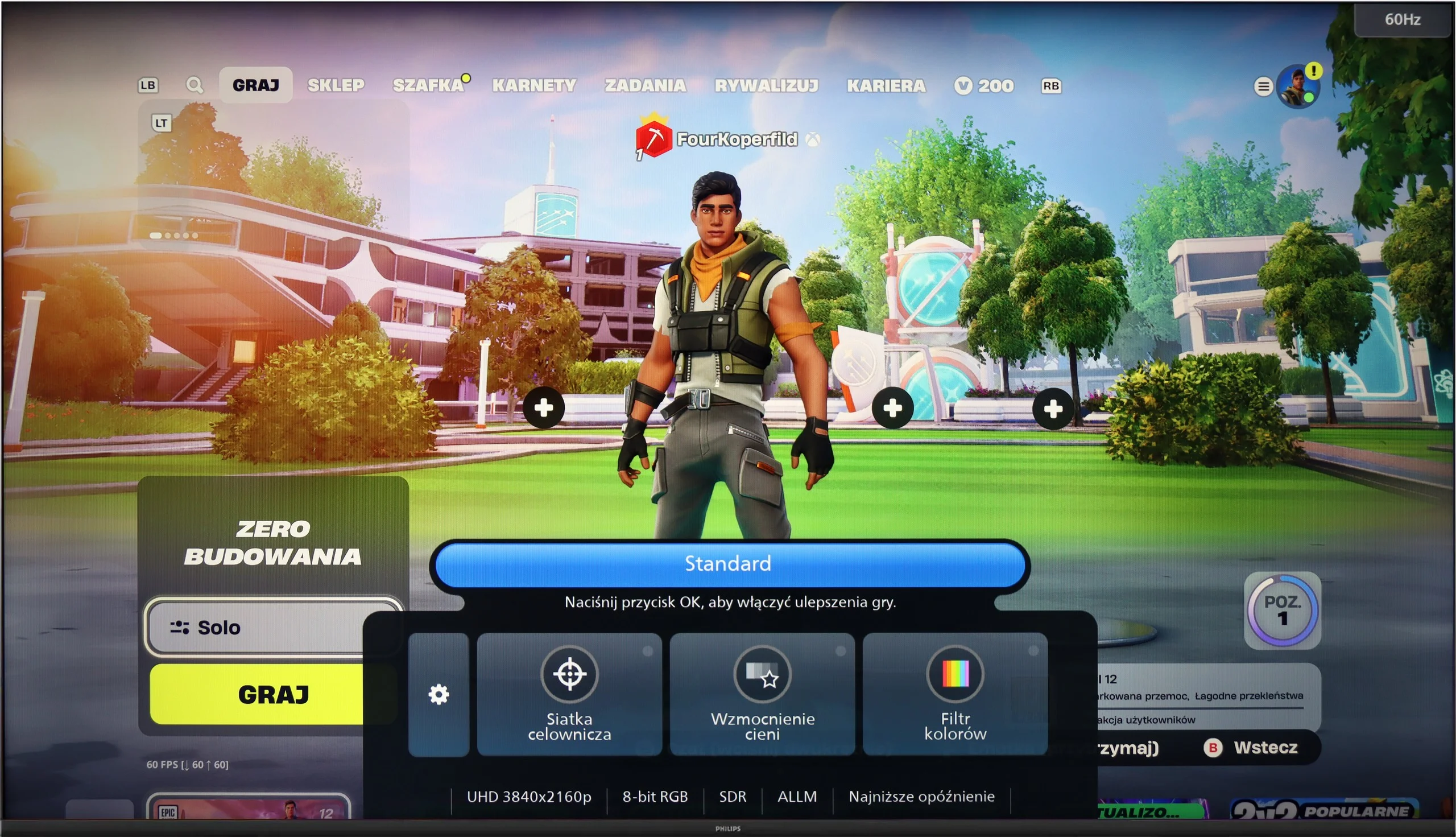
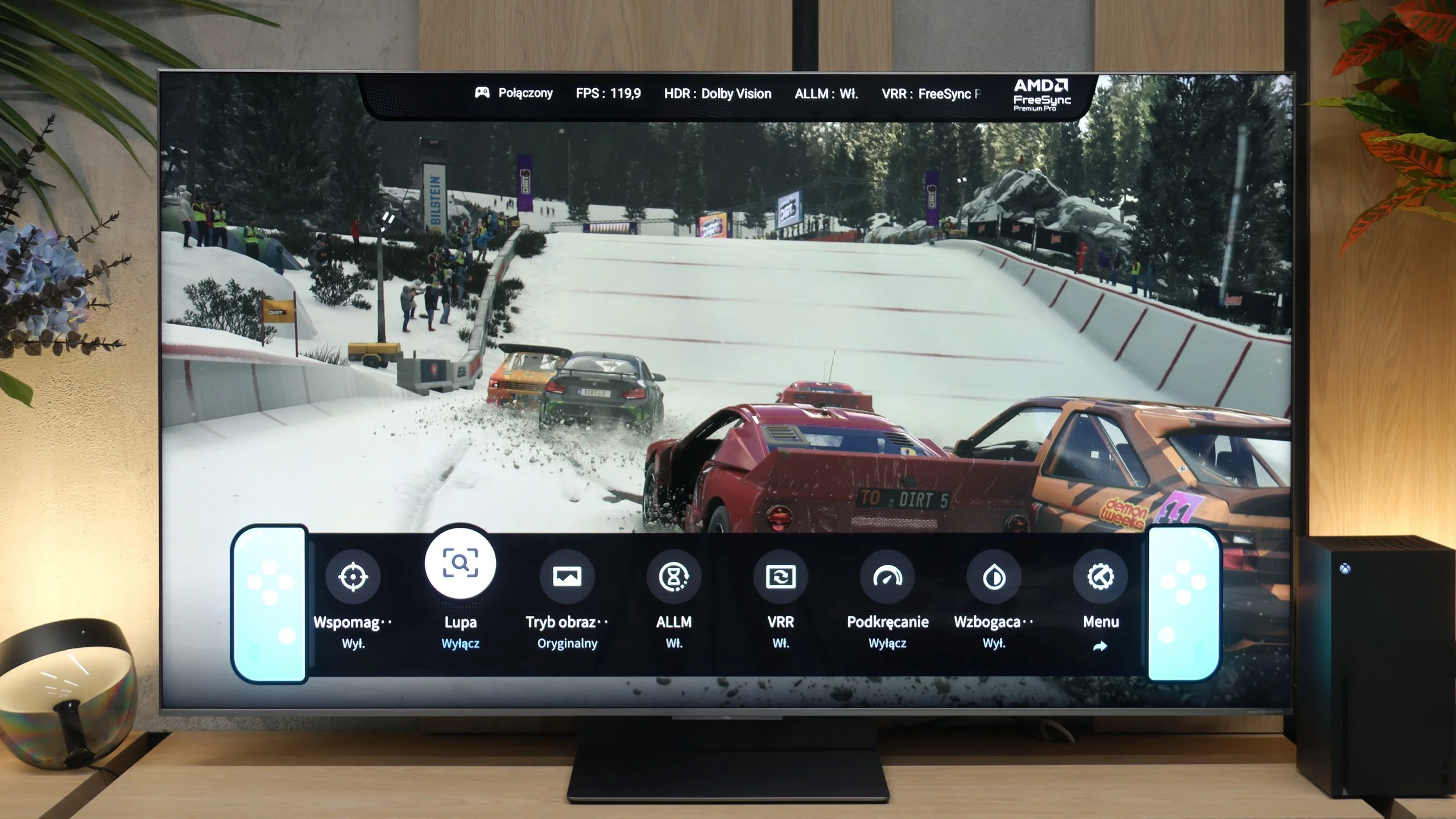
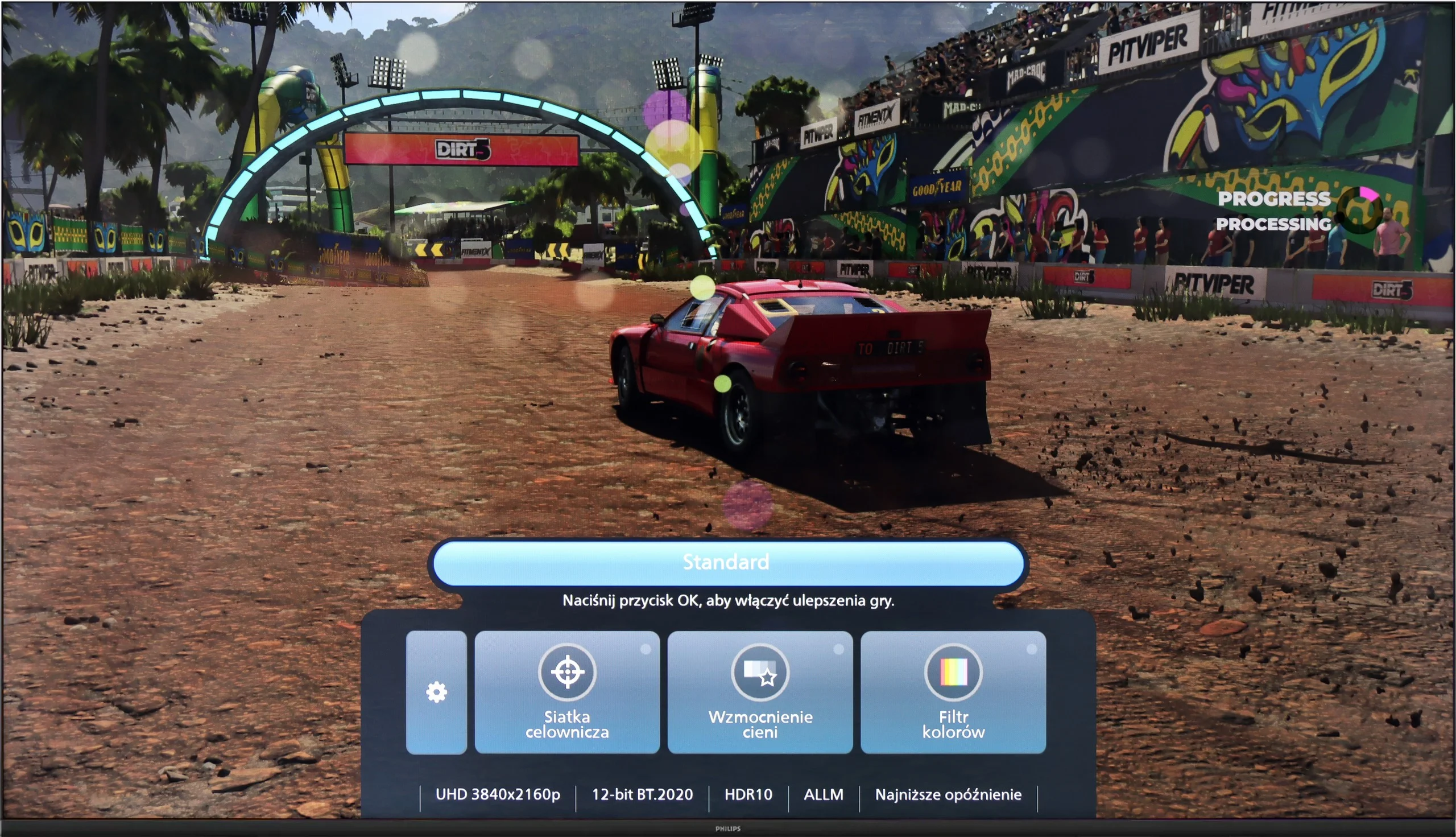
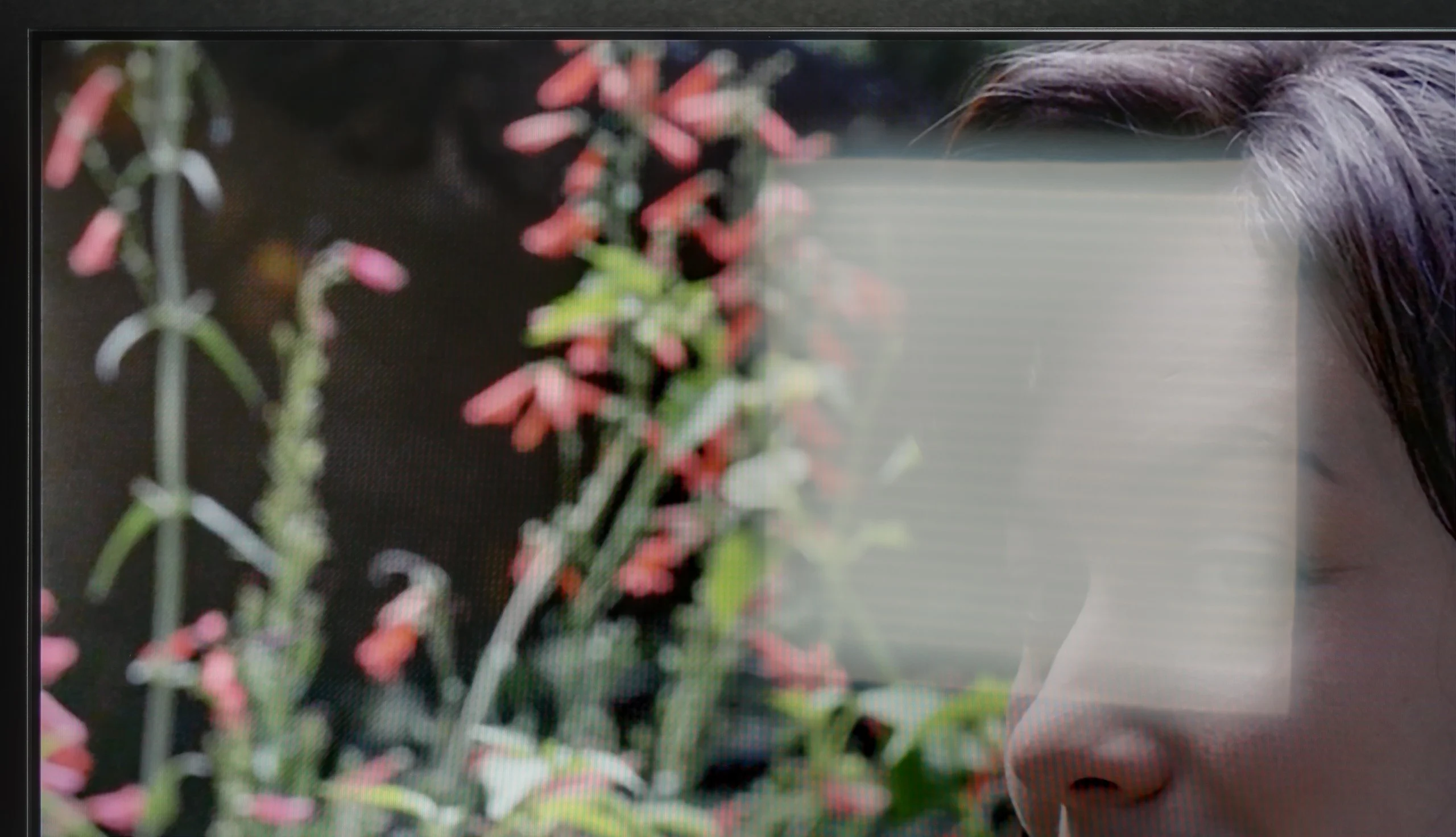
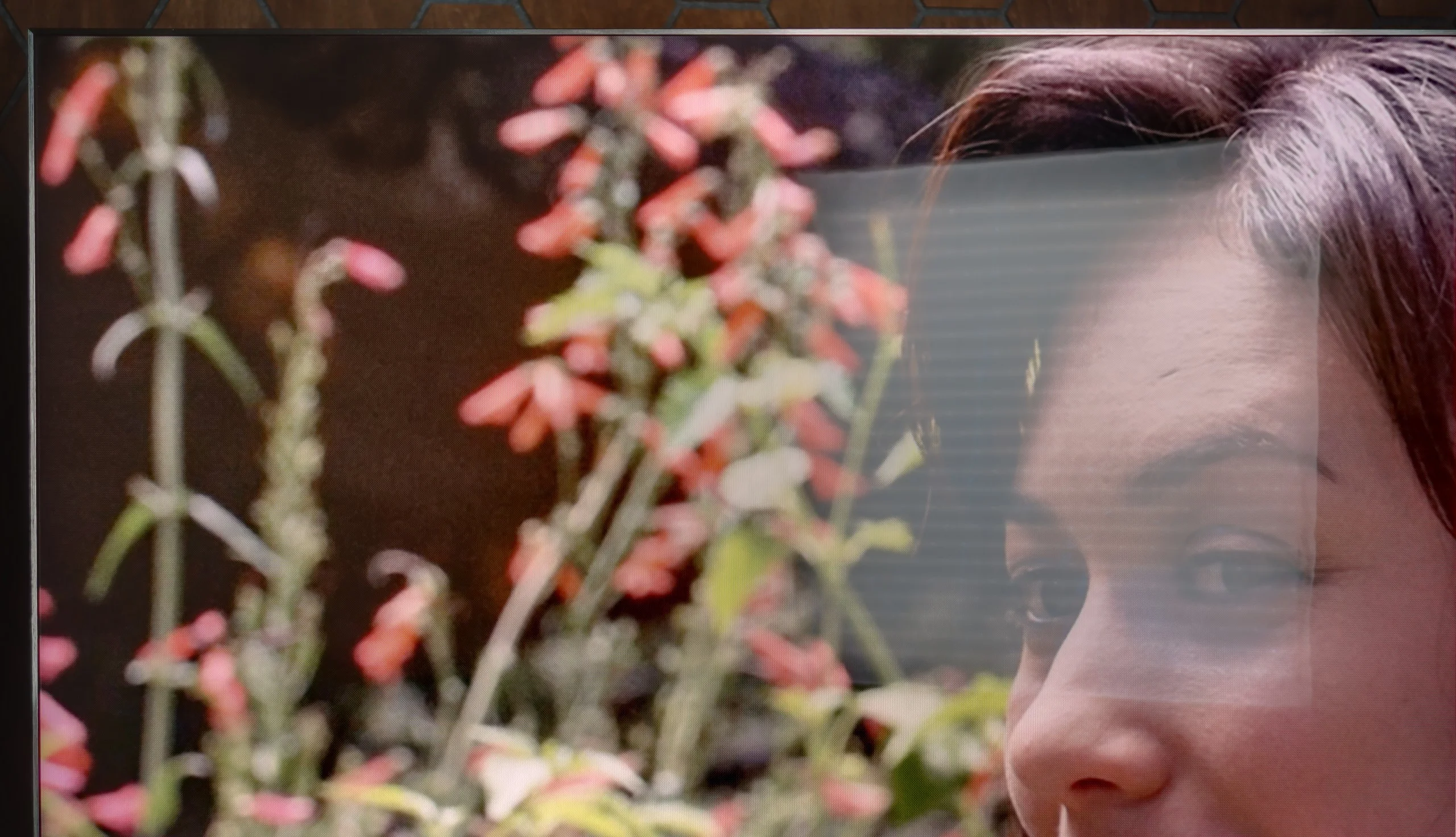
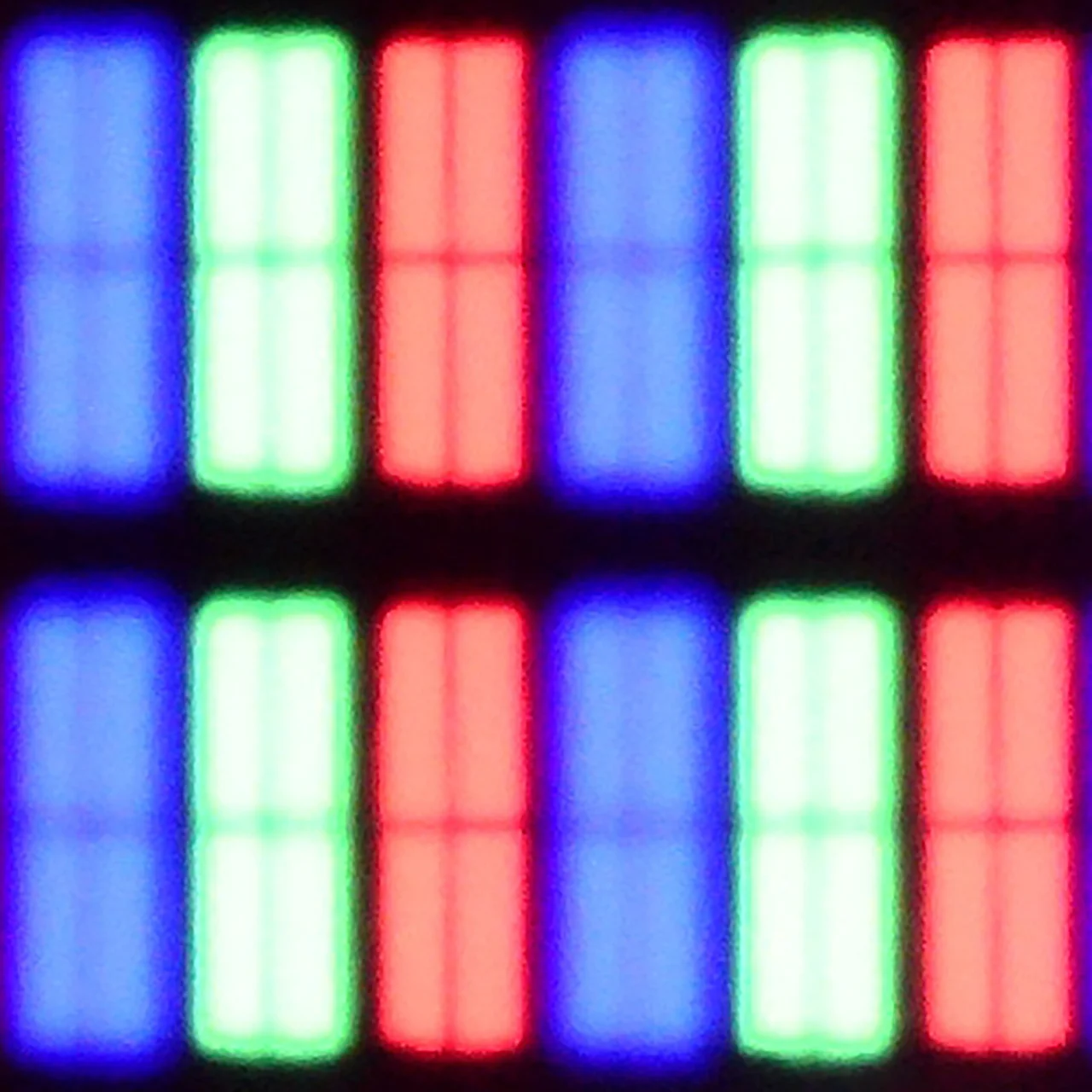
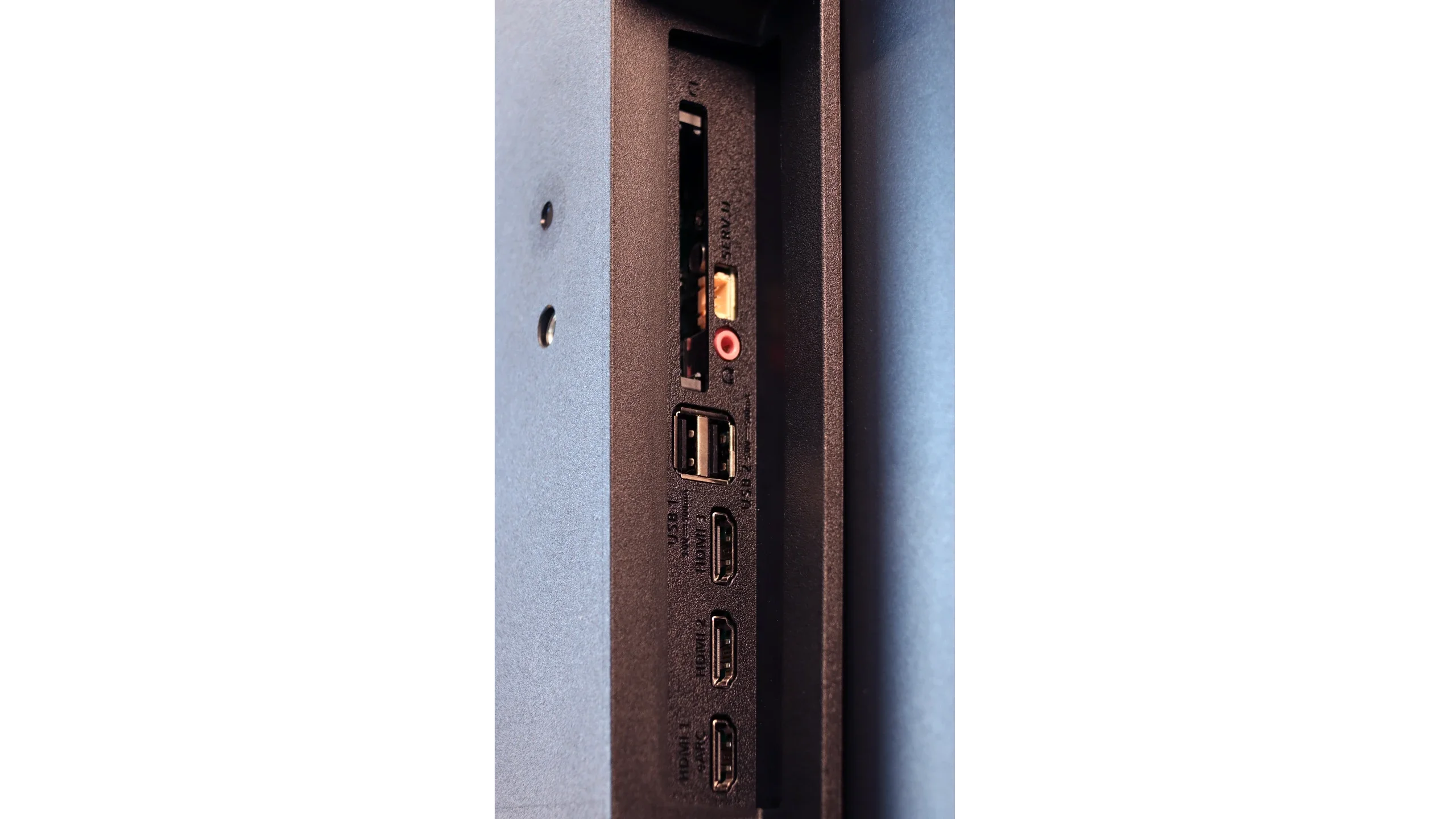
Ambilight, as this is what we need to start with, is the biggest reason why it's worth buying the PUS8500. The three-sided backlighting of the television looks fantastic, especially in the evening. It creates an atmosphere, masks contrast shortcomings, and makes watching a film simply more enjoyable. Even if the black levels aren't perfect, the native VA panel offers decent performance at high contrast. Additionally, there’s quite a good input lag and several features for gamers such as ALLM and VRR. Although HDMI 2.1 and a 120Hz panel are absent, playing casually should be a pleasure. Especially since it feels responsive and without delays. Let’s also mention the full support for audio formats – both Dolby Atmos and DTS are included, so soundbar owners can also rejoice.
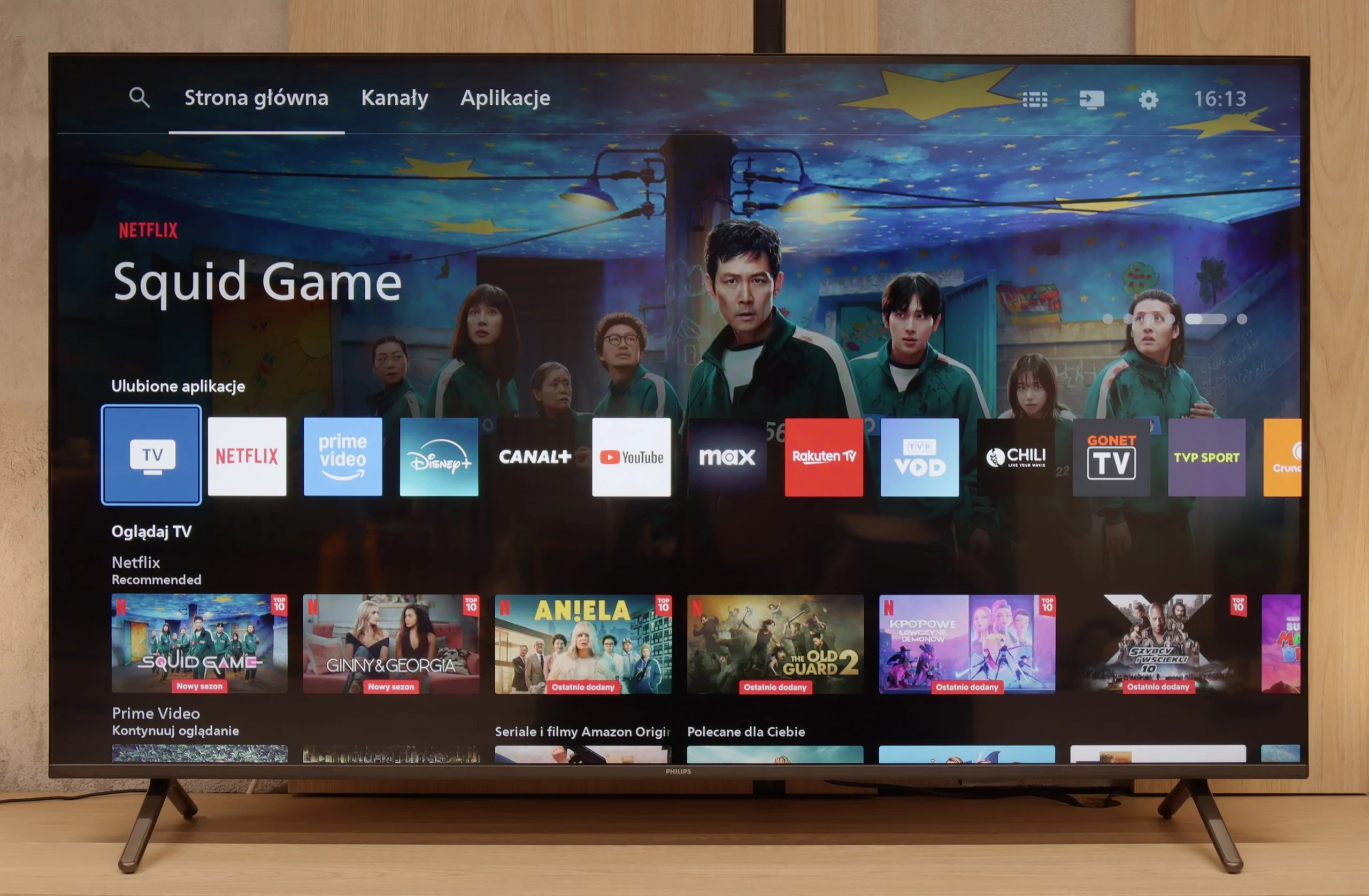
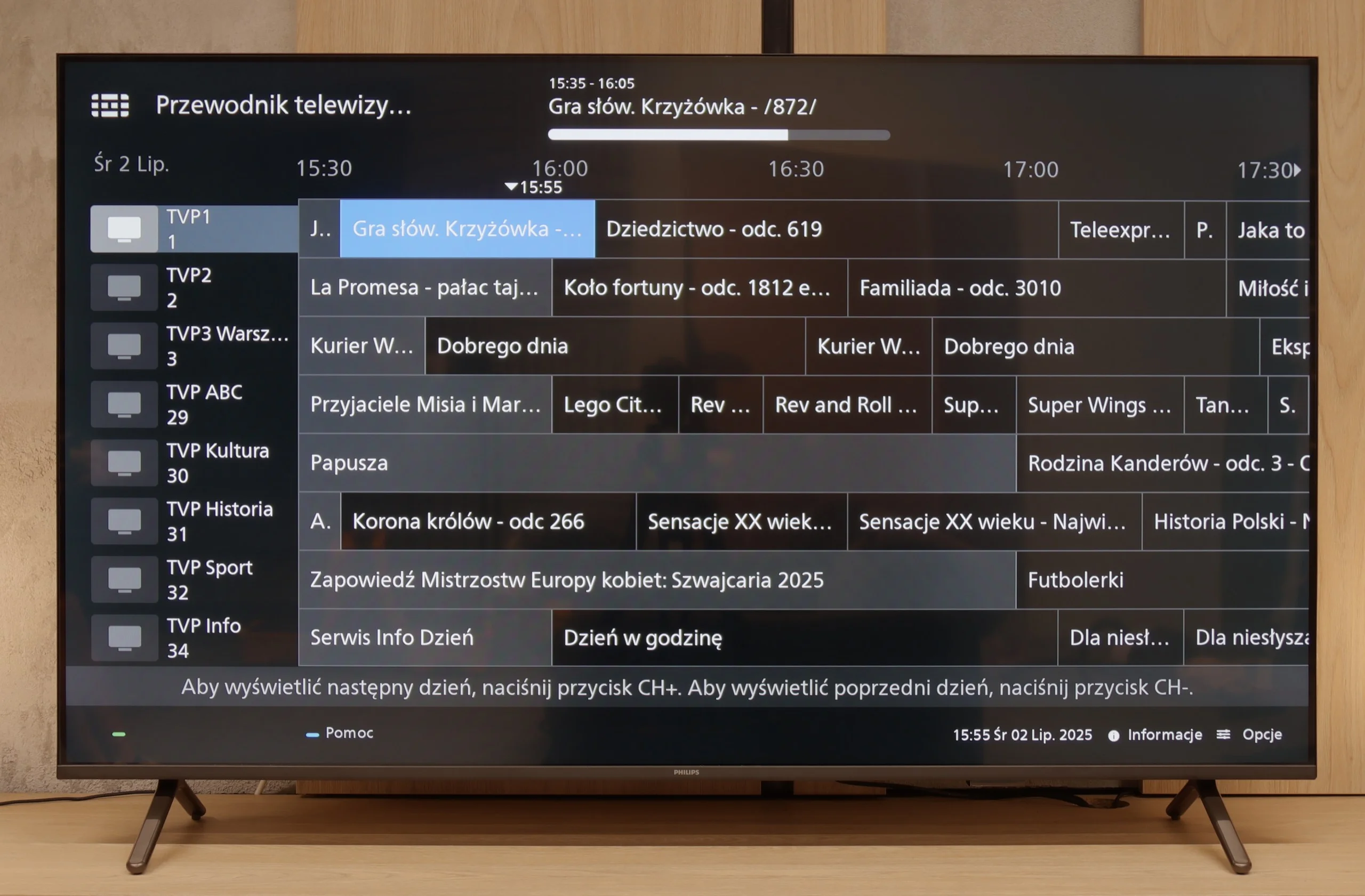
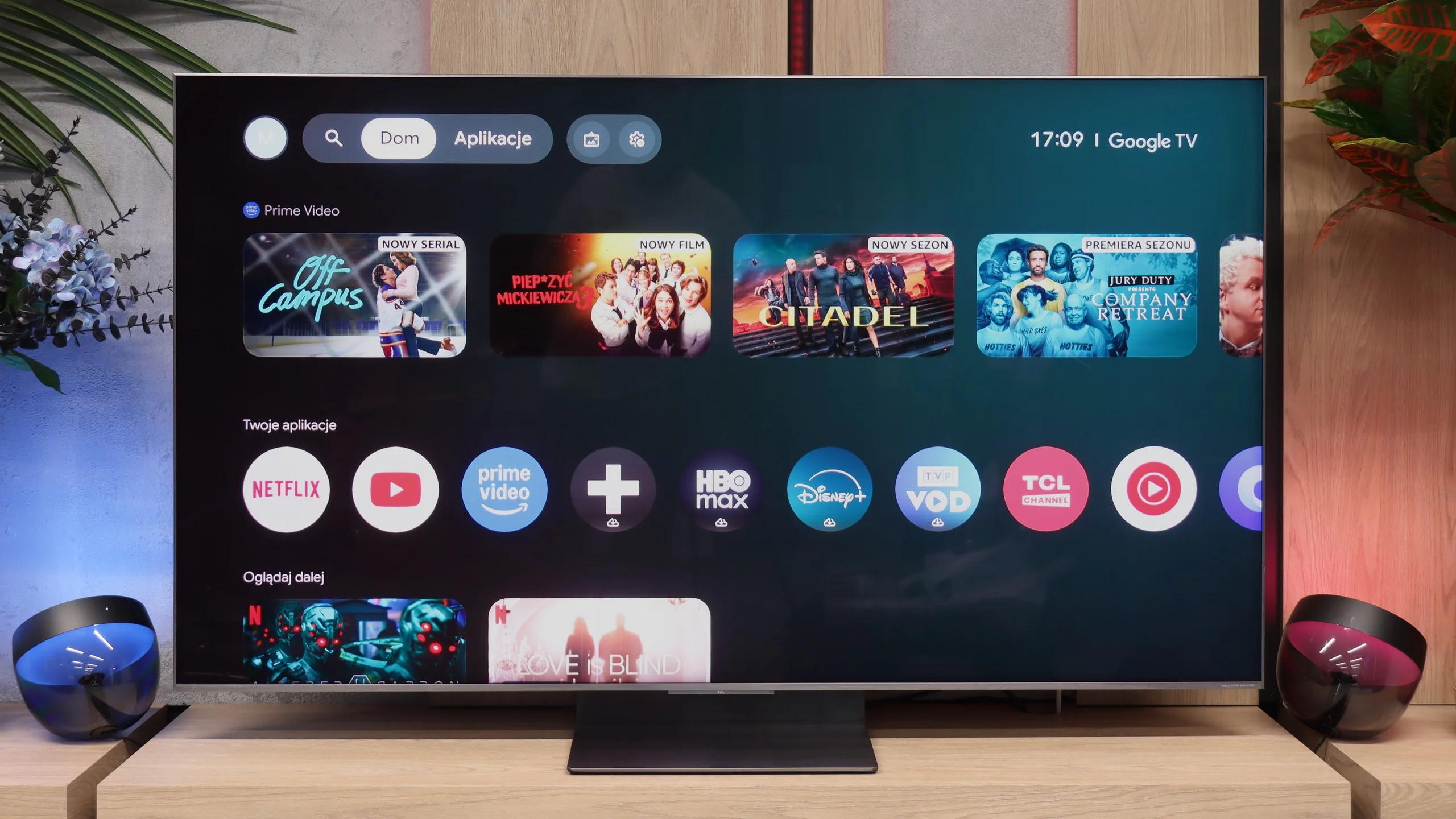
However, we won't sugarcoat it – this is still a budget television, and at times it’s clearly evident. The brightness is average – not weak enough to prevent viewing, but on an exceptionally sunny day, watching without curtains can be problematic. Nevertheless, in our opinion, the biggest disappointment of the PUS8560 is the Titan OS operating system. Despite the fact that the system debuted some time ago, certain functions simply refused to work – for instance, screen mirroring from a phone despite the manufacturer claiming that such a feature is present. There are fewer apps than in the competition, and the system itself operates rather clumsily. Generally, while it does have some features, it evidently lacks refinement.
Of course, this isn’t a television meant to compete with top models. But if someone is looking for something simple, with a great atmosphere provided by the Ambilight system, it is quite a fair proposition. You just have to know what to expect and accept the numerous compromises present here.
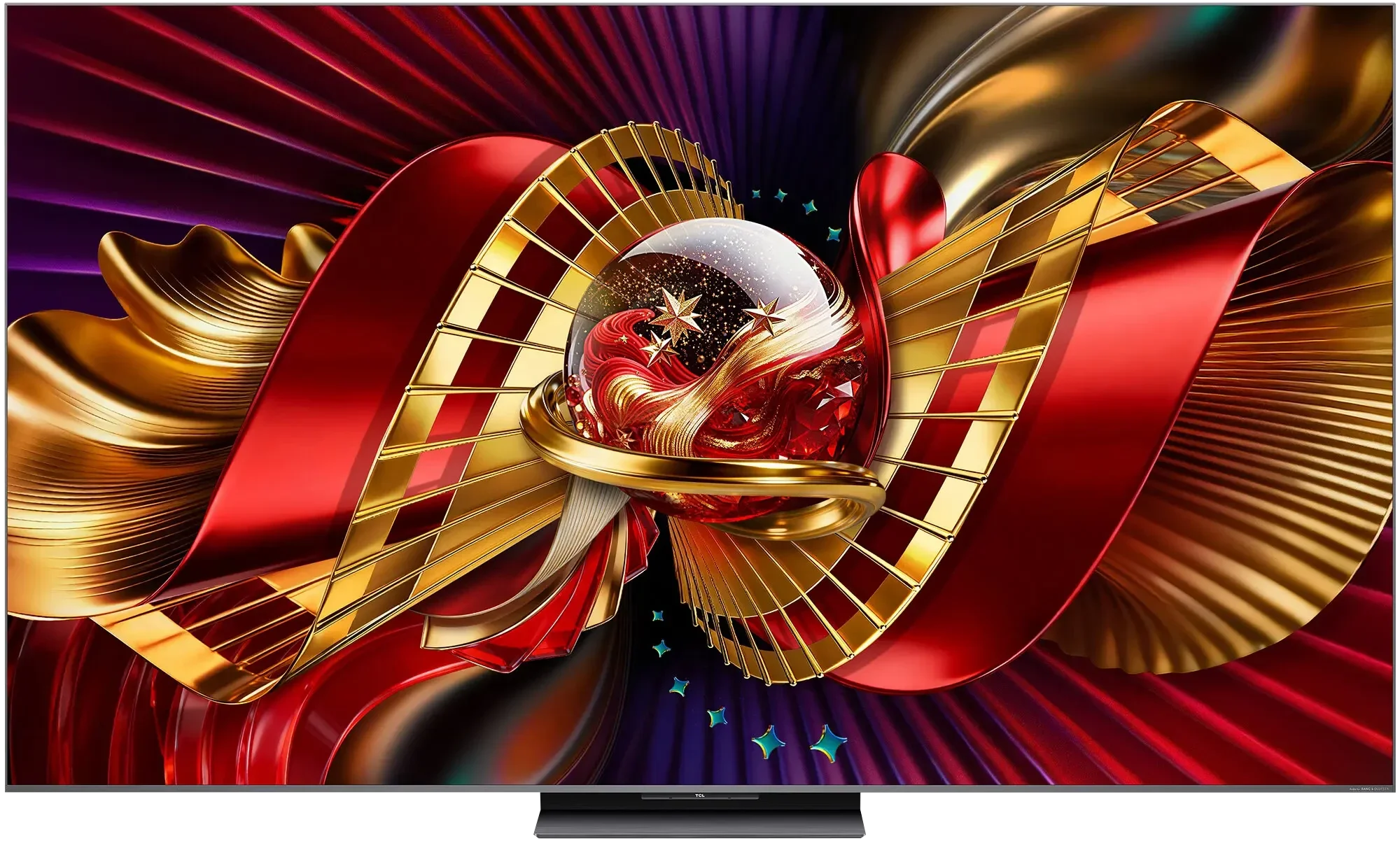
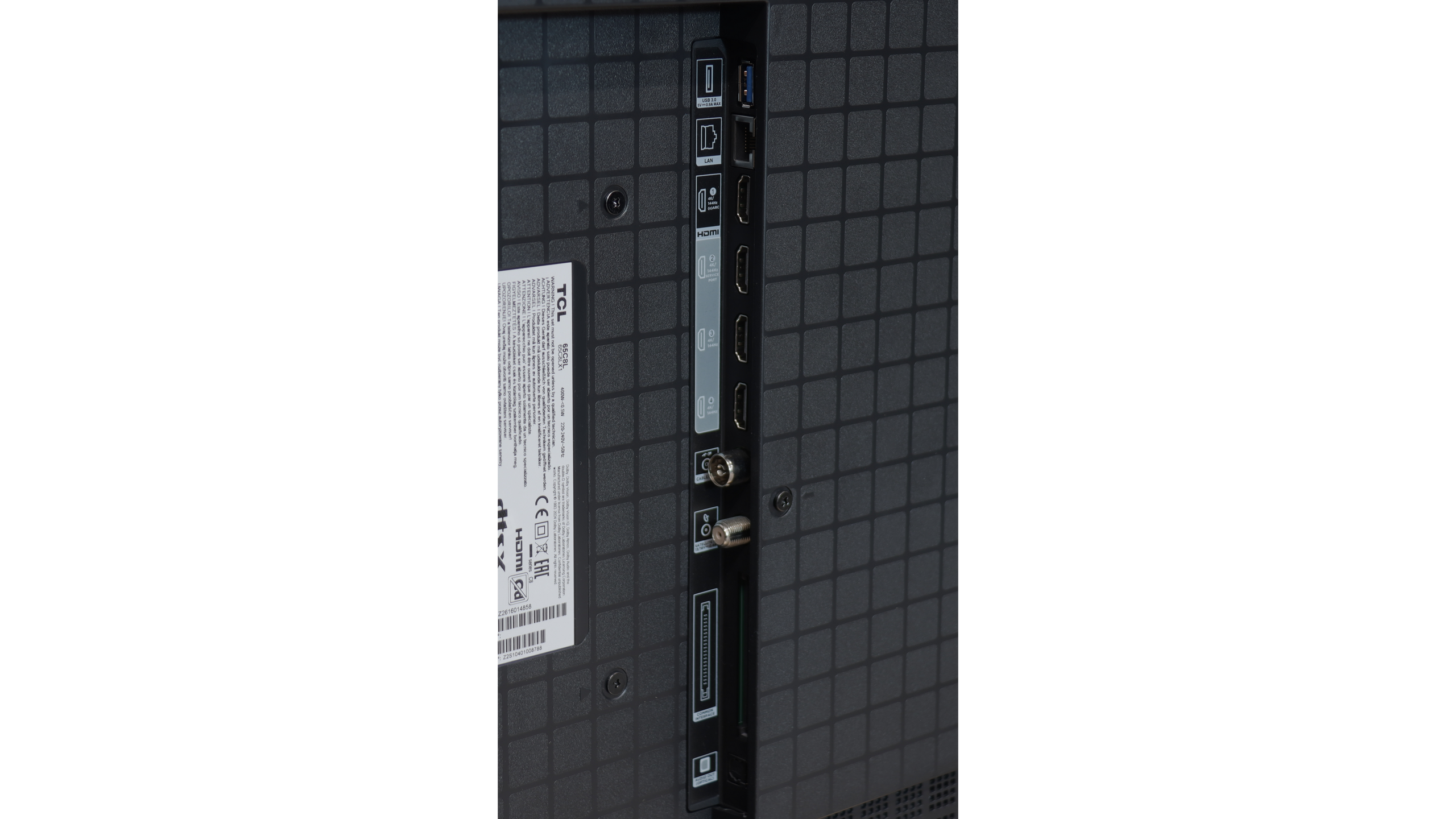
TCL C8L is undoubtedly one of the most intriguing Mini-LED televisions that has entered our laboratory this year. This model stands out primarily due to its excellent price-to-performance ratio. TCL has already accustomed us to aggressive pricing for its screens, but in the case of the C8 series, the manufacturer has managed to push the boundaries even further. For the amount that often only allows the purchase of mid-range models or two such models like C8K in the competitive market, here we receive equipment and specifications equal to top models. The new image processor, four full HDMI 2.1 ports, support for extreme refresh rates, and powerful peak brightness thanks to a vast number of dimming zones are arguments that are hard to overlook.
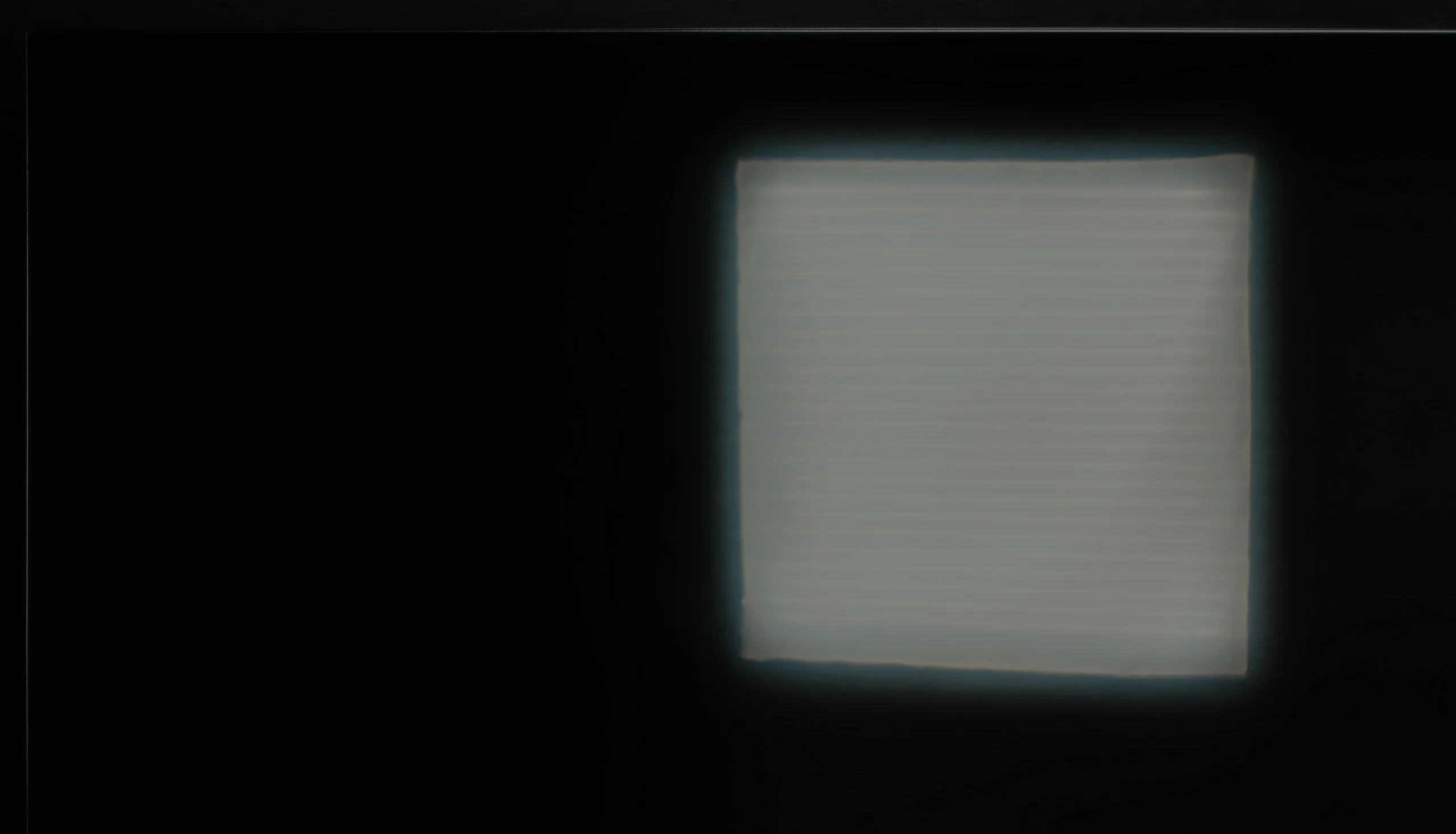
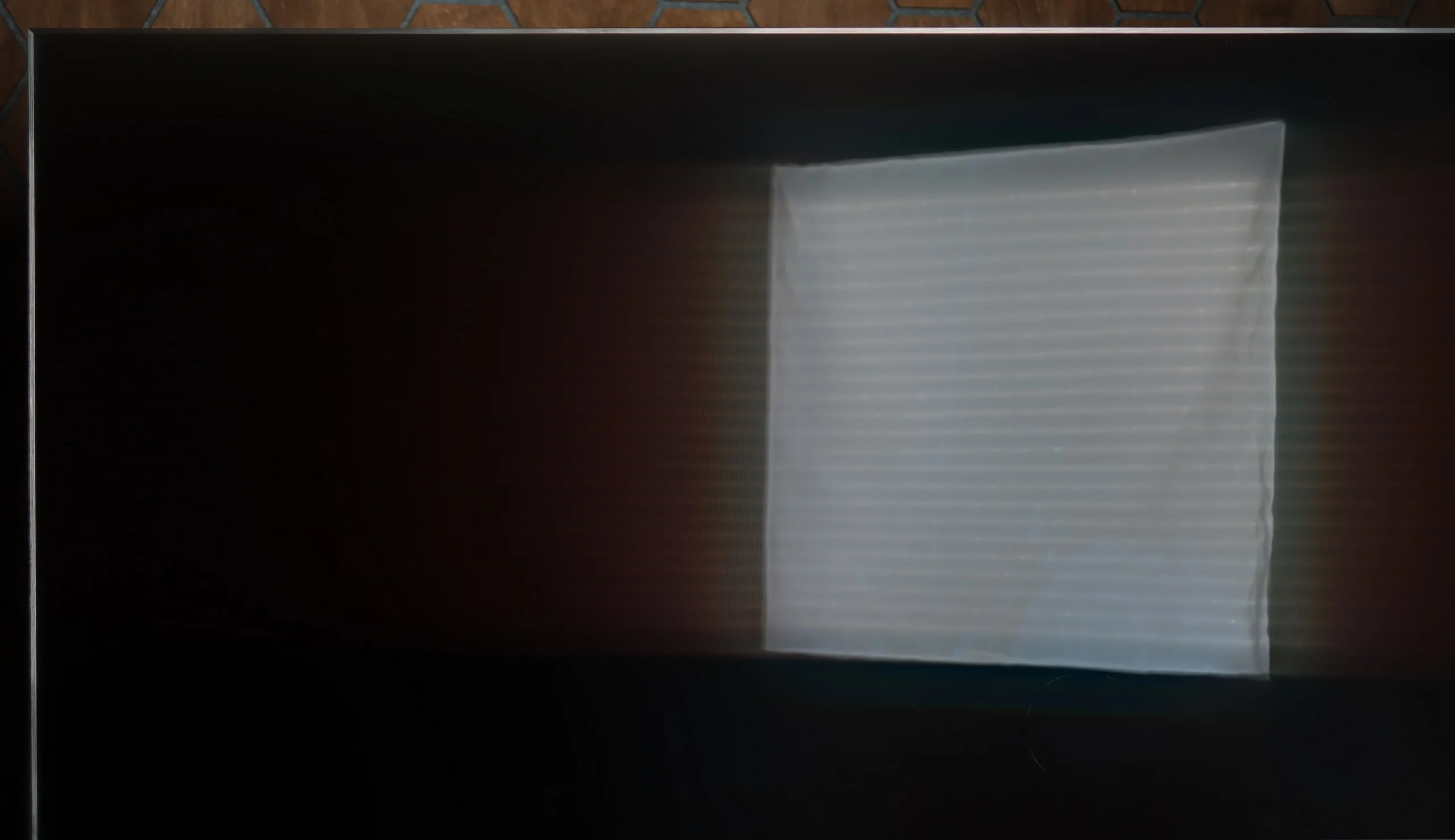
However, analysing the whole picture, one must honestly summarise the character of this television. The C8L is equipment designed more for displaying “spectacular” images rather than rigorously faithful ones. What do we mean by this? The software and algorithms managing the Mini-LED backlight zones have been tuned to favour visual appeal – the image is meant to be bright, contrasty, and striking in saturation. And what does this mean? The television has a tendency to autonomously interpret images instead of adhering to certain studio standards. For most users looking for “greater” emotions in films or games, this effect will likely be an advantage. On the other hand, purists and fans of perfectly natural images (such as us 😉) may find this behaviour too aggressive and not in line with the director's intent. Hence, we leave the final assessment on this matter to you.
Generally speaking, despite this specificity, the TCL C8L is a television that we can, and indeed must, wholeheartedly recommend. It is primarily a premium-class product, doing literally everything right... to a fault. Certain imperfections we would simply treat as features of this device rather than flaws – mainly due to the technological limitations that all Mini-LED televisions from any manufacturer on the market have accustomed us to. Ultimately, the software refinement has brought a lot to the new model, resulting in a mature, confident, and nearly complete piece of equipment.
 Direct comparison