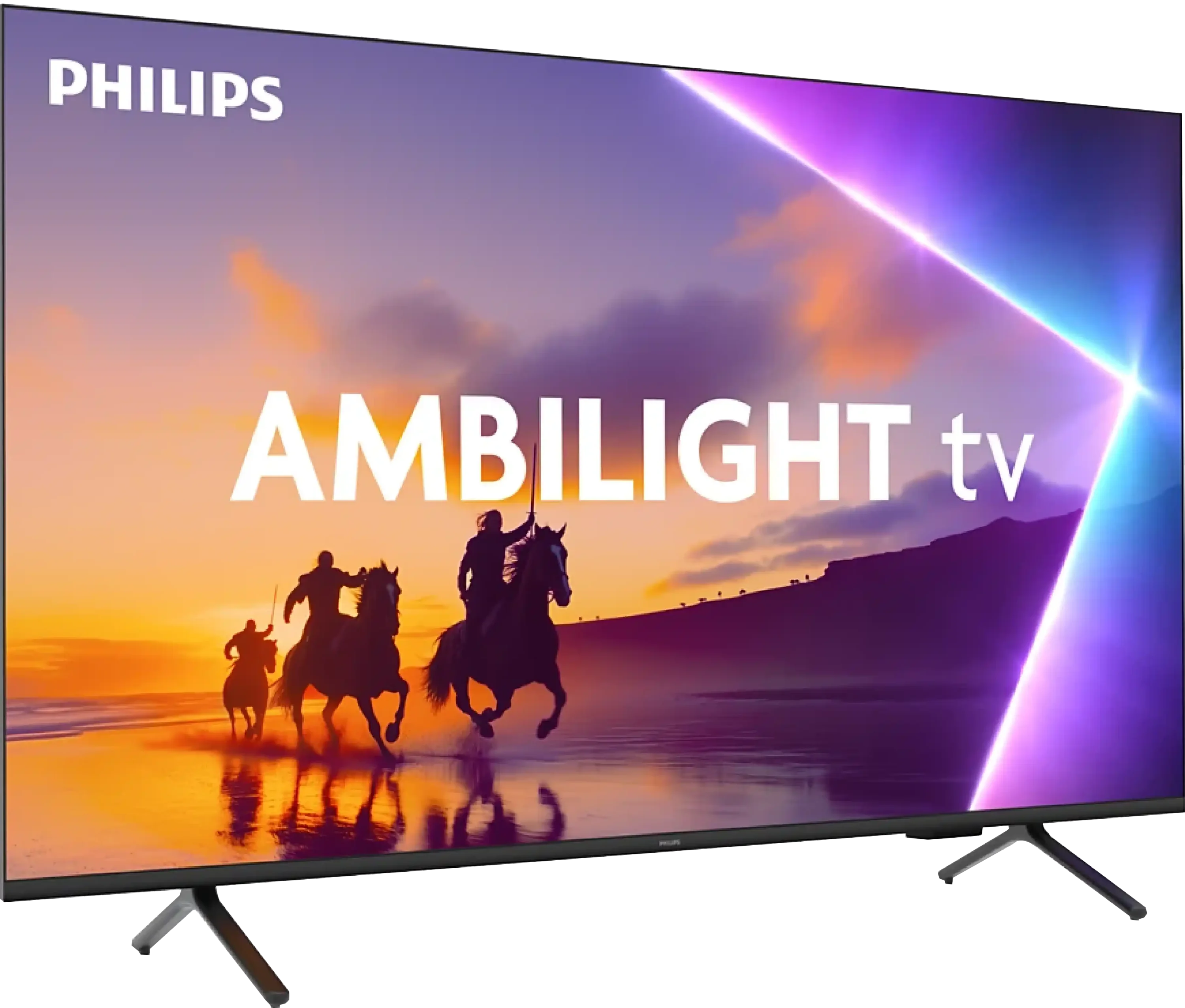
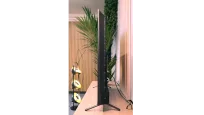
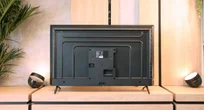
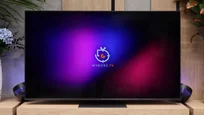
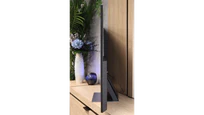
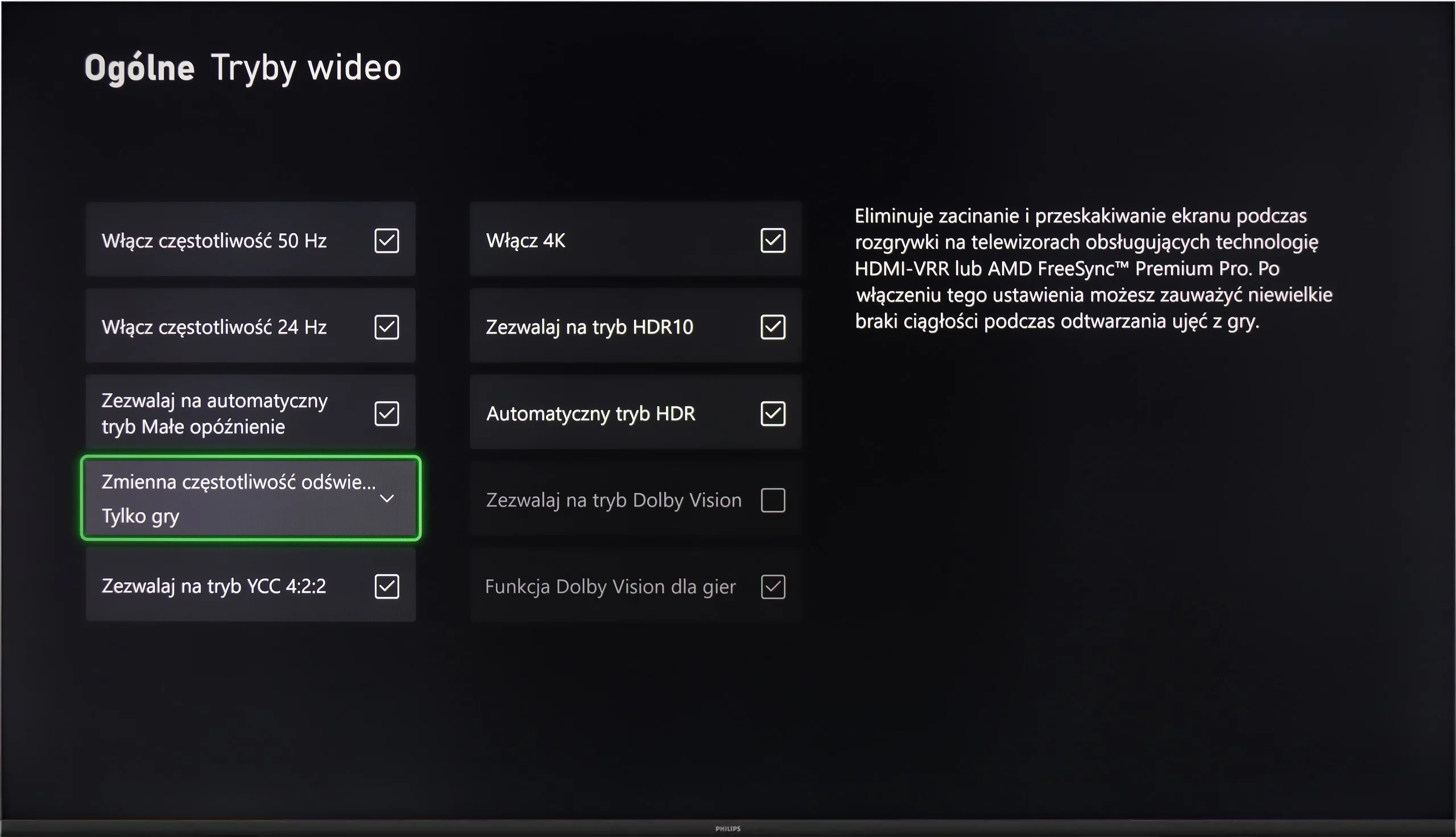
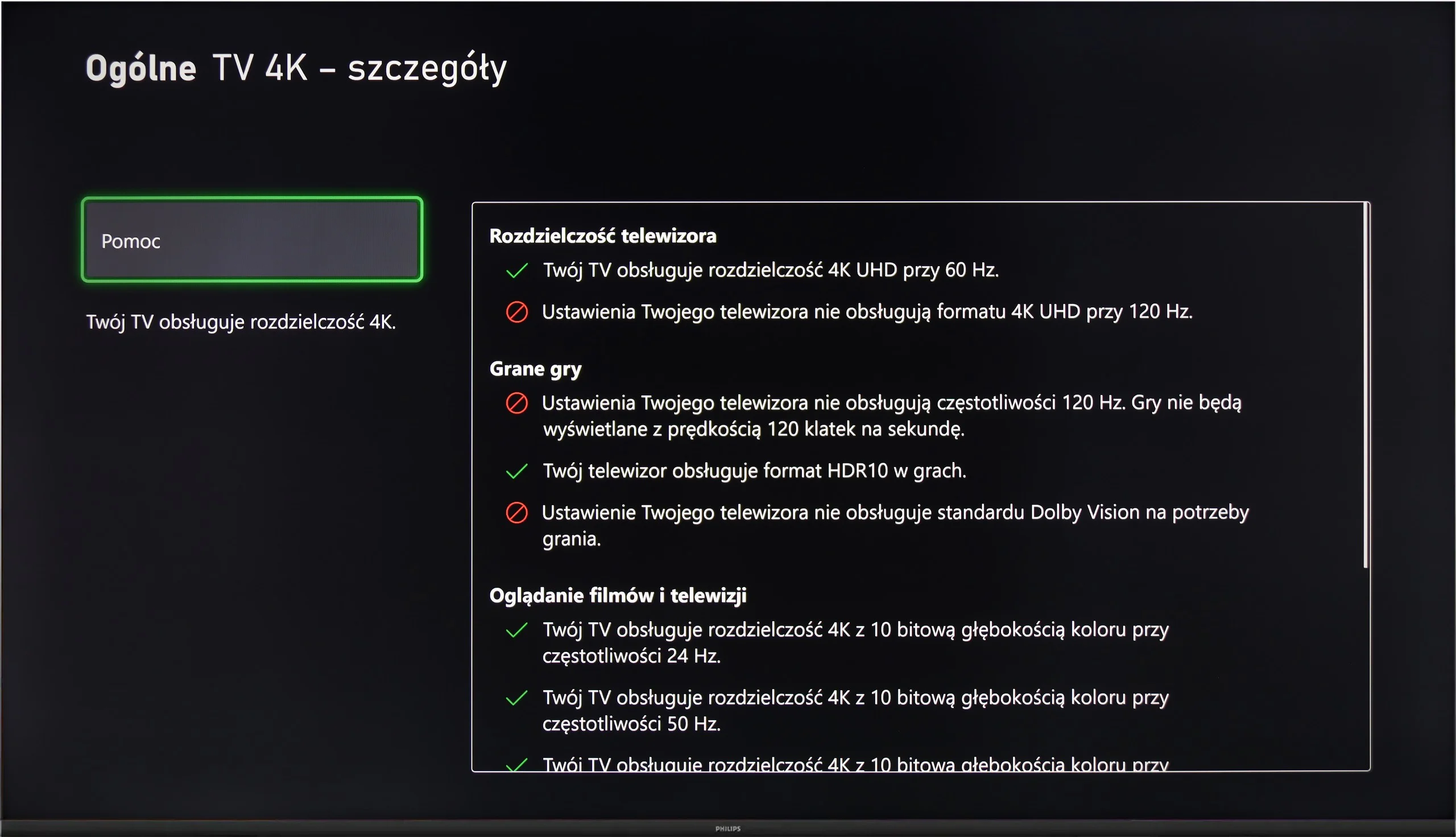
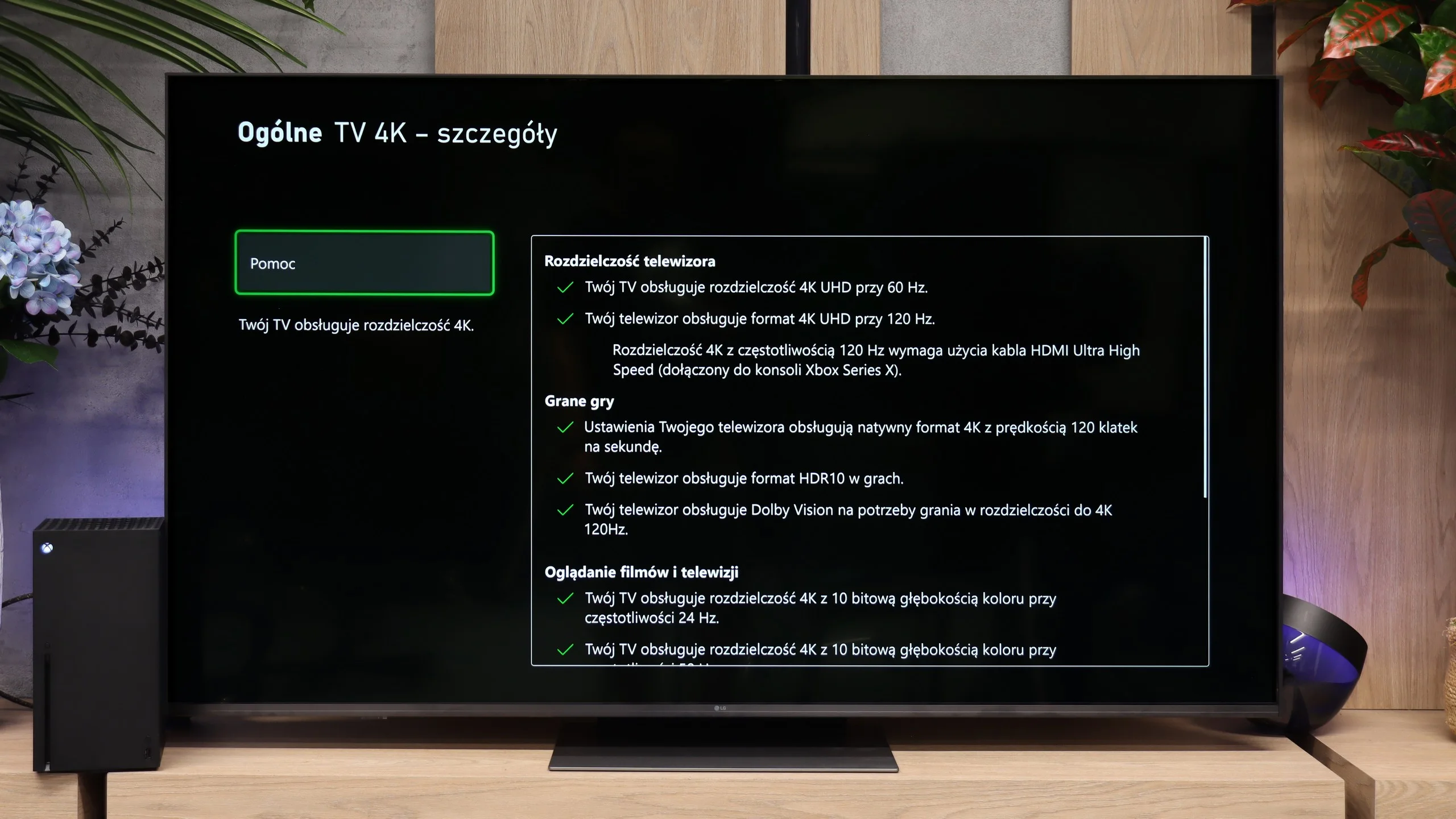
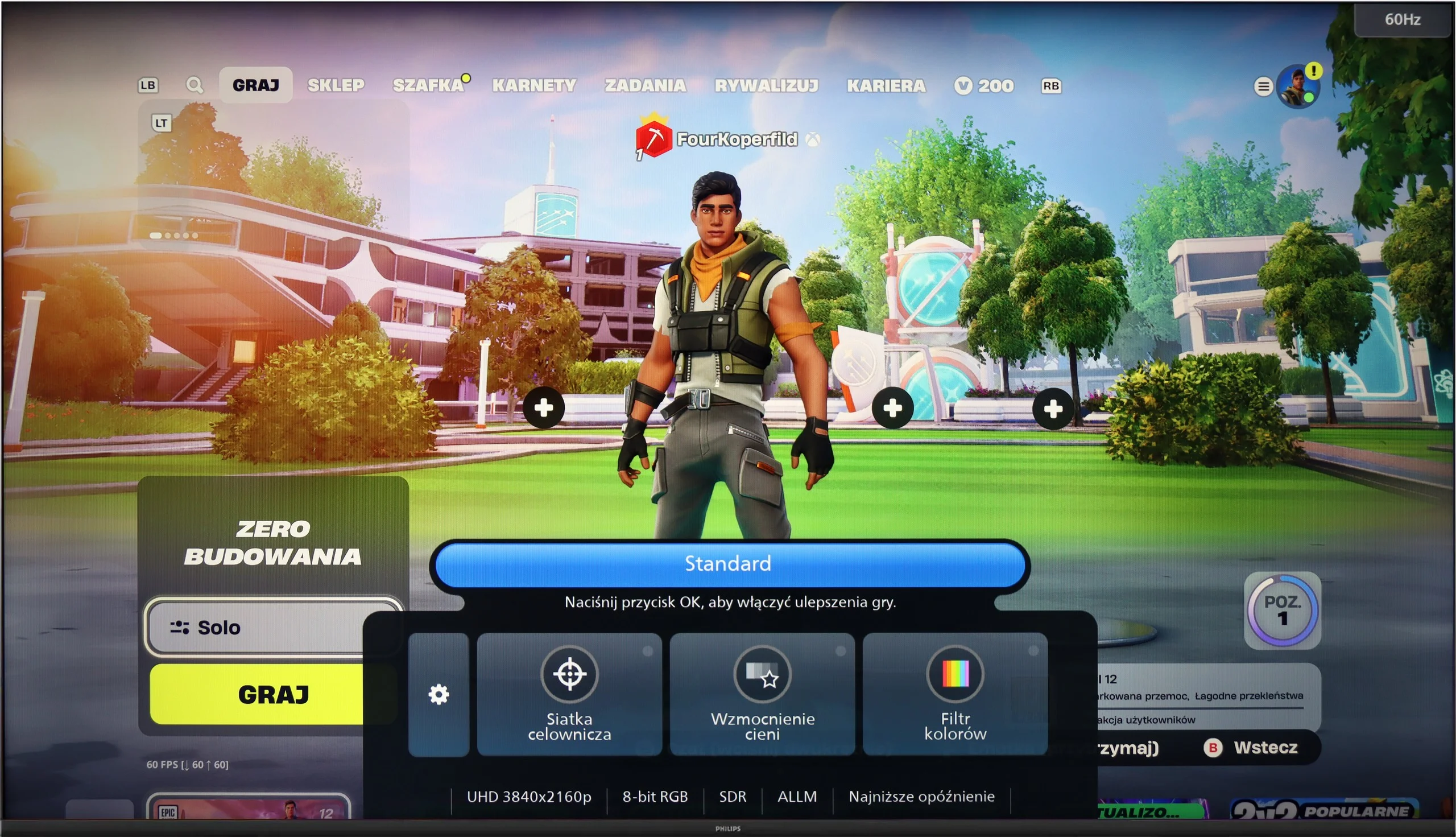
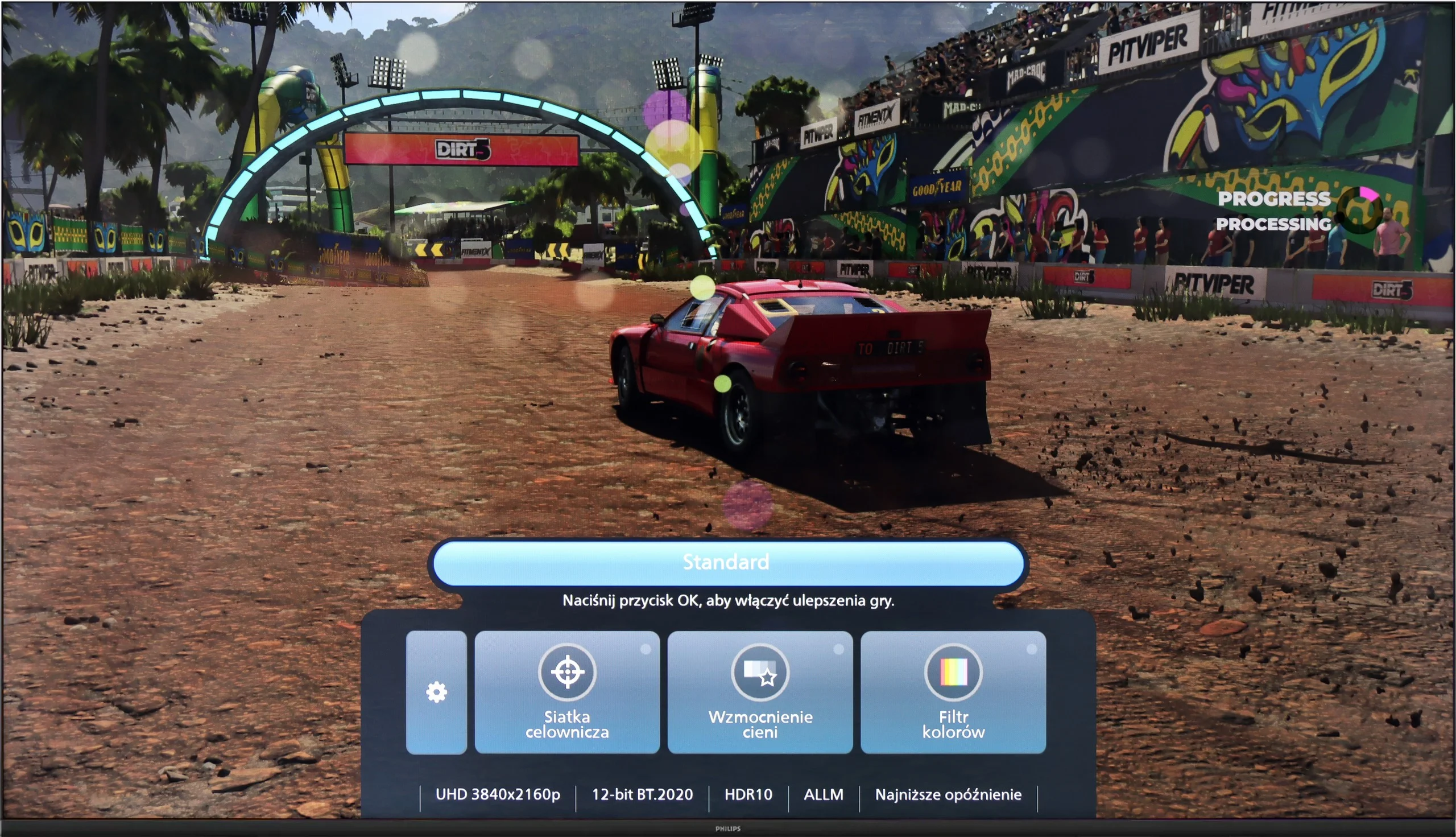
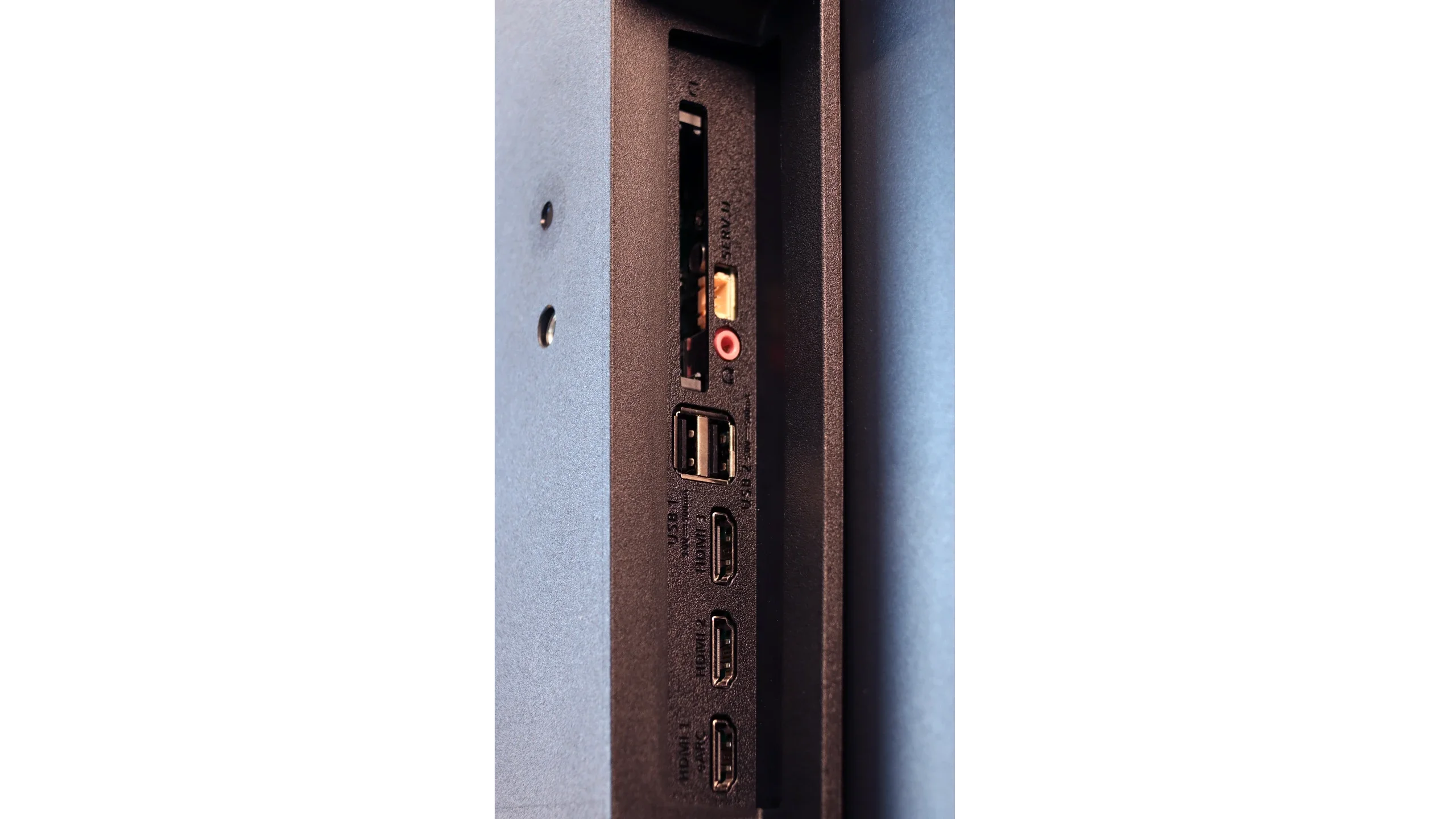
Ambilight, as this is what we need to start with, is the biggest reason why it's worth buying the PUS8500. The three-sided backlighting of the television looks fantastic, especially in the evening. It creates an atmosphere, masks contrast shortcomings, and makes watching a film simply more enjoyable. Even if the black levels aren't perfect, the native VA panel offers decent performance at high contrast. Additionally, there’s quite a good input lag and several features for gamers such as ALLM and VRR. Although HDMI 2.1 and a 120Hz panel are absent, playing casually should be a pleasure. Especially since it feels responsive and without delays. Let’s also mention the full support for audio formats – both Dolby Atmos and DTS are included, so soundbar owners can also rejoice.
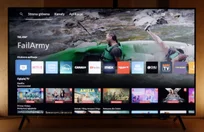
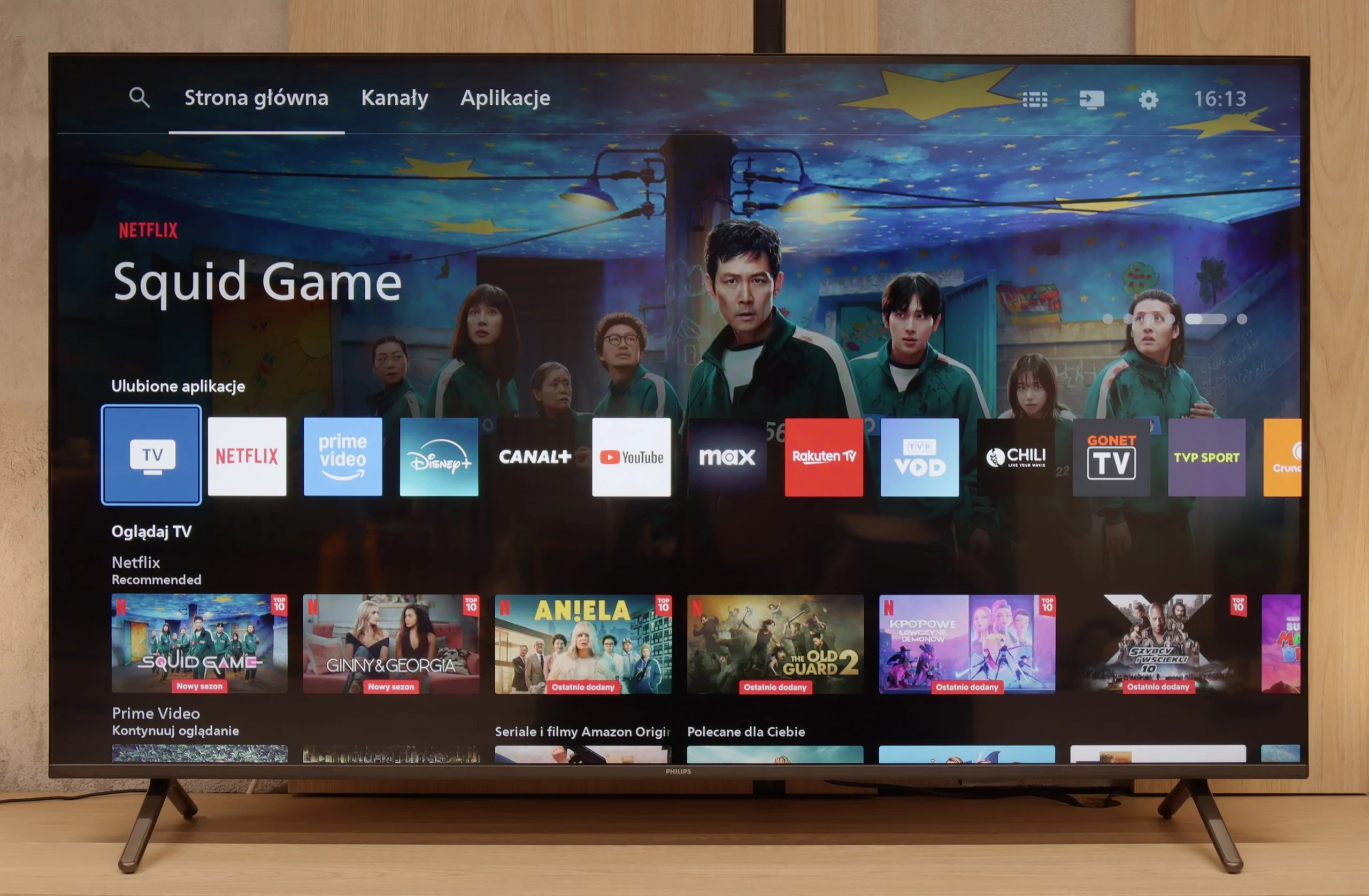
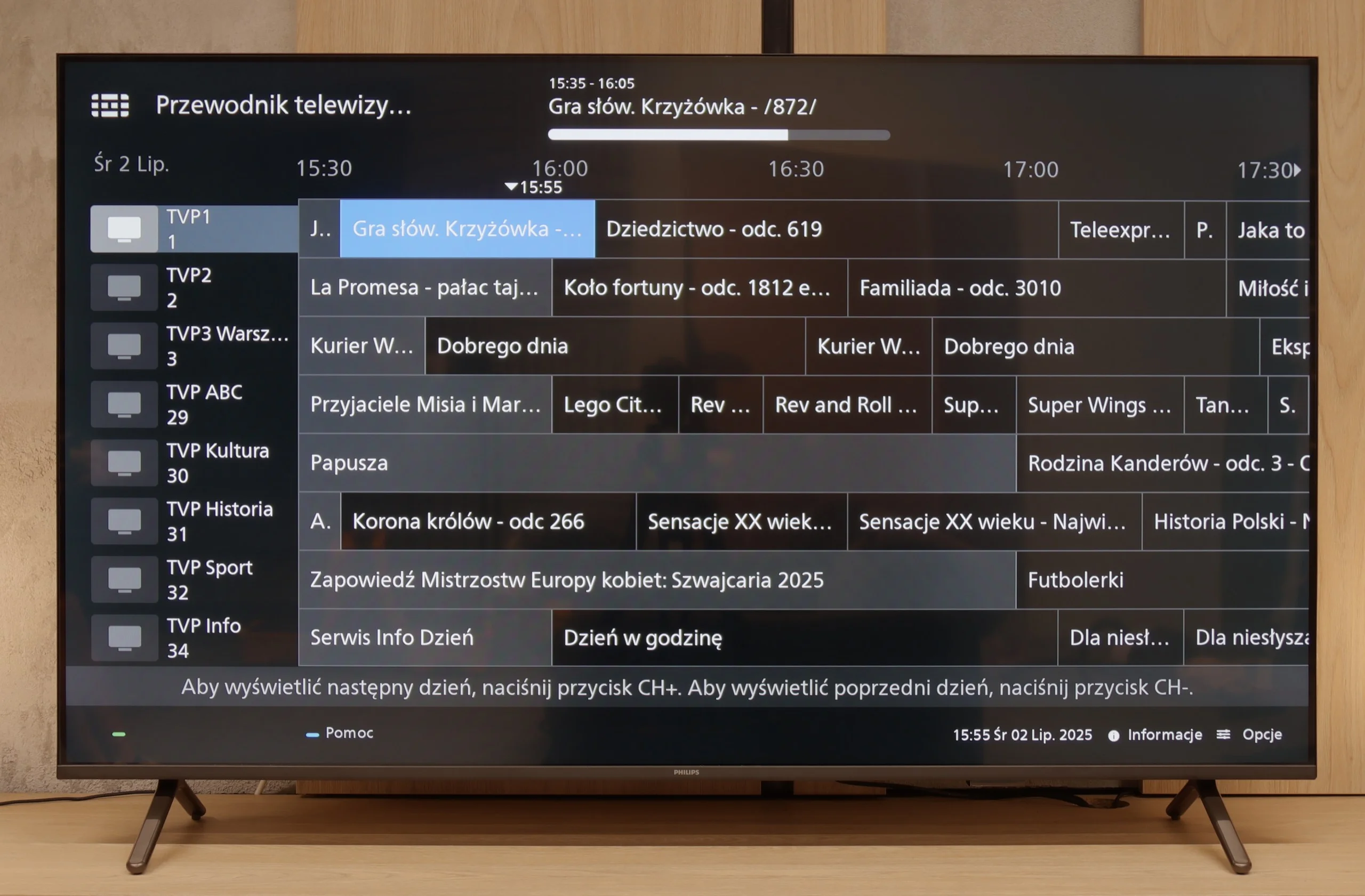
However, we won't sugarcoat it – this is still a budget television, and at times it’s clearly evident. The brightness is average – not weak enough to prevent viewing, but on an exceptionally sunny day, watching without curtains can be problematic. Nevertheless, in our opinion, the biggest disappointment of the PUS8560 is the Titan OS operating system. Despite the fact that the system debuted some time ago, certain functions simply refused to work – for instance, screen mirroring from a phone despite the manufacturer claiming that such a feature is present. There are fewer apps than in the competition, and the system itself operates rather clumsily. Generally, while it does have some features, it evidently lacks refinement.
Of course, this isn’t a television meant to compete with top models. But if someone is looking for something simple, with a great atmosphere provided by the Ambilight system, it is quite a fair proposition. You just have to know what to expect and accept the numerous compromises present here.
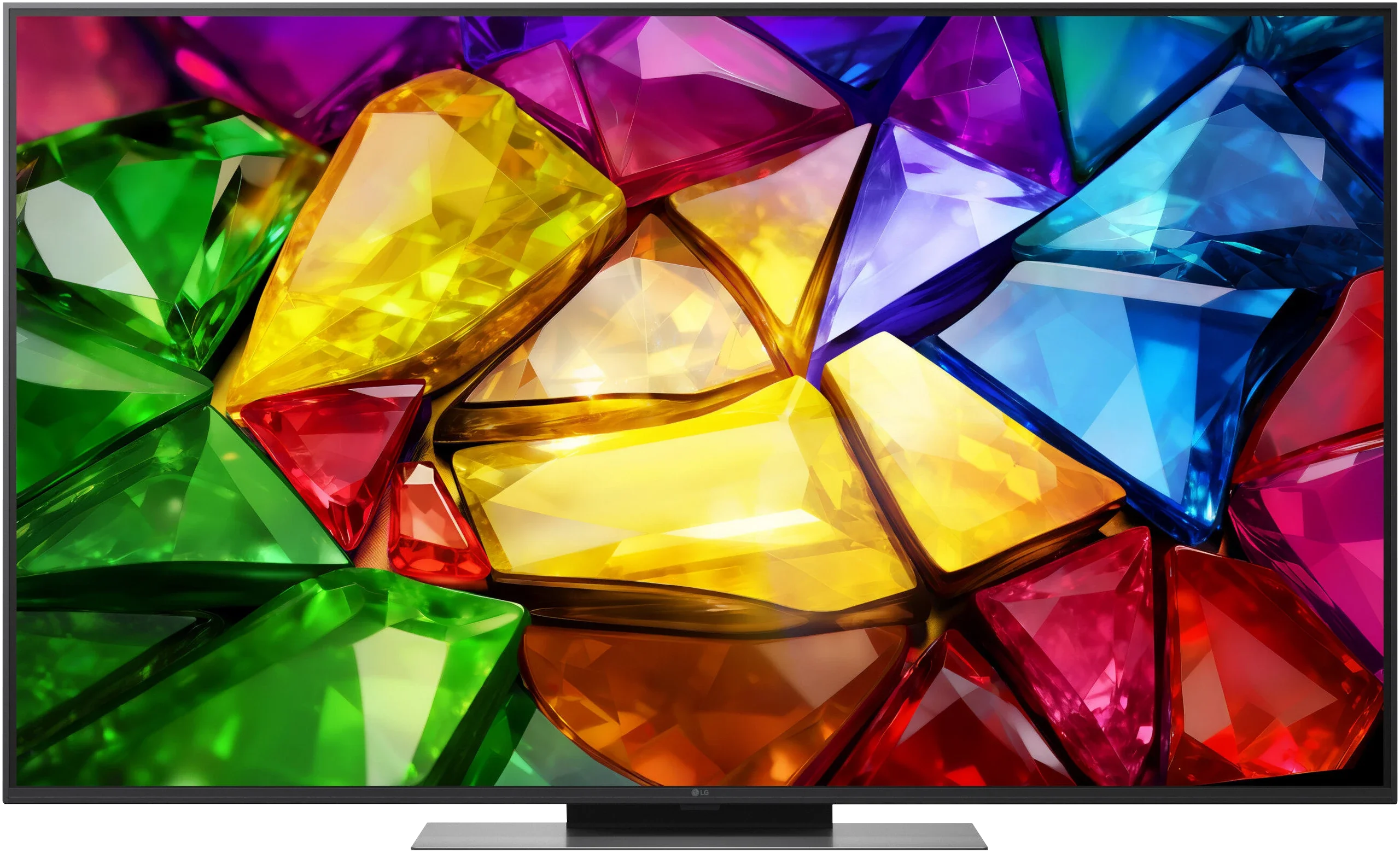
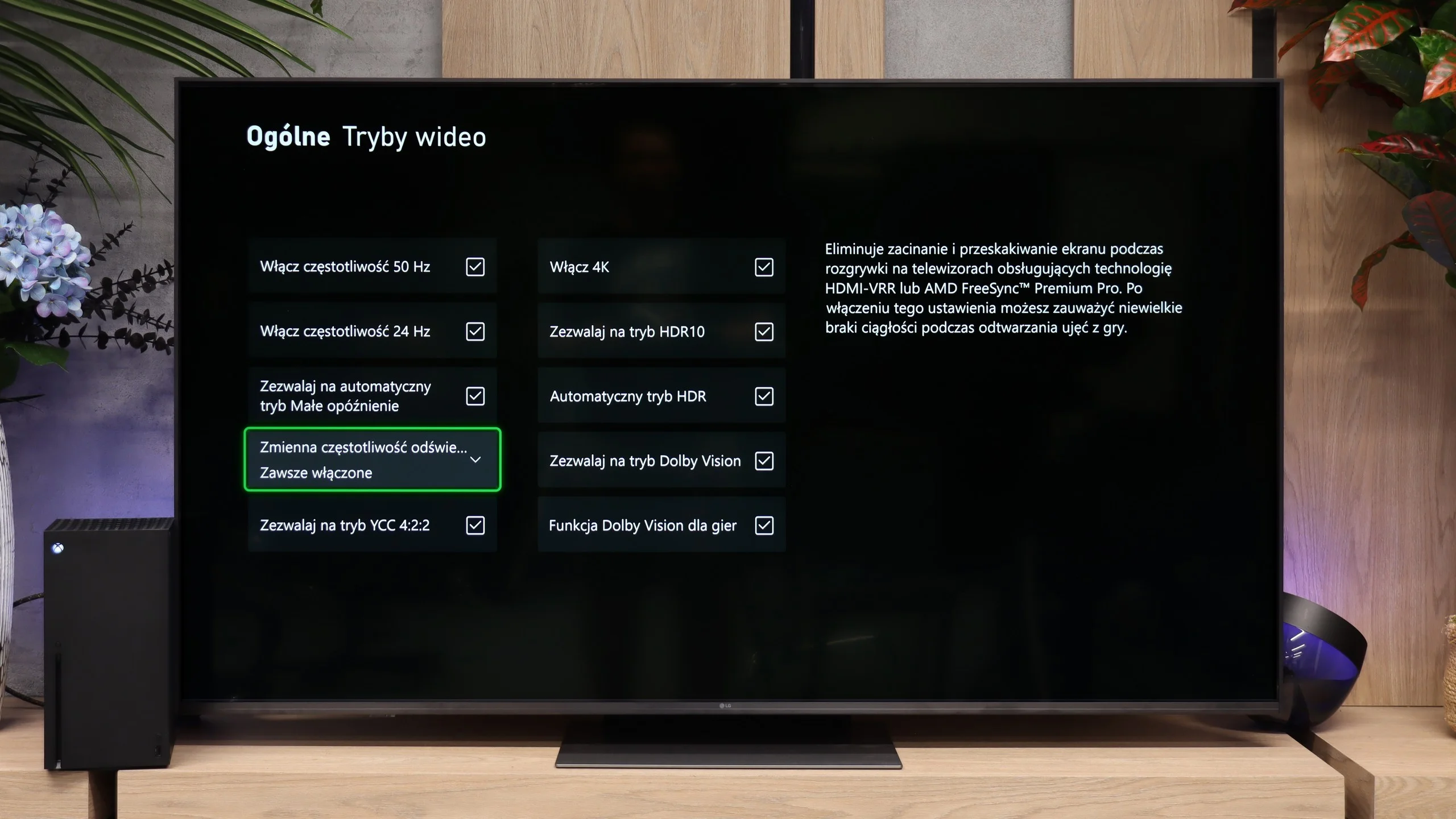
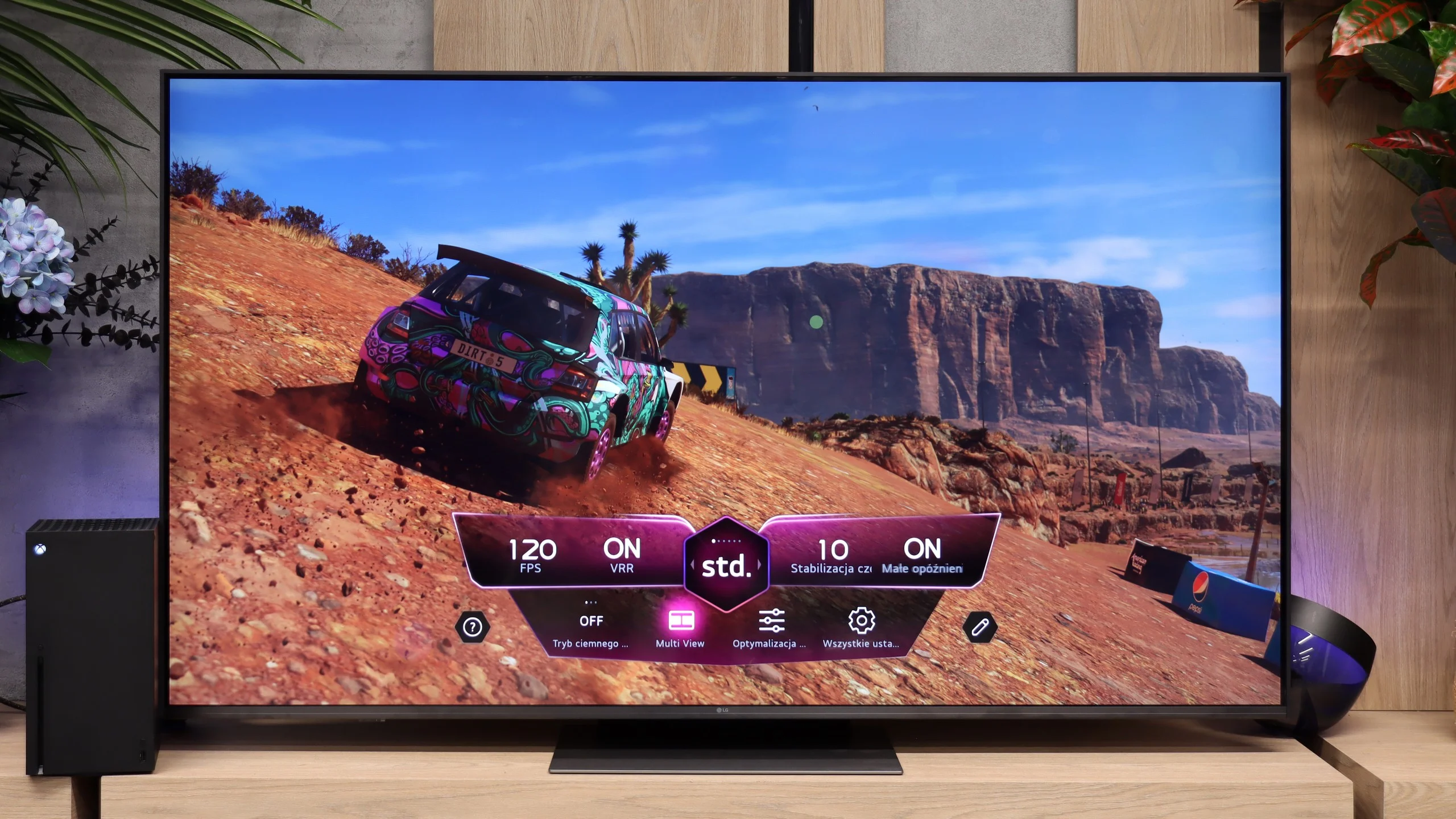
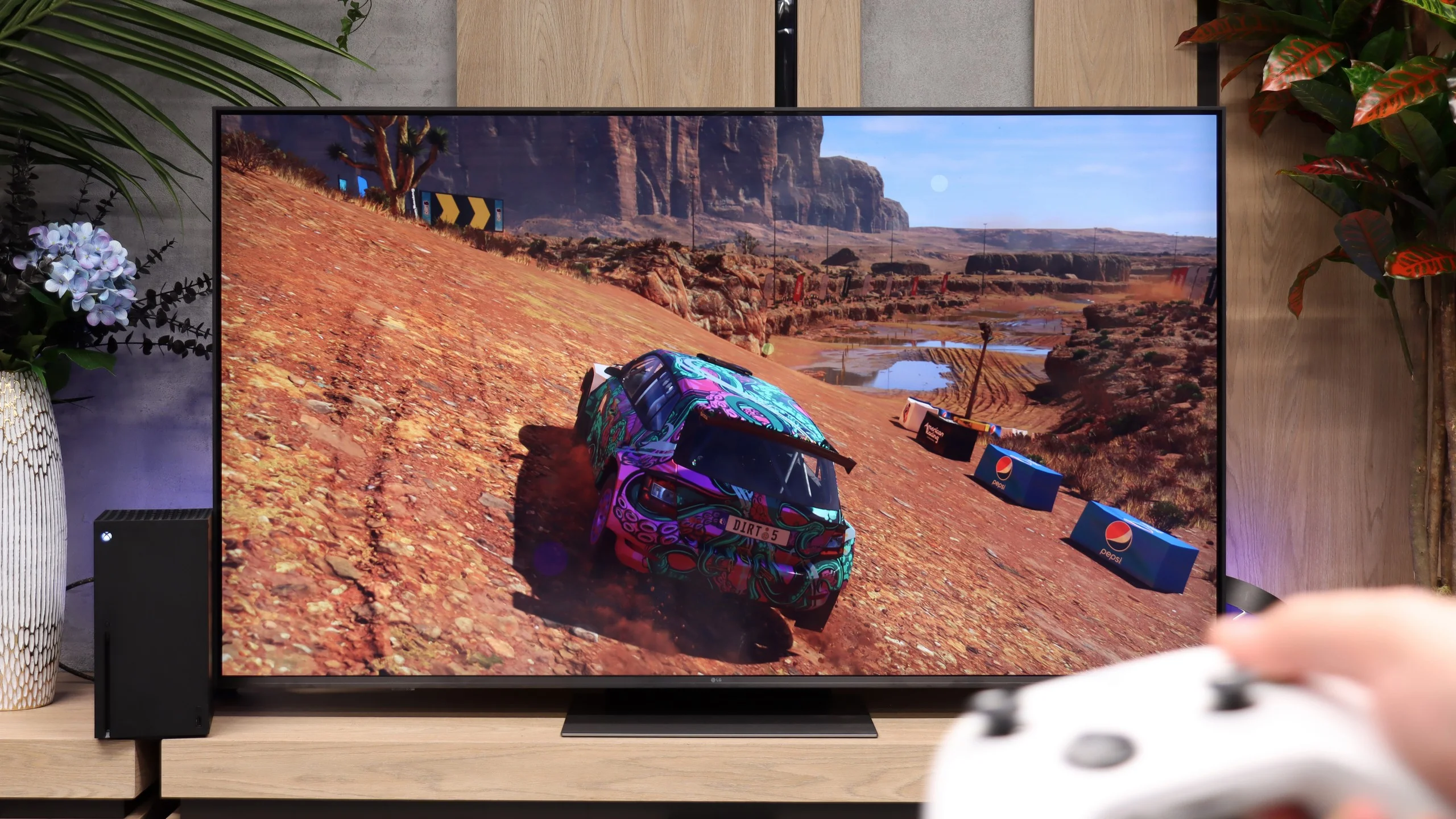
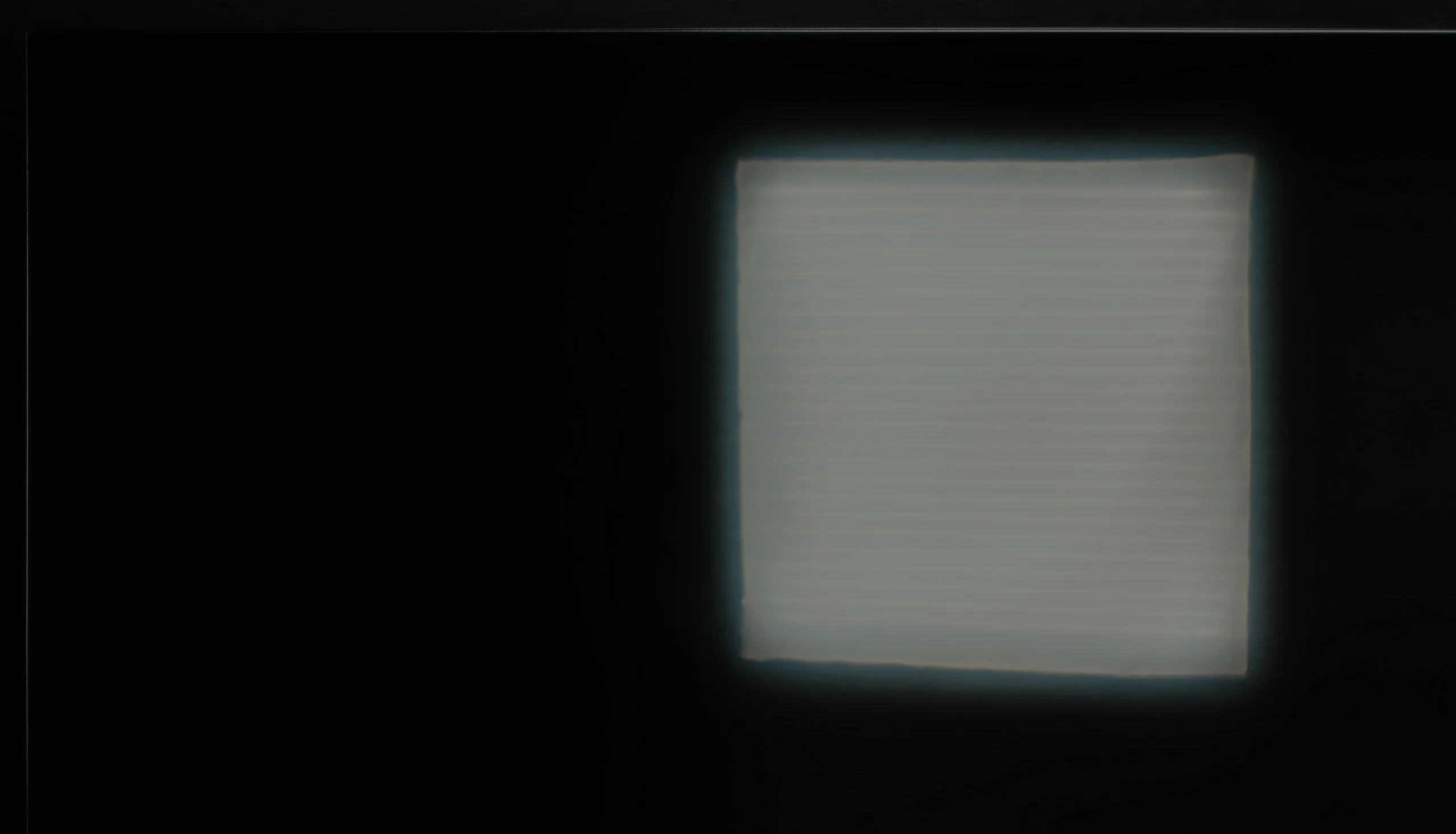
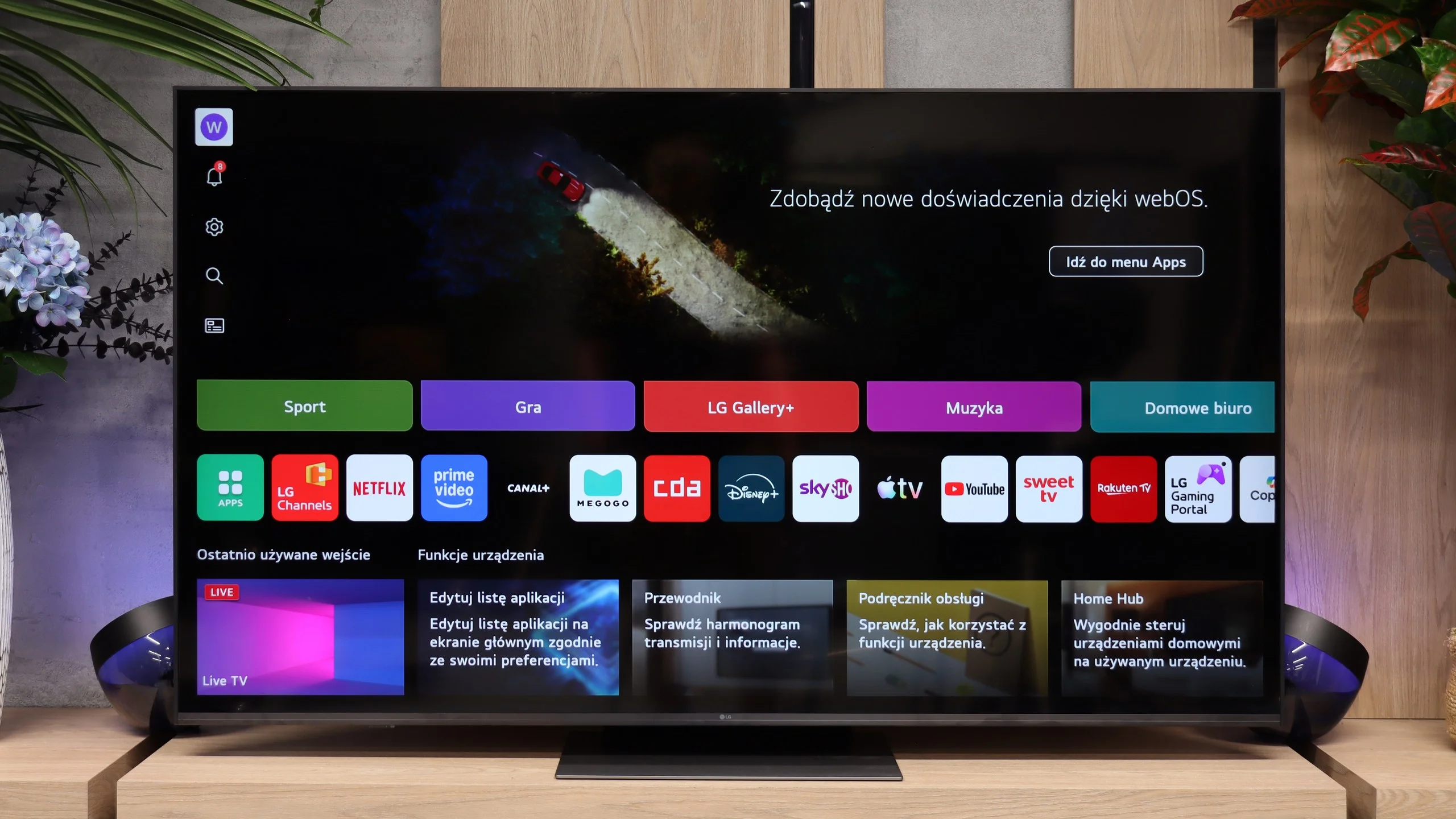
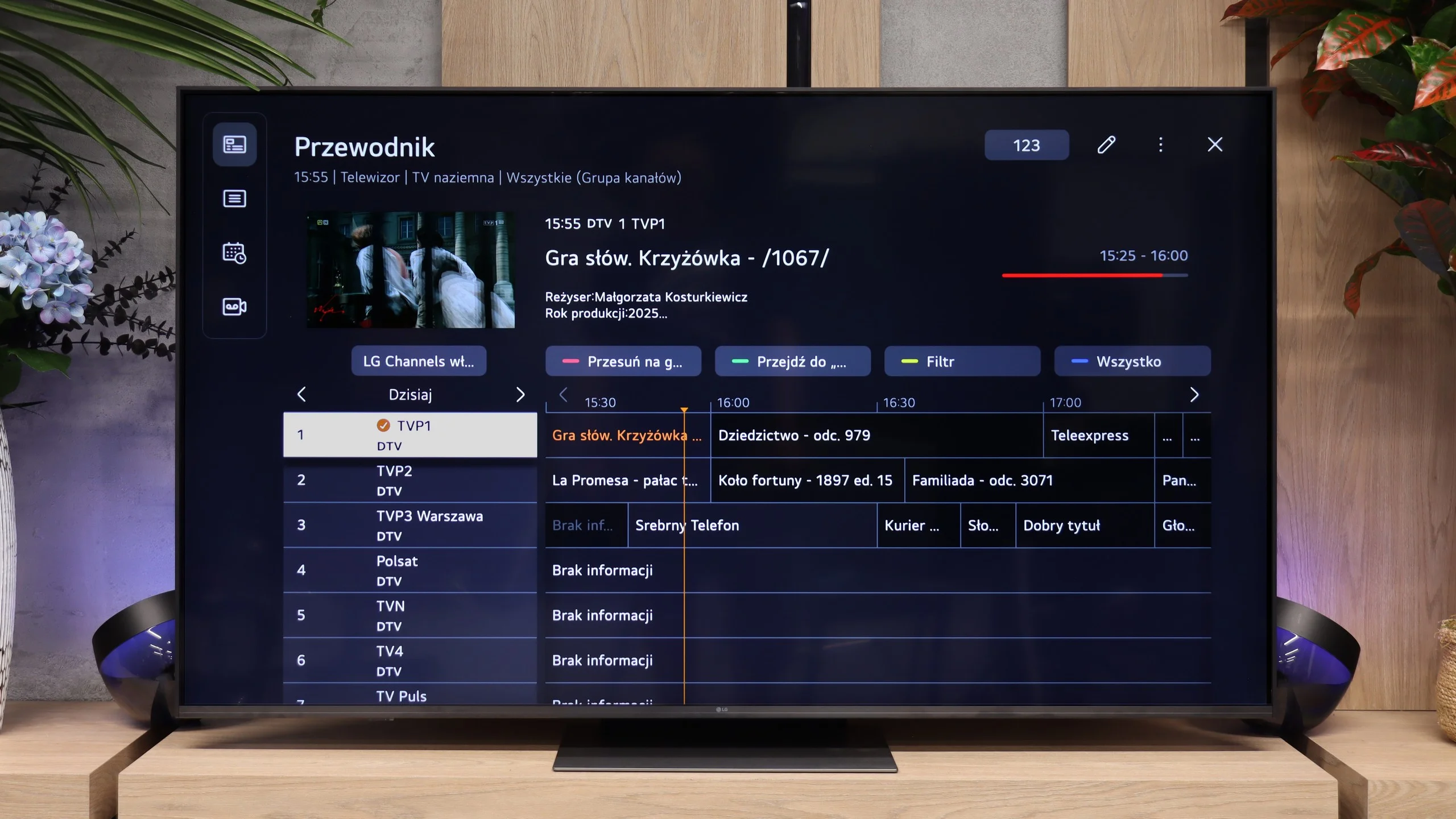
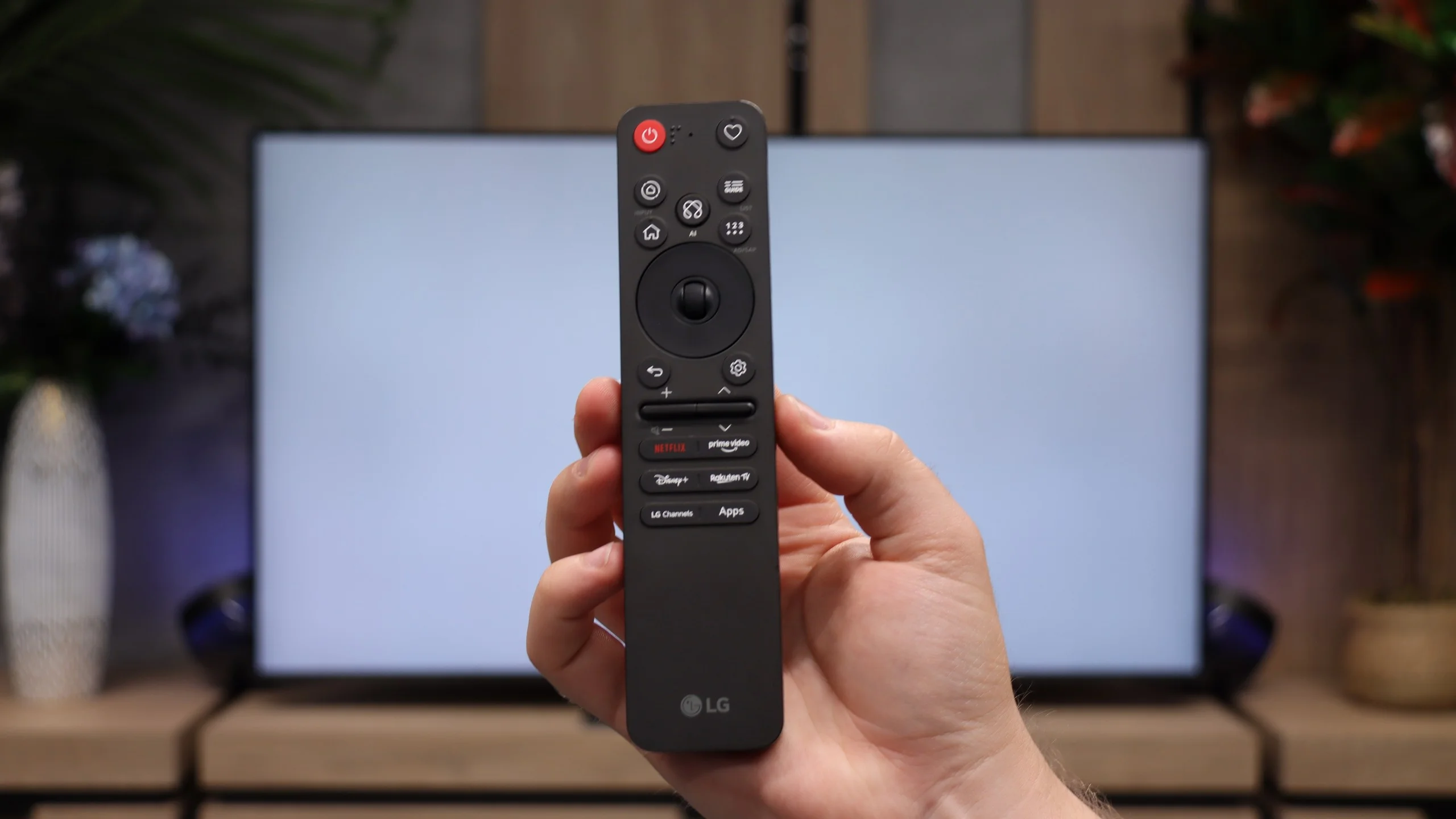
The LG MRGB85 is a television that is best suited to gamers and users who are attached to webOS. In that respect it is hard to fault. It offers plenty of benefits for gamers thanks to a very high panel refresh rate. Add to that the smoothly operating webOS, which stands out above all for the convenient Magic Remote and a full set of features for traditional television. The problem begins when you look at the overall picture quality and compare it with the price the manufacturer is asking for this model. The MRGB85’s launch price is, to say the least, difficult to regard as attractive compared with competing models. For similar money you can find televisions offering much more advanced backlighting and, above all, better black level control. What causes the most controversy, however, is the naming and the way LG positions this model. True, the MRGB85 uses a tri-colour backlight, but it is edge-lit. It is therefore hard to call this a fully fledged RGB Mini-LED in the sense commonly used for TVs that employ a large number of independently controlled zones behind the panel. In practice the limitations of local dimming are very noticeable and they significantly harm the viewing experience in dark scenes. That does not mean the MRGB85 is a bad television. It handles everyday content well, offers decent colours, respectable brightness and a very wide feature set. Picture from a standard SDR source can look really good, and Dolby Vision partly helps to hide weaker brightness handling in HDR. However, it is hard to shake the impression that the biggest problem with this model is not the hardware itself but its price and its overly ambitious positioning in the market. If someone is looking mainly for a gaming TV, values the convenience of webOS and finds it on a large promotion, the MRGB85 can make sense. At its current price, however, it falls behind, because the competition today simply offers more in terms of picture quality.
 Direct comparison