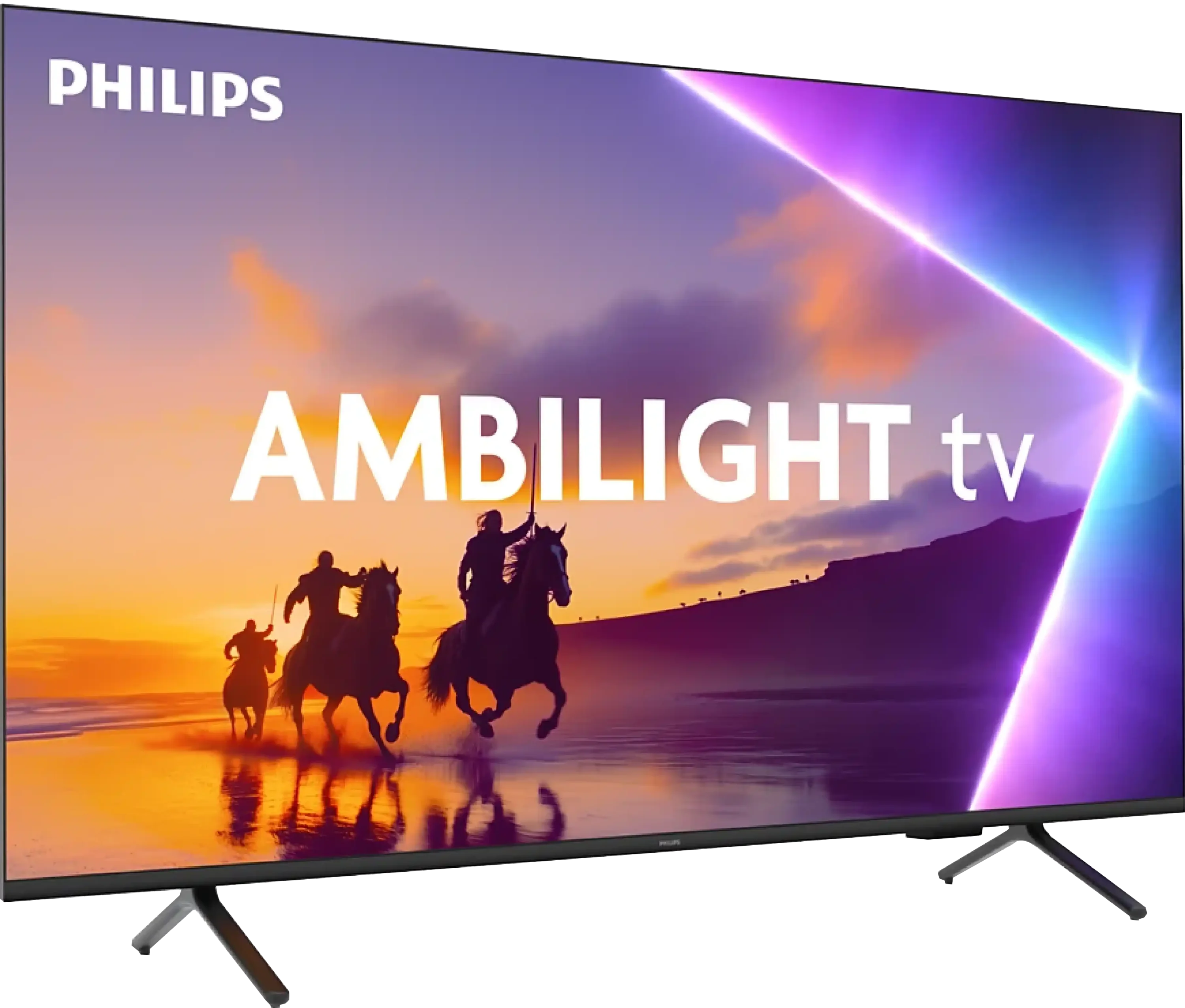
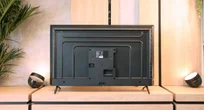
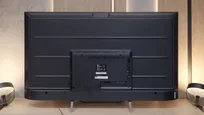
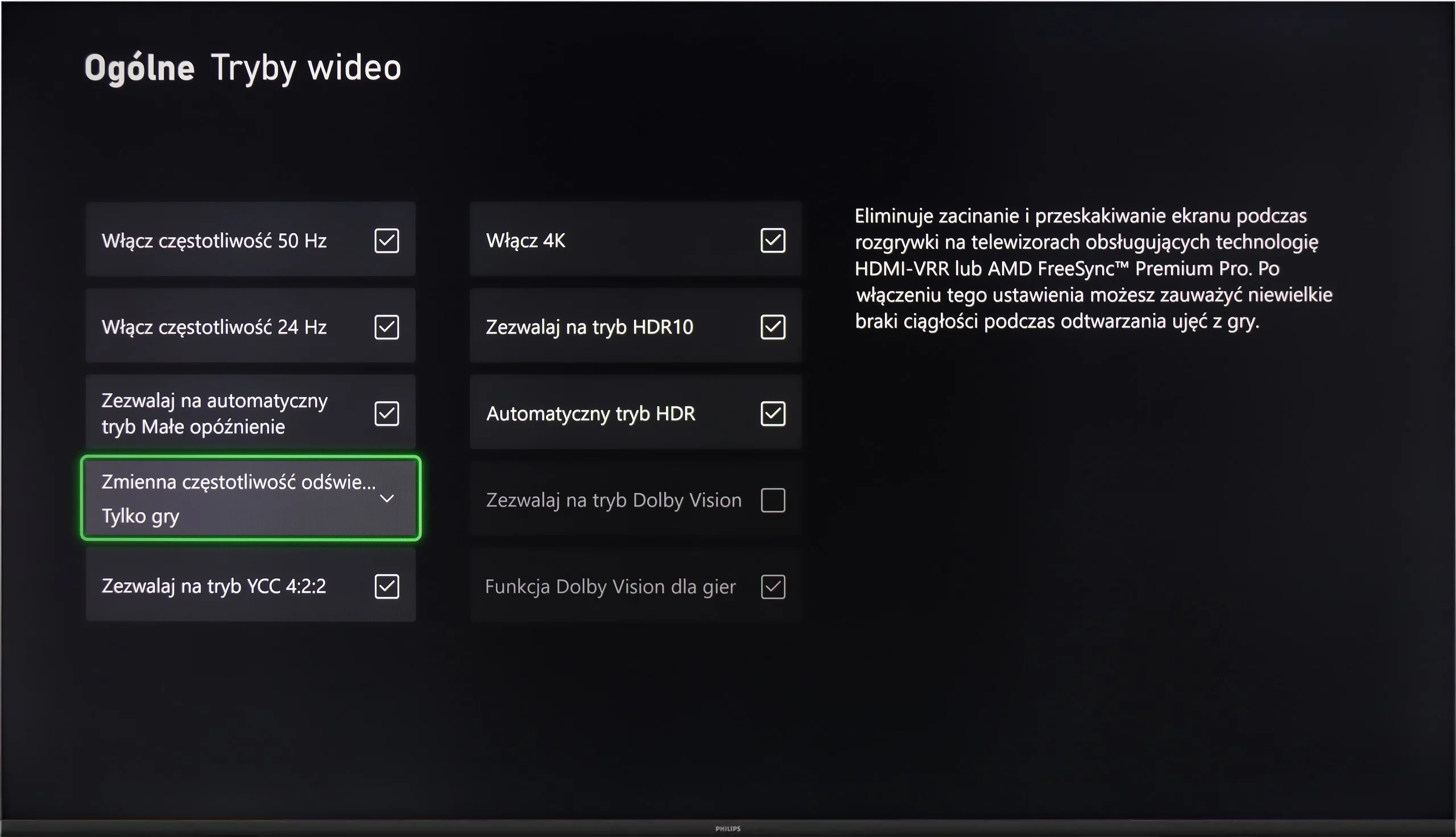
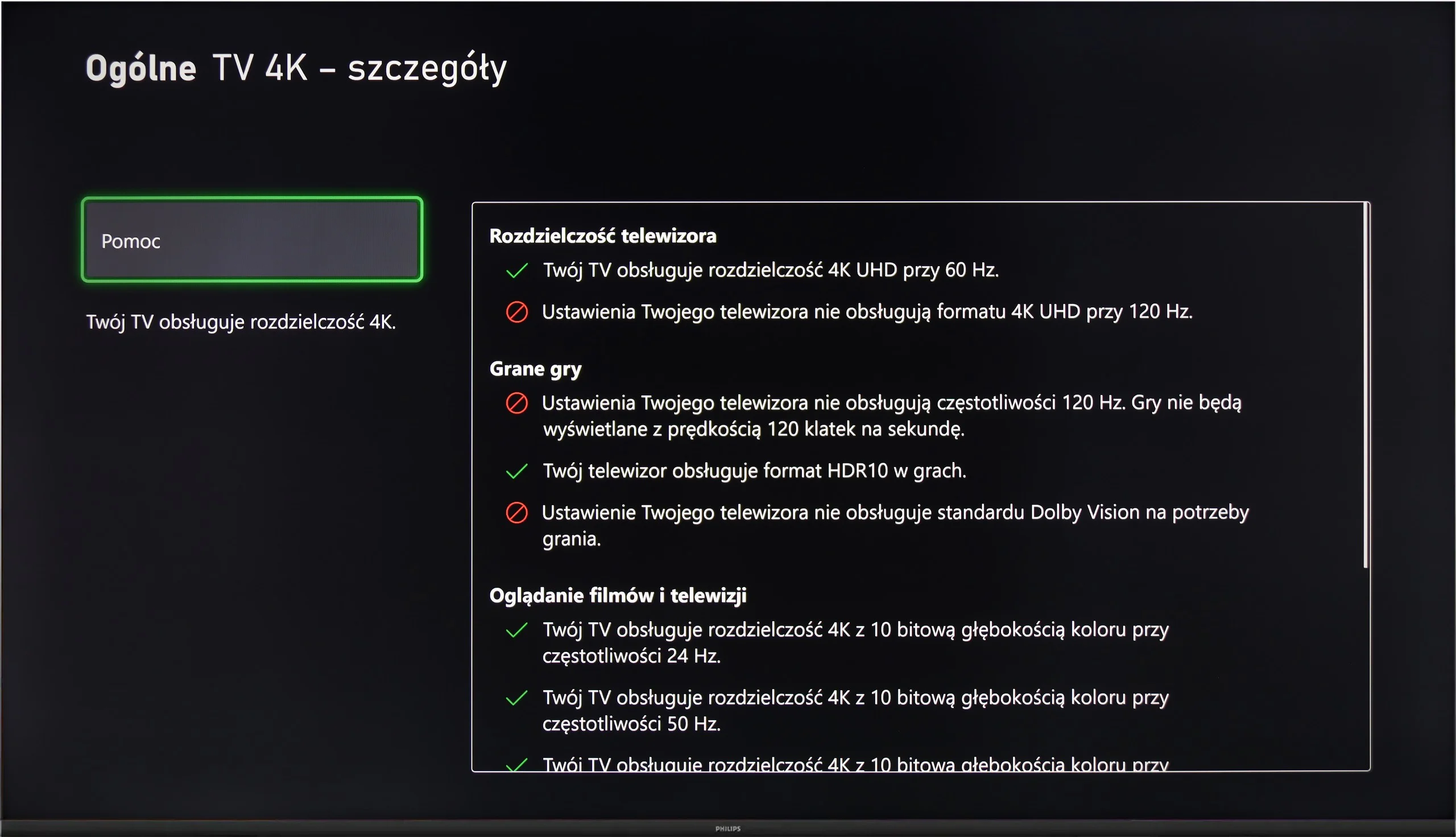
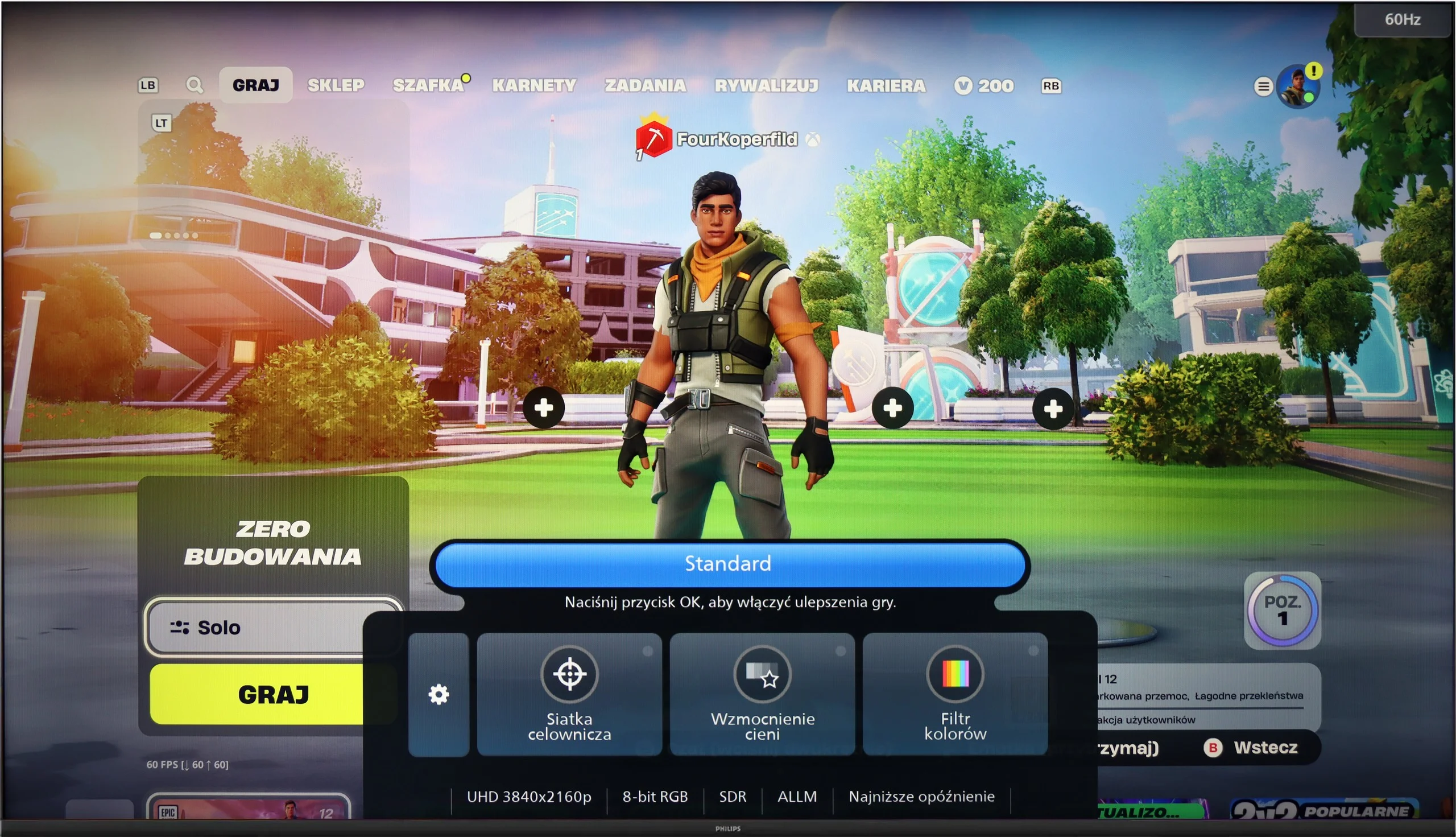
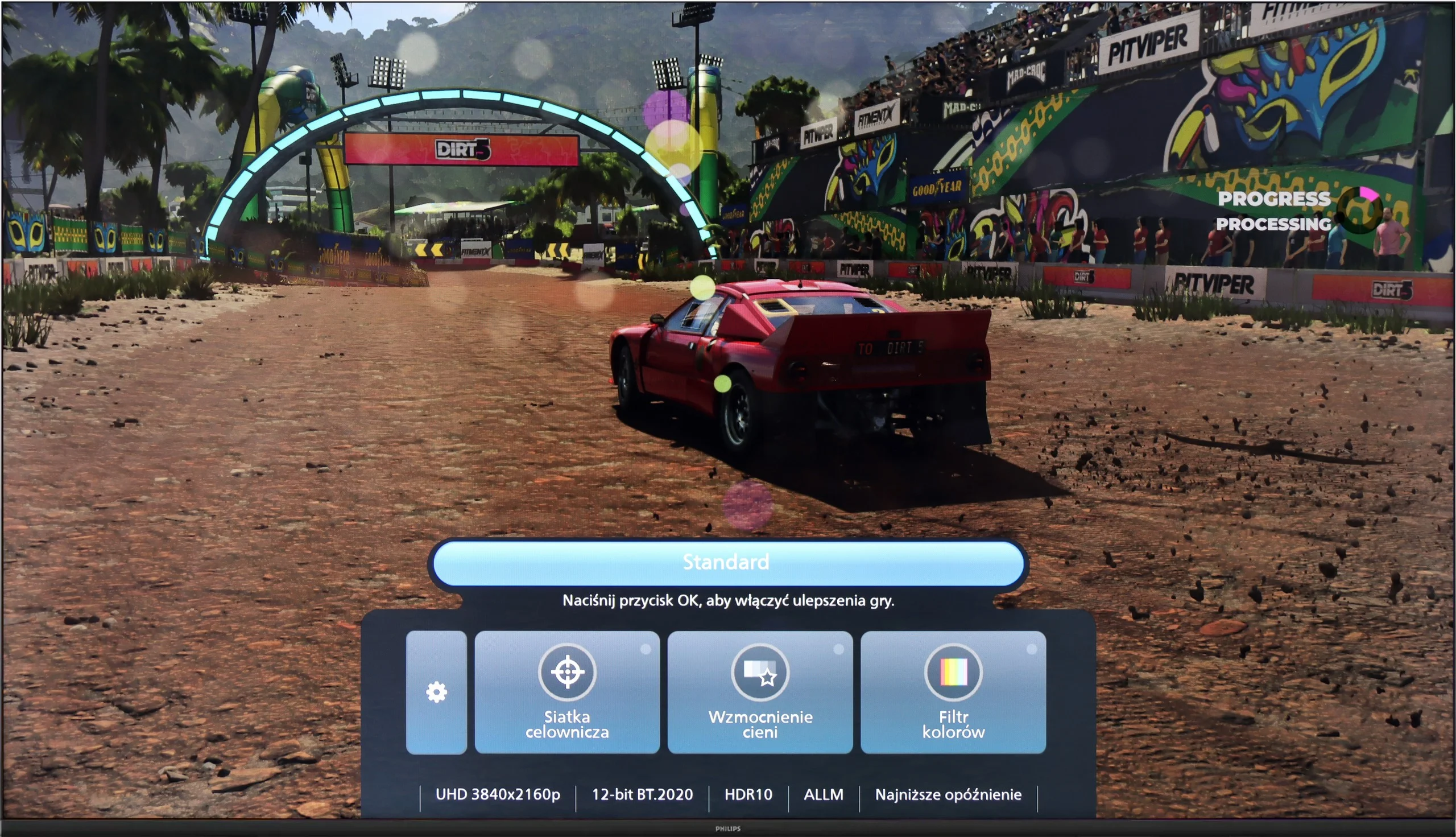
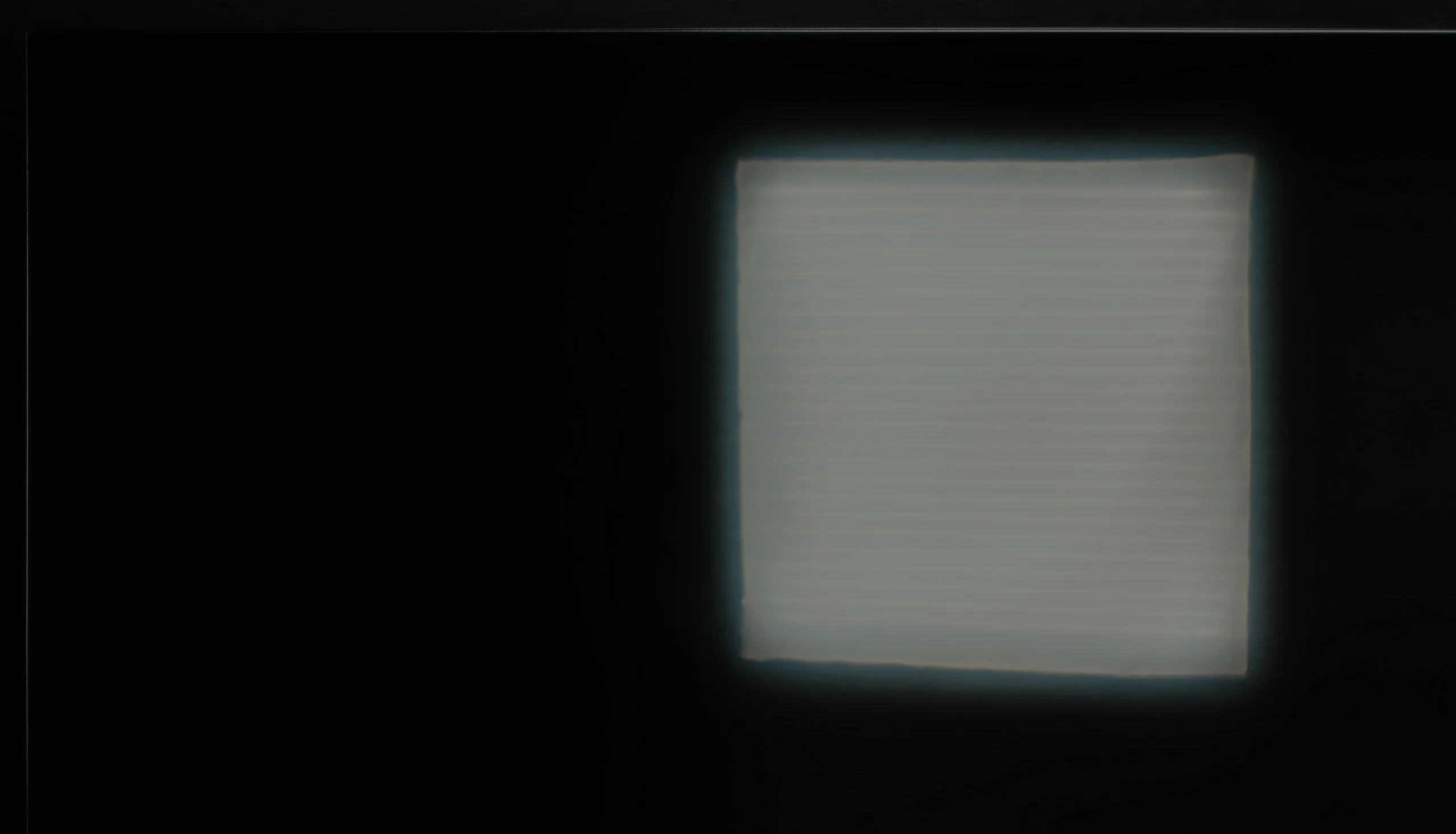
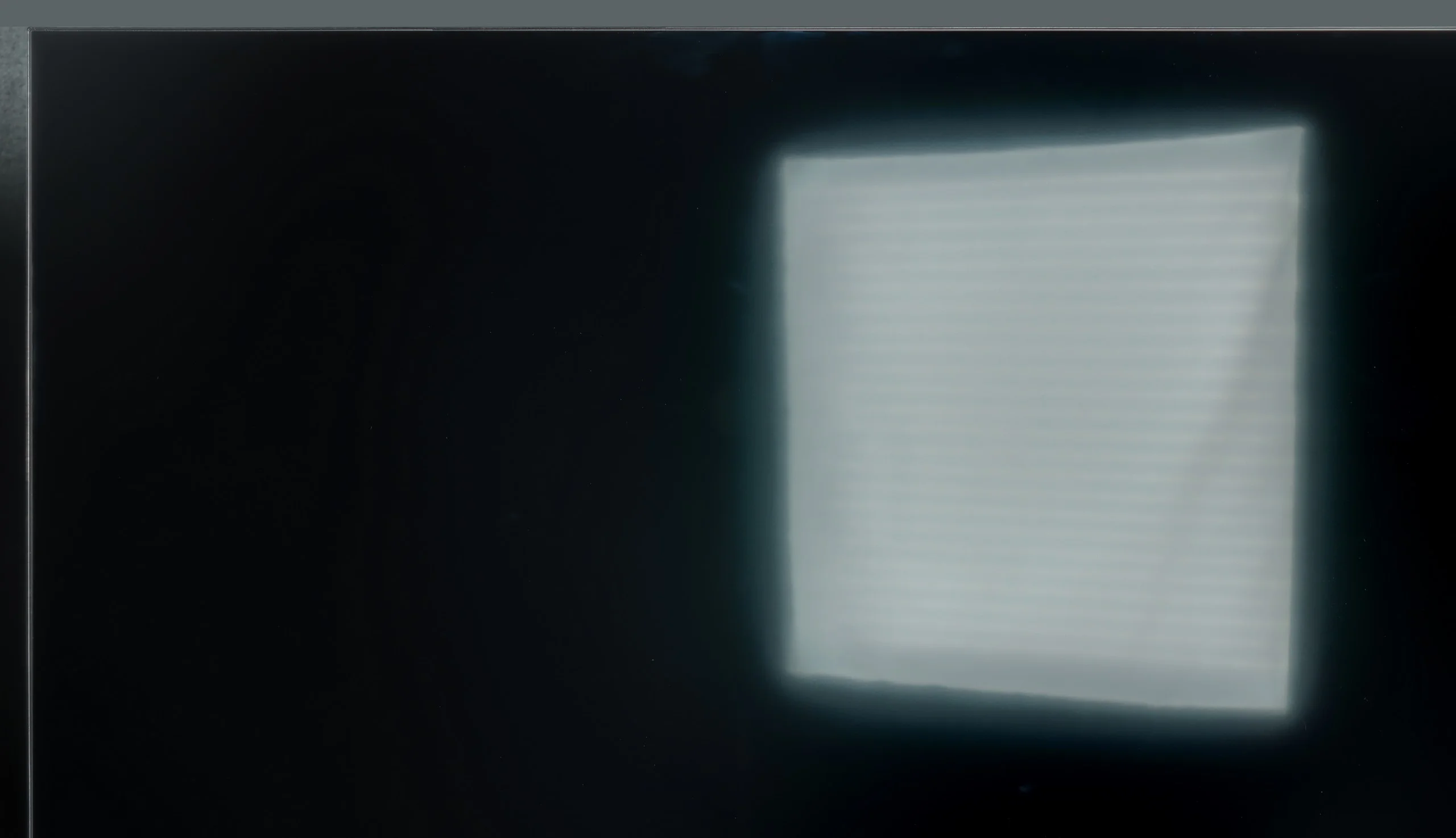
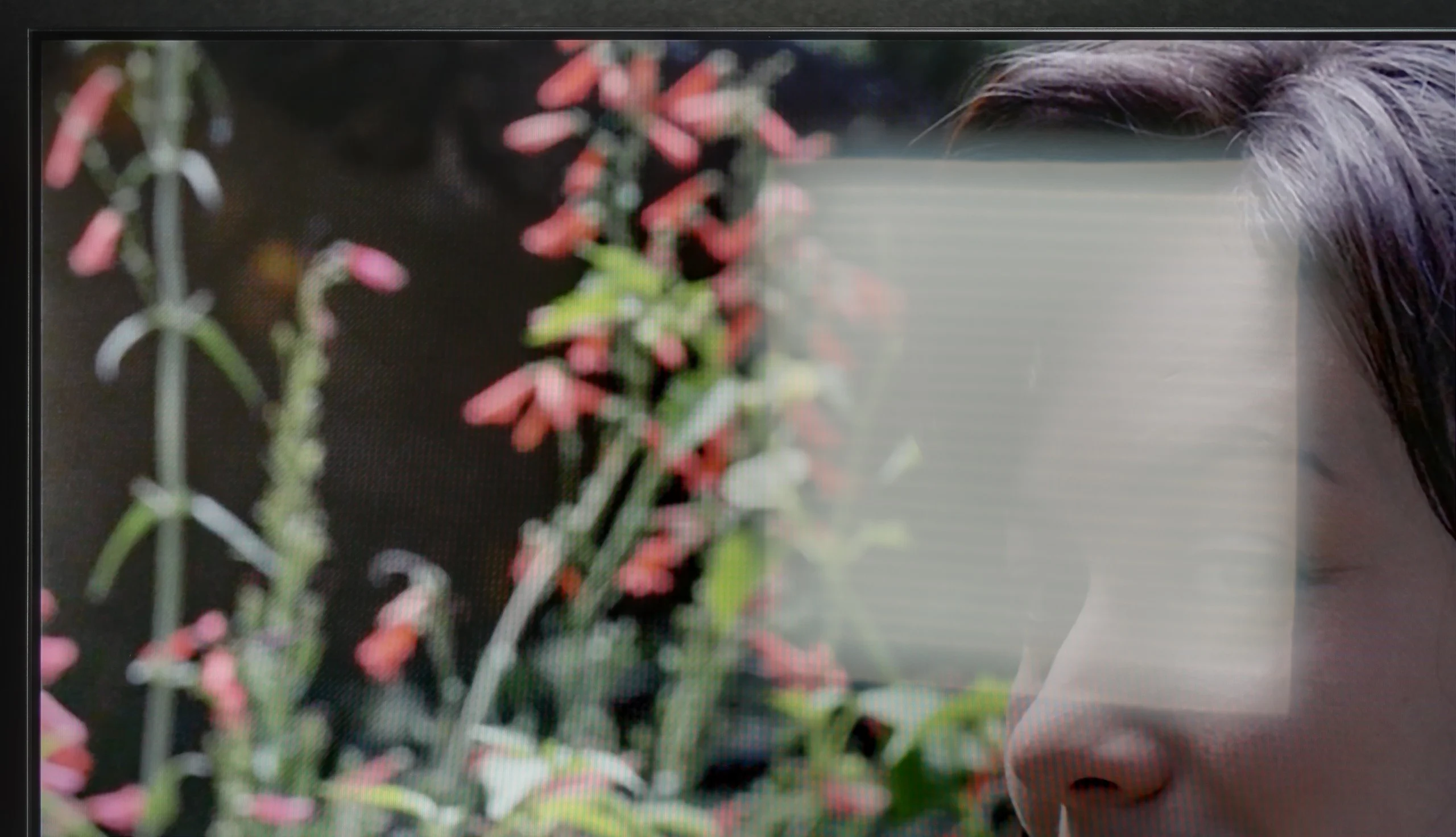
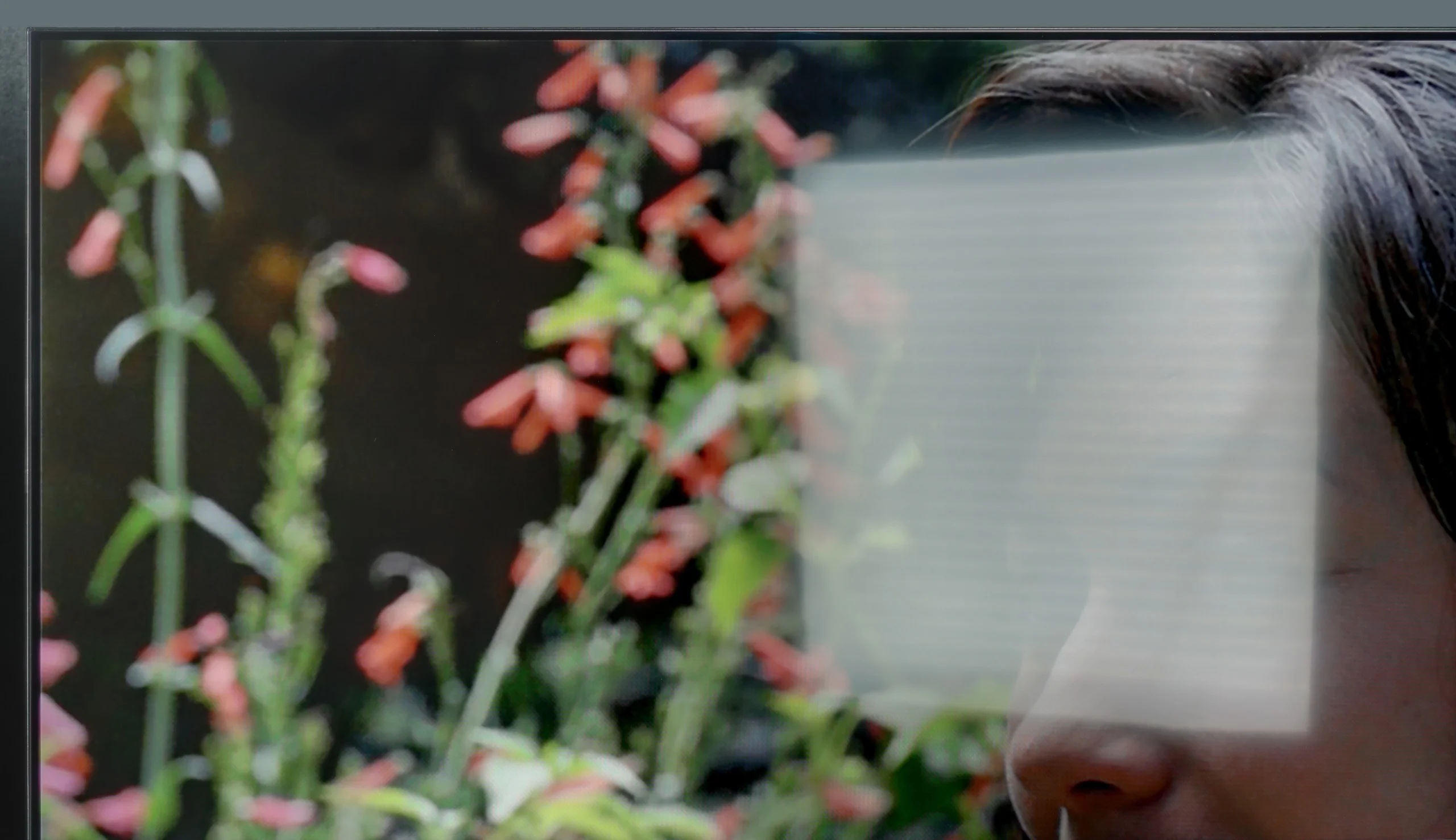
Ambilight, as this is what we need to start with, is the biggest reason why it's worth buying the PUS8500. The three-sided backlighting of the television looks fantastic, especially in the evening. It creates an atmosphere, masks contrast shortcomings, and makes watching a film simply more enjoyable. Even if the black levels aren't perfect, the native VA panel offers decent performance at high contrast. Additionally, there’s quite a good input lag and several features for gamers such as ALLM and VRR. Although HDMI 2.1 and a 120Hz panel are absent, playing casually should be a pleasure. Especially since it feels responsive and without delays. Let’s also mention the full support for audio formats – both Dolby Atmos and DTS are included, so soundbar owners can also rejoice.
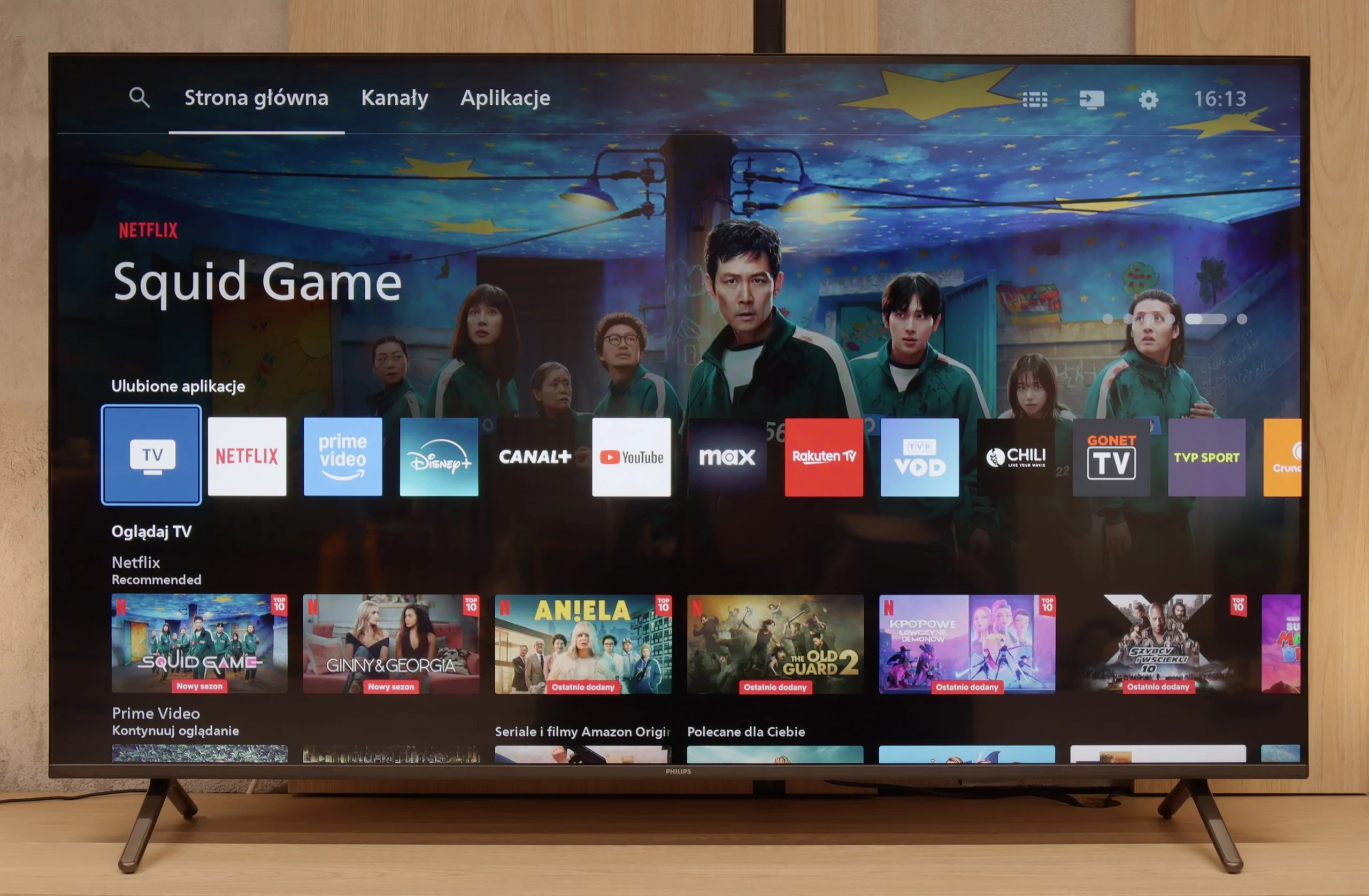
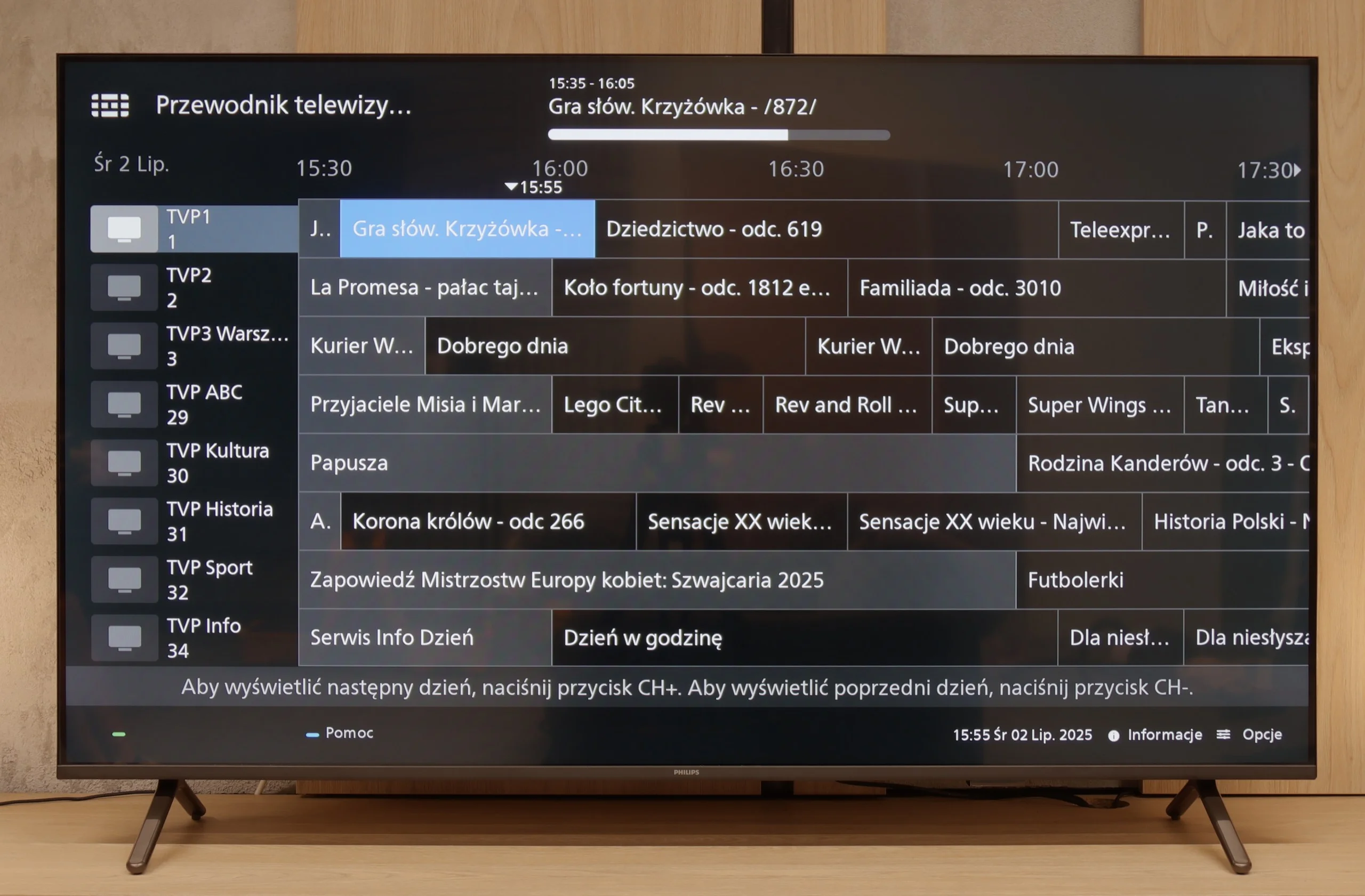
However, we won't sugarcoat it – this is still a budget television, and at times it’s clearly evident. The brightness is average – not weak enough to prevent viewing, but on an exceptionally sunny day, watching without curtains can be problematic. Nevertheless, in our opinion, the biggest disappointment of the PUS8560 is the Titan OS operating system. Despite the fact that the system debuted some time ago, certain functions simply refused to work – for instance, screen mirroring from a phone despite the manufacturer claiming that such a feature is present. There are fewer apps than in the competition, and the system itself operates rather clumsily. Generally, while it does have some features, it evidently lacks refinement.
Of course, this isn’t a television meant to compete with top models. But if someone is looking for something simple, with a great atmosphere provided by the Ambilight system, it is quite a fair proposition. You just have to know what to expect and accept the numerous compromises present here.
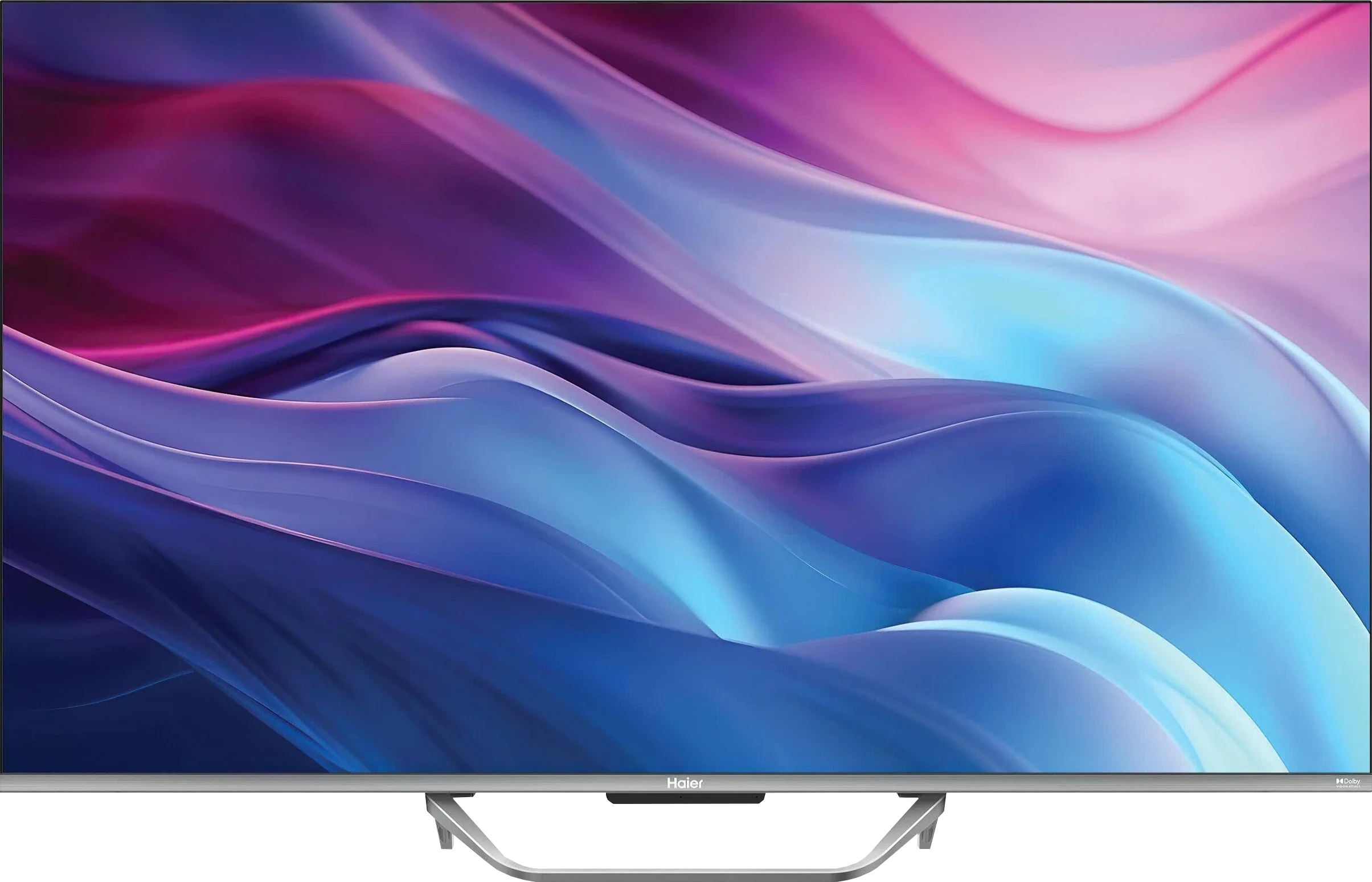
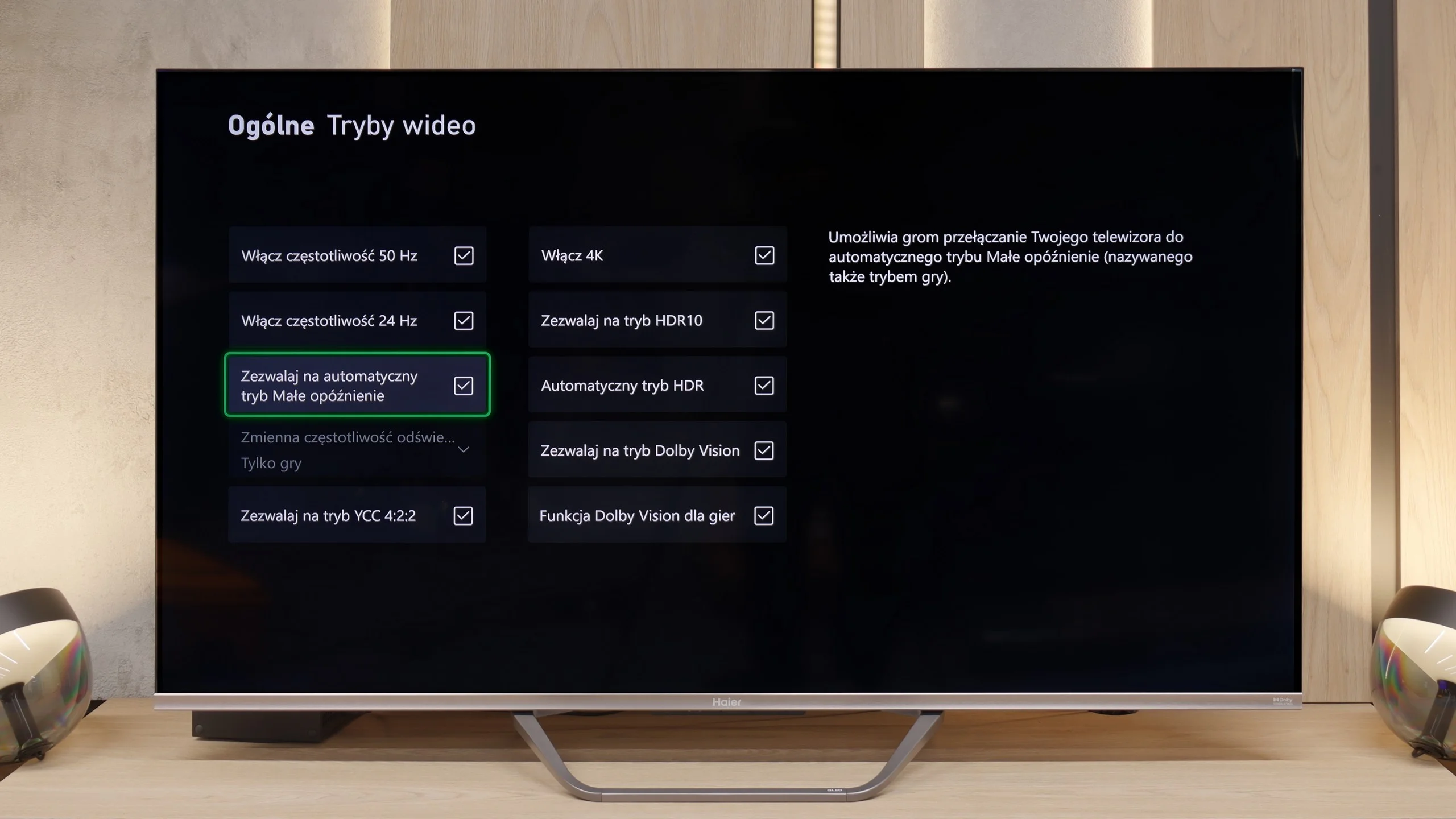
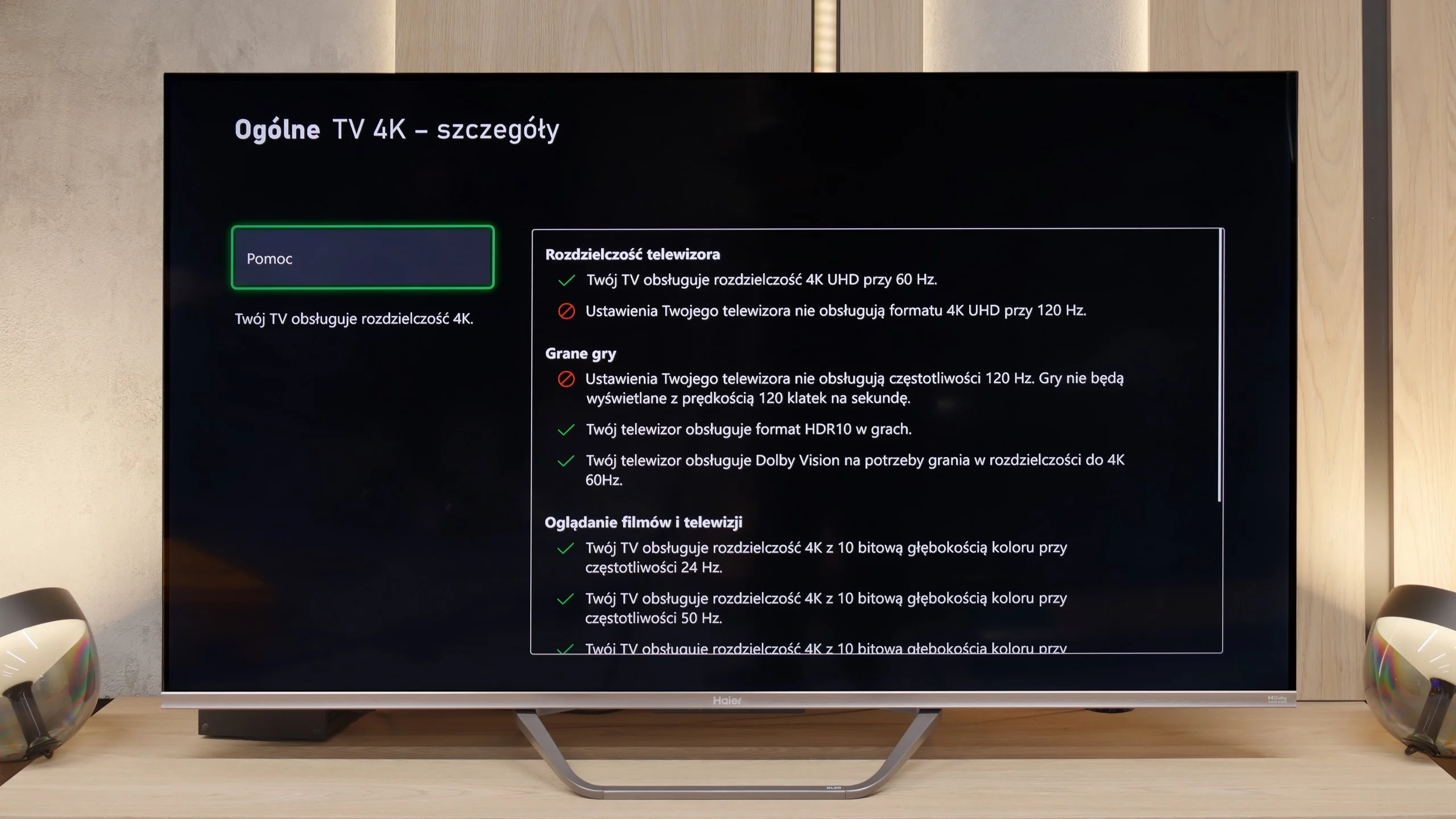
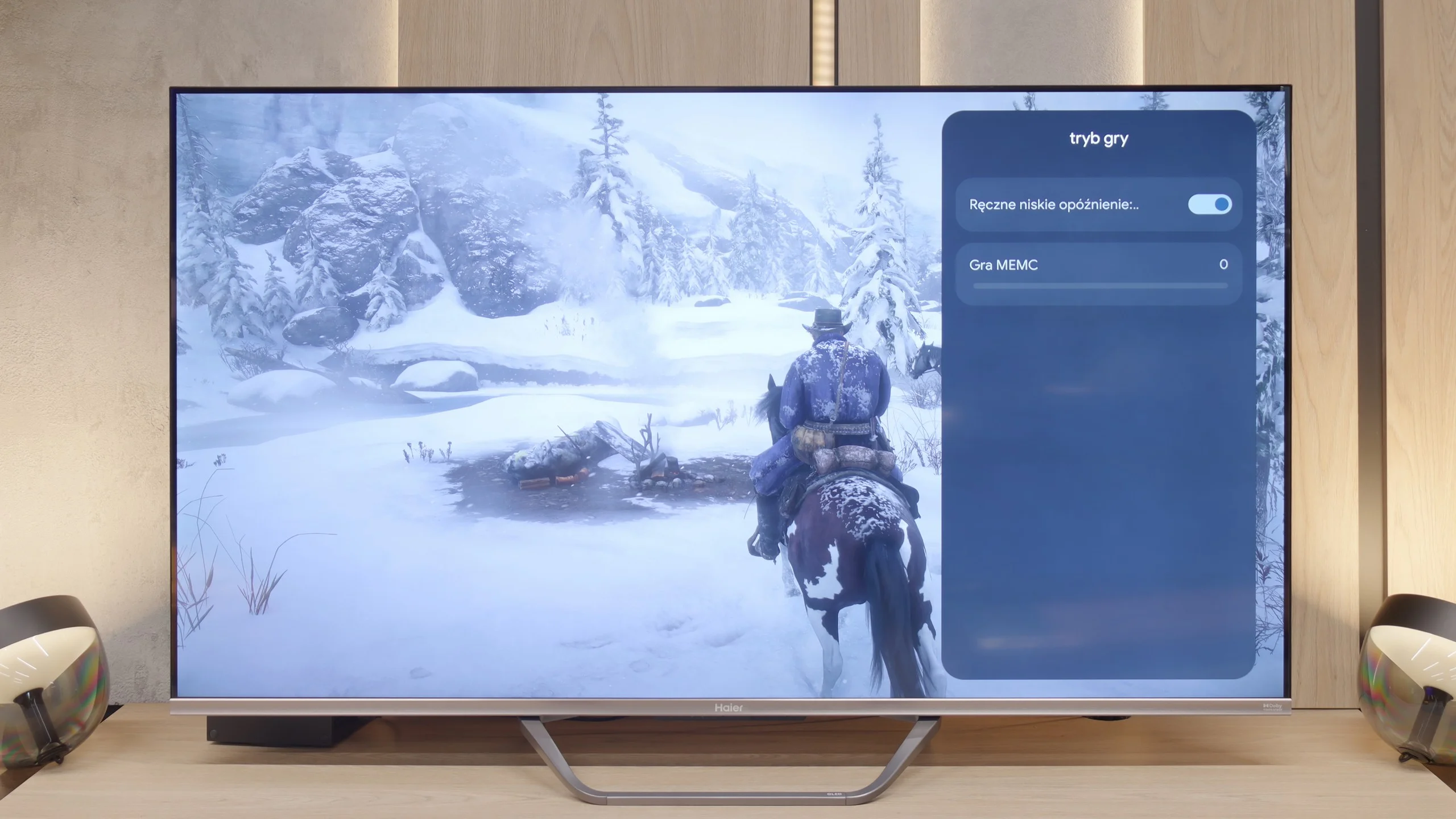
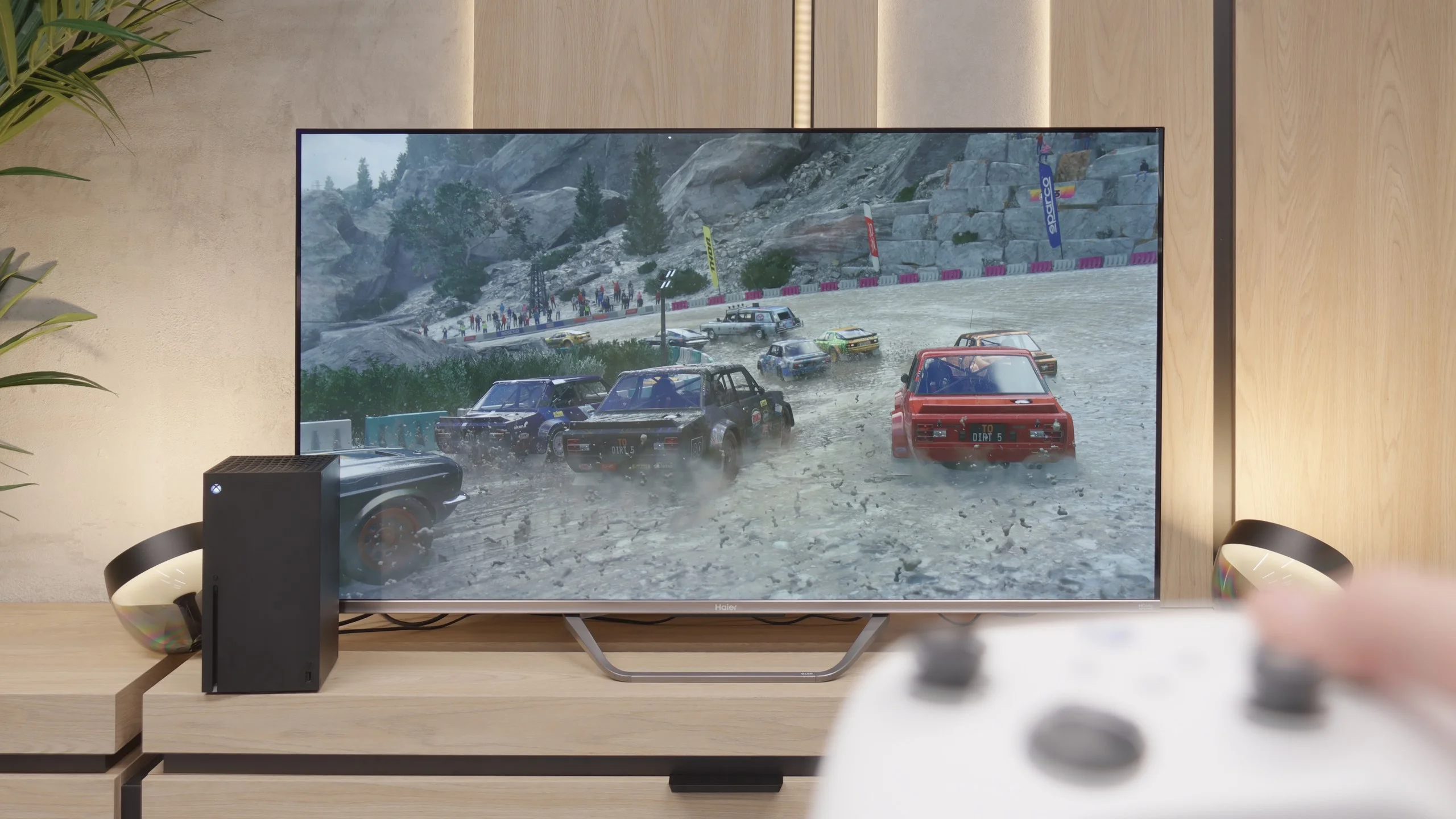
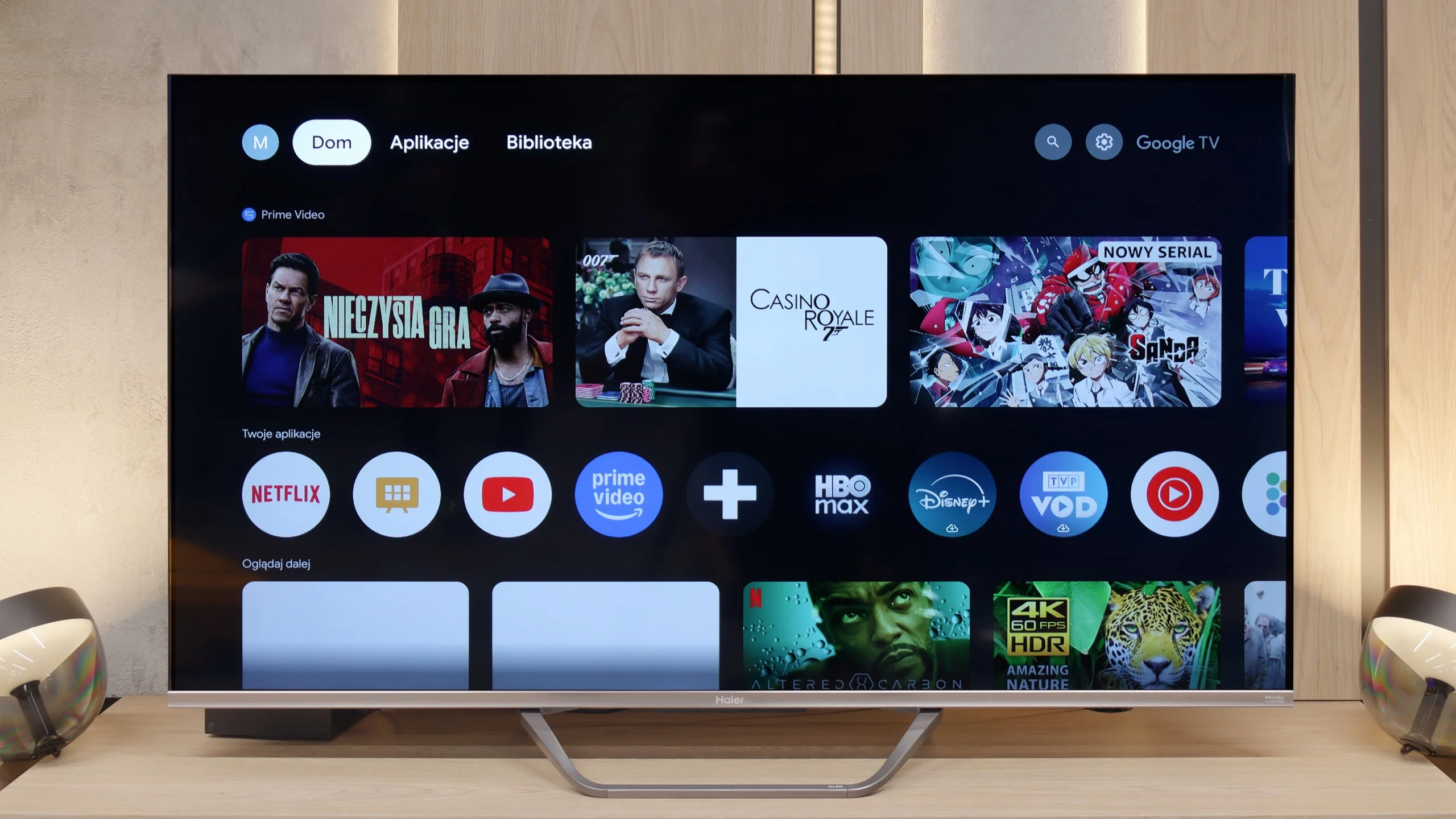
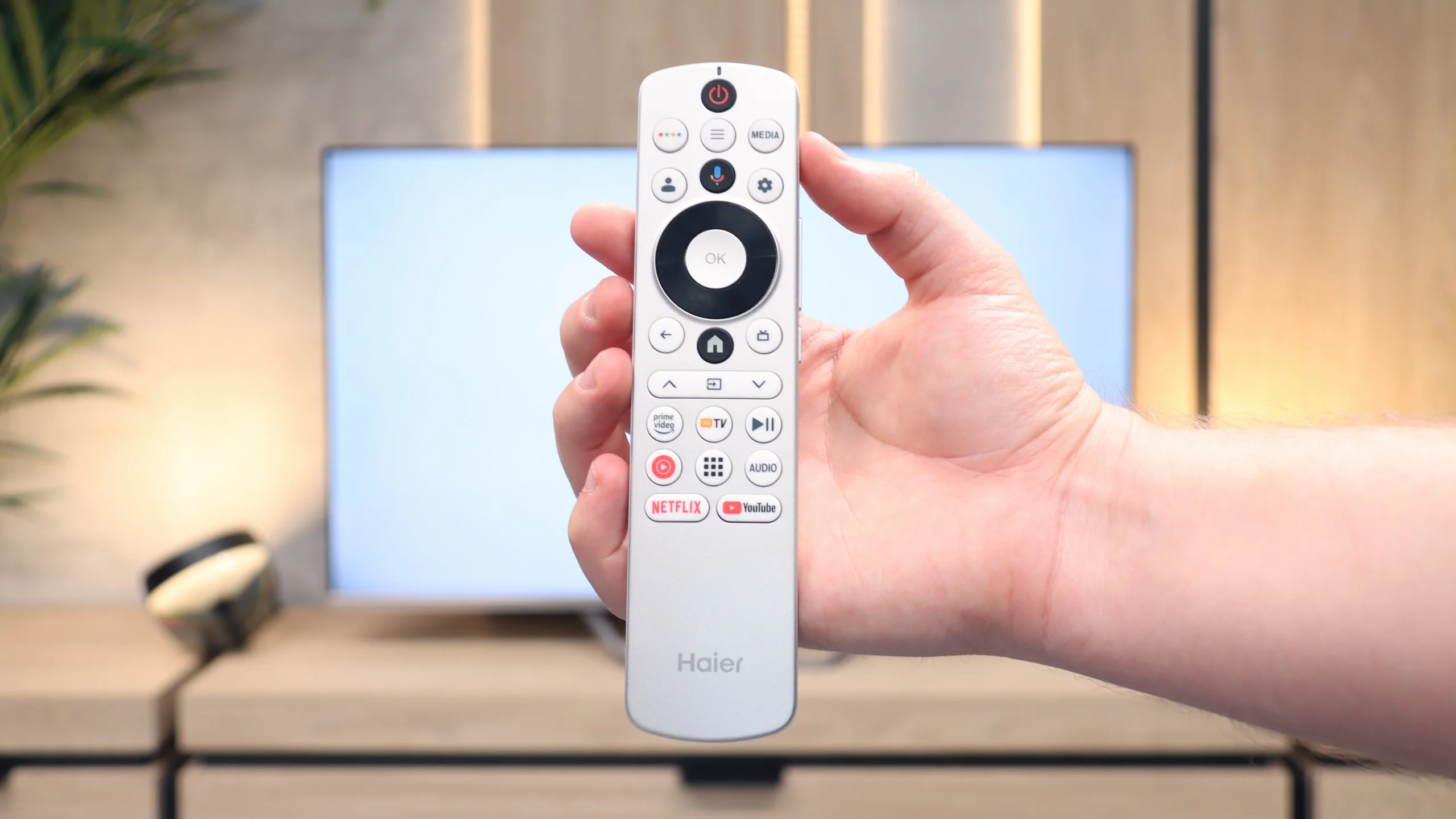
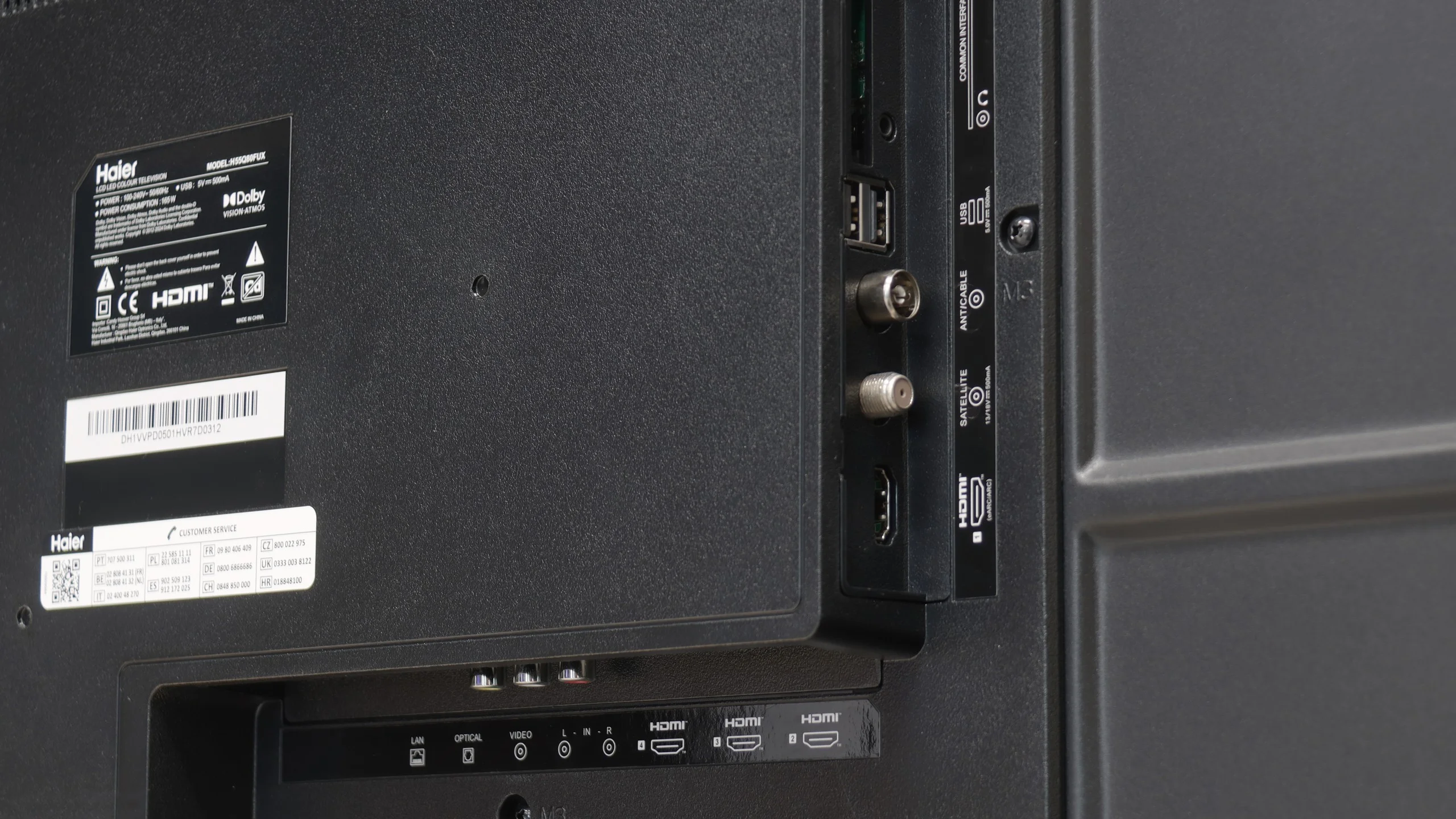
The Haier Q80FUX television is one of the most schizophrenic propositions we've had in our editorial office for a long time. On one hand, we have a solid piece of equipment here: a VA panel ensuring deep blacks, as expected in this segment, and a QLED quantum filter that can indeed produce vibrant, eye-catching colours. This is the foundation upon which a really competitive mid-range receiver could have been built. Unfortunately, all this matrix potential is systematically thwarted by the software, which represents a true millstone around the neck of this model. The Achilles' heel of the Q80FUX is its total capitulation when faced with HDR10 materials. The electronics seem to completely misunderstand how to interpret the signal, resulting in the brightest parts of the image being continuously blown out, turning them into a flat, milky patch. If we add the Google TV system to this, which, although functional, is unstable, full of bugs, and annoying shortcomings, we see a product that feels raw and clearly shows the manufacturer's lack of experience. Just when we thought we had written this model off, we discovered its surprising niche. Once connected to a console, the Q80FUX undergoes a transformation. It turns out that this television offers an impressively low input lag, fully supports VRR, and can handle a 120Hz signal in Full HD resolution. In the gaming world, where responsiveness is everything, these parameters put it in a very good light. So, we are dealing with a device of very narrow specialization. This is not a universal living room television – it lacks stability and above all, any correctness when handling films. Rather, it is a budget-friendly, large-format monitor for gamers, who can consciously forgive it all the software flaws in exchange for those few key attributes needed for consoles/PC at a relatively affordable price.
 Direct comparison