Philips OLED910 is one of the candidates for the title of TV of the Year 2025 – and we say this with full conviction. Thanks to the META panel used, specifically the Tandem OLED produced by LG Display, we get top-notch brightness that has not been seen in WOLED televisions before. Combined with perfect contrast, this provides unmatched experiences for evening viewing, which are difficult to find elsewhere. And if we add the four-sided Ambilight system to this, evening screenings can look better than on any other television. The OLED910 is not just a screen for films but also an excellent choice for gamers. The fast 144 Hz panel, along with the suite of features for gamers, does the job and gives the impression that this is equipment designed with modern gaming in mind. The sound is also worthy of special mention – in our opinion, it's the best built-in speaker system we've encountered in a television so far. The soundbar, created in collaboration with Bowers & Wilkins, demonstrates that one can do without an external setup, and if someone wishes, they can always add a subwoofer and step up to a full-fledged home cinema level. Of course, it is not the cheapest model, and compared to competitors, it requires digging deeper into your pockets. But it also has a few aces up its sleeve that make the extra cost seem justified. The question is: are you ready to spend more to have Ambilight, Bowers & Wilkins soundbar, and Tandem OLED panel? This is something everyone must evaluate for themselves. We can say one thing – by choosing the OLED910, you are purchasing one of the most interesting televisions of 2025.
- Matching (Score) |
- Our verdict |
- TV appearance |
- Where to buy |
- Contrast and black detail |
- HDR effect quality |
- Factory color reproduction |
- Color reproduction after calibration |
- Smoothness of tonal transitions |
- Image scaling and smoothness of tonal transitions |
- Blur and motion smoothness |
- Console compatibility and gaming features |
- Input lag |
- Compatibility with PC |
- Viewing angles |
- Daytime performance |
- Panel details |
- TV features |
- Apps |
- Playing files from USB |
- Sound
Philips OLED910 vs LG OLED C6 (WOLED)
 Direct comparison
OLED910
C6 / C64 / C6E / C6H / C61

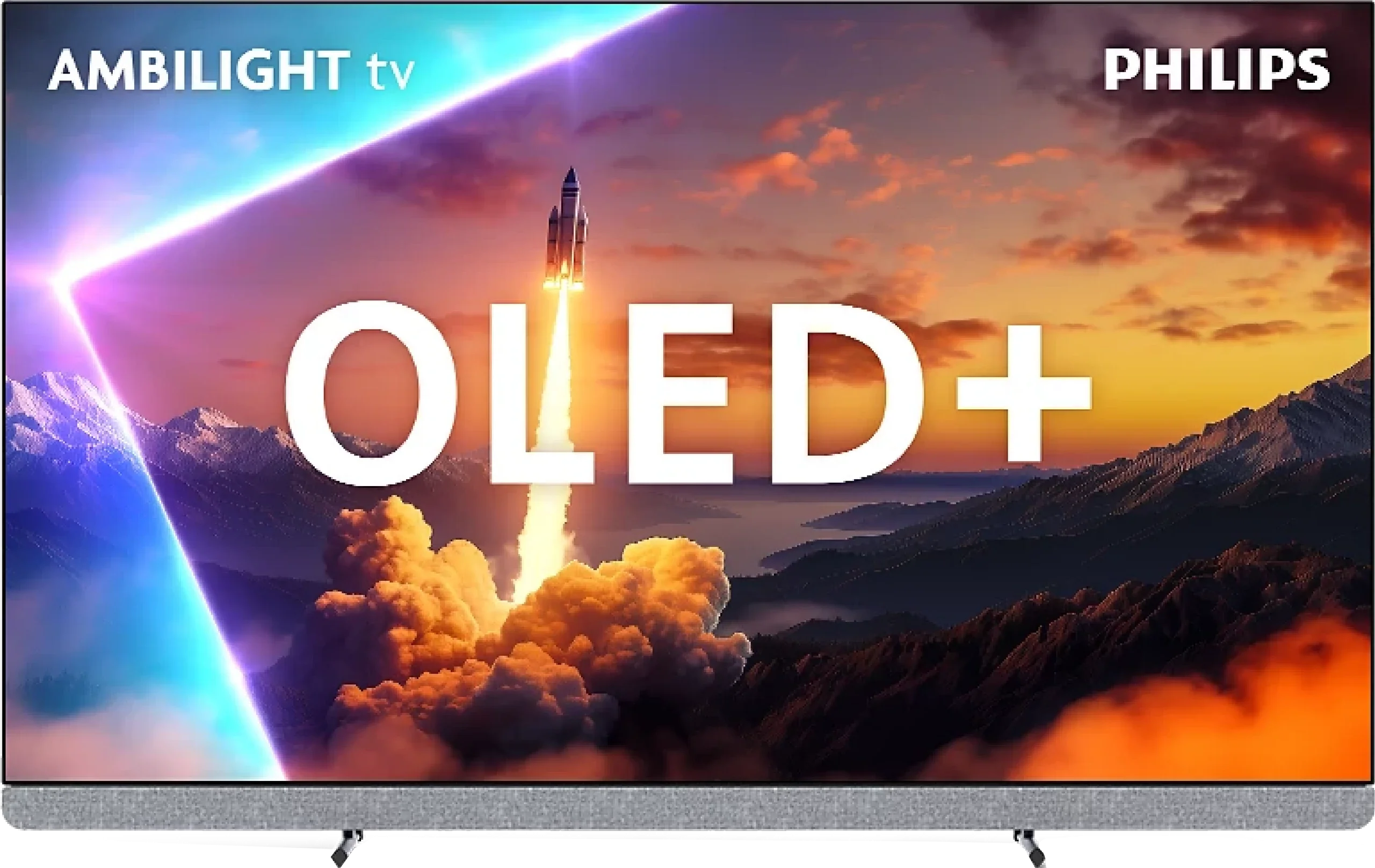
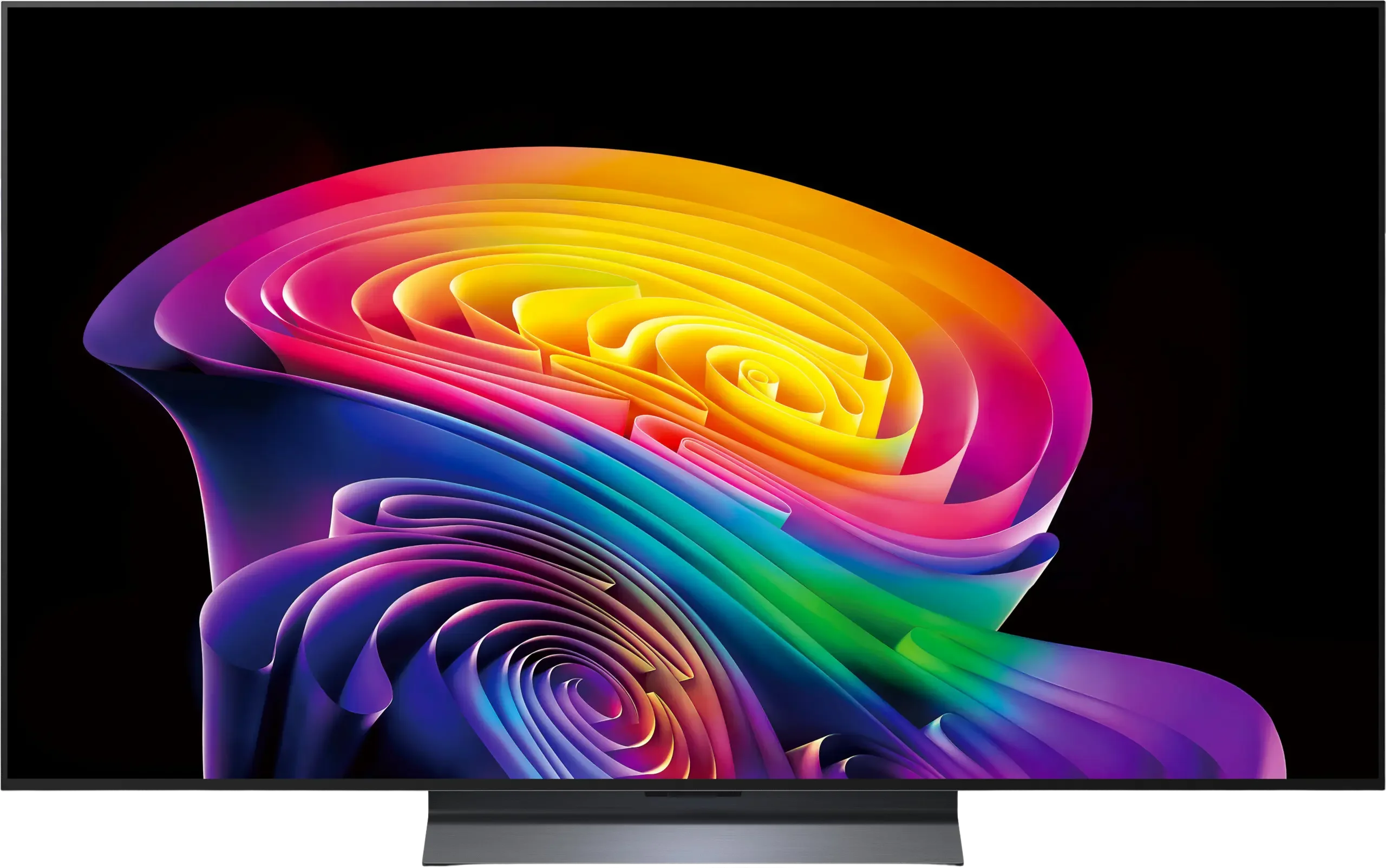
Panel type: WRGB OLED
Resolution: 3840x2160
System: Google TV
Model year: 2025
Complete the survey to find out the result
Panel type: WRGB OLED
Resolution: 3840x2160
System: WebOS
Model year: 2026
Complete the survey to find out the result
Overall rating
8.5
8.3
 Movies and series in UHD quality
 8.8
8.4
 Classic TV, YouTube
 8.7
8.8
 Sports broadcasts (TV and apps)
 8.5
8.6
 Gaming on console
 9.5
9.4
 TV as a computer monitor
 6.5
8.6
 Watching in bright light
 7.3
6.6
 Utility functions
 6.4
8.4
 Apps
Apps 9.6
9.1
 Sound quality
 9.5
7.0
Complete the survey to find out what fits your preferences
Advantages

Remarkable brightness, over 2000 nits in HDR!
Perfect black levels and very high contrast
Support for all major HDR formats: Dolby Vision and HDR10+
Very low input lag, amazing for gaming
Excellent motion smoothness, 144 Hz refresh rate and support for VRR and ALLM.
Four-sided Ambilight system making a huge impression
Google TV with a massive library of apps and efficient Google Assistant.
One of the best sounding televisions thanks to the Bowers & Wilkins soundbar
Support for audio formats Dolby Atmos and DTS:X
- Perfect black and OLED contrast - Very high HDR brightness, up to approx. 1,500 nits - Excellent image quality for HDR films and Dolby Vision - Very good image processing and upscaling - 165 Hz panel and virtually no motion blur - Great package for gamers: VRR, G-Sync, HGiG, Dolby Vision Gaming - Very low input lag, approx. 5 ms at 120 Hz - Wide viewing angles - Intuitive, modern WebOS - Convenient control with the Magic Remote featuring a gyroscope
Disadvantages

Only two HDMI 2.1 ports instead of four (this may be a limitation with more than one console)
Average font readability when working with a PC due to the lack of full chroma 4:4:4
Lack of several classic features – PiP, USB recording, infrared remote control
Price compared to the competition
Different remote versions depending on the C6 variant, so before buying it's hard to be sure which Magic Remote will be included.
Visible grain (dithering) around blacks, noticeable when viewed up close.
Average reflection handling, in a very bright living room strong reflections may be noticeable.
No DTS:X support, an external AV receiver or player will be required for that format.
Our verdict
LG C6 is a very successful evolution of one of the most popular OLEDs on the market. The TV itself hasn't changed radically compared with last year's C5, the look is very similar, webOS offers comparable features, and gamers once again get pretty much everything you can expect from a modern television. You can't really complain, since the C5 was already a very complete piece of kit in that regard. The most important change came where there was still room for improvement, namely the panel itself. The new WOLED panel is noticeably brighter and about 1500 nits in HDR makes the C6 increasingly hard to dismiss as just a 'mid-range OLED'. HDR movies look very impressive, black remains perfect, colours are very good, and the new processor, the same one found in the flagship G6, handles upscaling and lower-quality material very well. On top of that there's a really strong set of features for gamers. 165 Hz on PC, VRR, G-Sync and very low input lag mean you can just as well hook up a console as a powerful PC. During the day the C6 also performs better than previous generations, although of course in a very bright living room you'll still find brighter TVs on the market. And that's probably exactly why we like the C series most: its versatility. The C6 doesn't try to be the best TV in every possible category, but it hardly performs poorly in any. It's suitable for cinema, sport, gaming, regular TV and everyday streaming. If its price falls after launch as it has with previous generations, it could be one of the most interesting OLEDs to buy in 2026.
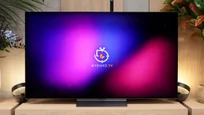
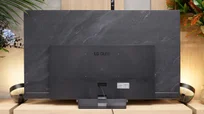
TV appearance




Contrast and black detail
10/10
10/10
Contrast:


Result
∞:1

Result
∞:1

Result
∞:1

Result
∞:1

Result
∞:1
Result
∞:1
Result
∞:1
Result
∞:1
Result
∞:1
Result
∞:1
Halo effect and black detail visibility:
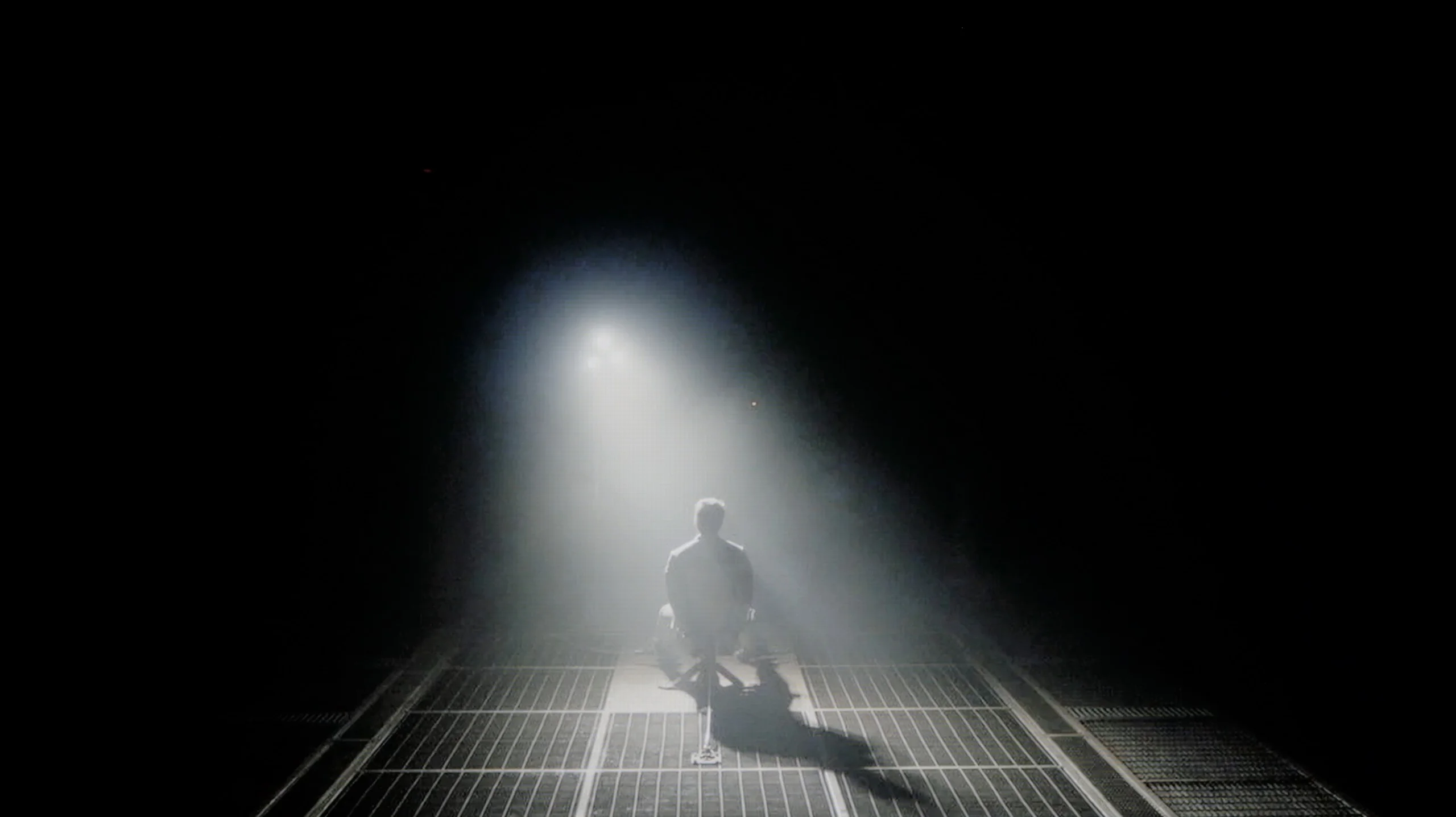
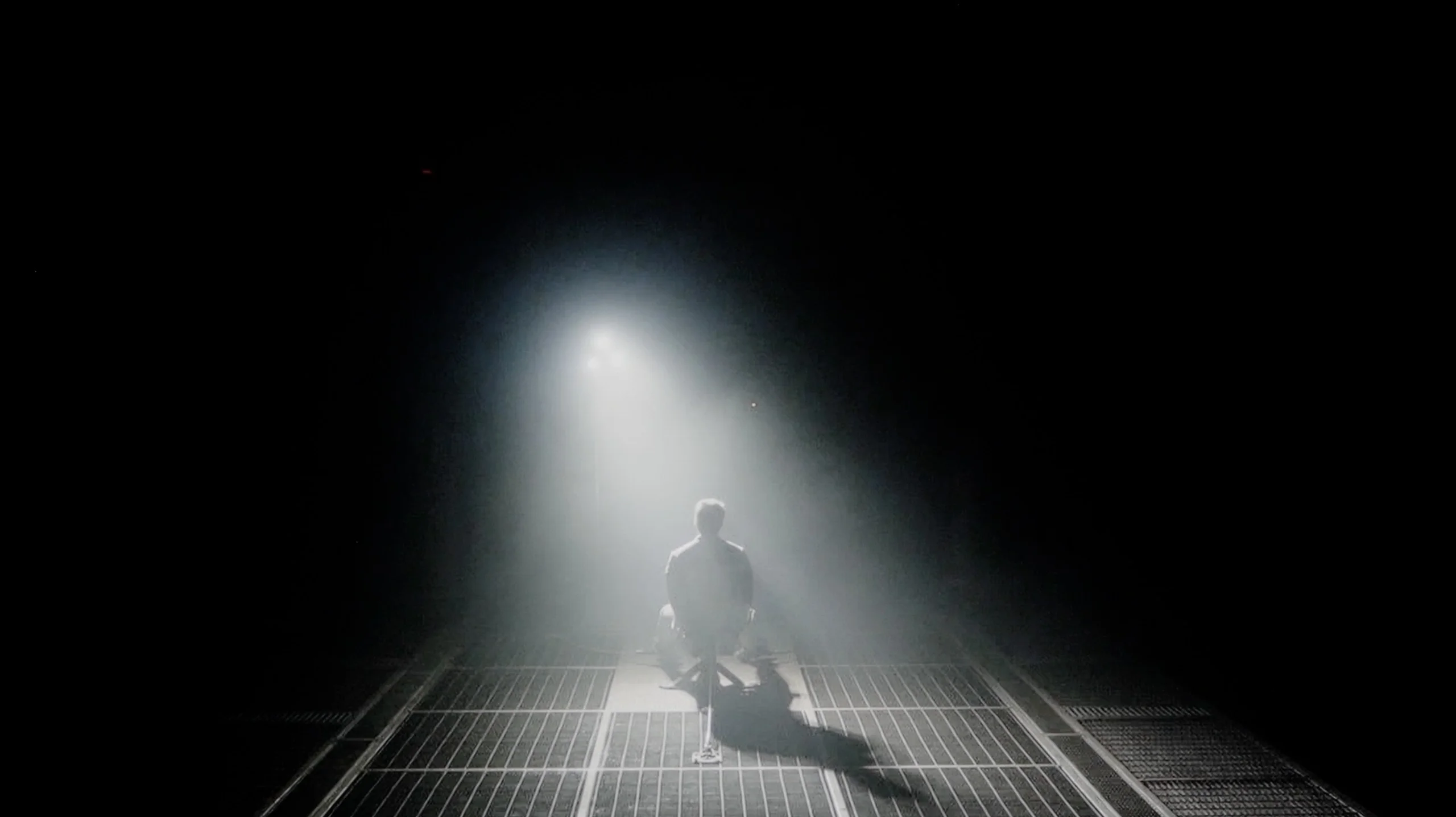
Check the visibility of bright lights on a dark background. Mini-LEDs often struggle with this. The photo does not compare black levels – that’s what the video below is for.
The video accurately shows differences in contrast and black levels between TVs, as well as potential issues: halo around bright objects or Mini-LED zone operation visible as brightness jumps.
As expected of an OLED television, the Philips OLED910 also offers an absolute level of black and remarkable contrast. This is a natural advantage of organic technology – each pixel is controlled independently, so when it needs to be black, it simply turns off. The image gains a depth that even the best Mini-LED televisions cannot reproduce, where there is always a risk of slight "blooming" or halo effect around bright elements. With the OLED910, this is not an issue – dark scenes are entirely credible, and at the same time, the television can replicate details in highlights with great precision, preserving their natural structure. In everyday viewing, this translates to an exceptional sense of realism and a cinematic quality. In this category, the OLED910 undoubtedly deserves the highest marks.
When it comes to black, there really isn't much to say. The LG C6 uses an OLED panel, so each pixel can be completely switched off. The result is exactly what you'd expect: perfect blacks, very high contrast and no halo around bright elements. This is particularly apparent in night scenes, where single lamps, captions or other bright points appear against a very dark background. The C6 handles them without issue and doesn't suffer from the limitations typical of Mini LED TVs with local dimming. Interestingly, in this respect it makes no difference whether we're talking about this C6 or the more expensive Tandem OLED variant. In terms of black levels both TVs perform practically identically. The differences between them are primarily to be found in brightness and colour.
NOTE: In the helicopter scene from the film Sicario 2 we noticed graininess and flickering in the darkest parts of the image. This looks like a software bug that LG should fix with an update. The effect is even more noticeable on the Tandem OLED version, and we observed similar behaviour on the flagship LG G6.
HDR effect quality
8.8/10
7.8/10
Luminance measurements in HDR:

Result
2008 nit

Result
2109 nit

Result
2214 nit

Result
2152 nit

Result
1382 nit
Result
1489 nit
Result
1288 nit
Result
1527 nit
Result
1345 nit
Result
649 nit
Scene from the movie “Pan” (about 2800 nits)


Scene from the movie “Billy Lynn” (about 1100 nits)


The photos show two HDR10 movies. 'Pan' is one of the brightest productions ever made, while 'Billy Lynn' (soldier) has brightness typical of streaming (Netflix, Prime, HBO MAX). Notice the intensity of effects and detail in whites.
Static HDR10


The photos present the visibility of white details in various HDR formats. They do not show brightness differences between TVs (these can be compared in the previous gallery).
Dynamic: Dolby Vision
Dynamic: Dolby Vision


The photos present the visibility of white details in various HDR formats. They do not show brightness differences between TVs (these can be compared in the previous gallery).
HDR luminance chart:
LG OLED C6 (WOLED)
Philips OLED910
Luminance of RGB colors
Luminance of RGB colors
The OLED910 is simply an absurdly bright television for an OLED. All thanks to the new panel from LG Display, the Tandem RGB OLED, which Philips has dubbed its "META OLED." It is this panel that allows for over 2000 nits of brightness in films, which not long ago was completely unattainable in OLEDs. The television also deserves high praise for how it handles full-screen scenes drenched in bright light. Generally, in OLEDs, brightness drops significantly during such scenes, but here it remains at an excellent level – around 1400 nits. These are almost reference values, and combined with the excellent colour reproduction at 99% DCI P3 and 82% BT.2020, it gives us an HDR effect that can confidently be called one of the best in the world.
The HDR performance of the LG C6 is really very good. LG Display's new WOLED panel has primarily brought a considerable increase in brightness. In our unit we measured around 1,500 nits and, importantly, the TV can deliver similar values in many typical film scenes. That gives the HDR the necessary impact. Bright highlights, lamps and sunlight can be really intense, and most HDR films simply look very impressive. Of course it's still an OLED, so brightness falls in scenes with a lot of white. This is well illustrated by the fifth scene in the film The Meg, where the C6 reached around 600 to 700 nits. That's still a very good result, but it also shows that the new panel hasn't shed all the limitations typical of OLEDs.
Colours
When it comes to colours, there is also little to complain about. The C6 covers about 99% of the DCI-P3 gamut and roughly 75% of BT.2020. In practice the colours are very saturated and, importantly, stable across different scenes. This is worth emphasising, because not every TV behaves the same in this respect. In some RGB Mini LED models colour saturation can depend more strongly on image brightness. A wider colour palette is nowadays offered mainly by QD-OLED TVs and new SQD models with a new generation of quantum dots. However, the C6 still performs very strongly here and is able to produce suitably saturated colours in most film scenes.
Factory color reproduction
7.6/10
7.8/10


This gallery shows how colors change after professional TV calibration. If you notice the difference, we recommend ordering this service at SkalibrujTV.com.
Factory Mode
After calibration
Update 01/2026
After conducting a series of calibrations of the OLED910 model at our customers' locations, we noticed that the measurement results differ from those obtained during the initial tests. The factory tuning of the movie mode turns out to be significantly better than our first tests suggested. White balance is set very precisely, with only a minimal dominance of red. The factory colour reproduction stays close to reference standards – average Delta E errors hover around 3-4, which is an excellent result for factory settings. However, there is some concern regarding the way the television manages brightness. Analysis of the Gamma (SDR) and EOTF (HDR) graphs shows a tendency to excessively 'pull' details out of the shadows. In practice, this means that the image may appear too bright, resulting in a loss of black depth in favour of visibility of details that should remain hidden. Of course, this effect can be effectively corrected during professional calibration.
Unfortunately, regarding colour reproduction right out of the box, the Filmmaker mode on the OLED910 performs really poorly. The television overemphasises the blue colour, and at times it looks almost like a shop mode. This gives the impression that the manufacturer did not quite tune the device properly. The effect is that colours appear unnatural, and the overall look is somewhat reminiscent of an overly exaggerated display in a store. HDR content performs much better, where aside from a slight loss of detail in the blacks, there's not much to complain about. The problem is that in everyday viewing, it is the SDR materials that matter most – and on the OLED910, they simply look poor and fall far short of what we would expect from a television of this class.
Right out of the box the LG C6 is pretty well set up, especially if you choose Filmmaker mode. In SDR material the white balance is decent, although as brightness increases it starts to lack a bit of red. The picture becomes a little cooler as a result, but it’s not such a big difference that it stands out during normal viewing. More happens in the brightness response itself. Gamma is a bit low and instead of holding at 2.4 it sits closer to 2.1–2.2 over much of the range. In practice the C6 slightly brightens midtones. Shadows are therefore more readable, but the image loses some depth compared with how it should look in a dark room. In HDR the situation is a bit more interesting. The start of the grayscale looks very good, but from about 20–30% brightness the white balance starts to drift more and more. As brightness rises there’s more red and a noticeable lack of blue. In the brightest highlights the difference is already significant and also affects reproduction of some colors. The EOTF curve itself is handled fairly well over most of the range. The C6 only has a tendency to slightly brighten the image, which we also saw during our film comparisons. The largest deviation appears around the brightest highlights, where the TV begins to adapt the signal to the panel’s capabilities. So the out-of-the-box Filmmaker mode in HDR isn’t perfect, but overall it performs well. The biggest room for improvement is the white balance, especially at high brightness.
Color reproduction after calibration
9.4/10
9.1/10

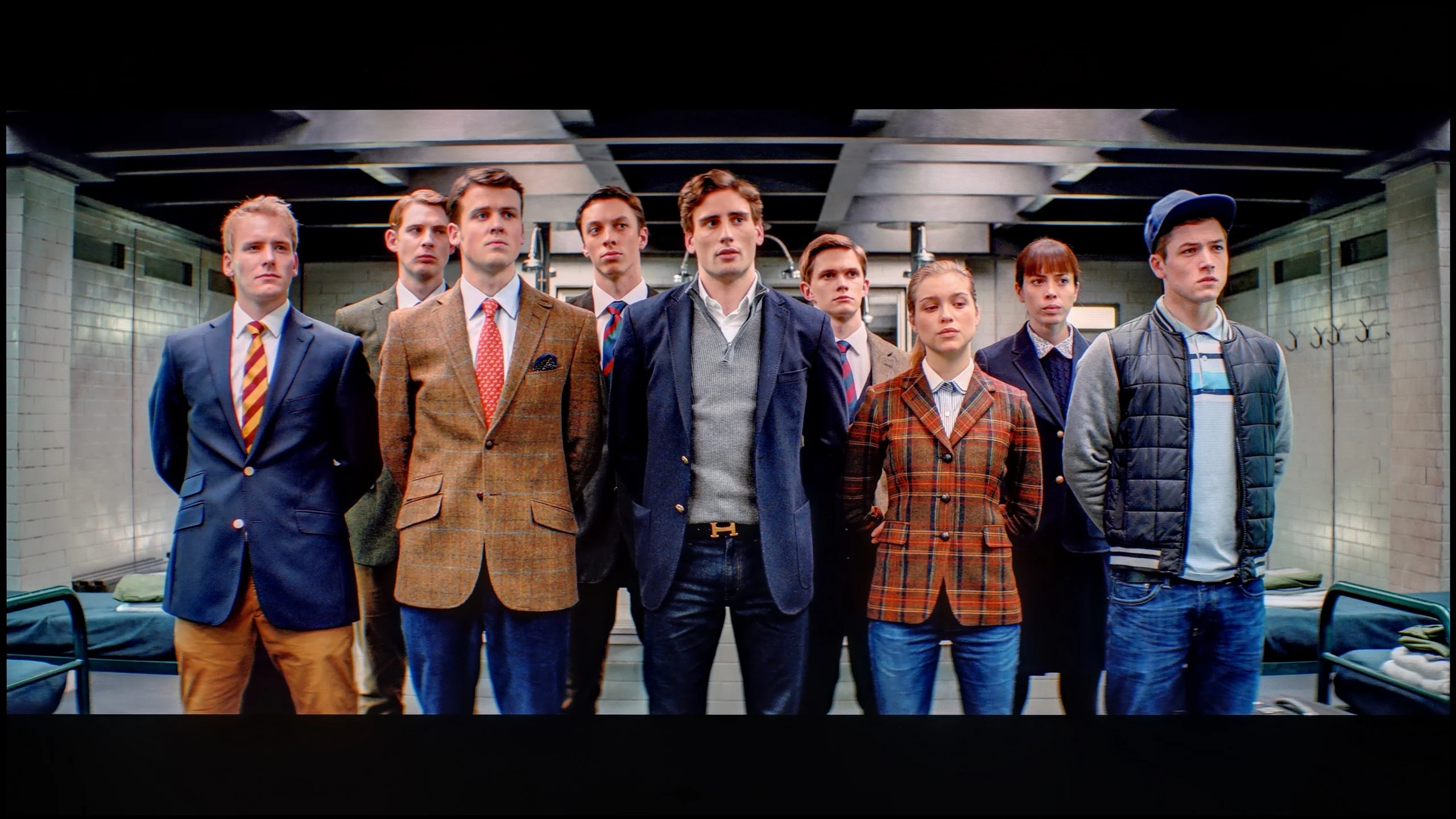
The photos show how movies look on the TV. Pay attention to black detail visibility, colors, and shadow tint.


The photos show how movies look on the TV. Pay attention to black detail visibility, colors, and shadow tint.
Fortunately, it quickly turned out that it was not the panel causing the problems, but rather the way Philips factory-calibrated the OLED910. After calibration, the television displayed its full potential, and only then could we see what the new panels produced by LG Display were truly capable of. We primarily adjusted the white balance and brightness characteristics, successfully taming the excessive blue and giving the image a natural appearance. The final effect can be described as excellent. Errors on the Color Checker palette rarely exceeded a value of 3, which in practice means an image close to perfection and colours presented in accordance with the creators' intent. In SDR content, the effect was outstanding, and in HDR, the improvement was even more noticeable – gradients became cleaner, and colours fuller and more accurate. After calibration, the OLED910 transformed from a disappointing television into equipment that can confidently be referred to as a reference in terms of colour quality.
LG TVs have been very receptive to calibration for years and the C6 is no exception. After adjustment the white balance was set almost perfectly, and most colour errors dropped to values below 3, often even around 2. In practice this means very accurate colour reproduction, both in SDR and HDR. An interesting quirk only appeared with the luminance response in HDR. On a standard EOTF chart everything looks almost ideal and at first glance it would be hard to criticise. Only when we measured the TV's behaviour with filters based on actual film scenes did it become clear that the C6 has a slight tendency to artificially boost image brightness.
This is not a huge difference and many people may even view it positively, because HDR consequently looks a little more striking. From the perspective of fidelity to the source material this is not ideal, however, as some scenes are simply a touch brighter than the filmmaker intended. Interestingly, this is rather unusual for LG. In previous generations the brand's TVs typically stuck very closely to the reference picture characteristic after calibration. With the C6 we are still very close to the standard, but this subtle brightness boost is indeed noticeable in films and TV series.
Smoothness of tonal transitions
7/10
7/10
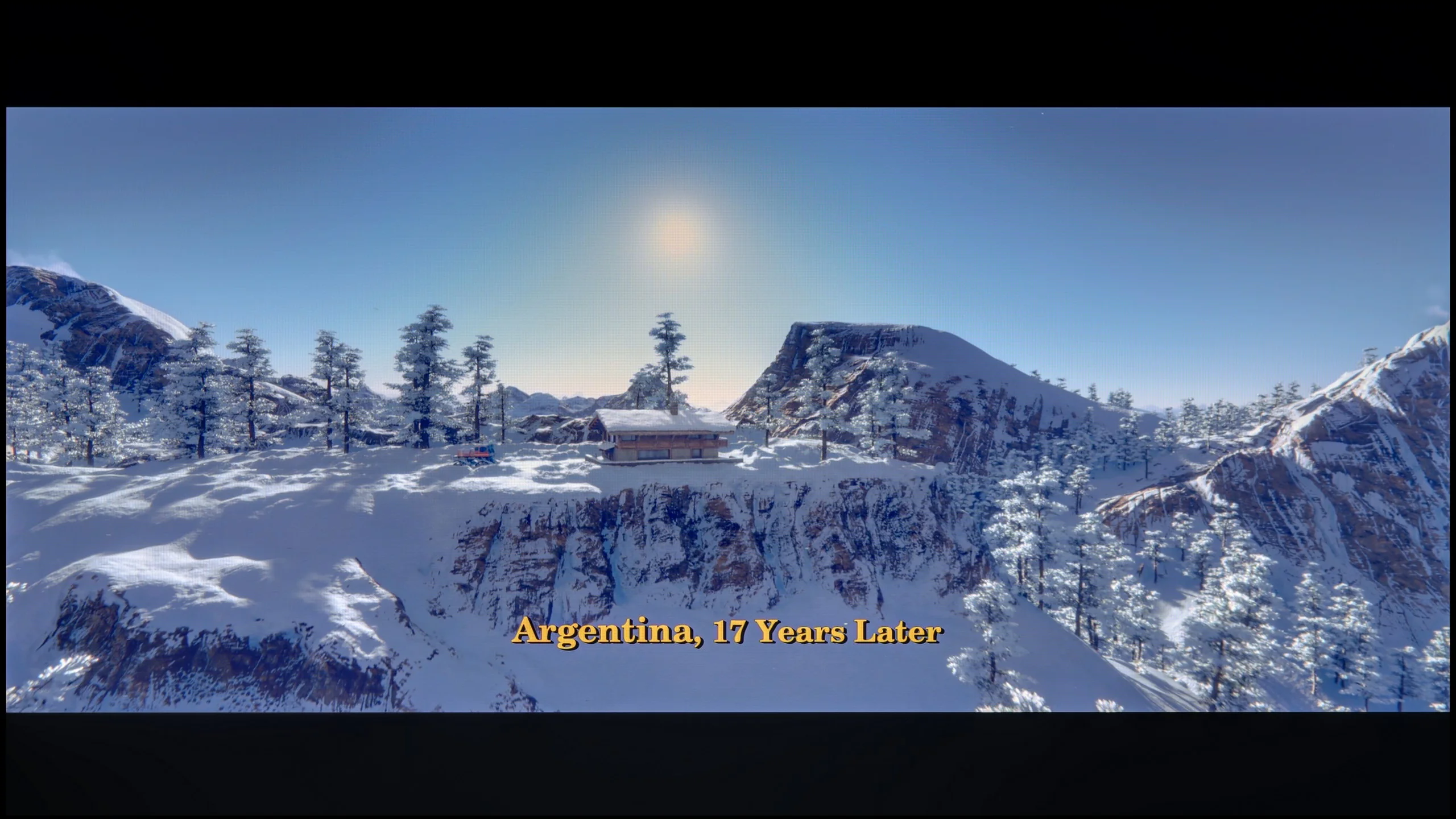



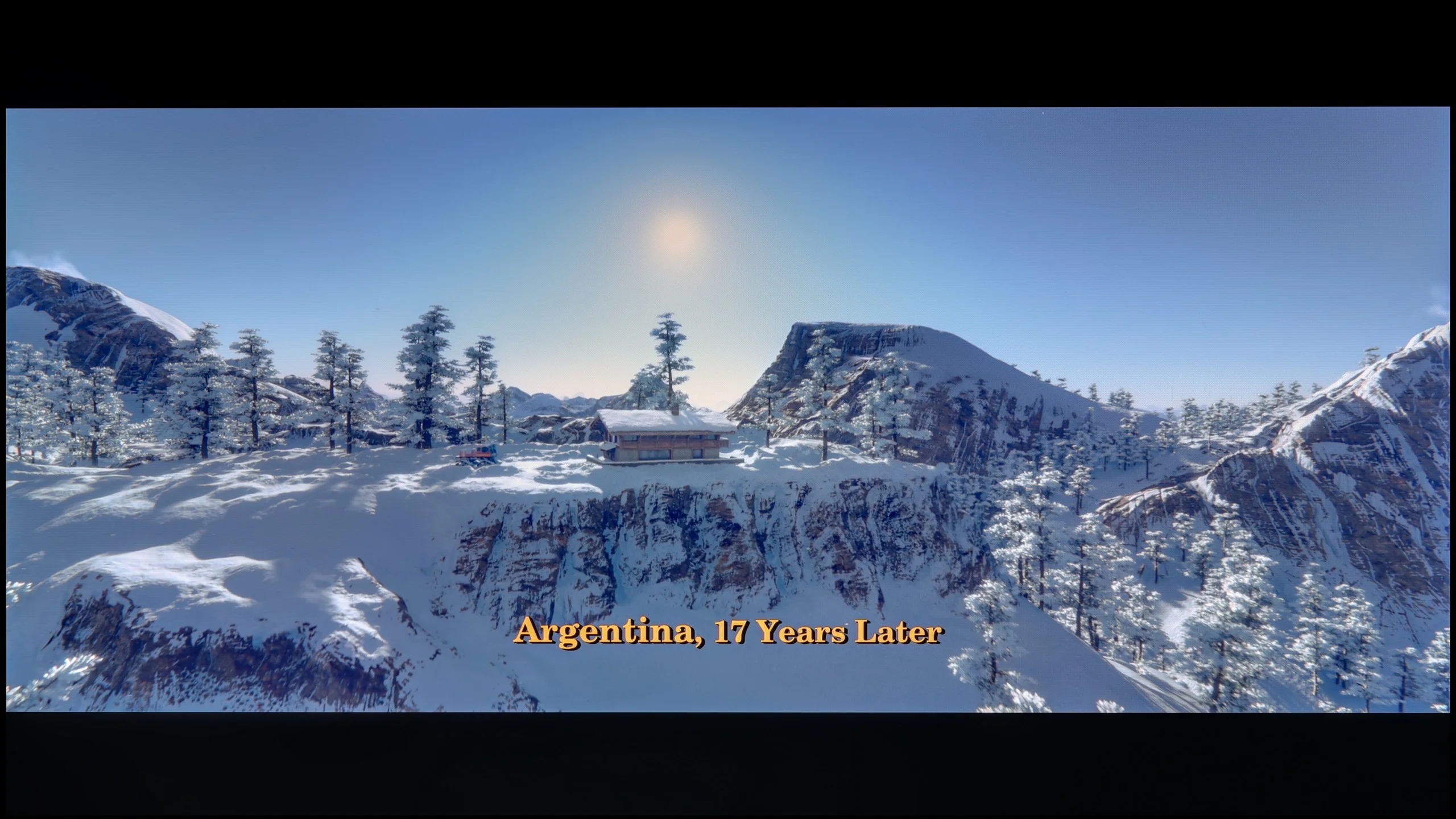
These are selected scenes that show smooth tonal transitions from one color to another. If you see distinct banding, it’s the TV panel’s fault.

These are selected scenes that show smooth tonal transitions from one color to another. If you see distinct banding, it’s the TV panel’s fault.
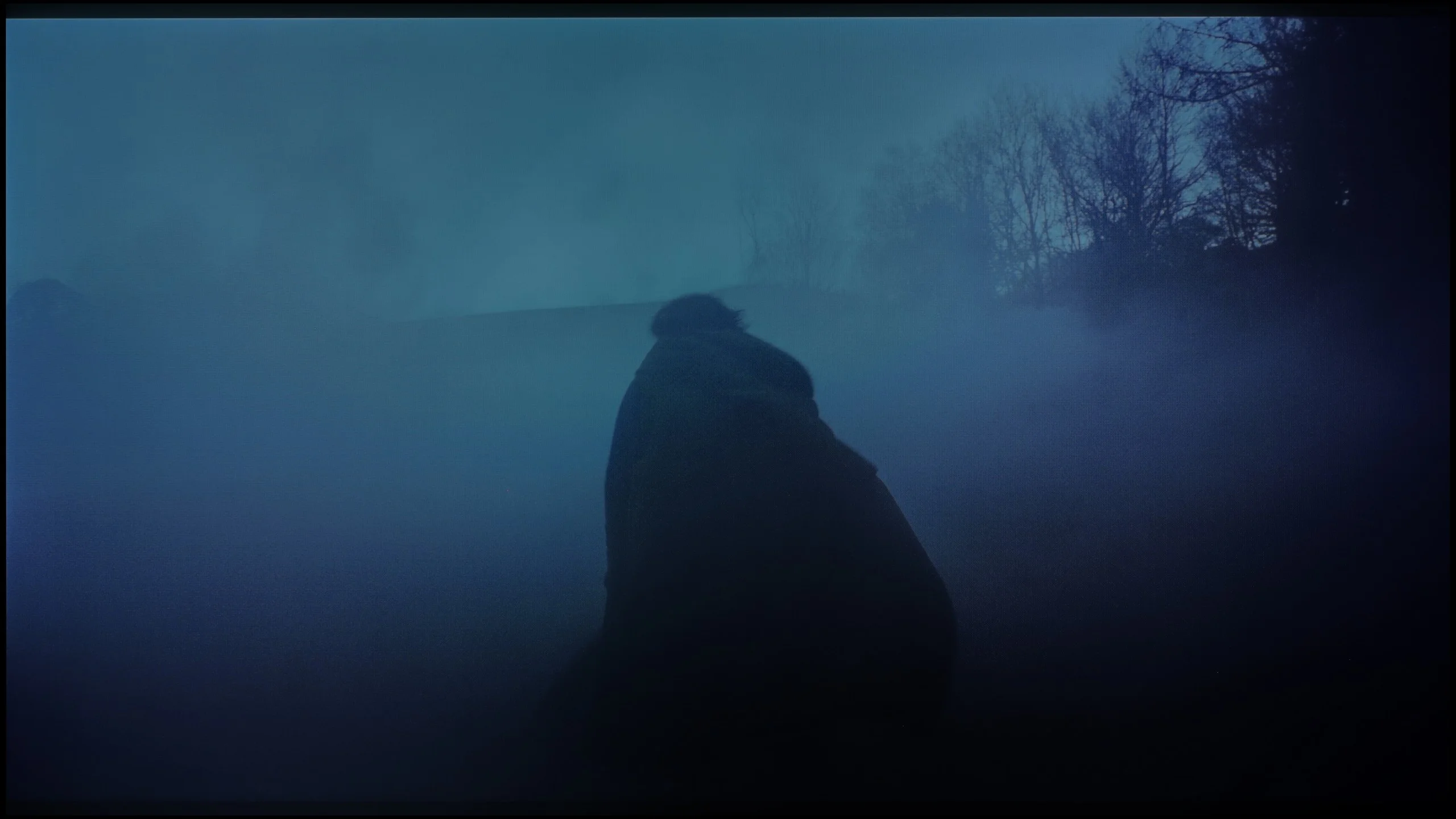
These are selected scenes that show smooth tonal transitions from one color to another. If you see distinct banding, it’s the TV panel’s fault.

These are selected scenes that show smooth tonal transitions from one color to another. If you see distinct banding, it’s the TV panel’s fault.
When it comes to colour combinations, the OLED910 performs quite well. In bright scenes, especially where strong bright colours dominate, it is difficult to spot any serious problems and the image looks very clean. It is less impressive in darker sections, closer to the grey palette – there you can notice characteristic banding, which may start to irritate more demanding viewers after a longer period of watching. Overall, however, it is a decent level and in most films or series, the effect should not be particularly bothersome.
The LG C6 handles tonal transitions very well. In most film scenes it was hard to spot any obvious posterisation issues. Both in the dark parts of the image and in bright transitions the colours remain relatively smooth and do not break up into visible banding. That’s good news, because WOLED panels have not always been perfect in this respect. On the C6 it is noticeably better, and during normal viewing this aspect of the picture should not draw attention.
Note: One drawback is the dithering visible around blacks. At close viewing distances you can notice slight flickering and graininess in the darkest parts of the image. It is not as pronounced as in the version with a Tandem OLED panel, but it still occurs, so in this category we decided to take a few points off the C6.
Image scaling and smoothness of tonal transitions
7/10
8.5/10

Smooth transition function
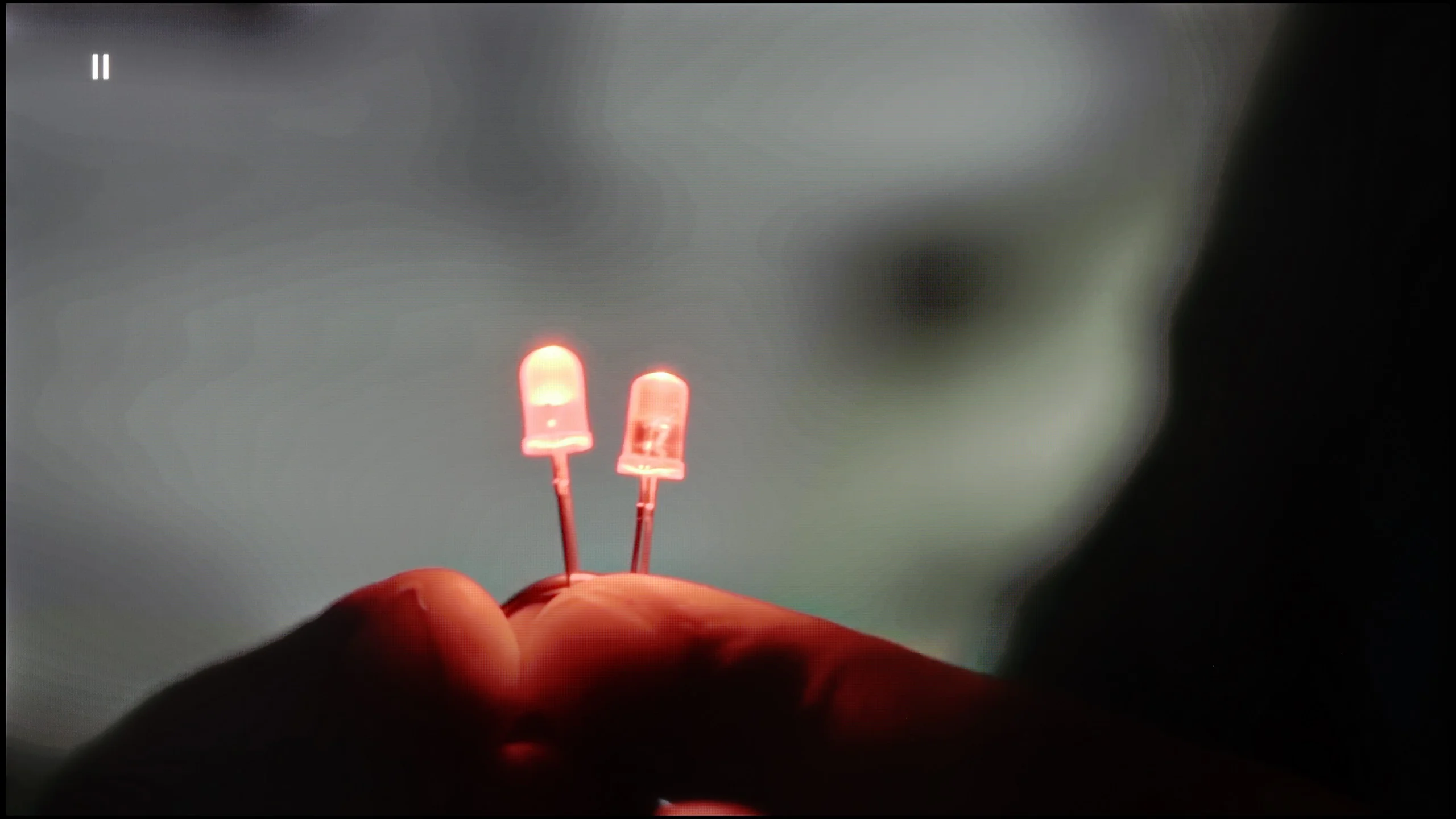
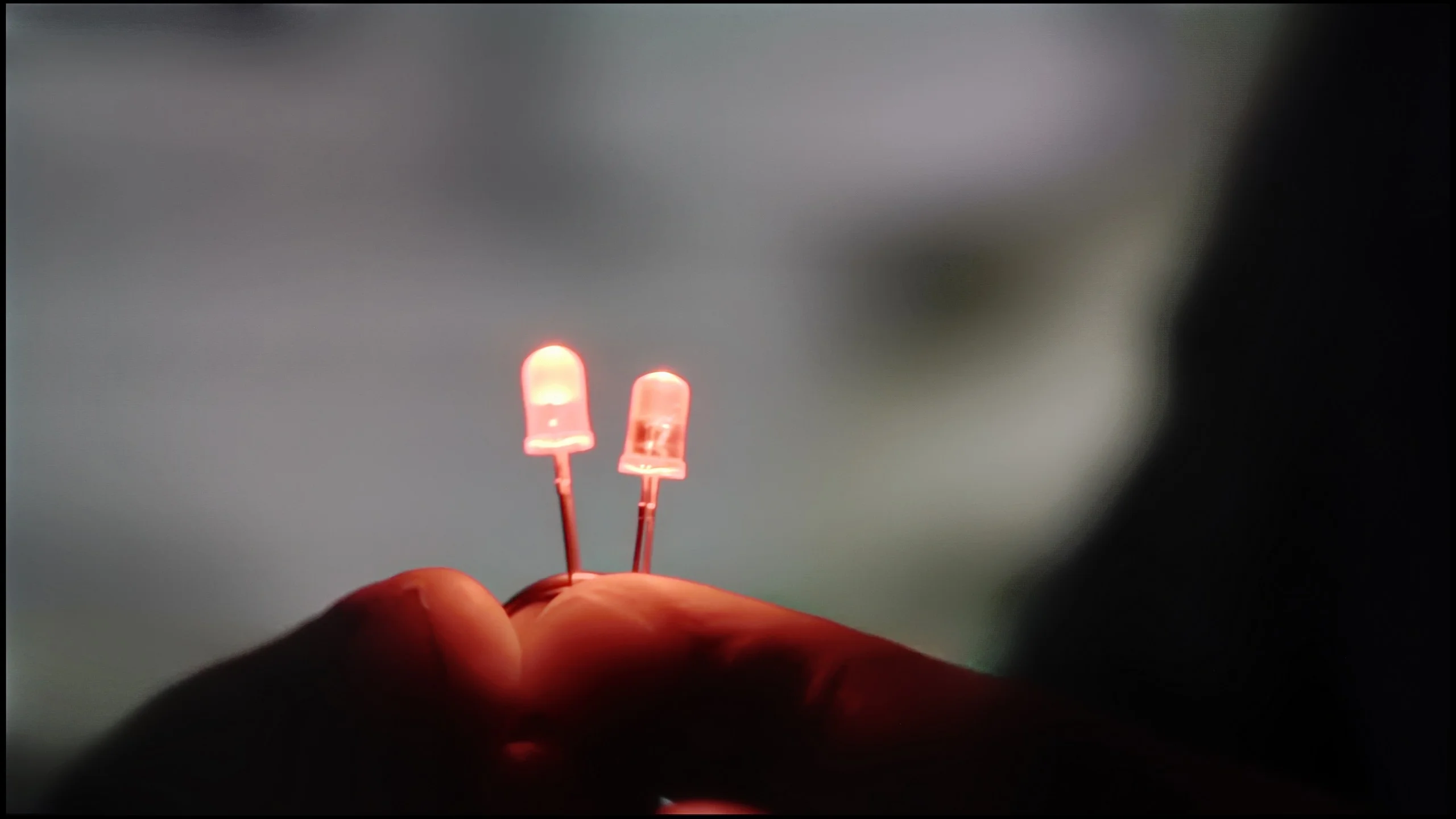
The match photo shows how the TV smooths weak tonal transitions in low-quality video.
Image scaling SD (576i)


The model photo shows how it handles upscaling of SD material.
The previously visible colour banding can largely be mitigated thanks to a feature called "distortion reduction." Like in the OLED820, it is best set to a medium level, as it then produces fairly decent results – smoothing out unwanted tonal transitions while not taking away too much detail from the image. Although at times the effect may be slightly too aggressive, this function can be considered useful for everyday viewing.
As for image scaling, the OLED910 performs really well. The test material featuring a model had a soft look characteristic of Philips – at times almost too soft – but this can be easily corrected with the sharpness slider, allowing you to adjust the image to your own preferences. It's also worth noting that the television has no issues with overscan, which still occurs in some competitor models. It's a small detail, but it's pleasing because it means that all content, even the oldest, is displayed as it should be.
Here the LG C6 has taken a real step forward. The TV uses the same processor found in the flagship G6, and in terms of image processing the two models are very similar. That's a considerable plus, because in this area LG's processor this year performs excellently. The "Smooth Gradation" function in particular works very well. With heavily compressed material it can effectively hide ugly banding and artefacts that often appear, for example, in lower-quality streaming. It's best to leave it set to "Low". That way the improvement is clear and the TV does not yet start blurring fine details. Higher settings smooth the image more aggressively but can already remove some of the natural texture of objects on the screen. Upscaling itself also performs very well. Lower-resolution content is sharpened correctly, edges look clean, and the processor quite effectively reconstructs fine details. In this respect the C6 is already very close to LG's best TVs and the differences compared with the G6 are small.
Blur and motion smoothness
8.5/10
8.5/10
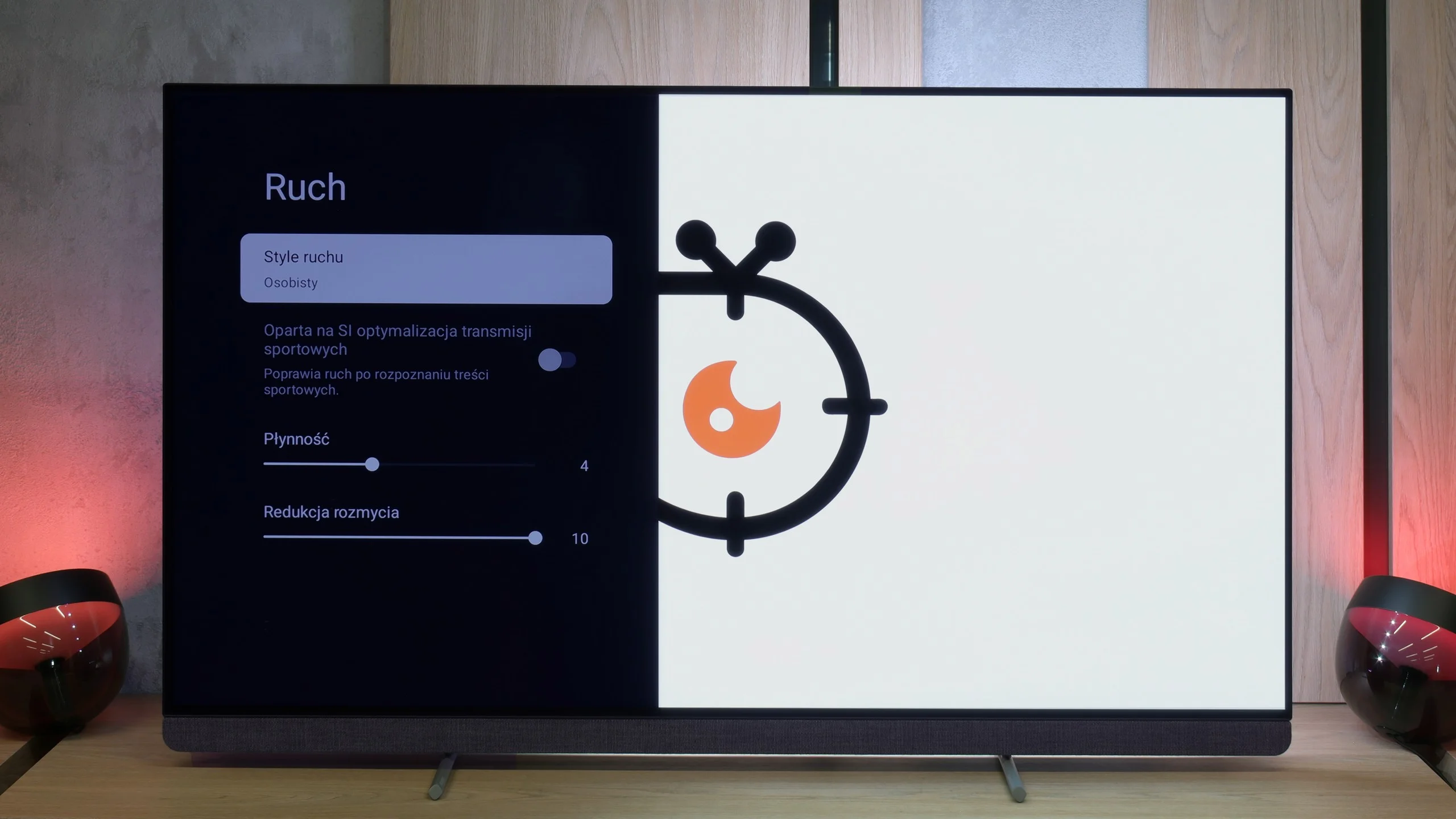
Blur (native resolution, maximum refresh rate):






Blur (BFI function enabled):
Image flickers in this mode



Blur (4K@144Hz):



Blur (4K@165Hz):



OLED910 is a television with a refresh rate of 144 Hz. It’s a bit of a shame that Philips didn’t opt for 165 Hz, as we know that the panel used is capable of that. On the other hand, such a bonus would mainly benefit PC gamers, as in everyday use, the most important refresh rate is 120 Hz, which is fully sufficient. Combined with the advantages of the OLED panel – lightning-fast pixel response time and the absence of motion blur, the image is impeccably sharp and quick, even in dynamic action scenes. The traditional motion smoother from Philips, called “Motion Style,” also deserves praise. We can easily adjust it to our preferences: the “Fluidity” slider is responsible for films and allows you to choose between a more “filmy,” cinematic character and a smooth, theatrical image. Meanwhile, the “Motion Blur Reduction” slider is intended for sports, where it’s worth setting it to the maximum value to ensure that the image is clear and distinct during very fast shots.
LG C6 received a panel with a maximum refresh rate of 165 Hz, which is great news above all for gamers using a powerful PC. In films, sport or on consoles we will of course make use of up to 120 Hz, but even then it is hard to fault the motion clarity. As befits an OLED, the panel's response time is almost instantaneous. Moving objects therefore do not leave the characteristic smearing or trails that we can still see on LCD televisions. This is especially noticeable in sport and fast-paced games, where the picture remains very clean even during dynamic movement.
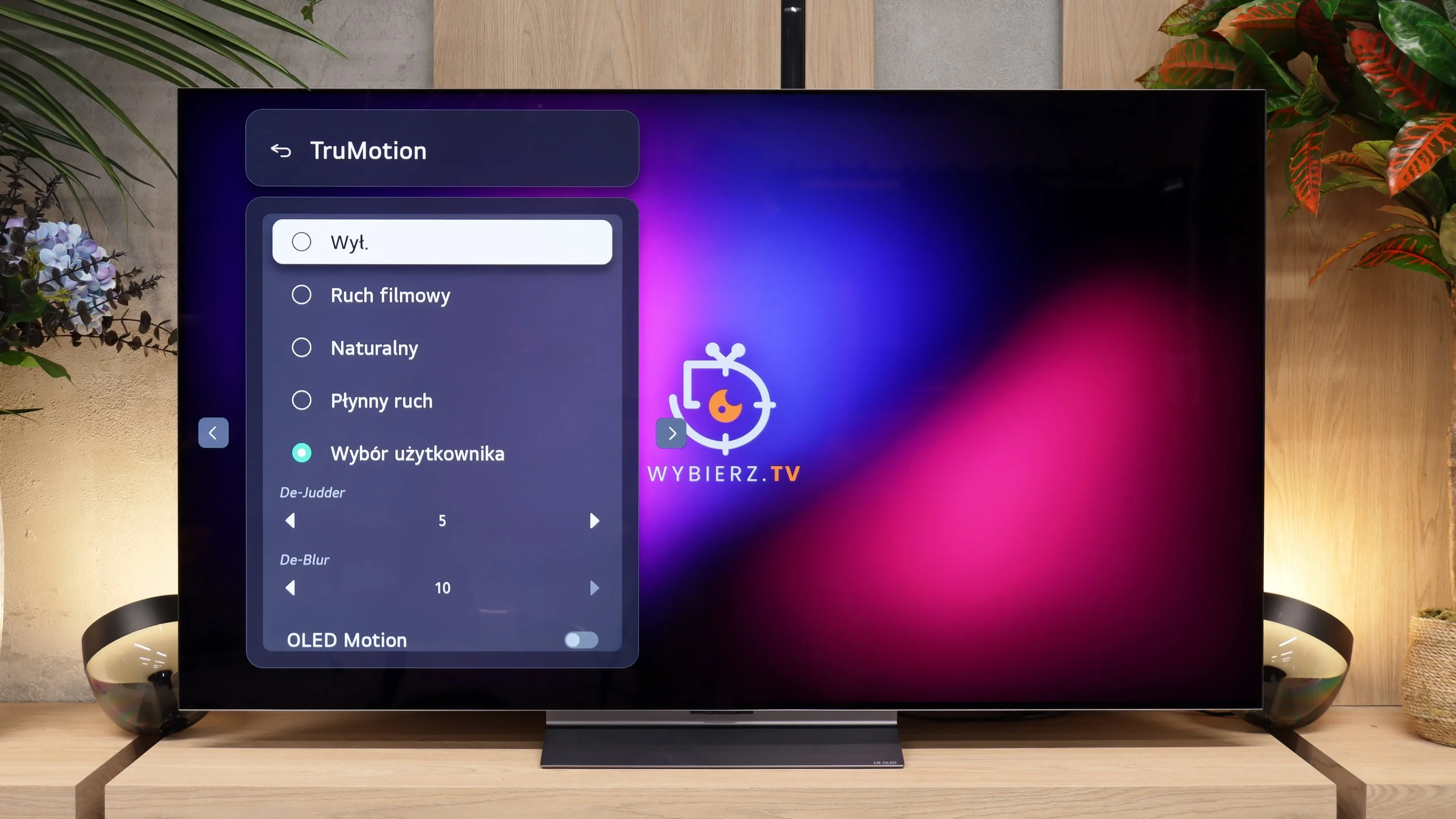
For films and television LG has also prepared the TruMotion motion smoothing system. In the user settings you will find two separate sliders. De-Judder primarily addresses low frame-rate content, that is mainly films and TV series at 24 fps. You can use it to slightly reduce the characteristic judder or set a higher value if you want a very smooth image. De-Blur is useful for higher frame-rate material, chiefly sports broadcasts and 50/60 fps television.
Console compatibility and gaming features
9.8/10
10/10
- ALLM
- VRR
- VRR range48 - 144Hz40 - 165Hz
- Dolby Vision Game Mode
- Correct implementation of HGIG
- 1080p@120Hz
- 1440p@120Hz
- 4K@120Hz
- Game bar
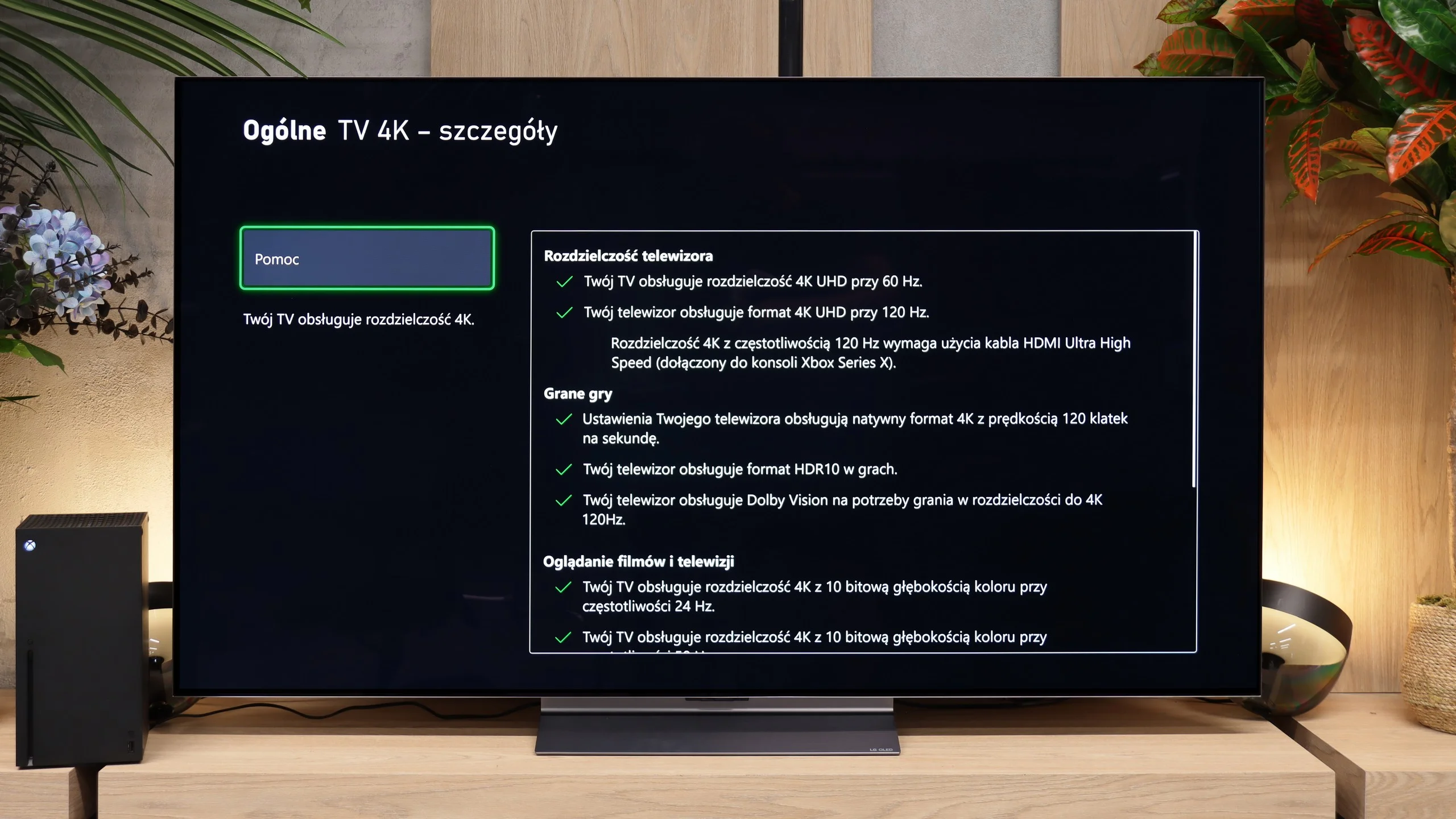
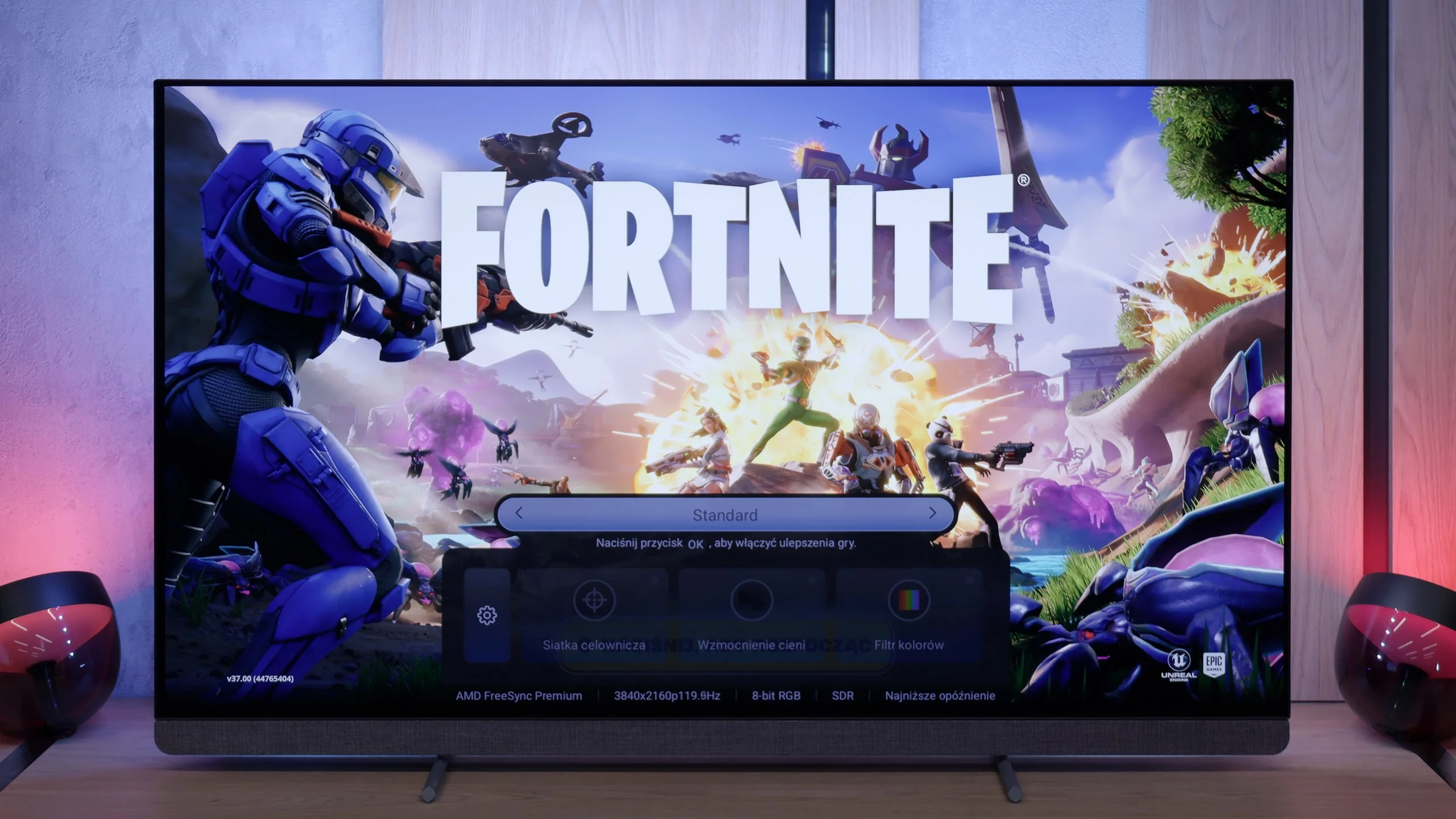
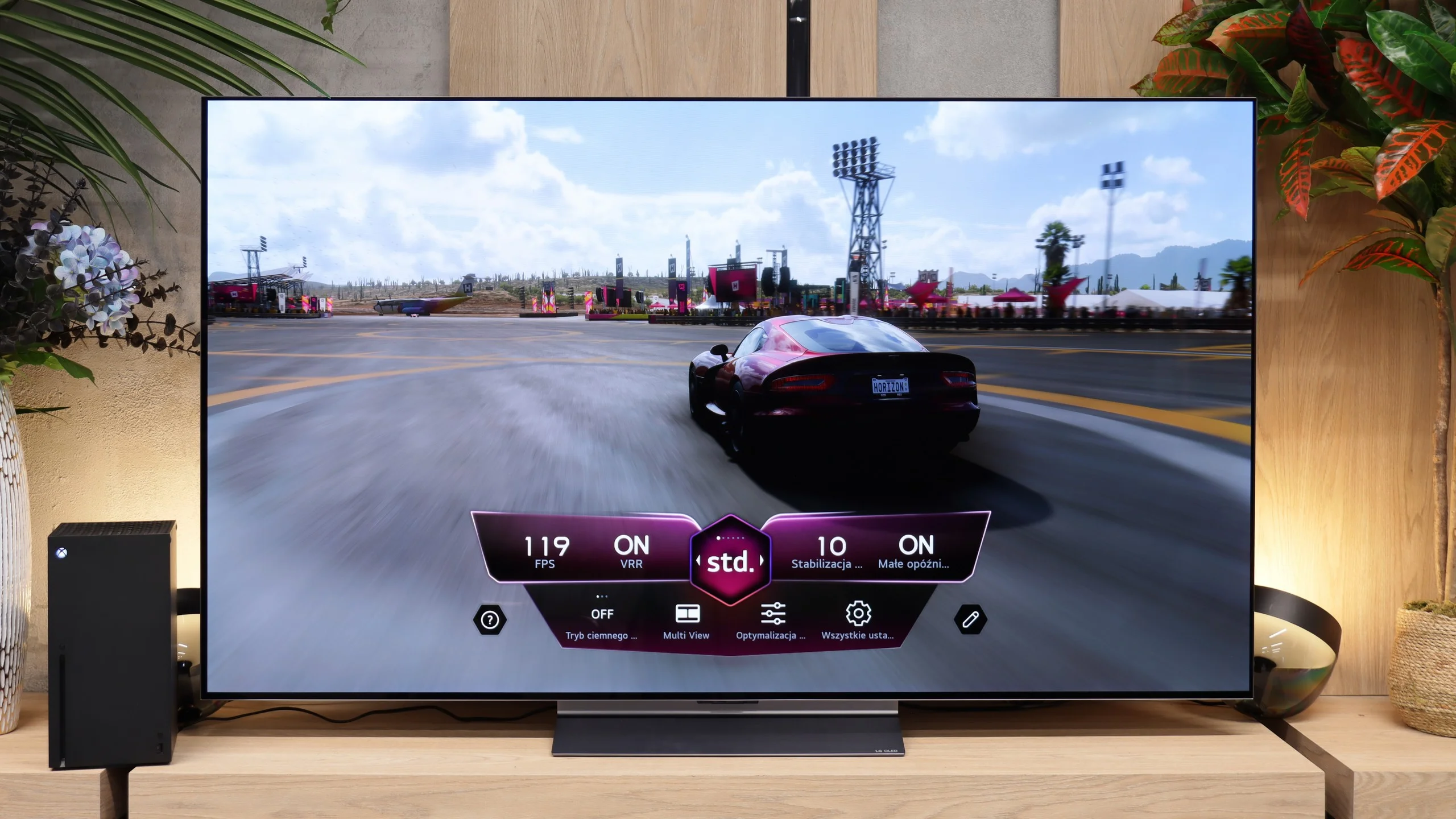
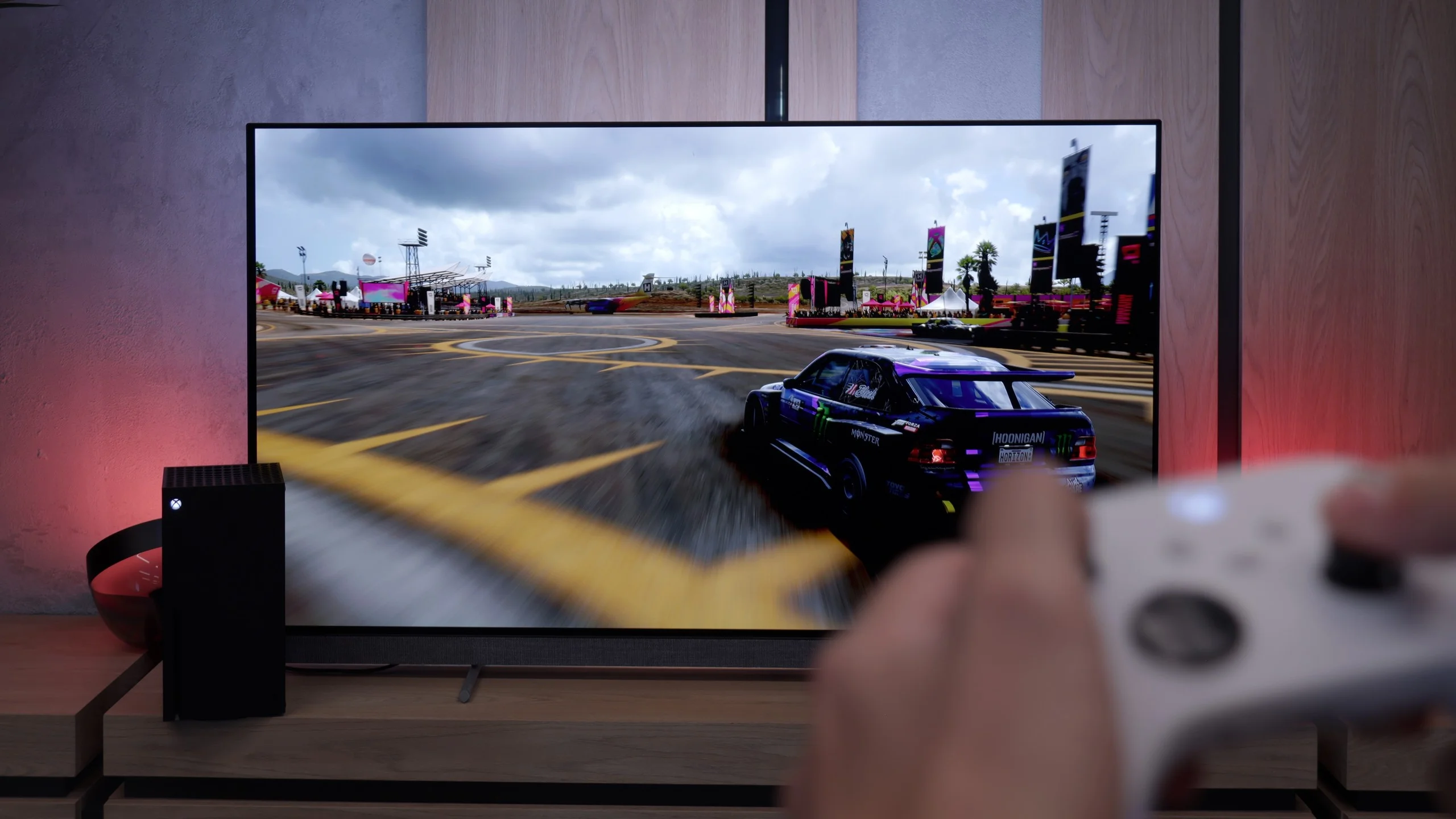
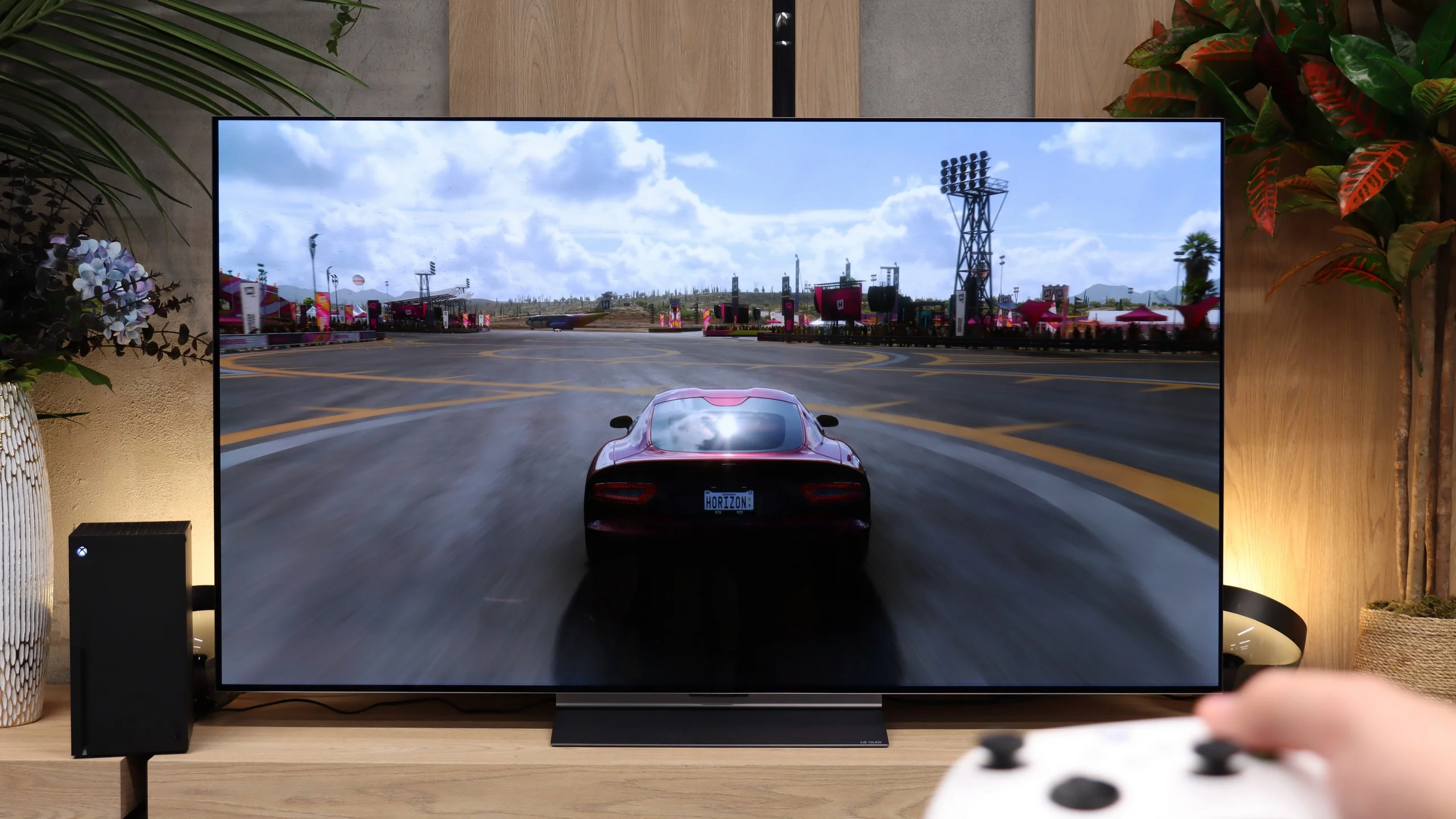
The OLED910 is fantastic for gaming. It supports 144 Hz, so if someone has a powerful PC, they can comfortably utilise that potential. On consoles, the most important thing is still 120 Hz, and everything works perfectly here. There's VRR, an automatic gaming mode, and even Dolby Vision in games and HGiG mode, so we really get a full package of gaming features. Philips has also added a Game Bar, which is a quick menu that displays basic information and allows you to enable a few useful things. It may not look as modern as the competition, but it works and fulfils its purpose. The only downside is the number of HDMI 2.1 ports. There are only two, which can be quite disappointing for a TV in this class. If someone connects two consoles and something additional through eARC - like a soundbar (which doesn't make much sense in this model but I'll discuss that in the paragraph about sound) - they'll have to do some adjustments. Other than that, the OLED910 has everything we expect from a gaming television.
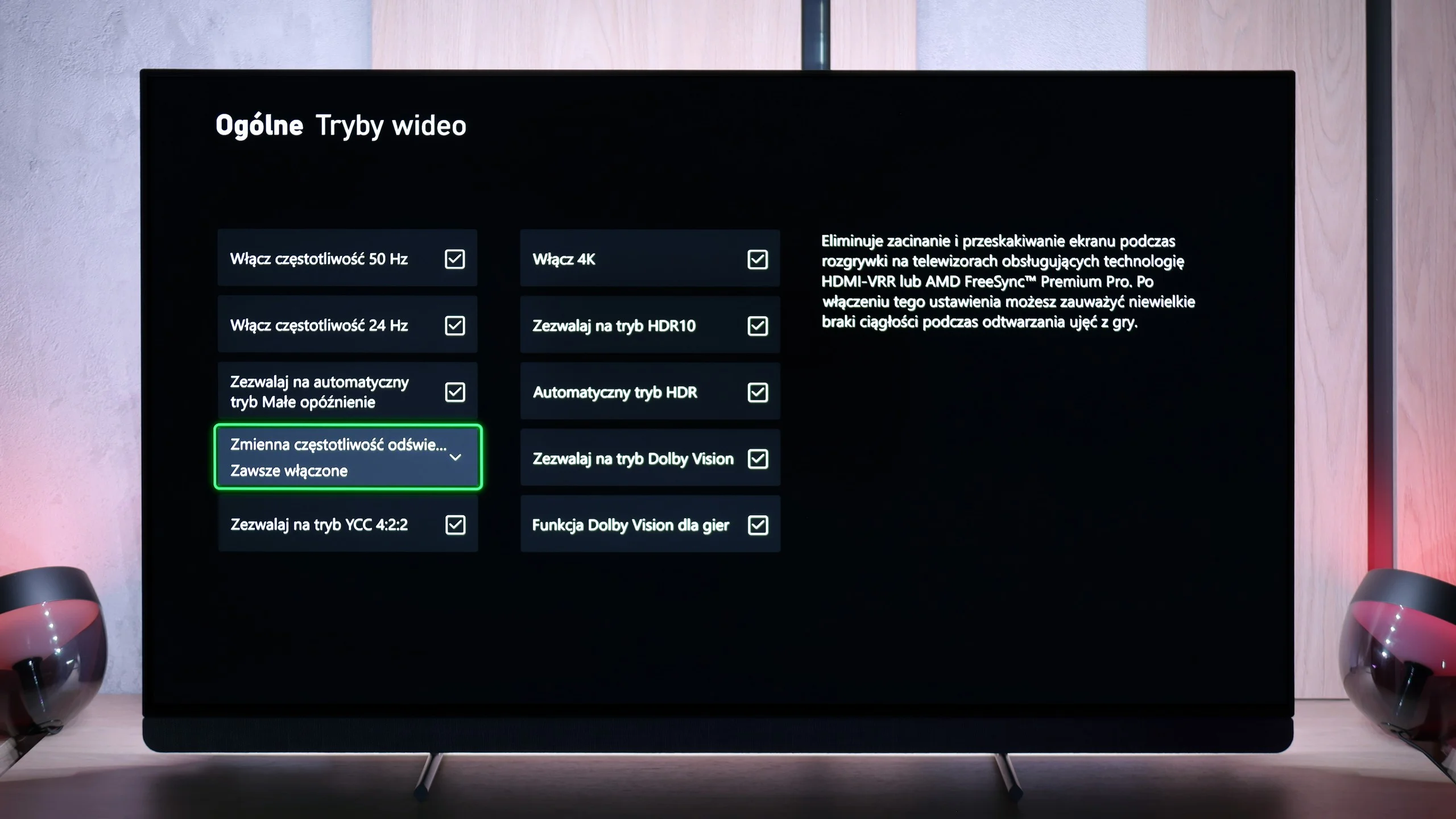
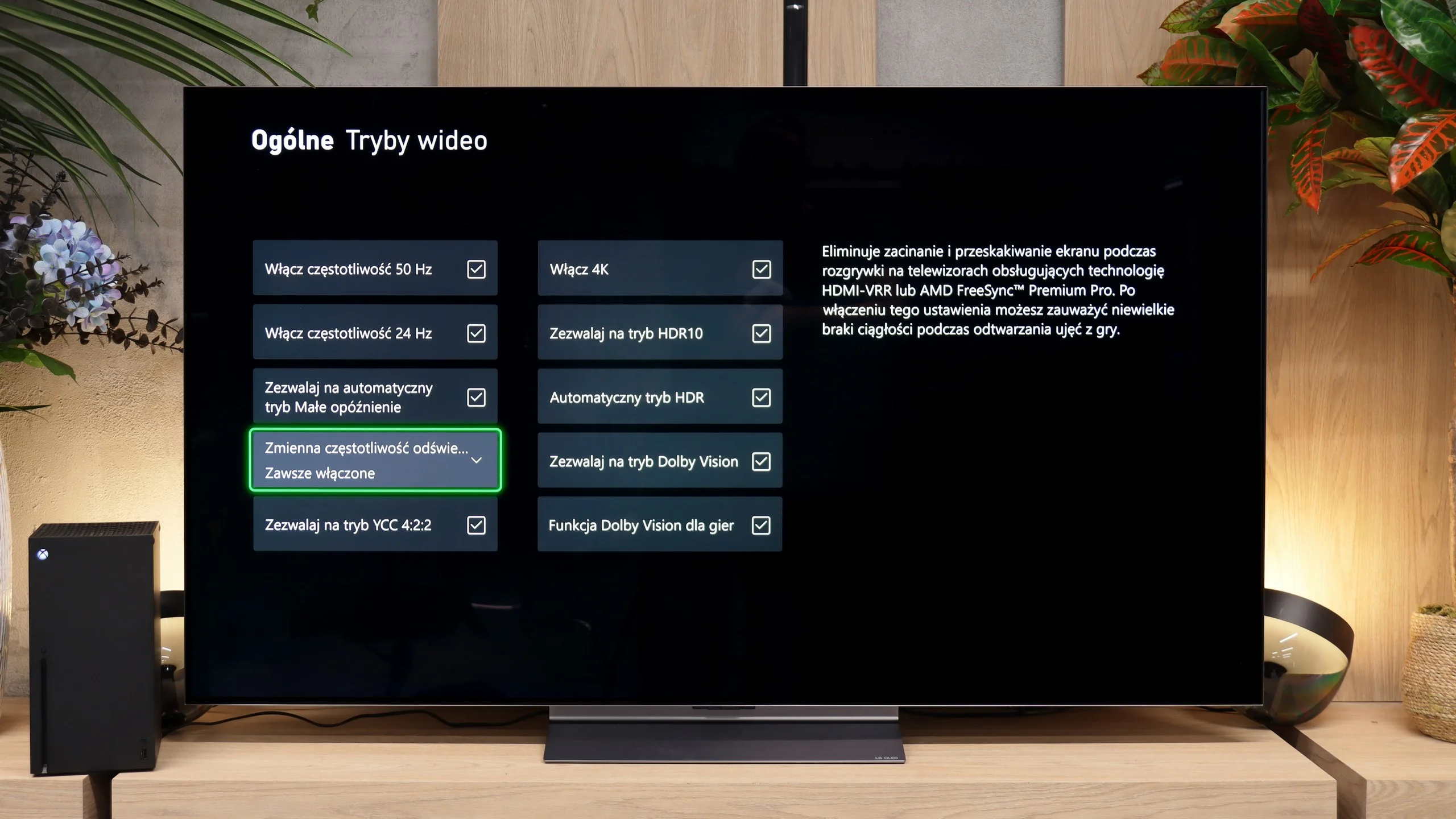
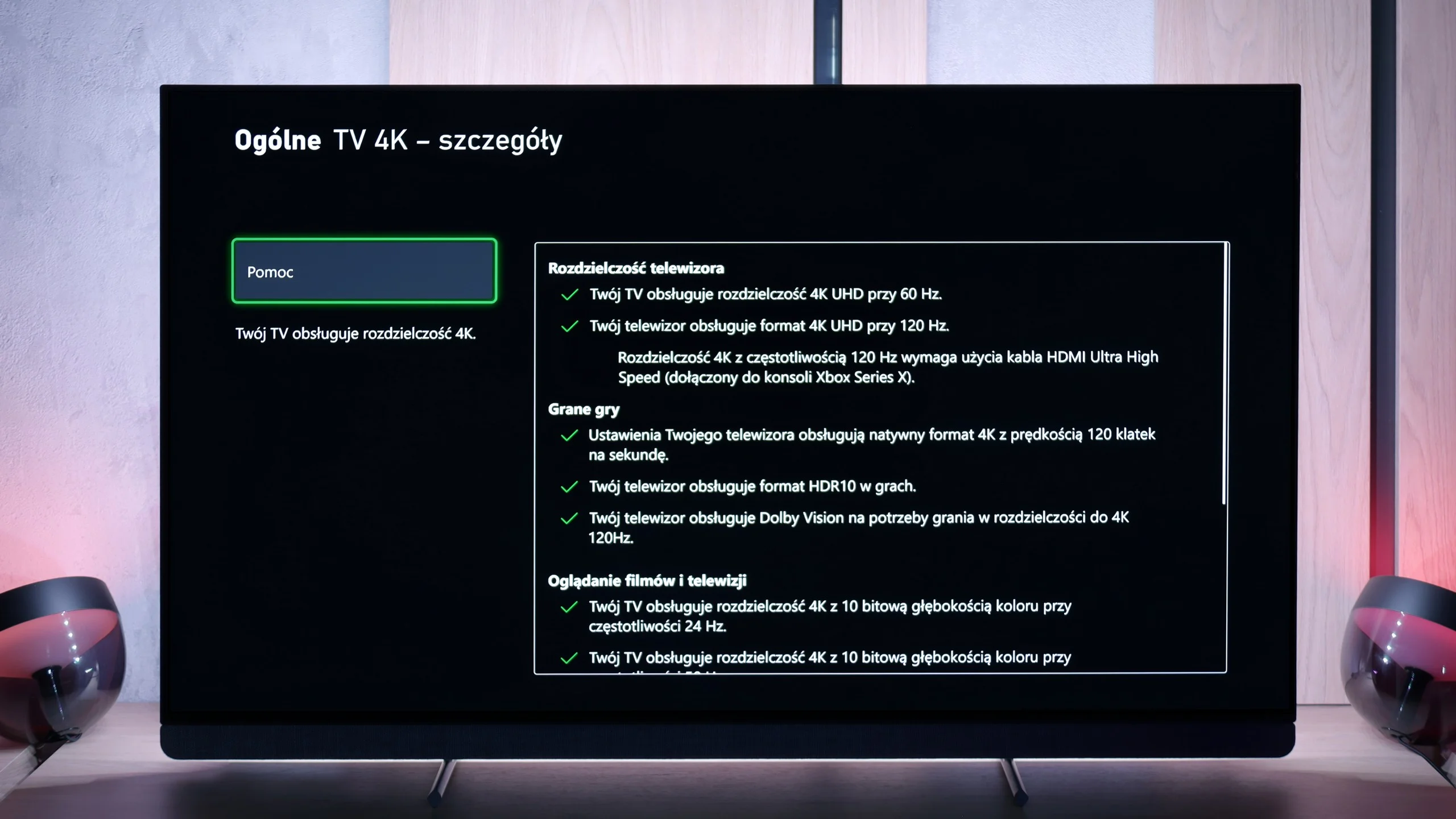
LG has long focused heavily on gamers, and the C6 really lacks nothing important. The TV supports 4K at 120 Hz from consoles, and when connected to a PC it can run at up to 165 Hz. There is also VRR from 40 to 165 Hz, ALLM and a properly working HGiG. A big plus is support for Dolby Vision in games, so the Xbox Series X can use that format without giving up Game Mode. It's rounded off by a Game Bar, from which you can quickly check key signal parameters and change settings without leaving the game. In terms of features, the C6 is therefore one of those TVs that is really hard to fault. Whether you're gaming on a PlayStation, an Xbox or a PC, practically everything you could expect from a modern gaming TV is available here.
Input lag
10/10
9.9/10
SDR
HDR
Dolby Vision
In terms of input lag, the OLED910 has nothing to be ashamed of. In 120 Hz mode, the delay is around 5 ms, which is a reference result and guarantees instantaneous response. With 60 Hz materials, the values rise to around 13 ms, but this is still a very good result, entirely sufficient even for demanding gamers. Importantly, even in Dolby Vision, the input lag remains low, so you can enjoy both excellent picture quality and full responsiveness.
When it comes to input lag, the C6 performs as a good gaming TV should. At 120 Hz we measured around 5 ms, so controller response is virtually instantaneous. At 60 Hz it increases to about 14 ms, but that's still a good result. Latency is slightly higher with Dolby Vision. At 120 Hz it's around 14 ms, and at 60 Hz about 22 ms. In practice, if you're playing normally on an Xbox, this is unlikely to be something that will actually bother you.
Compatibility with PC
6.5/10
8.6/10
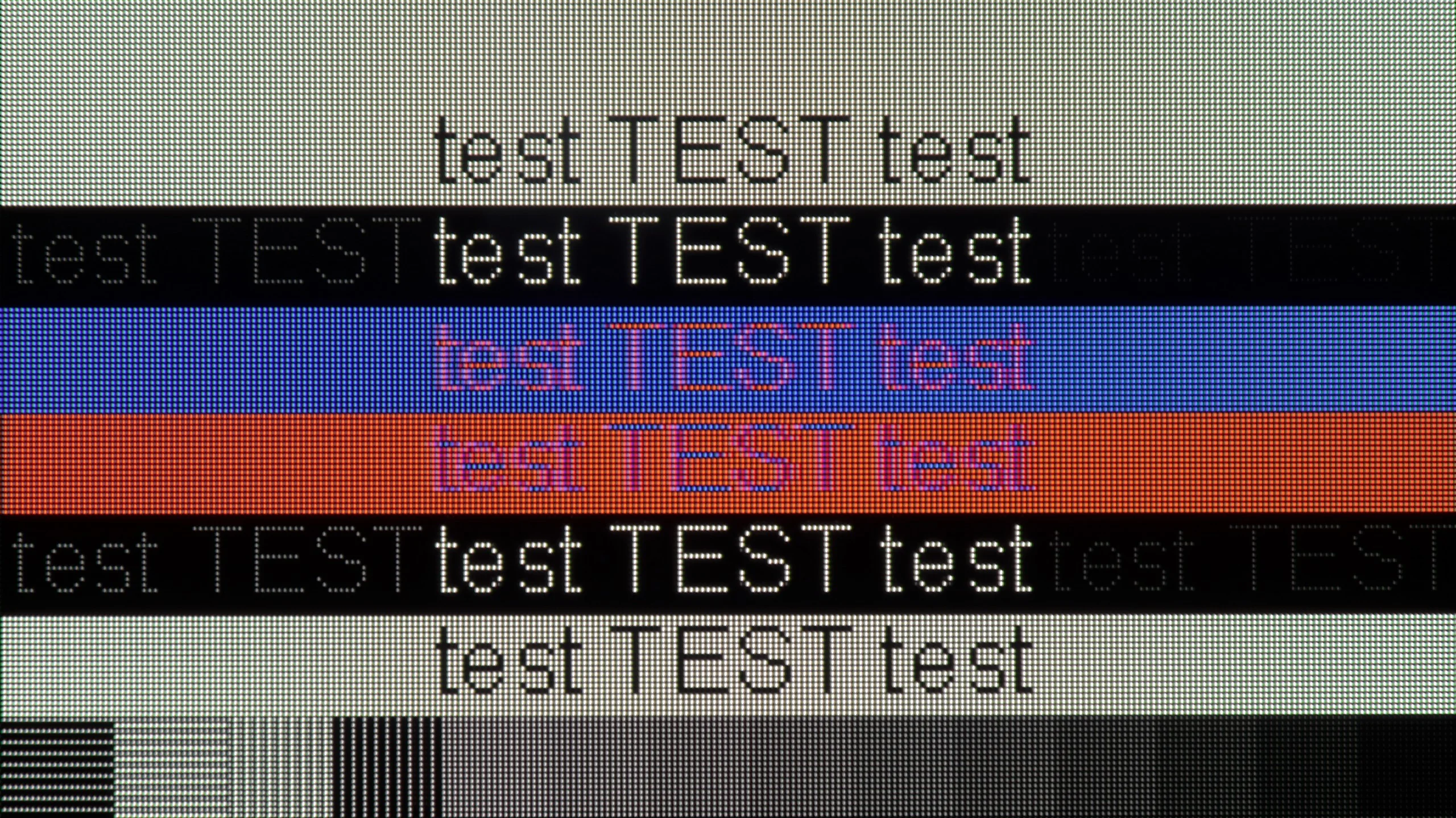
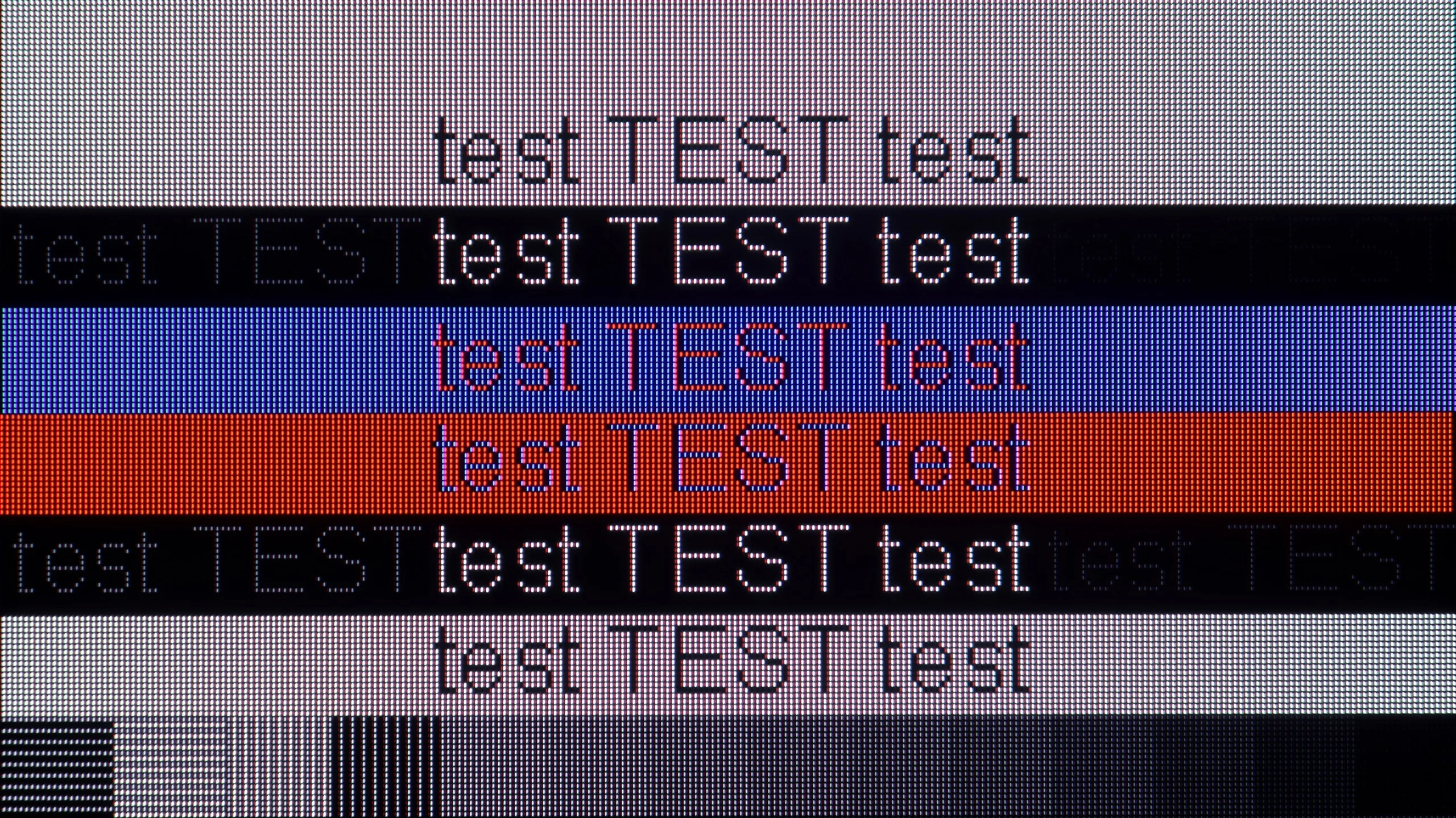
The photo shows the legibility of small fonts. Ideally, lines should be the same thickness on both light and dark text, with minimal pixel gaps.
The OLED910 connected to a computer performs excellently in games. It has a 144 Hz refresh rate, very low input lag, and G-Sync support, so everything runs smoothly and without delays. For gaming, it's really hard to find any faults. It’s worse if someone wanted to work with text on it. Standard black-and-white fonts look fine, but the problem starts when colour elements appear in the document. The lack of full chroma 4:4:4 support causes such text to appear slightly blurred. For everyday office work, it’s a mediocre solution.
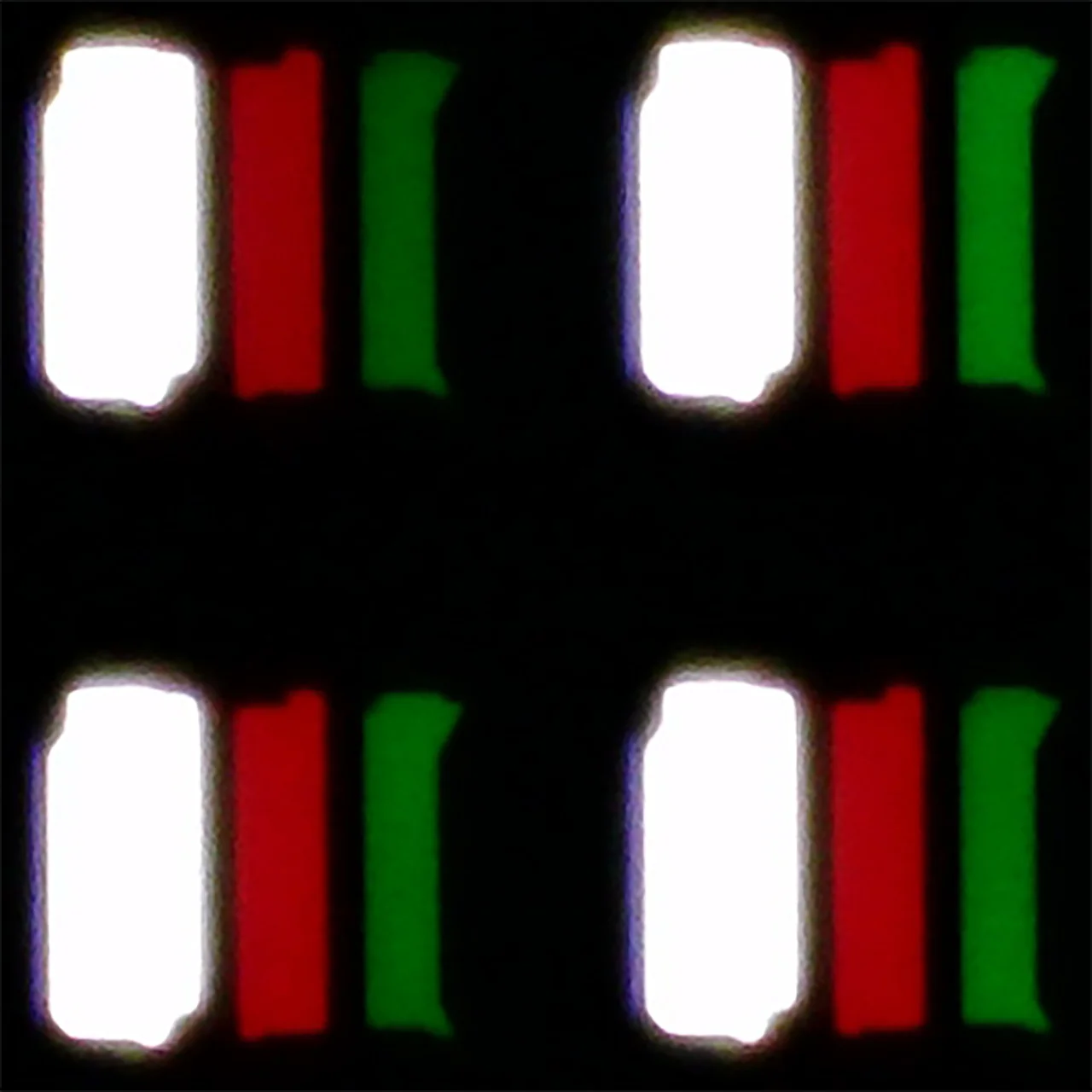
The C6 also performs very well when connected to a PC. The TV correctly supports 4:4:4 chroma subsampling, so text, icons and other small UI elements are displayed sharply. That means it can be used without any major issues not only for gaming but also for regular work on Windows. A limitation remains the panel's four-subpixel layout. If you sit very close to the screen, you may notice slight coloured fringes on the edges of some fonts. This is not especially bothersome and from a normal viewing distance it practically disappears. The C6 also has a lot to offer PC gamers. With a PC you can use the full 165 Hz, and there is G-Sync, VRR and very low input lag, which at the maximum refresh rate is around 5 ms. Combined with the OLED’s lightning-fast response time, this delivers a very smooth, clean image with no visible smearing. So if someone plans to connect a powerful PC to the C6, the TV can comfortably serve as a large gaming monitor, and it also performs quite well for everyday work.
Viewing angles
7.6/10
7.4/10
The OLED910 performs very well in this regard. The new Tandem OLED RGB panel means that we no longer have the advantage that older MLA panels could pull off in a showdown with QD-OLEDs. Here, instead of a "remarkable" level, we simply have "very good." Brightness does drop a bit when viewed at an angle, but colour saturation is maintained, and even with a larger deviation, the picture looks appealing. It will be difficult to find a situation where the viewing angles in this model actually bother anyone.
Viewing angles on the LG C6 are excellent and effectively among the best you can currently find in TVs. This is largely thanks to the OLED panel itself. Even when you sit noticeably to the side, the image still maintains good contrast and the colours do not lose much of their saturation. That makes the C6 very well suited to a larger living room where not everyone sits directly in front of the screen. Only at very wide angles can you notice slight colour shifts, but during normal viewing it is hard to regard this as any real problem. In this respect, only Samsung Display's QD-OLED panels actually perform better.
Daytime performance
7.3/10
6.6/10
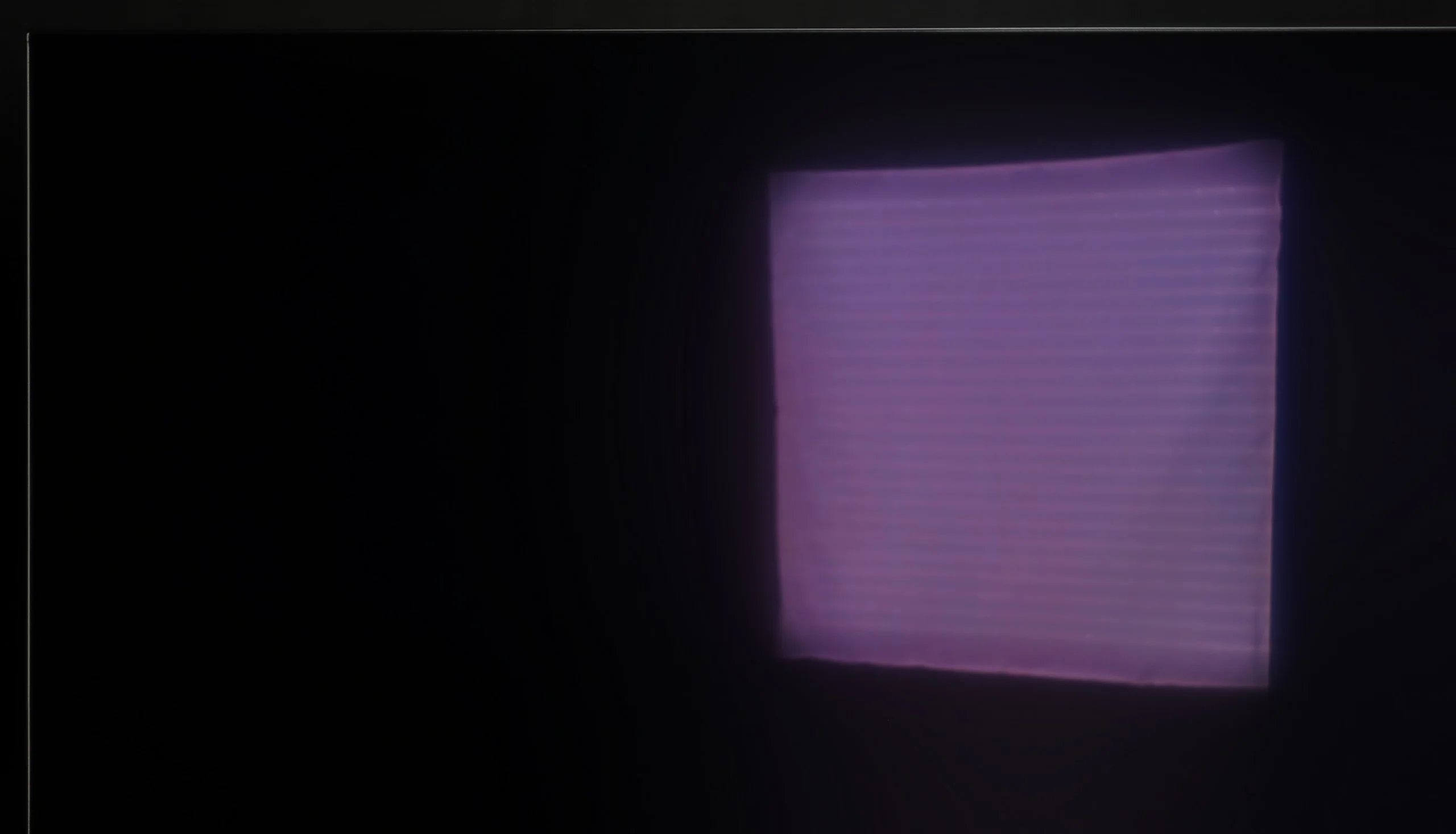
Panel brightness
LG OLED C6 (WOLED): 469 cd/m2
Philips OLED910: 614 cd/m2
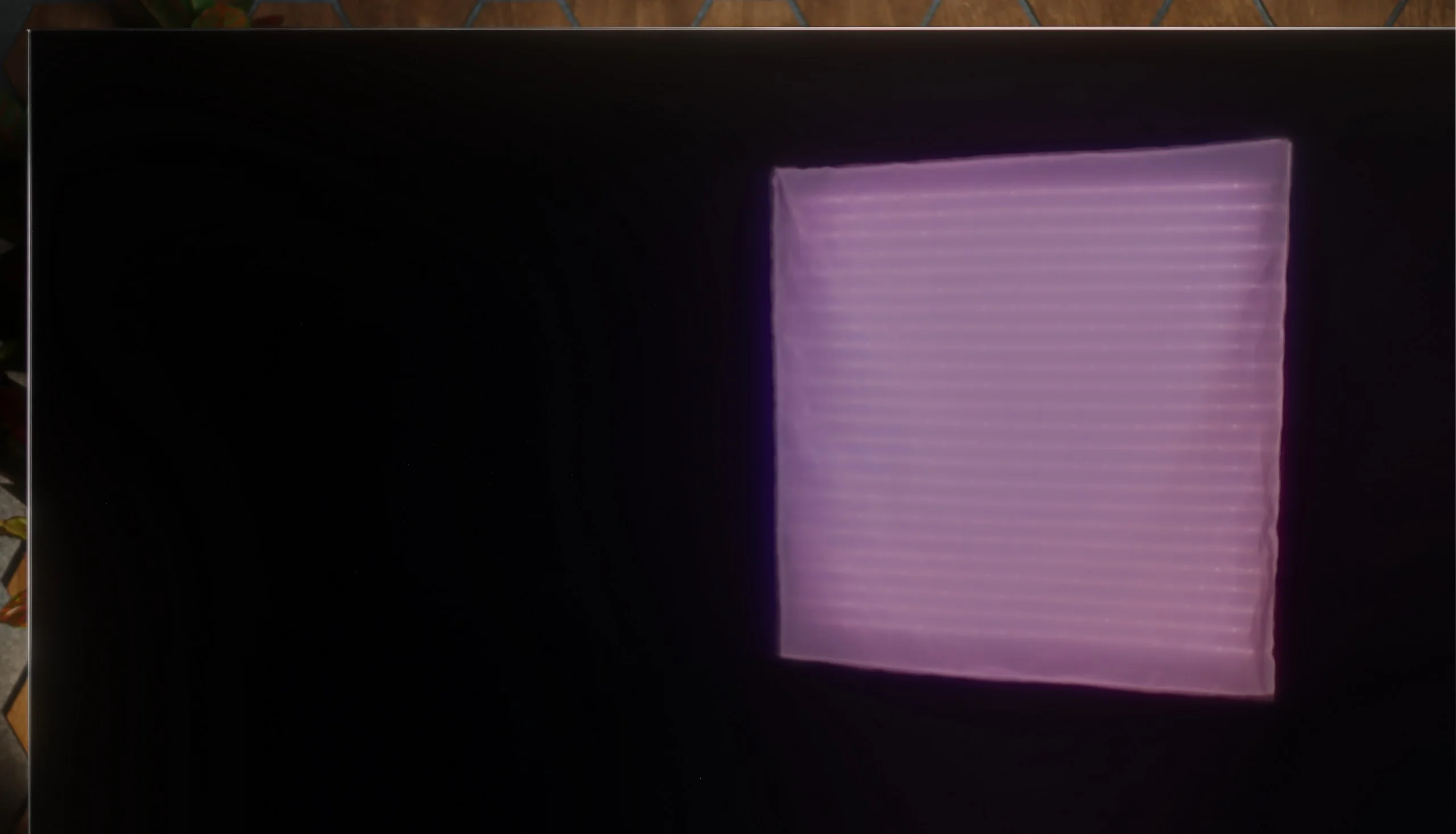
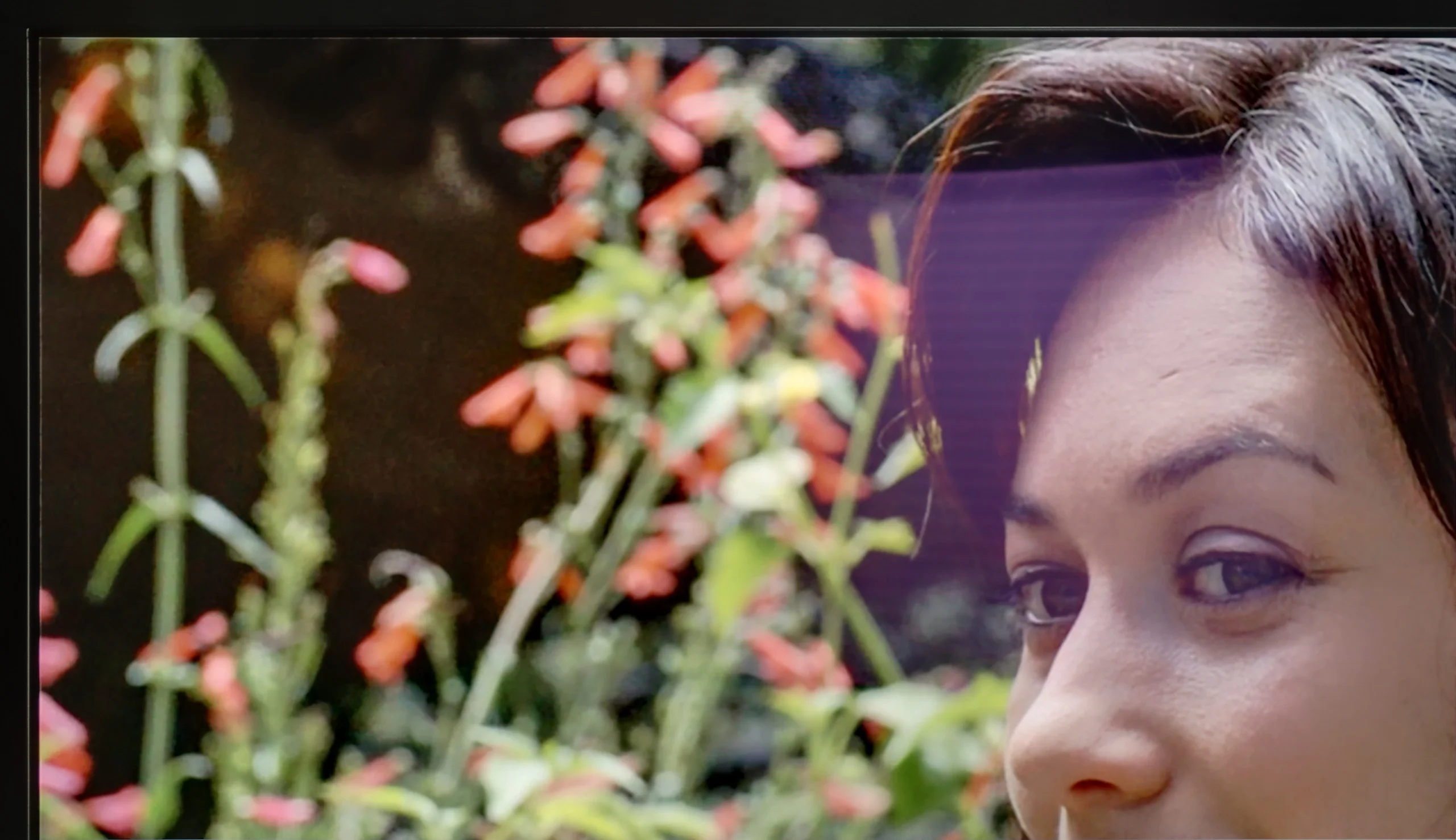
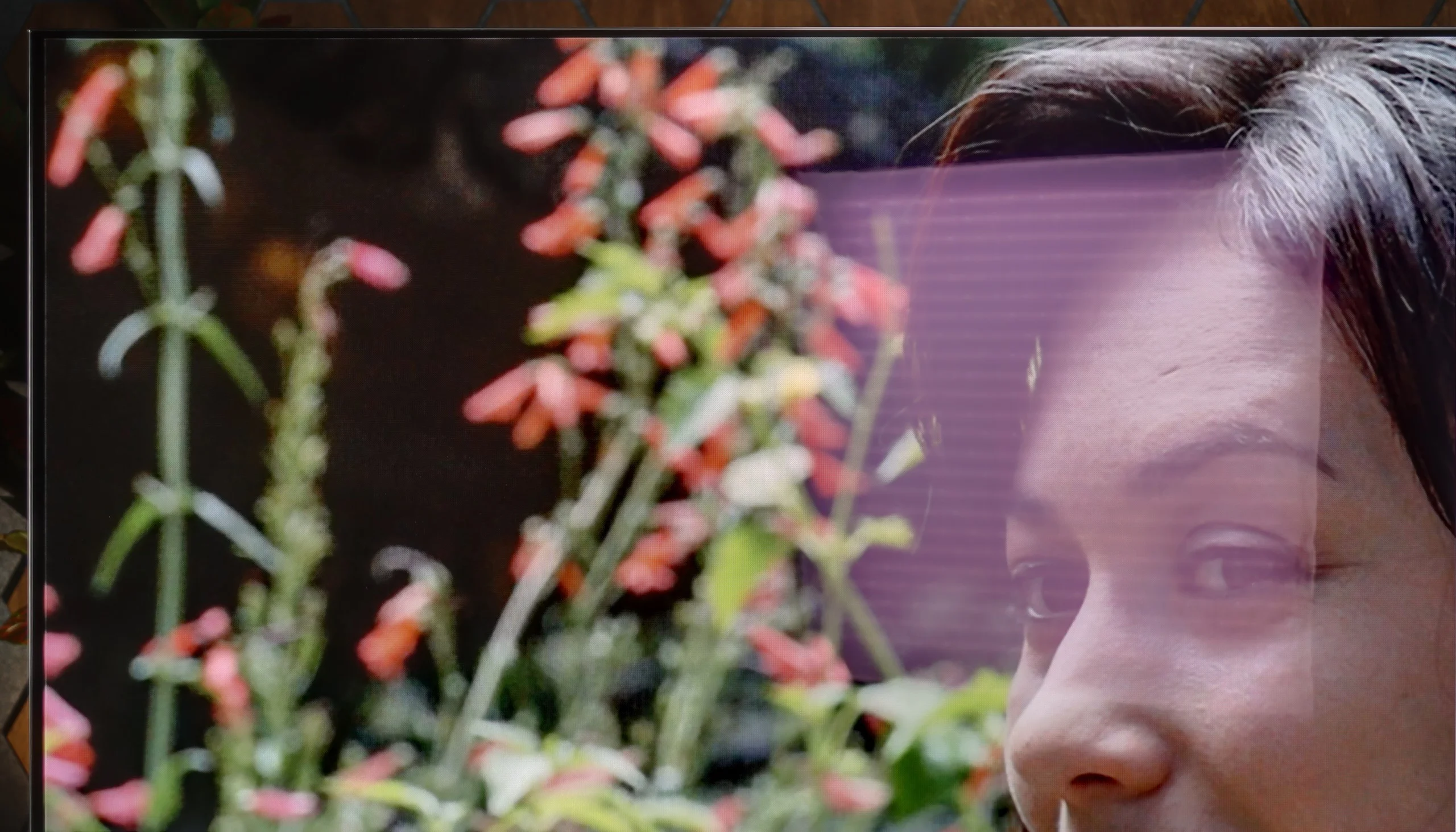
The LG C6 has a glossy panel that handles direct reflections quite well, but it does not eliminate them completely. If there is a large window or a strong lamp opposite the television, their reflections will still be visible. On the other hand, the screen preserves blacks well in a lit room and even during the day the picture does not become grey or washed out. In addition, the C6 is fairly bright in SDR. With typical content we measured around 470 nits, so in most living rooms it should cope during the day without much trouble. Brightness only begins to fall more noticeably when a large portion of the screen is occupied by white. This is still one of the typical characteristics of OLEDs and it can already be noticed with very bright content, such as winter sports. Overall the C6 will perform well in a normally lit living room. However, if the television is going to sit opposite huge windows and fight strong sunlight for most of the day, a bright Mini LED will still be the better choice.
Panel details
Subpixel Structure:
Panel uniformity and thermal imaging:


Philips OLED910
LG OLED C6 (WOLED)
TV features
6.4/10
8.4/10
- SystemGoogle TVWebOS
- System performanceGoodVery good
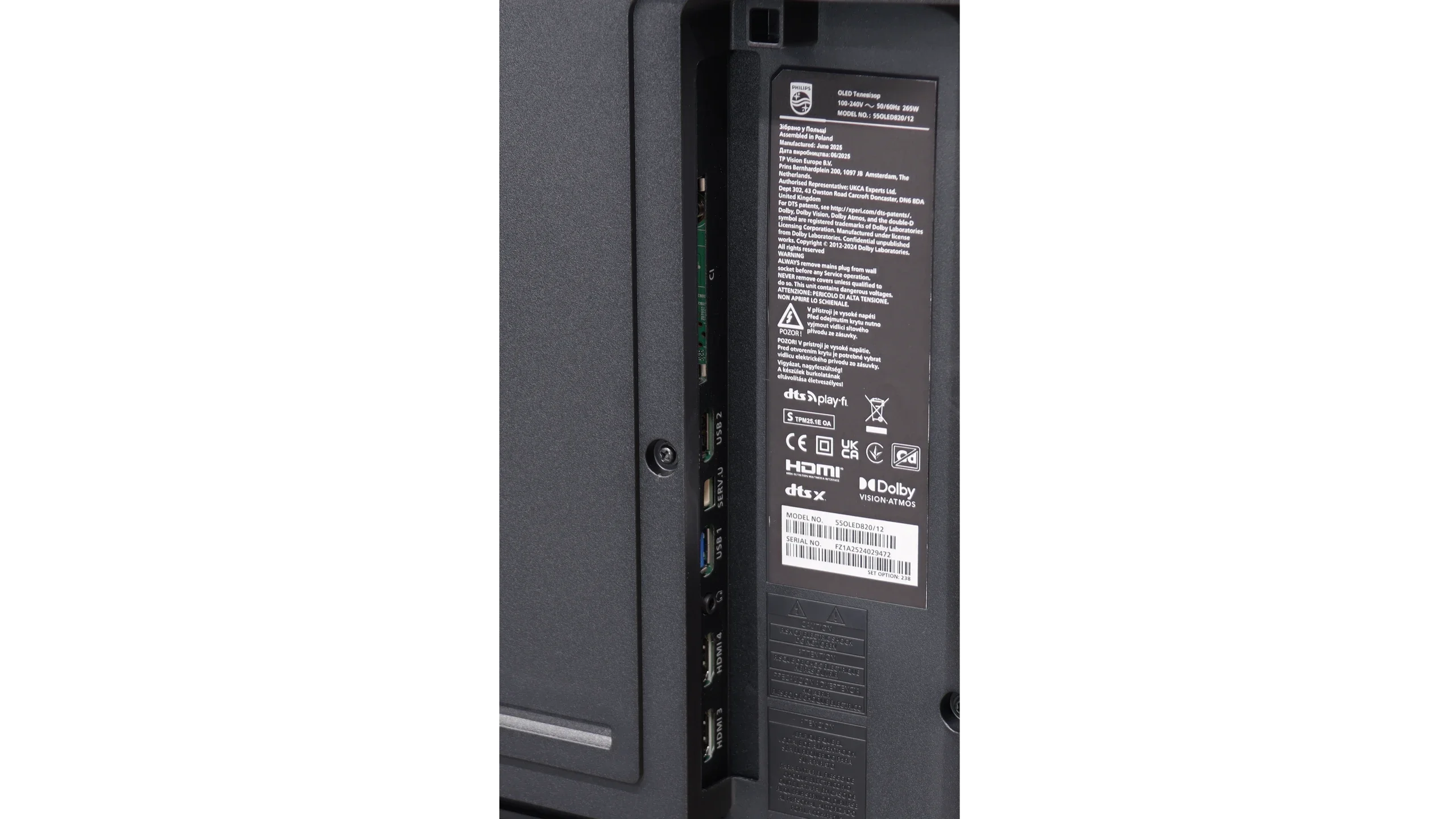
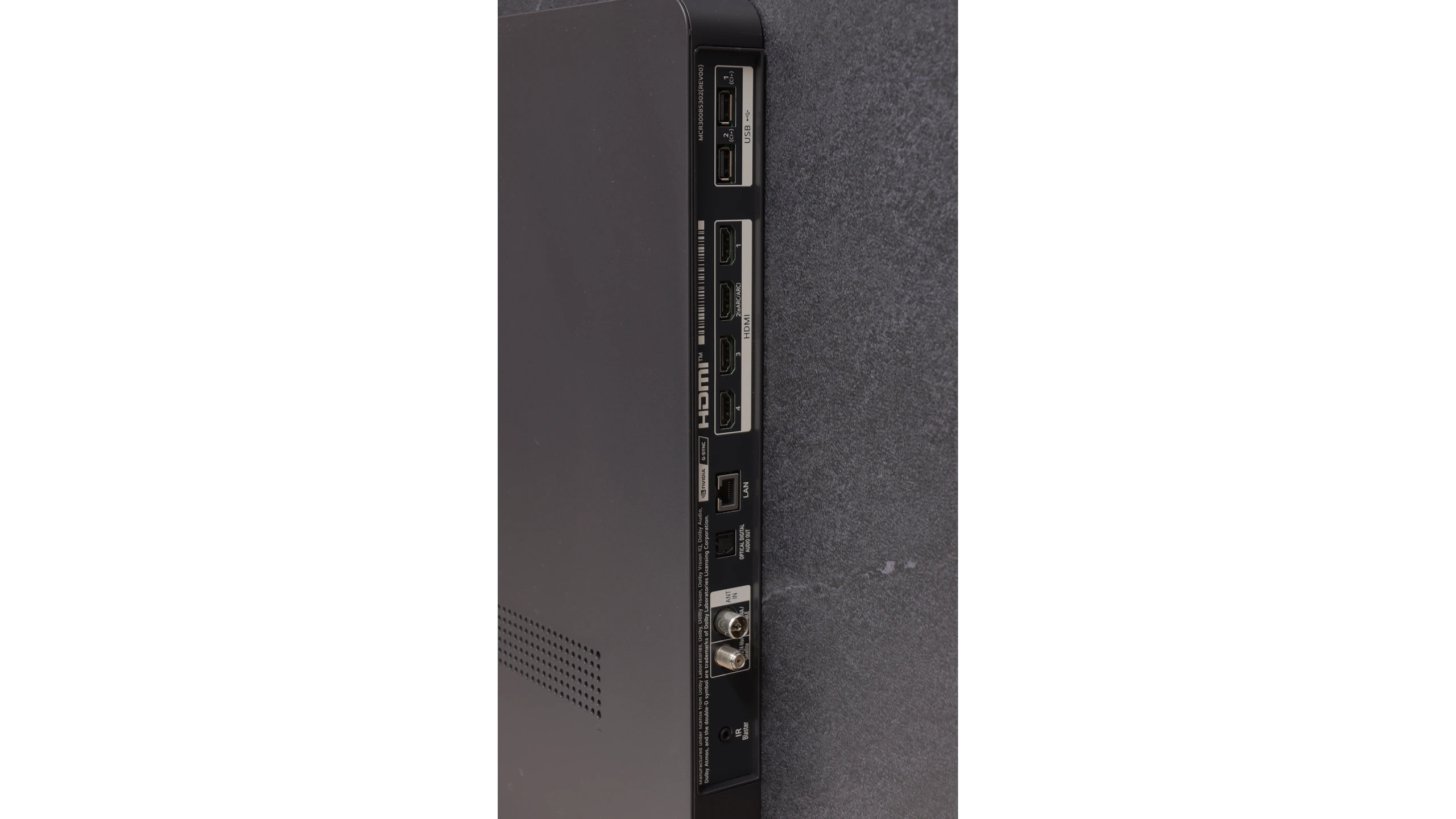
- HDMI inputs2 x HDMI 2.0, 2 x HDMI 2.1 48Gbps0 x HDMI 2.0, 4 x HDMI 2.1 48Gbps
- Other inputsIR (remote)
- OutputsToslink (Optical audio), SPDIF (Coaxial audio), eARC (HDMI), ARC (HDMI), Mini-Jack (Headphones)Toslink (Optical audio), eARC (HDMI), ARC (HDMI)
- Network InterfacesWi-Fi 2.4GHz, Wi-Fi 5GHz, Ethernet (LAN) 100MbpsWi-Fi 2.4GHz, Wi-Fi 5GHz, Ethernet (LAN) 100Mbps
- TV receptionDVB-T, DVB-T2, DVB-S, DVB-S2, DVB-CDVB-T, DVB-T2, DVB-S, DVB-S2, DVB-C
Classic features:
- Recording to USB (terrestrial TV)

- Recording programming
- Picture in Picture (PiP)
- RF remote control (no need to aim)
- Backlit remote control
- Teletext
- Audio only mode
- Bluetooth headphones support
- Simultaneous Bluetooth headphones & TV audio
Smart features:
- AirPlay
- Screen mirroring (Windows Miracast)
- Voice search
- Voice search in native language
- Ability to connect a keyboard and mouse
Sound connection options
- HDMI audioeARC (HDMI), ARC (HDMI)eARC (HDMI), ARC (HDMI)
- Other audio outputsToslink (Optical audio), AuxiliaryOutput-SPDIF (Coaxial audio), Mini-Jack (Headphones)Toslink (Optical audio)
- Wireless audioBluetooth, DTS Play-FiBluetooth, DTS Play-Fi
Supported audio formats (external HDMI eARC audio):
- Dolby Digital Plus 7.1
- Dolby True HD 7.1
- Dolby Atmos in Dolby Digital Plus (JOC)
- Dolby Atmos in Dolby True HD
- DTS:X in DTS-HD MA
- DTS-HD Master Audio
Senior accessibility
- Numeric keyboard on TV
- Font size adjustment
- Audio description
Google TV and Smart Features
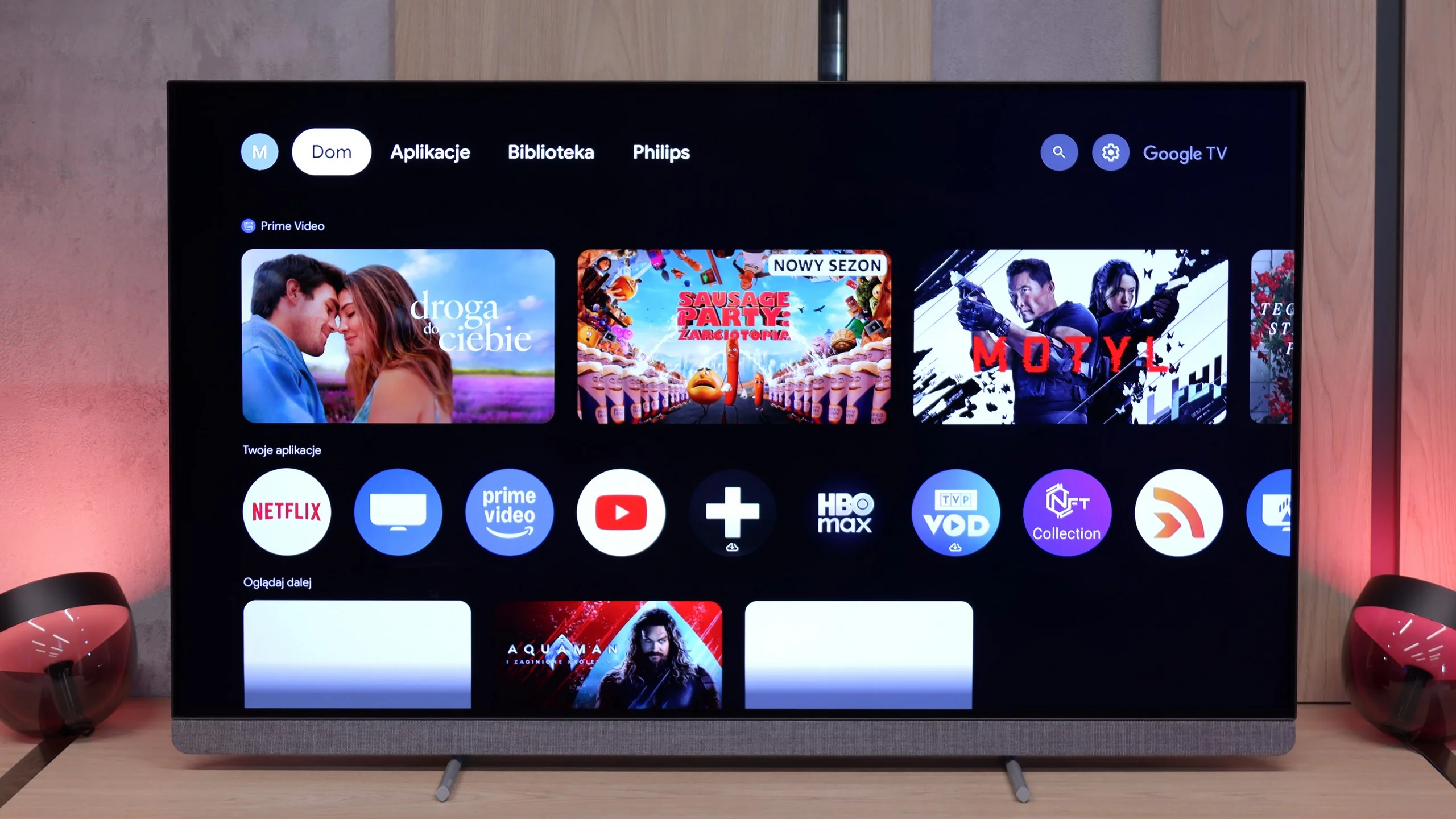
The OLED910 operates on the Google TV system, which is definitely its strong point. We have access to a huge library of applications, from popular streaming platforms to niche programmes. In addition, there is voice search and Google Assistant, which works really well and understands even less obvious commands like "check the weather" or "give me a horror movie suggestion for tonight". There is also support for AirPlay, which facilitates cooperation with Apple devices. Unfortunately, classic screen mirroring simply did not work in our tests, so we cannot count this aspect as a positive.
Classic Features
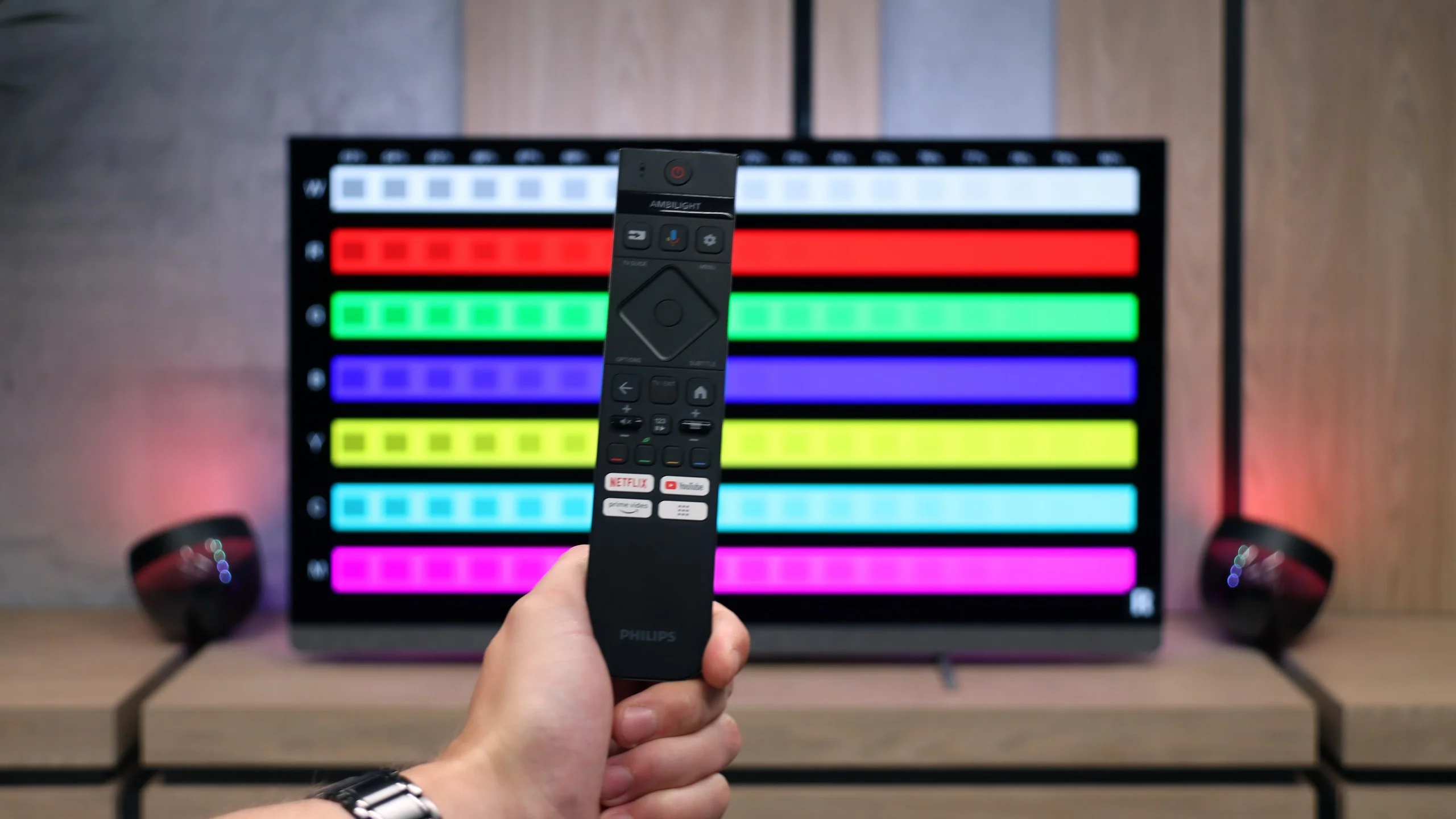
As for more traditional solutions, the OLED910 does not offer anything special. It has a rarely seen mini-jack headphone socket, which may be useful for seniors or those using older speakers. The remote has backlit buttons, which is convenient, but at the same time operates via infrared, so you have to aim at the screen, which seems anachronistic in 2025. Although you can use headphones and speakers on the TV simultaneously, unfortunately, only wired – wireless connection is not possible, which is a slight inconvenience as who would want to use wired headphones today? There is also a lack of PiP function and the ability to record materials to USB.
4-Sided Ambilight System
And of course, Ambilight. The OLED910 comes with a full four-sided system. It makes the television seem larger, and the content viewed gains additional depth and a more impressive character. The effect is really strong, especially when the television is mounted on the wall and the light fills the entire surroundings. It is one of those additions that is hard to give up once you have tried it.
Smart TV – webOS
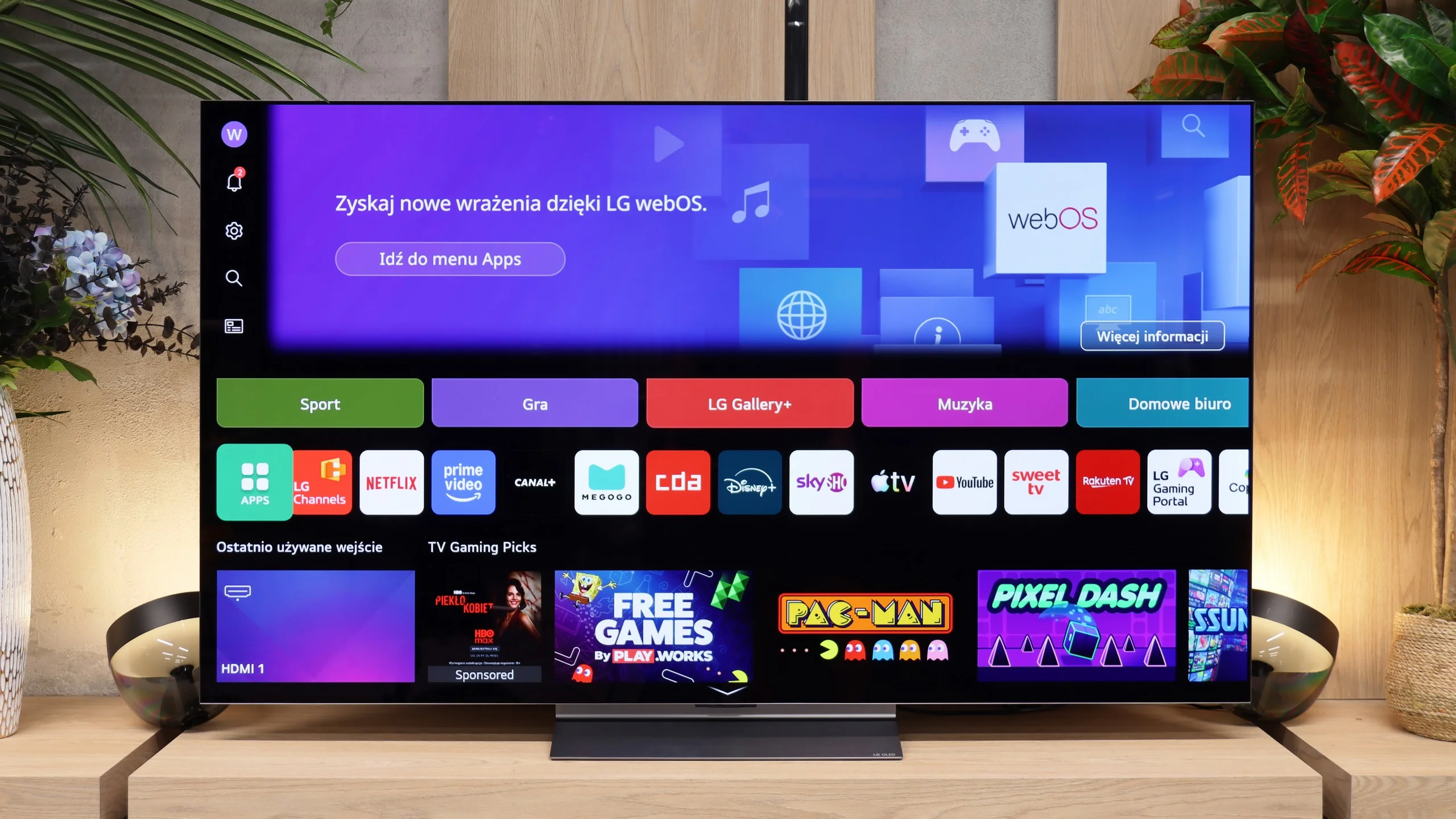
Regardless of which C6 variant you come across, the set of features remains the same. The heart of the television is, of course, webOS, the system LG has been developing for many years. It runs quickly, is well optimised and, above all, provides access to practically all popular apps. Netflix, Disney+, Prime Video, YouTube, Max and other streaming services — in this respect it is hard to find major gaps. The system itself also offers a lot of extra options. There is AirPlay, easy screen casting from a smartphone, control of smart home devices and the ability to personalise the home screen. LG has been significantly expanding webOS for several generations and at times the number of available tabs or recommendations can be a little overwhelming (especially with ads in the background), but once you get used to it the system is convenient and, most importantly, works smoothly.
Classic television features
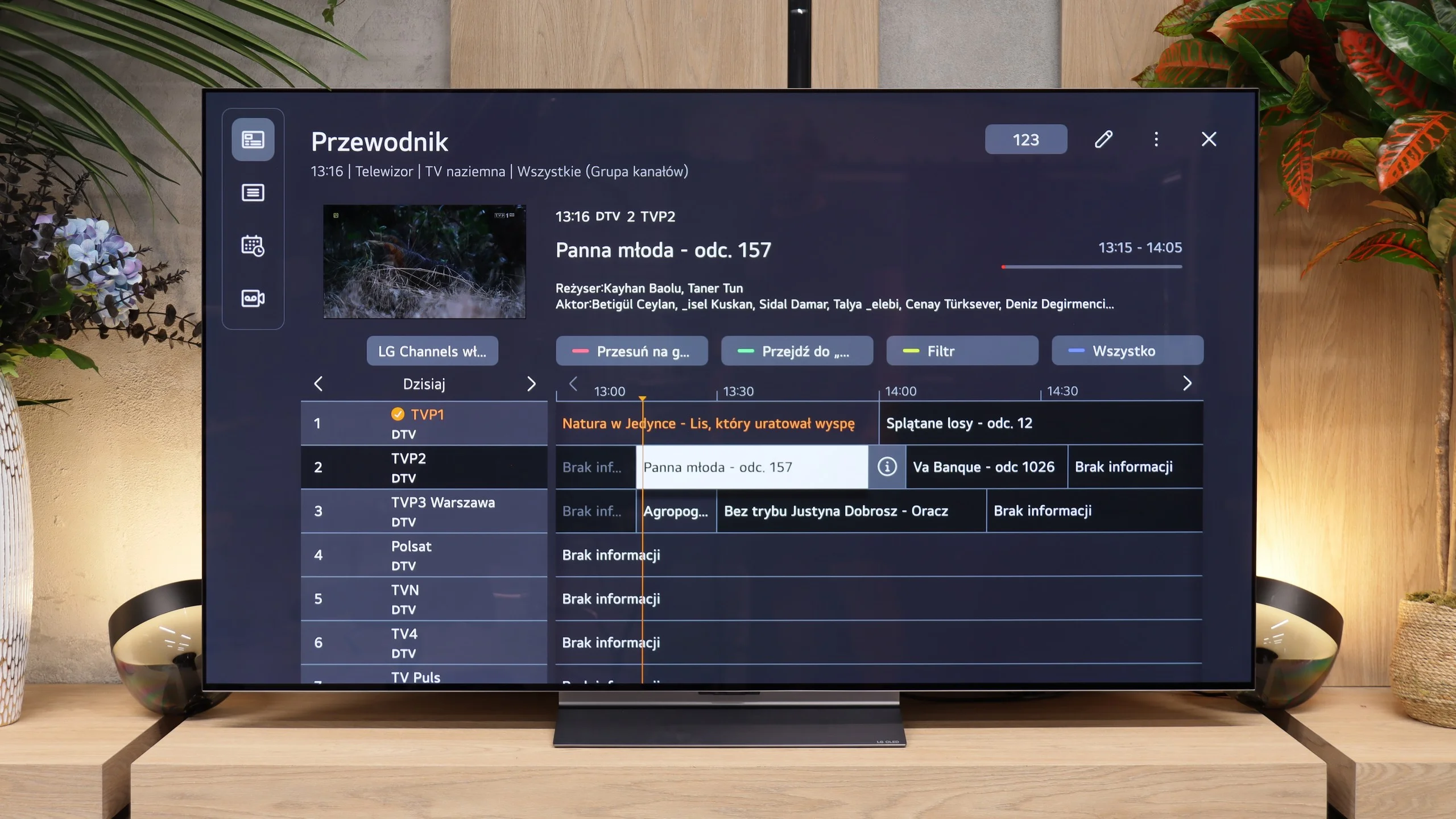
The C6 also handles being used as a normal television very well, not just as a screen for Netflix. Terrestrial TV support, the programme guide and channel switching all work smoothly and there is little to complain about. LG still offers the ability to record programmes to USB, so in terms of traditional features the equipment is really comprehensive. In fact we only miss two things here. The first is PiP, the ability to display two video sources at the same time. The second is a backlight for the remote, which would be particularly useful for evening viewing. Apart from that, the C6 has pretty much everything you can expect from a modern television.
Magic Remote: DIFFERENT VERSIONS
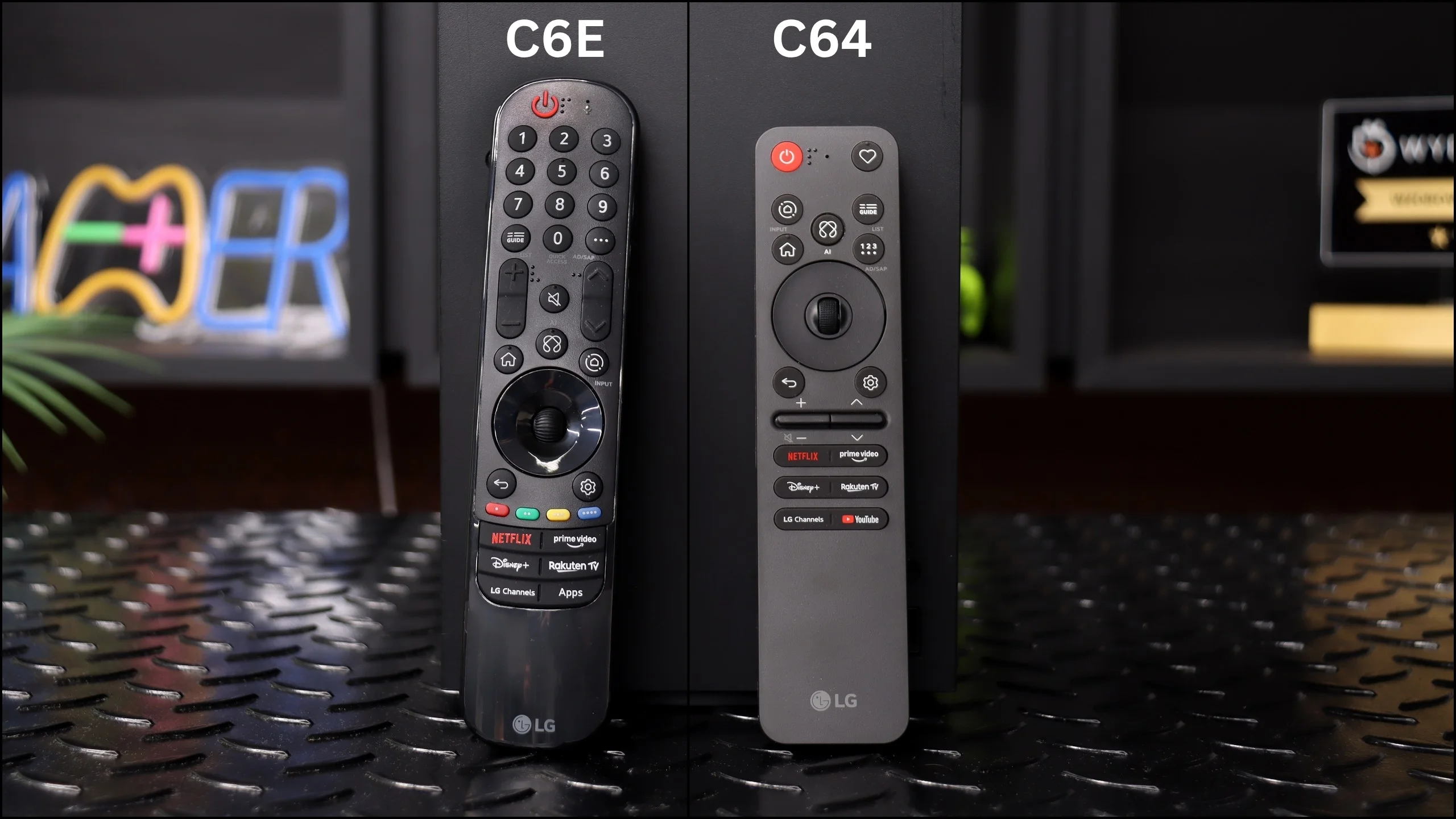
When buying the C6 it is worth paying attention to the remote, because LG has caused a bit of confusion here. During our tests we had, among others, the C64 variant, commonly found in large retail chains. The set included the new, much smaller Magic Remote Slim. It has fewer buttons and looks decidedly more modern, but still retains two of LG remotes' most distinctive features: the scroll wheel and cursor control by moving the remote. The C6E we tested, on the other hand, was equipped with the older, larger version of the Magic Remote. It works essentially the same, but has a classic numeric keypad and many more physical buttons. It looks less modern, but some people — especially those used to traditional remotes — may find it more convenient. So there is no single answer as to which remote is better. The new one is smaller, simpler and decidedly more contemporary; the older one offers faster access to a larger number of functions without having to navigate through menus. It's worth knowing that depending on the C6 marking, you may find one or the other variant in the box.
Apps
9.6/10
9.1/10






















Playing files from USB
9.5/10
9.1/10
Supported photo formats:
Maximum photo resolution:
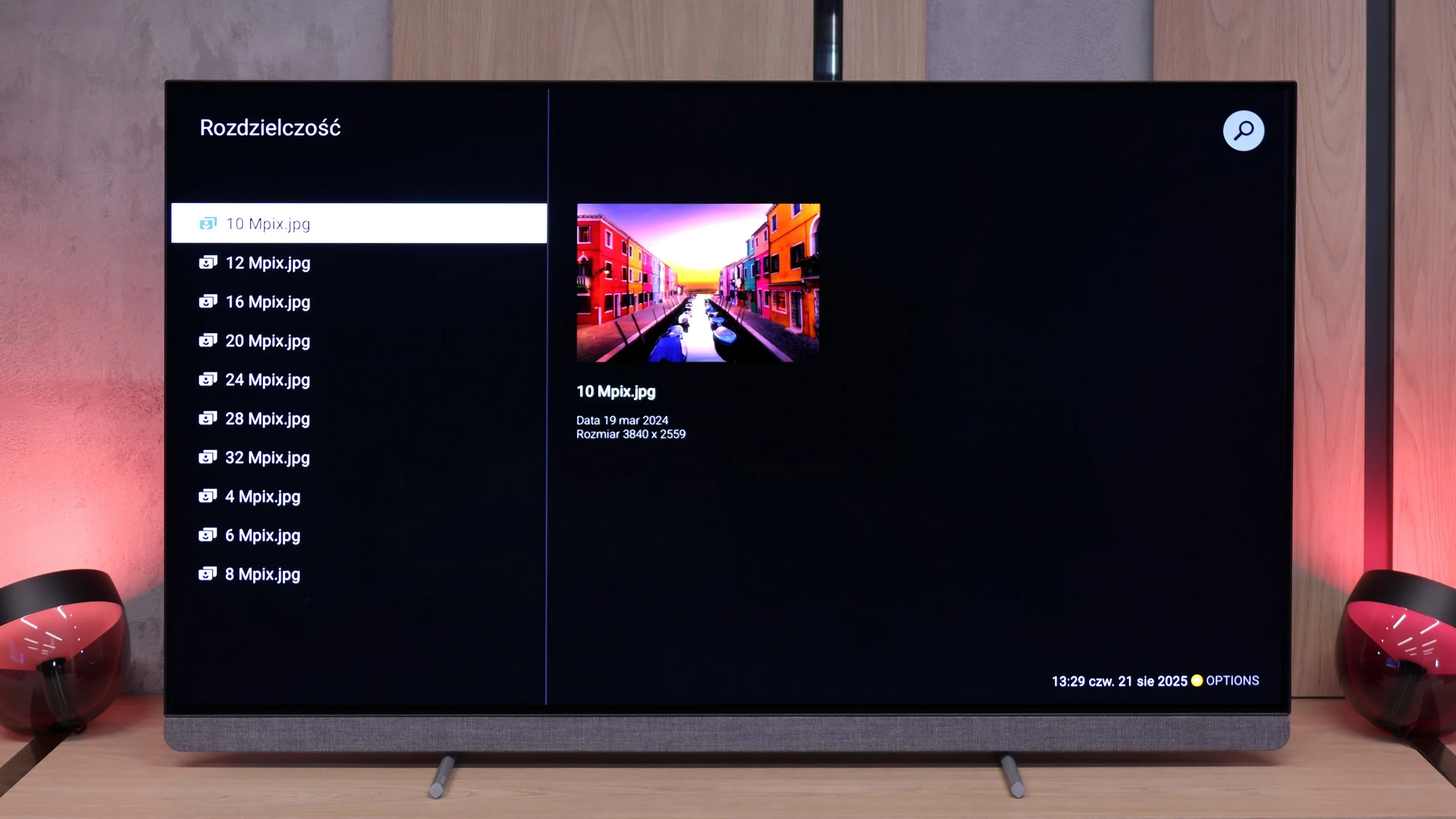
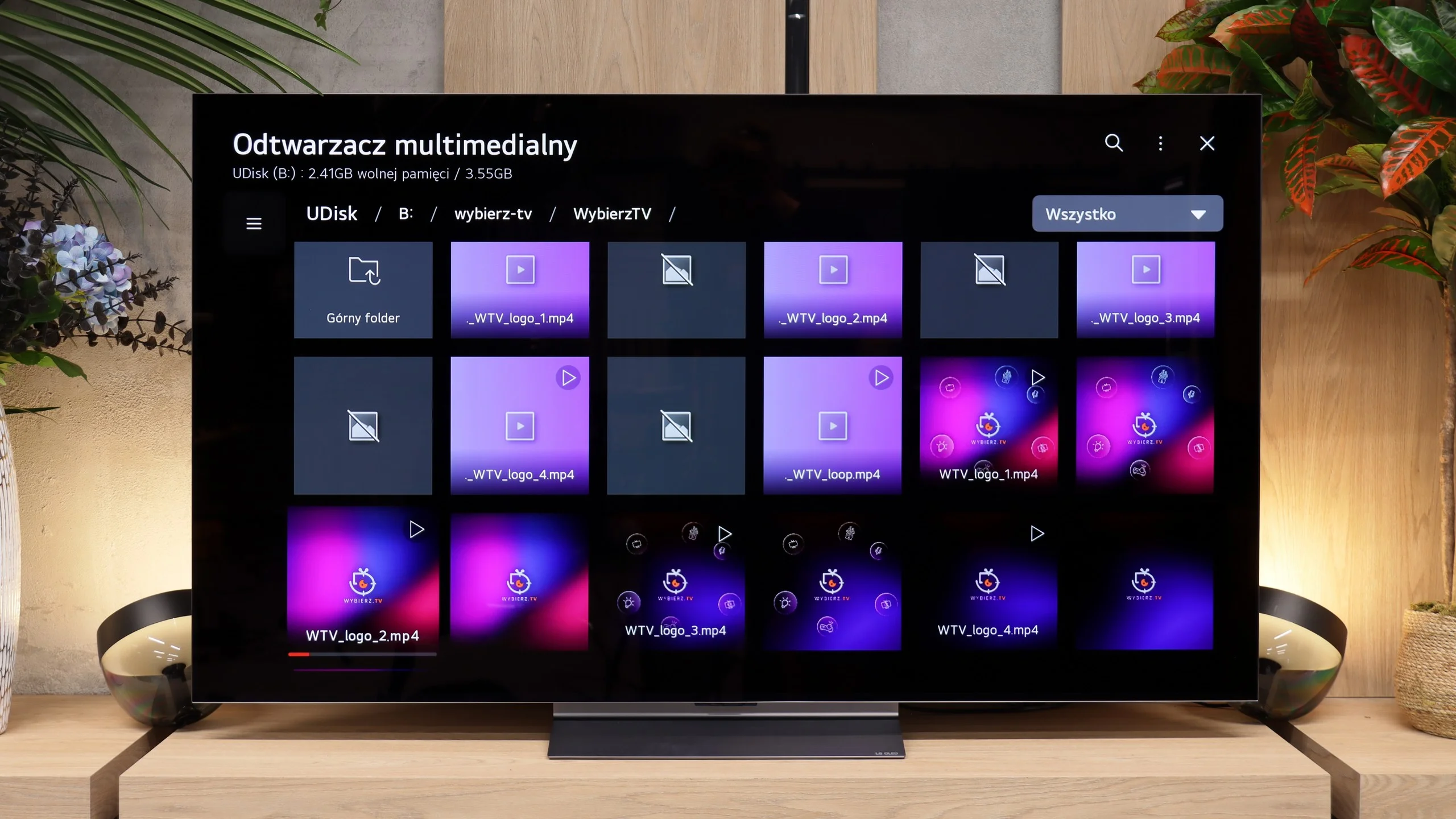
The OLED910 handles playback of files from a pendrive or a disk connected via USB with ease. It supports virtually all popular video, photo, and music formats, so you are unlikely to encounter something it cannot open. The player itself looks quite simple, almost clunky, but it operates efficiently. And if someone misses more advanced options, they can always download VLC or another program from the Google Play store.
During our tests the television handled virtually all the most popular video formats we copied onto a USB stick with no problems. There were no issues with high bitrates, subtitles or more demanding files, so in that respect there is little to complain about. The only exception was material with a DTS audio track. That is no surprise, however, because the television simply does not support that codec. Aside from that, the player is good enough that most users can get by without installing external apps or connecting an additional player.
Sound
9.5/10
7/10
- Maximum volume88dB88dB
- Dolby Digital Plus 7.1
- Dolby True HD 7.1
- Dolby Atmos in Dolby Digital Plus (JOC)
- Dolby Atmos in Dolby True HD
- DTS:X in DTS-HD MA
- DTS-HD Master Audio
This is one of the best-performing televisions we have had the opportunity to test in the editorial office. The built-in soundbar does all the work here, and it can comfortably be said that it can replace basic external audio systems. The sound is deep, clear, and truly enjoyable, and the collaboration with Bowers & Wilkins proves to be not just a marketing gimmick, but a real enhancement of sound quality. If someone would like to take a step further, Philips offers the possibility of connecting an external subwoofer thanks to a dedicated pre-out connection. With such a setup, it reaches a level that is hard to find in televisions – and one can confidently talk about truly cinematic experiences.
In terms of sound, the C6 has hardly changed compared with last year’s C5. It still uses a 2.2-channel system with a total output of 40 W, so a somewhat more solid foundation than many TVs that rely on simple 2.0-channel setups with 20 W. In practice the sound is quite good. Dialogue is clear, the tonality is not overly flat, and the extra speakers deliver a bit more bass than many basic TVs. Of course it still won’t replace a good soundbar, let alone a home cinema, but it is perfectly adequate for everyday TV viewing. There is a small step back in the settings. LG removed some of the preset sound modes this year, which makes it a little harder to tailor the sound to your preferences than with the previous generation. For that reason our score is slightly lower, although the speakers’ actual capabilities remain virtually unchanged. A plus is support for Dolby Atmos, currently the most popular surround-sound format for films and streaming. Support for DTS is still missing, which may matter mainly to people using their own film libraries on discs or as digital files.
Sound Quality Test
No sound test video
Acoustic Measurements
88dBC (Max)
75dBC
88dBC (Max)
75dBC
Reader comments
Comments are provided by the external service Disqus (Zeta Global). Once loaded, Disqus may set cookies and process data about your activity.
We will remember your choice on this device. Provider's privacy policy