Philips OLED 809 is a quite versatile television that appeals to a wide range of viewers. Its greatest distinguishing feature among all the television models on the market is the multicolour Ambilight backlighting. This often allows for an even greater immersion and engagement in the world of film. What is most important in televisions, namely contrast, black levels, and colour reproduction, is at a high level, and this is something that will always impress in OLED televisions. The tested television, although it performed quite well in our test, has some shortcomings worth noting. These include the quality of tonal transitions and the abrupt operation of the dynamic tone mapping function. In some cases, these may slightly irritate sensitive eyes. However, Philips OLED 809 excels in other respects, particularly in two areas: gaming performance and motion smoothing. The former stands out particularly strongly, as each of the implemented functions operates without the slightest hesitation, allowing for an even more immersive gaming experience. As for motion fluidity, it is at a similarly high level as the gaming support. Thanks to two sliders, whose effects are noticeable at each position, every user can find the best degree of smoothing for themselves. It’s also worth mentioning the Google TV system, which operates very smoothly and during the tests there were no "stutters".
- Matching (Score) |
- Our verdict |
- TV appearance |
- Where to buy |
- Contrast and black detail |
- HDR effect quality |
- Factory color reproduction |
- Color reproduction after calibration |
- Smoothness of tonal transitions |
- Image scaling and smoothness of tonal transitions |
- Blur and motion smoothness |
- Console compatibility and gaming features |
- Input lag |
- Compatibility with PC |
- Viewing angles |
- Daytime performance |
- Panel details |
- TV features |
- Apps |
- Playing files from USB |
- Sound
Philips OLED809/819 vs Samsung OLED S95H (S99H) (QD-OLED)
 Direct comparison
OLED809 / OLED819 / AMIBLIGHT TV

S99H / S95H
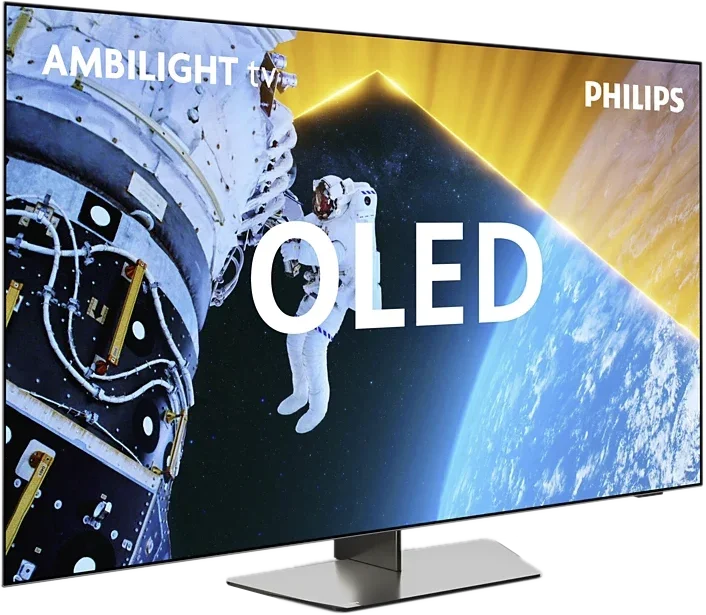
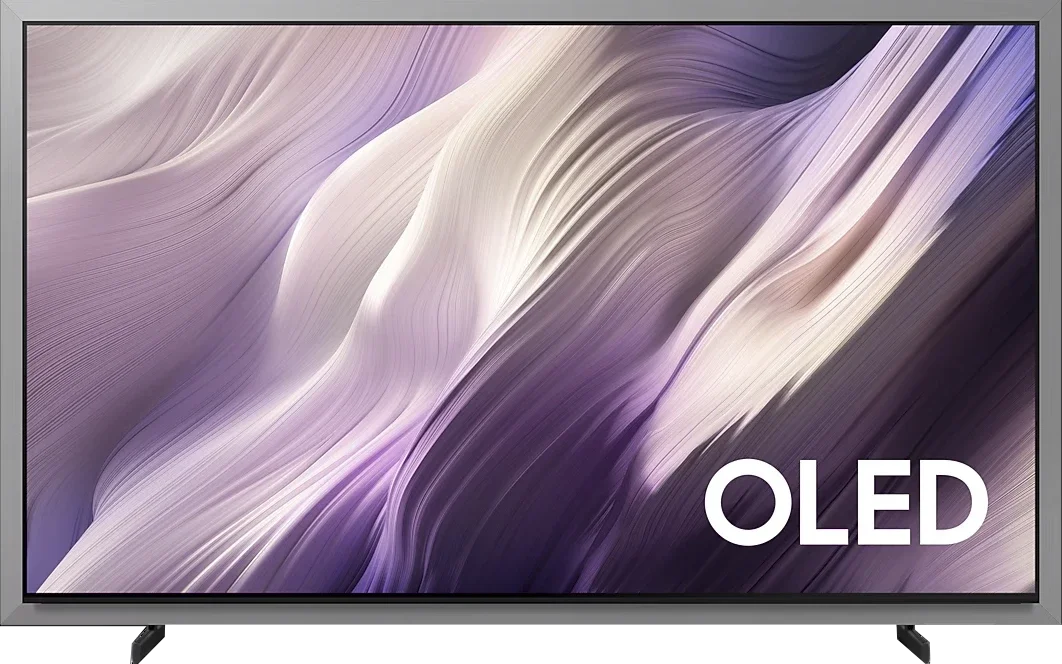
Panel type: WRGB OLED
Resolution: 3840x2160
System: Google TV
Model year: 2024
Complete the survey to find out the result
Panel type: QD-OLED
Resolution: 3840x2160
System: Tizen
Model year: 2026
Complete the survey to find out the result
Overall rating
7.6
9.0
 Movies and series in UHD quality
 7.3
9.7
 Classic TV, YouTube
 7.9
9.5
 Sports broadcasts (TV and apps)
 8.2
9.0
 Gaming on console
 9.2
9.9
 TV as a computer monitor
 6.4
8.8
 Watching in bright light
 5.5
8.0
 Utility functions
 7.9
7.8
 Apps
Apps 9.6
9.3
 Sound quality
 7.1
8.7
Complete the survey to find out what fits your preferences
Advantages

Advanced Google TV system with good app support
Very good cooperation with the console
Good image fluidity, and an advanced system for its improvement
Multicoloured Ambilight backlighting
Perfect OLED black levels
Reference HDR picture quality (after calibration)
Very high brightness (over 2800 nits in HDR!)
Richly saturated QD-OLED colours
Outstanding reflection suppression (matte coating)
Very good motion clarity (no smearing, up to 165Hz refresh rate)
Brilliant for gamers (4x HDMI 2.1, low input lag, Game Motion Plus)
Fast Tizen system with 7 years of support
Outstanding viewing angles
High build quality
Disadvantages

Poor factory colour rendering (can be fixed through calibration)
Strongly contrasting tonal transitions
Average readability of fonts when connected to a computer
No wall mount or One Connect included
Black takes on a cherry tint under strong light (a characteristic of QD-OLED panels)
No DTS:X (for Blu-ray fans)
Unusual design 😉
Our verdict
The Samsung S99H is probably the best OLED TV we've tested so far, and certainly Samsung's best OLED in many years. In terms of picture quality it's genuinely hard to find a weak point. Blacks are perfect, as befits an organic panel, and the HDR effect impresses with its brightness and colour saturation. The use of a QD-OLED panel delivers an image that in many scenes looks almost reference-grade. Virtually every parameter related to display quality performs excellently here. It's also hard to deny that the S99H is simply a device that's a pleasure to use every day. Tizen runs quickly, has access to all the major apps and is covered by seven years of update support. On top of that there are brilliant features for gamers, which translated into one of the highest scores in this category on our site. The S99H will therefore perform well in practically any conditions, whether we're watching films in the evening, following regular TV in a bright living room, or spending several hours playing on a console.
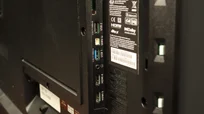
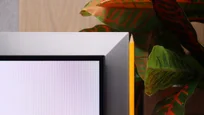
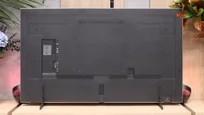
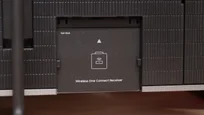
So is it the perfect TV? Not entirely. The design is, of course, the most controversial aspect. The unique look with its wide bezel means this TV is something you'll either love straight away or completely dislike, and that's purely a matter of personal taste. We can, however, judge the equipment, and in that respect Samsung has left something to be desired. In a model designed primarily for wall mounting there is no dedicated mounting bracket, nor a One Connect module. Granted, Samsung allows you to buy its wireless version, the Wireless One Connect, but for a product at this price point both items should, in our opinion, be included.
However, these are not flaws that should rule this model out. The Samsung S99H's main defence is its picture, and it is simply phenomenal. If we like its appearance and are looking for the best possible TV, it's hard to point to a better choice today. At the moment the Samsung S99H is the strongest contender for the title of best TV of 2026.
TV appearance


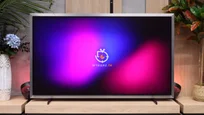
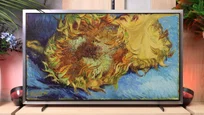


Contrast and black detail
10/10
10/10
Contrast:


Result
∞:1

Result
∞:1

Result
∞:1

Result
∞:1

Result
∞:1
Result
∞:1
Result
∞:1
Result
∞:1
Result
∞:1
Result
∞:1
Halo effect and black detail visibility:
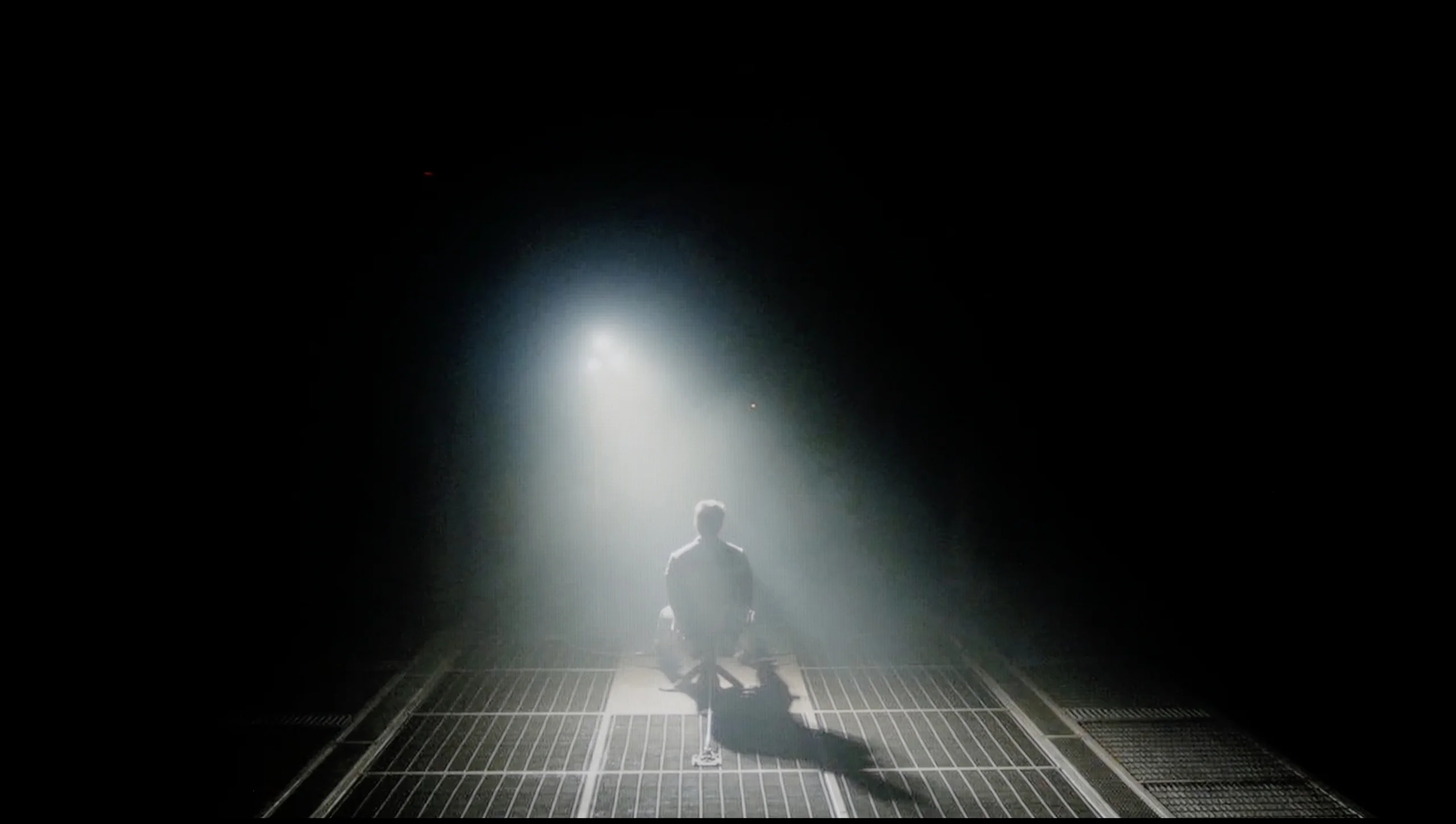
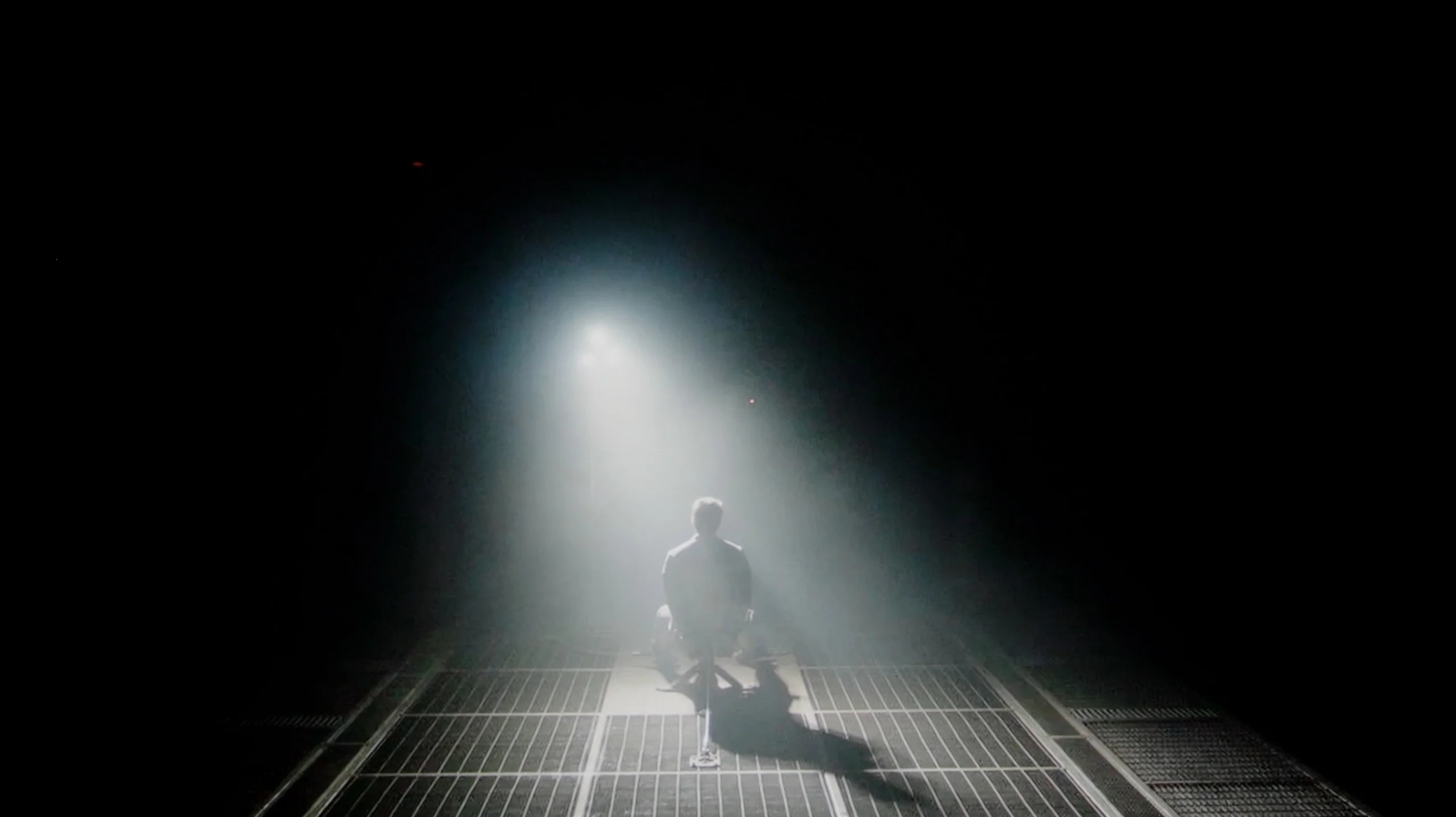
Check the visibility of bright lights on a dark background. Mini-LEDs often struggle with this. The photo does not compare black levels – that’s what the video below is for.
The video accurately shows differences in contrast and black levels between TVs, as well as potential issues: halo around bright objects or Mini-LED zone operation visible as brightness jumps.
Philips OLED 809, as the name suggests, uses an organic matrix. Like the vast majority of manufacturers, it comes from the LG Displays factory, which is not surprising, as other leading manufacturers like Sony and Panasonic also use them. The application of this type of panel allows for achieving an ideal result in the contrast and black testing procedure. Thanks to such results, the image is incredibly vivid and free of any blooming effect from bright text on a dark background, which is already an indispensable element of televisions with local dimming. This is made possible by the very construction of the panel, which is not made up of many layers of filters, but from conductive organic polymers, controlled by electrical impulses. Thus, if we want to achieve black, the pixel dims to a value of 0, rather than being obscured. The lights present in the test image are perfectly separated from each other, which is extremely difficult, and often impossible, for LCD televisions. One of the strongest advantages of Philips OLED 809 is its ability to render contrasts. The Philips OLED809 test showed that the television excels at separating bright elements, such as headlights, from dark backgrounds.
As befits an OLED TV, the Samsung S99H delivers perfect black and virtually infinite contrast. Each pixel can switch off independently, so bright elements cause no blooming or halos, and black stays black even in the most demanding scenes. This gives the picture excellent depth and it looks great in films, series and games. Compared with Mini LED LCD TVs, the advantage is especially noticeable in dark shots with small bright details. Subtitles, stars, spotlights and tiny light sources retain full clarity and do not blend into the background. There is also none of the halo effect typical of local dimming, nor any dimming of bright elements just to preserve deep blacks. Importantly, in this respect it makes little difference whether we are talking about the QD-OLED panel or the Tandem WOLED version. In both cases we can count on the same fundamental advantages of organic display technology: perfect control of every pixel and excellent contrast regardless of the scene.
HDR effect quality
6.9/10
9.4/10
Luminance measurements in HDR:

Result
921 nit

Result
970 nit

Result
1039 nit

Result
1022 nit

Result
425 nit
Result
2837 nit
Result
2795 nit
Result
2592 nit
Result
2811 nit
Result
2271 nit
Scene from the movie “Pan” (about 2800 nits)


Scene from the movie “Billy Lynn” (about 1100 nits)


The photos show two HDR10 movies. 'Pan' is one of the brightest productions ever made, while 'Billy Lynn' (soldier) has brightness typical of streaming (Netflix, Prime, HBO MAX). Notice the intensity of effects and detail in whites.
Static HDR10


The photos present the visibility of white details in various HDR formats. They do not show brightness differences between TVs (these can be compared in the previous gallery).
Dynamic: Dolby Vision
Dynamic: HDR10+


The photos present the visibility of white details in various HDR formats. They do not show brightness differences between TVs (these can be compared in the previous gallery).
HDR luminance chart:
Samsung OLED S95H (S99H) (QD-OLED)
Philips OLED809/819
Luminance of RGB colors
Philips OLED 809 delivers a more than satisfying HDR effect. The television is capable of generating brightness exceeding 900 nits in almost every scene, and sometimes even over 1000. This result allows for a full experience of content with a wide tonal range. The only moment when Philips OLED 809 is unable to generate higher brightness is in a scene from the movie “The Meg,” which features a large amount of bright white across a significant portion of the screen. However, this cannot be regarded as a poor result, as it represents a considerable improvement over its predecessor. Generally speaking, such values for OLED panels produced by LG Display, which do not feature MLA technology, are very, very good. When combined with high coverage of the DCI-P3 colour gamut, they allow for an exceptional HDR experience. The Philips OLED 809 test showed that this television supports popular HDR formats such as Dolby Vision and HDR10+.
When it comes to brightness alone, the S99H is an astronomically bright TV. Its peak brightness in film scenes can exceed 2800 nits. Whatever the scene, you can count on powerful HDR effects that are almost blinding, exactly what you expect from a top-tier screen. It is the nature of OLED panels that they cannot sustain the same extreme brightness in very bright, full‑screen frames as they can with small highlights, but the results are still excellent. In a bright scene from the film The Meg, the sun still exceeded 2200 nits. That means the S99H managed to sustain higher brightness than most Mini LED displays on the market. In terms of brightness, the S99H is currently the best OLED TV we have tested.
Colour gamut coverage
The S99H also handles colour extremely well, which is a direct result of the QD-OLED panel used here. Whether the test scenarios were synthetic test patterns or measurements taken with film material playing in the background, the results remained at a very high level. The S99H easily covers almost 100% of the DCI-P3 gamut, and for the more demanding BT.2020 colour space it reaches nearly 90%. That is absolute top-tier performance. These results match what we have seen in the new SQD-Mini-LED screens, and in real film scenes even outperform RGB Mini LED displays.
Factory color reproduction
5.1/10
7.5/10


This gallery shows how colors change after professional TV calibration. If you notice the difference, we recommend ordering this service at SkalibrujTV.com.
Factory Mode
After calibration


This gallery shows how colors change after professional TV calibration. If you notice the difference, we recommend ordering this service at SkalibrujTV.com.
Factory Mode
After calibration
The best factory mode in which we conducted all our tests was "Filmmaker", which has become rather standard in televisions from this manufacturer. However, let's check what its characteristics were before we began the calibration process. The first aspect we will examine is white balance, as despite appearing unassuming, it determines whether the image will be free from any kind of tint. The graph clearly shows that both in SDR and HDR materials, there was a dominant presence of two colours: red and green, which resulted in a strong yellow tint that was ubiquitous across the entire image. This is perfectly visible on the "ColourChecker" palette, where all hues shifted towards their warmer counterparts. The second thing we will scrutinise is, in our opinion, the two most important graphs regarding image quality assessment: gamma and the EOTF curve. Both aim to maintain adequate brightness and contrast. The first one serves to describe the brightness level in SDR materials, while the second shows the rate of luminance increase. Analyzing the first one, we can observe that it was extremely lowered compared to the reference value marked by the orange line. This situation resulted primarily in a sharp increase in brightness and a significant reduction in contrast, almost reminiscent of that in OLED televisions. The EOTF curve exhibited greater "moderation" and only slightly brightened the entire image to 50% of the maximum brightness.
Samsung offers a whole host of picture modes and features, but as usual we recommend choosing Filmmaker Mode, especially if you want the most faithful rendering of the filmmakers' intent. Out of the box the TV is tuned very well, although it has minor shortcomings. These are mainly a slight drift in the white balance in SDR content and a slightly low gamma. As a result, in darker viewing conditions the picture can be a little too bright compared with the reference gamma of 2.4, which is the standard for watching films with the lights off. These are, of course, minor points, because overall colour reproduction remains at a very good level and the errors in the ColorChecker measurements are not large. However, we know that with a screen of the S99H's class you can, and arguably should, expect even more, which is why we carried out a professional calibration.
Color reproduction after calibration
9/10
9.6/10


The photos show how movies look on the TV. Pay attention to black detail visibility, colors, and shadow tint.


The photos show how movies look on the TV. Pay attention to black detail visibility, colors, and shadow tint.
Philips, like most leading manufacturers, has been providing advanced tools for calibration processes for years. Here we will find both 2- and 20-point grey scale adjustments, as well as an advanced CMS (Colour Management System). As you can observe, this has brought about extremely beneficial results and profoundly changed the perceived image. Practically every one of the elements mentioned above has undergone a transformation and has been brought back to its natural state. This is particularly evident on the "ColourChecker" palette, where the measured samples are harmoniously in place. It must be said that the white balance has turned out exceptionally well, allowing us to enjoy a clean image free from any tint in both SDR and HDR materials. The biggest issue of OLED809, namely gamma, has been properly modelled and only shows minor errors here and there, which will not affect the overall picture. The EOTF curve, on the other hand, has been rid of that subtle brightening and now presents itself as reference-level.
After professional calibration, FILMMAKER mode looks practically perfect. Because Samsung offers a rich set of advanced calibration features, we were able to fine-tune the colours to an almost perfect level. Above all, we managed to even out the white balance and the gamma curve, which resulted in noticeably improved contrast and proper image modelling. In this tuned picture profile there really isn't a single thing to criticise or call a flaw. After calibration, the S99H can deliver an essentially reference-quality image.
Smoothness of tonal transitions
2.4/10
9.6/10
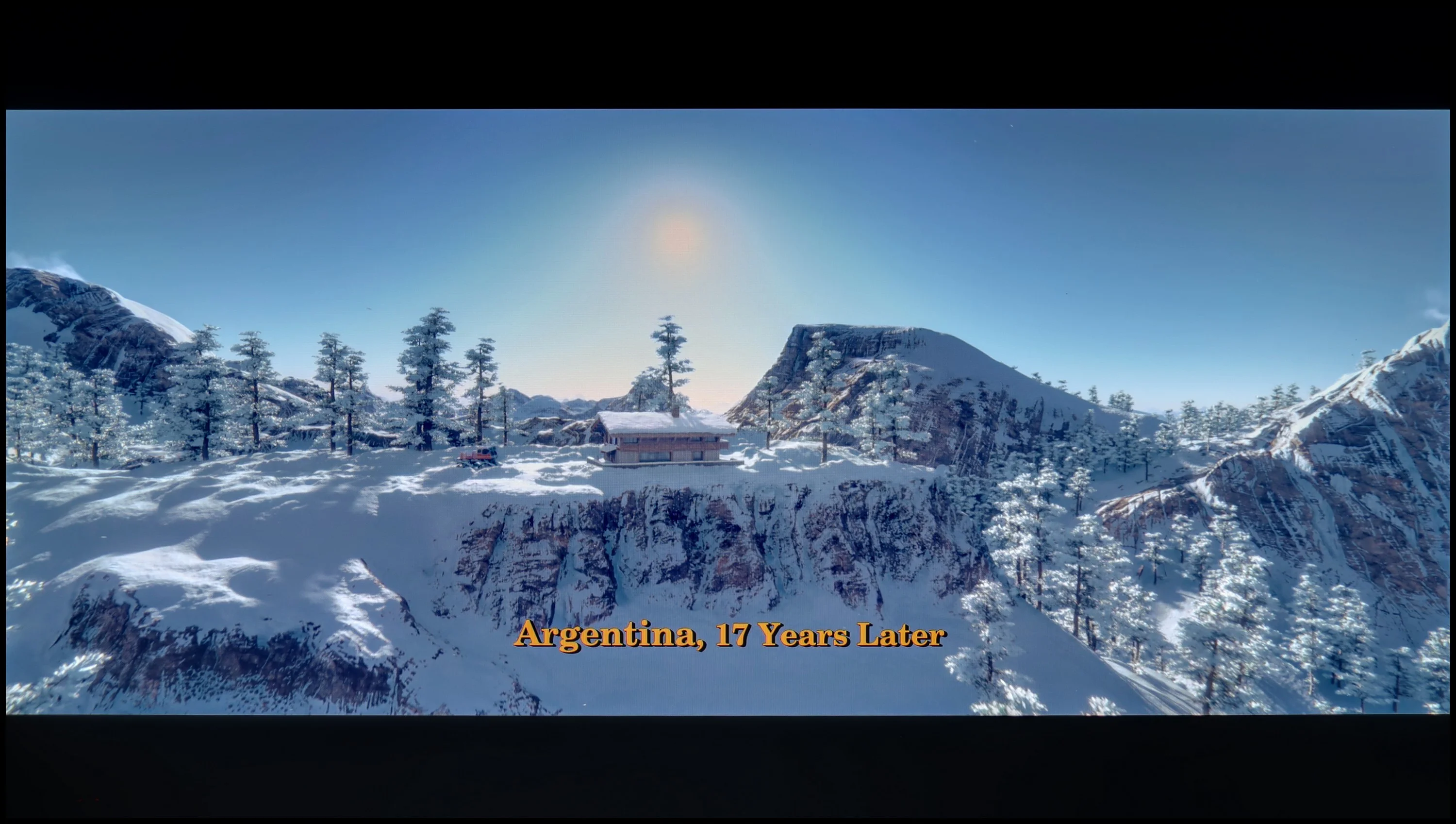




These are selected scenes that show smooth tonal transitions from one color to another. If you see distinct banding, it’s the TV panel’s fault.

These are selected scenes that show smooth tonal transitions from one color to another. If you see distinct banding, it’s the TV panel’s fault.

These are selected scenes that show smooth tonal transitions from one color to another. If you see distinct banding, it’s the TV panel’s fault.

These are selected scenes that show smooth tonal transitions from one color to another. If you see distinct banding, it’s the TV panel’s fault.
Equally important as colours, blackness and contrast in the context of the image quality assessment process is its purity. This category can also include the quality of tonal transitions. How many of you have experienced the effect of "banding" of colours on your older receivers? It is extremely bothersome and often effectively hinders immersion in the series or film being watched. Philips OLED 809 unfortunately has one of those qualities that are better left unspoken. However, out of editorial duty, we should take a look at them and evaluate, which will be quite simple given their lack of complexity. As you can see, practically every scene demonstrated a lack of fluidity between colours. And just as in the film "Kingsman" this is still acceptable, in other productions it is really impossible to leave them with a clean conscience, especially when looking at "The Green Knight." There, the dense fog has practically been converted into horizontal stripes and vaguely defined geometric shapes. There are televisions that can manage tonal transitions perfectly, but Philips OLED 809 unfortunately does not belong to this group. During the tests, we could observe the colour banding effect, particularly in demanding scenes, which negatively impacts the reception of the film. Philips OLED 809 test indicates that even options for removing posterization do not help sufficiently, which can be considered a serious flaw.
The smoothness of tonal transitions on the Samsung S99H is very good. It performs best in bright scenes, where successive shades blend very smoothly with no visible banding. In darker sections it is also good, although you can occasionally notice minor imperfections. In everyday viewing they are, however, practically unnoticeable. It is worth adding that this is one of the strengths of QD-OLED panels. Compared with WOLED panels, they handle near-black transitions much more easily, where competing panels from LG Display more often show posterization and uneven tonal gradation.
Image scaling and smoothness of tonal transitions
5.5/10
7.5/10


Smooth transition function
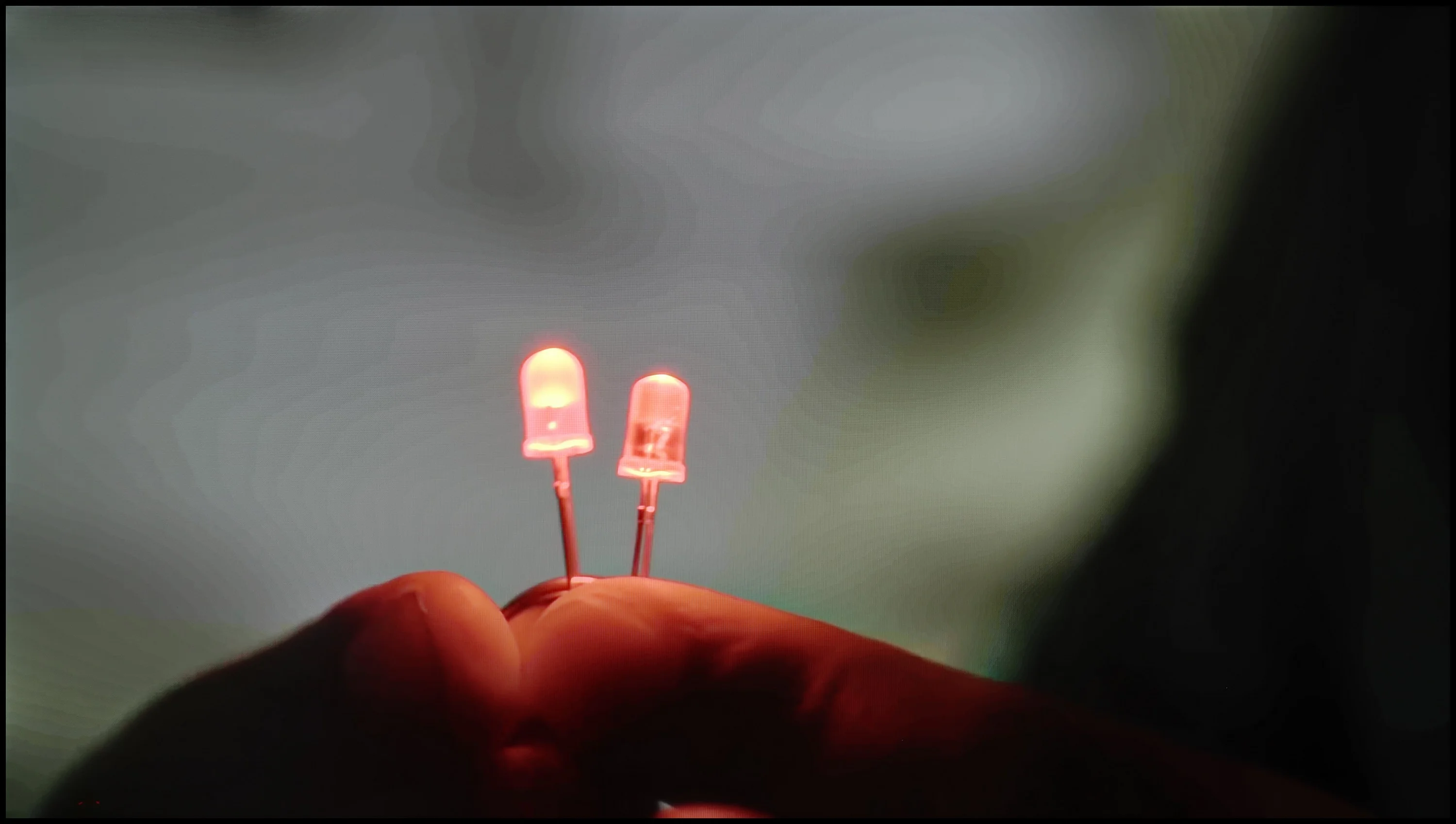
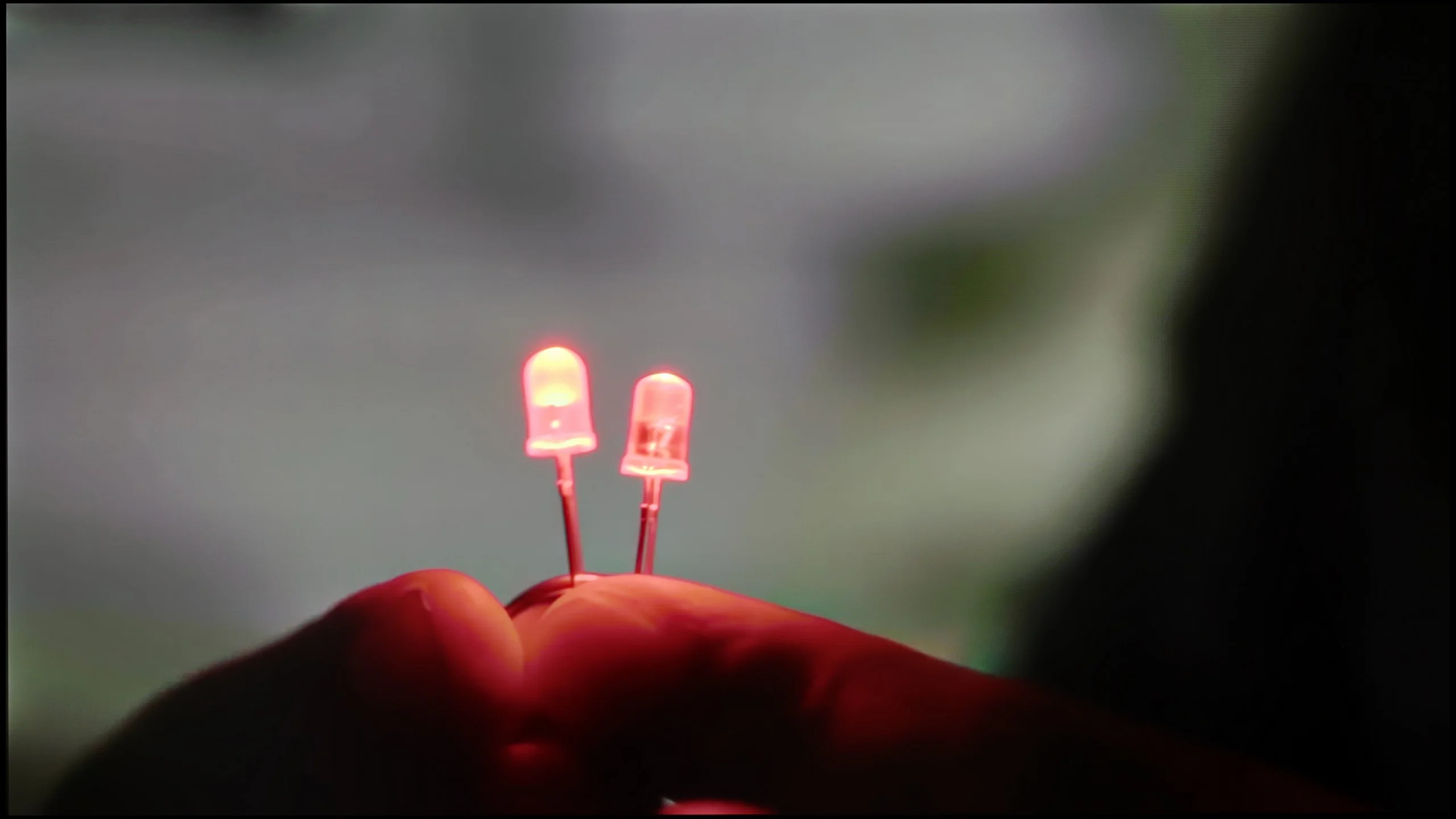
The match photo shows how the TV smooths weak tonal transitions in low-quality video.
Image scaling SD (576i)


The model photo shows how it handles upscaling of SD material.
Philips OLED 809 did not perform particularly well in the test of tonal transition fluidity. Moving on to the part of the test where we assess the behaviour of the television's algorithms, we will once again check the function responsible for removing posterization. Indeed, such a function exists in the menu and has several available options. As you can see in the picture on the left, although its presence has been confirmed by us, it is not useful. Only at the highest setting does it effectively remove stuttering; however, it blurs the entire image in the process. Therefore, it is completely useless.
It happens more than once or twice that you and we watch lower quality materials. In this case, the quality of the image upscaling algorithms can have a beneficial effect. We must admit that those implemented in OLED 809 work quite efficiently and improve image quality without visible artifacts. You can only notice slight edge fringing; however, it is unlikely to be visible during normal viewing.
The proprietary Samsung NQ4 Gen3 processor is responsible for upscaling and digital image processing. It handles upscaling lower-resolution material to 4K very well. The picture is clear without looking artificial or overly sharp. The only rather specific drawback appears with very old material recorded at 480p or below. In such cases the TV can slightly crop the edges of the picture.
The processor also copes quite well with artefacts visible in lower bit-rate material, for example heavily compressed YouTube videos. The noise reduction function effectively smooths the image and reduces posterisation, but it operates quite aggressively. It can remove not only unwanted artefacts but also some fine detail, and even natural film grain. Wanting to preserve the source material as faithfully as possible, we decided not to use it. However, if someone prefers a clean, as-smooth-as-possible picture over retaining every detail, it may prove useful.
Blur and motion smoothness
8.5/10
8.5/10
Blur (native resolution, maximum refresh rate):






Blur (BFI function enabled):
Image flickers in this mode



Blur ():
Blur (4K@165Hz):



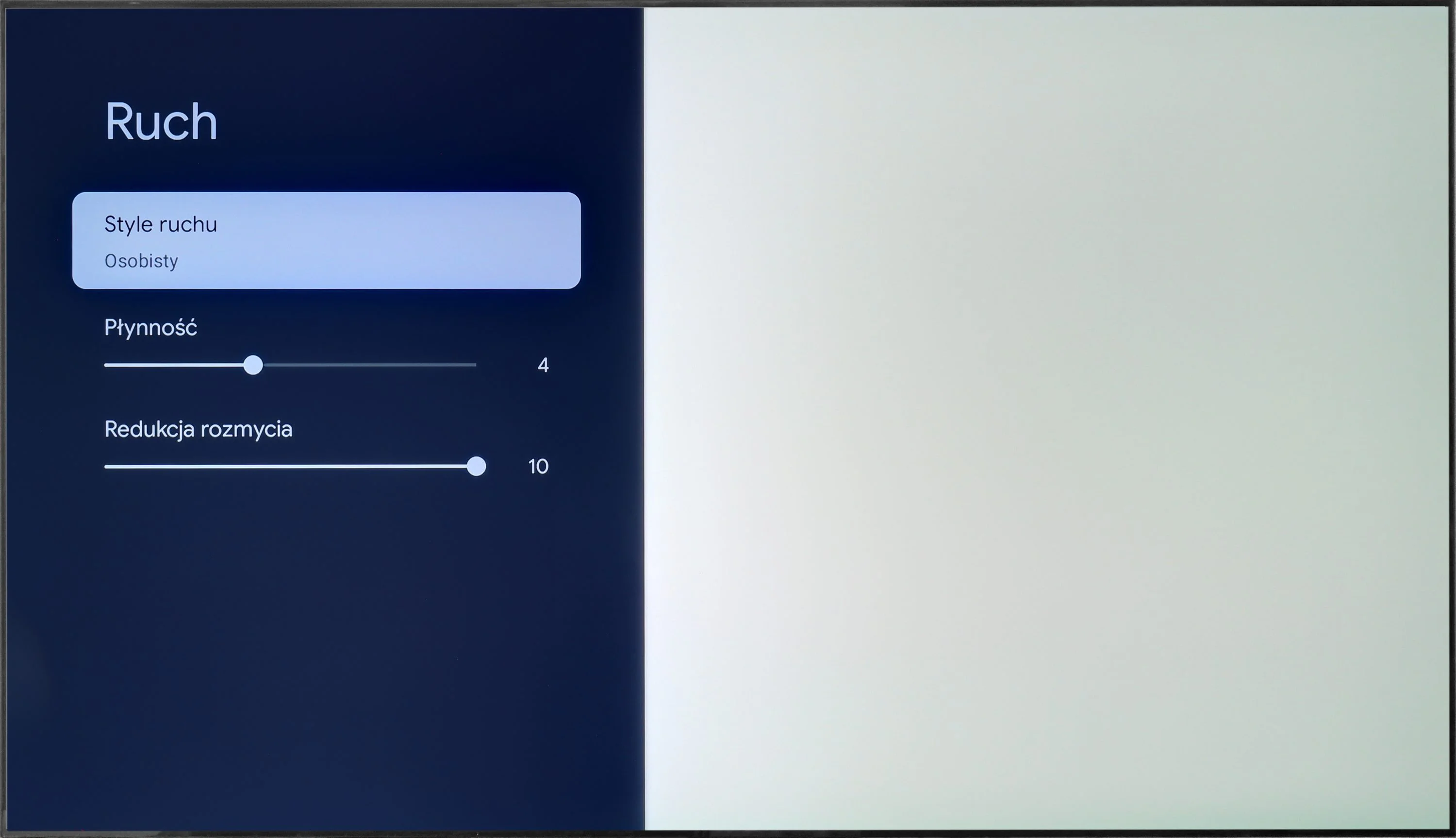
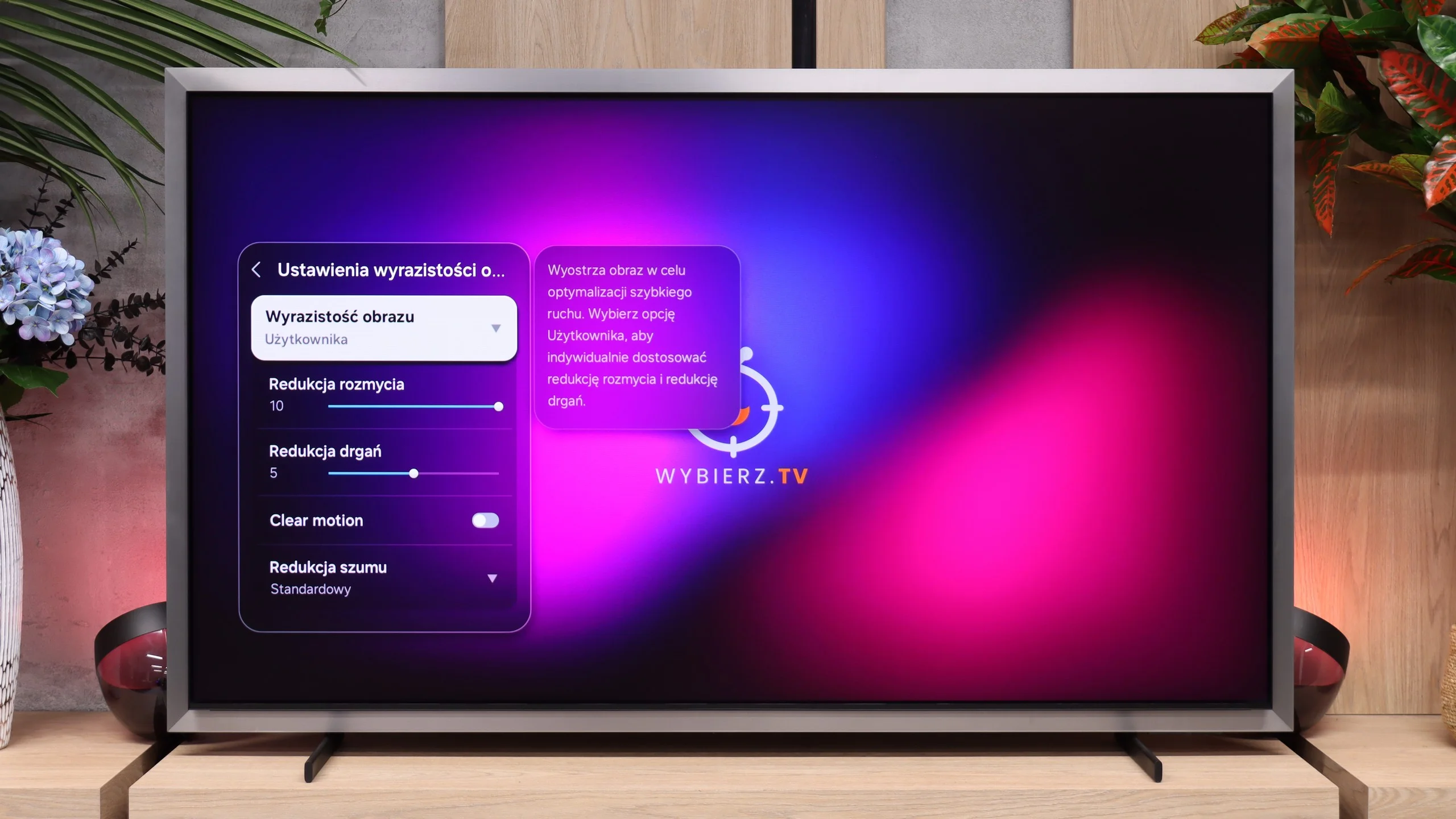
The maximum refresh rate we can set on the tested television is 144 Hz. This value can be achieved by connecting it to a really powerful PC. In the case of consoles or television, everything remains the same. For those who require high smoothness of motion or dislike the characteristic stuttering of films recorded at 24 fps, the manufacturer has prepared a fairly extensive motion smoothing system. In the dedicated tab, we will find a slider for “Smoothness” that is responsible for eliminating stutter, and “Motion Blur Reduction,” which helps increase the sharpness of dynamic elements. The function works very well and granularly, meaning that each setting has a real impact on the perception of motion. We also mention that it works at a refresh rate of 120 Hz, as it operates on multiples of film or television materials. With such an extensive set of options, every user will find their golden mean. In the picture, we present our choice, which is slight smoothing without the soap opera effect.
Motion is influenced not only by settings on the television but also by the response time of the panel itself. OLED televisions feature the best response time on the market, which in the case of 809 is about 0.1 ms. There are no IPS/ADS or especially VA panels that come close to the results of organic panels.
Another major advantage of organic OLED panels is their excellent motion handling. Thanks to the pixels' virtually instantaneous response time, the Samsung S99H exhibits virtually no motion blur. Fast-moving objects do not produce visible halos or trailing outlines, so the television performs very well for both watching sport and gaming. One characteristic of OLED screens compared with LCDs, however, is the way they render low-frame-rate material. With very slow camera movement the image can appear noticeably more 'choppy'. This can, however, be fairly effectively mitigated using a frame-interpolation system. Samsung lets you adjust judder reduction and blur reduction separately, so it's easy to find a compromise between smoother motion and preserving the cinematic character of the content.
Console compatibility and gaming features
10/10
9.6/10
- ALLM
- VRR
- VRR range40 - 144Hz48 - 165Hz
- Dolby Vision Game Mode
- Correct implementation of HGIG
- 1080p@120Hz
- 1440p@120Hz
- 4K@120Hz
- Game bar
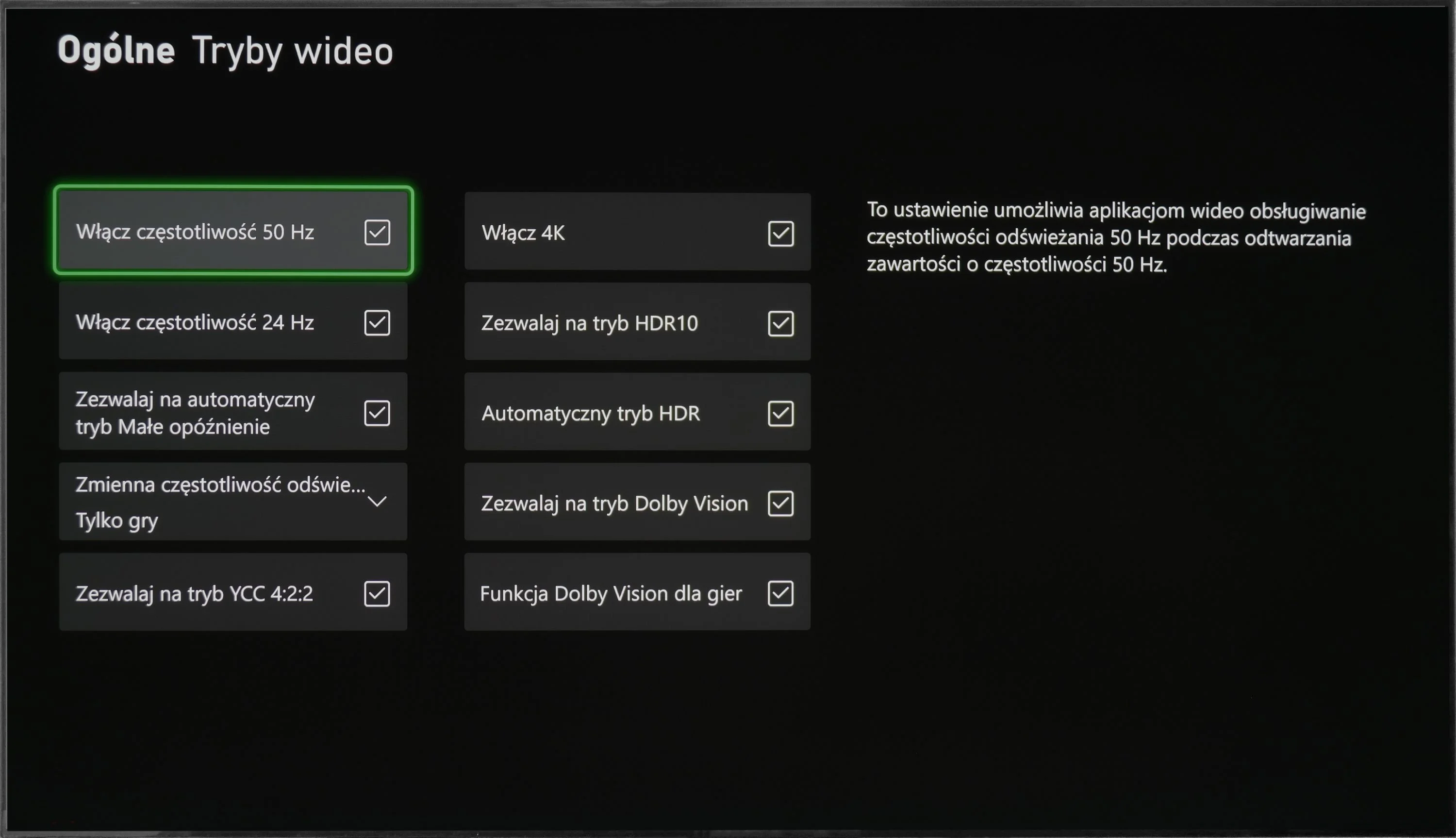
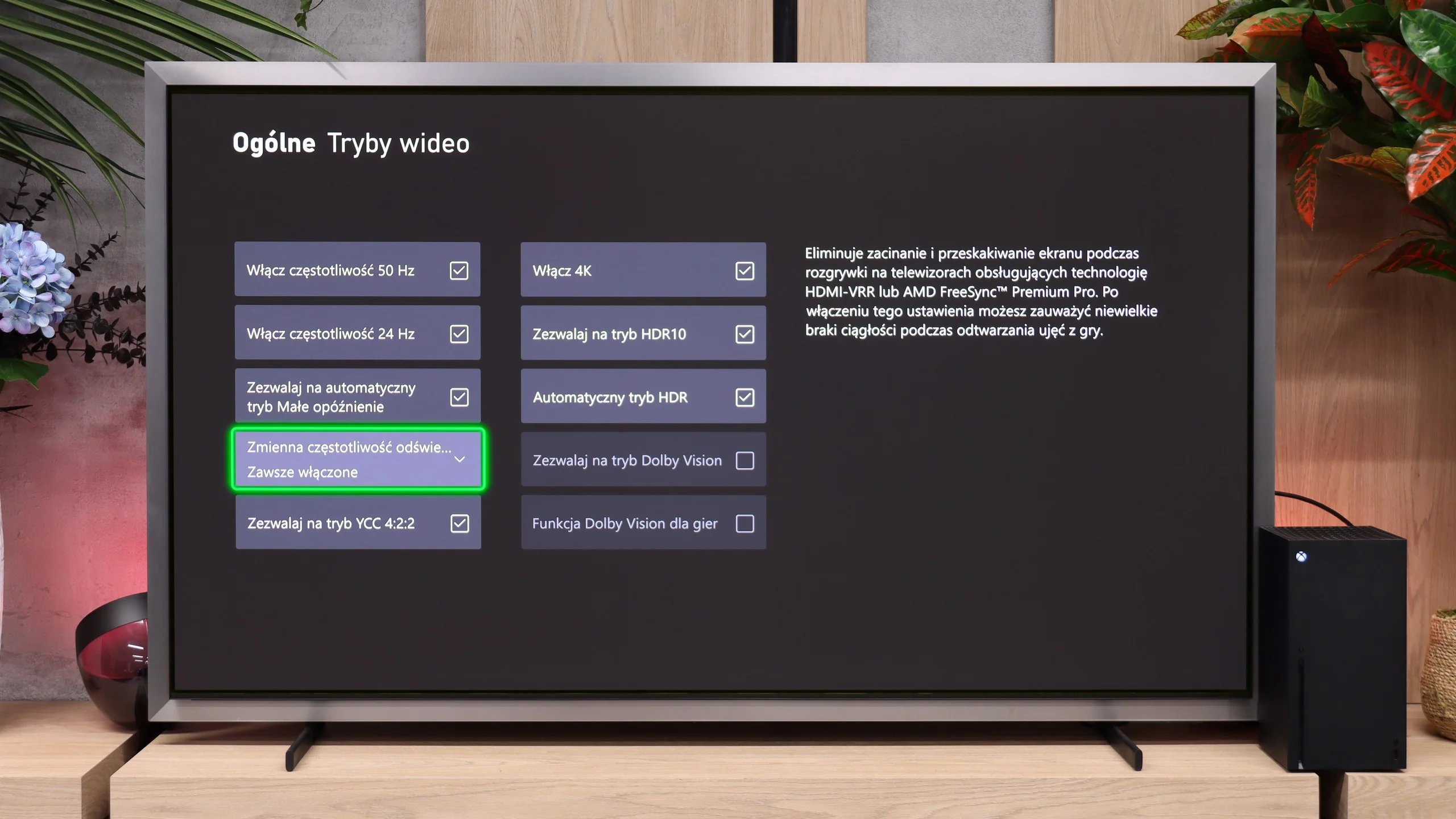
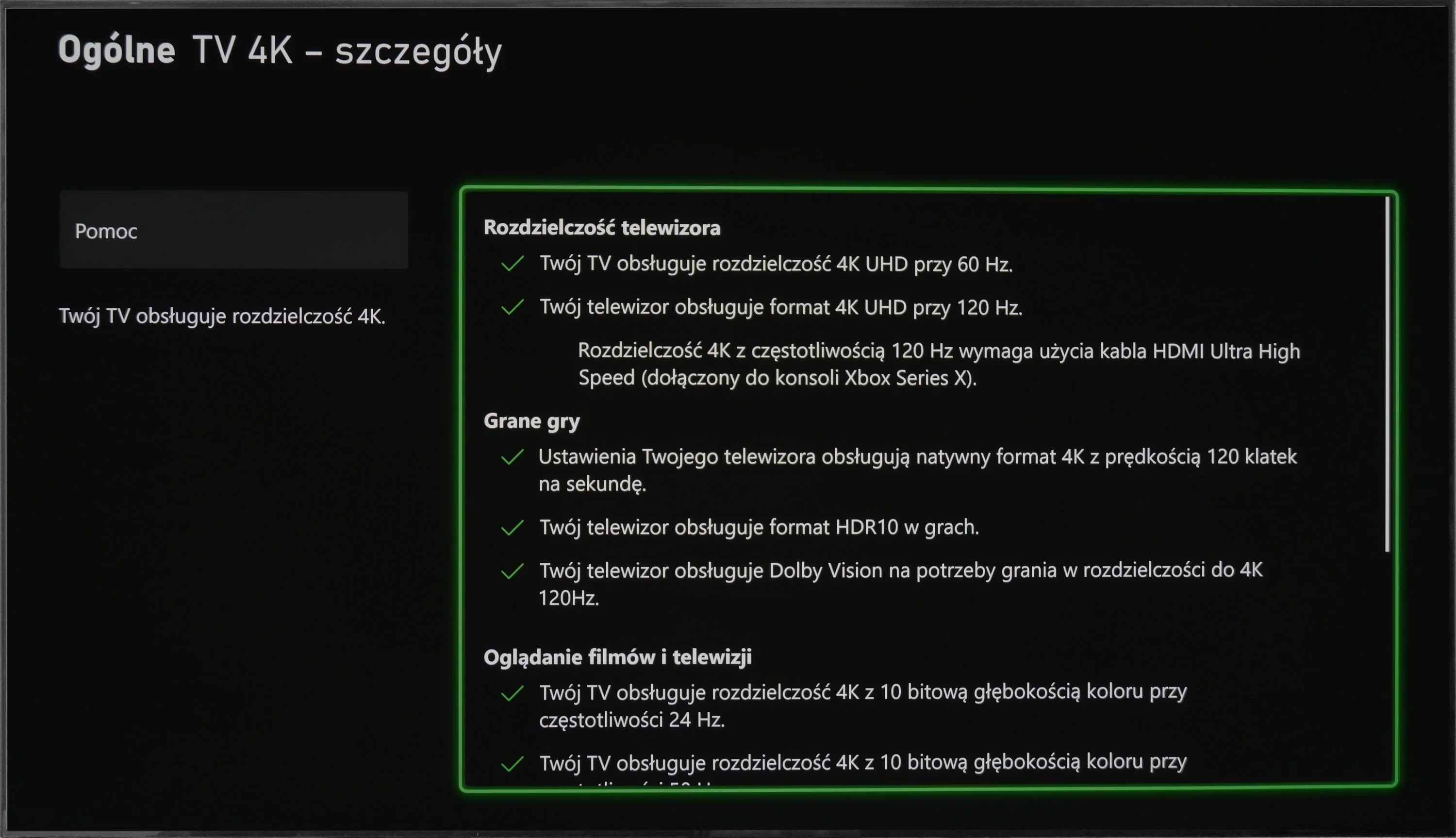
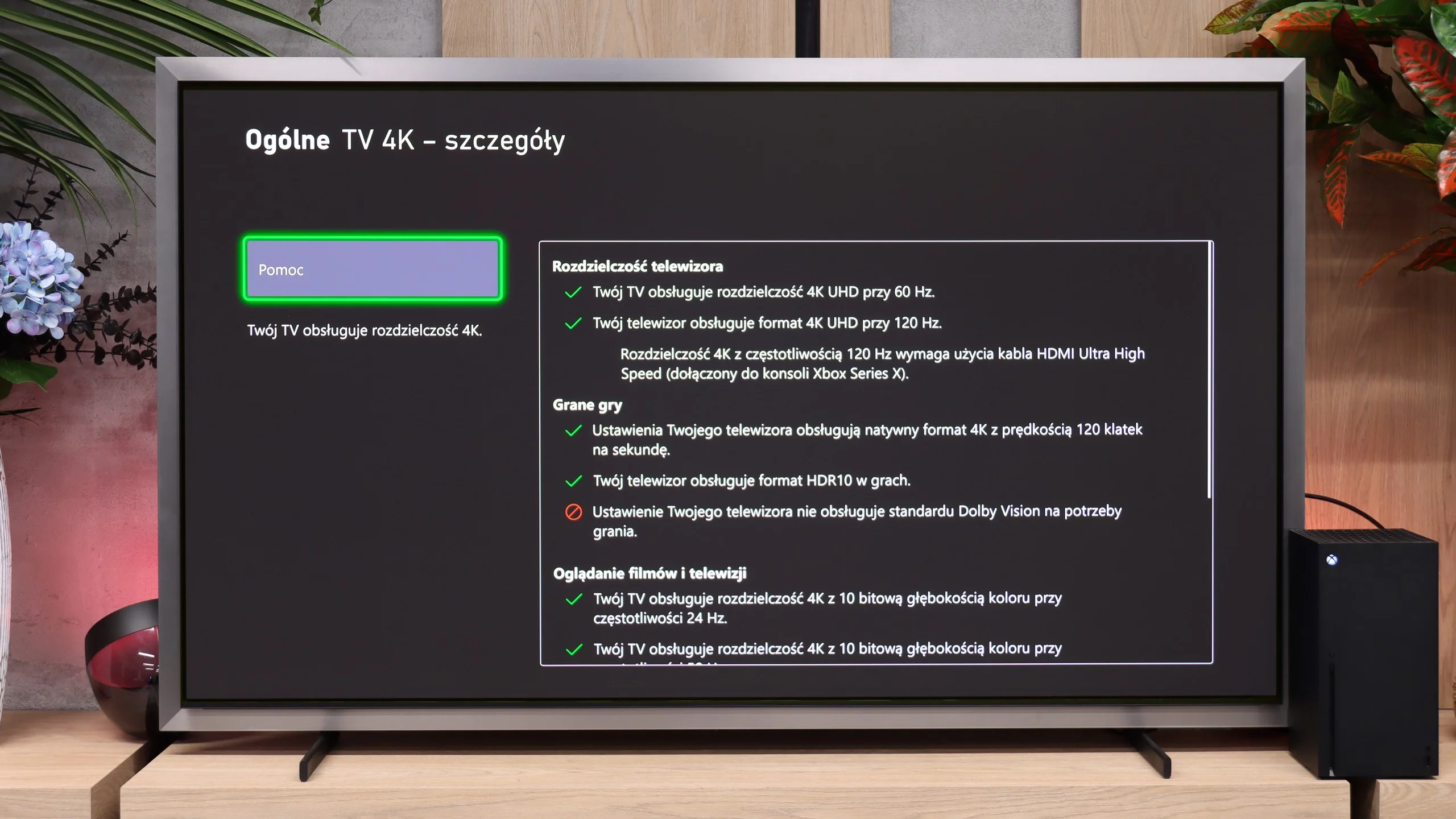
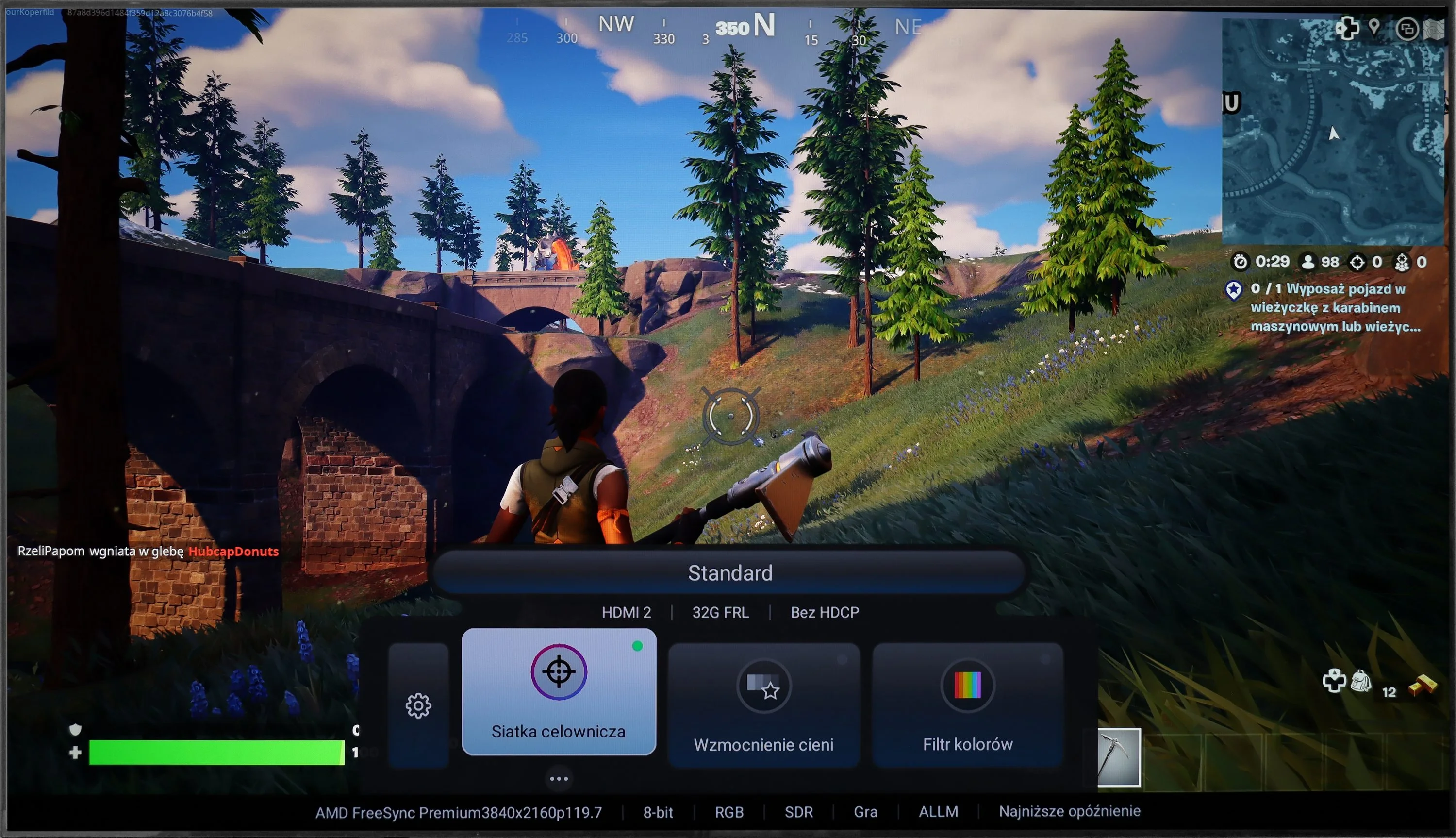
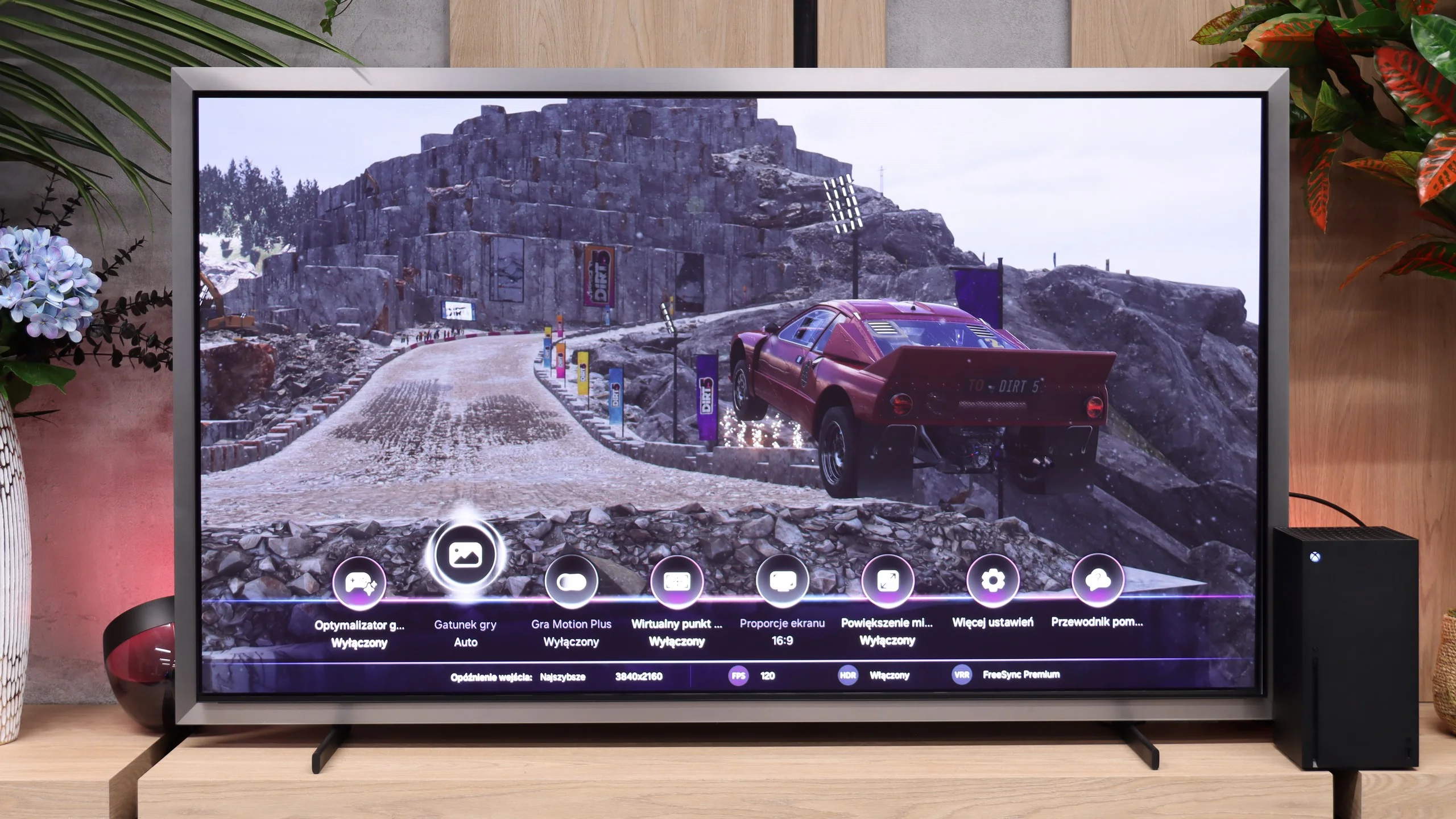
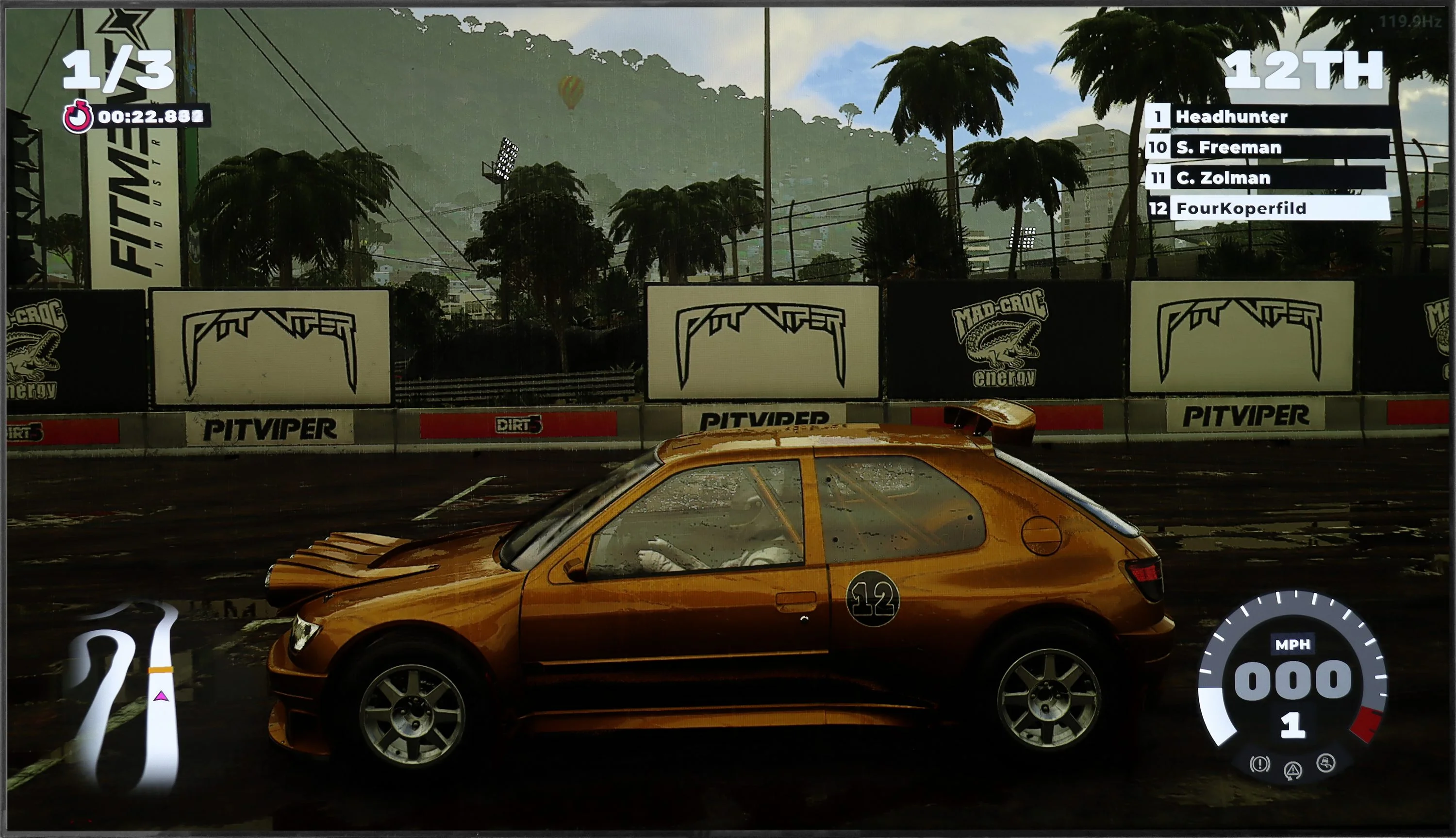
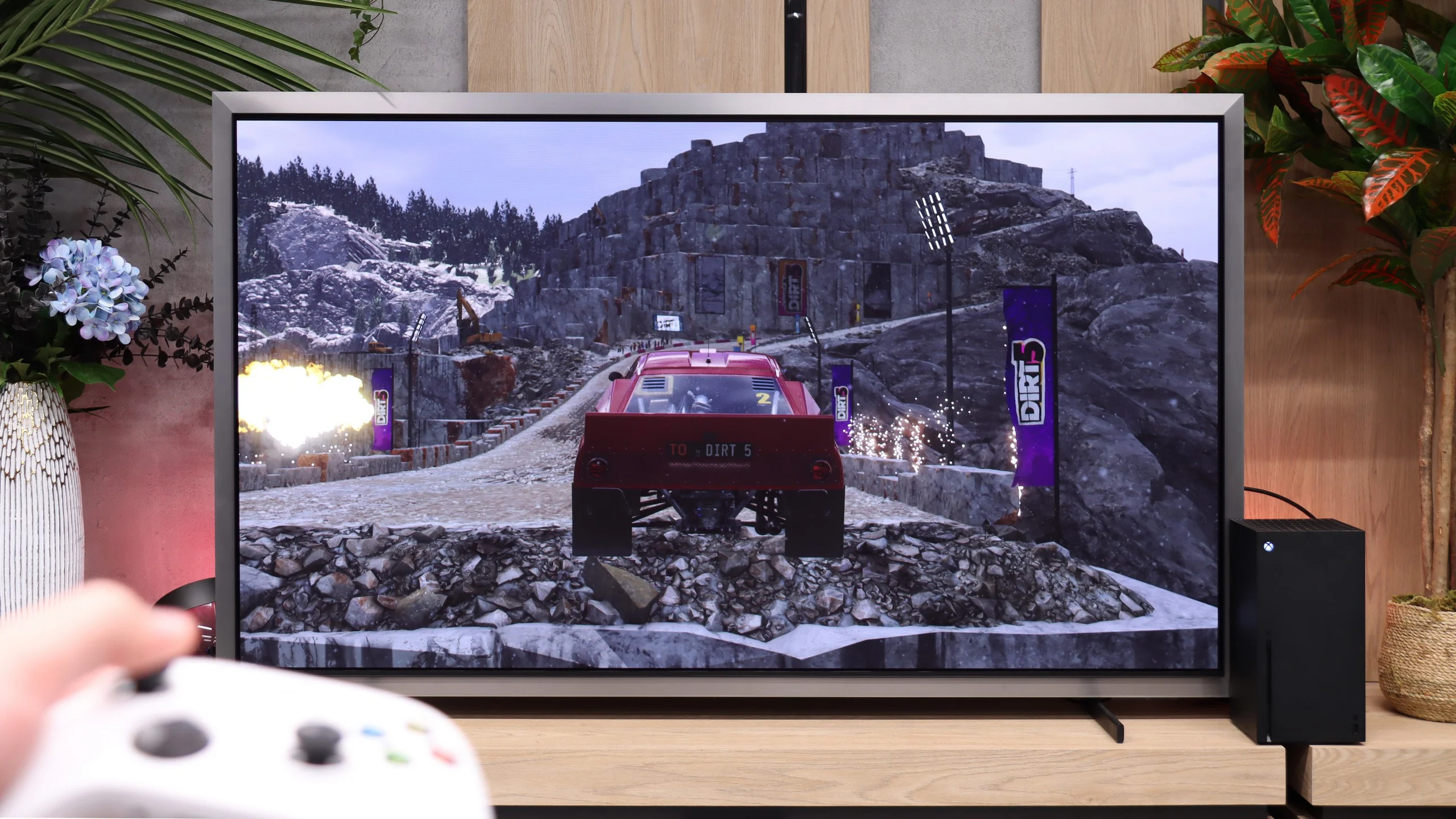
The Philips OLED 809 television supports all technologies included in the HDMI 2.1 standard, and during our testing, each one activated without any problems. Therefore, we must state that this television is perfectly suited for all gamers, whether they are using a console or a computer. It is worth mentioning that the manufacturer has opted to implement the HGIG mode, which provides a great alternative to Dolby Vision, which unfortunately in the OLED809 is unplayable due to very high input lag.
A nod to gamers is also the inclusion of a dedicated GameBar, which allows for monitoring current gameplay parameters and quick changes to settings. We will also find a function to enable a crosshair, which will be very useful when shooting with a sniper rifle, but from the so-called hip. Additionally, we can also find a shadow enhancement function for better visibility in shadows and a colour filter for gamers with visual impairments.
In summary, the OLED 809 is a very good and versatile device for gamers. Anyone who purchases this television for gaming does not need to worry about anything, as it is simply made for gaming. Especially since features such as VRR, ALLM, G-Sync, FreeSync, or HDR Dolby Vision gameplay will allow for an even greater immersion in their favourite title. Lastly, we will add that the only downside of the television in game mode is the artificial image sharpening, regardless of the settings, and it cannot be 'softened'.
The Samsung S99H is also a great TV for gamers. It offers almost every possible and useful feature... well, except for the obvious lack of Dolby Vision for the Xbox console. It's equipped with four full-bandwidth HDMI 2.1 ports that offer the full 48 Gbps. This lets you use VRR frame-rate synchronization and the automatic game mode (ALLM) without any problems. This year Samsung also has no issues properly supporting HGiG, so HDR setup on a console is quick and straightforward. Samsung's TVs are also known for interesting extras. In the Game Bar menu you'll find options to add an on-screen crosshair, enlarge the minimap or change the displayed image's aspect ratio (PC).
Particularly noteworthy is Samsung's Game Motion Plus feature. It's Samsung's proprietary motion-smoothing system that uses interpolation to increase smoothness in games. Input lag then rises to around 40 to 50 ms (depending on the strength of the setting), which is an excellent result compared with the competition. The system makes gameplay noticeably smoother. So if someone has their eye on a demanding game (e.g. GTA 6 😉) that runs on a console at only 30 frames per second, the S99H can display it much more smoothly than competing models.
Input lag
9.5/10
10/10
SDR
HDR
Dolby Vision
The results of input lag measurements in the Philips OLED 809 are at a high level, regardless of the signal or resolution. All gamers will certainly appreciate the manufacturer's efforts, which mean that a game running at 4K120Hz with HDR has only 5 ms of lag, which is practically unnoticeable even in online games. One should not forget the proper implementation of the gaming mode with Dolby Vision, which deserves praise for a similar reaction time of 13 ms. In this case, the Philips OLED 809 receives our highest rating.
Input lag is very low regardless of the selected refresh rate. At 120 Hz we measured about 5 ms, and at 60 Hz roughly 10 ms. When connected to a PC and set to 165 Hz, the values were even lower. The response to controller or mouse movement is almost instantaneous, so in this respect the Samsung S99H is suitable even for very fast-paced, demanding games.
Compatibility with PC
6.4/10
8.8/10
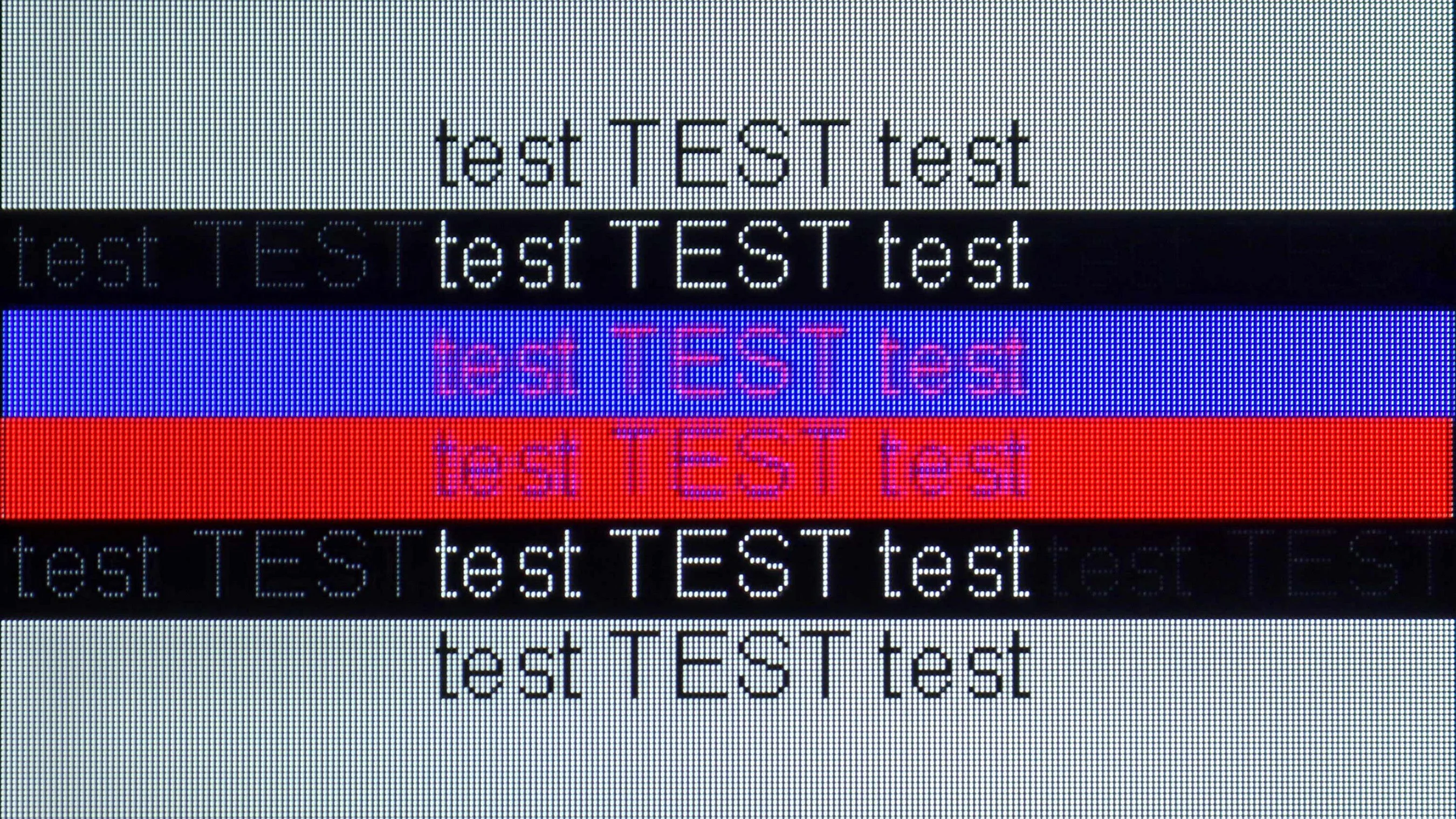
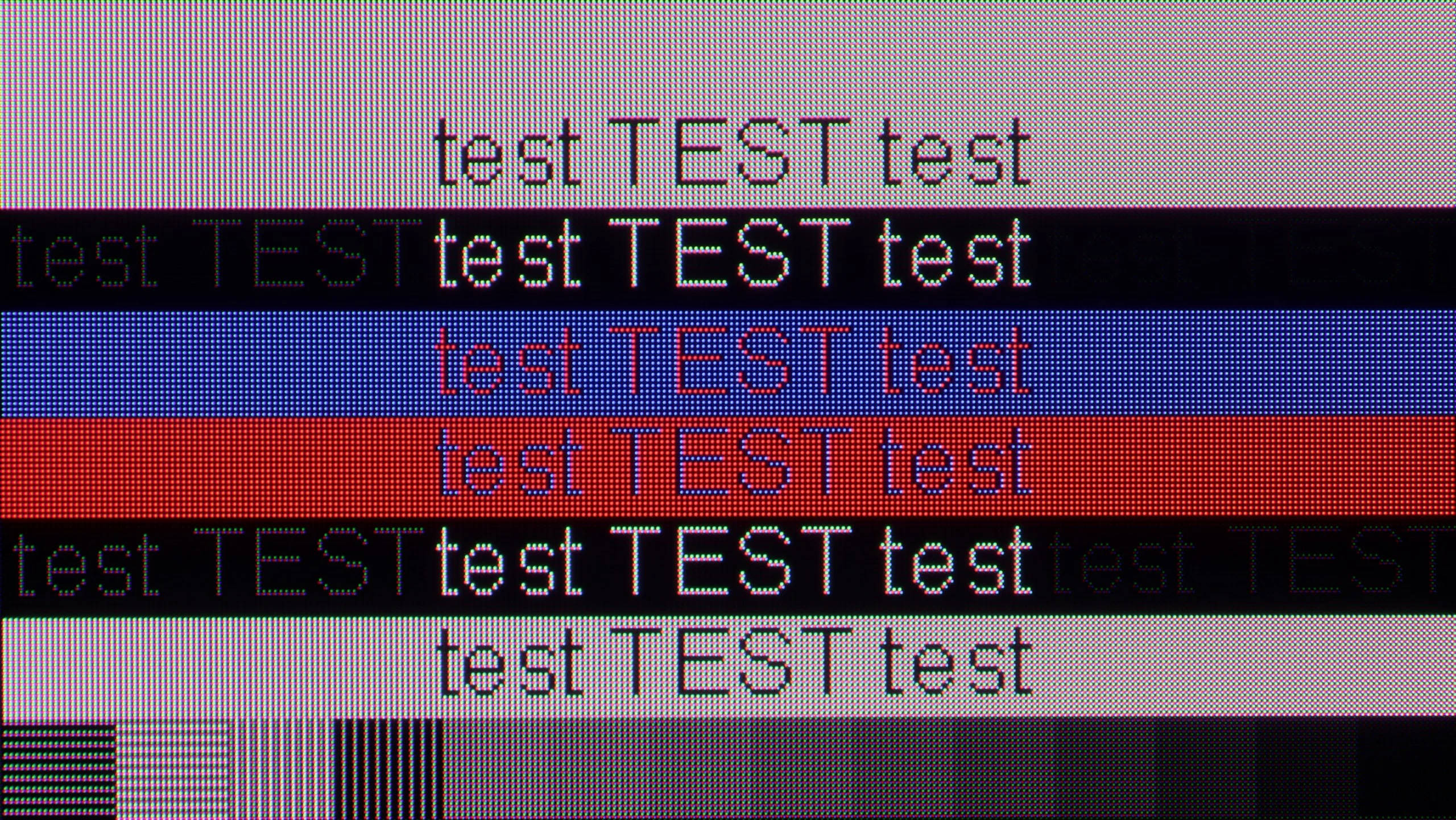
The photo shows the legibility of small fonts. Ideally, lines should be the same thickness on both light and dark text, with minimal pixel gaps.
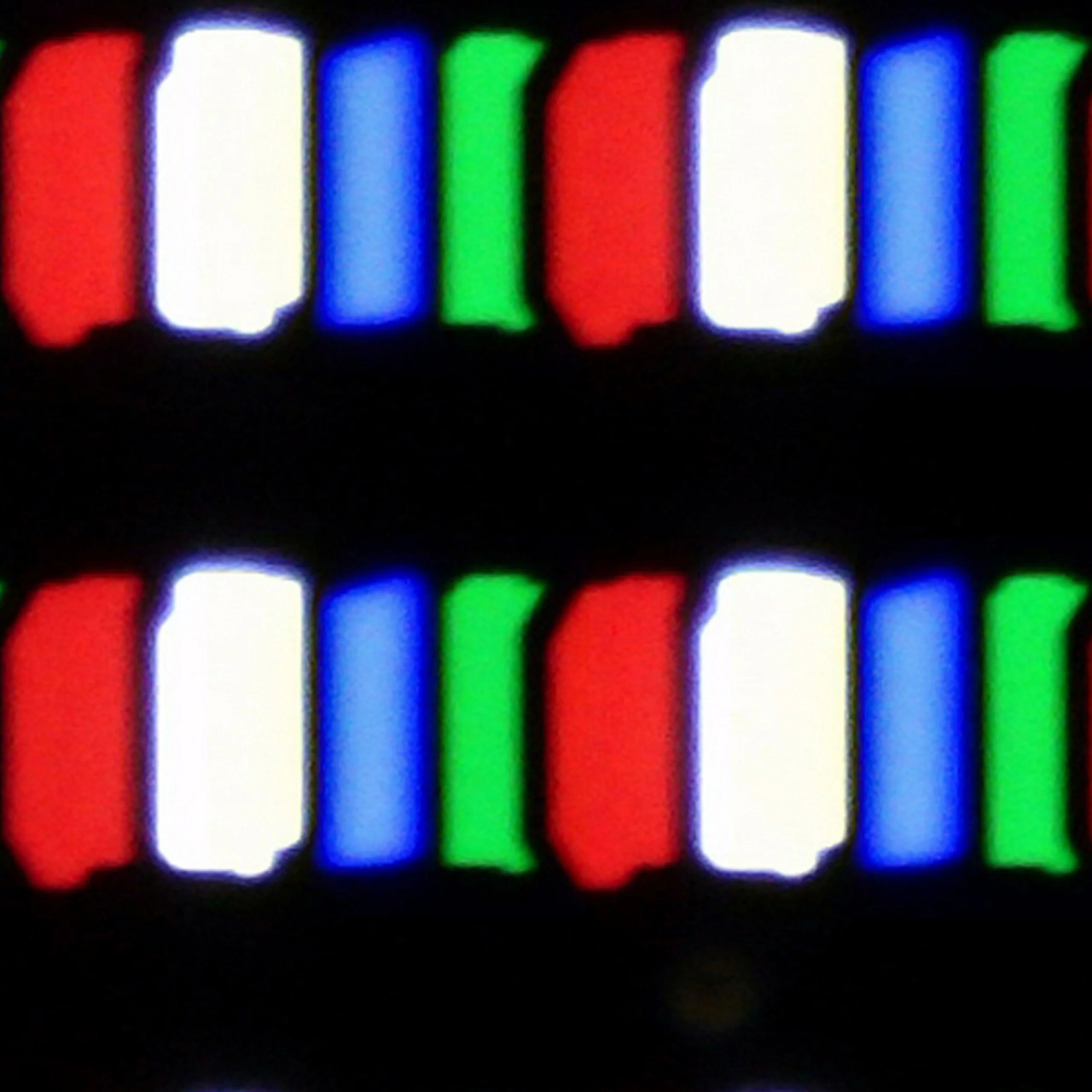
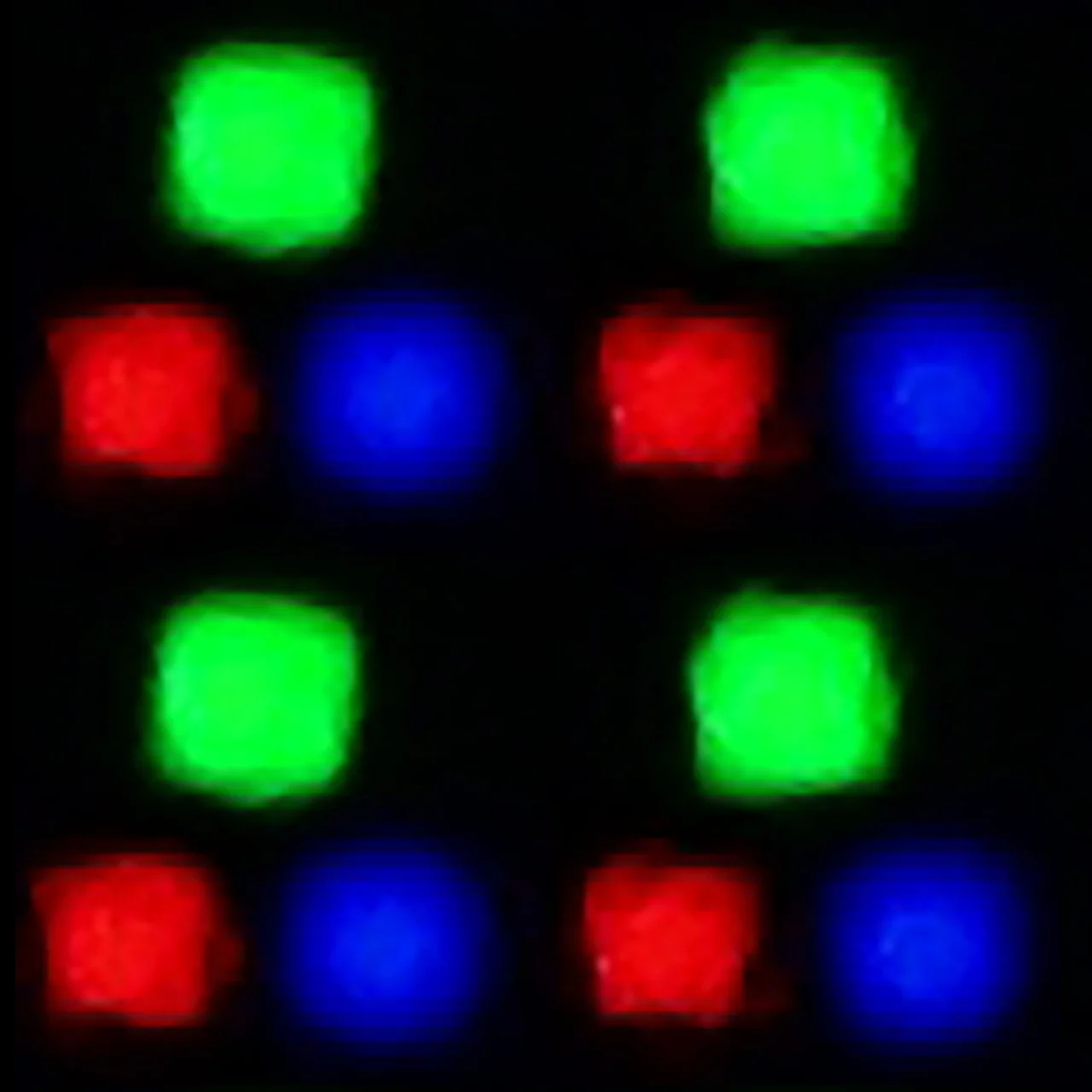
Just like in games, the tested television performs excellently, but in everyday work with text, it doesn't do so well. Although its latency is very low, the problem lies elsewhere. The television does not support chroma 4:4:4, which results in unpleasant font blurring, regardless of the provided refresh rate. While this is not usually a problem in games, it can be quite bothersome during text work due to poor readability. Additionally, the pixel arrangement in WOLED panels does not make things easier for it.
The S99H also works very well as a large monitor connected to a computer. This is mainly due to full support for frame synchronization: it offers both AMD FreeSync Premium Pro and seamless G-Sync compatibility for NVIDIA cards. In addition, the TV supports refresh rates up to 165 Hz, which is a very welcome touch for PC gamers. The only specific trait of QD-OLED panels remains the characteristic triangular subpixel arrangement. For that reason, the sharpness of very small text viewed from extremely close up is not perfect. However, given the size of the S99H, this TV is unlikely to end up sitting directly on anyone’s desk. When working or gaming from more than a metre away, the issue ceases to matter.
Viewing angles
7.7/10
9.9/10
A widely known advantage of OLED matrices is their performance when viewed even at sharp angles. We do not experience a drop in contrast or colour saturation. However, a characteristic feature of panels produced by LG Display, which are not used in top models, is a tint in shades of sea or cyan when viewed at large angles.
The viewing angles on the S99H are simply outstanding, thanks to the QD-OLED panel used. In this respect it is among the very best on the market. Even when looking at the screen from an extremely oblique angle, the picture remains perfectly clear, and the drop in brightness or colour saturation is negligible. This is a characteristic feature of QD-OLED panels and an advantage over traditional WOLED screens, whose viewing angles are a little worse.
Daytime performance
5.5/10
8/10
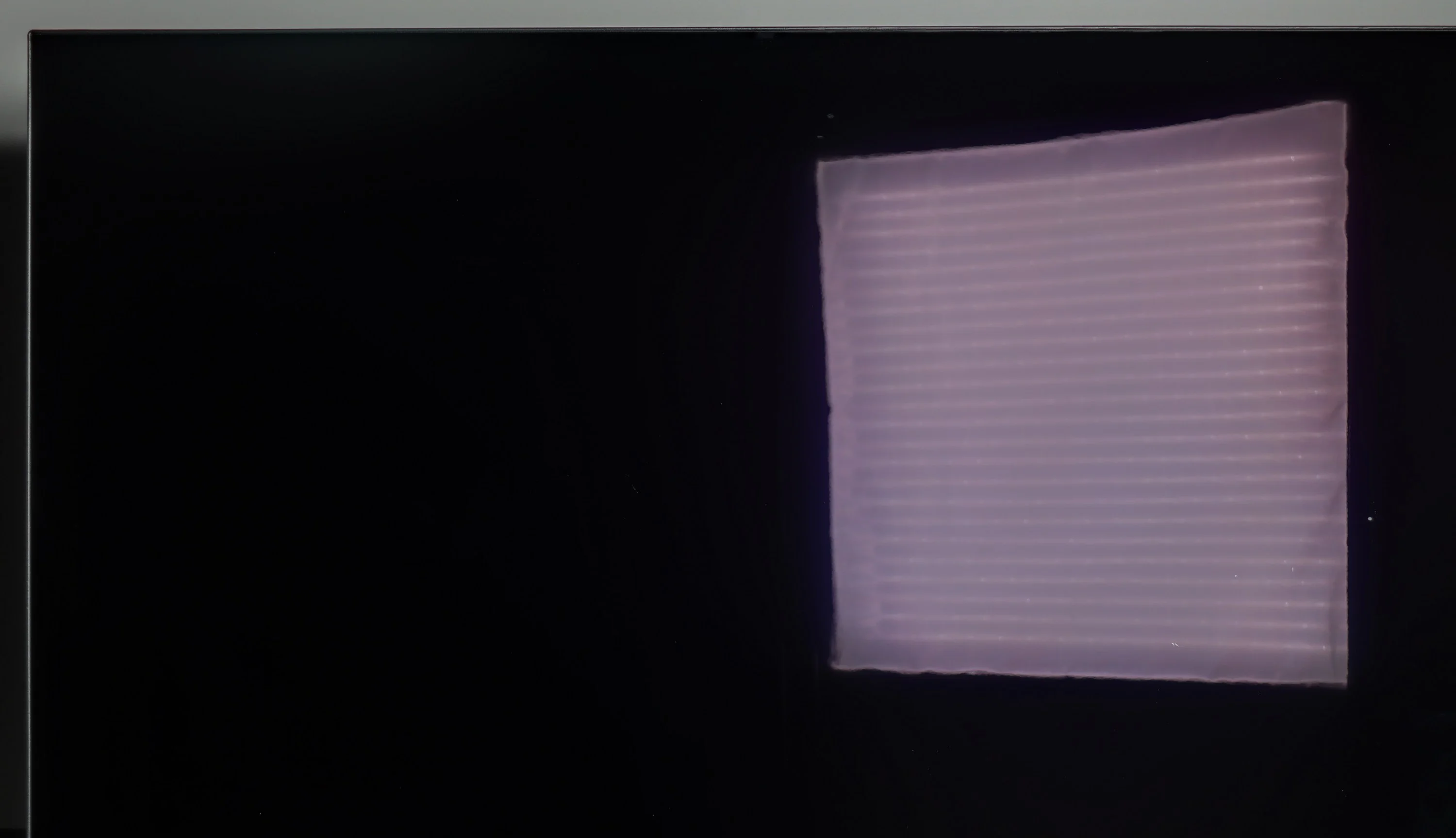
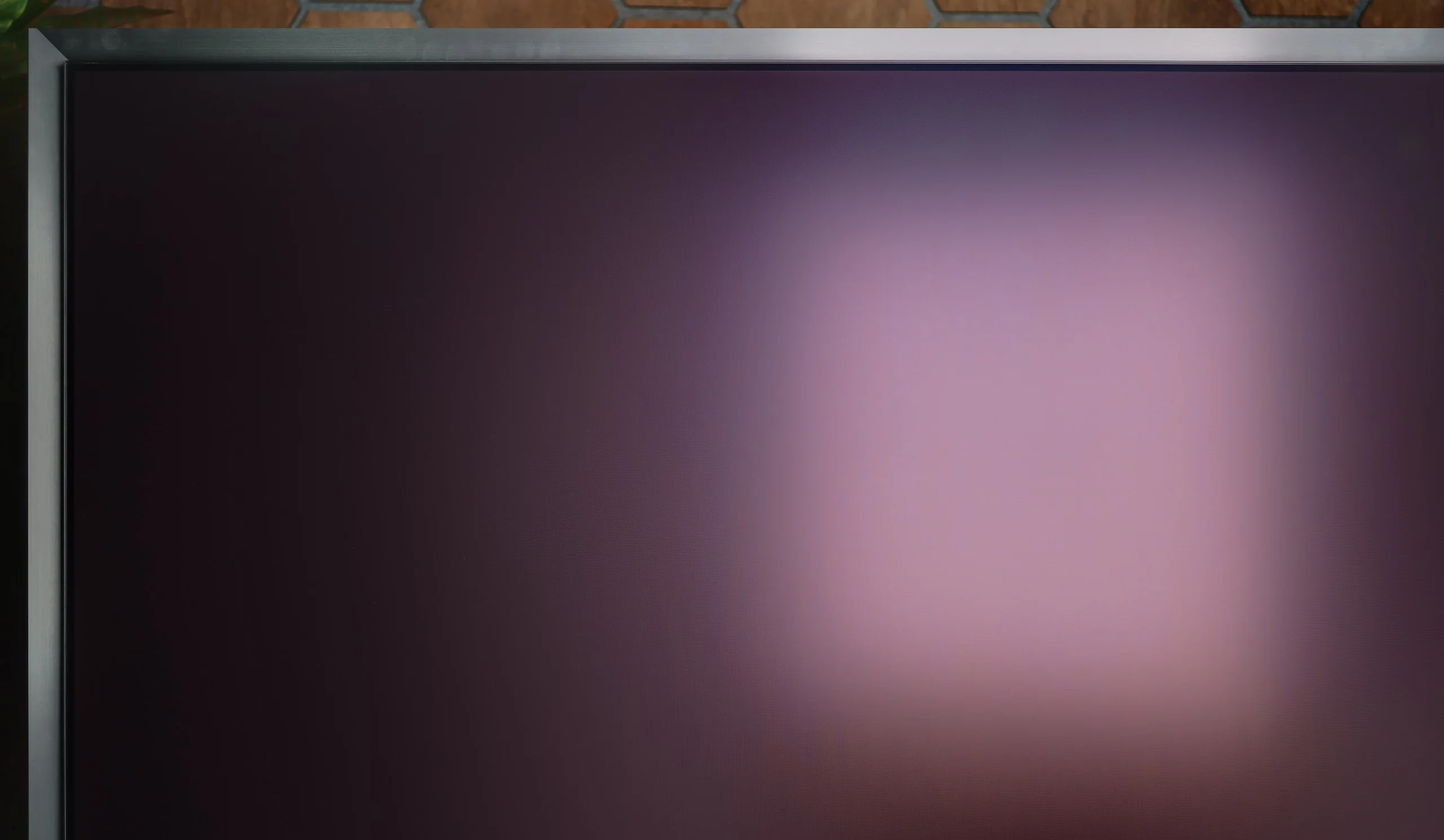
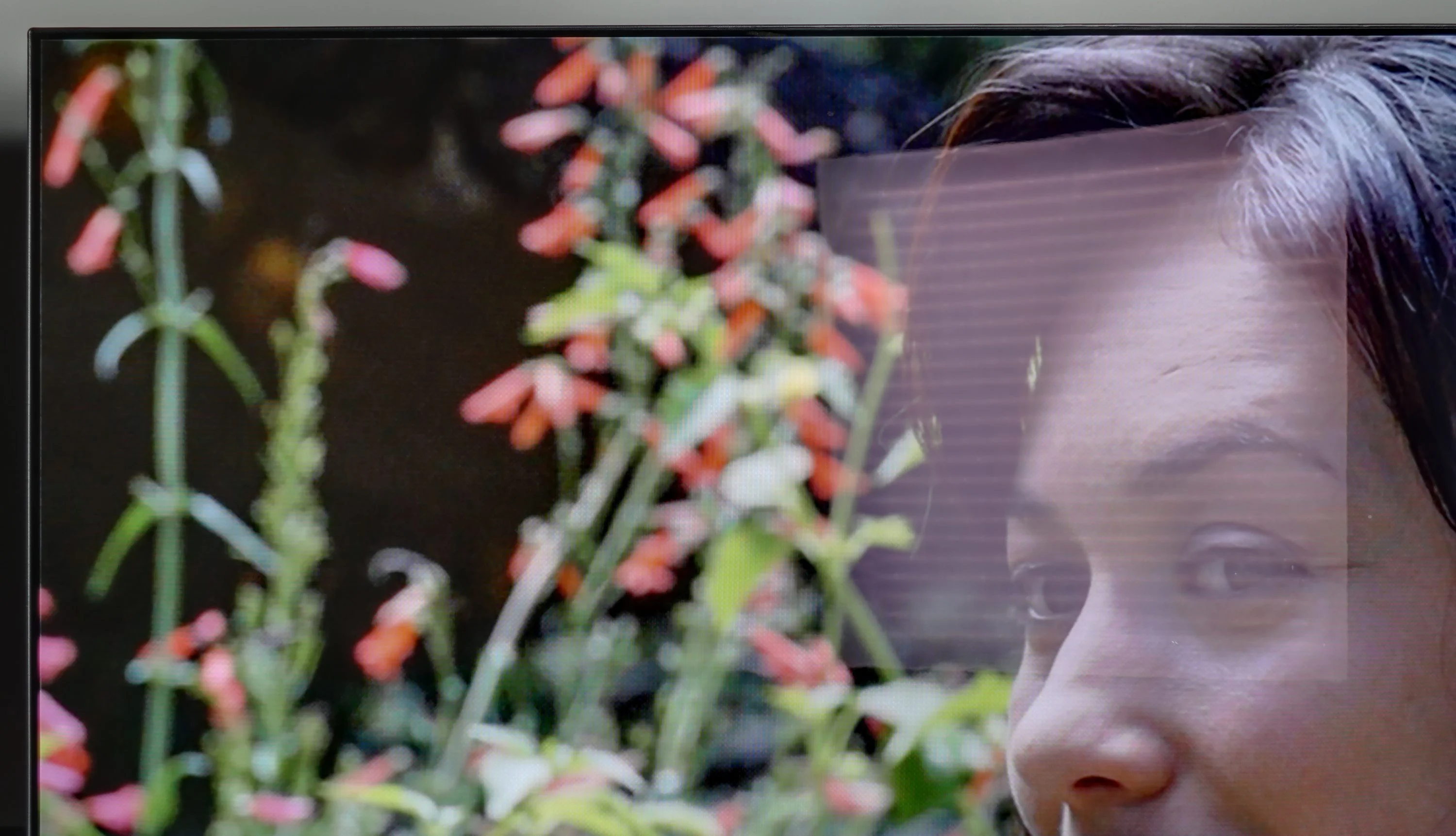

Panel brightness
Samsung OLED S95H (S99H) (QD-OLED): 851 cd/m2
Philips OLED809/819: 322 cd/m2
For many years, the issue raised regarding OLED televisions has been their performance during the day. Many people still believe that these are not receivers intended for such use. They are probably right, except when it comes to screens from a few good years back. Technology advances, and currently there are no objections to recommending such a television for today. Admittedly, a glossy panel does not sound like something that would substantiate this claim; however, it is hard to stand against the images that you can see for yourselves. Another point we indicate to pay attention to is contrast during daytime use. This, unlike QD-OLED panels, and even OLEDs equipped with MLA technology, is higher. The reason for this situation is the lack of excited quantum dots and micro-lenses.
One of the key and most distinctive features of Samsung's OLEDs, including the S99H under review, is the matte screen coating. It is currently one of the best solutions on the market if you want to minimise reflections as much as possible. Whether the room has large windows or the lamps are on, any light glare is dispersed very effectively. This does, however, come at a price. Because of the matte finish and the characteristics of QD-OLED panels (which in bright surroundings can take on a slightly cherry tint), blacks lose some of their depth and richness during the day. It's worth noting, however, that this mainly occurs when very harsh light falls directly on the panel. Fortunately, the S99H is an extremely bright OLED TV, in this respect comparable with the best Mini LED screens on the market. Its average brightness in everyday SDR content reaches nearly 850 to 900 nits, so the TV will have no trouble coping even in a heavily sunlit living room.
Panel details
Subpixel Structure:
Panel uniformity and thermal imaging:
Philips OLED809/819
Samsung OLED S95H (S99H) (QD-OLED)
TV features
7.9/10
7.8/10
- SystemGoogle TVTizen
- System performanceGoodVery good
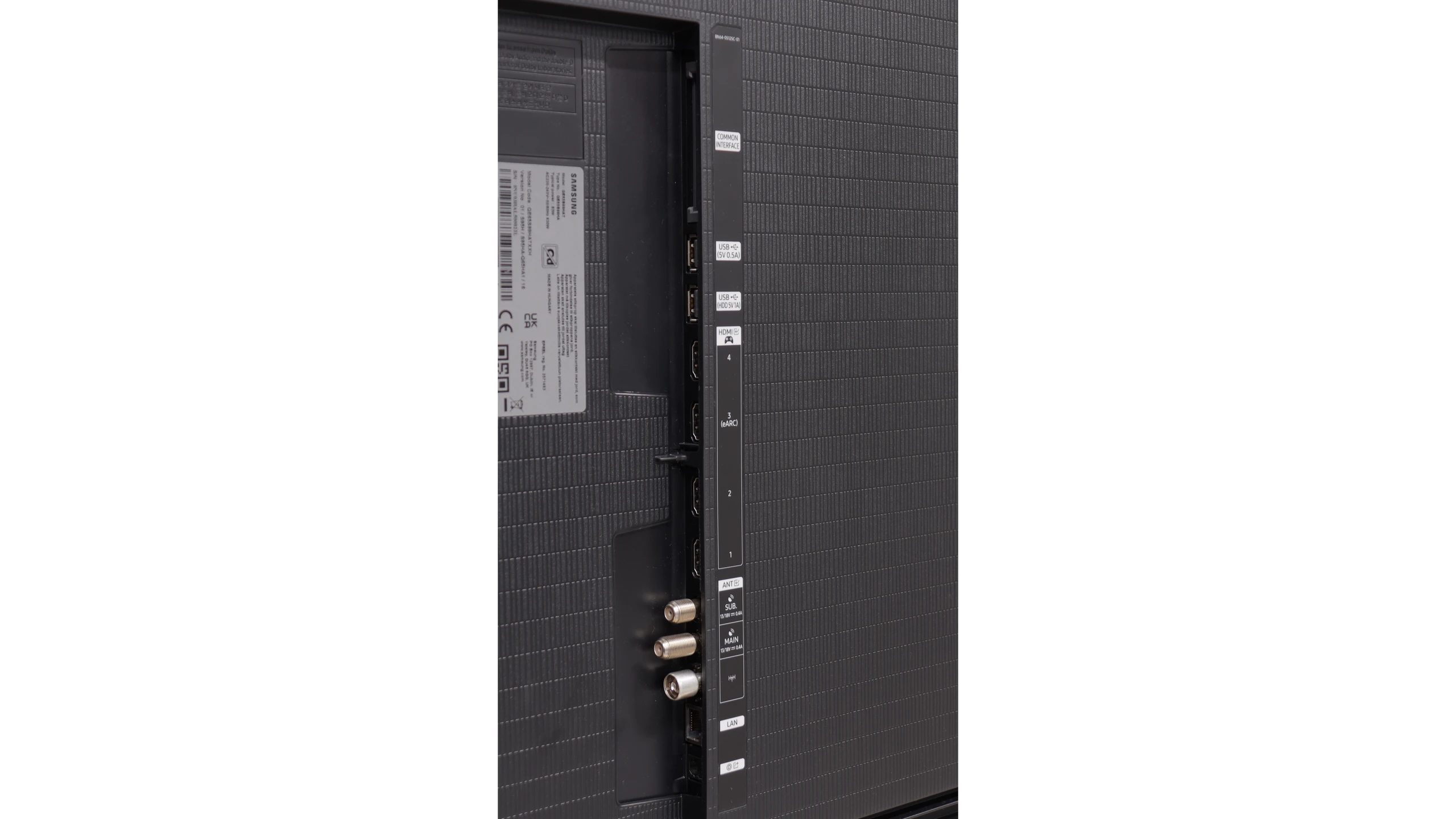
- HDMI inputs2 x HDMI 2.0, 2 x HDMI 2.1 48Gbps0 x HDMI 2.0, 4 x HDMI 2.1 48Gbps
- OutputsToslink (Optical audio), eARC (HDMI), ARC (HDMI)Toslink (Optical audio), eARC (HDMI), ARC (HDMI)
- Network InterfacesWi-Fi 2.4GHz, Wi-Fi 5GHz, Ethernet (LAN) 100MbpsWi-Fi 2.4GHz, Wi-Fi 5GHz, Ethernet (LAN) 100Mbps
- TV receptionDVB-T, DVB-T2, DVB-S, DVB-S2, DVB-CDVB-T, DVB-T2, DVB-S, DVB-S2, DVB-C
Classic features:
- Recording to USB (terrestrial TV)
- Recording programming
- Picture in Picture (PiP)
- RF remote control (no need to aim)
- Backlit remote control
- Teletext
- Audio only mode
- Bluetooth headphones support
- Simultaneous Bluetooth headphones & TV audio
Smart features:
- AirPlay
- Screen mirroring (Windows Miracast)
- Voice search
- Voice search in native language
- Ability to connect a keyboard and mouse
Sound connection options
- HDMI audioeARC (HDMI), ARC (HDMI)eARC (HDMI), ARC (HDMI)
- Other audio outputsToslink (Optical audio)Toslink (Optical audio)
- Wireless audioBluetoothBluetooth
Supported audio formats (external HDMI eARC audio):
- Dolby Digital Plus 7.1
- Dolby True HD 7.1
- Dolby Atmos in Dolby Digital Plus (JOC)
- Dolby Atmos in Dolby True HD
- DTS:X in DTS-HD MA
- DTS-HD Master Audio
Senior accessibility
- Numeric keyboard on TV
- Font size adjustment
- Audio description
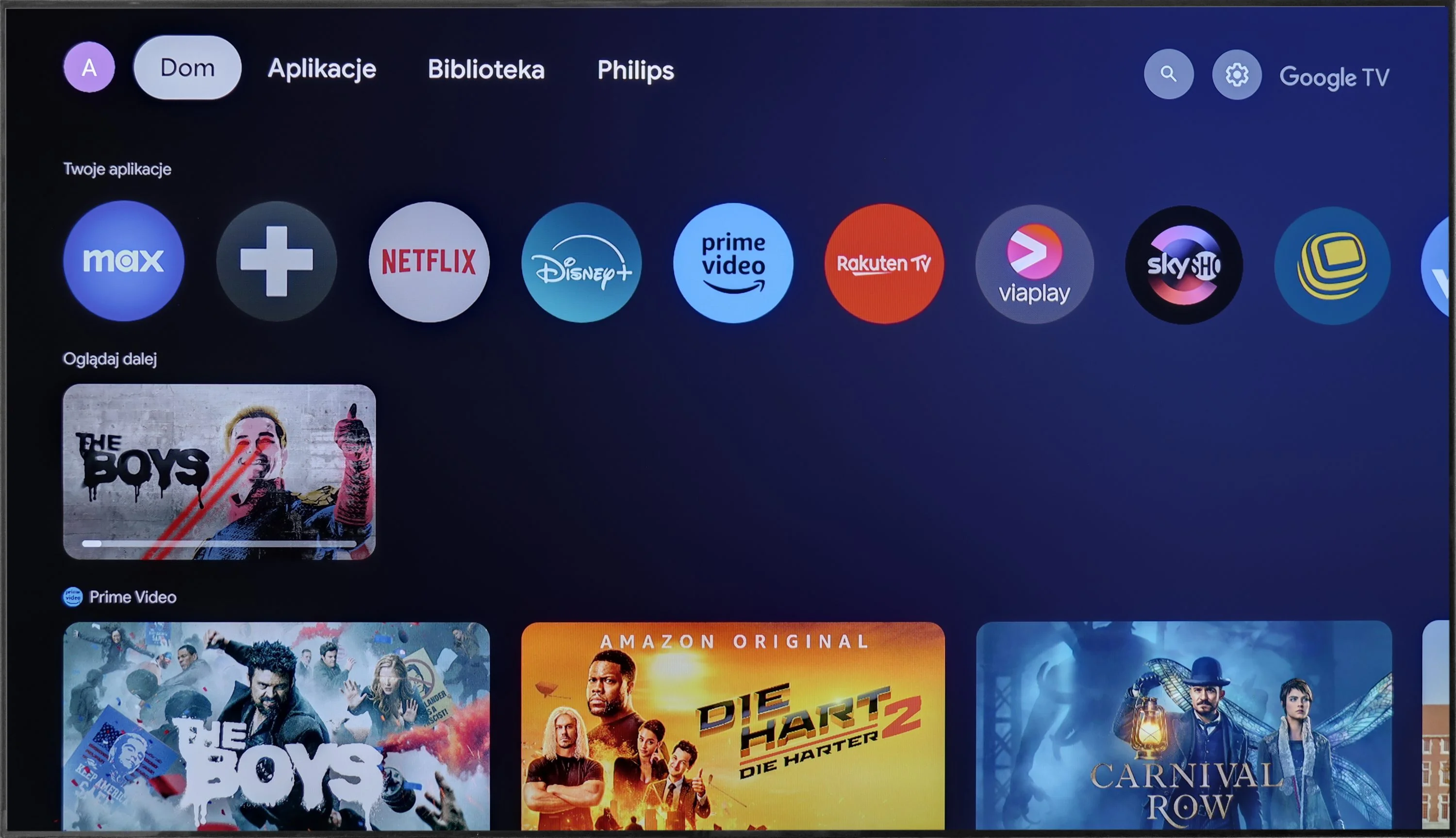
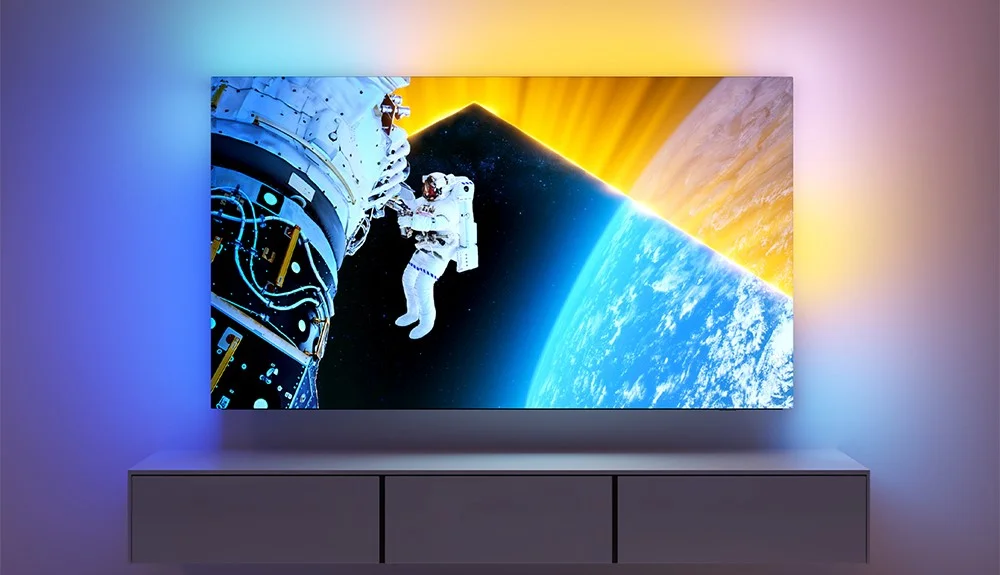
Before we move on to the software that controls the television, it is impossible not to mention the manufacturer's biggest differentiator. We are, of course, talking about the multicoloured Ambilight backlighting, which placed on the back of the device displays colours adjusted to what is happening on the screen, often allowing for an even greater immersion experience. The Philips OLED 809 is powered by the Google TV system. This is an undeniable advantage compared to some other models from the manufacturer that use the proprietary TitanOS system, which is significantly more closed and limited in terms of available applications. With Google TV, we can install almost any application, both from the store and directly from online repositories via an APK file.
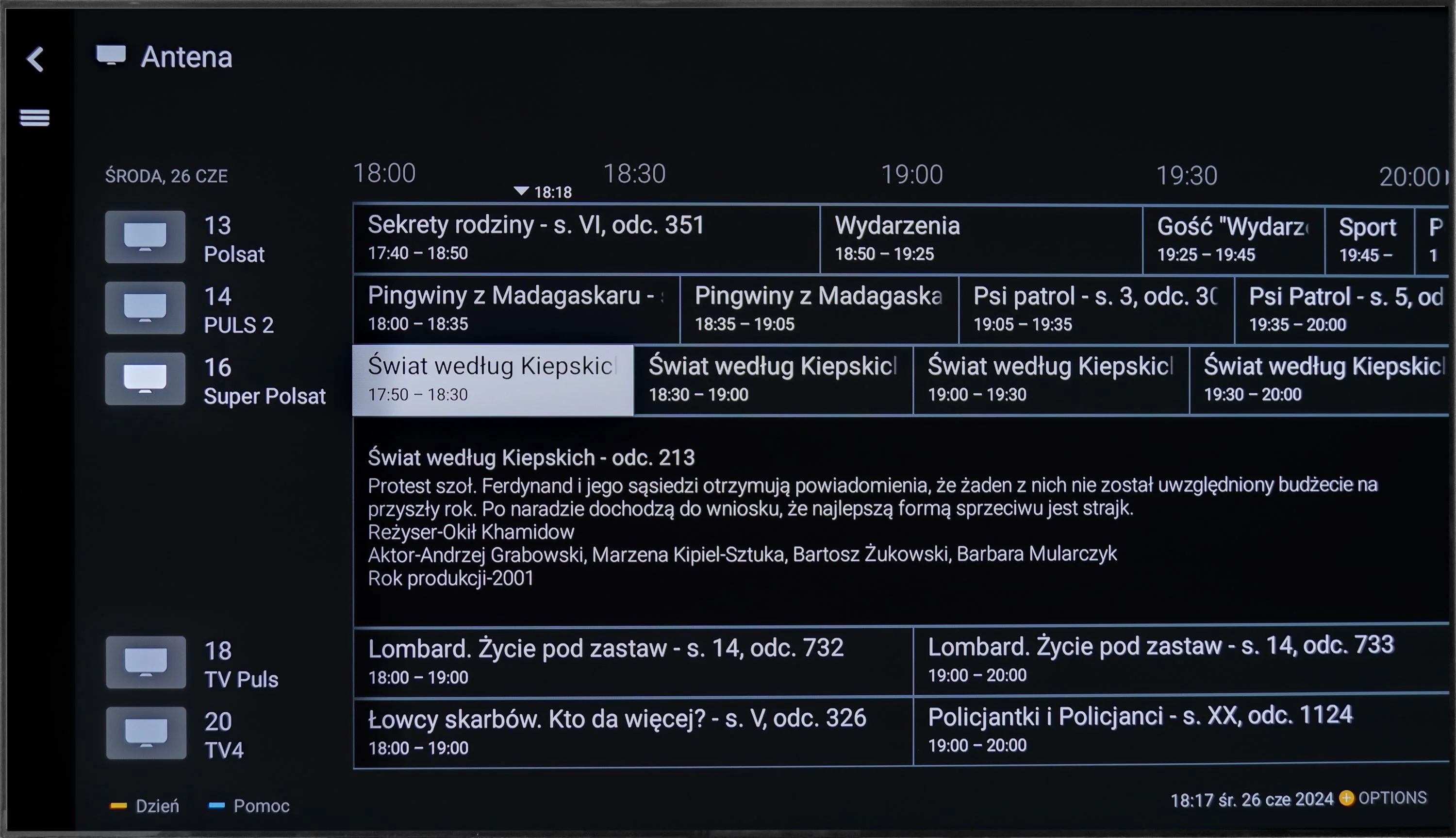
The Google TV system also offers many conveniences related to control. We can easily connect a keyboard with a touchpad, which significantly facilitates typing queries and navigation. Additionally, thanks to integration with Google, we can issue voice commands using the remote, which are quickly and accurately interpreted by the system.
In summary: Google TV is currently one of the most popular systems on the market. Thanks to the use of a powerful CPU, it operates very smoothly and stably, without freezing or experiencing lags during tests. It is definitely the best option for those who want to make the most of their television's capabilities and appreciate the openness and versatility of the system.
Smart features: Tizen
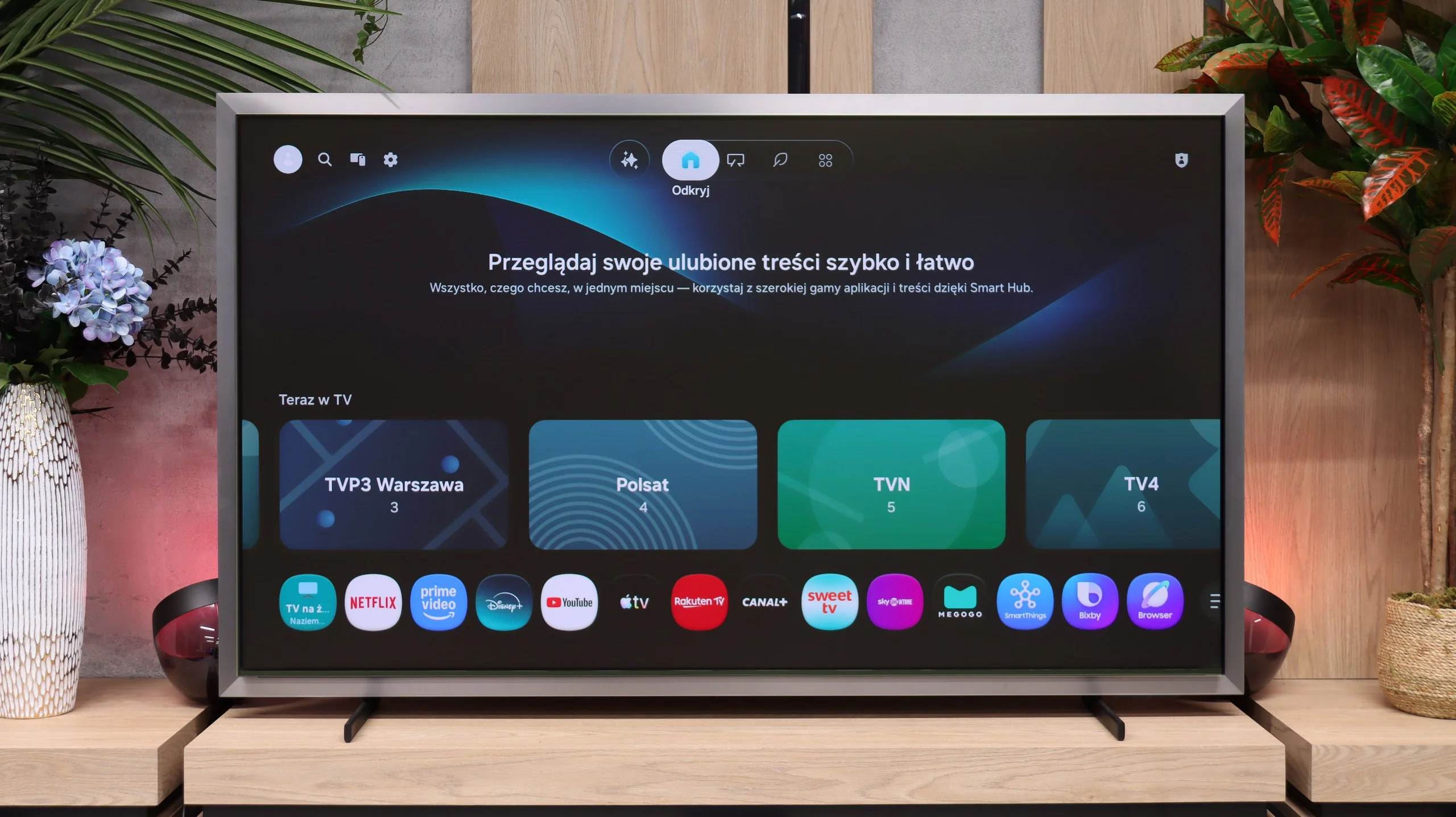
The Tizen system on the S99H runs exceptionally quickly and reliably. The wide support for wireless protocols deserves praise, with both Apple AirPlay and the recently added support for Chromecast included. It's hard to fault Tizen today when it comes to app availability. The catalogue covers all the most popular streaming services and in that respect is on a par with Google TV.
Art Mode
The S99H is Samsung's first OLED TV to be equipped with a dedicated Art Mode, previously known mainly from Samsung's The Frame series. This is quite a surprise, as most manufacturers of OLED TVs generally advise against long-term display of static images. Here the feature is officially promoted, which suggests Samsung is confident in the panel's resistance to permanent image retention. Unfortunately, access to the full library of artwork requires a paid subscription. However, there is a simple workaround: favourite pieces or personal photos can be uploaded to the TV's internal memory for free and set as the background in the dedicated app. It's worth adding that the device is fitted with an ambient light sensor that adjusts brightness and colour temperature so the displayed image most faithfully mimics a real canvas or print.
Daily use and the remote
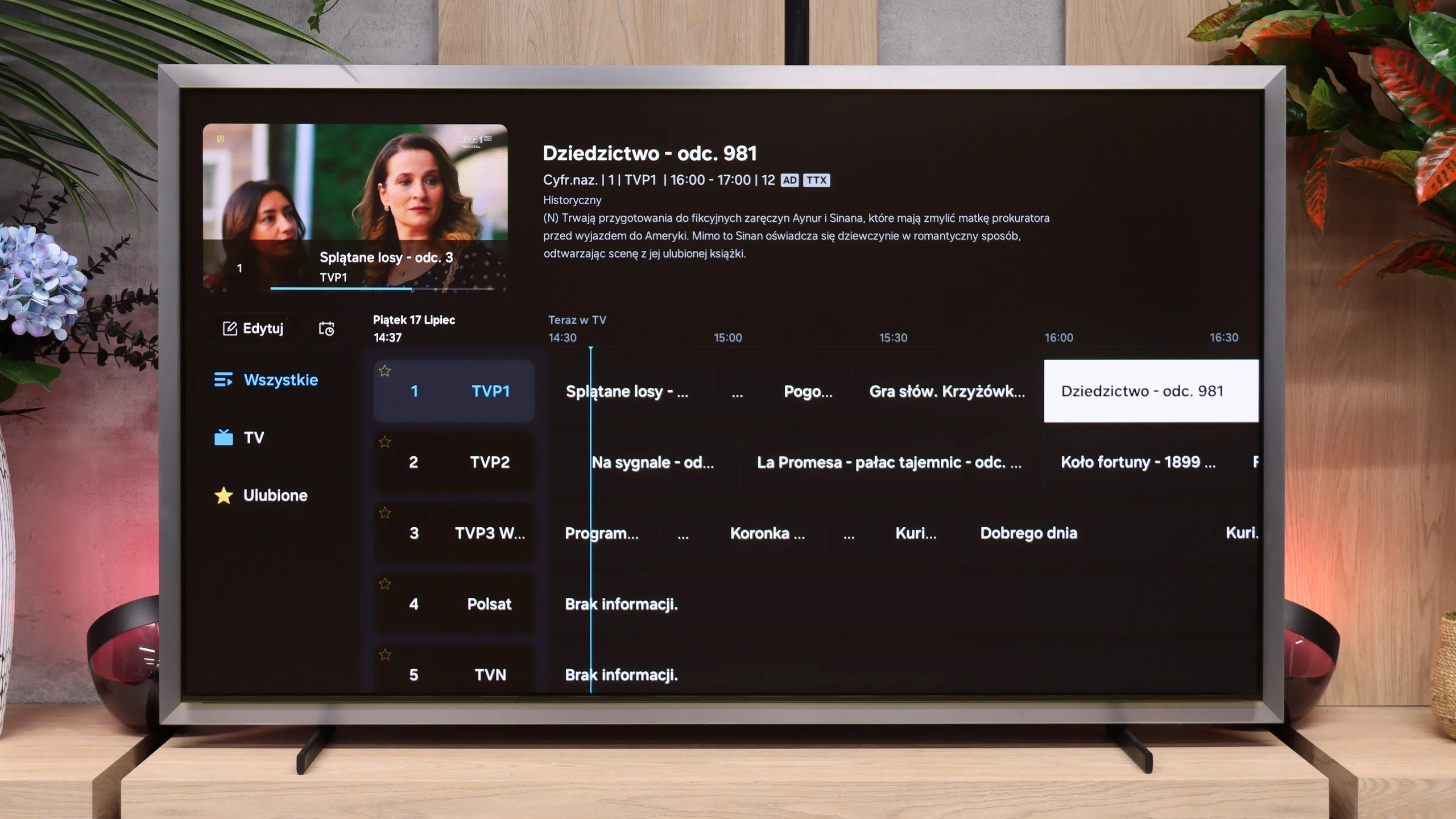
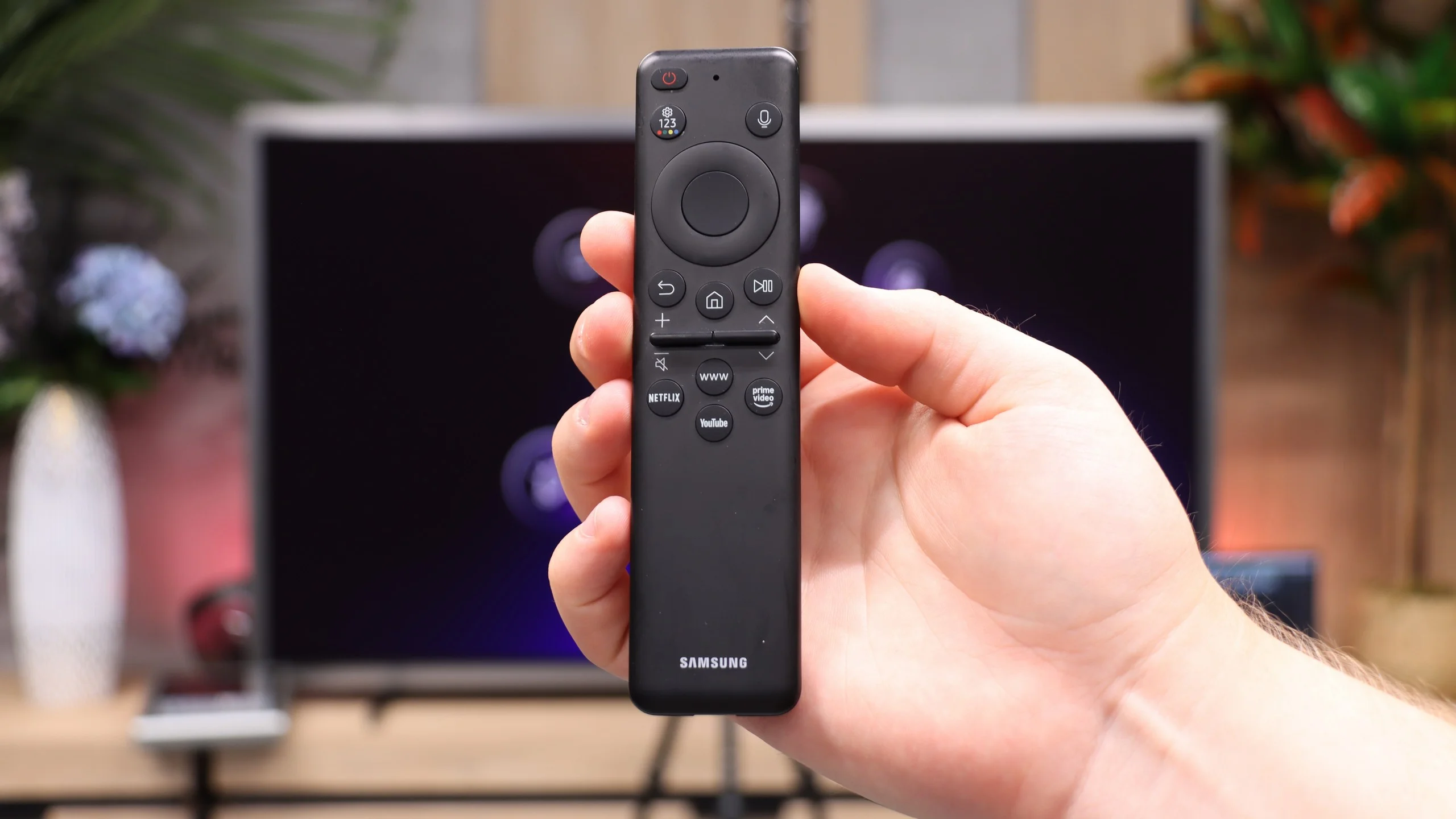
All the classic TV functions perform well on the S99H, although the interface may not appeal to older users. That's down to the minimalist remote, which lacks a traditional numeric keypad. An advantage of the Solar controller, however, is its universal remote function; it can be paired easily and used to control virtually any device connected to the TV, such as satellite set-top boxes, consoles and players.
Apps
9.6/10
9.3/10






















Playing files from USB
9.5/10
8.8/10
Supported photo formats:
Maximum photo resolution:
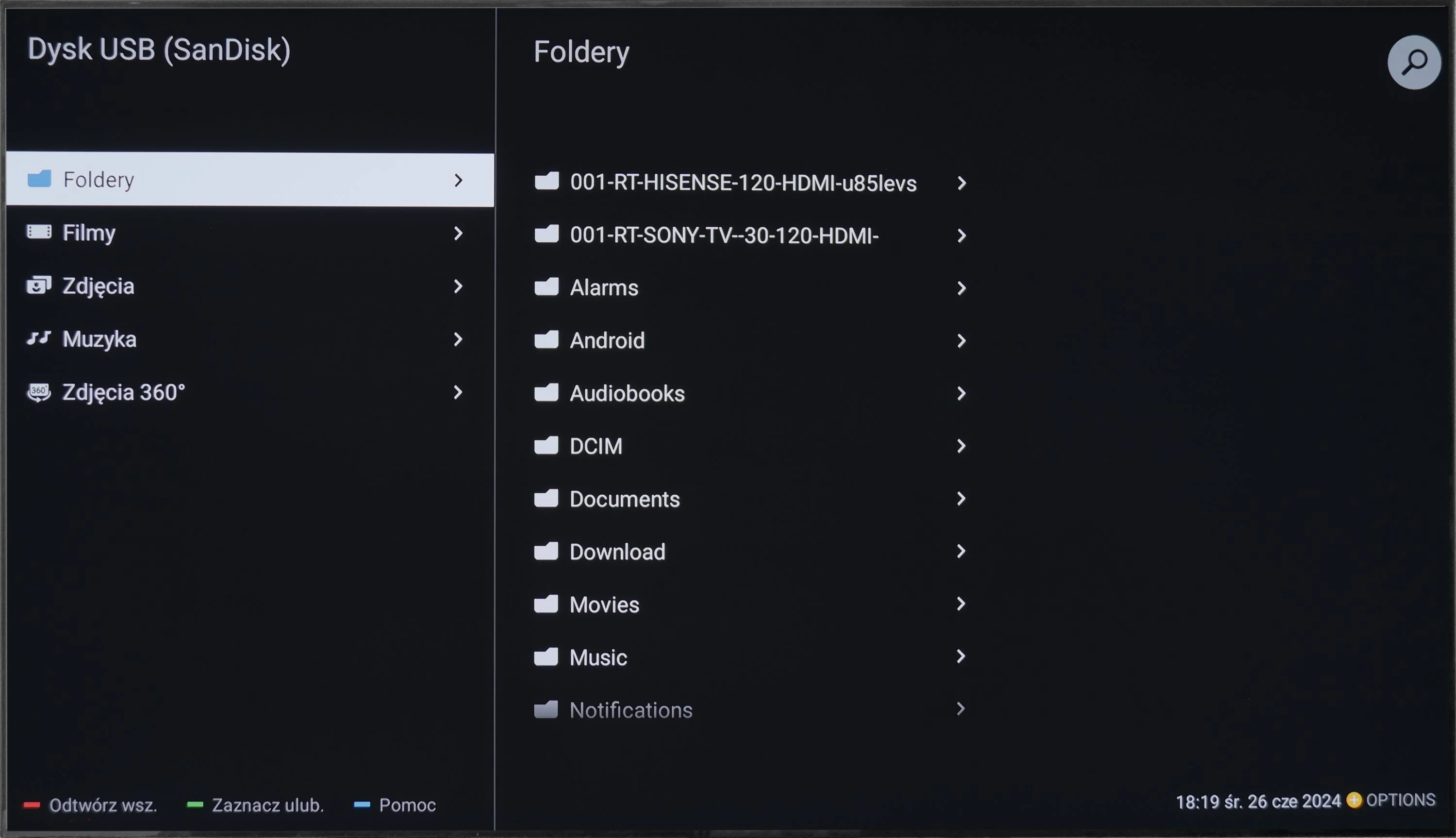
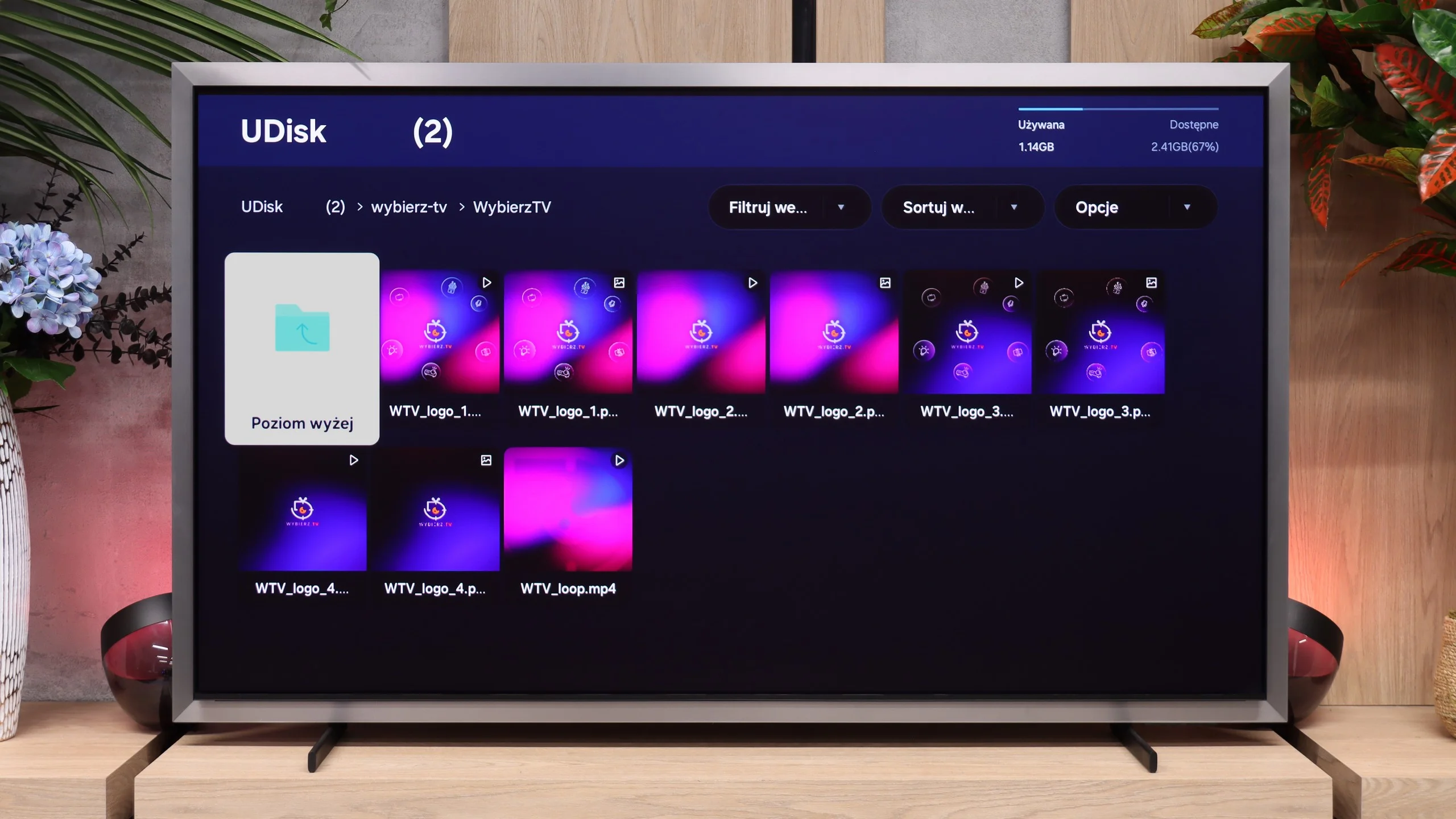
The default media player in Philips OLED 809 is of a fairly high standard, although it is not without its flaws. It performs excellently in playing various types of video files, except for two less popular ones. The presence of all checkboxes confirming playback of different subtitle formats deserves a big plus. The television handles every resolution of images, making it an excellent screen for viewing family albums or studio photos. The rest, including supported photo and audio formats, is satisfactory, and those that the television cannot play are either uncommon or becoming obsolete. Anyway, this is not a problem, as we can download a program from the app store that will resolve these issues.
The built-in media player on the S99H works smoothly and quickly. The TV easily handles most popular video and audio formats, delivering smooth playback without stutters. The only real caveat is support for certain image formats stored on removable drives. The TV behaves rather oddly with files in Apple's HEIC format... although thumbnails in the browser display correctly, attempting to open an image at full size causes the interface to freeze. This appears to be a software bug that Samsung will likely fix in an upcoming update.
Sound
7.1/10
8.7/10
- Maximum volume-95dB
- Dolby Digital Plus 7.1
- Dolby True HD 7.1
- Dolby Atmos in Dolby Digital Plus (JOC)
- Dolby Atmos in Dolby True HD
- DTS:X in DTS-HD MA
- DTS-HD Master Audio
At the outset of this paragraph, it should be noted that sound quality is always subjective. In our opinion, the audio system that the manufacturer has equipped the Philips OLED 809 with is of a fairly high standard. The bass is well-defined, but at the same time, it does not overshadow the mid and high tones. Looking at it from another angle, when opting for a television at this price point, we will likely already have a separate audio system. In this context, the tested television will certainly not disappoint, as it supports virtually every important standard, including Dolby Atmos and, more importantly, DTS-HD Master Audio.
For such a slim design, the Samsung S99H sounds surprisingly good. At first we were surprised that such a flat screen could produce such a resonant sound. Importantly, there is even some bass, of course bearing in mind that we are talking about built-in TV speakers, not a dedicated home theatre. 😉 The TV easily supports Dolby Atmos decoding and Samsung’s own Q-Symphony system. This makes it simple to pair the screen with a Samsung soundbar (or the new speakers from the Studio series), so the built-in speakers work together with external audio. For everyday viewing and typical use, however, external audio equipment won’t be needed straight away. As is traditional for Samsung, there is no support for the DTS format. For people who rely solely on streaming that may not be a major loss, but for fans of physical media and Blu-ray discs it will be a noticeable drawback.
Sound Quality Test
No sound test video
Acoustic Measurements
No acoustic data
95dBC (Max)
75dBC
Reader comments
Comments are provided by the external service Disqus (Zeta Global). Once loaded, Disqus may set cookies and process data about your activity.
We will remember your choice on this device. Provider's privacy policy