The Panasonic Z95B is a piece of equipment that makes it hard not to raise your eyebrows in delight. From the very first moments, it's clear that we are dealing with an absolutely exceptional screen, capable of bringing out everything that’s best in films and games. The black levels are perfect, brightness in HDR is stunning, and the colours – whether in film mode or games – show that Panasonic's factory calibration has reached a level that other manufacturers can only aspire to. Adding to this are the fantastic sound from the built-in soundbar and excellent viewing angles, giving us a television picture that, in terms of image quality and audio-visual immersion, seems to be complete. However, the longer we used it, the more it seemed we were dealing with a split device. On one hand, it acts like a reference monitor, ideal for evaluating video materials and indulging in the pure pleasure of films or series, even gaming; on the other hand, it is a television that can disappoint in its everyday functionality. FireTV in its current version can be frustrating, there are significantly fewer applications than the competition, some simply do not install at all, and the system can stutter quite a bit. Additionally, there are strange system issues, such as the lack of support for basic subtitles in films from USB – these may seem like trifles, but they contribute to the picture of a device that, in daily use, is far from perfect. And here lies the greatest paradox of the Z95B. It is a television that probably offers one of the best images currently available in showrooms, and at the same time, one that is difficult to recommend as a typical "television" without reservations. The competition, although often visually slightly weaker, is simply more user-friendly and costs significantly less. Therefore, the Z95B is a proposition for image purists, for those seeking a reference screen and who are willing to accept all the compromises associated with the other non-functioning features. For them, it will be a dream device. For the rest – a demonstration of Panasonic's power and rather a form of curiosity.
- Matching (Score) |
- Our verdict |
- TV appearance |
- Where to buy |
- Contrast and black detail |
- HDR effect quality |
- Factory color reproduction |
- Color reproduction after calibration |
- Smoothness of tonal transitions |
- Image scaling and smoothness of tonal transitions |
- Blur and motion smoothness |
- Console compatibility and gaming features |
- Input lag |
- Compatibility with PC |
- Viewing angles |
- Daytime performance |
- Panel details |
- TV features |
- Apps |
- Playing files from USB |
- Sound
Panasonic Z95B vs Sony BRAVIA 7 II
 Direct comparison
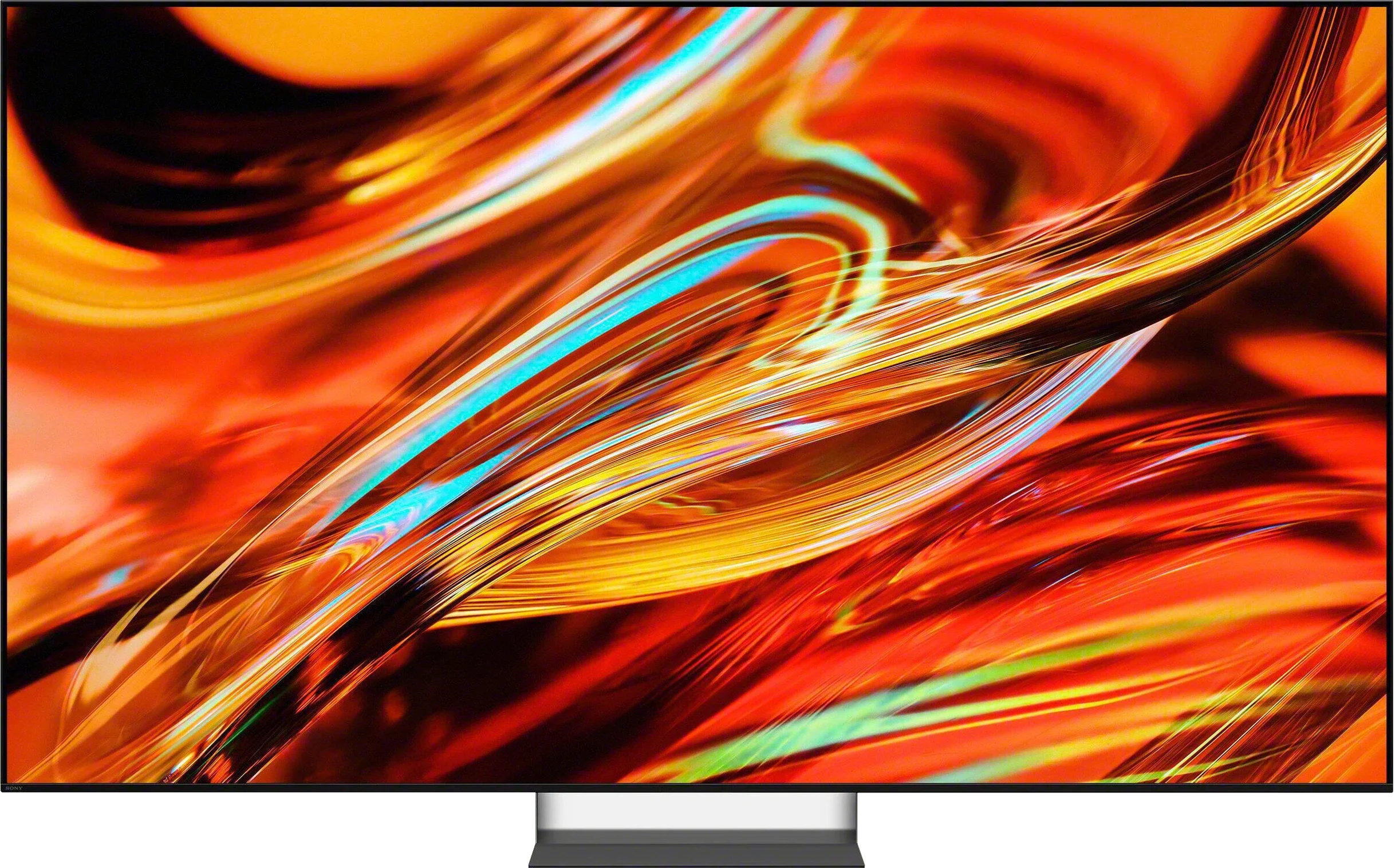
BRAVIA 7 II / XR75M2
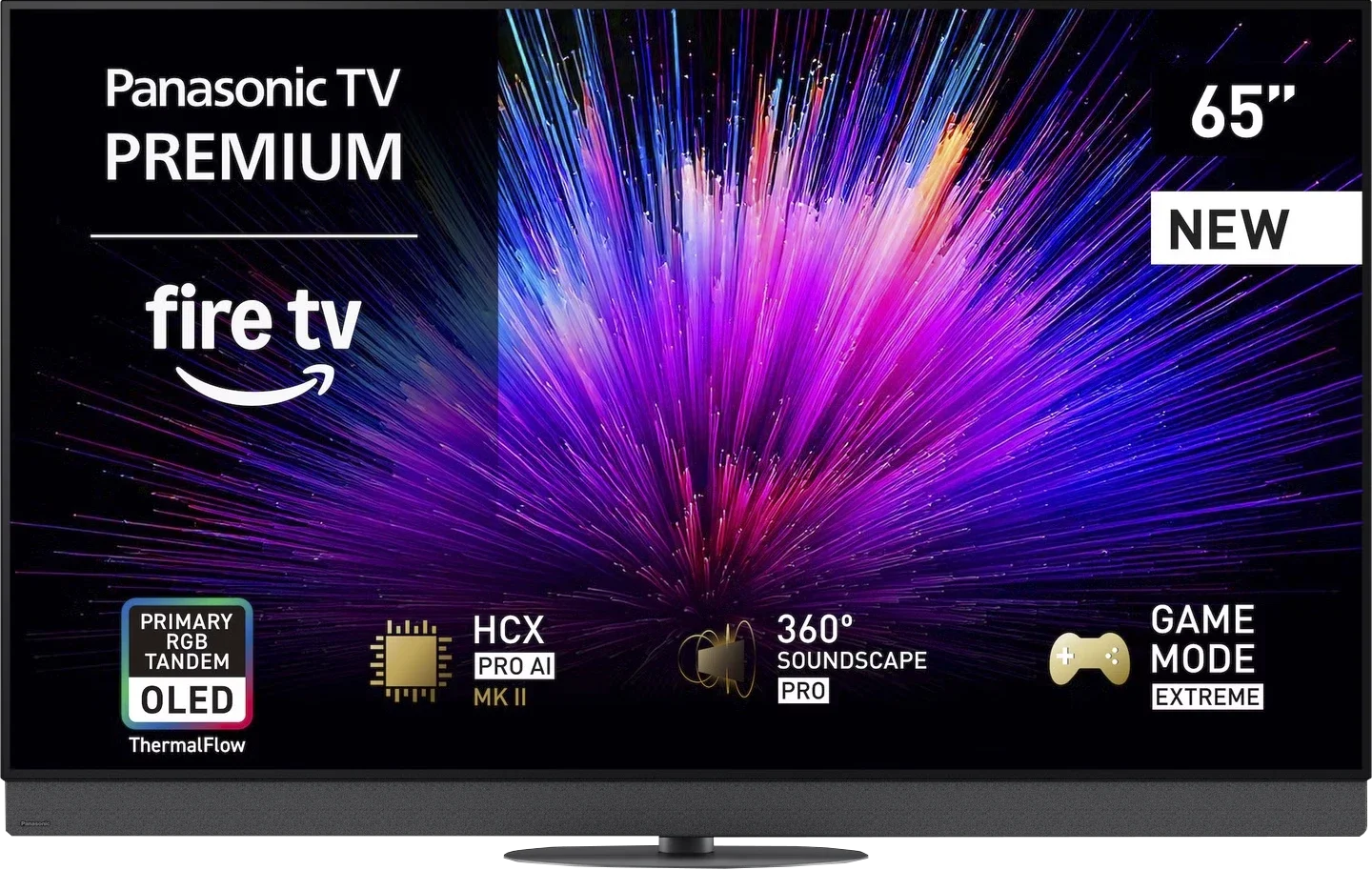
Panel type: WRGB OLED
Resolution: 3840x2160
System: Amazon FireTV
Model year: 2025
Complete the survey to find out the result
Panel type: LCD VA
Resolution: 3840x2160
System: Google TV
Model year: 2026
Complete the survey to find out the result
Overall rating
8.5
8.4
 Movies and series in UHD quality
 9.0
8.0
 Classic TV, YouTube
 8.8
8.0
 Sports broadcasts (TV and apps)
 8.5
7.7
 Gaming on console
 9.6
8.9
 TV as a computer monitor
 8.6
7.8
 Watching in bright light
 7.4
9.0
 Utility functions
 6.8
9.4
 Apps
Apps 7.2
9.6
 Sound quality
 8.9
7.8
Complete the survey to find out what fits your preferences
Advantages

Amazing black
Incredible brightness - over 2000 nits in HDR
Factory colours almost reference-level
Support for multiple HDR formats including Dolby Vision and HDR10+
Phenomenal motion smoothness - OLED panel, 144Hz
Great choice for gamers, HDMI 2.1, VRR, ALLM, Dolby Vision Gaming and HGiG
Good compatibility with PC - 144 Hz, G-Sync and FreeSync
Very good sound from the built-in soundbar
Decent viewing angles
Very high contrast and excellent blacks for a Mini-LED
High brightness and very good HDR performance
Very good reproduction of the director's vision
Wide colour gamut thanks to True RGB
Excellent upscaling and digital image processing
Good viewing angles for a VA panel
120 Hz, VRR, ALLM, HGiG: plenty of features for gamers
Very low input lag
Excellent Google TV performance and extensive user features
Two remotes included
Support for Dolby Vision, Dolby Atmos and DTS
Disadvantages

Fire TV – no app, strange errors, untranslated menu
No support for DTS:X
No option to enable external subtitles from USB memory
Only two HDMI 2.1 ports, which is definitely too few in this class
Price clearly higher than the competition, which often lacks such system issues
Only two HDMI 2.1 ports, one of which is shared with eARC
No high refresh-rate modes for PC gamers (above 120 Hz)
No option for precise colour calibration (CMS)
Worse motion handling than last year’s Bravia 7 (XR70)
Our verdict
The Sony Bravia 7 II is a TV that shows RGB Mini-LED doesn't have to be reserved just for the wealthiest customers. Although in some areas it's clearly positioned below the Bravia 9 II, in everyday use it doesn't feel like a severely stripped-down model. What really makes the difference is the combination of very good black levels, high brightness and Sony's excellent algorithms. As a result the picture is striking, yet it stays very true to how a film should look. HDR performs particularly well, with the Bravia able to show a lot of light without losing detail. The True RGB backlight itself also has its advantages. It gives the TV a wide colour gamut and improves viewing angles, which for a VA panel are really good. That doesn't mean, however, that RGB Mini-LED suddenly solves all the limitations of LCD TVs. We can still see haloing around small bright elements, and the backlight's colour capabilities are not used to their full extent in every scene. Nonetheless, Sony controls all this very well, and the way the picture is managed is one of the Bravia 7 II's greatest strengths.
Image processing also remains a considerable advantage over many competitors. Upscaling, smoothing weaker tonal transitions and HDR mapping are among this model's strengths. Add Google TV, a good feature set, very low input lag and a practically complete set of features for gamers. However, there are things in a TV of this class that are hard to understand. The most notable gripe is the presence of only two HDMI 2.1 ports, one of which is also eARC. Sony also sticks with 120 Hz, while the competition increasingly offers 144, 165 or 180 Hz. Ultimately the Bravia 7 II defends itself primarily as a very complete TV. It doesn't try to win on a spec sheet and in a few areas the competition will offer more. Sony makes up for that where the specifications don't tell the whole story, with image processing, very good HDR tuning, backlight control and the overall picture quality in films. That's exactly what makes the Bravia 7 II one of the more interesting Mini-LEDs of 2026, especially for people looking for a bright, all-purpose TV for films, television, sport and gaming, but who don't necessarily want to go for OLED.
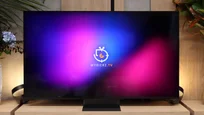
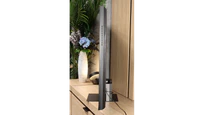
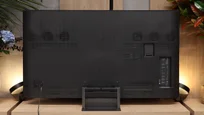
TV appearance




Contrast and black detail
10/10
8/10
Local dimming function: Yes, number of zones: 432 (18 x 24)
Contrast:


Result
∞:1

Result
∞:1

Result
∞:1

Result
∞:1

Result
∞:1
Result
173,850:1
Result
27,750:1
Result
155,550:1
Result
6,800:1
Result
5,300:1
Halo effect and black detail visibility:
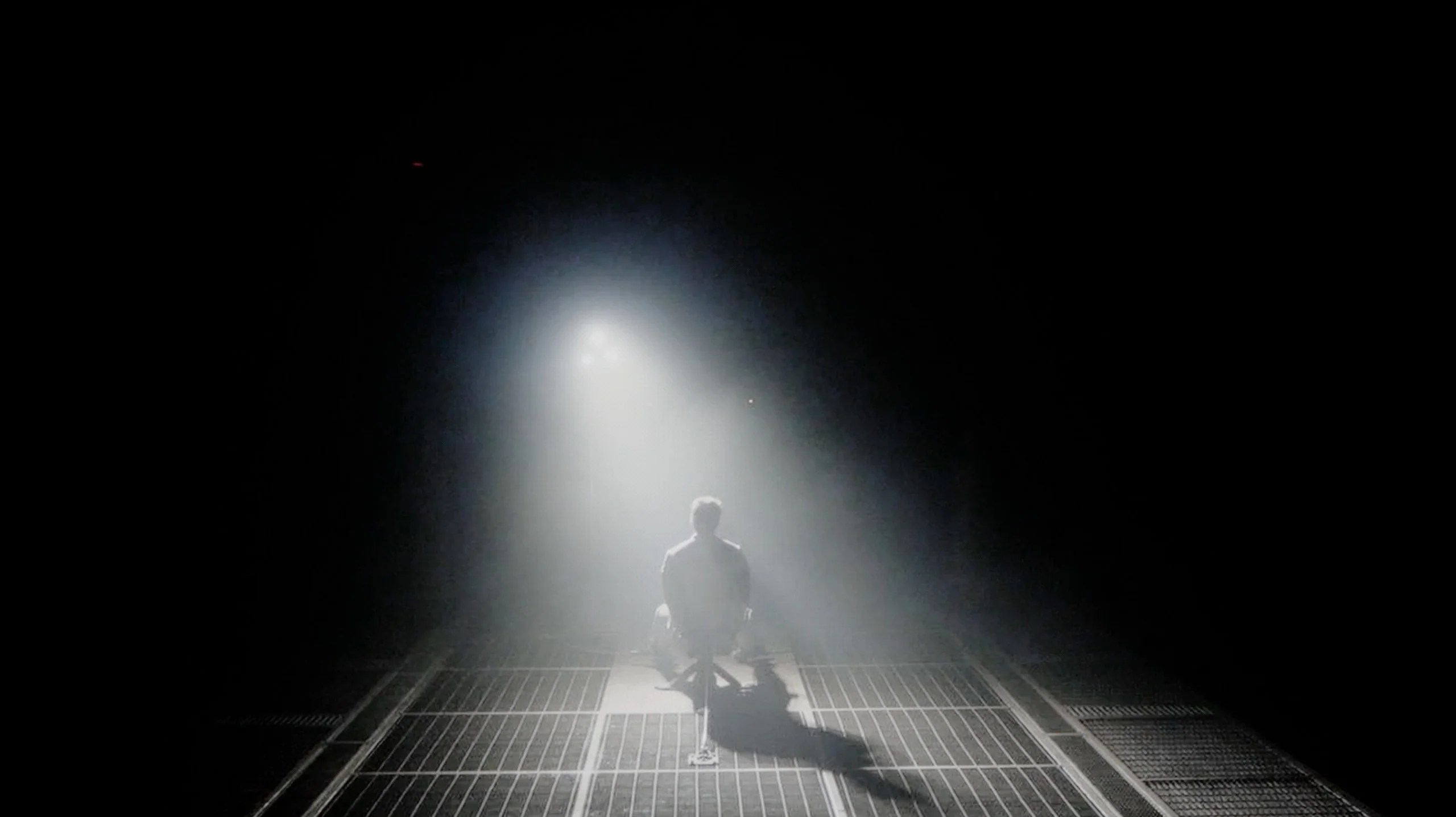
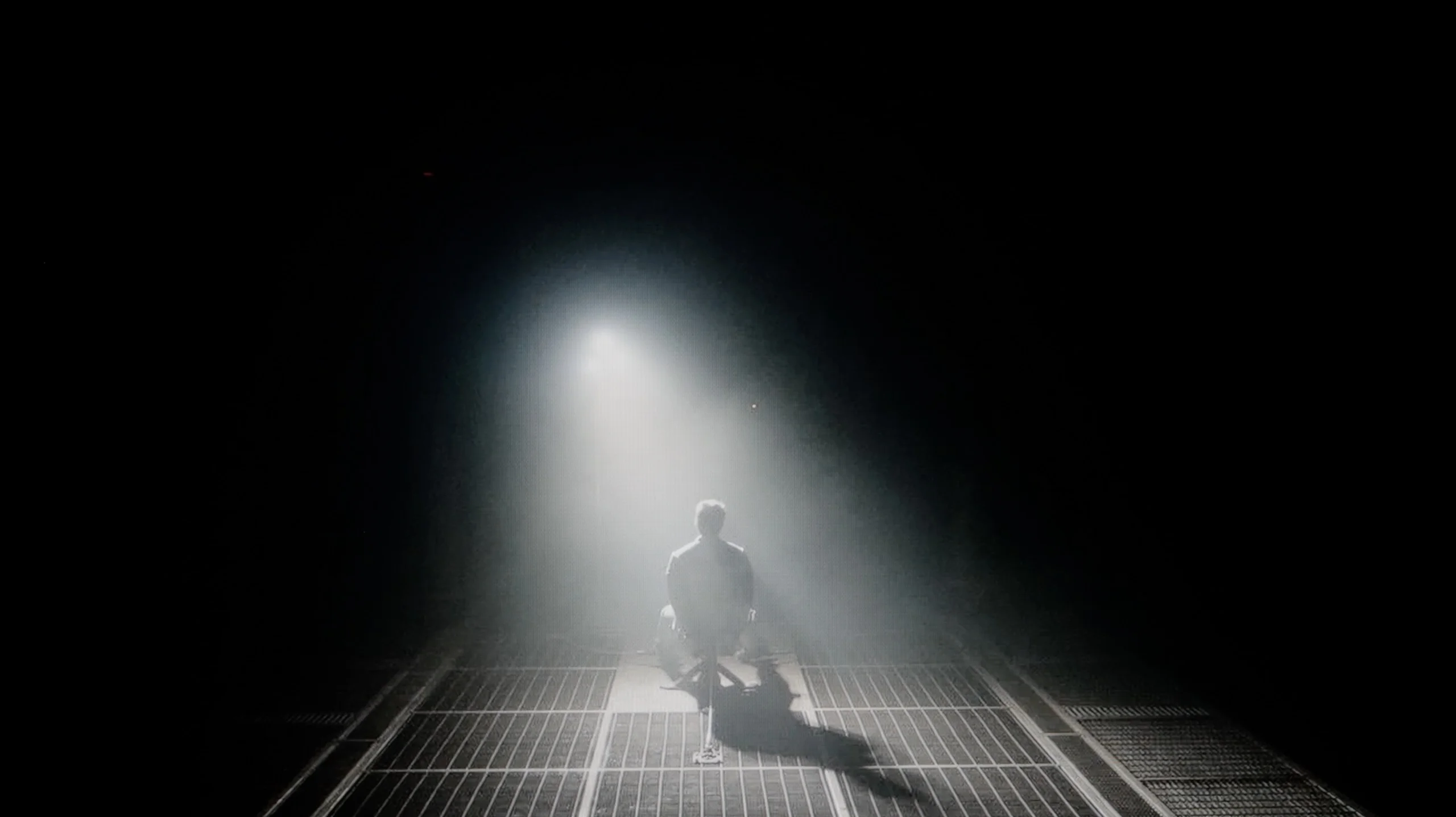
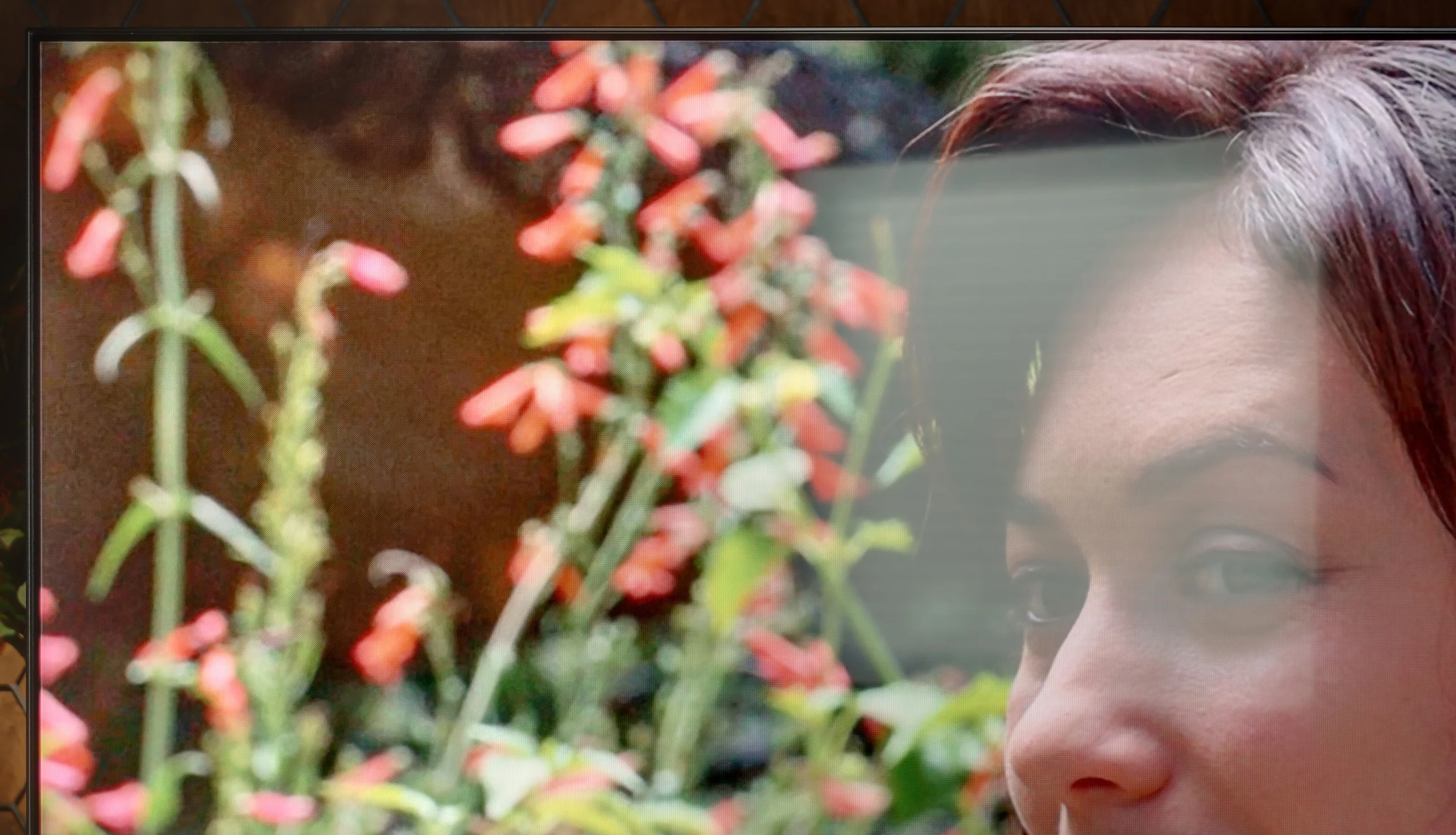
Check the visibility of bright lights on a dark background. Mini-LEDs often struggle with this. The photo does not compare black levels – that’s what the video below is for.
The black levels and contrast of the Panasonic Z95B can be summed up in one word – perfection. As is the case with any OLED television, the panel's ability to control individual pixels allows for complete dimming of sections of the image, resulting in absolute black. This enables the Z95B to offer ideal separation between bright and dark elements in a scene, with no visible blooming, lightening, or halo effects on the screen. Even in the most demanding sequences, where other LCD televisions reveal their limitations, the image here remains clear and readable. In practice, it is hard to imagine that OLEDs in this category could improve further, as the technology of self-dimming pixels simply has no weaknesses regarding contrast. The Panasonic Z95B does not deviate from this pattern and demonstrates that there is no room for significant improvements in terms of black levels – it sets a reference standard that is difficult to surpass.
The Sony Bravia 7 II, in the 65-inch variant we tested, uses a VA panel and an RGB Mini-LED backlight divided into 432 local dimming zones. That already provides a solid foundation for achieving very good black levels, although one thing is worth noting. There are fewer zones here than in last year’s Bravia 7, which had 512 in the same size. Has this affected contrast? Interestingly, no. The Bravia 7 II handles blacks even better than its predecessor and clearly shows how much depends on the algorithms themselves. Sony controls the backlight very well and in many scenes can achieve truly deep blacks, while at the same time not losing detail in the dark areas of the image. There are no instances where the TV tries to force perfect black at all costs, cutting out some details in the process.
The smaller number of zones only becomes noticeable in the most demanding scenes. A starry sky, text on a black background or many small bright elements displayed at once can already cause a halo effect. What’s interesting, however, is how that halo looks. Thanks to the RGB backlight, the glow can take on the colour of the displayed object. So if there is a small red object on a black background, the glow around it will also have a red tint. It does not disappear completely, but as a result it contrasts less with the object itself and the image looks more consistent than on conventional Mini-LEDs that use white backlights.
HDR effect quality
8.7/10
7.7/10
Luminance measurements in HDR:

Result
2069 nit

Result
2118 nit

Result
2131 nit

Result
2114 nit

Result
1442 nit
Result
1715 nit
Result
1182 nit
Result
1401 nit
Result
571 nit
Result
1260 nit
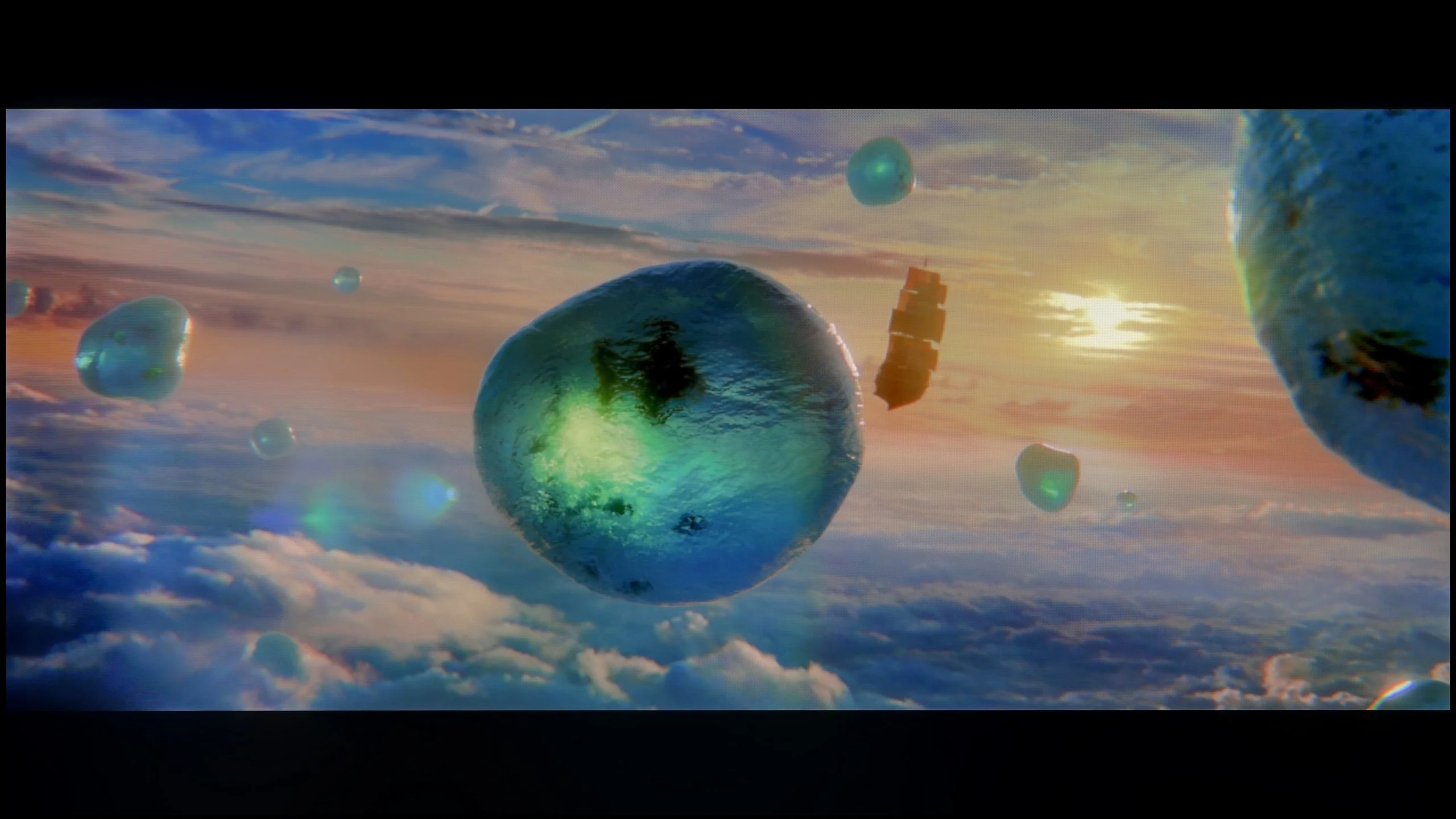
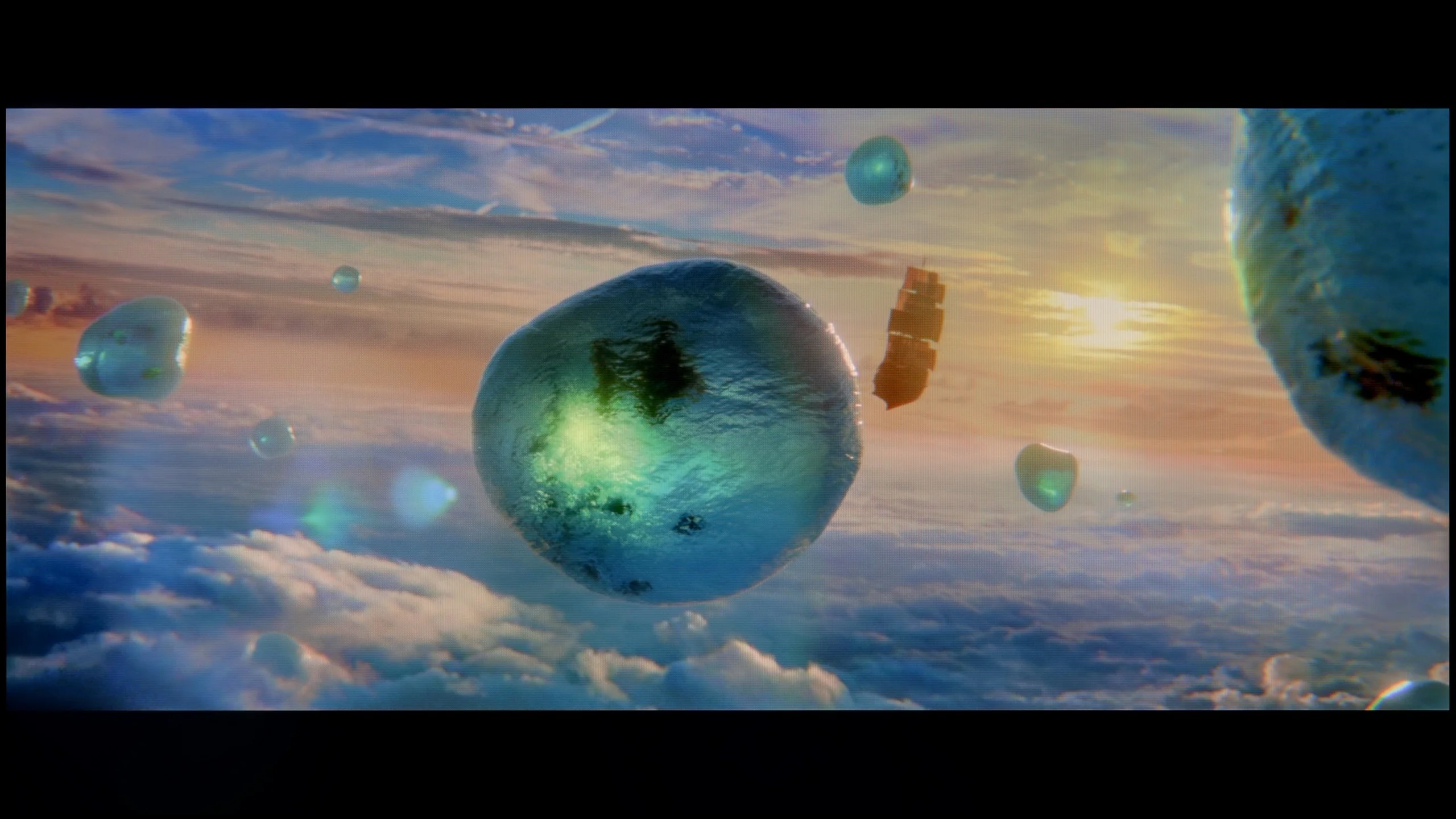
Scene from the movie “Pan” (about 2800 nits)
Scene from the movie “Billy Lynn” (about 1100 nits)
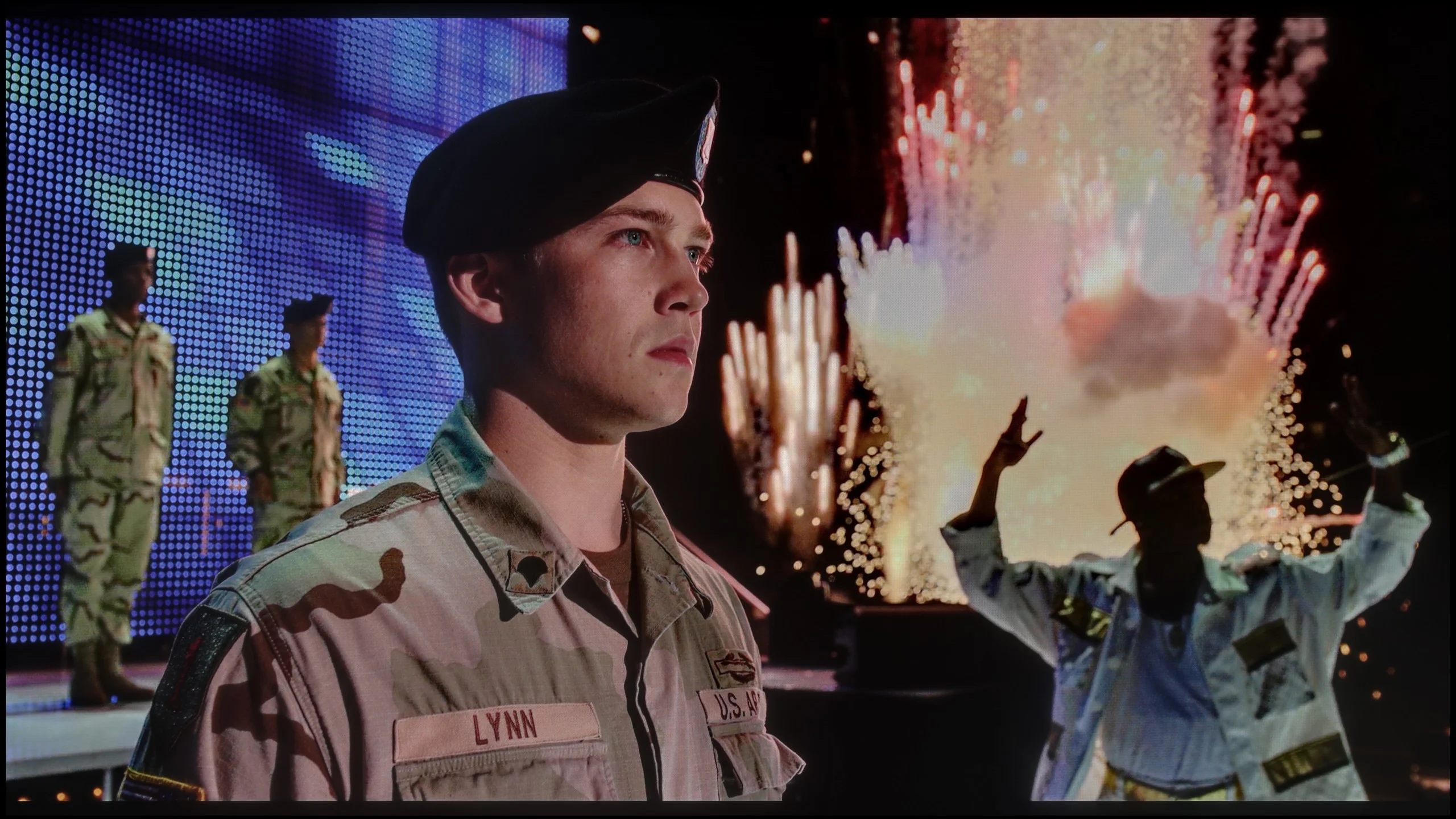
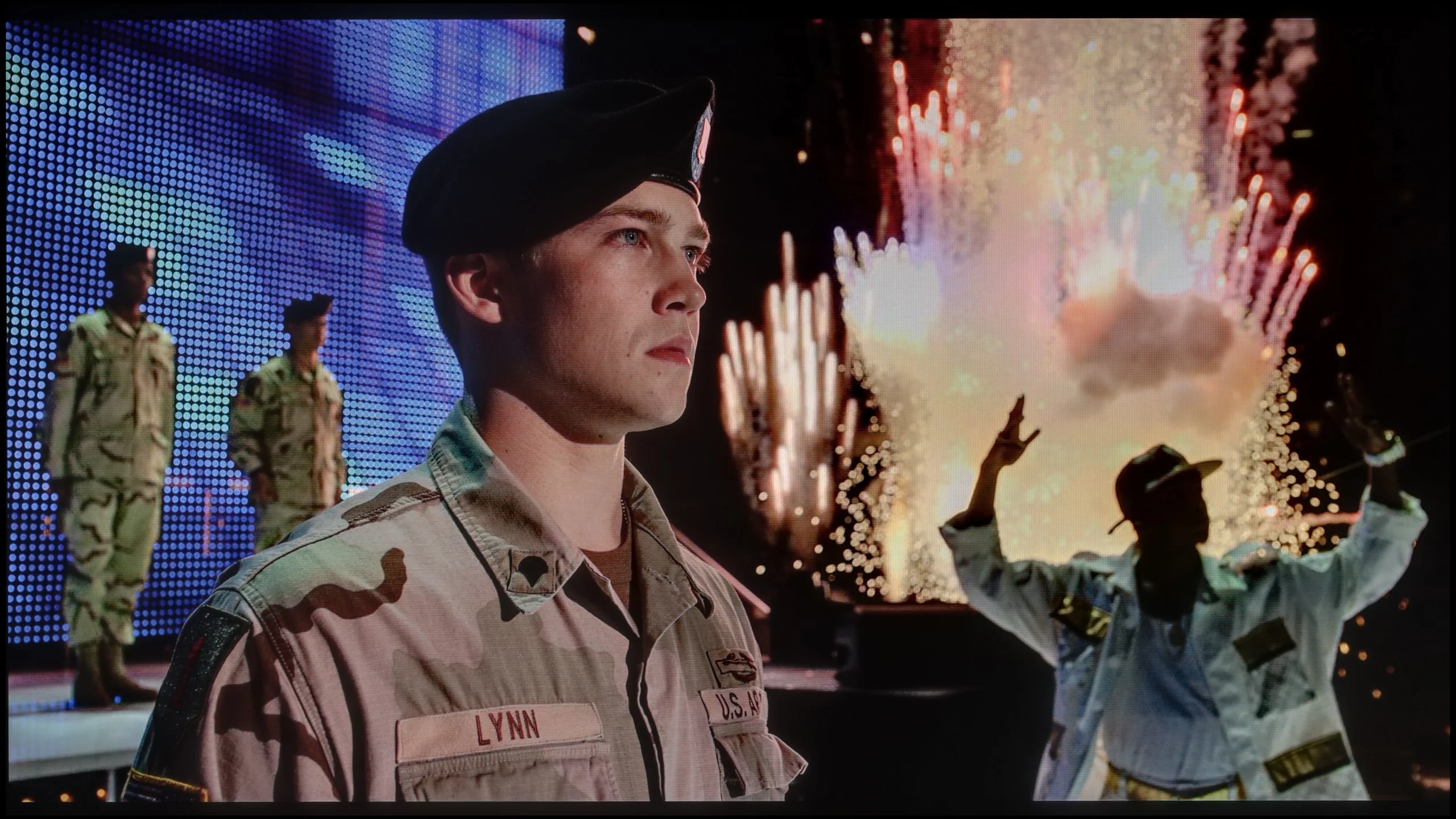
The photos show two HDR10 movies. 'Pan' is one of the brightest productions ever made, while 'Billy Lynn' (soldier) has brightness typical of streaming (Netflix, Prime, HBO MAX). Notice the intensity of effects and detail in whites.
Static HDR10


The photos present the visibility of white details in various HDR formats. They do not show brightness differences between TVs (these can be compared in the previous gallery).
Dynamic: Dolby Vision
Dynamic: Dolby Vision


The photos present the visibility of white details in various HDR formats. They do not show brightness differences between TVs (these can be compared in the previous gallery).
HDR luminance chart:
Sony BRAVIA 7 II
Panasonic Z95B
Luminance of RGB colors
The quality of HDR on the Panasonic Z95B is among the absolute best. Thanks to the latest generation panel, referred to by the manufacturer as Primary RGB Tandem OLED, the television can achieve over 2000 nits of brightness in cinematic scenes. The effect is impressive and can amaze with the intensity of the light, providing a sense of connection with the screen that goes beyond previous experiences. Similar feelings accompanied us only during tests of the LG G5, Samsung S95F, or Philips OLED910. Of course, there are moments when the device's algorithms decide to limit luminance – this especially concerns full-screen bright sequences, such as the closing credits in the film The Meg. Even then, the Z95B maintains a level of around 1500 nits, which is still an incredibly impressive result. One can thus say that HDR in this model has reached masterful form. A significant step forward is also evident in colour reproduction. The new tandem OLED panel does not yet match the best QD-OLED screens in terms of full gamut coverage, but the gap between these solutions has significantly decreased. When watching films, the differences are subtle enough that under normal conditions they are hard to notice, and the colours remain vivid and saturated.
The Sony Bravia 7 II handles HDR very well and, above all, is simply a bright television. In the correct viewing mode, Professional, we measured around 2,000 nits of peak brightness, so the panel’s capabilities are truly significant. Of course, with Mini-LEDs a test pattern result is only part of the story, because a lot still depends on how the TV controls the backlight in real scenes. Here Sony’s algorithms perform very well. Depending on the scene, the brightness we measured in films ranged from roughly 1,100 to as much as 1,700 nits. That’s already a level at which HDR has proper punch and bright highlights can be genuinely impressive. It isn’t perfect in every situation, though. With small bright elements on a very dark background the Bravia 7 II clearly favours maintaining good blacks, which can cause their brightness to drop to around 500 nits. It still looks good, but you can see the TV does not always manage this without compromise.
Colours
The second thing that has a huge impact on HDR is, of course, colour. And this is precisely where True RGB technology was meant to bring one of the biggest changes. Looking at the panel’s capabilities alone, the Bravia 7 II performs very well. We measured about 98% DCI-P3 coverage and 88% BT.2020, so the potential to show strongly saturated colours is really large. In RGB TVs, however, the situation is a bit more complex. When we repeated the same measurements with a film background applied, palette coverage fell to around 92% DCI-P3 and 78% BT.2020. Those are still good figures, especially for an RGB Mini-LED TV, but they clearly show that the final result largely depends on how the algorithms control the three backlight colours. In most scenes the Bravia 7 II handles this well and colours retain high saturation. The biggest differences are visible in shades of blue, where samples begin to deviate more noticeably from reference values and coverage is weaker than for the other primary colours. True RGB therefore offers genuinely greater potential here, but, as with brightness, much depends on what is happening on screen.
Factory color reproduction
9.5/10
7/10
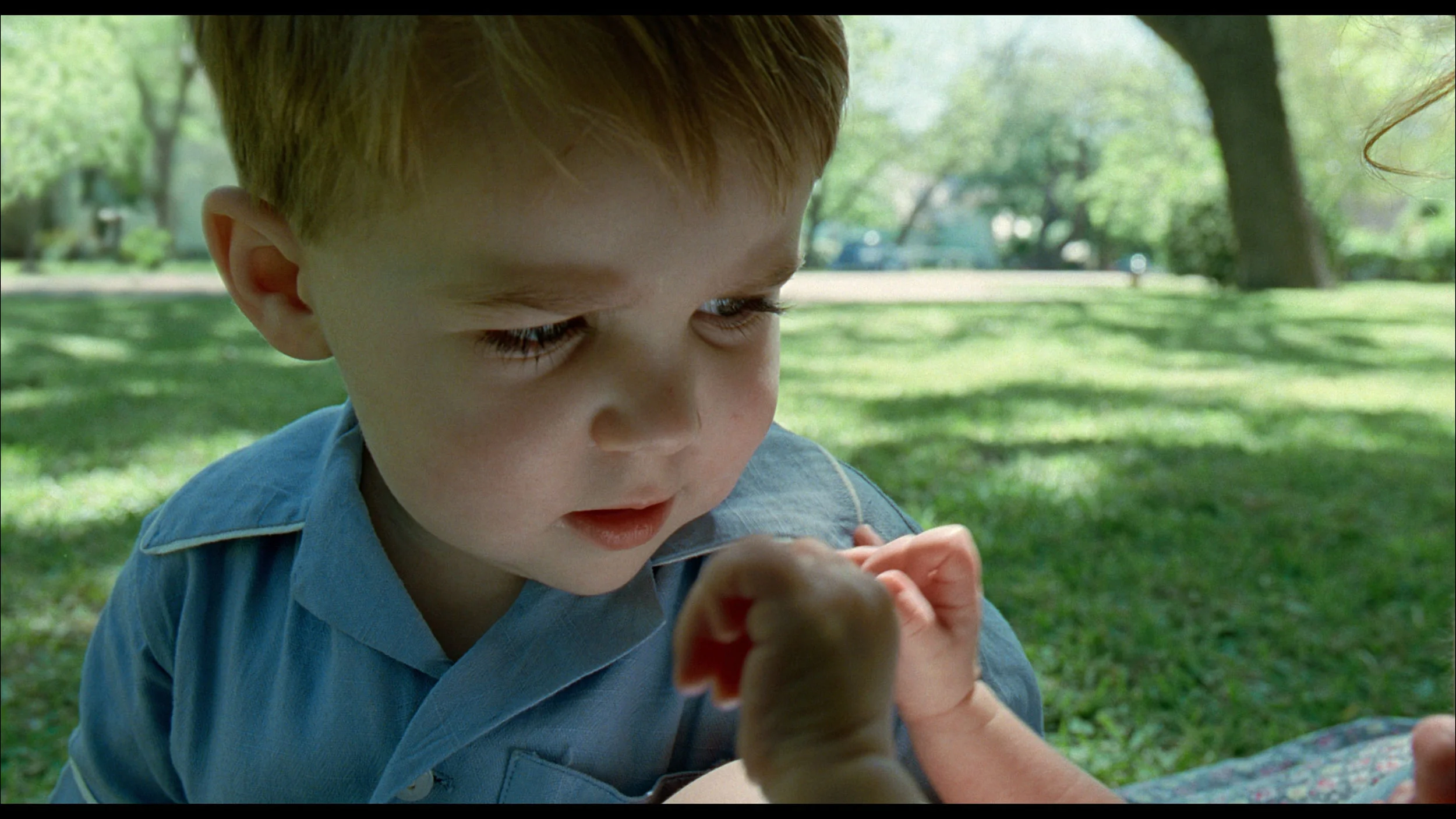
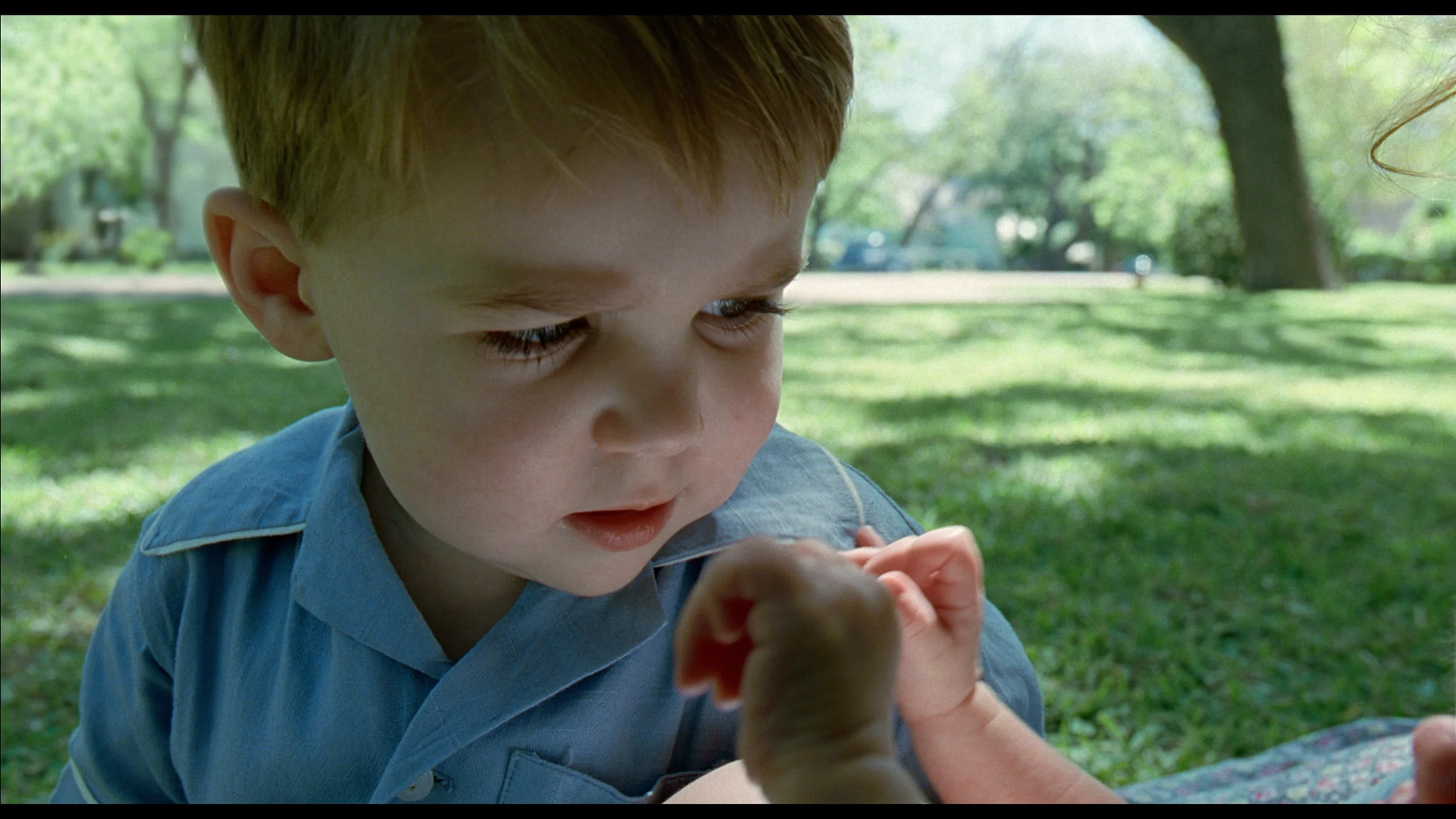
This gallery shows how colors change after professional TV calibration. If you notice the difference, we recommend ordering this service at SkalibrujTV.com.
Factory Mode
After calibration


This gallery shows how colors change after professional TV calibration. If you notice the difference, we recommend ordering this service at SkalibrujTV.com.
Factory Mode
After calibration
The factory colour reproduction of the Filmmaker mode, my dear friends, is truly remarkable in the case of the Panasonic Z95B. I'm referring to our test sample, but the result was so good that it’s hard to believe. The only detail one might nitpick about is a slight lack of blue in the white balance, but apart from that, the television straight out of the box presented an image unlike anything we have ever seen in factory mode. Tests of the colour palette, Color Checker – everything indicated values below Delta 2. That’s a much lower result than the threshold of human eye perception, which means, quite simply, that the viewer has no chance of noticing any serious deviations. It looks as though Panasonic has actually calibrated this model at the factory stage. Of course, we cannot rule out the possibility that we received an exceptionally well-set sample, but the result is still impressive. We are very strict when it comes to evaluating factory calibration, and here our jaws simply dropped.
To evaluate the factory colours we chose the Professional mode, because it performs best among the available settings. However, it is not perfect. In SDR the white balance drifts slightly towards magenta, making some scenes look a little warmer and less neutral than they should. A bigger problem is the gamma, which sits closer to 2.5 than to 2.4. This makes the image a bit too dark in places, particularly in the midtones. In HDR the situation is better. As brightness increases a little too much red appears, but this is not an issue that is highly noticeable during viewing. Overall the Professional mode is a good starting point, although you can get a bit more out of it after calibration.
Color reproduction after calibration
9.8/10
8.8/10
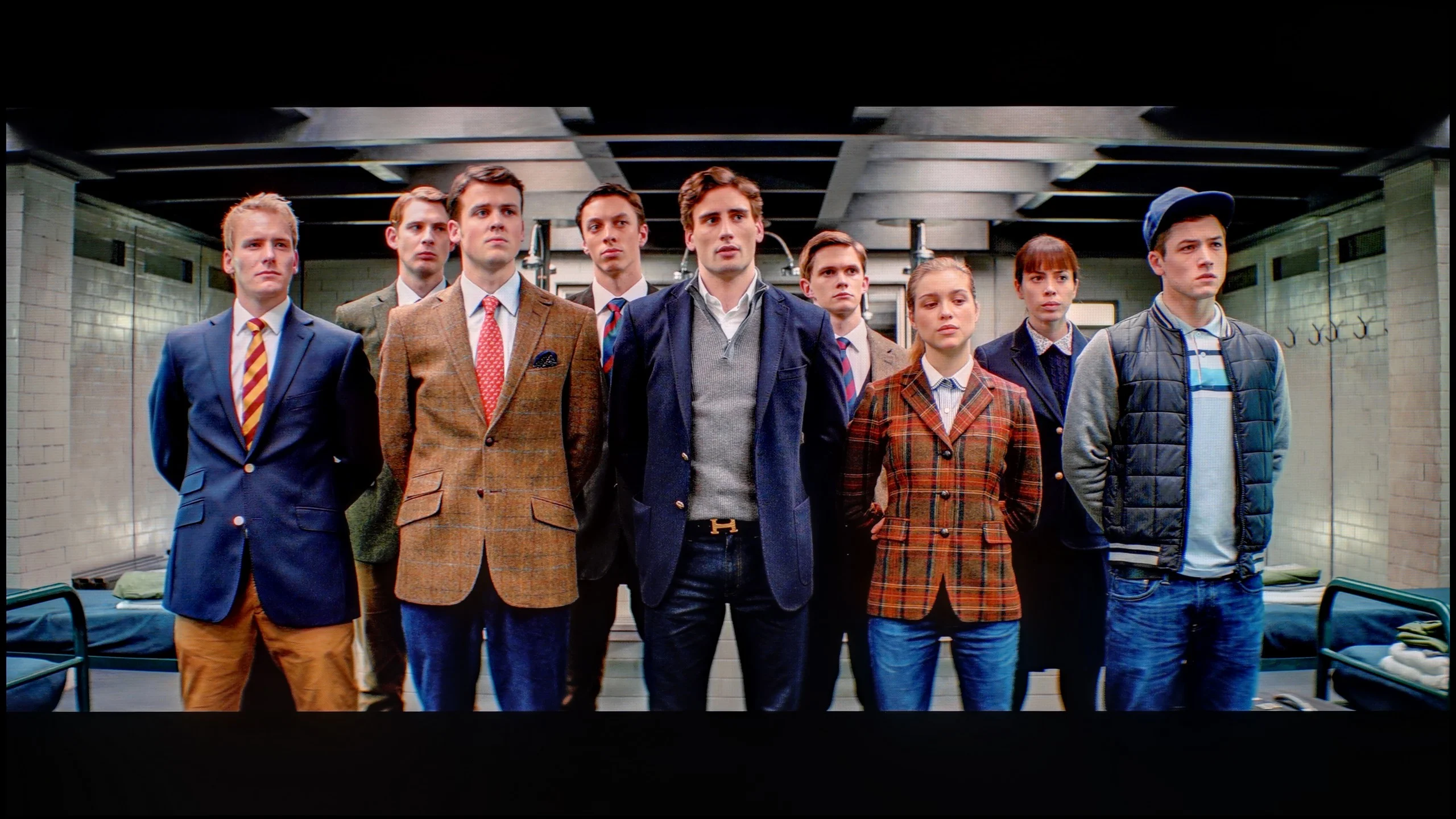
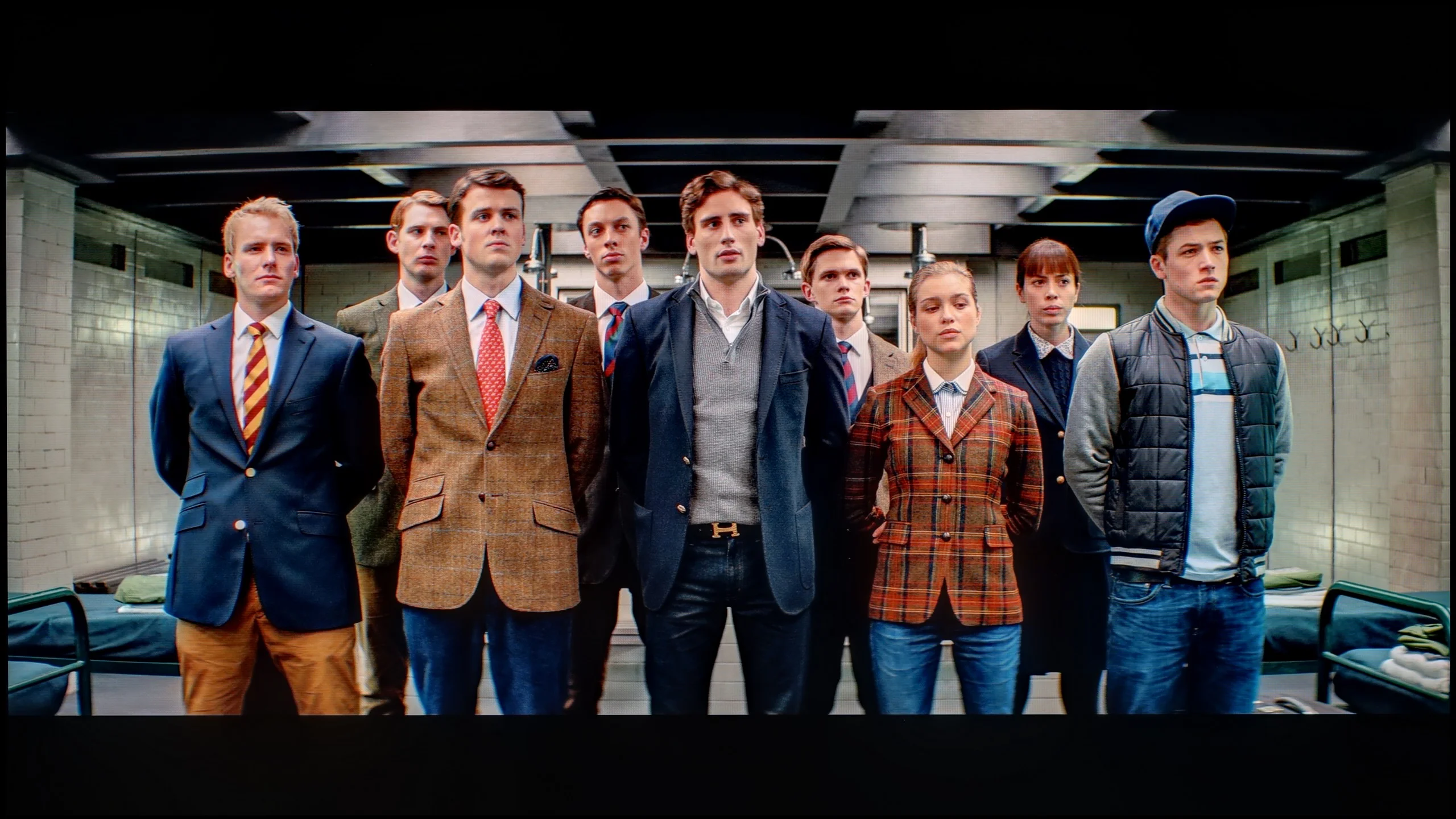
The photos show how movies look on the TV. Pay attention to black detail visibility, colors, and shadow tint.


The photos show how movies look on the TV. Pay attention to black detail visibility, colors, and shadow tint.
The colour representation after calibration in the Z95B is a topic that is difficult to elaborate on, as there was simply not much to be done here. A slight adjustment of the white balance was sufficient to eliminate the lack of blue, and at this point, the picture reached an almost reference level. It must be admitted that we haven't had such a small range of work in a while. If any of you are particularly observant, you may notice minimal deviations in the EOTF curve, but this is rather related to the operation of the dynamic tone mapping function we mentioned earlier. In fact, it is not a flaw, but a characteristic of this solution, which deliberately alters the brightness characteristics depending on the scene. In summary, we are extremely impressed. The Panasonic Z95B is a television that looks great straight out of the box, and after calibration, it reaches a level where it is truly difficult for us to find anything to improve.
After calibration the Bravia 7 II can look decidedly better. Above all, we managed to set the white balance very well, both in SDR and HDR. Gamma can also be improved, which after correction runs very close to the reference value. And in fact, for most users these changes will have the greatest impact on the picture. There is, however, a limitation when it comes to the colours themselves. In the Bravia 7 II Sony does not provide access to a classic CMS that would allow us to correct individual hues separately. A lot is therefore left in the hands of the algorithms controlling the True RGB backlight. If the TV misrepresents a particular colour, we are not always able to do anything about it. In our measurements this is most visible in certain reds and blues, where errors can still be quite large. This does not, however, undermine the point of calibration itself. Correctly setting the white point and gamma strongly affects the whole picture, so even without the ability to precisely correct every colour the difference compared with the factory settings is noticeable.
Smoothness of tonal transitions
7.8/10
8.5/10
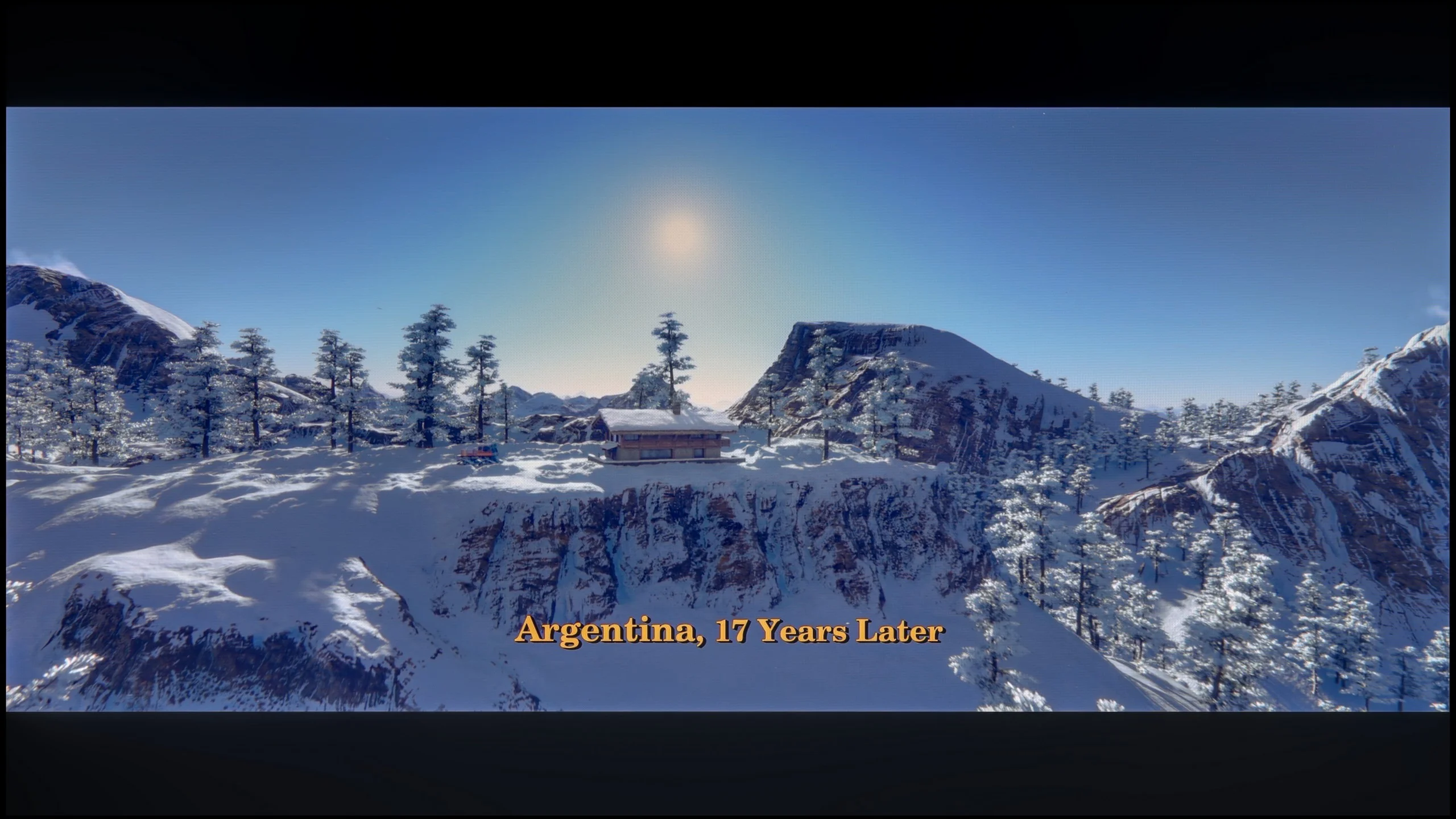
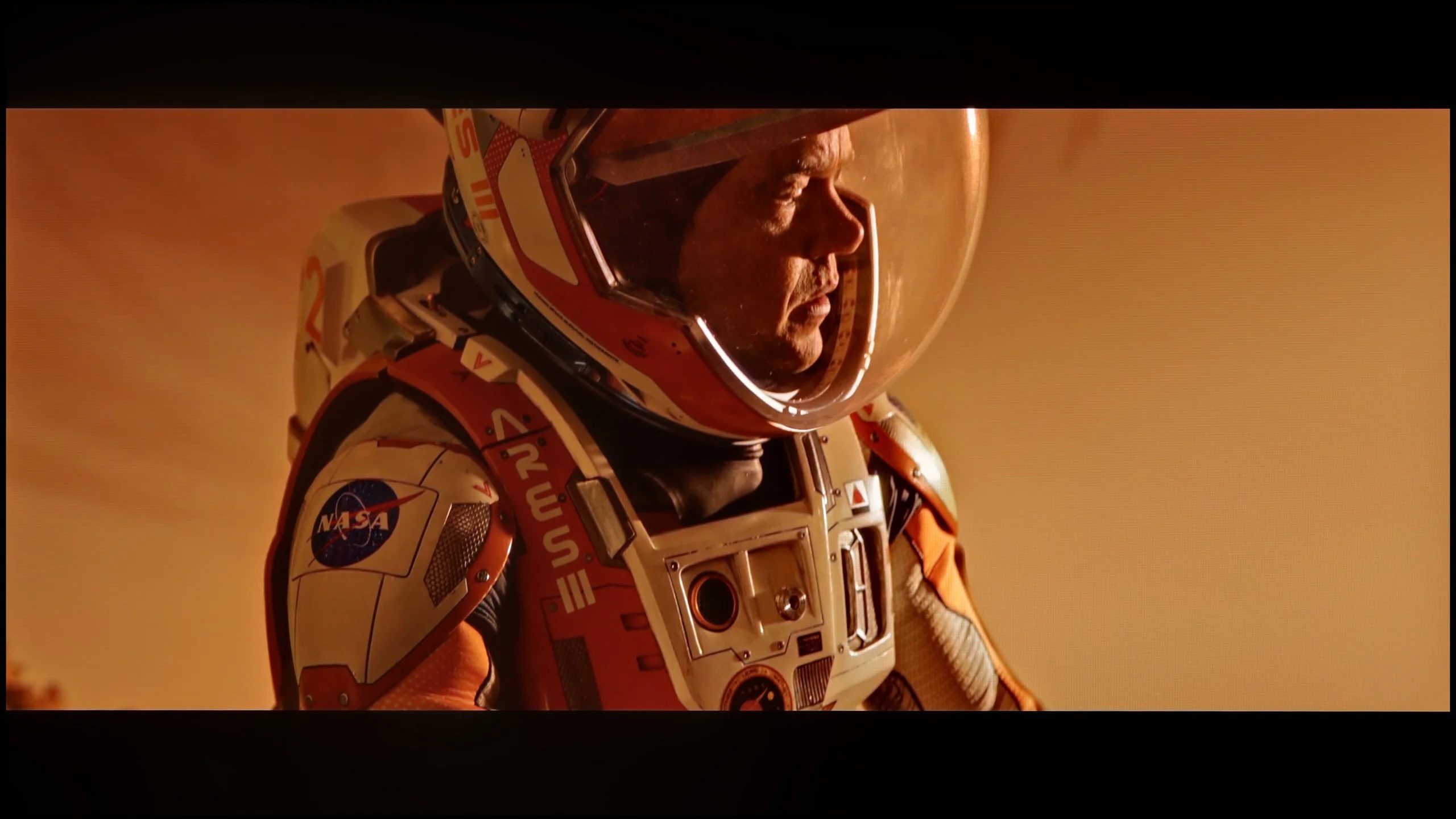
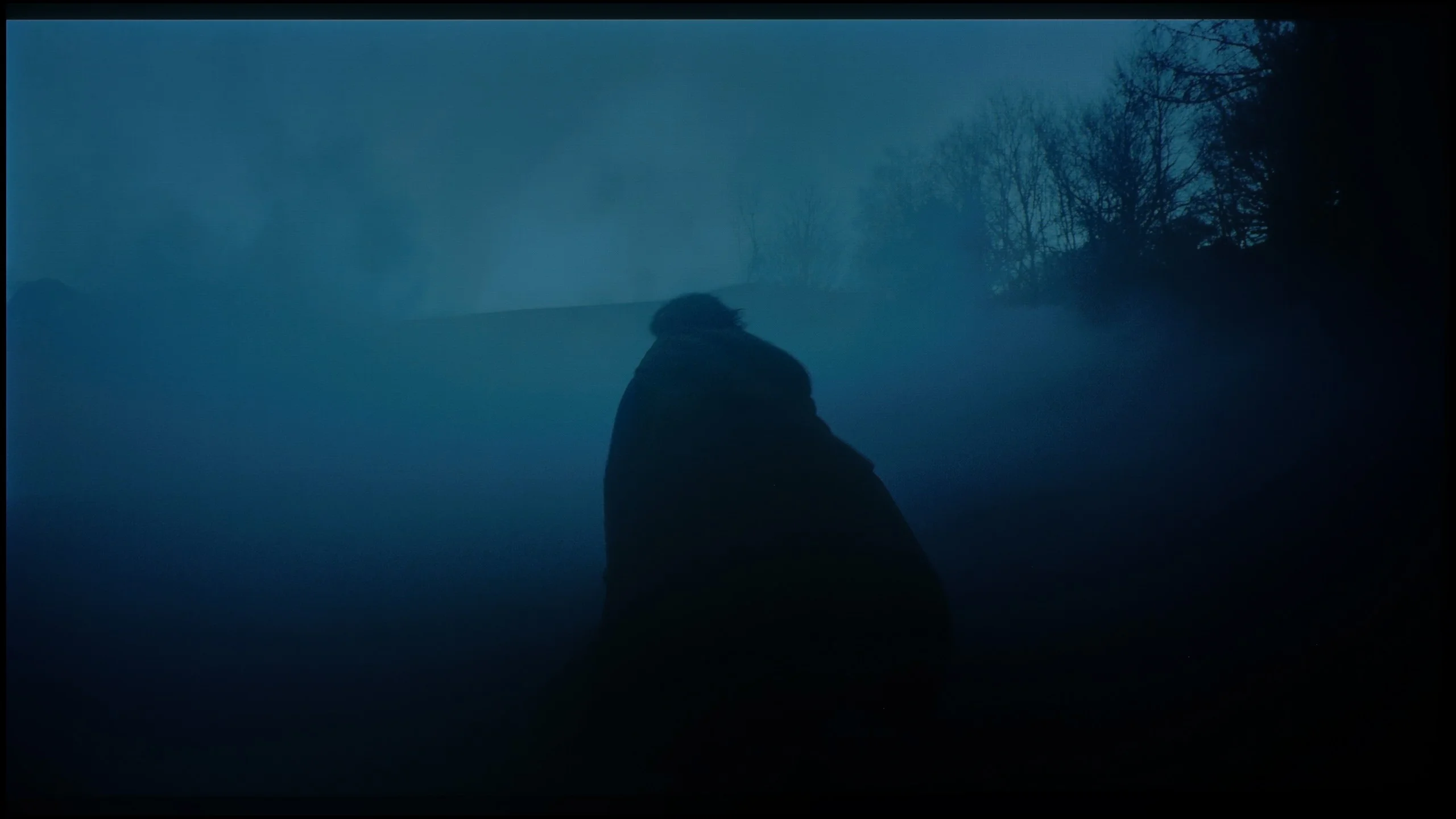
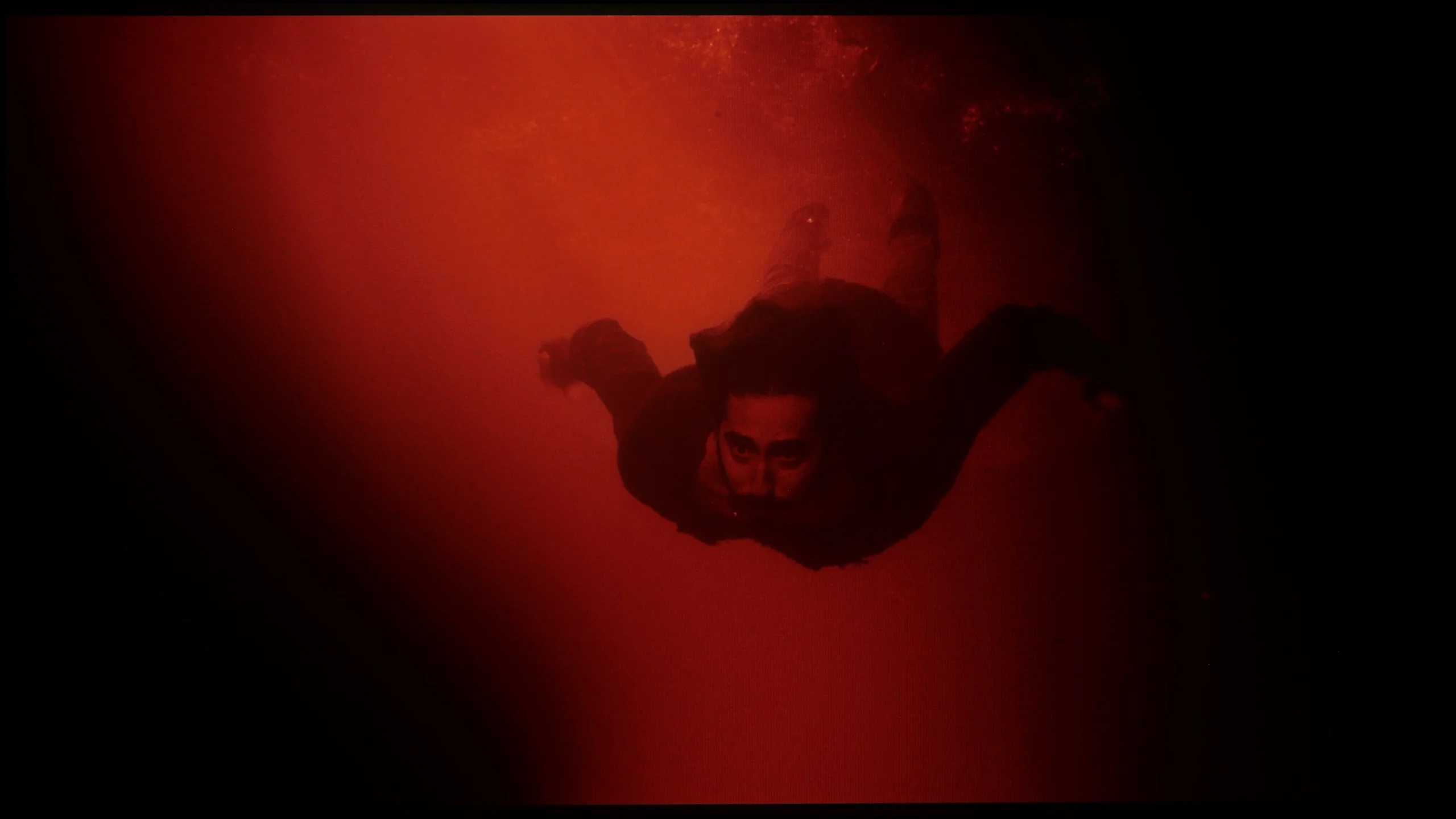
These are selected scenes that show smooth tonal transitions from one color to another. If you see distinct banding, it’s the TV panel’s fault.
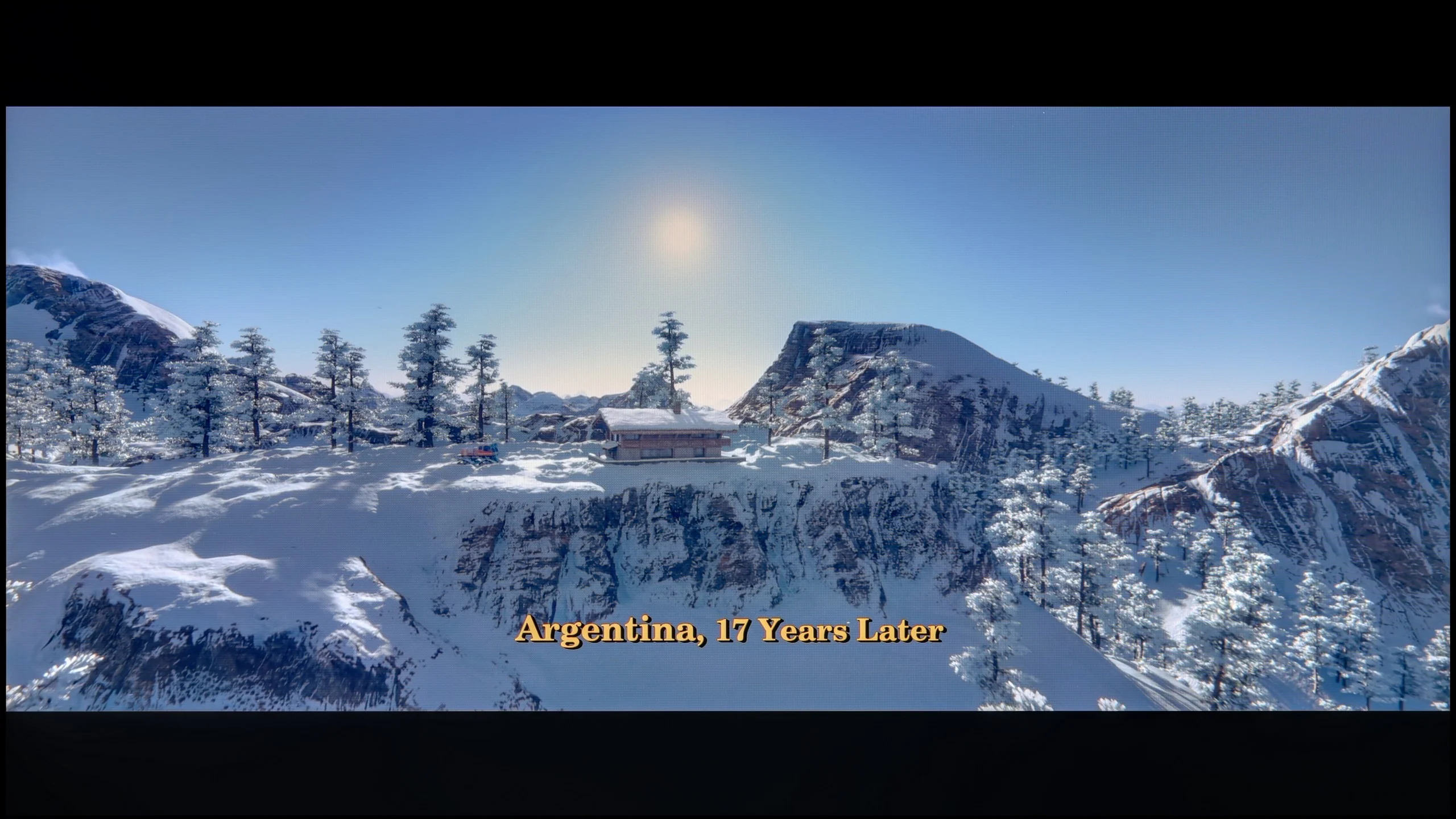
These are selected scenes that show smooth tonal transitions from one color to another. If you see distinct banding, it’s the TV panel’s fault.
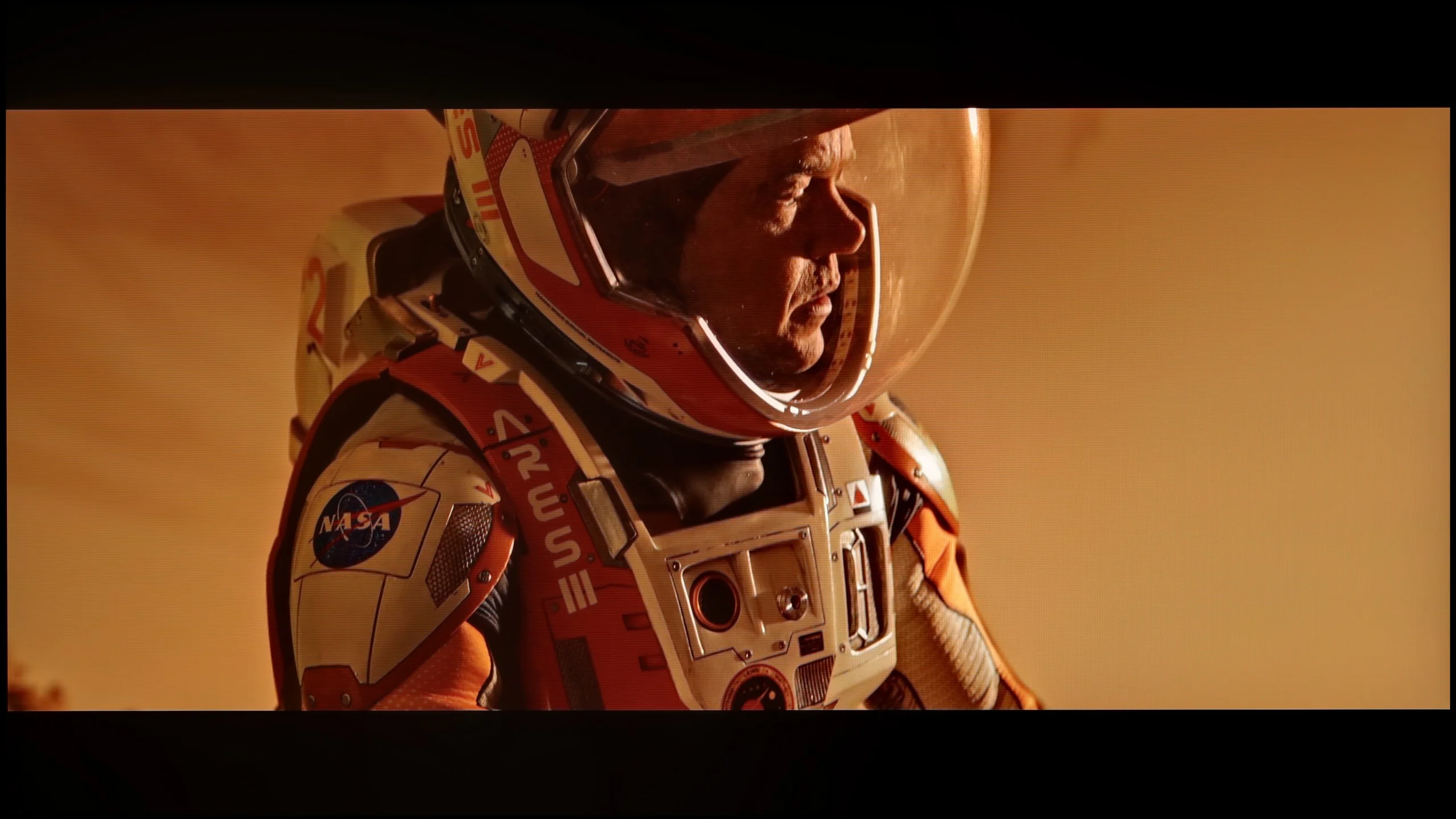
These are selected scenes that show smooth tonal transitions from one color to another. If you see distinct banding, it’s the TV panel’s fault.
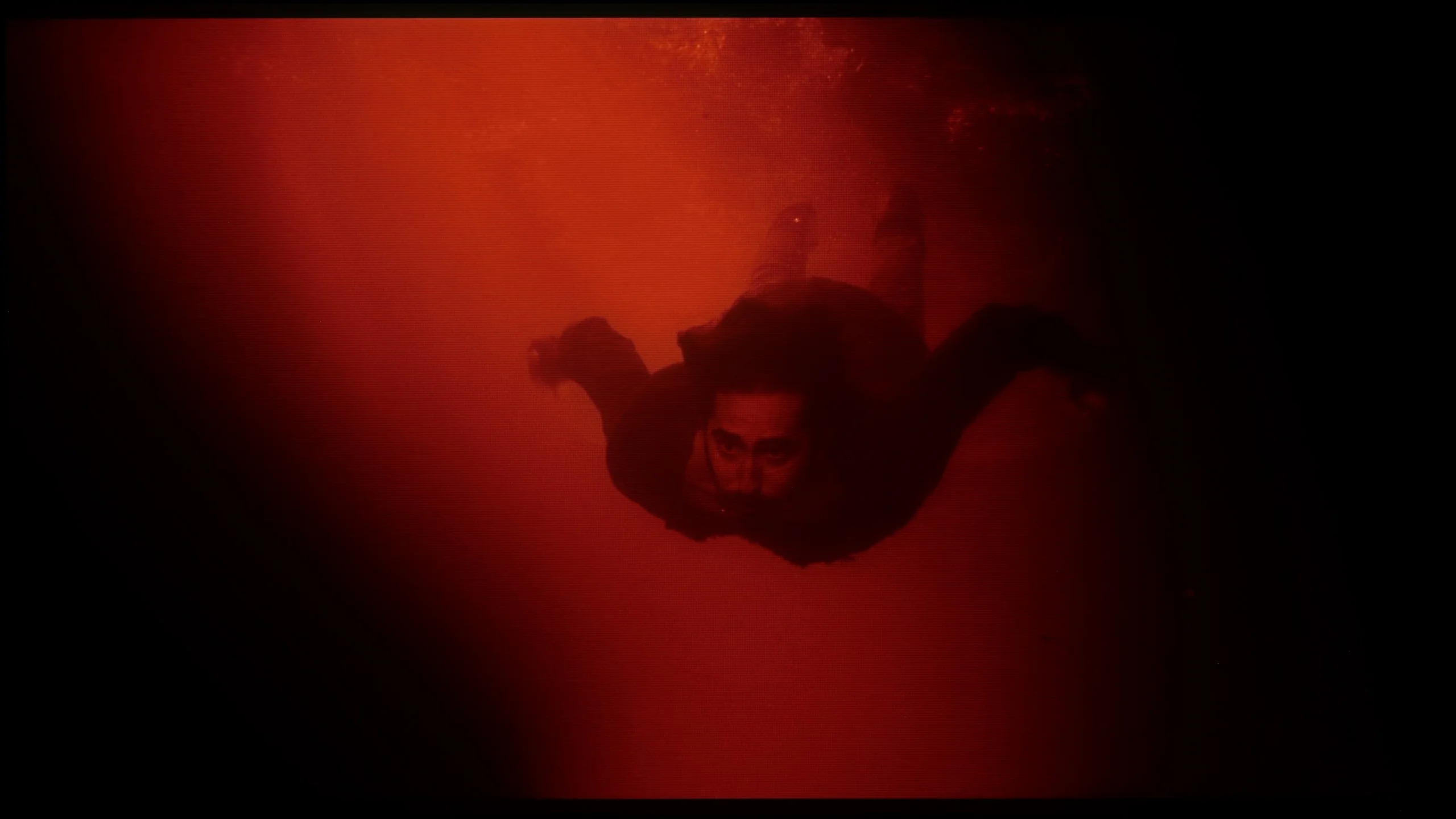
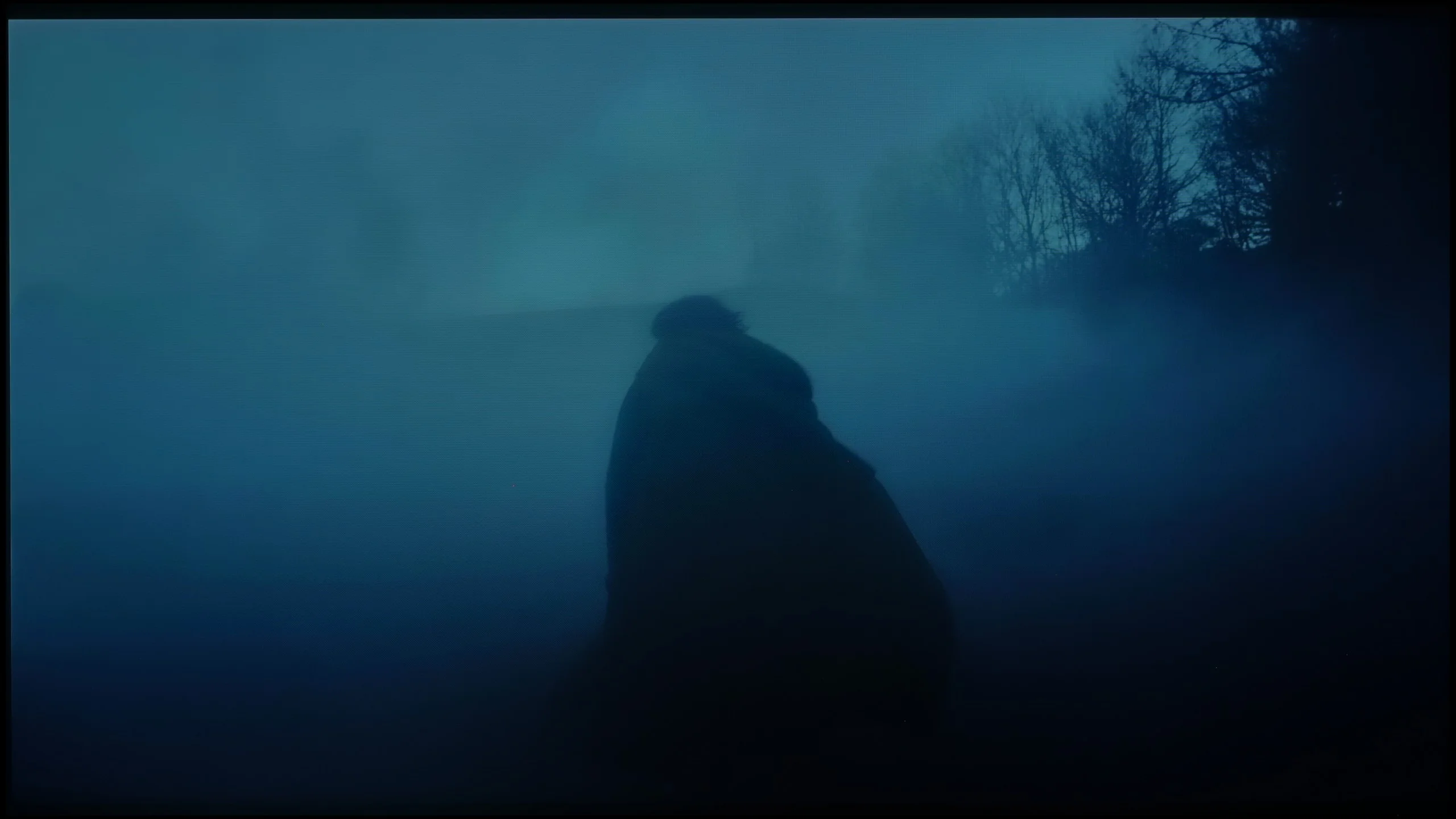
These are selected scenes that show smooth tonal transitions from one color to another. If you see distinct banding, it’s the TV panel’s fault.
Posterisation, or the banding of colours, was the Achilles' heel of Panasonic's flagship model, the Z95A, last year. In the new Z95B, it is clear that the manufacturer has made an effort to improve the gradation issue, and the problem has been largely corrected. In most scenes, colour banding is no longer noticeable, and tonal transitions are smooth and look natural. However, this does not mean that the problem has completely disappeared. In extremely challenging sequences, especially in very dark scenes like those from the film Green Knight, certain imperfections can still be observed. Nevertheless, it is gratifying that Panasonic has approached the issue seriously and has made significant progress, as the difference compared to the previous model is truly noticeable.
Colour gradation on the Bravia 7 II is very good and there is little to criticise. Transitions between individual shades are smooth, both in bright and darker scenes. You can notice minor imperfections, but they are subtle enough that during normal viewing they hardly attract attention. It looks a little worse with the same material when played back using Dolby Vision. In that mode the TV has more difficulty maintaining equally smooth transitions, particularly in darker tones. Banding and unevenness then become somewhat easier to spot, so Dolby Vision fares worse in this respect than standard HDR10.
Image scaling and smoothness of tonal transitions
6/10
8.5/10

Smooth transition function
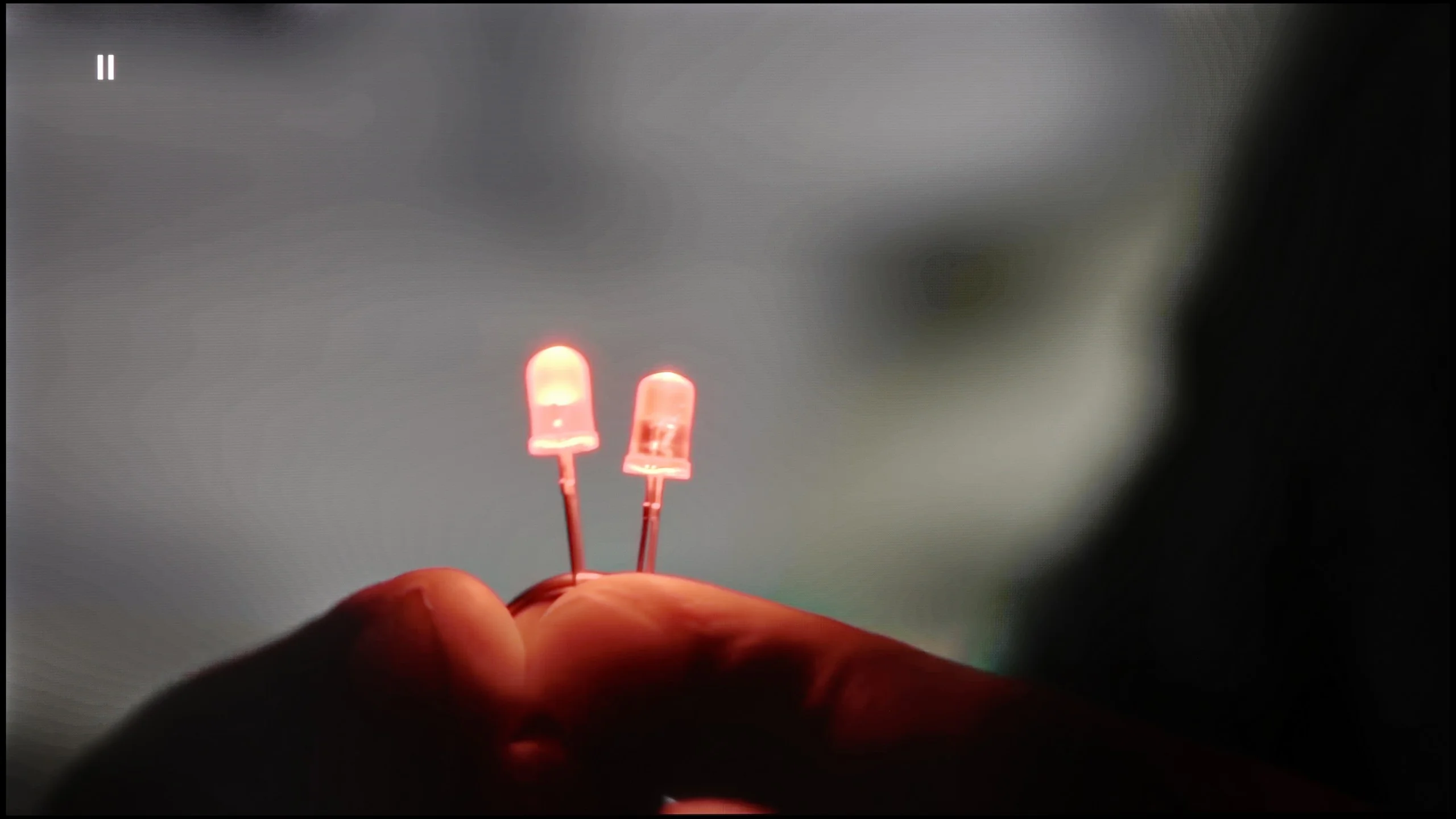
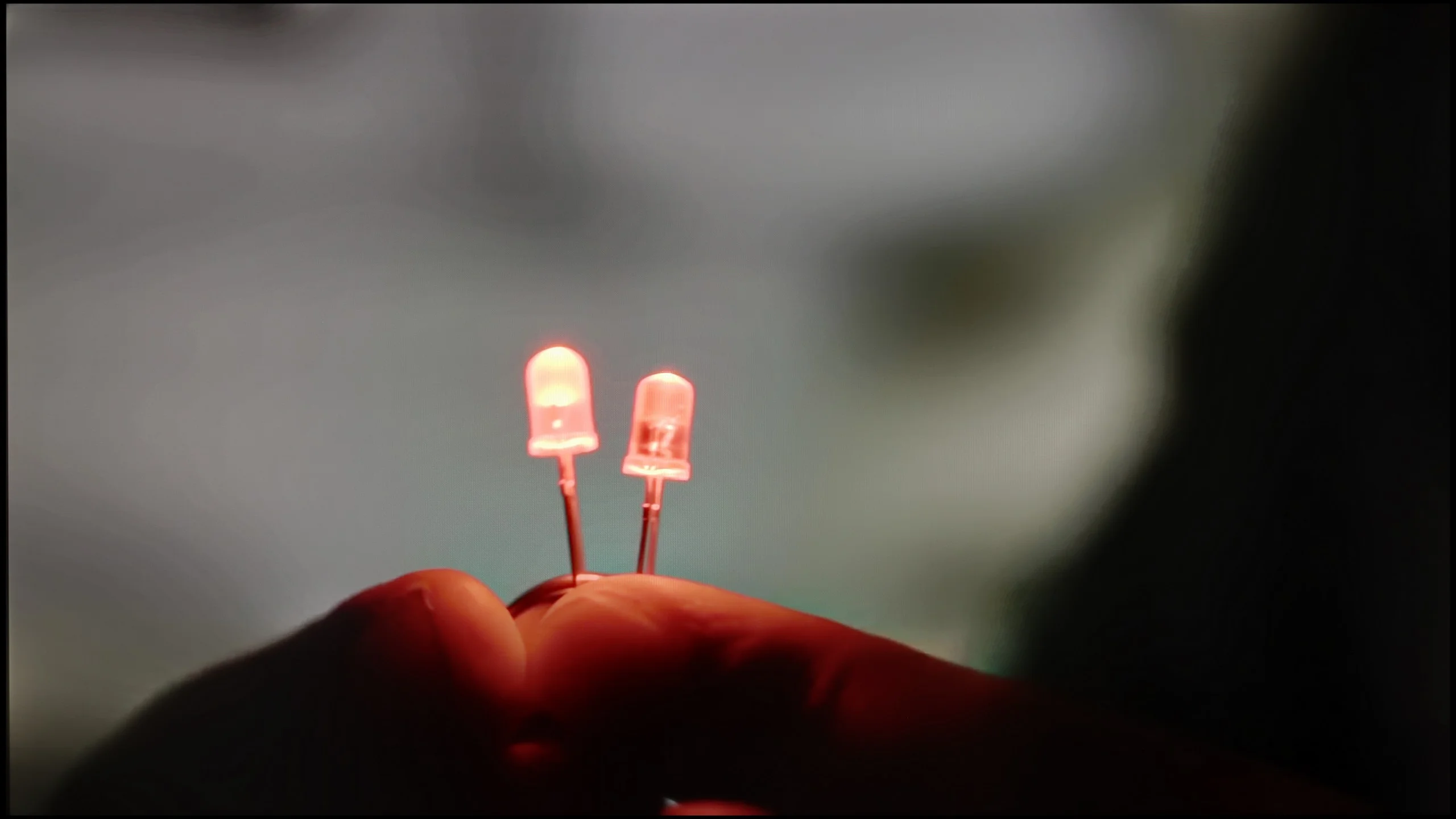
The match photo shows how the TV smooths weak tonal transitions in low-quality video.
Image scaling SD (576i)


The model photo shows how it handles upscaling of SD material.
Let’s start with what works well. The upscaling on the Z95B is at a very high level – the picture in lower resolutions is clear and sharp, and the only minor drawbacks are subtle aliasing in certain areas of the image. It’s also important that the television does not crop the material in any way and maintains its proportions, which is not always an obvious fact even in 2025.
The situation with digital processing is less impressive. Features such as “gradation smoothing” or “block noise reduction” practically do not work – the material tested looked identical regardless of the settings. We might as well state that this feature simply does not exist. This is somewhat disappointing, especially since Panasonic heavily promotes its HCX Pro AI II processor, boasting the presence of artificial intelligence to enhance picture quality. Meanwhile, in such a basic area, the television does not provide a real effect and it appears weaker than one might expect from high-end equipment.
Scaling and digital processing are among the strongest points of the Bravia 7 II and one of the bigger reasons to choose Sony over the competition. The manufacturer has been handling digital image processing well for years, and it shows here too. First and foremost, the 'Smooth Gradation' function works very well and can smooth out weak tonal transitions in lower-quality material. The safest setting is Low, but we would comfortably recommend Medium as well. The effect is stronger then, yet the TV still treats details very gently. Some fine details may be slightly smoothed, but Sony does this much more subtly than many other brands. The upscaling itself also performs very well. Lower-resolution material is well upscaled to 4K, the image looks clean and retains a lot of detail. Of course the TV will not magically turn native HD material into true 4K, but what can be extracted from such a source is handled really well by the Bravia 7 II.
Blur and motion smoothness
8.5/10
7.8/10
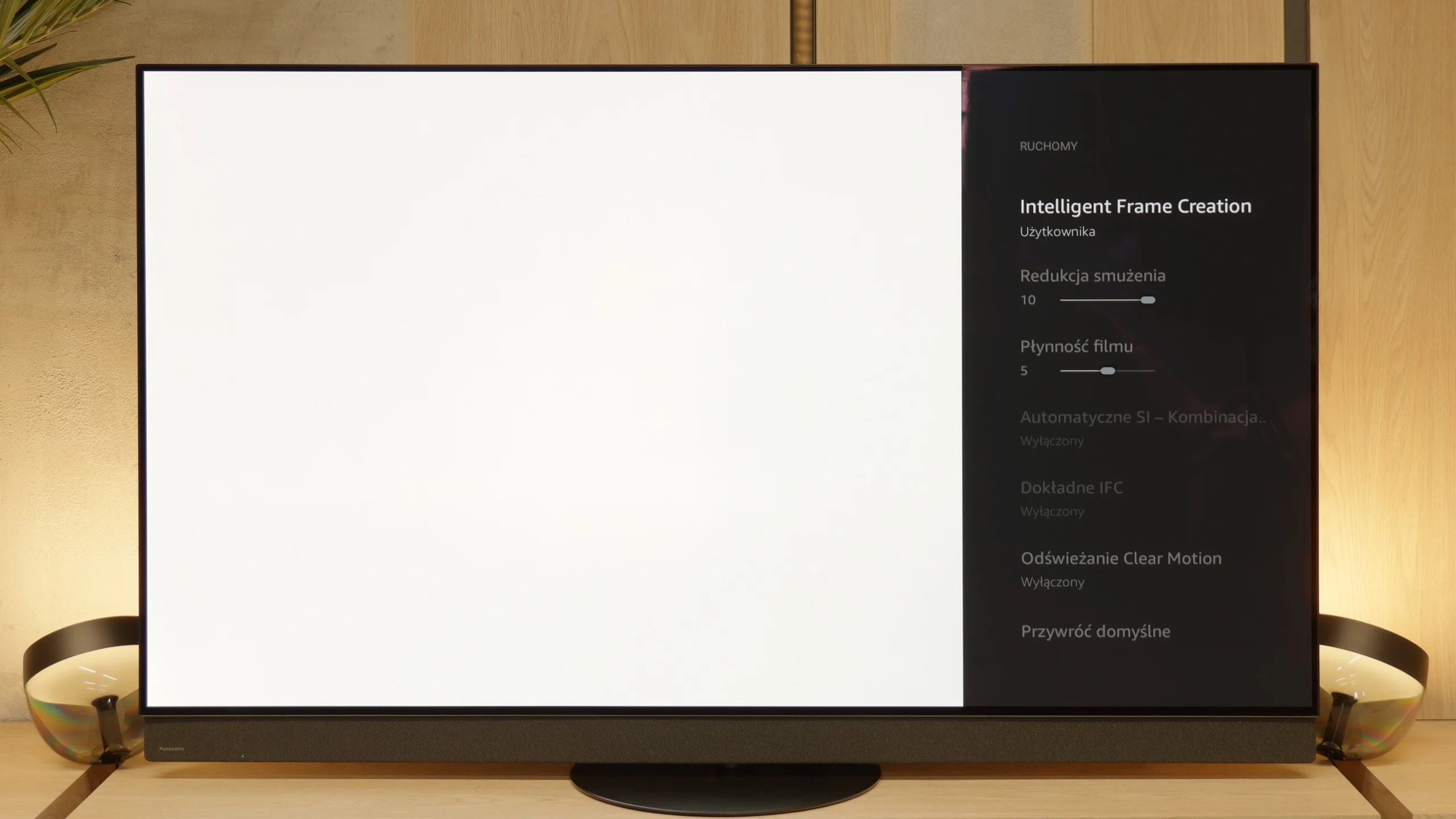
Blur (native resolution, maximum refresh rate):

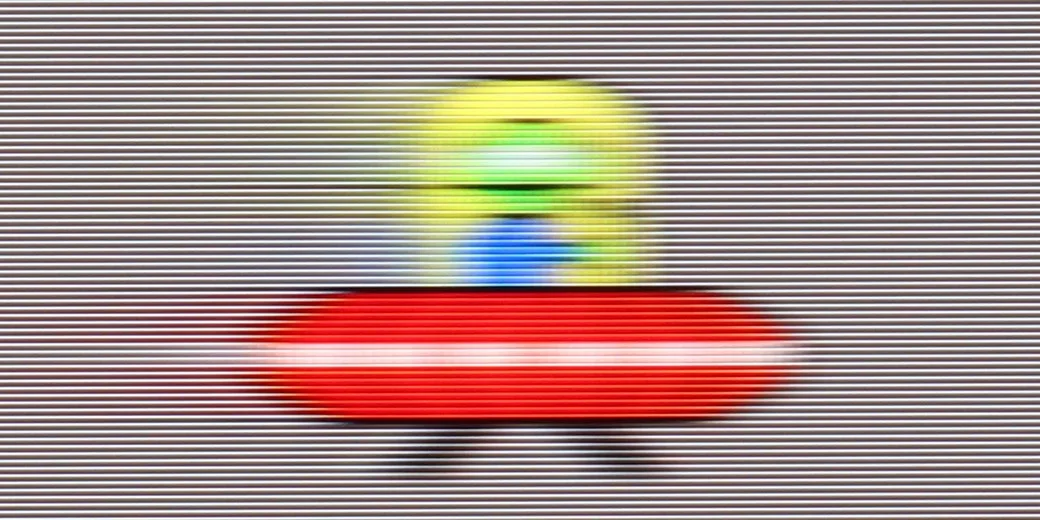
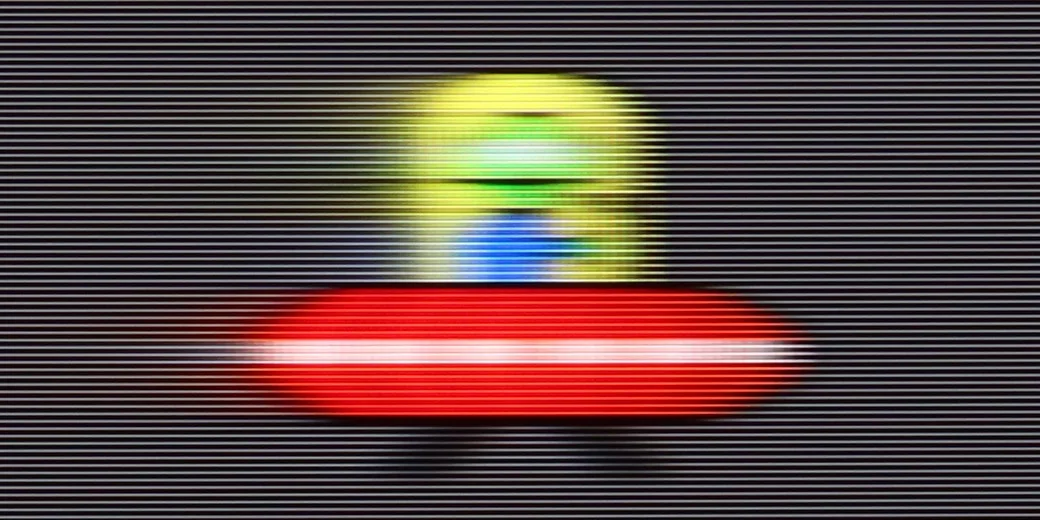
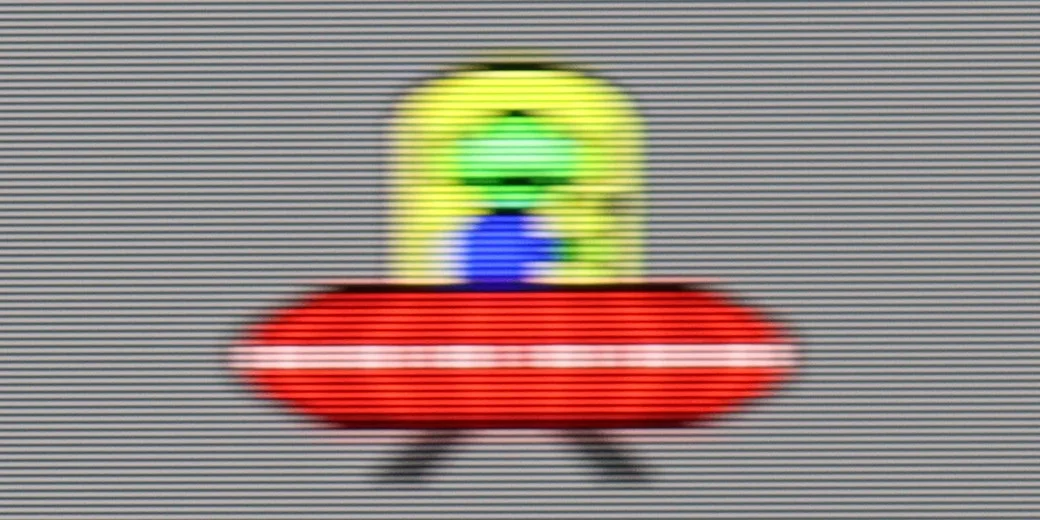
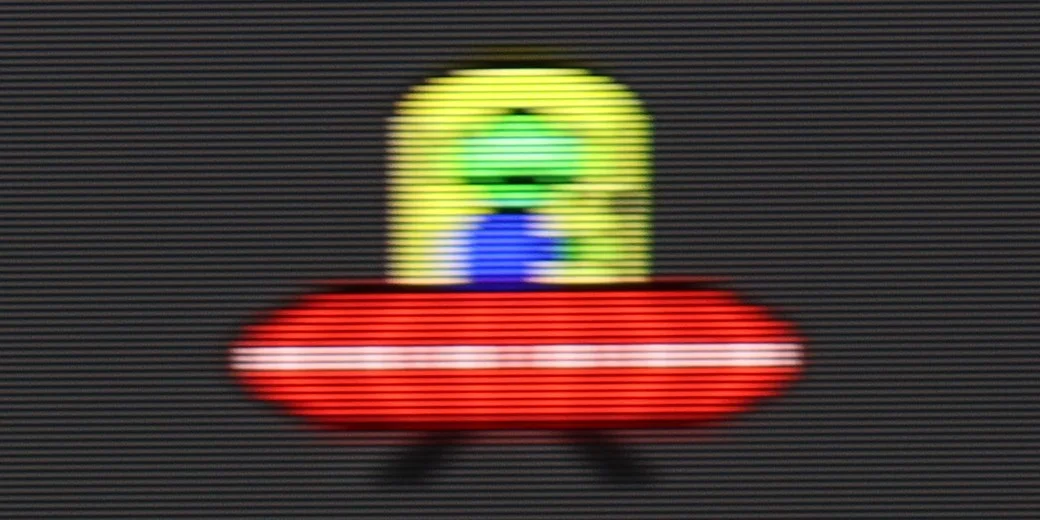
Blur (BFI function enabled):
Image flickers in this mode


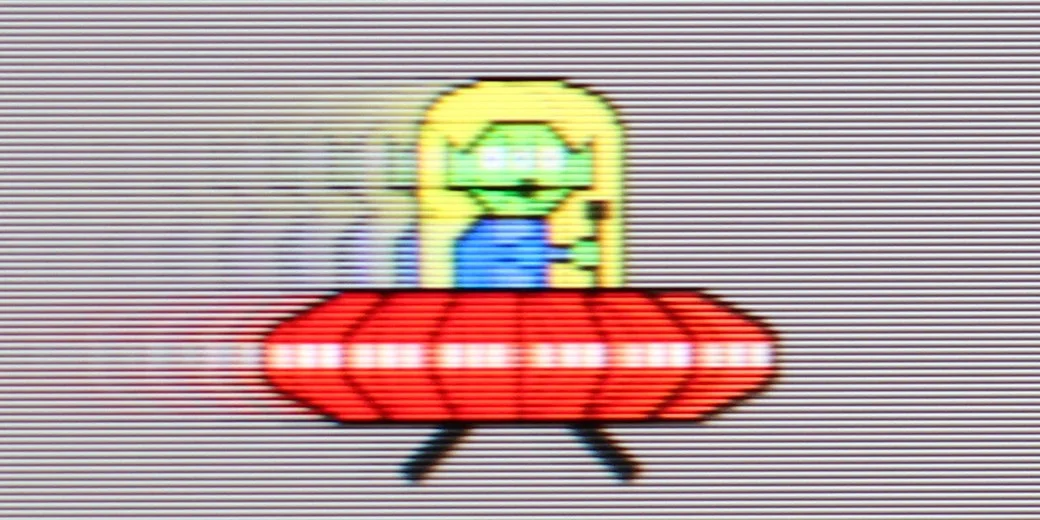
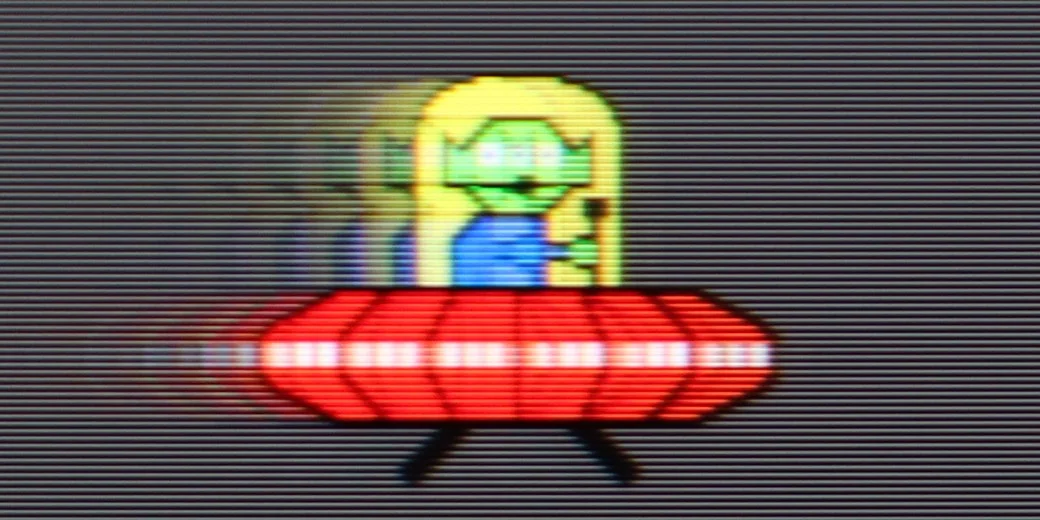
Blur (4K@144Hz):

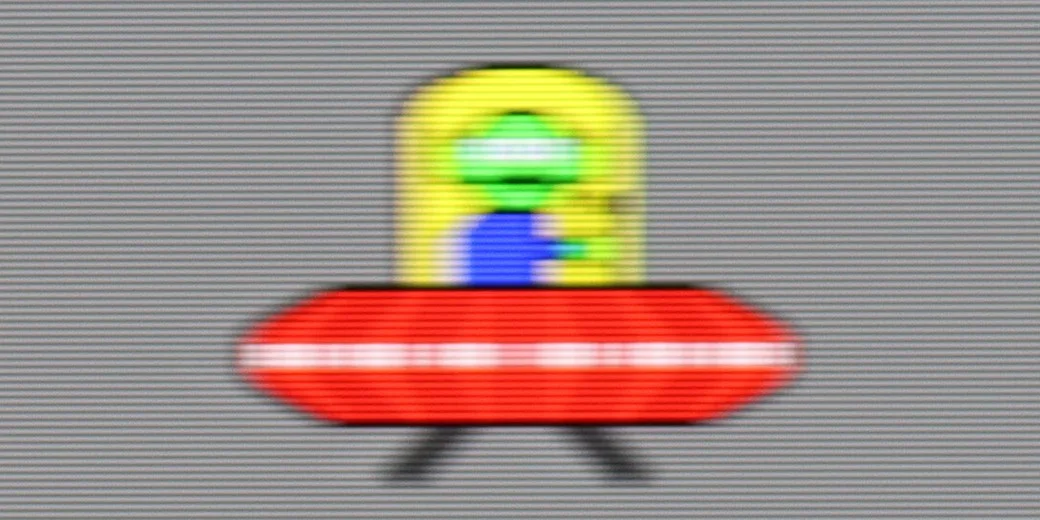
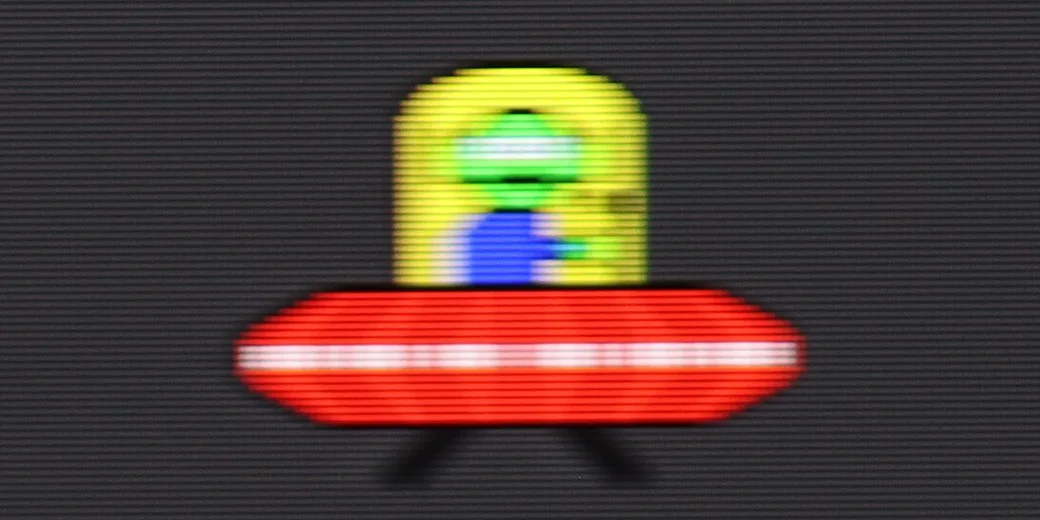
Blur (4K60Hz):
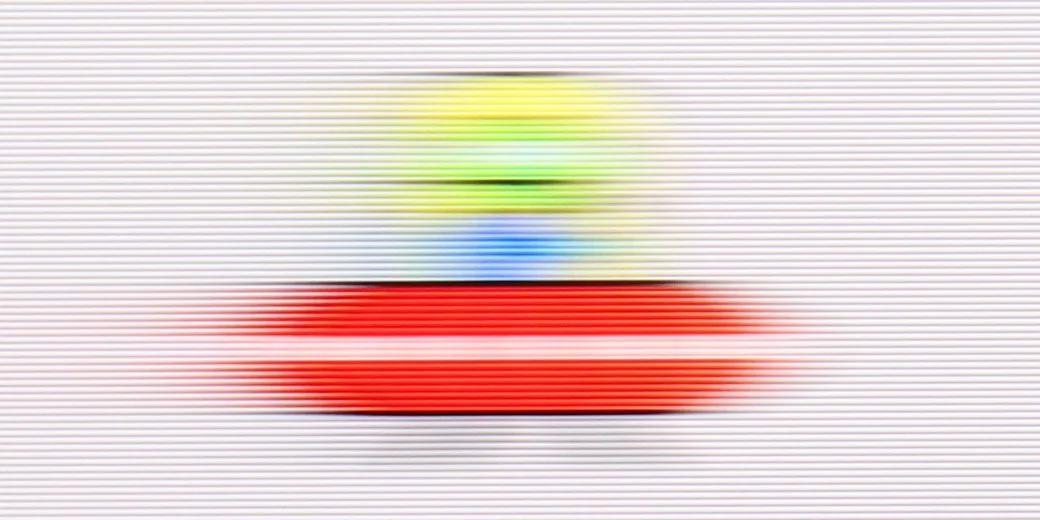
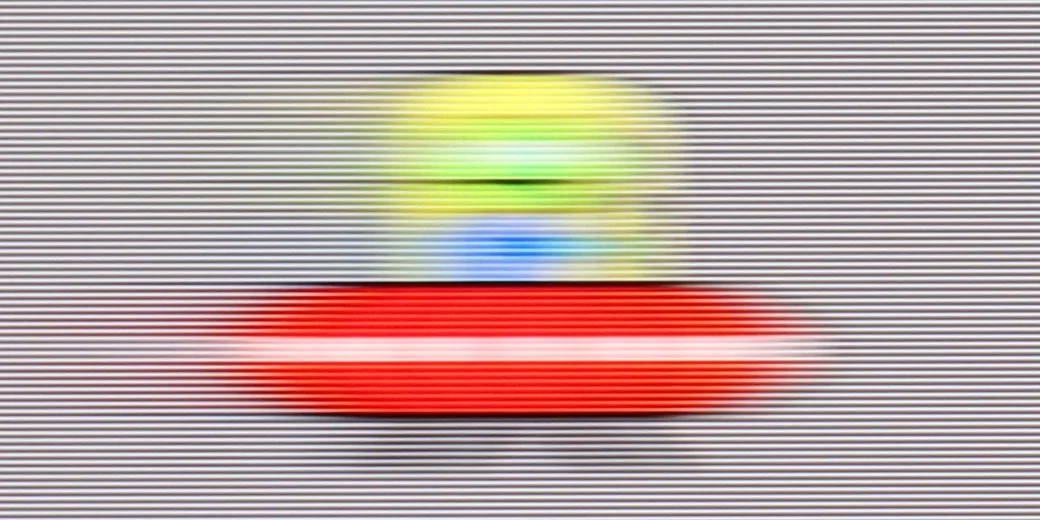
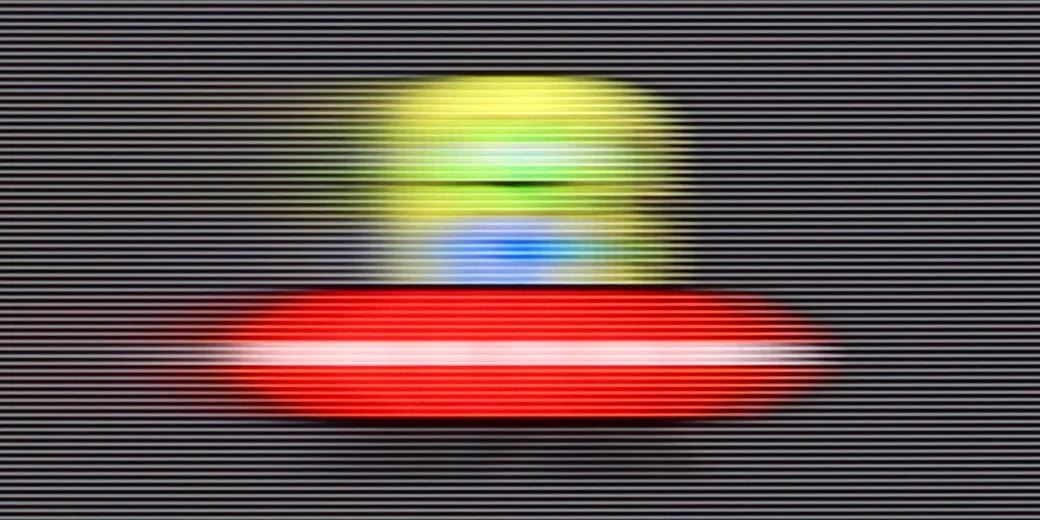
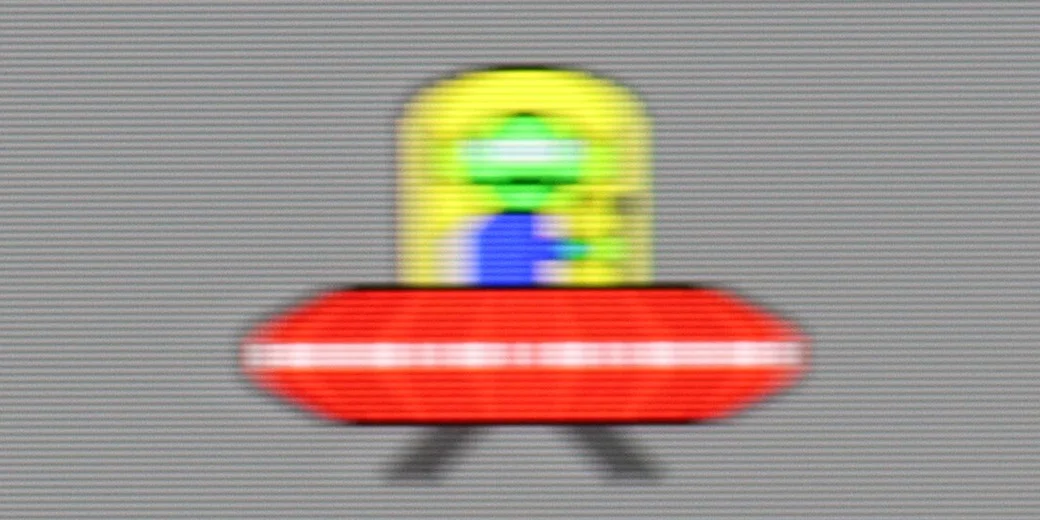
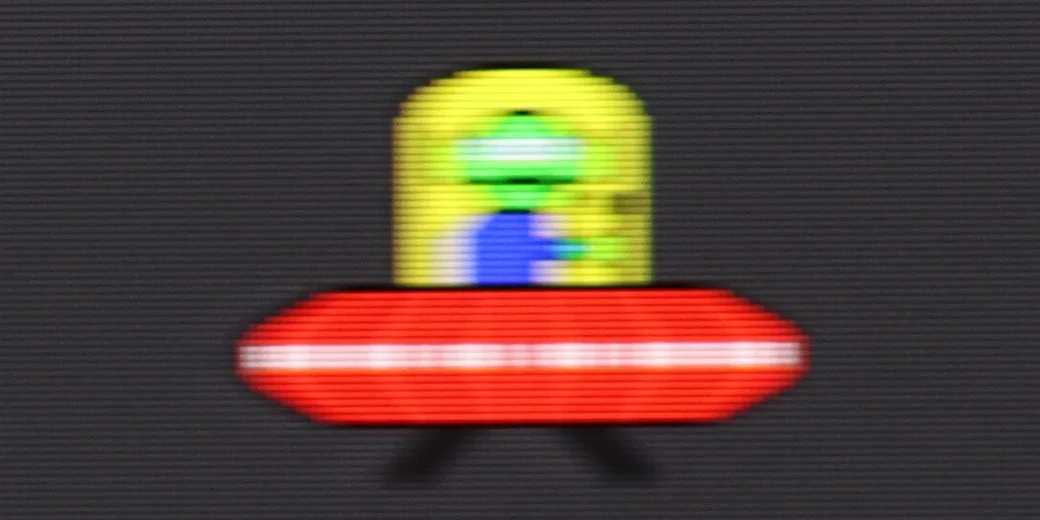
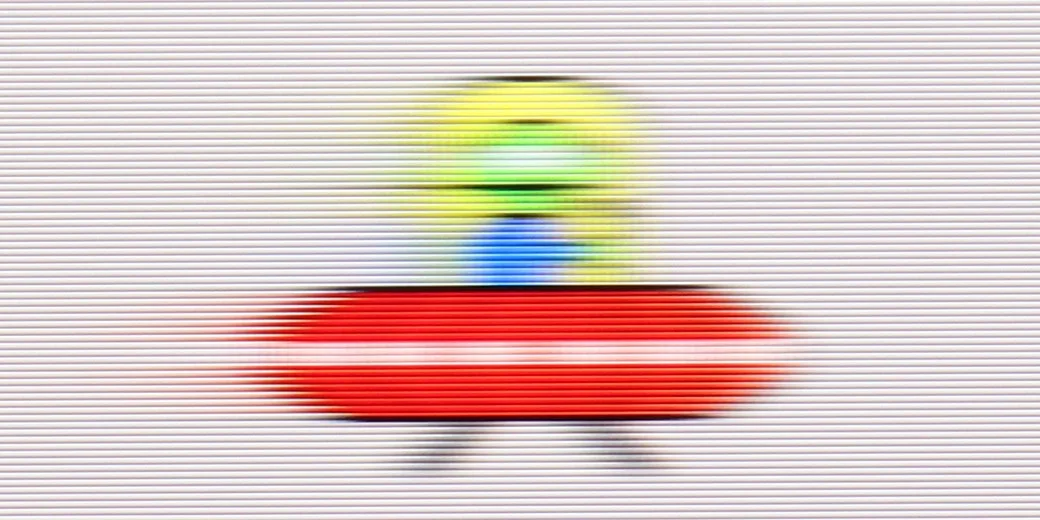
The OLED matrix with a very high refresh rate already provides an extremely sharp image even in dynamic sports scenes, such as football or basketball matches, and the Z95B is no exception. It is also very important that the television is equipped with an proprietary motion smoothing system called “Intelligent Frame Creation”. Among the available sliders, the most important one is the one named “film smoothness”, as it allows you to adjust motion to your own preferences when watching 24-frame materials, i.e. films – from a more “frame-like” appearance to a smooth, almost theatrical effect. It is somewhat disappointing that Panasonic did not choose to overclock the latest OLED matrix to 165 Hz, as Samsung did with the S95F or LG with the G5, because we know that the panel is technically capable of it. On the other hand, this is mainly an advantage for PC gamers, so in everyday viewing, it is not a significant drawback since we are limited to 120Hz.
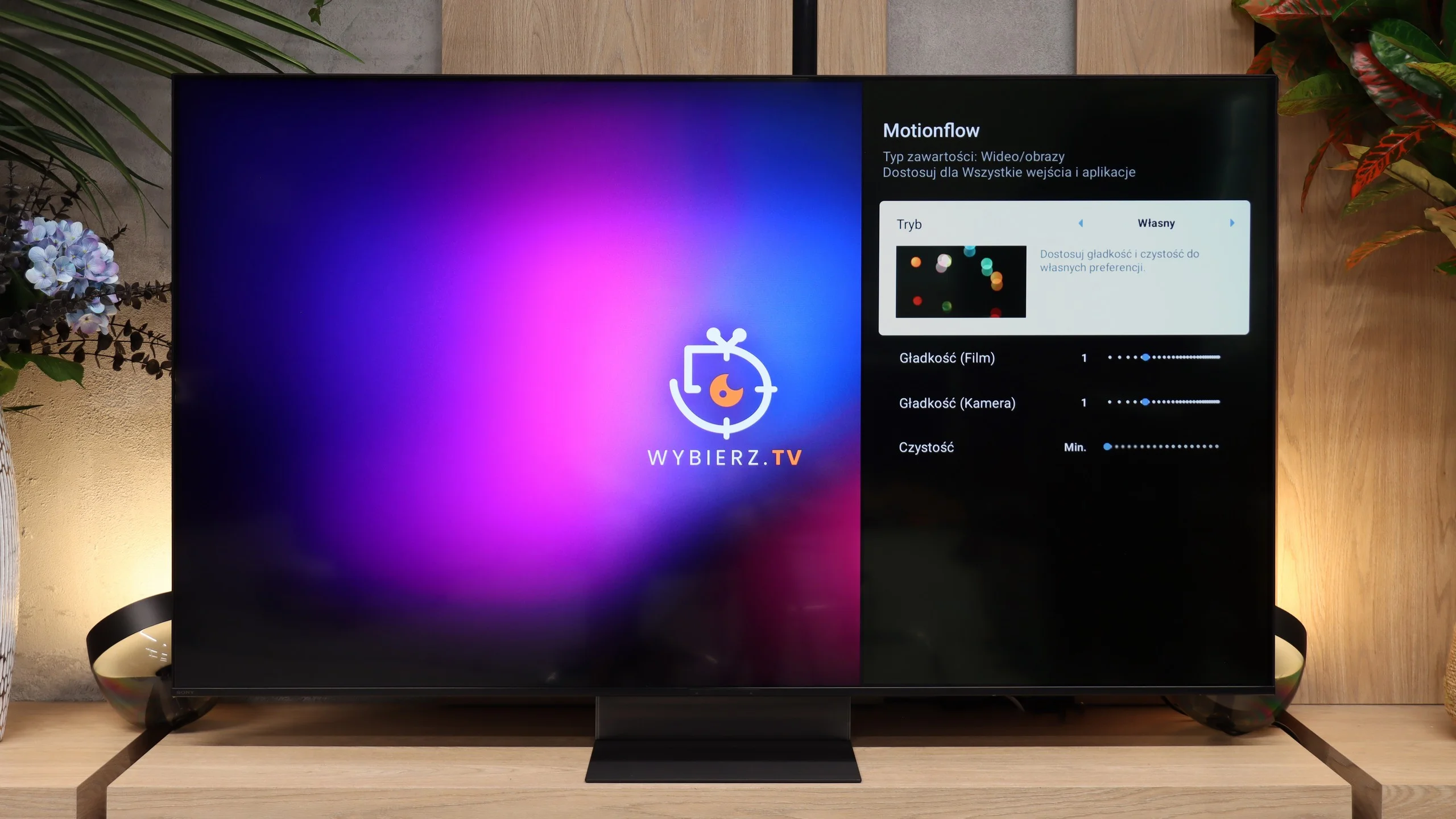
The Bravia 7 II uses a 120 Hz panel, so in terms of motion handling it delivers everything you would expect from a TV of this class. With sport or games at 120 fps, the picture is suitably smooth, and for films Sony provides an extensive motion interpolation system. You can therefore adjust the interpolation level separately and decide whether you want to preserve a more cinematic character to the motion or obtain noticeably smoother movement. The issue of motion blur itself is a little worse. The VA panel used is not among the fastest, and you can notice a slight trail behind moving objects, particularly on darker backgrounds. It is not at a level that greatly bothers during normal viewing, but last year’s Bravia 7 fared better in this respect and had a noticeably faster panel.
Console compatibility and gaming features
10/10
9.4/10
- ALLM
- VRR
- VRR range40 - 144Hz48 - 120Hz
- Dolby Vision Game Mode
- Correct implementation of HGIG
- 1080p@120Hz
- 1440p@120Hz

- 4K@120Hz
- Game bar
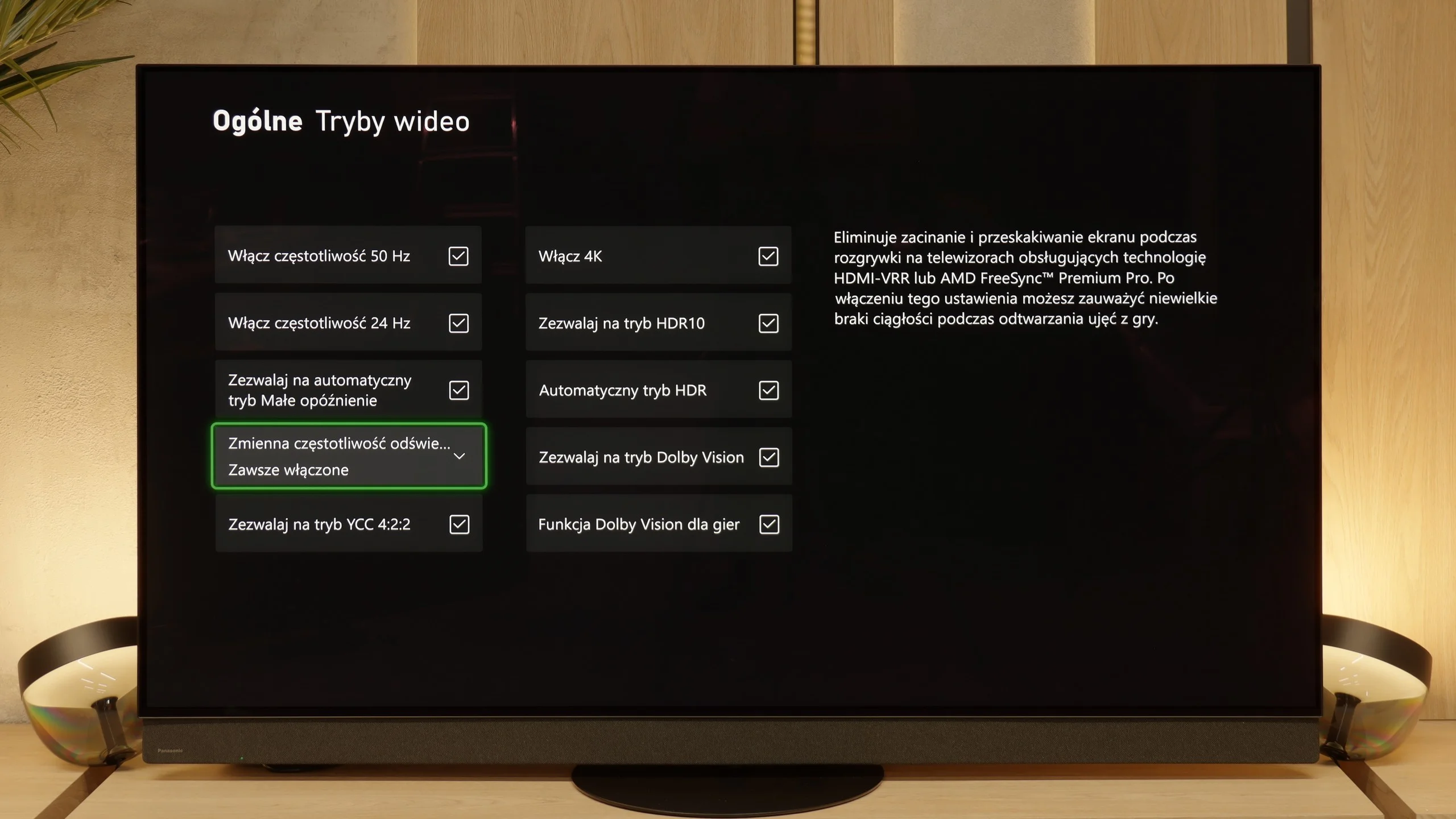
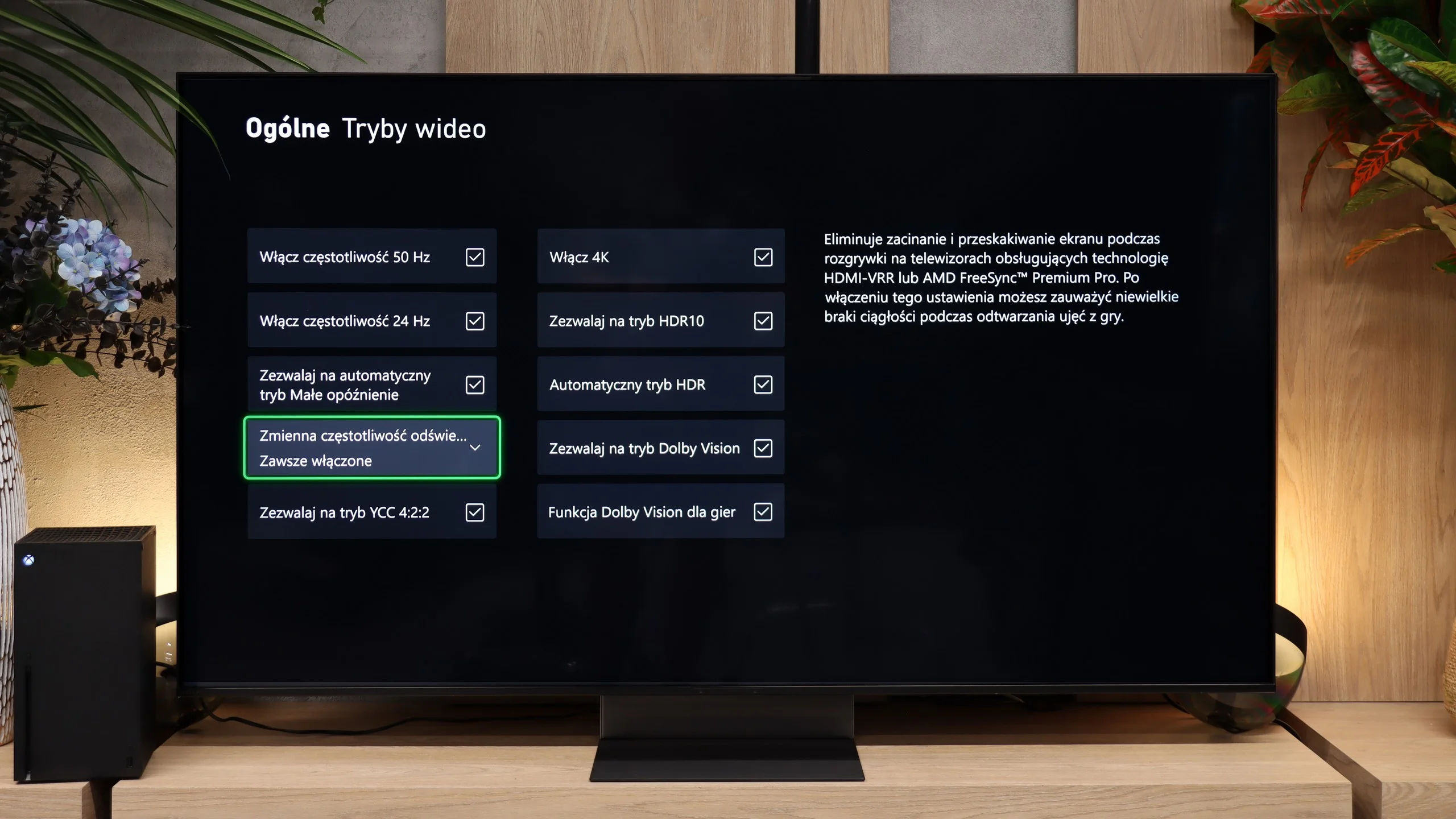
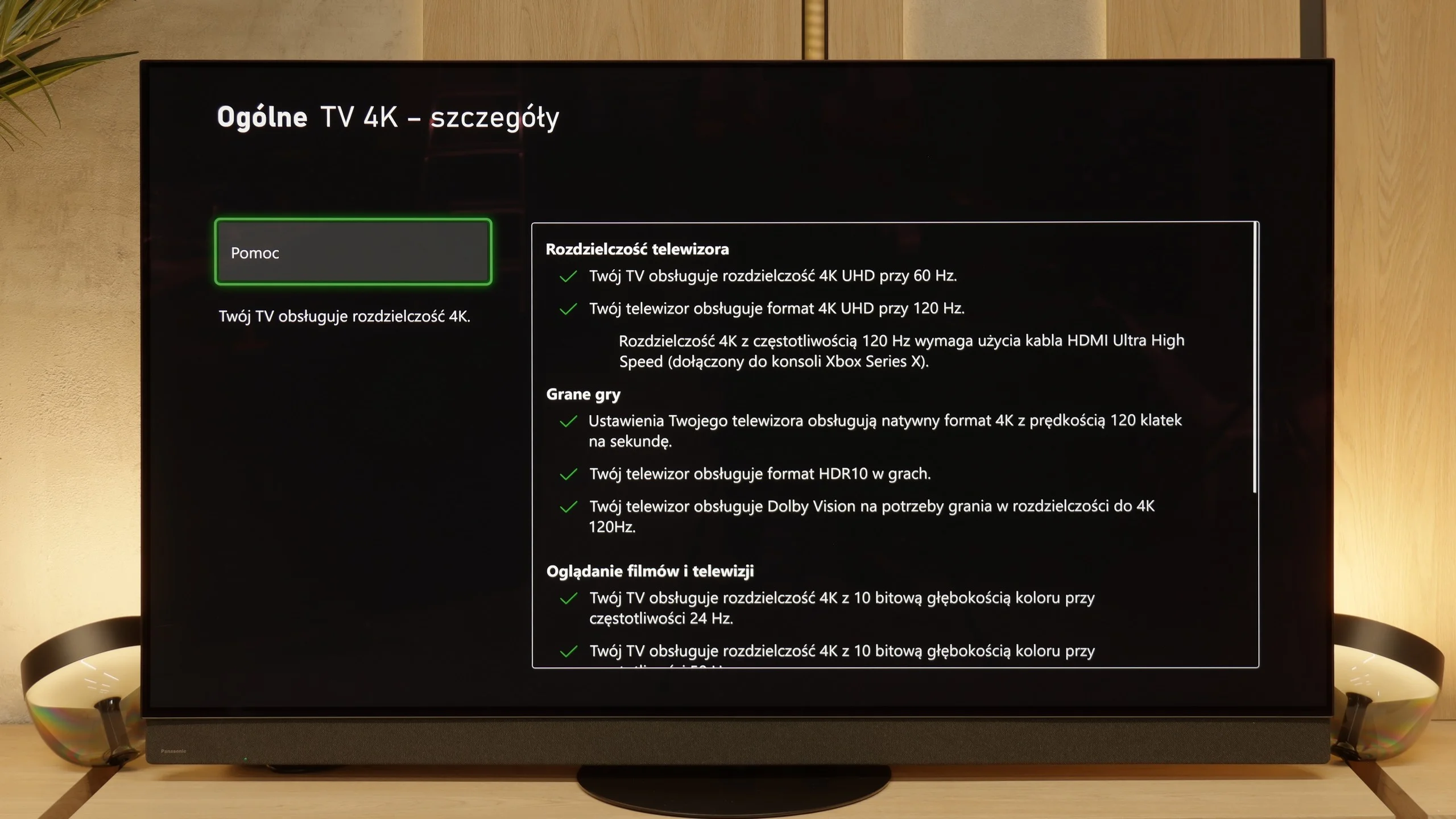
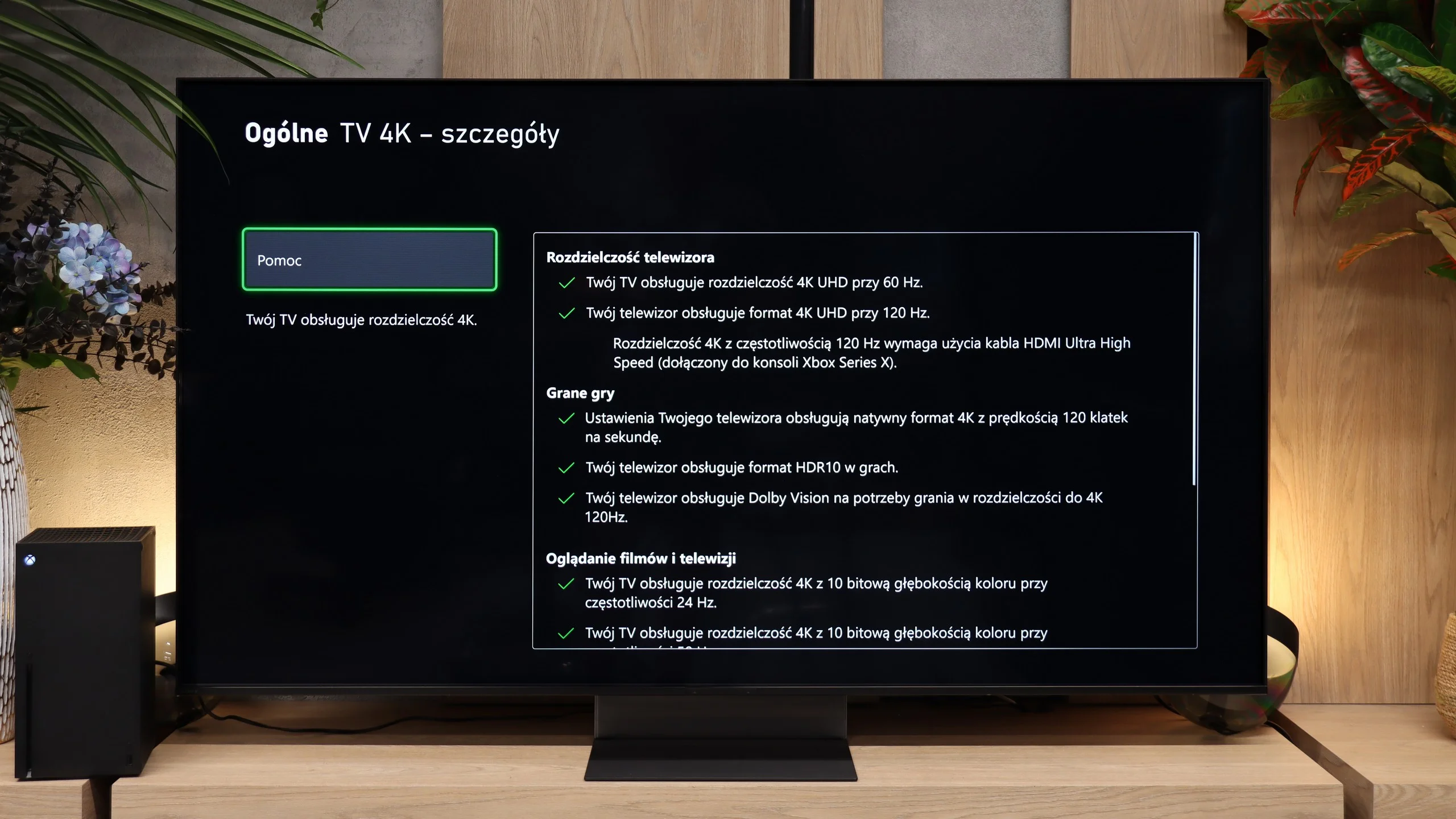
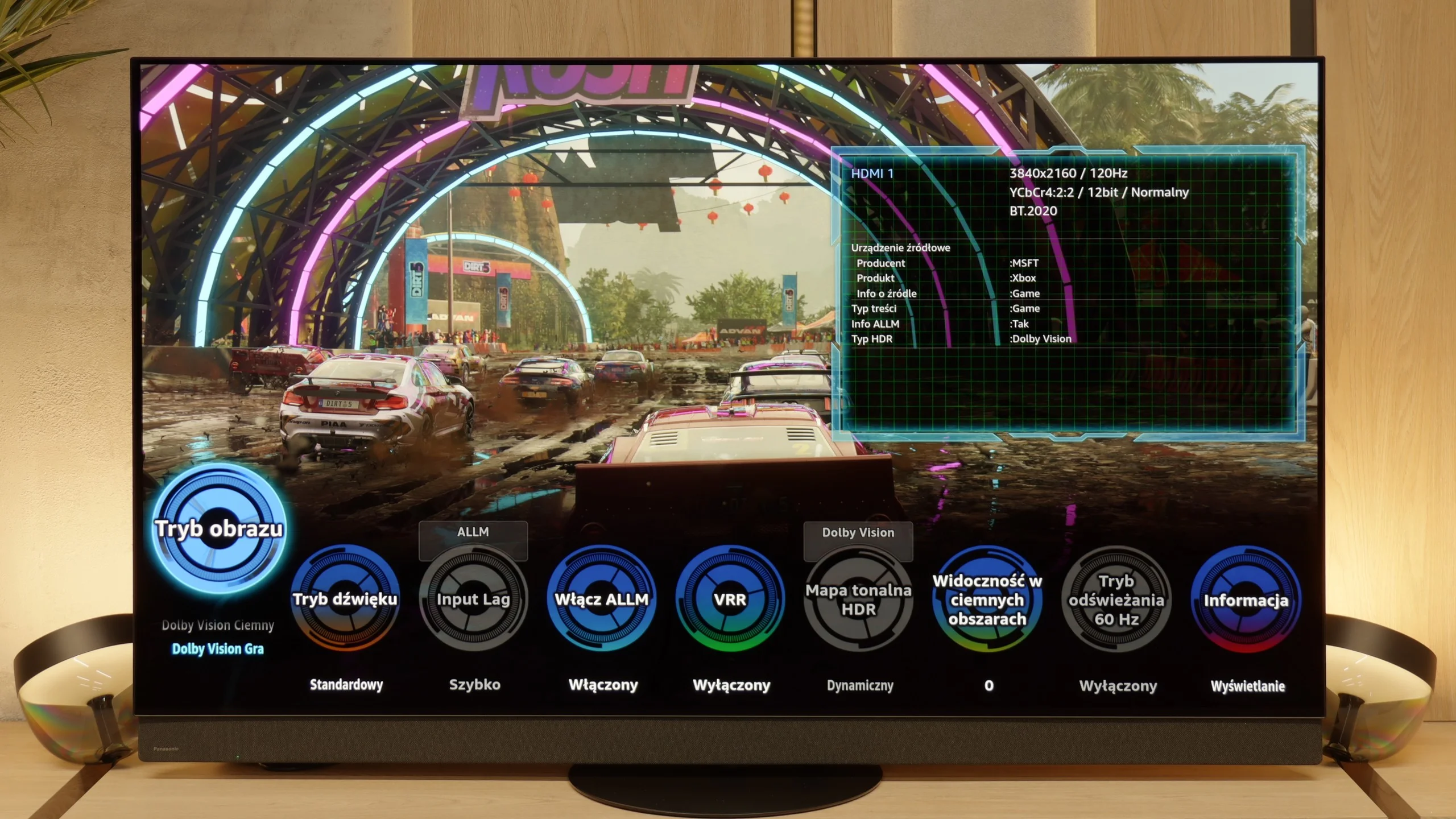
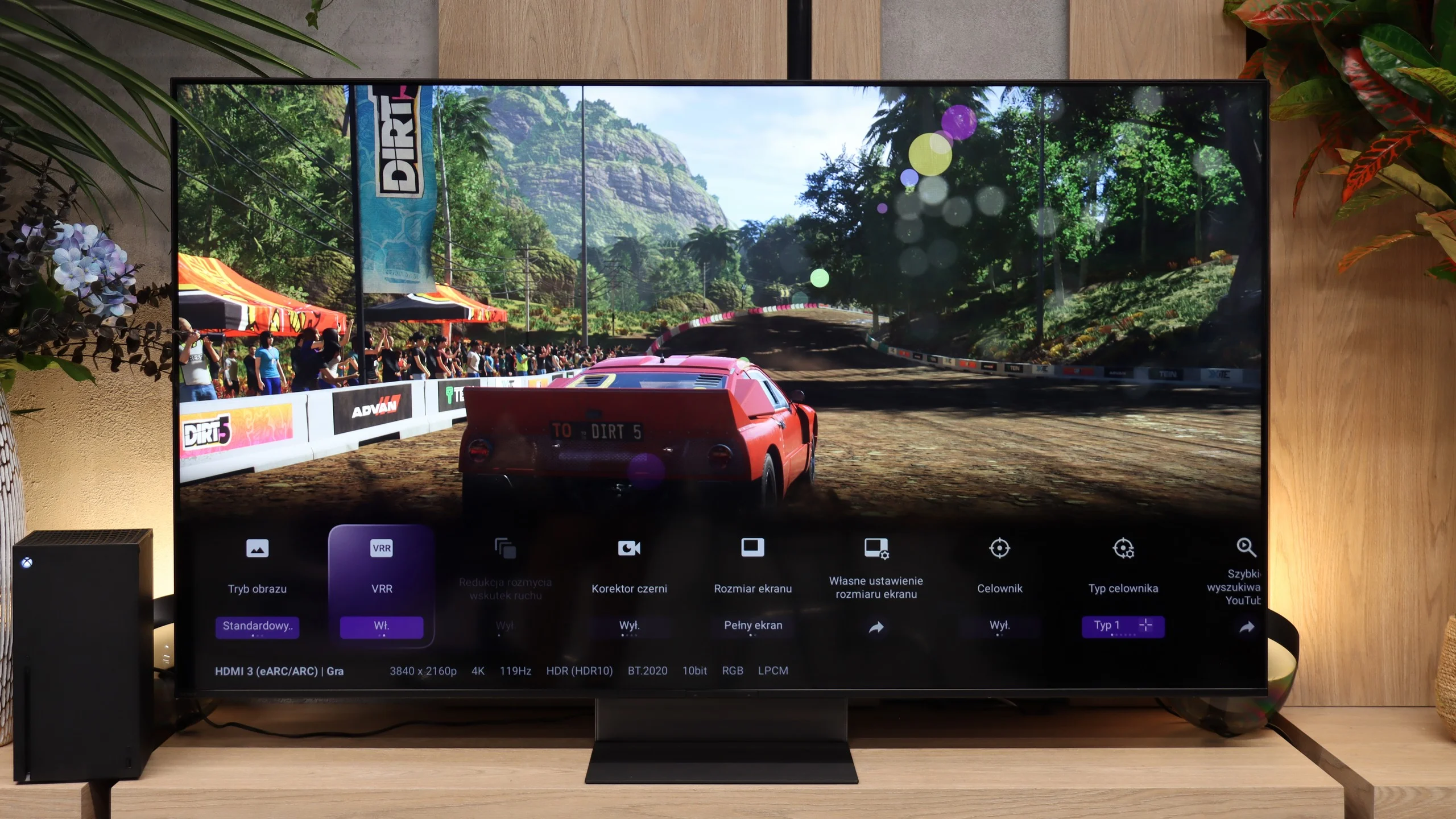
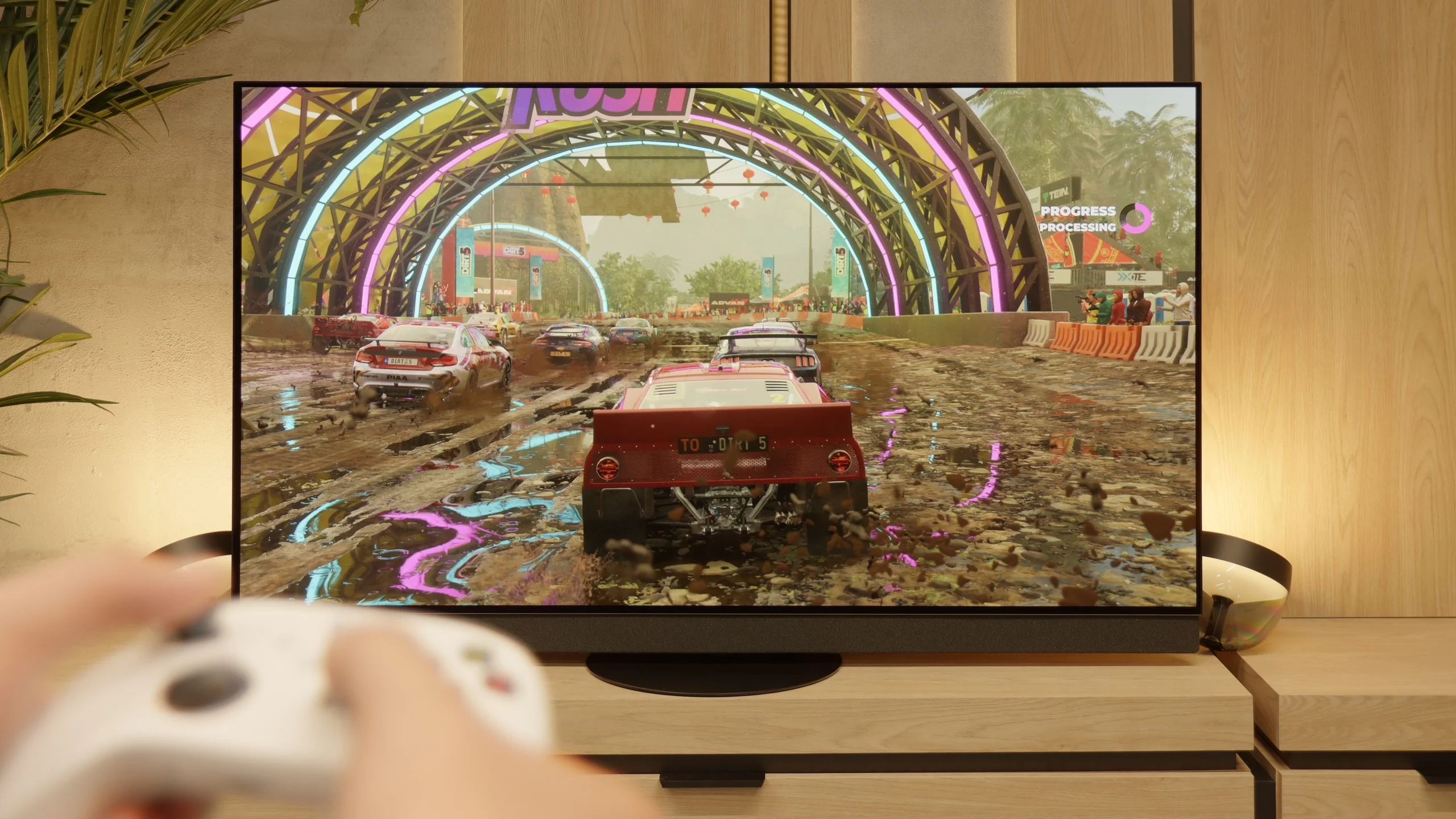
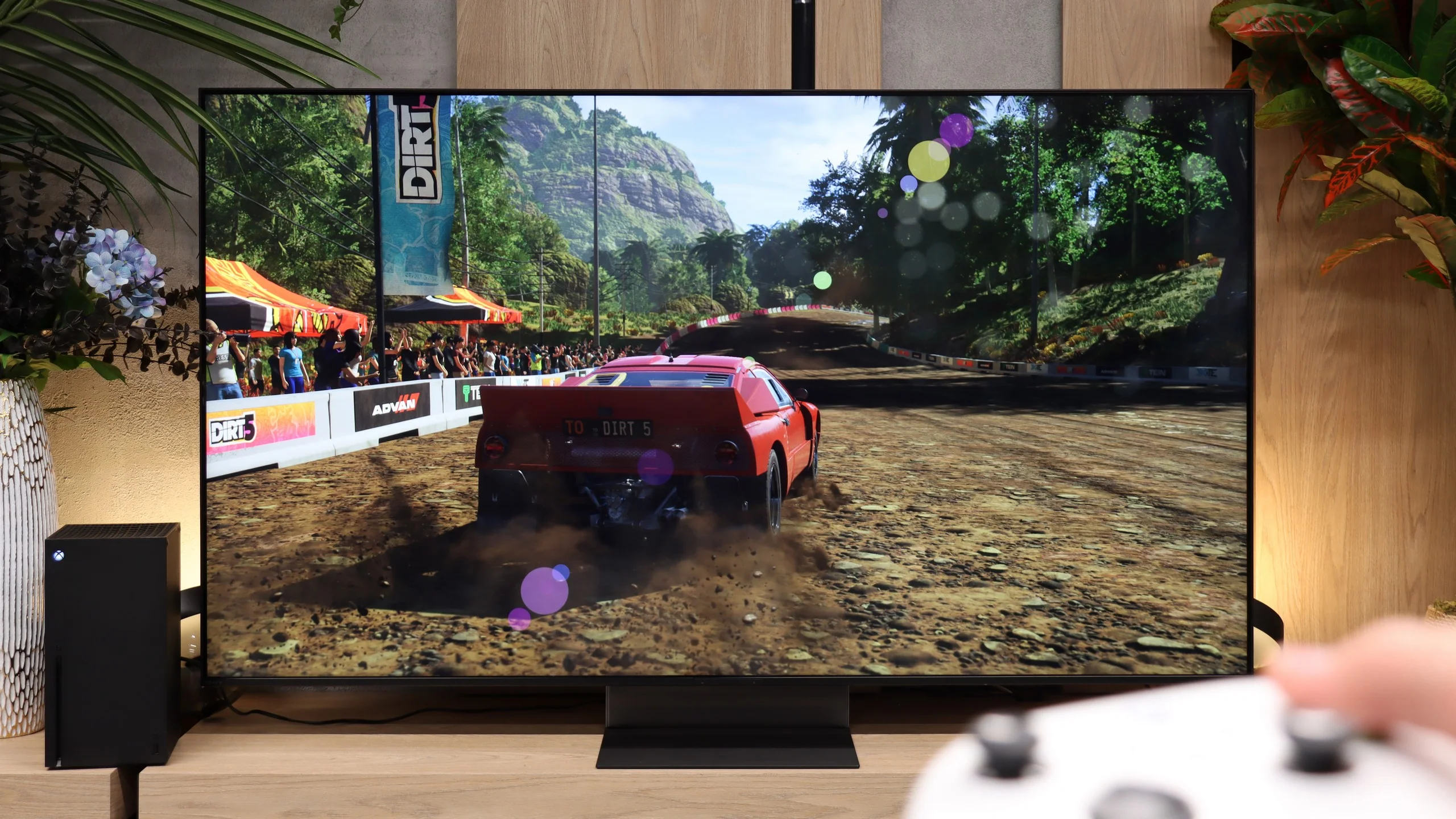
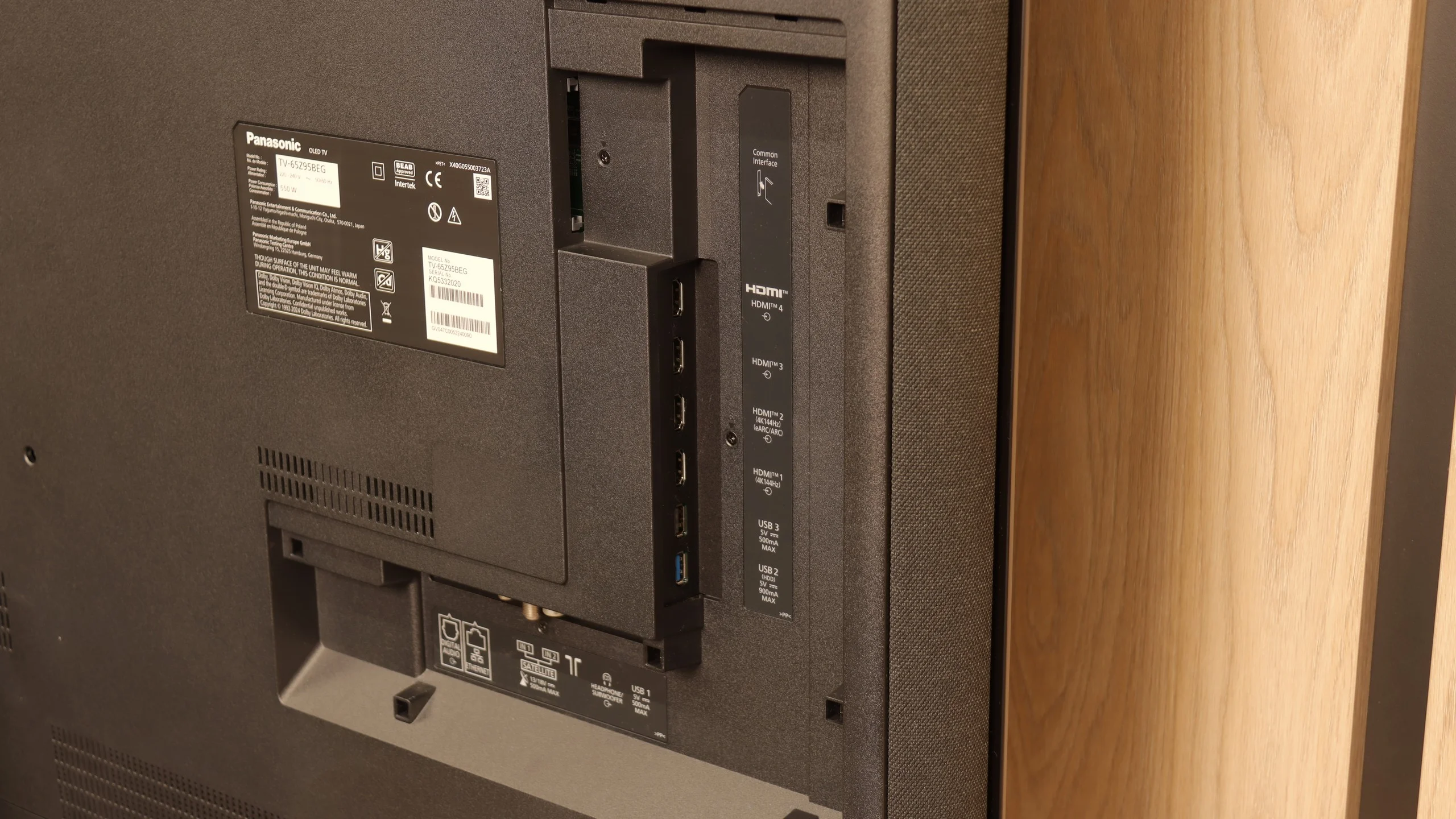
The Panasonic Z95B is fully equipped for gaming. Two HDMI 2.1 ports with full bandwidth of 48 Gb/s guarantee support for everything you would expect from a modern screen. There is VRR frame synchronization, an automatic ALLM game mode, and full compatibility with HDR formats used in games. The television supports both Dolby Vision for Xbox and the popular HGiG, which has been implemented correctly in this case, so it actually works as it should.
Although the brand is mainly associated with home cinema and equipment for filmmakers, there is also room here for features for gamers. On board, there is a Game Bar (or rather Game Circles) – visually, it looks a bit unusual, but it serves its purpose and allows you to quickly check the most important picture parameters. The only thing that is actually missing for complete happiness is having four HDMI 2.1 ports instead of two. It's a minor detail, but in a television of this class, one could expect a full set.
Bravia 7 II has basically everything you’d expect today from a good console TV. It supports 4K at 120 Hz, VRR from 48 to 120 Hz and ALLM, so when you start a game the TV automatically switches to a low-latency mode. It also has properly working HGiG, which means that after configuring HDR on the console the TV won’t try to brighten the image further on its own. You just need to remember to turn off tone mapping in the TV’s menu. Dolby Vision in game mode is also a plus, especially useful for Xbox owners. Sony adds its own Game Menu. From it you can quickly check key signal information, verify VRR operation or change gaming-related settings without digging through the whole TV menu. The only thing missing from the feature list is support for 1440p at 120 Hz.
Our biggest reservation is not really about the functions themselves, but about the connectors. The Bravia 7 II has four HDMI ports, but only two of them support full HDMI 2.1 at 48 Gbps. One of those is also an eARC port. So if you connect a soundbar or AV receiver to the TV via HDMI, in practice you’re left with only one full HDMI 2.1 for a console or PC. With a single console that’s no problem, but with a PS5, an Xbox and an audio setup it starts to get tight. And this is hard to excuse for Sony. In cheaper TVs two HDMI 2.1 ports can still be acceptable, but in a model of this class, especially in 2026, we would expect a full set of four such ports.
Input lag
10/10
10/10
SDR
HDR
Dolby Vision
Regardless of the content being watched, the input lag on the Z95B is extraordinarily low – even in Dolby Vision, the television operates at 120 Hz with a delay of less than 5 ms. This is a result that places it among the very best screens for gaming. If we could, we would easily give it a rating of 11/10. 😉
Input lag on the Bravia 7 II is excellent. With a 60 Hz signal we measured about 13–14 ms, while at 120 Hz the delay drops to just 8–9 ms. Those values are low enough that the response to controls is practically instantaneous and even more demanding gamers should have no reason to complain. Dolby Vision also deserves praise. A few years ago Sony TVs had some issues with that format in games, and enabling it could mean higher input lag. On the Bravia 7 II this issue has effectively disappeared. In Dolby Vision we measured 14 ms at 60 Hz and 8 ms at 120 Hz, practically exactly the same as in standard HDR.
Compatibility with PC
8.6/10
7.8/10
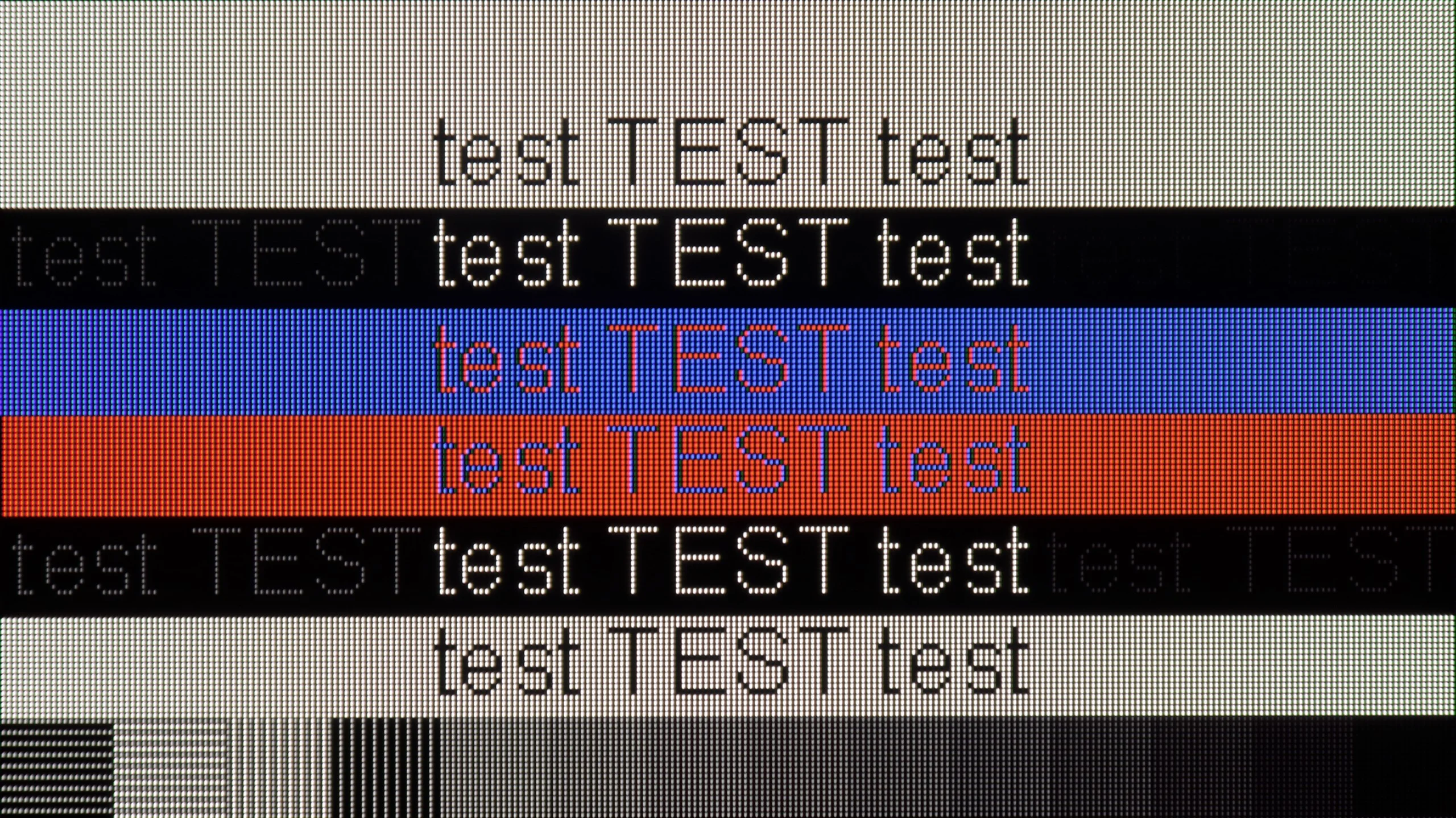
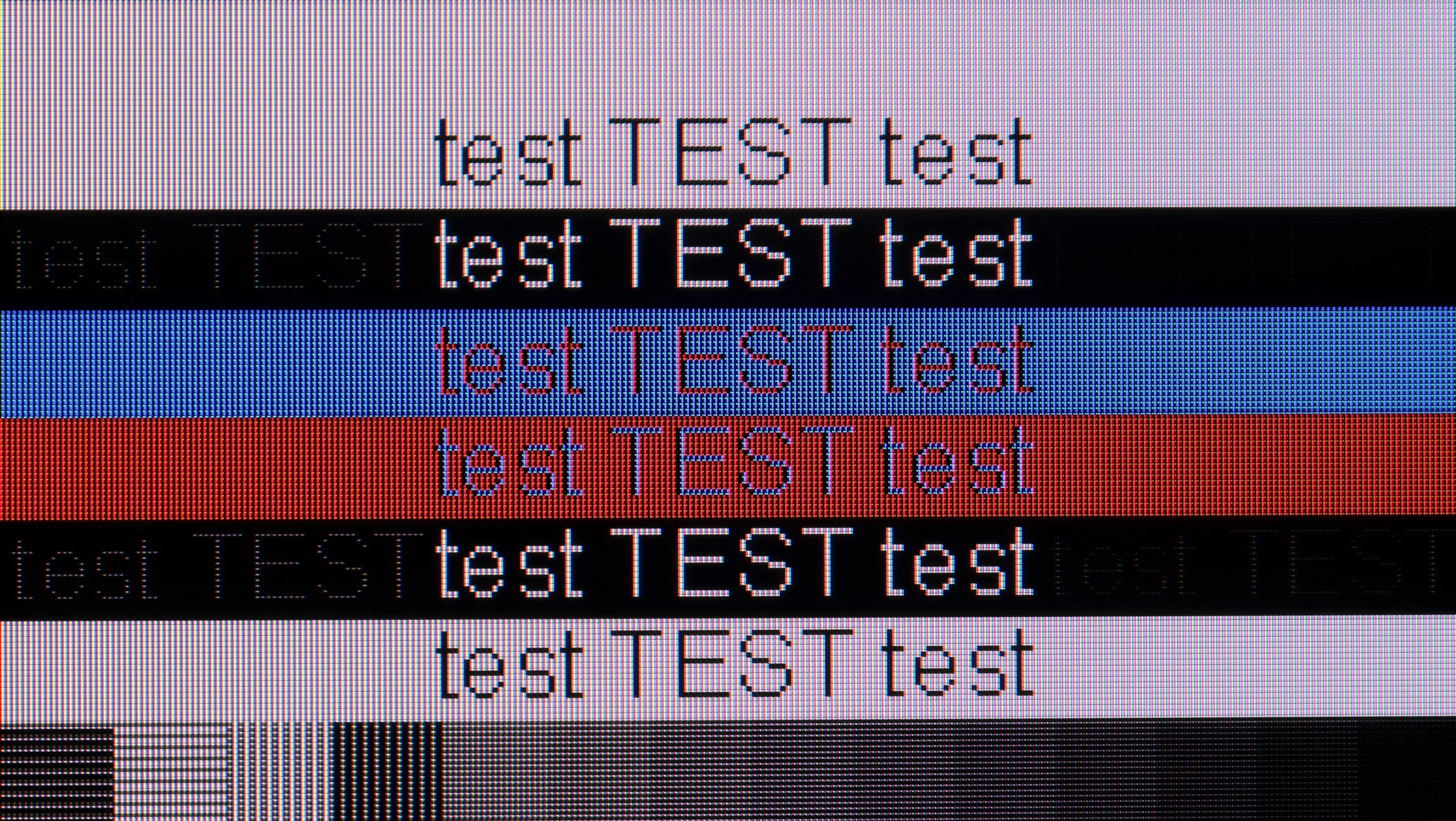
The photo shows the legibility of small fonts. Ideally, lines should be the same thickness on both light and dark text, with minimal pixel gaps.
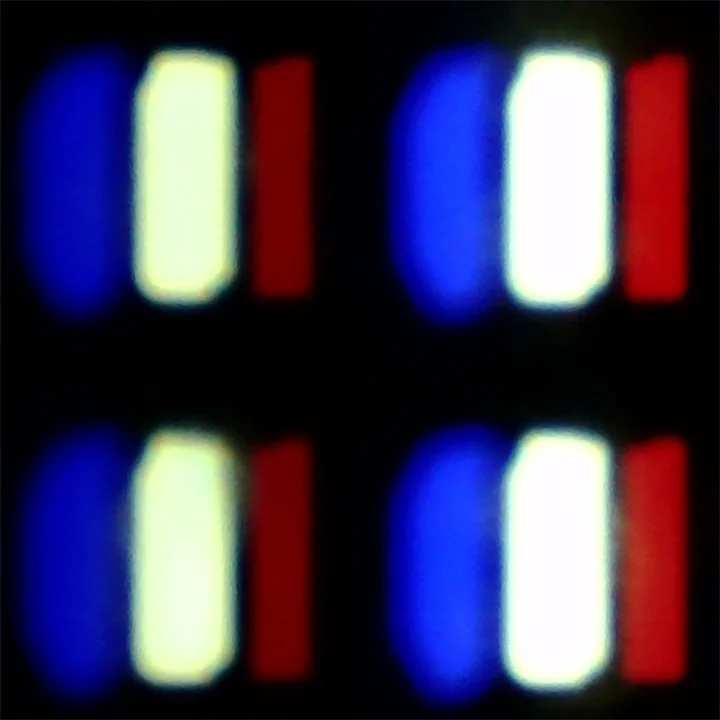
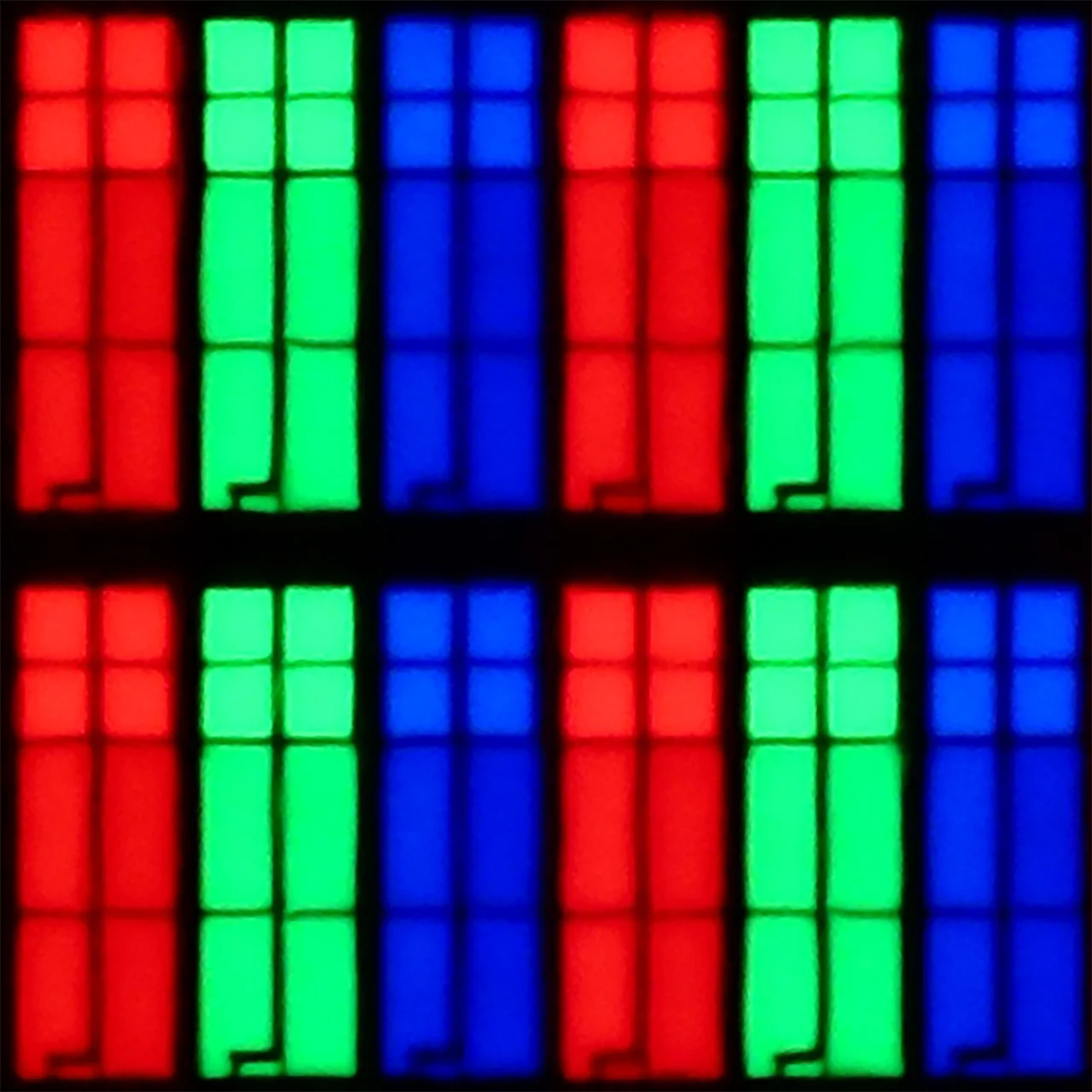
The Z95B can be easily connected to a computer and used as a large monitor. Indeed, the WOLED pixel arrangement means that text does not look as perfectly sharp as on typical monitors, such as those with IPS panels, and this can be noticeable during office work, but it's hard to consider it a serious issue. After all, not many people buy such a television for Excel. 😉 As for gaming on PC, there is nothing to complain about here. The 144 Hz mode works perfectly, and we also have full support for G-Sync and AMD FreeSync, so frame synchronization works flawlessly with any graphics card. Despite some minor issues with text display, it's hard to say that the Z95B can't handle this role – as a gaming screen, it performs simply phenomenally.
The Bravia 7 II also works very well as a large computer monitor. The TV correctly handles chroma 4:4:4, and thanks to the classic RGB subpixel layout fonts are very legible and do not have the characteristic coloured fringing. So for everyday work with the desktop, browser or documents it performs very well.
PC gamers also get most of the features familiar from consoles, including VRR and low input lag. The only thing to complain about is the maximum refresh rate of 120 Hz. A few years ago that would have been an excellent result, but today some rivals already offer 4K at 144, 165 or even 180 Hz, and in Full HD they can exceed 300 Hz. For most people 120 Hz is still more than enough, but owners of powerful PCs might expect a bit more here.
Viewing angles
8/10
5.7/10
In this respect, the Z95B performs really well. The drop in brightness at an angle is only 11 percent, which is exactly the same as the best QD-OLED panels and the previous generation of MLA from LG Display. This means that even when watching the television from the side, there is no impression that the image becomes faded or difficult to read.
Colours do indeed slightly fade at extreme angles and are not as stable as in QD-OLEDs, but it's hard to consider this a serious issue. The image still looks great, and you can be confident that when watching the Z95B at a large angle, everything will remain clear. It's also worth mentioning the swivel base in terms of viewing angles, as it is a practical solution that allows you to easily position the screen so that everyone in the room has the best possible view.
The viewing angles on the Bravia 7 II are really good, thanks in large part to the RGB Mini-LED backlight. Unlike conventional TVs with VA panels and white or blue backlighting, when viewed off-axis the image here does not lose brightness and colour saturation so quickly. It's a noticeable improvement, because viewing angles are usually one of the bigger compromises of VA panels. Of course it still doesn't reach the level of the best IPS panels, let alone OLEDs, but the difference compared with a typical Mini-LED with a VA panel is clear. Even sitting slightly to the side, the picture still looks good and the colours don't immediately become washed out.
Daytime performance
7.4/10
9/10
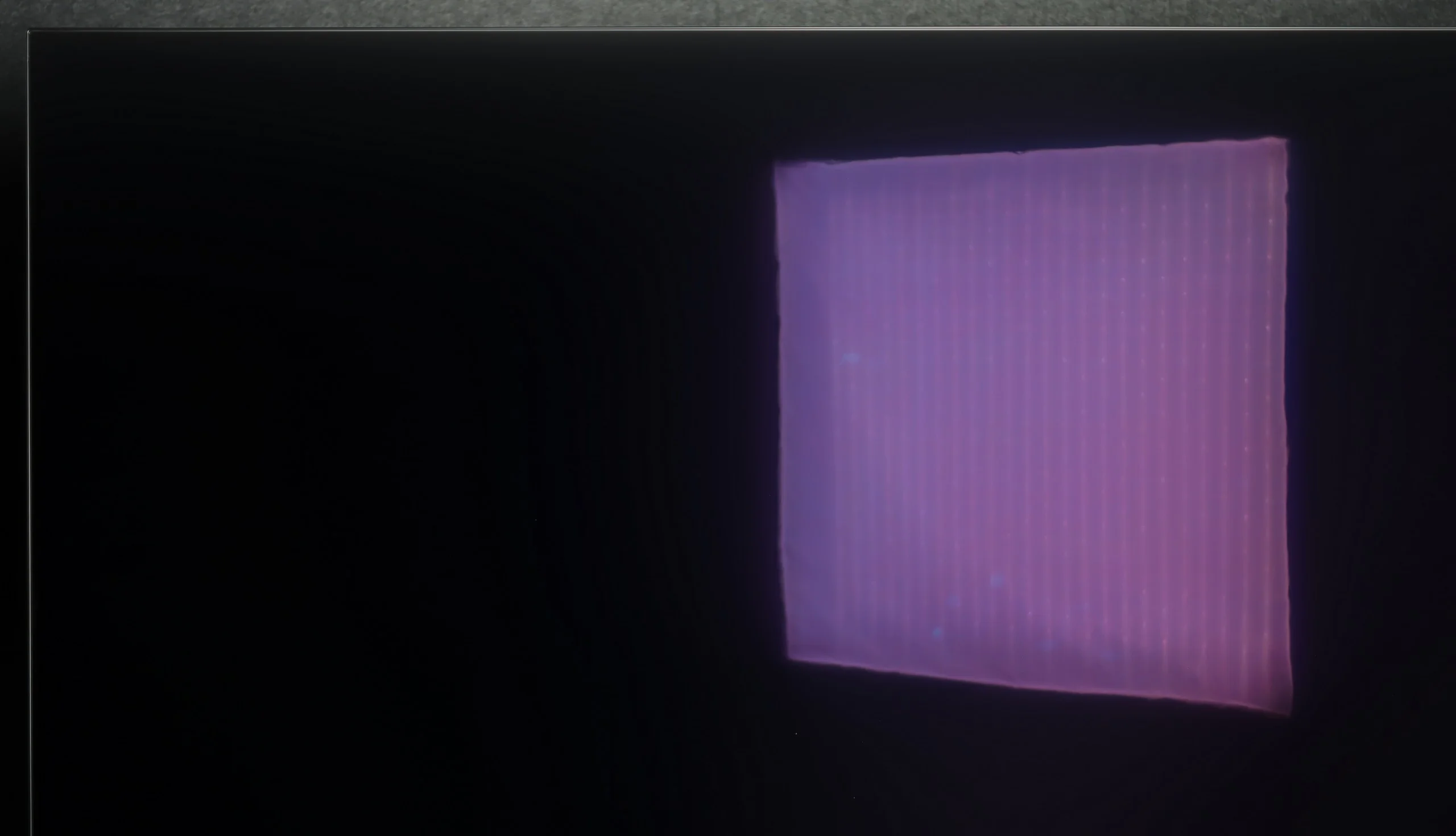
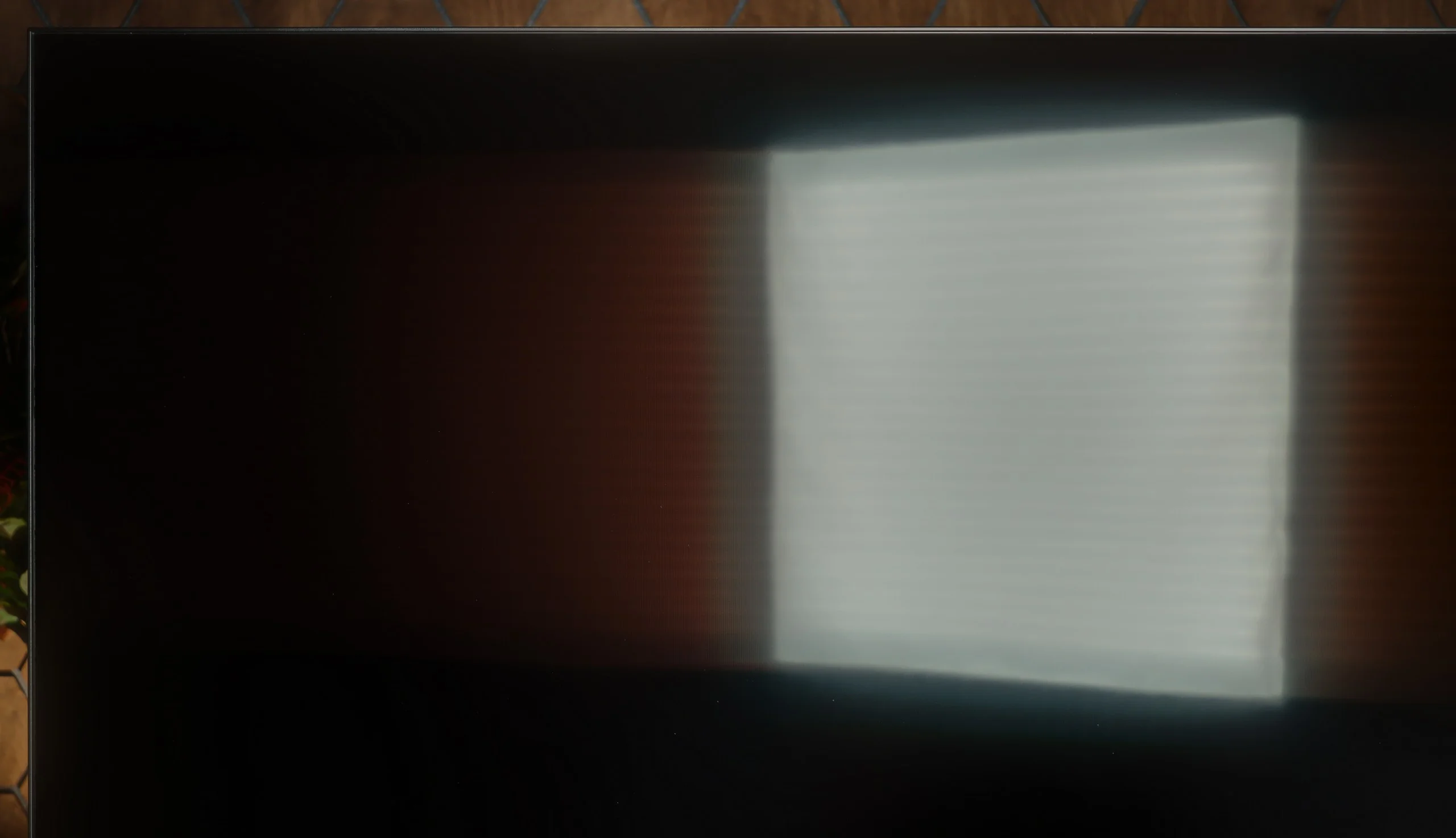
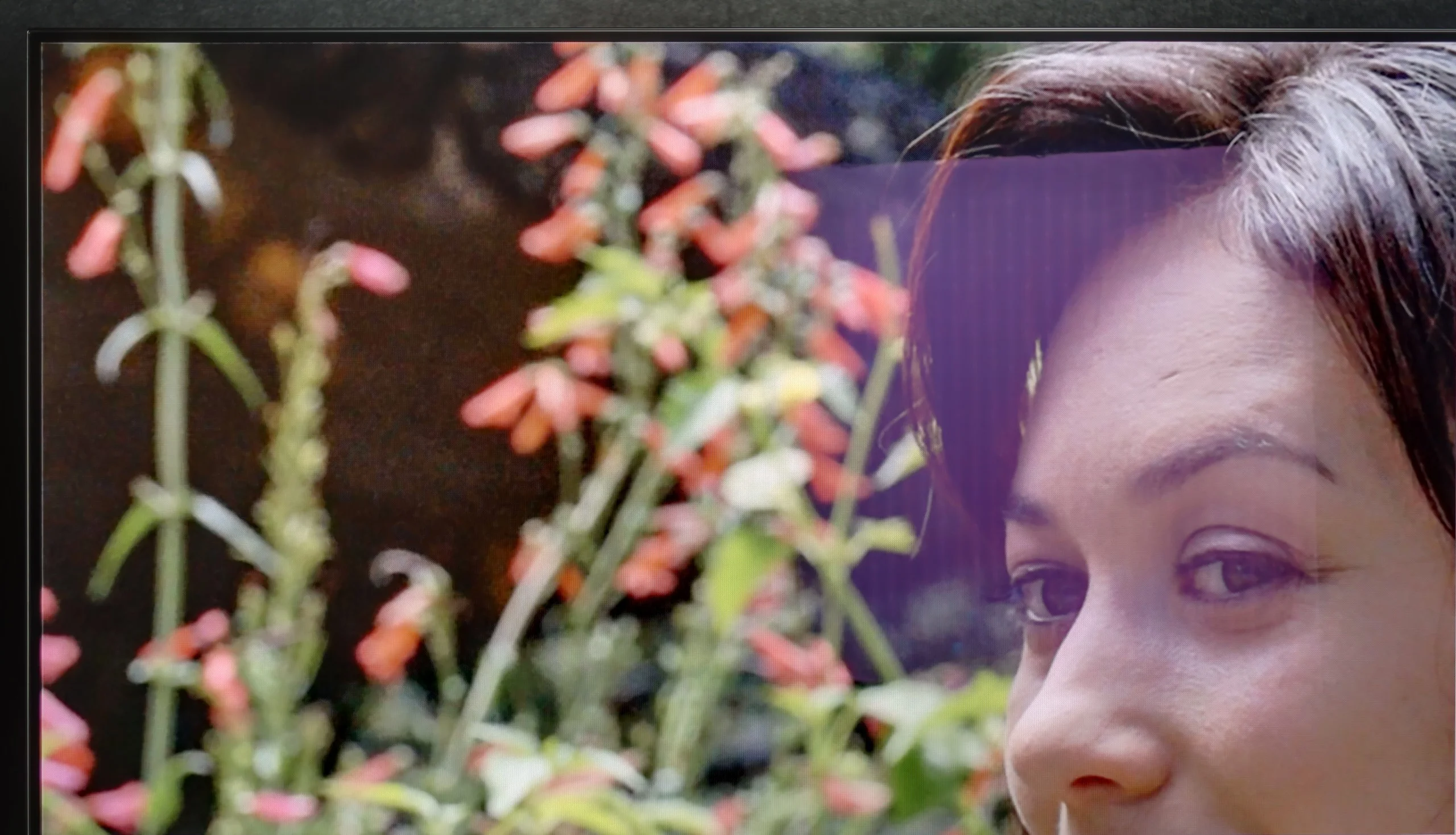
Panel brightness
Sony BRAVIA 7 II: 1247 cd/m2
Panasonic Z95B: 623 cd/m2
The year 2025 is the moment when it can confidently be said that OLEDs are suitable for viewing even in heavily sunlit rooms. The new generation of WOLED panels, used in the Z95B, can achieve truly high brightness – the average value for the Z95B in SDR mode is as much as 623 nits. This is a result that just a few years ago was beyond the reach of this technology. Of course, it is not at the level of the best LCD televisions designed for bright living rooms, and the matrix itself, glossy with a slight filter, struggles somewhat with suppressing reflections. Nevertheless, it is hard to have major objections. The Z95B can easily handle most daytime conditions, and you can comfortably watch television or films even when a lot of light is coming into the room.
The Bravia 7 II is also very well suited to a bright living room. This is largely down to its high brightness, which reaches around 1,250 nits in SDR. The TV therefore has enough power to keep the picture clear and vivid even when a lot of light enters the room. However, compared with the higher-end Bravia 9 II there is one notable difference. The Bravia 7 II does not have a fully matte screen, but a coating with a more satin finish. It still copes with reflections quite well, but glare from windows or lamps is more noticeable. On the other hand, blacks hold up well during the day and do not become noticeably grey under ambient light. Overall it is still a very good TV for bright rooms, although in terms of reducing direct reflections the Bravia 9 II has the edge.
Panel details
Subpixel Structure:
Panel uniformity and thermal imaging:


Panasonic Z95B
Sony BRAVIA 7 II
TV features
6.8/10
9.4/10
- SystemAmazon FireTVGoogle TV
- System performanceAverageVery good
- HDMI inputs2 x HDMI 2.0, 2 x HDMI 2.1 48Gbps2 x HDMI 2.0, 2 x HDMI 2.1 48Gbps
- OutputsToslink (Optical audio), eARC (HDMI), ARC (HDMI), Mini-Jack (Headphones)Toslink (Optical audio), eARC (HDMI), ARC (HDMI), Mini-Jack (Sony S-Center)
- Network InterfacesWi-Fi 2.4GHz, Wi-Fi 5GHz, Ethernet (LAN) 100MbpsWi-Fi 2.4GHz, Wi-Fi 5GHz, Ethernet (LAN) 100Mbps
- TV receptionDVB-T, DVB-T2, DVB-S, DVB-S2, DVB-CDVB-T, DVB-T2, DVB-S, DVB-S2, DVB-C
Classic features:
- Recording to USB (terrestrial TV)
- Recording programming
- Picture in Picture (PiP)
- RF remote control (no need to aim)
- Backlit remote control
- Teletext
- Audio only mode
- Bluetooth headphones support
- Simultaneous Bluetooth headphones & TV audio
Smart features:
- AirPlay
- Screen mirroring (Windows Miracast)
- Voice search
- Voice search in native language
- Ability to connect a keyboard and mouse
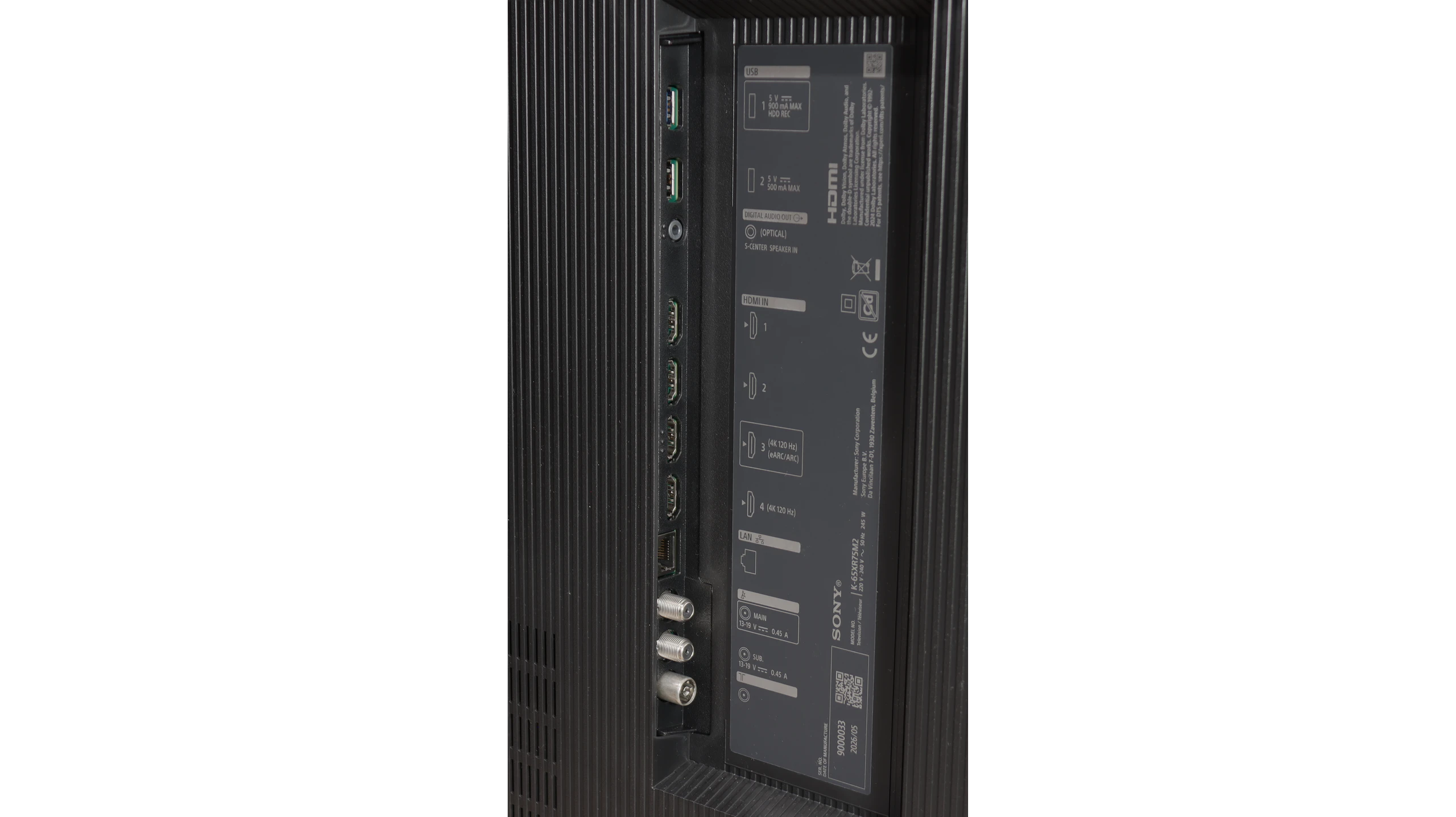
Sound connection options
- HDMI audioeARC (HDMI), ARC (HDMI)eARC (HDMI), ARC (HDMI)
- Other audio outputsToslink (Optical audio), Mini-Jack (Headphones)Toslink (Optical audio), AuxiliaryOutput-Mini-Jack (Sony S-Center)
- Wireless audioBluetoothBluetooth
Supported audio formats (external HDMI eARC audio):
- Dolby Digital Plus 7.1
- Dolby True HD 7.1
- Dolby Atmos in Dolby Digital Plus (JOC)
- Dolby Atmos in Dolby True HD
- DTS:X in DTS-HD MA
- DTS-HD Master Audio
Senior accessibility
- Numeric keyboard on TV
- Font size adjustment
- Audio description
Smart TV: Amazon FireTV
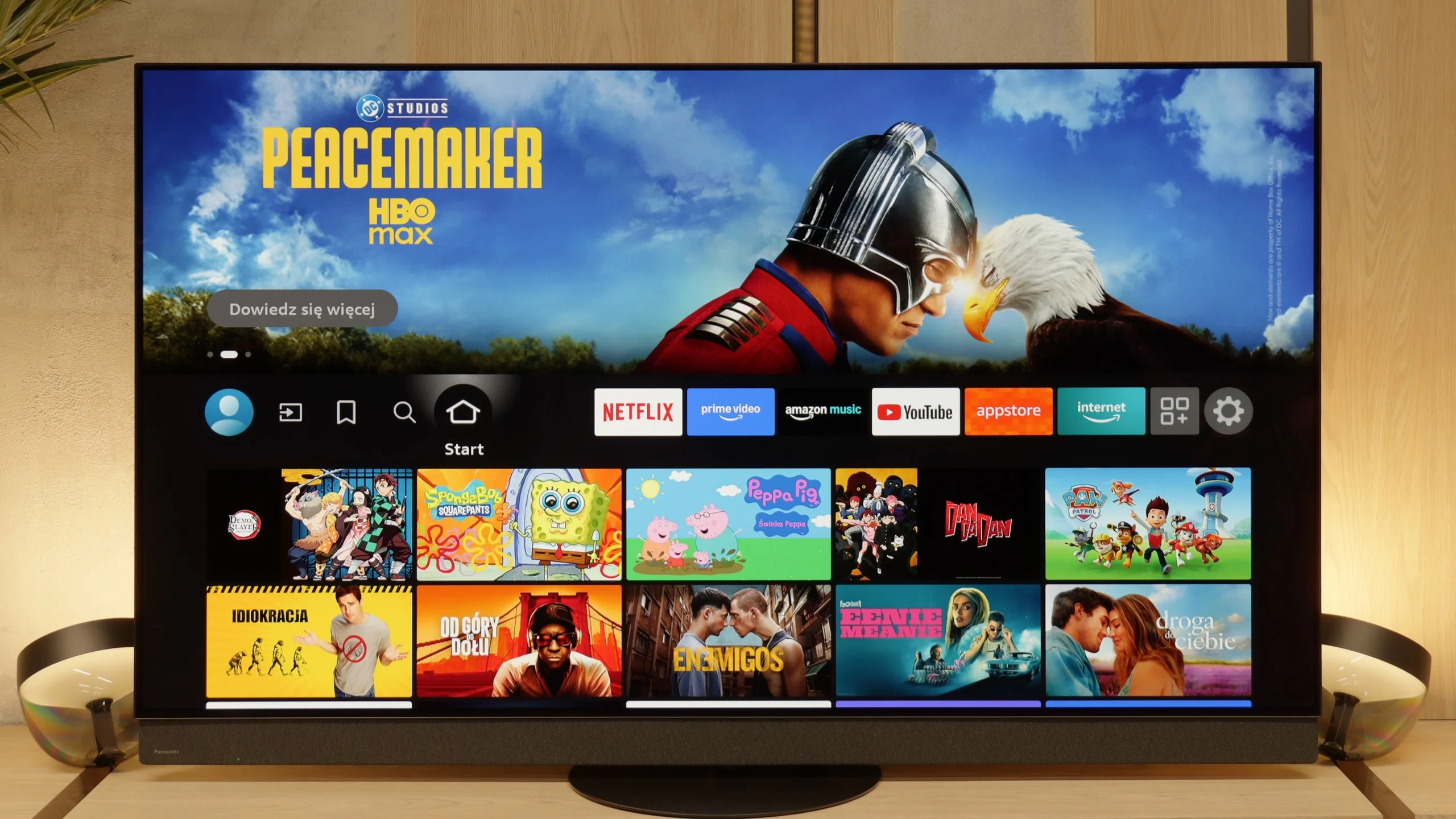
Panasonic in the Z95B uses the Fire TV system, which is a platform created by Amazon. This is quite a change, as just two years ago the company was relying on its own system based on Linux. At first glance, everything looks good – the interface is clear, and the operation is quite simple. Additionally, we have AirPlay, which allows you to stream photos or videos from an iPhone, as well as screen mirroring from both Windows and Android phones. The television also works with the Amazon Alexa voice assistant, but here a significant limitation quickly arises. In practice, only a few of the most popular languages work well, such as English, while Polish is still not available, and it is unclear when it will be.
Classic Features
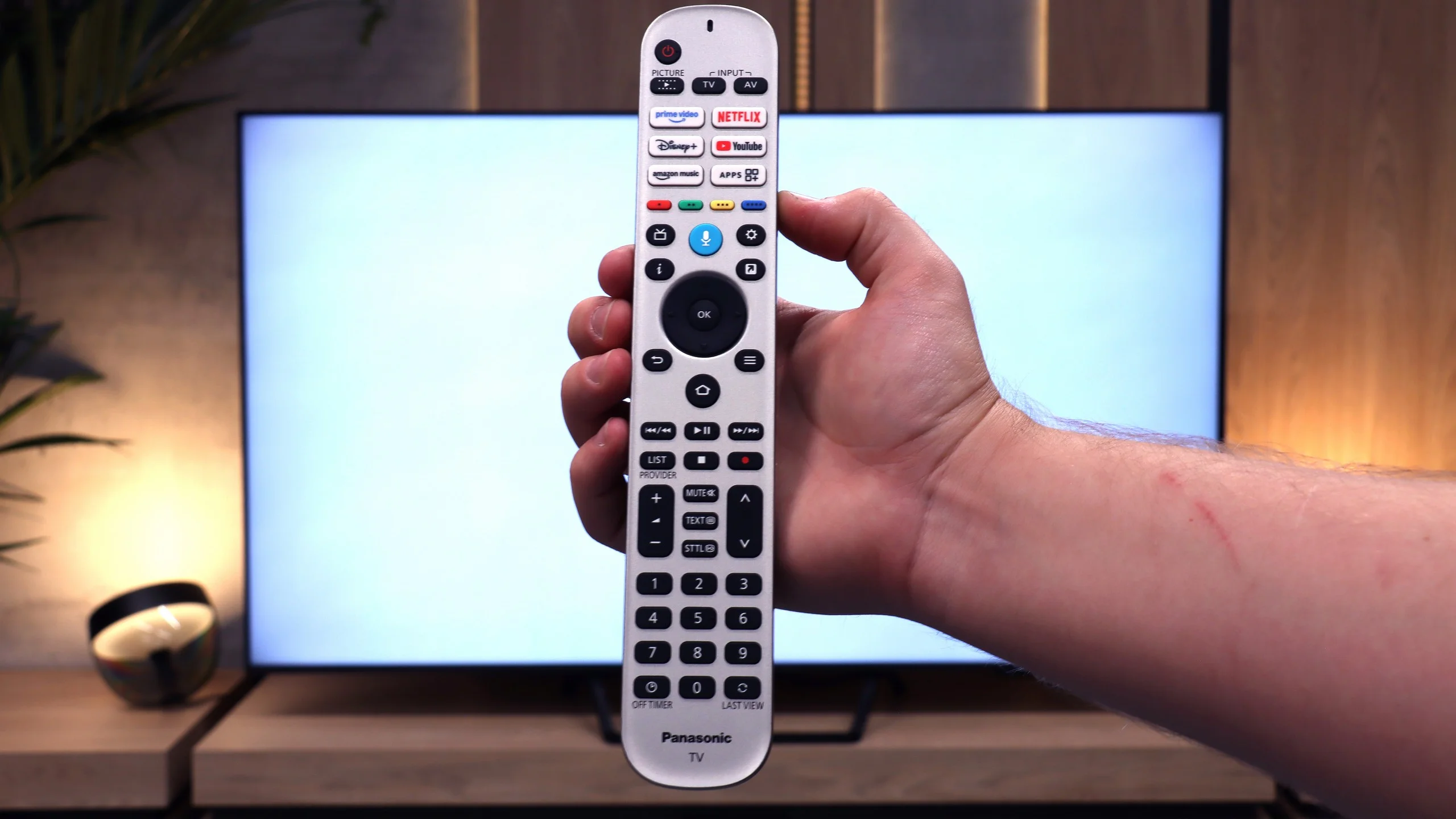
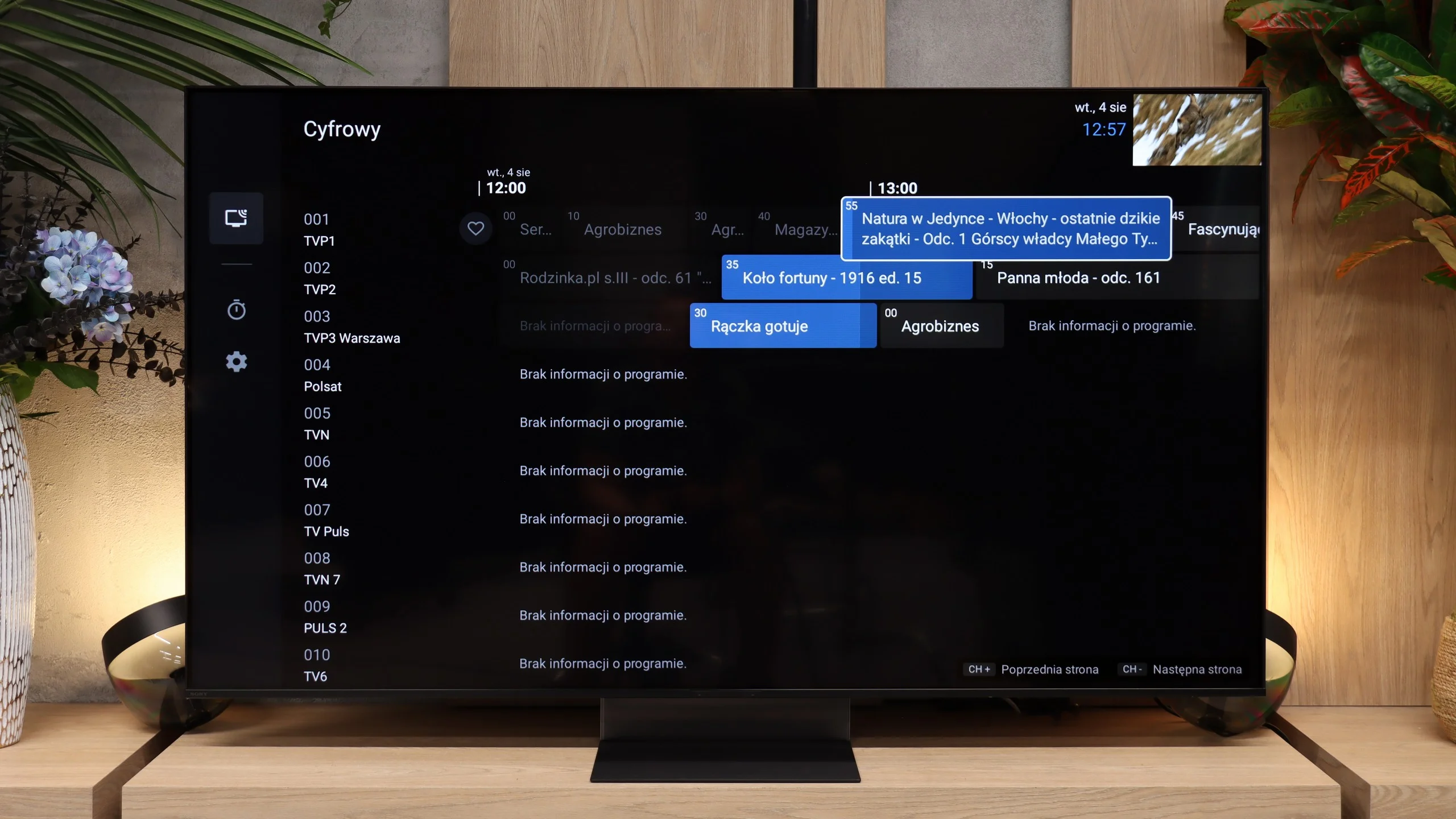
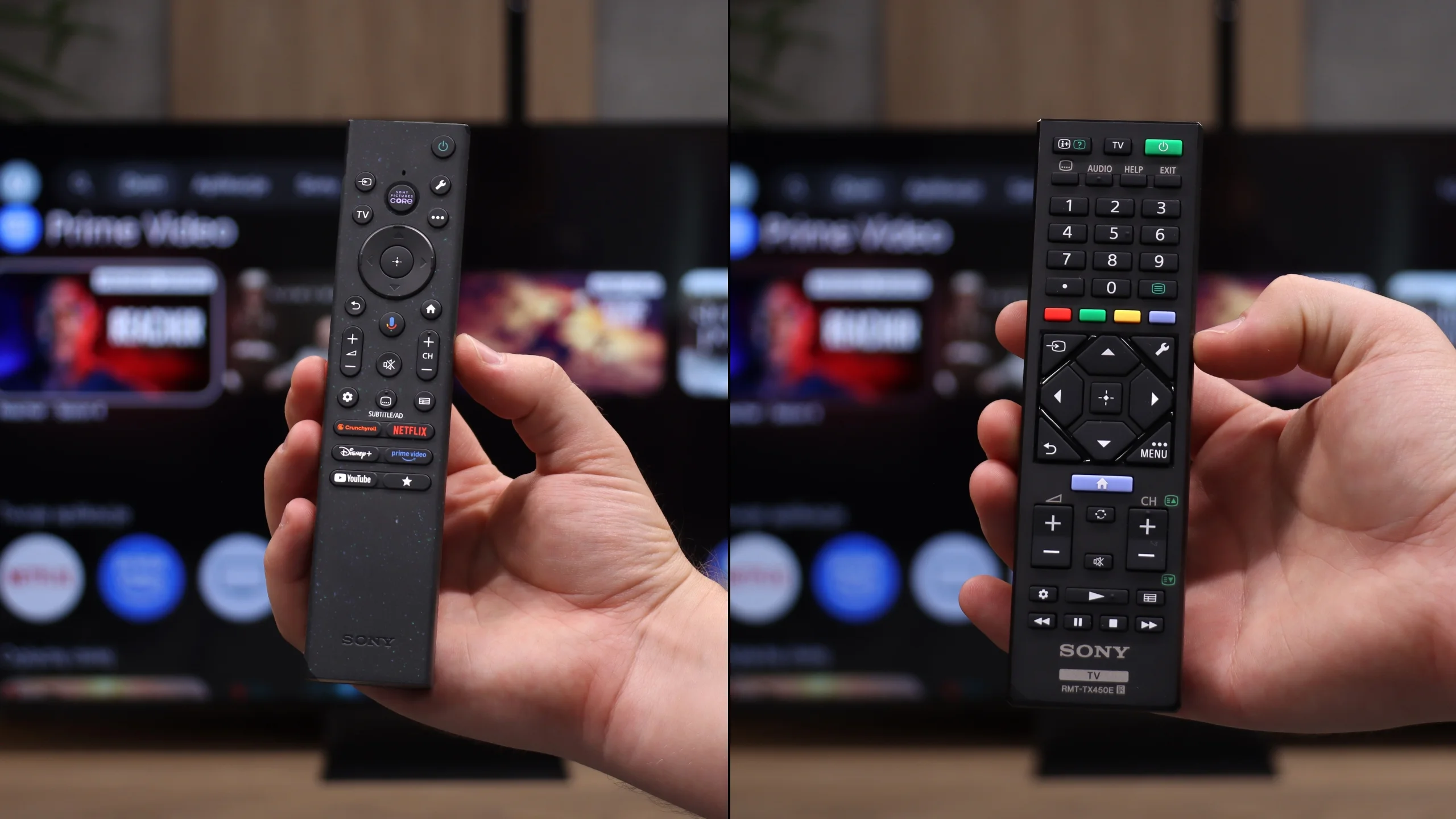
Here the situation becomes at least odd. During testing in the editorial office, the television would not search for any channels – neither satellite nor terrestrial. As a result, we could not check the operation of the PiP function or the tuner itself. The only certain thing is the recording to USB, as the television immediately asked if we wanted to format it for that purpose upon connecting the pendrive. The remote control looks fairly classic – it is large, with a full numeric keypad, and the advantage is that you do not have to aim at the screen, as it works on RF technology.
Problems in Daily Use
The biggest disappointment, however, arises with the apps and system stability. Some apps are not available at all in Poland, others can be found but cannot be downloaded as they are tied to a specific market. Additionally, there are odd bugs, untranslated menu elements, and occasional "hangs" that can effectively detract from the enjoyment of using such a good screen as the Z95B. One could say that while the Z95B impresses with image quality as a "monitor", as a smart television it can be simply frustrating and falls short in many aspects.
Classic features
Sony in the Bravia 7 II still approaches the TV a little more "old school" than some of the competition, and here that’s a plus. It’s not just a screen for streaming apps, because the manufacturer has kept many traditional functions that a lot of people still use every day. You can record programmes to USB, schedule recordings and use the TV with Bluetooth headphones without having to switch off its built-in speakers. The whole gives the impression of a well-finished set for everyday TV viewing rather than merely a "monitor with apps". The control layout is also worth praising. Two remotes are included. One is more modern and simplified, the other is a classic design with more buttons. This way everyone can choose the control method they find more comfortable. The main remote works via radio, so you don’t need to point it directly at the TV, and the backlit buttons are particularly handy in the evening.
Google TV
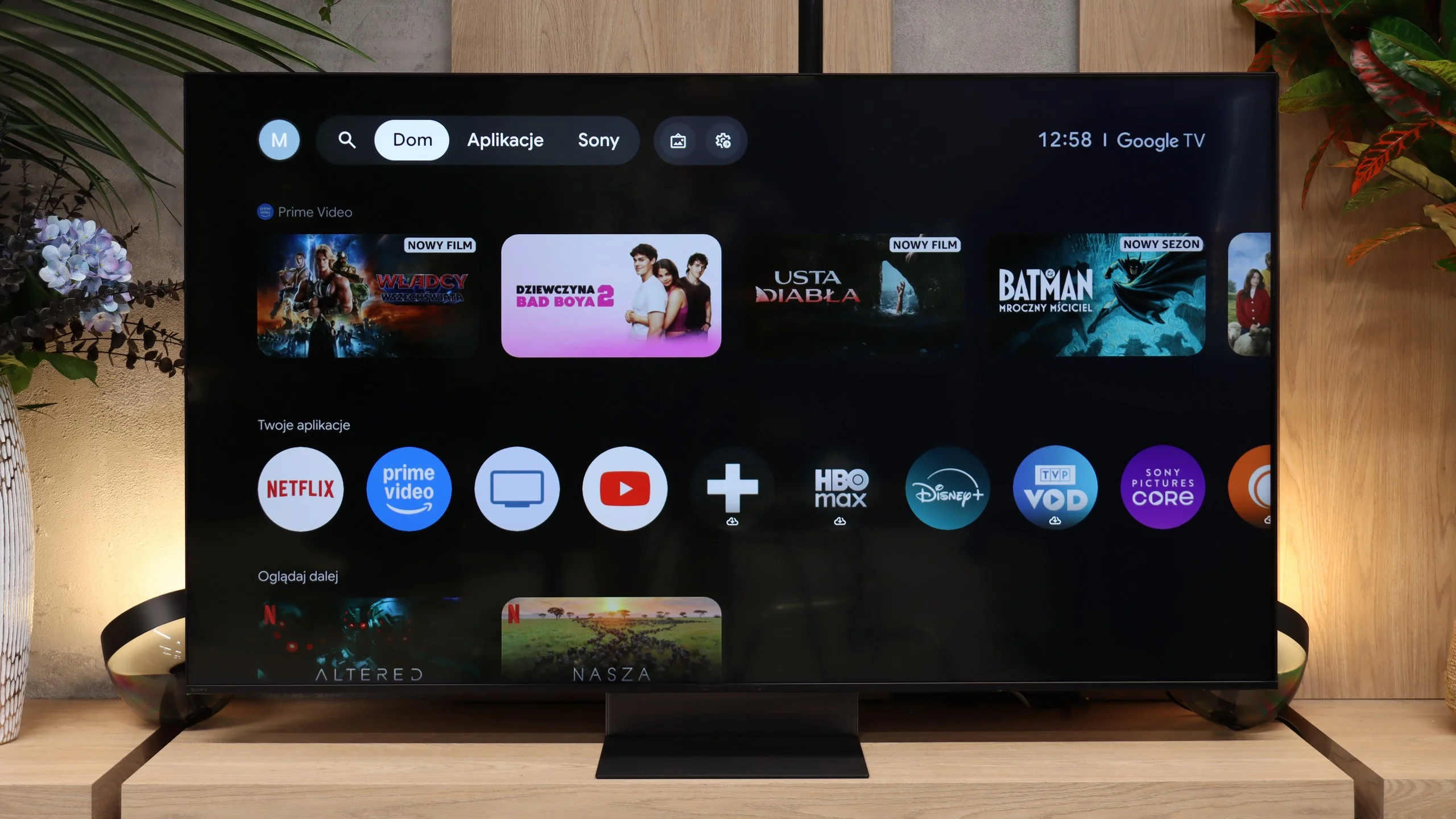
Google TV handles the Smart features, and here the Bravia 7 II performs as you would expect from a TV of this class. The system runs quickly, menus respond smoothly and you don’t get the impression that the set needs a moment for every simple task. The biggest advantage remains the vast selection of apps, meaning practically everything we use on a TV today is immediately at hand. Google TV also works well when the TV is part of a larger ecosystem. You can cast video from your phone or computer, use AirPlay and Miracast, and perform voice searches in your native language. In practice the Bravia 7 II therefore offers a lot of freedom, and it’s unlikely you’ll come across a situation where a basic Smart TV feature is missing.
Apps
7.2/10
9.6/10






















Playing files from USB
3.5/10
8.9/10
Supported photo formats:
Maximum photo resolution:
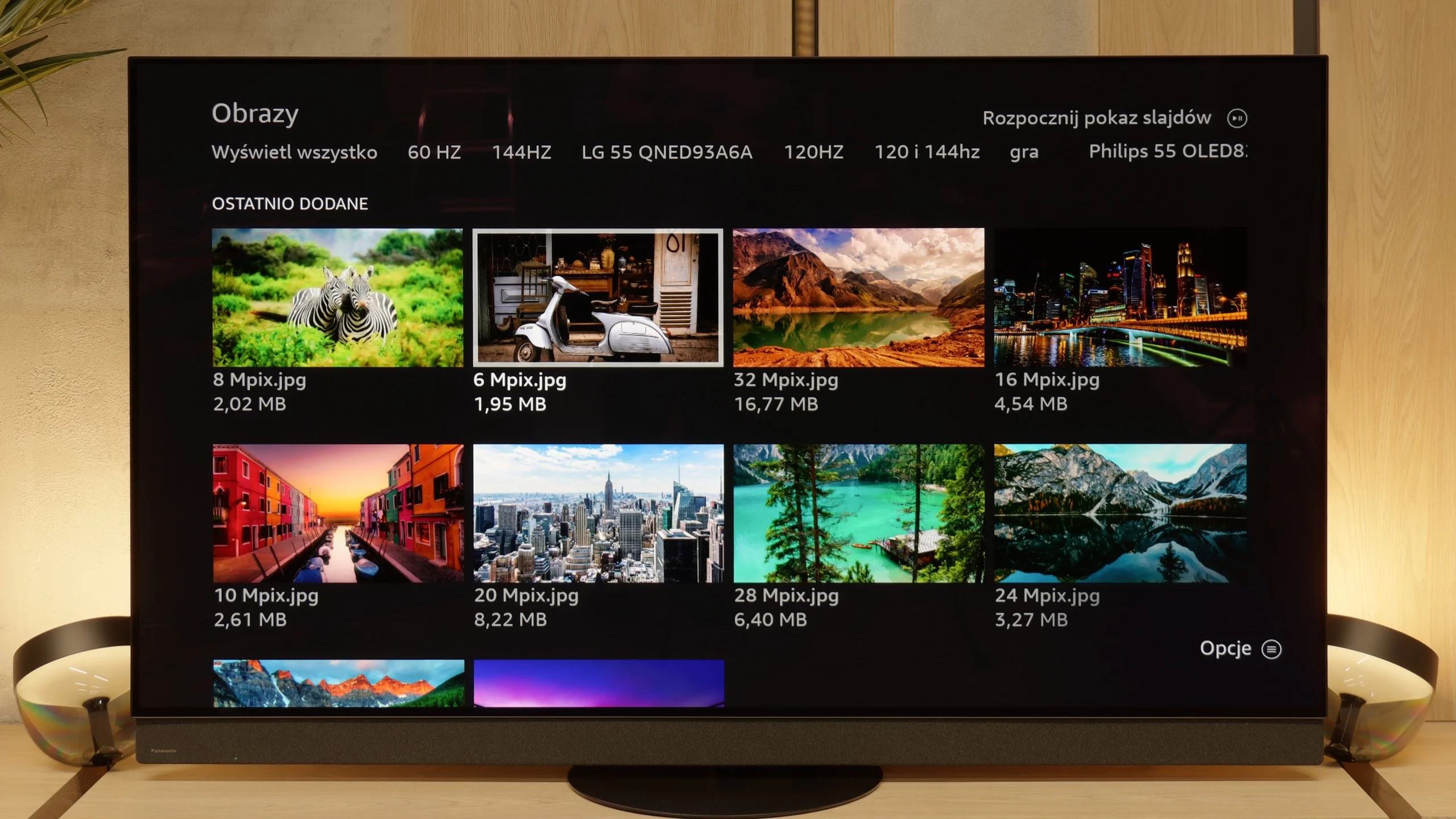
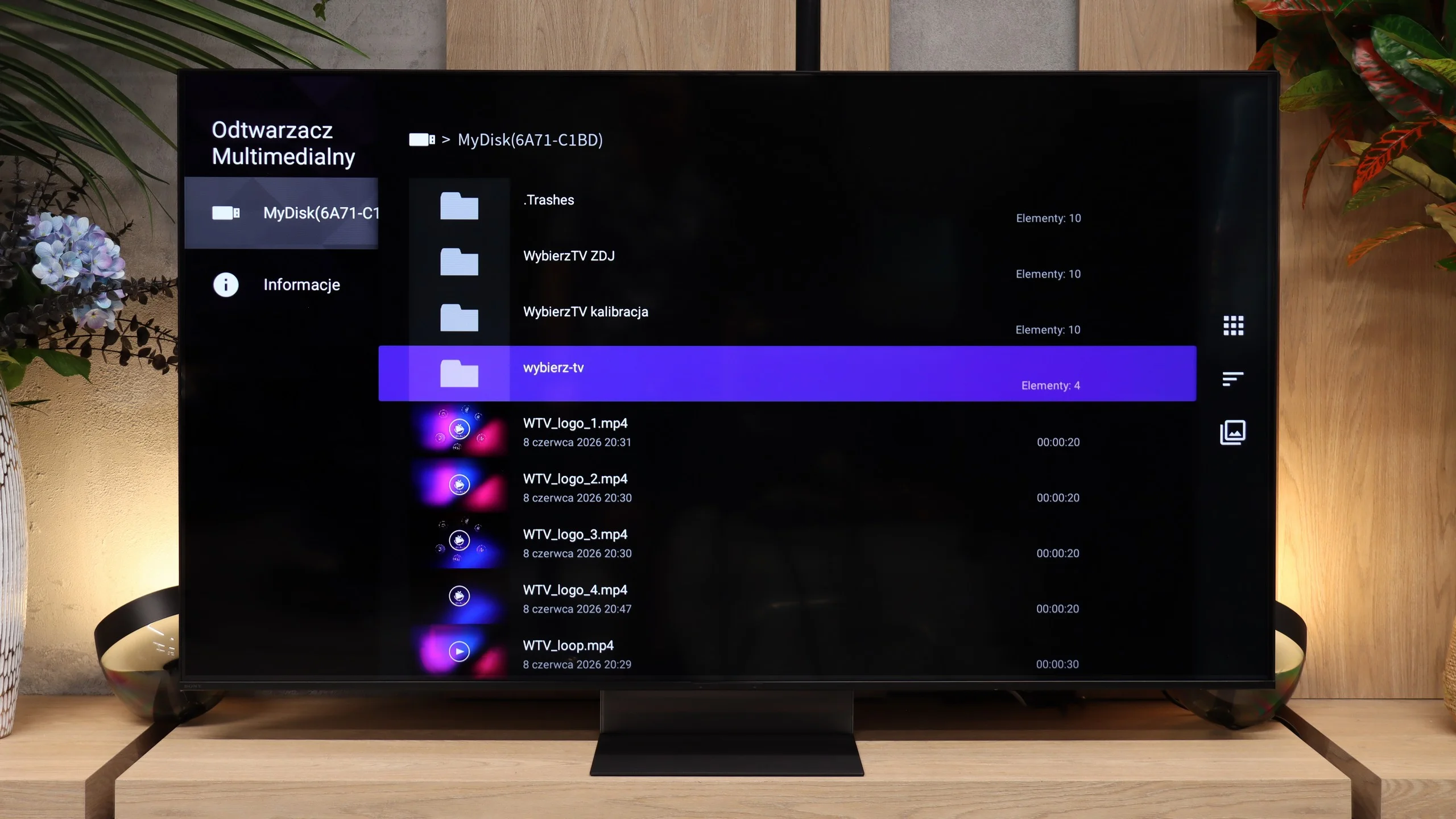
Here we also encountered another limitation of the Fire TV system. The built-in player handles popular audio and video files without any problems, so at first glance, everything seems fine. However, the problem arises when we want to enable subtitles in films. We were unable to activate any format – neither .srt, nor .sub, nor .txt. Regardless of the settings, the subtitles simply did not appear. So, if you have a film with a separate subtitle file, you are forced to watch it in the original language, unless the subtitles were permanently embedded in the picture. For a television of this class, it is quite a disappointment and further evidence that Fire TV still has a lot of shortcomings that can spoil the joy of use.
The built-in media player in the Bravia 7 II performs well and has no major problems with most common content. The TV handles the most frequently encountered video files and codecs, so when using a hard drive or USB stick in a typical way you are unlikely to face significant limitations. What is mainly lacking is broader support for subtitle formats and image files. For photos the TV opens JPEG and HEIC, but it cannot cope with, for example, PNG, WebP or TIFF. We would not consider this a serious drawback, however, because many of the missing formats are fairly niche. And if the built-in player proves insufficient, Google TV simply allows you to install an external app and largely work around those limitations.
Sound
8.9/10
7.8/10
- Maximum volume91dB94dB
- Dolby Digital Plus 7.1
- Dolby True HD 7.1
- Dolby Atmos in Dolby Digital Plus (JOC)
- Dolby Atmos in Dolby True HD
- DTS:X in DTS-HD MA
- DTS-HD Master Audio
The built-in audio system in the Panasonic Z95B really makes an impression. The manufacturer has added an additional soundbar here, which completely changes the sound experience of the television – this time it can confidently be said that there is no need for any external equipment to enjoy full and dynamic sound. The bass is clear and surprisingly powerful, dialogues remain intelligible even during louder action scenes, and the television itself can play quite loudly, reaching levels of up to 91 decibels. It should also be noted that it fully supports Dolby Atmos, so if you use films or streaming services that support this format, you can count on spacious and impressive sound. A certain limitation is the lack of support for DTS:X – if someone plans to connect a home cinema or Blu-ray player with this standard, they must take into account that the television will not play it, but this shouldn't be a major drawback considering how all manufacturers approach this standard. I suppose we have to come to terms with this.
Sony has made significant changes to the sound system of the new Bravia 7 II, and you certainly can't say the TV lacks bass. There's plenty of it, and the whole setup can also play very loudly. In our measurements it reached around 94 dBC. That said, we find the low end is at times almost excessive. The bass can mask other parts of the frequency range, causing dialogue and some sounds to lose a little clarity. Overall it sounds powerful and impressive, but it could do with slightly more balanced tuning. One plus is its support for audio formats. Sony supports both Dolby Atmos and DTS, so in that respect the Bravia 7 II doesn't impose major limitations.
Sound Quality Test
No sound test video
Acoustic Measurements
91dBC (Max)
75dBC
94dBC (Max)
75dBC
Reader comments
Comments are provided by the external service Disqus (Zeta Global). Once loaded, Disqus may set cookies and process data about your activity.
We will remember your choice on this device. Provider's privacy policy