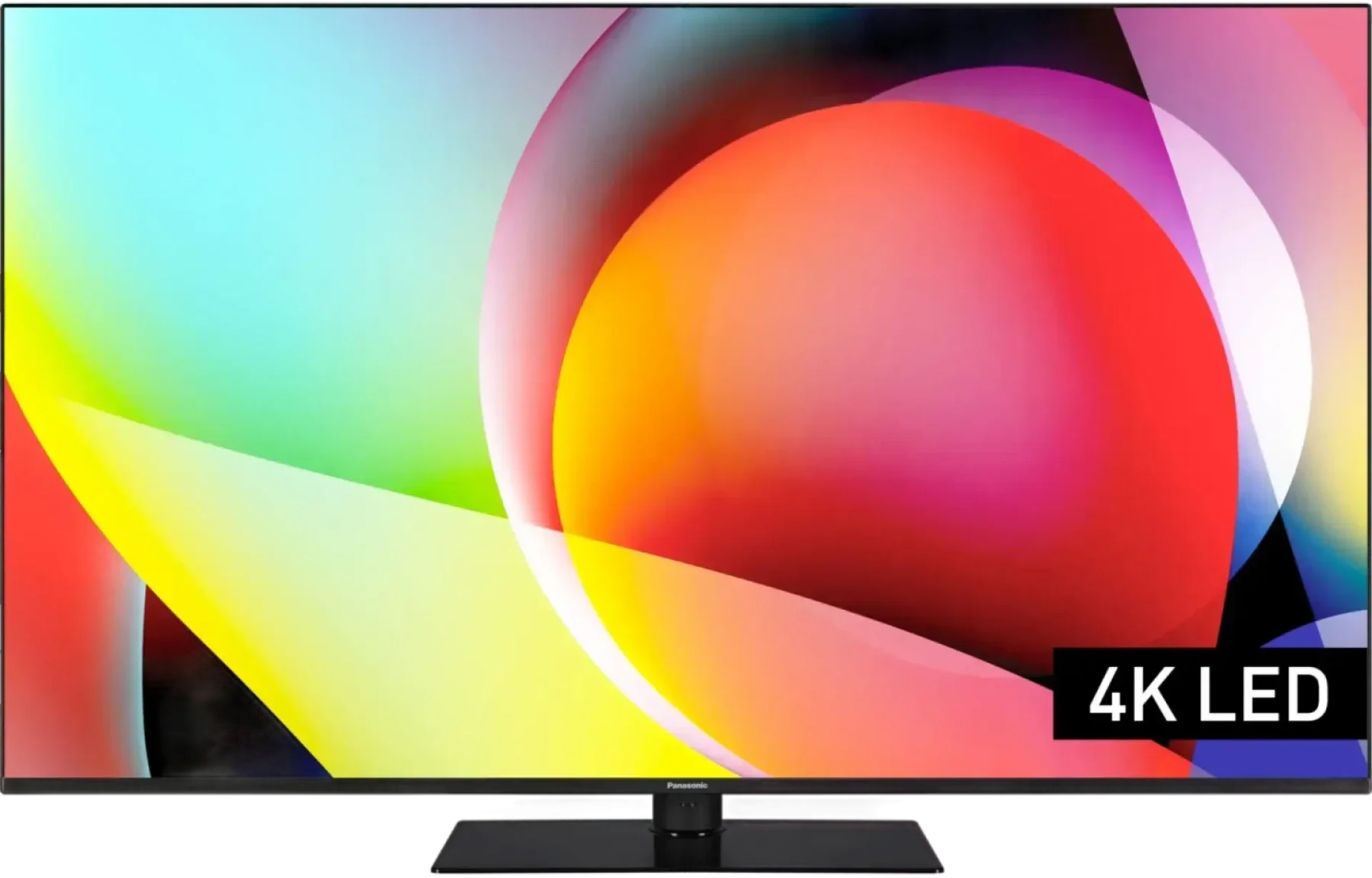
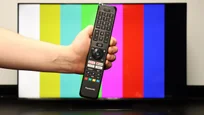
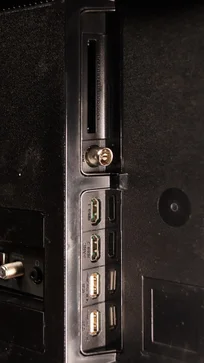
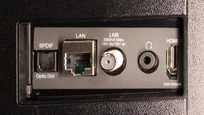
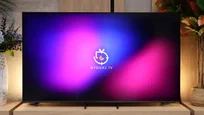
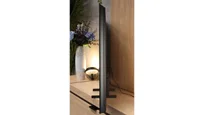
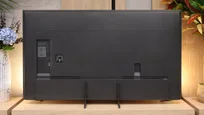
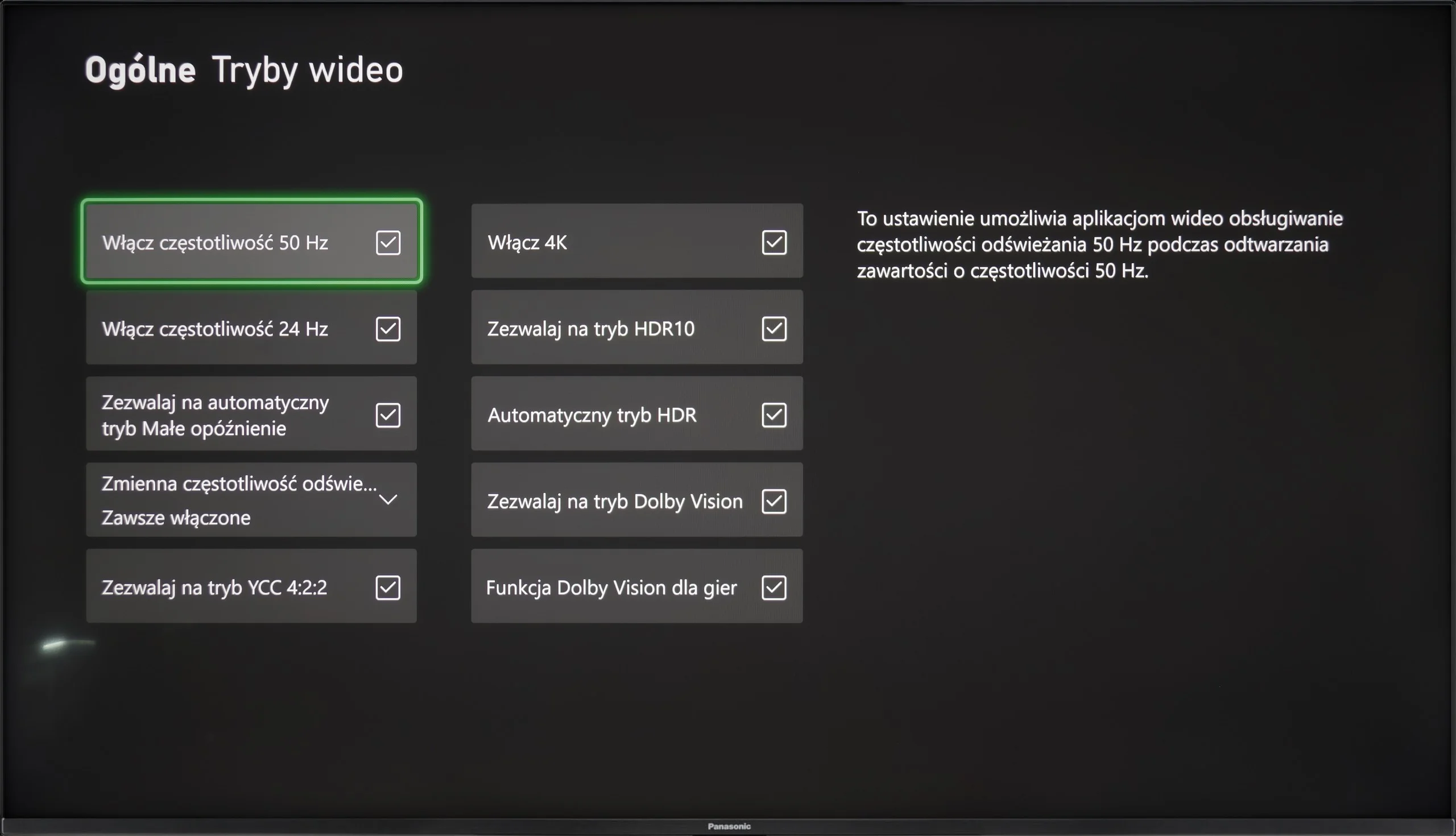
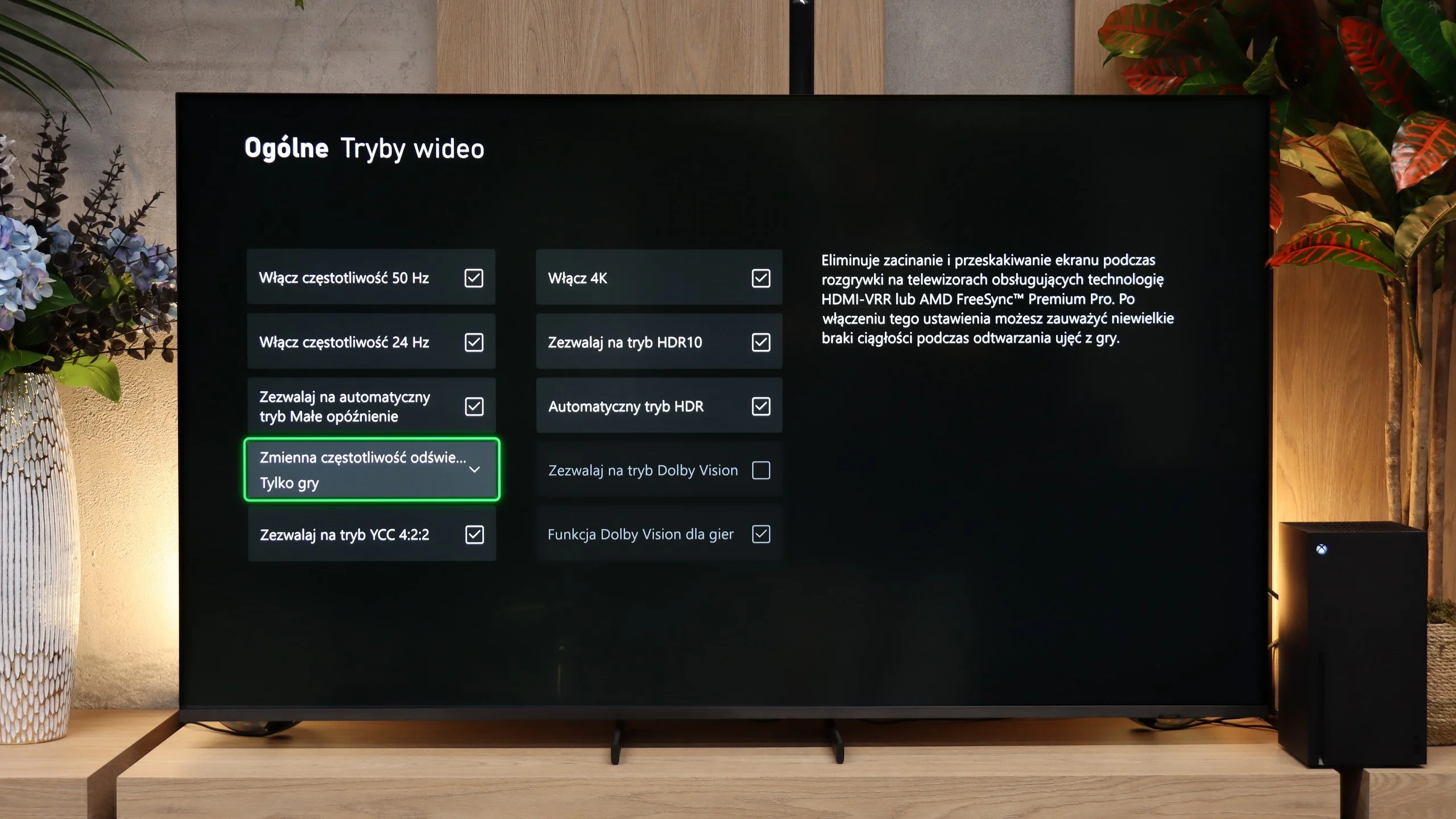
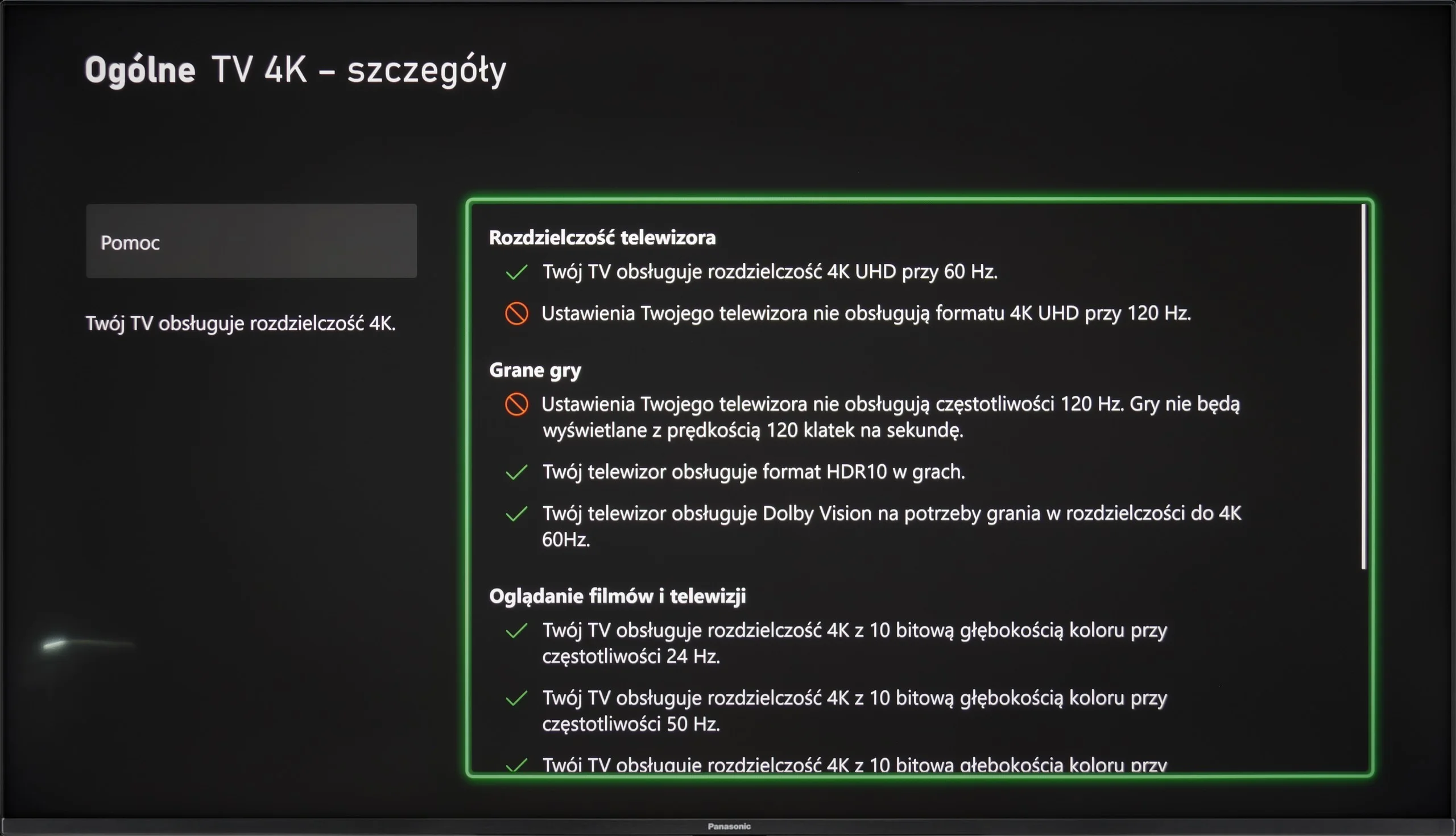
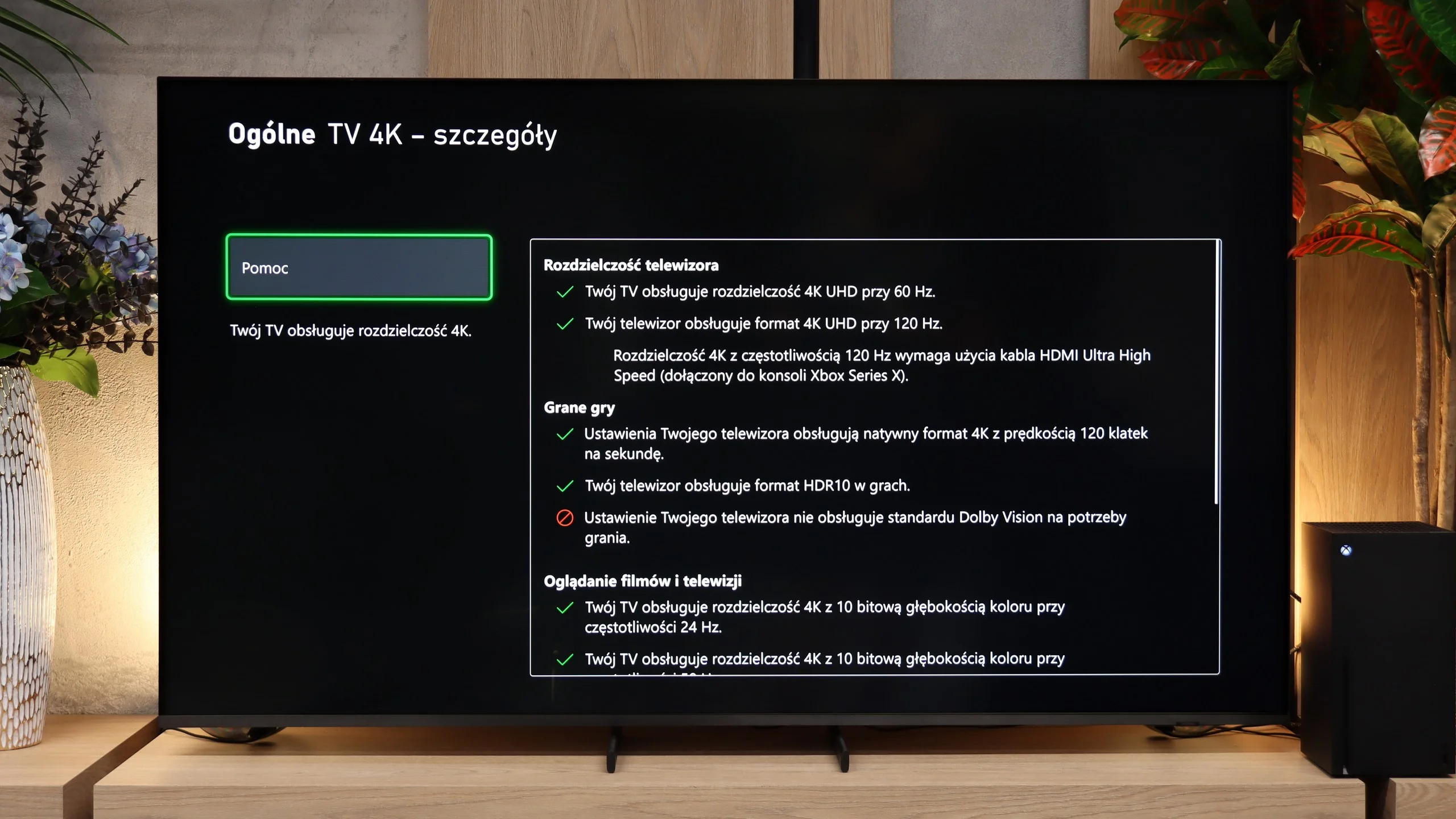
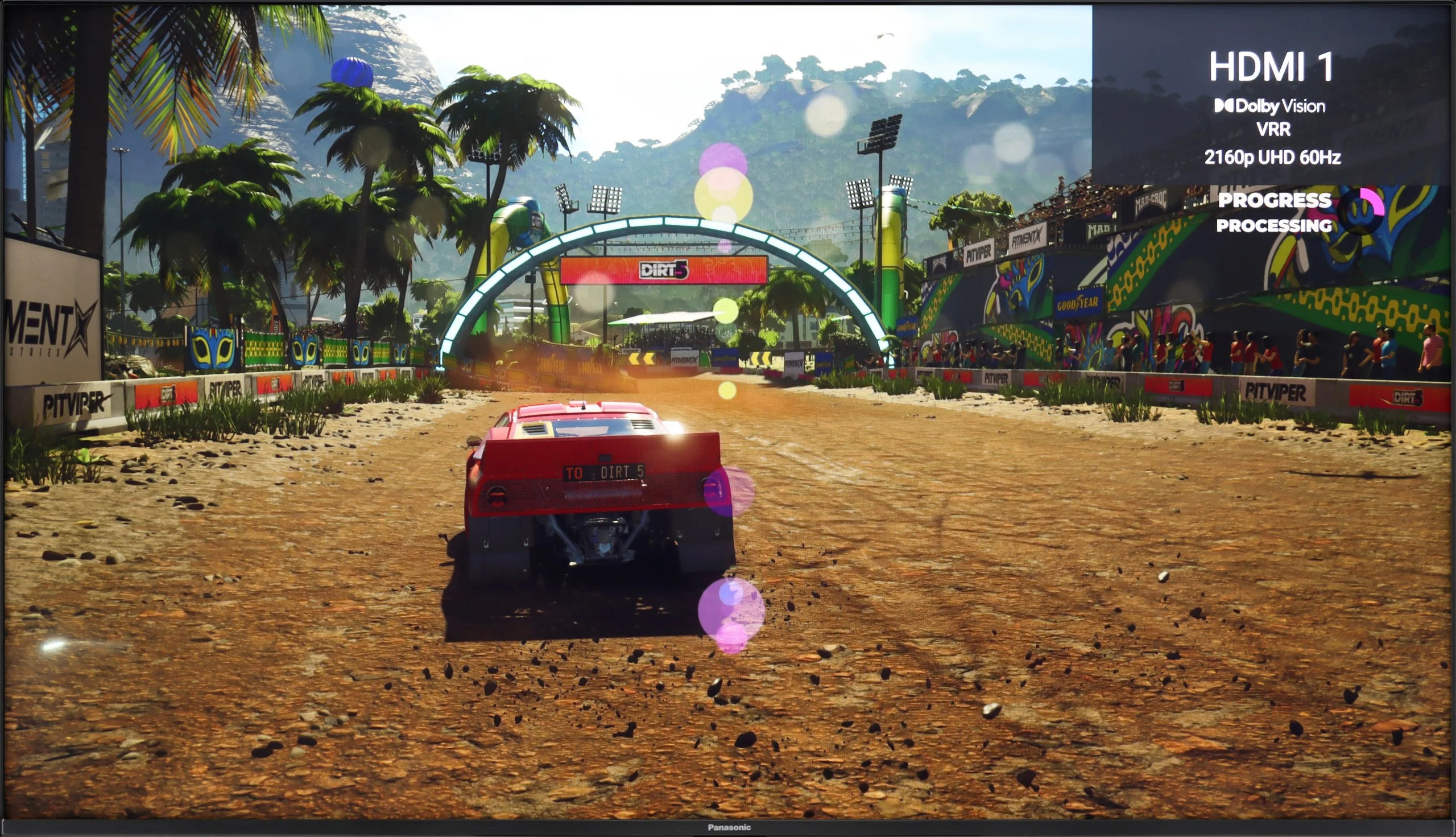
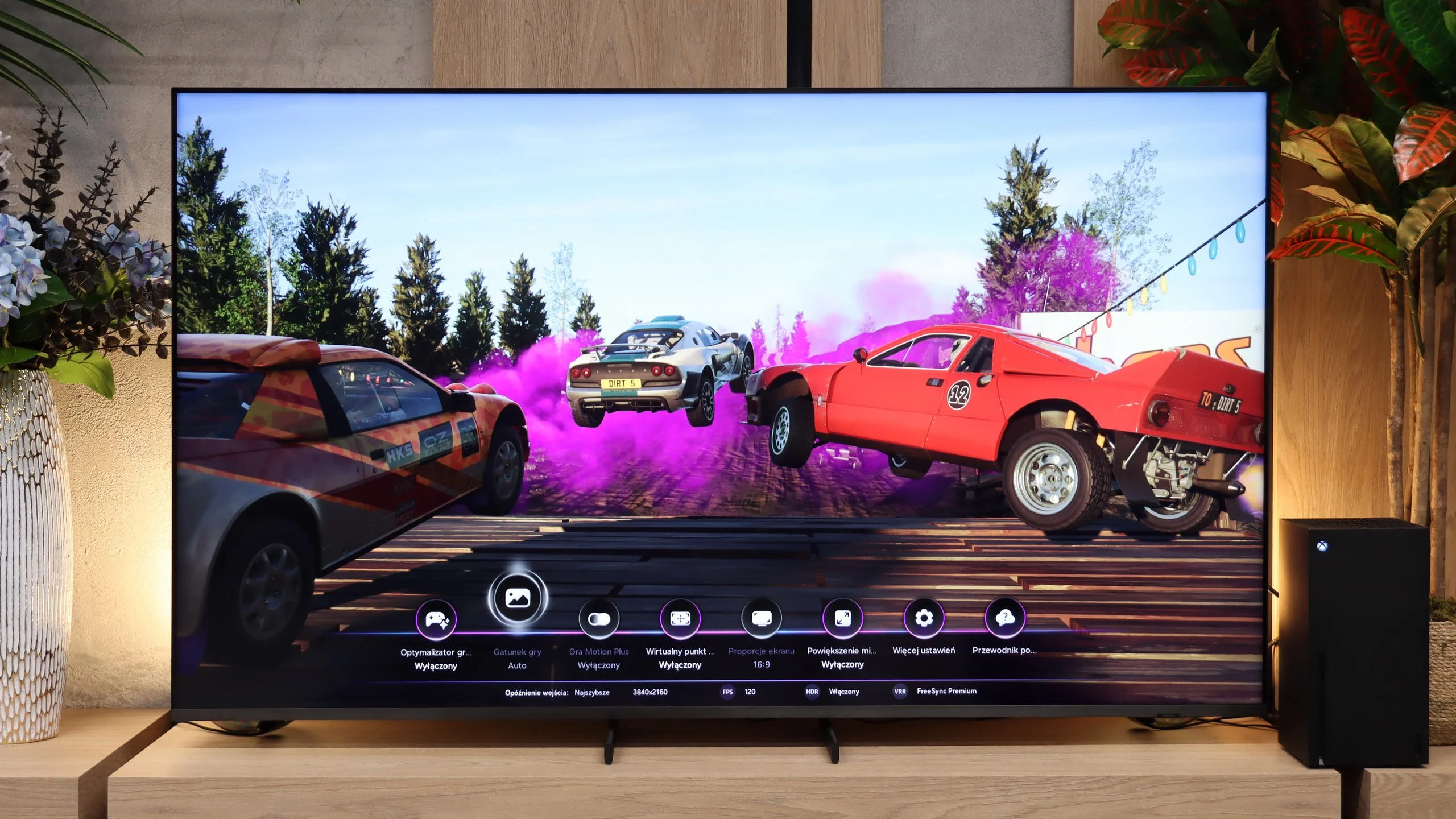
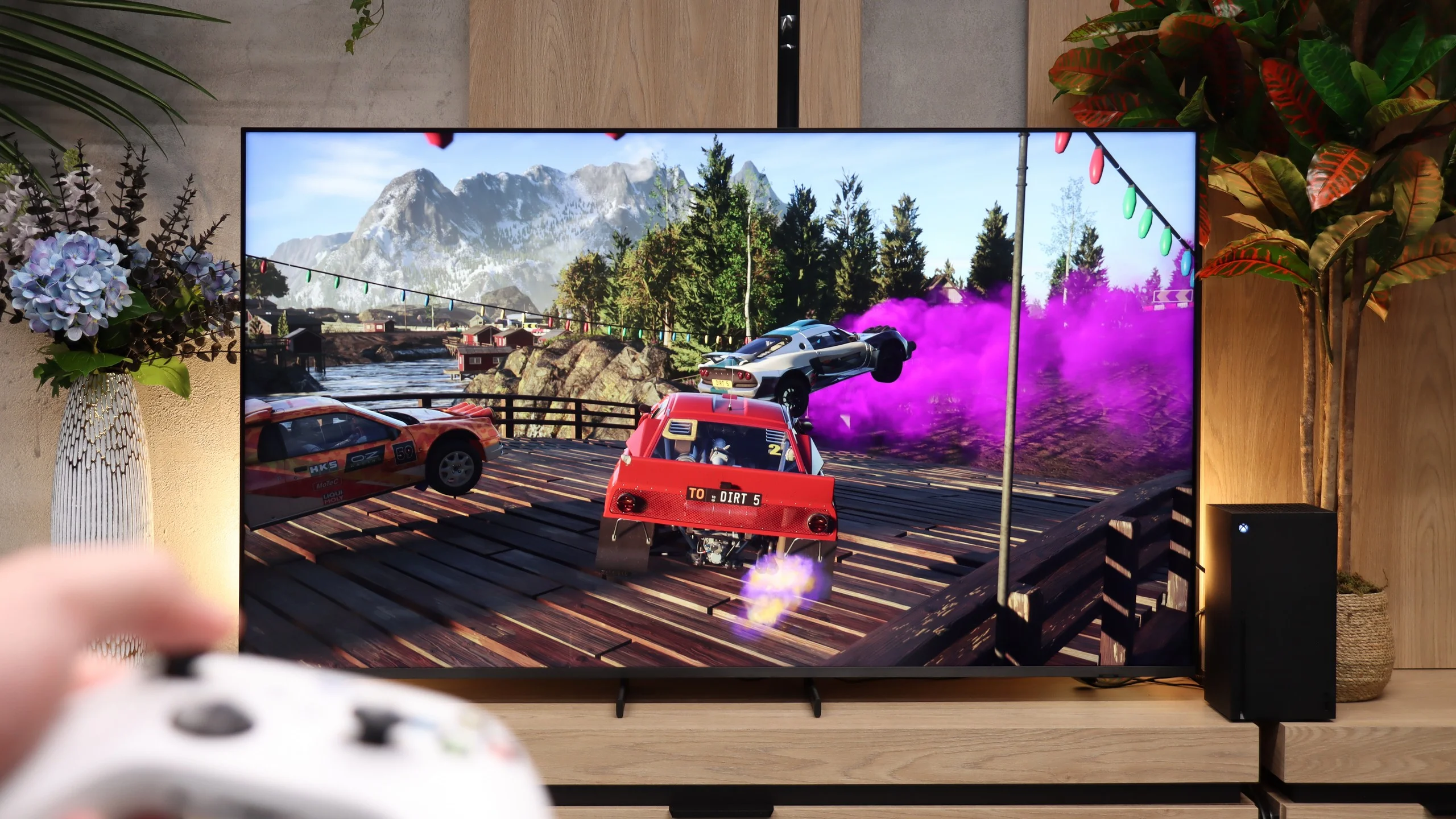
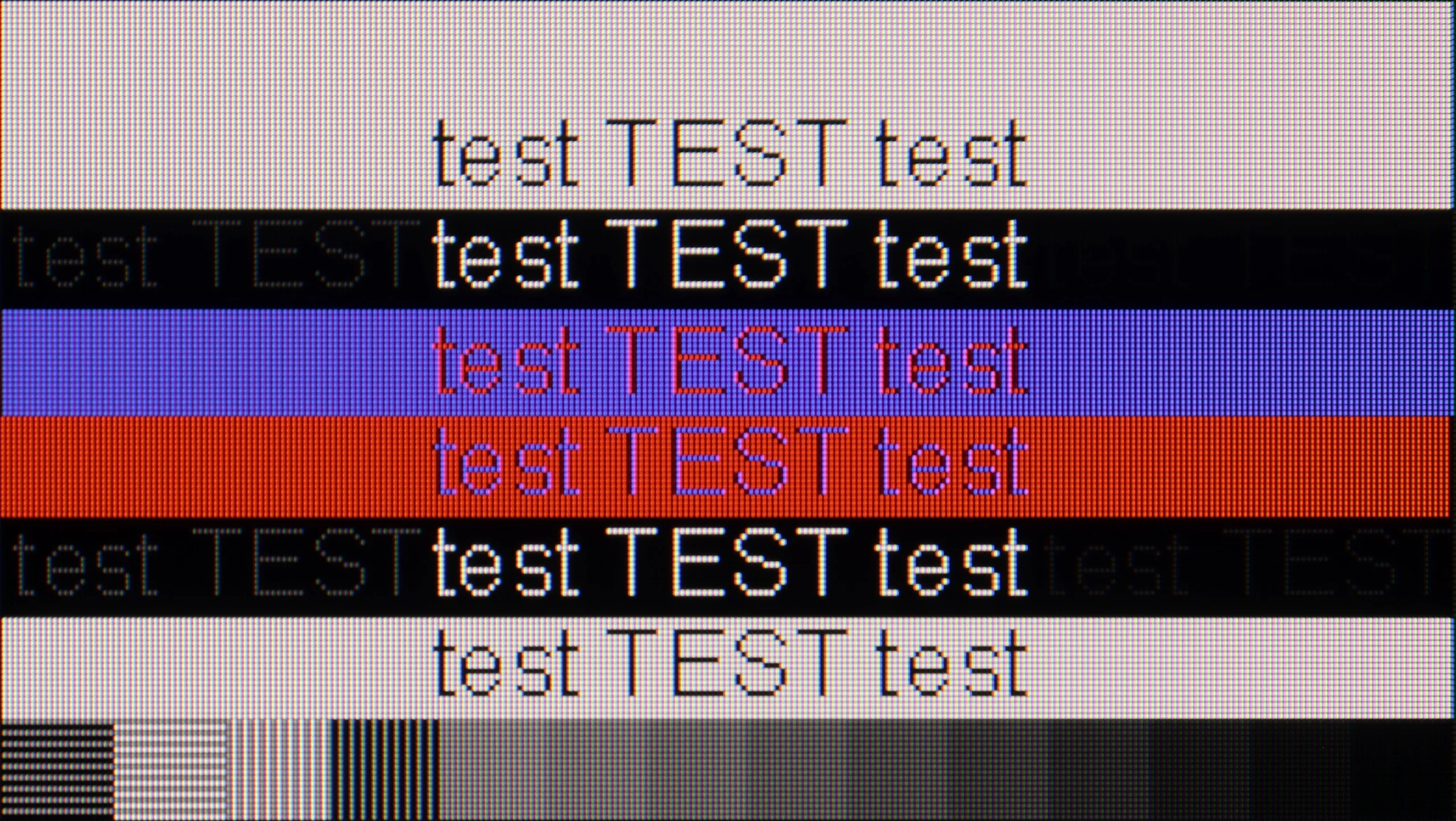
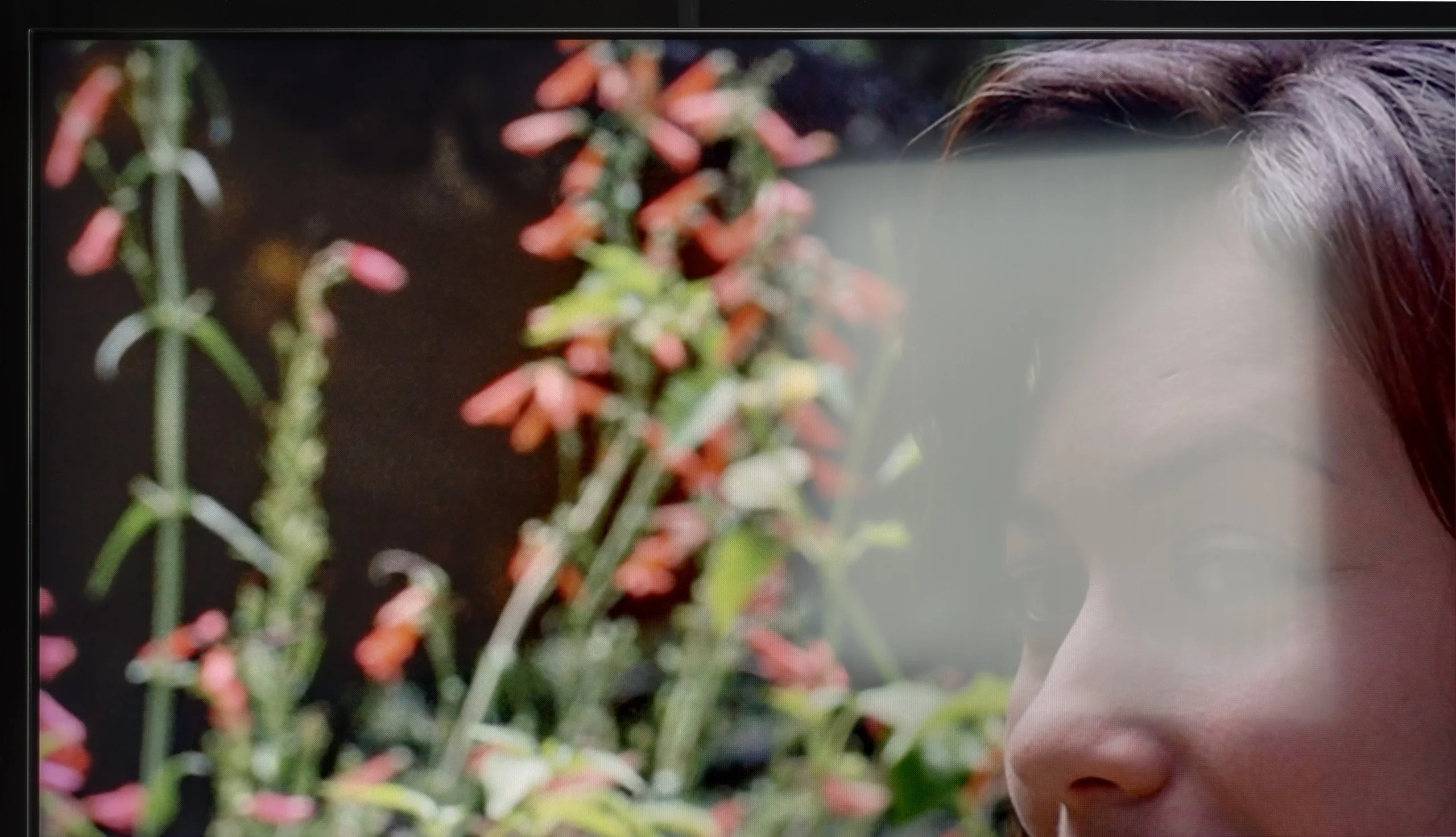
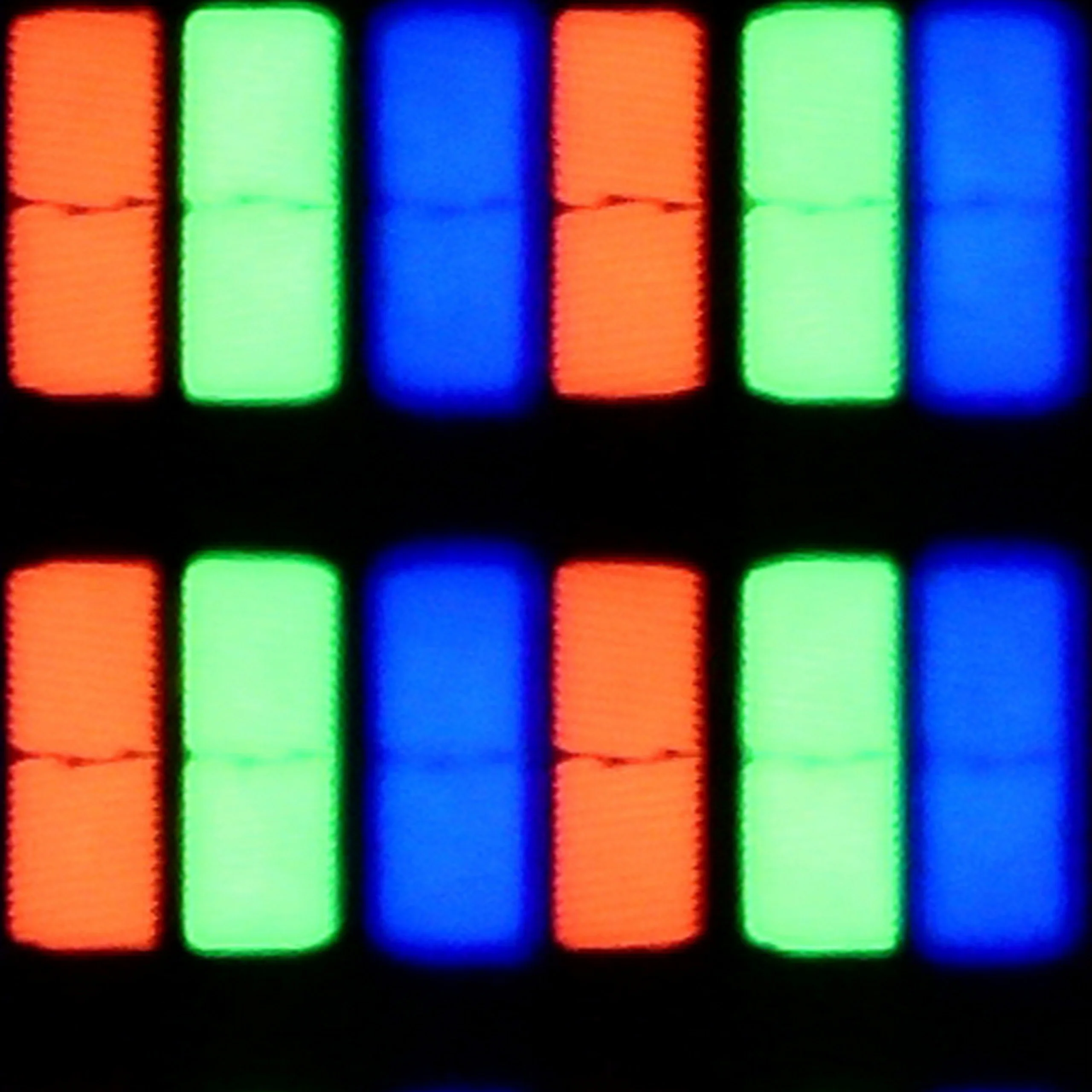
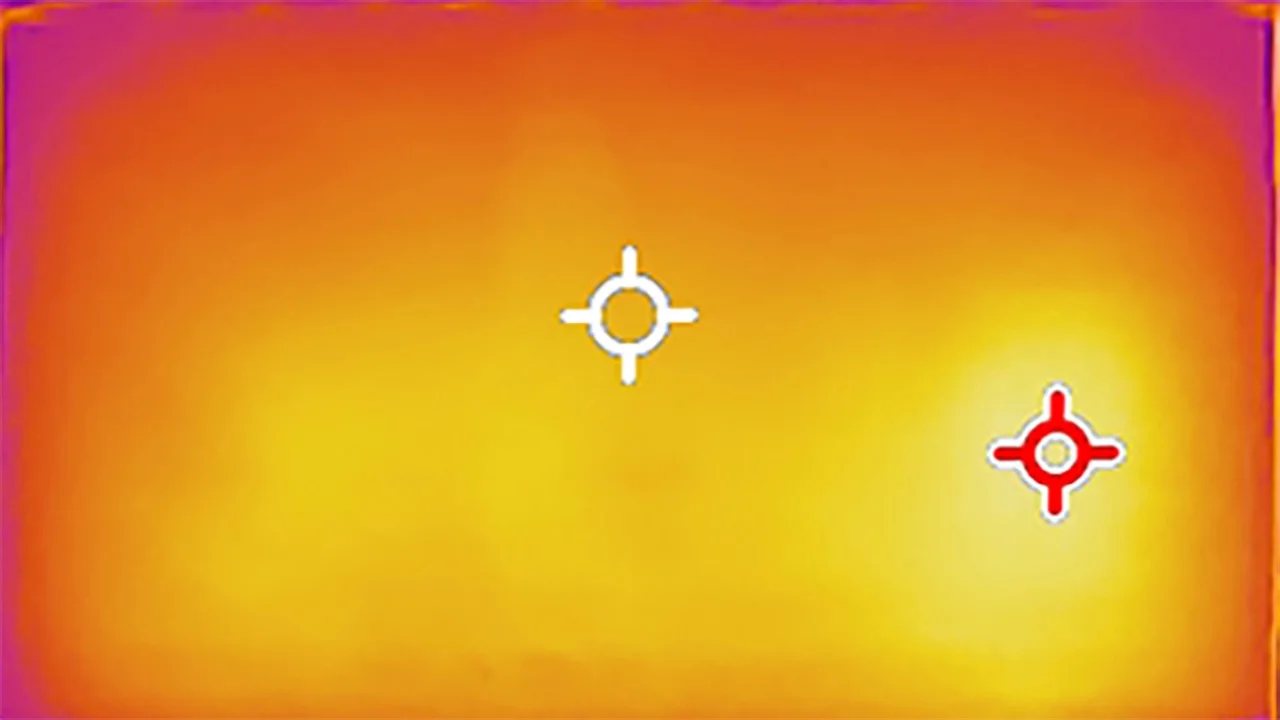
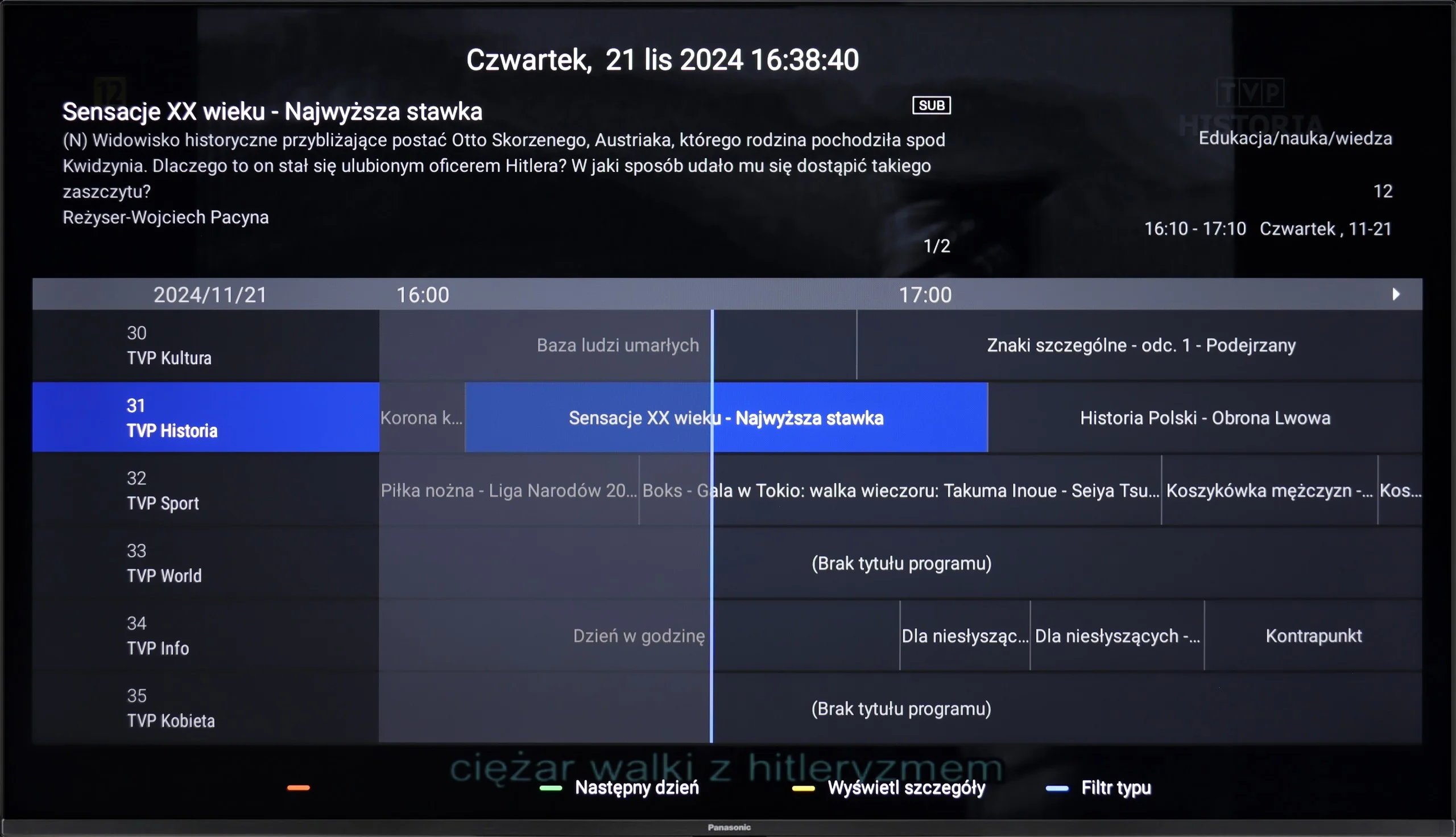
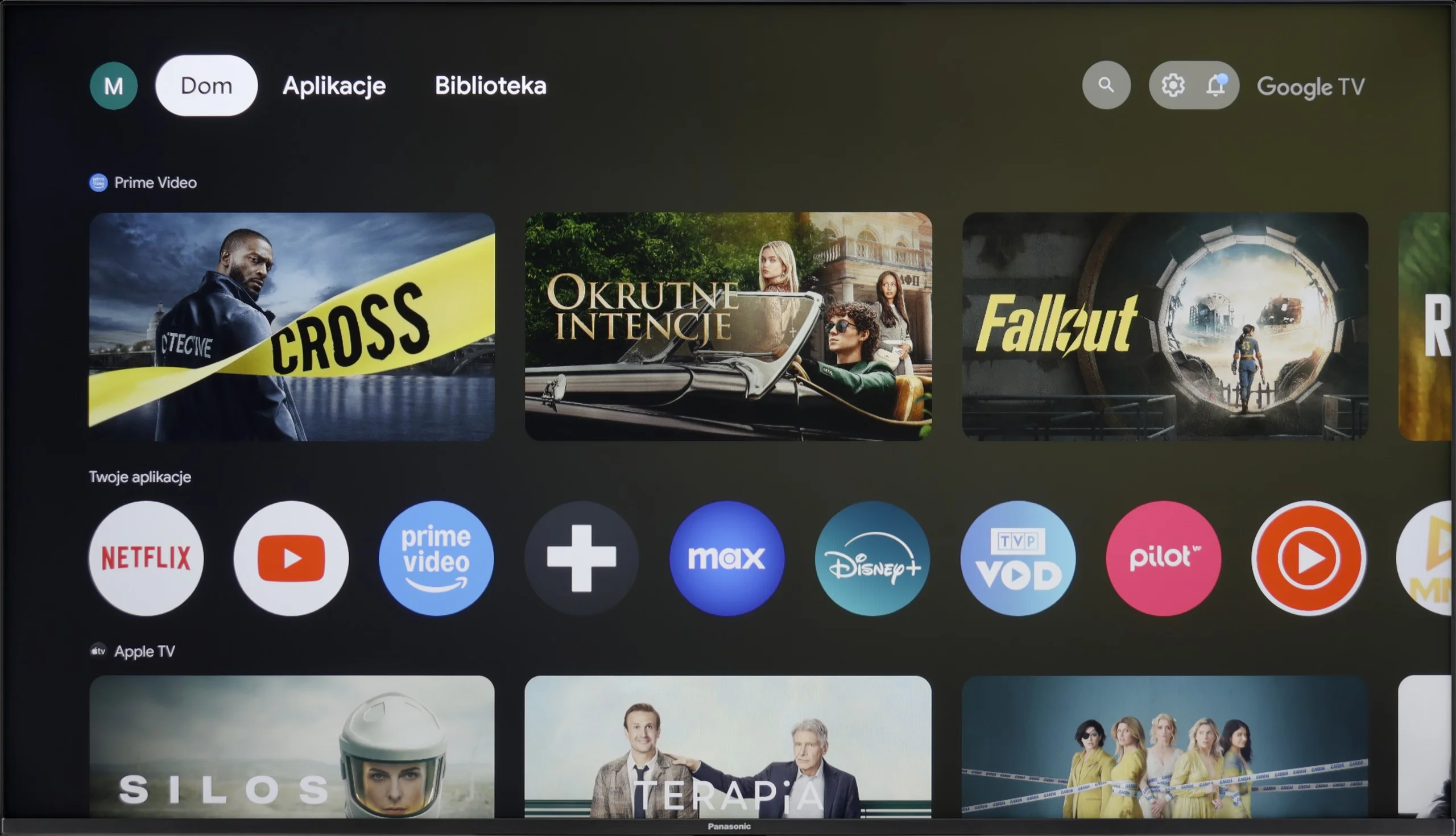
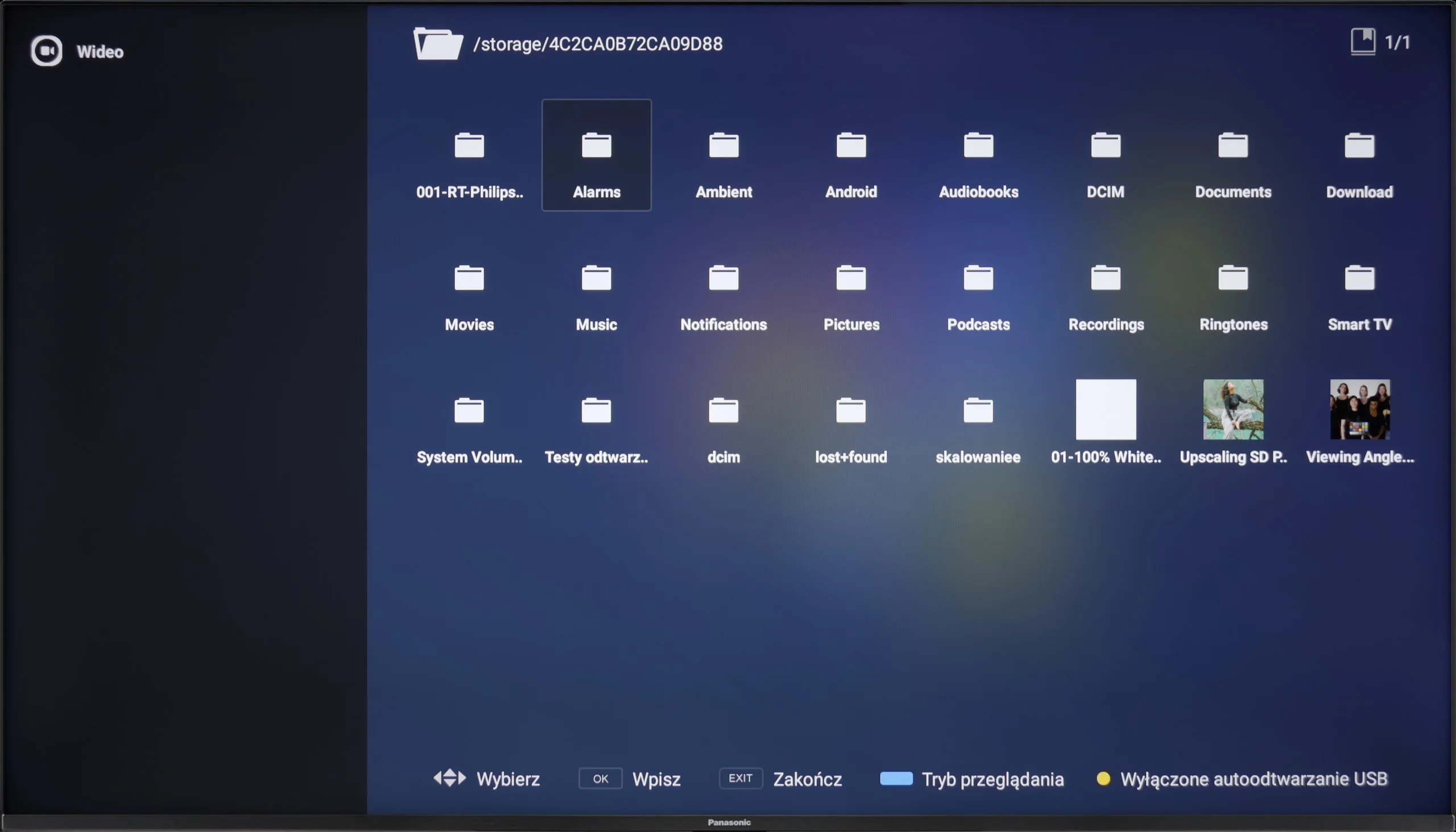
The Panasonic W70A draws attention primarily due to its advanced Google TV operating system, which gives access to a plethora of popular applications (YouTube, Netflix, Disney+, HBO Max, etc.). As for the picture, the IPS panel offers wide viewing angles, so colours do not lose intensity even when watching a film from a slight angle. Gamers will also not be disappointed, as it features VRR and ALLM, along with low input lag (around 12 ms) – all of this contributes to a pleasant experience for occasional gaming, despite the standard 60 Hz refresh rate.
However, it is worth noting that this is rather a basic model and has its limitations. The contrast and black levels are simply weak, which is a typical phenomenon for IPS panels, especially in dark rooms. A brightness level of around 270 cd/m² is also insufficient in brightly lit rooms, making the picture appear washed out. Certain shortcomings in the software itself cannot be overlooked either. Google TV is a great basis, but sometimes it happens that some settings are scattered in surprising places, and the quality of translations leaves much to be desired.
One must consider that the competition is offering more and more in a similar (or slightly higher) price range. Can the Panasonic W70A hold its ground in such an environment? On one hand, it tempts with a rich application base and decent support for gamers, but on the other hand, the market is flooded with more refined televisions equipped with better parameters. However, if wide viewing angles and easy access to Google TV services are a priority, it might be worth giving it a chance. Otherwise, it is advisable to look among competing models that often offer better black levels, higher brightness, and fewer annoying issues in the menu at a similar price.
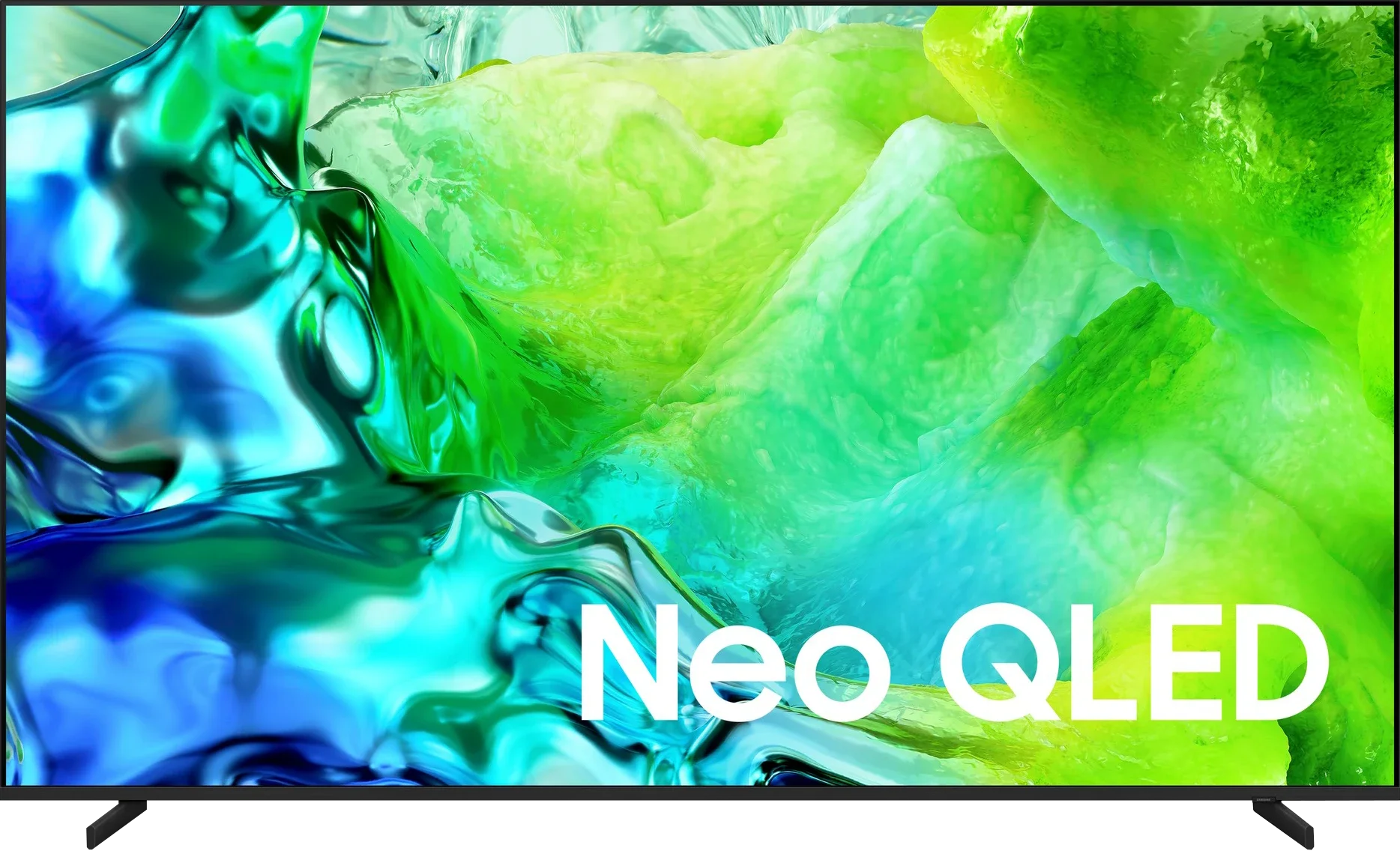
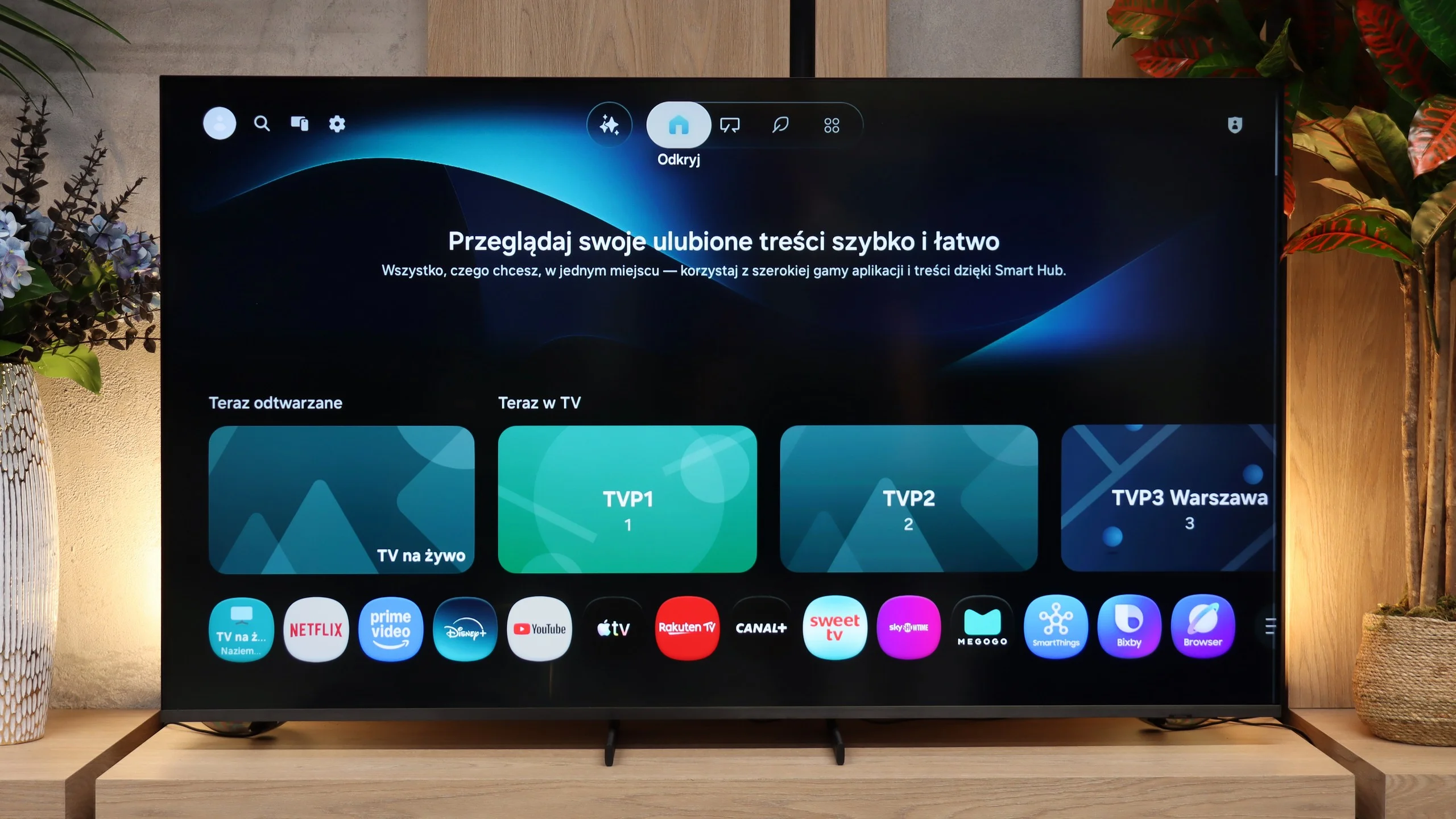
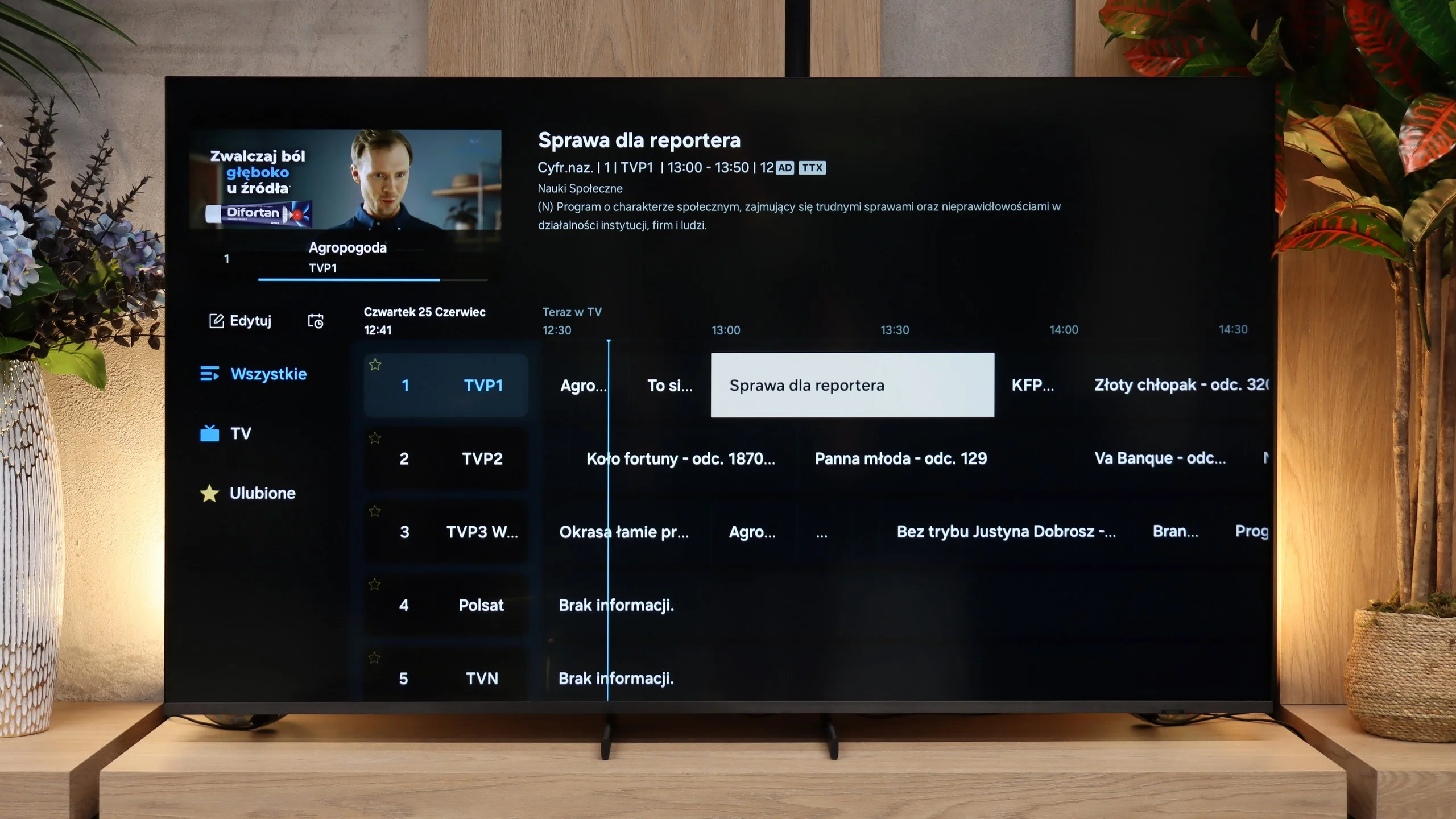
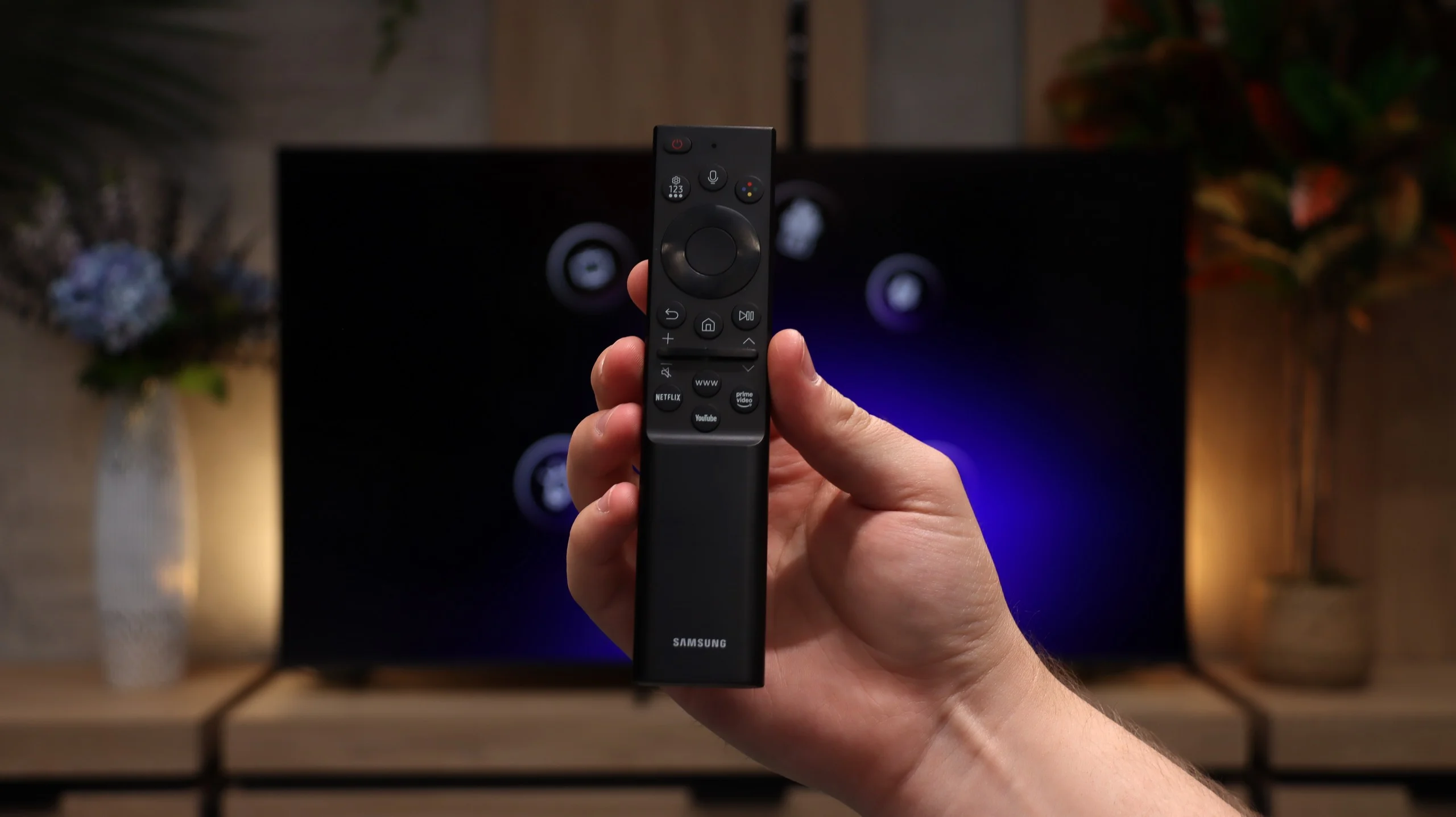
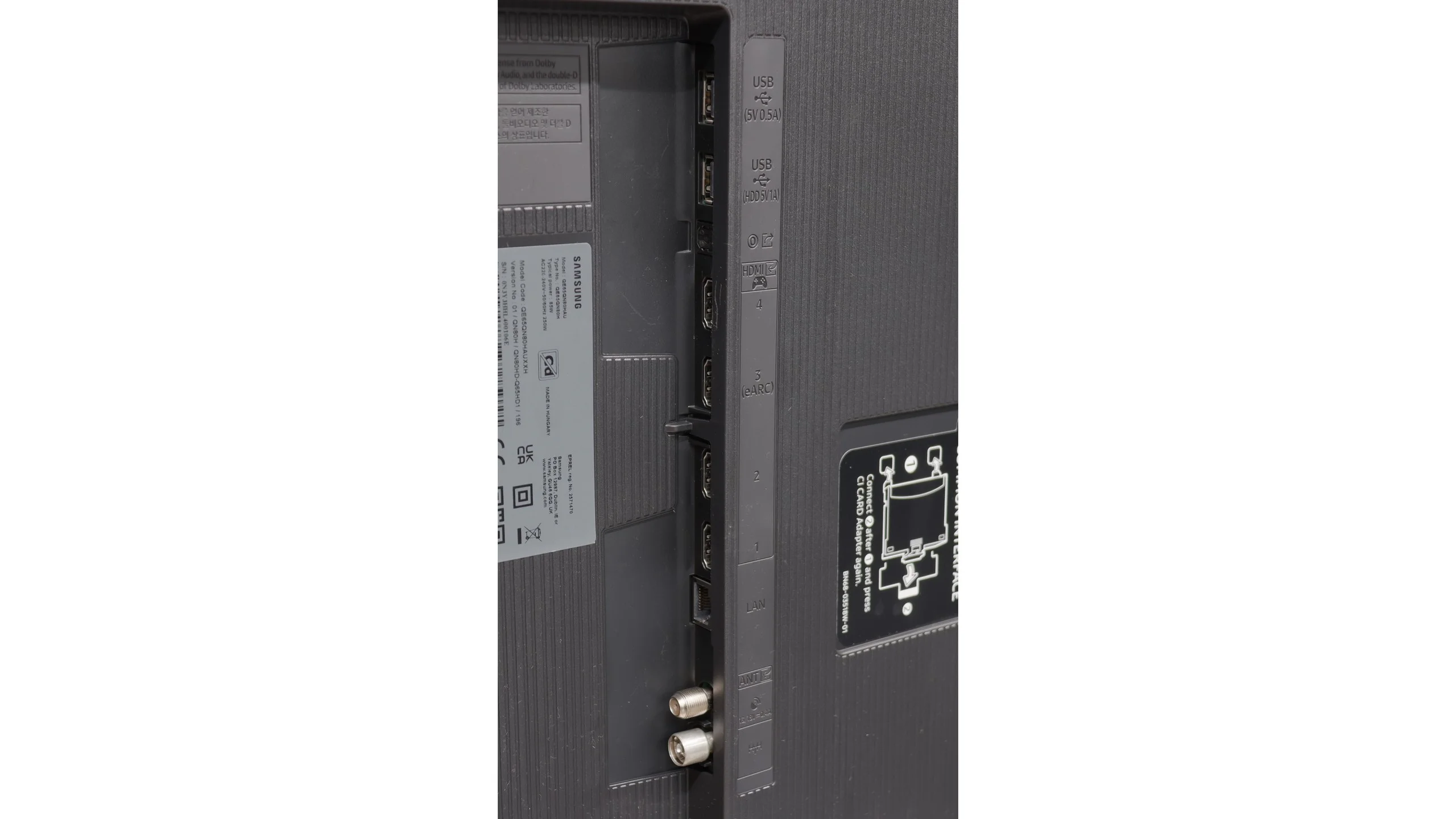
The Samsung QN80H is a genuinely successful mid-range television and, in our view, should be seen exactly that way. Not as a new Neo QLED flagship, but as the first model in Samsung's lineup to give a clear taste of better picture quality. Full Mini LED backlighting, high brightness and well-saturated colours mean that for someone upgrading from a standard LCD TV the difference can be substantial. A huge plus is that Samsung did not neglect it in terms of functionality. The QN80H received almost the same rich package of features as the flagships. So we have a complete gamers' setup led by four HDMI 2.1 ports and a blazingly fast Tizen system, which also comes with a guarantee of support and updates for the next seven years. Of course we must remember that this is not a top-tier model. The number of Mini-LED dimming zones does not break any records, so in demanding scenes you can see some compromises in image quality. There are also small decisions we simply don't like, such as abandoning the solar-powered remote in favour of a less elegant battery-powered version. Still, it's hard to fault the QN80H for performing poorly in any important area. This is a television that performs at least well on practically every front. Those are exactly the expectations one should have of it. It doesn't try to pass itself off as a flagship, but neither does it disappoint in any aspect. These are precisely the results we expected from the '80' series, and those expectations have been met. Is it worth buying? Yes, but much will depend on the price. At a suitably attractive price, the QN80H could once again become one of Samsung's most sensible models for people who want to step up to a higher level of picture quality but do not intend to pay extra for the brand's most expensive televisions.
 Direct comparison