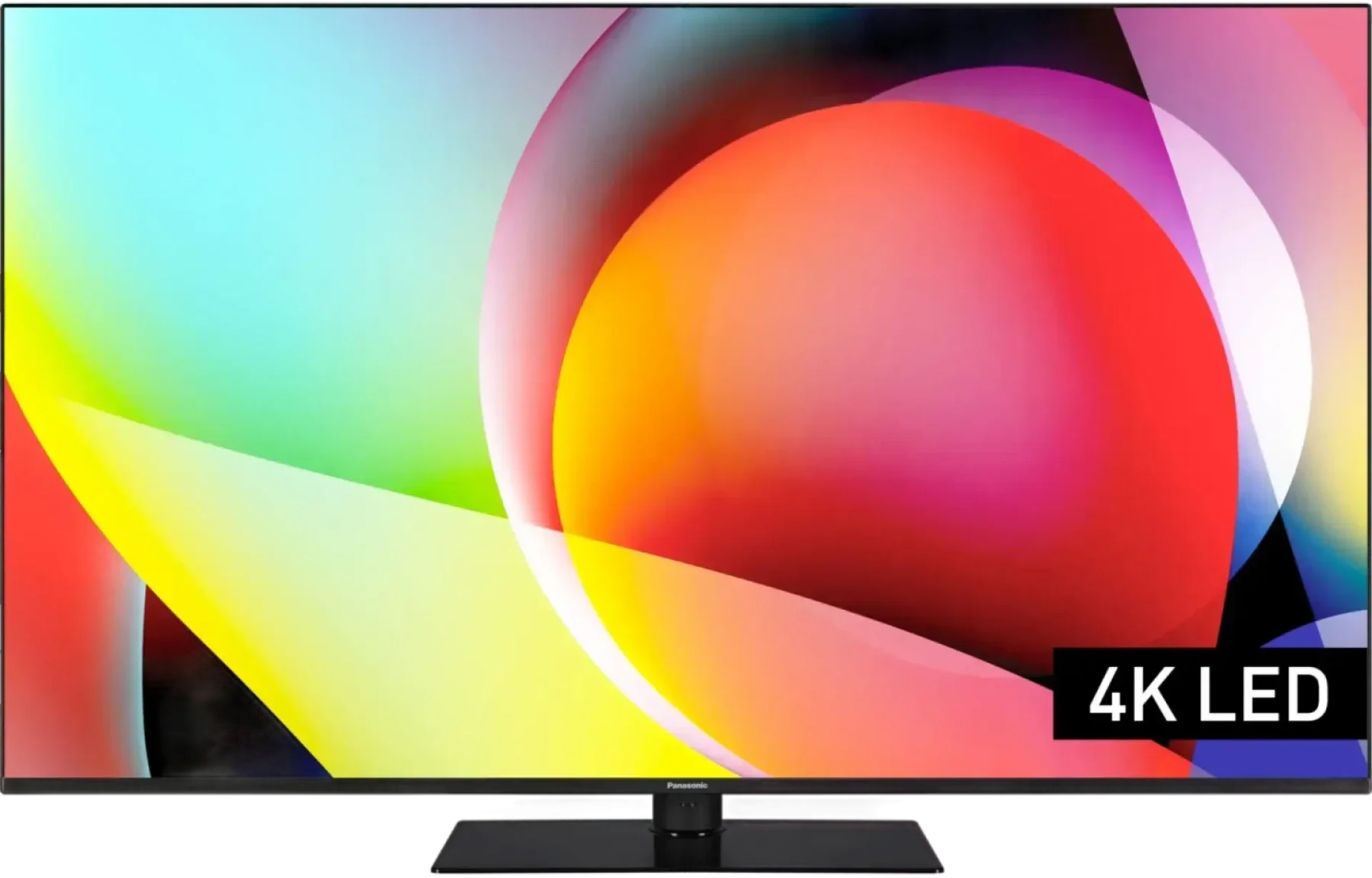
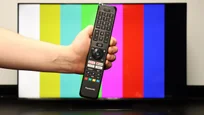
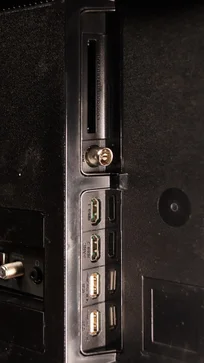
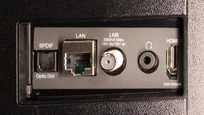
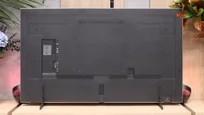
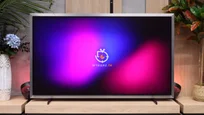
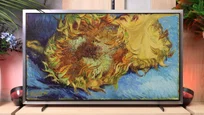
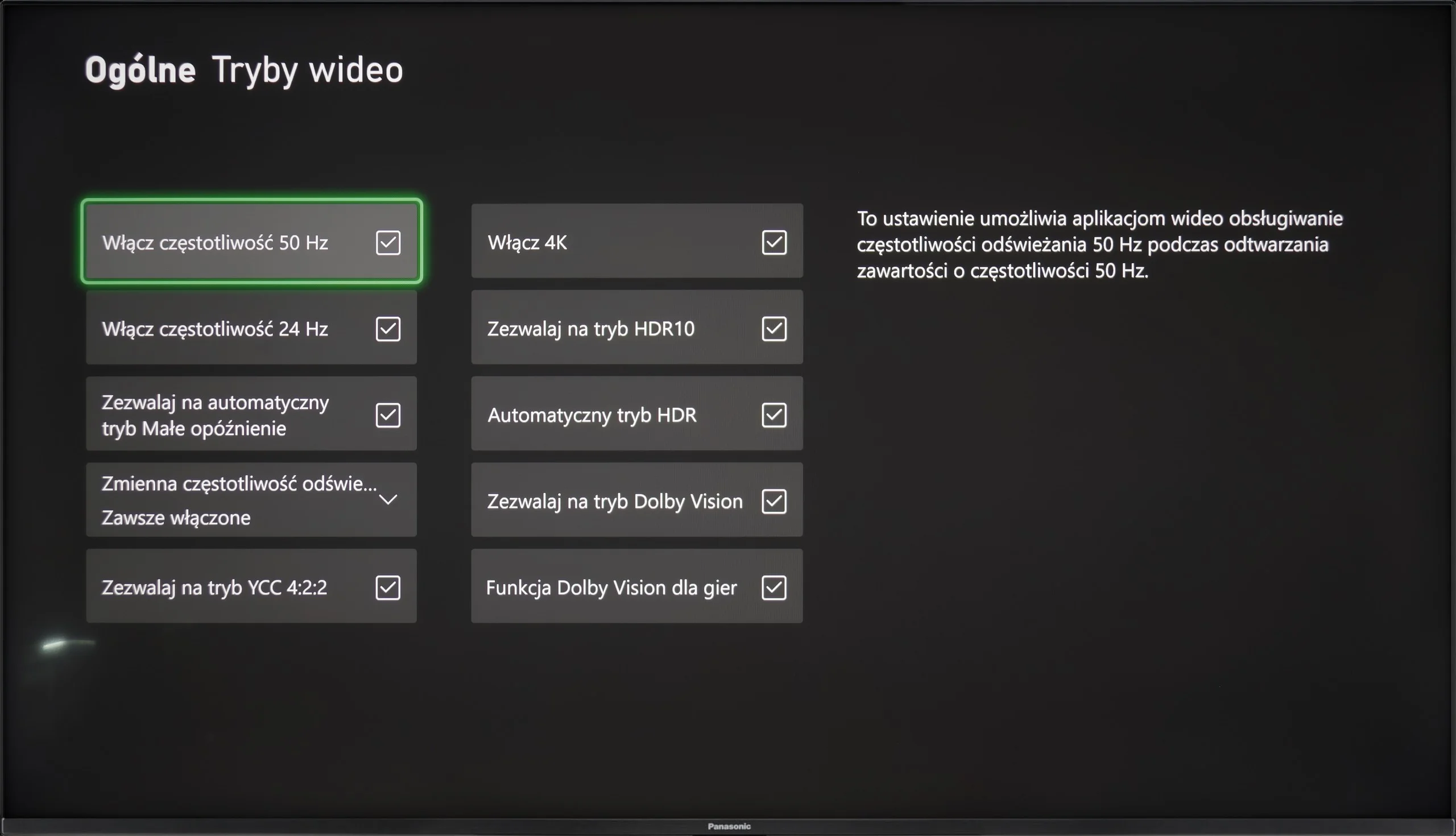
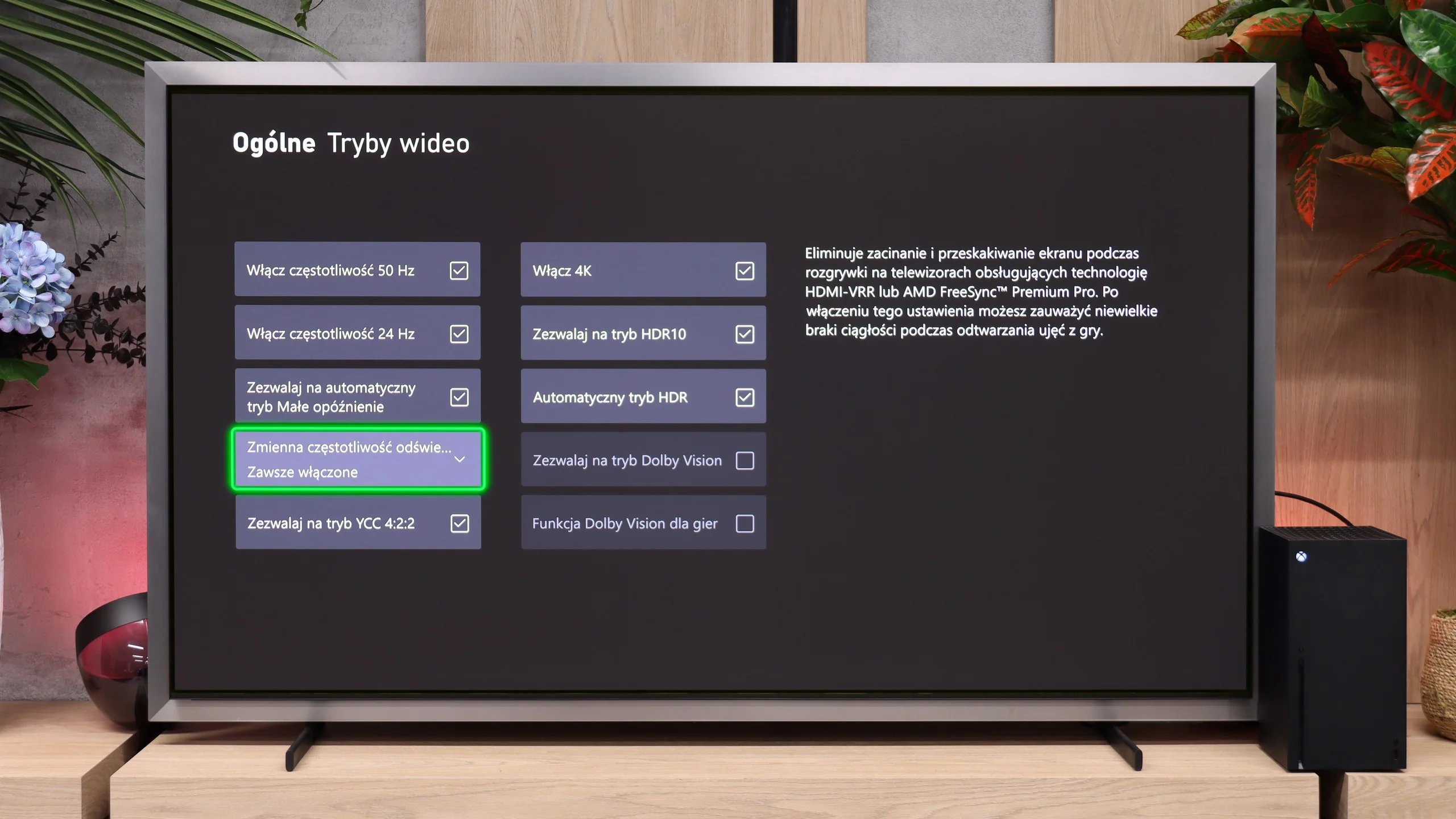
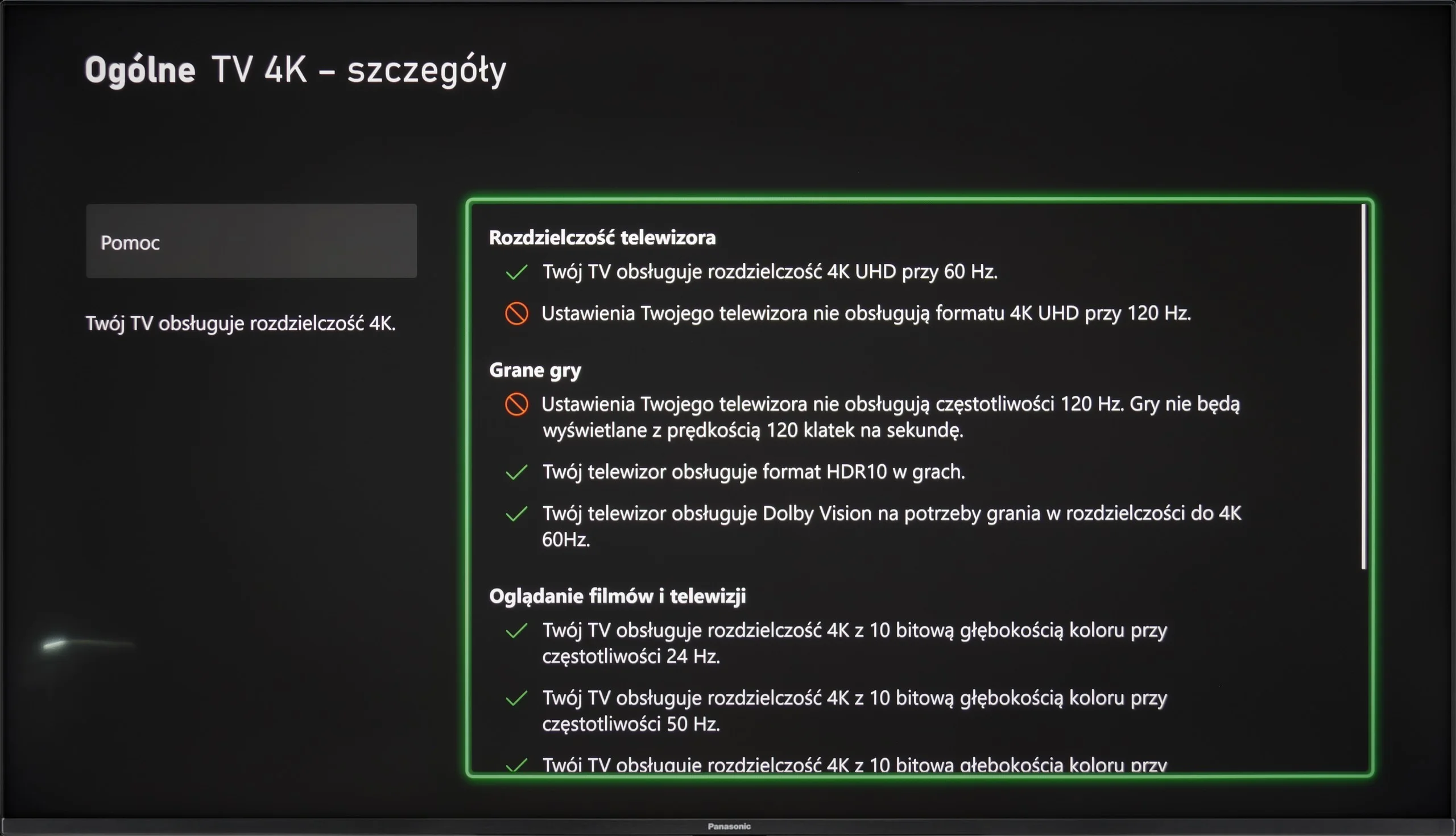
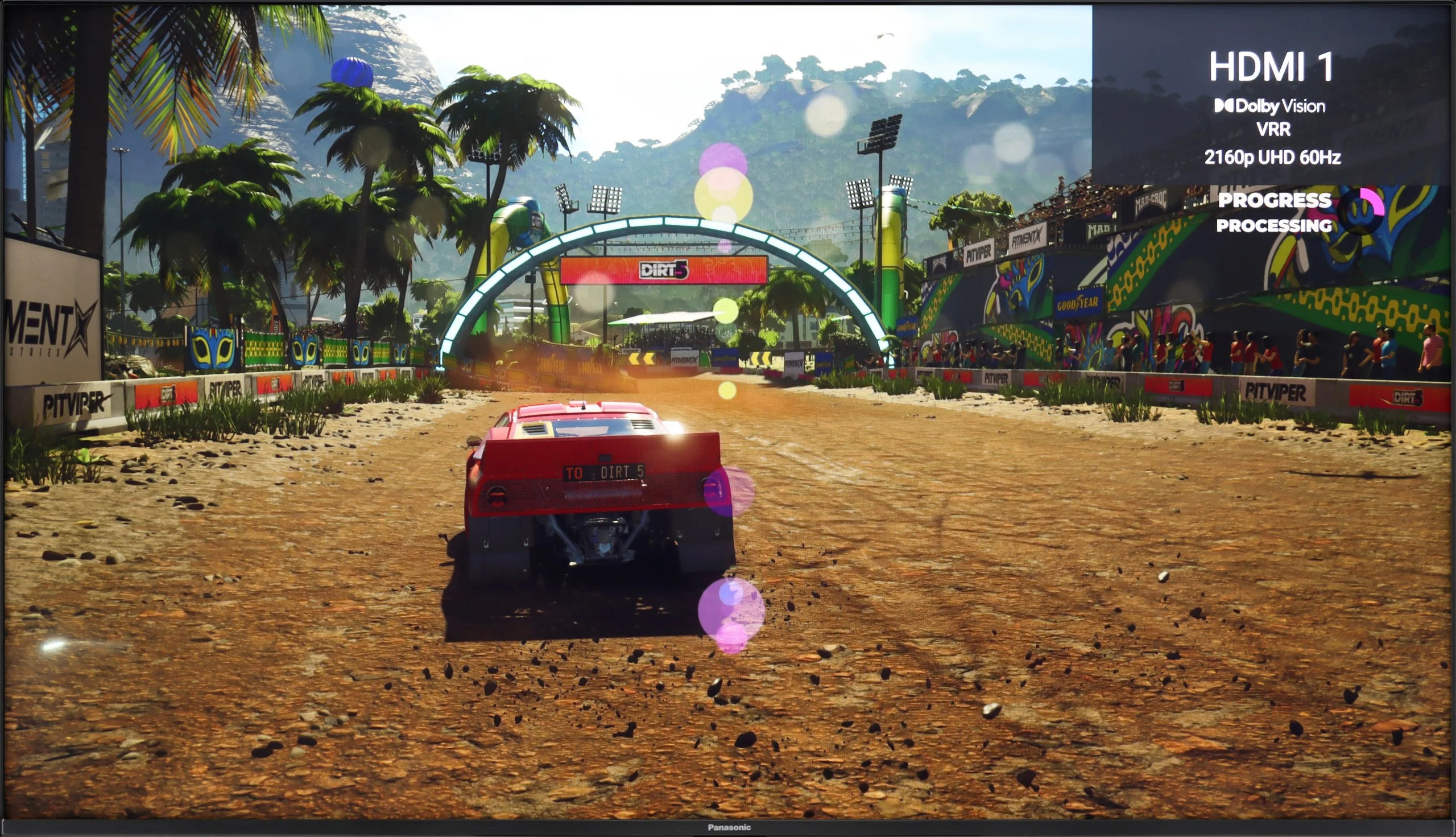
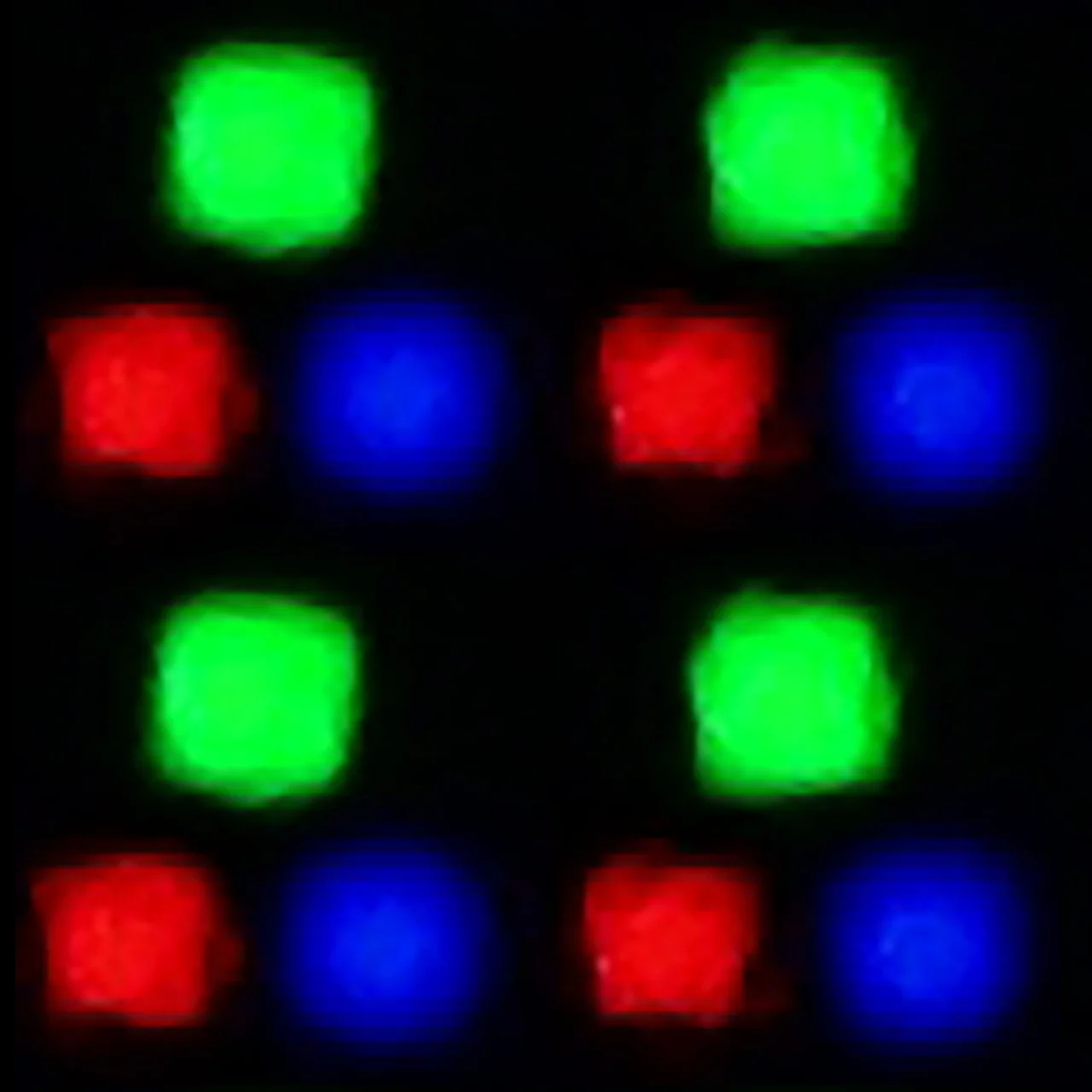
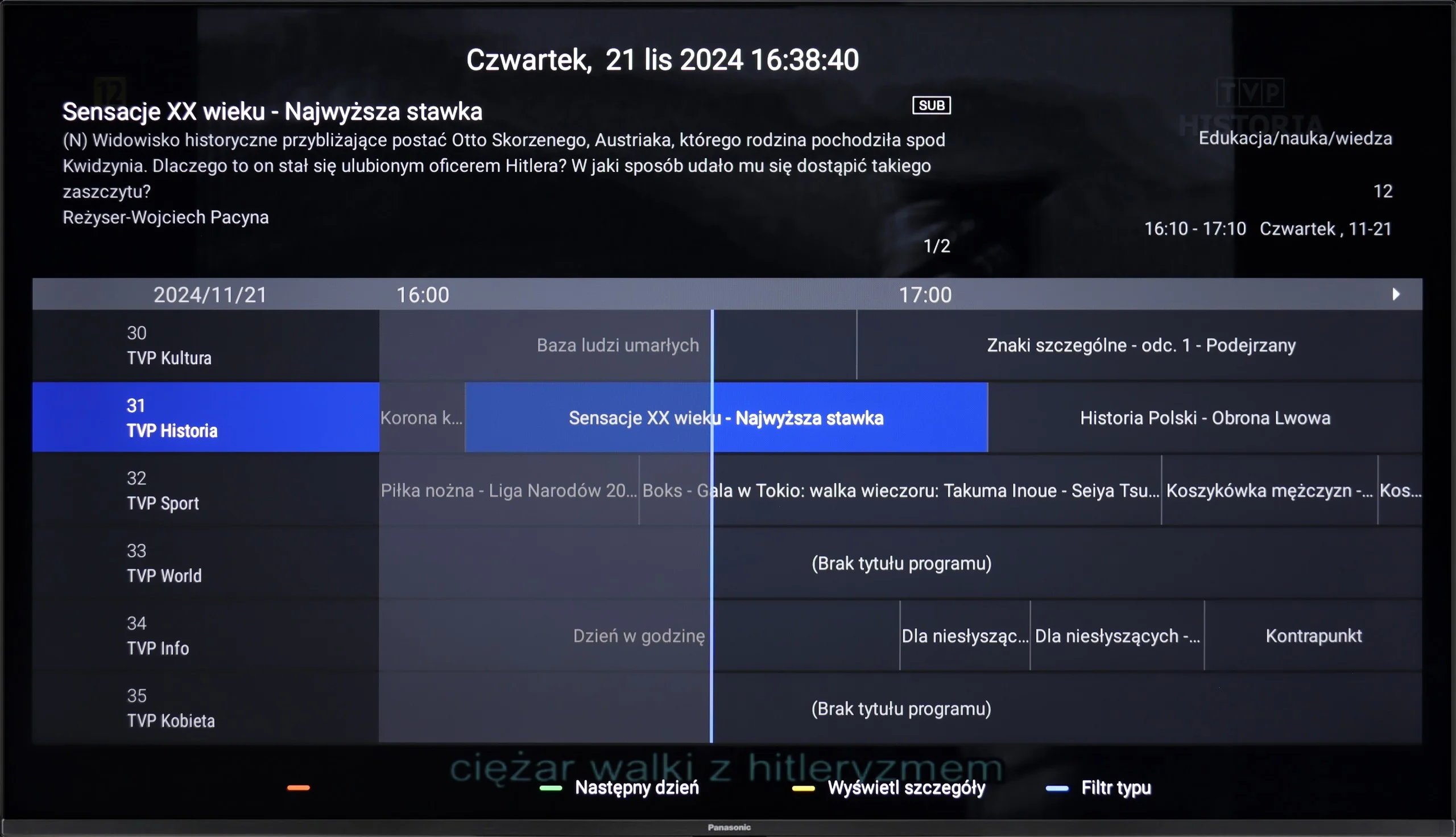
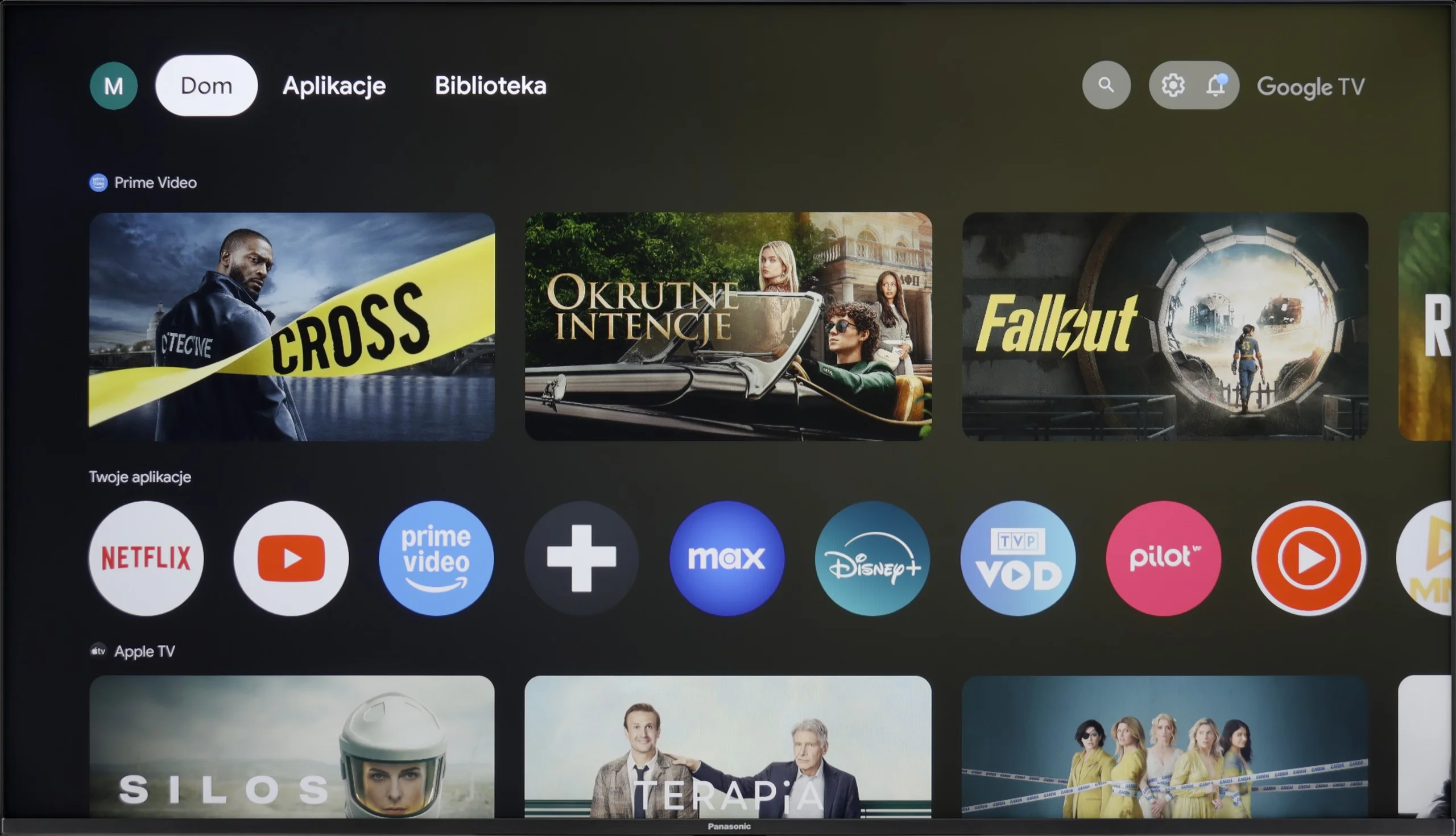
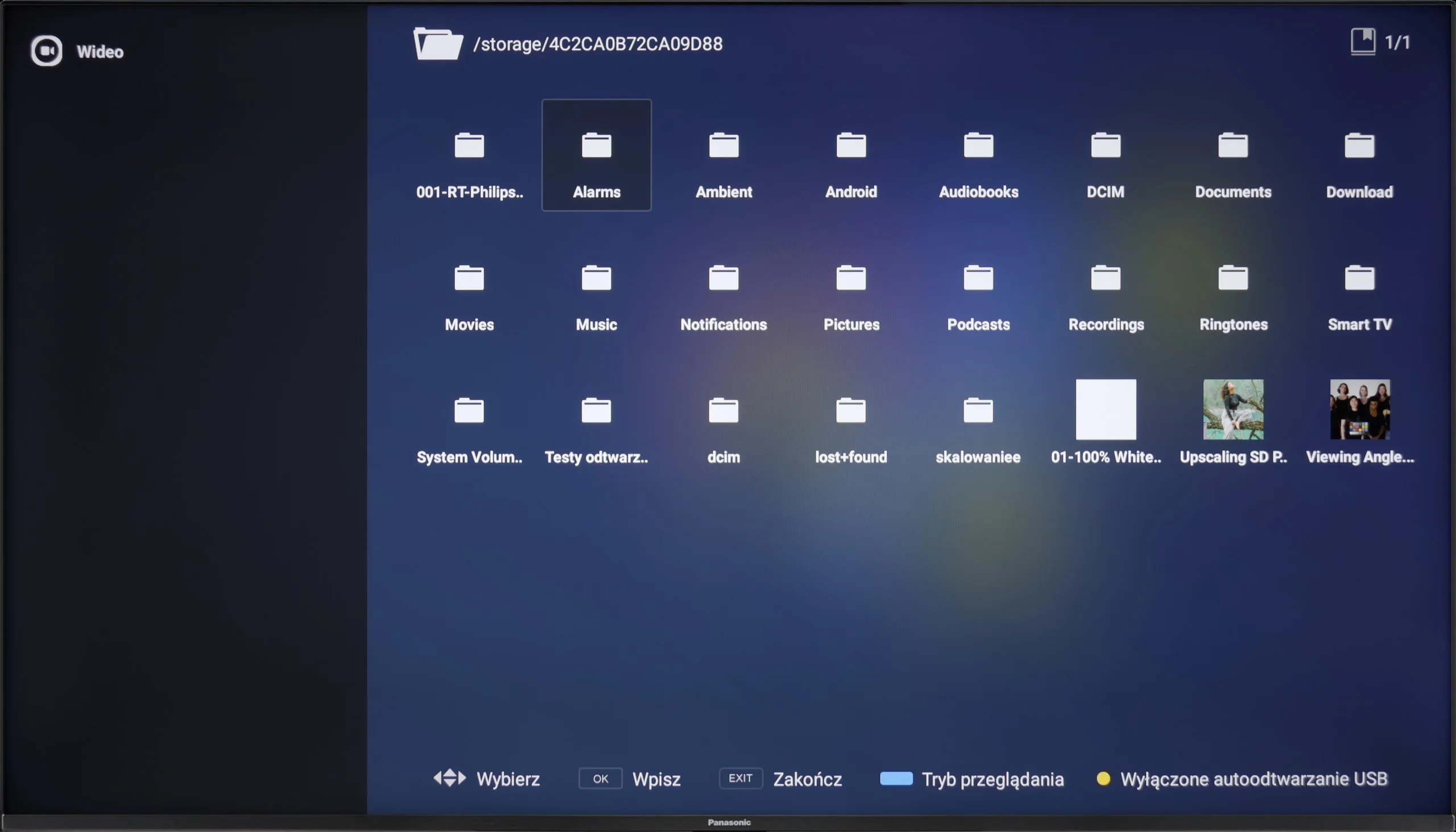
The Panasonic W70A draws attention primarily due to its advanced Google TV operating system, which gives access to a plethora of popular applications (YouTube, Netflix, Disney+, HBO Max, etc.). As for the picture, the IPS panel offers wide viewing angles, so colours do not lose intensity even when watching a film from a slight angle. Gamers will also not be disappointed, as it features VRR and ALLM, along with low input lag (around 12 ms) – all of this contributes to a pleasant experience for occasional gaming, despite the standard 60 Hz refresh rate.
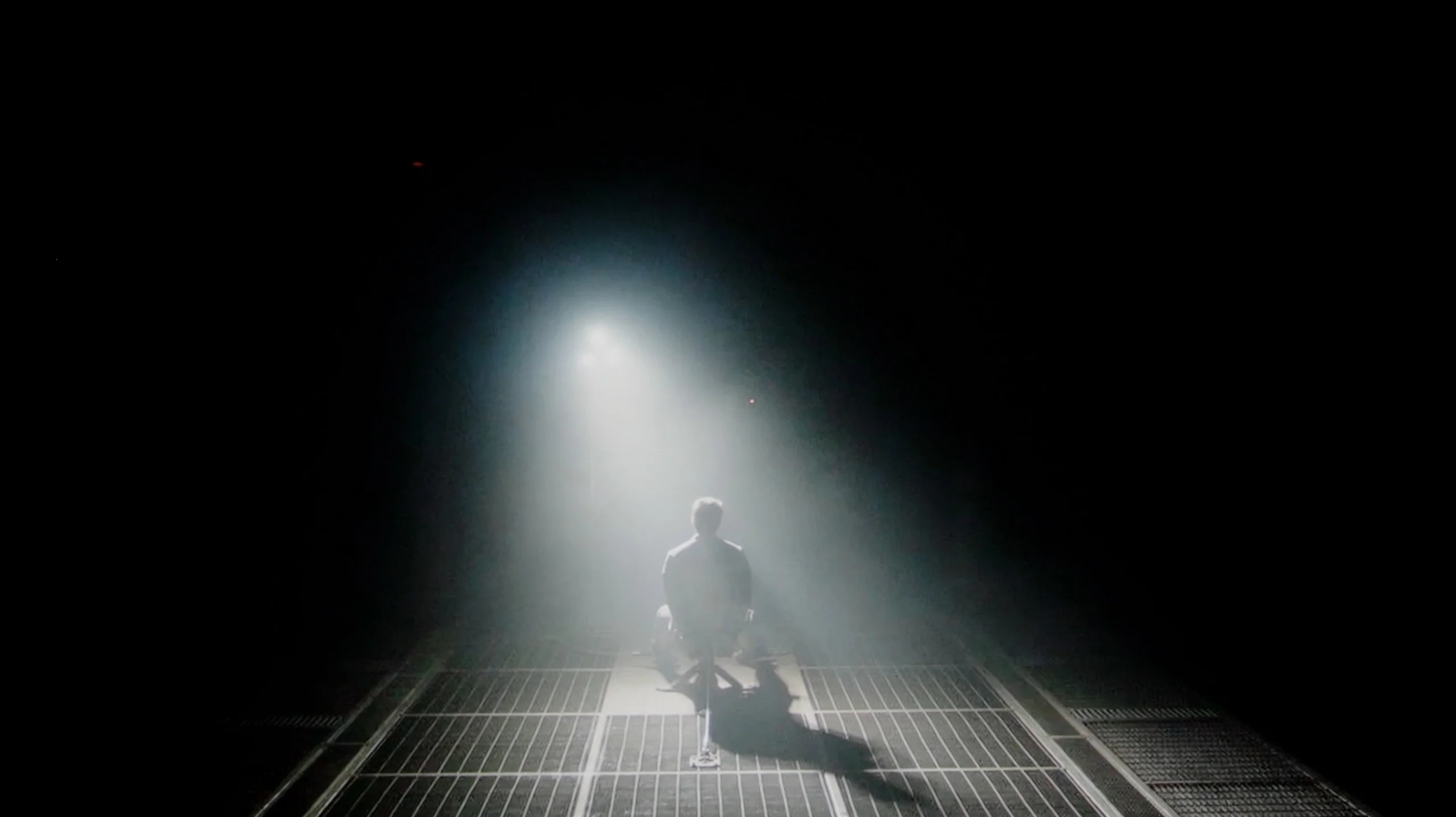
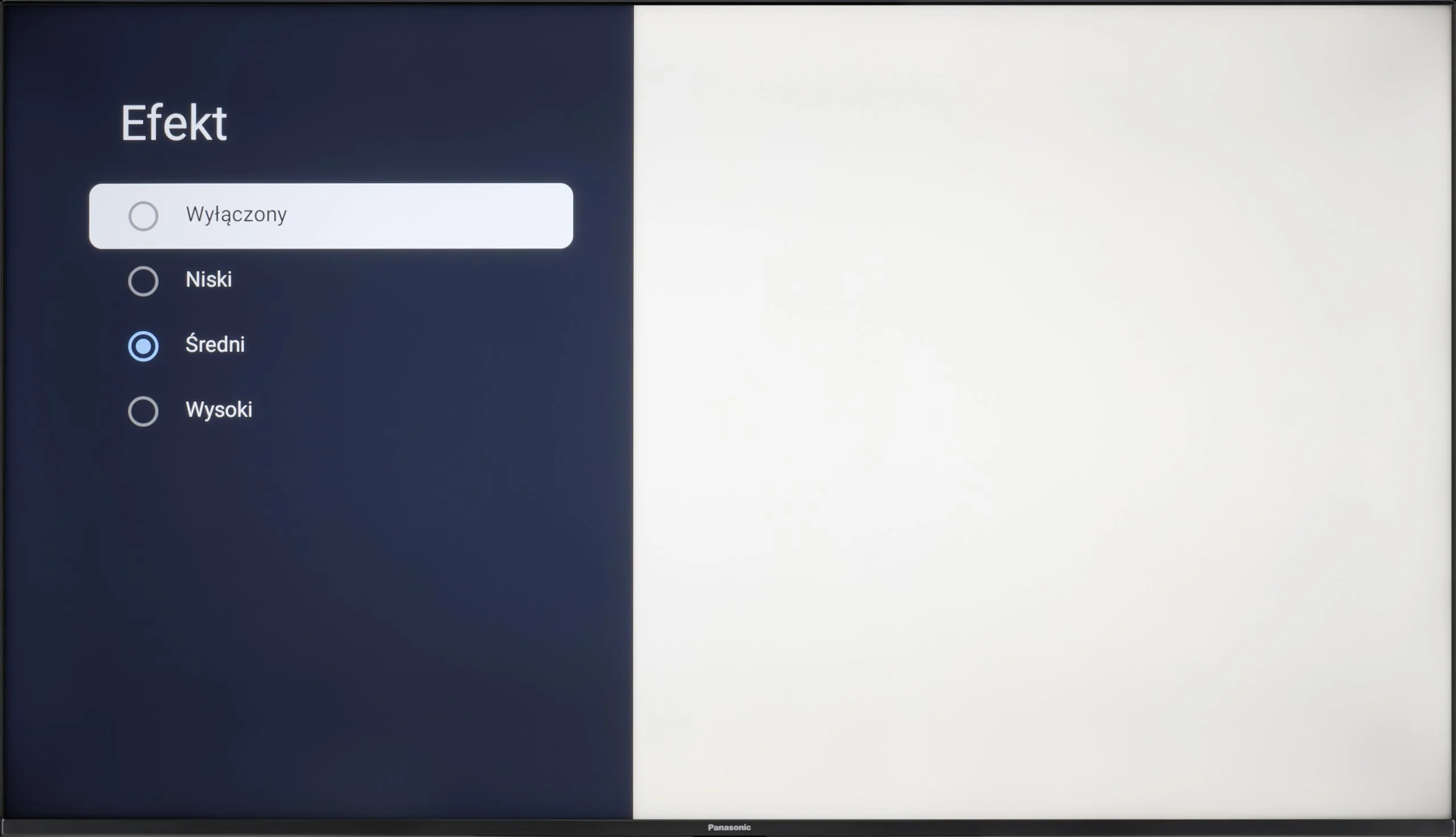
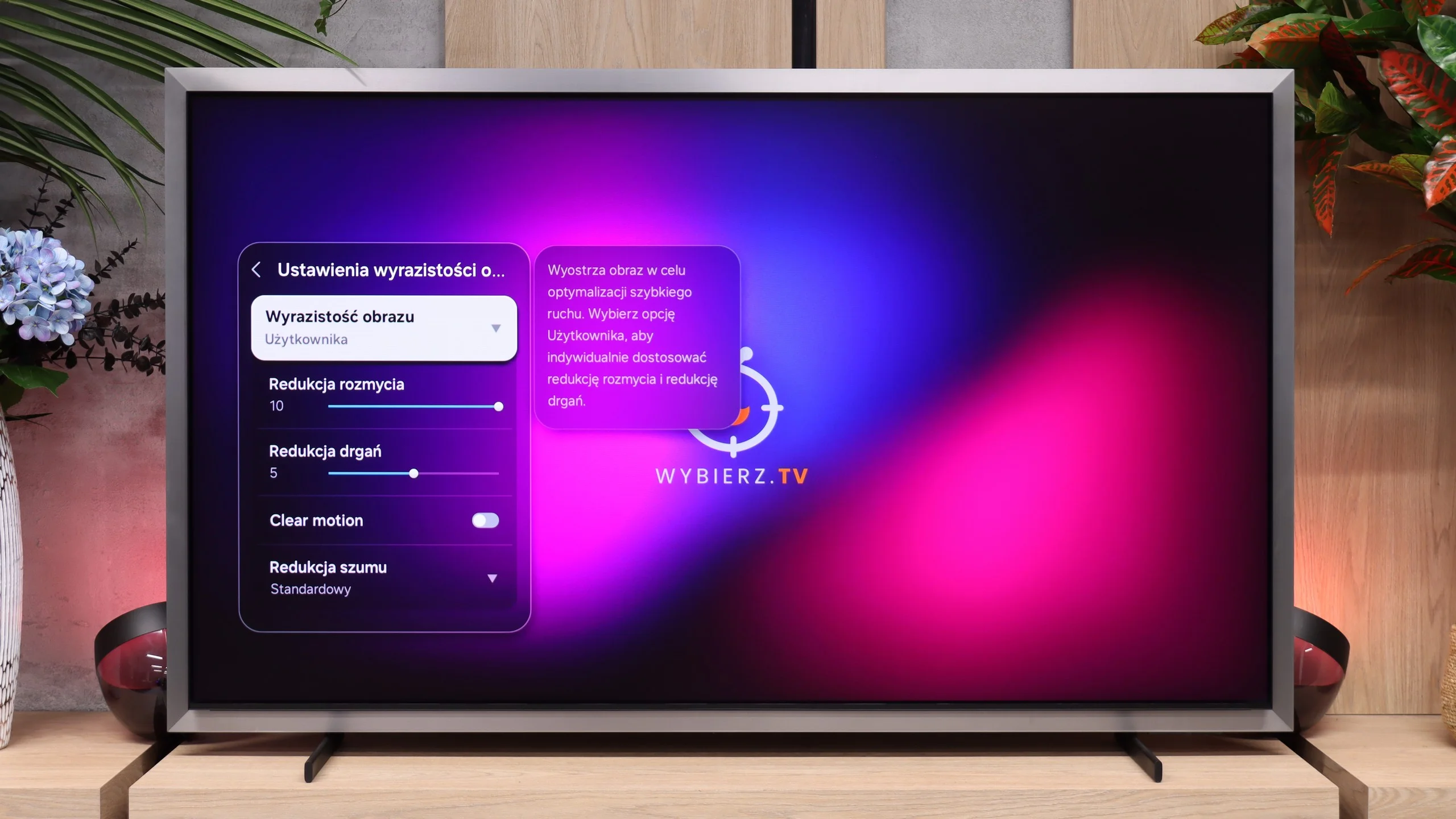
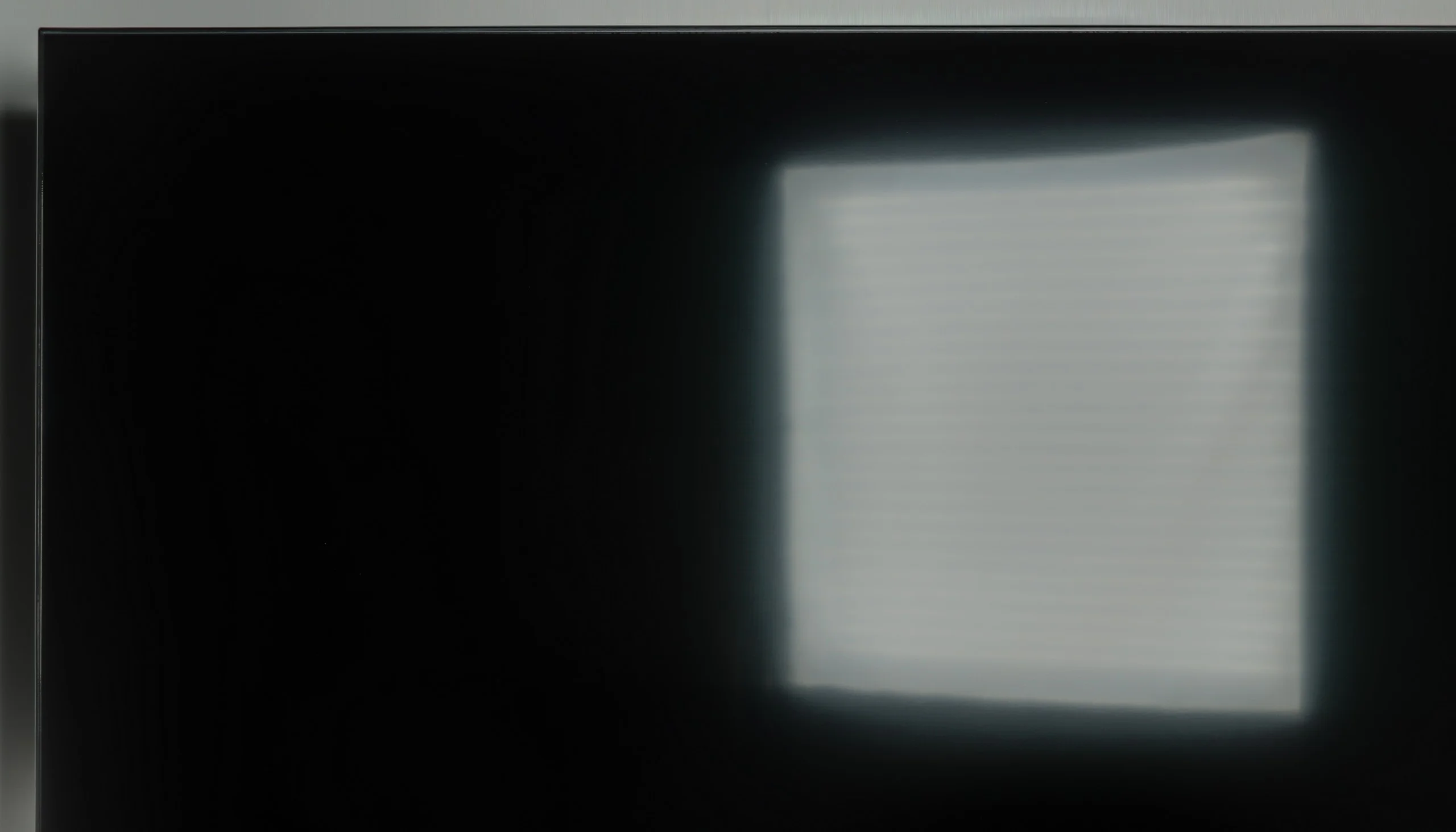
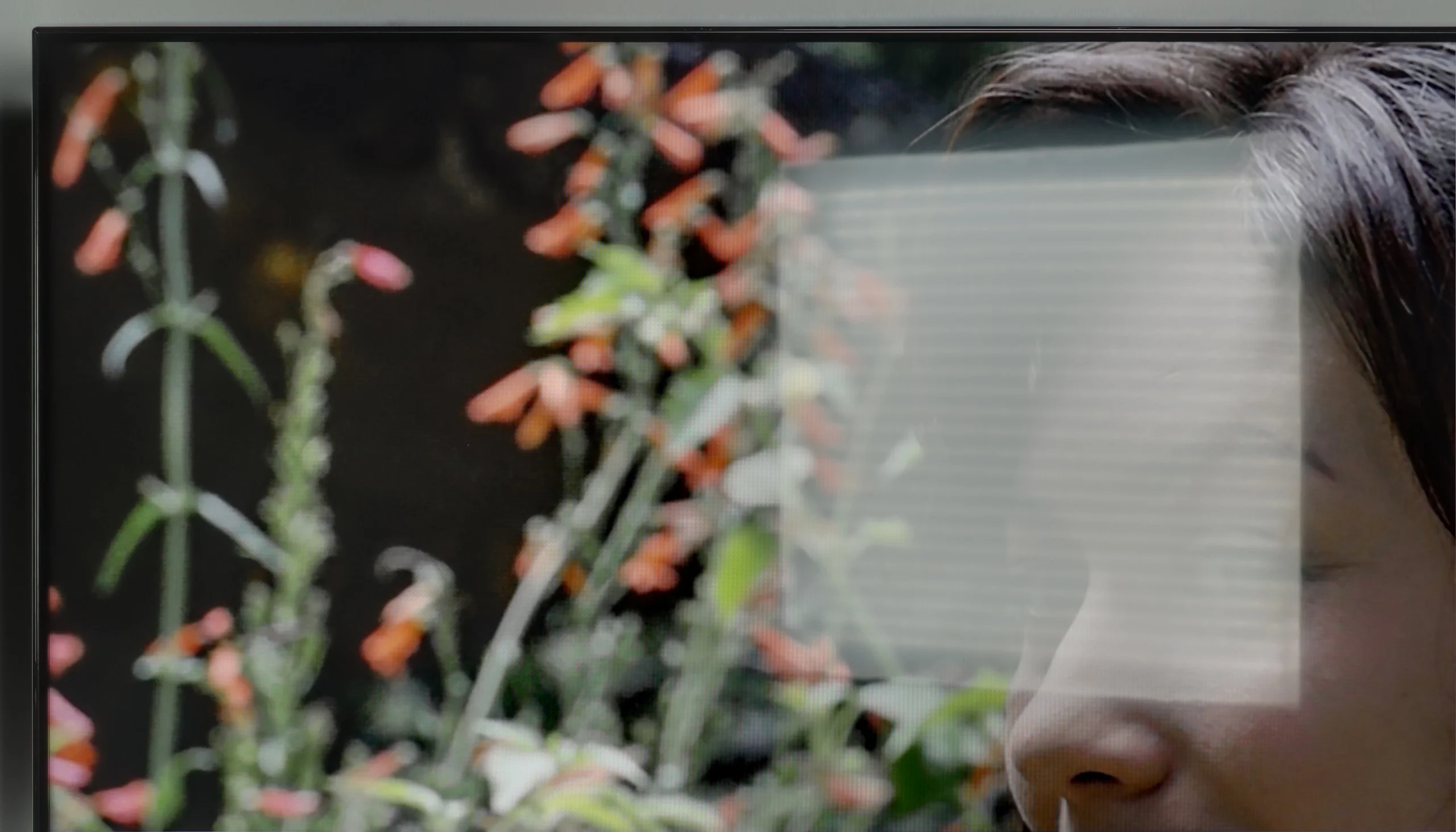
However, it is worth noting that this is rather a basic model and has its limitations. The contrast and black levels are simply weak, which is a typical phenomenon for IPS panels, especially in dark rooms. A brightness level of around 270 cd/m² is also insufficient in brightly lit rooms, making the picture appear washed out. Certain shortcomings in the software itself cannot be overlooked either. Google TV is a great basis, but sometimes it happens that some settings are scattered in surprising places, and the quality of translations leaves much to be desired.
One must consider that the competition is offering more and more in a similar (or slightly higher) price range. Can the Panasonic W70A hold its ground in such an environment? On one hand, it tempts with a rich application base and decent support for gamers, but on the other hand, the market is flooded with more refined televisions equipped with better parameters. However, if wide viewing angles and easy access to Google TV services are a priority, it might be worth giving it a chance. Otherwise, it is advisable to look among competing models that often offer better black levels, higher brightness, and fewer annoying issues in the menu at a similar price.
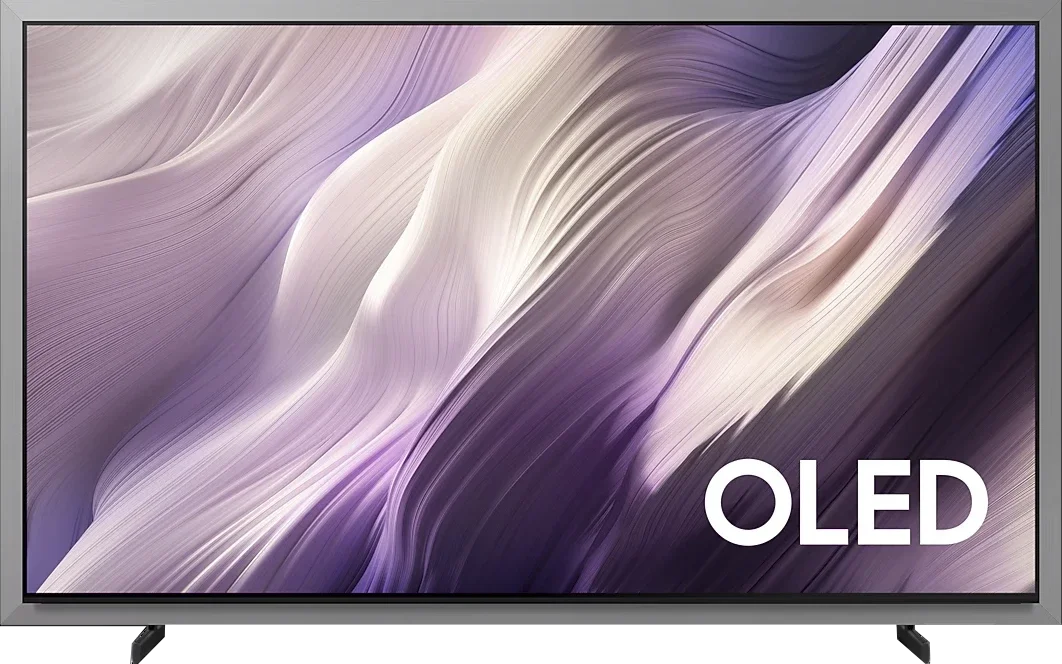
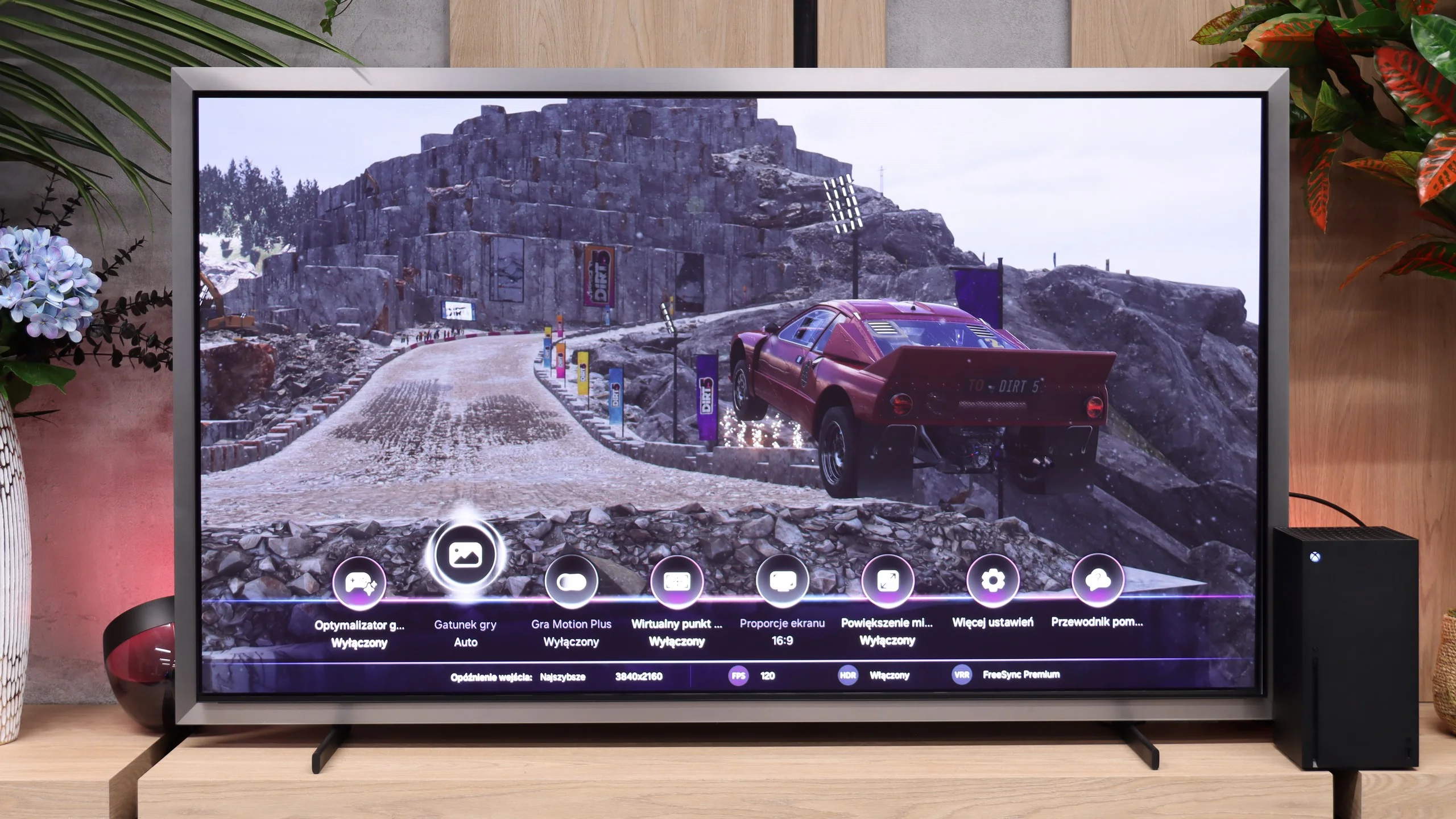
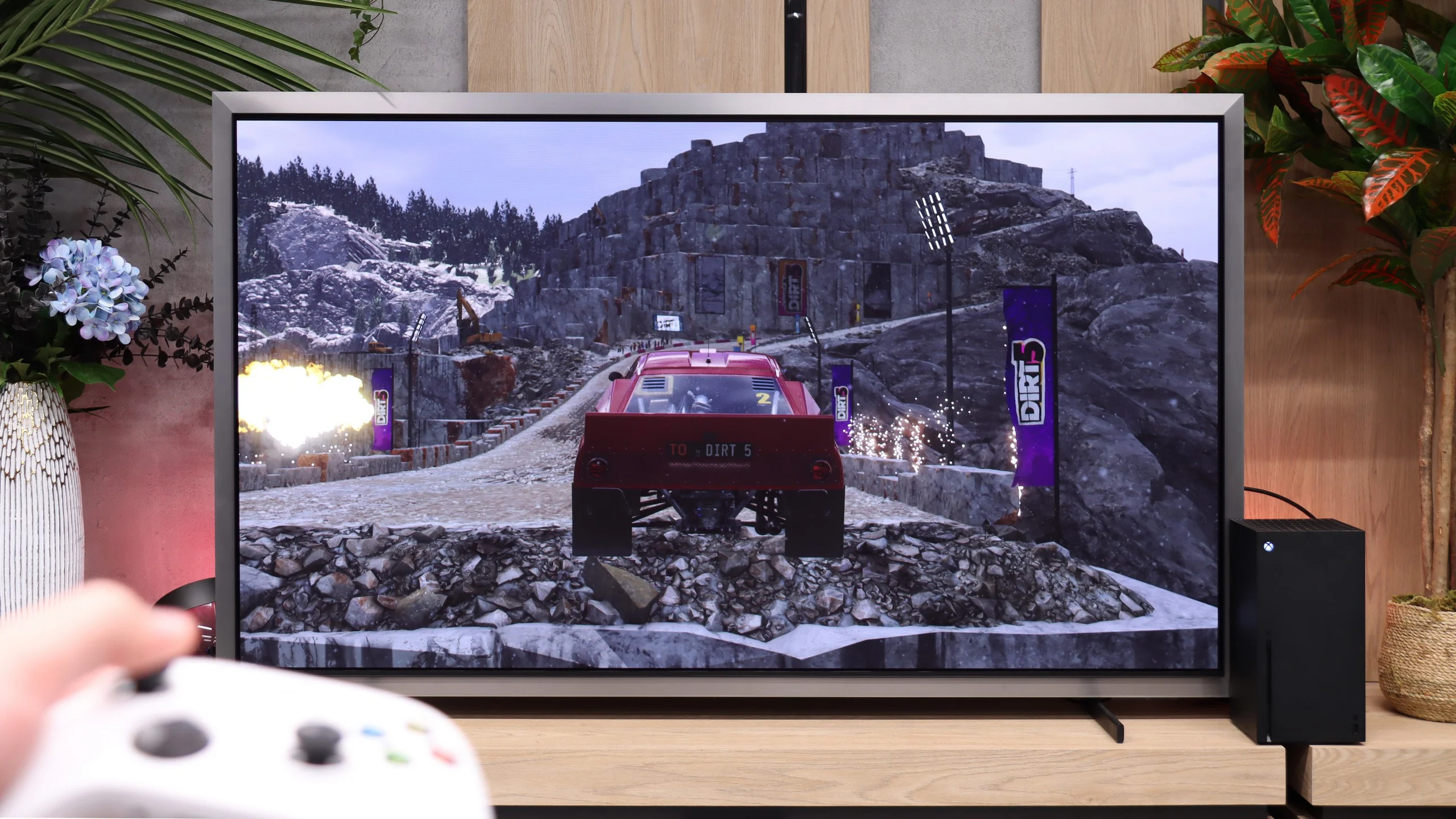
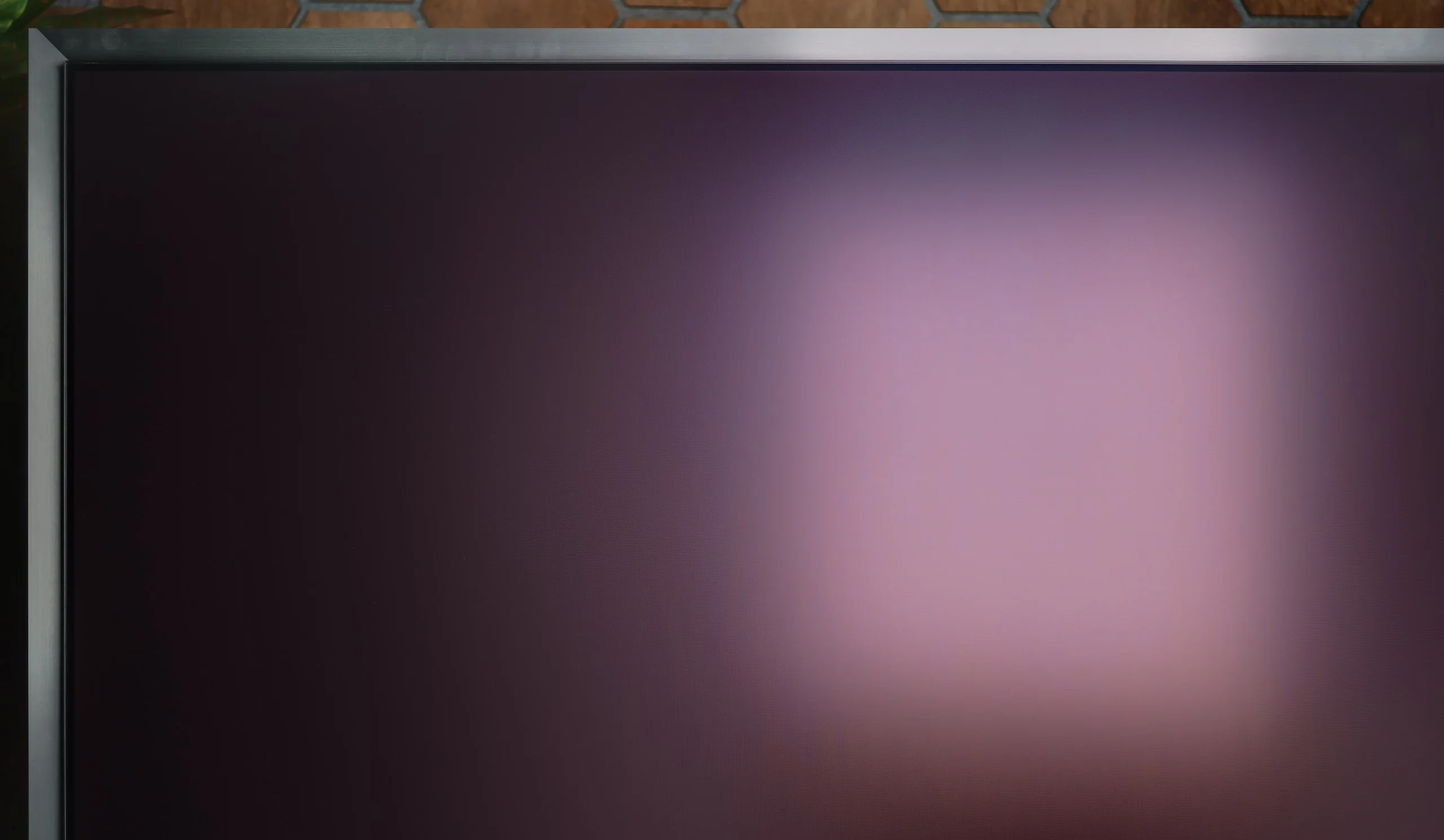
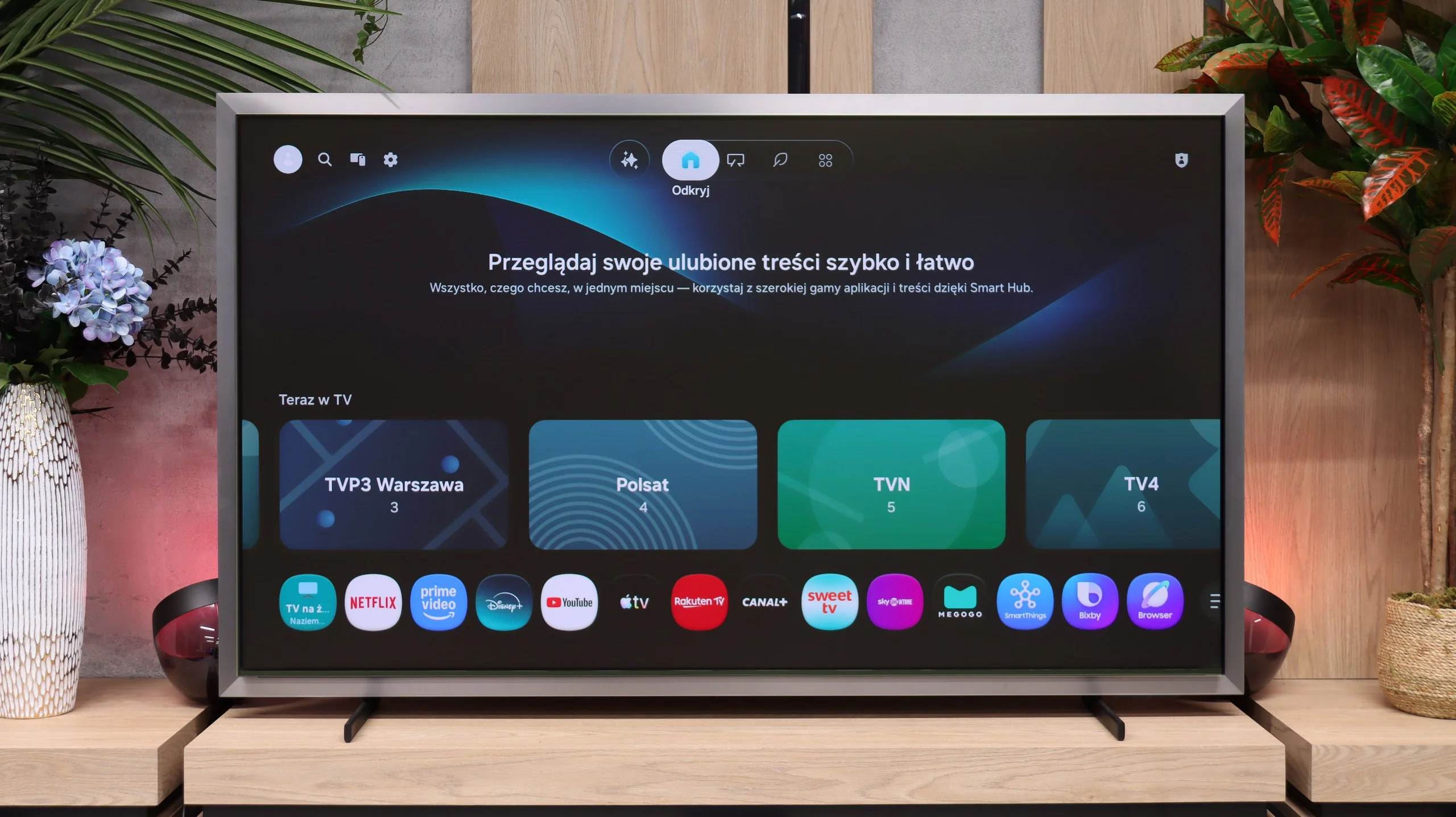
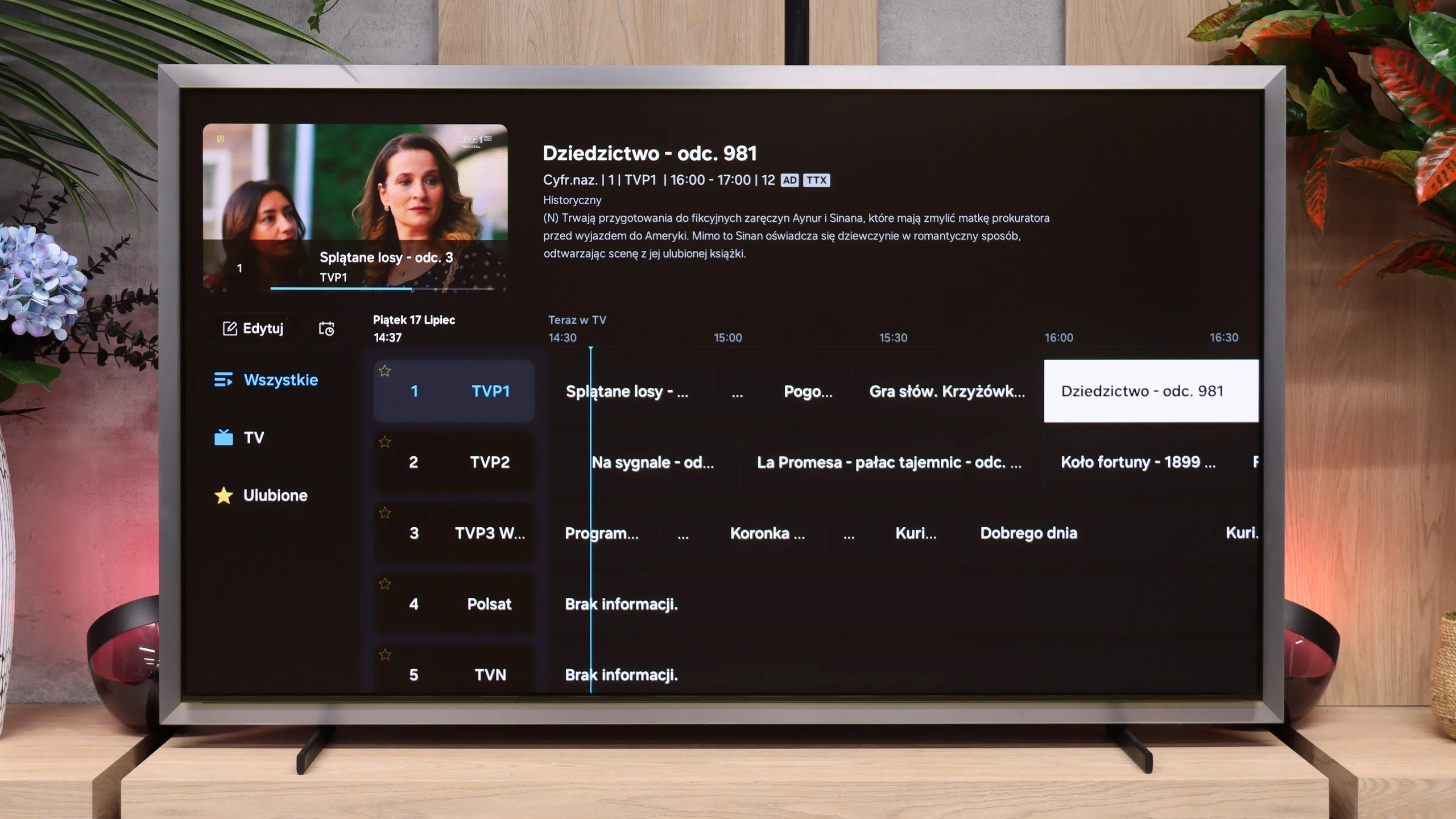
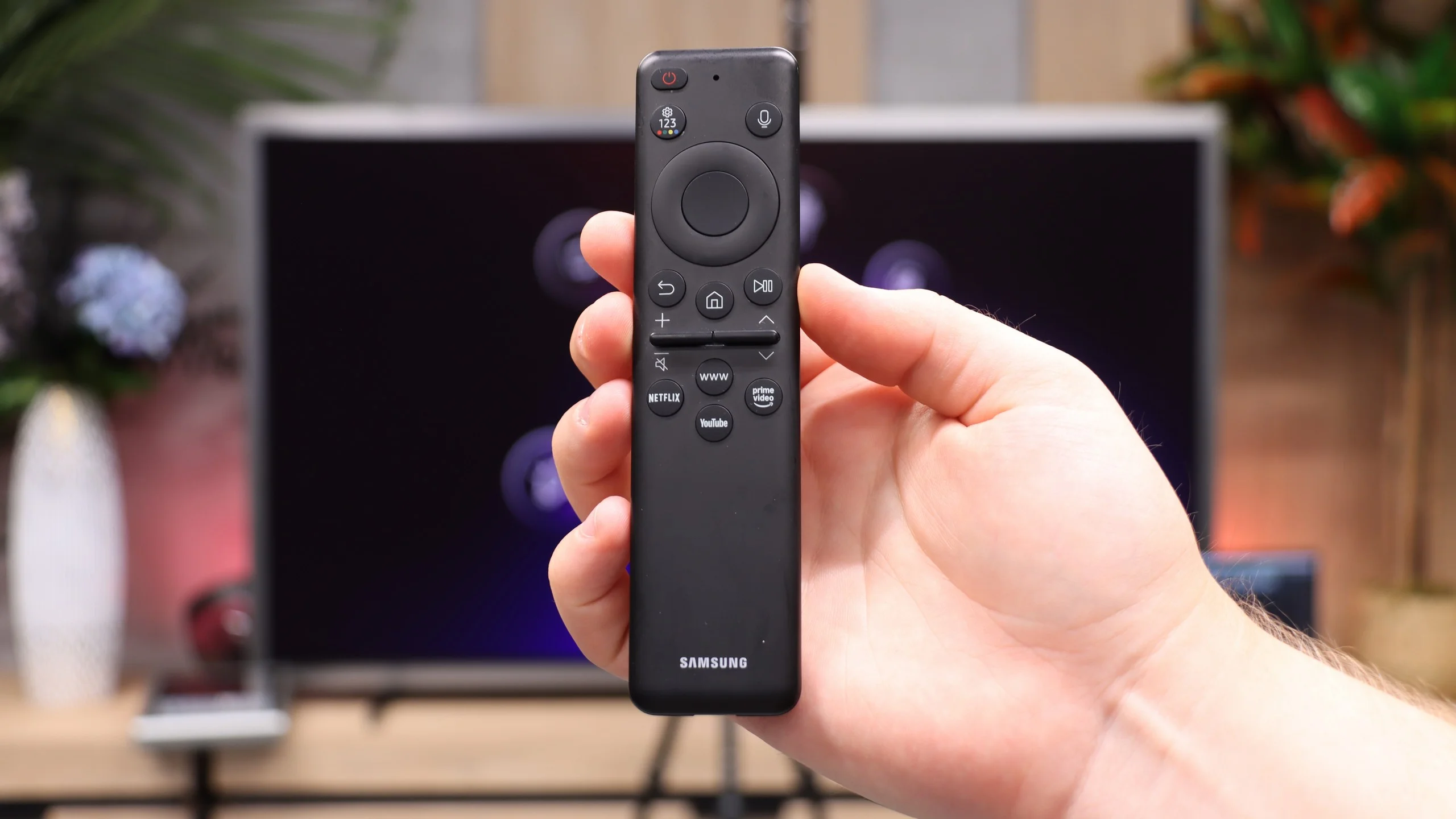
The Samsung S99H is probably the best OLED TV we've tested so far, and certainly Samsung's best OLED in many years. In terms of picture quality it's genuinely hard to find a weak point. Blacks are perfect, as befits an organic panel, and the HDR effect impresses with its brightness and colour saturation. The use of a QD-OLED panel delivers an image that in many scenes looks almost reference-grade. Virtually every parameter related to display quality performs excellently here. It's also hard to deny that the S99H is simply a device that's a pleasure to use every day. Tizen runs quickly, has access to all the major apps and is covered by seven years of update support. On top of that there are brilliant features for gamers, which translated into one of the highest scores in this category on our site. The S99H will therefore perform well in practically any conditions, whether we're watching films in the evening, following regular TV in a bright living room, or spending several hours playing on a console.
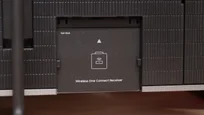
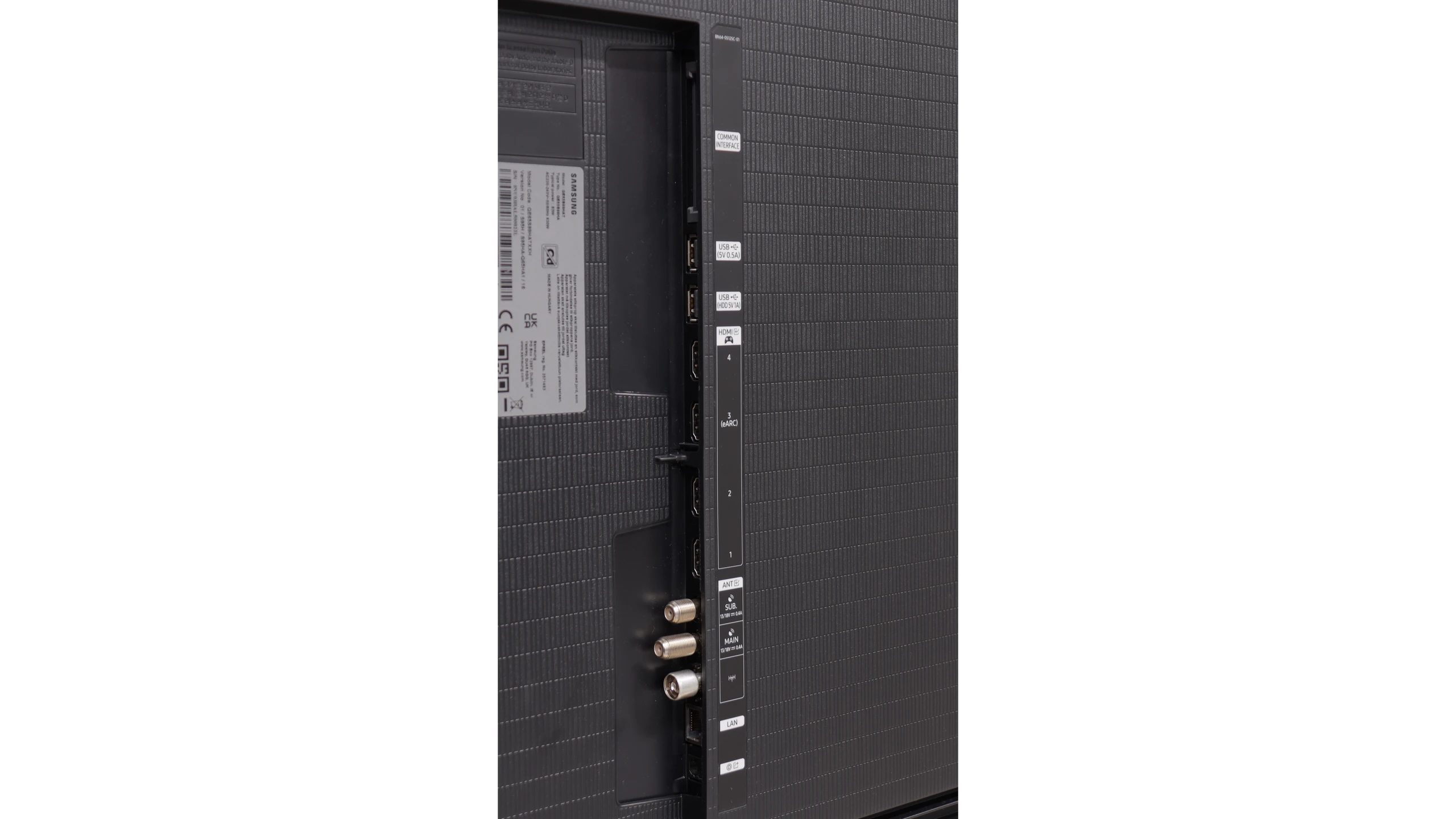
So is it the perfect TV? Not entirely. The design is, of course, the most controversial aspect. The unique look with its wide bezel means this TV is something you'll either love straight away or completely dislike, and that's purely a matter of personal taste. We can, however, judge the equipment, and in that respect Samsung has left something to be desired. In a model designed primarily for wall mounting there is no dedicated mounting bracket, nor a One Connect module. Granted, Samsung allows you to buy its wireless version, the Wireless One Connect, but for a product at this price point both items should, in our opinion, be included.
However, these are not flaws that should rule this model out. The Samsung S99H's main defence is its picture, and it is simply phenomenal. If we like its appearance and are looking for the best possible TV, it's hard to point to a better choice today. At the moment the Samsung S99H is the strongest contender for the title of best TV of 2026.
 Direct comparison