LG QNED87T is a television that definitely stands out. It is somewhat unconventional – it doesn’t forcefully compete with top OLED models, but it makes up for that with modern features and user-friendly operation. This is a device that works wonderfully for those who value convenience and versatility. The 120 Hz panel, VRR, and ALLM ensure that the television handles dynamic content well. Games run smoothly, the picture is sharp, and the responses are quick. If we spend time on a console, we will appreciate the lack of delays or blurring. When watching sports, fast actions are clear, without stuttering. On a daily basis, LG QNED87T is simply comfortable. WebOS operates intuitively, applications launch quickly, and the Magic Remote significantly simplifies control. Voice control saves time, especially when searching for films or series. Features such as USB recording and Bluetooth offer more options, increasing its versatility. The IPS panel is a significant advantage when it comes to viewing angles. Regardless of where we sit in the room, the picture looks good. It’s an excellent solution in larger spaces, where not everyone has a direct view of the screen. Older films or standard television from built-in tuners also look decent – the improvement in the quality of lower resolution materials works surprisingly well. However, there are certain things that may stand out. The contrast is simply tragic. In dark scenes, there are no details at all. In the evening, in a dimmed room, this is very noticeable. During the day, these imperfections are less felt, so LG QNED87T is better suited for well-lit places. LG QNED87T is a television that has its strengths. It handles dynamic materials well, is comfortable to use, and is perfect for bright rooms. It is not an ideal model for evening screenings in darkness, but in everyday use, it certainly stands out. It is a versatile device that is worth considering when choosing a new television.
- Matching (Score) |
- Our verdict |
- TV appearance |
- Where to buy |
- Contrast and black detail |
- HDR effect quality |
- Factory color reproduction |
- Color reproduction after calibration |
- Smoothness of tonal transitions |
- Image scaling and smoothness of tonal transitions |
- Blur and motion smoothness |
- Console compatibility and gaming features |
- Input lag |
- Compatibility with PC |
- Viewing angles |
- Daytime performance |
- Panel details |
- TV features |
- Apps |
- Playing files from USB |
- Sound
LG QNED87T6B vs PHILPS PUS9060
 Direct comparison
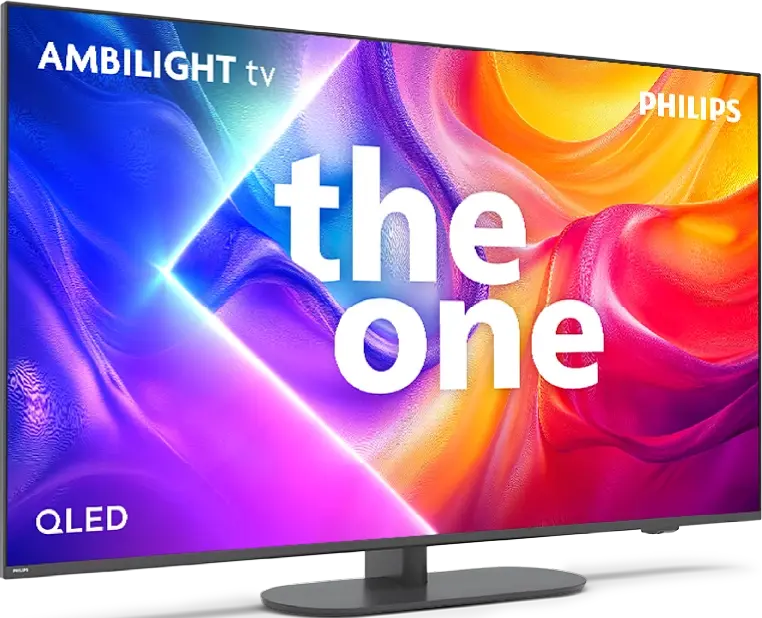
The One 2025 / PUS9060 / PUS9000 / PUS9010


Panel type: LCD IPS
Resolution: 3840x2160
System: WebOS
Model year: 2024
Complete the survey to find out the result
Panel type: LCD VA
Resolution: 3840x2160
System: Titan OS
Model year: 2025
Complete the survey to find out the result
Overall rating
6.8
6.9
 Movies and series in UHD quality
 6.1
6.7
 Classic TV, YouTube
 6.1
6.5
 Sports broadcasts (TV and apps)
 7.2
6.7
 Gaming on console
 8.2
8.5
 TV as a computer monitor
 7.6
8.6
 Watching in bright light
 4.8
6.0
 Utility functions
 8.8
6.1
 Apps
Apps 8.3
6.7
 Sound quality
 6.0
6.6
Complete the survey to find out what fits your preferences
Advantages

Wonderful for gamers and sports - 120hz, HDMI 2.1
Wide viewing angles
Good choice for regular television - excellent digital processing and advanced user features
One of the better choices as a PC monitor
Remote control with cursor - Magic
VA matrix with very good native contrast
Ambilight TV system, which enhances perceived contrast
Support for dynamic HDR formats: Dolby Vision and HDR10+
Great for gamers: 4K 120/144 Hz support, VRR, ALLM, HGiG, G-Sync Compatible
Low input lag
Very good compatibility with PCs
Support for multiple audio formats - Dolby Atmos and DTS
Illuminated remote control with numeric keypad
Disadvantages

Tragic contrast
Missing Dolby Vision, HDR 10+
The Titan OS operating system can be underdeveloped
Limited number of applications
Average viewing angles
Lack of television functions (Recording to USB, PIP, Audio-only mode)
Infrared remote control (must be aimed at the screen)
Our verdict
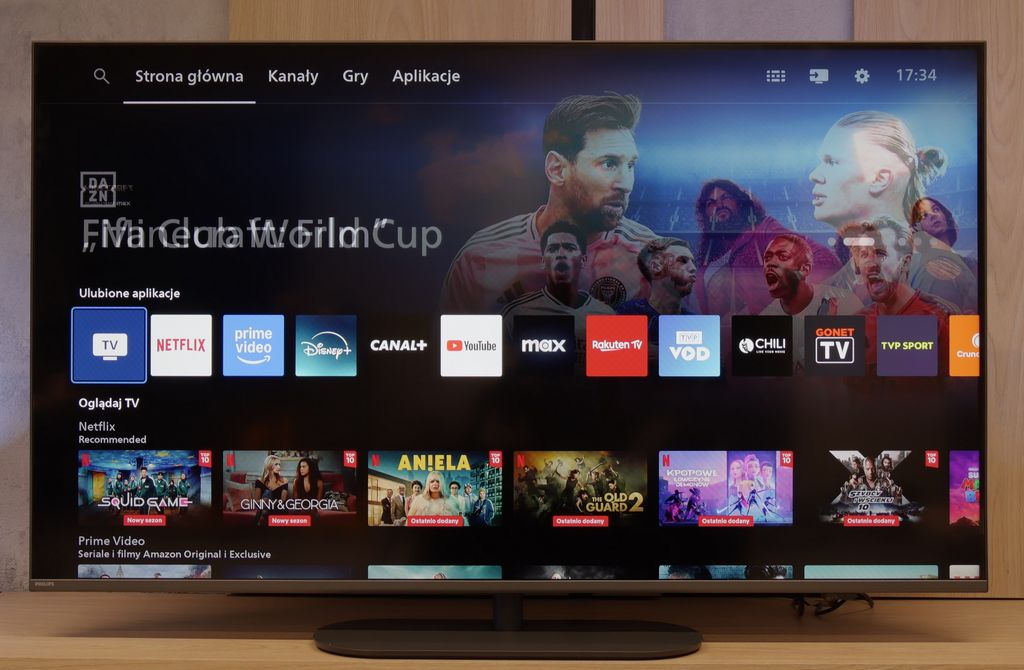
Philips PUS9000 is proof that the manufacturer not only keeps a finger on the pulse but also listens attentively to its users. In the latest iteration of this popular series, there is a noticeable progress – especially compared to the previous generation that we had the opportunity to test. The use of a VA panel has brought a significant improvement in black levels, which finally presents itself at an acceptable level. A brightness of 500 nits does not disappoint even in sunlit rooms, and support for a wide range of HDR formats – including Dolby Vision and HDR10+ – complements the image of a well-prepared device. Additionally, the support for spatial audio technologies such as Dolby Atmos and DTS only enhances the positive impression, especially since the presence of all the aforementioned formats is not a given, even in the priciest models of 2025. But what truly sets this model apart from the competition is the Ambilight system. The multicoloured backlighting not only makes a visual impression – in a darkened room, it can enhance perceived contrast and completely transform the experience of watching a film or series. The gaming mode also deserves recognition. 144 Hz, low input lag, variable refresh rate, G-Sync compatibility, and Game Bar function – everything one could expect from a device designed with consoles and PC in mind. Unfortunately, not everything works perfectly. The Titan OS system, while operating relatively smoothly, still suffers from shortcomings – many popular applications are lacking, minor bugs appear, and the overall experience can be somewhat clunky in everyday use. Moreover, the remote, despite its modern appearance, still uses infrared and requires aiming at the television. What a pity.
So, who is the PUS9060 for? For those who want to immerse themselves in an evening session with impressive Ambilight, game on consoles, and stream content from external devices. In such a scenario, “The One” may indeed turn out to be "the one" – especially since its price is not off-putting on release day.
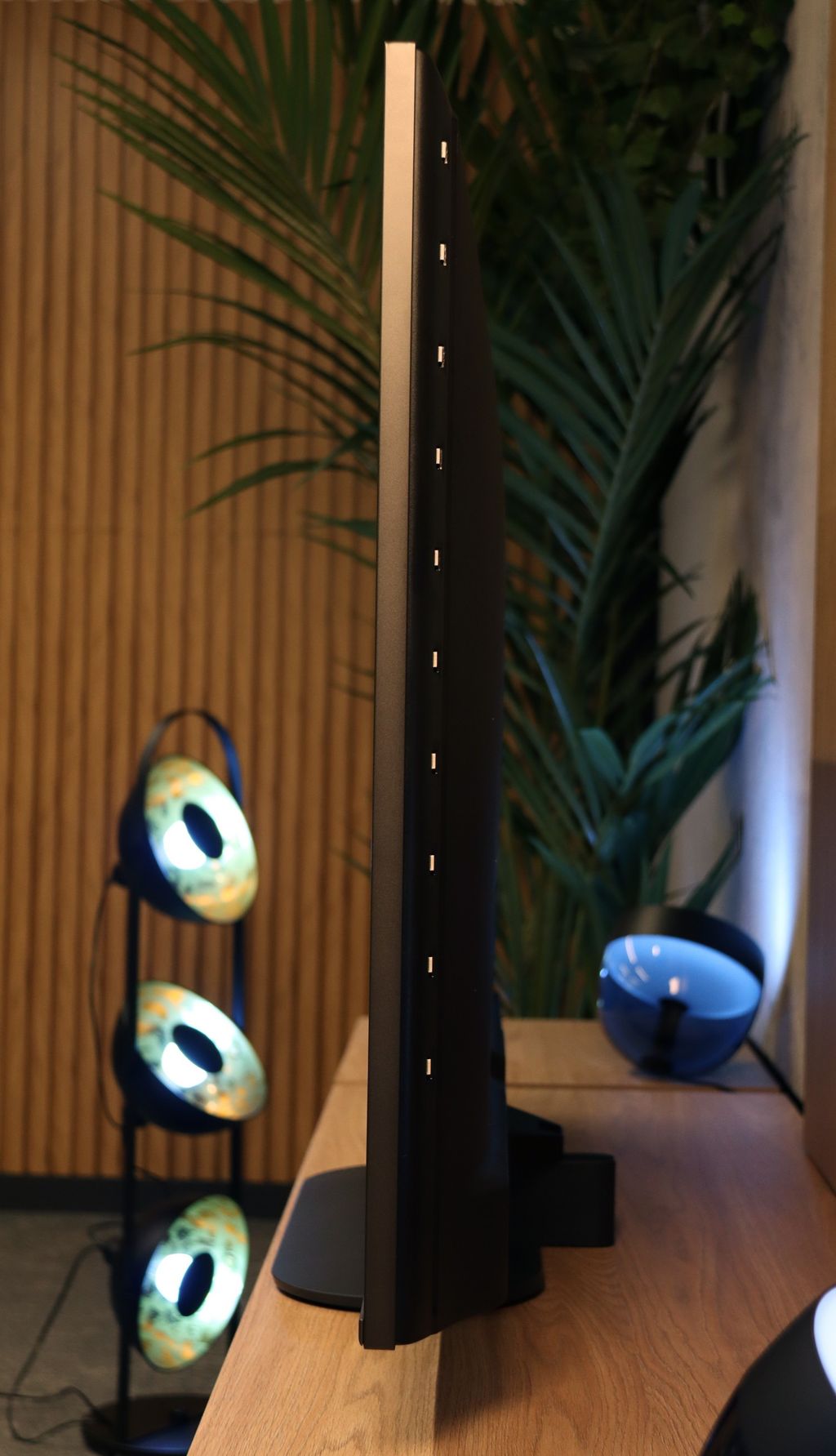
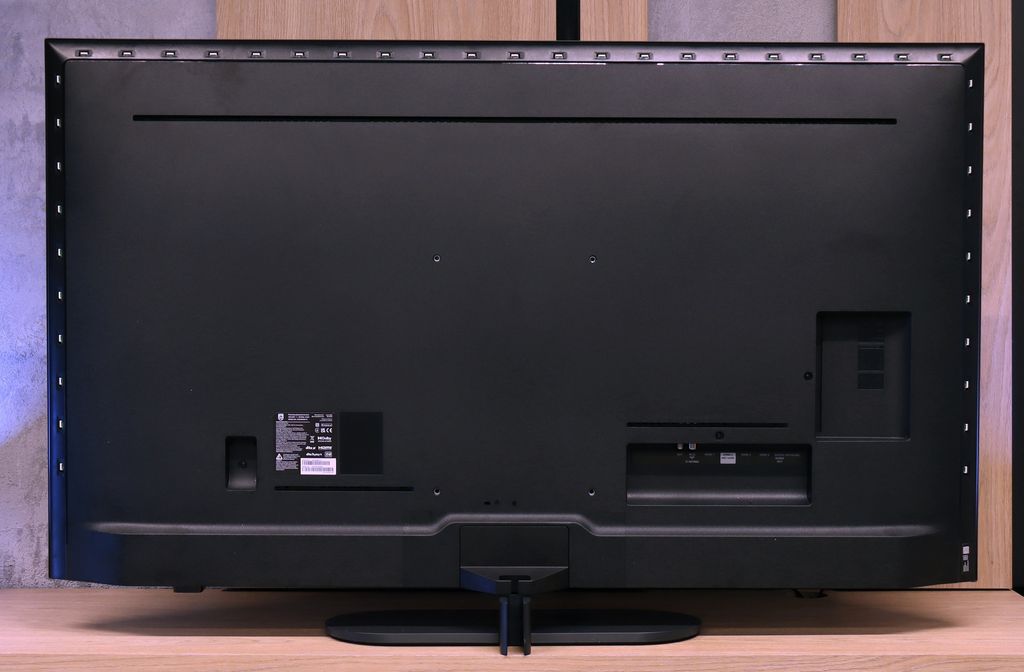
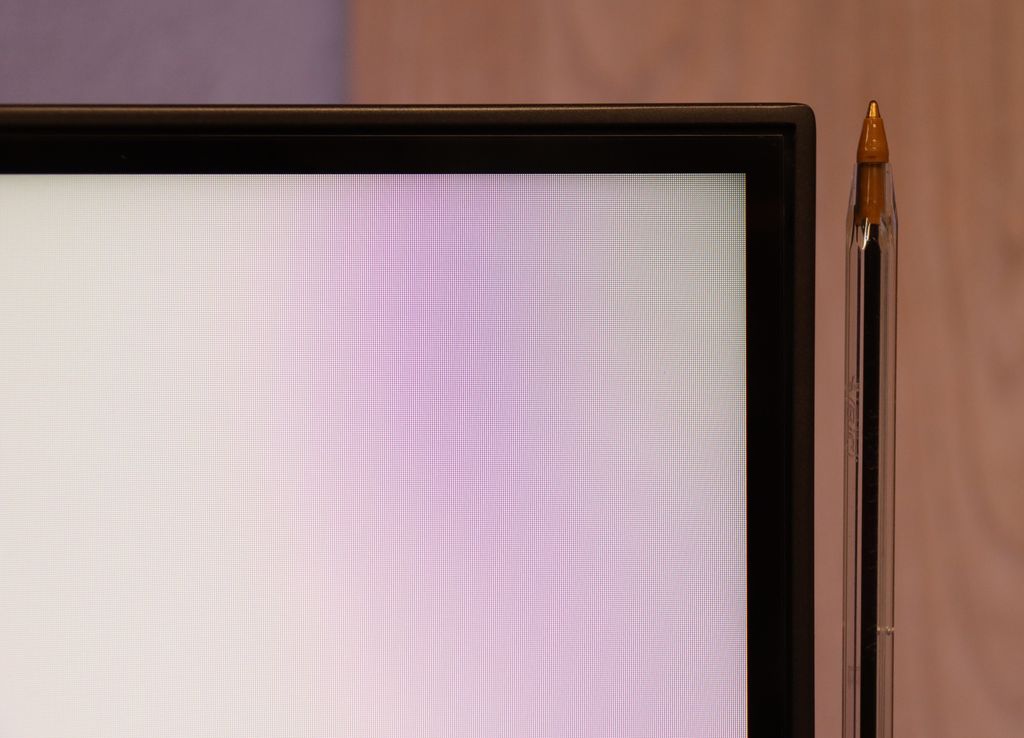
TV appearance



Contrast and black detail
3.3/10
6.2/10
Local dimming function: Yes, number of zones: 6 (6 x 1)
Local dimming function: No
Contrast:


Result
2,350:1

Result
1,250:1

Result
2,500:1

Result
1,450:1

Result
1,050:1
Result
6,000:1
Result
6,750:1
Result
7,300:1
Result
6,000:1
Result
6,800:1
Halo effect and black detail visibility:

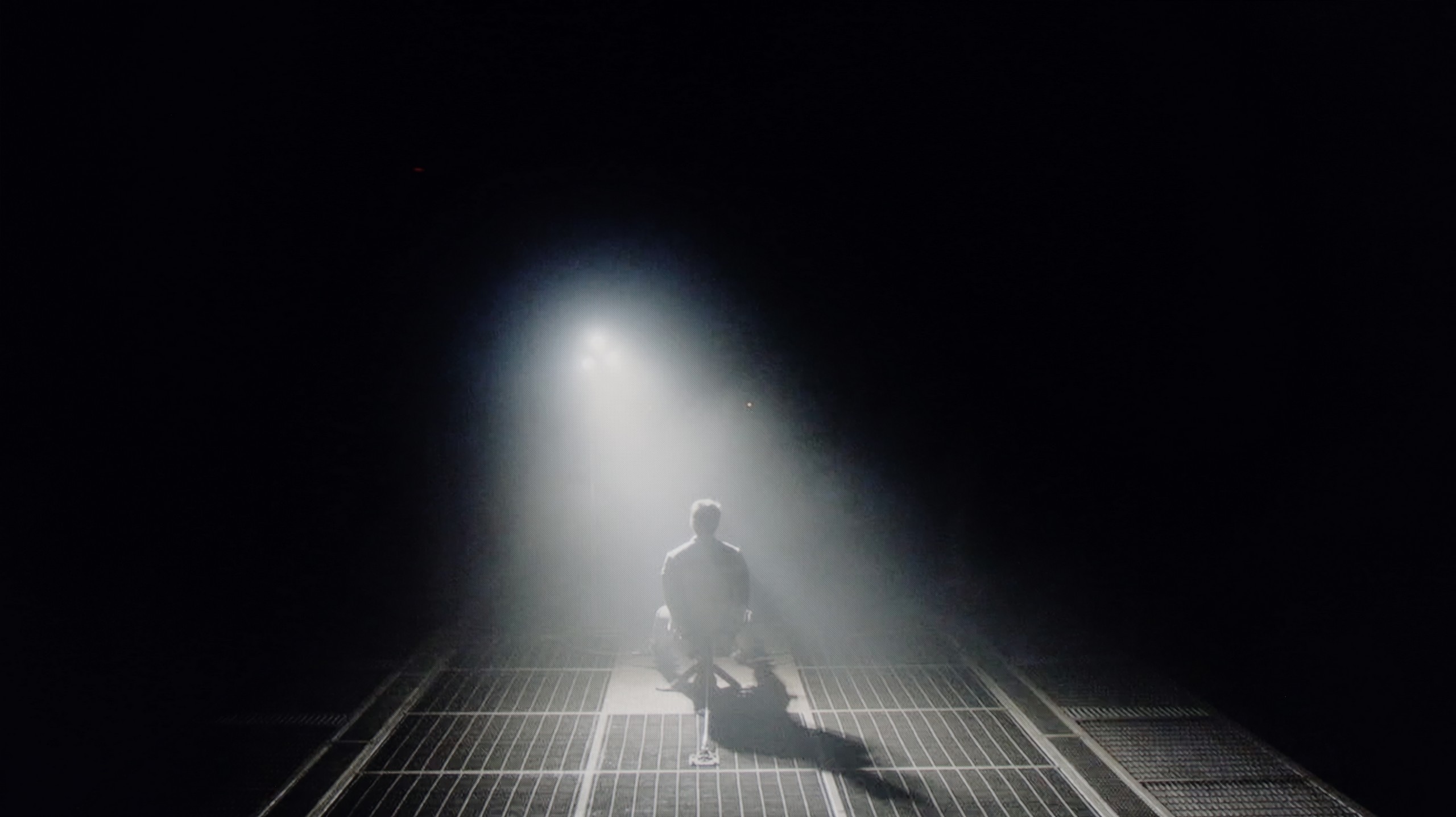
Check the visibility of bright lights on a dark background. Mini-LEDs often struggle with this. The photo does not compare black levels – that’s what the video below is for.
The video accurately shows differences in contrast and black levels between TVs, as well as potential issues: halo around bright objects or Mini-LED zone operation visible as brightness jumps.
In the category of black levels and contrast, the television LG QNED87T6B has certain challenges to overcome. Equipped with an IPS panel, it does not match models with VA panels in terms of performance in this area. Additionally, the edge-lit dimming affects its poor results in this category. It is worth mentioning that the exception here is the 50-inch variant, which has a VA panel, and is not subject to this test.
Although the manufacturer offers a dimming control option, the effects remain relatively weak. Test patterns show that the contrast is truly miserable, and in the test scene from the film "Sicario 2," it is clearly visible how the television struggles with uneven backlighting, illuminating a large portion of the screen from below. This demonstrates that in more demanding scenes, the television has difficulties maintaining an appropriate level of contrast and black levels, which negatively impacts the overall visual experience.
The PUS9060 is a television that, in this version, is equipped with a VA panel – and this is immediately evident in the contrast tests. In the tested images, the television achieved really good results, at around 6500:1. Such a result alone indicates that the television has a very decent black level. Unfortunately, the PUS9060 is not equipped with local dimming technology, and as a result, the black levels in the dark may appear to have a tint resembling navy blue. Fortunately, the The One series is known, among other things, for the famous Ambilight system, which significantly improves perceived contrast, and thus ‘tricks’ our eye into seeing a better black level. It may seem simple, but it is remarkably useful. Therefore, we recommend using this television in the evening with this system switched on. It doesn’t necessarily have to be multicoloured and track the picture – it can simply be white.
HDR effect quality
5.3/10
5.8/10
Luminance measurements in HDR:

Result
409 nit

Result
486 nit

Result
574 nit

Result
464 nit

Result
439 nit
Result
507 nit
Result
430 nit
Result
542 nit
Result
551 nit
Result
545 nit
Scene from the movie “Pan” (about 2800 nits)


Scene from the movie “Billy Lynn” (about 1100 nits)


The photos show two HDR10 movies. 'Pan' is one of the brightest productions ever made, while 'Billy Lynn' (soldier) has brightness typical of streaming (Netflix, Prime, HBO MAX). Notice the intensity of effects and detail in whites.
Static HDR10


The photos present the visibility of white details in various HDR formats. They do not show brightness differences between TVs (these can be compared in the previous gallery).
HDR luminance chart:
PHILPS PUS9060
LG QNED87T6B
LG QNED87T6B delivers truly decent visual experiences when it comes to HDR. During our tests on test patterns, the television achieved brightness close to 500 nits, which is a satisfactory result and allows for good visibility of details in high dynamic scenes. Support for basic HDR formats, such as HDR10 and HLG, ensures appropriate image quality. Unfortunately, the television does not support more advanced standards, such as Dolby Vision or HDR10+, which are particularly important at this screen brightness. The lack of support for dynamic metadata means that in certain scenes, the television may struggle to fully reproduce details, especially in very bright areas – precisely when dynamic metadata could significantly improve image quality. Nevertheless, it is worth noting the excellent coverage of the wide DCI-P3 colour gamut, reaching as high as 96.4%. This ensures that the colours displayed by the QNED87T6B model are more vibrant and natural, enhancing the quality of 4K content with a wide colour palette.
The One is bright enough to enjoy films recorded in HDR format. The average brightness of this model is around 500 nits, so we can easily expect a pleasant viewing experience for films from streaming platforms. Of course – it could always be better, because when it comes to brightness, you can never have too much for this type of content. Unfortunately, a disappointing surprise may be the coverage of the DCI-P3 colour palette offered by the PUS9060. Although the manufacturer boasts about using a QLED filter here (in reality, it’s PFS LED), it's hard to speak of any positive effects from its operation. 85% coverage of the DCI-P3 palette is certainly not a level to be proud of in 2025 – particularly in a television advertised as QLED.
Factory color reproduction
5.4/10
5.5/10


This gallery shows how colors change after professional TV calibration. If you notice the difference, we recommend ordering this service at SkalibrujTV.com.
Factory Mode
After calibration
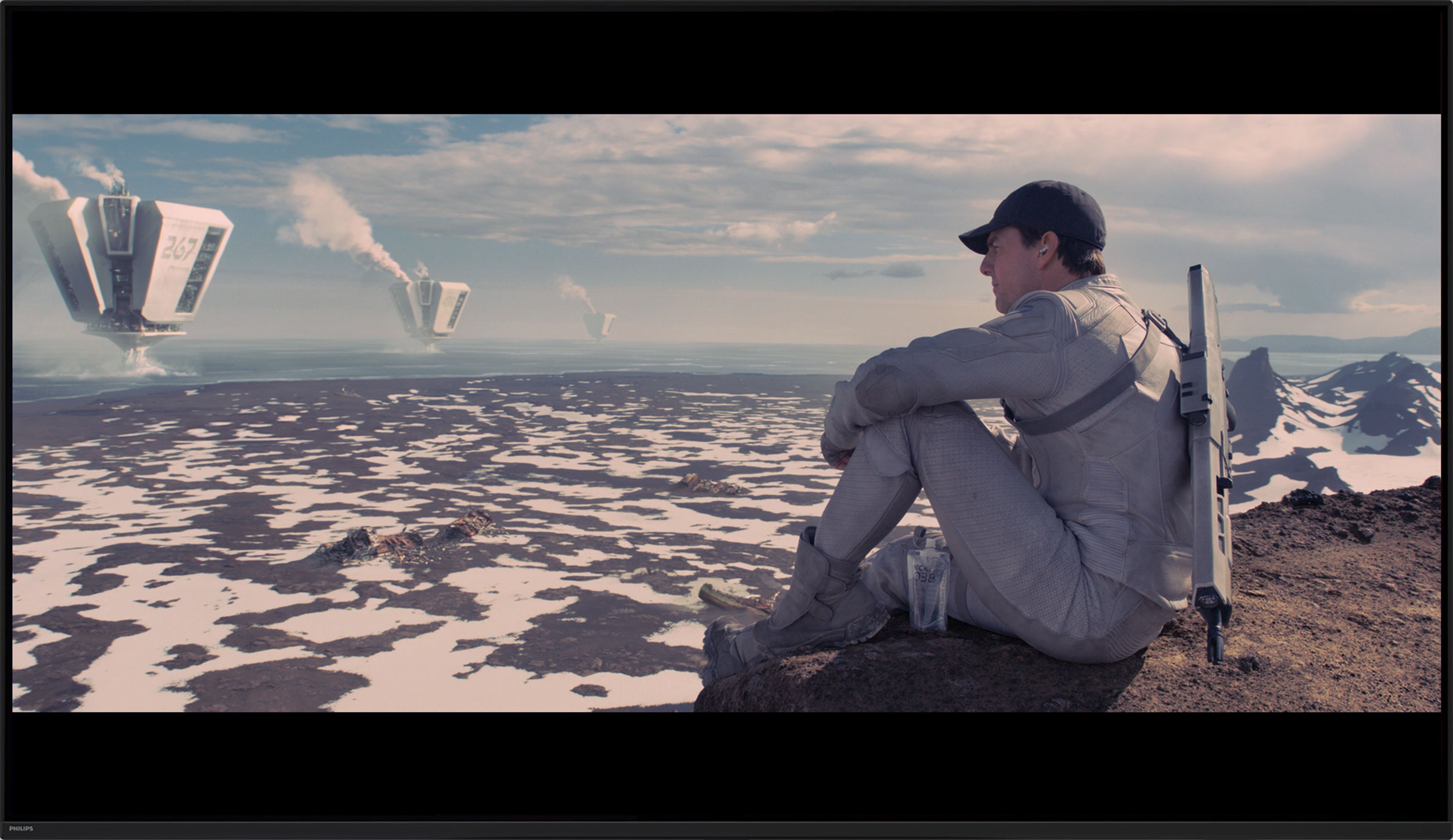
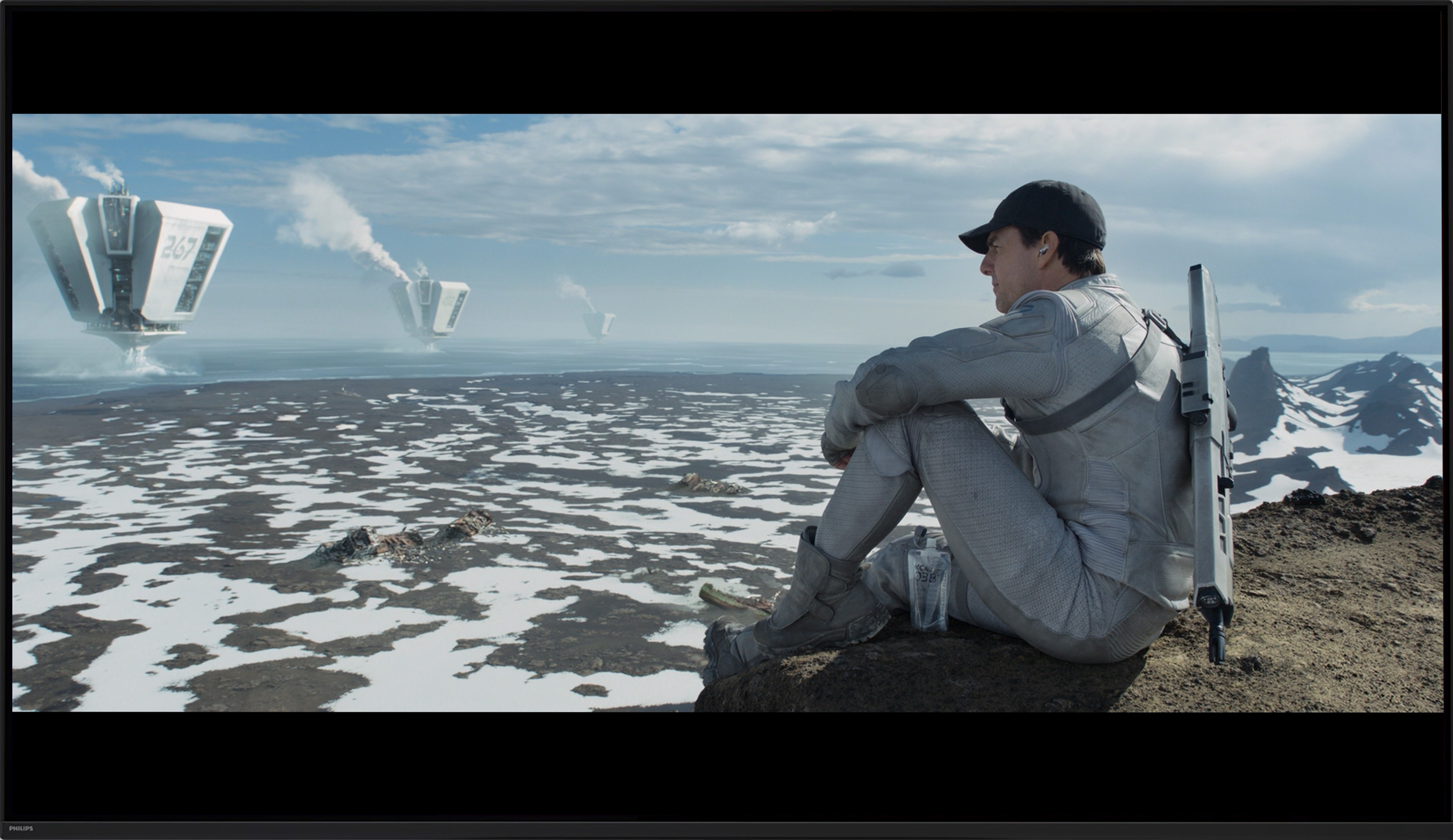
This gallery shows how colors change after professional TV calibration. If you notice the difference, we recommend ordering this service at SkalibrujTV.com.
Factory Mode
After calibration
The colour reproduction in the LG QNED, even in Filmmaker Mode, which is the best factory setting, is not without flaws. The main issue is the white balance – we noticed that the level of blue on the graph tends to decrease. This results in a shift towards yellow tones, making the image appear warmer than it should. This deviation affects the naturalness of colour reproduction, especially in scenes with a white or neutral background. The Color Checker test confirmed that some colours are distorted and deviate from reality. Such distortion can make cinematic scenes seem less realistic, and details are represented in incorrect colours, which negatively impacts the overall picture quality.
In terms of contrast, the analysis of the gamma graph revealed significant drops, while the optimal value should be 2.4. This means that the television may display darker parts of the image brighter in certain scenes, which reduces their depth and dynamism. Additionally, on the EOTF curve, which is responsible for brightness reproduction, an unnatural drop was noted at the beginning. This phenomenon may result in less accuracy in reproducing dark scenes, which in turn affects the overall picture quality. The television may not convey the full depth of black, causing more demanding scenes to lose realism and detail. As a result, viewers may notice that details in the darker areas of the image become less distinct.
We tested the PUS9060 in the best factory mode available – of course, we are referring to the movie mode. Unfortunately, the best in this case does not mean good. The image in this mode was distinctly yellowish and shifted towards orange tones. The white balance on this television was definitely too warm, giving the entire scene an artificial, somewhat “tanned” appearance. This led to significant colour errors, which in the worst cases exceeded a delta E value of 6 – thus they were visible to the naked eye. The situation was reversed in HDR mode, where the image became too blue and too cool in perception. Additionally, there was a slight increase in brightness – the gamma curve and EOTF suggested that the television slightly brightened the image, which was also evident in the comparative photo below.
Color reproduction after calibration
7.8/10
8/10


The photos show how movies look on the TV. Pay attention to black detail visibility, colors, and shadow tint.


The photos show how movies look on the TV. Pay attention to black detail visibility, colors, and shadow tint.
After calibration, the colours in SDR content look very good. The improved white balance translates to natural and harmonious shades in various scenes. Thanks to the precise adjustment of the gamma, details in shadows and bright areas of the image are accurately reproduced. The television performs excellently in everyday use, offering vivid, well-balanced images and solid colour quality in HD quality. The greatest beneficiary here is also the contrast. The gamma chart has been freed from very large errors, so here the television has gained a second face.
As for the white balance in 4K HDR, it has also been significantly improved. However, certain errors still appear at the end of the chart. This could be due to the overly aggressive operation of the television's local dimming, which affects the accurate reproduction of colour in certain scenes. It is difficult to speak here of an improvement in brightness represented by the EOTF curve. Due to its construction limitations, the television has certain disadvantages and we are not able to overcome them. The Color Checker test confirms the issue with colour saturation – despite the television offering a wide colour palette, it is not able to fully convey what the director intended.
Despite these shortcomings, the overall picture quality after calibration is significantly better than before. Improvements in white balance and gamma adjustment make images more vivid, and colours closer to reality.
Thanks to calibration in film mode, we managed to completely eliminate the yellow-orange tint, which significantly improved the perception of the entire scene. The image has become much more visually pleasing, although it is still far from reference settings. It may now appear slightly bluish, but it is still a definite improvement compared to the factory settings.
Unfortunately, we were not able to significantly improve the brightness characteristics, but this is already a matter of the television's design - the absence of local dimming limits the ability to precisely manage brightness. The PUS9060 simply cannot dynamically adjust luminance as more advanced models do. Nevertheless, after calibration, the overall experience is much more enjoyable, especially with film material.
Smoothness of tonal transitions
8.6/10
8.9/10


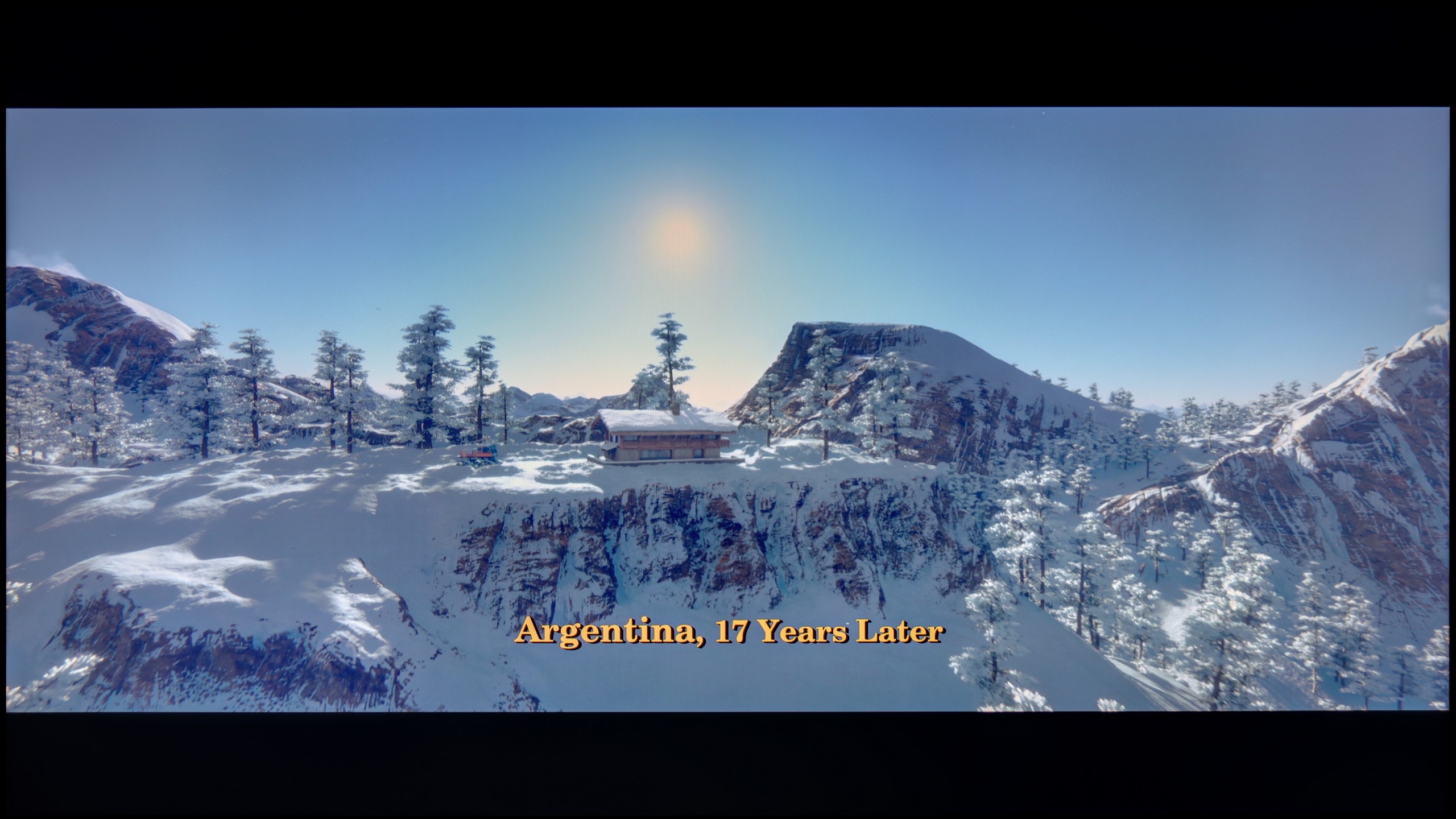
These are selected scenes that show smooth tonal transitions from one color to another. If you see distinct banding, it’s the TV panel’s fault.

These are selected scenes that show smooth tonal transitions from one color to another. If you see distinct banding, it’s the TV panel’s fault.
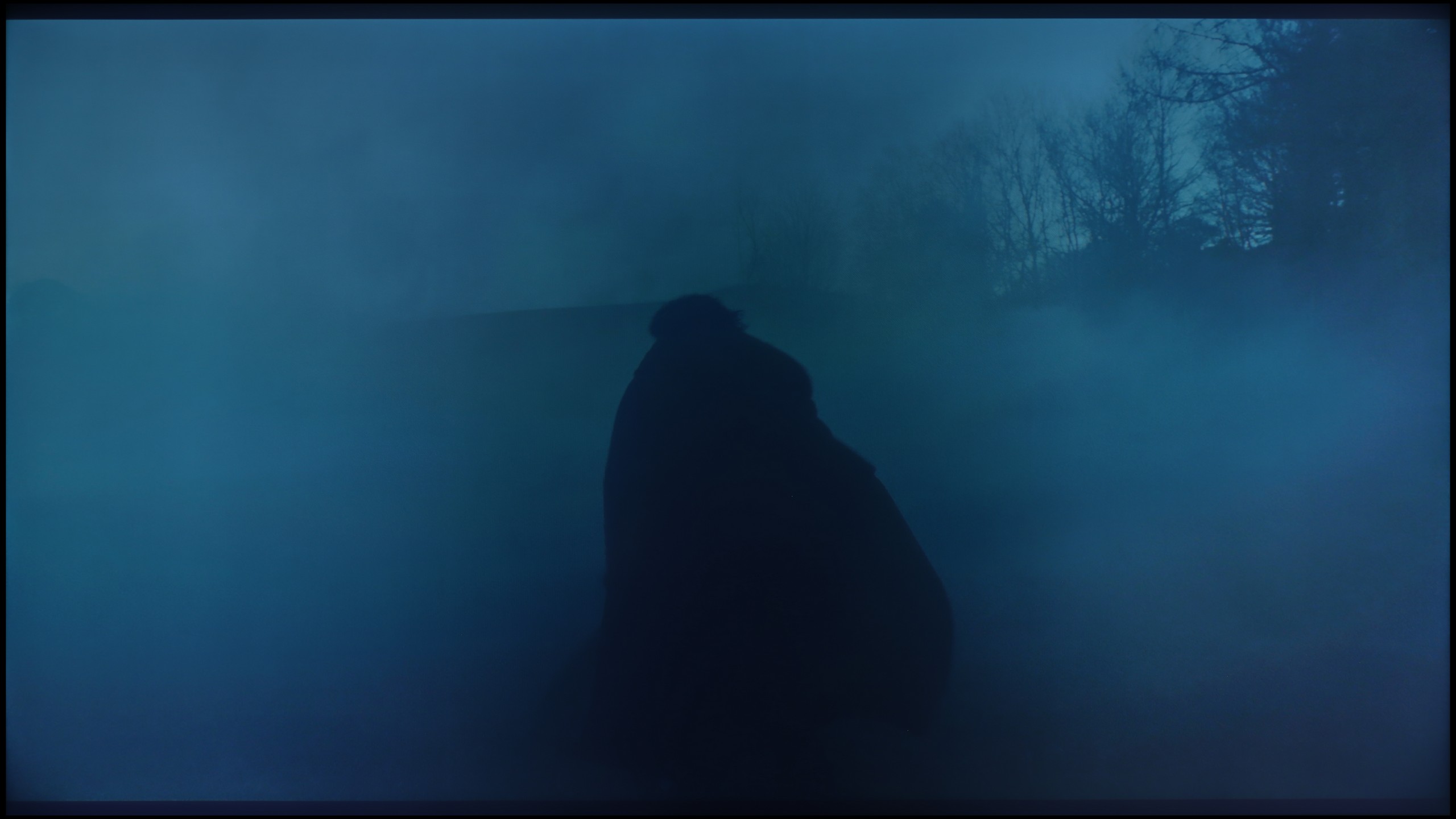
These are selected scenes that show smooth tonal transitions from one color to another. If you see distinct banding, it’s the TV panel’s fault.
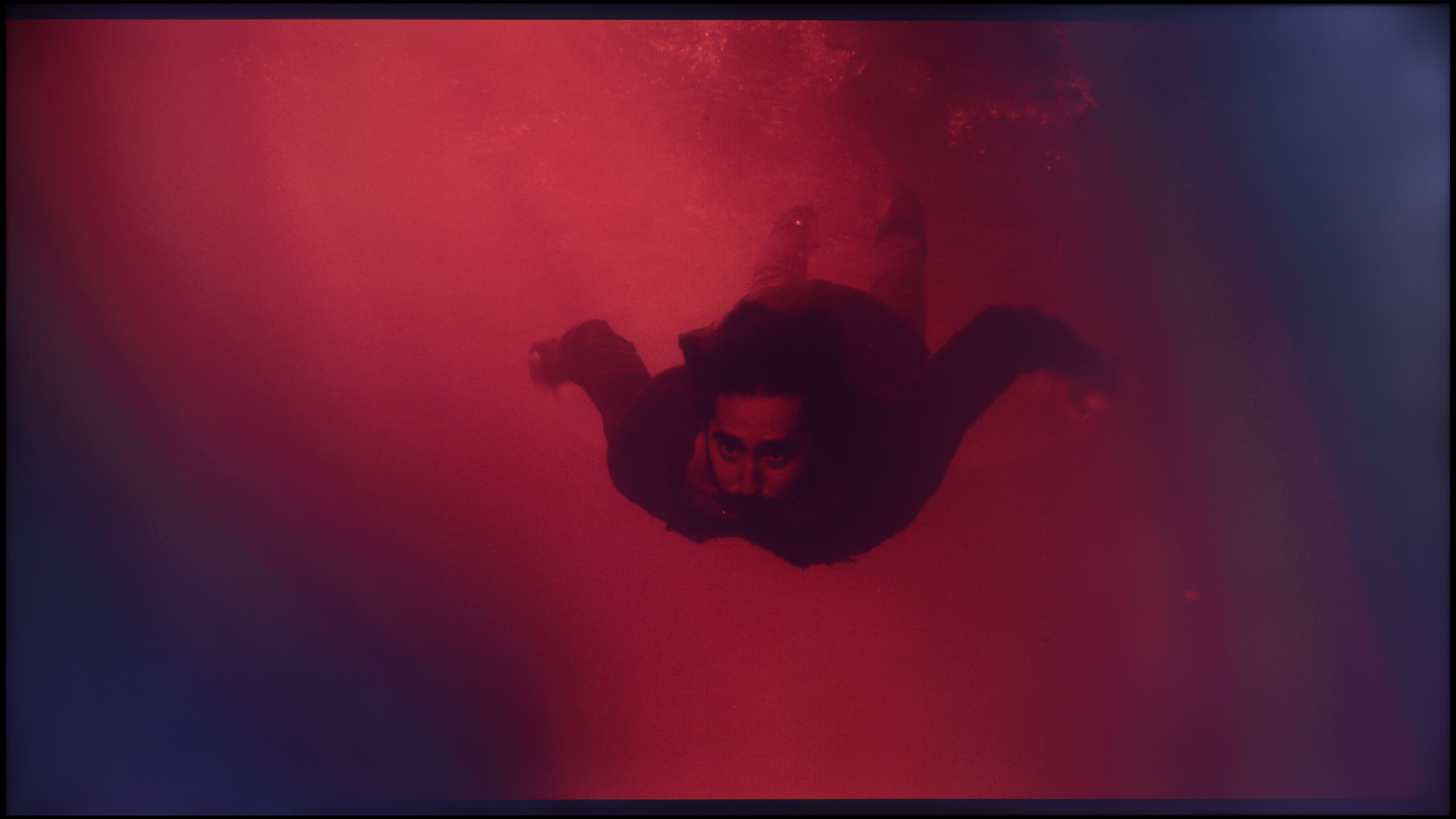
These are selected scenes that show smooth tonal transitions from one color to another. If you see distinct banding, it’s the TV panel’s fault.
The gradation in LG QNED is quite good, despite minor issues on the colourful dark sky. These slight flaws do not detract from the fact that the gradation is one of the positive aspects of this model. Overall, the television performs well with smooth transitions of colours.
PHILIPS PUS9060 handles tonal transitions excellently – we did not notice any serious problems with colour blending. The gradation looks natural, without unpleasant bands or harsh transitions. We could only nitpick the most challenging dark scenes – that is where minimal imperfections appear, but overall it looks quite OK, especially for the class of equipment. For most users, the effect will be more than satisfactory.
Image scaling and smoothness of tonal transitions
8/10
6.7/10

Smooth transition function

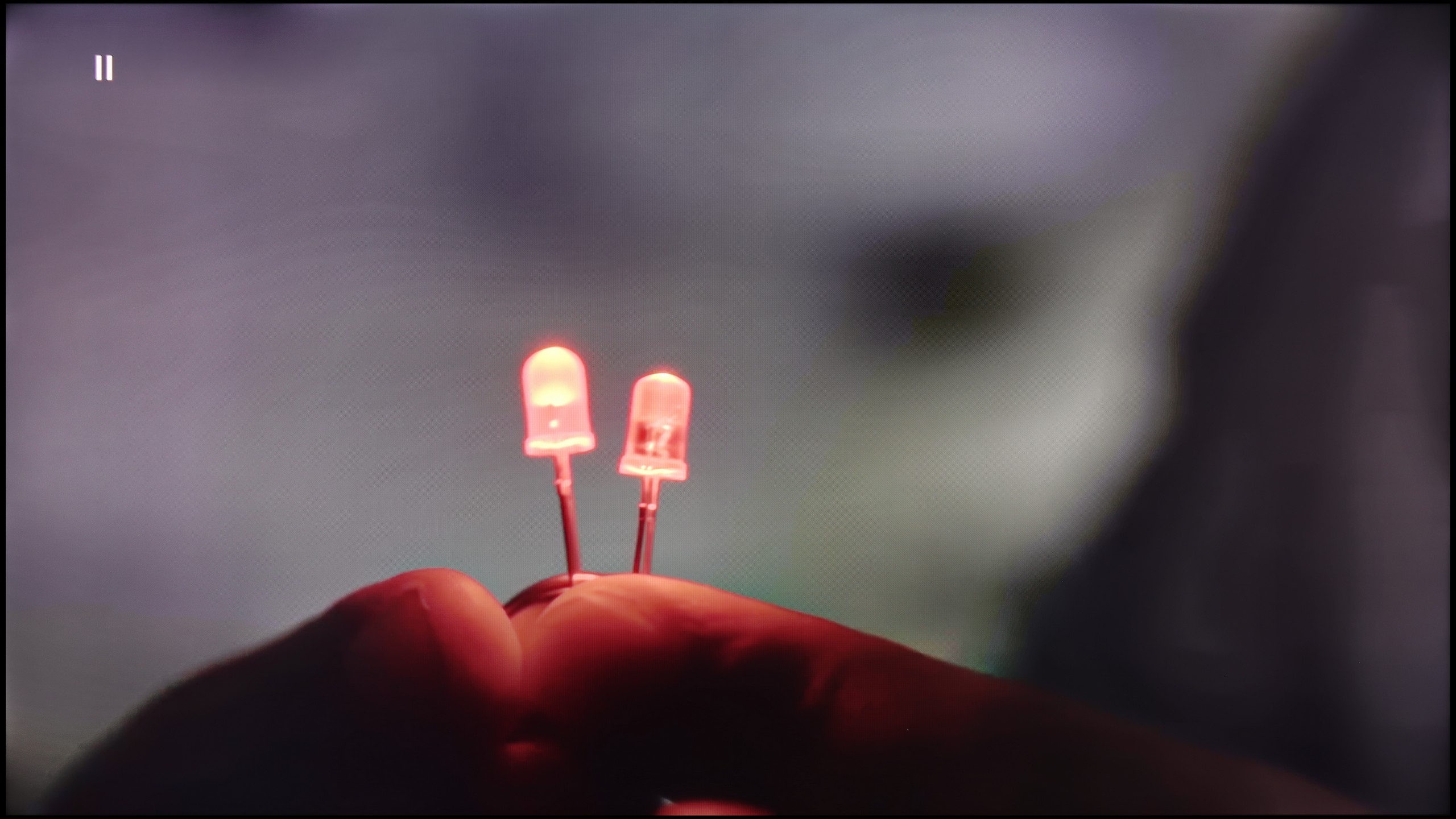
The match photo shows how the TV smooths weak tonal transitions in low-quality video.
Image scaling SD (576i)


The model photo shows how it handles upscaling of SD material.
When it comes to lower quality materials, the gradation looks really good. A feature called "Smooth Gradation" effectively smooths out the most problematic areas of the image without negatively affecting the film grain. For the best effect, it’s worth setting it to a low level. This solution significantly improves the quality of the displayed content and makes watching lower resolution materials more enjoyable and smoother.
In terms of digital processing, the image is displayed without cropping, known as overscanning. Although slight fringing of the branches against the model’s background can be noticed, the overall presentation is very good. Users should be satisfied with the image quality when watching low-quality materials, such as standard television. The television handles this task exceptionally well, providing a satisfying visual experience even with lower quality content.
In the PUS9060, we find yet another version of the image processor called by Philips the P5 Perfect Picture, which is designed to improve the image – especially the imperfect one. The television features a distortion reduction function, which serves to smooth tonal transitions, i.e., those "colour joins" we mentioned earlier. This function does this very effectively – there is no noticeable harsh gradation of colours, but unfortunately, it works so aggressively that it sometimes dulls desired elements, such as the textures of materials or film grain. So one can consider this a certain compromise. We would rather not recommend using this function for films, but for more casual content – e.g., YouTube or standard television – it is perfectly fine.
The P5 processor also aims to improve the quality of lower-resolution images and does so quite effectively. The test image with the model is very soft – sometimes overly so – but this can be easily adjusted with the sharpness slider to match personal preferences. It is also pleasing that the television does not cut off edges in SD materials – which unfortunately still occurs in some TV models.
Blur and motion smoothness
7.8/10
7.8/10

Blur (native resolution, maximum refresh rate):





Blur (BFI function enabled):


The television provides decent smoothness when watching films, thanks to the "Tru Motion" feature that allows for adjustment of the motion smoothing level on a scale from 0 to 10. De-Judder adjusts motion smoothness, while De-Blur regulates motion sharpness. The user has the option to choose between a traditional, cinematic effect with slight judder (lower settings) and a smoother, theatrical image. Although the latter slightly deviates from the cinematic standard, it may be appealing to many viewers.
As for gamers and sports fans, the LG QNED87 television with a 120Hz panel will certainly not disappoint them. And with the use of an IPS panel, the response time is generally better than that of VA panels available at a similar price. This guarantees smoother gameplay and dynamic experiences when watching sports events.
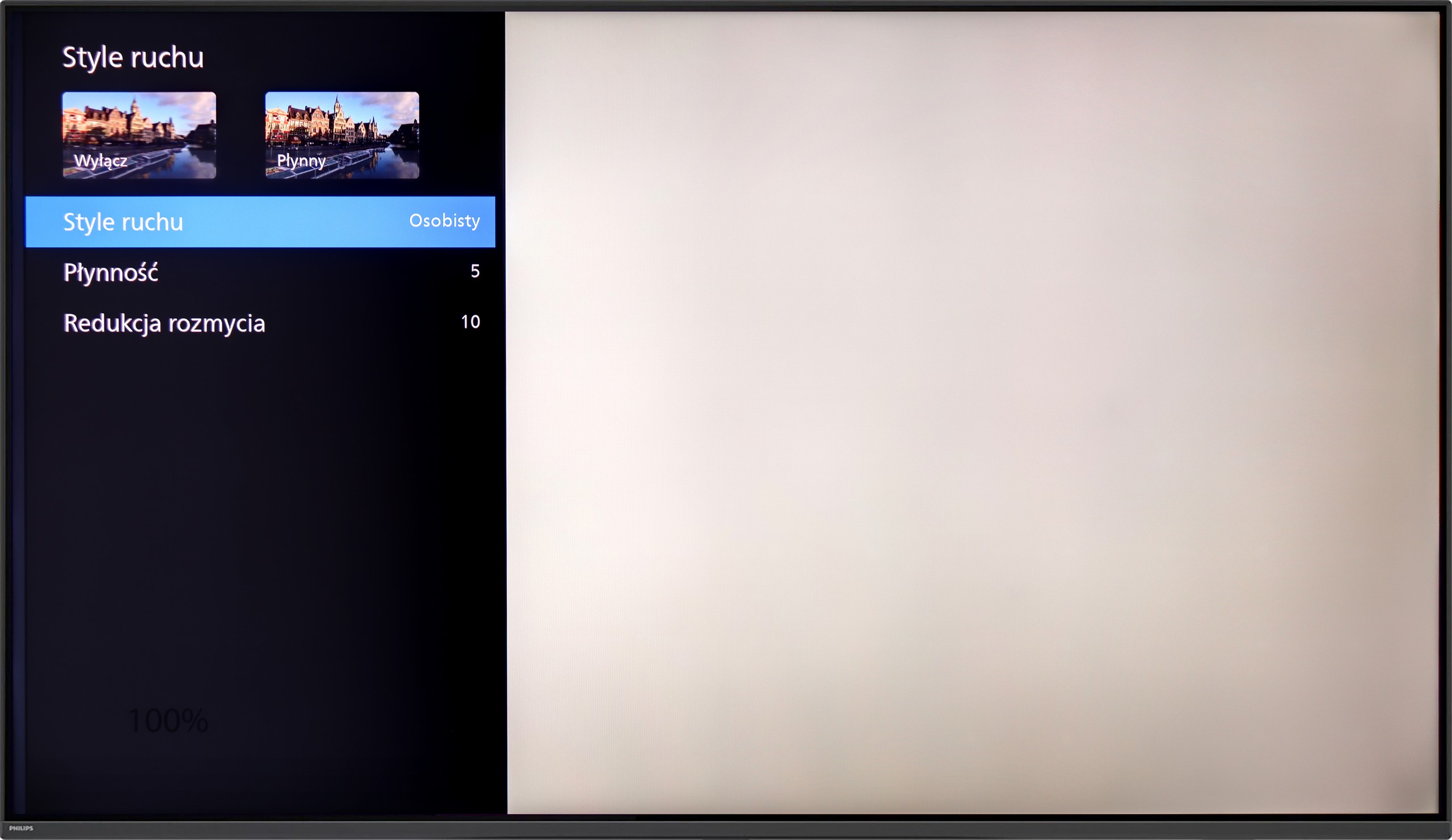
PHILIPS PUS9060 is equipped with a 4K panel with a refresh rate of 144 Hz, so we can confidently say that it is suitable for both watching sports and playing games. And indeed, it is. But what about films that are most often recorded at 24 frames? As with most of the televisions we tested with a refresh rate of 120 Hz and above, the PUS9060 offers two sliders in the motion smoothness options. The “Smoothness” slider allows you to adjust the effect in films – you can set the image to be smoother, resembling a theatrical effect (higher settings), or more cinematic, with a slight "jump" in frame rate (lower settings). Additionally, there is a function called "Motion Blur Reduction," which limits blurring – and this is a very useful feature, especially when watching sports.
Console compatibility and gaming features
9.2/10
9.8/10
- ALLM
- VRR
- VRR range48 - 120Hz48 - 144Hz
- Dolby Vision Game Mode

- Correct implementation of HGIG
- 1080p@120Hz
- 1440p@120Hz
- 4K@120Hz
- Game bar

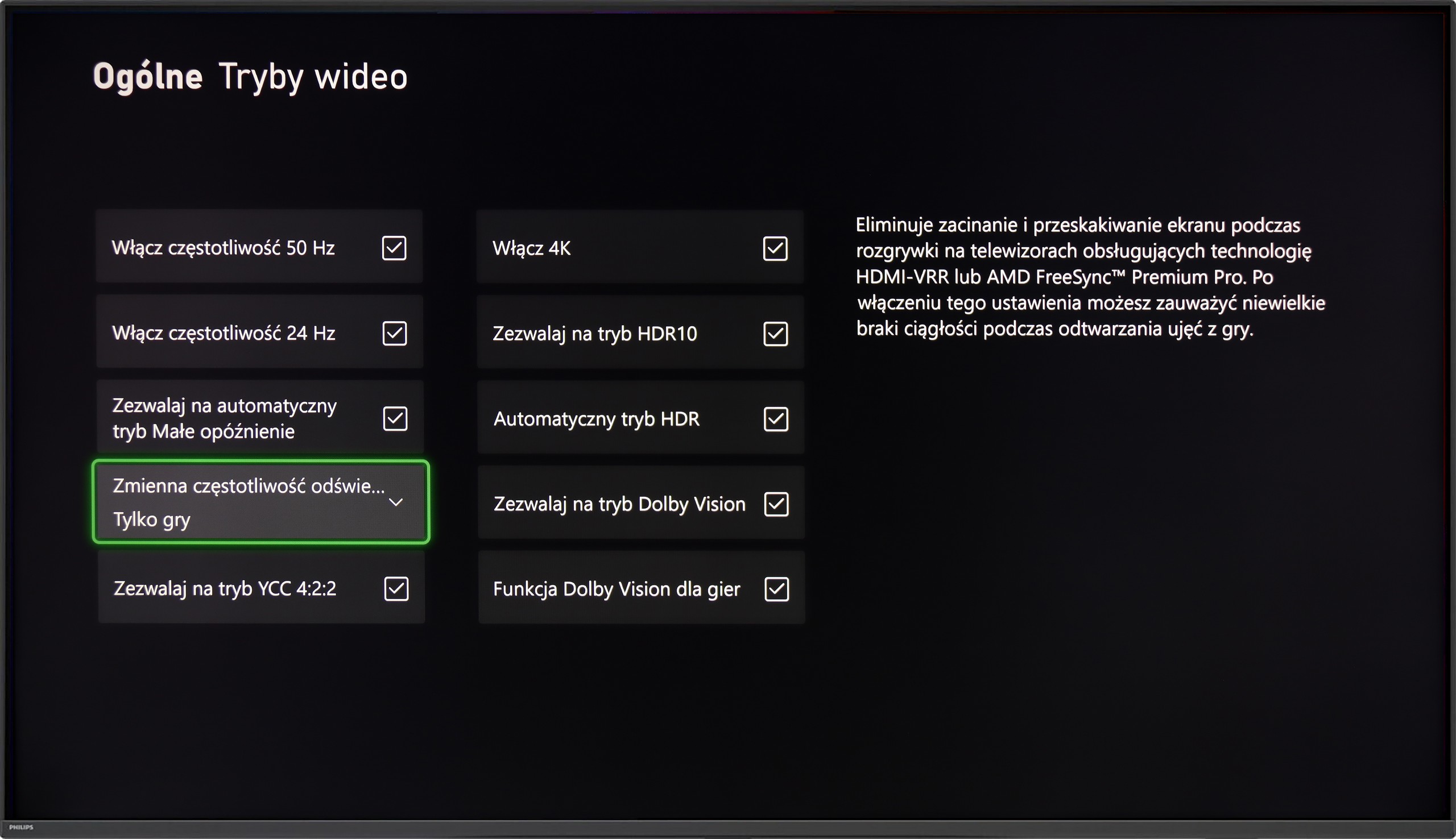

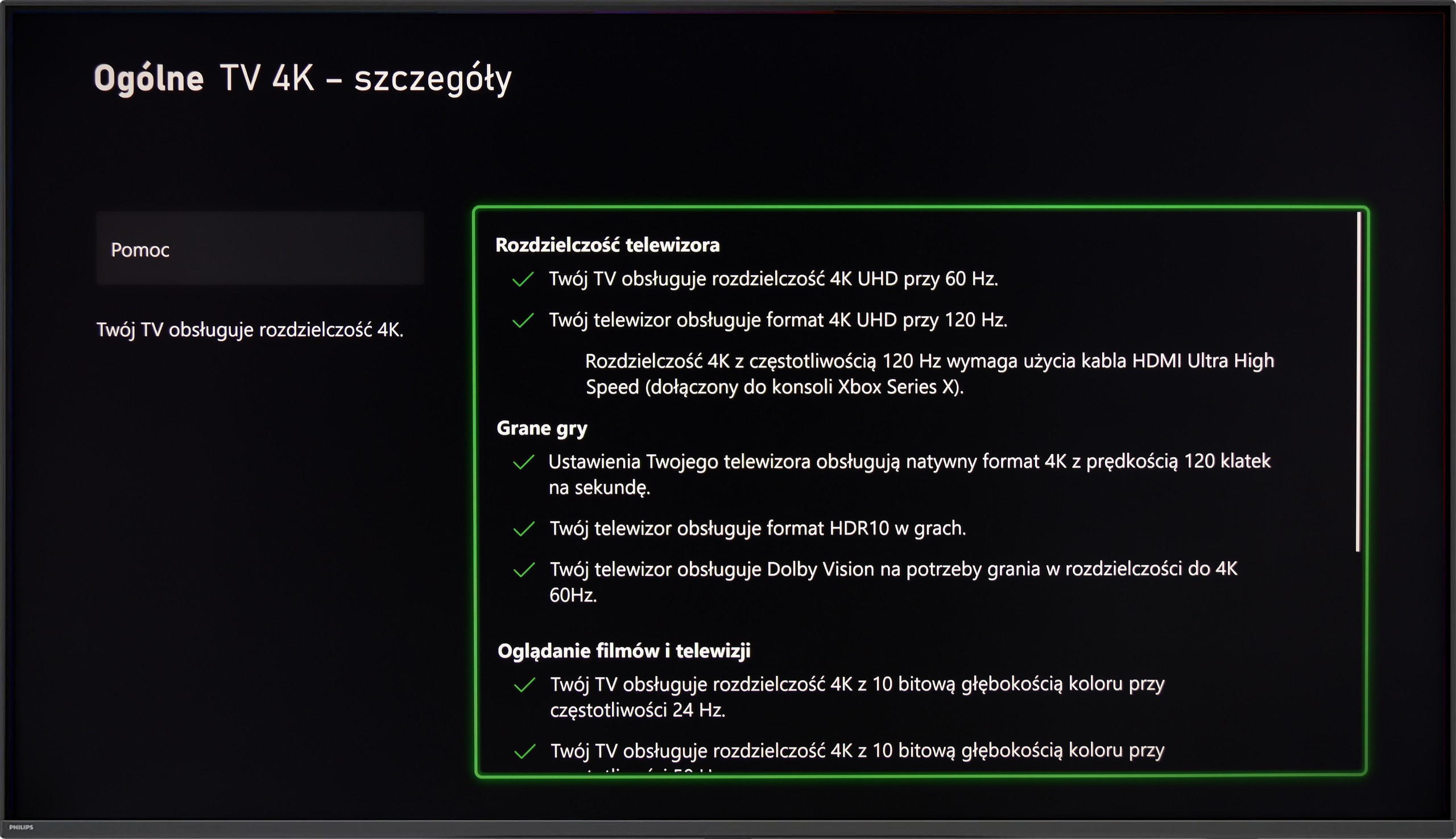

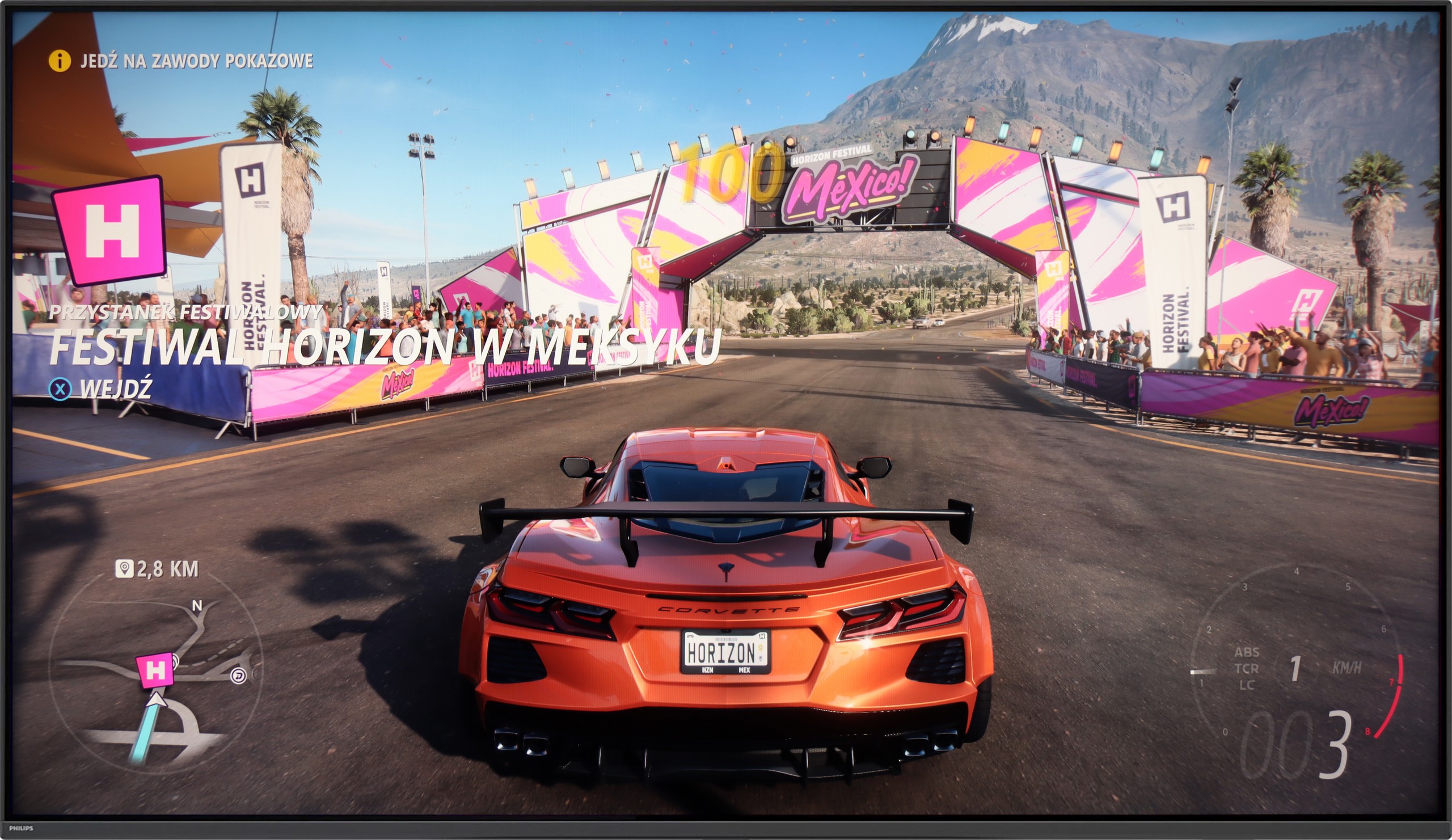

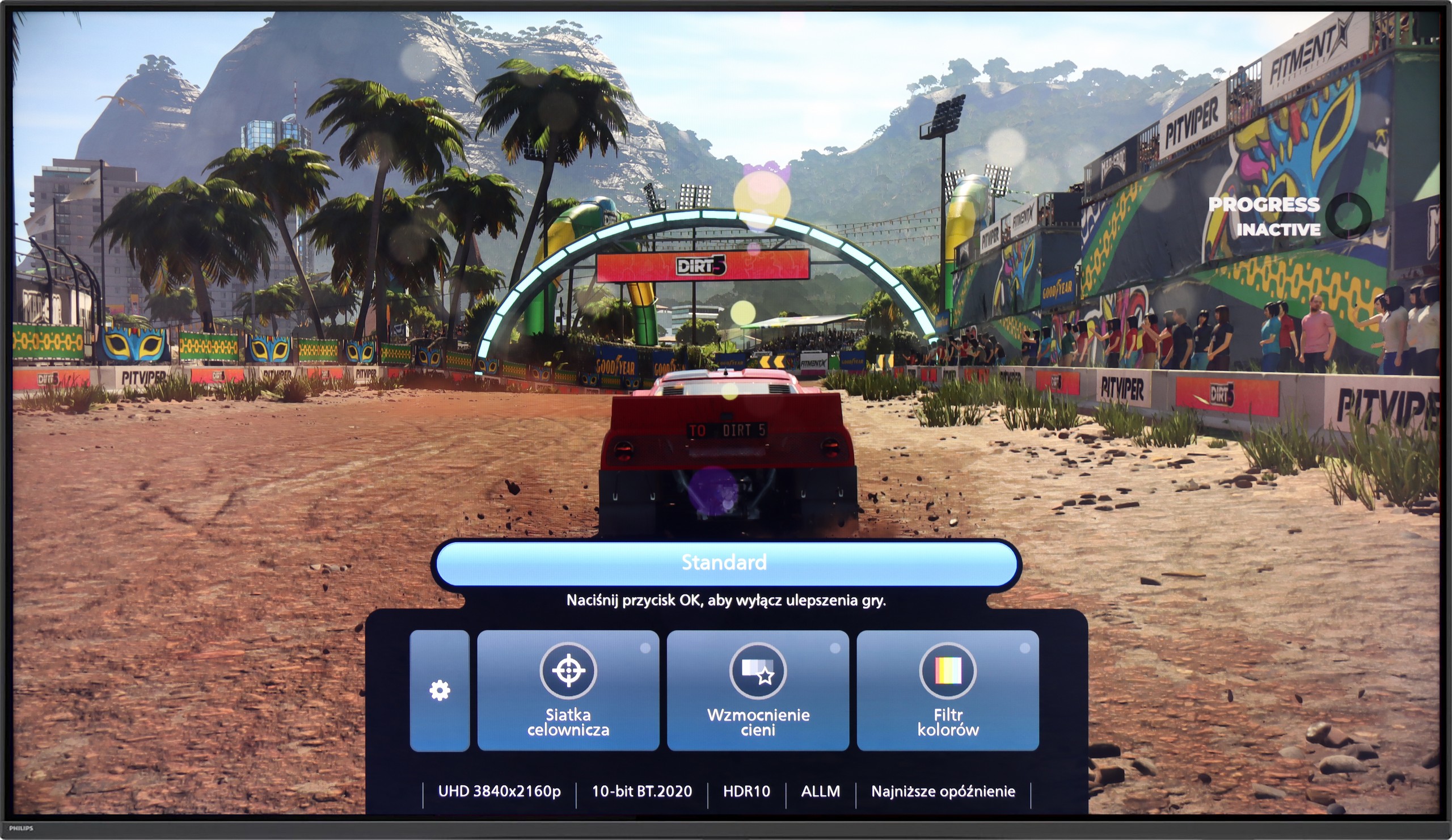
LG QNED offers a range of features that make it an excellent choice for gamers looking for a high-performance television. The television is equipped with four HDMI 2.1 ports, allowing for connection to the latest consoles, such as PlayStation 5 and Xbox Series X, and taking full advantage of features including Variable Refresh Rate (VRR) and Auto Low Latency Mode (ALLM). With the Game Bar feature, gamers can quickly and easily manage all their game settings without having to navigate through complicated menus. It is possible to adjust parameters such as VRR, ALLM, Multi View, and monitor frame rates. The television also supports G-Sync and FreeSync technologies, which is particularly important for owners of Nvidia and AMD graphics cards. G-Sync and FreeSync synchronise the television's refresh rate with the graphics card. The 120Hz panel ensures incredible motion smoothness and image clarity. Combined with the Black Frame Insertion (BFI) feature, available at 60Hz and 120Hz, gamers can enjoy an even clearer and smoother picture. LG QNED87 is a television that will meet the expectations of even the most demanding gamers, offering modern technologies and features that significantly enhance comfort and satisfaction in gaming.
PHILIPS PUS9060 is a true gaming monster – it has practically everything you could expect from a modern gaming television. There's VRR, there's ALLM, and on top of that, there's the implementation of HGiG, which helps to set HDR in games the way the developers intended. The television supports every possible resolution at 120 Hz, including 1080p, 1440p, and full 4K – so regardless of whether you're gaming on Xbox, PS5, or PC, everything works as it should. It also features a simple Game Bar, which is a special menu for gamers that allows you to quickly check if the ALLM mode is indeed working in low-latency mode.
And of course – Ambilight TV. Let’s be honest – without LED lights at the back, it’s not really a proper gaming setup. 😉 The multicoloured backlighting can really enhance the atmosphere, especially in the evening. It may not be to everyone's taste, but younger gamers will be thrilled – because it just looks impressive.
Input lag
9.9/10
9.5/10
SDR
HDR
Dolby Vision
LG QNED stands out with an extremely low input lag, which is crucial for smooth and responsive gameplay. For a refresh rate of 120Hz, input lag values do not exceed 6 ms, whereas at 60Hz, the input lag reaches a maximum of 15 ms. These are truly impressive results that ensure player reactions are almost instantly reflected on the screen.
The One from 2025 performs very well in terms of responsiveness. An input lag of around 9 ms at a 120 Hz signal and 18 ms at 60 Hz are values that ensure a quick and smooth response to every movement of the controller. Playing even dynamic action titles or demanding e-sports games is completely comfortable. The situation is slightly worse when it comes to Dolby Vision – here the delay increases to around 33 ms. This is still an acceptable level for most “casual” gamers, but more demanding users may notice a slight slowdown in response. Therefore, in our opinion, a better choice would be the classic HDR10 mode with HGiG active. In this model, it has been implemented correctly and not only avoids delays but also eliminates potential problems with brightness and detail reproduction that sometimes occur in Dolby Vision.
Compatibility with PC
7.6/10
8.6/10

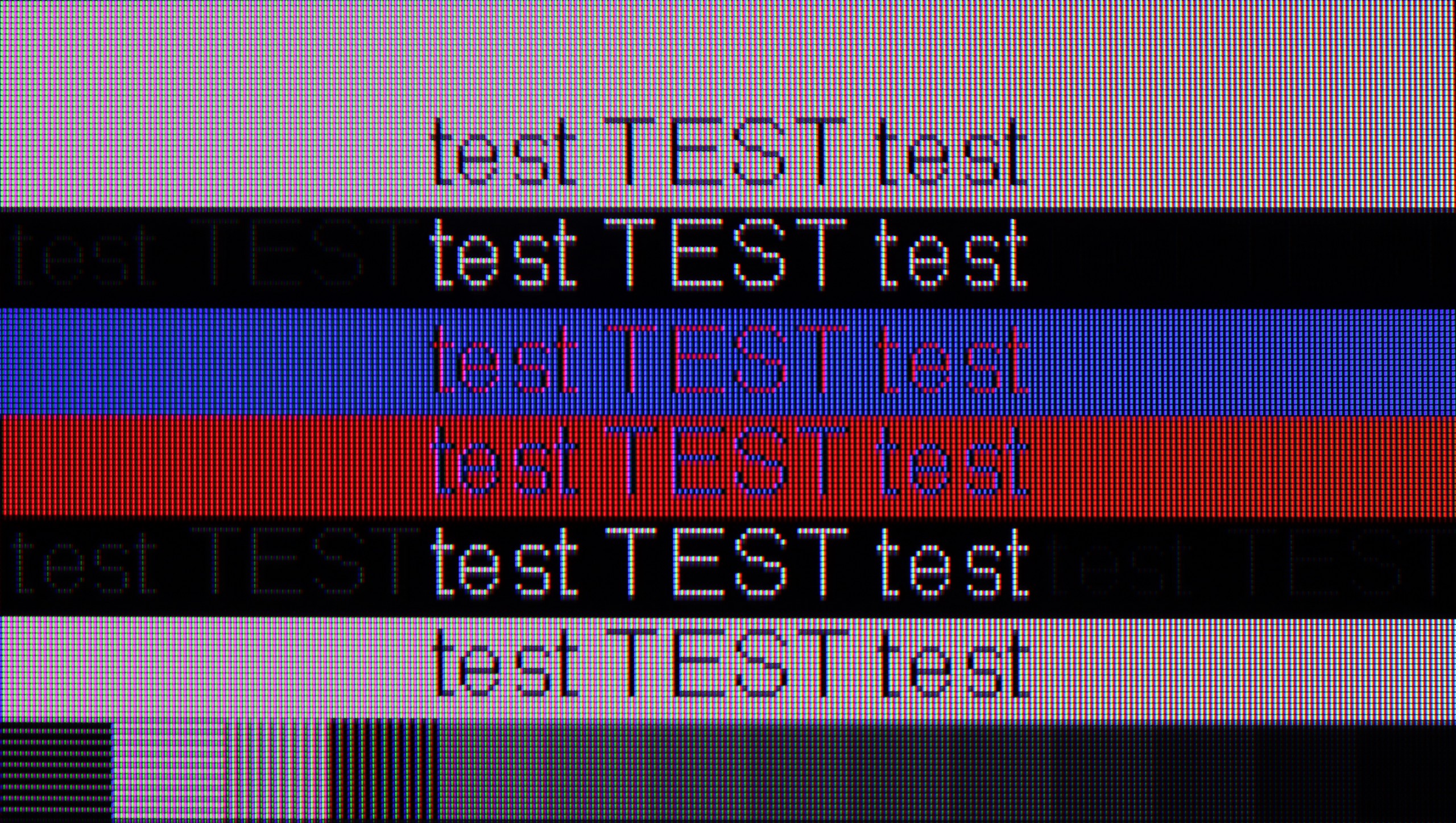
The photo shows the legibility of small fonts. Ideally, lines should be the same thickness on both light and dark text, with minimal pixel gaps.
The LG QNED television works excellently with a computer, offering very good font readability. As a result, working and browsing content is exceptionally comfortable. The high refresh rate of 120Hz ensures a smooth and vivid image. It combines a large workspace with efficiency, making it a real pleasure to use. However, for more demanding users, the disappointing fact may be that the television has issues displaying fonts on a dark background. Instead of white letters, they take on a greenish hue.
Using the computer on the PHILIPS PUS9060 should be pure pleasure. As we mentioned earlier, the television performs excellently for gaming on a console, but it also handles well in combination with a computer. It offers a refresh rate of 144 Hz, G-Sync Compatible works correctly, and it has low input lag - making it reasonable to consider this model as a fully-fledged PC monitor for gaming.
In terms of daily work, it is also good. Chroma 4:4:4 has been implemented correctly, so fonts are sharp and readable. We did not notice any issues with text clarity, although with very dark backgrounds, one can observe a slight dimming of the letters with a slight edge doubling. In practice, however, this should not bother anyone, even when working with text.
Viewing angles
7.1/10
3.4/10
When it comes to viewing angles, LG QNED87 performs really well. Thanks to the use of an IPS panel, it offers wide viewing angles compared to VA panels. This means that the image remains clear and does not lose quality even at an angle. Although it may not achieve results as perfect as OLED televisions, which maintain colours and brightness regardless of the viewing angle, in the context of LCD QNED87 screens, it stands out positively. This makes it an excellent choice for larger rooms where viewers often watch from an angle.
The PUS9060 model is equipped with a VA panel, which – as is usually the case – does not perform very well when viewing at an angle. With a greater deviation from the axis, the screen brightness noticeably decreases, and colours lose saturation. Unfortunately, this is a typical compromise compared to IPS panels, which offer better viewing angles but have significantly weaker contrast and blacks. Here the situation is reversed – blacks are good, but angles are very average. Of course, with standard straight-on viewing, there is no problem, but in a larger living room or with a larger TV, where someone is sitting far to the side or we are looking at the edges of the screen, the differences will be noticeable.
Daytime performance
4.8/10
6/10


Panel brightness
PHILPS PUS9060: 495 cd/m2
LG QNED87T6B: 428 cd/m2
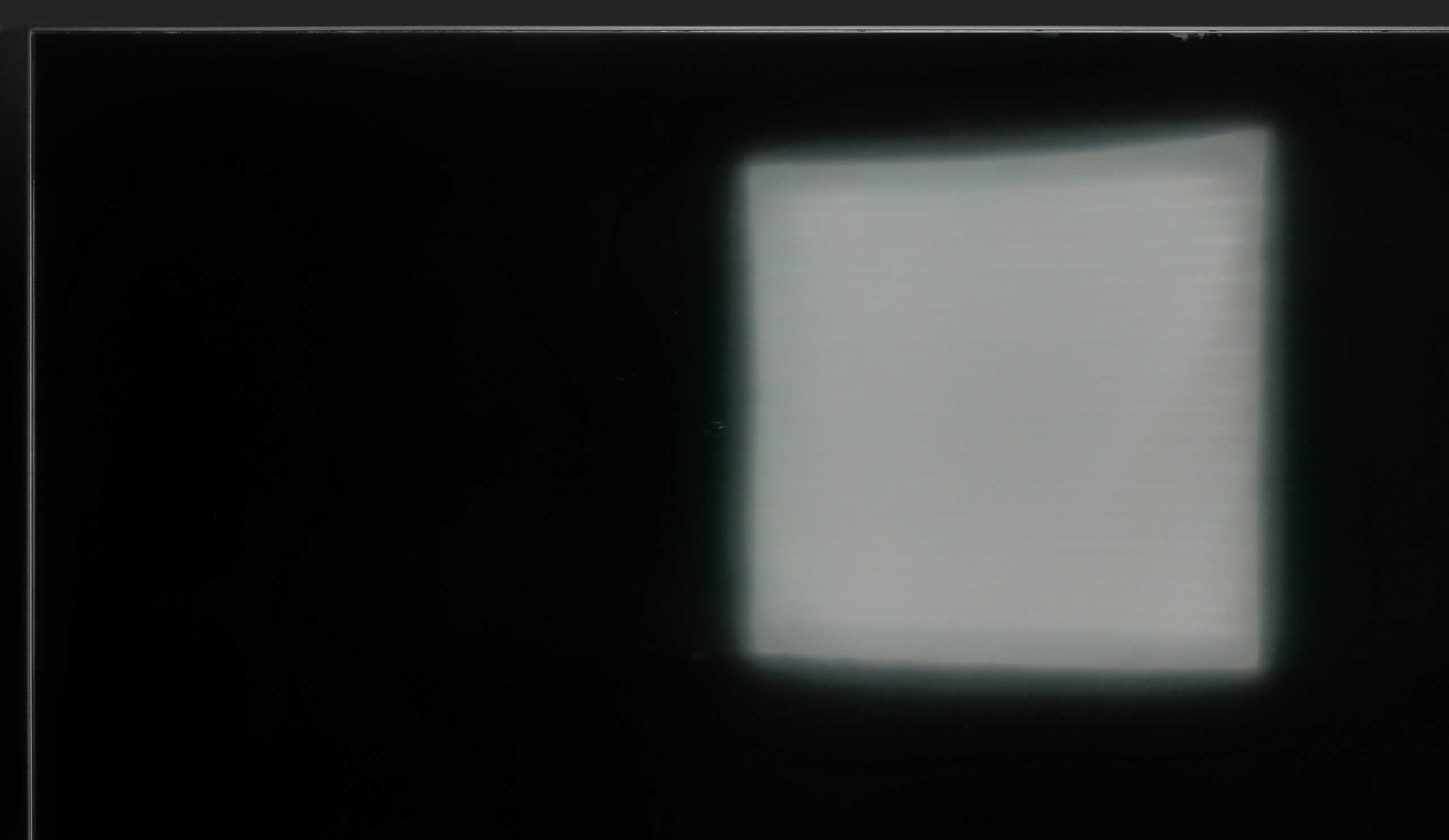
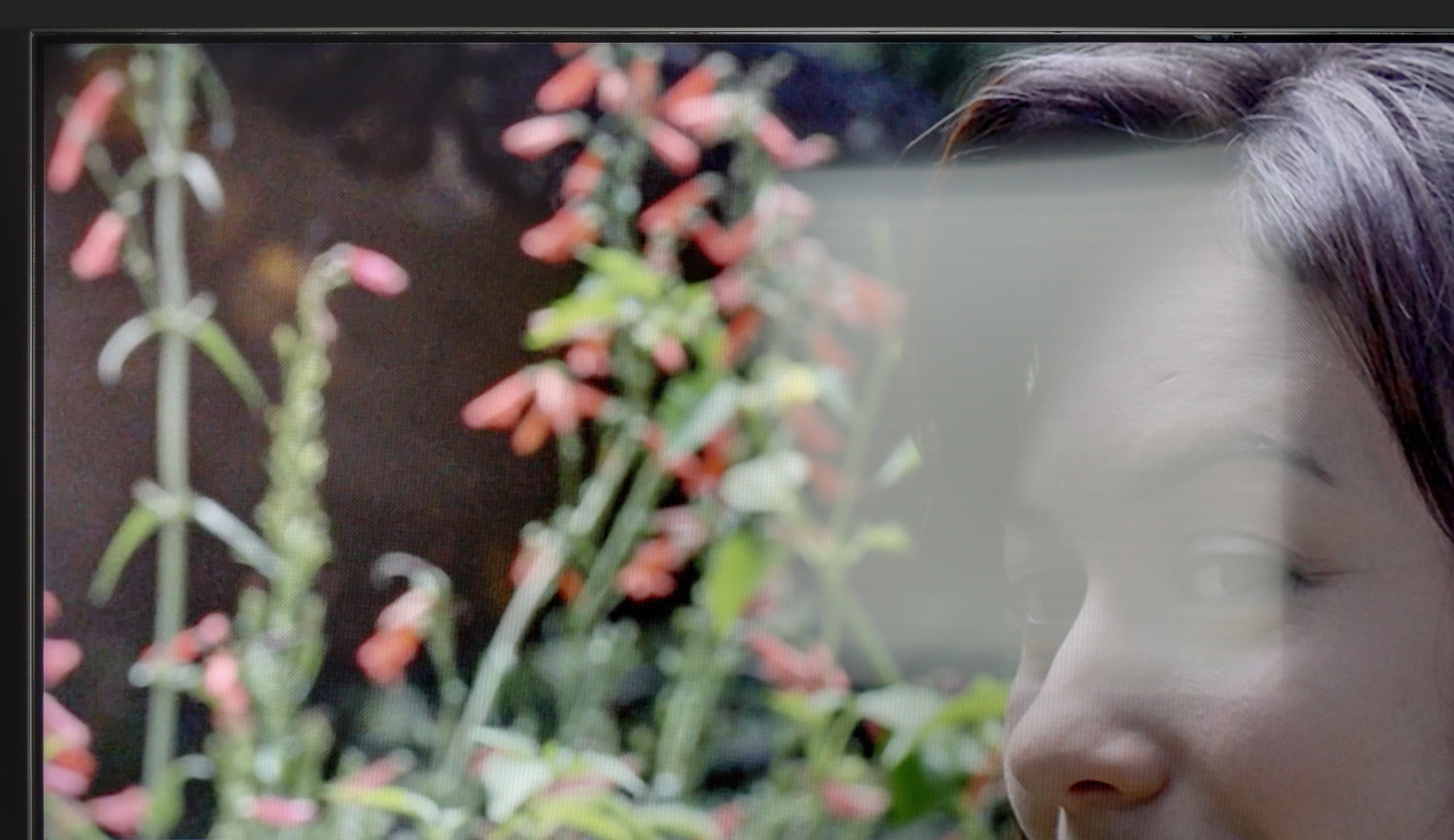
During the day, the LG QNED television performs acceptably. It has a satin finish panel that doesn't suppress reflections very well, which can be noticeable in bright rooms. Nevertheless, thanks to quite good brightness of 430 nits, the picture remains visible and readable. Although reflections can be somewhat distracting, the television's brightness allows for comfortable use during the day.
The Philips PUS9060 performs quite well in a bright room. The satin finish of the panel effectively reduces reflections and glare, so watching in a room full of lamps or with large windows should not pose major problems. It's also a plus that the blacks do not wash out excessively, and the picture still retains decent contrast. The situation could be even better if the television offered higher brightness. About 500 nits is a decent result, but in very challenging lighting conditions, it may prove insufficient.
Panel details
Subpixel Structure:

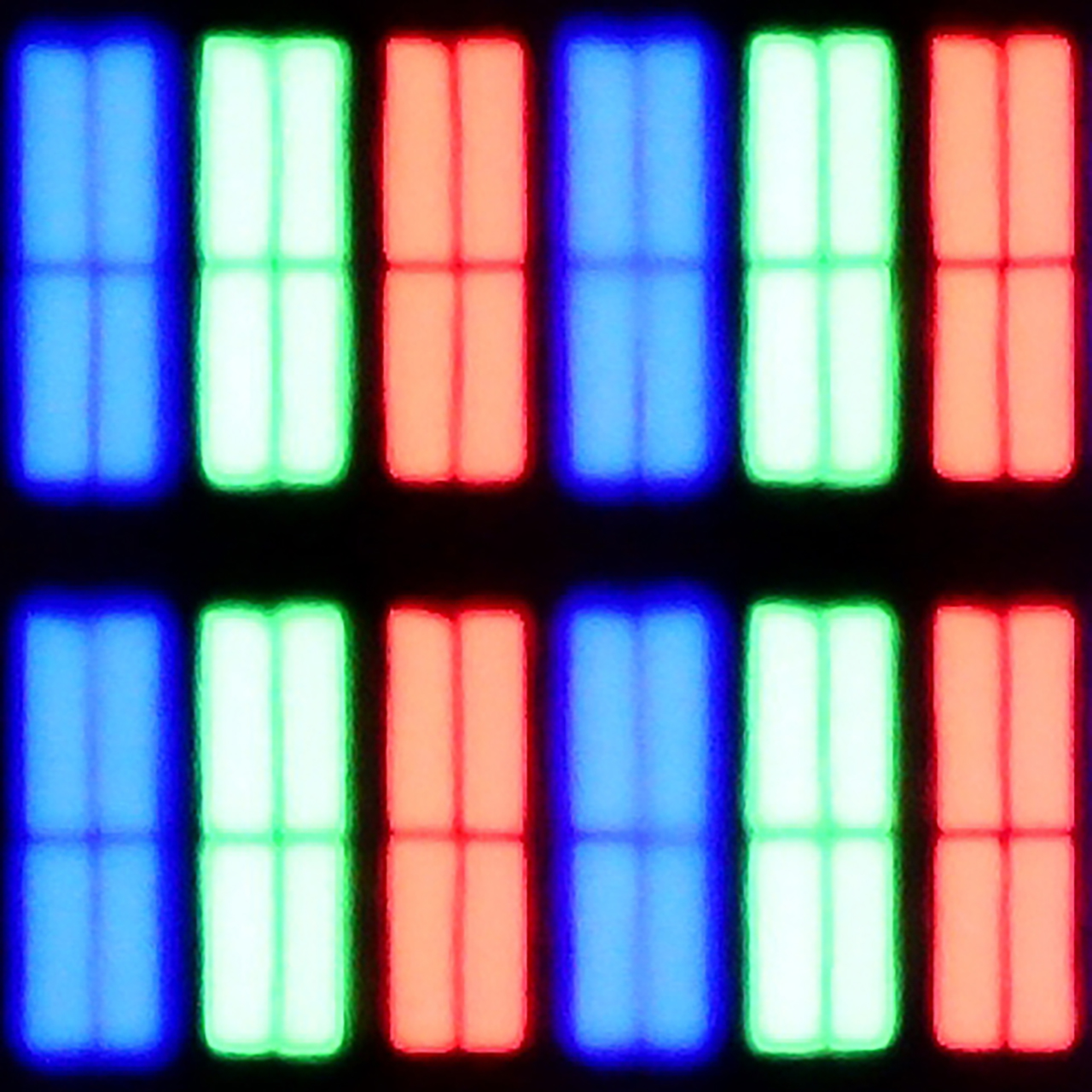
Panel uniformity and thermal imaging:


TV features
8.8/10
6.1/10
- HDMI inputs0 x HDMI 2.0, 4 x HDMI 2.1 48Gbps0 x HDMI 2.0, 4 x HDMI 2.1 48Gbps
- Other inputsToslink (Optical audio)
- OutputsToslink (Optical audio), eARC (HDMI), ARC (HDMI)Toslink (Optical audio), eARC (HDMI), ARC (HDMI), Mini-Jack (Headphones)
- Network InterfacesWi-Fi 2.4GHz, Wi-Fi 5GHz, Ethernet (LAN) 100MbpsWi-Fi 2.4GHz, Wi-Fi 5GHz, Ethernet (LAN) 100Mbps
- TV receptionDVB-T, DVB-T2, DVB-S, DVB-S2, DVB-CDVB-T, DVB-T2, DVB-S, DVB-S2, DVB-C
Classic features:
- Recording to USB (terrestrial TV)
- Recording programming
- Picture in Picture (PiP)
- RF remote control (no need to aim)
- Backlit remote control
- Teletext
- Audio only mode
- Bluetooth headphones support
- Simultaneous Bluetooth headphones & TV audio
Smart features:
- AirPlay
- Screen mirroring (Windows Miracast)
- Voice search
- Voice search in native language
- Ability to connect a keyboard and mouse


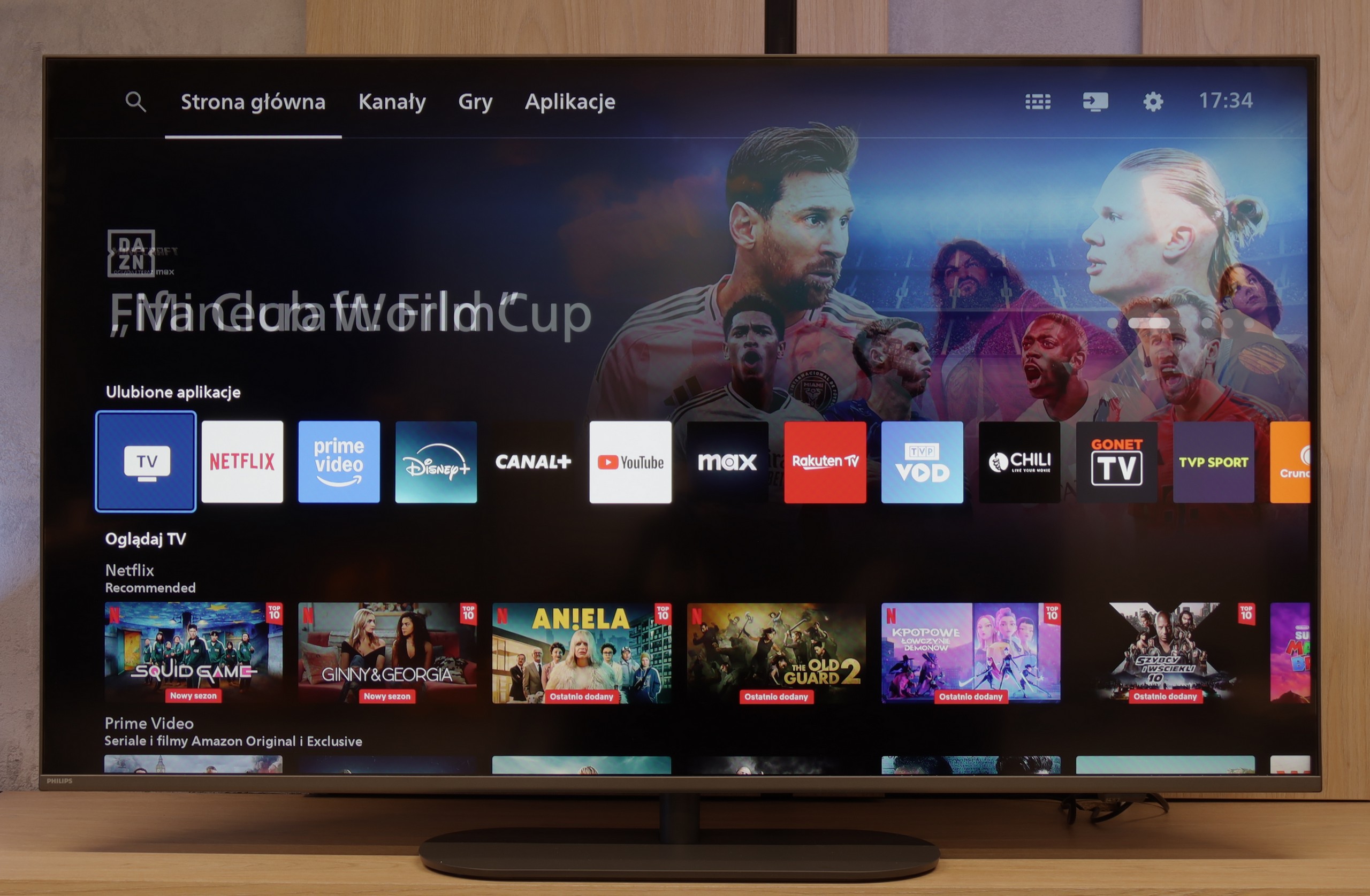
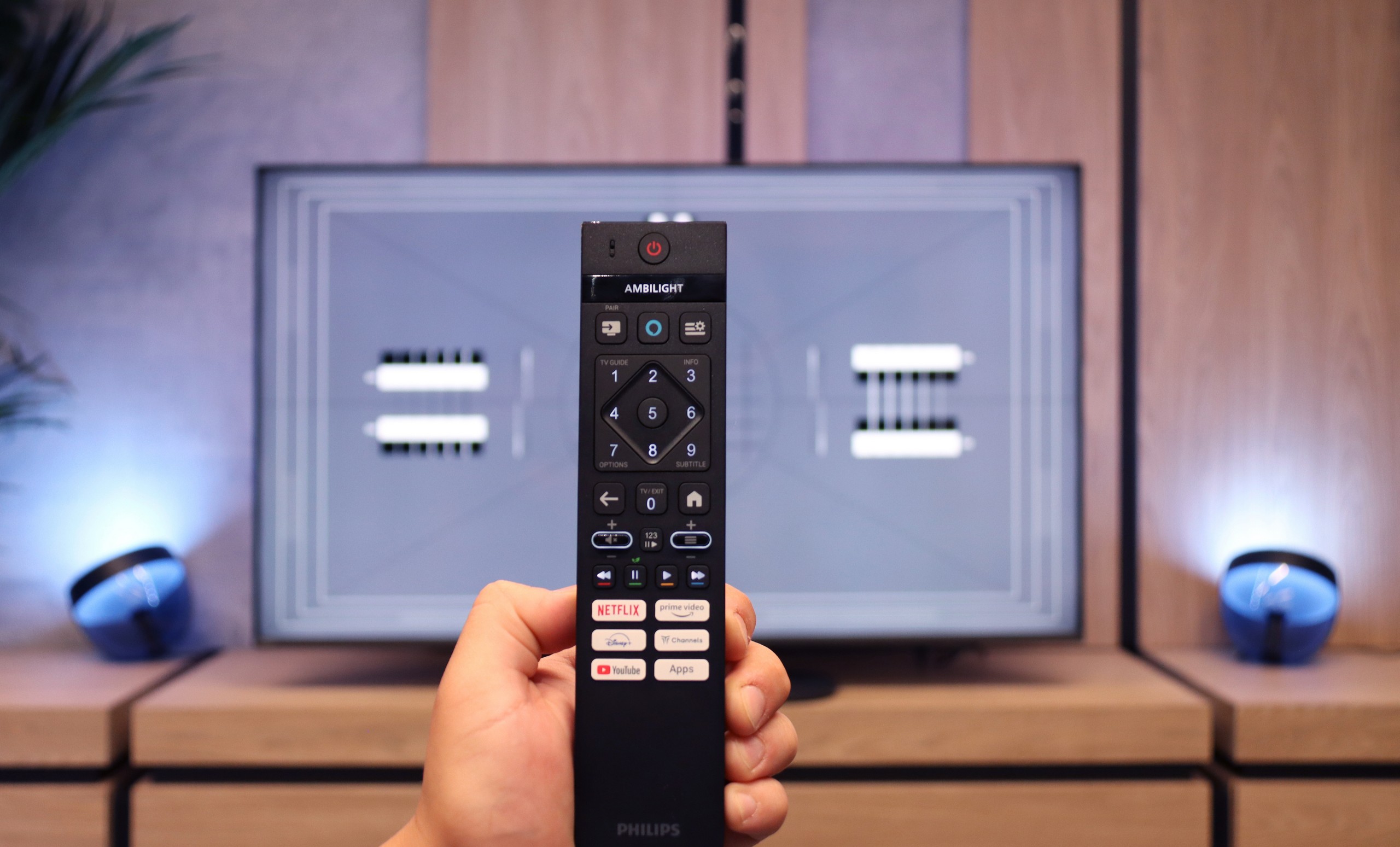
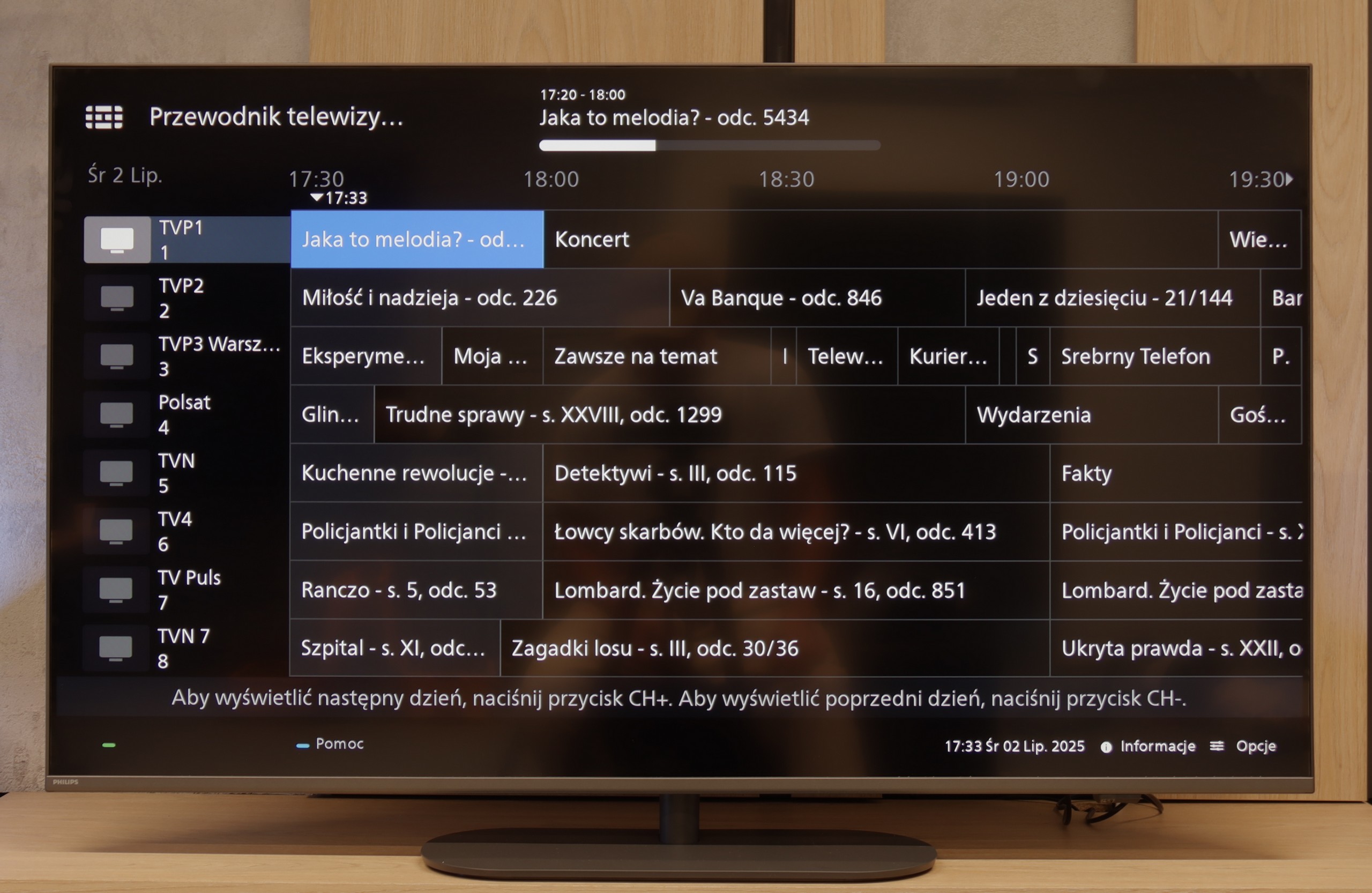
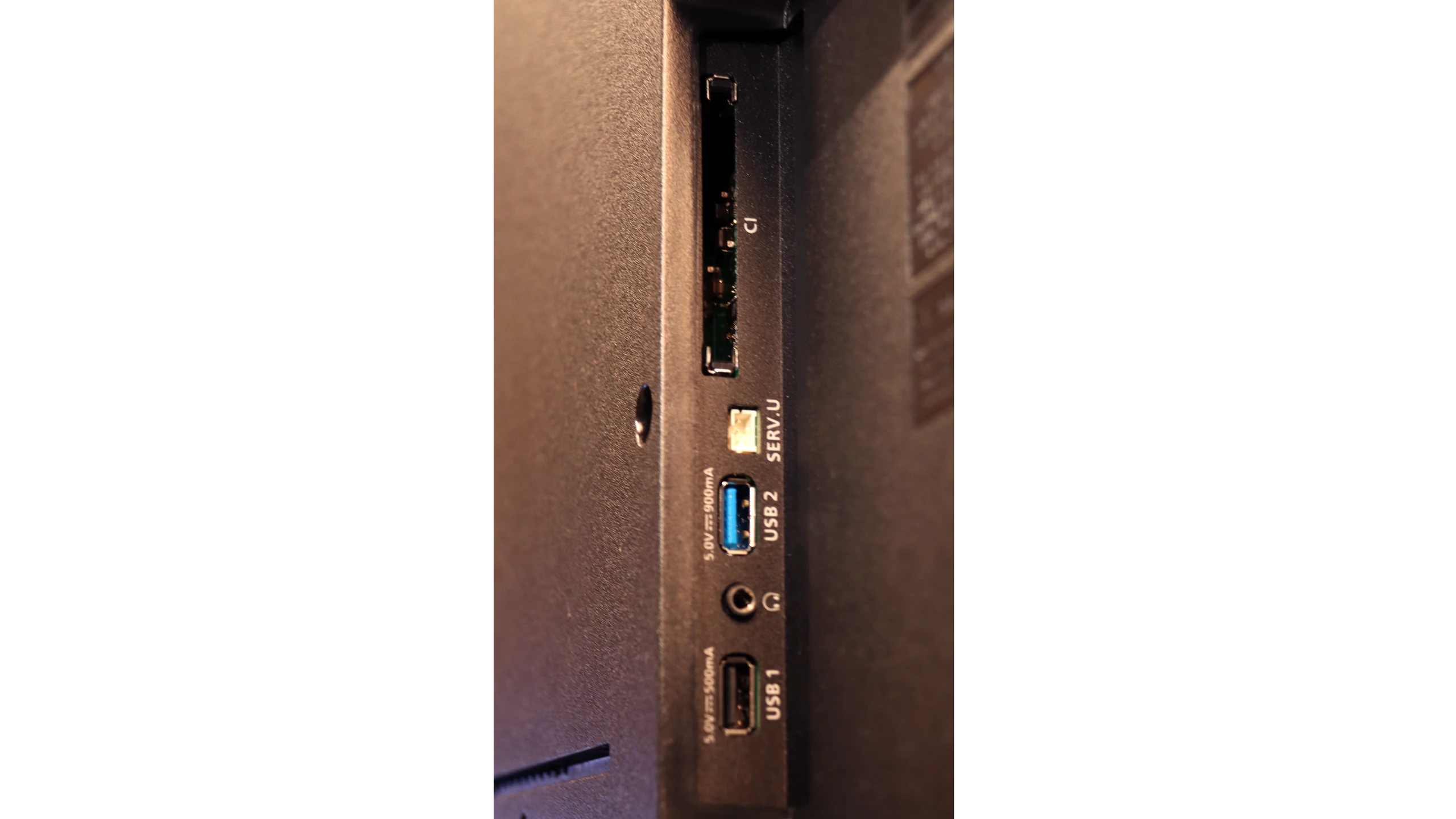
LG QNED87 Television offers a multitude of features that significantly enhance user comfort. Let's start with the WebOS system, which we believe has the most user-friendly interface among all televisions available on the market. One of its greatest assets is the remote control with an integrated gyroscope, known as the Magic Remote. Thanks to this, navigation is intuitive and fast, making the use of the television a pleasure. WebOS also supports a number of smart features that greatly simplify daily use of the television. Among them, we find AirPlay, which allows easy content streaming from Apple devices such as iPhone or iPad. Additionally, the television supports a wide range of streaming applications, such as Netflix, YouTube, Amazon Prime Video, and many others, providing access to favourite films and series in one place. When it comes to daily usage, LG QNED87 does not disappoint. The television offers a USB recording function, which is increasingly rare in today's models. This allows for recording favourite programmes and watching them at any time. Furthermore, the television has a PIP (Picture-in-Picture) function, although only for one tuner, enabling the viewing of two programmes simultaneously. Connecting additional devices via Bluetooth is simple and hassle-free. The television supports various Bluetooth devices, such as mice, keyboards, or headphones, increasing its versatility and allowing easy personalisation of the user experience. With all these features, the LG QNED87 television is a versatile and convenient device that meets the expectations of even the most demanding users.
Classic Features of TheOne TV:
When it comes to these "classic features," the PUS9060 performs quite mediocrely. Of course, we will find everything basic here; there's EPG, teletext, and the ability to connect headphones via Bluetooth. But unfortunately – it lacks the USB recording function, and there's no PiP (picture in picture) mode, which is becoming rarer but is still useful. On the plus side, the remote control with a numeric keypad is modern, backlit, and visually impressive. It's just a shame that it's still a classic infrared model, so to use it, you have to aim it directly at the screen. It's a bit disappointing because with such a modern appearance, it really called for Bluetooth (RF) control.
Smart TV:
Most Philips TVs from 2025 operate on the Titan OS system, which debuted relatively recently – and unfortunately, this still comes with certain problems. The system itself runs quite smoothly – definitely better than in cheaper Philips models – and it did not cause us issues when using features like screen mirroring or AirPlay (which is not so obvious even in 2025). The biggest downside of Titan OS is still the rather mediocre access to applications (list below). The advantage is that we can bypass this by connecting a keyboard and mouse to the TV and using the built-in browser, but it's not the most comfortable solution – rather a makeshift one.
Apps
8.3/10
6.7/10






















Playing files from USB
8.2/10
7.9/10
Supported photo formats:
Maximum photo resolution:

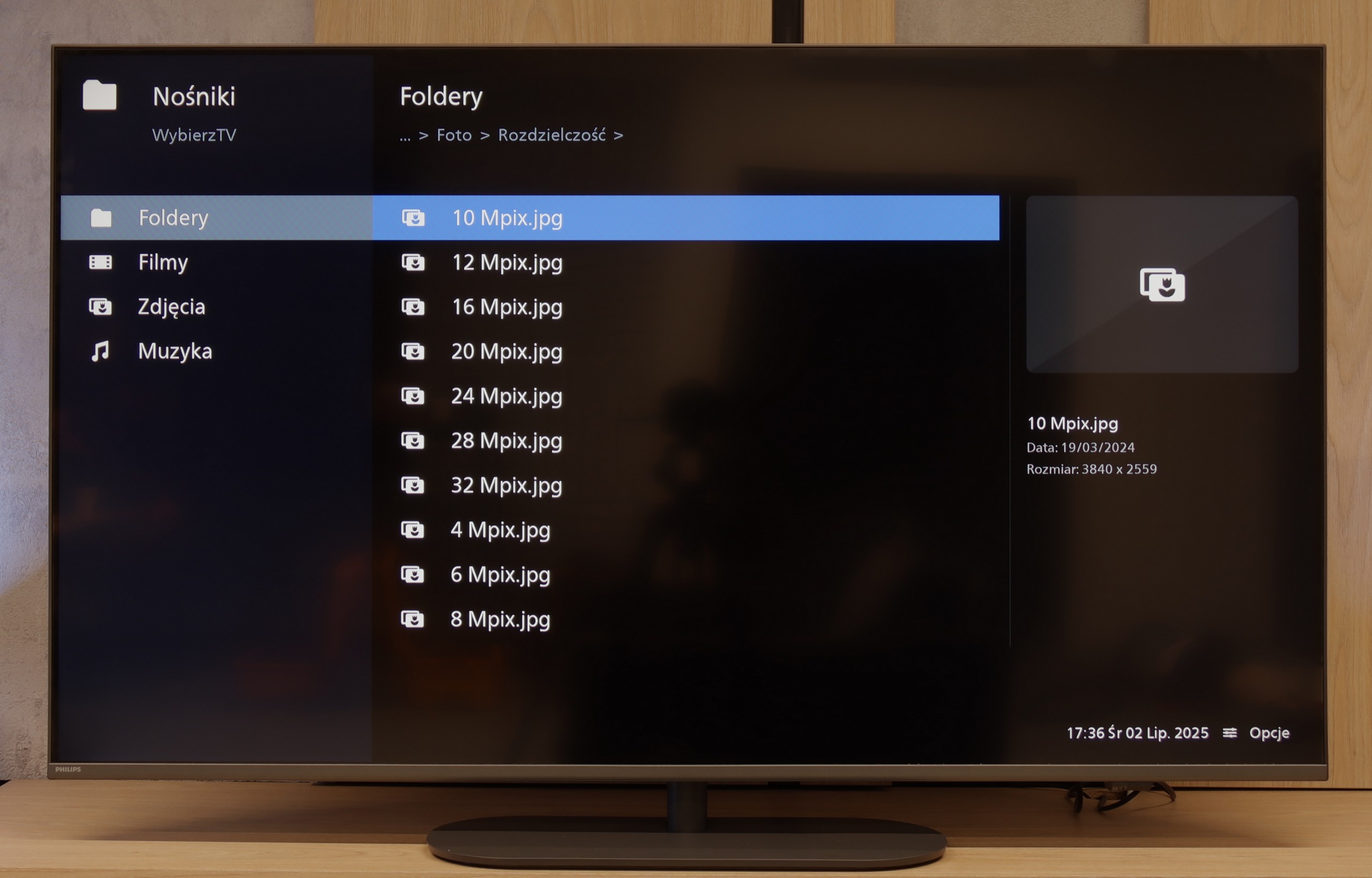
The built-in media player in the LG QNED87 television should not disappoint anyone. It offers rich capabilities when it comes to playing video and audio files. It supports many popular formats, providing versatility and user convenience. The only criticism that could be made is the limited number of supported image formats. However, this mainly concerns those less popular formats, so most users should be satisfied with the player's functionality. For everyday use and typical multimedia formats, the player performs very well.
The built-in player in the PUS9060 played practically most popular audio and video formats, so it's really hard to find fault here. Movies in popular containers, music, and photos – everything worked without any problems.
The only potential drawback might be the limited number of supported subtitle formats and the randomly selected photo resolutions that the television can read. But aside from that, most everyday users will be perfectly fine without the need to connect a computer or console to display their files from a pen drive.
Sound
6/10
6.6/10
- Maximum volume-85dB
- Dolby Digital Plus 7.1
- Dolby True HD 7.1
- Dolby Atmos in Dolby Digital Plus (JOC)
- Dolby Atmos in Dolby True HD
- DTS:X in DTS-HD MA
- DTS-HD Master Audio
When it comes to sound, one could say it is moderately pleasant. There is a lack of pronounced bass, and the mid-tones seem somewhat unclean. This is not an ideal situation for audiophiles, but it is worth noting that the television has no trouble playing DTS files. This is a feature that is lacking in many other televisions, so the LG QNED87 deserves praise for this support.
The sound from the PHILIPS PUS9060 was generally pleasant, although it is hard to call it sensational. The tested unit had built-in audio in a 2.0 configuration with a total power of 40 W, which is entirely sufficient for everyday viewing. Fortunately, the television supports most popular audio formats, so if someone connects a soundbar or home cinema, they can confidently expect full support for Dolby Atmos or DTS – without any hassle or loss of quality. For true audio fans, this is definitely good news.
Sound Quality Test
No sound test video
Acoustic Measurements
No acoustic data
85dBC (Max)
75dBC