LG G4 is a strong contender for being the best television of 2024. With the combination of OLED black and MLA technology, we obtain an incredibly dynamic and vivid image, which will certainly captivate us completely. LG G4 is also proof that televisions equipped with an OLED panel supported by MLA technology are indeed suitable for viewing in a sunny room. The operating system, while not as open as the competition, offers many possibilities. Its greatest advantage is the well-known remote control with a pointer, which makes controlling the unit (in our opinion) one of the most convenient on the market. The factory colour reproduction, although not at a high level, after the calibration process, can be referred to as a reference screen, delivering a truly cinematic image. It is no coincidence that post-production studios choose televisions from this manufacturer. They alone offer such deep intervention possibilities in the image, thanks to 3D LUT calibration. It seems that the biggest (and perhaps only) disadvantage of this television is tonal transitions, which, although far from ideal, cannot be said to take away the pleasure of viewing. The remedy is provided by the manufacturer itself, and enabling the "Smooth Gradation" function will eliminate the vast majority of the stuttering. LG G4 also performs very well when watching various sports or other dynamic scenes. The motion smoother is extremely advanced and allows for tailoring the smoothing to one's needs. Thanks to HDMI 2.1 ports with their full functionality and the manufacturer's attention to detail, the tested television will find its place in the homes of many avid gamers. Every essential feature works flawlessly, and the low input lag in every mode is very pleasing. In summary, LG G4 is an extremely versatile television, allowing for entertainment in excellent quality both at night and during the day.
- Matching (Score) |
- Our verdict |
- TV appearance |
- Where to buy |
- Contrast and black detail |
- HDR effect quality |
- Factory color reproduction |
- Color reproduction after calibration |
- Smoothness of tonal transitions |
- Image scaling and smoothness of tonal transitions |
- Blur and motion smoothness |
- Console compatibility and gaming features |
- Input lag |
- Compatibility with PC |
- Viewing angles |
- Daytime performance |
- Panel details |
- TV features |
- Apps |
- Playing files from USB |
- Sound
LG OLED G4 vs SAMSUNG S90F (WOLED)
 Direct comparison

Check the best price offer:
LG OLED G4G45 / G42

S90FAE
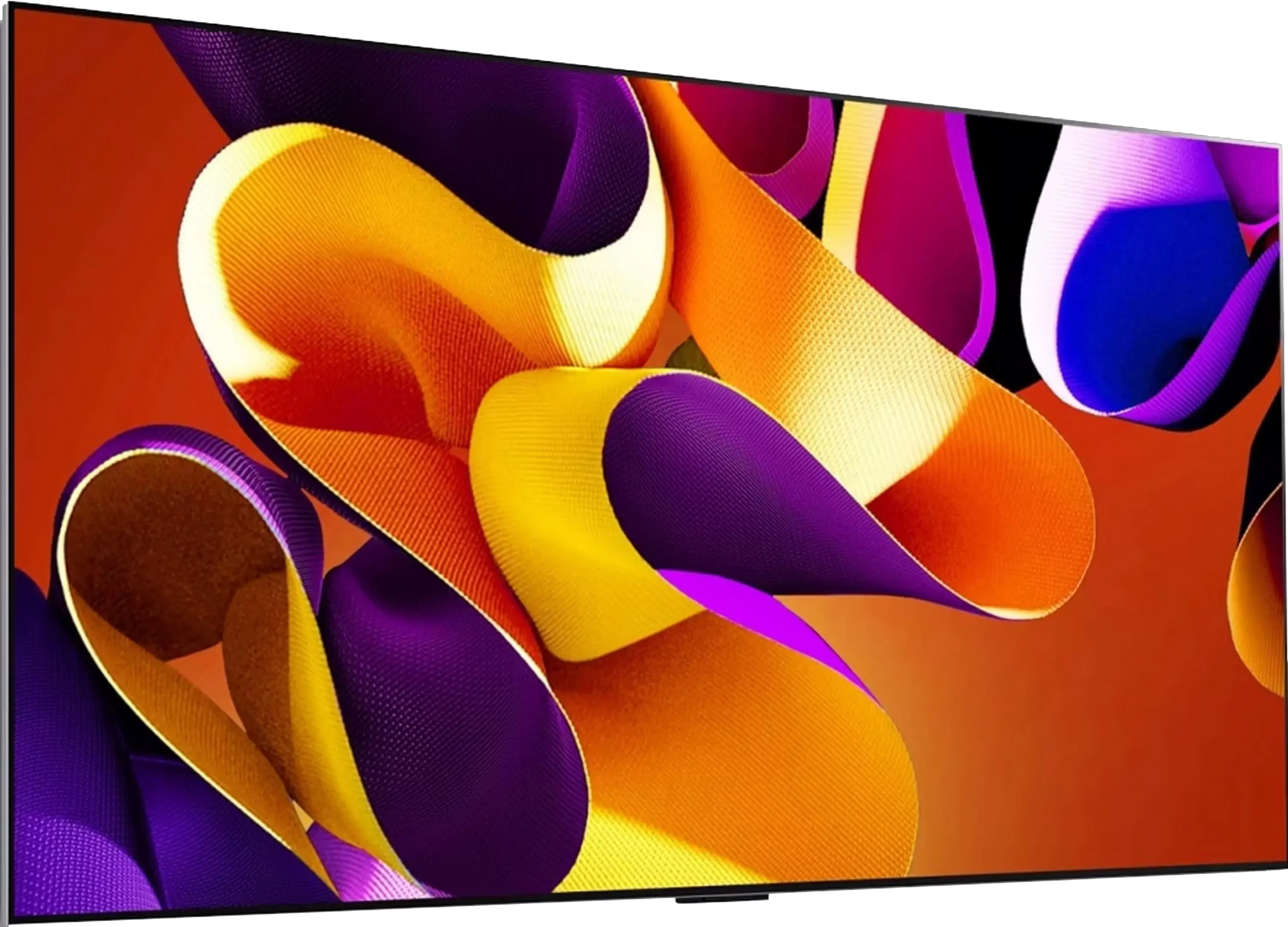
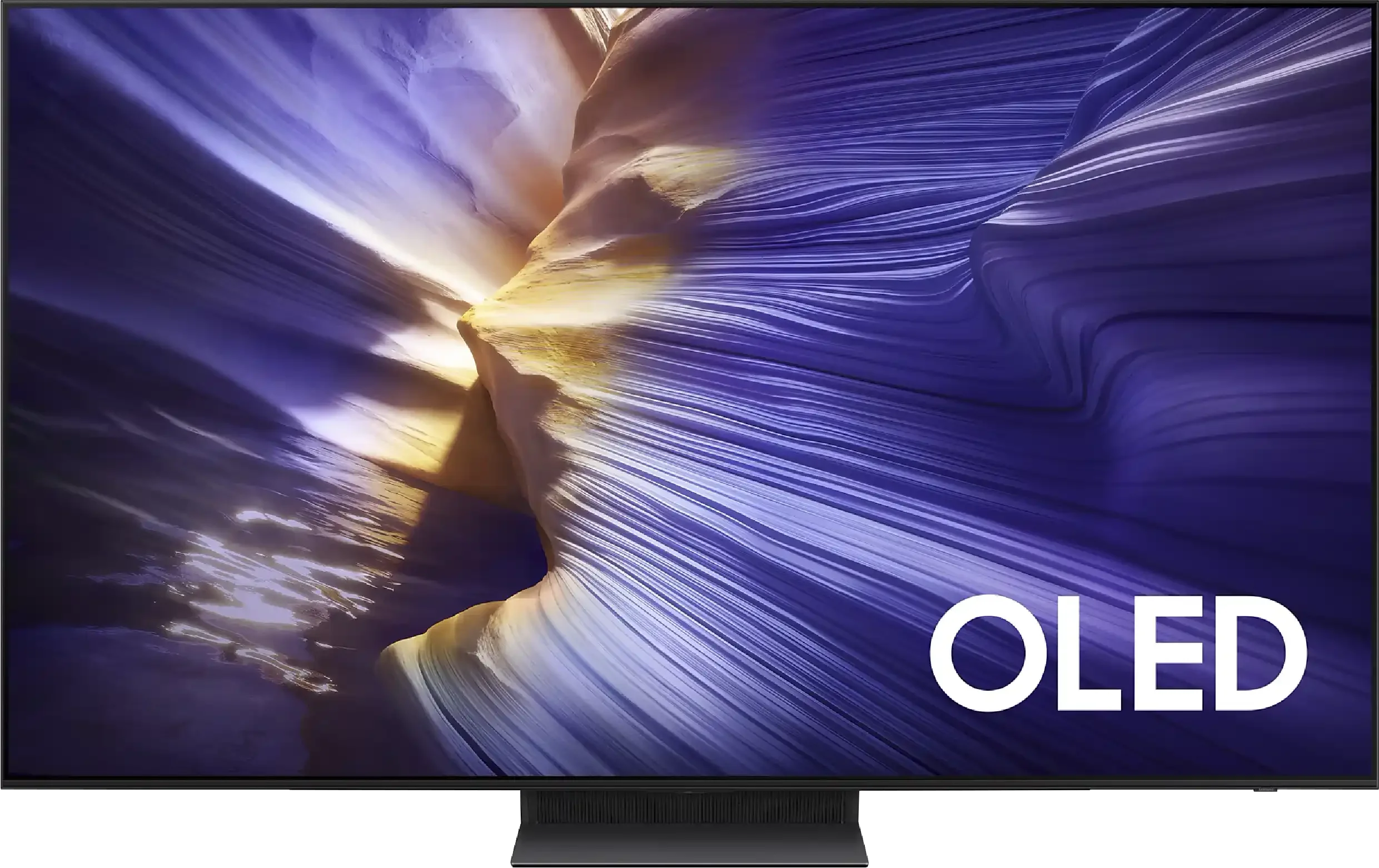
Panel type: WRGB OLED
Resolution: 3840x2160
System: WebOS
Model year: 2024
Complete the survey to find out the result
Panel type: WRGB OLED
Resolution: 3840x2160
System: Tizen
Model year: 2025
Complete the survey to find out the result
Overall rating
8.5
8.2
 Movies and series in UHD quality
 8.6
8.3
 Classic TV, YouTube
 9.1
8.7
 Sports broadcasts (TV and apps)
 9.0
8.5
 Gaming on console
 9.5
9.6
 TV as a computer monitor
 8.6
8.6
 Watching in bright light
 5.8
6.1
 Utility functions
 9.0
7.7
 Apps
Apps 9.1
8.7
 Sound quality
 8.6
7.4
Complete the survey to find out what fits your preferences
Advantages

Phenomenal alignment of the image with the director’s intent
Reference colour reproduction after calibration
Very high brightness in HDR materials
Outstanding cooperation with consoles and computers
The panel effectively suppresses light reflections
Perfect viewing angles
Remarkable black and contrast
High brightness for an OLED TV - 1200 nits peak brightness
Very good motion fluidity - OLED panel 144Hz
Low latency - input lag 5ms
Gaming features: 4x HDMI 2.1, VRR, ALLM, Game Motion Plus, etc.
PiP function and excellent support for external devices with a solar remote
Extended operating system: Tizen
Pleasant sound with a slightly perceptible bass
Disadvantages

Visible tonal transitions
The sound of the built-in audio system - it could be better in this class of television
Issues with playback of certain formats from USB.
Subtle blending of tonal transitions (performs worse than its predecessor S90D)
Lack of support for DTS:X – an external amplifier is required for full support of this format
Our verdict
The Samsung S90F is an excellent representative of the premium mid-range in the world of OLED televisions. Here we have an organic matrix that guarantees perfect contrast – and no matter how hard LCD manufacturers try with local dimming in Mini LEDs, this black simply cannot be replicated. The S90F showcases its class without any compromises. Compared to last year's model, we get a slightly brighter WOLED panel that, under favourable conditions, can achieve even 1200 nits. This is a result sufficient for comfortable viewing of HDR materials in reference quality for most scenes – especially on streaming platforms such as Netflix. The picture quality here is at a very high level, whether we're watching a film, gaming on a console, or streaming a sports event. In fact, versatility is one of the biggest advantages of this model. With a refresh rate of 144 Hz, very low input lag, and a full set of features for gamers (including working HGiG and the unique Game Motion Plus smoothing), it’s hard to find fault with anything here. The Tizen system performed really well on the S90F. It has its limitations – primarily a closed ecosystem and fewer app options than on Google TV – but if you mainly use the most popular services, this shouldn’t be an issue. A big plus is also the remote control, which can operate most connected devices – even without a numeric keypad. There are also downsides. The built-in media player occasionally has issues with certain formats, and the anti-reflective coating typical of WOLEDs does not handle strong light very well – reflections can be noticeable. We also lack support for DTS and Dolby Vision, but this has been the standard at Samsung that one could expect for years. So is the S90F with a WOLED panel the perfect television? No – but it really isn't missing much. It’s one of the most refined and complete OLEDs in this price range, capable of handling any content, from a series on Netflix, through gaming on a console, to a Sunday match.
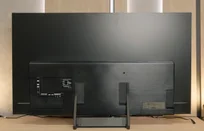
TV appearance

Contrast and black detail
10/10
10/10
Contrast:


Result
∞:1

Result
∞:1

Result
∞:1

Result
∞:1

Result
∞:1
Result
∞:1
Result
∞:1
Result
∞:1
Result
∞:1
Result
∞:1
Halo effect and black detail visibility:
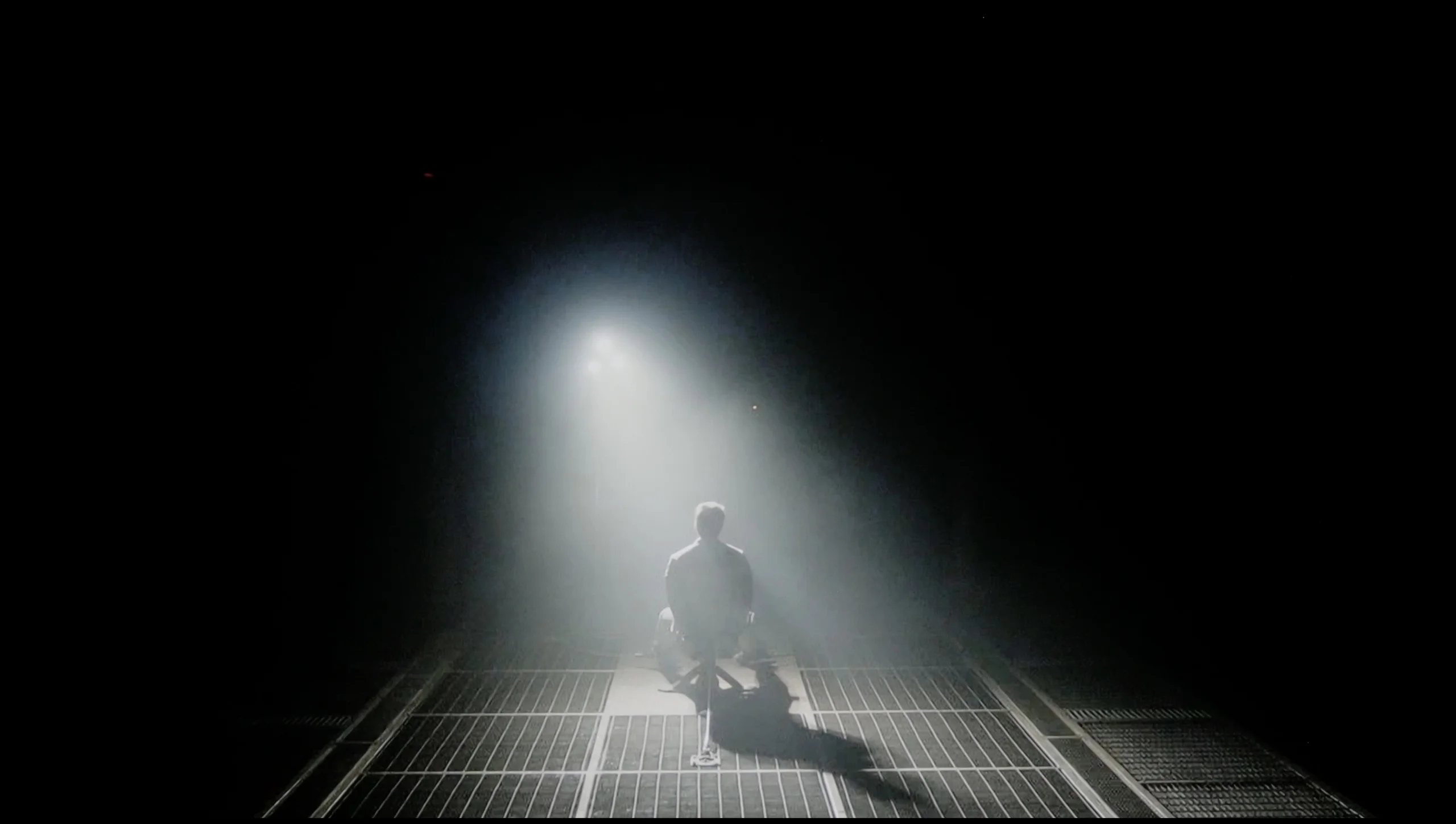
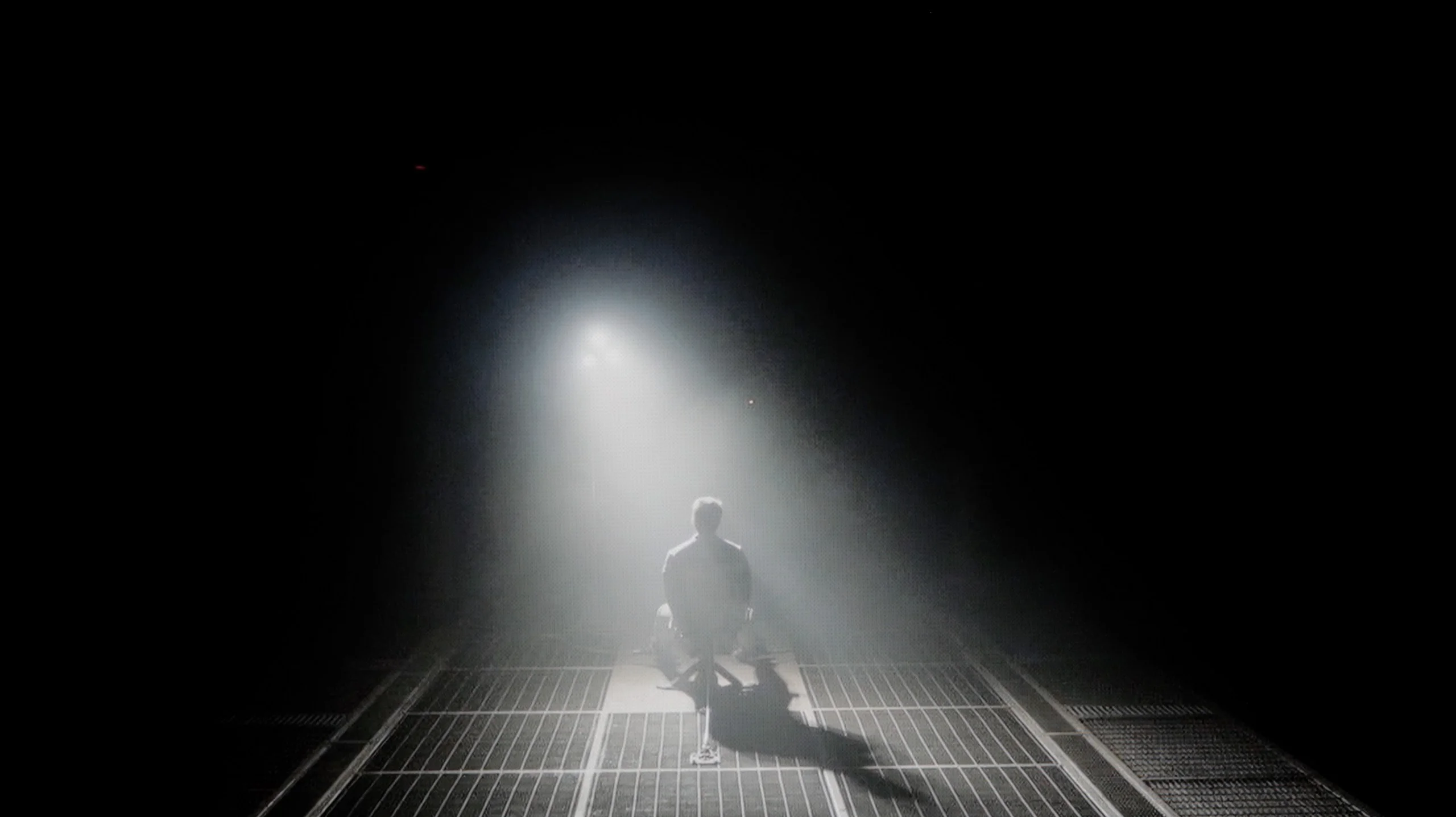
Check the visibility of bright lights on a dark background. Mini-LEDs often struggle with this. The photo does not compare black levels – that’s what the video below is for.
The video accurately shows differences in contrast and black levels between TVs, as well as potential issues: halo around bright objects or Mini-LED zone operation visible as brightness jumps.
LG G4, thanks to its OLED panels produced for over 10 years, delivers perfect results in contrast, black levels, and detail reproduction in the darkest scenes. It is worth noting that the panel itself is equipped with MLA (Micro Lens Array) technology, which LG showcased just a year ago during the launch of its predecessor. The use of organic matrix allows not only for achieving pitch-black levels but also for an extraordinary immersion and three-dimensional effect of the image, which is hard to find even in the best Mini LED televisions. Such image quality is closely correlated with OLED matrix technology, as each pixel is controlled by an electric impulse rather than by blocking filters on the panel. Therefore, if we want to achieve true black, the pixel is not turned on at all. This is clearly visible in test images, where the spotlight provides high brightness while being perfectly separated from each other. The situation does not change in the demanding scene from "Sicario 2," where no imperfections are visible in the form of dimming zone issues that we may encounter in LCD televisions.
In the case of the Samsung S90F, we have an interesting situation: almost all size variants are equipped with WOLED panels, except for the 65-inch version, which has a QD-OLED panel. In this test, we analyse the version with the WOLED panel produced by LG Display, but the question remains; does this affect the quality of black levels and contrast in this part of the test? In practice – it does not. Regardless of the technology used, both panels can generate perfect black and infinite contrast. This is exactly what we expect from any top-tier television. Watching a series in the evening, in a completely dark room, is pure pleasure. The television easily separates bright elements – such as reflections or background lights – from deep, dark parts of the picture, without creating any halos or brightening effects, which top-of-the-line LCD televisions still struggle with. This is where OLED technology shows its strength – and the S90F is no exception. In terms of black levels and contrast, we cannot fault it at all.
HDR effect quality
7.9/10
7.2/10
Luminance measurements in HDR:

Result
1474 nit

Result
1467 nit

Result
1403 nit

Result
1441 nit

Result
850 nit
Result
1099 nit
Result
1177 nit
Result
1252 nit
Result
1183 nit
Result
577 nit
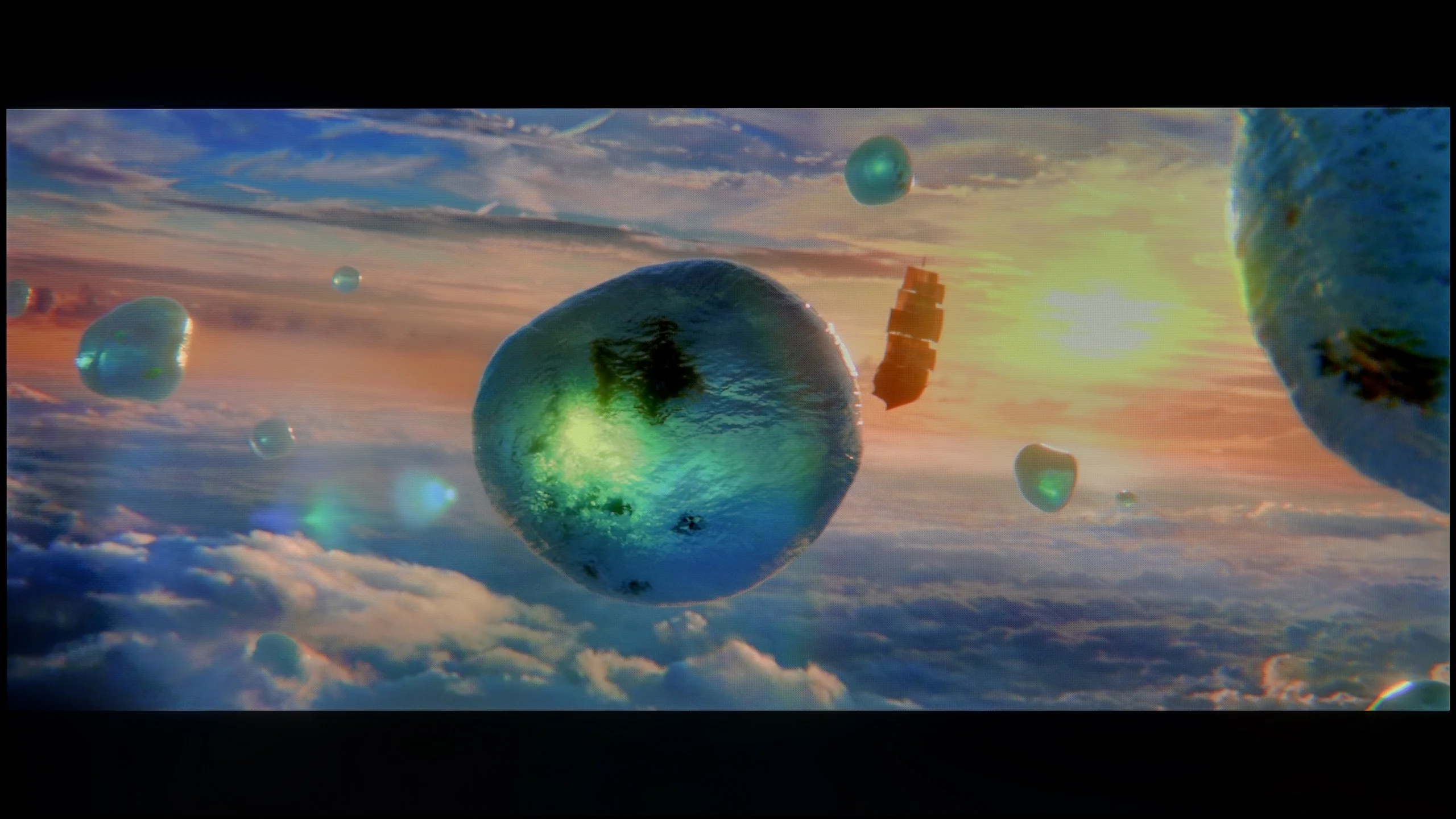
Scene from the movie “Pan” (about 2800 nits)

Scene from the movie “Billy Lynn” (about 1100 nits)
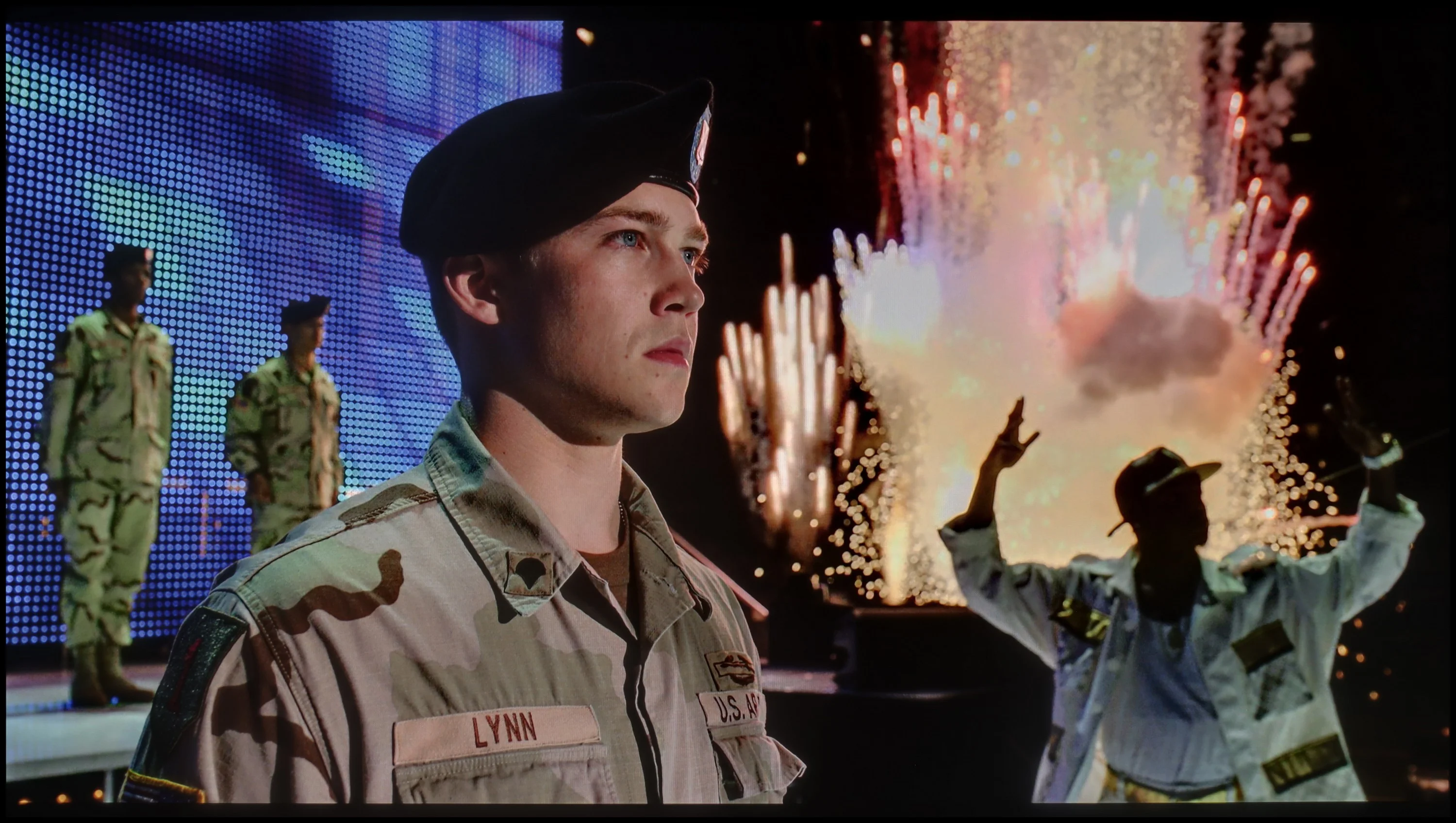
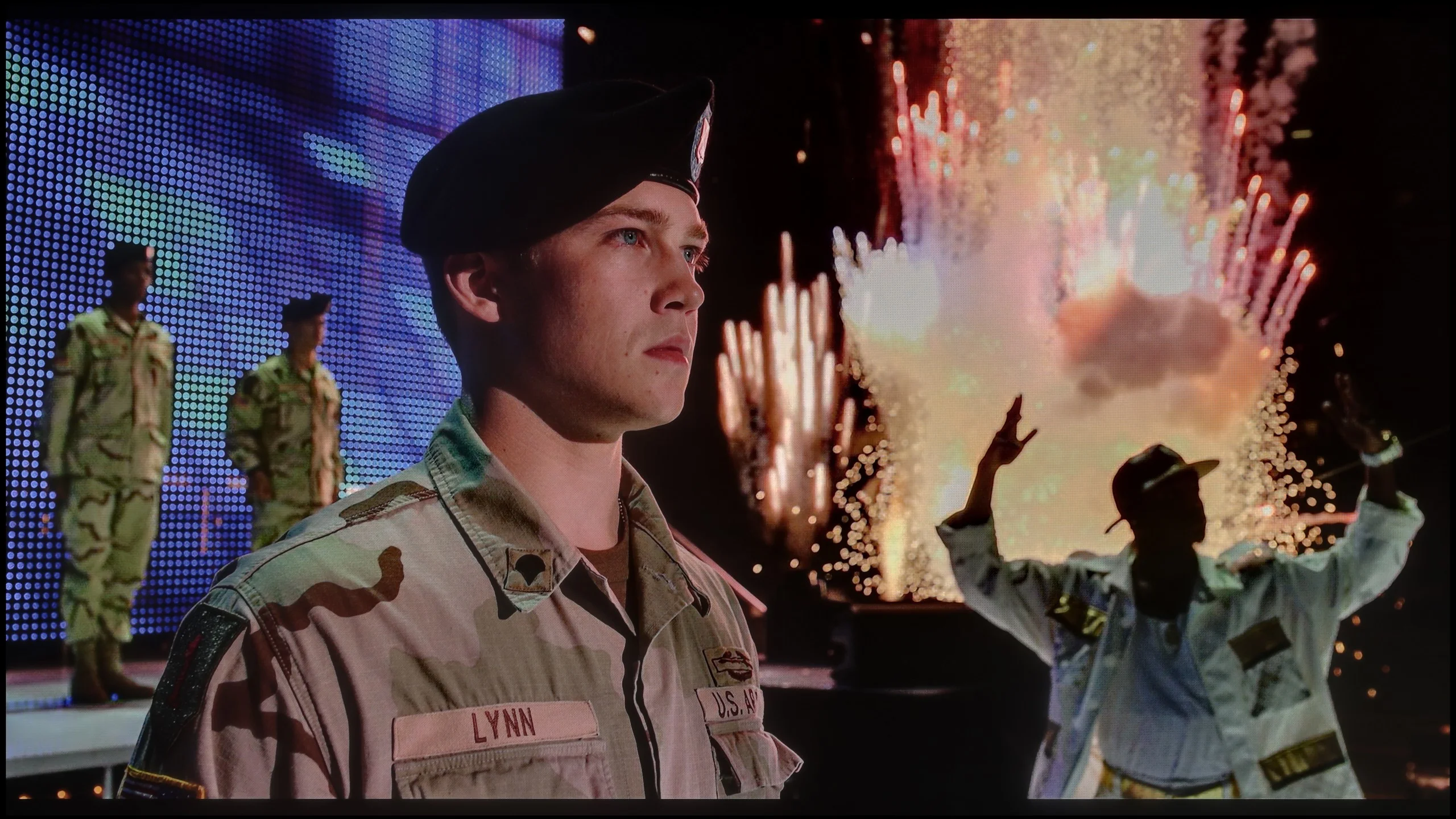
The photos show two HDR10 movies. 'Pan' is one of the brightest productions ever made, while 'Billy Lynn' (soldier) has brightness typical of streaming (Netflix, Prime, HBO MAX). Notice the intensity of effects and detail in whites.
Static HDR10


The photos present the visibility of white details in various HDR formats. They do not show brightness differences between TVs (these can be compared in the previous gallery).
Dynamic: Dolby Vision
Dynamic: HDR10+


The photos present the visibility of white details in various HDR formats. They do not show brightness differences between TVs (these can be compared in the previous gallery).
HDR luminance chart:
SAMSUNG S90F (WOLED)
LG OLED G4
Luminance of RGB colors
Luminance of RGB colors
LG G4 guarantees an incredibly vivid HDR effect, placing the television among the very best. The equipment of the highest model in the producer's 2024 portfolio with the second generation of micro-lens technology (MLA) has achieved a maximum brightness level of 1474 nits in real scenes. The only area where the product from the Korean manufacturer may lag behind LCD televisions with Mini LED backlighting is during the full-screen scenes featuring a lot of white. If we disregard the latter type of scene, the average result would be even higher. It is also worth mentioning scenes with very fine details, where each one shines at full intensity, which is not as evident in non-OLED televisions. The combination of such brightness and wide coverage of the DCI-P3 palette makes HDR materials more engaging than ever before.
Does the S90F handle not only black, but also bright parts of the image? Definitely yes. Tales of OLEDs as “dark screens” can slowly be regarded as a myth. The Samsung S90F, like the LG C5 based on a very similar panel, achieves brightness exceeding 1000 nits. This is a value entirely sufficient to enjoy impressive and dynamic HDR imagery – both in films and series. Most of the scenes we tested look superb, with well-defined highlights and high contrast. Of course, OLED technology still has its limitations – in very bright, full-screen sequences, such as the test pattern from the film The Meg (picture 5), the television may noticeably dim the image. However, it should be emphasized that such scenes are rare. It can be considered that the HDR effect is good enough that even mid-range OLED models like the S90F can provide a cinematic experience in the home living room.
Factory color reproduction
8.4/10
7/10


This gallery shows how colors change after professional TV calibration. If you notice the difference, we recommend ordering this service at SkalibrujTV.com.
Factory Mode
After calibration


This gallery shows how colors change after professional TV calibration. If you notice the difference, we recommend ordering this service at SkalibrujTV.com.
Factory Mode
After calibration
The best factory mode in terms of colour reproduction was "Filmmaker". This was the one we used during our tests. Let's check how its characteristics looked before the calibration process. Looking closely at the white balance first, we can notice a significant dominance of red and green. As a result, the image had a warm yellowish hue. Such characteristics are typically observed in "Cinema", "Filmmaker" or similarly named modes. The effect of this colour balance was clearly visible in both SDR and HDR content, which after switching from "Standard" mode appeared distinctly yellow. Now, let's move on to two graphs that are responsible for the brightness characteristics and consequently the contrast of the image. The first one (Gamma), representing materials with a standard colour palette, performed decently. For most of the time, midtones and bright whites were reproduced very accurately; however, it noticeably lost the darkest details, which merged into a black blob. Conversely, HDR materials, represented by the EOTF curve graph, exhibited a significant drop in contrast due to a strong boost in brightness. The colours themselves also posed a problem, as can be seen on the "ColorChecker" graph, since they were noticeably under-saturated.
The Samsung S90F, like most modern televisions, offers many picture modes, but – in line with our testing tradition – we assessed it in the best one, which is the Filmmaker mode. This way, the image looks significantly more natural than in the default, often oversaturated settings. It was neither overly saturated nor artificially muted – just closer to what should be seen. Of course, "more correct" does not mean "ideal". Unfortunately, our S90F unit had considerable issues with white balance, especially in the blue range, resulting in a slightly yellowish filter being applied to most scenes. Someone might say it looks more "cinematic" – because it is warmer – but let's not kid ourselves, George Lucas did not film Star Wars in sepia 😉 (you will find the comparison with the scene as always below).
Additionally, in HDR materials, there was a noticeable issue with brightness management. The EOTF curve showed a clear "spike" in brightness – the television brightened the image more than it should have, which made some effects look overly intense and diverged from the reference. Fortunately, some of these problems can be eliminated through professional calibration – you will read about its effects later in the review.
Color reproduction after calibration
9.5/10
9.2/10
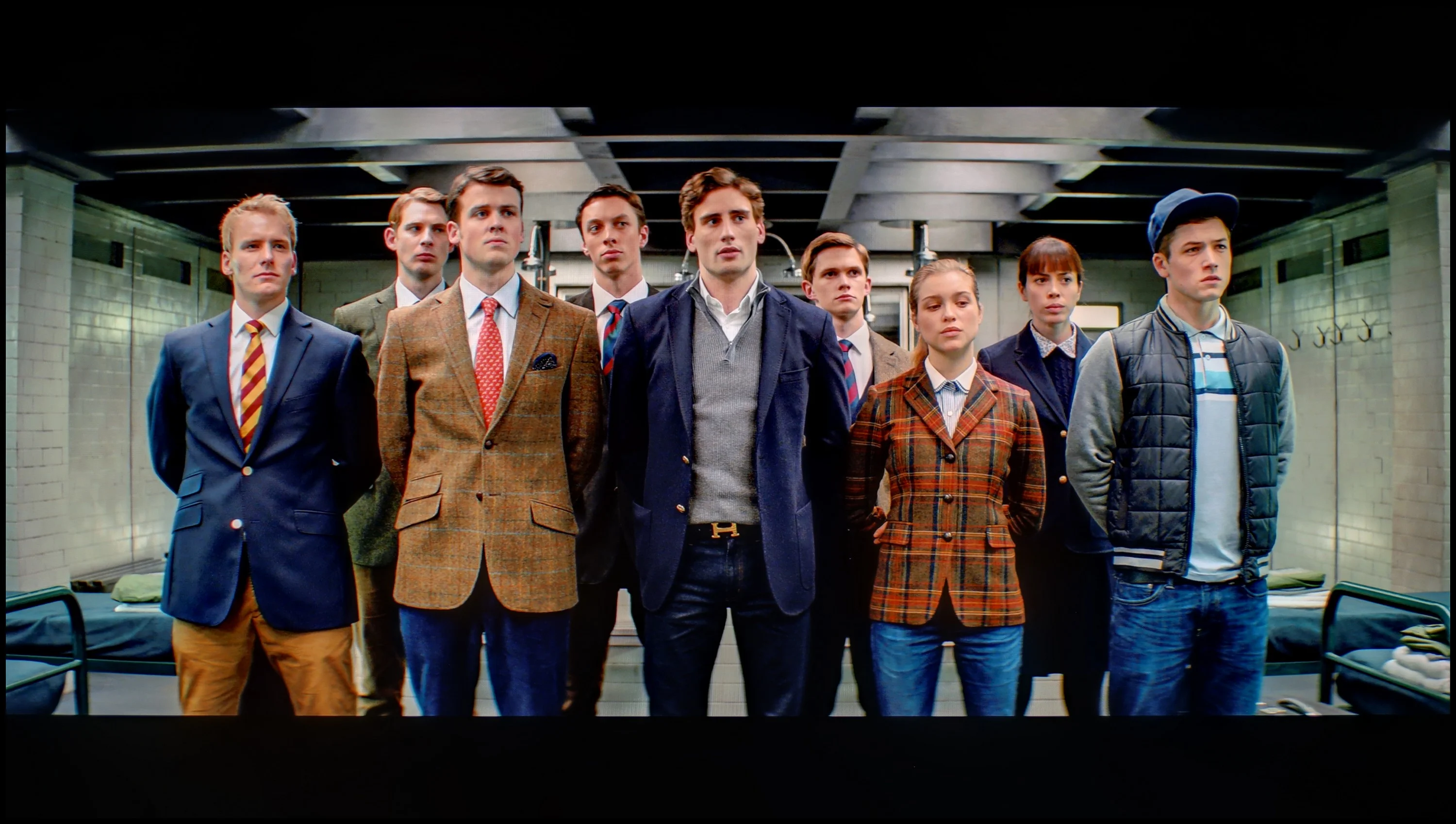
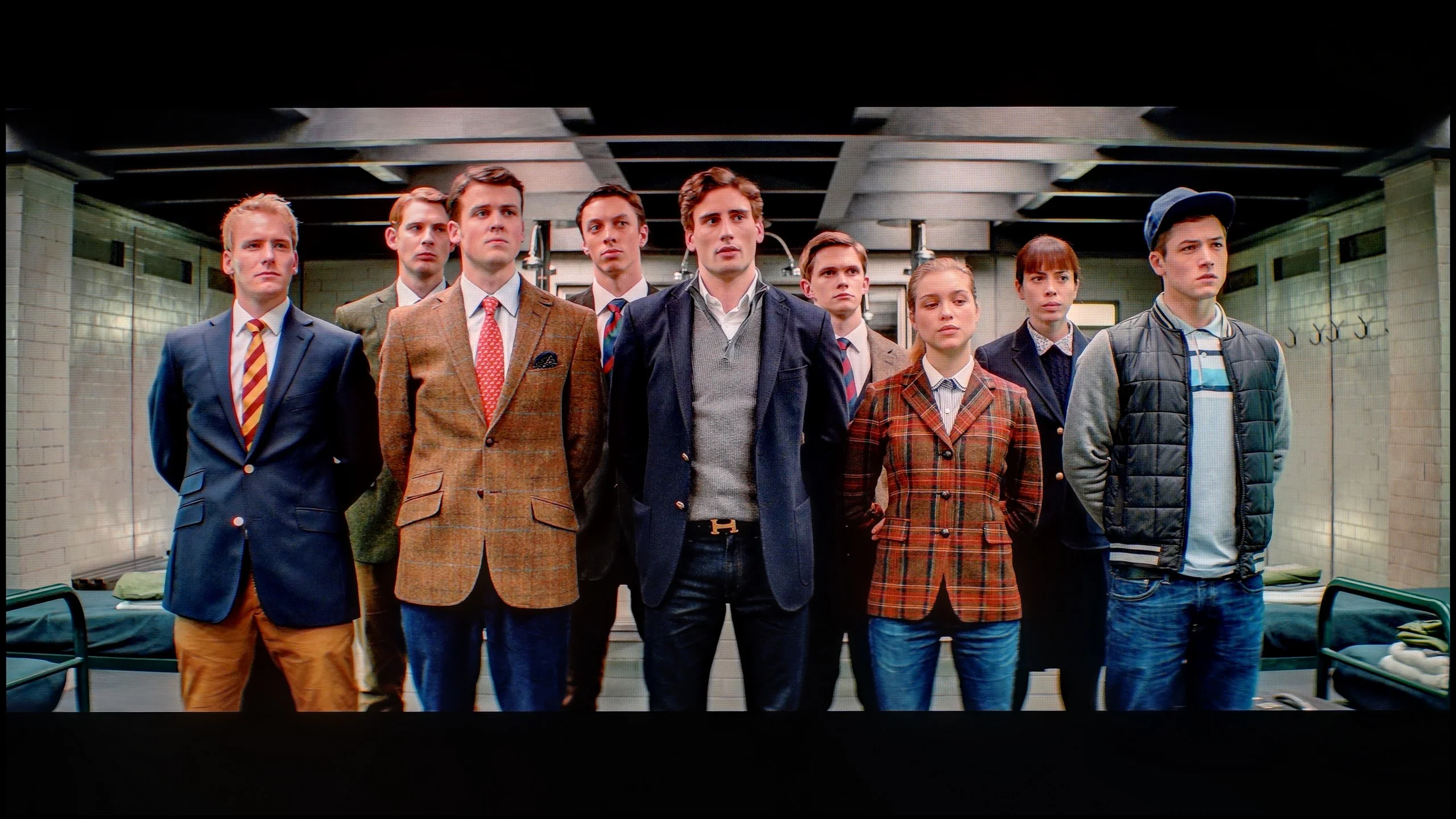
The photos show how movies look on the TV. Pay attention to black detail visibility, colors, and shadow tint.


The photos show how movies look on the TV. Pay attention to black detail visibility, colors, and shadow tint.
The manufacturer has implemented extensive support for the calibration process in its LG televisions for many years. We therefore used 2- and 20-point greyscale adjustments, as well as an advanced CMS (Colour Management System), and got to work. As you can see, thanks to the procedure carried out, each parameter has significantly improved. The use of tools allowed for the achievement of extremely beneficial effects, which include: studio colour reproduction, recovery of details in dark areas of the image, appropriate brightness characteristics, and suitable colour saturation. This brings us as close as possible to the reference image, which is what the film director saw on the preview monitor. It is worth noting that the LG G4 televisions alone allow for even deeper intervention in image quality thanks to the ability to calibrate with 3D LUTs. However, this is a solution recommended only for post-production or graphic studios.
After calibration, we managed to eliminate practically all the previously mentioned errors. Older films in SDR quality finally look as they should – without the sepia effect or artificial aging of the image. The atmosphere of the classics returns to its rightful place (you’re welcome, Star Wars fans), and the colours no longer resemble an Instagram filter.
One of the key changes was also the improvement of brightness characteristics in HDR content. We managed to control the EOTF curve in almost a reference manner. Yes, the most demanding users may spot minimal deviations in brightness, but honestly – most viewers won’t even notice that. And it's no wonder, because the vast majority of errors are below a ΔE value of 3, which is below the threshold of visibility. After calibration, the S90F (WOLED) truly becomes an excellent display – one that provides nearly perfect picture quality.
Smoothness of tonal transitions
6.2/10
7.3/10
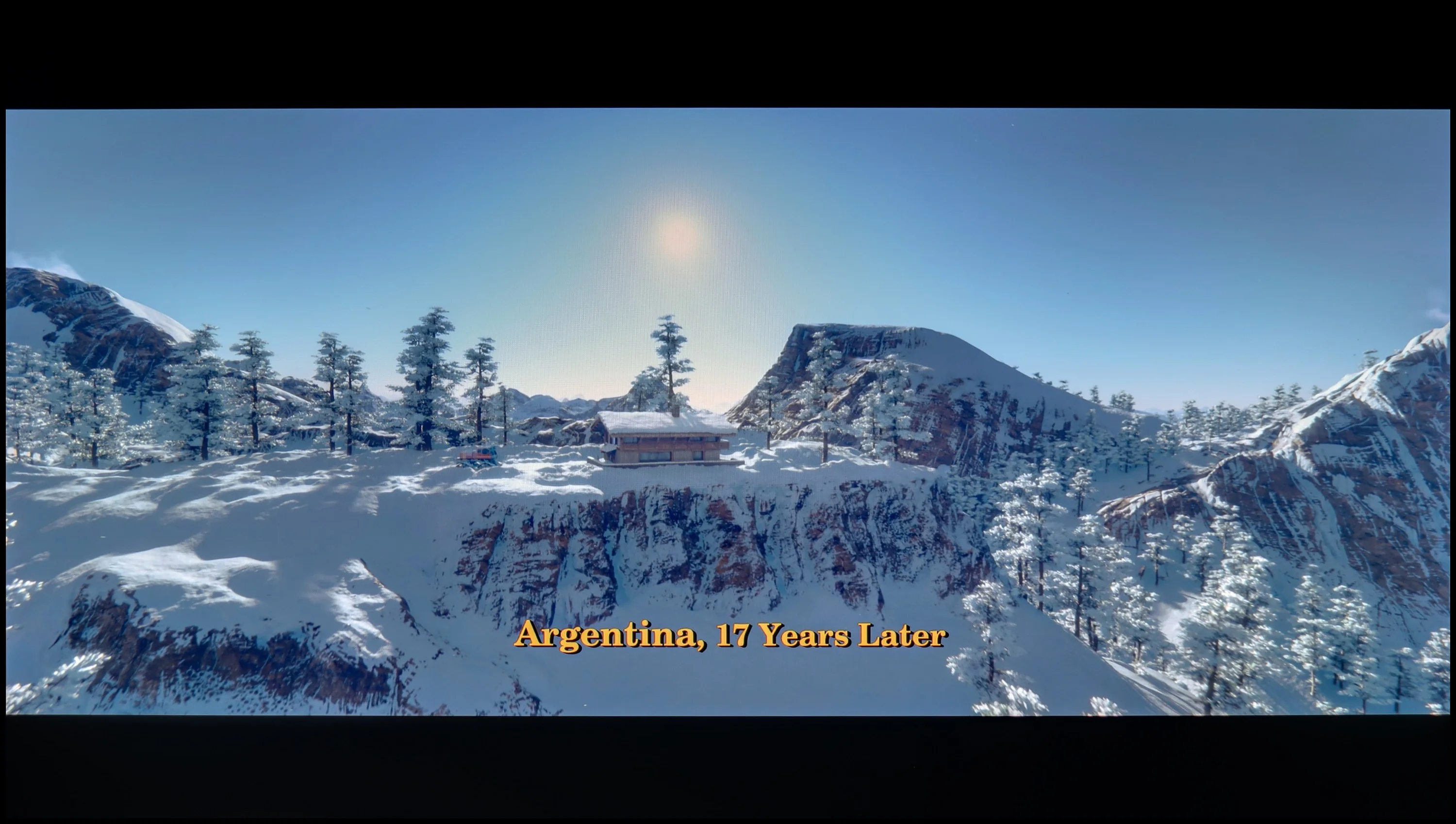

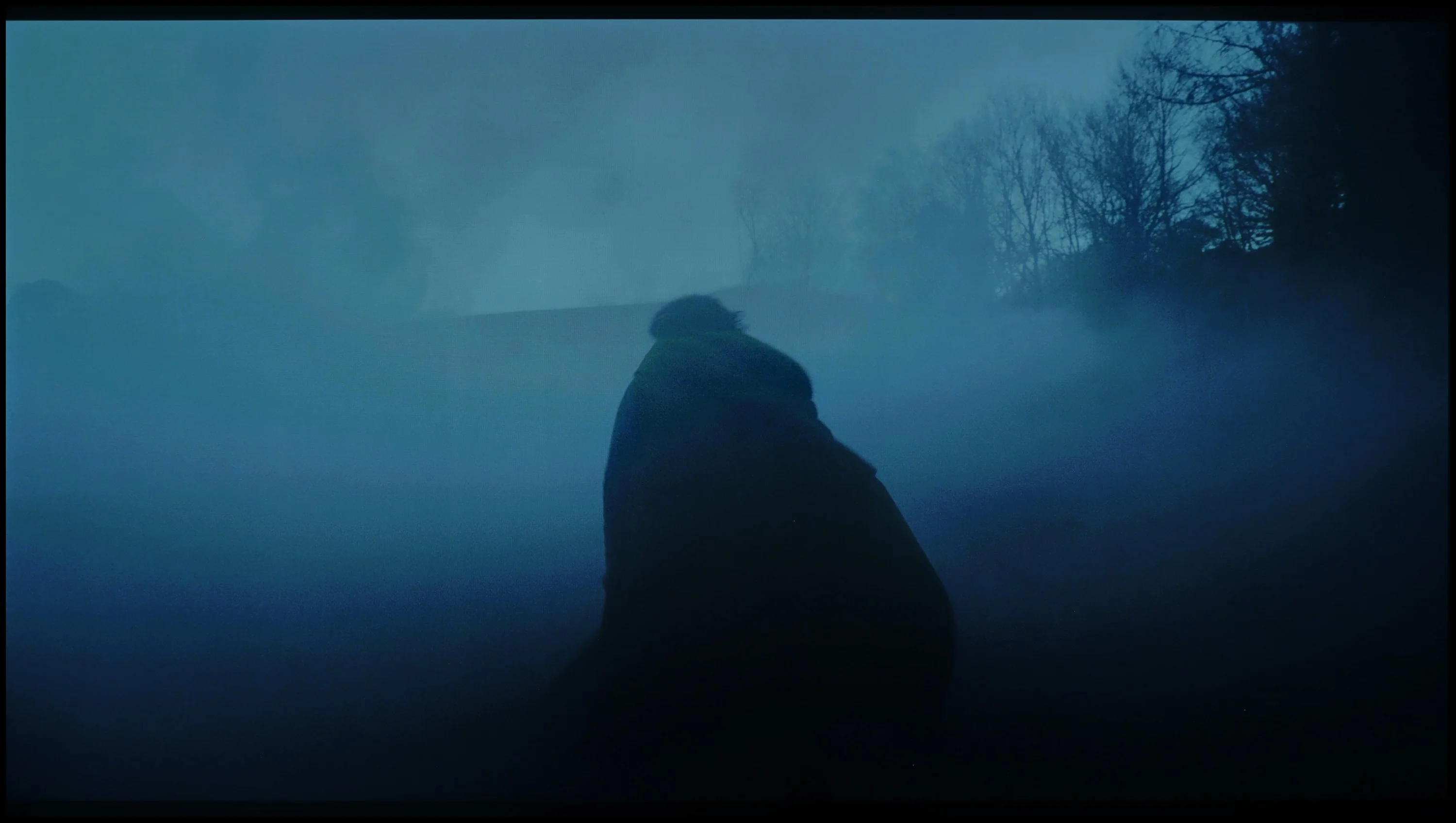
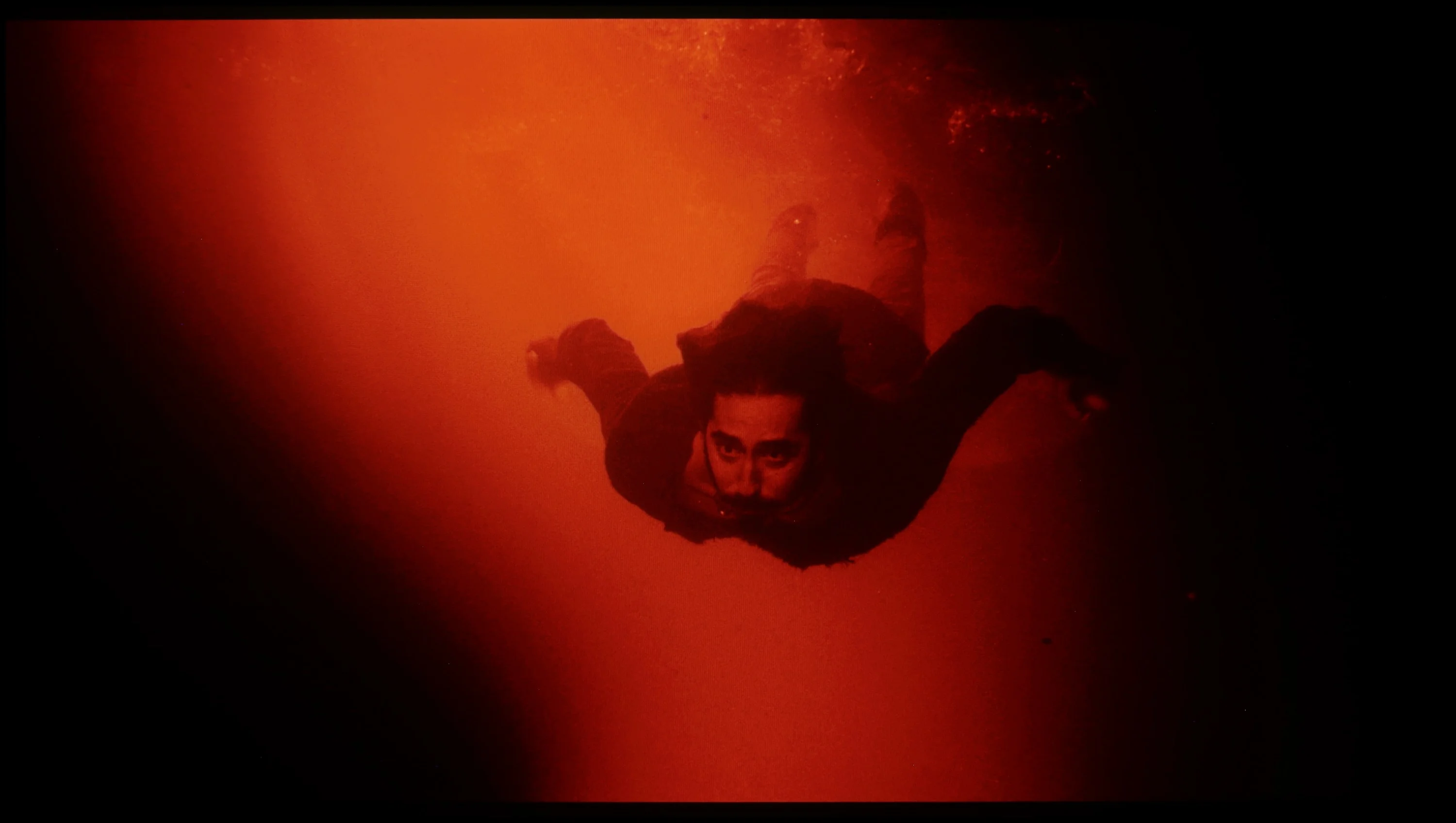
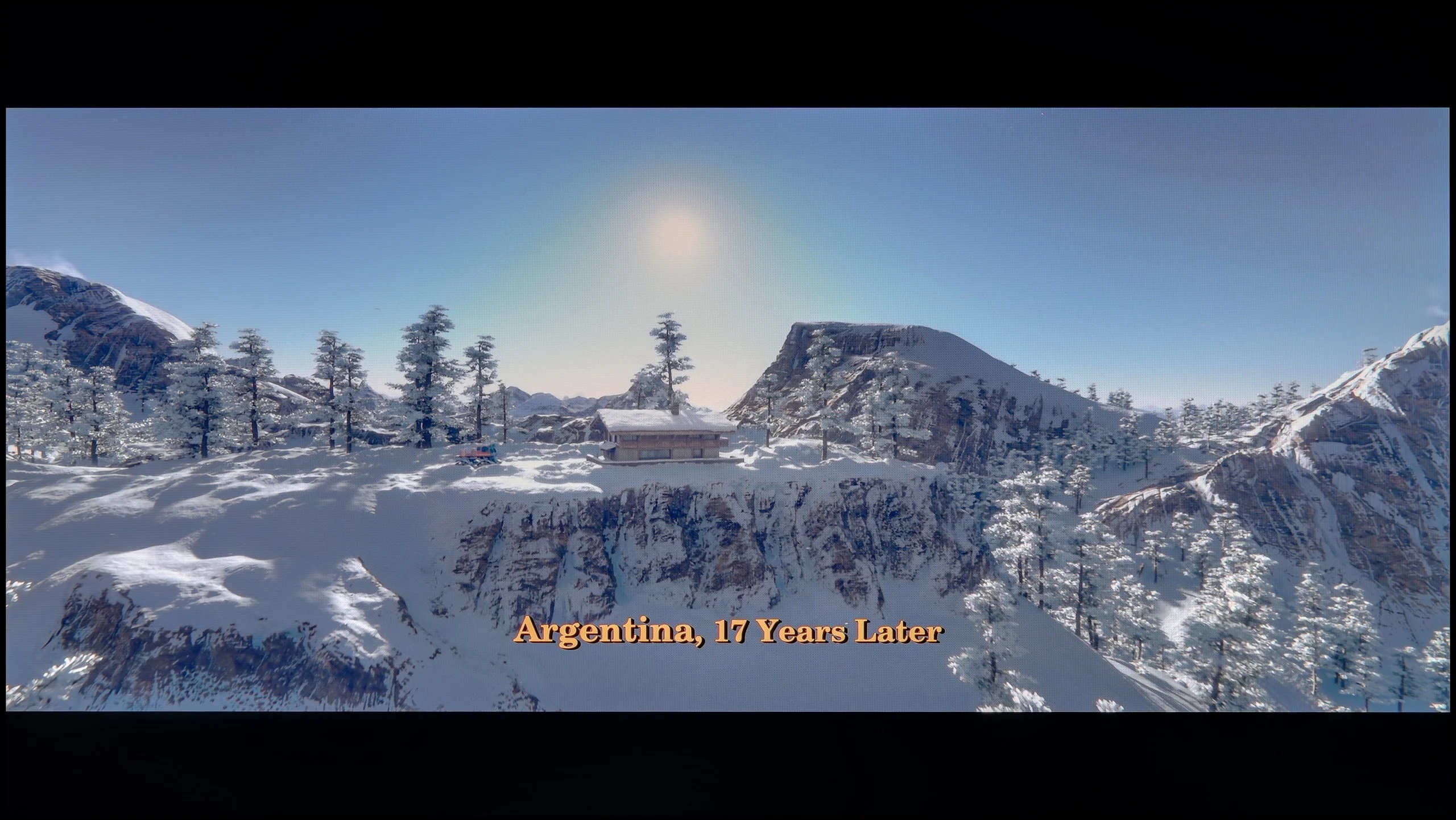
These are selected scenes that show smooth tonal transitions from one color to another. If you see distinct banding, it’s the TV panel’s fault.

These are selected scenes that show smooth tonal transitions from one color to another. If you see distinct banding, it’s the TV panel’s fault.
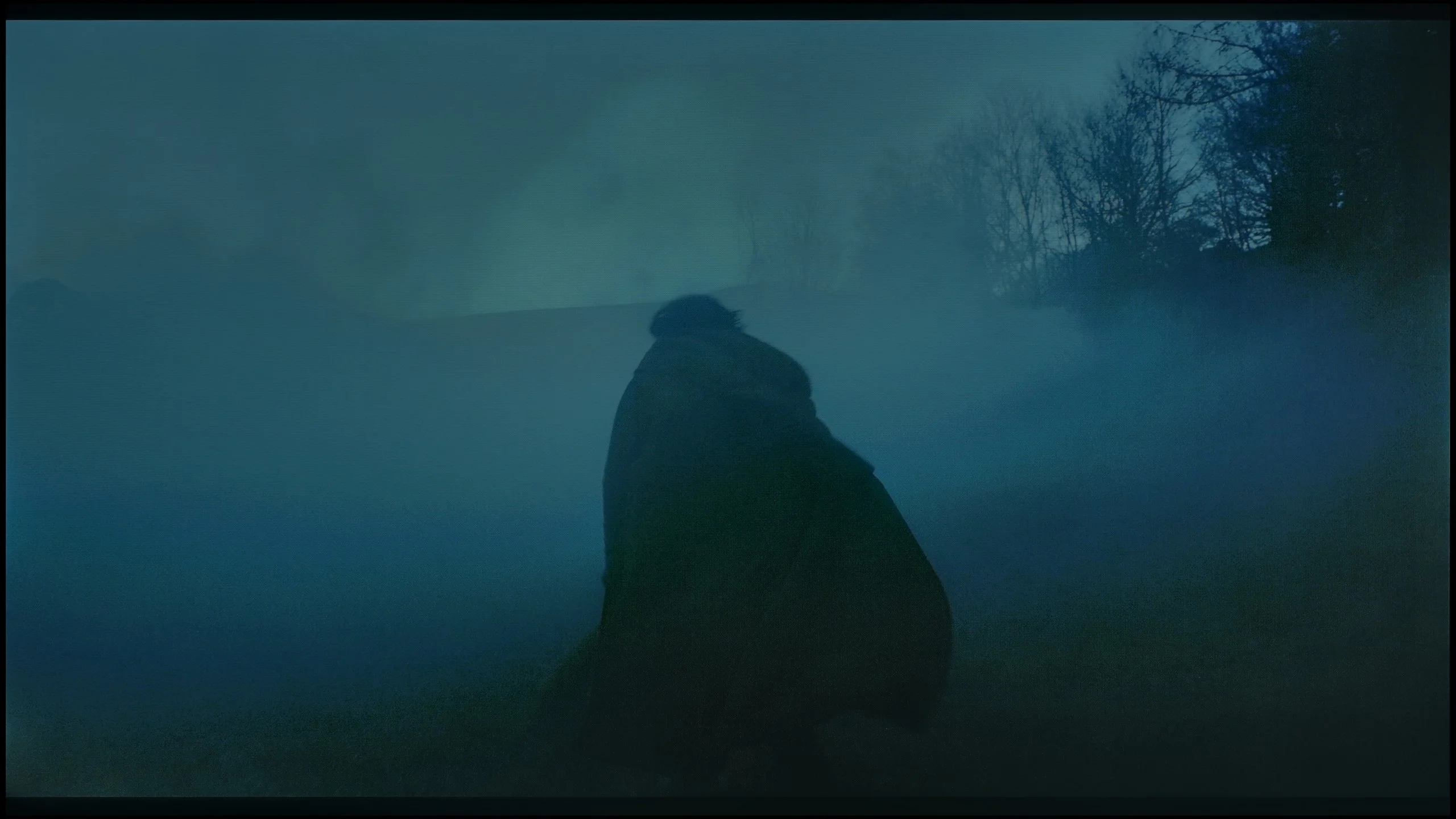
These are selected scenes that show smooth tonal transitions from one color to another. If you see distinct banding, it’s the TV panel’s fault.
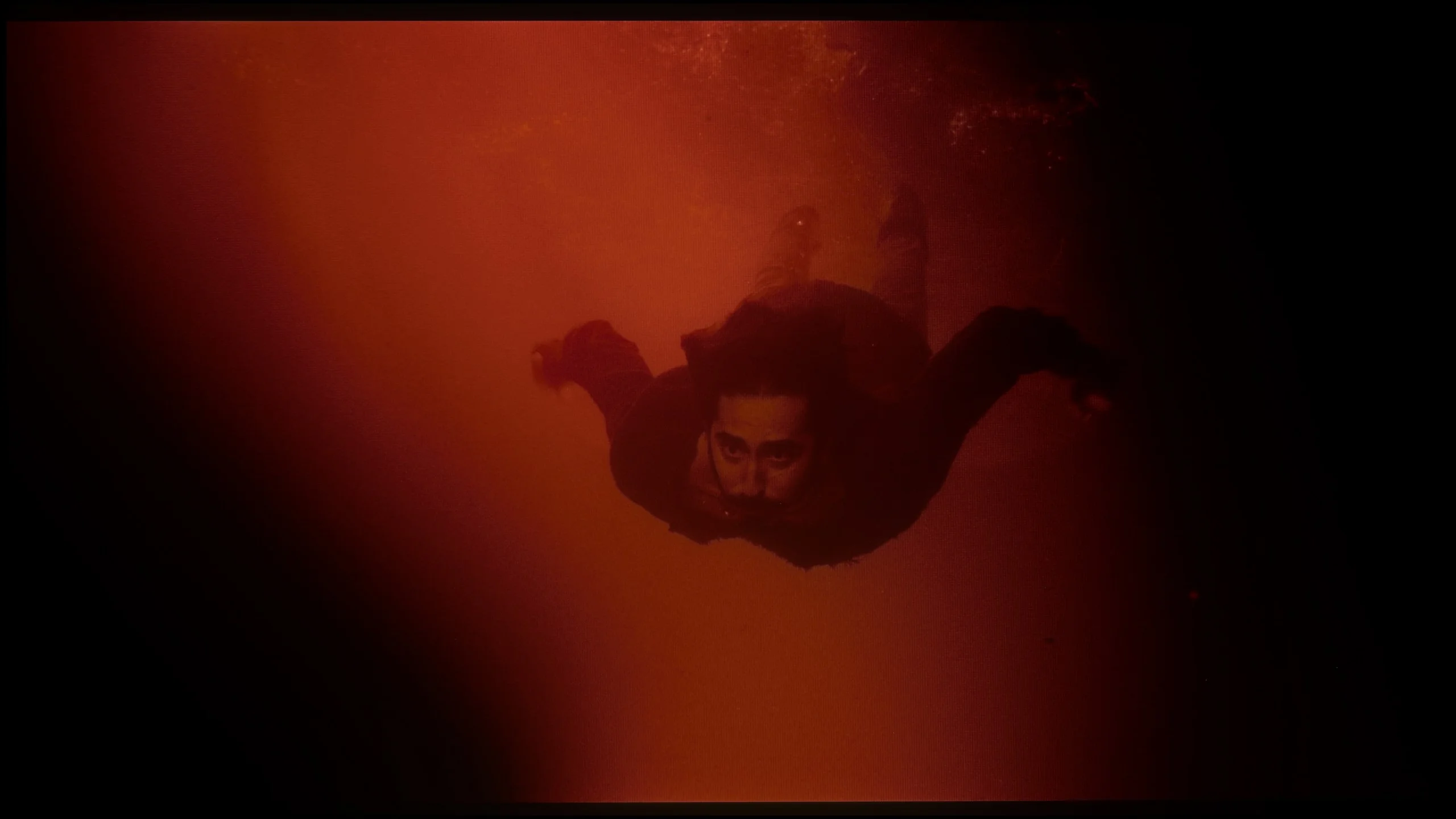
These are selected scenes that show smooth tonal transitions from one color to another. If you see distinct banding, it’s the TV panel’s fault.
The tonal transitions presented on LG G4 are not among the best. Each scene played from a BluRay disc with 10-bit HDR exhibited clear inconsistencies in colour transitions. This is particularly noticeable in the case of the film "The Green Knight", where issues related to posterisation were especially evident. This effect could also be observed in films of moderate and high brightness, such as "The Martian" and "Kingsman", which is rarely seen in televisions (especially of this class), which surprised us. Such results suggest that in scenes of low luminance with a large amount of black, this issue will be bothersome, even for a layperson.
And here we must honestly admit – the S90F has somewhat let us down. Compared to last year's S90D model with a WOLED panel (very similar to the one used this year), this year's Samsung has performed worse. This is not only in comparison to its main competitor, the LG C5, but even when put alongside its older sibling. The biggest problems arise in dark scenes, where difficulties with smoothly blending colours are evident – the screen slightly stepped the tonal transitions, causing some parts to lose their naturalness. We don’t know exactly what went wrong – perhaps it’s a matter of software or a different processing algorithm. It's a pity, as we were hoping that the level from last year would be at least maintained. Unfortunately, it is a step backwards.
Image scaling and smoothness of tonal transitions
8.2/10
7.5/10


Smooth transition function
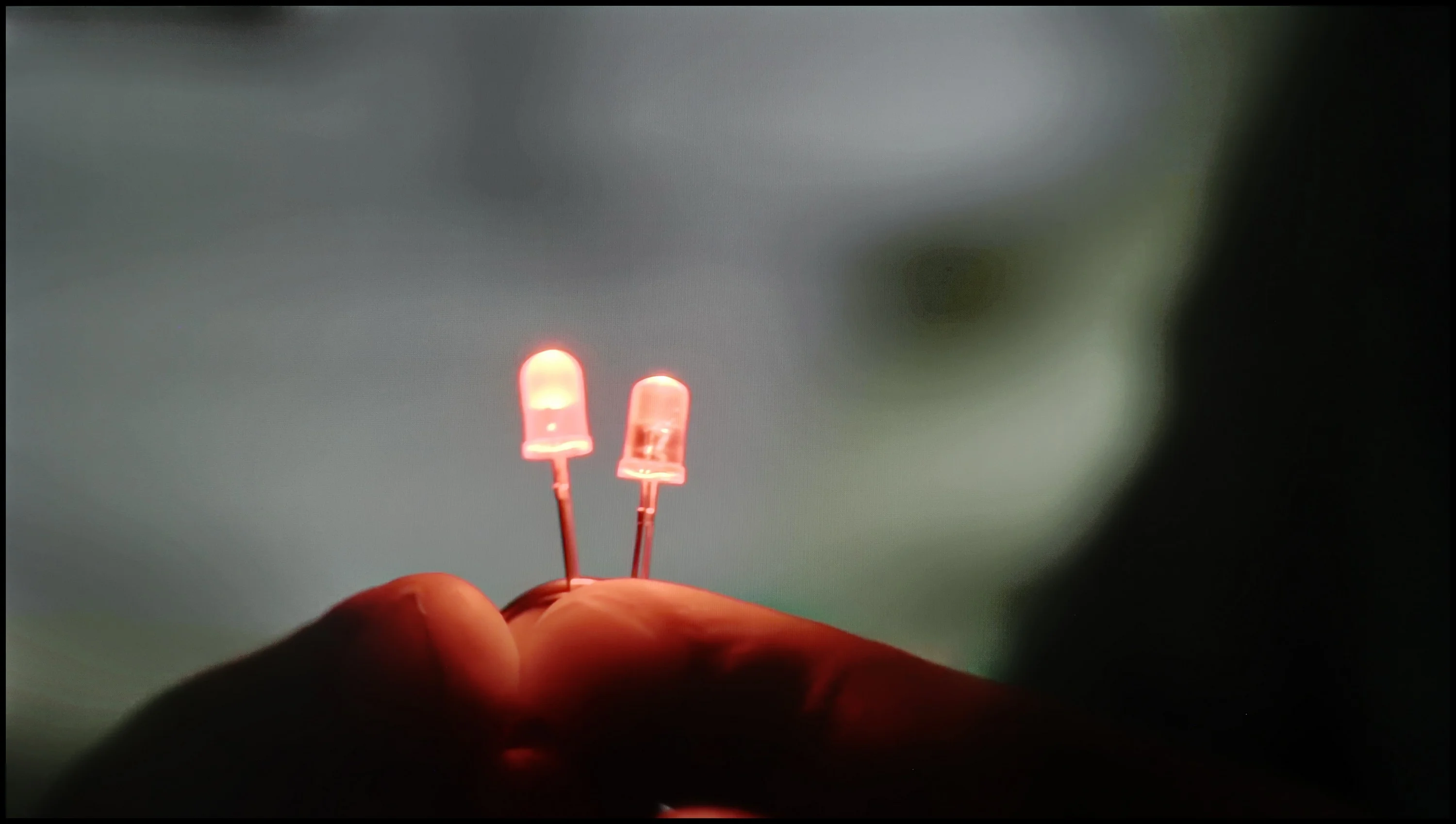
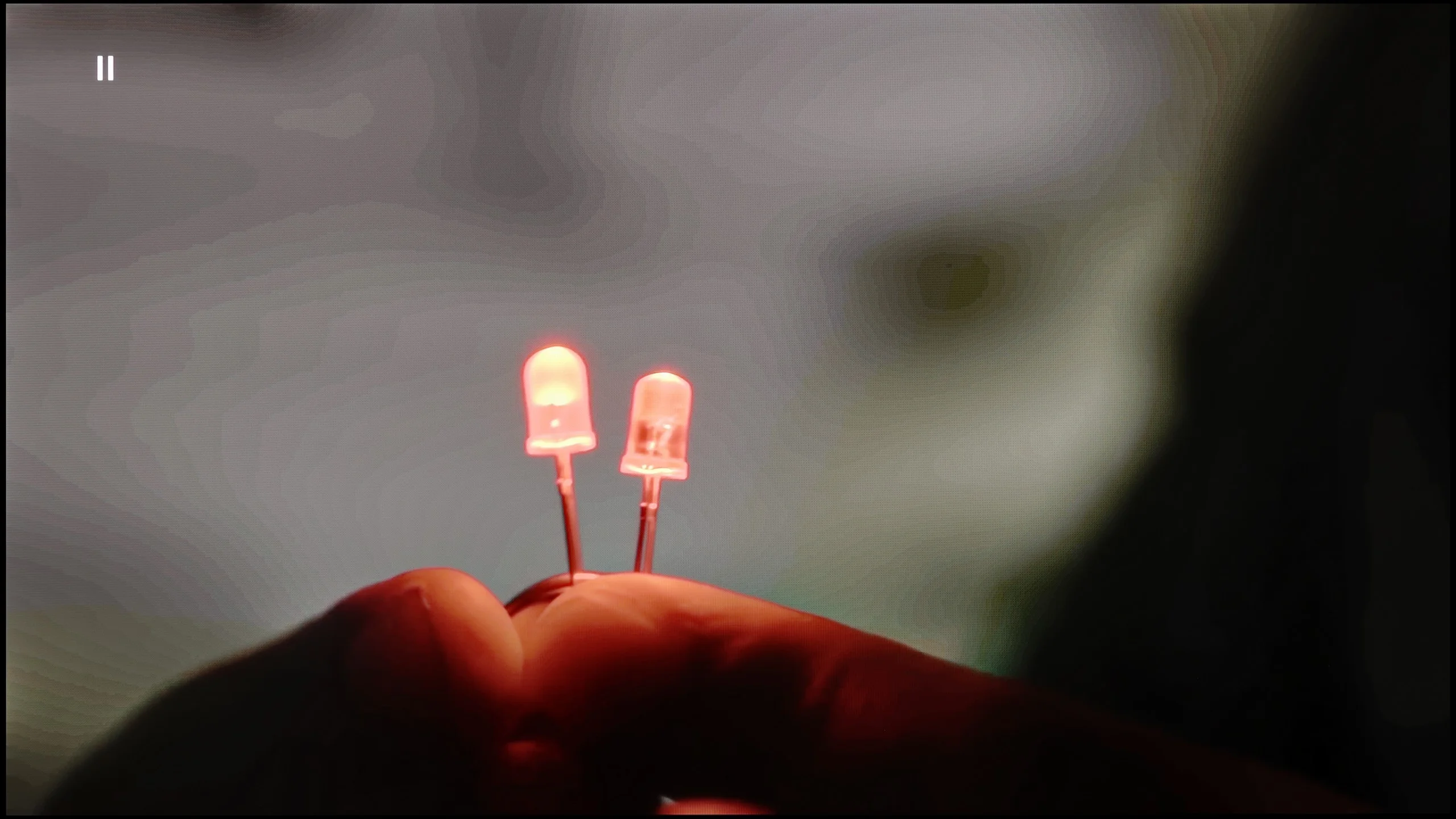
The match photo shows how the TV smooths weak tonal transitions in low-quality video.
Image scaling SD (576i)


The model photo shows how it handles upscaling of SD material.
The tested television did not perform particularly well with materials rich in tonal transitions, as a result of which we could observe a strong posterisation effect. However, there is a partial remedy for this issue. The manufacturer has equipped the LG G4 with a smoothing system called "Gentle Gradation," which we can apply at three levels: Low, Medium, and High. Each of these options guarantees quite a high effectiveness of smoothing on light colours, although it is low on darker ones. We recommend primarily using the first one, as the other two interfere with the director's intentions by removing film grain.
When watching lower-quality materials, the efficiency of the television during upscaling is extremely important. The image from the tested television is sharp and clear. However, one should pay attention to the jagged edges of fine details and minor issues around characters, such as the creation of halo effects, which occurs due to the sharpening imposed by LG G4 even when the lowest value on the slider, that is 0, is set. It is worth noting that this represents a certain change compared to the LG G3, which did not impose such strong image sharpening, even when the appropriate slider was set to position 0.
Digital Image Processing in the S90F:
Fortunately, Samsung, as in most of its models, effectively manages the unwanted posterisation effect in the S90F. The feature responsible for this aspect is noise reduction, which does a decent job of smoothing tonal transitions and eliminating unnatural colour connections – of course, within its limitations. Unfortunately, it operates rather aggressively, so using it comes with compromises. In addition to improving gradation, it can also remove film grain or gently soften facial features. In this case, the choice is yours – do you prefer a more "clean" image, or do you want to preserve the original texture of the material?
Image Scaling in the S90F:
In this year's model, Samsung implemented its own AI processor – NQ4 Gen3, which does quite well with upscaling. In our test scenes, the television effectively "pulled up" lower quality towards artificial 4K – the image was more pleasant to view, and the differences in sharpness between native and scaled content were minimal. Unfortunately, behind all this AI marketing facade lies a certain shortcoming. The S90F struggles with overscan. If you reach for truly archival materials – e.g. a VHS tape of your parents' wedding – you must expect that the lower part of the image may be cut off. The image adaptation function to resolution simply does not work here as it should.
Blur and motion smoothness
8.5/10
8.5/10
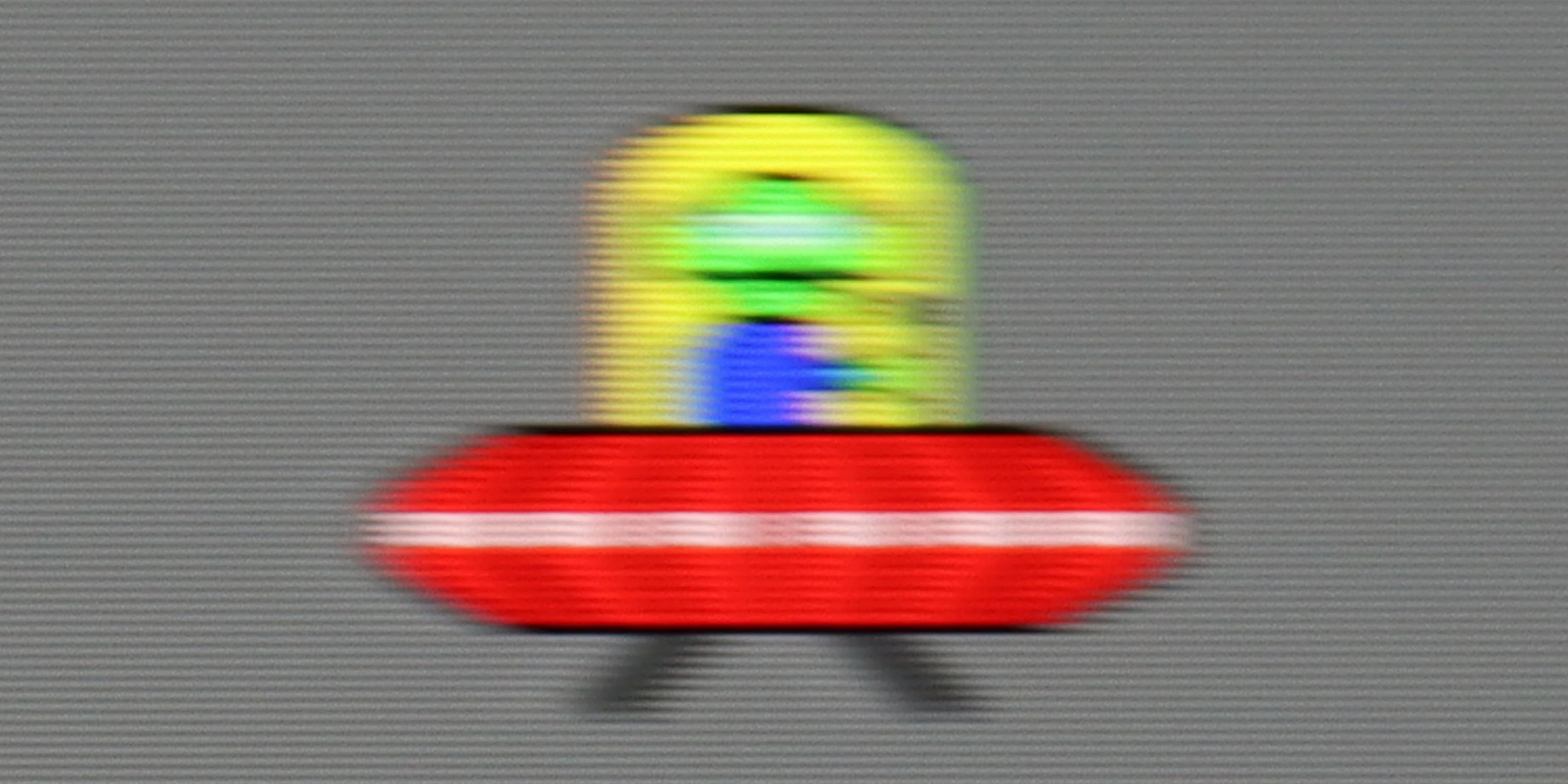
Blur (native resolution, maximum refresh rate):

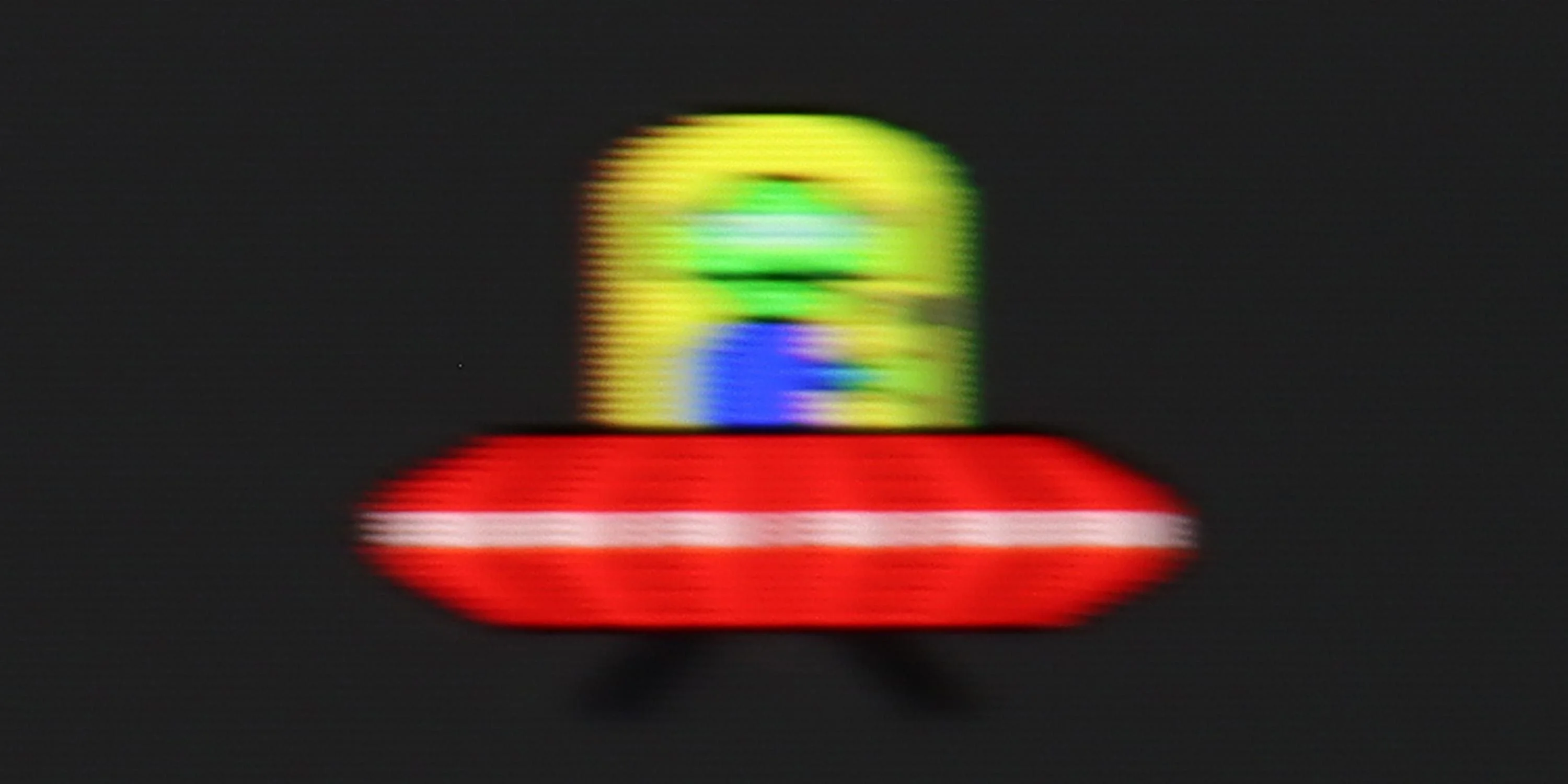


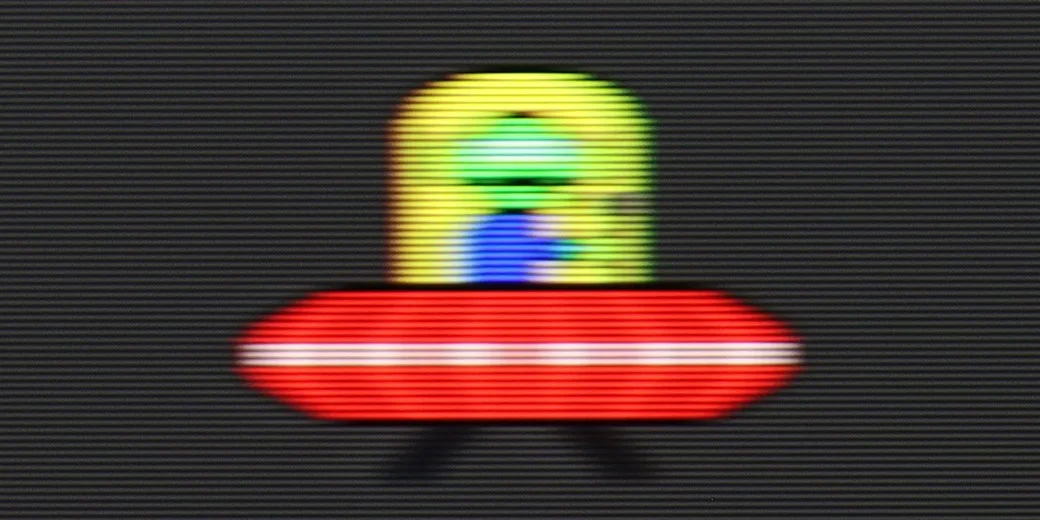
Blur (BFI function enabled):
Image flickers in this mode

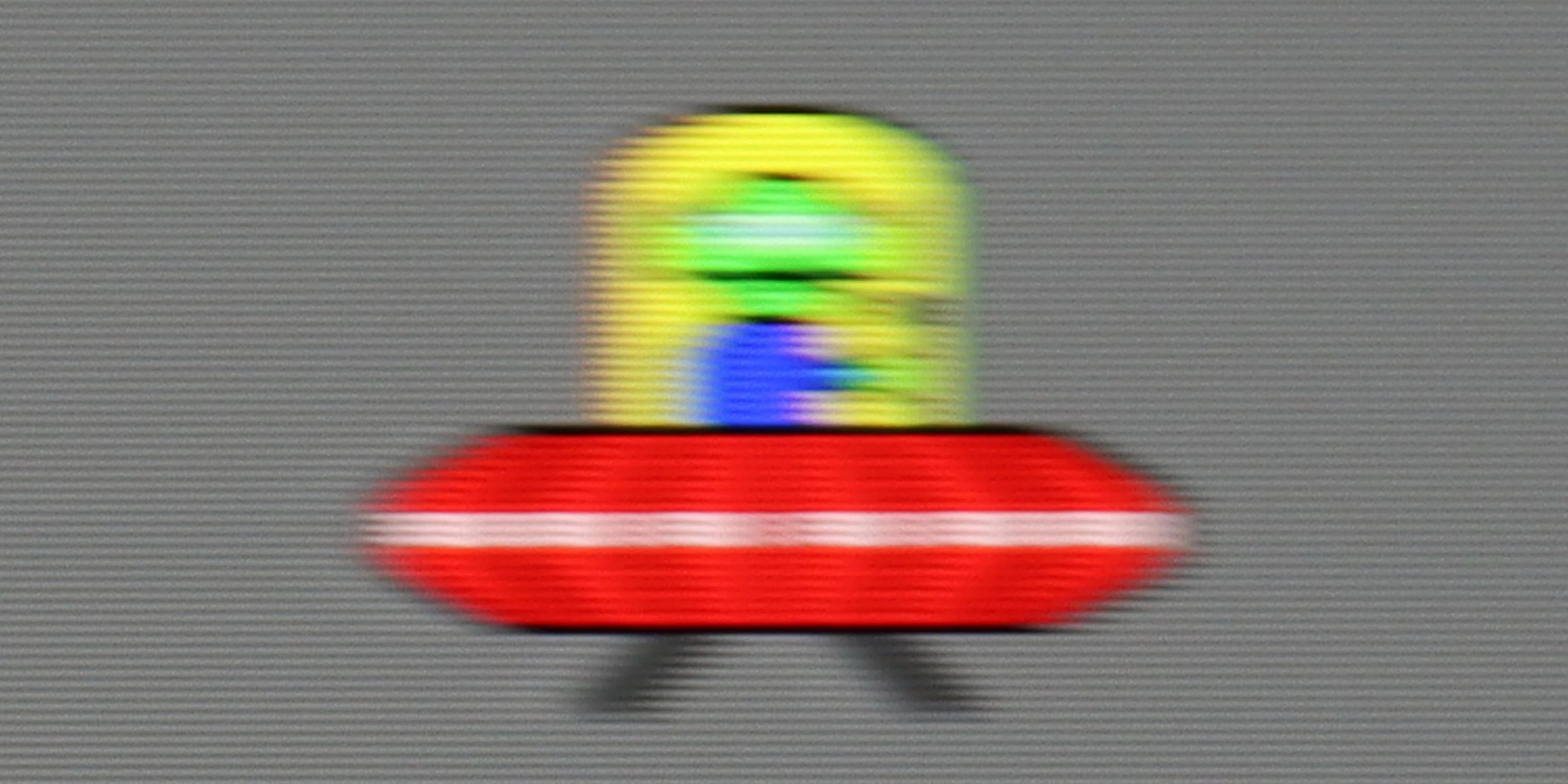
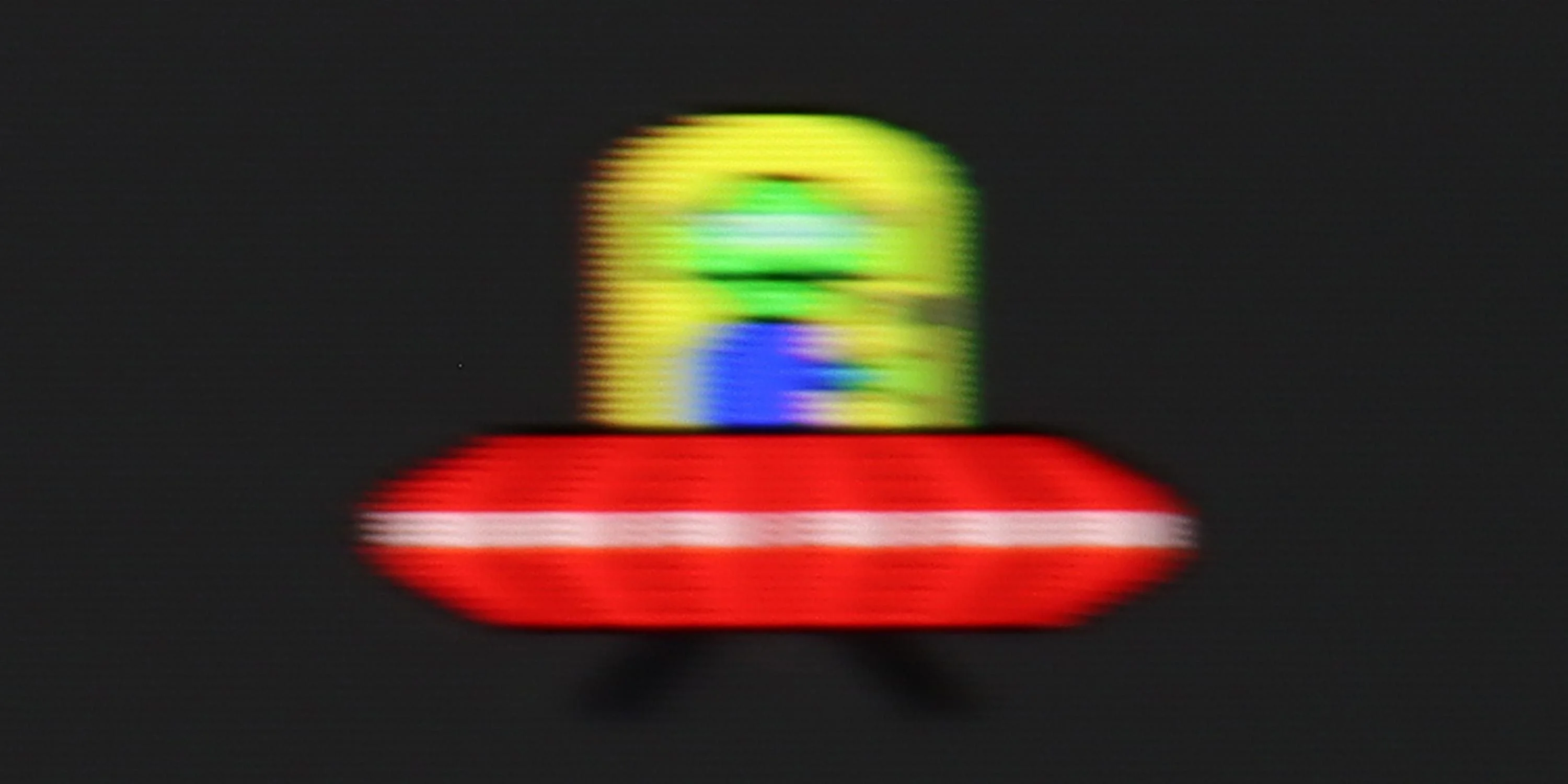
Image flickers in this mode
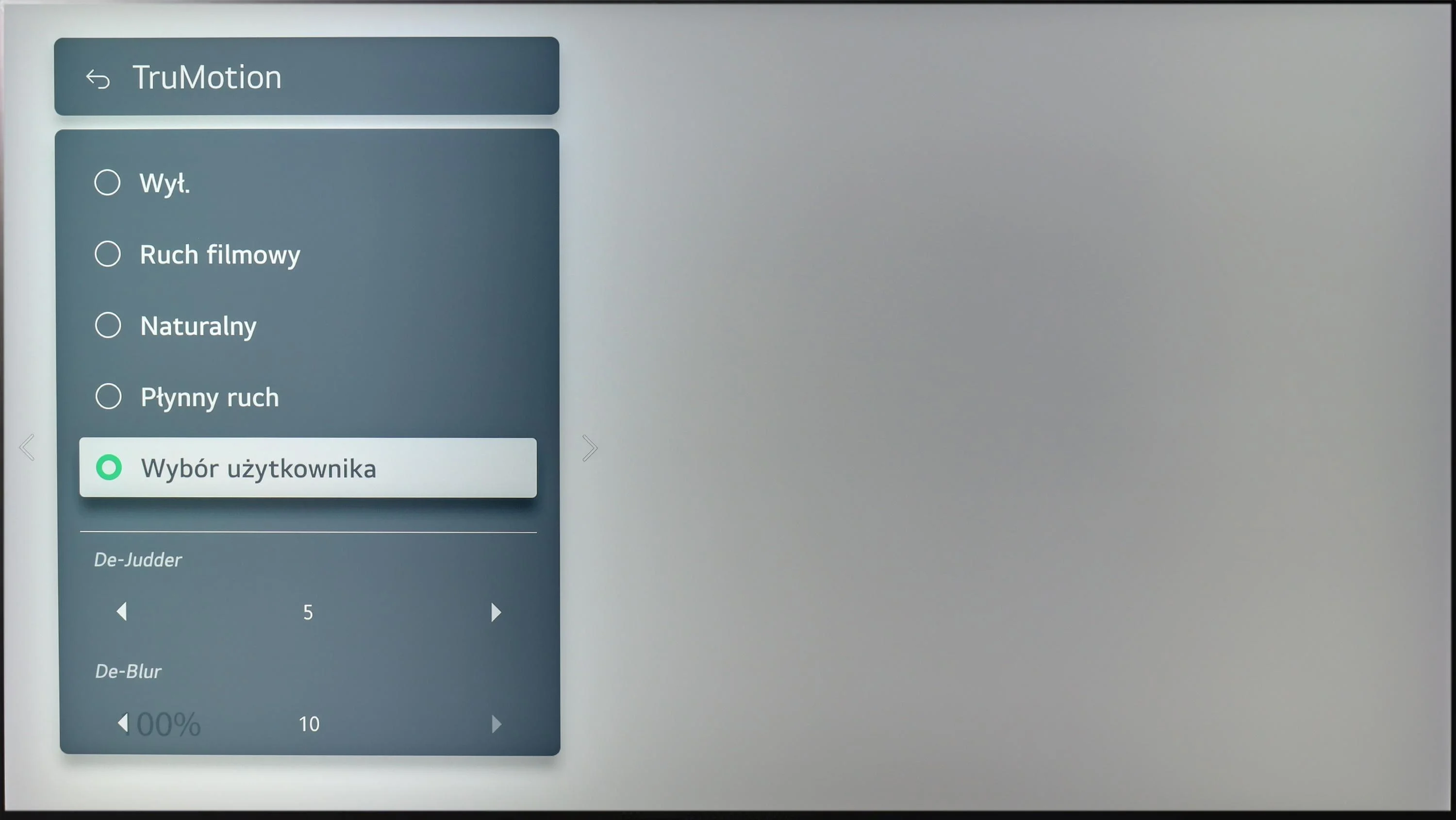
The maximum refresh rate that we can set on the LG G4 is 144 Hz. Naturally, this is only possible when the LG G4 is connected to a very powerful PC. Otherwise, we will operate at a maximum refresh rate of 120 Hz, which is recommended if we primarily want to watch sports or content with high motion dynamics. For those requiring high image fluidity, the manufacturer has implemented a multi-level motion smoother called "TrueMotion". This has been divided into two separate sliders that adjust the sharpness of moving images (De-Blur) and judder (De-Judder). Both sliders can be set in the range from 0 to 10, with each level affecting the degree of smoothness, allowing everyone to find their golden mean.
The LG OLED G4 panel features an average response time of 0.78 ms (as directly derived from our measurements), enabling an incredibly clear image, unattainable by LCD televisions, which can have response times of several milliseconds. This is perfectly illustrated by the images from the "UFO Test", which show no trailing blur behind the object. Moreover, the LG OLED G4 test revealed that the television offers the ability to precisely adjust the motion smoothing function, allowing users to select the ideal level of image interpolation. We particularly appreciated this during fast-paced actions in video games, where the LG G4 performed exceptionally well, minimising any blurring. Thanks to OLED technology, this model eliminates so-called ghosting, ensuring that the image remains sharp even in the most dynamic sporting or cinematic scenes.
The S90F really handles motion excellently – after all, it’s an OLED with a 144 Hz panel, so sports and games look absolutely stunning on it. The image is fluid, clear, and there’s no room for any ghosting or blurring that sometimes plagues cheaper LCDs.
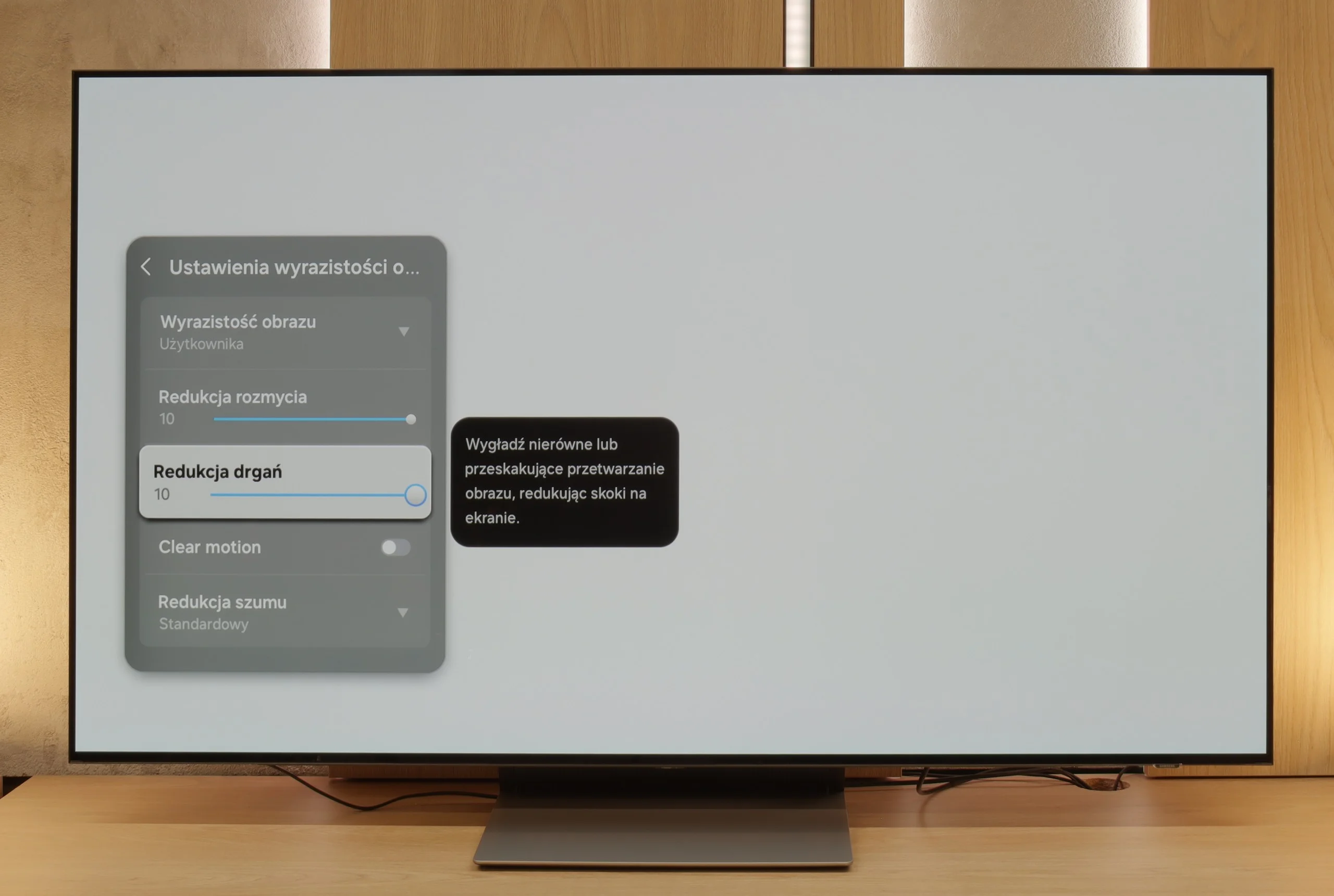
The television is also equipped with motion smoothness settings, allowing you to customise everything to your preference. We have motion blur reduction and judder reduction – you can set it so that the image is super smooth (even to that soap opera effect), or more cinematic, with the classic 24-frame 'choppiness'. The choice is yours; Samsung doesn’t impose anything.
Console compatibility and gaming features
10/10
9.5/10
- ALLM
- VRR
- VRR range40 - 144Hz48 - 144Hz
- Dolby Vision Game Mode
- Correct implementation of HGIG
- 1080p@120Hz
- 1440p@120Hz
- 4K@120Hz
- Game bar
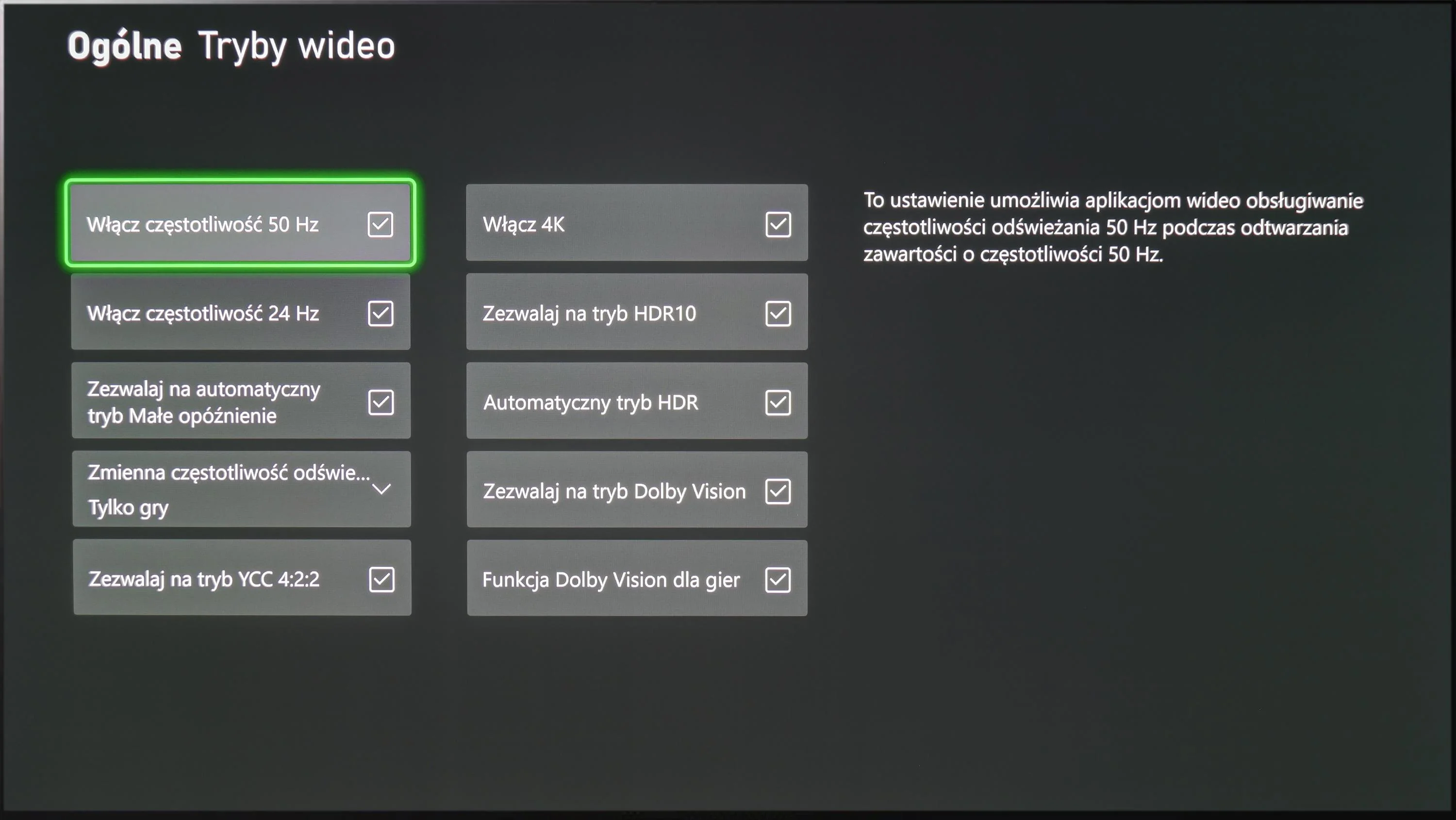
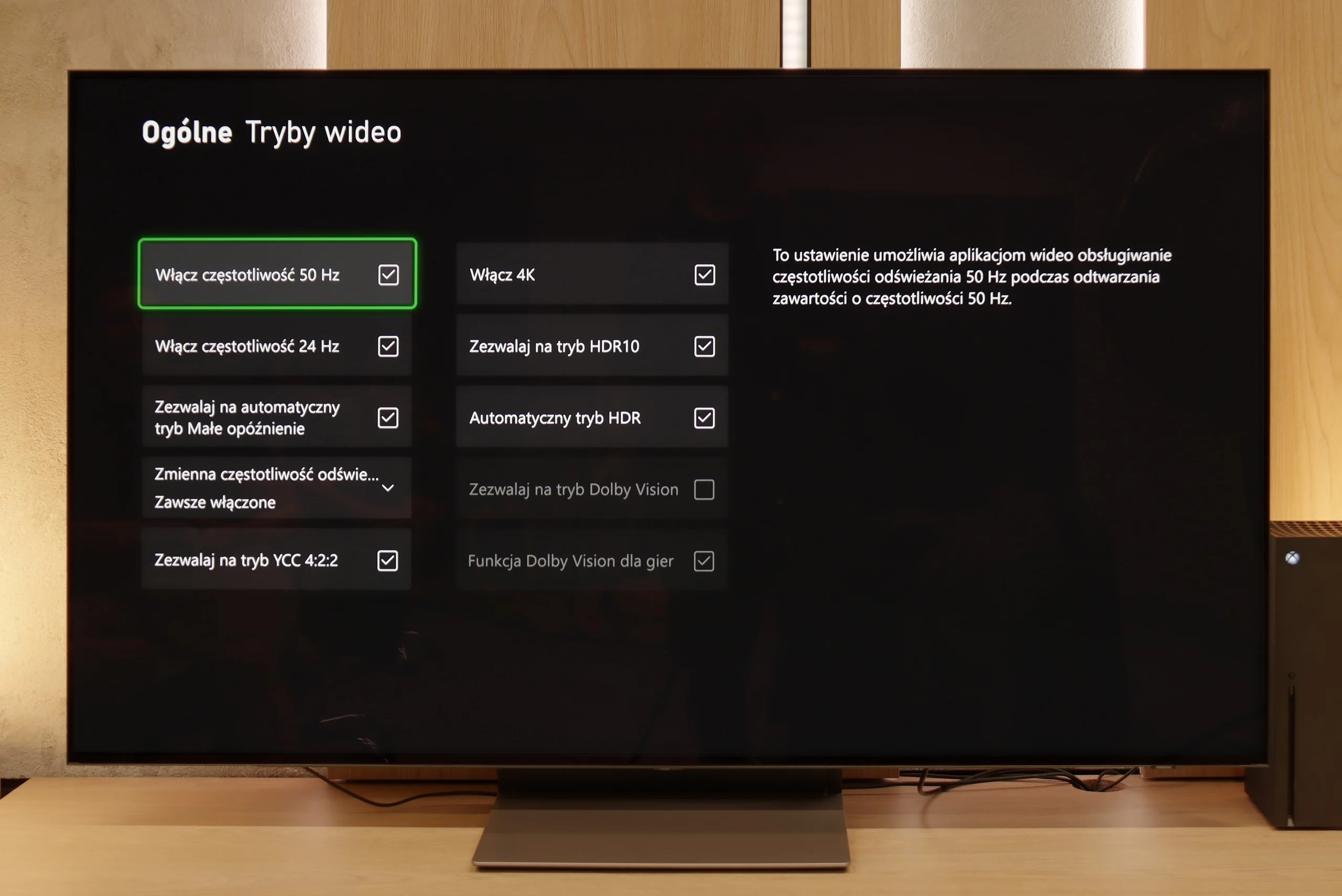
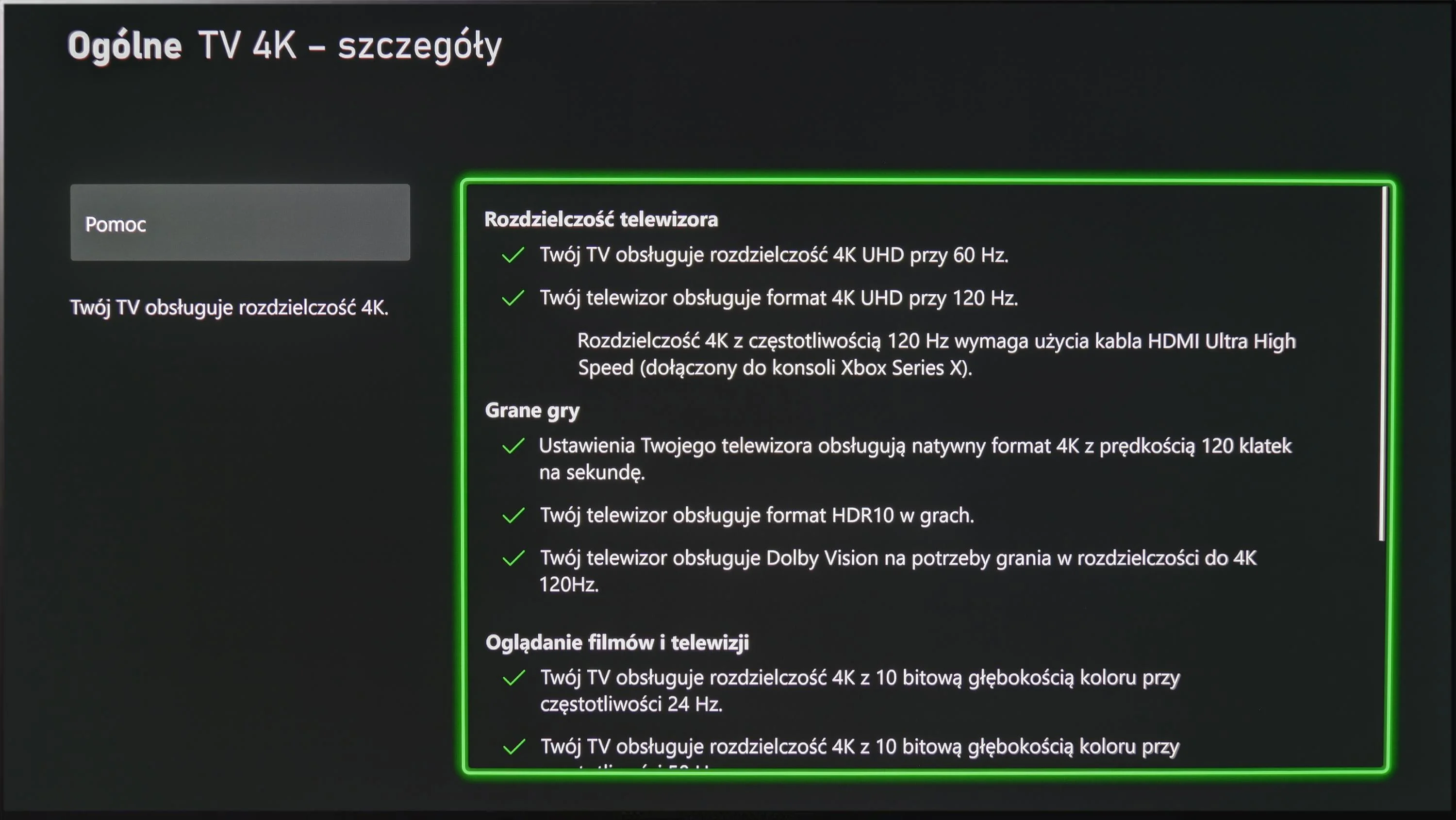
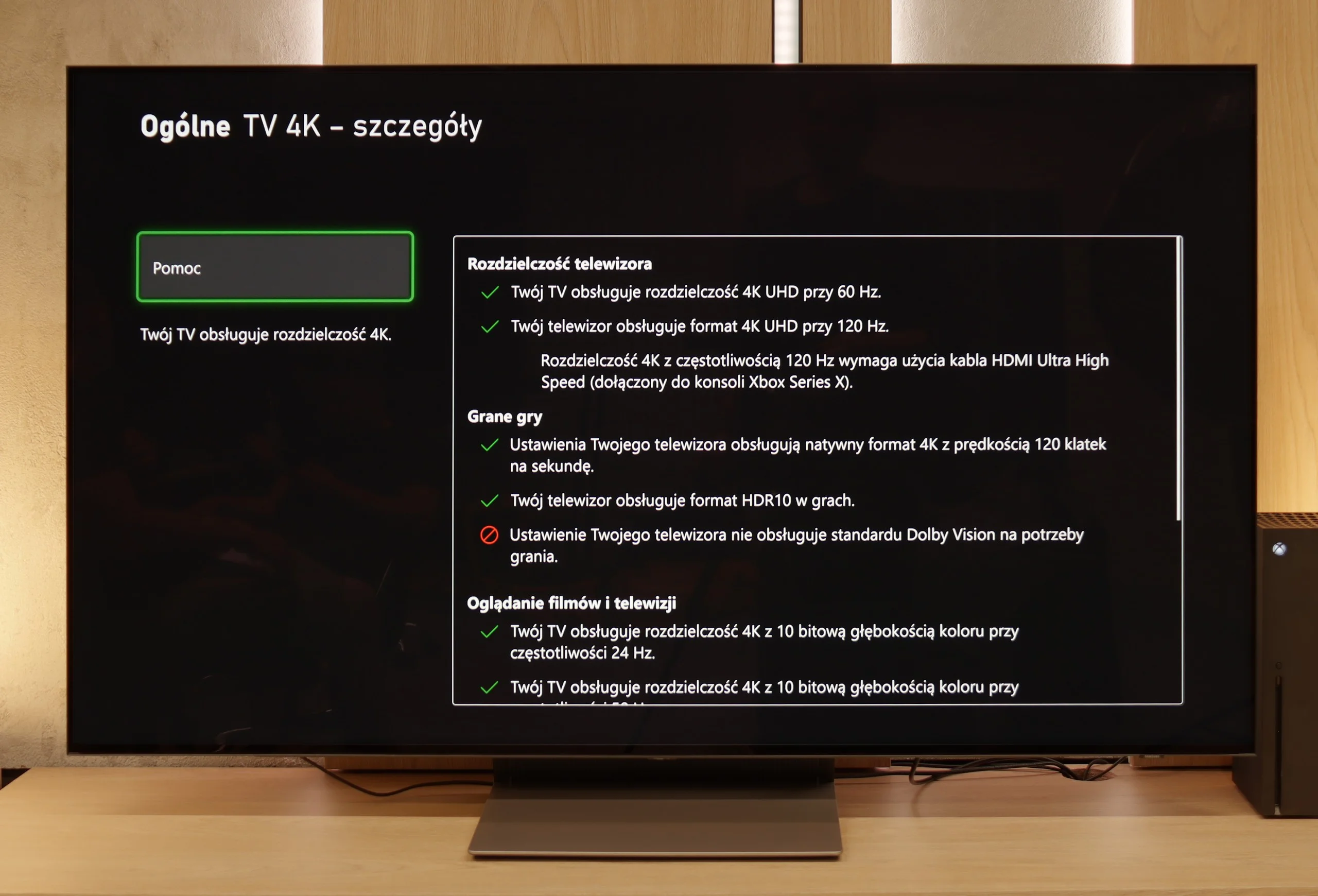
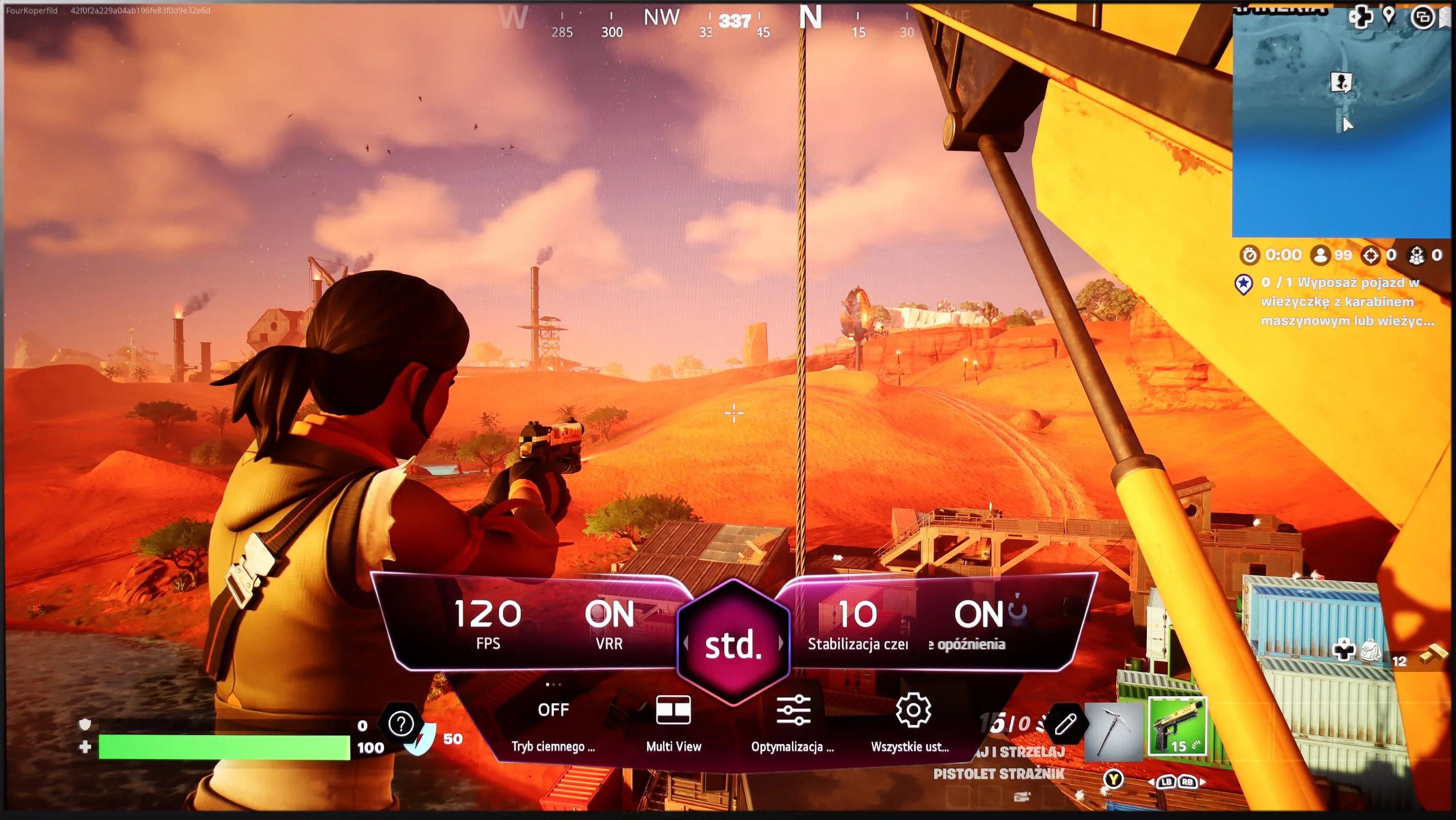
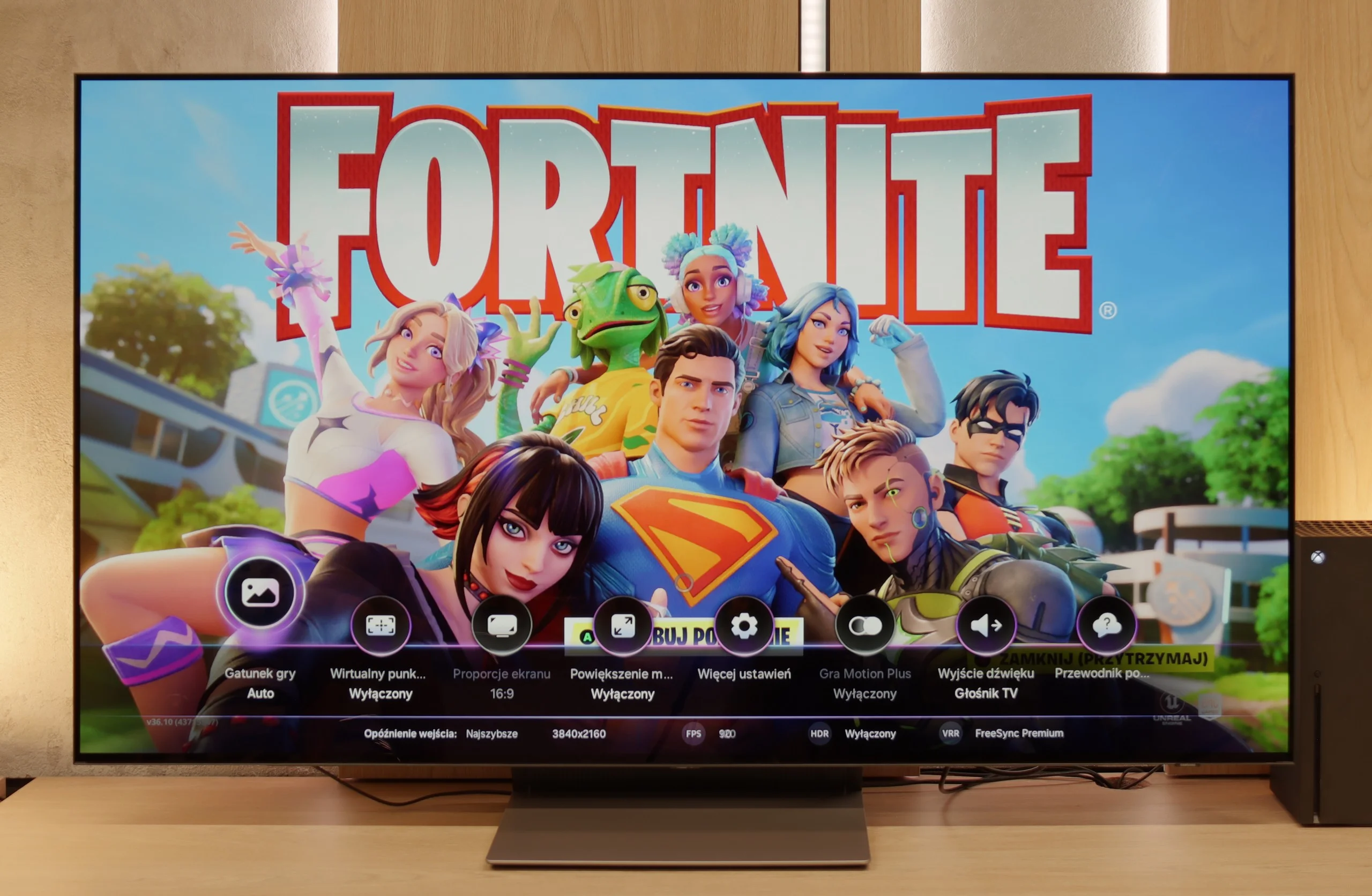
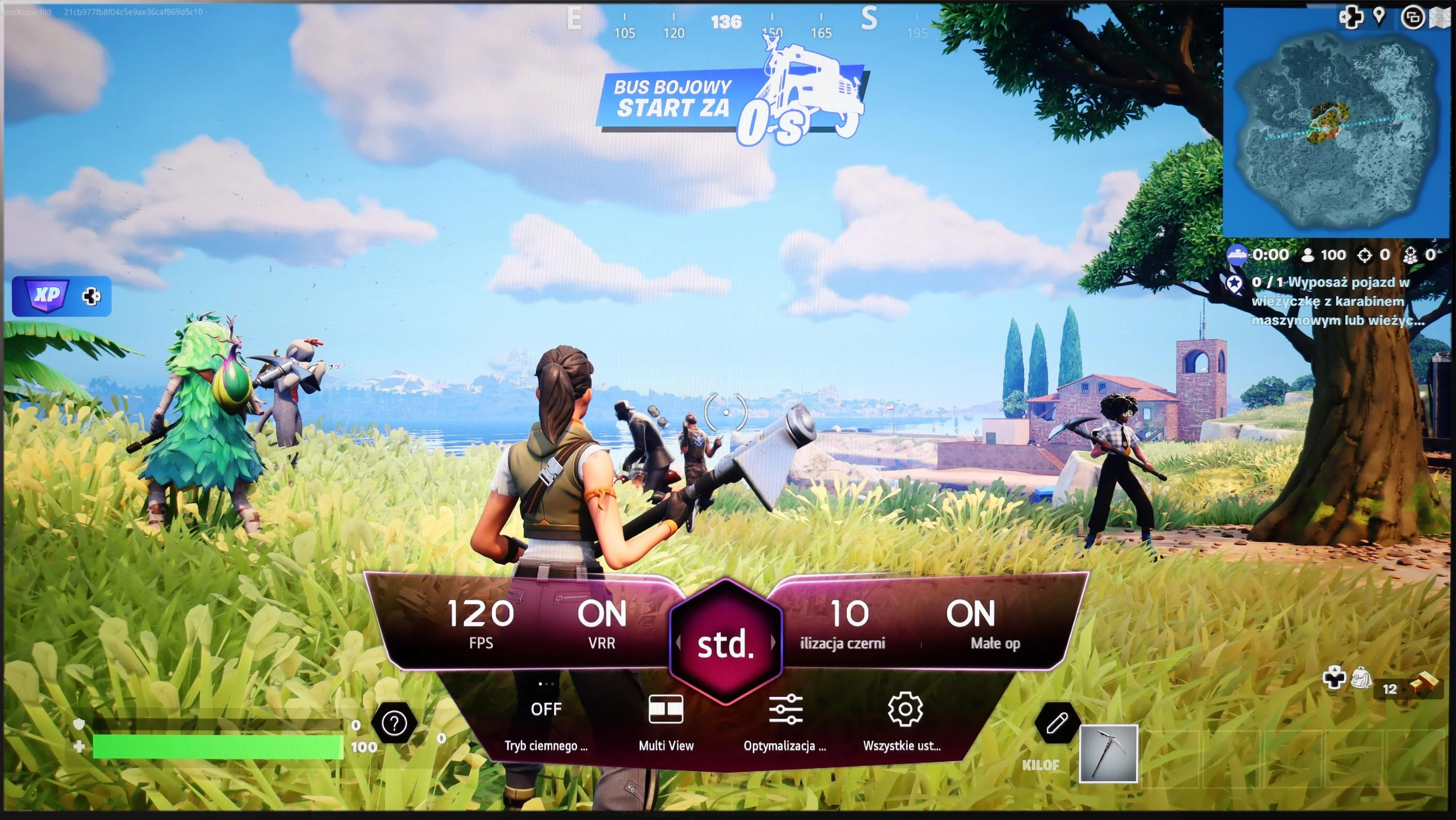
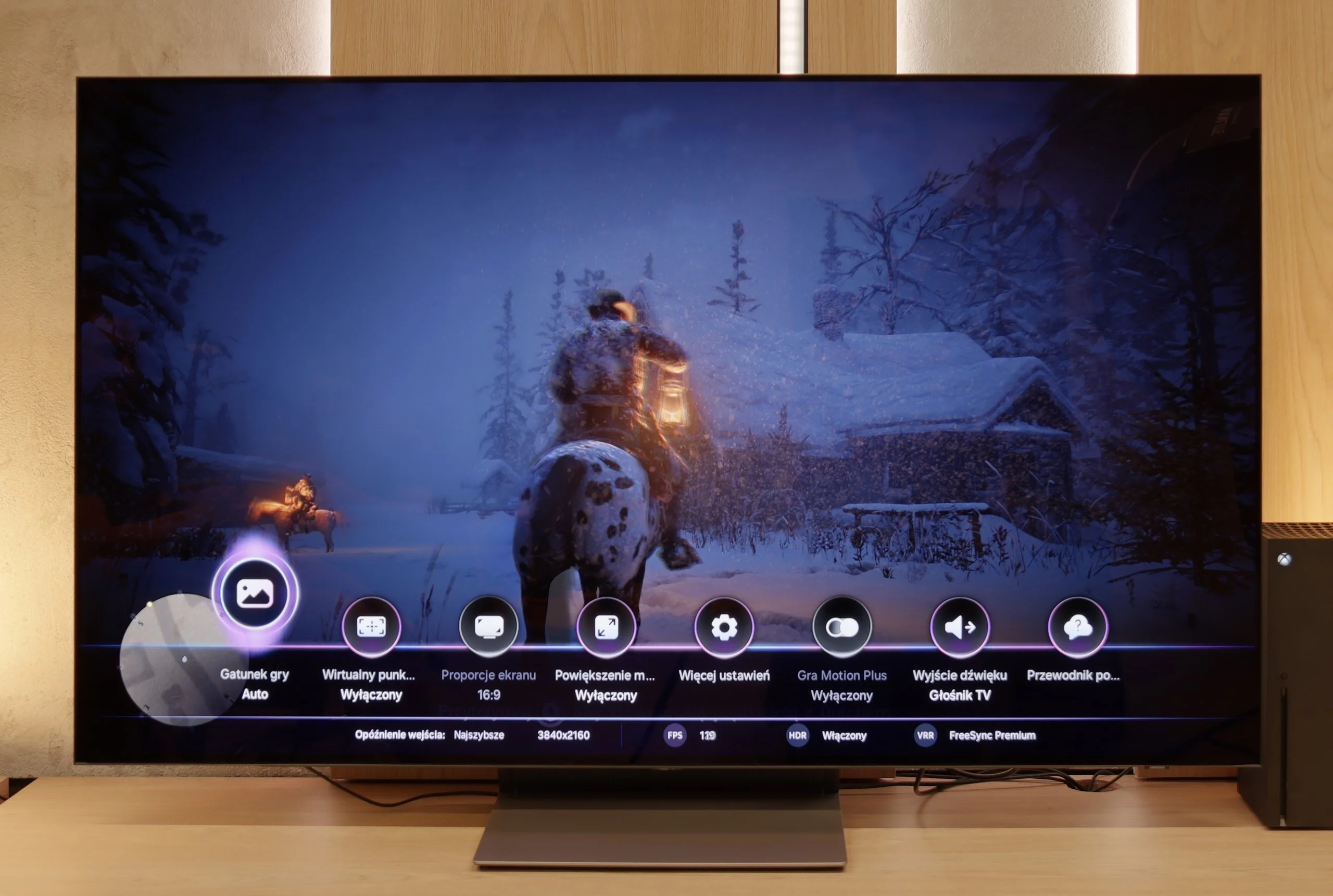
The LG G4 television supports all the features that make up the HDMI 2.1 standard. During testing, each of them activated without the slightest problem, which allows us to consider the television as designed for gaming. Their functionality will surely be appreciated by both console users and those connecting the LG G4 to a computer. It is also worth mentioning the correct implementation of the HGIG (HDR Gaming Interest Group) mode, which ensures that games mastered to brightness levels exceeding the maximum luminance of the LG G4 will correctly map tones, and the game's visuals will remain true to the original.
A nice touch is the existence of a special GameBar, which we can call up at any moment to check game parameters, but most importantly, to change them quickly. More importantly, enabling VRR technology does not degrade contrast, which is very common in televisions that feature local dimming or Mini LED backlighting. Of course, this is thanks to the OLED panel itself, characterised by pixel self-emission. As a matter of editorial obligation, we will only mention a slight grey flicker, which is somewhat normal after enabling VRR.
In summary, the LG G4, like practically all OLED televisions, is an ideal product for all kinds of games and online competitions. With fully-fledged HDMI 2.1 connections with a full bandwidth of 48 Gbit, features such as VRR, ALLM, G-Sync, FreeSync, or gaming in HDR Dolby Vision will bring much joy.
When it comes to gaming features – the S90F has absolutely nothing to fault. Aside from the lack of Dolby Vision, which is already the norm for Samsung. The television operates at 144 Hz, has four HDMI 2.1 ports, so you can easily connect more than one console or PC. Onboard, we also find the Game Bar – a practical tool that allows you to quickly glance at picture settings, VRR status, ALLM mode, and other useful options. Game Motion Plus also deserves a mention – Samsung's proprietary motion enhancer that is the only one truly functioning sensibly in games. The image appears smoother, but without any artificial effects or slowdowns.
It is also worth mentioning the HGiG feature, which – much to our slight surprise – works correctly. We're mentioning this because Samsung clearly broke something in one of the last updates, and in some models, the option responsible for HGiG simply... disappears from the menu. Setting it up becomes practically impossible. Fortunately, our S90F unit did not have this issue, but the situation is dynamic, so it's worth keeping this in mind and regularly checking for updates and information from the manufacturer.
Input lag
10/10
10/10
SDR
HDR
Dolby Vision
The input lag of the LG G4 is at an incredibly low level in every scenario. Even the most passionate gamers will undoubtedly appreciate the very low input lag at demanding 4K 120 Hz settings with HDR, measuring just 5 ms. It is also worth noting that the lag at the same settings but with Dolby Vision HDR enabled remains unchanged, which is not as obvious in the competition. Therefore, it deserves the highest score and recommendation.
The input lag on the S90F is at a level akin to that of a monitor. In optimal conditions, a result of 5 ms was achieved, which is an absolutely stunning outcome – even a benchmark for the most demanding players. Whether you are playing fast-paced shooters, fighting games, or simply value instant response – the S90F does not disappoint in this regard at all.
Compatibility with PC
8.6/10
8.6/10
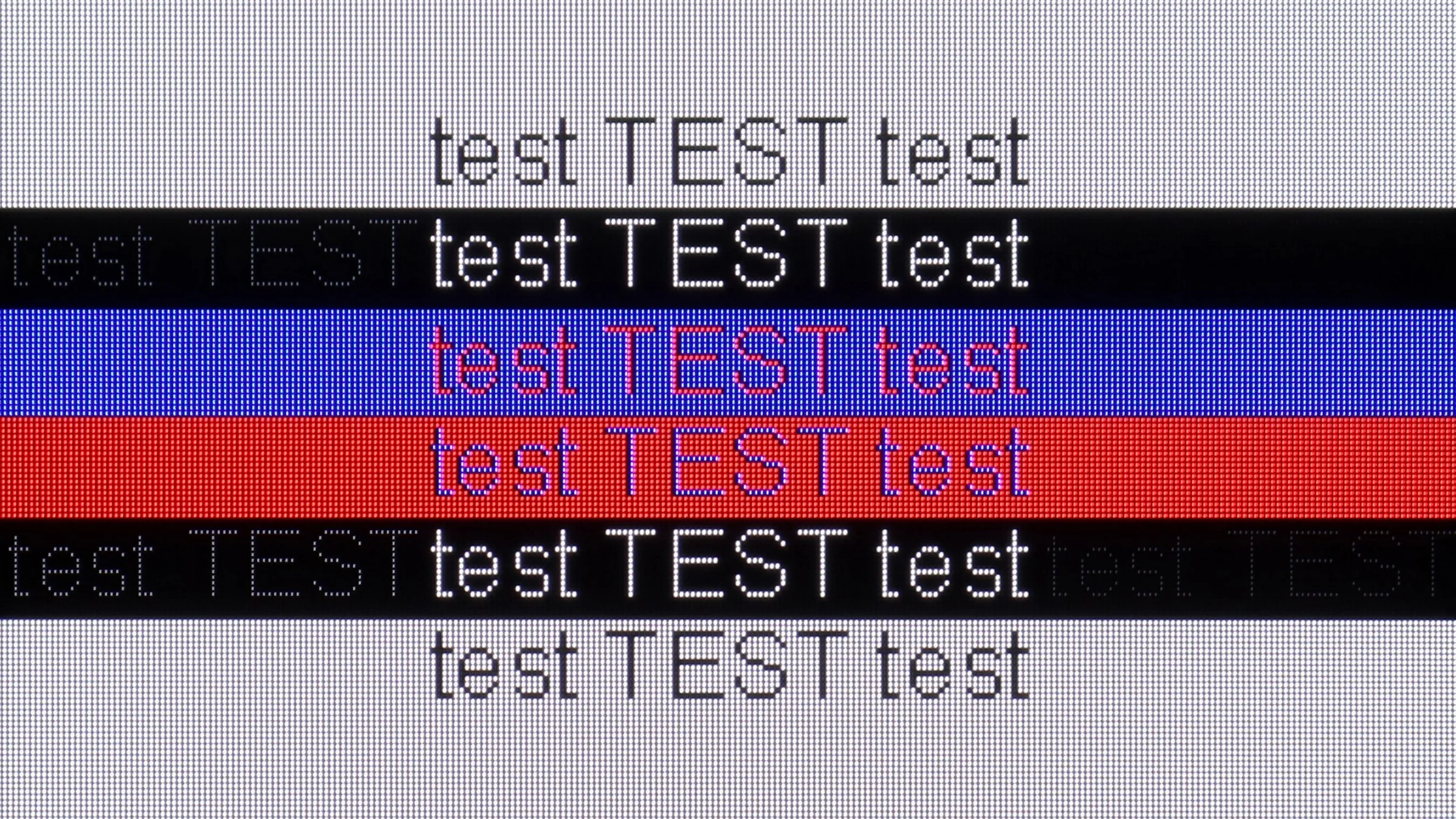
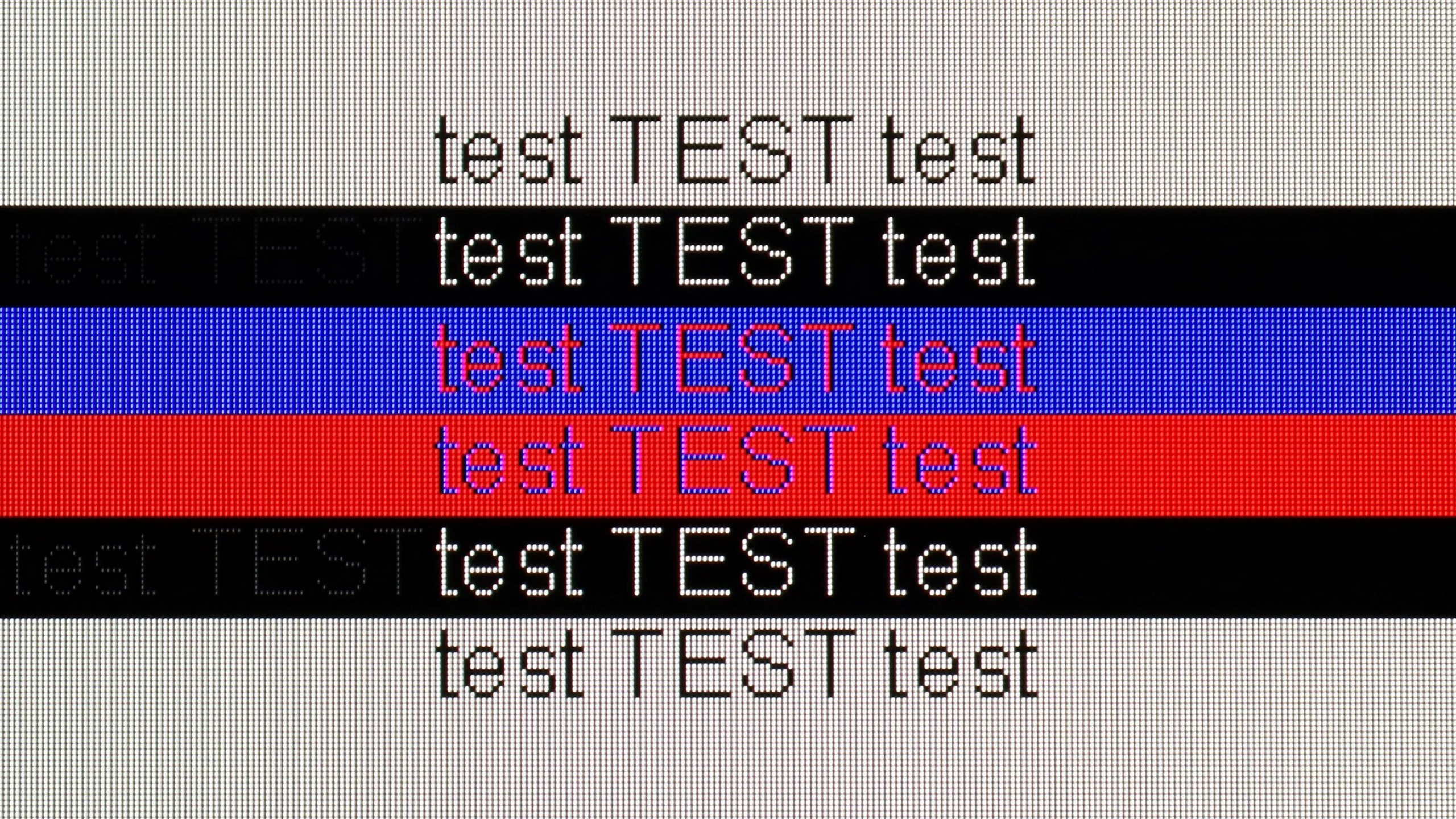
The photo shows the legibility of small fonts. Ideally, lines should be the same thickness on both light and dark text, with minimal pixel gaps.
LG G4 combined with a PC performs excellently, thanks to its very low latency of just 5 ms, which is practically an instantaneous response between the mouse, the eye, and the screen. A crucial aspect when working on a screen is the readability of text, which in the case of the tested television is very good.
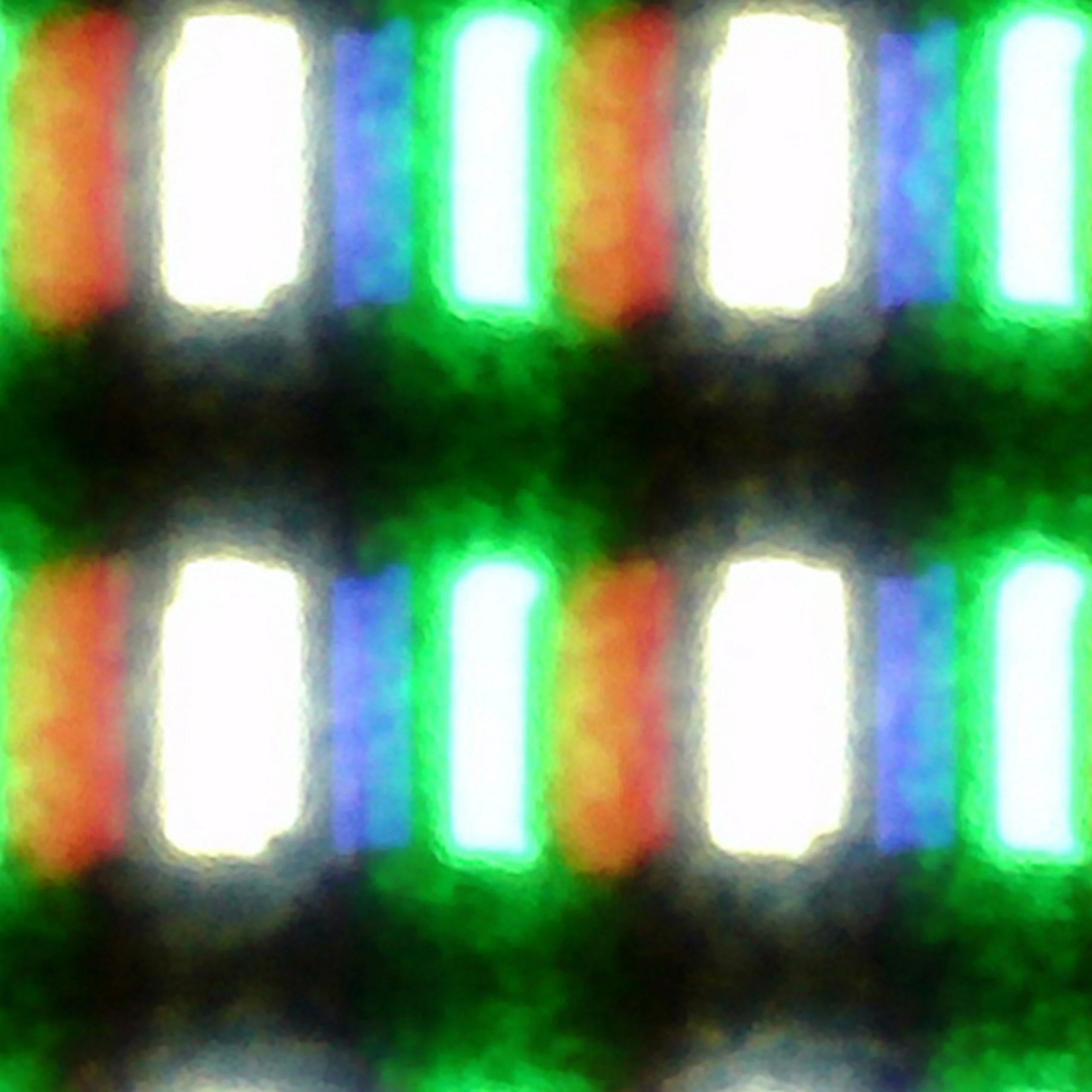
The RWBG pixel layout does not significantly impact the display of fonts or letters, which is a significant advantage over Samsung's QD-OLED panels. Users of both Windows and macOS equipped computers will certainly be pleased with the performance on the tested television LG G4.
The S90F is a great tool for both gaming on PC and everyday work. Gamers can rest assured – the television effortlessly supports image synchronisation with NVIDIA graphics cards thanks to G-Sync, and the 144 Hz refresh rate combined with very low input lag only confirms this. The S90F will also serve well as a monitor for text work. Of course, the readability of fonts may be slightly compromised by the characteristic pixel structure in the RWGB layout, but this is a topic well known mainly to those who work with large amounts of text, code, or spreadsheets in Excel. For most users, this will be perfectly acceptable.
Viewing angles
9.7/10
7.4/10
The undeniable advantage of OLED screens equipped with MLA technology is their efficiency when viewed from different angles. There are no noticeable changes to the eye, regardless of where we are viewing from. This type of screen maintains consistent brightness, saturation, and white tone, in contrast to LCD matrices or OLEDs without micro-lens array (MLA) technology. The only matrices that can rival them are those produced by Samsung Displays, using quantum dot technology, namely QD-OLED.
The viewing angles on the S90F are very good, although it must be admitted that they are slightly inferior to the 65" version with a QD-OLED panel. Nevertheless, the picture quality at wide angles is excellent – colours remain vivid, and brightness does not drop drastically when viewed from the side. There is no need to move the television towards you to see a clear image. For most users, this level is more than sufficient.
Daytime performance
5.8/10
6.1/10
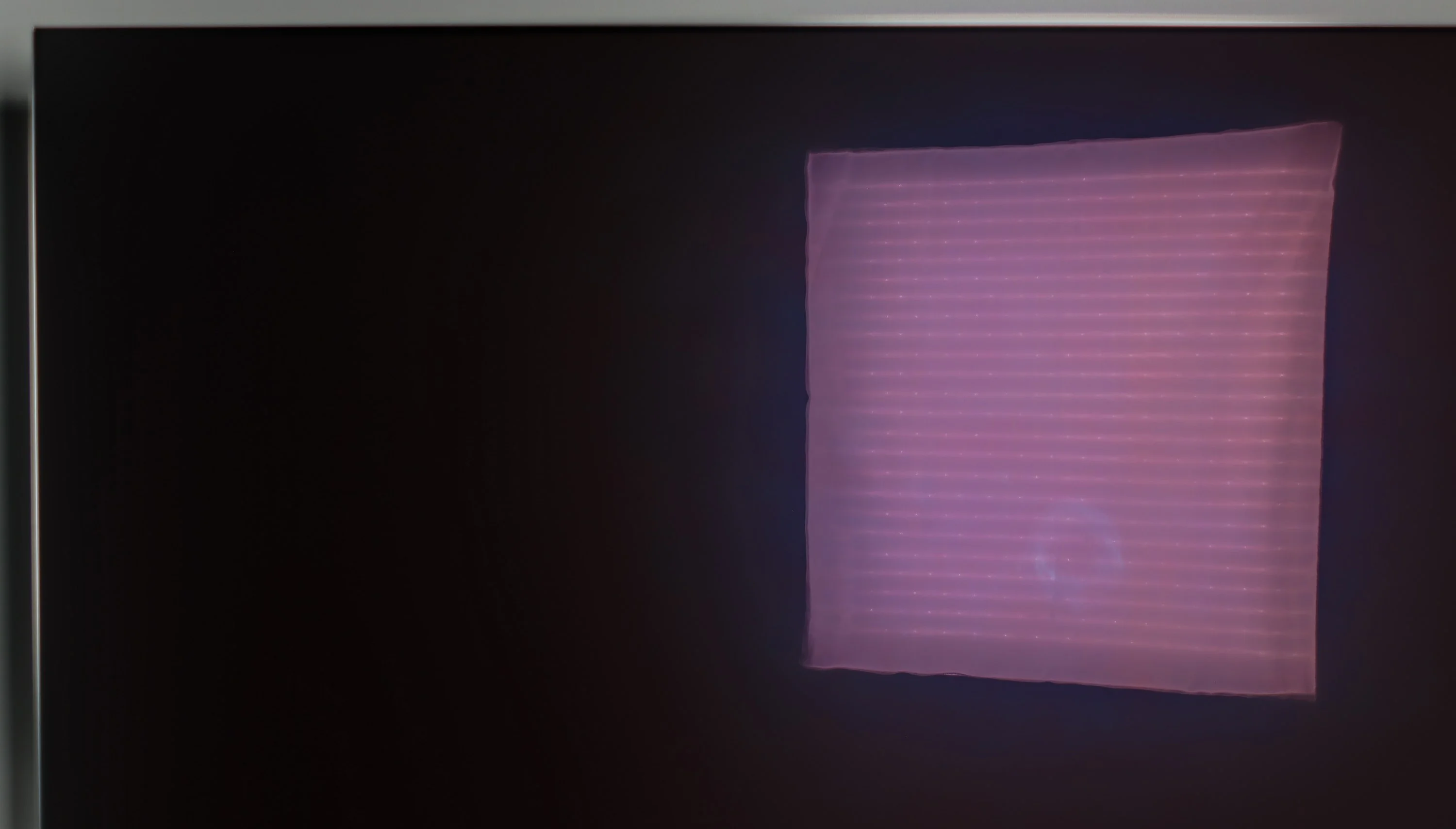
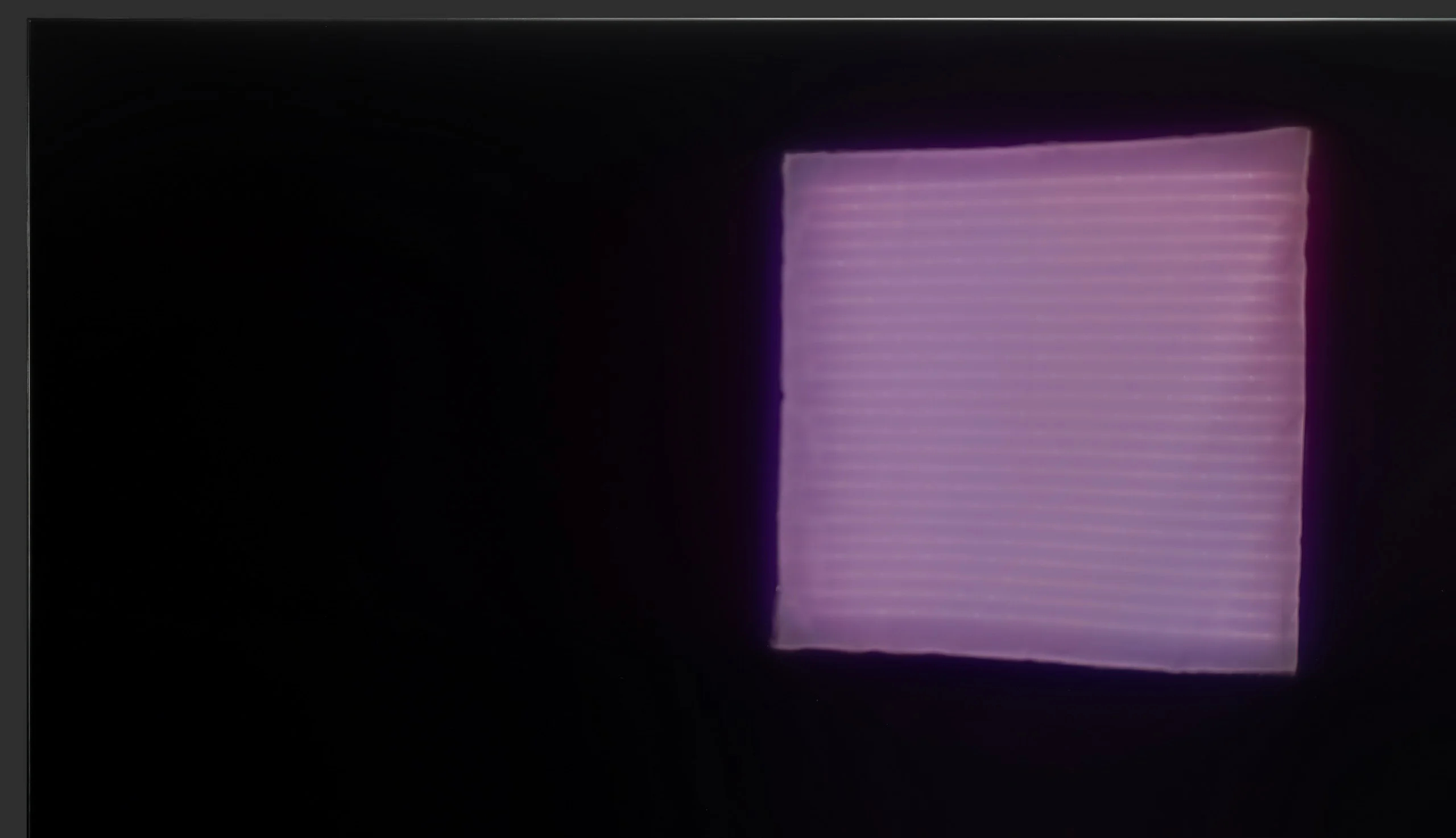
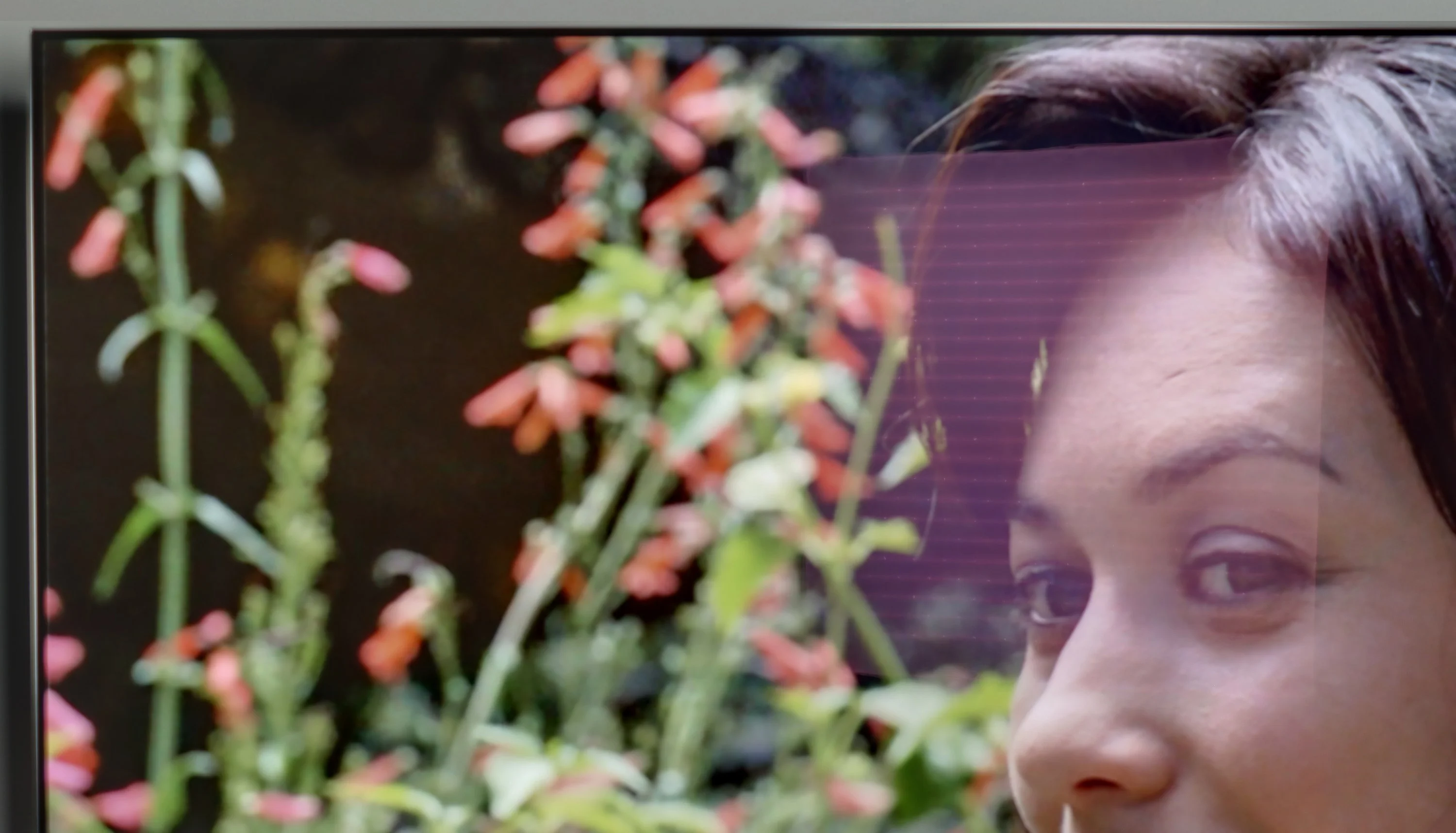
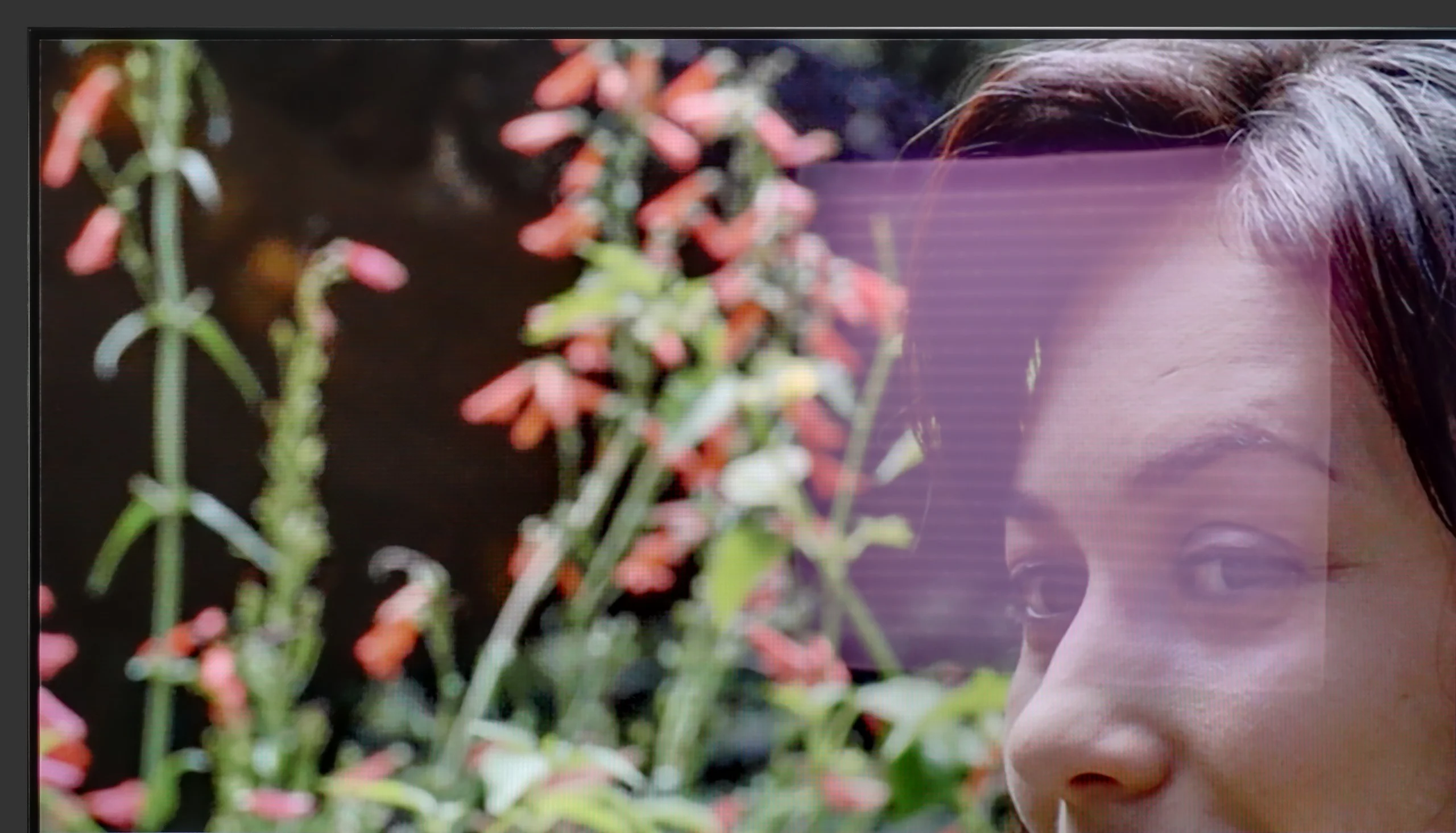
Panel brightness
SAMSUNG S90F (WOLED): 405 cd/m2
LG OLED G4: 482 cd/m2
The glossy coating of the panel in LG G4, although it sounds like a negative, is in fact the opposite. Thanks to it, the LG G4 television maintains very high efficiency and effectively suppresses all reflections, "holding" them only at their source. It is also worth mentioning the quality of black during the day, which in the case of WRGB panels produced by LG Displays is outstanding. OLED MLA panels, despite a large number of advantages, are somewhat worse in this case, but still better in the context of competition from Samsung, whose QD-OLED panels grey out when triggered by light. The combination of brightness at around 500 nits and a glossy coating allows for daytime use of the television, unless the user has a living room with large glazing.
S90F is really a bright television for an OLED. Of course, it is not worth comparing it to Mini-LED televisions or the brightest high-end OLEDs, but under normal lighting conditions, it is quite easy to watch something during the day. The brightness is high enough that you don't need to cover the windows every time you turn on a film or series. However, it is important to remember that the anti-reflective coating on WOLED panels is not among the best. Reflections can be visible, especially with bright light coming in from the window. In such a case, it's best to reach for curtains.
Panel details
Subpixel Structure:
Panel uniformity and thermal imaging:

TV features
9/10
7.7/10
- SystemWebOSTizen
- System performanceVery goodVery good
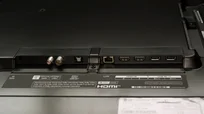
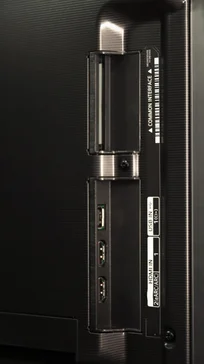
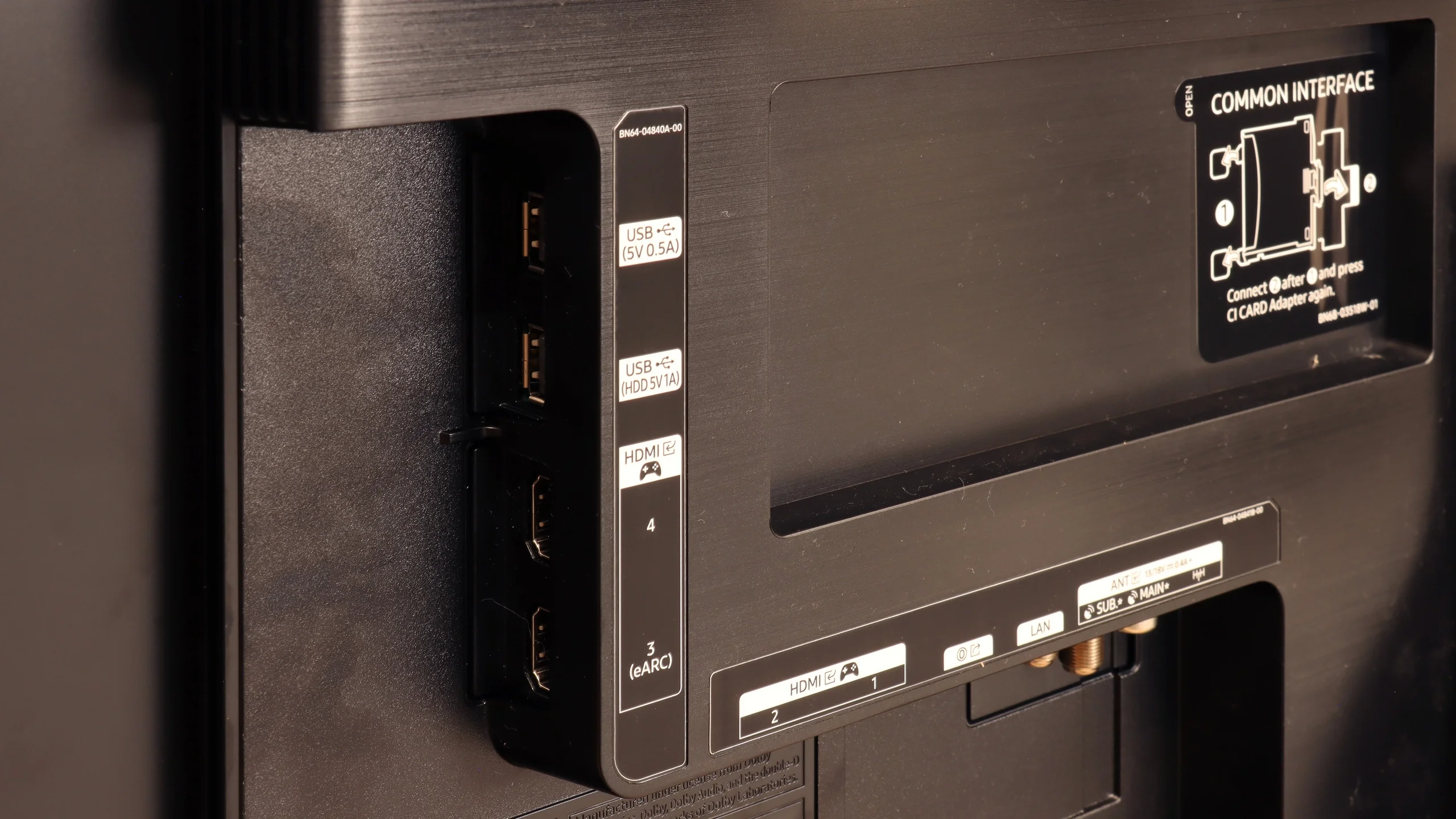
- HDMI inputs0 x HDMI 2.0, 4 x HDMI 2.1 48Gbps0 x HDMI 2.0, 4 x HDMI 2.1 48Gbps
- Other inputsToslink (Optical audio), IR (remote)
- OutputsToslink (Optical audio), eARC (HDMI), ARC (HDMI)Toslink (Optical audio), eARC (HDMI), ARC (HDMI)
- Network InterfacesWi-Fi 2.4GHz, Wi-Fi 5GHz, Ethernet (LAN) 100MbpsWi-Fi 2.4GHz, Wi-Fi 5GHz, Ethernet (LAN) 100Mbps
- TV receptionDVB-T, DVB-T2, DVB-S, DVB-S2, DVB-CDVB-T, DVB-T2, DVB-S, DVB-S2, DVB-C
Classic features:
- Recording to USB (terrestrial TV)
- Recording programming
- Picture in Picture (PiP)
- RF remote control (no need to aim)
- Backlit remote control
- Teletext
- Audio only mode
- Bluetooth headphones support
- Simultaneous Bluetooth headphones & TV audio
Smart features:
- AirPlay
- Screen mirroring (Windows Miracast)
- Voice search
- Voice search in native language
- Ability to connect a keyboard and mouse
Sound connection options
- HDMI audioeARC (HDMI), ARC (HDMI)eARC (HDMI), ARC (HDMI)
- Other audio outputsToslink (Optical audio)Toslink (Optical audio)
- Wireless audioBluetoothBluetooth
Supported audio formats (external HDMI eARC audio):
- Dolby Digital Plus 7.1
- Dolby True HD 7.1
- Dolby Atmos in Dolby Digital Plus (JOC)
- Dolby Atmos in Dolby True HD
- DTS:X in DTS-HD MA
- DTS-HD Master Audio
Senior accessibility
- Numeric keyboard on TV
- Font size adjustment
- Audio description
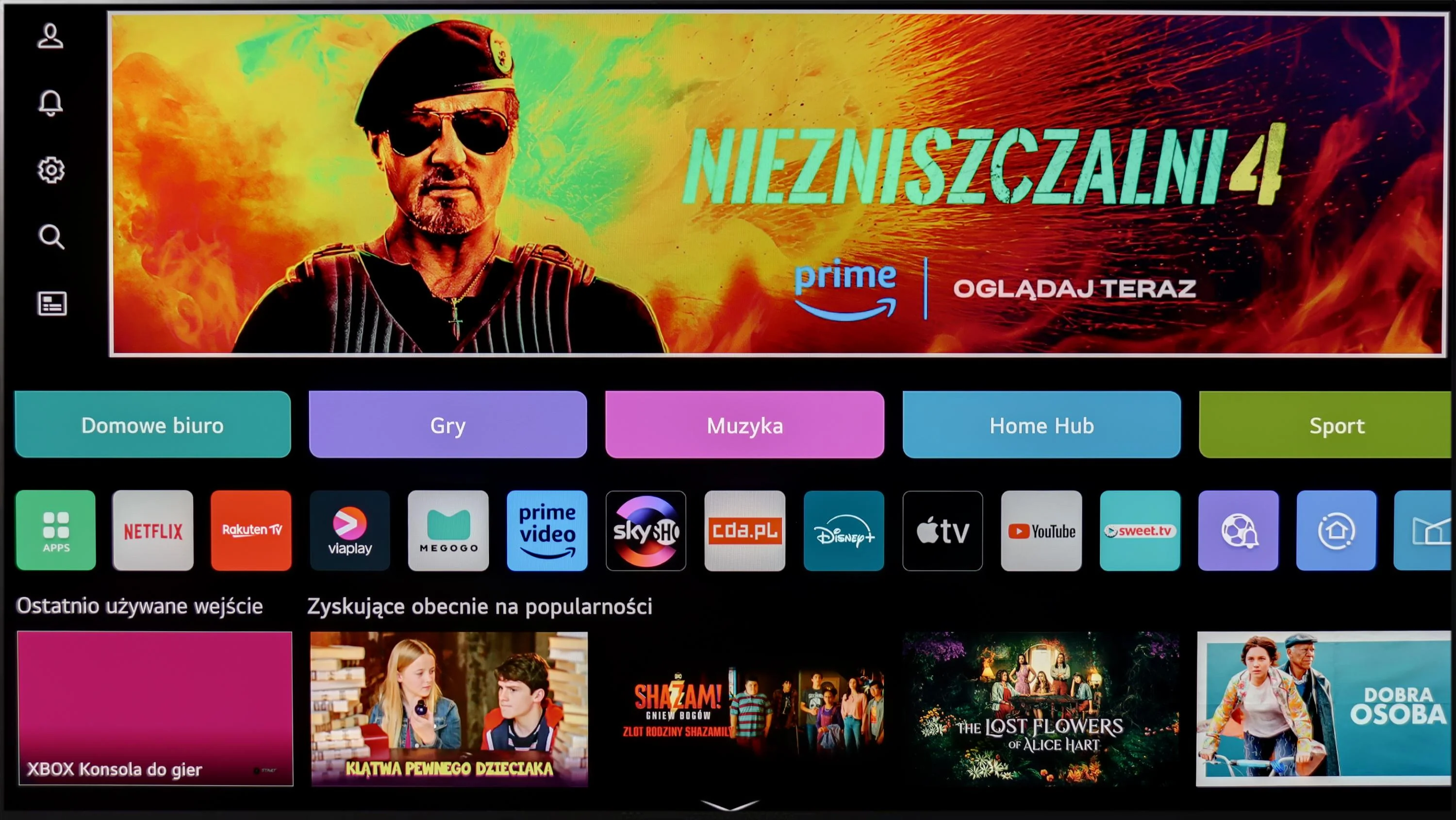
LG uses the well-known proprietary WebOS system, which has been around for many years. The system itself offers practically all the most important applications, and those that are missing can be counted on one hand, such as CDA and KODI.
WebOS also boasts a highly regarded feature that allows users to perform operations using a cursor that appears when the remote is moved. The convenience provided by this function is invaluable when typing queries or passwords for portals. WebOS, like most systems, also supports functions such as screen mirroring, AirPlay, voice search in Polish, and the ability to connect headphones via Bluetooth. On a more practical note, WebOS allows us to use both headphones and the LG G4 television speaker simultaneously, which will certainly be a great convenience for those with hearing impairments. Among the more interesting features, particularly appreciated by sports fans, is the ability to set an alert for upcoming matches, ensuring that we never miss a broadcast. The home panel also deserves praise, allowing control of all smart devices connected to the home network. For example, the end of a washing cycle will be signalled by a notification in the top right corner.
In summary, the WebOS system, although less known and having certain limitations compared to Android TV, offers stable and fast performance and supports most functions that may be needed by users. It is a solid solution for those looking for a simple and effective operating system in their television.
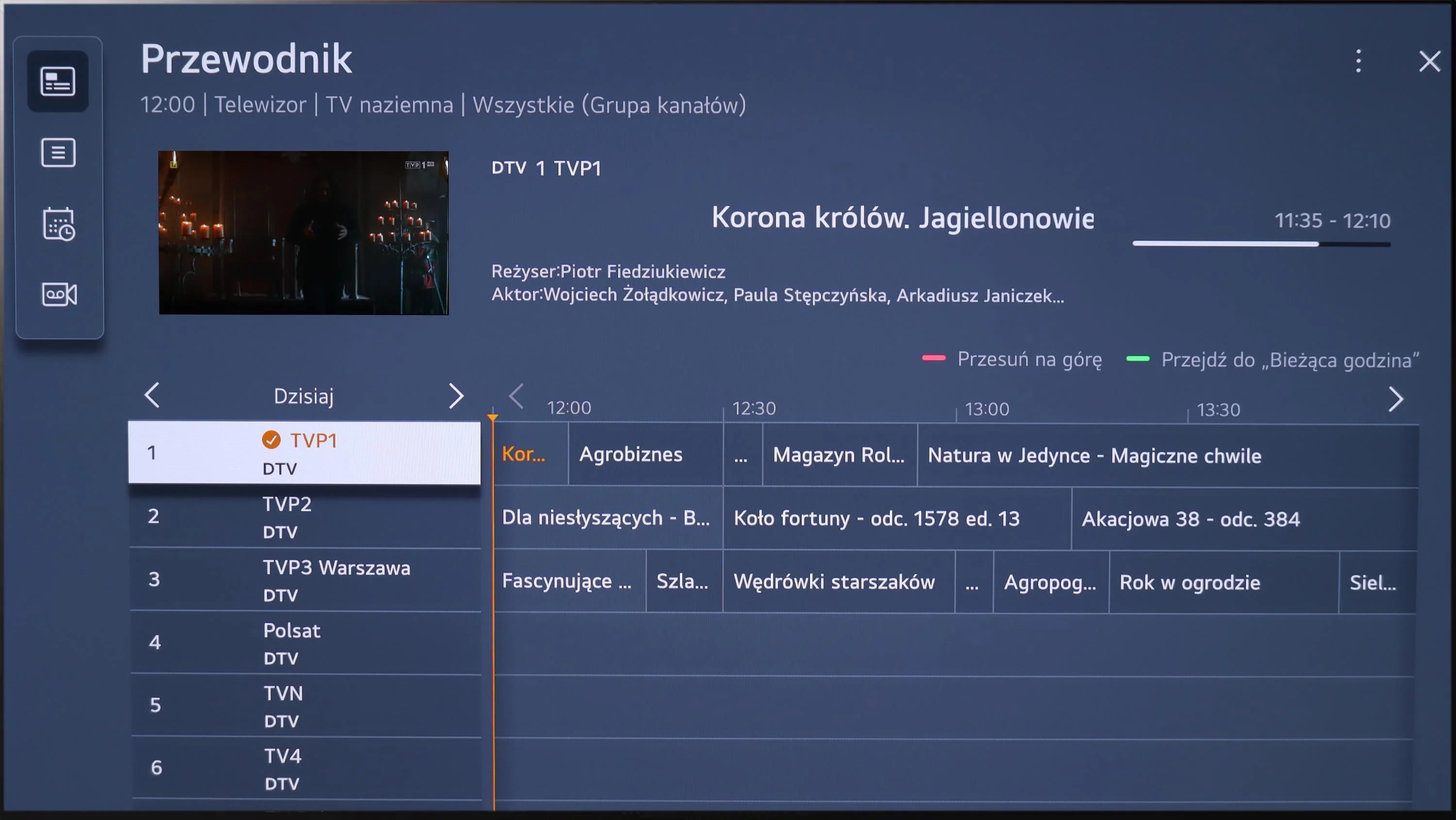
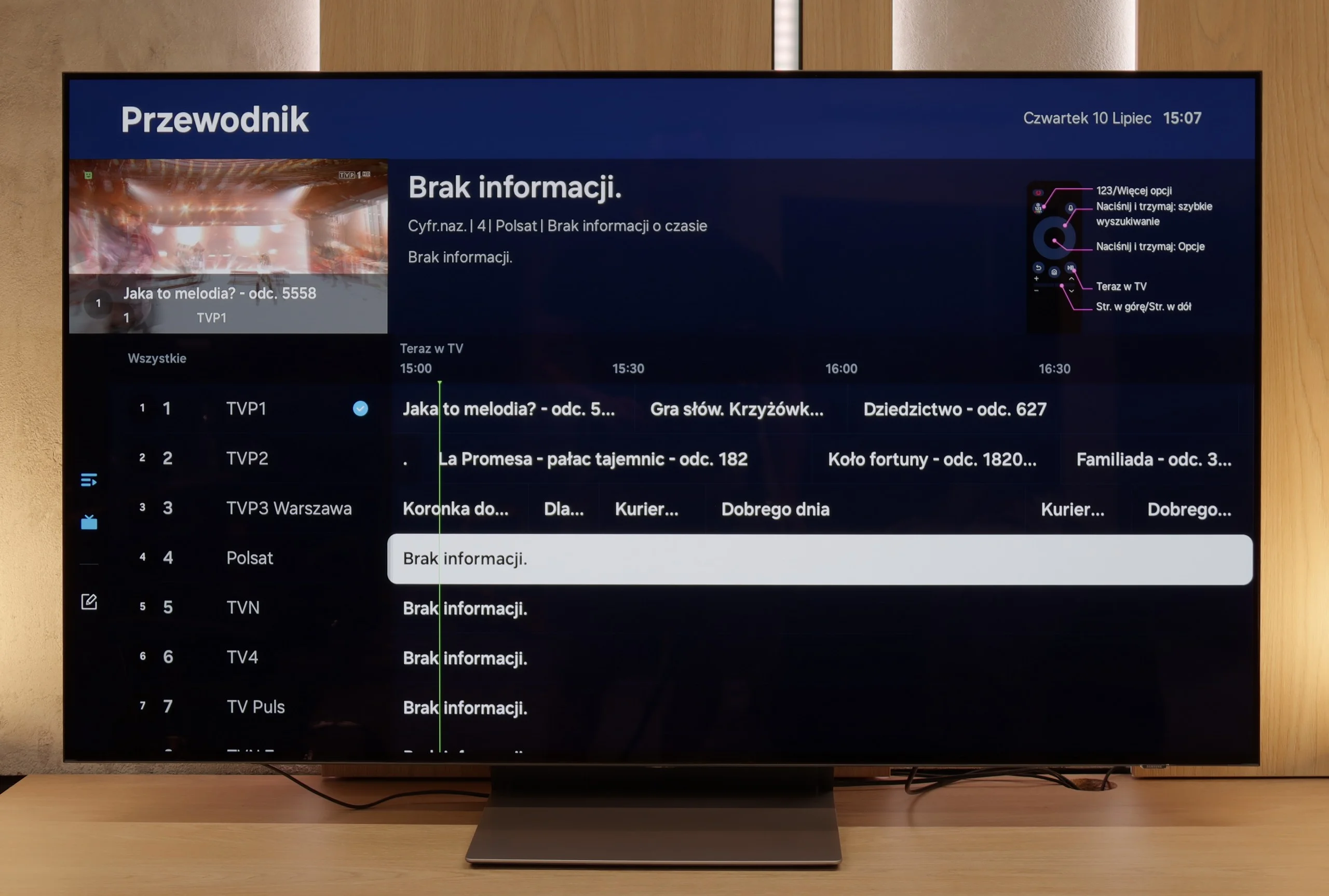
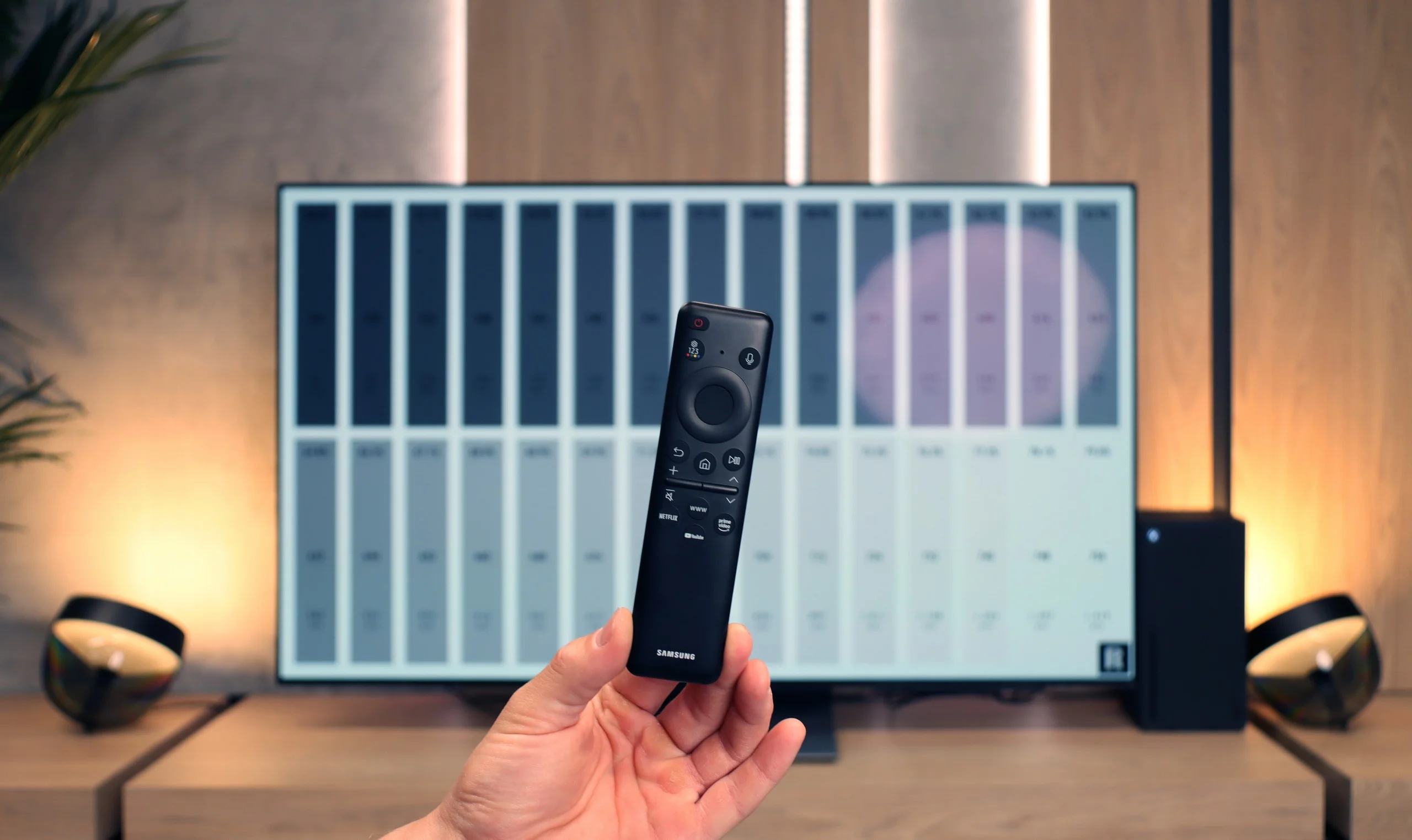
The Samsung S90F is equipped with many classic television features, such as EPG, CI module, and headphone support, but there's also more to it. Thanks to the presence of several tuners, the television offers a picture-in-picture (PiP) function – very useful, for example, when we are watching one match but want to take a glance at the score of another one happening simultaneously. It's a shame that Samsung has completely eliminated the USB recording function for some time now, but this is partly compensated by good integration with set-top boxes and other devices. The remote control – although small and lacking a numeric keypad – allows for the control of many devices connected to the television. We can easily operate a set-top box, amplifier, console, or other equipment with it – and all without the need to reach for multiple remotes.
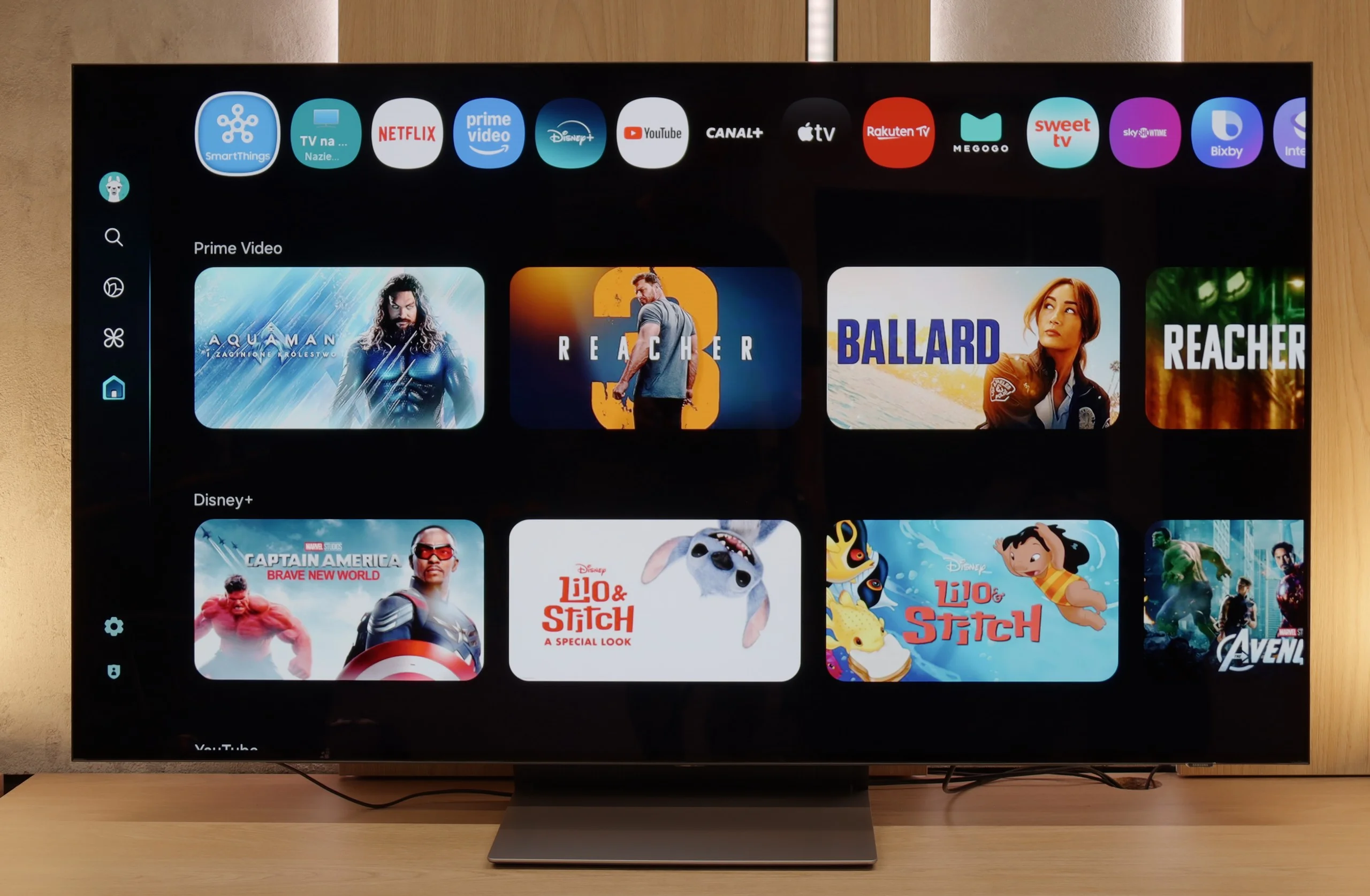
As for the Smart TV system – Tizen on the S90F operates very smoothly, which is not always the case with cheaper models featuring this system. The system itself is comprehensive and offers a lot of functions – we have screen mirroring, AirPlay, Bluetooth device support, as well as many options related to smart home integration, such as controlling light bulbs or other smart devices directly from the television. However, it is important to remember that Tizen is a closed system, so when it comes to apps – we are limited to what we find in the Samsung store. And while this is quite extensive, it does not match the flexibility of the Google TV platform. It's worth keeping this in mind if you have specific needs for niche applications.
Apps
9.1/10
8.7/10






















Playing files from USB
8.5/10
9.1/10
Supported photo formats:
Maximum photo resolution:
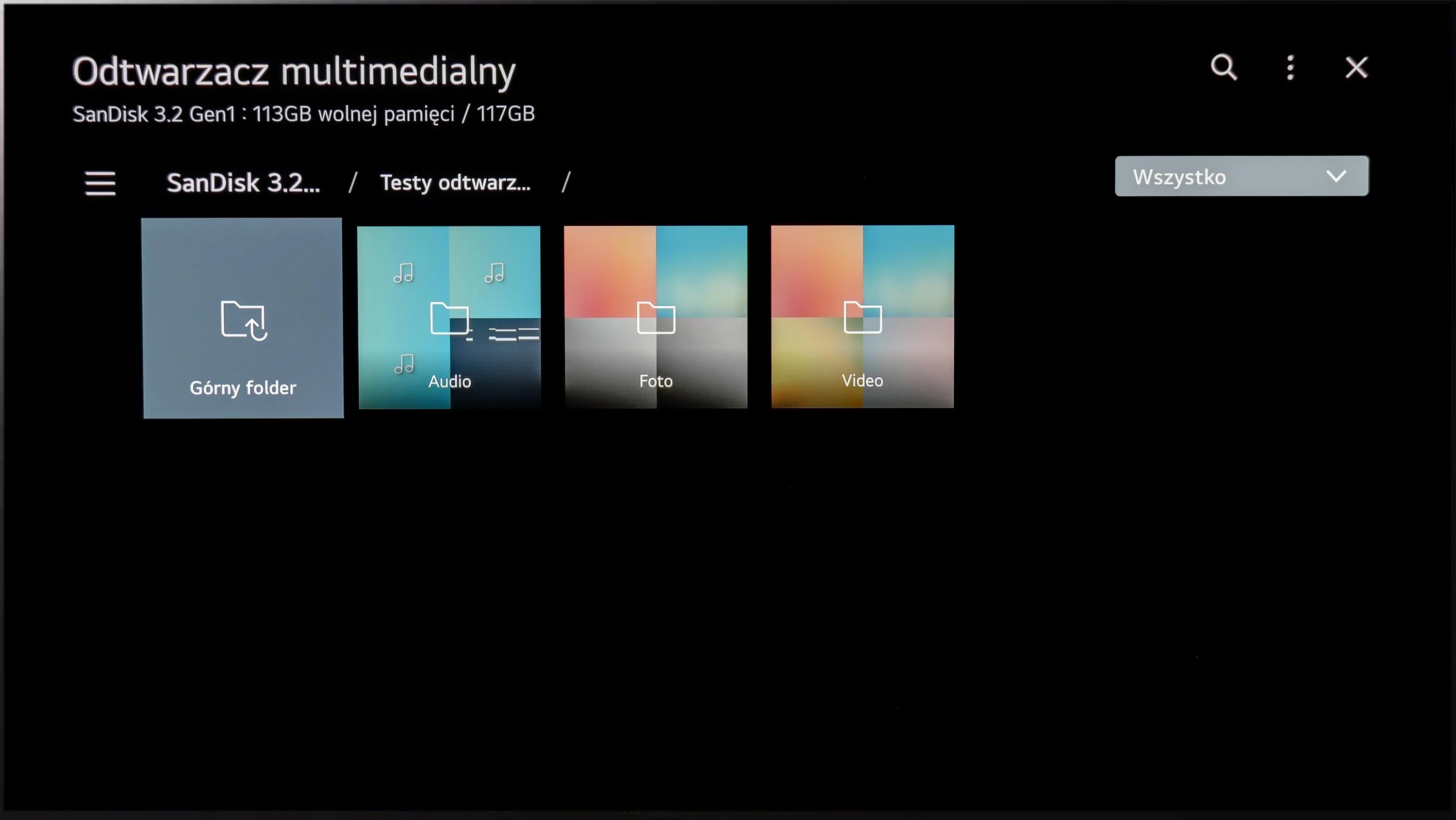
The default media player on the LG G4 performs well with most image types, although the absence of a few equally popular ones is surprising. It successfully plays videos recorded in practically all the most popular formats, including Dolby Vision. The only codec that the G4 cannot play is H.266 VVC, although this is currently rather unused. However, attention should be paid to the supported image formats, of which there are only two: JPEG and PNG. Users of Apple devices may feel disappointed by the lack of support for the HEIC format, which is the default format for photos taken. A remedy for this is to use the built-in AirPlay feature. We will also mention the lack of support for TXT subtitles.
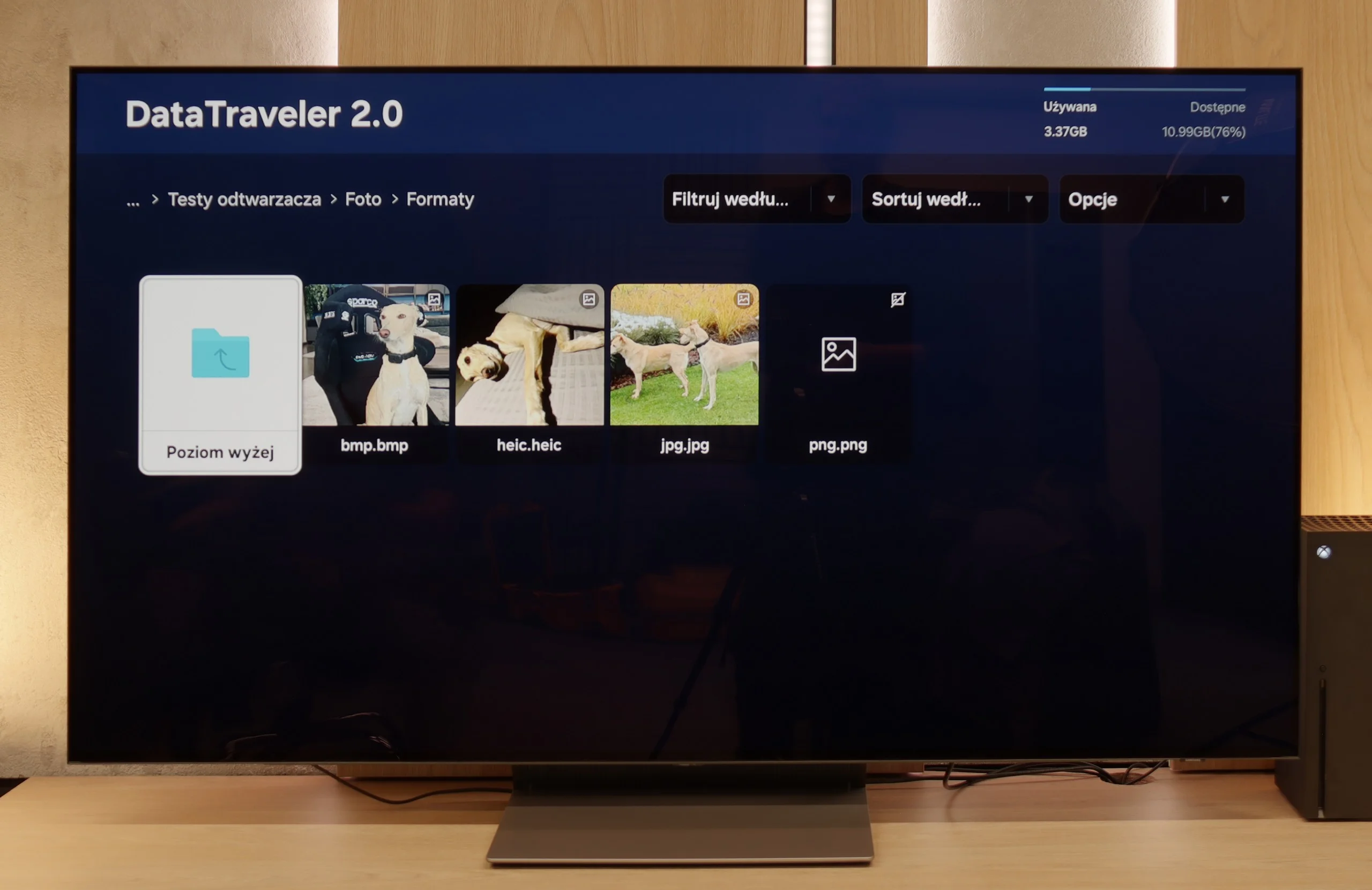
The built-in media player in the S90F is adequate and supports a fair number of popular formats. Unfortunately, during testing – once again – we encountered issues, despite the manufacturer's claims. The television did not play some formats that are supposedly supported, such as HEIC format photos (the Apple version), or SRT and SUB subtitles. In everyday use for most people, such a player is sufficient to play a movie from a USB drive, but it's worth keeping in mind that surprises may occur. Perhaps the situation will improve in future updates, but at the time of writing this review – it works as it works.
Sound
8.6/10
7.4/10
- Maximum volume-84dB
- Dolby Digital Plus 7.1
- Dolby True HD 7.1
- Dolby Atmos in Dolby Digital Plus (JOC)
- Dolby Atmos in Dolby True HD
- DTS:X in DTS-HD MA
- DTS-HD Master Audio
The assessment of sound quality remains always subjective. However, we must give LG G4 credit for maintaining a fairly good level of sound clarity. The biggest drawback of the built-in audio system in the television is the low bass range. However, this must be viewed from a different perspective — anyone choosing this television will likely have a home cinema system. In this case, broad support for audio codecs, including DTS-HD Master Audio and Dolby Atmos, will prove crucial.
The S90F plays really quite pleasantly, with noticeable bass and quite good dynamics. A definite plus is the support for Dolby Atmos, which allows the television to deliver a slightly more "spatial" sound – of course, to the extent allowed by the built-in 2.1 system 😉. Unfortunately, as is often the case with Samsung, there is a lack of support for the DTS:X format. So, if you want to take advantage of its capabilities, you need to connect the audio equipment directly to the receiver, rather than to the television itself – otherwise, it simply won't work.
Sound Quality Test
No sound test video
Acoustic Measurements
No acoustic data
84dBC (Max)
75dBC
Reader comments
Comments are provided by the external service Disqus (Zeta Global). Once loaded, Disqus may set cookies and process data about your activity.
We will remember your choice on this device. Provider's privacy policy