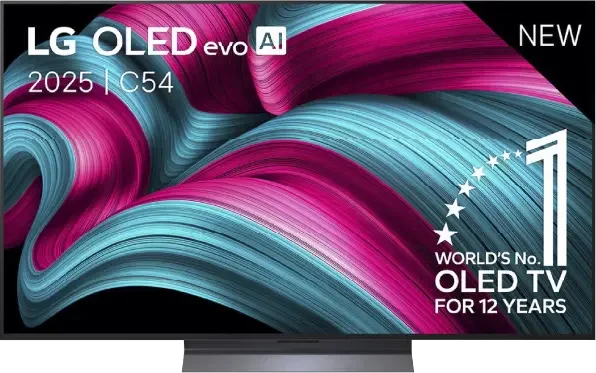
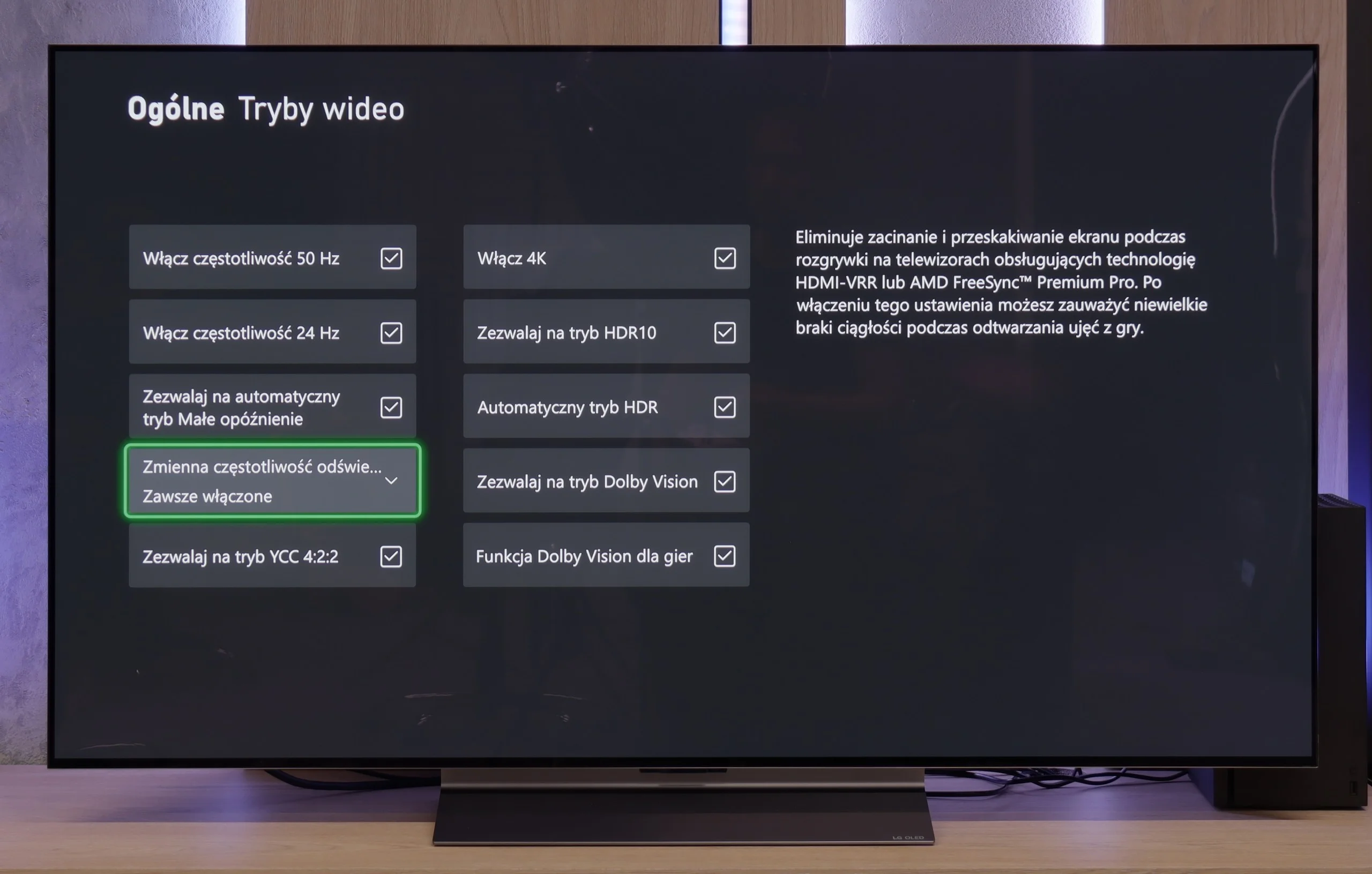
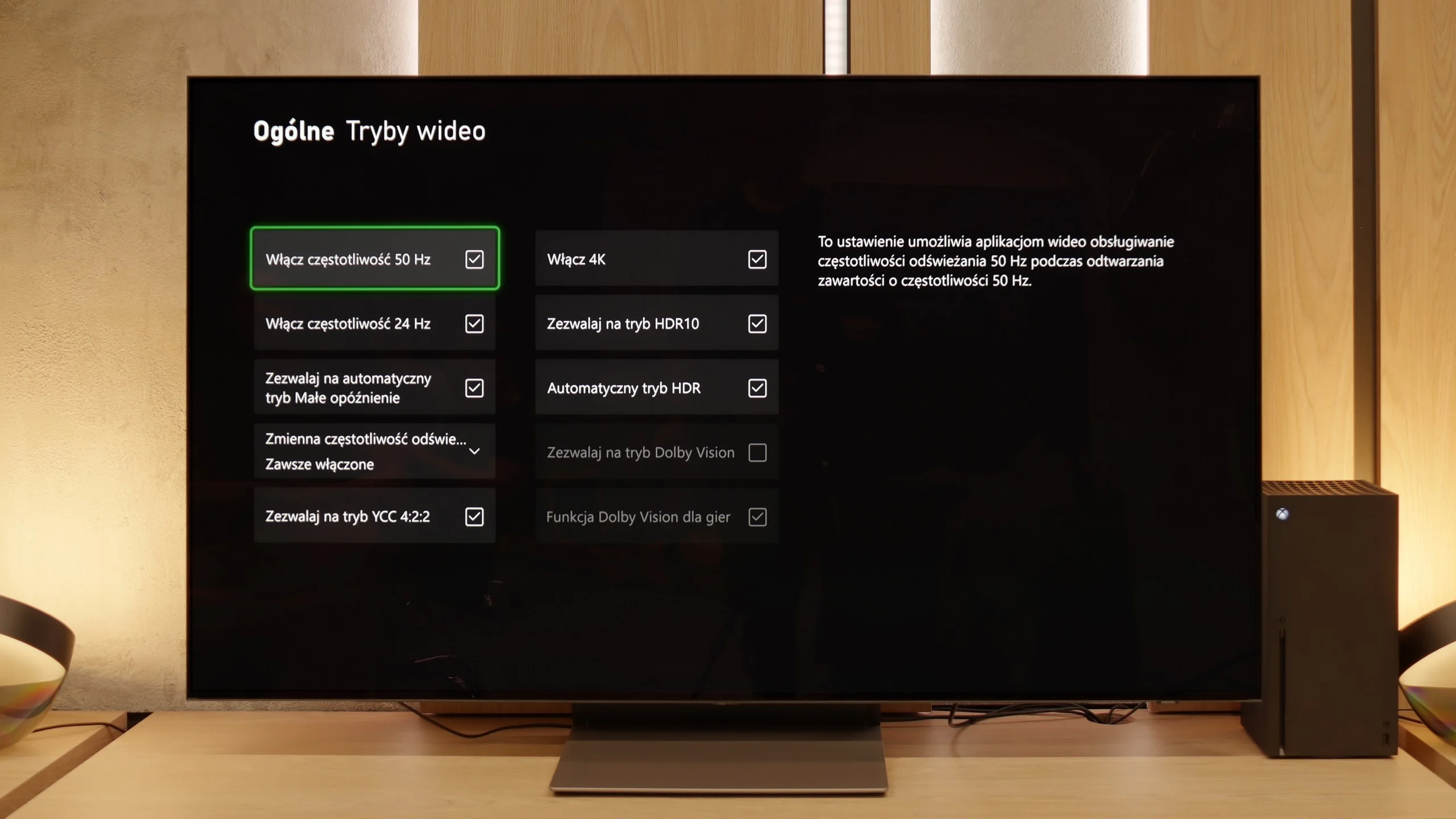
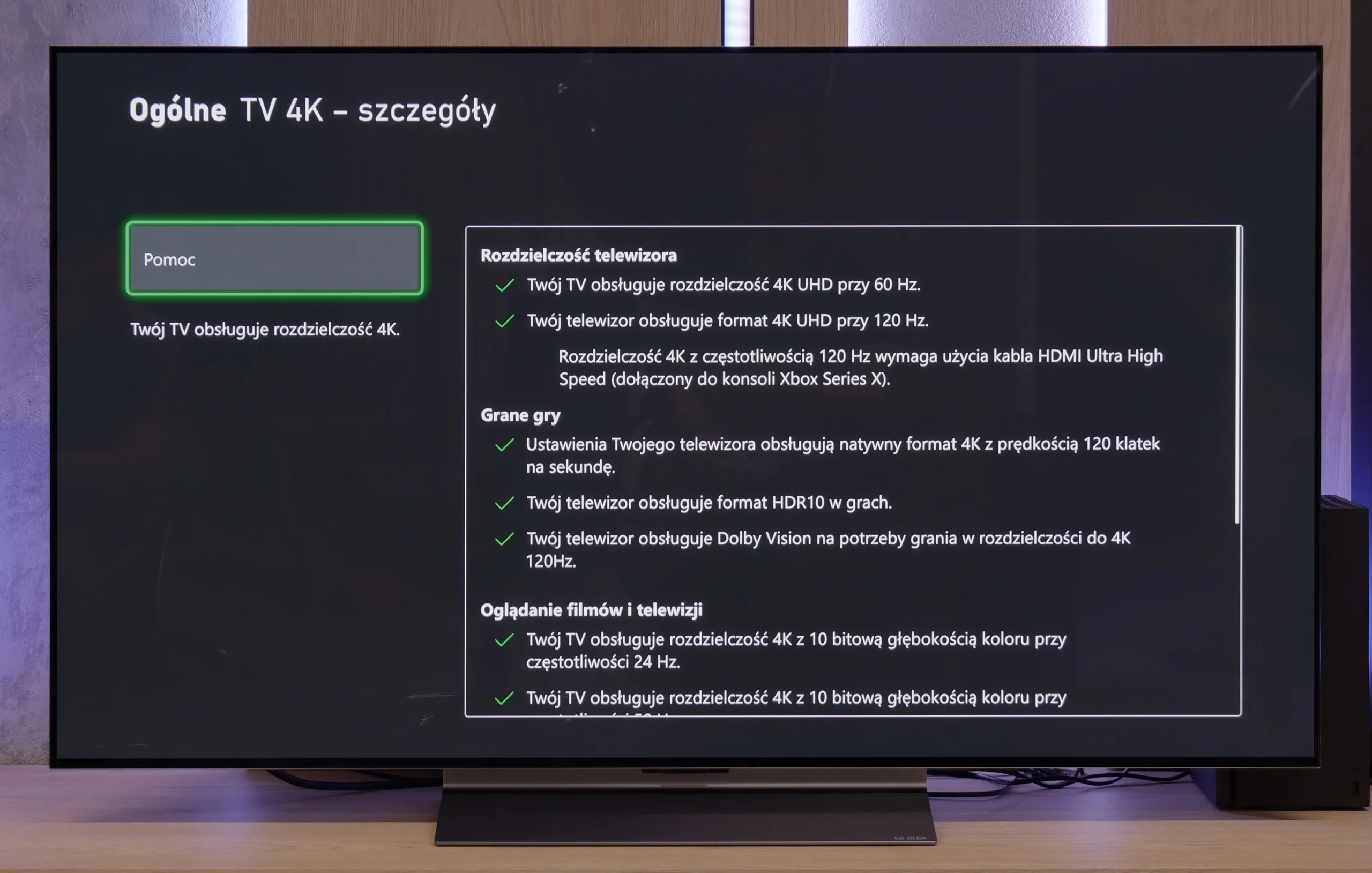
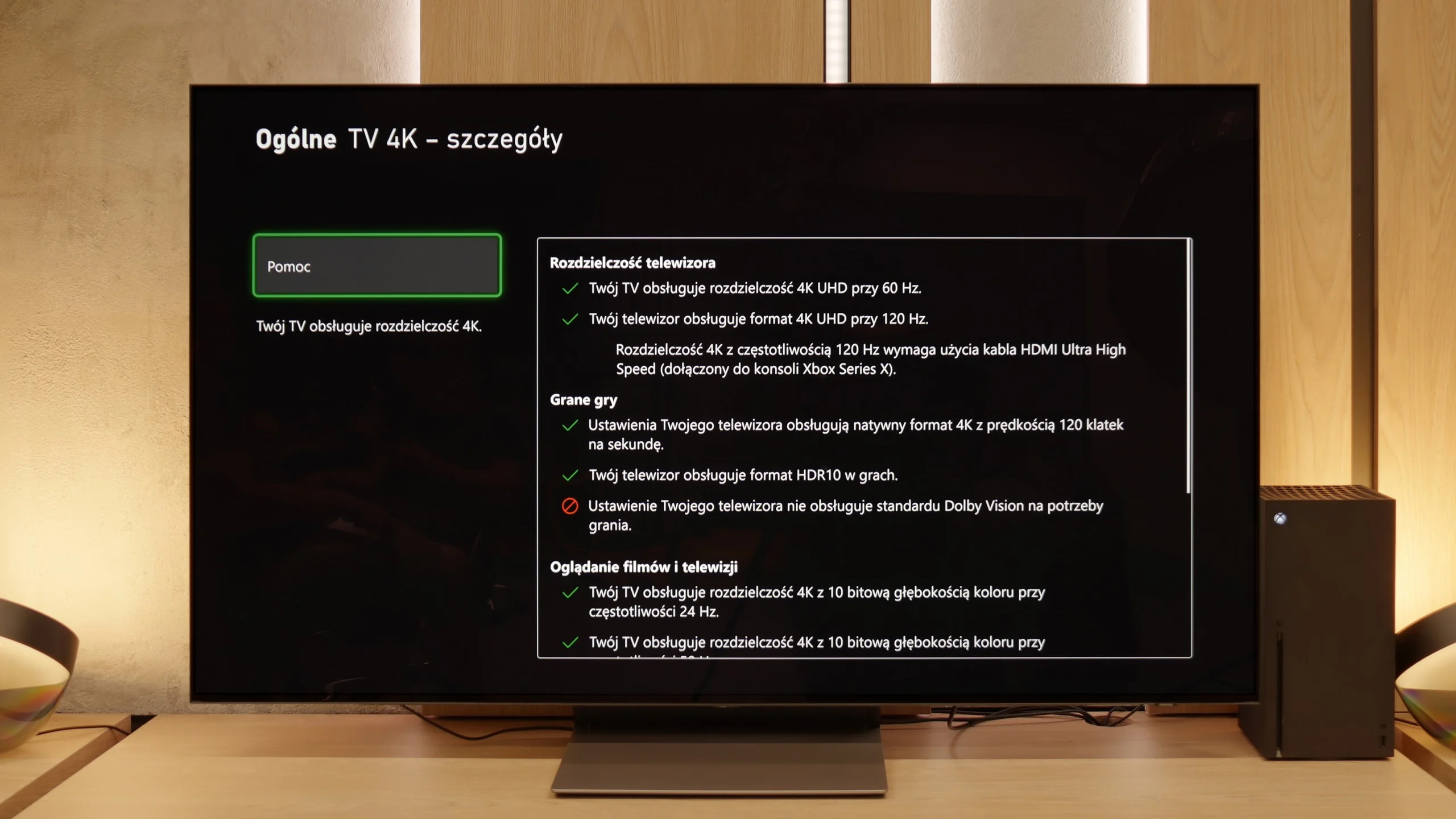
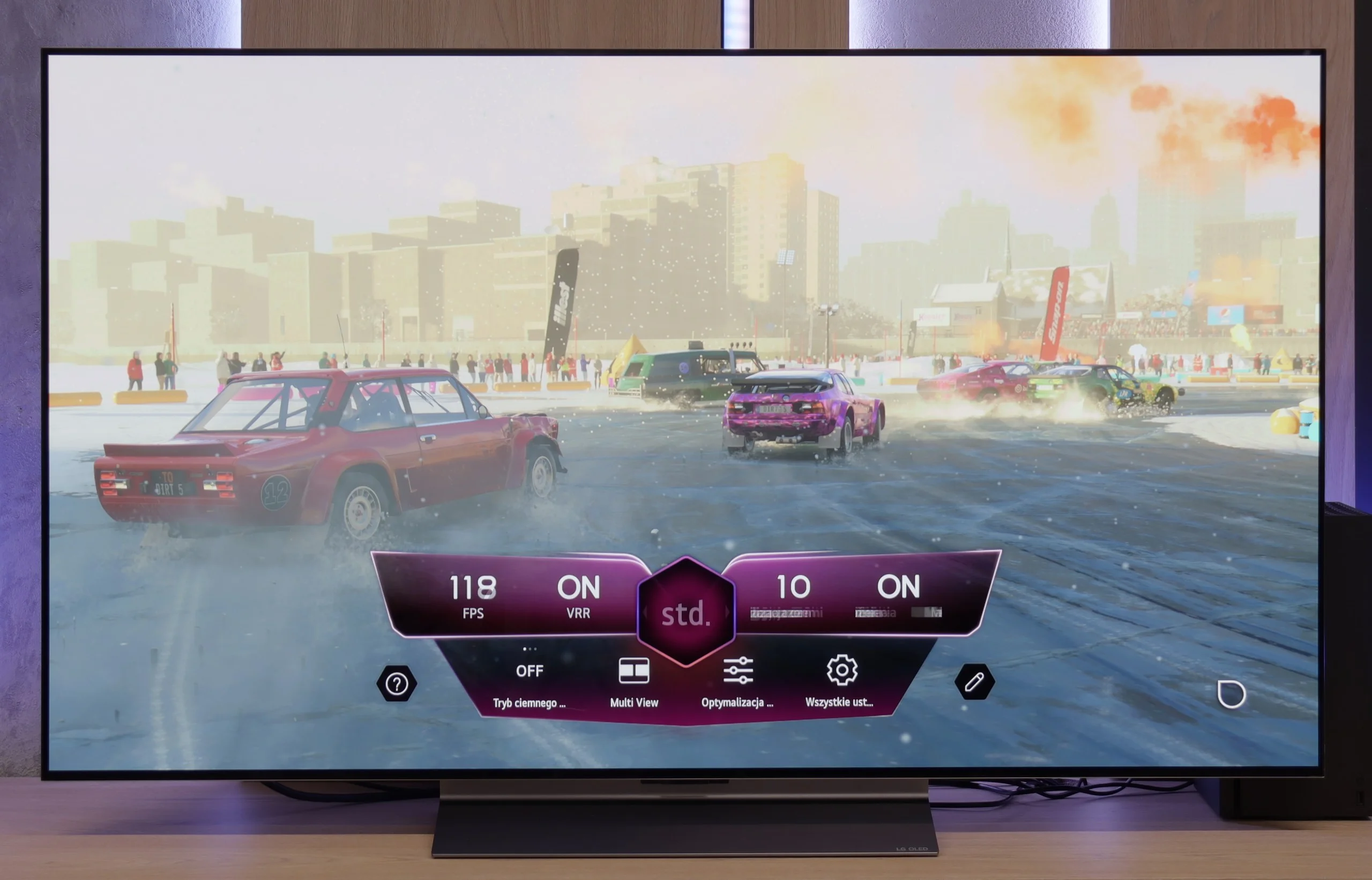
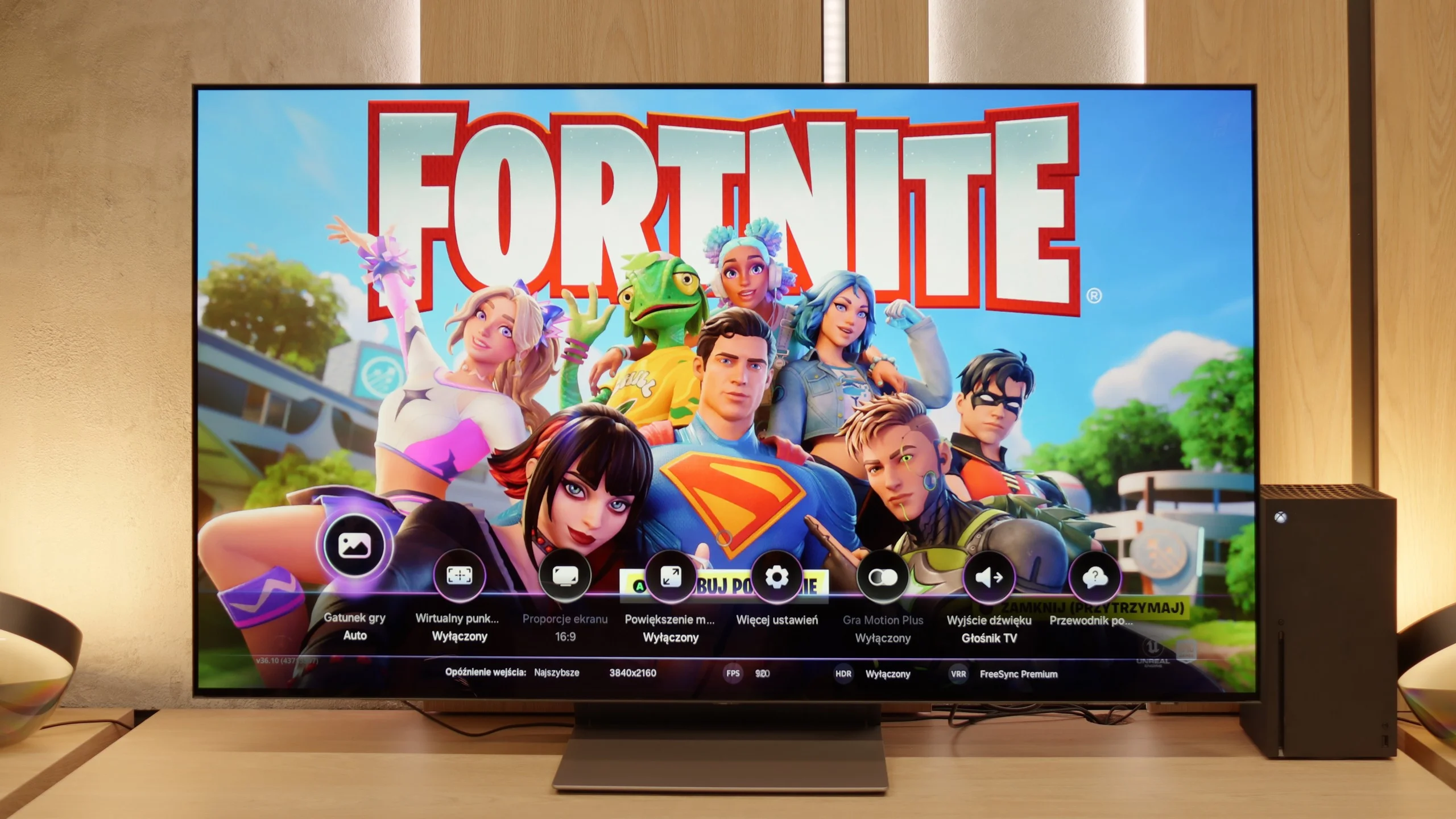
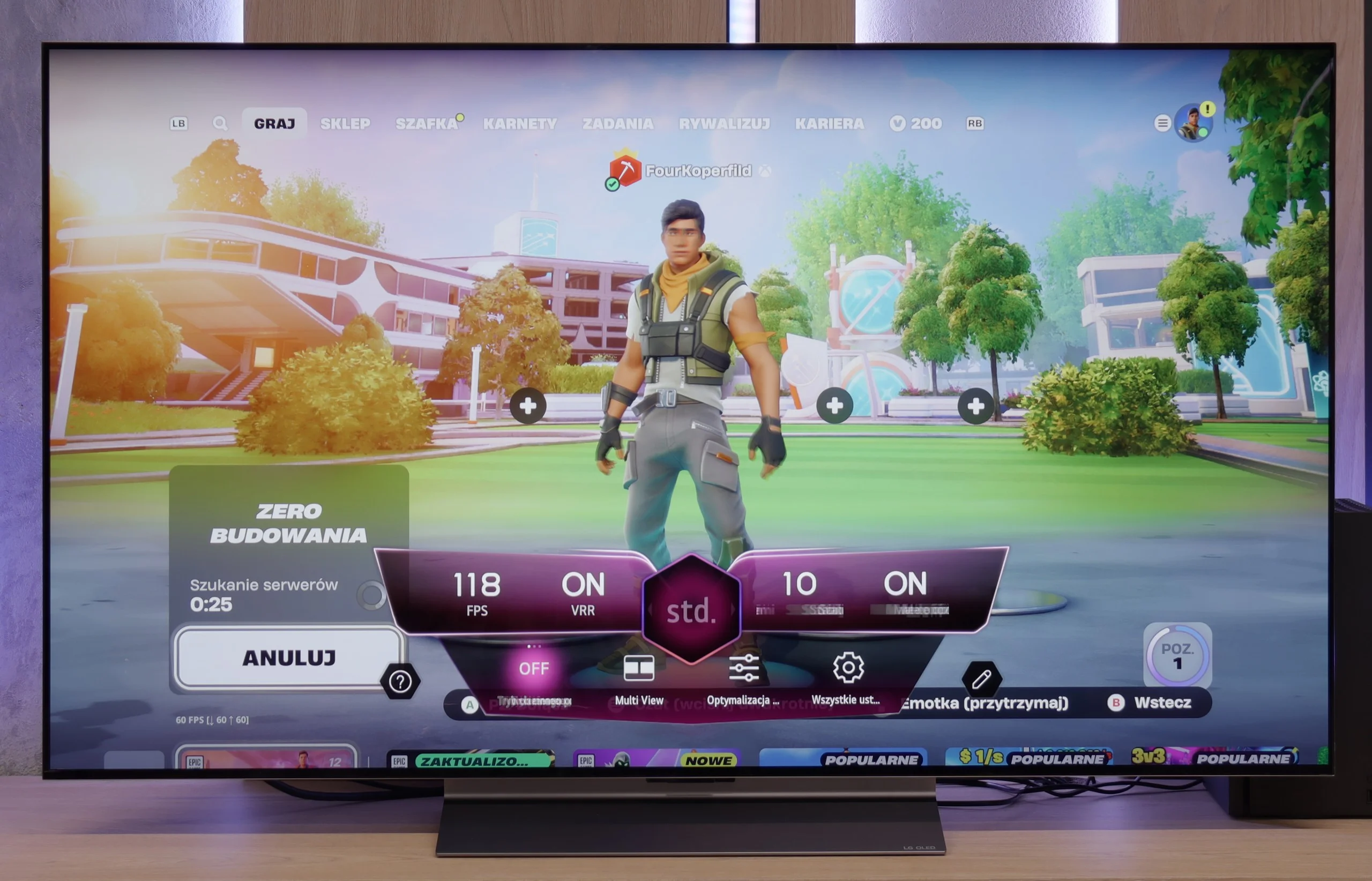
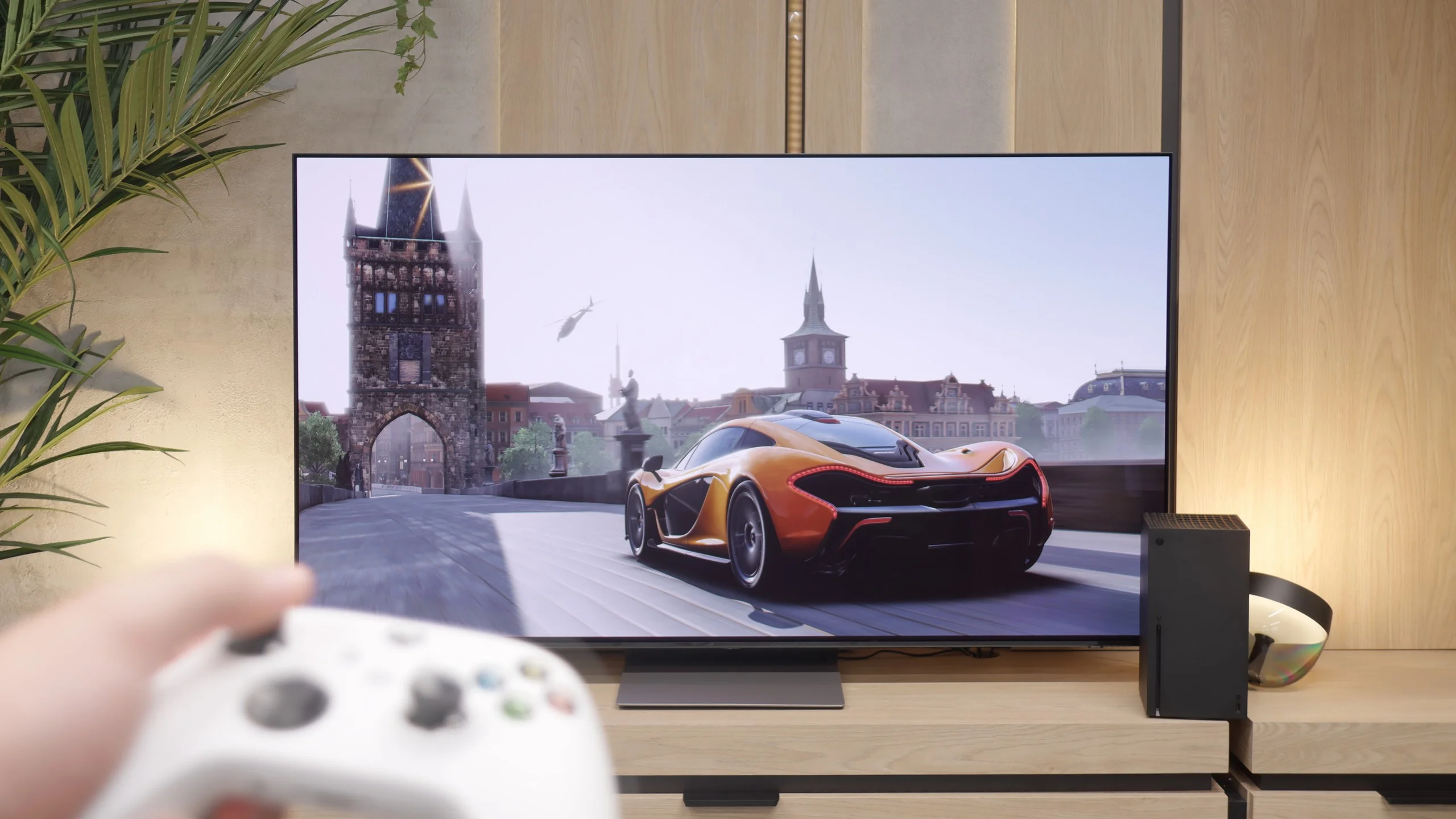
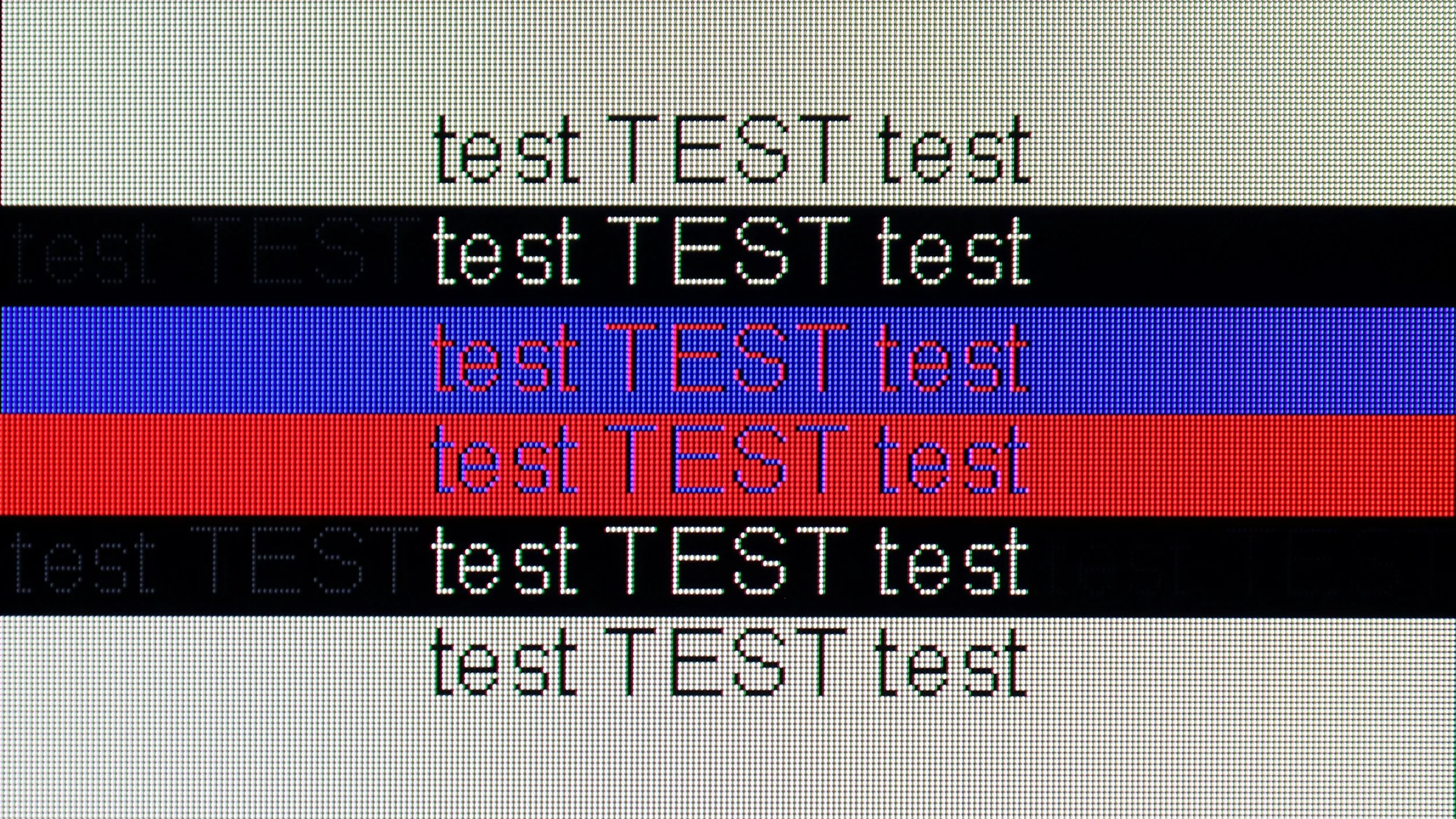
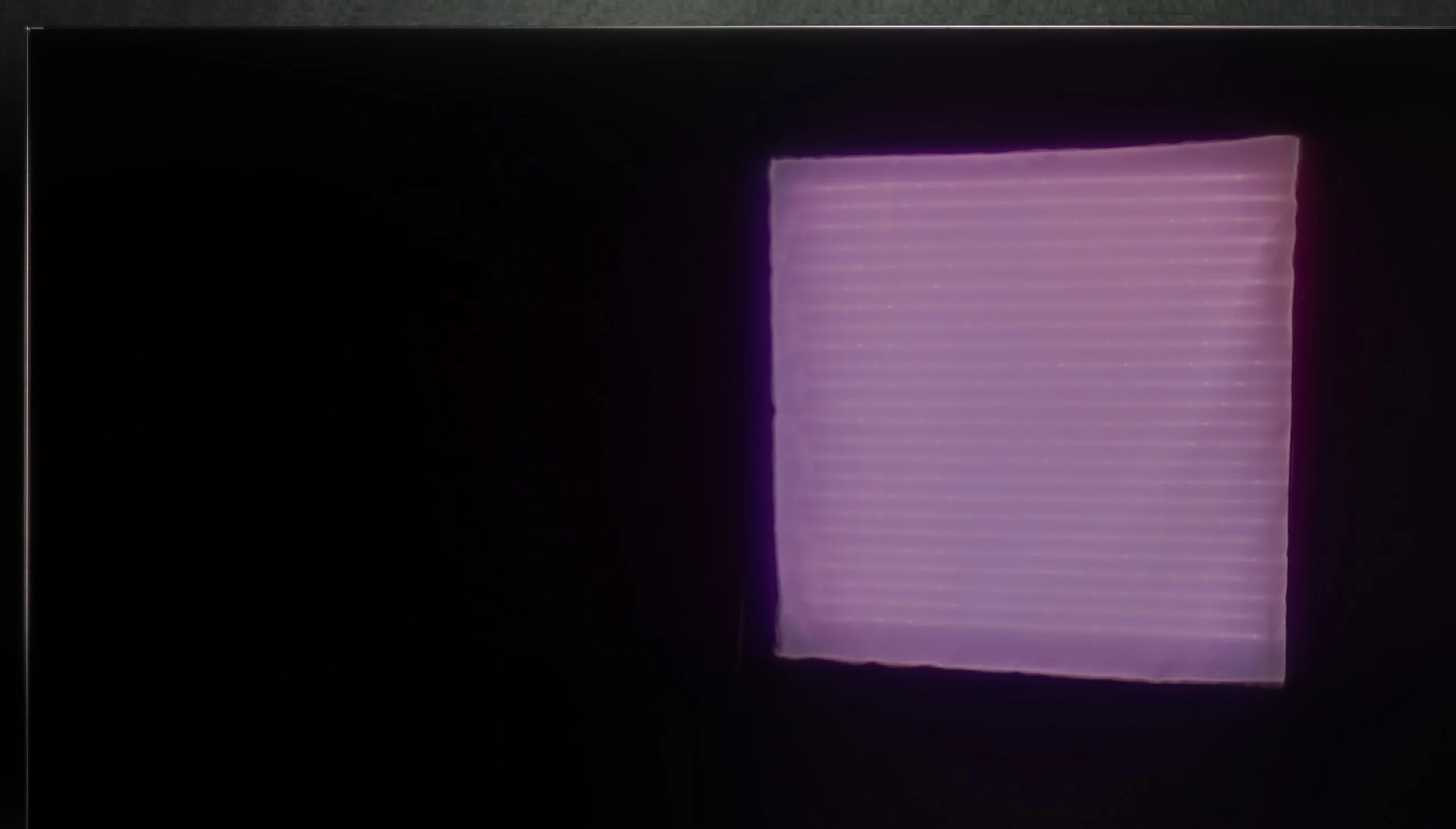
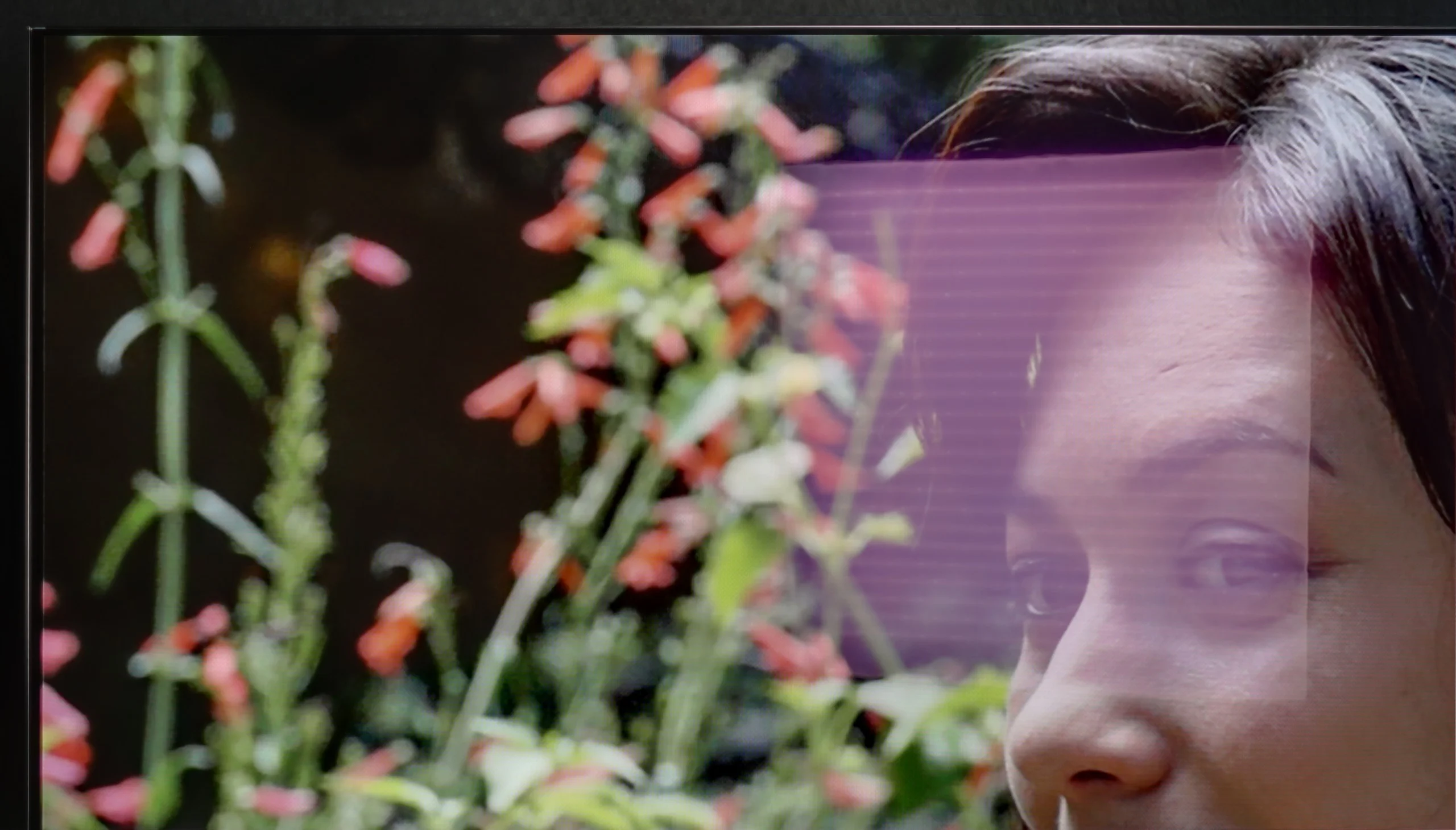
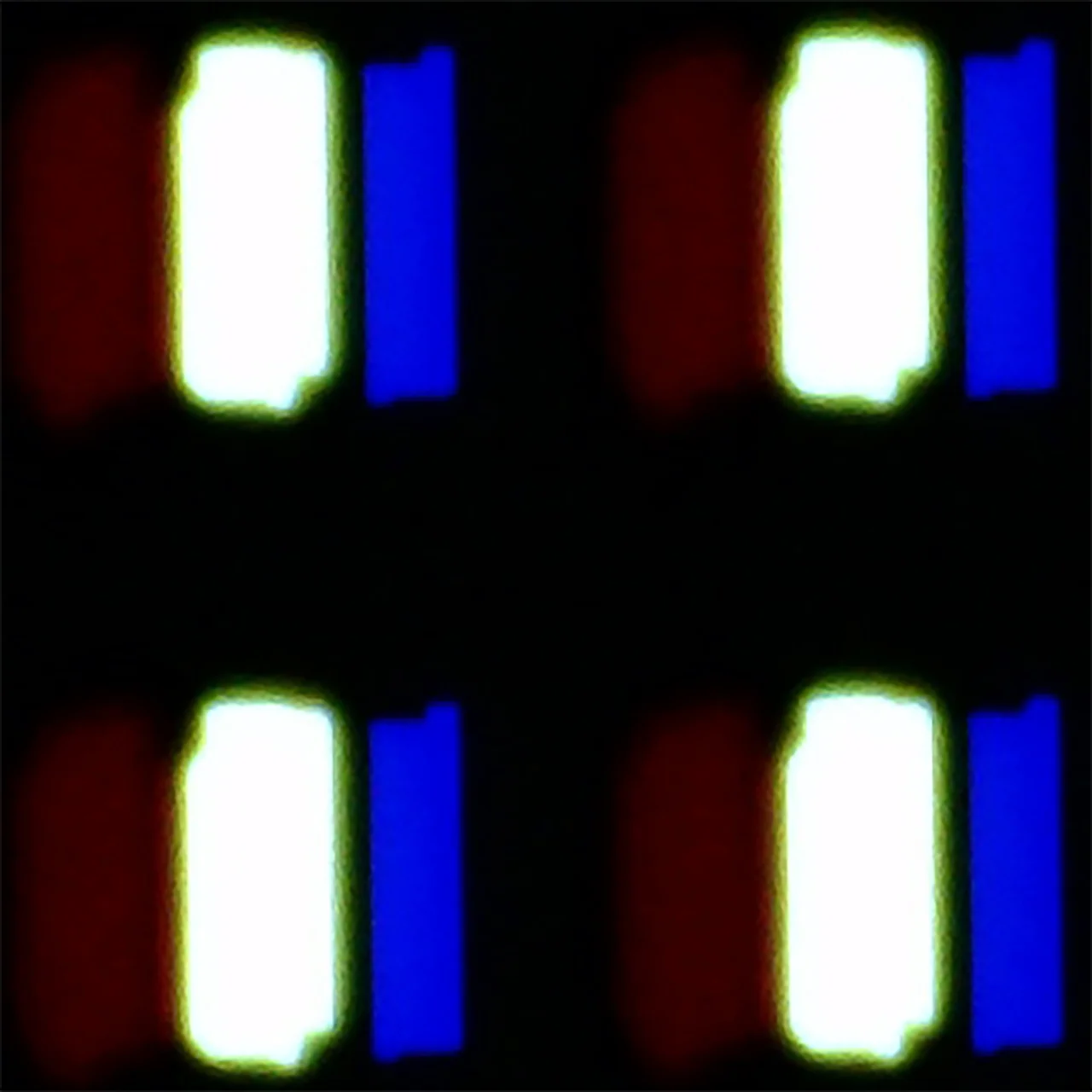
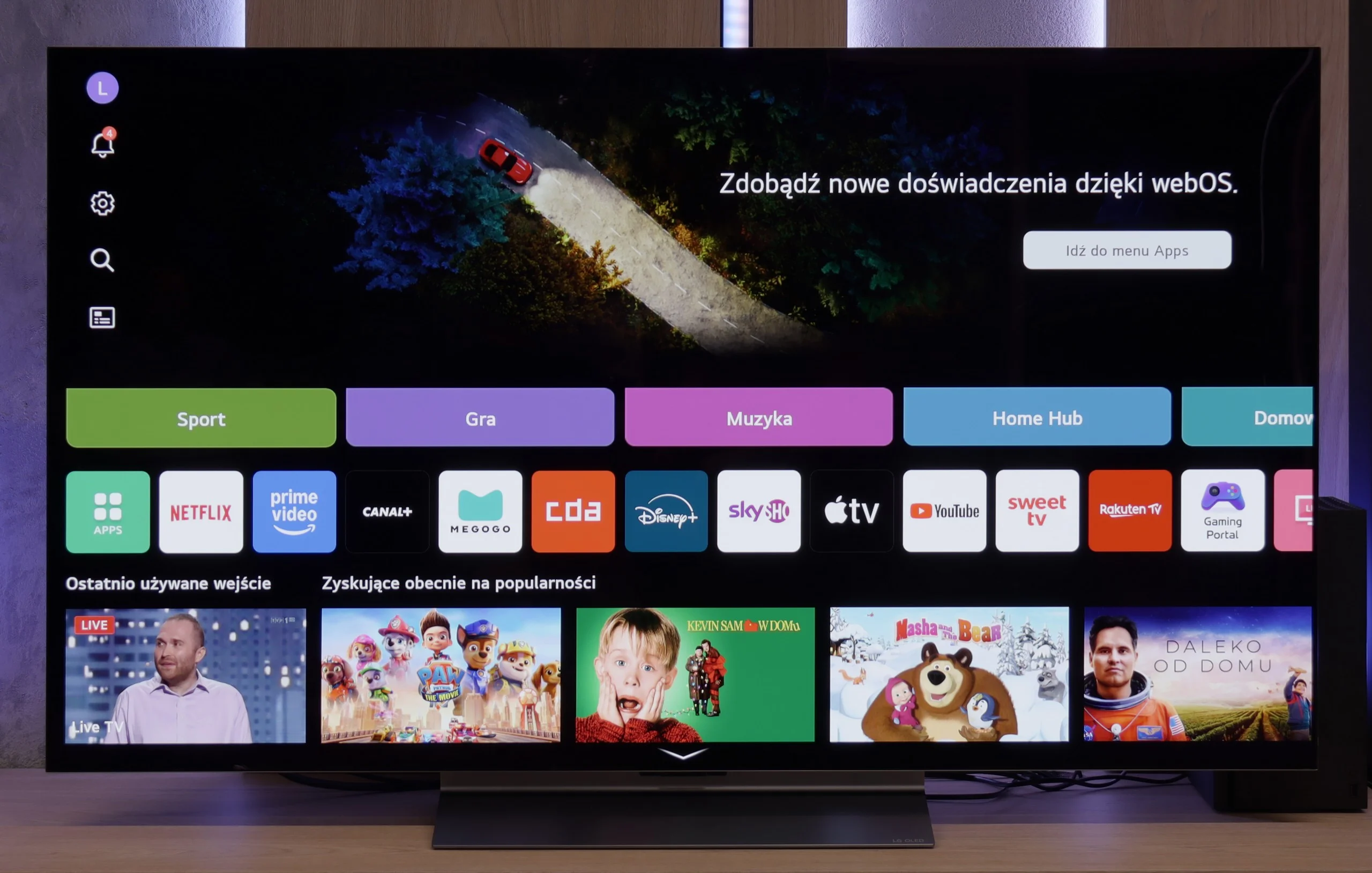
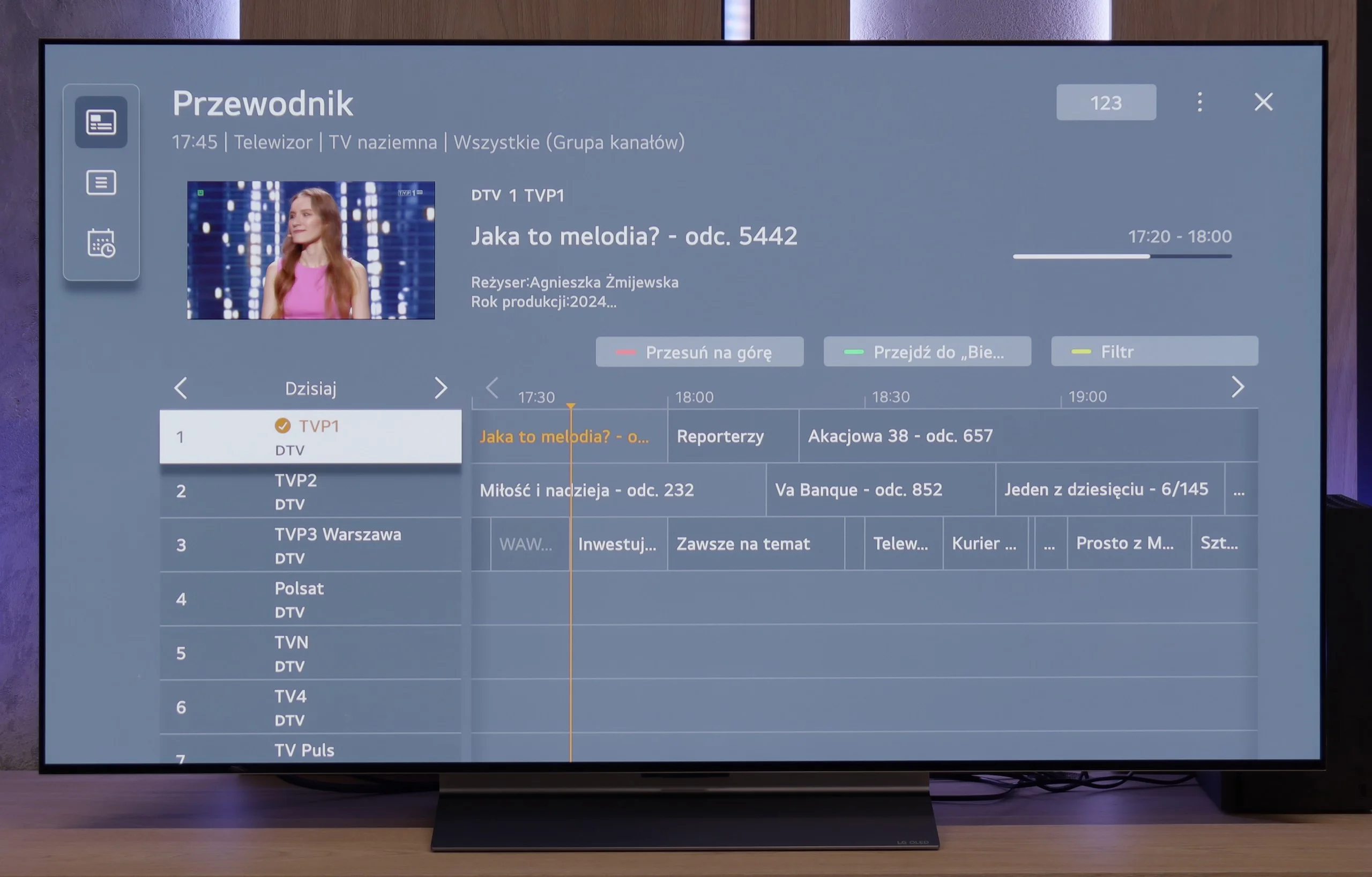
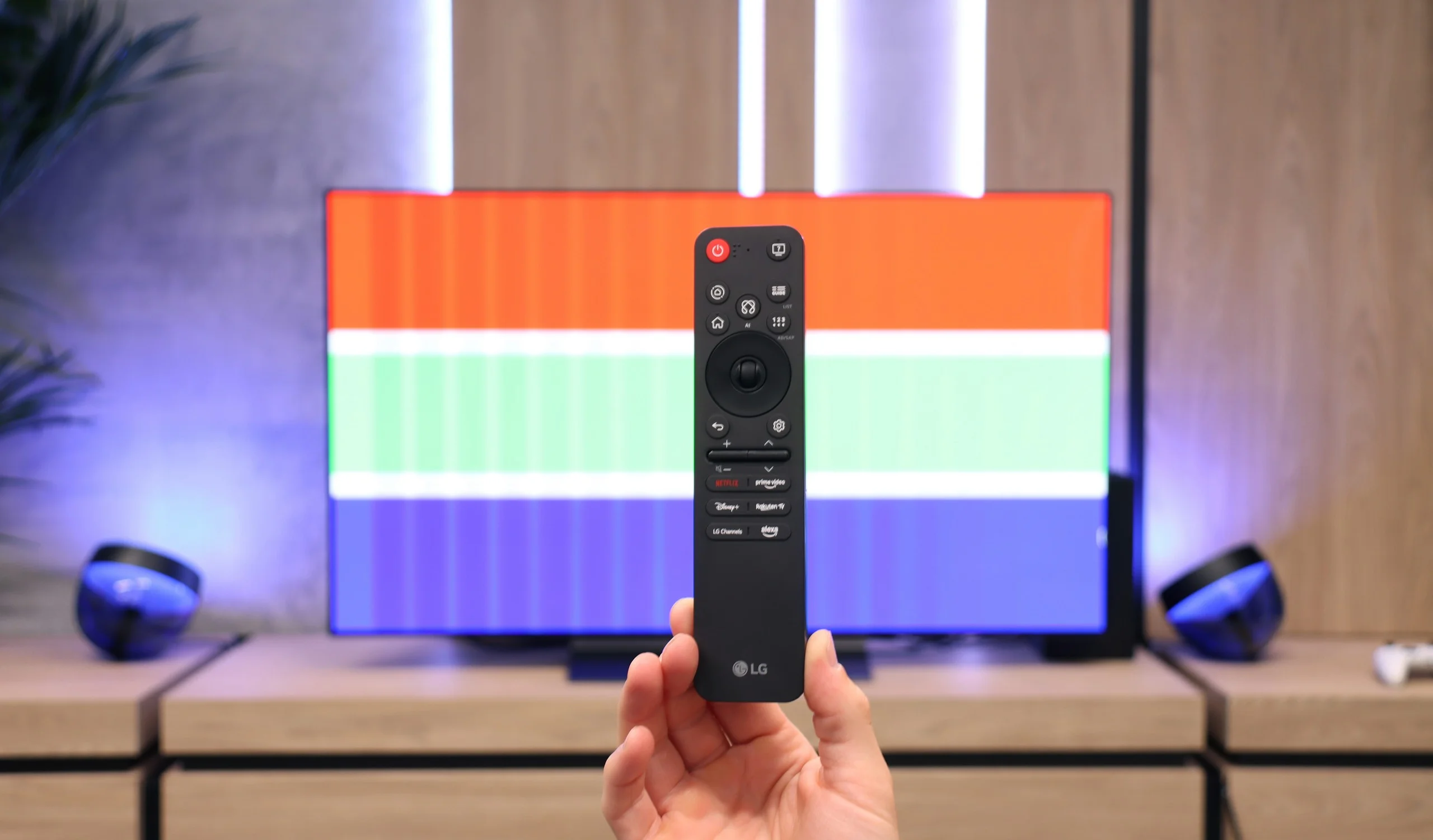
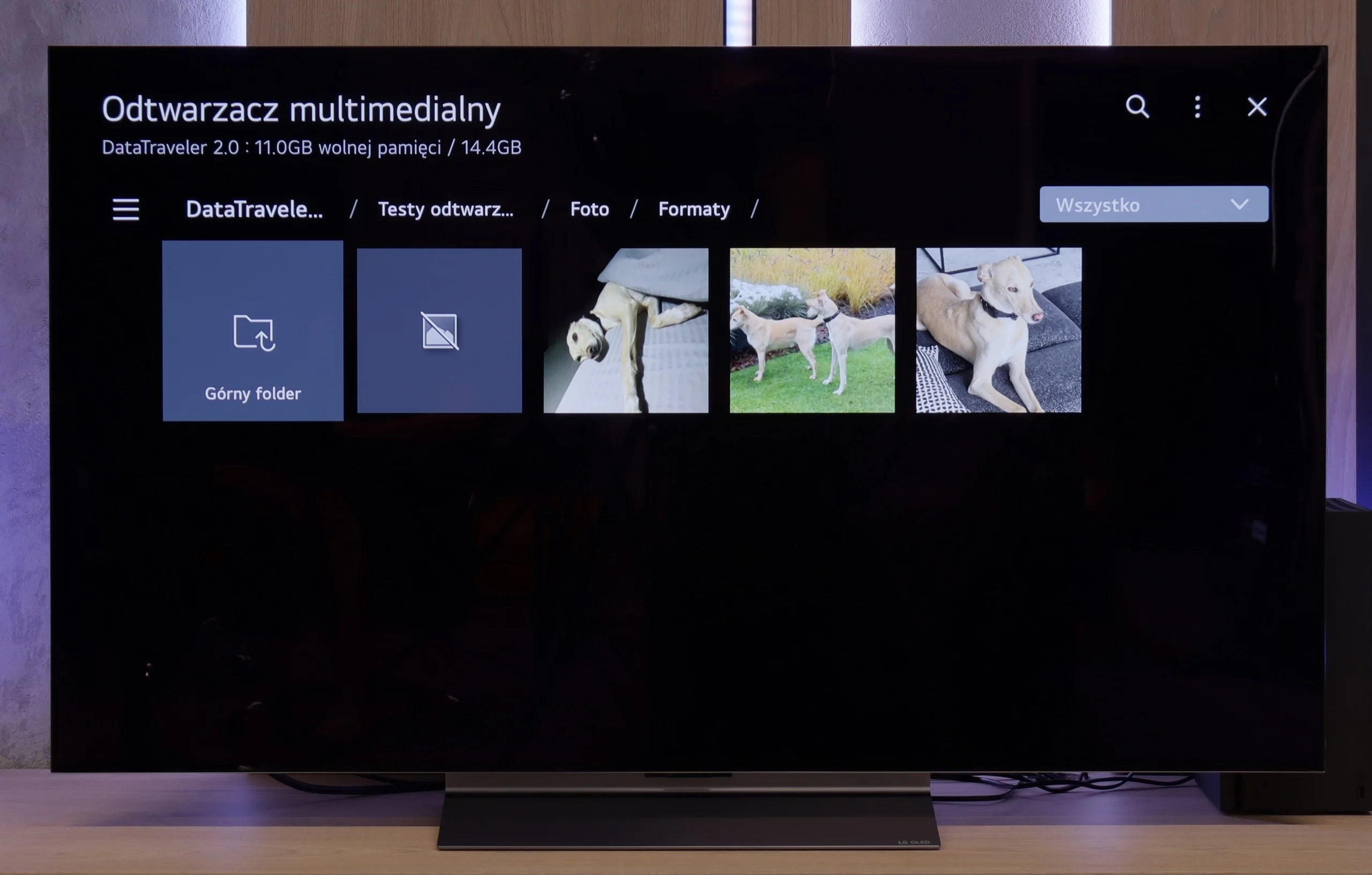
LG C5 is a very successful continuation and, in some aspects, even a step forward compared to last year's model C4. The biggest change is the significantly higher brightness – for the first time in the history of the C series, the barrier of 1000 nits has been exceeded, which greatly improves the quality of the HDR effect. Both films and series look more dynamic as a result, and bright scenes finally have the proper "glow". After calibration, the picture quality is nearly reference-level, and one could get the impression that we are dealing with equipment that is much more expensive than its price suggests. C5 is also one of the best choices for gamers – four full HDMI 2.1 ports, low input lag, support for VRR, G-Sync, and correctly implemented HGiG. Additionally, the 144 Hz panel makes not only gaming but also watching sports pure pleasure. The convenient WebOS system and the Magic remote with cursor control function also deserve praise – everything works smoothly and intuitively. This is a television that you simply want to use.
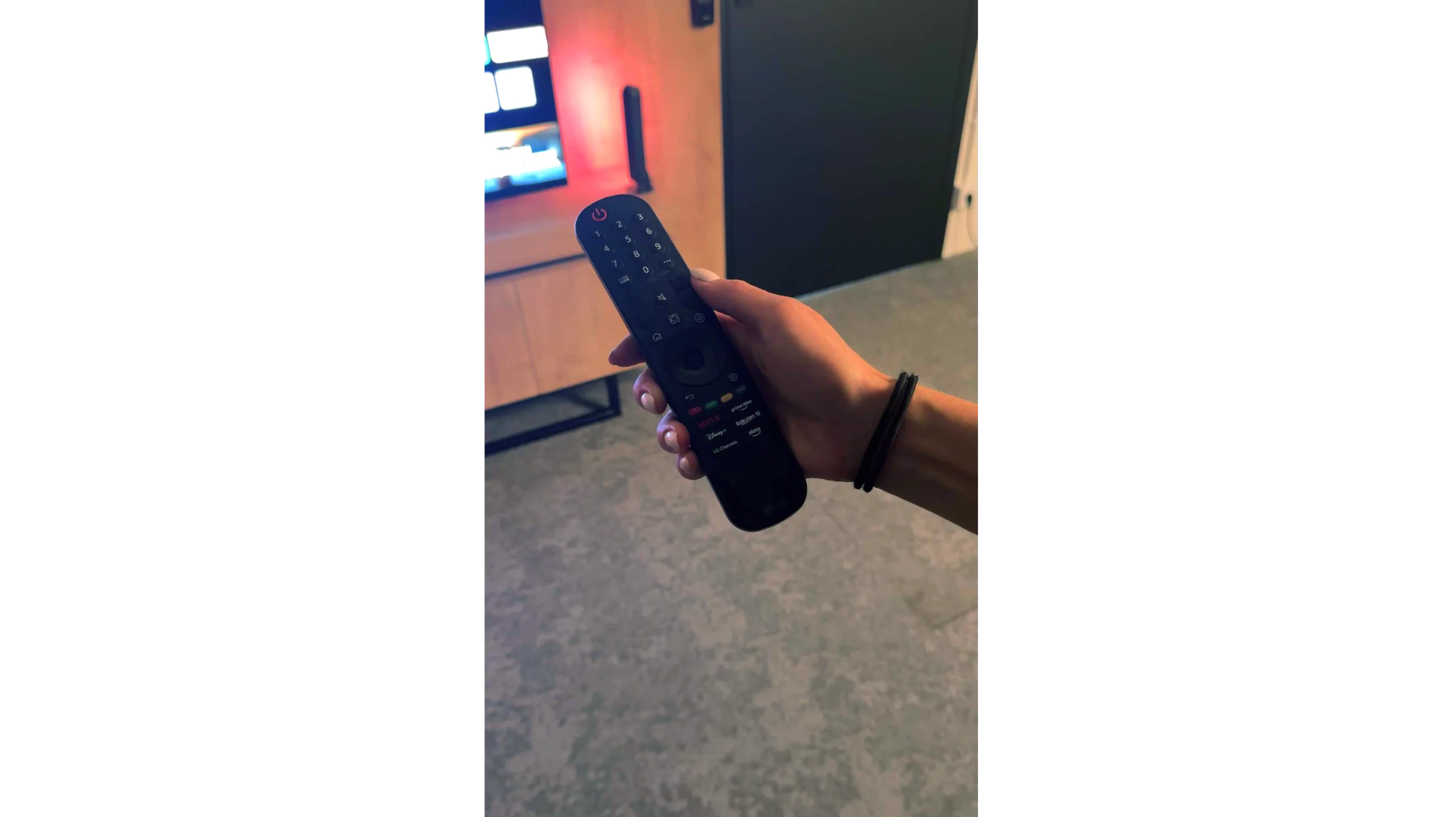
However, there were a few minor reservations. This year, LG has decided to abandon support for DTS codecs, which may be problematic for those using physical media and collections of Blu-ray films. It is also worth noting the confusion regarding the different versions of the remote – depending on the model designation, we may receive a completely different remote than the one we held during our tests. Despite these few comments, LG C5 is a television that makes an excellent impression in almost every regard. Brightness, colours, gaming features, smoothness of the image, and overall build quality make it one of the best OLEDs in its class.
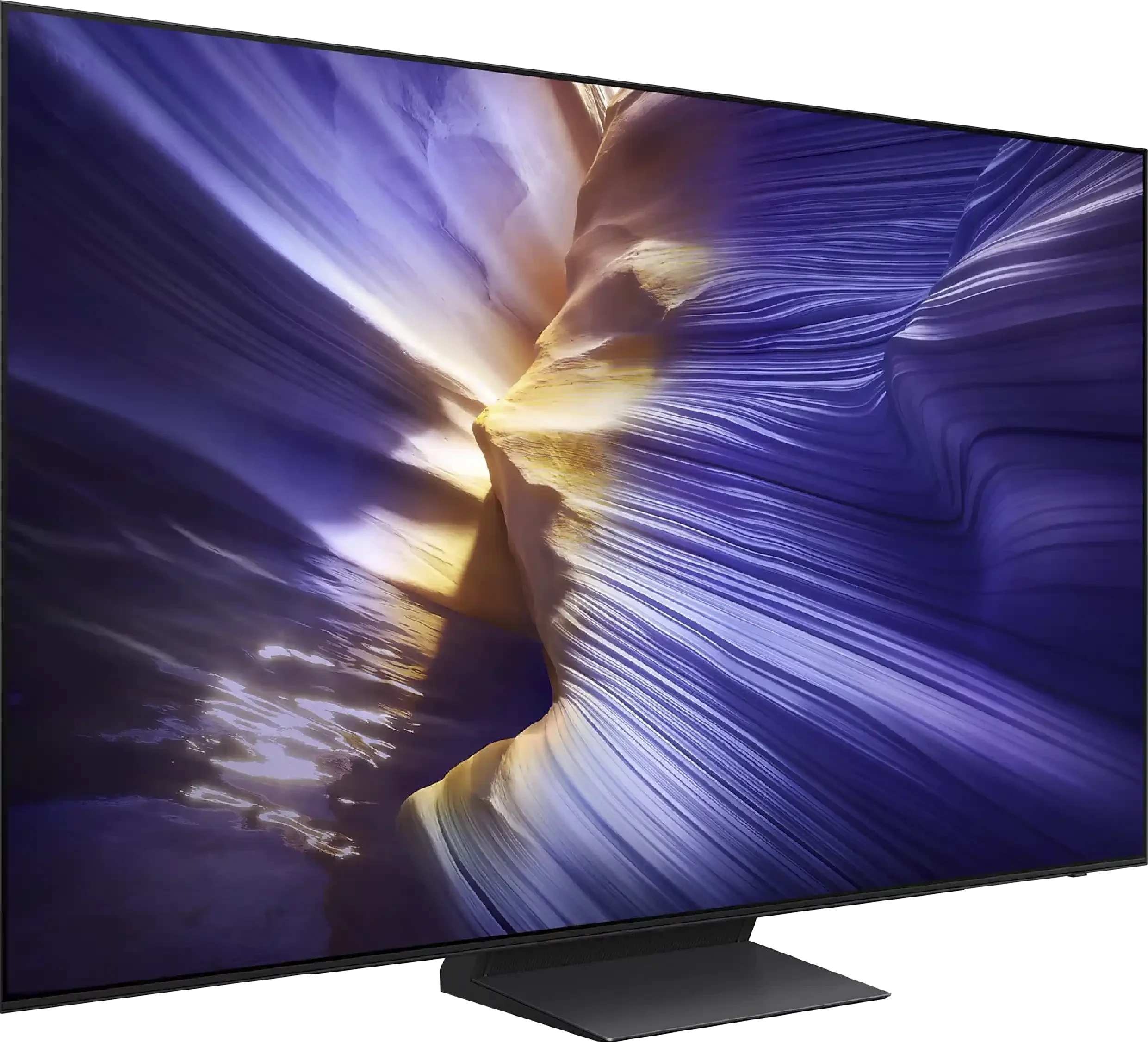
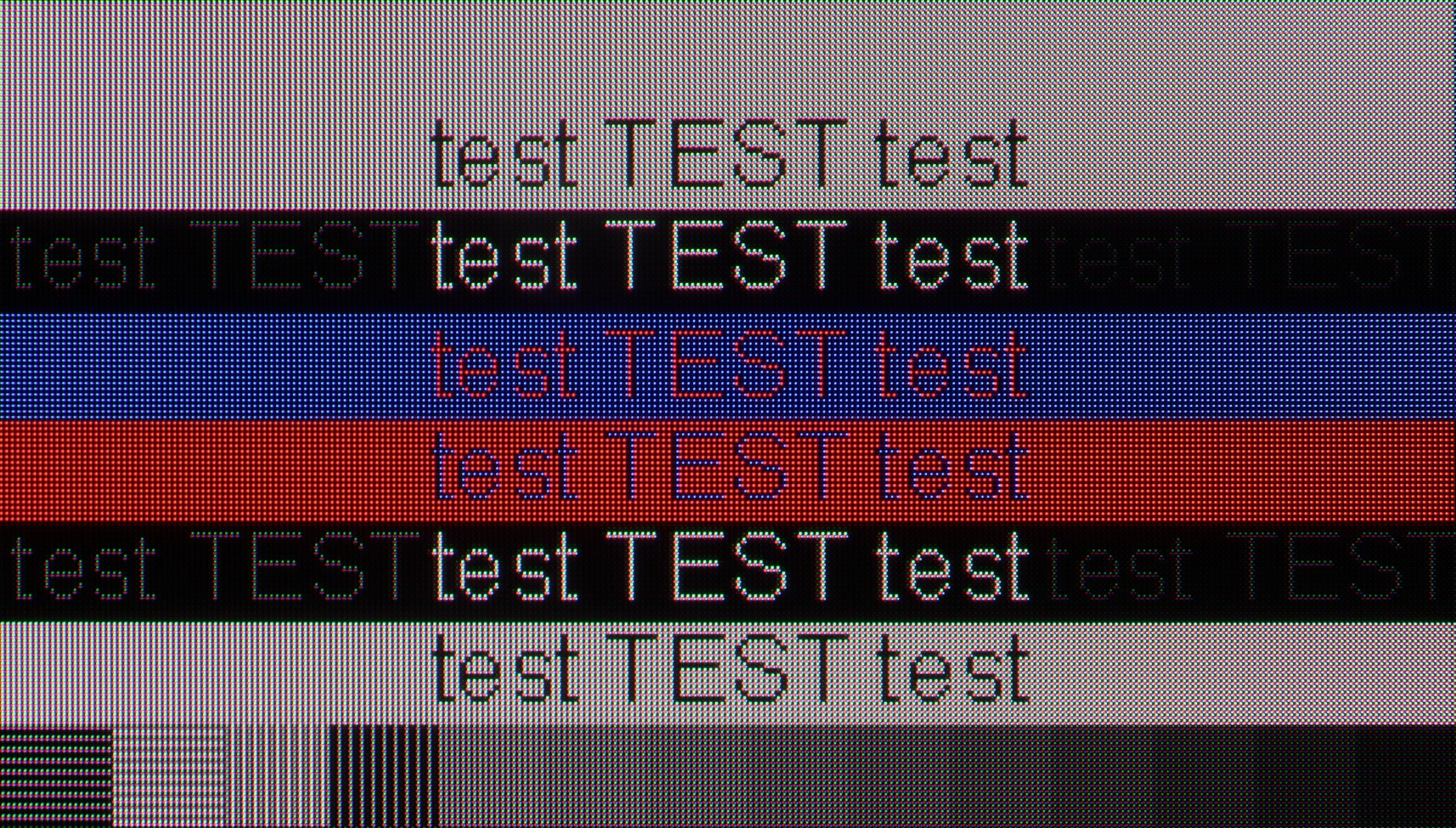
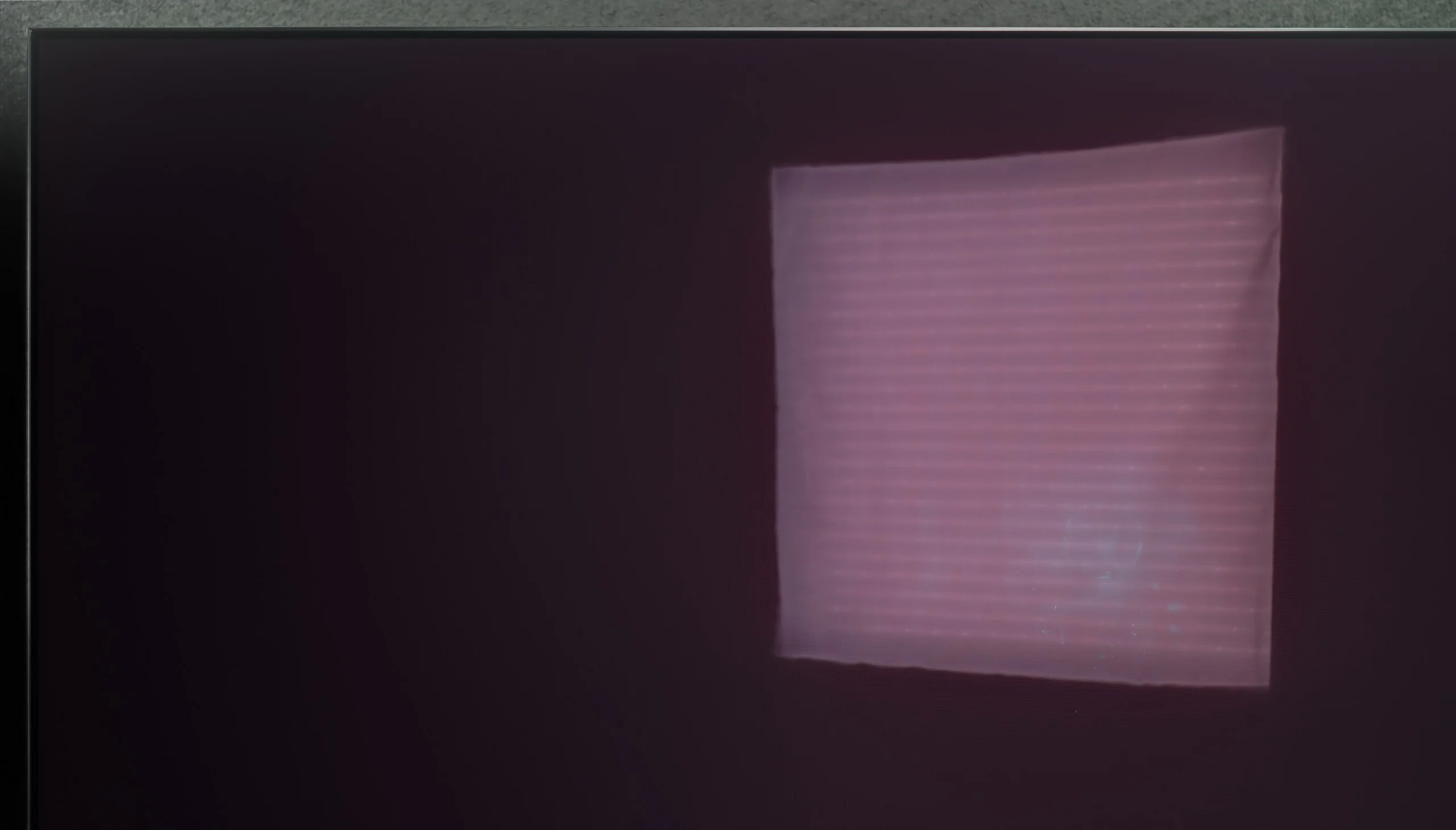
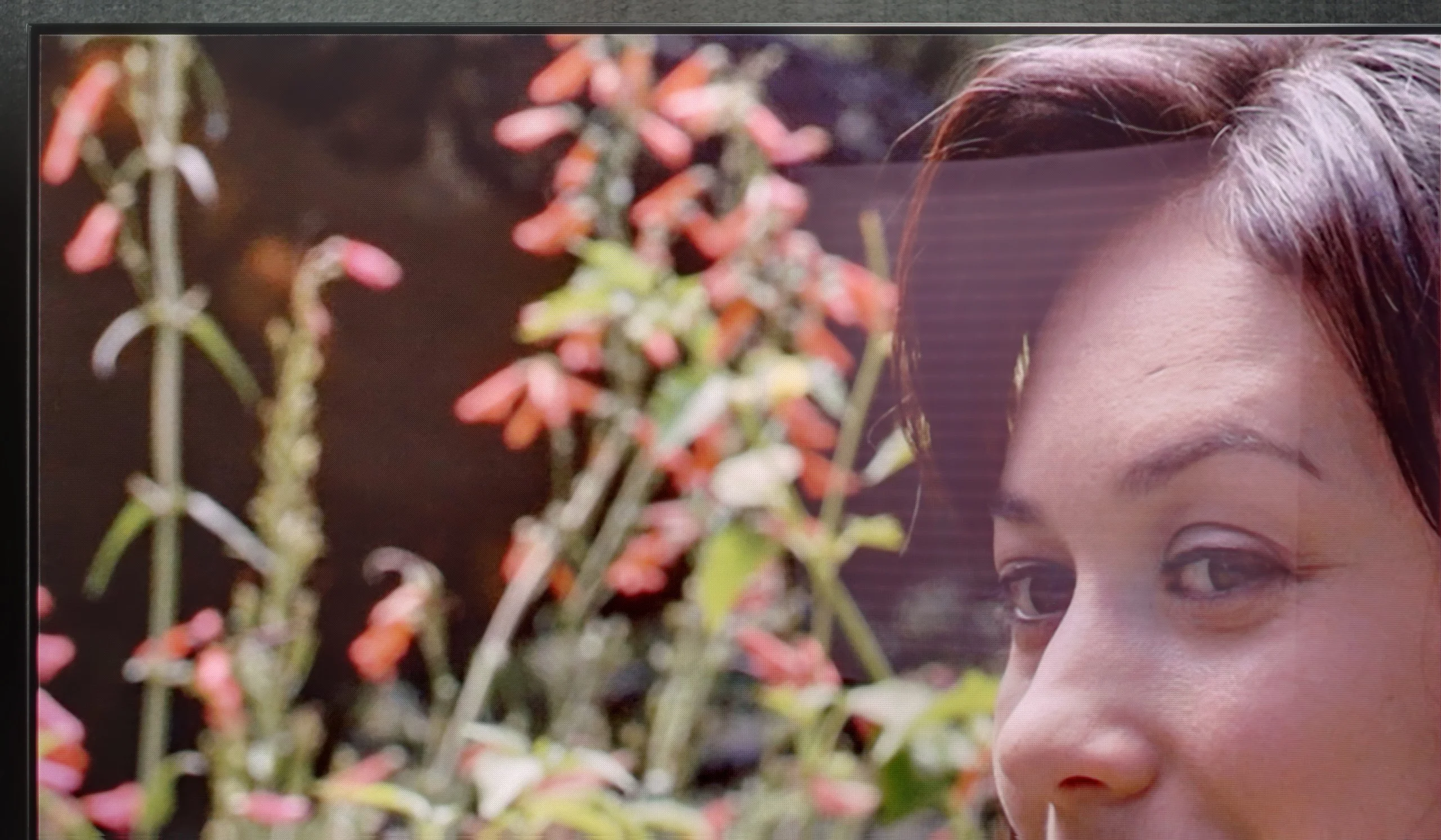
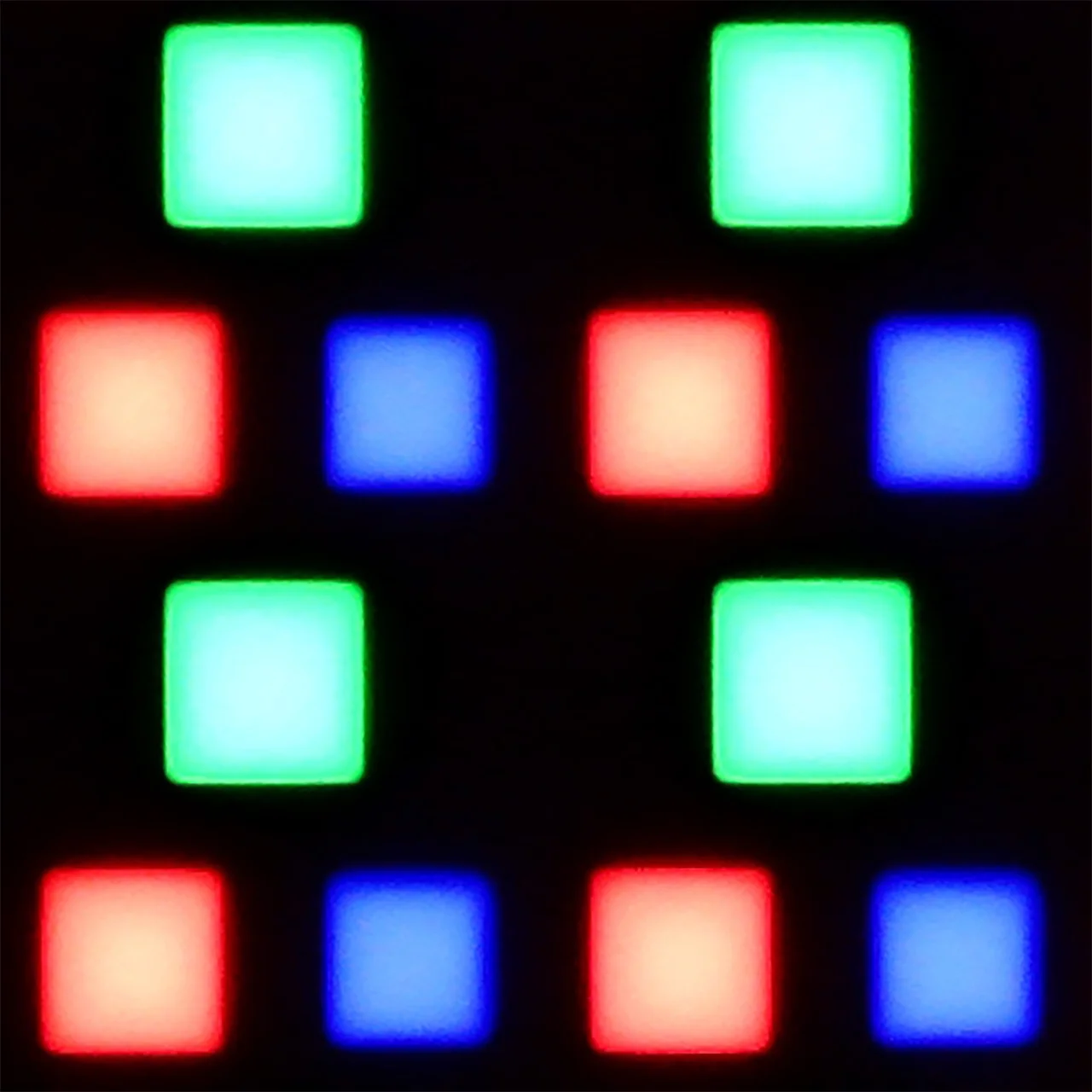
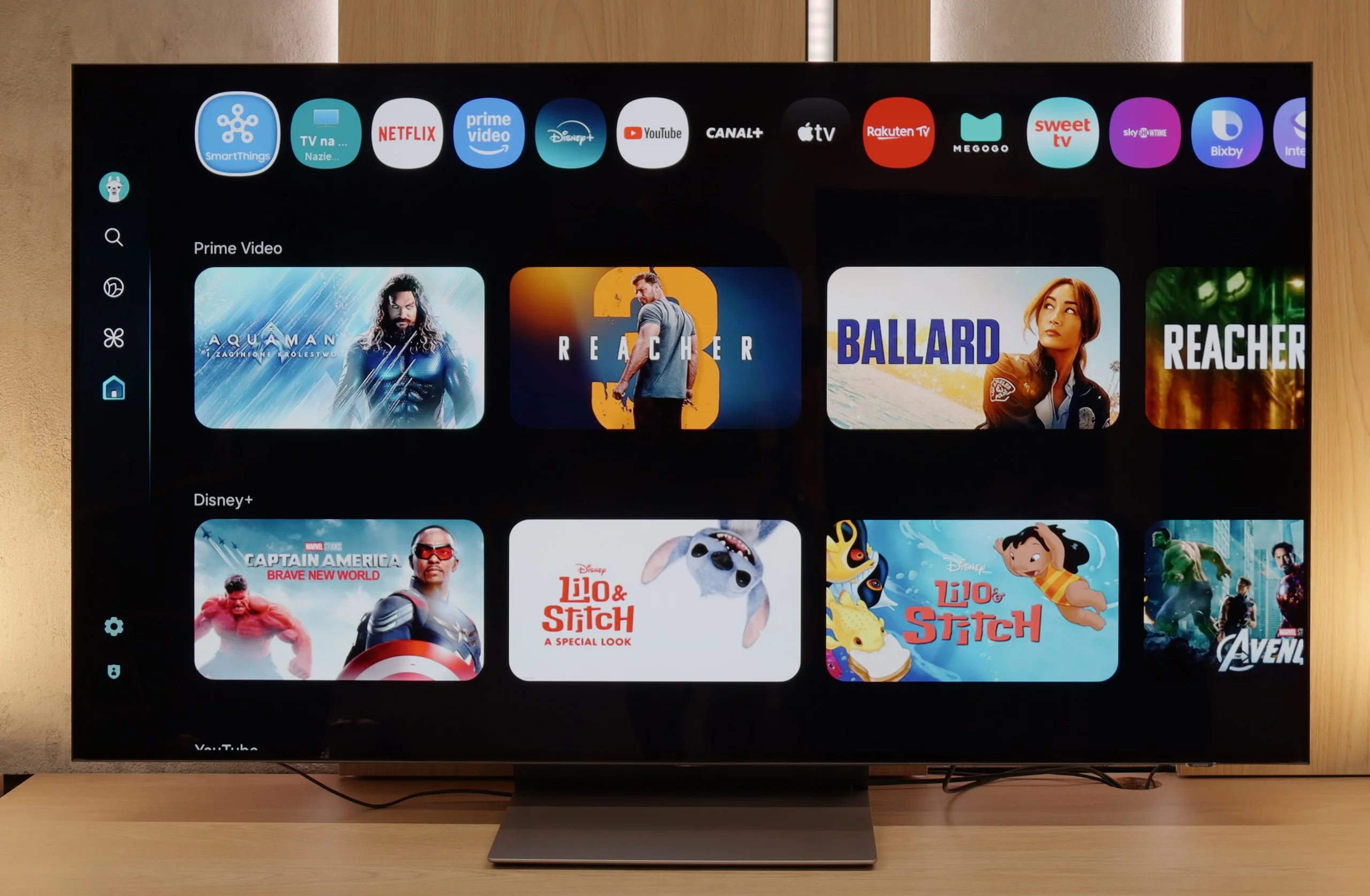
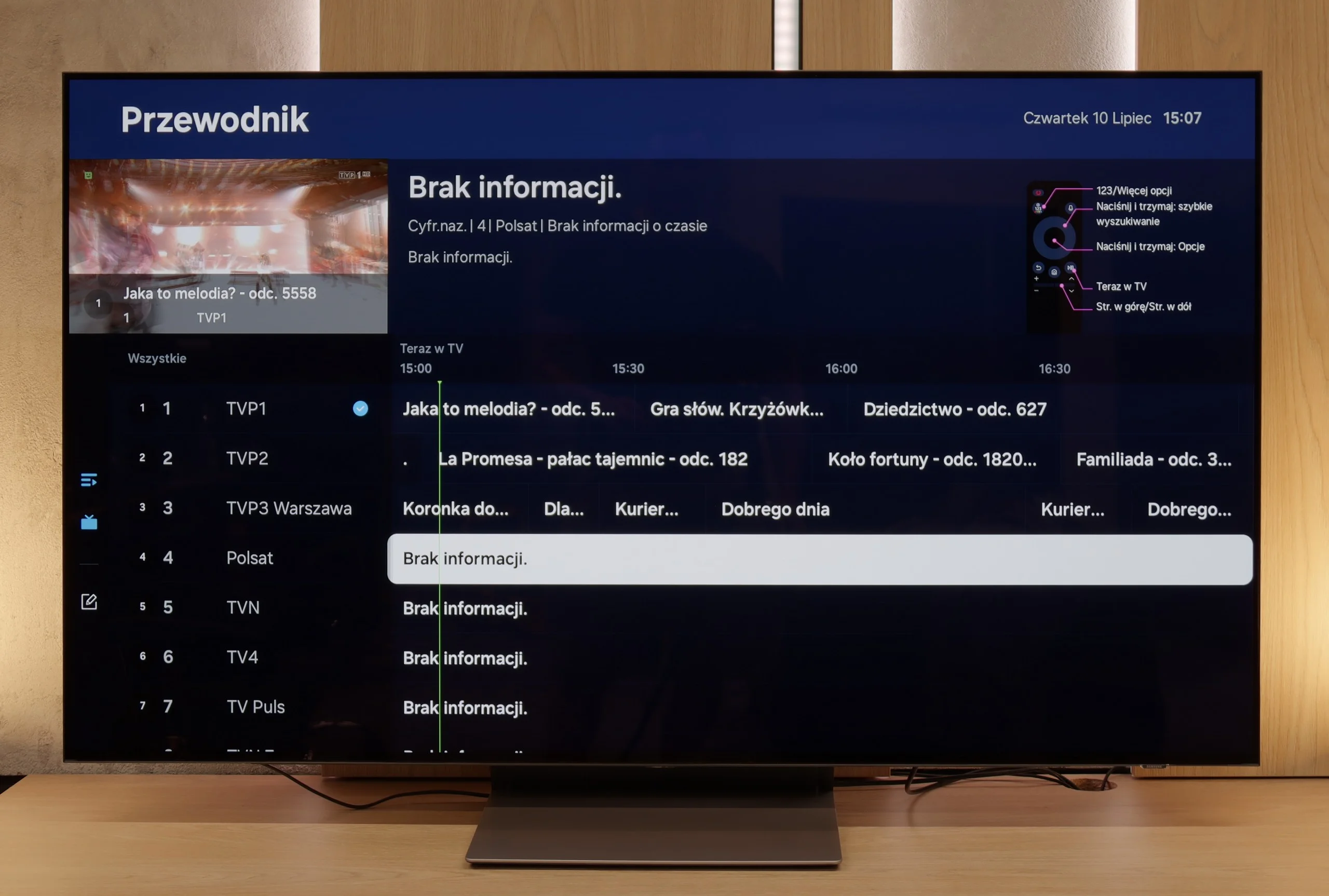
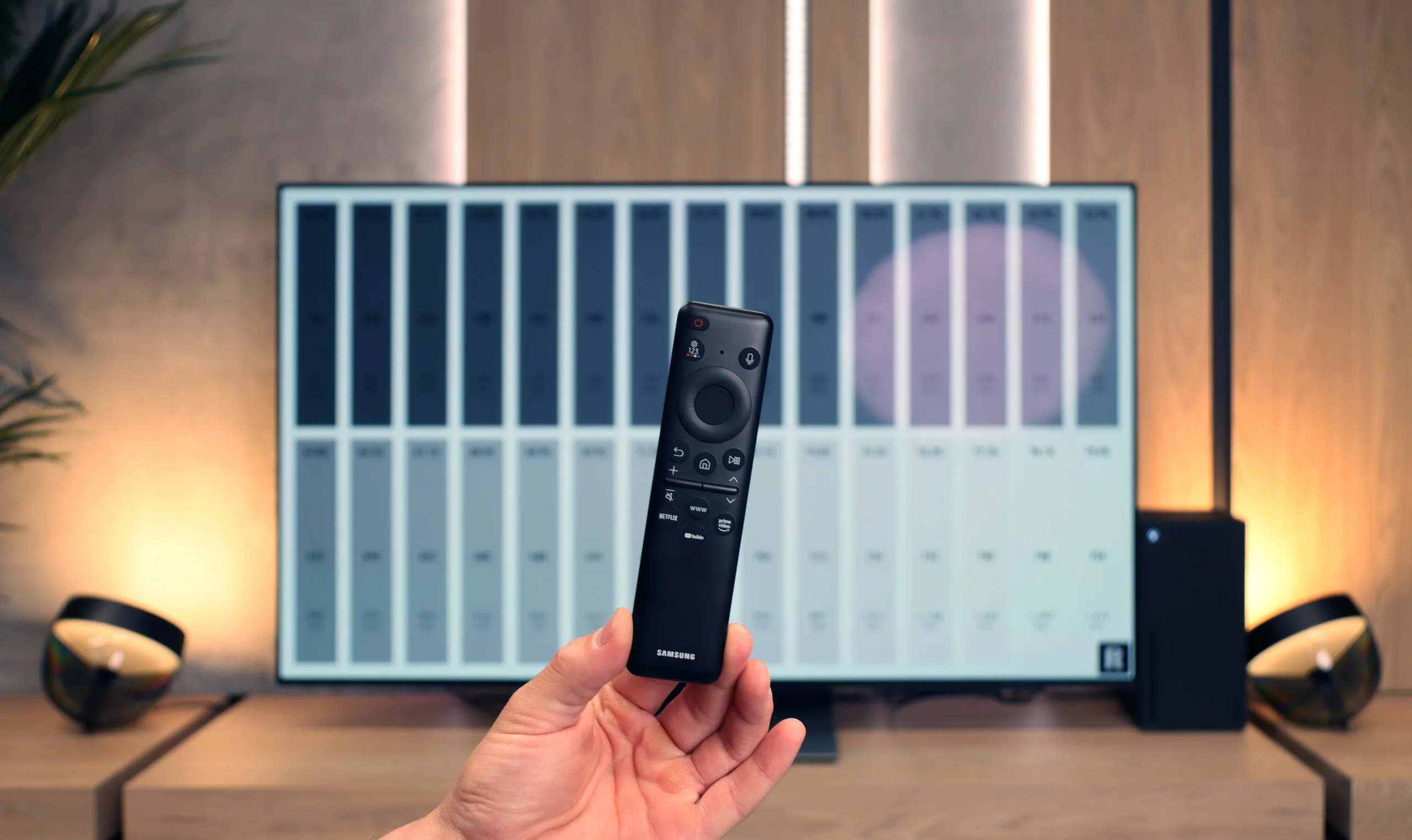
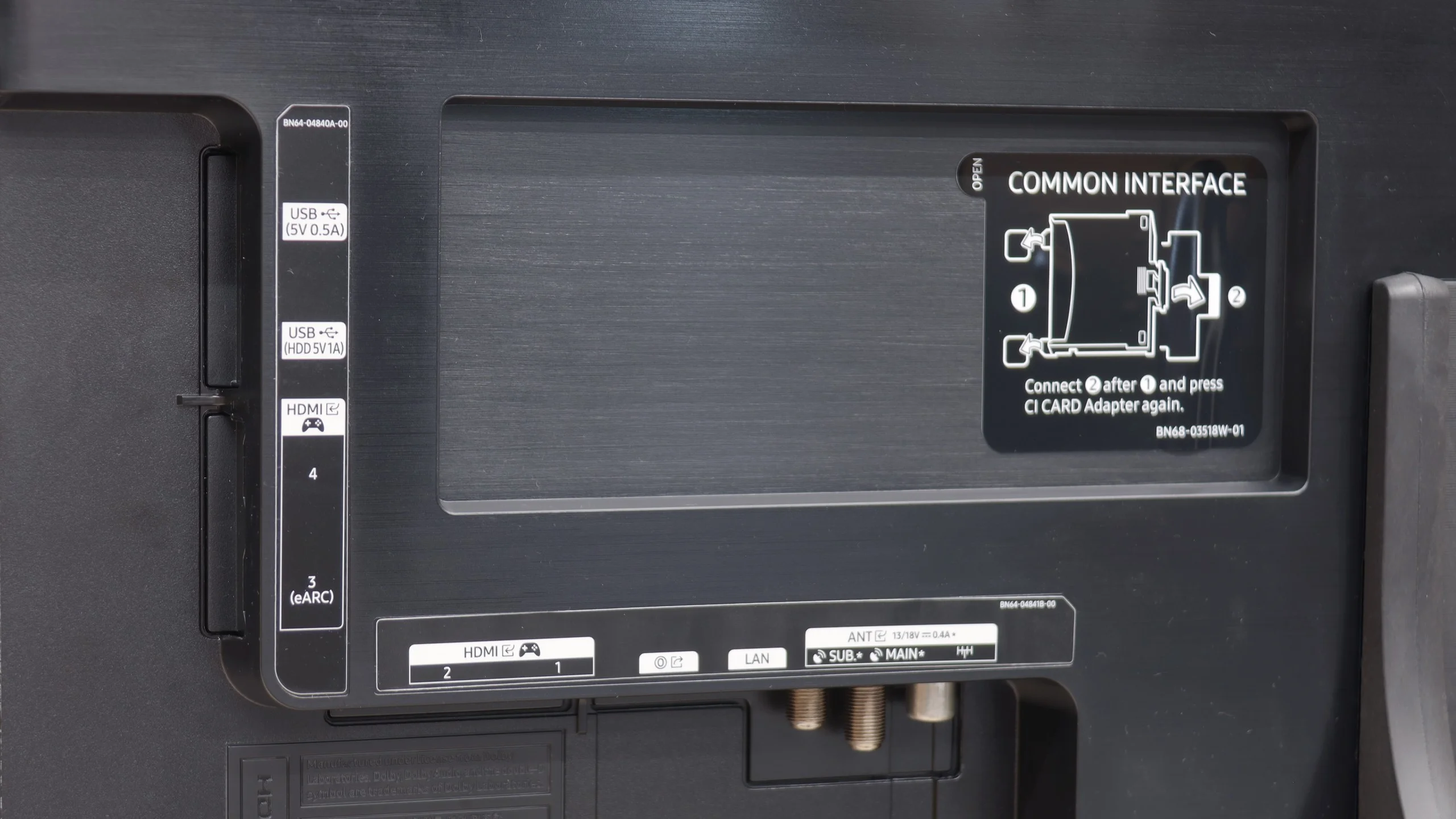
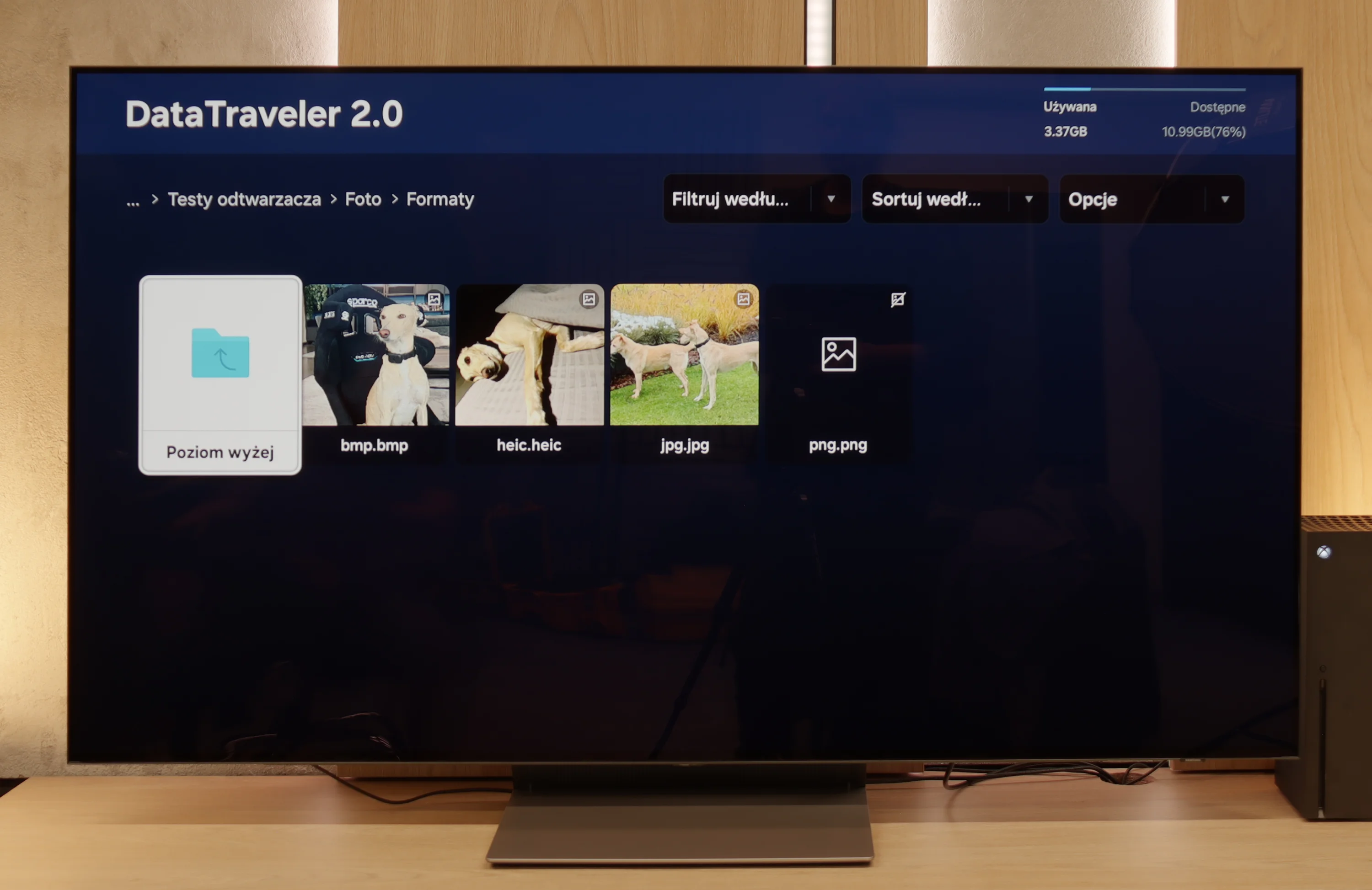
The Samsung S90F in the 65-inch version is a television that demonstrates the significant leap in quality that can be achieved with the use of a QD-OLED panel in a mid-range model. Compared to other variants, the S90F stands out as the best – it offers not only perfect blacks and infinite contrast like other options with a WOLED panel, but also noticeably higher brightness and a wider colour palette. This results in more impressive HDR, deeper colours, and smoother tonal transitions, which are impressive in both cinematic productions and in gaming or sports. In everyday use, it is an incredibly versatile television: it easily fits in as an entertainment hub in the living room, a large monitor for PC gaming, or simply a screen for evening film sessions. The Tizen system operates swiftly here, offering a wide selection of applications and integration with SmartThings, delighting those who like to have their smart home under control. Gamers receive a full suite of modern features: four full HDMI 2.1 ports, VRR, ALLM, a Game Bar with additional enhancements, and, most importantly, a remarkably low input lag. Additionally, there is the characteristic pixel response speed of OLEDs, which makes sports and games look simply outstanding. The S90F also defends itself in terms of design: slim bezels, an aesthetic finish, and a panel that resembles a sheet of glass all contribute to its appeal. The only significant limitation to keep in mind is the behaviour of blacks on QD-OLED panels in very challenging, heavily sunlit conditions. In such situations, it can slightly "light up," resembling a dark cherry colour rather than ideal black. However, in the evening, when most of us sit down for films or series – the problem disappears entirely. And then the S90F showcases its full capabilities, providing an image that can confidently be compared to televisions twice its price. This is precisely why the Samsung S90F in the 65-inch version can be called the most cost-effective OLED of 2025. It is a model that combines outstanding picture quality, versatility, and an affordable price in the mid-premium segment. If you are looking for a television that performs well in films, gaming, sports, and everyday viewing, yet you do not want to spend a fortune on absolute flagships – it is hard to find a better choice today.
 Direct comparison