LG OLED C5 vs Samsung S85F OLED

Direct comparison

Check the best price offer:

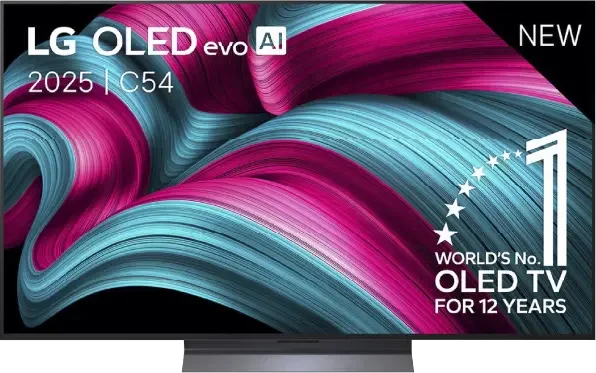
LG OLED C5
£1 799

C5 / C54 / C5ELB / C51

Info

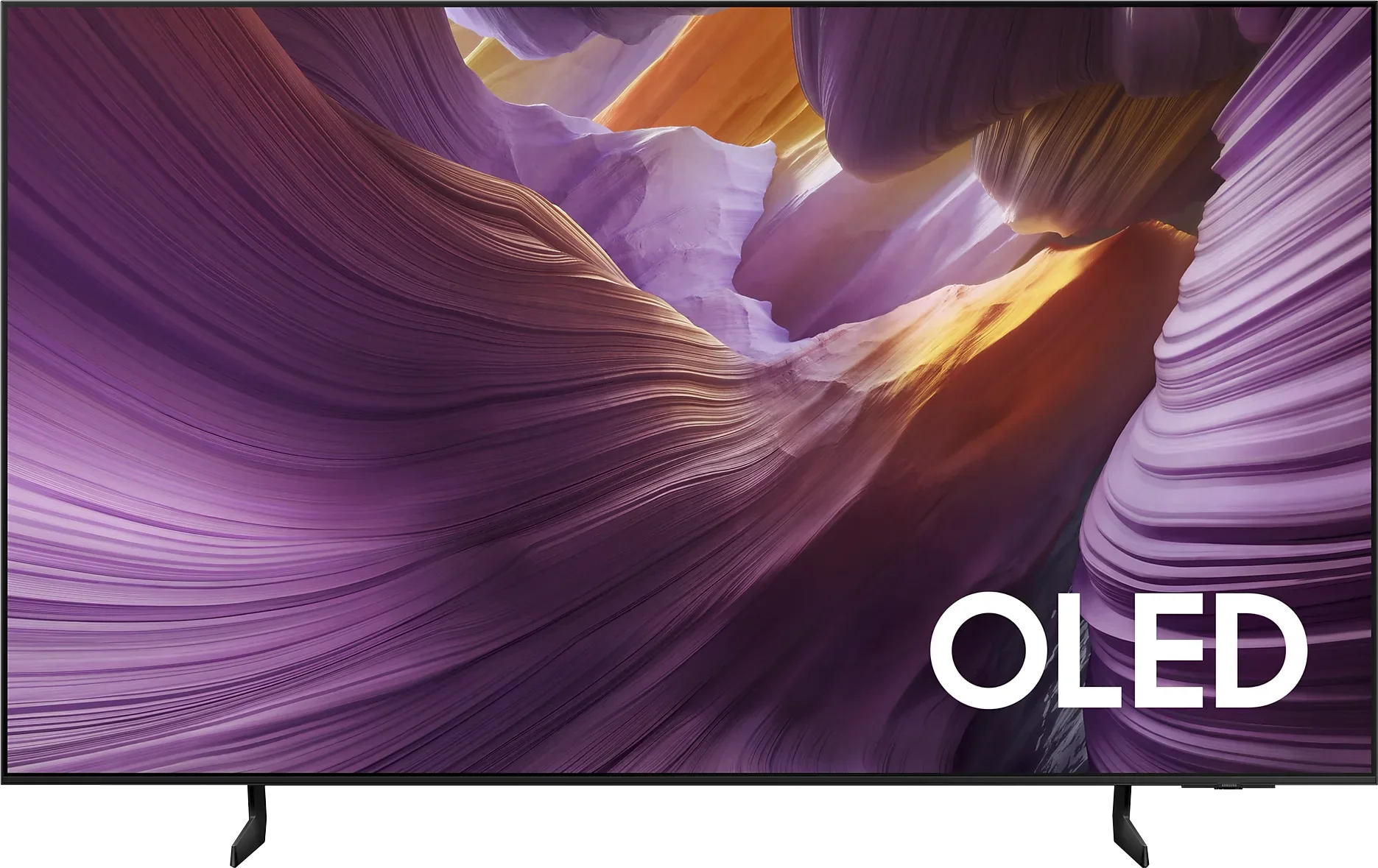
S85F / FAE / FAU

Info

Available screen sizes: 42”48”55”65”77”83”

Available screen sizes: 55”

Panel type: WRGB OLED

Resolution: 3840x2160

System: WebOS

Model year: 2025

Complete the survey to find out the result

Panel type: QD-OLED

Resolution: 3840x2160

System: Tizen

Model year: 2025

Complete the survey to find out the result

Overall rating

8.2

8.1

  • Movies and series in UHD quality

    8.5

    8.4

  • Classic TV, YouTube

    8.9

    9.2

  • Sports broadcasts (TV and apps)

    8.6

    8.9

  • Gaming on console

    9.4

    9.6

  • TV as a computer monitor

    8.6

    7.6

  • Watching in bright light

    6.2

    5.1

  • Utility functions

    7.9

    7.3

  • Apps

    9.1

    9.3

  • Sound quality

    7.2

    7.2

Advantages

  • Excellent black levels and infinite contrast thanks to the OLED panel

  • Above-average brightness (for an OLED TV)

  • Nearly reference image quality after calibration

  • A full suite of features for gamers: 4xHDMI 2.1, low input lag, HGiG, VRR and more

  • Very good motion smoothness – 144 Hz OLED panel

  • Intuitive and modern WebOS system

  • Convenient Magic remote control with gyroscope

  • Amazing black and contrast

  • Incredible colour palette coverage thanks to the QD-OLED matrix

  • Great picture in SDR and HDR content

  • High colour fidelity after calibration

  • Very good image smoothness – 120 Hz OLED matrix

  • Rich set of features for gamers: VRR, Game Bar, low input lag

  • 4 HDMI 2.1 ports with full bandwidth of 48 Gbps

  • Advanced and smoothly operating Tizen system

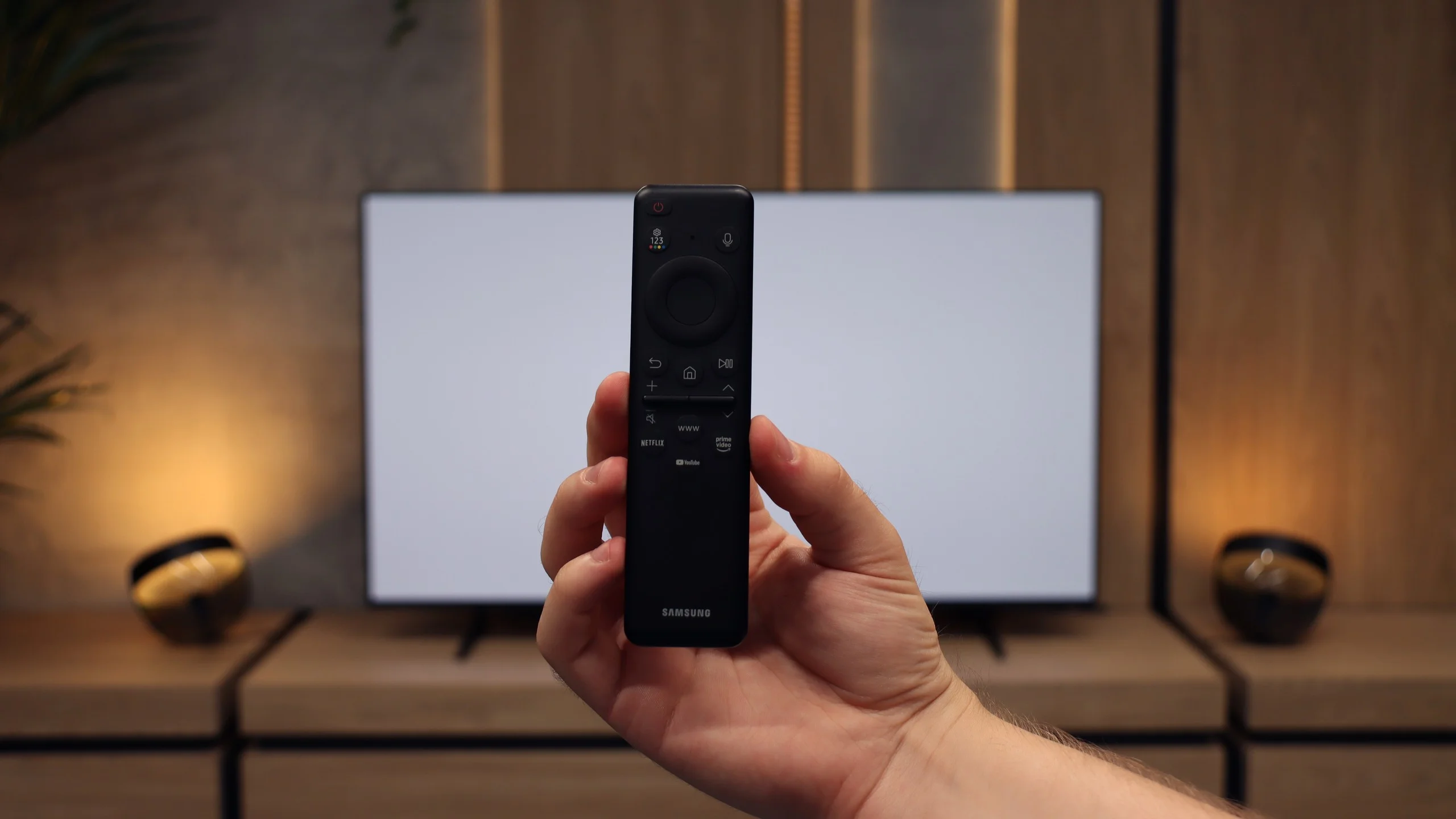
  • Solar Remote with multiple options

Disadvantages

No like
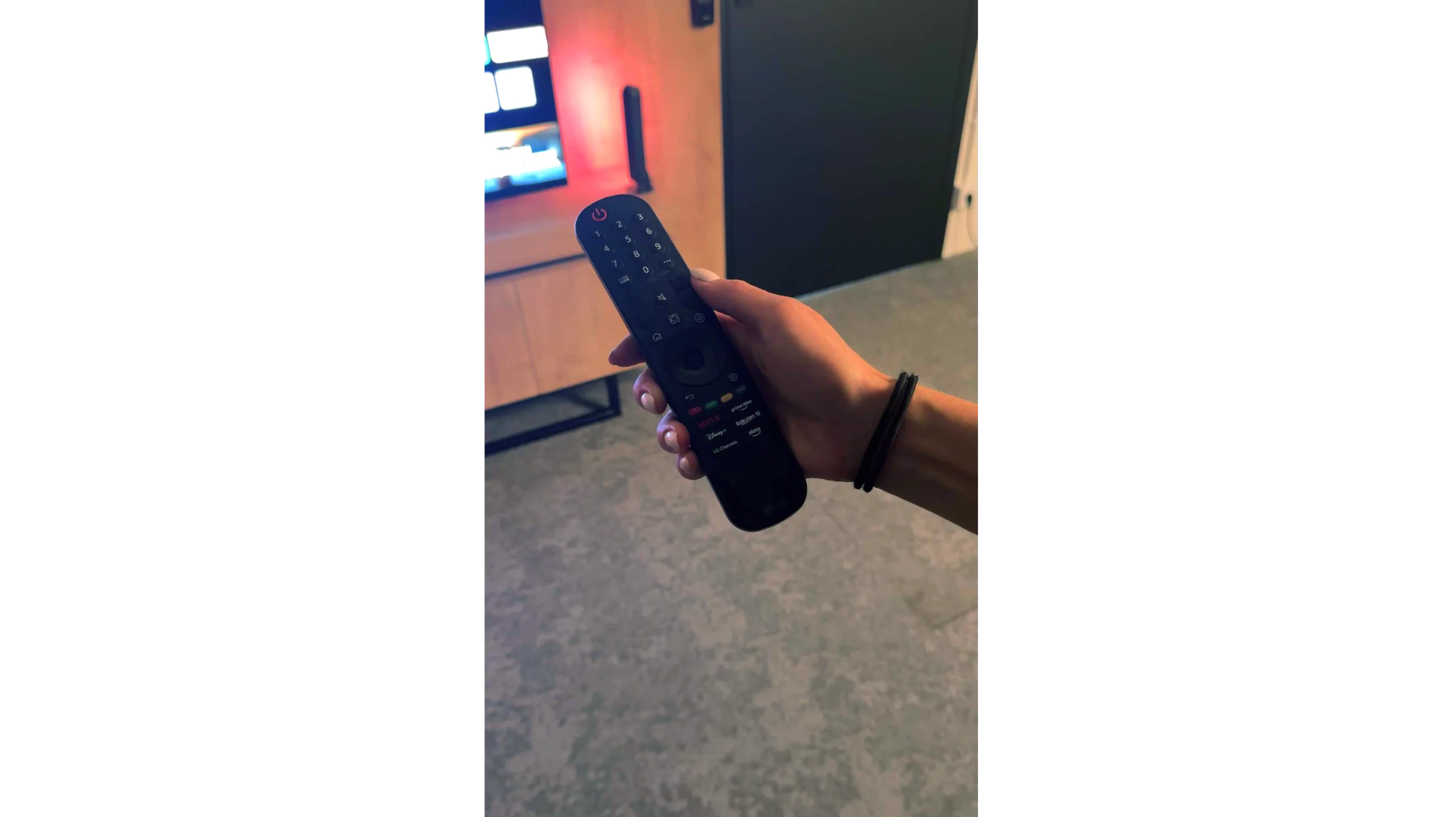
  • Different versions of the remote in derivative models – it's hard to predict which version we will get

  • Average reflection suppression – it can be distracting in very bright light

  • No support for DTS:X – an external amplifier is required for full compatibility with this format

  • No recording function on USB and PiP

  • No Dolby Vision

  • Slightly cherry black in very strong external light (not noticeable when viewing in cinema conditions)

Our verdict

LG C5 is a very successful continuation and, in some aspects, even a step forward compared to last year's model C4. The biggest change is the significantly higher brightness – for the first time in the history of the C series, the barrier of 1000 nits has been exceeded, which greatly improves the quality of the HDR effect. Both films and series look more dynamic as a result, and bright scenes finally have the proper "glow". After calibration, the picture quality is nearly reference-level, and one could get the impression that we are dealing with equipment that is much more expensive than its price suggests. C5 is also one of the best choices for gamers – four full HDMI 2.1 ports, low input lag, support for VRR, G-Sync, and correctly implemented HGiG. Additionally, the 144 Hz panel makes not only gaming but also watching sports pure pleasure. The convenient WebOS system and the Magic remote with cursor control function also deserve praise – everything works smoothly and intuitively. This is a television that you simply want to use.

However, there were a few minor reservations. This year, LG has decided to abandon support for DTS codecs, which may be problematic for those using physical media and collections of Blu-ray films. It is also worth noting the confusion regarding the different versions of the remote – depending on the model designation, we may receive a completely different remote than the one we held during our tests. Despite these few comments, LG C5 is a television that makes an excellent impression in almost every regard. Brightness, colours, gaming features, smoothness of the image, and overall build quality make it one of the best OLEDs in its class.
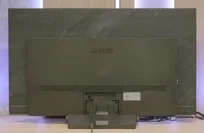
Samsung S85F with a QD-OLED panel can surprise – and it surprises very positively. Even before the tests, we didn't think that in the case of TVs that are talked about in the context of "panel lottery," one could come across something that would benefit the user. However, in this case, particularly in the 55-inch version, it has fully succeeded. The QD-OLED panel, as befits organic technology, offers perfect, almost ideal black and contrast in cinematic conditions. The difference lies, however, in the way colours are reproduced – here it is simply outstanding. The colour gamut coverage is impressive, and after a gentle calibration, the colours become almost exemplary. Motion fluidity is equally high. The 120 Hz panel handles both sports and action films excellently. And if someone plans to connect a console to the S85F, they will receive a complete set of advantages: low input lag, variable refresh rate, Game Bar, and full support for HDMI 2.1. In everyday use, we were assisted by the Tizen system – closed, but extremely well-designed. It responds quickly, offers a rich selection of applications, and add-ons such as AirPlay and voice control make it hard to find something more complete in this category. Indeed, the S85F is not without its flaws. However, the balance of advantages and disadvantages is exceptionally favourable here. One could even get the impression that it is one of the best TVs in its price segment.

[UPDATE] We have updated our 2025 Samsung TV reviews following the release of firmware version 1131, which officially restores the essential HGiG (HDR Gaming Interest Group) support.

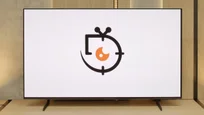
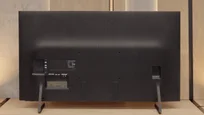
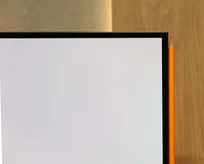
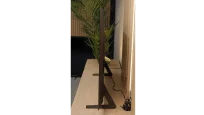
TV appearance

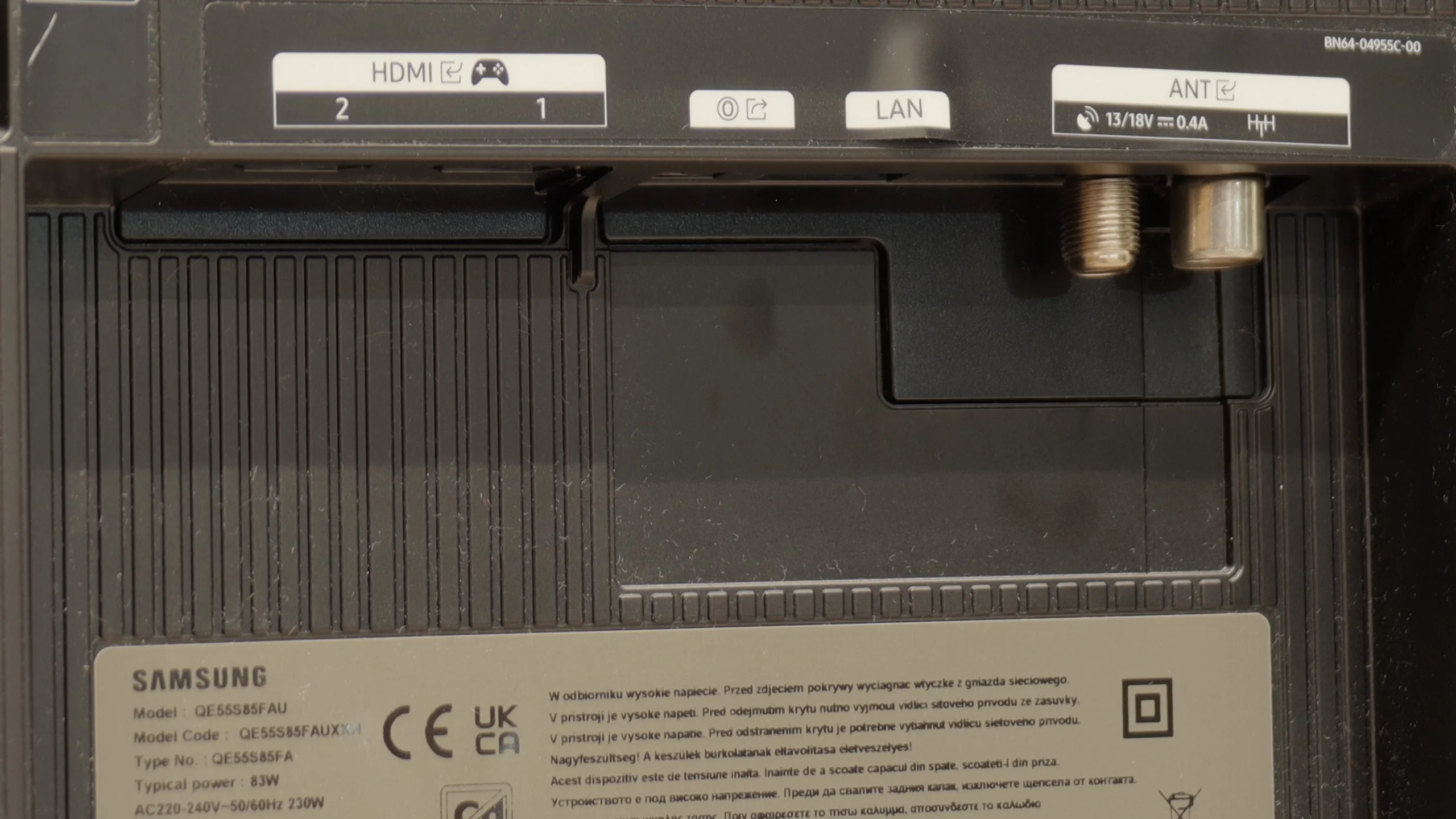
HDMI inputs
0 x HDMI 2.0, 4 x HDMI 2.1 (48Gbps)
Other inputs
IR (remote)
Toslink (Optical audio)
Outputs
Toslink (Optical audio), eARC (HDMI), ARC (HDMI)
Network Interfaces
Wi-Fi 2.4GHz, Wi-Fi 5GHz, Ethernet (LAN) 100Mbps
Build quality
Premium
Good
Stand type
Central
Legs
Bezel color
Graphite
Graphite
Stand
Fixed
Base adjustment
Accessories
Stand
Stand

Contrast and black detail

10/10

10/10

Contrast:

Review LG OLED C5 Contrast and black detail

Result

:1

Review LG OLED C5 Contrast and black detail

Result

:1

Review LG OLED C5 Contrast and black detail

Result

:1

Review LG OLED C5 Contrast and black detail

Result

:1

Review LG OLED C5 Contrast and black detail

Result

:1

Review Samsung S85F OLED Contrast and black detail

Result

:1

Review Samsung S85F OLED Contrast and black detail

Result

:1

Review Samsung S85F OLED Contrast and black detail

Result

:1

Review Samsung S85F OLED Contrast and black detail

Result

:1

Review Samsung S85F OLED Contrast and black detail

Result

:1

Halo effect and black detail visibility:

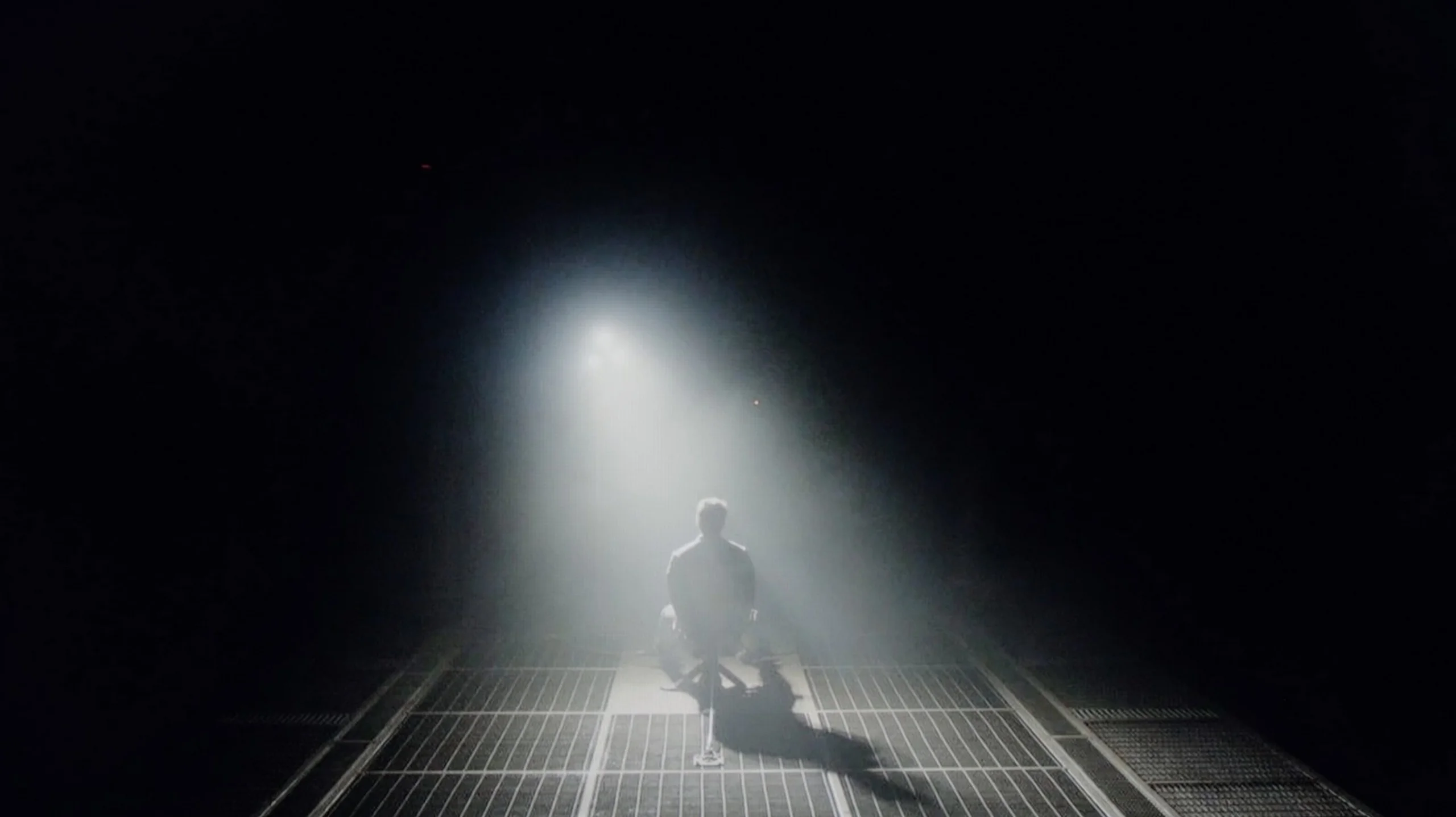
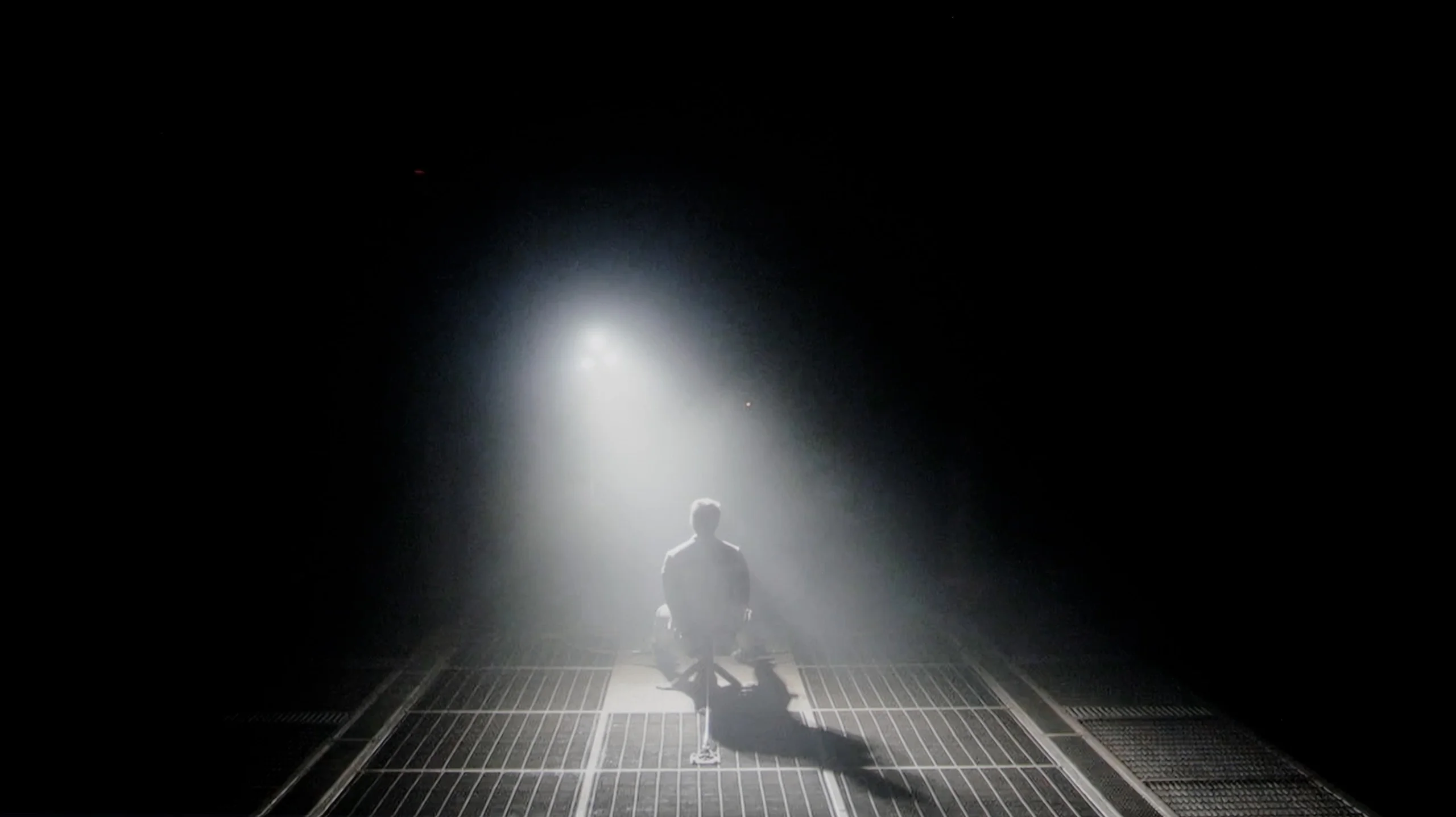
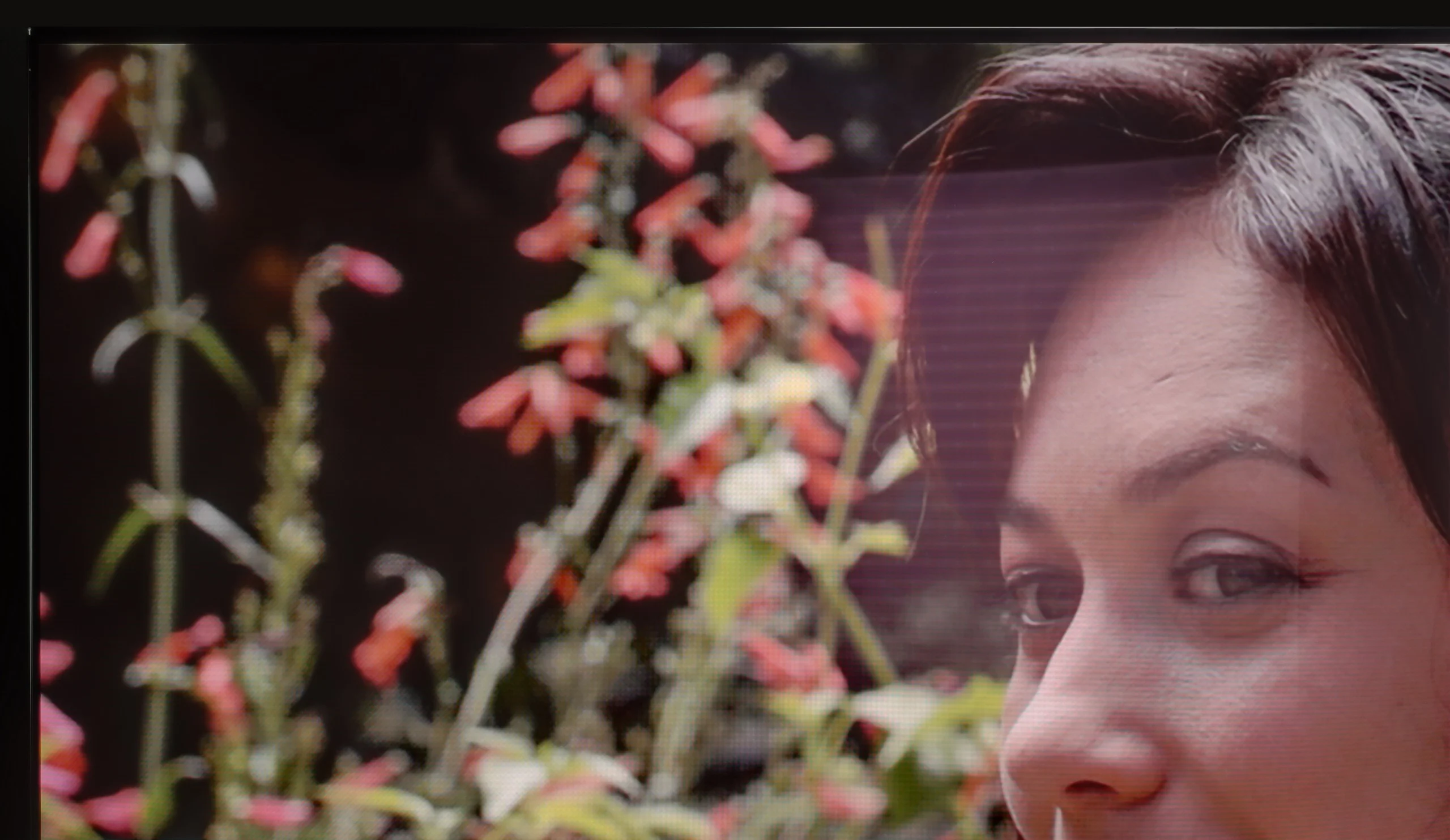
Check the visibility of bright lights on a dark background. Mini-LEDs often struggle with this. The photo does not compare black levels – that’s what the video below is for.

The video accurately shows differences in contrast and black levels between TVs, as well as potential issues: halo around bright objects or Mini-LED zone operation visible as brightness jumps.

In the category of black and contrast, the LG C5 fits perfectly into what we have come to expect from OLED televisions – it is simply ideal. Thanks to the use of an organic matrix (WOLED), each pixel shines independently, which results in infinite contrast and perfect black. There are no halos, streaks, or other typical LCD television artifacts here. Details in bright parts of the image are perfectly visible, and watching in a darkened room is pure pleasure. If someone is looking for a television for evening screenings with great contrast – the C5 is a very strong contender.

The Samsung S85F in the 55-inch version has something exceptional about it – it features a QD-OLED panel. This may sound quite surprising, but it is a fact, at least in Poland. Thus, the question arises: is the difference noticeable compared to last year's S85D with a WOLED panel? Yes, although in this particular test – black levels and contrast – it hardly matters.

Regardless of the scene, the S85F delivers infinite contrast and perfect blacks that we expect from any OLED. These are results that can impress even the most demanding cinema enthusiasts. It's worth remembering that such deep blacks can only be offered by TVs with organic panels – and it doesn't matter whether it's WOLED or QD-OLED. So, if you dream of a screen that can "turn off" the light in a scene just as effectively as an art house cinema in a dark room, the S85F is one of those TVs.

HDR effect quality

7.2/10

6.2/10

Supported formats
HDR10, Dolby Vision, Dolby Vision IQ, HLG
HDR10, HDR10+, HLG
Color gamut coverage
DCI P3: 97.0%, Bt.2020: 73.0%
DCI P3: 100.0%, Bt.2020: 86.2%

Luminance measurements in HDR:

Review LG OLED C5 Brightness measurement

Result

1079 nit

Review LG OLED C5 Brightness measurement

Result

1059 nit

Review LG OLED C5 Brightness measurement

Result

1120 nit

Review LG OLED C5 Brightness measurement

Result

1094 nit

Review LG OLED C5 Brightness measurement

Result

707 nit

Review Samsung S85F OLED Brightness measurement

Result

666 nit

Review Samsung S85F OLED Brightness measurement

Result

703 nit

Review Samsung S85F OLED Brightness measurement

Result

742 nit

Review Samsung S85F OLED Brightness measurement

Result

732 nit

Review Samsung S85F OLED Brightness measurement

Result

433 nit

Scene from the movie “Pan” (about 2800 nits)

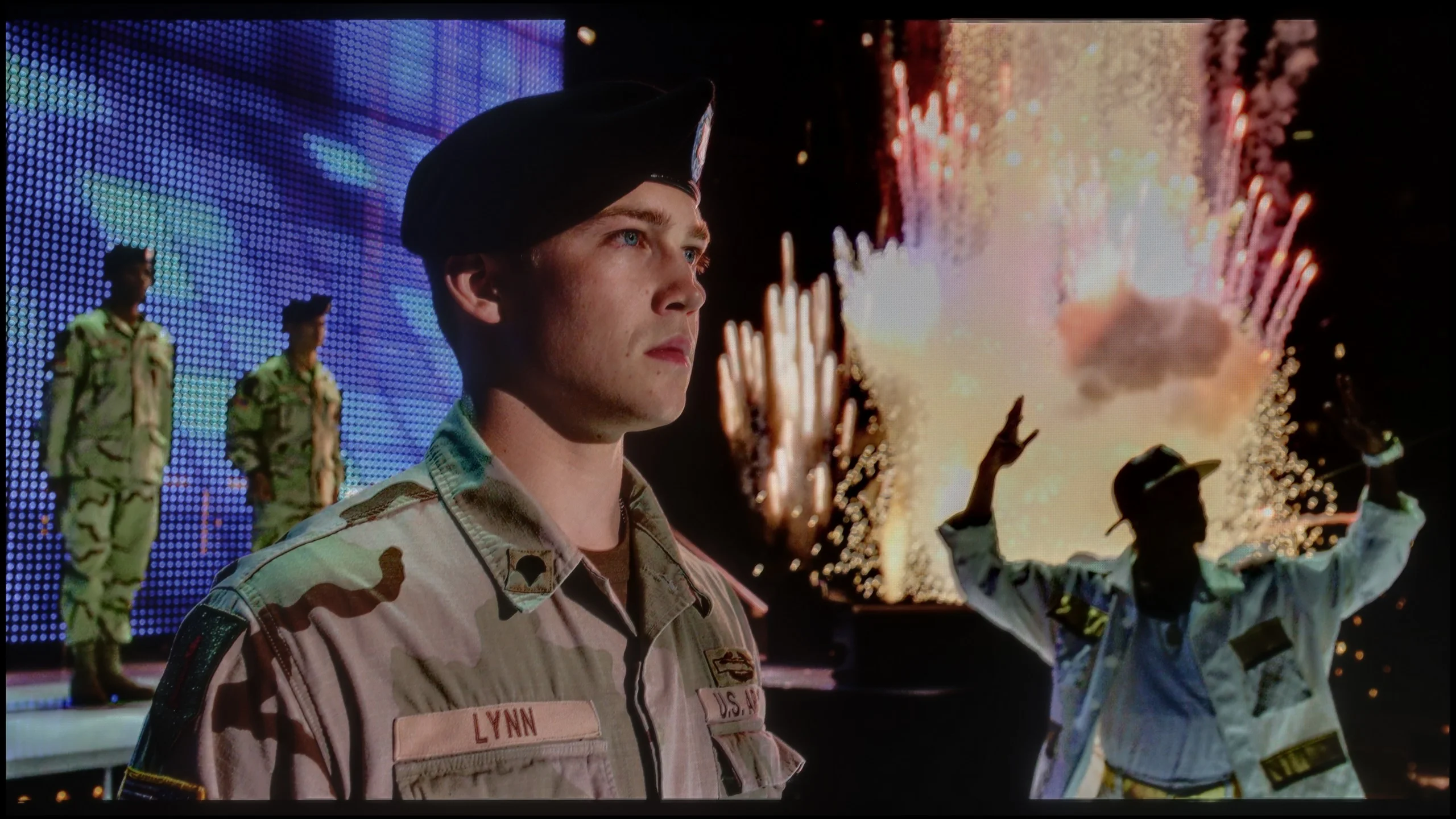
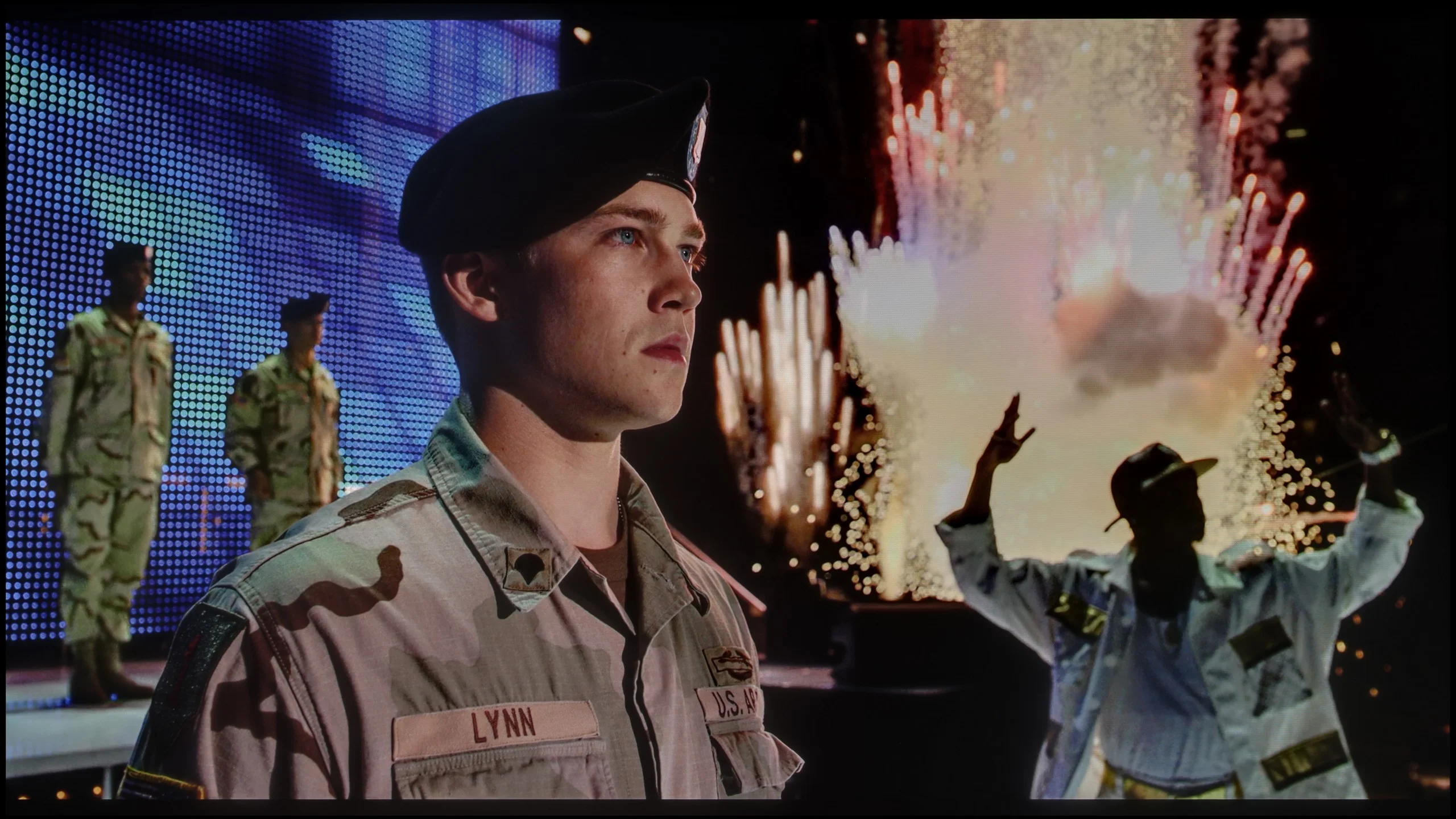
Scene from the movie “Billy Lynn” (about 1100 nits)

The photos show two HDR10 movies. 'Pan' is one of the brightest productions ever made, while 'Billy Lynn' (soldier) has brightness typical of streaming (Netflix, Prime, HBO MAX). Notice the intensity of effects and detail in whites.

Static HDR10

The photos present the visibility of white details in various HDR formats. They do not show brightness differences between TVs (these can be compared in the previous gallery).

Dynamic: Dolby Vision

Dynamic: HDR10+

The photos present the visibility of white details in various HDR formats. They do not show brightness differences between TVs (these can be compared in the previous gallery).

HDR luminance chart:

Samsung S85F OLED

LG OLED C5

Luminance of RGB colors

LG C5 finally does what we have been waiting for years in the C series – it exceeds 1000 nits of brightness! This is a significant change compared to previous models in the series, and it is very important – because most HDR content on streaming platforms is now created around such luminance. The image finally has the proper "shine," and the details in the highlights look as they should even without the use of dynamic metadata. However, there are scenes where the C5, like most OLED televisions, has certain issues. Especially when the screen needs to light up completely. In our test sequences, such as the bright shot from the film The Meg, the brightness clearly drops. Don't get us wrong, this result is not bad; it's more a reminder that OLED technology still has its limitations. Year by year they are becoming smaller, but still.

As for the colours? They are very good. Although the C5 does not match OLEDs with QD-OLED or Tandem RGB panels, the DCI-P3 coverage of 97% and 73% BT.2020 will satisfy even the more demanding viewers. The colours are saturated, natural, and very consistent in HDR material.

For an OLED, the Samsung S85F can truly shine – literally. Under favourable conditions, it is capable of generating brightness exceeding 750 nits. This is hugely significant, as most films are created with displays reaching around 1000 nits in mind. In practice, this means that in scenes with moderately large, bright elements, the image can look simply fantastic. However, it's not always so rosy. When there is a huge amount of light on the screen – whether it's an expansive, bright background or a whole frame filled with white – the S85F has to tone it down. In such scenes, brightness can drop by even four times. This limitation is well-known to essentially every OLED in this price segment, so we do not consider it a particular shortcoming. However, something that deserves praise and sets this model apart from the competition is its colour gamut coverage. Thanks to the QD-OLED panel, our colourimeter recorded values exceeding 100% DCI-P3 coverage and as much as 86% for the ultra-wide BT.2020 gamut. Such results are hard to find even in televisions costing several times more.

Factory color reproduction

8.2/10

5.5/10

This gallery shows how colors change after professional TV calibration. If you notice the difference, we recommend ordering this service at SkalibrujTV.com.

Factory Mode

After calibration

This gallery shows how colors change after professional TV calibration. If you notice the difference, we recommend ordering this service at SkalibrujTV.com.

Factory Mode

After calibration

LG C5, like other televisions we have tested, has been checked in the best possible factory mode – which remains the Filmmaker Mode. And here we have good news: in SDR materials, LG has once again done a solid job. The white balance and colour reproduction right out of the box are at a very high level. Most errors – both in balance and in the colour test (Colour Checker) – did not exceed a ΔE value of 3, which is the threshold above which differences become visible to the naked eye. Such factory settings would be desirable in a significantly larger number of televisions!

However, the situation looks different for HDR content, which is precisely what the C series was created for. Here, the C5 performs somewhat worse. The excessive presence of blue in the white balance causes the image to appear distinctly cooler – which affects, for instance, unnaturally pale skin tones or a slightly shifted tone of the entire scene. Fortunately, LG provides very precise calibration tools, and we – as always – made use of them.

Samsung, as befits a manufacturer with ambitions, has equipped the S85F with a mode called Filmmaker. Its task is simple: to ensure that the colours on the newly purchased television are as true to what the director intended as possible. Sounds great… but, as is often the case, a theory that sounds great does not always translate into perfect practice.

In the tested unit, it quickly became apparent that the image – due to an excess of blue and red – looked as though someone had overdone the saturation a bit. As a result, quite significant colour errors occurred, particularly in 4K content. Moreover, there was a problem with brightness – the S85F could brighten most scenes more than it should, taking away their intended mood.

Fortunately, Samsung televisions, including the S85F, offer an impressive number of settings for advanced calibrators. This means that we could test what this panel is truly capable of when placed in the right hands.

Color reproduction after calibration

9.4/10

9.3/10

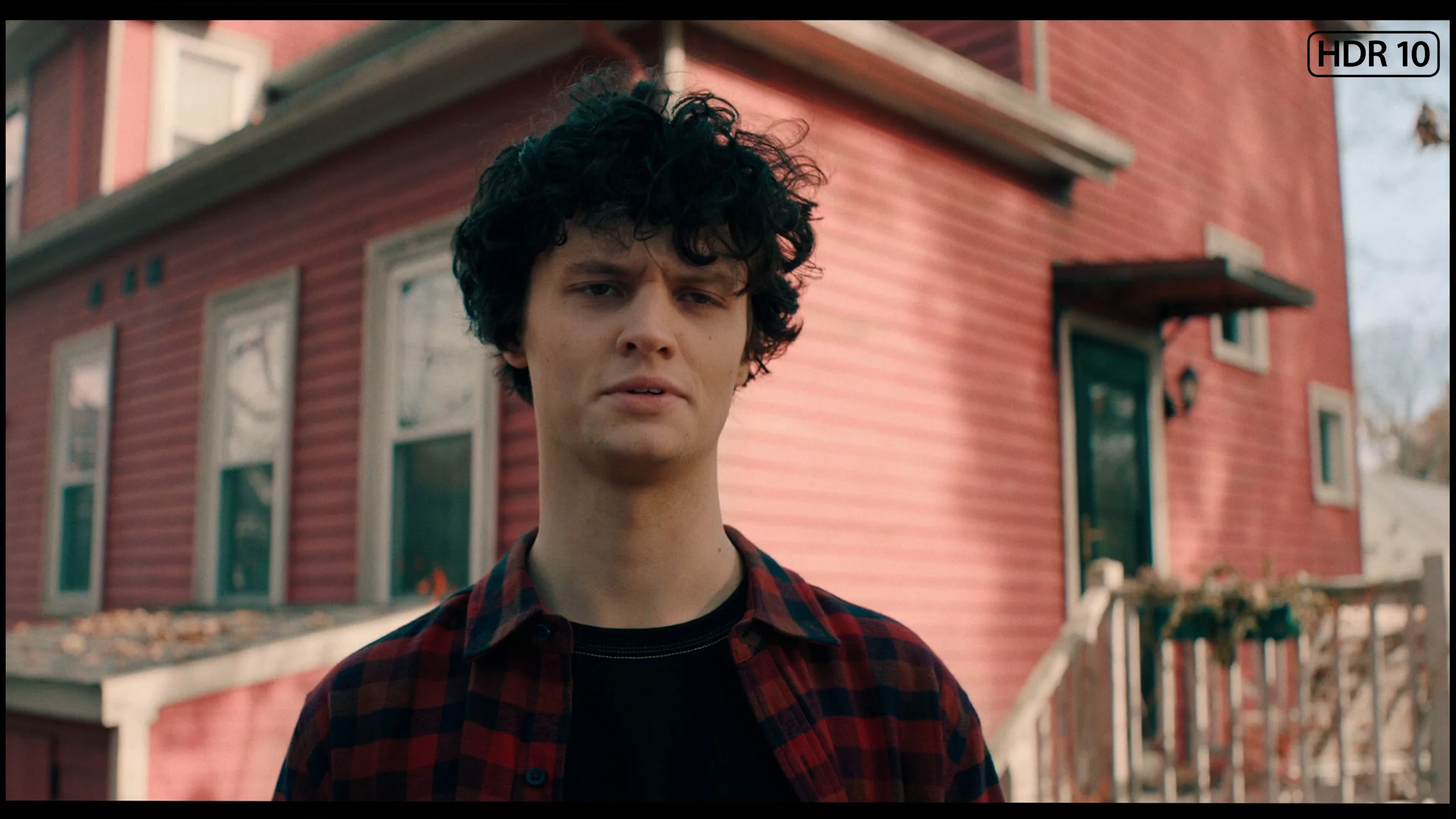
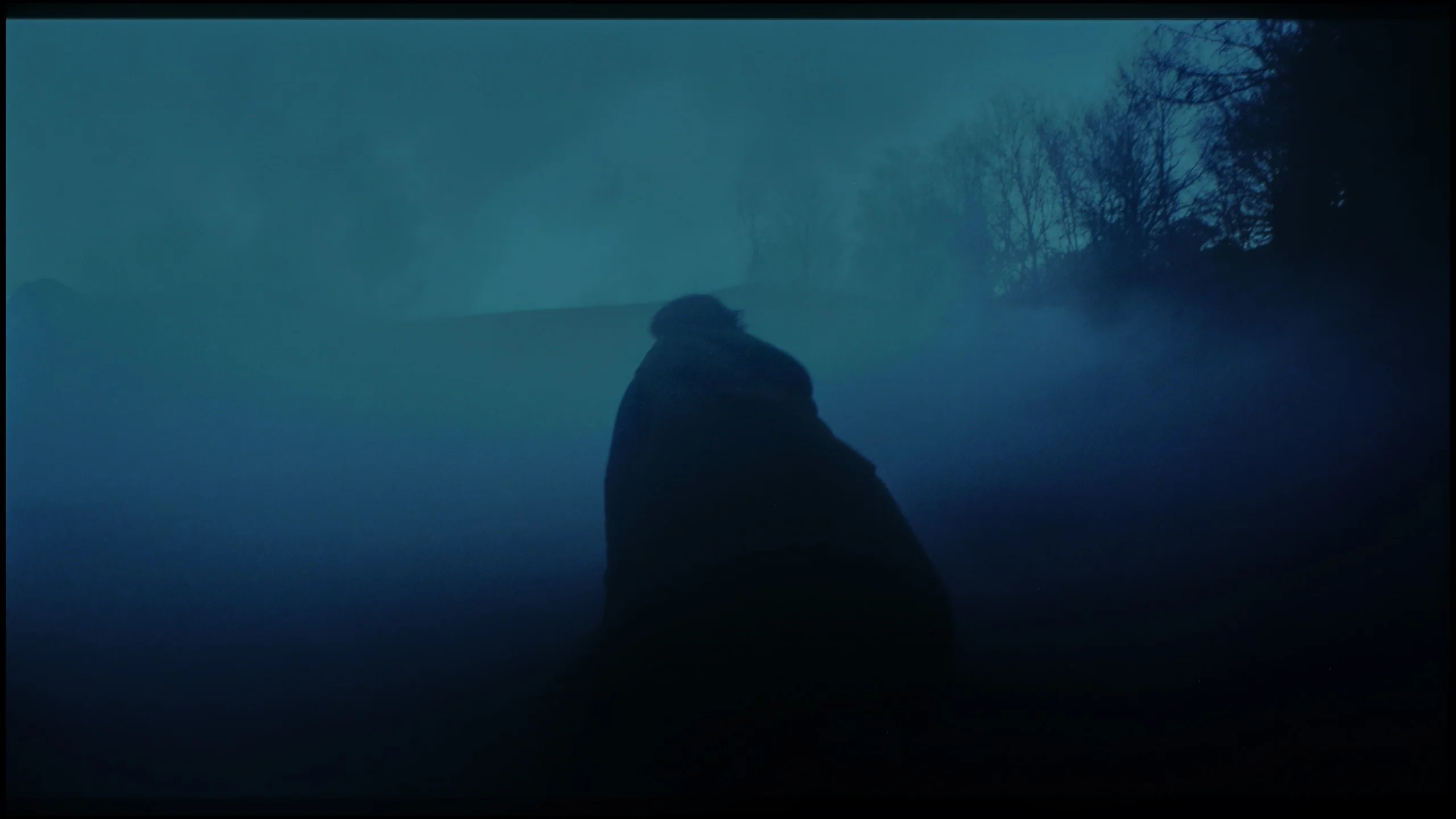
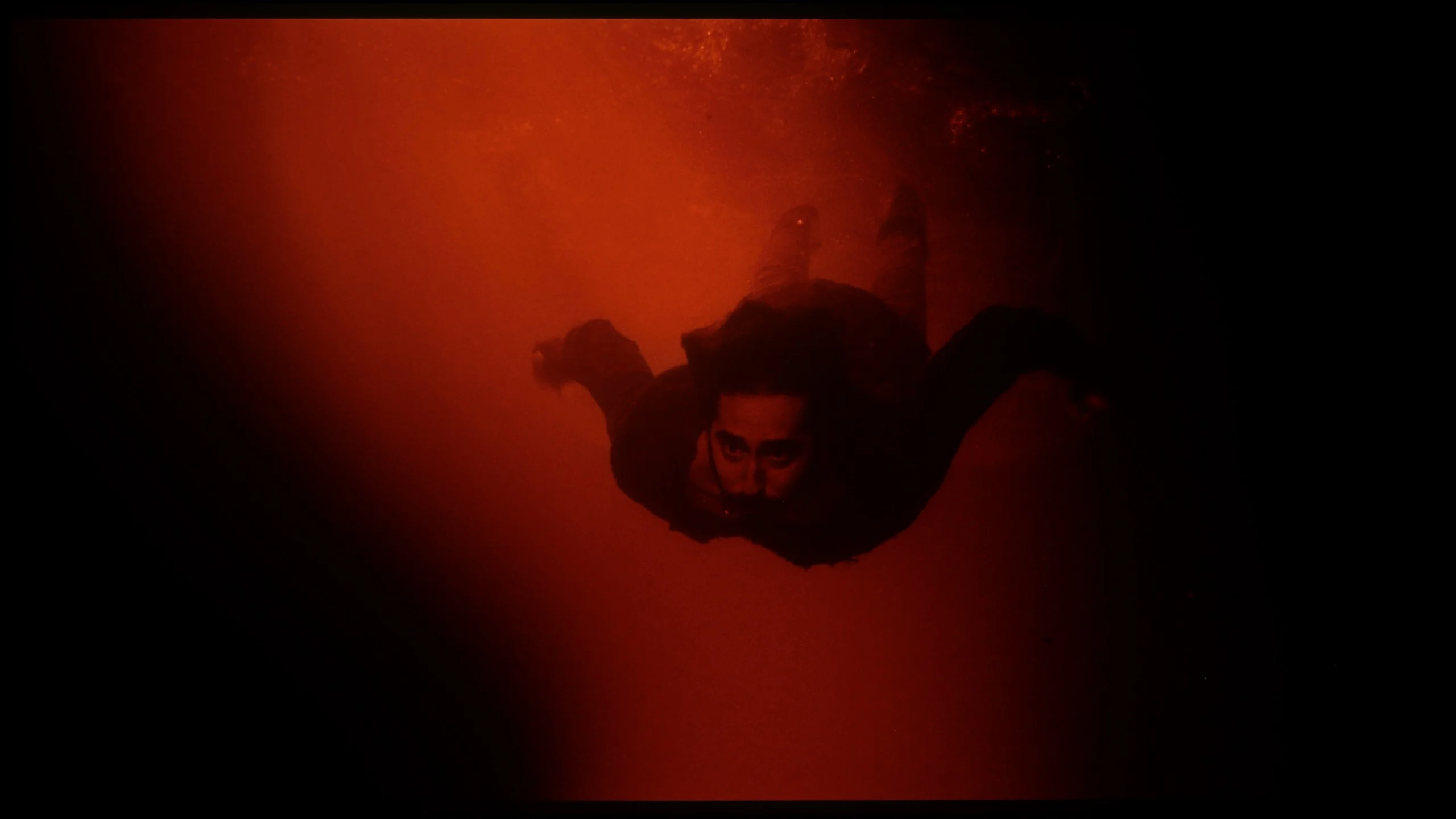
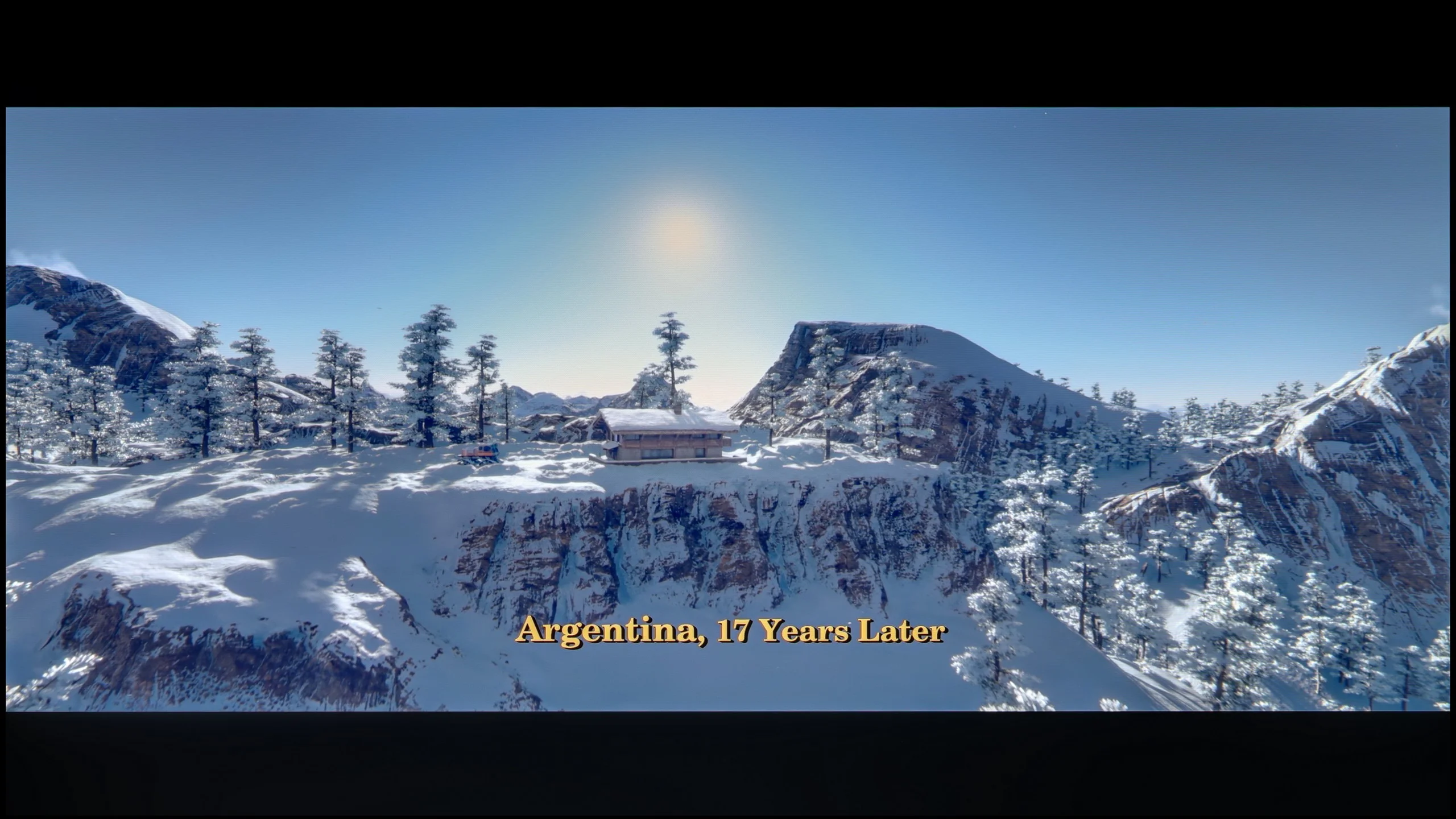
The photos show how movies look on the TV. Pay attention to black detail visibility, colors, and shadow tint.

The photos show how movies look on the TV. Pay attention to black detail visibility, colors, and shadow tint.

We must honestly admit – in the case of the LG C5, very little was needed to achieve nearly perfect picture quality. After calibrating, we managed to reach compatibility with reference screens at a level that impresses even when compared to significantly more expensive models. The image after our adjustment looks exactly as filmmakers and series creators would want it – without colour distortions, with natural depth and subtle texture. LG has done a great job this year regarding factory settings and calibration potential. Chapeau bas!

Thanks to the vast number of settings in the menu, we managed to bring the S85F to nearly an ideal level. The white balance in SDR content? Literally perfect – deviations do not exceed the value of “1”. So we can confidently say that in materials with not very high dynamics, we have an image close to reference here.

In HDR content, slight issues have arisen, but they are not significant in practice – most errors fall below the threshold of perceptibility, which is the value of “3”. We also managed to tame the S85F when it comes to brightness management – the EOTF curve, even in movies, holds an almost perfect line. This is one of those cases where after calibration, you can comfortably forget about the settings and simply enjoy films and series at the highest level.

Smoothness of tonal transitions

8.2/10

8.5/10

These are selected scenes that show smooth tonal transitions from one color to another. If you see distinct banding, it’s the TV panel’s fault.

These are selected scenes that show smooth tonal transitions from one color to another. If you see distinct banding, it’s the TV panel’s fault.

These are selected scenes that show smooth tonal transitions from one color to another. If you see distinct banding, it’s the TV panel’s fault.

These are selected scenes that show smooth tonal transitions from one color to another. If you see distinct banding, it’s the TV panel’s fault.

WOLED televisions have not been known for their perfect fluidity of tonal transitions until now. It has often been noticeable that there were subtle bands between colours – particularly in the darker parts of the image – which gave the impression that the hues did not transition smoothly, but rather "stair-stepped" slightly. This year, LG has made significant progress. In the C5 model, this issue has largely been eliminated. Indeed, in very dark scenes, subtle boundaries between colours can still be seen, but they are non-intrusive enough that hardly anyone except for more discerning viewers will notice them. For most users, the fluidity of tonal transitions in the C5 will simply be impeccable.

Thanks to the QD-OLED panel, the colour blending on the S85F performs really very well. It is particularly worth noting how it handles the darkest, most demanding scenes – where most televisions start to struggle, this model operates almost perfectly.

Interestingly, a slight stumble can be noticed in those easier, brighter shots. There is then a minimal banding of colours, but it is so subtle that it is hard to believe it would realistically interfere with anyone's viewing experience.

Image scaling and smoothness of tonal transitions

7.8/10

7.5/10

Image without overscan on the SD signal
OK
No
Smooth transition function
OK
OK

Smooth transition function

The match photo shows how the TV smooths weak tonal transitions in low-quality video.

Image scaling SD (576i)

The model photo shows how it handles upscaling of SD material.

LG C5 handles lower quality materials really very well. One of the main problems older WOLEDs faced was posterisation – that is, unwanted “stair stepping” in colour transitions. The C5 utilises a system feature that smoothens these transitions, which works surprisingly effectively. The banding effect is nearly completely eliminated, and the picture gains in coherence. Compared to last year's model, we have the impression that this feature works slightly less effectively – but the good news is that it does not undermine the structure of the image. Film grain, textures, and details remain on the screen – nothing is unnaturally smoothed out.

The C5 also excels at enhancing the quality of older recordings. Thanks to the α9 Gen6 processor (8th gen), the "scaling to 4K" performs really solidly. The image is clear, the details are sharp, and the only minor downside might be slightly noticeable edge sharpening on some borders. However, there is no issue with overscan here – the image is neither artificially cropped nor shifted, which is a significant plus and still not a given.

The tonal transition smoothing function in the S85F works really effectively – it can completely eliminate the problem of visible banding in very poor quality materials, such as those from YouTube. Unfortunately, even the lowest level of this option comes with compromises. Noise reduction is aggressive enough that it can smooth out the film grain that many of us consider a key element of the cinematic experience. At the "Standard" level, we did not notice that this function removed anything significant from the image, so we can recommend this setting. On the other hand, the "High" level is a different story – it can smooth out not only noise but also subtle, desirable details such as the texture of objects.

As for image scaling, the S85F performs very well. The material looks sharp, and the only minor imperfection is slightly visible aliasing of contours. And there’s still the persistent issue with Samsung televisions – overscan. This can cause the frame to be slightly cropped in certain scenes, which is worth keeping in mind when watching very old content.

Blur and motion smoothness

8.5/10

8.5/10

Maximum refresh rate of the panel
144Hz
120Hz
Film motion smoothing option
OK
OK
Blur reduction option
OK
OK
BFI function 60Hz
Yes, 60Hz (image flickers)
BFI function 120Hz
-
No
Brightness drop with BFI
49%
47%

Blur (native resolution, maximum refresh rate):

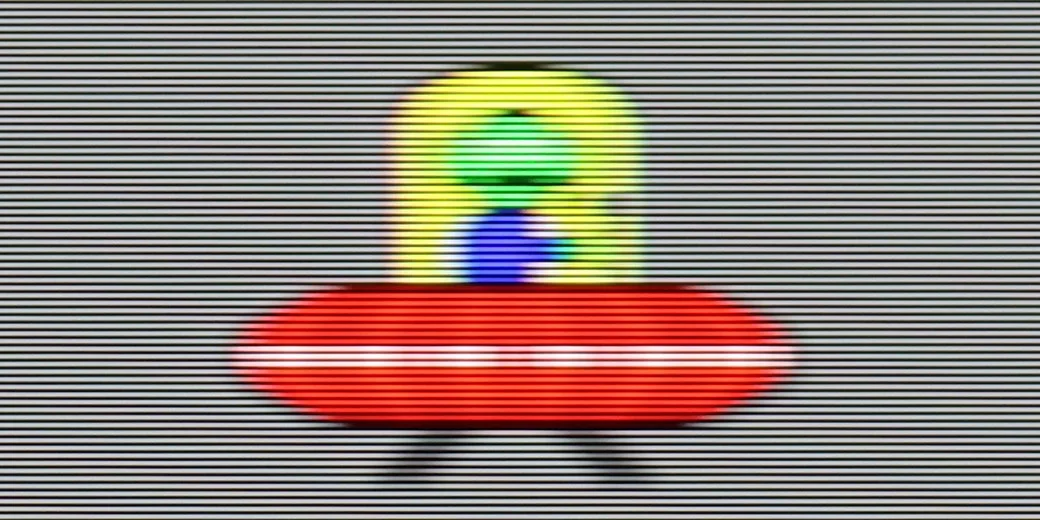
Blur (BFI function enabled):

Image flickers in this mode

Image flickers in this mode

Blur ():

Blur (4K@60Hz Game Motion Plus):

The LG C5 is equipped with a 144 Hz display, and this, combined with the virtually zero response time of the OLED pixels, makes it one of the best screens for watching dynamic content. It doesn't matter whether it's sports, fast-paced games, or just action – the image is razor-sharp.

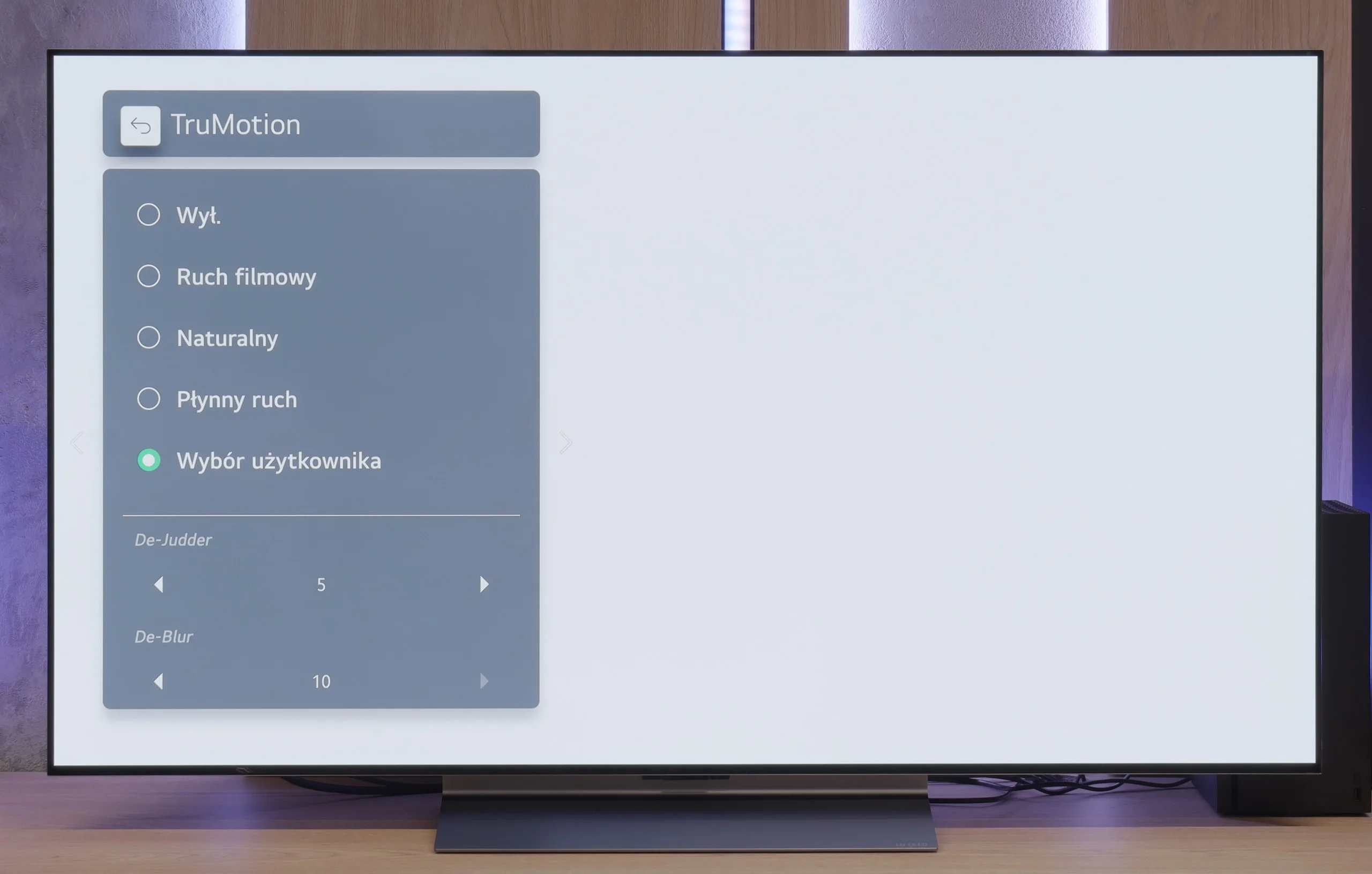
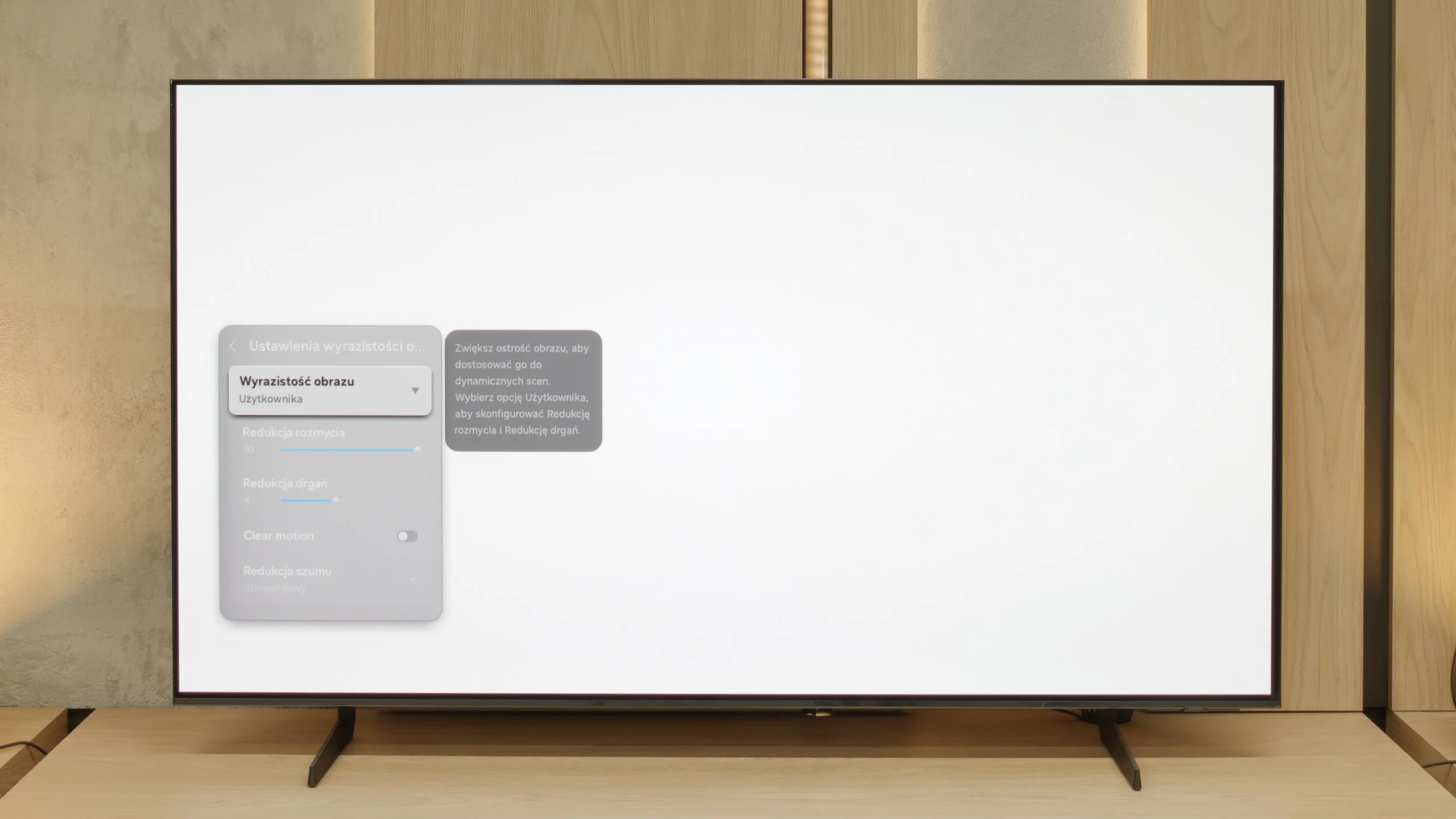
And what about movies at 24 frames? LG thought of that too. The built-in "TruMotion" smoother allows you to adjust the picture to your own preferences. The "de-judder" slider increases fluidity in films, while "de-blur" gently reduces motion blur – though to be fair, it is nearly invisible here anyway.

The S85F is a mind-blowingly fast television – and this is not just an empty phrase for effect. Thanks to the 120 Hz OLED panel, dynamic scenes, whether in games or while watching a live match, look exactly as they should – smoothly, sharply, and without the feeling that something is “slipping away” from the frame. The lightning-fast pixel response time, typical of OLEDs, plays its part here. Transitions between frames are virtually instantaneous, and the picture remains clear even during the fastest camera movements. A ball flying across half the pitch? A car racing in a chase scene? Here, everything is clear and free from the characteristic “trail” of LCDs.

This is exactly what we expect from a good OLED – no compromises when it comes to motion fluidity. The S85F gives the impression that regardless of the pace of the action, we can focus on what is happening on the screen, rather than the imperfections of the image.

Console compatibility and gaming features

10/10

9.6/10

  • ALLM
    Yes
    Yes
  • VRR
    Yes
    Yes
  • VRR range
    40 - 144Hz
    48 - 120Hz
  • Dolby Vision Game Mode
    Yes
    No
  • Correct implementation of HGIG
    Yes
    Yes
  • 1080p@120Hz
    Yes
    Yes
  • 1440p@120Hz
    Yes
    Yes
  • 4K@120Hz
    Yes
    Yes
  • Game bar
    Yes
    Yes

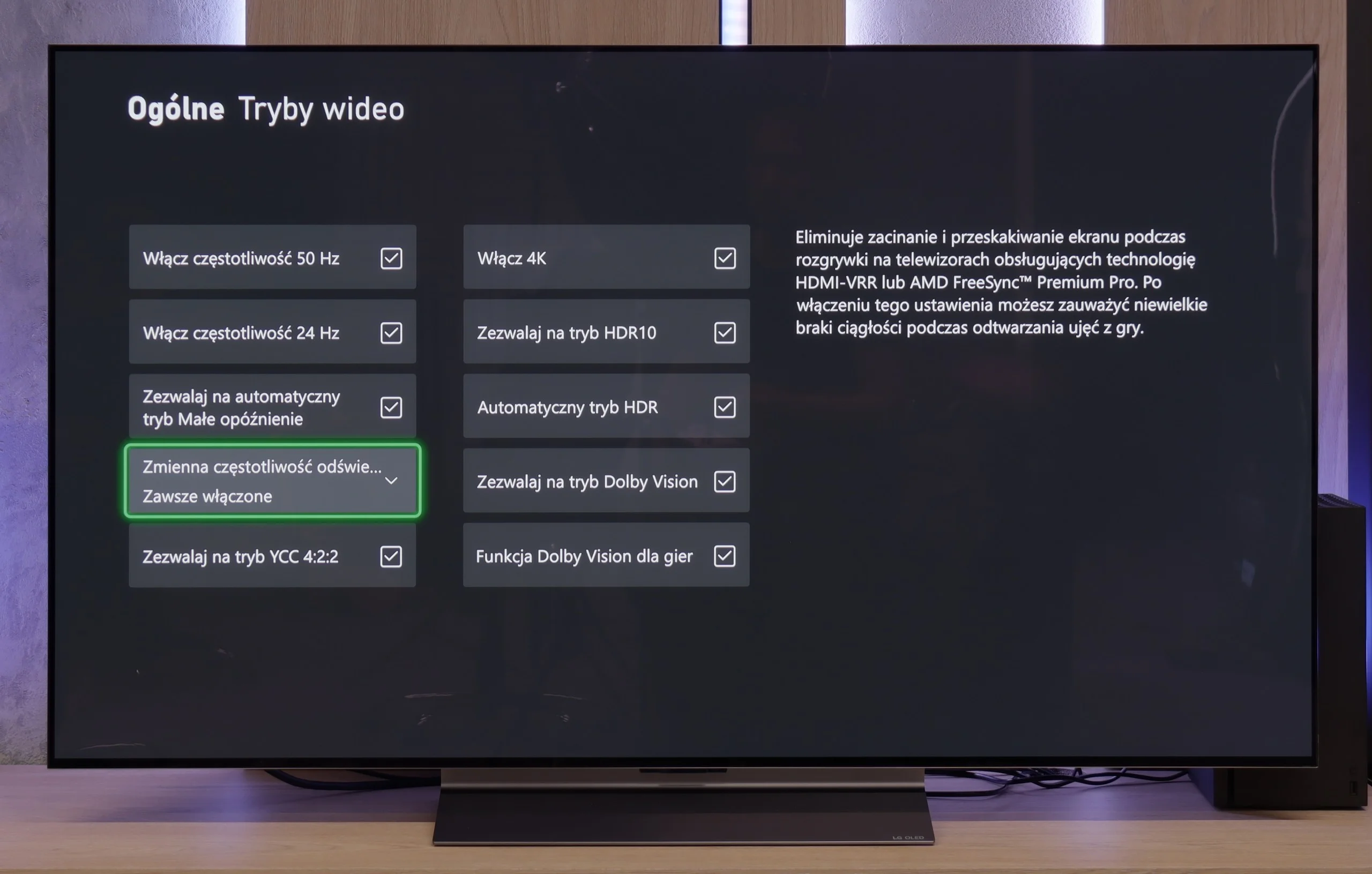
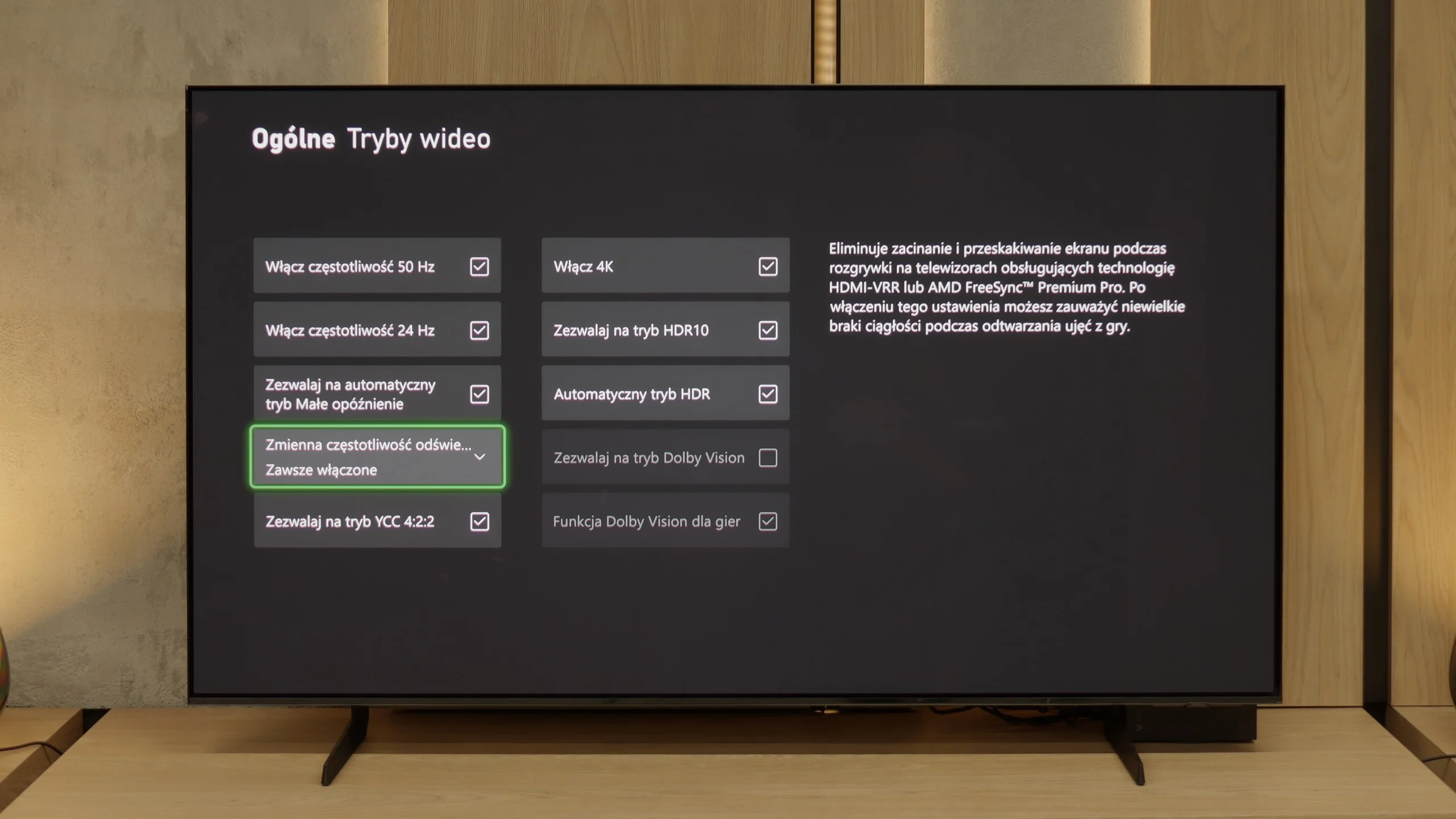
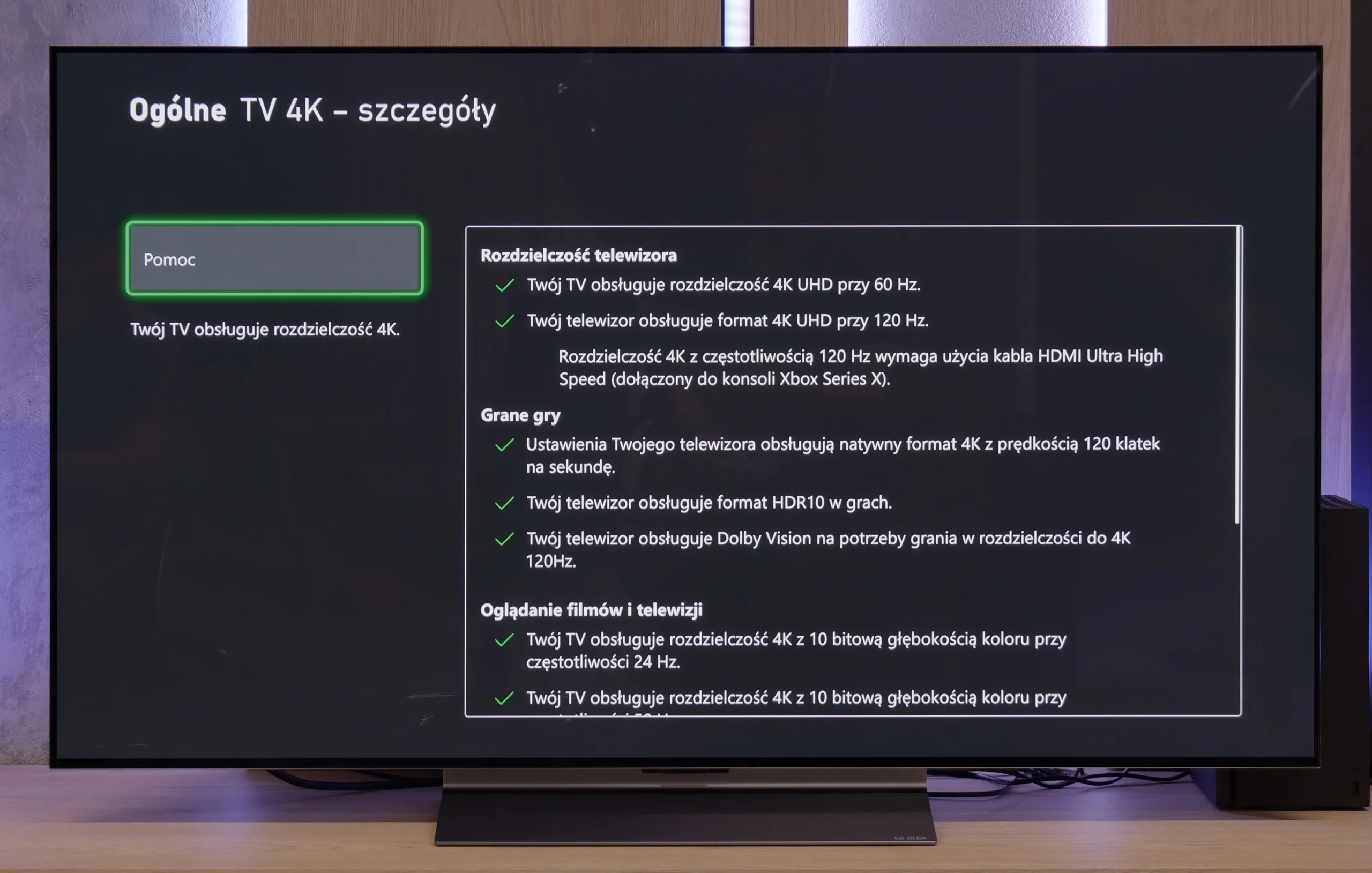
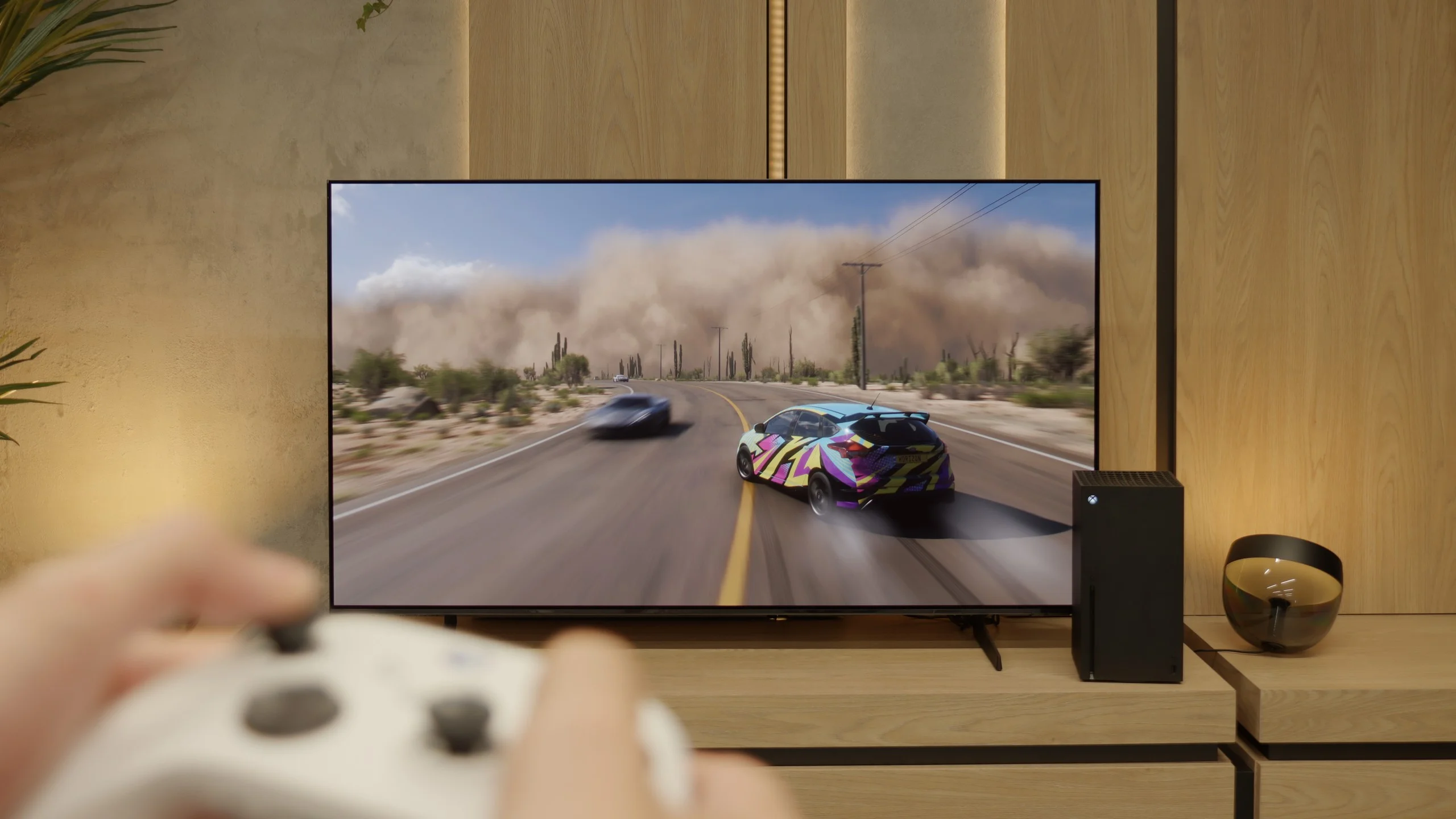
LG C5 is a television designed with gamers in mind – and there isn't a hint of exaggeration in that. It's hard to find anything to criticise here. We have a refresh rate of 144 Hz, full support for VRR, ALLM, and as many as four HDMI 2.1 ports with a full bandwidth of 48 Gb/s. For those who have an Xbox, PS5, Nintendo, and a gaming PC all in one room – there are no limitations, everything can be connected without any hassle.

The HDR configuration for games also poses no problems. The television correctly handles the HGiG mode, which allows for an image that matches the creators' intentions. For those interested, there is also Dolby Vision in Gaming mode, although we still recommend HGiG as the most predictable and "pure" version of HDR in games.

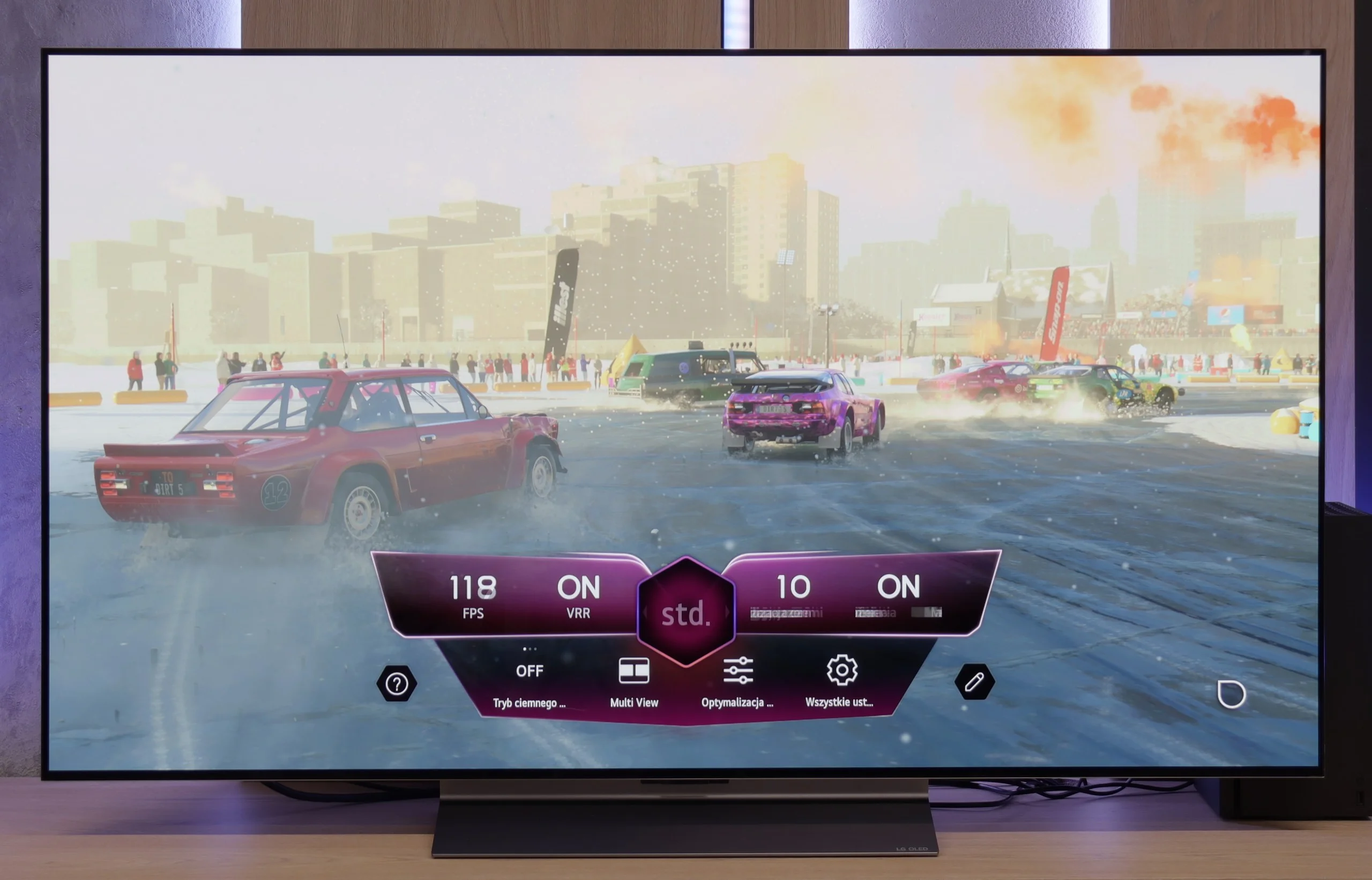
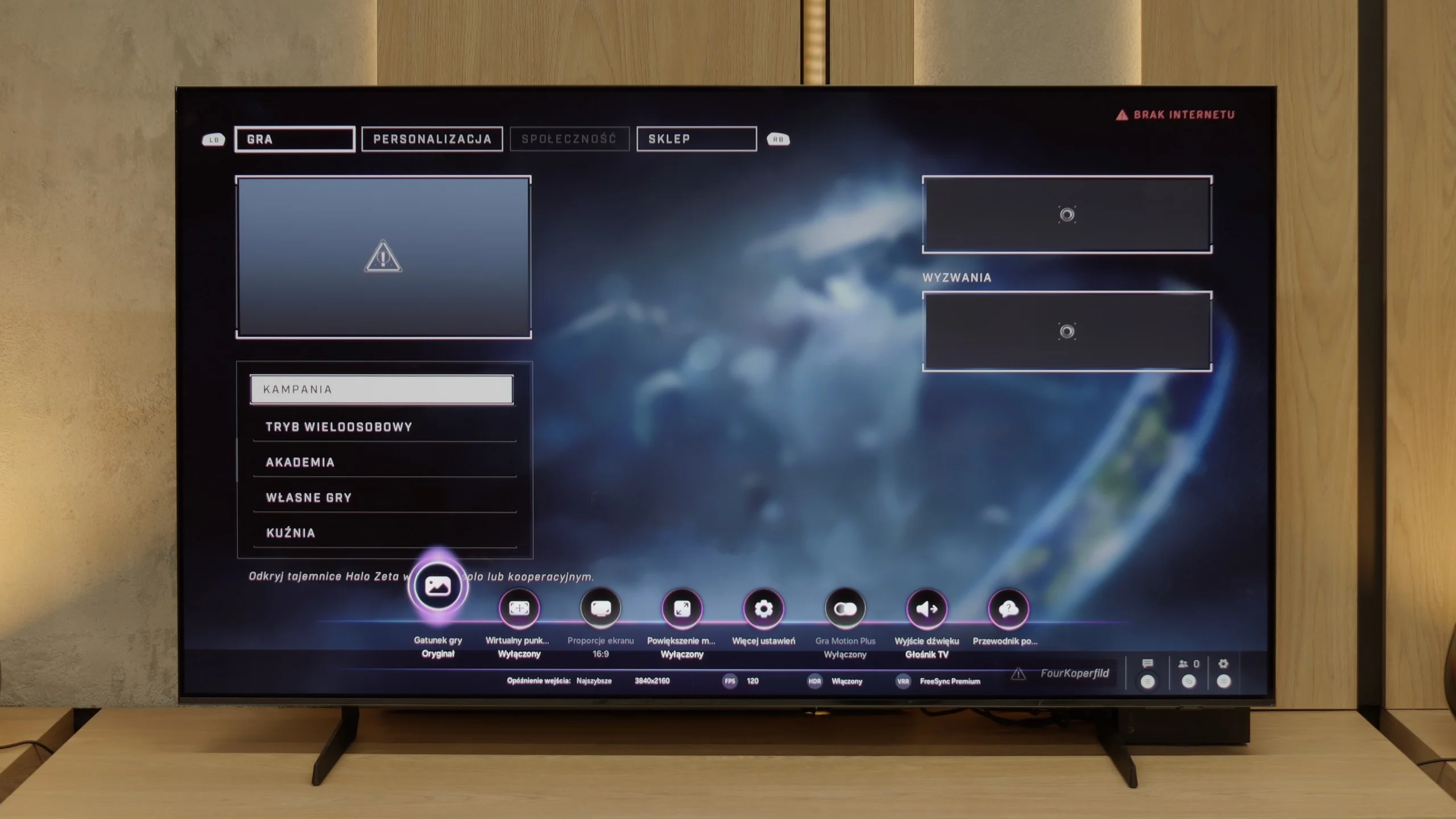
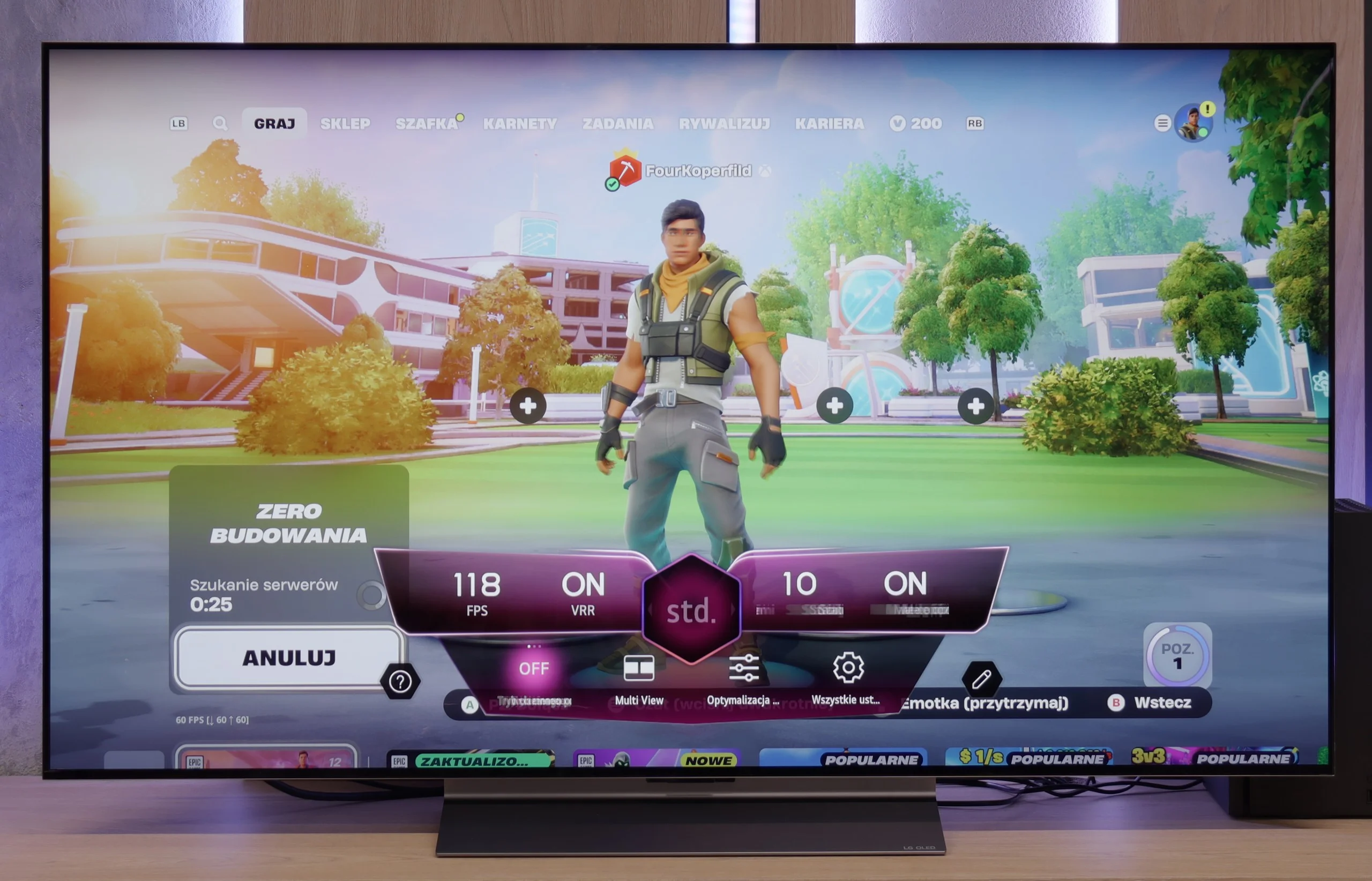
It also features Game Bar, which serves as a "command centre" for gamers. Everything important, from VRR settings, to picture modes, to frame rate information – is at our fingertips. The interface is simple and clear. It may look like it’s from a spaceship simulator, but it serves its purpose and just works; as it should.

C5 is truly a complete set for any gamer.

[UPDATE] We have updated our 2025 Samsung TV reviews following the release of firmware version 1131, which officially restores the essential HGiG (HDR Gaming Interest Group) support.

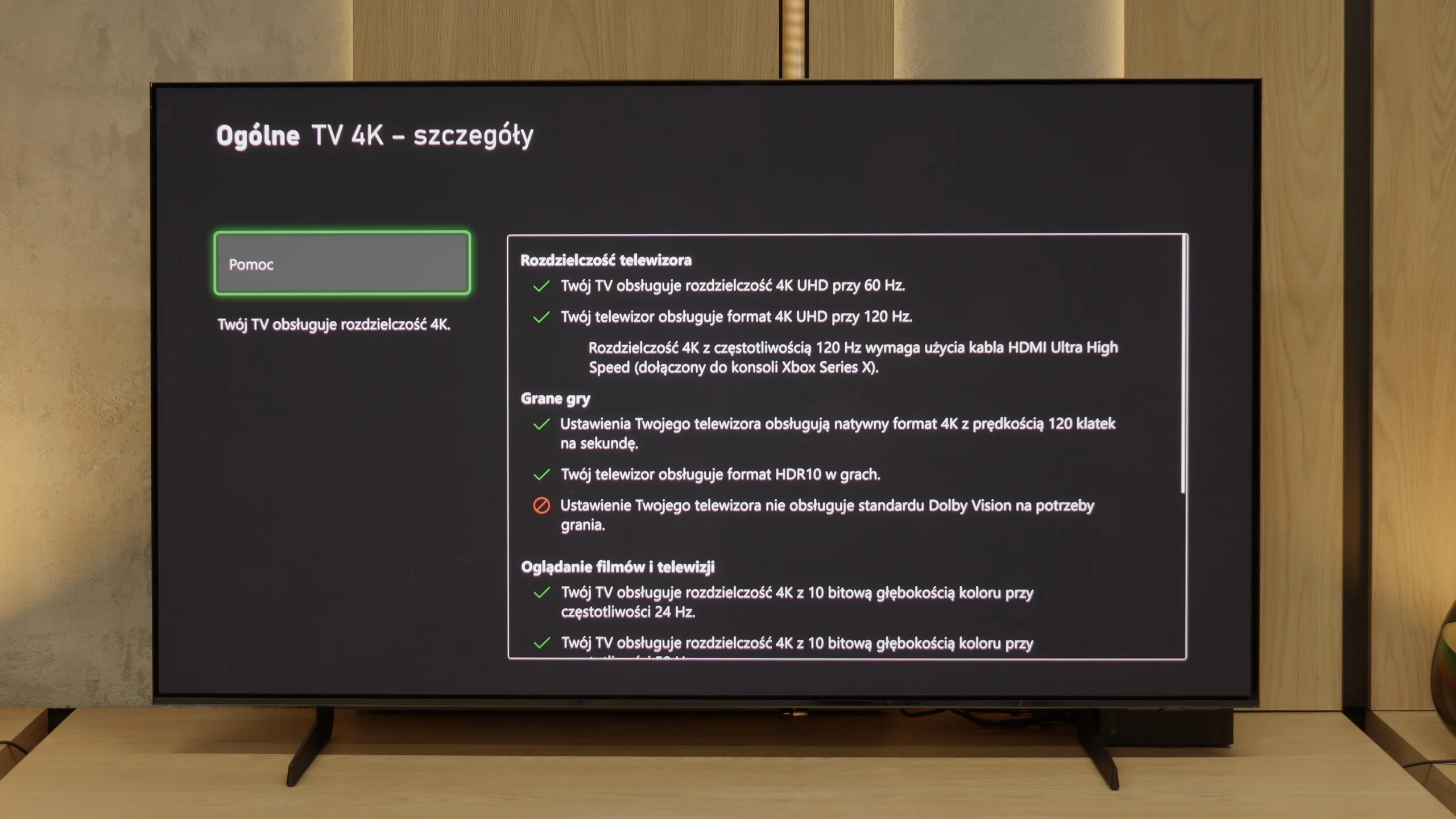
The S85F has practically everything on board to become the dream screen for gaming. Four full-fledged HDMI 2.1 ports with a bandwidth of 48 Gb/s, support for VRR, ALLM, a super-detailed Game Bar that clearly shows all parameters – and on top of that, a gem in the form of Game Motion Plus. This motion smoother makes animation in games more enjoyable, while input lag only increases slightly. This is a rare combination, and it’s a big plus for Samsung. Now comes the moment when we need to complain a little. The lack of Dolby Vision in Samsung televisions has become standard, so there’s no point in hoping (unless something changes in a few years) – but the disappearance of HGiG after the software update is something hard to explain. HGiG (which stands for HDR Gaming Interest Group) is a mode that allows for precise reproduction of brightness in HDR games, in accordance with the creators' intentions. Without it, HDR calibration on a console becomes less precise, so we can end up with an image that is too dark in the shadows or excessively overexposed. Perhaps Samsung will fix this in the next update – and we have high hopes for that. Because if HGiG returns, the S85F will become nearly the perfect television for gamers.

Input lag

10/10

10/10

SDR

1080p60
11 ms
10 ms
1080p120
5 ms
5 ms
2160p60
11 ms
10 ms
2160p120
5 ms
5 ms

HDR

2160p60
11 ms
10 ms
2160p120
5 ms
5 ms
4320p60

Dolby Vision

2160p60 DV
12 ms
2160p120 DV
6 ms

The reaction time of the LG C5 to our movements with the controller is exemplary. Regardless of the chosen resolution or frame rate, the delay is so low that in practice it is almost imperceptible. Playing on this television is simply pure pleasure. Some delay is introduced by the Dolby Vision mode, which should come as no surprise – this applies to virtually every television on the market equipped with this mode. Nonetheless, even with Dolby Vision active, the input lag remains low enough that gameplay is still smooth and responsive.

Here, dear players, the S85F shows its claws. 5 ms for 120 Hz content and around 10 ms for 60 Hz are results that can be described in one word in the world of televisions – phenomenal. This means that the reaction to our movements is practically instantaneous. We press the button, and the action on the screen happens without any delay, as if the television is reading our minds. In dynamic games, where a fraction of a second can decide victory or defeat, such values make a huge difference. There is no question of nervously "waiting" for the image to catch up with our movements. The S85F gives us the feeling that everything is completely under our control – and that is how it should be with equipment that aspires to be the perfect screen for gamers.

Compatibility with PC

8.6/10

7.6/10

Chroma 444 (max. resolution and refresh rate)
Yes
Yes
Font clarity
Good
Good
Readability of dark text and shapes
Very Good
Very Good
Input lag in PC mode (4K, max. refresh rate)
14ms
5ms
Matrix subpixel arrangement
RWBG
RGB
Max refresh rate
144Hz
120Hz
G-Sync
Yes
Yes

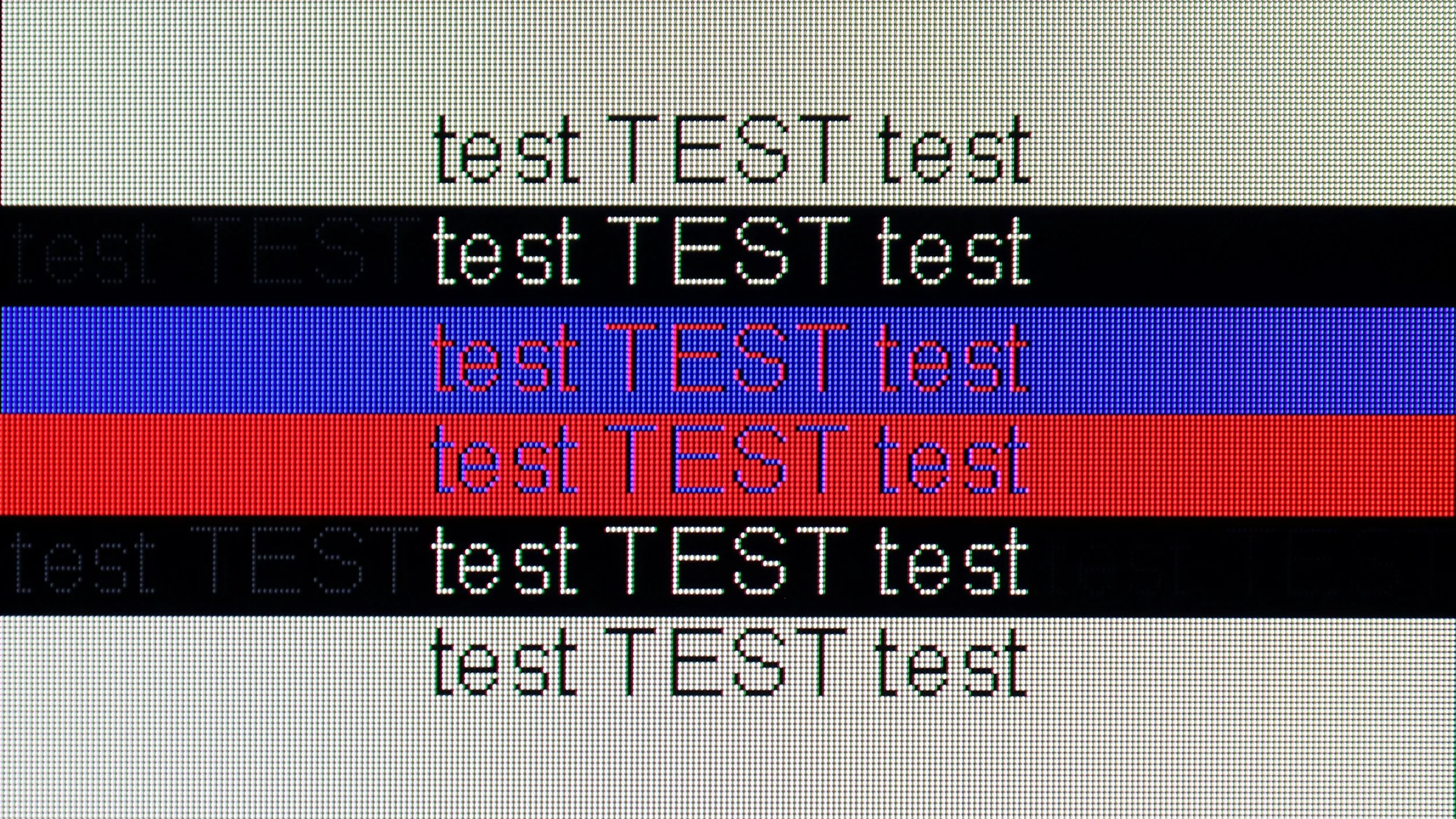
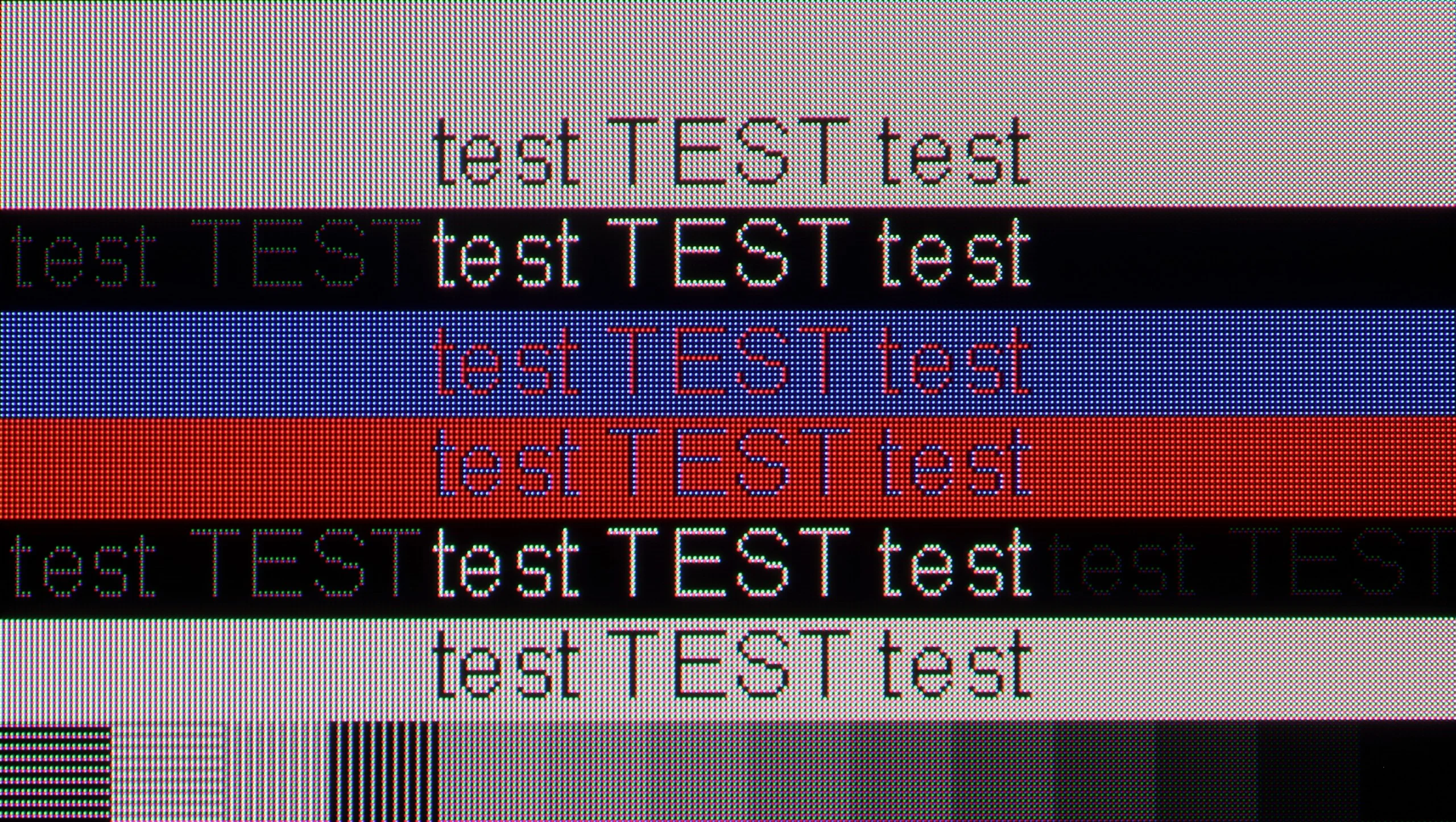
The photo shows the legibility of small fonts. Ideally, lines should be the same thickness on both light and dark text, with minimal pixel gaps.

C5 – as we wrote – is a television created for gamers, so playing even on a computer is a real pleasure. The 144 Hz panel, low input lag, and original G-Sync certification only confirm this.

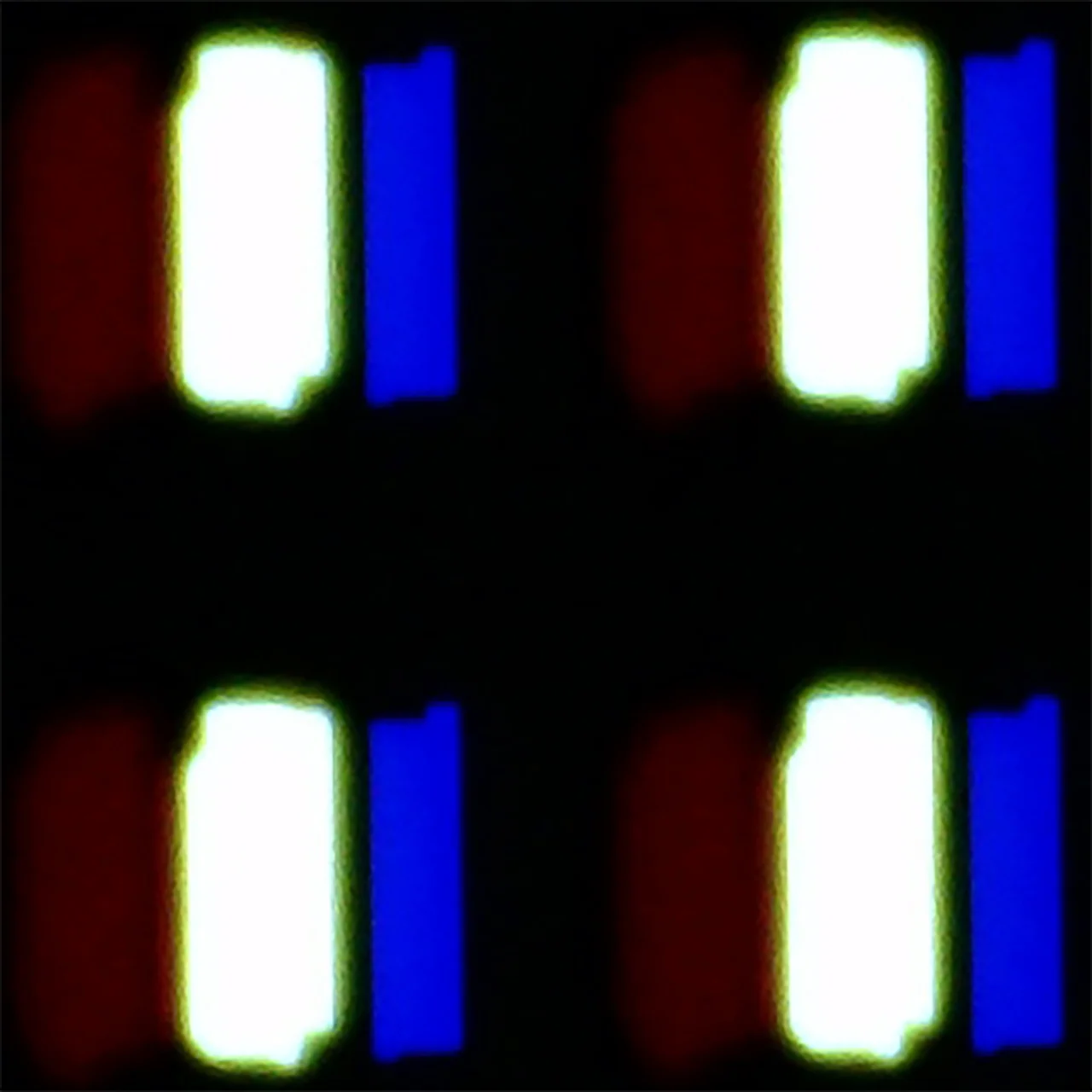
When it comes to work – it is also very good. Fonts are legible, the interface is clear, but it should be remembered that we are dealing with a WOLED panel and a WRGB subpixel arrangement. (slight shadows visible behind the font). Therefore, if someone plans to place the C5 on a desk in smaller sizes like 42 or 48 inches for everyday office work, it is worth checking this for themselves beforehand. For occasional desktop use and primarily for gaming – there are no reasons for concern.

If you are planning to connect the S85F to a computer, we have good news – this television is great for that. Low input lag and a 120 Hz panel make gaming on PC a pure pleasure. Whether we are talking about dynamic shooters or more tranquil RPGs, the response is instant, and the fluidity of the animations can captivate you for hours.

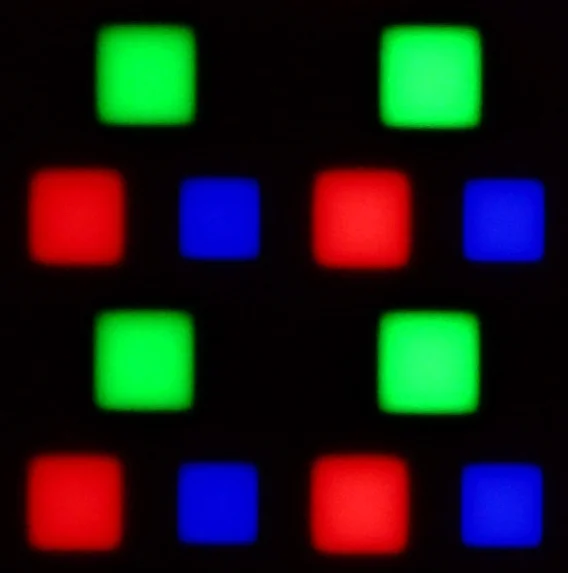
Of course, there's no rose without thorns. Due to the diamond arrangement of the pixels in the QD-OLED panel, there is a slight effect of "rainbow icons", particularly noticeable when sitting close to the screen. Fortunately, this is rather a detail that most of you will not find bothersome in everyday use. Especially since, thanks to the correct implementation of chroma 4:4:4, the readability of fonts is at a very good level – documents, websites, and text editors look exactly as they should.

Viewing angles

7.4/10

9.8/10

Brightness drop at an angle of 45 degrees
31%
11%

The viewing angles on the LG C5 are nearly perfect. Although they fall slightly short compared to technologies such as QD-OLED or WOLED with micro-lens MLA, the picture quality from a large angle still leaves a great impression. Colours remain vibrant, and the screen does not lose much of its brightness even when set at more demanding angles.

Addressing questions that circulated last year regarding the C4 model – we did not notice any green tints, pinking, or other effects in the case of the C5, which can be read about online. The picture at an angle looked really clear.

Here, dear readers, the S85F reaches absolute peak performance. The viewing angles are phenomenal – one of the best you can get in a television today, thanks to the unique QD-OLED panel from Samsung Display. Of course, WOLED panels can also maintain a high level in this regard, but let's not kid ourselves – what the QD-OLED in the S85F demonstrates leaves an even greater impression. The colours, contrast, and brightness remain practically unchanged even when viewing the screen from a very wide angle. This is the kind of television where you don't have to fight for the "best spot on the sofa" – everyone will see the picture in all its glory, regardless of where they sit.

Daytime performance

6.2/10

5.1/10

Panel finish
Glare
Glare
Reflection suppression
Decent
Good
Black levels during daytime
Very Good
Average

Panel brightness

Samsung S85F OLED: 317 cd/m2

LG OLED C5: 435 cd/m2

LG C5 is one of the brighter OLED televisions on the market, so it should perform well in moderately bright rooms without major issues. The average brightness in SDR mode is around 450 nits – a value sufficient to keep the image readable even during the day. Importantly, the black does not lose depth and does not become "grey", which can still be an issue with QD-OLED panels.

A greater challenge, however, may be reflections. The WOLED panel used in the LG C5 has a glossy coating typical of this technology, which only partially diffuses reflections. In a well-lit living room with large windows, you can see your reflection on the screen – slightly muted, but still visible. In a very sunny room, it may turn out that curtains or blinds will be necessary to fully enjoy the great picture quality.

We really liked the saying “there's no rose without a thorn” and it fits perfectly with QD-OLED display televisions. Especially when we look at their behaviour in strongly sunlit conditions. As you may notice, in very intense light, the surface of the panel can take on a slightly cherry hue. The effect is subtle in the case of the S85F, but in extreme lighting conditions, the black can perform a little worse than in WOLED panels. However – and this “however” is key here – QD-OLED significantly better suppresses direct light reflections. This means that reflections will be less bothersome, and the picture will maintain clarity even when something bright reflects off the screen. You win some, you lose some.

As for brightness, the S85F is a moderately bright OLED. It is not a model designed for extremely sunny living rooms. If you are planning to place it in a very bright room, we recommend considering blinds or placing it in a location that at least partially protects it from direct light.

Panel details

Backlight Type
Software version during testing
T-PTMFDEUC-0090-1110.7
Image processor

Subpixel Structure:

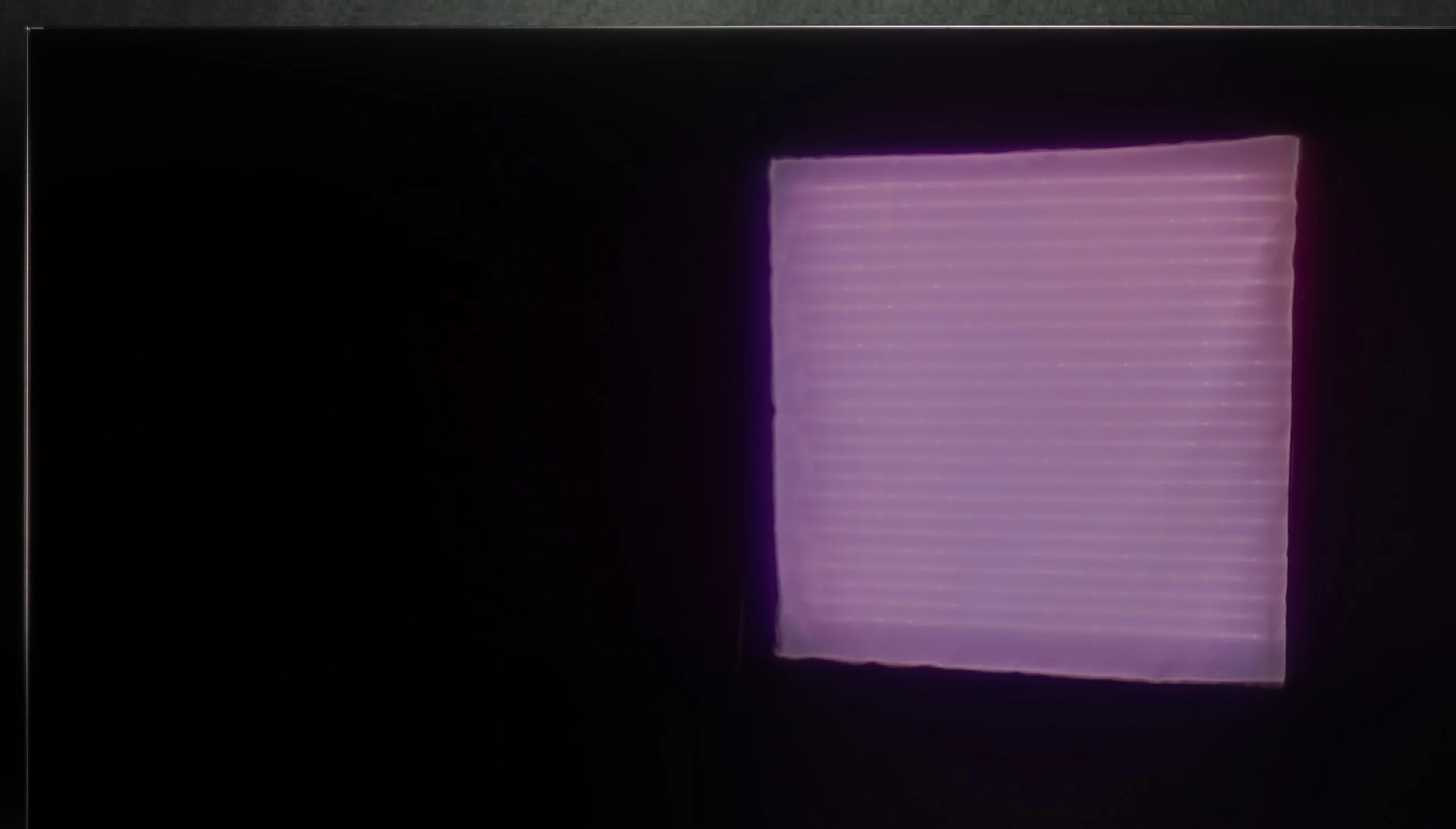
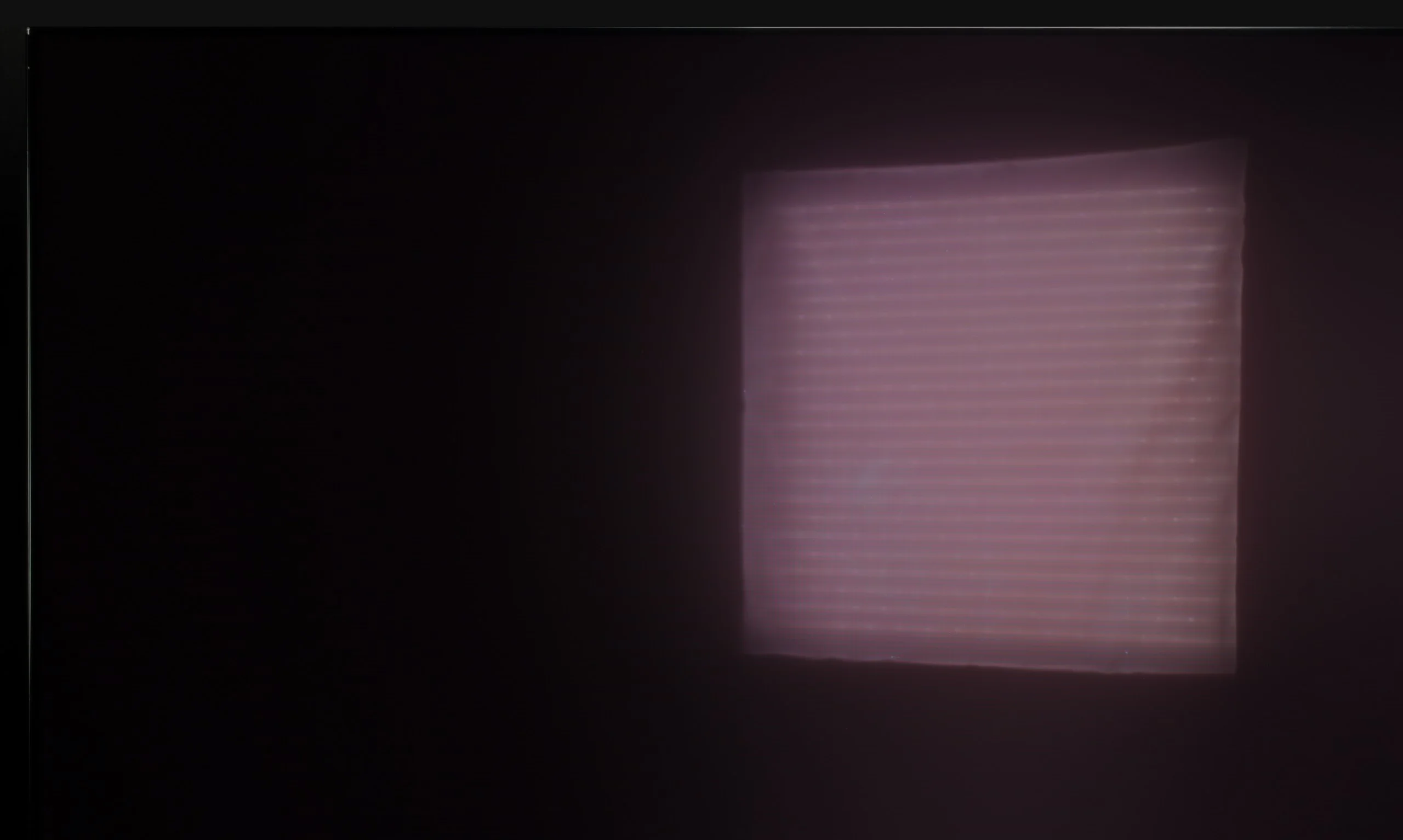
Panel uniformity and thermal imaging:

Review LG OLED C5 TV Panel details
Review Samsung S85F OLED TV Panel details

TV features

7.9/10

7.3/10

  • HDMI inputs
    0 x HDMI 2.0, 4 x HDMI 2.1 48Gbps
    0 x HDMI 2.0, 4 x HDMI 2.1 48Gbps
  • Other inputs
    IR (remote)
    Toslink (Optical audio)
  • Outputs
    Toslink (Optical audio), eARC (HDMI), ARC (HDMI)
    Toslink (Optical audio), eARC (HDMI), ARC (HDMI)
  • Network Interfaces
    Wi-Fi 2.4GHz, Wi-Fi 5GHz, Ethernet (LAN) 100Mbps
    Wi-Fi 2.4GHz, Wi-Fi 5GHz, Ethernet (LAN) 100Mbps
  • TV reception
    DVB-T, DVB-T2, DVB-S, DVB-S2, DVB-C
    DVB-T, DVB-T2, DVB-S, DVB-S2, DVB-C

Classic features:

  • Recording to USB (terrestrial TV)
    Yes
    No
  • Recording programming
    Yes
    No
  • Picture in Picture (PiP)
    No
    No
  • RF remote control (no need to aim)
    Yes
    Yes
  • Backlit remote control
    No
    No
  • Teletext
    Yes
    Yes
  • Audio only mode
    Yes
    Yes
  • Bluetooth headphones support
    Yes
    Yes
  • Simultaneous Bluetooth headphones & TV audio
    Yes
    Yes

Smart features:

  • AirPlay
    Yes
    Yes
  • Screen mirroring (Windows Miracast)
    Yes
    Yes
  • Voice search
    Yes
    Yes
  • Voice search in native language
    Yes
    Yes
  • Ability to connect a keyboard and mouse
    Yes
    Yes
Review LG OLED C5 TV features
Review Samsung S85F OLED TV features

Classic TV functions:

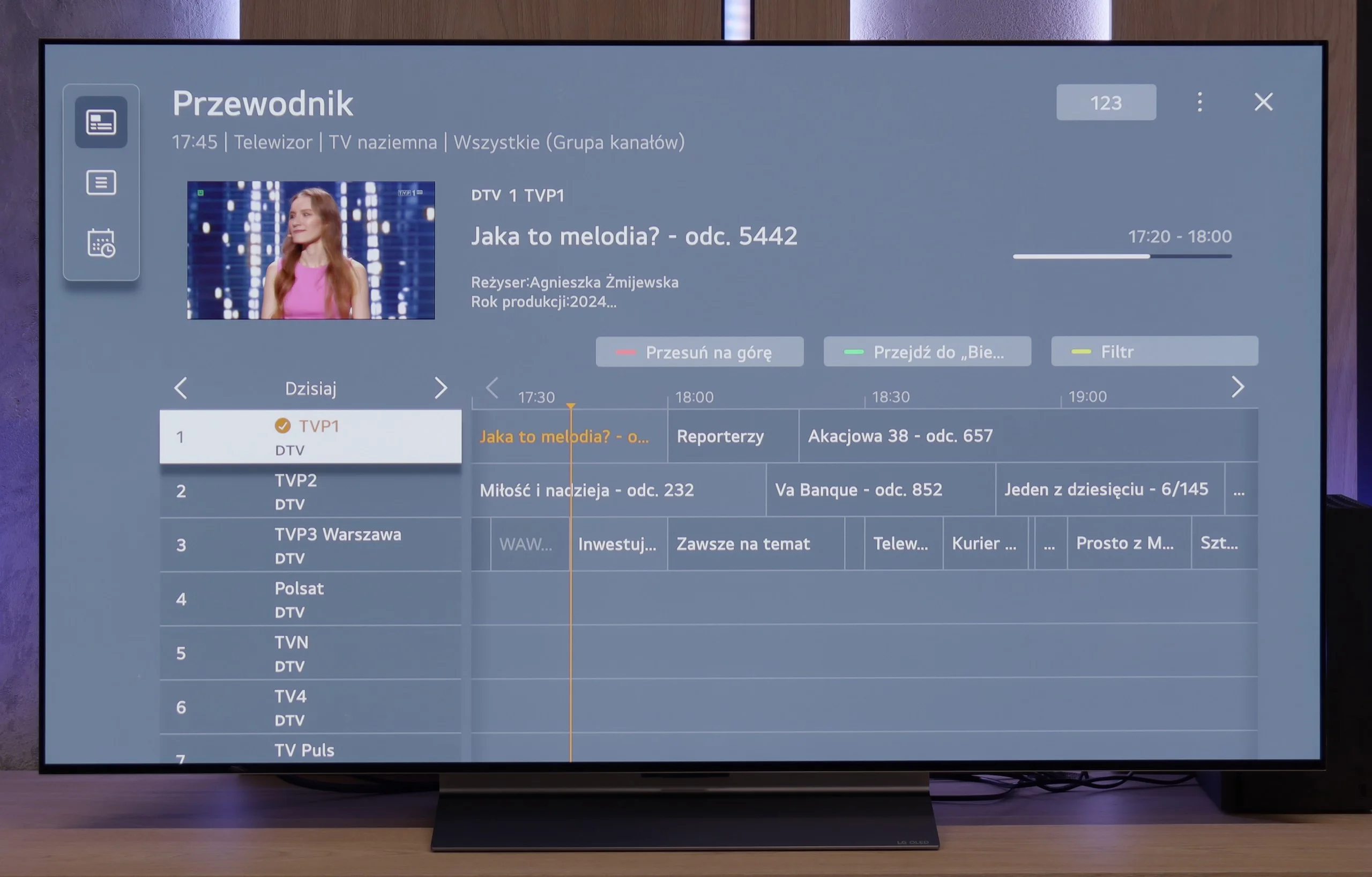
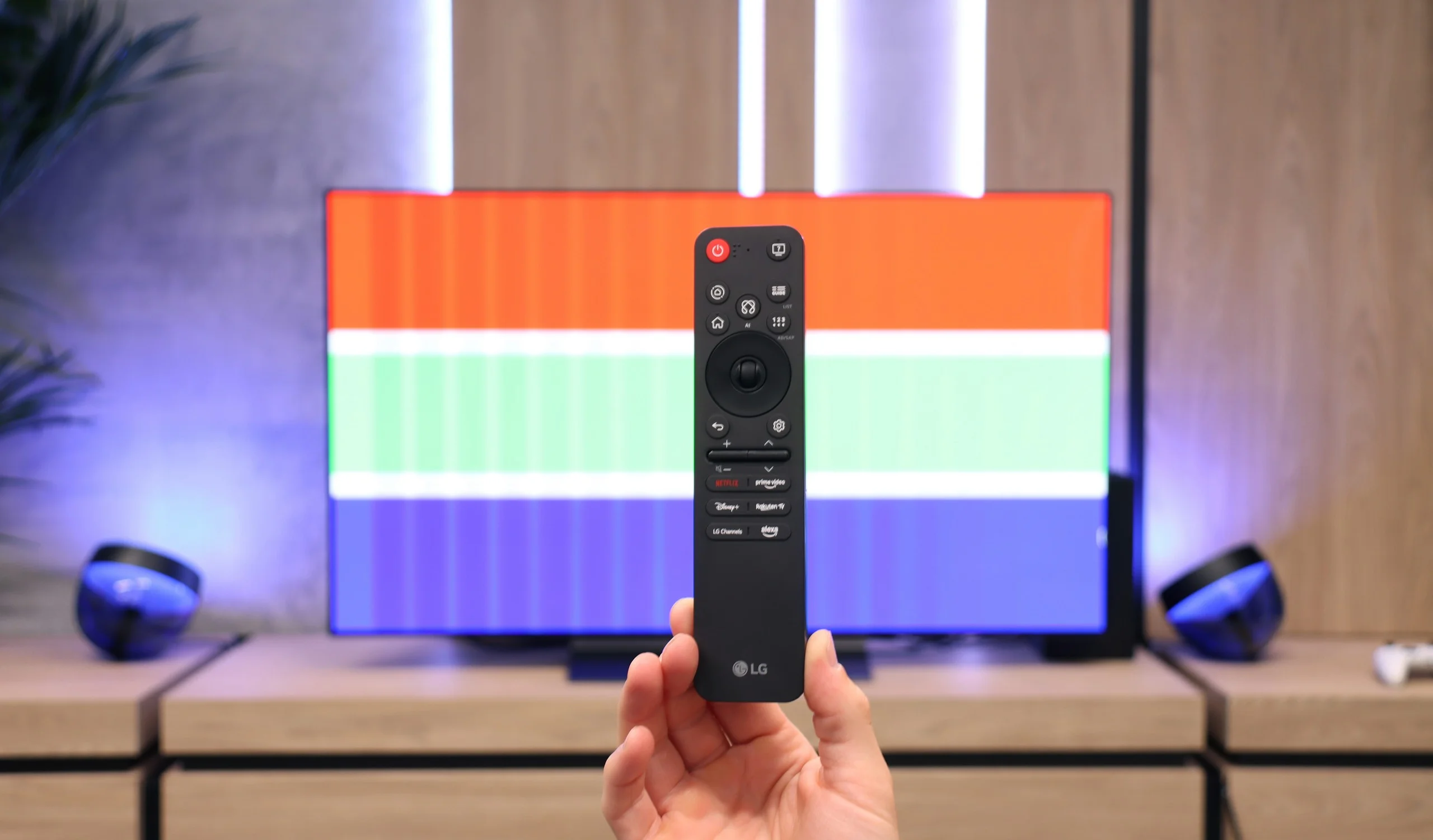
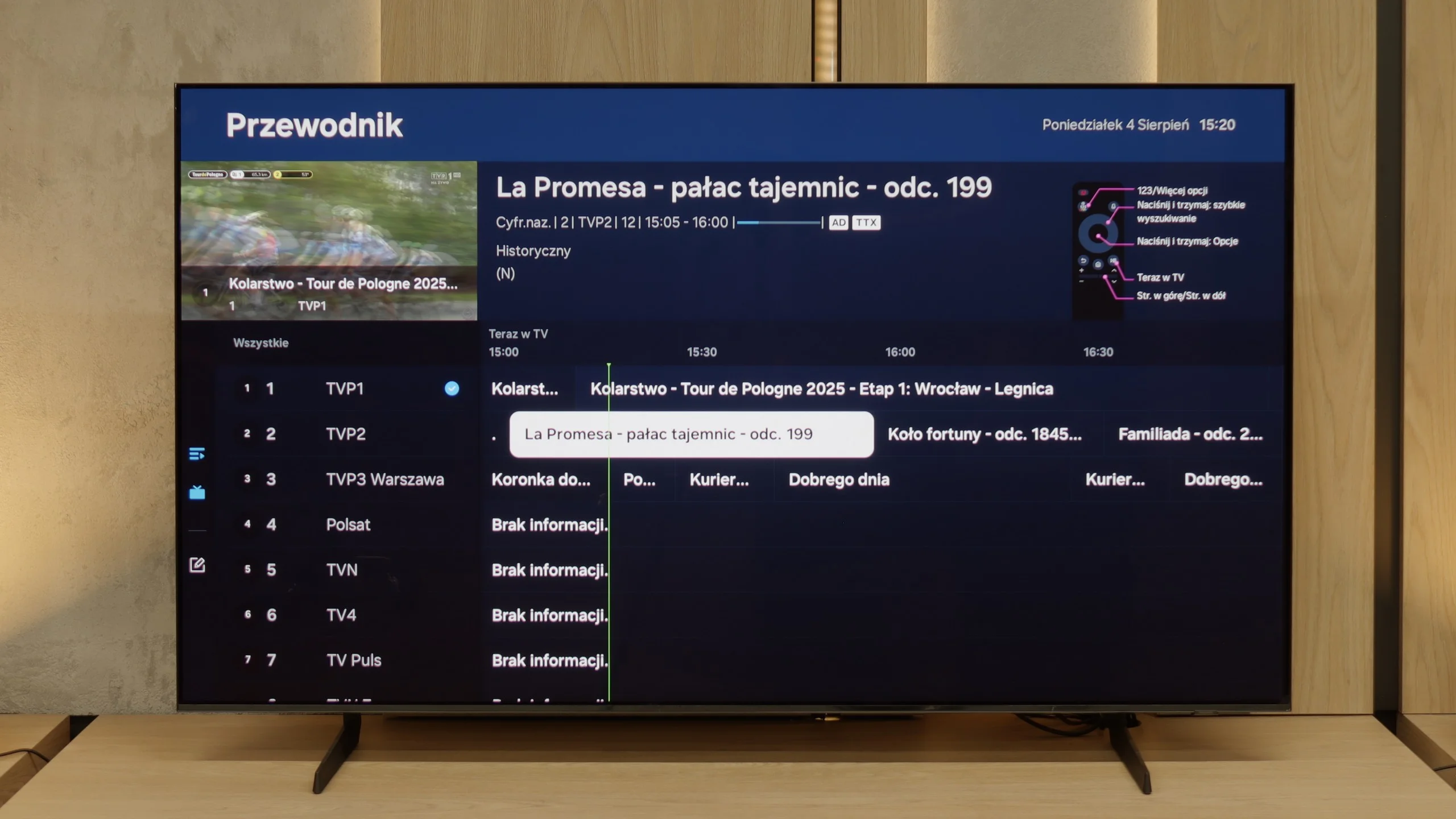
In terms of classic television functions, the LG C5 performs really well. Here we have the ability to record programmes to USB from built-in DVB-T(2) tuners, teletext support, an EPG programme list, as well as seamless pairing of headphones via Bluetooth. For many users, these are still very important elements of daily TV use – and here LG doesn’t lack anything except for the PIP function. It is also worth noting the remote control, or rather... the different versions of the remote. In our test, we used the C54 model, which is equipped with the new version of the Magic remote. It resembles Samsung's minimalist approach – there is no numeric keypad or "source" button, but it looks modern and is comfortable for daily use. On the other hand, other variants, such as C5ELB, may be sold with an older version of the remote – a more classic one, with more buttons and a numeric keypad. Some will find it more practical, while others will consider it outdated. In short: quite a bit of confusion, so it's worth checking the model suffix before making a purchase.

Smart TV:

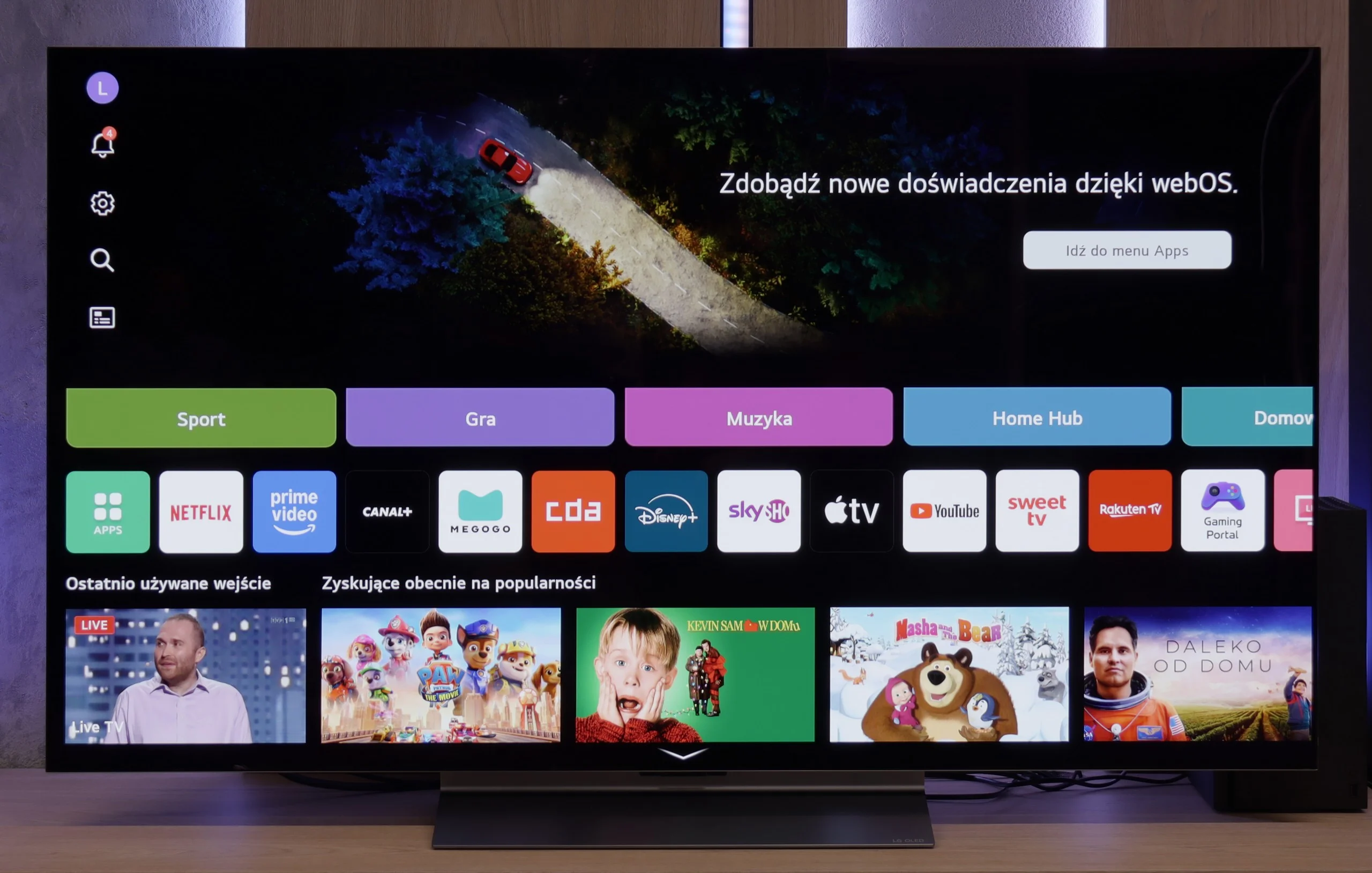
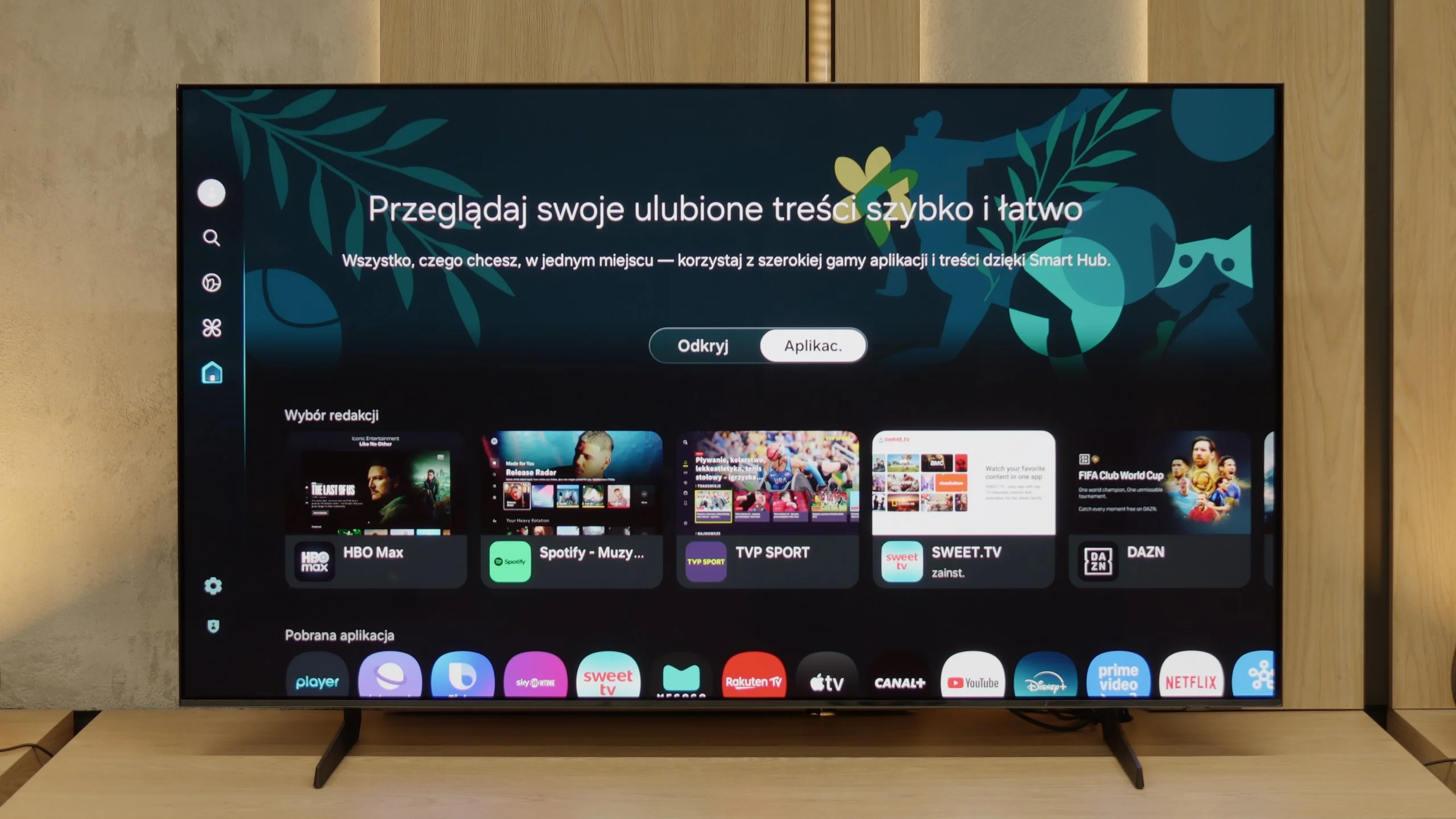
Regardless of the remote's version, we operate the same system – WebOS. This is one of the most enjoyable solutions in the Smart TV world. An intuitive menu, quick operation, and support for popular features such as AirPlay, screen mirroring, and voice assistant make the system perform very well on a daily basis. Additionally, cursor control via the gyroscope in the Magic remote remains one of the most convenient forms of navigation in televisions. There are really many applications available – Netflix, Disney+, HBO Max, Apple TV, and many others. However, it should be noted that this is not a system based on Android/Google TV, so it might happen that we simply won’t find some less popular application in the LG store.

Classic TV Features of the S85F

The S85F was not really designed with fans of traditional television in mind. There’s no PiP feature (which is a bit surprising as Samsung usually offers it) nor the ability to record programmes to USB from the built-in tuners. Fortunately, the basics are present – teletext and a clear channel guide – so for regular, everyday viewing, that is more than enough. The included remote control, although simple and lacking a numeric keypad at first glance, allows you to control multiple devices. This means that when connecting, for example, a Canal+ decoder, you don’t need to have two remotes on the table – the one for the television is quite sufficient.

SmartTV S85F: Tizen

The smart part is a completely different story. Tizen is one of the most advanced operating systems in televisions. It operates smoothly, supports all popular internet functions – from screen mirroring, through AirPlay, to voice search. The strongest feature of Tizen is its integration with the SmartThings app, which can serve as the control centre for the entire home. Of course, like any closed system, Tizen has its limitations – for example, in the form of a smaller app library compared to GoogleTV. However, looking at the current list of available apps, it is hard to pinpoint anything that might actually be missing.

Apps

9.1/10

9.3/10

OK
Disney_Plus
OK
Amazon_Prime_Video
OK
Player_TVN
OK
Polsat_Box_Go
OK
Canal_Plus_Online
OK
TVP_VOD
OK
Apple_TV_Plus
OK
SkyShowtime
OK
Rakuten
OK
CDA_Premium_Browser
OK
Spotify
OK
Tidal
OK
Netflix
OK
YouTube
OK
HBO_MAX
No
Kodi
OK
Apple_music
No
Eleven_sports
OK
Xbox Game Pass
OK
GeForce Now!
OK
Amazon Luna
OK
Boosteroid
No
Steam Link
OK
Disney_Plus
OK
Amazon_Prime_Video
OK
Player_TVN
OK
Polsat_Box_Go
OK
Canal_Plus_Online
OK
TVP_VOD
OK
Apple_TV_Plus
OK
SkyShowtime
OK
Rakuten
OK
CDA_Premium_Browser
OK
Spotify
No
Tidal
OK
Netflix
OK
YouTube
OK
HBO_MAX
No
Kodi
OK
Apple_music
OK
Eleven_sports
OK
Xbox Game Pass
OK
GeForce Now!
OK
Amazon Luna
OK
Boosteroid
No
Steam Link

Playing files from USB

8.8/10

9.1/10

Supported photo formats:

JPEG
Yes
Yes
HEIC
Yes
No
PNG
Yes
Yes
GIF
No
No
WebP
No
No
TIFF
No
No
BMP
No
Yes
SVG
No
No

Maximum photo resolution:

4 Mpix
Yes
Yes
6 Mpix
Yes
Yes
8 Mpix
Yes
Yes
10 Mpix
Yes
Yes
12 Mpix
Yes
Yes
16 Mpix
Yes
Yes
20 Mpix
Yes
Yes
24 Mpix
Yes
Yes
28 Mpix
Yes
Yes
32 Mpix
Yes
Yes

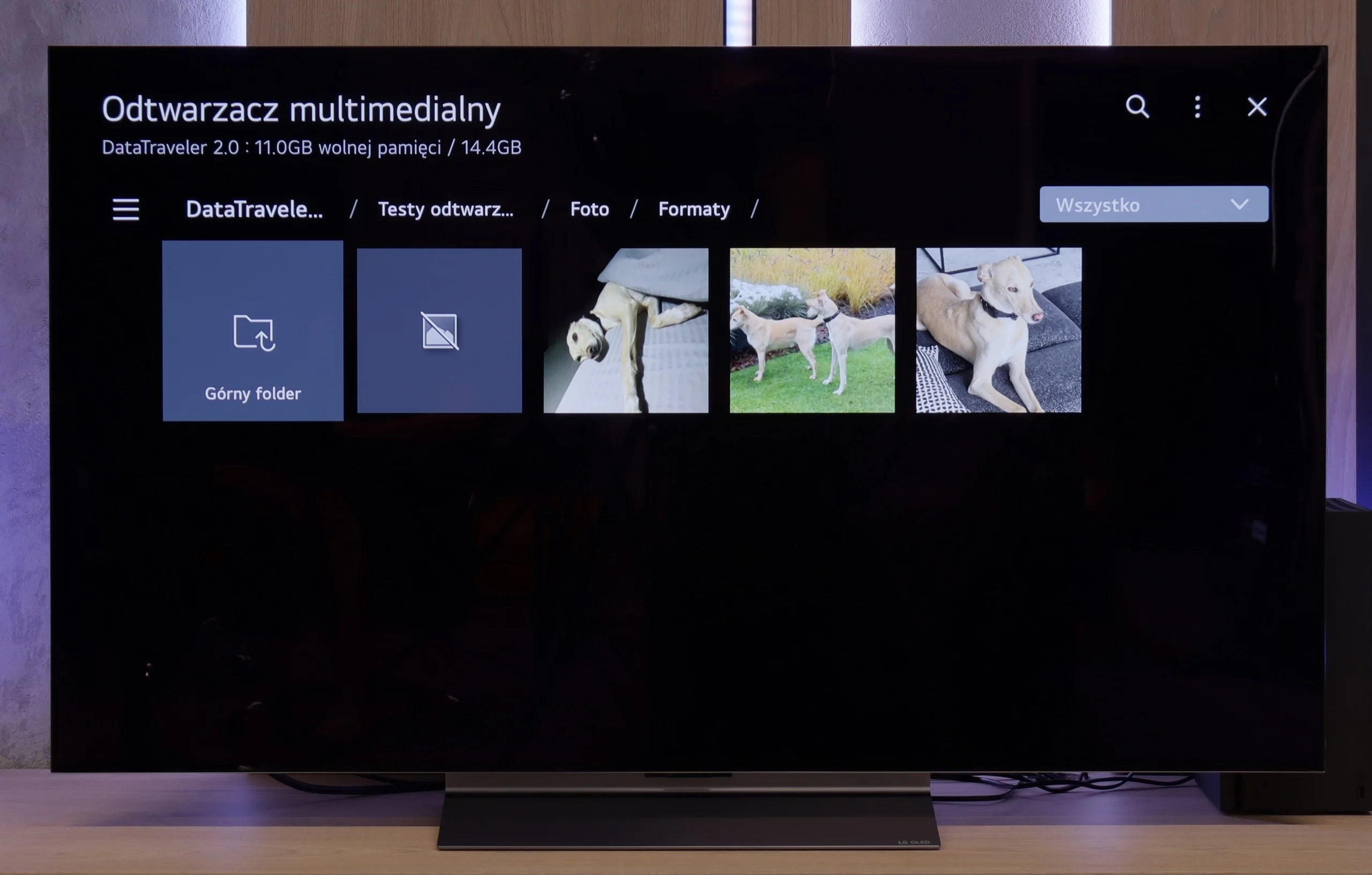
The LG C5 is equipped with quite a decent built-in media player, which should meet the expectations of most users. It supports popular video and audio formats, handles subtitles in SRT format, and opens most graphic files without major issues.

The interface itself is fairly simple and intuitive – it doesn't surprise, but it also doesn't cause difficulties in daily use. Of course, it's not on the level of external players or applications from Google TV, but for basic playback of films from a pen drive or hard drive – it is more than adequate.

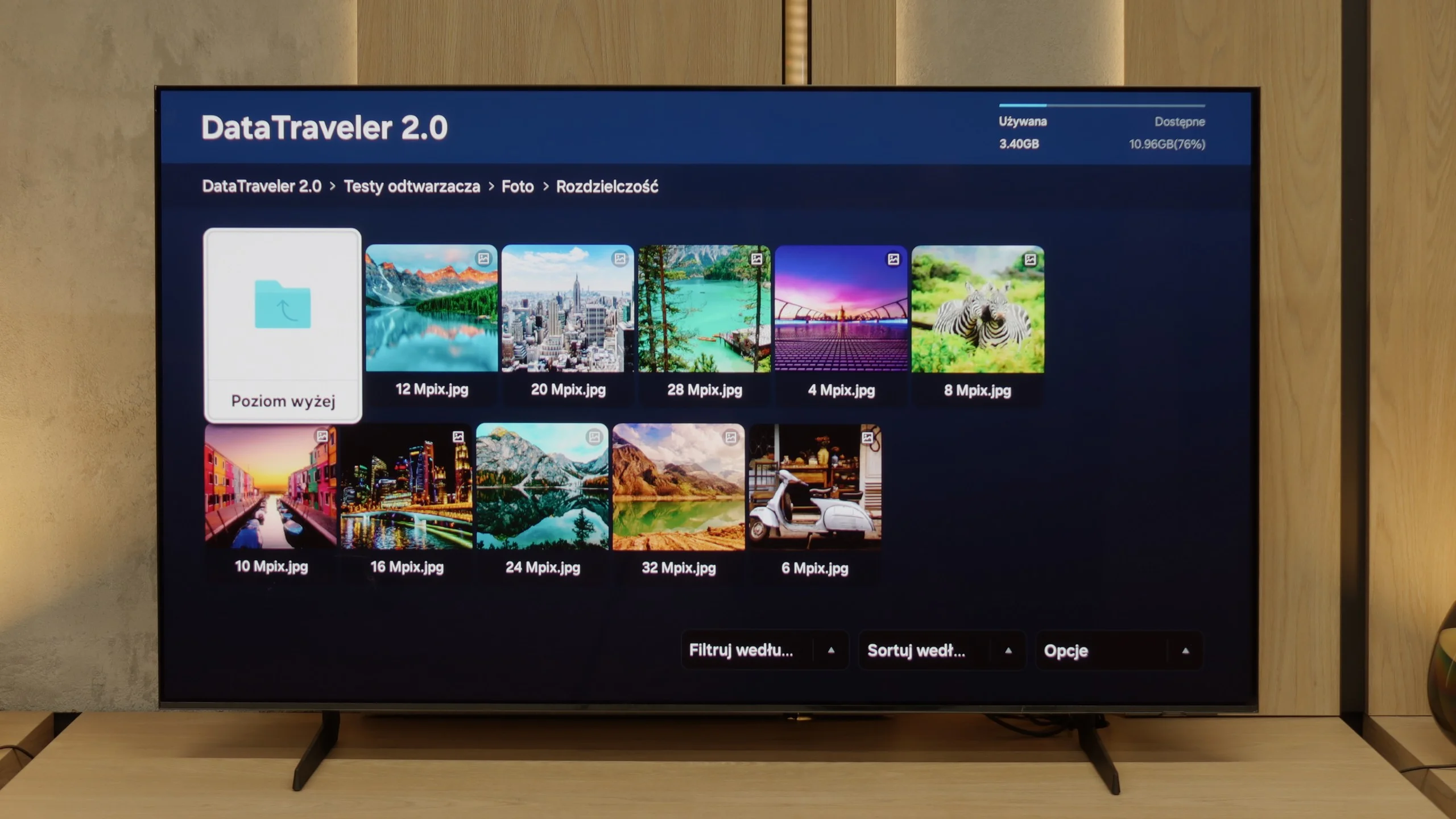
The built-in media player in the S85F performs excellently – practically everything you put on a USB drive or hard disk will be played back without the slightest problem. Minor shortcomings appear only in the handling of some less popular photo formats, but for the vast majority of you, this will be more than sufficient. So, it can be confidently stated that for home use, the built-in player is more than solid.

Sound

7.2/10

7.2/10

  • Maximum volume
    84dB
    80dB
  • Dolby Digital Plus 7.1
    Yes
    Yes
  • Dolby True HD 7.1
    No
    No
  • Dolby Atmos in Dolby Digital Plus (JOC)
    Yes
    Yes
  • Dolby Atmos in Dolby True HD
    No
    No
  • DTS:X in DTS-HD MA
    No
    No
  • DTS-HD Master Audio
    No
    No

For such a slim television, the LG C5 surprises with quite good sound quality. Within its thin casing, a set of specific speakers has been incorporated, which produce clear sound, with well audible details and – surprisingly – a light yet noticeable bass. It is more than sufficient for everyday viewing, and in many cases, it might even offer a pleasant surprise. It is a pity that this year LG decided to completely eliminate support for DTS codecs. For most people, this will not be a problem, but if someone uses Blu-ray discs and enjoys this format – especially in its more advanced versions – they may feel its absence. In such a case, an external amplifier or soundbar with appropriate audio support remains the option.
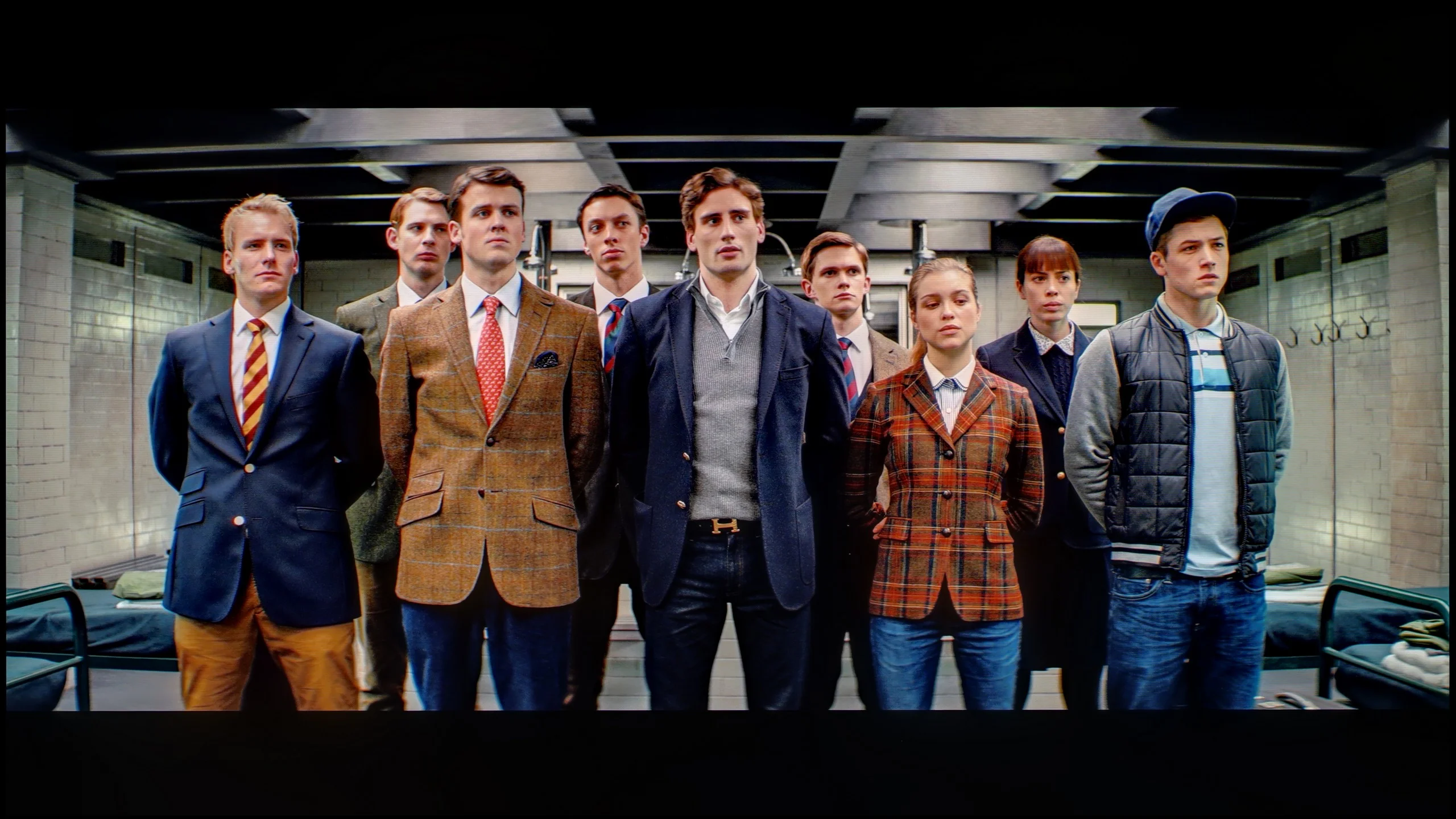

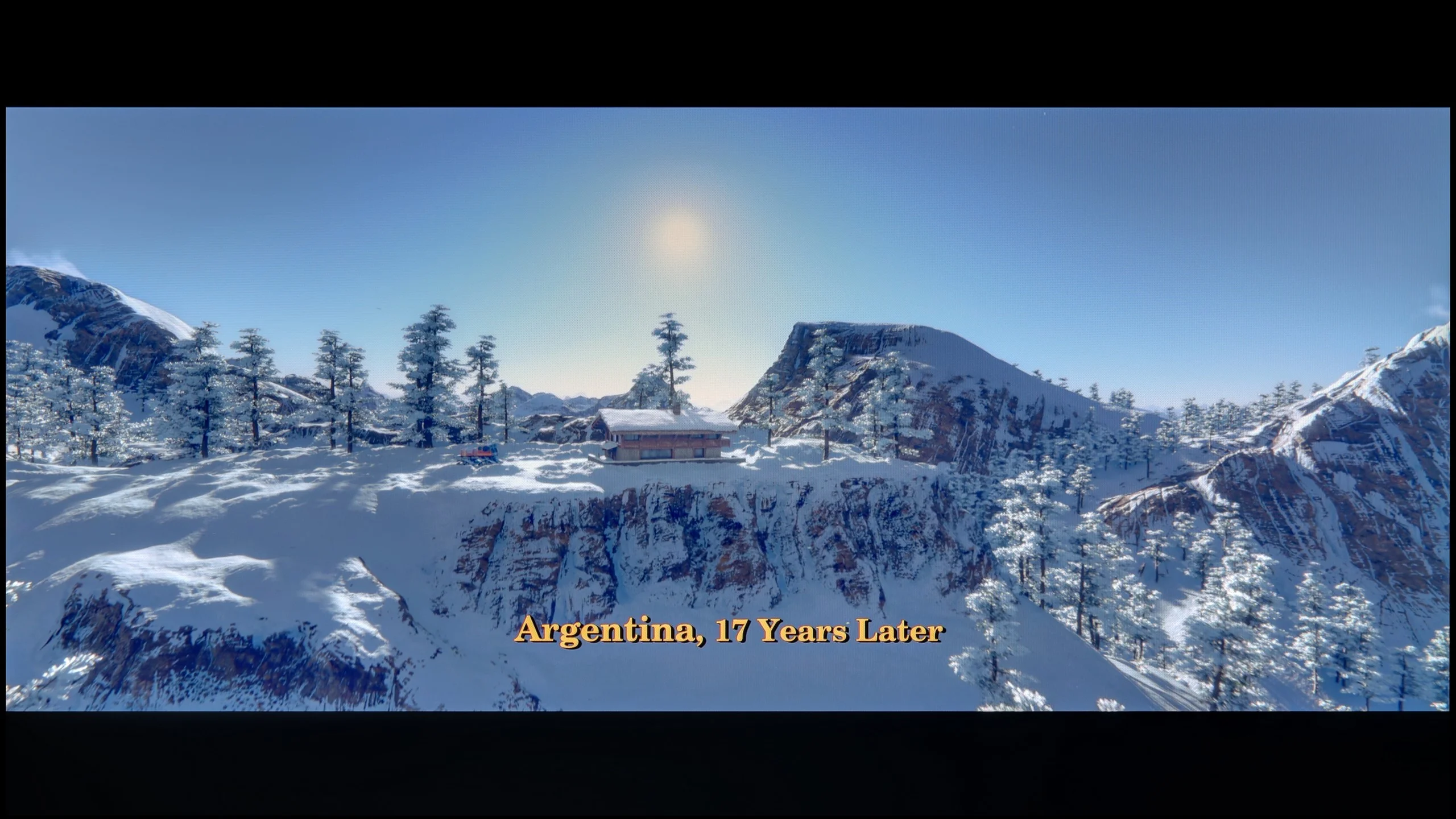
Built-in speakers with a power of 20 W on paper may not make a big impression, but in practice, the S85F can surprise. It sounds really pleasant, and at times you can even catch a subtle bass, which is not a given in this class of speakers. The TV does not support DTS format, which has unfortunately become the standard for most manufacturers by 2025. A nice surprise, however, is the support for Dolby Atmos. Of course, talking about "spatial" sound in the case of two speakers placed at the bottom of the casing would be a slight exaggeration, but it's good that Samsung offers such a feature in this model at all.


Sound Quality Test

Acoustic Measurements

84dBC (Max)

75dBC

80dBC (Max)

75dBC