
LG C4 is a television that, in its price range, will likely have no competition for many users. Thanks to its extensive capabilities, it will appeal to those looking for a television not only for films and series but also for gaming. The advanced WebOS system and a remote control that functions like a mouse will certainly be a significant convenience in everyday use, making it likely that we will stick with this brand for much longer. The OLED panel implemented by the manufacturer, resulting from over 10 years of history, shows that this brand has not yet said its last word. The brightness results in HDR materials are very solid and can deliver an incredibly dynamic and deep image. It is worth mentioning the excellently implemented dynamic tone mapping feature, which makes HDR10 content look almost as good as Dolby Vision. And when it comes to fidelity to artistic vision, one cannot overlook how calibratable LG televisions are, allowing considerable freedom for calibrators and classic calibration for home users, as well as 3D LUT for professionals. However, if we are looking for a gaming television, then the LG C4, like most of the manufacturer’s OLED televisions, will be an ideal choice. With the implementation of HDMI 2.1 ports and the full utilisation of their potential, we can enjoy incredibly smooth gameplay with all the benefits, such as VRR, ALLM, FreeSync, and G-Sync. Of course, the panel, with a maximum refresh rate of 144 Hz and an advanced motion smoother, will also provide a very smooth and sharp image during the broadcast of various sporting events. It is hard not to give a high rating to LG OLED C4, as a television in a similar price range with such advanced features is difficult to find among the competition.
- Matching (Score) |
- Our verdict |
- TV appearance |
- Where to buy |
- Contrast and black detail |
- HDR effect quality |
- Factory color reproduction |
- Color reproduction after calibration |
- Smoothness of tonal transitions |
- Image scaling and smoothness of tonal transitions |
- Blur and motion smoothness |
- Console compatibility and gaming features |
- Input lag |
- Compatibility with PC |
- Viewing angles |
- Daytime performance |
- Panel details |
- TV features |
- Apps |
- Playing files from USB |
- Sound
LG OLED C4 vs TCL C8K
 Direct comparison
C45 / C41

C8K / QM8K

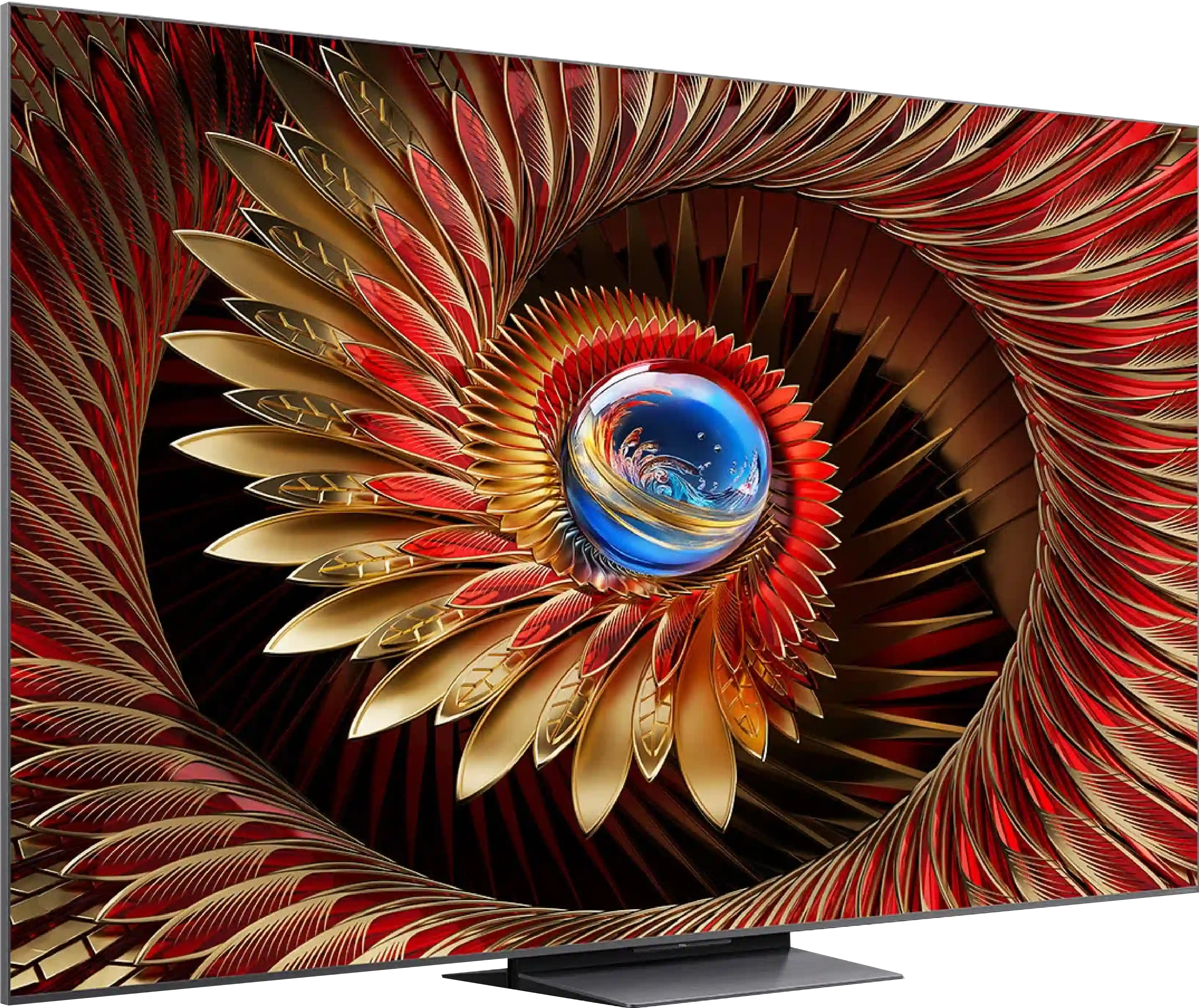
Panel type: WRGB OLED
Resolution: 3840x2160
System: WebOS
Model year: 2024
Complete the survey to find out the result
Panel type: LCD VA
Resolution: 3840x2160
System: Google TV
Model year: 2025
Complete the survey to find out the result
Overall rating
8.2
7.7
 Movies and series in UHD quality
 8.2
7.4
 Classic TV, YouTube
 8.8
7.0
 Sports broadcasts (TV and apps)
 8.6
6.8
 Gaming on console
 9.3
8.9
 TV as a computer monitor
 8.6
8.6
 Watching in bright light
 5.7
6.9
 Utility functions
 8.9
7.7
 Apps
Apps 9.1
9.6
 Sound quality
 7.5
7.9
Complete the survey to find out what fits your preferences
Advantages

High efficiency in HDR materials
Very good colour reproduction after calibration
Faithfulness to the image with directorial vision
Excellent collaboration with consoles and PCs - low input lag, a wealth of conveniences
Advanced motion smoothing system
Great contrast and black levels
Very high HDR brightness
Support for all popular HDR formats
Fast 4K@144 Hz panel
Many features for gamers (VRR, ALLM, Game Bar, Low input lag)
GoogleTV operating system with multiple apps
Improved viewing angles thanks to WHVA panel
Very good sound: Collaboration with Bang & Olufsen
Disadvantages

Sometimes visible tonal transitions
No smaller variants such as 55"
Very weak dimming algorithms
Colour reproduction out of the box needs improvement
Only 2 HDMI 2.1 ports and one USB.
No recording function from built-in tuners or PiP
Our verdict
The C8K is proof that premium Mini LED technology does not have to cost as much as a premium product. With a high number of dimming zones and a new WHVA panel, the television offers excellent contrast, deep blacks, and very high brightness – everything we expect from a good viewing experience in the living room. The improved viewing angles are also surprising, finally allowing us to enjoy watching even when sitting outside the centre of the frame. The C8K also excels in the gaming world – 144 Hz, support for 288 Hz in Full HD, a complete set of gaming features, very low input lag, and sensible compatibility with PCs make it hard to tear ourselves away from it with a controller or keyboard in hand. Onboard, we also have Google TV – currently the most advanced and versatile Smart TV platform. There is access to all key applications, excellent voice control, and an intuitive interface. It may lack some classic TV features like USB recording from built-in tuners or picture-in-picture (PiP), but most users won't even notice that. On top of all this, there is very decent sound – a new collaboration with Bang & Olufsen.
Of course, it is not a screen without flaws. HDR, although impressive, still carries some 'mini LED' traits – bright scenes can be overly bright or dimmed, and the system lacks a few classic features known from other brands. But when we look at its price compared to the competition, it’s hard not to ask ourselves – why pay more?
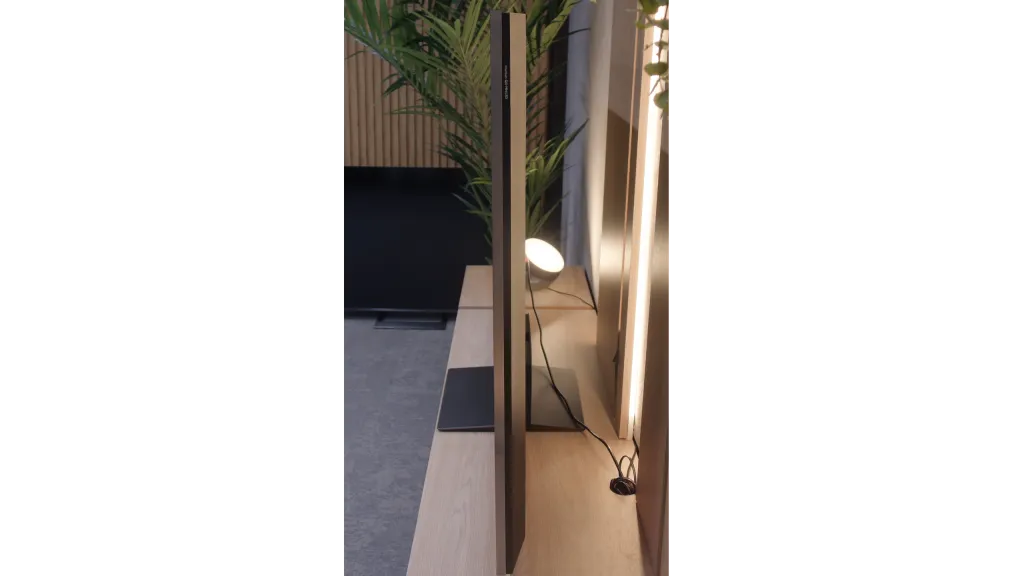
TV appearance



Contrast and black detail
10/10
8.2/10
Local dimming function: Yes, number of zones: 1680 (30 x 56)
Contrast:


Result
∞:1

Result
∞:1

Result
∞:1

Result
∞:1

Result
∞:1
Result
714,300:1
Result
68,100:1
Result
25,050:1
Result
17,800:1
Result
12,500:1
Halo effect and black detail visibility:

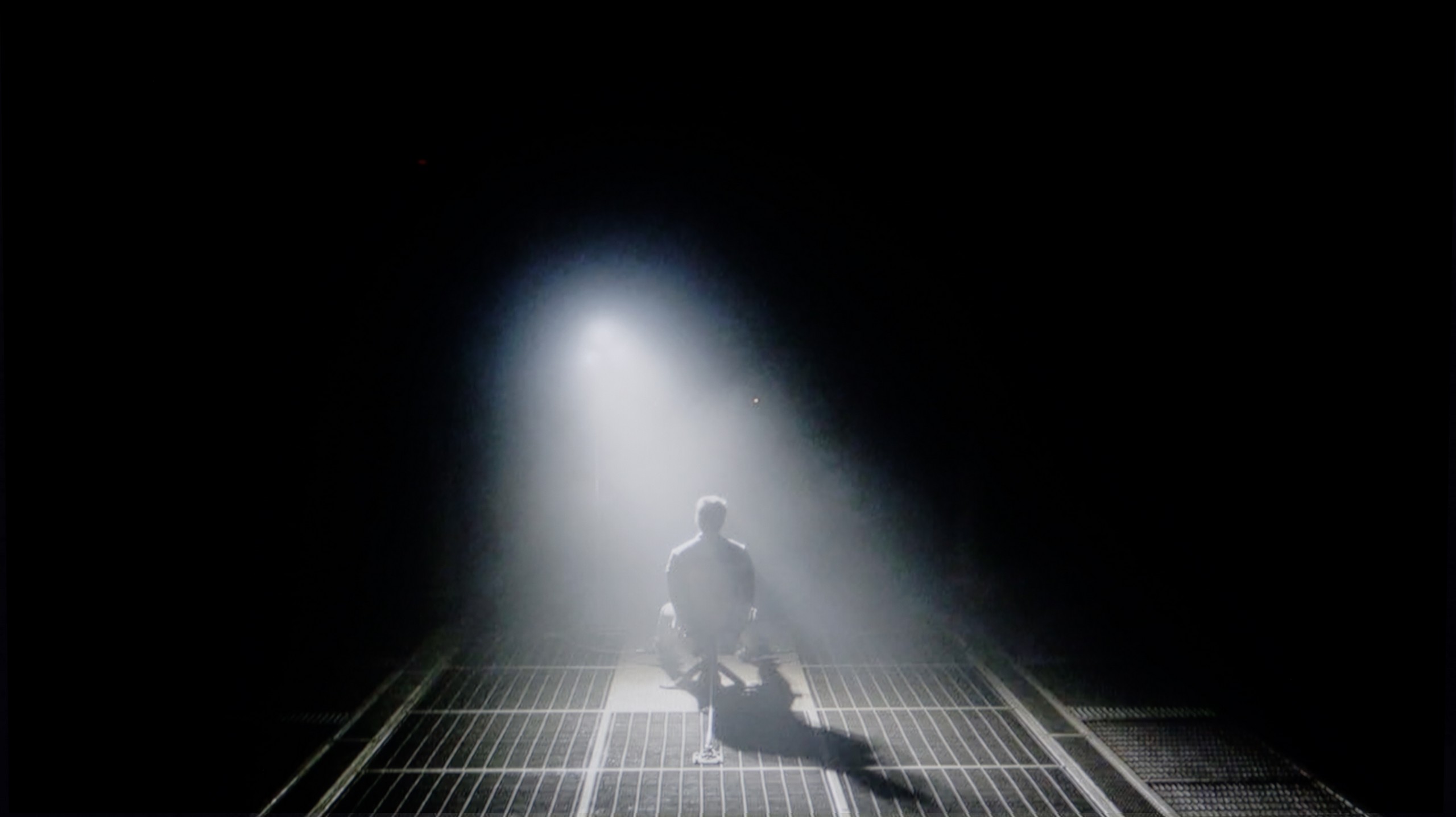
Check the visibility of bright lights on a dark background. Mini-LEDs often struggle with this. The photo does not compare black levels – that’s what the video below is for.
The video accurately shows differences in contrast and black levels between TVs, as well as potential issues: halo around bright objects or Mini-LED zone operation visible as brightness jumps.
LG OLED C4, as the name suggests, uses an organic panel of its own production. This series definitely ranks among the most recognisable on the market. Over 10 years of experience in the construction of self-emitting panels has allowed for the refinement of each subsequent design, with the models from the 2024 vintage being the epitome of this. Of course, the use of this type of screen enables the achievement of impeccable contrast and blacks, allowing for immersion in the world created by the director. This is made possible by the OLED panel, characterised by the absence of conventional backlighting, with current passing through organic pixels instead. This allows for super-accurate control of the image, thereby eliminating issues such as the dimming of delicate fine details or the halo/blooming effect. Looking at both of our test scenes, we can observe two things: perfect separation of lights and a whole plethora of details in the film "Sicario 2".
TCL C8K is a representative of Mini LED televisions and – importantly – uses a VA panel. This means high native contrast right from the start, but the true strength of this model reveals itself only when we combine it with an impressive number of dimming zones. In the 75-inch version we tested, we counted nearly 1700 independent zones – and you can feel it. In many scenes, the effect of black levels and contrast is nothing short of phenomenal. In less demanding scenes – where the dimming algorithms do not have to 'struggle' much – the screen can resemble OLEDs. The contrast can be almost infinite, and the separation of bright and dark elements leaves an excellent impression.
However – as is often the case with Mini LEDs – it is not an organic screen and some compromises must be accepted. Brightness is a significant advantage, but also a factor that can reveal the weaknesses of this solution – especially in dark scenes. In particularly challenging scenes to display – such as those famous ones with a starry sky or sequences from the iconic Pioneer Kuro – the so-called halo becomes noticeable, which is a glow around small bright details. Sometimes the entire screen also slightly brightens when the system tries to balance contrast with extreme luminance. However, this is a feature of the technology, not a flaw of the specific model. And although these types of compromises can slightly diminish the overall impression in certain scenes, TCL C8K is among the very best when it comes to contrast among Mini LED televisions.
HDR effect quality
6.8/10
6.9/10
Luminance measurements in HDR:

Result
796 nit

Result
772 nit

Result
869 nit

Result
837 nit

Result
604 nit
Result
1241 nit
Result
510 nit
Result
1180 nit
Result
375 nit
Result
1421 nit
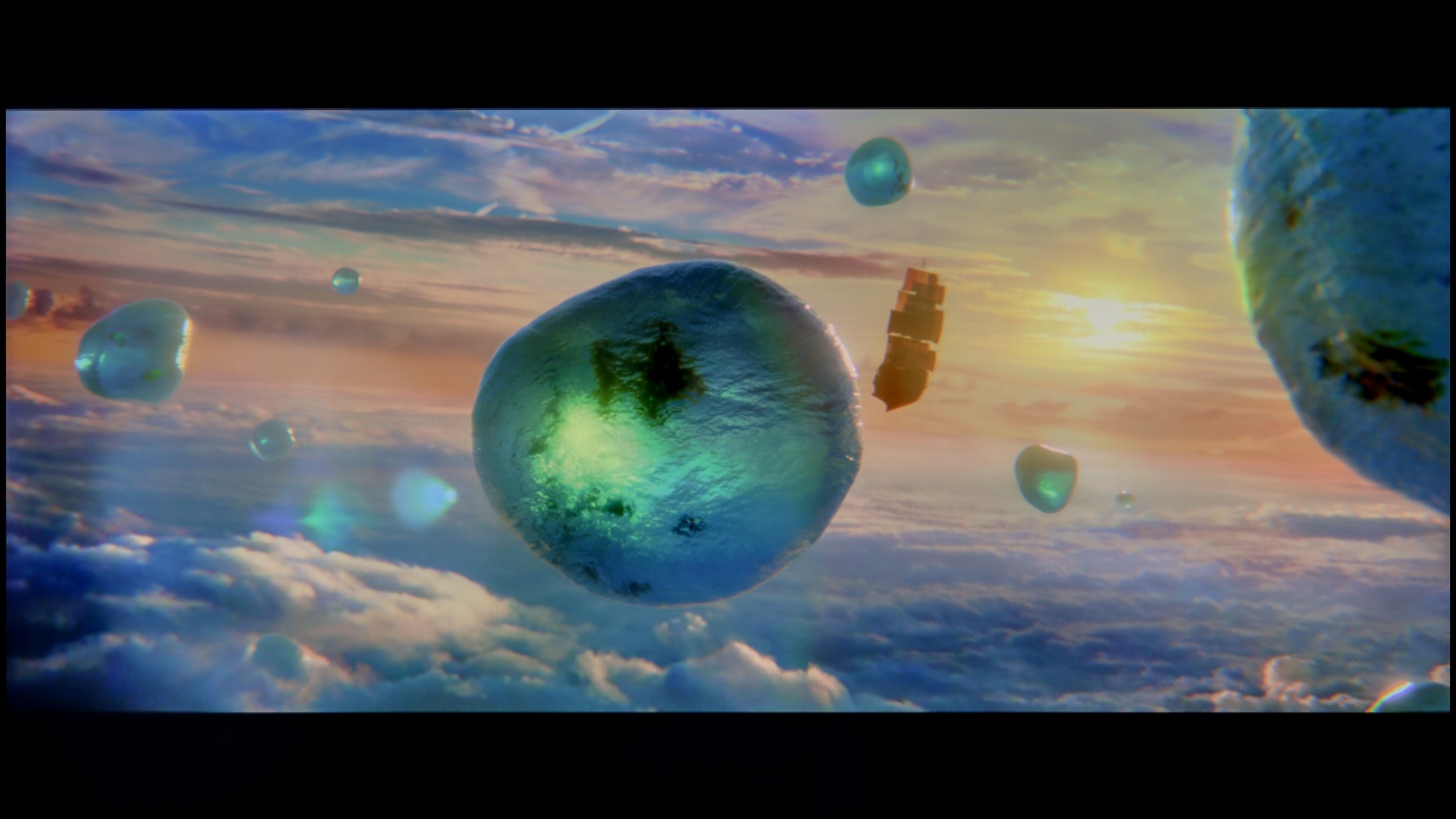
Scene from the movie “Pan” (about 2800 nits)

Scene from the movie “Billy Lynn” (about 1100 nits)

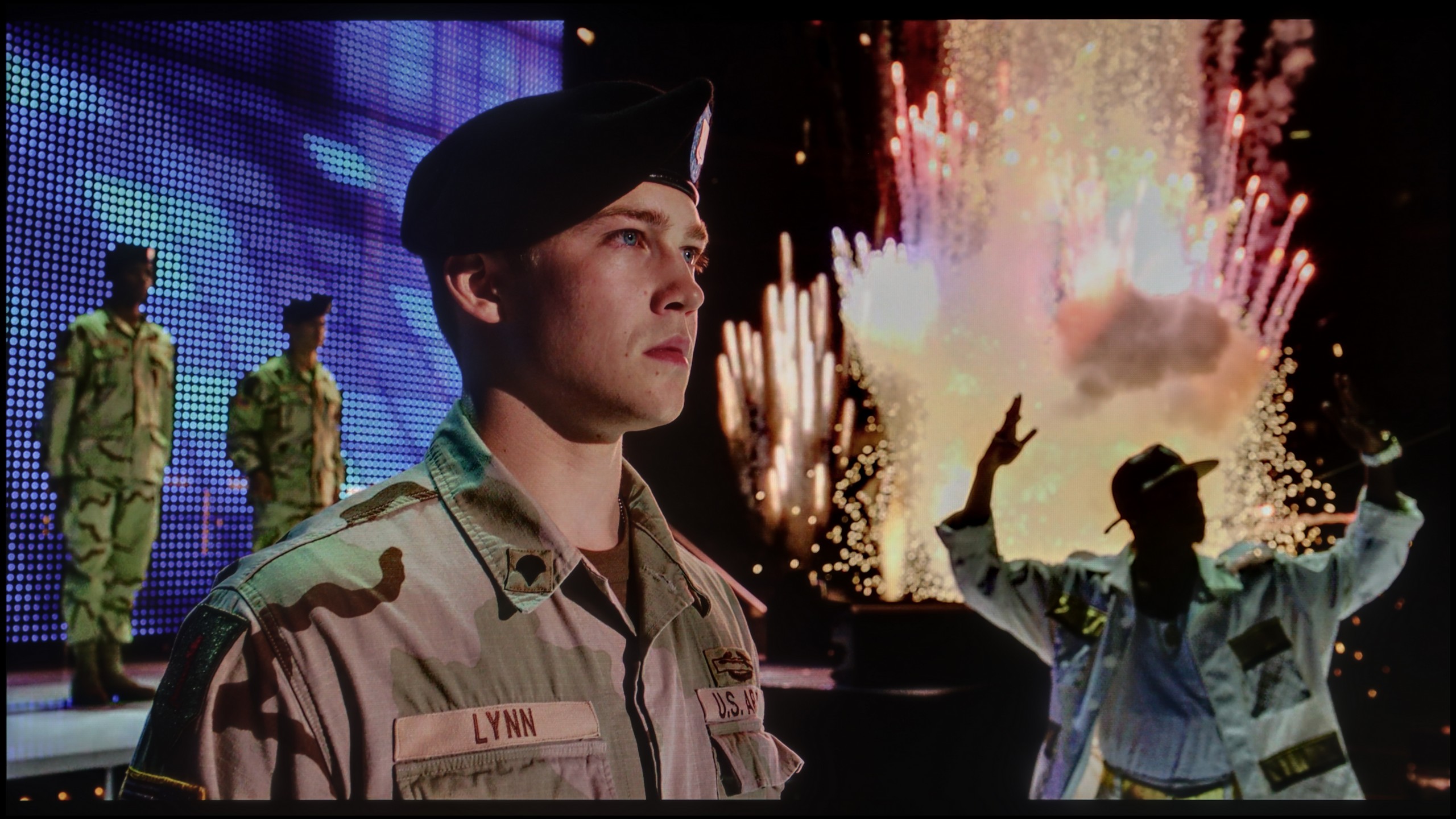
The photos show two HDR10 movies. 'Pan' is one of the brightest productions ever made, while 'Billy Lynn' (soldier) has brightness typical of streaming (Netflix, Prime, HBO MAX). Notice the intensity of effects and detail in whites.
Static HDR10


The photos present the visibility of white details in various HDR formats. They do not show brightness differences between TVs (these can be compared in the previous gallery).
Dynamic: Dolby Vision
Dynamic: Dolby Vision


The photos present the visibility of white details in various HDR formats. They do not show brightness differences between TVs (these can be compared in the previous gallery).
HDR luminance chart:
TCL C8K
LG OLED C4
Luminance of RGB colors
The results of HDR materials are definitely among the better ones. Practically every film significantly exceeds the 700 nits barrier, allowing for a very realistic image. Of course, none of them surpasses the magical thousand, yet the combination of such results and unlimited contrast and black effectively boosts the outcome optically. The last of the scenes, featuring a full-screen burst of sunlight, is actually less bright than the others, although it still represents a commendable level. It is also worth mentioning the excellent coverage of the DCI-P3 colour palette, which will allow for achieving extremely vivid colours.
The TCL C8K is a truly bright television. In synthetic conditions – that is, during brightness test patterns – it was able to achieve even 3500 nits of peak brightness in movie mode. This is an impressive result that brings the C8K close to the market leaders, at least in terms of panel brightness. More importantly – these are not just numbers on paper. In films with a lot of bright scenes, such as Life of Pi or The Meg, the brightness clearly exceeds 1000 nits, providing a real sense of HDR effect. The picture in such moments looks very dynamic, colours are vibrant thanks to excellent colour gamut coverage, and lights are spot-on and intense. Just as it should be.
However, this does not mean that everything is perfect. Similar to the contrast tests, compromises also arise here in more demanding scenes. In sequences with very fine light elements – such as stars in the night sky or reflections in dark rooms – the local dimming algorithm can… get confused. Instead of bringing those details up, the television sometimes decides to significantly dim them – to a level of around 300 nits – to maintain blacks. On one hand, this is quite a reasonable approach (better deep blacks than a grey/blue screen), but on the other hand – there may be moments when certain elements of the picture become hardly visible or even disappear into darkness.
TEST UPDATE (20/08/2025) : The brightness control algorithm in this model is quite problematic – an attempt to calibrate the picture so that it does not drastically overexpose the brightest scenes results in unnatural shifts: an improvement in one area of the picture leads to a deterioration in another. The television may achieve slightly higher brightness measurements, but in practice, this comes with a highly oversaturated image that looks very unnatural!
For the sake of order, we provide the brightness values without this adjustment:
1463 nits
640 nits
1368 nits
468 nits
1025 nits
Factory color reproduction
8.1/10
4.8/10


This gallery shows how colors change after professional TV calibration. If you notice the difference, we recommend ordering this service at SkalibrujTV.com.
Factory Mode
After calibration
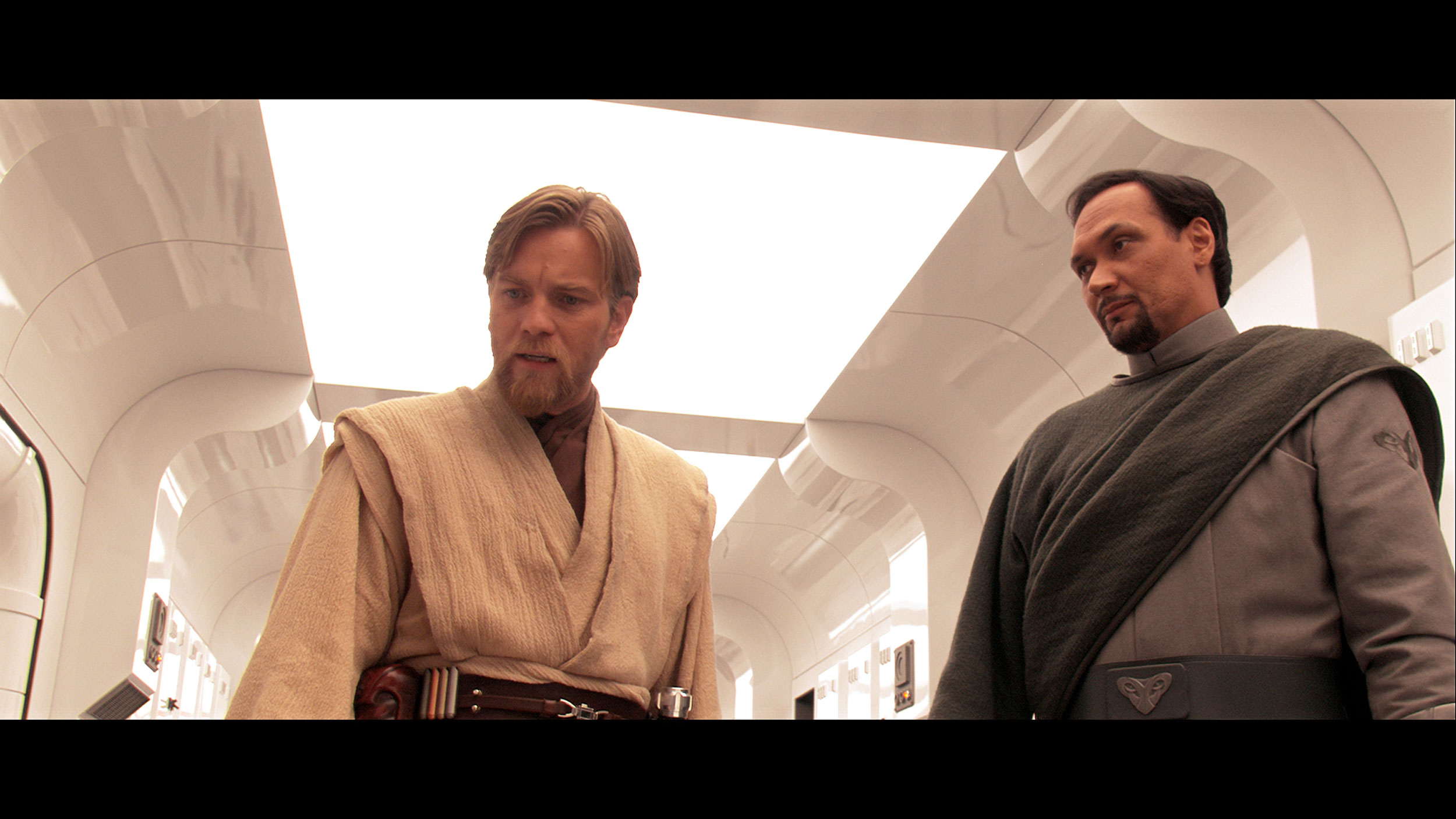
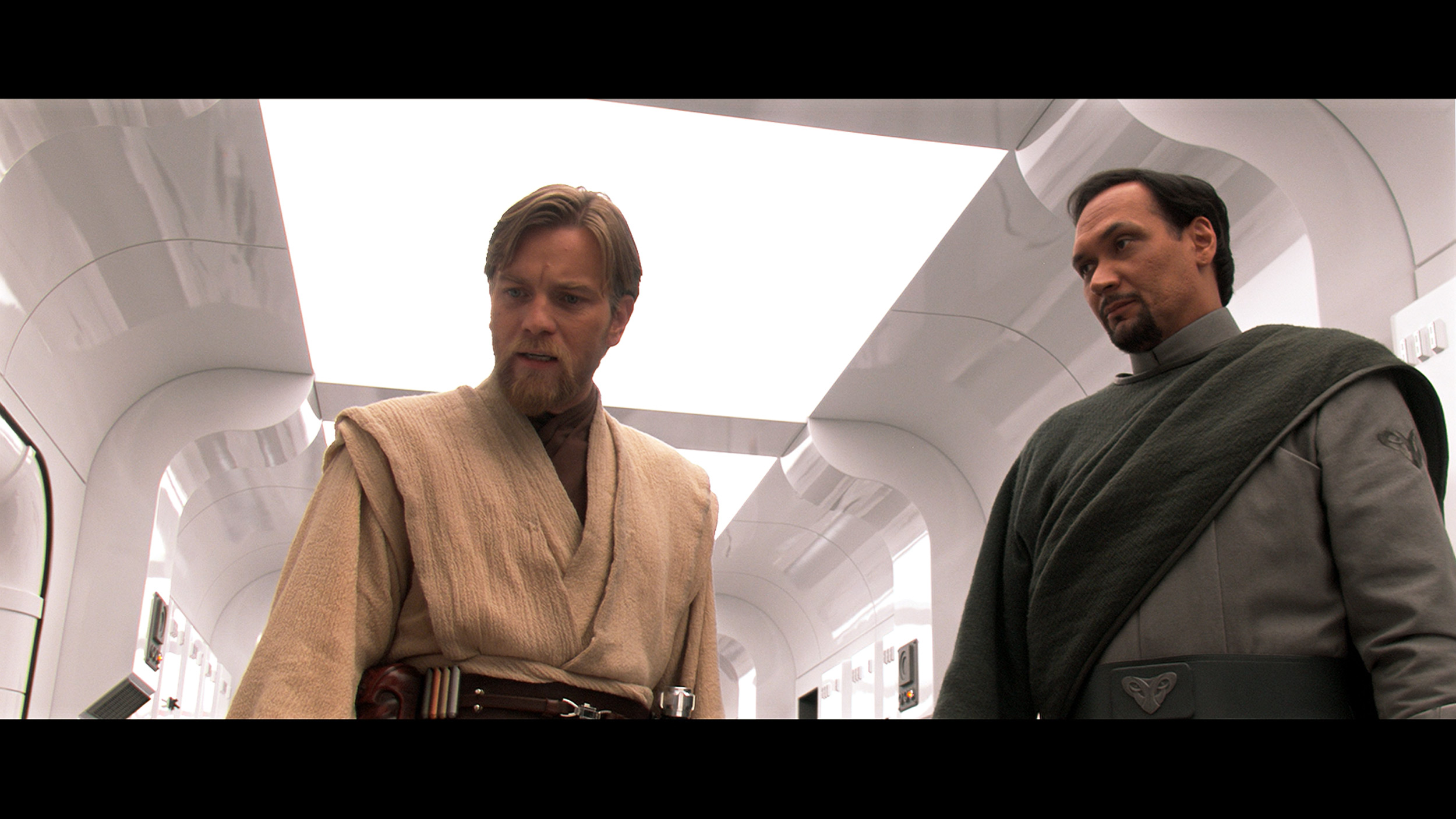
This gallery shows how colors change after professional TV calibration. If you notice the difference, we recommend ordering this service at SkalibrujTV.com.
Factory Mode
After calibration
The best factory mode implemented in the tested television was "Filmmaker". It was this mode that we used during all tests. This mode proved to be quite good in terms of colour reproduction; however, other shortcomings effectively detracted from the enjoyment of viewing. Starting with the most basic aspect, the white balance, it was easy to notice that it was marked by a dominance of red, which overall changed the characteristics of the image. We could thus see a strong yellowing of the whites and a shift of all colours towards warmer shades. The gamma, which is a curve just as important, if not more so, was quite significantly lowered, resulting in a considerable drop in contrast, except at the beginning of the graph, where the television insidiously lost details. That’s all regarding SDR materials. Taking a closer look at films with a wide dynamic range, we can observe exactly the same phenomenon of yellowing of the white balance as in films with a standard colour palette. The EOTF curve, which replaces our gamma curve, is practically perfect and cannot be faulted.
In the C8K, a new picture mode has appeared: Filmmaker Mode. This is something we have known for years from televisions of other brands – a mode designed to deliver the director's vision as faithfully as possible, without unnecessary image enhancements. Unfortunately, with TCL, this still seems to be at a stage 'in need of improvement'. At first glance, the screen appears too warm – the image leans towards reds, which may not appeal to everyone. The white balance was significantly skewed – the screen looked distinctly warm, and the red colour dominated almost every scene. There was a lack of blue, which resulted in an unpleasant yellowing and distortion of the image. But that’s not all. Regardless of whether we were watching regular television, YouTube, or films in HDR – the television had a clear tendency to excessively brighten the image. In the gamma and EOTF graph tests, the lines, instead of sticking to the pattern, strayed, which in practice translates to an overly bright and less contrasty image. Additionally, in the colour reproduction tests, there were noticeable deviations – on the colour wheel, certain points were even 'off the mark'. It must be said plainly: Filmmaker Mode in the C8K in its current form is not very filmic.
Color reproduction after calibration
9.5/10
7/10

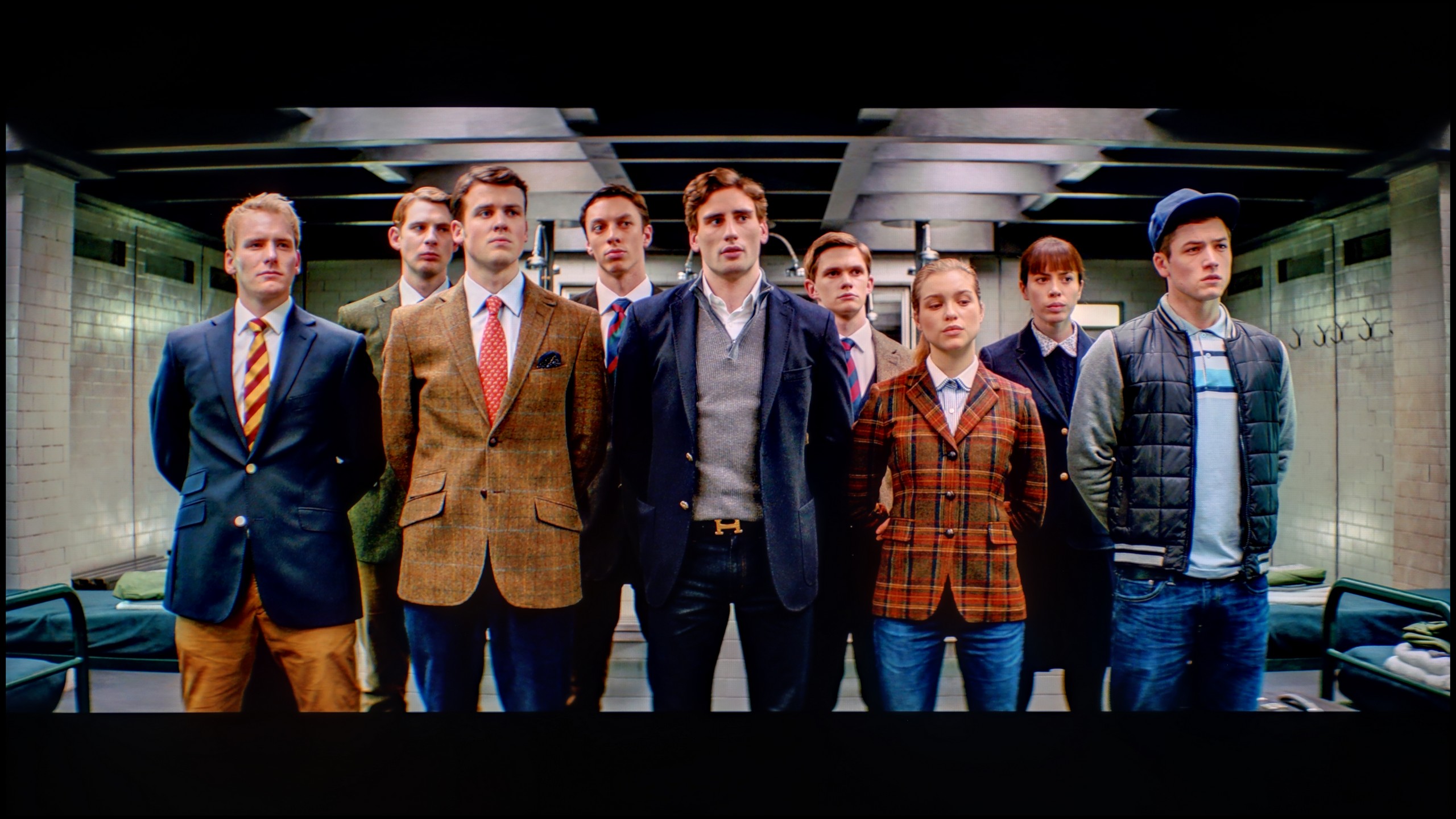
The photos show how movies look on the TV. Pay attention to black detail visibility, colors, and shadow tint.

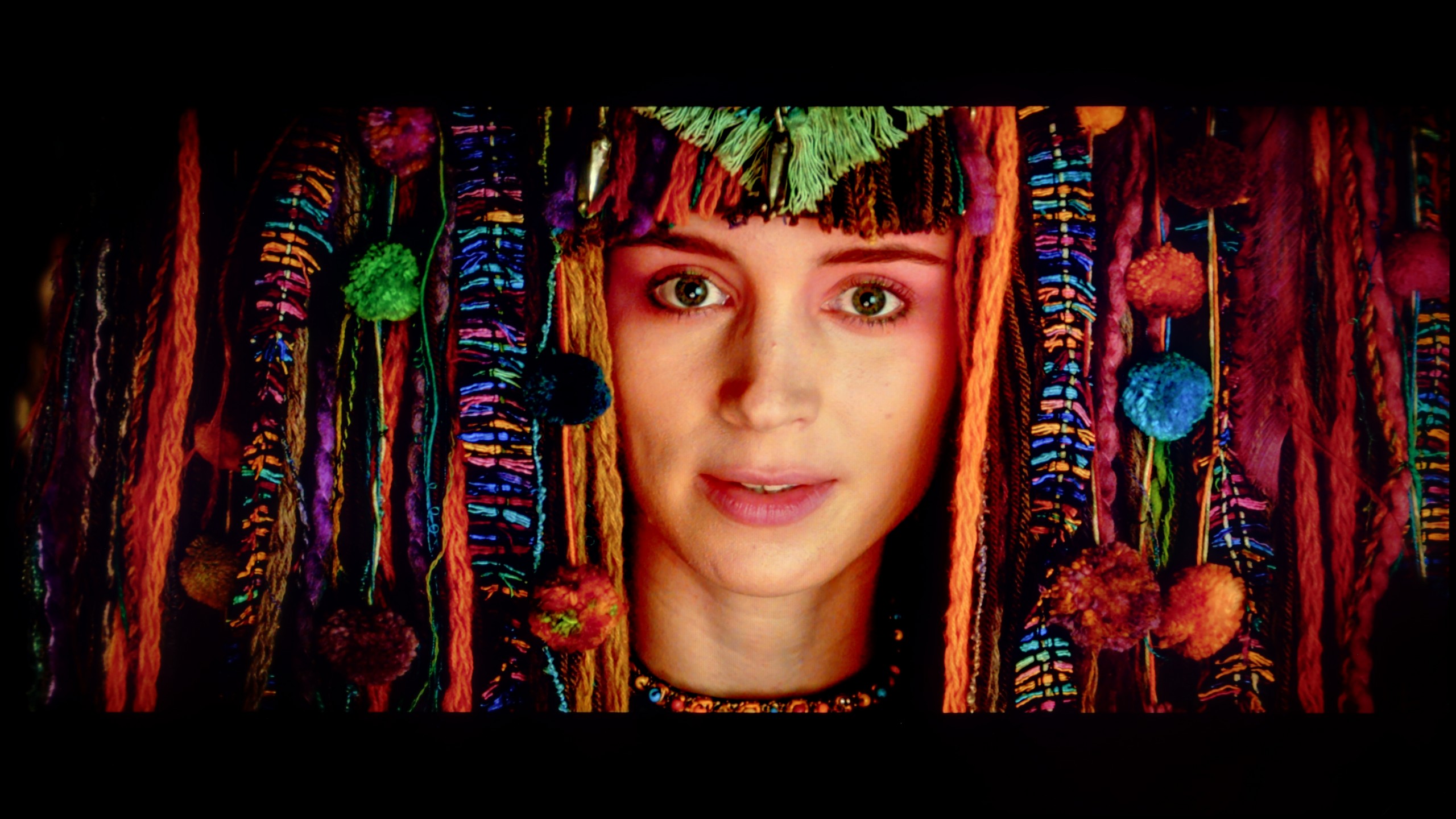
The photos show how movies look on the TV. Pay attention to black detail visibility, colors, and shadow tint.
As we mentioned earlier, LG televisions are equipped with advanced tools for carrying out the calibration process. We therefore used them to model the image in the way that the director intended. And without modesty, we must admit that we achieved this phenomenally. Both SDR and HDR materials present a level that clearly indicates that this is how a film should look. It is worth looking at the colour errors on the "ColorChecker" palette here, where practically none of them exceeds "1", apart from two samples.
After professional calibration, the TCL C8K has made a huge step forward. In SDR content, we managed to almost perfectly set the white balance – the screen has finally stopped being too warm and has acquired a neutral character. The gamma curve, responsible for the way brightness is reproduced, also looks very good now – the image is more consistent and realistic. We also improved the white balance in HDR content – within the limits that the television itself allows. Unfortunately, the C8K still interprets brightness management somewhat "in its own way." When we look at the EOTF chart in films, it is clear that the television brightens entire scenes more than it should. Before calibration, this effect was really troublesome – now the situation looks much better, although it still falls a bit short of perfection. This, however, is a limitation of the device itself, which – despite our efforts – does not allow us to fully tame its nature.
Smoothness of tonal transitions
7.1/10
8.7/10


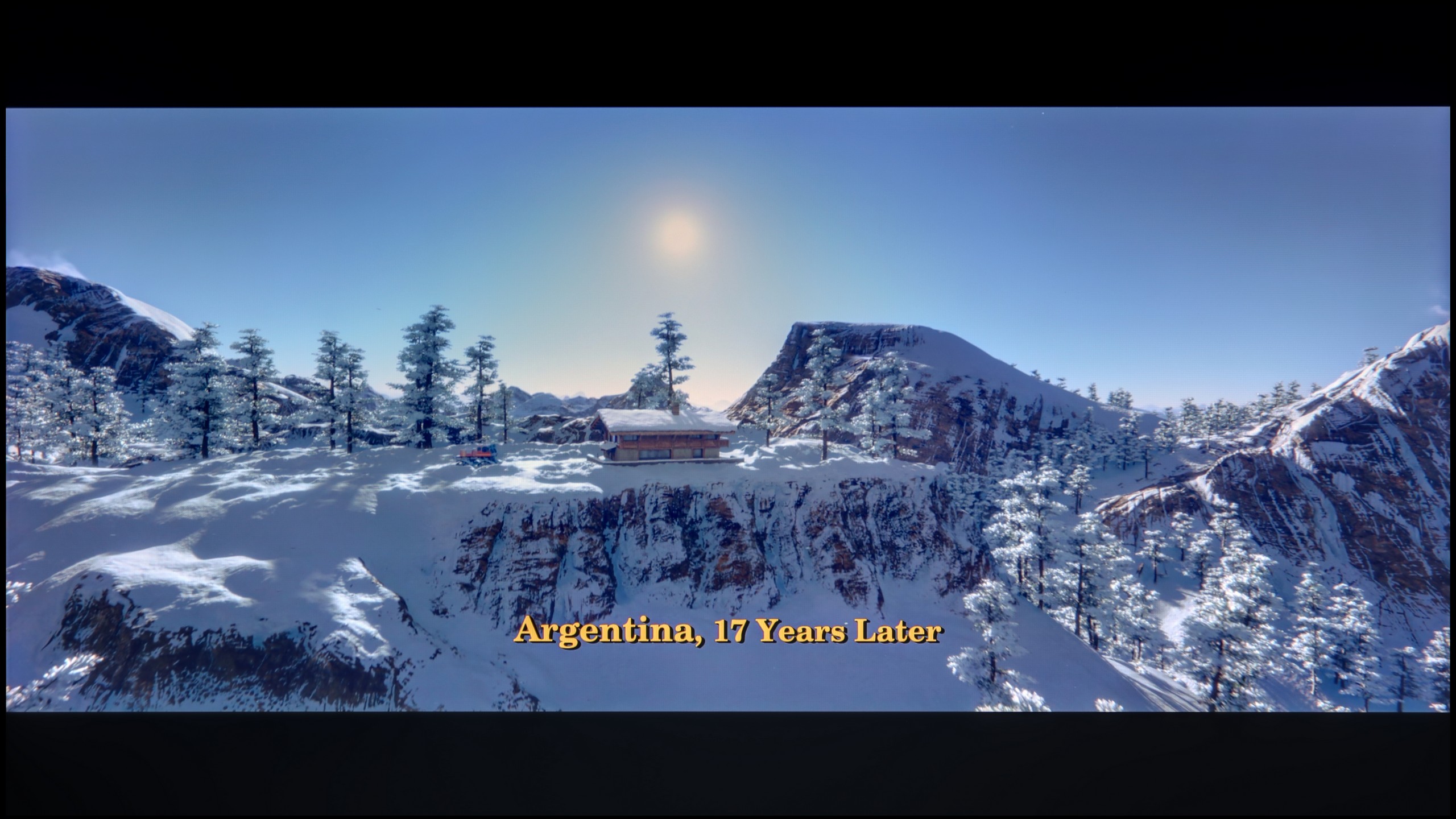
These are selected scenes that show smooth tonal transitions from one color to another. If you see distinct banding, it’s the TV panel’s fault.
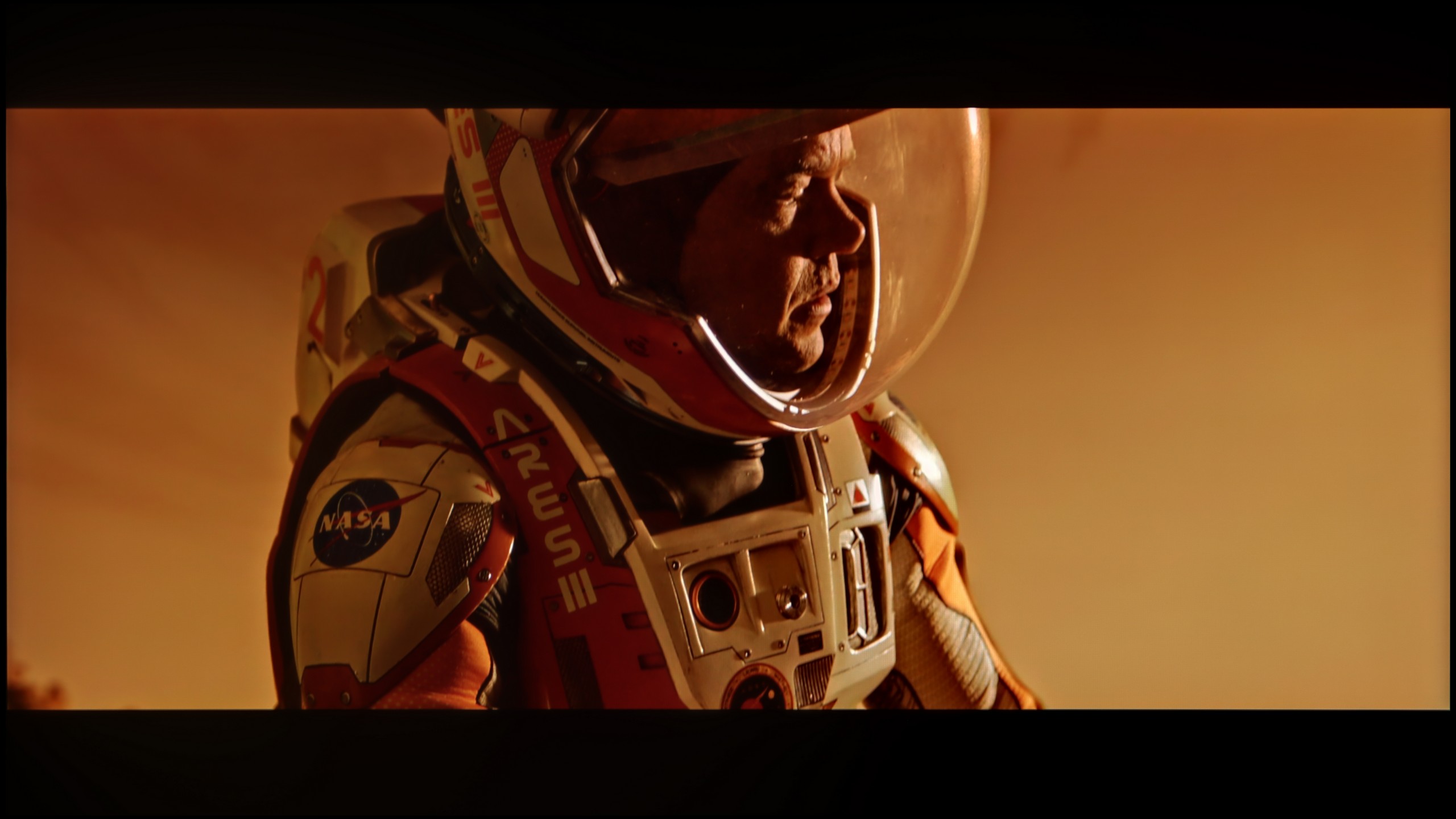
These are selected scenes that show smooth tonal transitions from one color to another. If you see distinct banding, it’s the TV panel’s fault.
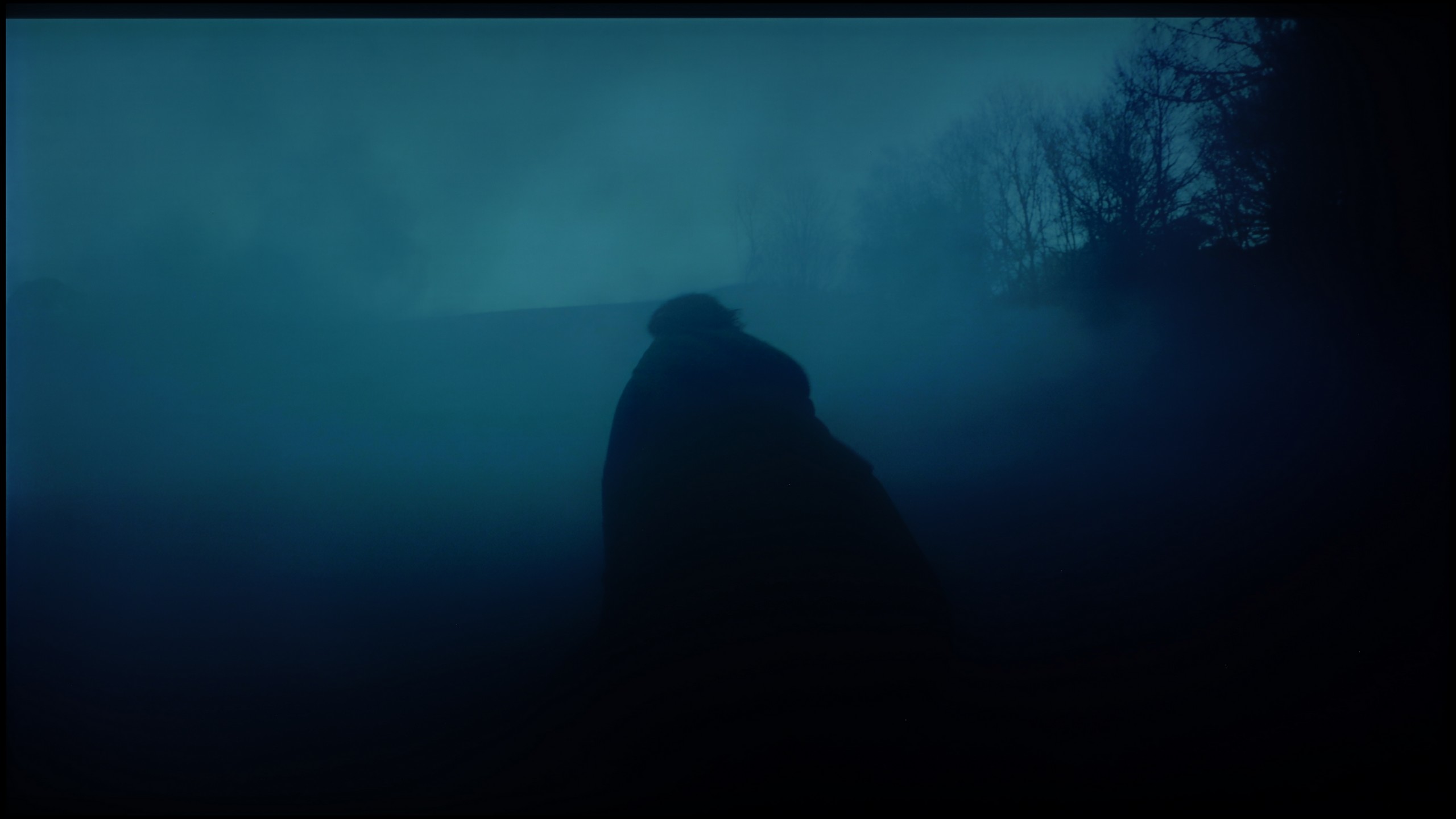
These are selected scenes that show smooth tonal transitions from one color to another. If you see distinct banding, it’s the TV panel’s fault.
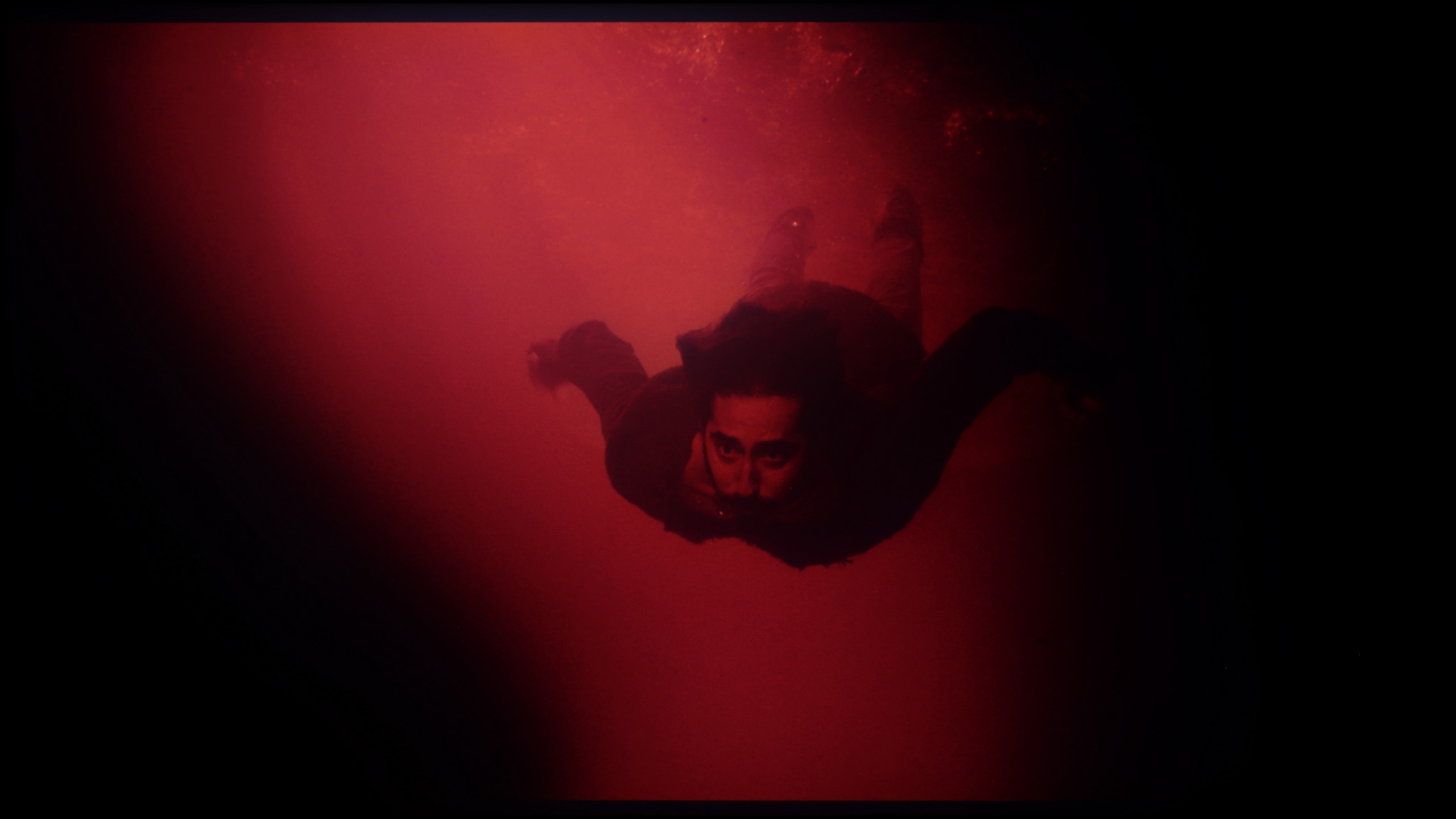
These are selected scenes that show smooth tonal transitions from one color to another. If you see distinct banding, it’s the TV panel’s fault.
The fluidity of tonal transitions in LG televisions has always been a fairly sensitive issue, as the manufacturer, despite impeccable performance in other areas, has almost always struggled to get this right. The results of the assessment of the fluidity of tonal transitions in the tested television were quite good, and the problems are mainly visible in darker scenes, such as the last two scenes. Interestingly, this is a result that is definitely better than the highest model from the manufacturer, namely the LG G4.
In this respect, the TCL C8K performs really well. Transitions between colours look natural and coherent – there are no strange bands or significant banding that could disrupt the viewing experience. Especially in bright scenes, everything appears very smooth. In the darkest parts of the image, particularly in shades of grey, one can sometimes notice slight unevenness, but they are subtle enough not to be distracting to anyone.
Image scaling and smoothness of tonal transitions
8/10
5.5/10

Smooth transition function

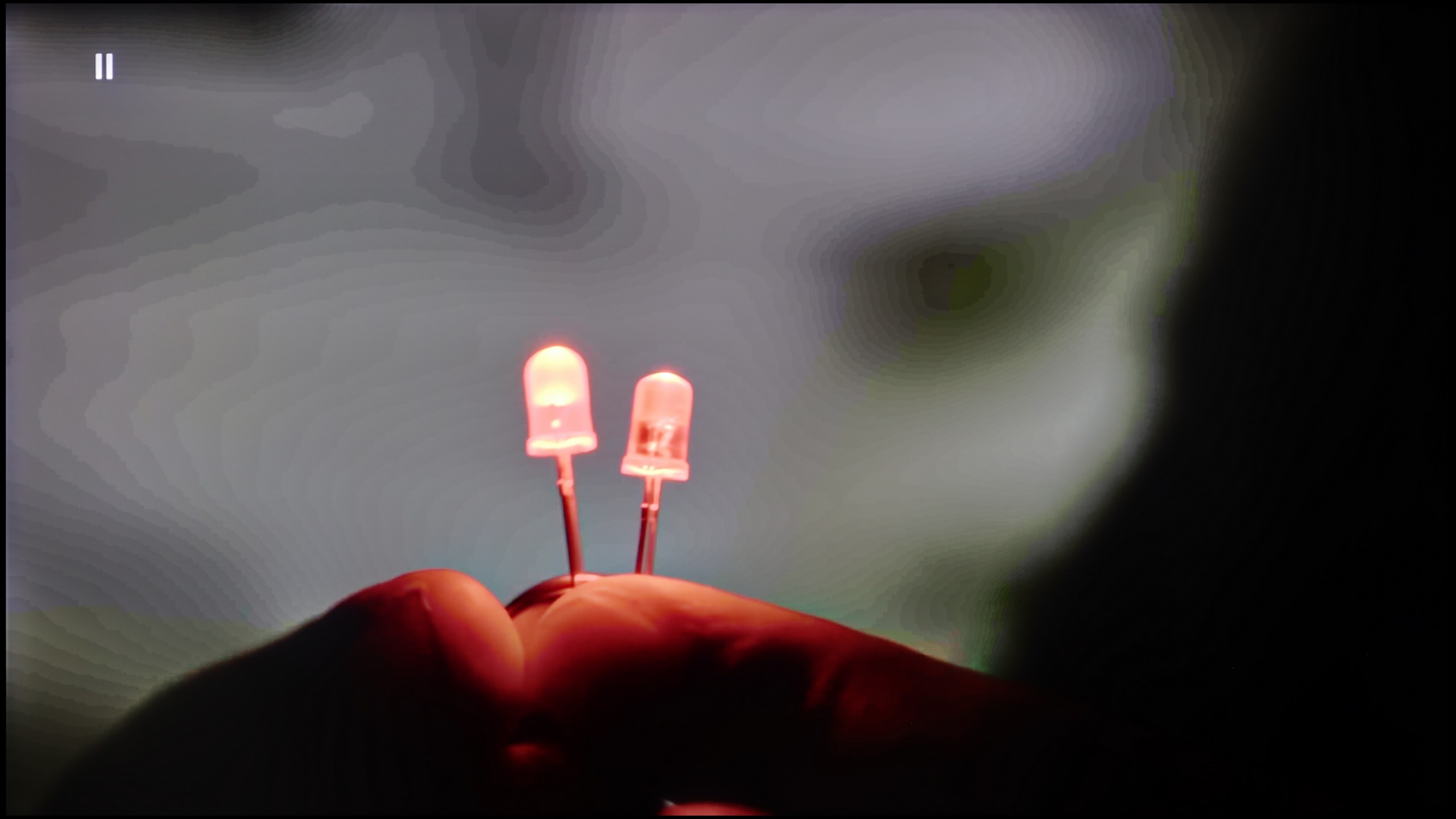
The match photo shows how the TV smooths weak tonal transitions in low-quality video.
Image scaling SD (576i)


The model photo shows how it handles upscaling of SD material.
Once again, we will take a look at the function responsible for smooth gradation, but we will also address the one that aims to improve the quality of lower-quality materials. The default smoothing of tonal transitions, as we have seen, was not the worst, but it can still be improved. The function has a slider, which allows us to adjust its strength. We recommend using the first one, as it yields very good results and does not blur important details.
Image scaling in LG C4 is quite good; however, it cannot be said to be without flaws. The image is slightly sharper by default, although not in a very noticeable way. Admittedly, there are jagged edges on the trees, but this is not a major issue compared to other manufacturers.
How does the TCL C8K perform with lower quality content? One could say: reasonably well, though without much enthusiasm. The television offers a tonal transition enhancement feature, which aims to smooth out unwanted gradients. In practice, there is a slight improvement, but it is not at a level that will eliminate all imperfections. The feature subtly softens harsh transitions, but does not perform miracles. Film grain is not completely suppressed, and gentle banding on grey backgrounds can still be noticeable. But perhaps that is for the best? – at least the image does not lose its texture or depth, as can happen with televisions that overdo digital processing. When it comes to upscaling, or enhancing the quality of images from lower resolutions, the C8K performs quite well. The picture is sharp, and details – although sometimes slightly softened – remain readable. However, it is not at the level of the best image processors from the competition. On the plus side, it is worth noting the lack of overscan issues, which is the artificial trimming of the image that can still surprise in some models from other brands.
Blur and motion smoothness
8.5/10
7.8/10

Blur (native resolution, maximum refresh rate):


Blur (BFI function enabled):
Image flickers in this mode





Blur ():
Blur (288HZ 1080p):
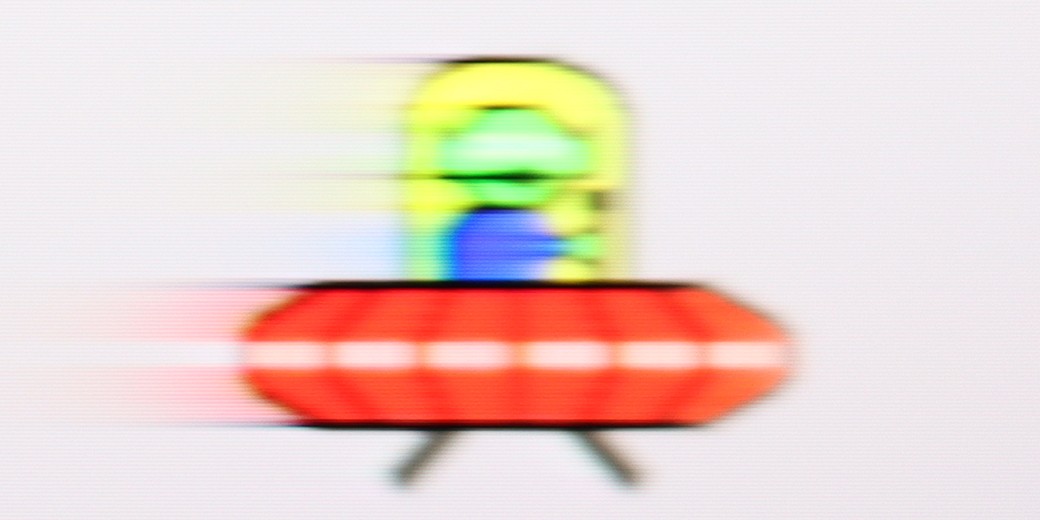
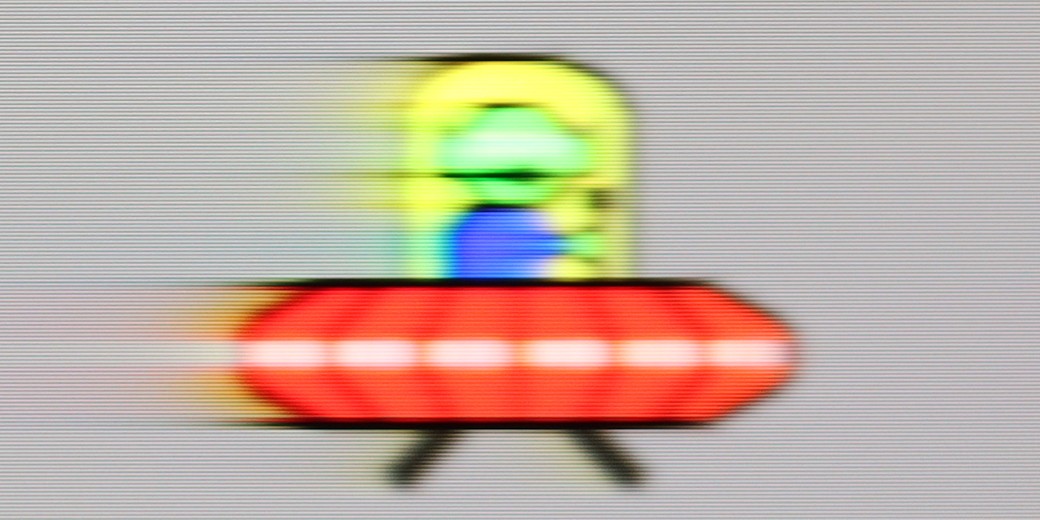
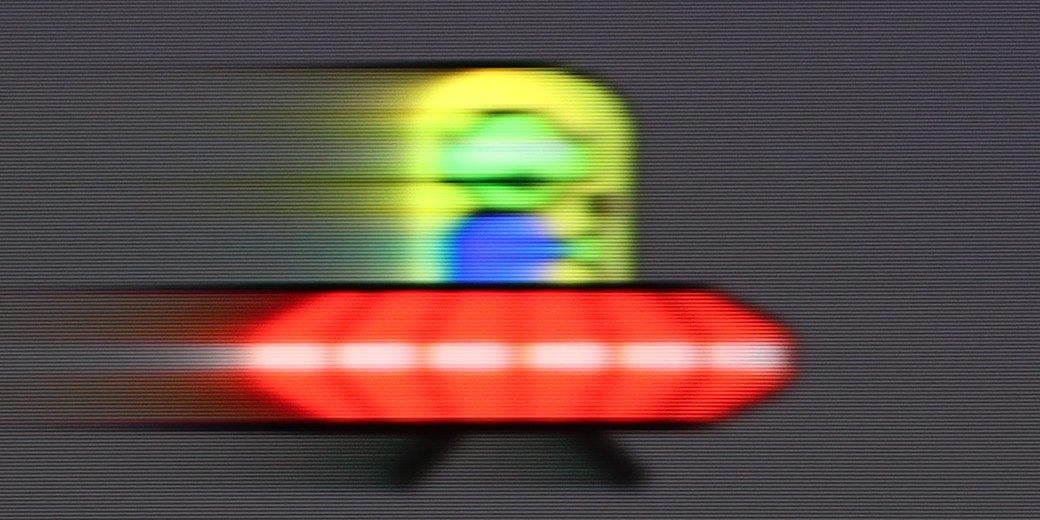
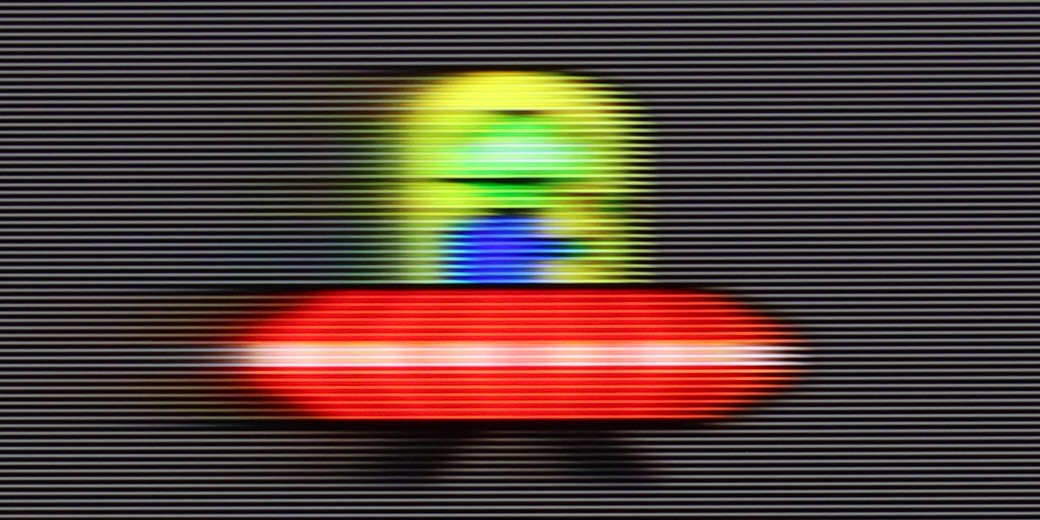
The maximum refresh rate that we can set on the LG G4 is 144 Hz. Naturally, this is only possible when connecting the television to a very powerful PC. In other cases, we will be operating at a maximum refresh rate of 120 Hz, which is recommended if we primarily want to watch sport or content with a lot of motion dynamics. For those requiring high fluidity of the image, the manufacturer has implemented a multi-step motion smoother called "TrueMotion". It has been divided into two separate sliders that adjust the sharpness of moving images (De-Blur) and judder (De-Judder). Both sliders can be set within a range from 0 to 10, with each degree affecting the degree of smoothing, allowing everyone to find their golden mean.
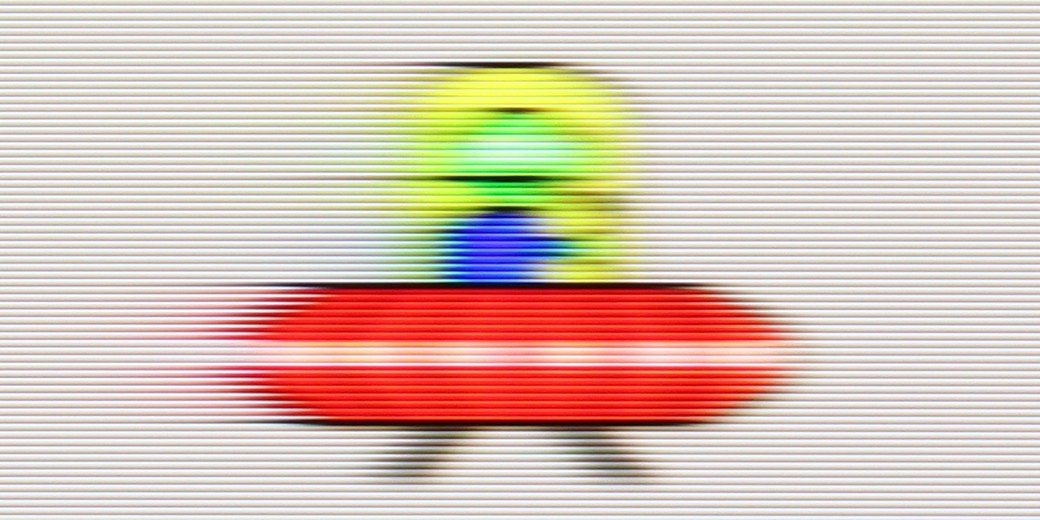
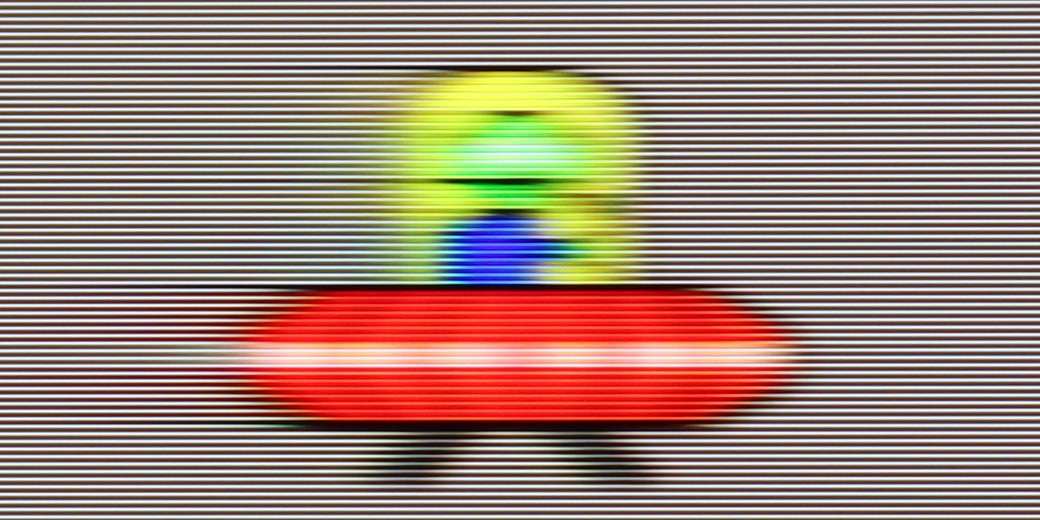
The LG OLED C4 panel features an average response time of less than 1 ms (which directly results from our measurements), allowing for an incredibly clear image that is unattainable for LCD televisions, whose response times can be as high as several milliseconds. This is clearly visible in the pictures from the "UFO Test," showing no trailing blur behind the object.
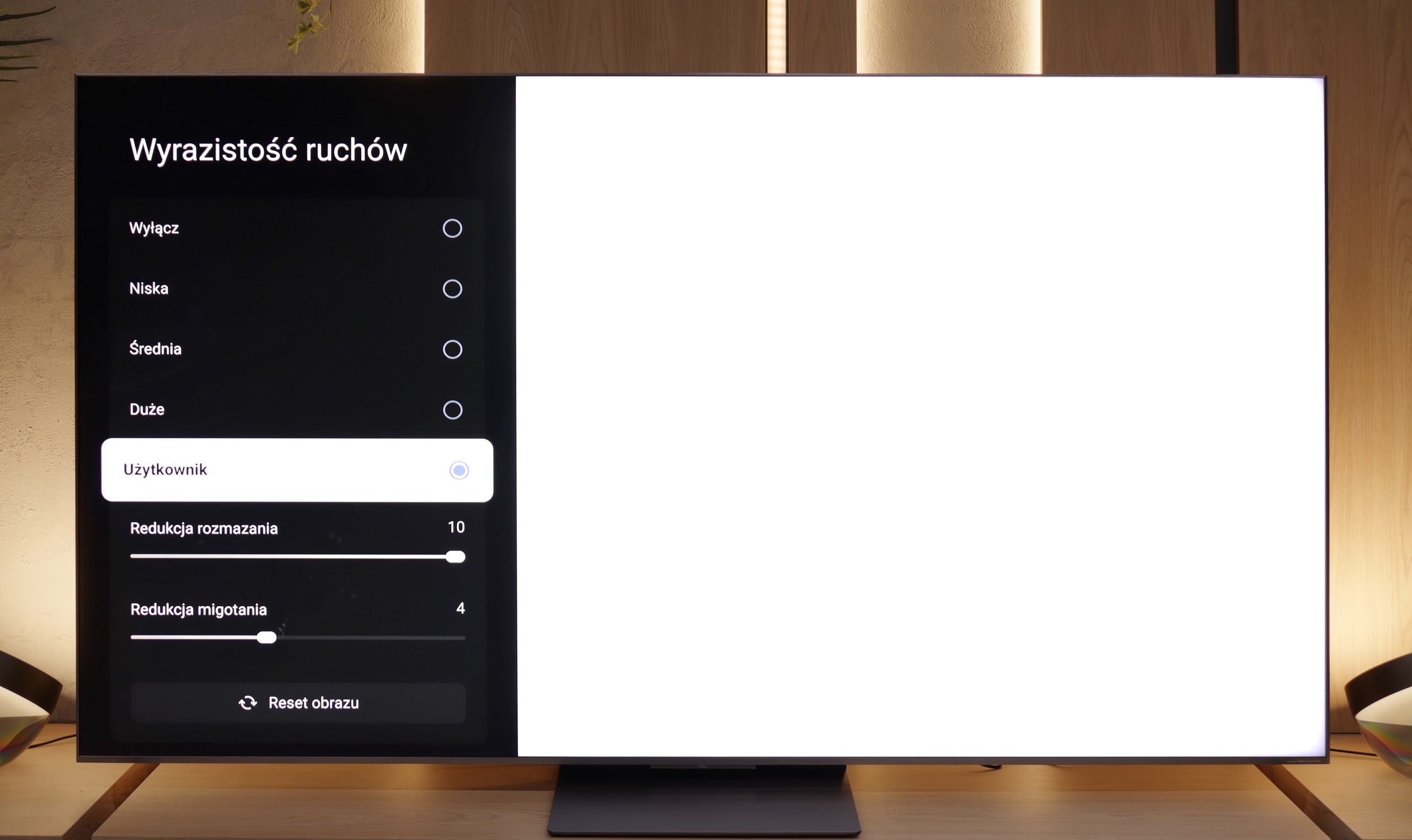
If you are planning a weekend with the Champions League or a marathon of F1 races – the TCL C8K won't let you down. The television is equipped with a 144 Hz panel, which means it should handle fast motion well by definition. And indeed – it performs very well. The fluidity of motion is at a very good level here, and the "Motion Clarity" feature with two sliders (motion blur reduction and flicker reduction) makes it easy to adjust the effect to your own preferences. Want to smooth it out a bit – you can. Prefer a cinematic look – no problem.
Console compatibility and gaming features
10/10
9.8/10
- ALLM
- VRR
- VRR range40 - 144Hz48 - 288Hz
- Dolby Vision Game Mode
- Correct implementation of HGIG
- 1080p@120Hz
- 1440p@120Hz
- 4K@120Hz
- Game bar

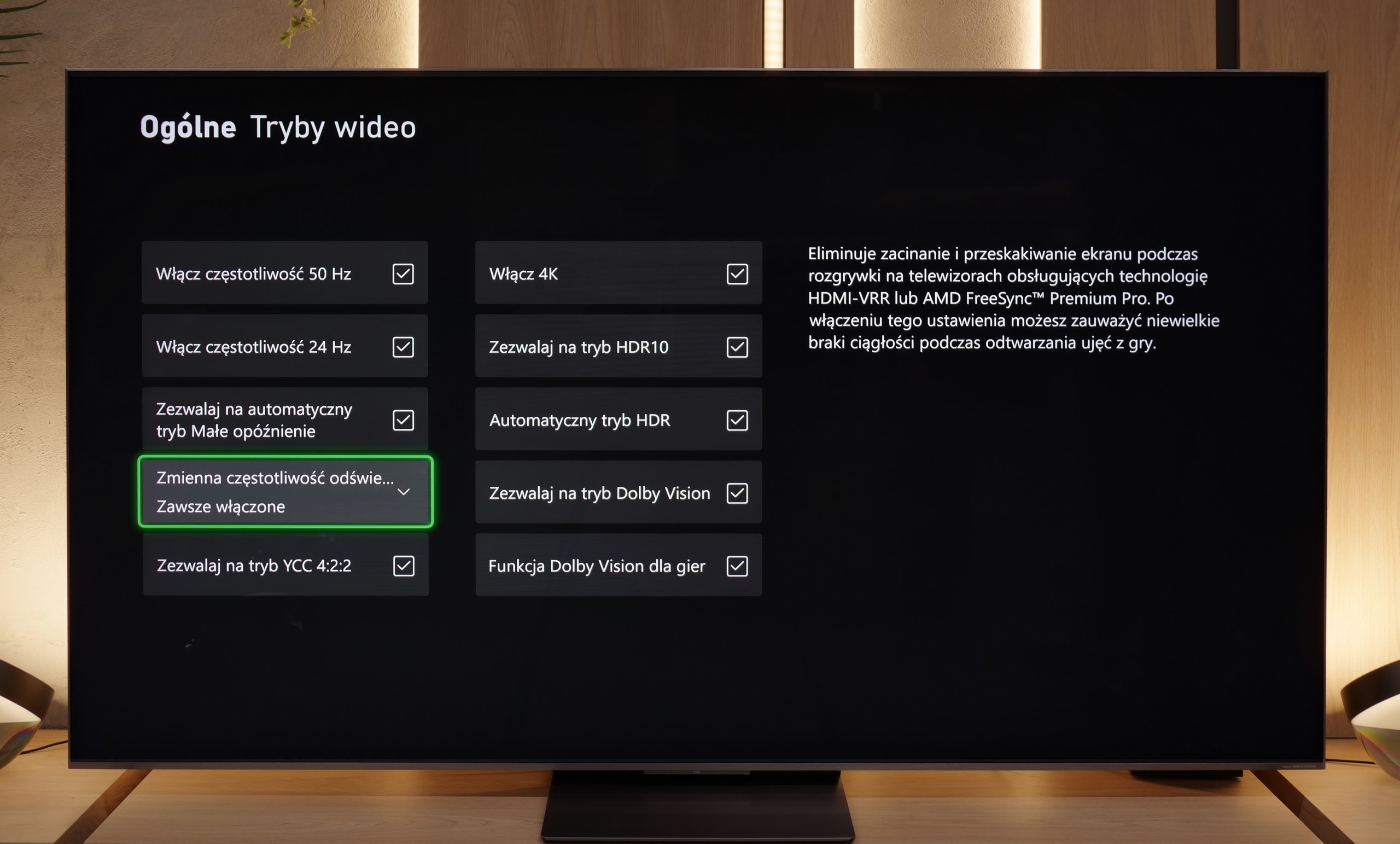

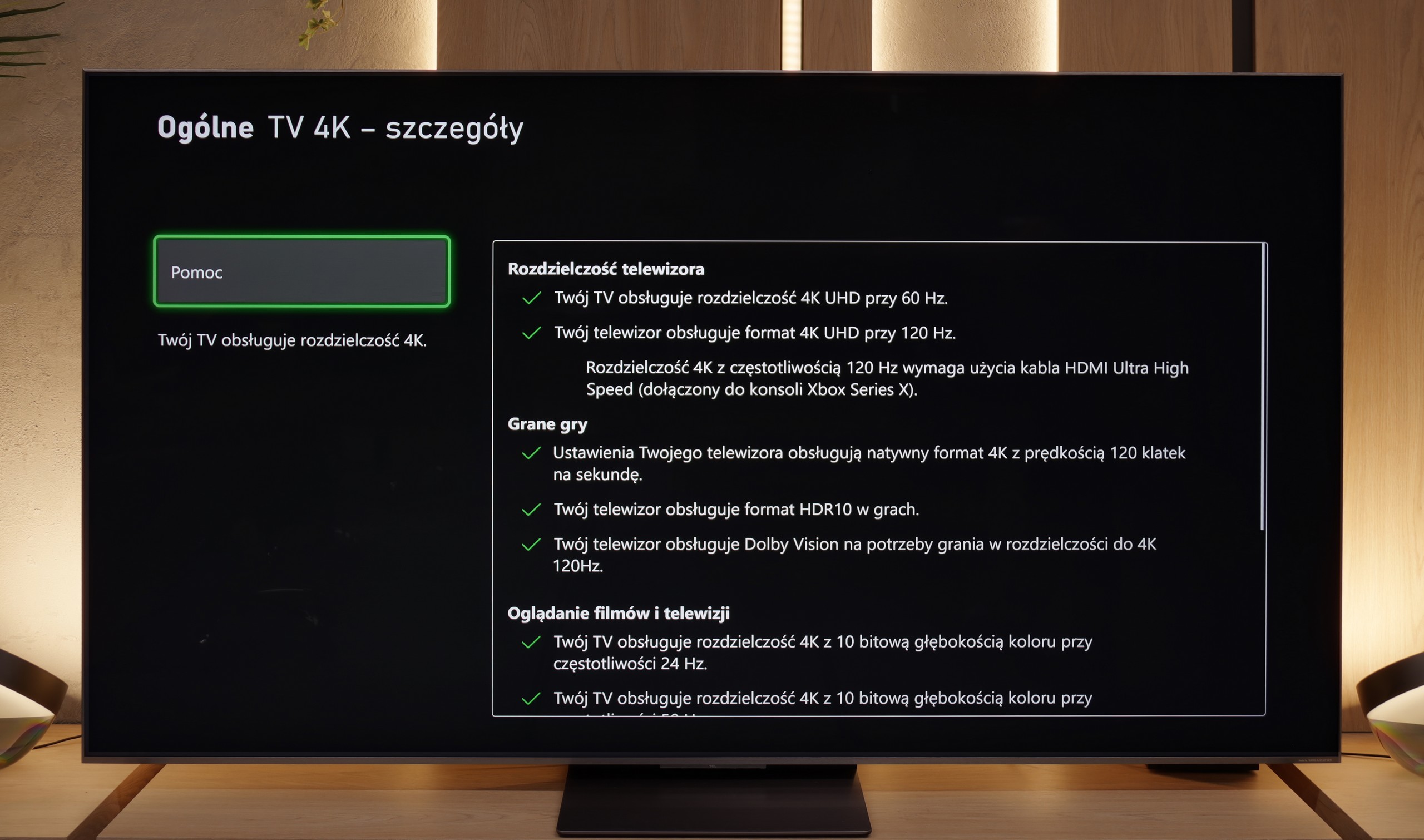

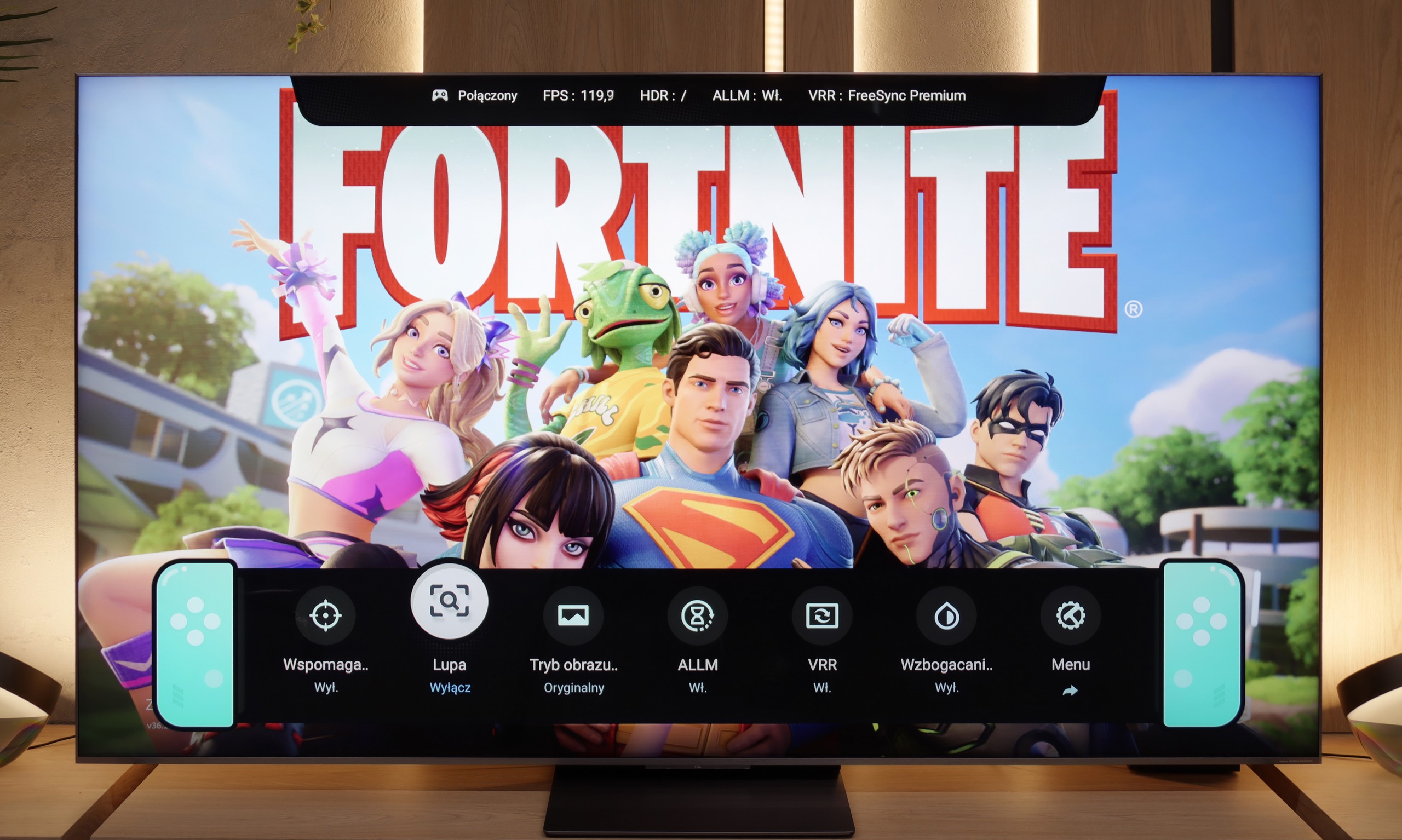

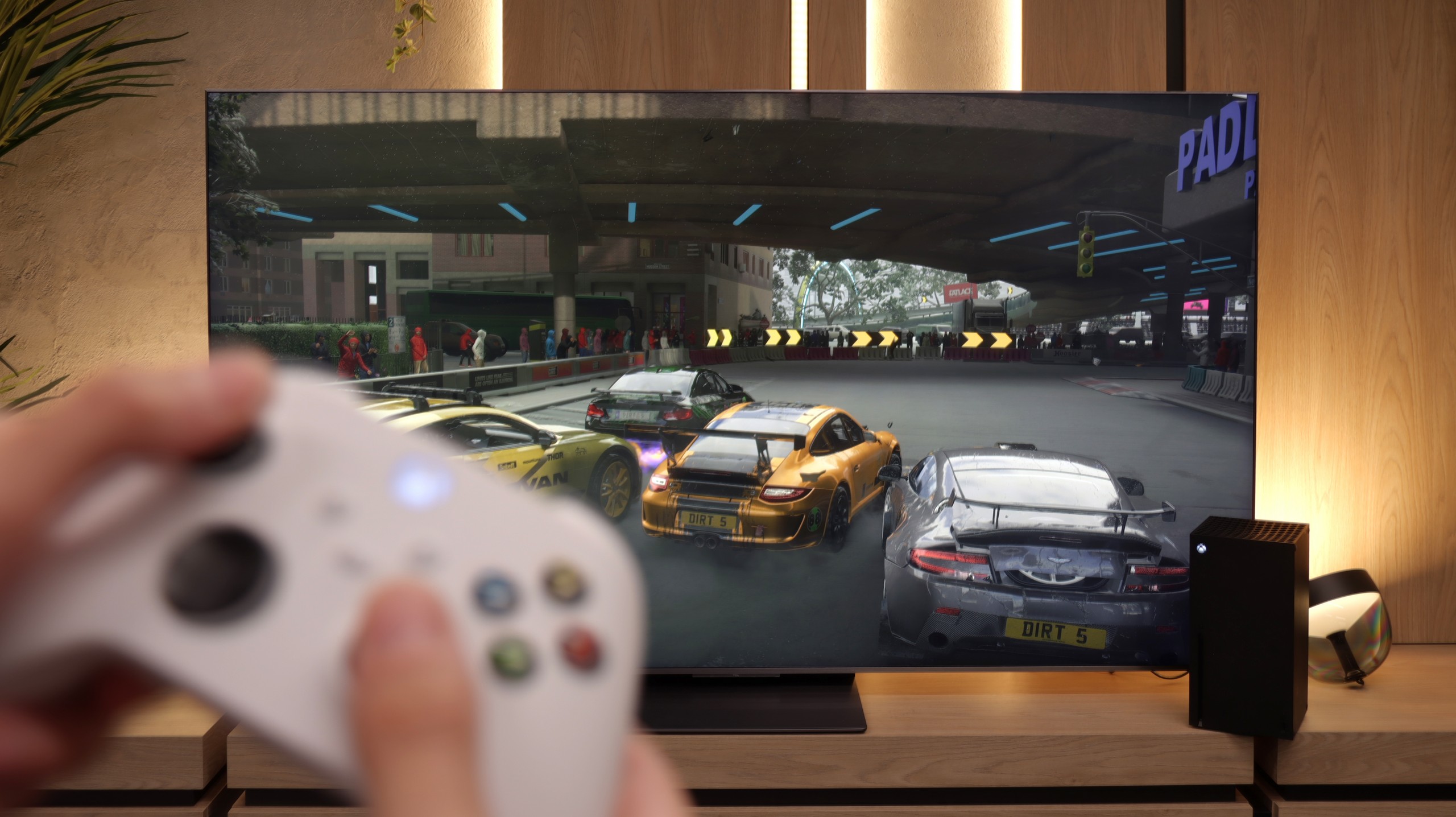
We can already say that LG C4, like practically every OLED television from the manufacturer, is exceptionally good in terms of compatibility with consoles and PCs. Thanks to the implementation of four full bandwidth HDMI 2.1 ports at 48 Gbps, the manufacturer has included all features that enhance the gaming experience, among which we find simultaneous support for FreeSync and G-Sync technology. With such a tandem, gamers with a graphics card from AMD or Nvidia can confidently opt for C4. However, what should delight the players requiring the highest possible quality the most is the simultaneous implementation of HDR Dolby Vision and HGIG mode. The first is particularly important as it works with extremely low input lag in all settings.
A standard in the Korean manufacturer's televisions is also the implementation of GameBar, allowing for quick adjustments of settings "on the fly" without the need to exit the game. It also enables image adjustments for visually impaired individuals, which is a very nice touch. Another important piece of information is that when VRR technology is enabled, we will not experience a drop in contrast. This is, of course, due to the panel's design and the absence of conventional backlighting. However, it is normal for shades of grey to flicker slightly, although this is a characteristic feature of this function regardless of the manufacturer and television.
In summary: LG C4, just like all of the manufacturer's OLEDs equipped with high refresh rate panels and HDMI 2.1 ports, creates a harmonious whole with consoles. In practice, it is a complete television, and if we expect the highest possible performance in gaming, C4 will be an ideal choice.
TCL C8K offers practically everything we could expect from a screen for gamers. It features variable refresh rate (VRR), automatic game mode (ALLM), Dolby Vision in games, and a correctly functioning implementation of HGiG, which helps preserve the creators' intentions in HDR titles. The television also supports 120 Hz at lower resolutions without any issues and can even display an astonishing 288 Hz in Full HD – a value that is sure to please fans of dynamic shooters and racing games on PC.
We also find the GameBar – a graphic interface reminiscent of an elongated Nintendo Switch console. It is thanks to this that we gain quick access to information about the current game mode, frame rate, HDR format, and other details that really make life easier for the gamer. Of course, we couldn't resist and launched a couple of races in Forza Horizon on the C8K – and we must admit, it looked and performed really well.
However, there is a slight drawback – in such a fast and evidently gaming device, it is somewhat disappointing that the manufacturer opted for the implementation of only two HDMI 2.1 ports. For some users who utilise several next-generation consoles and, for example, a soundbar with eARC, this might be a certain limitation that is hard to overlook.
Input lag
10/10
9.9/10
SDR
HDR
Dolby Vision
The input lag of the LG C4 is at an incredibly low level in every scenario. Even the most dedicated gamers will surely appreciate the very low input lag at demanding 4K 120 Hz settings with HDR, which is just 5 ms. It is also worth noting that the lag at the same settings but with Dolby Vision HDR enabled remains unchanged, which is not so obvious with the competition. Therefore, it deserves the highest rating and recommendation.
In terms of delays, the TCL C8K pleasantly surprised us. Whether we were playing in 4K at 60 Hz, 120 Hz, or even in Full HD with Dolby Vision – the input lag remained at a very low level. This is a rare sight, as many televisions lose their advantage here, especially with the more demanding Dolby Vision GAMING picture settings.
Compatibility with PC
8.6/10
8.6/10

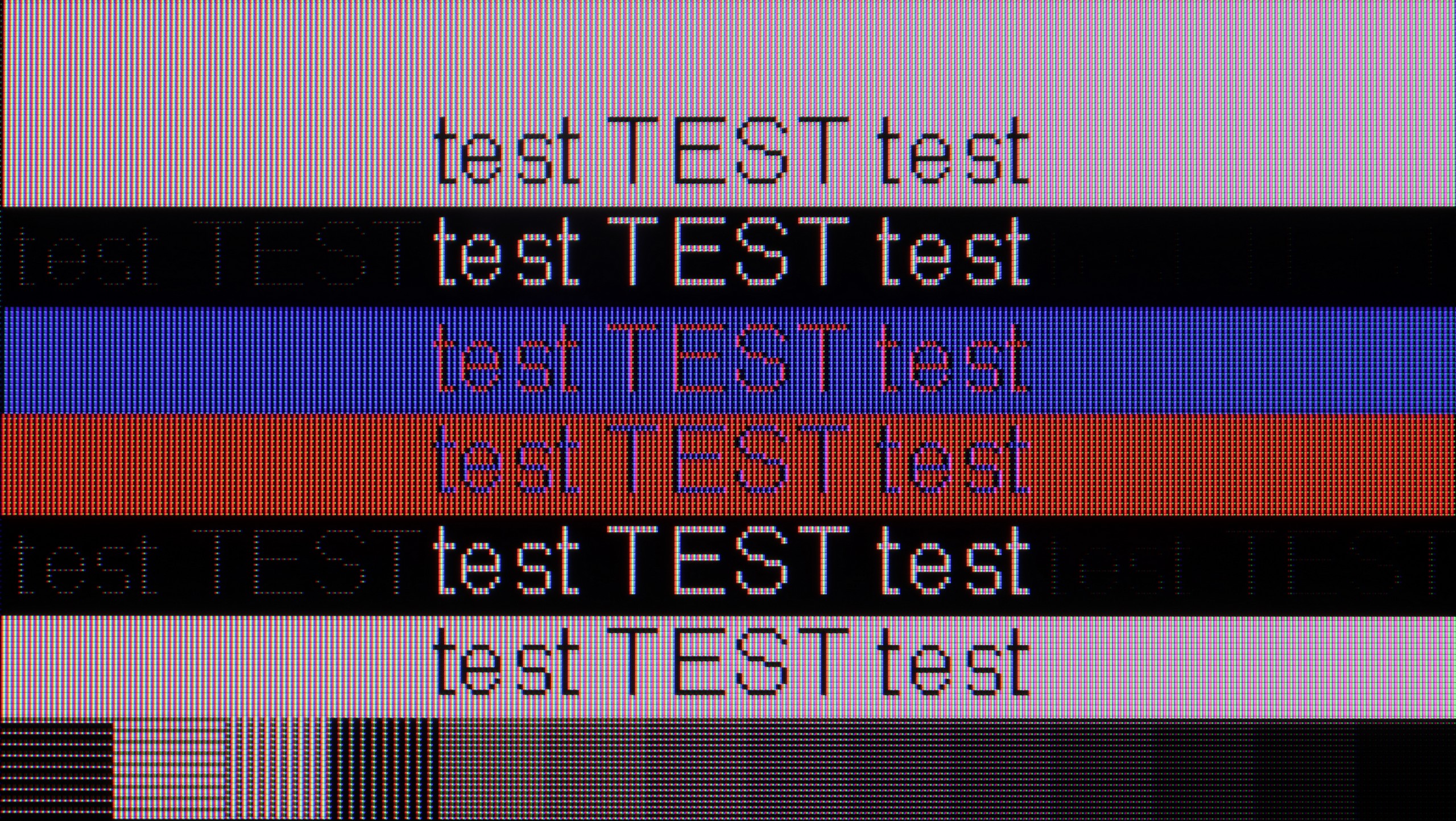
The photo shows the legibility of small fonts. Ideally, lines should be the same thickness on both light and dark text, with minimal pixel gaps.
LG C4 in combination with a PC performs excellently, thanks to a very low latency of just 13.5 ms, which is practically an instantaneous response between the mouse, eye and screen. A particularly important issue when working on the screen is the readability of text, which in the case of the tested television is very good. However, it is worth noting that to achieve sharp fonts, you need to enable the passthrough option in the settings.
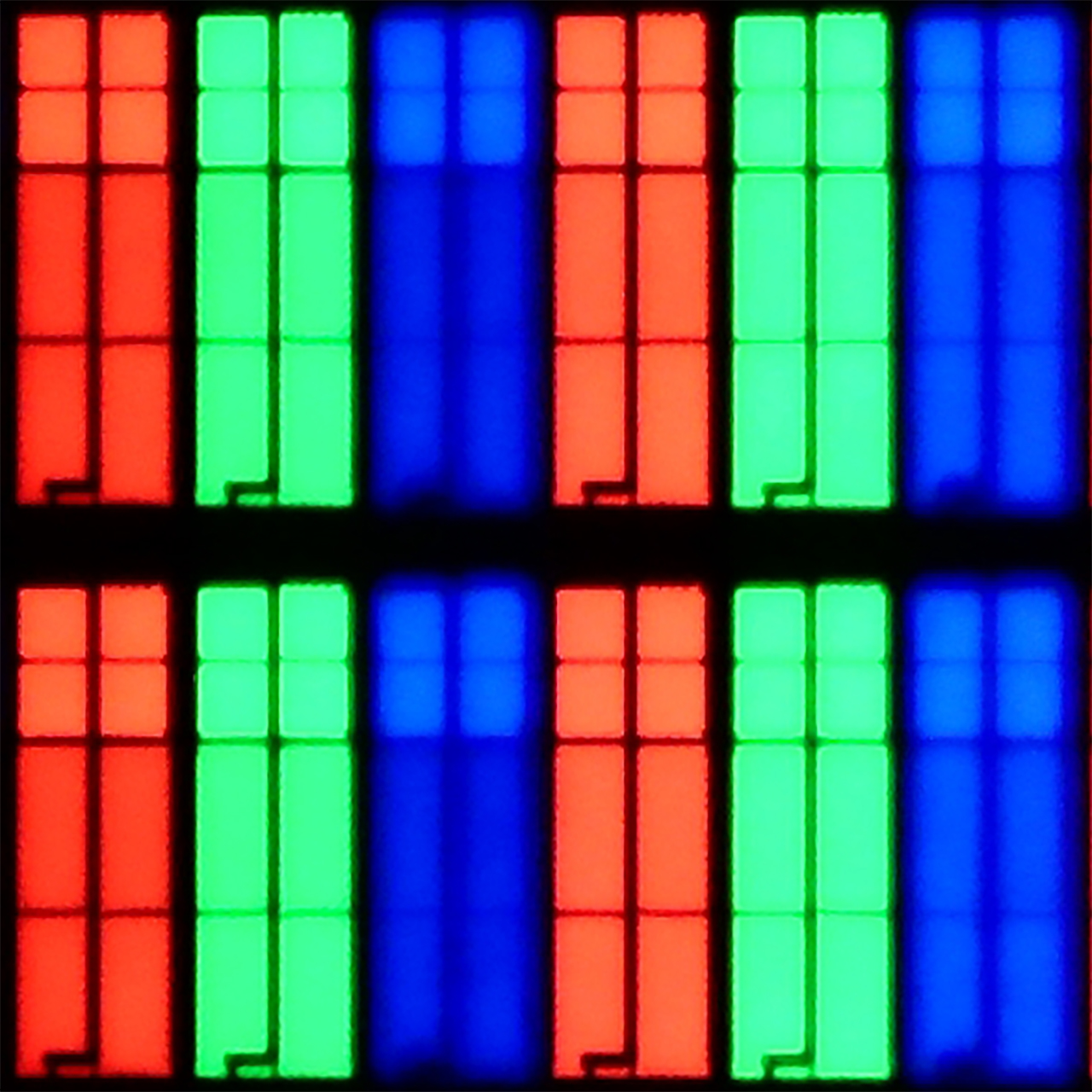
The RWBG pixel arrangement has no significant impact on the display of fonts or letters, which is a considerable advantage over Samsung's QD-OLED panels. Users of both computers equipped with the Windows operating system and macOS will certainly be satisfied with the experience on the screen of the tested television.
As we mentioned earlier, the C8K is a television designed with gamers in mind – and not just for console gaming. Connecting a PC is pure pleasure. The low input lag is practically unnoticeable, and the 4K panel at 144 Hz (or even 288 Hz in Full HD) makes gameplay exceptionally smooth. This is the kind of equipment that is really hard to tear yourself away from once you plug in a keyboard and mouse.
Office work and everyday use of the computer are equally impressive. Fonts – regardless of size – are readable and sharp thanks to Chroma 444. However, we have a small note: with very thin horizontal lines, slight imperfections can be noticed. We assume, though, that few will notice this, as hardly anyone plans to place the smallest 65-inch monster 50 cm from their face and use it like a regular monitor.
Viewing angles
7.5/10
4.5/10
The undeniable advantage of OLED panels is their efficiency in the context of group viewing, that is, from various angles. LG C4 maintains very good contrast, colour saturation, and fidelity. Although this is not the result of organic televisions supported by MLA technology, it cannot be said that anyone who purchased the device was dissatisfied with the results obtained. However, it should be noted that at sharp angles, a slight greenish tint can be observed. This is a characteristic feature of WRGB panels from LG, without the aforementioned microlens technology, and unfortunately, there is nothing that can be done about it.
One of the novelties in this year's TCL series is the WHVA panel, which has finally made a significant advancement in viewing angles for the Chinese manufacturer. And although you can't completely cheat physics – brightness does indeed drop quite noticeably when viewed from the side – the image itself remains readable and does not drastically lose colours or contrast. This is a considerable change, as VA panels typically fall short compared to IPS panels in this category. Meanwhile, in the C8K, it is evident that TCL has made an effort to ensure that even viewers sitting slightly to the side can still enjoy the full depth of the image – something that will be appreciated by anyone who cannot sit 'in the perfect middle of the sofa'.
Daytime performance
5.7/10
6.9/10

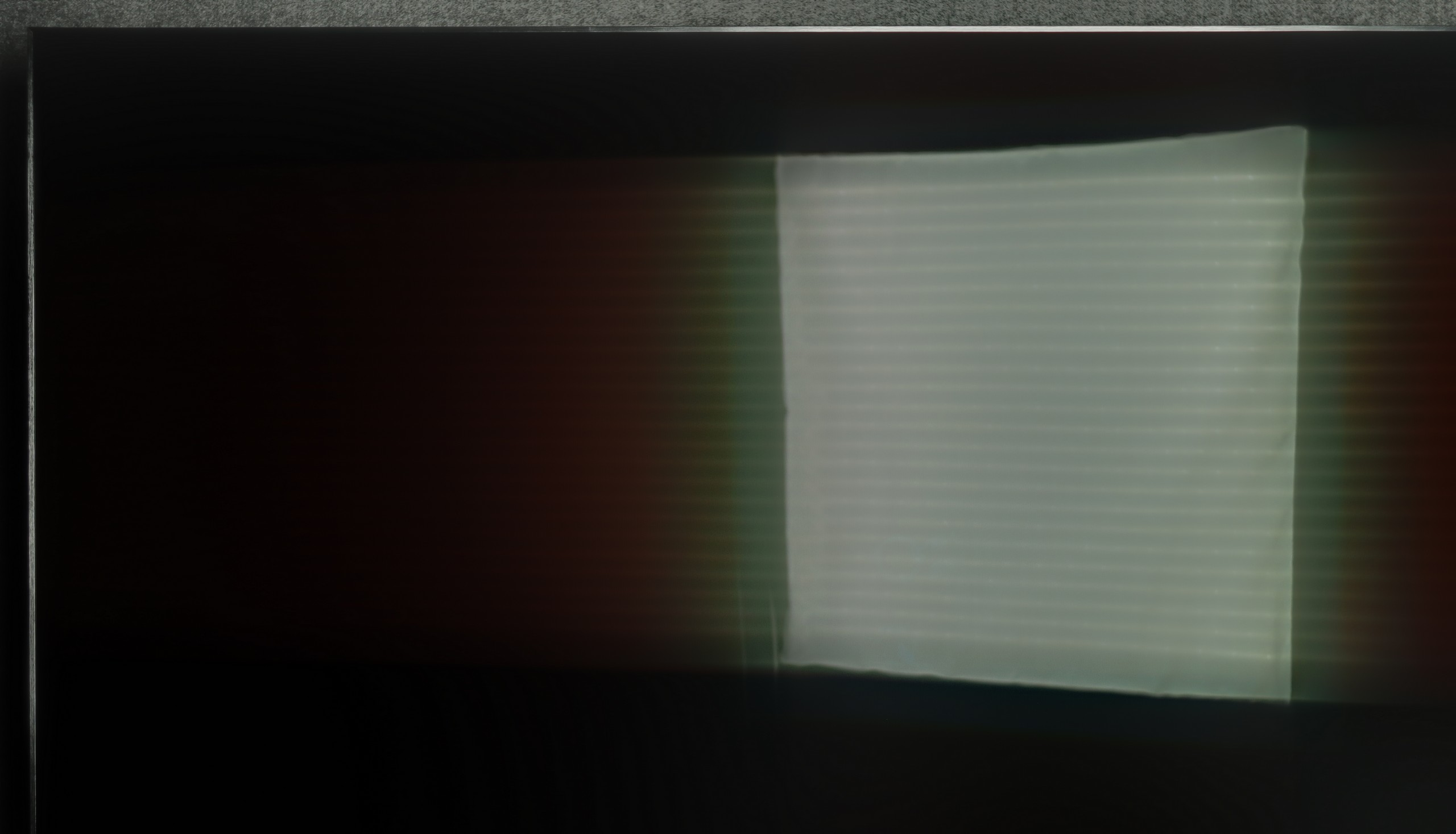

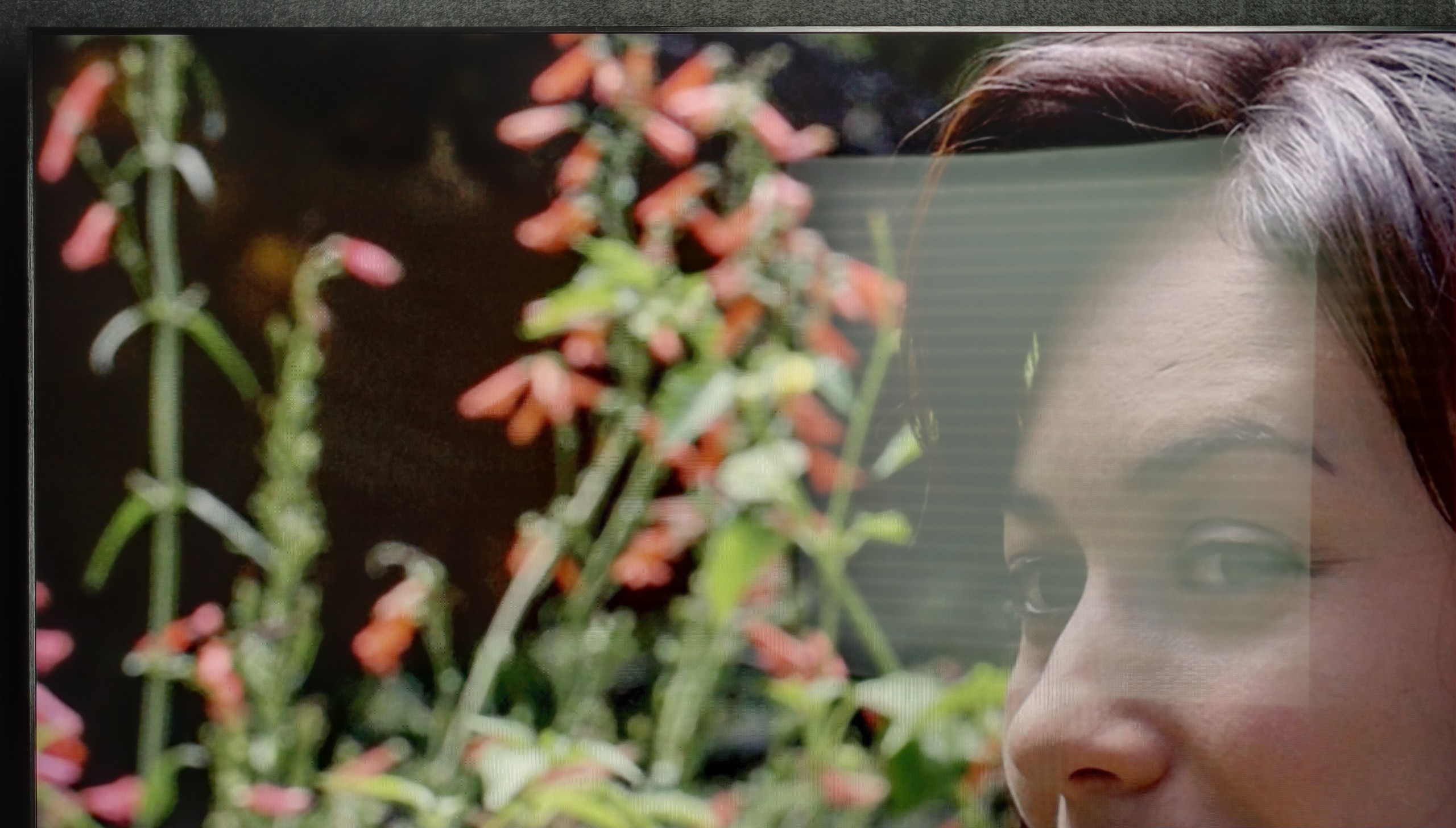
Panel brightness
TCL C8K: 613 cd/m2
LG OLED C4: 367 cd/m2
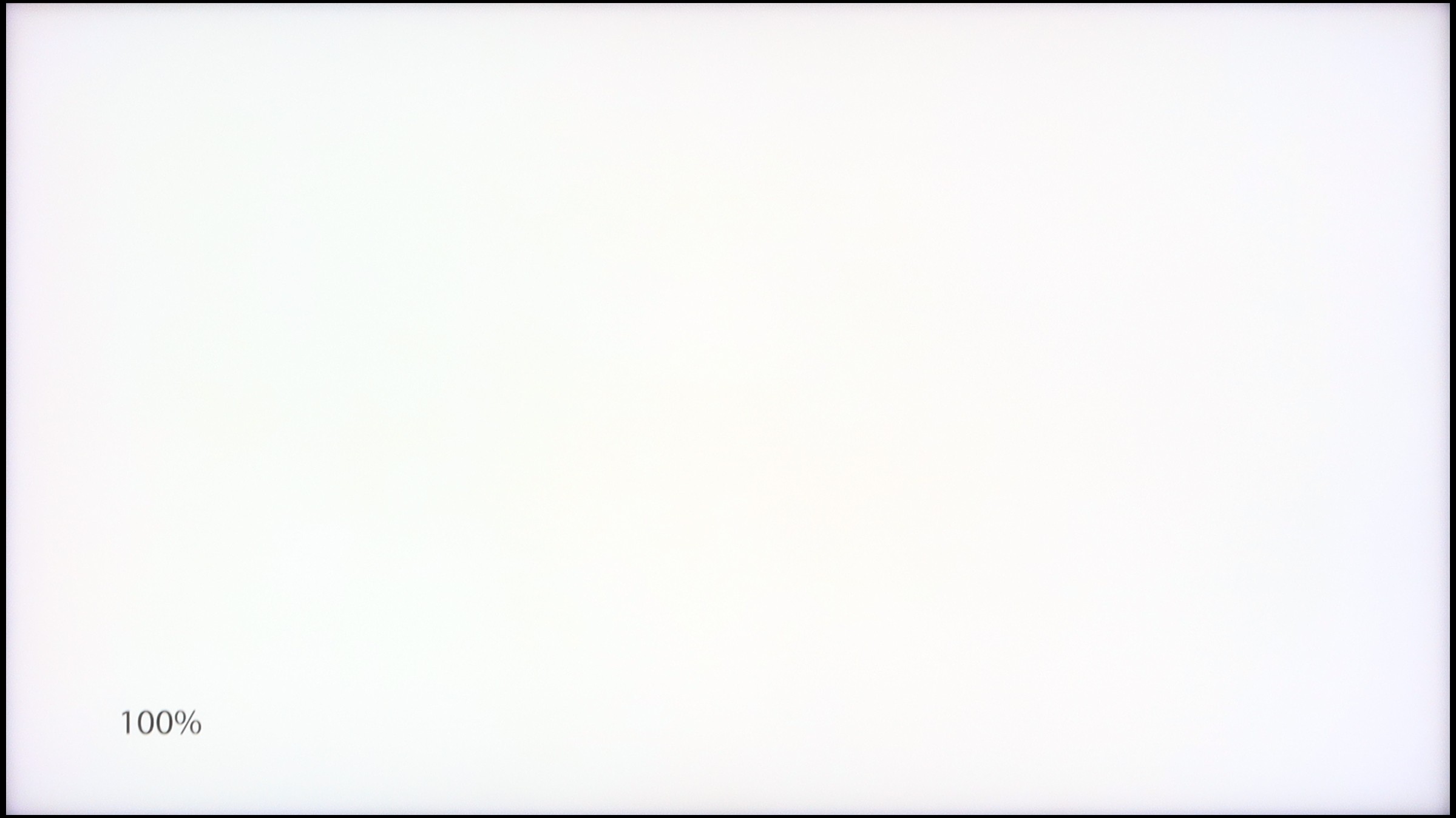
The maximum brightness of the television in SDR materials is 367 nits. For an OLED television, this is a very good result that allows for quite comfortable viewing during the day. It is worth noting two things. Thanks to the glossy coating of the screen, reflections are held well in place and do not spill over onto the rest of the display. The second issue is the brightness of the screen at 100% white fill, which hovers around 220 nits, a remarkable result, as until recently OLED televisions in this range could only "boast" of brightness that was half as much. This means that conditions for watching, for example, winter sports will be very good.
C8K is truly a bright performer, and not just in theory. In SDR content, it can achieve an impressive 700 nits, which translates to very good image readability even in brightly sunlit rooms. So if you have a bright living room with large windows, this television won't have much trouble with that. However, it is worth mentioning one detail: the WHVA panel used here, with improved viewing angles, causes light reflections to be more diffused sideways. In practice, this means that, for example, wall sconces or floor lamps directly opposite the screen may reflect in a slightly more widespread manner than in typical glossy/satin panels.
Panel details
Subpixel Structure:

Panel uniformity and thermal imaging:

TV features
8.9/10
7.7/10
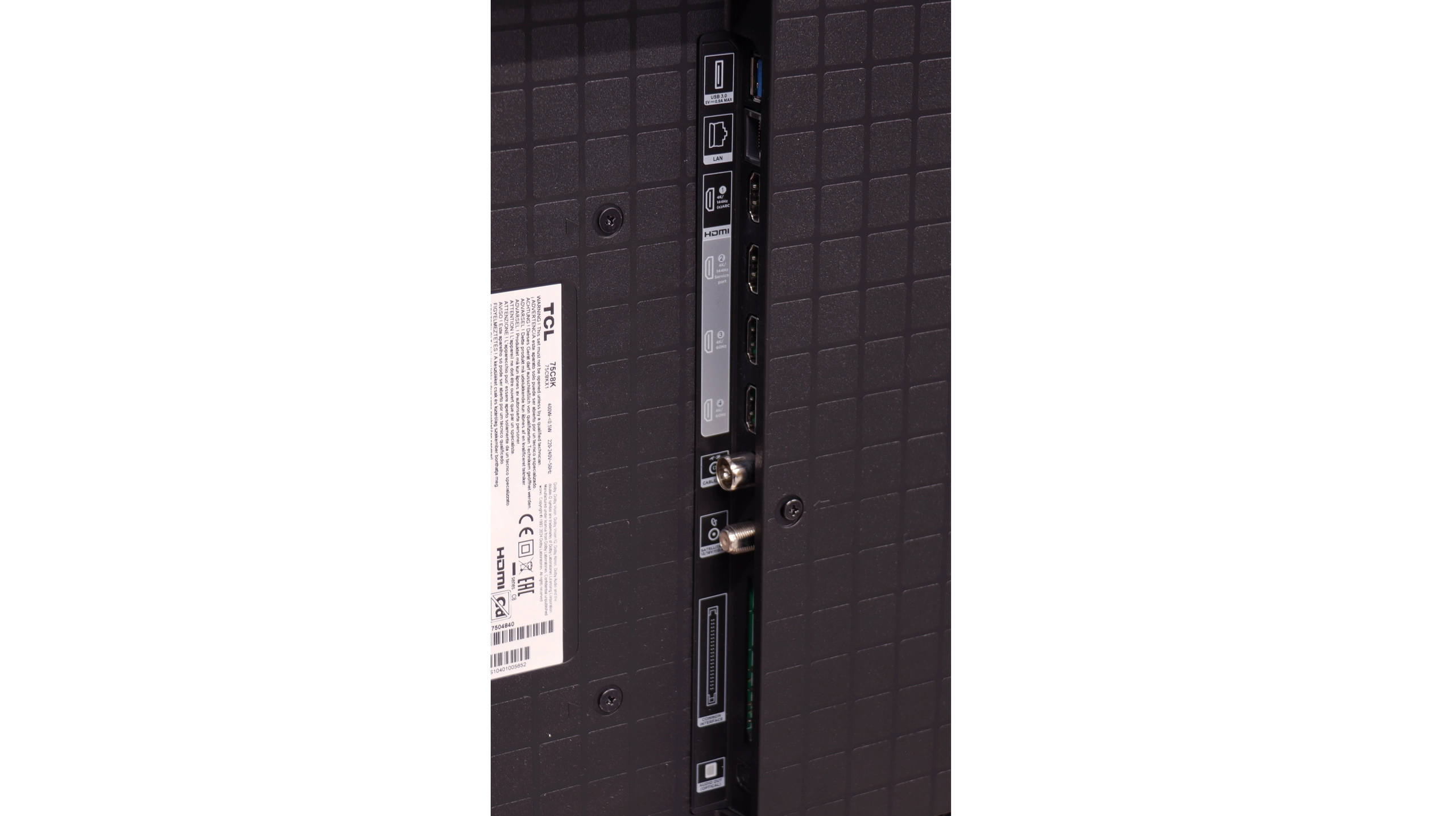
- HDMI inputs0 x HDMI 2.0, 4 x HDMI 2.1 48Gbps2 x HDMI 2.0, 2 x HDMI 2.1 48Gbps
- OutputsToslink (Optical audio), eARC (HDMI), ARC (HDMI)Toslink (Optical audio), eARC (HDMI), ARC (HDMI)
- Network InterfacesWi-Fi 2.4GHz, Wi-Fi 5GHz, Ethernet (LAN) 100MbpsWi-Fi 2.4GHz, Wi-Fi 5GHz, Ethernet (LAN) 100Mbps
- TV receptionDVB-T, DVB-T2, DVB-S, DVB-S2, DVB-CDVB-T, DVB-T2, DVB-S, DVB-S2, DVB-C
Classic features:
- Recording to USB (terrestrial TV)

- Recording programming
- Picture in Picture (PiP)
- RF remote control (no need to aim)
- Backlit remote control
- Teletext
- Audio only mode
- Bluetooth headphones support
- Simultaneous Bluetooth headphones & TV audio
Smart features:
- AirPlay
- Screen mirroring (Windows Miracast)
- Voice search
- Voice search in native language
- Ability to connect a keyboard and mouse


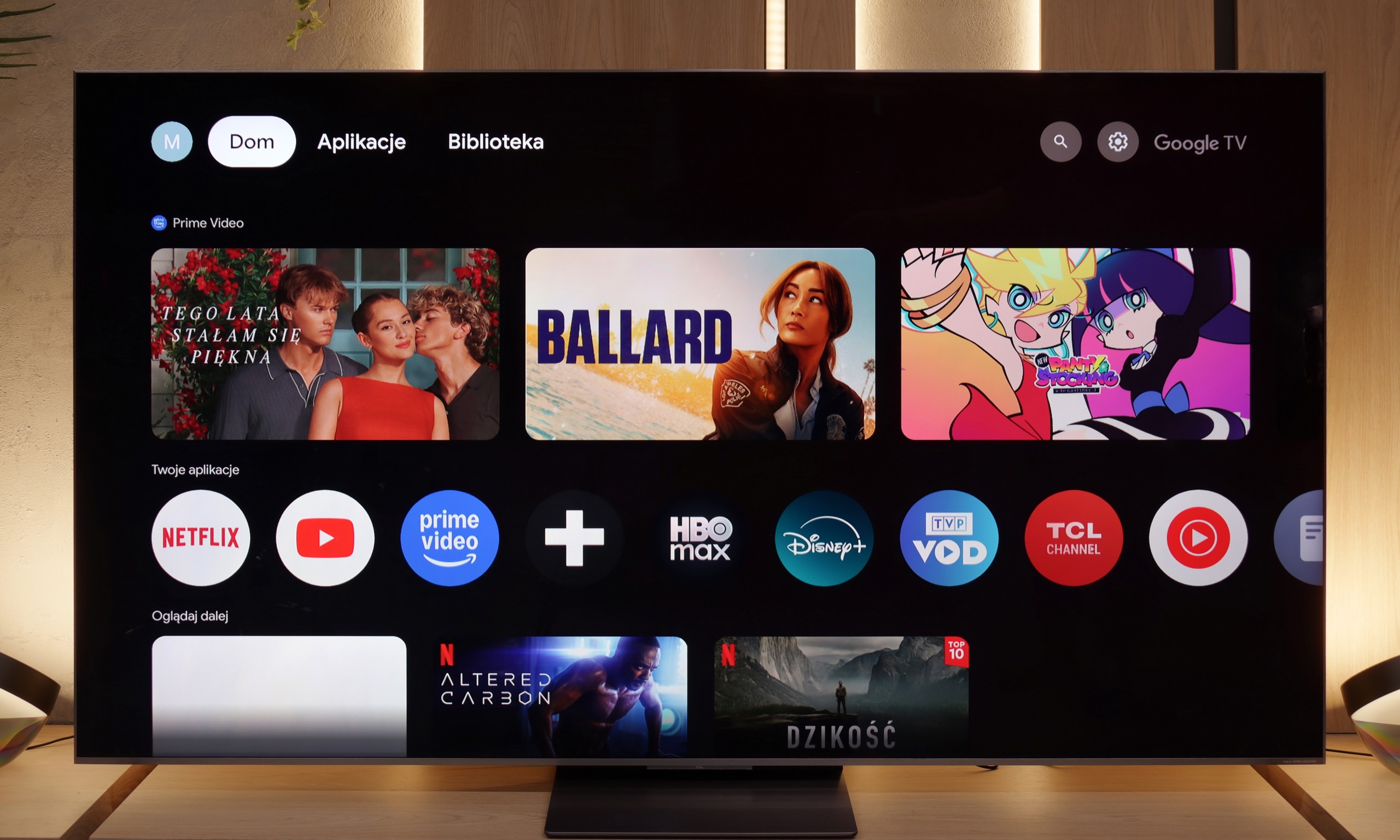
LG uses the well-known proprietary WebOS system that has been around for many years. The system offers practically all the most important applications, and the few that are missing can be counted on one hand, such as CDA or KODI. It is also worth mentioning that the modern web browser and the remote control with a built-in mouse allow for convenient use of streaming services in this way, if there is no built-in application.
WebOS also features a highly valued ability to perform operations with a cursor that appears when the remote control is in motion. The convenience of such a function is invaluable when typing in queries or passwords for portals. WebOS, like most systems, also supports features such as screen mirroring, AirPlay, voice search in Polish, and the ability to connect headphones via Bluetooth. On more practical matters, WebOS allows simultaneous use of headphones and the TV speaker, which will certainly be a big help for people with hearing impairments. Among the more interesting features, particularly appreciated by sports fans, is the option to turn on an alert notifying about an upcoming match, ensuring that we never miss a broadcast. The home panel is also praiseworthy, allowing for the control of all smart devices connected to the home network. For example, the cycle of completed laundry will be signalled by a notification in the upper right corner.
In summary, the WebOS system, although less known and having certain limitations compared to Android TV, offers stable and fast performance and supports most features that users may need. It is a solid solution for those looking for a simple and effective operating system in their television.
Classic Television Features
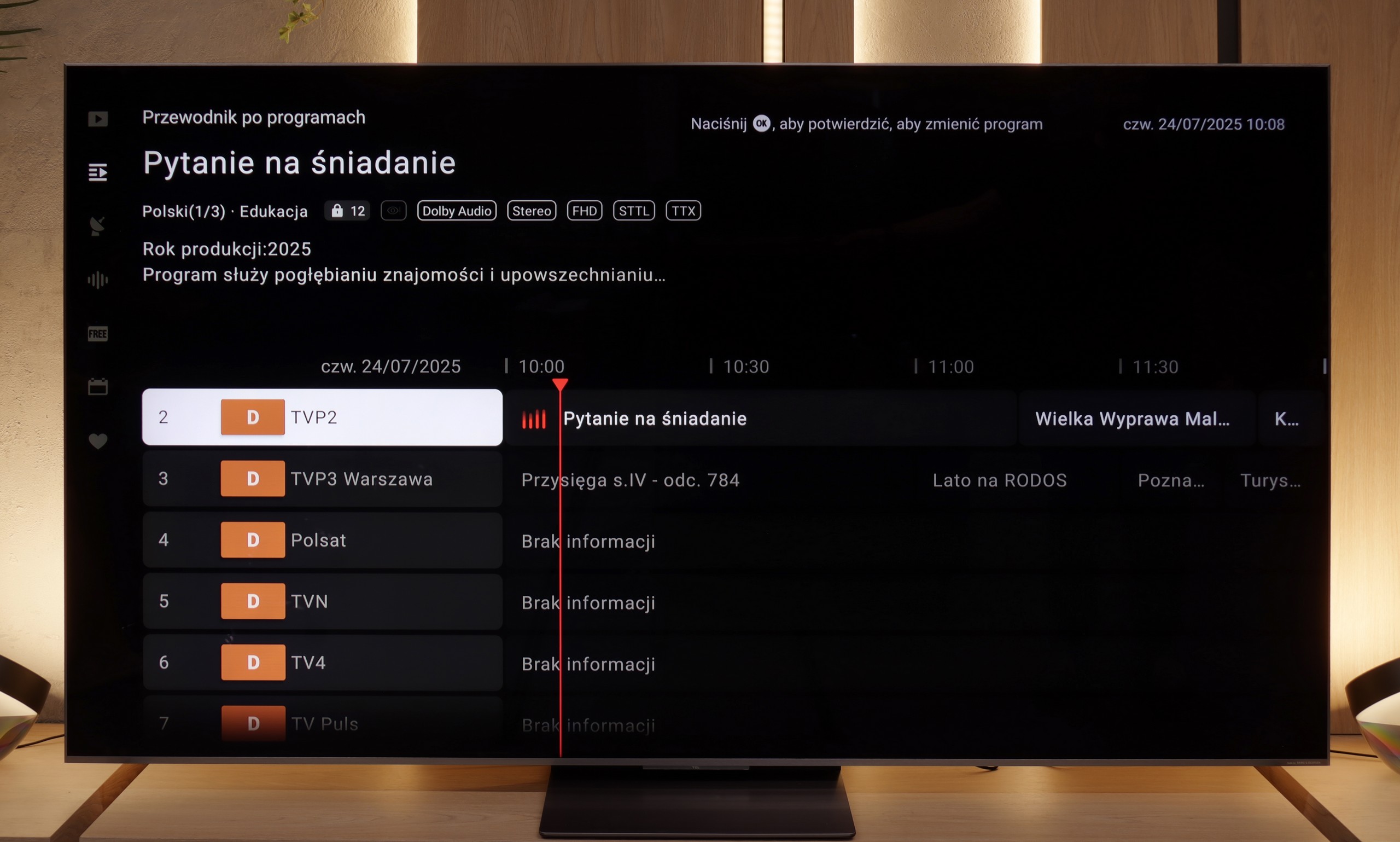
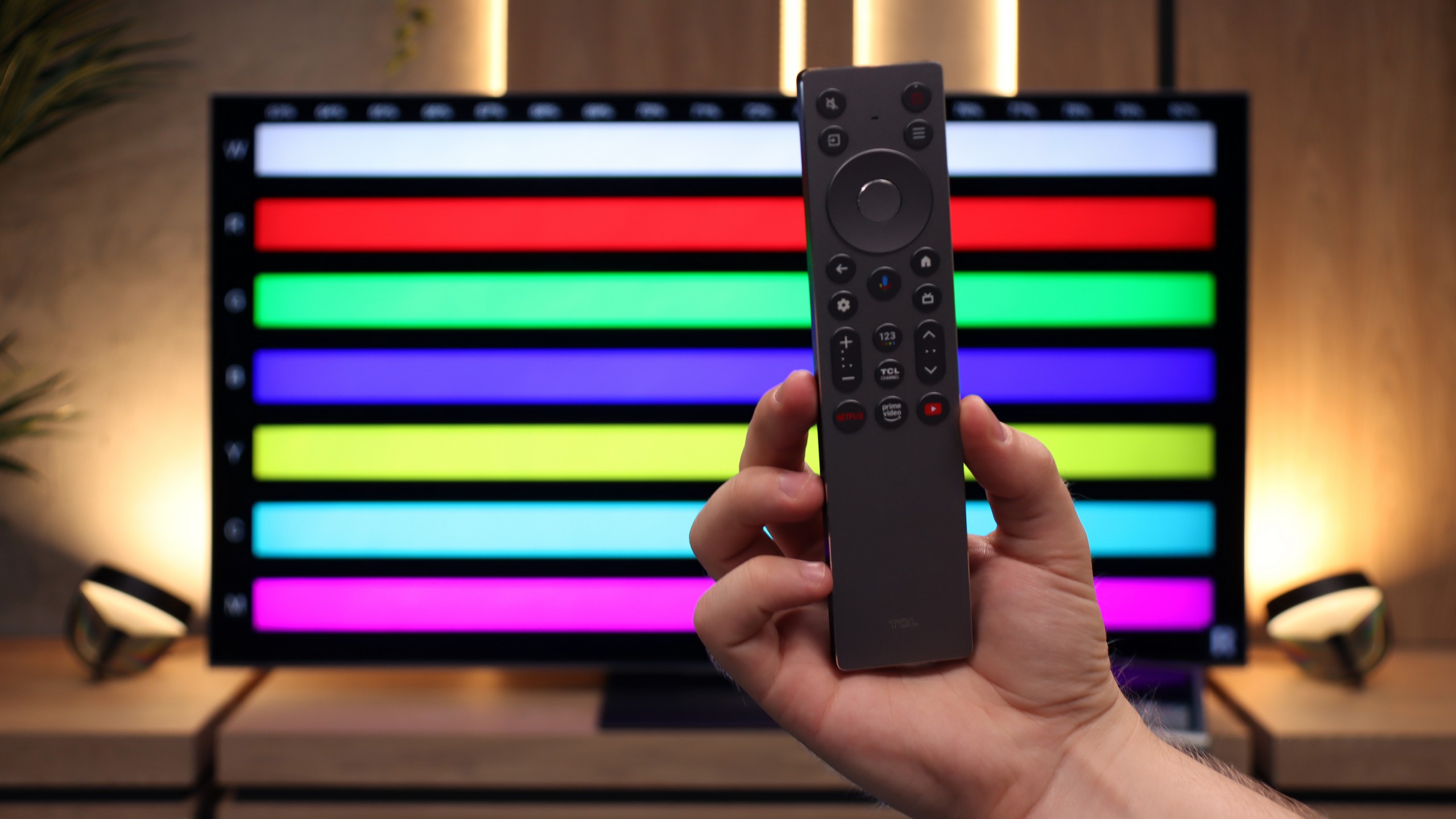
The TCL C8K offers the vast majority of features that we consider essential today. It has a classic and clear electronic programme guide (EPG), and teletext features are included, while connecting a keyboard, mouse, or Bluetooth headphones posed no problems at all. It's somewhat unfortunate that the Google TV system – like in many other TCL models – lacks more advanced options, such as programme recording or picture-in-picture (PiP). This may be a drawback for some users, especially if they are accustomed to using these options with other manufacturers. One might also have some reservations about the number of USB ports – there is only one. However, in practice, most people will find it sufficient to connect a drive with movies or a USB stick.
Smart Features
While classic television functions are not the strong suit of the C8K, in terms of smart features, this television truly shines. The Google TV system implemented is the largest and most popular platform on the market – and you can feel it at every turn. The availability of applications is phenomenal. Netflix, YouTube, Disney+, HBO Max, Amazon Prime – all of these can be found here without the slightest problem. Only truly niche or closed ecosystems (e.g. Apple Music) may not be available. The built-in voice assistant works very efficiently – you can ask it to change the channel, launch an application, search for a film, or check the weather. The system responds naturally and quickly, giving a genuine sense of convenience and modernity. It is precisely here that the C8K definitely outpaces a large portion of the competition – after all, that's why we have smart TVs, so that the television does more than just display images.
Apps
9.1/10
9.6/10






















Playing files from USB
9.3/10
9.2/10
Supported photo formats:
Maximum photo resolution:

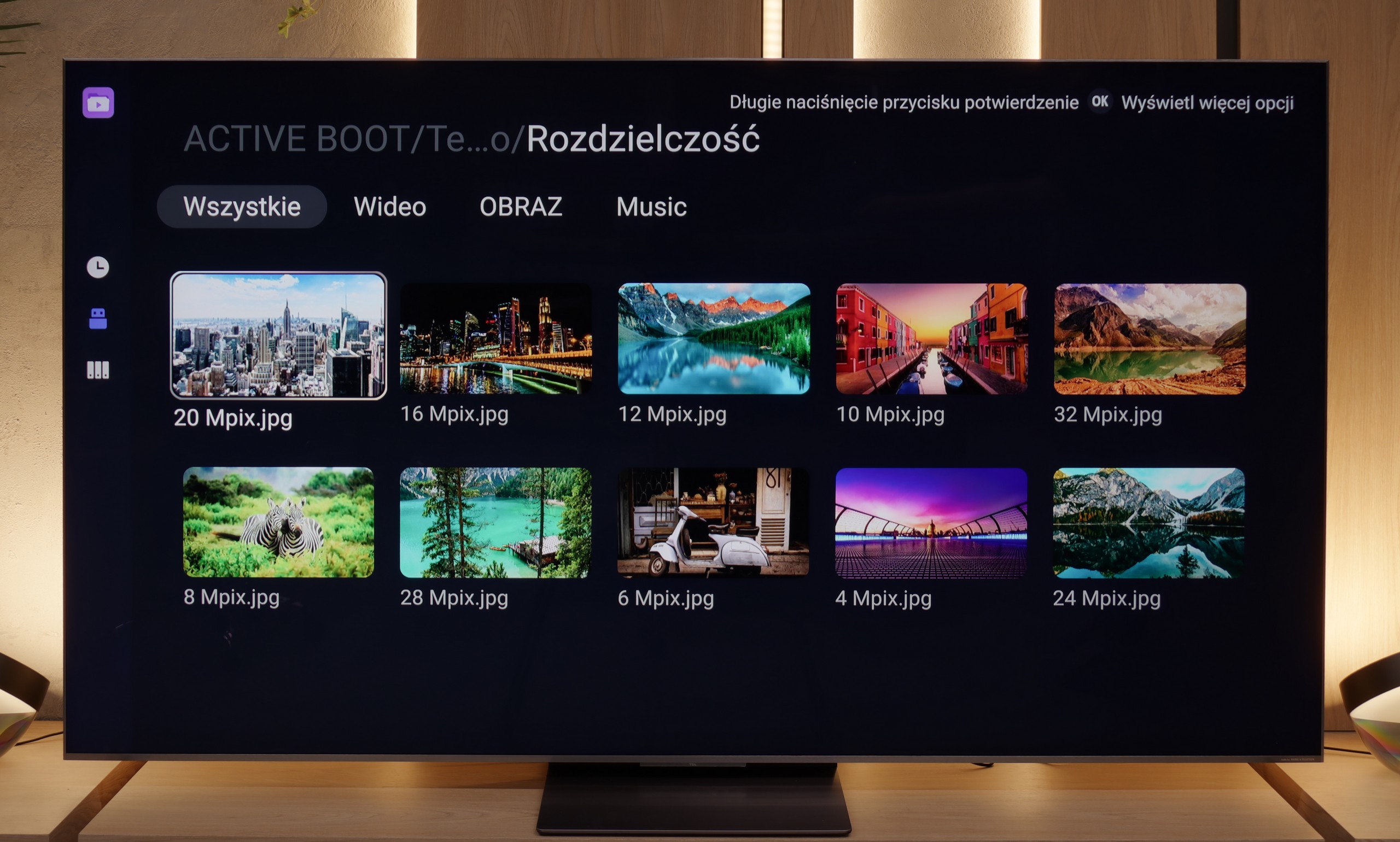
The default file player in LG C4 definitely handles all image resolutions well. We can successfully play videos recorded in virtually all the most popular formats, including Dolby Vision. The only codec that the C4 does not support is H.266 VVC, although this is currently rather unused. However, it is a pity that subtitles in .txt format are not supported. Attention should be paid to the supported image formats, of which there are only three: JPEG, PNG, and, importantly for Apple phone users - HEIC. However, the tested television cannot be faulted for lack of diversity in audio files, the playback of which will not be met with a compatibility warning.
We did not expect miracles, but... we got more than we anticipated. The TCL C8K handled most of the files we put on the USB stick without any issues. Movies in MKV, older AVI, audio tracks in DTS or AC3 – everything worked without a hitch. If we were to nitpick, it would be the usual lack of support for the HEIC format from Apple devices, but that is a standard shortcoming one can live with. The most important thing, however, is that if someone lacks anything, they can simply... install a better player. And this is where the advantage of Google TV is felt.
Sound
7.5/10
7.9/10
- Maximum volume-77dB
- Dolby Digital Plus 7.1
- Dolby True HD 7.1
- Dolby Atmos in Dolby Digital Plus (JOC)
- Dolby Atmos in Dolby True HD
- DTS:X in DTS-HD MA
- DTS-HD Master Audio
The implemented audio system in LG C4 has been very well tuned, allowing us to experience strong bass, as well as balanced mid and high tones. We can confidently say that in its price range, it is one of the better sounding televisions. However, we believe that those deciding to purchase the C4 will already own a dedicated audio set. The presence of DTS-HD Master Audio and Dolby Atmos codecs will not be without significance.
In the case of sound, we typically don't have high expectations. After all, a television is not a Hi-Fi system. But... the C8K pleasantly surprised us. A new feature in the latest top models from TCL is the collaboration with Bang & Olufsen and – most importantly – you can really hear that this isn't just a marketing gimmick. After just a few minutes with the TV, it was clear that it sounds different from a typical "flat screen." The sound is full with a slight but noticeable bass. Of course, we are still talking about sound from a television, so it won't compete with the cheapest soundbar with a subwoofer, but considering the standards of built-in speakers – it is very good.
*During testing at maximum volume, we noticed unusual behaviour in the audio system. With the slider set to 100%, the television reaches around 76–78 dB, but you can hear it trying to generate more power, after which the sound level is immediately adjusted back to the mentioned value. On the other hand, when we lower the volume to, for example, 70%, it initially drops as expected, but after a moment, it slowly rises back to the same level of 76 dB. This effect gives the impression of an aggressive limiter that always brings the volume down to a single level, regardless of the position of the slider. We checked this behaviour multiple times and in each case, the result was identical – no additional functions of "intelligent" volume adjustment or AI were active.
Sound Quality Test
No sound test video
Acoustic Measurements
No acoustic data
77dBC (Max)
75dBC