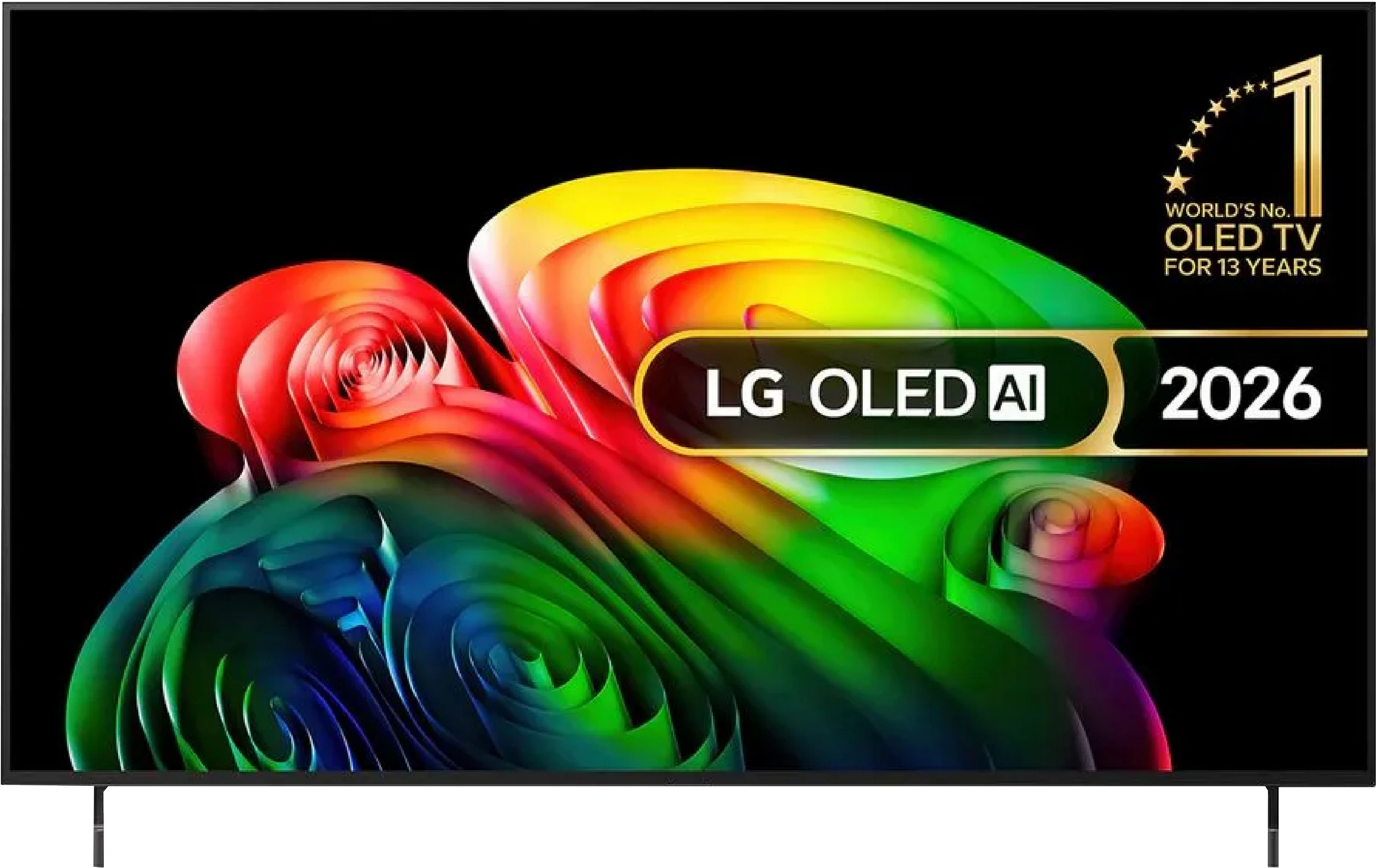
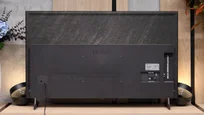
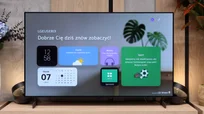
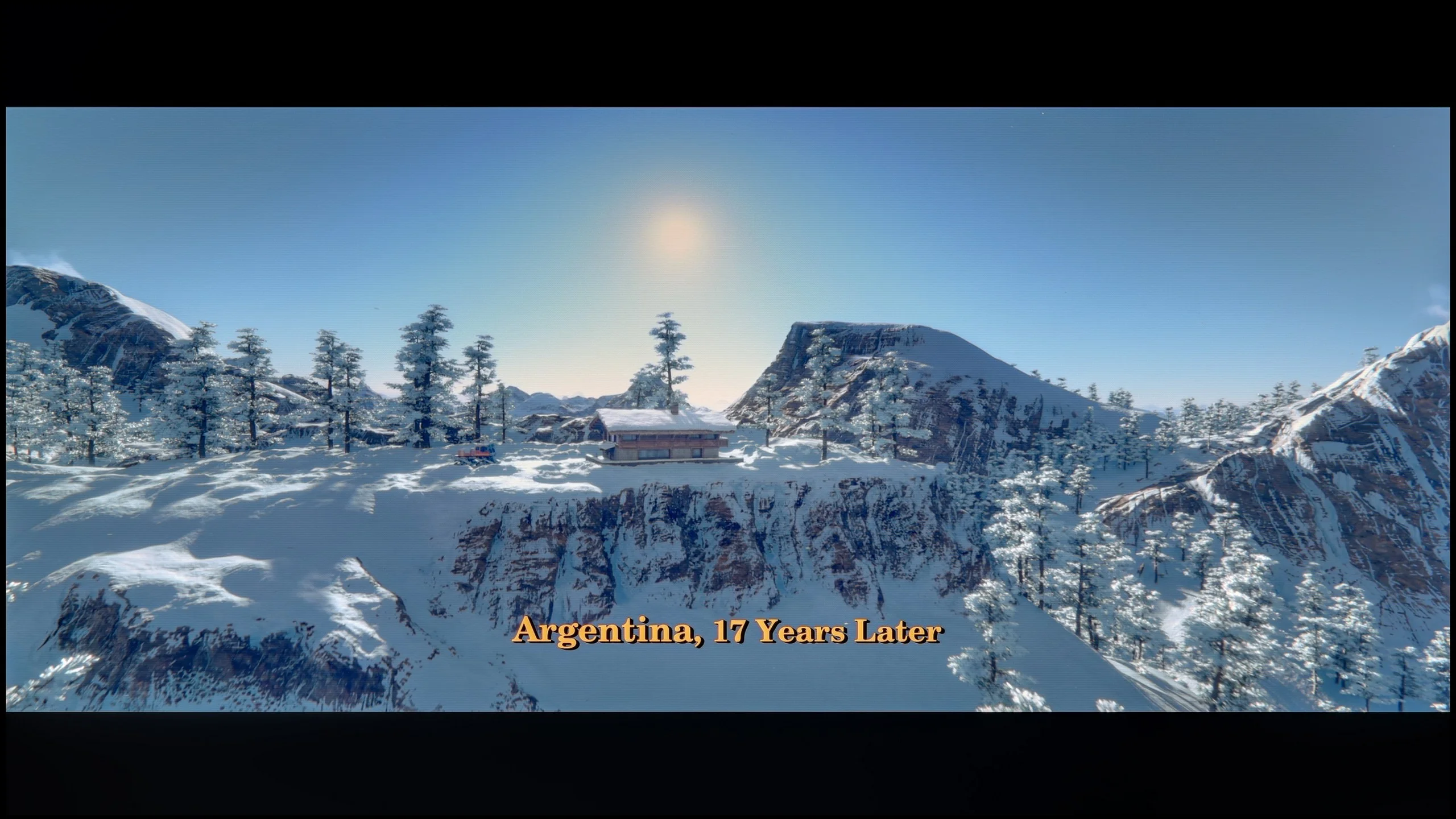
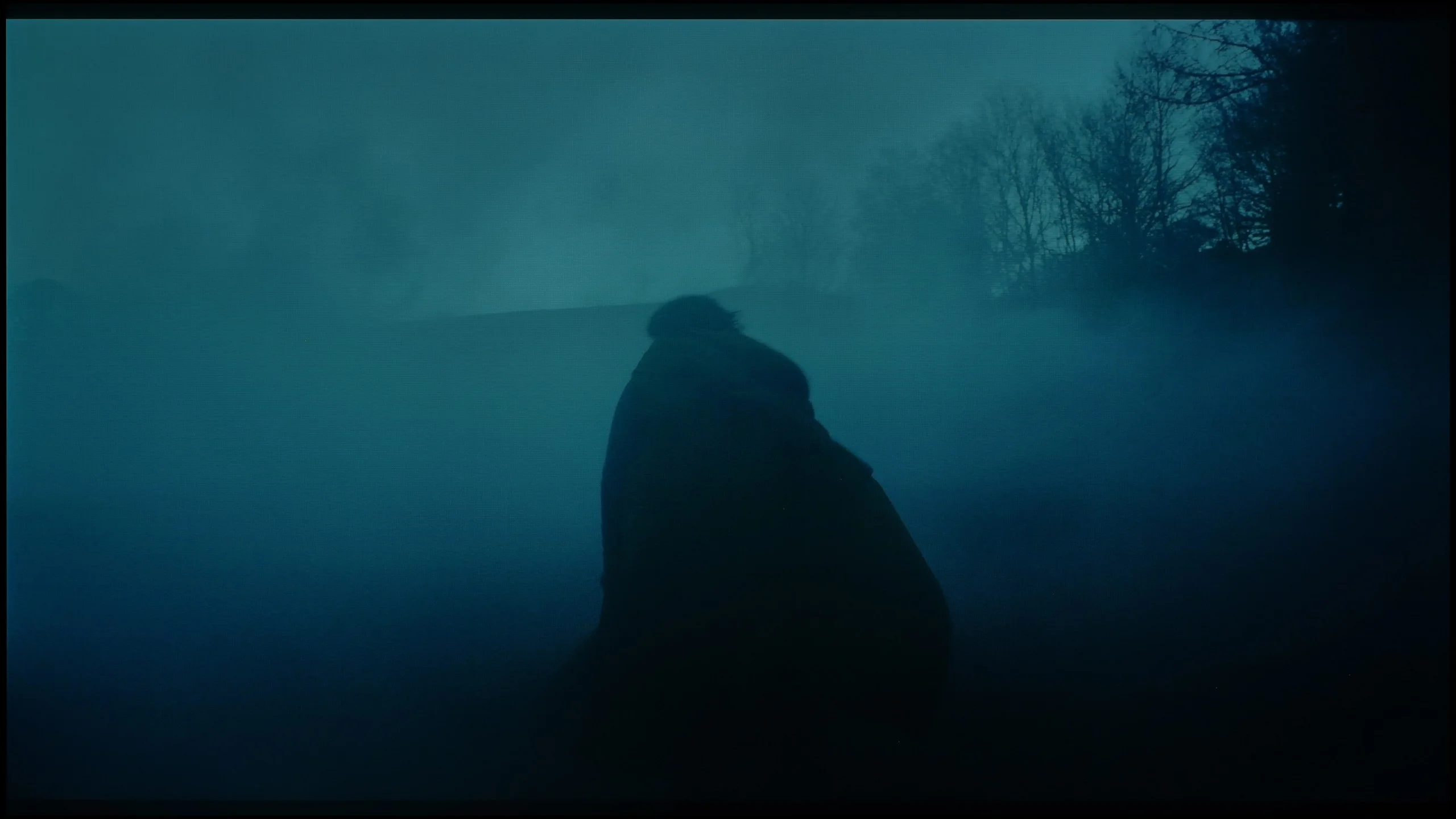
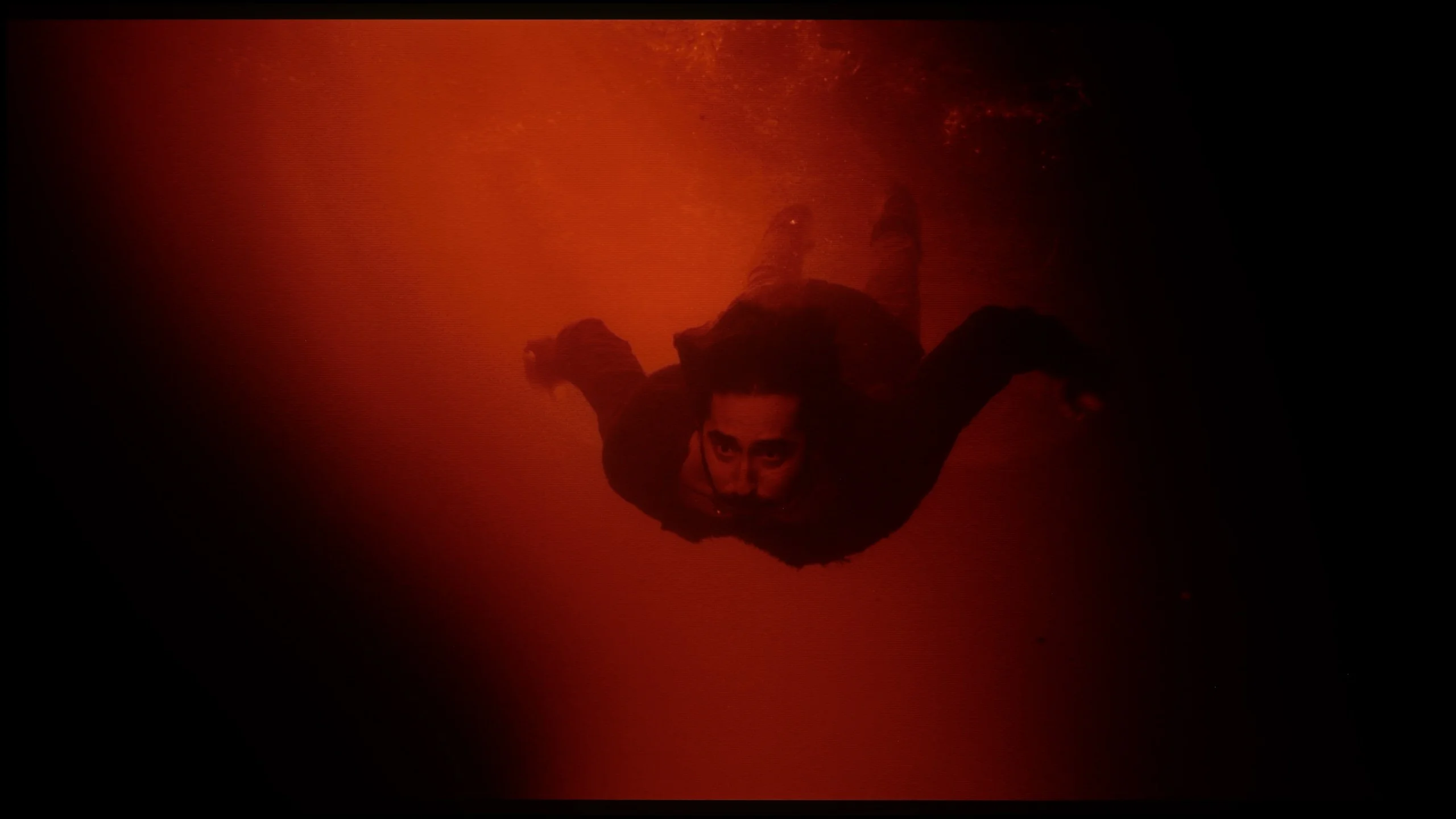
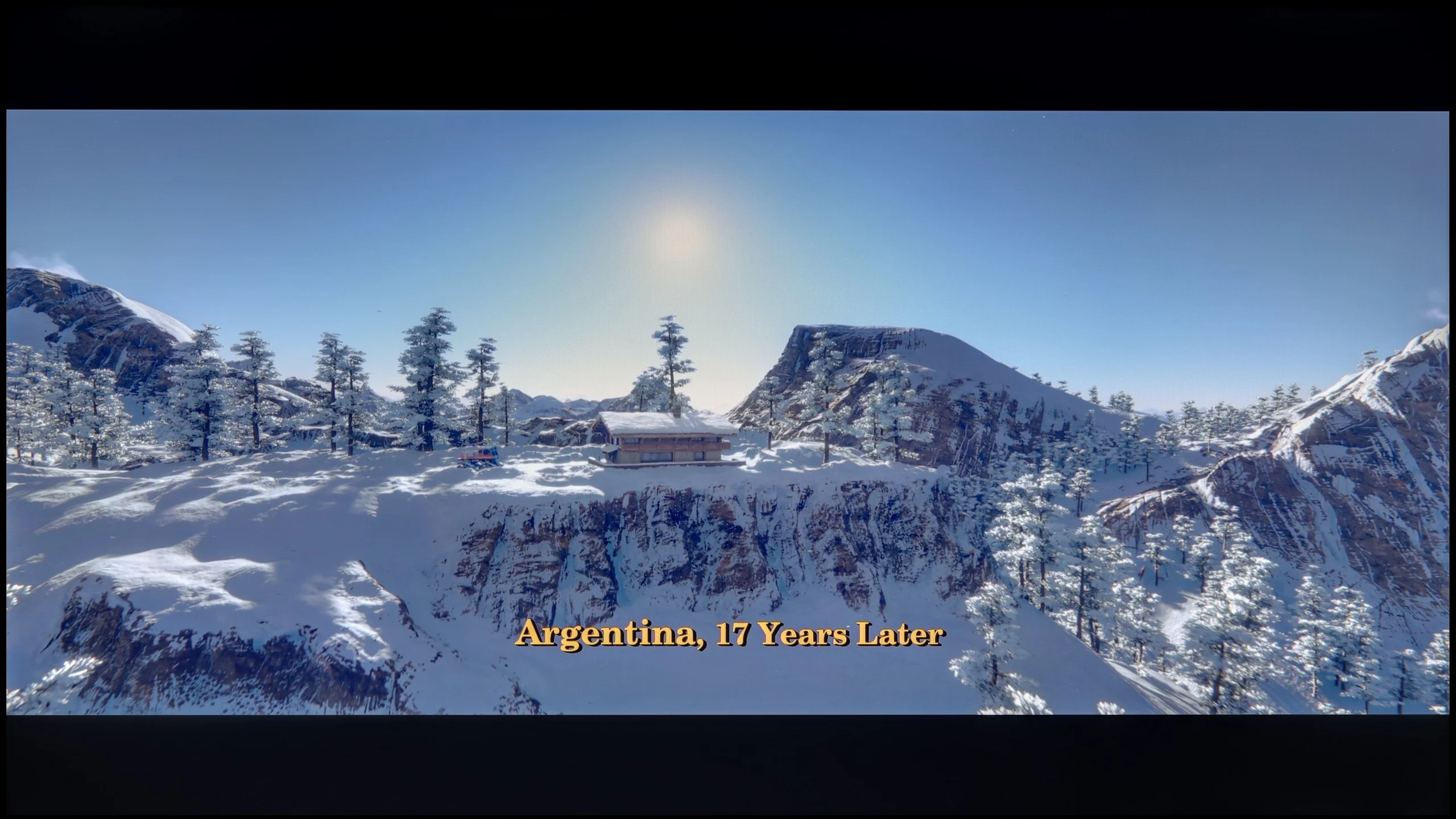
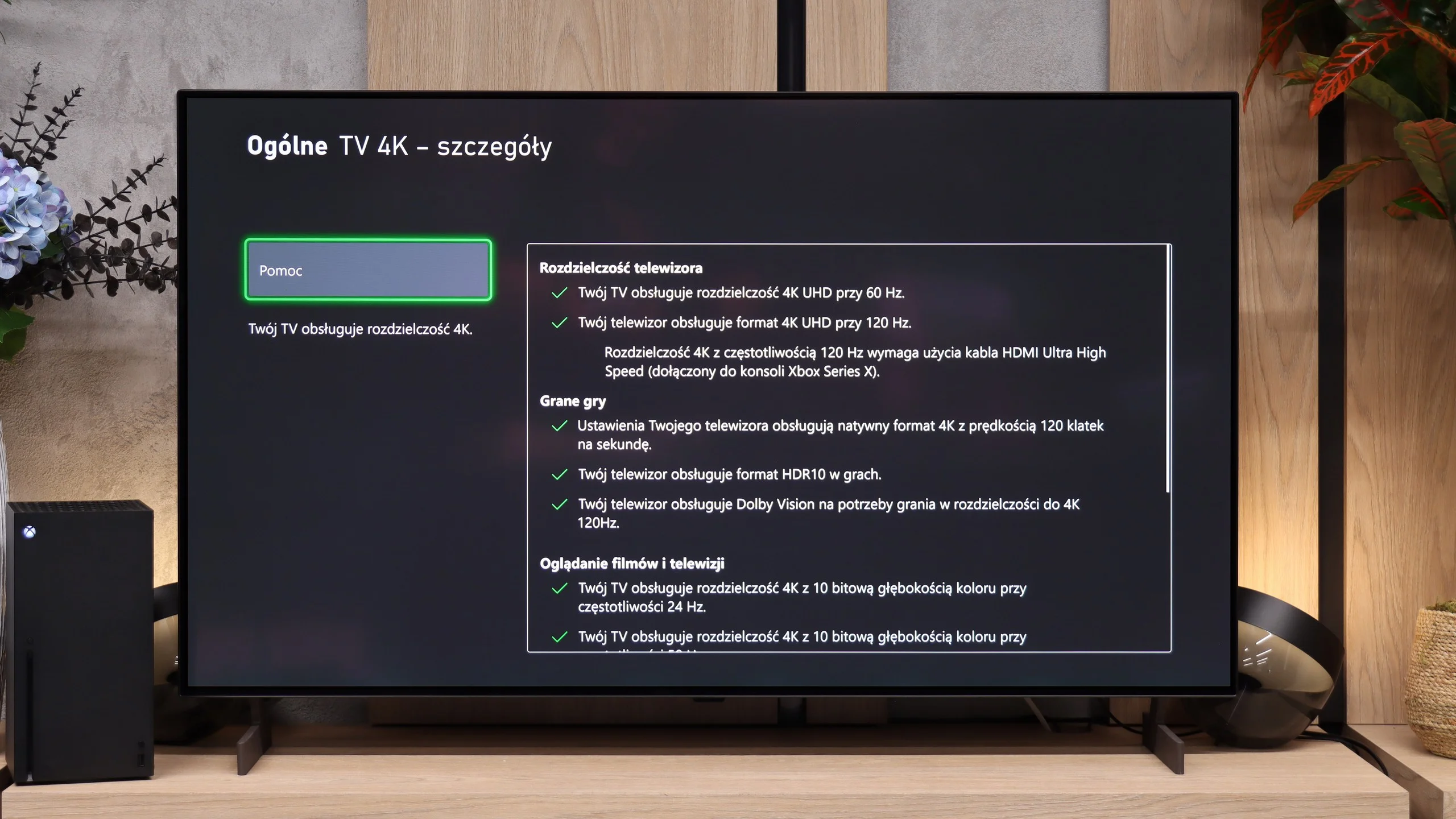
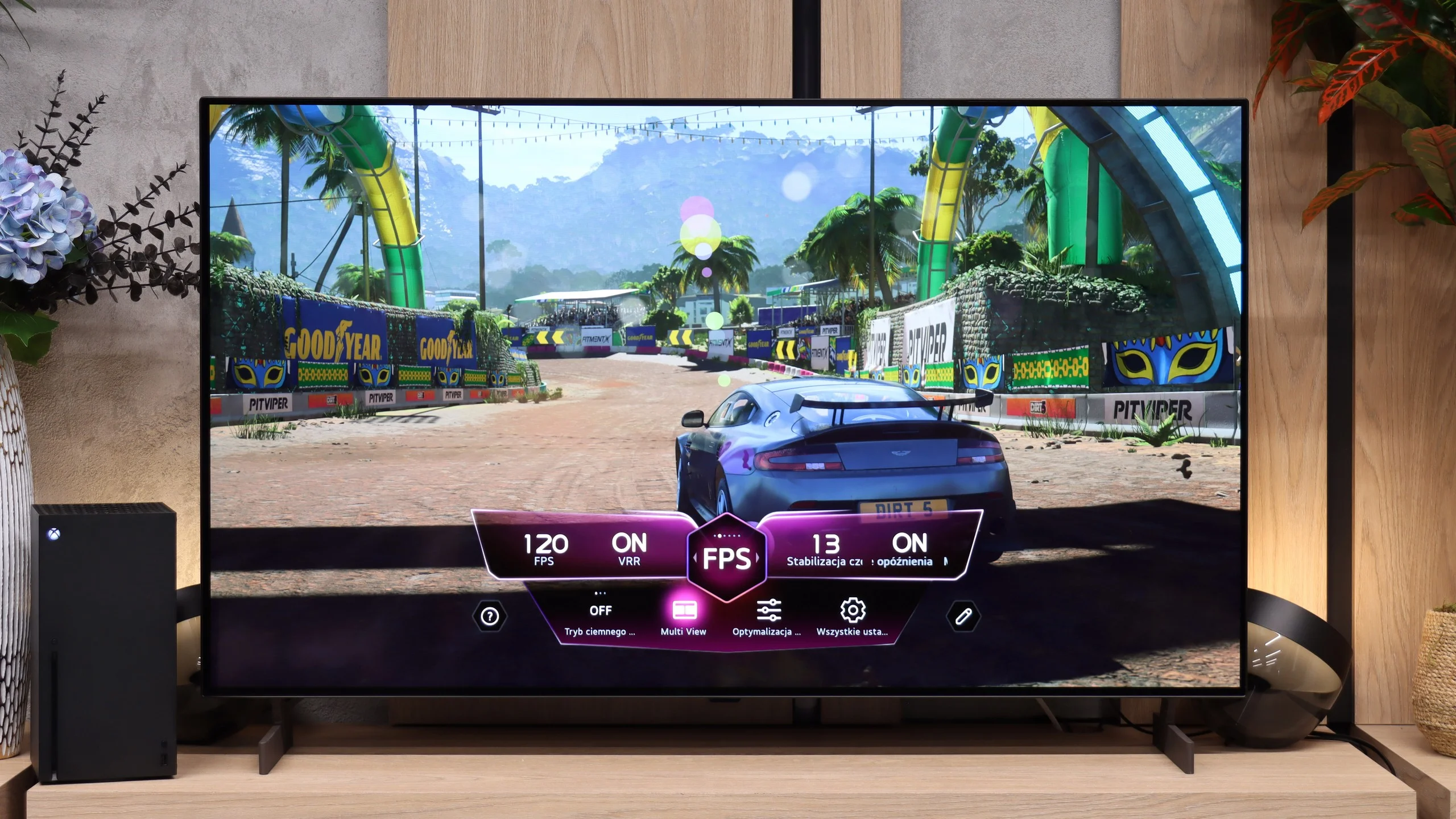
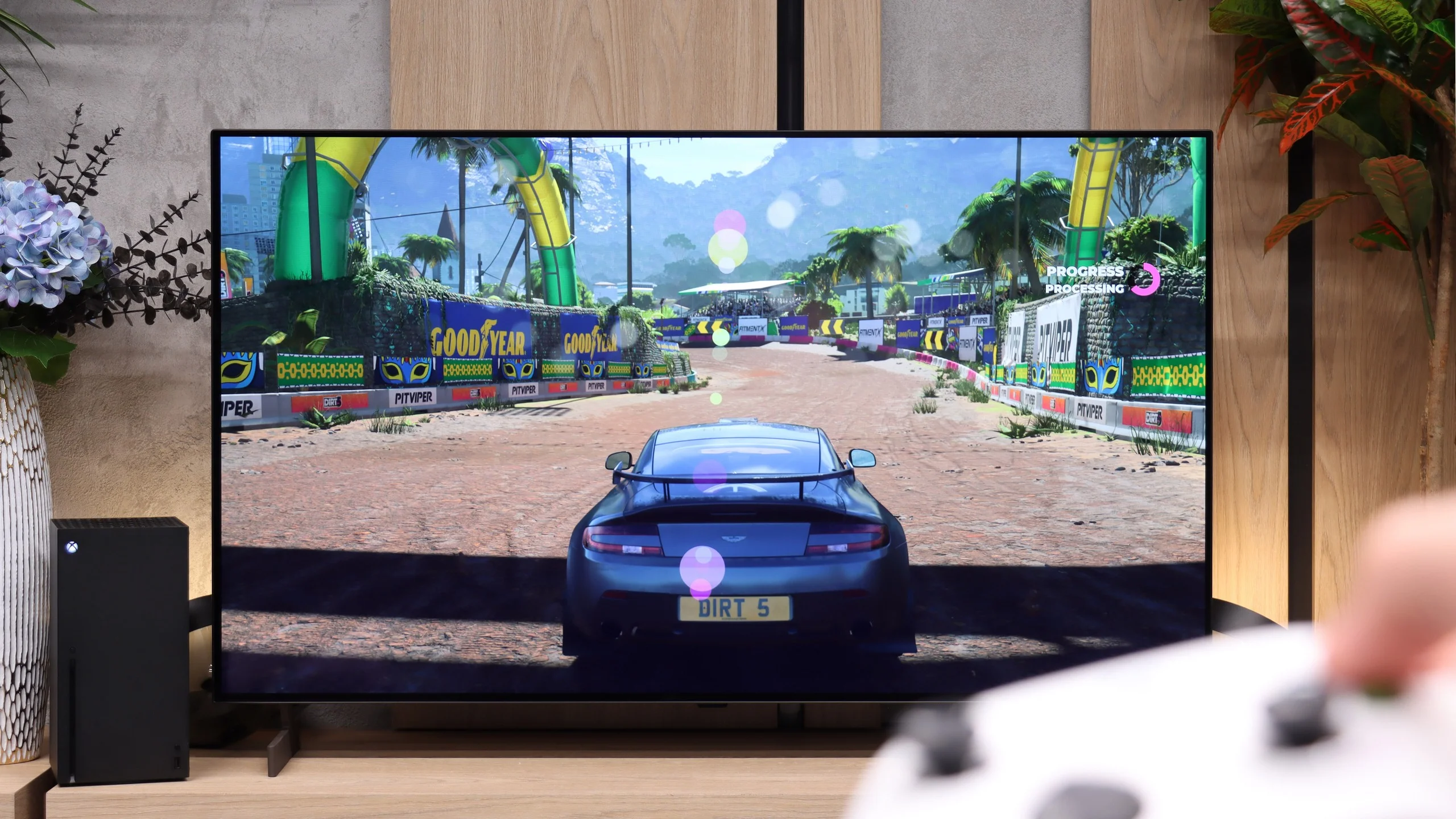
The LG OLED B6 is a very successful continuation of the B series and a TV that makes a lot of sense as a first step into OLED. It doesn't try to compete with the most expensive models in every respect, but in the most important areas it still manages to deliver exactly what many people choose this technology for: perfect blacks, very high contrast and a picture that can simply look spectacular in films. Much of this is thanks to the new budget WOLED panel, the OLED SE. Thanks to it, LG's cheapest OLED is now noticeably brighter than a few years ago, and around 800 nits in HDR is a figure you can genuinely notice when watching. Highlights have more punch, the picture copes better with more demanding scenes, and combined with OLED blacks the whole thing can look really impressive. Films and series from streaming platforms look particularly good, especially those available in Dolby Vision. That's when the B6 makes the most of its capabilities and can deliver an image that will be a big step up for someone switching from a typical LCD TV.
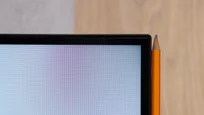
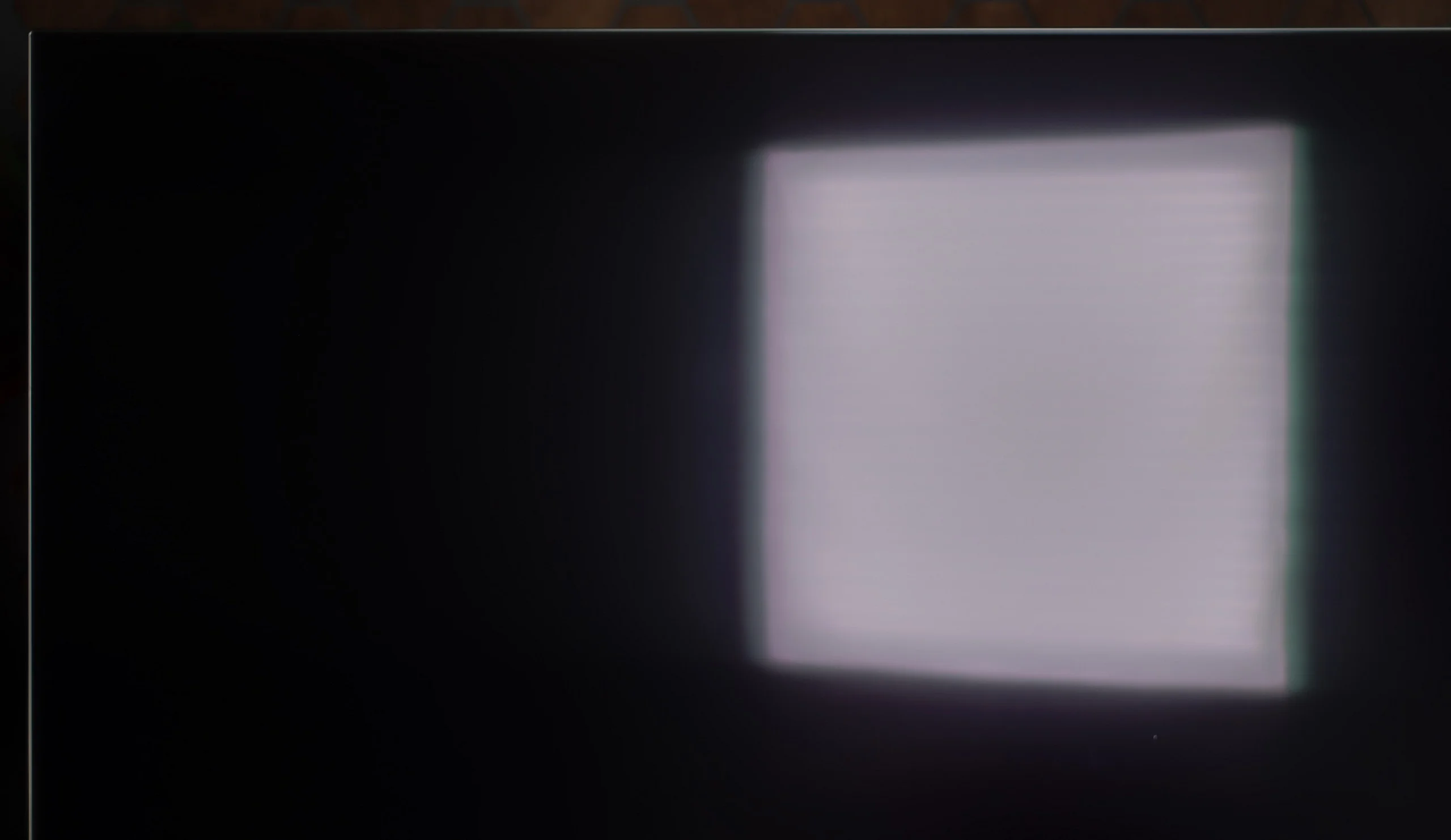
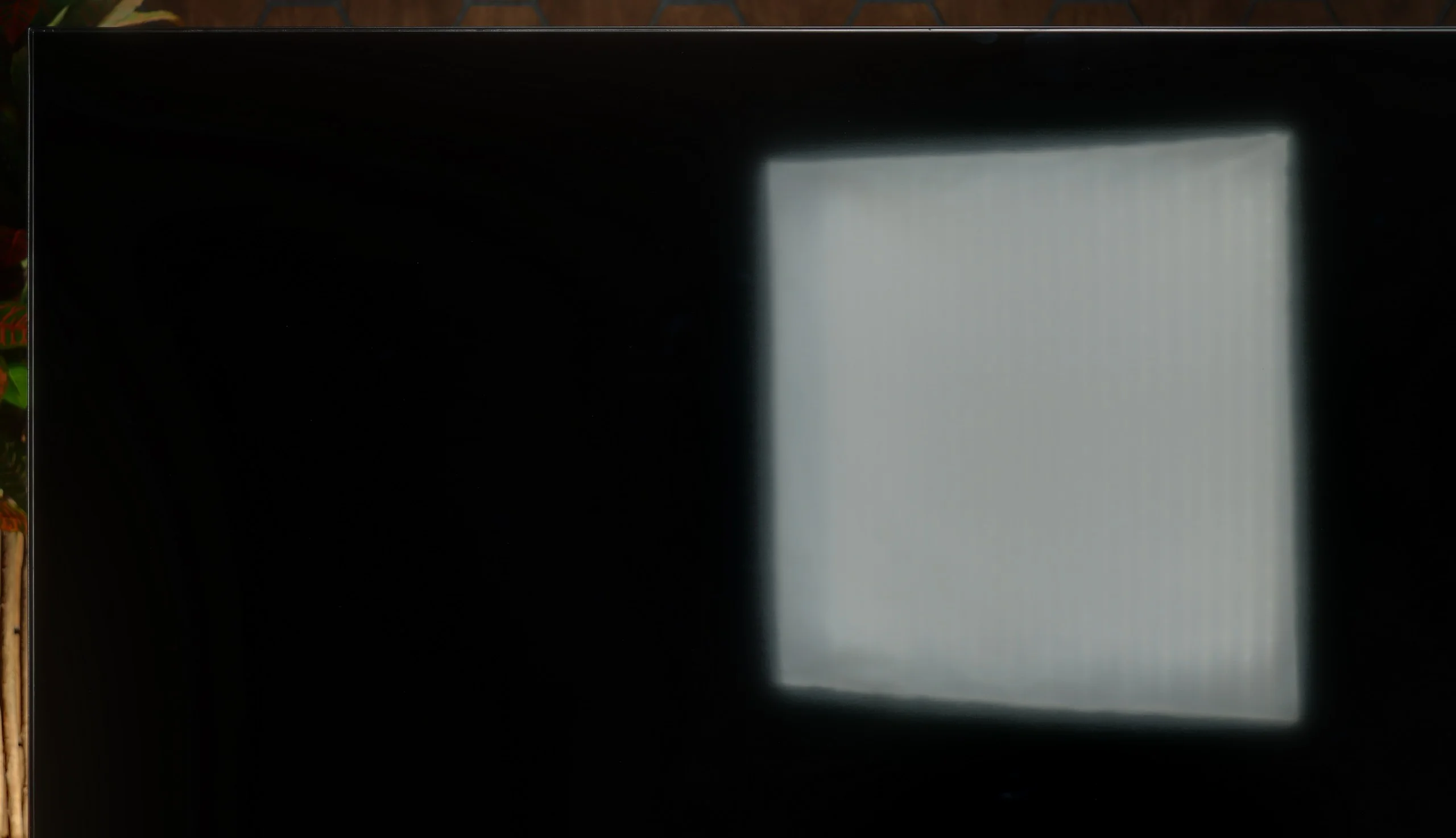
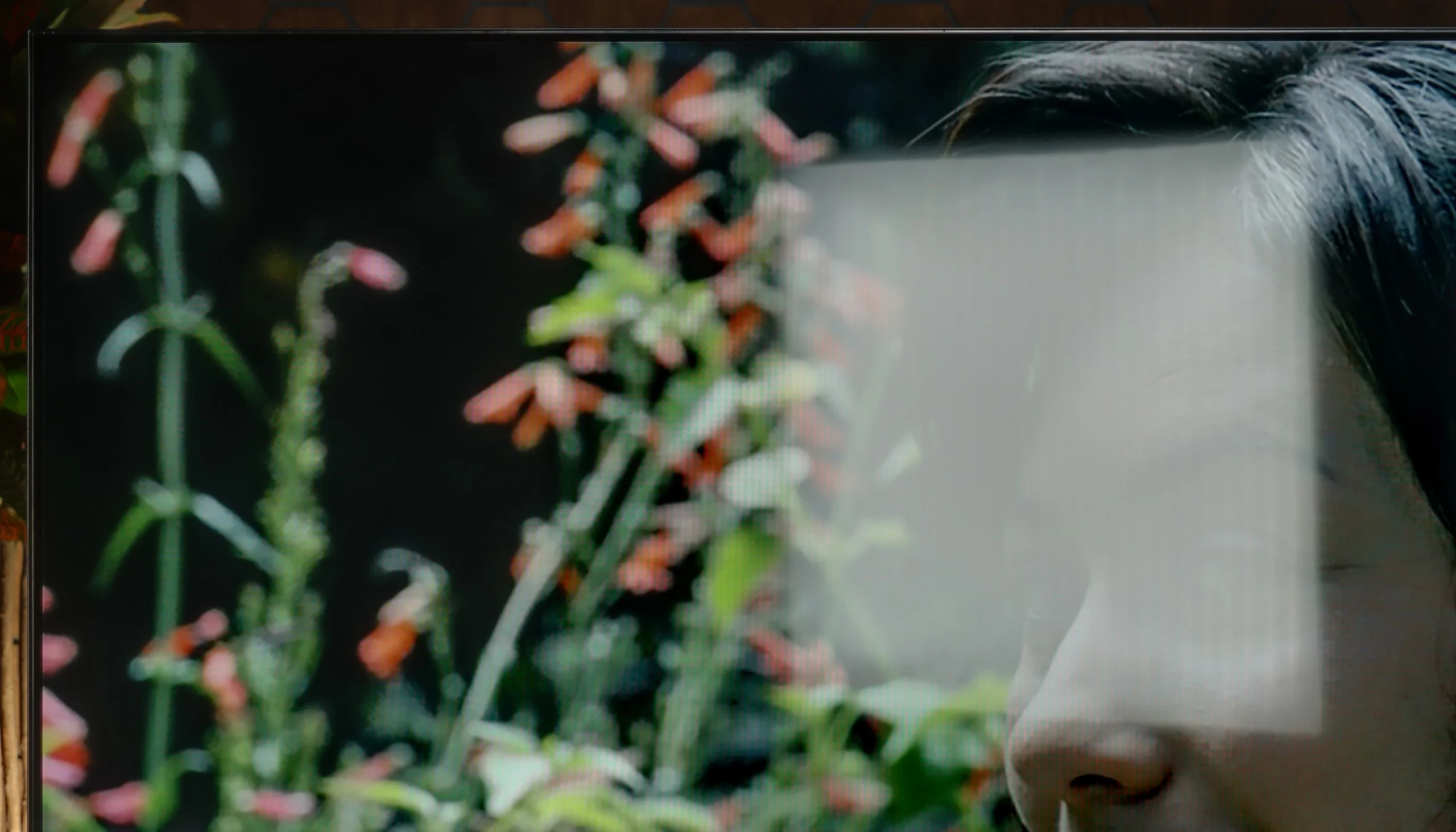
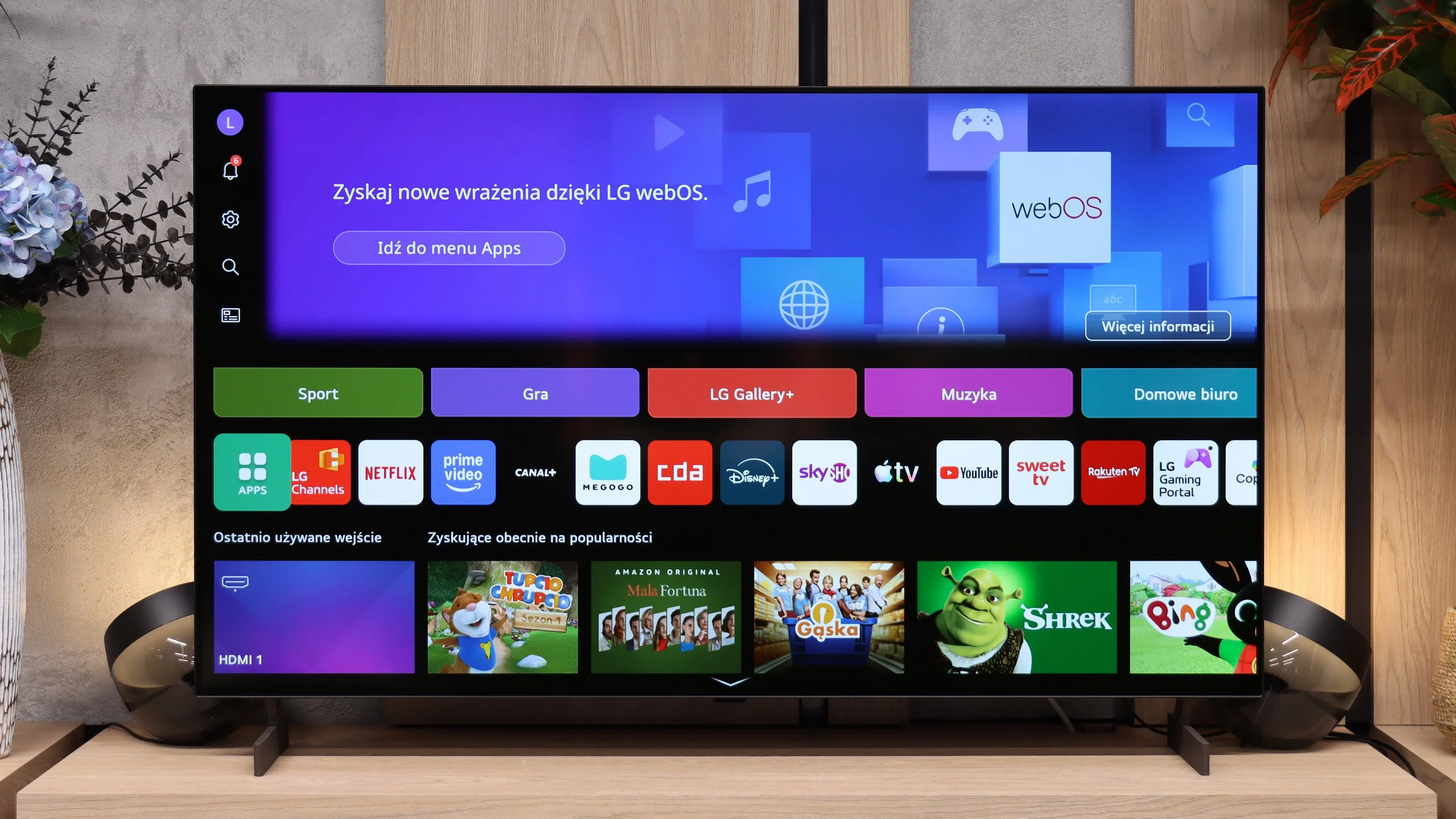
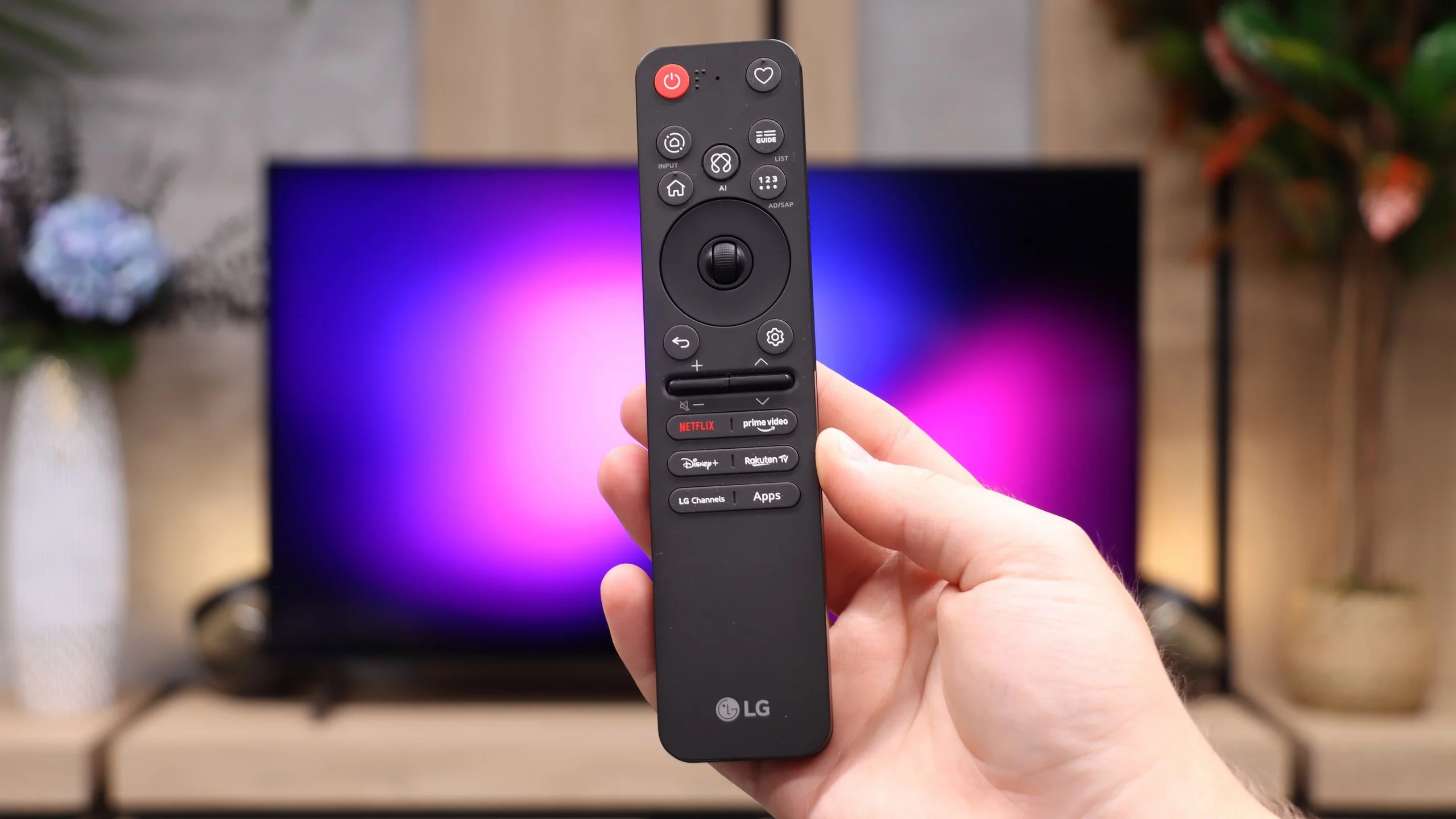
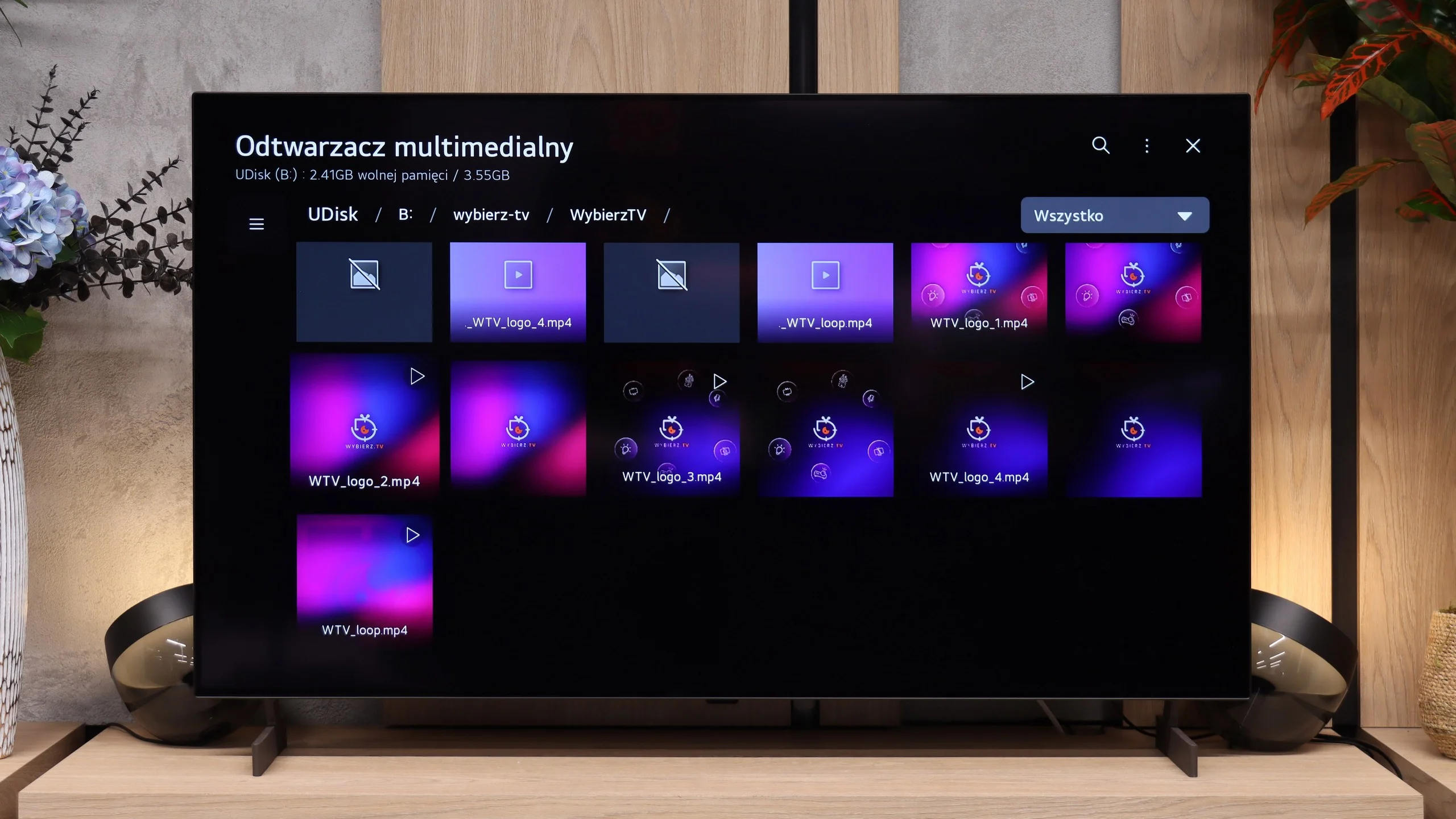
However, this is not a model without compromises. Our biggest reservation concerns how the screen handles reflections. The lack of a classic polariser means the TV fares much worse when placed opposite a large window or a strong light source. Reflections are more noticeable than on other WOLED panels, and the blacks themselves lose some of their character in a bright room. In controlled conditions this won't be a problem, but for a very bright living room it's worth approaching this purchase a little more cautiously. The operation of webOS also leaves something to be desired. The system itself is still very good, with a rich app library, the convenient Magic Remote and essentially everything you would expect from a modern Smart TV. The problem is that on the B6 it does not always run as smoothly as it should. At times you can feel the new version of the system is more demanding and somewhat 'heavier' than before.
Despite these remarks the LG B6 still performs very well. It's a TV that delivers all the key advantages of OLED while not costing as much as the higher-end models. It makes the most sense when it's on a good deal, because then it can be one of the most interesting choices for people who want to enter the world of OLEDs without overpaying.
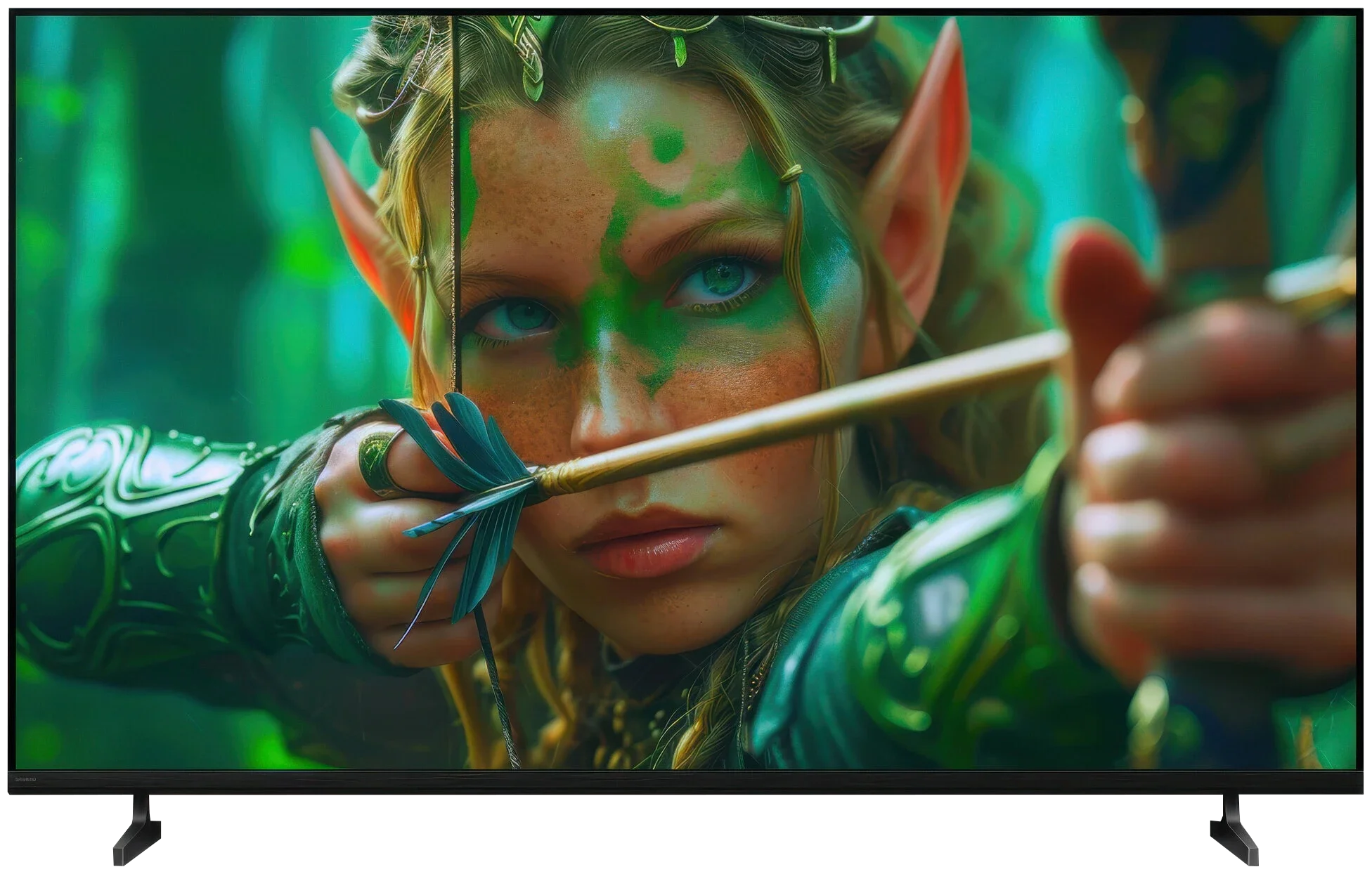
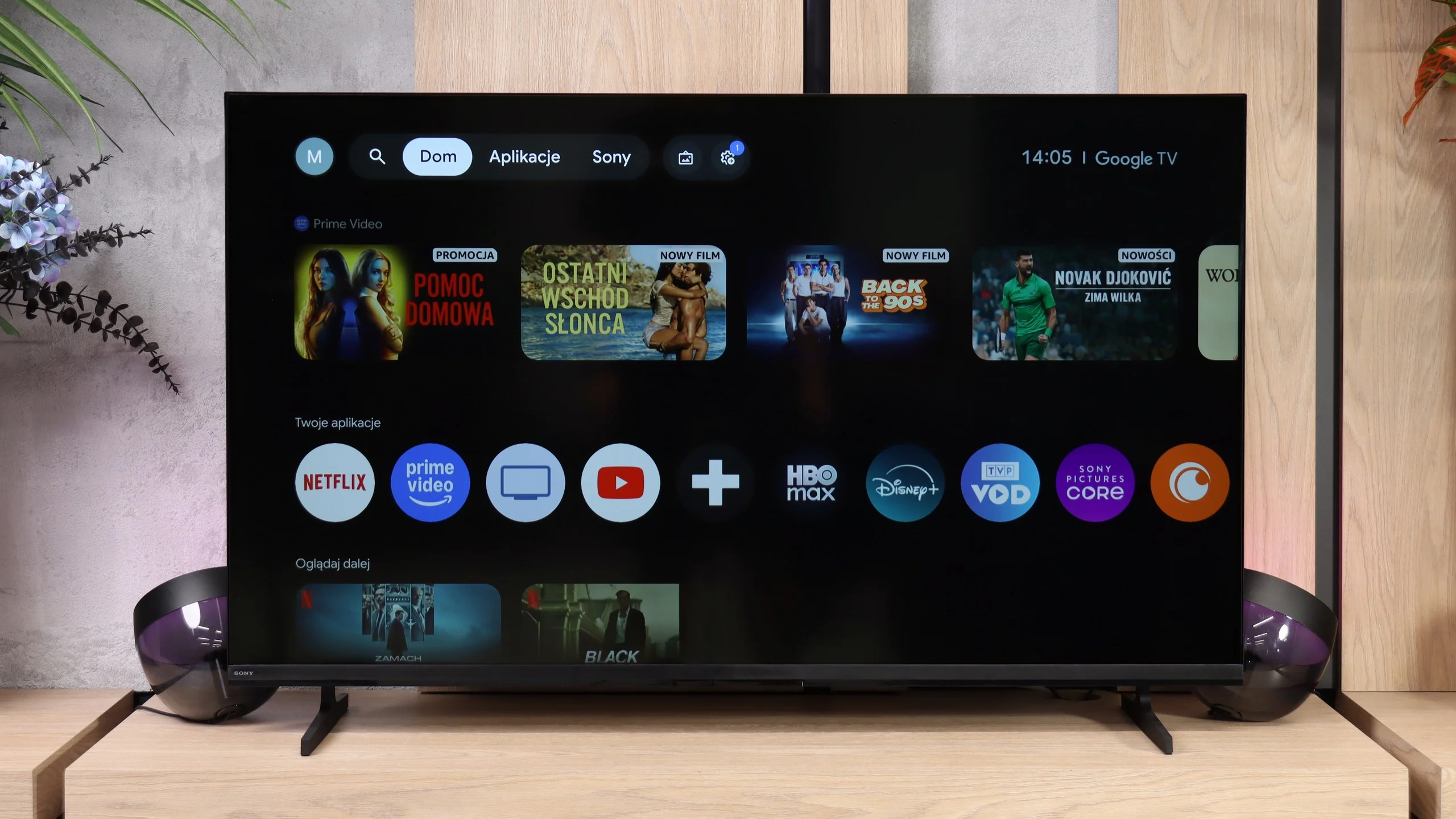
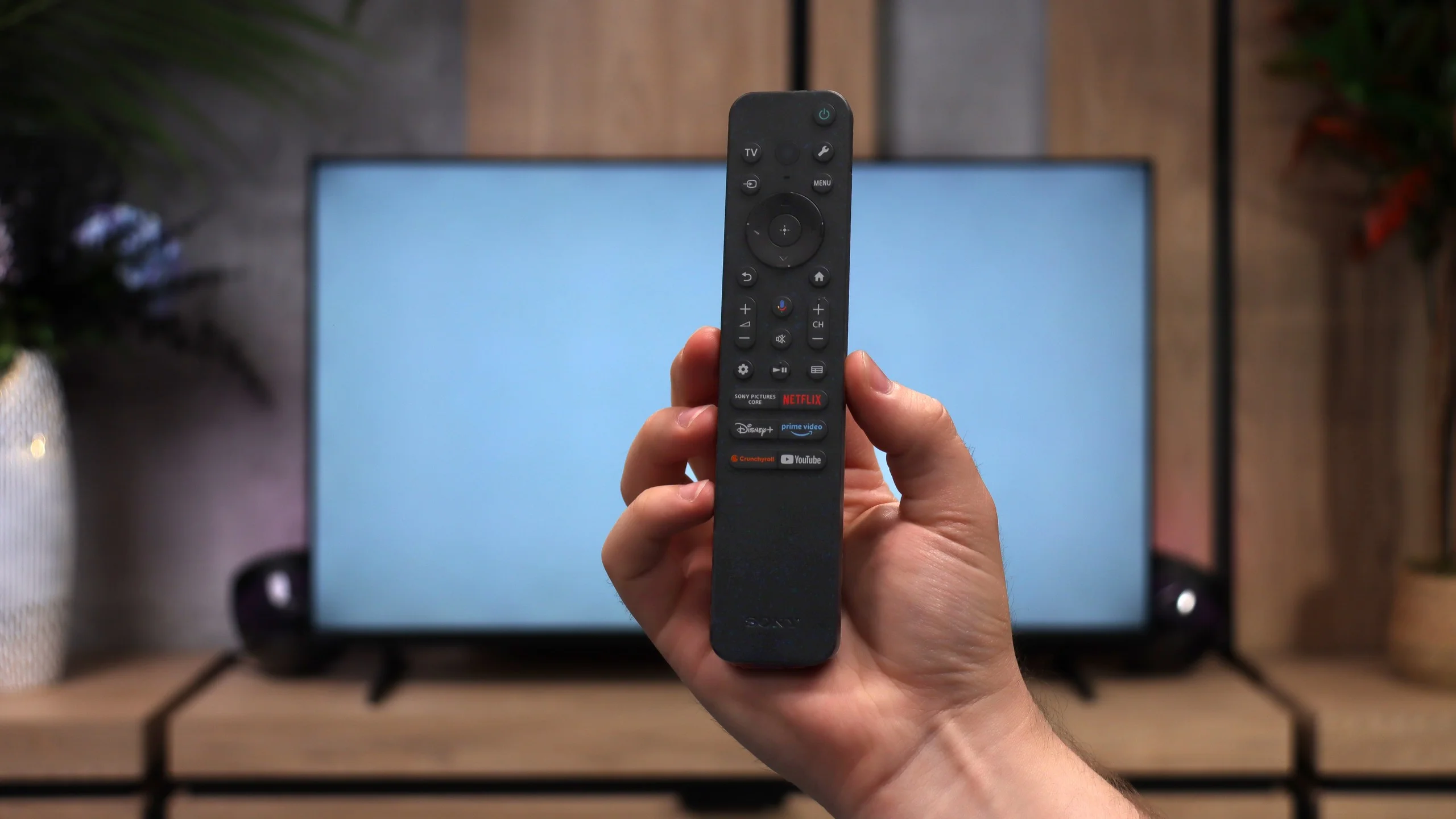
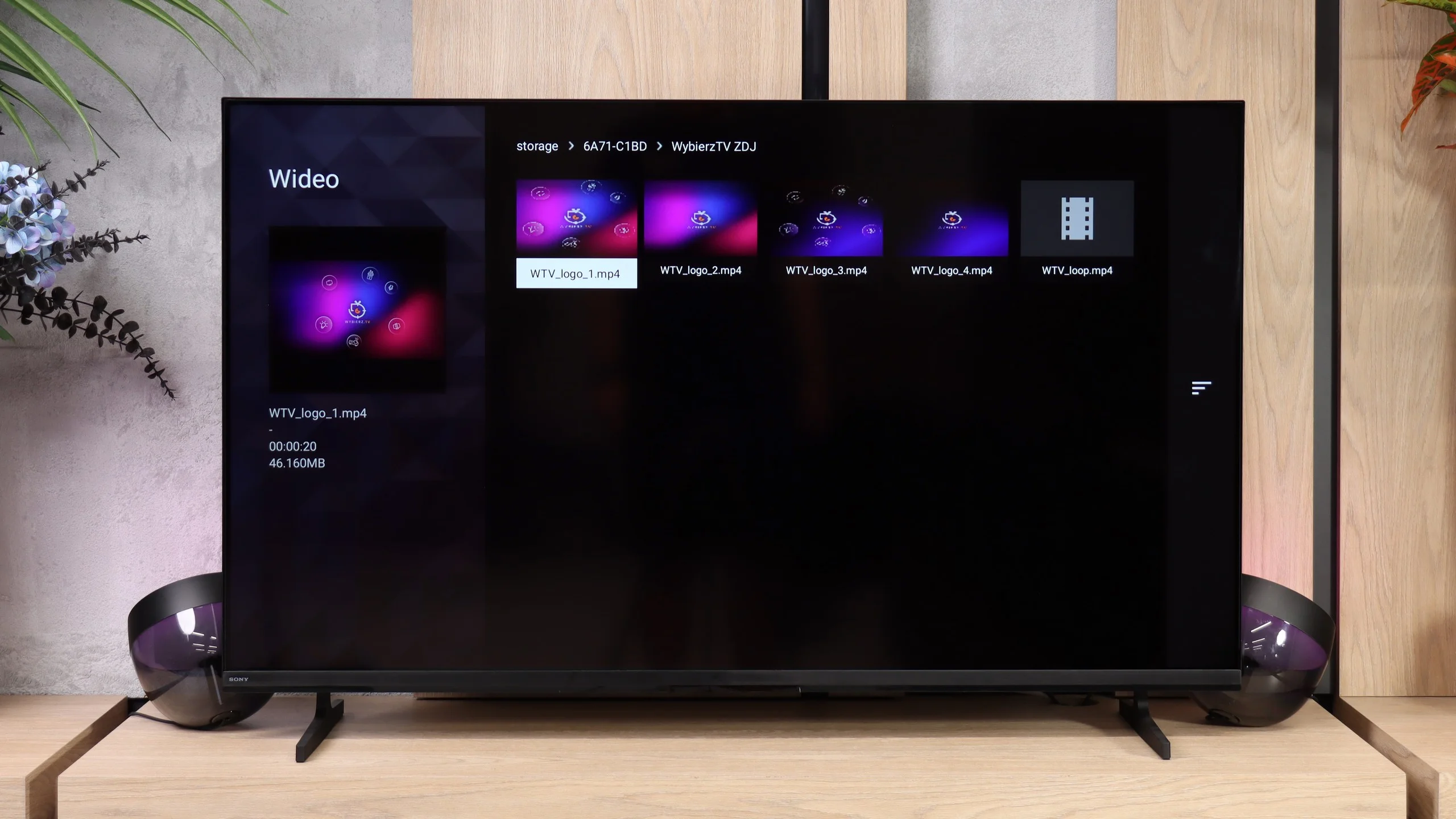
The Sony Bravia 2 II is a television that performs best in simple, everyday use. And we suspect many people will choose it mainly because of Google TV. The system provides access to a huge number of apps and streaming services, and it also includes Chromecast, AirPlay and convenient voice search. The set itself may not run as quickly as more expensive Sony models, but in terms of features there is little to complain about. Importantly, for ordinary viewing the picture quality is quite decent. The Bravia 2 II handles SDR material particularly well, meaning regular TV, YouTube and much of older films and series. The factory Cinema mode is already fairly well tuned, colours look natural and, without much fiddling with the settings, you can simply start watching. And in our view this is where the Bravia 2 II shows its best side, as a simple Smart TV for everyday use rather than a television that aims to impress with the panel's capabilities.
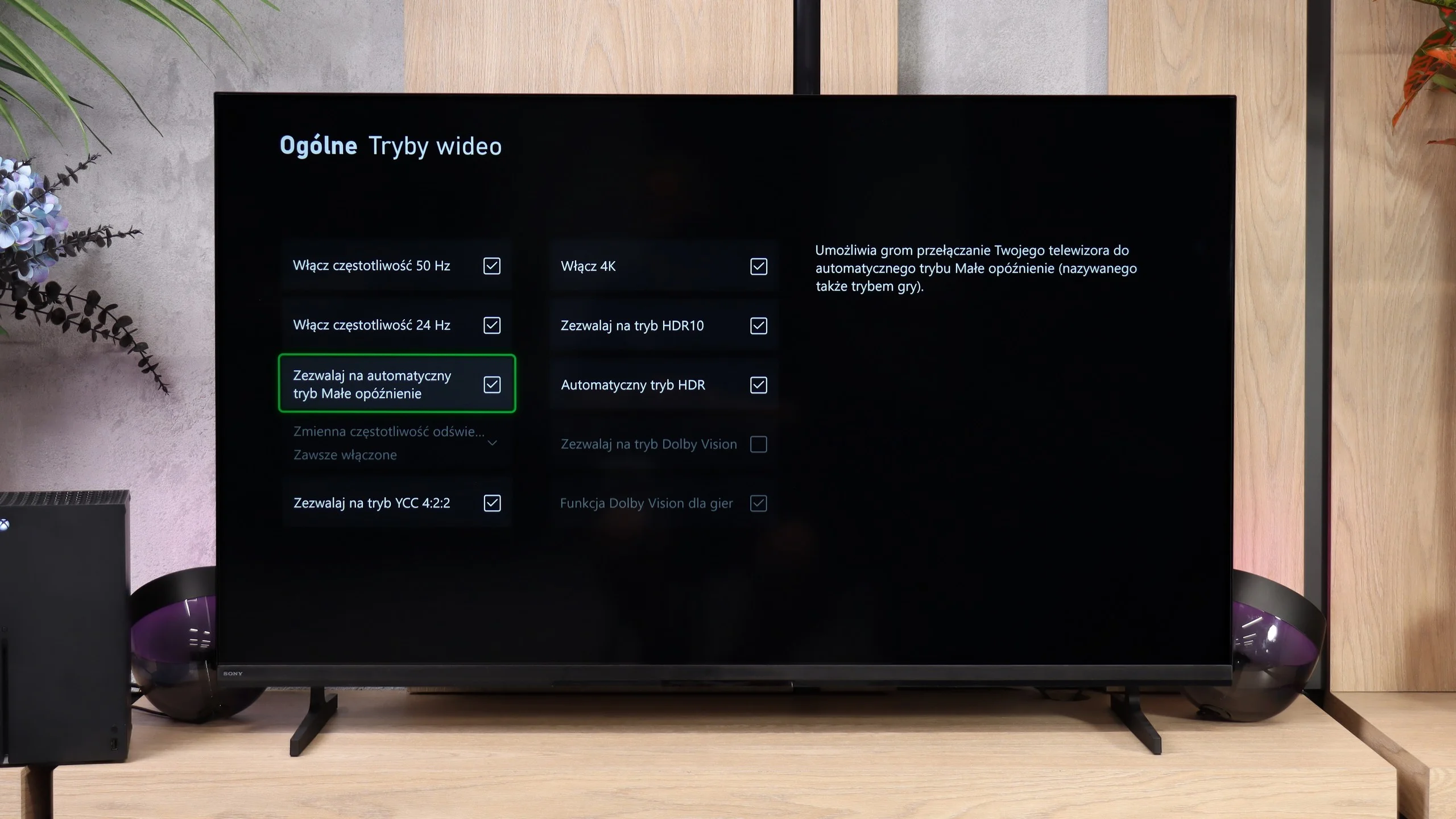
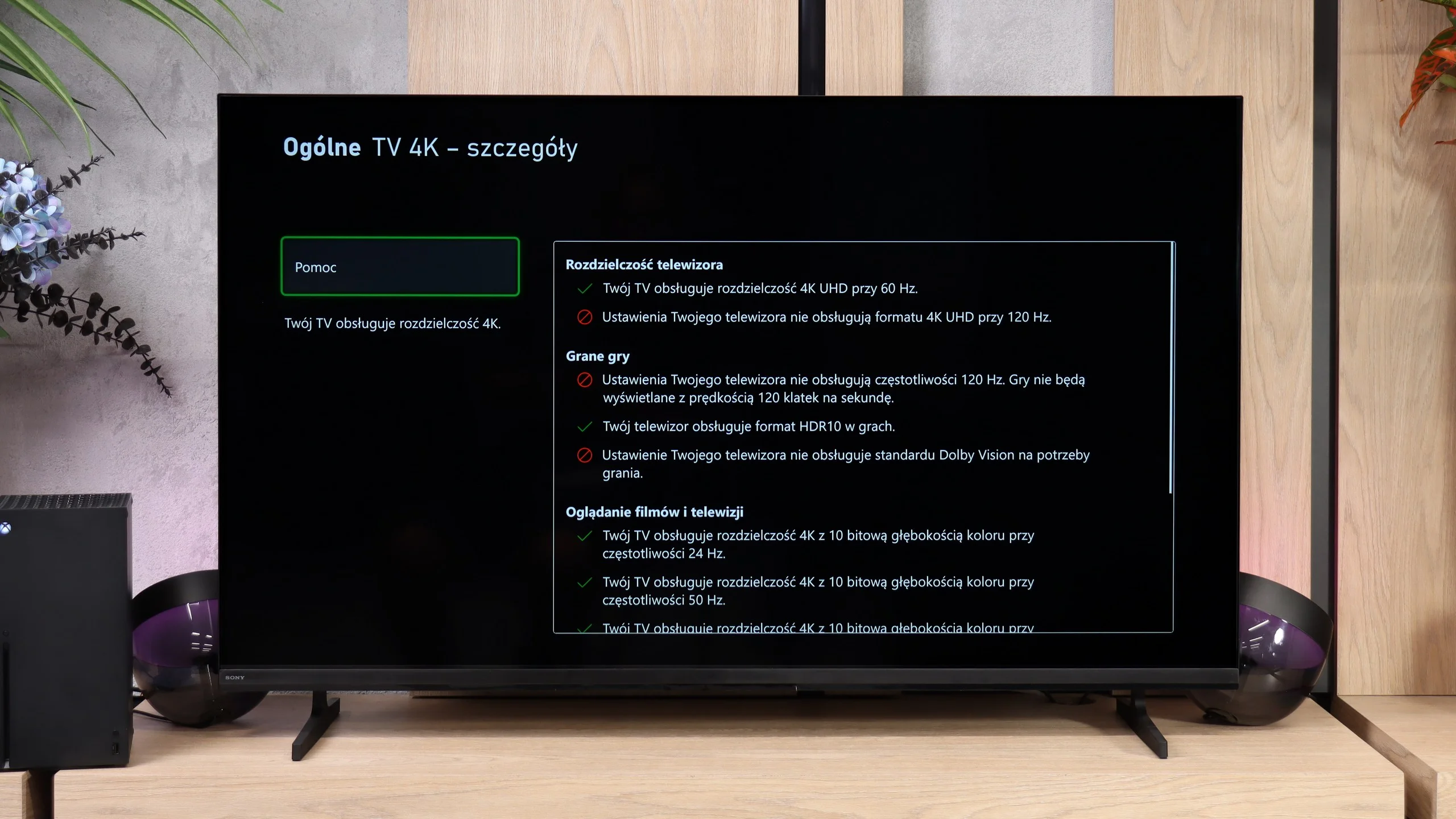
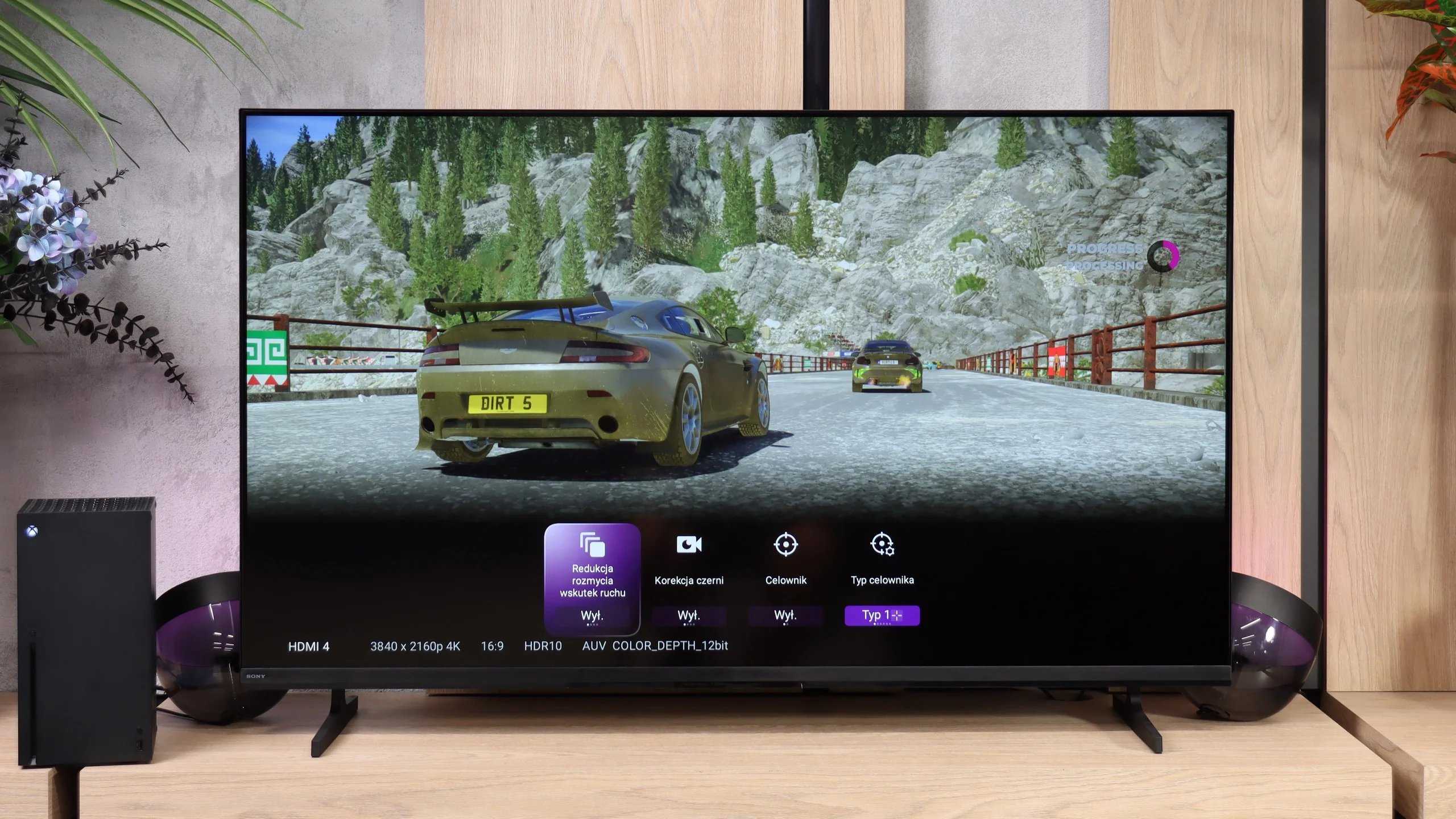
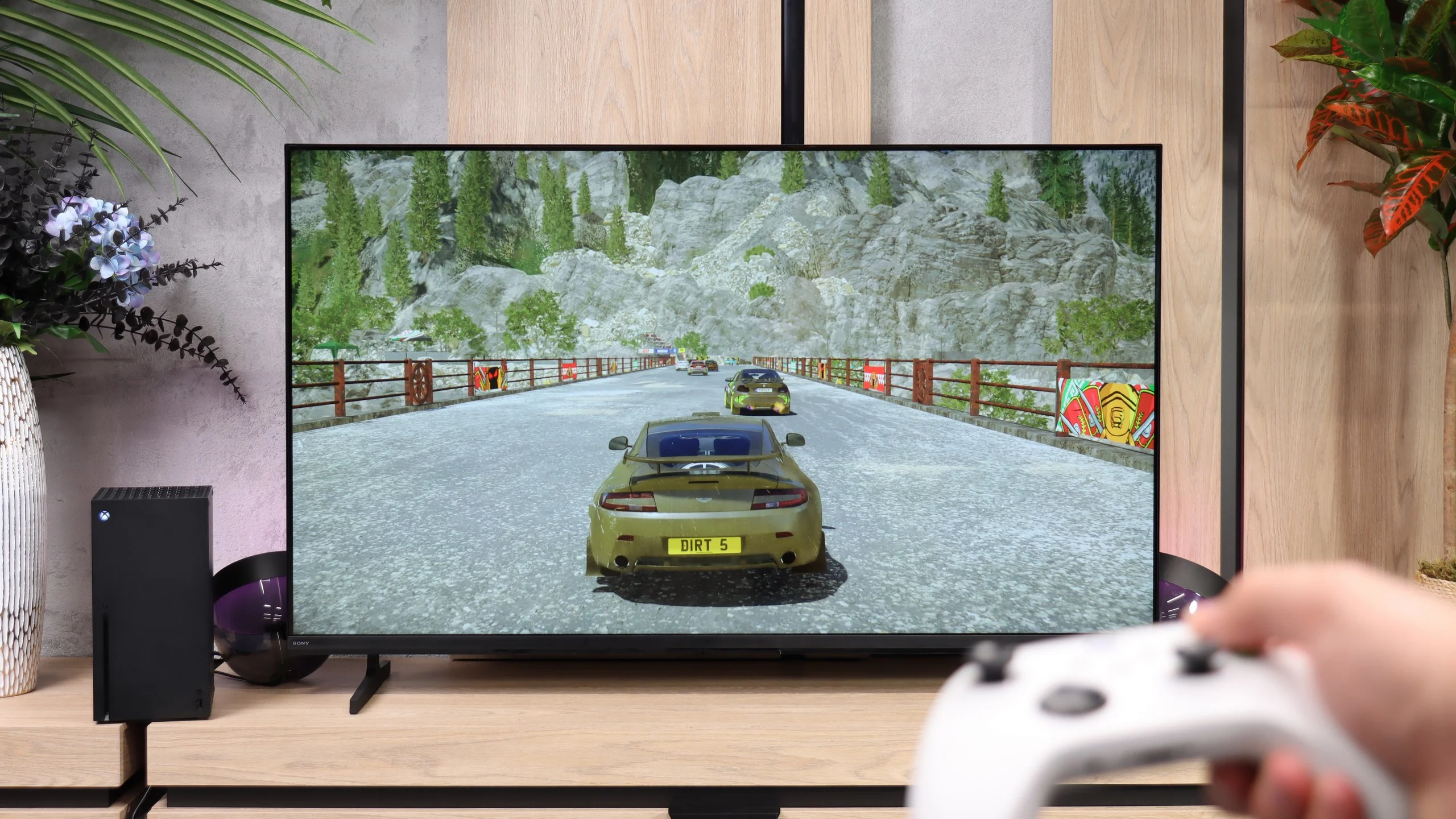
However, you should remember that the word "Bravia" on the casing does not automatically mean excellent picture quality. The Bravia 2 II uses an IPS panel with very low contrast, and that is its biggest problem. During the day this is not such a big issue, but switch the lights off in the evening and the blacks start to look more like dark grey. Of course, in return you get good viewing angles, so if the TV sits in a large living room and is watched by several people from different positions, IPS has its advantage. But that comes at the cost of weak blacks. This is also not a television made with HDR impact or more demanding gamers in mind. About 300 nits of brightness and a narrow colour gamut mean HDR material does not show much more than what we see in SDR. The 60 Hz panel and the lack of broader gaming features also clearly show that gaming is not a priority for this model.
And it wouldn't really be a big problem, because we expected exactly that from an entry-level Sony model. However, the biggest issue for the Bravia 2 II is its price. For similar money you can easily find competing TVs, especially from Korean and Chinese brands, that already offer much more, from 120 Hz panels to Mini-LED backlighting with local dimming. So the Bravia 2 II is not a bad television in itself. It's simply too expensive for what it offers. If its price were noticeably lower, as a simple TV for everyday viewing it would make much more sense.
 Direct comparison