Hisense U8NQ is an example of a television that shows the brand is not planning to stay in the shadow of the competition. Thanks to MiniLED technology, it has achieved a truly high level of contrast and deep blacks. This is particularly evident in films – dark scenes look vivid, and bright elements in HDR stand out with intensity. Interestingly, the television supports many formats, including the most popular one – Dolby Vision, which highlights details that might be missed on other screens. Of course, there are times when in more demanding scenes, the details of smaller elements can be a bit weaker in representation, but the overall picture is very good. During everyday use, Hisense U8NQ is quite a comfortable and versatile television. A definite plus is the ability to record programmes and support for AirPlay. The remote is classic, simple, but very intuitive to use. Regarding the VIDAA operating system – it works quickly and without significant delays; however, we won’t find all applications here, such as Spotify or Tidal. If someone uses these platforms daily, the absence may be noticeable, although for many it will not be a crucial problem. As for motion on the screen, the U8NQ performs well. The 144 Hz panel and VRR and ALLM features ensure that the television handles smoothly both in dynamic films and during gaming. The gameplay was enjoyable, and the low input lag and stable image allowed for the enjoyment of every detail – even in fast, intense games. Hisense U8NQ is a television that proves it can compete with Korean manufacturers shoulder to shoulder. It offers really solid picture quality and practical features – of course, despite a few minor shortcomings. In its price category, it performs excellently and can be a good choice for both film enthusiasts and gamers.
- Matching (Score) |
- Our verdict |
- TV appearance |
- Where to buy |
- Contrast and black detail |
- HDR effect quality |
- Factory color reproduction |
- Color reproduction after calibration |
- Smoothness of tonal transitions |
- Image scaling and smoothness of tonal transitions |
- Blur and motion smoothness |
- Console compatibility and gaming features |
- Input lag |
- Compatibility with PC |
- Viewing angles |
- Daytime performance |
- Panel details |
- TV features |
- Apps |
- Playing files from USB |
- Sound
Hisense U8NQ vs Samsung The Frame Pro
 Direct comparison
U8NQ
The Frame Pro / LS03FW


Panel type: LCD VA
Resolution: 3840x2160
System: VIDAA
Model year: 2024
Complete the survey to find out the result
Panel type: LCD VA
Resolution: 3840x2160
System: Tizen
Model year: 2025
Complete the survey to find out the result
Overall rating
7.7
7.3
 Movies and series in UHD quality
 7.4
6.8
 Classic TV, YouTube
 7.0
6.6
 Sports broadcasts (TV and apps)
 6.9
6.8
 Gaming on console
 8.5
8.6
 TV as a computer monitor
 8.0
8.4
 Watching in bright light
 8.7
7.0
 Utility functions
 8.5
7.7
 Apps
Apps 7.7
9.3
 Sound quality
 7.0
6.4
Complete the survey to find out what fits your preferences
Advantages

High contrast - miniLED backlighting
Excellent brightness - ideal for daytime use
Great for gamers - 144Hz, VRR, ALLM
Low input lag
Very good built-in speakers
Premium design – symmetrical frame, ability to customise interchangeable frames, effect of a real picture on the wall
Wire-free One Connect module – no visible cables by the television, easier arrangement of space
Matte screen coating – no reflections even in bright rooms
High brightness ratio – up to 900 nits
Wide colour gamut – QLED
Smooth tonal transitions, virtually no banding
High motion fluidity – 144 Hz panel
Features for gamers – VRR, ALLM, 144 Hz, Game Bar, low input lag (wired)
Tizen system – fast, intuitive, with a full suite of applications and support for AirPlay and voice assistant
Art Store – unique feature, television as a digital picture frame
Mount included
Disadvantages

The VIDAA operating system has certain shortcomings in music applications such as Spotify and Tidal
It has issues with font visibility on PC
It's hard to call it a true Mini-LED – edge lighting
Poor viewing angles (they could be better for improved wall image effect)
Missing HGiG* feature
Flat sound, little bass. A soundbar will definitely come in handy
Issues with font readability and significant delays (input lag) when using the wireless One Connect module.
*The HGiG feature disappeared with the latest TV update. We are monitoring the situation closely and if anything changes in this regard, we will let you know.
Our verdict
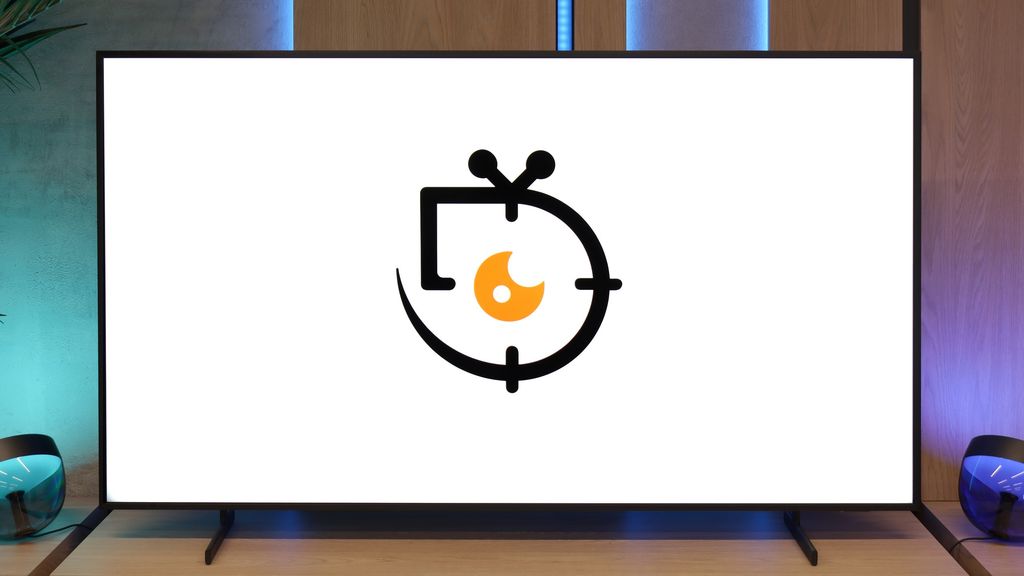
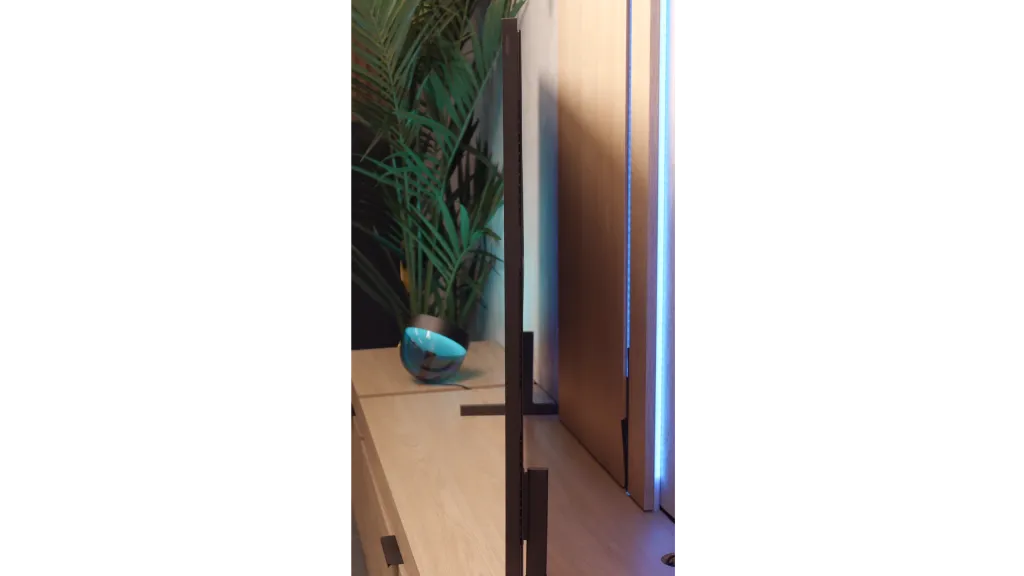
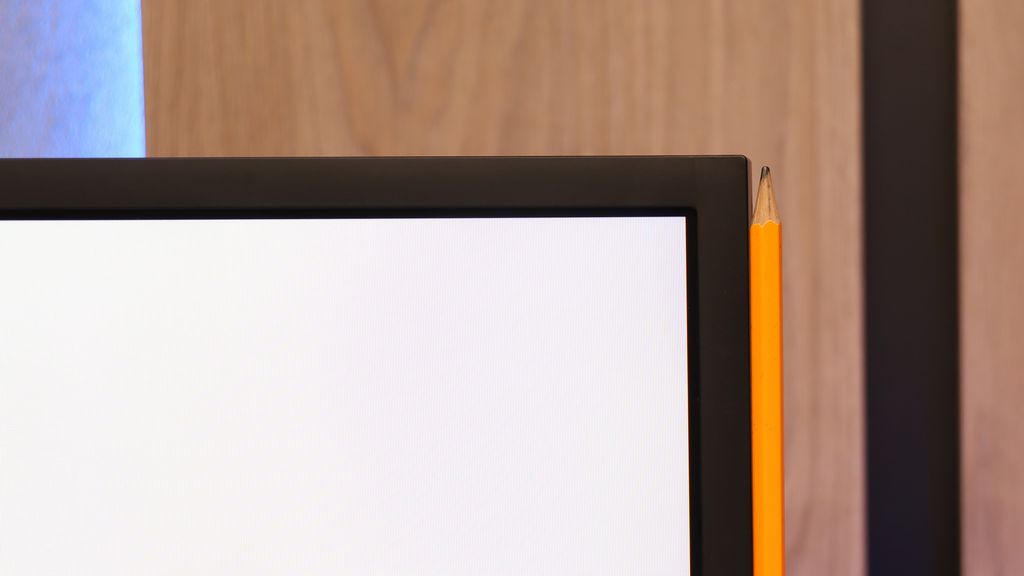
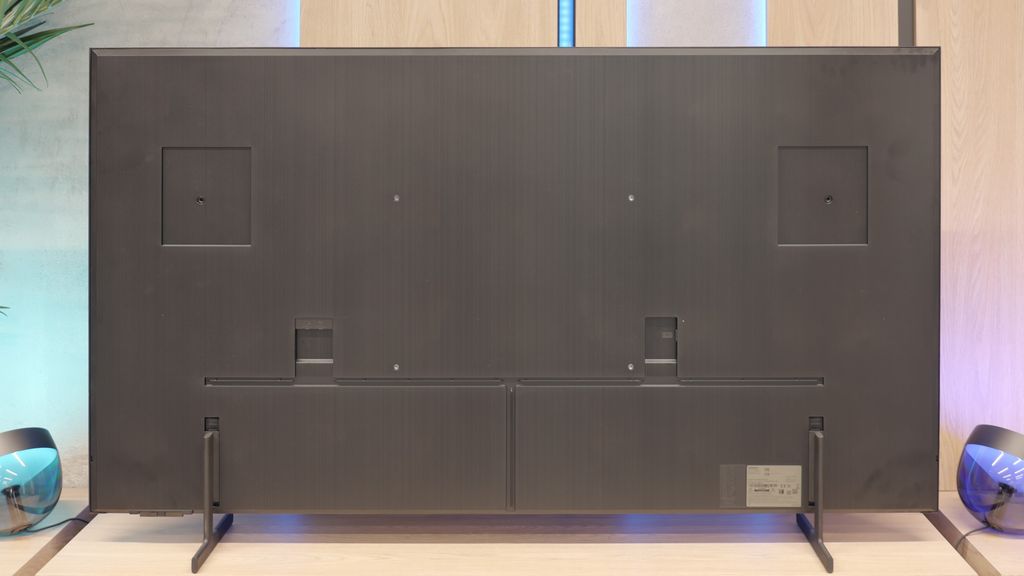
Samsung The Frame Pro 2025 is a television that brings a breath of fresh air to the lifestyle model segment. The design is, of course, the main highlight – a symmetrical frame, the possibility of easily changing decorative frames, and above all, the wall image effect thanks to the matte finish and special mount. In everyday use, it makes a great impression, and the Art Store feature combined with the high screen brightness means that the television performs well not only as a display for films and series but also as an element of interior decor. It's also hard not to appreciate the gadgety addition of the wireless One Connect module – the ability to hide the box with ports anywhere in the living room provides significant arrangement flexibility. In terms of image quality, The Frame Pro holds its own quite well. A brightness level of up to 900 nits in peak scenes allows for enjoying HDR effects even in brightly lit rooms, and the VA panel ensures stable yet solid contrast. However, there are quite a few question marks. First and foremost – the naming. The designation "Pro" and the addition of Mini-LED suggest that we are dealing with an advanced local dimming system. Meanwhile, in the 65-inch variant, we counted only 24 zones, all located at the bottom edge of the screen. You probably already know the effect after reading this review. The blacks and contrast are decent, but they are far from what the Mini-LED televisions with full, dense backlighting of the panel offer. The wireless module also raises mixed feelings. While it works fairly well for connecting an amplifier or decoder, gamers and PC users will quickly find that direct connection to the television via MICRO-HDMI is essential. Otherwise, they must reckon with high input lag and poorer font readability. Therefore, it's hard to call The Frame Pro "Pro" in a strictly technological sense – it would be more accurate to say it's "Frame Plus." A fantastic lifestyle television, polished and visually impressive, that would fit perfectly in a bright, modern living room, but at the same time, it doesn't quite meet the level of quality one might expect from a product labelled as Mini-LED. It's a device that will delight with its design and additional features but will leave a slight sense of disappointment for those who were expecting a true breakthrough in image quality.
TV appearance



Contrast and black detail
8.4/10
5.7/10
Local dimming function: Yes, number of zones: 1600 (40 x 40)
Local dimming function: Yes, number of zones: 24 (1 x 24)
Contrast:


Result
244,000:1

Result
85,000:1

Result
40,500:1

Result
21,850:1

Result
15,350:1
Result
6,250:1
Result
5,100:1
Result
4,650:1
Result
4,350:1
Result
4,300:1
Halo effect and black detail visibility:

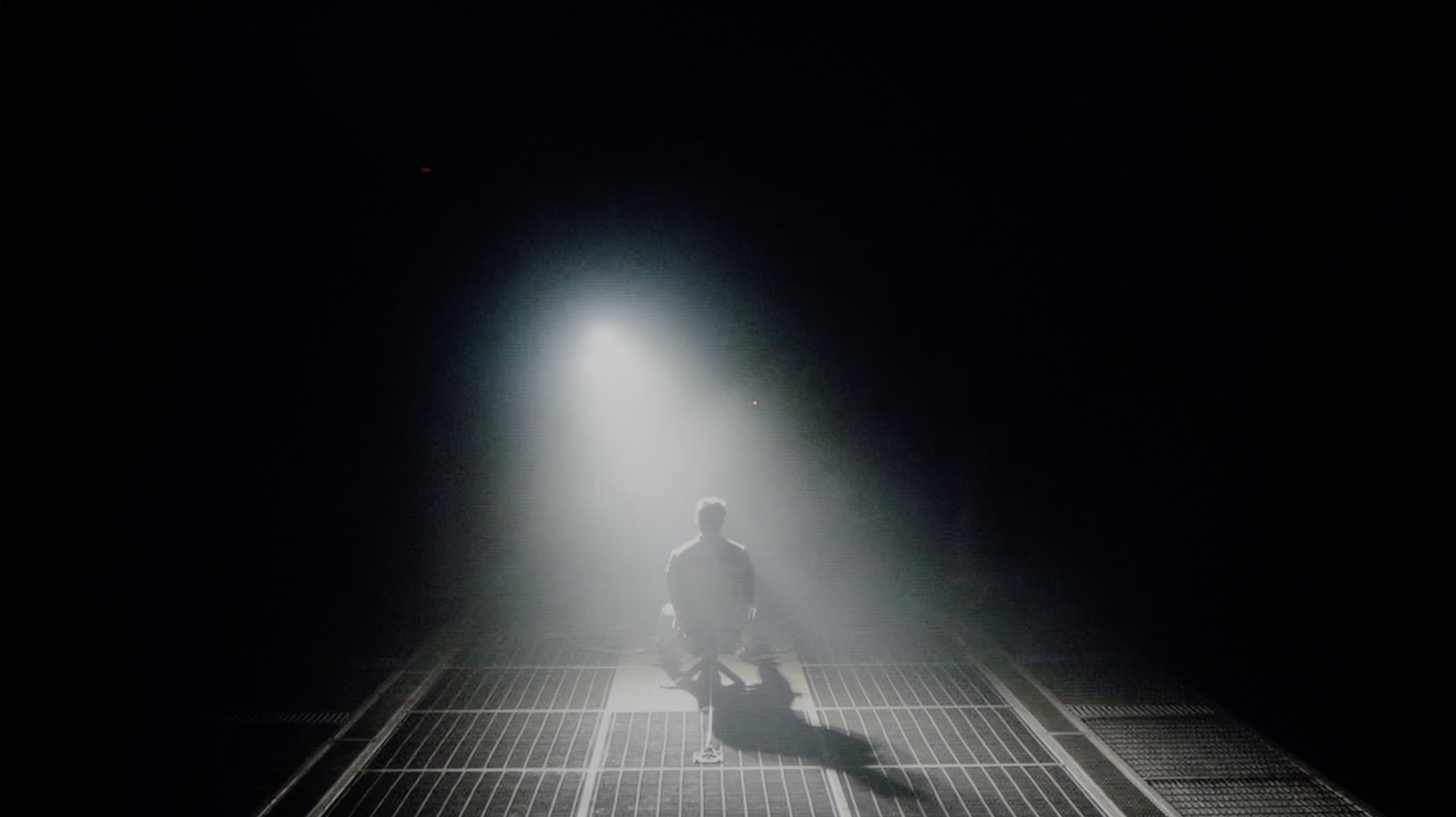
Check the visibility of bright lights on a dark background. Mini-LEDs often struggle with this. The photo does not compare black levels – that’s what the video below is for.
The video accurately shows differences in contrast and black levels between TVs, as well as potential issues: halo around bright objects or Mini-LED zone operation visible as brightness jumps.
Hisense U8NQ is a television with a VA panel and advanced Mini LED backlighting. The 65-inch version has as many as 1600 local dimming zones, significantly improving picture quality, particularly in terms of brightness and contrast management. Larger sizes of the television have more zones, naturally enhancing contrast. The Hisense U8NQ achieves a contrast ratio of as much as 250,000:1, allowing for deep blacks and clear details in both bright and dark areas of the image. Thanks to Mini LED technology, the television effectively controls brightness, making details in darker scenes more visible.
Sometimes in more demanding shots, where small bright elements appear against a dark background, a halo effect may occur — a slight glow around objects. This effect can be noticed, for example, in the film "Sicario 2," where the halos around small lights can be somewhat bothersome. It may also happen that elements may appear muted but at the cost of better blacks - a visible effect in a test scene from the Pioneer Kuro disc. Despite these minor drawbacks, the use of Mini LED ensures that the Hisense U8NQ offers very good picture quality. The television performs excellently for watching movies in a dark room — the black is truly deep, and the contrast is clear, allowing viewers to fully enjoy details even in the darkest scenes.
Samsung The Frame Pro has officially been marked as a Mini-LED backlit television, but… is that really the case? In the 65-inch variant we tested, we counted only 24 dimming zones. The number itself seems rather modest, but what's more important is their distribution – they are all located along the bottom edge of the screen. In practice, this means that The Frame Pro should be treated more as edge-lit rather than a fully-fledged Mini-LED with dense, direct local dimming. Samsung has used a similar tactic before, rebranding the Q70 series into Neo QLED televisions – mainly for marketing purposes. How does this translate to the picture? Black levels and contrast appear to be acceptable, but there are none of the effects known from televisions with advanced local dimming, such as in the QN80 series. A large part of this is due to the high-gamut VA panel, which inherently provides solid parameters – a contrast level of around 5000:1 looks good and, importantly, is stable, without significant fluctuations. However, if someone buys The Frame Pro hoping to experience a “true Mini-LED”, they may feel disappointed. We ourselves expected this model to significantly differentiate itself from the classic The Frame series in terms of contrast quality, yet the differences turned out to be smaller or virtually non-existent than one might suggest by the “Pro” designation.
HDR effect quality
6.6/10
5.8/10
Luminance measurements in HDR:

Result
1630 nit

Result
359 nit

Result
932 nit

Result
249 nit

Result
1331 nit
Result
745 nit
Result
458 nit
Result
476 nit
Result
446 nit
Result
660 nit
Scene from the movie “Pan” (about 2800 nits)


Scene from the movie “Billy Lynn” (about 1100 nits)


The photos show two HDR10 movies. 'Pan' is one of the brightest productions ever made, while 'Billy Lynn' (soldier) has brightness typical of streaming (Netflix, Prime, HBO MAX). Notice the intensity of effects and detail in whites.
Static HDR10


The photos present the visibility of white details in various HDR formats. They do not show brightness differences between TVs (these can be compared in the previous gallery).
Dynamic: Dolby Vision
Dynamic: HDR10+


The photos present the visibility of white details in various HDR formats. They do not show brightness differences between TVs (these can be compared in the previous gallery).
HDR luminance chart:
Samsung The Frame Pro
Hisense U8NQ
Hisense U8NQ demonstrates its capabilities in terms of HDR, achieving a luminance chart score exceeding 2000 nits. In the first, third, and fifth scenes where the screen is bathed in light, the television displayed very high brightness that impresses and allows one to fully enjoy the HDR effect. Unfortunately, in the second and fourth scenes, such as those from the film "Sicario 2", the television encounters difficulties in maintaining brightness, resulting in disappointing scores around 250 nits. Although the large number of dimming zones should theoretically help, the algorithm responsible for their control does not always work perfectly — bright, small elements like the moon or helicopter lights are too dim, which detracts from the typical HDR effect. Instead of dazzling brightness, we get a more subdued light that does not realise the full potential of HDR. Nevertheless, the television deserves praise for its very good coverage of the DCI-P3 colour gamut at 97%. This results in vibrant colours, and most film scenes look really good, significantly enhancing the viewing quality.
Samsung The Frame Pro is one of the relatively bright televisions. In synthetic tests, we managed to achieve values around 900 nits, which is quite a respectable result for a lifestyle model. In full-screen scenes, such as the board from the film The Meg or the initial sequence in Life of Pi, brightness maintained a level of 700–800 nits. These values allow you to fully enjoy the HDR effects and convey their cinematic magic. However, the situation becomes complicated when smaller, point light sources appear on the screen. The edge lighting used here, equipped with the ability to locally dim entire strips, does not manage these well. Sometimes, small elements are overly dimmed, which weakens the effect, or conversely – they are significantly brightened, but at the cost of losing the depth of black in that part of the image. This can be compared to light beams reminiscent of a laser beam spreading in dense fog – the effect is noticeable and bright, yet at the same time, it is quite unnatural and distracting. Fortunately, the colour aspect performs better. Thanks to the use of a quantum dot filter (QLED), colours are saturated, and the reproduction of the DCI-P3 palette exceeds 92%. Generally, films or series watched in HDR on The Frame Pro showcase a rich colour palette, even if contrast and the functioning of the dimming algorithms can sometimes distract us.
Factory color reproduction
5.1/10
5.5/10


This gallery shows how colors change after professional TV calibration. If you notice the difference, we recommend ordering this service at SkalibrujTV.com.
Factory Mode
After calibration
The Filmmaker mode on the Hisense U8NQ television can be described as the most accurate mode available on this model. Despite its accuracy, it has significant errors in reproducing reference images, which we will now describe. In the case of HD content, the white balance shows a clear dominance of red, making the image overly pink and warm. The comparative photo below illustrates how this effect impacts content presentation. The brightness characteristics also leave much to be desired — too low a gamma results in an excessively bright screen, and blacks appear elevated, making the overall image seem cooler than it should be.
In the case of 4K HDR content, the problem is the opposite — the white balance shows too great a dominance of blue, resulting in an artificial appearance and an unnaturally sharp image. All of these deviations for both HD and 4K HDR content can be confirmed using the Colour Checker test, which clearly demonstrates how colours deviate from correct standards.
We achieved the best results, of course, in Filmmaker mode, which immediately showed that Samsung had put effort into the factory settings. In SDR content – the type most commonly viewed – The Frame Pro performed really well. The white balance and gamma were almost perfectly matched, giving the image a natural and cohesive appearance. Admittedly, there were some noticeable errors, particularly in skin tones and reds, which could be overly saturated, giving everything a slightly "warmed-up" character, but this didn’t significantly detract from the viewing experience in everyday use. For HDR content, the situation was similar regarding the white balance. This was at a good level; however, the biggest issue turned out to be brightness management. The EOTF curve was set in such a way that in many scenes, the image appeared blown out, with the brightest areas losing detail and turning into uniform patches of light. This severely undermined realism and caused the colours to appear overly sharpened. Fortunately, Samsung provides the option for manual adjustment of the curve in their televisions, so we opted for calibration, and its results can be seen below.
Color reproduction after calibration
7.4/10
8.5/10


The photos show how movies look on the TV. Pay attention to black detail visibility, colors, and shadow tint.


The photos show how movies look on the TV. Pay attention to black detail visibility, colors, and shadow tint.
The white balance for both 4K and HD content has been significantly adjusted, which has greatly improved the picture quality. Although some errors are still visible, they are not large enough to heavily affect the perception of the image. A significant improvement can also be noticed in the gamma brightness characteristic — the picture is no longer excessively bright, translating into more natural blacks and better contrast.
However, as with many other Hisense models, there are visible issues with the EOTF curve, which is responsible for managing brightness in high-quality materials. Although at first glance it may seem correct, when the filter is applied to the "EOTF in films" chart, it is evident that the television somewhat "manipulates" 4K content. It is clear that the EOTF curve is significantly below the reference level, leading to an overall dimming of the image compared to the reference. We noticed this effect in previously tested scenes from the films "Pan" and "Billy Lynn." While it is not a serious issue, it is worth noting. It may be of great importance to those seeking a display with the most faithful reproduction of the image. Despite this error, for most, the picture will be more enjoyable. Colours are better represented, and the overall picture quality is significantly improved.
After calibration, the SDR mode looks absolutely perfect. We managed to eliminate the overly strong red saturation, which previously gave the image a somewhat excessively warm character. Colours have become more balanced, which resulted in a natural and pleasant reception of everyday content – from television to films and series from streaming or materials on YouTube. In HDR mode, the most work was required on the EOTF curve, which factory settings caused excessive brightening of the entire image. Calibration allowed us to largely "tame" this problem – the image stopped being overexposed, and details in bright areas became more visible. Of course, the limitations are set by the design of the television itself, as edge lighting reveals its constraints, and the smallest elements of light can still be overblown or blend into the background. However, this is a matter of technology, not just calibration. After the correction, The Frame Pro is significantly more enjoyable to watch, and it is certainly worth considering if you want to maximise the television's capabilities.
Smoothness of tonal transitions
9.1/10
9.5/10


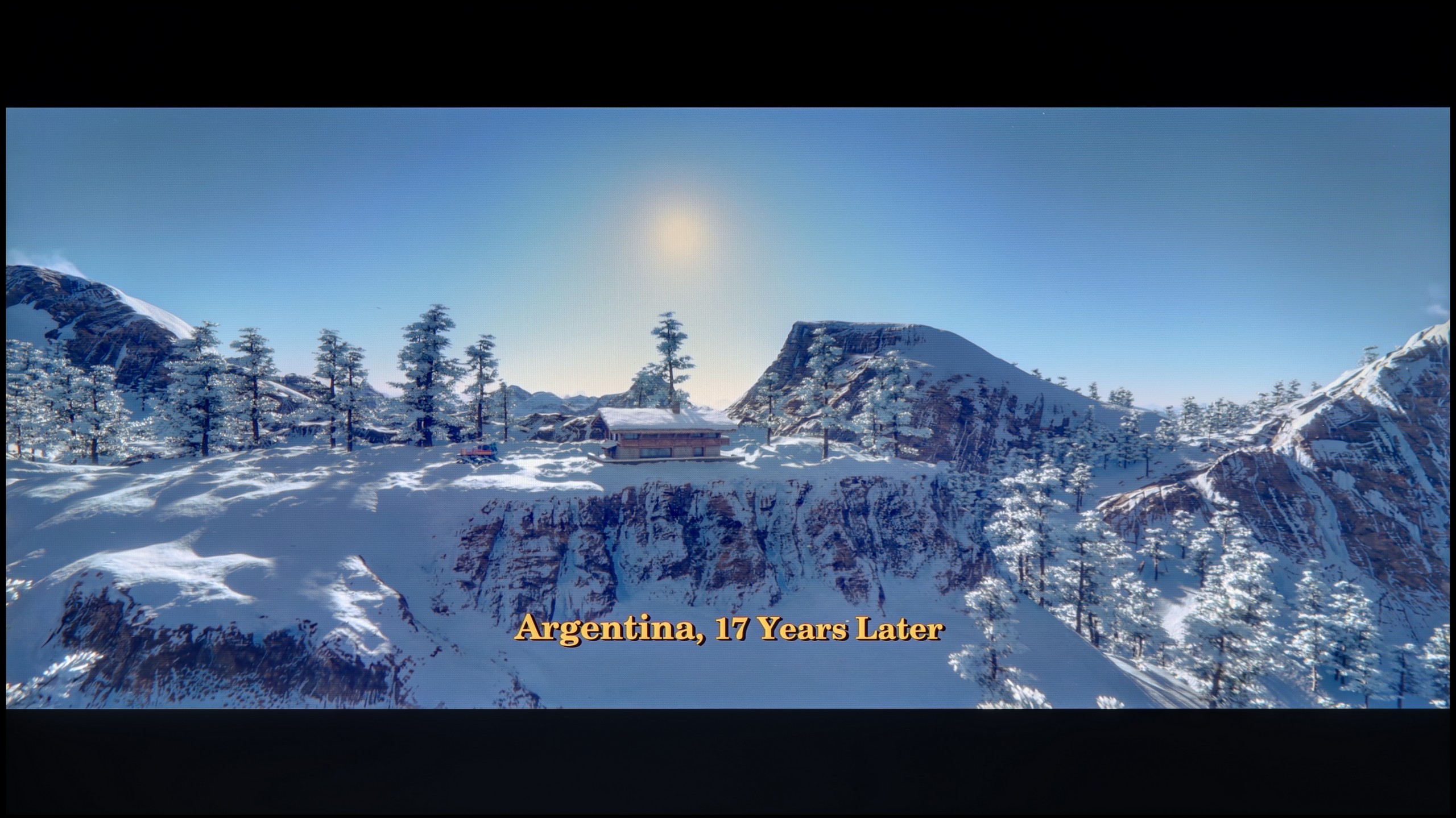
These are selected scenes that show smooth tonal transitions from one color to another. If you see distinct banding, it’s the TV panel’s fault.

These are selected scenes that show smooth tonal transitions from one color to another. If you see distinct banding, it’s the TV panel’s fault.
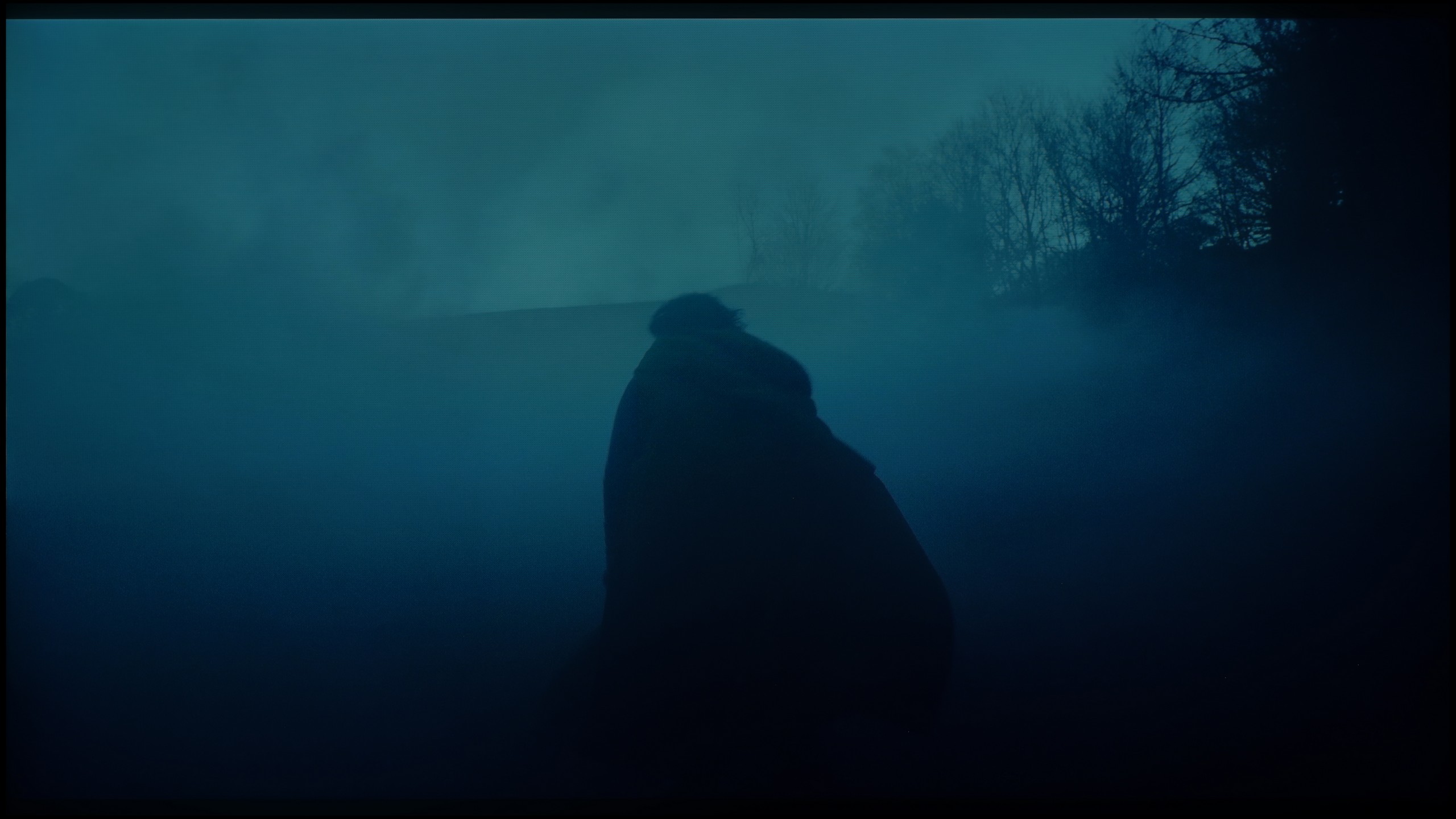
These are selected scenes that show smooth tonal transitions from one color to another. If you see distinct banding, it’s the TV panel’s fault.

These are selected scenes that show smooth tonal transitions from one color to another. If you see distinct banding, it’s the TV panel’s fault.
Hisense U8NQ offers excellent smoothness of tonal transitions. The image is very well balanced, and the transitions between different shades of colour are almost flawless. For more discerning viewers, slight banding can be noticed in darker hues; however, these imperfections are minimal and do not significantly affect the overall picture quality. The tonal smoothness is at a very high level, making watching content on this television exceptionally enjoyable, without noticeable issues with gradients and colour transitions.
Here Samsung really deserves huge applause. The Frame Pro has turned out to be one of the best televisions of this year when it comes to the smoothness of tonal transitions. During tests, we were practically unable to notice any clear issues with colour blending – the gradients looked smooth and natural, and the typical "banding" that many televisions present simply did not appear. Indeed, in very dark scenes, one can notice minimal imperfections, but you really have to squint to see them – even the trained eye of our editorial team had difficulty with this. Therefore, in everyday viewing, there is no chance that anything will disrupt your experience. This is a major plus, as it is in darker scenes that televisions most often struggle. You won't experience that here.
Image scaling and smoothness of tonal transitions
5.5/10
7.5/10


Smooth transition function

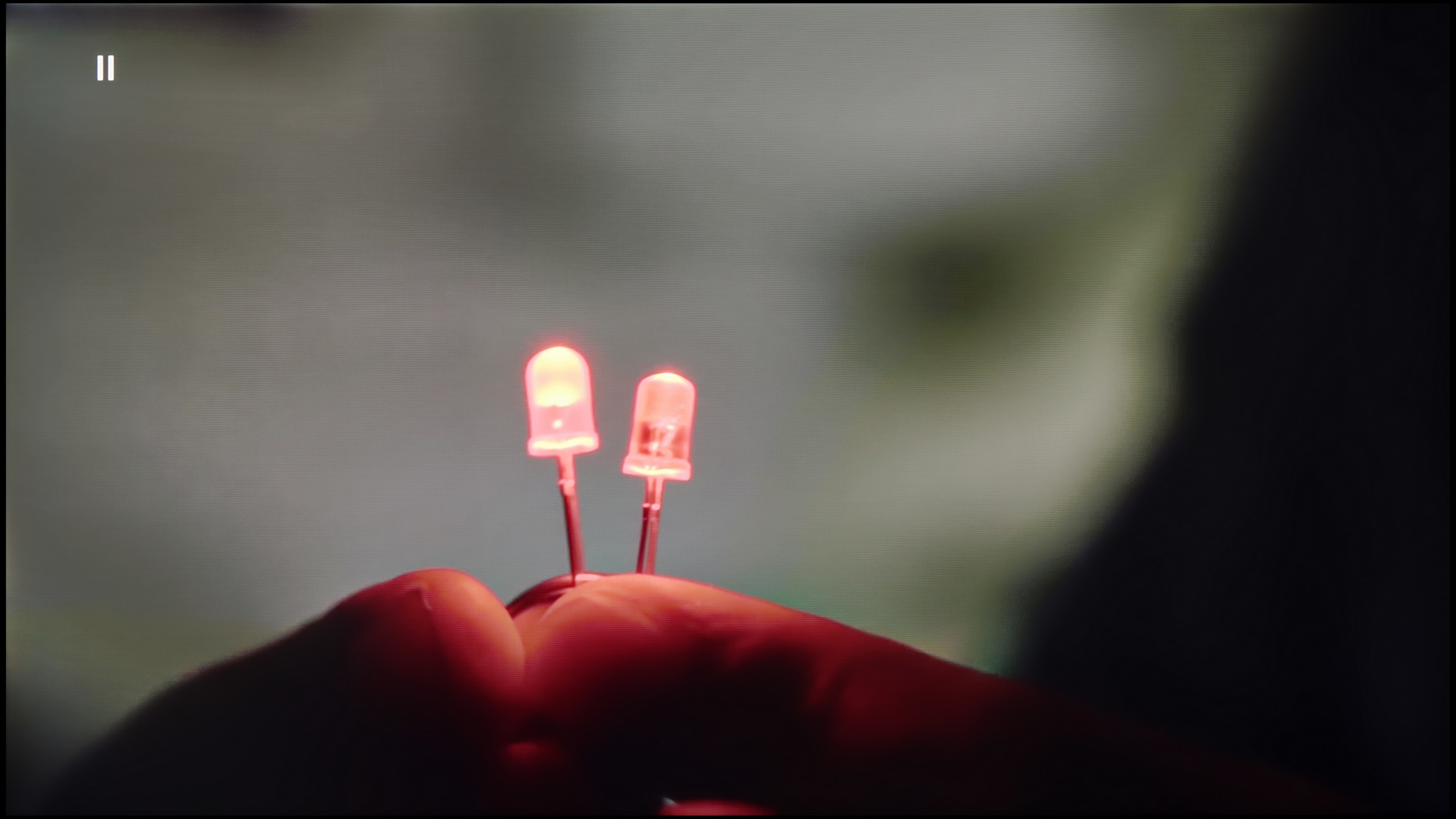
The match photo shows how the TV smooths weak tonal transitions in low-quality video.
Image scaling SD (576i)


The model photo shows how it handles upscaling of SD material.
In the context of smoothing tonal transitions, the television Hisense U8NQ unfortunately struggles. The “Smooth and Gradient Picture” function does not yield noticeable effects — there is no improvement in any setting, which is disappointing, especially for demanding scenes with a lot of subtle tonal transitions.
Regarding digital processing, or so-called upscaling, the scene with the model is presented correctly — her outline is clear, without significant cropping. Similarly, thin lines, such as tree branches, exhibit slight jaggedness, but overall it looks plastic and soft, which creates a good impression. Unfortunately, there is also an issue with so-called overscan, which causes cropping of the image at the edges. This can be frustrating when watching content like news, where lower information bars may be partially invisible.
Although the fluidity of tonal transitions in 4K HDR materials on The Frame Pro is not a problem at all, naturally, with a weaker signal - television, HD materials, or older Full HD films - imperfections may arise. Therefore, it is crucial how the television copes with these limitations thanks to its image processor. The noise reduction function works really effectively here. At the medium setting, it eliminates unwanted bands or artefacts, smoothing the image in a noticeable yet not excessive way. However, it's worth noting that Samsung tends to be aggressive in its approach - even at the lowest level of this function, it can "consume" film grain. So it's advisable to use it judiciously and adjust the settings to the material being viewed.
The upscaling itself is at a high level. The Frame Pro can effectively enhance older materials to a native 4K resolution while maintaining good sharpness and readability. Films and series in lower quality simply look better here. However, it should be mentioned that there is a minor drawback - typical for many Samsung televisions. With very old sources of poor quality, you may notice clipping of the image edges on the left side of the screen. It's not a problem that will ruin the viewing experience, but it's worth knowing that it might occur.
Blur and motion smoothness
8.4/10
7.8/10

Blur (native resolution, maximum refresh rate):





Blur (BFI function enabled):


Image flickers in this mode



Blur ():
Blur (4K@144Hz):



Hisense U8NQ is equipped with a 144 Hz panel, making it an excellent choice for both sports and gaming. The television will also easily satisfy film enthusiasts, as it features a built-in "Ultra Motion Smoothness" processor that allows you to control the smoothness of the image — you can decide whether you prefer a more "framey" picture or a smoother, theatrical effect. This provides great flexibility in adjusting motion quality to the viewer’s individual preferences.
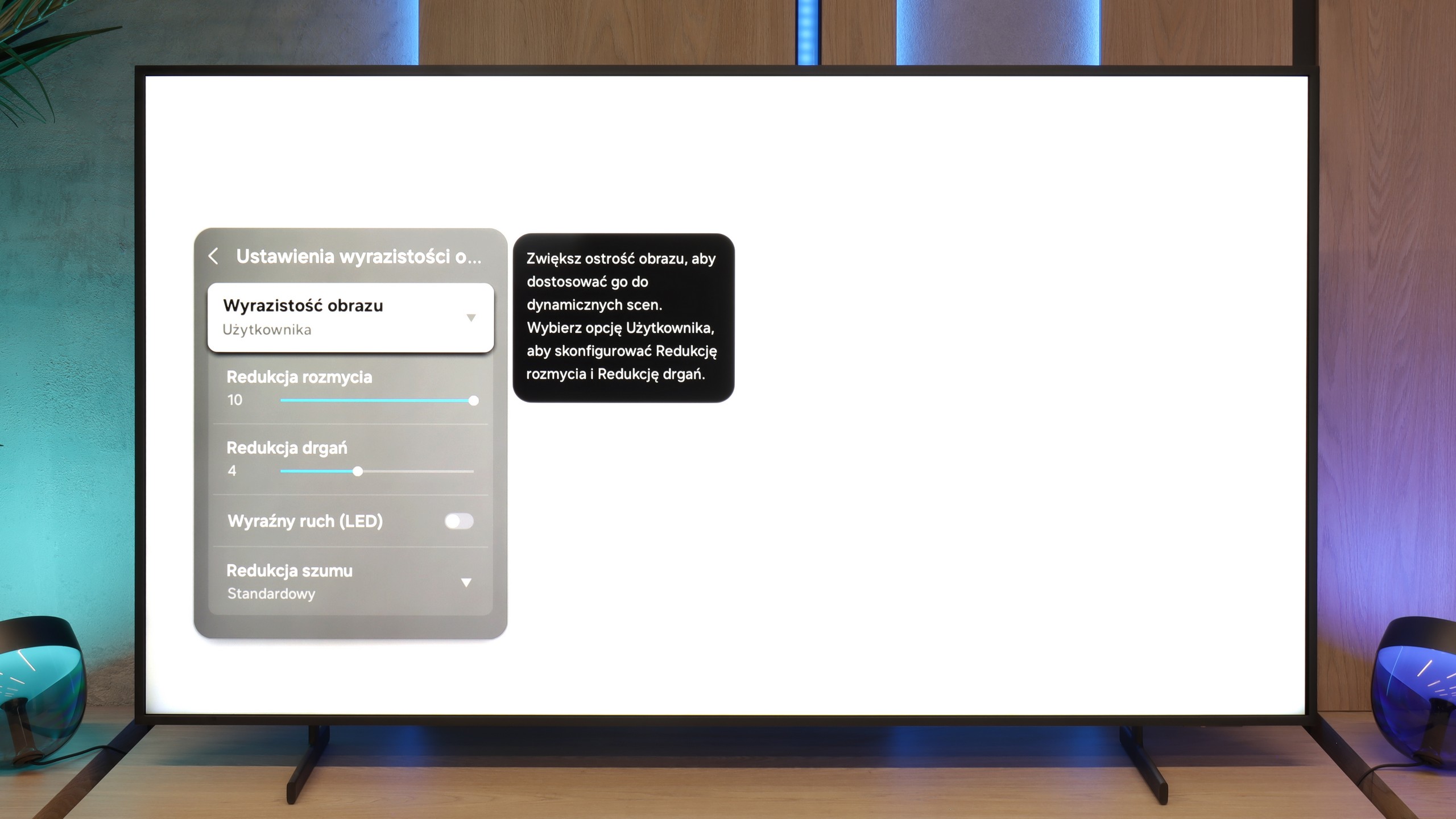
The smoothness of motion in The Frame Pro is not only due to the matrix, which operates with a refresh rate of up to 144 Hz, but also the image processor and the smoothing system. It is thanks to this that we can adjust the way films or sports broadcasts are displayed to our own preferences. There are sliders for reducing blurring and reducing judder – the first function improves the sharpness of fast movements, while the second helps to soften the effect of a "jumping" image during camera pans. So, everyone can choose between a cinematic motion character and a smoother, more "television" style.
Console compatibility and gaming features
8.5/10
8.2/10
- ALLM
- VRR
- VRR range48 - 144Hz48 - 144Hz
- Dolby Vision Game Mode
- Correct implementation of HGIG
- 1080p@120Hz
- 1440p@120Hz
- 4K@120Hz
- Game bar

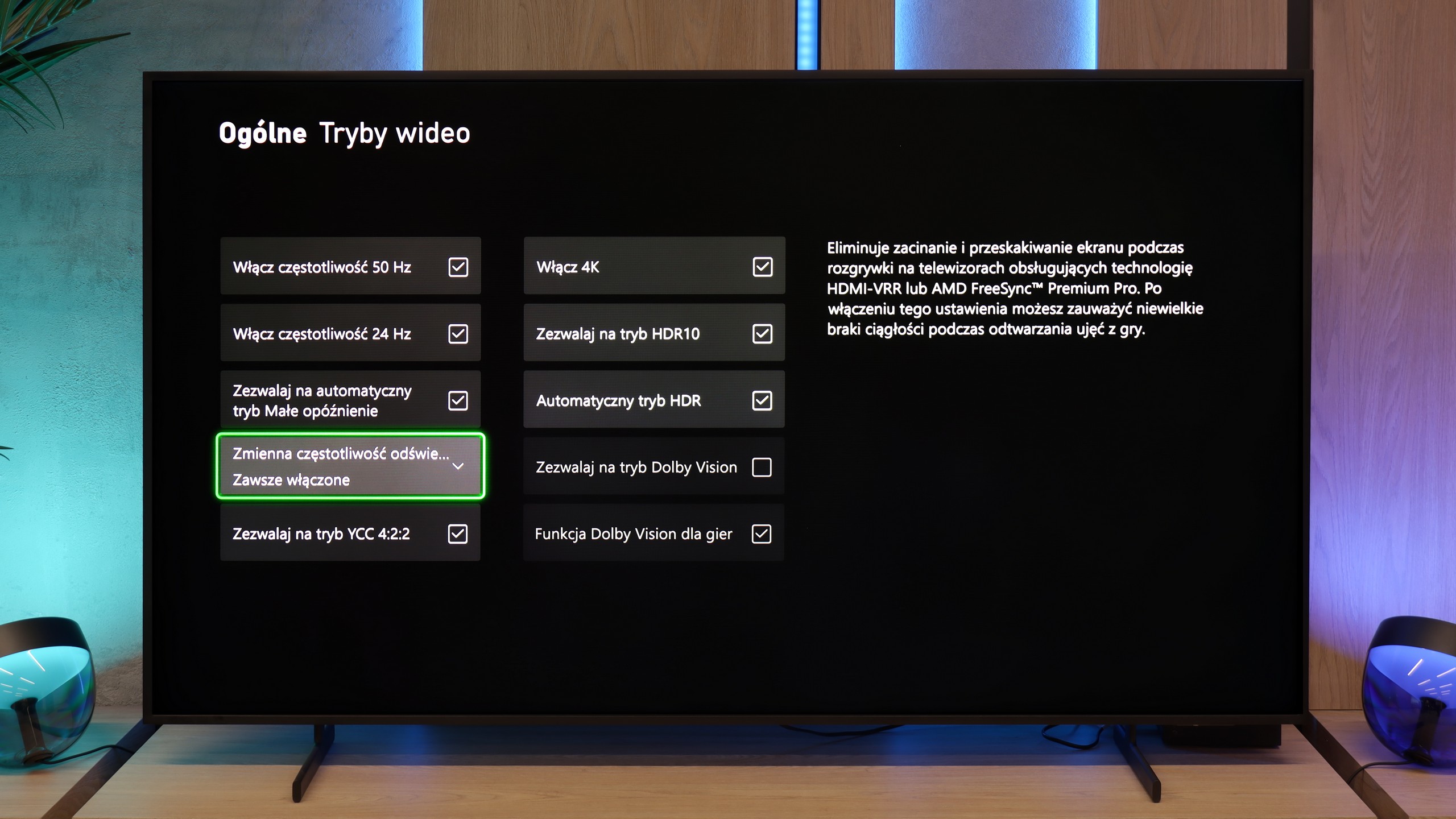

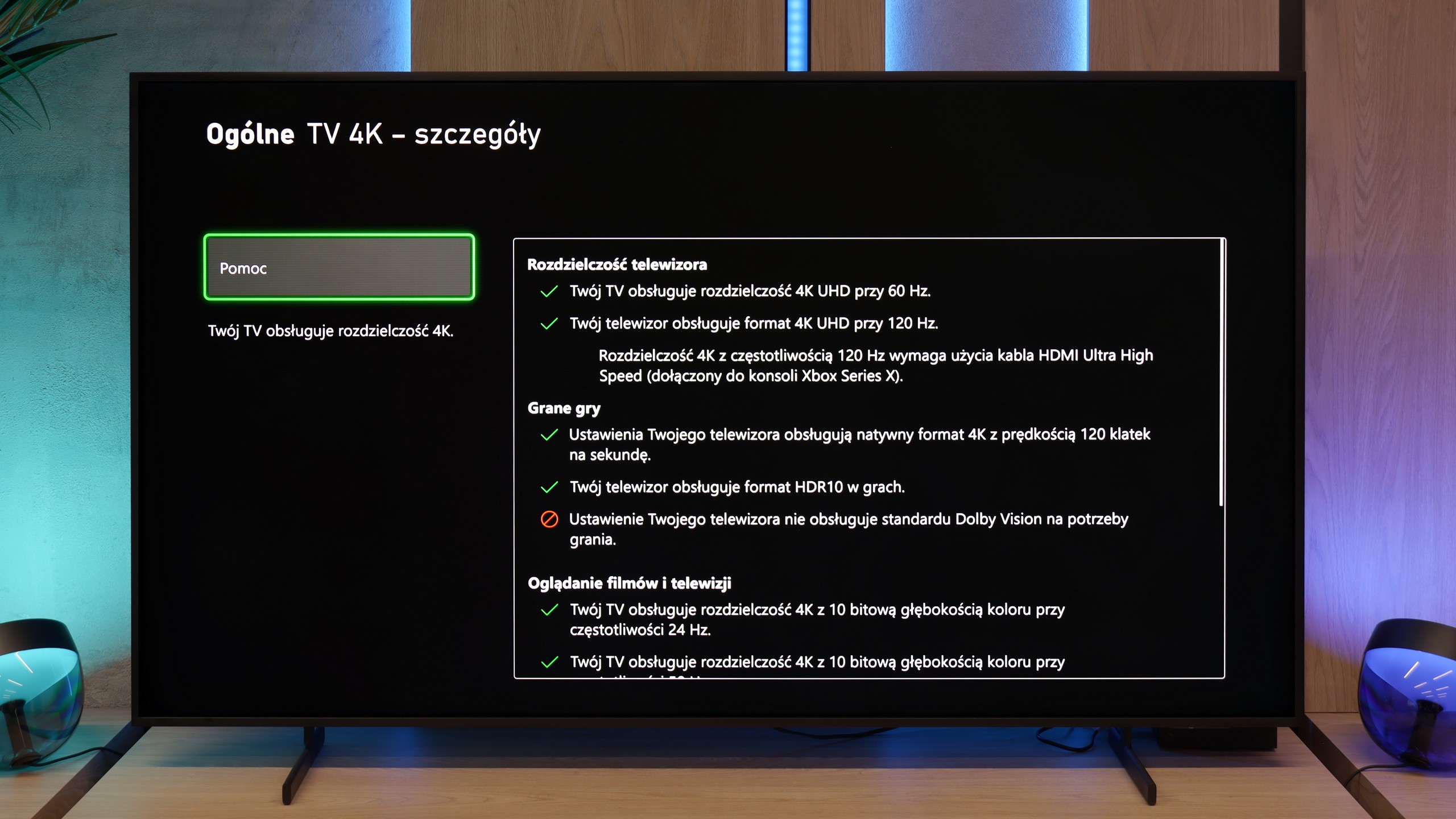

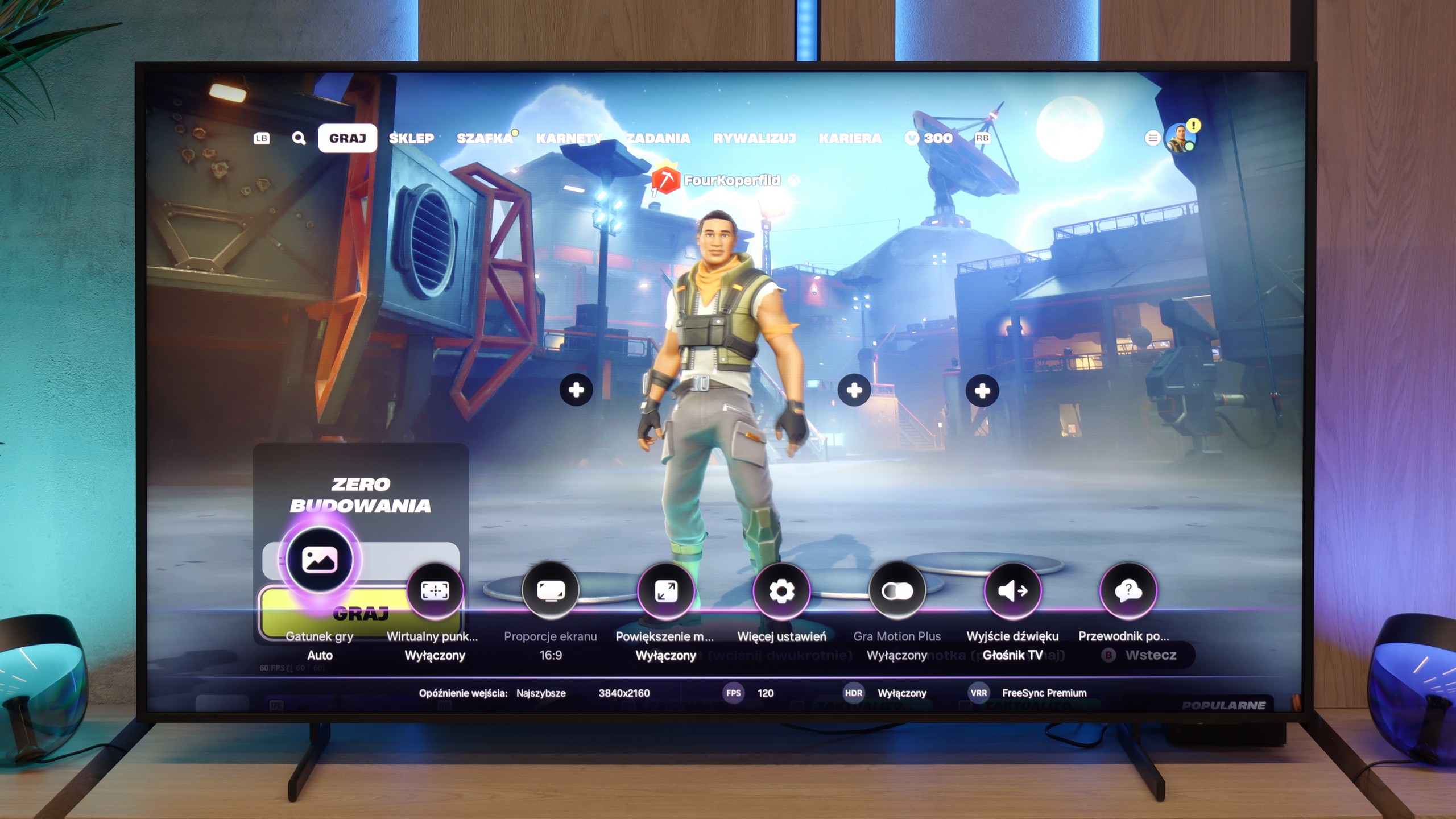

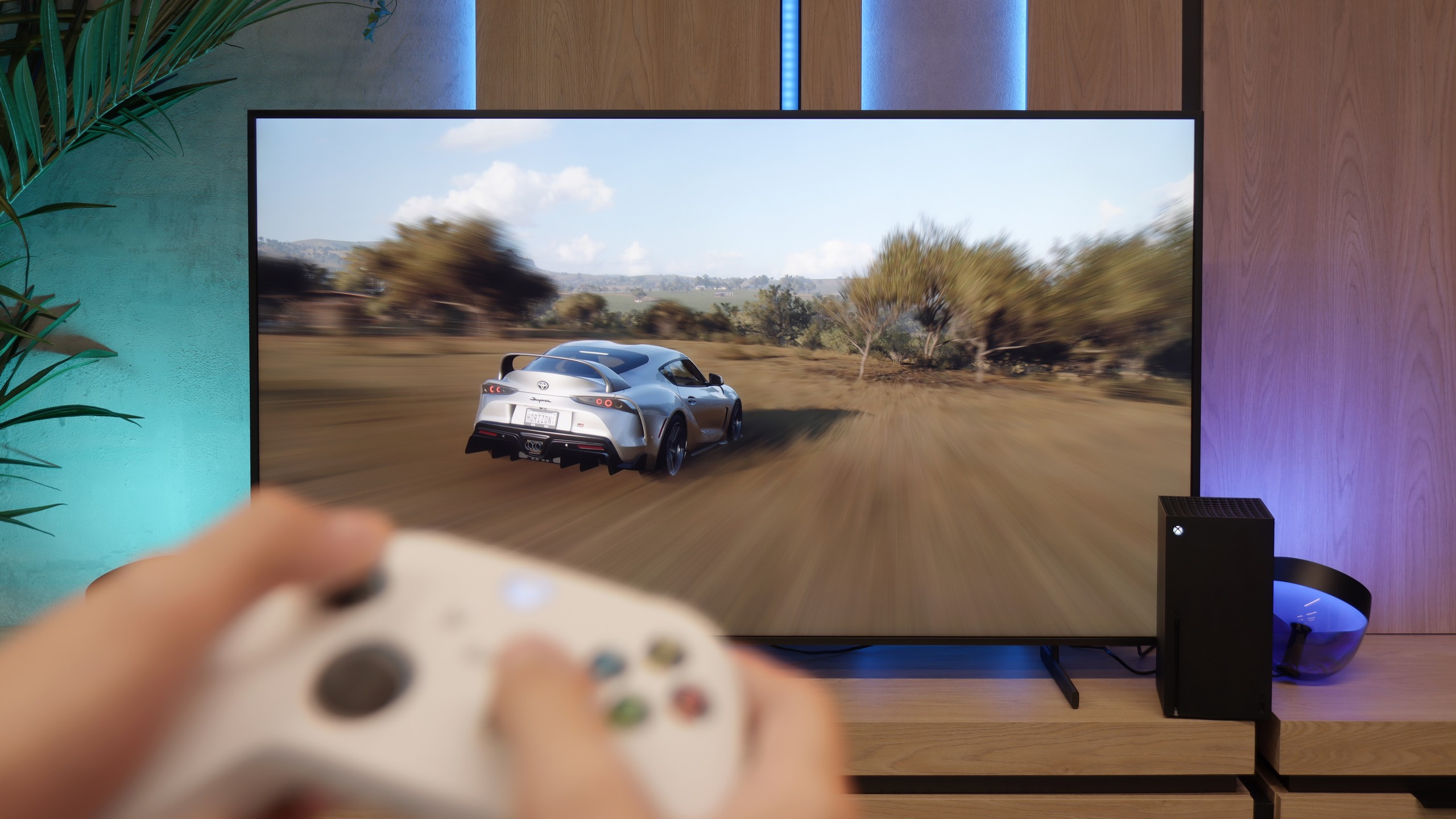
Hisense U8NQ offers everything a gamer may need for comfortable gameplay. The television supports a refresh rate of 144 Hz, ensuring an extremely smooth image, particularly in dynamic action games. The VRR (Variable Refresh Rate) feature allows the image to adjust to varying frames per second, eliminating stuttering and tearing, resulting in exceptionally fluid gameplay. Additionally, the television is equipped with an ALLM (Automatic Low Latency Mode) feature, which automatically switches the television to gaming mode, minimising input lag. This allows players to enjoy responsive gameplay without the need to manually adjust settings.
Hisense U8NQ also supports Dolby Vision, which is important for gamers who value high image quality, high contrast, and deep colours in games that support this format. The television also has a “Game Bar” — a feature that provides quick access to key settings during gameplay, significantly enhancing user convenience.
However, it is worth noting that despite its rich set of features, the Hisense U8NQ does not offer support for the HGiG standard, which is a popular HDR format in games. This may be disappointing for gamers expecting optimal detail reproduction in HDR scenes. Nevertheless, the other features of the television make the Hisense U8NQ a solid choice for console gaming enthusiasts, offering fluidity, high contrast, and user convenience.
Samsung The Frame Pro does not pretend to be just a “living room” television; here, gamers will also find something for themselves. The manufacturer has ensured a full range of gaming features: we have support for variable refresh rate (VRR), automatic low latency mode (ALLM), refresh rates up to 144 Hz, and compatibility with both G-Sync and FreeSync Premium Pro. Additionally, there is the well-known Game Bar panel, which is a quick menu where key parameters can be checked on the fly—from refresh rates to enabled image processing modes. Are there any downsides? Indeed, The Frame Pro does not support Dolby Vision in game mode, but this is hard to consider a serious issue—most gamers use HDR10 anyway... which means HGIG mode. Exactly. The biggest surprise turned out to be the latest software update. Samsung… completely removed this option from The Frame PRO. In practice, this means that the television independently interprets HDR tone mapping in games, and the user has no way to enable settings developed for consoles. This is a step backwards that may disappoint more knowledgeable gamers hoping for full compliance with HGiG guidelines. We can only hope that this issue will be resolved quickly.
An interesting feature of The Frame Pro is also the unusual arrangement of HDMI 2.1 ports. There are as many as five available—four are located in the One Connect box, and the fifth, in micro HDMI version, is directly on the television. This is quite an unusual solution, but rather practical. Samsung clearly suggests that this is the port to which you should connect your console or computer. Why? Because it minimises potential delays associated with communication through the wireless One Connect, and in the case of gaming, every millisecond matters. We have written separately about input lag, but it can already be revealed here that by connecting equipment directly to the television, we achieve the absolute maximum in response speed.
Input lag
9.8/10
9.9/10
SDR
HDR
Dolby Vision
The input lag on the Hisense U8NQ is at an outstanding level, maximally reaching 18 ms, which is an excellent result even in Dolby Vision mode (16ms). This achievement is worth highlighting, as Dolby Vision mode often increases delays in other television models, but here it has been managed to be avoided. Thanks to the low input lag, gameplay is smooth and responsive, which will be appreciated by both casual gamers and more advanced users.
The Frame Pro in wired mode records truly excellent results. Latencies range from 9 to 14 ms, providing smooth and immediate response in games. These are values that can easily be considered reference – even in dynamic titles, the action proceeds without delays, and the controls are precise and predictable. The situation changes when the wireless One Connect module comes into play. While it allows you to hide cables and enjoy greater freedom of arrangement in the room, it significantly worsens the input lag results. In tests conducted at a distance of 2–3 meters from the television, with no furniture obstructing the path, the values jumped to 50 ms. While this is acceptable when watching films because input lag does not concern us at all, it becomes problematic in games and severely detracts from the experience. It’s a bit of a paradox – on one hand, we have a television that in wired mode offers some of the best results on the market, while on the other, Samsung promotes a solution that proves to be quite detrimental for gamers. After all, the console is one of the key devices we usually connect to the television...
For the record, here are our wireless measurements from a distance of 2-3m:
SDR | HDR |
|---|---|
1080p60 Hz: 39 | 2160p60 Hz HDR: 40 |
1080p120 Hz: 25 | 2160p120 Hz HDR: 25 |
2160p60 Hz: 40 | |
2160p120 Hz: 25 |
Compatibility with PC
8/10
8.4/10

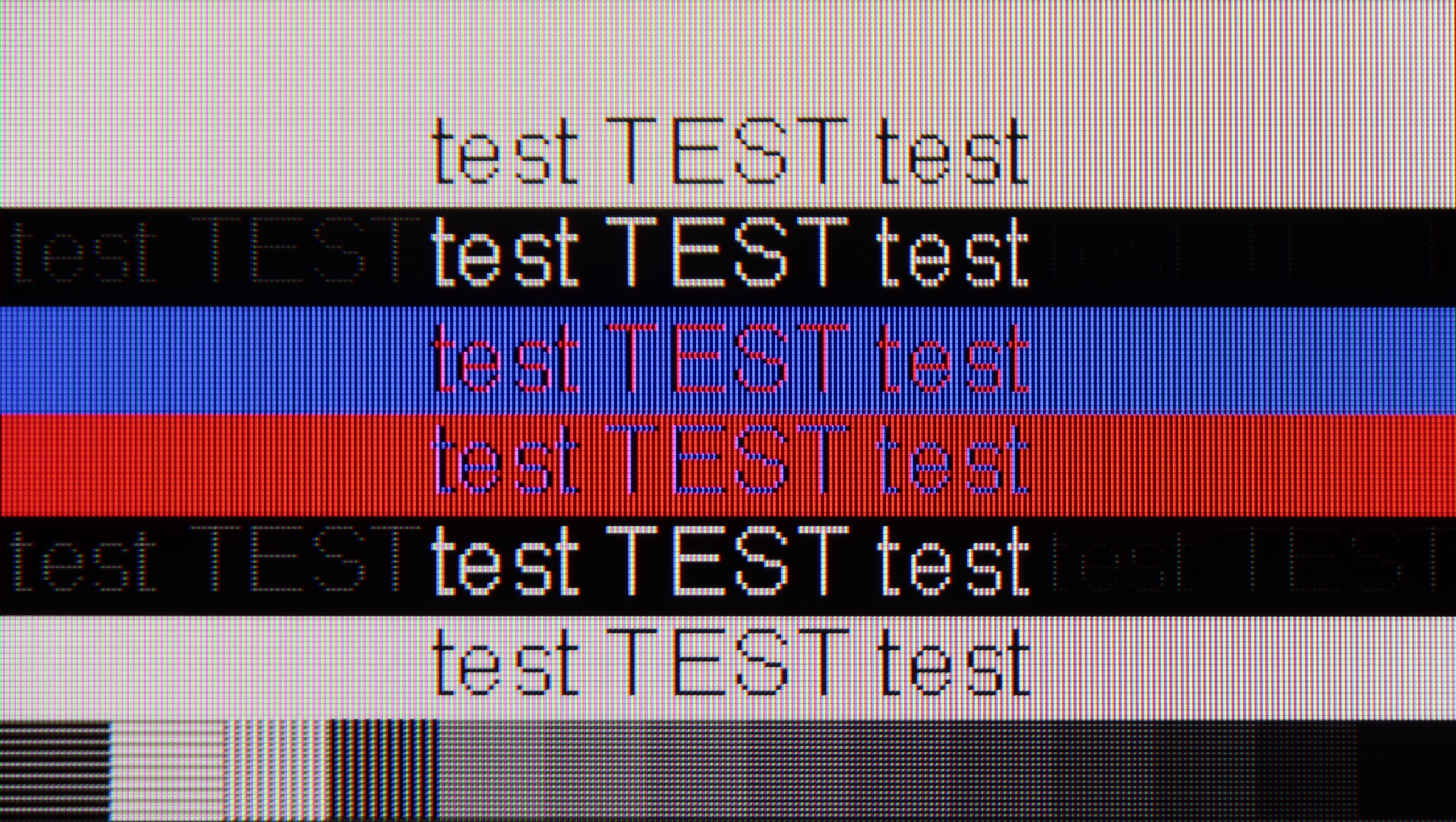
The photo shows the legibility of small fonts. Ideally, lines should be the same thickness on both light and dark text, with minimal pixel gaps.
Hisense U8NQ offers full support for chroma 4:4:4, which ensures good readability of fonts, especially when working with text. Overall, the image quality and visibility of letters are at a satisfactory level. However, it is worth noting the issue related to font display on a dark background (similar to the U7N model) — in this situation, the letters become practically invisible, and only the vertical subpixels are visible.
Connecting The Frame Pro to a computer via cable is basically no philosophy - it works as it should. The image is clear, the fonts look good, you can comfortably manage daily tasks in Word or Excel, and then launch a game, and it’s still fine. However, the real fun begins when we use the wireless module. And here the whole paradox of this television emerges again - a solution that was supposed to make life easier in theory can actually complicate it quite a bit in practice. It’s not just about the aforementioned delays that can be immediately felt when using the mouse, but also about the overall readability of the image. The fonts start to look simply worse, at times you can see what seem like slight stripes, and the letters lose their sharpness, making text work quite exhausting. And it’s really strange that such a simple thing as displaying letters on the screen can fall apart here due to the wireless module. Therefore, if someone plans to use The Frame Pro with a computer - whether for work or gaming - it’s really worth connecting it via cable from the start. Otherwise, you can quickly become frustrated and instead of enjoying a large screen, you’ll feel like your eyes are fighting with the television for every paragraph of text.
Viewing angles
3.1/10
3.1/10
The viewing angles of the Hisense U8NQ are typical for a VA panel. Unfortunately, they leave much to be desired. The television does not have a coating that widens the viewing angles, resulting in a significant drop in image quality when viewed at an angle. Colours become washed out, and brightness noticeably decreases. It is best suited for viewing directly in front. This is a limitation that must be taken into account, especially if we plan to watch television with a larger group, where viewers may be sitting at different angles.
The Frame Pro features a VA panel, which immediately means that viewing angles are not its strong point. Just sitting a bit to the side reveals how the screen starts to lose quality – brightness drops, colours fade, and blacks, which look solid from a central perspective, suddenly resemble more of a dark grey velvet than deep tar. This is most noticeable at around a 40–45 degree angle – there, the image clearly brightens, and colour saturation decreases significantly. Overall, this is nothing new, as most LCD televisions with VA panels behave this way. At the cost of better blacks compared to IPS panels, we get worse viewing angles.
Daytime performance
8.7/10
7/10

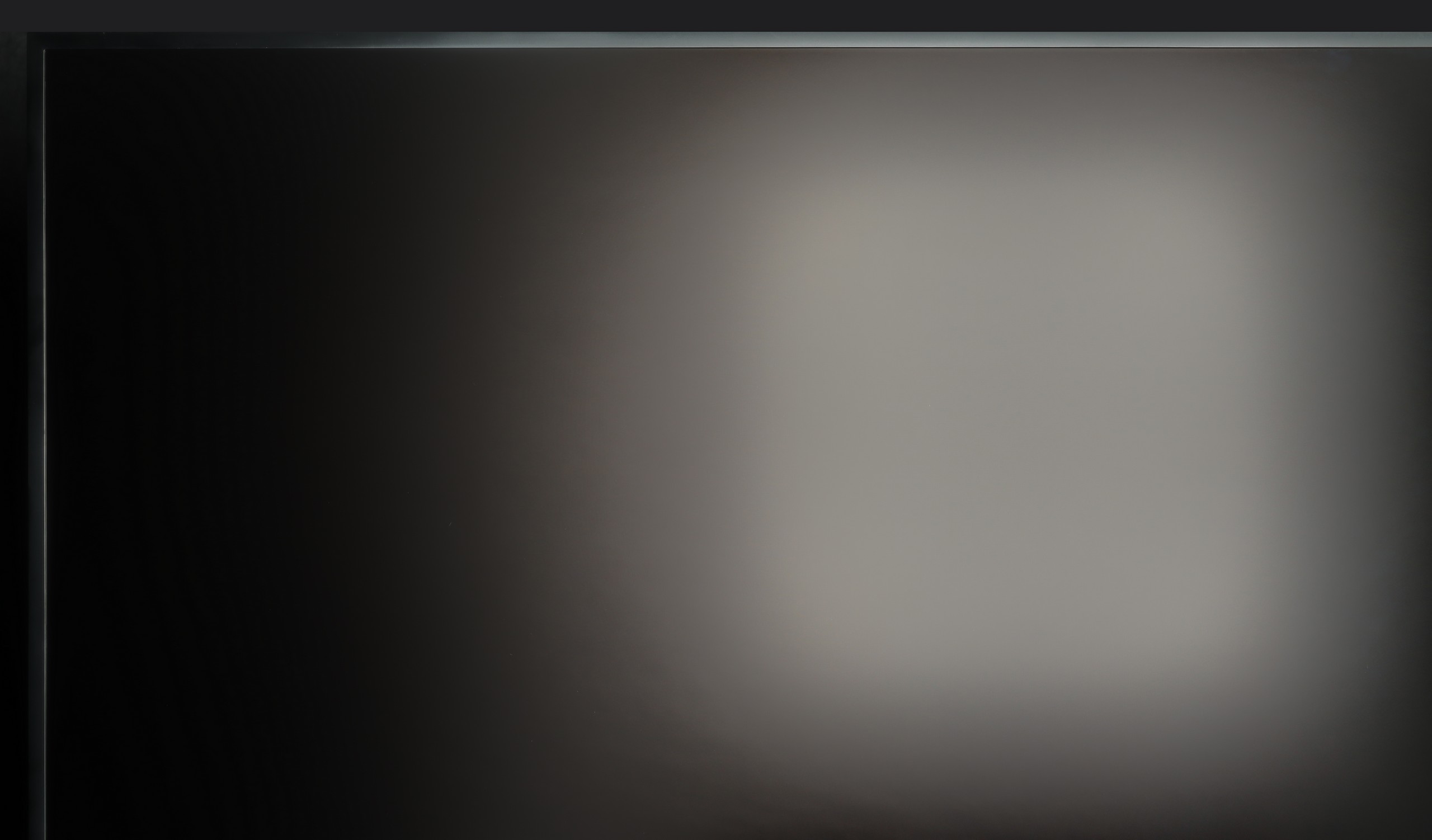

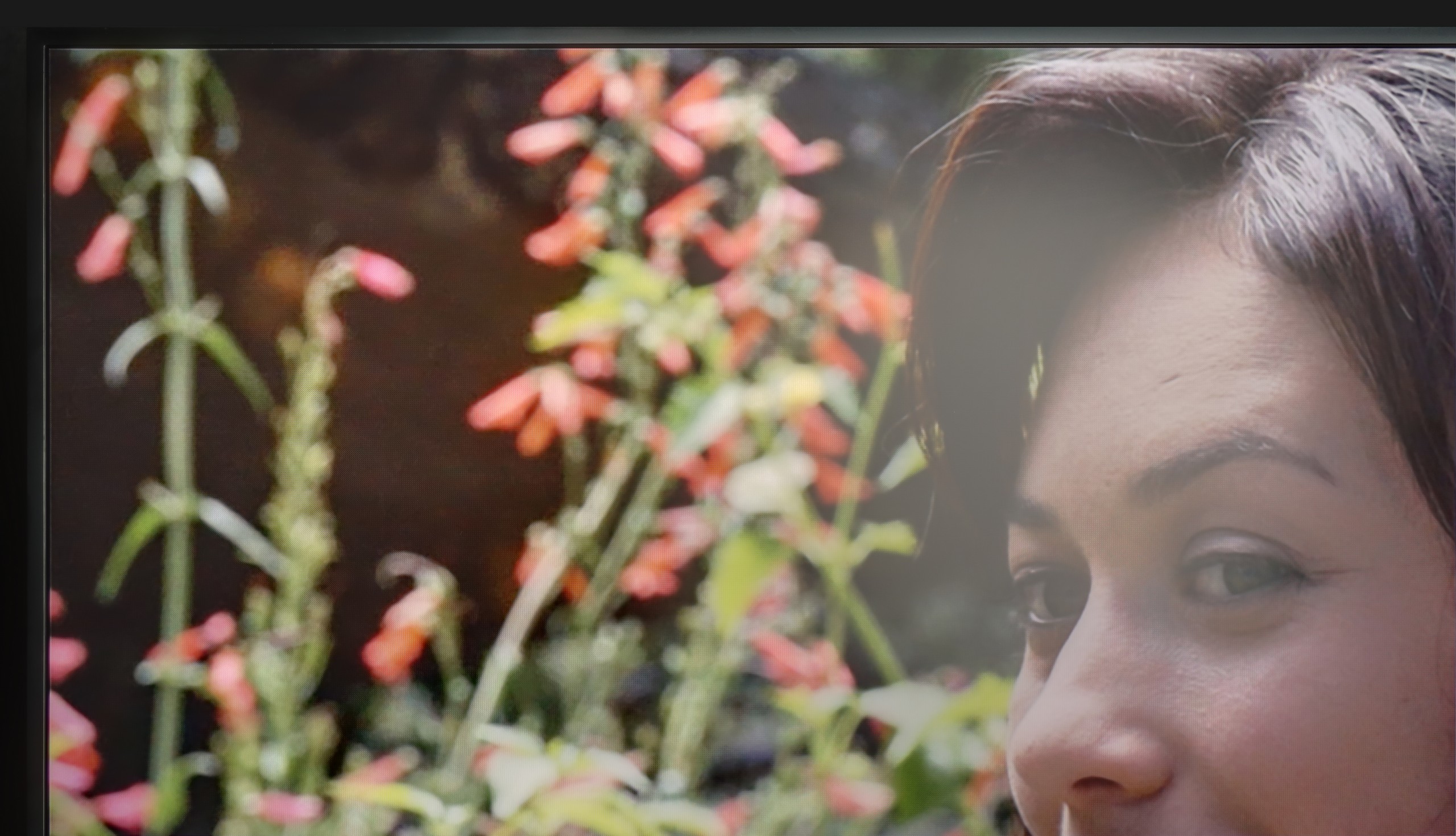
Panel brightness
Samsung The Frame Pro: 614 cd/m2
Hisense U8NQ: 1236 cd/m2
Hisense U8NQ is equipped with a glossy panel that moderately suppresses reflections. Despite this, the brightness level of 1200 cd/m² is impressive and ensures that the television performs very well even in bright rooms. Thanks to such high brightness, watching content during the day is not a problem, and the picture remains sharp and readable even with a large amount of external light.
The Frame series has been distinguished by its matte screen coating for several years, and The Frame Pro from 2025 is no exception. It is thanks to this that you can rest assured that light reflections will not irritate you even in a brightly lit living room. Samsung has refined this technology to near perfection over the years, and today it can confidently be said that it is the best matte screen available in televisions. The colours still look good and do not drastically lose saturation, as is the case with cheaper, Chinese designs. The blacks also remain at a decent level, although it must be admitted that in extremely bright lighting conditions, the colours can slightly flatten and lose depth. However, this is a small price to pay for the complete lack of reflections on the screen – and this can be priceless in everyday use. The brightness must also be noted as a plus – around 600 nits in SDR mode ensures that the image cuts through daylight effortlessly and will look satisfactory in most rooms.
Panel details
Subpixel Structure:

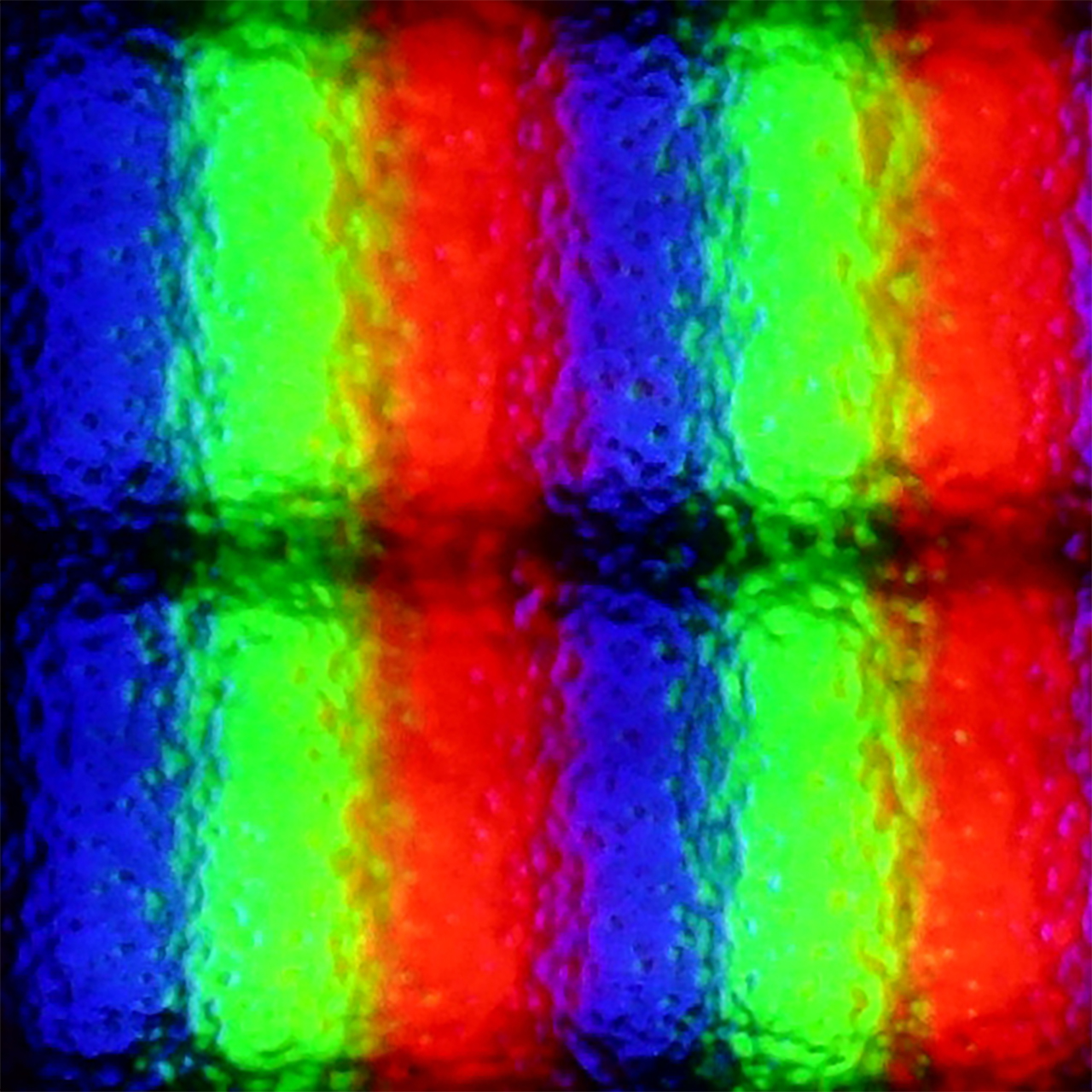
Panel uniformity and thermal imaging:


Hisense U8NQ
Samsung The Frame Pro
TV features
8.5/10
7.7/10
- HDMI inputs2 x HDMI 2.0, 2 x HDMI 2.1 48Gbps0 x HDMI 2.0, 5 x HDMI 2.1 48Gbps
- Other inputsRCA (Chinch)
- OutputsToslink (Optical audio), eARC (HDMI), ARC (HDMI), Mini-Jack (Headphones)Toslink (Optical audio), eARC (HDMI), ARC (HDMI)
- Network InterfacesWi-Fi 2.4GHz, Wi-Fi 5GHz, Ethernet (LAN) 100MbpsWi-Fi 2.4GHz, Wi-Fi 5GHz, Ethernet (LAN) 100Mbps
- TV receptionDVB-T, DVB-T2, DVB-S, DVB-S2, DVB-CDVB-T, DVB-T2, DVB-S, DVB-S2, DVB-C
Classic features:
- Recording to USB (terrestrial TV)
- Recording programming
- Picture in Picture (PiP)
- RF remote control (no need to aim)
- Backlit remote control
- Teletext
- Audio only mode
- Bluetooth headphones support
- Simultaneous Bluetooth headphones & TV audio
Smart features:
- AirPlay
- Screen mirroring (Windows Miracast)
- Voice search
- Voice search in native language
- Ability to connect a keyboard and mouse


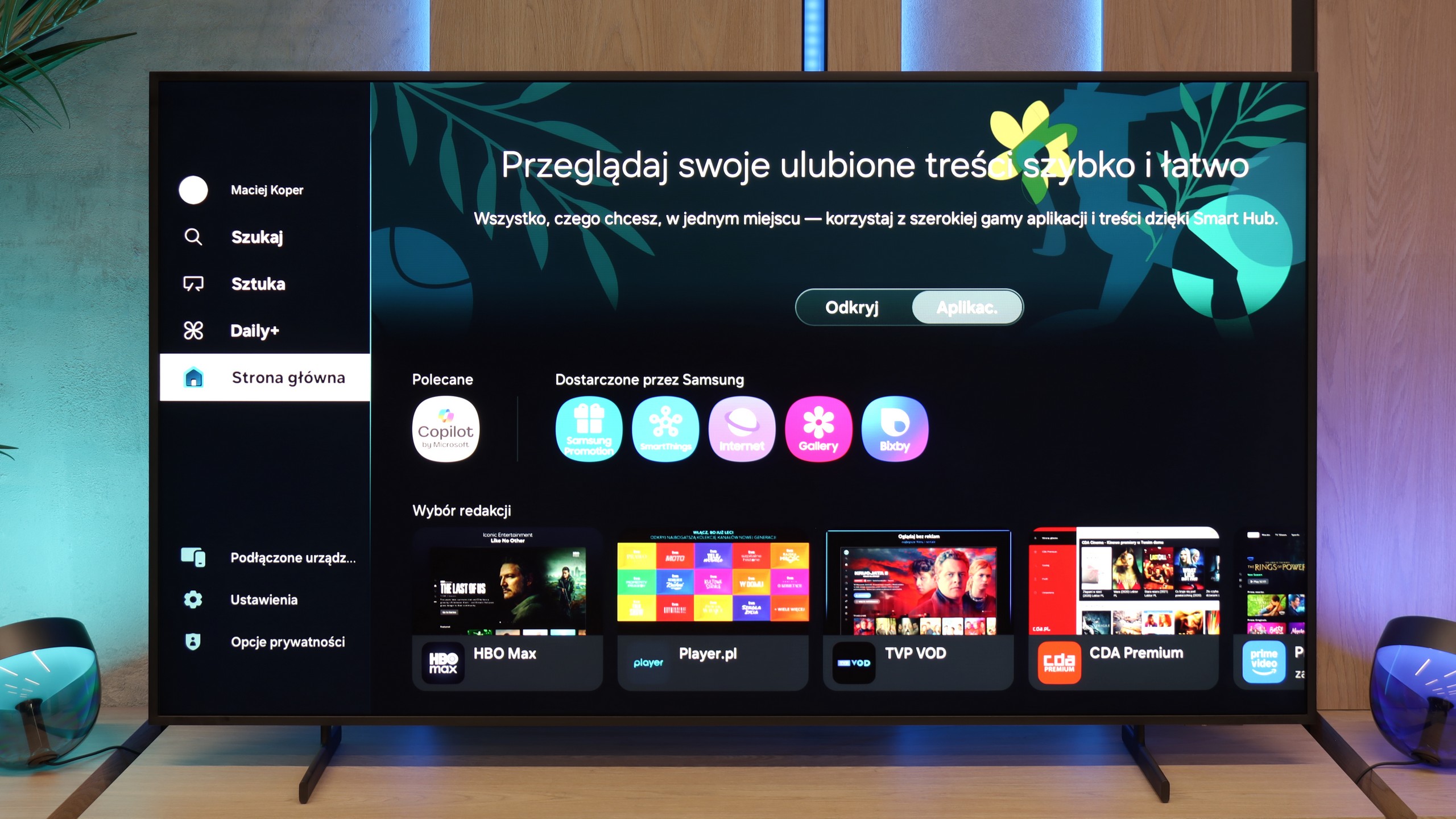
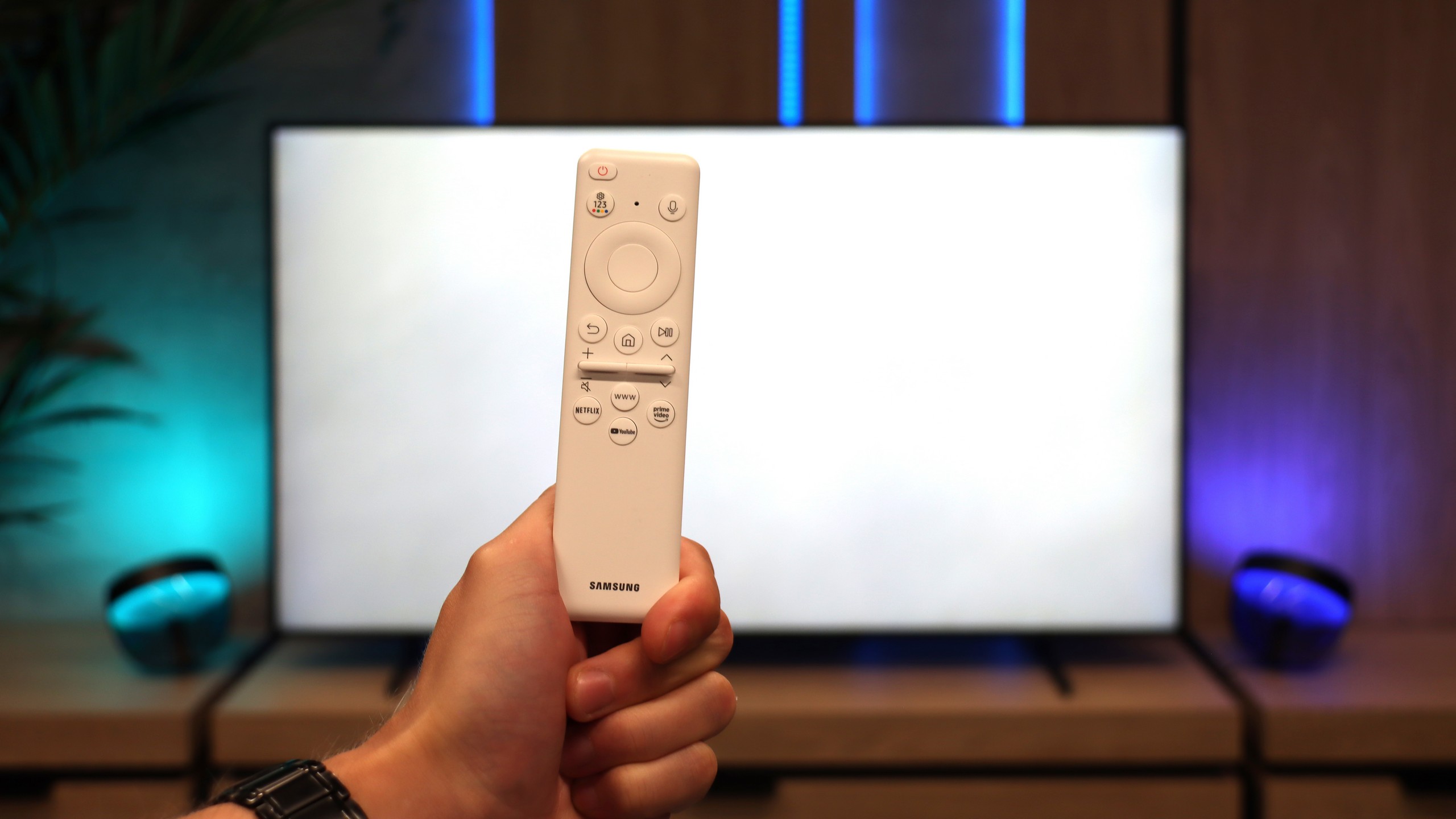
Hisense U8NQ offers many practical features. The television supports the ability to record programmes, allowing you to save your favourite content and play it back at a convenient time. Additionally, there is support for AirPlay, which enables easy streaming of media from Apple devices directly to the television screen. The Bluetooth function allows for connecting various peripheral devices, such as headphones or speakers, which further enhances user comfort. Hisense U8NQ is also equipped with a simple yet functional voice control system, making it easy to navigate the menu and select content.
The VIDAA operating system runs fairly smoothly. There are quite a few applications available, but unfortunately, it lacks those for music, such as Spotify or Tidal. It's worth keeping this in mind to avoid being forced to purchase additional devices.
In terms of design, Hisense U8NQ presents a modern look thanks to its narrow bezels and elegant stand. Although the device is not among the sleekest on the market, its appearance is still stylish and will easily fit into most interiors. Despite the somewhat thicker casing compared to the top models from competitors, the aesthetic finish and solid construction ensure that the television looks good in the living room.
Smart Features
Samsung The Frame Pro runs on the Tizen operating system, which has long been a hallmark of the Korean manufacturer. It is one of the most refined smart TV environments – fast, stable, and intuitive. Practically all popular streaming applications are available here, and the interface operates smoothly with minimal delays. It also supports features such as AirPlay 2, screen mirroring, and the ability to control the television using voice commands via Bixby, Alexa, or Google Assistant.
Television Functions
As for classic television functions – as is the case with almost every Samsung – this is not the device's strongest suit. We receive a clear EPG guide, teletext support, the ability to connect headphones via Bluetooth, and that’s about it. More advanced tools known from televisions (e.g. recording to USB or PiP) are not to be found here. However, this is standard in Samsung's offering. The manufacturer has been setting trends for several years and focuses mainly on smart features, while traditional television is treated somewhat neglectfully.
Art Store and Interchangeable Frames – a Unique Element of the Series
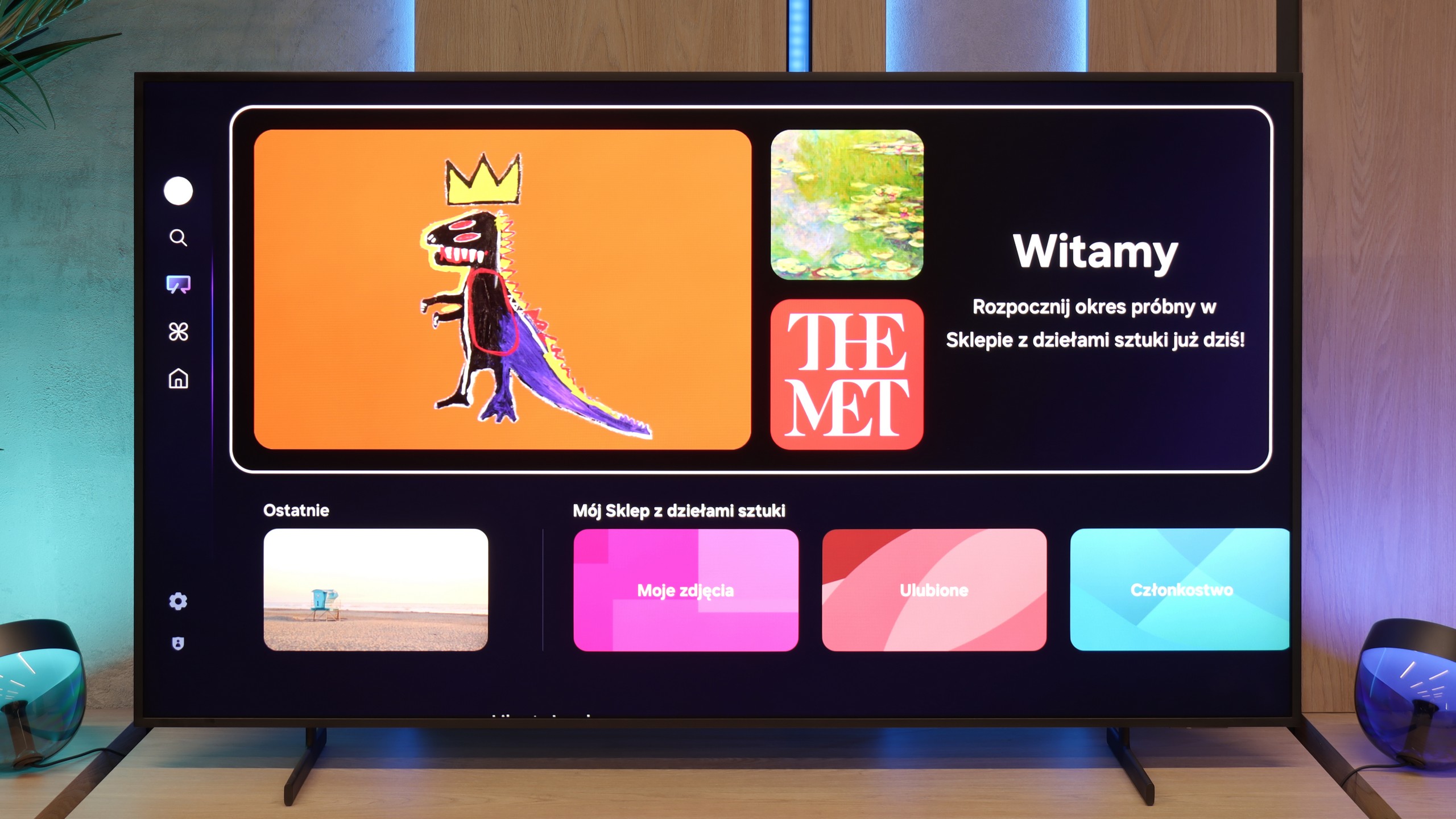
What has distinguished the The Frame series from the very beginning of its existence is the Art Mode and the Art Store application. Thanks to it, we can display reproductions of artworks on the screen, from classics to modern graphics. The service is indeed paid (in the form of a subscription or a one-off annual fee), but it ensures that the materials are prepared in the highest quality, making the displayed images look almost like they were painted. This element, along with the option of exchanging the television's frames, makes The Frame Pro serve a dual purpose as a television as well as a design element in the interior.
Wireless One Connect Module
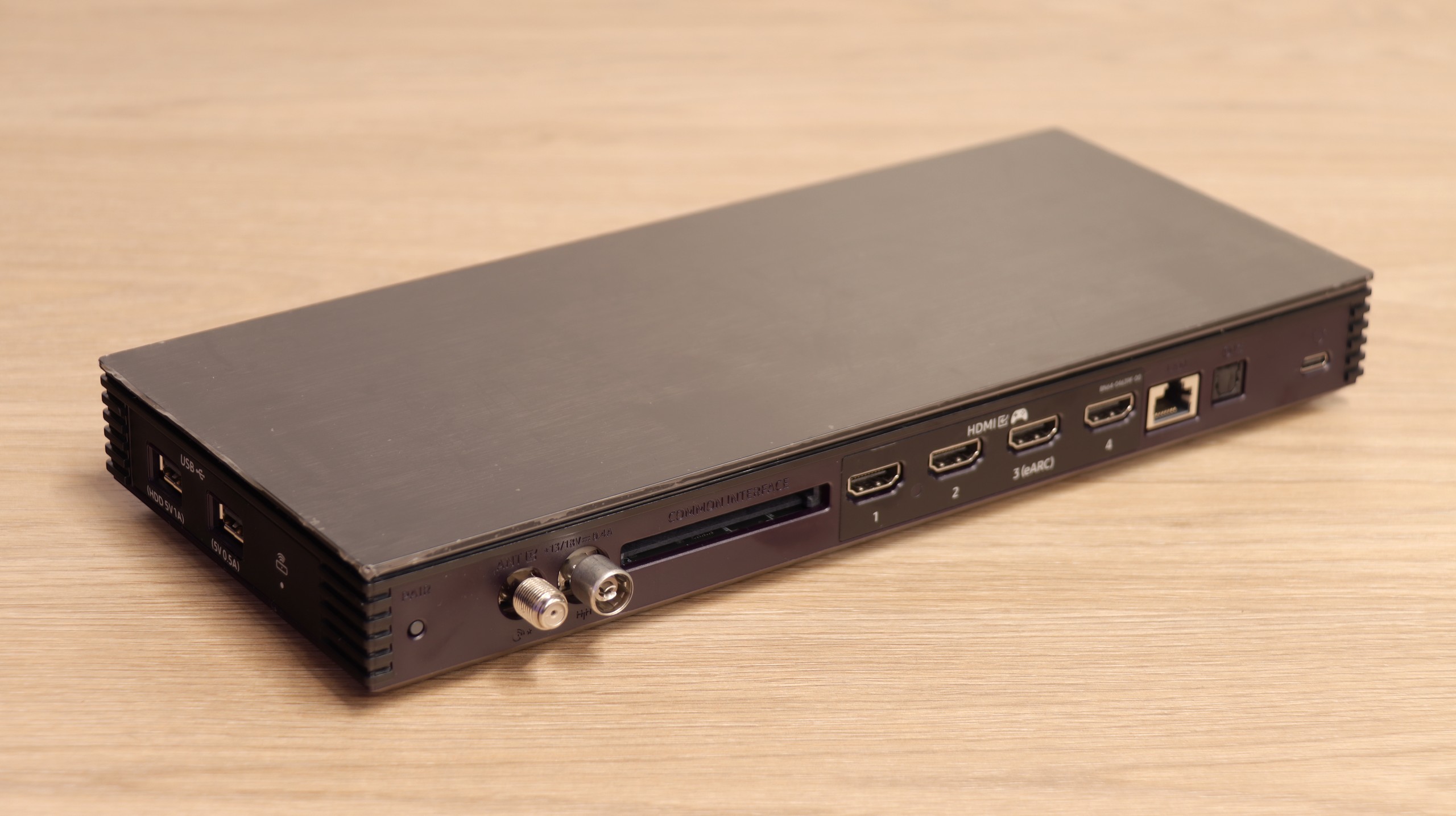
The second unique element of The Frame PRO is the One Connect wireless module, which houses all HDMI ports and other connections. Thanks to this, the television itself can hang on the wall almost like a real painting, while all the electronics and cables can be placed in a separate box set even a few meters away. The device is powered via USB-C and handles all of the television's "thinking" processes. While this solution has its limitations for gamers or those using PCs (delays, deterioration of font quality), it works excellently for connecting an amplifier, decoder, or individual multimedia devices. It is a very "gadgety" solution, but in everyday use, it proves to be simply convenient and allows for better space arrangement in the living room.
Apps
7.7/10
9.3/10






















Playing files from USB
8/10
9.1/10
Supported photo formats:
Maximum photo resolution:

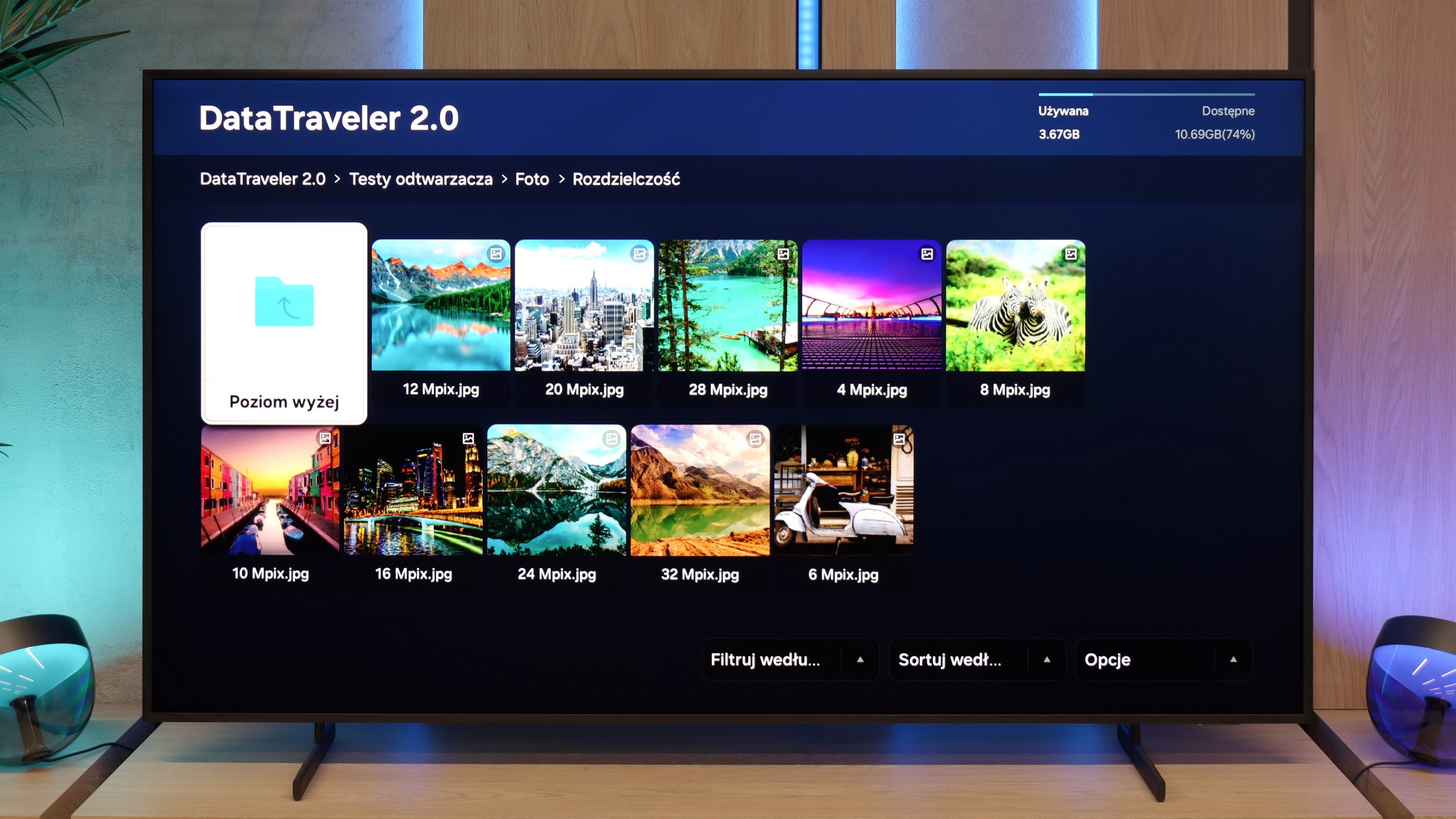
In the Hisense U8NQ, the built-in file player handles most popular video and audio formats, making it a very versatile solution for users. However, some shortcomings can be observed in less common image formats, such as Apple's HEIC. For standard formats like JPEG or MP3/4, the television works flawlessly, easily meeting the multimedia needs of most users.
The Frame Pro handles multimedia playback from USB memory correctly. Most popular formats for films, music, or photos work without major issues and the television manages them efficiently. During testing, we noticed only one inconvenience – HEIC format files, which is a standard used by Apple, do not open even though the system sees them and displays them in the player. For those who frequently transfer photos from an iPhone, this might be a slight annoyance, but apart from that, the player performs its task well and it is hard to have any significant complaints about it.
Sound
7/10
6.4/10
- Maximum volume-84dB
- Dolby Digital Plus 7.1
- Dolby True HD 7.1
- Dolby Atmos in Dolby Digital Plus (JOC)
- Dolby Atmos in Dolby True HD
- DTS:X in DTS-HD MA
- DTS-HD Master Audio
Hisense U8NQ performs quite well. Both low and high tones are audible, which makes the sound full and balanced. Even at higher volume levels, the television manages without significant distortion, which is a big plus. The sound is strong enough to fill a room, which will satisfy most users who do not have an external audio system. Although the built-in speakers do not match the sound quality of home cinema systems, they are more than sufficient for everyday television viewing or movies.
The sound on the Frame Pro is not one of the television's strengths. The slim casing means there is virtually no bass, which makes it sound rather flat and average. On the other hand, the television plays loudly – it can easily fill a medium or even larger living room. Dialogues are clear, but when it comes to special effects or music, there is a lack of depth. This is definitely a piece of equipment for which it is worth purchasing a soundbar, preferably from the designer Samsung S series. Thanks to the decorative frames, it can be matched to the decor along with the Frame Pro.
Sound Quality Test
No sound test video
Acoustic Measurements
No acoustic data
84dBC (Max)
75dBC