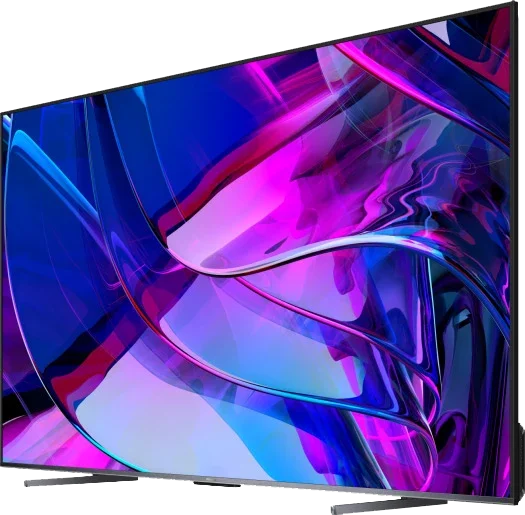
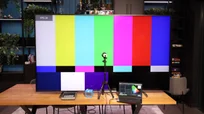
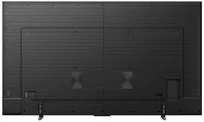
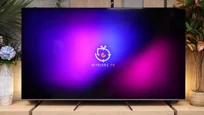
Hisense U7KQ with a size of 100" is clearly a better television compared to the smaller diagonal variants. The proprietary VIDAA system has a similar interface to other televisions (e.g., with Google TV on board). It works quickly and efficiently. It does not freeze or contain errors. Only the built-in file player sometimes struggled with performance. However, it is worth looking at the app tests, as not all of them were available at the time of writing the review. The television's features are quite extensive, and nearly everything we tested was successfully implemented. When used during the day, the high brightness of the panel is commendable, as it can cope even in very sunlit living rooms. When watching in cinema conditions, we can expect good blacks thanks to the VA panel supported by multiple dimming zones. The screen handles low-quality content (e.g., SD channels or DVDs) relatively well; a certain downside is the lack of a function to reduce posterisation (i.e., the distinct tonal transitions). This looks much better in 4K HDR films because we have a wide colour palette and strong light effects. Support for Dolby Vision and Dolby Atmos is another advantage, although the speakers built into the screen are rather average. Sports enthusiasts will be pleased with the 120Hz panel with a smoothing system. When connected to a console, gaming on the television is very good due to low input lag. Motion blur is moderate, which means that it is very rare to notice slight "trails" during dynamic movements on a dark background. The lack of an HGiG mode reduces the visual quality of games in HDR format, while the absence of local dimming in VRR mode makes this latter function useless. Overall, the picture quality can be described as good and adequate for its price. There are no obvious flaws or unexpected advantages here, but there is a large size.
- Matching (Score) |
- Our verdict |
- TV appearance |
- Where to buy |
- Contrast and black detail |
- HDR effect quality |
- Factory color reproduction |
- Color reproduction after calibration |
- Smoothness of tonal transitions |
- Image scaling and smoothness of tonal transitions |
- Blur and motion smoothness |
- Console compatibility and gaming features |
- Input lag |
- Compatibility with PC |
- Viewing angles |
- Daytime performance |
- Panel details |
- TV features |
- Apps |
- Playing files from USB |
- Sound
Hisense U7KQ vs XIAOMI S Mini 2026 (85"-98") 144Hz
 Direct comparison
S Mini 2026
Available screen sizes: 100”
Panel type: LCD VA
Resolution: 3840x2160
System: VIDAA
Model year: 2023
Complete the survey to find out the result
Panel type: LCD VA
Resolution: 3840x2160
System: Google TV
Model year: 2026
Complete the survey to find out the result
Overall rating
7.5
7.1
 Movies and series in UHD quality
 7.5
7.1
 Classic TV, YouTube
 7.3
6.6
 Sports broadcasts (TV and apps)
 6.6
6.4
 Gaming on console
 8.2
8.3
 TV as a computer monitor
 8.0
7.0
 Watching in bright light
 7.8
7.5
 Utility functions
 8.2
7.0
 Apps
Apps 7.7
9.6
 Sound quality
 6.9
5.0
Complete the survey to find out what fits your preferences
Advantages

Very good black
High brightness of the matrix
Stable and fast-operating system
Very good price-to-quality ratio in the 100" variant
120/144 Hz panel
Very good contrast: Mini LED + VA
High brightness of around 1000 nits
Supports Dolby Vision
Extensive gaming features
Low input lag
Google TV with a wide selection of apps
Disadvantages

Missing music applications (Spotify, Tidal)
Poor HDR effect in dark scenes with small light sources
Average viewing angles
Poor image processing
Average glare reduction
Poor viewing angles, typical of VA panels
Flat sound, limited bass
Our verdict
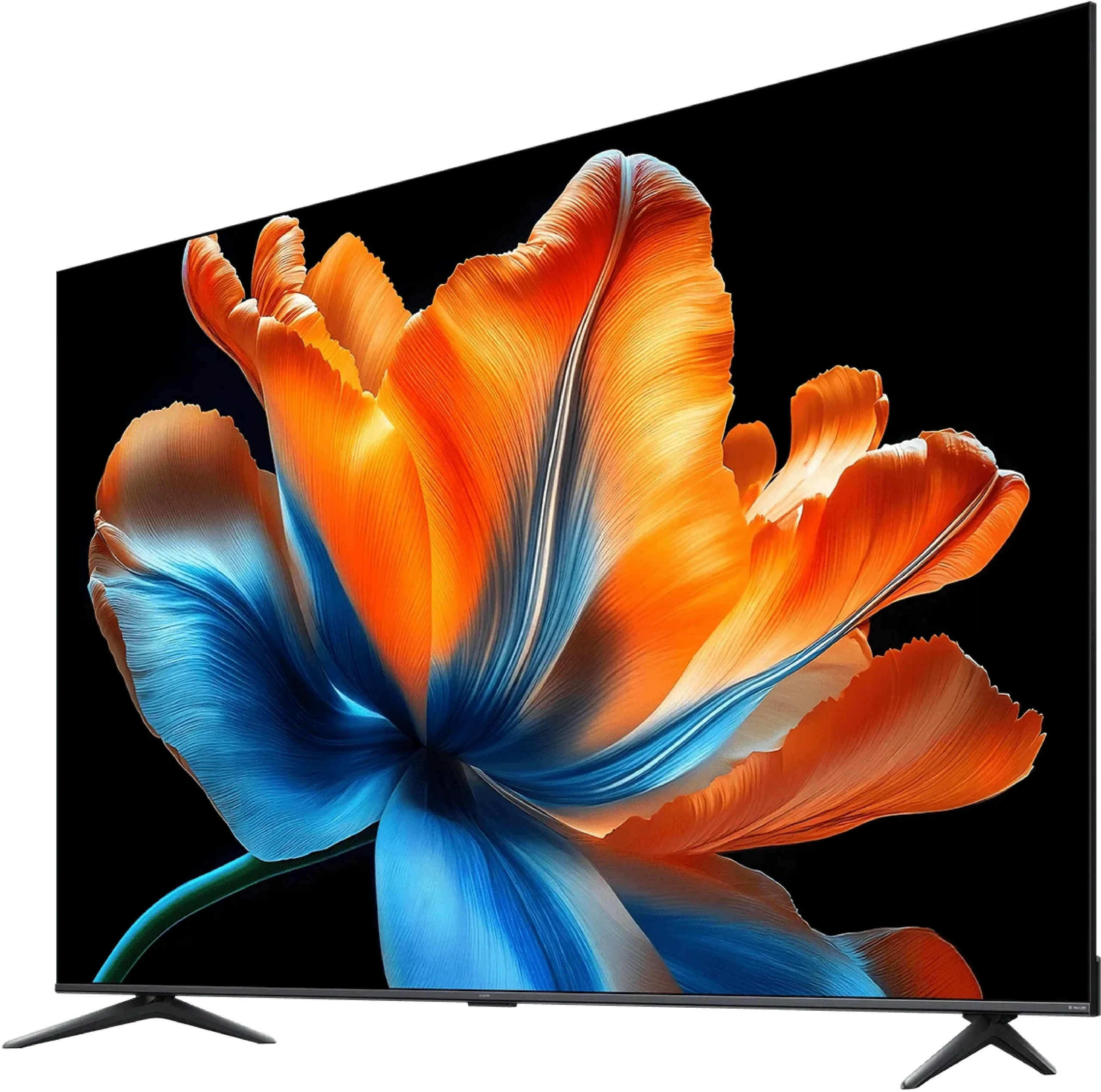
In its 85- and 98-inch sizes, the Xiaomi S Mini 2026 is a television that can be recommended with far more confidence than its smaller variants. Very good contrast, around 1000 nits of brightness and Dolby Vision support mean HDR films look really good, and the 144 Hz panel gives it a completely different set of possibilities for sport and gaming. If someone is looking for a large Mini LED and is not willing to pay top-tier prices, this variant simply makes a lot of sense. It is not a device without flaws. The processing of weaker material could use a little more refinement, which is often visible on a screen this large. However, you have to remember the price: in this budget most rivals also require compromises, often even greater ones. That's why the 85- and 98-inch versions hold up as a far more complete proposition and, with good pricing, are simply a cost-effective choice. The most puzzling decision is Xiaomi's choice to lump all sizes into a single category. When you buy the 85- or 98-inch model, you get not only more inches but also native 144 Hz, Dolby Vision, a more responsive system and a better processor. That alone would be enough to justify a separate series. It would be clearer for the customer, who would immediately know that the smaller and larger S Mini 2026 are actually two different televisions. Ultimately, it is in these largest screen sizes that the Xiaomi S Mini 2026 performs best. It's a genuinely successful television that offers a huge screen and excellent specifications at a very attractive price.
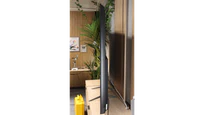
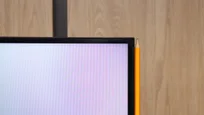
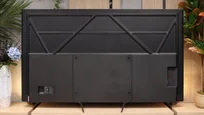
TV appearance

Contrast and black detail
8/10
8/10
Local dimming function: Yes, number of zones: 1620 (30 x 54)
Local dimming function: Yes, number of zones: 640 (20 x 32)
Contrast:


Result
124,650:1

Result
56,350:1

Result
24,550:1

Result
15,600:1

Result
12,600:1
Result
427,700:1
Result
49,650:1
Result
29,350:1
Result
13,500:1
Result
8,400:1
Halo effect and black detail visibility:
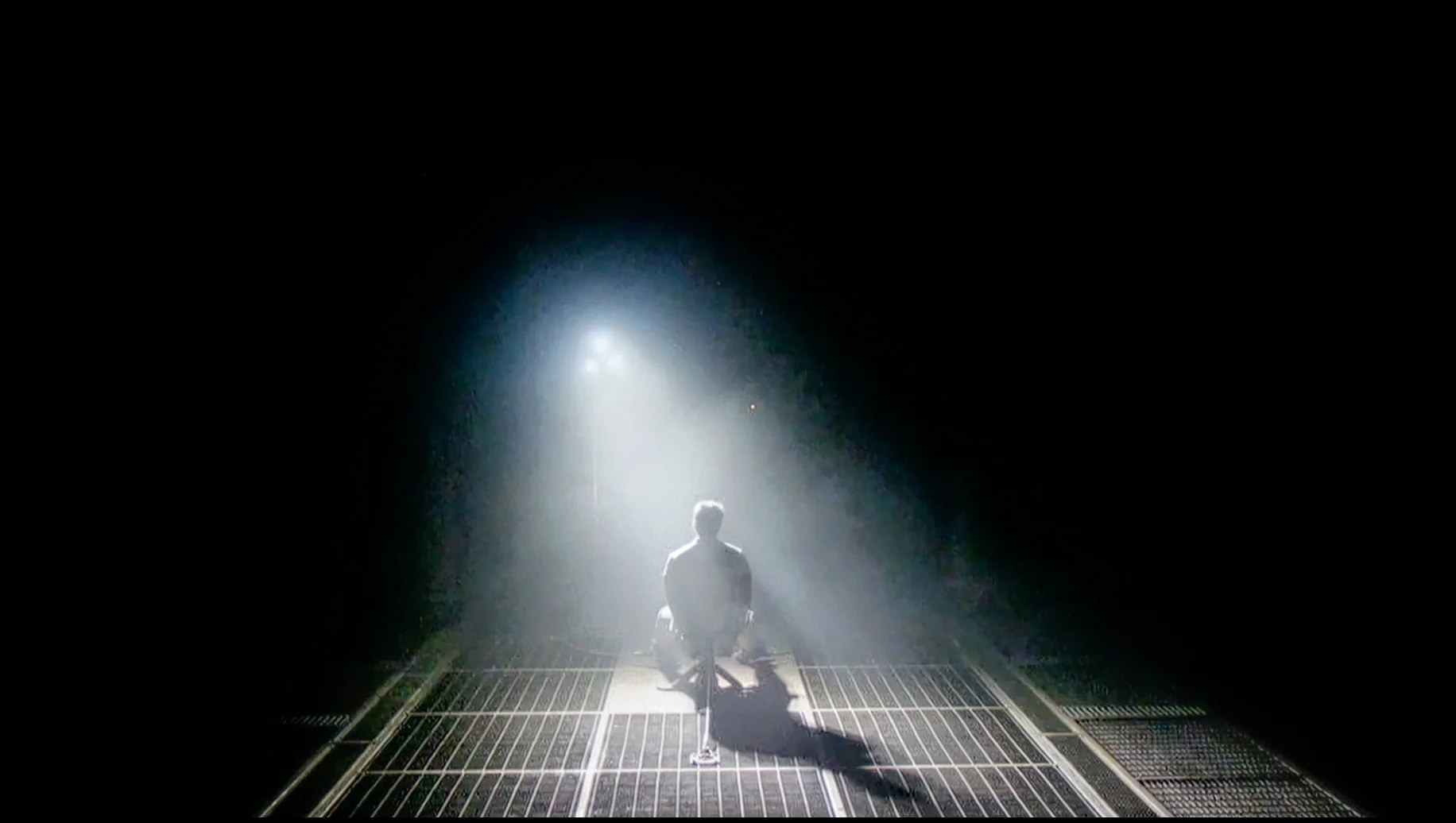
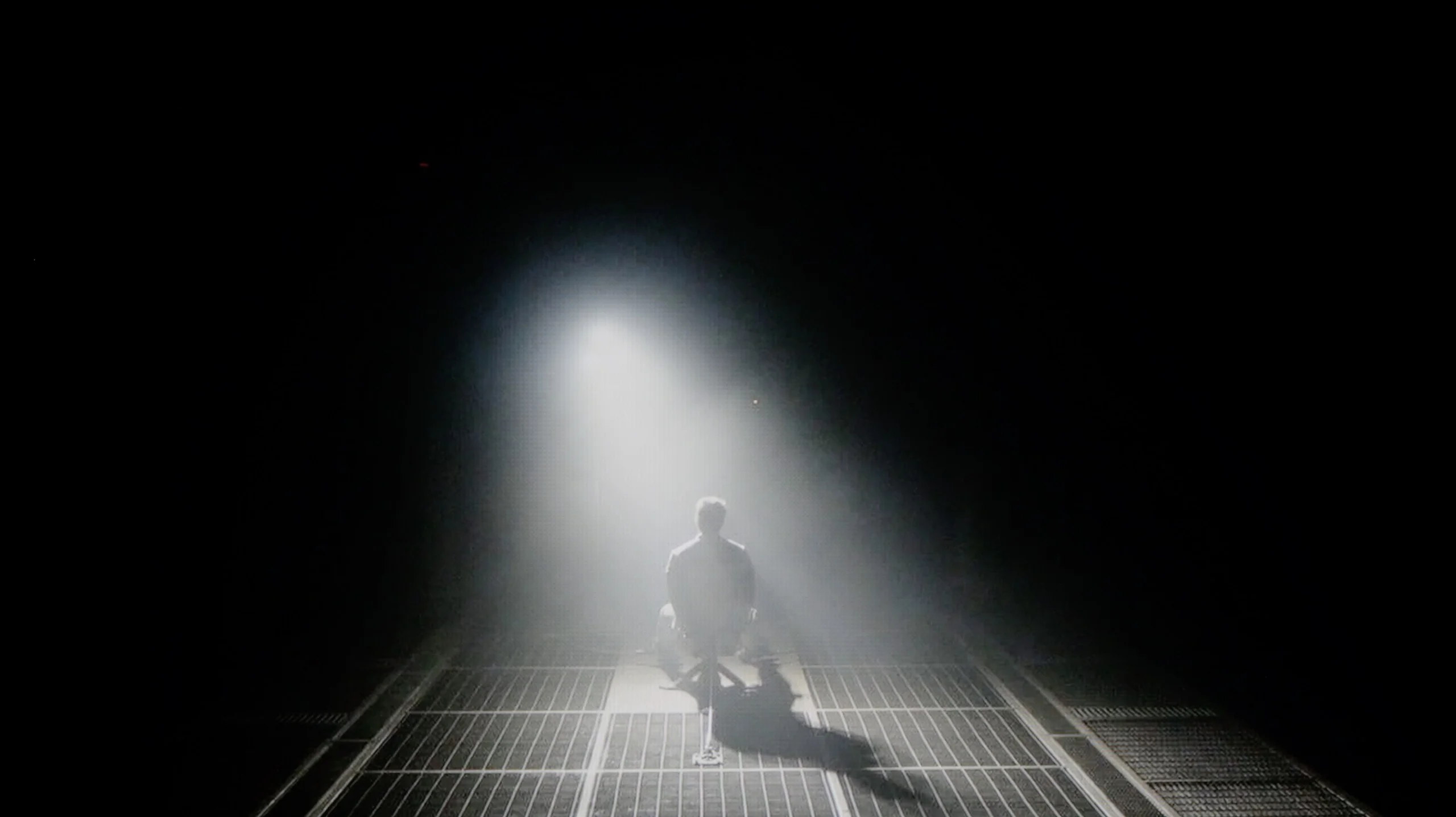
Check the visibility of bright lights on a dark background. Mini-LEDs often struggle with this. The photo does not compare black levels – that’s what the video below is for.
The video accurately shows differences in contrast and black levels between TVs, as well as potential issues: halo around bright objects or Mini-LED zone operation visible as brightness jumps.
The television is equipped with a VA panel, which has a high contrast even without the support of local dimming technology. Through additional support from Mini-LED technology, the television is able to offer really good black levels, both in muted, dark scenes and in mixed ones where black is interwoven with bright elements. It is safe to say that even in the most challenging test sequences, it achieved a result above 10,000:1. With the room fully darkened, sometimes the effect of zone dimming can be seen, in the form of a slight halo effect around text or brightening areas when a bright element moves quickly across the screen. However, this is a normal occurrence that is not bothersome. The television, like most LCD screens with local dimming, has a moderate tendency to dim the image, particularly small light sources in dark scenes.
The larger sizes of the Xiaomi S Mini 2026 also use a VA panel and a Mini LED backlight, but the manufacturer has implemented significantly more local dimming zones. In the 85-inch model we tested we counted 640 of them, more than twice as many as in the 55-inch version. Despite this, differences in our measurements proved surprisingly small. Contrast remains very high, and in many scenes dominated by black the TV can produce blacks that look very close to OLED. The extra zones mainly help to better control the backlight in more demanding shots, although they do not completely eliminate the typical limitations of this technology. In scenes with many bright objects on a dark background you can still notice haloing, but its level remains typical for Mini LED TVs. As with the smaller variants, Xiaomi has also improved the local dimming algorithm. The zones operate stably and do not cause visible flicker or brightness 'pumping' that could be encountered in last year’s model.
HDR effect quality
6.3/10
5.7/10
Luminance measurements in HDR:

Result
985 nit

Result
343 nit

Result
737 nit

Result
298 nit

Result
1170 nit
Result
1079 nit
Result
224 nit
Result
710 nit
Result
244 nit
Result
900 nit
Scene from the movie “Pan” (about 2800 nits)


Scene from the movie “Billy Lynn” (about 1100 nits)


The photos show two HDR10 movies. 'Pan' is one of the brightest productions ever made, while 'Billy Lynn' (soldier) has brightness typical of streaming (Netflix, Prime, HBO MAX). Notice the intensity of effects and detail in whites.
Static HDR10


The photos present the visibility of white details in various HDR formats. They do not show brightness differences between TVs (these can be compared in the previous gallery).
Dynamic: Dolby Vision
Dynamic: Dolby Vision


The photos present the visibility of white details in various HDR formats. They do not show brightness differences between TVs (these can be compared in the previous gallery).
HDR luminance chart:
XIAOMI S Mini 2026 (85"-98") 144Hz
Hisense U7KQ
Describing the HDR effect in the hundred-inch model Hisense U7KQ is not straightforward and requires broader context. As can be observed, the results are highly varied, depending on the type of scene and the intensity of the bright effects the television is meant to reproduce. In bright scenes, the device achieves over a thousand nits of brightness, which translates to vivid and realistic images – these are exactly the effects we expect from equipment of this class. Unfortunately, the situation deteriorates in darker scenes. In mixed shots, such as those in the film "Gemini Man," the television still offers good brightness at a level of 700 nits, allowing for enjoyment of high-quality content. However, problems arise in very dark scenes, where small light sources play a central role. The television does not fully utilise its capabilities here to avoid degrading the black level in adjacent areas. As a result, there is no spectacular "WOW" effect, and such frames often do not seem as if they are being produced in HDR technology.
The larger versions of the Xiaomi S Mini 2026 offer very similar HDR capabilities. Peak brightness reaches around 1000 nits, which for a TV in this price bracket is a very solid result. This is most apparent in bright scenes, where large, strongly lit parts of the picture can look truly impressive. The TV has enough brightness headroom that HDR does not amount to merely a slightly brighter image. Very small points of light appearing on an almost completely black background fare worse. In such cases the local dimming system significantly limits their brightness so as not to illuminate neighbouring parts of the picture and to preserve deep blacks. As a result, small highlights or single lamps do not have the same intensity as in much more expensive models. This, however, is typical behaviour for Mini LED TVs and hard to treat as something unique to Xiaomi.
HDR colours
The issue of colours is similarly close. Although the manufacturer uses the term QLED, the expansion of the colour gamut here is achieved by a PFS phosphor. In our measurements the TV covered around 94% of the DCI-P3 colour space and about 74% of the much more demanding BT.2020. In practice this delivers well-saturated colours in most HDR material and it is hard to point to any obvious shortcomings. Limitations appear mainly with the most saturated shades of green, which the TV is no longer able to reproduce in full.
Factory color reproduction
5.5/10
5.2/10


This gallery shows how colors change after professional TV calibration. If you notice the difference, we recommend ordering this service at SkalibrujTV.com.
Factory Mode
After calibration


This gallery shows how colors change after professional TV calibration. If you notice the difference, we recommend ordering this service at SkalibrujTV.com.
Factory Mode
After calibration
The best factory mode we measured was 'Filmmaker'. Despite this, its characteristics left a wide scope for comment. Let us take a look at the gamma chart, which is responsible for the depth and contrast of the image. First, we will pay attention to the orange line running through the middle of the chart, starting at point 2.4. This is the reference value of the REC.709 standard. Now, let us look at the measured value, which is marked by a white, connected multi-point. Such a significant drop in gamma to a value of 2.0 indicates a considerable decrease in contrast, resulting in an image lacking proper depth, and one could observe the so-called 'milk' effect. The next thing we tested was the white balance. Though unassuming, if poorly configured, it can alter the entire character of the image. At the beginning, the chart was progressing quite well, but as we went further, it began to be dominated by two colours: red and blue. Due to the current state of affairs, all the materials we used for testing had an unpleasant tint in those colours. However, thanks to rich calibration tools, such as an advanced colour management system (CMS) and 2- and 20-point grey scale adjustment, we were able to significantly improve the display's performance in SDR materials, as evidenced by low deltaE errors and very well-rendered gamma and white balance.
In the larger versions of the Xiaomi S Mini 2026 Film mode performs best, although the factory settings here are not without faults. In SDR the white balance was noticeably warm due to an excess of red. In HDR it was the opposite: there was too much blue and not enough red, which made the image cooler. Moreover, both the gamma response in SDR and the EOTF curve in HDR were slightly above the reference values. In practice this produced a slightly brighter image, particularly in the mid-tones. It was not a major fault, but with more demanding material you could notice that the image was not reproduced entirely as the creators intended.
Color reproduction after calibration
7.8/10
7.7/10


The photos show how movies look on the TV. Pay attention to black detail visibility, colors, and shadow tint.


The photos show how movies look on the TV. Pay attention to black detail visibility, colors, and shadow tint.
In SDR mode, after calibration, the television Hisense 100U7KQ looks excellent. There is nothing to fault in terms of colour reproduction - both pastel and strongly saturated hues are displayed according to the Rec. 709 standard. This ensures that the image looks natural and in line with the director's vision. As a result, viewers can enjoy an authentic visual experience, with colours and tonal subtleties faithfully rendered.
In HDR mode, however, there is a noticeable boost in bright tones. The television attempts to beautify the picture, which can lead to an artificial brightening. This phenomenon becomes even more evident in real scenes, where bright parts of the image may be excessively enhanced. Although the colours in HDR are generally good, they are intentionally boosted too much by the manufacturer, which can affect their naturalness.
This approach by the manufacturer to displaying images in HDR mode may not appeal to everyone, especially those who value authenticity and fidelity to original colours. However, for those who prefer more dynamic and vivid images, such an emphasis on bright tones can be an attractive solution, adding extra sparkle and impact to the scenes.
After calibration we mainly managed to even out the white balance, so colours look much more natural in both SDR and HDR. We also improved the gamma response, so the SDR picture is no longer unnecessarily brightened and holds closer to the reference values. The only major issue remaining is in HDR. Xiaomi still manages brightness a little too aggressively and renders some scenes brighter than it should. It looks better on larger sizes than on the 55–75 inch models, but the EOTF curve still runs slightly above the reference. In practice HDR is therefore slightly brightened, even though colour reproduction after calibration is already very good.
Smoothness of tonal transitions
10/10
9/10
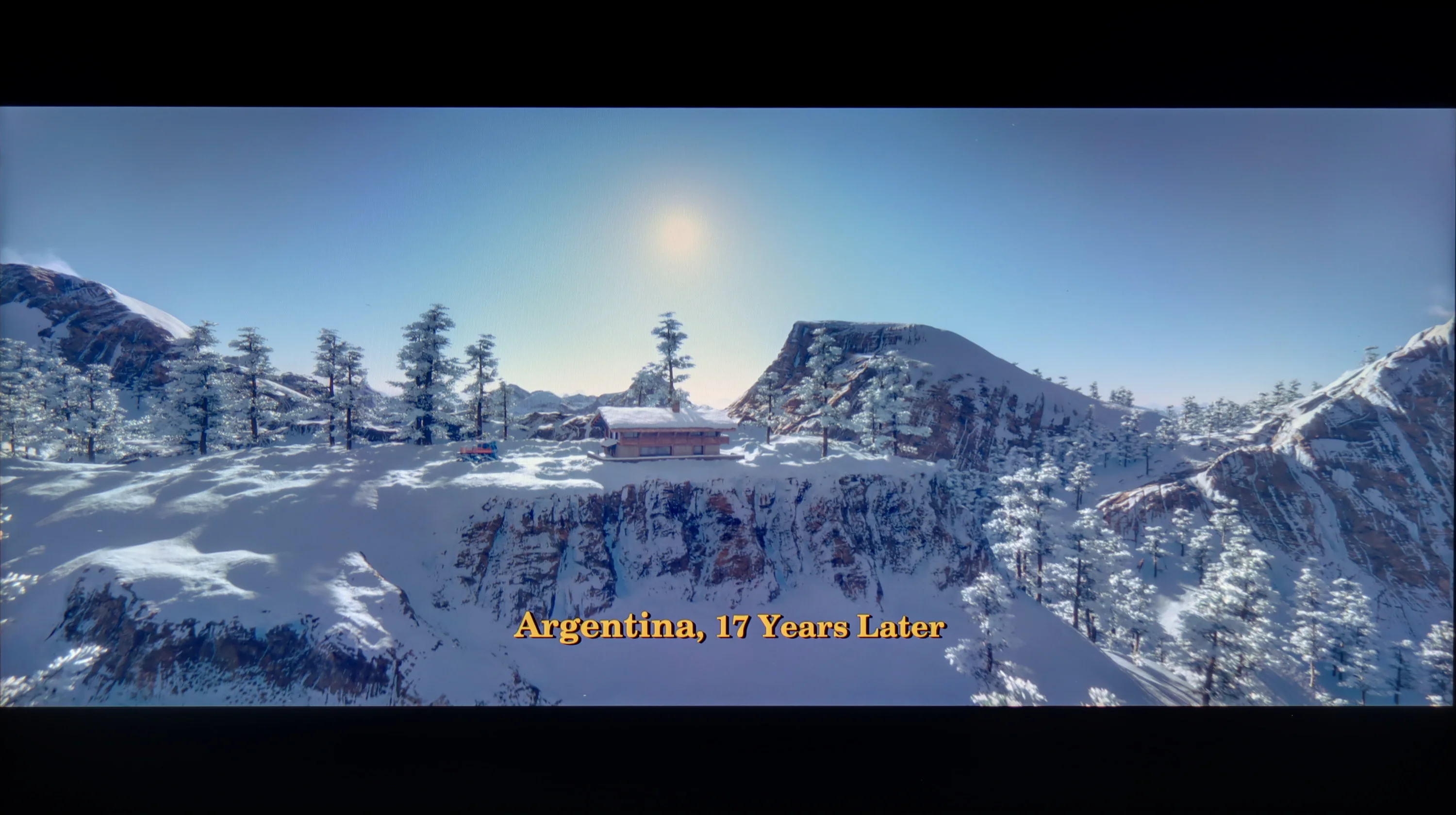

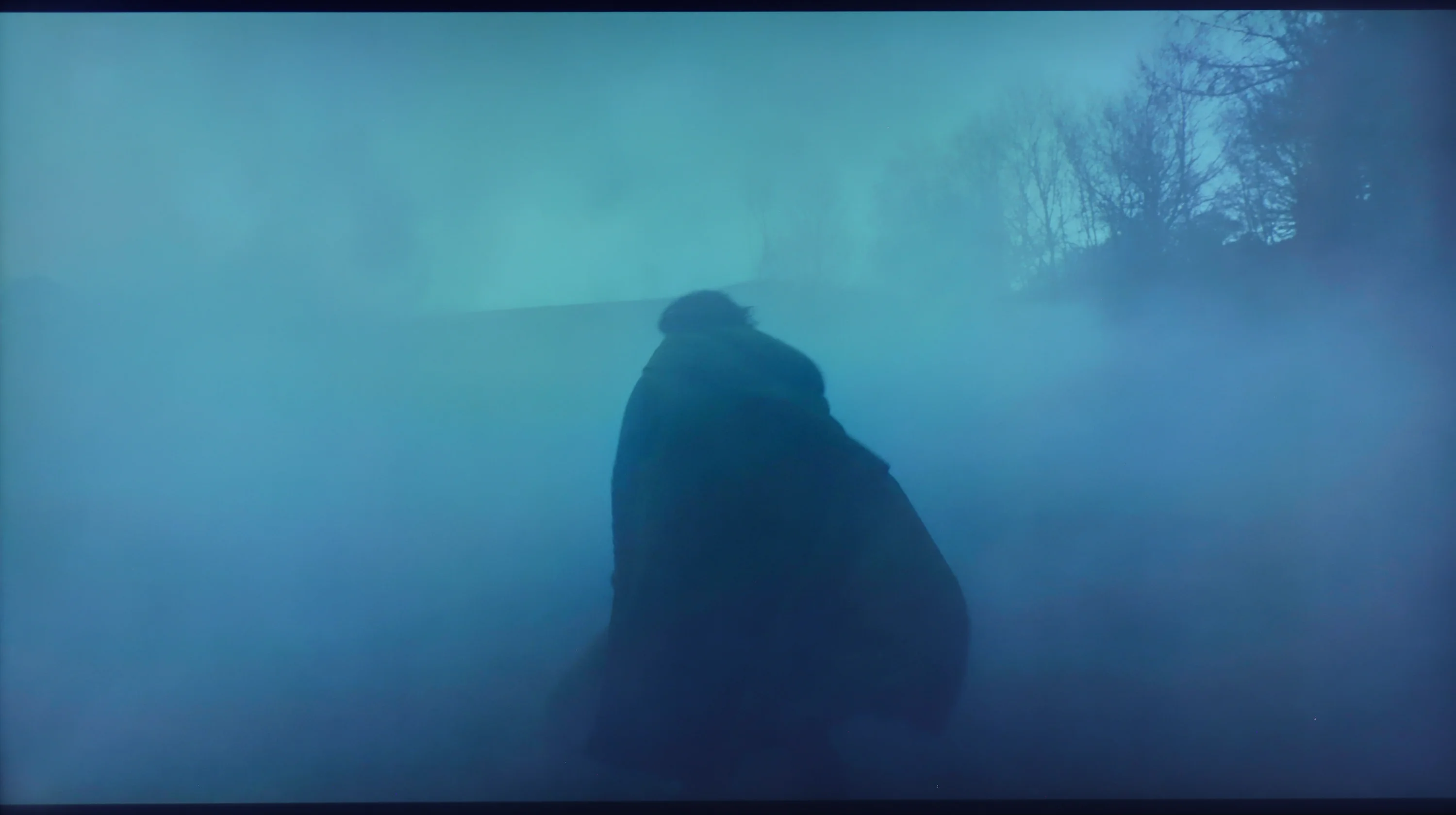

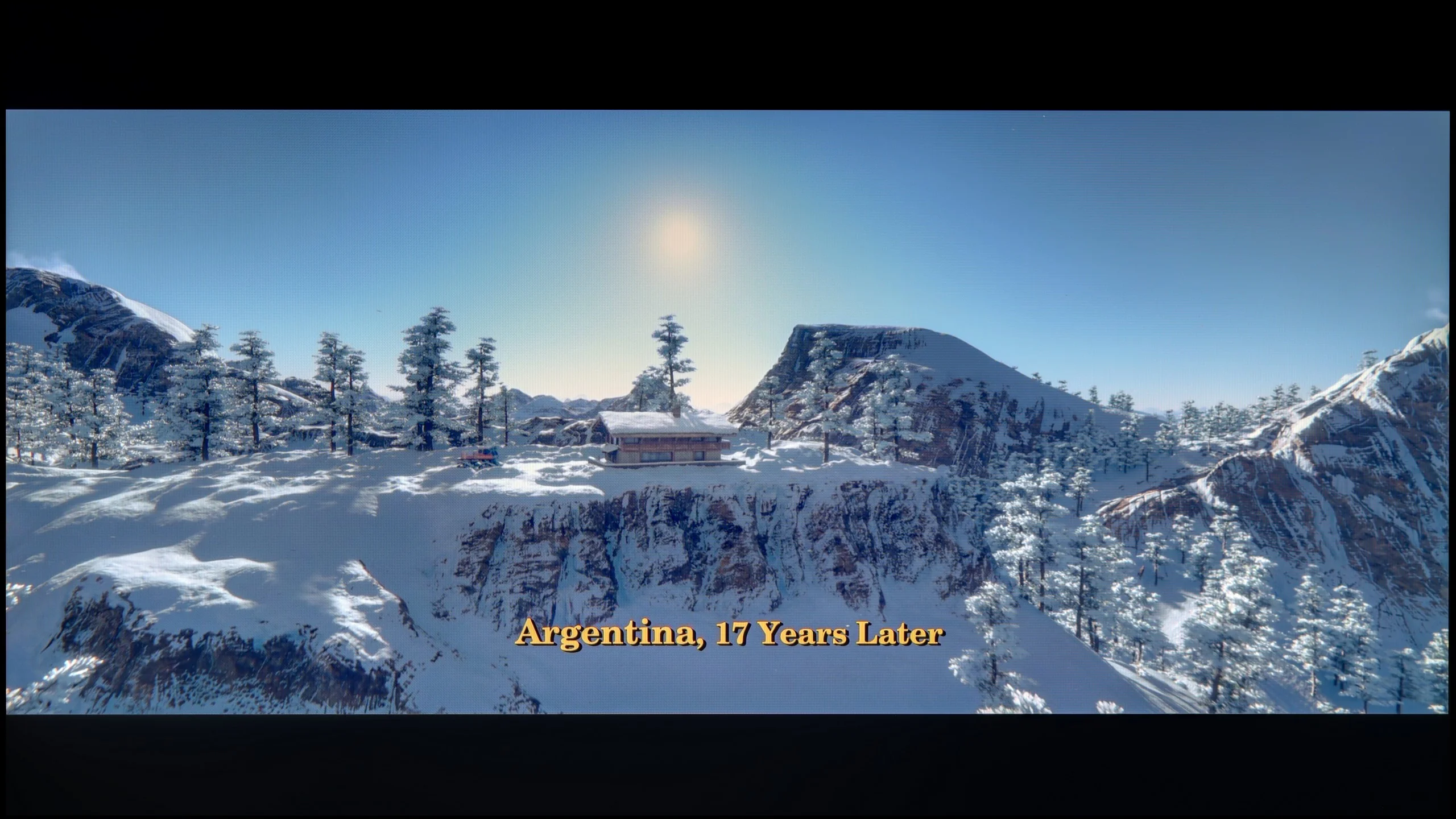
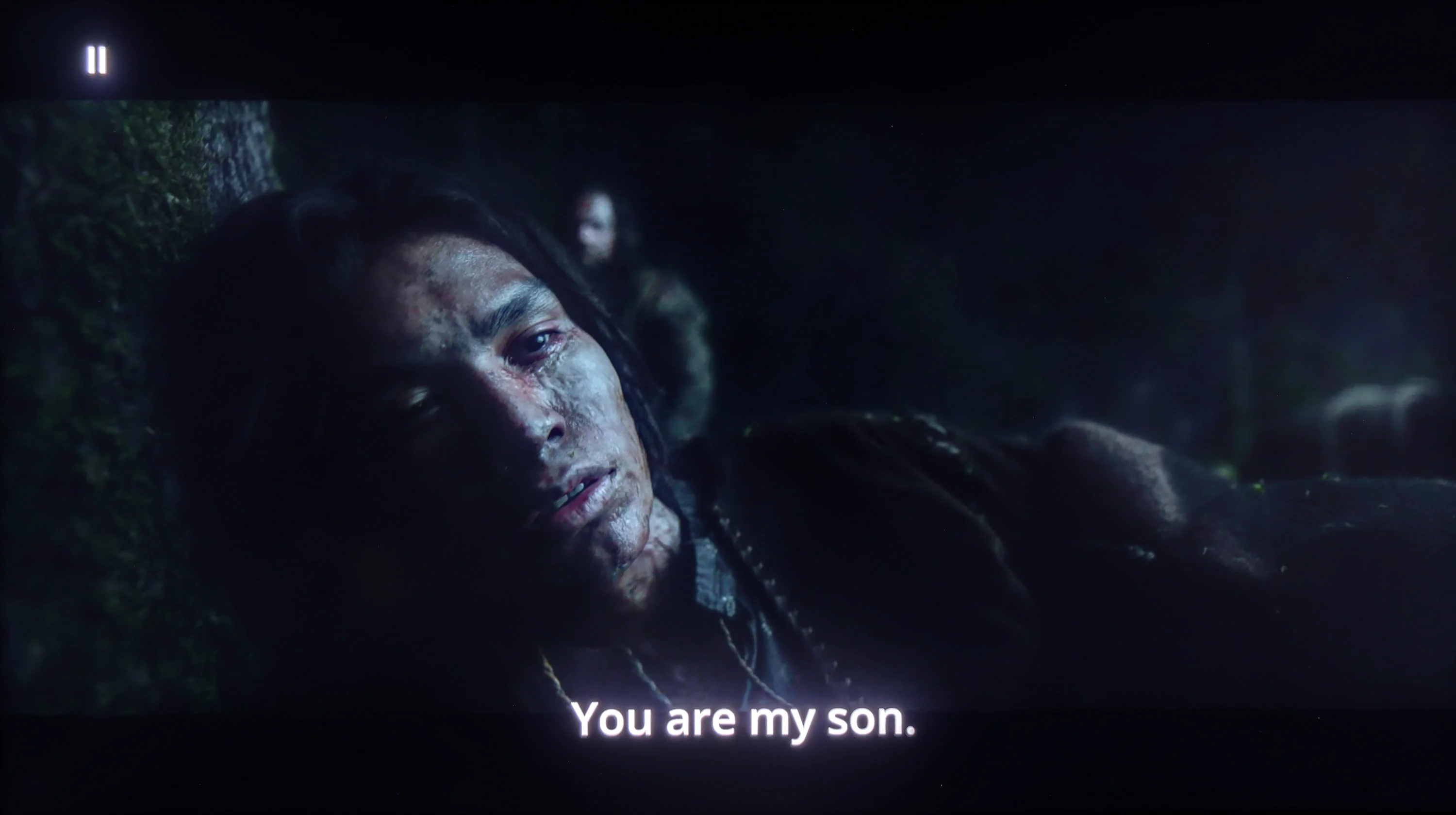
These are selected scenes that show smooth tonal transitions from one color to another. If you see distinct banding, it’s the TV panel’s fault.

These are selected scenes that show smooth tonal transitions from one color to another. If you see distinct banding, it’s the TV panel’s fault.
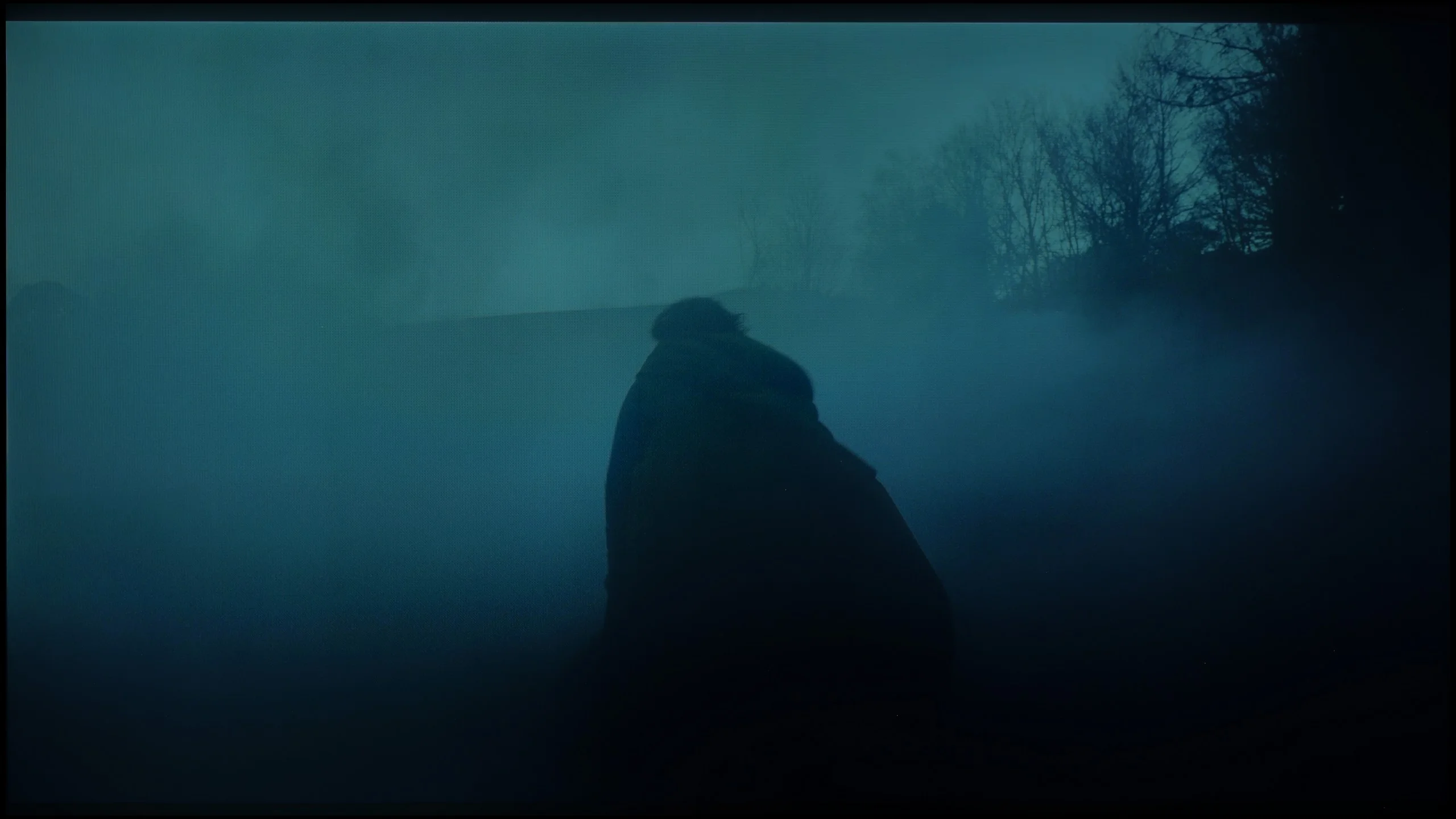
These are selected scenes that show smooth tonal transitions from one color to another. If you see distinct banding, it’s the TV panel’s fault.
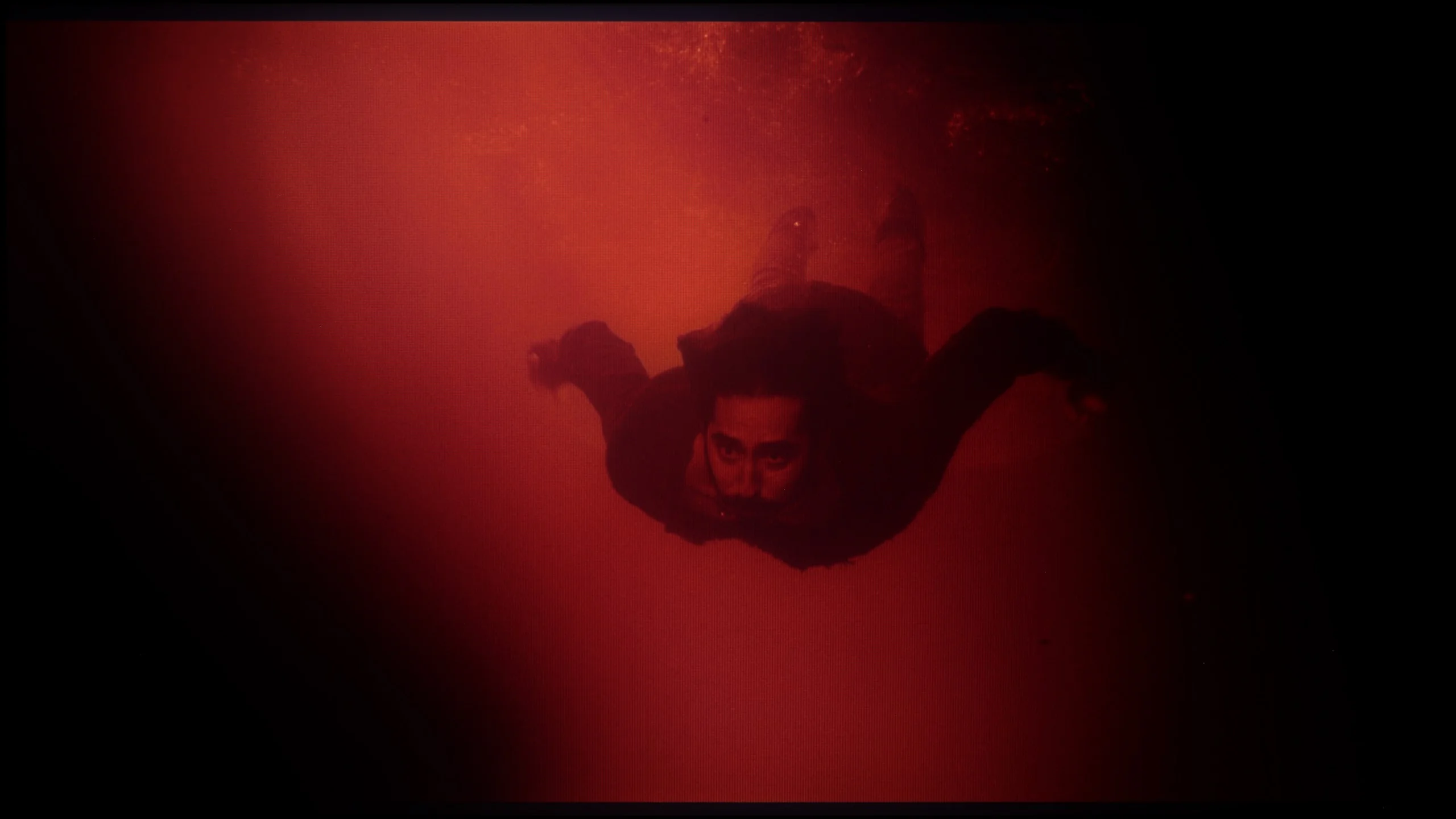
These are selected scenes that show smooth tonal transitions from one color to another. If you see distinct banding, it’s the TV panel’s fault.
The tonal transitions on the tested television can be described in one word: perfect. Throughout the test sequence, where we played very dark gradients from the most difficult scenes known to us, there was no sign of any choppiness or separating layers. These impressive results testify to the high quality of the panel and the advanced image processing algorithms. Of course, the ideal experience is maintained as long as we watch the television straight on – at an angle, the dark shades can significantly stand out, which is discussed in detail in a dedicated paragraph. It is also worth noting that such a problem can be observed with lower quality materials, but this is not the fault of the television, rather the inferior quality of the source itself.
The smoothness of tonal transitions in the larger variants of the Xiaomi S Mini 2026 is very good. In both bright and darker scenes the colours blend far more smoothly than on the smaller sizes. It's not perfect and in the most demanding shots you can still spot minor traces of posterisation, but they appear much less often and are far less noticeable. That's a clear plus, especially since dark scenes in the 55 to 75-inch models could look noticeably worse in this respect.
Image scaling and smoothness of tonal transitions
6/10
3/10


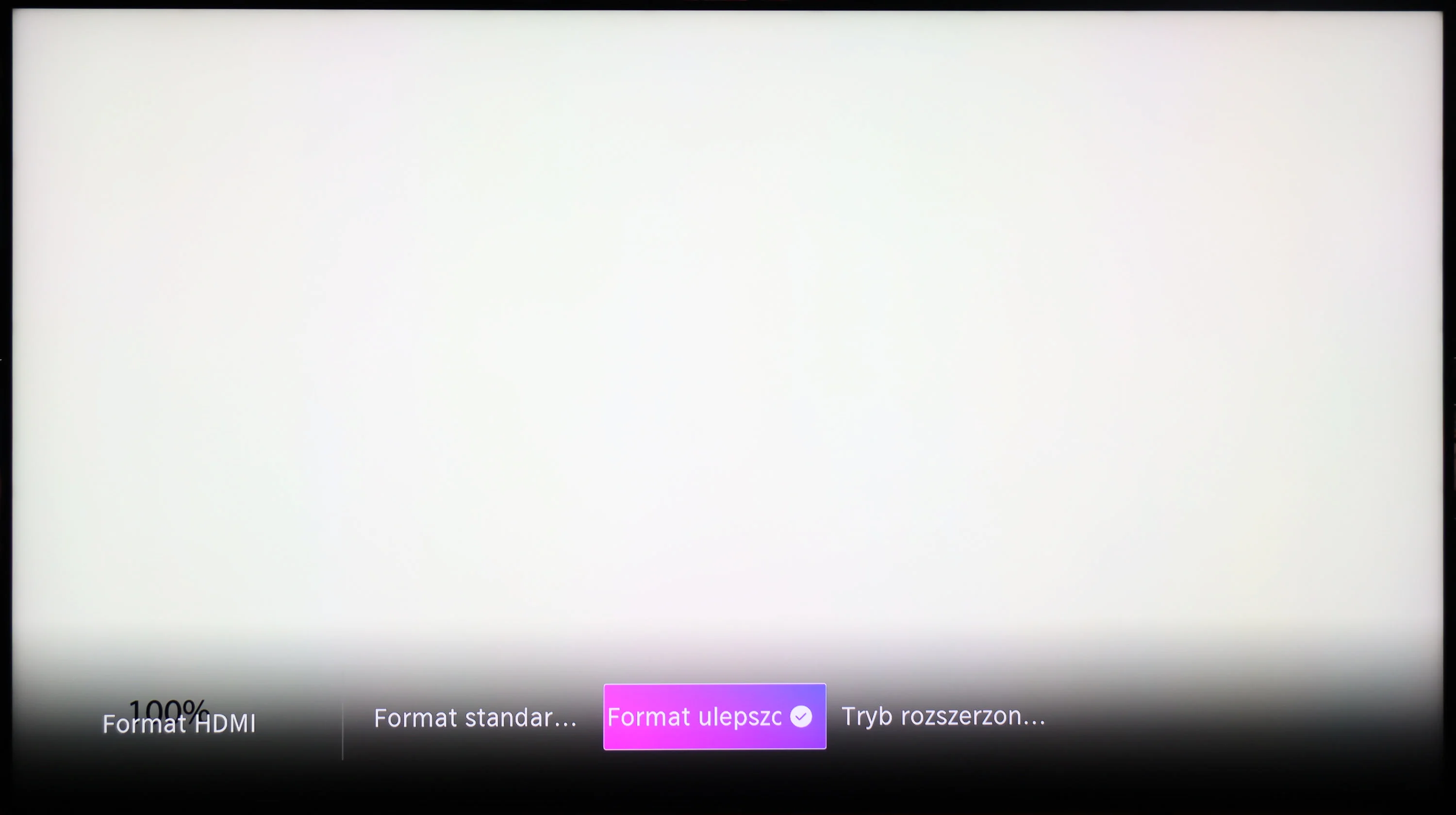
Smooth transition function
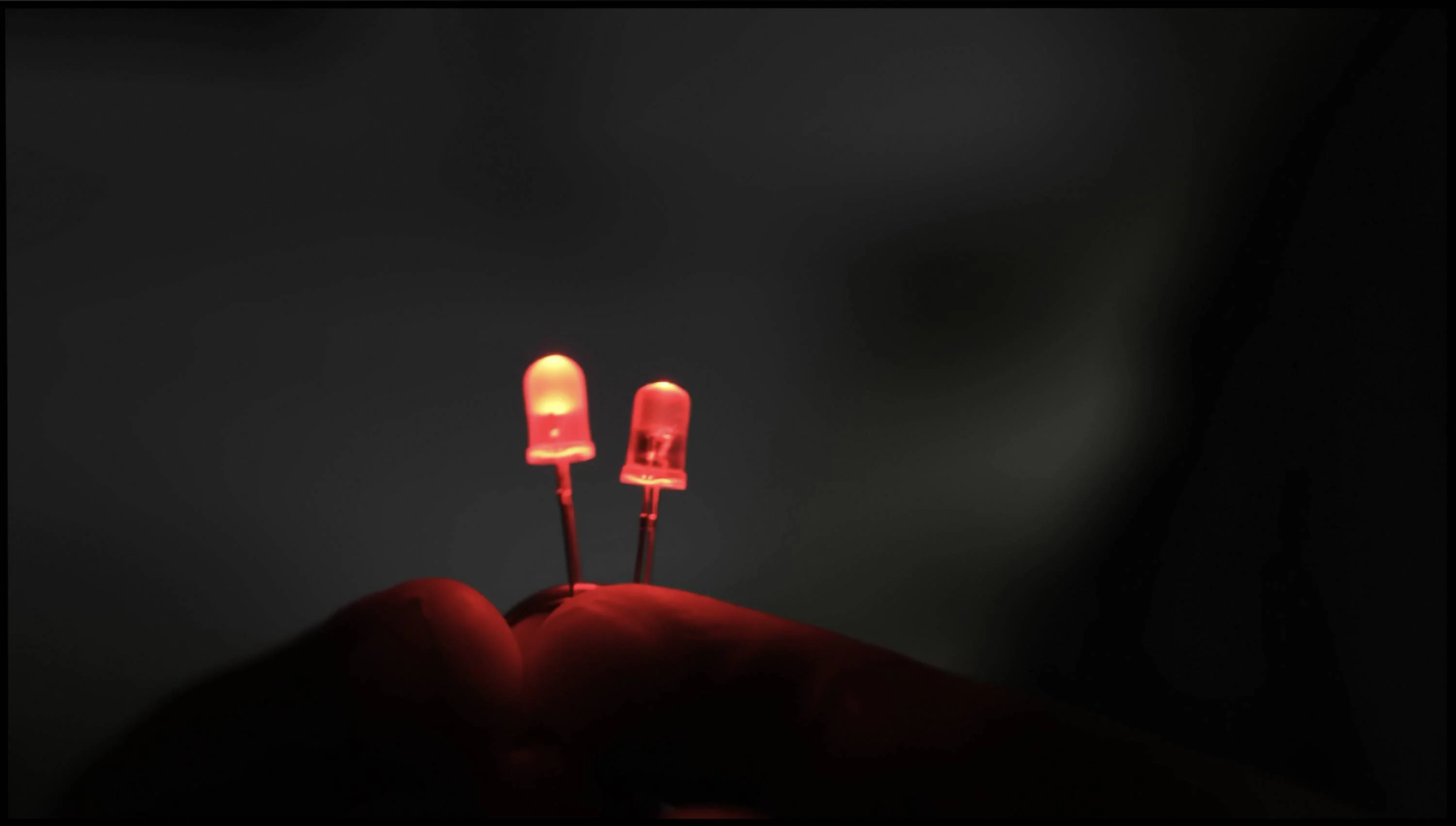
The match photo shows how the TV smooths weak tonal transitions in low-quality video.
Image scaling SD (576i)


The model photo shows how it handles upscaling of SD material.
Although the television is equipped with a feature for reducing posterisation called "Smooth Gradation," we did not notice a significant effect of its operation. Materials subjected to heavy compression, such as YouTube videos, still exhibited choppy, distinct tonal transitions, which did not look particularly favourable. While this is due to the material itself rather than the television, it would be good if there were a feature to mask these problems, similar to those found in displays from competing brands.
The image scaling, which is crucial when playing lower resolution content, is rated as average. Details are not overly blurred, and the image is not "smudged"; however, there is visible jaggedness on the edges of objects, such as branches, and a halo effect around figures and text. Although the television performs quite well, there is still room for improvement, especially in the context of displaying lower quality materials.
The larger Xiaomi S Mini 2026 variants also use the MT5896 processor and perform similarly in terms of digital image processing. Upscaling is not one of this model's strengths. Low-resolution content is upscaled to 4K in a fairly basic way, and there is not as effective retrieval of fine detail as in more refined televisions. The 85 and 98 inch versions do include a feature intended to reduce posterisation, but its effectiveness is very limited. After switching it on it is hard to notice any real improvement, so the TV still does little to address visible banding between colours.
Blur and motion smoothness
7/10
7.7/10
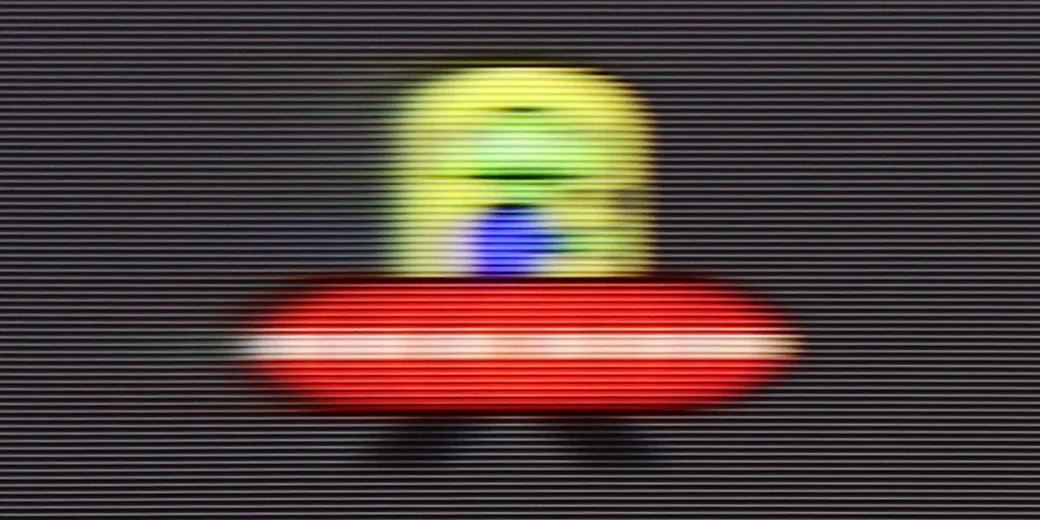
Blur (native resolution, maximum refresh rate):





Blur ():
Blur (4K@288Hz):

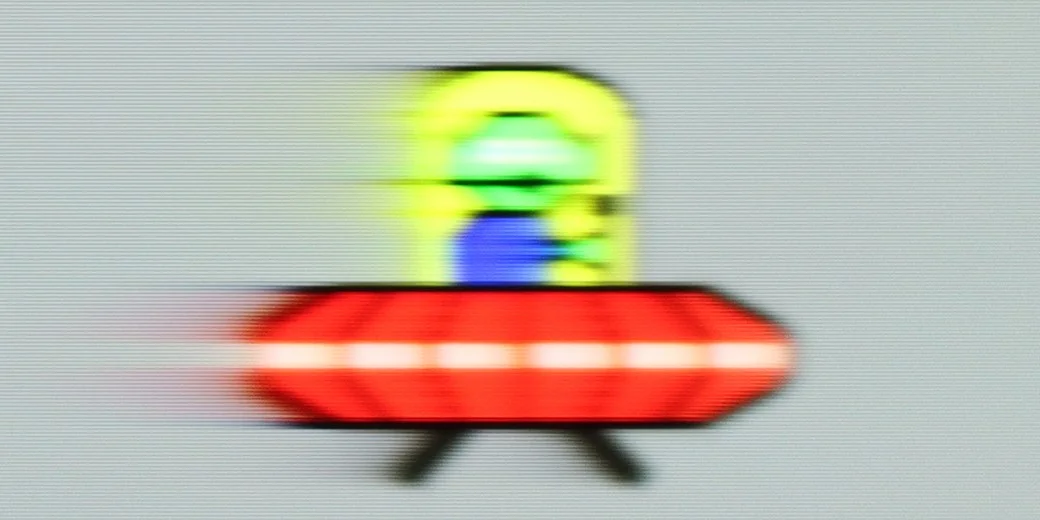
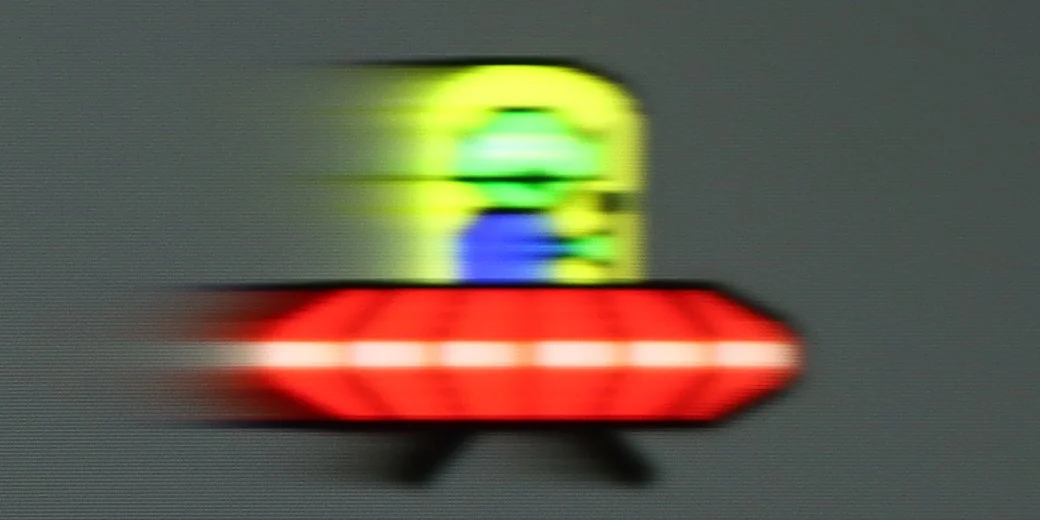
The television correctly accepts a 4K signal up to 144 Hz, allowing for very smooth images to be displayed in high resolution. When the resolution is limited to Full HD, the television is capable of handling even 240 Hz, but such a signal can only be obtained from a PC. Unfortunately, the use of this feature is limited by several factors.
First of all, the Full HD resolution on a large television screen may seem insufficient, which affects image quality. Furthermore, the response time of the panel in this model is not short enough to fully utilise the refresh rate of 240 Hz. As a result, at such a high refresh rate, significant overdrive occurs, causing noticeable smearing and so-called "ghosting" behind moving objects.
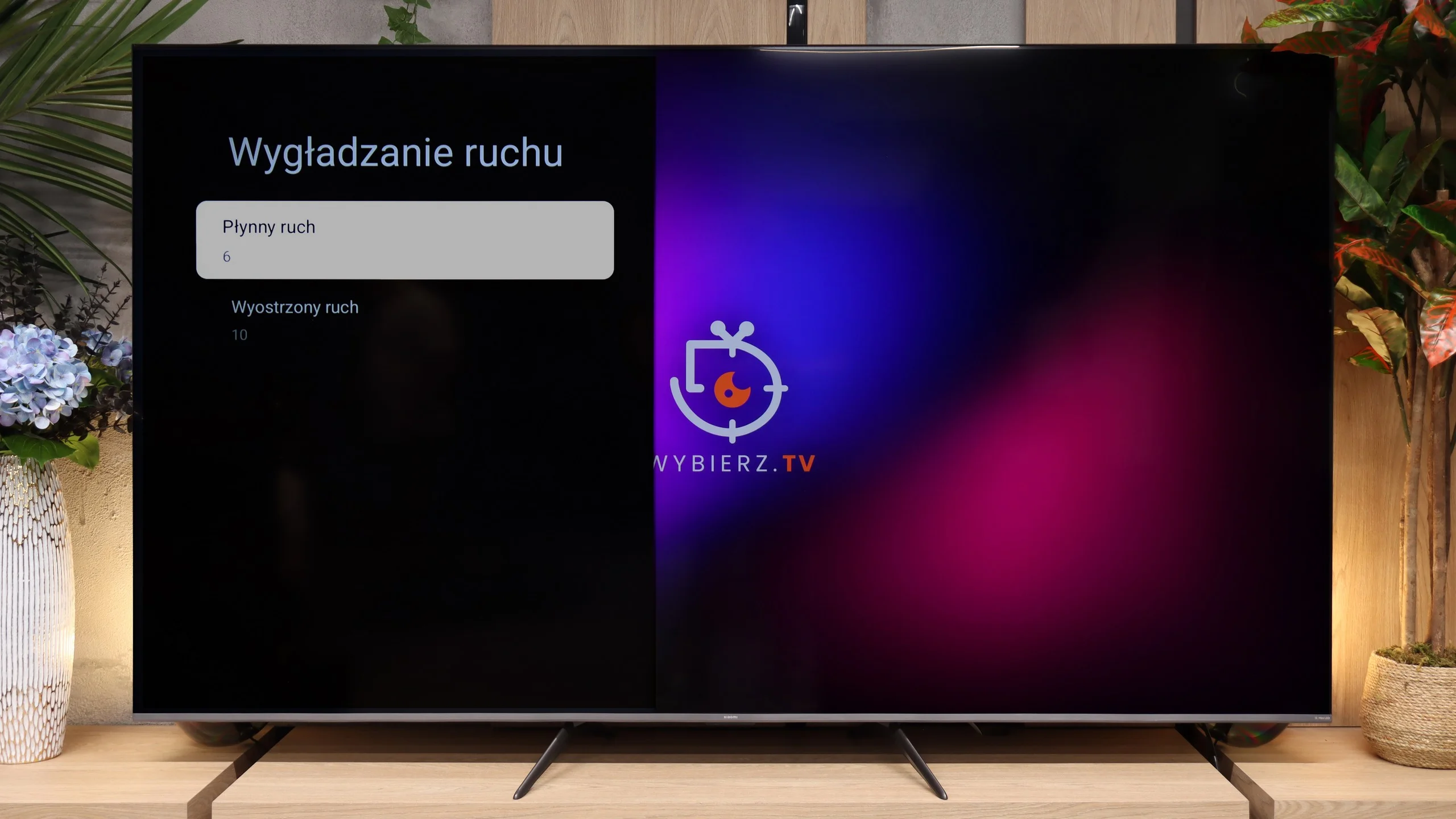
It is also worth noting the motion smoothing function in the television, which operates up to 120 Hz. This is especially useful when watching sports and films, where smooth motion is crucial. The television provides stable operation of this function, minimising the amount of generated artifacts. Motion smoothness can be adjusted using two sliders – one for film smoothness and the other for reducing smearing in sports content.
In summary, although the television Hisense U7KQ offers impressive capabilities in terms of image refresh rates, limitations related to the response time of the panel and appropriate resolution may impact the actual benefits of these features. Nevertheless, the motion smoothing function works very well, improving the experience of watching dynamic content.
The biggest difference between the various sizes of the Xiaomi S Mini 2026 concerns the panel's refresh rate. The 55 to 75-inch variants use a 60 Hz panel, which in practice results in noticeably less smooth motion than the larger versions. This is most apparent when watching sport, fast-paced scenes or gaming, where the picture is not as smooth and sharp in motion.
Console compatibility and gaming features
8.5/10
8.5/10
- ALLM
- VRR
- VRR range48 - 144Hz48 - 288Hz
- Dolby Vision Game Mode
- Correct implementation of HGIG
- 1080p@120Hz
- 1440p@120Hz
- 4K@120Hz
- Game bar
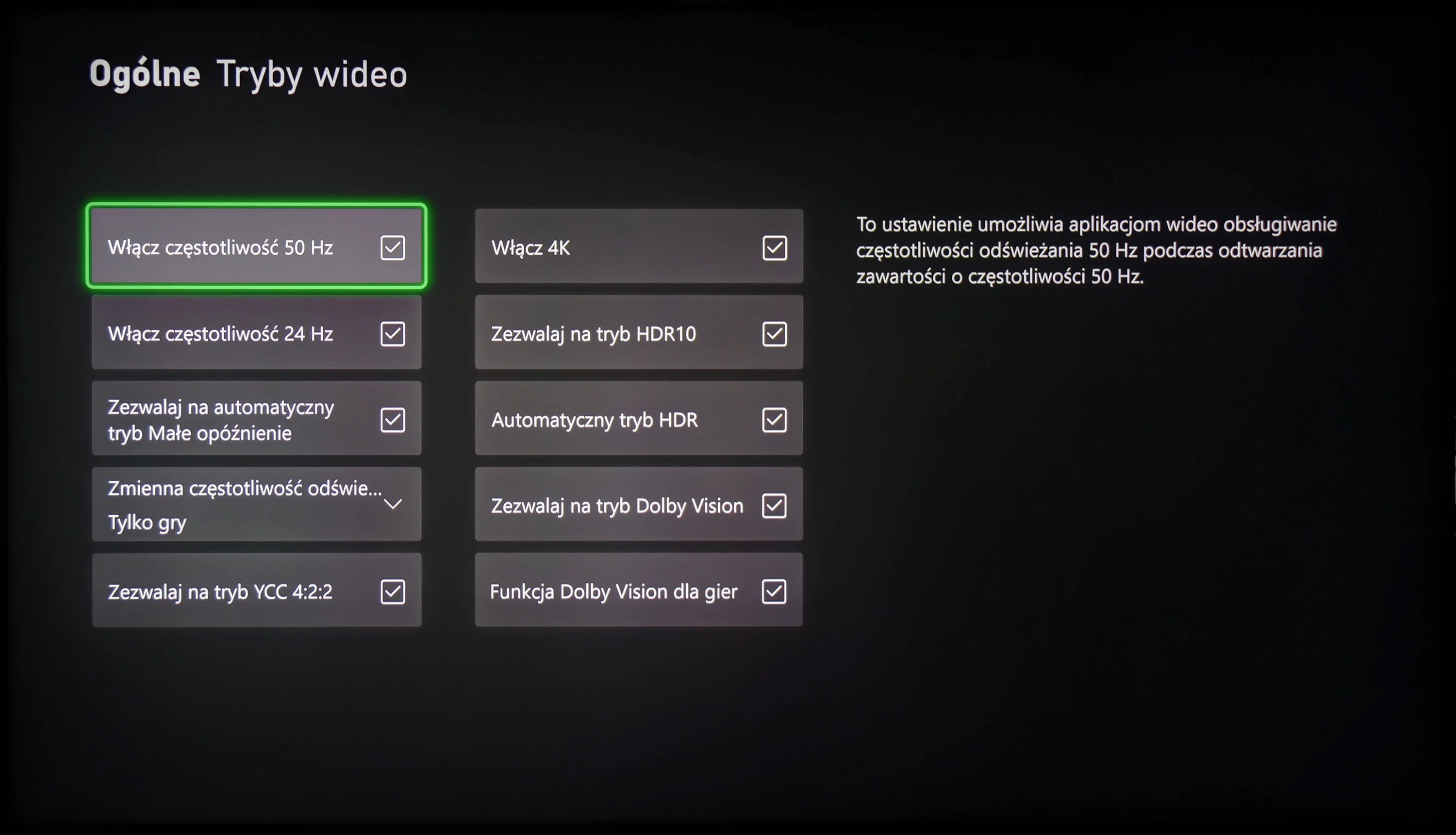
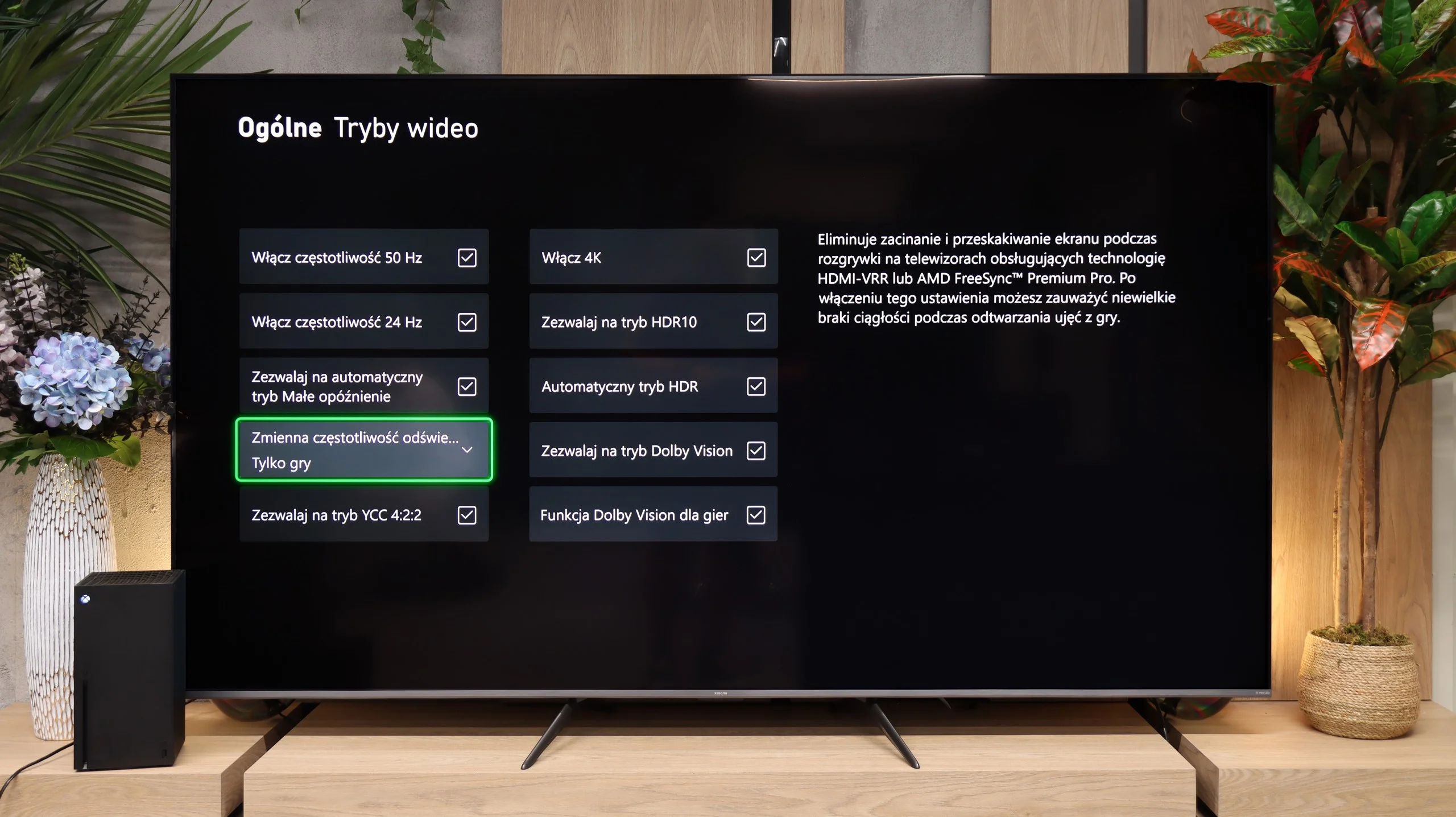
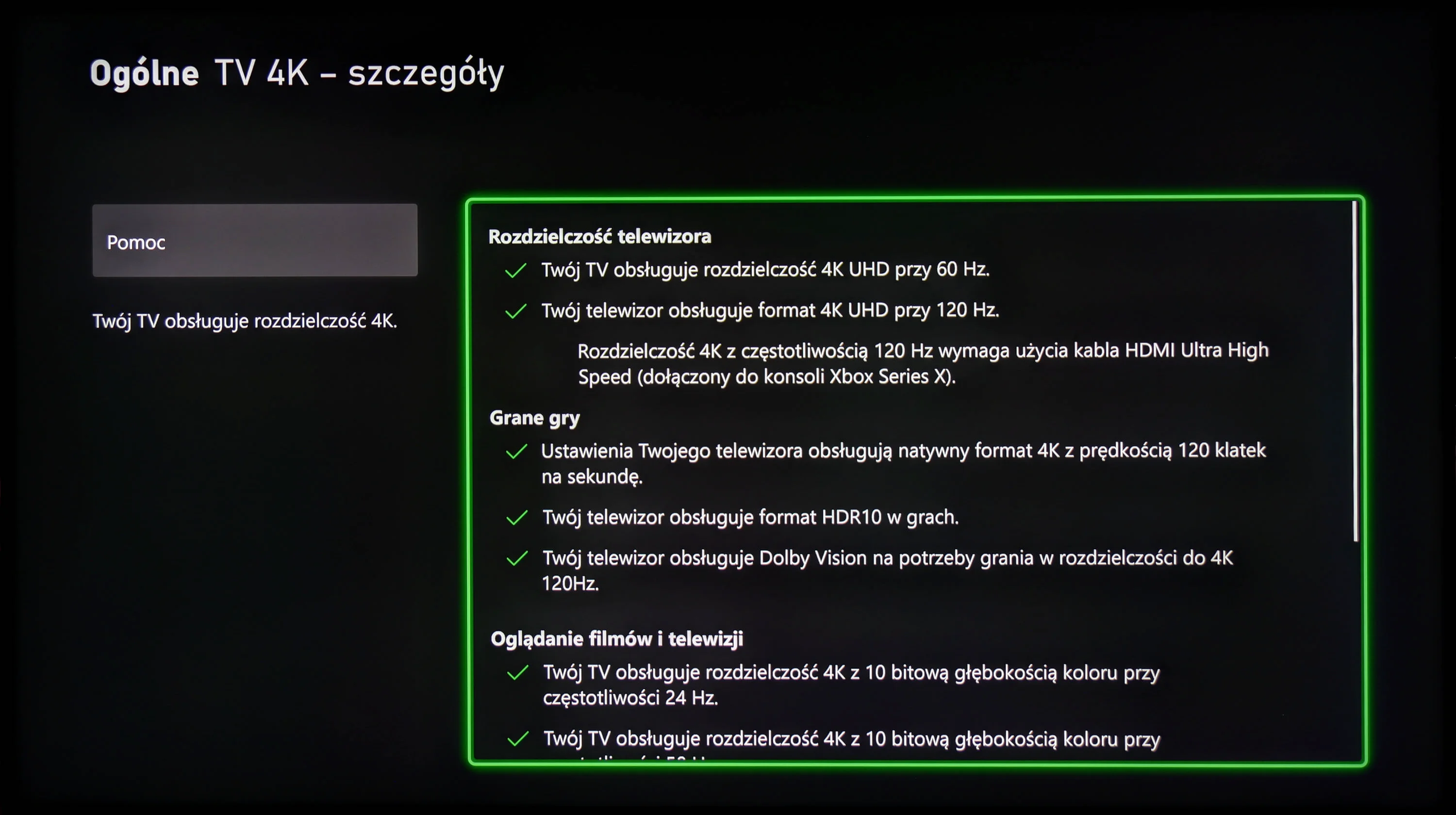
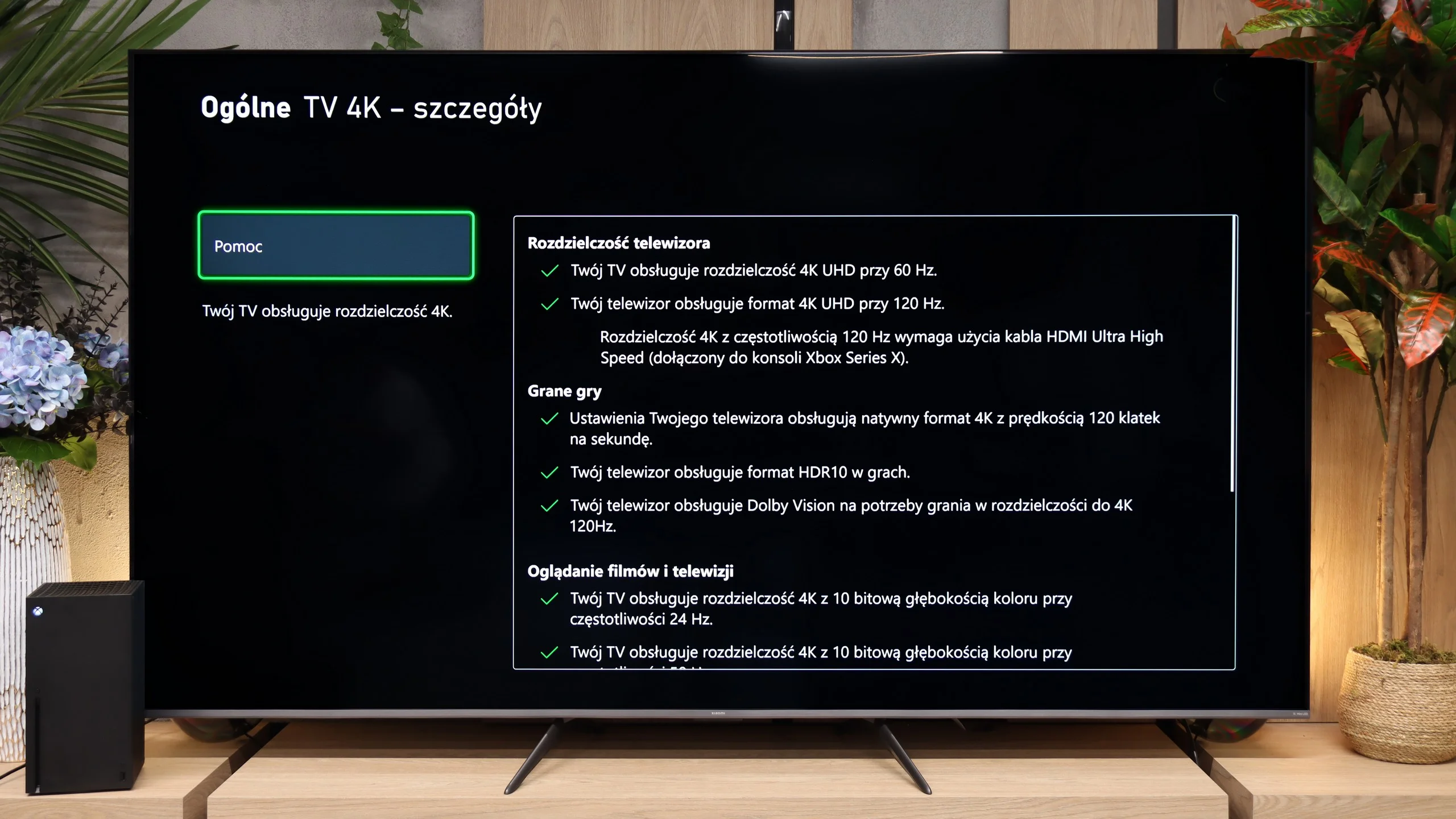
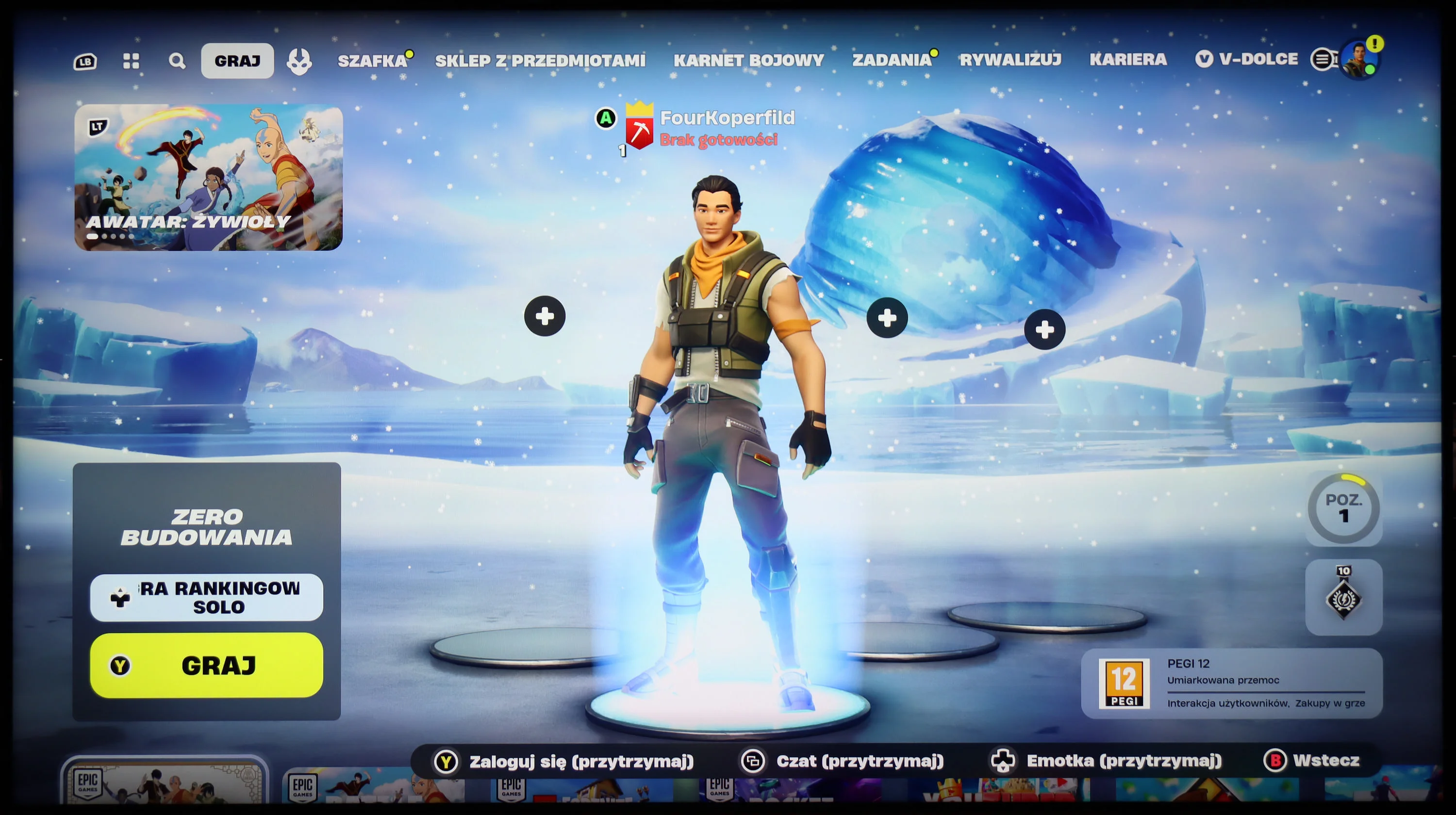
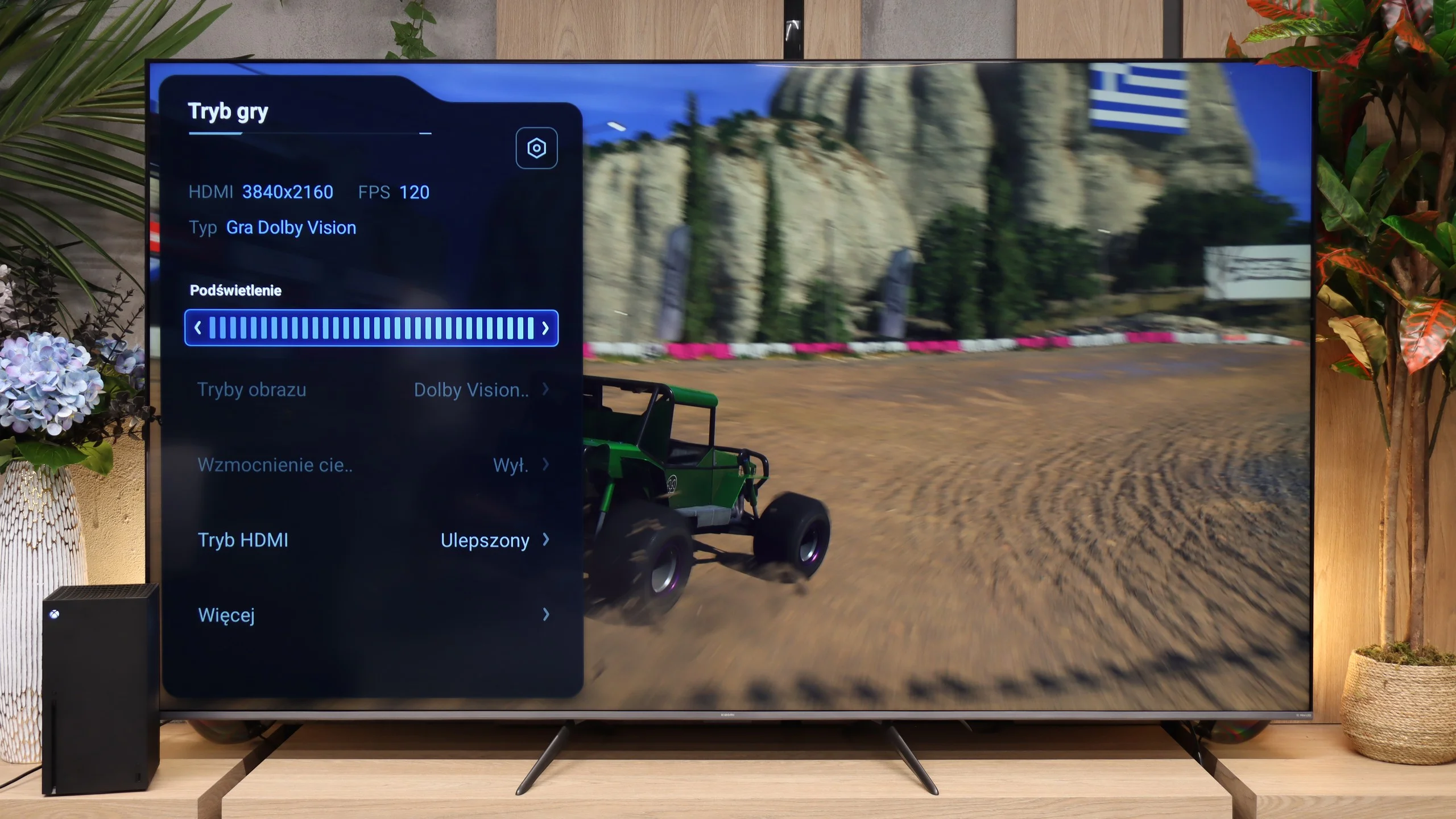
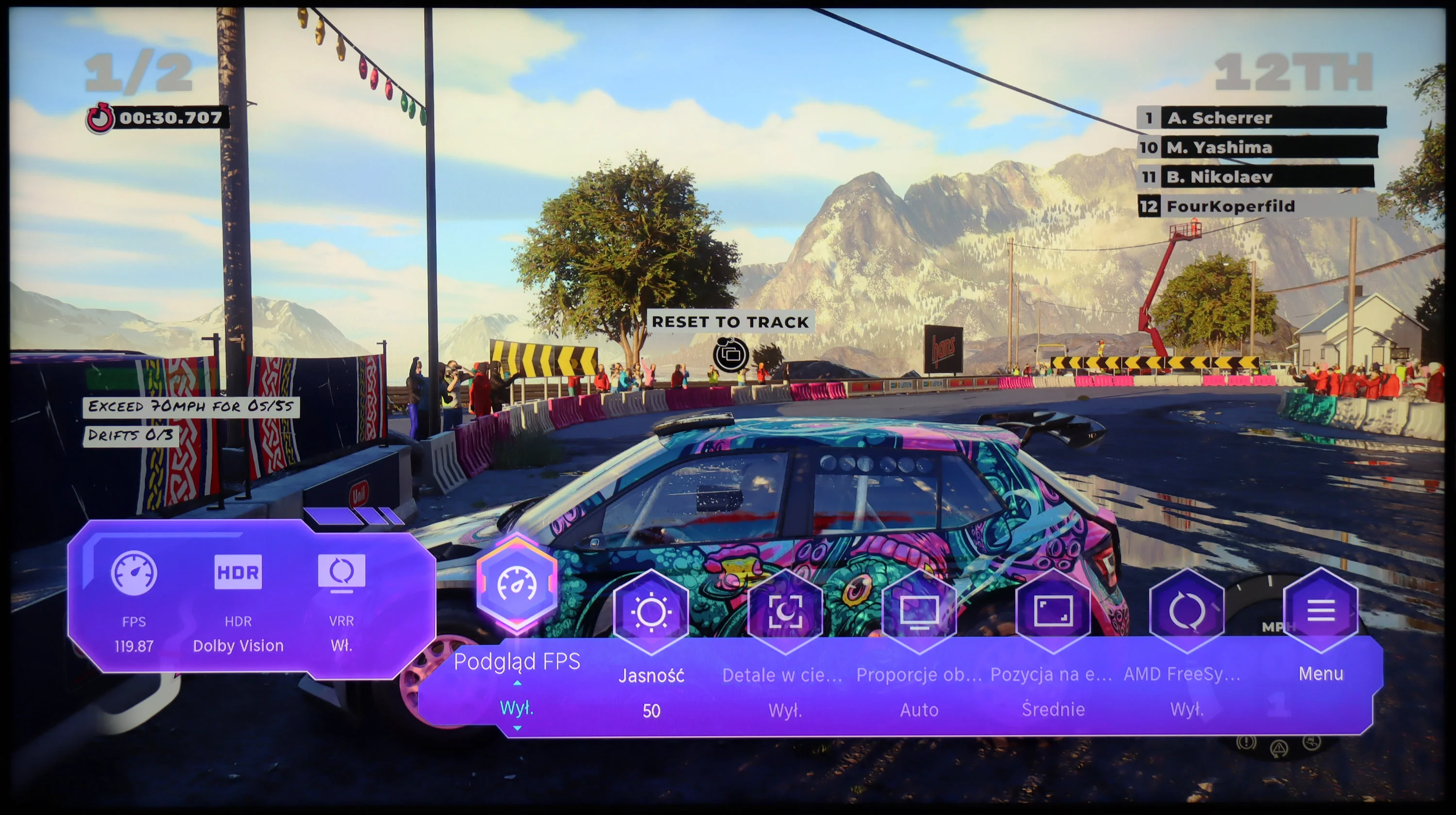
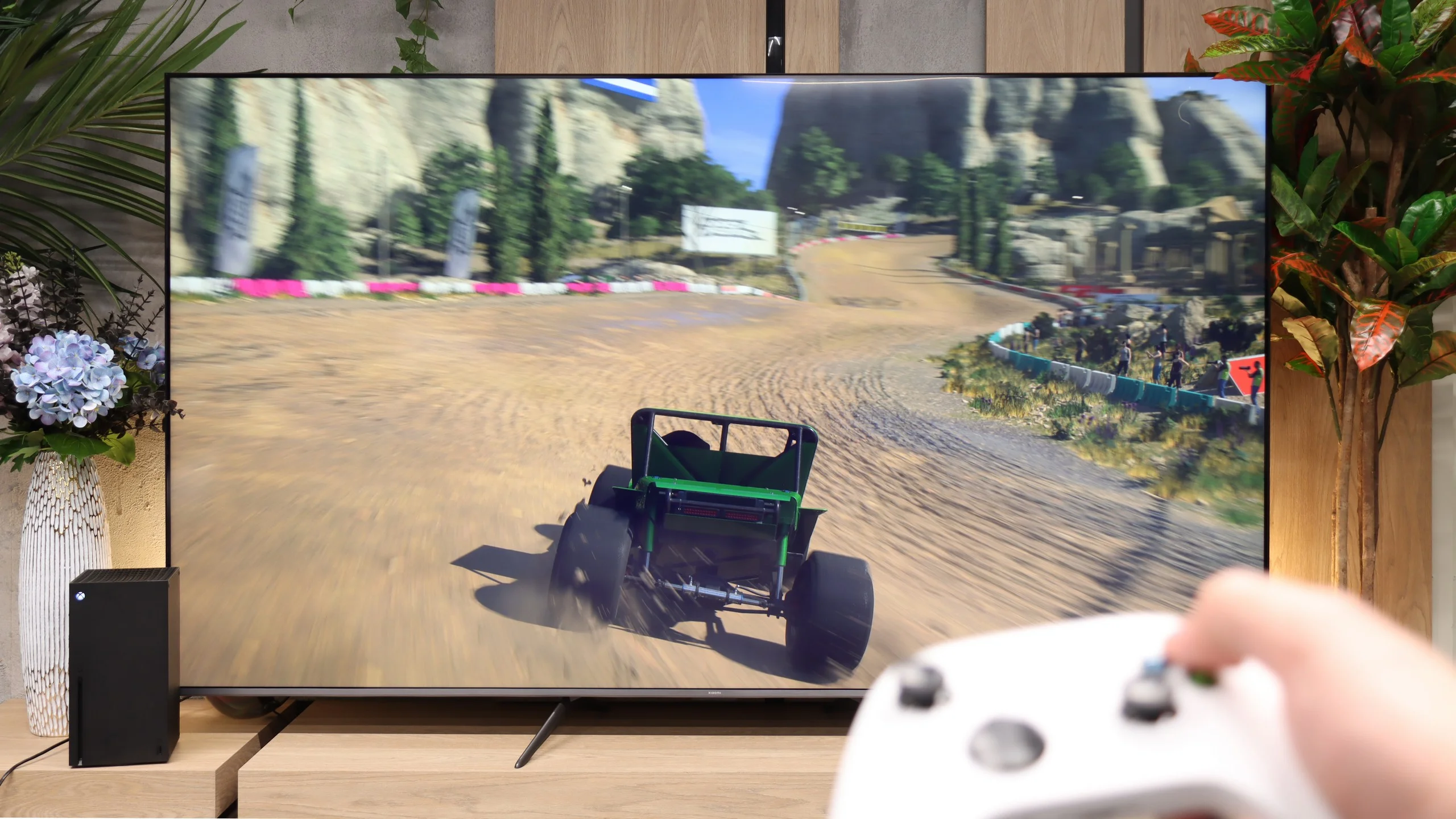
The Hisense U7KQ television supports all the key features for gamers that users of Xbox or PlayStation consoles may expect. These features include, among others, support for high refresh rates, low input lag, and a game bar. Generally speaking, most of these features work correctly, providing a satisfying gaming experience.
However, the VRR (Variable Refresh Rate) technology does not function optimally. When VRR is activated, the television disables the local dimming feature, which significantly reduces image quality. In VRR mode, there is a lack of good contrast and high brightness in HDR mode, resulting in unsatisfactory image quality. In practice, this means that the VRR mode may be rarely used by gamers due to these limitations.
Additionally, the television does not support the HGIG (HDR Gaming Interest Group) mode, which is designed to optimise HDR image quality in games. The absence of this mode leads to issues with double tone mapping – once in the television and once in the console. As a result, the quality of HDR games is lower, which may affect the overall gaming experience.
In summary, although the Hisense U7KQ offers many features for gamers, certain key aspects, such as the optimal functioning of VRR and support for HGIG, may not meet the expectations of more demanding users. Nonetheless, the television still provides good support for most standard gaming features, making it a suitable choice for a wide range of gamers.
Unfortunately, the smaller versions of the Xiaomi S Mini 2026 have a significant limitation for gamers: a 60 Hz panel. In 4K we are therefore limited to 60 fps and cannot fully take advantage of the PS5 or Xbox Series X. It is possible to run 120 Hz, but only after dropping the resolution to 1080p or 1440p. Apart from that, it’s all fairly sensible. The TV supports ALLM and automatically switches to game mode when it detects a console. There is also a Game Bar that lets you quickly check the most important gaming settings. Our biggest reservation concerns HGiG. The HDR calibration screens on the PS5 and Xbox do not match the TV’s actual capabilities. If you set HDR exactly according to them, some of the brightest elements may simply be blown out.
Input lag
9.8/10
9.8/10
SDR
HDR
Dolby Vision
The television Hisense U7KQ is characterised by very low input lag in all picture modes, which is important for gamers requiring quick screen response. Regardless of the type of signal – whether it's 4K, Full HD, 60 Hz or 120 Hz – the delays remain below 20 ms. Such a result is excellent and ensures that even the most demanding gamers will not experience any lags during gameplay. As a result, this television deserves the highest rating in terms of gaming performance.
Input lag is low. At 120 Hz we measured about 10 ms, and at 60 Hz about 15 ms. In practice the TV responds quickly and you don't notice any significant delay when gaming.
Compatibility with PC
8/10
7/10
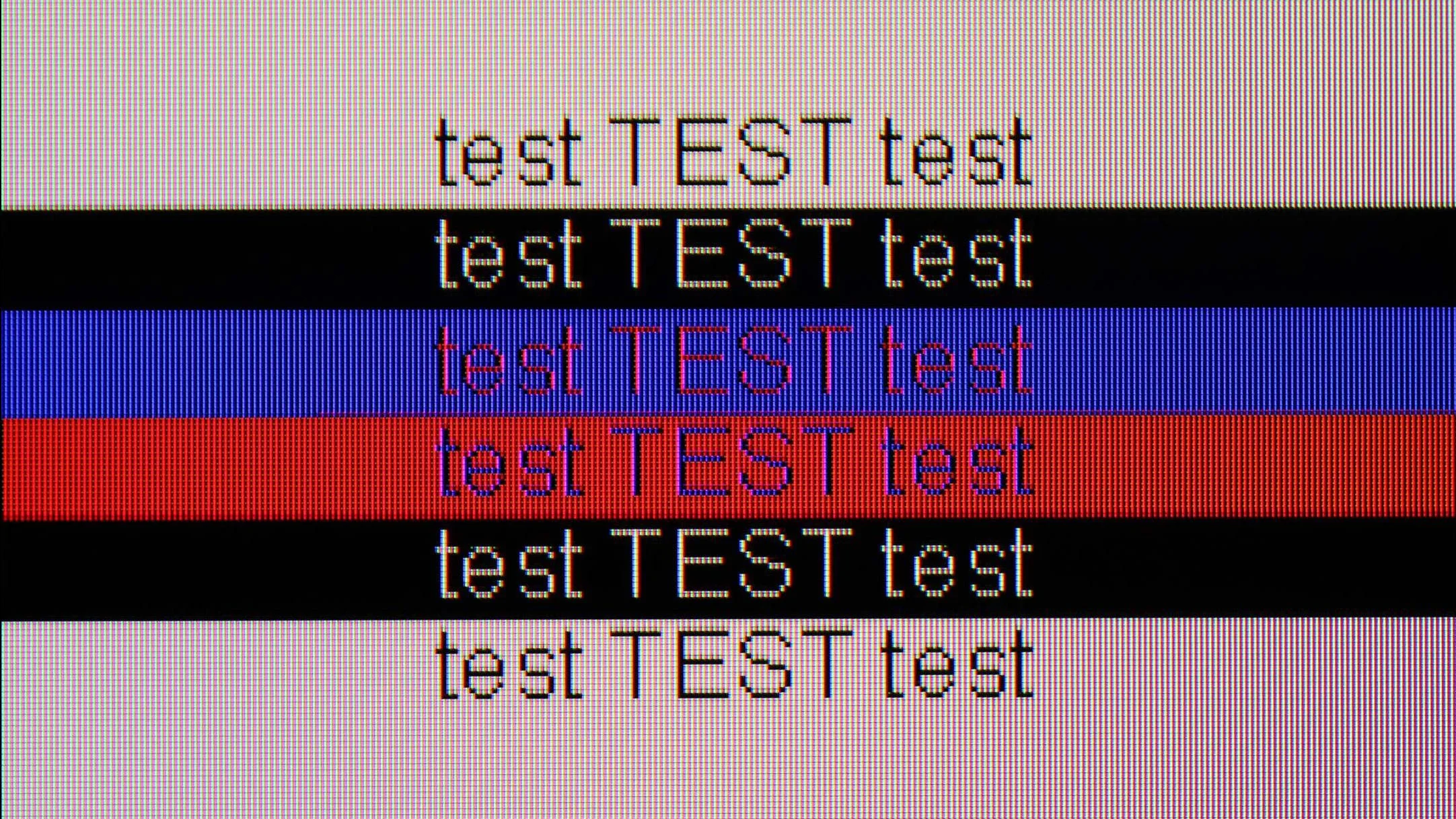
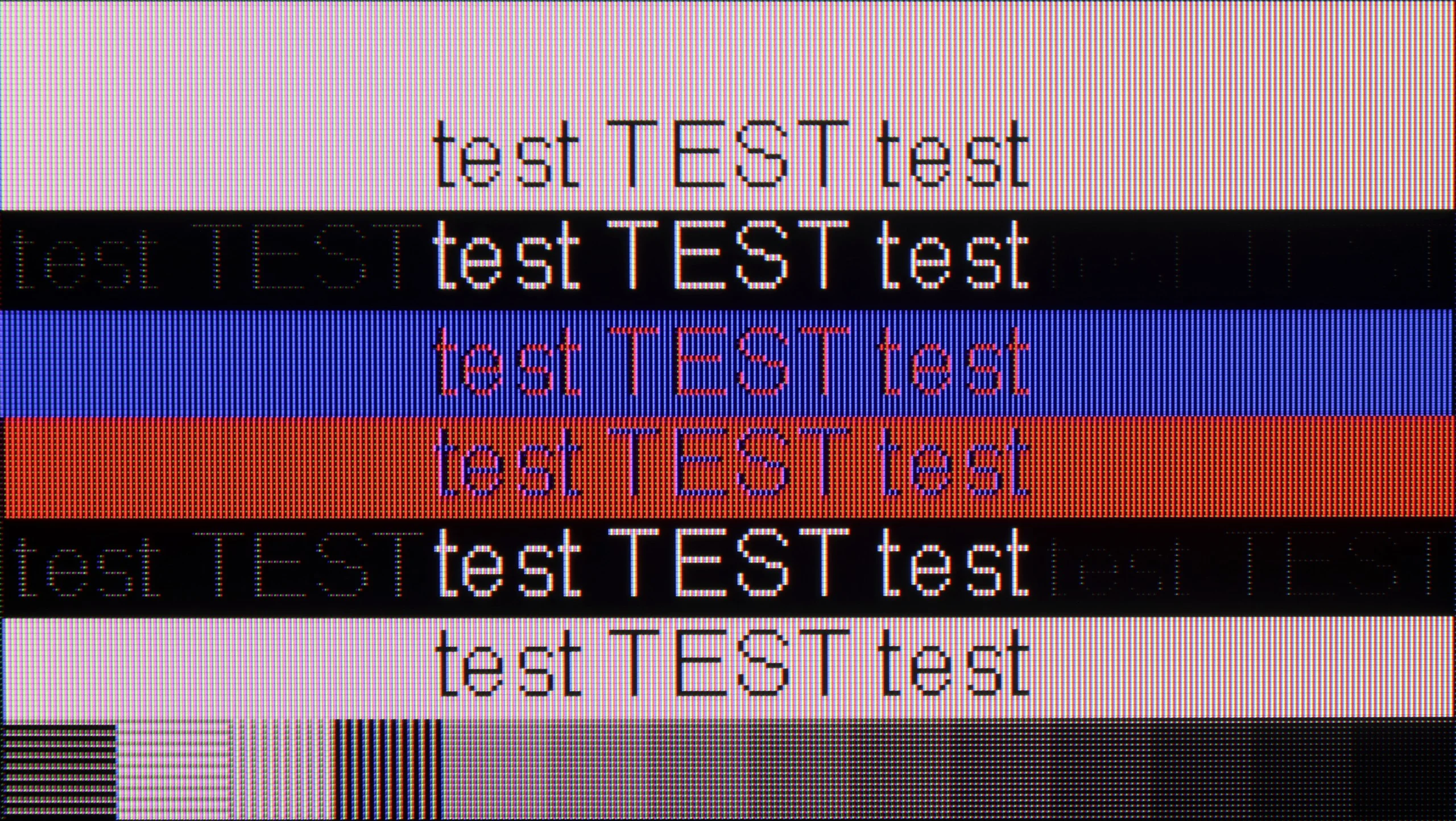
The photo shows the legibility of small fonts. Ideally, lines should be the same thickness on both light and dark text, with minimal pixel gaps.
The Hisense U7KQ television works excellently with a PC, thanks to several key features. Firstly, it supports chroma 4:4:4, which is essential for displaying text and images in the highest quality without losing detail. As a result, images and text are clear and sharp, which is particularly important for users who use the television as a monitor for work or gaming.
Additionally, the Hisense U7KQ boasts very low input lag in PC mode, meaning minimal delays between actions performed on the computer and the image displayed. This is crucial for gamers who need quick screen response to gain an advantage in fast-paced games. Low input lag ensures that every action is instantly reflected on the screen, enhancing the overall user experience.
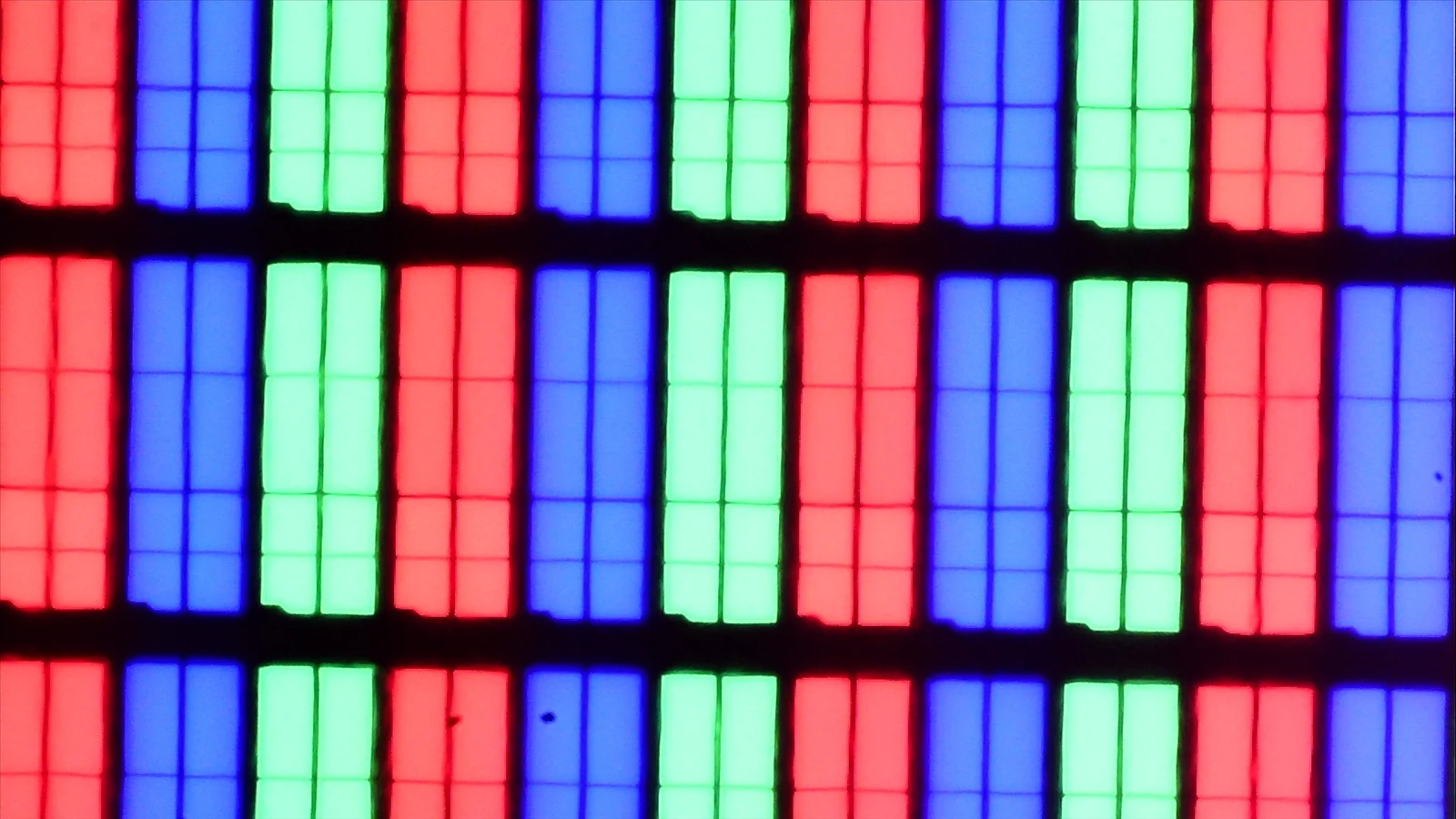
Despite using a BGR pixel layout instead of the more traditional RGB layout, the readability of fonts on the screen is at a good level. BGR (Blue-Green-Red) is a configuration where subpixels are arranged in a different order than in standard RGB. This can sometimes affect text quality, depending on the operating system settings.
In summary, the Hisense U7KQ is a good choice for PC users, offering support for chroma 4:4:4, low input lag, and good text readability, making it a versatile device for both work and entertainment.
The larger versions of the Xiaomi S Mini 2026 are also not an ideal choice for working with a computer. The problem remains the lack of proper chroma 4:4:4 reproduction. It is most noticeable on fine colourful text, icons and other interface elements. Plain fonts are still mostly readable, but the image lacks the sharpness we would expect from a TV meant to serve as a large monitor. The refresh rate, however, looks much better. In 4K we can use up to 144 Hz, and lowering the resolution lets the TV go even higher. Thanks to this, the larger variants are decidedly more interesting for PC gaming than for text work alone.
Viewing angles
4/10
3.4/10
The screen features a VA matrix, which unfortunately has its limitations regarding viewing angles. Unlike some competing models, Hisense U7KQ does not have any coatings that improve this aspect, meaning that the image quality significantly decreases when viewed from an angle.
With a minimal deviation from the central axis, it becomes apparent that the image contrast starts to deteriorate. Details in the dark parts of the image become excessively pronounced, and colour saturation decreases. These effects are typical for VA matrices and in practice, this means that the best viewing experience can only be achieved when sitting directly in front of the screen.
For users who plan to watch television from different spots in the room, this can be a significant limitation. Reduced image quality at an angle may impact overall satisfaction with use, especially when watching films or programmes with a larger group.
The larger variants of the S Mini 2026 also use a VA panel, but viewing angles are noticeably better here. When you move away from the centre of the screen, colours still lose a little saturation, but this happens more slowly than in the smaller versions. It still doesn't reach the level of IPS/ADS panels, let alone OLEDs, but for everyday viewing it's not as bad as in the smaller variants.
Daytime performance
7.8/10
7.5/10
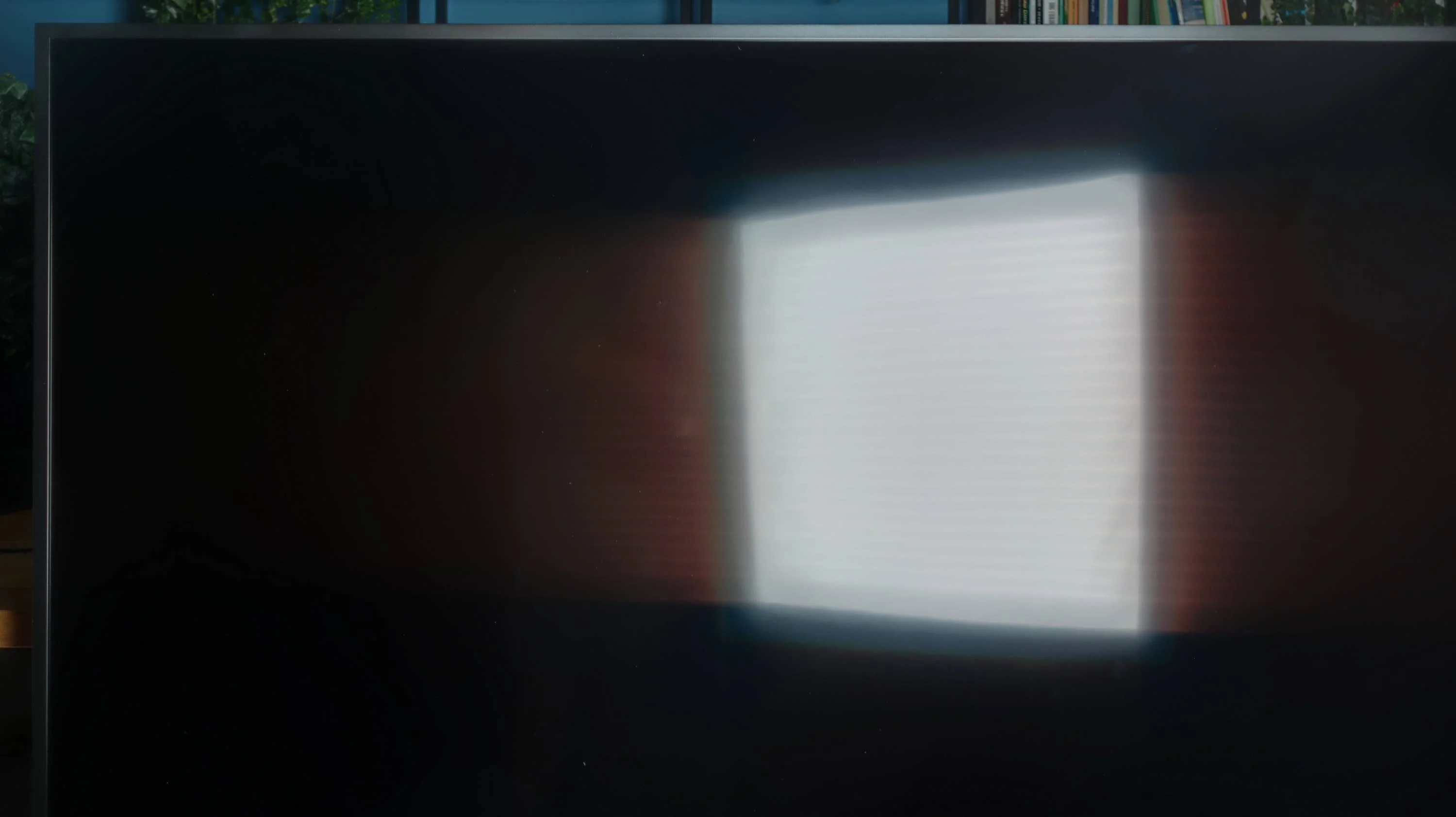
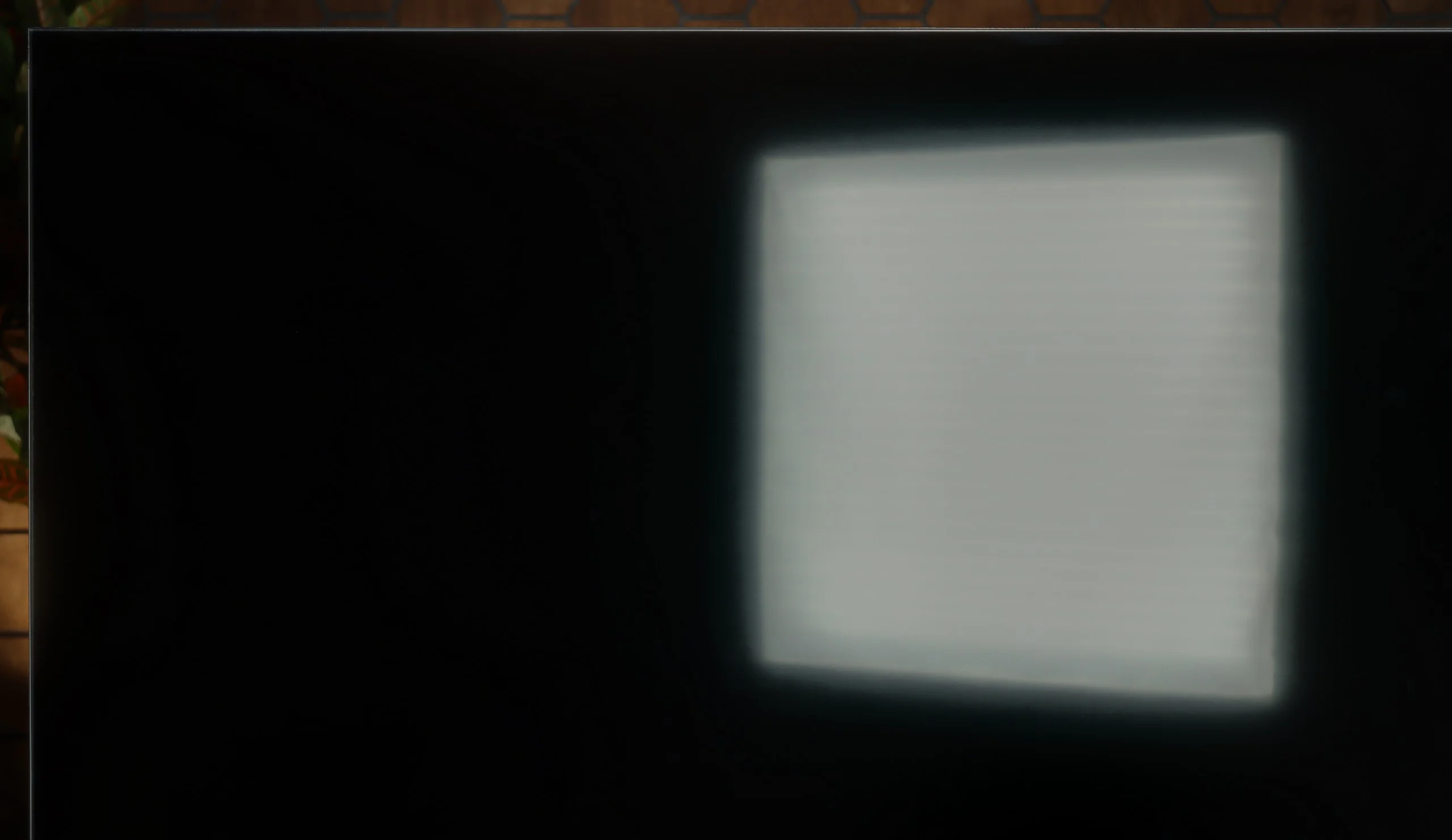
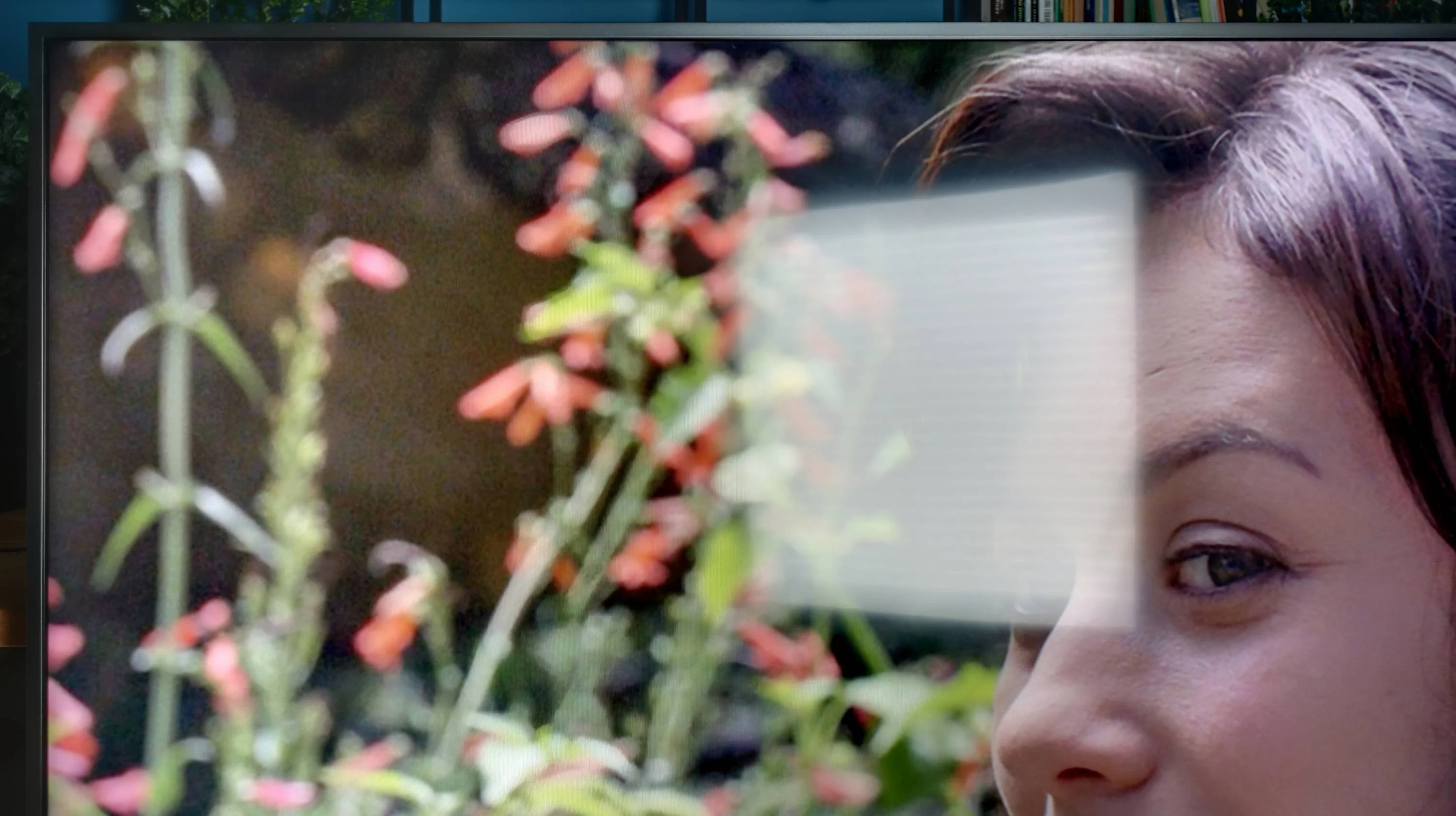
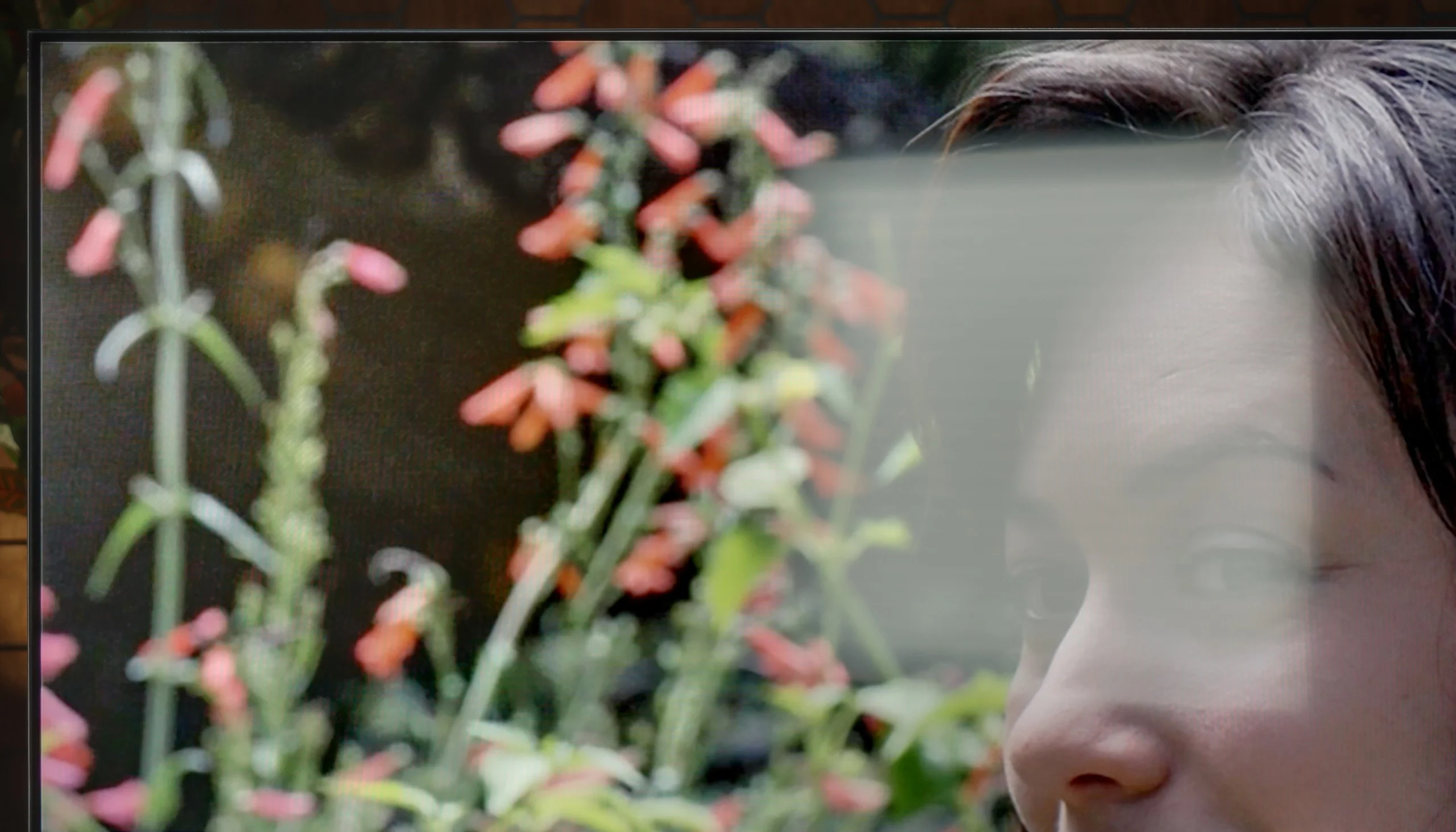
Panel brightness
XIAOMI S Mini 2026 (85"-98") 144Hz : 805 cd/m2
Hisense U7KQ: 966 cd/m2
Hisense U7KQ does not have the best anti-reflective properties, as its panel is equipped with a satin finish that is not as effective in reducing glare as the matte coatings used in some other televisions, nor does it maintain as deep a black as glossy panels. It is somewhere between these two effects. Light reflections may be visible, particularly in brightly lit rooms, which can affect viewing comfort.
However, the high peak brightness values that this model achieves effectively compensate for these limitations. Thanks to this brightness, the image remains well visible even in sunny rooms. This makes the television perform quite well in challenging lighting conditions, where other models might struggle to provide adequate image quality.
The larger versions of the Xiaomi S Mini 2026 perform even better in a bright room. The average brightness in SDR reaches about 800 nits, so the TV can easily cut through the light coming into the living room and maintain good image clarity during the day.
The screen coating remains a weak point. The satin finish doesn't cope well with direct reflections, so reflections will still be visible when there's a window or a lamp opposite the screen. High brightness helps a lot here, but the coating's ability to suppress reflections is rather average.
Panel details
Subpixel Structure:
Panel uniformity and thermal imaging:
Hisense U7KQ
XIAOMI S Mini 2026 (85"-98") 144Hz
TV features
8.2/10
7/10
- SystemVIDAAGoogle TV
- System performanceGoodAverage
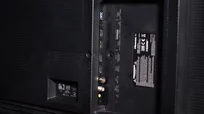
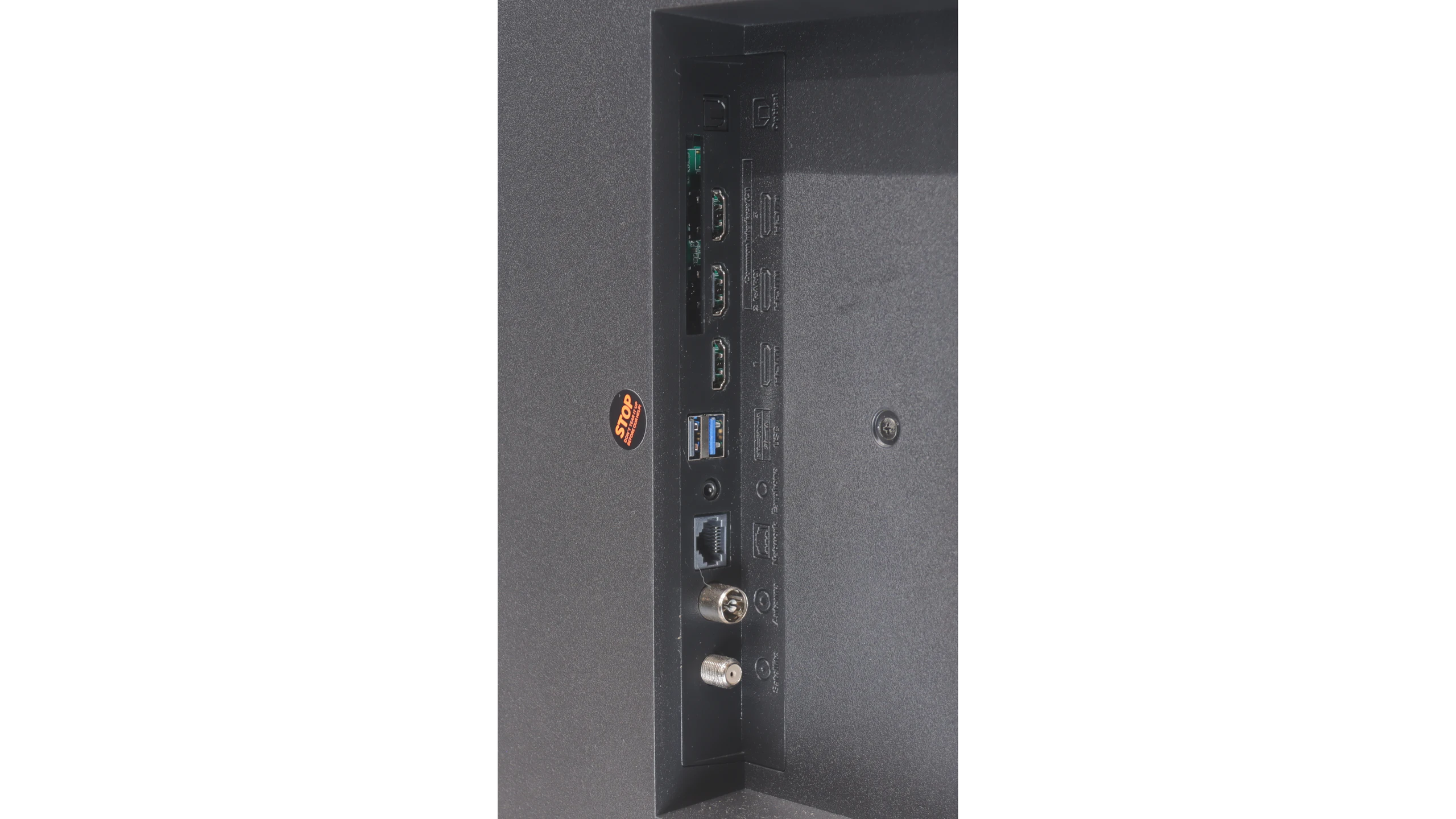
- HDMI inputs2 x HDMI 2.0, 2 x HDMI 2.1 48Gbps1 x HDMI 2.0, 2 x HDMI 2.1 48Gbps
- Other inputsRCA (Chinch)
- OutputsToslink (Optical audio), eARC (HDMI), ARC (HDMI), Mini-Jack (Headphones)Toslink (Optical audio), eARC (HDMI), ARC (HDMI), Mini-Jack (Headphones)
- Network InterfacesWi-Fi 2.4GHz, Ethernet (LAN) 100MbpsWi-Fi 2.4GHz, Wi-Fi 5GHz, Ethernet (LAN) 100Mbps
- TV receptionDVB-T, DVB-T2, DVB-S, DVB-S2, DVB-CDVB-T, DVB-T2, DVB-S, DVB-S2, DVB-C
Classic features:
- Recording to USB (terrestrial TV)
- Recording programming
- Picture in Picture (PiP)
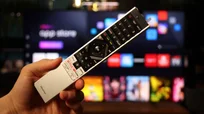
- RF remote control (no need to aim)
- Backlit remote control
- Teletext
- Audio only mode
- Bluetooth headphones support
- Simultaneous Bluetooth headphones & TV audio
Smart features:
- AirPlay
- Screen mirroring (Windows Miracast)
- Voice search
- Voice search in native language
- Ability to connect a keyboard and mouse
Sound connection options
- HDMI audioeARC (HDMI), ARC (HDMI)eARC (HDMI), ARC (HDMI)
- Other audio outputsToslink (Optical audio), Mini-Jack (Headphones)Toslink (Optical audio), Mini-Jack (Headphones)
- Wireless audioBluetoothBluetooth
Supported audio formats (external HDMI eARC audio):
- Dolby Digital Plus 7.1
- Dolby True HD 7.1
- Dolby Atmos in Dolby Digital Plus (JOC)
- Dolby Atmos in Dolby True HD
- DTS:X in DTS-HD MA
- DTS-HD Master Audio
Senior accessibility
- Numeric keyboard on TV
- Font size adjustment
- Audio description
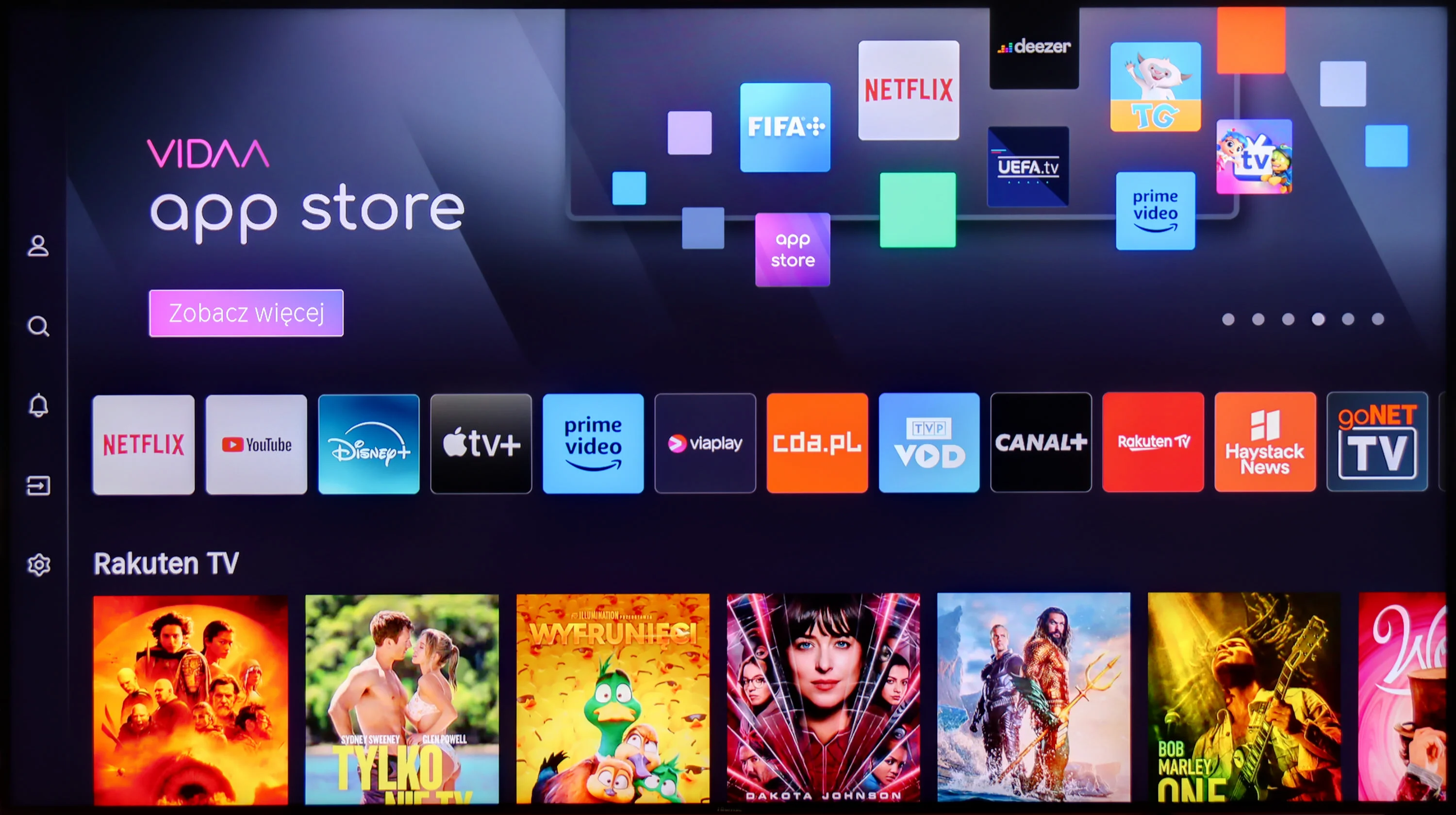
Hisense uses the VIDAA operating system, which is a proprietary solution from this brand. Although it does not offer as much expansion and the number of applications as the popular Android TV, it has its advantages. The VIDAA system operates quickly and stably, meaning that users do not have to worry about glitches or long loading times for applications.
Nevertheless, VIDAA does have certain limitations. There are quite a few applications available, but unfortunately, there is a lack of music apps such as Spotify or Tidal. Nevertheless, VIDAA supports most standard features that may be needed, such as screen mirroring, voice search in Polish, the ability to connect a keyboard and mouse, and Bluetooth headphones.
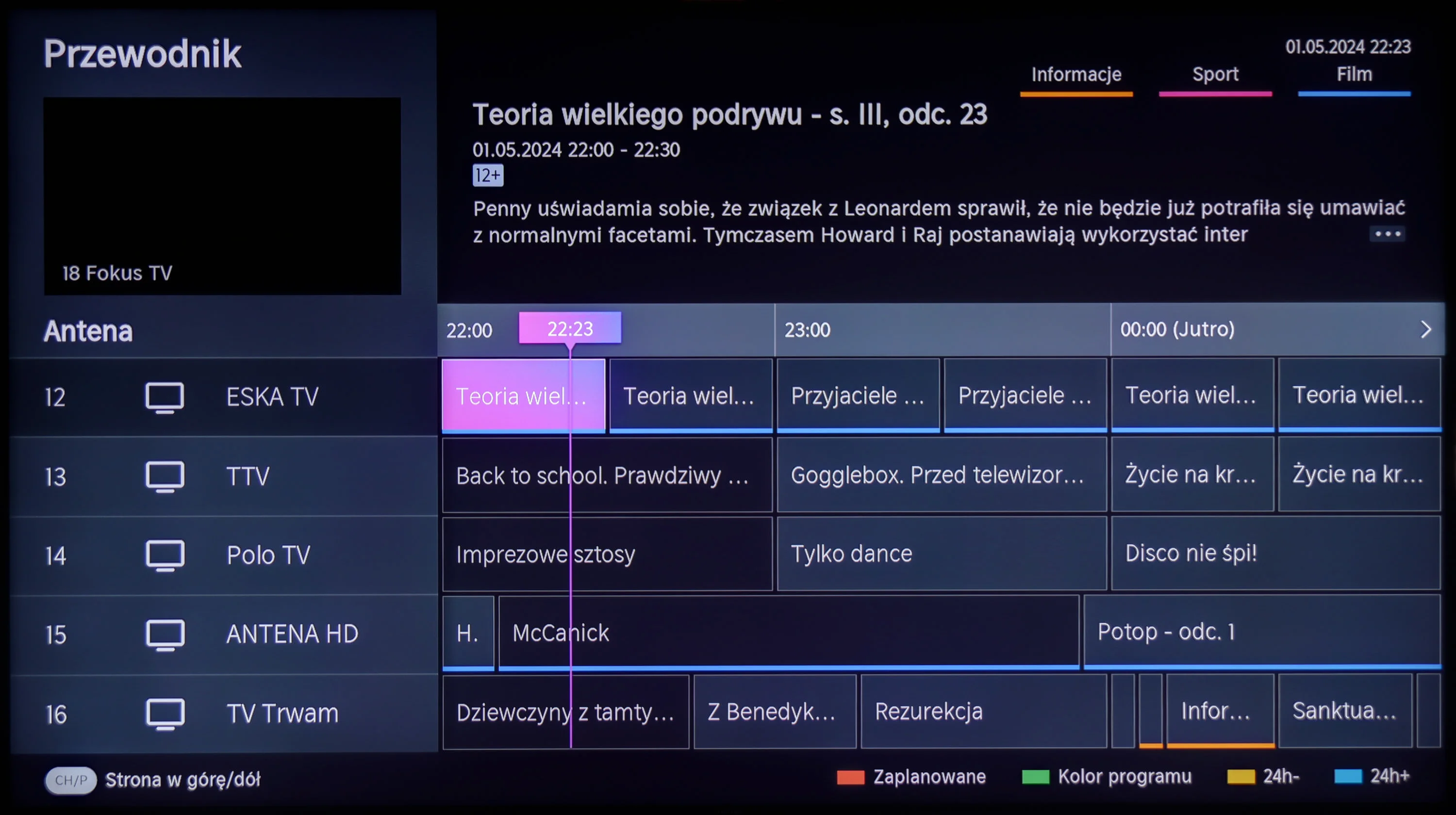
The television also supports many other features that are important to users, such as the ability to record programmes to USB and schedule recordings. However, it lacks more specific features like teletext or "Audio Only" mode, which allows users to listen to audio with the screen turned off.
In summary, the VIDAA system, although less well-known and having certain limitations compared to Android TV, offers stable and fast performance and supports most features that users may need. It is a solid solution for those looking for a simple and effective operating system in their television.
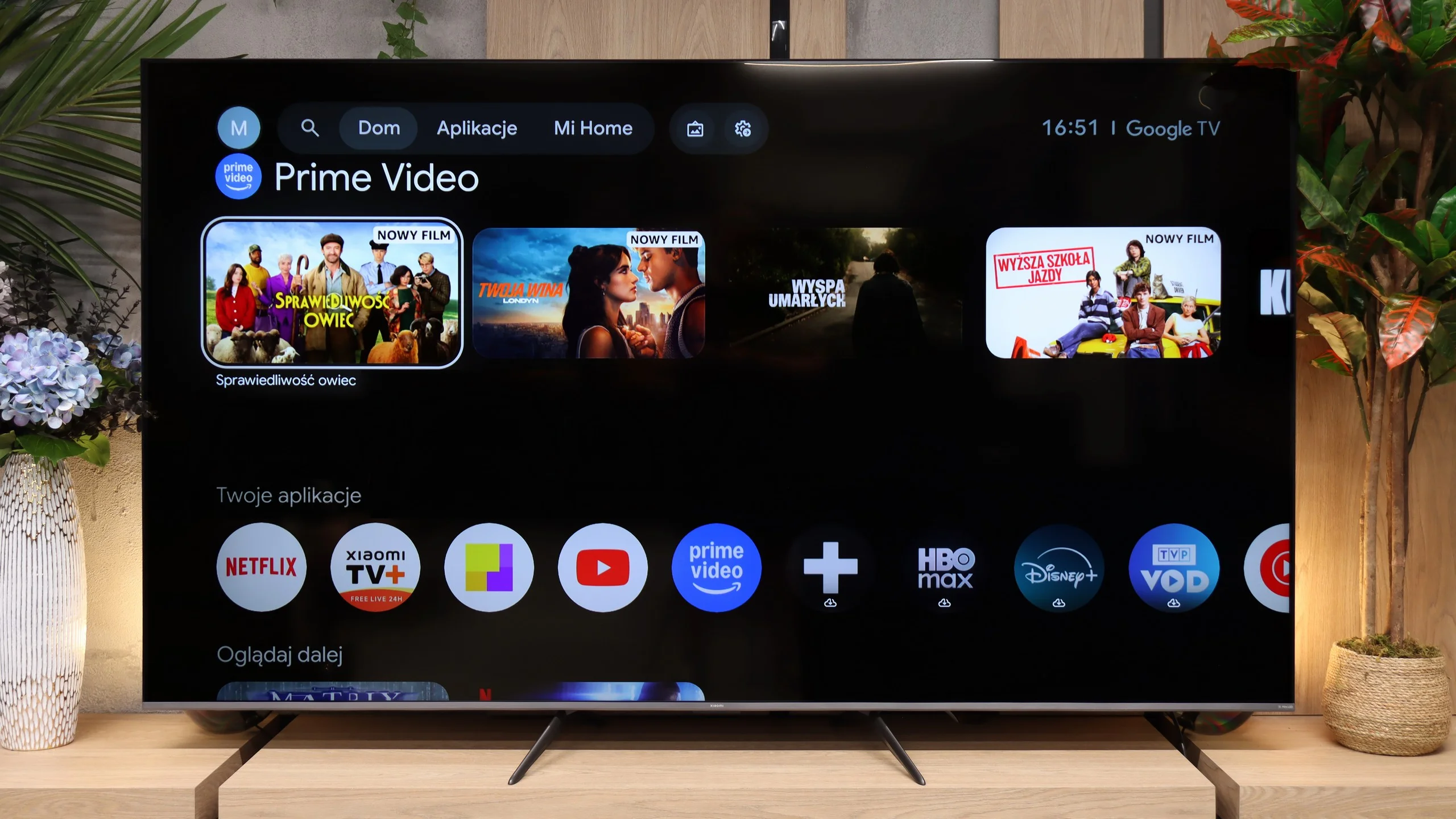
Google TV
On the larger variants of the Xiaomi S Mini 2026, Google TV runs quite smoothly. These models have a little more RAM than the smaller versions, and you can actually feel the difference in everyday use. The menu responds faster, apps launch more smoothly and you much less often encounter moments when you have to wait for the system to react. Google TV itself provides access to pretty much everything you would expect from a Smart TV. You can easily find the most popular streaming apps, and you can also install additional apps from the Google Play Store. There is Chromecast, voice control and convenient searching for content across different services in one place. Feature-wise, there is little to fault Xiaomi here.
Practical features
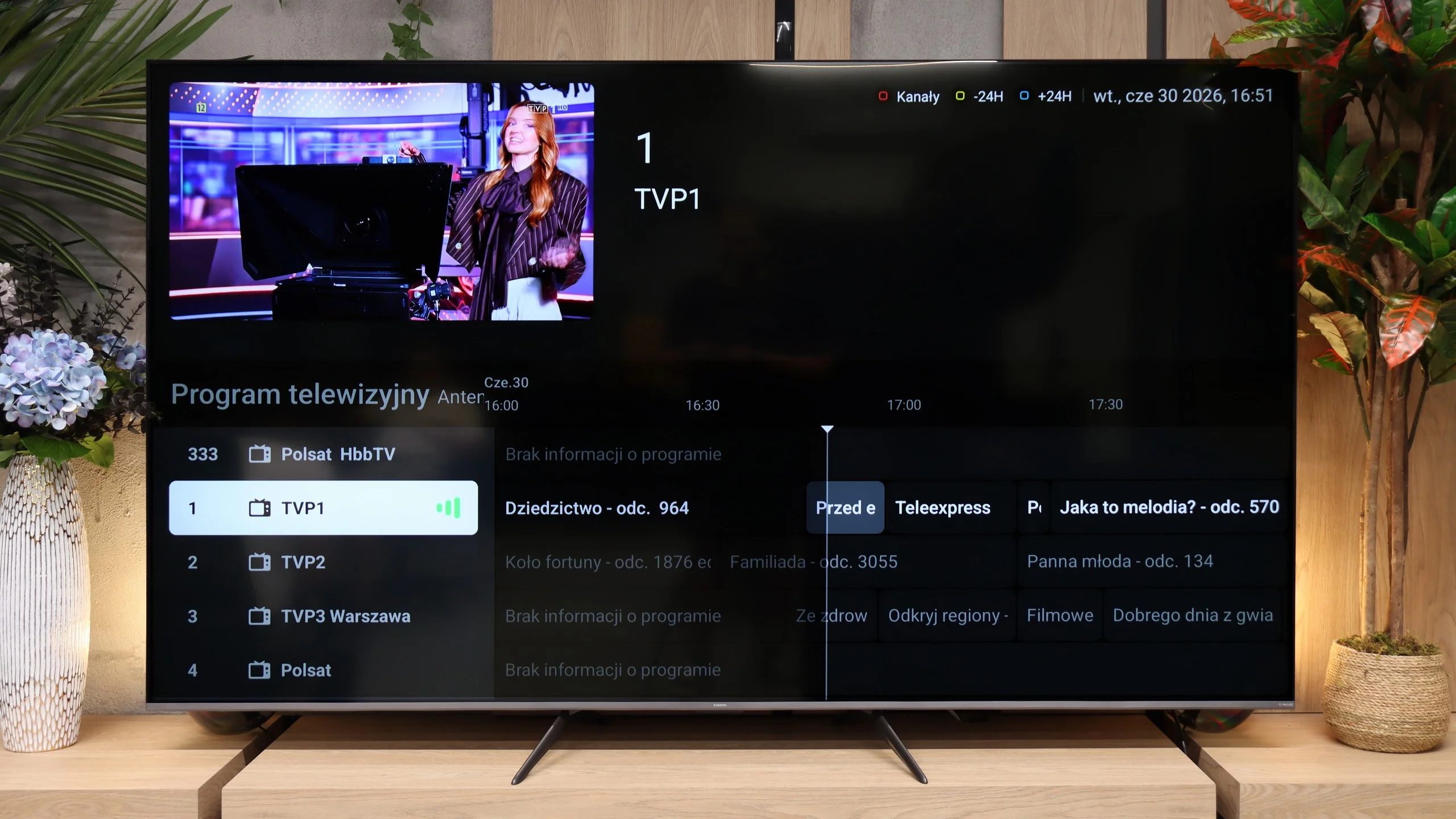
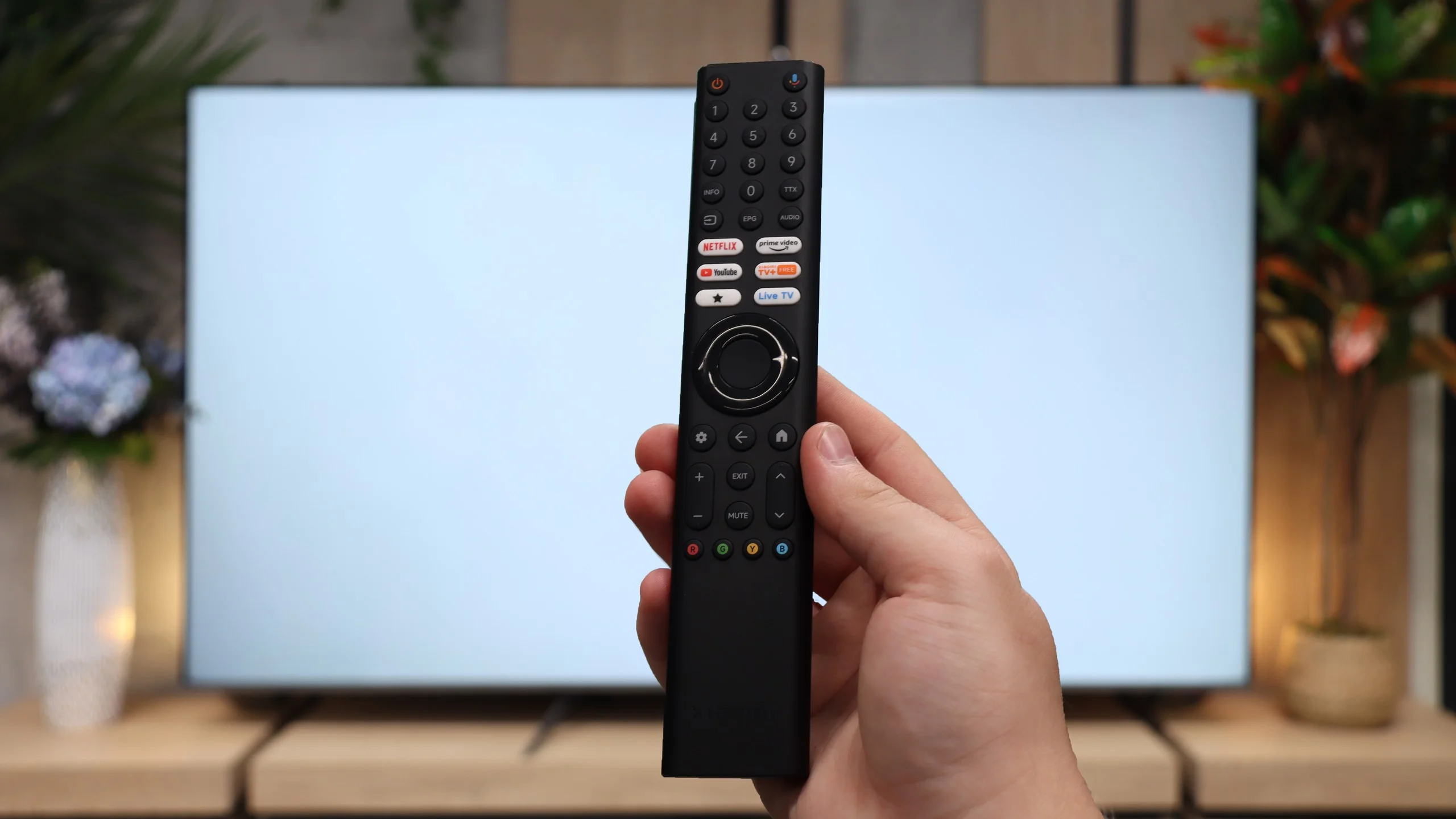
If you use traditional broadcast TV, the Xiaomi S Mini 2026 offers a fairly basic set of features. There is a programme guide, teletext and a traditional remote with a numeric keypad. The latter is becoming increasingly rare today, but for regular channel switching it can still be simply convenient. A slightly more unusual feature is the 3.5 mm headphone jack. New TVs are increasingly doing away with it, so its presence here may be useful if someone still uses wired headphones or older audio equipment.
Apps
7.7/10
9.6/10






















Playing files from USB
8.1/10
6.8/10
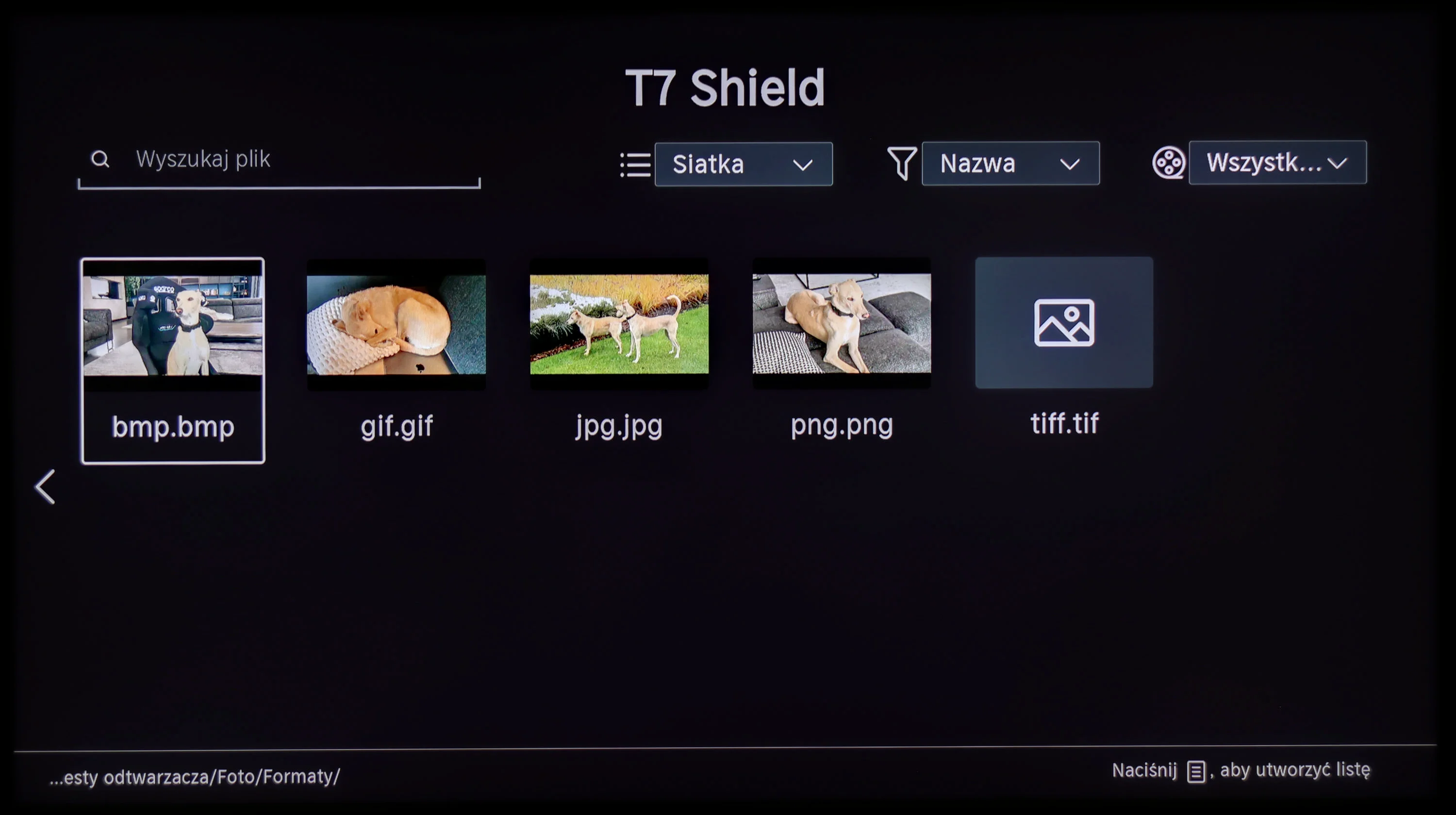
Supported photo formats:
Maximum photo resolution:
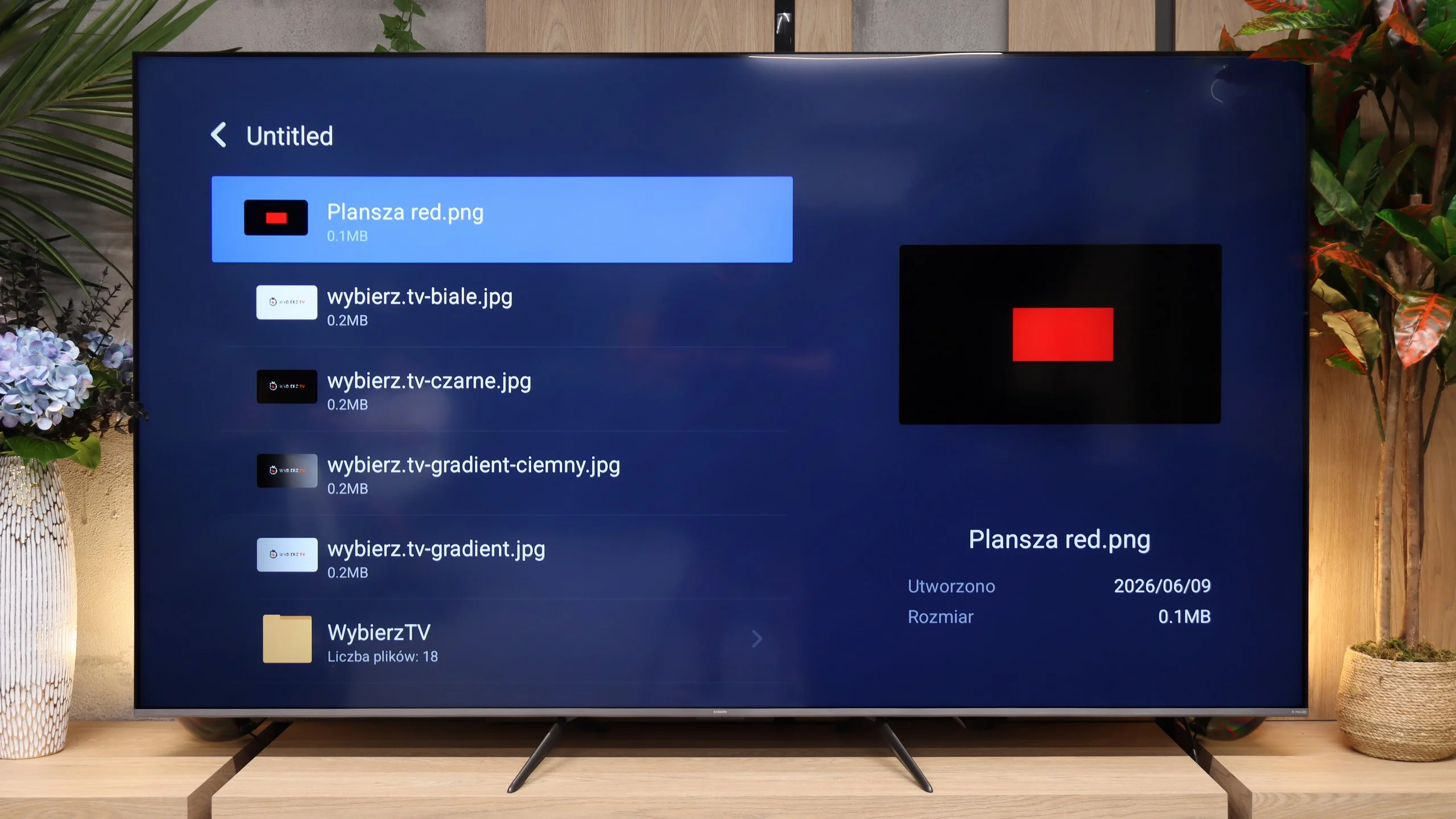
The built-in media player in the Hisense U7KQ television performs well with most popular video formats; however, there may occasionally be issues with loading subtitles, which can be frustrating for users who prefer watching films with text.
It is worth noting some limitations regarding support for less popular codecs, such as AV1 and H266. Although these codecs are not yet widely used, their lack of support could pose a problem in the future as they become more common. However, for the time being, most users will not feel their absence.
Strange behaviour has been observed when playing photos – some files in certain resolutions may not load properly. This can be problematic for individuals who wish to browse their photographs directly from a USB drive. For this reason, viewing photos on this television may be limited, as some files may not load at all.
In summary, although the built-in media player of the Hisense U7KQ handles most standard video formats well, users may encounter certain limitations related to loading subtitles and photos in specific resolutions. Issues with support for less popular codecs are currently minimal but may become more significant in the future.
The built-in USB media player works quite well and handles most common formats without any problems. However, if you come across a file it doesn't support, Google TV makes it easy to install another player, for example VLC. Our main reservation concerns subtitles. The stock app does not handle some characters beyond the basic Latin alphabet correctly, so you may encounter issues with Polish letters. If you frequently watch films from USB, it's better to use an external app.
Sound
6.9/10
5/10
- Maximum volume83dB89dB
- Dolby Digital Plus 7.1
- Dolby True HD 7.1
- Dolby Atmos in Dolby Digital Plus (JOC)
- Dolby Atmos in Dolby True HD
- DTS:X in DTS-HD MA
- DTS-HD Master Audio
The Hisense U7KQ television offers satisfactory sound quality that is adequate for most everyday applications. The sound system of this model is characterised by good volume and clarity, making dialogues and sound effects clear. However, the television may not provide the full audio experience that can be obtained from dedicated audio systems or soundbars. One of the main audio advantages of the U7KQ is its ability to reproduce sound with minimal distortion at higher volume levels reaching up to 83dB, as well as support for Dolby Atmos and DTS.
Built-in speakers perform adequately, but you can't expect much more from them. They are entirely sufficient for everyday viewing of the news, series or TV programmes. However, they lack low frequencies, which makes the sound fairly flat and doesn't deliver much emotion when watching films.
Sound Quality Test
No sound test video
Reader comments
Comments are provided by the external service Disqus (Zeta Global). Once loaded, Disqus may set cookies and process data about your activity.
We will remember your choice on this device. Provider's privacy policy