The Hisense E7Q / E79Q is a type of television that does not promise miracles – and maybe that’s why it can pleasantly surprise. It doesn’t try to pretend to be high-end equipment, it just does its job. If you are looking for a cheap screen for everything, that can handle Netflix, a console, and early morning YouTube with coffee, then this model makes a lot of sense. The VIDAA system has been maturing for several years, and it shows that the manufacturer is drawing conclusions. We have AirPlay, screen mirroring, voice search in Polish – everything works, maybe not at lightning speed, but smoothly enough not to be irritating. You won’t find thousands of apps like in Google TV, but the most important ones are at hand. It’s a system meant to be simple and practical, rather than overloaded with unnecessary gimmicks – and in that sense, it really holds up. There’s something interesting for gamers too. The E7Q / E79Q offers low input lag, an automatic low latency mode (ALLM), support for VRR up to 60 Hz, and even a 120 Hz mode in 1080p resolution. This is not a screen for hardcore e-sports enthusiasts, but if you simply enjoy firing up the console in the evening and playing a few rounds, this television will do its job without complaint. And how about the picture quality? We won’t deceive you – it’s not spectacular, but there are also no reasons to complain. A brightness level of around 350 nits won’t impress, however, the contrast thanks to the VA panel can really surprise positively. The black is quite deep, and the colours have a pleasant intensity, especially in SDR mode. It’s a bit of a shame that Dolby Vision adds little – because if it worked as it should, we would have a television that could confidently be recommended for HDR viewing as well. On the other hand, it’s hard to expect that in this price range. It’s simply a fair, well-priced screen that doesn’t try to be a star, but is capable of delivering solid picture quality and surprisingly good features. And although it’s not perfect, after a few days of use, it’s hard not to think: “Wow, this cheap Hisense really does deliver.”
- Matching (Score) |
- Our verdict |
- TV appearance |
- Where to buy |
- Contrast and black detail |
- HDR effect quality |
- Factory color reproduction |
- Color reproduction after calibration |
- Smoothness of tonal transitions |
- Image scaling and smoothness of tonal transitions |
- Blur and motion smoothness |
- Console compatibility and gaming features |
- Input lag |
- Compatibility with PC |
- Viewing angles |
- Daytime performance |
- Panel details |
- TV features |
- Apps |
- Playing files from USB |
- Sound
Hisense E7Q / E79Q vs Hisense U7S Pro
 Direct comparison
E7Q / E79Q

U7S PRO / U77S PRO
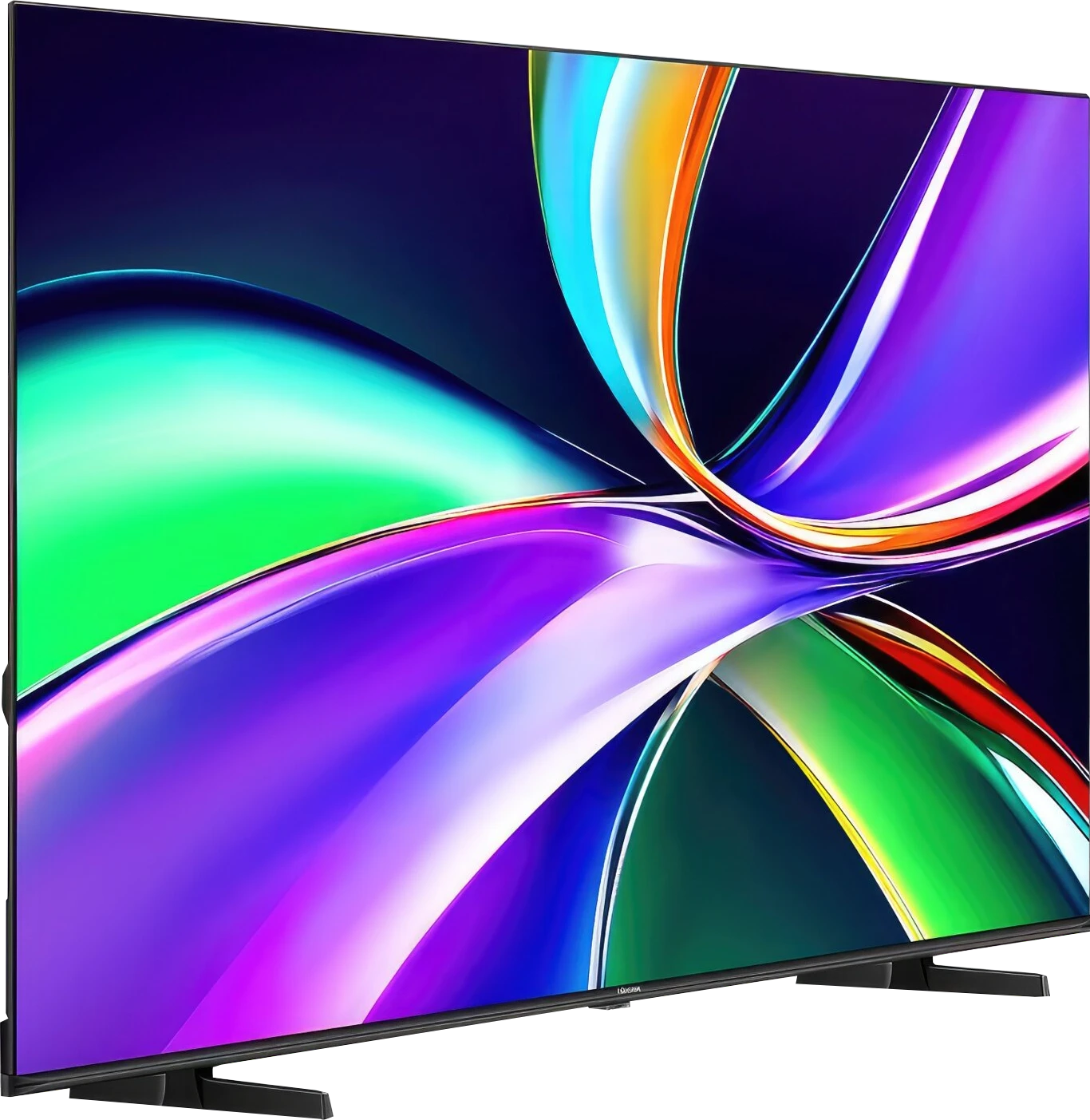
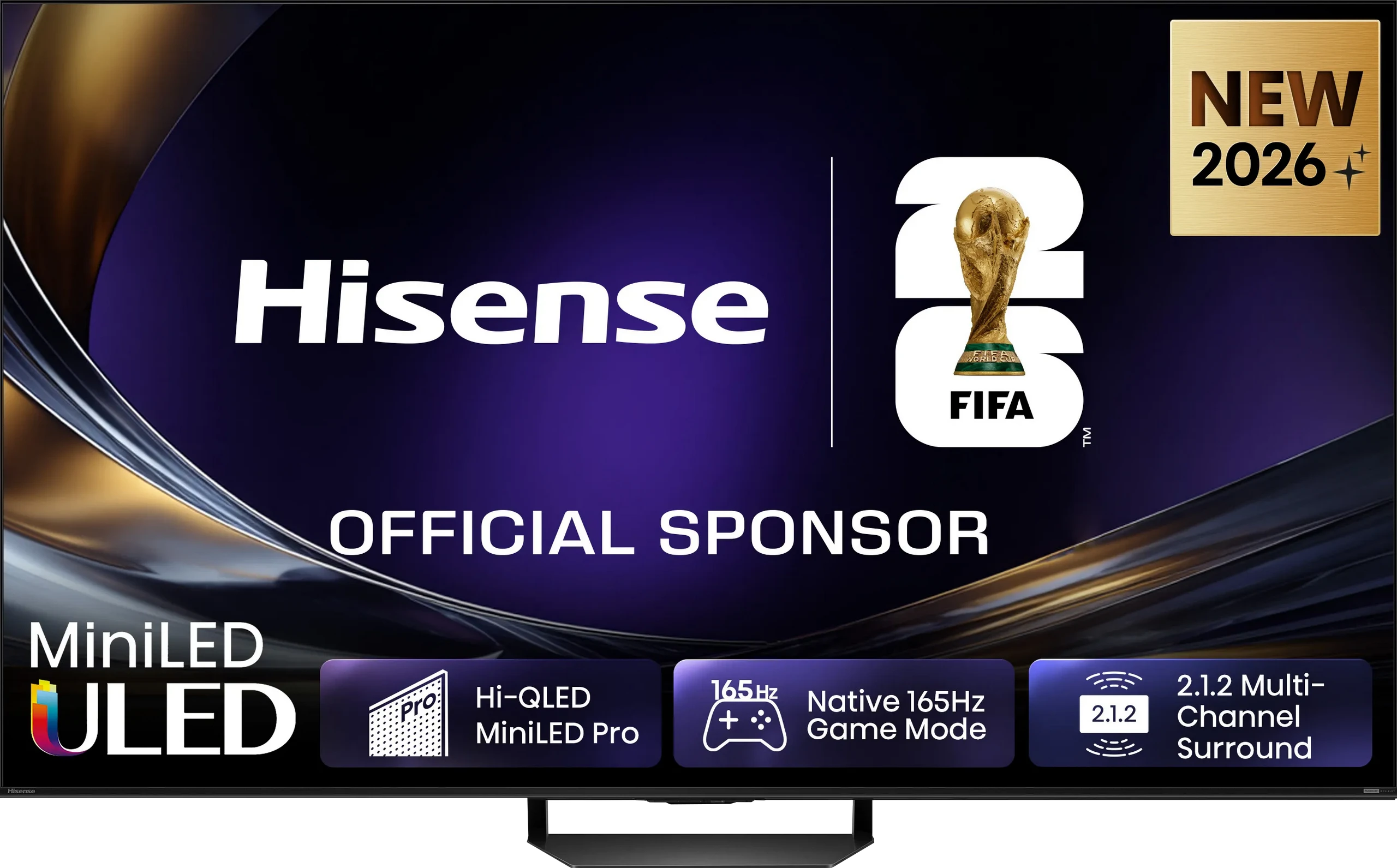
Panel type: LCD VA
Resolution: 3840x2160
System: VIDAA
Model year: 2025
Complete the survey to find out the result
Panel type: LCD VA
Resolution: 3840x2160
System: VIDAA
Model year: 2026
Complete the survey to find out the result
Overall rating
6.1
7.7
 Movies and series in UHD quality
 6.2
7.3
 Classic TV, YouTube
 5.9
7.1
 Sports broadcasts (TV and apps)
 5.1
6.8
 Gaming on console
 7.1
8.3
 TV as a computer monitor
 3.0
8.4
 Watching in bright light
 5.2
8.1
 Utility functions
 8.7
9.4
 Apps
Apps 7.7
7.7
 Sound quality
 6.3
7.8
Complete the survey to find out what fits your preferences
Advantages

Good black and contrast
QLED (PFS LED) – vibrant and saturated colours, coverage of the DCI-P3 palette around 92%
Many features for gamers: ALLM, VRR, Low input lag, Game Bar
120Hz support at 1080p!
VIDAA system – easy to use, with AirPlay, Screen Mirroring, and voice search
Recording to USB from built-in tuners
3.5 mm jack output and component inputs for older devices
Support for many audio formats including Dolby Atmos and DTS:X
Attractive price
Very high brightness: Over 2200 nits in HDR
Good black levels and contrast: VA panel (65") + 960 Mini-LED zones
QLED: Wide colour gamut coverage
Outstanding upscaling: Very good processing of weaker signals
Ideal for a bright living room: High brightness + matte display
Rich format support: Dolby Vision, HDR10+, Dolby Atmos, DTS:X
Powerful gaming features: 4x HDMI 2.1 (48 Gbps), up to 330 Hz, low input lag, Game Bar
Above-average sound: Built-in subwoofer + Devialet tuning
Remote: Solar panel, USB-C, backlighting, numeric keypad
Recording programmes to USB
Disadvantages

Dolby Vision adds little (which is a shame)
Poor digital image processing: lack of image enhancement features, average upscaling
Strong dithering when connecting to a PC (coloured fonts)
The build quality of our unit was very average
No support for HGiG format (consoles)
App deficiencies: Limited availability of some apps in the HomeOS / VIDAA system
Poor picture at an angle: additionally, the matte screen loses its ability to suppress reflections
Our verdict
The Hisense U7S Pro is undoubtedly a successful model, but it is designed for specific tasks. Its absolute domain is bright, sunlit living rooms. Thanks to its powerful brightness (over 2200 nits in HDR) and matte panel, you can count on a comfortable picture during the day – without squinting and battling reflections. This excellent performance during the day is matched by its rich features. We get great upscaling of lower quality content (e.g., traditional television), a brilliant remote control, and sound refined by the company Devialet. Importantly, this bright screen has also squeezed the maximum functionality for gamers. Here we have as many as four HDMI 2.1 ports, VRR, ALLM, and refresh rates of up to 330 Hz! All these features make it a true monster for consoles or PCs, as long as we forgive it for lacking support for the HGiG format. However, while the TV shines (or "mattifies"? 😉) during the day, certain compromises emerge at night. Although the screen received a significant upgrade in terms of the number of Mini-LED dimming zones compared to last year's model, there is no noticeable improvement in black quality in the new generation. Generally, it is good, but sometimes it feels like the algorithms do not quite manage such a large number of dimming points. It is clear that – like every Mini-LED – the U7S Pro will lose to OLEDs during nighttime viewing. Overall, however, it is still a very versatile, well-equipped television for everyday use. So if you are looking for a television that will provide you with satisfactory picture quality at any time of day, and at the same time you don't want to pay as much as for top-end models, this model will be an excellent choice.
TV appearance
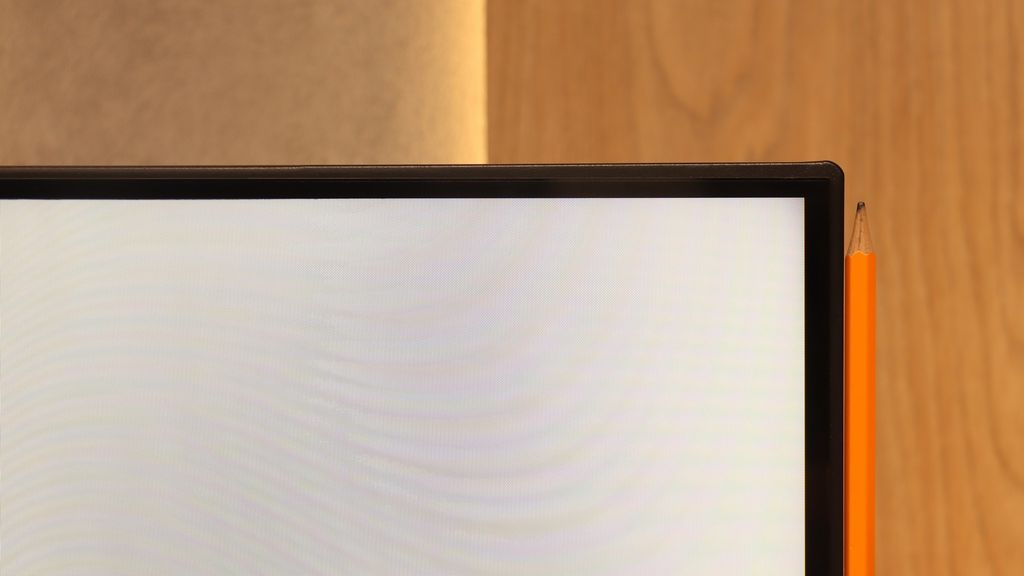
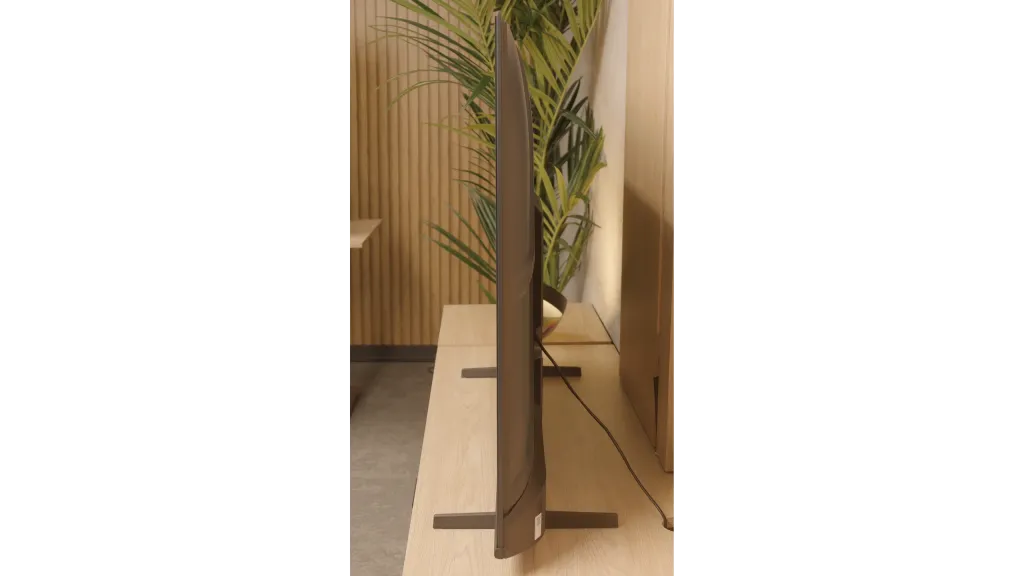
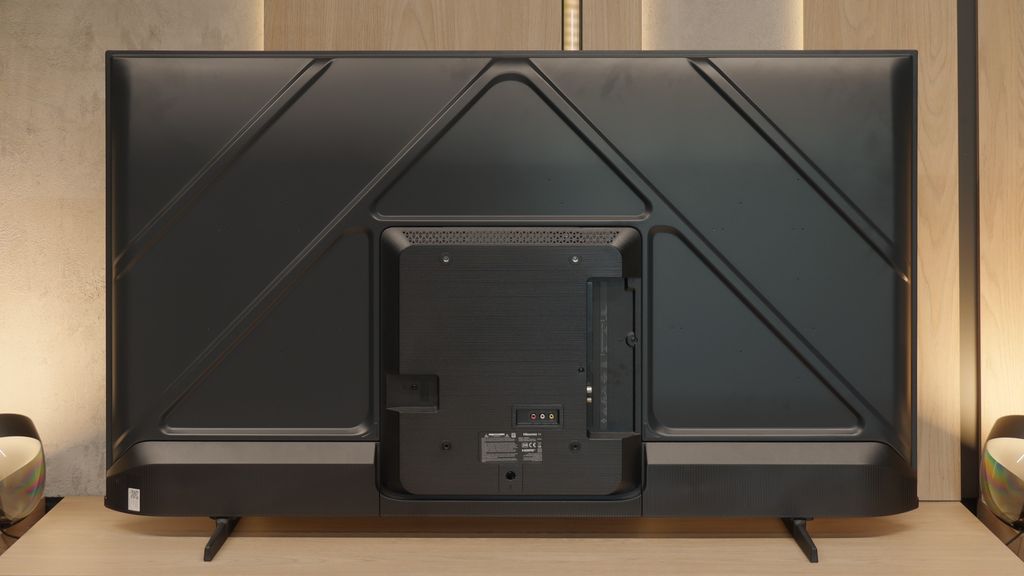
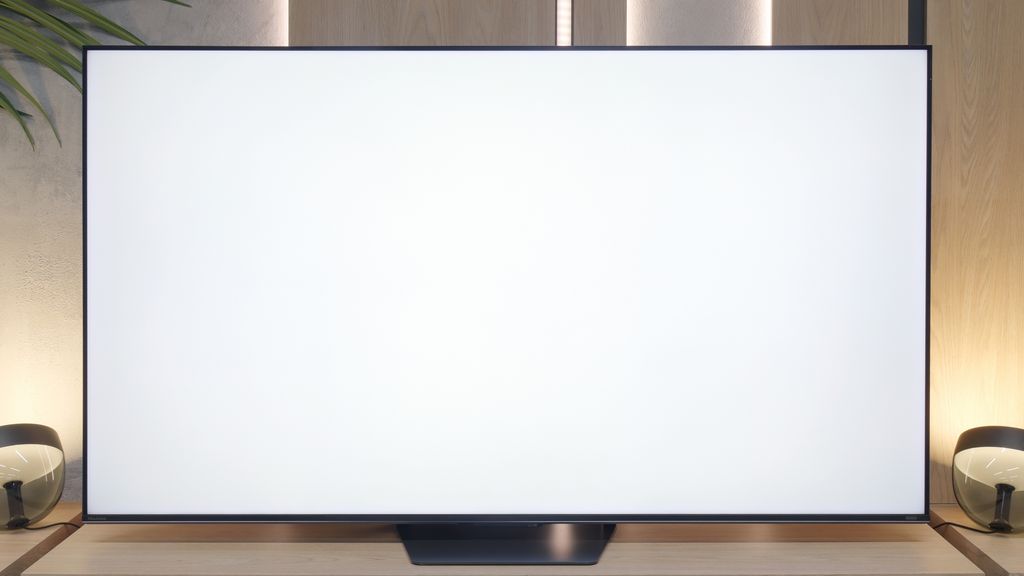
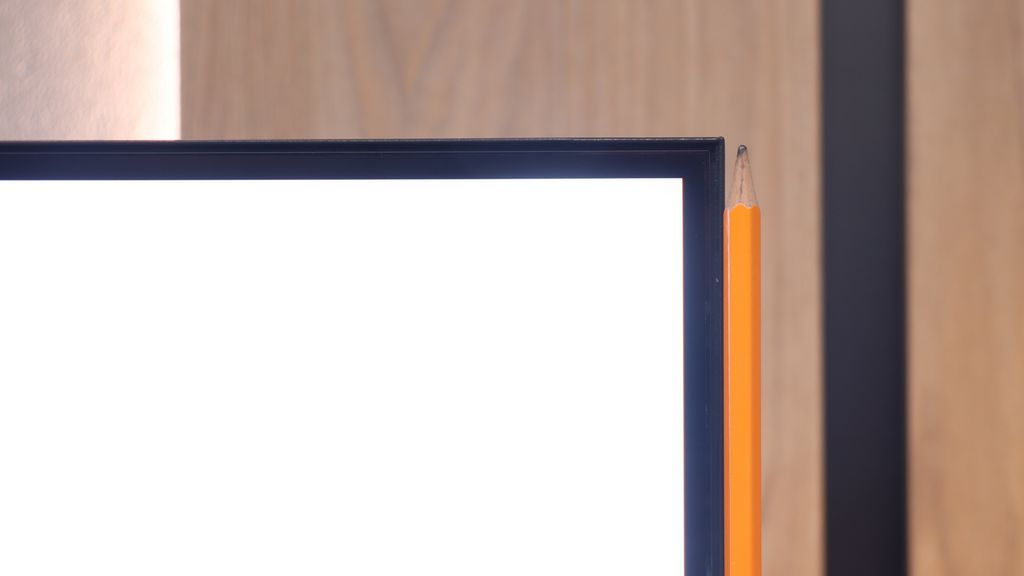
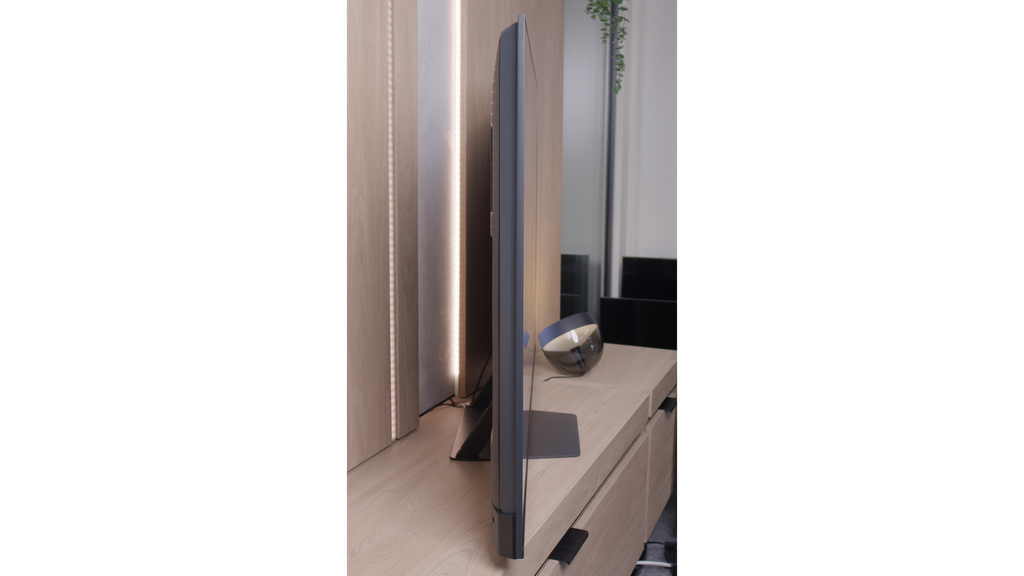
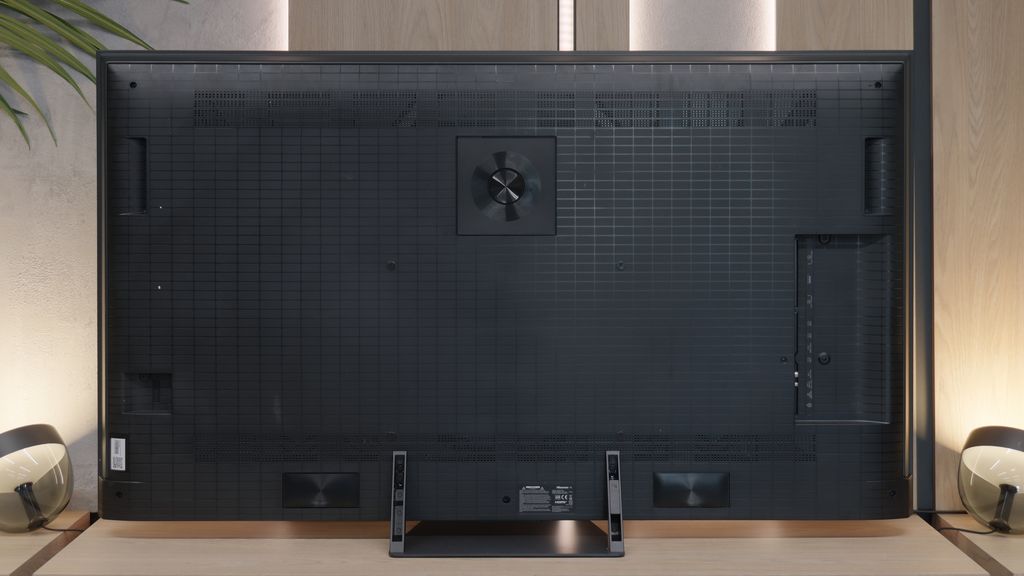

Contrast and black detail
5.7/10
7.5/10
Local dimming function: No
Local dimming function: Yes, number of zones: 960 (24 x 40)
Contrast:


Result
5,400:1

Result
5,450:1

Result
3,800:1

Result
5,000:1

Result
4,350:1
Result
346,350:1
Result
13,500:1
Result
19,050:1
Result
9,950:1
Result
6,450:1
Halo effect and black detail visibility:
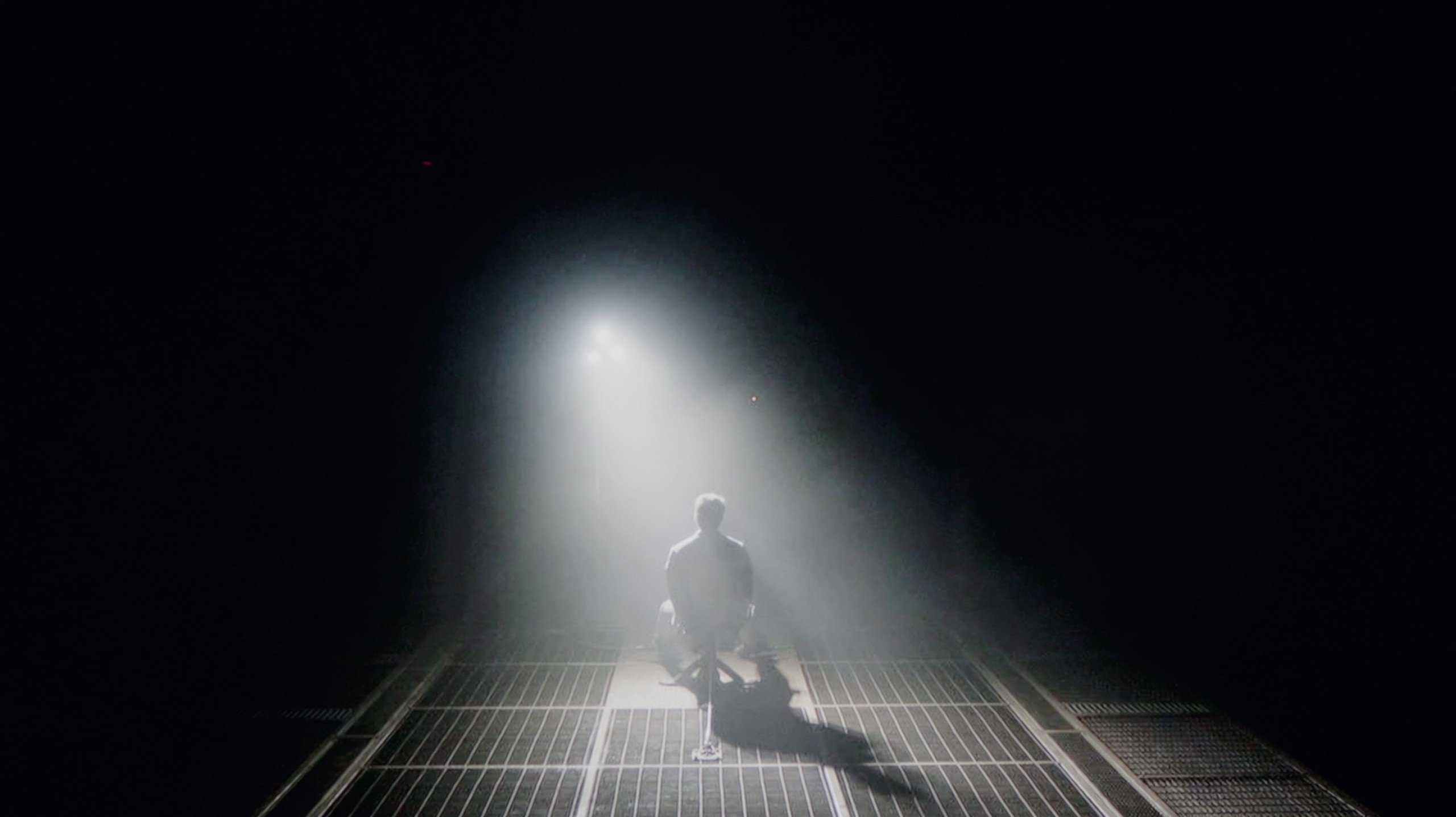
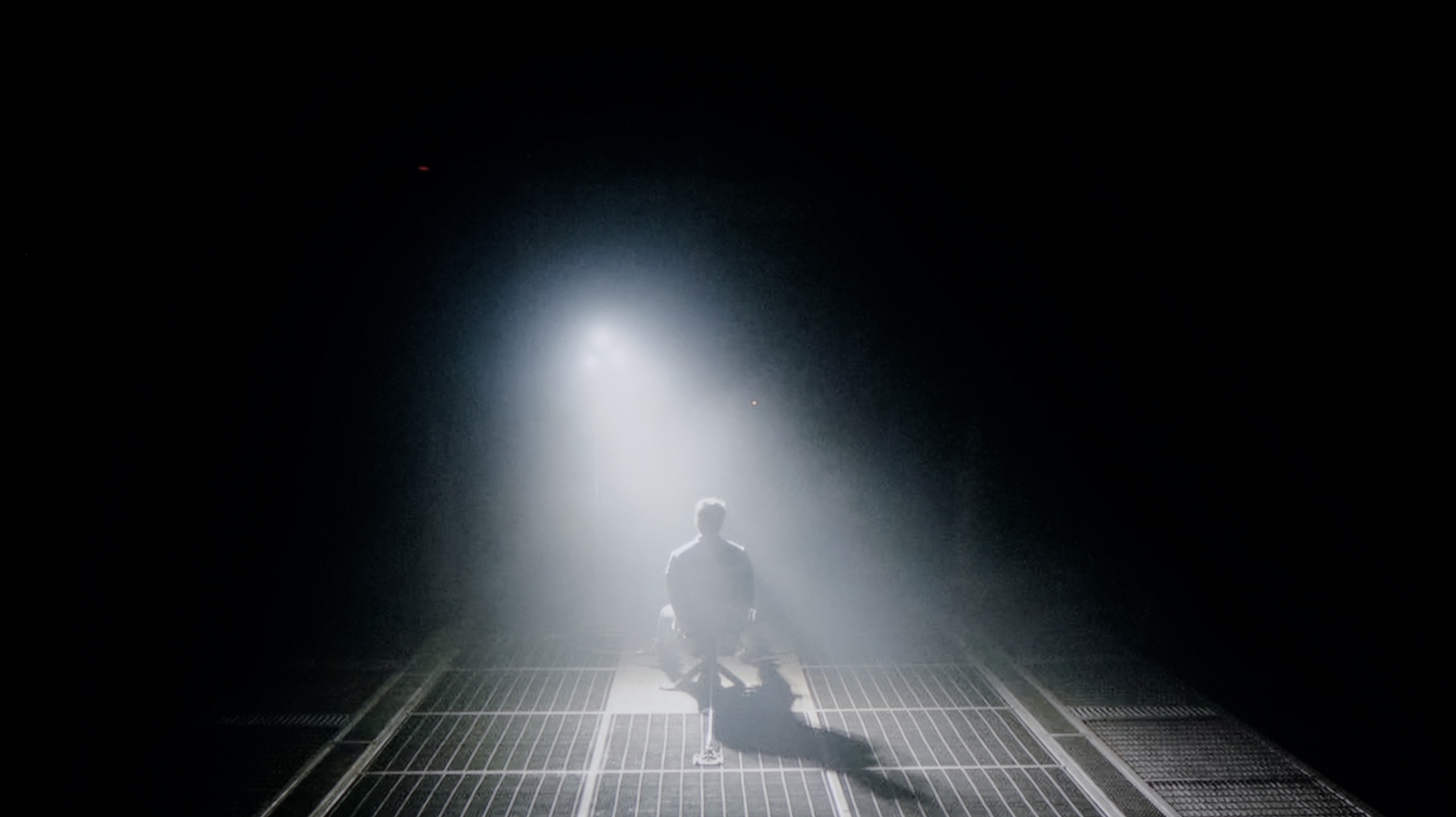
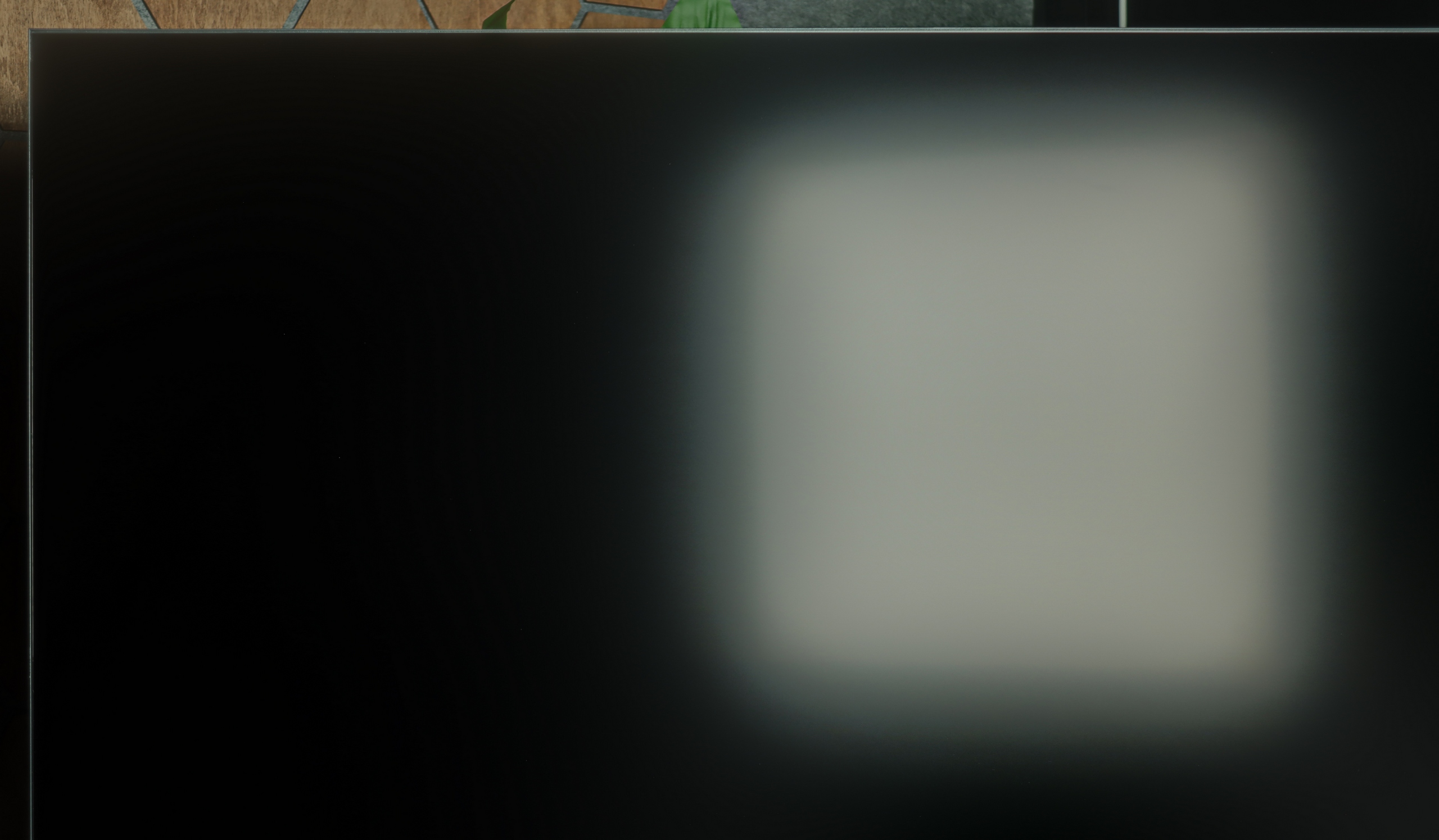
Check the visibility of bright lights on a dark background. Mini-LEDs often struggle with this. The photo does not compare black levels – that’s what the video below is for.
The video accurately shows differences in contrast and black levels between TVs, as well as potential issues: halo around bright objects or Mini-LED zone operation visible as brightness jumps.
The Hisense E7Q / E79Q in our test variant of 58 inches is equipped with a VA-type panel, which has a huge impact on the perception of contrast and black levels in films and series. Thanks to such a panel, one can expect decent contrast and a stable visual effect, which works really well in most scenes. In our measurements, we achieved values approaching around 6000:1, which should be considered a solid result in this price range. However, it is important to remember that this is not a design with local dimming, so one cannot expect the deep, "pitch-black" blacks known from more expensive models. In some shots, the black can have a slightly navy hue, which is completely natural with this technology and price. This, however, is a compromise that does not detract from everyday viewing – especially if we watch in the evening with slightly dimmed light.
The U7S Pro in the 65" variant we tested uses a VA panel and has as many as 960 local dimming zones. Thanks to the combination of such a panel (which has a high native contrast) and a large number of zones, blacks here are truly very good. In dark scenes, watched with the lights slightly on, the effect can even resemble that of TVs with organic OLED panels – as our first test scene from the film Oblivion excellently demonstrated. Unfortunately, when more small, bright elements appear on a dark background, the local dimming algorithm starts to show its weaknesses. The contrast can clearly drop at that point, and a "halo" effect, which is a characteristic glow (known as blooming), can become visible around bright objects. However, this is a natural feature of Mini-LED TVs resulting from the physical limitations of this technology – there are many dimming zones, but there will always be fewer than independent pixels in an OLED, so it's physically impossible to completely overcome this. Interestingly, although the new U7S Pro model has nearly twice as many local dimming zones as last year's U7Q Pro, it has not made any significant improvement in this aspect in practice.
HDR effect quality
5.1/10
6.7/10
Luminance measurements in HDR:

Result
300 nit

Result
329 nit

Result
379 nit

Result
389 nit

Result
397 nit
Result
1041 nit
Result
458 nit
Result
1104 nit
Result
528 nit
Result
897 nit
Scene from the movie “Pan” (about 2800 nits)


Scene from the movie “Billy Lynn” (about 1100 nits)


The photos show two HDR10 movies. 'Pan' is one of the brightest productions ever made, while 'Billy Lynn' (soldier) has brightness typical of streaming (Netflix, Prime, HBO MAX). Notice the intensity of effects and detail in whites.
Static HDR10


The photos present the visibility of white details in various HDR formats. They do not show brightness differences between TVs (these can be compared in the previous gallery).
Dynamic: Dolby Vision
Dynamic: Dolby Vision


The photos present the visibility of white details in various HDR formats. They do not show brightness differences between TVs (these can be compared in the previous gallery).
HDR luminance chart:
Hisense U7S Pro
Hisense E7Q / E79Q
The Hisense E7Q / E79Q is a television with average brightness, with a peak luminance level of around 350-380 nits. This is an absolute minimum that allows for HDR content to be viewed in a way that is close to the creators' intentions, although without a distinct "wow" effect. Synthetic test results on white screens have been confirmed in practice – in film scenes, the bright parts of the image are stable and quite uniform, but it's hard to speak of a true "light punch." In everyday use, for example, when watching Netflix or YouTube, the HDR effect is acceptable and is perfectly sufficient for most users. However, it must be stated clearly – this is not the level of top-end screens, and one should not expect that in this price range. Fortunately, the Hisense E7Q / E79Q has an advantage that allows it to gain quite a few points: it features a PFS LED QLED panel, utilising an additional phosphor layer that improves colour reproduction. The measured range of the DCI-P3 colour gamut is about 92%, which means that colours in most scenes are vibrant, well-saturated, and pleasant to the eye, particularly for this price bracket.
Let's start with the fact that the U7S Pro is an impressively bright television – in calibrated mode, our measuring equipment indicated a staggering 2200 nits of peak brightness! This is an absolutely remarkable result, considering that this model is positioned rather as a mid-range option.
However, as we know, peak brightness on test patterns is one thing, and actual film scenes are another. Unfortunately, in real video materials, the backlight power clearly drops. Although in the most demanding moments, the television can still exceed the 1000-nit barrier – which is still an excellent result, perfectly aligned with the mastering standards of most HDR films – the real challenge comes from the aggressively tuned local dimming algorithms. Because of this, small, bright details such as stars or the moon in the night sky are noticeably dimmed. The television tries at all costs to maintain deep blacks, which is of course understandable, but unfortunately, this comes at the expense of the dynamics and brilliance of the HDR effect itself.
One must commend the colour reproduction. The new U7S Pro is a QLED design that provides very wide coverage of the colour palette. Unlike last year's model (U7Q Pro), this year's variant is a "true" QLED, rather than a solution based on a PFS filter. As a result, the colour saturation has clearly increased, and coverage of the most demanding BT.2020 colour space has surpassed the 81% barrier.
Factory color reproduction
5.2/10
4.7/10
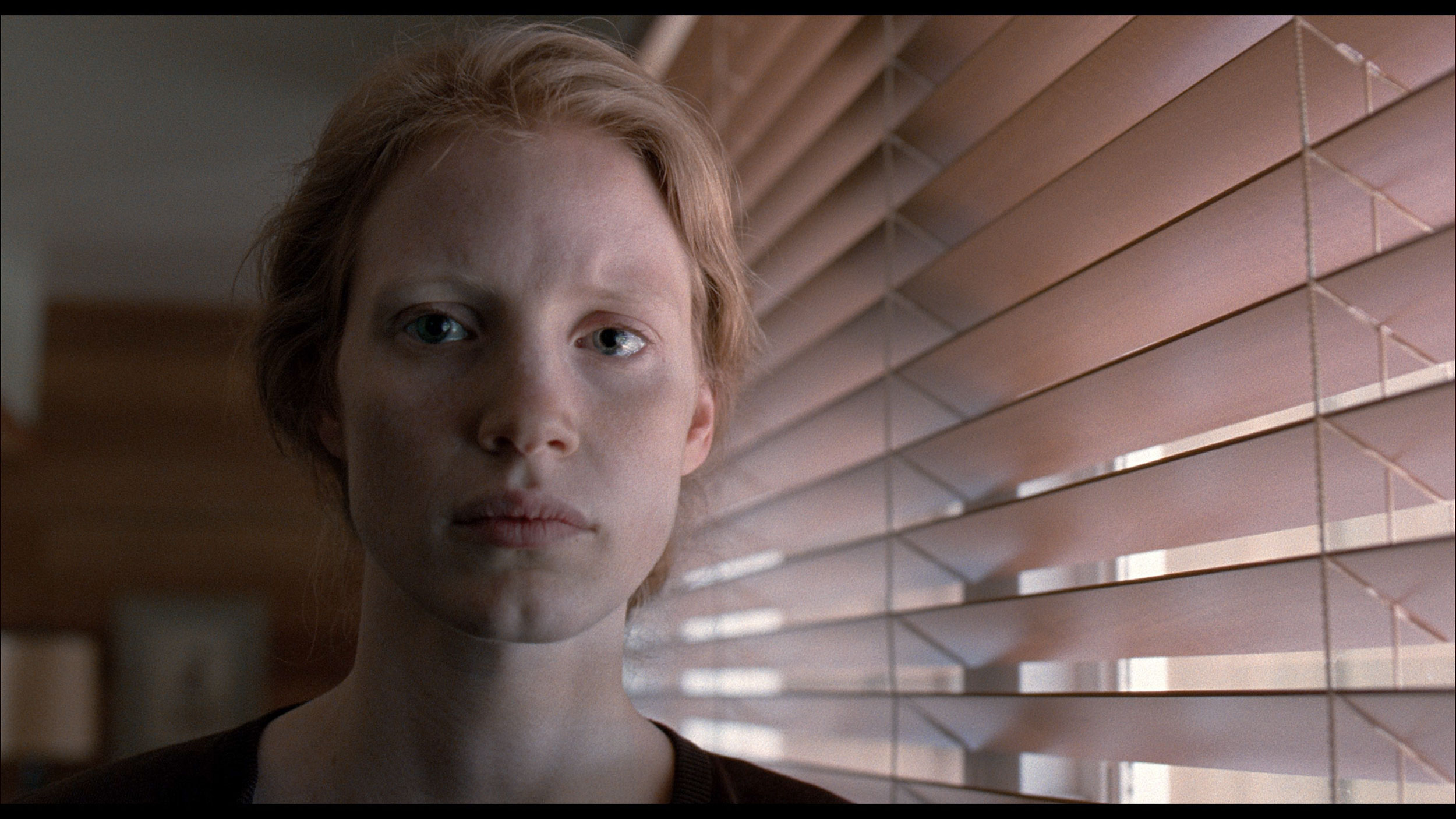
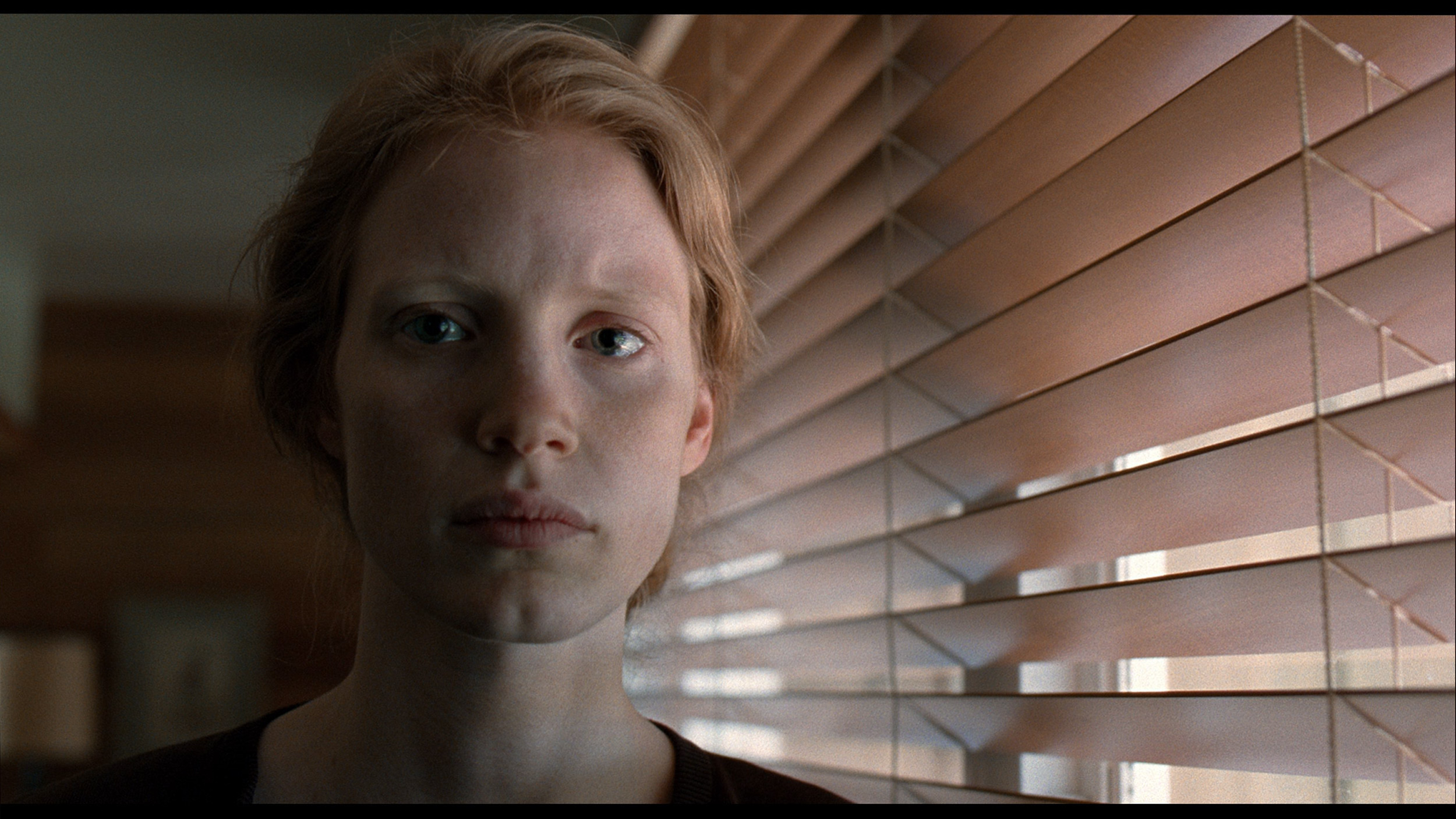
This gallery shows how colors change after professional TV calibration. If you notice the difference, we recommend ordering this service at SkalibrujTV.com.
Factory Mode
After calibration


This gallery shows how colors change after professional TV calibration. If you notice the difference, we recommend ordering this service at SkalibrujTV.com.
Factory Mode
After calibration
In Filmmaker mode, the Hisense E7Q / E79Q television was truly impressive. After the first measurements, it became clear that the white balance was quite well tuned, with the only minor deviation being a slight tendency towards a purple tone, which we mentioned earlier. However, this did not significantly impact the overall character of the image – it remained coherent and pleasant to view. A much larger issue turned out to be the brightness characteristics (gamma) in SDR content and the EOTF curve in HDR films. The television noticeably brightened the image, flattening the contrast and diminishing its depth. Gamma values could drop from the reference 2.4 to around 1.9, making the image look as if it were covered with a thin, milky layer. Fortunately, this is a problem that can be relatively easily corrected through calibration.
We tested the U7S Pro model – as we always do – in the best factory-calibrated picture mode, namely Filmmaker Mode. We can evaluate the displayed colours in two ways. The most disappointing was the profile designed for viewing SDR content, that is, traditional television, YouTube, and other less demanding materials. The picture was clearly yellowed, which turned out to be a direct consequence of a poorly set white balance. As our graphs show, there is a significant deficiency of the blue component, which drastically affected the overall colour temperature. This is clearly visible on the ColorChecker charts as well as on the graphs of the colour palette itself, where most samples leaned towards yellow. Fortunately, the factory HDR mode fared much better – there, the colour errors were around a Delta E value of 3, which is already a really solid result.
Color reproduction after calibration
7.4/10
7.5/10
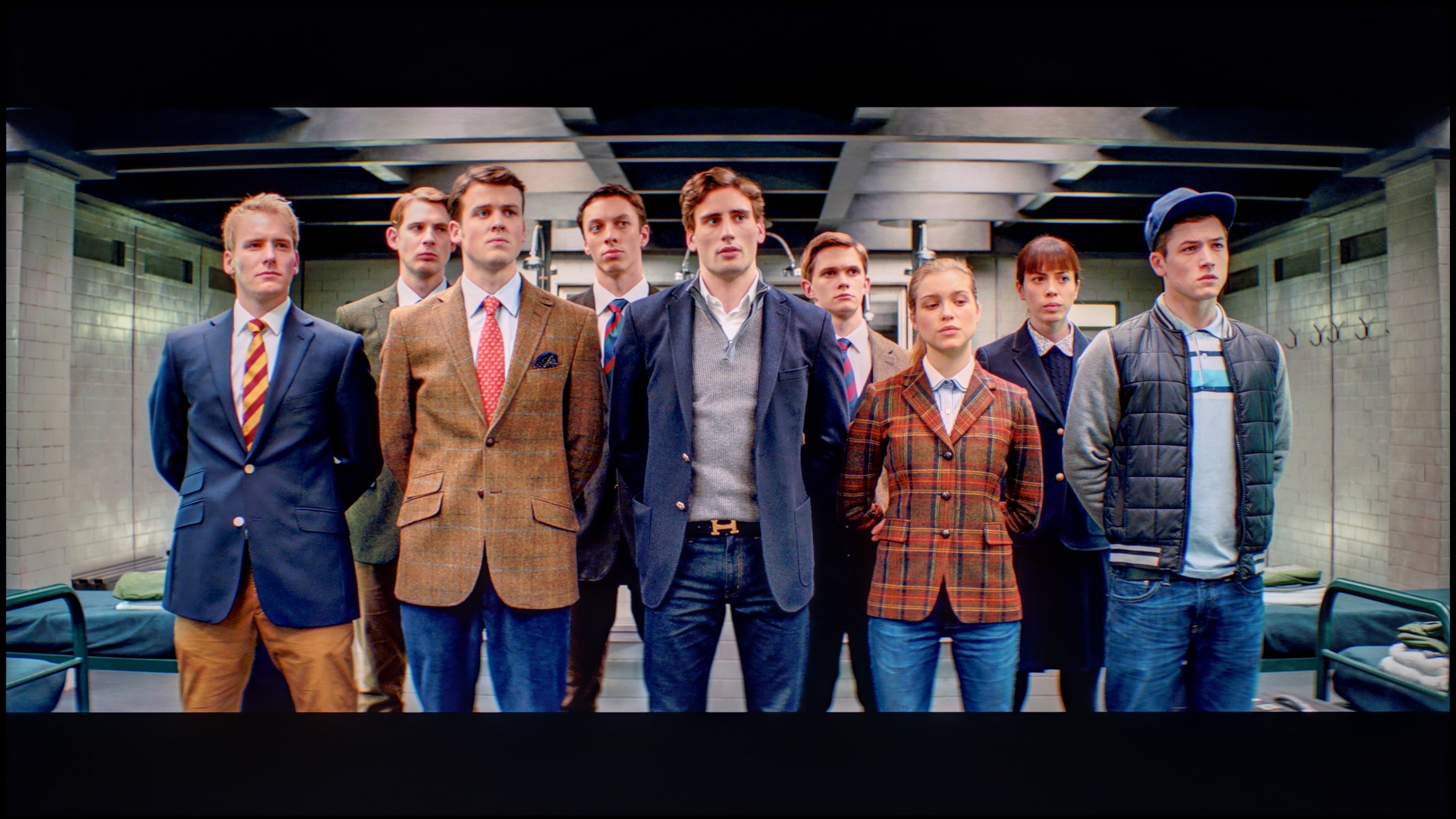
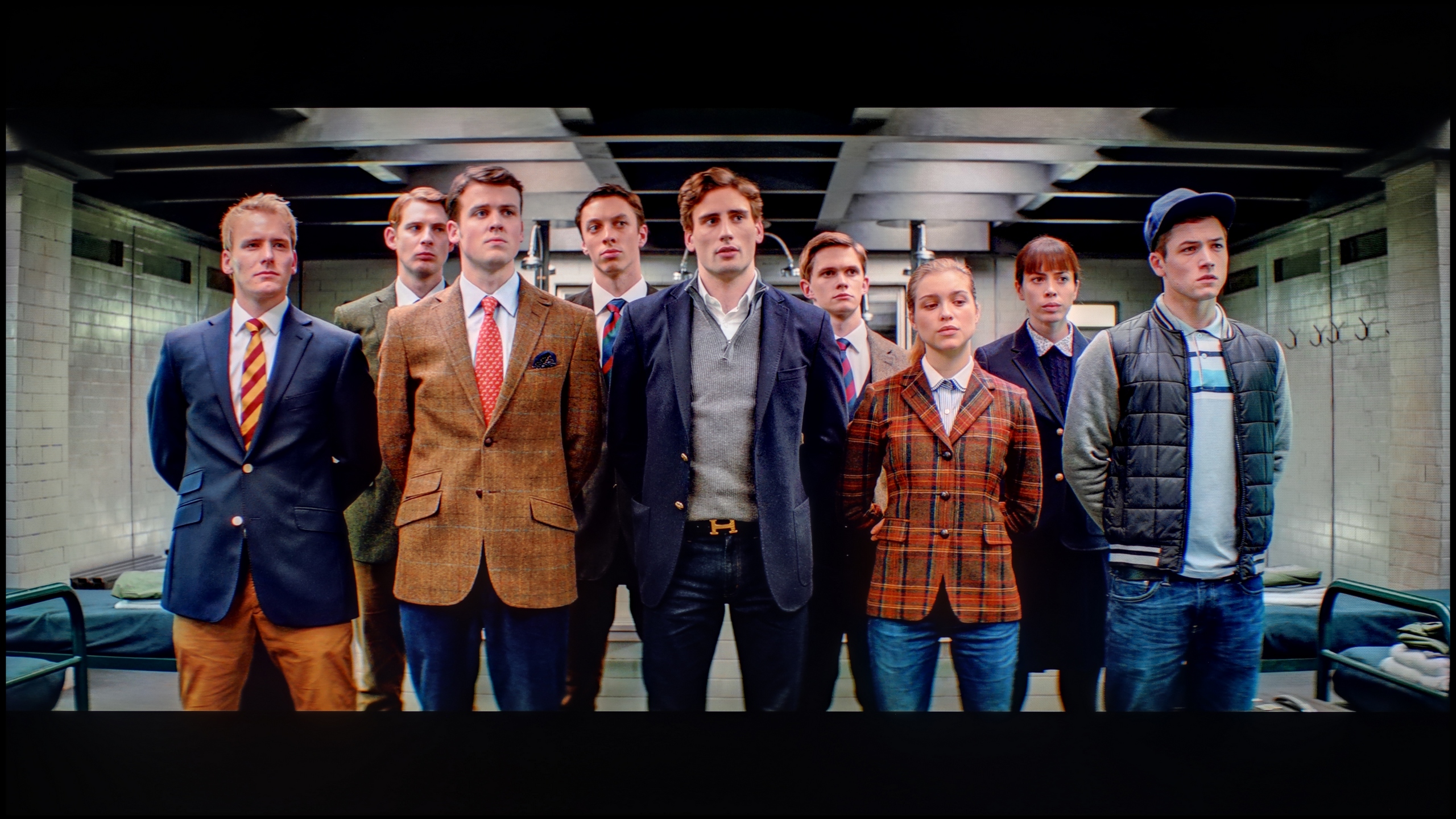
The photos show how movies look on the TV. Pay attention to black detail visibility, colors, and shadow tint.


The photos show how movies look on the TV. Pay attention to black detail visibility, colors, and shadow tint.
The biggest beneficiary of calibration in the case of the Hisense E7Q / E79Q was undoubtedly the SDR mode. It managed to achieve an almost perfect image – most errors in the Color Checker test dropped below a value of 3, and often even 2, which is an outstanding result for this class of equipment. The greatest improvement came from equalising the brightness characteristic (gamma), which meant the image no longer appeared washed out and regained its natural depth. In HDR content, it was also possible to improve colours and eliminate the purple tint mentioned earlier, but errors in the Color Checker measurements were still noticeable. This is due to the fact that – as is often the case with Hisense televisions – the screen manipulates brightness quite heavily, overemphasising some colours. This was also indicated by the EOTF curve, which was slightly above the reference values, suggesting these minor issues with excessive brightness. Despite this drawback and the design limitations that emerge with HDR content, the Hisense E7Q / E79Q gained quite a lot after calibration. In everyday use, the television presents a consistent, natural, and pleasant image, and the difference compared to the factory settings is enormous.
We know, however, that the company Hisense is capable of much more – as previous generations have demonstrated – which is why we couldn't simply overlook the factory shortcomings of the U7S Pro model in everyday content. As is often the case, the television underwent professional calibration. The conclusions? This process brought about a colossal change. After manually adjusting the white balance and supplementing the deficiencies in the blue component, the annoying yellow tint disappeared as if by magic. White became naturally pure, and skin tones gained the appropriate, healthy hue. Importantly, calibration not only tamed the capricious SDR mode but also allowed us to extract the maximum potential from the panel, reducing average colour reproduction errors to levels nearly imperceptible to the human eye. The only thing we must criticise after the whole process is the very nature of the Mini-LED backlight and its specific interaction with the HDR signal. The aggressively tuned local dimming algorithms significantly interfere with the EOTF brightness curve. As a result, the backlight does not always work perfectly with the creator's intention – depending on the scene being viewed, the curve can noticeably deviate either above or below the reference, which at times disrupts the ideal dynamics of HDR imagery.
Smoothness of tonal transitions
8.5/10
9.5/10
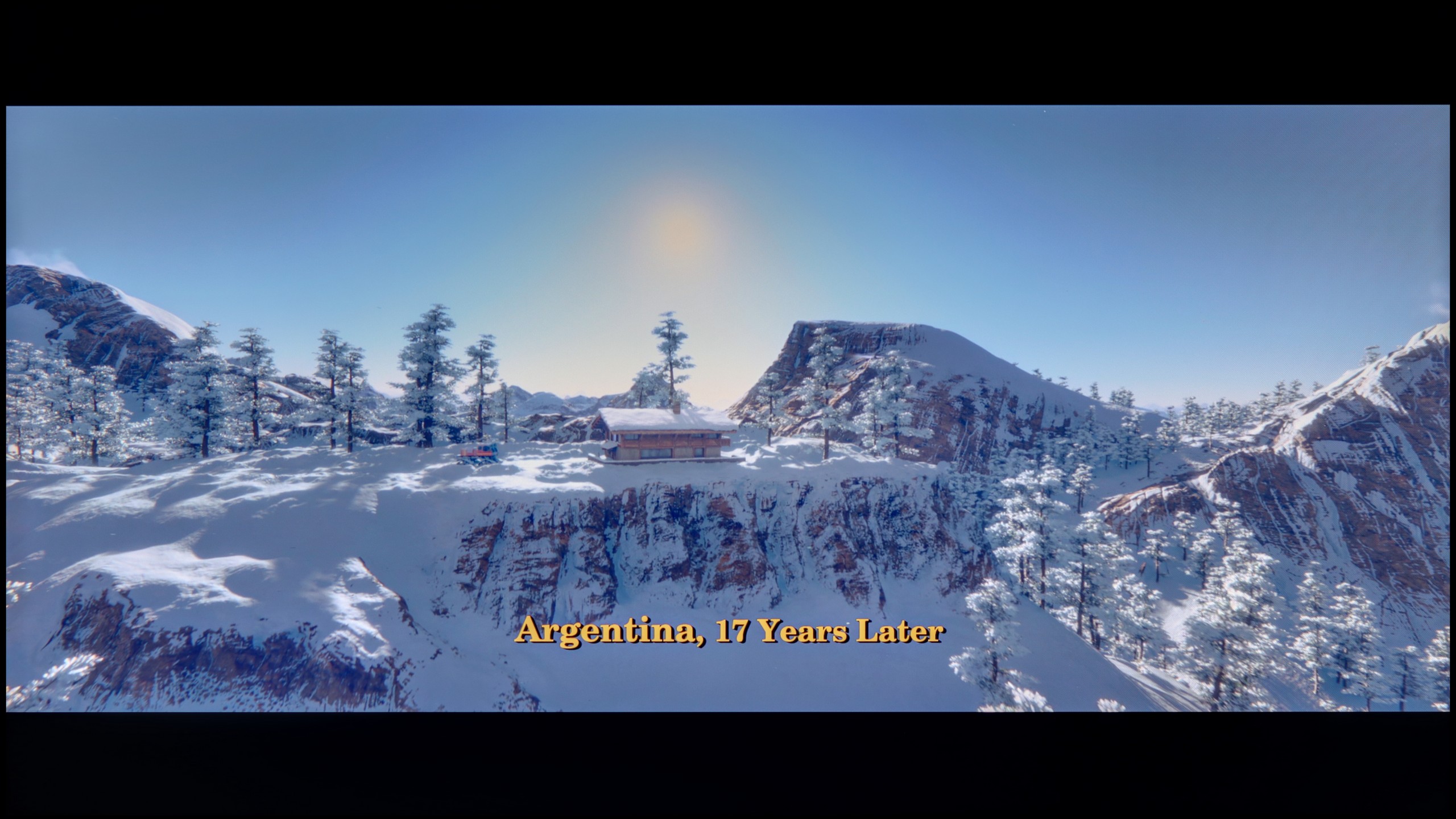

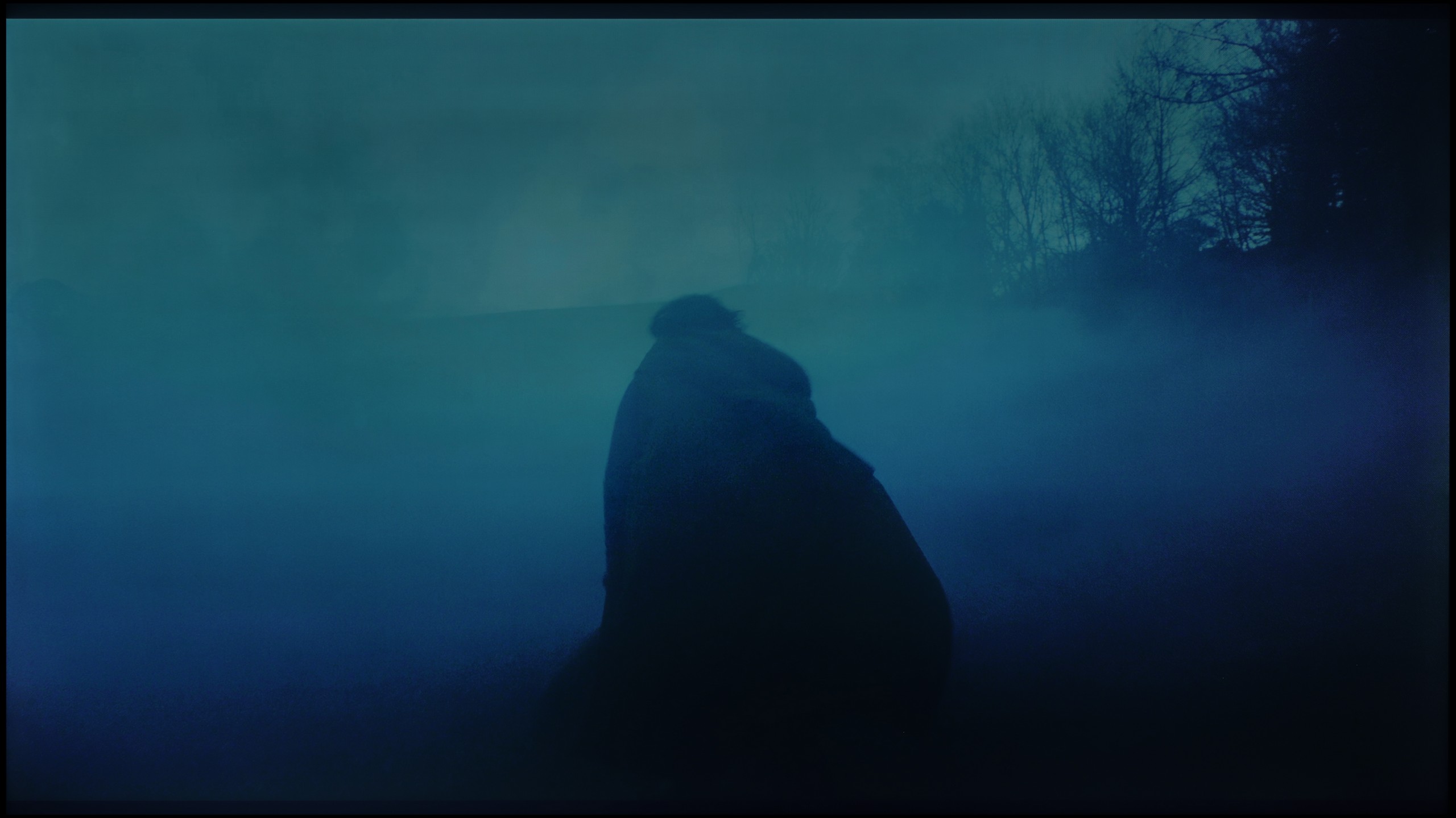
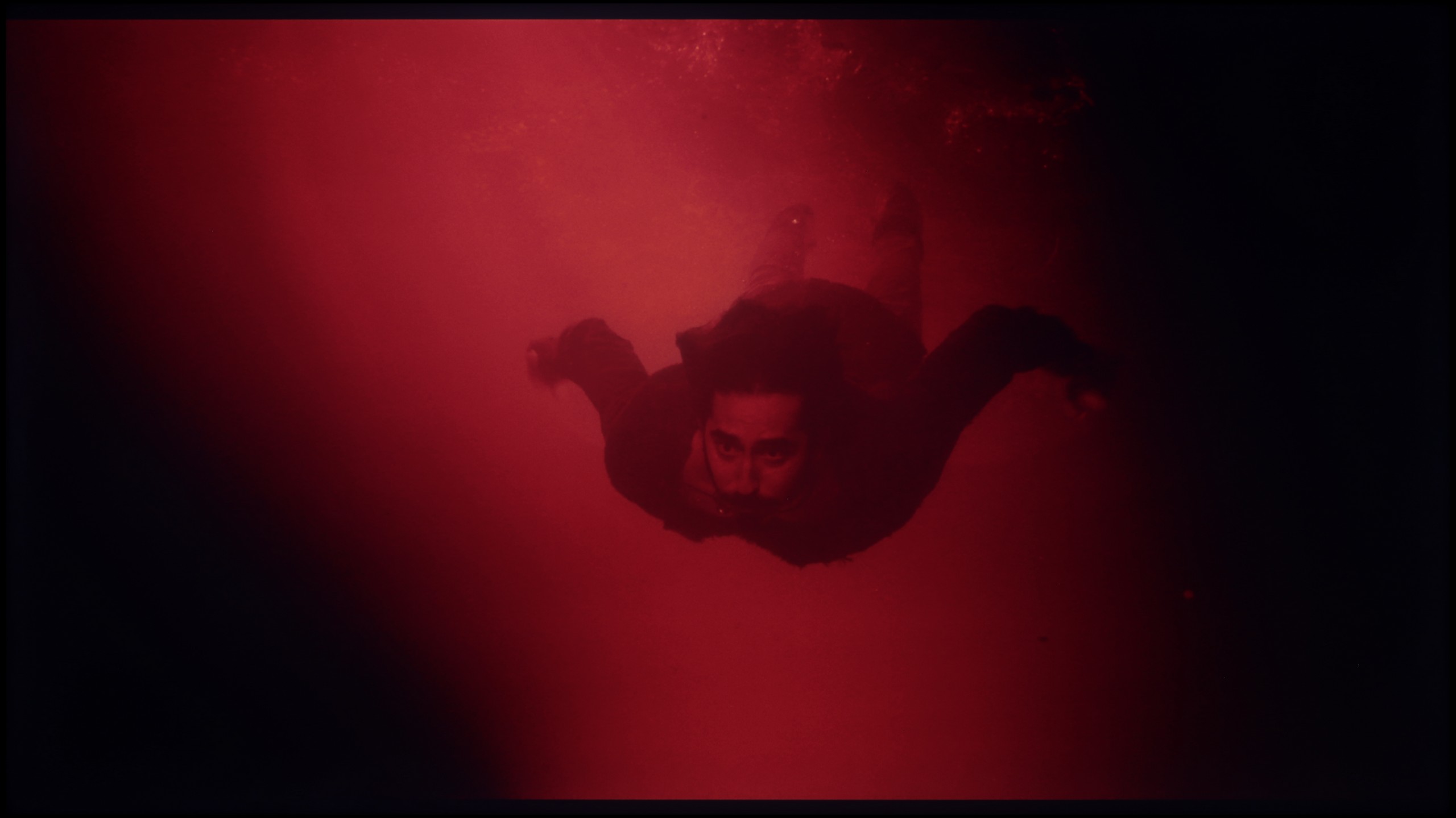
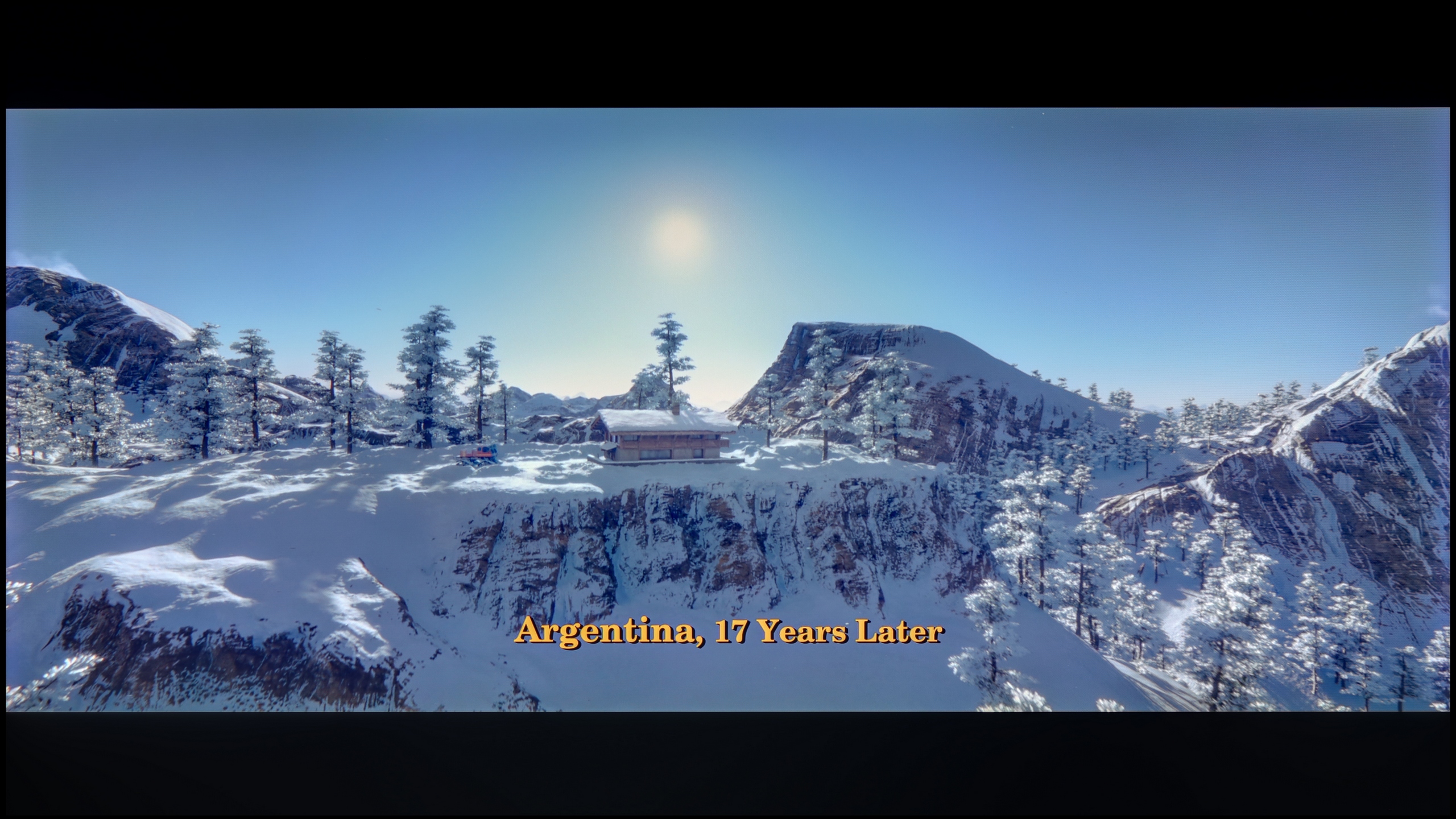
These are selected scenes that show smooth tonal transitions from one color to another. If you see distinct banding, it’s the TV panel’s fault.

These are selected scenes that show smooth tonal transitions from one color to another. If you see distinct banding, it’s the TV panel’s fault.
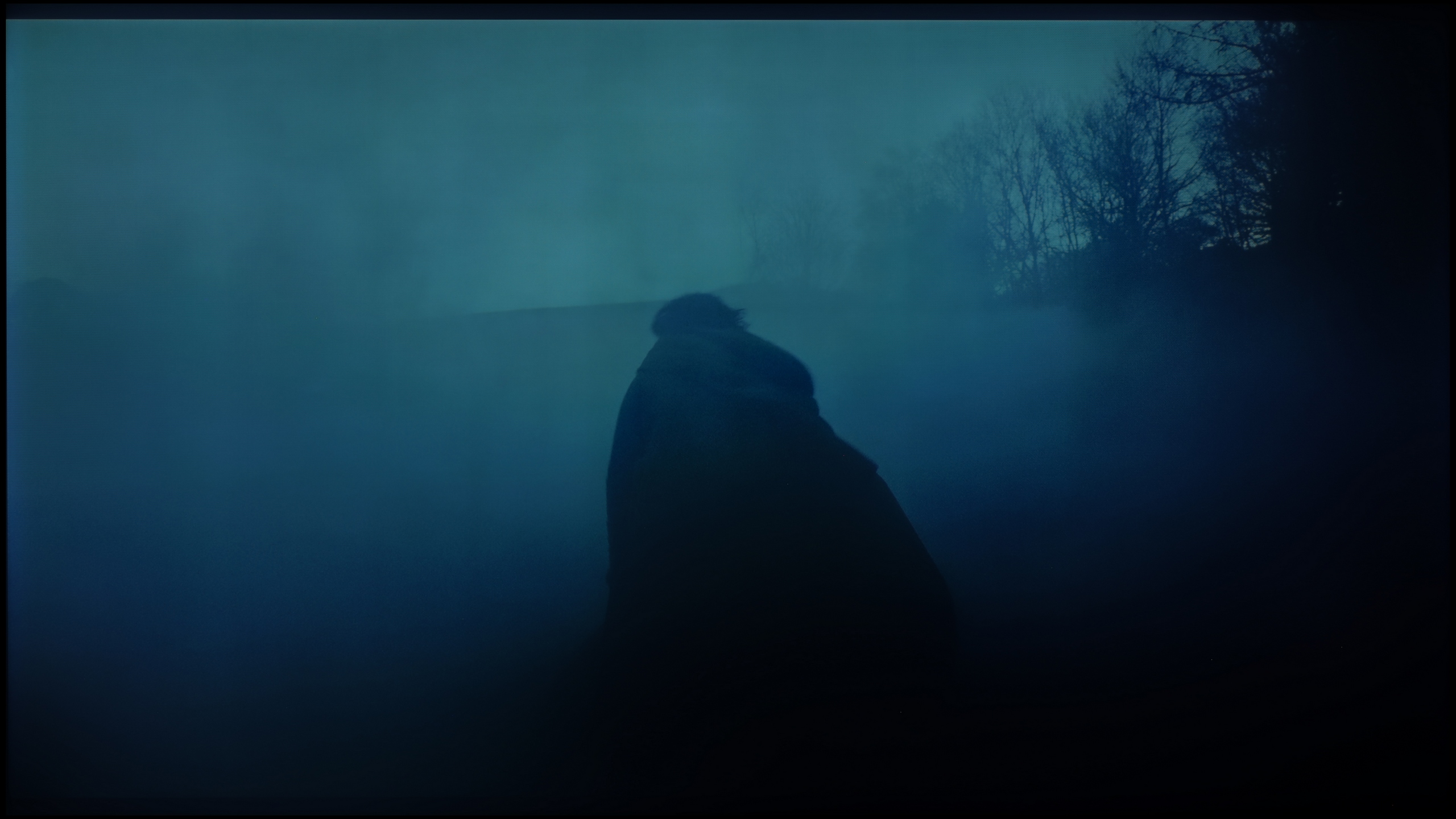
These are selected scenes that show smooth tonal transitions from one color to another. If you see distinct banding, it’s the TV panel’s fault.
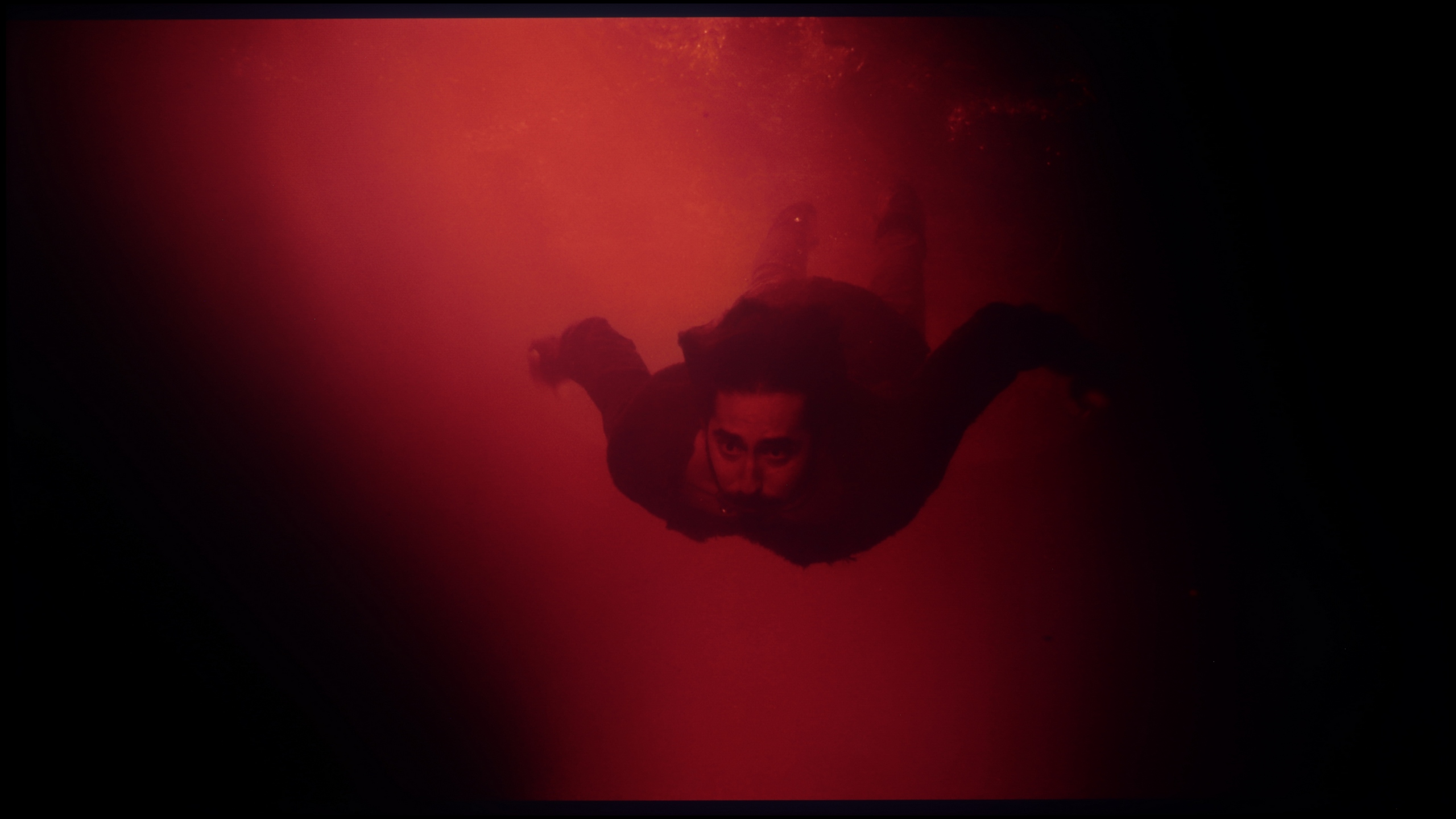
These are selected scenes that show smooth tonal transitions from one color to another. If you see distinct banding, it’s the TV panel’s fault.
For such a budget television, the Hisense E7Q / E79Q performs really well with such a challenging element as the fluidity of tonal transitions. In most scenes, the colours blend together naturally, without noticeable jumps or artificial edges. Brighter parts of the image stand out particularly well – the transitions are smooth and pleasing to the eye. Minor issues only occur with very dark shades of grey, where slight banding can be noticed. However, this is a detail that does not affect the overall reception of the image. For a television in this range, the result is more than decent.
Digital image processing has been a true hallmark of the Hisense company for some time now. In the U7S Pro model, we did not notice any serious issues with so-called color banding, or the posterisation effect. Individual shades transition almost perfectly and smoothly into one another, without the annoying effect of jagged edges or visible "steps" in the gradients.
Image scaling and smoothness of tonal transitions
5/10
7.8/10


Smooth transition function
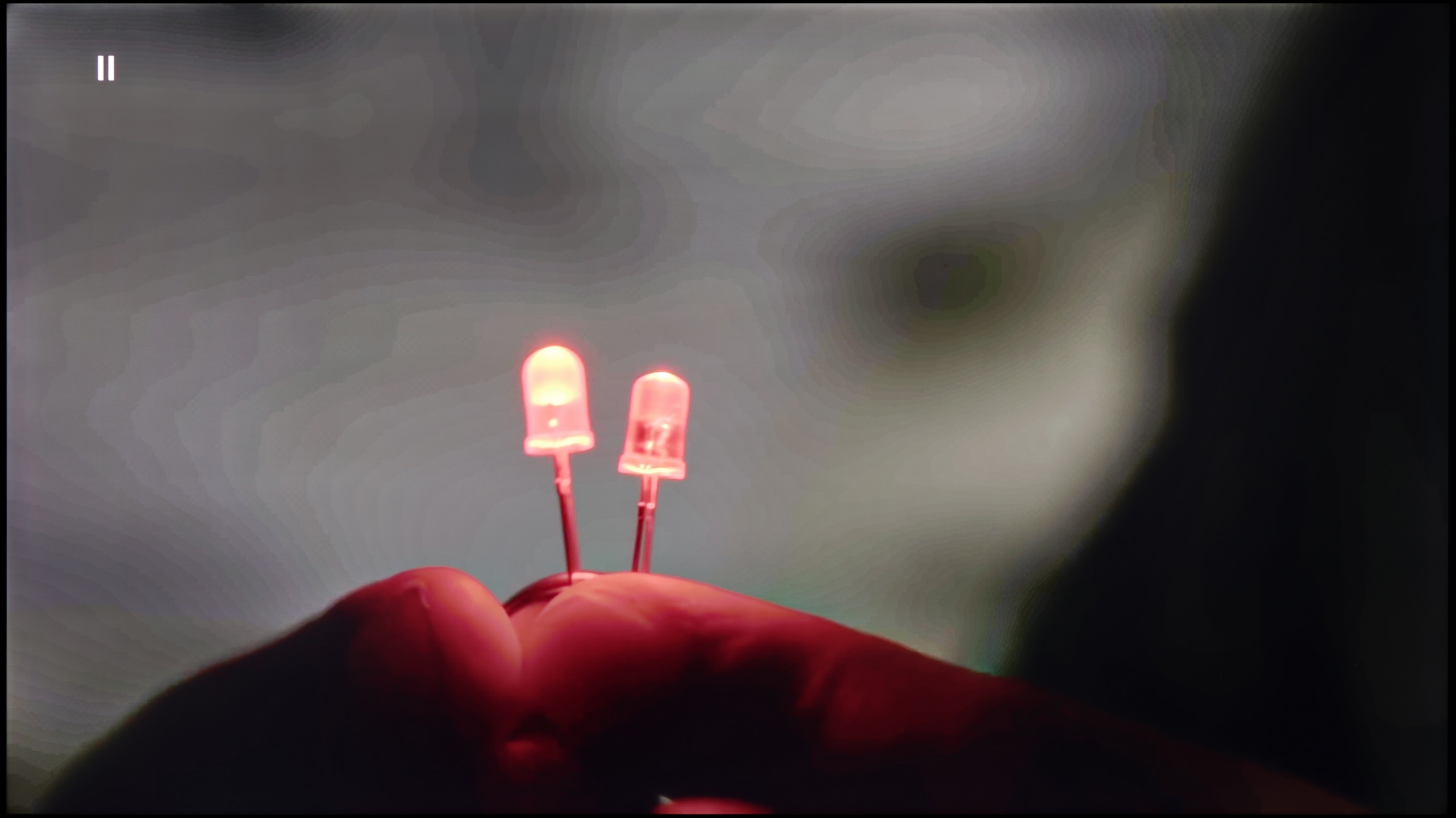
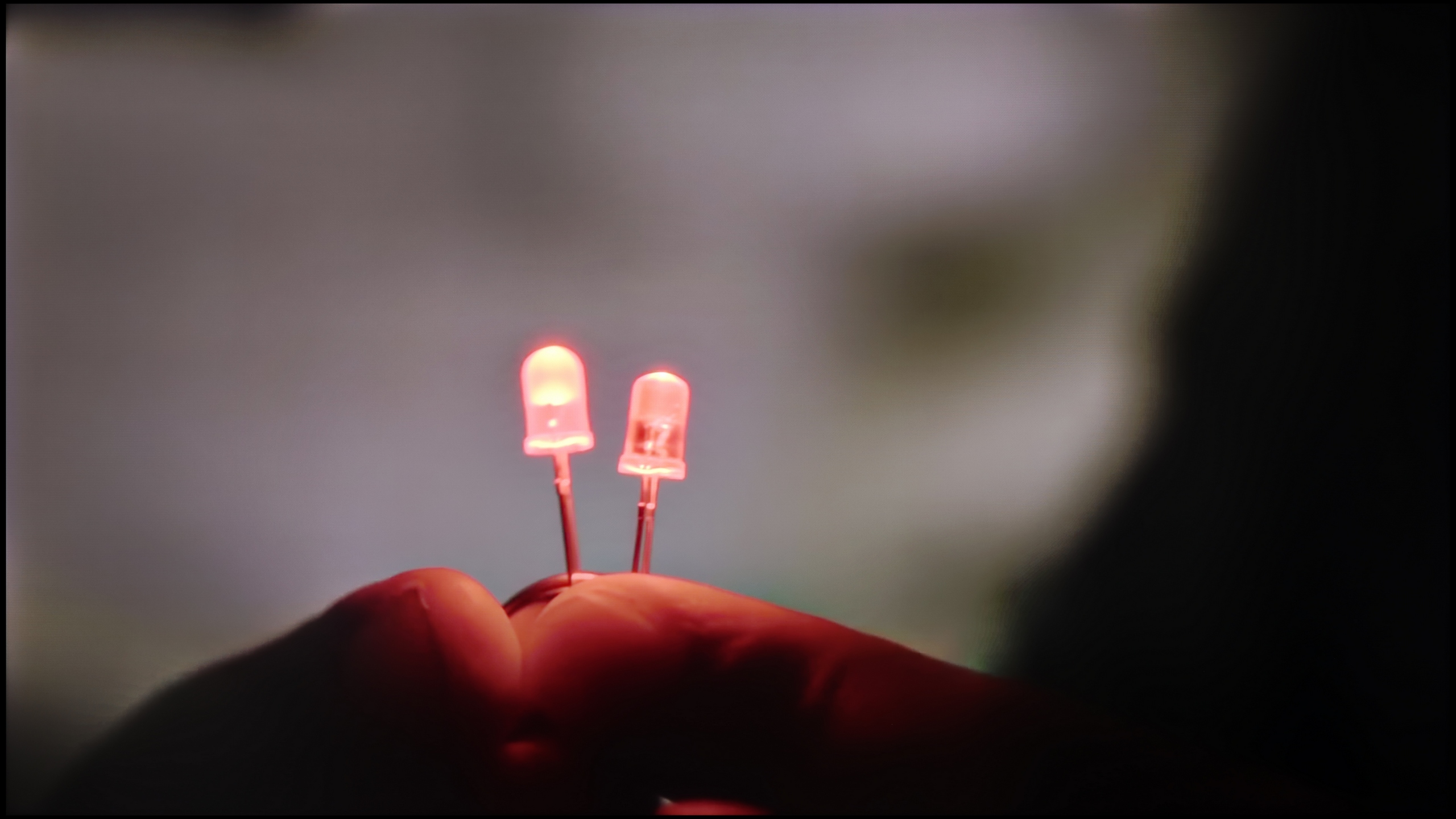
The match photo shows how the TV smooths weak tonal transitions in low-quality video.
Image scaling SD (576i)


The model photo shows how it handles upscaling of SD material.
In the case of the Hisense E7Q / E79Q, upscaling and digital image processing are not the strongest aspects of this television. It is evident that the manufacturer has opted more for simplicity rather than advanced image processing algorithms. The television does not offer any features to smooth tonal transitions or systems to improve image clarity, resulting in lower resolution materials looking simply very raw. On the screen, you can notice subtle compression edges that better processors in other models can effectively hide.
During the HD material tests, we noticed that the E7Q tries to artificially enhance detail, which sometimes works, and at other times has the opposite effect – the image becomes soft, slightly blurred, at times even “watery.” There is no aggressive sharpening that ruins naturalness, but there is also no finesse in the detail integration that better image converters offer.
The digital processing of lower quality signals is at a very high level here, thanks to the MediaTek Pentonic 800 processor used in the U7S Pro. The upscaling performance is equally impressive, meaning the television’s ability to enhance lower resolution signals to 4K. We did not notice any unnatural, sharp contours on the screen, and our test image featuring the model simply looked attractive.
Blur and motion smoothness
4.8/10
7.4/10
Blur (native resolution, maximum refresh rate):


Blur (BFI function enabled):



Blur (1080p@120Hz):

Blur (1080P@330Hz):
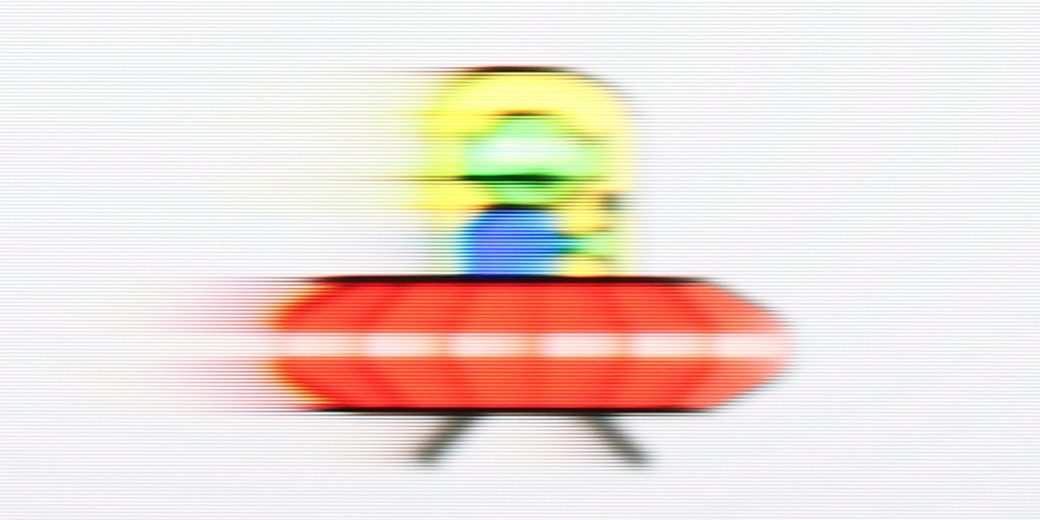


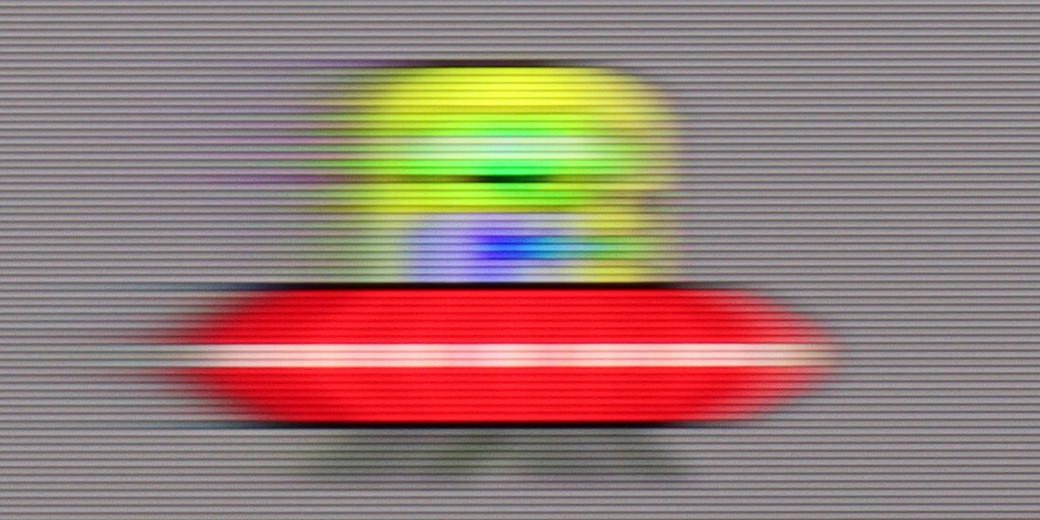
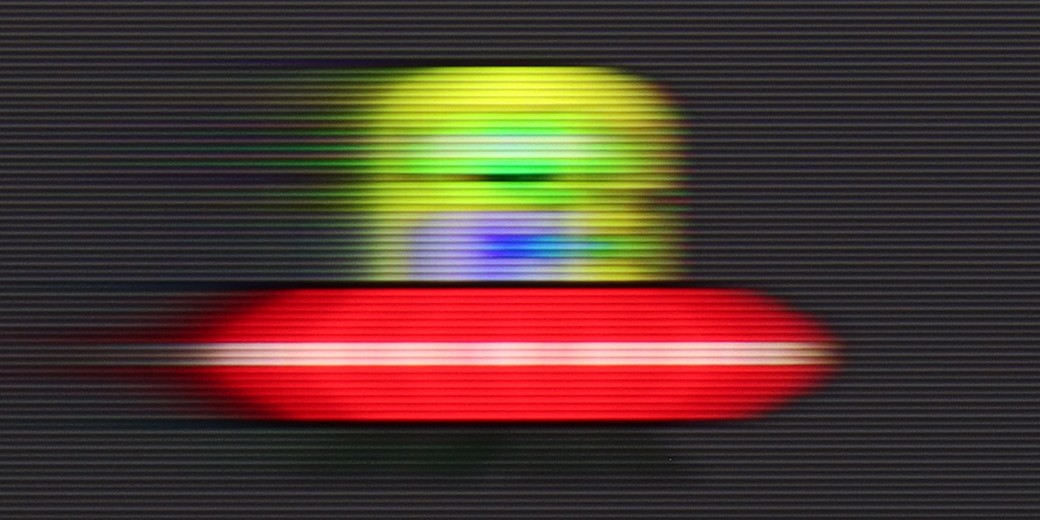
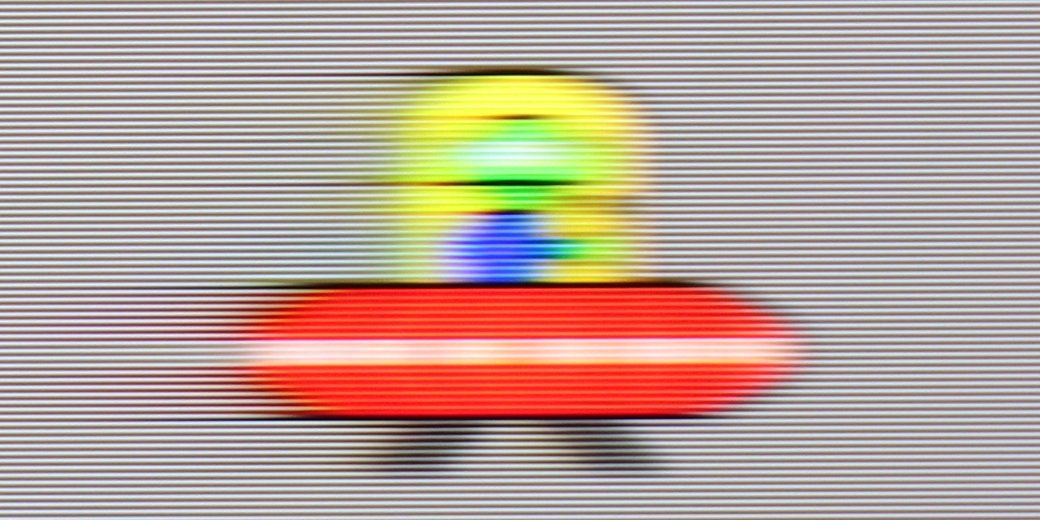
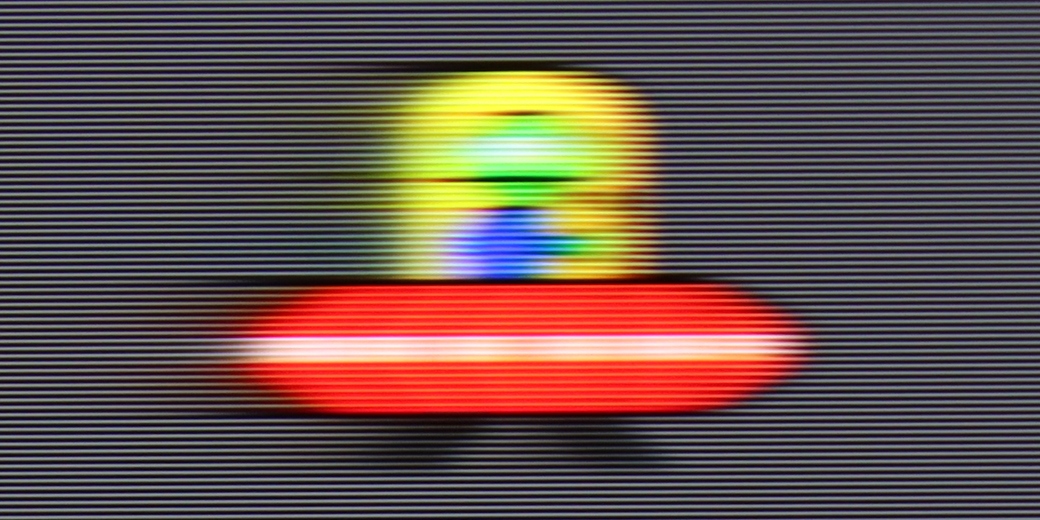
Hisense E7Q / E79Q is a television with a 60 Hz screen, so fans of 4K sports may feel a slight disappointment – we simply won’t see such smooth images here as in more expensive models with higher refresh rates. Fortunately, the situation is much better for films. Cinematic materials recorded at 24 frames per second can be displayed here using a motion smoothing feature, allowing the user to tailor the picture to their own preferences – either more cinematic with visible frames or smoother, in a theatrical style.
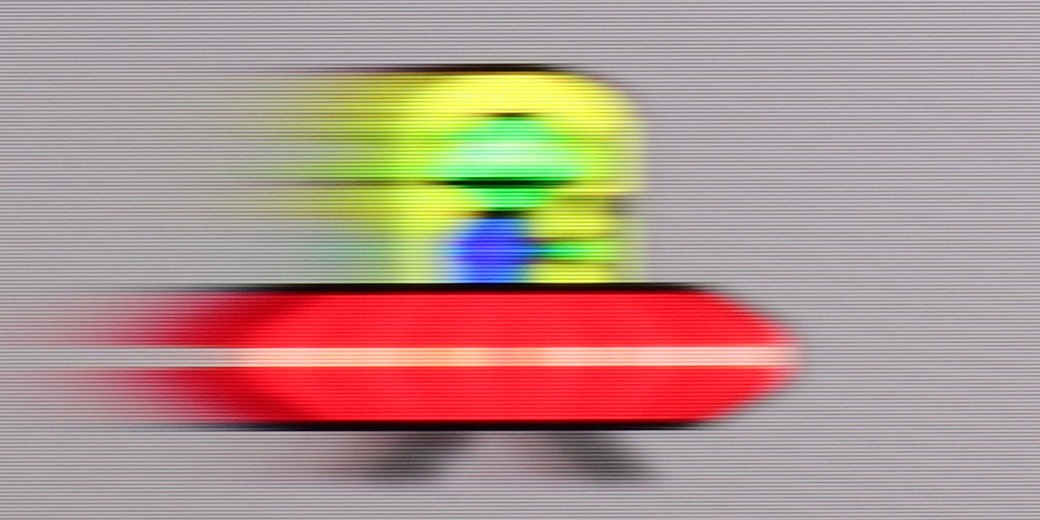
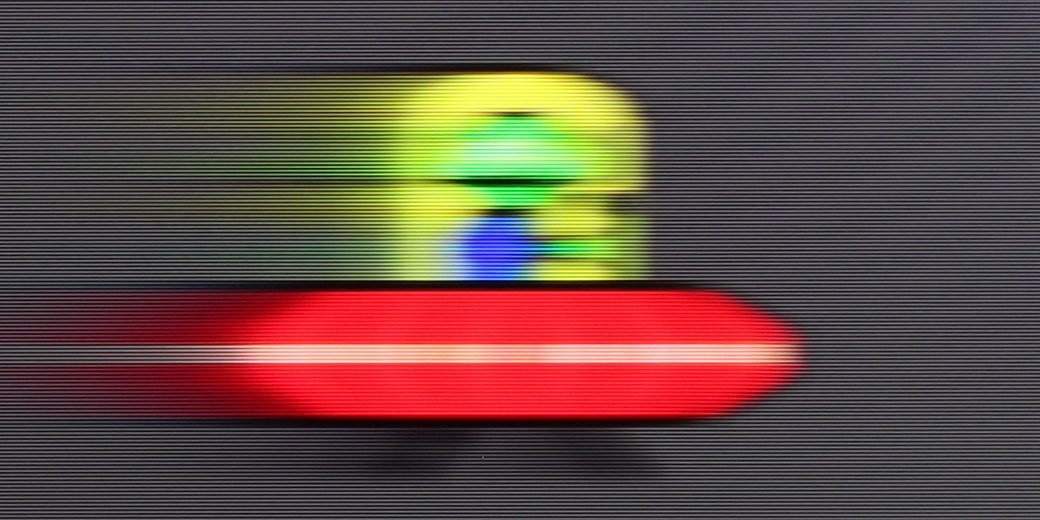
The Hisense U7S Pro uses a panel with a maximum refresh rate of 165 Hz in 4K, and in game mode, it can reach up to 330 Hz at Full HD resolution. However, it is important to remember that these highest figures do not significantly matter in everyday use, as most content is still limited to a maximum of 120 Hz (for example, when gaming on a console). Nevertheless, the television handles motion quite well and performs really decently for an LCD construction.
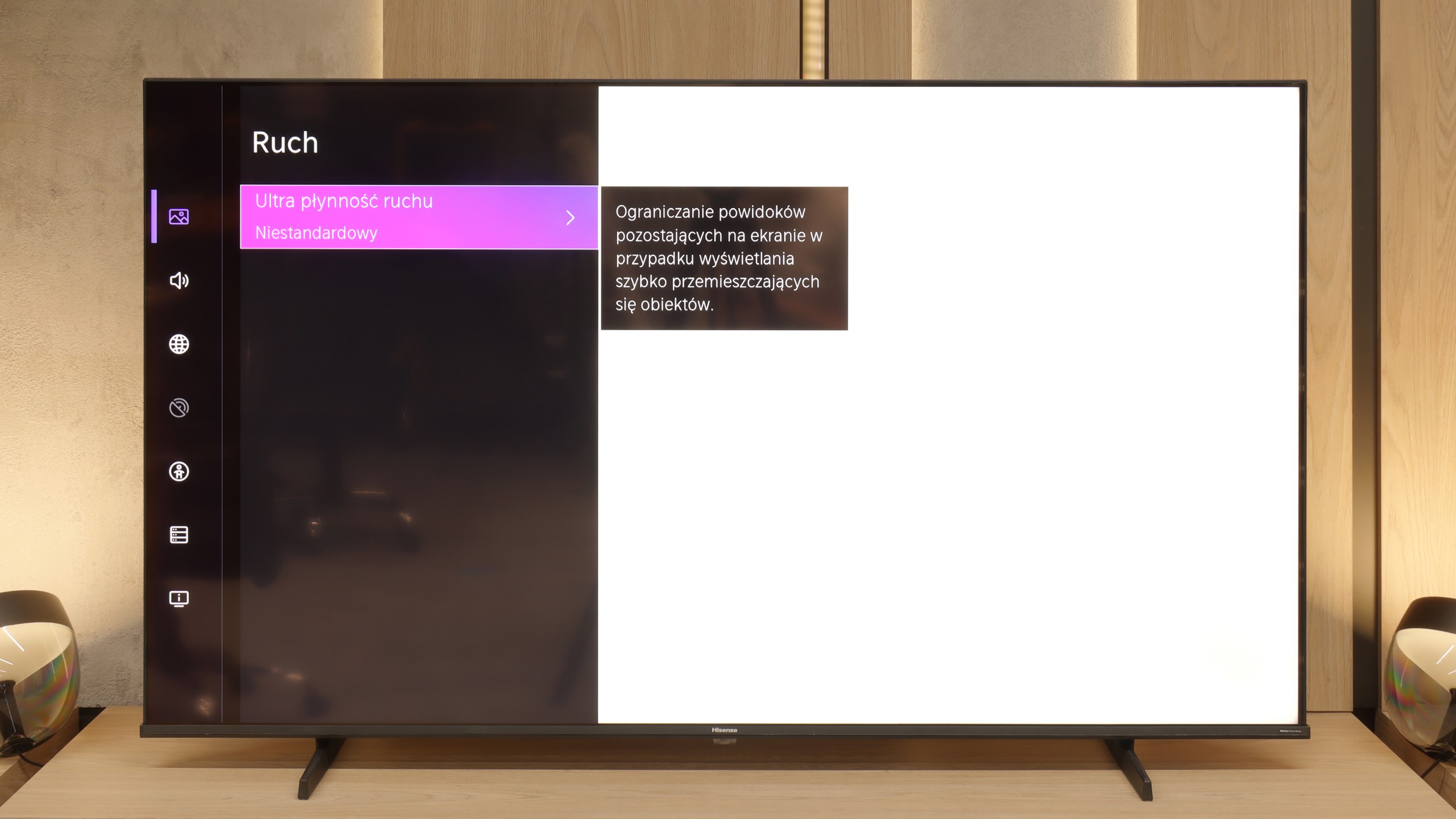
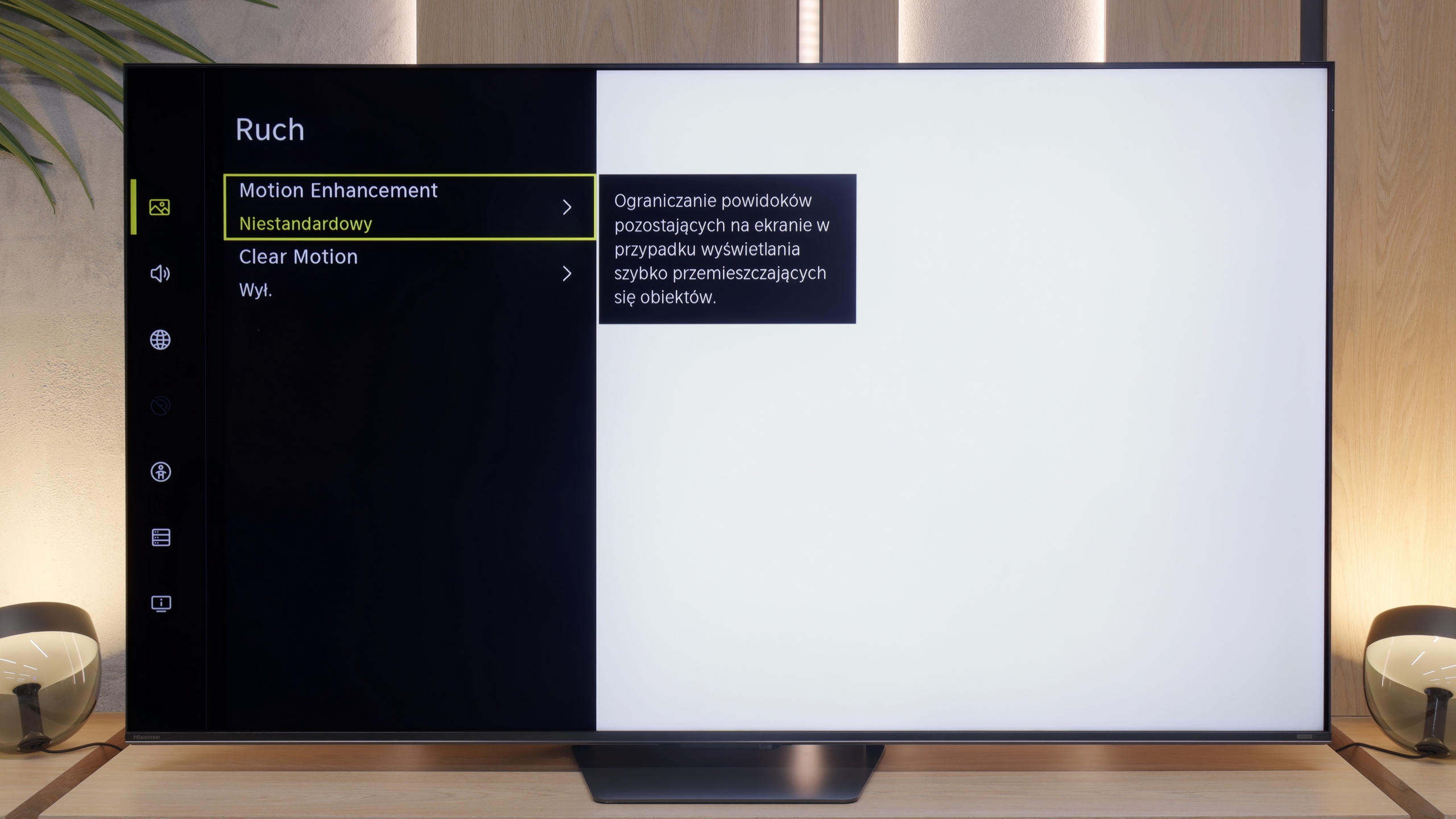
There is little to criticise about the fluidity itself. In the menu, we find a motion smoother called "Motion Enhancement", which hides two sliders: blur reduction and judder reduction. These allow for manual configuration of the smoother, which works well in both films and sports, effectively enhancing the raw television signal.
Console compatibility and gaming features
6.3/10
8.5/10
- ALLM
- VRR
- VRR range48 - 60Hz48 - 330Hz
- Dolby Vision Game Mode
- Correct implementation of HGIG
- 1080p@120Hz
- 1440p@120Hz
- 4K@120Hz
- Game bar
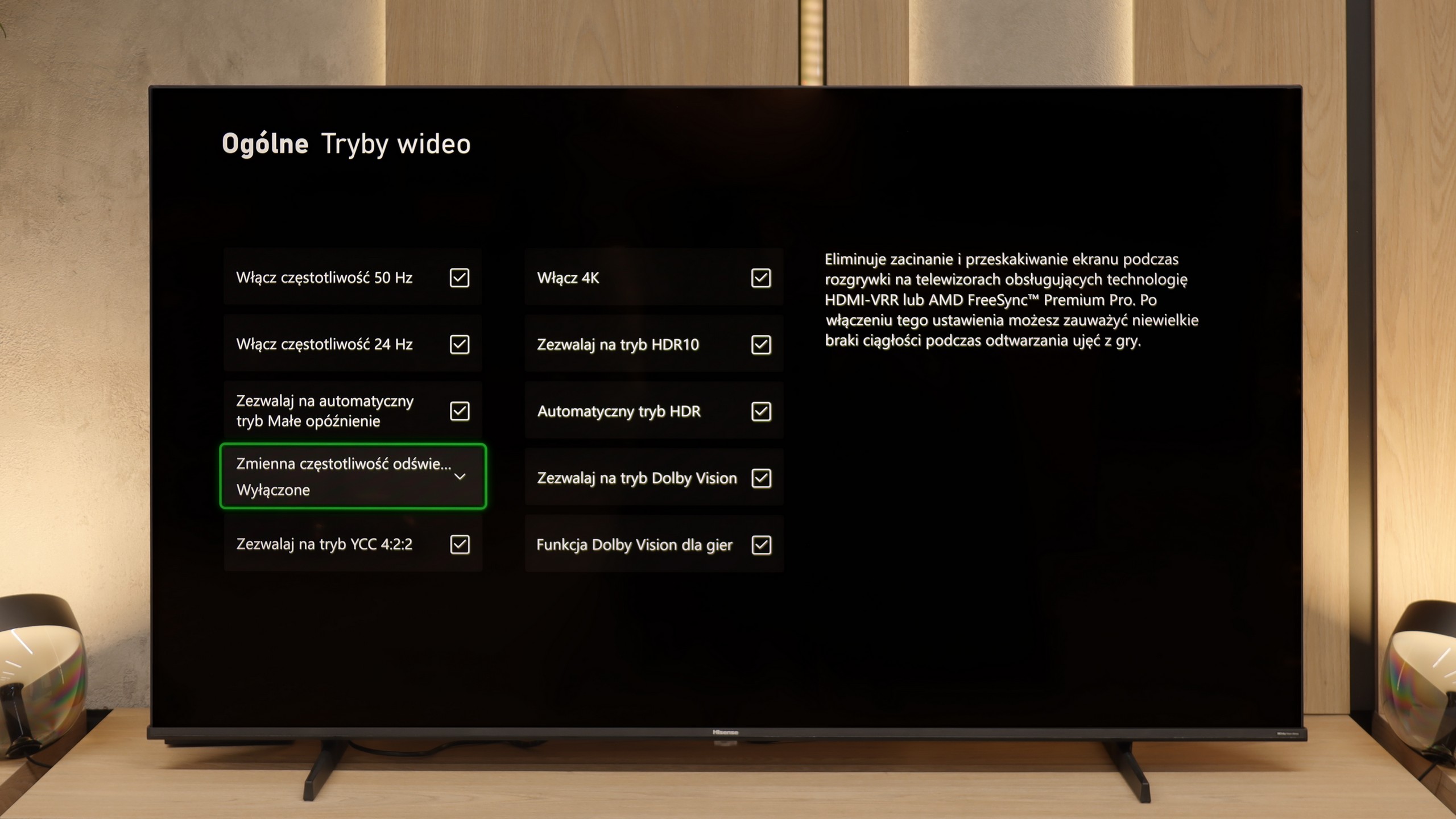
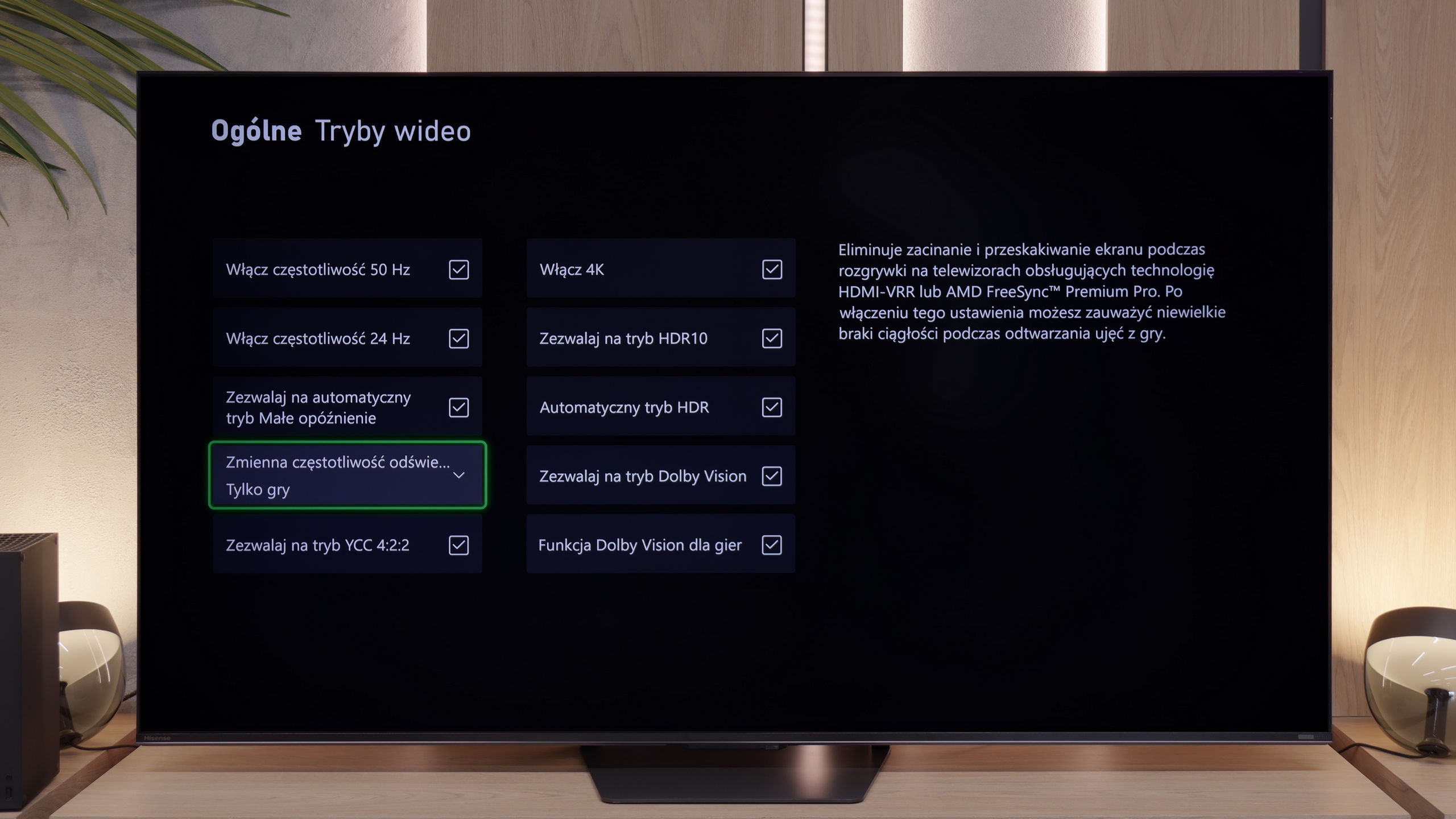
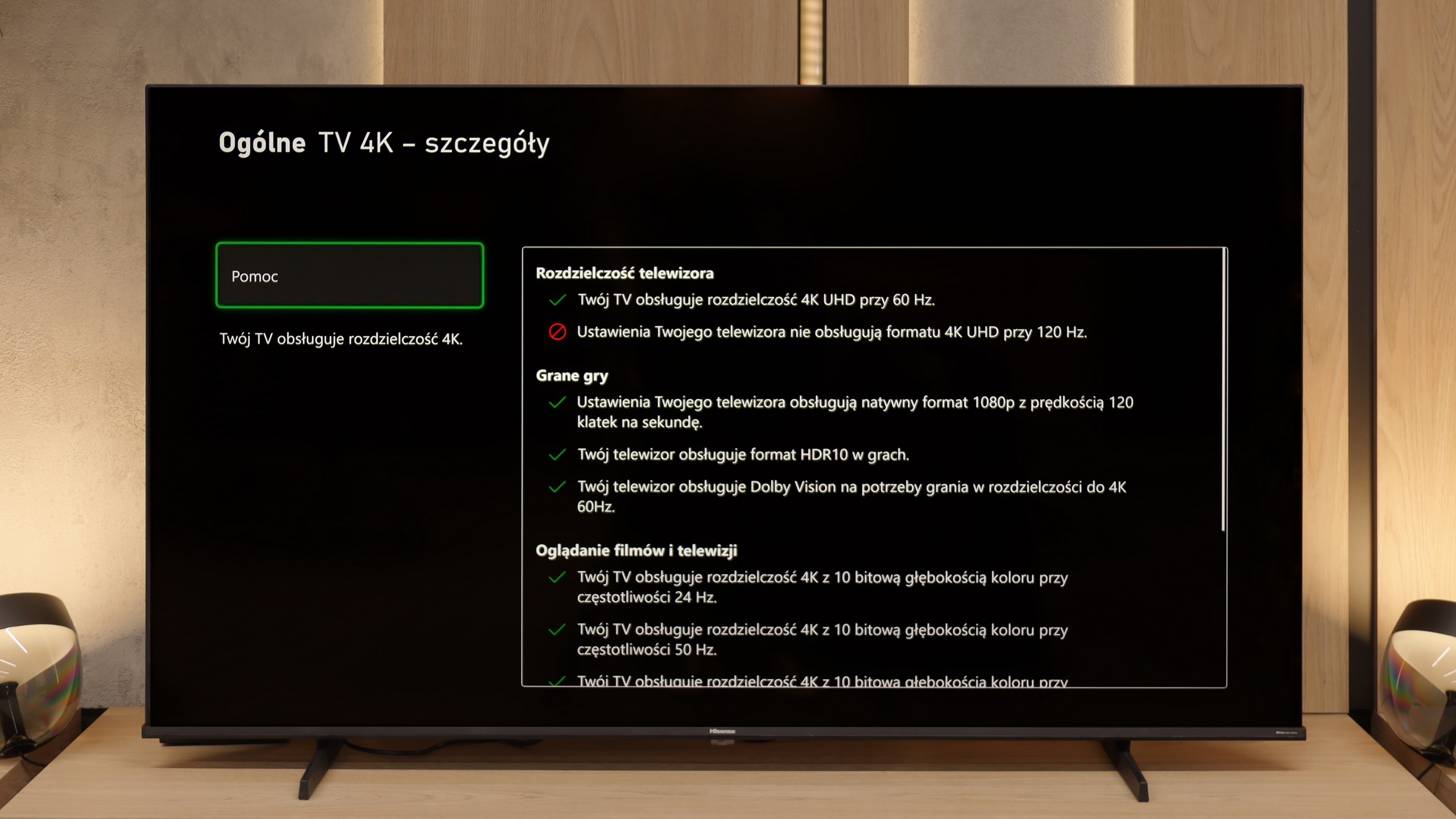
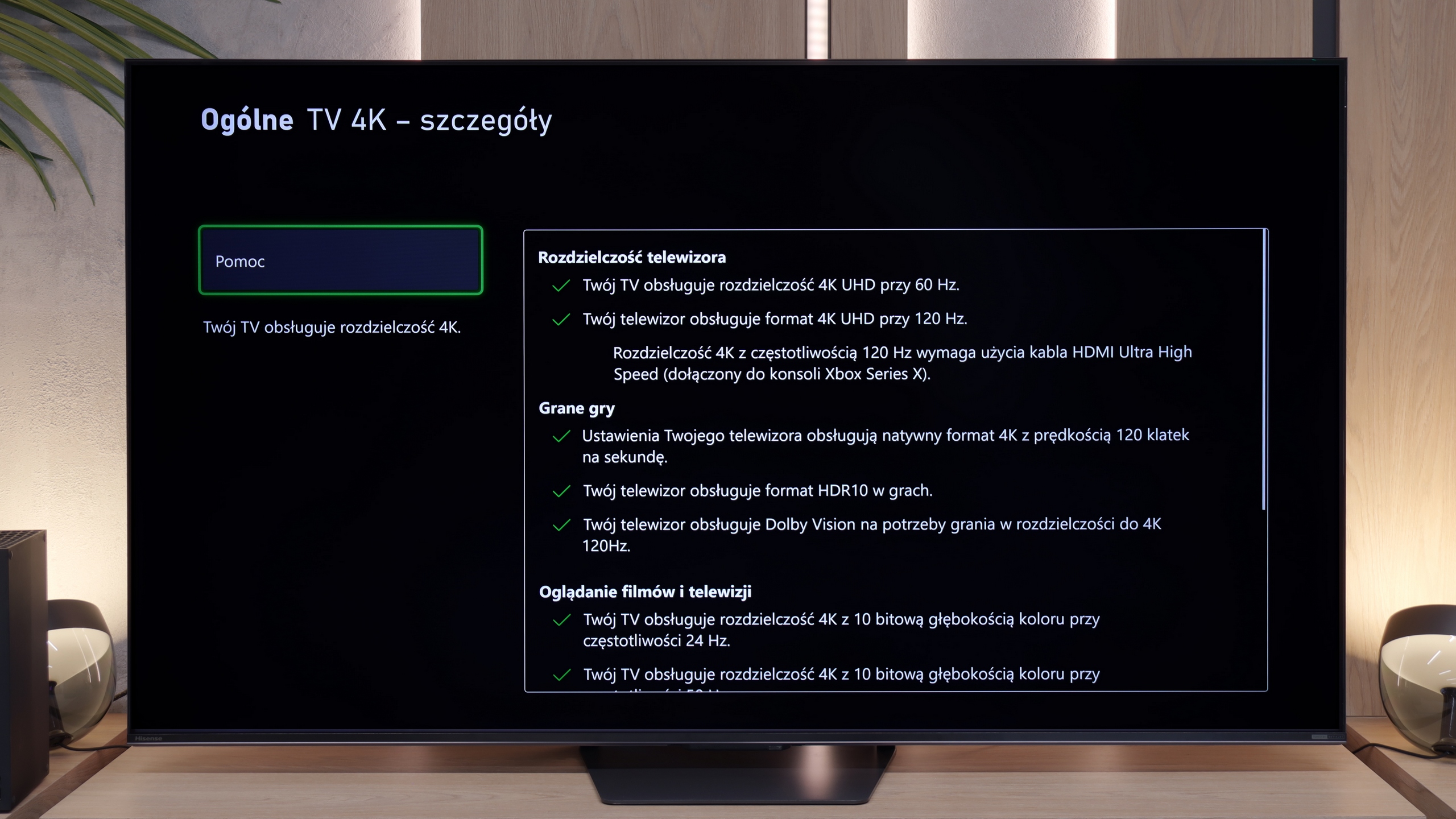
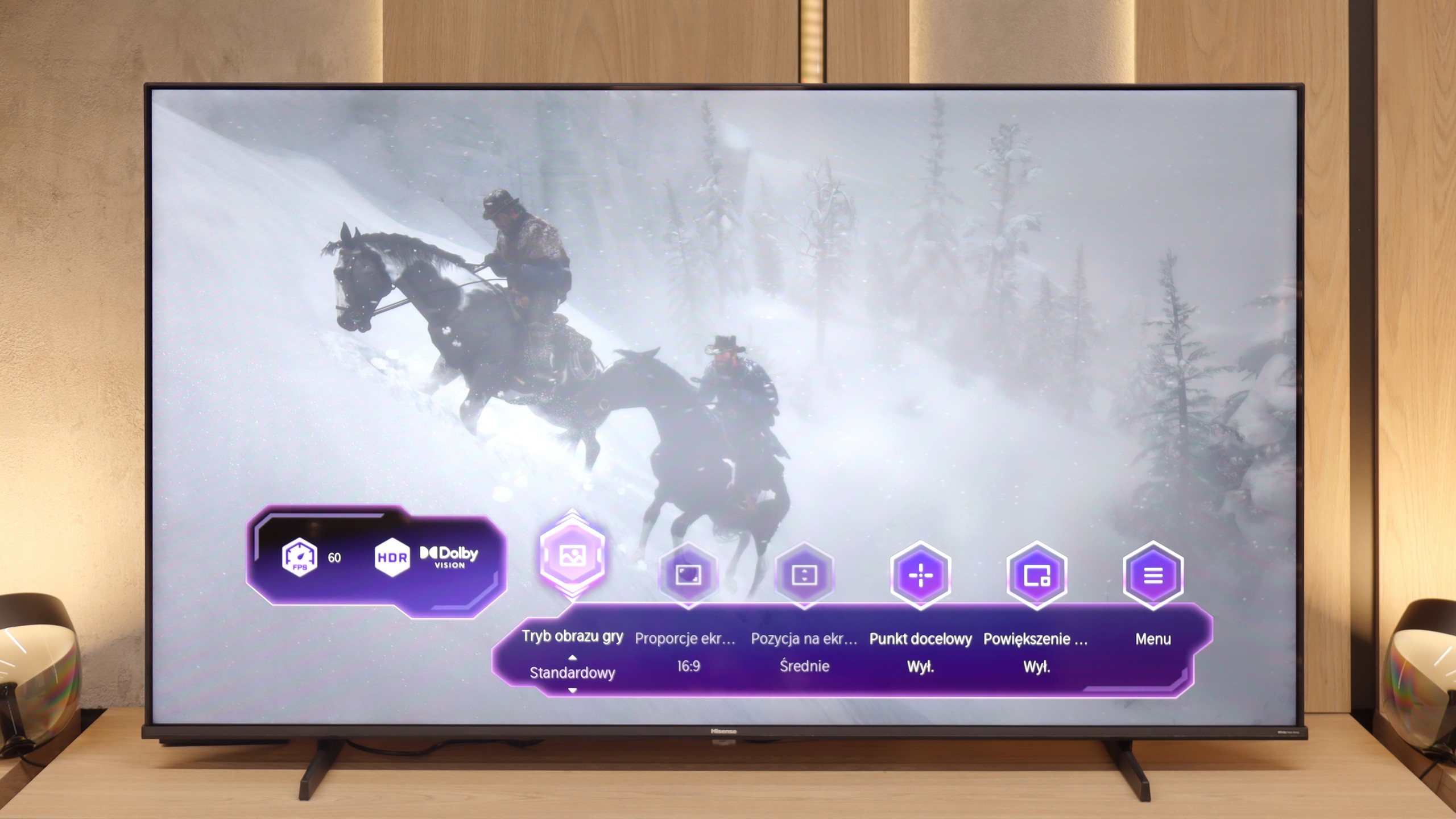
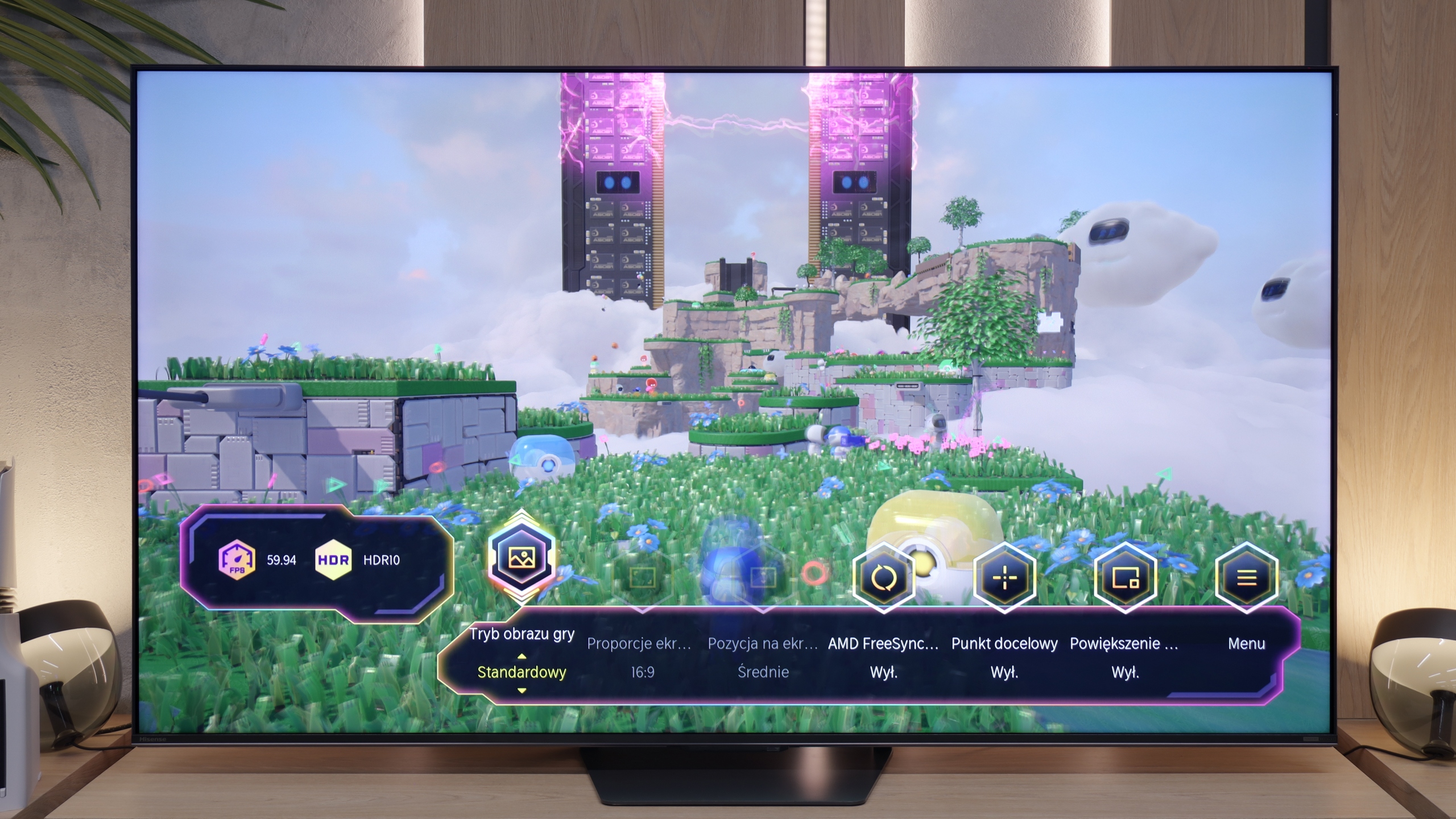
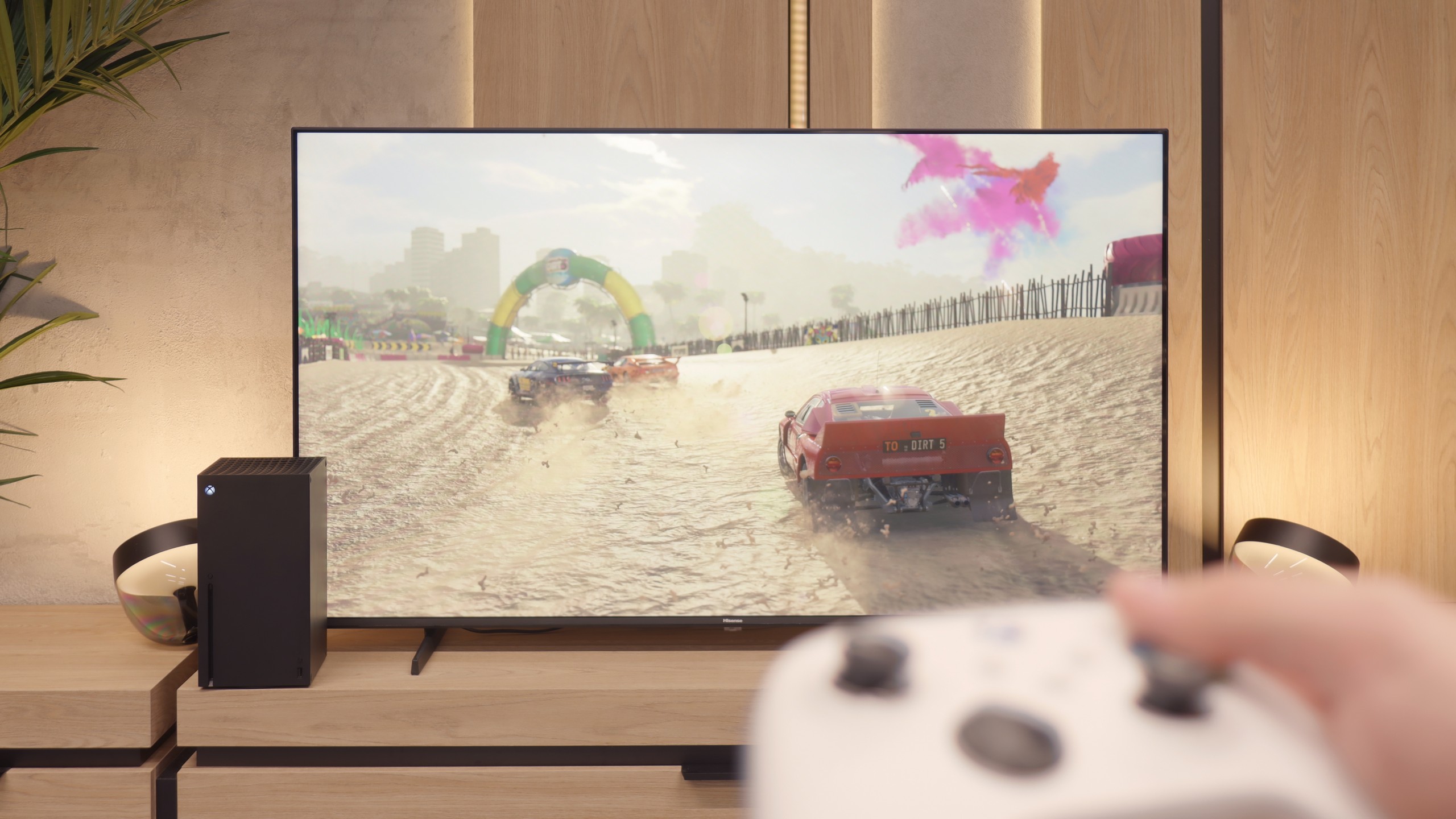
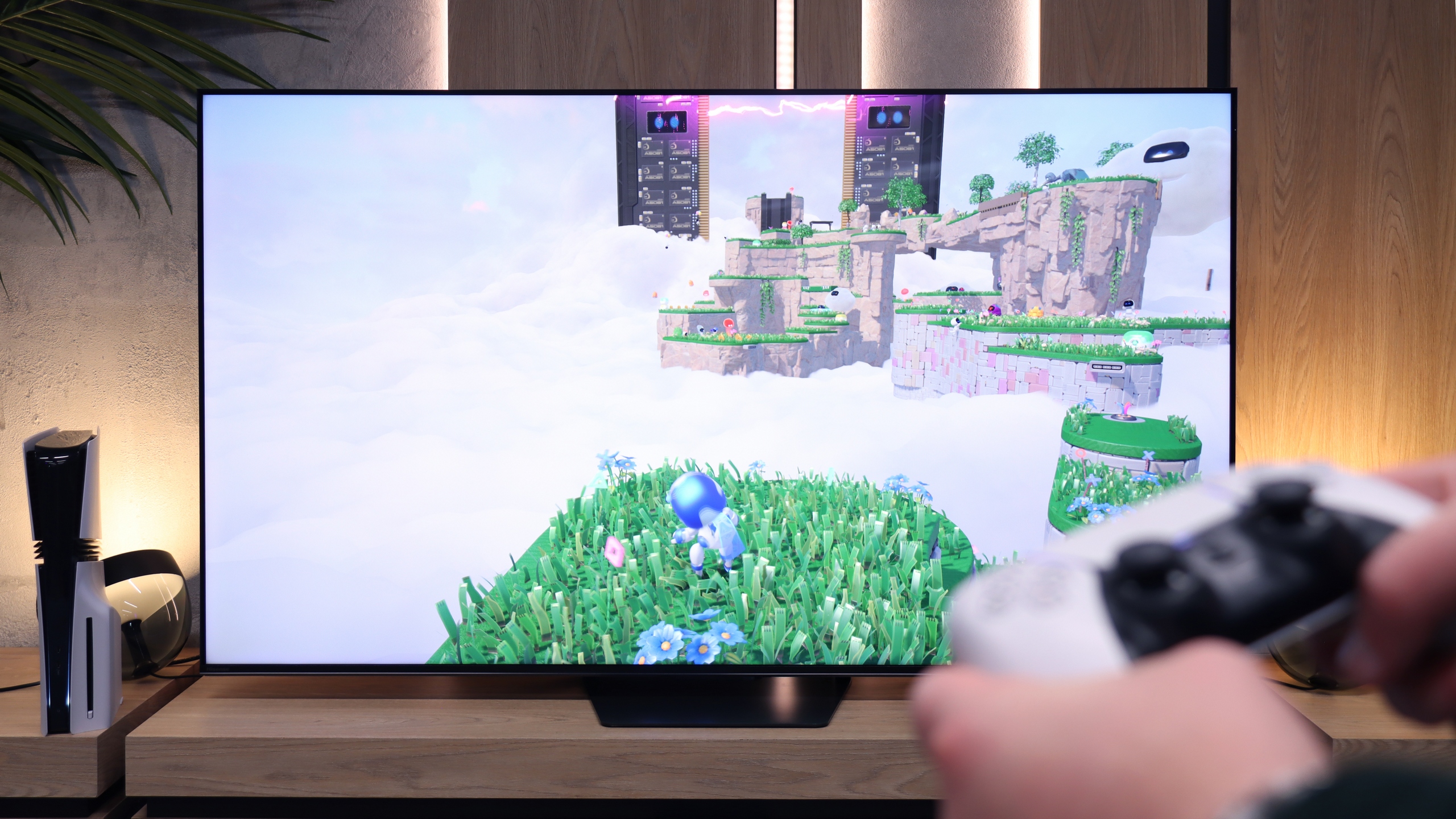
Hisense E7Q / E79Q is truly a successful television for gamers, even though it does not support 4K signal at 120 Hz. The manufacturer, however, has ensured a set of features that until recently could only be found in more expensive models. There is ALLM, meaning automatic switching to low latency mode, allowing the television to activate game mode with very low input lag by itself. We also have VRR, functioning up to 60 Hz – while this may not look impressive on paper, in practice it is fully sufficient, as most games on consoles do not exceed this limit. All these settings can be quickly found in the Game Bar panel, a convenient menu created specifically for gamers. From this interface, one can change picture modes, enable a frame counter, or even... an on-screen reticle – humorously named "target point" in the Vidaa system, which is a result of awkward translation from the Chinese manufacturer.
Special praise should be given to the ability to play in 1080p at 120 Hz, which significantly improves the fluidity and responsiveness of the image. Therefore, if someone wants to play a few titles at a higher refresh rate, they can simply lower the resolution and enjoy much smoother motion. Despite the lack of 4K@120Hz, the Hisense E7Q / E79Q performs really well as a gaming television – especially for those who are not looking for perfection but rather a solid and fast screen for everyday gaming.
If you plan to connect a console or PC to the U7S Pro, you will be more than satisfied – this television is excellent equipment for a gamer. Hisense has not spared any expense and has included as many as 4 HDMI 2.1 ports with full bandwidth of 48 Gbps. You won’t need to juggle cables as each port will handle the full set of features. We have an automatic game mode (ALLM) and VRR, which operates in a wide range from 48 Hz to an impressive 330 Hz. Of course, that 330 Hz is currently a gimmick for owners of powerful PCs, as consoles will be limited to 120 Hz, but it’s good to have that buffer for the future. The Game Bar also works very well during gaming. It’s a handy menu bar for gamers, where you can quickly change the picture mode, enable a crosshair in the centre of the screen, and even change the display aspect ratio to ultra-wide without having to exit to the main television settings, which will be appreciated by fans of PC simulators. The only downside worth mentioning is the improper implementation of the HGiG format in games. The issue is that the television ignores instructions from the console regarding the image generated in HDR10 and continues to forcefully interfere with the image it produces, trying to "enhance" it in its own way. This makes proper HDR configuration in the console menu (where you set brightness on symbols/checkerboard) somewhat difficult.
Input lag
10/10
9.7/10
SDR
HDR
Dolby Vision
In games, the easiest thing to notice is how fast (or slow) the television is – and the Hisense E7Q / E79Q passes this test without a hitch. After just a few minutes of playing, you can feel that the response to the controller movements is instantaneous, without that characteristic delay that can ruin even the best match in FIFA or a crucial exchange in a fighting game. In game mode, the E7Q / E79Q operates with a delay of less than 15 ms, which means there is virtually no gap between pressing the button and the response on the screen. This is a level that more expensive models would be proud of. And it is precisely for this responsiveness – perhaps even more than for the picture or features – that this television truly deserves to be praised.
When it comes to delays, it's really good. Results below 10 ms for content at 120 Hz are excellent news because the response to the movement of the joystick or pressing a button on the pad is instantaneous. At the standard 60 Hz, the delay rises to around 18 ms – which is still so little that even the most passionate gamer won't be able to feel it. The only thing that one could nitpick about is playing with Dolby Vision enabled. Then the input lag can jump to around 30 ms. However, it must be honestly stated that these are still not values we could deem bad or that would prevent comfortable gameplay.
Compatibility with PC
3/10
8.4/10
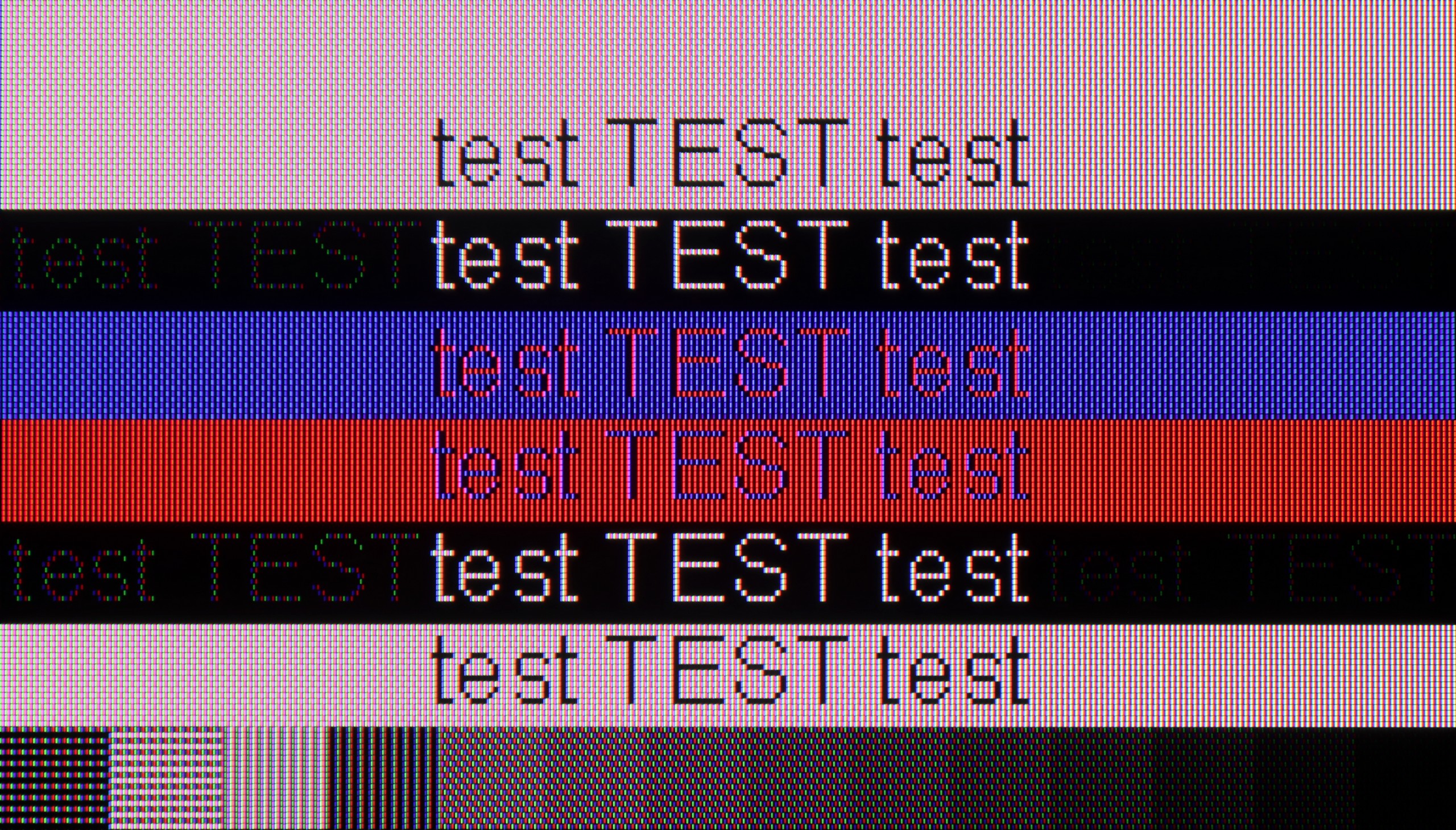
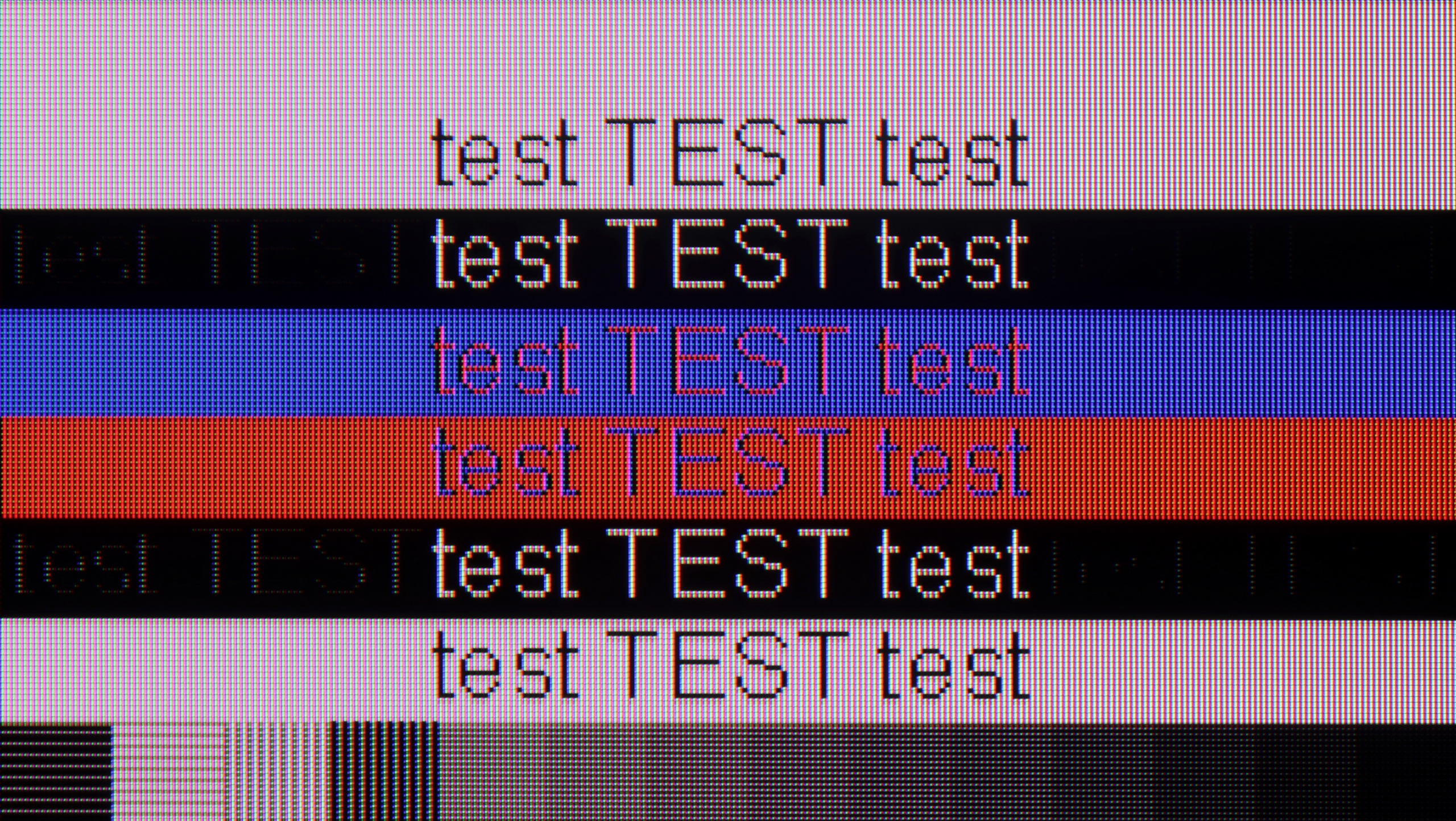
The photo shows the legibility of small fonts. Ideally, lines should be the same thickness on both light and dark text, with minimal pixel gaps.
When it comes to working with a PC, the Hisense E7Q / E79Q unfortunately does not impress. Yes, the television supports full 4:4:4 chroma sampling, so text and fonts are quite readable, but that is where the list of advantages pretty much ends. The screen has a significant issue with dithering, which in practice looks very unpleasant – as if the surface of the image subtly shimmered with colours. This is best seen with dark letters on a grey background – instead of neutral shades of fonts, there are delicate flashes of blue, green, and red, reminiscent of a rainbow effect. After extended use with a computer, this can strain the eyes and reduce comfort. On the plus side, one can note the presence of frame synchronization and the ability to operate at 120 Hz at a lower resolution, which may be a small consolation for gamers. However, as a typical monitor for PC use, the E7Q / E79Q performs rather mediocrely.
U7S Pro, as we have already mentioned, is great hardware for gamers – including those on PC. The television achieves a very high refresh rate of up to 165 Hz at 4K resolution, and when switched down to Full HD, it can even reach 330 Hz! These are values typically found in monitors rather than televisions! Moreover, the TV works seamlessly with Nvidia or AMD graphics cards thanks to G-Sync or FreeSync.
As for the readability of text on the desktop, it is quite good – the television supports full colour sampling (Chroma 4:4:4), so fonts should be sharp and clear. However, there is a little catch: text readability significantly deteriorates when the television operates in 165 Hz or 144 Hz mode. To fix this and achieve much better, sharper fonts, it's best to simply set the refresh rate in the Windows settings to 120 Hz.
Viewing angles
3.2/10
3.2/10
The Hisense E7Q / E79Q has typical VA panel weak viewing angles. Straight on, the image looks very good - the blacks are deep and the contrast is high. However, it only takes sitting slightly off to the side for the situation to change rapidly. At an angle of about 45 degrees, brightness drops by around 73%, and colours clearly lose saturation. This is the typical compromise we will have to accept for choosing a television with this type of panel instead of an IPS panel. With IPS, the viewing angles are much better, but the blacks are considerably worse.
Unfortunately, the U7S Pro does not offer the best viewing angles on the market. This is due to the VA panel used here, which, unlike IPS or ADS panels, is characterised by significantly greater image degradation when viewed from the side. Colours lose their saturation, and contrast clearly decreases. Interestingly, this feature applies not only to the panel itself but also to the external layer of the screen. The matte coating used here, when viewed at a steep angle, loses its "matte qualities" and starts to behave more like a glossy screen. Instead of diffusing light, it begins to reflect it more strongly, which can increase discomfort when used in a sunlit room. Therefore, to enjoy the best image quality and lack of reflections, it is best to sit directly in front of the screen as much as possible when using the U7S Pro.
Daytime performance
5.2/10
8.1/10
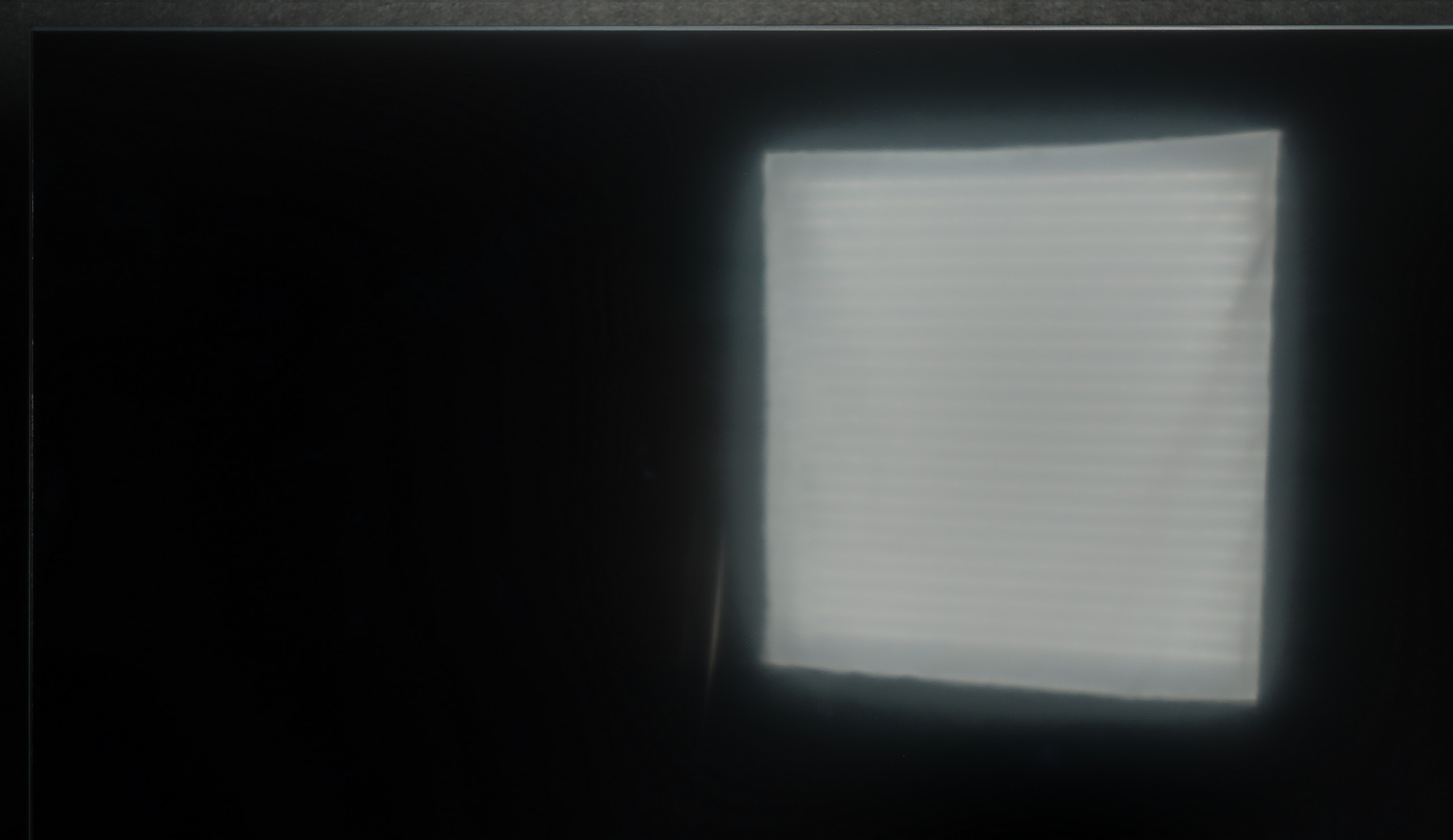

Panel brightness
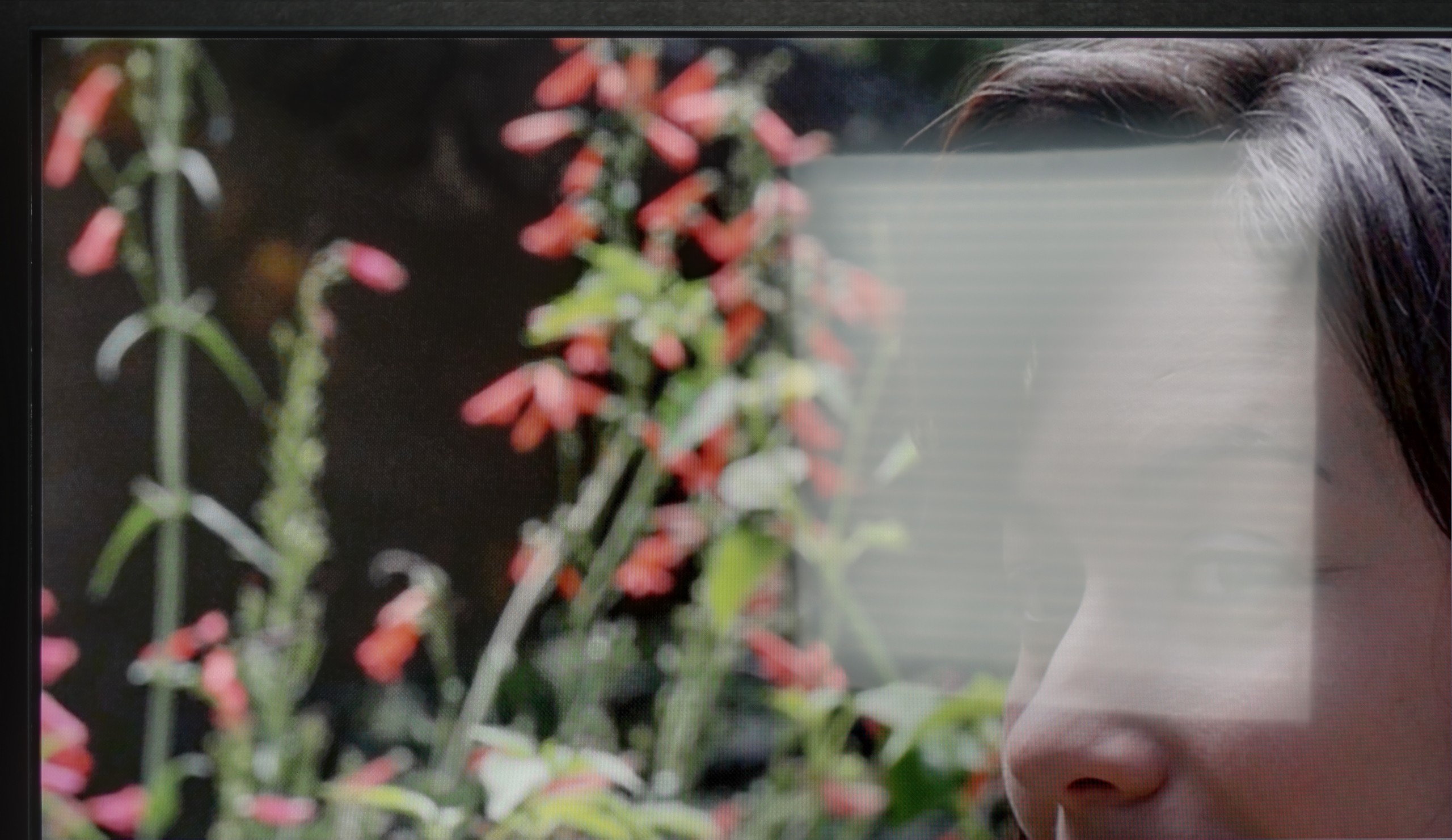
Hisense U7S Pro: 903 cd/m2
Hisense E7Q / E79Q: 371 cd/m2
The Hisense E7Q / E79Q performs best in moderately bright living rooms. Its brightness ranges from 350 to 380 nits, so in typical home conditions, the picture looks good, but in very sunlit rooms, it begins to lose clarity. This is simply not a screen for interiors with large windows or strong daylight. On the plus side, it is worth mentioning the satin coating of the panel, which quite effectively suppresses reflections – both from lamps and from windows. Thanks to this, even if the room is not in dim lighting, the image still remains fairly readable.
The U7S Pro performs very well in brightly sunlit living rooms, thanks to the new matte screen coating. In this year's model, it effectively reduces reflections from light coming directly in front of the television. Although it is not the deepest matte available on the market, it performs adequately in most scenarios. However, it is worth remembering the previously mentioned characteristic drawback: when we sit at an angle, the coating drastically loses its properties, and the screen starts to resemble a satin-gloss construction. Therefore, if we have windows positioned at an unfortunate angle, those sitting on the side of the sofa may struggle with noticeable reflections. Despite this minor inconvenience, the U7S Pro is still an excellent choice for a bright living room. Beyond the coating itself, its main advantage is its extreme brightness. In typical television content (SDR), the screen can achieve an average of 900 nits. This is an outstanding result that places this model at the forefront of the market.
Panel details
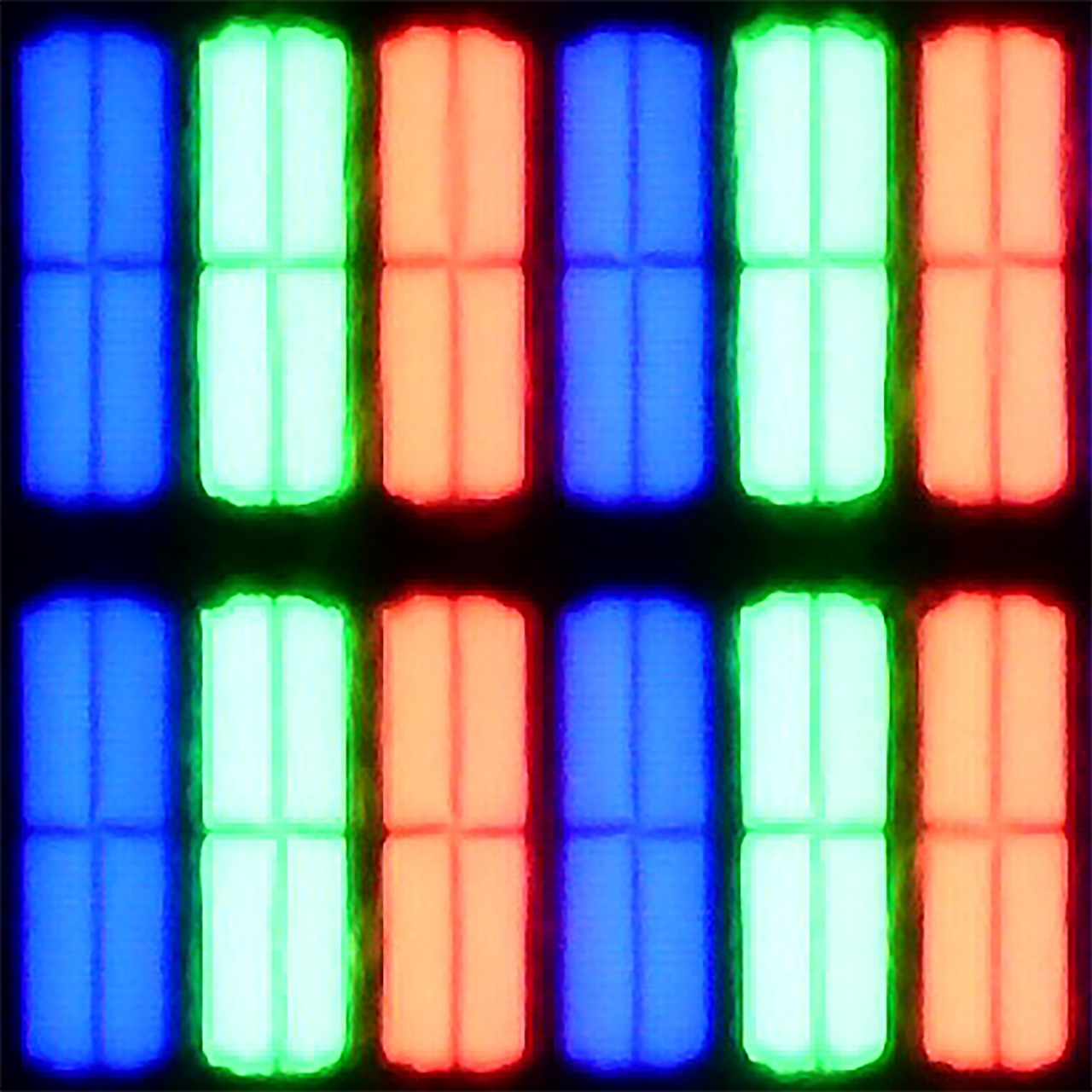
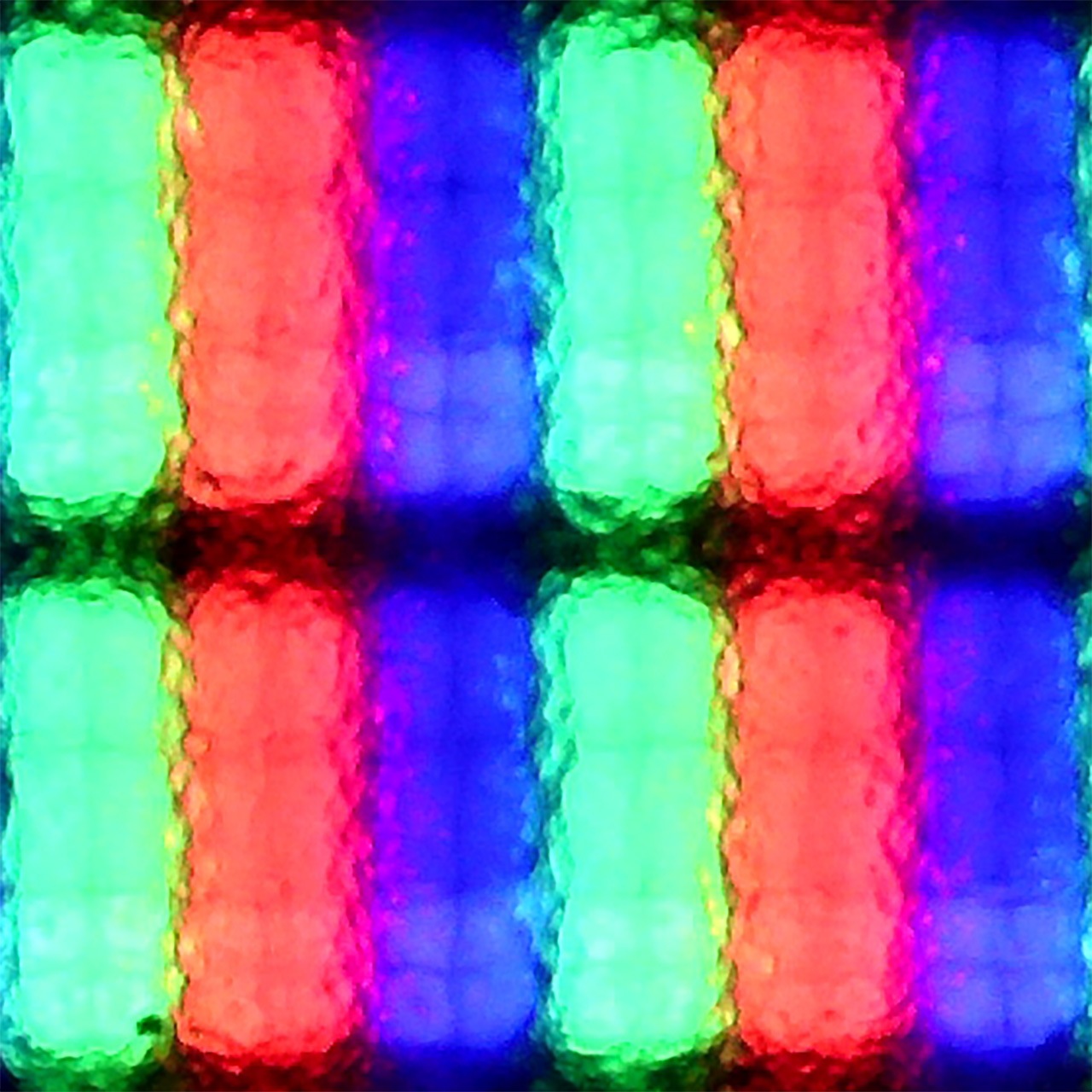
Subpixel Structure:
Panel uniformity and thermal imaging:


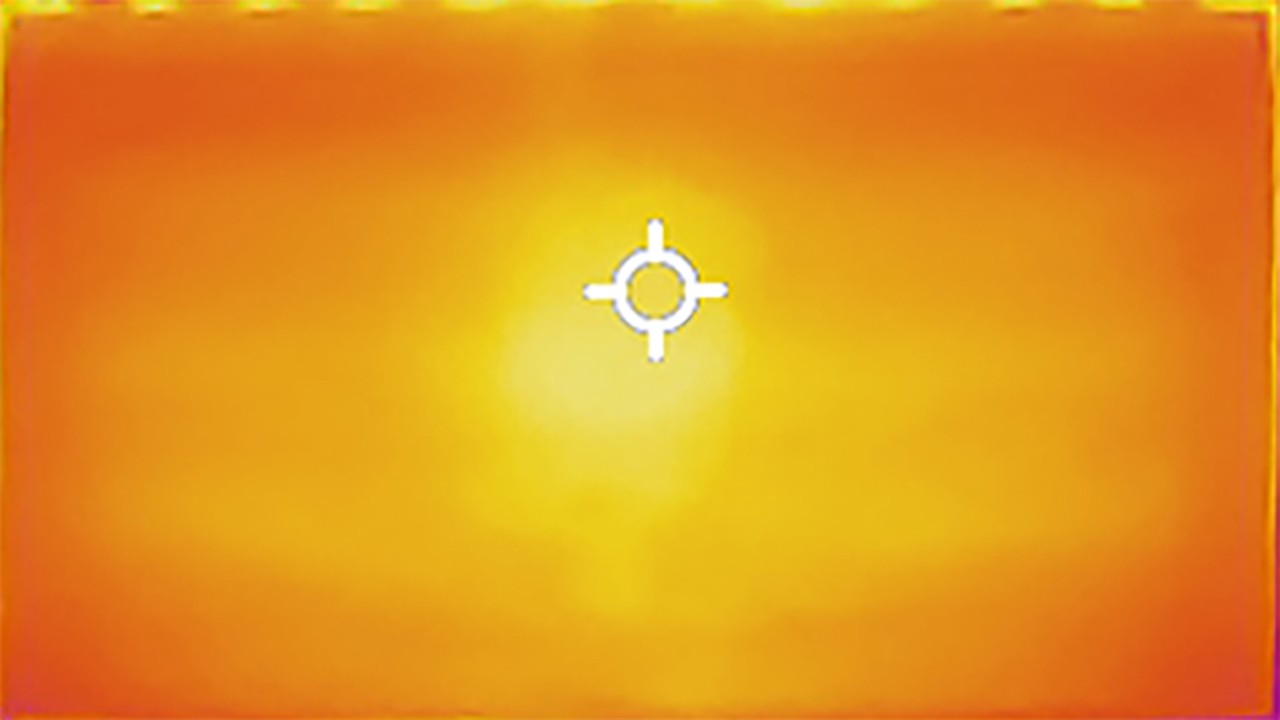
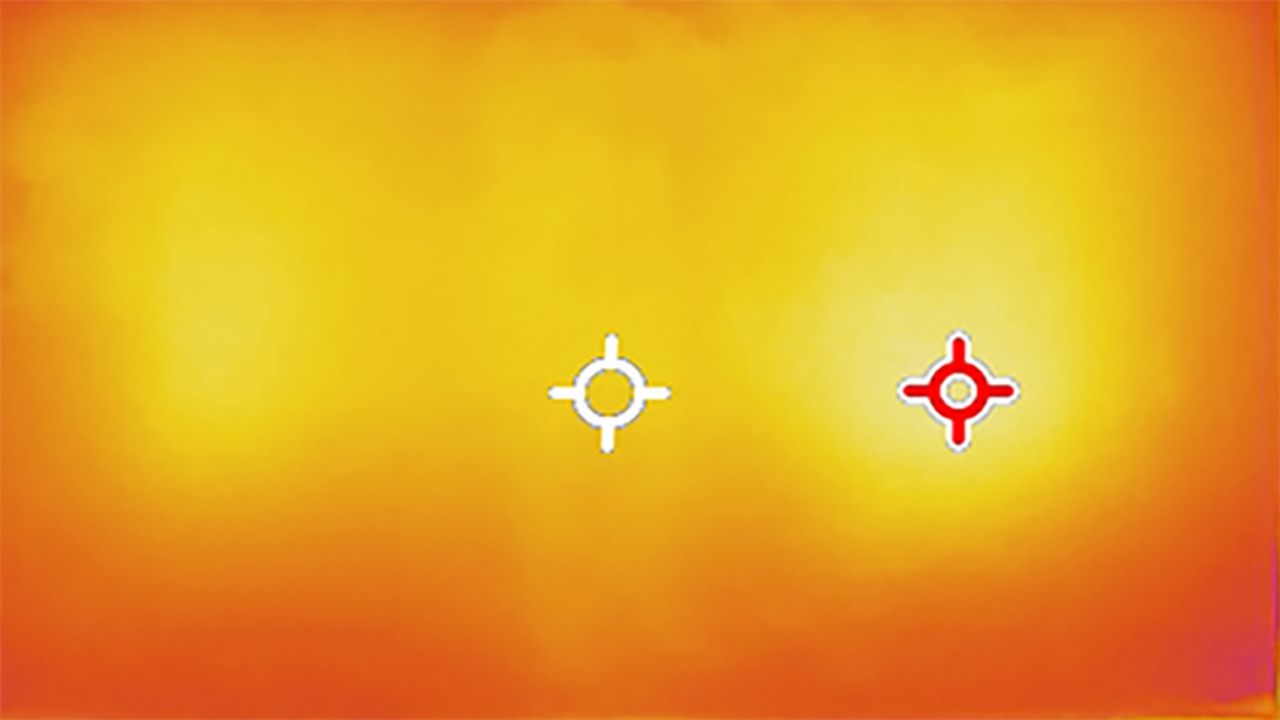
Hisense E7Q / E79Q
Hisense U7S Pro
TV features
8.7/10
9.4/10
- SystemVIDAAVIDAA
- System performanceDecentGood
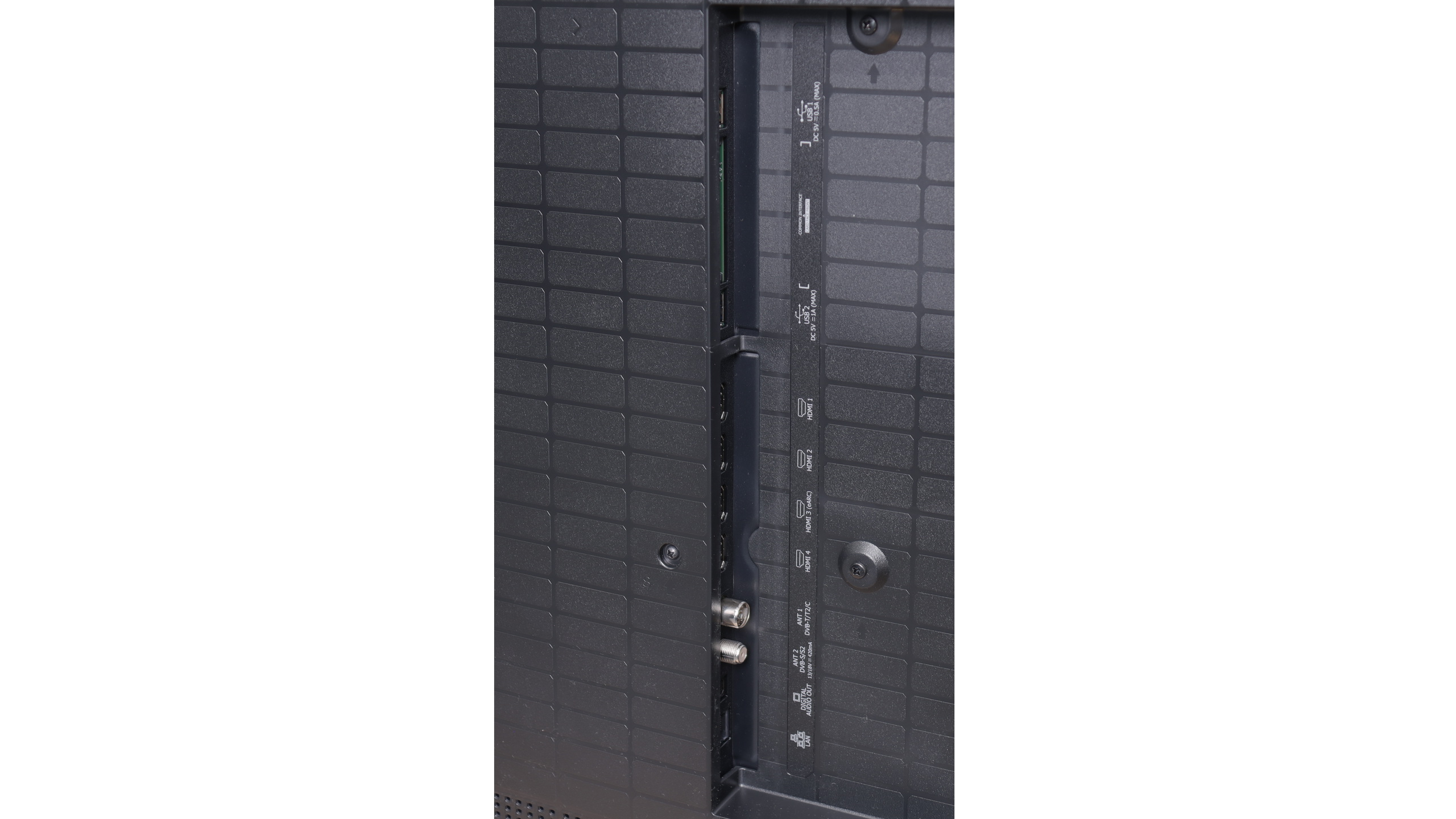
- HDMI inputs3 x HDMI 2.0, 0 x HDMI 2.10 x HDMI 2.0, 4 x HDMI 2.1 48Gbps
- Other inputsComponent (YPbPr)
- OutputsToslink (Optical audio), eARC (HDMI), ARC (HDMI), Mini-Jack (Headphones)Toslink (Optical audio), eARC (HDMI), ARC (HDMI)
- Network InterfacesWi-Fi 2.4GHz, Wi-Fi 5GHz, Ethernet (LAN) 100MbpsWi-Fi 2.4GHz, Wi-Fi 5GHz, Ethernet (LAN) 100Mbps
- TV receptionDVB-T, DVB-T2, DVB-S, DVB-S2, DVB-CDVB-T, DVB-T2, DVB-S, DVB-S2, DVB-C
Classic features:
- Recording to USB (terrestrial TV)
- Recording programming
- Picture in Picture (PiP)
- RF remote control (no need to aim)
- Backlit remote control
- Teletext
- Audio only mode
- Bluetooth headphones support
- Simultaneous Bluetooth headphones & TV audio
Smart features:
- AirPlay
- Screen mirroring (Windows Miracast)
- Voice search
- Voice search in native language
- Ability to connect a keyboard and mouse
Sound connection options
- HDMI audioeARC (HDMI), ARC (HDMI)eARC (HDMI), ARC (HDMI)
- Other audio outputsToslink (Optical audio), Mini-Jack (Headphones)Toslink (Optical audio)
- Wireless audioBluetoothBluetooth
Supported audio formats (external HDMI eARC audio):
- Dolby Digital Plus 7.1
- Dolby True HD 7.1
- Dolby Atmos in Dolby Digital Plus (JOC)
- Dolby Atmos in Dolby True HD
- DTS:X in DTS-HD MA
- DTS-HD Master Audio
Senior accessibility
- Numeric keyboard on TV
- Font size adjustment
- Audio description
SmartTV Features: Vidaa
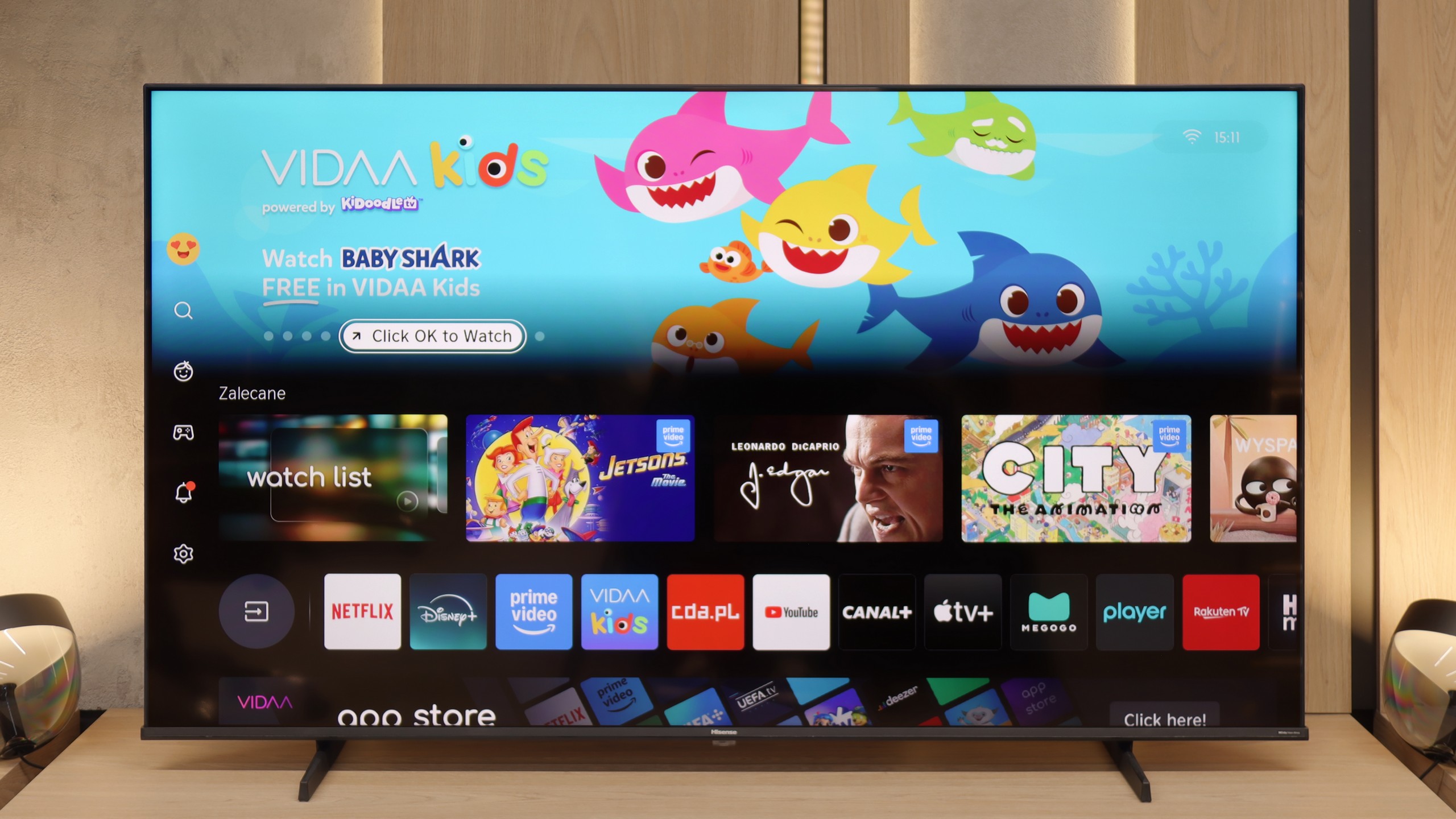
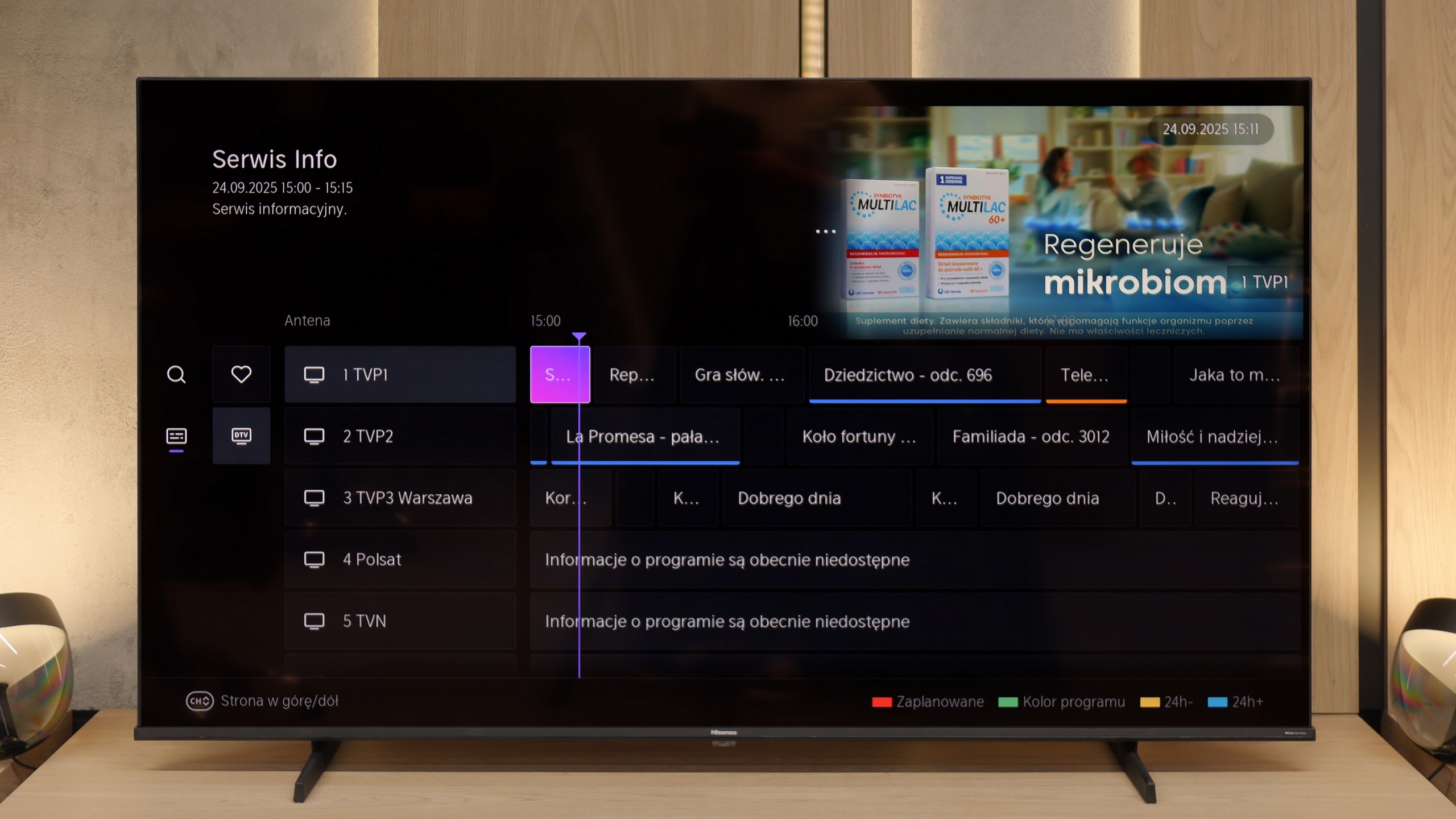
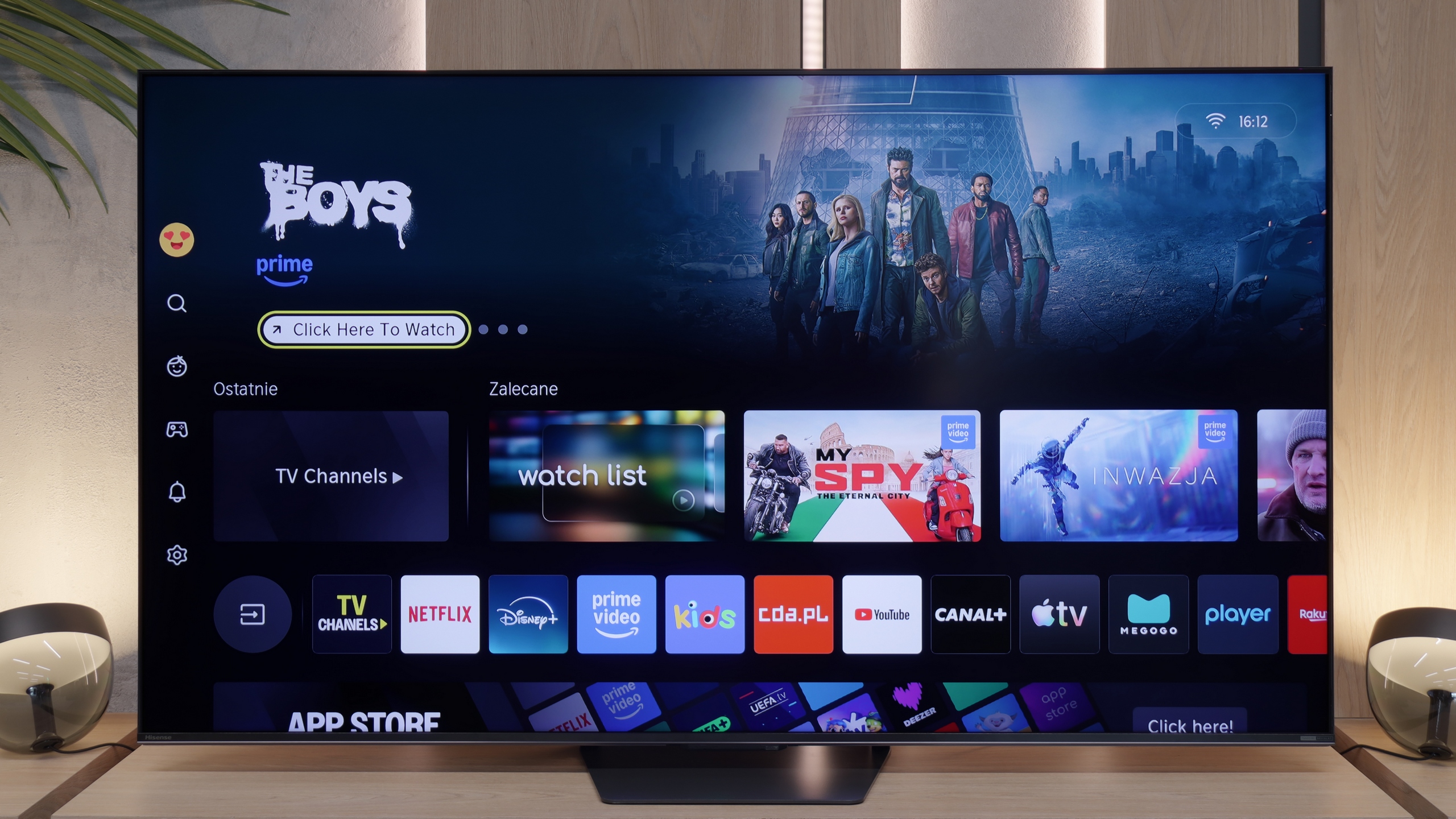
When it comes to Smart TV features, the Hisense E7Q / E79Q runs on the VIDAA system, which has been developed by the Chinese manufacturer for several years. It is evident that the software is maturing – it includes AirPlay, Screen Mirroring, and voice search in many languages, including Polish. Unfortunately, in our unit, it operated quite slowly, which surprised us somewhat, as in other Hisense models this system reacted much faster. A downside is the limited application library. Of course, the most important apps are available – Netflix, Disney+, and YouTube – but it's worth checking before purchase if you will find everything you use on a daily basis there.
Classic Features
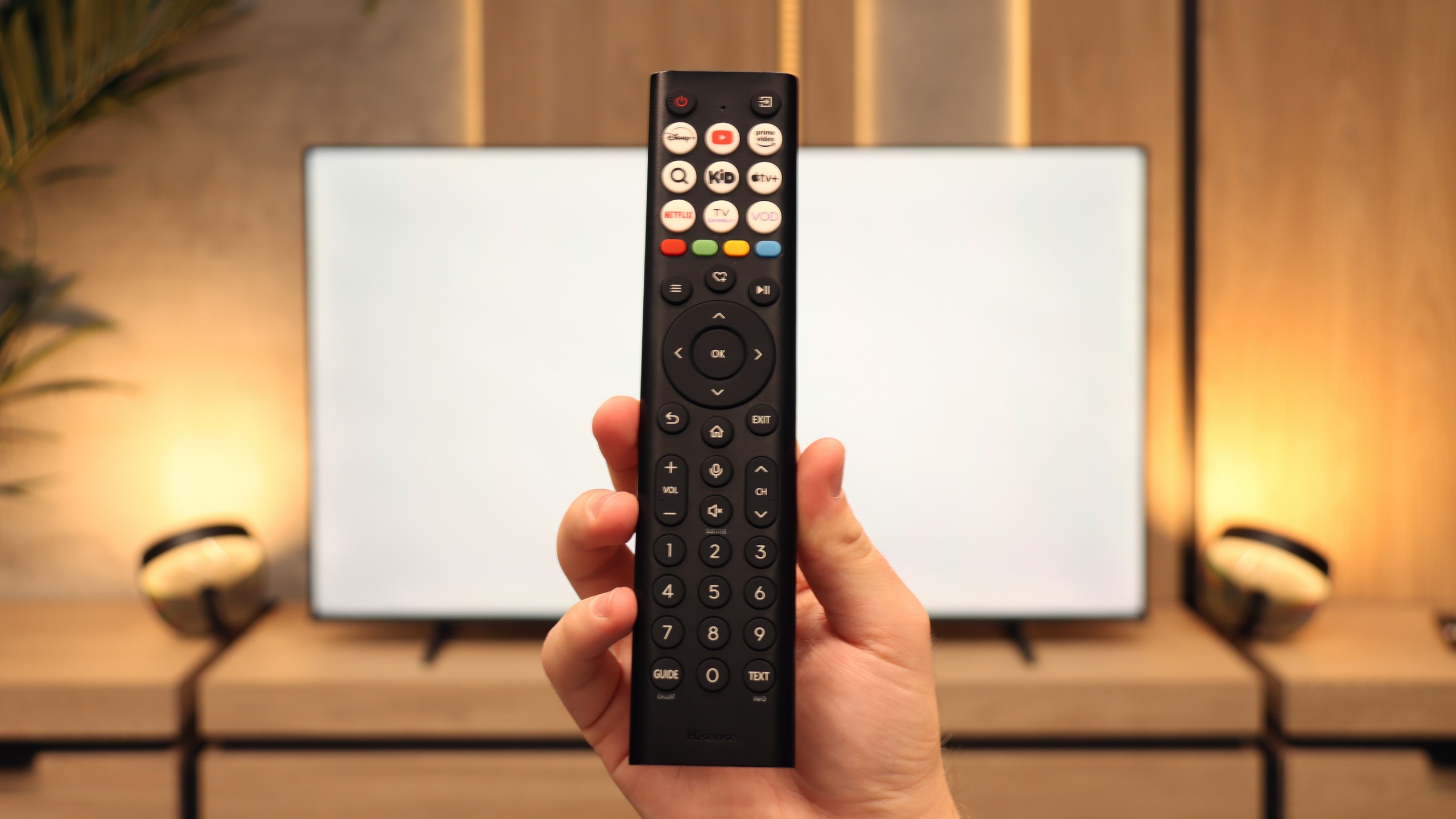
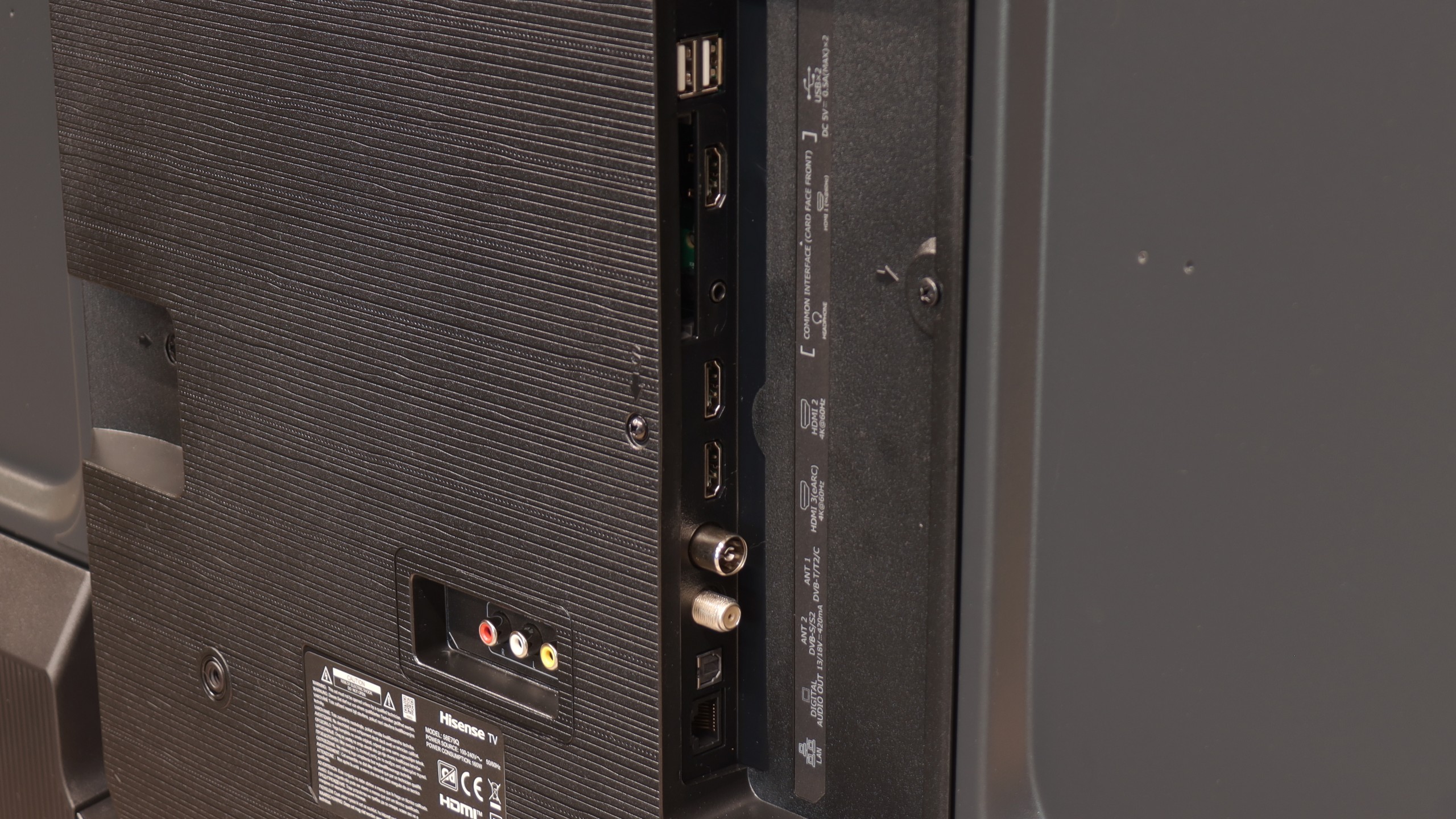
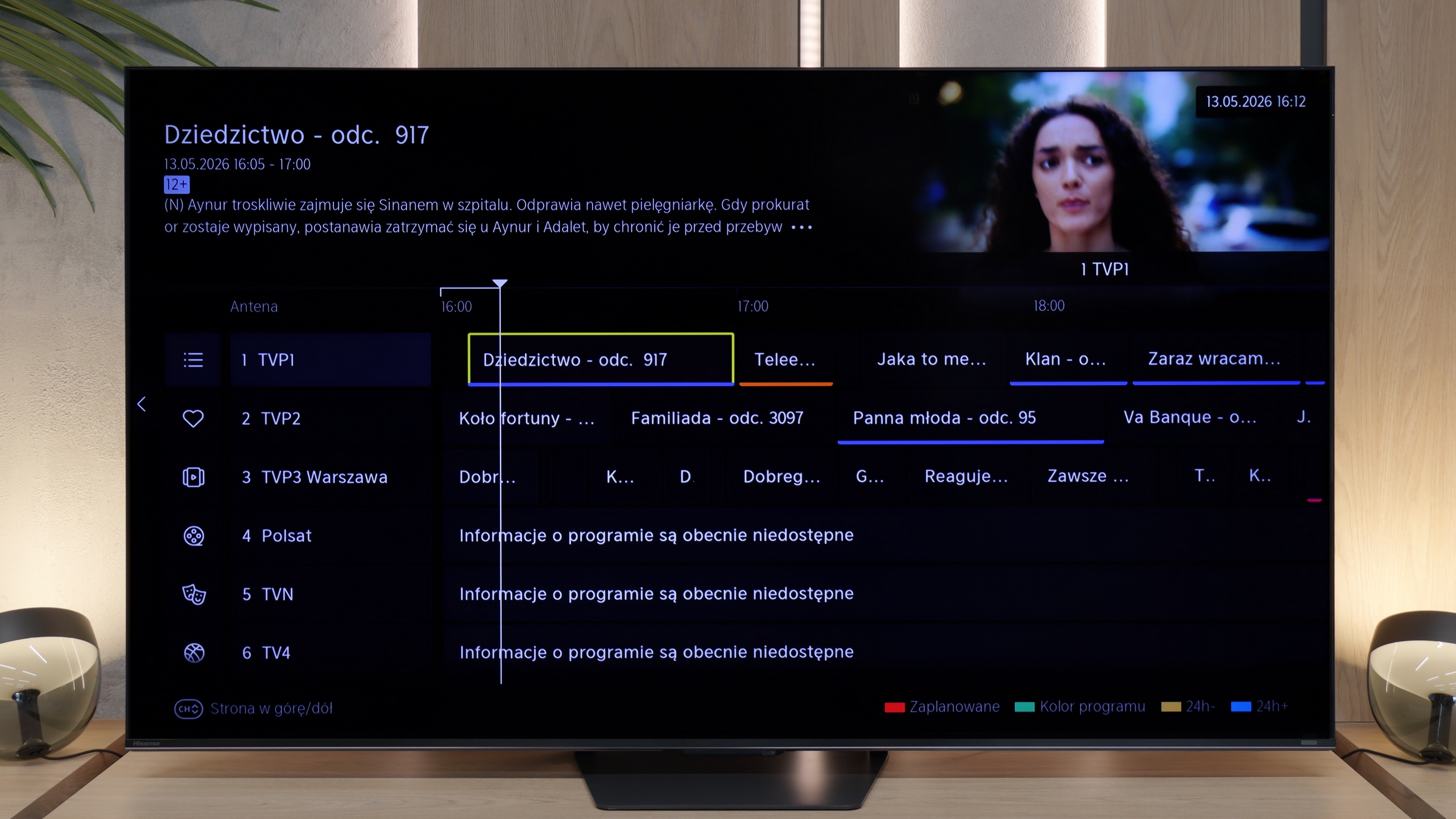
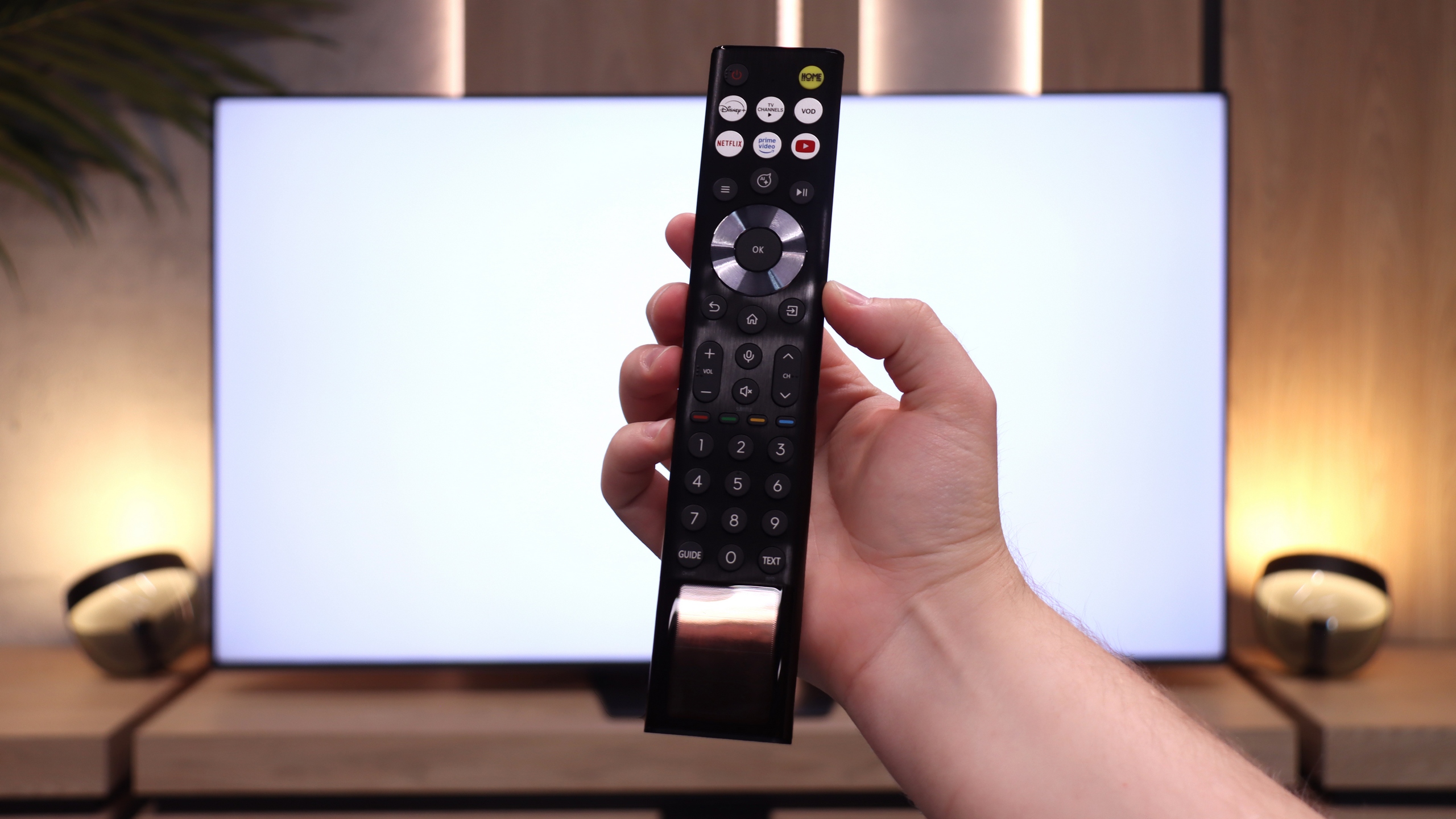
In terms of traditional television functions, the E7Q performs significantly better. It has practically everything one could expect from a classic television: recording from built-in tuners to USB, a headphone jack output, and even a component input for older audio equipment. Additionally, it offers full audio support via eARC, so you can be assured that regardless of the situation, the soundbar will always "play as it should." The remote is also fairly traditional, well-designed with a large number of buttons (including numerical ones), which may appeal to those who still watch regular television on their TV. 😉
SmartTV: Vidaa / HomeOS
Hisense U7S Pro on our European market traditionally uses its proprietary system. This year, Vidaa underwent rebranding and changed its name to "HomeOS". When it comes to the appearance of the system itself, there are no major revolutions here – instead of purple accents, we simply have yellow ones. The system operates really smoothly and is very responsive. The television supports all typical Smart TV features, such as AirPlay, screen mirroring, and voice search. Interestingly, the new voice assistant is based on artificial intelligence, so its responses are mainly driven by AI. The only criticism that can be directed at the Vidaa system is that it does not offer the broadest library of applications. At least, this is the case as of the time of writing this review in May 2026. (The list of applications is at the bottom).
Television Features
U7S Pro also performs well as a classic television for watching traditional TV, mainly thanks to the remote control with a physical numeric keypad, which we receive in the package. With it, you can easily and quickly enter the number of the station you are interested in. In the evenings, there is no need to click around blindly, as the operational part of the remote is backlit. Additionally, you don't have to worry about batteries – the remote is equipped with a solar panel, and if necessary, it can simply be charged via USB-C port. It is also worth adding that the HomeOS system (i.e., Vidaa) offers the ability to record programmes from the built-in tuner straight onto a connected USB flash drive or hard drive, as well as the option to schedule recordings. This is a significant advantage, as such a feature is already quite rarely encountered today, and it will certainly please those who use antenna TV.
Apps
7.7/10
7.7/10






















Playing files from USB
8.2/10
8.3/10
Supported photo formats:
Maximum photo resolution:
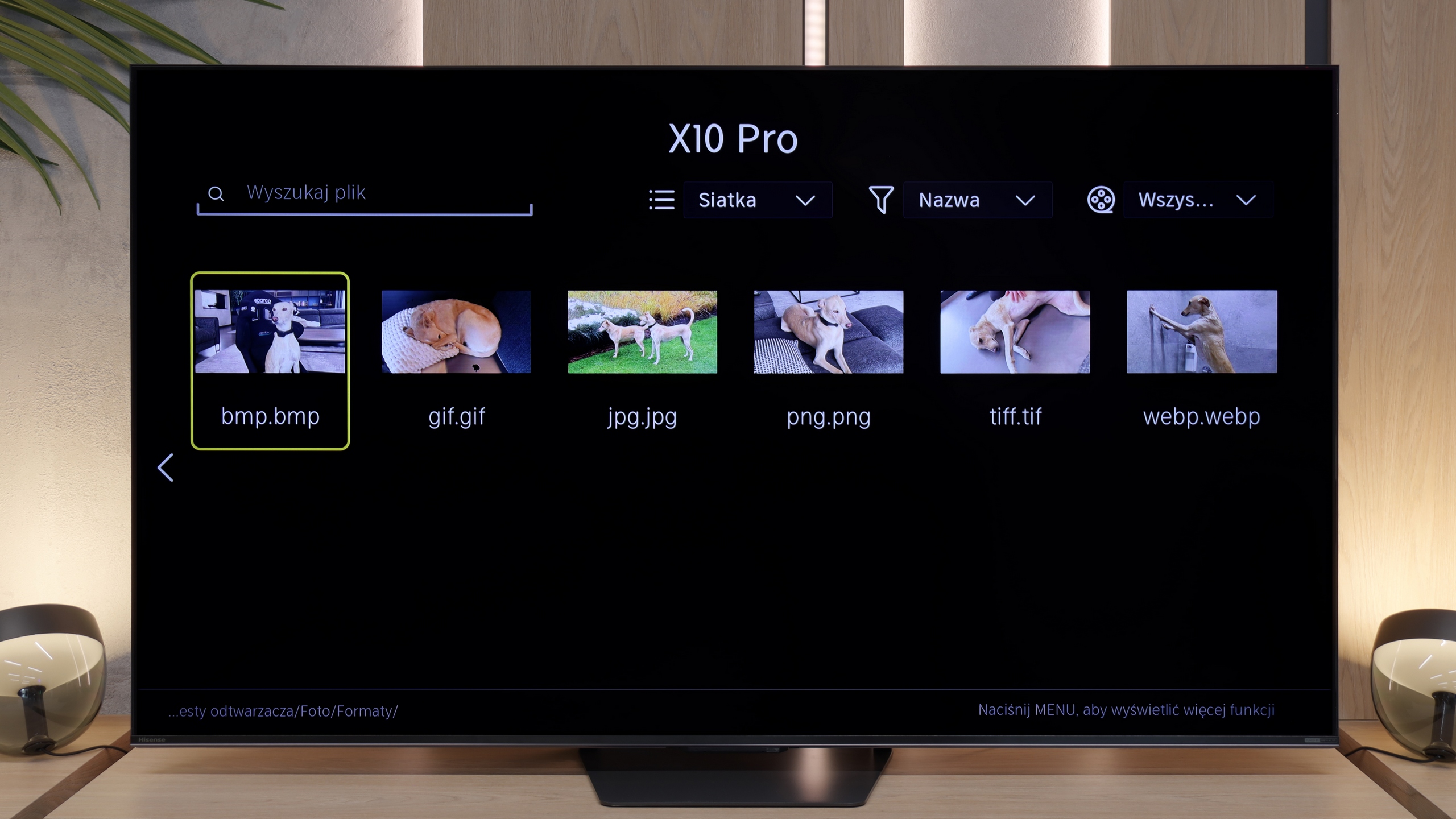
The media player in the Hisense E7Q / E79Q works properly, but it can be finicky. The biggest problem concerns photo support – the television only handles selected formats, and some files simply do not open. This is quite surprising, as even cheaper models from other manufacturers usually do not have this issue. Videos and music play without major problems; however, one must take into account that the E7Q is not a master of versatility when it comes to files from a pendrive. It is rather a basic player that works – as long as we don't try to 'surprise' it with something.
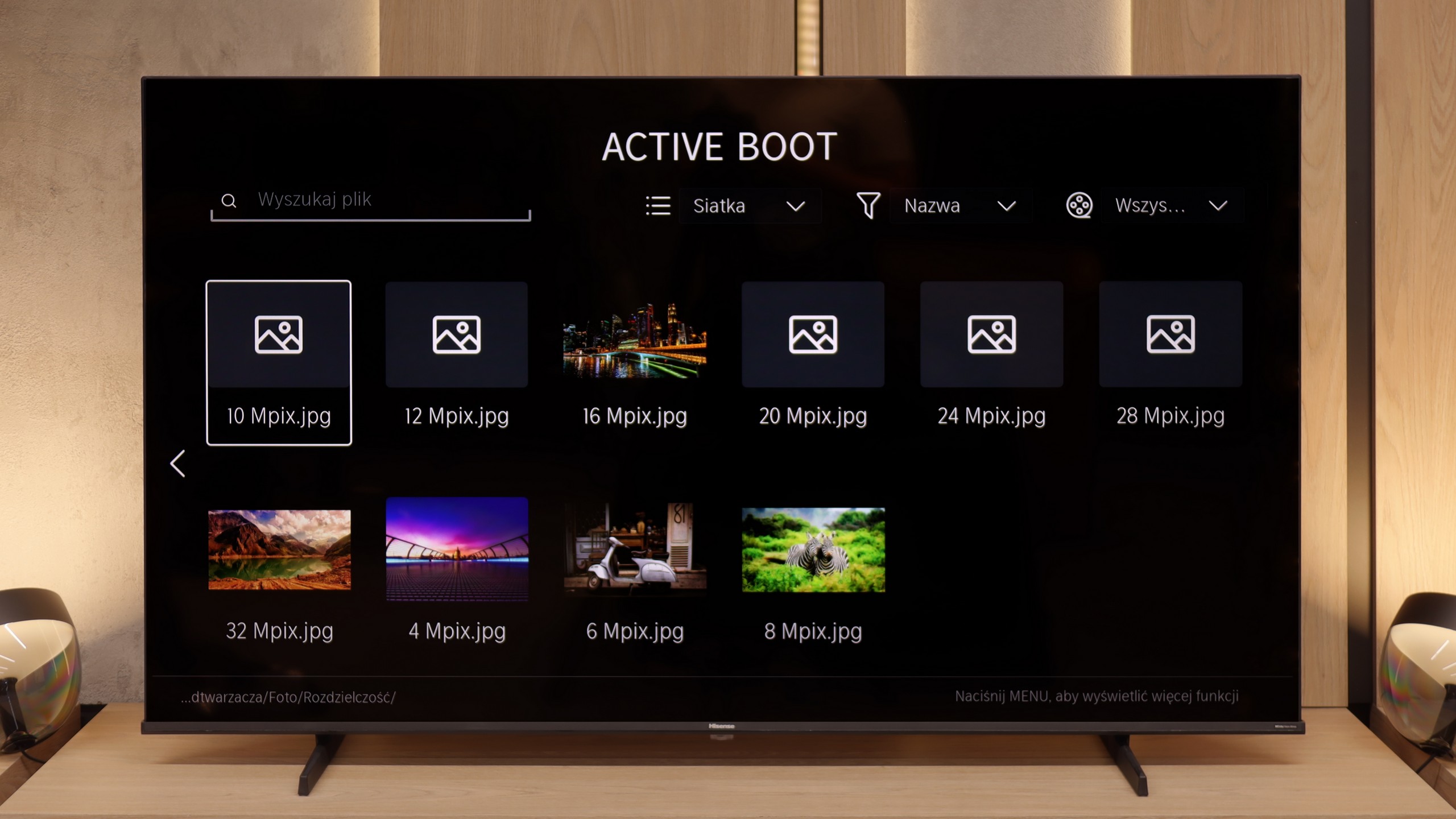
Playing files from a pendrive on the U7S Pro is not a major issue. The television handles the vast majority of photo, audio, or video files without any fuss. However, we have some reservations about the resolution of supported images – it is quite limited. It's worth keeping this in mind, as during testing, images with resolutions such as 12, 20, or 24 Mpix simply would not play from the built-in player.
Sound
6.3/10
7.8/10
- Maximum volume83dB85dB
- Dolby Digital Plus 7.1
- Dolby True HD 7.1
- Dolby Atmos in Dolby Digital Plus (JOC)
- Dolby Atmos in Dolby True HD
- DTS:X in DTS-HD MA
- DTS-HD Master Audio
The sound in the Hisense E7Q / E79Q is exactly as one might expect from a television in this price range – rather flat, but quite loud. During measurements, the maximum volume reached about 83 dB, so it is more than sufficient for everyday viewing. The dialogues are clearly audible, which somewhat compensates for the lack of pronounced bass and depth. There are no revelations here: it is simply a solid minimum that can be accepted. However, a plus point is the wide support for audio formats. The television handles Dolby TrueHD, Dolby Atmos, and even the increasingly rare DTS:X. That is quite a nice bonus, as at least we can be sure that regardless of the source – everything will sound as it should. (Definitely when we connect it to an external audio source such as a soundbar).
The sound on the U7S Pro is really good, and certainly above average. Hisense has changed the design of the casing compared to the U7Q Pro model, and now at the back, we find a built-in subwoofer, which is a low-frequency speaker. Thanks to this, the bass is well audible. The Chinese manufacturer has heavily promoted its collaboration this year with engineers from Devialet, who were responsible for the audio tuning in this model. Proof of this is the aforementioned logo on the casing. The only thing we must criticise is the television's performance at full power. At maximum volume (set to 100%), the casing vibrates unpleasantly, and the annoying creaking of plastic is clearly audible. Fortunately, reducing the volume to around 80% completely eliminates this problem.
Sound Quality Test
Acoustic Measurements
83dBC (Max)
75dBC
85dBC (Max)
75dBC