When we look at the Hisense E7NQ PRO in everyday use, it is immediately apparent that this is a television designed with a broad range of viewers in mind. The picture, although not breathtaking at first glance, gains a lot after proper calibration. The colours appear more natural, and a brightness level of around 500 cd/m² makes it comfortable to watch in a sunlit living room. The wide viewing angles offered by the IPS panel are an additional plus – we no longer have to fight for the best spot on the sofa. Dolby Vision can enhance the overall experience, and in SDR mode, the television delivers a truly pleasant image. Sports and gaming fans will find even more reasons to be satisfied here. High refresh rates (144 Hz) guarantee smooth ball movements on the pitch, while low latency, VRR, ALLM, and compatibility with G-Sync and Dolby Vision in games cater to those who value responsiveness and immersive gaming experiences. Because of all this, the E7NQ PRO becomes an interesting proposition for computer gamers as well. The VIDAA system works quite well – there are plenty of applications, although it lacks music-specific ones like Spotify or Tidal. However, you can expect recording, AirPlay, mirroring, and decent cooperation with wireless devices. Yes, there are certain shortcomings and imperfections – especially regarding subtitle support from USB or perfect management of brightness and contrast, and the absence of HGIG may disappoint the most demanding gamers. When we gather all the impressions and experiences, the E7NQ PRO emerges as a device that will perform well in many situations. It has its advantages – such as wide viewing angles, pleasant images after calibration, numerous additional functions, and excellent motion fluidity in sports or games. At the same time, it is important to remember that this is not a television intended for those seeking perfect experiences for evening viewings in total darkness. In low lighting, the deficiencies in contrast and black levels become more pronounced, so we suggest that individuals who primarily plan evening screenings look for alternatives among competitors. Nevertheless, as a versatile solution for everyday use – from watching television in a bright living room to playing console and computer games – the E7NQ PRO performs really solidly.
- Matching (Score) |
- Our verdict |
- TV appearance |
- Where to buy |
- Contrast and black detail |
- HDR effect quality |
- Factory color reproduction |
- Color reproduction after calibration |
- Smoothness of tonal transitions |
- Image scaling and smoothness of tonal transitions |
- Blur and motion smoothness |
- Console compatibility and gaming features |
- Input lag |
- Compatibility with PC |
- Viewing angles |
- Daytime performance |
- Panel details |
- TV features |
- Apps |
- Playing files from USB |
- Sound
Hisense E7NQ PRO vs TCL C6KS / C69KS / Q6CS
 Direct comparison
C6KS / C69KS / Q6CS



Panel type: LCD IPS
Resolution: 3840x2160
System: VIDAA
Model year: 2024
Complete the survey to find out the result
Panel type: LCD VA
Resolution: 3840x2160
System: Google TV
Model year: 2025
Complete the survey to find out the result
Overall rating
7.0
6.4
 Movies and series in UHD quality
 6.4
5.9
 Classic TV, YouTube
 6.3
6.1
 Sports broadcasts (TV and apps)
 6.6
5.3
 Gaming on console
 8.0
7.7
 TV as a computer monitor
 7.6
1.7
 Watching in bright light
 6.2
6.6
 Utility functions
 8.9
7.0
 Apps
Apps 7.7
9.6
 Sound quality
 7.0
6.5
Complete the survey to find out what fits your preferences
Advantages

Wide viewing angles thanks to the IPS panel
Good colour potential after calibration
High refresh rate (144 Hz), VRR, ALLM and G-Sync for gamers
Support for Dolby Vision
A considerable number of additional features (recording, AirPlay, mirroring)
Support for key audio formats (Dolby Atmos, DTS:X)
Relatively low input lag
Very good contrast and black levels: VA panel and MINI-LED backlighting
Fairly high (around 600 nits)
Many features for gamers: VRR, ALLM, HGiG
Additional gaming modes: 120Hz and 144Hz
Google TV system with a wide selection of apps
Supports multiple HDR formats including Dolby Vision
Support for Dolby Atmos and DTS
Quite pleasant sound from the built-in speakers
Disadvantages

Average contrast and black level
Issues with subtitle playback from USB
Missing support for HGIG
Brightness management issues in HDR in some scenes
Unavailability of some popular music applications (Spotify, Tidal)
The matrix has significant smearing
Strongly visible dithering (looks like artificial 4K)
Very poor compatibility with PC
Minor bugs in the system
Great chaos in naming (many derivative models that differ in no way)
Our verdict
TCL C6KS (also known as C69KS and Q6CS) is a television that on paper promised to be a hit in the "value for money" category. Indeed, in many respects, it is a successful piece of equipment: thanks to Mini-LED backlighting, we get good blacks and brightness that competes with more expensive models. In fact, it is identical to the slightly pricier C6K model that we have already tested for you. Additionally, it features the same excellent Google TV system and surprisingly rich gaming features that make it enjoyable to play even with a 60 Hz panel. Unfortunately, the overall impression is tarnished by the performance of the panel used. The television struggles with noticeable motion blur, and aggressive dithering (digital grain) causes the image to often appear unnatural and artificial – as if it were being overly sharpened. Ultimately, the biggest problem with the C6KS is not its flaws, but its sibling, the C6K. At its current price, this model finds itself in a strange "middle ground." It costs almost the same (or slightly less) as the fully-fledged TCL C6K, which offers a significantly better 120 Hz panel and is simply a complete construction without those annoying errors. The C6KS is a compromise model that will only become attractive under one condition – if its price drops drastically. For the moment, a significantly safer and better option remains paying a (often nominal) premium for the C6K model. One could cynically state that the letter "S" in the name indeed stands for "Slim." Only it does not refer to an exceptionally slim chassis, but to how much this model has been "trimmed" in terms of features compared to the full-fledged C6K.
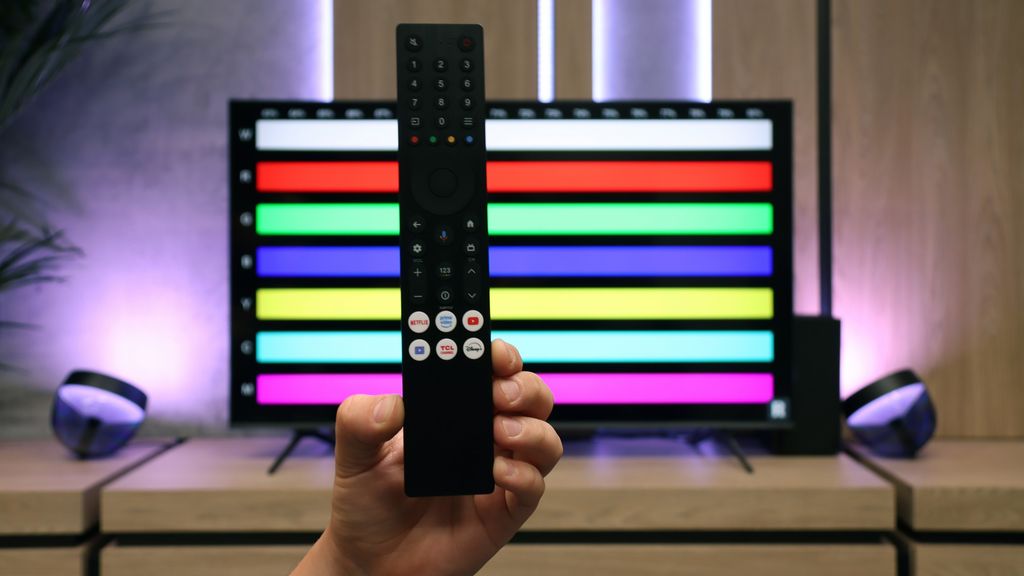
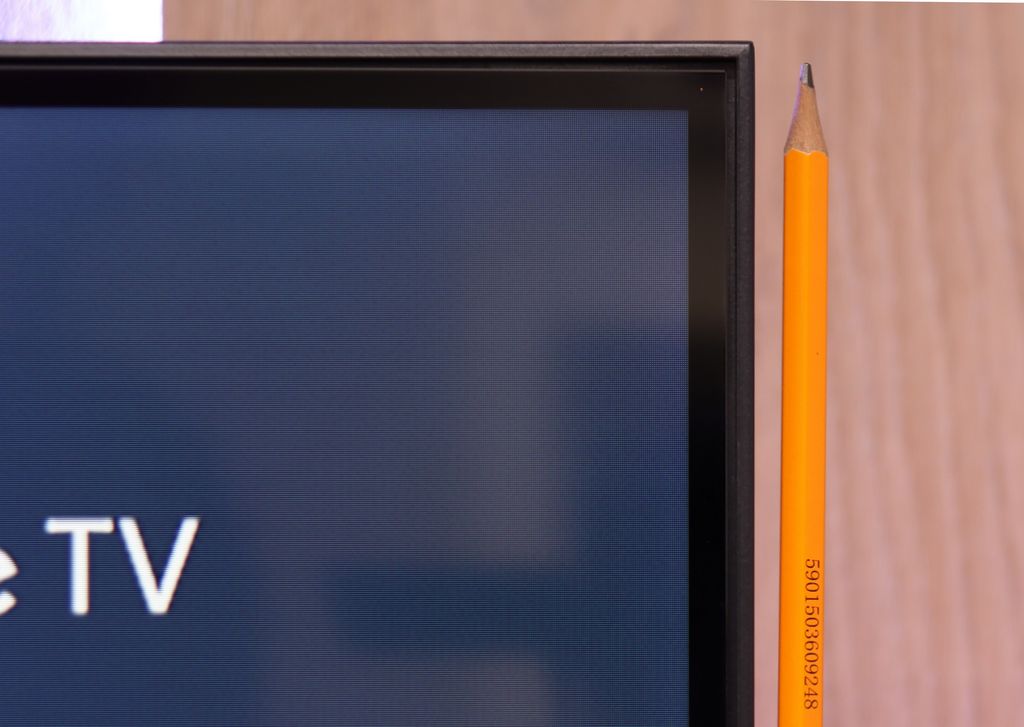
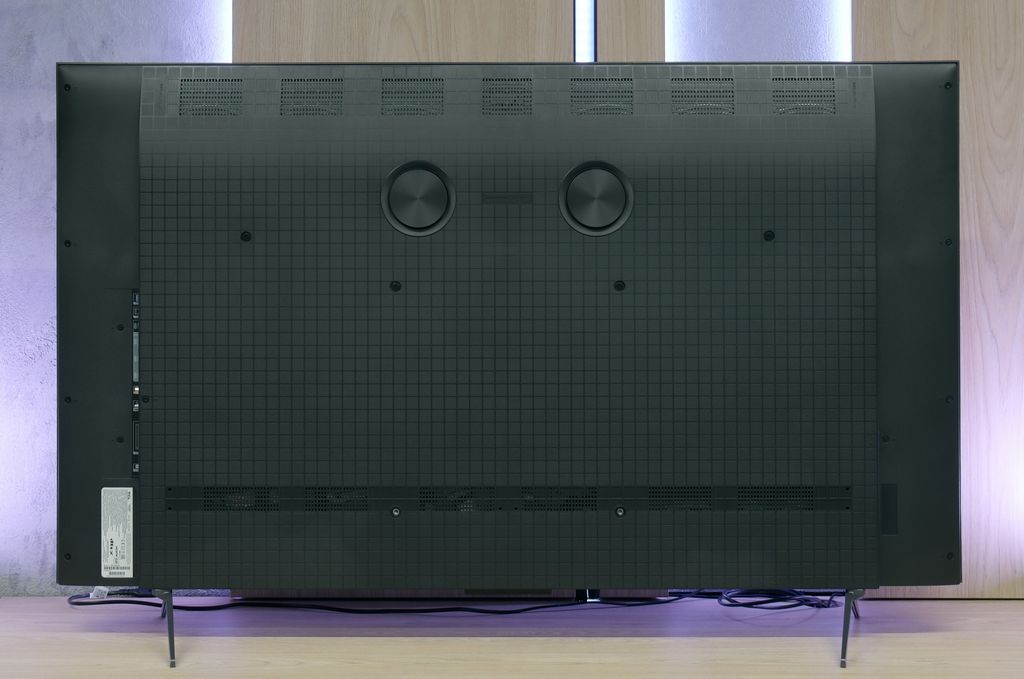
TV appearance




Contrast and black detail
5/10
7.5/10
Local dimming function: Yes, number of zones: 32 (4 x 8)
Local dimming function: Yes, number of zones: 180 (10 x 18)
Contrast:


Result
7,850:1

Result
4,150:1

Result
4,400:1

Result
2,500:1

Result
1,550:1
Result
129,650:1
Result
26,650:1
Result
12,900:1
Result
12,600:1
Result
6,250:1
Halo effect and black detail visibility:

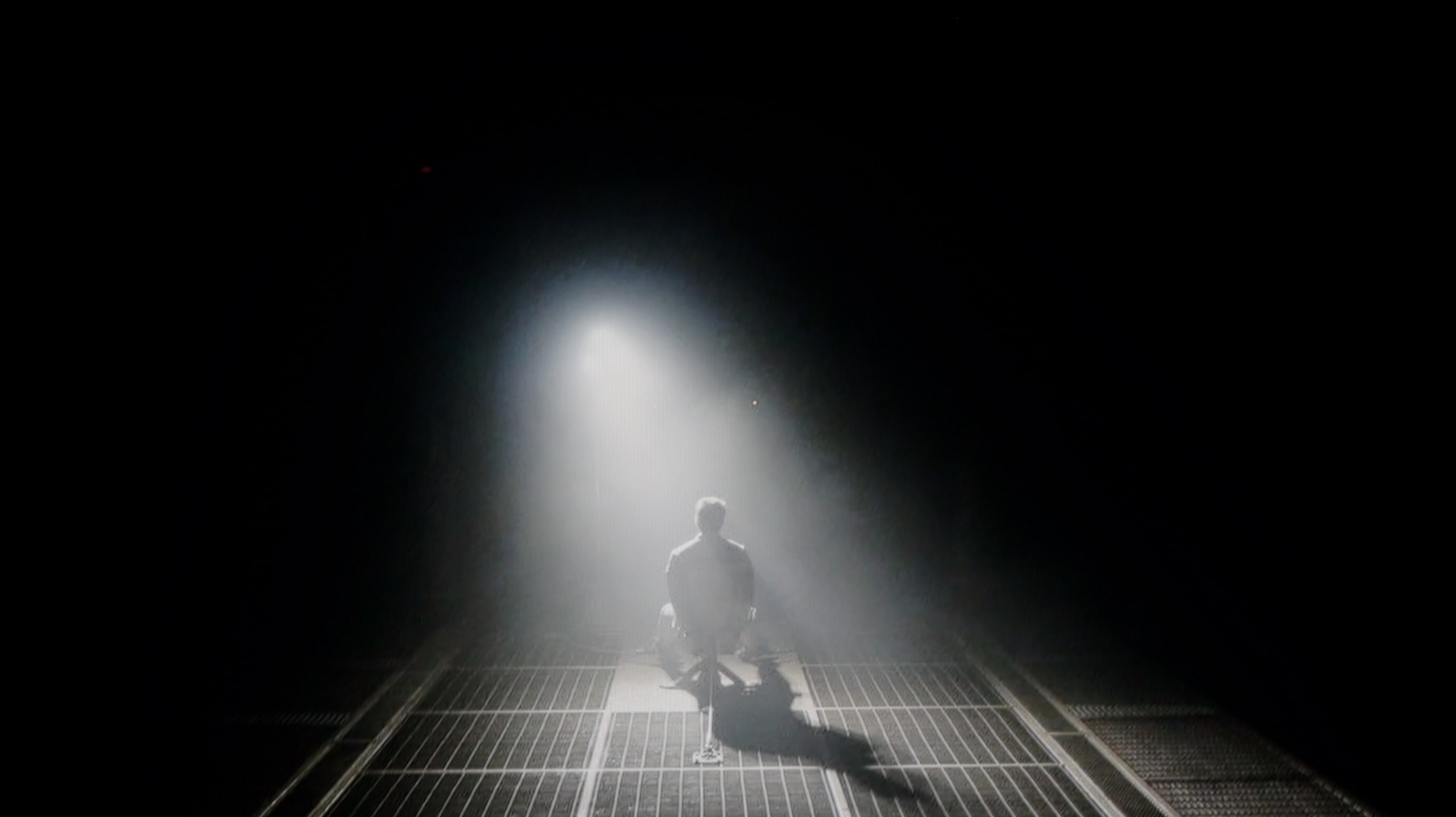
Check the visibility of bright lights on a dark background. Mini-LEDs often struggle with this. The photo does not compare black levels – that’s what the video below is for.
The video accurately shows differences in contrast and black levels between TVs, as well as potential issues: halo around bright objects or Mini-LED zone operation visible as brightness jumps.
The tested Hisense E7NQ PRO in the 65-inch version features an IPS panel, which unfortunately is not known for high contrast. As a result, black appears slightly 'washed out' and at times takes on a silvery hue, which is clearly visible in our pictures. The manufacturer tried to address this by equipping the television with local dimming functionality. Unfortunately, in this 65-inch model, we only have 32 zones available, which, while somewhat helpful, is definitely not enough to achieve impressively high results—especially since the panel itself is unable to deliver incredibly deep blacks.
During testing, we observed highly variable results. In optimal conditions, it managed to reach around 7800:1, which can be considered decent; however, in more challenging scenes, the contrast dropped to around 2000:1. Such values are at best average and simply do not befit a television in this price range. Ultimately, while local dimming somewhat salvages the situation, it lacks truly deep, inky blacks and contrast that would leave a greater impression on us.
Let’s move on to what tigers like the most, which is black and contrast. If you were worried that the lower price of the C6KS model (C69KS/Q6CS) results from drastic cuts in image quality, I have great news for you regarding black and contrast. In a direct comparison with the more expensive C6K, the tested model barely falls short at all. Just like in the higher series, we have a VA panel supported by a local dimming system. Interestingly – and here’s a big surprise – during the tests we counted exactly the same number of dimming zones (in the same size) in the C6KS as in the more expensive counterpart we tested! Black levels perform very well. The contrast measurement results speak for themselves – for such a relatively inexpensive television, the black is deep and free from major flaws that often plague budget constructions without local dimming. Of course, we can’t cheat physics. It’s important to consider that in very demanding scenes (e.g. bright text on a black background), we may occasionally notice undesirable effects, such as blooming (the halo effect around bright objects). However, this is not something that disqualifies this television – generally, the black levels are at a very decent, satisfying level.
HDR effect quality
5.1/10
4.9/10
Luminance measurements in HDR:

Result
408 nit

Result
299 nit

Result
446 nit

Result
215 nit

Result
527 nit
Result
602 nit
Result
204 nit
Result
421 nit
Result
152 nit
Result
590 nit
Scene from the movie “Pan” (about 2800 nits)


Scene from the movie “Billy Lynn” (about 1100 nits)


The photos show two HDR10 movies. 'Pan' is one of the brightest productions ever made, while 'Billy Lynn' (soldier) has brightness typical of streaming (Netflix, Prime, HBO MAX). Notice the intensity of effects and detail in whites.
Static HDR10


The photos present the visibility of white details in various HDR formats. They do not show brightness differences between TVs (these can be compared in the previous gallery).
Dynamic: Dolby Vision
Dynamic: Dolby Vision


The photos present the visibility of white details in various HDR formats. They do not show brightness differences between TVs (these can be compared in the previous gallery).
HDR luminance chart:
TCL C6KS / C69KS / Q6CS
Hisense E7NQ PRO
Based on the luminance chart, which indicates around 550 nits, it can be said that Hisense E7NQ PRO theoretically has the potential to somewhat "magically" enchant us with its image in HDR. While testing various scenes from films, we noticed that the television continually tries to balance maintaining appropriate brightness with preserving the deepest blacks possible. In favourable conditions – for instance, during a scene from “The Meg,” where the screen is flooded with bright light – this brightness can indeed impress us. In such moments, we feel that HDR actually adds that "something" to the image. Unfortunately, when more challenging shots appear on the screen with small, bright elements on a dark background, the situation looks significantly worse. The brightness then drops to 200-300 nits, which is decidedly too little to truly distinguish HDR from standard SDR.
It is clear that the television tries, but hardware limitations – mainly the limited number of local dimming zones – prevent it from fully spreading its wings. The final effect is therefore often quite uneven and just as mediocre as in the contrast tests. However, it deserves credit for its impressive coverage of the DCI-P3 colour gamut at 97%. Thanks to this, the television can display a truly wide range of colours, which, in suitable scenes, can give us at least a taste of the true HDR effect. It’s just a shame that the overall experience is not complemented by better control of brightness and contrast.
And what about HDR? Here, the C6KS performs quite well and – as has become a recurring theme of this review – identically to the C6K model. The maximum brightness generated by this television is around 600 nits. In bright scenes, this translates to a really solid, cinematic effect, and generally, the video materials look good here. However, one must keep in mind the specifics of the dimming algorithm in this model. When very small, bright points (e.g., stars) appear against a dark background, the television can dim them quite significantly. The goal is simple: to eliminate blooming and maintain the best possible blacks. This is quite a reasonable compromise. Most viewers will definitely appreciate deep, "true black" more than additional micro-details, the display of which could cause the screen to appear greyed out. This is the nature of local dimming technology in this price range, and one must be aware of it. It is also worth noting that the TCL C69KS (C6KS) has an additional PFS coating, which is marketed under the slogan of QLED technology. Thanks to this, the colours are saturated and vibrant – our measurements showed that the coverage of a wide colour gamut reaches as much as 92% here.
Factory color reproduction
5/10
5/10


This gallery shows how colors change after professional TV calibration. If you notice the difference, we recommend ordering this service at SkalibrujTV.com.
Factory Mode
After calibration
When we took our copy of Hisense E7NQ PRO out of the box, we immediately began to check the available picture modes. Among them, the Filmmaker mode seemed the most promising, although it too was not without its flaws. With standard SDR content, we noticed a clear tendency for excessive red enhancement, which made the image unnaturally warm. This was particularly evident in the comparative photo attached below. Conversely, when we switched to HDR content, the situation went in the opposite direction. This time, blue was dominant, and red was scarce, resulting in a cool effect, at times almost "shop-like" — although not as drastic as in those modes that are actually intended for display in exhibitions. As a result, in our tests assessing colour reproduction, these disturbances in colour balance led to significant errors.
Additionally, the television had issues with reproducing brightness characteristics. At lower resolutions, it noticeably brightened the darkest elements of the image, and with HDR content, the brightness curve (eotf) simply wouldn't conform as it should. Initially, the television excessively darkened the smallest details, only to then overly brighten larger areas. Fortunately, the E7NQ PRO provides us with plenty of calibration tools, so knowing that there is potential within it, we decided to take matters into our own hands and try to adjust it to eliminate these problems.
Unlike the more expensive C6K model, the tested C6KS does not have an option in the menu labelled as Filmmaker Mode. Is this a reason to cry? Absolutely not. Our tests have shown that in practice, in terms of colour reproduction, the lack of this specific label makes virtually no difference. The best available Film/Cinema mode here offers an almost identical picture characteristic to the aforementioned Filmmaker in the more expensive model. So we get a very similar image, just under a different name. Therefore, if you were wondering whether paying extra for the C6K gives you better colours – the answer is no, in both cases the base is the same and requires slight adjustments.
Color reproduction after calibration
7.1/10
7.5/10

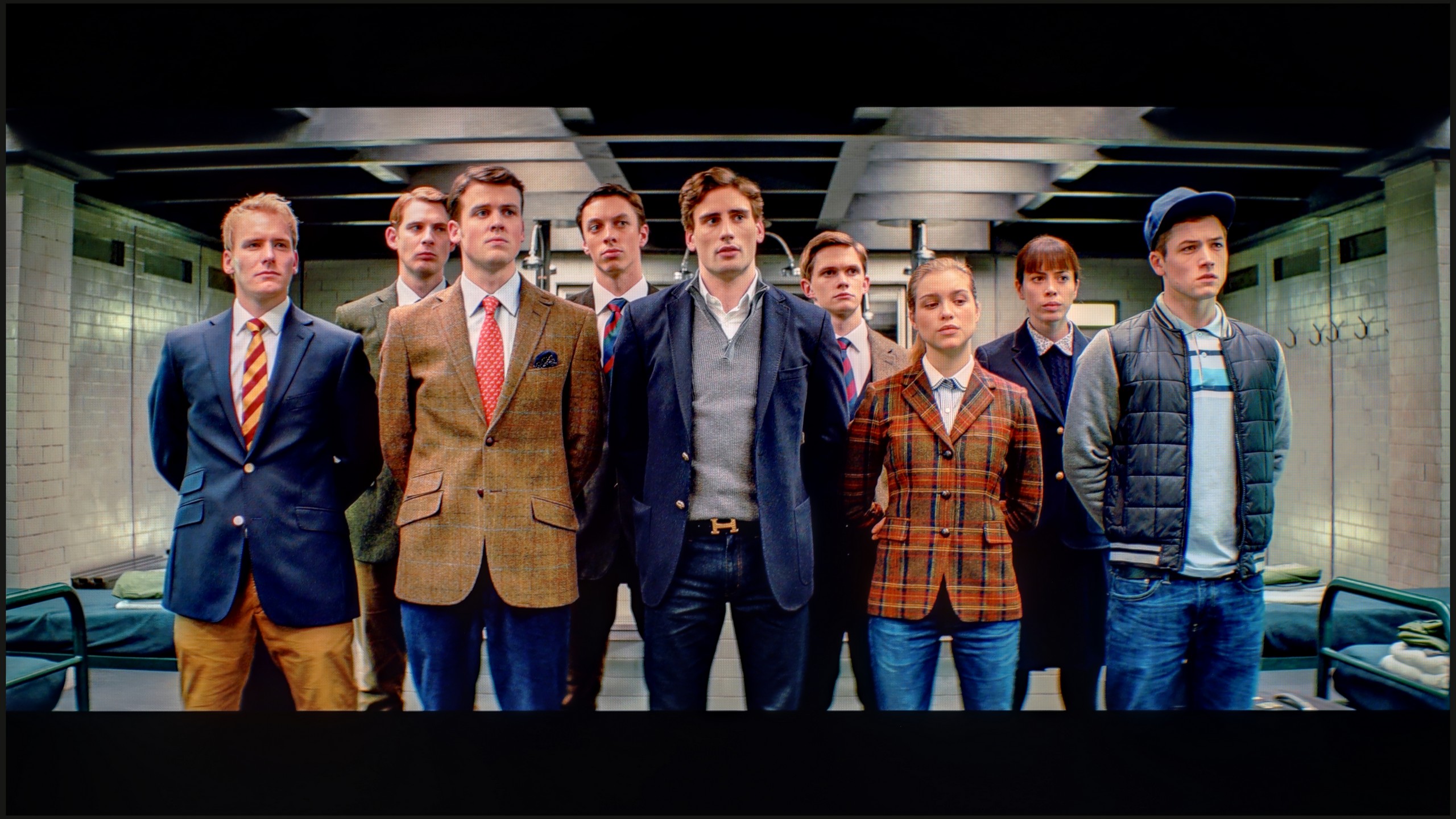
The photos show how movies look on the TV. Pay attention to black detail visibility, colors, and shadow tint.


The photos show how movies look on the TV. Pay attention to black detail visibility, colors, and shadow tint.
Thanks to the tools available in E7NQ PRO, we managed to extract quite a decent image from it, especially with lower quality content. After refining the white balance of the SDR materials, the colours look much more natural, and what we see on the screen seems closer to the vision that the manufacturer intended to present. Additionally, we improved the brightness characteristic (Gamma), which means the television is no longer prone to excessive brightening, and everything presents itself distinctly better than before our intervention.
We also managed to achieve some results with HDR materials, although it isn’t quite as rosy here. Indeed, the white balance has approached an acceptable level, but the problem lies elsewhere. It concerns the EOTF curve, which is the way the television manages brightness and tonal range of the image. At first glance, it might seem that the biggest issue only relates to mid-tones being overly brightened. However, after more detailed testing and enabling the filters for displaying the EOTF curve, it becomes apparent that the receiver tends to brighten the entire screen. This appears to be a limitation arising from the small number of local dimming zones and generally modest brightness management capabilities. Such hardware limitations are simply insurmountable. Despite this, after our calibration, the image is noticeably better than at the outset. One just needs to be aware that in terms of contrast and brightness management, this model has its limits, which even good calibration cannot fully overcome.
Thanks to the white balance adjustment, the C69KS's tendency to distort colours has been effectively limited, resulting in a very good final effect. After calibration, we will no longer see excessive warming of scenes in SDR or overly cool tones in HDR. However, it is worth noting the brightness characteristics. In SDR content, it is hard to have any objections – the image looks very good, especially in older films, television programmes, or materials from YouTube. It is significantly more challenging to evaluate the television's performance in HDR. Analysis of the EOTF curve suggests correct behaviour, but its practical variant reveals certain limitations. The C69KS can overly brighten the smallest elements of the frame, while at other times, it can dim the entire scene. Thus, calibration brought clear benefits in terms of colour quality, but certain limitations resulting from the local dimming operation and the way it is controlled by the C69KS cannot be overlooked, as we also saw in the C6K test.
Smoothness of tonal transitions
9.2/10
4.8/10


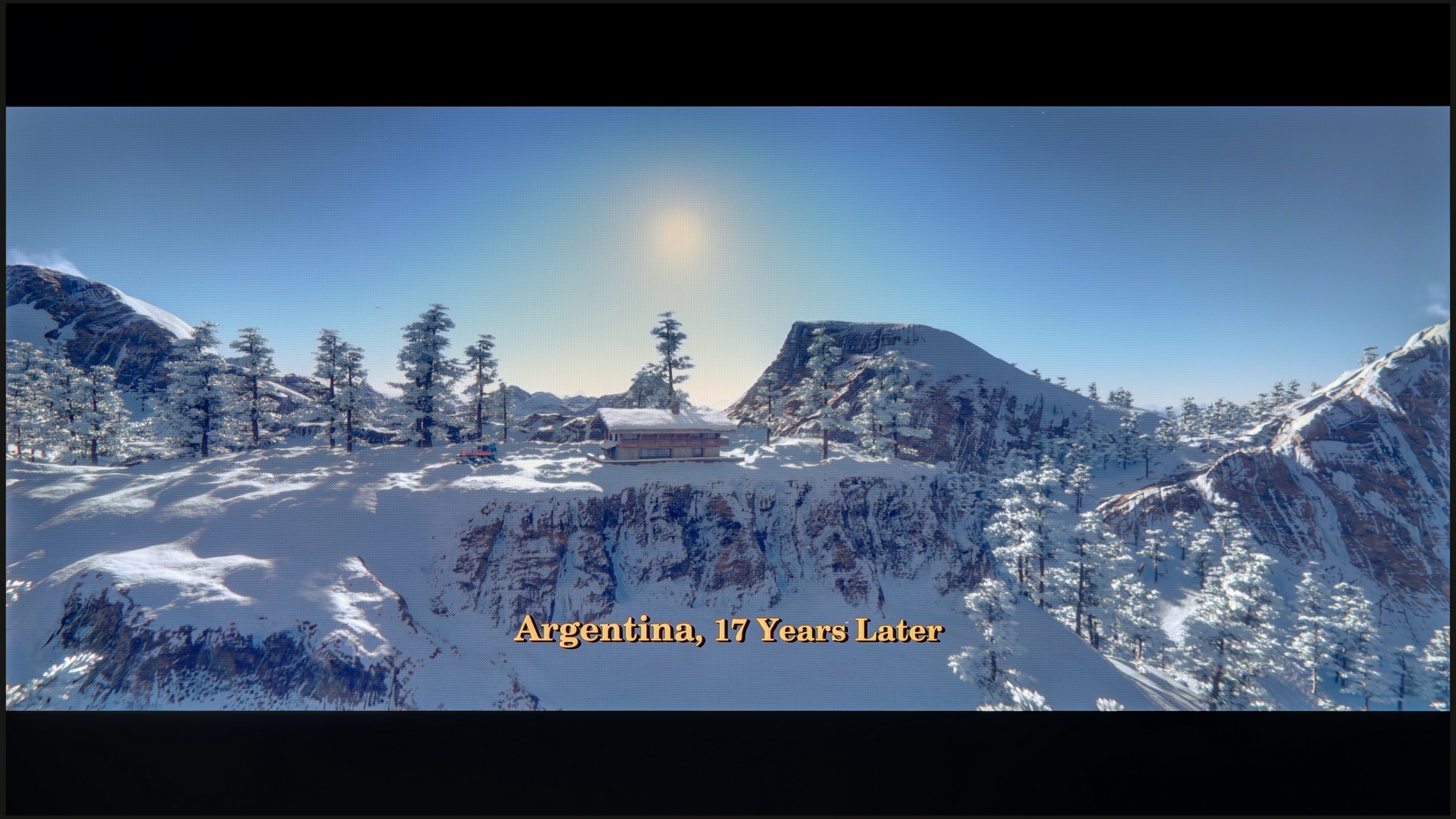
These are selected scenes that show smooth tonal transitions from one color to another. If you see distinct banding, it’s the TV panel’s fault.

These are selected scenes that show smooth tonal transitions from one color to another. If you see distinct banding, it’s the TV panel’s fault.

These are selected scenes that show smooth tonal transitions from one color to another. If you see distinct banding, it’s the TV panel’s fault.
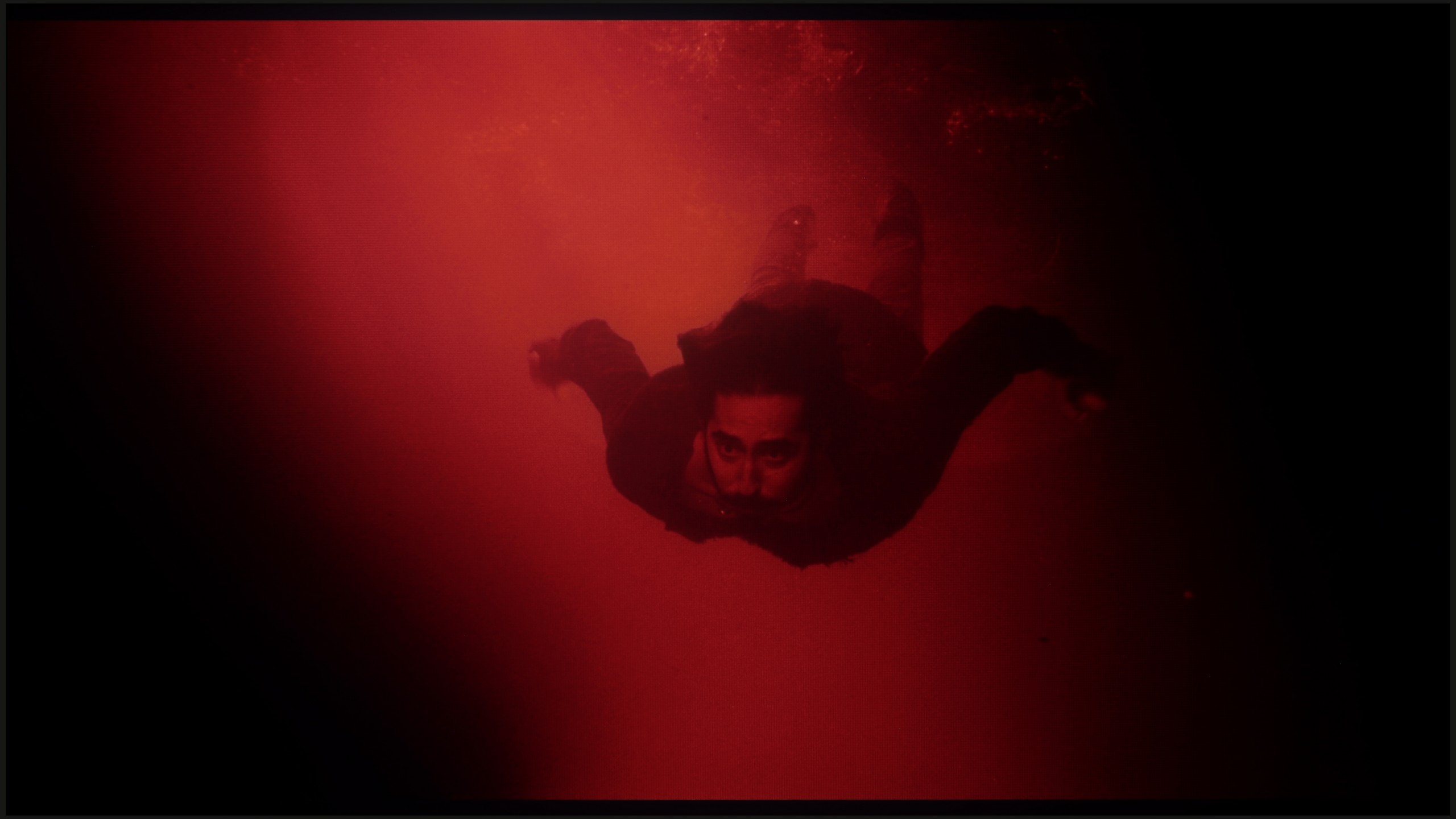
These are selected scenes that show smooth tonal transitions from one color to another. If you see distinct banding, it’s the TV panel’s fault.
We must honestly admit that the fluidity of tonal transitions in this television is among the best we have had the opportunity to test in 2024. Even in really demanding scenes, we hardly notice any distinct "steps" between colours. Of course, with a keen eye, one can detect minor flaws, but those are at a level that is virtually microscopic. You really need to have a very "alert" eye to catch them. This, in turn, means that while watching even the most complex shots in a full palette of colours, one can simply focus on the story and visual experiences without the irritating, artificial effect of posterisation.
Looking solely at the fluidity of tonal transitions, the C69KS offers no real cause for complaint. The colour gradation is executed correctly, and more challenging sequences do not reveal significant problems. So you may be surprised by the low rating in this category. This is due to very strong dithering and artificially boosted "resolution," leading to a grainy and unnatural character of the image. For this reason, the final rating is significantly lower, despite the correct gradation of the tonal transitions themselves.
Image scaling and smoothness of tonal transitions
6/10
5/10


Smooth transition function

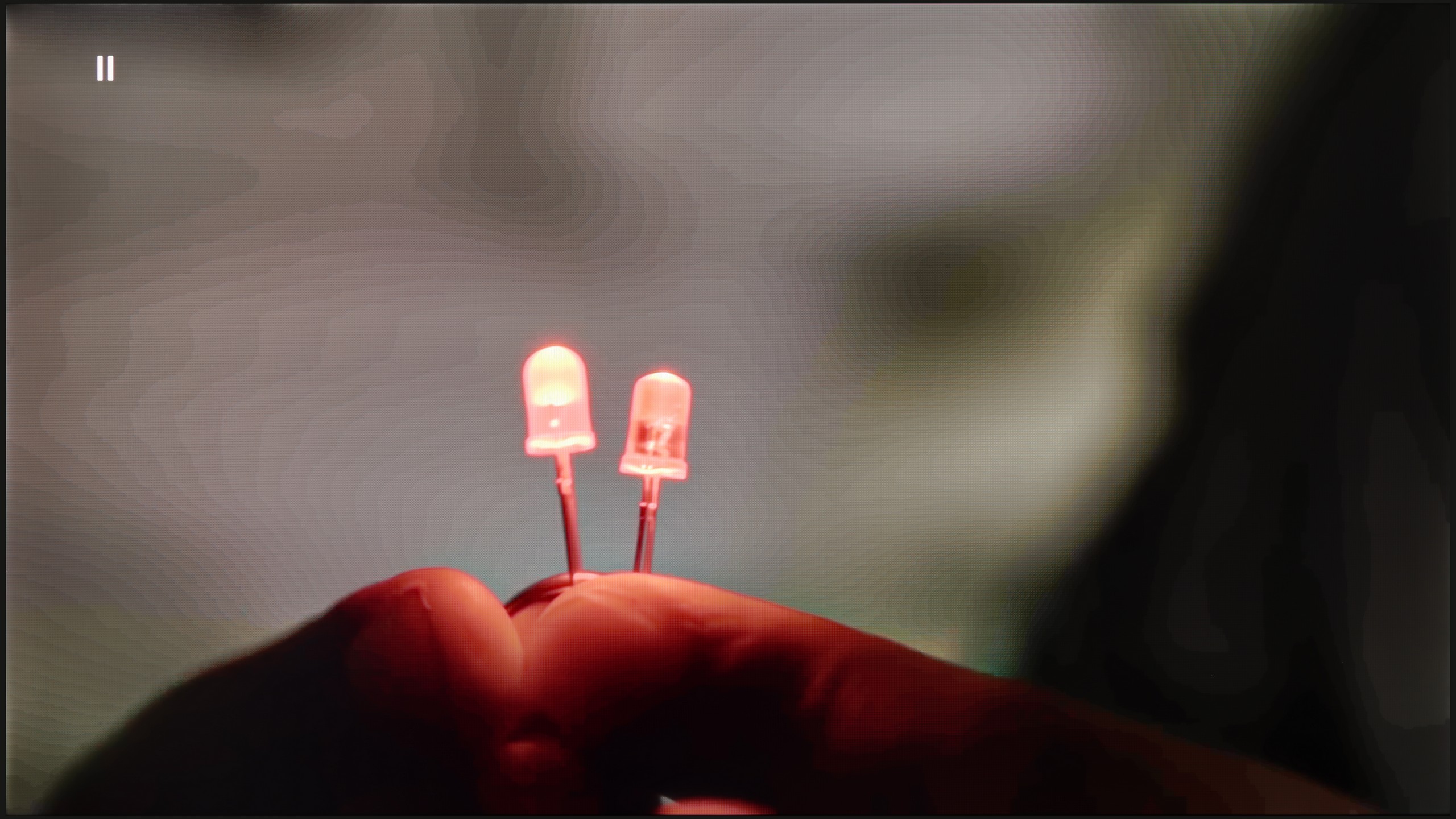
The match photo shows how the TV smooths weak tonal transitions in low-quality video.
Image scaling SD (576i)


The model photo shows how it handles upscaling of SD material.
When it comes to the function of smoothing tonal transitions in lower quality materials, the "smooth and gradient image" feature in Hisense E7NQ PRO unfortunately does not impress. At the lowest setting, the change is hard to notice at all – it is rather a cosmetic improvement. Switching to "Medium" mode yields a noticeable effect, but it is still nothing special, and in the process, the television begins to excessively interfere with other elements of the image, which can look unnatural.
Moreover, image scaling is rather average. On the test screen, where a portrait of a model and text are displayed, slight jagged edges are visible, making the overall appearance less smooth and aesthetically pleasing than one would expect in this class of device. It's simply difficult to talk about truly effective improvement in the quality of lower resolution.
The C69KS handles upscaling quite well. The tested 576p material looks surprisingly decent – a considerable amount of detail is retained, and the algorithm adds a slight "rounding" effect to sharp edges, making the image appear more cohesive. The performance in smoothing tonal transitions is less impressive. The television practically cannot improve them, leaving the image in a rather raw state. With older material, this can be quite tiring, as the lack of additional processing highlights any imperfections.
Blur and motion smoothness
7/10
4.9/10

Blur (native resolution, maximum refresh rate):



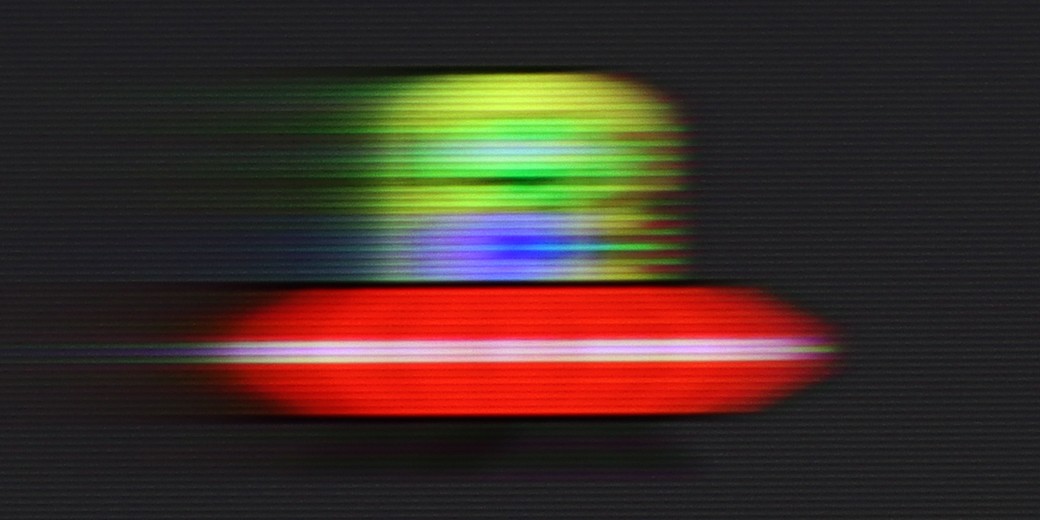
Blur ():
Blur (4K@144Hz):

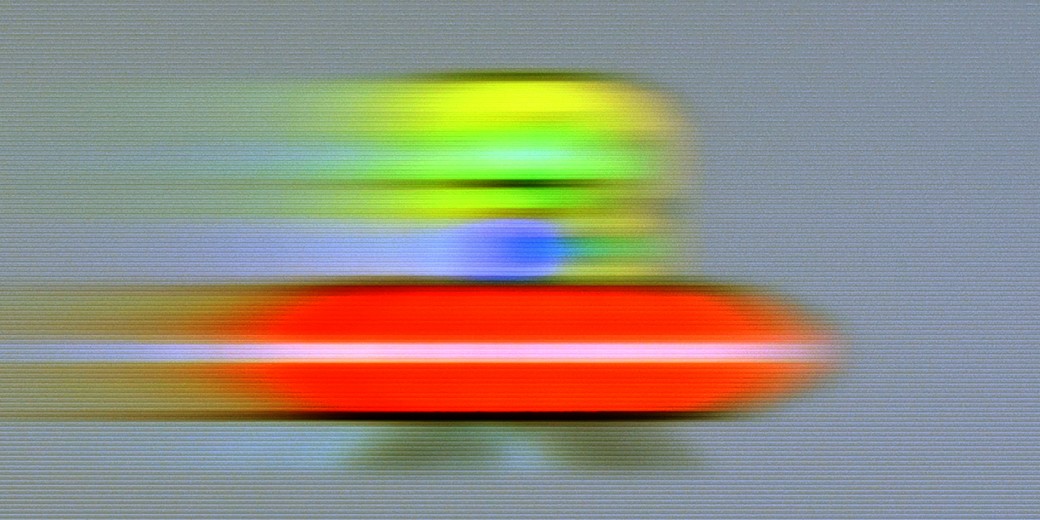
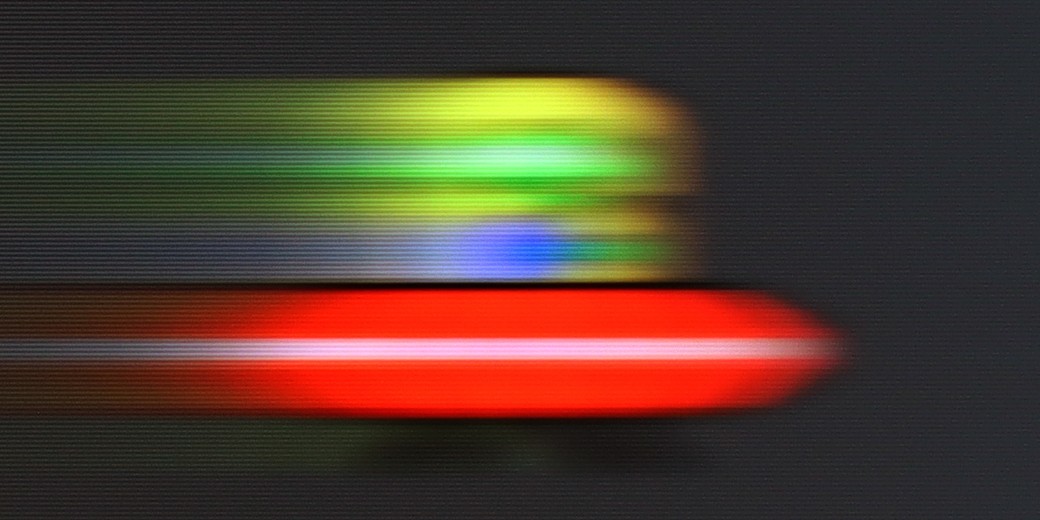
Thanks to the use of a 144 Hz panel, E7NQ PRO performs excellently with nearly every type of content. Whether we are watching fast-paced matches, dynamic games or action films – the smoothness of motion leaves a good impression. When it comes to films, the manufacturer has equipped the television with two key tools: "motion blur reduction" and "judder reduction". Each of these functions can be adjusted on a scale from 1 to 10.
At lower values, the processing is subtle, barely noticeable, and gently smooths out motion without compromising the cinematic quality of the image. The higher we move up the scale, the more the television interferes with the presented material, smoothing out motion more intensely, and consequently – minimising any judders or micro-cuts. Conversely, the highest settings can resemble the so-called "soap opera effect", which makes the image appear excessively smooth, slightly losing its filmic atmosphere. However, with such a scale, we can find a happy medium, adjusting the smoothness of motion to our own preferences.
C69KS offers a simplified motion enhancement panel in films, allowing the adjustment of effect intensity with a slider. This makes it easy to match fluidity to personal preferences. The ability to use higher refresh rates is also a plus – although the panel operates natively at 4K at 60 Hz, lowering the resolution to 1440p enables 120 and 144 Hz modes, both on consoles and PC. This sounds like great news, however, in practice, the image at these settings exhibits significant motion blur. The effect is so pronounced that the overall presentation appears merely average and loses its appeal for everyday use.
Console compatibility and gaming features
8.5/10
8/10
- ALLM
- VRR
- VRR range48 - 144Hz48 - 144Hz
- Dolby Vision Game Mode
- Correct implementation of HGIG
- 1080p@120Hz
- 1440p@120Hz
- 4K@120Hz
- Game bar


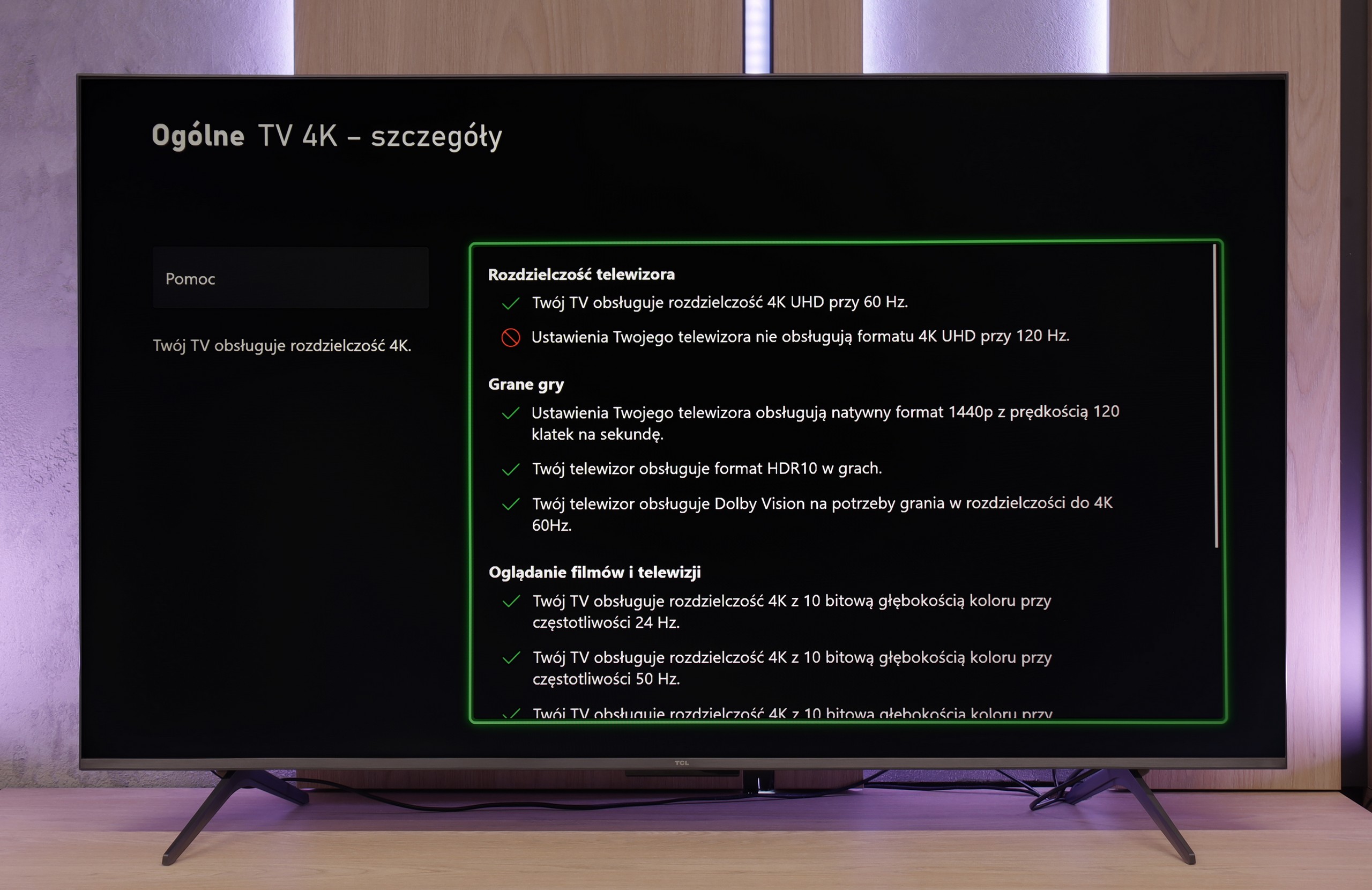


If we sometimes enjoy turning on the console and immersing ourselves in the world of games for long hours, E7NQ PRO can make quite an impressive impact. Thanks to the 144 Hz refresh rate, gameplay is surprisingly smooth, and support for HDMI 2.1 and VRR ensures that the picture doesn't 'tear' even during the most dynamic actions. Additionally, there's ALLM, which automatically sets the lowest latency as soon as we switch to the console – so we don't have to fiddle with the options ourselves.
A major plus is also the ability to run games in Dolby Vision, making colours and contrast simply look better. Hisense has also added a clear 'gamebar', allowing us to constantly monitor the most important parameters and change settings without leaving the game. The only thing we might regret a bit is the lack of HGIG support. While it may not be a crucial element, it could matter to some gamers aiming for the most faithful representation of the creators' vision. Nevertheless, in practice, the E7NQ PRO performs excellently and provides truly enjoyable gaming experiences.
If we overlook the smudging and lack of native 4K at 120 Hz, the C69KS impresses with how well it performs during gaming. We get everything one can expect from a gaming television: variable refresh rate (VRR), automatic switching to game mode (ALLM), Dolby Vision Gaming mode, and a well-functioning HGiG. The television can also operate at 120 and even 144 Hz at lower resolutions, allowing for smoother gameplay on a console or PC. Additionally, there is a clear Game Bar that lets you quickly glance at key settings while gaming. As a result — despite a few limitations — the C69KS can be a really successful screen for gamers.
Input lag
9.9/10
10/10
SDR
HDR
Dolby Vision
In this regard, Hisense E7NQ PRO really delivers. At a frequency of 60 Hz, we recorded around 15 ms, and at 120 Hz, the latency drops even to 6 ms, allowing for very quick response and smooth control in games. It is also worth mentioning that even in Dolby Vision mode, the input lag does not increase drastically. This means we can enjoy better image quality without having to sacrifice responsiveness, which will certainly please any avid gamer.
TCL C6KS performs very well here — the latency drops below 10 ms, making reactions in games instantaneous. This is an excellent result in this class and definitely good news for those playing dynamic titles.
Compatibility with PC
7.6/10
1.7/10

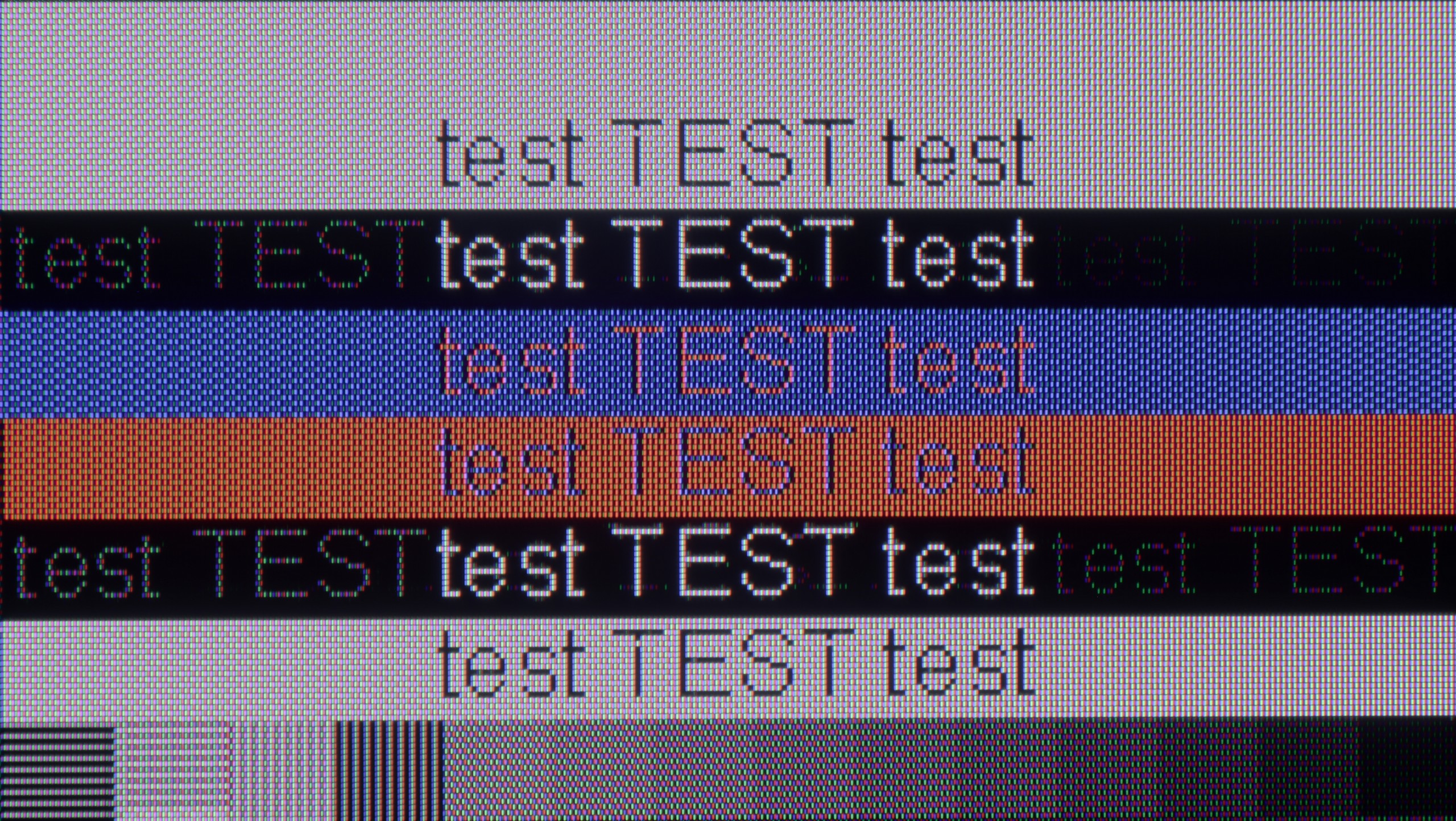
The photo shows the legibility of small fonts. Ideally, lines should be the same thickness on both light and dark text, with minimal pixel gaps.
By connecting the E7NQ PRO to a computer, we will have no reason to complain. The overall readability of the fonts is quite good, although with very thin, horizontal lines (the so-called “serifs” of letters) we noticed a slight dimming. This is not a major issue, but it's worth mentioning if we plan to spend long hours in text editors or browsers.
As for gaming on PC, the television shows its true colours. Support for G-Sync, connection to a 144 Hz panel, and low input lag ensure that even the most demanding titles run smoothly and responsively. As a result, we have a screen that will work well not only with a console but also as a solid “window” to the world of PC entertainment.
Aside from the aforementioned possibility of working at 144 Hz at lower resolutions, the C6KS offers nothing that would encourage its use as a monitor. The fonts look really poor — the darkest ones have a distinct, rainbow glow, and standard text is surrounded by strange artifacts. The effect is noticeable enough that working on the computer for an extended period can be simply exhausting.
Viewing angles
6.5/10
2.7/10
In the case of Hisense E7NQ PRO, the viewing angles are definitely a strong point, thanks to the IPS panel. This means that when we look at the screen even from a significant angle, the colours and brightness do not "wash out" as much as they do in televisions with a VA panel. Of course, compared to OLED or QD-OLED screens, where the image remains practically unchanged from every angle, IPS still falls short. Nevertheless, among LCD televisions, it is hard to find a solution that guarantees viewing angles as good as those offered by IPS. Unfortunately, everything comes at a cost – in this case, one has to come to terms with average blacks and lower contrast.
The viewing angles in C6KS are very poor, typical of VA matrices. It is a compromise that we pay for by choosing high contrast — the image looks good straight on, but any significant deviation causes rapid drops in brightness and saturation.
Daytime performance
6.2/10
6.6/10


Panel brightness
TCL C6KS / C69KS / Q6CS: 527 cd/m2
Hisense E7NQ PRO: 478 cd/m2
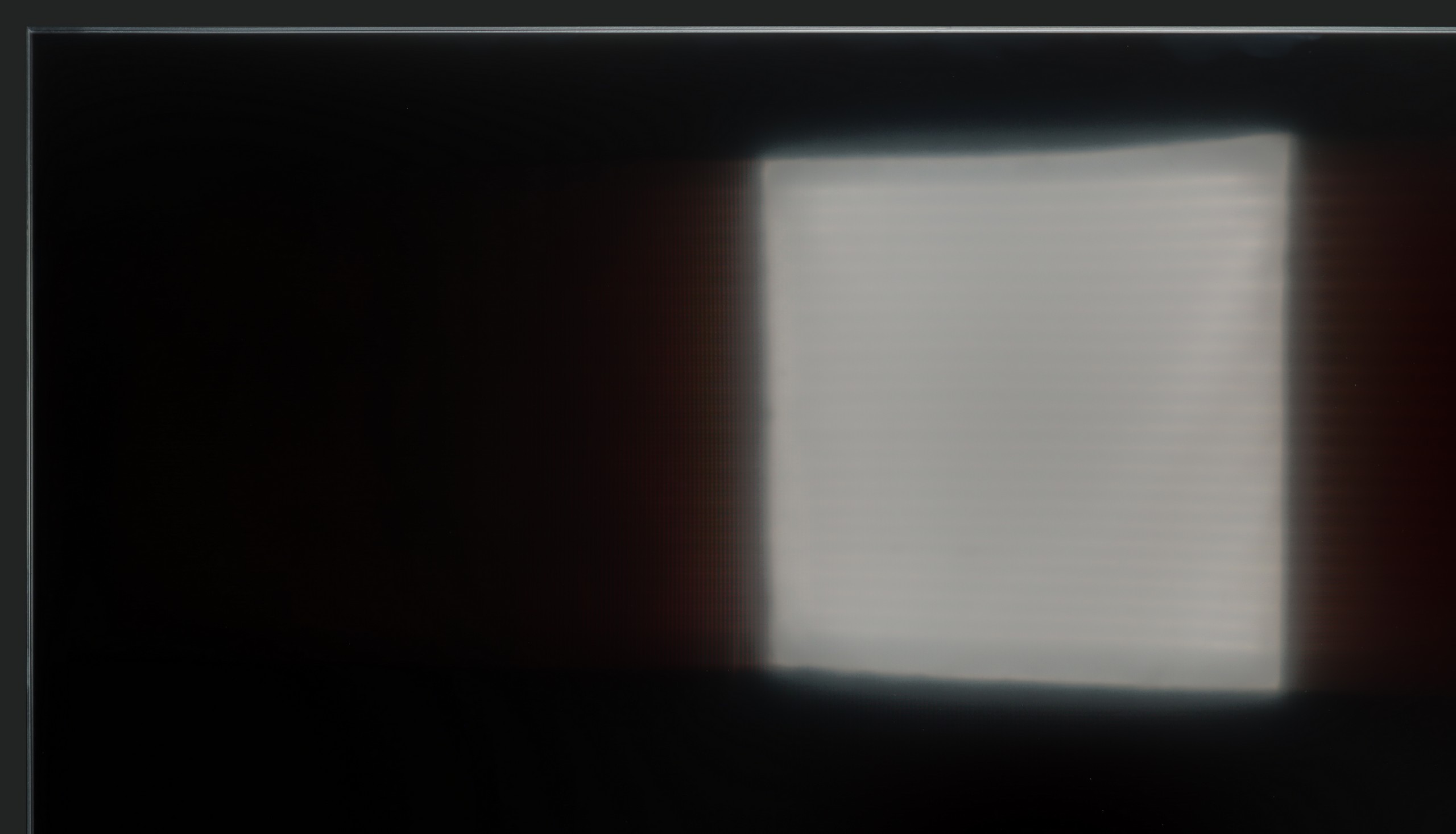
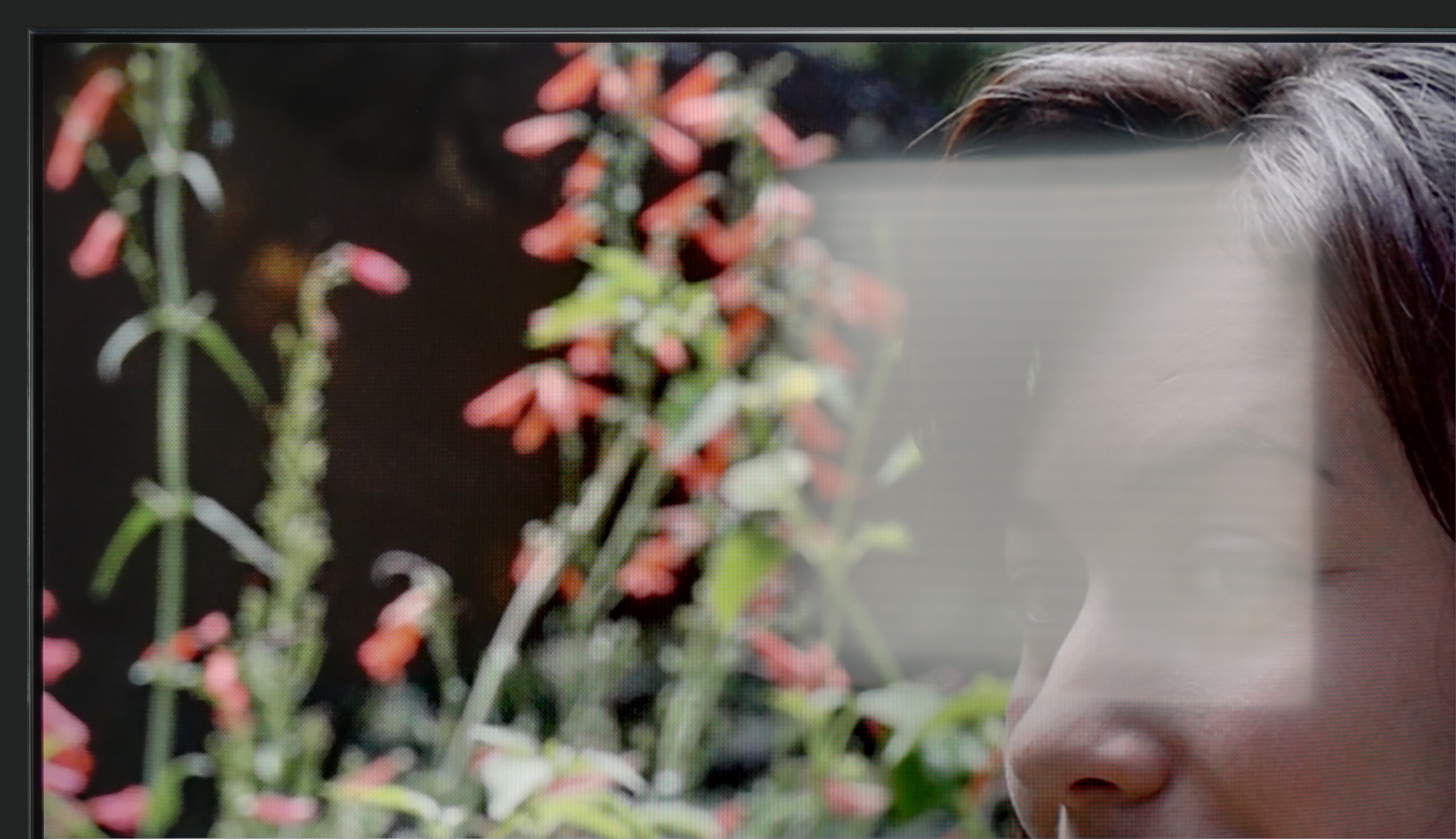
On a bright day, E7NQ PRO performs quite well. The "satin" display diffuses light effectively, preventing reflections and glares from turning into distracting "spots" on the screen. With an average brightness of around 500 cd/m², you can comfortably watch television in a sunlit room without much struggle to see details or clear content. It's perhaps not at the level of the highest premium models, but in everyday use, it still performs quite decently.
The C6KS performs really well as a television viewing screen during the day. Its brightness of around 500–600 nits allows it to easily cut through more challenging lighting conditions. Additionally, the satin finish effectively suppresses reflections. As a result, the television proves to be surprisingly solid during daytime viewing, even in brighter rooms.
Panel details
Subpixel Structure:

Panel uniformity and thermal imaging:


Hisense E7NQ PRO
TCL C6KS / C69KS / Q6CS
TV features
8.9/10
7/10
- HDMI inputs2 x HDMI 2.0, 2 x HDMI 2.1 48Gbps3 x HDMI 2.0, 0 x HDMI 2.1
- Other inputsRCA (Chinch)
- OutputsToslink (Optical audio), eARC (HDMI), ARC (HDMI), Mini-Jack (Headphones)Toslink (Optical audio), eARC (HDMI), ARC (HDMI)
- Network InterfacesWi-Fi 2.4GHz, Wi-Fi 5GHz, Ethernet (LAN) 100MbpsWi-Fi 2.4GHz, Wi-Fi 5GHz, Ethernet (LAN) 100Mbps
- TV receptionDVB-T, DVB-T2, DVB-S, DVB-S2, DVB-CDVB-T, DVB-T2, DVB-S, DVB-S2, DVB-C
Classic features:
- Recording to USB (terrestrial TV)
- Recording programming
- Picture in Picture (PiP)
- RF remote control (no need to aim)
- Backlit remote control
- Teletext
- Audio only mode
- Bluetooth headphones support
- Simultaneous Bluetooth headphones & TV audio
Smart features:
- AirPlay
- Screen mirroring (Windows Miracast)
- Voice search
- Voice search in native language
- Ability to connect a keyboard and mouse


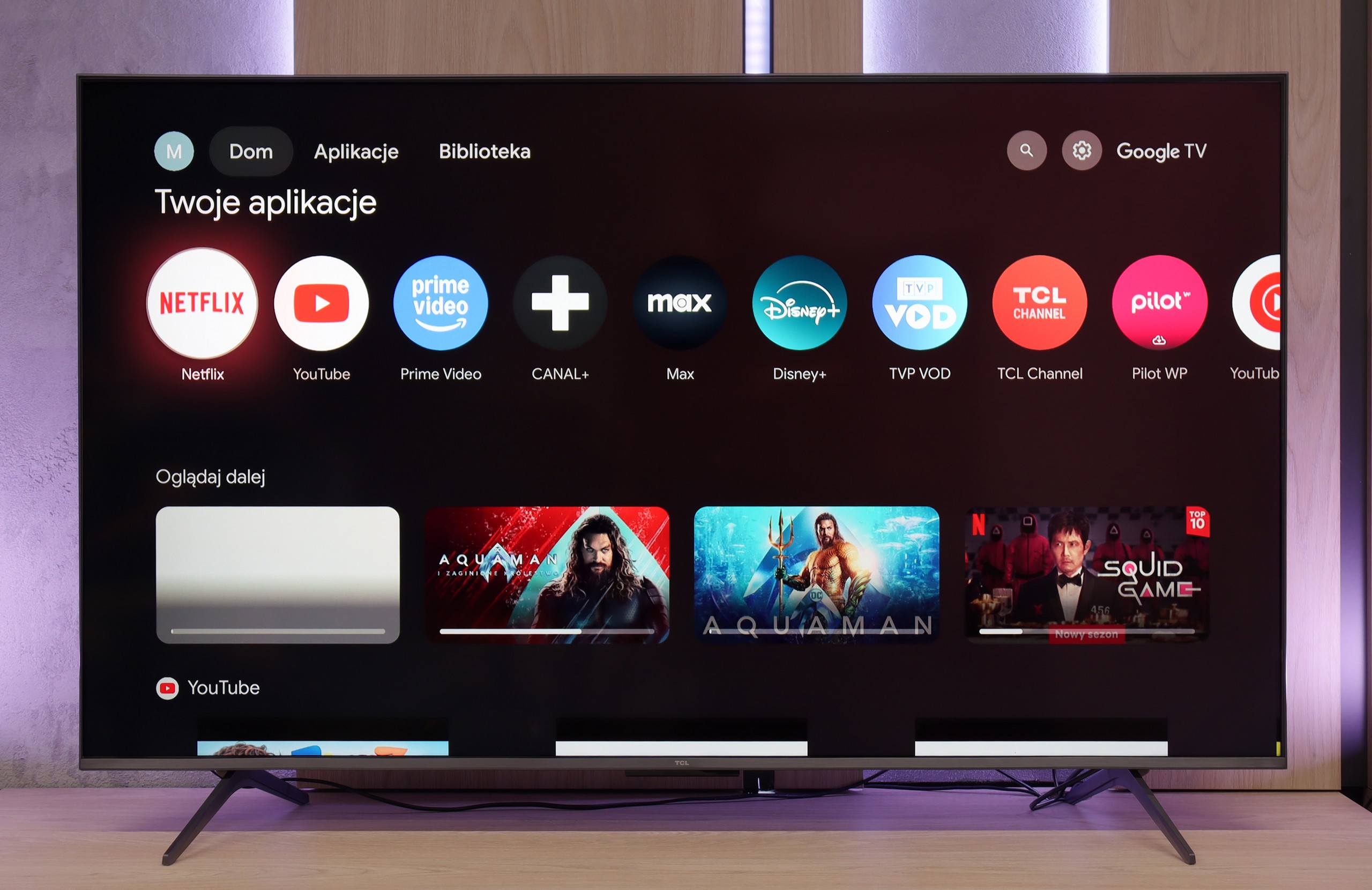
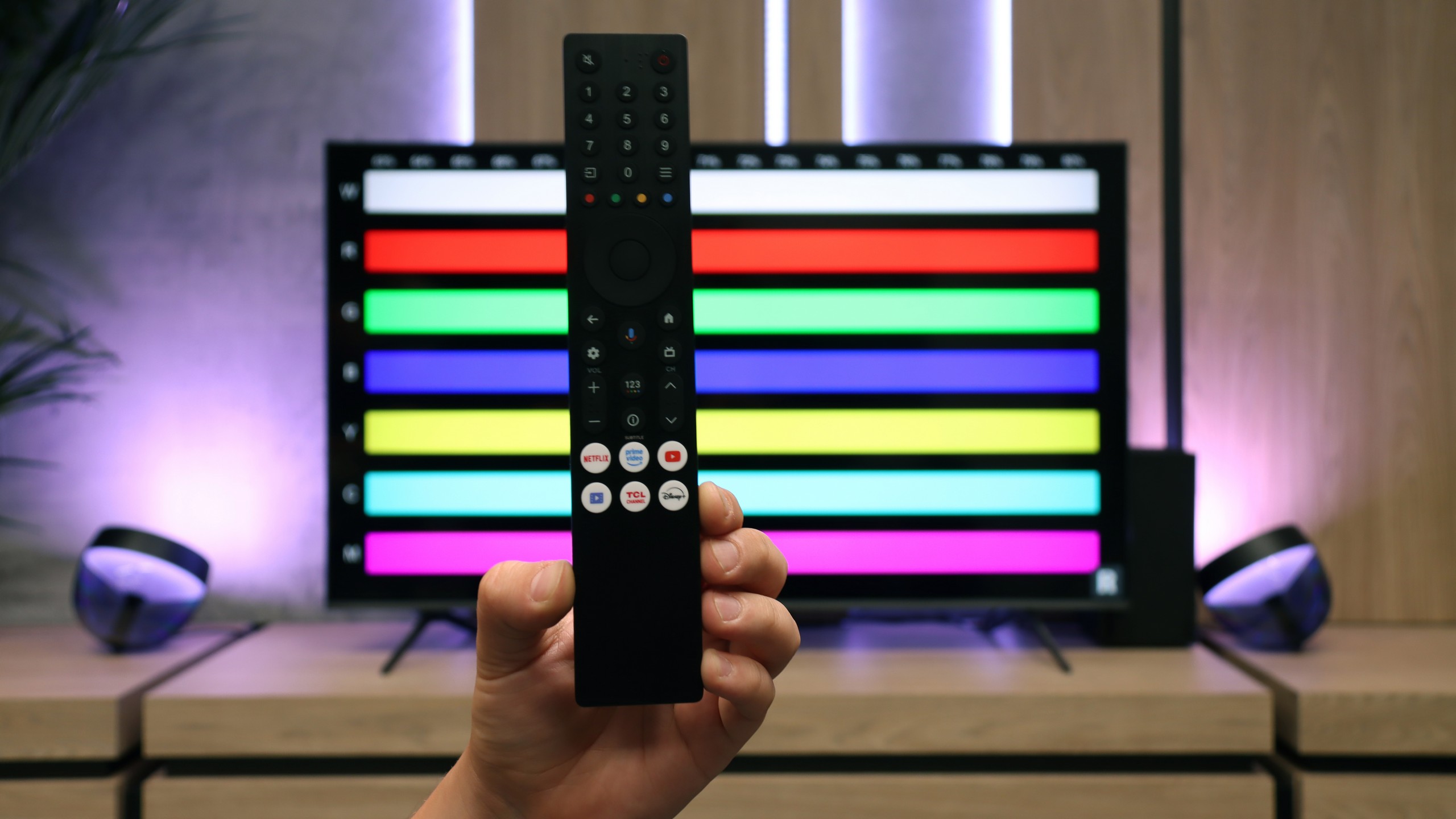
Hisense E7NQ PRO operates on the VIDAA system, which has recently made significant progress. Most popular applications can be found here, although unfortunately, some music platforms like Spotify or Tidal are missing. Nevertheless, navigating the menu is quite enjoyable, and the responsiveness is at a satisfactory level. Yes, there are occasionally minor "stutters," but this is not something that will overwhelm our daily usage experience.
On the plus side, we can appreciate the support for voice search in Polish, which makes it easier to find favourite content without the tedious process of typing letters one by one. The television also offers plenty of additional options: we can record programmes, use AirPlay and mirroring, as well as enjoy extensive wireless connectivity options (Wi-Fi and Bluetooth). Perhaps it lacks a backlit remote or Picture-in-Picture (PiP) mode, but these are rather niche features, so few will truly feel their absence. In everyday use, we simply have a solid foundation of useful tools and convenient solutions.
The biggest advantage of the C6KS is the Google TV system. It's an environment that offers a lot — ideal for those who prioritise a wide selection of applications and convenient use of streaming services. AirPlay, screen sharing, and the voice assistant work very well here, making everyday use of the television simply comfortable.
The support for traditional television looks somewhat weaker. Users who are counting on advanced "television" features may feel overlooked. Aside from the efficiently functioning Bluetooth remote with a numeric keypad, we won't find conveniences like USB recording or PiP functionality here.
Apps
7.7/10
9.6/10






















Playing files from USB
5.2/10
8.9/10
Supported photo formats:
Maximum photo resolution:

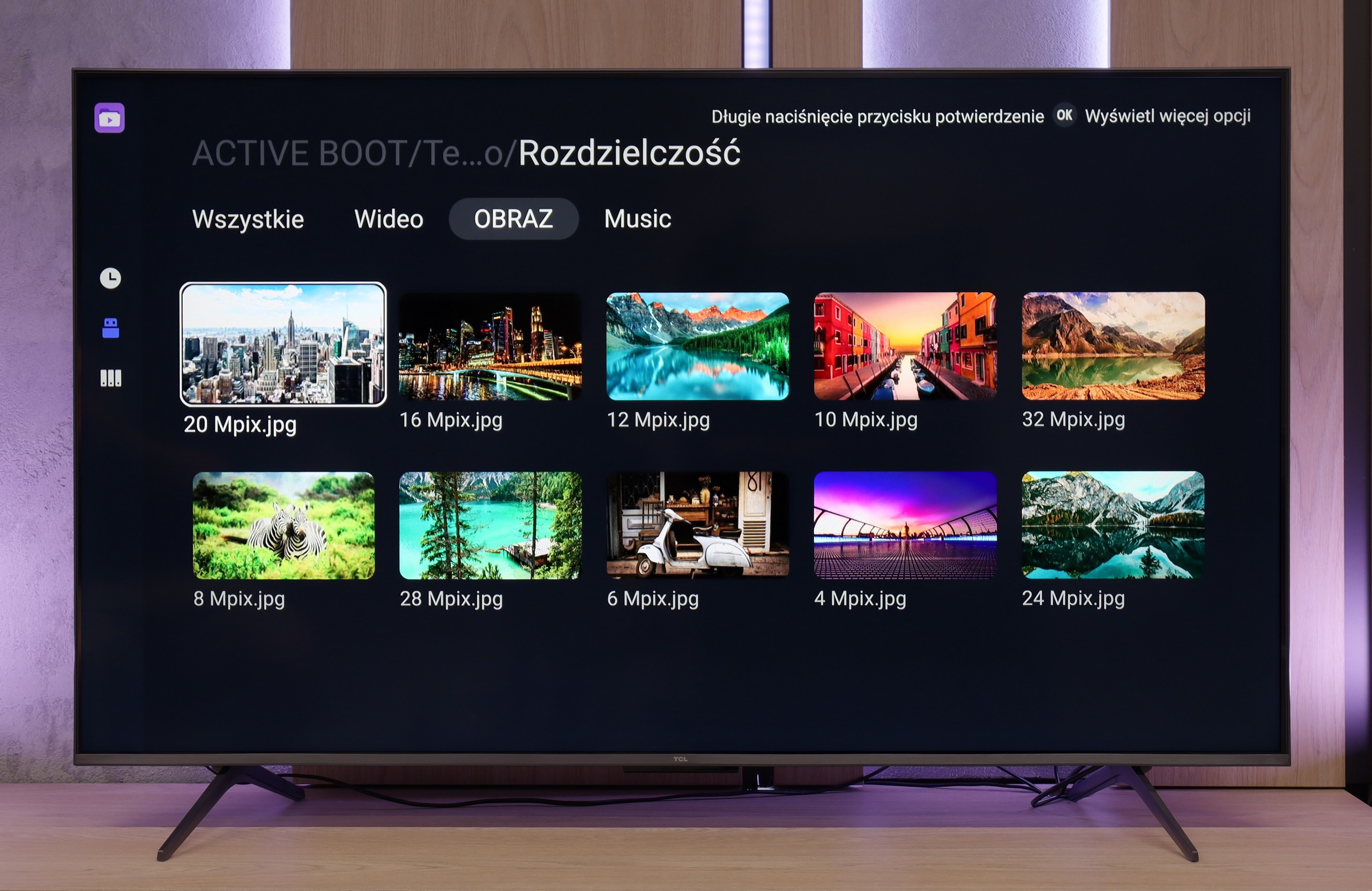
If we are counting on comfortable viewing of films with subtitles directly from a pendrive, we may unfortunately be disappointed. Just like with the previously tested A7NQ, we encounter a rather peculiar situation here: the television does not display subtitles, even if we correctly place them on the device and try various formats. Paradoxically, we find options to change the colour and appearance of the font, but as they say – what's the point if we still won't see anything?
In the case of other files, such as photos or music, the E7NQ PRO manages without major problems, playing the most popular formats without a hitch. Unfortunately, for those who would like to use the television as a multimedia player, the lack of functioning subtitles is quite a nuisance.
The system player really performs well and smoothly handles popular formats. The only hitch occurs with files from the Apple ecosystem (e.g. HEIC) – here TCL simply gives up. Fortunately, a huge plus of Google TV is that you can install your own application, e.g. VLC. This way, you can quickly fill in the gaps of the factory player and run virtually any material, customising the TV to your liking.
Sound
7/10
6.5/10
- Maximum volume--
- Dolby Digital Plus 7.1
- Dolby True HD 7.1
- Dolby Atmos in Dolby Digital Plus (JOC)
- Dolby Atmos in Dolby True HD
- DTS:X in DTS-HD MA
- DTS-HD Master Audio
When it comes to the built-in speakers, Hisense E7NQ PRO pleasantly surprised us. Of course, it is not on the level of a proper soundbar or home cinema system, but in everyday conditions, it performs quite well. During our tests, the dialogues remained clear, and the sound was sufficiently clean and spacious, so there was no immediate need to invest in additional audio equipment.
It also deserves credit for supporting multiple audio formats – from Dolby Atmos to the less common DTS:X. As a result, if we come across the right source materials, we can expect a more immersive, spatial experience. Although in terms of sound, it is still primarily at the level of a decent basic setup, Hisense E7NQ PRO should satisfy most users who simply want to turn on the television and hear clear, unblemished sound.
The TCL C6KS performs practically identically to the C6K model, as it uses the same speaker set branded by Onkyo. For a television of this class, the sound is quite good — you can even sense a slightly defined bass, which is not often found in budget segments. However, it is worth keeping the proper perspective. This bass is quite decent compared to other televisions, but a home cinema system or even a basic soundbar will still offer a significantly fuller, more dynamic sound. Therefore, the C6KS will be suitable for regular television viewing, but if someone is looking for a stronger sound, additional audio equipment will be the natural choice.