Hisense A6N is a simple model aimed at users looking for a cheap everyday TV. Thanks to its VA panel it offers decent contrast, which works well when watching regular TV, especially in the evening when reflections aren't an issue. The digital processing also holds up – content from terrestrial or satellite TV looks quite good for this price range. When it comes to gaming, the A6N is not bad, especially for casual players. Low input lag and support for features such as ALLM and VRR are welcome extras that make games run smoothly and with minimal delay. Dolby Vision support is another plus, although at this screen brightness it's hard to talk about the full HDR experience. The VIDAA operating system is simple and runs smoothly, but it has its limits. The number of available apps is underwhelming – popular services like Netflix and YouTube are present, but you shouldn't expect more niche apps. If you need greater versatility, that could be a problem. Of course, as a budget model, the Hisense A6N has its drawbacks. Screen brightness is fairly low, so in a brightly lit room the picture can simply look washed out. Colour reproduction is also unimpressive – colours are less saturated. This is most noticeable when watching high-quality HDR material, such as series or films on Netflix. For people planning to use the TV as a computer monitor, it's also not the best choice – lack of chroma 4:4:4 support makes text less readable. The Hisense A6N is a budget TV that will work for everyday TV viewing or occasional gaming. Its strengths, like decent contrast and smooth system operation, may satisfy less demanding users. However, for those seeking better picture quality or more advanced features, it's worth considering other options that for a little more money can offer more.
- Matching (Score) |
- Our verdict |
- TV appearance |
- Where to buy |
- Contrast and black detail |
- HDR effect quality |
- Factory color reproduction |
- Color reproduction after calibration |
- Smoothness of tonal transitions |
- Image scaling and smoothness of tonal transitions |
- Blur and motion smoothness |
- Console compatibility and gaming features |
- Input lag |
- Compatibility with PC |
- Viewing angles |
- Daytime performance |
- Panel details |
- TV features |
- Apps |
- Playing files from USB |
- Sound
Hisense A6N vs Philips PUS8209
 Direct comparison
PUS8209
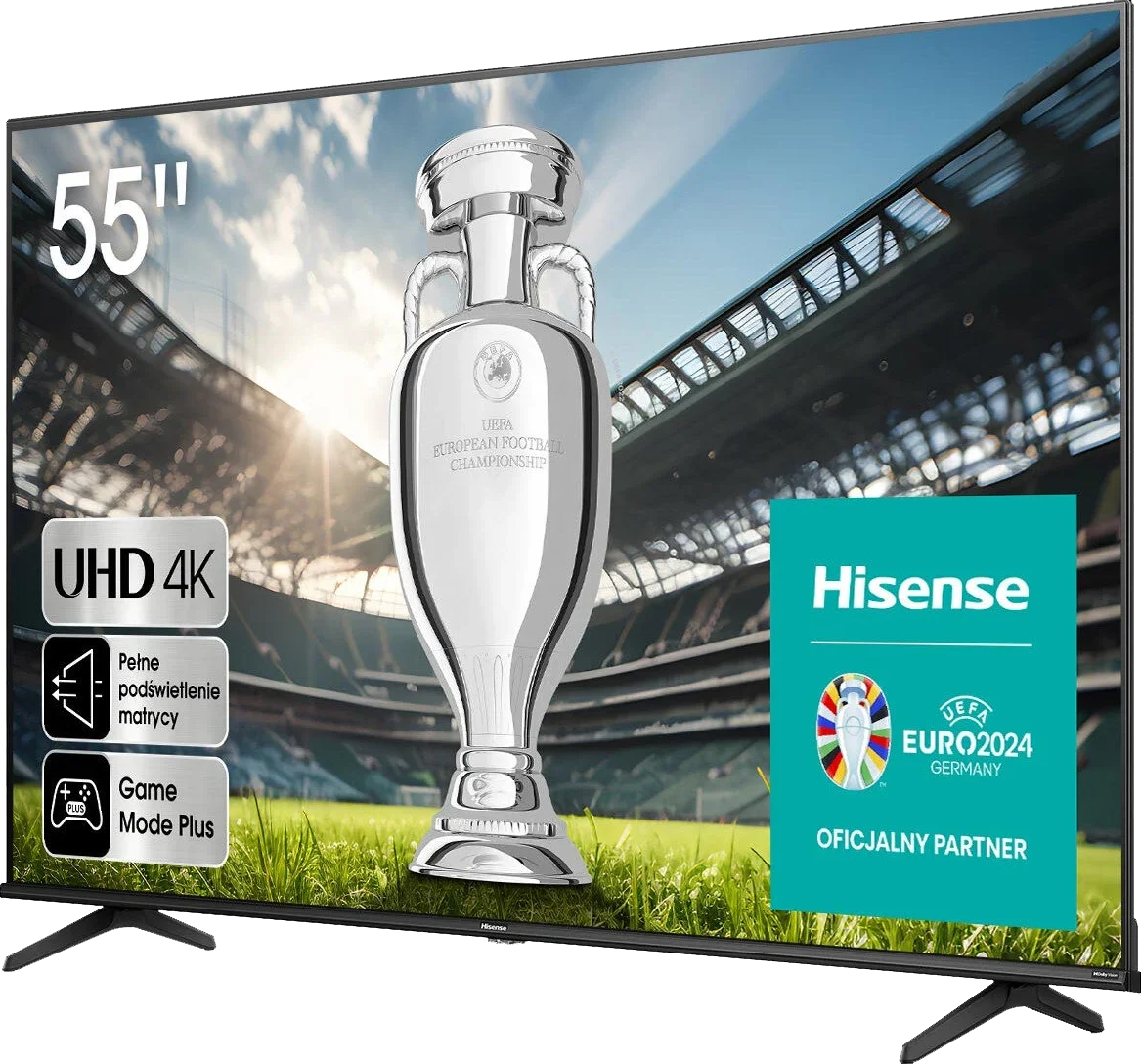
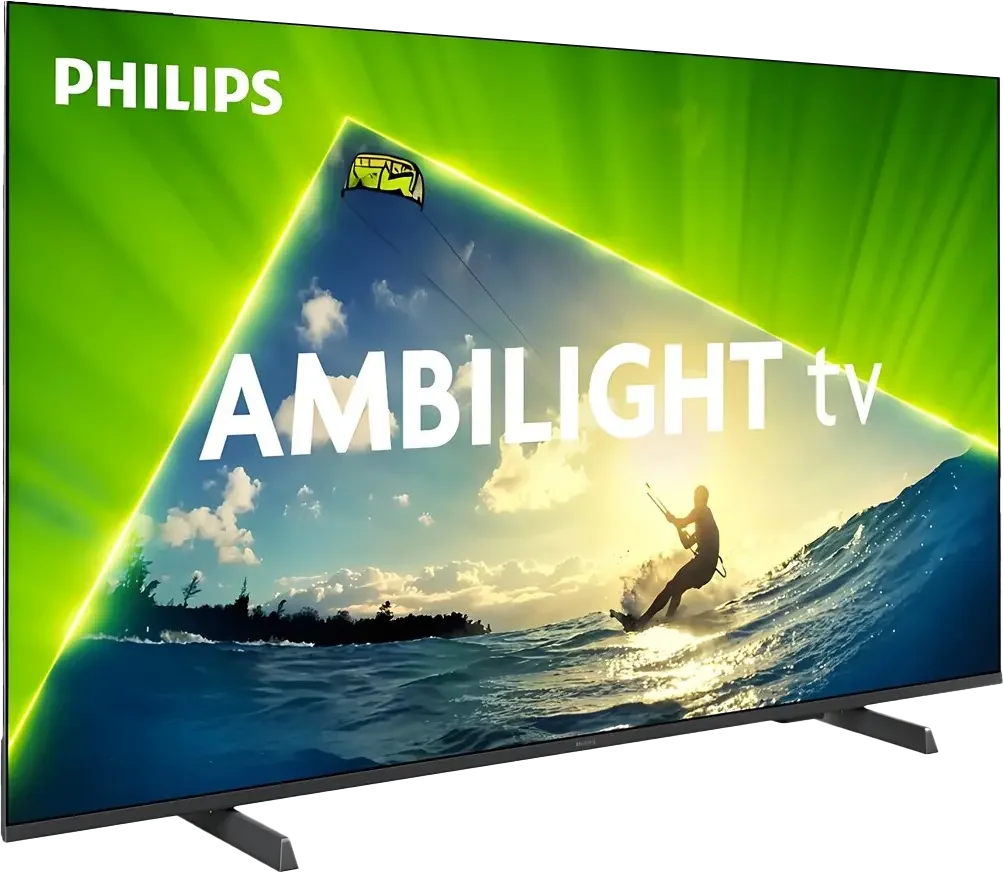
Panel type: LCD VA
Resolution: 3840x2160
System: VIDAA
Model year: 2024
Complete the survey to find out the result
Panel type: LCD VA
Resolution: 3840x2160
System: Titan OS
Model year: 2024
Complete the survey to find out the result
Overall rating
5.4
5.3
 Movies and series in UHD quality
 5.8
5.4
 Classic TV, YouTube
 5.6
6.1
 Sports broadcasts (TV and apps)
 4.5
4.9
 Gaming on console
 6.6
6.6
 TV as a computer monitor
 1.0
2.0
 Watching in bright light
 3.8
4.4
 Utility functions
 7.0
4.7
 Apps
Apps 7.7
6.7
 Sound quality
 5.5
5.0
Complete the survey to find out what fits your preferences
Advantages

Decent native contrast
Support for all HDR formats: Dolby Vision, HDR10+ etc.
Decent for occasional gamers: ALLM, VRR, Game Bar
Low input lag, even in Dolby Vision mode
High native contrast
Three-sided Ambilight system – a unique backlighting of the wall behind the television that enhances immersion during viewing
Low input lag – around 13 ms
Includes basic features for gamers - VRR and ALLM
Support for Polish characters and subtitle personalisation – the built-in player allows changing the colour and size of the font
Support for Dolby Atmos and DTS – a wide range of supported audio codecs
Disadvantages

Rudimentary VIDAA operating system, missing several apps
Poor panel brightness
Not suitable for use with a PC
Titan OS operating system – limited number of applications
Poor brightness (280 nits) – issues with viewing in bright surroundings
Poor viewing angles – typical for VA panels,
Issues with font rendering
Our verdict
The Philips PUS8209 is a model that stands out primarily for its unique Ambilight system. The three-sided wall lighting behind the television dynamically adjusts to the picture, adding an extraordinary atmosphere when watching films or playing games. This solution, for which Philips is renowned, makes a difference and could be a great choice for those looking for something more unconventional in everyday use. In terms of picture quality, the television performs quite well, especially in this price range. The VA panel provides solid contrast and decent blacks, which works particularly well in the evening in dimly lit rooms. Watching films in such conditions is genuinely enjoyable, although the screen brightness (280 nits) leaves much to be desired – in bright rooms, the image can appear washed out, and HDR content does not make a significant impression. When it comes to gaming, the PUS8209 also has some advantages. Support for VRR, ALLM, and a low input lag of 13 ms ensures that gameplay is smooth and responsive. Of course, this is not equipment for advanced gamers, but for those who occasionally pick up a controller, it should suffice. The biggest downside is the Titan OS operating system. Many popular applications are lacking, and the interface does not always function as smoothly as one would wish. The remote control, which requires aiming at the television, can be irritating, especially in situations where quick operation is expected. In summary: the Philips PUS8209 is a television that will perform well for basic applications. Ambilight adds uniqueness and enhances the atmosphere during viewing. In everyday use or occasional gaming, it manages, but its limitations – particularly in screen brightness and operating system – may be problematic for more demanding users. If one is looking for simple equipment with an unusual visual addition, this model is worth considering.
TV appearance
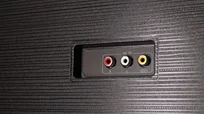
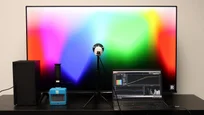
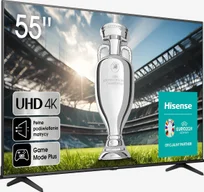
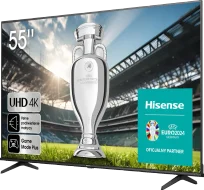
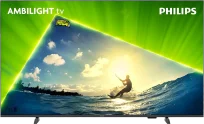
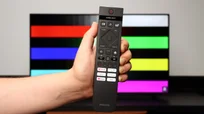

Contrast and black detail
5.6/10
6.6/10
Local dimming function: No
Local dimming function: No
Contrast:


Result
5,250:1

Result
5,150:1

Result
4,700:1

Result
4,950:1

Result
3,500:1
Result
8,050:1
Result
7,300:1
Result
10,200:1
Result
9,050:1
Result
8,200:1
Halo effect and black detail visibility:
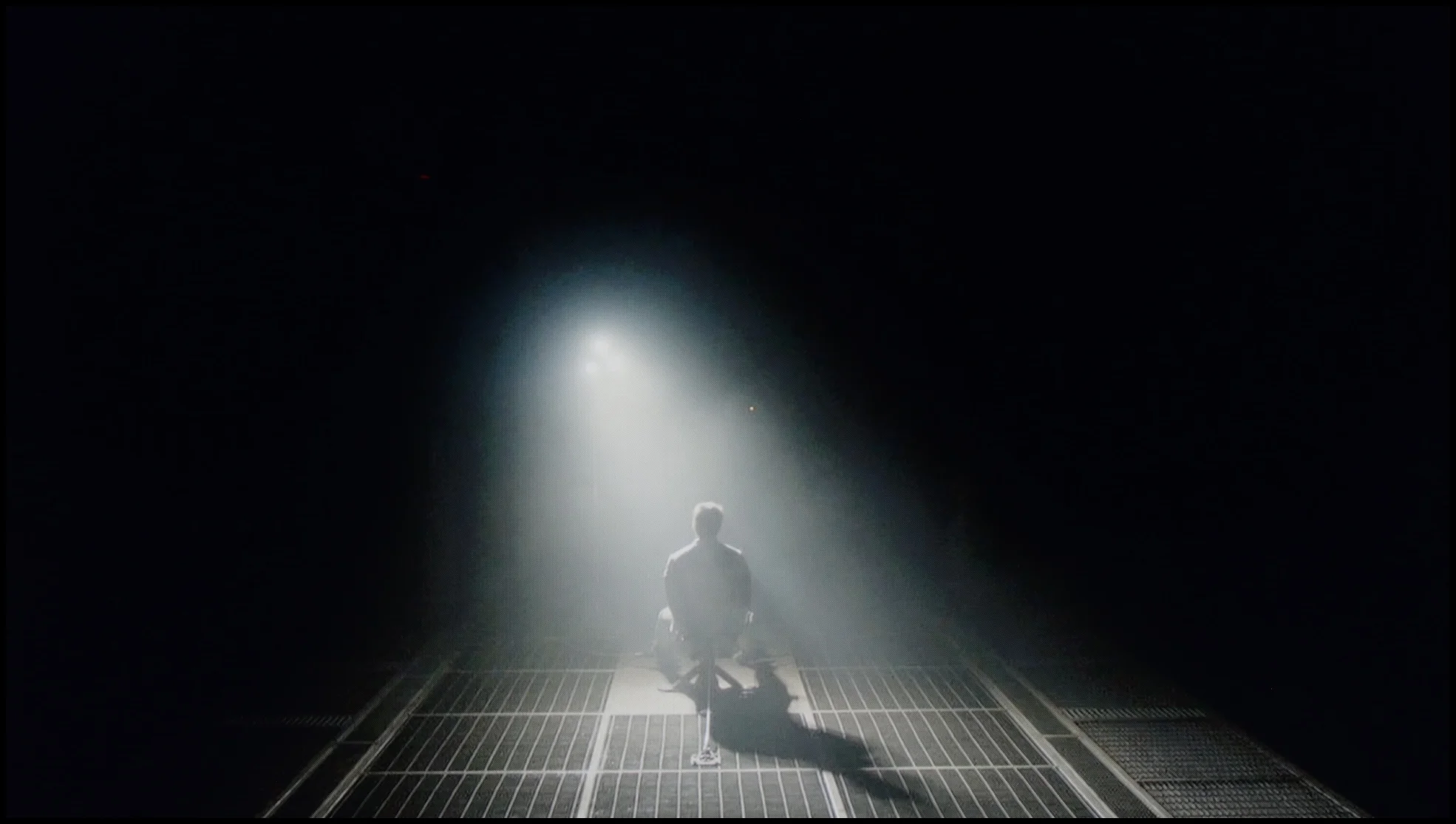
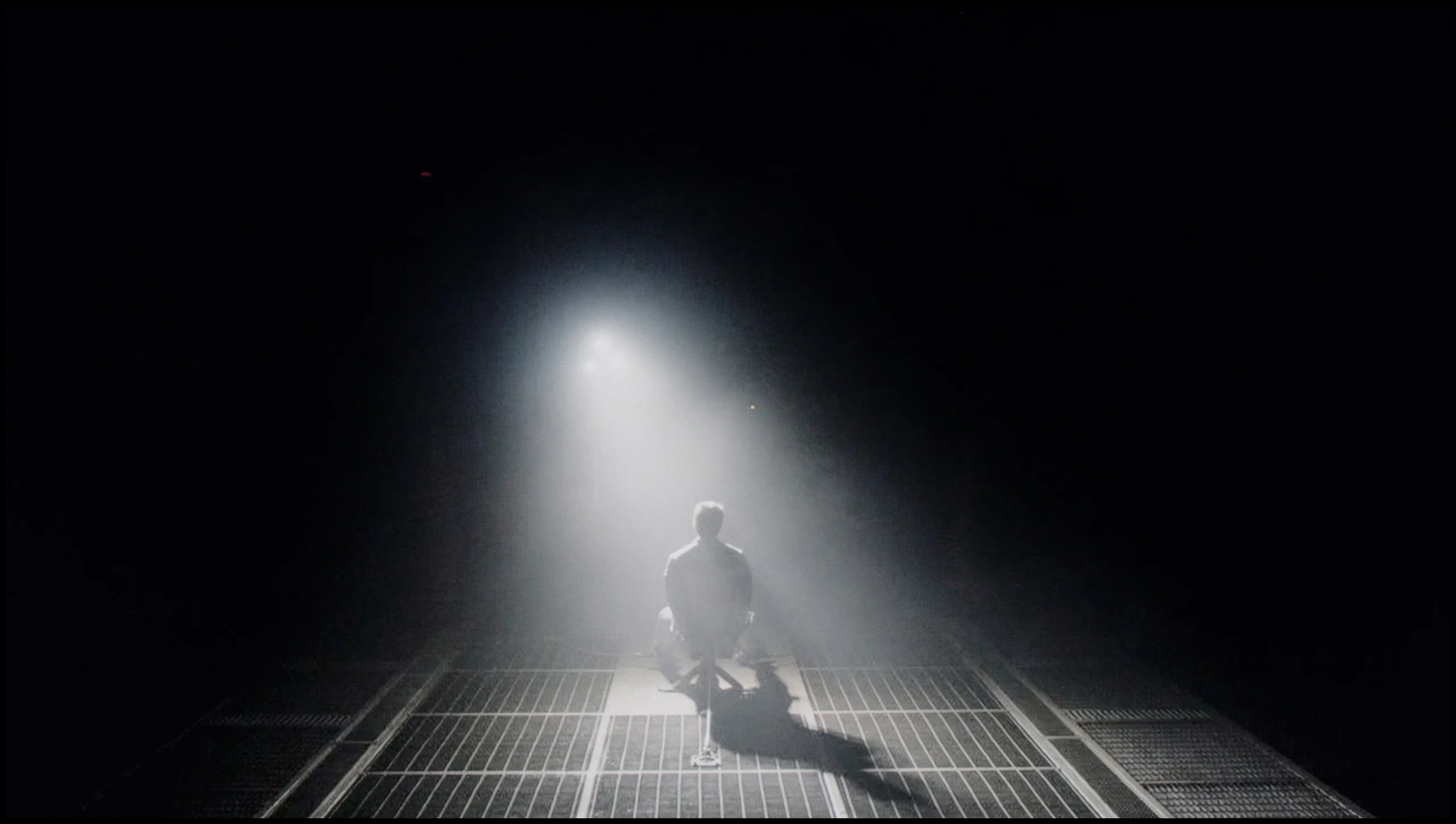
Check the visibility of bright lights on a dark background. Mini-LEDs often struggle with this. The photo does not compare black levels – that’s what the video below is for.
The video accurately shows differences in contrast and black levels between TVs, as well as potential issues: halo around bright objects or Mini-LED zone operation visible as brightness jumps.
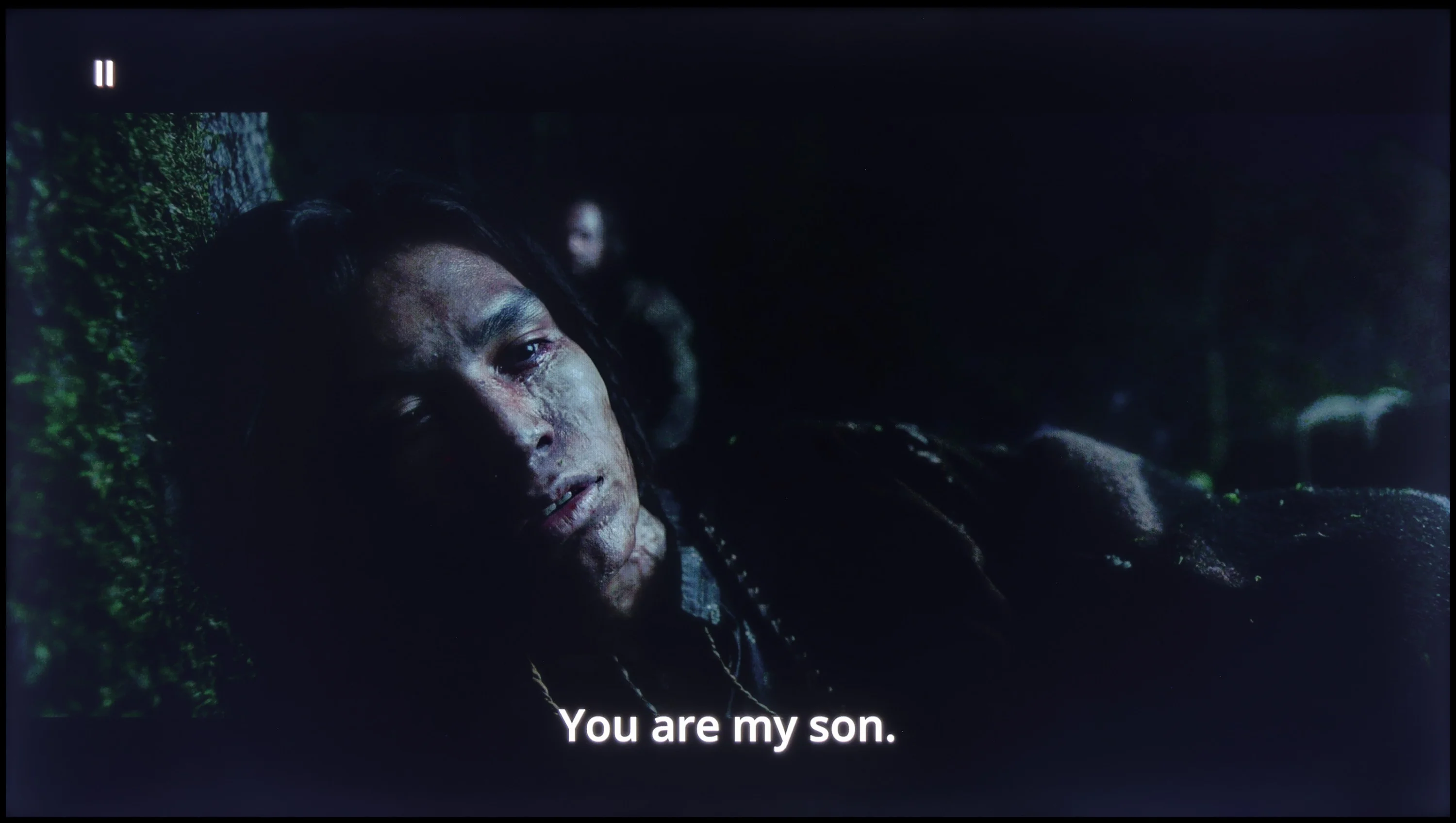
The TV is fitted with a VA panel, which offers significantly better contrast compared with IPS panels, making blacks deeper and the picture more defined. On the test patterns we managed to achieve an impressive contrast ratio of around 5000:1, which translates into very good reproduction of detail in dark scenes. However, owing to the lack of local dimming, bear in mind that blacks in some sequences can appear more like a navy tint than perfectly deep black. This is particularly noticeable in demanding scenes, such as in the film The Revenant. Even so, considering the price of the set, the TV delivers decent black performance that will satisfy most users.
Philips PUS8209 pleasantly surprised us in terms of contrast, which is truly solid for its price range. Thanks to the use of a VA panel, a contrast level of 8000:1 has been achieved, which is considered an excellent result in this price category. In tests using scenes from the film Oblivion, the television performed well, providing visible light separation. Three independent light sources in the test scene were portrayed without significant issues. Similarly, in the case of the film Sicario 2, where the blacks, although not perfect, appear decent enough to allow for the distinction of details in the darker parts of the image. The lack of local dimming technology is noticeable, however, the manufacturer has implemented a "global dimming" function. This mechanism enables the television to automatically darken or brighten the entire screen depending on the content, which somewhat improves the perception of contrast. Philips PUS8209 offers solid contrast and decent results in tests. Although it lacks the precision of local dimming, its capabilities at this price are satisfactory and will meet the needs of most users.
HDR effect quality
4.2/10
3.8/10
Luminance measurements in HDR:

Result
200 nit

Result
210 nit

Result
252 nit

Result
245 nit

Result
276 nit
Result
231 nit
Result
268 nit
Result
278 nit
Result
274 nit
Result
281 nit
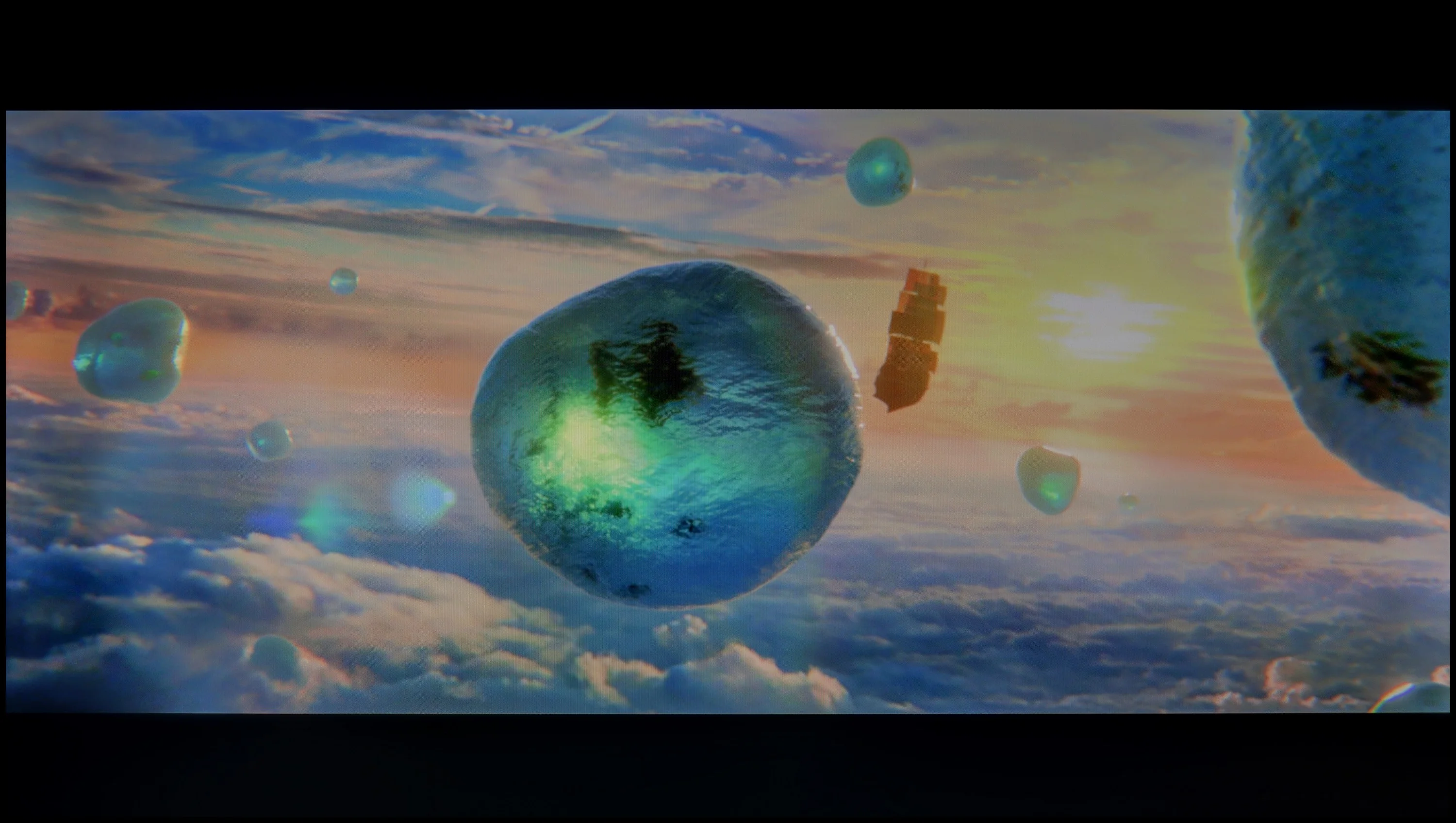
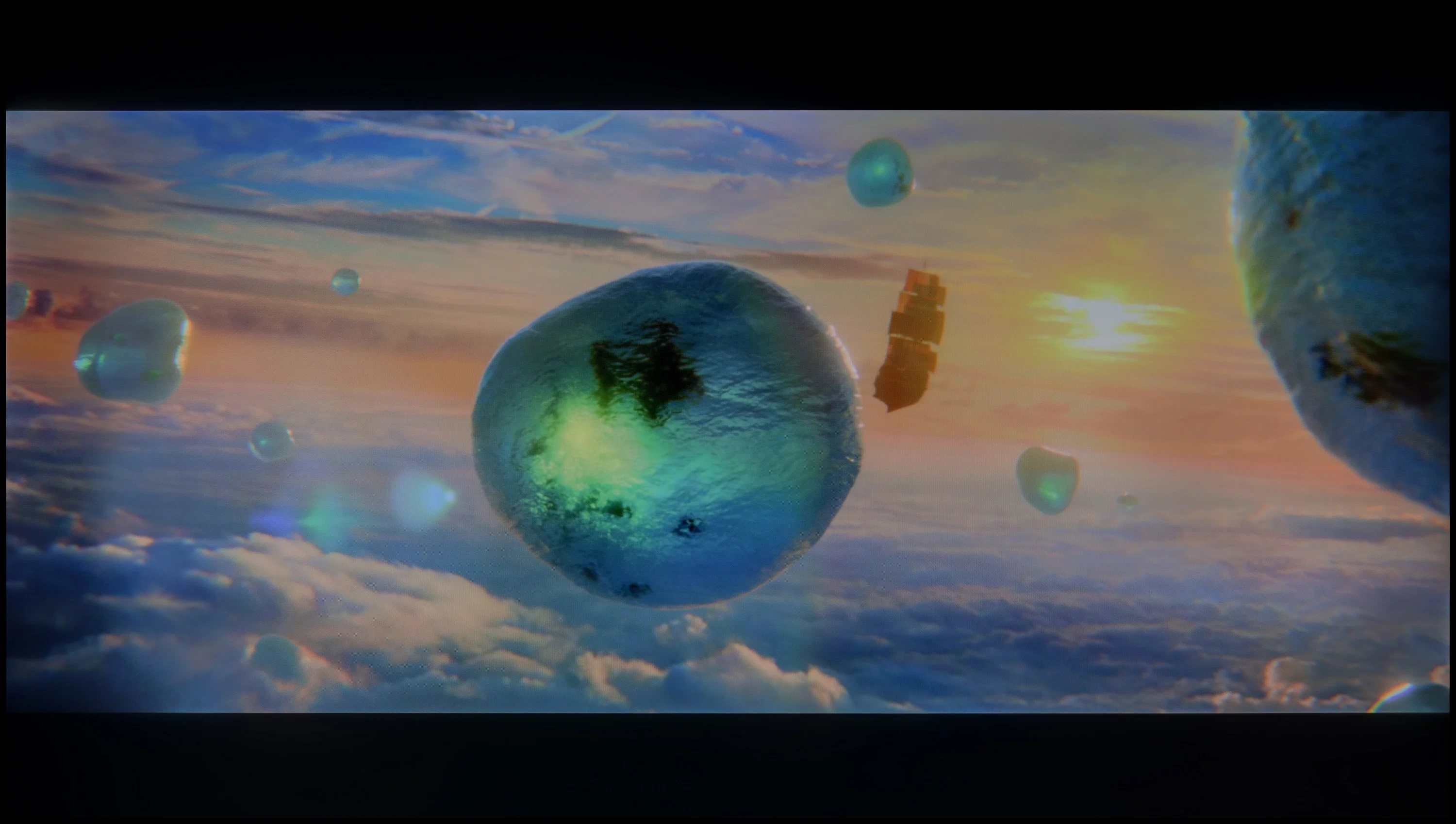
Scene from the movie “Pan” (about 2800 nits)
Scene from the movie “Billy Lynn” (about 1100 nits)

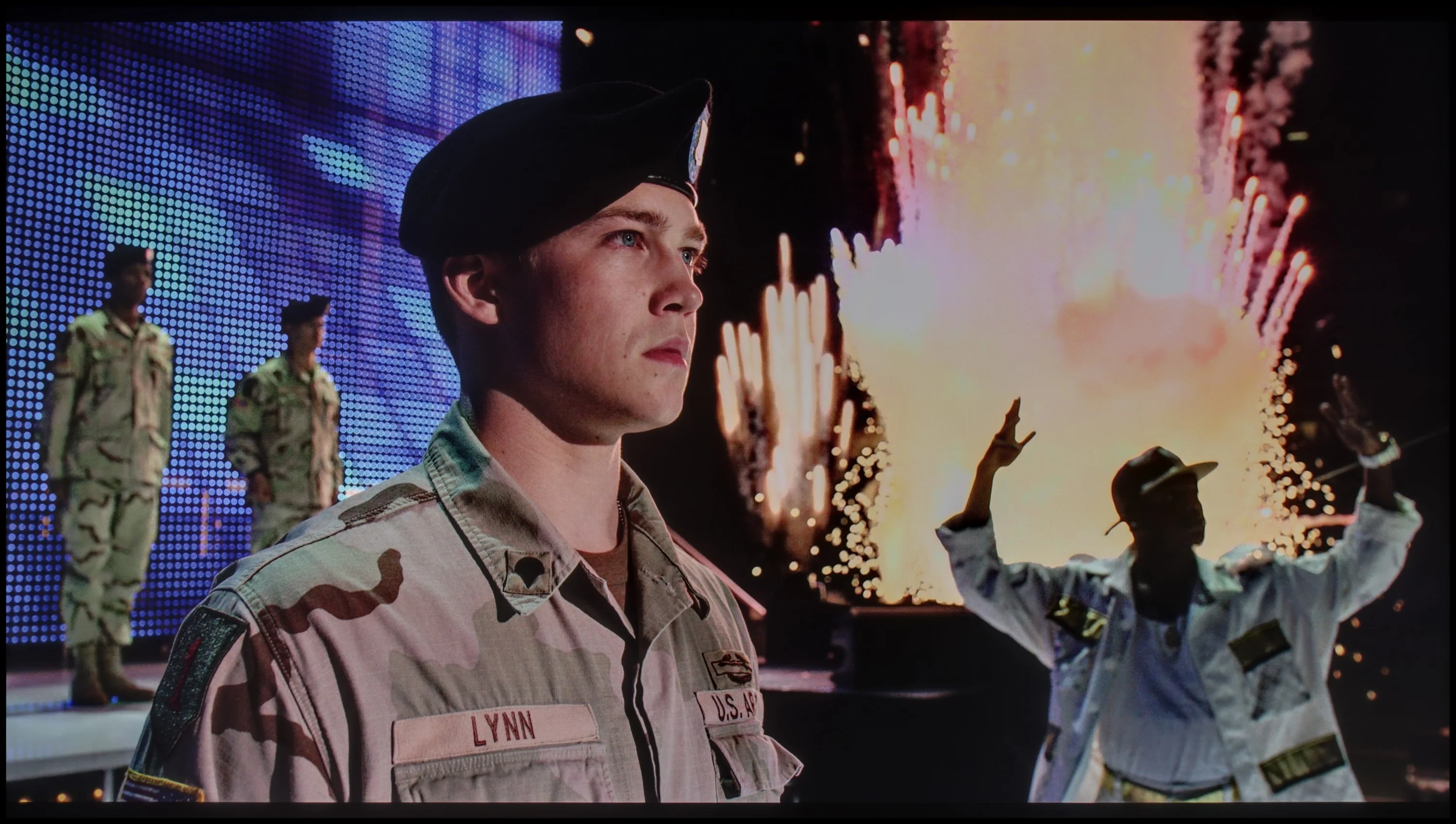
The photos show two HDR10 movies. 'Pan' is one of the brightest productions ever made, while 'Billy Lynn' (soldier) has brightness typical of streaming (Netflix, Prime, HBO MAX). Notice the intensity of effects and detail in whites.
Static HDR10


The photos present the visibility of white details in various HDR formats. They do not show brightness differences between TVs (these can be compared in the previous gallery).
Dynamic: Dolby Vision
Dynamic: HDR10+


The photos present the visibility of white details in various HDR formats. They do not show brightness differences between TVs (these can be compared in the previous gallery).
HDR luminance chart:
Philips PUS8209
Hisense A6N
The HDR performance of the A6N is unfortunately underwhelming. A peak brightness of 250 nits does not allow for spectacular effects, and HDR comes across as rather lacklustre, more like ordinary SDR. This will not satisfy more demanding users who want to enjoy high-quality cinematic content. In addition, colour gamut coverage is not very impressive either: an 82% DCI-P3 result is average and does not allow viewers to fully enjoy vivid colours in HDR content.
Unfortunately, this is where the problems begin. A maximum brightness of 280 nits is definitely too low to feel the true effect of HDR. In practice, the image resembles standard SDR more, so it’s hard to speak of deeper visual experiences. On the positive side, the colour gamut coverage is commendable – 91.4% DCI-P3 is a score that will be sufficient for most films. It must also be said that the image is stable and there are no issues with sudden changes in brightness or colours. Overall, HDR on this television is more of a formality than an actual added value. If we are looking for genuine HDR thrills, this model may not meet expectations.
Factory color reproduction
1.9/10
6/10


This gallery shows how colors change after professional TV calibration. If you notice the difference, we recommend ordering this service at SkalibrujTV.com.
Factory Mode
After calibration


This gallery shows how colors change after professional TV calibration. If you notice the difference, we recommend ordering this service at SkalibrujTV.com.
Factory Mode
After calibration
In terms of colour reproduction, the Hisense A6N in Filmmaker Mode leaves much to be desired. Although the mode's name suggests we should expect faithful rendering of cinematic colours, the reality is different, and the TV has significant problems with picture quality. The white balance issue is particularly noticeable for both HD and 4K material, being severely skewed by a dominance of blue. This results in artificial, cool tints, which are clearly visible in the comparison photo below. The Colour Checker test further confirms these errors, which are compounded by low colour gamut coverage.
The gamma luminance characteristic reveals a serious problem with maintaining the 2.4 level, the curve sitting well below the reference value and causing the image to be overly bright with washed-out blacks. The EOTF curve for 4K material also points to brightness issues, with a pronounced rise at the low end caused by the TV's excessive brightening, which negatively affects picture quality. Such image behaviour prevents fully enjoying films and requires manual calibration.
Philips PUS8209 offers many picture modes, but the best of them, without a doubt, is the Filmmaker mode. Despite its proud name, it has its clear problems. In the case of HD content, the white balance is characterised by a strong dominance of red, which causes the picture to be significantly warmer than it should be in reality. The brightness characteristic (gamma), although correct in the mid-tones, has serious issues at the beginning and end of the curve. Drops in the shadows cause a loss of detail in the dark areas, and blowouts in the bright areas make some elements look unnatural.
For high-quality 4K HDR content, the situation reverses. In this case, blue dominates, leading to an artificial enhancement effect, reminiscent of unnatural retail settings. Such an image looks unattractive and inconsistent with the creators' intentions. An additional problem is the EOTF curve, responsible for brightness in HDR materials. It deviates significantly from the reference chart, causing the image to appear too dark, robbing the depth and detail of HDR content.
Against this backdrop, errors in the Color Checker test and deviations in colour palette reproduction are exceptionally large, which further negatively impacts the overall image quality. The Filmmaker mode, although the best among the available options, requires substantial corrections to fully convey the director's vision.
Color reproduction after calibration
5.7/10
8.3/10
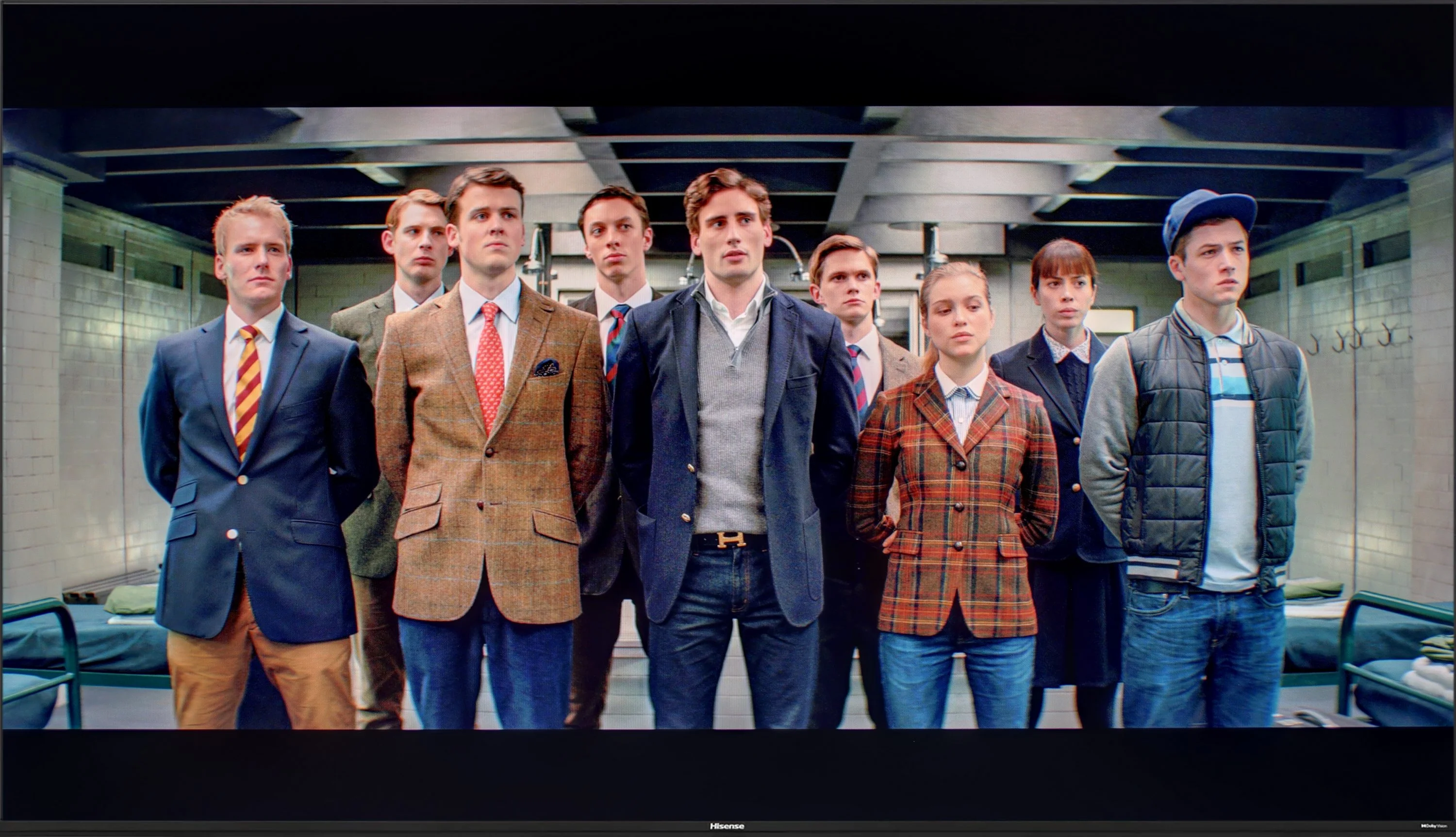

The photos show how movies look on the TV. Pay attention to black detail visibility, colors, and shadow tint.


The photos show how movies look on the TV. Pay attention to black detail visibility, colors, and shadow tint.
Hisense A6N offers options and tools in its settings to adjust many image parameters that we have utilized. When it comes to white balance, we managed to eliminate the excess blue colour – this effect is clearly visible in the comparison photo below, where the boy in the image seemingly "comes to life". A significant improvement can also be noticed in the gamma brightness characteristics – the television no longer has serious issues with excessively brightening the entire image. Unfortunately, the same cannot be said for 4K content, where the EOTF curve could not be fully corrected due to the exceptionally low brightness of this model. For HDR materials, we apply dynamic tone mapping, which allows for the recovery of many details despite the boosting of mid-tones in the image. For this television, this provides more benefits than drawbacks. The errors that are still visible in the colour palette test and Colour Checker for 4K materials stem from the low colour gamut coverage and are difficult to eliminate due to the characteristics of the television. Nevertheless, the tonal quality of the image is significantly better, which is why we recommend calibrating the factory settings, which are far from ideal.
After calibration, the white balance for HD and 4K content has significantly improved. Although we have not achieved a perfectly flat characteristic, the effect is definitely better than before. The picture on the television no longer appears artificially warm or excessively cold, which significantly enhances the naturalness of the displayed content. The brightness characteristic (gamma) has also been adjusted – the biggest issues at the beginning and end of the graph have been mitigated. The EOTF curve, responsible for brightness in 4K HDR material, has been stabilised, eliminating problems with excessive dimming of the image. In the colour palette test, some imperfections can still be noticed due to average coverage of the wide colour gamut, which is a limitation of the equipment itself. Nevertheless, the final effect is clearly better than before calibration – the image looks more natural and approaches the expectations of the Filmmaker mode.
Smoothness of tonal transitions
9.1/10
6.5/10
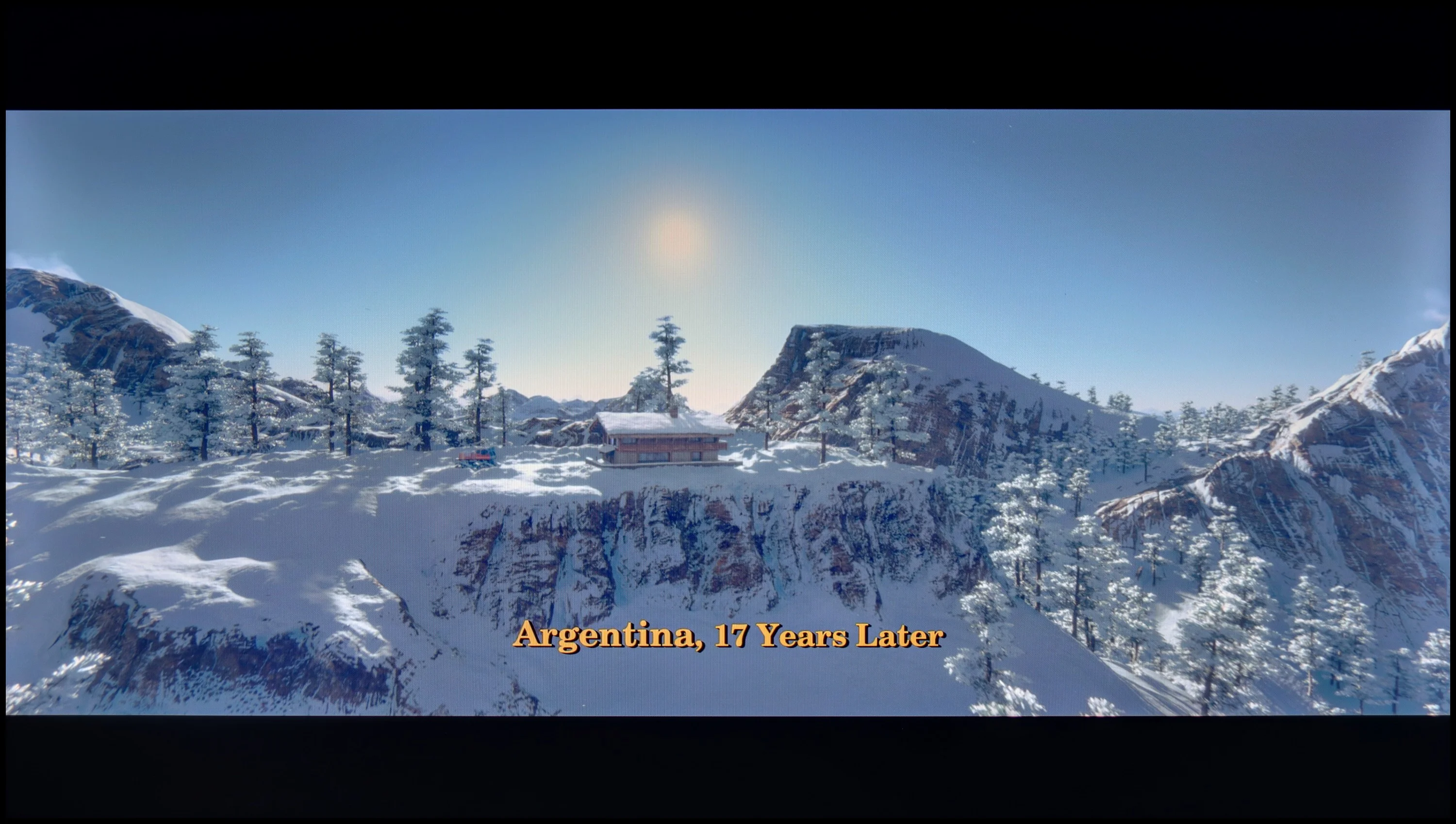

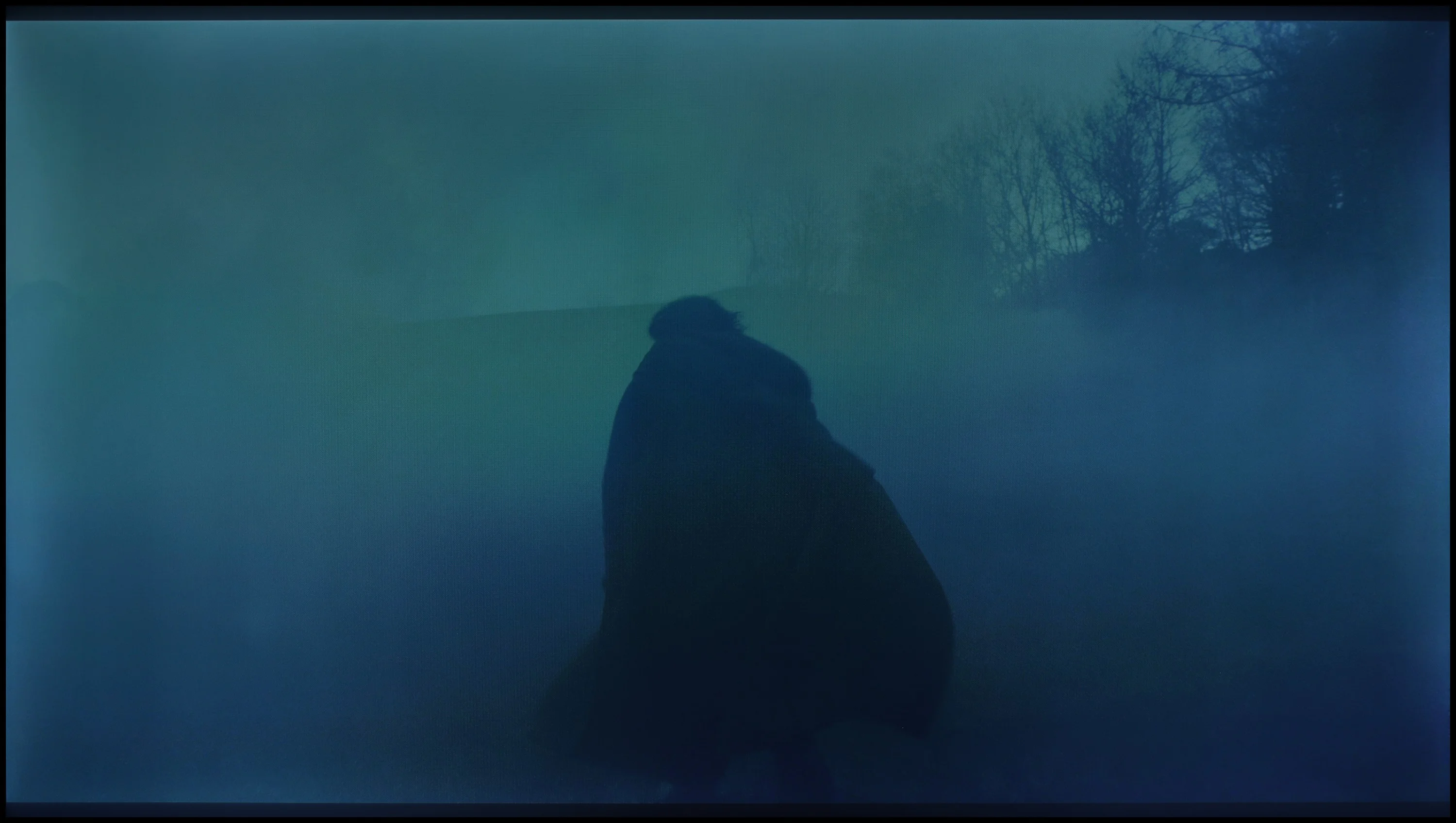
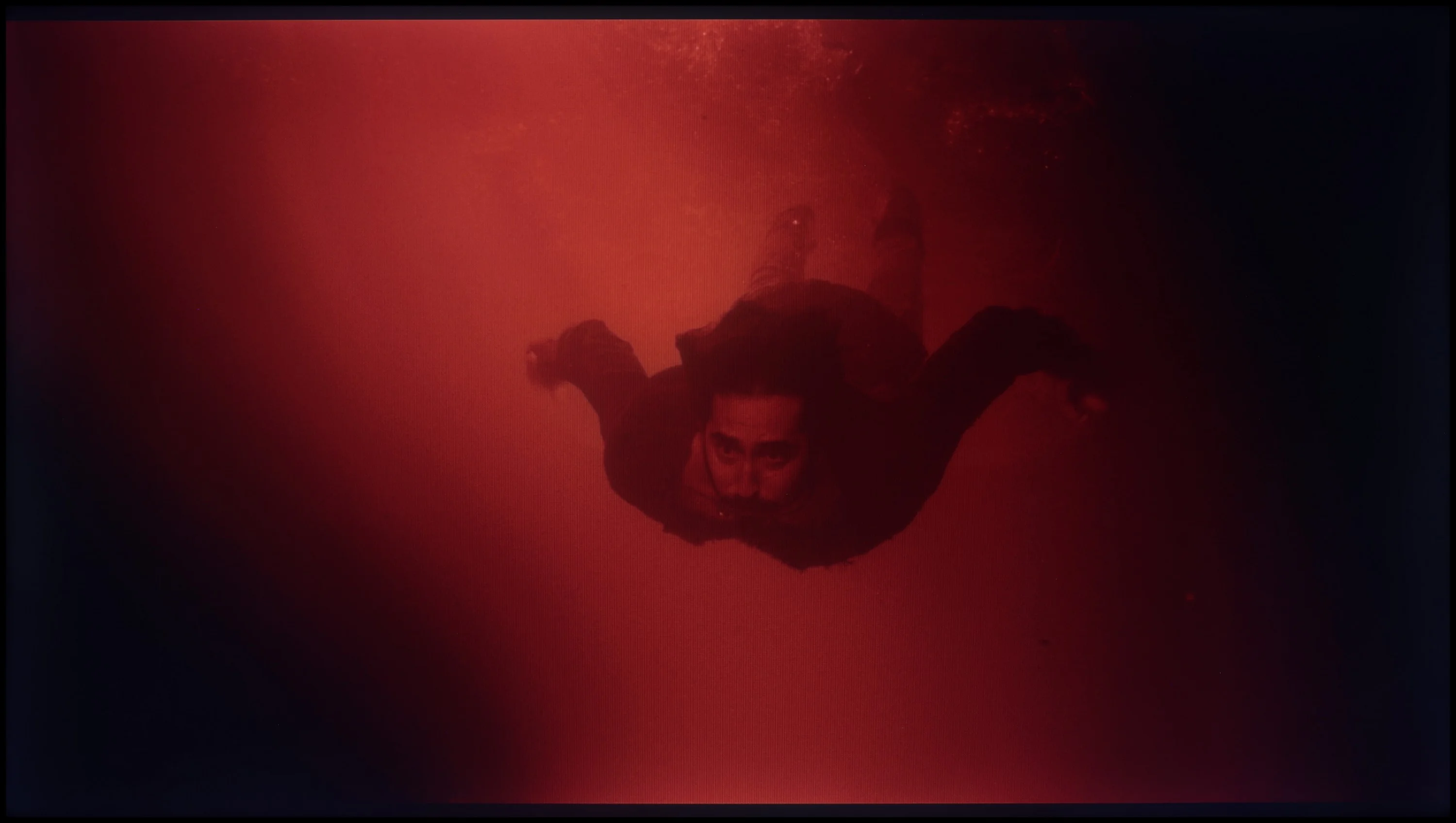
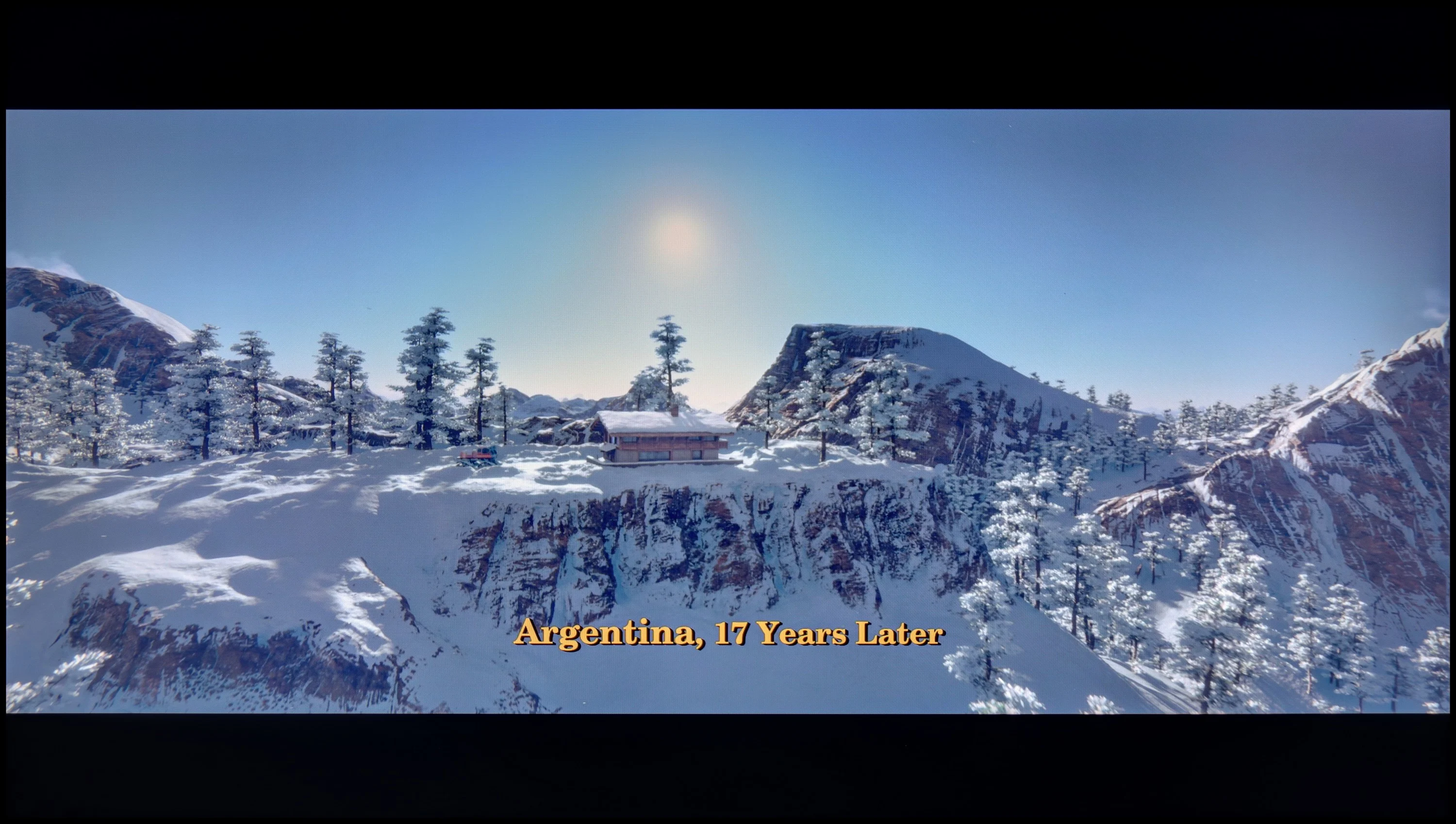
These are selected scenes that show smooth tonal transitions from one color to another. If you see distinct banding, it’s the TV panel’s fault.

These are selected scenes that show smooth tonal transitions from one color to another. If you see distinct banding, it’s the TV panel’s fault.
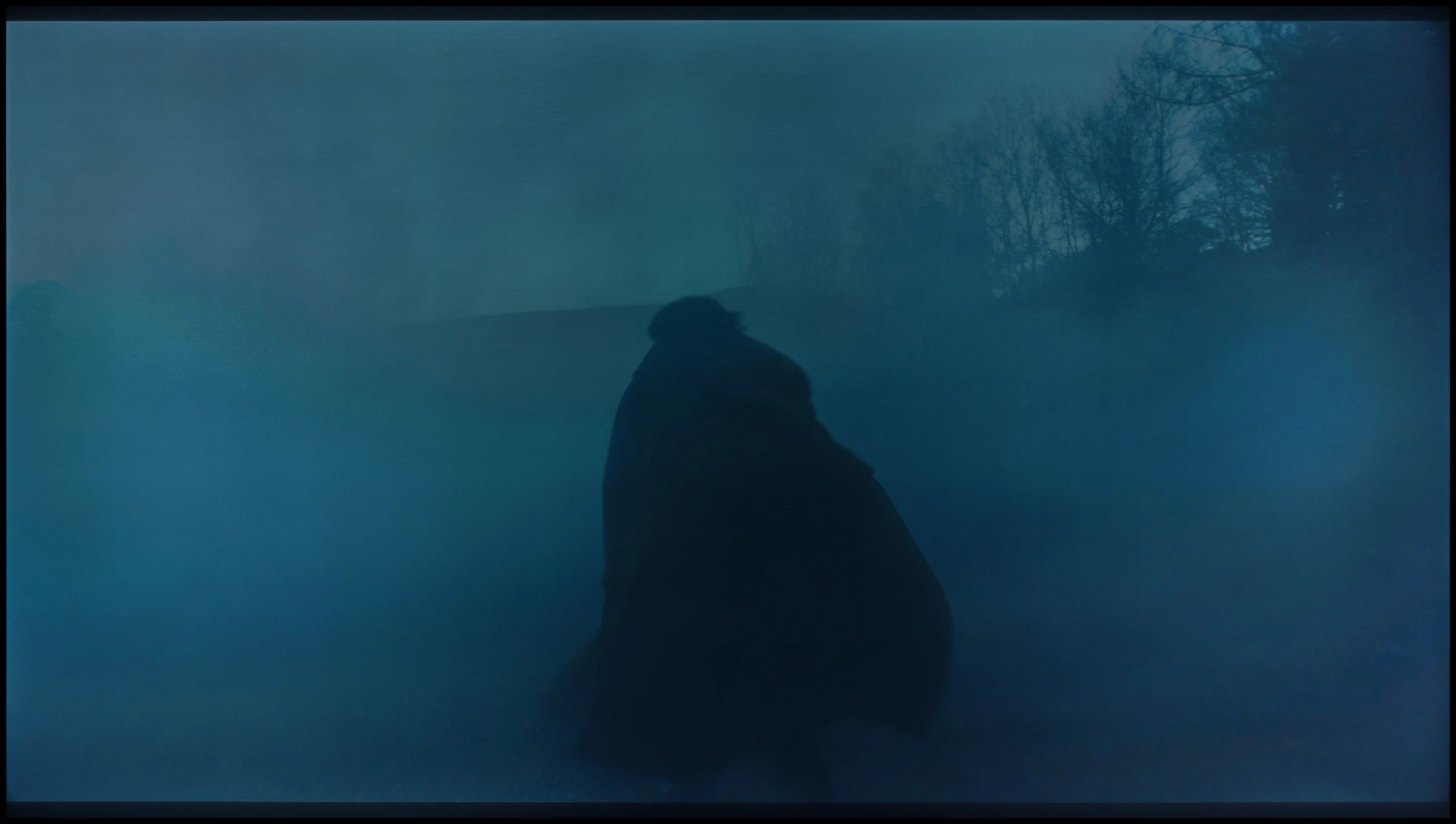
These are selected scenes that show smooth tonal transitions from one color to another. If you see distinct banding, it’s the TV panel’s fault.
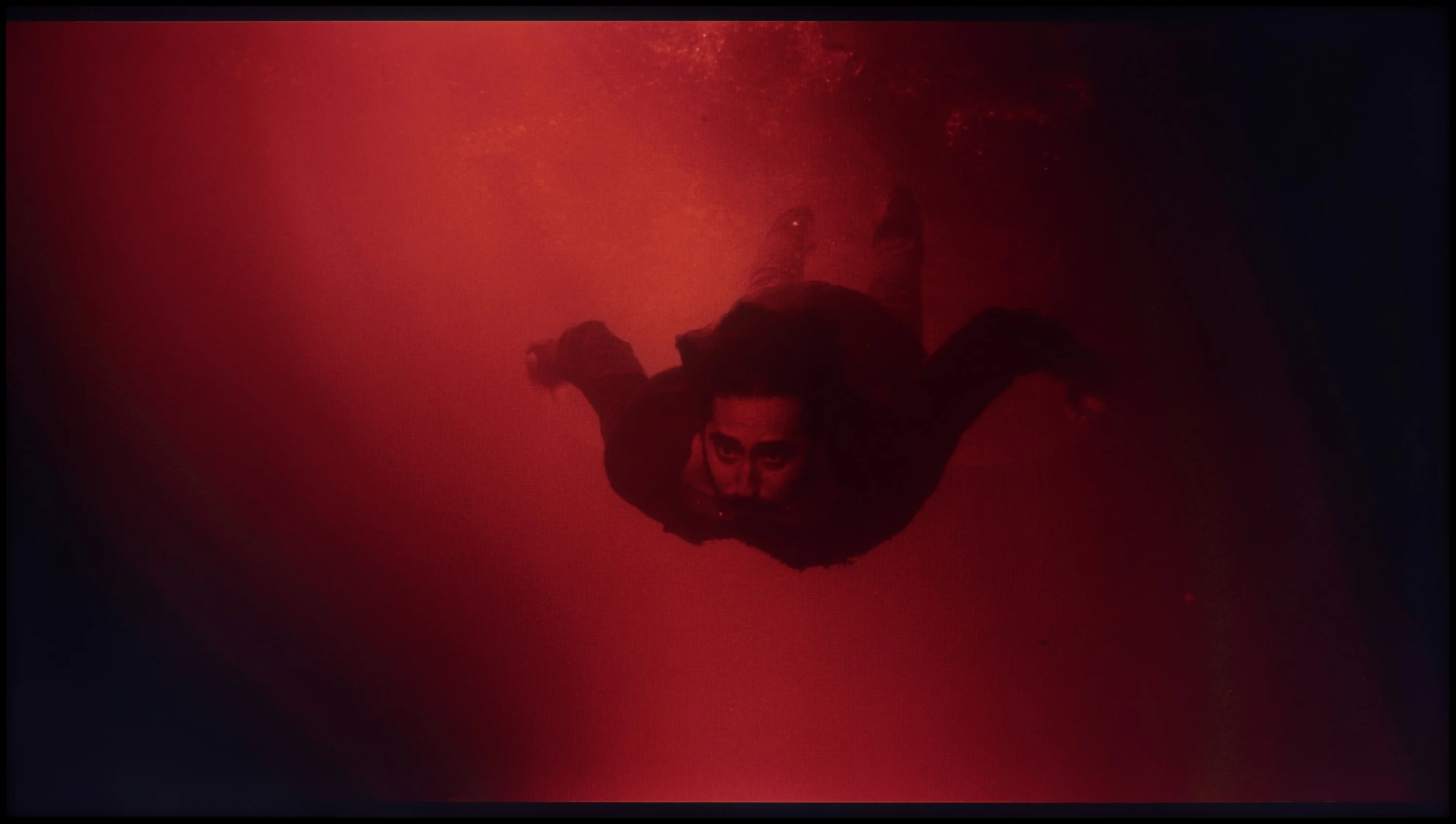
These are selected scenes that show smooth tonal transitions from one color to another. If you see distinct banding, it’s the TV panel’s fault.
The smoothness of tonal transitions is one of this TV's strongest points. Hisense A6N handles tonal transitions very well; gradients in the image look natural and without major artefacts. The TV has no significant problems in this area. Although slight unevenness can be seen in bright and dark scenes, it is not pronounced enough to interfere with viewing. The smoothness of tonal transitions on the Hisense A6N is undoubtedly one of its greatest strengths.
The Philips PUS8209 presents a decent gradient in bright scenes, where tonal transitions are smooth enough not to be noticeable. Unfortunately, in darker scenes, such as red water, the television clearly struggles. Issues with blending shades and a lack of precision in reproducing subtle colour differences are very apparent here.
Image scaling and smoothness of tonal transitions
5/10
5.5/10


Smooth transition function
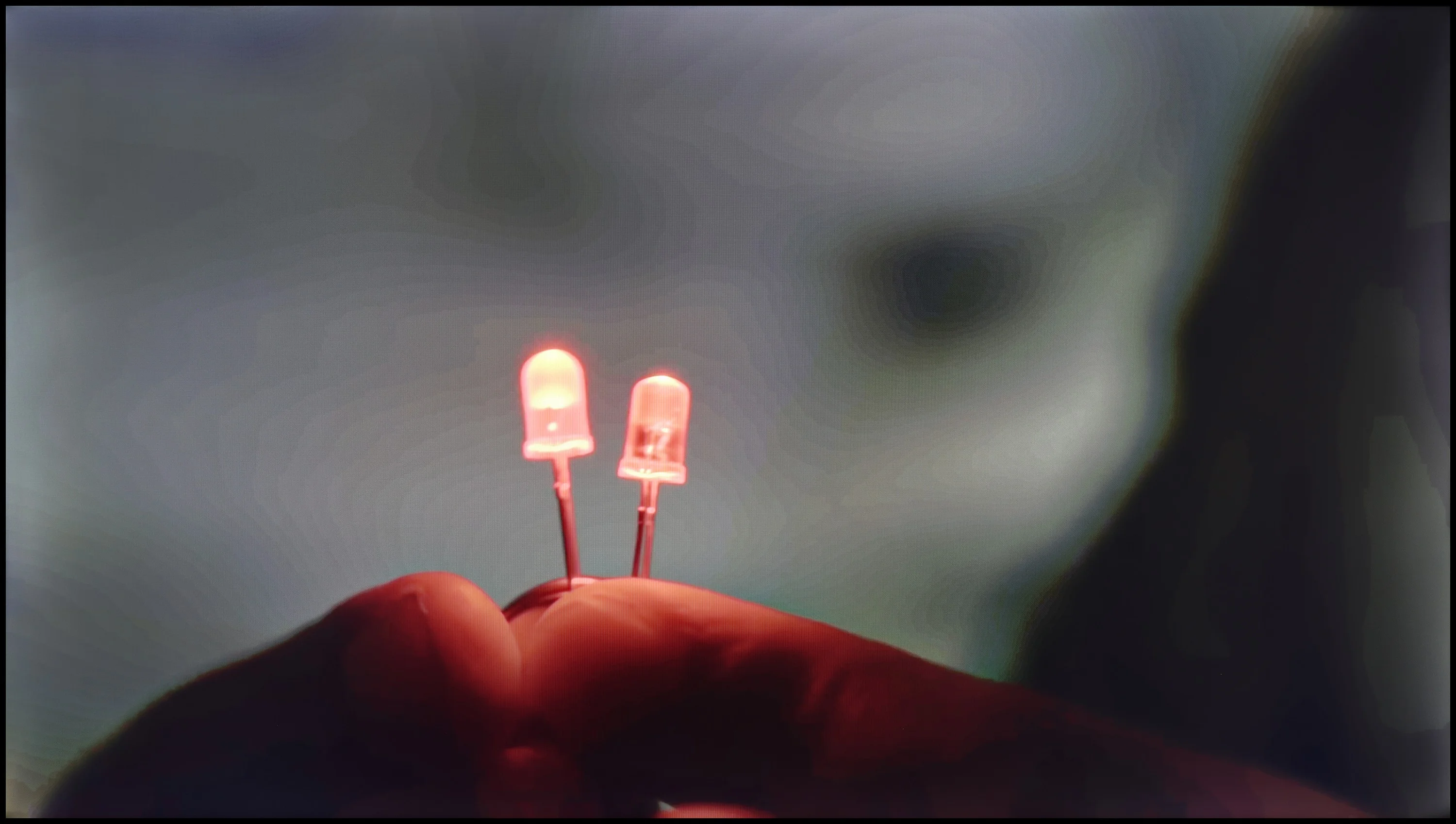
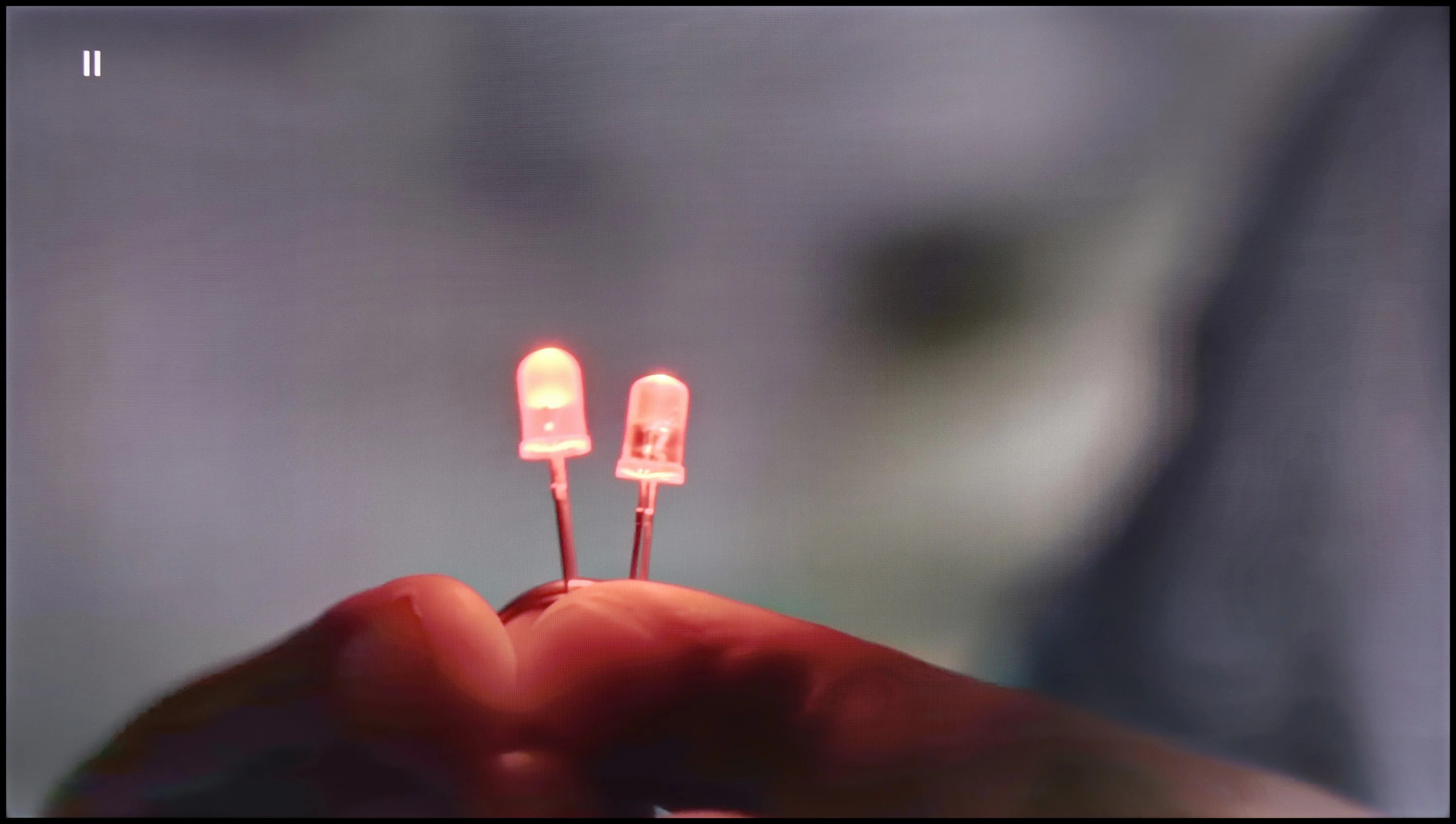
The match photo shows how the TV smooths weak tonal transitions in low-quality video.
Image scaling SD (576i)


The model photo shows how it handles upscaling of SD material.
Let's check how A6N performs with low-quality materials. When it comes to smoothing tonal transitions, the lack of posterisation reduction or smoothing of tonal transitions in low-quality materials such as television or DVD can be noticeable for more demanding viewers. In terms of digital processing, the model is presented correctly, and the branches are devoid of characteristic jaggedness – the image is very plastic and soft, which may appeal to those who prefer this style of image.
The television offers a "Distortion Reduction" feature that effectively improves the gradation of tonal transitions, especially when set to the minimum level. Unfortunately, this comes at a cost – the feature simultaneously smooths out details such as the texture of materials. On the positive side, it is worth noting that the operation of this option does not negatively affect film grain, which remains intact.
As for image scaling (upscaling), the television generates a plastic, soft image that generally looks pleasant. However, in the background, one can sometimes notice issues with aliasing on certain elements, such as branches or fine details, which can lower the quality of reception. Despite these minor imperfections, the overall experience of scaling is satisfactory.
Blur and motion smoothness
3.9/10
3.8/10
Blur (native resolution, maximum refresh rate):





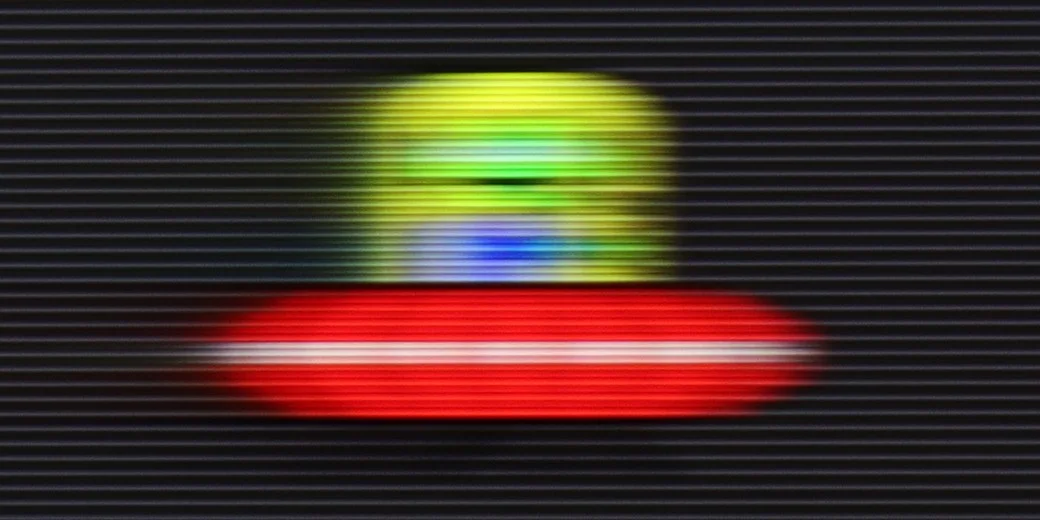
The 60 Hz panel in Hisense A6N will probably satisfy people who enjoy watching films, because the TV offers an "ultra motion smoothing" feature, which lets you adjust the image's choppiness, making it either more staccato or more fluid and cinematic. When it comes to motion blur, performance is fairly average, with quite noticeable smearing, especially on dark backgrounds, which is a fairly typical characteristic for this class of TVs.
The 60 Hz panel in the Philips PUS8209 is mainly suitable for watching films, but there is still a sense of something missing. The television does not offer any motion smoother that would allow users to adjust the fluidity of the picture to their individual preferences, which can be disappointing for some users.
Console compatibility and gaming features
5.3/10
4.7/10
- ALLM
- VRR
- VRR range48 - 60Hz48 - 60Hz
- Dolby Vision Game Mode
- Correct implementation of HGIG
- 1080p@120Hz
- 1440p@120Hz
- 4K@120Hz
- Game bar
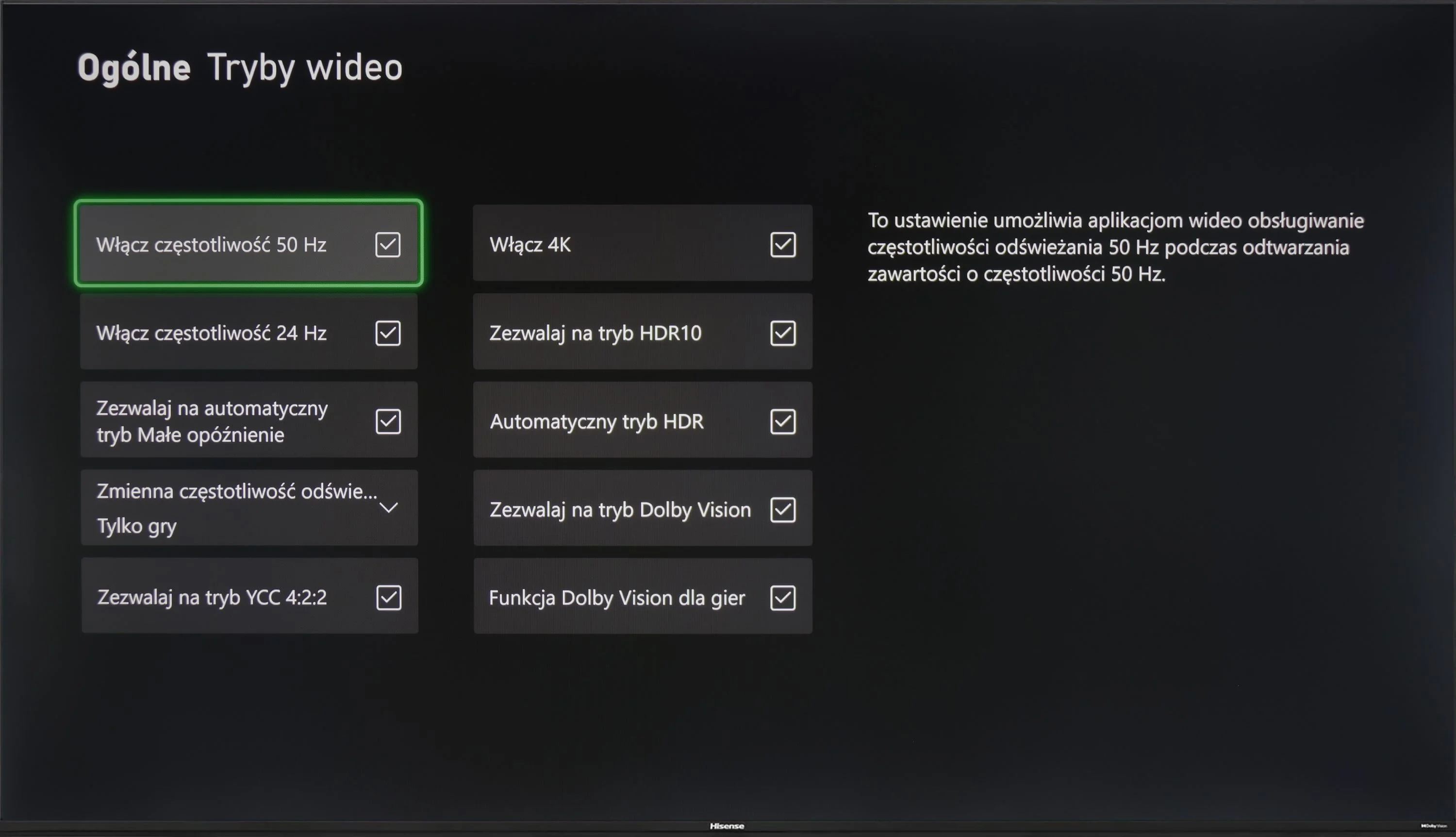
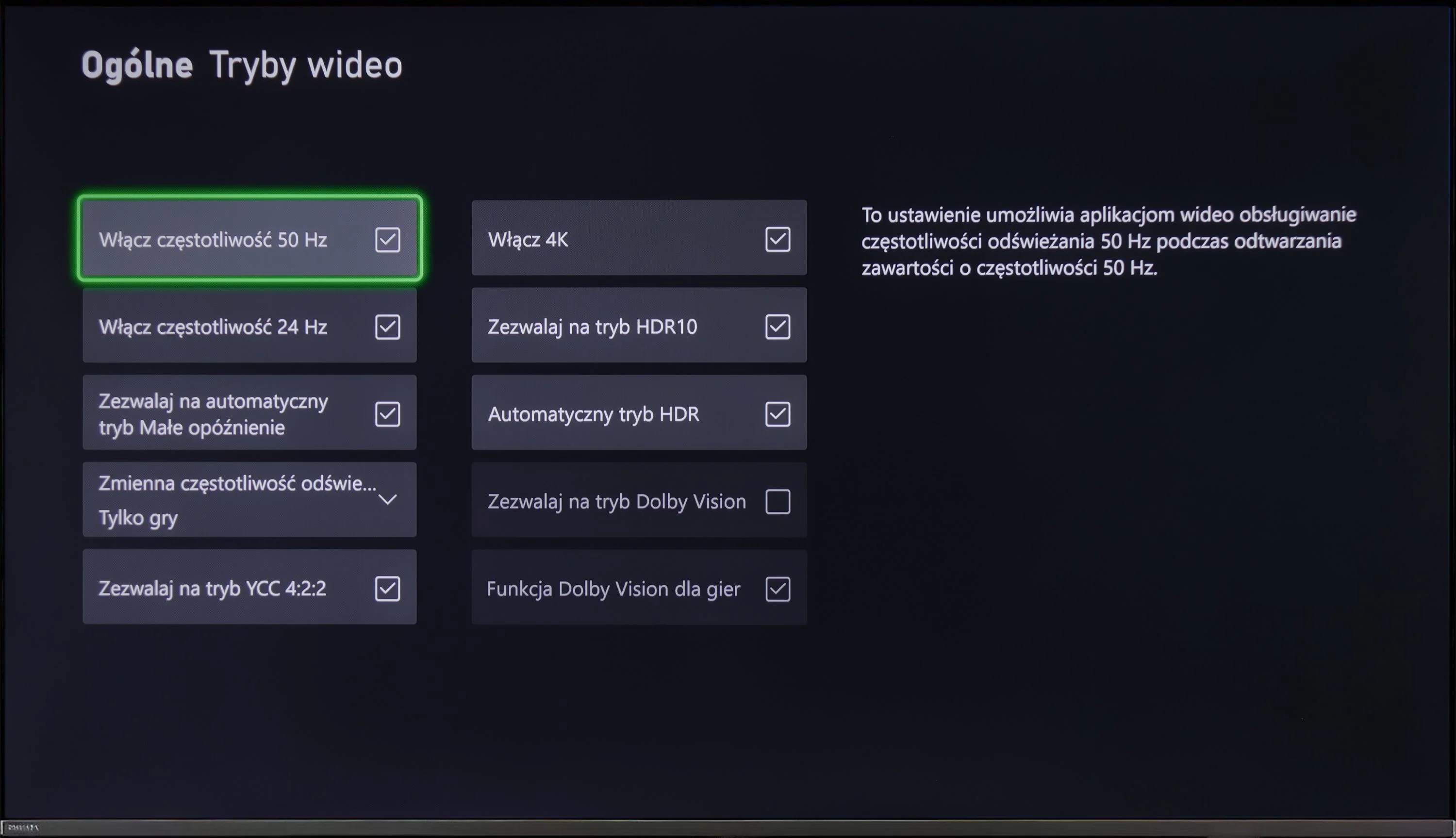
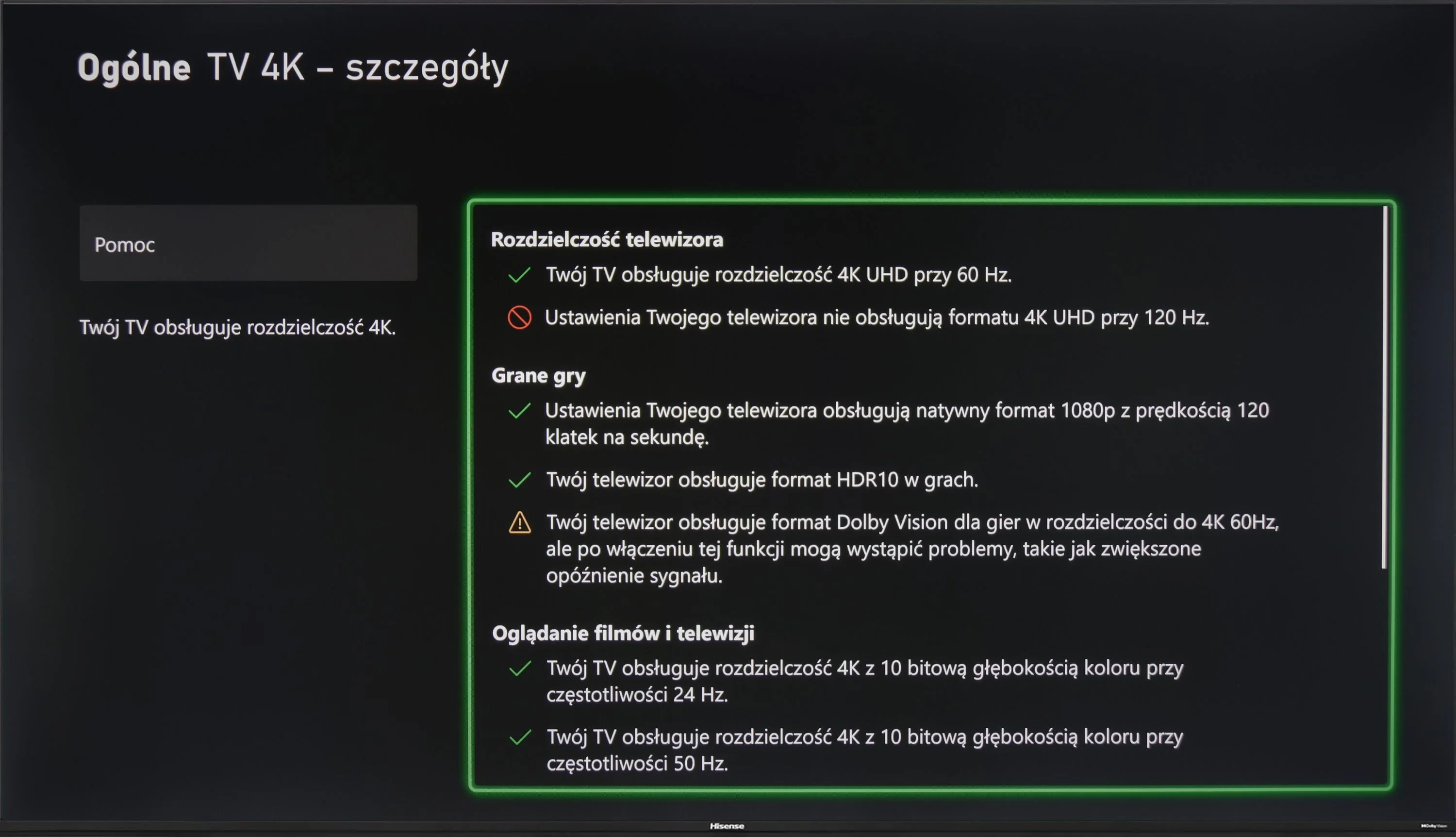
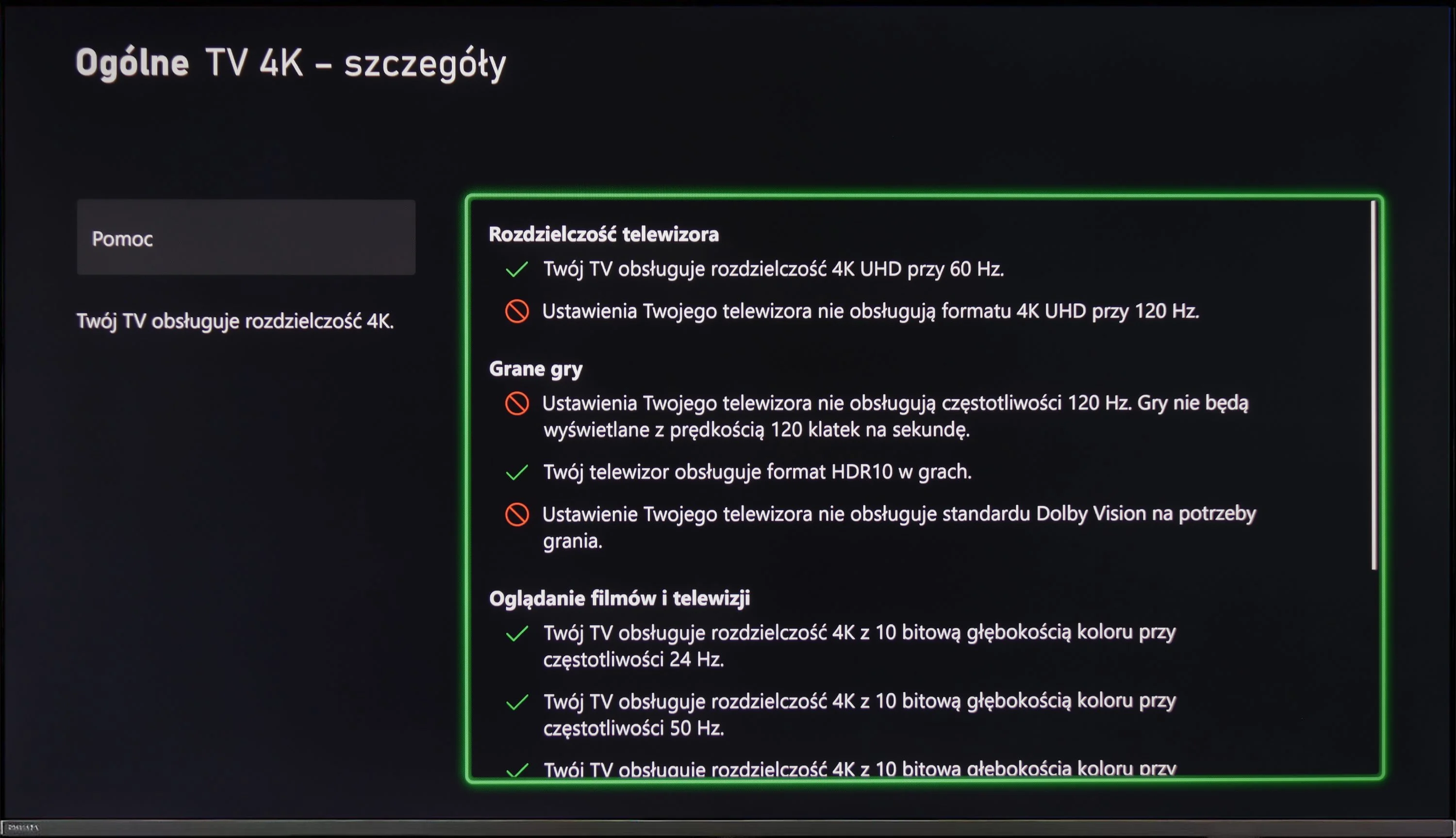
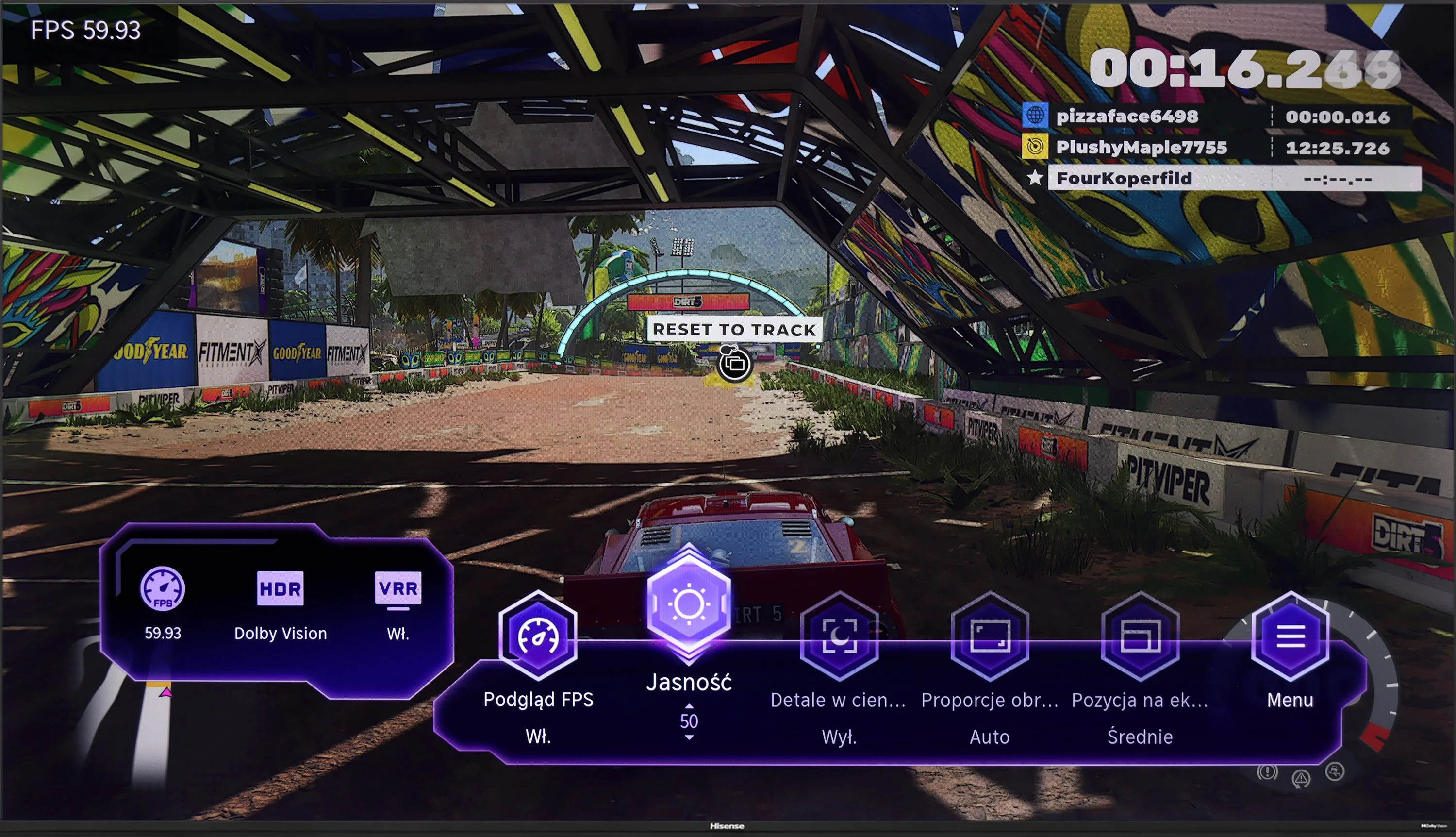
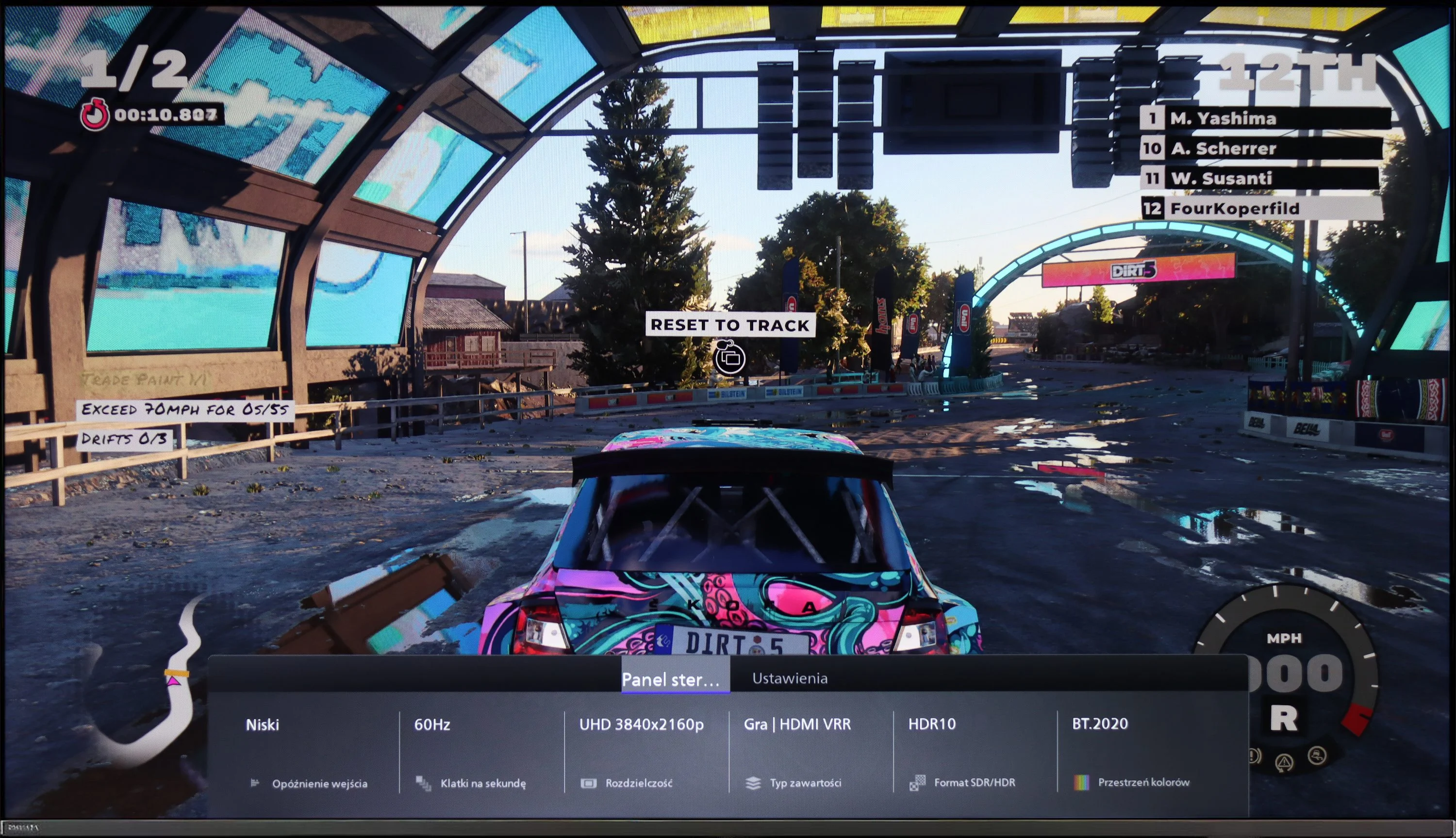
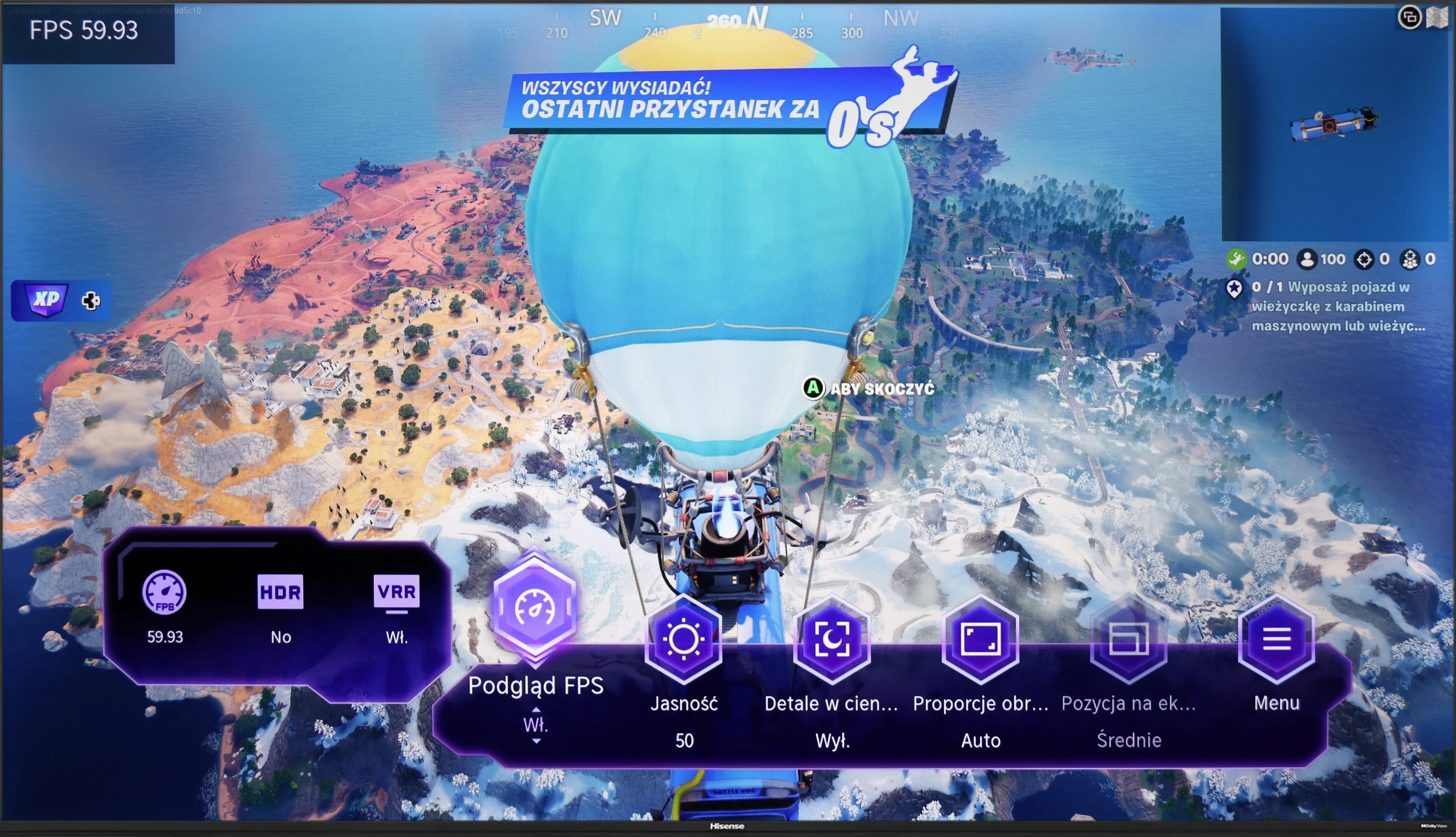
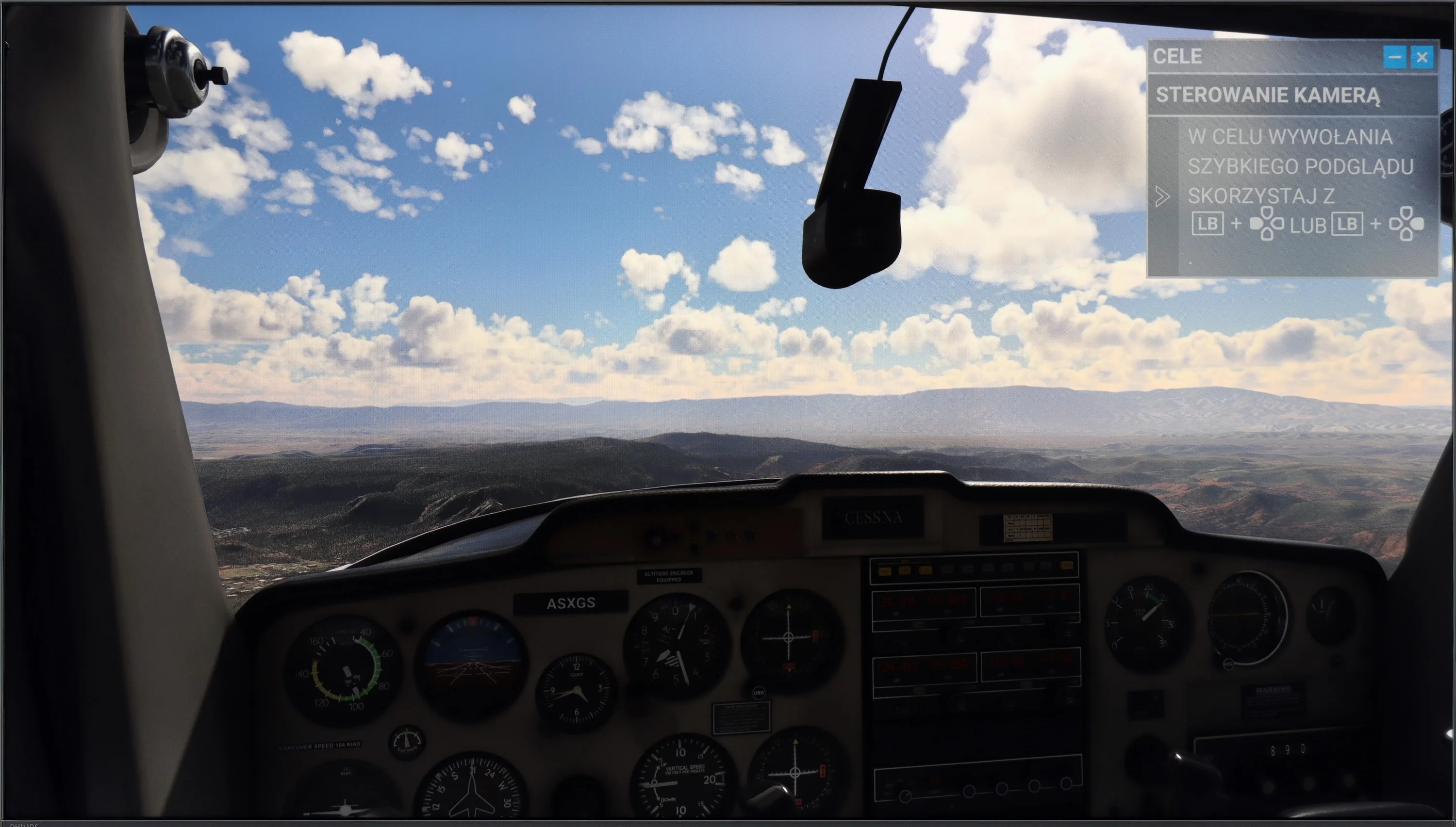
Hisense A6N is a television that will probably appeal to casual gamers, mainly because of its 60 Hz panel, which may not satisfy more demanding users. Despite that, it offers a few conveniences that can make gaming more enjoyable. The TV supports features such as ALLM (automatic low-latency mode), VRR (variable refresh rate) and Dolby Vision, allowing you to enjoy better image quality and smoother motion in games that support these technologies. Moreover, the low input lag means in-game reactions are quick, which is crucial, especially in fast-paced titles. Thanks to these features, although the TV is not the ideal choice for demanding gamers, it provides solid support for those who value comfortable gaming without complicated settings. It is an ideal solution for people who want to enjoy gaming without high hardware demands while having access to modern technologies that enhance the gaming experience.
The Philips PUS8209 offers basic features useful for gamers, such as variable refresh rate (VRR), automatic low latency mode (ALLM), and a Game Bar that makes managing settings easier.
Unfortunately, due to the 60 Hz panel, the television will not meet the expectations of more demanding gamers who are counting on higher smoothness and image precision. Additionally, this model does not support any HDR mode dedicated to gaming, such as HGiG or Dolby Vision, which further limits its capabilities in this regard.
Input lag
9.9/10
10/10
SDR
HDR
Dolby Vision
Hisense A6N achieves an impressive input lag of around 12 to 14 ms, which is an excellent result. The implementation of Dolby Vision also deserves praise; with other brands it is often problematic and unplayable, but here it runs smoothly and without noticeable delays, which is a big plus for fans of fast-paced games.
The input lag in the Philips PUS8209 is one of its strongest points. With a value of around 13 ms, the television provides a very quick response time, which should please most gamers, both casual and more advanced. This result allows for comfortable gameplay even in dynamic games.
Compatibility with PC
1/10
2/10
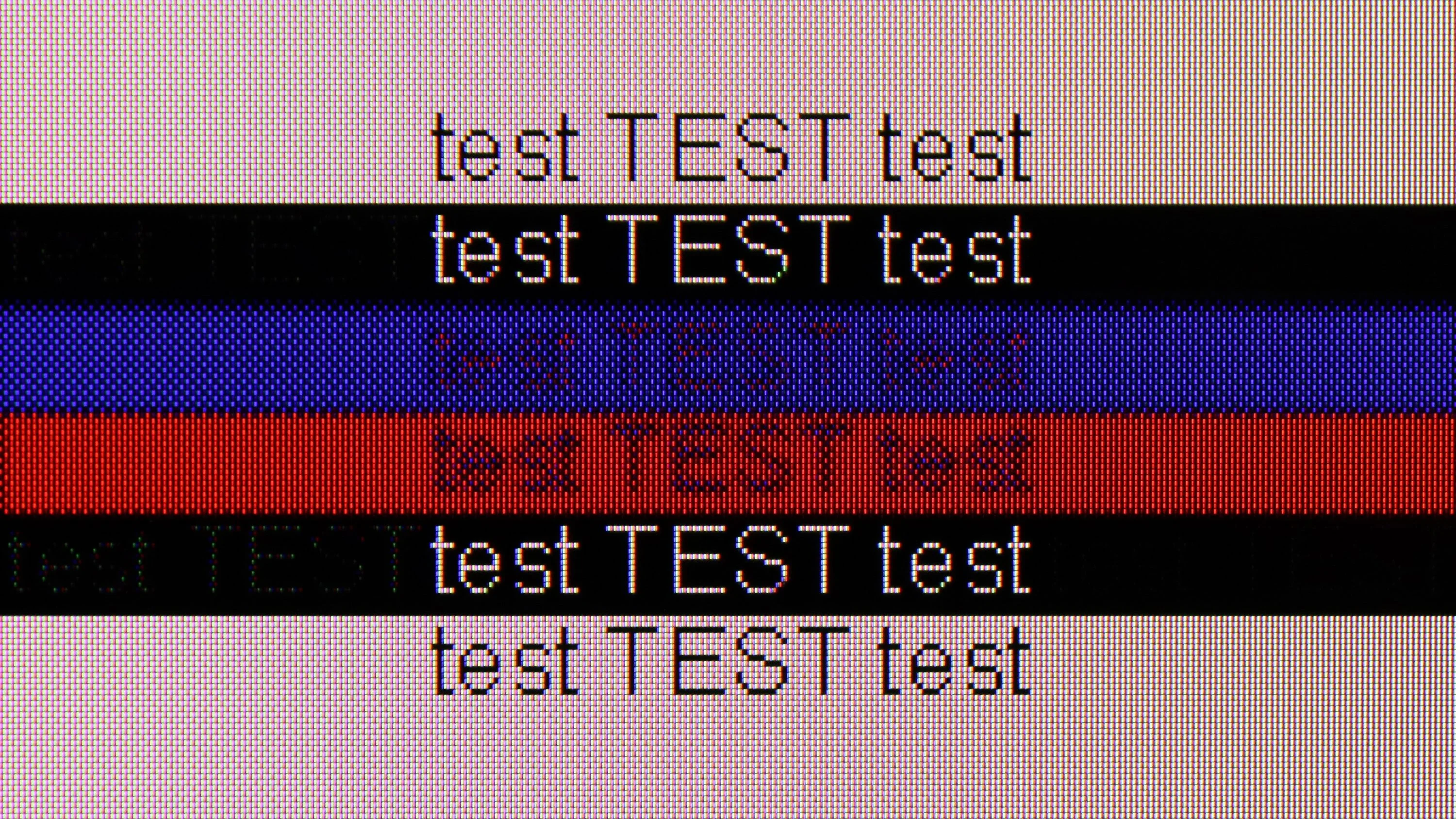
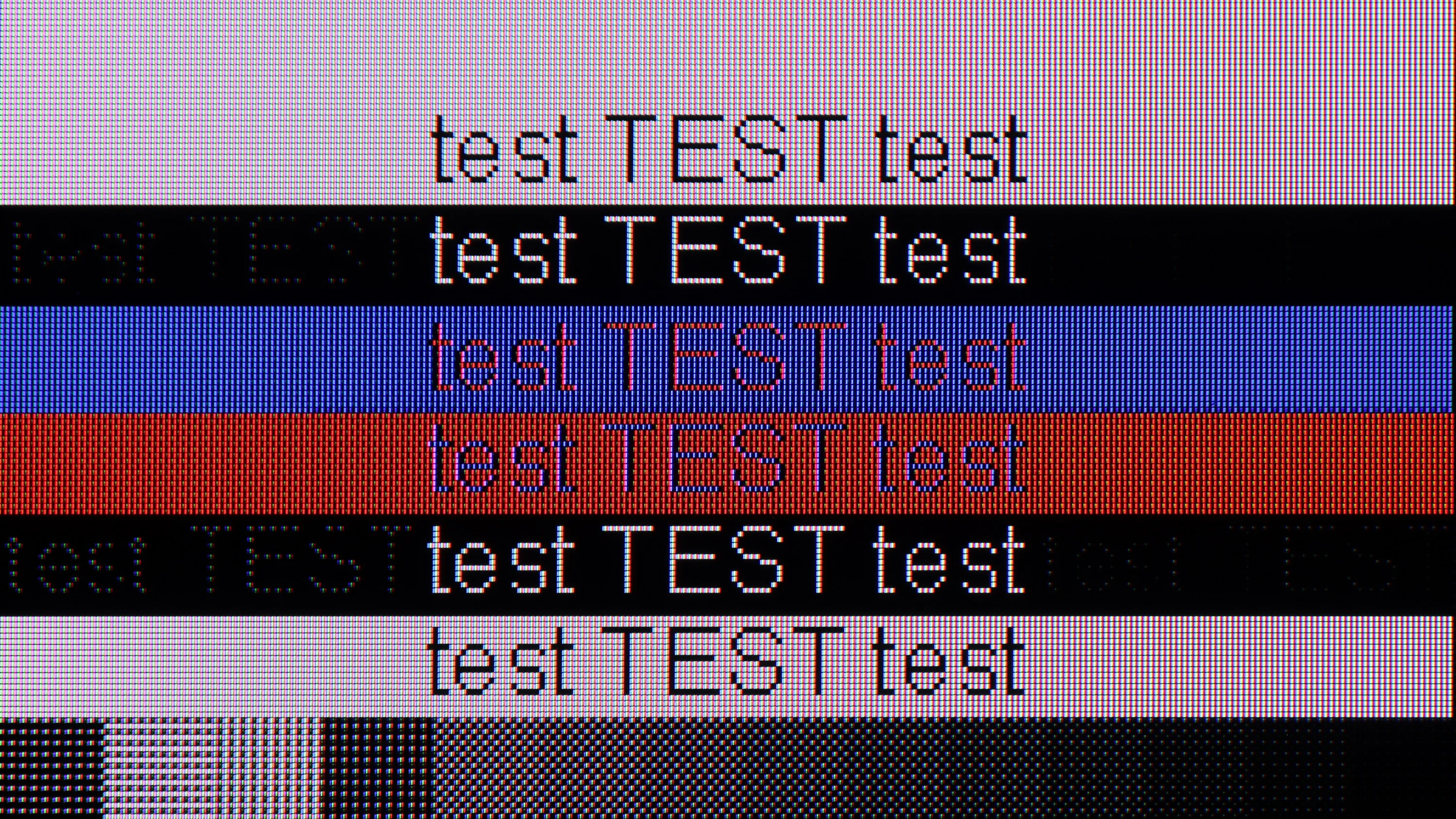
The photo shows the legibility of small fonts. Ideally, lines should be the same thickness on both light and dark text, with minimal pixel gaps.
The Hisense A6N TV is unfortunately not suitable for use with a computer. Lack of support for 4:4:4 chroma subsampling causes fonts to be completely blurry and illegible, making it very difficult to use the TV as a monitor. This definitely rules out this model as an option for anyone looking for a TV to use with a PC.
On paper, cooperation with a PC seems promising, especially thanks to support for chroma 4:4:4, which should ensure good font readability and detail reproduction. In practice, however, the television has significant issues with displaying text, particularly on dark backgrounds, where the so-called pixelation is clearly visible, negatively affecting work comfort.
Additionally, the lack of support for technologies such as G-Sync means that the smoothness of gameplay when connected to a PC leaves much to be desired, making this model less attractive for users looking for a television for gaming on a computer.
Viewing angles
3.4/10
2.1/10
Unfortunately, the viewing angles on the Hisense A6N are poor, which is typical of VA panels. When watched from a wider angle the image quickly loses quality: colours fade and contrast falls markedly. You get the best viewing experience when seated directly in front of the television, because even a small shift to the side causes colour reproduction and contrast to deteriorate. This limitation can be important in larger rooms where viewers are seated at different angles to the screen.
The viewing angles on the Philips PUS8209 are poor, which is typical for a VA panel. When viewing at an angle, the brightness of the image drops significantly, and the colours lose their depth, which can greatly affect viewing comfort, especially in larger groups or in an unusual setting of the television in relation to the viewer.
Daytime performance
3.8/10
4.4/10
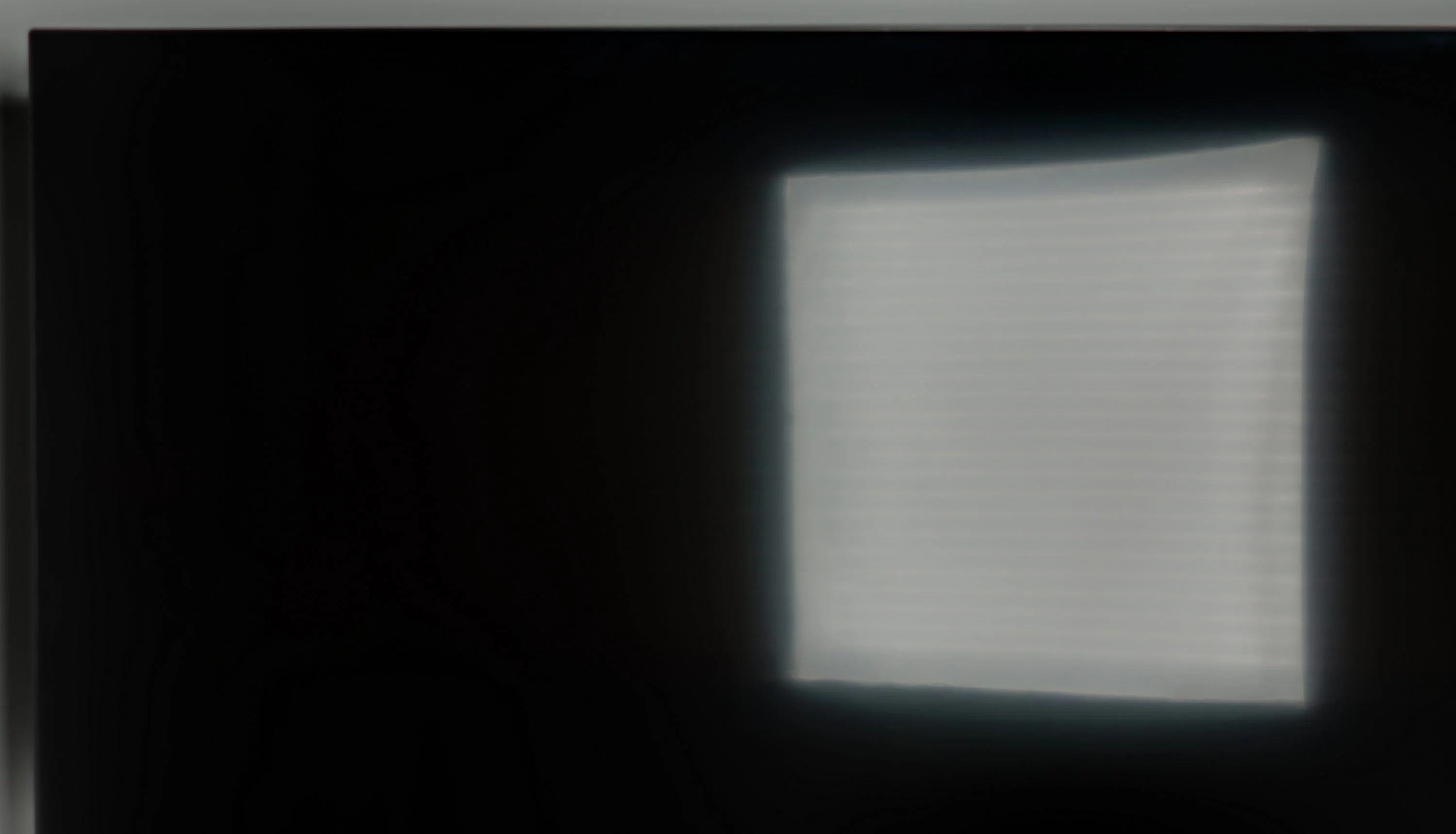
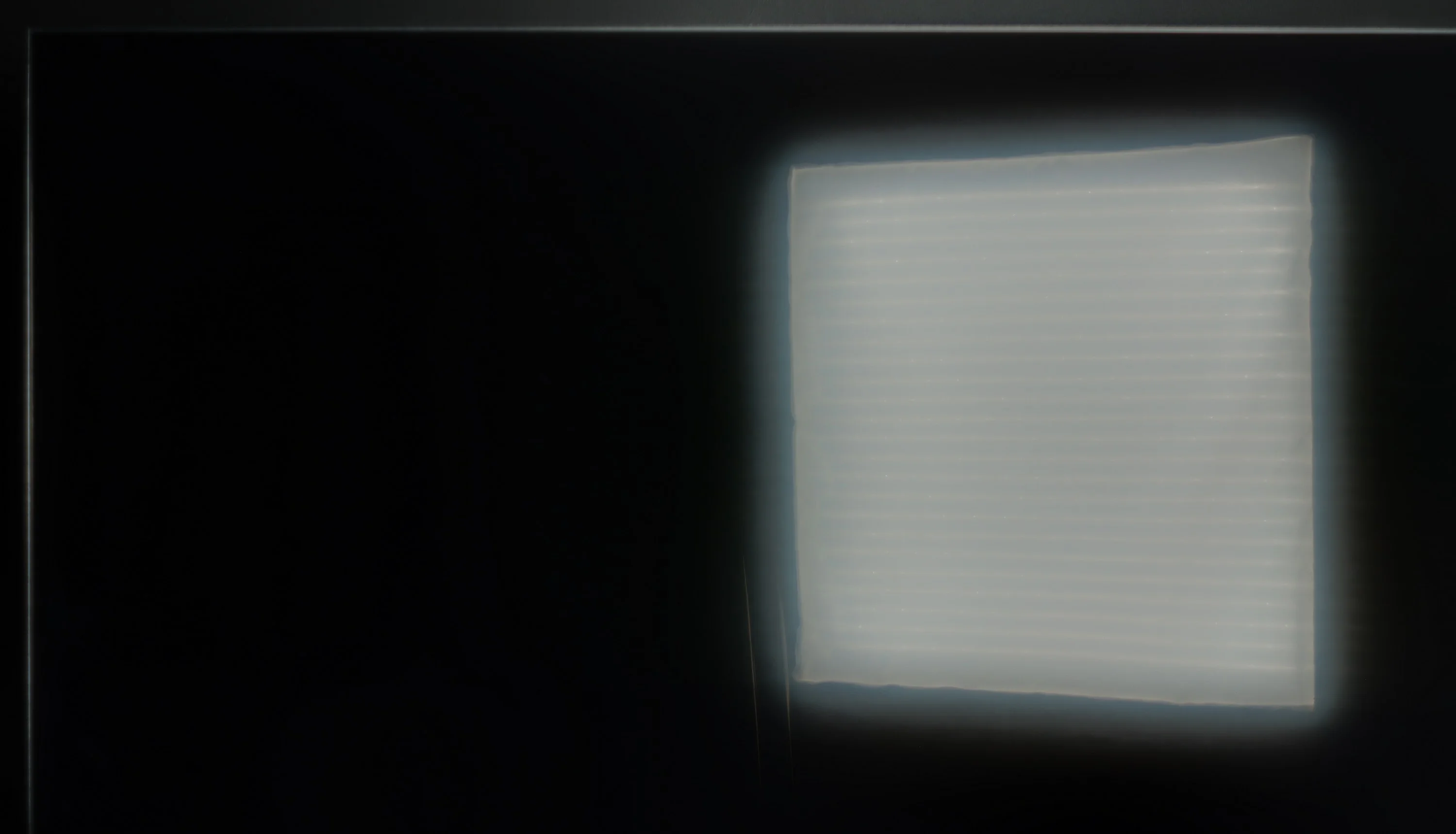
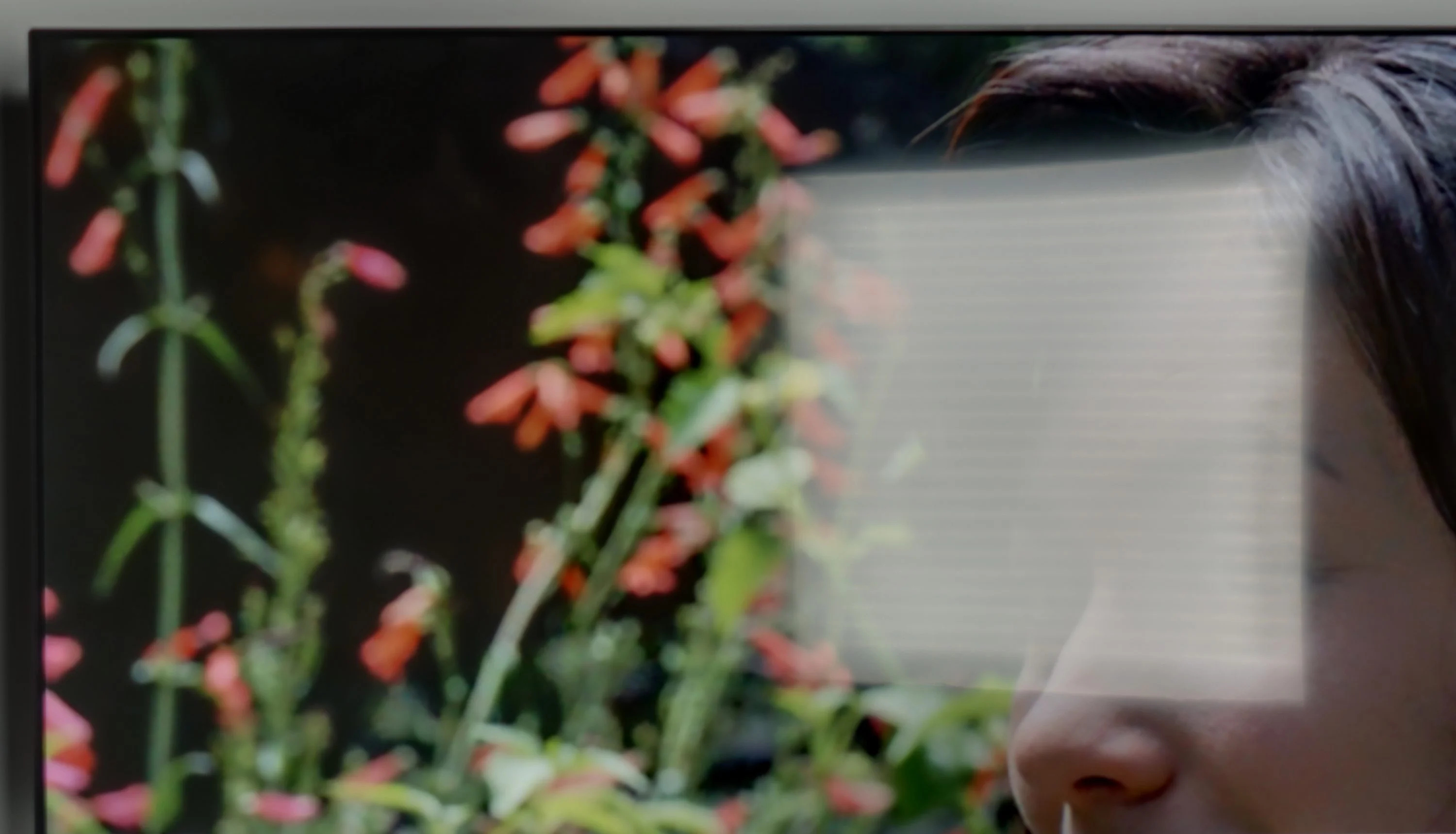
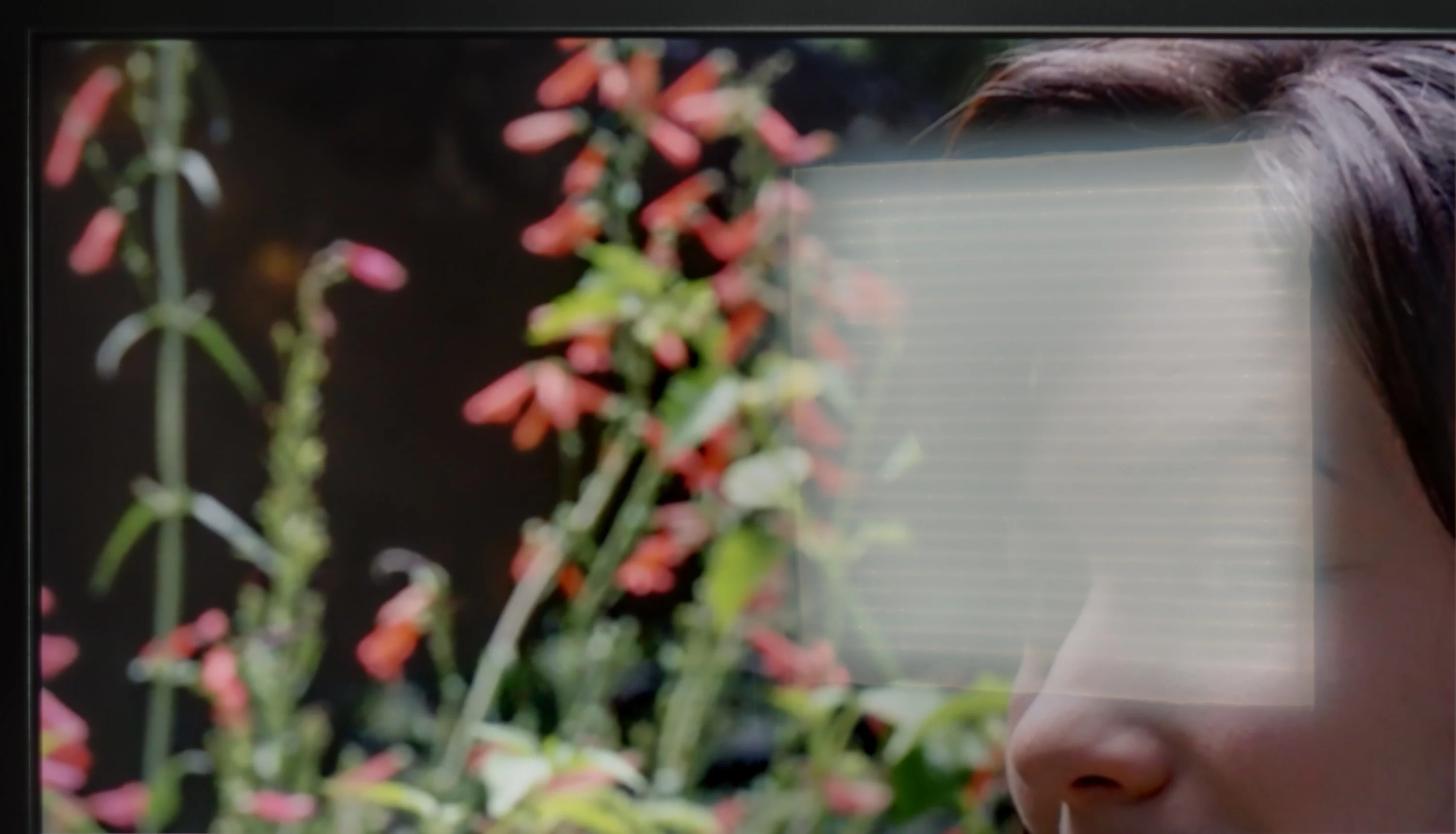
Panel brightness
Philips PUS8209: 277 cd/m2
Hisense A6N: 226 cd/m2
A satin-finish panel suppresses reflections well, but a brightness of 220 cd/m² is not enough for the TV to effectively cut through strong ambient light. In bright rooms or with a lot of daylight the image can look washed out, which reduces viewing comfort in such conditions.
The Philips PUS8209 is equipped with a satin matrix coating, which only moderately reduces reflections, which may be insufficient in brightly lit rooms. However, the biggest problem is the low brightness level of 280 nits. In practice, this means that watching content during the day, especially in strong sunlight, can be a challenge, as the picture appears too dark to ensure comfortable use.
Panel details
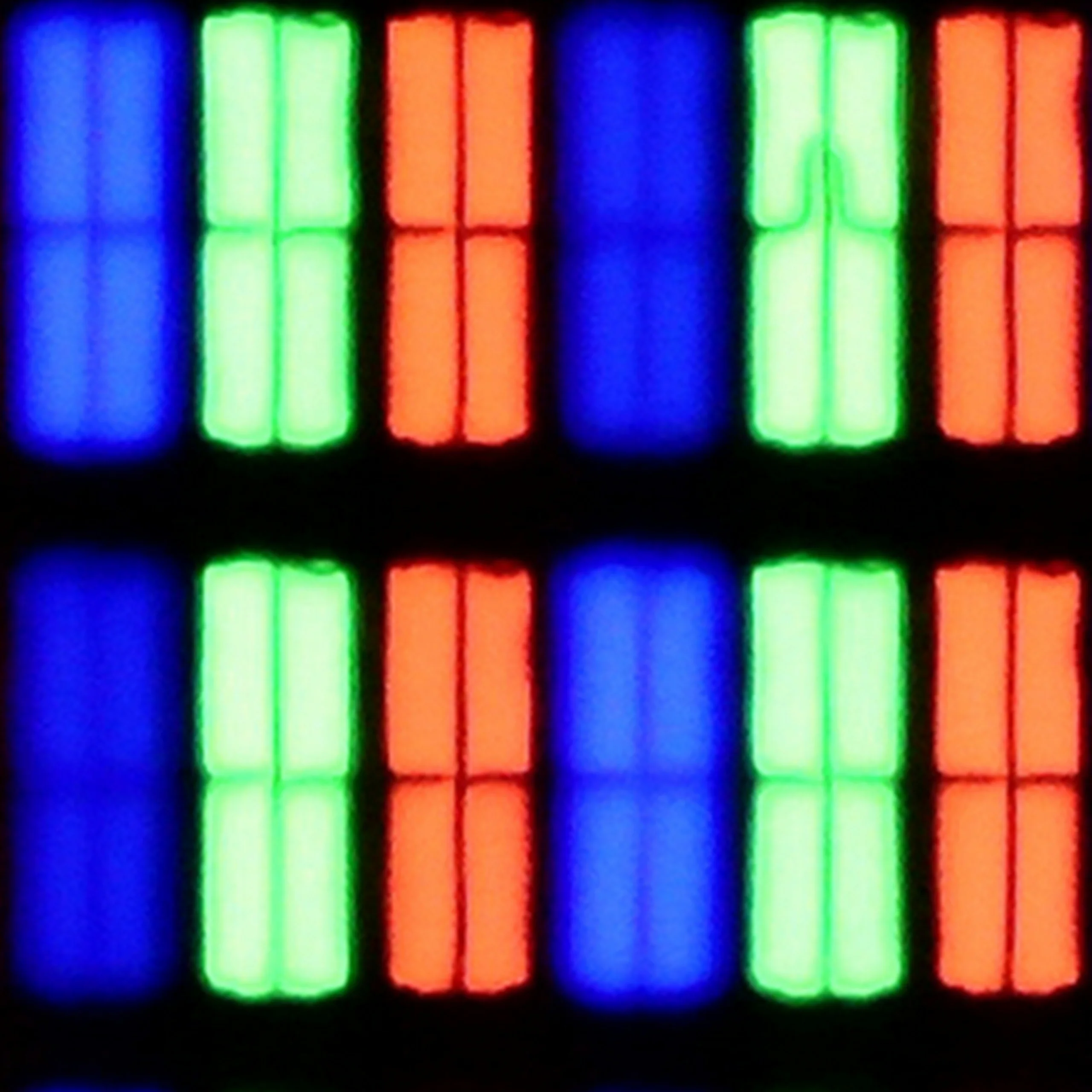
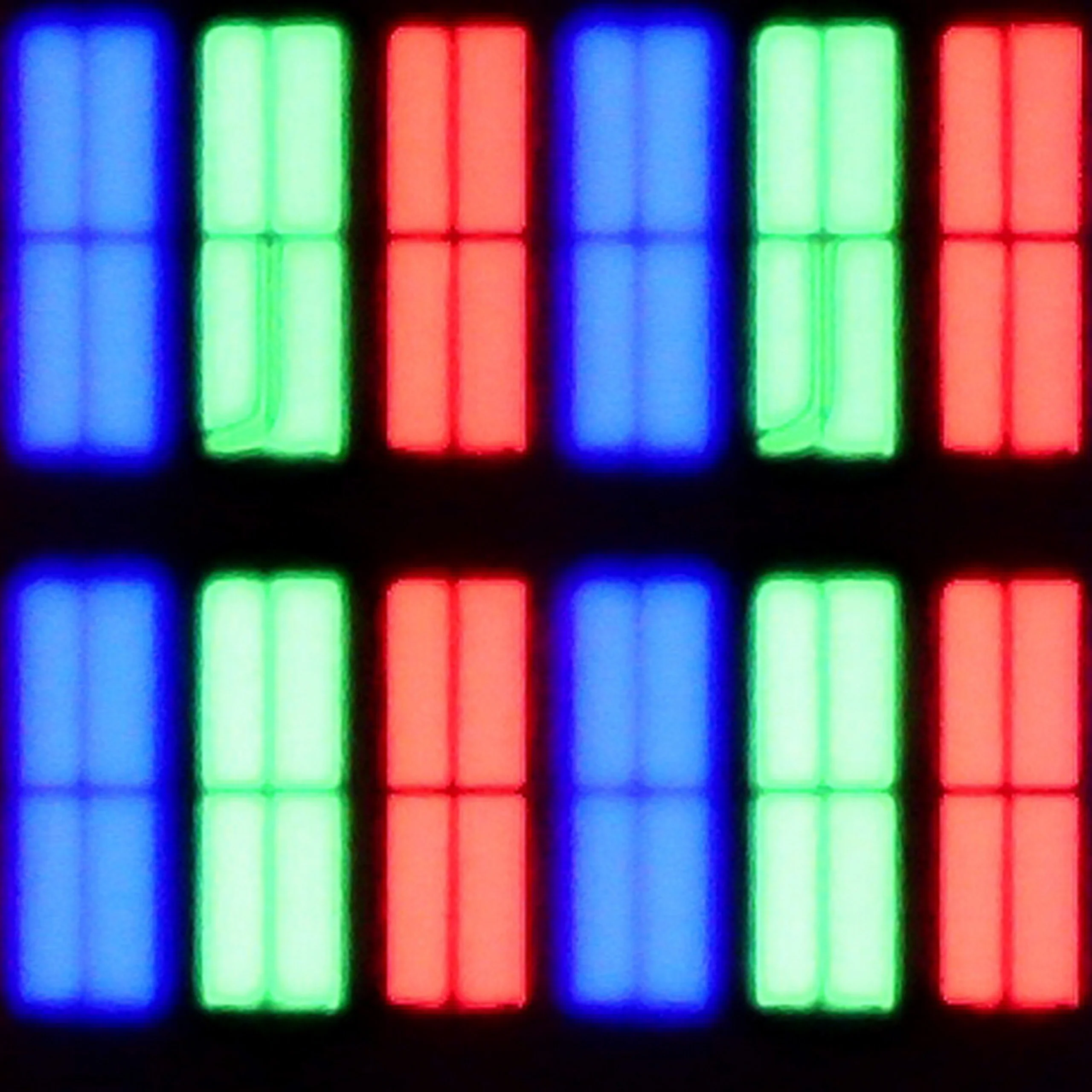
Subpixel Structure:
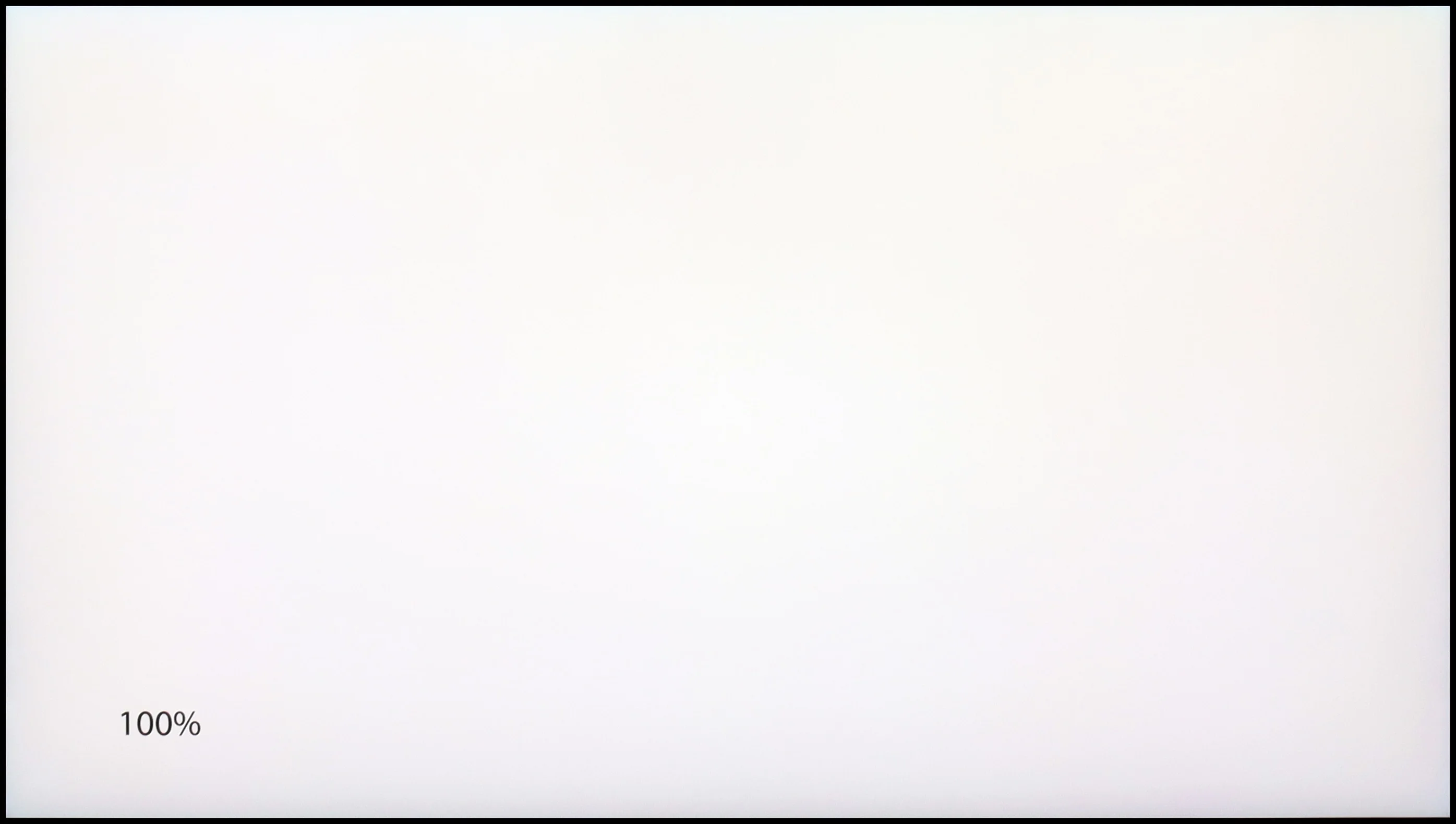
Panel uniformity and thermal imaging:

TV features
7/10
4.7/10
- SystemVIDAATitan OS
- System performanceDecentPoor
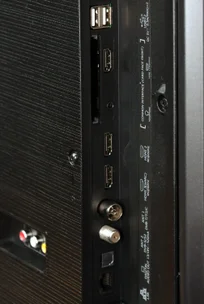
- HDMI inputs0 x HDMI 2.0, 0 x HDMI 2.13 x HDMI 2.0, 0 x HDMI 2.1
- OutputseARC (HDMI), ARC (HDMI)
- Network InterfacesWi-Fi 2.4GHz, Wi-Fi 5GHz, Ethernet (LAN) 100MbpsWi-Fi 2.4GHz, Ethernet (LAN) 100Mbps
- TV receptionDVB-T, DVB-T2, DVB-S, DVB-S2, DVB-CDVB-T, DVB-T2, DVB-S, DVB-S2, DVB-C
Classic features:
- Recording to USB (terrestrial TV)
- Recording programming
- Picture in Picture (PiP)
- RF remote control (no need to aim)
- Backlit remote control
- Teletext
- Audio only mode
- Bluetooth headphones support
- Simultaneous Bluetooth headphones & TV audio
Smart features:
- AirPlay
- Screen mirroring (Windows Miracast)
- Voice search
- Voice search in native language
- Ability to connect a keyboard and mouse
Sound connection options
- HDMI audioeARC (HDMI), ARC (HDMI)
- Other audio outputs
- Wireless audioBluetoothBluetooth
Supported audio formats (external HDMI eARC audio):
- Dolby Digital Plus 7.1
- Dolby True HD 7.1
- Dolby Atmos in Dolby Digital Plus (JOC)
- Dolby Atmos in Dolby True HD
- DTS:X in DTS-HD MA
- DTS-HD Master Audio
Senior accessibility
- Numeric keyboard on TV
- Font size adjustment
- Audio description
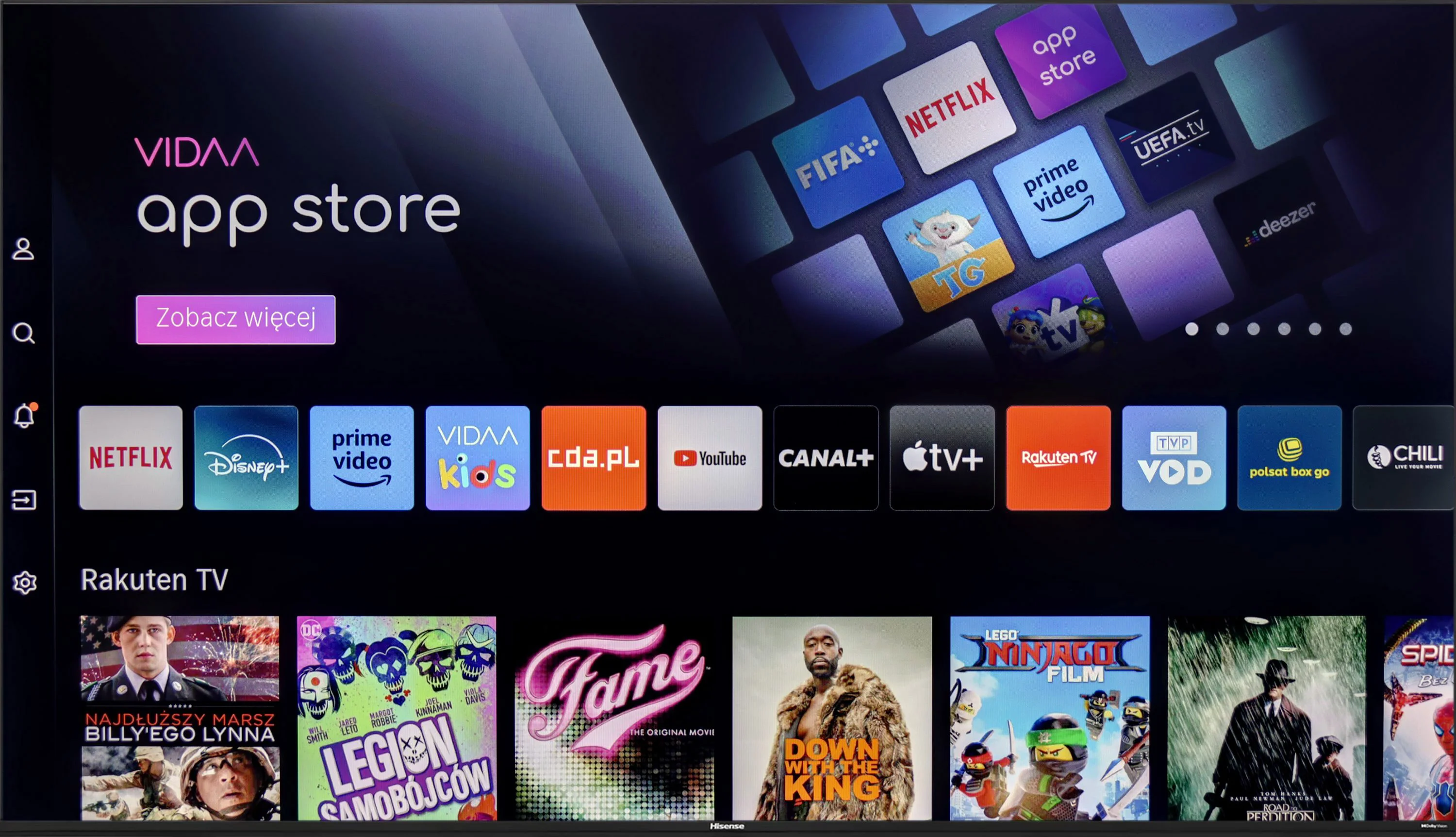
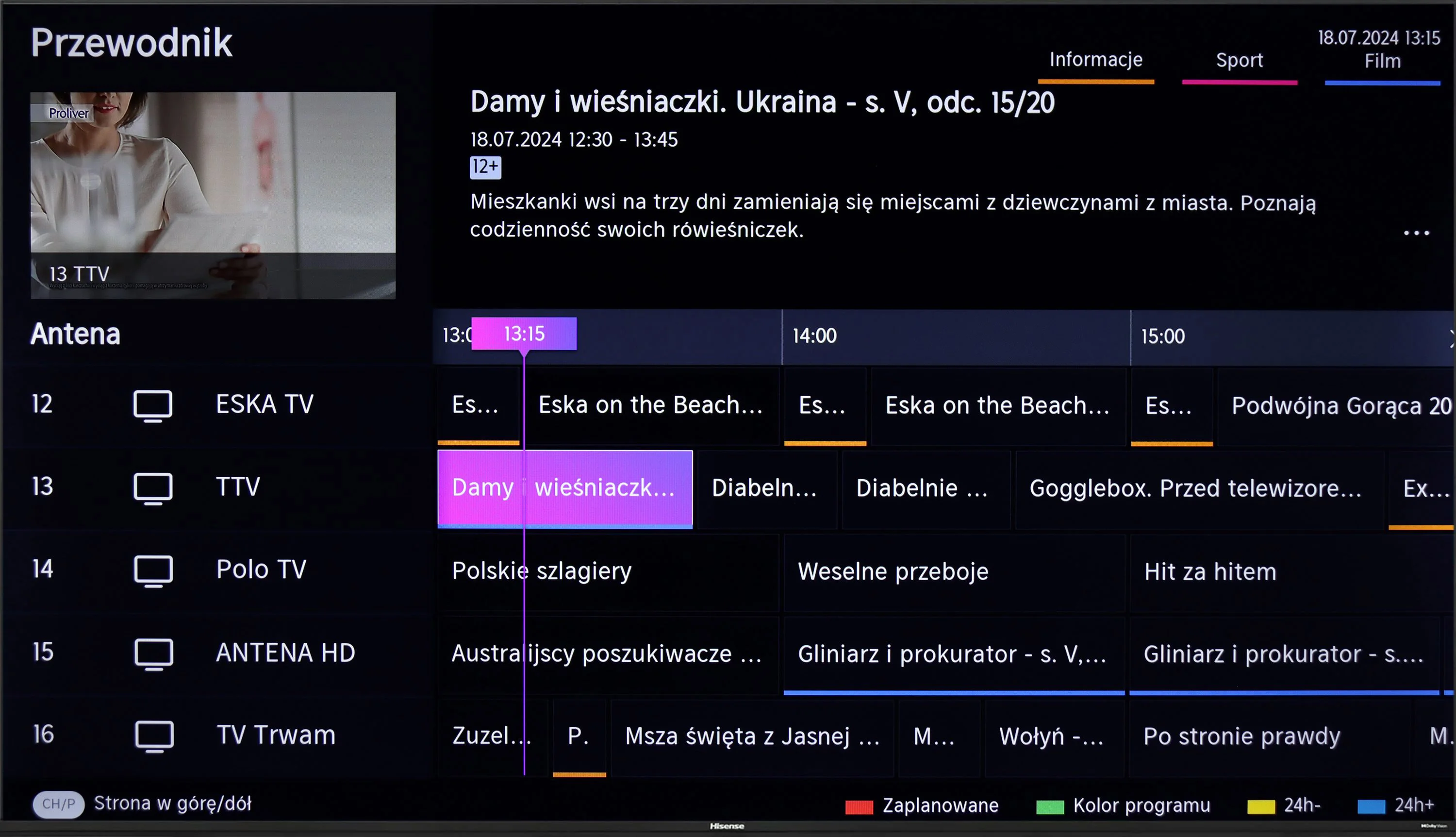
The Hisense A6N television runs on the VIDAA system, which is fast and responsive without significant stuttering. There are plenty of apps, but unfortunately it lacks music services such as Spotify or Tidal. This may disappoint users expecting a wide choice of streaming services. Nevertheless, the television has a few features that can compensate: it supports screen mirroring and AirPlay, allowing wireless streaming from other devices. Additionally, you can connect peripherals such as keyboards or headphones via Bluetooth, which increases the device's functionality. Unfortunately, viewers of traditional broadcast TV may be disappointed by the lack of recording functionality and a PiP (Picture-in-Picture) option, limiting the ability to personalise viewing.
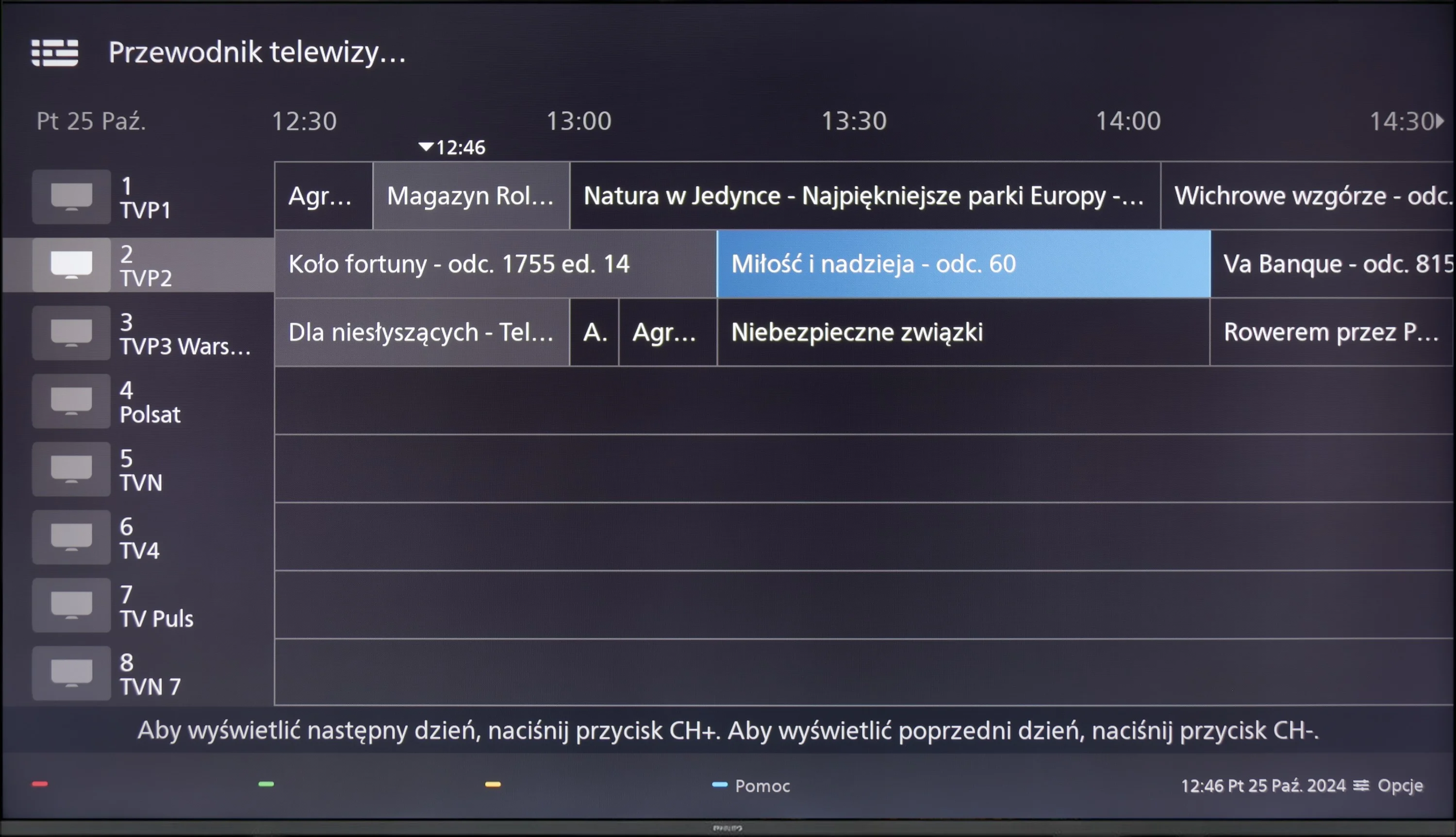
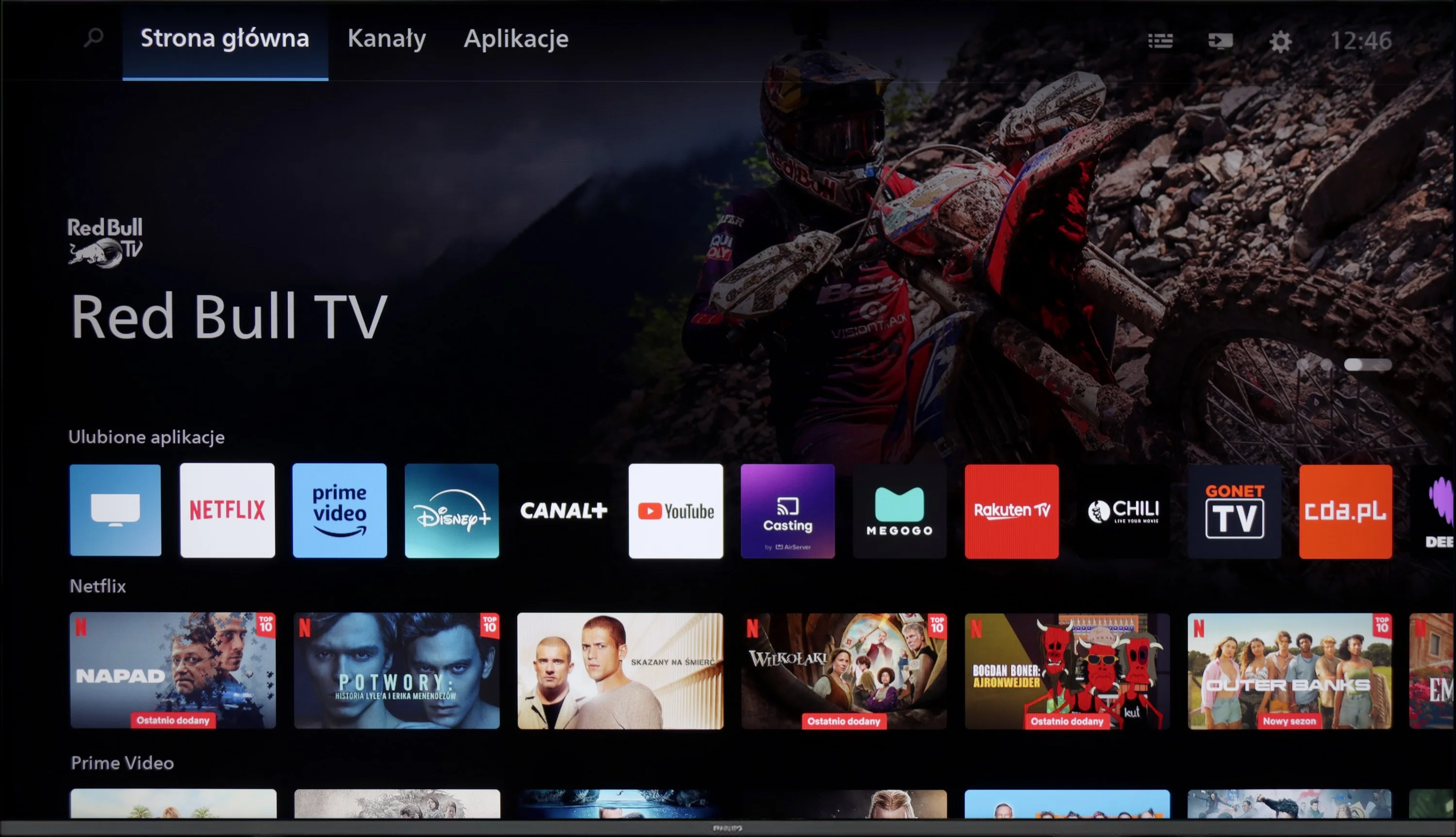
The Philips PUS8209 uses the Titan OS operating system, which, while simple to use, remains limited in terms of functionality. The number of available applications is small compared to more developed ecosystems such as Google TV, which can be disappointing for users accustomed to broader capabilities. Additionally, the lack of support for AirPlay restricts compatibility with Apple devices, reducing the flexibility of the television for content streaming. Although the remote control is interesting, it requires aiming at the screen, which may not appeal to everyone.
The absence of more advanced features, such as PiP (Picture-in-Picture) or programme recording, further limits the device's capabilities in everyday use.
The Philips PUS8209 is a television that draws attention with its interesting solution in the form of a three-sided Ambilight system, which is a dynamic backlighting of the wall behind the television that adapts its colours and intensity to the content displayed on the screen. This effect creates an impression of greater depth of image and enhances immersion, especially in dimly lit rooms. Unfortunately, its potential is limited by the Titan OS operating system, which leaves much to be desired. The limited number of applications and lack of support for popular features such as AirPlay can be a significant drawback for more demanding users. Although Ambilight distinguishes this model from the competition, shortcomings in the operating system greatly affect the overall functionality of the television.
Apps
7.7/10
6.7/10






















Playing files from USB
3.9/10
8/10
Supported photo formats:
Maximum photo resolution:
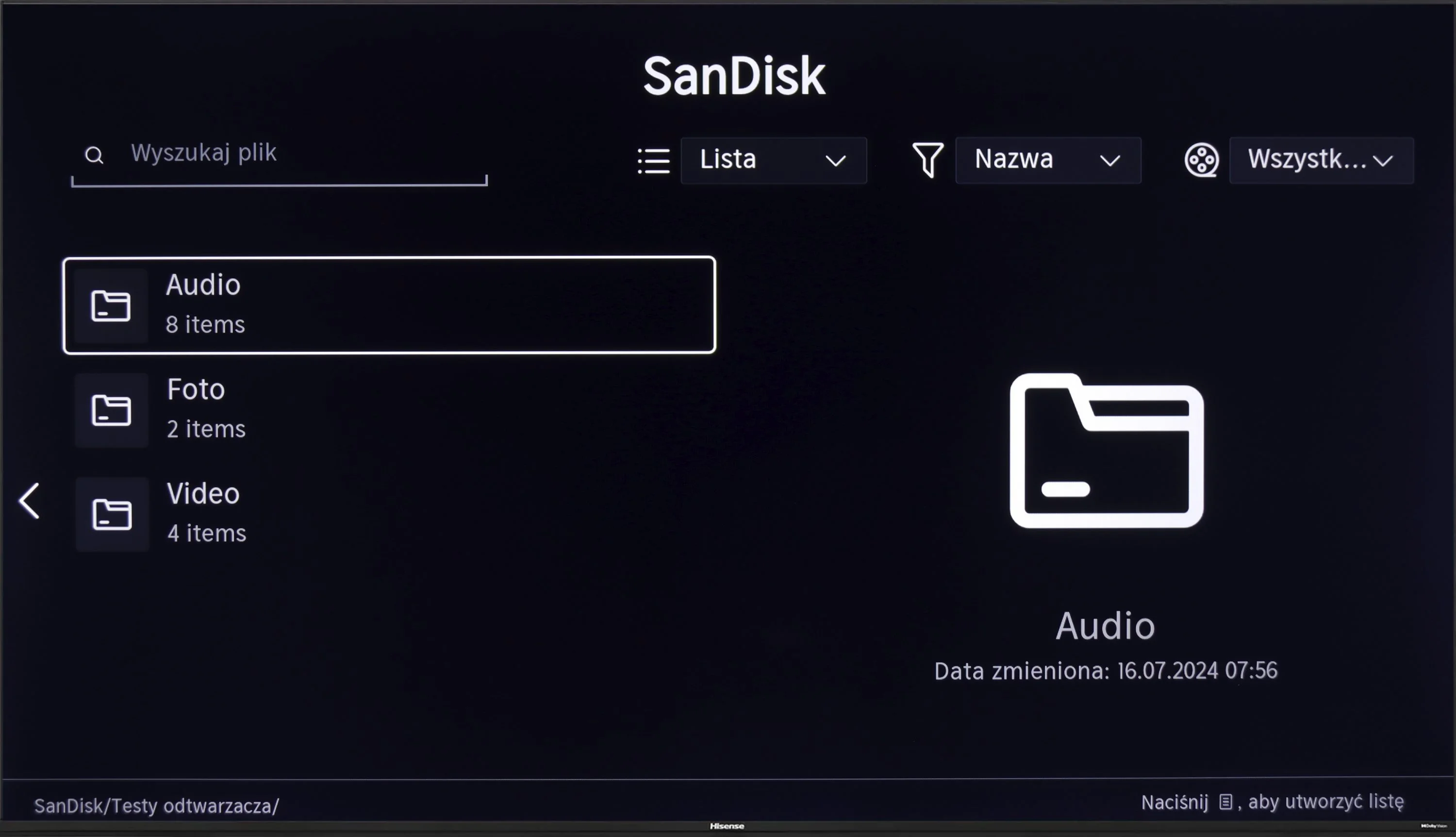
Unfortunately, the lack of support for Polish characters is a major disappointment. It poses a significant problem when playing back material with Polish subtitles. This limitation greatly affects the viewing experience of films from local media.
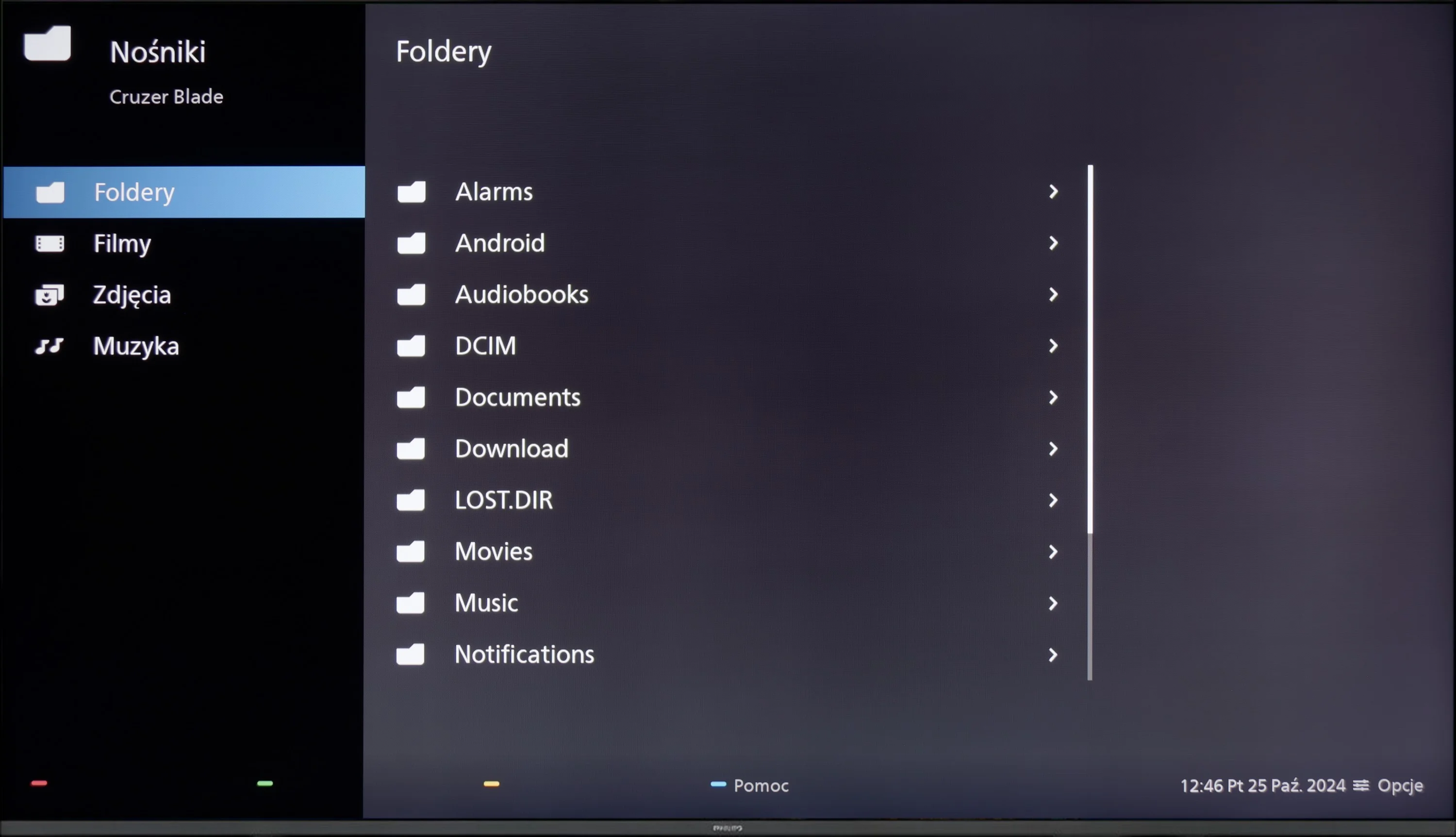
The built-in media player in the Philips PUS8209 performs well in everyday use. It handles Polish characters in subtitles without any issues and allows for the adjustment of colour and font size, which significantly enhances the comfort of using this feature. More demanding users may notice some shortcomings in the supported file formats; however, for most applications in daily use, this player should be completely sufficient.
Sound
5.5/10
5/10
- Maximum volume--
- Dolby Digital Plus 7.1
- Dolby True HD 7.1
- Dolby Atmos in Dolby Digital Plus (JOC)
- Dolby Atmos in Dolby True HD
- DTS:X in DTS-HD MA
- DTS-HD Master Audio
The sound in Hisense A6N can be described as rather flat and average, typical of budget televisions. However, when connected to an external audio system, users will not be disappointed, since the TV supports most popular audio formats, including DTS and Dolby, allowing for a significantly improved listening experience.
The sound in the Philips PUS8209 can be described as average, typical for televisions in this price range. The speakers with a power of 2x10 W do not offer exceptional quality or depth; however, they are sufficient for everyday television viewing. On the positive side, it is worth noting the wide range of supported audio codecs, such as Dolby Atmos and DTS, which can significantly enhance audio quality when combined with external sound systems, such as soundbars or home cinema sets.
Reader comments
Comments are provided by the external service Disqus (Zeta Global). Once loaded, Disqus may set cookies and process data about your activity.
We will remember your choice on this device. Provider's privacy policy