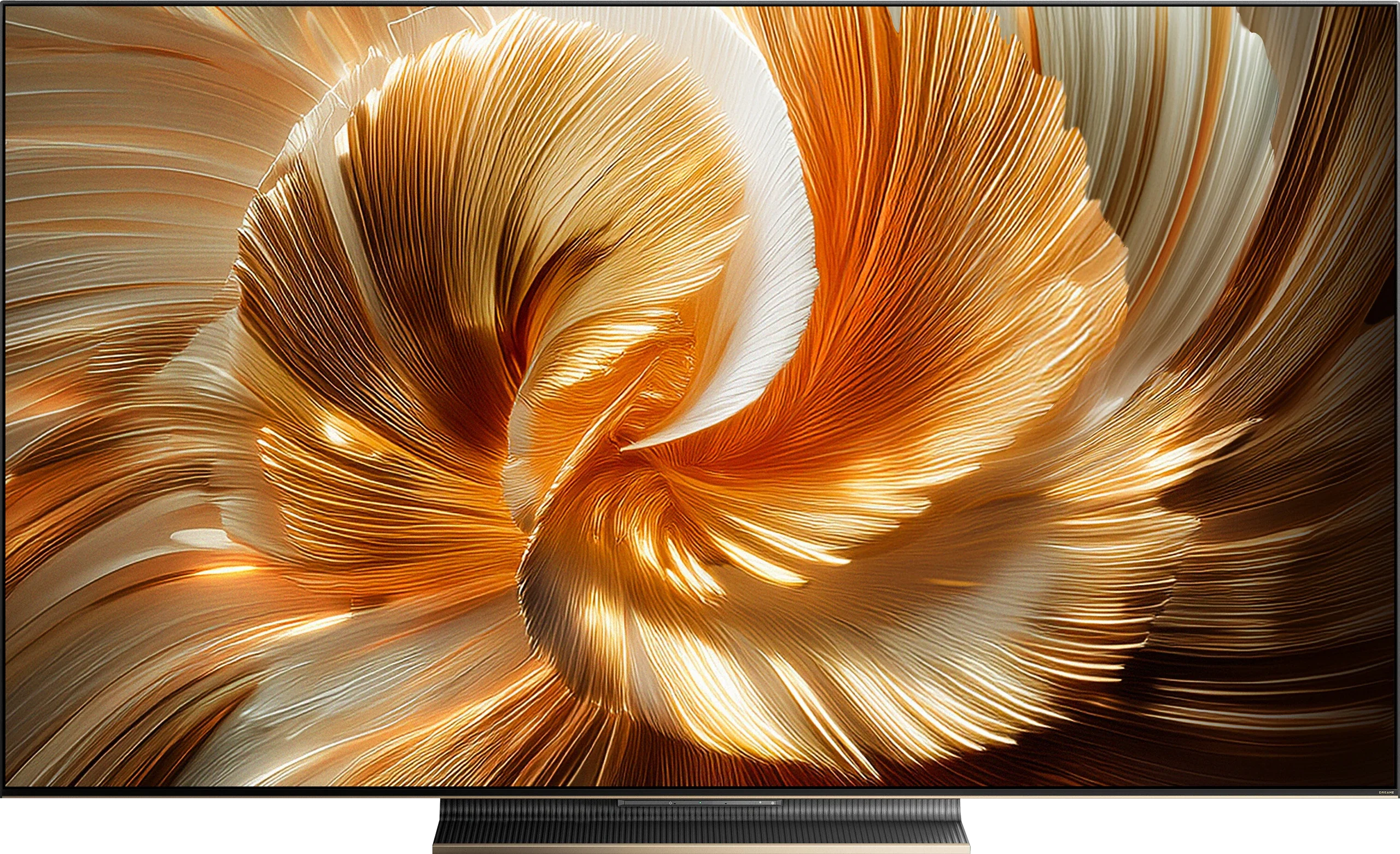
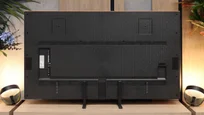
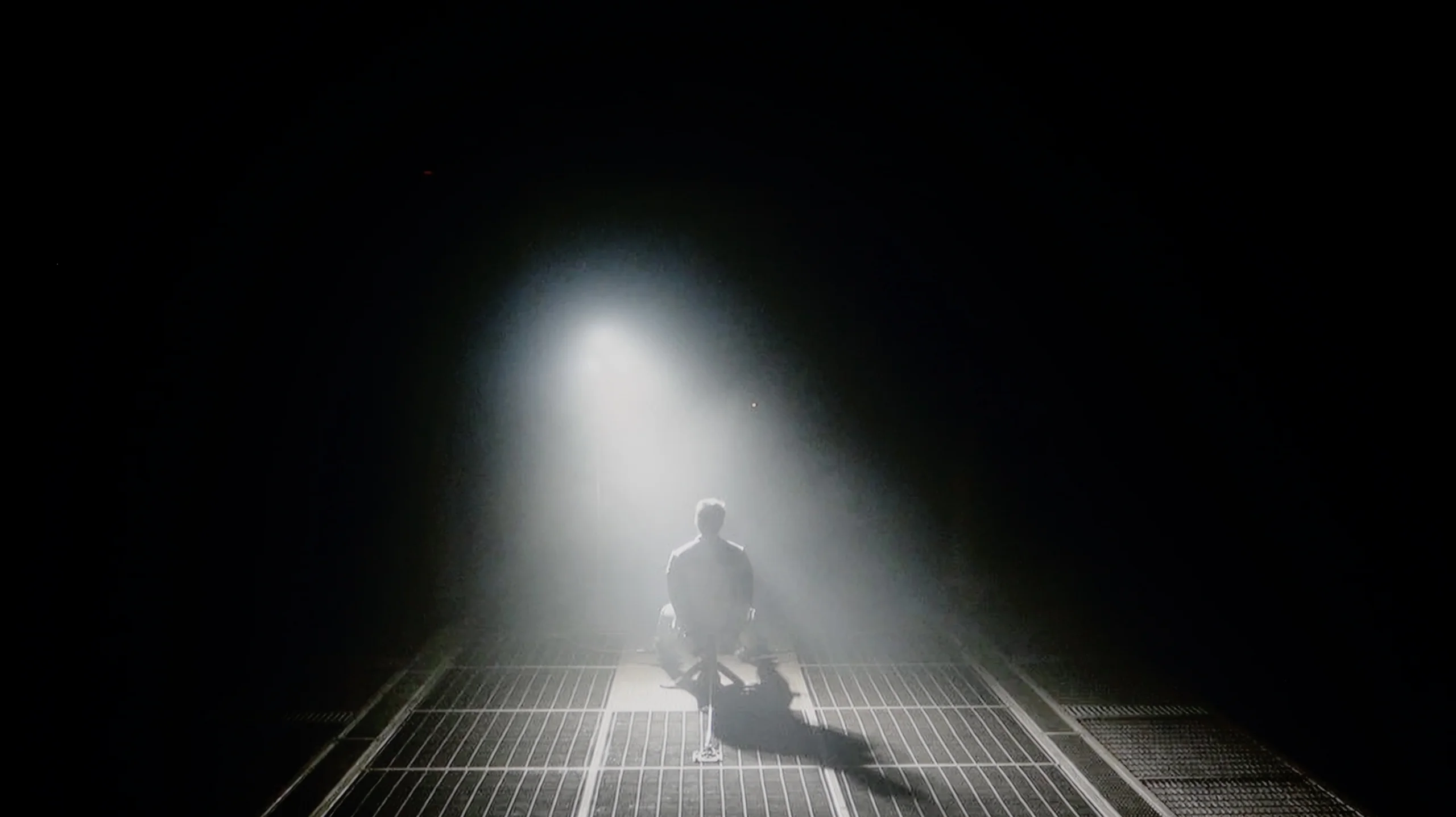
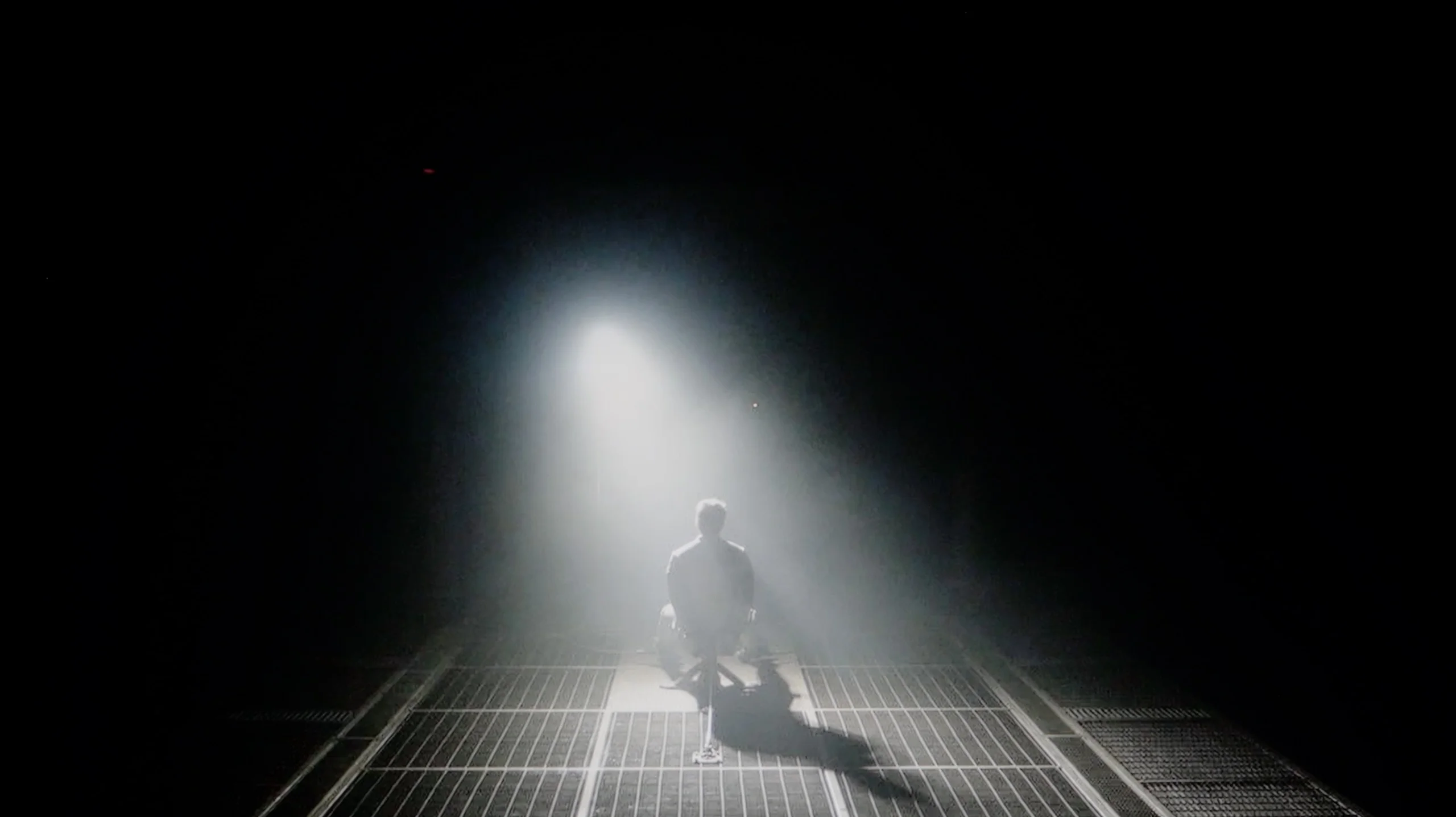
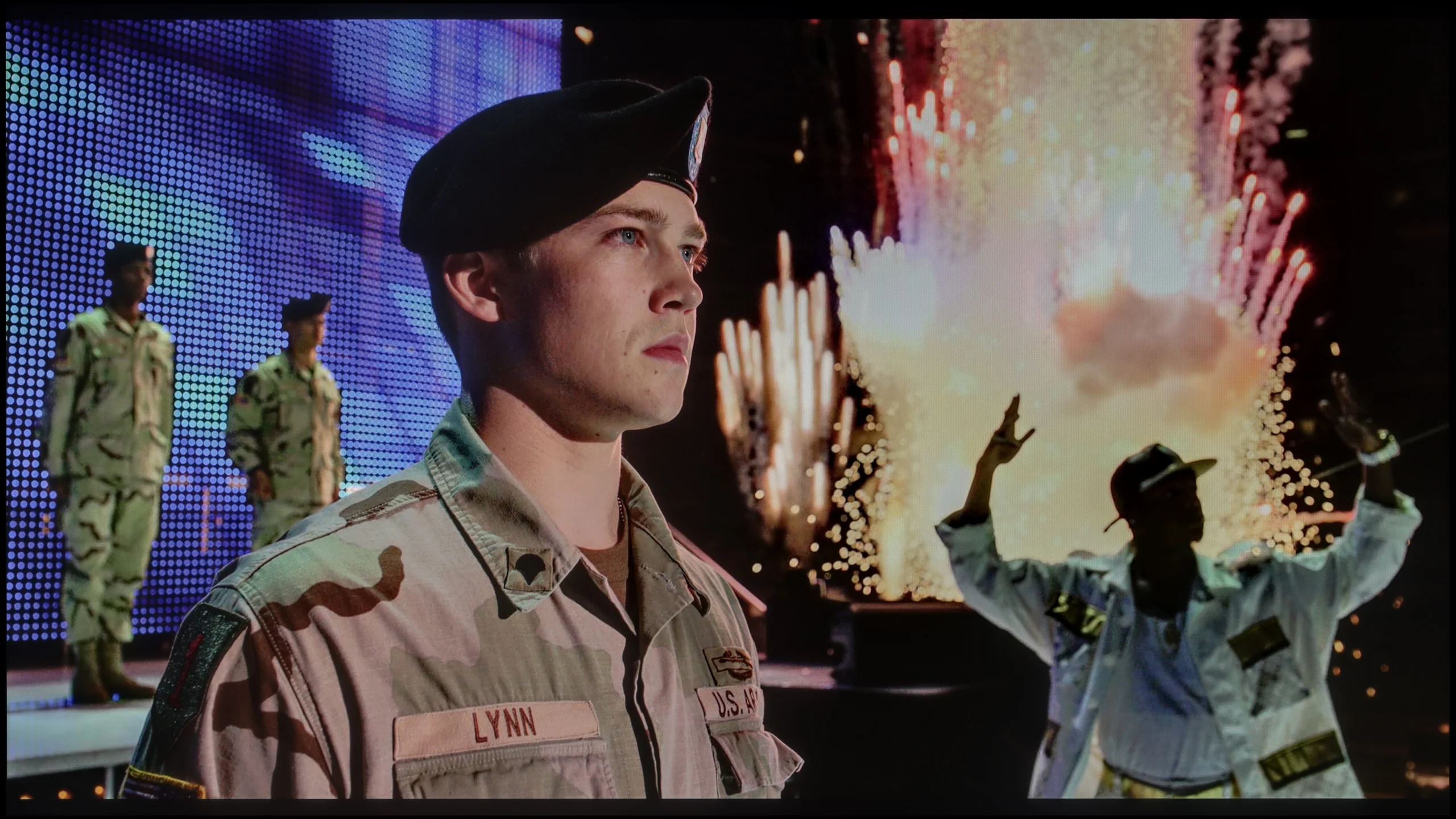
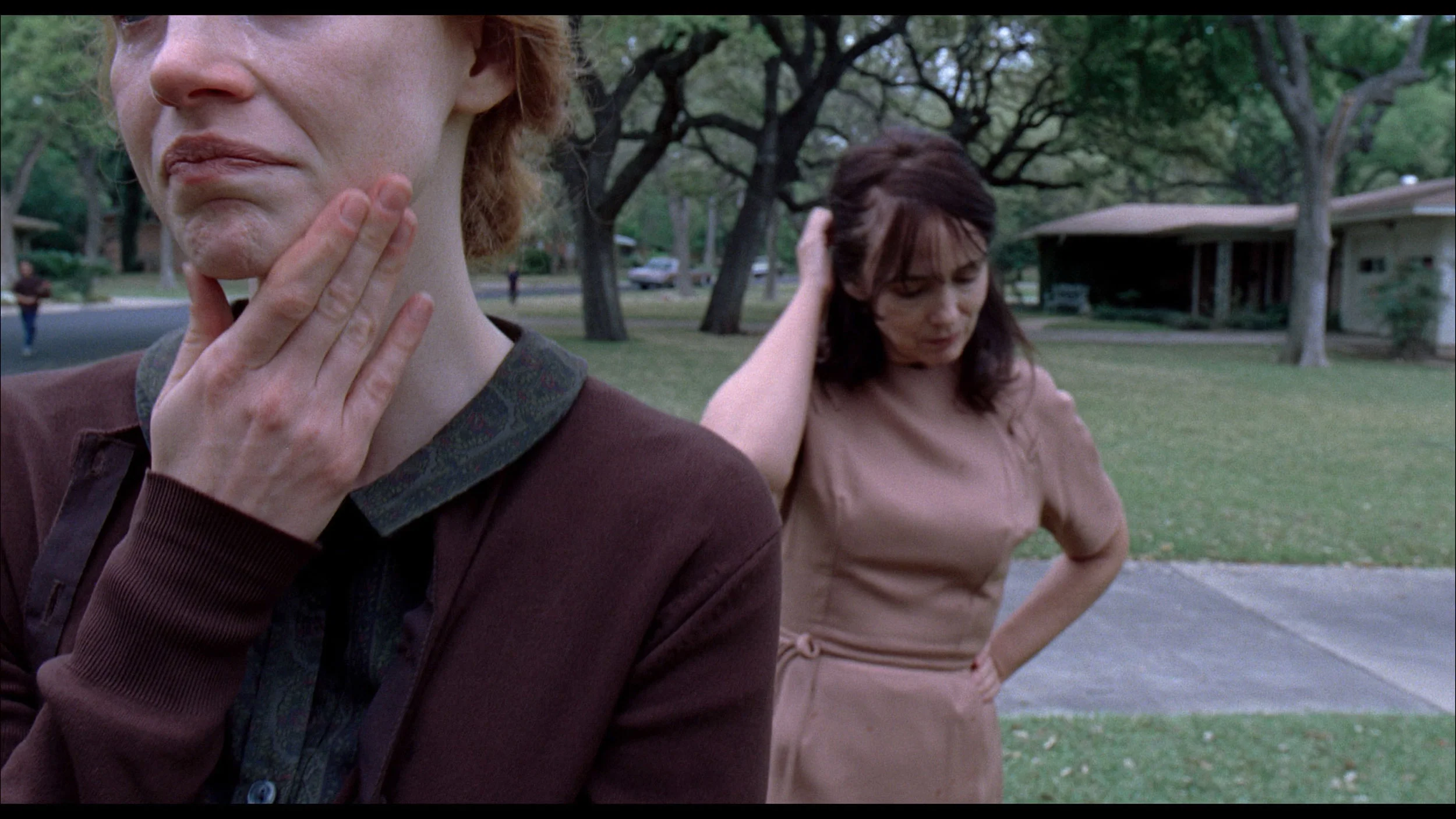
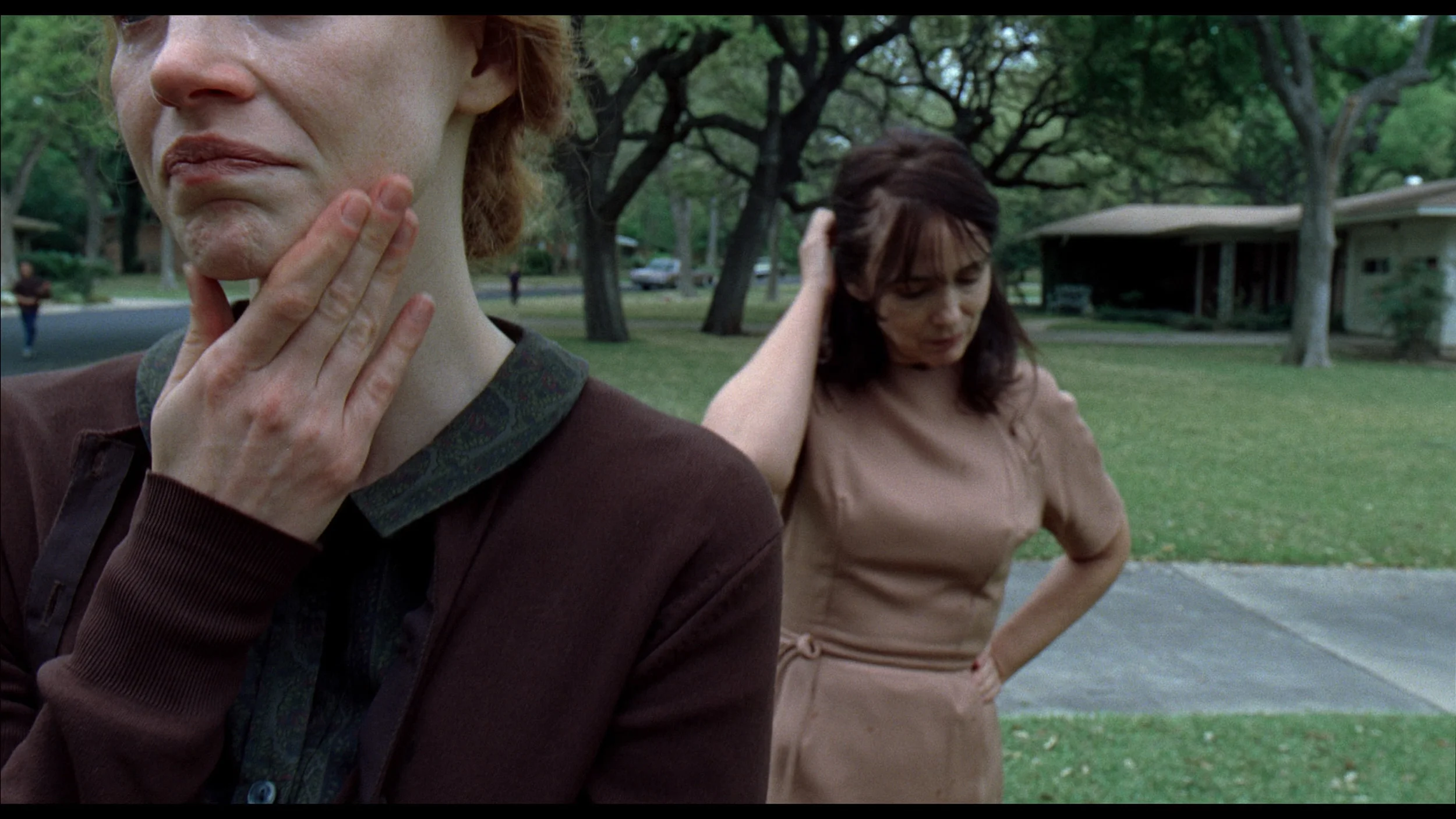
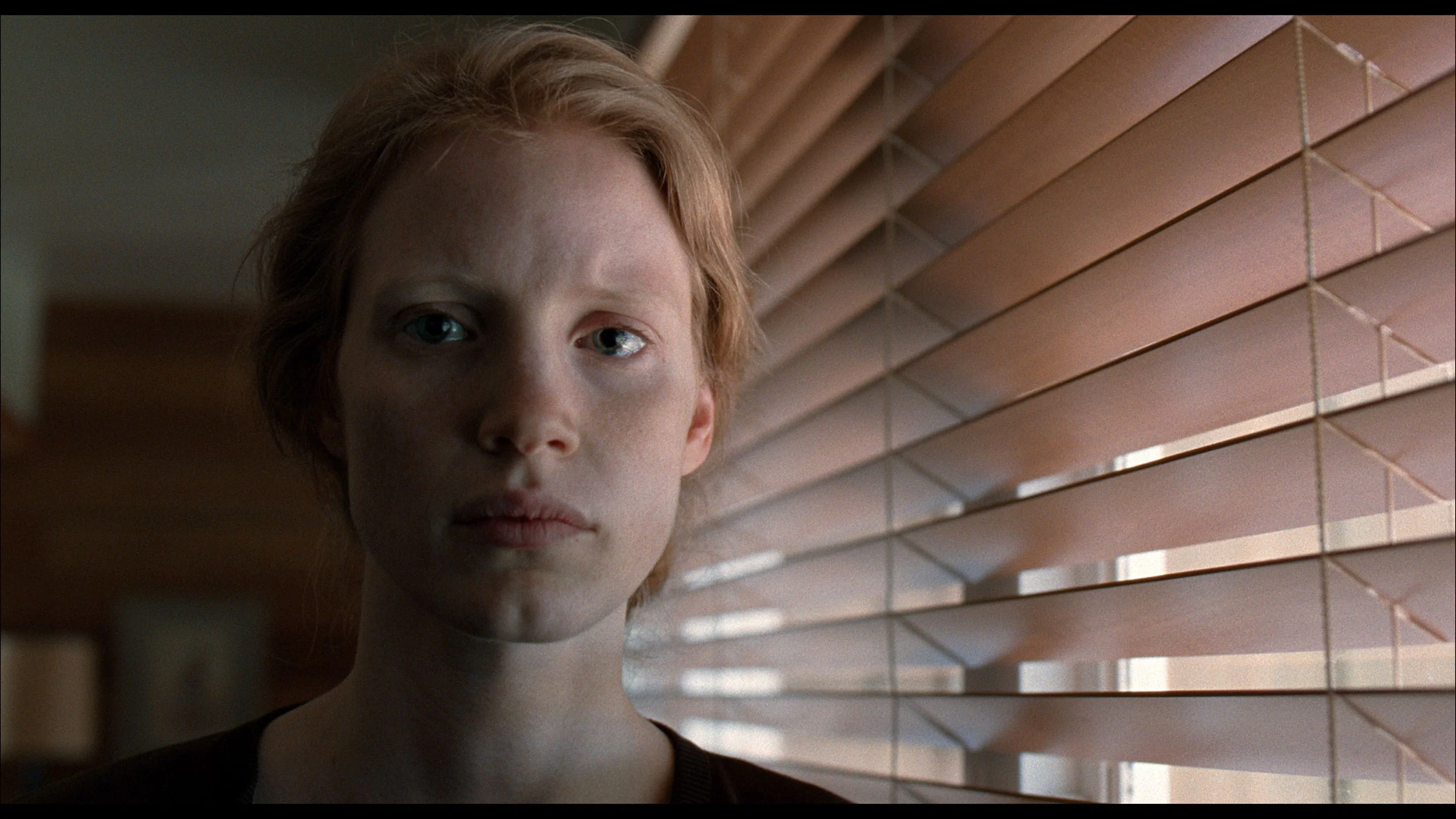
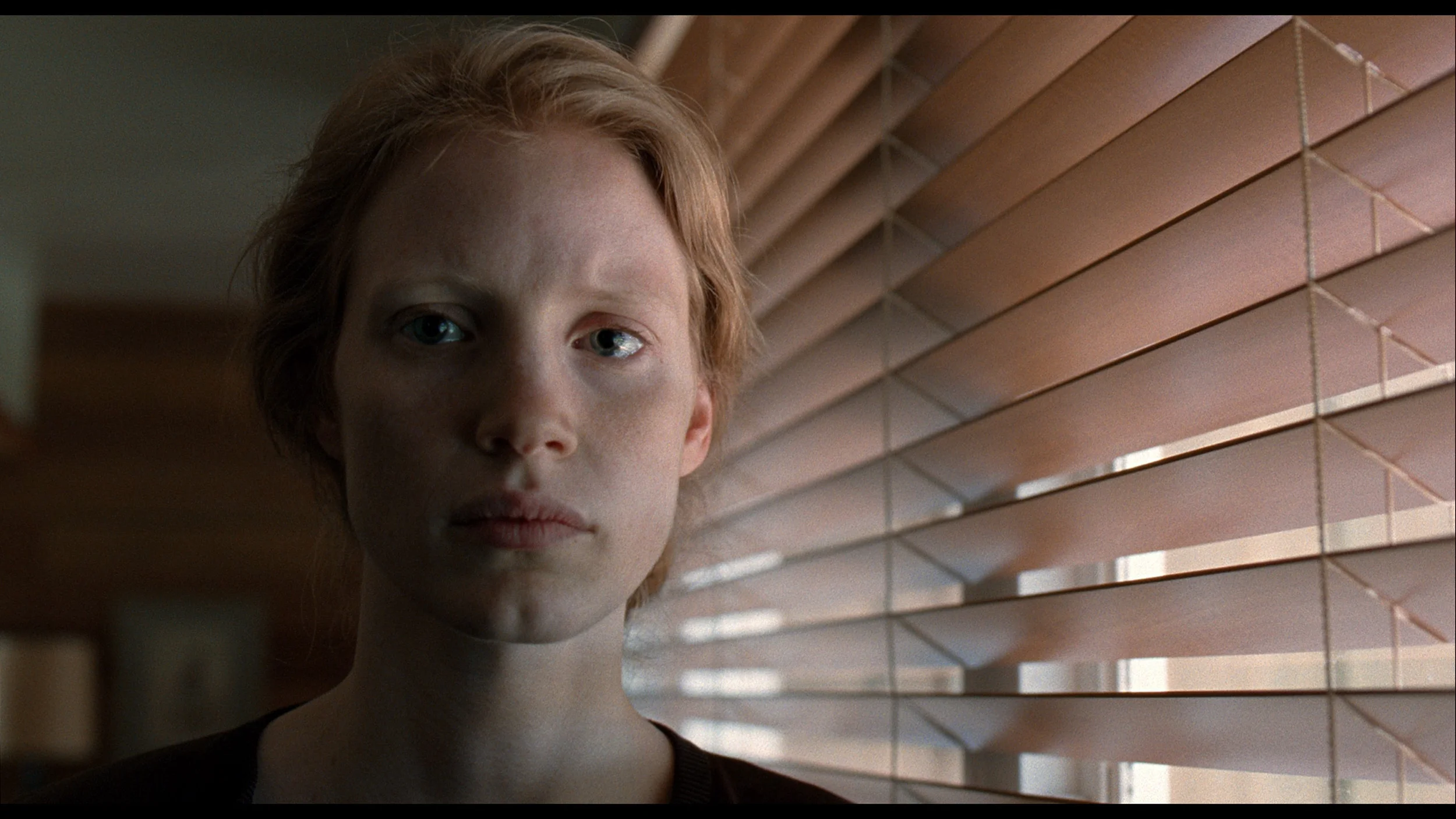
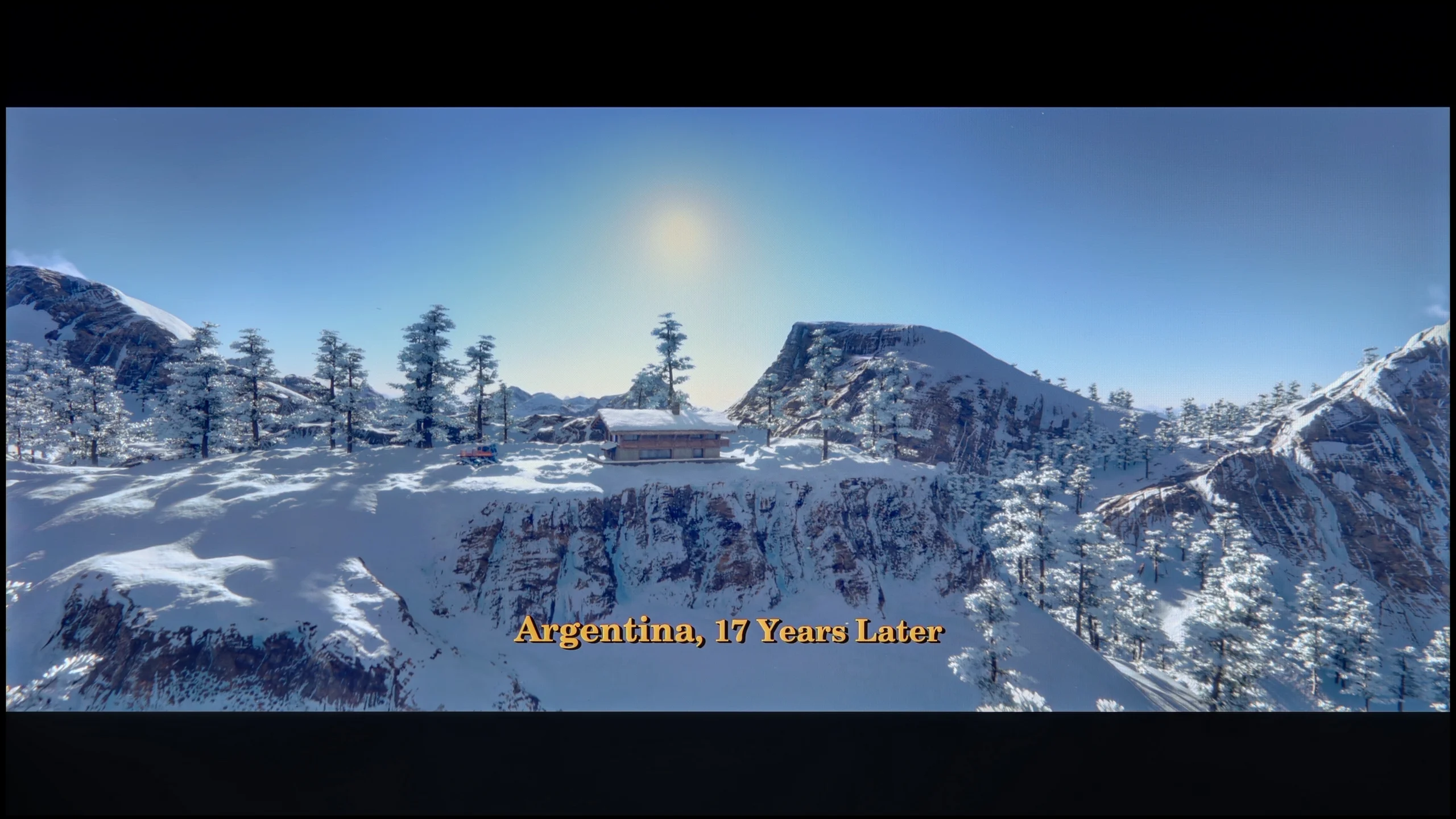
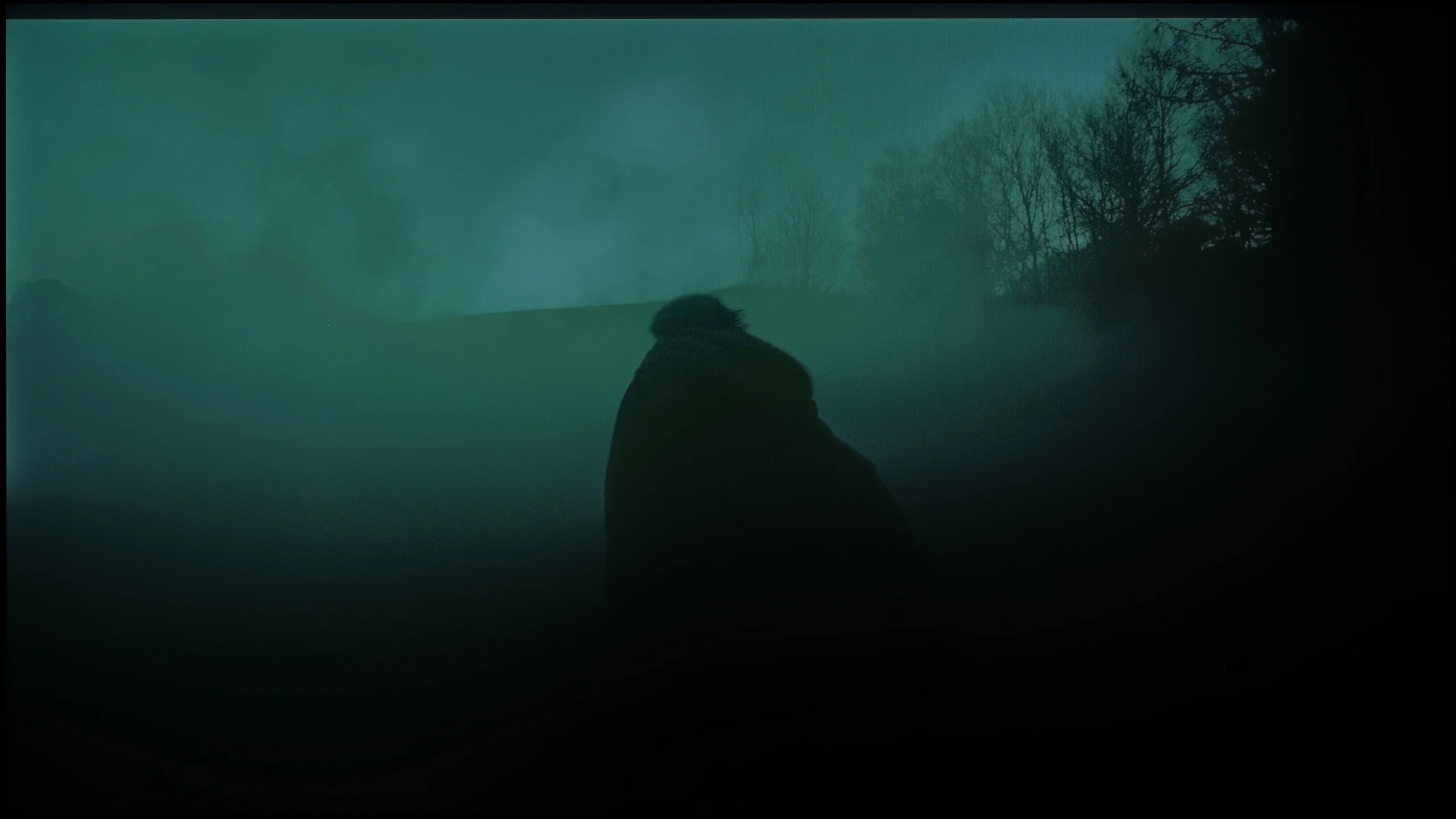
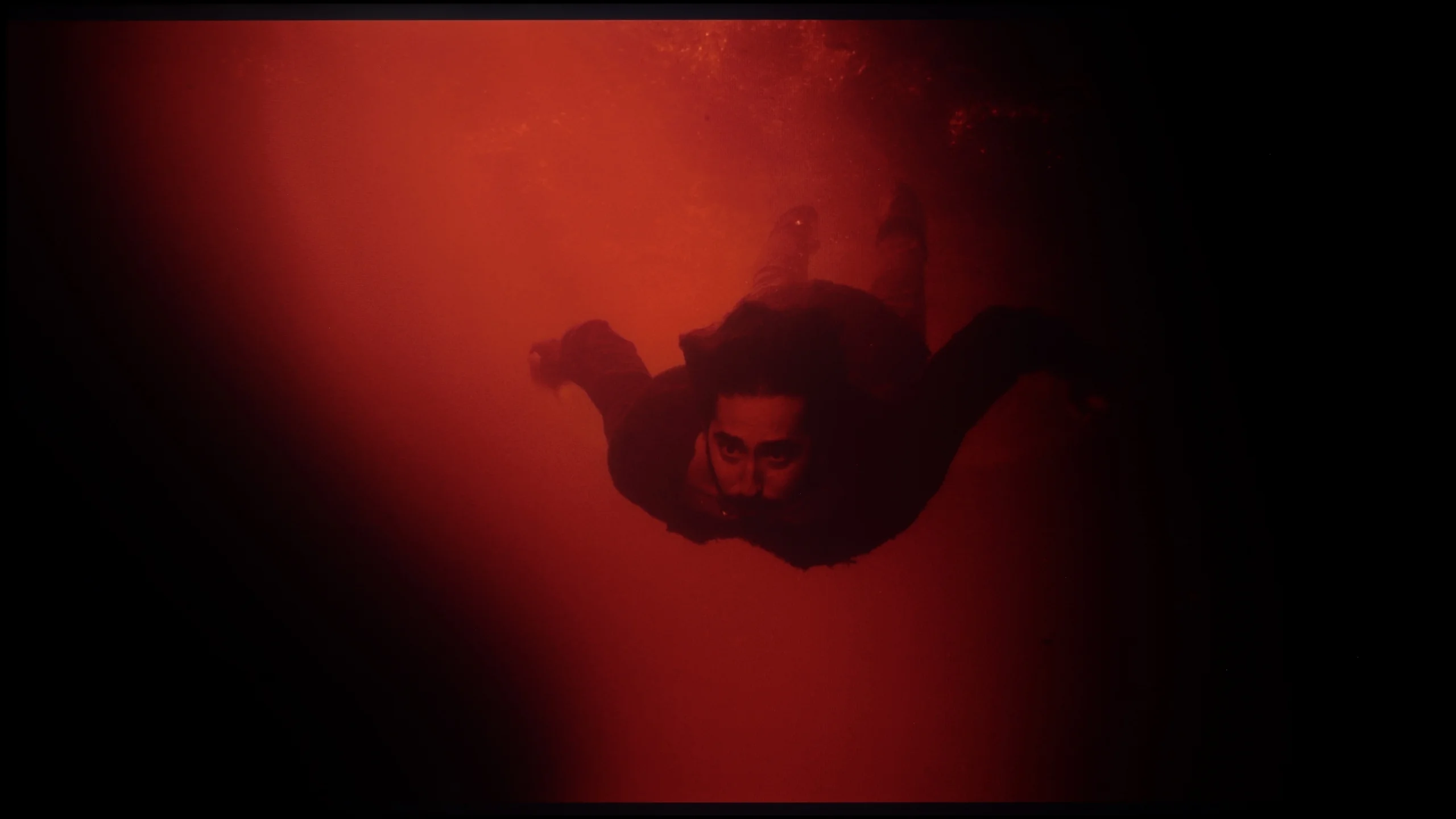
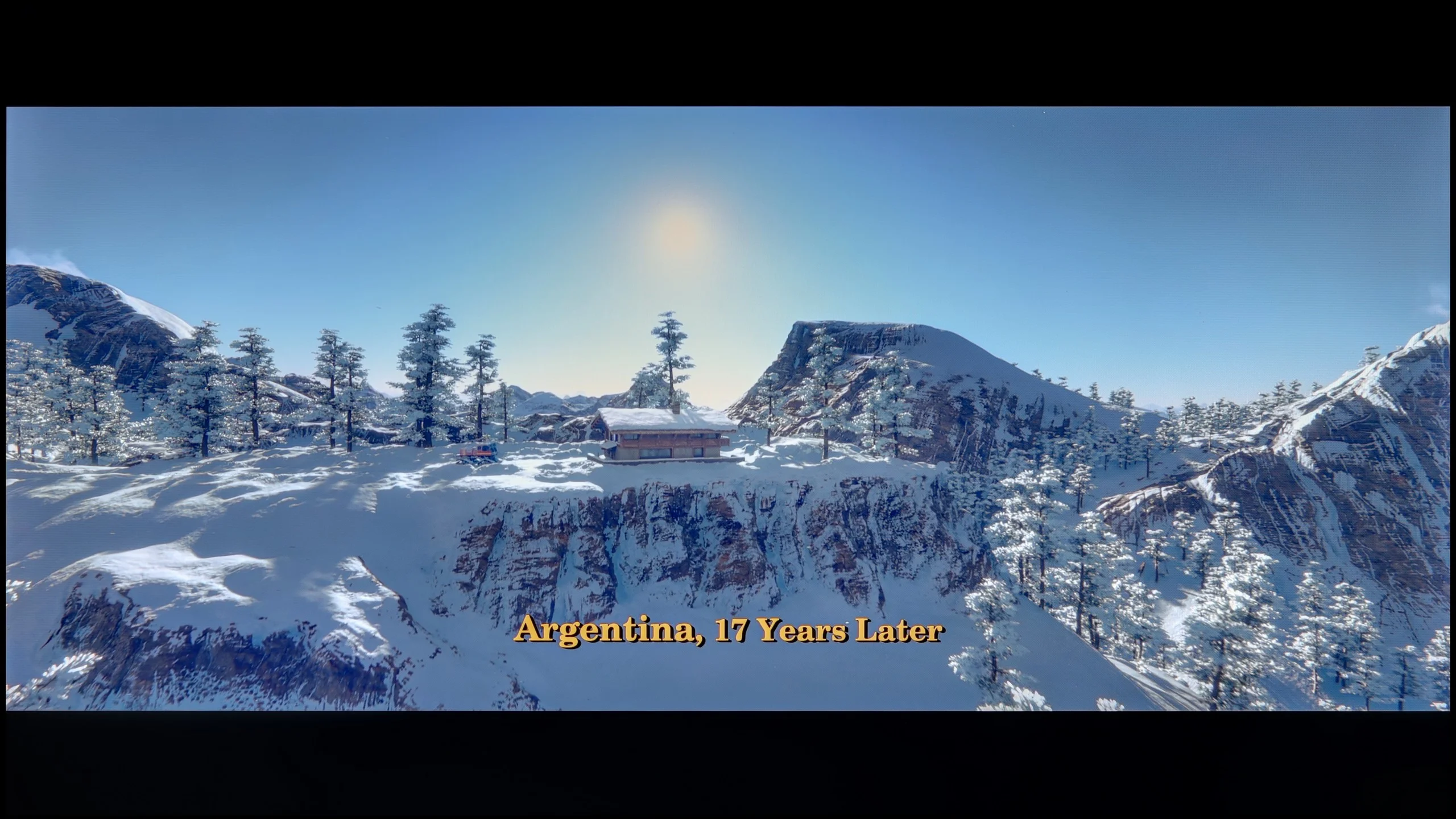
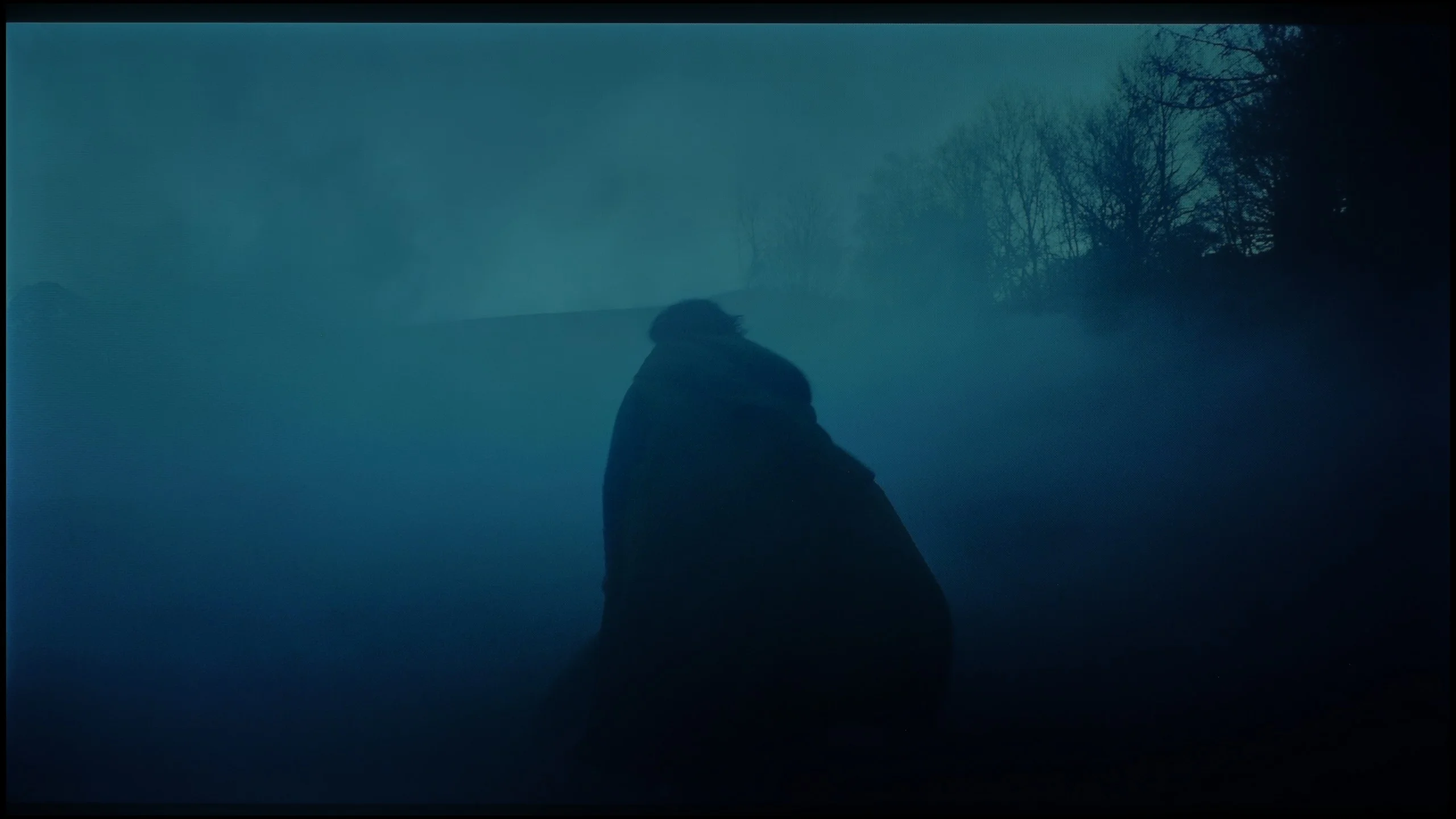
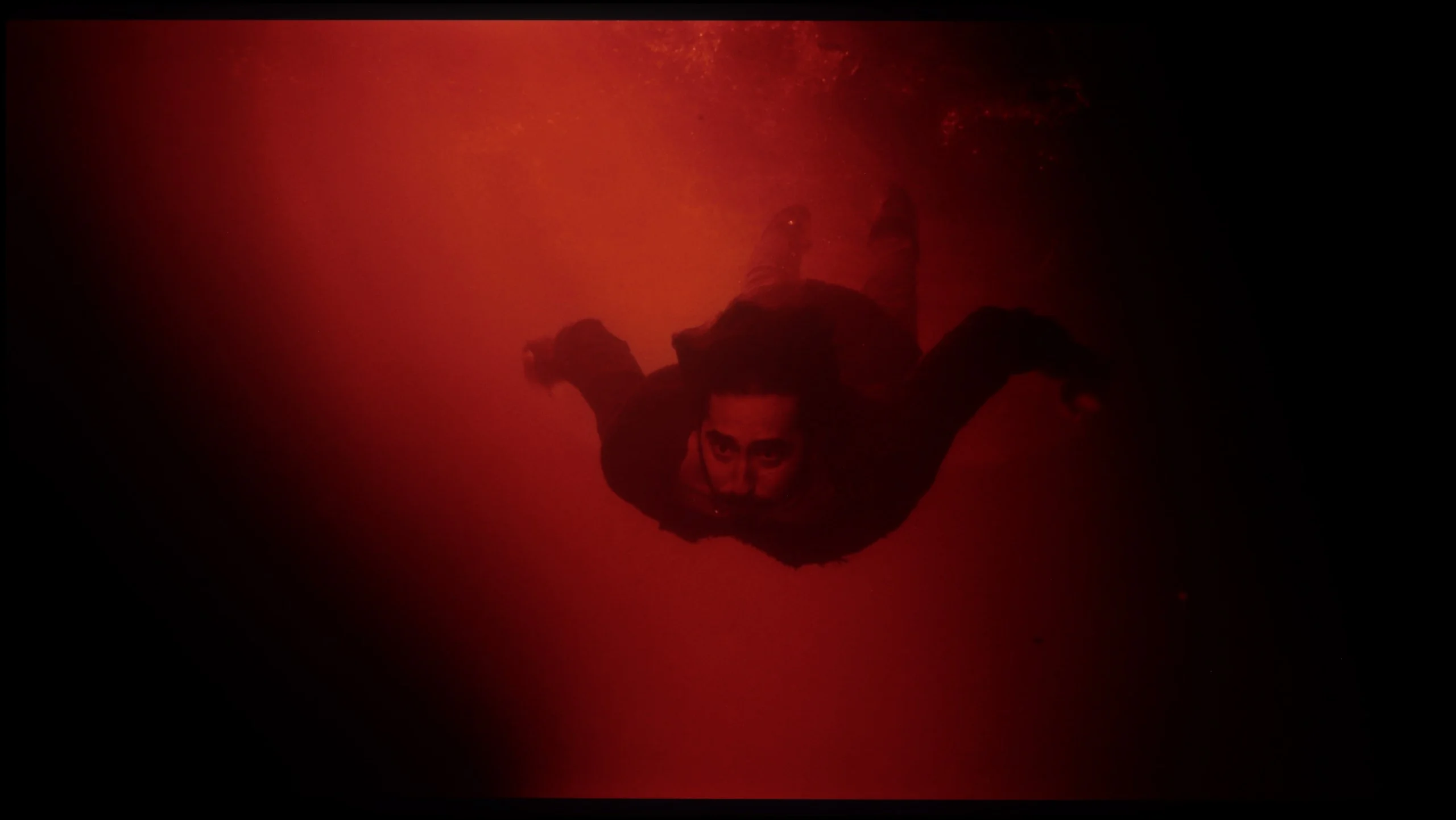
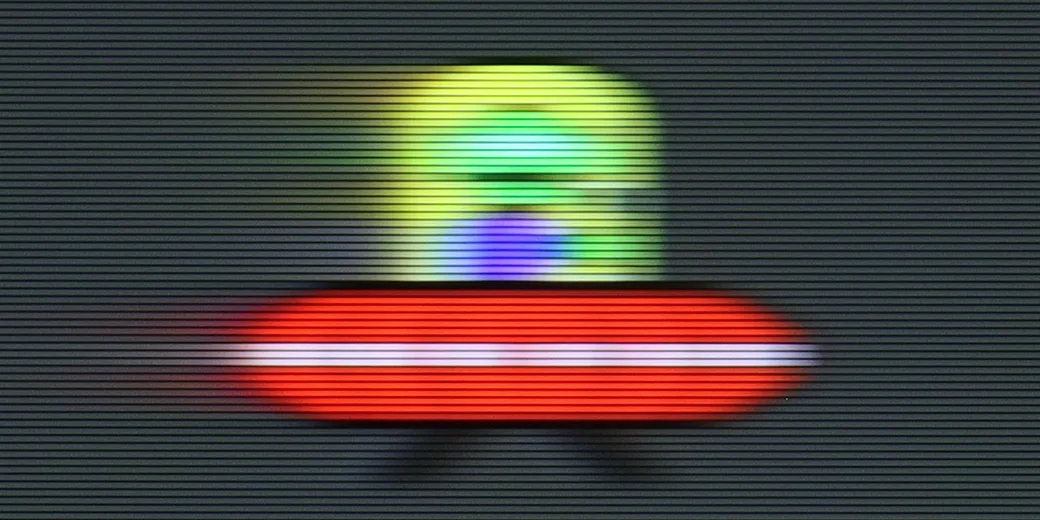
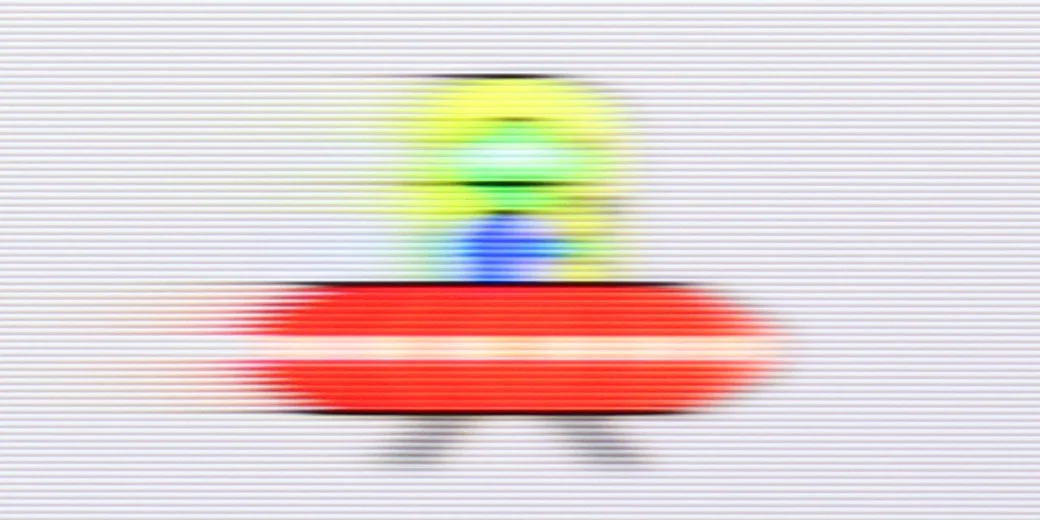
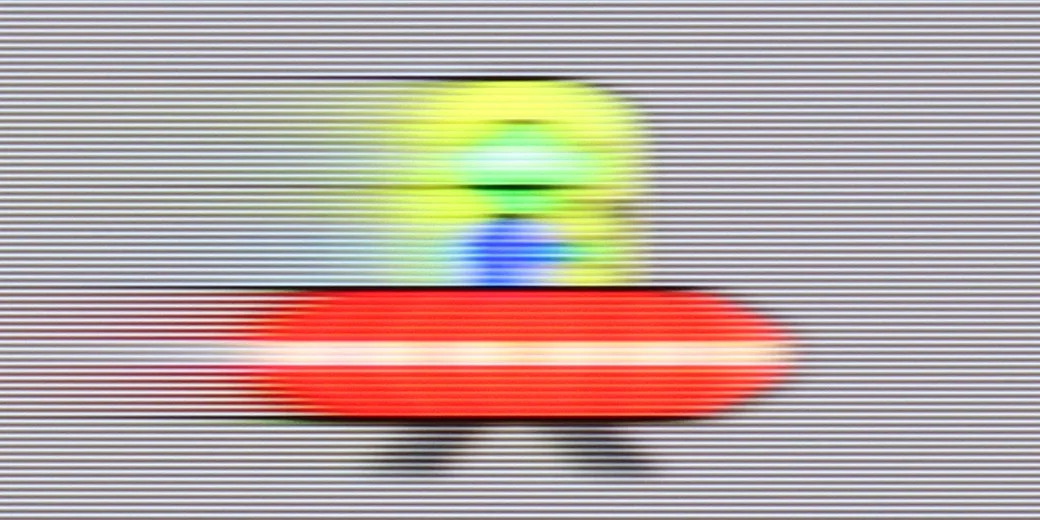
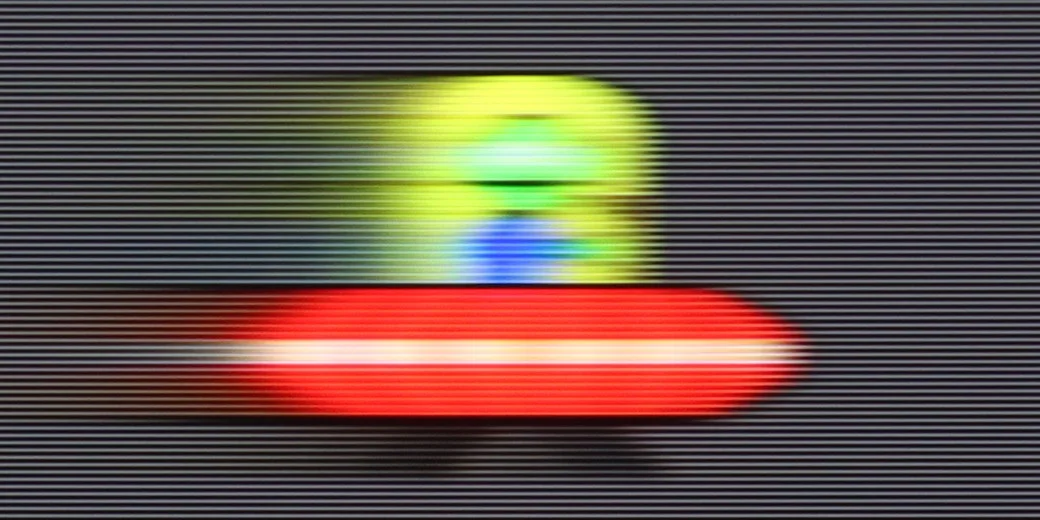
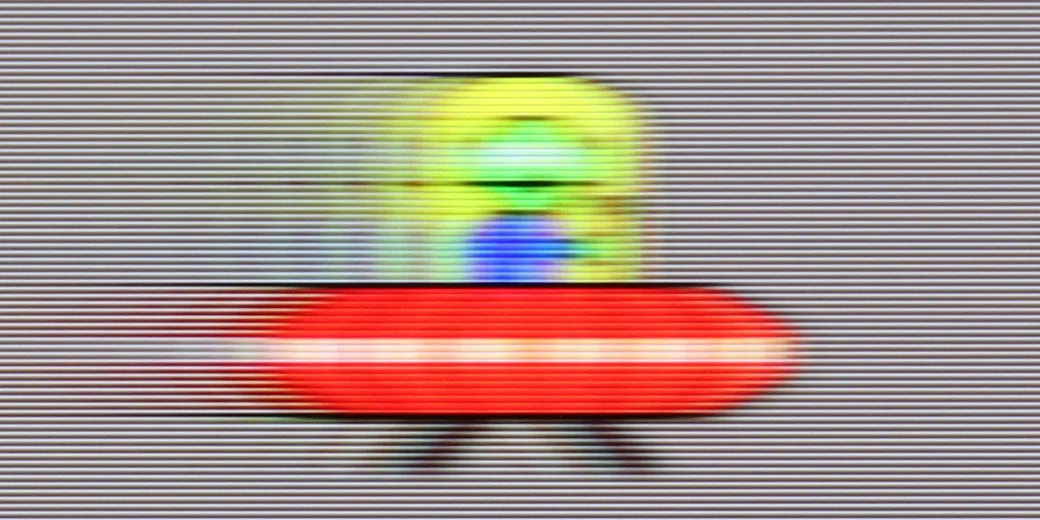
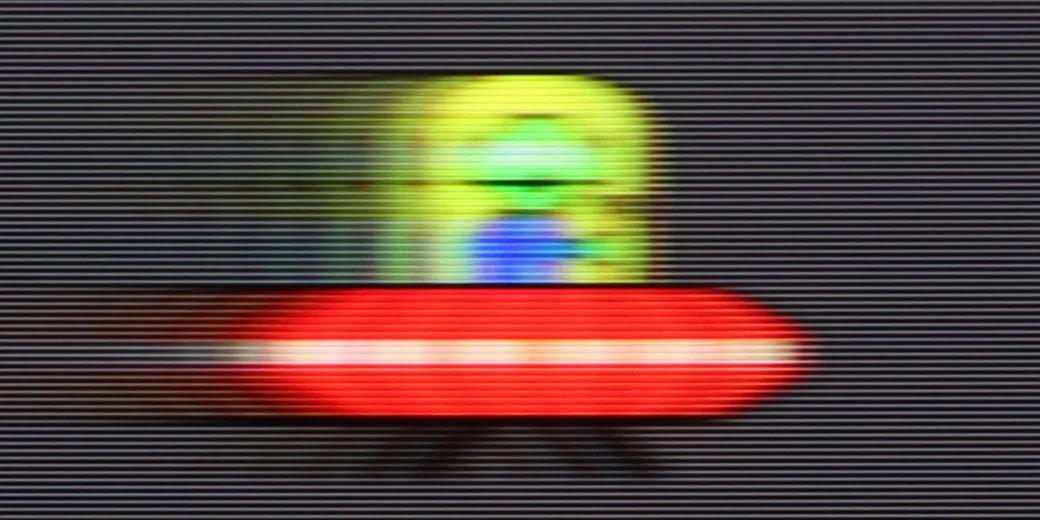
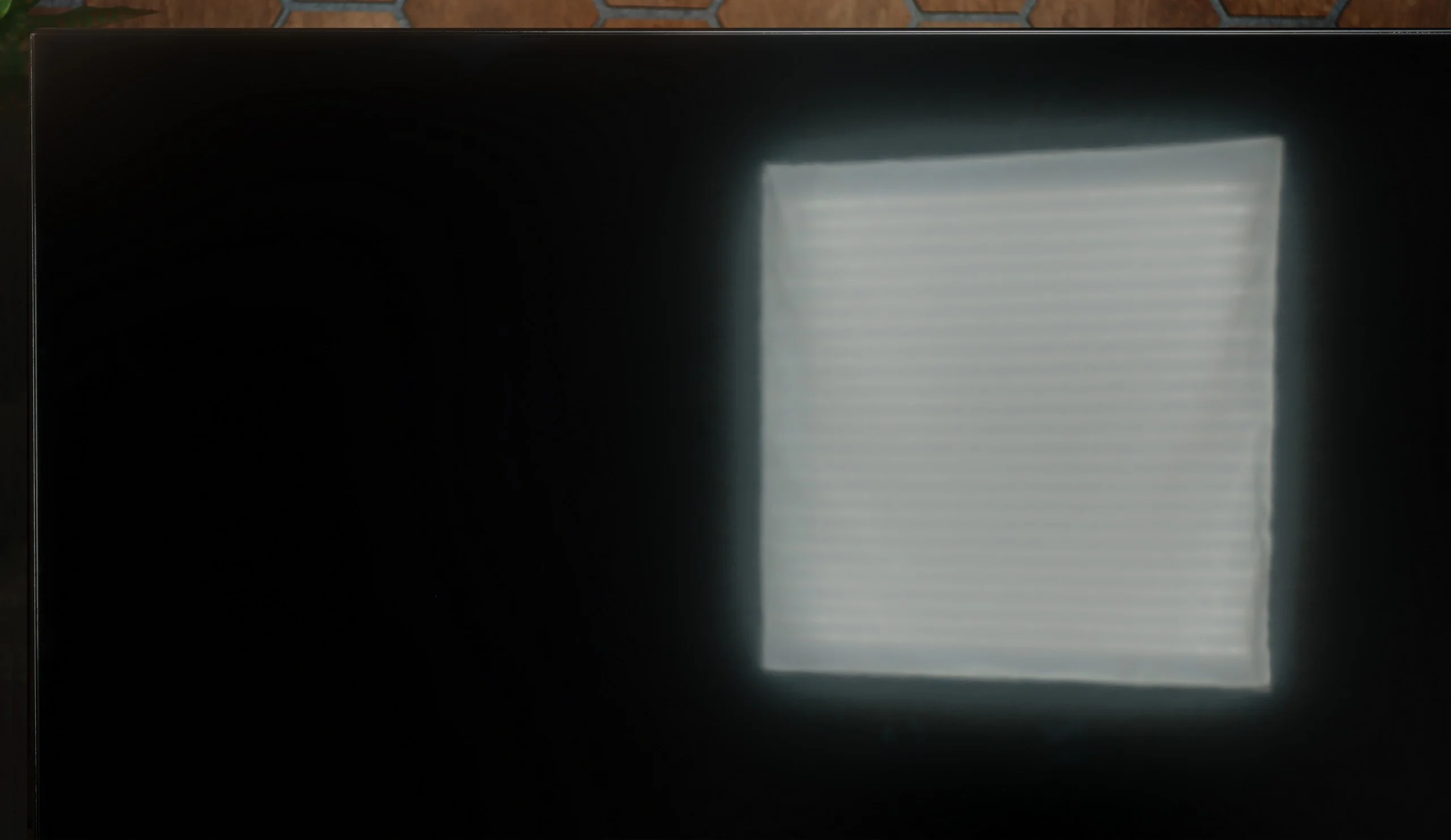
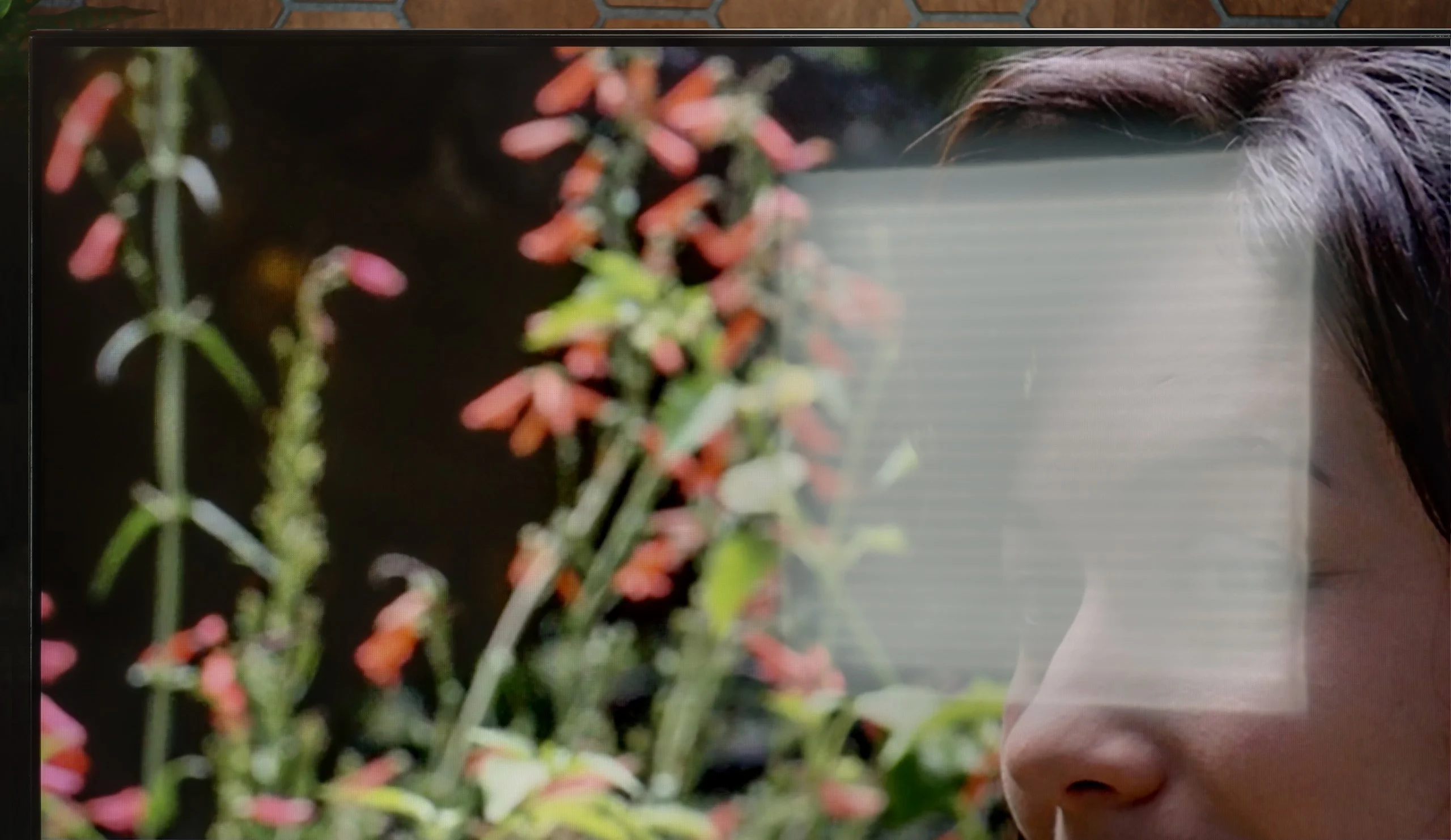
The Dreame S100 is a Mini-LED television that uses an IPS/ADS panel in its 65" version. Such a panel does not inherently offer the best contrast on the market; however, thanks to the fairly dense Mini-LED backlighting, the black level in this model is actually quite decent. In less demanding scenes, the contrast was able to reach values of 30,000:1. This is a result several times higher and practically impossible to achieve for any type of LCD panel without local dimming technology. This means that the black level and contrast in the S100 will be quite appealing for a less demanding viewer.
Unfortunately, in more demanding scenes, where a considerable amount of small elements appears on a black background, the local dimming algorithms in the Dreame S100 do not operate perfectly. The television may either darken excessively, making the black level extremely deep but rendering almost nothing visible on the screen, or it may go in the opposite direction—showing a large number of details but resulting in very poor contrast. The black level in very demanding scenes around bright objects takes on a greyish hue (halo effect). This is a typical limitation of Mini-LED televisions in the lower and mid-range, and unfortunately, the Dreame S100 is not an exception that handles this problem particularly well. However, it should be noted that, overall, the contrast and black level here are at a significantly better level than in LCD televisions without any local dimming technology.
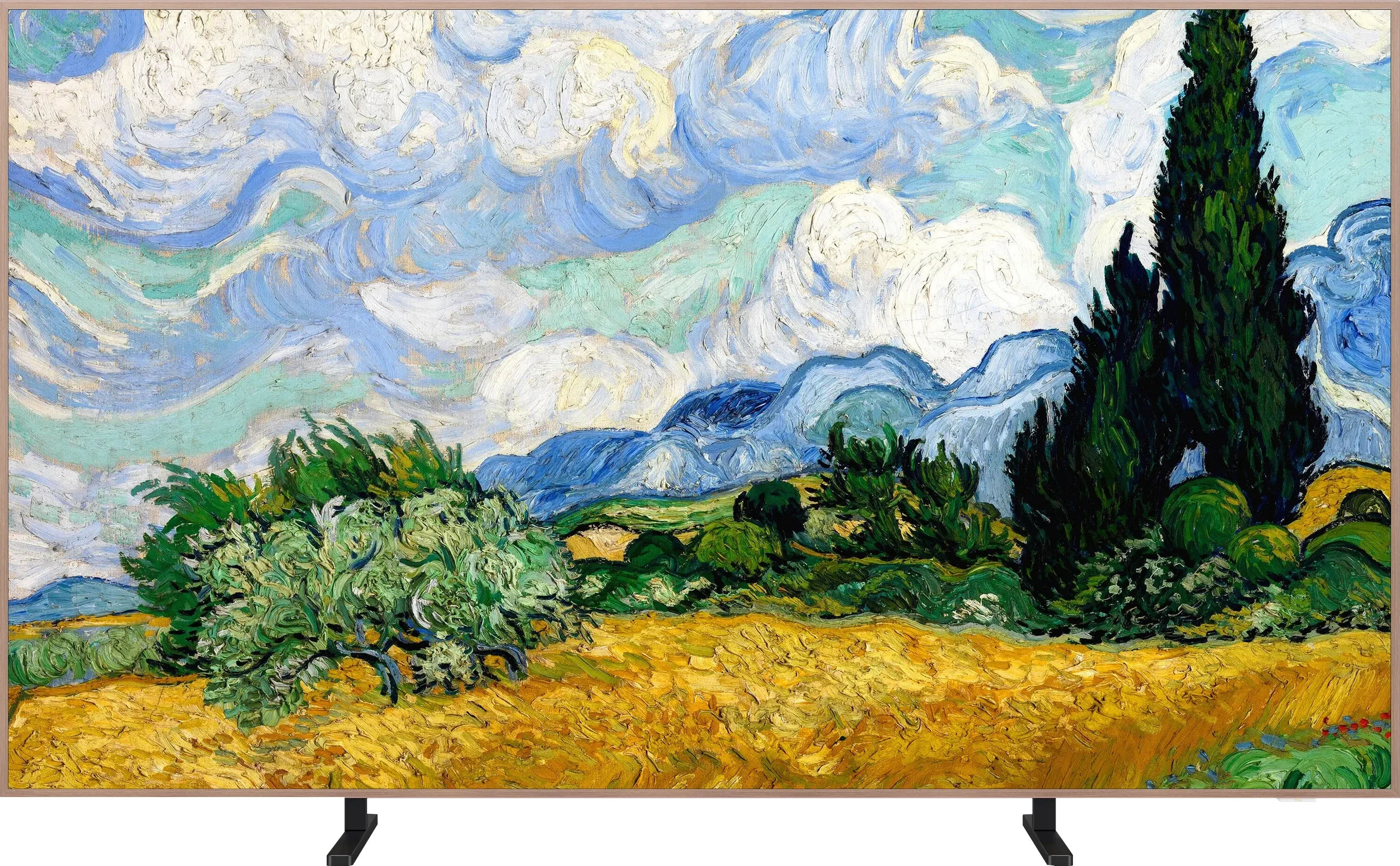
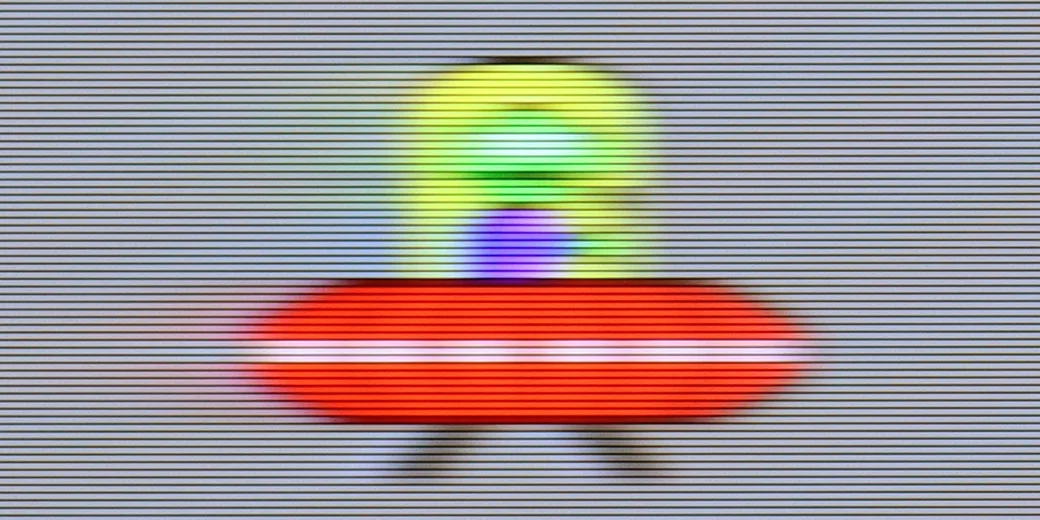
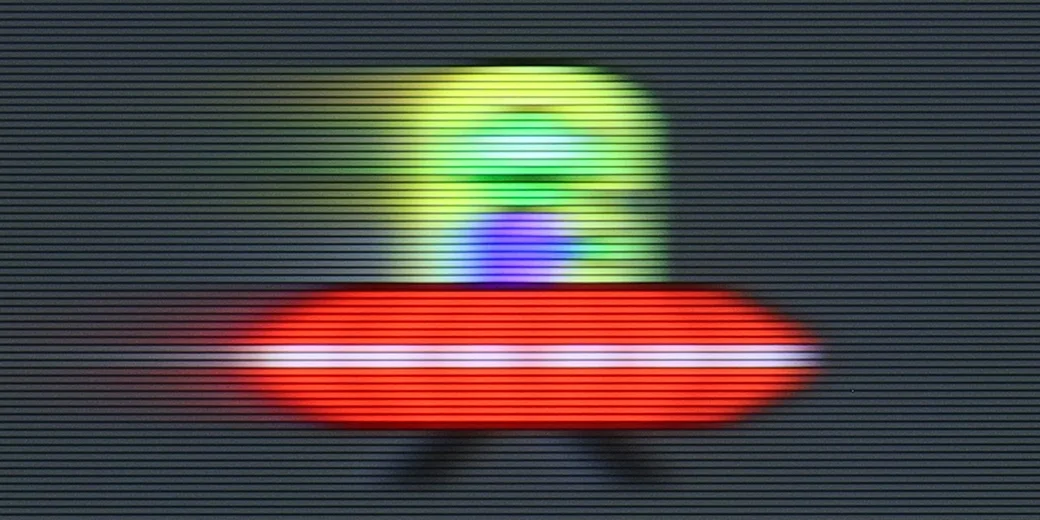
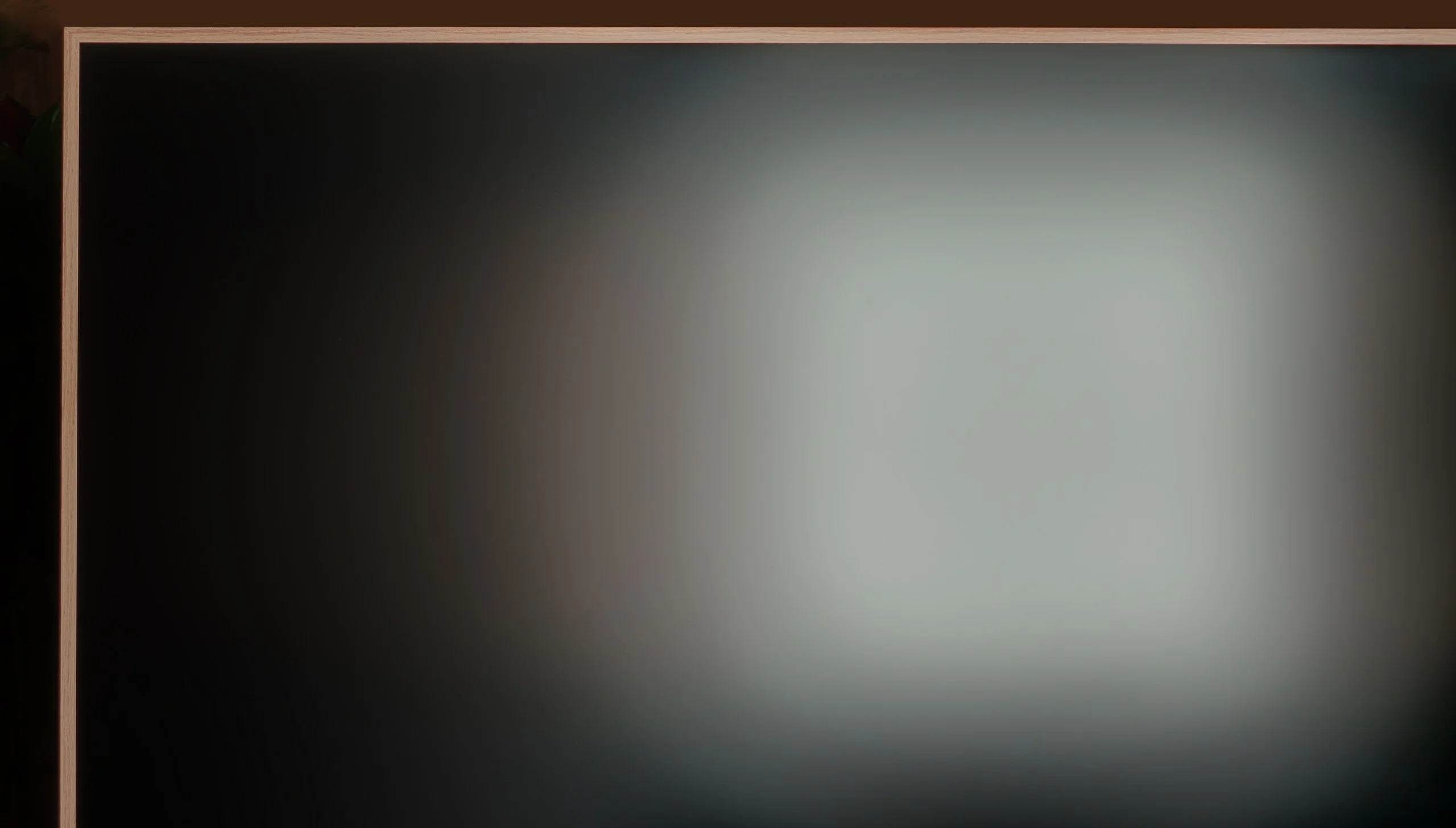
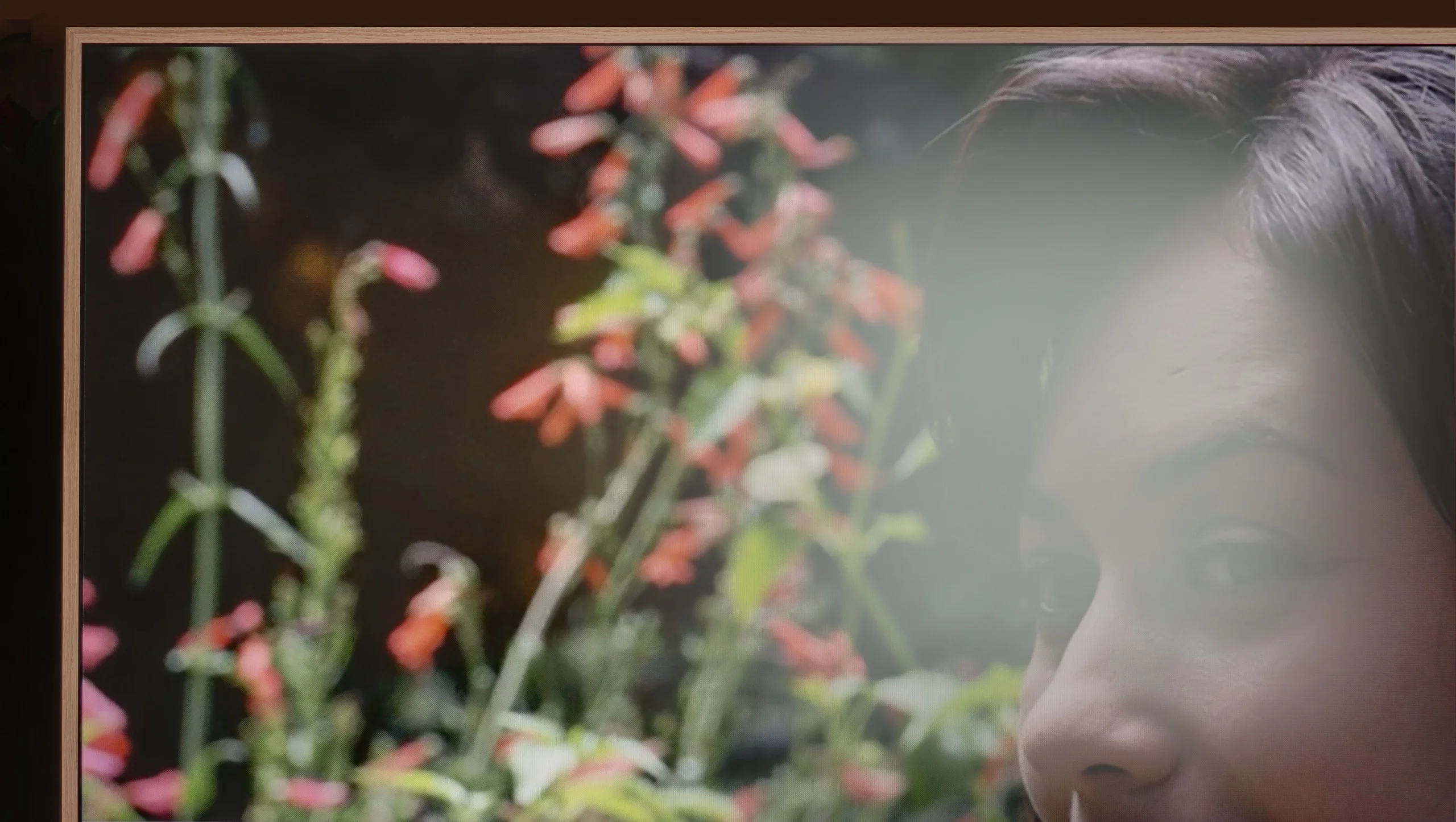
Moving on to picture quality tests, it is immediately apparent that the biggest change the TCL A400 Pro brings compared with typical lifestyle TVs is in blacks and contrast. This is all down to a full Mini-LED backlight placed directly behind the panel. As a result, the TV can locally dim selected parts of the image and is not limited solely to the native contrast of the panel. In the 65-inch sample we tested, we counted 180 dimming zones. That is not an impressive number compared with conventional Mini-LED TVs, where zones can be many times more numerous, but for a lifestyle TV it is already a very large step forward. Especially as competing models often either lack advanced local dimming or use much simpler edge-lit backlights.
In practice this produces very good results. In simpler scenes, where bright elements are clearly separated from a dark background, the A400 Pro can effectively dim the black areas of the image and show genuinely deep black. It is one of those things that immediately sets it apart from many conventional “picture” TVs. Of course, this does not mean TCL entirely avoids the limitations of Mini-LED LCD technology. 180 zones is still relatively few, so in more complex scenes, for example those with many small bright elements on a dark background, a halo effect can appear. It can also happen that blacks take on a more navy‑blue to purple tint in such conditions, because the TV cannot dim the background with the same precision as OLED TVs. Despite these limitations, we believe the A400 Pro brings a genuinely fresh breath to this category. For a lifestyle TV, which is primarily intended to look good on the wall, the level of blacks and contrast is a very strong selling point.
NOTE. It is worth noting that the number of local dimming zones depends on the screen diagonal. Larger variants should have more, but because the number of zones increases with panel size, we do not expect large differences in black level and contrast between the Mini-LED versions. The exception are the 32- and 43-inch models, in which TCL did not implement local dimming. These are significantly simpler LCD designs, so our review does not directly apply to those diagonals, and the prices quoted with the review should be treated as indicative only.
Number of dimming zones in the TCL A400 Pro
Screen size | Backlight type | Number of local dimming zones |
32" | PFS LED | No local dimming |
43" | PFS LED | No local dimming |
55" | QD Mini-LED | 112 zones |
65" | QD Mini-LED | 180 zones |
75" | QD Mini-LED | 240 zones |
85" | QD Mini-LED | 264 zones |
98" | QD Mini-LED | 448 zones |
 Direct comparison