Dreame S100 vs SONY BRAVIA 3 II (XR35M2)

Direct comparison

BRAVIA 3 II / XR35M2

Available screen sizes: 55”65”75”

Available screen sizes: 43”50”55”65”75”85”100”

Panel type: LCD IPS

Resolution: 3840x2160

System: Google TV

Model year: 2026

Complete the survey to find out the result

Panel type: LCD VA

Resolution: 3840x2160

System: Google TV

Model year: 2026

Complete the survey to find out the result

Overall rating

6.8

7.0

  • Movies and series in UHD quality

    5.9

    6.5

  • Classic TV, YouTube

    6.2

    6.3

  • Sports broadcasts (TV and apps)

    6.8

    6.7

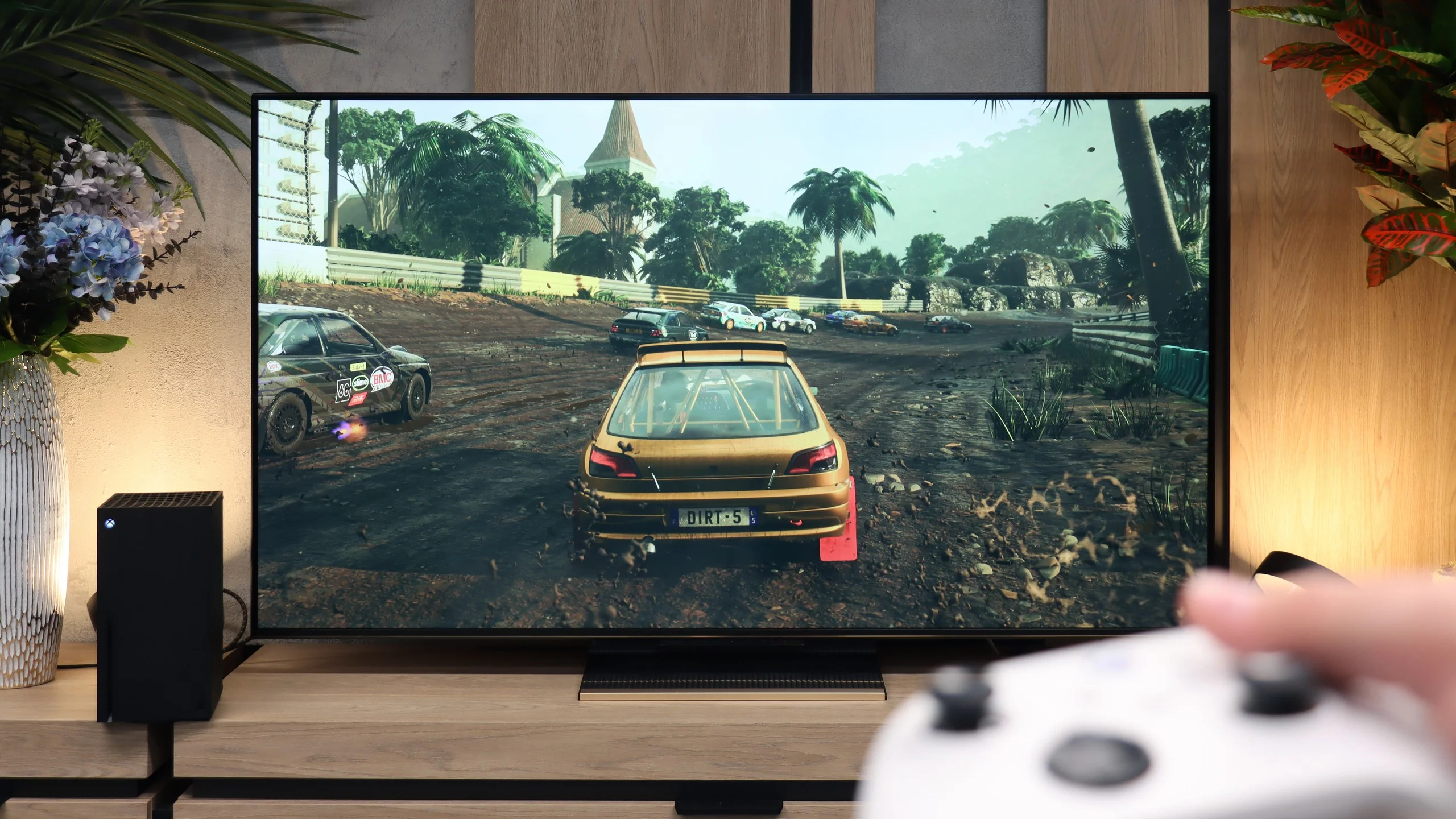
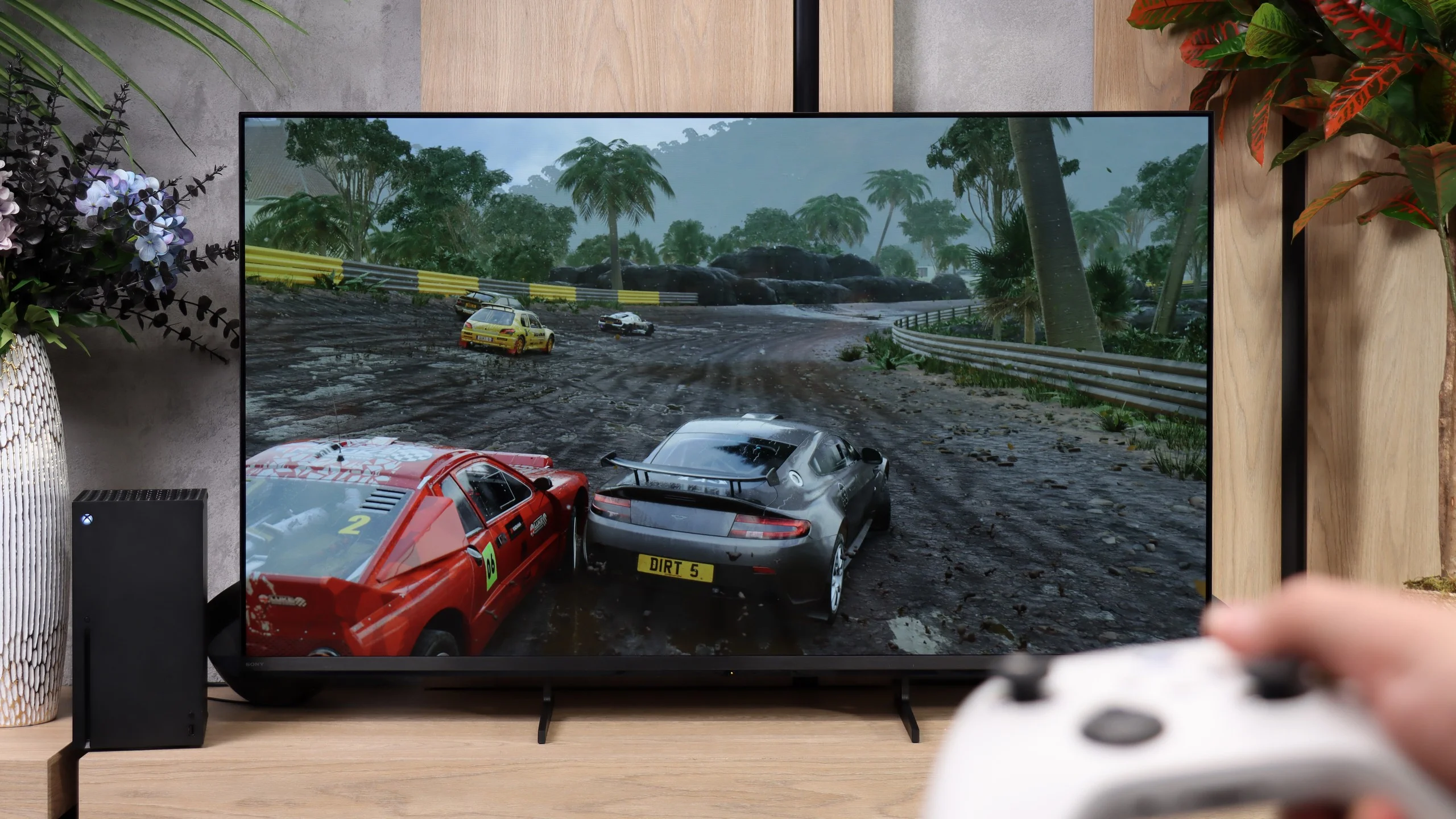
  • Gaming on console

    7.5

    8.1

  • TV as a computer monitor

    7.6

    7.2

  • Watching in bright light

    6.0

    5.8

  • Utility functions

    5.9

    7.9

  • Apps

    9.6

    9.6

  • Sound quality

    8.3

    6.8

Advantages

  • Great viewing angles (thanks to the ADS matrix)

  • Impressive blacks thanks to Mini-LED backlighting

  • Good colours thanks to the PFS filter (advertised as QLED)

  • High motion fluidity (144 Hz panel)

  • Low input lag (in game mode)

  • Lots of gaming features, including two HDMI 2.1 ports (VRR, ALLM and Game Bar)

  • Google TV system with a rich library of apps

  • Good sound thanks to the built-in “soundbar”

  • Very good motion handling and exceptionally low motion blur for a 120Hz LCD TV

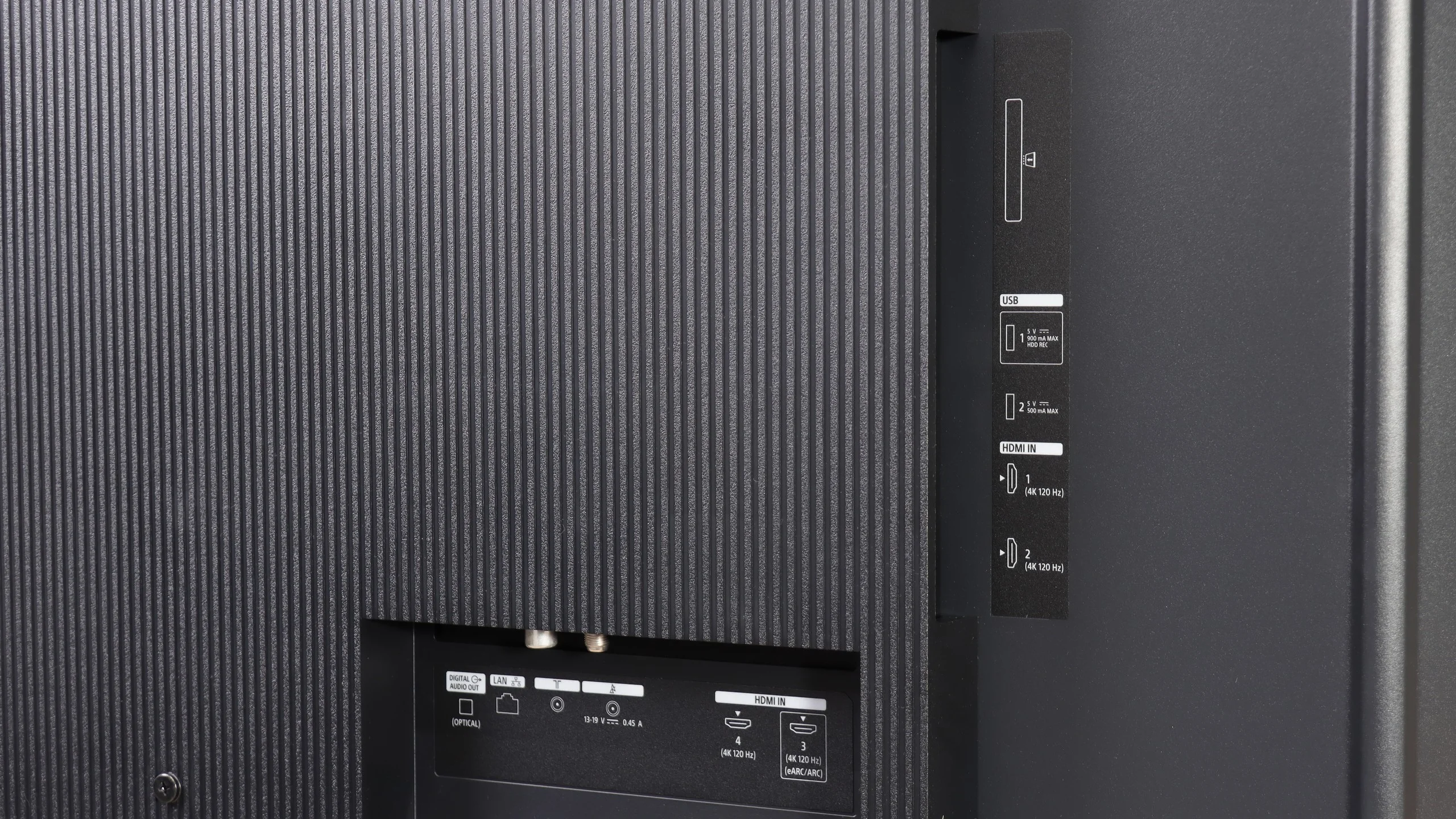
  • 4 × HDMI 2.1 48 Gb/s, finally!

  • Plenty of gaming features: VRR, ALLM, low input lag

  • Wide colour gamut, QLED (PFS)

  • Supports Dolby Vision

  • Google TV with a wide range of apps and features

  • Broad audio format support: Dolby Atmos and DTS

  • Record programmes to USB

  • Two remote controls included

Disadvantages

No like
  • Underdeveloped local dimming algorithms (can cause annoying brightness drops)

  • Outdated image processor and poor digital processing of the Google TV system

  • Bugs in the software, occasional stuttering

  • Useless Filmmaker mode (completely blocks any change of picture settings)

  • Poor implementation of HDR format in games (lack of HGiG support and high input lag in Dolby Vision mode)

  • High price for what it offers; for only slightly more you can buy the much better BRAVIA 5 model

  • No local dimming

  • No proper HGiG support

  • Average processing of lower-quality source material

Our verdict

Dreame S100 is a successful, albeit still somewhat raw, debut in the Mini-LED segment. In terms of hardware, the television stands on its own: Mini-LED technology with local dimming provides deep and, for the average viewer, attractive blacks, while the IPS/ADS panel offers brilliant viewing angles. This is a particularly interesting combination, as it is extremely rare in the LCD television segment, which will surely please those with spacious living rooms or large corner sofas. If we add to that a full gaming package (HDMI 2.1, 144 Hz), the Google TV system with an almost infinite number of applications, and very strong 4.1.2 sound with 70 W of power that definitely performs above the market average, we get an incredibly versatile screen.

What's the catch? In the software. Unfortunately, the Dreame S100 suffers from typical "growing pains" – the outdated processor struggles with advanced digital processing, and local dimming algorithms can become irritating in more demanding scenes. Moreover, the Google TV system itself occasionally experiences slight stutters. So, if you are looking for a well-equipped Mini-LED for a spacious living room and are willing to forgive it minor system blunders that the manufacturer can indeed fix with future updates – this is a very interesting option. The hardware potential is immense, although the software still requires some final polishing.

The Sony Bravia 3 II is a TV that quickly reveals the idea the manufacturer had for this model. It's meant above all to be a sensible Bravia for gaming, and in that respect the changes are substantial. After all, Sony has fixed one of the biggest annoyances of its TVs, the presence of only two full-featured HDMI 2.1 ports. Here there are four, and that alone makes the Bravia 3 II a much more convenient choice for anyone who wants to connect a lot of gaming kit. Fortunately it doesn't stop at gaming. The 120 Hz panel performs very well for motion, motion blur is minimal, and the motion-smoothing systems work surprisingly effectively, at times even better than on Sony's top TVs. Sport is therefore another use where the Bravia 3 II feels right at home. On top of that there's Google TV with its full suite of apps and features, so in practical terms this is simply the Sony we've known for years.

The biggest problem with this model, however, is not the TV itself but its current price. The Bravia 3 II is today dangerously close in price to the Bravia 5, and when the extra cost for the higher model is only a few percent, choosing the lower series begins to lose its appeal. The Bravia 5 already offers full Mini-LED backlighting with local dimming, which is exactly what the Bravia 3 II most lacks for evening viewing and in HDR. That's why we view this model through the lens of price. The Bravia 3 II itself is a genuinely successful lower-mid-range TV and with the right pricing could easily be one of the more interesting choices for a gamer or a sports fan. However, if the gap to the Bravia 5 remains small, it will be hard to recommend it with full conviction.

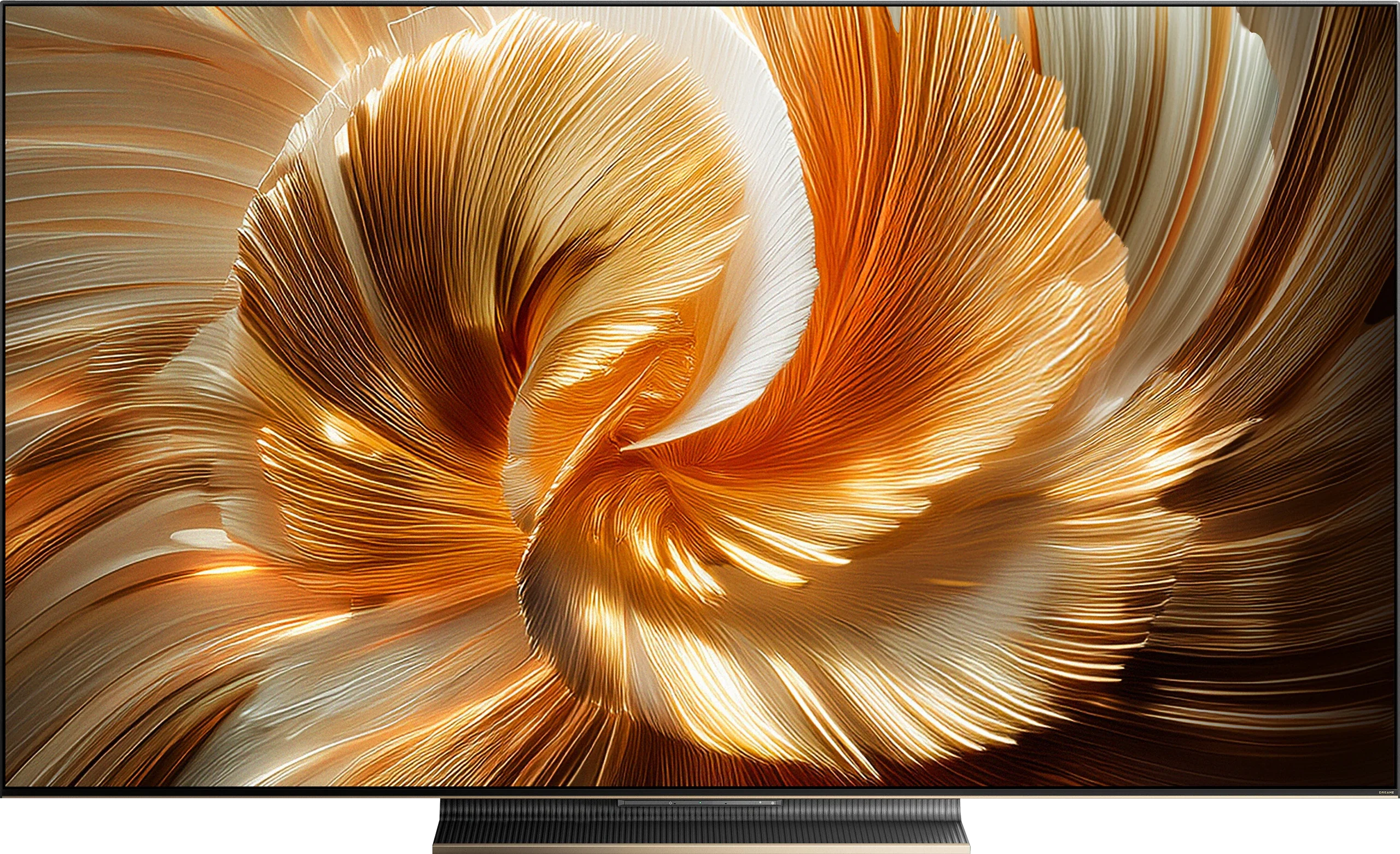
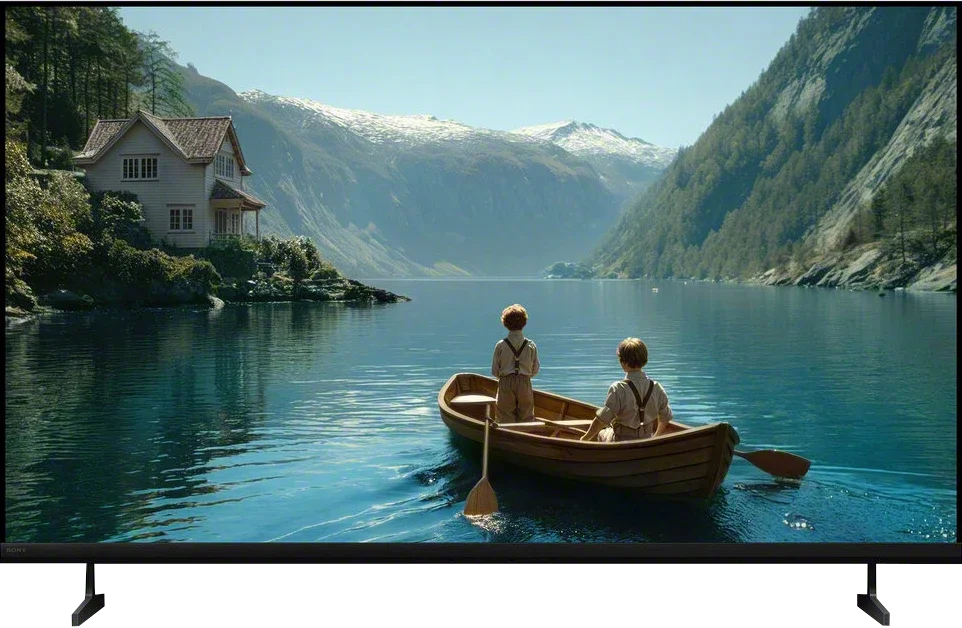
TV appearance

HDMI inputs
1 x HDMI 2.0, 2 x HDMI 2.1 (40Gbps)
0 x HDMI 2.0, 4 x HDMI 2.1 (48Gbps)
Other inputs
RCA (Chinch)
Outputs
Toslink (Optical audio), eARC (HDMI), ARC (HDMI), Mini-Jack (Headphones)
Toslink (Optical audio), eARC (HDMI), ARC (HDMI)
Network Interfaces
Wi-Fi 2.4GHz, Wi-Fi 5GHz, Ethernet (LAN) 100Mbps
Build quality
Good
Good
Stand type
Central
Legs
Bezel color
Black
Graphite
Stand
Fixed
Base adjustment
Accessories
Stand
Two remote controls, Stand

Contrast and black detail

5.9/10

5.6/10

Local dimming function: Yes, number of zones: 160 (10 x 16)

Local dimming function: No

Contrast:

Review Dreame S100 Contrast and black detail

Result

32,850:1

Review Dreame S100 Contrast and black detail

Result

11,800:1

Review Dreame S100 Contrast and black detail

Result

6,900:1

Review Dreame S100 Contrast and black detail

Result

2,650:1

Review Dreame S100 Contrast and black detail

Result

1,700:1

Review SONY BRAVIA 3 II (XR35M2) Contrast and black detail

Result

3,050:1

Review SONY BRAVIA 3 II (XR35M2) Contrast and black detail

Result

4,650:1

Review SONY BRAVIA 3 II (XR35M2) Contrast and black detail

Result

5,850:1

Review SONY BRAVIA 3 II (XR35M2) Contrast and black detail

Result

6,400:1

Review SONY BRAVIA 3 II (XR35M2) Contrast and black detail

Result

4,350:1

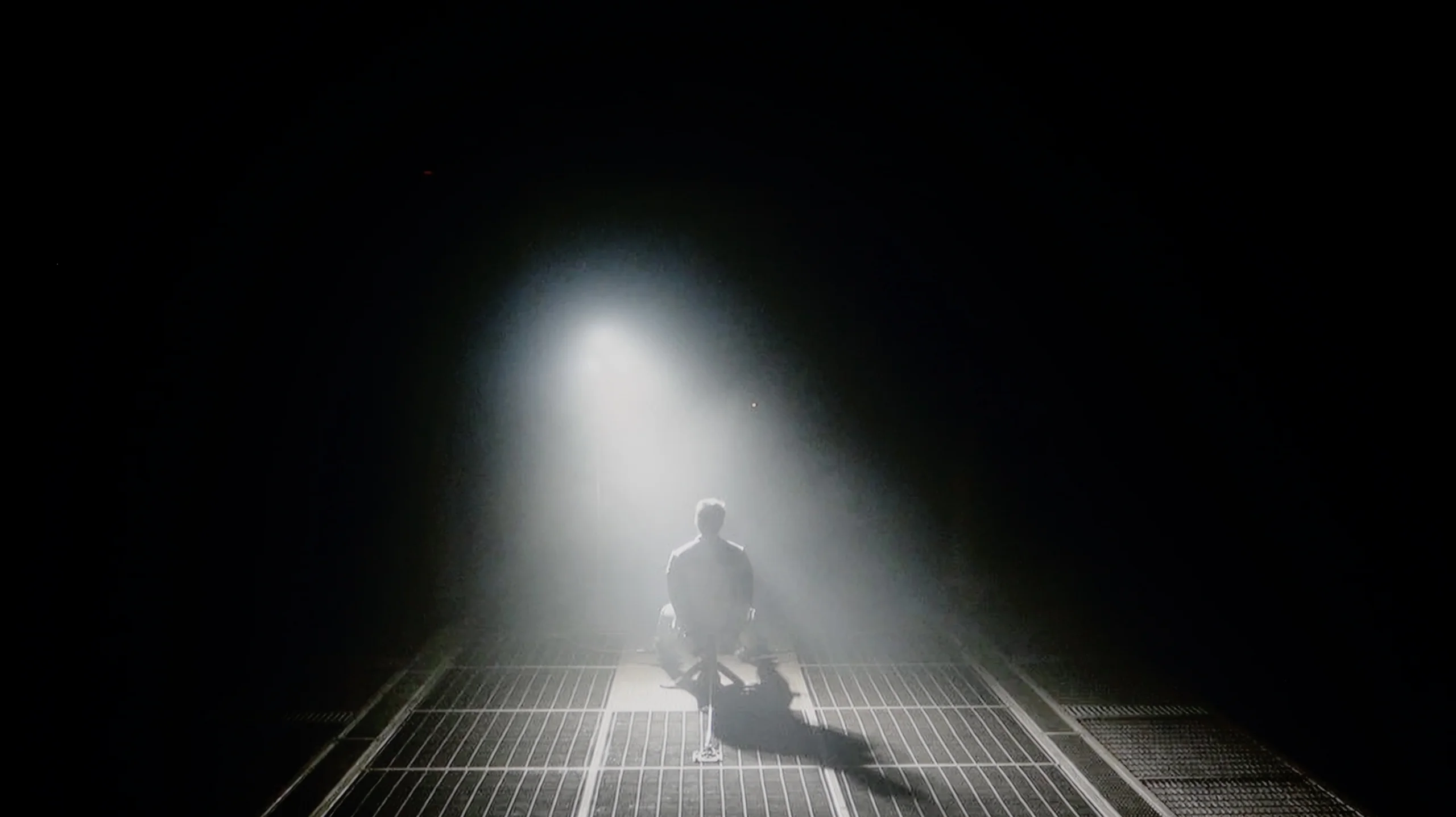
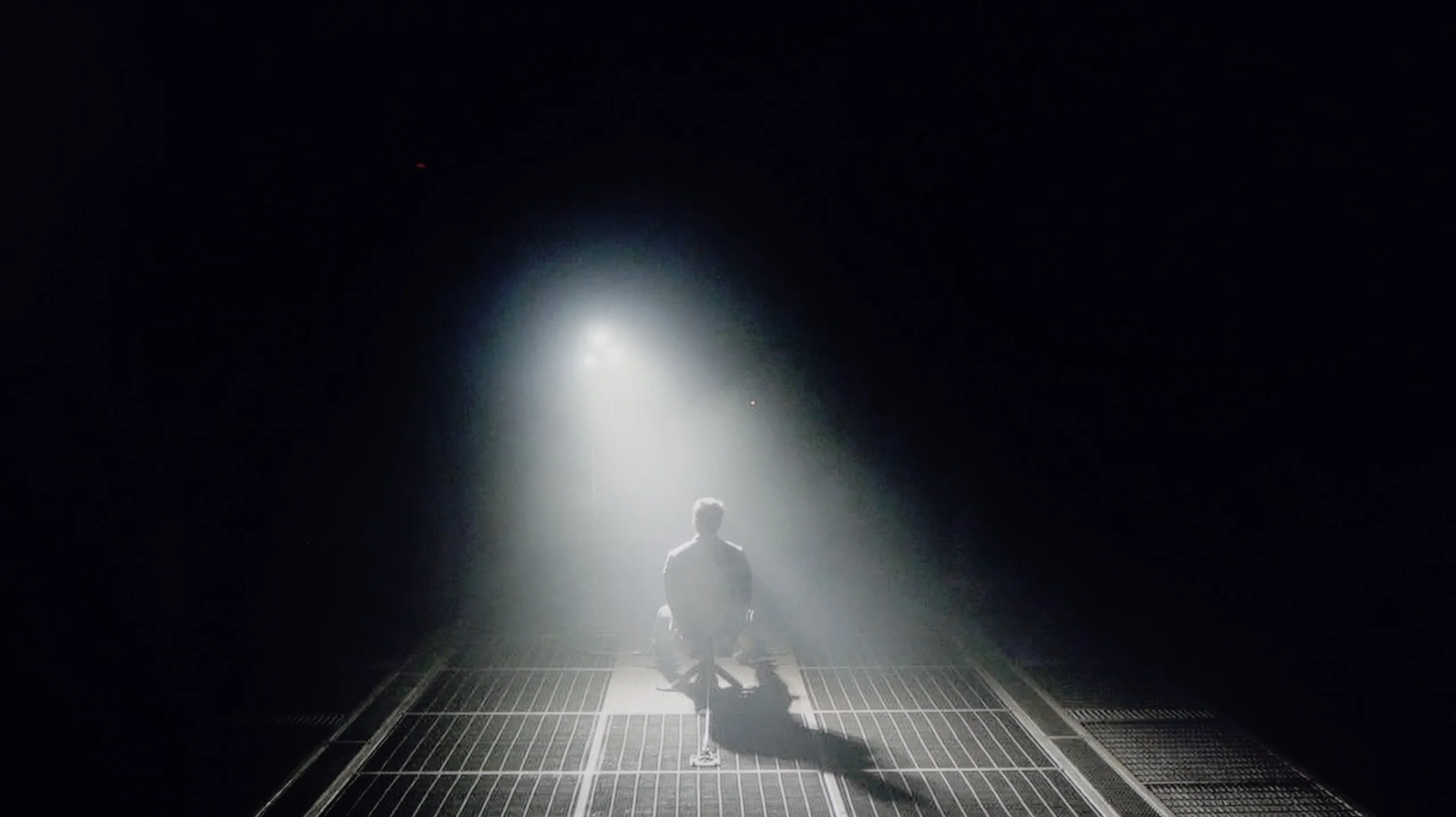
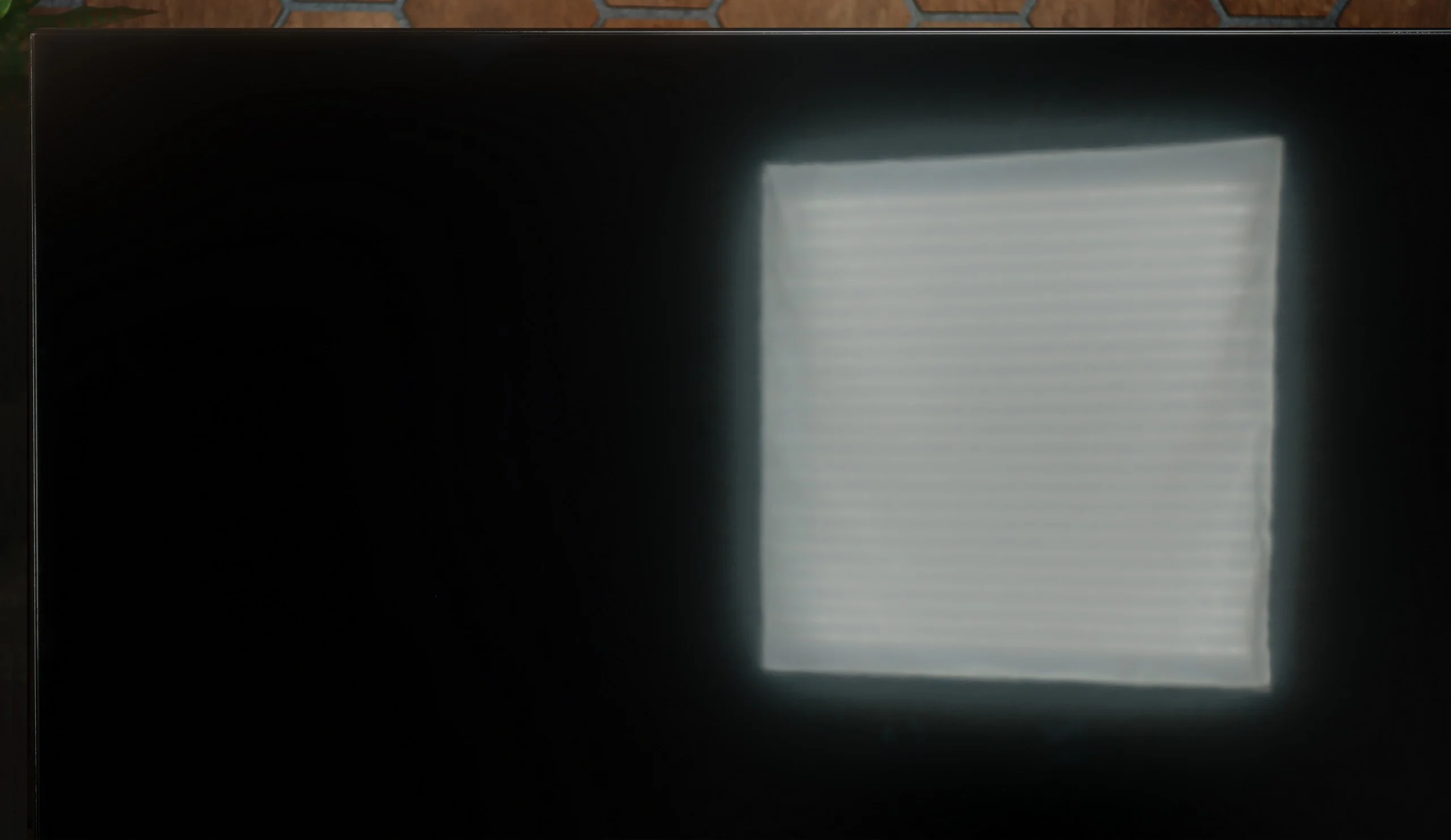
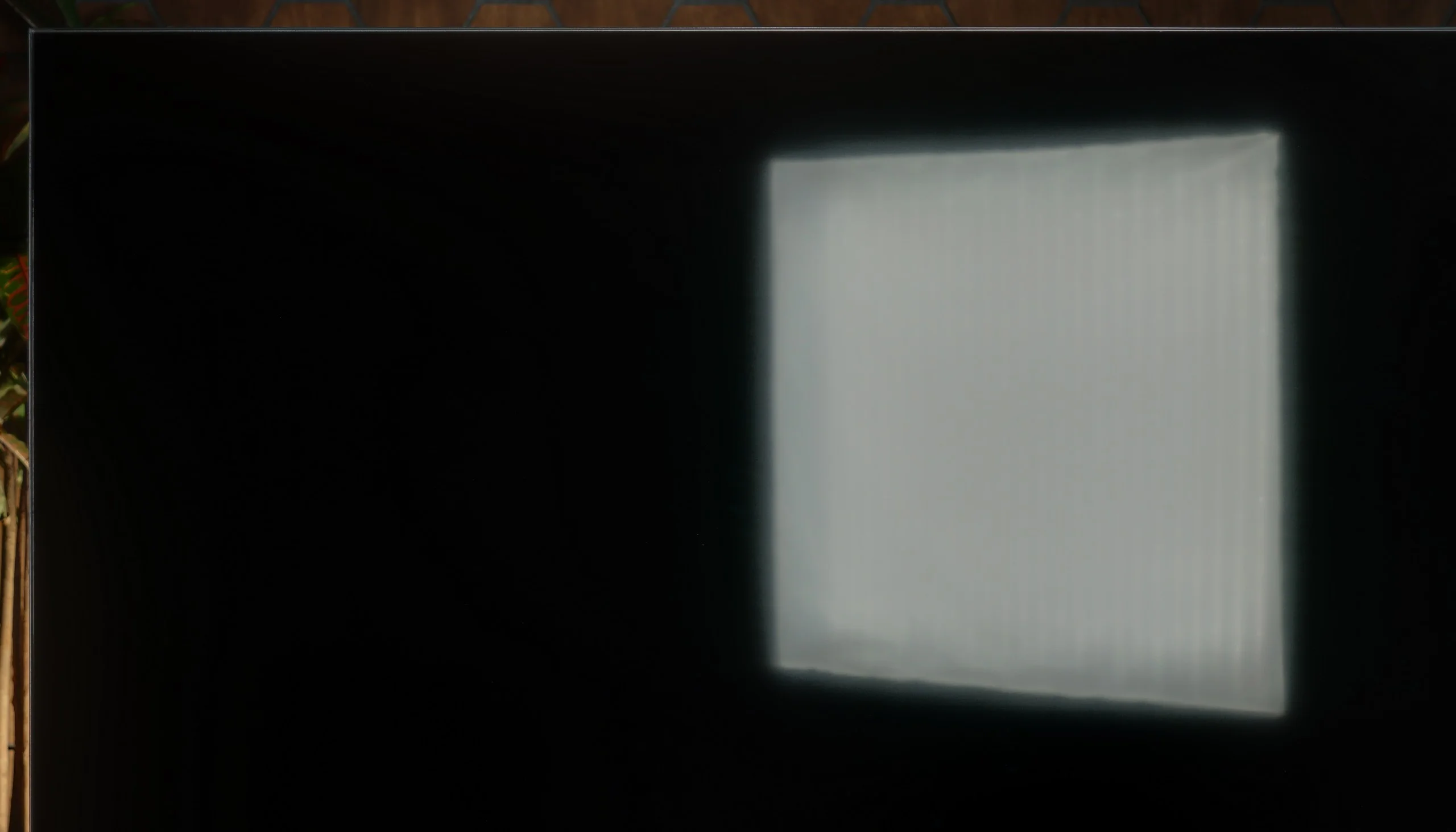
Halo effect and black detail visibility:

Check the visibility of bright lights on a dark background. Mini-LEDs often struggle with this. The photo does not compare black levels – that’s what the video below is for.

The video accurately shows differences in contrast and black levels between TVs, as well as potential issues: halo around bright objects or Mini-LED zone operation visible as brightness jumps.

The Dreame S100 is a Mini-LED television that uses an IPS/ADS panel in its 65" version. Such a panel does not inherently offer the best contrast on the market; however, thanks to the fairly dense Mini-LED backlighting, the black level in this model is actually quite decent. In less demanding scenes, the contrast was able to reach values of 30,000:1. This is a result several times higher and practically impossible to achieve for any type of LCD panel without local dimming technology. This means that the black level and contrast in the S100 will be quite appealing for a less demanding viewer.

Unfortunately, in more demanding scenes, where a considerable amount of small elements appears on a black background, the local dimming algorithms in the Dreame S100 do not operate perfectly. The television may either darken excessively, making the black level extremely deep but rendering almost nothing visible on the screen, or it may go in the opposite direction—showing a large number of details but resulting in very poor contrast. The black level in very demanding scenes around bright objects takes on a greyish hue (halo effect). This is a typical limitation of Mini-LED televisions in the lower and mid-range, and unfortunately, the Dreame S100 is not an exception that handles this problem particularly well. However, it should be noted that, overall, the contrast and black level here are at a significantly better level than in LCD televisions without any local dimming technology.

The Bravia 3 II uses a VA panel, a solution that by nature delivers significantly better contrast than IPS or ADS panels. In our sample the native contrast ratio was around 5000:1, which is a pretty good result for a TV without local dimming. In practice that means blacks can look genuinely decent in a lightly lit room. Dark parts of the picture don't immediately go grey, and night scenes have noticeably more depth than on many IPS‑panel TVs. However, the poorer black level quality becomes apparent when you turn the lights off. The Bravia 3 II has no local dimming system, so the entire backlight behaves similarly regardless of what’s happening in a particular part of the image. In a dark room it's easy to see that blacks are no longer truly black but start to take on a dark navy cast. It's not a level that severely ruins the film-viewing experience, but during an evening viewing the difference compared with a Mini-LED TV, and even more so with an OLED TV, becomes very clear.

HDR effect quality

3.4/10

5.3/10

Supported formats
HDR10, HDR10+, Dolby Vision, HLG
HDR10, Dolby Vision, HLG
Color gamut coverage
DCI P3: 94.6%, Bt.2020: 71.6%
DCI P3: 94.2%, Bt.2020: 73.9%

Luminance measurements in HDR:

Review Dreame S100 Brightness measurement

Result

503 nit

Review Dreame S100 Brightness measurement

Result

71 nit

Review Dreame S100 Brightness measurement

Result

241 nit

Review Dreame S100 Brightness measurement

Result

42 nit

Review Dreame S100 Brightness measurement

Result

589 nit

Review SONY BRAVIA 3 II (XR35M2) Brightness measurement

Result

408 nit

Review SONY BRAVIA 3 II (XR35M2) Brightness measurement

Result

430 nit

Review SONY BRAVIA 3 II (XR35M2) Brightness measurement

Result

449 nit

Review SONY BRAVIA 3 II (XR35M2) Brightness measurement

Result

457 nit

Review SONY BRAVIA 3 II (XR35M2) Brightness measurement

Result

455 nit

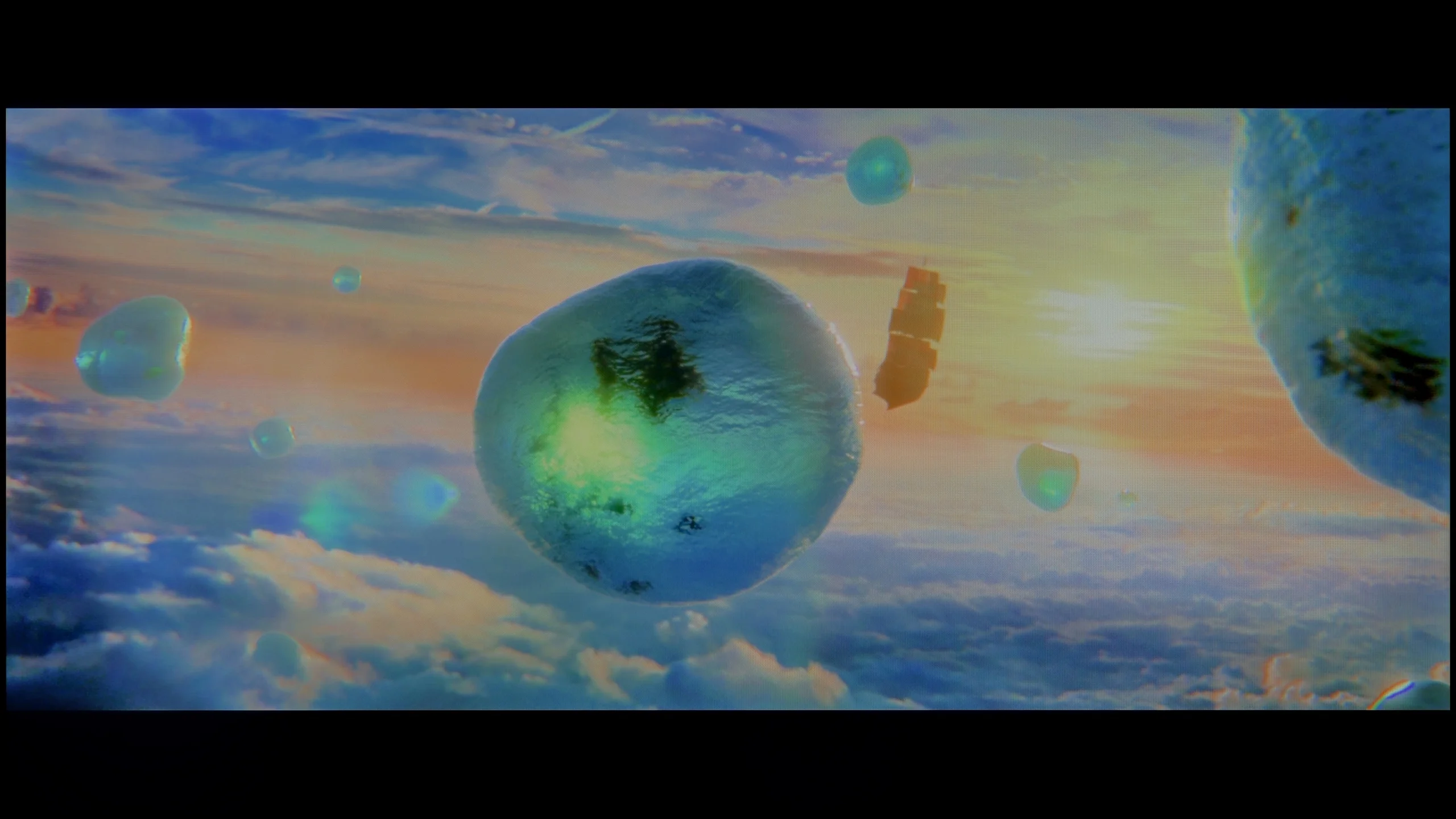
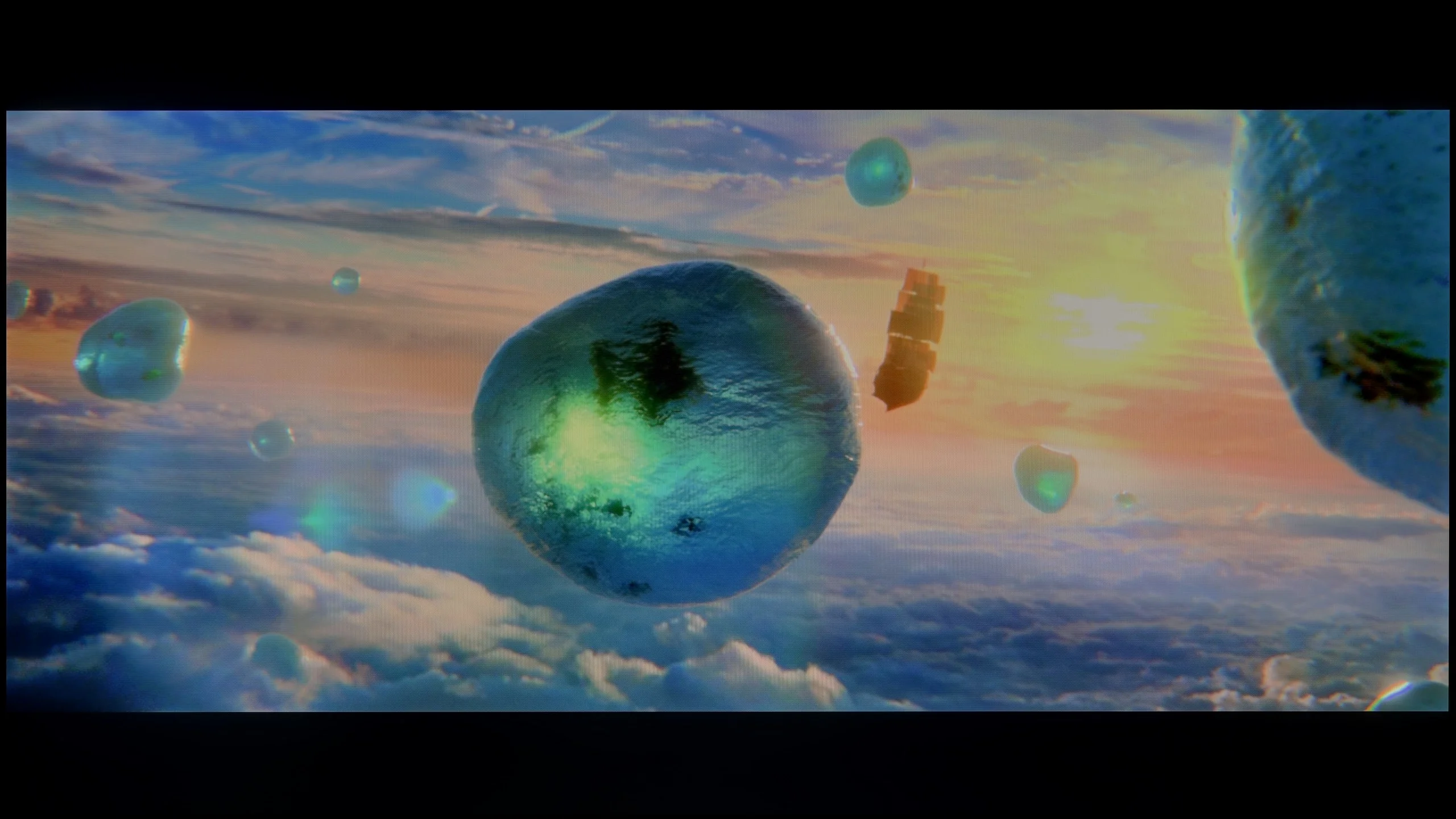
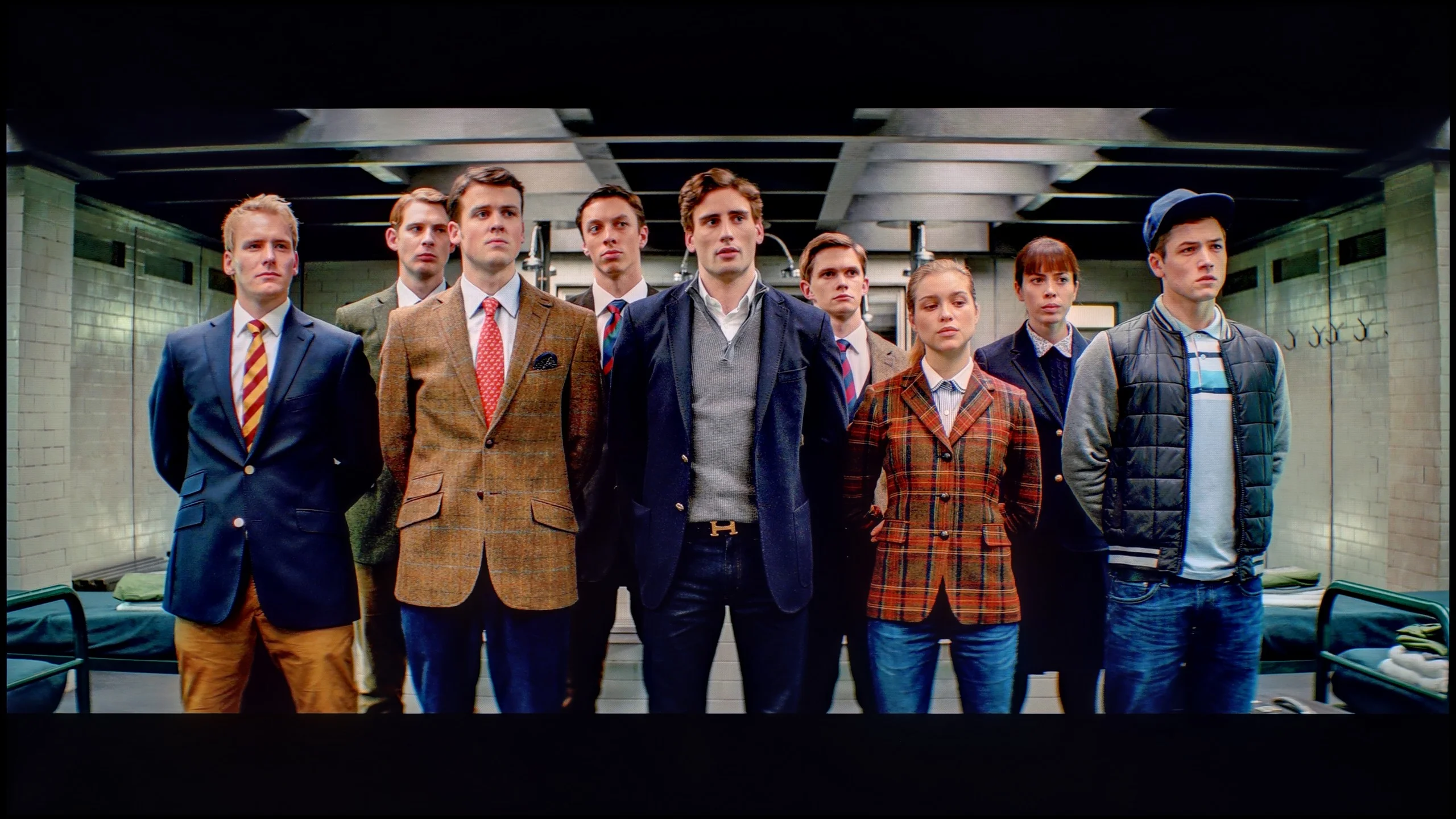
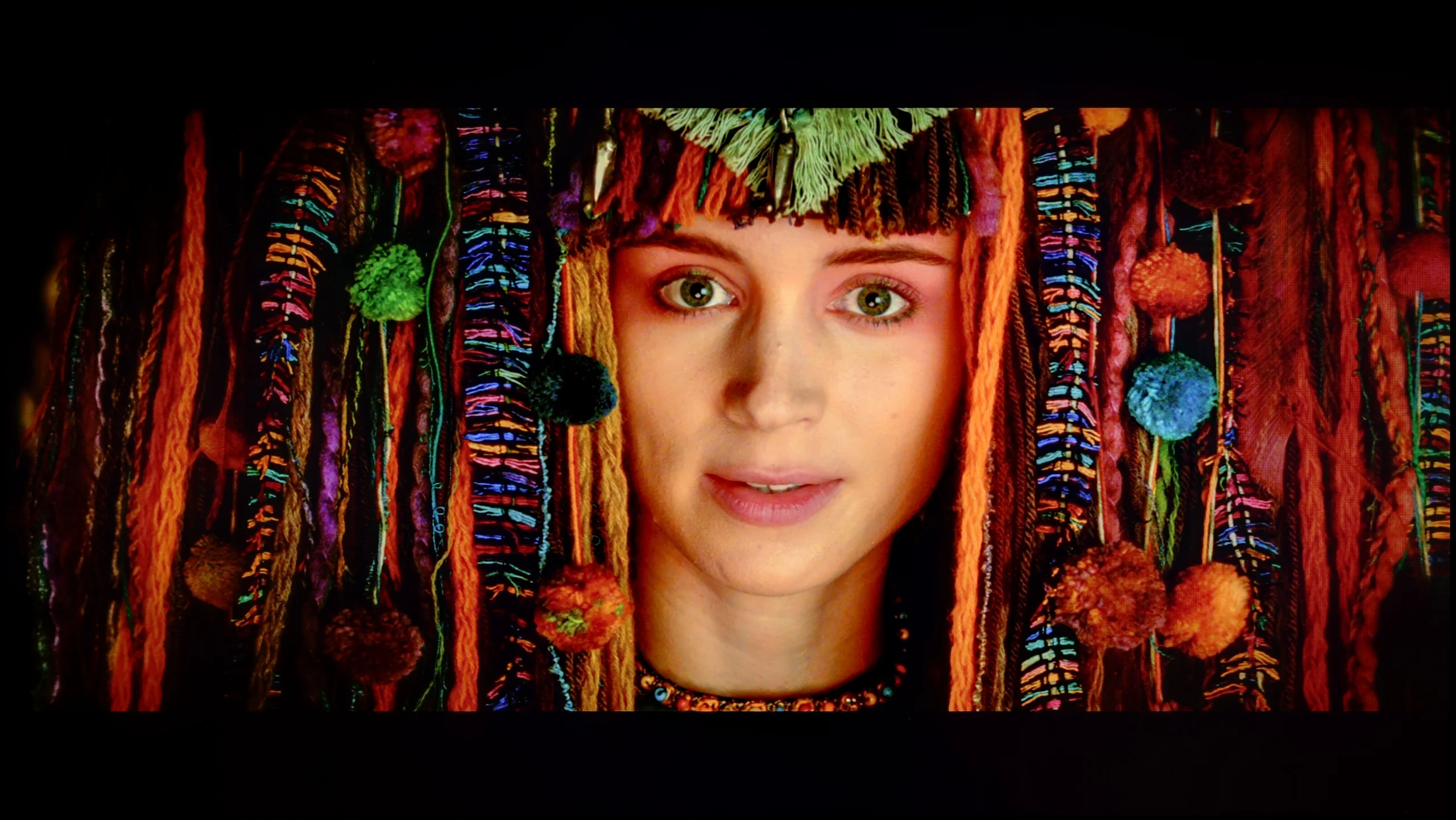
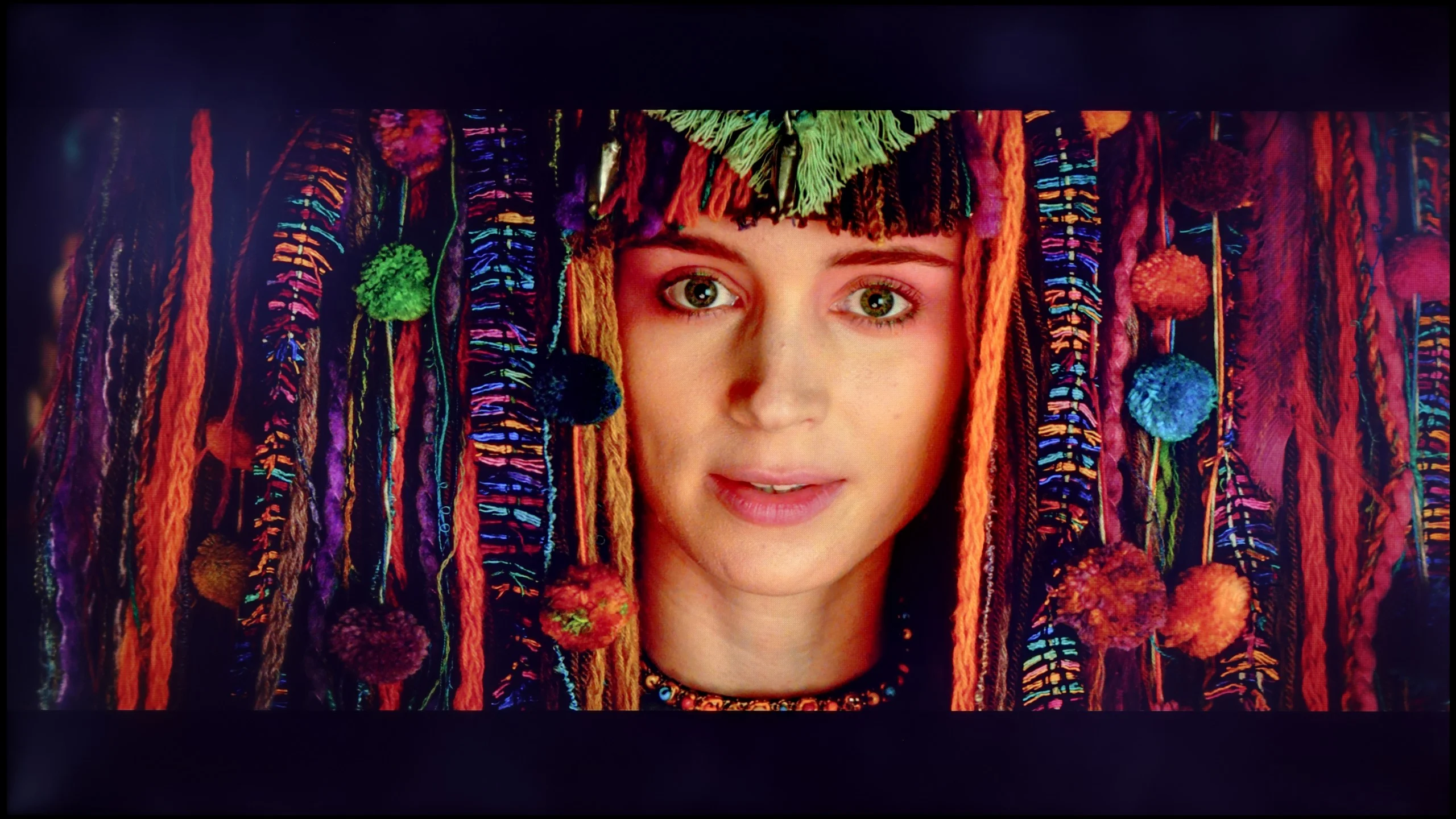
Scene from the movie “Pan” (about 2800 nits)

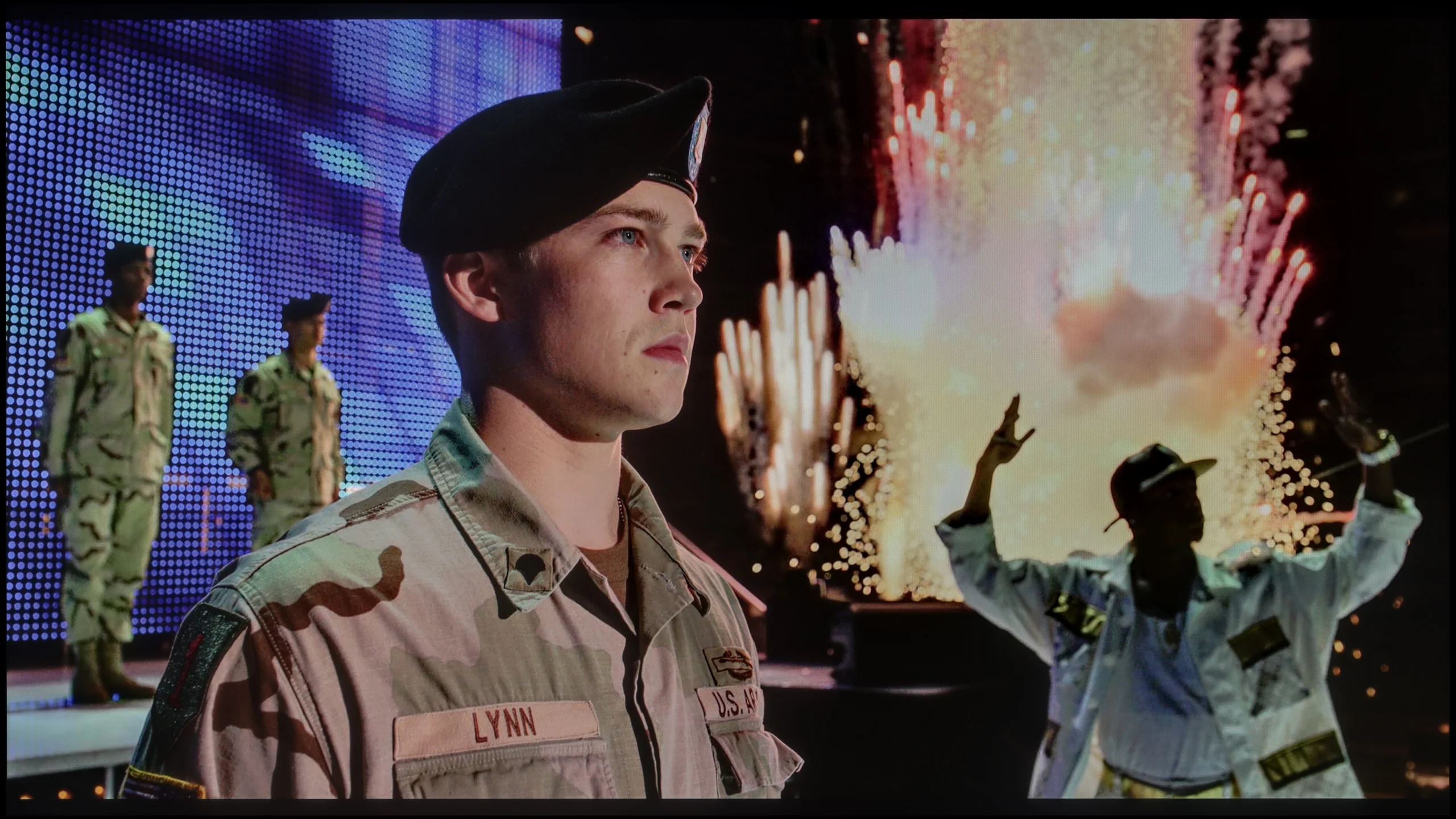
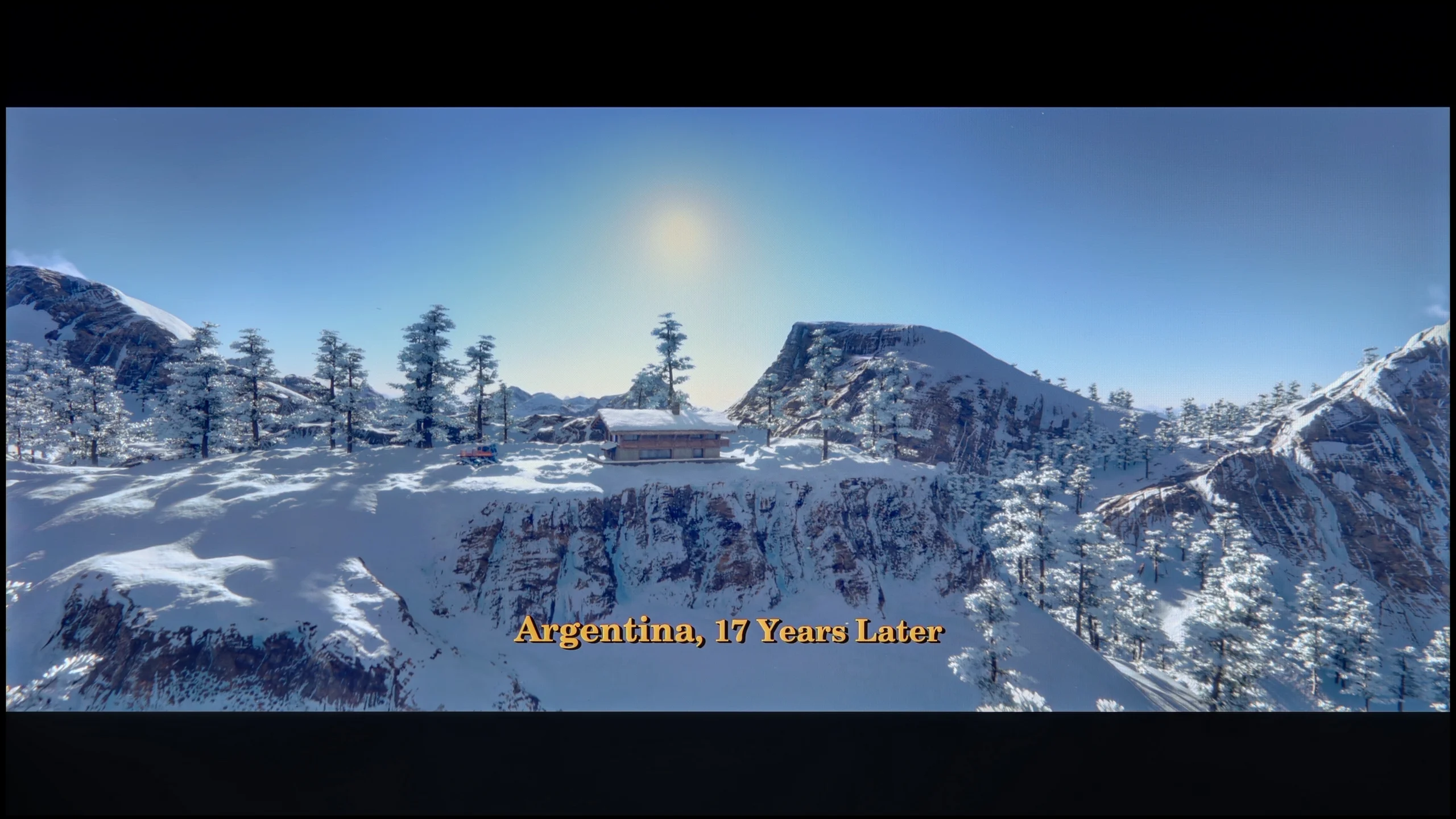
Scene from the movie “Billy Lynn” (about 1100 nits)

The photos show two HDR10 movies. 'Pan' is one of the brightest productions ever made, while 'Billy Lynn' (soldier) has brightness typical of streaming (Netflix, Prime, HBO MAX). Notice the intensity of effects and detail in whites.

Static HDR10

The photos present the visibility of white details in various HDR formats. They do not show brightness differences between TVs (these can be compared in the previous gallery).

Dynamic: Dolby Vision

Dynamic: Dolby Vision

The photos present the visibility of white details in various HDR formats. They do not show brightness differences between TVs (these can be compared in the previous gallery).

HDR luminance chart:

SONY BRAVIA 3 II (XR35M2)

Dreame S100

The Dreame S100 is a relatively bright television. In movie mode, the brightness we measured reached around 600 nits. This is a really good result, although not the highest when considering the competition at this price point. In fullscreen scenes, it is evident that the television can produce an image that impresses with its brightness. Unfortunately, when more complex scenes appeared on the screen, the local dimming algorithm in this model primarily focused on maintaining the deepest blacks. However, this came at the expense of HDR performance – and in a drastic manner. In such scenes, the brightness of bright elements dropped below 100 nits, which is a frankly tragic result, far from any HDR effect. One can improve this aspect, but not without a "however." It is simply necessary to change the local dimming setting in the television's menu, but then the blacks in such scenes simply become grey. It's a pity that Dreame couldn't better refine the local dimming algorithms, and the S100 is another example that the sheer number of local dimming zones does not always translate to a better image. As a consolation, it is worth adding that the Dreame S100 is advertised as a "QLED" type television, although in reality it uses a PFS LED filter. As a result, the colours are appropriately saturated, and the colour gamut coverage of DCI-P3 we measured exceeded 94%.

Bravia 3 II is certainly not a TV that tries to impress with brightness. In our measurements it reached about 450 nits, so it falls well short of the brightest models on the market. That does not mean HDR is just a paper feature. Compared with ordinary SDR material, the brightest elements of the image can already come through noticeably, and reflections, highlights and stronger exposures have a bit more energy and stand out better from the rest of the scene. This is most obvious in simpler shots where the screen displays many bright elements. Then the Bravia 3 II can give a hint of a higher dynamic-range picture. The problem only begins with more demanding content, where much greater brightness headroom is required. There the TV quickly shows its limitations and instead of powerful, striking HDR we get only a competently rendered picture.

Colours

Bravia 3 II uses a QLED-type panel, although technically it does not use a classic quantum dot layer. Instead Sony has used a solution based on PFS phosphor, which performs a very similar role: it allows more saturated reds and greens and thus enables a much wider colour gamut. In measurements DCI-P3 coverage was around 94%, and the very wide BT.2020 around 74.4%. These are good results for this class of hardware, which mean the Bravia 3 II has no problem reproducing sufficiently saturated colours in HDR content. Colours do not look washed out, and more intense hues can look genuinely attractive.

Factory color reproduction

5/10

6.3/10

This gallery shows how colors change after professional TV calibration. If you notice the difference, we recommend ordering this service at SkalibrujTV.com.

Factory Mode

After calibration

This gallery shows how colors change after professional TV calibration. If you notice the difference, we recommend ordering this service at SkalibrujTV.com.

Factory Mode

After calibration

We tested the Dreame S100 in 'movie' mode and we definitely recommend using this setting for watching all types of content. Interestingly, within the deeper settings of the television, we also find a dedicated 'Filmmaker' mode, which is now available from almost every manufacturer. However, in the case of the Dreame S100, we do not recommend using it – it blocks all settings related to the picture and does not allow for any configuration in the menu - even motion smoothing. So, how do the factory colours of the S100 fare? Not too badly, but also not the best. The television itself was quite heavily tinted with blue components, which is clearly visible in our white balance measurements. This made the picture artificially brightened, and the colours had a slight bluish tint. This is confirmed by the Color Checker palette, which showed how the colour samples tend to drift towards blue, generating quite significant colour errors. The picture in HDR mode looked definitely better, where the colour errors were not as prominent, although they still fell far from perfection. Here, the white balance was also shifted too much towards blue, causing considerable errors in colour reproduction.

In Professional mode the Bravia 3 II already delivers a fairly good level of colour reproduction straight out of the box. In SDR the most noticeable issue is a slightly low gamma, which makes the midtones a little brighter. White balance isn't perfect either; as brightness increases the blue and red components become slightly lacking, so whites can at times take on a marginally warmer, faintly greenish tint. These are not faults that immediately catch the eye when watching a film. Average error values hover around 3, so the factory setting can be regarded as quite good. The situation is similar in HDR. Here too there is a slight lack of the blue component, so the image is marginally warmer than the reference, but the difference is not large enough to significantly interfere with normal viewing.

Color reproduction after calibration

7.5/10

8/10

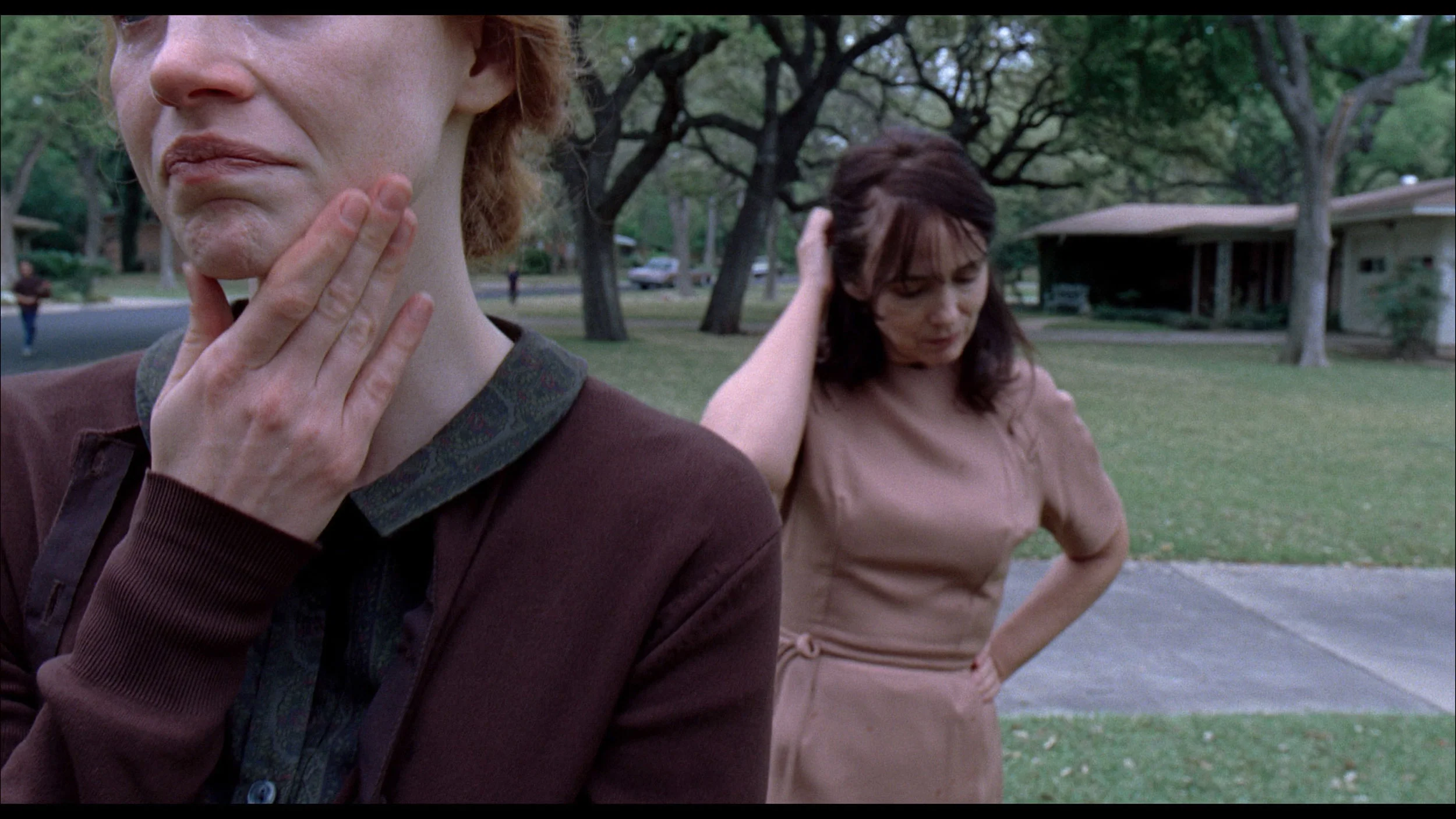
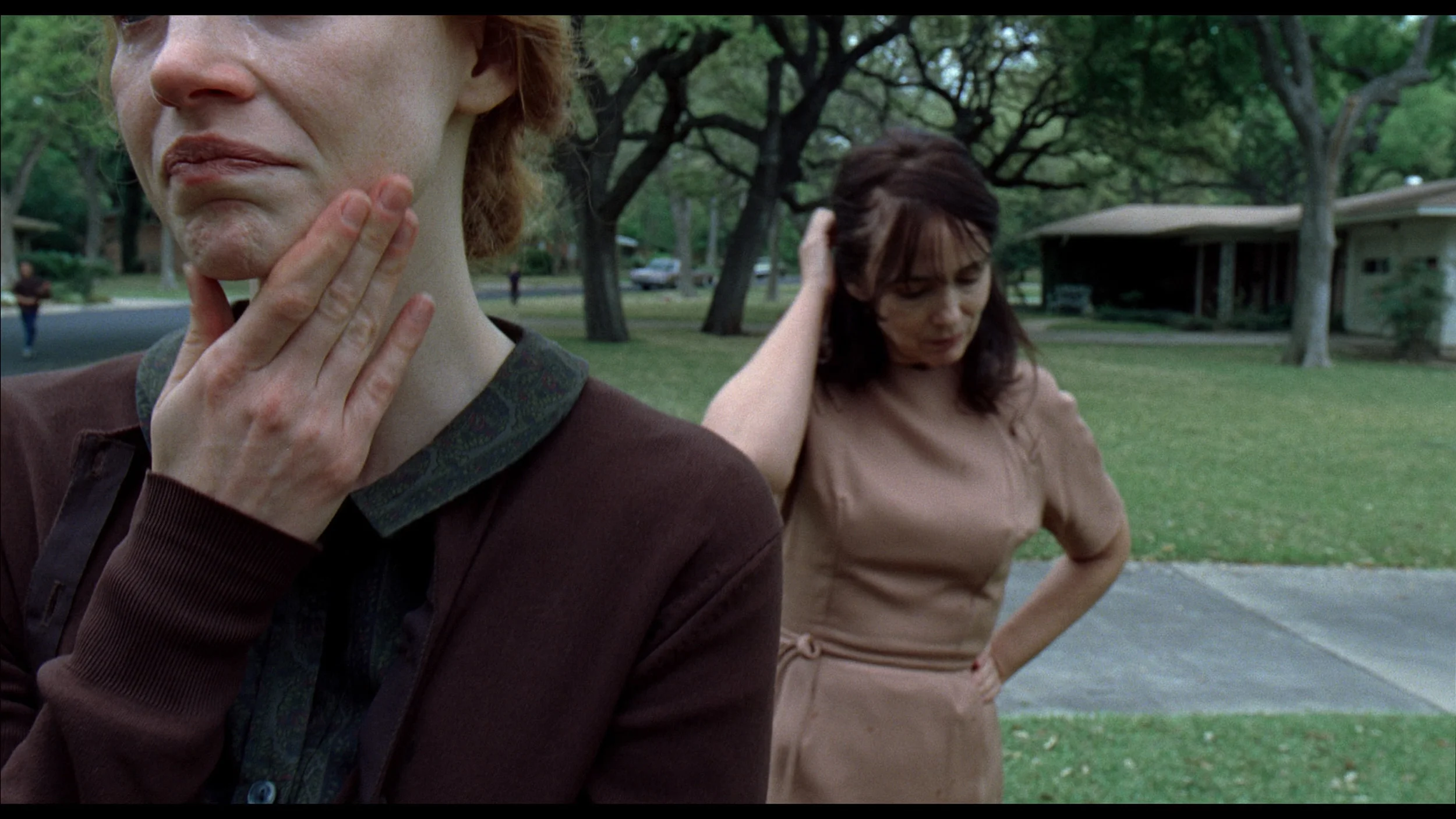
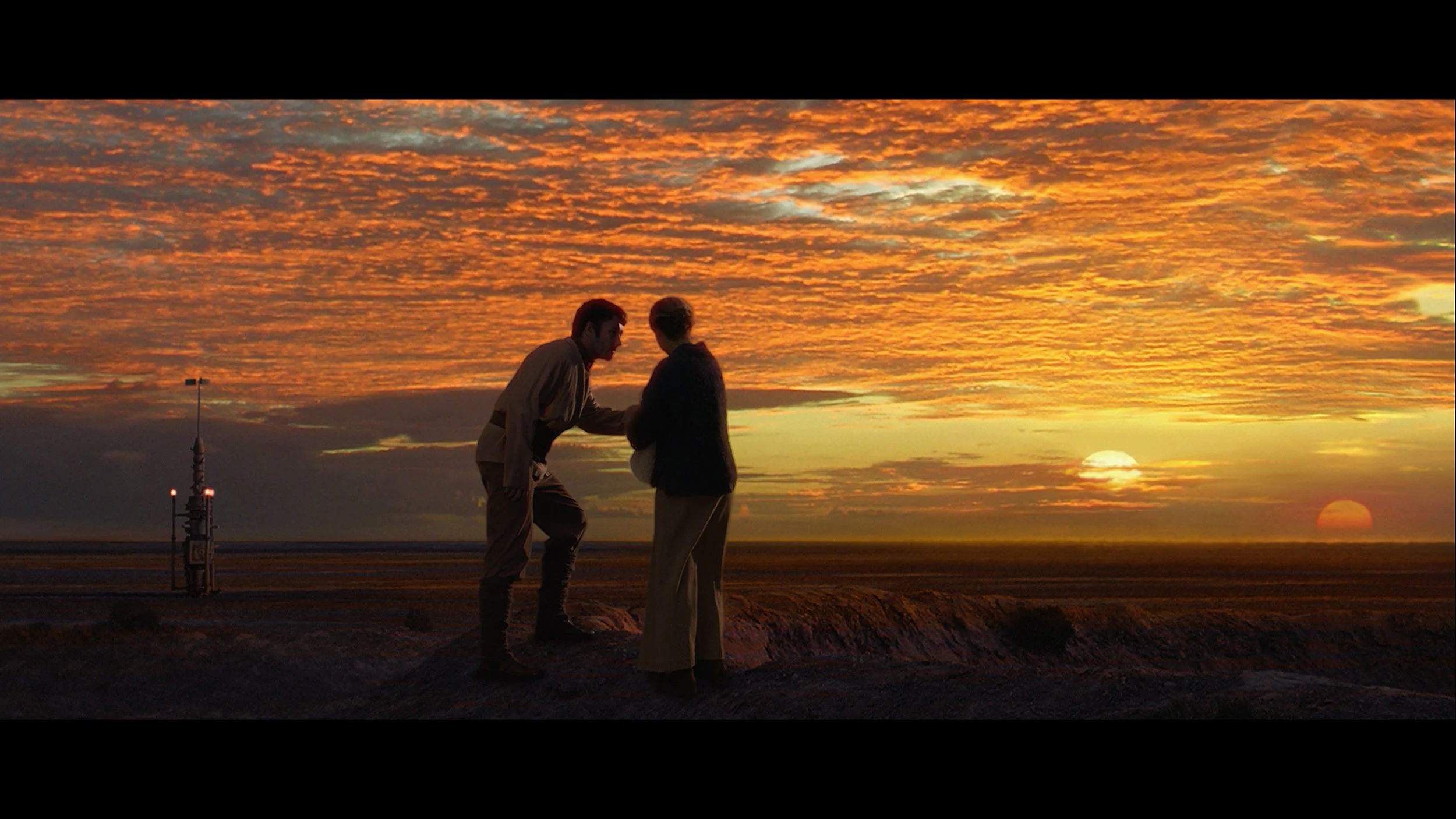
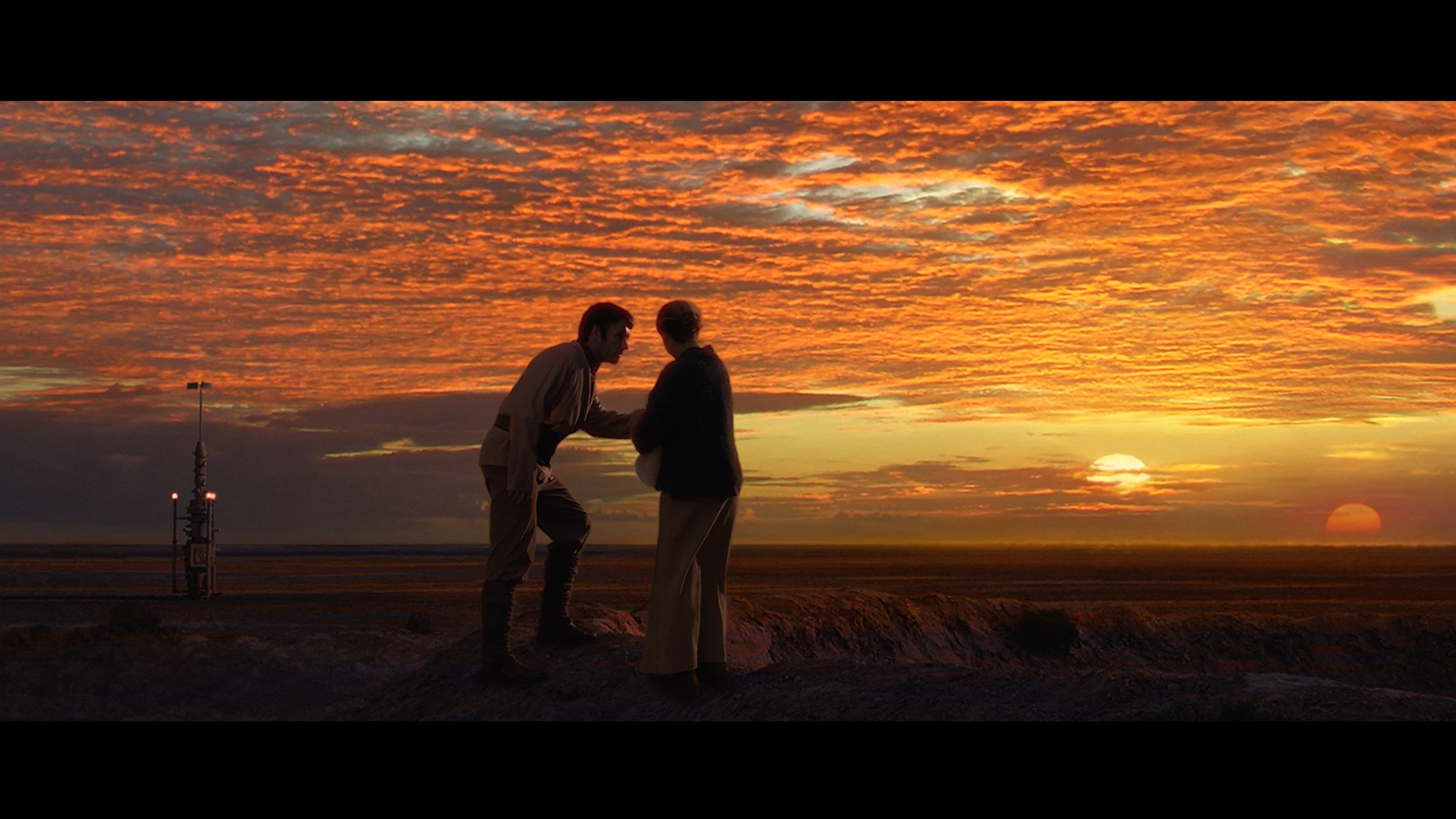
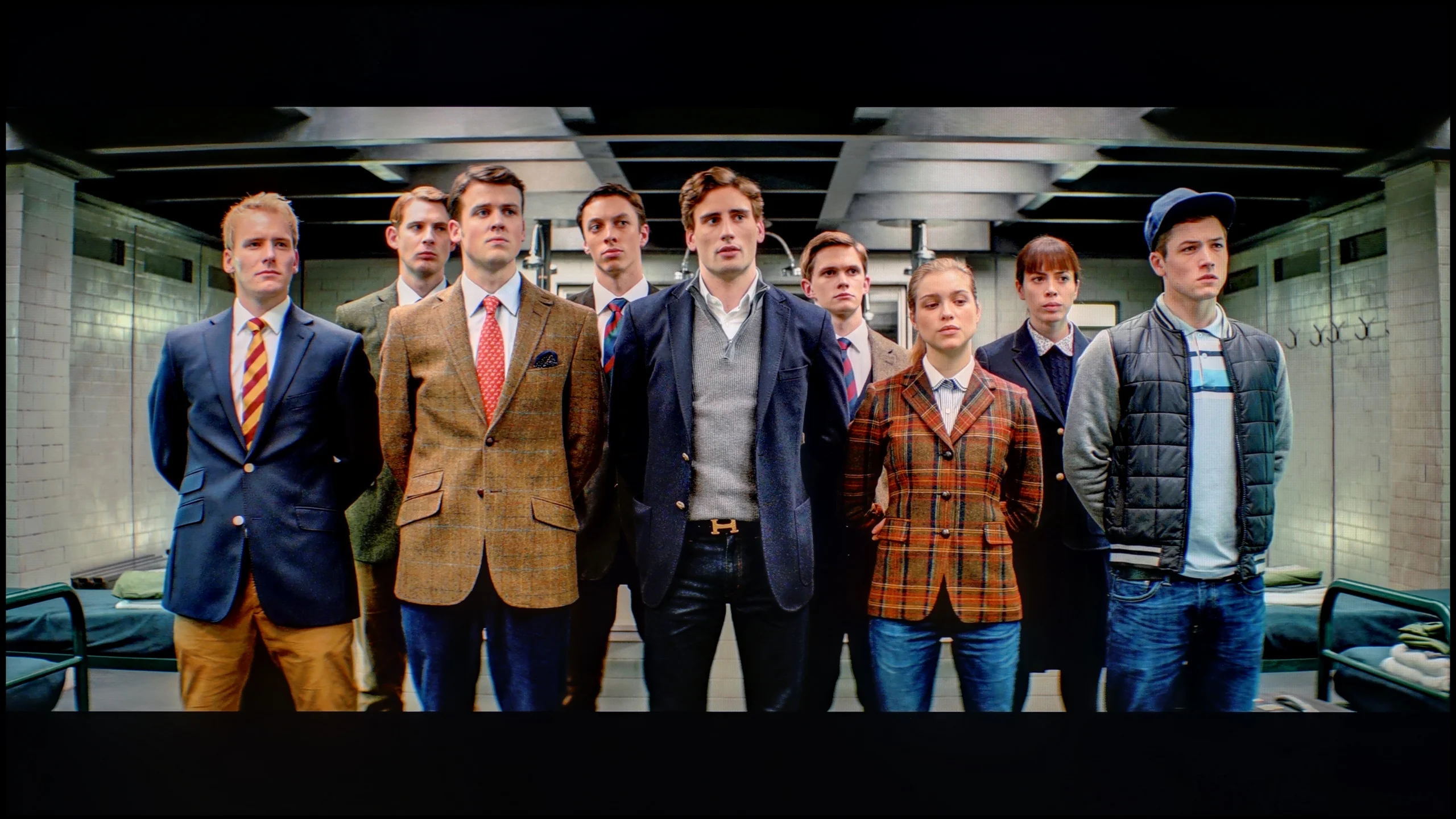
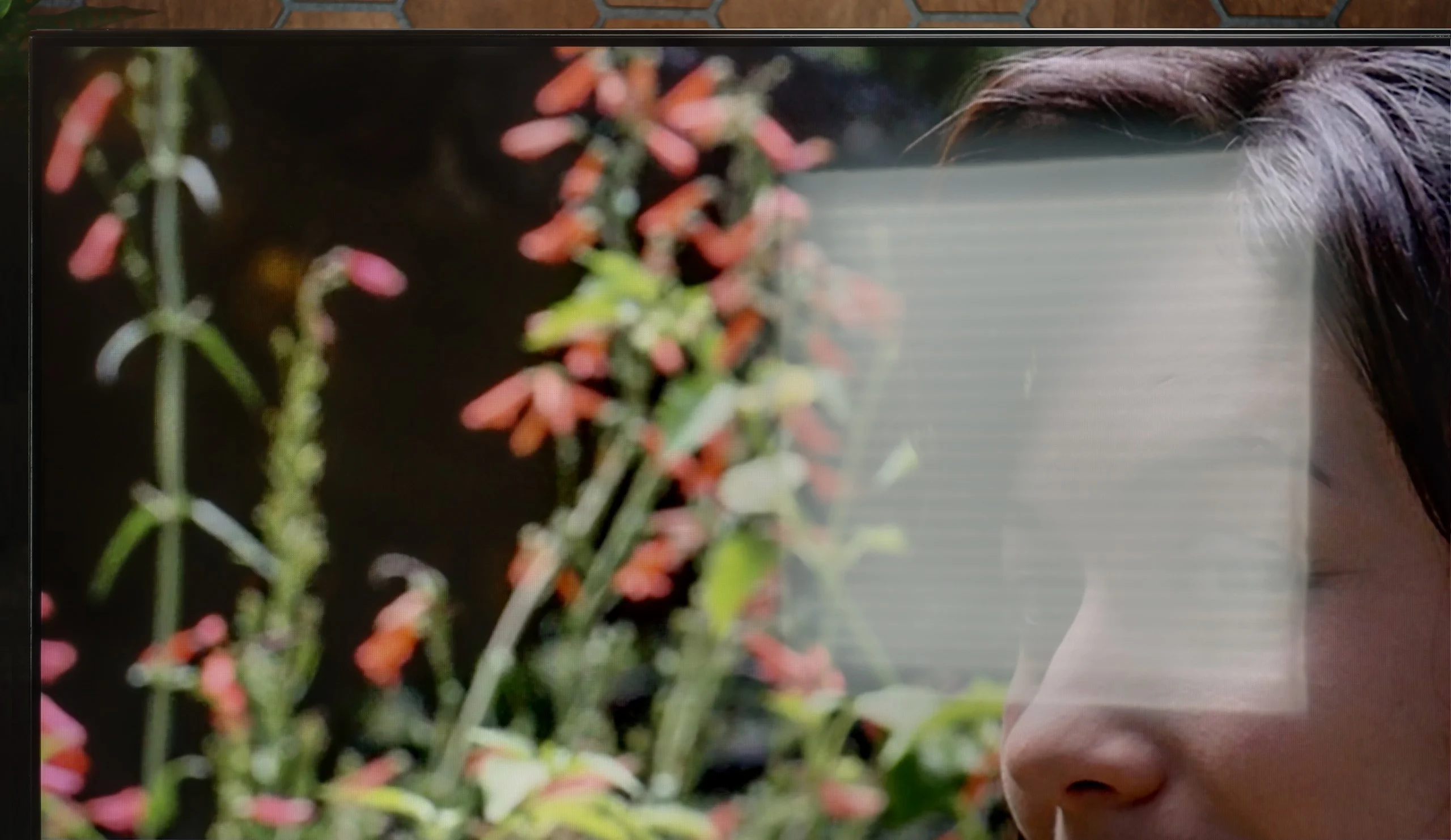
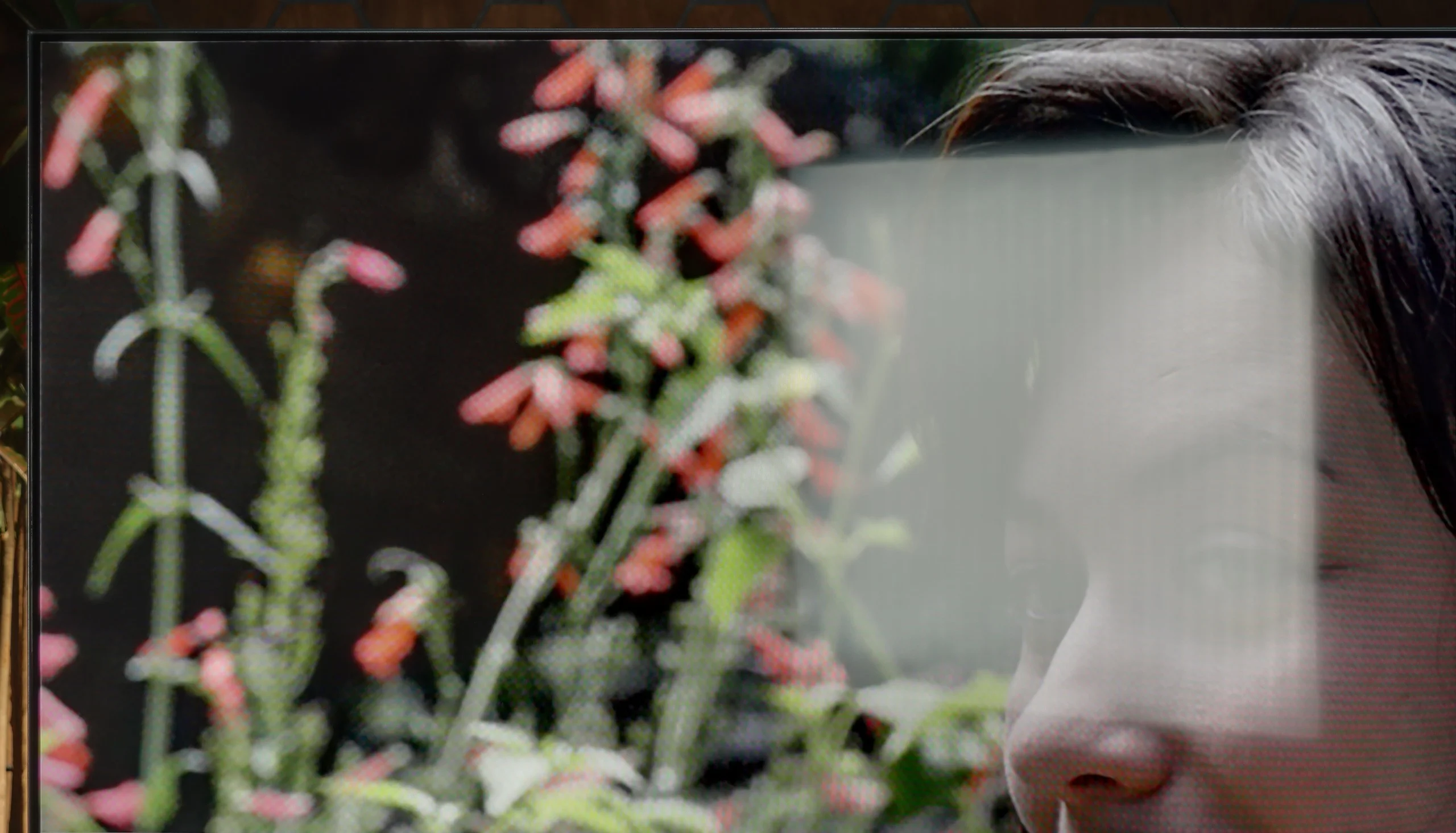
The photos show how movies look on the TV. Pay attention to black detail visibility, colors, and shadow tint.

The photos show how movies look on the TV. Pay attention to black detail visibility, colors, and shadow tint.

The Dreame S100 has proven to be a device very amenable to professional calibration. In its menu, we found a plethora of advanced options that allowed us to effectively correct factory errors. Thanks to advanced white balance correction – both in SDR and HDR content – we completely eliminated the excess blue components. The image immediately became much more natural and pleasant to the eye. After fully tuning the colours, the errors in the Color Checker test dropped below Delta E values of 2-3. For the average viewer, this means that any colour distortions have become nearly impossible to perceive with the naked eye. This is truly a pleasant surprise, as new brands in the television market often encounter significant issues with the correct implementation and functioning of sliders in the calibration menu. Here, everything worked as it should. The only thing we must criticise is the way the television manages its brightness in HDR. Due to the specific nature of the local dimming algorithms, anomalies can be seen on the EOTF curve we measured. Where high highlights should appear, there is a slight boosting of the curve above the reference line. In practice, this causes an unnatural brightening of some of the brightest elements in films or games. Despite this minor flaw, professional calibration brings about a huge, very positive change in this model.

After calibration, there is particularly a lot to be gained from SDR content. The white balance was set almost perfectly, the gamma practically matches the reference value, and the average colour errors fell from around 3 to about 1. That is already a level at which differences from the reference image are, in practice, very difficult to detect. The Bravia 3 II therefore shows that, despite its position in Sony’s lineup, it has quite a lot of potential for precise picture calibration. Improvements are also visible in HDR, although here it is no longer possible to avoid all the limitations of the TV itself. After evening out the colours, it is easier to notice that the EOTF curve in film content runs slightly below the reference value in places, so the Bravia 3 II gently darkens part of the image. This is not an ideal solution from a reference point of view, but in this particular TV it also has its benefits. With no local dimming and average black levels, this behaviour slightly reduces the visibility of the backlight in darker scenes and helps maintain a stronger impression of contrast. So you could say Sony partly masks the limitations of the panel this way, instead of trying at all costs to stick to the reference luminance.

Smoothness of tonal transitions

8/10

9.5/10

These are selected scenes that show smooth tonal transitions from one color to another. If you see distinct banding, it’s the TV panel’s fault.

These are selected scenes that show smooth tonal transitions from one color to another. If you see distinct banding, it’s the TV panel’s fault.

These are selected scenes that show smooth tonal transitions from one color to another. If you see distinct banding, it’s the TV panel’s fault.

These are selected scenes that show smooth tonal transitions from one color to another. If you see distinct banding, it’s the TV panel’s fault.

The transition of individual shades from one to another on the Dreame S100 performs quite well. When analysing most content in HDR10 format, we did not notice significant problems with banding. Only some very extreme and dark scenes highlighted the issue of shade stepping. However, the situation is somewhat worse with content in Dolby Vision* format. Here, the colour gradation clearly deteriorates, and the tonal transitions from one colour to another are more visible and distinct from each other. Hence, the rating of this element on our site is slightly lower when we consider viewing (on streaming platforms) in this format.

*we will add photos after the website modification 😉

In terms of the smoothness of tonal transitions, the Bravia 3 II performs very well. In most of the scenes we watched it was hard to notice any problems with blending individual shades. Gradients remain smooth both in bright parts of the image, such as skies or sunsets, and in much more challenging, dark scenes. The only thing that may stand out in our photos, especially in the darkest scenes, is the unevenness of the backlight itself. This, however, is not related to colour gradation. It is rather a consequence of using a backlight without local dimming.

Image scaling and smoothness of tonal transitions

4/10

6/10

Image without overscan on the SD signal
OK
OK
Smooth transition function
OK
OK

Smooth transition function

The match photo shows how the TV smooths weak tonal transitions in low-quality video.

Image scaling SD (576i)

The model photo shows how it handles upscaling of SD material.

For scaling and digital processing in the Dreame S100, the technology that the manufacturer proudly calls Dreamind™ Pro AI is responsible. However, it must be clearly stated that this is not a proprietary processor, but merely a marketing name for a chip made by MediaTek – more precisely, the MT5889 model. Unfortunately, we are talking about a rather outdated unit, from a time when MediaTek lagged significantly behind the competition in terms of performance. This unfortunately has a direct impact on the image as that is what this chip also deals with. The upscaling in the S100 is quite mediocre, and the processor has a tendency to heavily and artificially sharpen edges (fortunately, this can be somewhat tempered with the sharpness slider in the menu). In the options, we also find the "Contour Smoothing" feature, which theoretically is supposed to improve tonal transitions. In practice, it offers almost no improvement – setting it to any level rarely eliminates visible banding of colours, but it can unnecessarily blur elements of the image that should remain sharp.

A separate issue is the phenomenon of overscan (cropping the edges of the frame), which is noticeable here practically all the time. Although there is an option to set the screen to display the full frame in low-resolution materials, this requires activating the previously mentioned Filmmaker mode. And as you know, this mode completely blocks the adjustment of any other sliders in the picture menu. In our test tables, we marked that the television offers an option to disable overscan, as technically such a function exists in the system – however, in everyday use, when maintaining sensible image settings, you will not be able to take advantage of it.

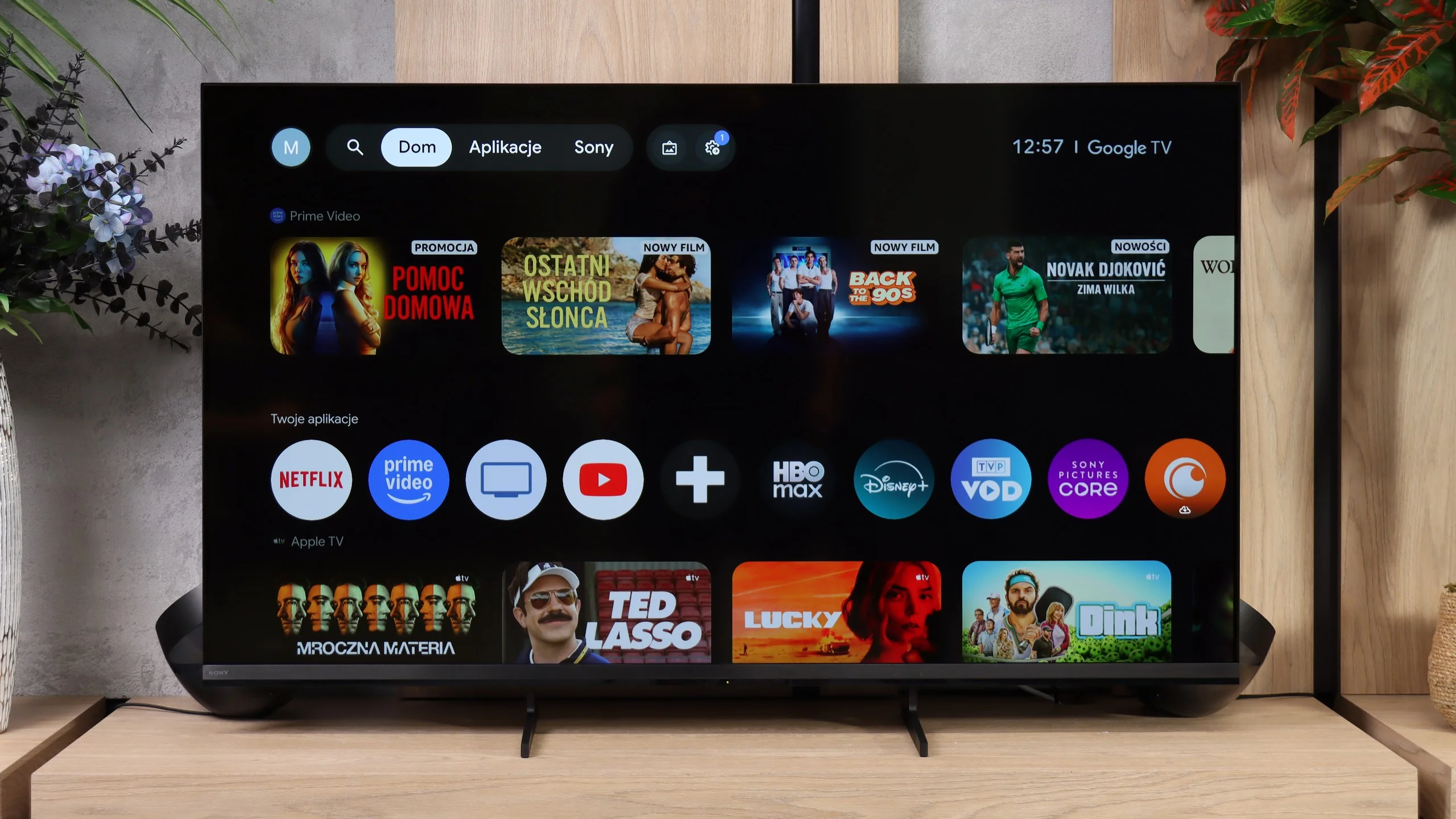
The Bravia 3 II is Sony's first TV to use the new MediaTek Pentonic 800 chipset, and there are a few changes in image processing. Starting with the basics. The upscaling itself is adequate. The TV can sensibly pull up lower-resolution material and does not have a strong tendency to over-emphasise jagged edges or other source imperfections. With regular broadcast TV or weaker streaming material the picture therefore remains quite pleasing. We have more reservations about the digital image processing. In this model Sony has replaced the well-known "Smooth Gradation" function with a new setting called "Digital Noise Reduction". Its role is essentially very similar: it is supposed to smooth unpleasant tonal transitions and artefacts resulting from heavy signal compression. Unfortunately, this function performs noticeably worse than before. At the "High" setting (the only one that had any visible effect) the TV can smooth away too many elements of the image at once, causing film grain to disappear and the texture of objects or even skin to start looking unnatural. Worse still, the effect is not particularly stable. When a scene contains more motion, the function's effect clearly weakens and at times it looks as if the TV stops intervening in the picture altogether. For everyday viewing we therefore would not recommend using it at a high level. It can help on a static shot, but the price is often an excessive loss of detail.

Blur and motion smoothness
7.7/10

8.2/10

Maximum refresh rate of the panel
144Hz
120Hz
Film motion smoothing option

OK
OK
Blur reduction option
OK
OK
BFI function 60Hz
No
Yes, 120Hz (double contours)
BFI function 120Hz
No
Yes, 240Hz (double contours)
Brightness drop with BFI
-%
25%

Blur (native resolution, maximum refresh rate):

Blur (BFI function enabled):

Blur (4K@144Hz):

Blur ():

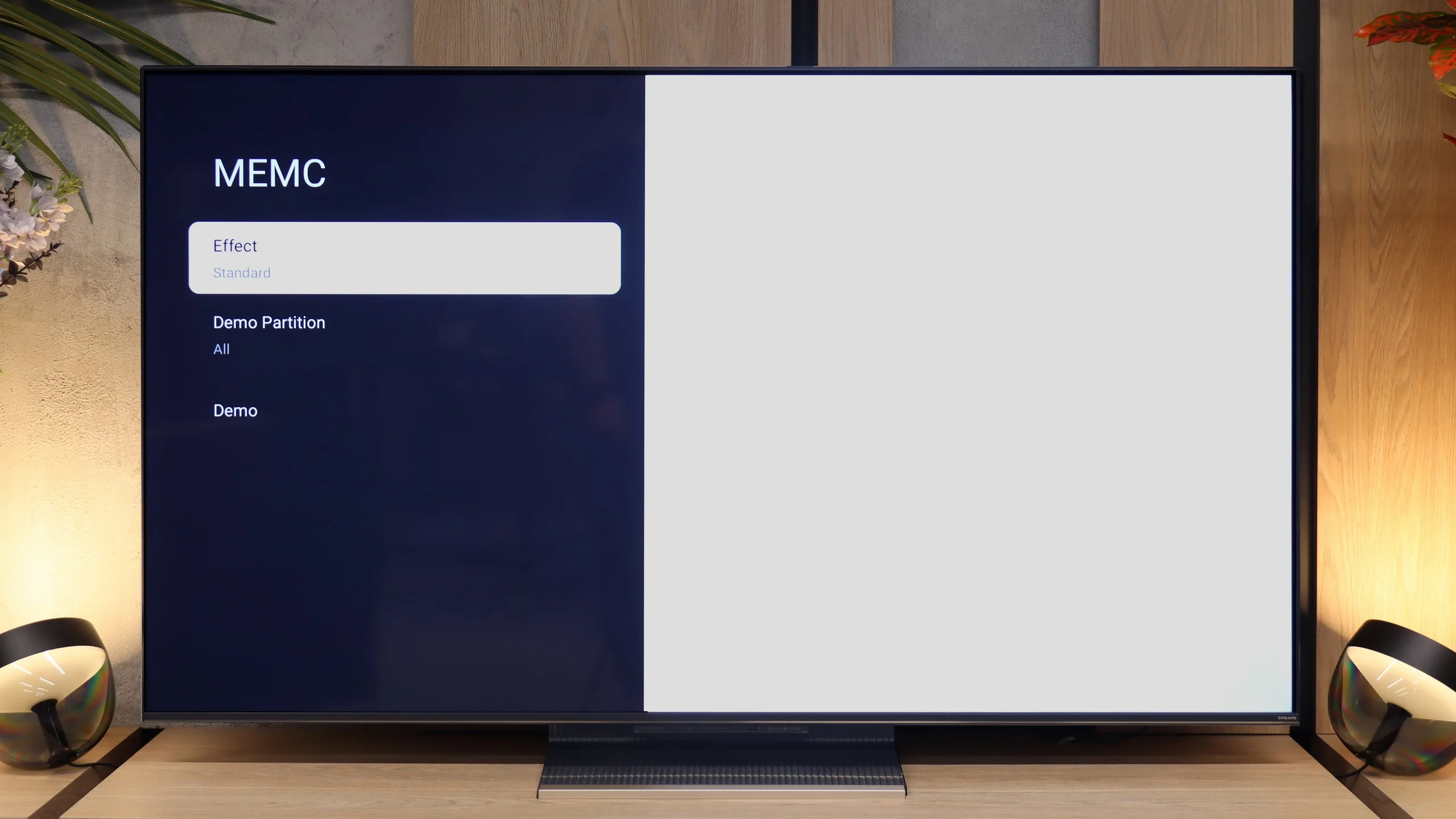
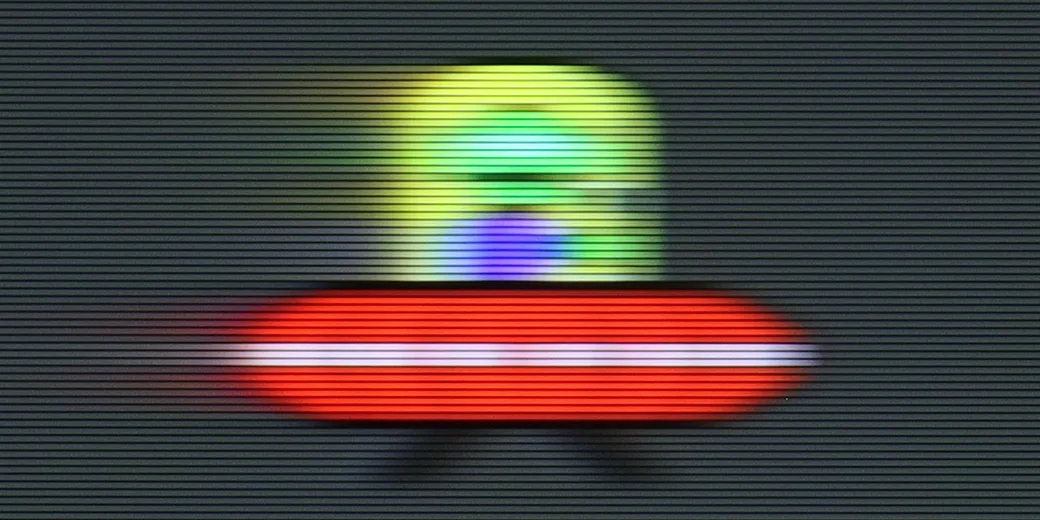
When it comes to motion fluidity, the Dreame S100 performs really well. It features a panel with a refresh rate of 144 Hz, although in reality, the vast majority of people using it in a traditional way will still be limited to 120 Hz (as this is the maximum supported by today's equipment apart from PCs). Thanks to the high refresh rate, the image in motion remains really sharp, largely thanks to the well-functioning MEMC smoother. In the menu, we find predefined modes that allow the television to efficiently generate artificial frames, which effectively improves the fluidity of dynamic sports scenes, but also eliminates image stuttering in film and series materials recorded at 24 frames.

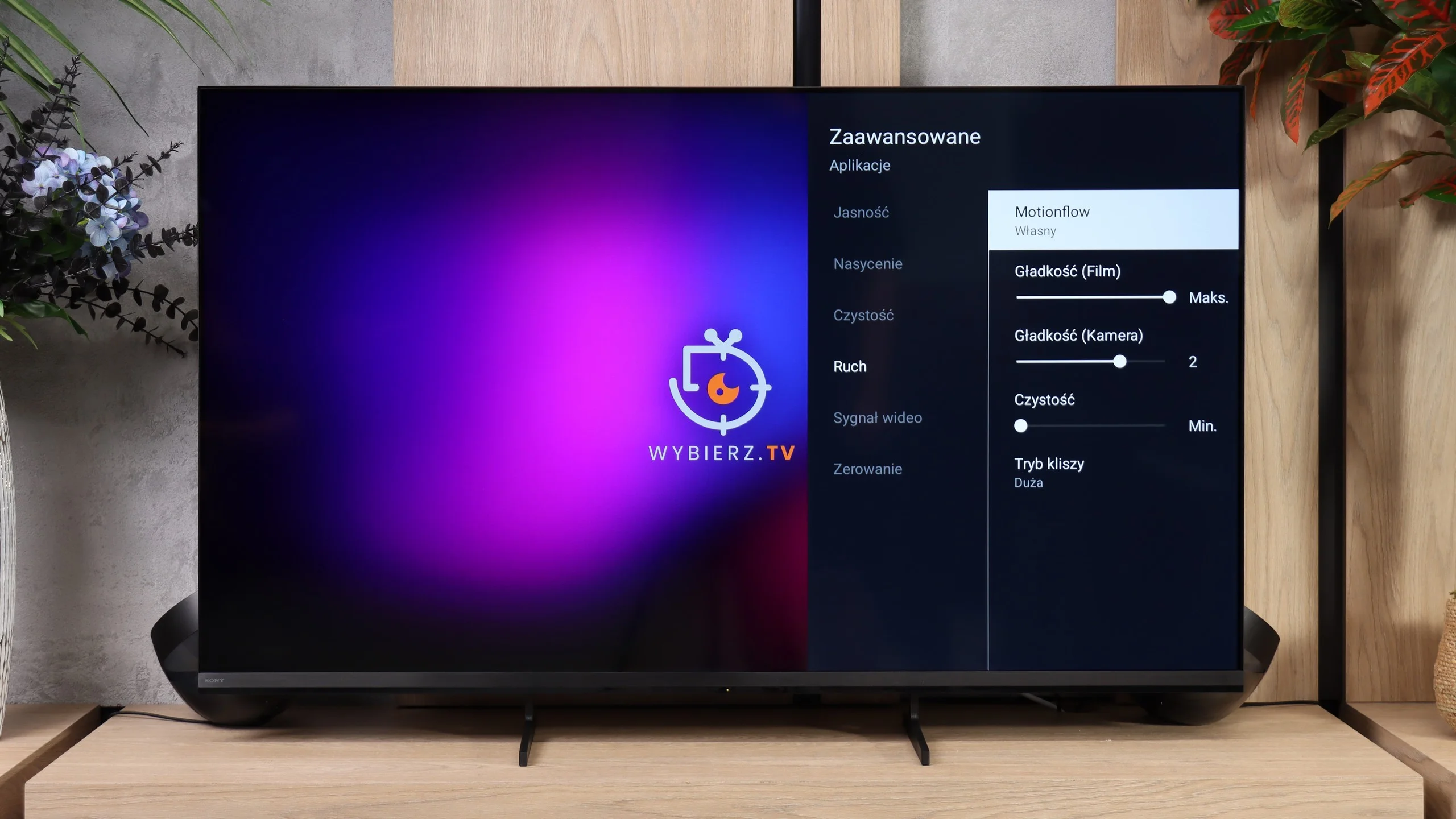
Motion handling is definitely one of the Bravia 3 II's strongest points. The TV uses a 120Hz VA panel, a solution that, by nature, despite the high refresh rate, does not always cope well with motion blur. Here, however, Sony has managed to keep that problem very well under control. Fast-moving objects remain crisp, and the characteristic trails and blurring are reduced to a very low level, if not to zero. It is one of the least motion-blur-prone LCD TVs we have tested. Interestingly, in this respect the Bravia 3 II can even outperform the much more expensive True RGB flagship series, the Bravia 9 II.

Console compatibility and gaming features

7.8/10

8.1/10

  • ALLM
    Yes
    Yes
  • VRR
    Yes
    Yes
  • VRR range
    48 - 144Hz
    48 - 120Hz
  • Dolby Vision Game Mode
    Warning Yes, high input lag
    Yes
  • Correct implementation of HGIG
    No
    No
  • 1080p@120Hz
    Yes
    Yes
  • 1440p@120Hz
    No
    No
  • 4K@120Hz
    Yes
    Yes
  • Game bar
    Yes
    Yes

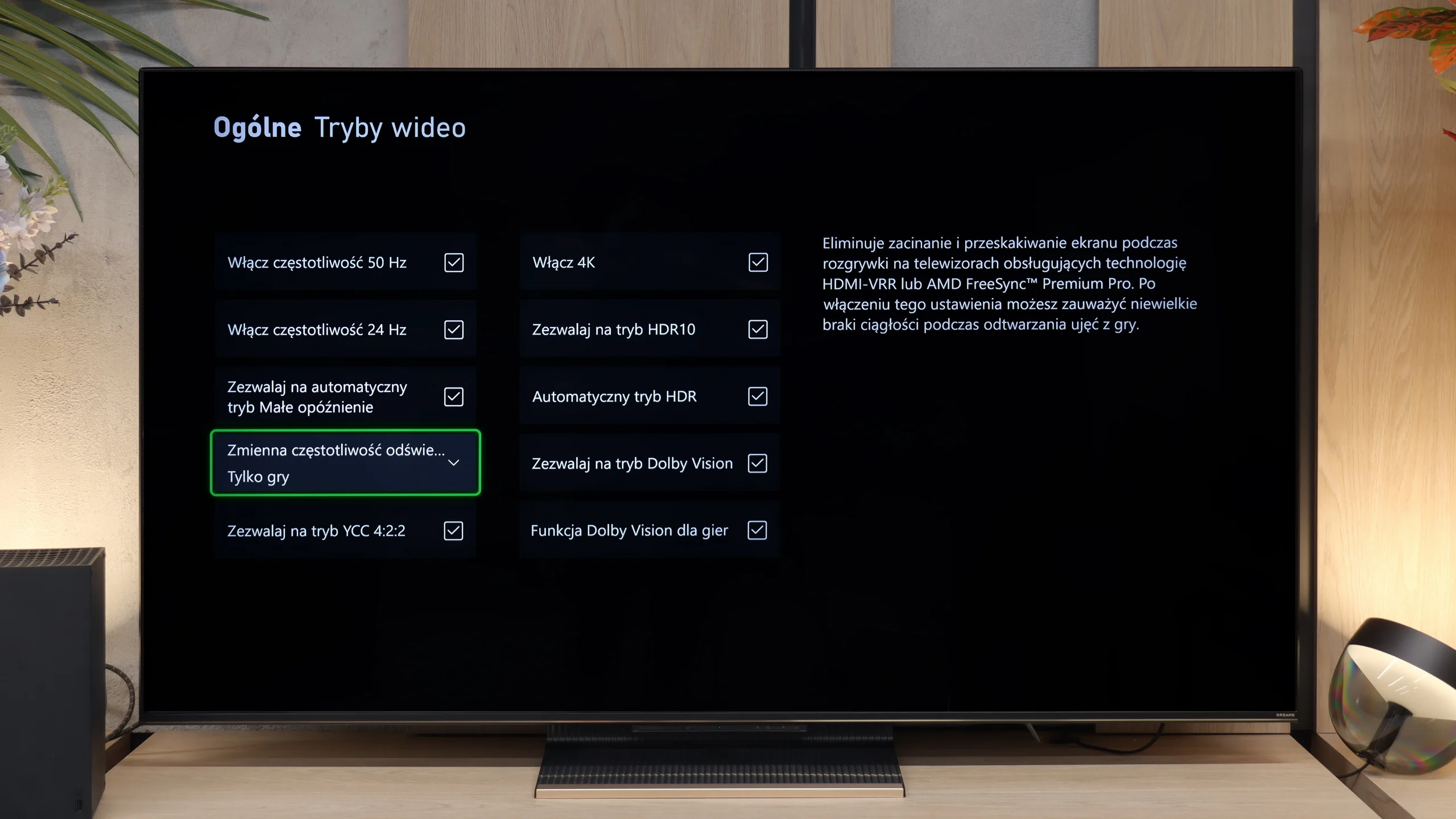
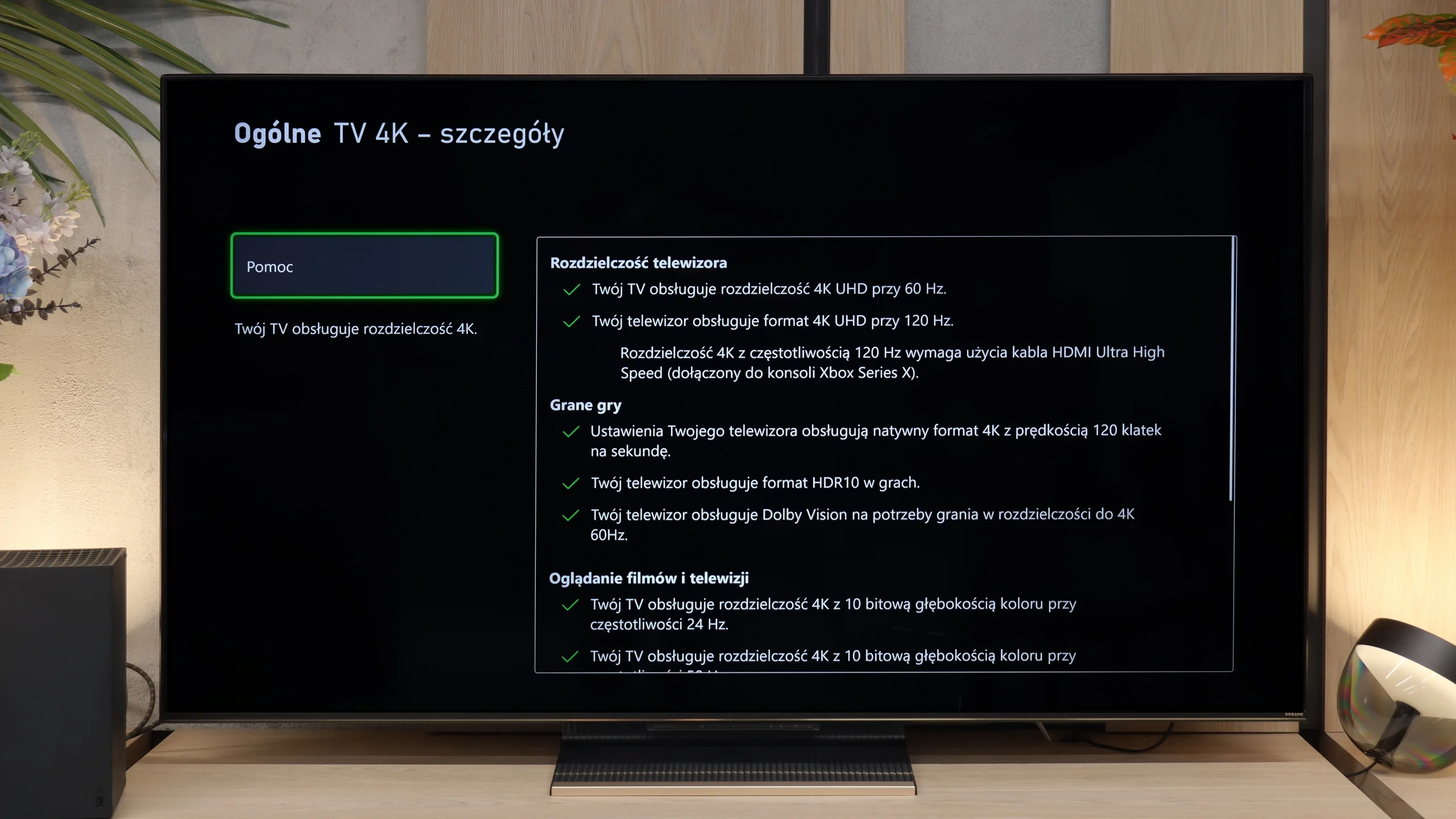
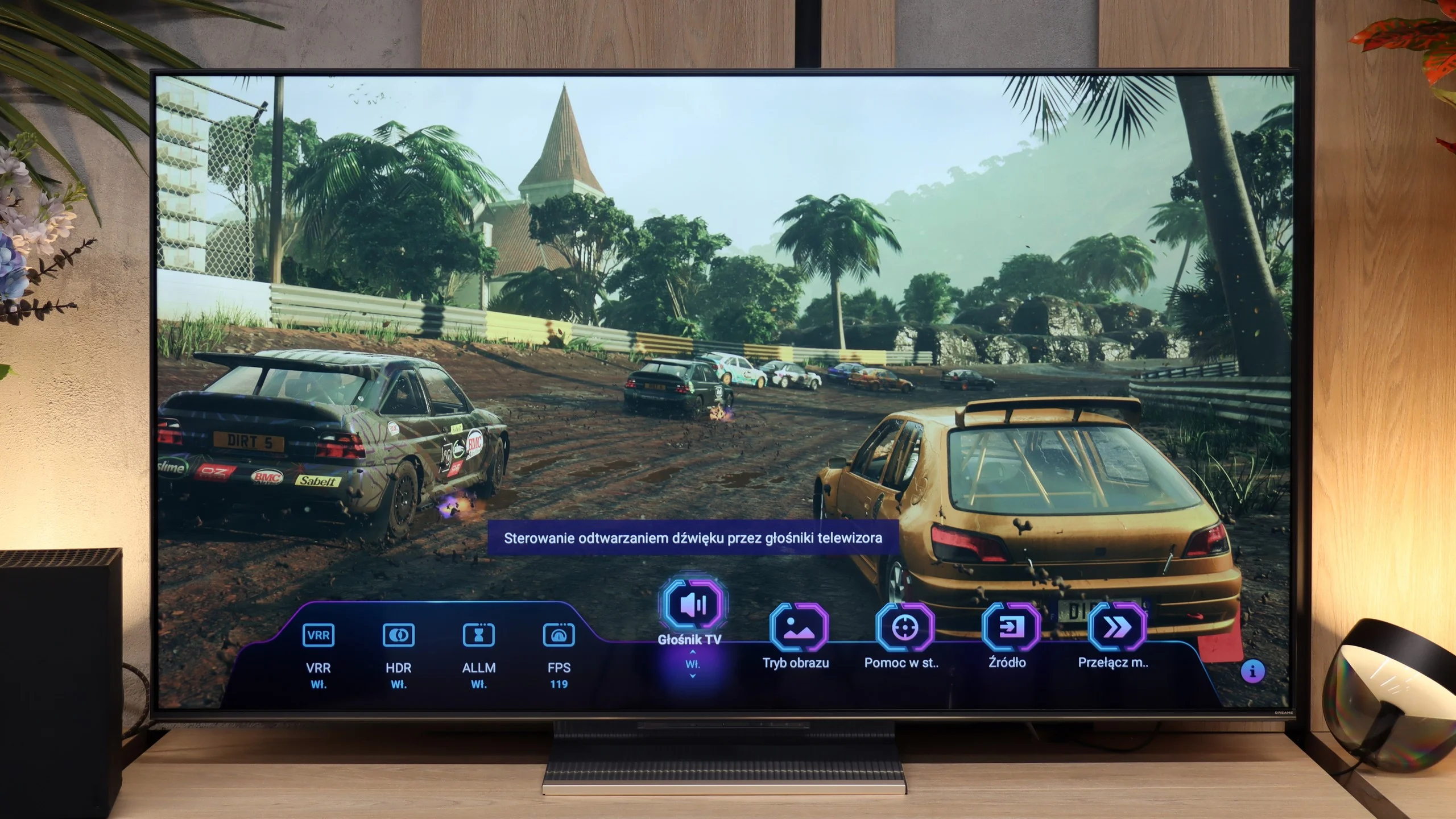
The Dreame S100 seems almost like the perfect screen for a gamer. The television is equipped with 2 HDMI 2.1 ports with a bandwidth of 40 Gbps, which means that functions like automatic game mode (ALLM) and variable refresh rate (VRR) ranging from 48 to 144 Hz work seamlessly on consoles. It also features a well-designed gaming panel (Game Bar), allowing users to continuously monitor important parameters—from active picture modes to the number of frames rendered by the console, and even the option to add a crosshair in the middle of the screen. All of this looks great on paper; however, the biggest problem with the S100 is the implementation of HDR mode in games. The television does not have the HGiG format implemented correctly. As a result, an unsuspecting user may incorrectly configure the console when first using the screen. Poor configuration can lead to an image that is too dark or too washed out (as a guideline: we suggest setting the brightness in the Xbox console menu to around 600 nits, and in the PS5 to 12 clicks). The Dolby Vision format also proves problematic, as it often would not activate at all between the XBOX and Dreame S100. And when it was finally managed to be activated, playing was not possible due to a very high input lag often exceeding 100ms. If the manufacturer can improve the HDR issue in games via an update, the S100 will be truly excellent hardware for gamers. For now, however, compromises need to be accepted.

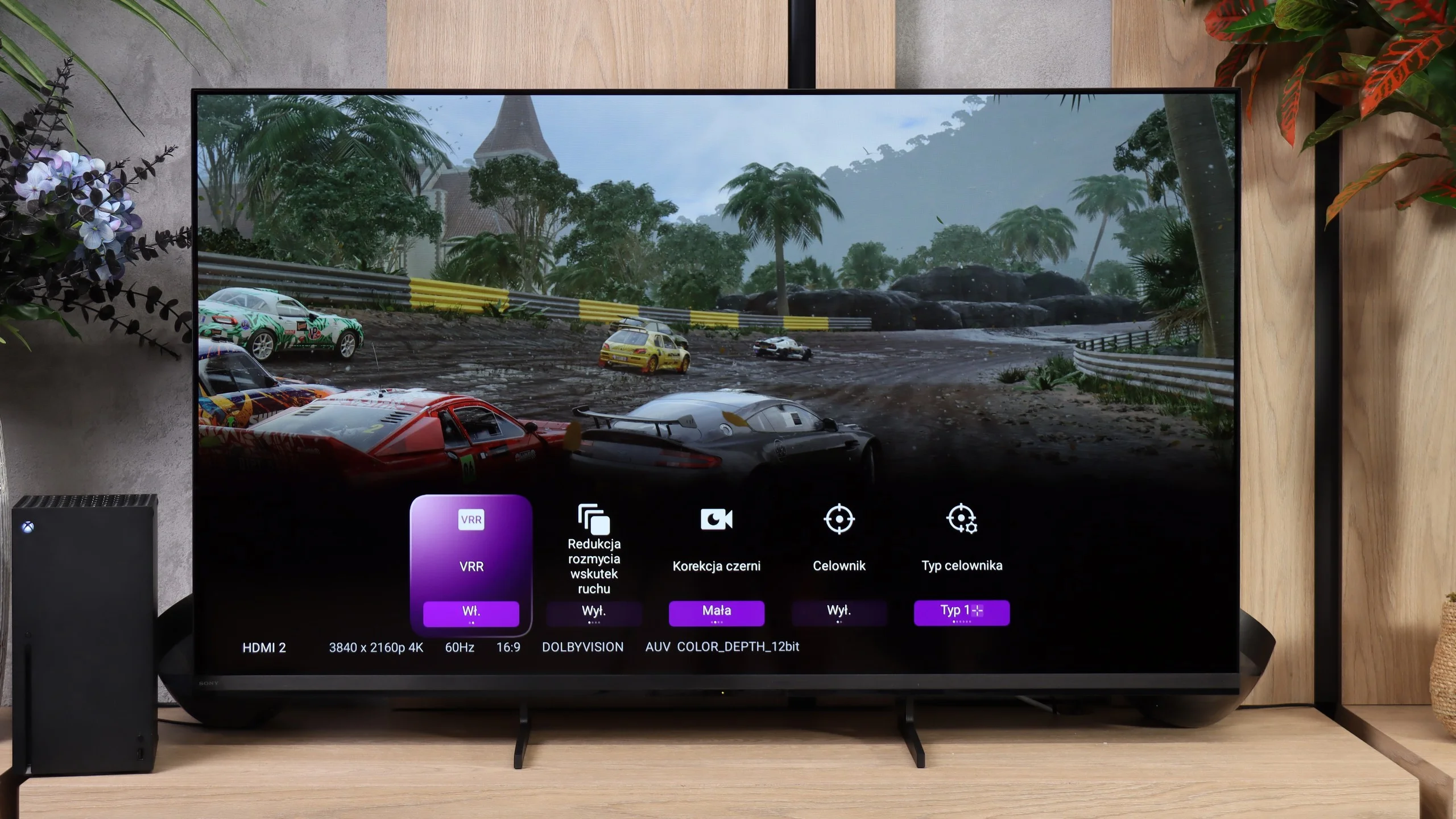
Sony Bravia 3 II is a very good TV for gamers, although not everything has been implemented exactly as we would like. The biggest change concerns the connectors. For the first time in a Sony TV we get as many as four full HDMI 2.1 ports with 48 Gb/s bandwidth, thanks to the new MediaTek Pentonic 800 chipset. That removes one of the issues that has plagued this manufacturer’s TVs for years. We can connect several devices at once and on each input use the device’s full capabilities, for example VRR or ALLM. There is also a simple Game Bar that lets you view key signal parameters and change a few useful settings, such as black level, when you want to improve visibility in darker parts of a game. However, there are two limitations worth knowing. The first is the lack of support for 1440p at 120 Hz. That will not be a problem for everyone, but people using that resolution on a console or PC, for example to get higher frame rates in certain games, will have to choose 1080p. We have more reservations about HGiG support. Sony does not allow you to disable the TV’s tone mapping on the Bravia 3 II, so the screen is always processing HDR content even when you would prefer to leave that task to the console. This is most obvious during HDR setup — the checkerboard pattern does not disappear at the point that corresponds to the TV’s actual capabilities. That does not mean HDR in games will look bad. You just need to approach the setup a little differently and, instead of relying on the pattern, manually set the peak brightness to around 450 nits. The issue can be worked around, but you should know about it before you start setting up the console.

Input lag

9.2/10

9.9/10

SDR

1080p60
15 ms
14 ms
1080p120
6 ms
8 ms
2160p60
15 ms
14 ms
2160p120
6 ms
8 ms

HDR

2160p60
15 ms
14 ms
2160p120
6 ms
8 ms
4320p60

Dolby Vision

2160p60 DV
127 ms
14 ms
2160p120 DV
18 ms
8 ms

Aside from the aforementioned issue with Dolby Vision, the input lag on the Dreame S100 is really very low. Values around 5-6 ms at a refresh rate of 120 Hz and 12-15 ms for 60 Hz are such excellent results that even a professional gamer will not be able to perceive any delay during gameplay. The response to movements on the pad is nearly instantaneous.

In terms of input lag, the Bravia 3 II performs very well. With a 120 Hz signal the input lag is around 8 ms, while at 60 Hz it rises to about 14 ms, so in both cases the response to controls is very quick and during normal gameplay it would be hard to notice any delay. It's also worth noting the TV's behaviour in Dolby Vision Gaming mode on the Xbox. In that mode input lag remains practically the same, and until recently Sony often had a noticeable problem with this.

Compatibility with PC

7.6/10

7.2/10

Chroma 444 (max. resolution and refresh rate)
No
Yes
Font clarity
Average
Good
Readability of dark text and shapes
Very Good
Average
Input lag in PC mode (4K, max. refresh rate)
6ms
8ms
Matrix subpixel arrangement
RGB
BGR
Max refresh rate
144Hz
120Hz
G-Sync
Yes
Yes

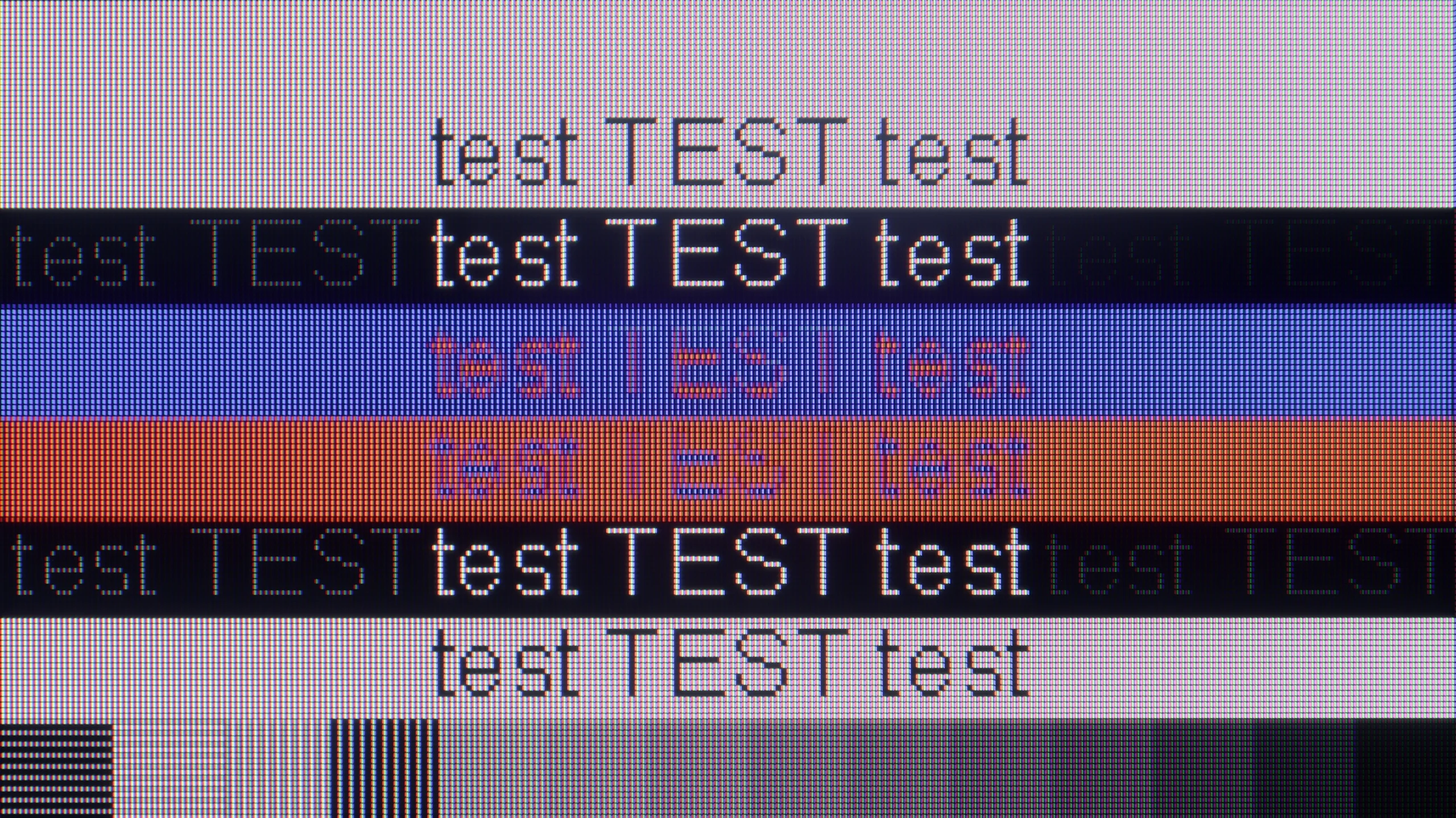
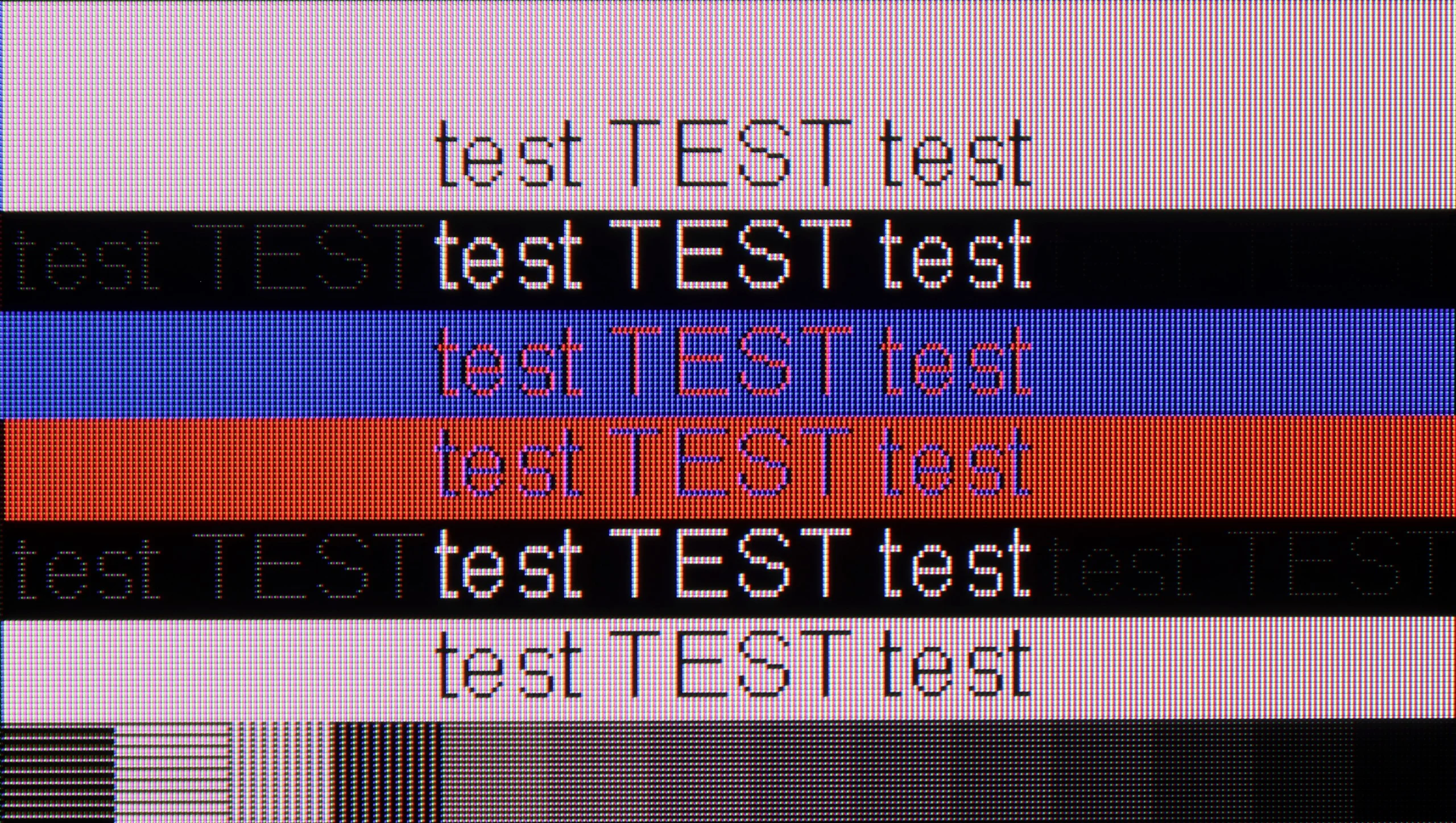
The photo shows the legibility of small fonts. Ideally, lines should be the same thickness on both light and dark text, with minimal pixel gaps.

The Dreame S100 performs well as a large gaming monitor. It has a 144 Hz refresh rate and easily supports G-Sync and FreeSync. The problem arises when you want to work with text on it. Due to a software bug, the television struggles with full colour sampling (Chroma 4:4:4) at 120 Hz and 144 Hz refresh rates, making fonts appear blurry. To make the text perfectly sharp, you need to manually lower the refresh rate to 60 Hz in Windows. This is quite a tedious solution that forces you to constantly switch settings if you want to use this screen for both work and gaming.

Interaction with a computer is generally good, although again not without a few reservations. The Bravia 3 II properly supports 4:4:4 chroma subsampling, so in typical use text and the system interface look sharp and legible. However, grey fonts are noticeable, with their vertical edges often markedly brighter than the horizontal ones. On a larger screen this is not particularly bothersome, but if someone is considering the smaller variant of the Bravia 3 II as a monitor for working with text, it is worth bearing in mind.

What bothers us more, however, is the lack of additional modes with higher refresh rates. It's not even about 144 or 165 Hz at 4K, but rather the ability to achieve smoother motion at Full HD. This solution is appearing increasingly in competitors' TVs (DLG 240Hz), while Sony still does not offer it, even in its pricier models. For most users, 4K at 120 Hz will of course be entirely sufficient, especially for consoles, but people who also use the TV as a gaming monitor for a PC may feel somewhat disappointed.

Viewing angles

6.6/10

3.3/10

Brightness drop at an angle of 45 degrees
68%
72%

The viewing angles on the Dreame S100 are really good, thanks to the ADS matrix. Unlike VA panels, this type of screen allows for viewing the image at a steep angle without a noticeable loss of colour saturation and brightness. This comes at the cost of poorer native contrast, but for most viewers (especially those with a wide sofa), it will be quite a good compromise. There is currently a lack of Mini-LED televisions on the market with good viewing angles at a reasonable price, so the S100 nicely fills this niche.

Viewing angles are fairly typical for a VA panel, simply average and, for some, probably poor. The Bravia 3 II looks best when you sit directly in front of the screen. As you move to the side, colours start to lose saturation and blacks become increasingly grey. Unfortunately, that is the price you pay for this panel's high native contrast. Watching with two or three people should not be much of a problem, but on a wide sofa those sitting at the far ends will notice a clearly worse picture.

Daytime performance

6/10

5.8/10

Panel finish
Satin
Satin
Reflection suppression
Decent
Decent
Black levels during daytime
Good
Good

Panel brightness

SONY BRAVIA 3 II (XR35M2): 447 cd/m2

Dreame S100: 463 cd/m2

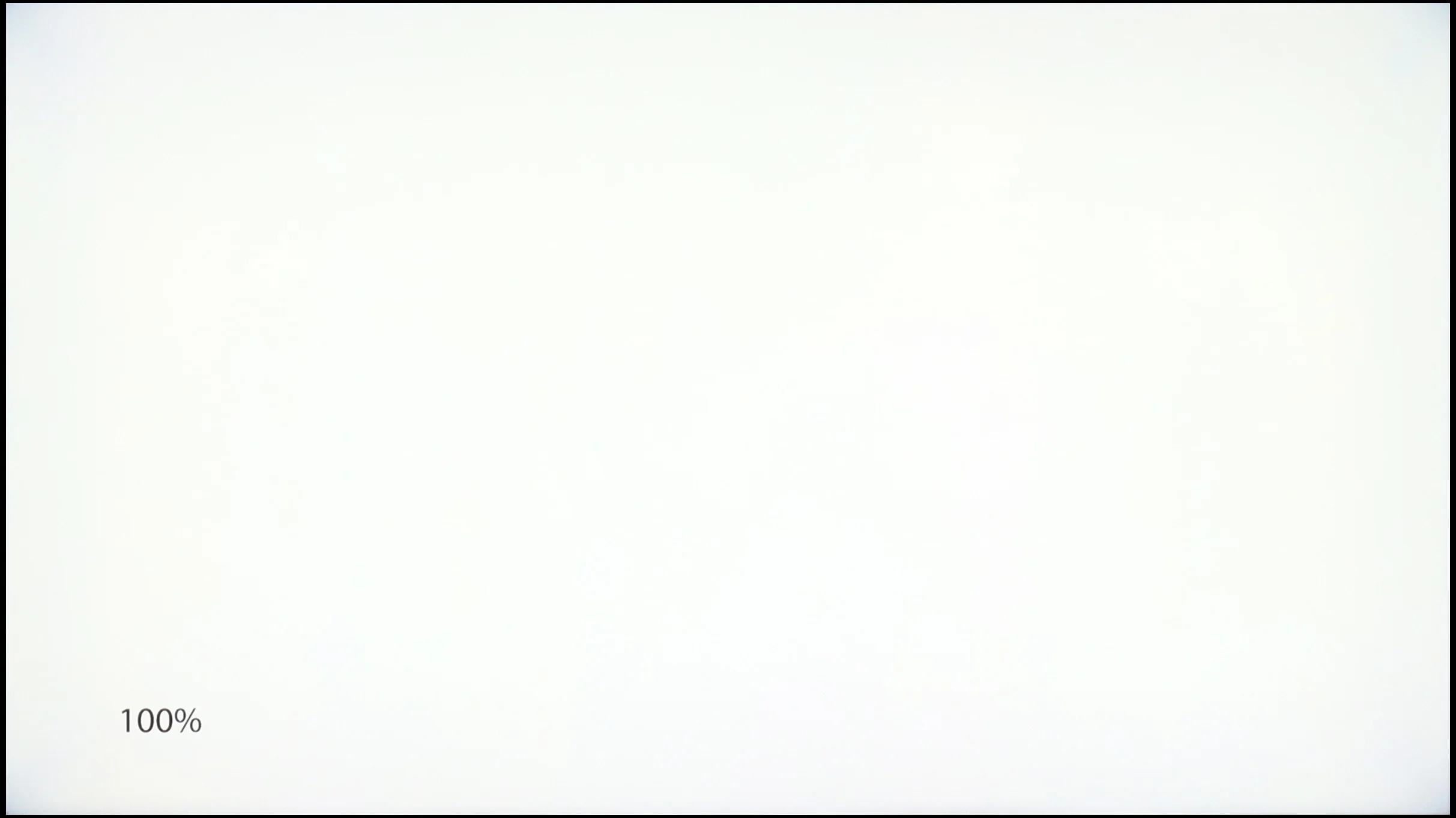
The Dreame S100 will perform without any issues in most living rooms during the day. The television is equipped with a satin coating on the panel – it may not completely eliminate reflections, but it maintains vibrant colours that do not fade in bright rooms. In terms of pure brightness, the S100 has a moderately bright screen. It can reach around 600 nits at peak in SDR format. This reserve allows it to be placed in a typically sunny room, although – let's be honest – it is not a brightness demon and may have some difficulties with direct, harsh sunlight.

In daytime the Bravia 3 II performs quite respectably, although a lot depends on where you place the TV. The applied satin coating handles reflections adequately; it doesn't act like a mirror, but strong light sources, especially a window opposite the screen, can be distracting while watching. On the plus side, the VA panel means blacks retain quite good depth in daylight and the picture doesn't immediately go grey or become heavily washed out. The brightness of around 450 nits, which the Bravia 3 II can maintain regardless of how many bright elements are on the screen, also helps. For a typical living room this will be more than sufficient and the picture remains clear during the day. However, if the TV is to be placed in a very bright room with large windows and a lot of direct light, you can find models with a noticeably more effective coating and greater brightness reserve.

Panel details

Backlight Type
Mini-LED PFS LED
PFS LED
Software version during testing
RTMA.250416.179
6140200730
Image processor
mt5889 3GB RAM
PENTONIC 800 4GB RAM

Subpixel Structure:

Panel uniformity and thermal imaging:

Review Dreame S100 TV Panel details
Review SONY BRAVIA 3 II (XR35M2) TV Panel details
Review Dreame S100 TV Panel details
Review SONY BRAVIA 3 II (XR35M2) TV Panel details

Dreame S100

SONY BRAVIA 3 II (XR35M2)

TV features

5.9/10

7.9/10

  • System
    Google TV
    Google TV
  • System performance
    Decent
    Good
  • HDMI inputs
    1 x HDMI 2.0, 2 x HDMI 2.1 40Gbps
    0 x HDMI 2.0, 4 x HDMI 2.1 48Gbps
  • Other inputs
    RCA (Chinch)
  • Outputs
    Toslink (Optical audio), eARC (HDMI), ARC (HDMI), Mini-Jack (Headphones)
    Toslink (Optical audio), eARC (HDMI), ARC (HDMI)
  • Network Interfaces
    Wi-Fi 2.4GHz, Wi-Fi 5GHz, Ethernet (LAN) 100Mbps
    Wi-Fi 2.4GHz, Wi-Fi 5GHz, Ethernet (LAN) 100Mbps
  • TV reception
    DVB-T, DVB-T2, DVB-S, DVB-S2, DVB-C
    DVB-T, DVB-T2, DVB-S, DVB-S2, DVB-C

Classic features:

  • Recording to USB (terrestrial TV)
    No
    Yes
  • Recording programming
    No
    Yes
  • Picture in Picture (PiP)
    No
    No
  • RF remote control (no need to aim)
    Yes
    Yes
  • Backlit remote control
    No
    No
  • Teletext
    No
    Yes
  • Audio only mode
    Yes
    Yes
  • Bluetooth headphones support
    Yes
    Yes
  • Simultaneous Bluetooth headphones & TV audio
    No
    No

Smart features:

  • AirPlay
    No
    Yes
  • Screen mirroring (Windows Miracast)
    Yes
    No
  • Voice search
    Yes
    Yes
  • Voice search in native language
    Yes
    Yes
  • Ability to connect a keyboard and mouse
    Yes
    Yes
Review Dreame S100 TV features
Review SONY BRAVIA 3 II (XR35M2) TV features

Sound connection options

  • HDMI audio
    eARC (HDMI), ARC (HDMI)
    eARC (HDMI), ARC (HDMI)
  • Other audio outputs
    Toslink (Optical audio), Mini-Jack (Headphones)
    Toslink (Optical audio)
  • Wireless audio
    Bluetooth
    Bluetooth

Supported audio formats (external HDMI eARC audio):

  • Dolby Digital Plus 7.1
    Yes
    Yes
  • Dolby True HD 7.1
    Yes
    Yes
  • Dolby Atmos in Dolby Digital Plus (JOC)
    Yes
    Yes
  • Dolby Atmos in Dolby True HD
    Yes
    Yes
  • DTS:X in DTS-HD MA
    No
    Yes
  • DTS-HD Master Audio
    No
    Yes

Senior accessibility

  • Numeric keyboard on TV
    Yes
    Yes
  • Font size adjustment
    No
    Yes
  • Audio description
    Yes
    Yes

Smart TV: Google TV

The Dreame S100 uses the Google TV operating system. This is great news for anyone looking for a television with access to almost all the streaming applications on the market. The system itself runs quite smoothly, although it does experience occasional minor lags – which is typical for most Chinese televisions with Google software. On board, we find almost every necessary Smart TV feature, including screen mirroring and voice search using Google Assistant. Unfortunately, the Dreame S100 lacks support for AirPlay, meaning that iPhone users cannot easily share content from their phones.

Television Features

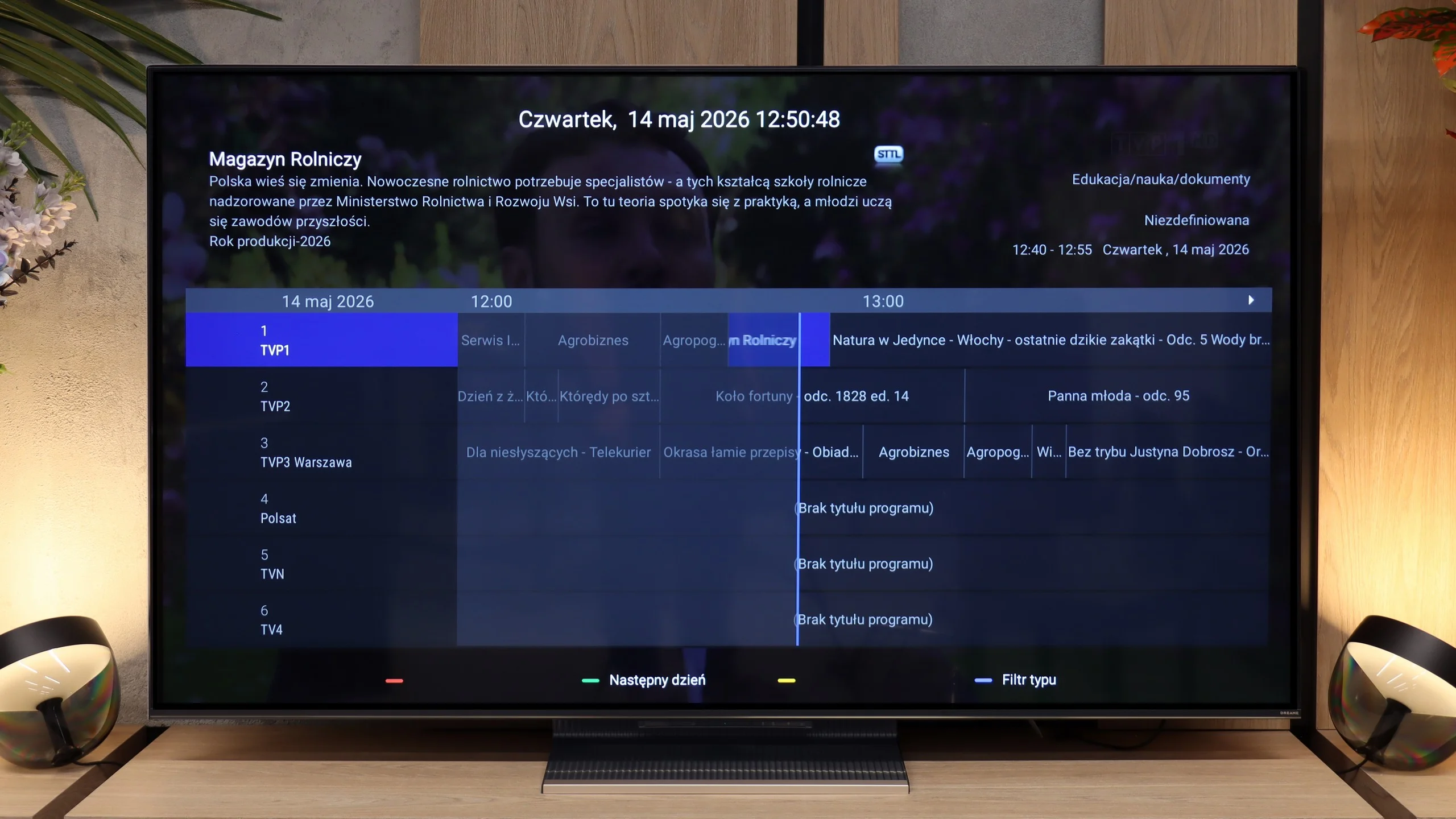
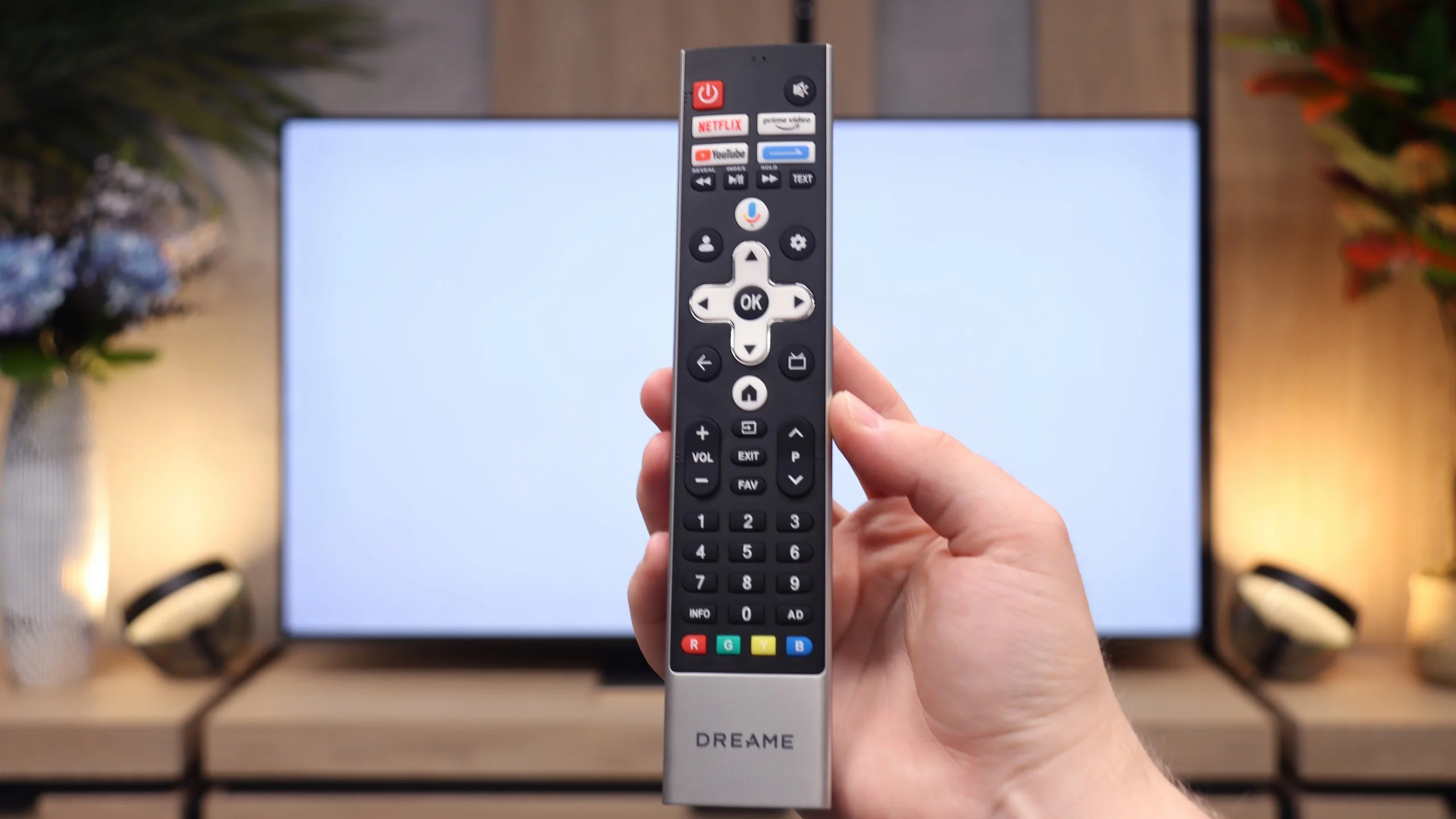
Unfortunately, the Dreame S100 is not a television designed with traditional television viewers in mind. Besides the basic options for connecting headphones and a rather simple remote control equipped with a numeric keypad, there are practically no additional features here to facilitate everyday viewing of traditional channels. The only nice and increasingly rare addition is the presence of a physical minijack headphone output. This allows for the connection of older wired headphones or analogue audio sets.

Smart TV features: Google TV

The Bravia 3 II runs on Google TV and, in terms of capabilities, is one of the more feature-rich systems currently found in TVs. First and foremost there is access to a very large number of apps, so in addition to the most popular streaming platforms you can also find plenty of less obvious services without much trouble. Sony also supports AirPlay and Chromecast, making it very convenient to cast content from a smartphone. Voice search also performs well, powered by Gemini, which handles commands in multiple languages and can genuinely make using the TV easier. However, during our tests we encountered one problem: the Bravia 3 II would not correctly receive a display from a Windows 11 PC over Miracast. So if you plan to use the television as an external screen for a computer, the most reliable solution remains a connection via HDMI.

Traditional television features

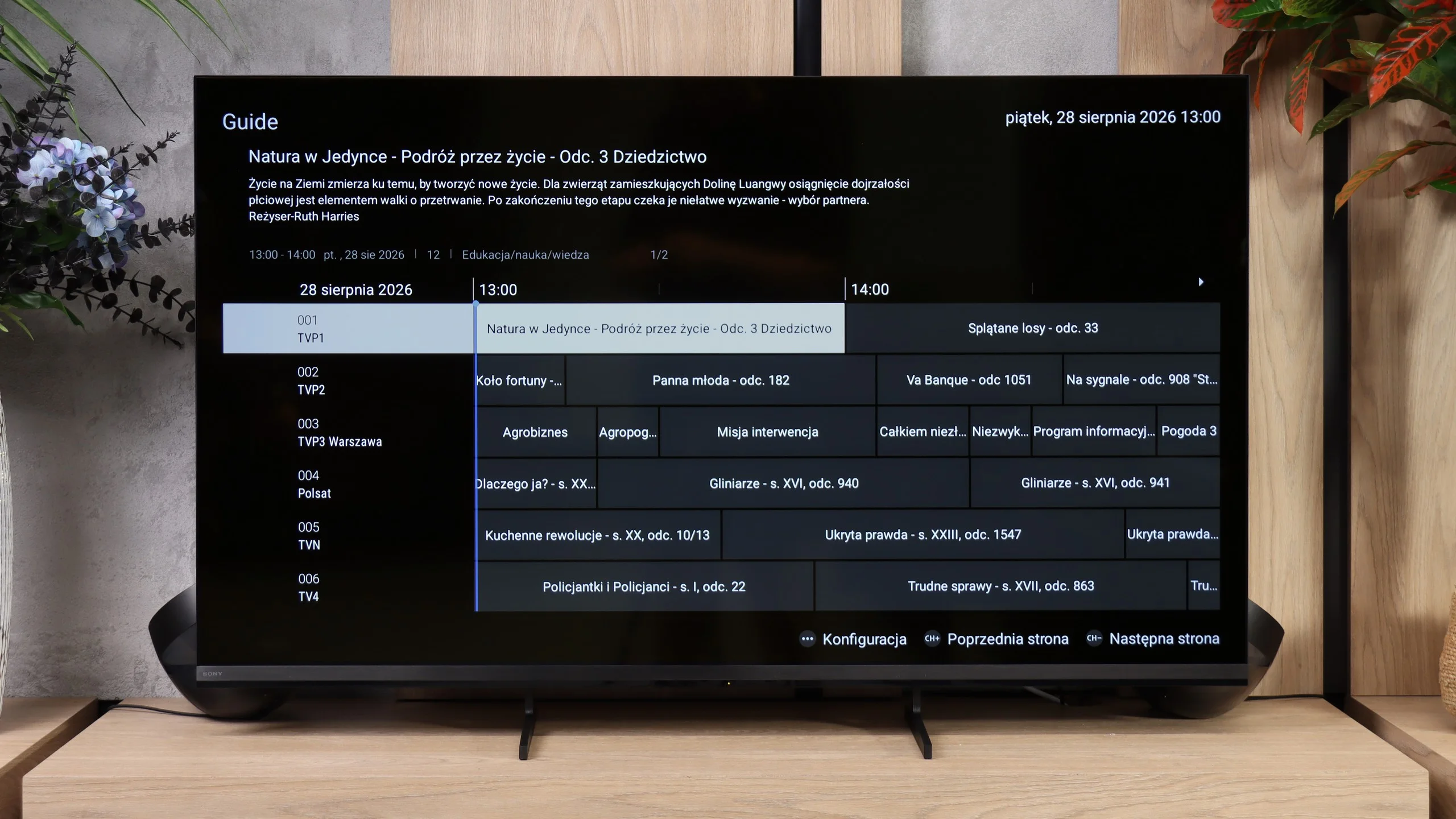
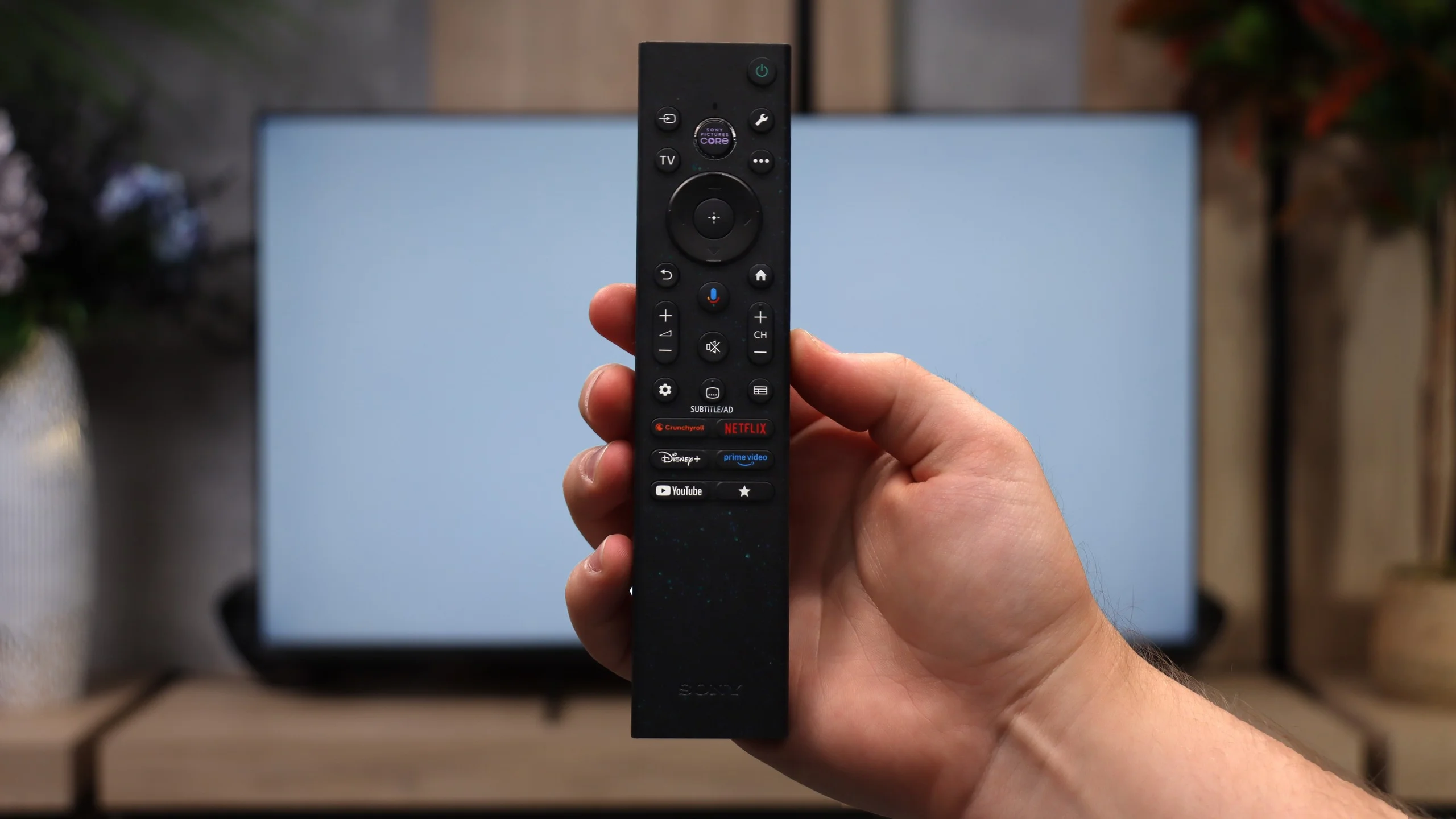
Sony has not forgotten those who still primarily use regular broadcast television. The Bravia 3 II supports recording programmes to USB with the ability to schedule them via PVR, which is rare today, especially in cheaper models. There is also teletext and a clear channel guide, so in terms of basic TV functions we weren't really missing anything, except perhaps picture-in-picture (PiP). A curious touch is that two remote controls are included. The first is modern and simplified (non-backlit version), while the second is a classic design with a full numeric keypad. Although it may seem a little old-fashioned, viewers who watch a lot of traditional television might actually find it more convenient, for example when entering channel numbers.

Apps

9.6/10

9.6/10

OK
Disney_Plus
OK
Amazon_Prime_Video
No
Player_TVN
OK
Polsat_Box_Go
OK
Canal_Plus_Online
OK
TVP_VOD
OK
Apple_TV_Plus
OK
SkyShowtime
OK
Rakuten
OK
CDA_Premium_Browser
OK
Spotify
OK
Tidal
OK
Netflix
OK
YouTube
OK
HBO_MAX
OK
Kodi
No
Apple_music
OK
Eleven_sports
No
Xbox Game Pass
OK
GeForce NOW
No
Amazon Luna
OK
Boosteroid
OK
Steam Link
OK
Disney_Plus
OK
Amazon_Prime_Video
OK
Player_TVN
OK
Polsat_Box_Go
OK
Canal_Plus_Online
OK
TVP_VOD
OK
Apple_TV_Plus
OK
SkyShowtime
OK
Rakuten
OK
CDA_Premium_Browser
OK
Spotify
OK
Tidal
OK
Netflix
OK
YouTube
OK
HBO_MAX
OK
Kodi
No
Apple_music
OK
Eleven_sports
No
Xbox Game Pass
OK
GeForce NOW
No
Amazon Luna
OK
Boosteroid
OK
Steam Link

Playing files from USB

8.3/10

9.3/10

Supported photo formats:

JPEG
Yes
Yes
HEIC
No
Yes
PNG
Yes
Yes
GIF
Yes
Yes
WebP
No
Yes
TIFF
No
No
BMP
Yes
Yes
SVG
No
No

Maximum photo resolution:

4 Mpix
Yes
Yes
6 Mpix
Yes
Yes
8 Mpix
Yes
Yes
10 Mpix
Yes
Yes
12 Mpix
Yes
Yes
16 Mpix
Yes
Yes
20 Mpix
Yes
Yes
24 Mpix
Yes
Yes
28 Mpix
Yes
Yes
32 Mpix
Yes
Yes

The built-in media player works properly and managed well with most of the files we provided from our USB drive. However, there were instances when the application experienced slight stutters, and the selected movies or photos loaded only after a few seconds. If the factory player proves to be not very intuitive or lacks advanced features, the Google TV system saves the situation. You just need to enter the app store and install any external file playback program (e.g. VLC), which will solve this problem.

The built-in player in the Bravia 3 II works really well and during our tests had no trouble with most popular video and audio formats. It's hard to point to anything that would force us to install an additional player or use an external device. The only exception might be films with subtitles saved in .txt format, which the TV does not support, but let's be honest, at this stage that would be nitpicking.

Sound

8.3/10

6.8/10

  • Maximum volume
    84dB
    87dB
  • Dolby Digital Plus 7.1
    Yes
    Yes
  • Dolby True HD 7.1
    No
    Yes
  • Dolby Atmos in Dolby Digital Plus (JOC)
    Yes
    Yes
  • Dolby Atmos in Dolby True HD
    No
    No
  • DTS:X in DTS-HD MA
    No
    Yes
  • DTS-HD Master Audio
    No
    Yes

The sound of the Dreame S100 is one of the model's greatest assets – it is really good. The television is equipped with a 4.1.2 speaker system with a total power of 70 W. The sound is clear, with a distinctly perceptible bass, which is confirmed by our acoustic measurements. Large drivers placed on the sides of the casing effectively widen the soundstage. As a result, we get a noticeably more spacious sound than with standard 20-watt 2.0 systems. The device supports Dolby Atmos encoding, so we can easily play spatial audio tracks from streaming platforms without the need to purchase an external soundbar. Unfortunately, it lacks support for the DTS format – this is a downside, although it must be honestly acknowledged that this standard has recently been abandoned by most manufacturers. On the plus side, the audio connection options are commendable. The Dreame S100 can be easily connected to newer home theatres or soundbars via the HDMI eARC port or optical output. A nice and increasingly rare addition is the classic minijack headphone socket, which allows for a second life to be breathed into older audio sets.

In terms of sound the Bravia 3 II performs adequately, but it's hard to say much more about it. The speakers handle dialogue and regular television well, but they noticeably lack low-frequency response. The bass quickly loses energy, so with music, action films or games the sound feels rather light and lacks punch. That's of course nothing unusual for TVs in this class, but if you want a more impressive sound a soundbar is a highly recommended addition.

The supported audio formats are a much better story. The Bravia 3 II handles practically everything we might need, including Dolby TrueHD, DTS-HD Master Audio and DTS:X, formats increasingly ignored by other manufacturers. The TV can also pass them through to an external audio setup. The exception is Dolby Atmos encoded in Dolby TrueHD, which the built-in speakers cannot play back directly, but with a suitable soundbar or AV receiver this should not be a major issue.

Sound Quality Test

Acoustic Measurements

84dBC (Max)

75dBC

87dBC (Max)

75dBC

Reader comments

Comments are provided by the external service Disqus (Zeta Global). Once loaded, Disqus may set cookies and process data about your activity.

We will remember your choice on this device. Provider's privacy policy