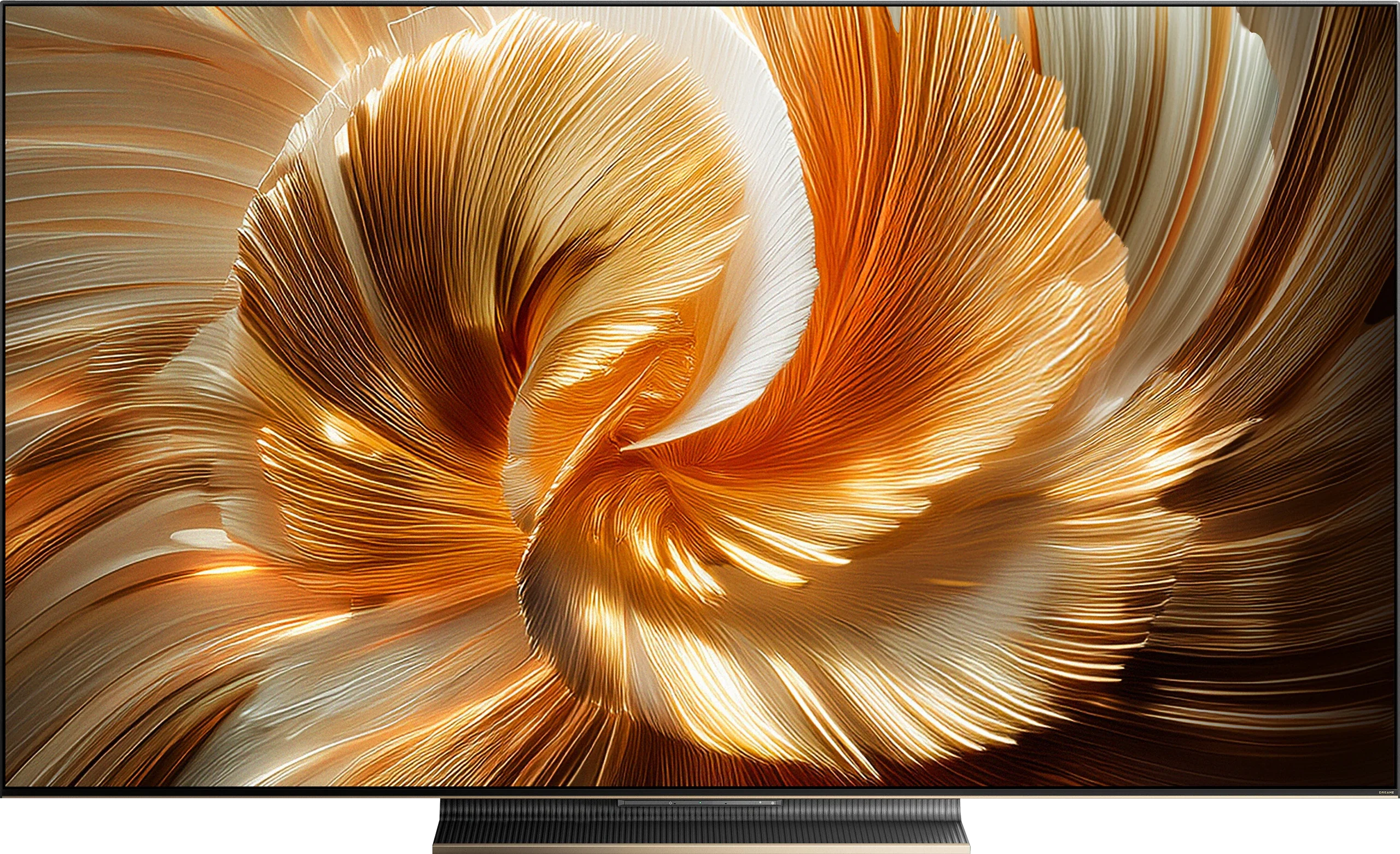
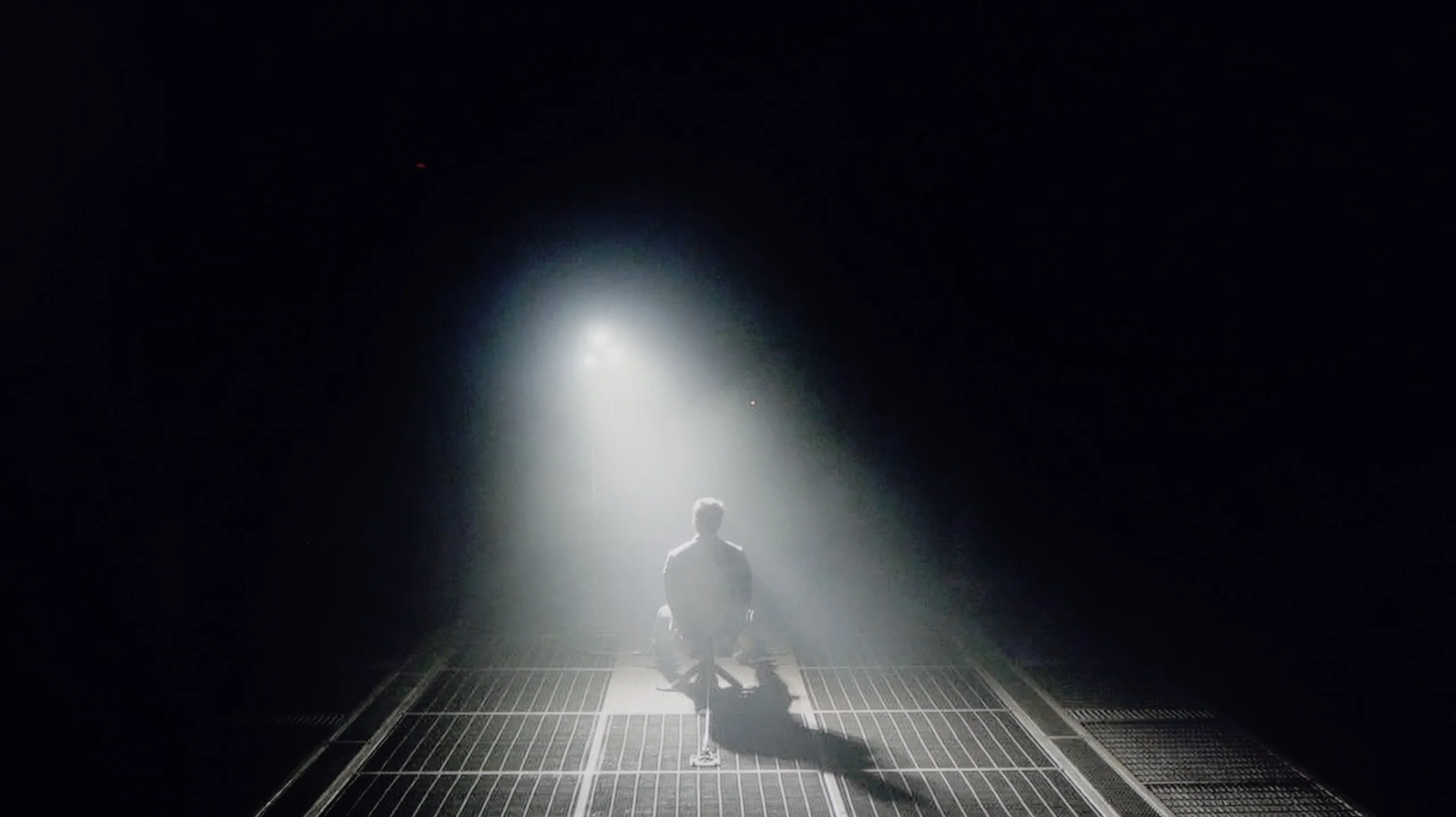
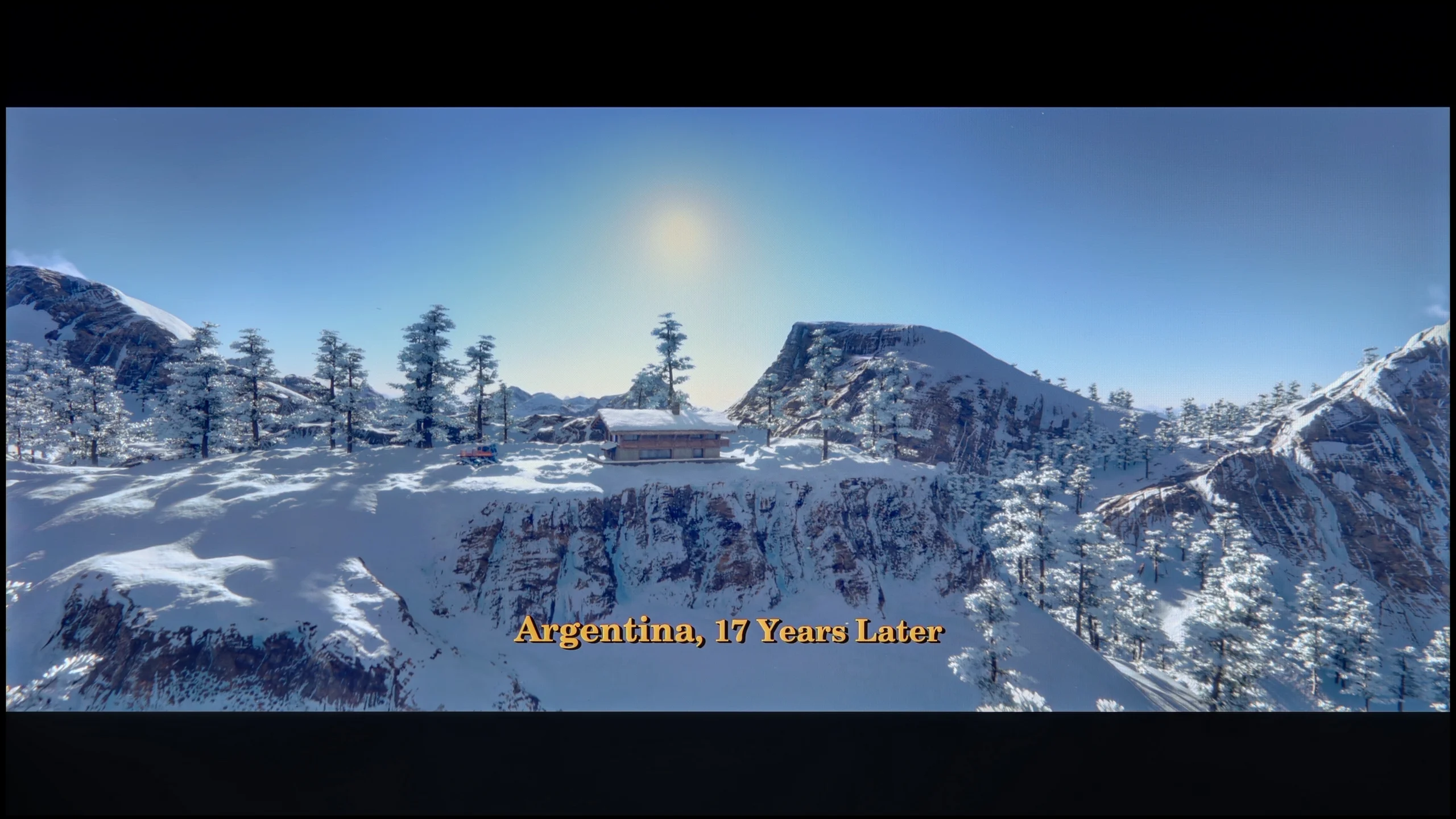
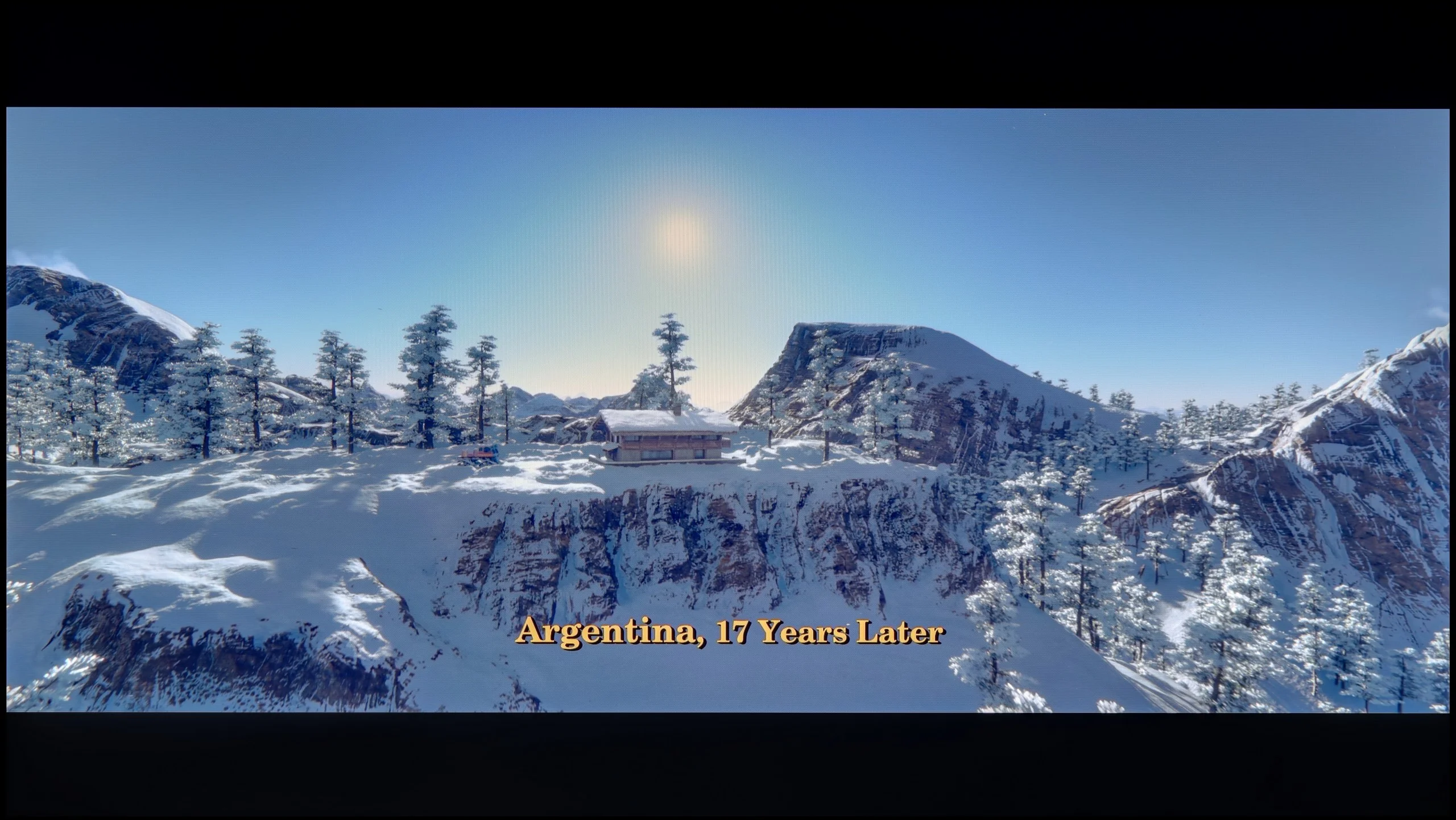
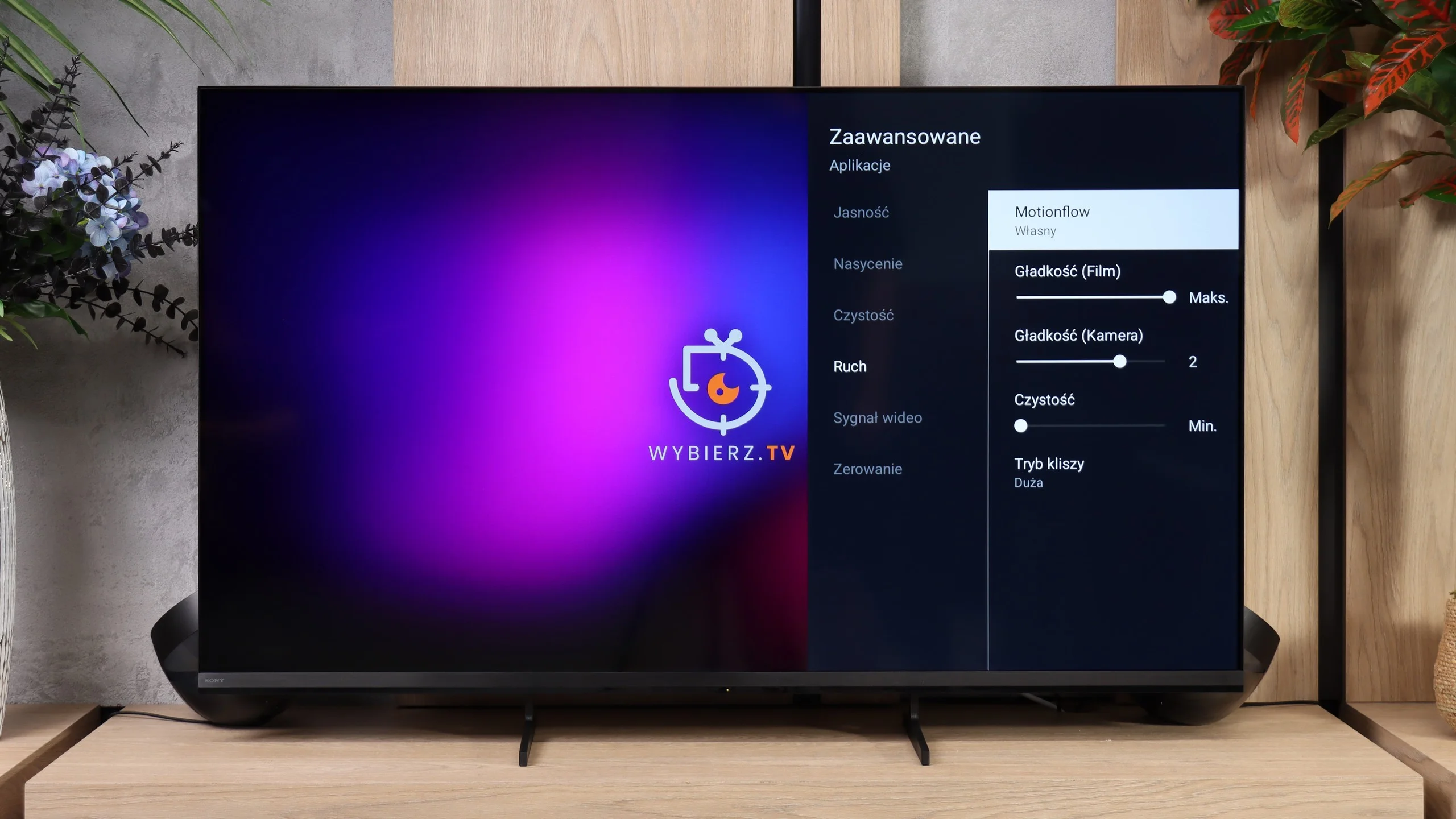
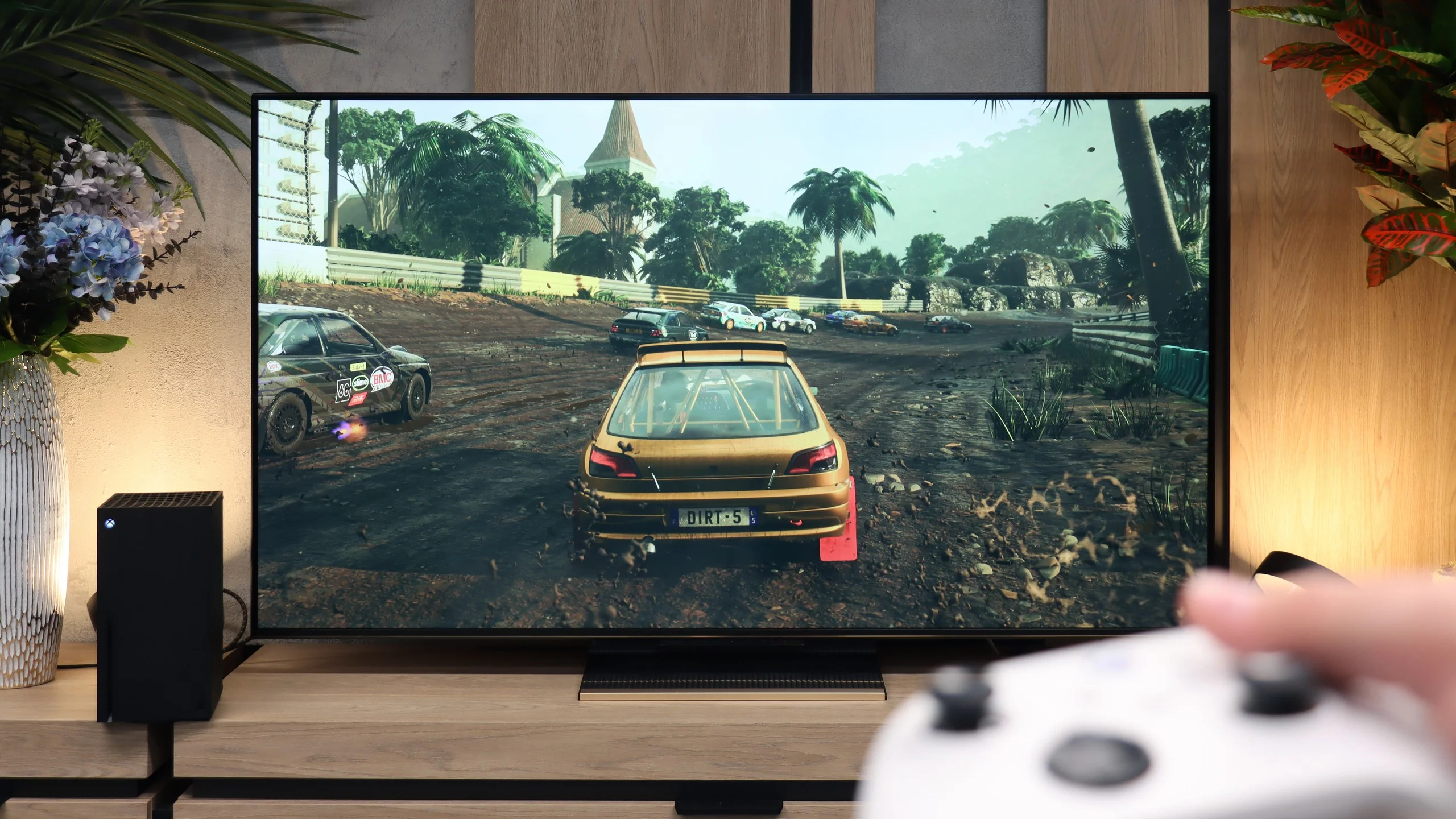
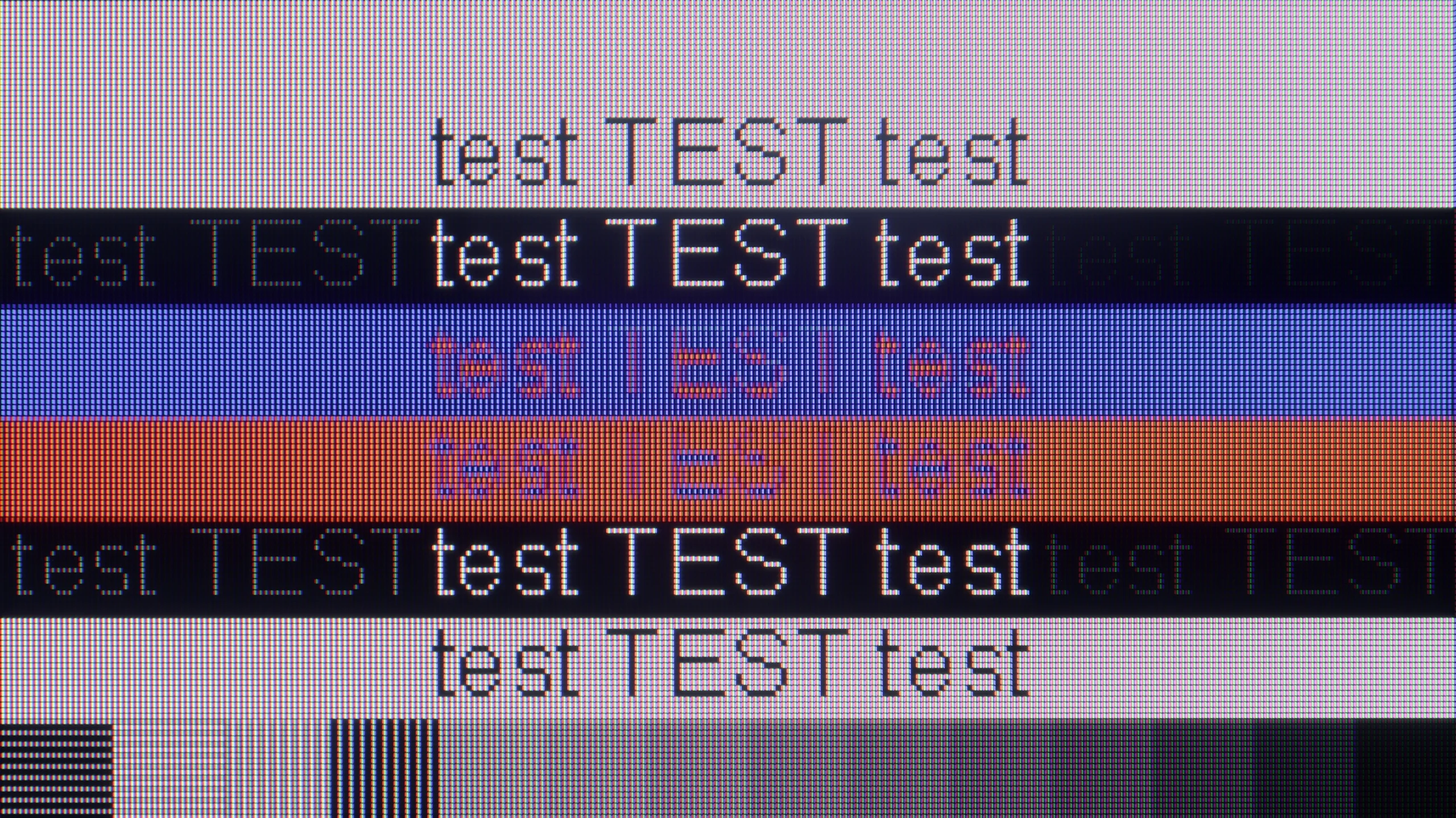
For scaling and digital processing in the Dreame S100, the technology that the manufacturer proudly calls Dreamind™ Pro AI is responsible. However, it must be clearly stated that this is not a proprietary processor, but merely a marketing name for a chip made by MediaTek – more precisely, the MT5889 model. Unfortunately, we are talking about a rather outdated unit, from a time when MediaTek lagged significantly behind the competition in terms of performance. This unfortunately has a direct impact on the image as that is what this chip also deals with. The upscaling in the S100 is quite mediocre, and the processor has a tendency to heavily and artificially sharpen edges (fortunately, this can be somewhat tempered with the sharpness slider in the menu). In the options, we also find the "Contour Smoothing" feature, which theoretically is supposed to improve tonal transitions. In practice, it offers almost no improvement – setting it to any level rarely eliminates visible banding of colours, but it can unnecessarily blur elements of the image that should remain sharp.
A separate issue is the phenomenon of overscan (cropping the edges of the frame), which is noticeable here practically all the time. Although there is an option to set the screen to display the full frame in low-resolution materials, this requires activating the previously mentioned Filmmaker mode. And as you know, this mode completely blocks the adjustment of any other sliders in the picture menu. In our test tables, we marked that the television offers an option to disable overscan, as technically such a function exists in the system – however, in everyday use, when maintaining sensible image settings, you will not be able to take advantage of it.
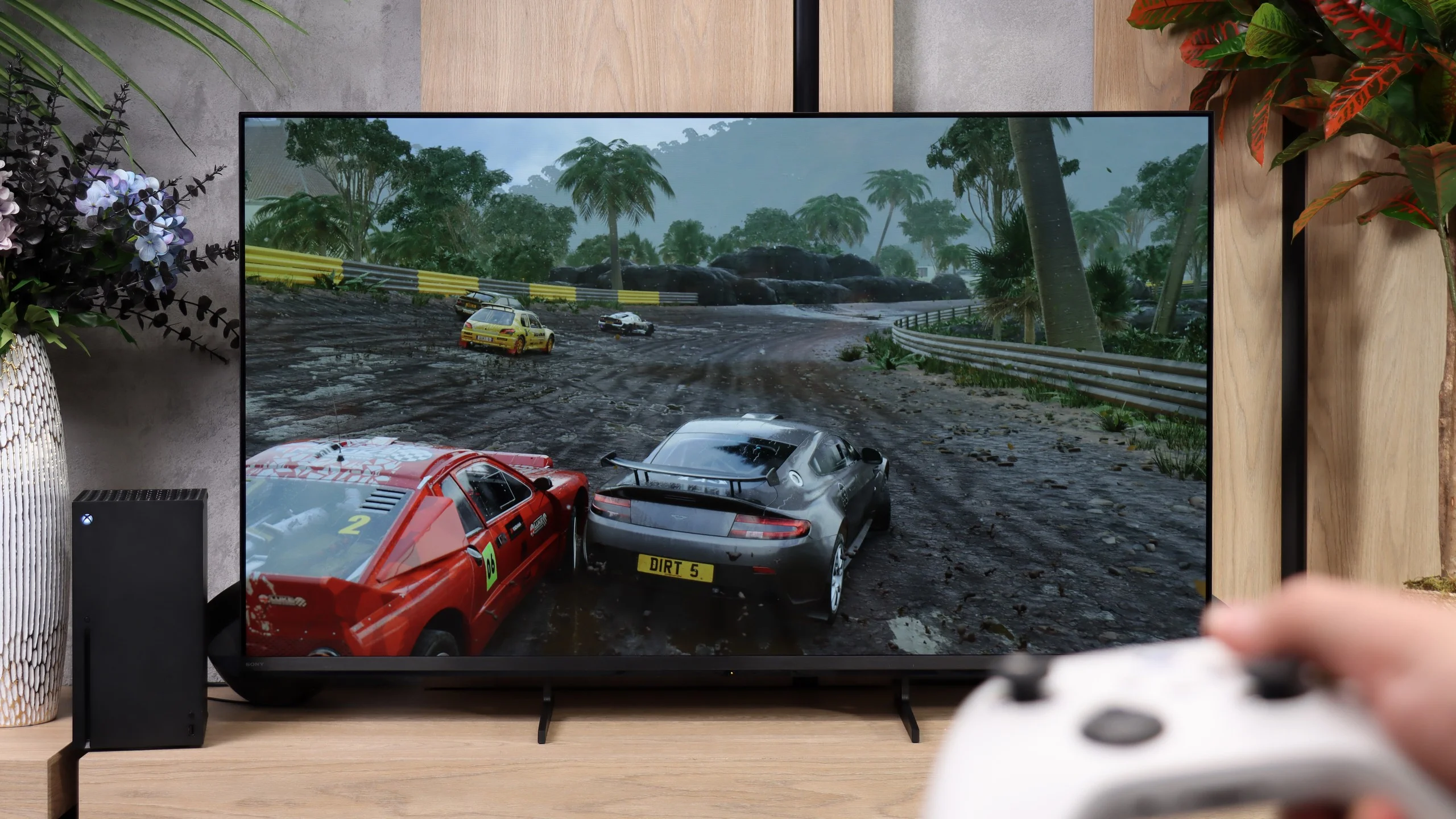
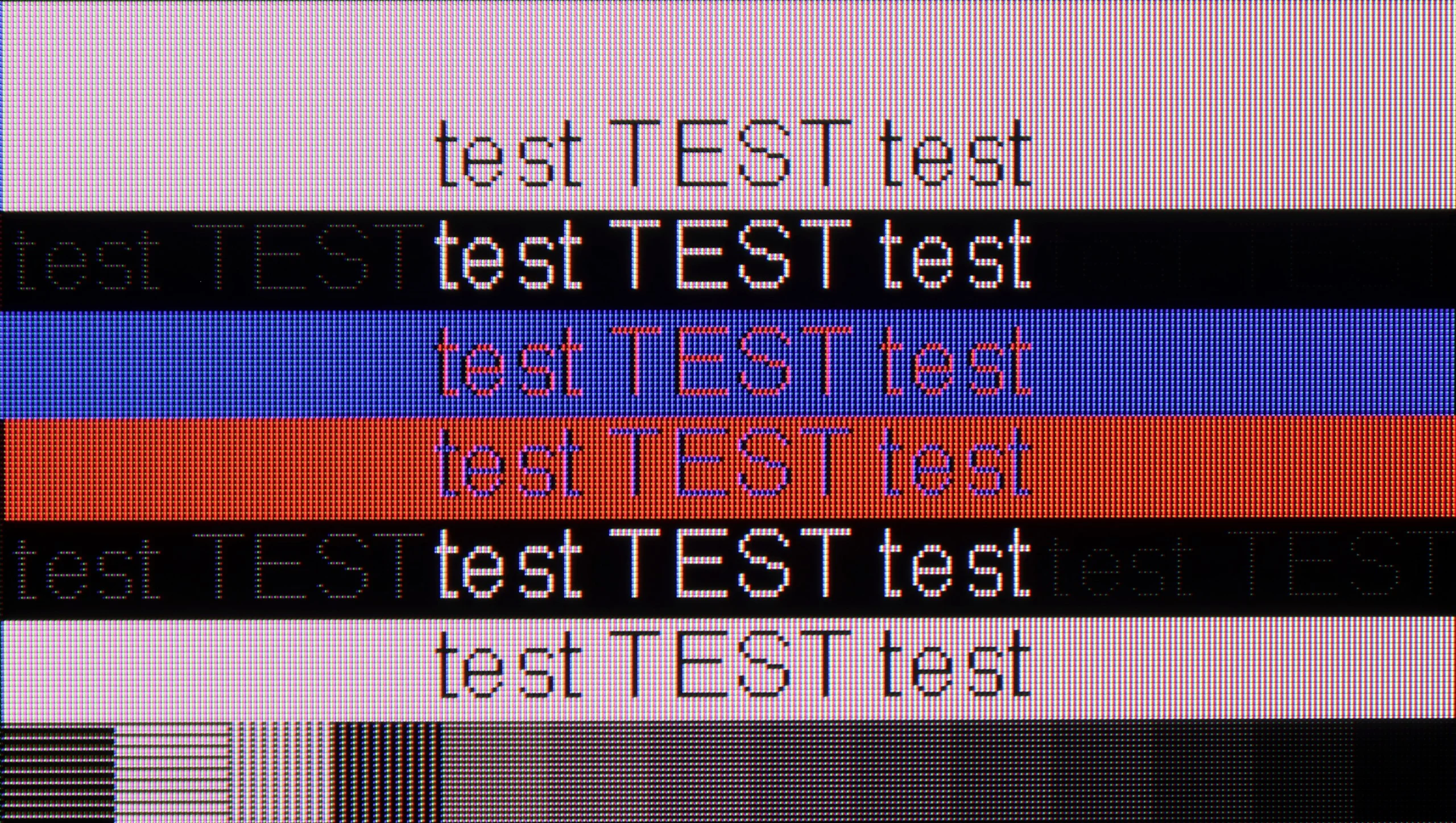
The Bravia 3 II is Sony's first TV to use the new MediaTek Pentonic 800 chipset, and there are a few changes in image processing. Starting with the basics. The upscaling itself is adequate. The TV can sensibly pull up lower-resolution material and does not have a strong tendency to over-emphasise jagged edges or other source imperfections. With regular broadcast TV or weaker streaming material the picture therefore remains quite pleasing. We have more reservations about the digital image processing. In this model Sony has replaced the well-known "Smooth Gradation" function with a new setting called "Digital Noise Reduction". Its role is essentially very similar: it is supposed to smooth unpleasant tonal transitions and artefacts resulting from heavy signal compression. Unfortunately, this function performs noticeably worse than before. At the "High" setting (the only one that had any visible effect) the TV can smooth away too many elements of the image at once, causing film grain to disappear and the texture of objects or even skin to start looking unnatural. Worse still, the effect is not particularly stable. When a scene contains more motion, the function's effect clearly weakens and at times it looks as if the TV stops intervening in the picture altogether. For everyday viewing we therefore would not recommend using it at a high level. It can help on a static shot, but the price is often an excessive loss of detail.
 Direct comparison