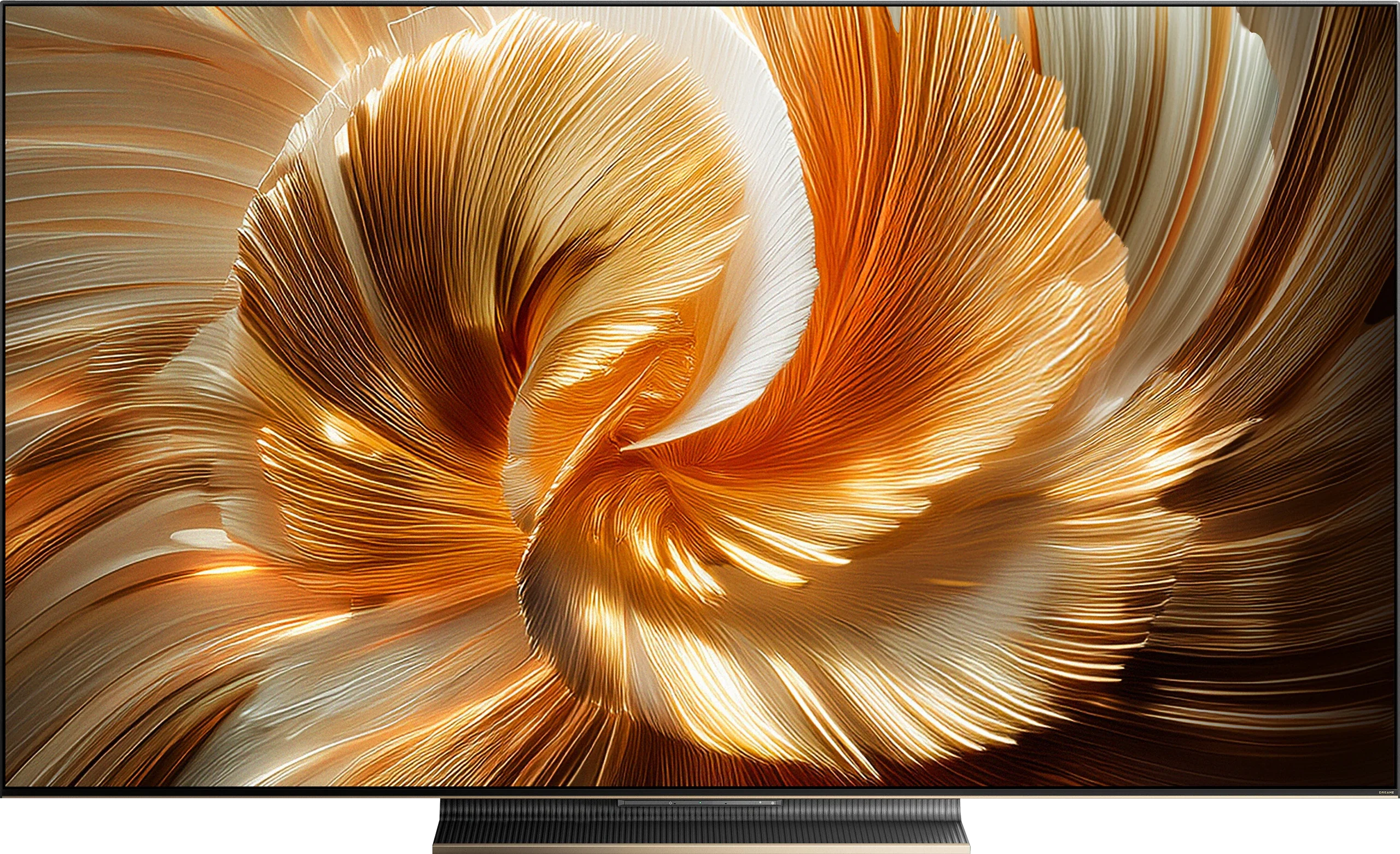
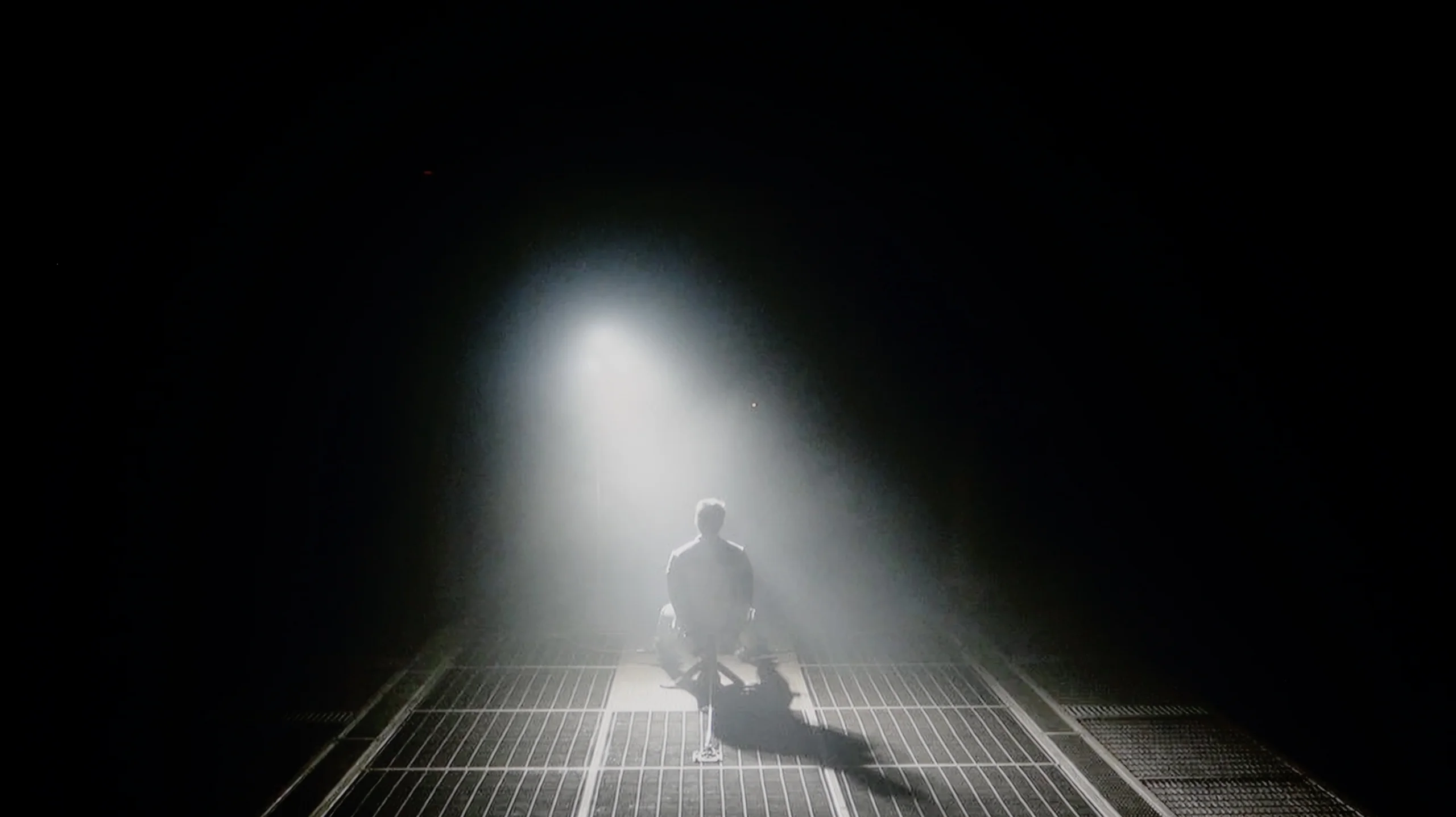
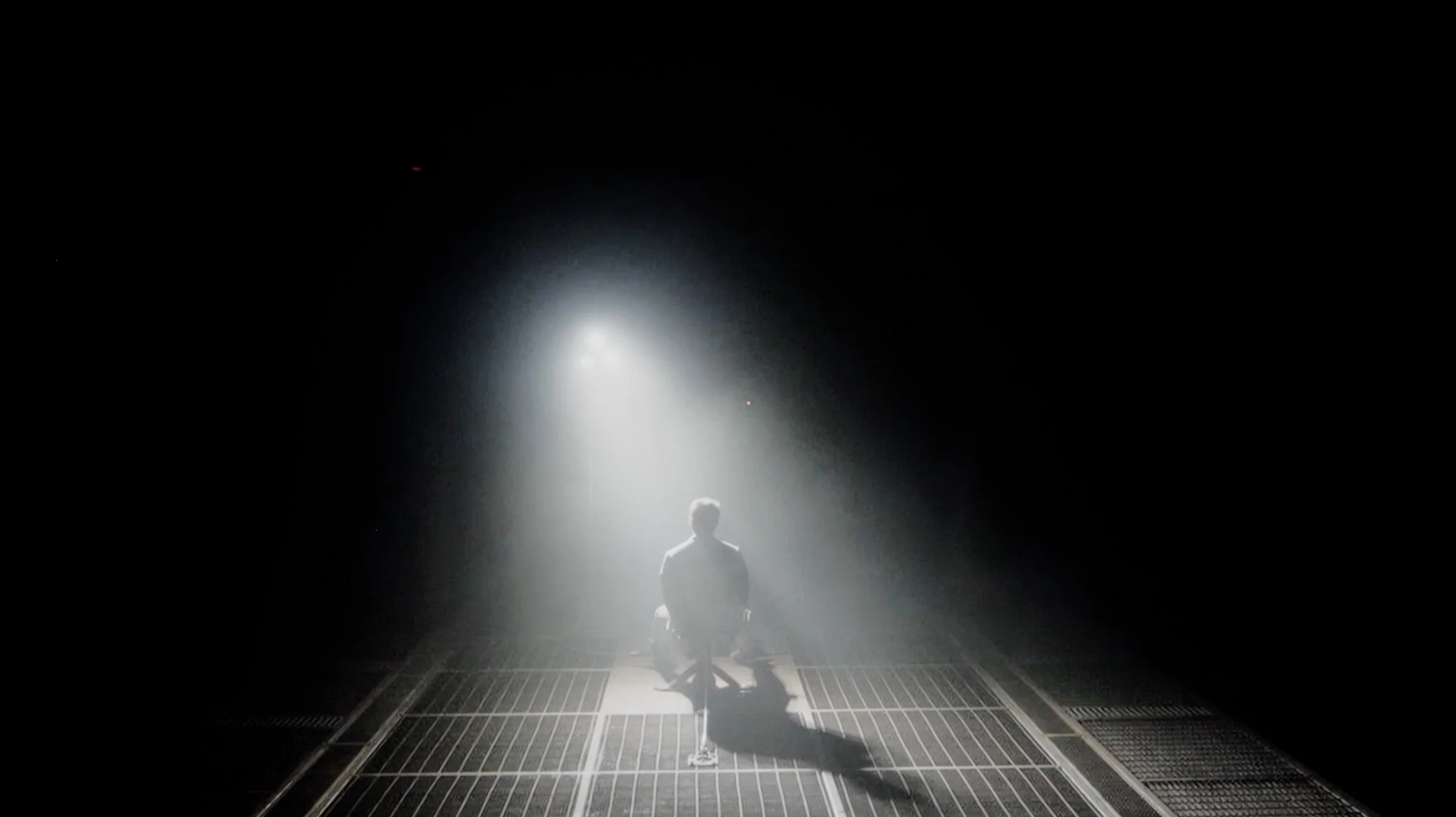
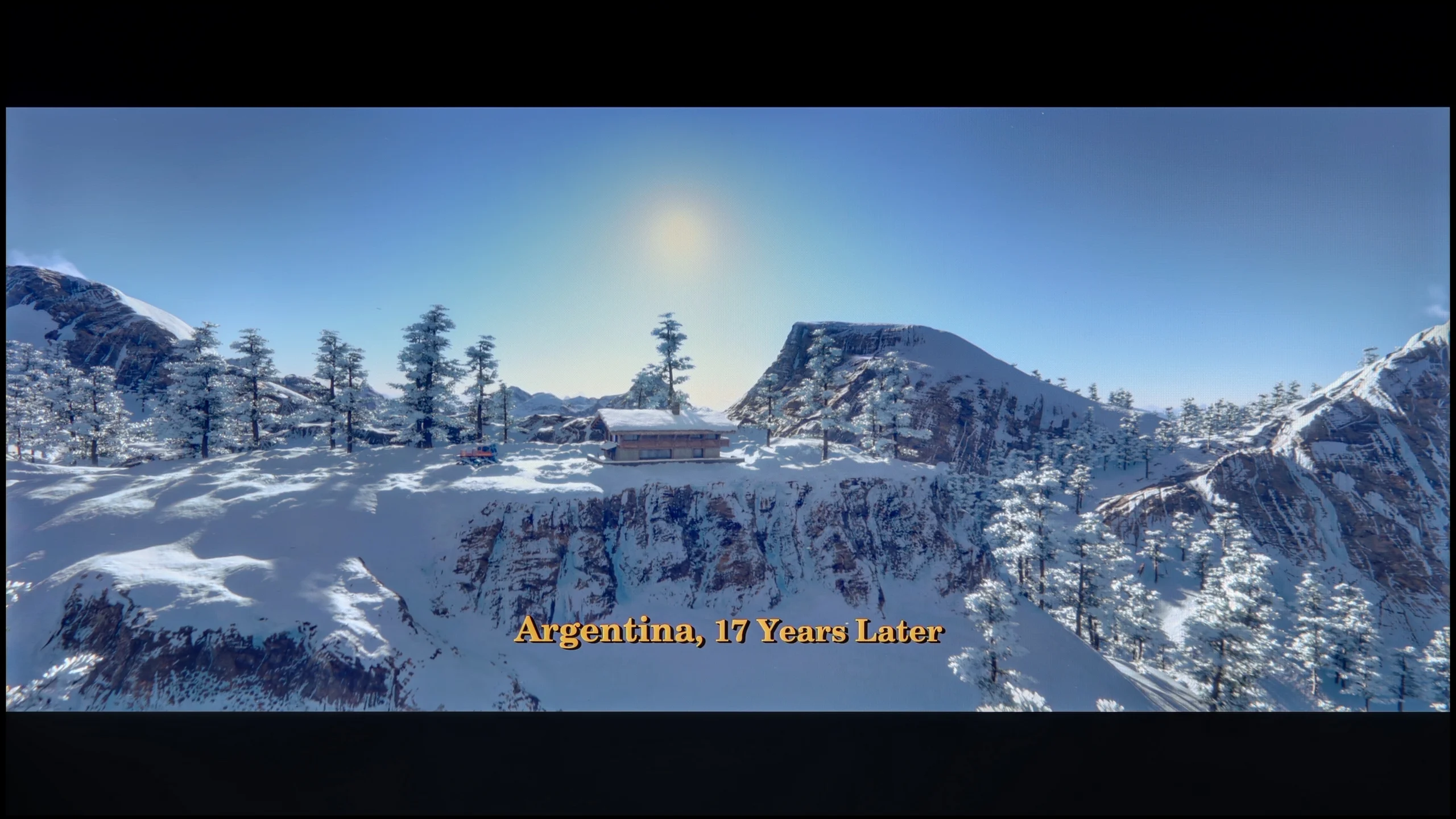
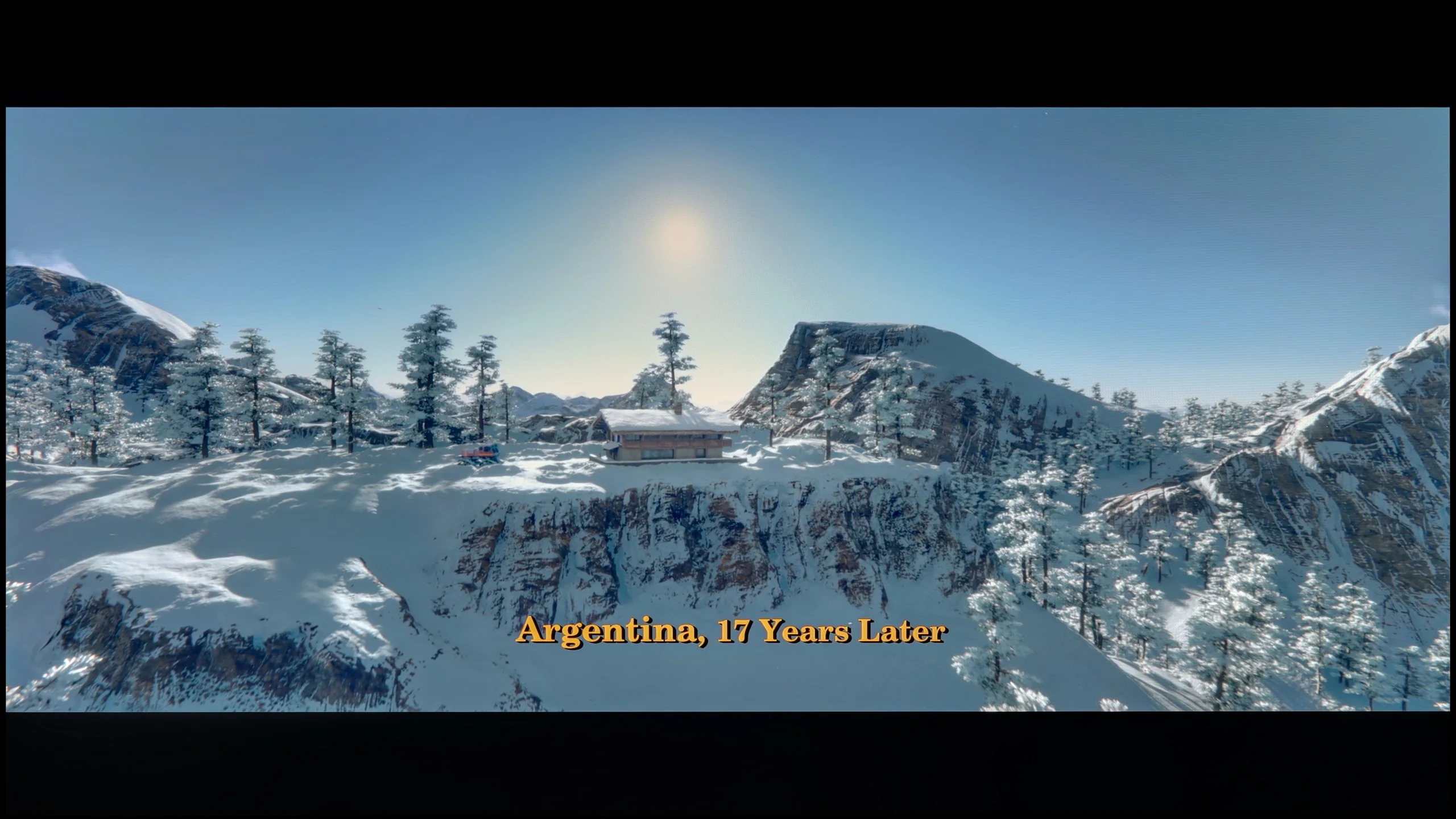
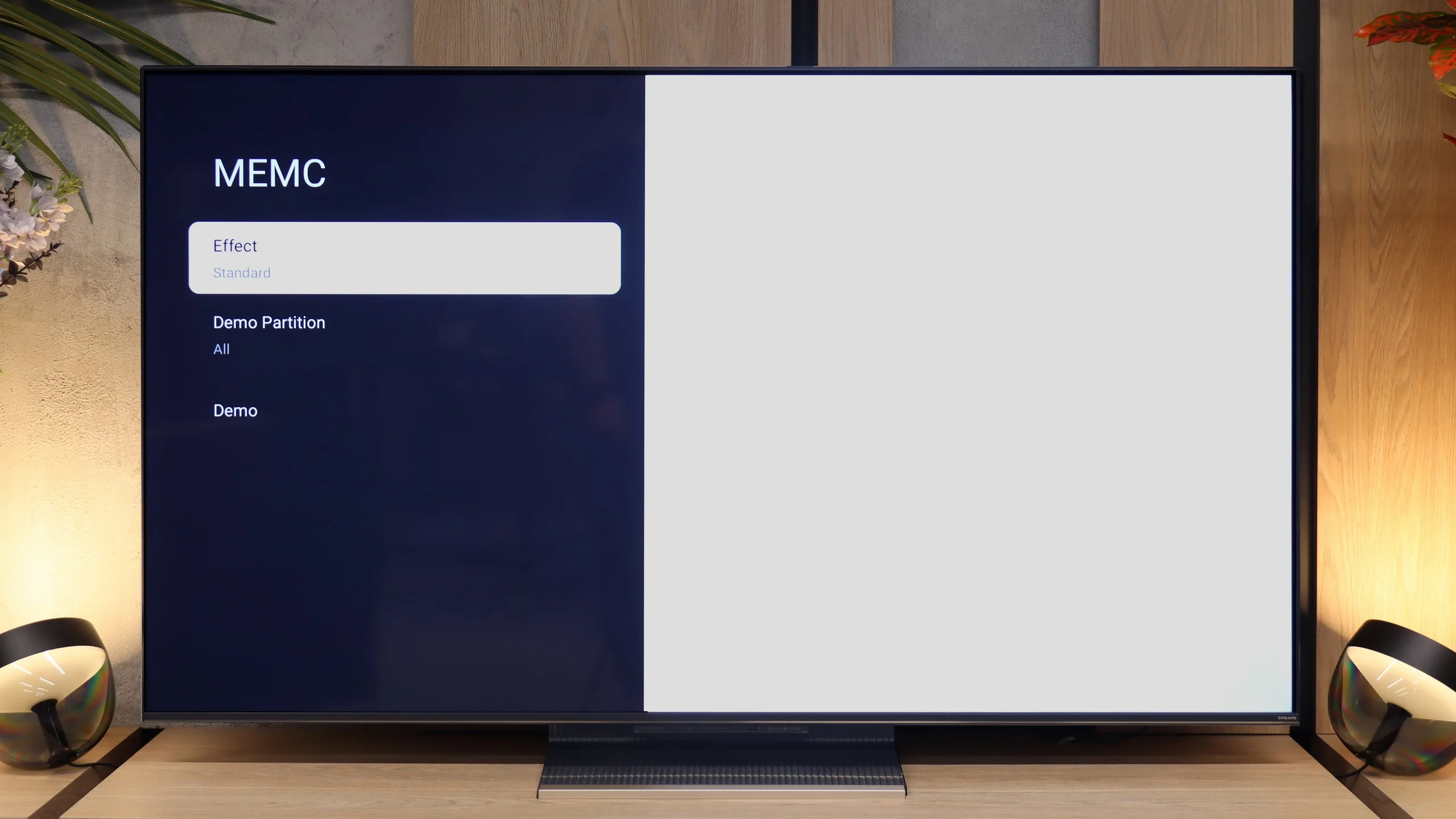
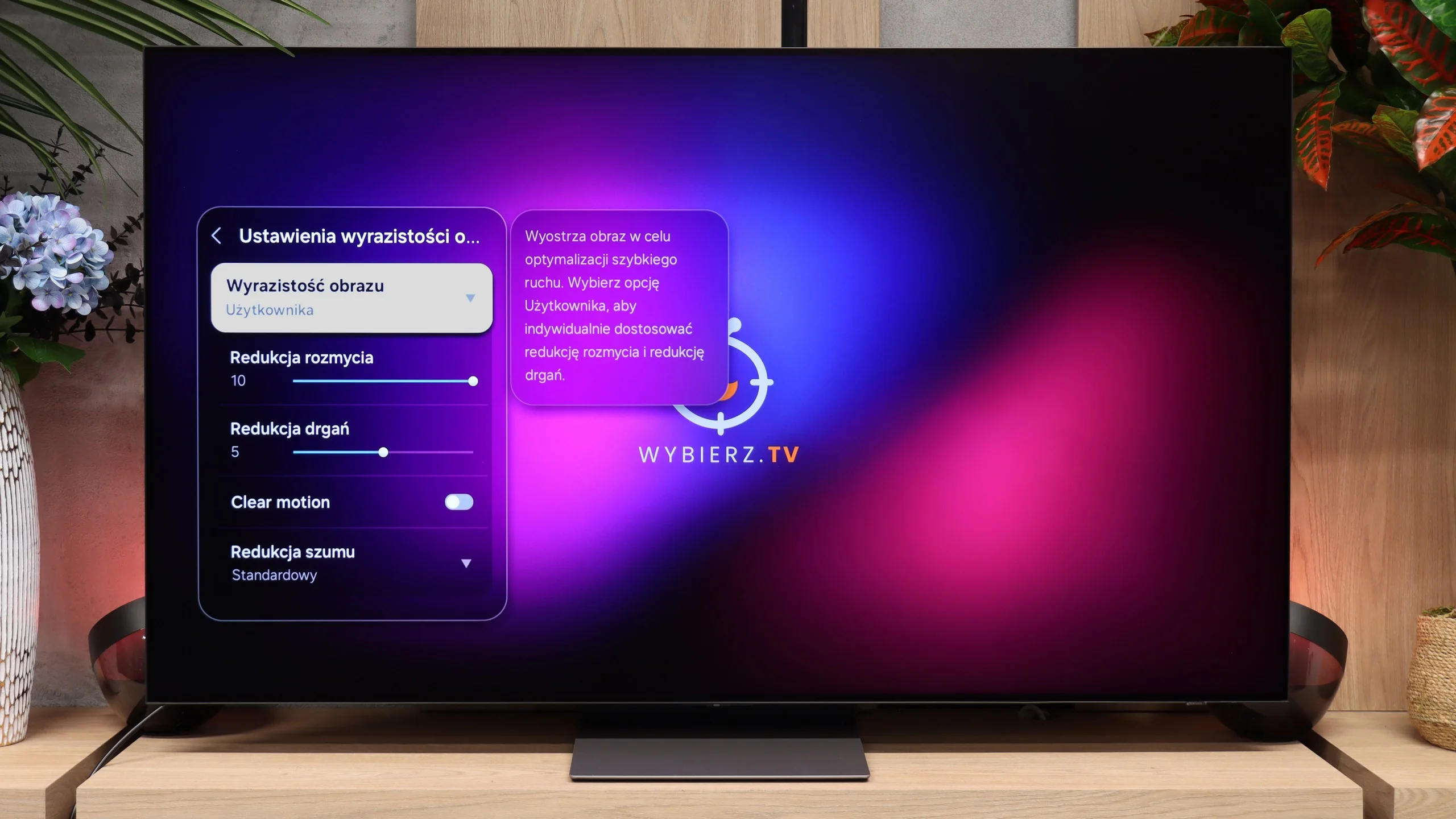
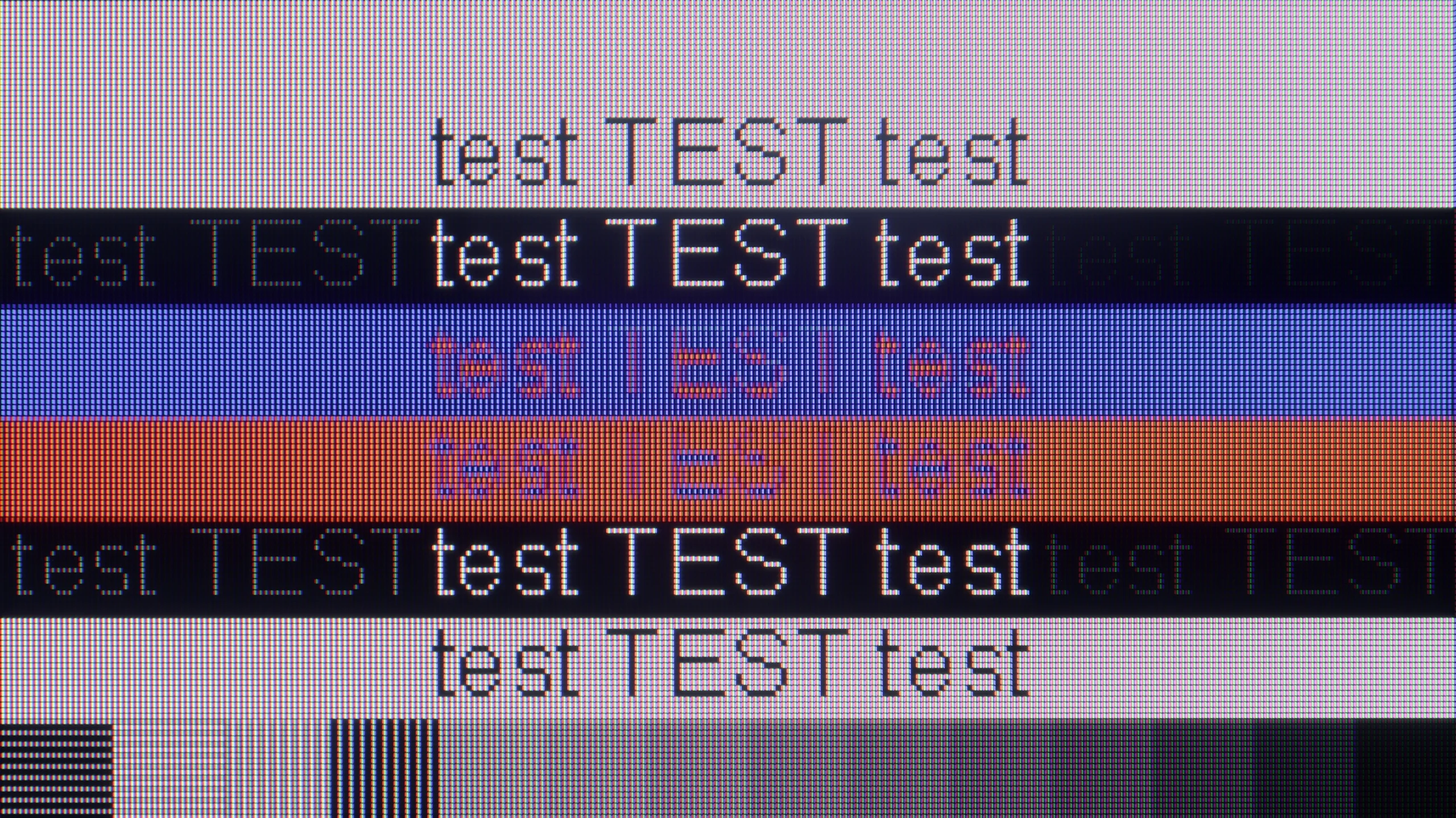
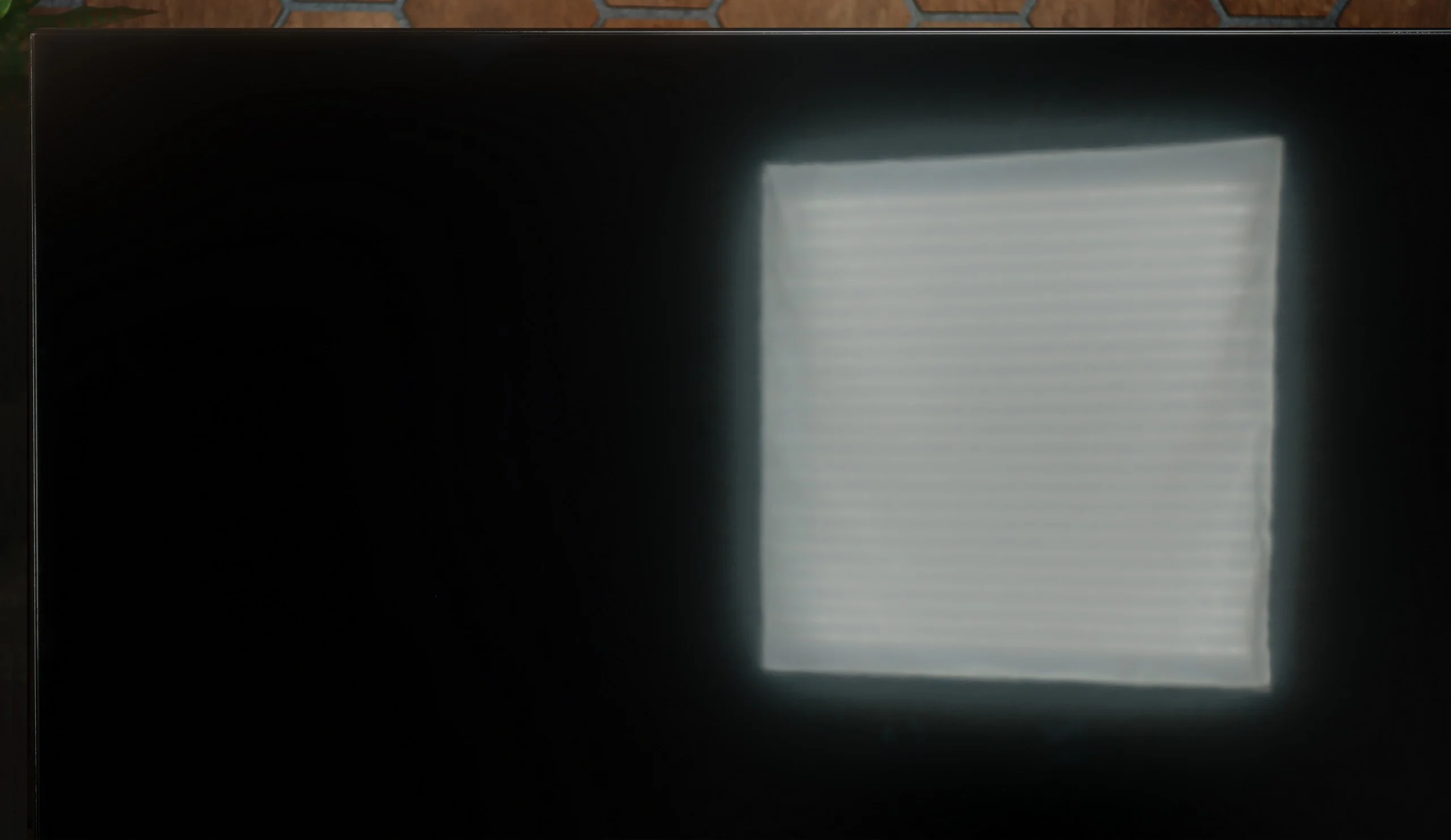
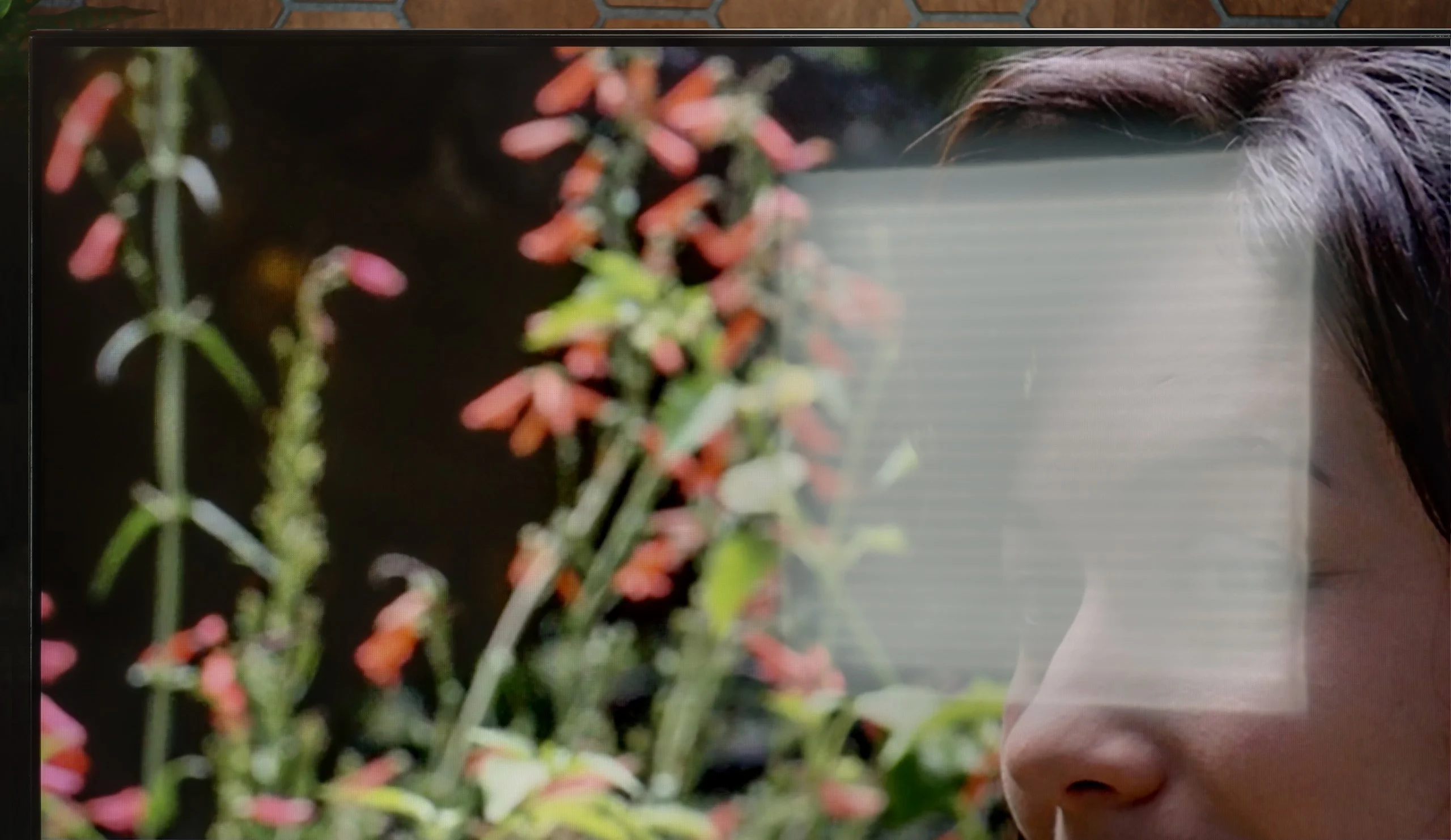
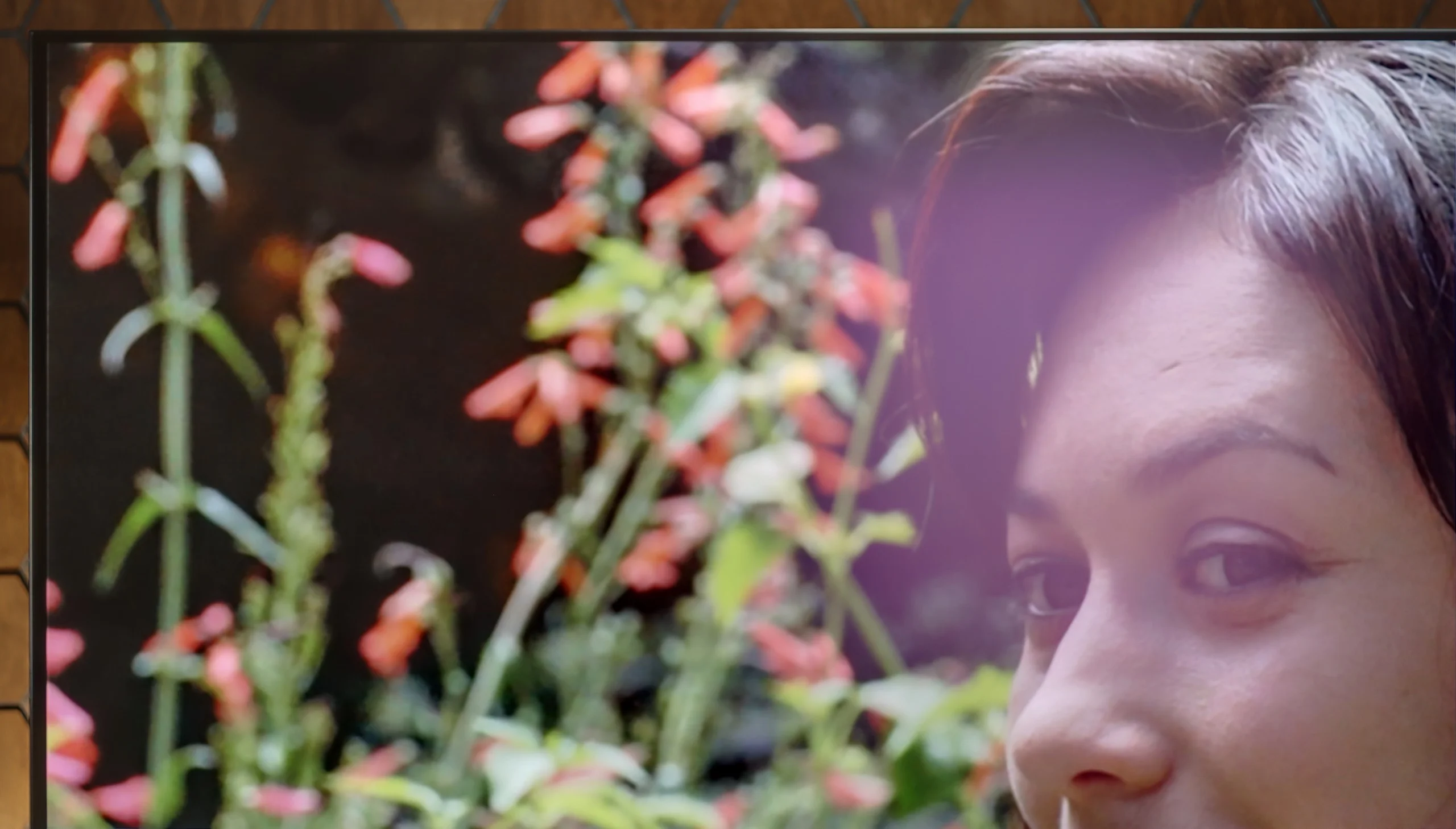
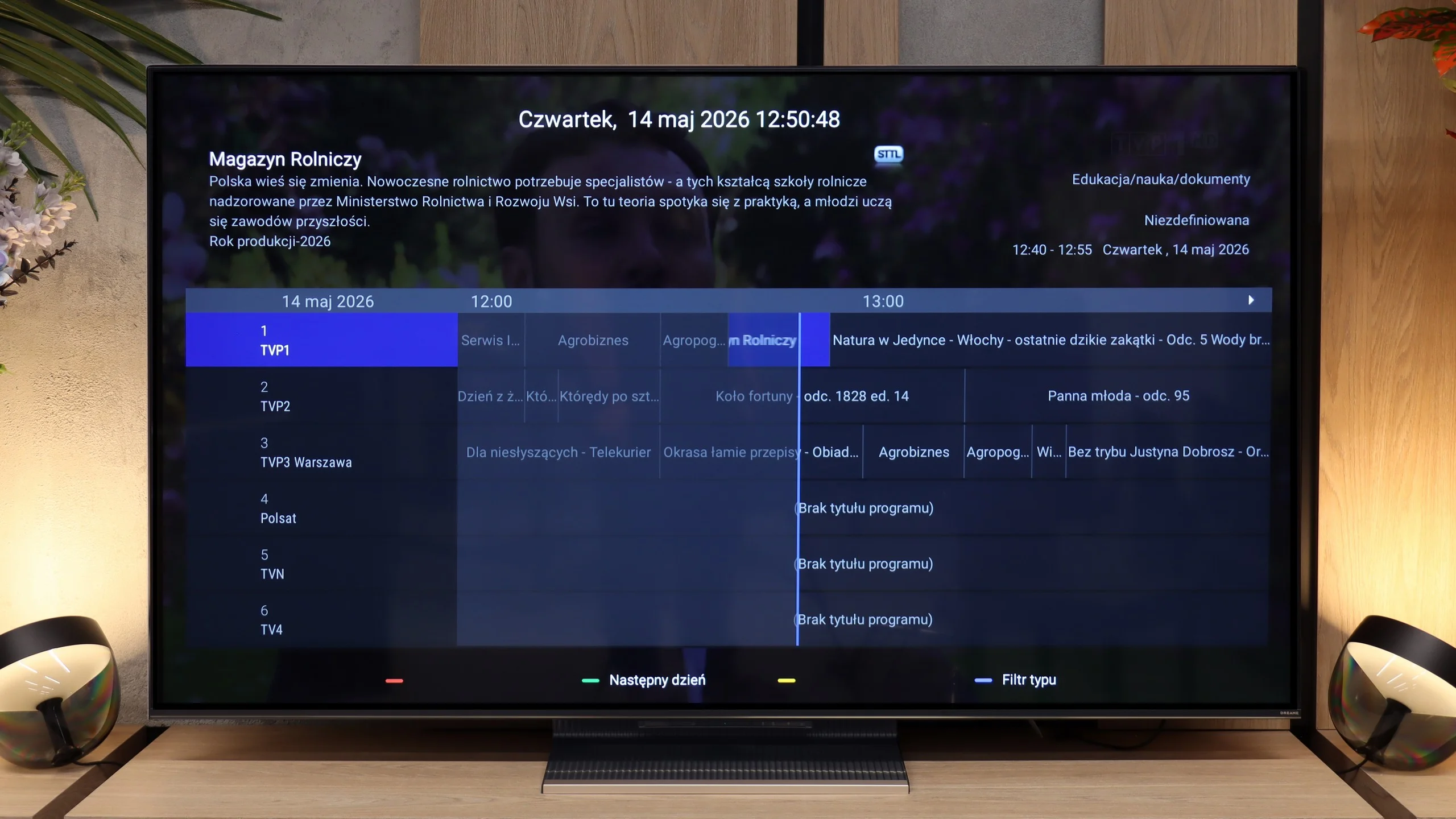
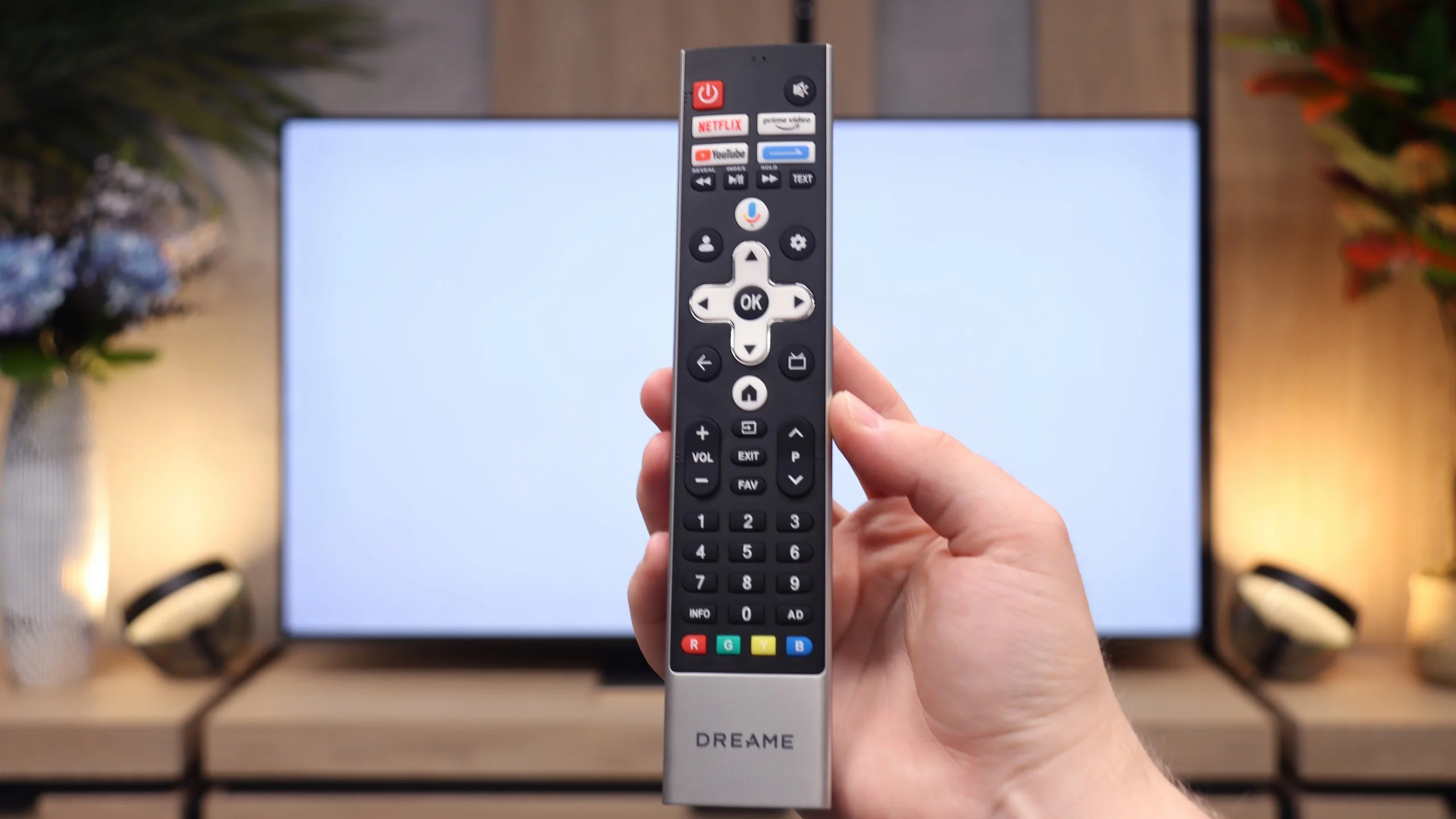
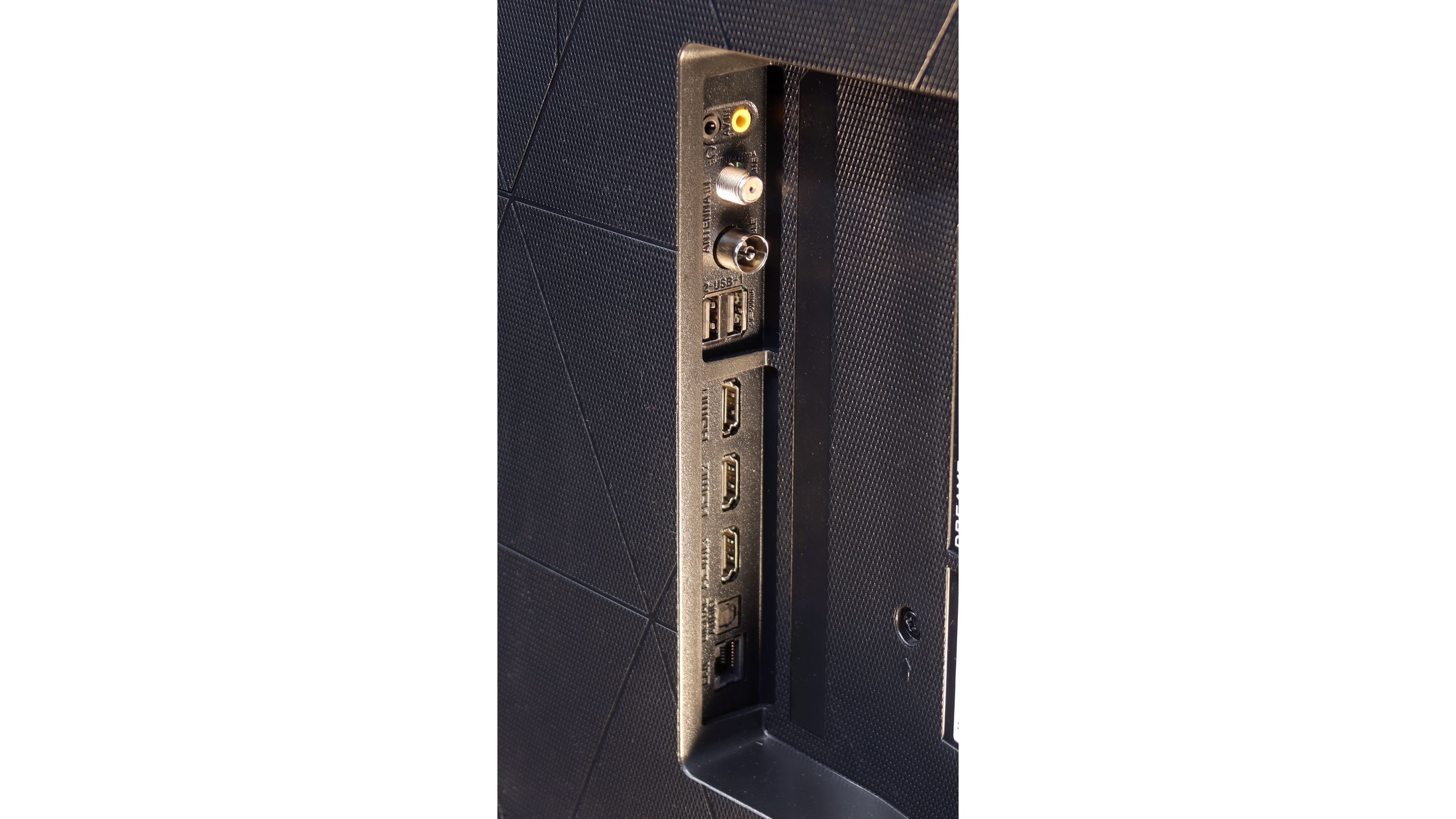
For scaling and digital processing in the Dreame S100, the technology that the manufacturer proudly calls Dreamind™ Pro AI is responsible. However, it must be clearly stated that this is not a proprietary processor, but merely a marketing name for a chip made by MediaTek – more precisely, the MT5889 model. Unfortunately, we are talking about a rather outdated unit, from a time when MediaTek lagged significantly behind the competition in terms of performance. This unfortunately has a direct impact on the image as that is what this chip also deals with. The upscaling in the S100 is quite mediocre, and the processor has a tendency to heavily and artificially sharpen edges (fortunately, this can be somewhat tempered with the sharpness slider in the menu). In the options, we also find the "Contour Smoothing" feature, which theoretically is supposed to improve tonal transitions. In practice, it offers almost no improvement – setting it to any level rarely eliminates visible banding of colours, but it can unnecessarily blur elements of the image that should remain sharp.
A separate issue is the phenomenon of overscan (cropping the edges of the frame), which is noticeable here practically all the time. Although there is an option to set the screen to display the full frame in low-resolution materials, this requires activating the previously mentioned Filmmaker mode. And as you know, this mode completely blocks the adjustment of any other sliders in the picture menu. In our test tables, we marked that the television offers an option to disable overscan, as technically such a function exists in the system – however, in everyday use, when maintaining sensible image settings, you will not be able to take advantage of it.
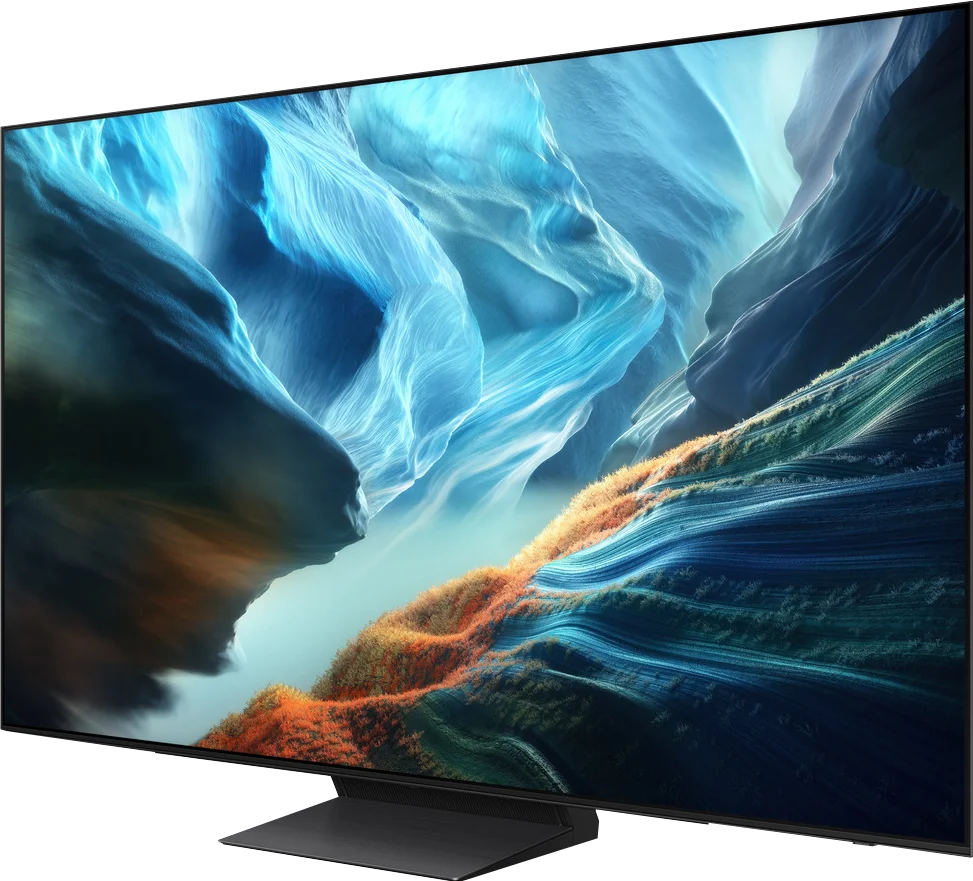
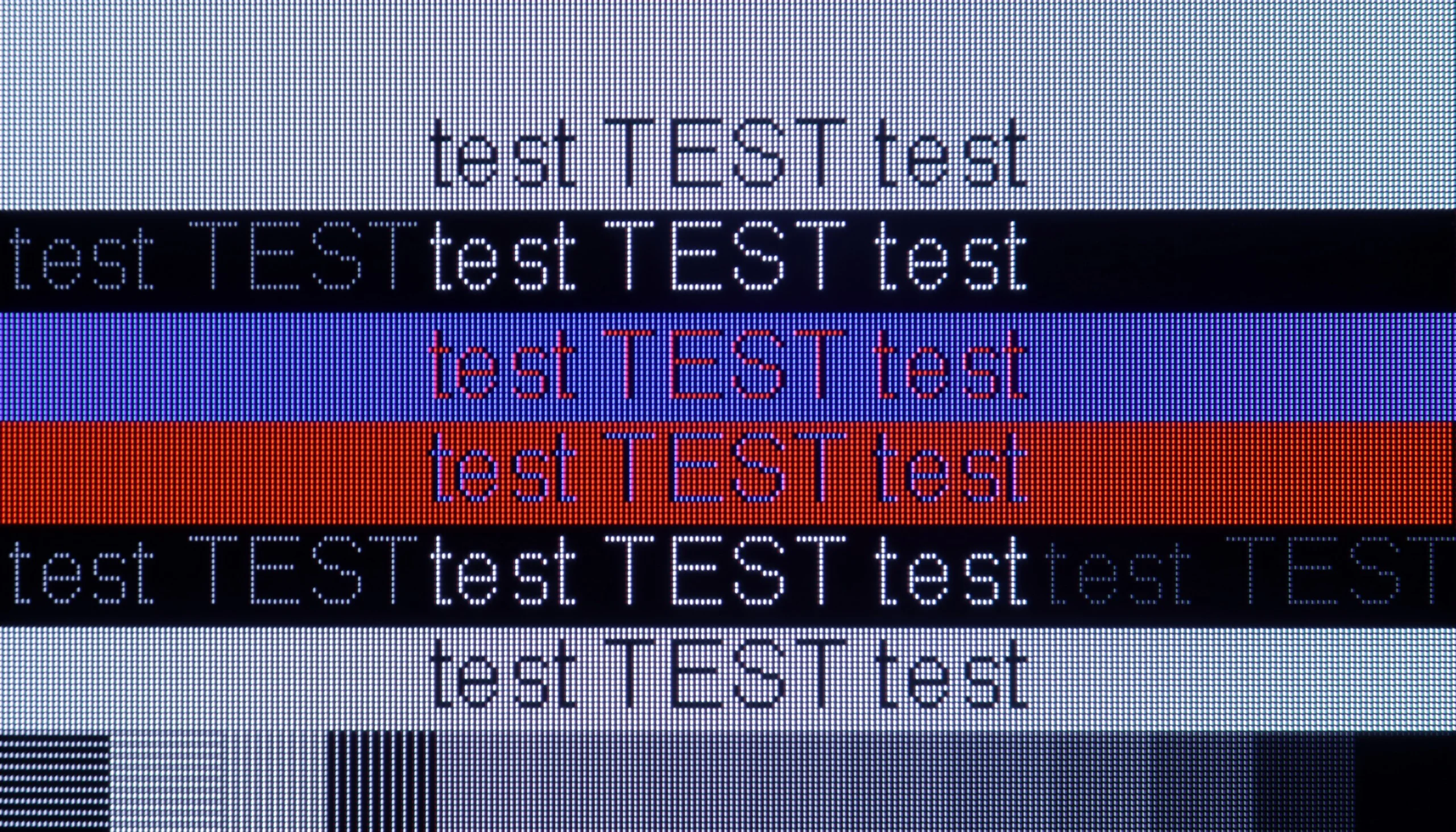
In terms of posterisation reduction itself, Samsung has kept the solutions known from last year’s models. The dedicated gradient-smoothing function performs quite well and can effectively mask unwanted tonal banding, which is useful on a WOLED panel that is slightly more prone to banding. However, you should be aware of its aggressive behaviour. This mechanism, alongside the artefacts themselves, can clean up fine film grain and gently soften detail. Ultimately it is a matter of compromise, but if you want an absolutely faithful reproduction, it is safer to leave this option off.
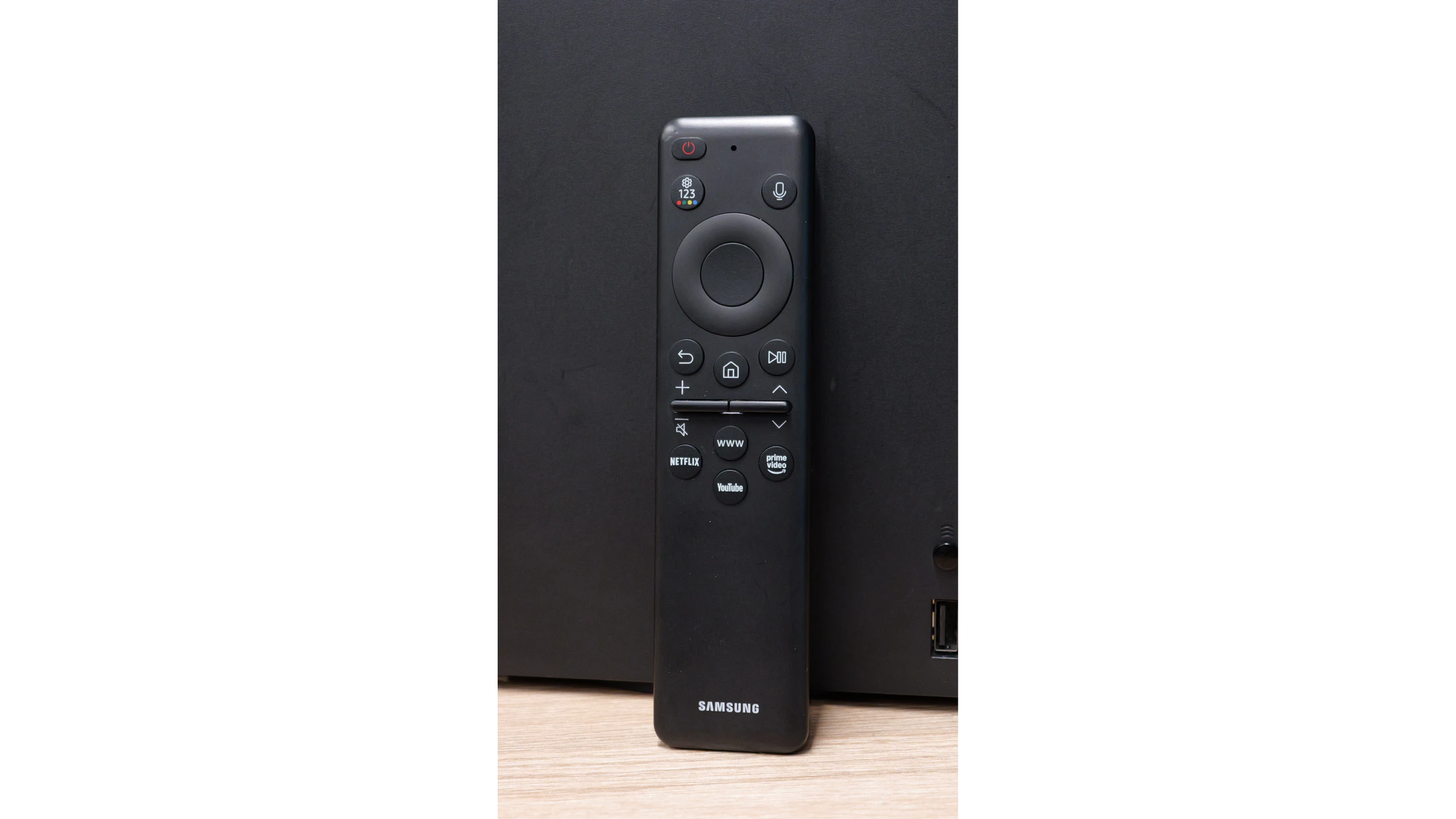
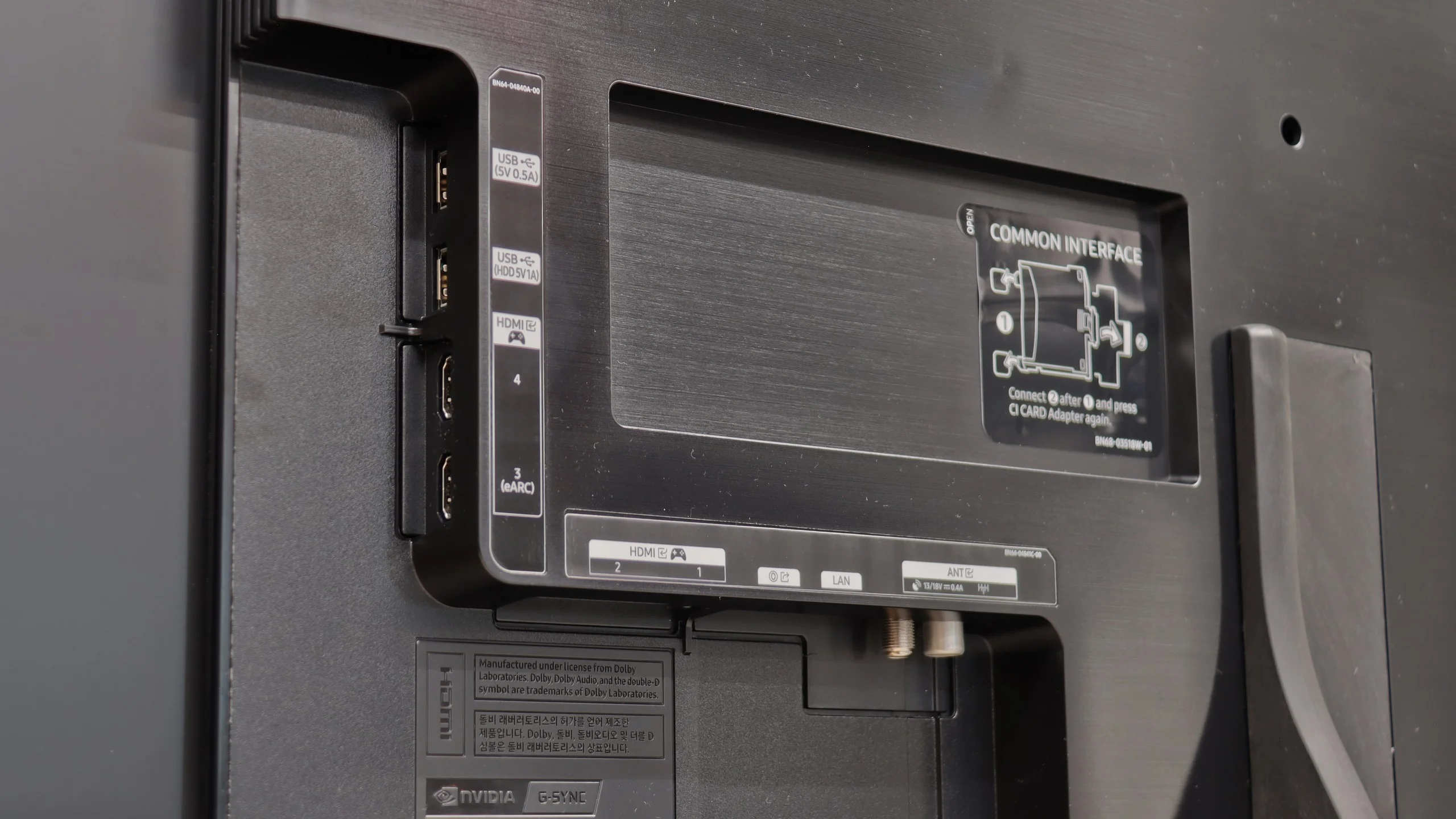
Similarly, in the area of scaling it is difficult to call this a breakthrough. The S90H uses the same NQ4 Gen3 processor as its predecessor, so the upscaling quality was almost identical. The chip sharpens lower-resolution material very well, extracting a satisfying level of detail. Samsung still has not dealt with the longstanding overscan issue, though. With some older recordings or archive footage the edges of the image can be slightly cropped. It’s a minor flaw, but it’s a pity the manufacturer still hasn’t eliminated it.
 Direct comparison