Google TV
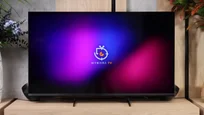
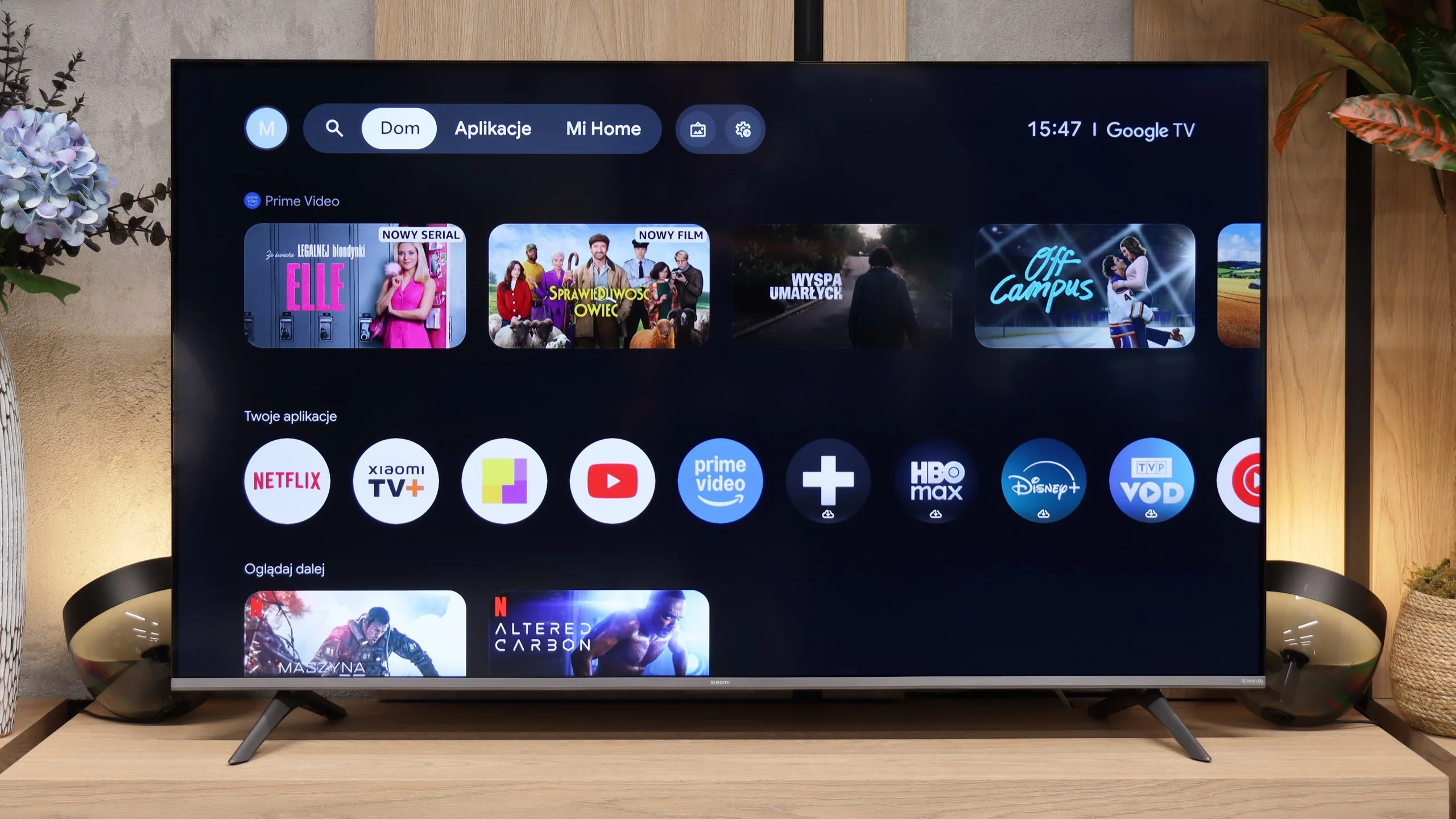
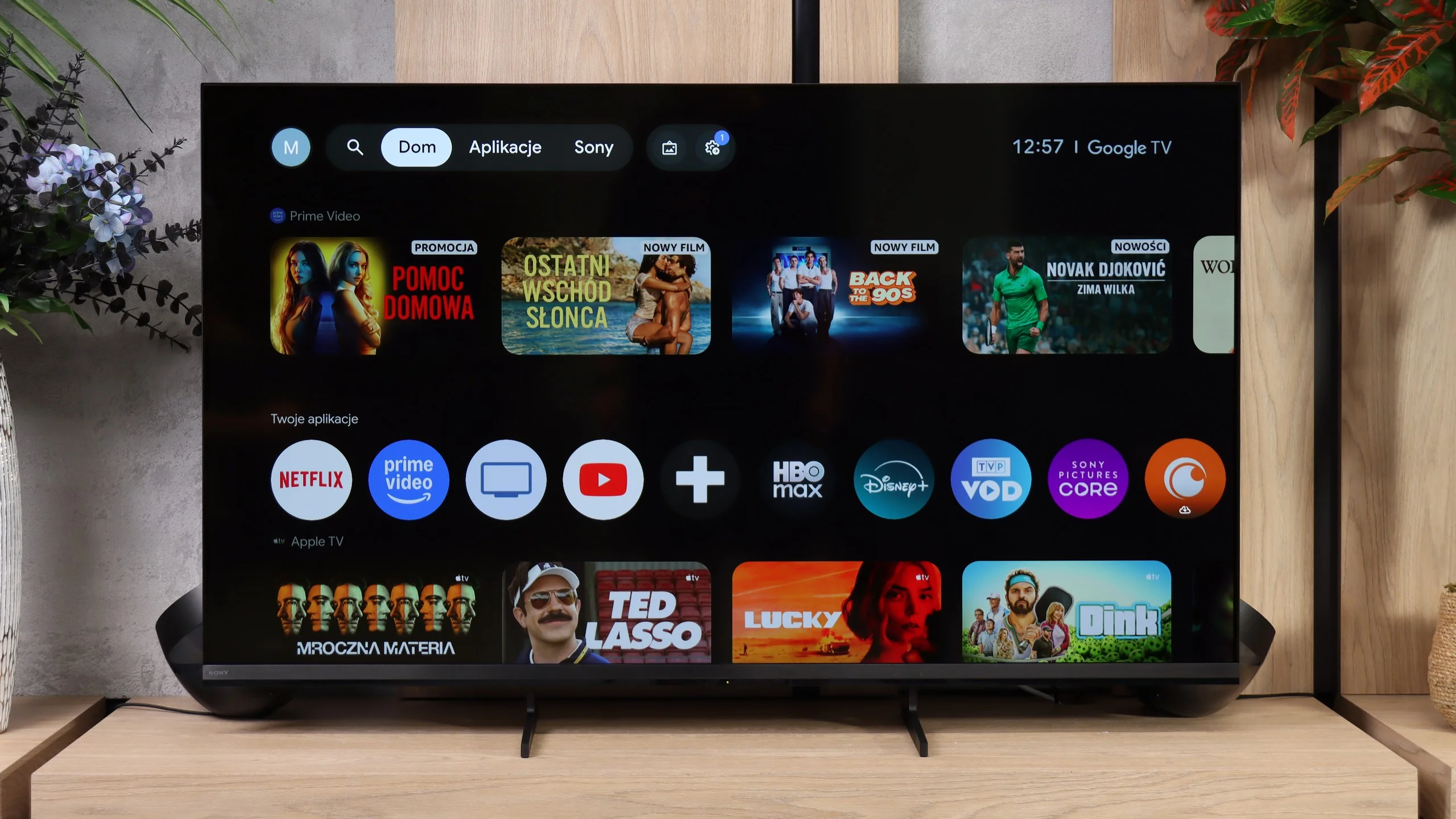
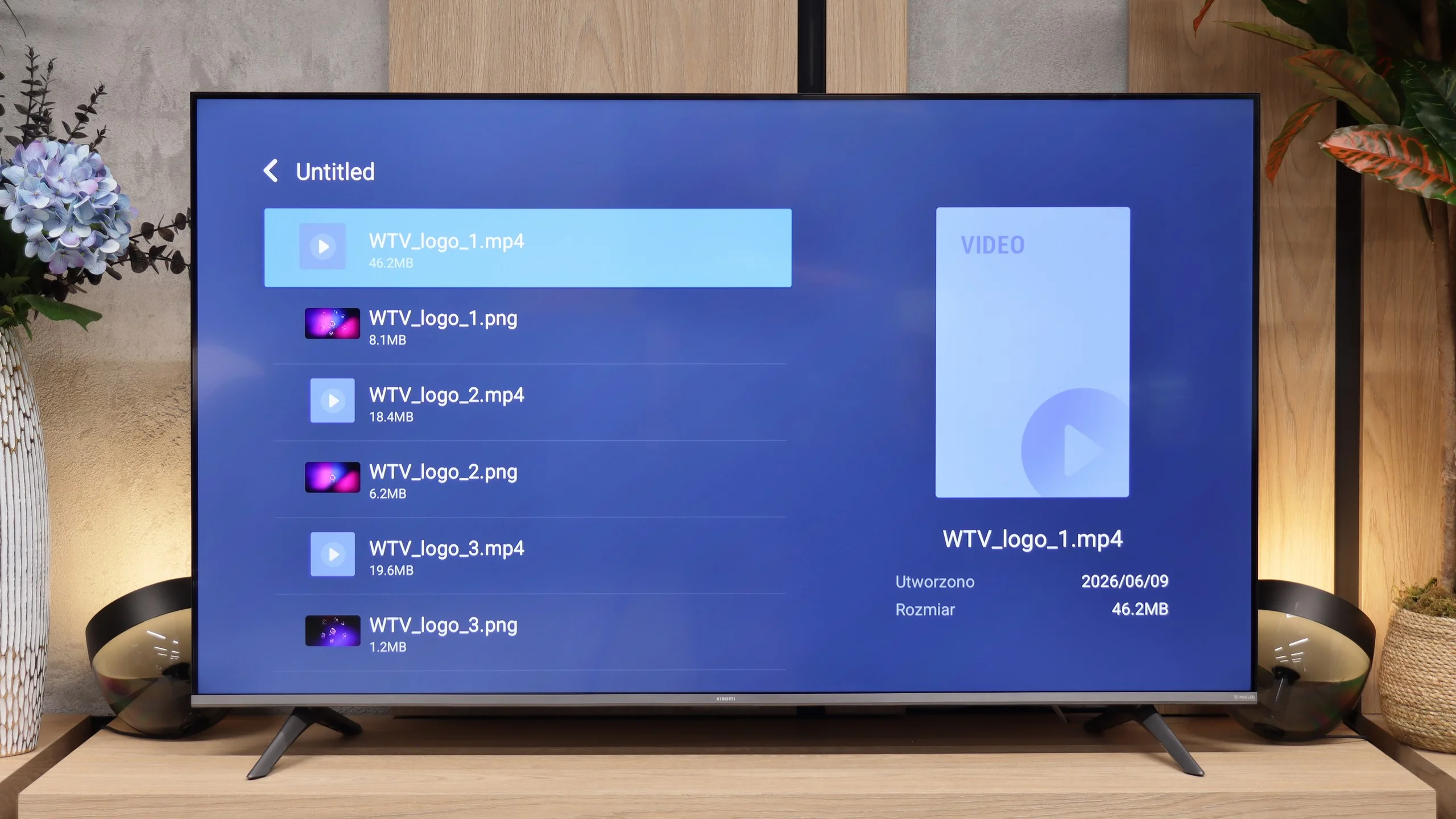
Xiaomi S Mini 2026 runs on Google TV, which remains one of the most comprehensive Smart TV platforms. You’ll find practically all the popular apps here, such as Netflix, YouTube, Prime Video, Disney+, HBO Max and Canal+, and thanks to the Google Play Store you can install many other programmes. It also supports Google Assistant, Chromecast and the ability to control the TV from your smartphone.
Unfortunately, on the smaller models the system doesn’t run as smoothly as we’d expect. Switching between apps or navigating the menu can take a moment, and the interface sometimes responds with a slight delay. It’s not a level that prevents using the TV, but compared with the competition it’s clear this isn’t the fastest version of Google TV on the market.
Classic features
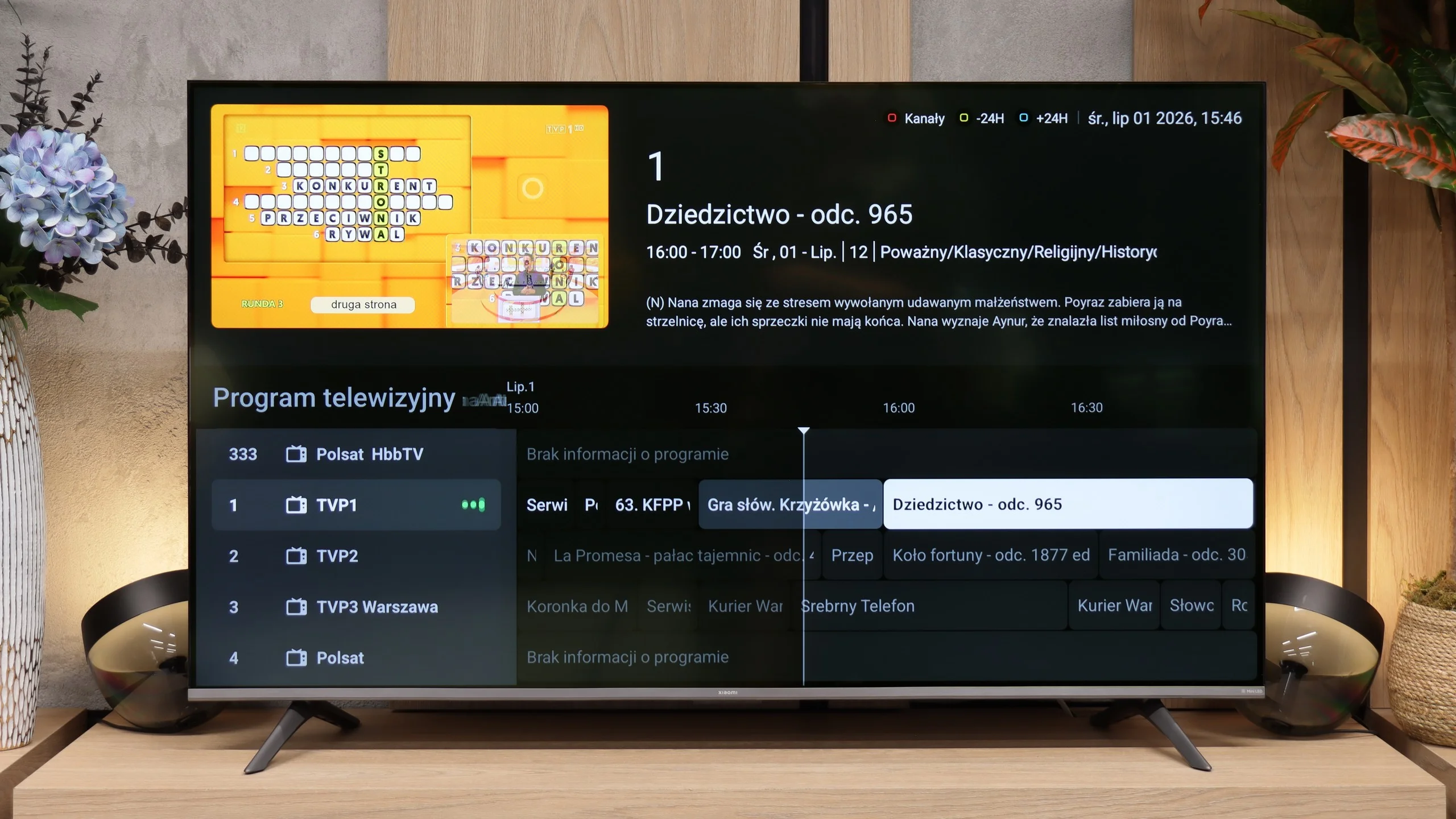
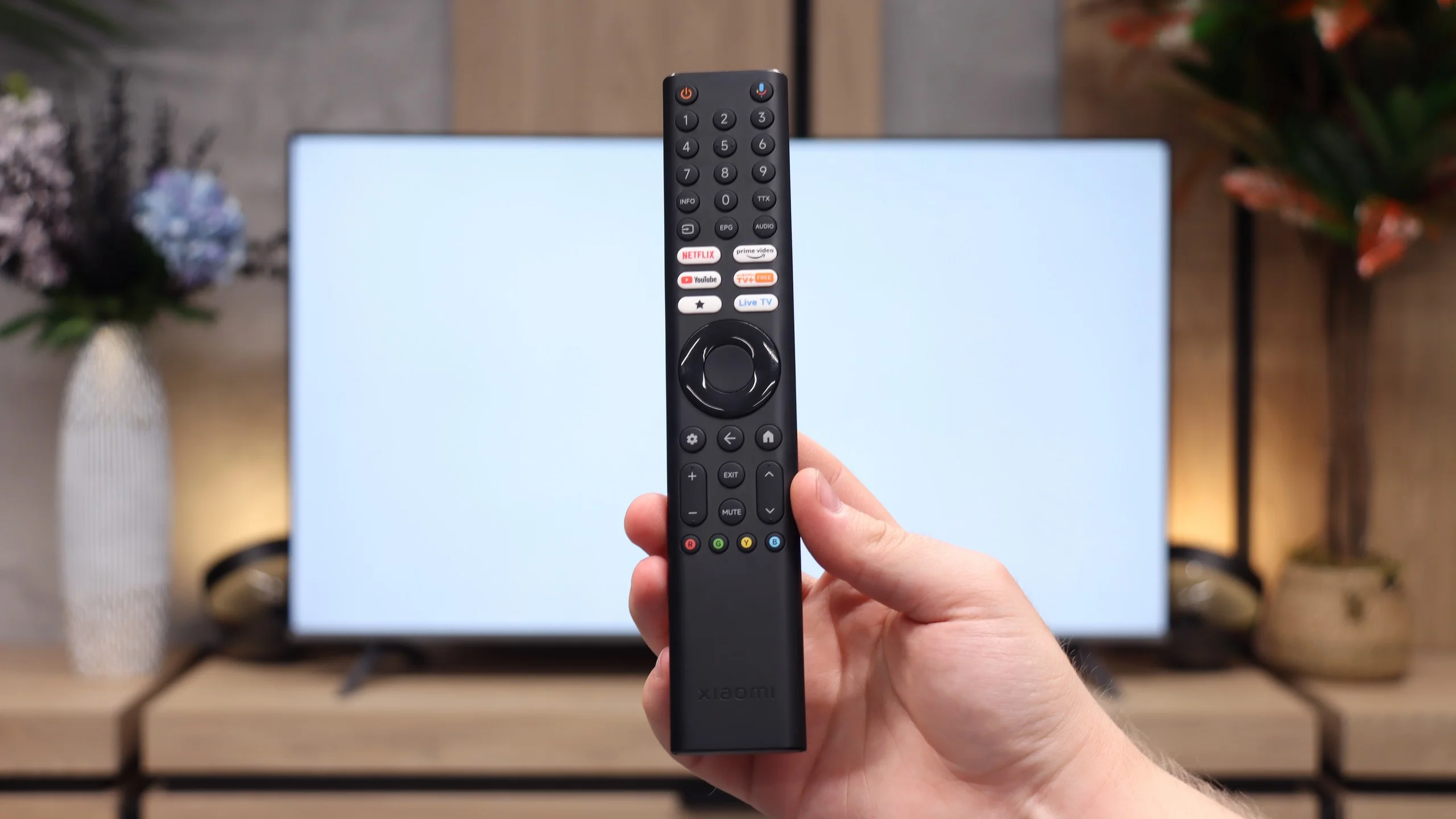
If you mainly use traditional broadcast TV, Xiaomi doesn’t offer anything beyond what you’d expect from a modern television. There’s an electronic programme guide and teletext. The manufacturer also includes a remote control with a classic numeric keypad, which is increasingly rare these days, but for many people will still be a convenient way to change channels.
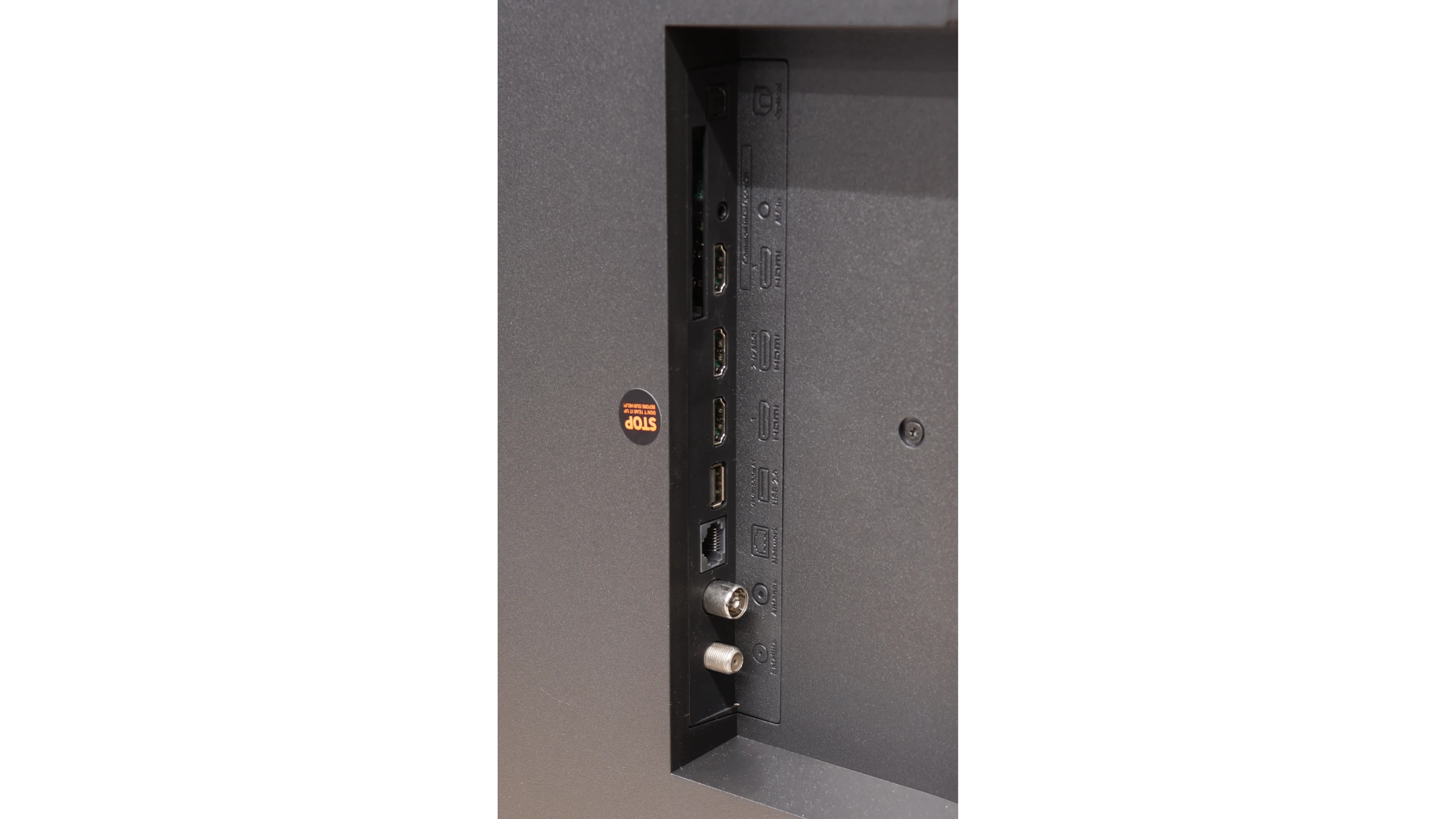
Worth noting is the presence of an analogue 3.5mm headphone output. This is a feature that is disappearing from TVs year by year, giving way to only digital audio outputs. Thanks to it you can easily connect older wired headphones or speakers without needing extra adapters.
Smart TV features: Google TV
Bravia 3 II runs Google TV and, in terms of capabilities, it’s one of the more fully featured systems you’ll find in TVs today. First and foremost, you get access to a very large number of apps, so beyond the most popular streaming platforms you’ll also find plenty of less obvious services. Sony also supports AirPlay and Chromecast, making it very convenient to cast content from a smartphone. Voice search is good too, powered by Gemini, which handles commands in many languages and can genuinely make using the TV easier. During our tests we did encounter one issue: Bravia 3 II wouldn’t reliably receive a picture from a Windows 11 PC over Miracast. So if you want to use the TV as a secondary screen for a computer, the most reliable solution remains a connection via HDMI.
Traditional TV features
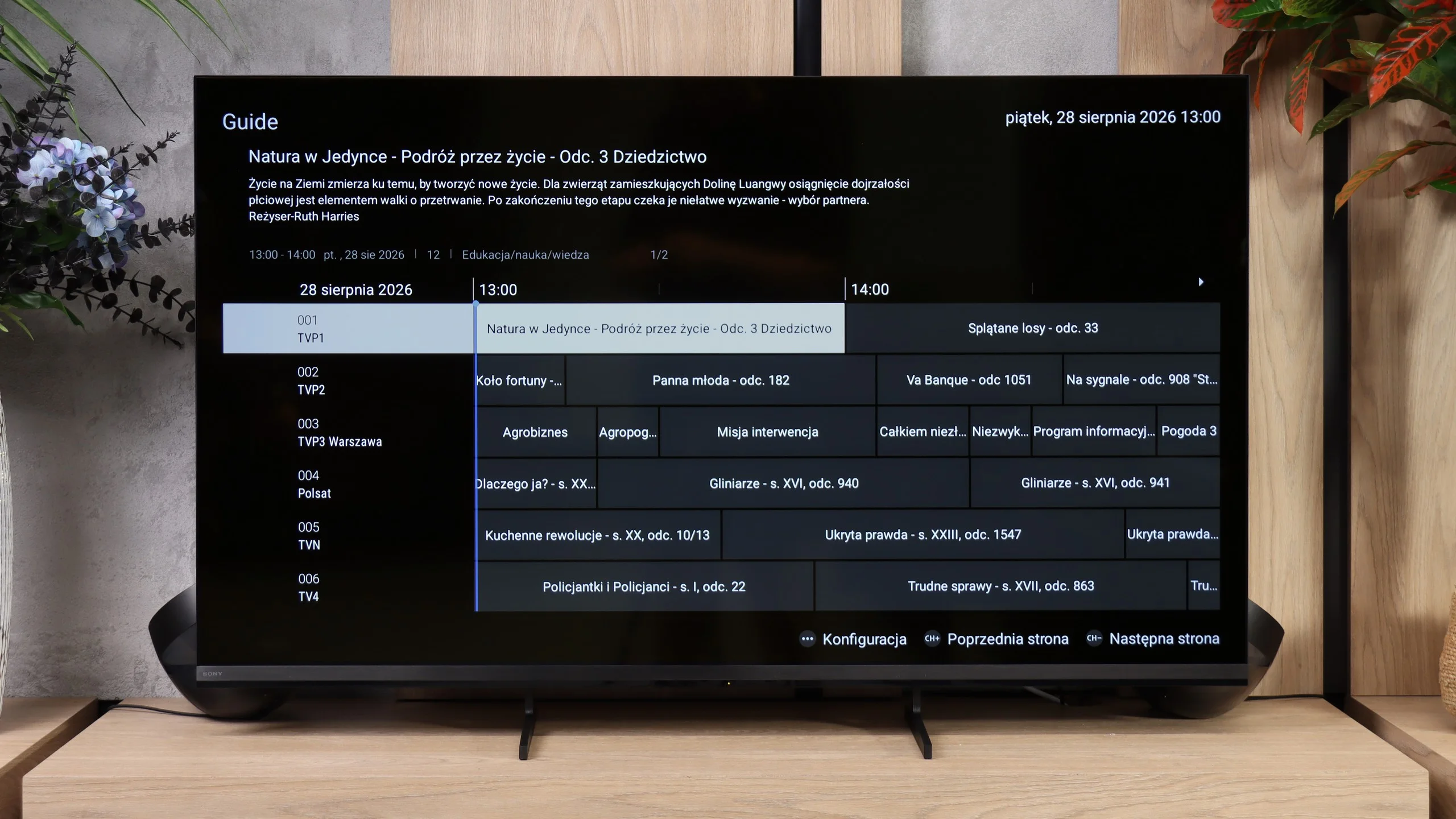
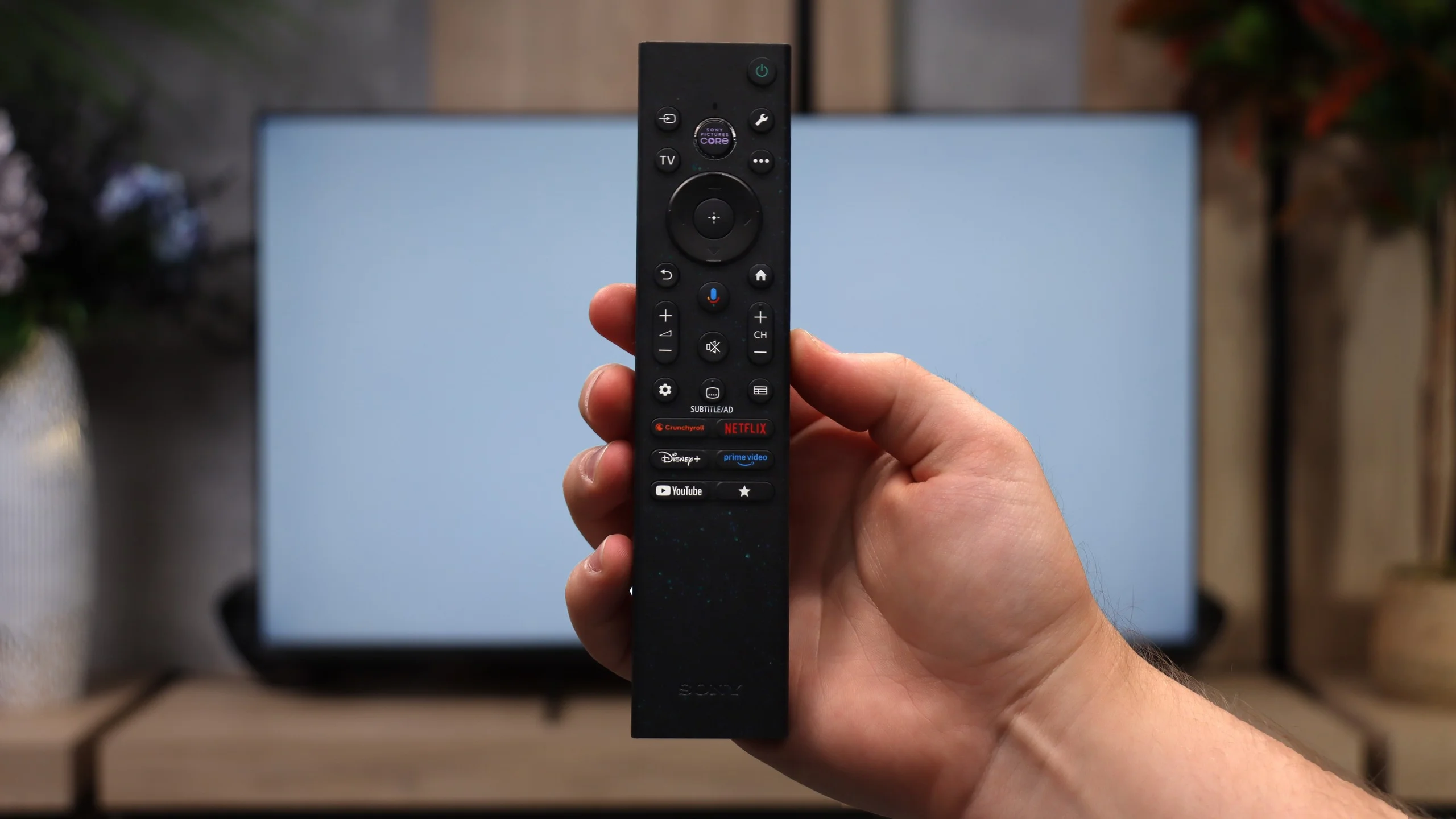
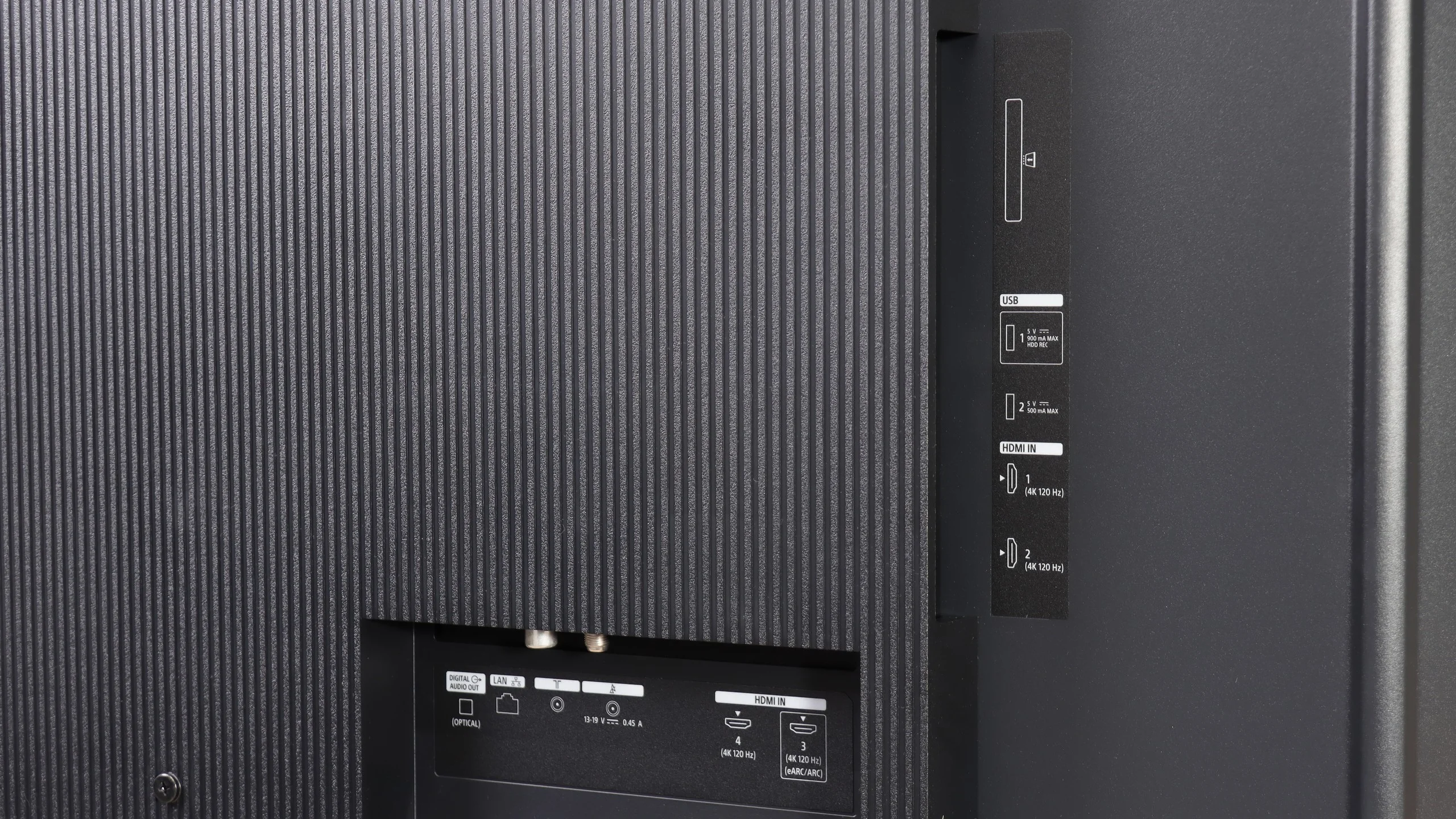
Sony hasn’t forgotten people who still mainly watch regular television. Bravia 3 II supports recording programmes to USB with the ability to schedule them in advance via PVR, which is rare nowadays, especially in cheaper models. There’s also teletext and a clear channel guide, so in terms of basic TV functions we weren’t really missing anything, maybe apart from picture-in-picture (PiP). A curiosity is the two remotes included in the set. The first is modern and pared-back (non-backlit), while the other is a classic design with a full numeric keypad. Although it may look a little old-fashioned, viewers who watch a lot of traditional TV might actually find it more convenient, for example when entering channel numbers.
 Direct comparison