TCL P755 stands out primarily due to the Google TV system, which makes daily use of the television easier. It is user-friendly, operates smoothly, and provides access to numerous applications, while personalized recommendations help quickly find something to watch. Support for AirPlay and Windows Miracast allows for easy screen mirroring from other devices. All of this makes the television a great option as a home entertainment centre. Regarding picture quality, P755 offers solid performance for its price. Dolby Vision makes HDR content look better – colours are vibrant, and contrast is sharper. The wide colour gamut ensures that the picture is saturated and natural, which is particularly noticeable when watching movies. Additionally, the television has a high native contrast, which distinguishes it in this price range. For gamers, the P755 can also be an interesting option. Low input lag allows for smooth gameplay, and games run responsively. Of course, the 60 Hz panel does not offer perfect fluidity, and the HGiG feature does not work flawlessly, but for occasional gaming, this model is sufficient. However, it is not without flaws. Low brightness means that the picture in bright rooms may be less readable, and the viewing angles are quite average. Dithering may also pose a problem, causing artifacts in darker scenes, especially if we use the television as a monitor – fonts on the screen are less readable. TCL P755 is a good choice for those seeking an affordable television with features. Dolby Vision, a wide colour gamut, and low input lag are the strong points of this model. Although brightness and viewing angles could be better, it offers a lot for the price and is well-suited for everyday viewing or occasional gaming.
- Matching (Score) |
- Our verdict |
- TV appearance |
- Where to buy |
- Contrast and black detail |
- HDR effect quality |
- Factory color reproduction |
- Color reproduction after calibration |
- Smoothness of tonal transitions |
- Image scaling and smoothness of tonal transitions |
- Blur and motion smoothness |
- Console compatibility and gaming features |
- Input lag |
- Compatibility with PC |
- Viewing angles |
- Daytime performance |
- Panel details |
- TV features |
- Apps |
- Playing files from USB |
- Sound
TCL P755 vs XIAOMI A PRO 2026
 Direct comparison
P755

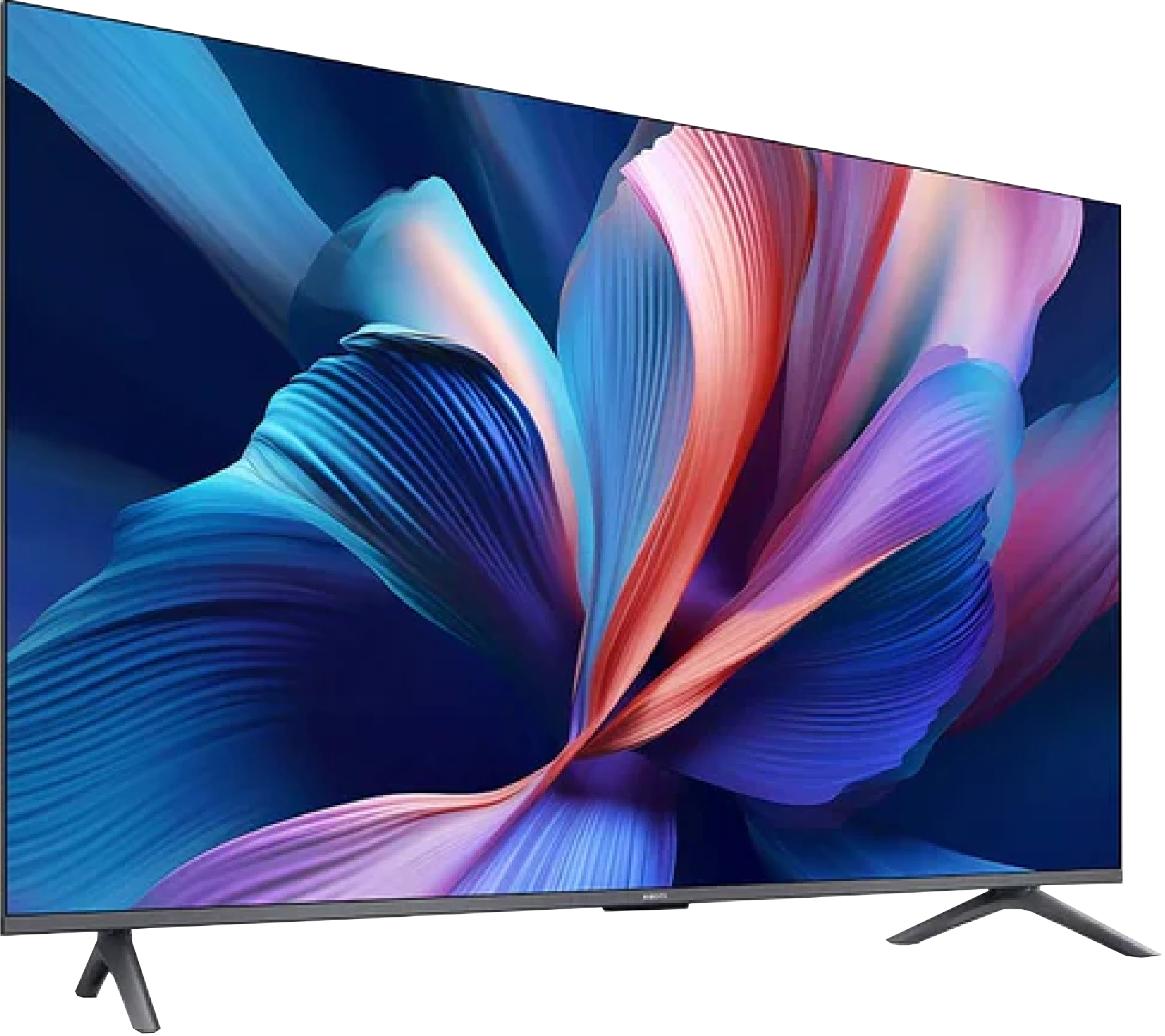
Panel type: LCD VA
Resolution: 3840x2160
System: Google TV
Model year: 2024
Complete the survey to find out the result
Panel type: LCD VA
Resolution: 3840x2160
System: Google TV
Model year: 2025
Complete the survey to find out the result
Overall rating
5.8
5.6
 Movies and series in UHD quality
 5.9
6.0
 Classic TV, YouTube
 6.0
5.7
 Sports broadcasts (TV and apps)
 5.1
4.7
 Gaming on console
 6.8
6.2
 TV as a computer monitor
 2.5
2.0
 Watching in bright light
 3.8
4.9
 Utility functions
 7.3
6.1
 Apps
Apps 9.6
9.6
 Sound quality
 5.8
5.0
Complete the survey to find out what fits your preferences
Advantages

High native contrast
Support for advanced features for gamers
Extensive Google TV operating system
Low input lag
Support for all HDR formats
Support for all Dolby and DTS audio formats
VA panel with good native contrast and decent blacks
Supports Game Boost mode at 120 Hz in 1080p and 1440p
Low input lag in 120 Hz mode
Google TV – vast selection of apps and services
Wide colour gamut coverage (around 94% DCI-P3)
Good colours after calibration in SDR mode
Supports popular audio formats (Dolby Atmos, DTS:X)
Large, easy-to-read remote with numeric keypad – convenient for seniors
Disadvantages

Low brightness
Average viewing angles
HGiG mode not functioning correctly
Poor font readability
Low brightness
Lack of real support for HDR10+ and other more advanced HDR formats (e.g., Dolby Vision)
Significant limitations when working with PC – no chroma 4:4:4, heavy dithering, poor font readability
Poor viewing angles (typical for VA)
Clunky build, legs mounted in plastic with screws
Weird system issues – stuttering, errors with Miracast and sound switching
Upscaling and digital image processing is virtually non-existent
Very weak sound, practically no bass (we felt it performed worse than the "2025" model)
Our verdict
Xiaomi A Pro 2026 is a television that, at first glance, doesn’t reveal significant changes compared to its predecessor. Someone might even think it’s just a copy of last year's model with a different sticker. And there’s some truth to that, as the main novelty, or rather the only noticeable difference, is the 120 Hz mode at lower resolutions. It must be said that Xiaomi has done well here; this addition really makes a difference – it’s not a solution for professional gamers, but a nod towards those looking for a smoother image during casual gaming. This is where the A Pro 2026 can stand out – with a simple yet clever idea that sets it apart in the “super budget” segment. Unfortunately, when we start looking at the television more broadly, the enthusiasm quickly wanes. Even though the year has changed on the calendar, most of the issues known from the A Pro 2025 are still with us – the system can still experience strange stutters, and the occasional errors can be quite frustrating. On top of that, there's a lack of any serious digital image processing tools, which worked quite decently last year. As a result, there are many limitations in the design that the competition in a similar price range is already trying to cover up in some way. When it comes to image quality, we won't sugarcoat it either. Brightness at the level of 200–300 nits doesn’t stand a chance against more demanding content. Sure, with simpler streaming content, you can watch something, but with high-budget productions, it’s immediately clear why the television costs what it does. The impression that we are viewing a flat image stripped of details accompanies us pretty much every time. And this brings us to the crux of the matter. The Xiaomi A Pro 2026 is a television for those who really don’t demand much. As a daily screen for series, news, or YouTube, it performs decently, especially thanks to its operating system, which is GoogleTV. Also, if someone is looking for budget equipment and would additionally like a taste of smoother gameplay in games thanks to the 120 Hz mode, they might even be satisfied. However, anyone expecting at least average image quality, a stable system, and proper functionality will soon notice that there are other budget models on the market that simply perform better.
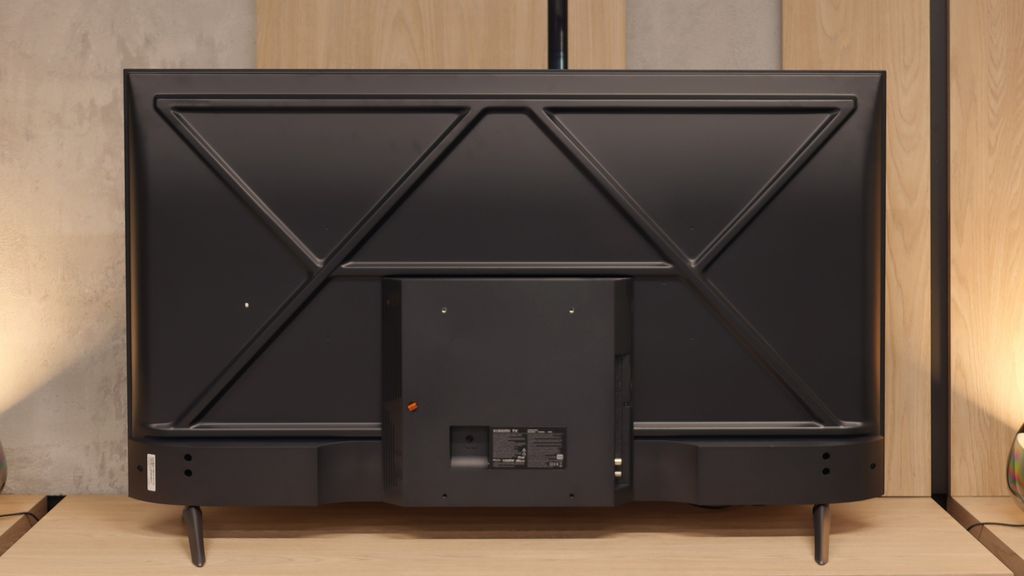
TV appearance


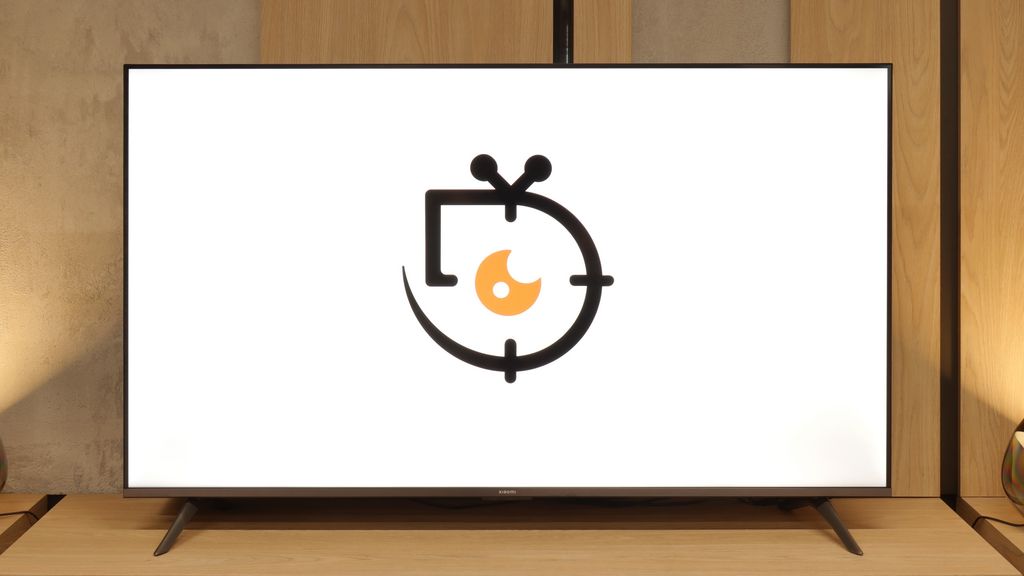
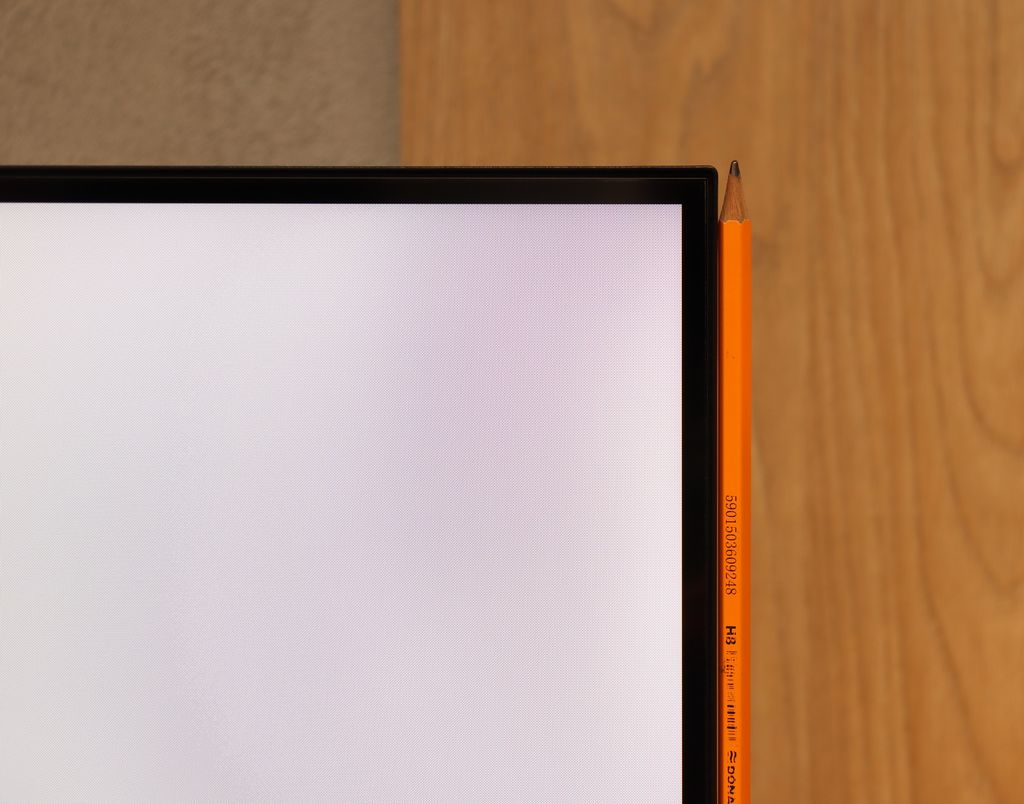
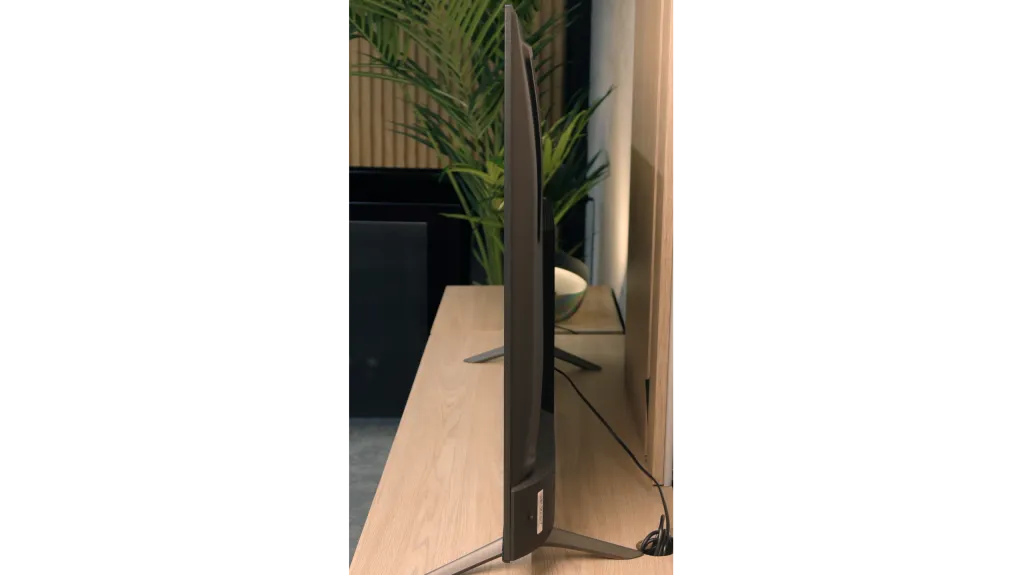

Contrast and black detail
6.1/10
6.1/10
Local dimming function: No
Local dimming function: No
Contrast:


Result
5,650:1

Result
6,750:1

Result
5,850:1

Result
6,550:1

Result
6,100:1
Result
5,000:1
Result
6,550:1
Result
7,300:1
Result
6,600:1
Result
4,900:1
Halo effect and black detail visibility:

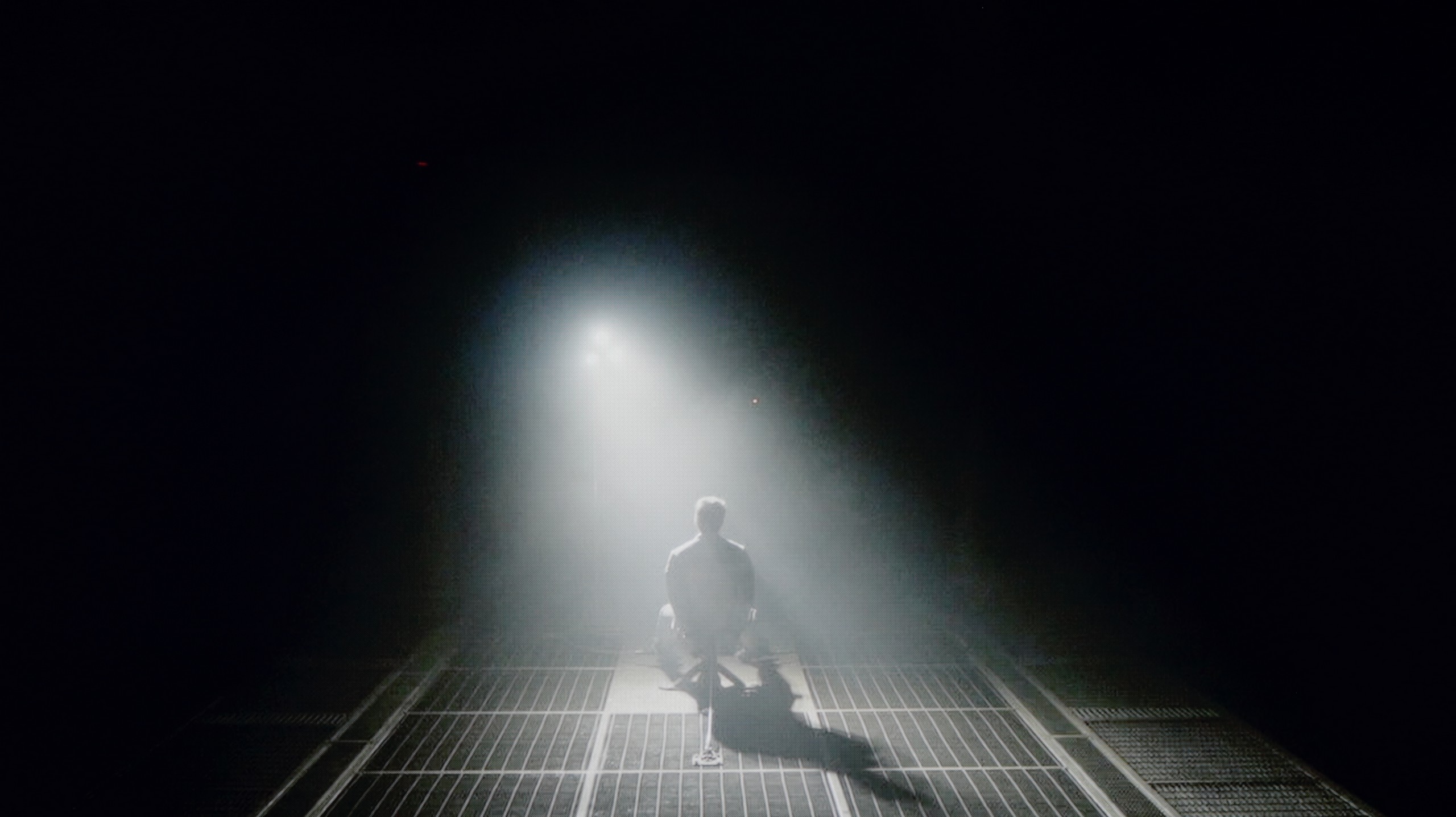
Check the visibility of bright lights on a dark background. Mini-LEDs often struggle with this. The photo does not compare black levels – that’s what the video below is for.
The video accurately shows differences in contrast and black levels between TVs, as well as potential issues: halo around bright objects or Mini-LED zone operation visible as brightness jumps.
TCL P755, equipped with a VA panel, offers very high contrast, which translates to deeper blacks and better detail reproduction in darker scenes compared to IPS/ADS panels. The panel in this model has an exceptionally high native contrast. In movie mode, contrast is a strong point of the television, but the lack of local dimming technology means that blacks are not perfectly deep. They often take on shades of navy, which can be particularly noticeable in dark movie scenes. During testing on the film Sicario 2 , some flaws were also noted in the form of uneven backlighting, which can distract from important details in the blacks, reducing overall immersion in the scenes. However, it's important to remember that this comment pertains to the unit we tested; nevertheless, it's worth keeping in mind that similar shortcomings may occur in another unit.
One of the biggest advantages of even a budget construction like the Xiaomi A Pro 2026 is the VA panel it uses. This is responsible for quite decent contrast, which in our measurements oscillated between 5000:1 and 7000:1. On the screen, this translates to a stable image with fairly deep blacks – something that's hard to find in competing models with IPS panels without local dimming. Xiaomi has also added a global dimming function for the entire panel. It sounds good, but… we advise turning it off straight away. Why? Because the screen behaves very strangely in darker scenes – sometimes it dims so much that you can hardly see anything, and other times it brightens so much that the already dark blue-black turns into a bright blue. At those moments, it felt as if the TV was simply damaged. Fortunately, without this function, the contrast looks really solid. It’s definitely not on the level of advanced TVs with local dimming, but in its price range, it will easily satisfy most users – especially if you’re not watching in a completely dark room and have at least some background light that effectively masks the imperfections of the "blue-black".
HDR effect quality
4.2/10
4.1/10
Luminance measurements in HDR:

Result
190 nit

Result
238 nit

Result
272 nit

Result
248 nit

Result
283 nit
Result
220 nit
Result
248 nit
Result
322 nit
Result
315 nit
Result
326 nit
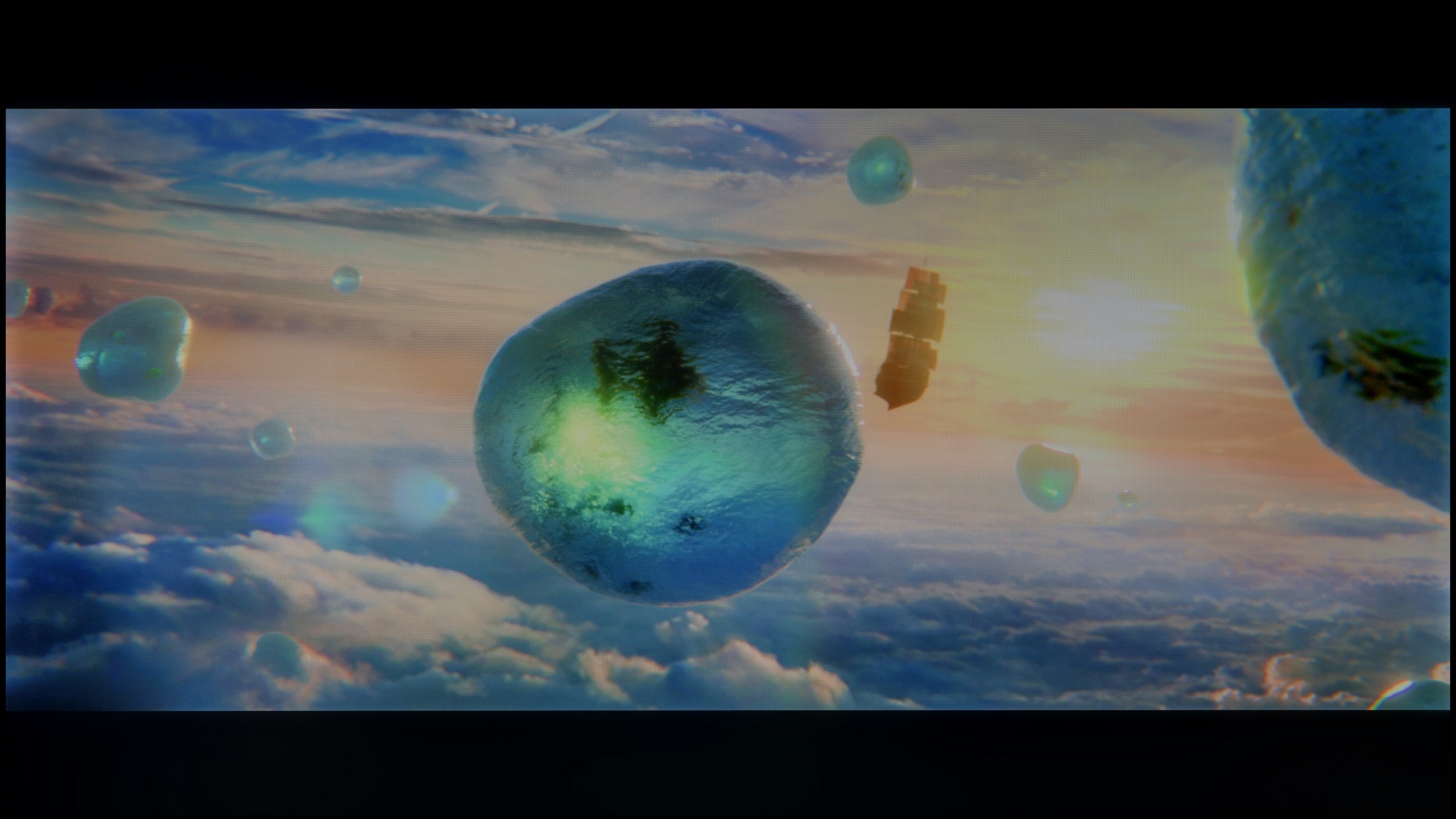
Scene from the movie “Pan” (about 2800 nits)

Scene from the movie “Billy Lynn” (about 1100 nits)


The photos show two HDR10 movies. 'Pan' is one of the brightest productions ever made, while 'Billy Lynn' (soldier) has brightness typical of streaming (Netflix, Prime, HBO MAX). Notice the intensity of effects and detail in whites.
Static HDR10


The photos present the visibility of white details in various HDR formats. They do not show brightness differences between TVs (these can be compared in the previous gallery).
Dynamic: Dolby Vision
Dynamic: HDR10+


The photos present the visibility of white details in various HDR formats. They do not show brightness differences between TVs (these can be compared in the previous gallery).
HDR luminance chart:
XIAOMI A PRO 2026
TCL P755
TCL P755 provides average HDR effect quality. The maximum brightness of the TV is slightly below 300 nits. Such brightness limits the intensity of bright areas in HDR content. In practice, this means that bright elements may not be sufficiently pronounced, affecting the overall impression of contrast. However, the TV offers wide coverage of the DCI P3 colour gamut, reaching about 93%. As a result, colours are vibrant and saturated, significantly improving colour reproduction quality in HDR content. Despite the limited brightness, the wide colour range allows for richer and more realistic shades.
If you're counting on the cinematic HDR experience in the new Xiaomi A Pro 2026, it's best to temper your expectations. This TV is simply too dim to fully realise the potential of contemporary films or series designed for the highest quality image. Our measurements showed brightness levels in the range of 200–300 nits, which are values that are more suited to SDR content than to ambitious HDR productions. In practice, this means that while most films look decent, they certainly won't evoke the 'wow' effect that other TVs do. Fortunately, not everything is lost – credit has to be given to the PFS LED filter used here, a solution similar to the quantum dot technology found in QLEDs. Thanks to this, the coverage of the DCI-P3 colour palette reaches about 94%, resulting in vibrant, saturated colours in the vast majority of materials.
Factory color reproduction
6.2/10
3.5/10


This gallery shows how colors change after professional TV calibration. If you notice the difference, we recommend ordering this service at SkalibrujTV.com.
Factory Mode
After calibration


This gallery shows how colors change after professional TV calibration. If you notice the difference, we recommend ordering this service at SkalibrujTV.com.
Factory Mode
After calibration
The colour reproduction in the P755 in "Cinema" mode, although it is the best factory setting, leaves much to be desired. The biggest issue is the white balance, where the chart clearly shows a spike in the red colour and a drop in the green colour. This leads to a shift in colours towards red, causing the colours on the screen to appear less natural and may look incorrect, especially in scenes with a white or neutral background. This is confirmed by the "Colour Checker" test, which reveals that the colours are indeed shifted towards red, affecting the realism of the image and reducing the perception of colour depth. In terms of contrast, the gamma chart analysis shows significant fluctuations, particularly in the dark areas of the image, where values drop below the optimal level of 2.4. As a result, darker areas may be displayed brighter than they should be. Additionally, the EOTF curve, responsible for brightness reproduction, sits slightly above the reference curve. The graph shows a slight increase in brightness to about 50%, after which there is only a minor drop. This leads to excessive brightness enhancement in the mid-range of the image and may result in loss of detail and distortion in brighter scenes.
What we saw in Filmmaker mode really surprised us – and unfortunately not in a good way. The mode advertised as the Hollywood standard resembled more of a display in a shop window. The white balance was shifted towards blue, which led to massive colour errors and the effect of blown-out scenes in SDR content. It was a bit better, though far from perfect, in HDR materials. There were also problems there – colour saturation and the entire palette consistently drifted towards cooler tones, resulting in an image that had an artificial, cold tint rather than a cinematic character. In other words: even in Filmmaker mode, which should be the showcase of this television, we got an effect far from expectations.
Color reproduction after calibration
7.6/10
7/10

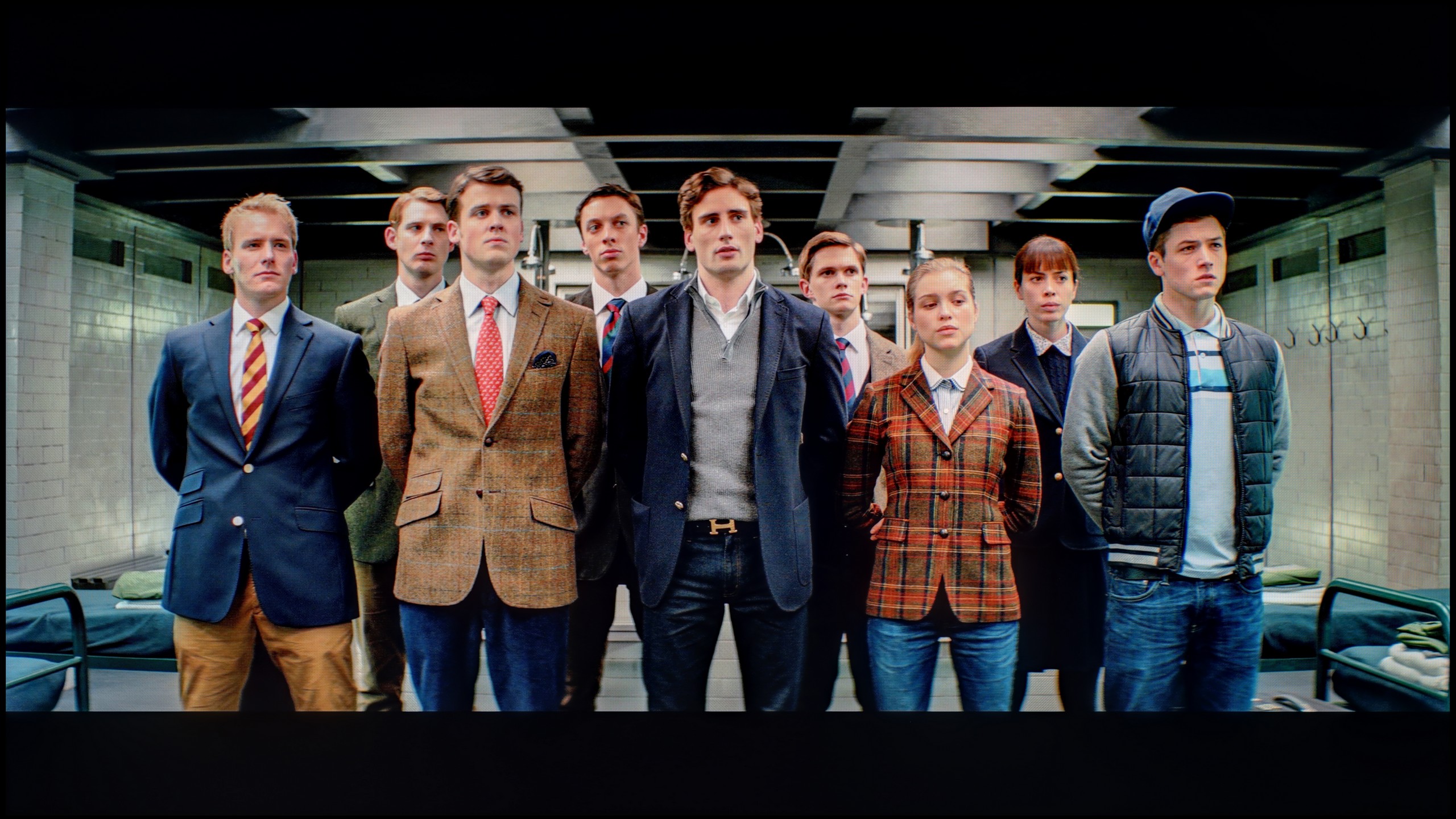
The photos show how movies look on the TV. Pay attention to black detail visibility, colors, and shadow tint.

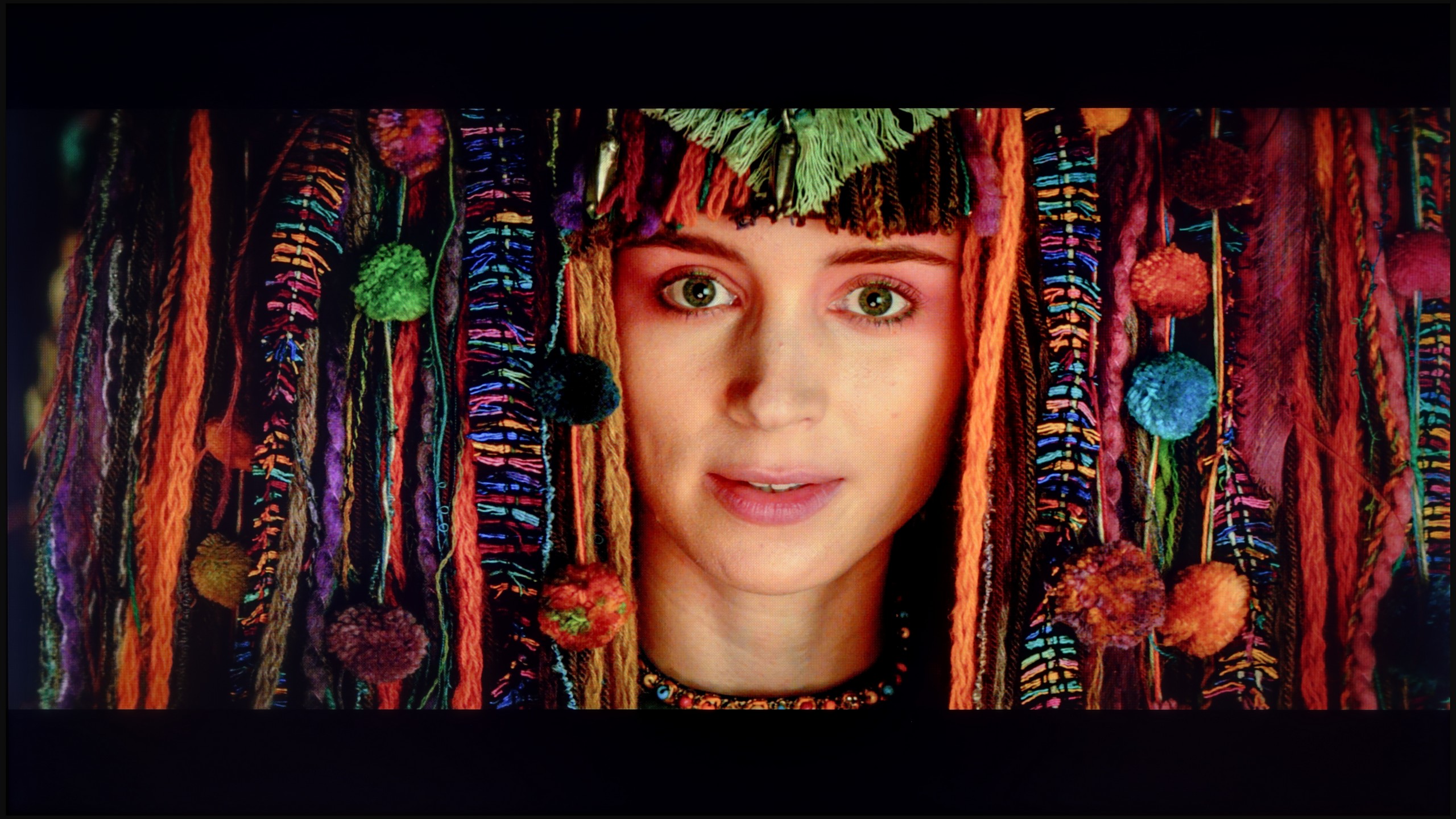
The photos show how movies look on the TV. Pay attention to black detail visibility, colors, and shadow tint.
After calibration, the colour reproduction on the television significantly improves when it comes to SDR content. The colour curves are now close to the ideal value, and the gamma is more stable. Although the dip at the beginning of the graph to the values is still present, the overall accuracy of colour reproduction is much better. The “Colour Checker” test shows that most colour samples have errors below level 2, indicating improved colour fidelity. A few deviations are present, but generally, the colours are now more realistic and consistent with reality.
Calibration also brings improvements in HDR content. The white balance has been corrected, translating to more natural colour reproduction. The EOTF curve, although now closer to the reference curve, still shows a slight boost in brightness at the beginning of the graph. This leads to minor distortions in very bright scenes, but the overall tonality and detail have been enhanced. Dynamic tone mapping works more effectively, improving image quality in bright areas and preserving more details.
Although the image from the device does not achieve full perfection, calibration brings significant improvement. After adjusting the settings, the television performs much better, offering more realistic and accurate colour reproduction in SDR and HDR content. While some shortcomings can still be noticed, calibration effectively eliminates many previous issues, ensuring better image quality and more natural colours.
Even though Xiaomi isn't a brand associated with top-tier televisions, it's fair to say that even in a budget model like the A Pro 2026, the manufacturer left plenty of calibration settings. After a few adjustments, the SDR picture took on a completely new look. The colours stopped veering into blue tones, the whites gained a sense of naturalness, and most errors dropped to a practically invisible level. As a result, SDR content looked very good, surprisingly so for this price range.
It was a slightly different story with HDR materials. Here, it was immediately noticeable what we had already mentioned – the overexposure of bright scenes and issues with balance control. Calibration helped only partially, as the limitations of the panel itself were at play. However, it must be emphasized that in the case of SDR, the television changed beyond recognition, and definitely for the better.
Smoothness of tonal transitions
7.5/10
9.3/10


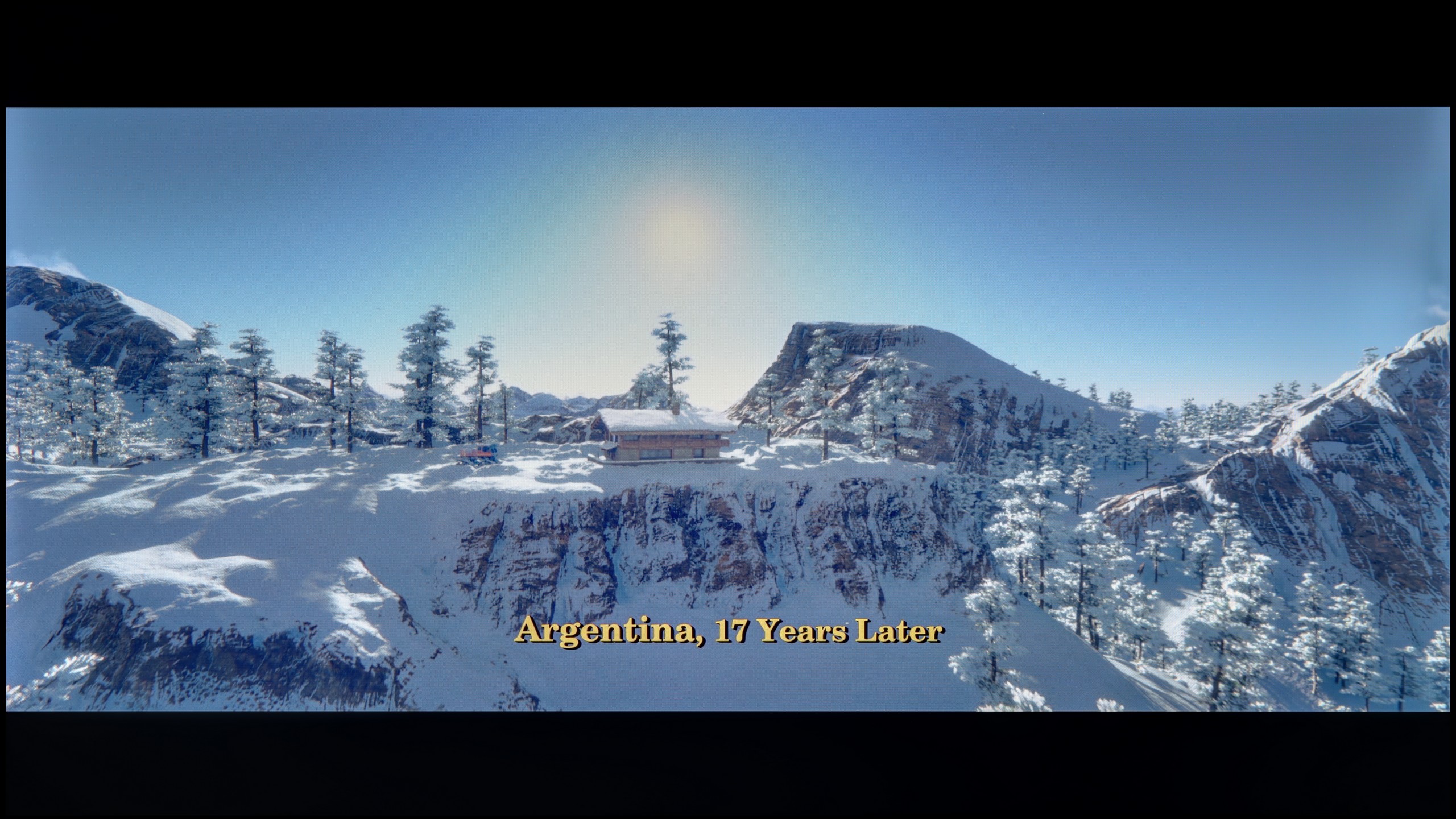
These are selected scenes that show smooth tonal transitions from one color to another. If you see distinct banding, it’s the TV panel’s fault.

These are selected scenes that show smooth tonal transitions from one color to another. If you see distinct banding, it’s the TV panel’s fault.
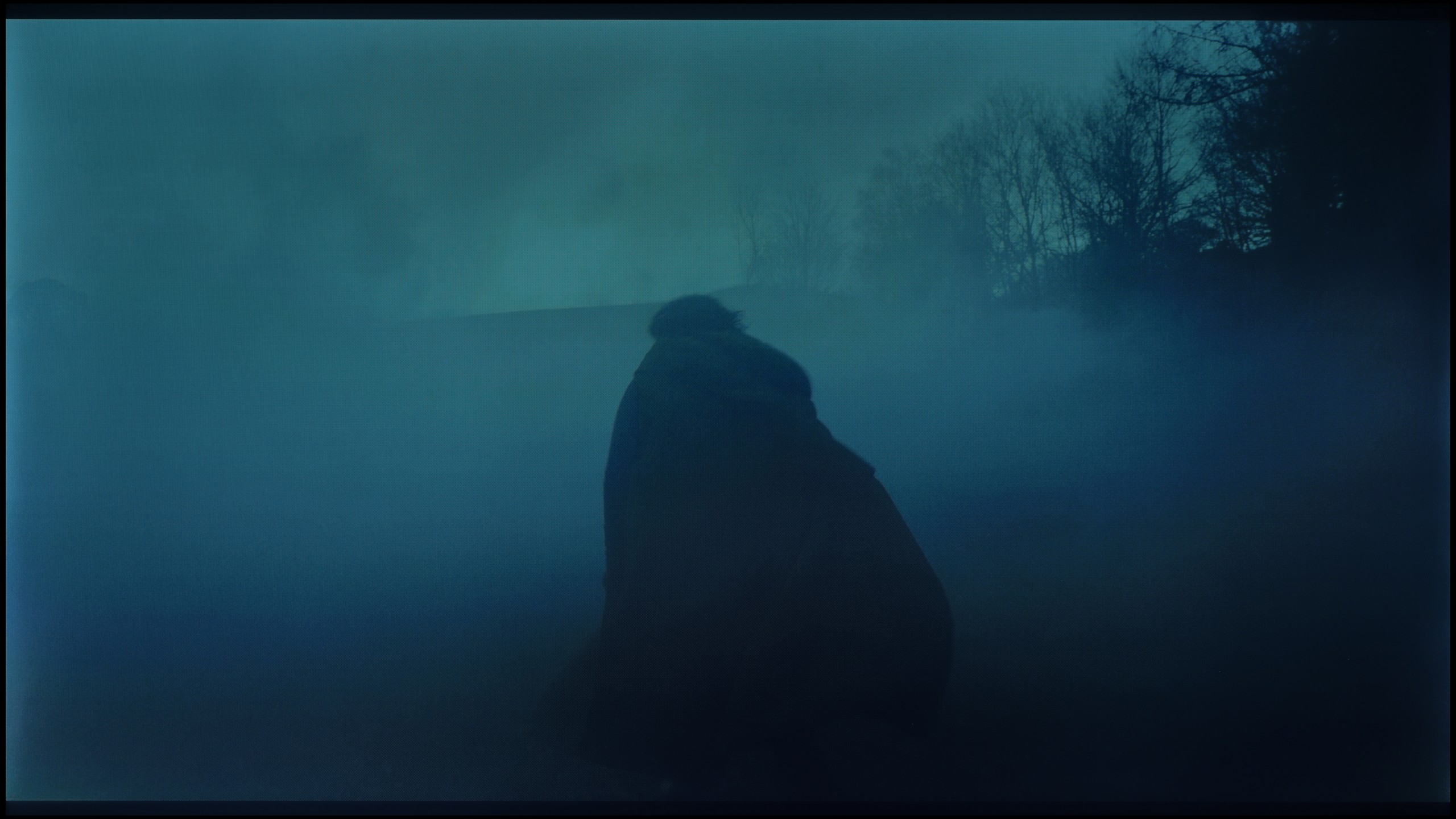
These are selected scenes that show smooth tonal transitions from one color to another. If you see distinct banding, it’s the TV panel’s fault.

These are selected scenes that show smooth tonal transitions from one color to another. If you see distinct banding, it’s the TV panel’s fault.
In the case of high-quality content, TCL P755 offers decent fluidity of tonal transitions. Although subtle imperfections can be noticed in the blending of colours, especially in more complicated gradients, these are typical for TVs in this price range. During tests in movie scenes, these issues were noticeable at certain moments; however, in most cases, one really has to take a close look to spot these flaws. For the average user, they shouldn't pose a significant problem in everyday use.
The television really handles colour blending well, and in most scenes it's hard to spot any imperfections. This is best showcased in the brighter parts of films, where tonal transitions look almost perfect, and the image is smooth and natural. Darker scenes are somewhat less impressive, where the characteristic banding can be seen. Fortunately, this isn't a flaw that stands out, and for most viewers, it will remain virtually unnoticeable.
Image scaling and smoothness of tonal transitions
5.5/10
3/10


Smooth transition function

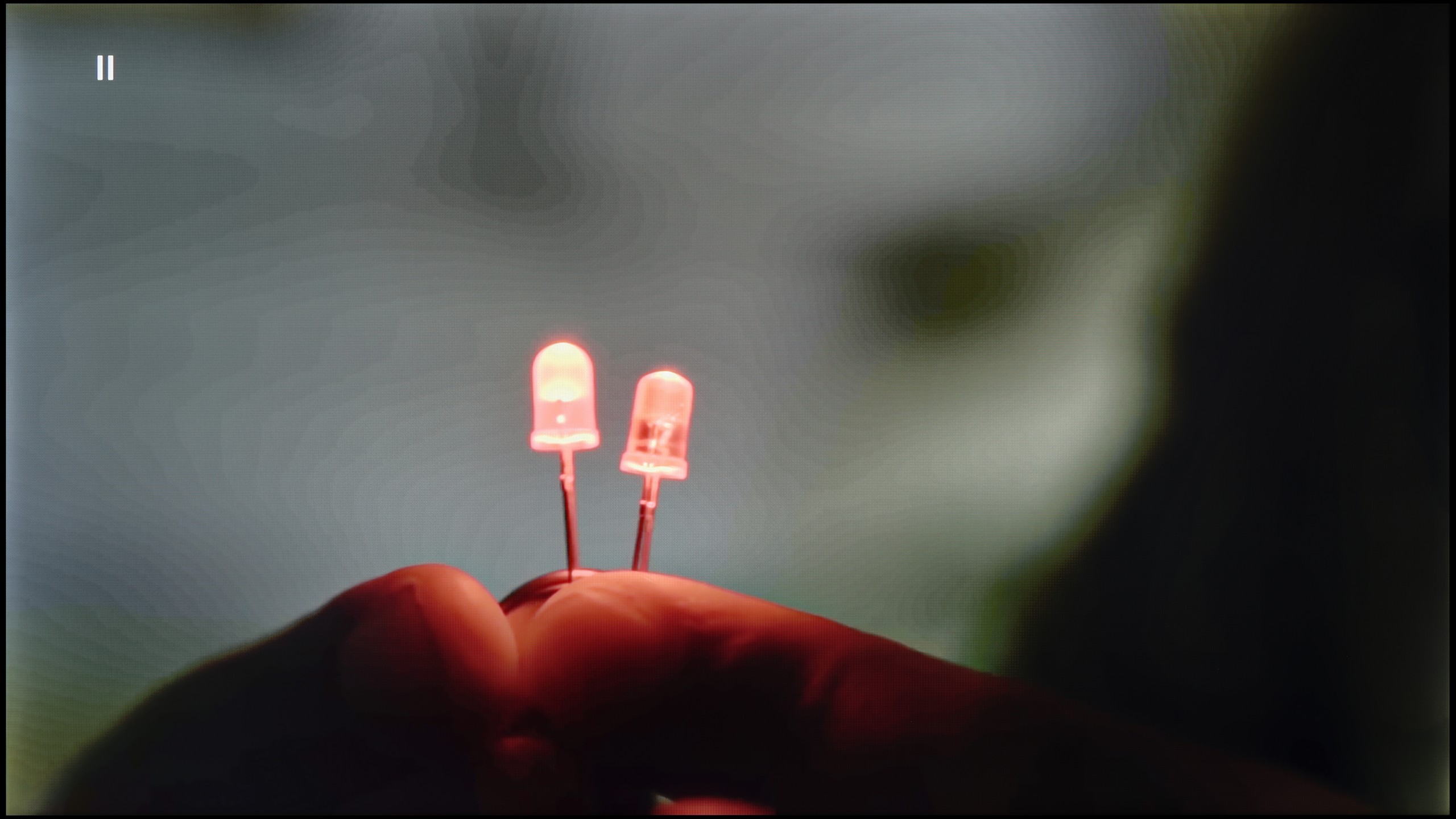
The match photo shows how the TV smooths weak tonal transitions in low-quality video.
Image scaling SD (576i)


The model photo shows how it handles upscaling of SD material.
The “Gradual Smoothing” function works quite well, effectively eliminating visible boundaries between different shades of the same colour. Thanks to it, tonal transitions are smoother. Unfortunately, this function is not available in HDR mode, which can affect the quality of tonal gradation in higher dynamic range materials.
In the case of image scaling, the television does not perform its best. There are noticeable edge cut-offs, particularly evident on the model's figure and the branches of trees. The blurring of details in these areas affects the overall sharpness of the image. This may be noticeable when watching content in a lower resolution. Additionally, SD quality image is displayed with slight cropping at the top as well as the bottom.
Upscaling and digital image processing in the Xiaomi A Pro 2026 are not among the model's strong points. One might expect that since the television was not designed to achieve record brightness levels, the manufacturer would have opted for a more robust processor and a set of features that would "enhance" lower quality images. Unfortunately – we were also met with significant disappointment here. On the plus side, it has reasonably decent upscaling, which handles HD content and boosts it to 4K in an acceptable manner. However, that is where the list of advantages ends. The television does not offer any features to improve tonal transitions or smooth out digital imperfections, so in most cases, we receive a raw image, exactly as we deliver it from an external source. On a large screen, this lack of support makes lower quality content look simply bland. An additional problem is the phenomenon of overscan. When watching older material, it happens that part of the image is cut off, which only intensifies the impression that Xiaomi has quite a bit of catching up to do in this category.
Blur and motion smoothness
4.3/10
4.5/10

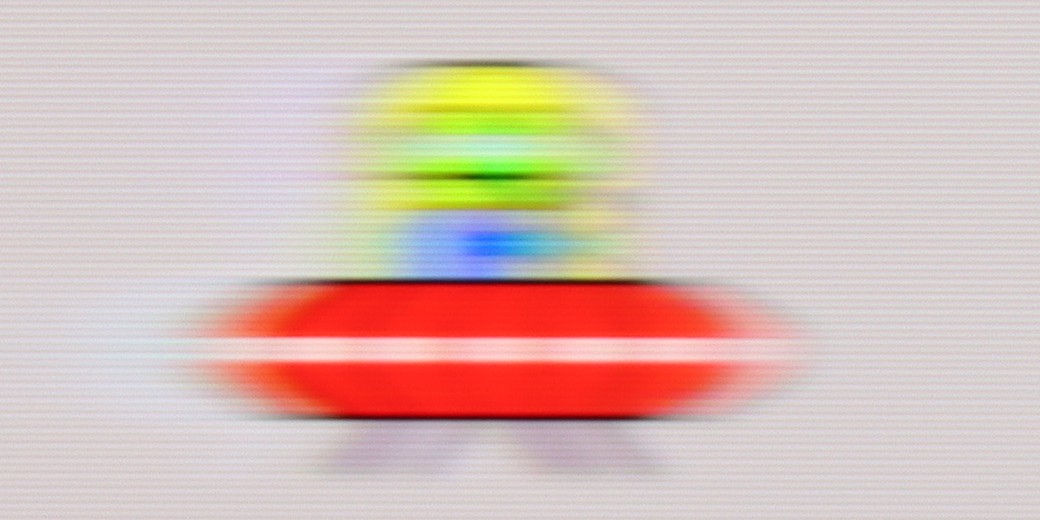
Blur (native resolution, maximum refresh rate):


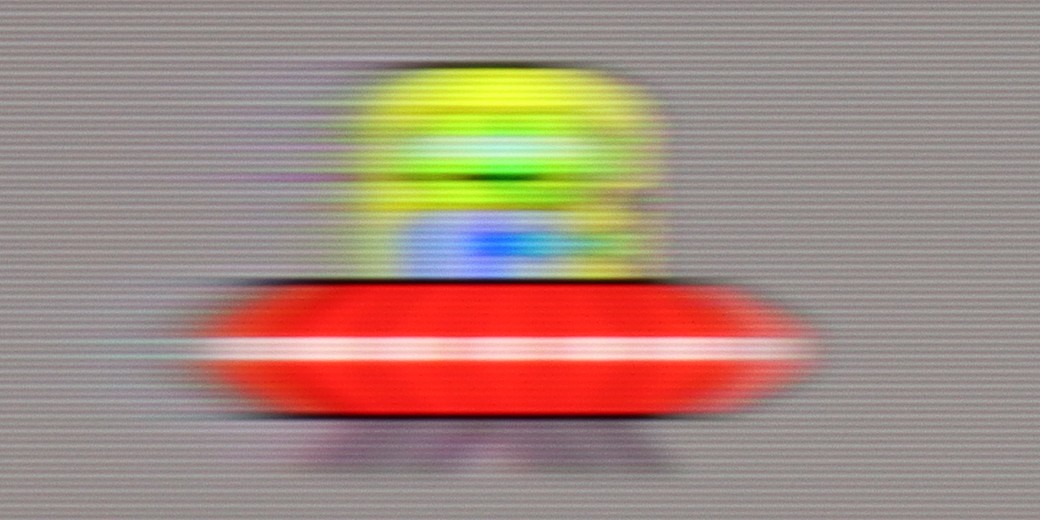
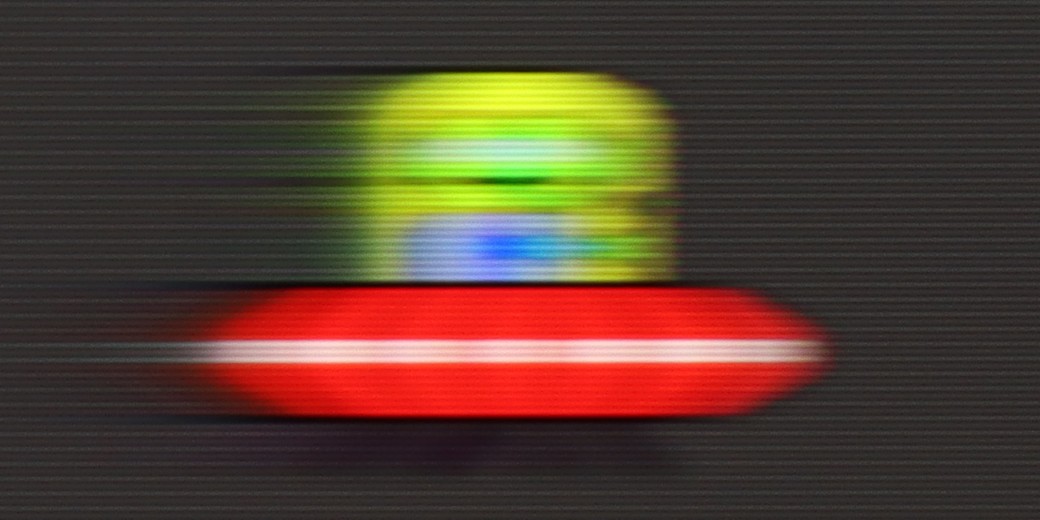
Blur ():
Blur (1440p@120Hz):
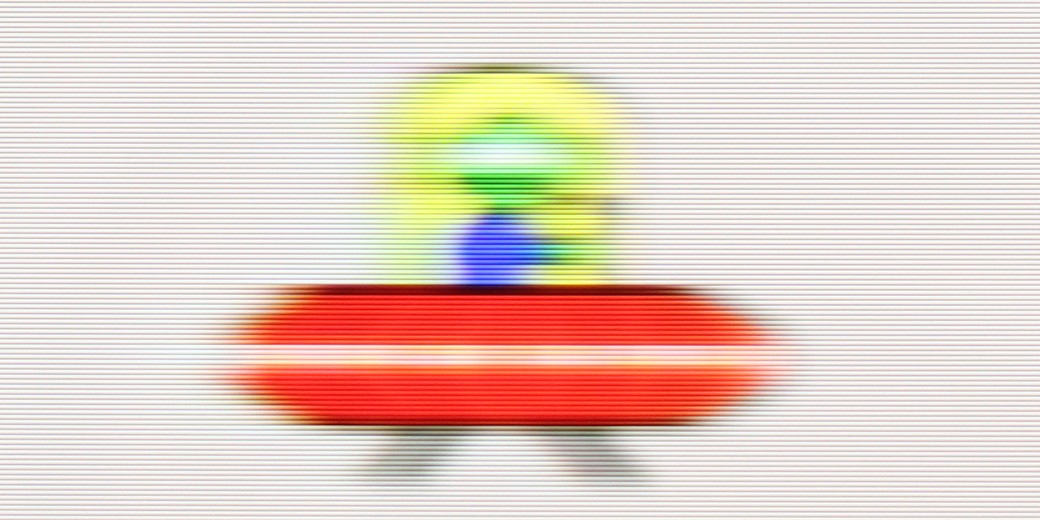

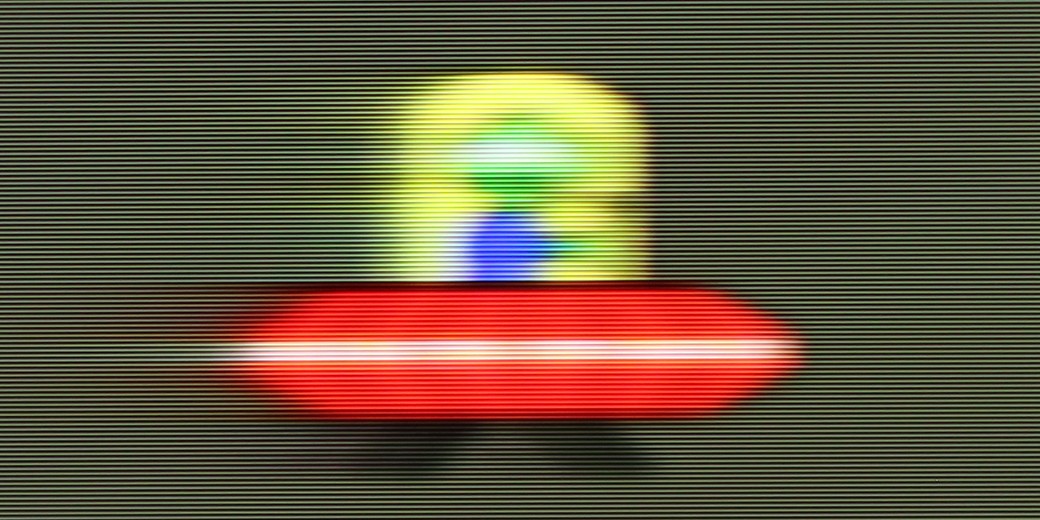
The television offers decent, though not perfect, results in terms of motion smoothness. In the case of movies, the television has a "Flicker Reduction" feature that allows for adjustment of motion smoothness on a scale from 1 to 10. With this option, we can tailor the image appearance to cinema or more theatrical preferences (with lower or higher speed).
The motion fluidity in the Xiaomi A Pro 2026 is an interesting compromise that results from the hybrid matrix used here. At a native resolution of 4K, the maximum refresh rate is 60 Hz – sufficient for those who mainly watch movies and series. It is with them in mind that the manufacturer added a motion smoother, allowing users to adjust the image to their own preferences – one can opt for greater fluidity or leave it with more "cinematic" frames depending on the settings.
Console compatibility and gaming features
5.3/10
3.6/10
- ALLM
- VRR
- VRR range48 - 60Hz
- Dolby Vision Game Mode
- Correct implementation of HGIG
- 1080p@120Hz
- 1440p@120Hz
- 4K@120Hz
- Game bar

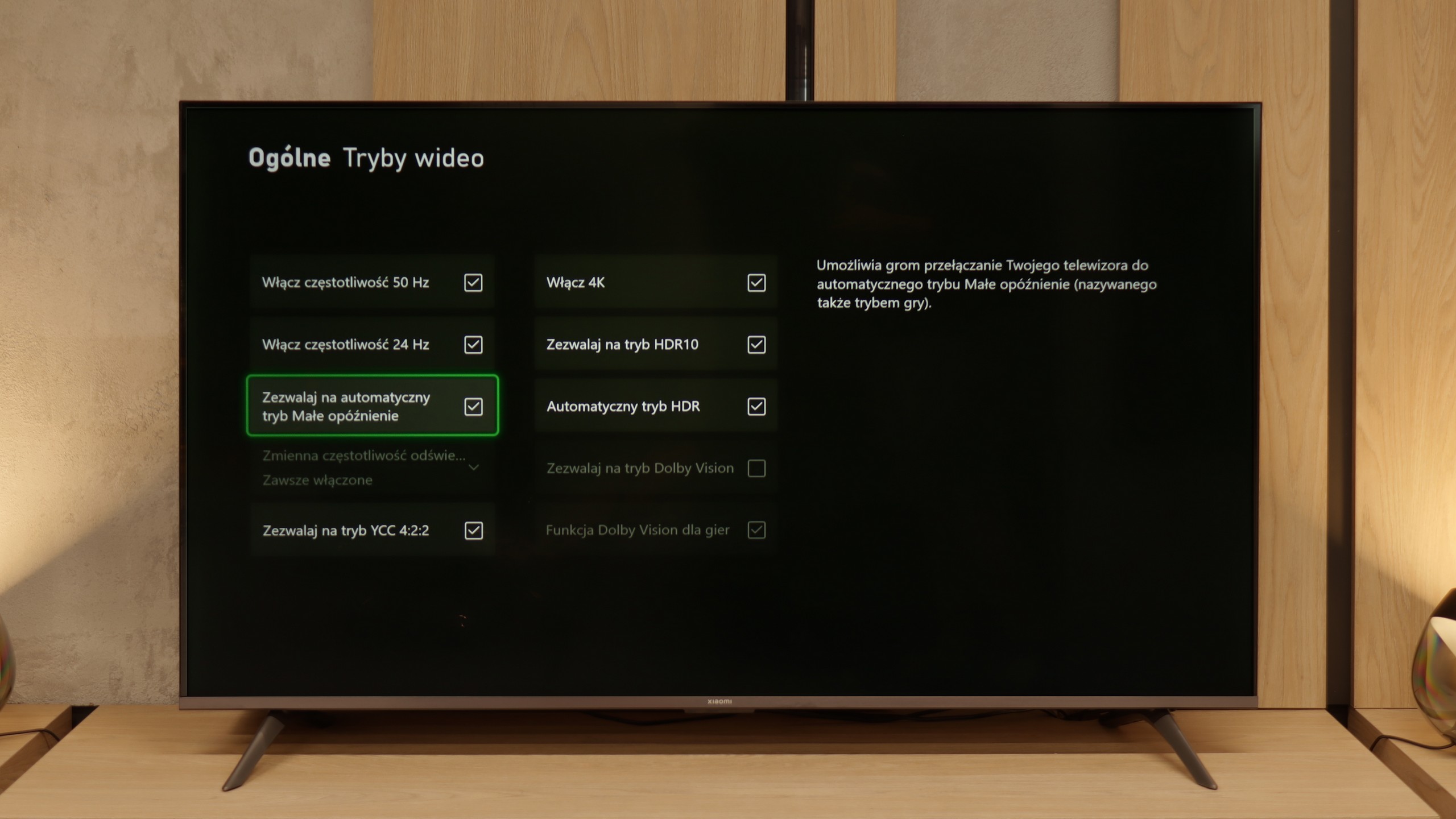

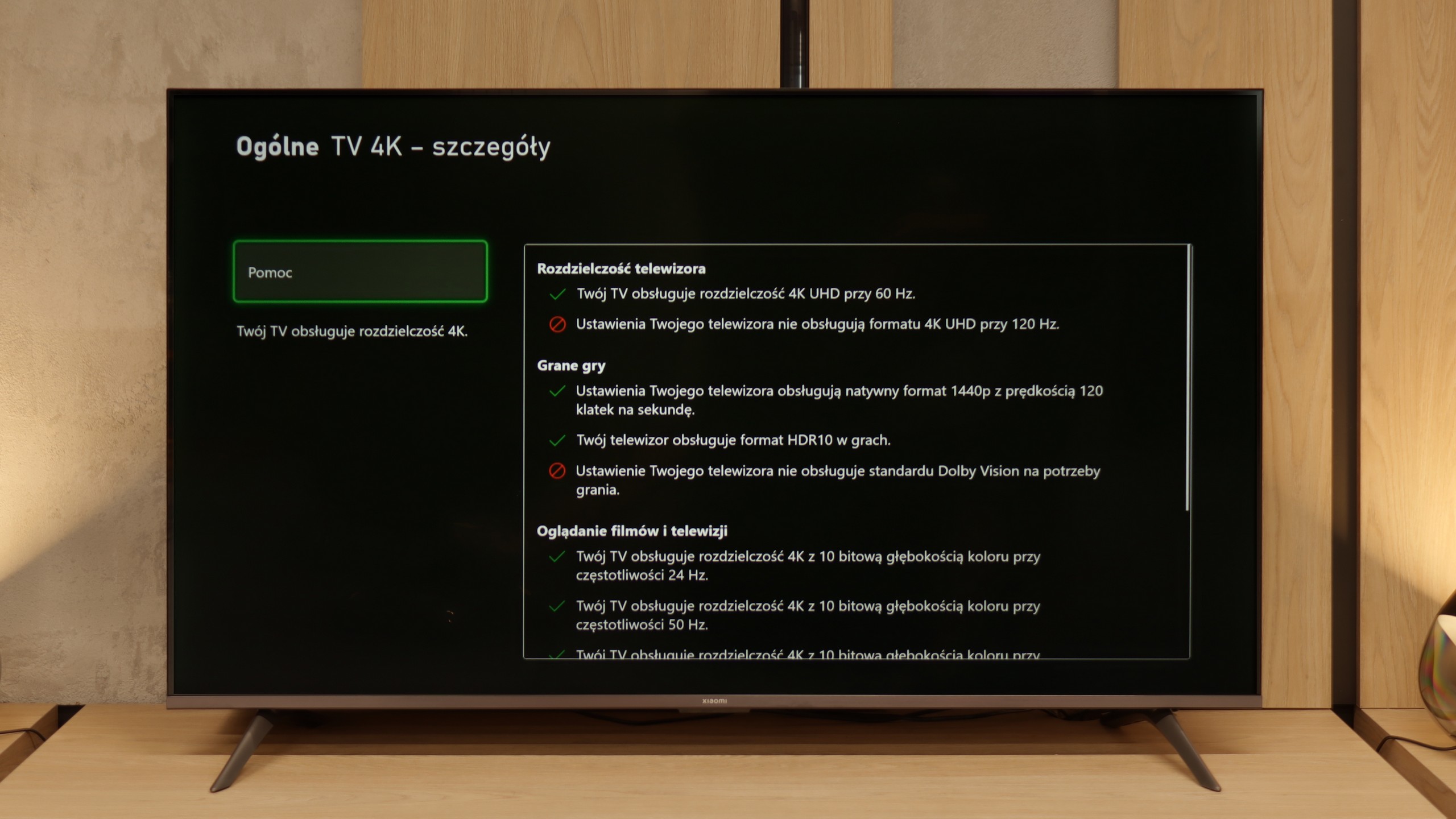

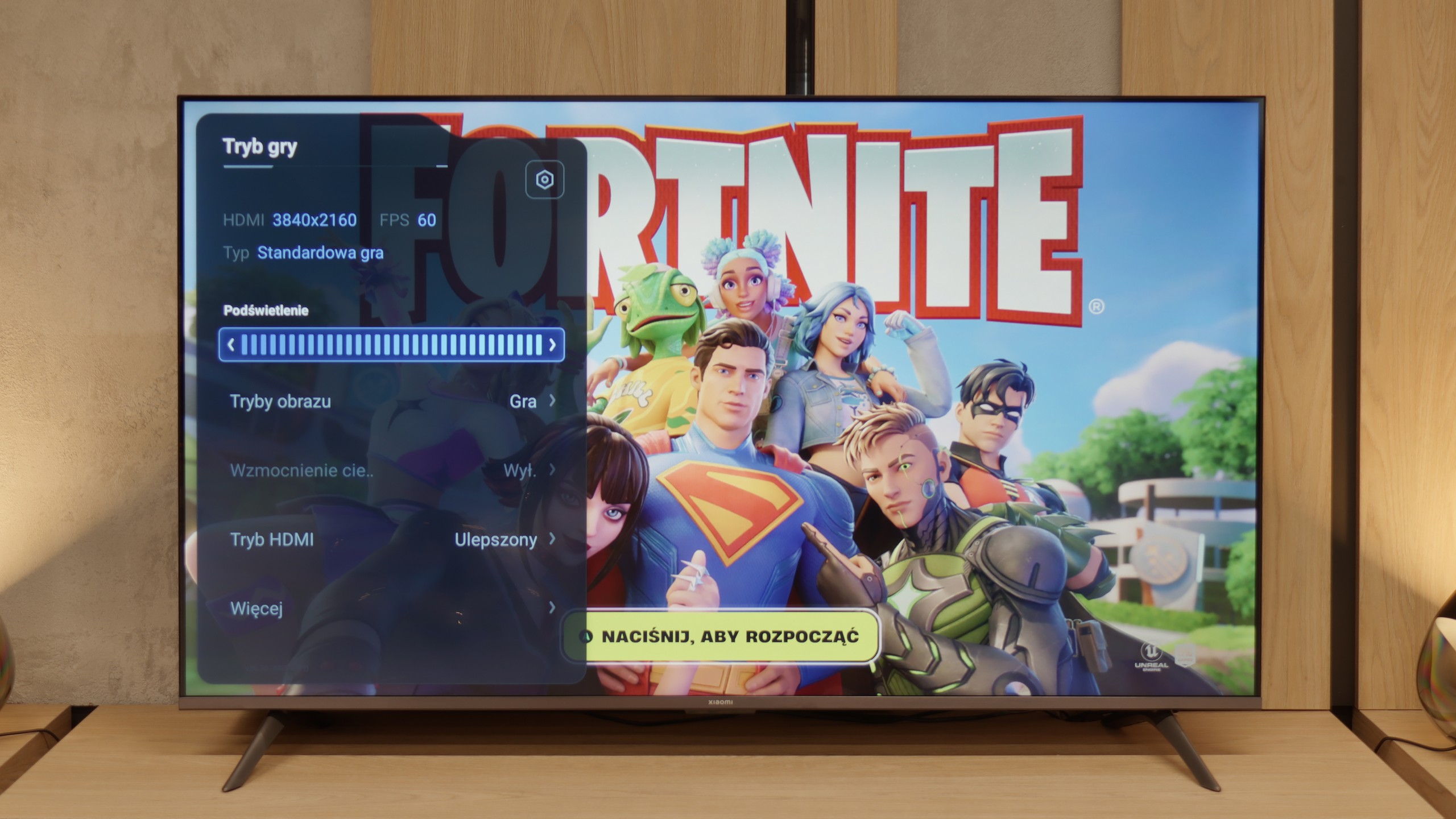

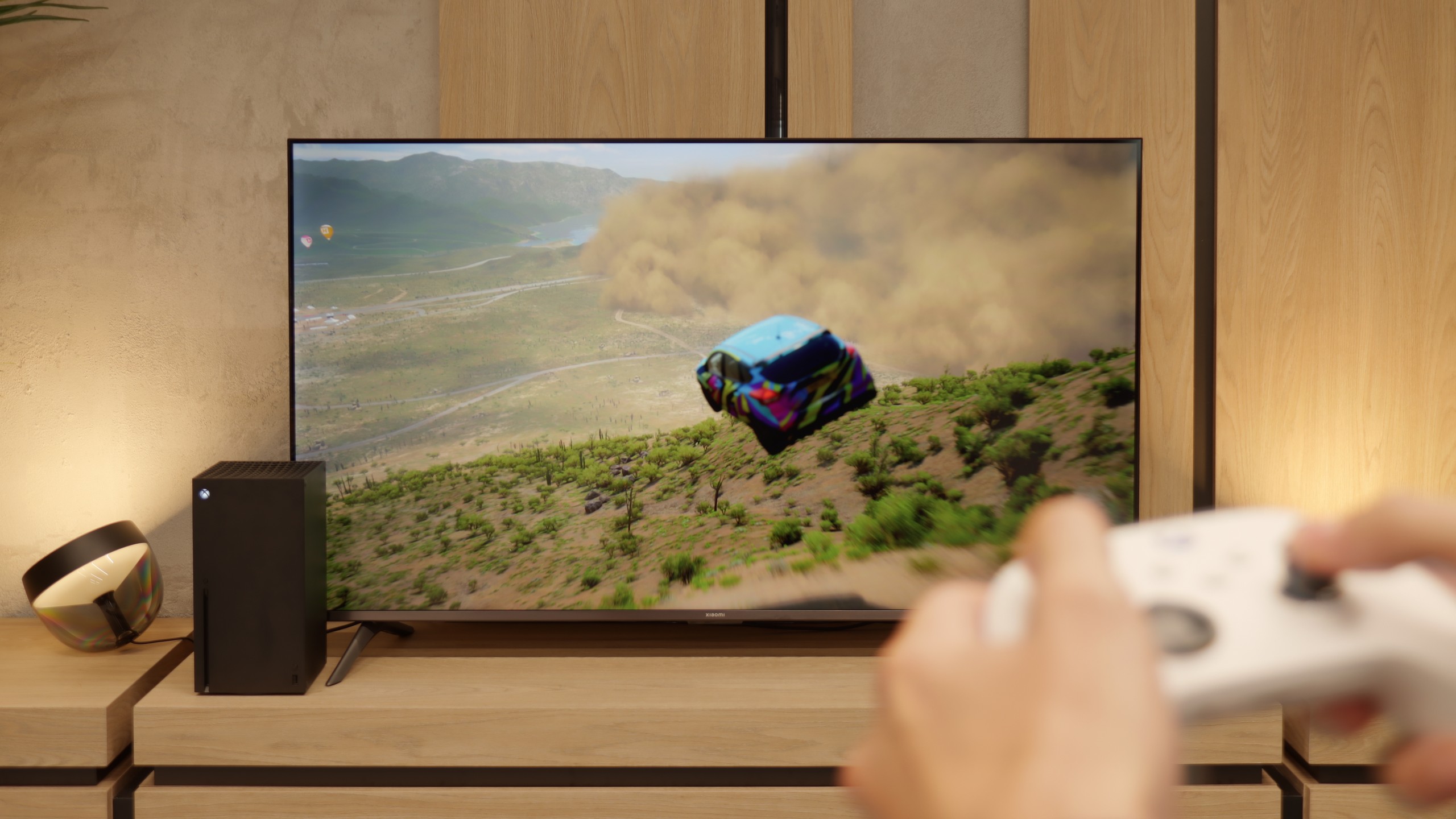
The device offers a range of features useful for gamers, such as ALLM (Auto Low Latency Mode), VRR (Variable Refresh Rate), Dolby Vision for gamers, and Game Bar. ALLM automatically switches the TV to low latency mode, significantly improving responsiveness to commands from the controller and minimising input lag. VRR synchronises the screen refresh rate with the number of frames generated by the console, eliminating the tearing effect and providing smoother gameplay. Dolby Vision for gamers enhances picture quality by offering better colour and contrast reproduction in games that support this format. The Game Bar feature allows quick access to game settings and monitoring of key parameters such as response time.
However, the TV has some limitations. The 60 Hz panel prevents the display of signals with higher refresh rates at different resolutions, which may affect the fluidity of the image in dynamic games. Additionally, the lack of support for G-Sync technology for PC may impact the quality of gameplay on a computer. It is also worth noting that the HGiG mode, which aims to improve image quality in HDR games, does not work correctly on this model, negatively affecting the visual experience in HDR-supported games.
No indeed – since Xiaomi has added the "Game Boost 120 Hz" feature here, one might expect that they'd follow up with a solid gaming package. Unfortunately, reality quickly dampens that enthusiasm. Aside from this mode (which, it must be said, is a great addition in a budget build), we only have a rather peculiar player panel. It's hard to call it a full-fledged "game bar" – it's more of a simple overlay on the TV's Menu with limited options. And that’s about it. There’s no ALLM, so the TV won’t switch to game mode automatically. There’s no VRR, so you can forget about smooth frame synchronisation. We also won’t find support for Dolby Vision in games or the HGiG format, which are increasingly becoming the standard on consoles. In short: apart from Game Boost 120 Hz, which indeed allows for a more enjoyable experience at 1080p or 1440p, Xiaomi A Pro 2026 offers nothing that particularly appeals to gamers.
Input lag
10/10
9.5/10
SDR
HDR
Dolby Vision
P755 offers exceptionally low input lag, which is a significant advantage for gamers. In every mode, whether SDR, HDR, or Dolby Vision, the television achieves impressive results. In every resolution, the input lag is only 11 ms, well done! Even in Dolby mode, the television maintains the same low level of latency. With these achievements, the television provides remarkable responsiveness and excellent gaming experience, with no noticeable delays.
Input lag on the Xiaomi A Pro 2026 is quite decent and definitely isn't its weak point. The best results were achieved in 1080p@120 Hz and 1440p@120 Hz modes – there the TV drops below 10 ms, which can easily be called a phenomenal result and sufficient even for more demanding gamers. The situation changes with 60 Hz content – input lag then increases to around 25 ms. These might not be the best figures on the market, but for casual gaming or firing up the console in the evening, they will be fully acceptable. Especially since in most cases, it’s worth activating the 120 Hz mode, which is the most beneficial for gamers.
Compatibility with PC
2.5/10
2/10

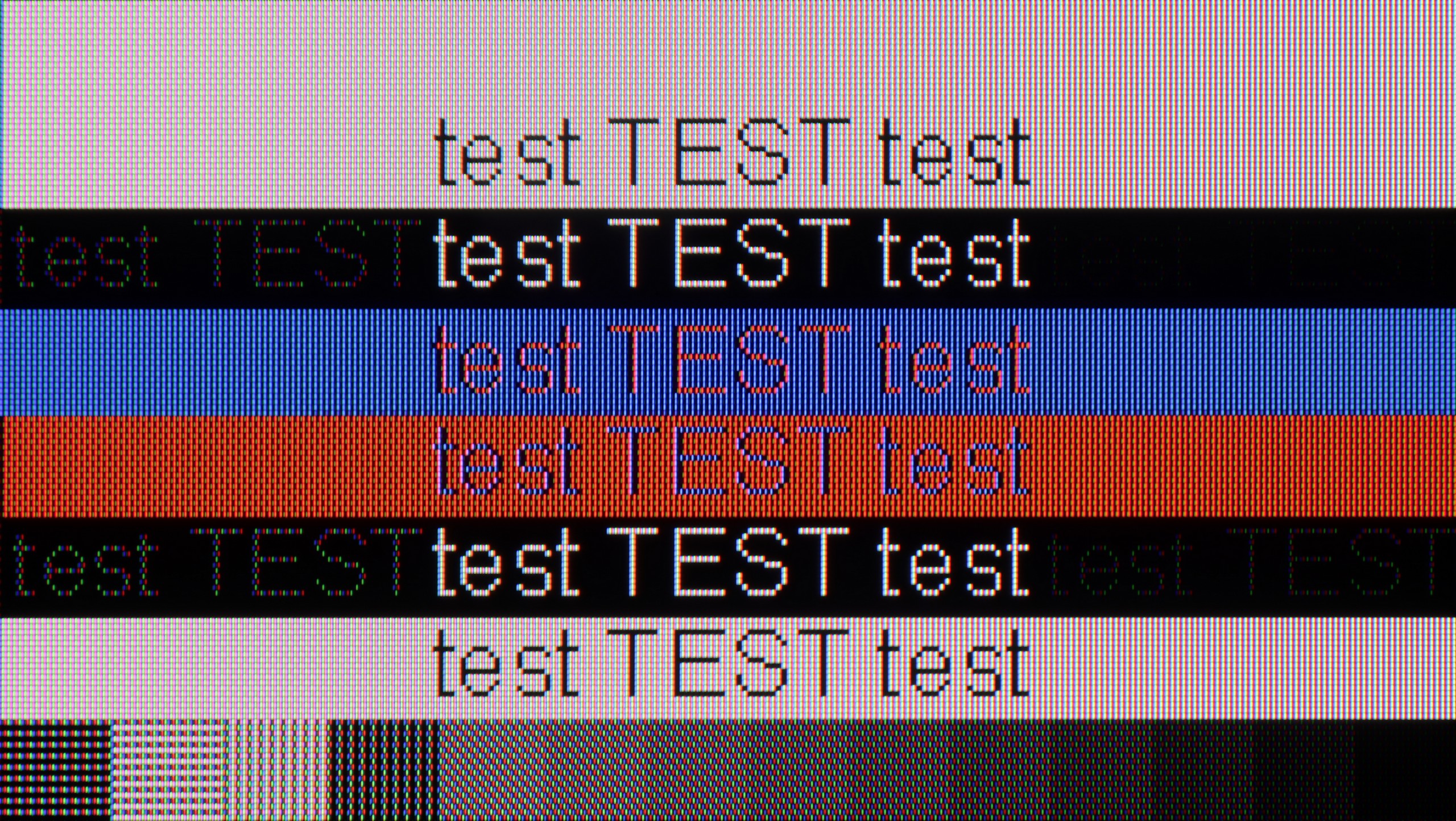
The photo shows the legibility of small fonts. Ideally, lines should be the same thickness on both light and dark text, with minimal pixel gaps.
When connecting the TCL P755 to a computer, the first thing you might notice is the support for chroma 4:4:4, which ensures accurate colour reproduction in details, especially when working with text and graphics. Unfortunately, despite this support, the readability of fonts leaves much to be desired, particularly in the case of dark text and shapes on a dark background. This issue arises from limited resolution in darker shades, where the applied dithering makes the pixels resemble those known from Full HD. This is especially noticeable with small fonts, making comfortable office work on a large screen difficult. The upside, however, is the very low input lag of 12 ms, which makes the television suitable for occasional gaming on the computer, especially in dynamic games. Ultimately, while the TCL P755 may be a decent choice for PC gaming, it may disappoint users expecting high text readability.
Xiaomi A Pro 2026 as a computer monitor? There's no beating around the bush – it’s very poor. While you can still utilise the 120 Hz mode in lower resolutions for gaming, the TV is completely unsuitable for everyday work. It lacks full support for chroma 4:4:4, so fonts appear blurred, and sometimes even rainbow-like. Additionally, there's strong dithering, which makes the image look uneven – some pixels shine brighter while others dimmer, and vertical lines can even break apart. In practice, this means that text (especially coloured and on dark backgrounds) becomes difficult to read. Light text manages to hold up somewhat, but it’s hard to talk about any real comfort. In this category, we give the Xiaomi A Pro 2026 a score of 2/10 (+1 for the additional high refresh rate mode), and there’s really no sense in elaborating on this further.
Viewing angles
3.2/10
3/10
P755, equipped with a VA panel, offers average viewing angles. In practice, this means that the brightness of the image significantly drops when viewing the screen at an angle. VA panels, while providing better contrast and deeper blacks compared to IPS panels, have poorer characteristics in terms of viewing angles. IPS panels, known for their wider viewing angles, offer a more stable image from various angles, but usually at the cost of slightly lower contrast and black depth. Although the VA panel contributes to better contrast, the decrease in brightness at an angle is noticeable and can affect viewing comfort in larger groups or in different positions in the room.
The Xiaomi A Pro 2026 features a VA panel, which immediately suggests that viewing angles are not its strong suit. When looking at the screen from the side, you will quickly notice a loss of quality – colours noticeably fade, and the whole image appears washed out. The drop in brightness may not be as drastic as in some constructions based on similar technology, but that doesn’t change the fact that it’s clearly a weak point of this model. If we plan to use it as a large, cheap screen for the lounge, one must take this limitation into account.
Daytime performance
3.8/10
4.9/10

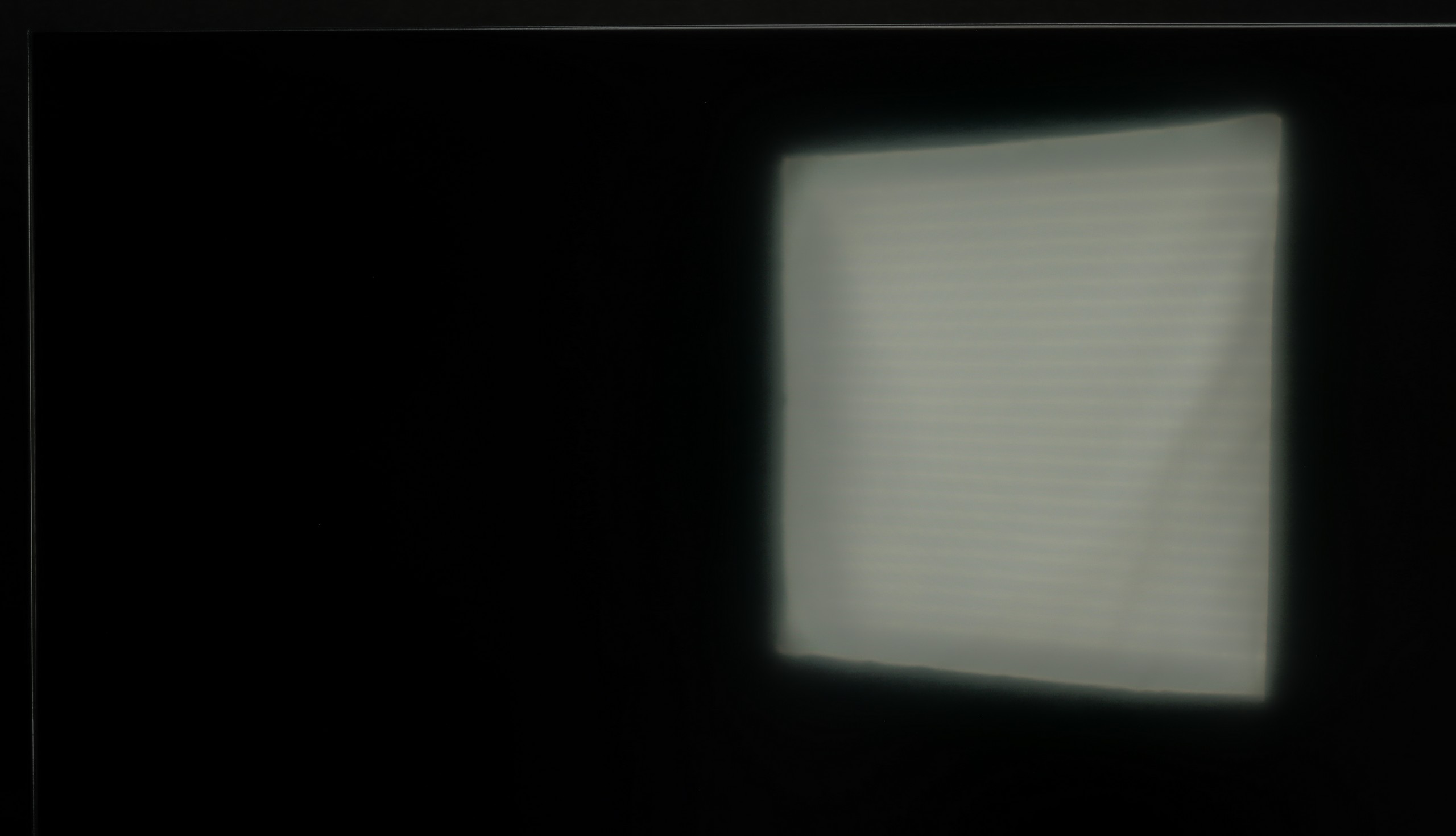

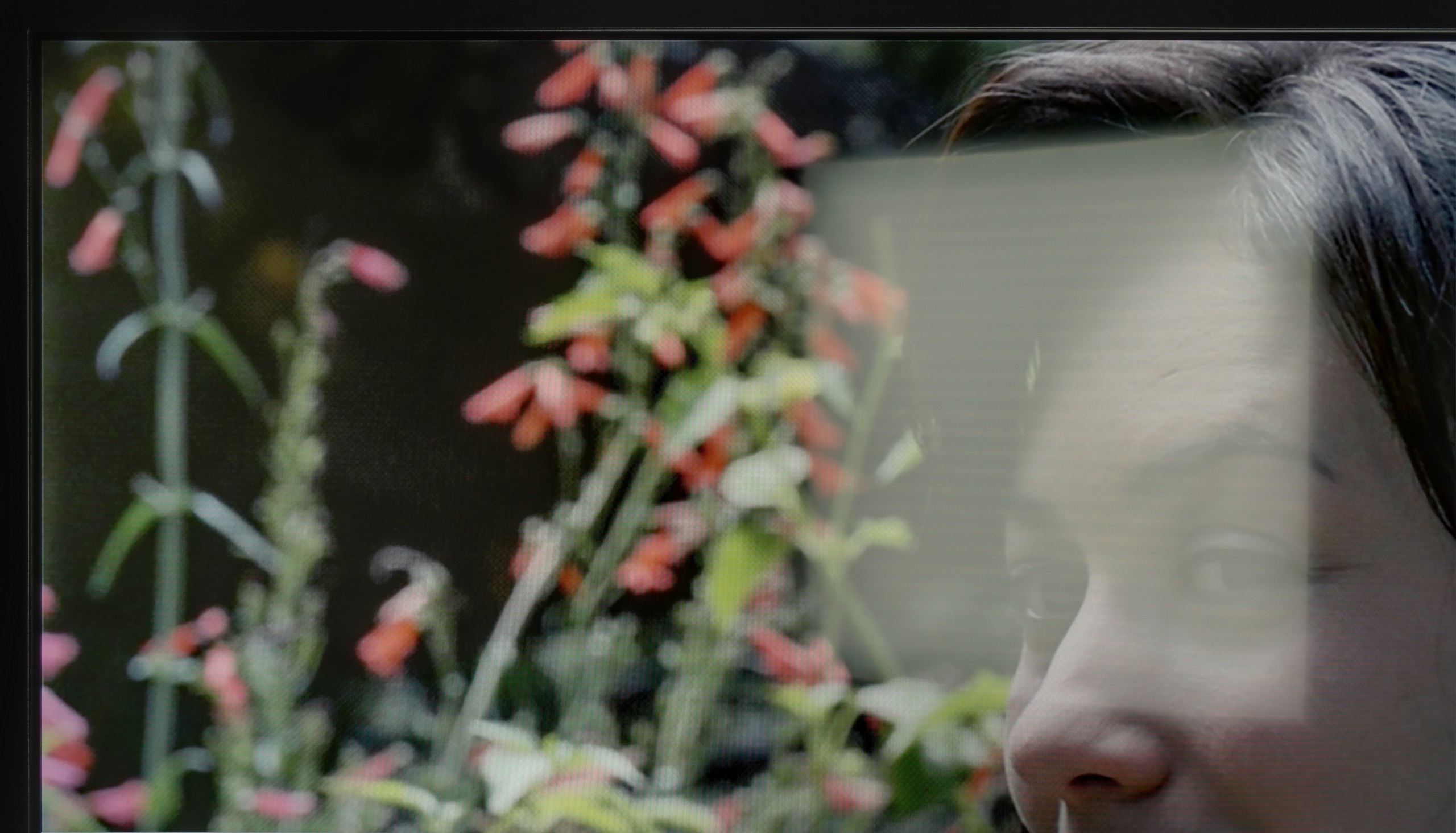
Panel brightness
XIAOMI A PRO 2026: 334 cd/m2
TCL P755: 290 cd/m2
The TV, equipped with a satin finish, performs well in moderately lit daytime conditions. Its brightness in SDR mode is about 290 nits, which is an average value. Unfortunately, the television has poor reflection handling, meaning that light reflections may be noticeable, especially in bright environments. Nevertheless, the TV offers good black levels during the day, due to the VA panel used, which handles contrast better than IPS panels. In practice, this means that despite the reflection issues, the TV can deliver a satisfactory picture in daytime conditions, maintaining a decent level of black and contrast.
The Xiaomi A Pro 2026 performs quite well during the day. The display has a satin finish that helps reduce reflections, so colours don’t lose their vibrancy, even when the room is bright. Just bear in mind that it’s not an extremely bright screen – the average brightness is around 350 nits. In an ordinary, moderately sunny living room, it’s sufficient, but if you have large windows that let in a lot of sunlight, it might simply be tough without blinds or curtains.
Panel details
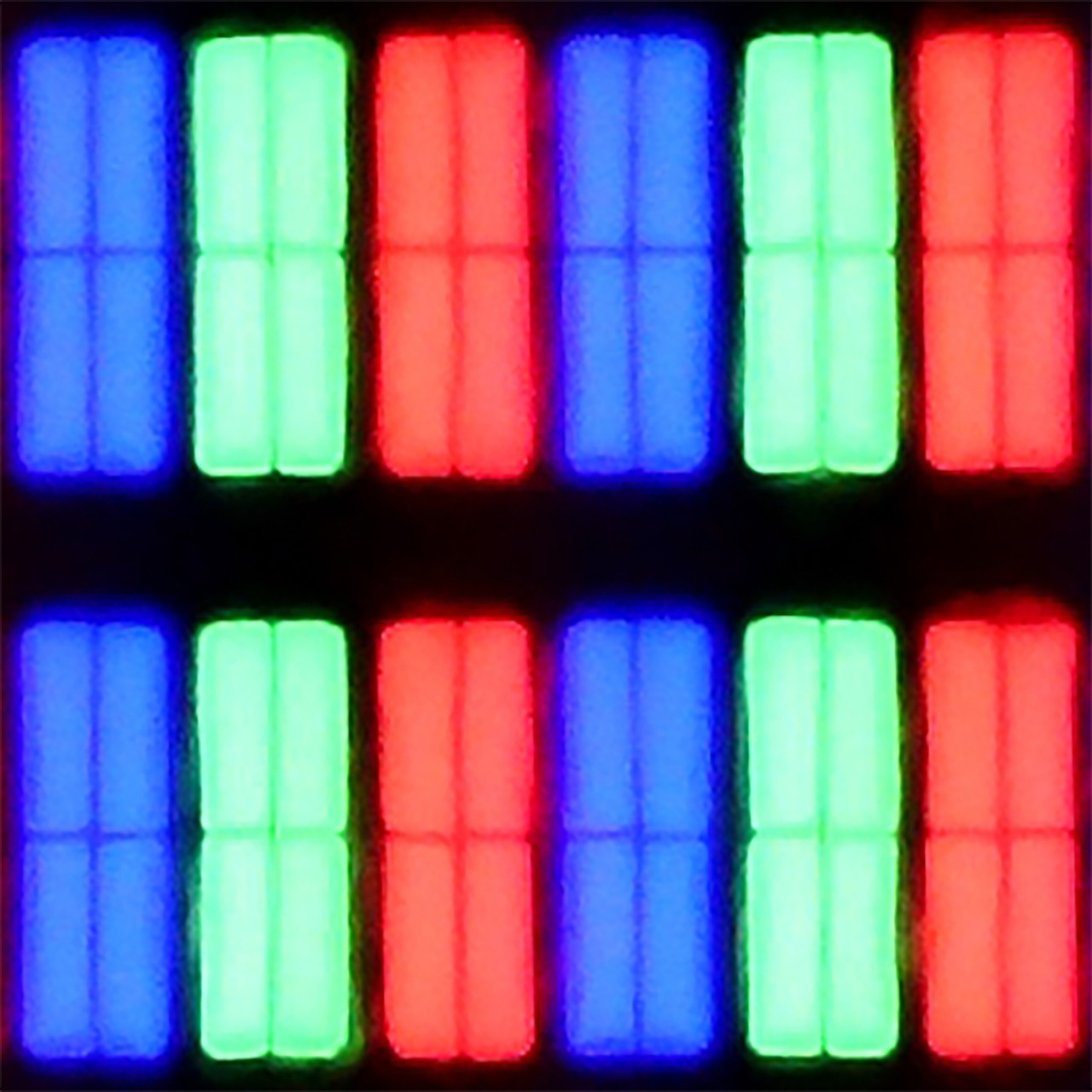
Subpixel Structure:

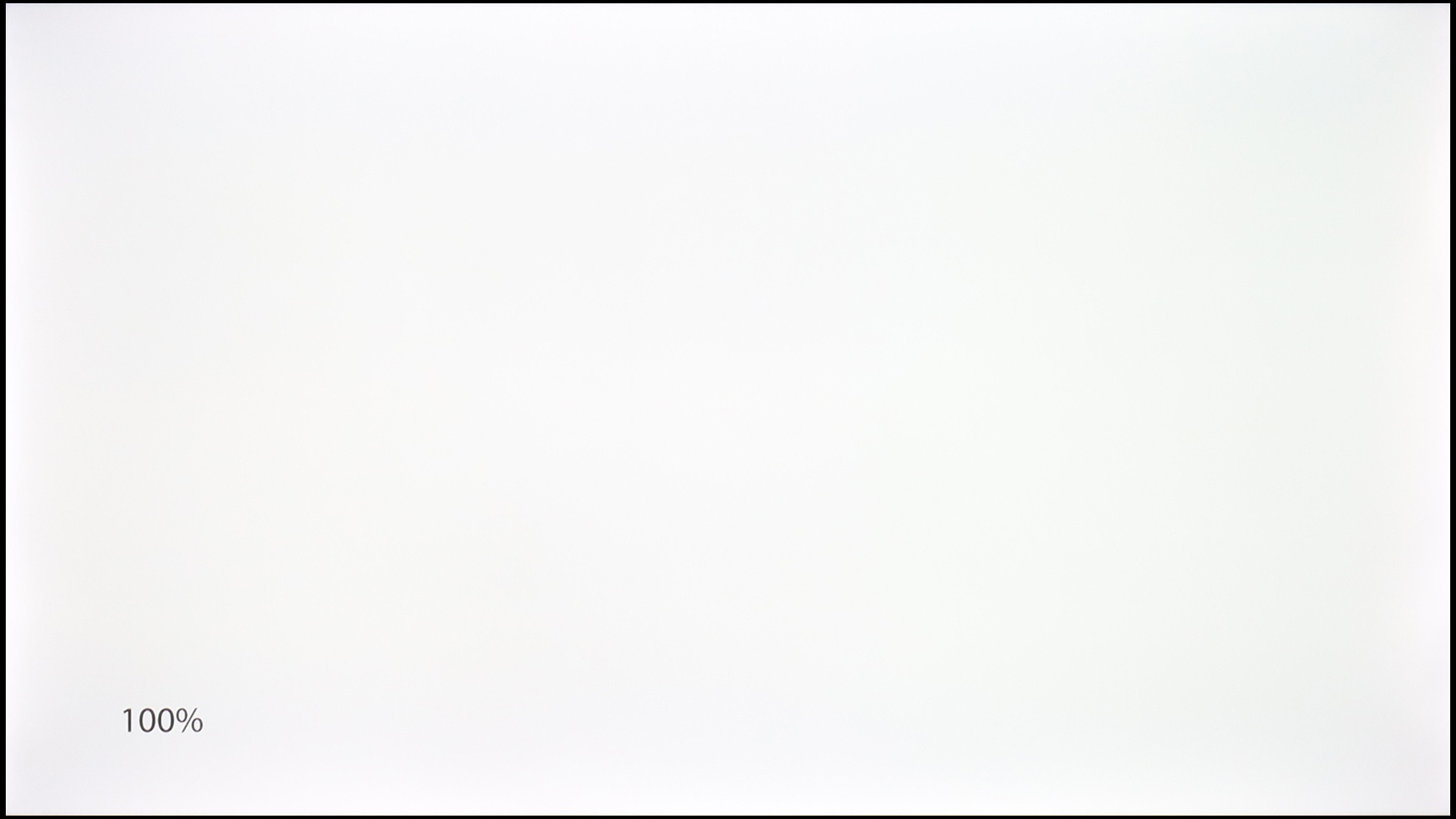
Panel uniformity and thermal imaging:

TCL P755
XIAOMI A PRO 2026
TV features
7.3/10
6.1/10
- SystemGoogle TVGoogle TV
- System performanceAveragePoor
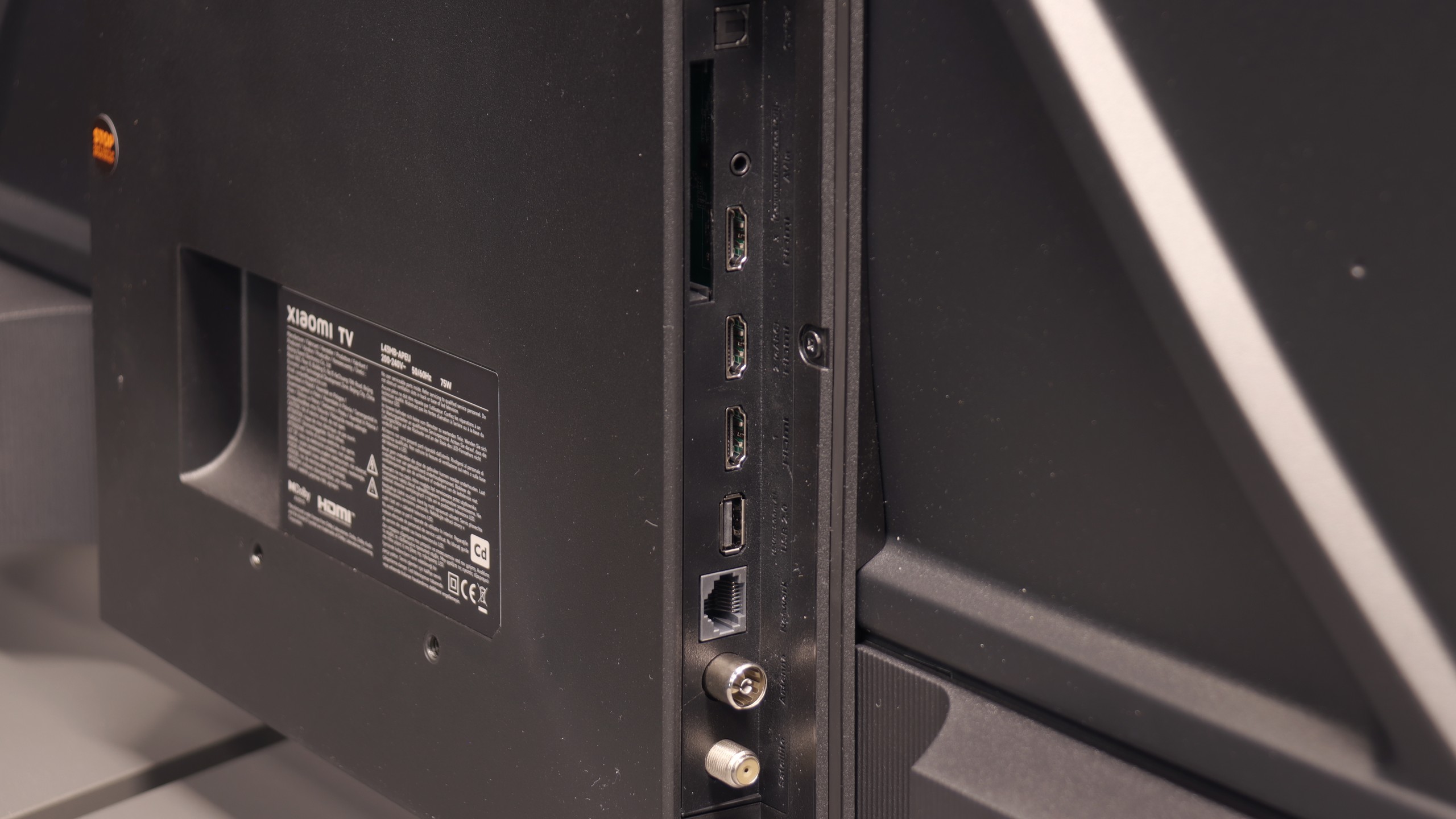
- HDMI inputs3 x HDMI 2.0, 0 x HDMI 2.13 x HDMI 2.0, 0 x HDMI 2.1
- Other inputsRCA (Chinch)RCA (Chinch)
- OutputsToslink (Optical audio), eARC (HDMI), ARC (HDMI)Toslink (Optical audio), eARC (HDMI), ARC (HDMI), Mini-Jack (Headphones)
- Network InterfacesWi-Fi 2.4GHz, Wi-Fi 5GHz, Ethernet (LAN) 100MbpsWi-Fi 2.4GHz, Wi-Fi 5GHz, Ethernet (LAN) 100Mbps
- TV receptionDVB-T, DVB-T2, DVB-S, DVB-S2, DVB-CDVB-T, DVB-T2, DVB-S, DVB-S2, DVB-C
Classic features:
- Recording to USB (terrestrial TV)
- Recording programming
- Picture in Picture (PiP)
- RF remote control (no need to aim)
- Backlit remote control
- Teletext
- Audio only mode
- Bluetooth headphones support
- Simultaneous Bluetooth headphones & TV audio
Smart features:
- AirPlay
- Screen mirroring (Windows Miracast)
- Voice search
- Voice search in native language
- Ability to connect a keyboard and mouse


Sound connection options
- HDMI audioeARC (HDMI), ARC (HDMI)eARC (HDMI), ARC (HDMI)
- Other audio outputsToslink (Optical audio)Toslink (Optical audio), Mini-Jack (Headphones)
- Wireless audioBluetoothBluetooth
Supported audio formats (external HDMI eARC audio):
- Dolby Digital Plus 7.1
- Dolby True HD 7.1
- Dolby Atmos in Dolby Digital Plus (JOC)
- Dolby Atmos in Dolby True HD
- DTS:X in DTS-HD MA
- DTS-HD Master Audio
Senior accessibility
- Numeric keyboard on TV
- Font size adjustment
- Audio description
The device runs on the Google TV system, offering a wide range of features that enhance user comfort. Google TV, an extension of Android TV, provides personalised content recommendations based on viewed programmes and user preferences. It allows easy access to popular streaming apps, such as Netflix, YouTube, or Prime Video, and integrates with the Google Play Store for additional apps. The system works with other Google devices, enabling control of the television using Google Assistant and integration with a smart home system.
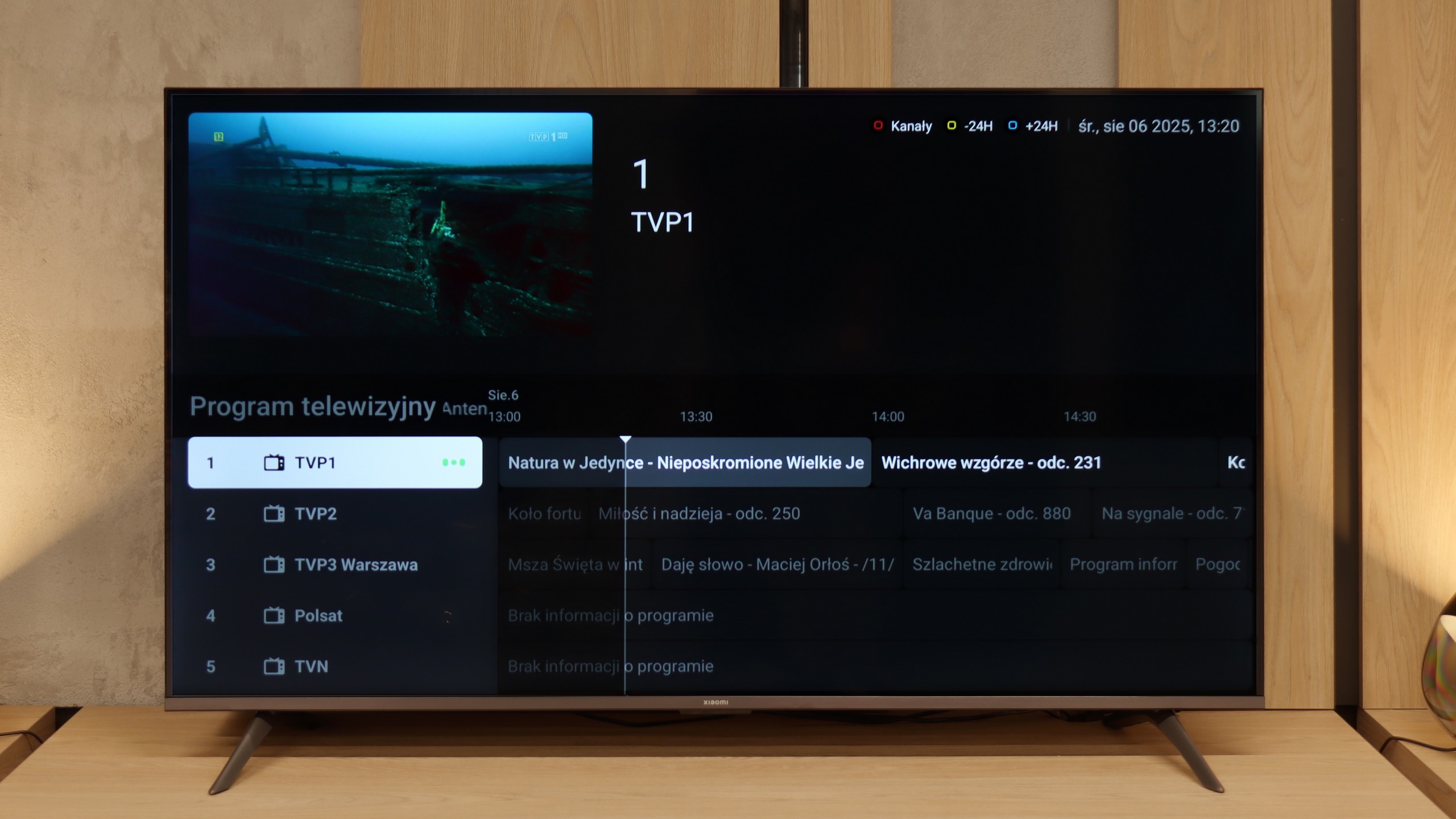
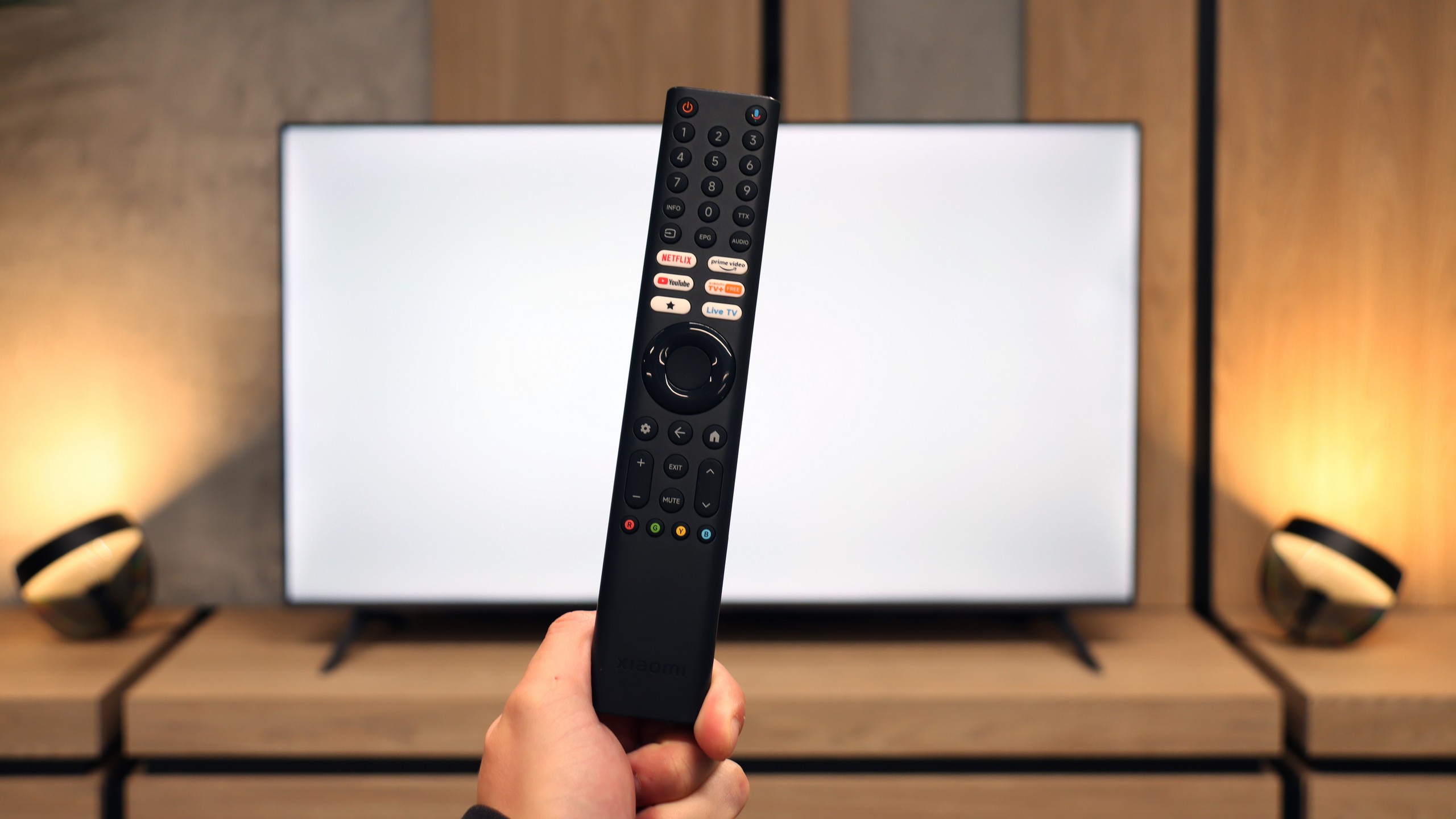
In terms of connectivity, the TV supports screen mirroring through Windows Miracast and AirPlay, allowing easy casting from other devices. It also allows for the connection of a keyboard, mouse, and Bluetooth headphones, while simultaneously using headphones and the built-in speaker with separate volume control for both audio sources. The TV remote operates on RF, so there's no need to aim at the screen, although it is not backlit. Additionally, the television supports audio-only mode and teletext, although there is no picture-in-picture (PiP) function.
SmartTV- Google TV
The biggest plus of the Xiaomi A Pro 2026 is the Google TV system. It gives the television a second life – you can run almost any app on it, from Netflix and YouTube to music services and even lesser-known programs from the Google Play store. We are not limited to what the manufacturer has pre-installed, as is often the case with other budget televisions. On top of that, we have AirPlay, voice search via Google Assistant, and even integration with Gemini. We did experience some small hiccups – for instance, screen mirroring from a laptop didn’t always work – but despite these shortcomings, Google TV is a huge advantage of this model.
Classic TV functions
The Xiaomi A Pro 2026 can be described as a "senior-friendly" television. The large remote with a numeric keypad and a considerable number of physical buttons makes it intuitive to operate. Support for teletext and a clear EPG interface make it easy to use classic television functions. We won’t find many advanced features like USB recording or PiP functionality, but the presence of an analogue headphone jack output can be surprisingly practical for some users. It gives the impression that this is a set of features tailored to the needs of the most traditional viewers.
System stability
However, not everything works as it should. During testing, we encountered annoying system lags, issues with Miracast, and problems when switching audio sources. There were times when a reset of the television was necessary by unplugging it from the power. This only shows that while Google TV offers enormous possibilities, the stability can still be very problematic in such a budget-friendly model.
Apps
9.6/10
9.6/10






















Playing files from USB
9.1/10
6.8/10
Supported photo formats:
Maximum photo resolution:

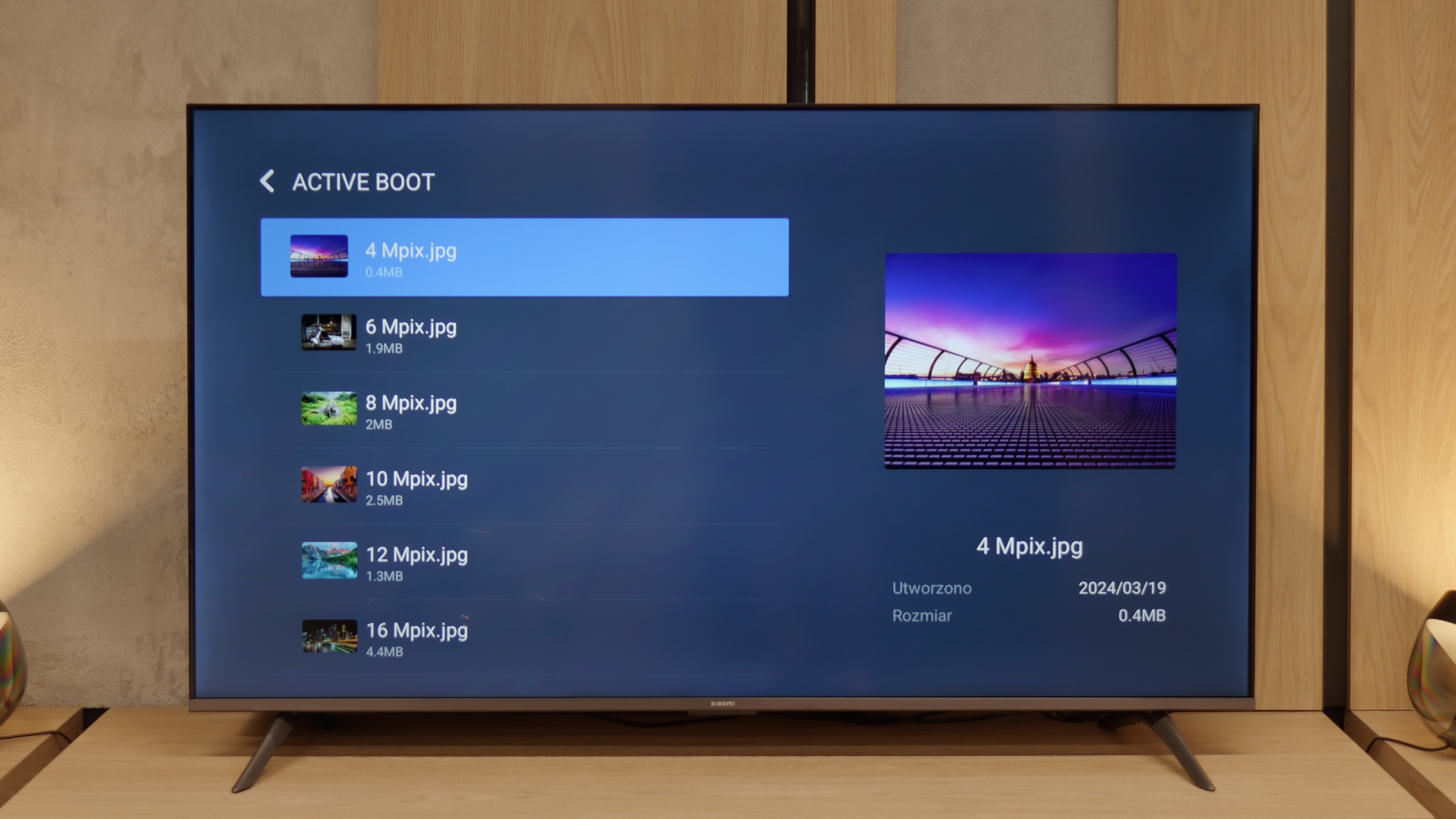
The TV will play most files and video codecs, and with the subtitles uploaded to the movie, you can change the font size. The biggest downside here is the lack of support for less popular photo formats.
The built-in media player in the Xiaomi A Pro 2026 is quite a conundrum. On one hand, it plays most popular audio and video formats without major issues. On the other hand, it can struggle with basic things like Polish characters. Files with letters such as ą, ł, ć, or ś in the name often refuse to open or display incorrectly. It looks strange, because we supposedly have codec support, yet the TV simply gets lost on straightforward matters related to the alphabet. Fortunately, this isn’t a huge problem, as thanks to Google TV we can simply install another player, like VLC. At that point, the issue with Polish characters totally disappears and media usage becomes seamless.
Sound
5.8/10
5/10
- Maximum volume-81dB
- Dolby Digital Plus 7.1
- Dolby True HD 7.1
- Dolby Atmos in Dolby Digital Plus (JOC)
- Dolby Atmos in Dolby True HD
- DTS:X in DTS-HD MA
- DTS-HD Master Audio
The sound quality on the television is fairly average. The high tones are somewhat distorted and can sound unclear, while the bass is almost absent. The sound is dominated by mid-tones, which makes the overall audio experience balanced, but lacking in fullness. On the plus side, it supports advanced audio codecs such as Dolby and DTS, improving compatibility with a variety of audio sources and formats.
Last year, the Xiaomi A Pro 2025 surprised us with its pretty decent sound for a super budget segment television. Unfortunately, this year's edition – the A Pro 2026, has completely let us down. The sound feels like it's coming from underwater: flat, lacking any bass or depth. The only positive is the wide support for audio formats like Dolby Atmos and DTS:X, but in practice, it doesn't really change much. If you're considering this television, you'll need to factor in a soundbar straight away, as the audio experience without it will be quite disappointing.
Acoustic Measurements
No acoustic data
81dBC (Max)
75dBC