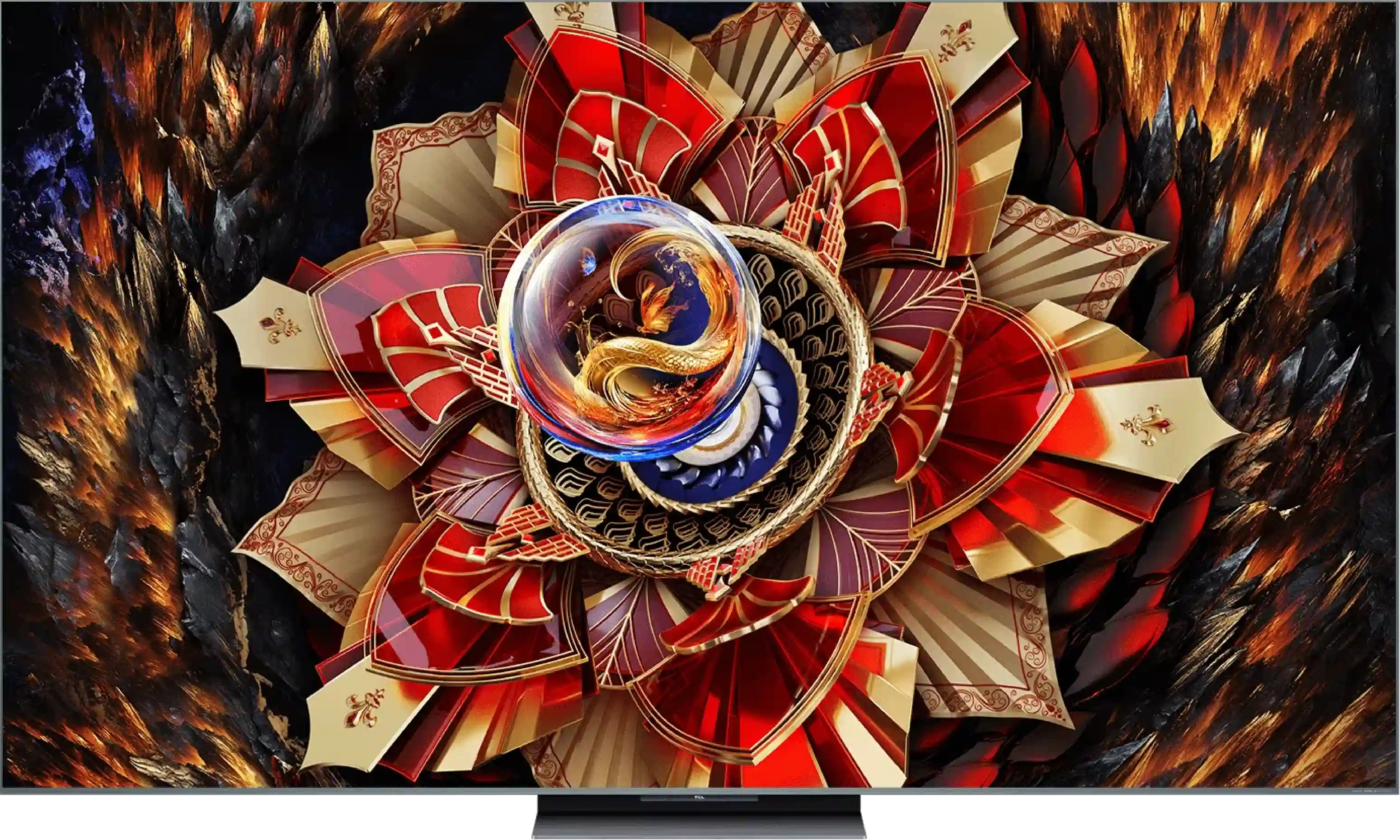
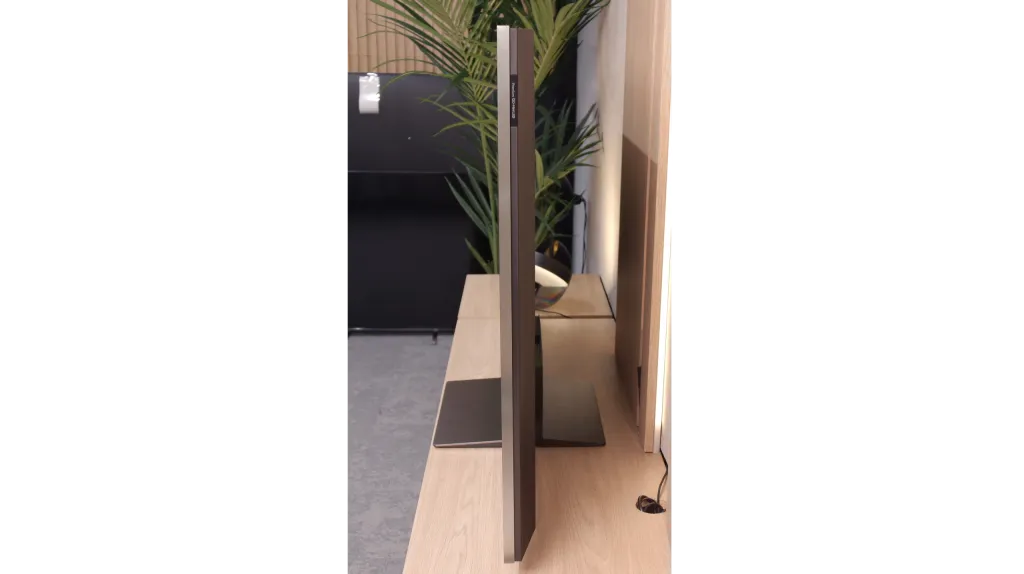
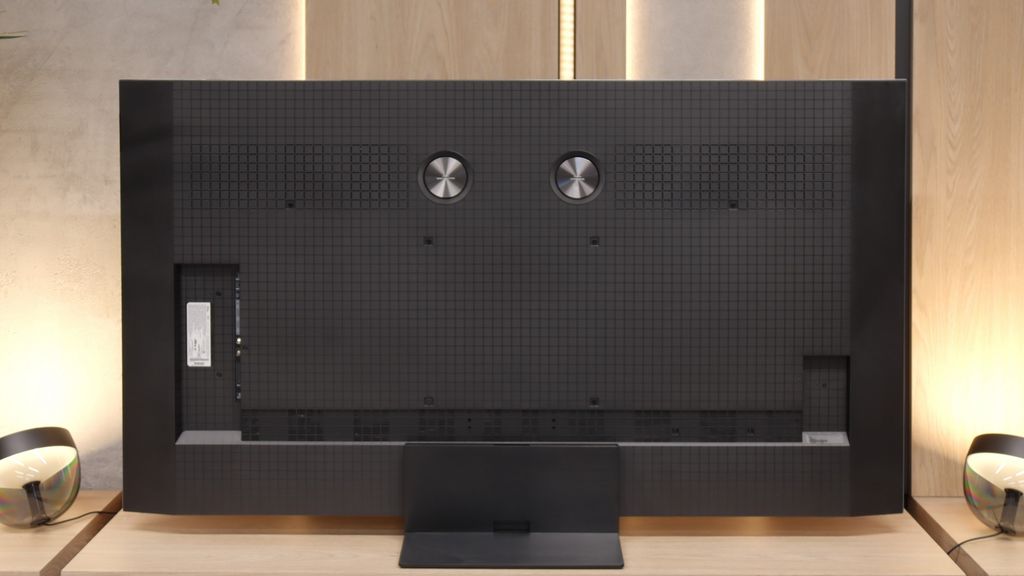
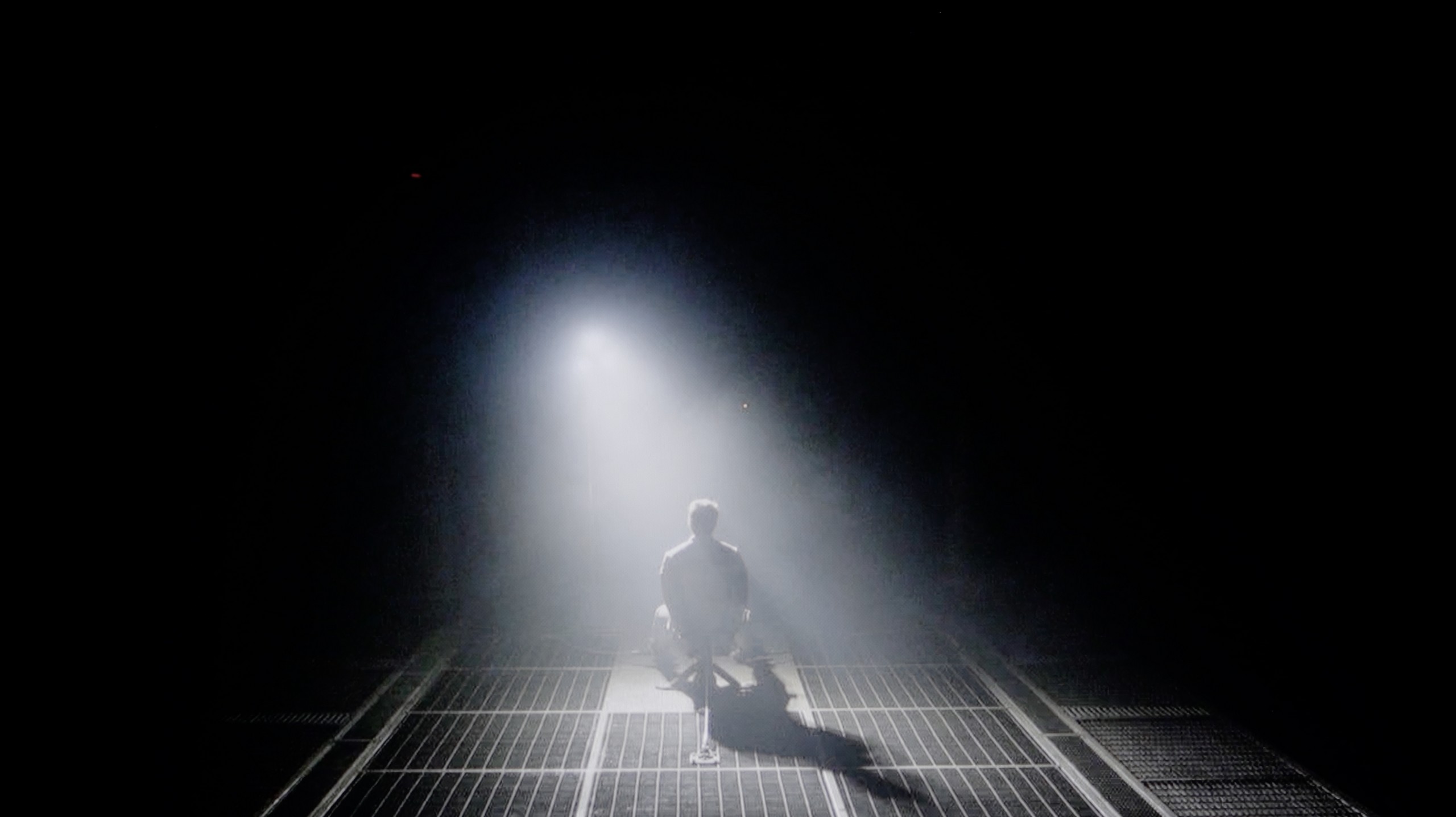
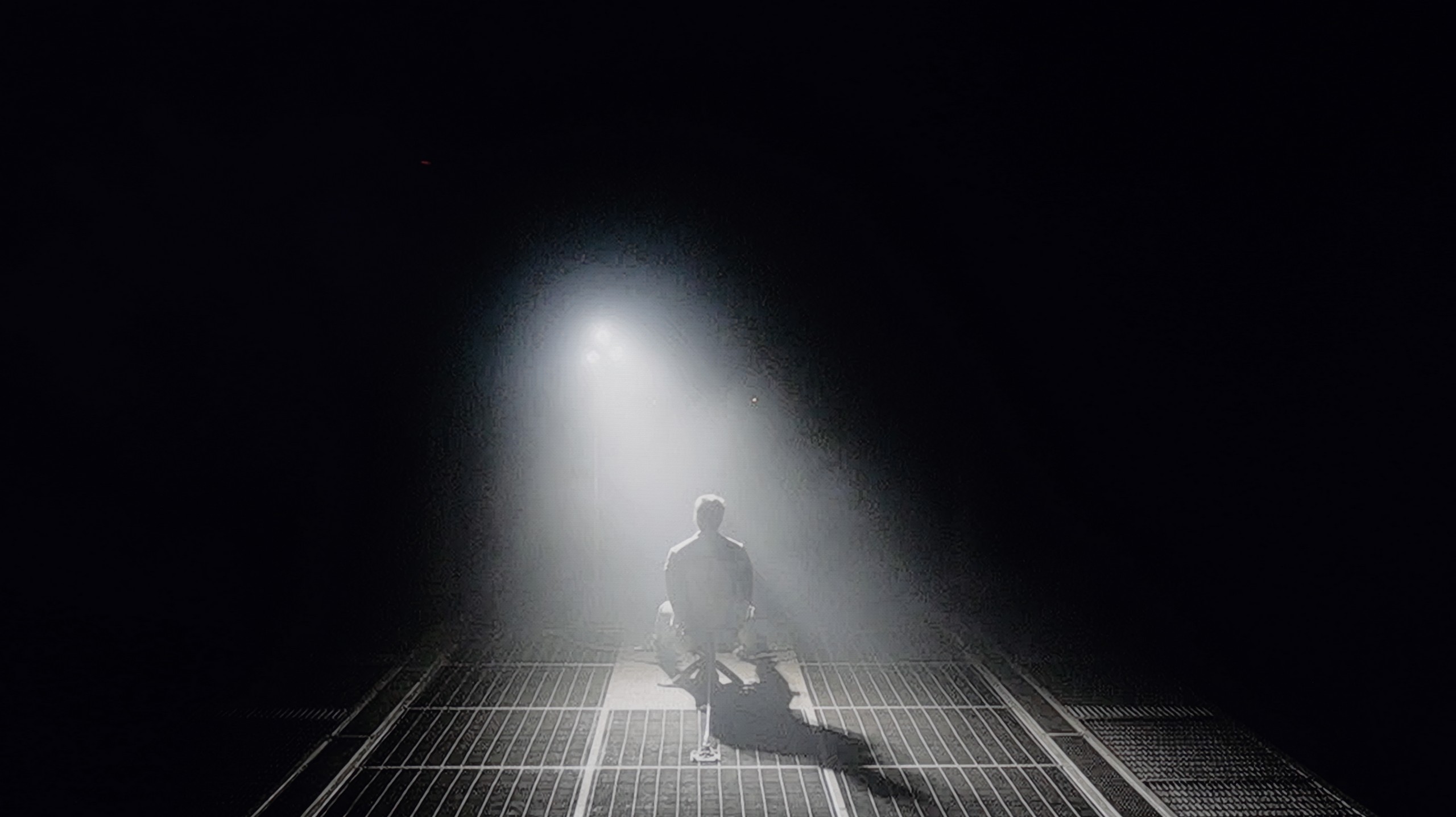
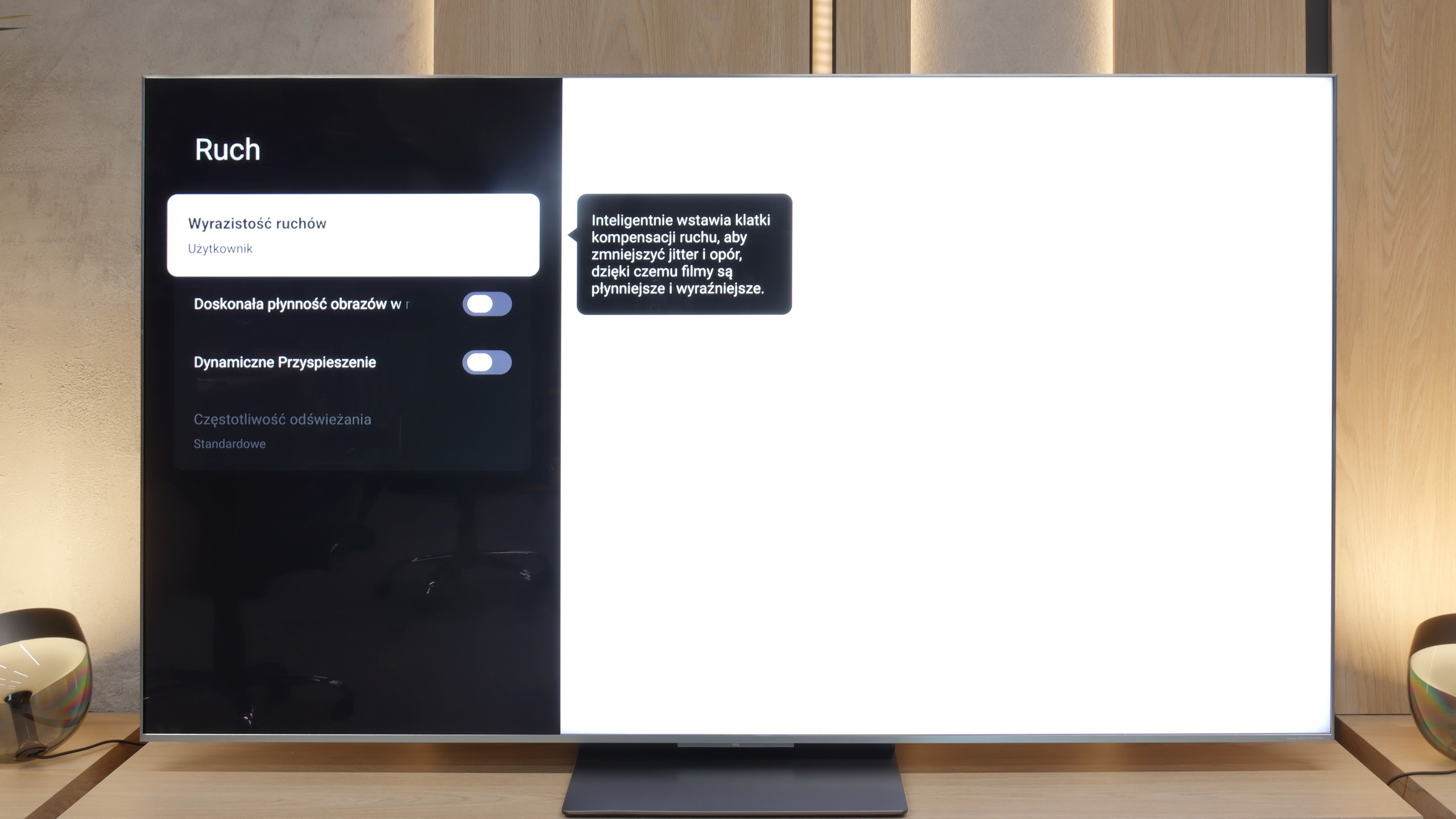
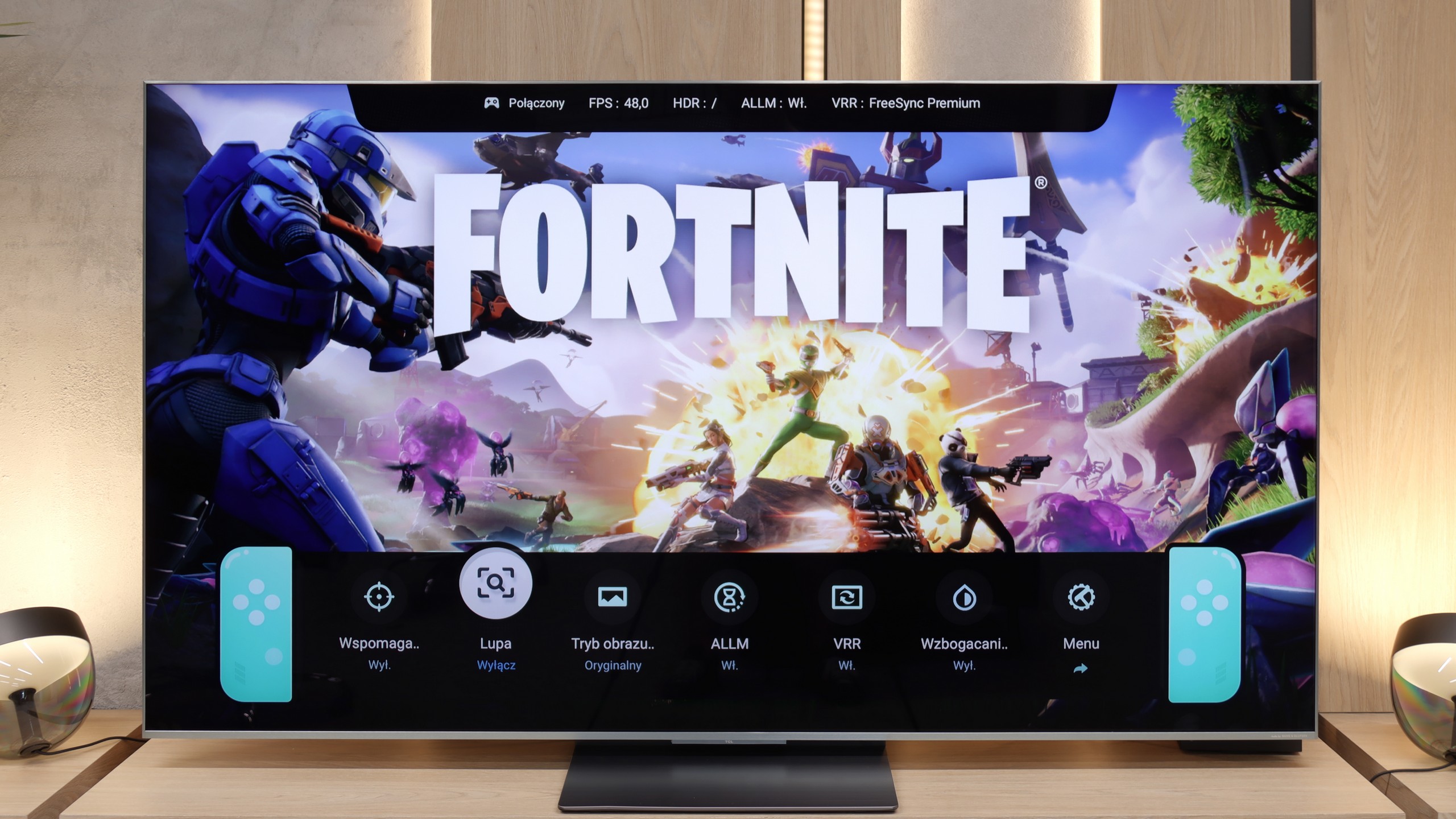
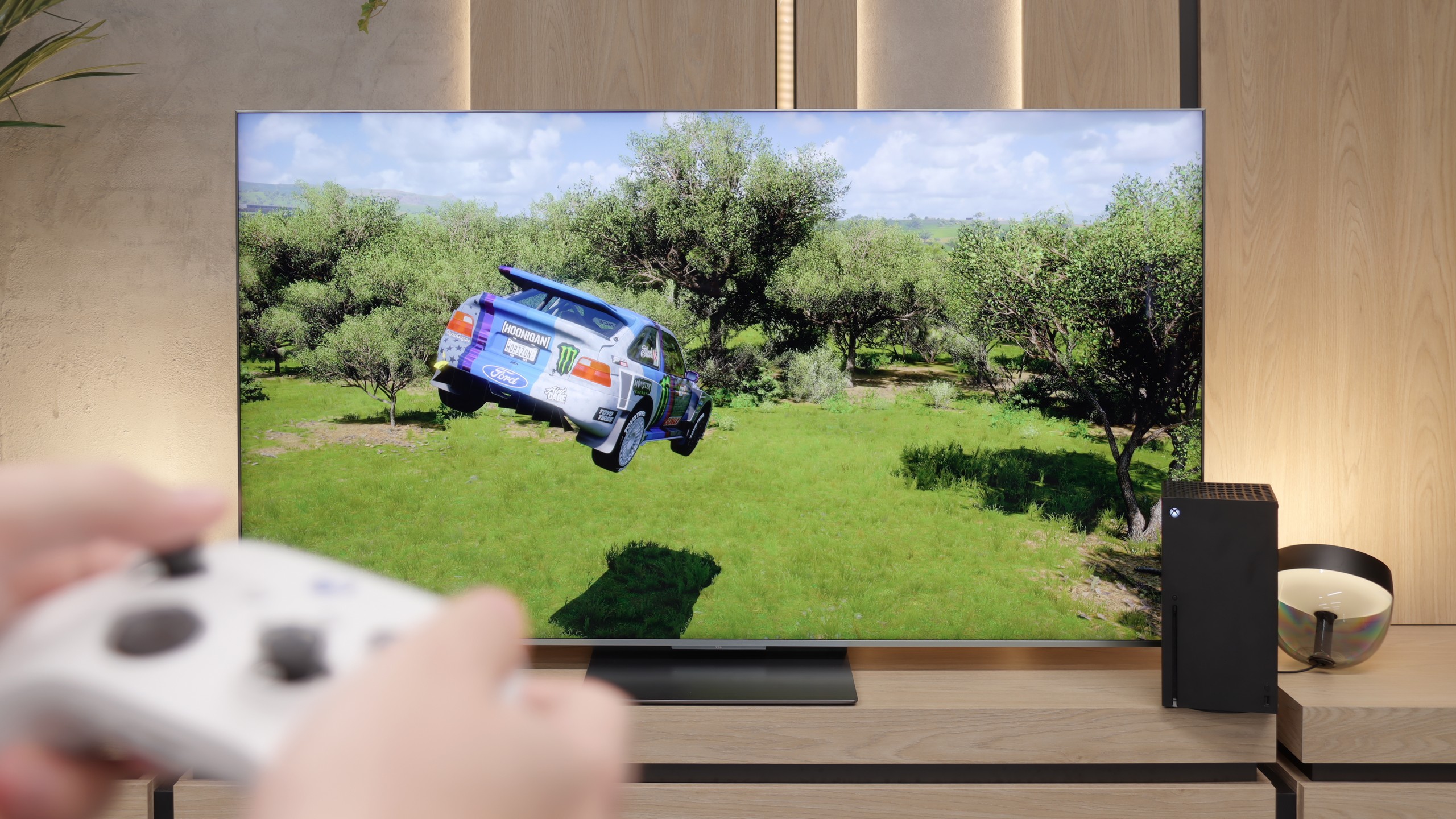
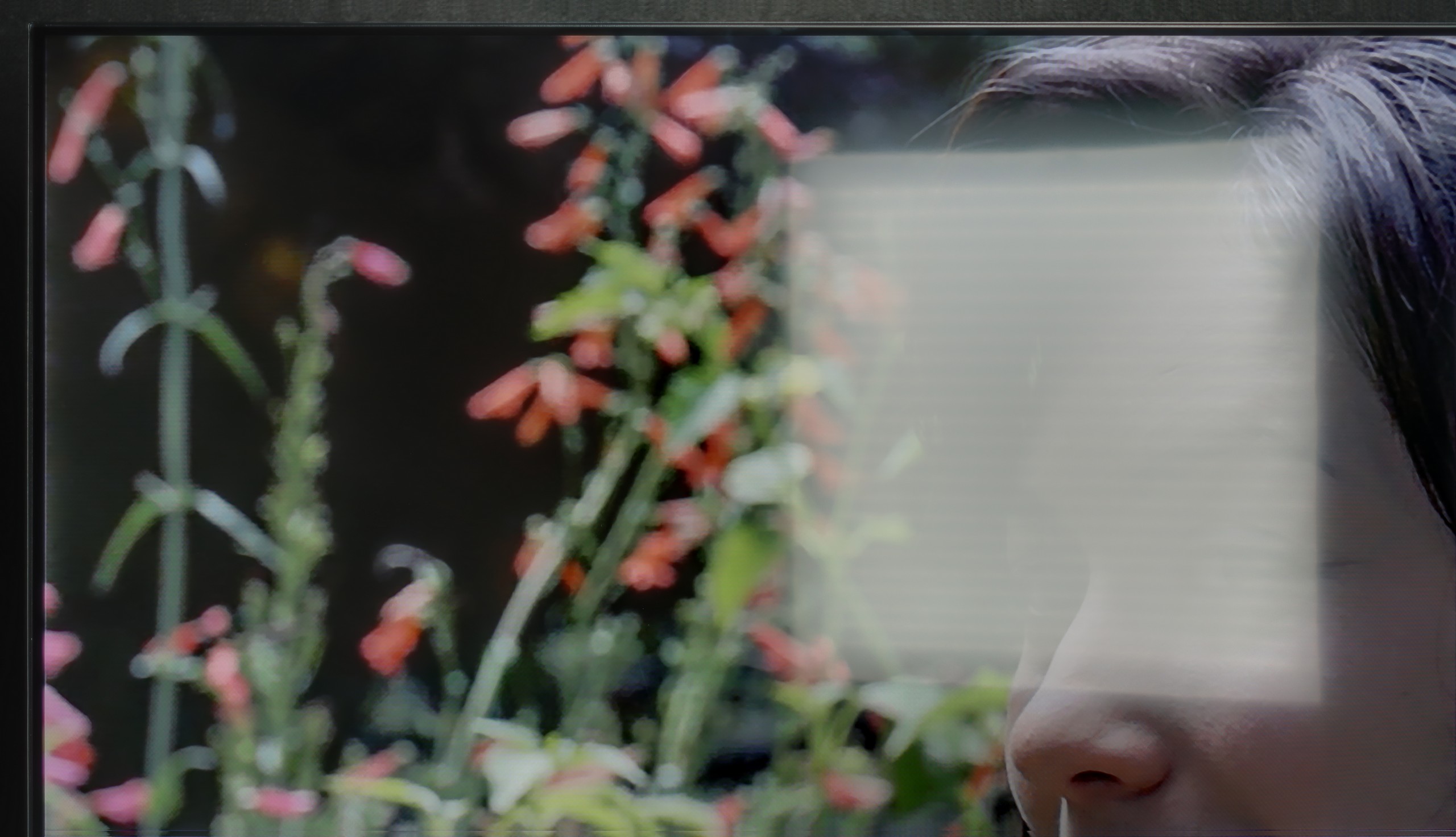
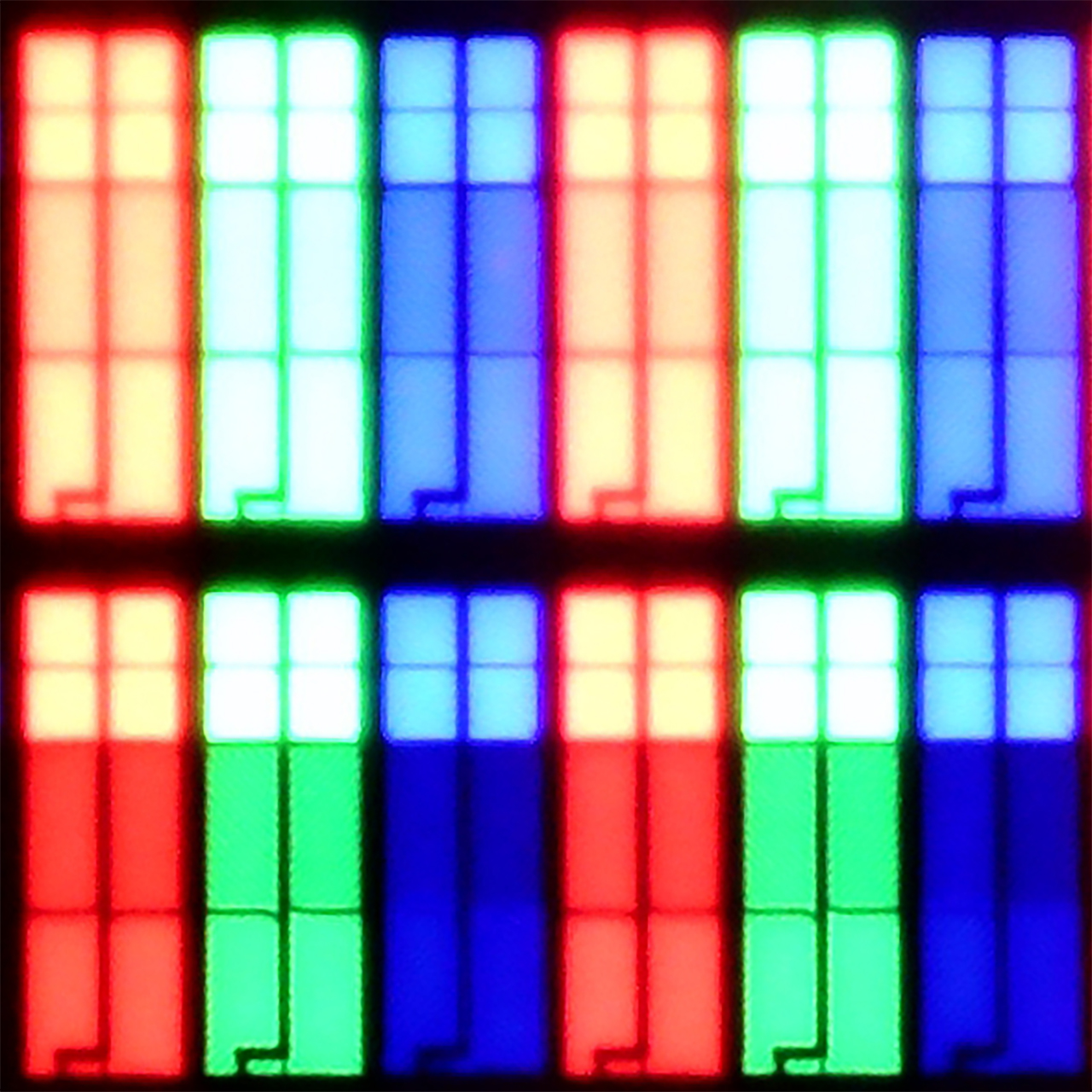
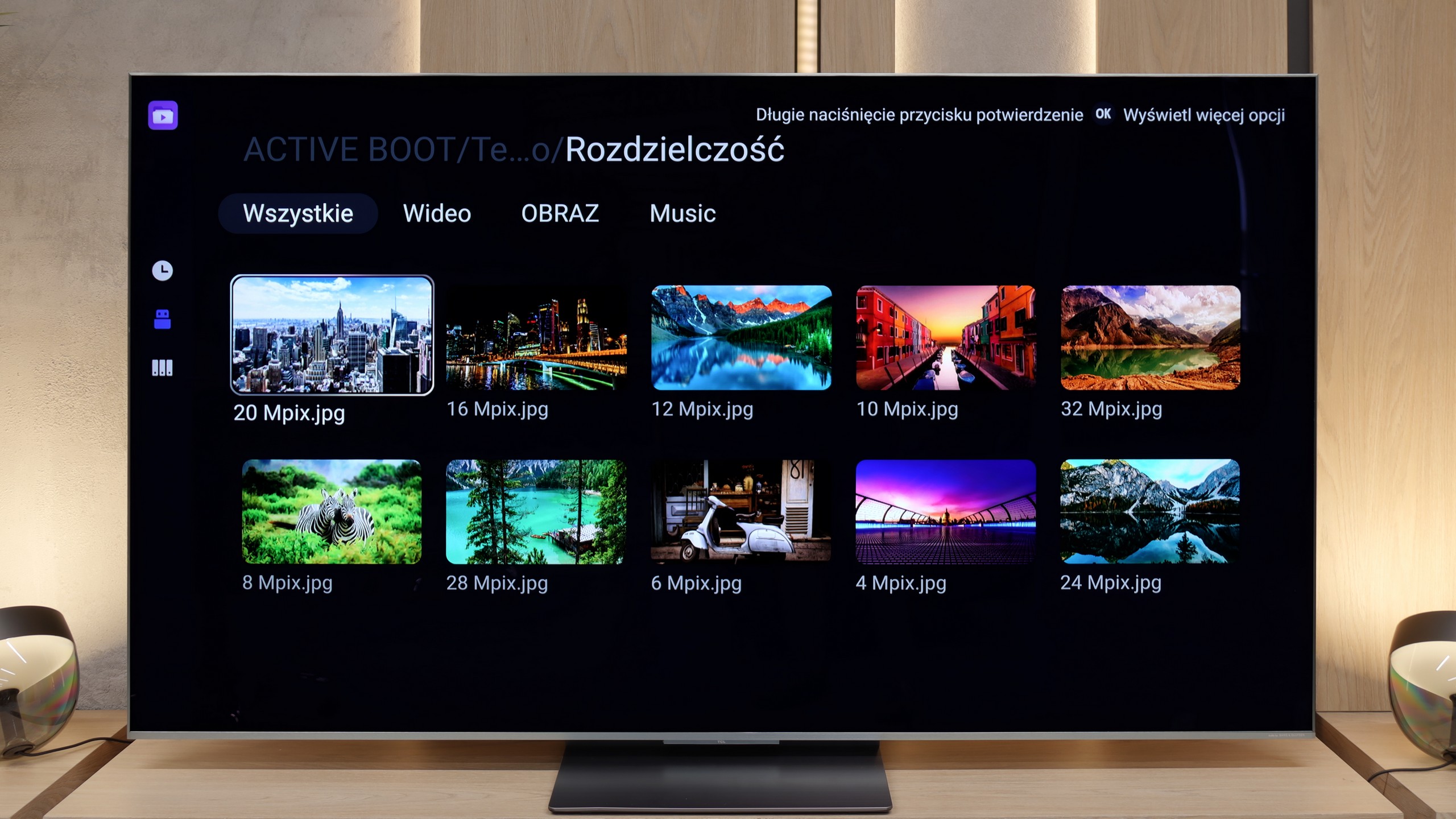
The TCL C9K is a television that on paper looks like a showcase of the manufacturer's prowess – thousands of Mini-LED zones, a WHVA panel, audio system by Bang & Olufsen, full HDR format support, gaming at 144 Hz, and even 288 Hz at lower resolutions. It’s clear that TCL wanted to pack in absolutely everything they had that was best. And indeed – in many respects, the C9K can impress. The brightness is immense, HDR can be stunning in larger scenes, motion fluidity and gamer capabilities are at a top level, and the sound – for a TV speaker – sounds really good. It’s equipment that can easily be regarded as the hub of home entertainment. But there's also another side to the coin. Brightness management simply falters despite the incredible technical specification – smaller details often get lost in shadows or are burned out. And although synthetic tests of contrast and brightness appear outstanding, in day-to-day watching of films and series the effect isn't as impressive.
To summarise briefly: the C9K is a television full of contrasts – literally and metaphorically. It can deliver experiences close to the top screens, but it’s still clear that TCL needs to work on software and optimisation. If someone is looking for a screen for gaming, sports or spectacular blockbusters – they will be thrilled. However, if they are counting on perfect reproduction of the director's vision and think they have managed to buy an absolutely top model at half the price of the competition, they will unfortunately be disappointed. It’s a pity, because the technological potential here is really immense – just a bit of common sense in its application was lacking.
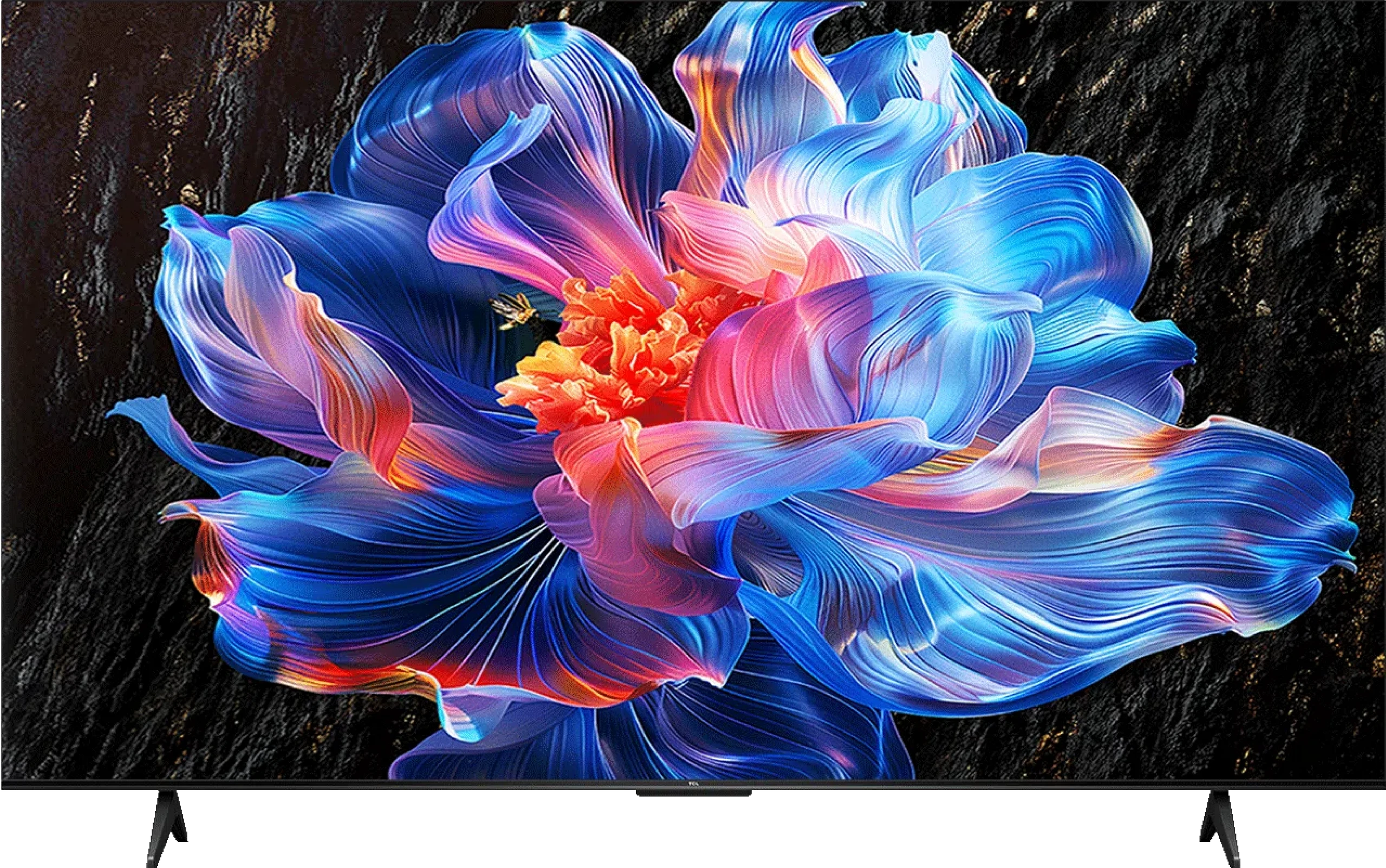
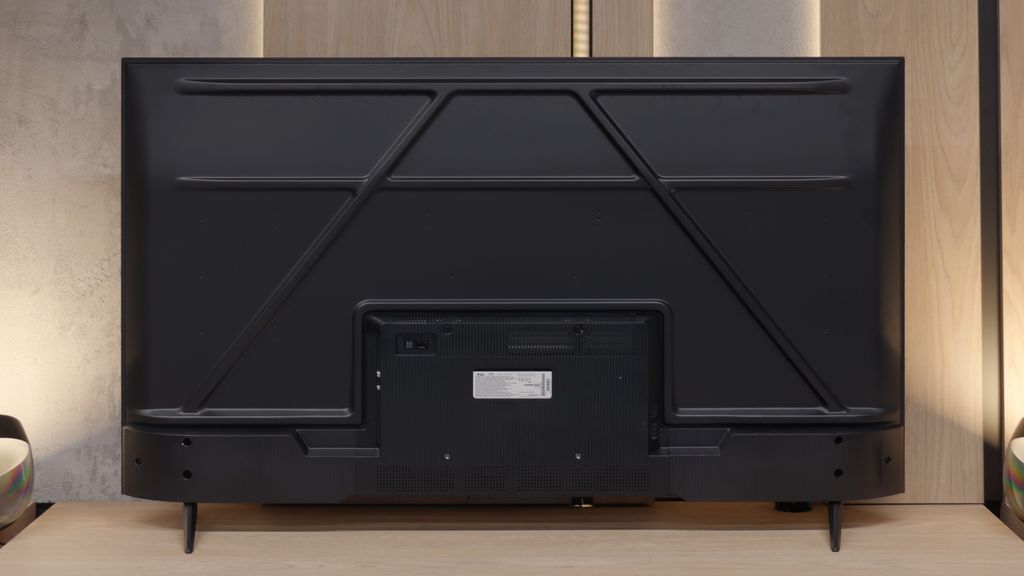
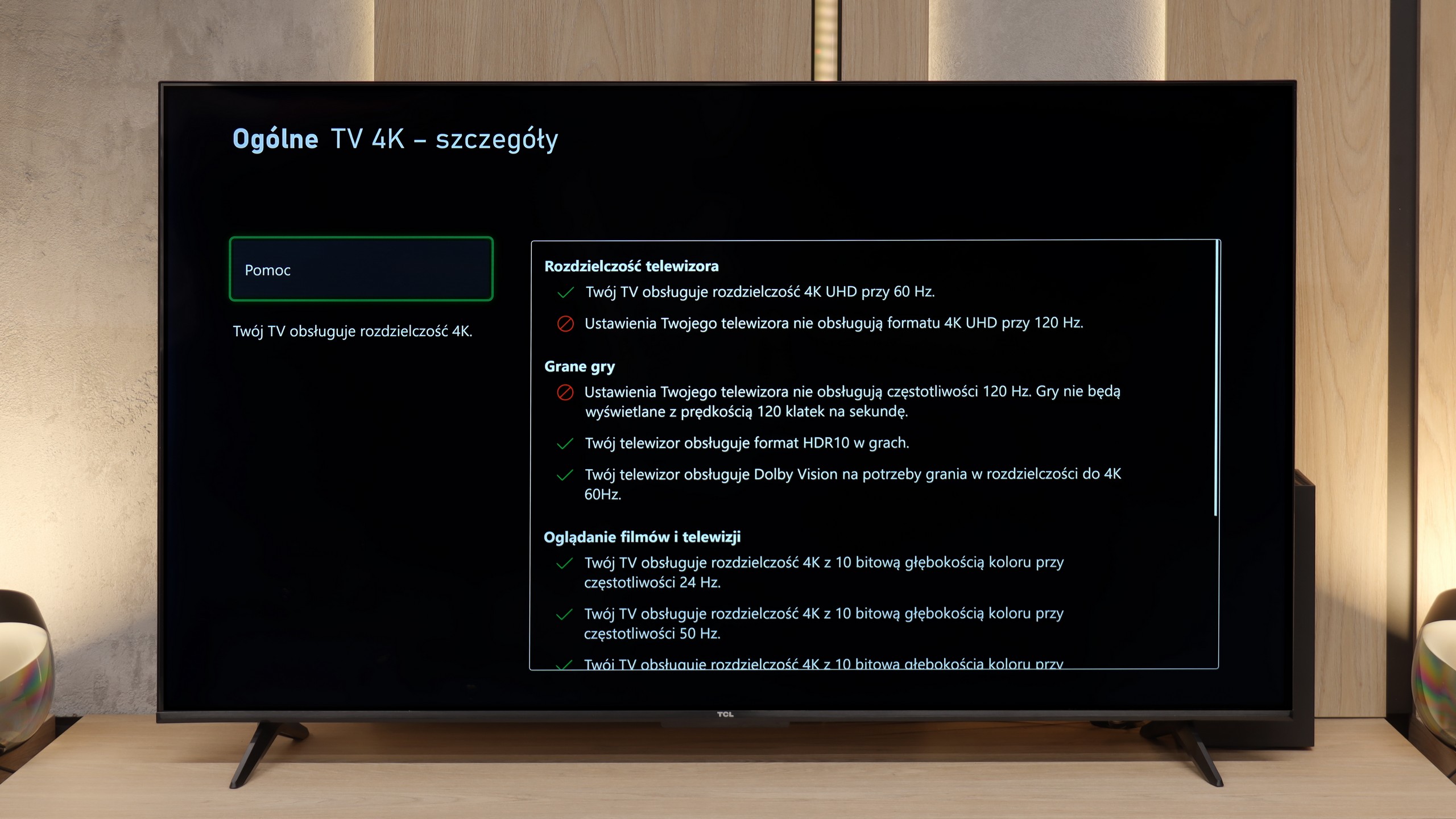
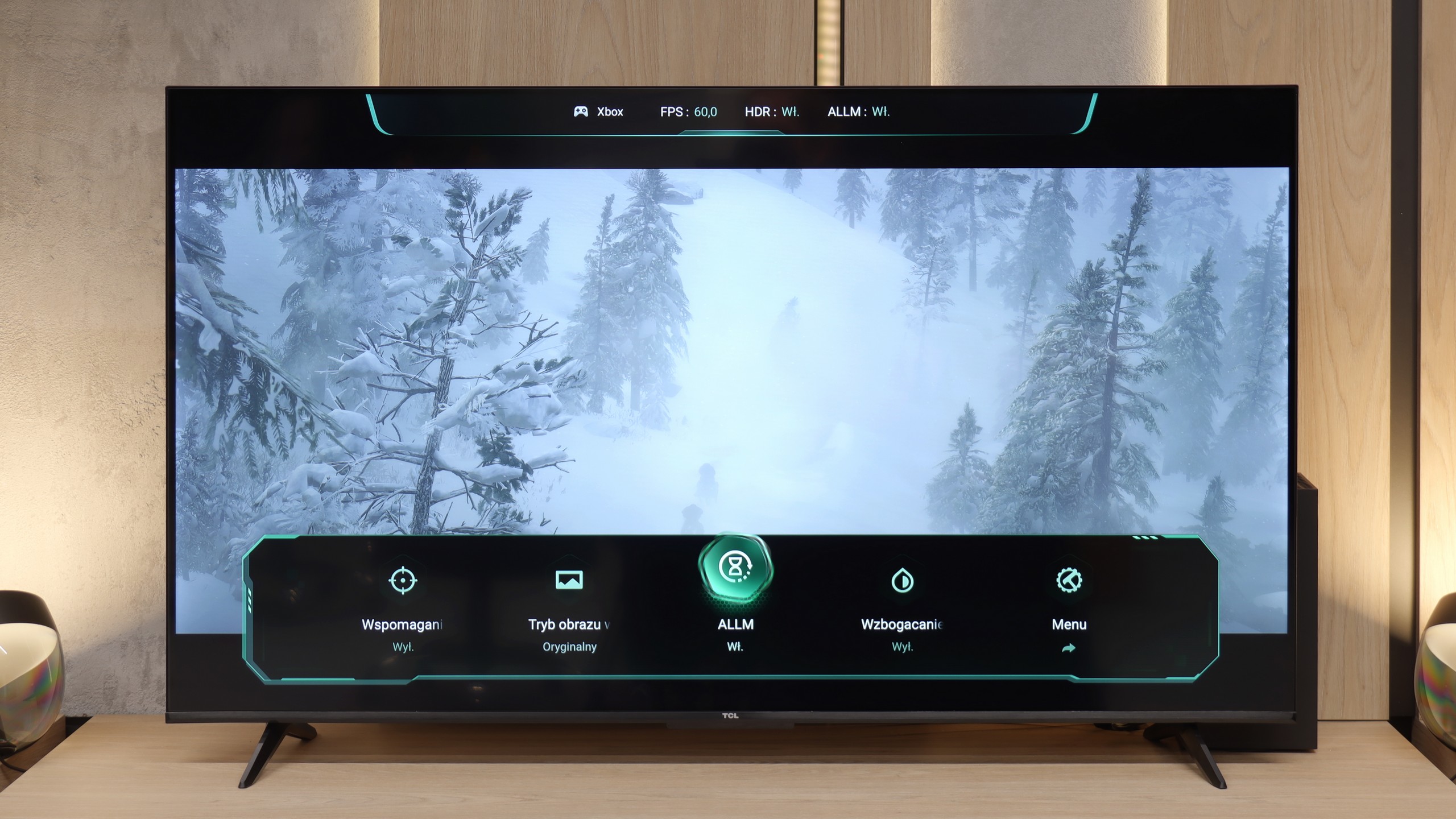
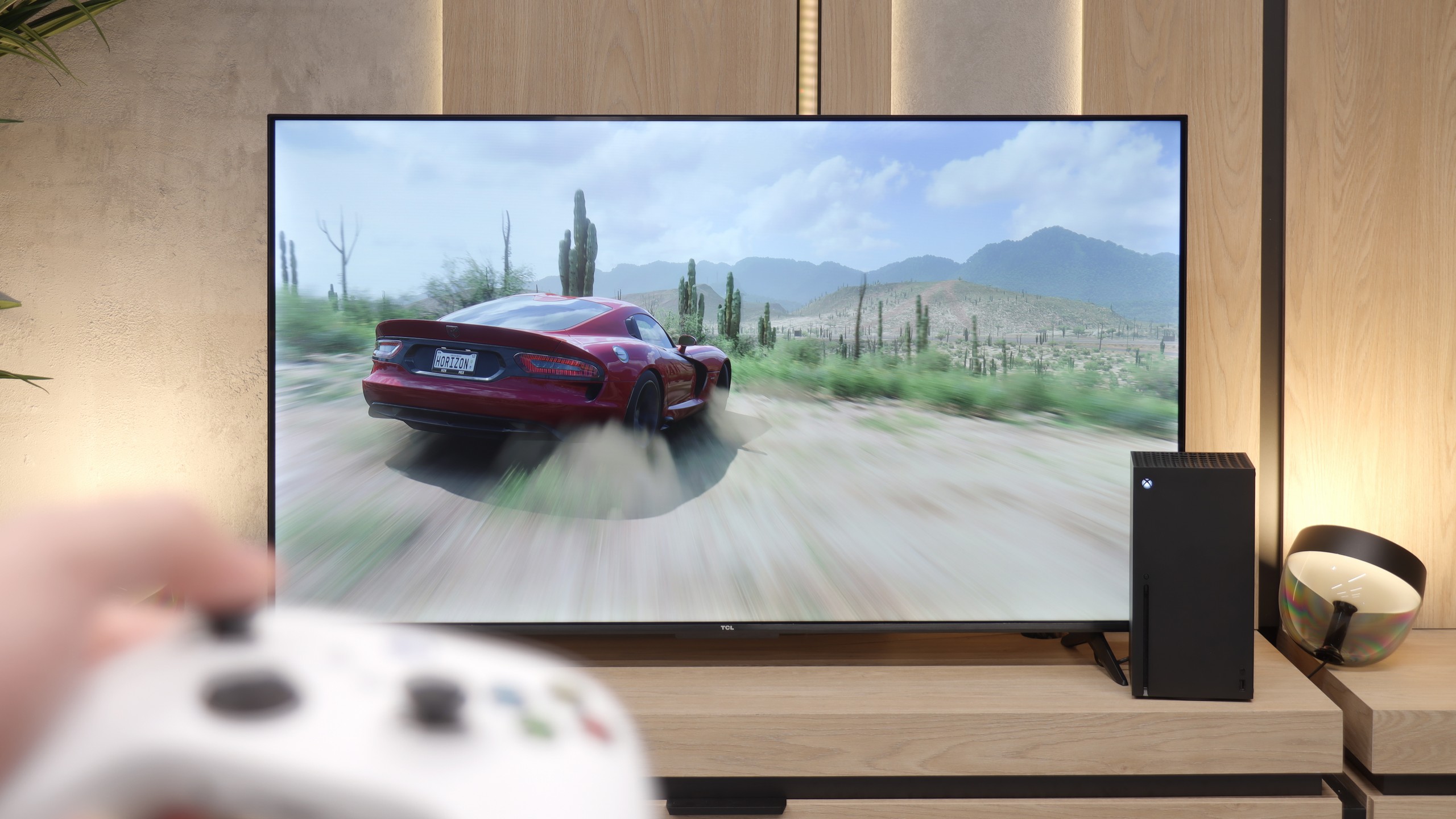
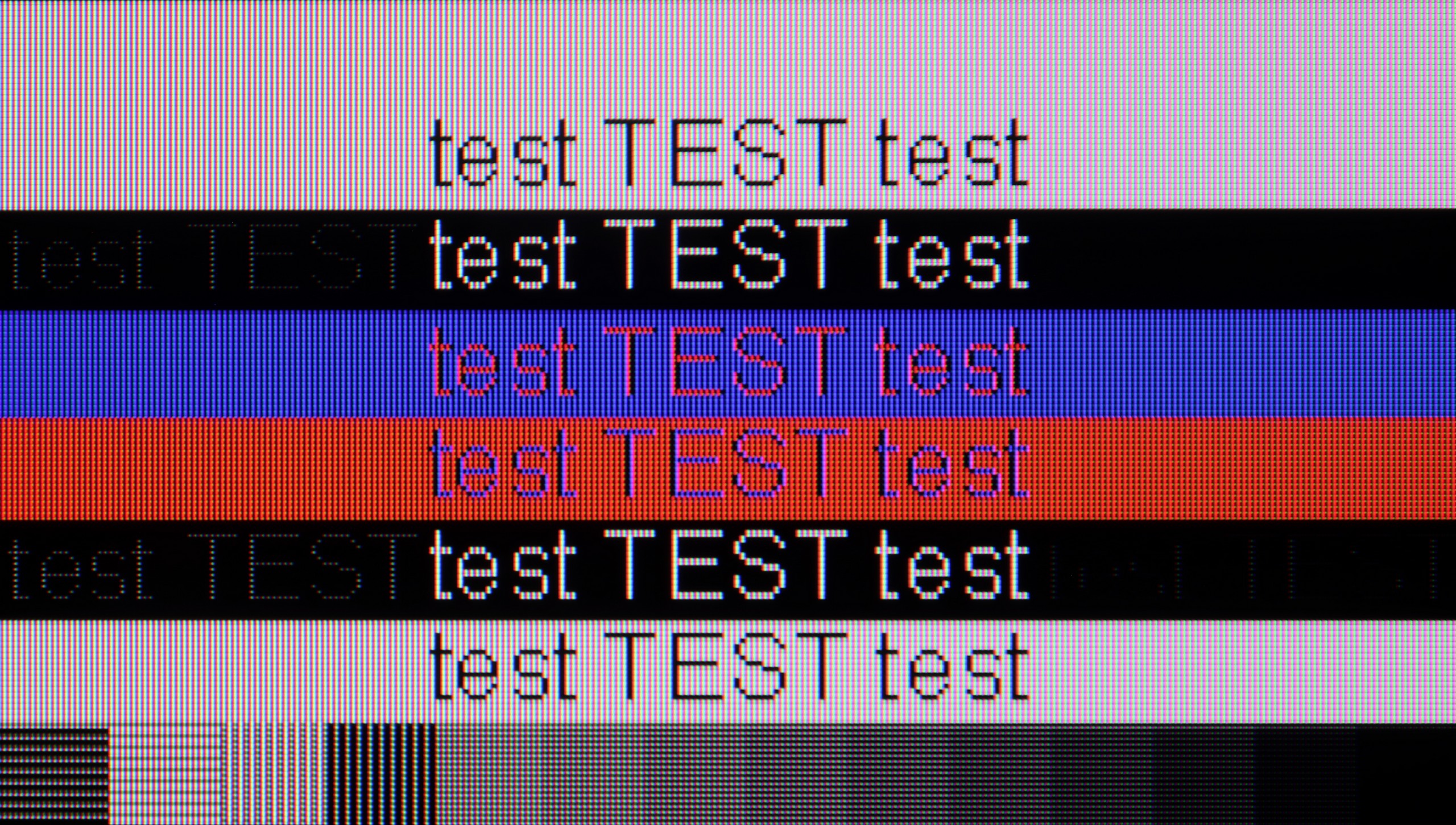
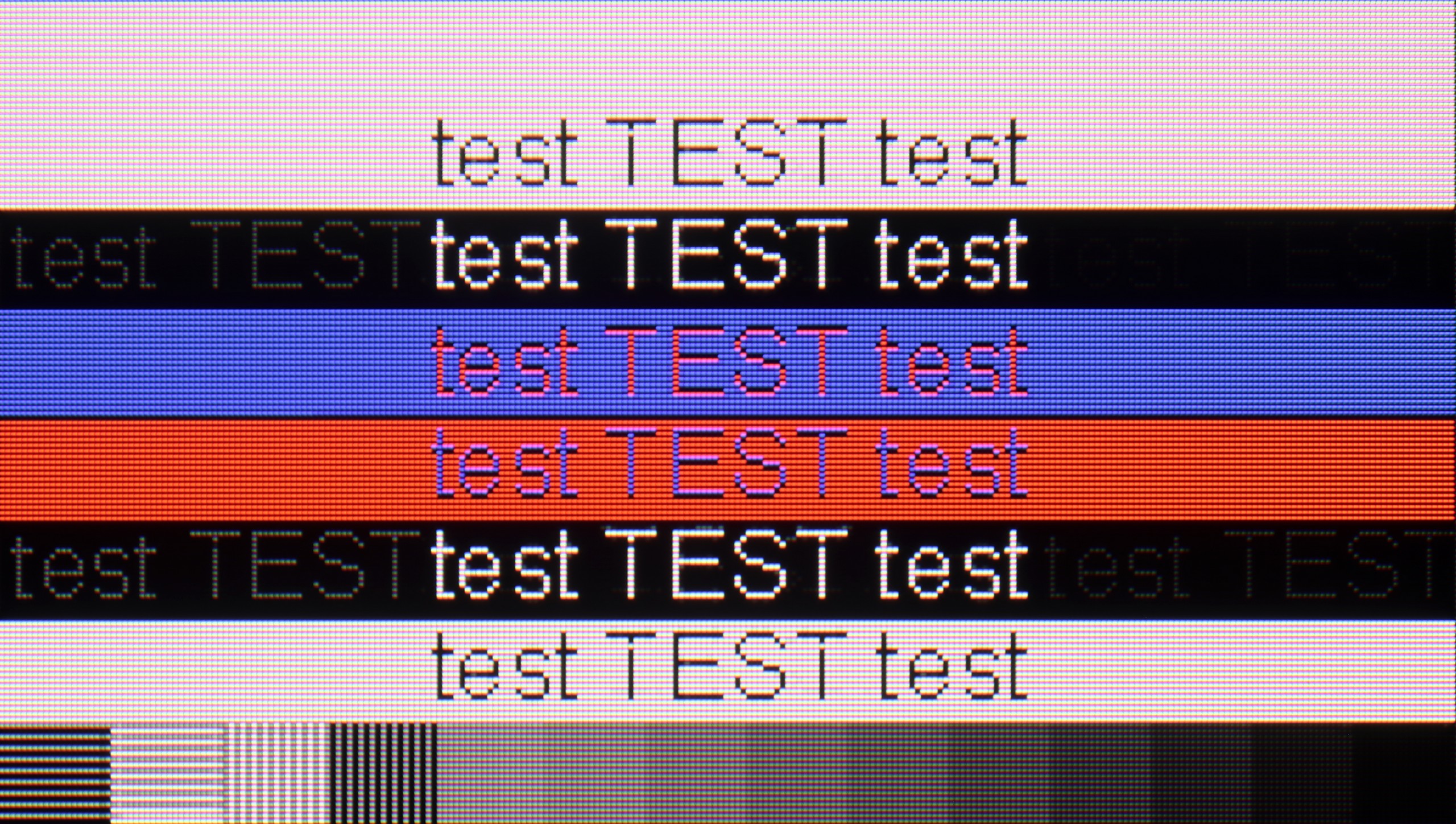
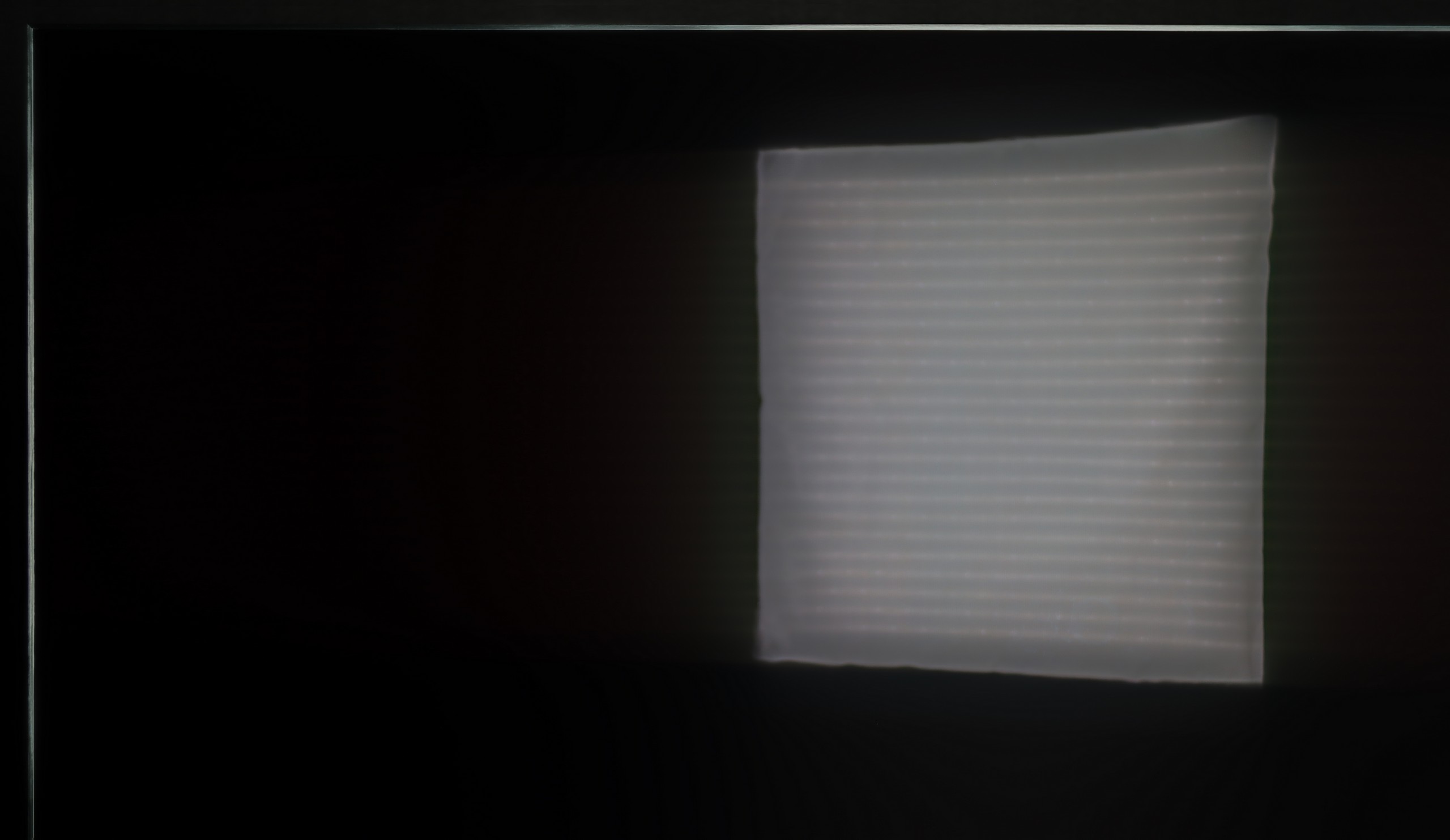
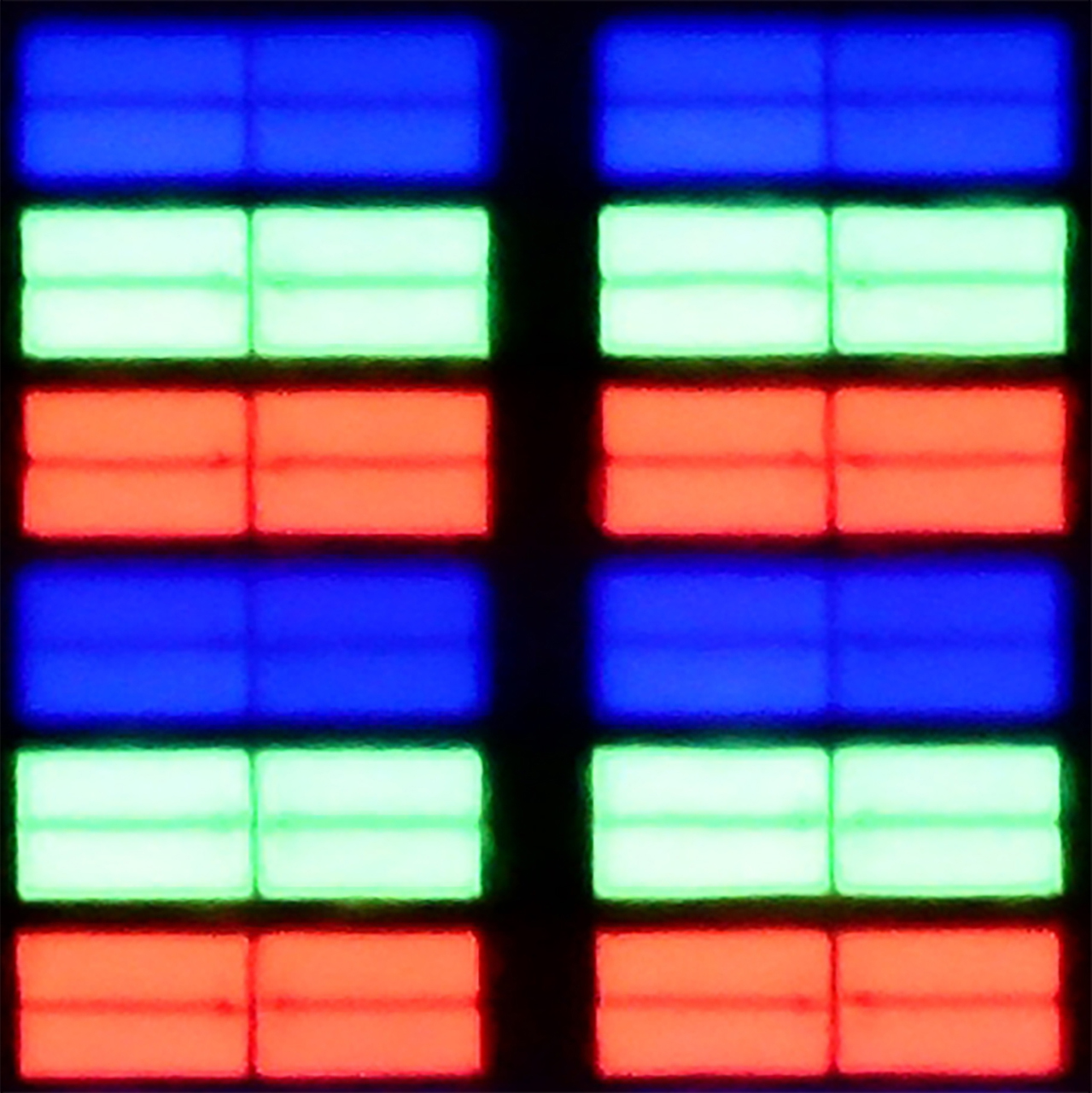
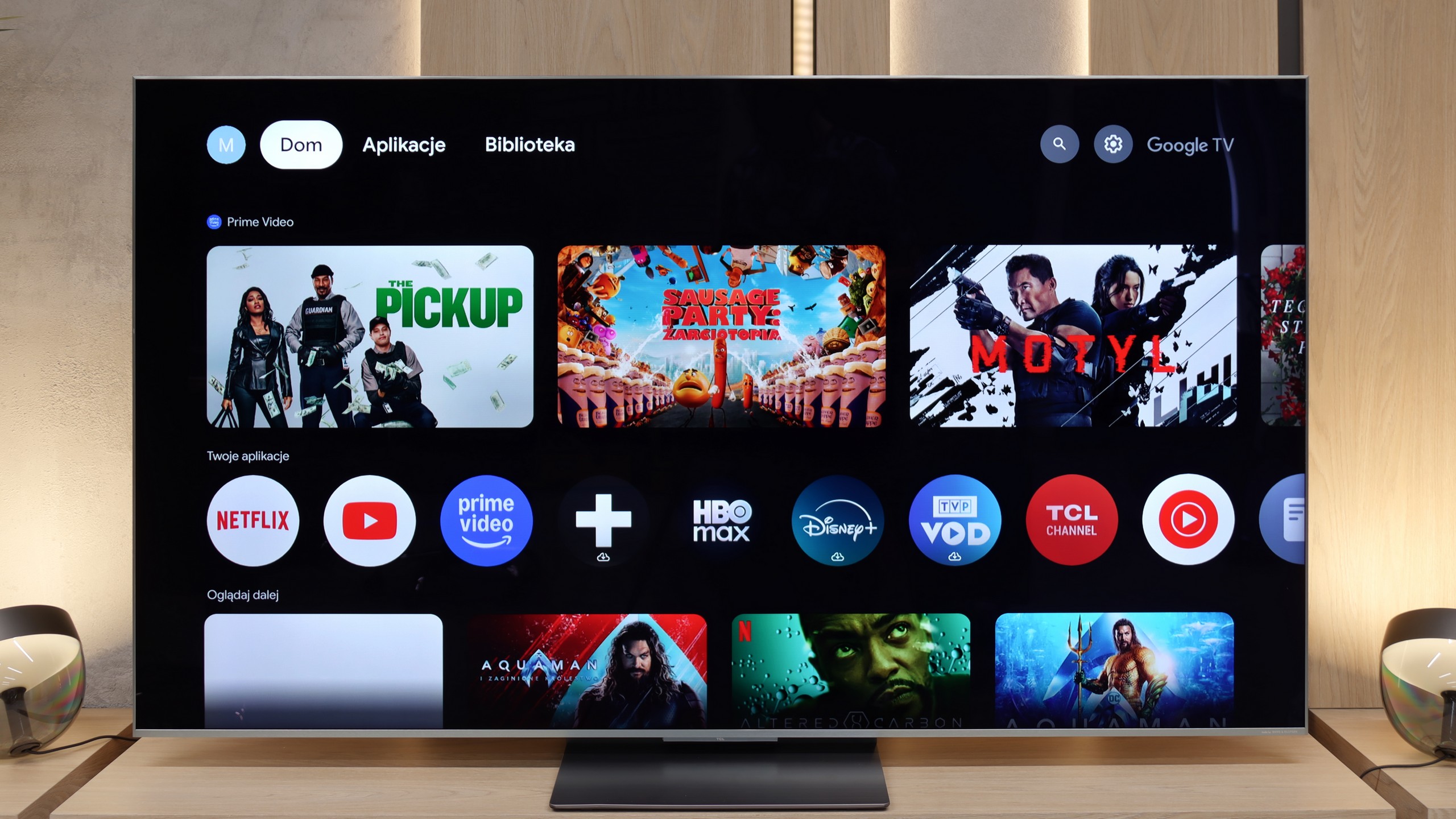
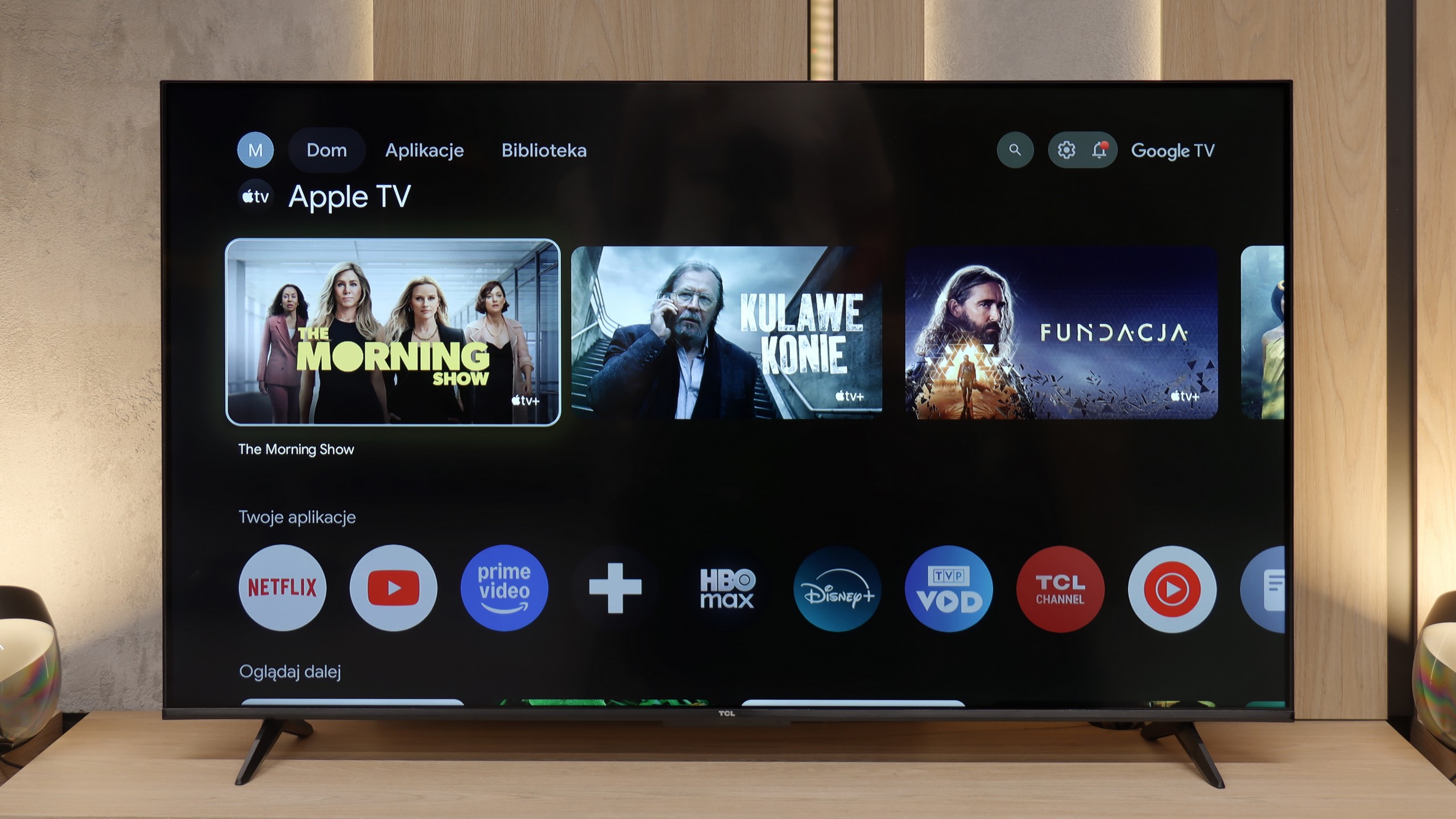
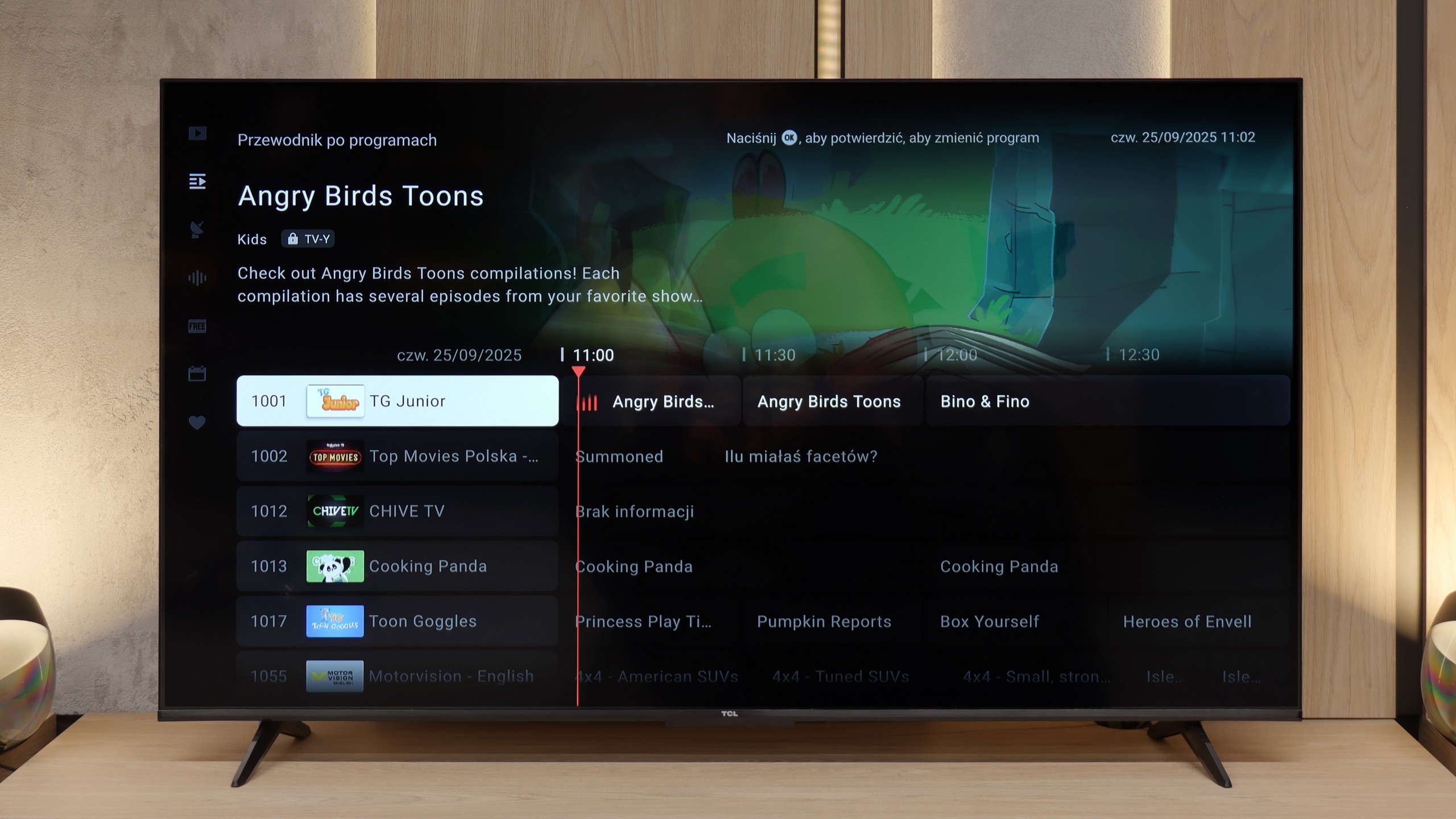
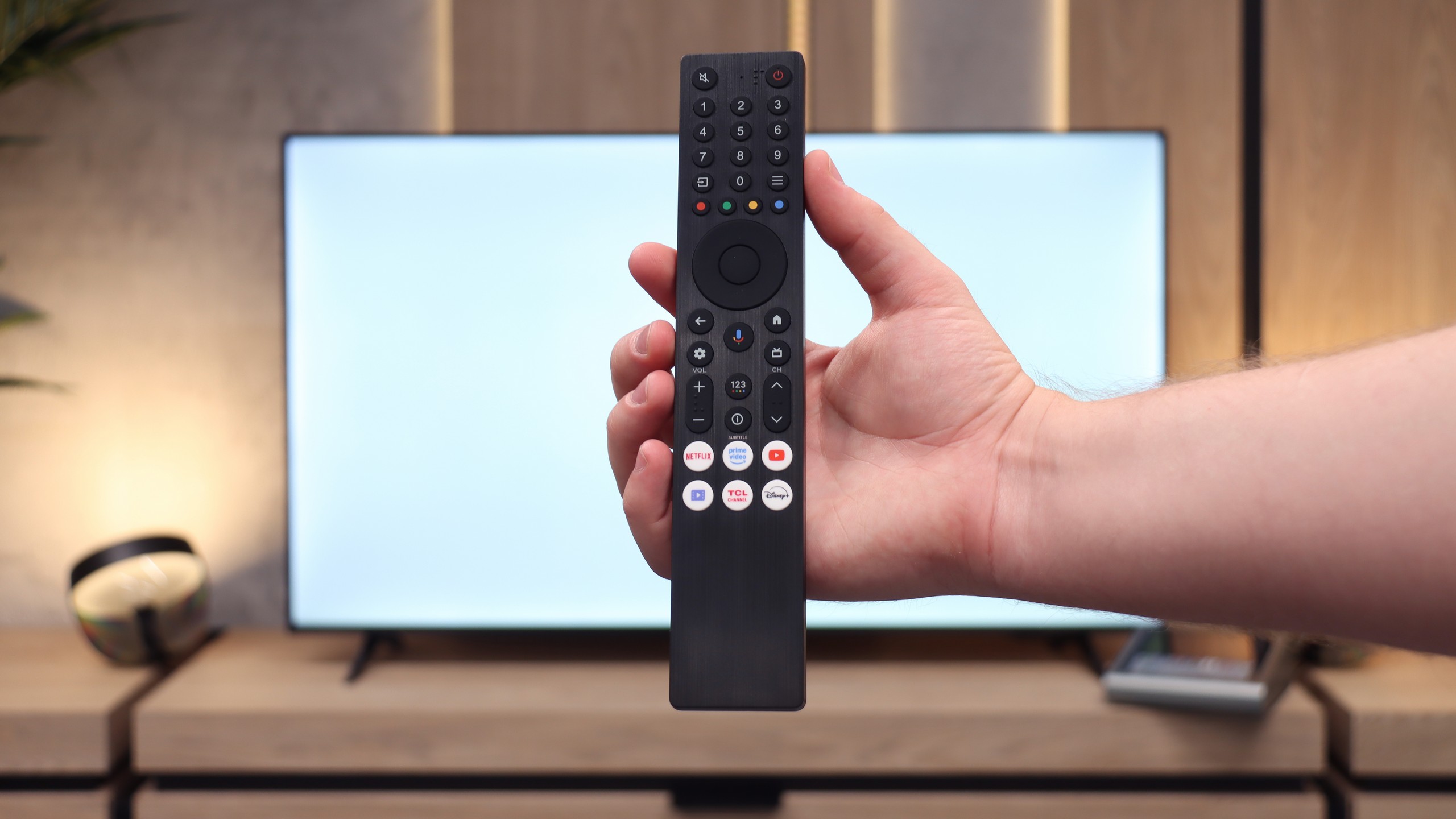
The TCL V6C is a television whose appeal lies primarily in three elements: the Google TV system, several features beneficial for gamers, and a very low price. The biggest advantage is indeed Google TV – it provides access to an enormous library of apps, from the most popular streaming services to lesser-known programs, and it allows the use of AirPlay, screen mirroring, and voice search. For many users, this system alone may be a sufficient reason to consider a purchase. Additionally, there are simple yet practical features for gamers, such as ALLM mode, low input lag, and a Game Bar with parameter previews, which make occasional gaming on a console more convenient. The third argument, and perhaps the most important, is the price – it’s hard to find another model with Google TV in this class that offers such wide access to smart features. However, when it comes to picture quality, it’s clear that we are dealing with a significant number of compromises. The V6C is a very dim television. Colours remain dull, and in more demanding scenes, the image can be flat and lacking in detail. The contrast provided by the VA panel can be considered decent, but this comes at the cost of weak viewing angles. Additionally, there is motion blur in dynamic sports scenes, as well as an unnatural upscaling effect that often artificially sharpens details instead of enhancing them. So, who is this model for? The V6C is a television that will work well as a simple device for everyday watching of TV or YouTube, and its greatest strength is its operating system and low price. However, if we’re hoping for budget-friendly cinematic experiences or comfortable gaming in modern titles, this model will quickly reveal its limitations. Therefore, when purchasing it, one must be clear about what they are choosing – it’s a television for simple tasks, not a device that is meant to impress with picture quality.
 Direct comparison