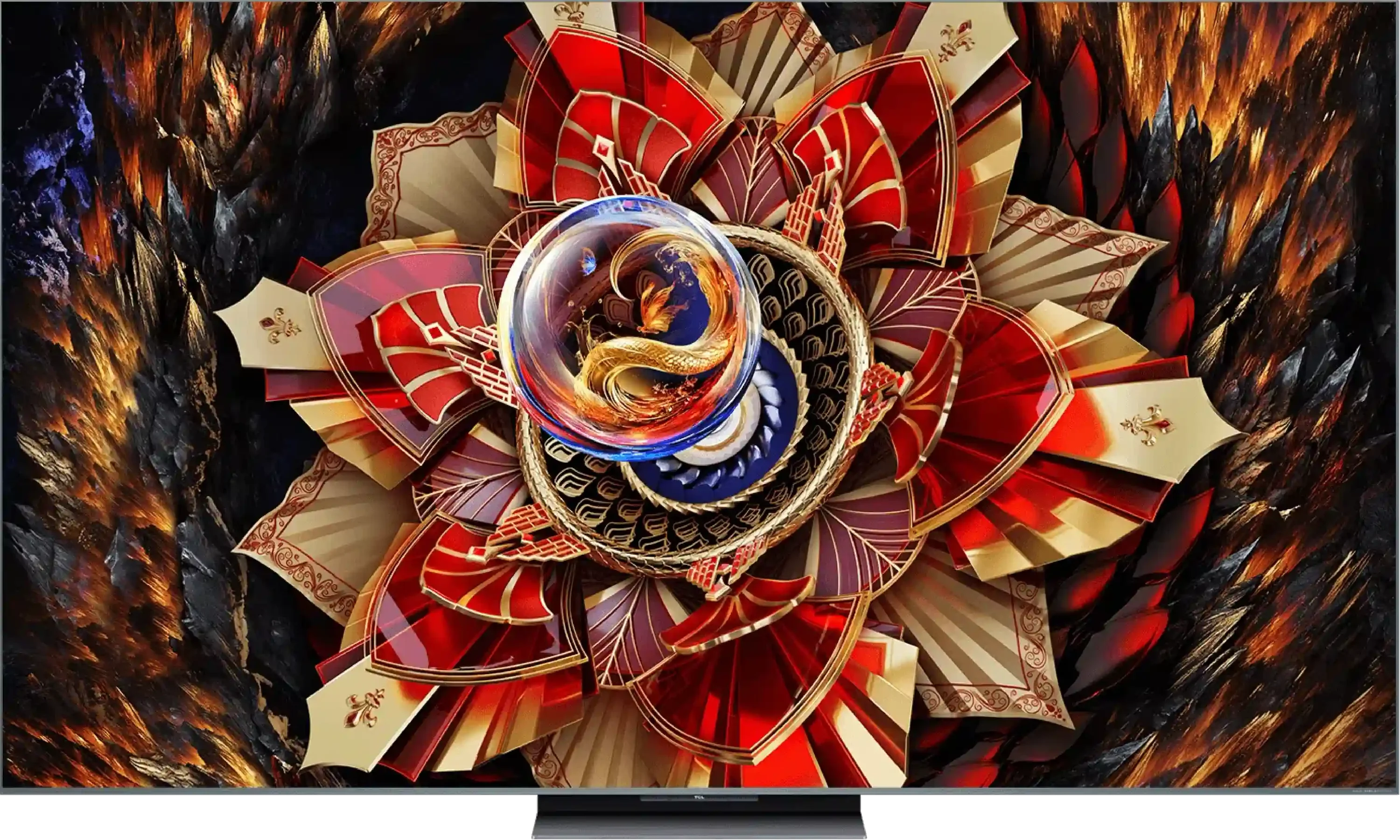
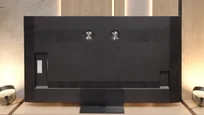
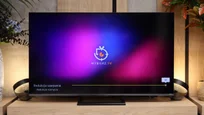
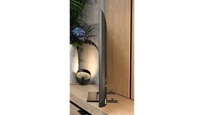
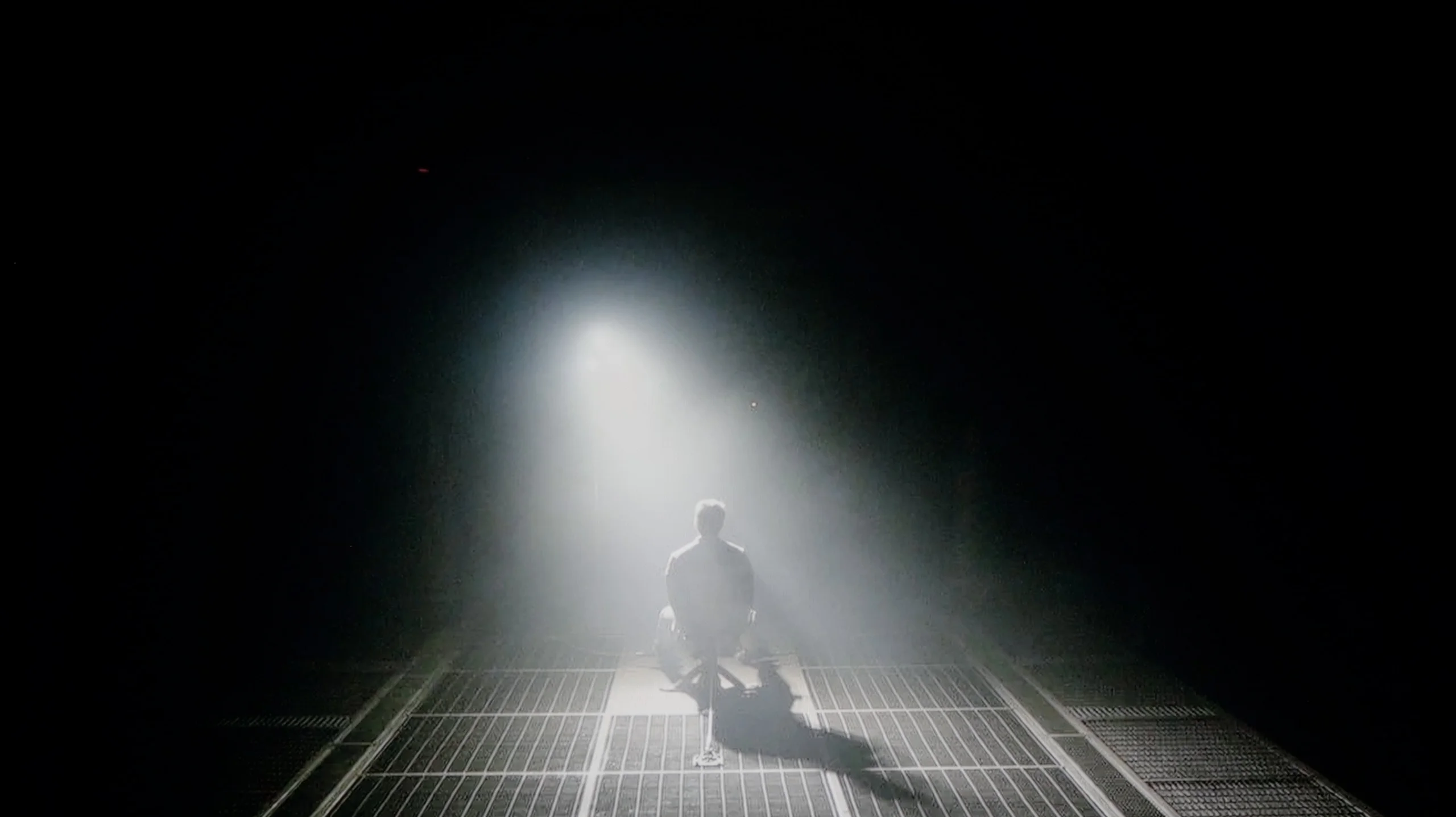
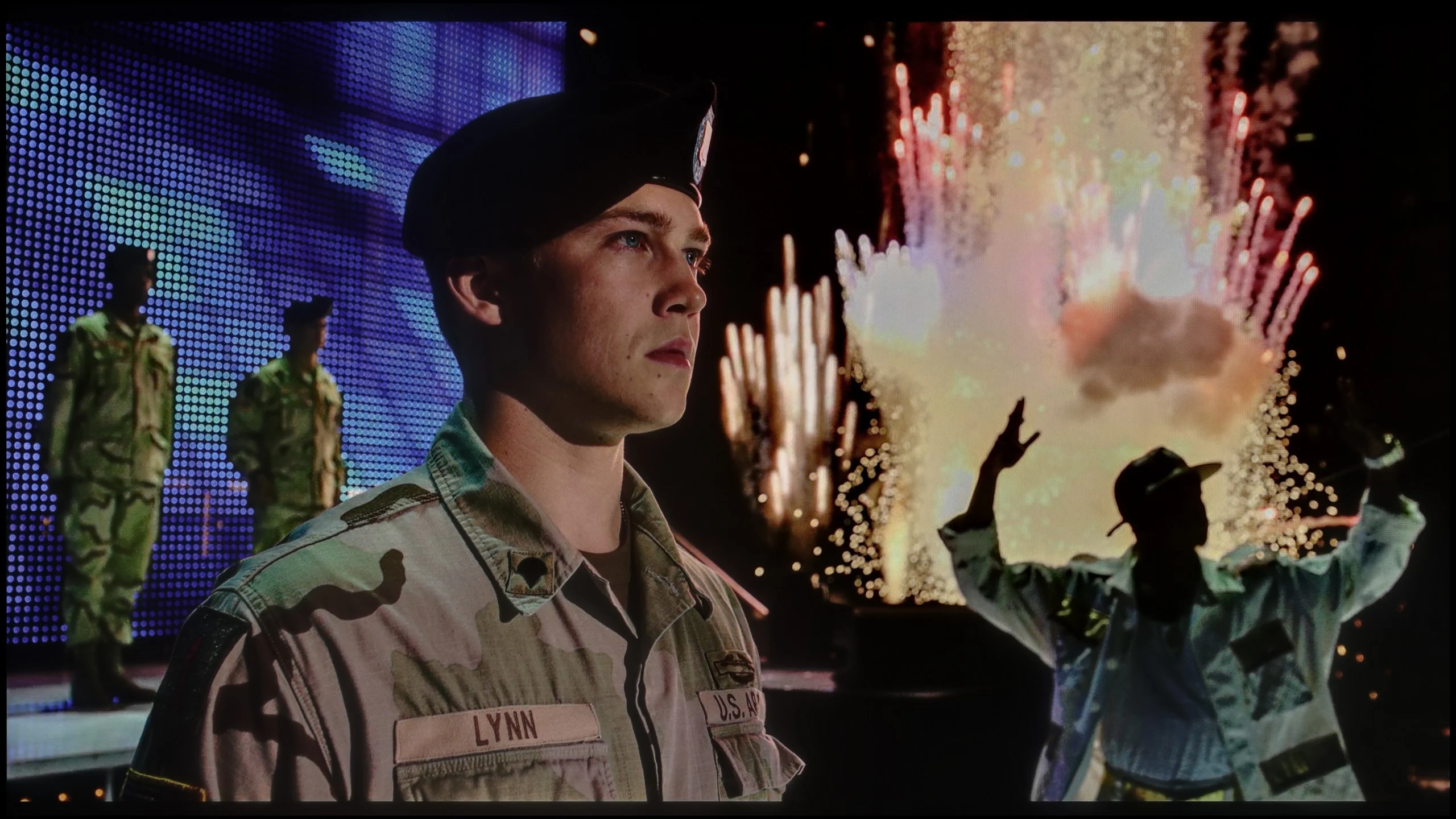
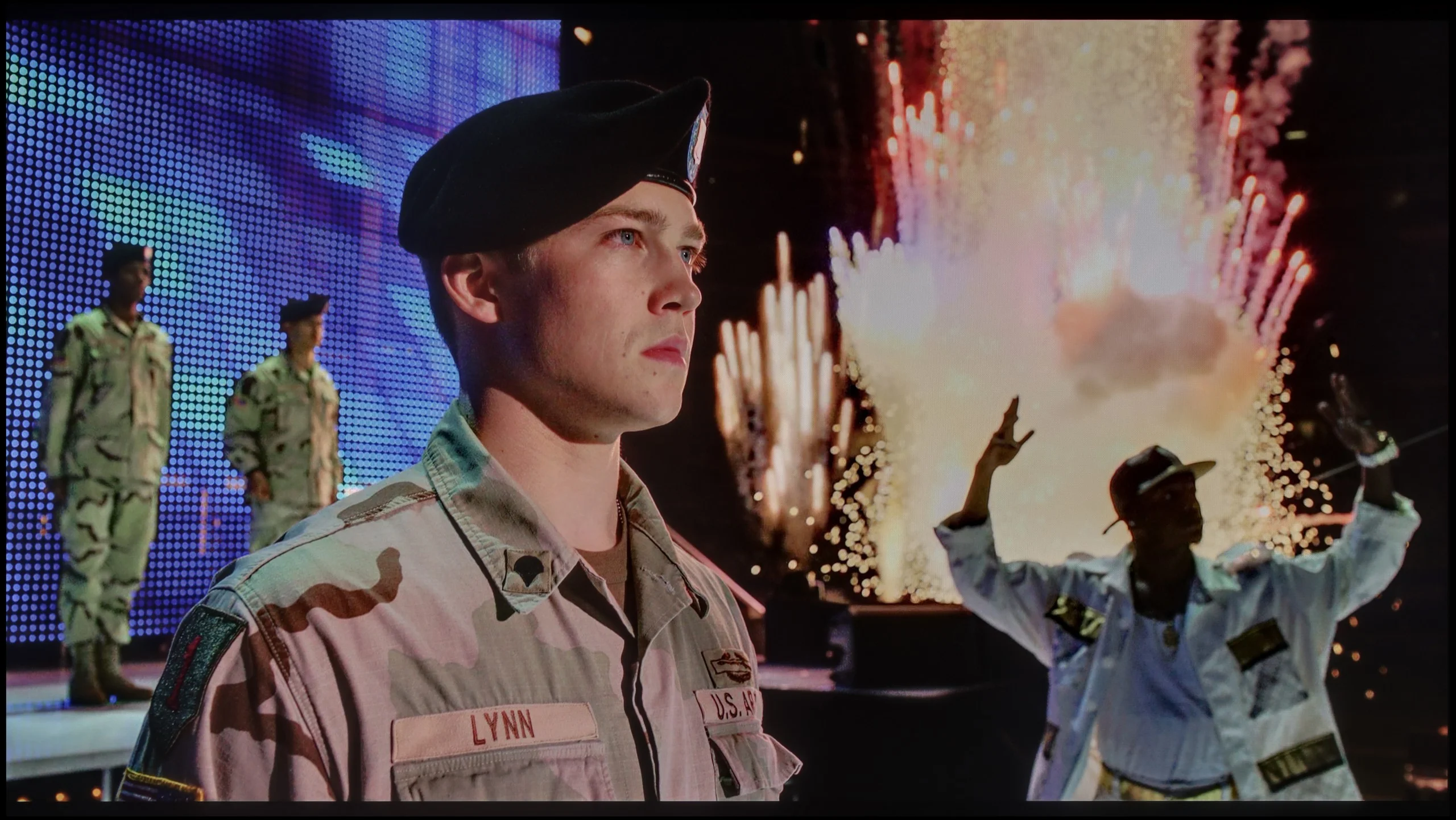
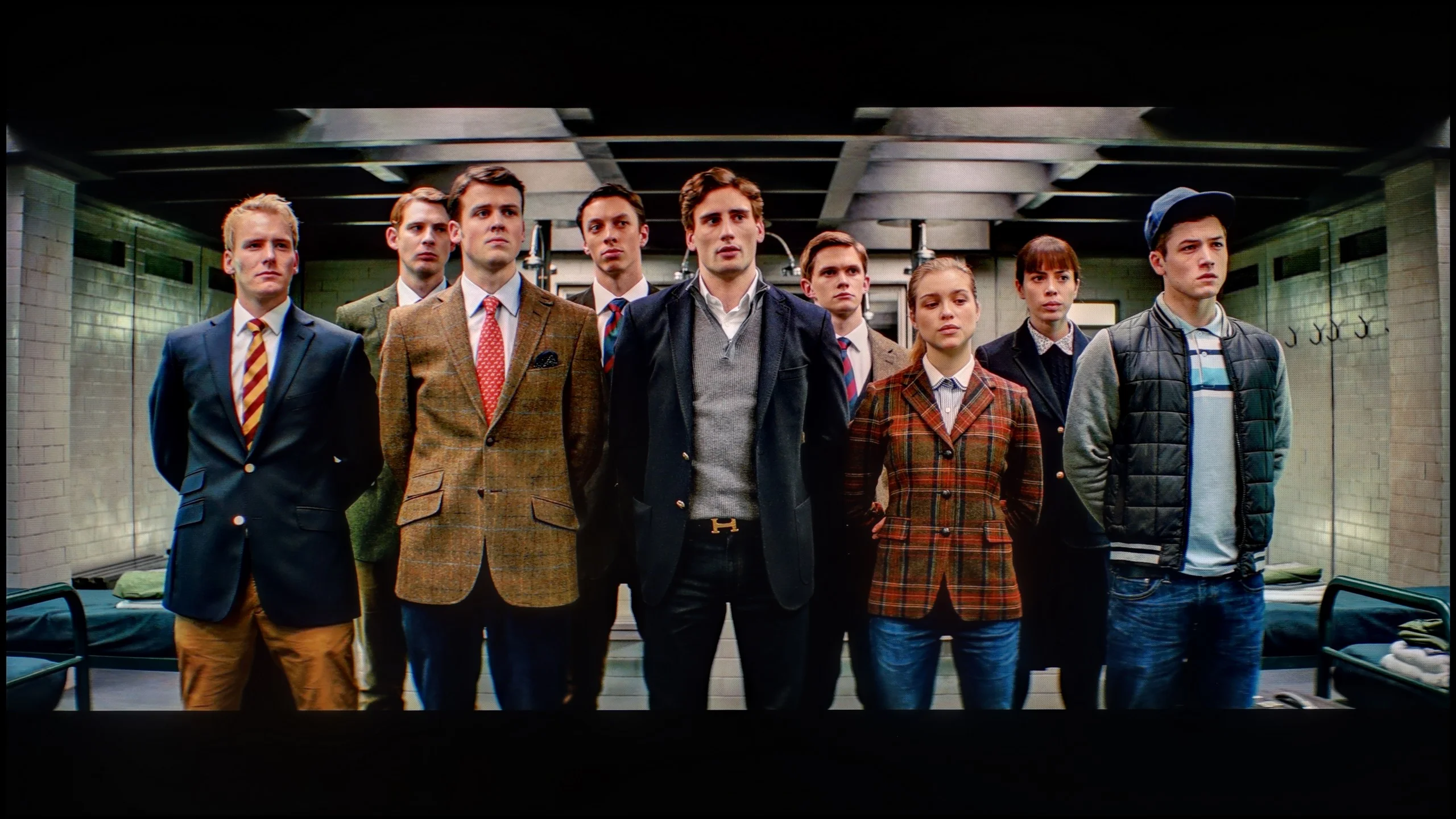
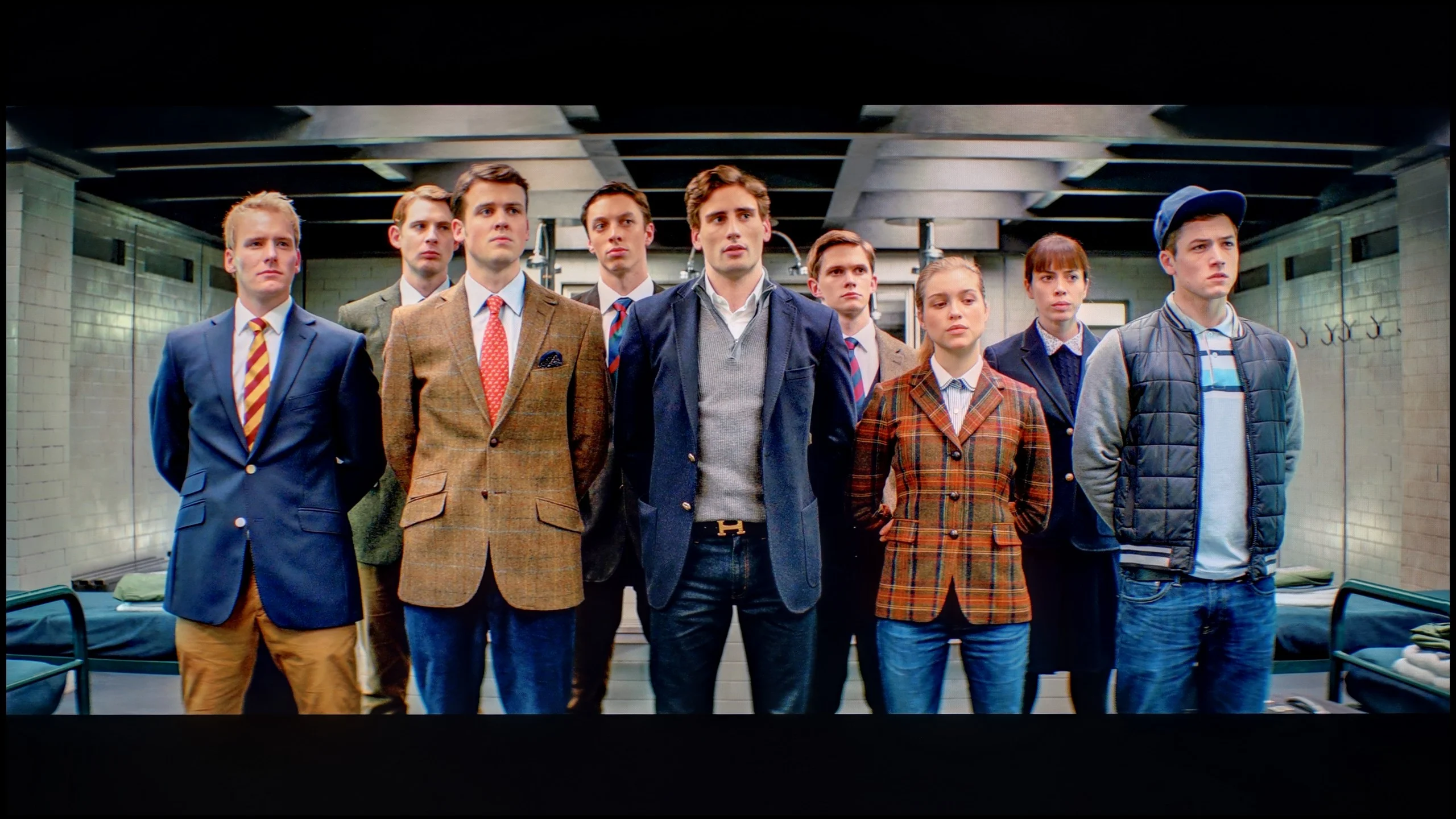
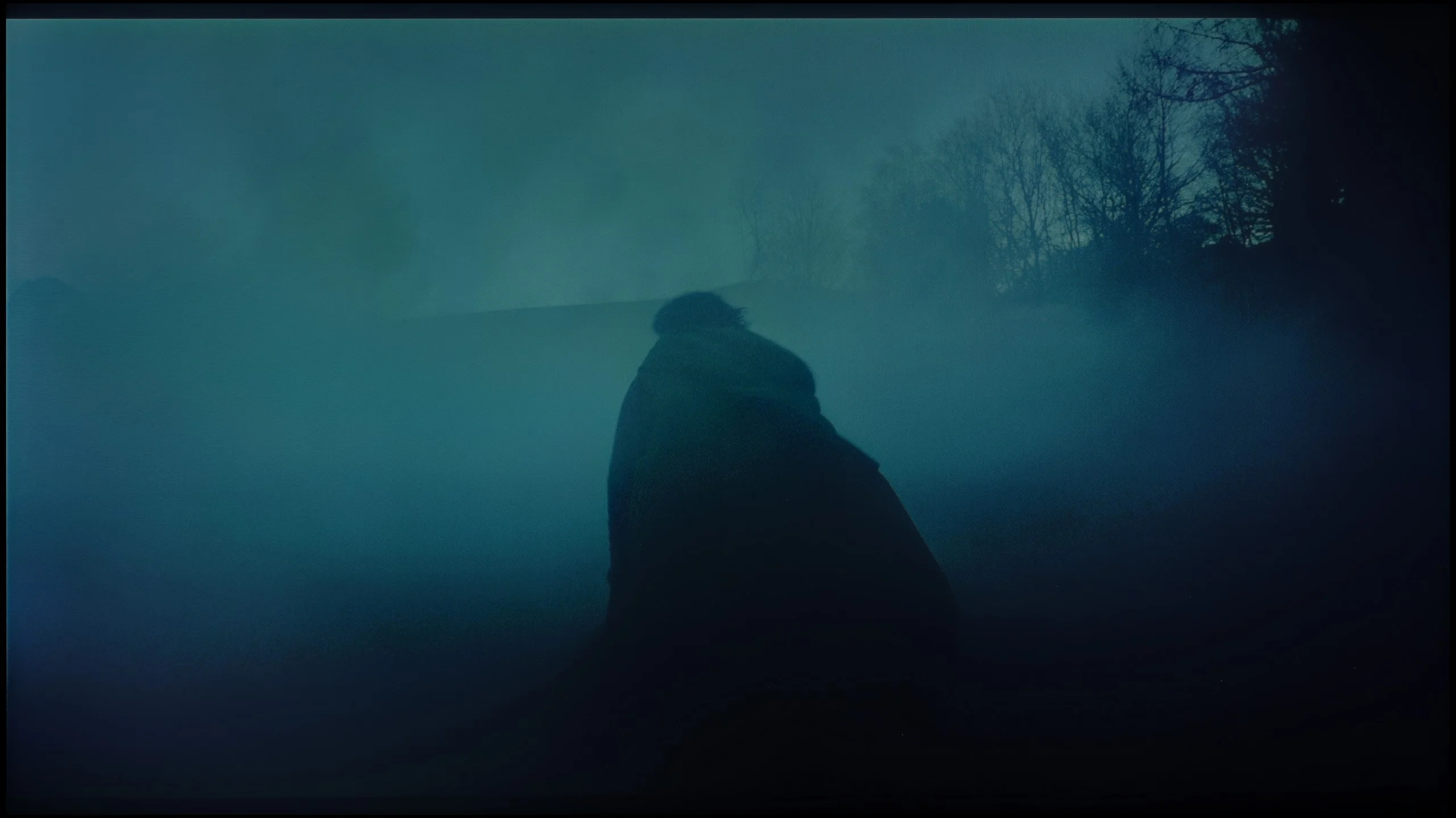
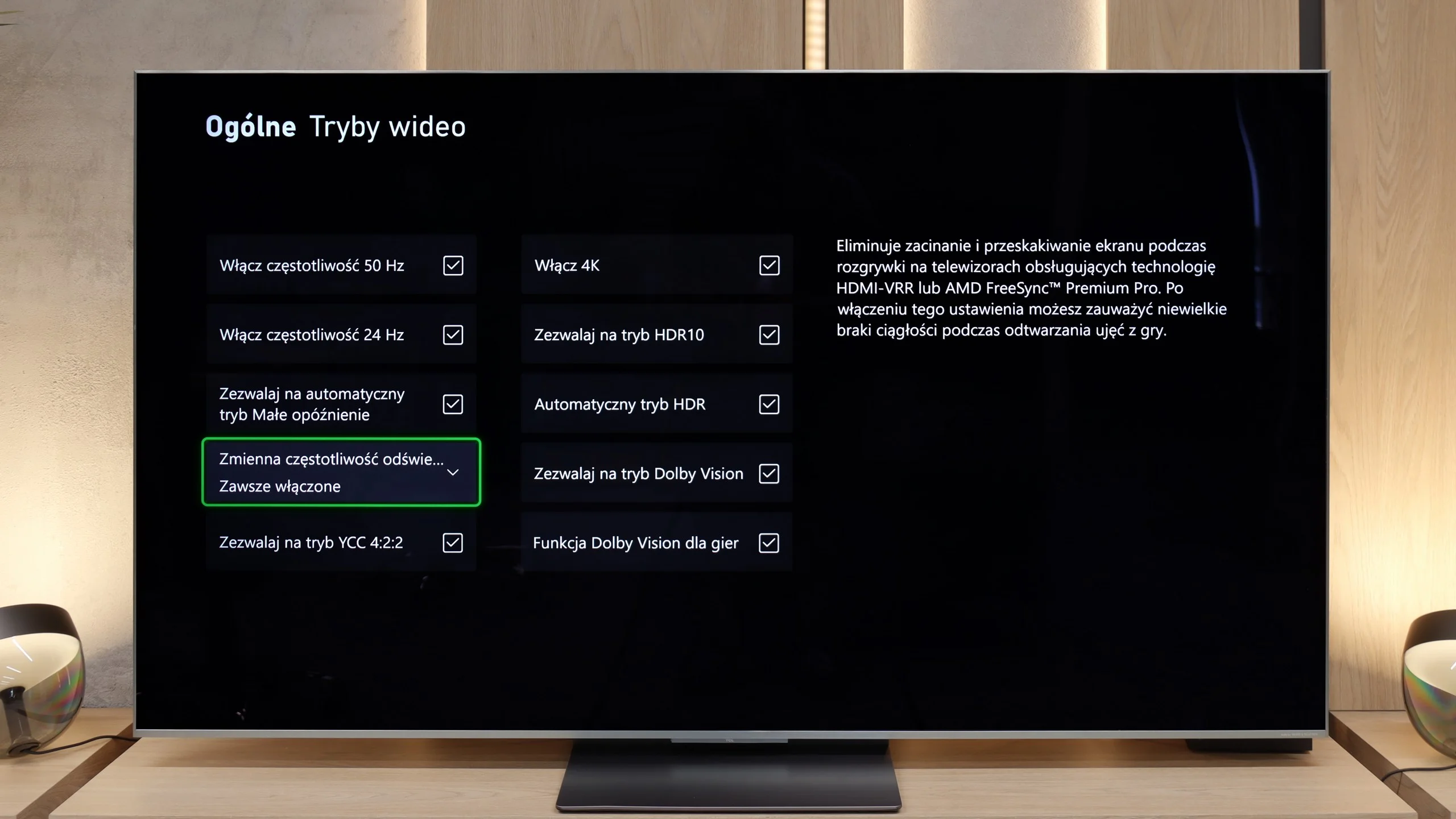
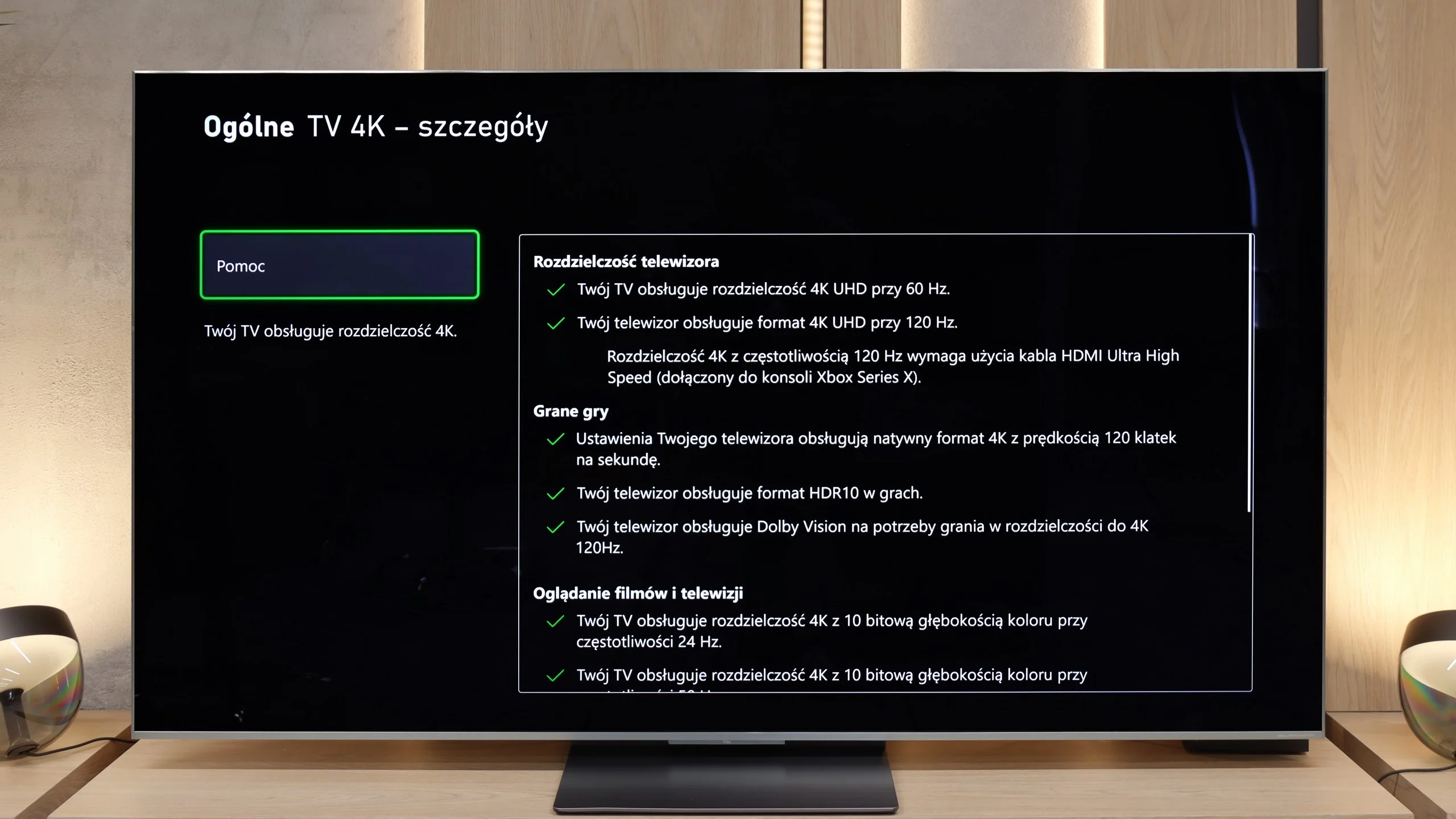
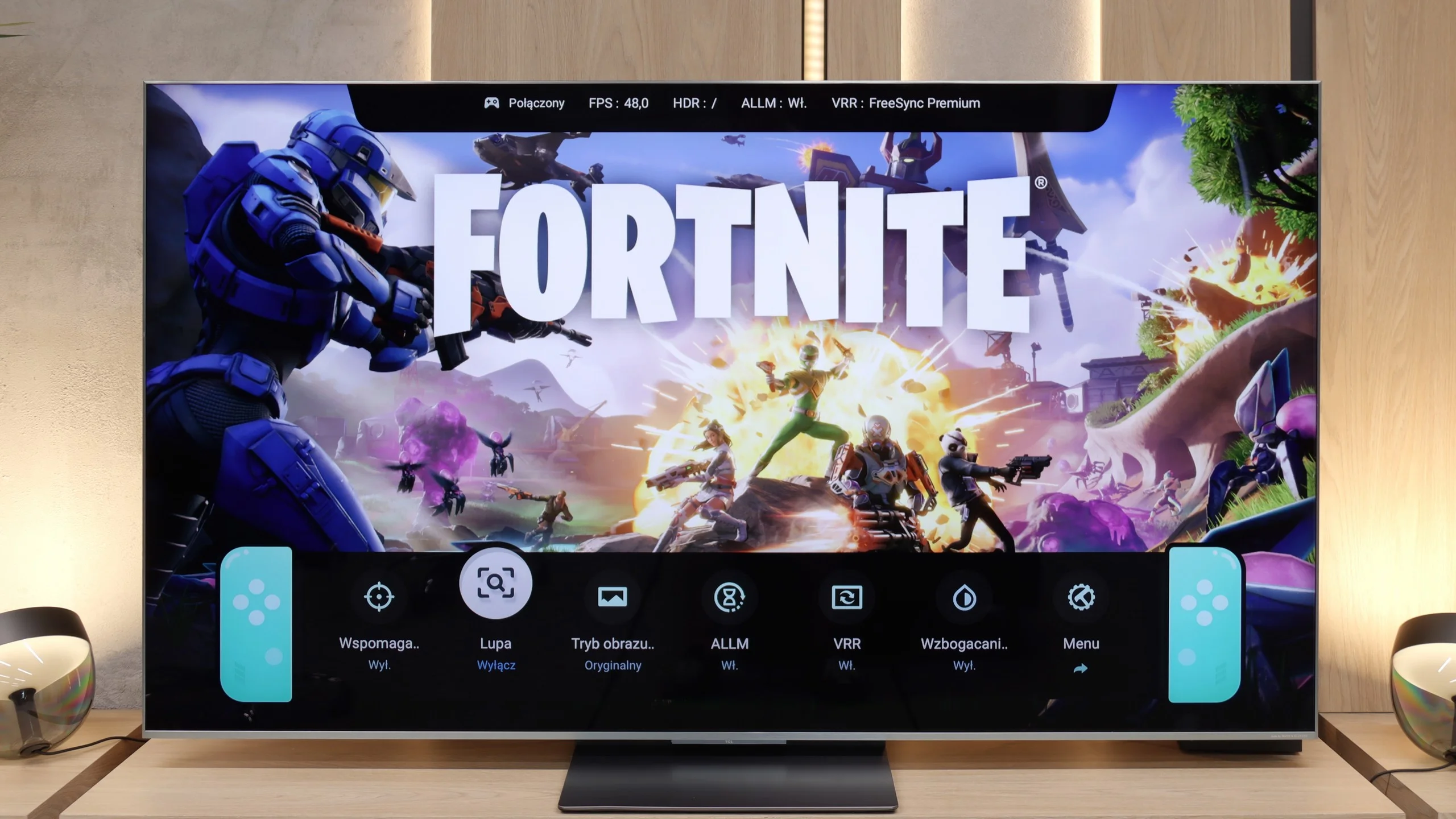
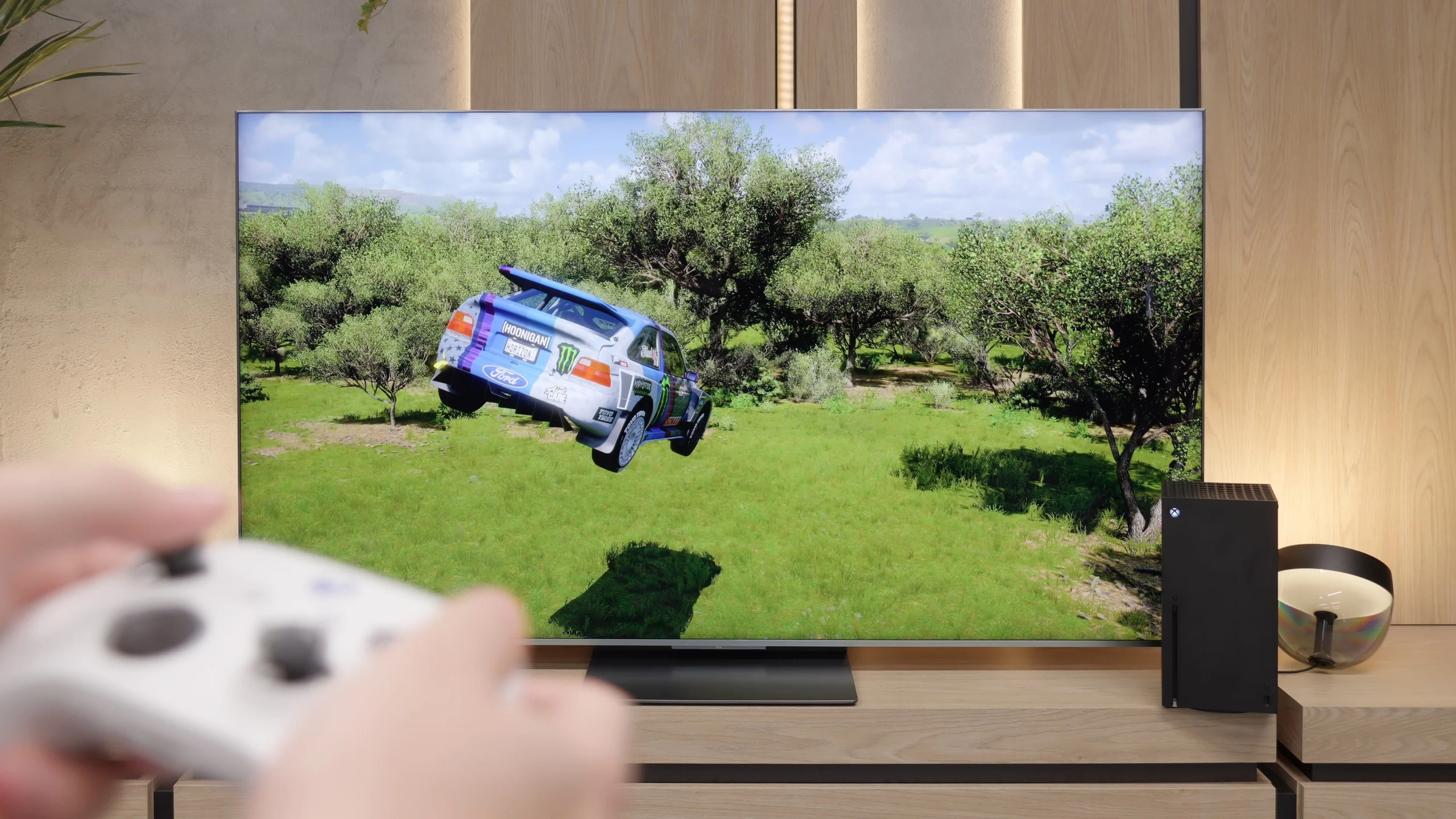
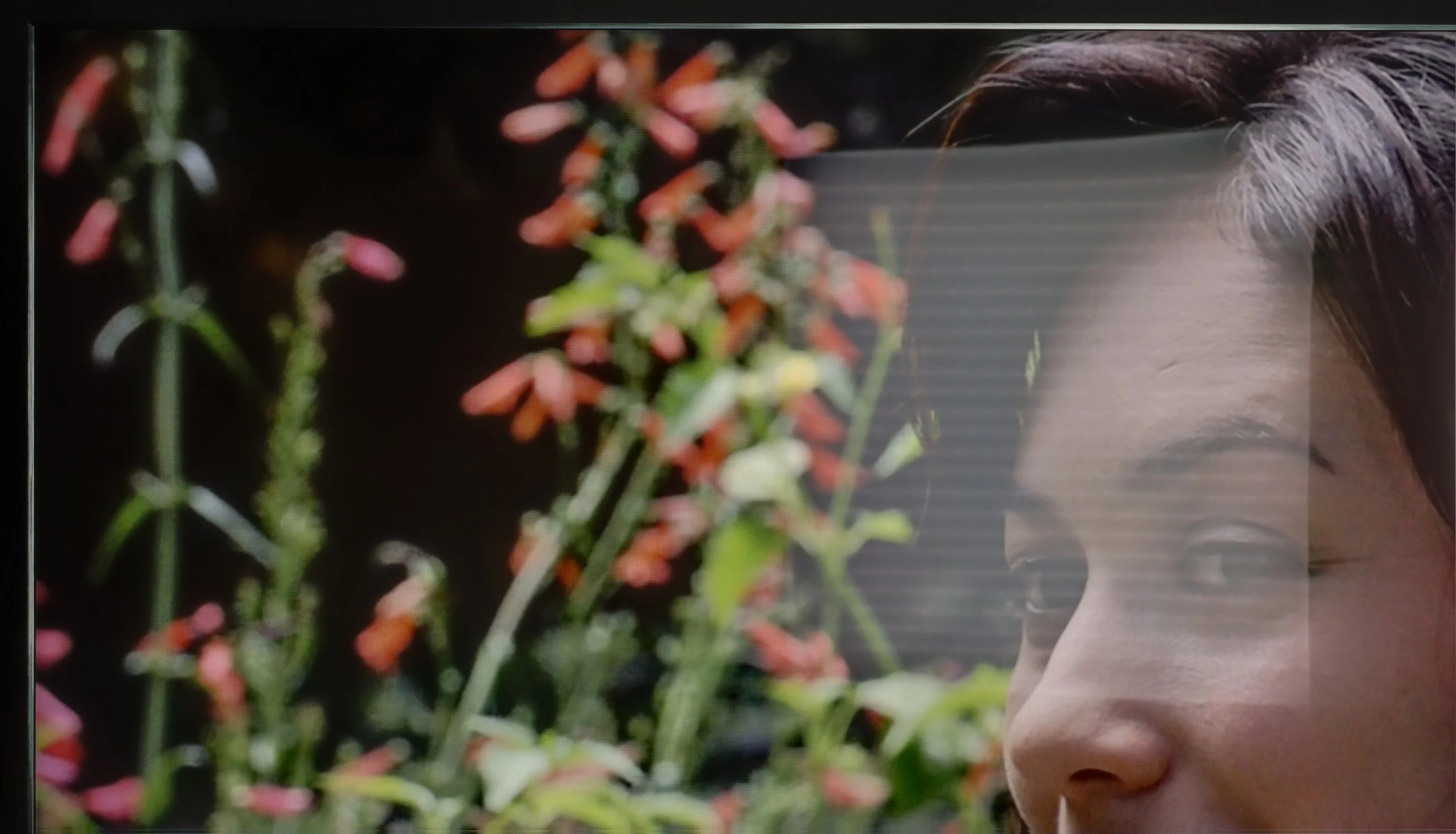
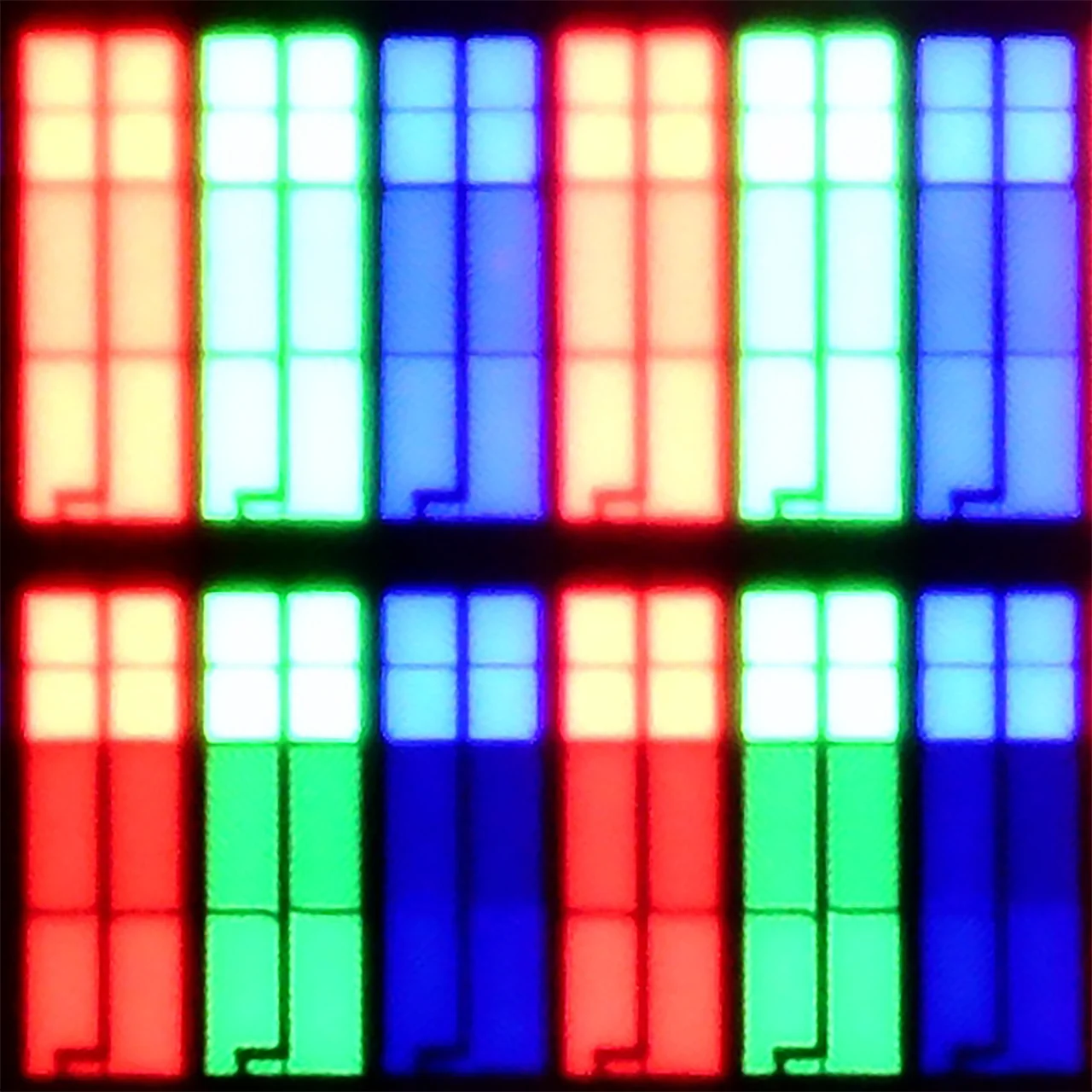
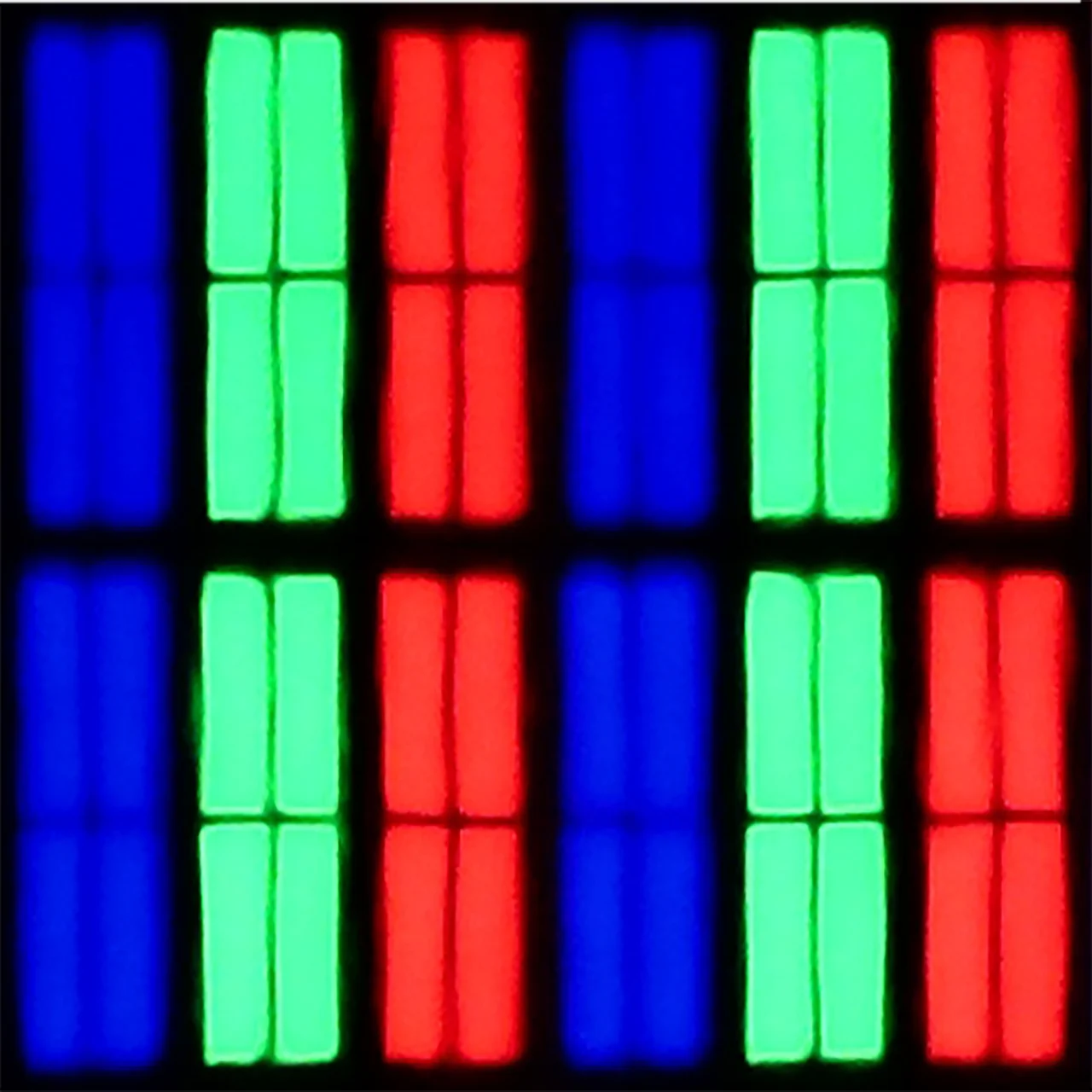
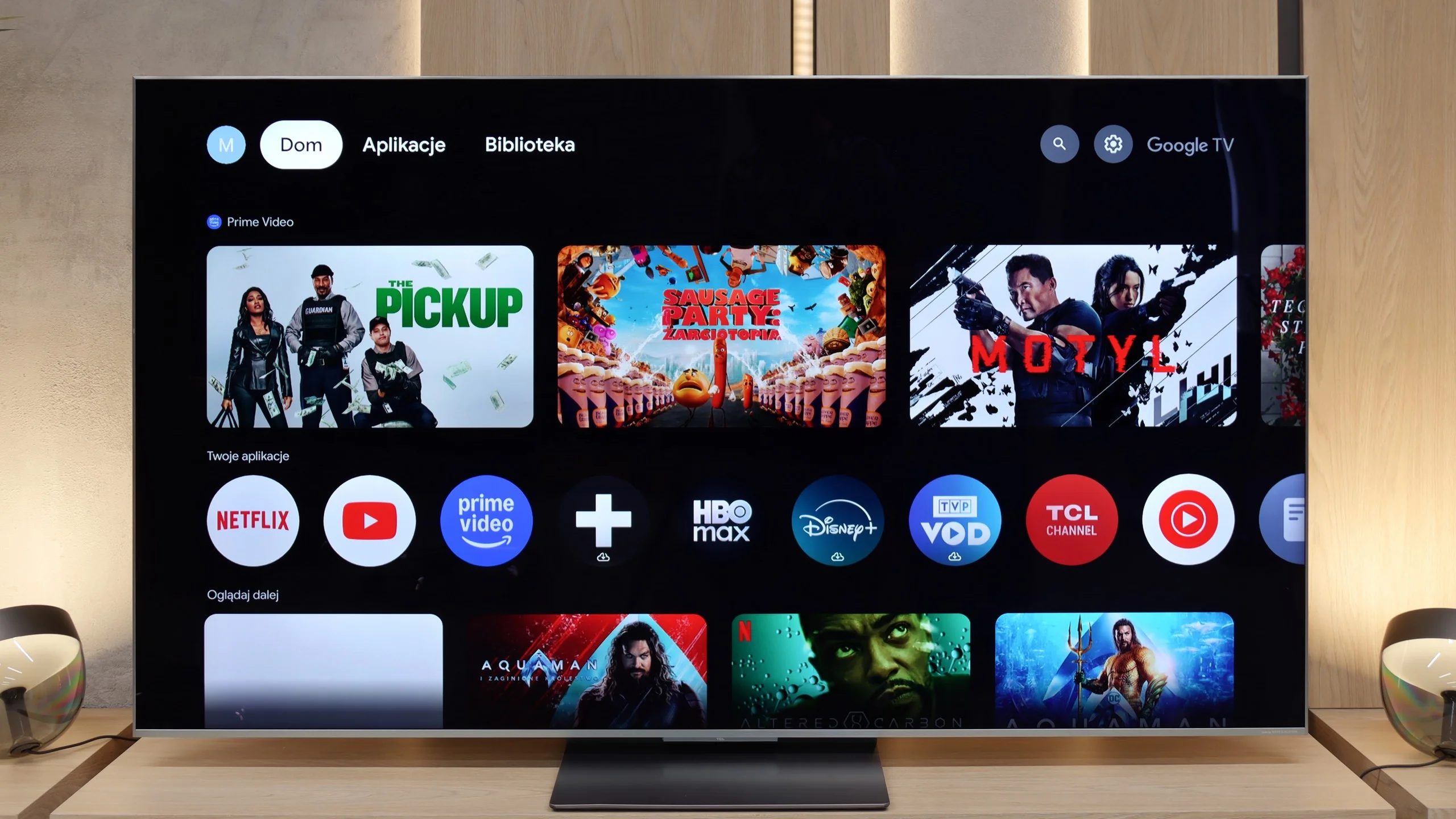
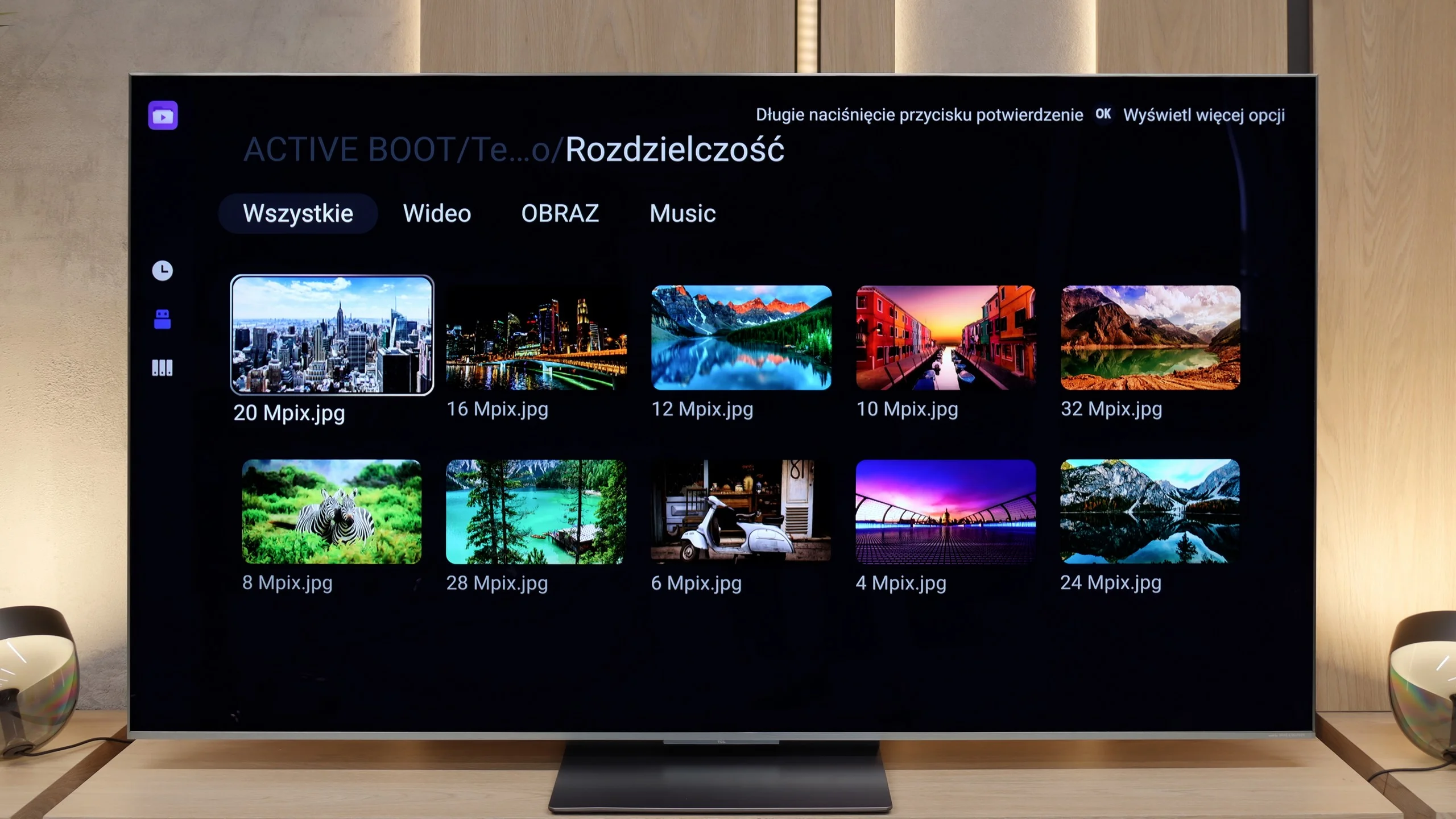
The TCL C9K is a television that on paper looks like a showcase of the manufacturer's prowess – thousands of Mini-LED zones, a WHVA panel, audio system by Bang & Olufsen, full HDR format support, gaming at 144 Hz, and even 288 Hz at lower resolutions. It’s clear that TCL wanted to pack in absolutely everything they had that was best. And indeed – in many respects, the C9K can impress. The brightness is immense, HDR can be stunning in larger scenes, motion fluidity and gamer capabilities are at a top level, and the sound – for a TV speaker – sounds really good. It’s equipment that can easily be regarded as the hub of home entertainment. But there's also another side to the coin. Brightness management simply falters despite the incredible technical specification – smaller details often get lost in shadows or are burned out. And although synthetic tests of contrast and brightness appear outstanding, in day-to-day watching of films and series the effect isn't as impressive.
To summarise briefly: the C9K is a television full of contrasts – literally and metaphorically. It can deliver experiences close to the top screens, but it’s still clear that TCL needs to work on software and optimisation. If someone is looking for a screen for gaming, sports or spectacular blockbusters – they will be thrilled. However, if they are counting on perfect reproduction of the director's vision and think they have managed to buy an absolutely top model at half the price of the competition, they will unfortunately be disappointed. It’s a pity, because the technological potential here is really immense – just a bit of common sense in its application was lacking.
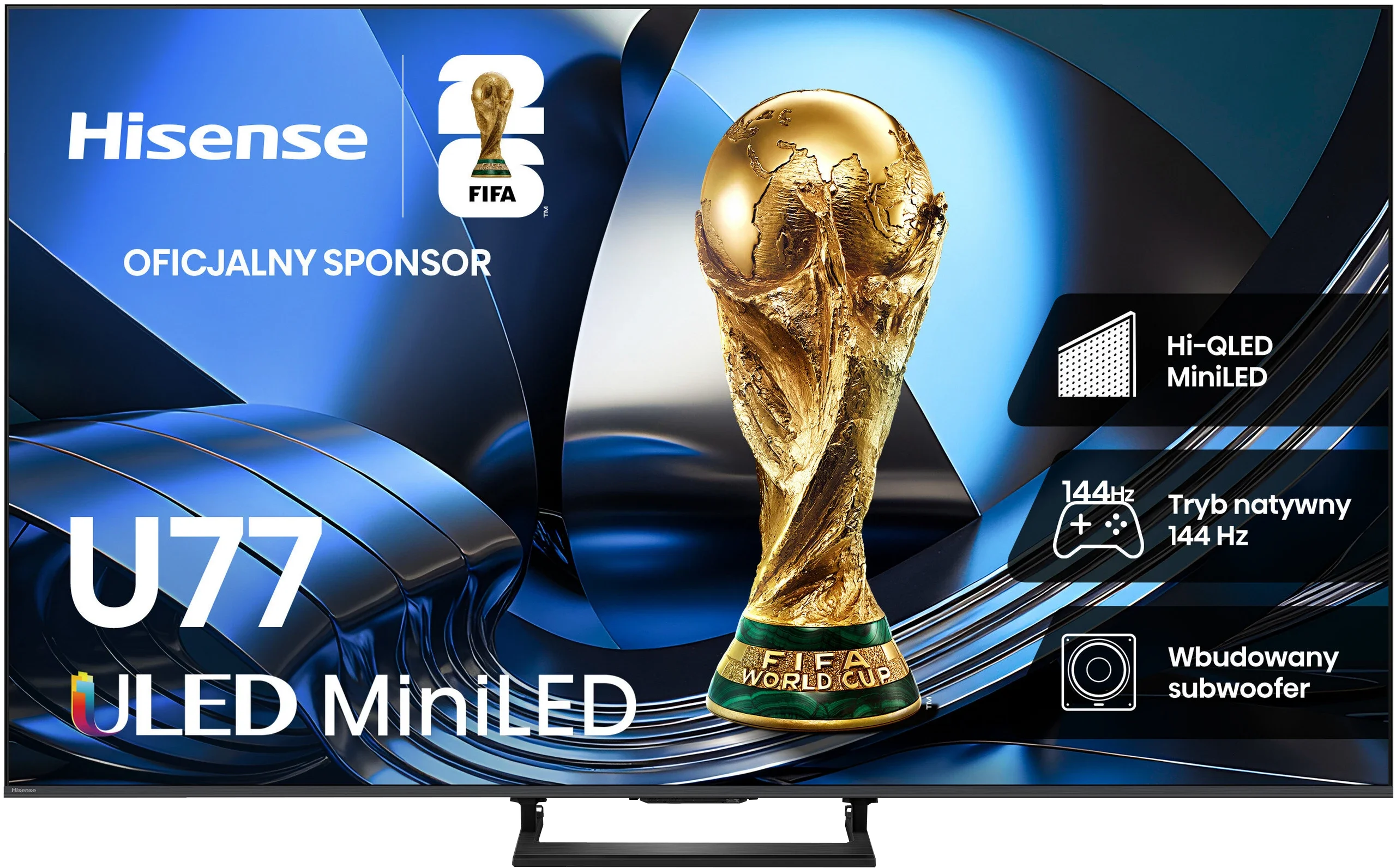
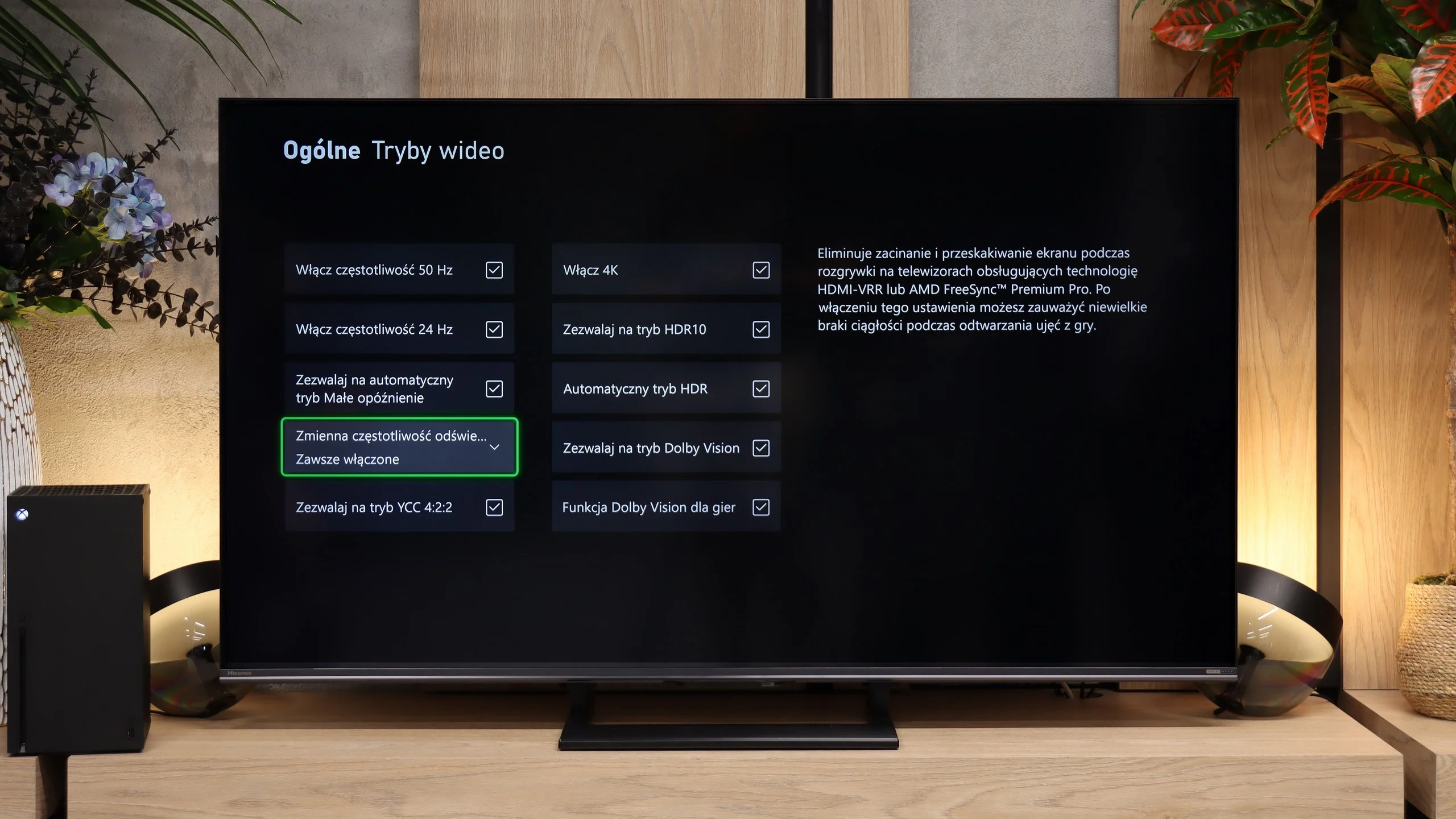
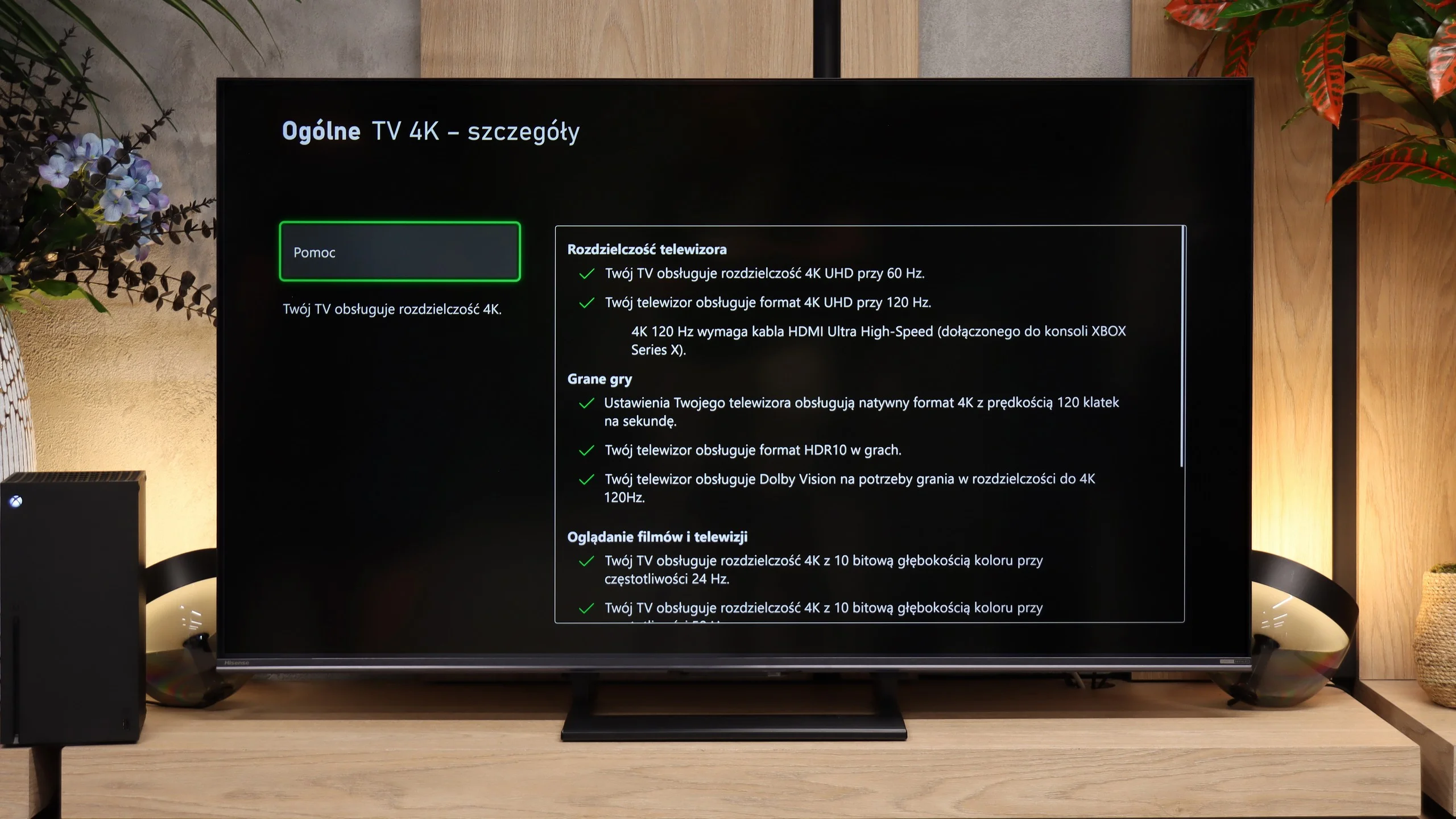
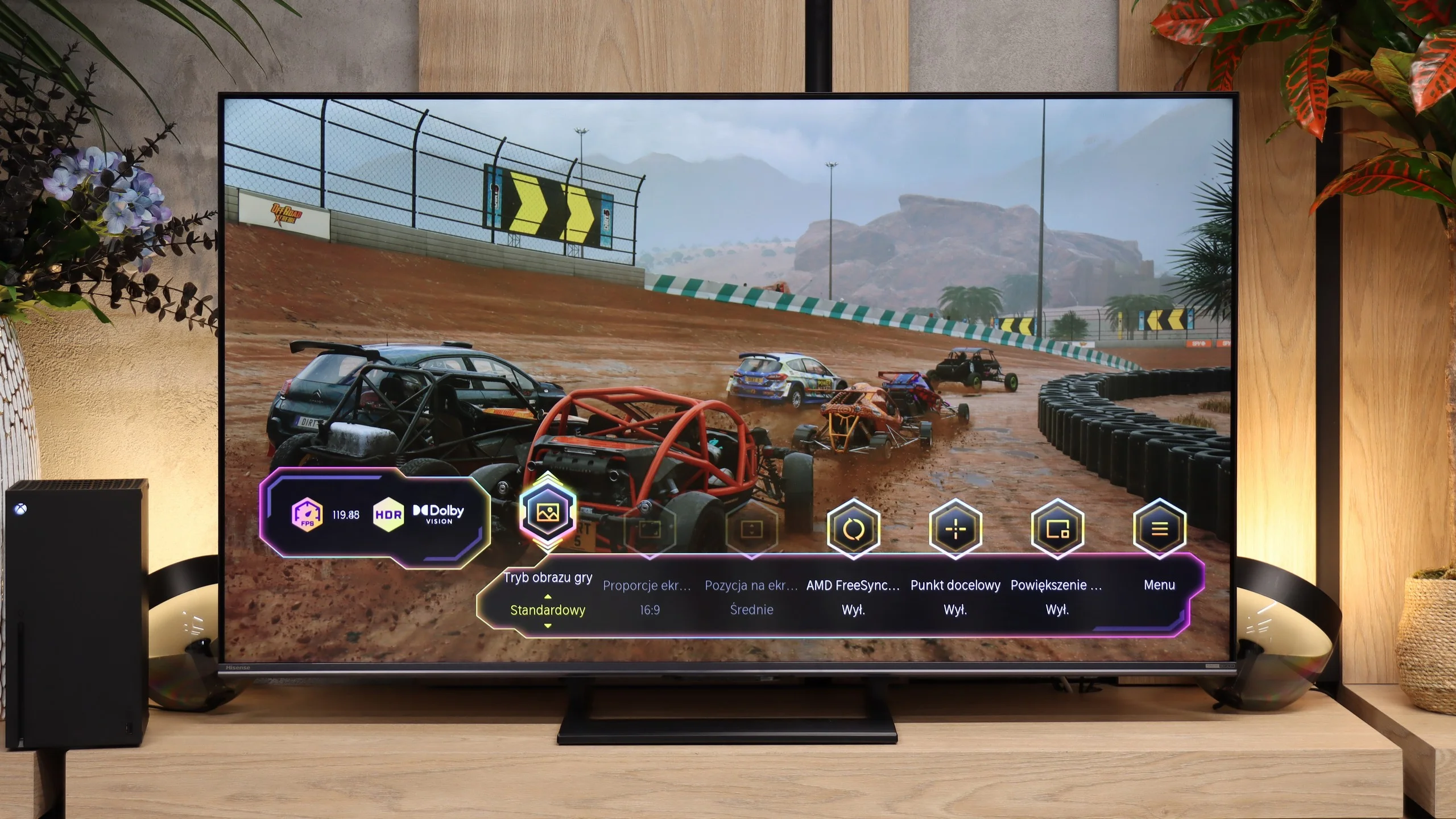
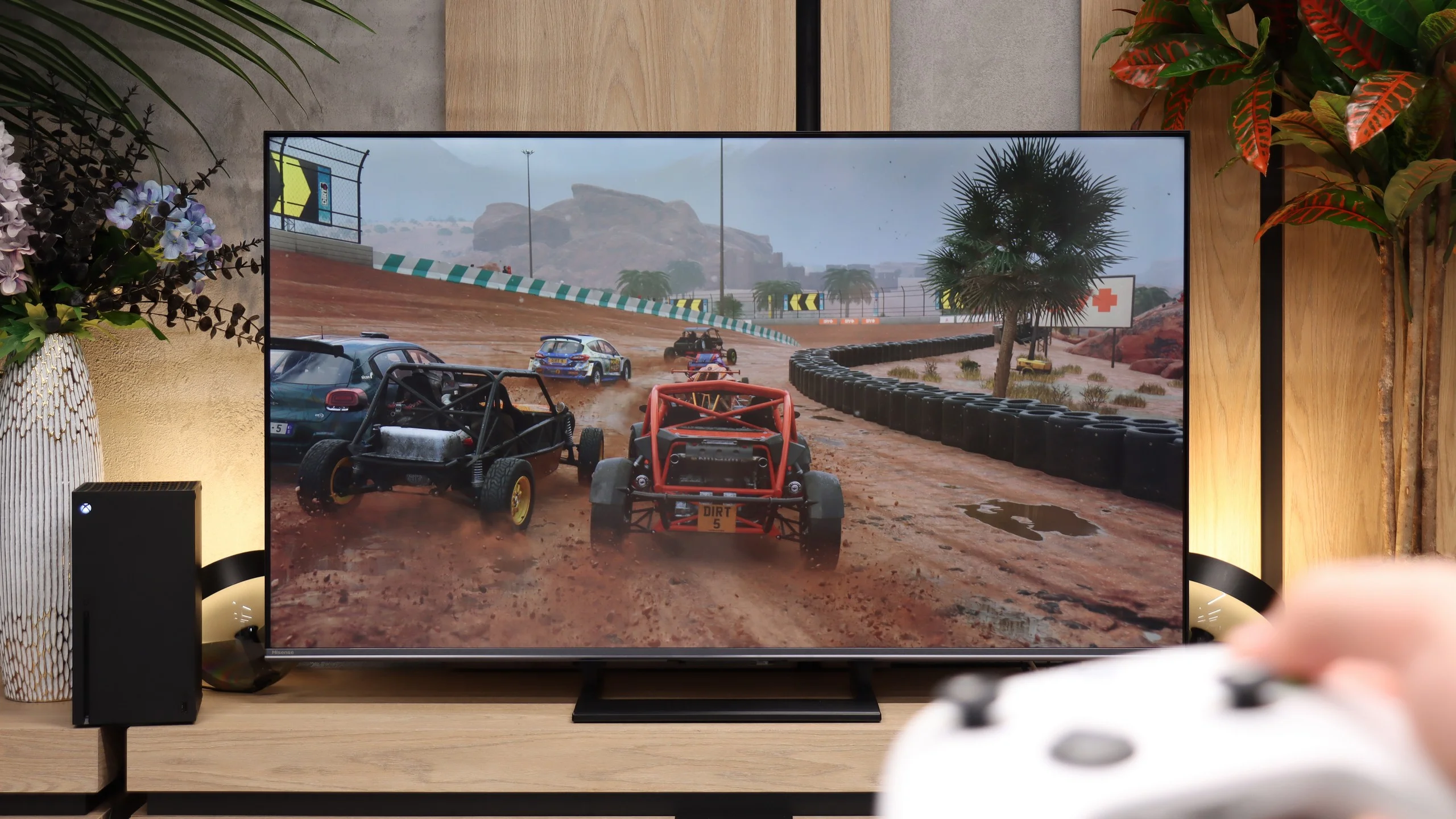
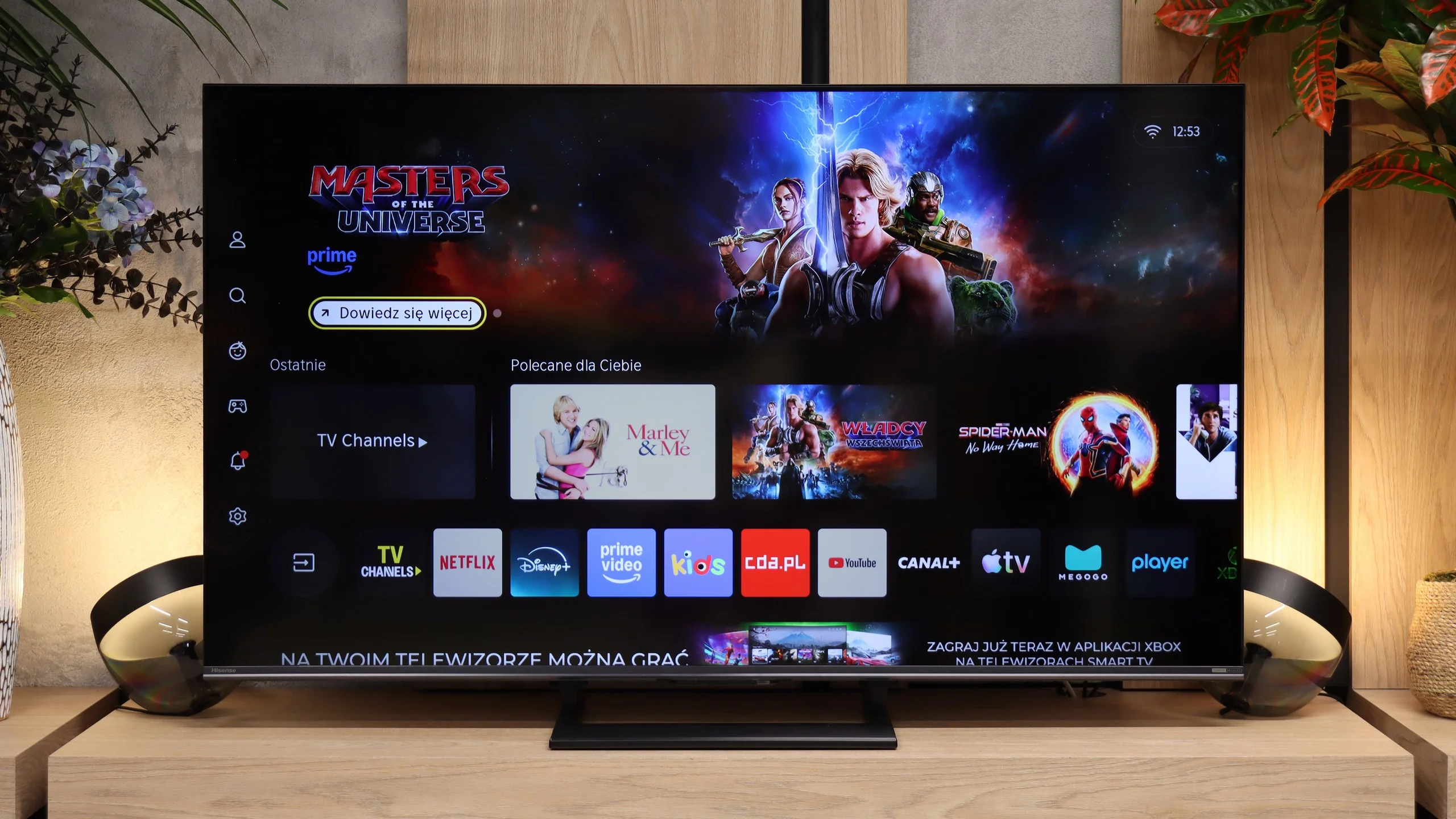
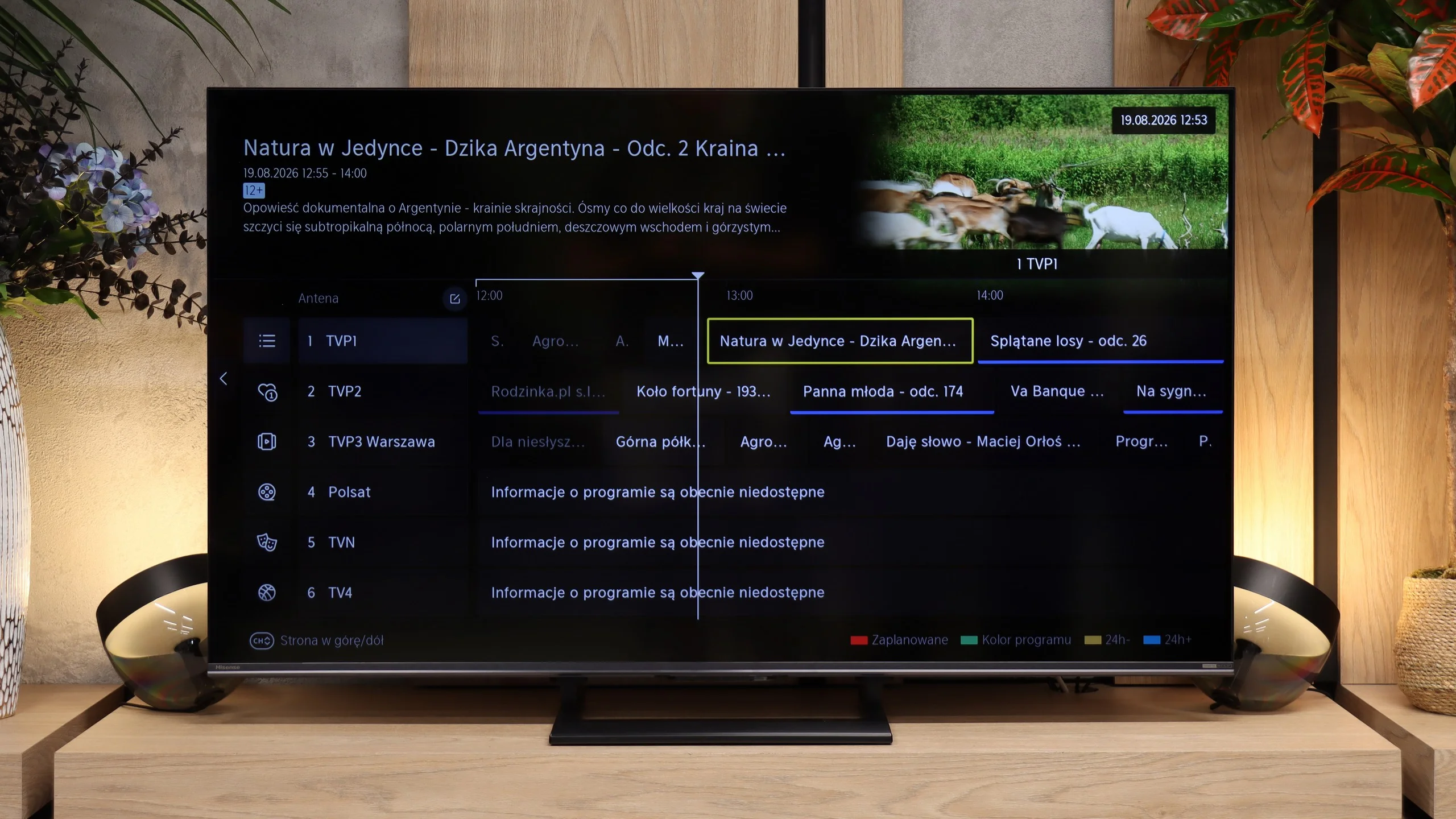
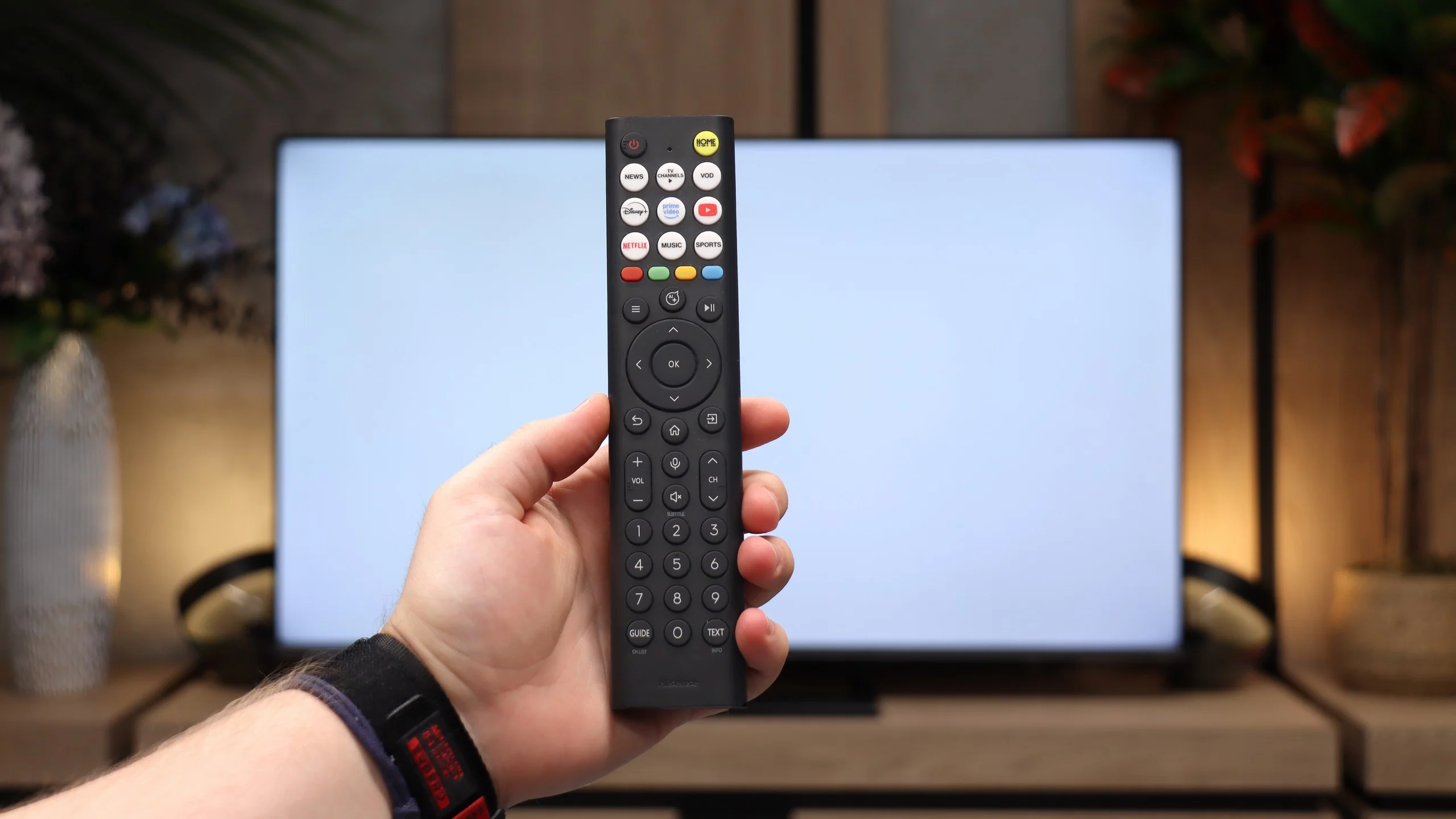
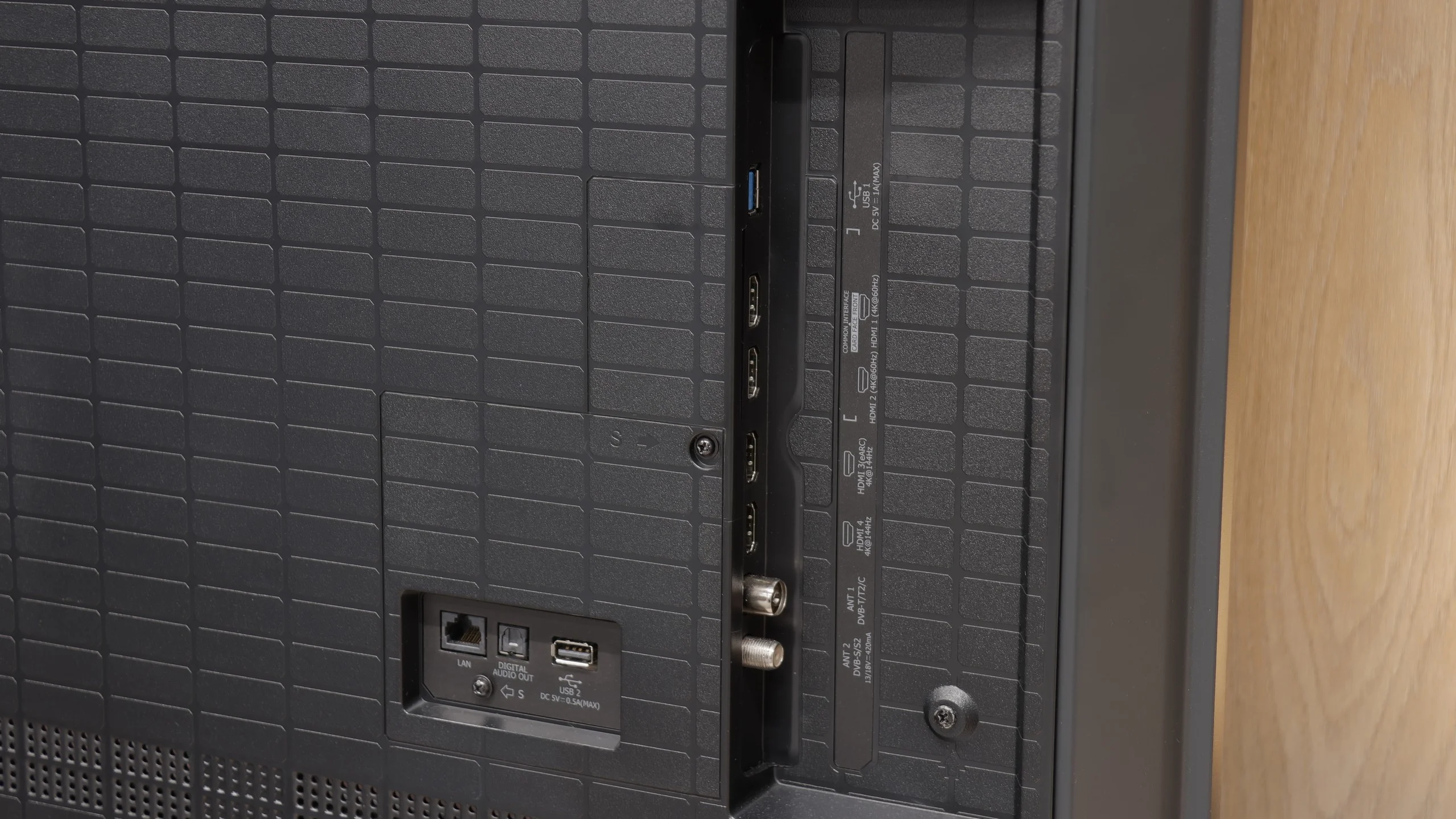
Hisense U7S is the latest iteration of the U7 series, whose biggest advantage remains its price-to-performance ratio. You get a Mini LED TV with local dimming, which genuinely improves black levels and gives the picture more depth for evening viewing. During the day a generous brightness reserve helps, so you don't have to rush to close the curtains. It's not a device without compromises, but as an everyday TV it makes a lot of sense. Gamers get a lot too. The U7S supports high refresh rates from consoles and PCs, has an extensive set of gaming features and responds very quickly to controller input. Pleasingly, the low input lag is maintained even in Dolby Vision. On top of that there's the smooth-running VIDAA, which offers both Smart features and handy extras for regular TV. Overall it's quite versatile, although compared with last year's U7Q it's hard to call it a big step forward.
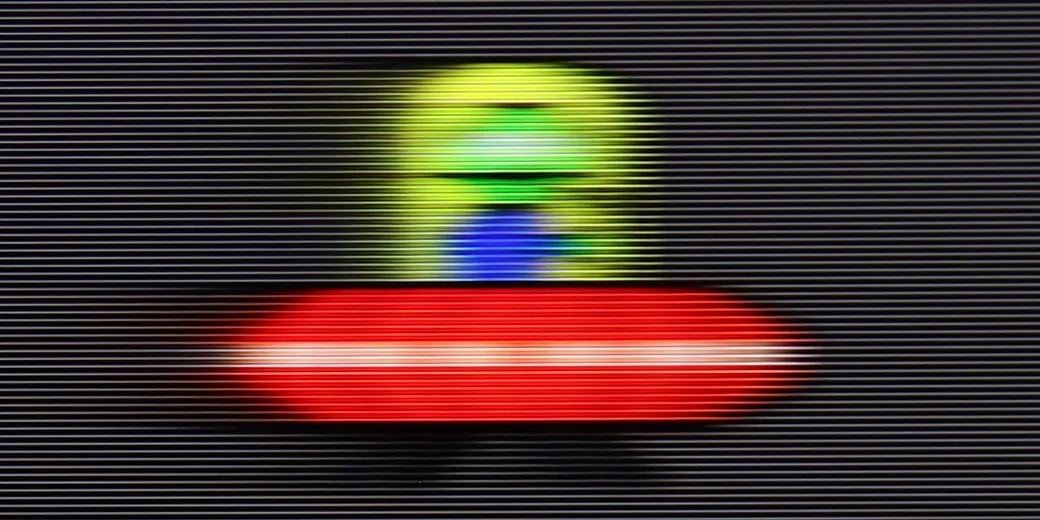
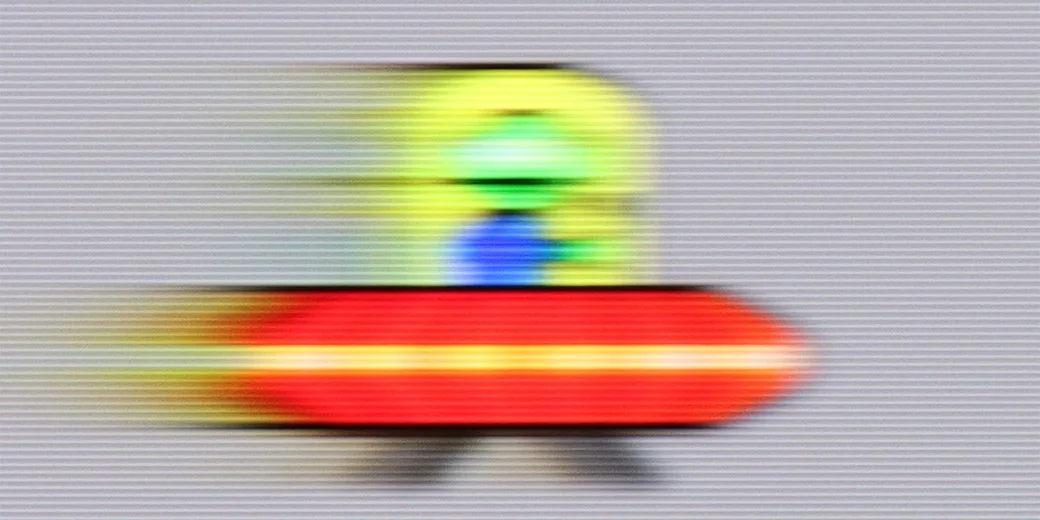
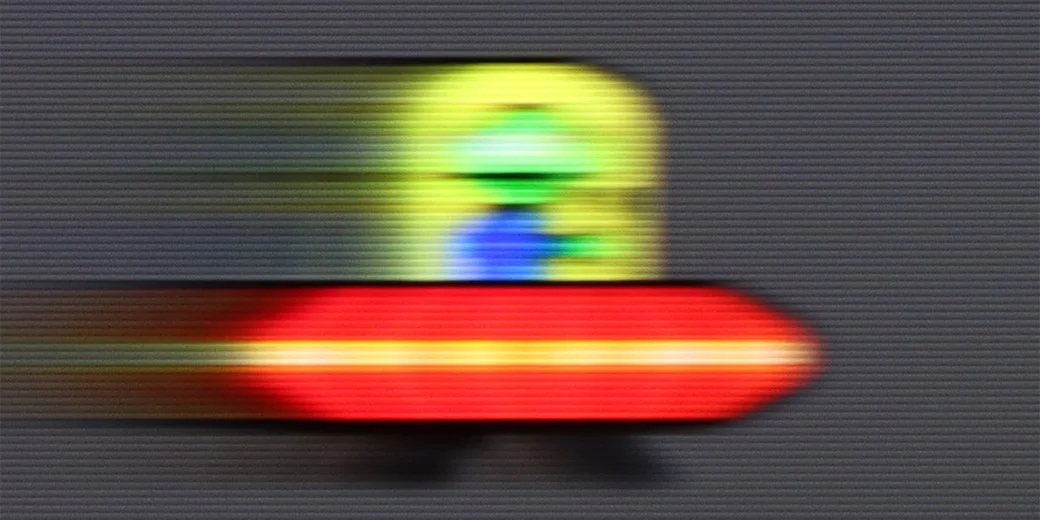
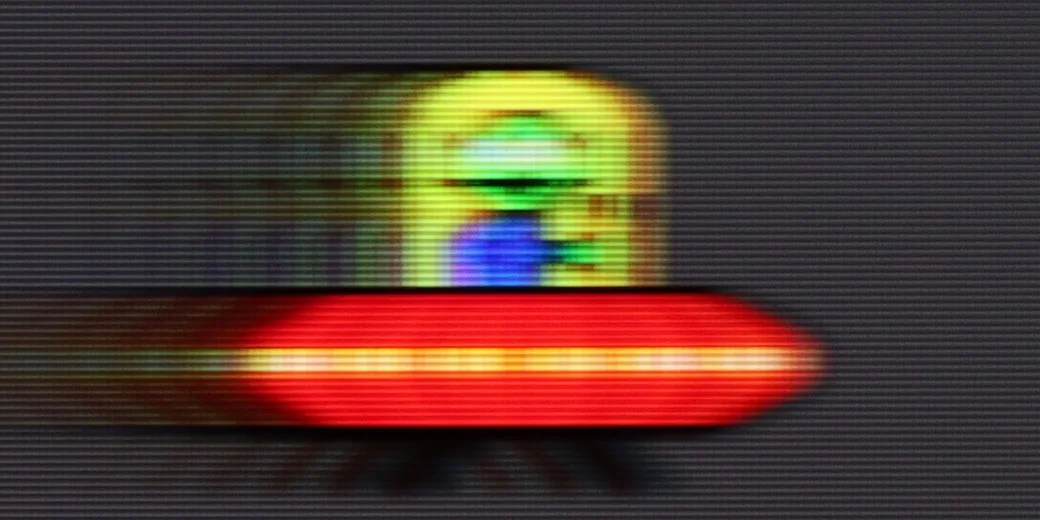
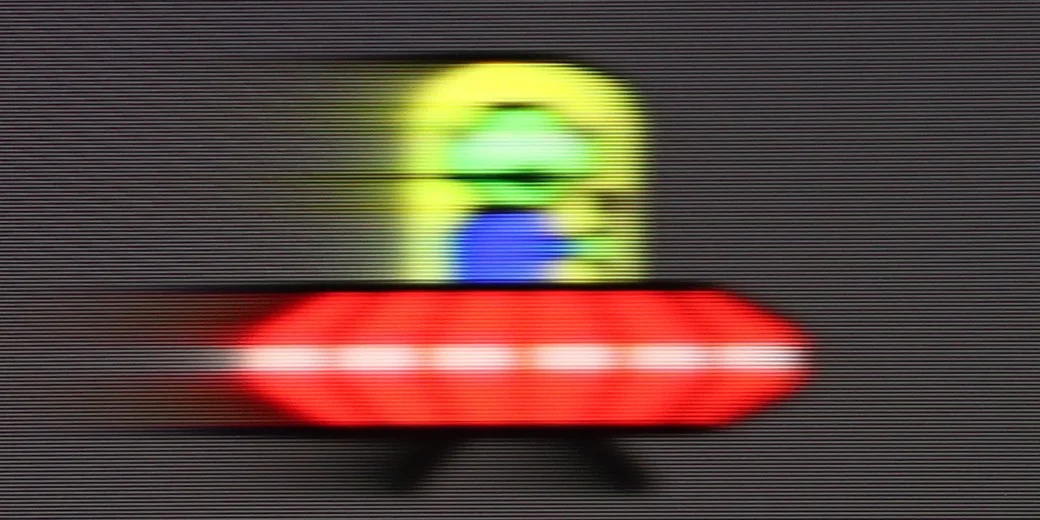
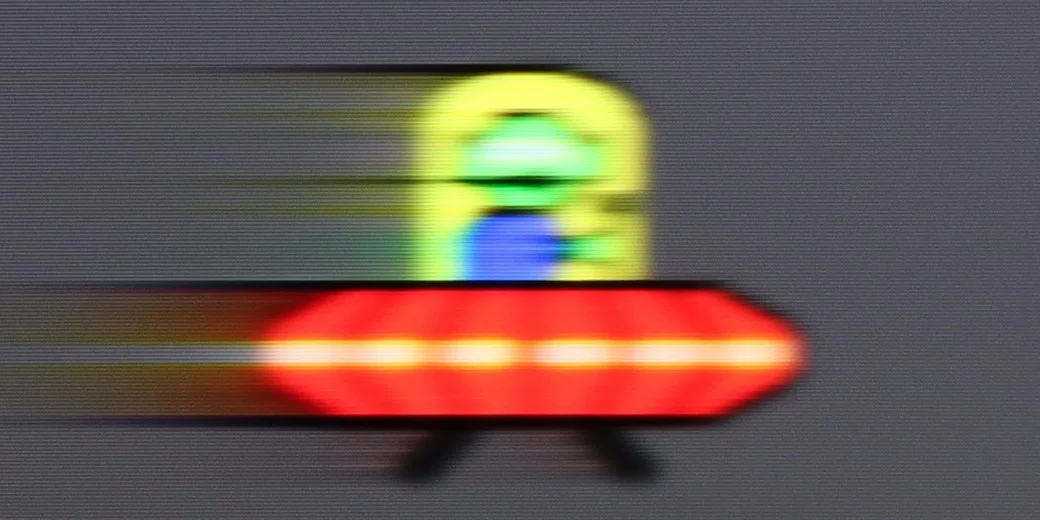
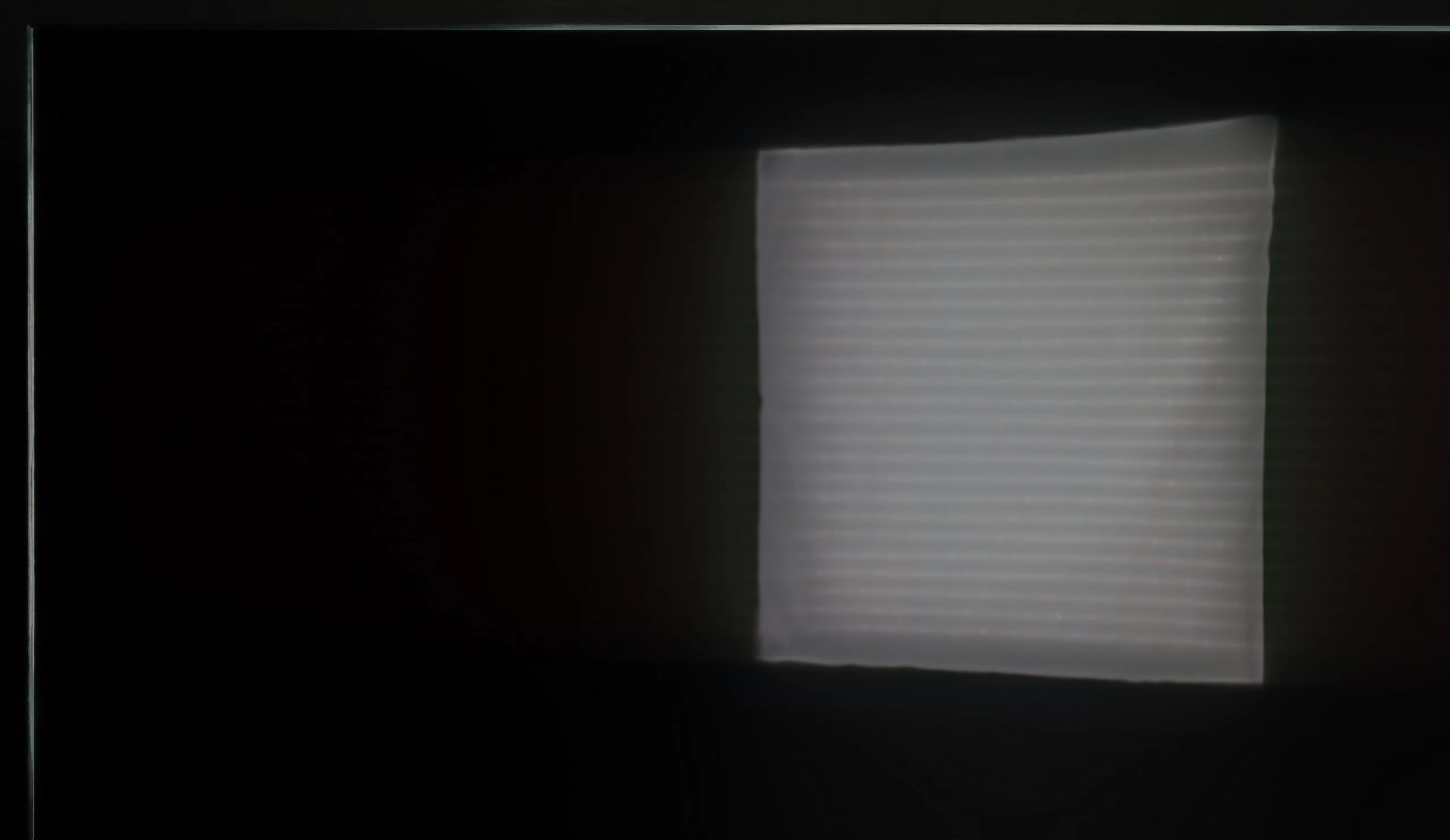
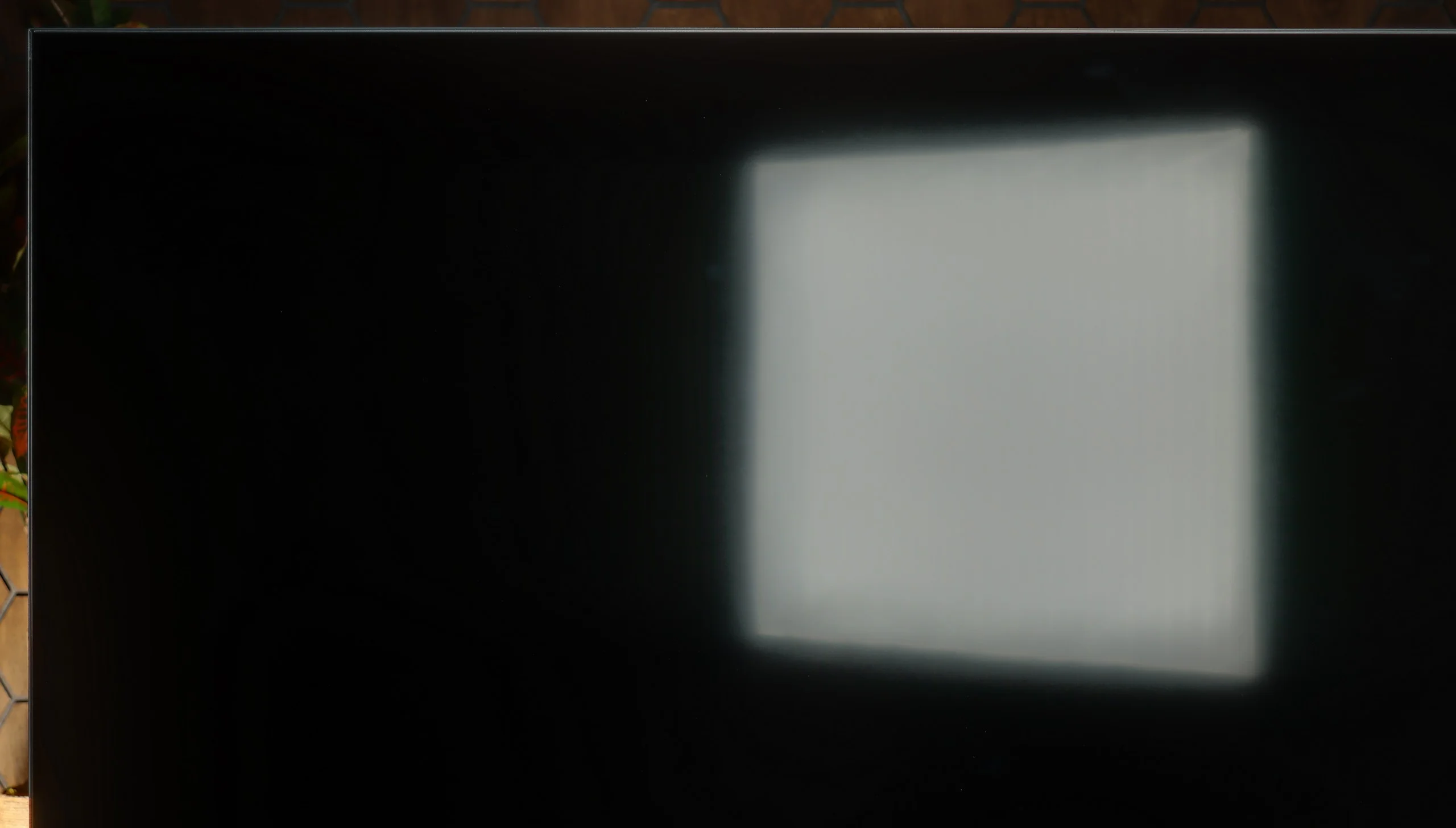
Unfortunately there are also things that clearly bother us. The first is motion smearing. The panel has a high refresh rate, but its pixels don't always keep up, so moving objects leave noticeable trails. Fans of sport and fast-paced games will feel this most. The second issue is HDR, which the TV handles a bit 'its own way'. Instead of sticking to the brightness encoded in the content, it aggressively brightens parts of the image. The aim was probably to make things more striking, but often the opposite happens: a scene becomes overbright, loses depth and clearly departs from the creators' intent. It's a shame that this behaviour can't be effectively corrected even during calibration.
Despite these caveats the U7S remains an interesting choice if you're after as much as possible for a reasonable price. Compared with basic LCDs without local dimming, which you can still find at similar price points, it primarily offers much better black levels. And that's where its biggest strength lies. You don't need to reach for an expensive model to get a Mini LED whose benefits are actually visible in viewing. If you accept its flaws, the Hisense U7S can above all be a very good-value purchase.
 Direct comparison