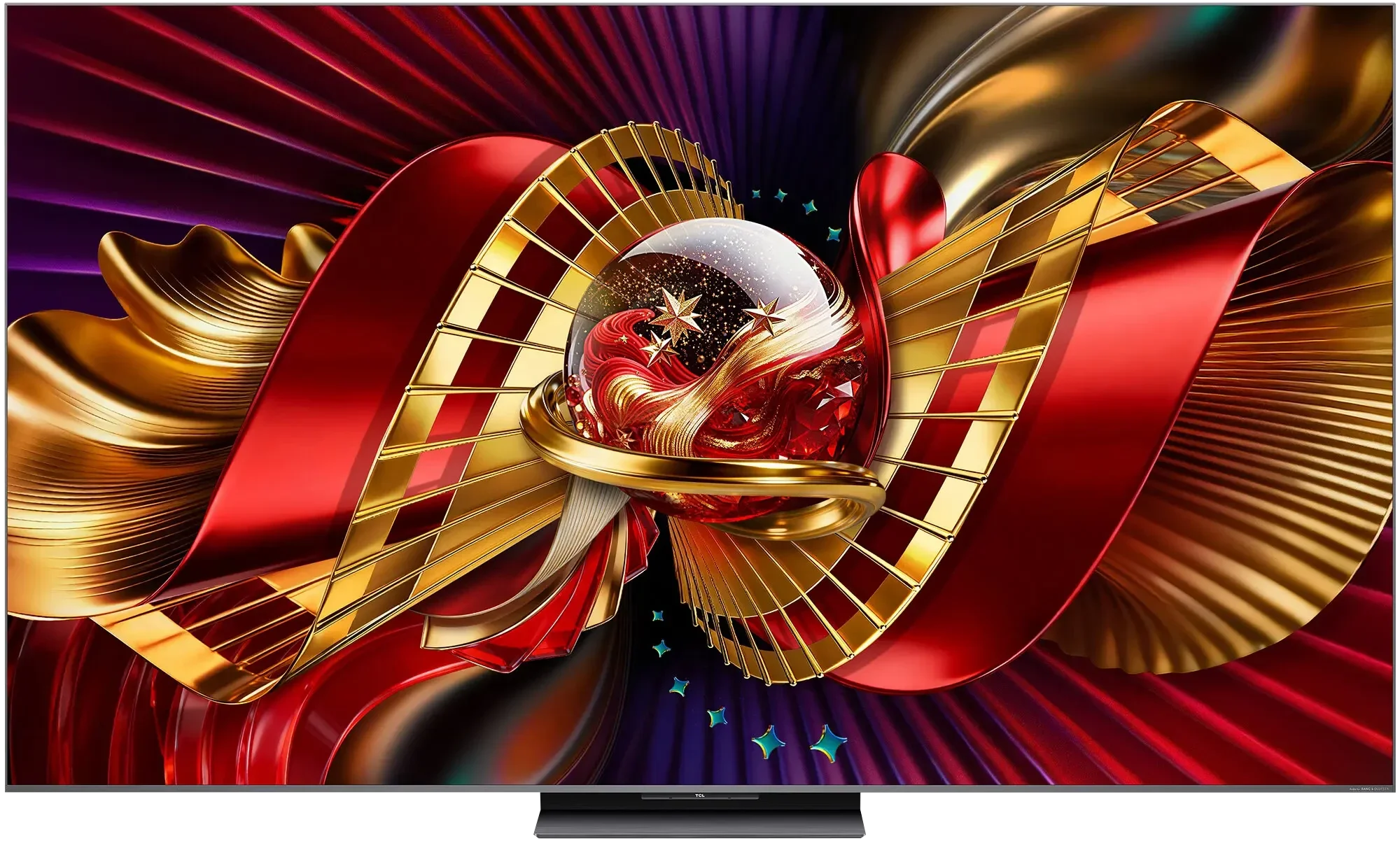
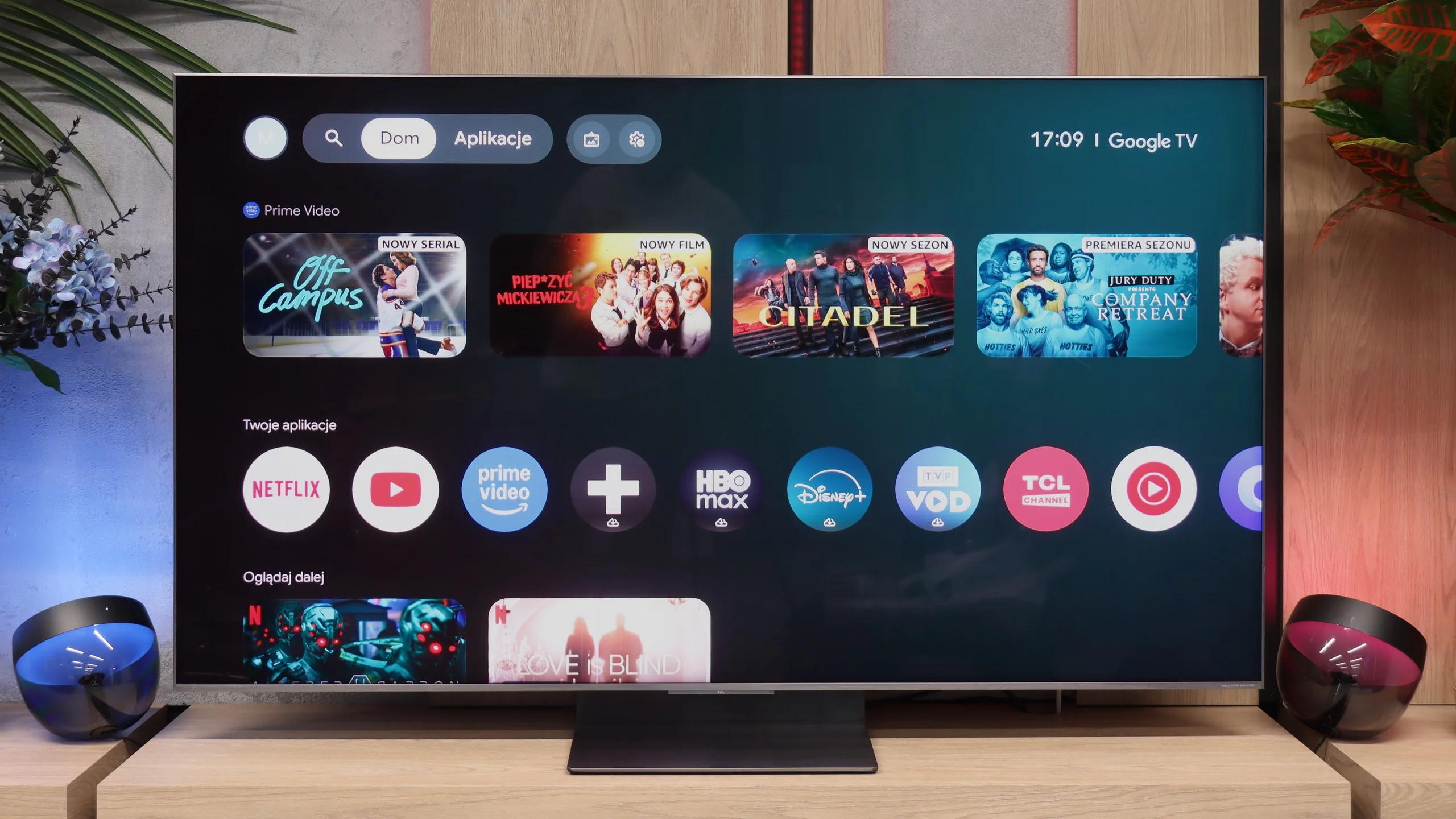
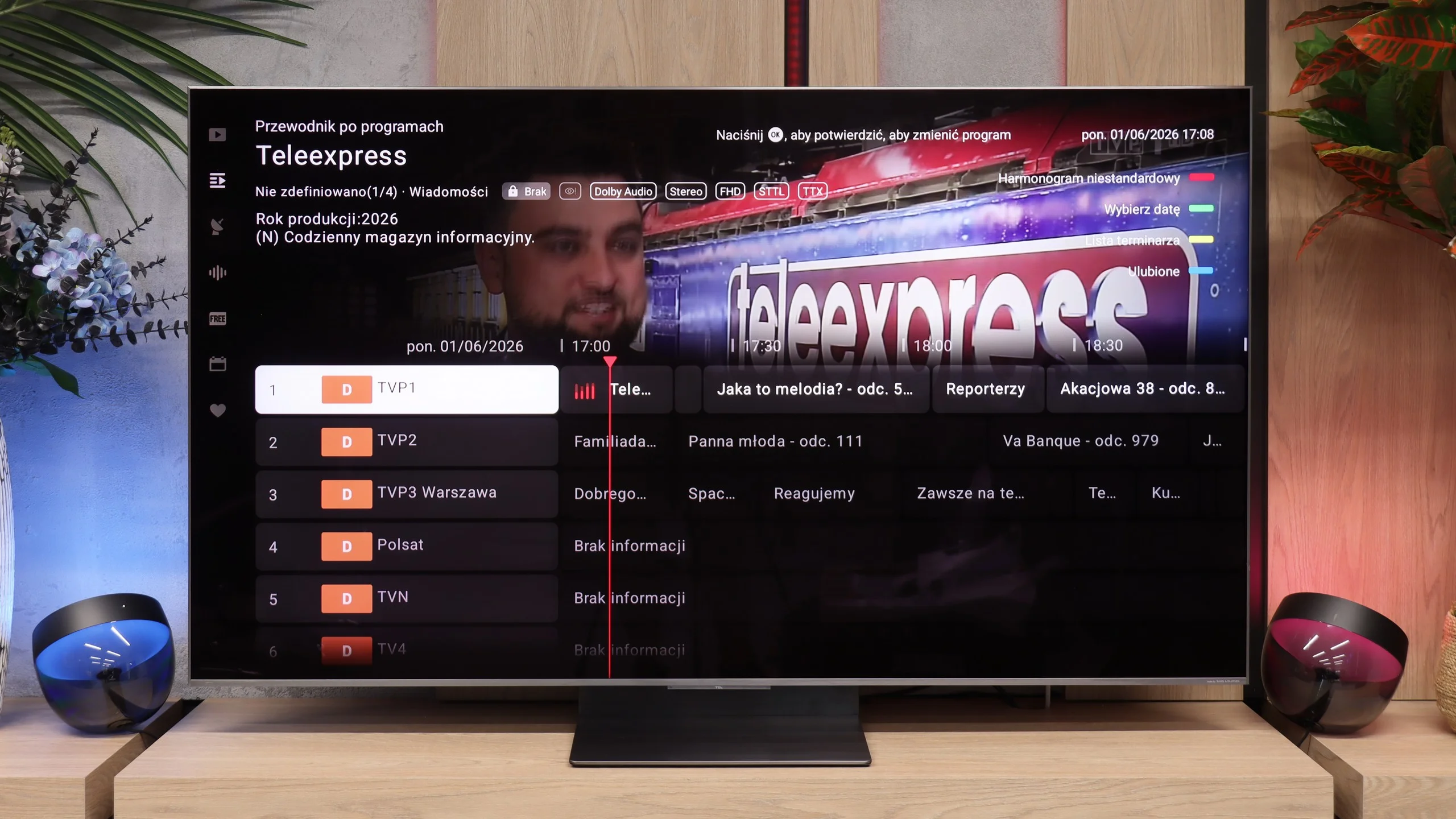
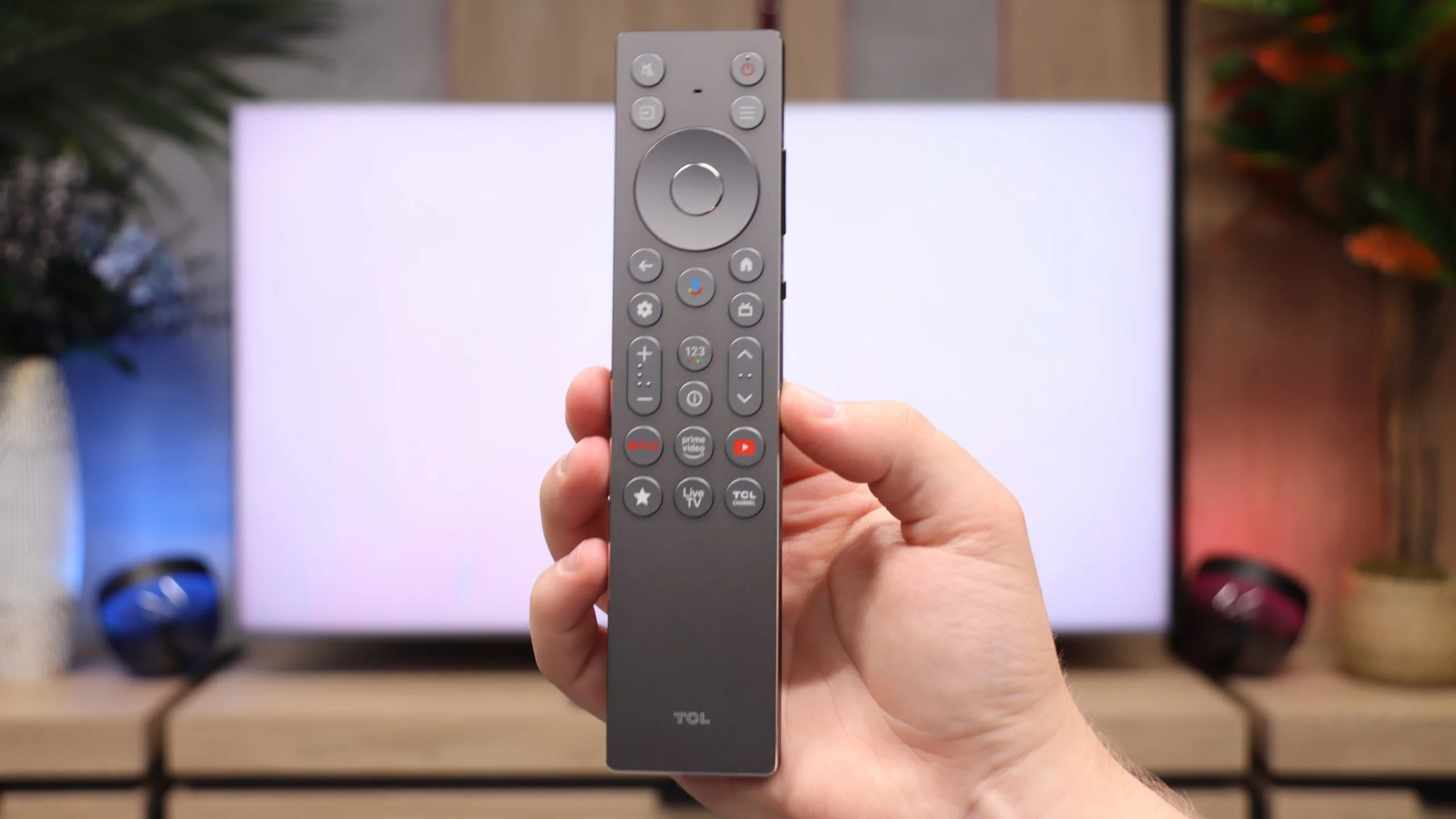
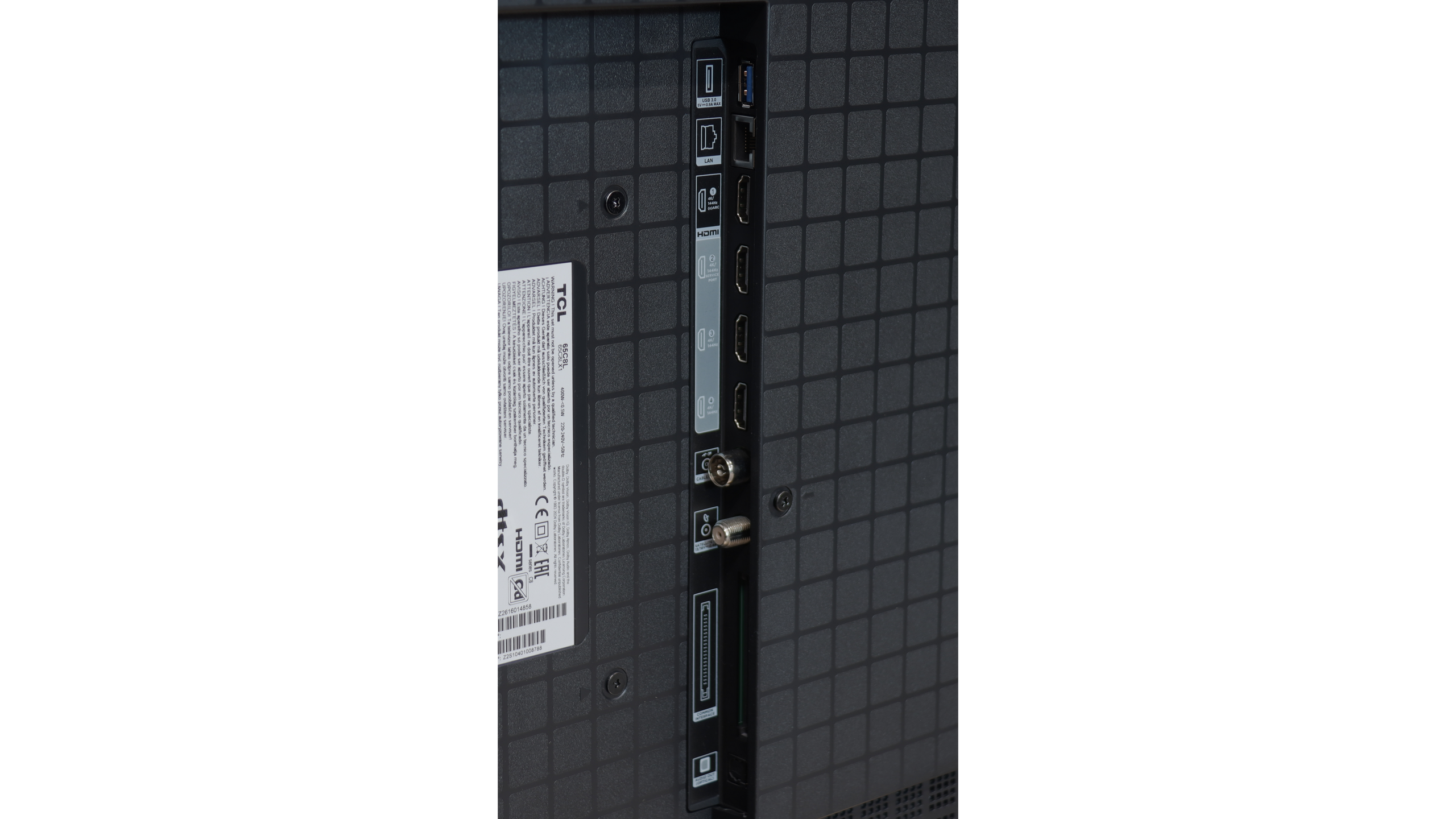
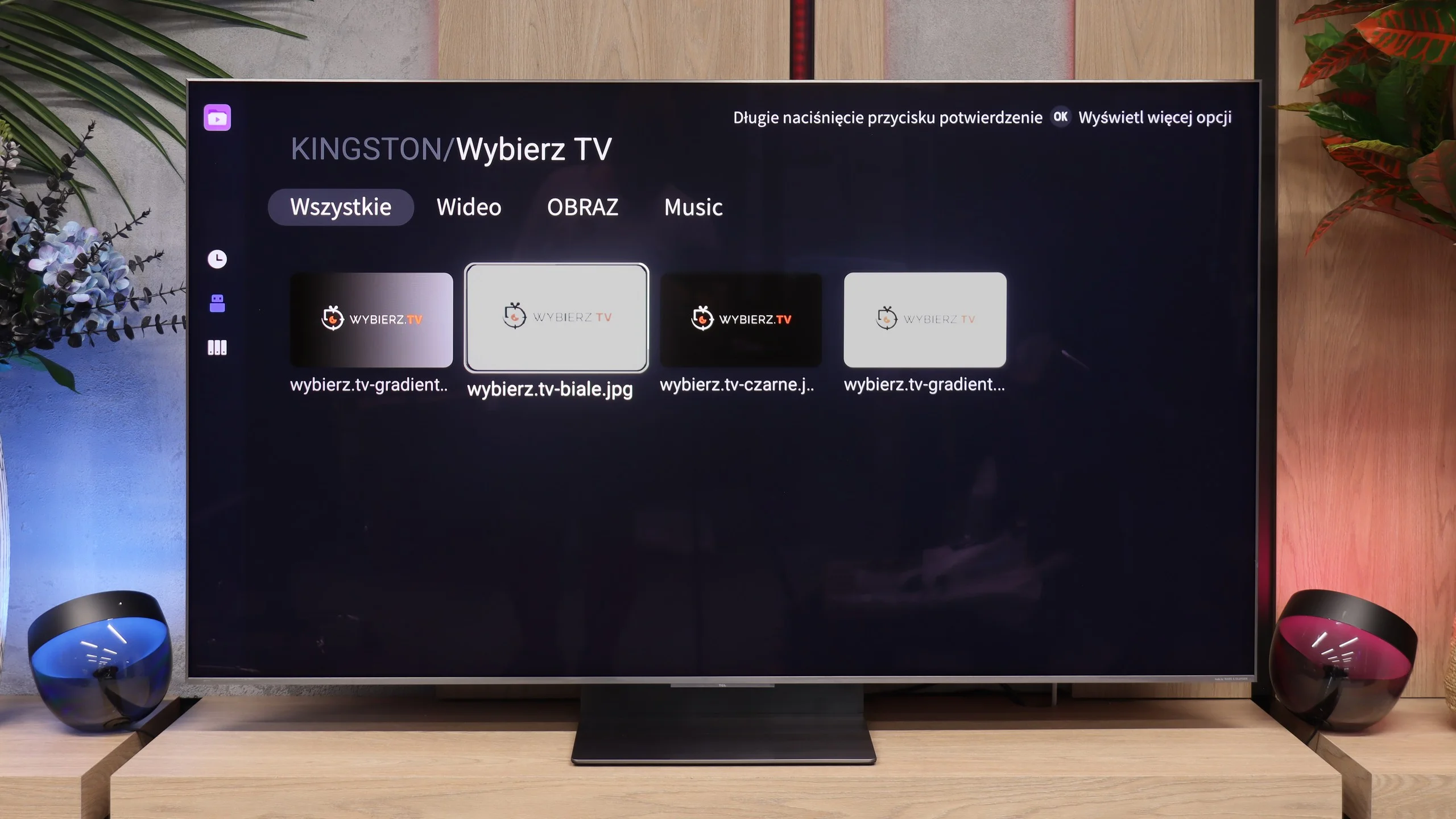
The TCL C8L is without doubt one of the most intriguing Mini-LED TVs to reach our lab this year. It stands out above all for an excellent price-to-performance ratio. TCL has already got us used to aggressively priced screens, but with the C8 series the company pushes that even further. At a price that would typically only buy a mid-range model—or possibly two models like the C8K—here you get features and specs on par with top-tier sets. A new image processor, four full HDMI 2.1 ports, support for extreme refresh rates and huge peak brightness thanks to a very large number of dimming zones are hard to ignore.
That said, looking at the whole picture, we need to be honest about this TV’s character. The C8L is built more to deliver a “spectacular” image than a rigorously faithful one. What do we mean? The software and algorithms controlling the Mini-LED backlight zones are tuned to favour showiness, so the picture is bright, contrasty and strikingly saturated. And what does that mean in practice? The TV tends to interpret the image on its own rather than stick to certain studio standards. For most users seeking bigger thrills from films or games, that effect will be a plus. By contrast, purists and fans of perfectly natural images (people like us 😉) may find it too aggressive and at odds with the director’s intent. So we’ll leave the final judgement on that to you.
Overall, despite this character, the TCL C8L is a TV we can, and in fact must, recommend with a clear conscience. It’s above all a premium product that gets practically everything right, almost to the point of pain. We’d treat certain imperfections simply as characteristics of the set rather than faults—mainly because of technological limits that all Mini-LED TVs from every manufacturer have already taught us to expect. Ultimately, software polish has done a lot for the new C8, giving us a mature, assured and nearly complete TV.
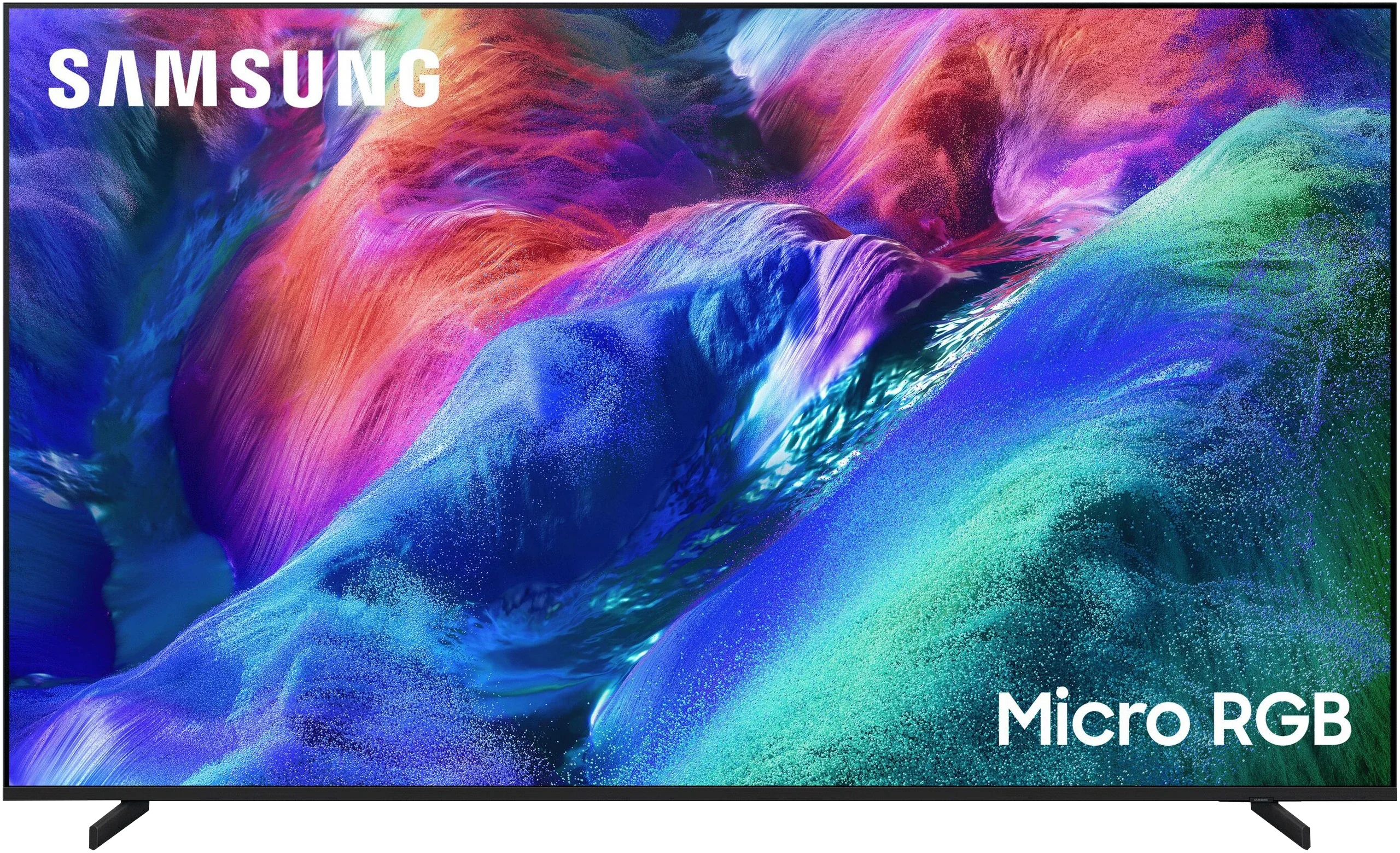
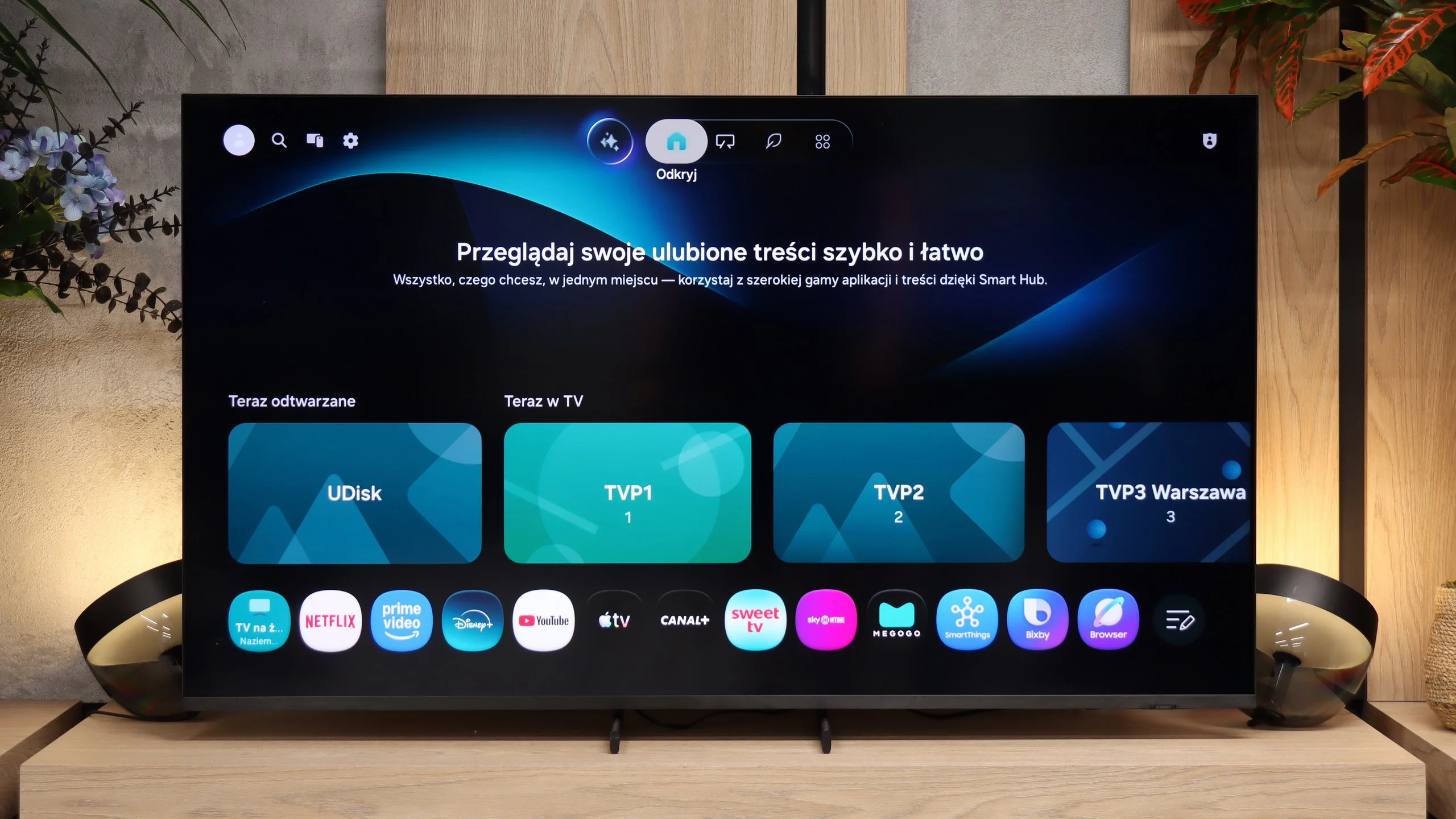
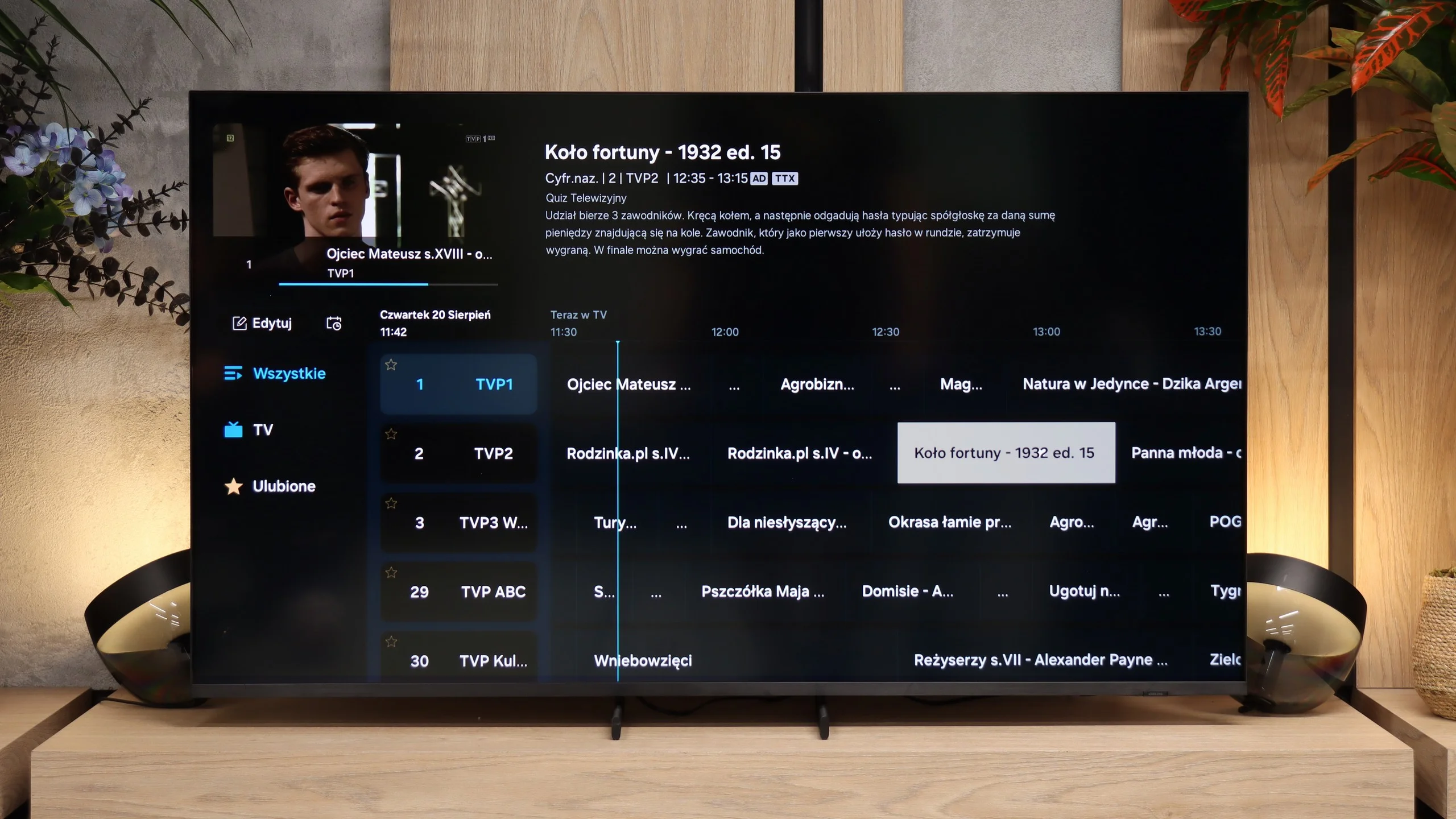
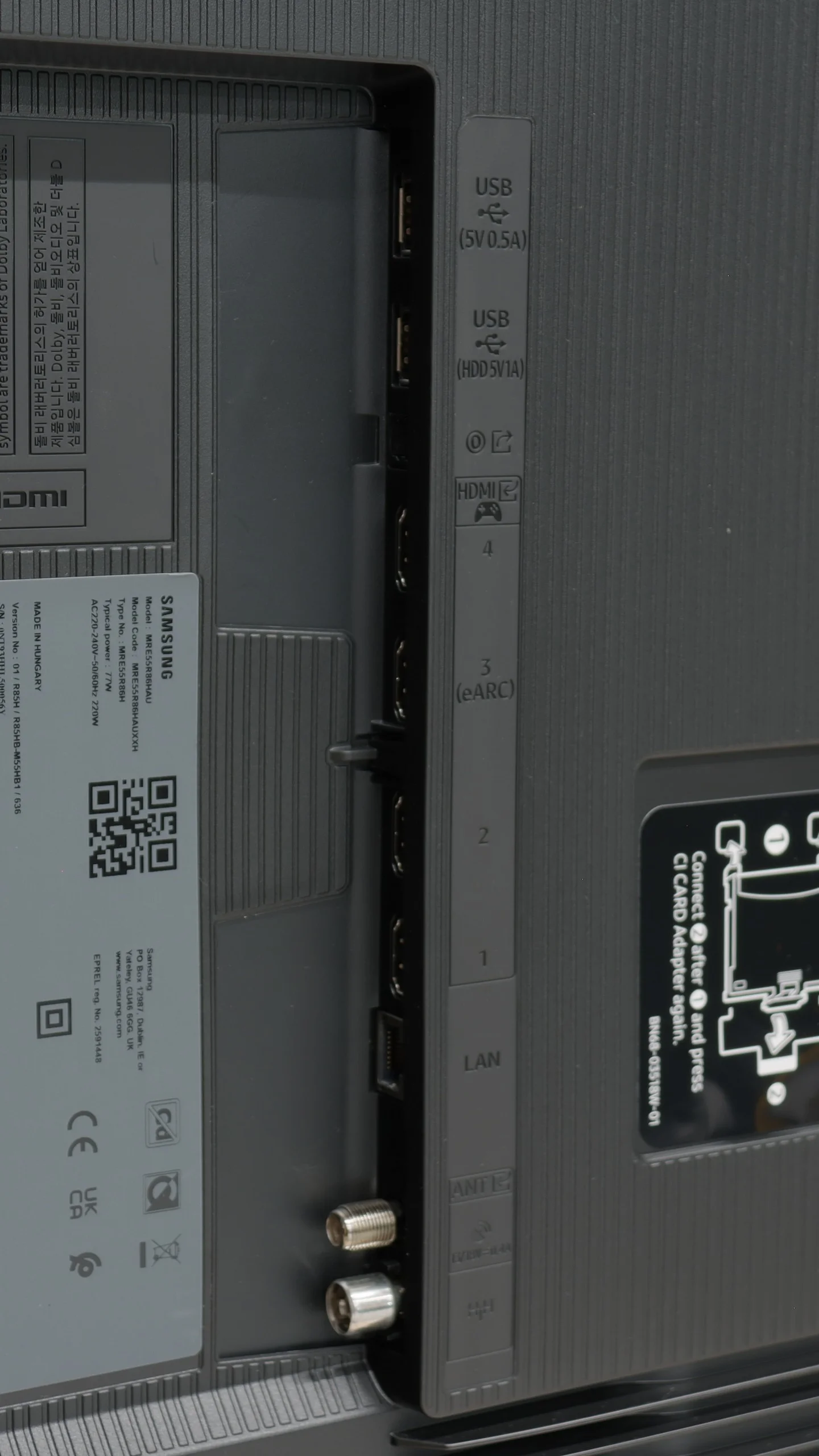
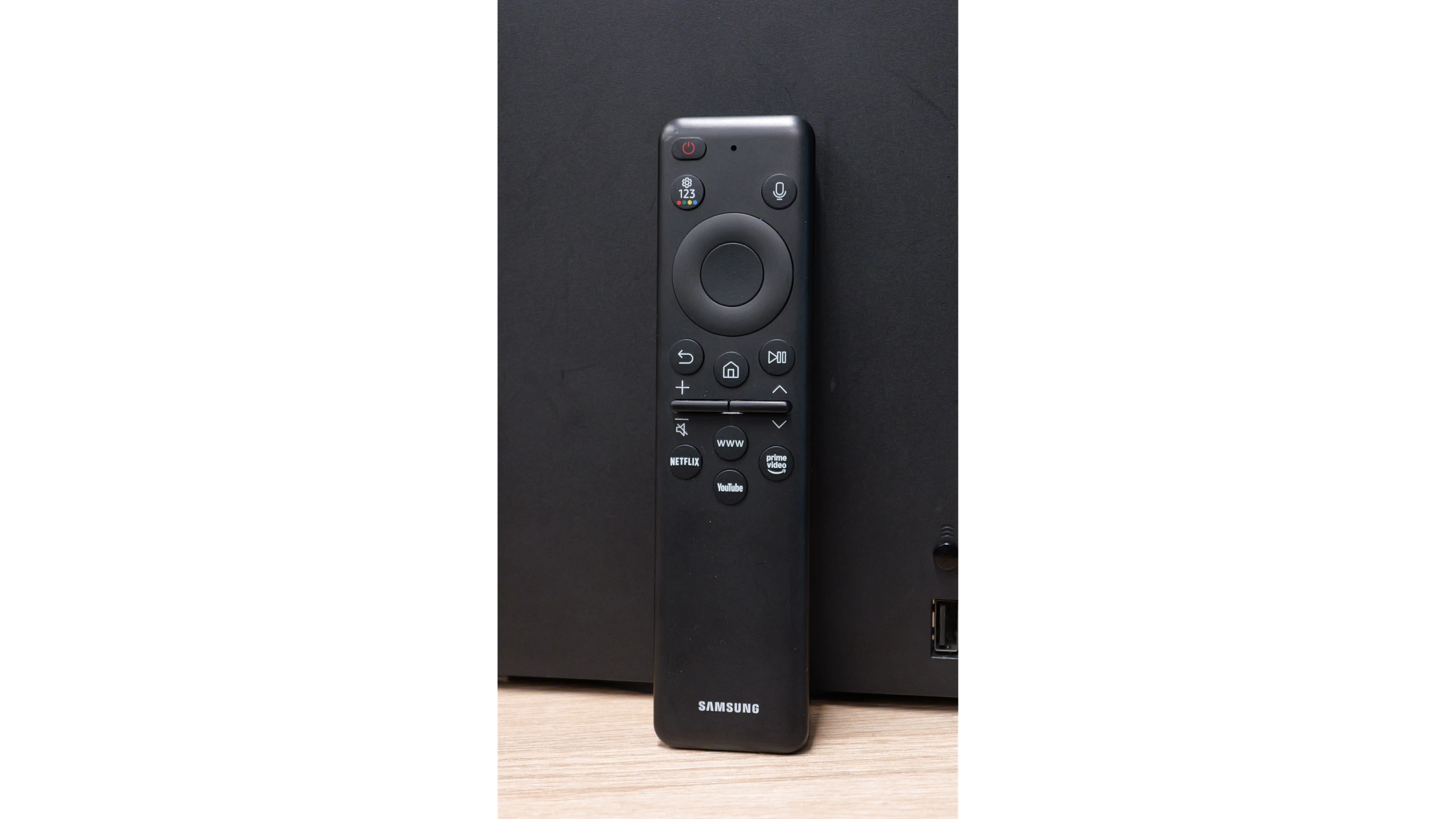
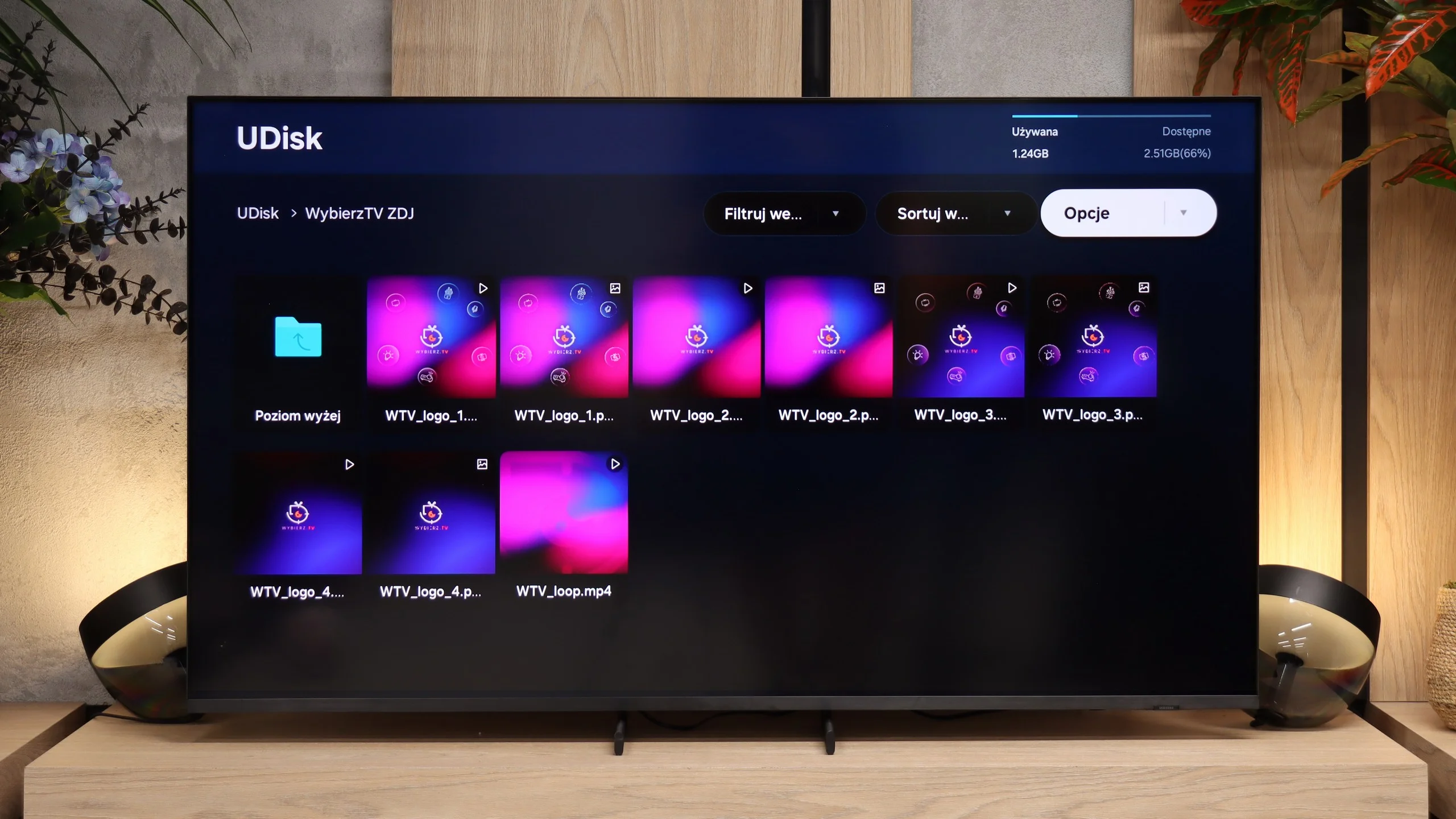
The Samsung R85H is above all a very versatile TV that performs well in pretty much any use case. You can put it in a bright lounge, hook up a console, watch a movie or series in the evening, or use it for everyday broadcast TV, and each time you’ll get a solid picture. It may not make the same immediate impression as Samsung’s best OLEDs, but it’s hard to point to a single feature that would seriously limit its usefulness. That versatility is probably its biggest strength. Of course the thing that draws most attention with the R85H is the new "Micro RGB" backlight. From our tests we’d say it can indeed deliver an advantage over classic Mini-LED, although not always in the areas the manufacturer emphasises most. On measurement charts its colour reproduction is impressive, but in real, more complex scenes the TV doesn’t always exploit the full potential of the three‑colour backlight. Its benefits are easiest to spot on simpler parts of the image, where intense reds, greens and blues can look really striking. Viewing angles are also slightly better, since colours retain their saturation off‑axis longer than on typical LCD TVs. Micro RGB doesn’t, however, solve all the limitations of RGB technology. With very saturated elements you can sometimes notice slight colour bleeding into adjacent bright parts of the image, and the relatively small number of local dimming zones means the backlight can’t always act as precisely as its on‑paper capabilities might suggest. The R85H shows that RGB does have potential and could be the next step in LCD TV development, but using coloured LEDs alone doesn’t automatically produce a huge jump in image quality. We’d therefore treat the R85H mainly as a somewhat better and more interesting alternative to the QN80H, not as a TV you must buy at all costs just because it says Micro RGB. If the price gap between the models is sensible, we’d pick the R85H. We wouldn’t pay a large premium solely for the new backlight, because its everyday advantage isn’t always as big as the marketing materials might imply. All the same, the R85H is a successful all‑round TV, and that’s probably the best way to look at it.
 Direct comparison