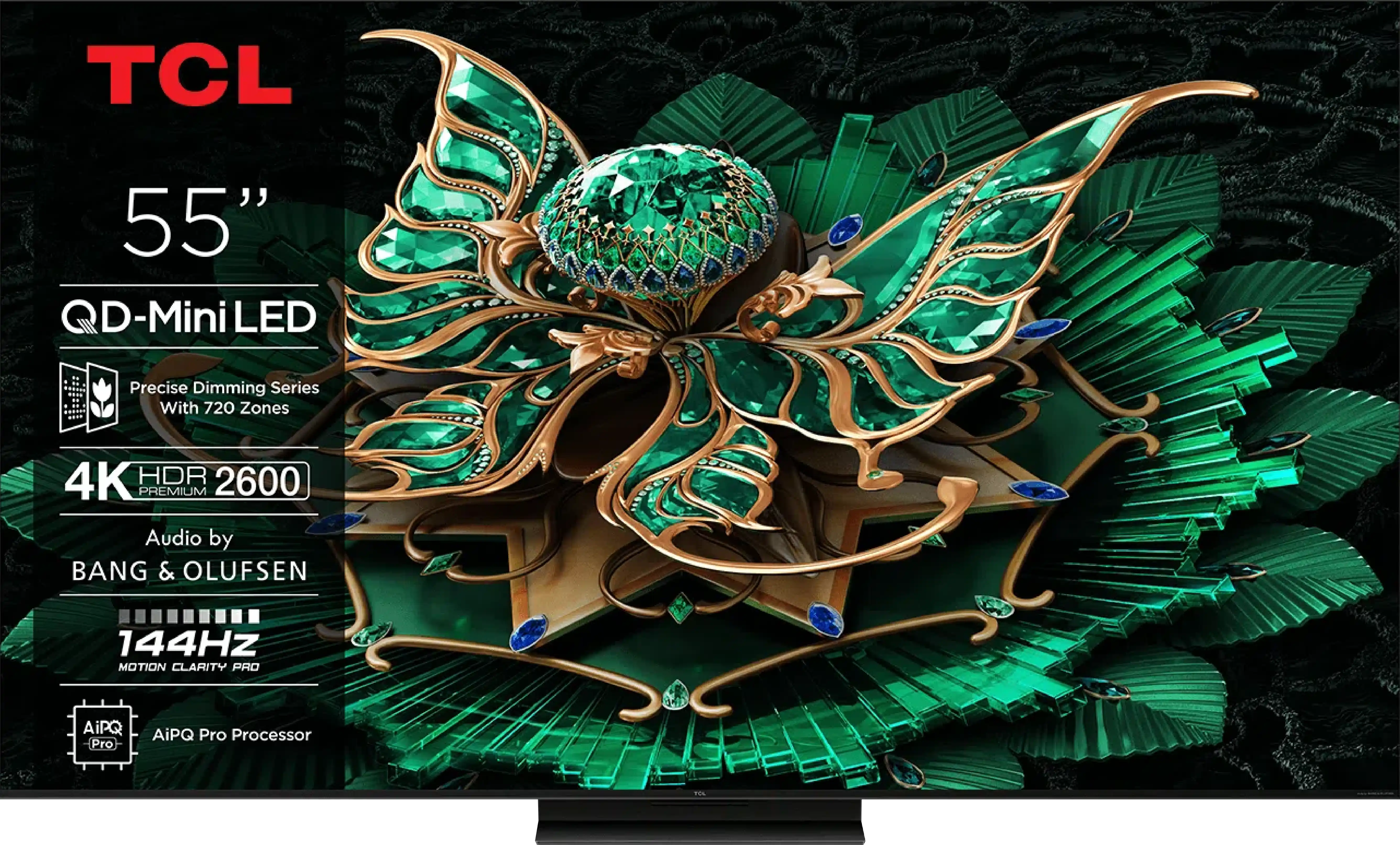
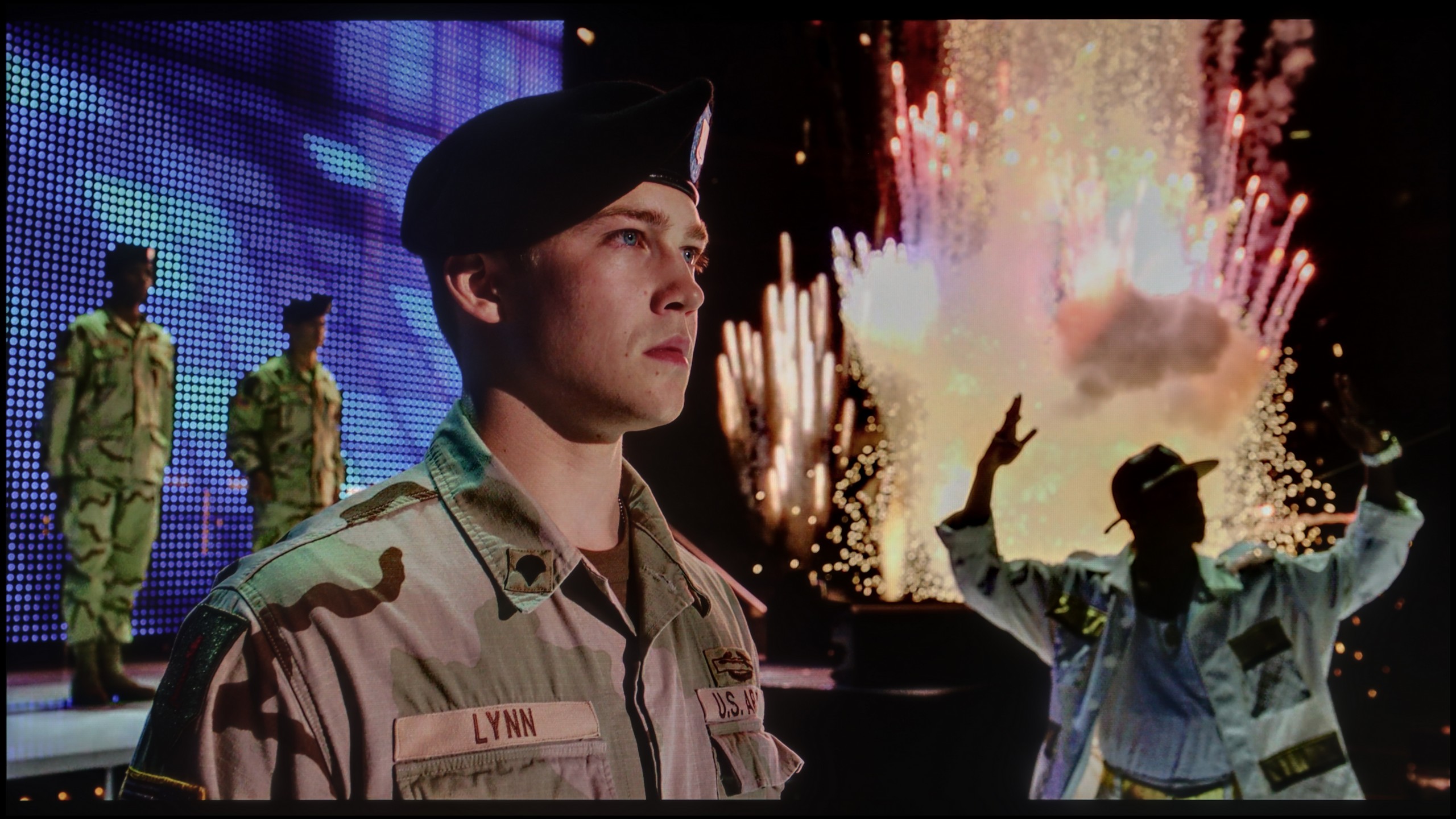
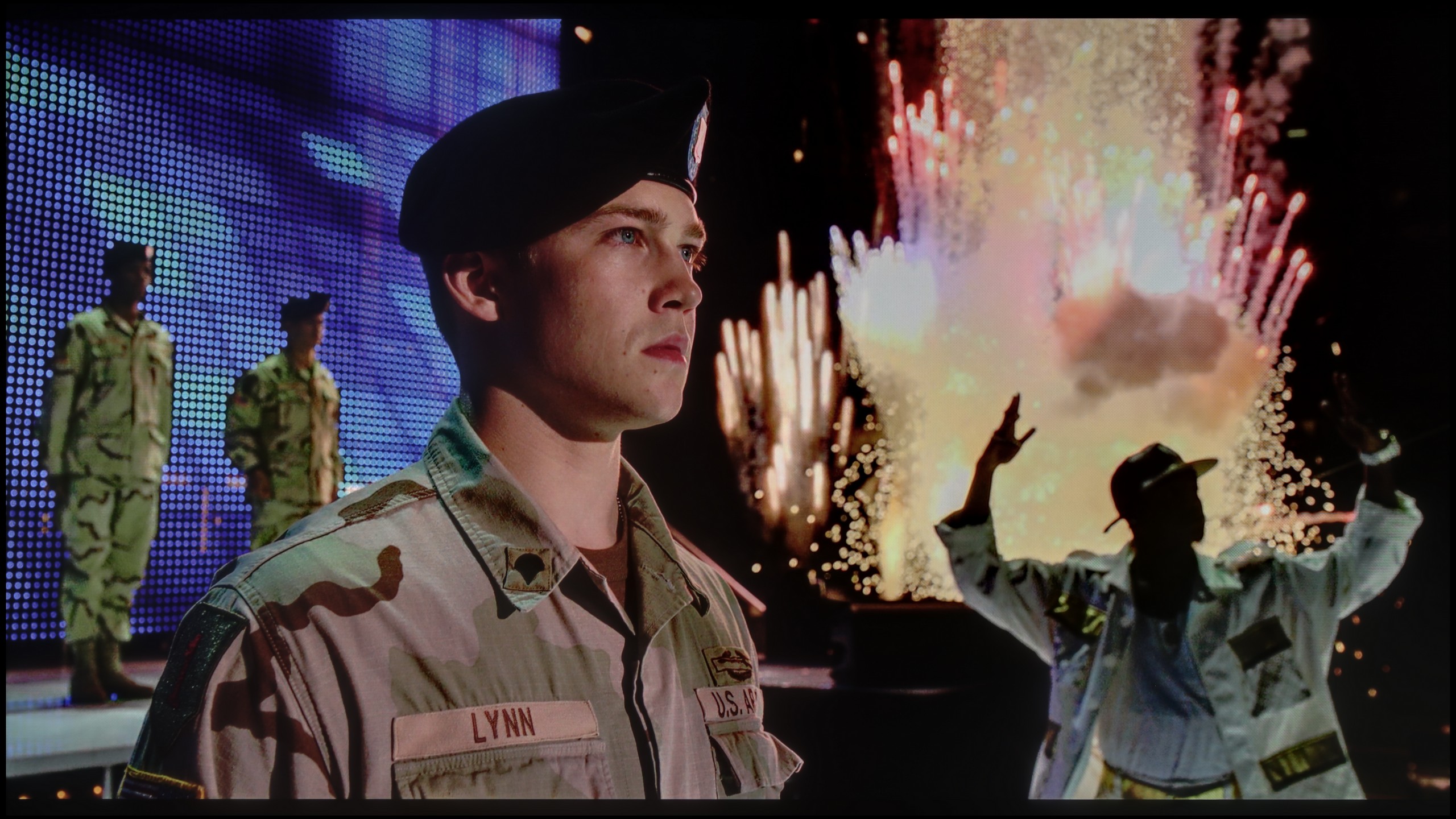
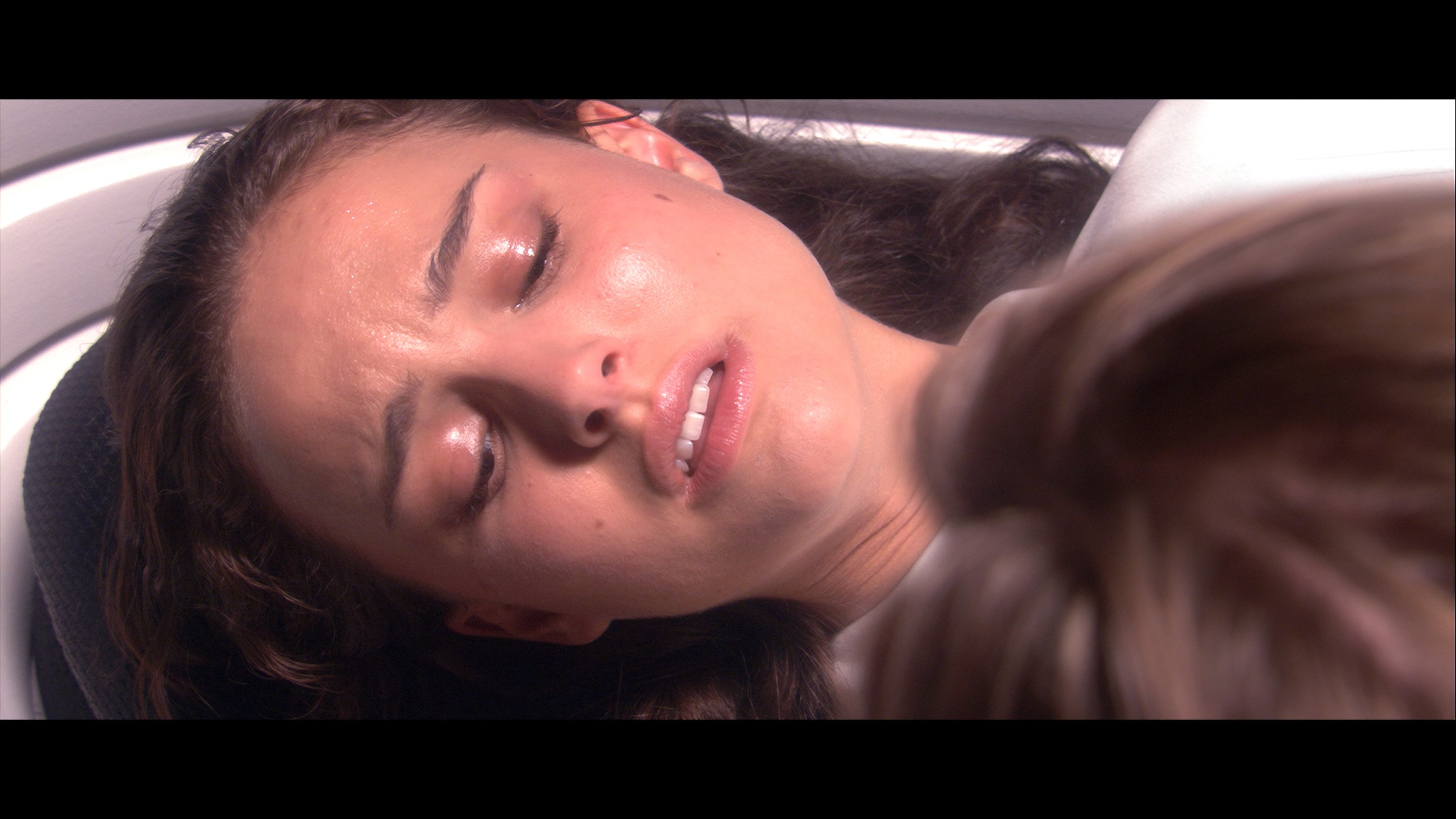
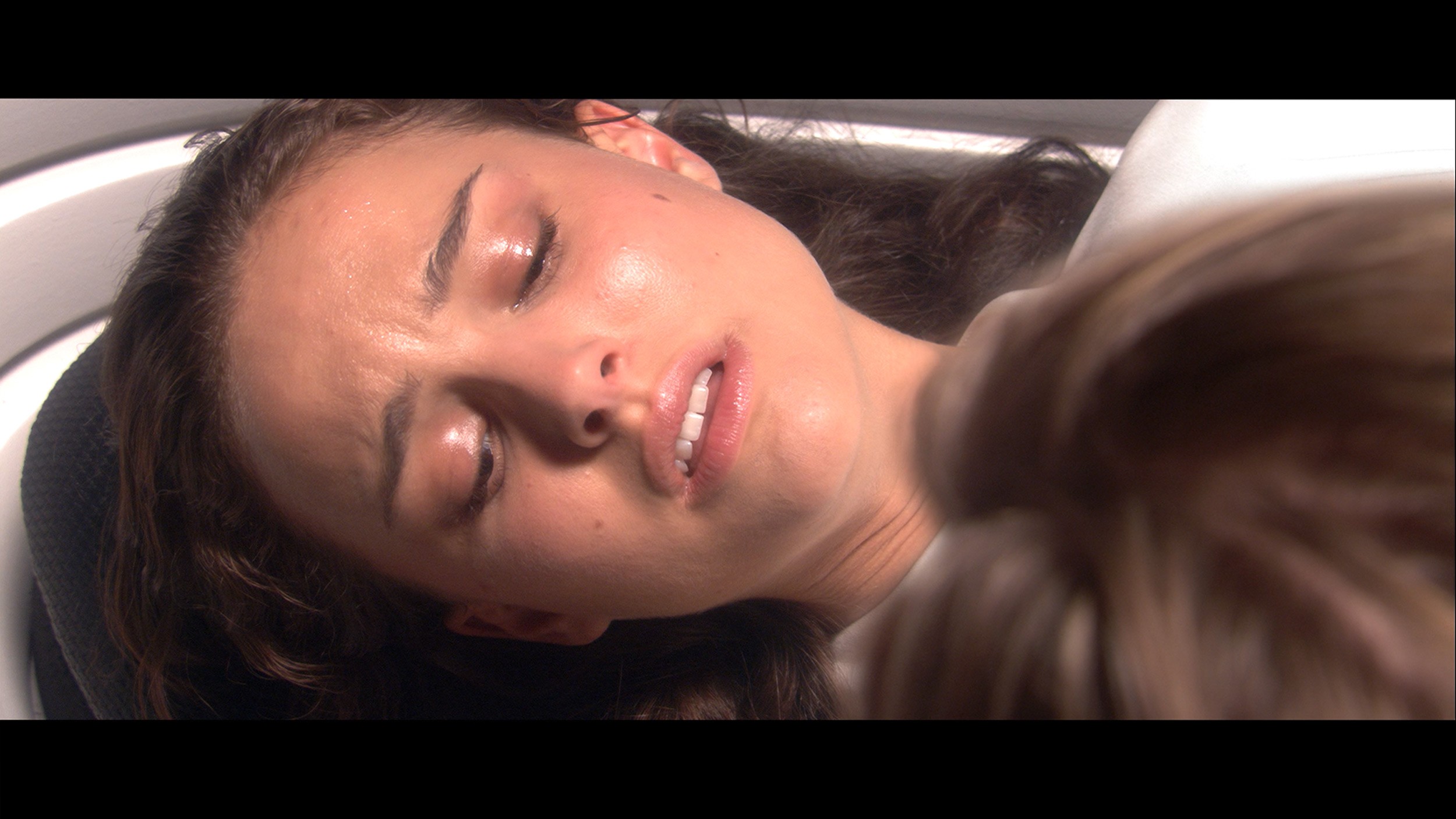
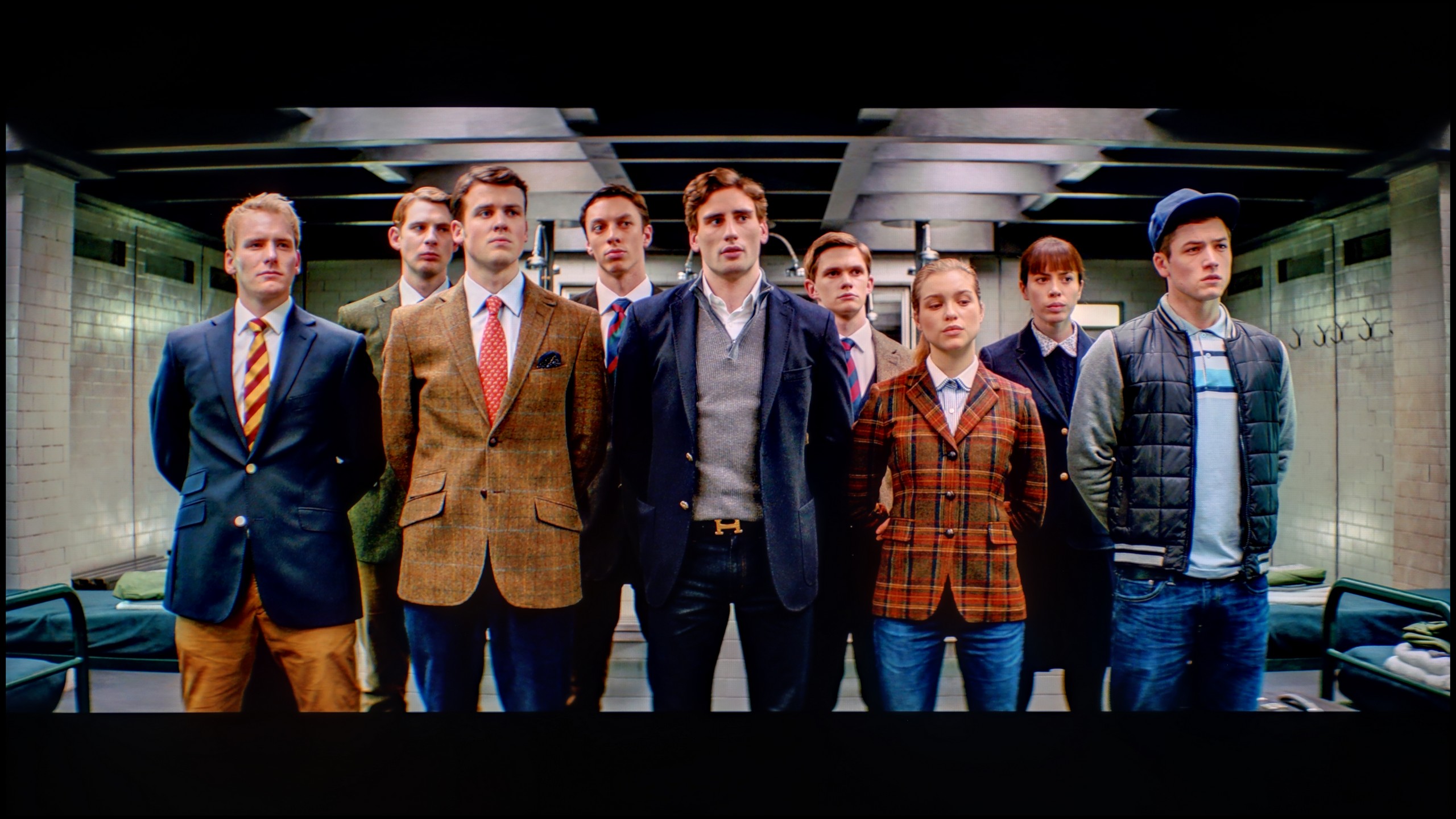
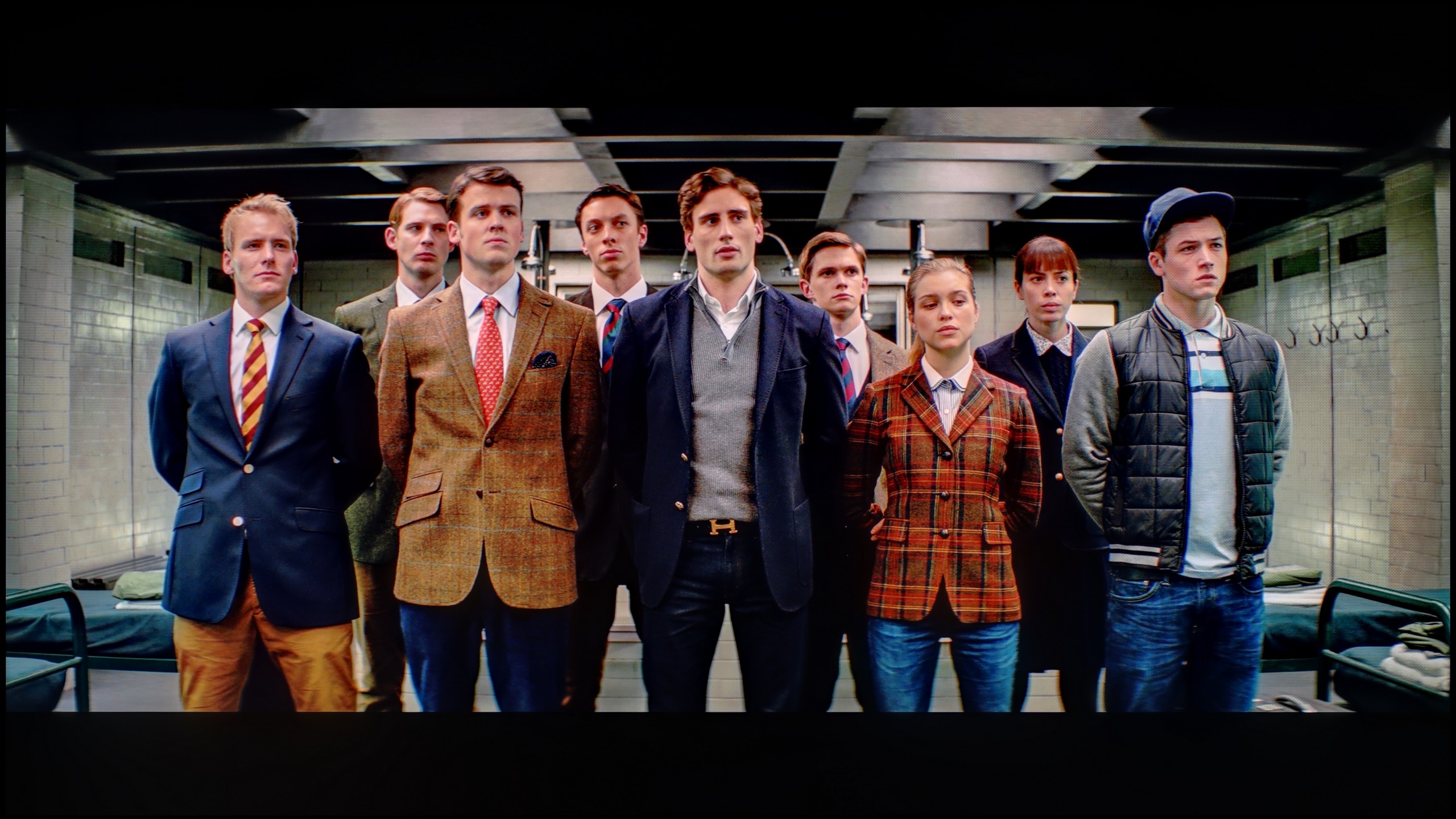
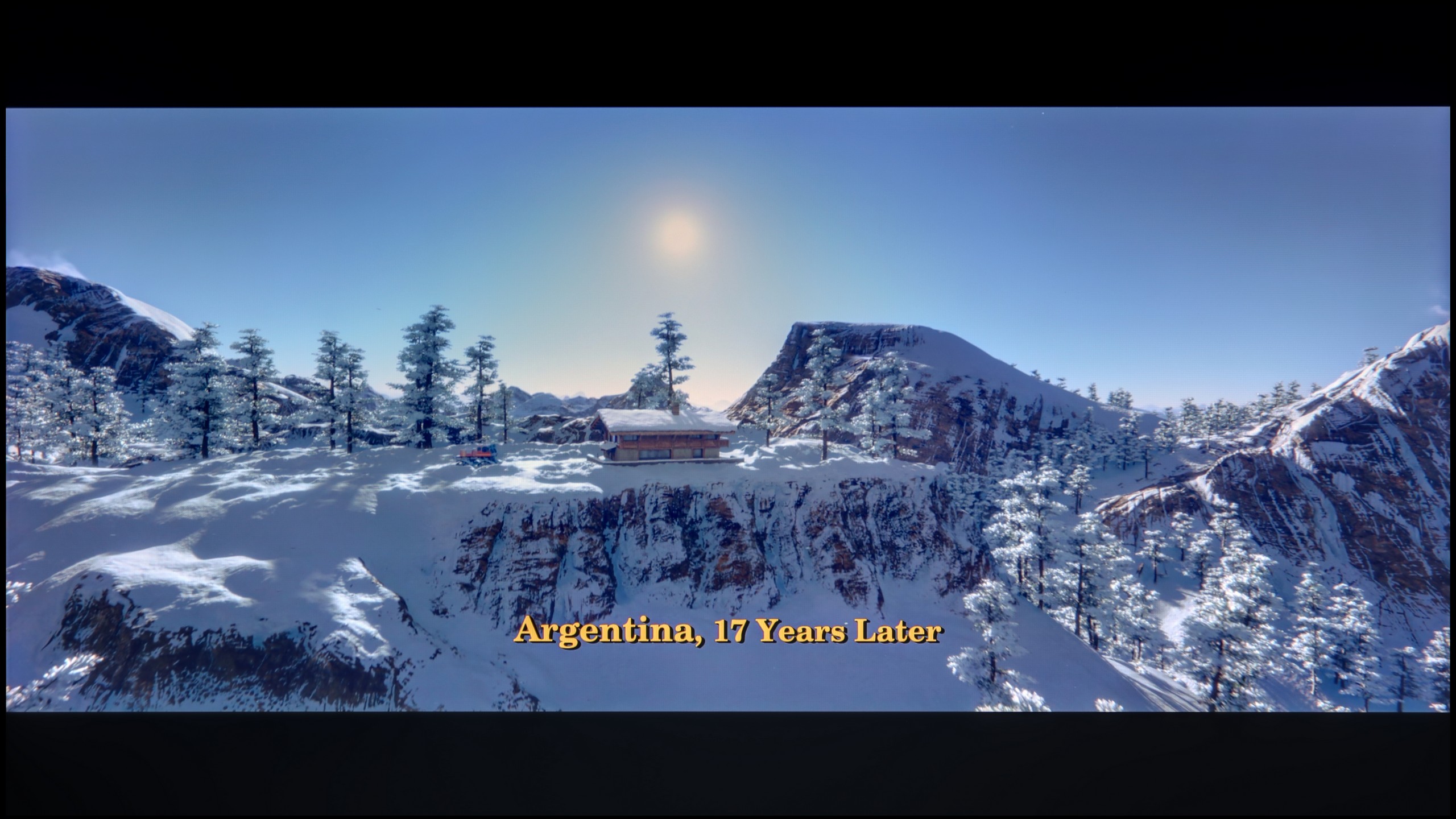
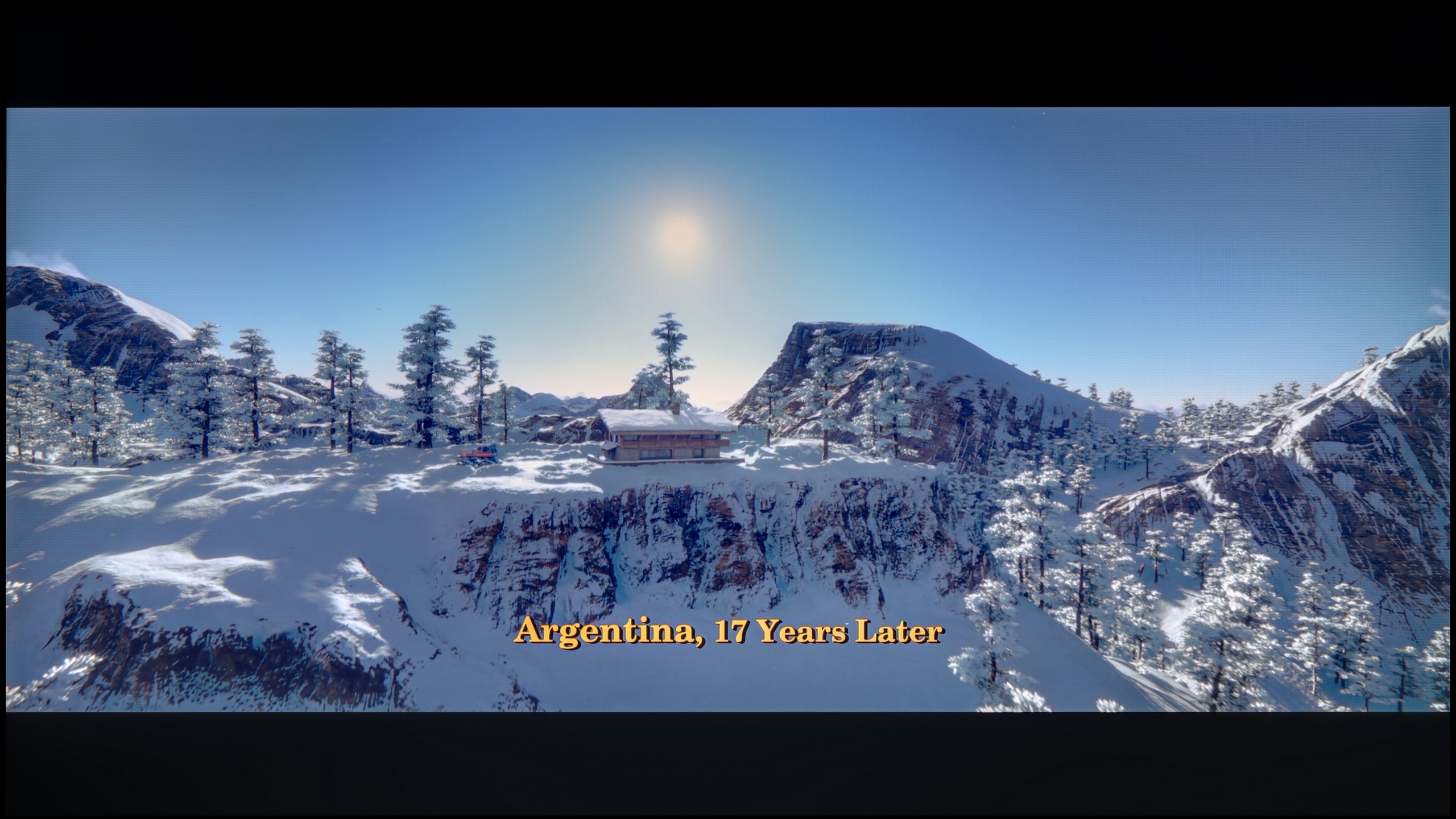
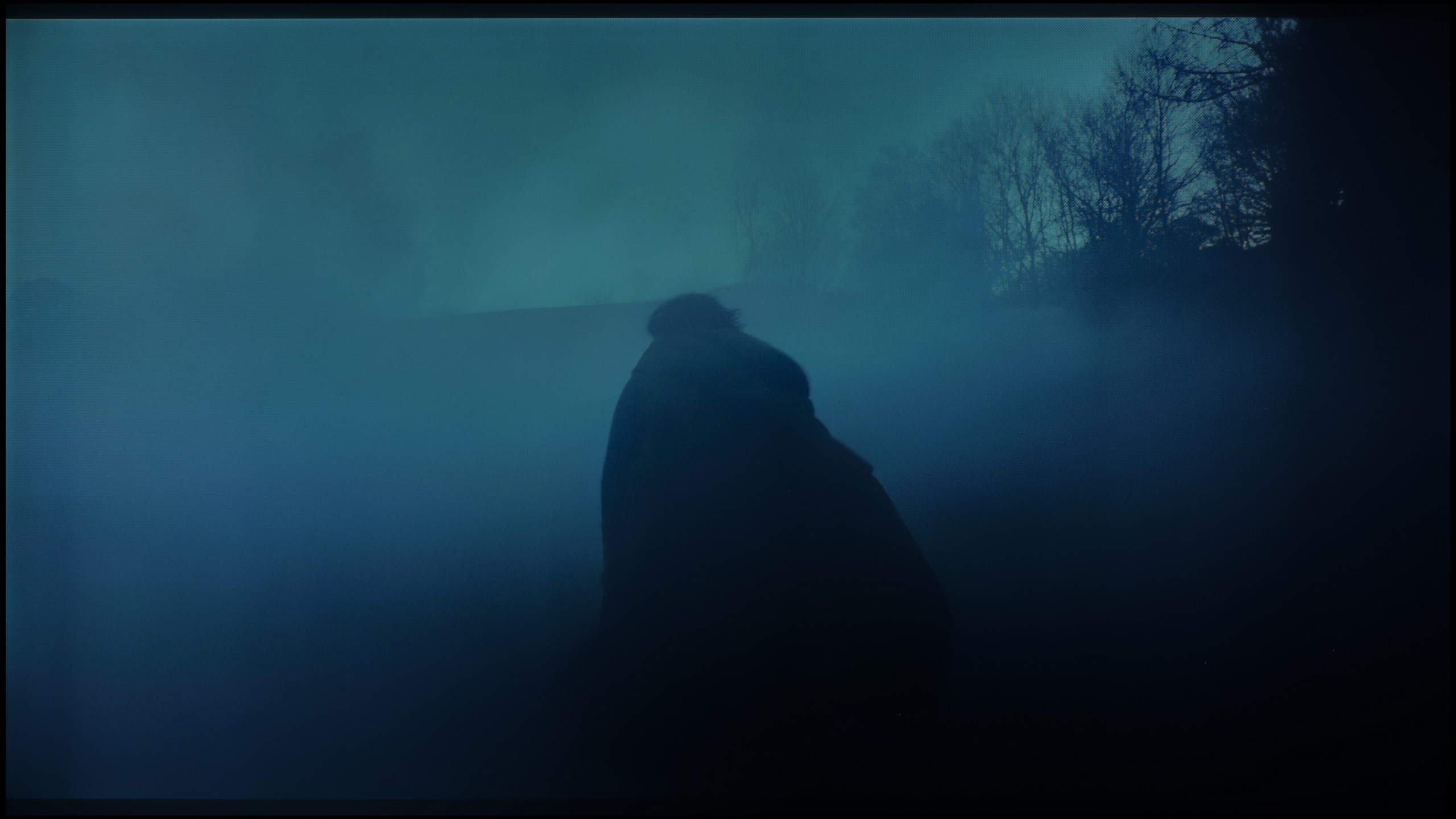
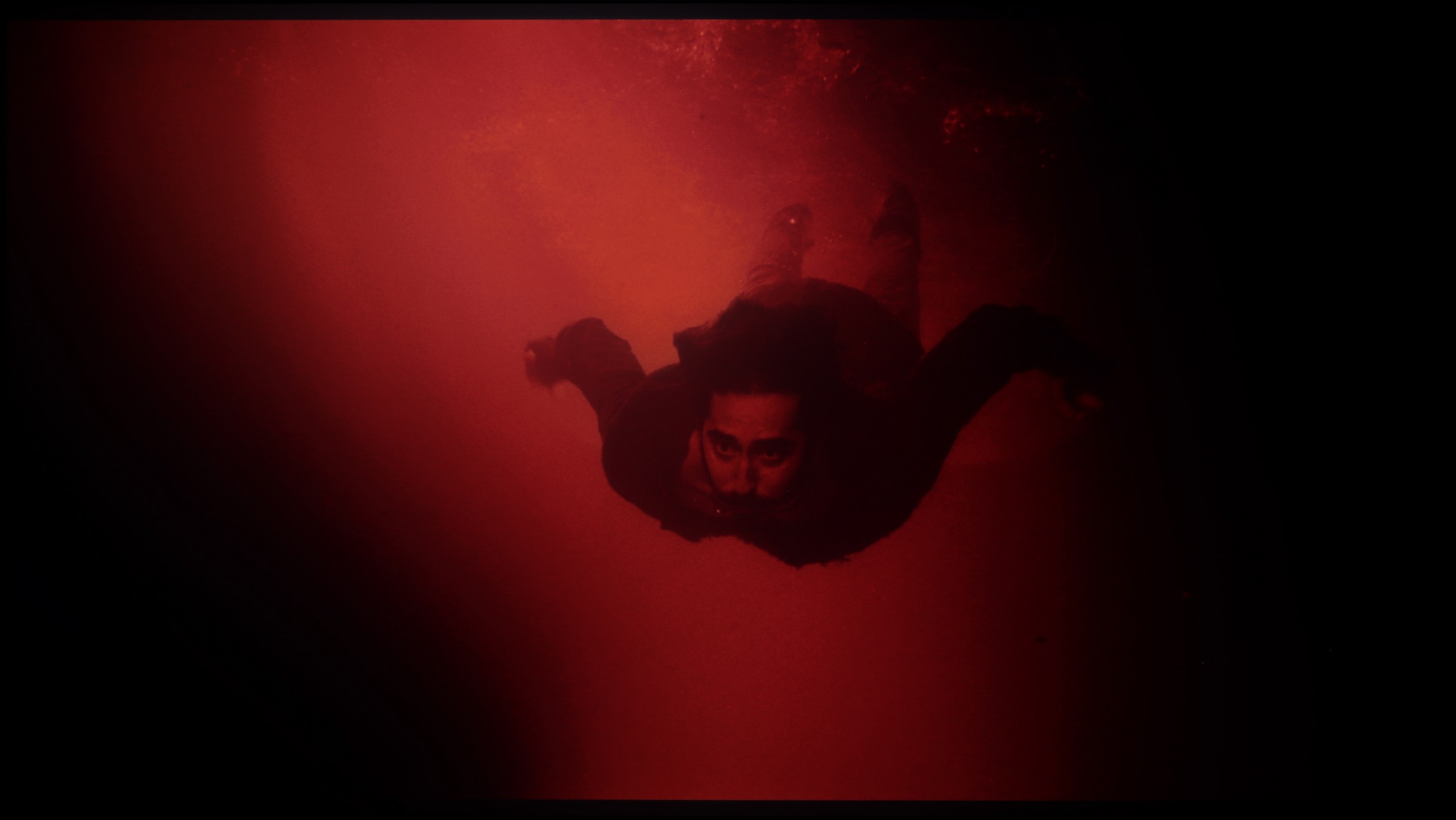
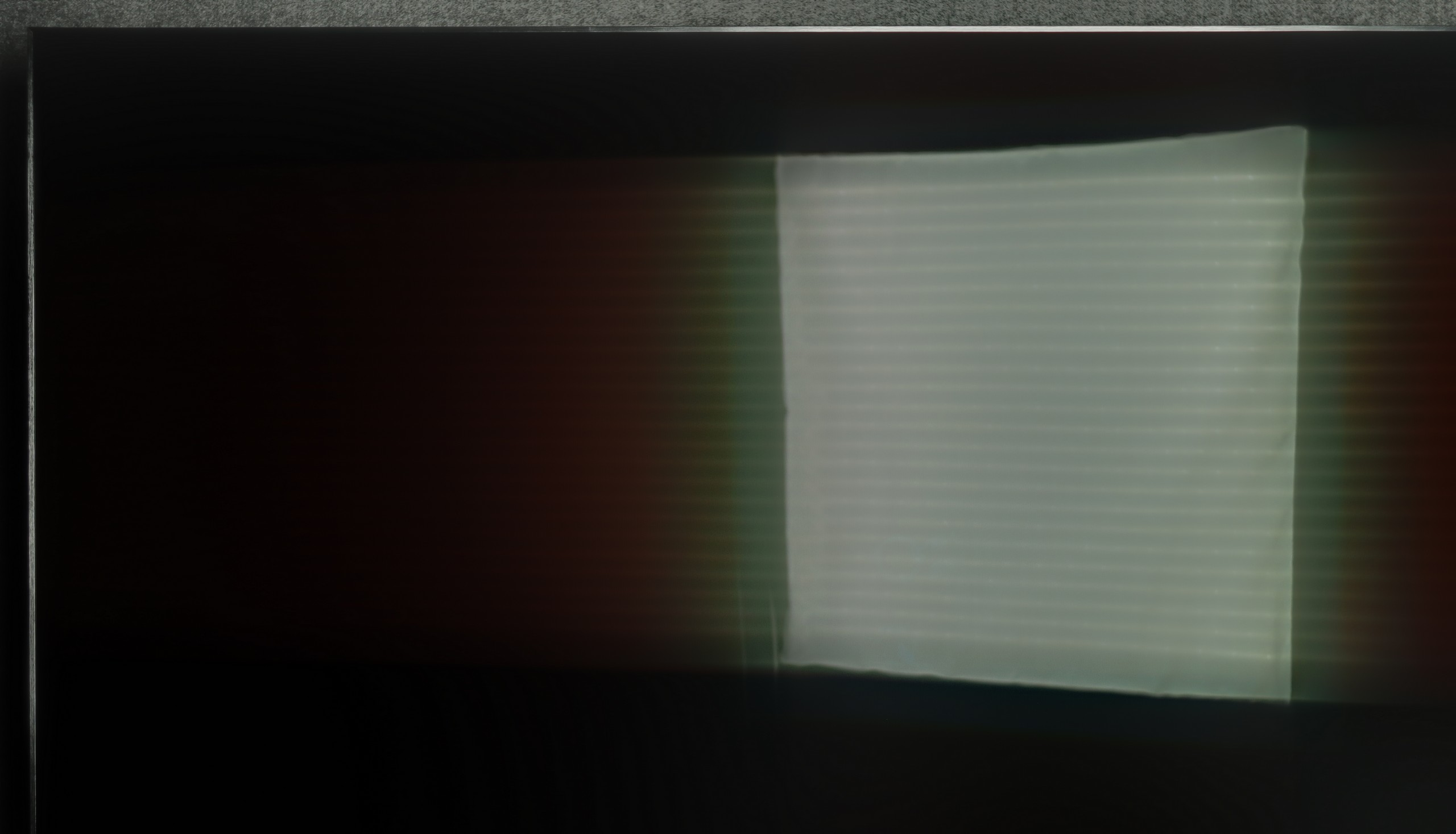
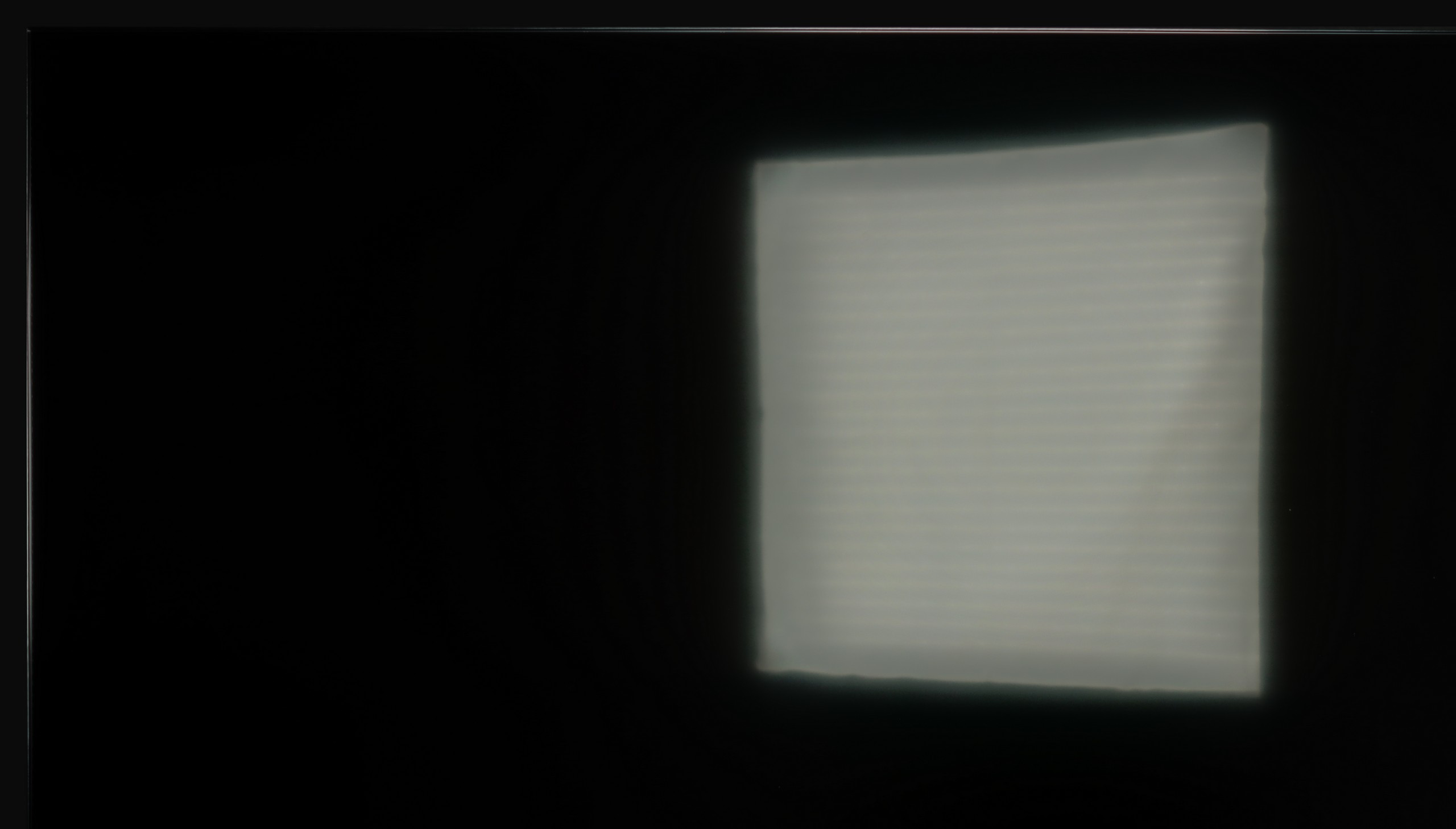
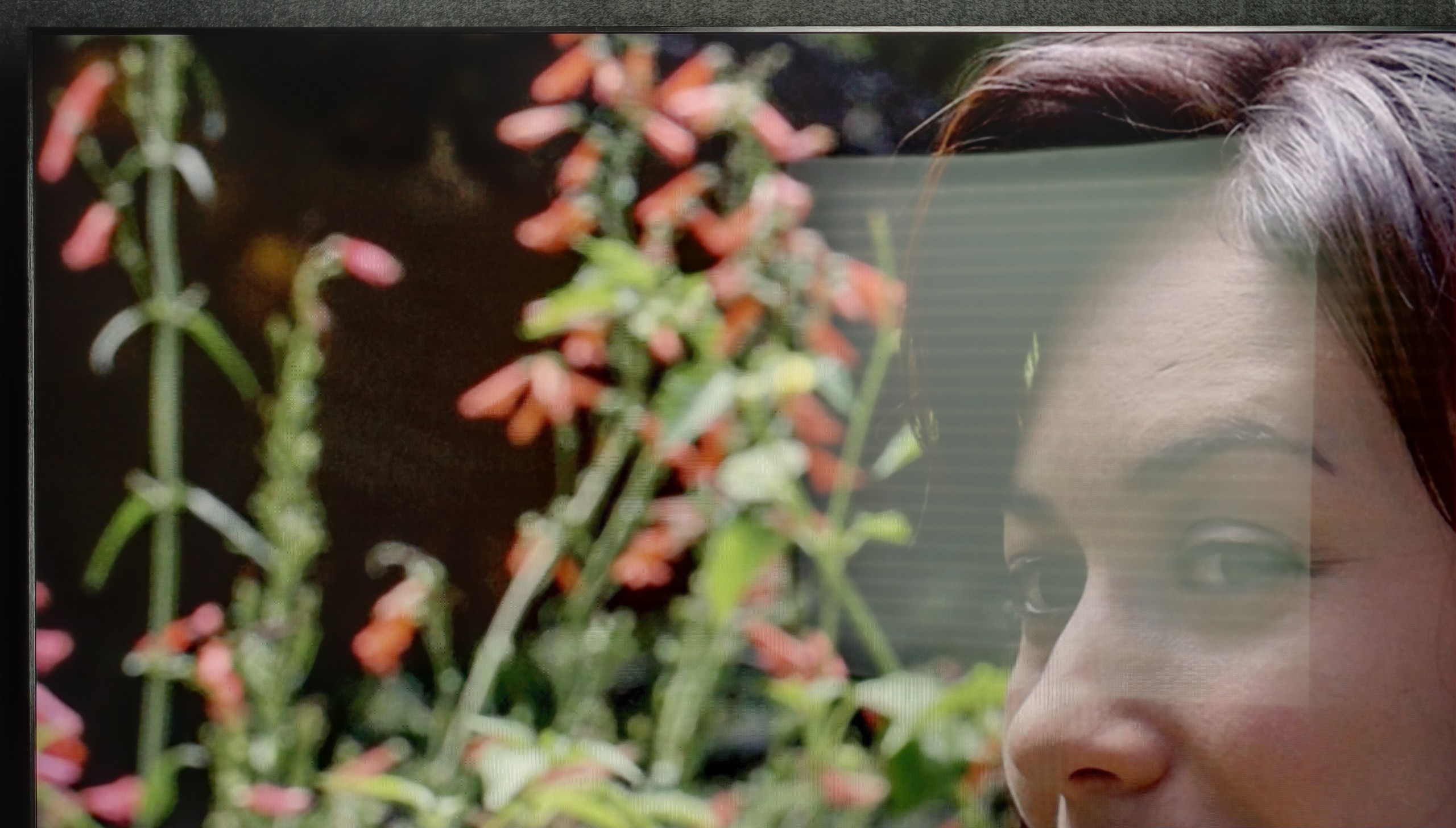
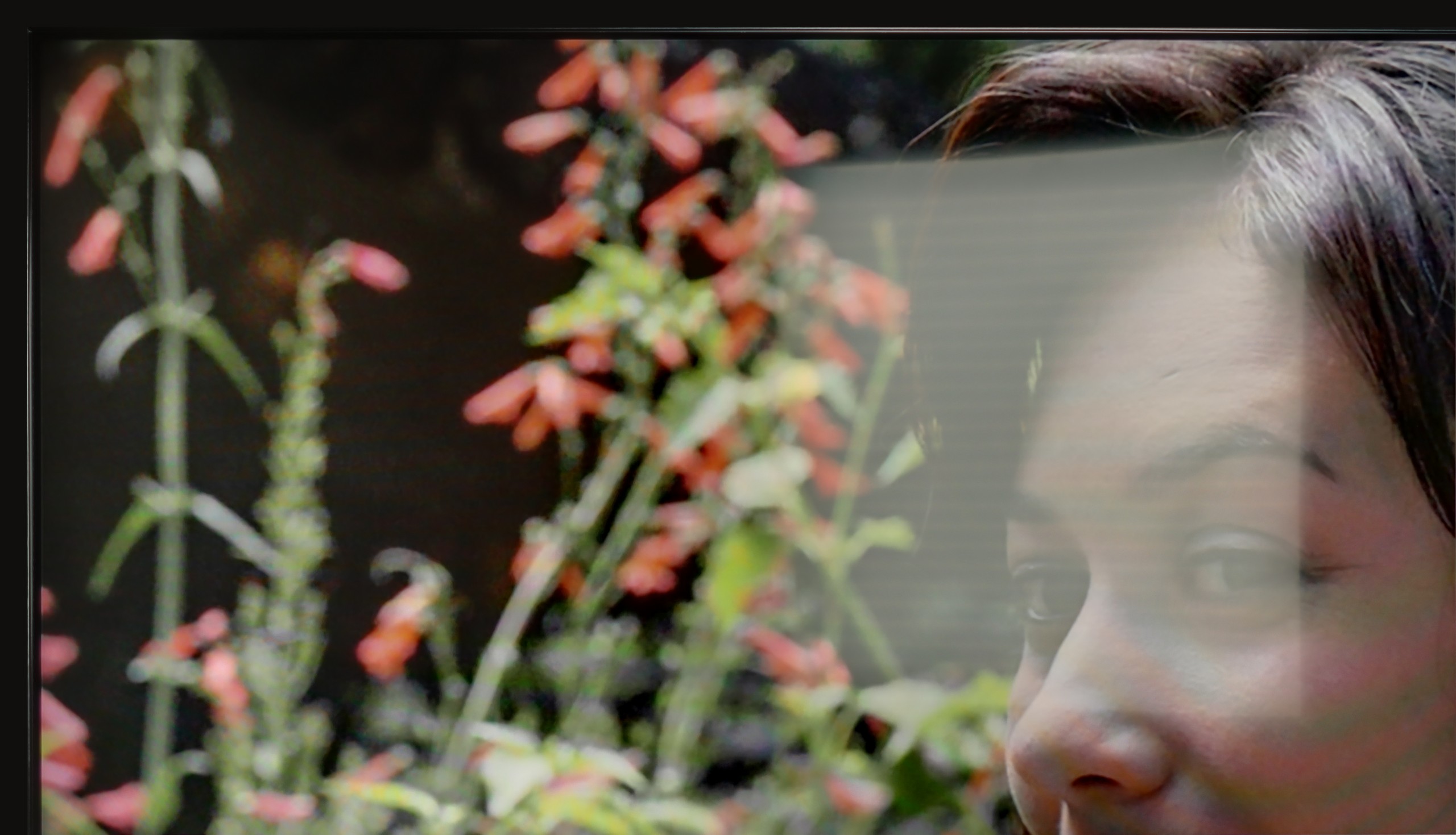
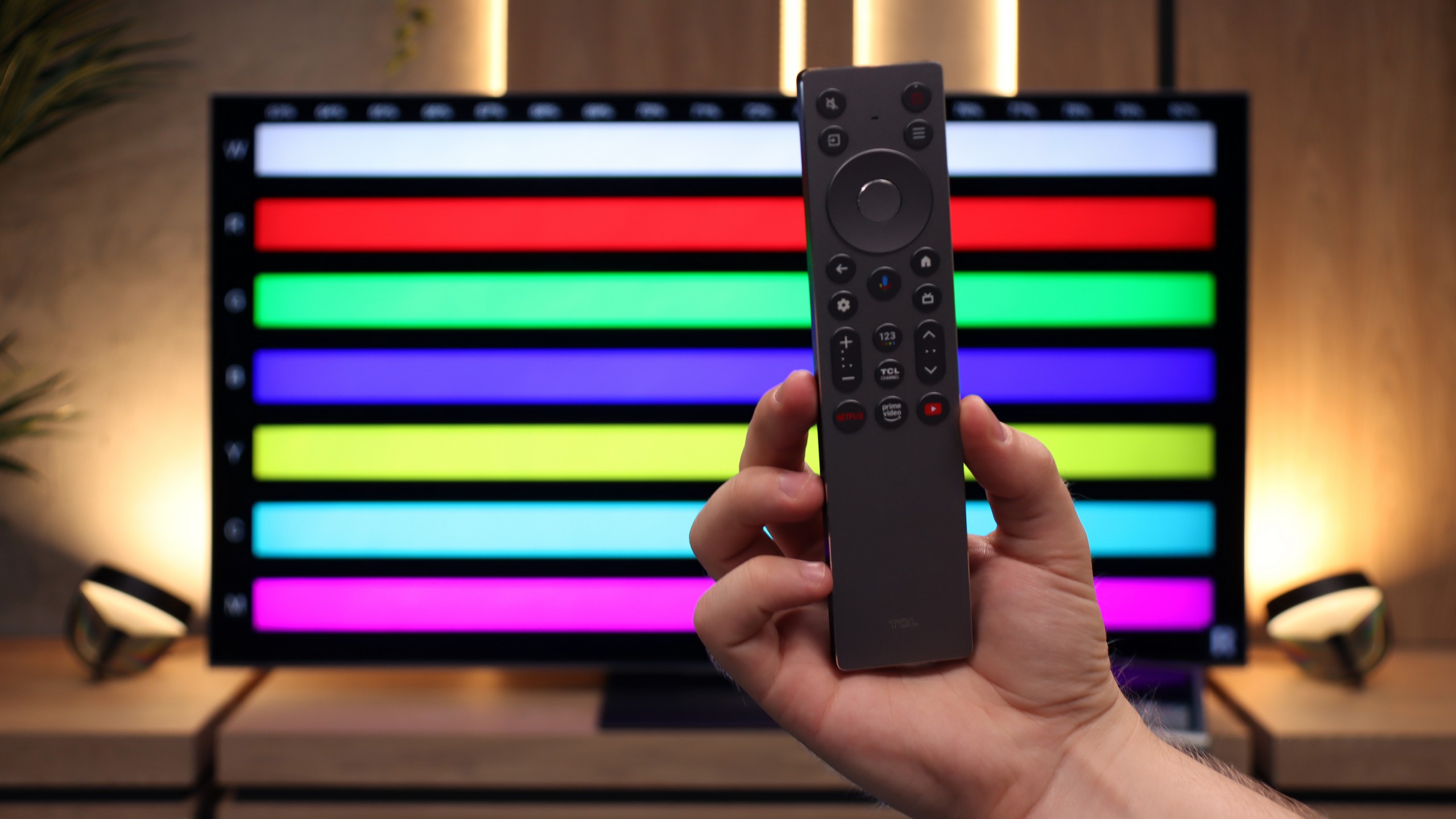
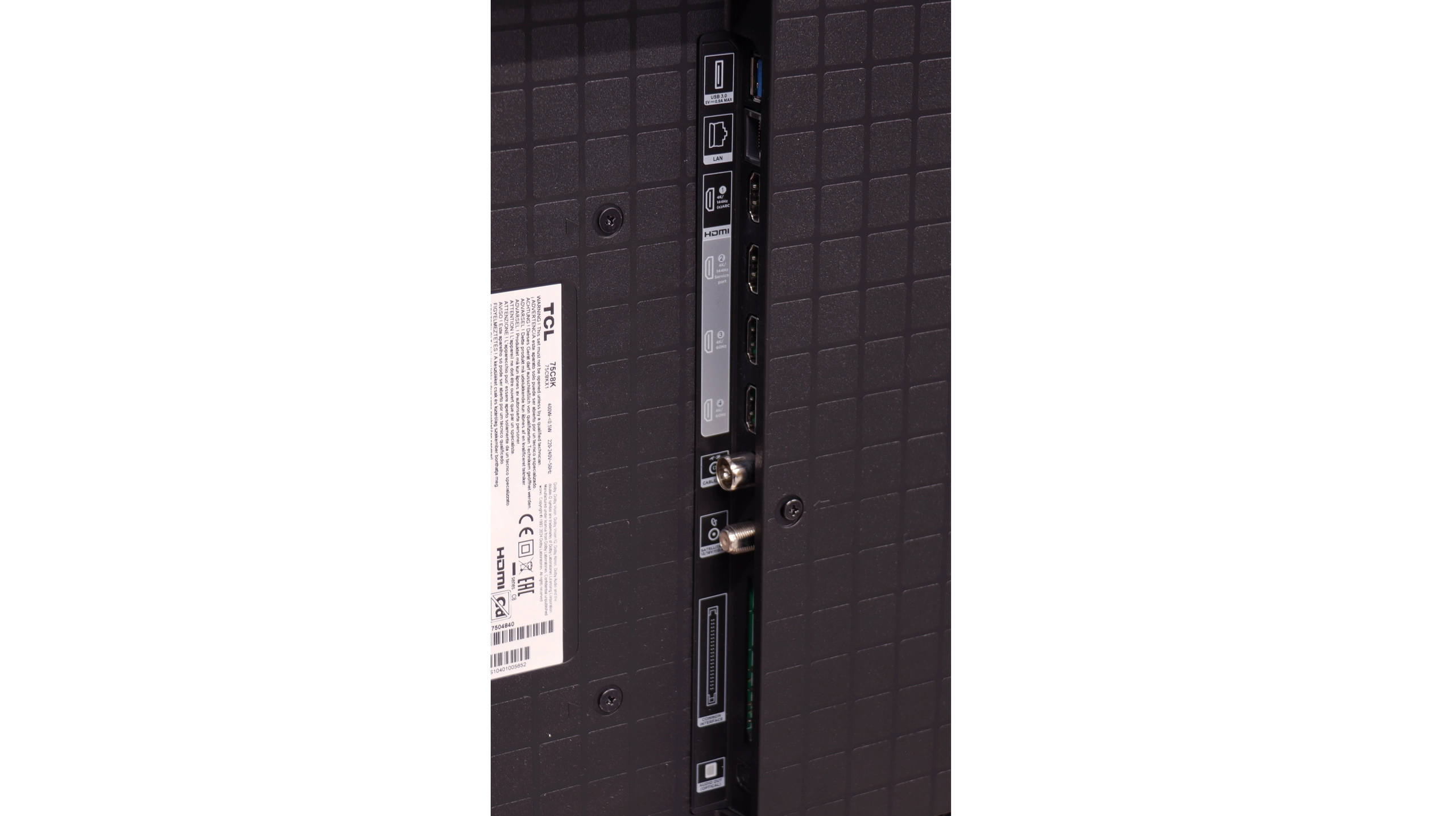
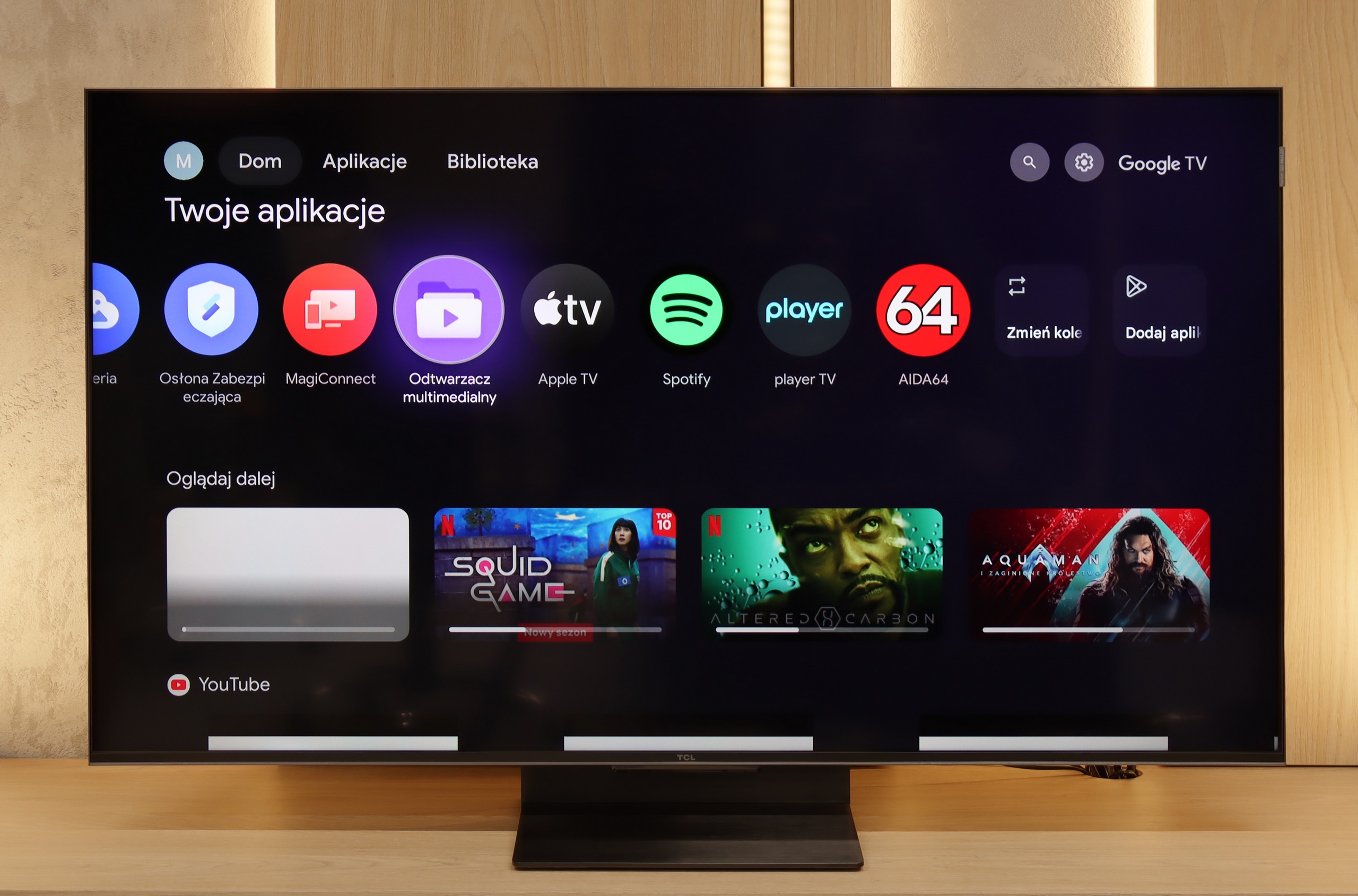
TCL C8K is a really bright television. In synthetic conditions – that is, during tests with brightness charts – it was able to achieve even 3500 nits peak brightness in movie mode. That's an impressive result and brings the C8K close to the market leaders, at least when it comes to panel brightness. More importantly – these aren't just numbers on paper. In films with a lot of bright scenes, such as Life of Pi or The Meg, the brightness clearly exceeds 1000 nits, providing a true sense of HDR effect. The picture in those moments looks very dynamic, colors are saturated thanks to excellent coverage of the color palette, and the lights are – spot on and intense. Exactly how it should be.
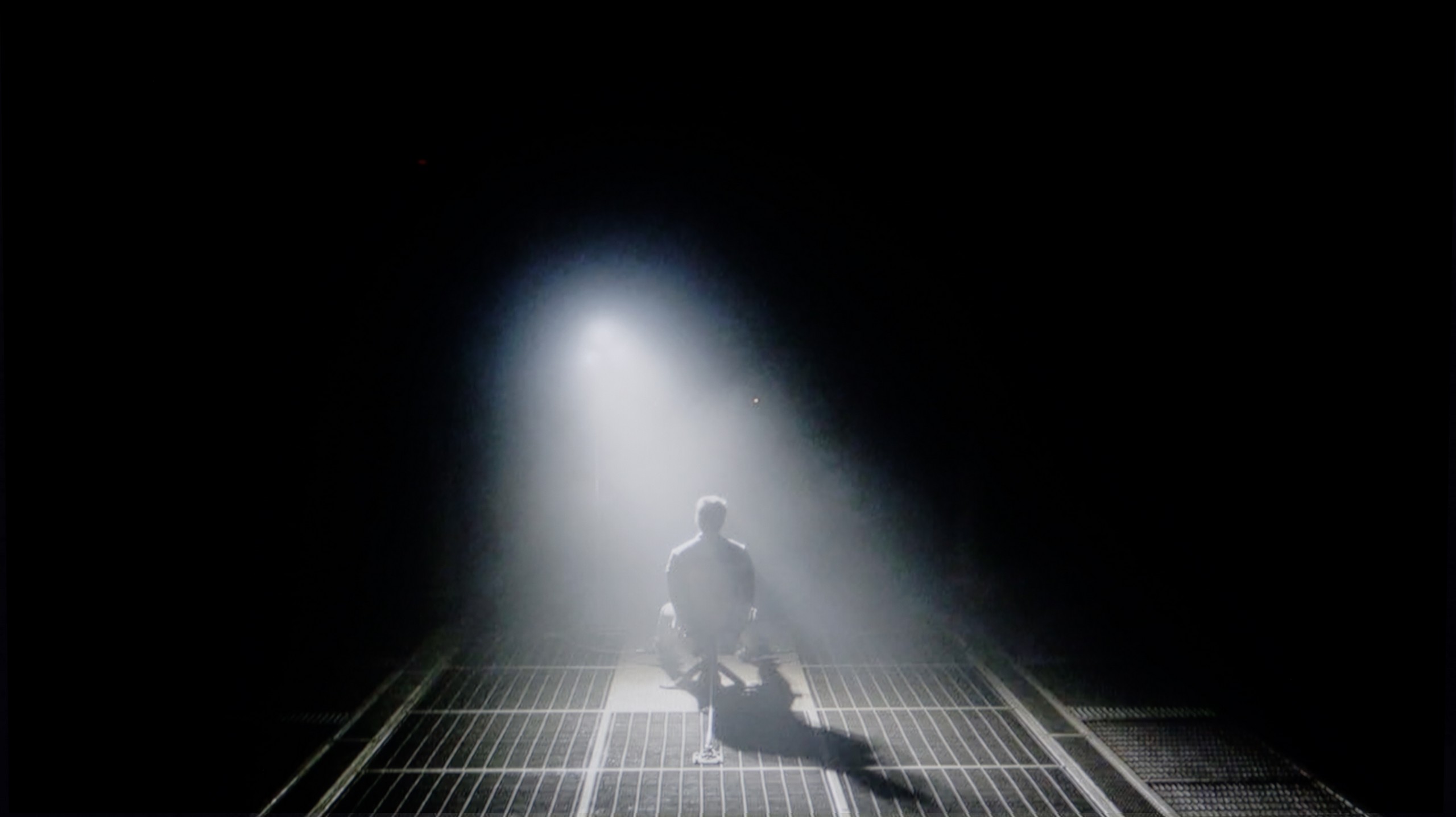
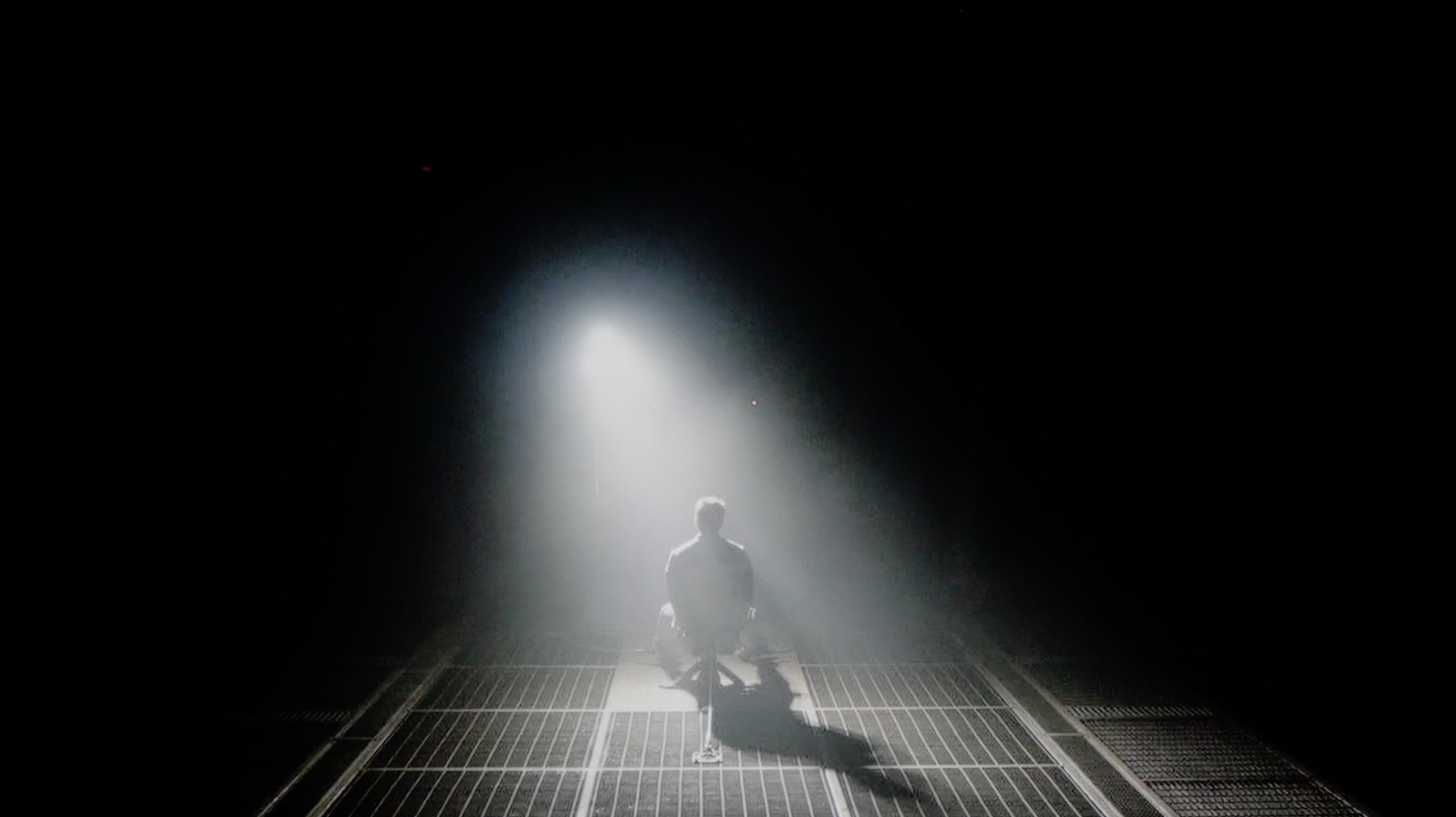
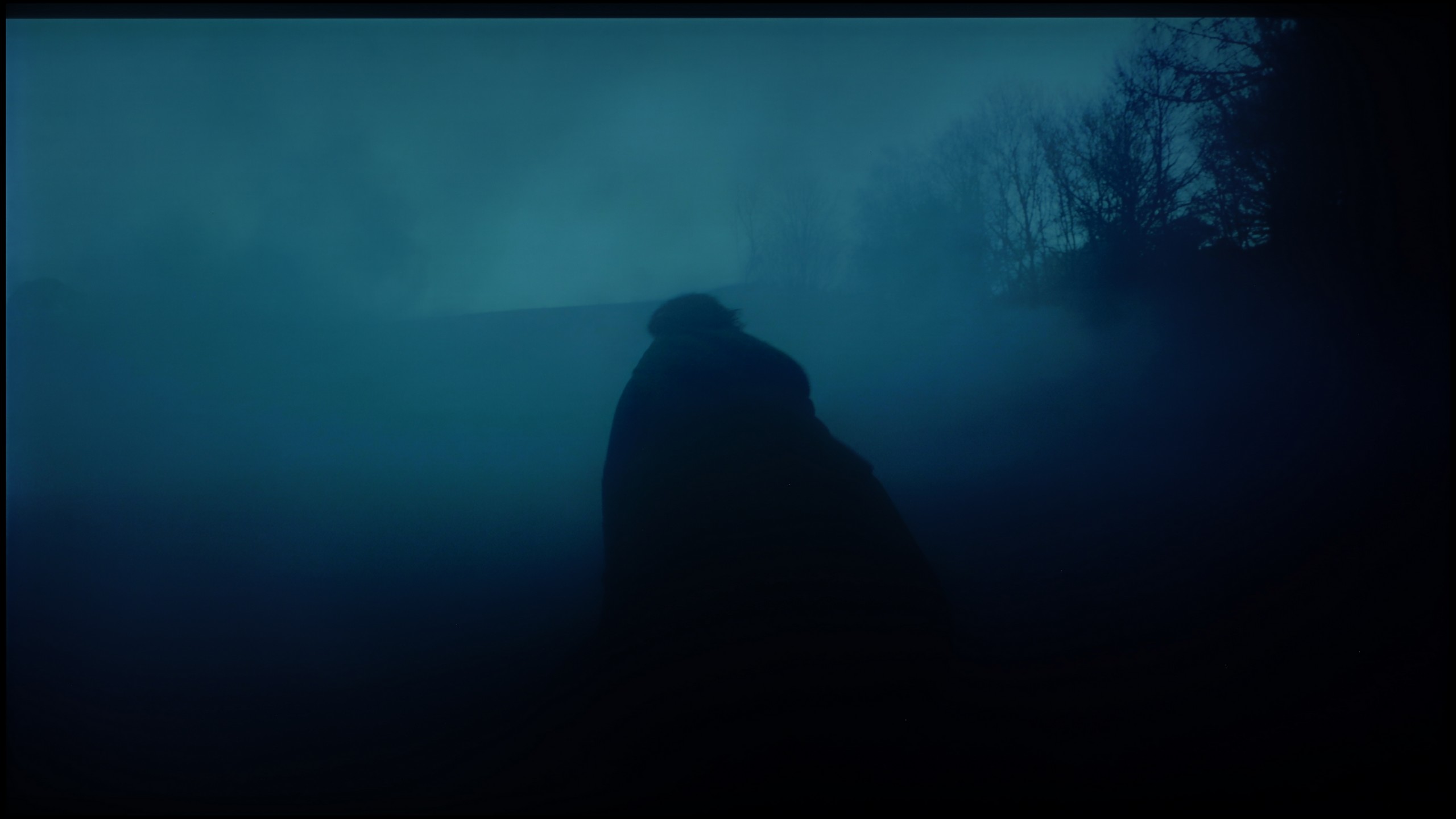
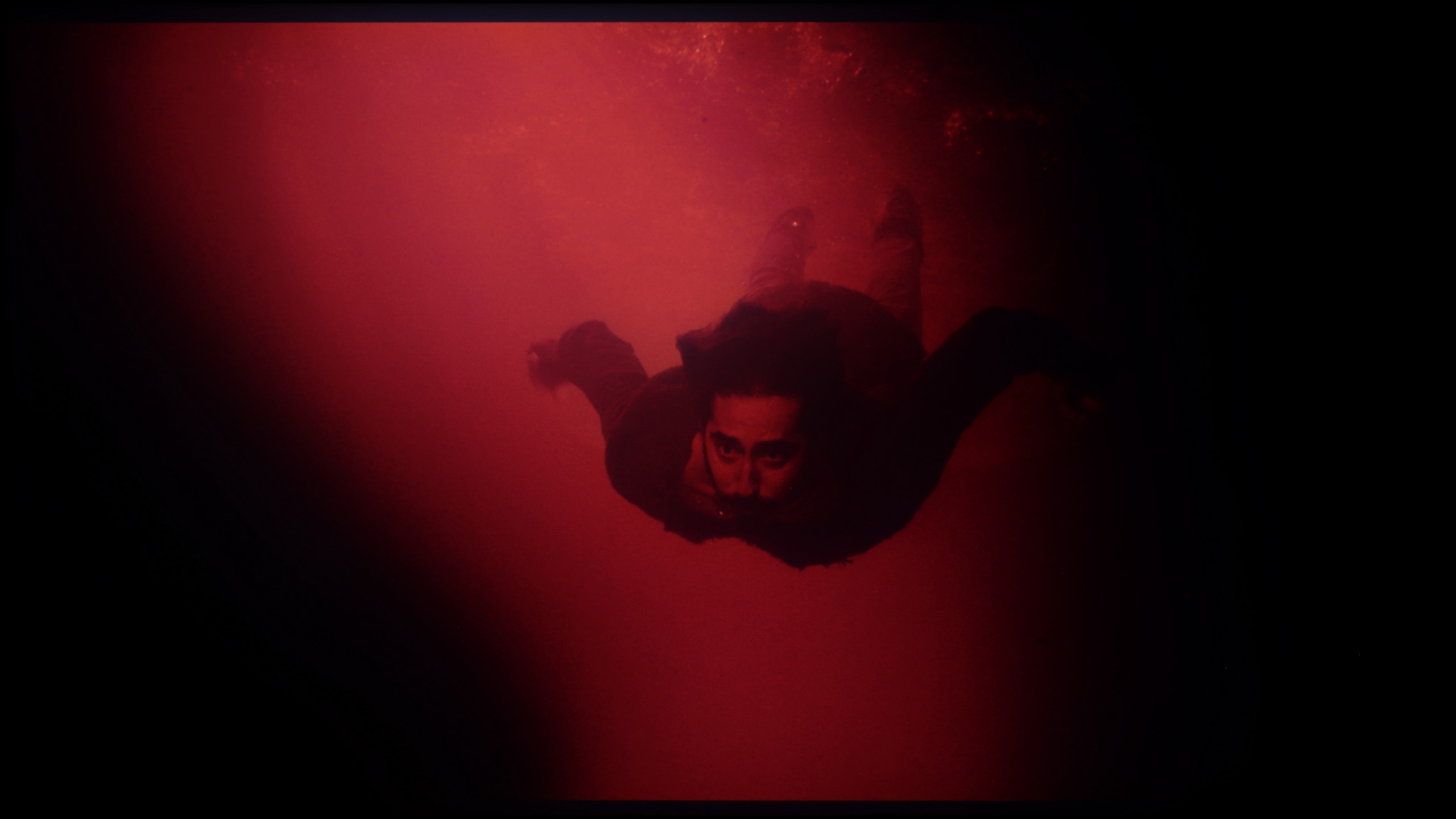
However, this doesn’t mean that everything is perfect. Just like in contrast tests, here too, in more demanding scenes, compromises appear. In sequences with very fine light elements – such as stars in the night sky or reflections in dark rooms – the local dimming algorithm can… get confused. Instead of bringing those details up, the television sometimes decides to dim them significantly – down to around 300 nits – to maintain deep blacks. On one hand, this is quite a sensible approach (better deep black than a grey/navy blue screen), but on the other – there may be moments when certain elements of the picture become difficult to see or even disappear into darkness.
TEST UPDATE (20/08/2025): The brightness control algorithm in this model is quite problematic – attempting to calibrate the picture so that it doesn’t drastically overexpose the brightest scenes results in unnatural shifts: improvement in one part of the image results in deterioration in another. The television may achieve slightly higher readings in brightness measurements, but in practice, this comes with a heavily overexposed image that looks very unnatural!
For the record, we provide brightness values without this adjustment:
1463 nits
640 nits
1368 nits
468 nits
1025 nits
In terms of brightness, the models ranging from 55 to 85 inches in the C7K series are truly impressive. Under optimal testing conditions, the 65-inch screen exceeded 1200 nits, which in practice means that the brightest scenes can dazzle with almost cinematic brilliance. These are not just dry figures from measurements – during screenings, bright skies, explosions, or reflections of light on water looked incredibly striking, often giving the impression that the television exceeds its price range. This is particularly effective in scenes with large areas of illumination, where the screen fills with intense brightness – for instance, in sun-drenched shots or during dynamic action sequences. Viewers looking for strong HDR will definitely be satisfied.
However, scenes that require precise backlight control – with tiny points of light against a dark background – prove to be more challenging. Here, the C7K, despite having over a thousand zones, can still dim brightness to maintain deep blacks. The effect is that in films like Sicario 2 or LIFE of Pi, some details, such as a distant lighthouse or single reflections, may appear less distinct or blend into the surroundings. This is a compromise inherent in MiniLED technology – it provides excellent image depth and blacks at a level not offered by standard LCDs, but this comes at the cost of limited visibility of the tiniest lights.
 Direct comparison