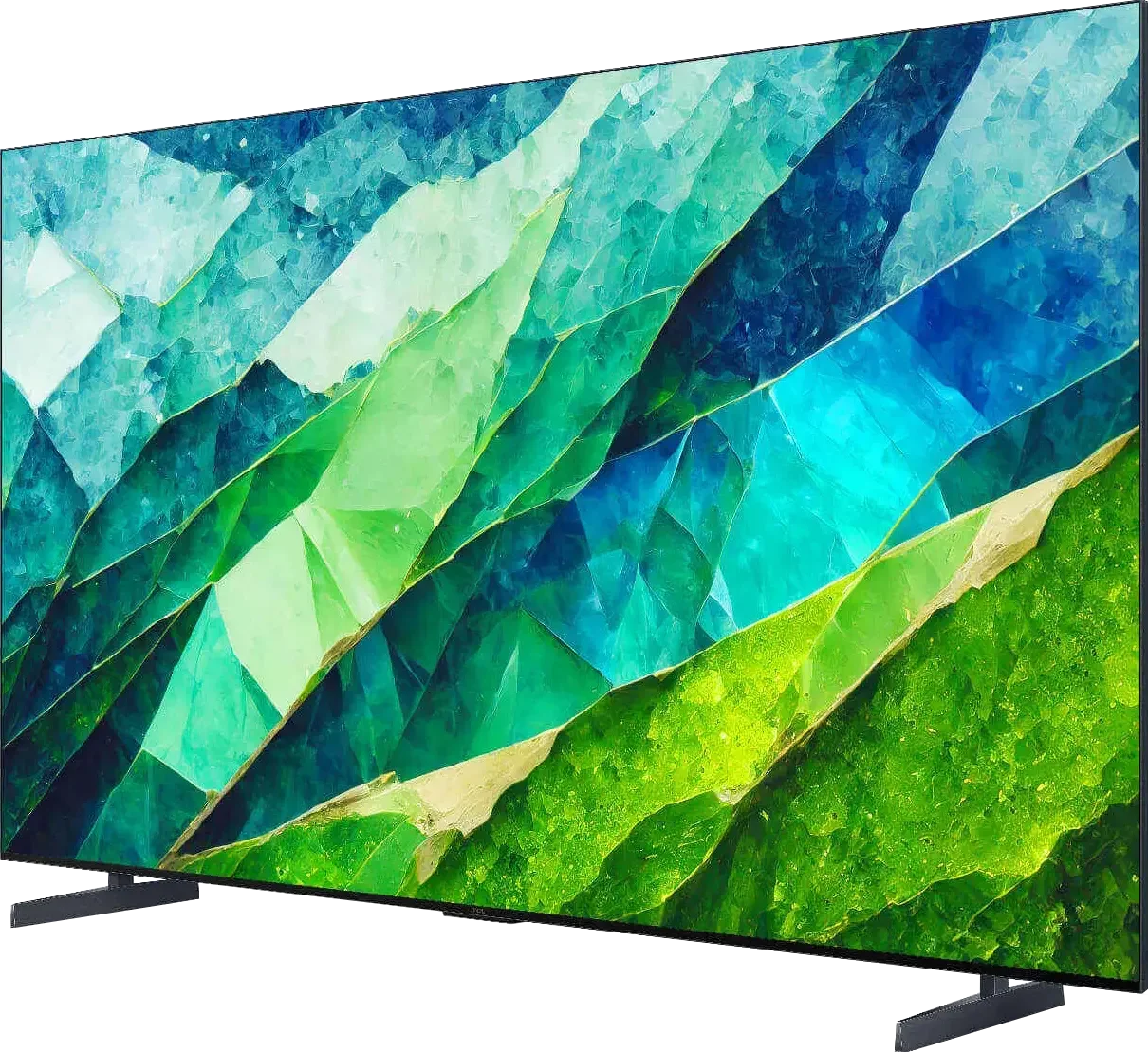
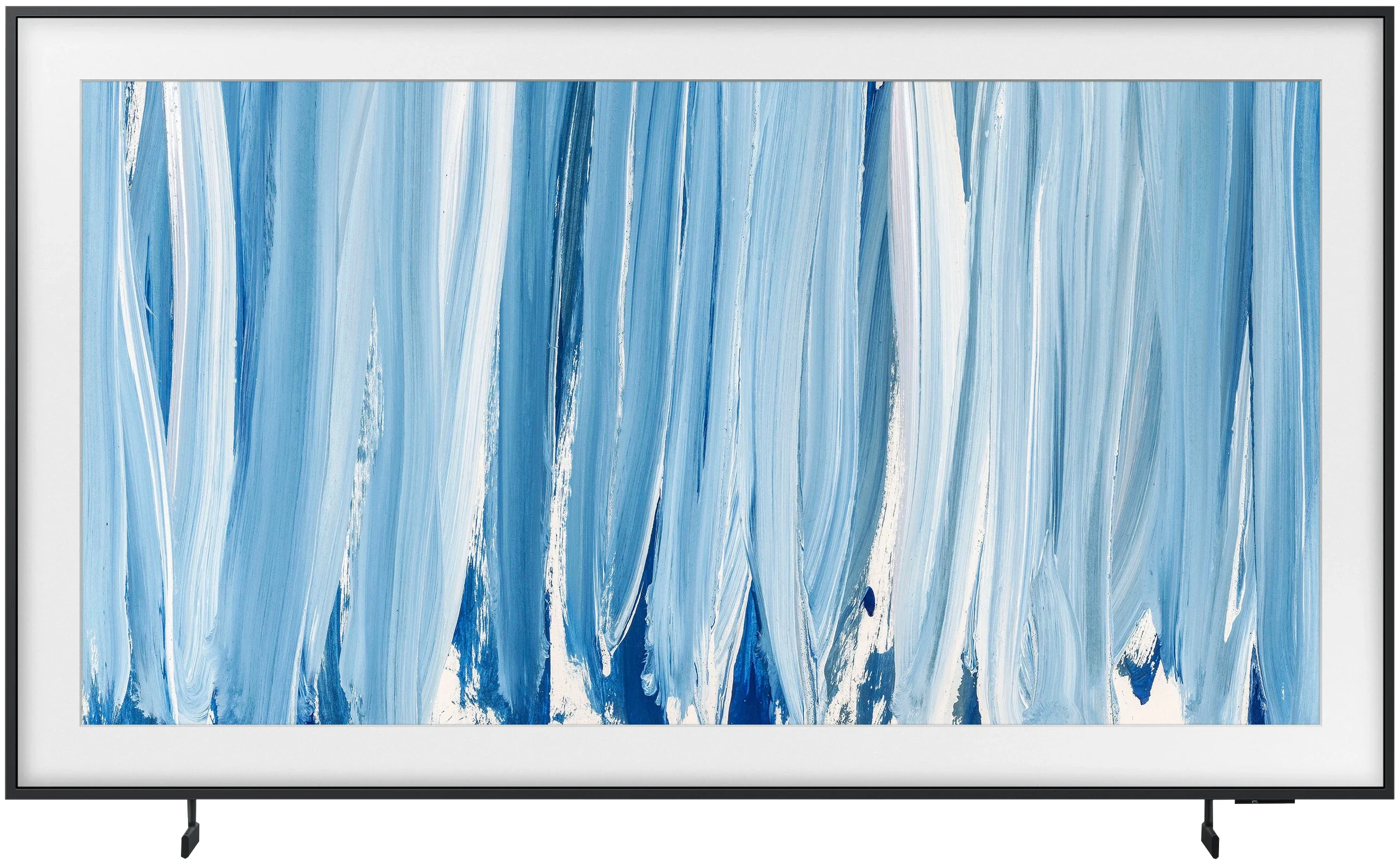
TCL C855 vs Samsung The Frame Pro 2026 (LS03HW)

Direct comparison

C855 / C85

The Frame Pro / LS03HW

Info

Available screen sizes: 65”75”85”98”

Available screen sizes: 55”65”75”85”

Panel type: LCD VA

Resolution: 3840x2160

System: Google TV

Model year: 2024

Complete the survey to find out the result

Panel type: LCD VA

Resolution: 3840x2160

System: Tizen

Model year: 2026

Complete the survey to find out the result

Overall rating

7.6

7.3

  • Movies and series in UHD quality

    7.5

    6.8

  • Classic TV, YouTube

    7.1

    6.5

  • Sports broadcasts (TV and apps)

    6.7

    6.9

  • Gaming on console

    8.8

    8.9

  • TV as a computer monitor

    8.6

    8.4

  • Watching in bright light

    7.4

    6.5

  • Utility functions

    6.7

    7.7

  • Apps

    9.6

    9.3

  • Sound quality

    7.2

    6.4

Advantages

  • Very large number of built-in applications

  • High contrast and deep blacks

  • Very good HDR effect in bright scenes

  • Very high brightness - great TV for bright rooms

  • Image quality comparable to much more expensive televisions

  • On-wall picture styling: interchangeable frames

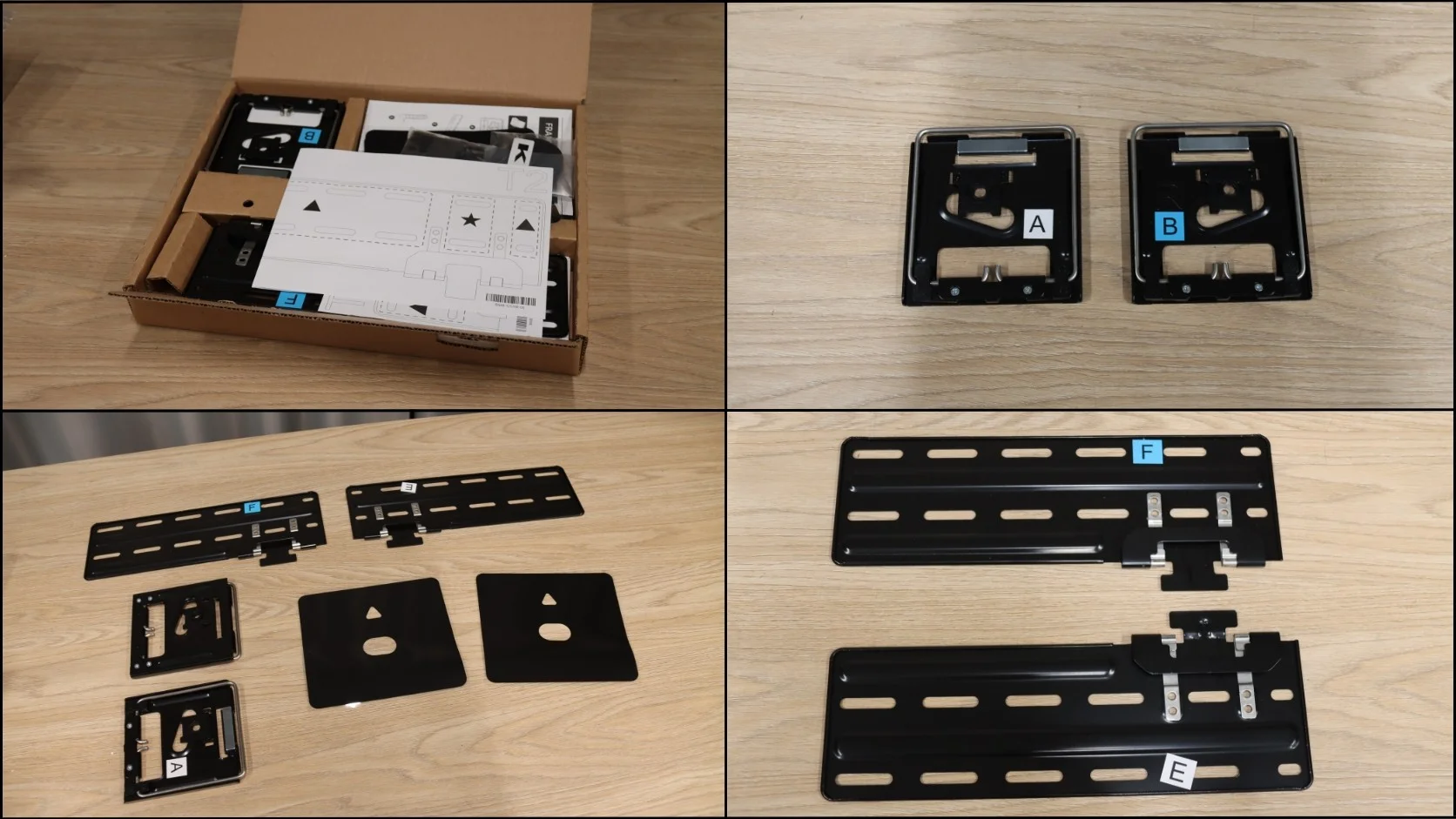
  • Well equipped: wall mount and Wiralles One Connect included

  • Art Store: the best artwork scans on the market

  • Matte screen finish: no reflections

  • High brightness 850–900 nits

  • Wide colour gamut (QLED)

  • Many gaming features: VRR, ALLM, refresh rate up to 240 Hz, Game Motion Plus

  • Smooth, sharp motion: relatively low motion blur for a VA panel

  • Tizen operating system, rich in modern features

Disadvantages

No like
  • Poor viewing angles

  • Poor factory colour reproduction (can be improved with calibration)

  • Poor black levels for a "Neo QLED" screen (edge-lit)

  • Art Store requires a monthly subscription (you can work around this by uploading your own photos 😉)

  • Poor viewing angles (they could be better to improve the on-wall picture effect)

  • High input lag when using the Wireless One Connect wireless module

Our verdict

Once again, the manufacturer shows that despite being a relatively young player in Poland (but not globally) when it comes to the RTV market, it certainly cannot be said that it is a second-rate choice. The TCL C855 is an incredibly versatile device that performs well in various applications and excels in its price range. Thanks to Mini LED backlighting, the results for contrast and black levels are very solid, allowing for a deep and vivid image. It is worth noting that the television's algorithm effectively manages to maintain uniformity of blacks, and the blooming effect is rarely noticeable. This backlighting is also a strong point for the television in HDR content, although with some reservations. The TCL C855 can achieve brightness levels of up to 1800 nits, which is an impressive result; however, brightness can drastically drop, even to around 200 nits, when a bright but small element appears on the screen. Another drawback is the boosted mid-tones, which can lead to a loss of contrast and reduce the image's alignment with the director's vision. The television also performs excellently when connected to a console or a powerful PC. In this category, the TCL C855 truly shows its strength, offering extremely low latency and high-quality gameplay, thanks to the full implementation of HDMI 2.1 features. The Google TV operating system is another advantage, providing the user with nearly unlimited possibilities for installing applications, even those outside the official store, thanks to support for APK files.

In summary, the TCL C855 is the ideal choice for those who know what they expect from a television. It is a good, versatile piece of equipment that, although not perfect, offers great picture quality, low gaming latency, as well as a flexible and expanded operating system.
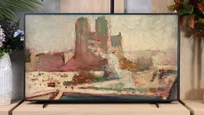
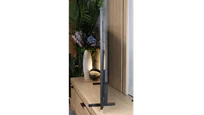
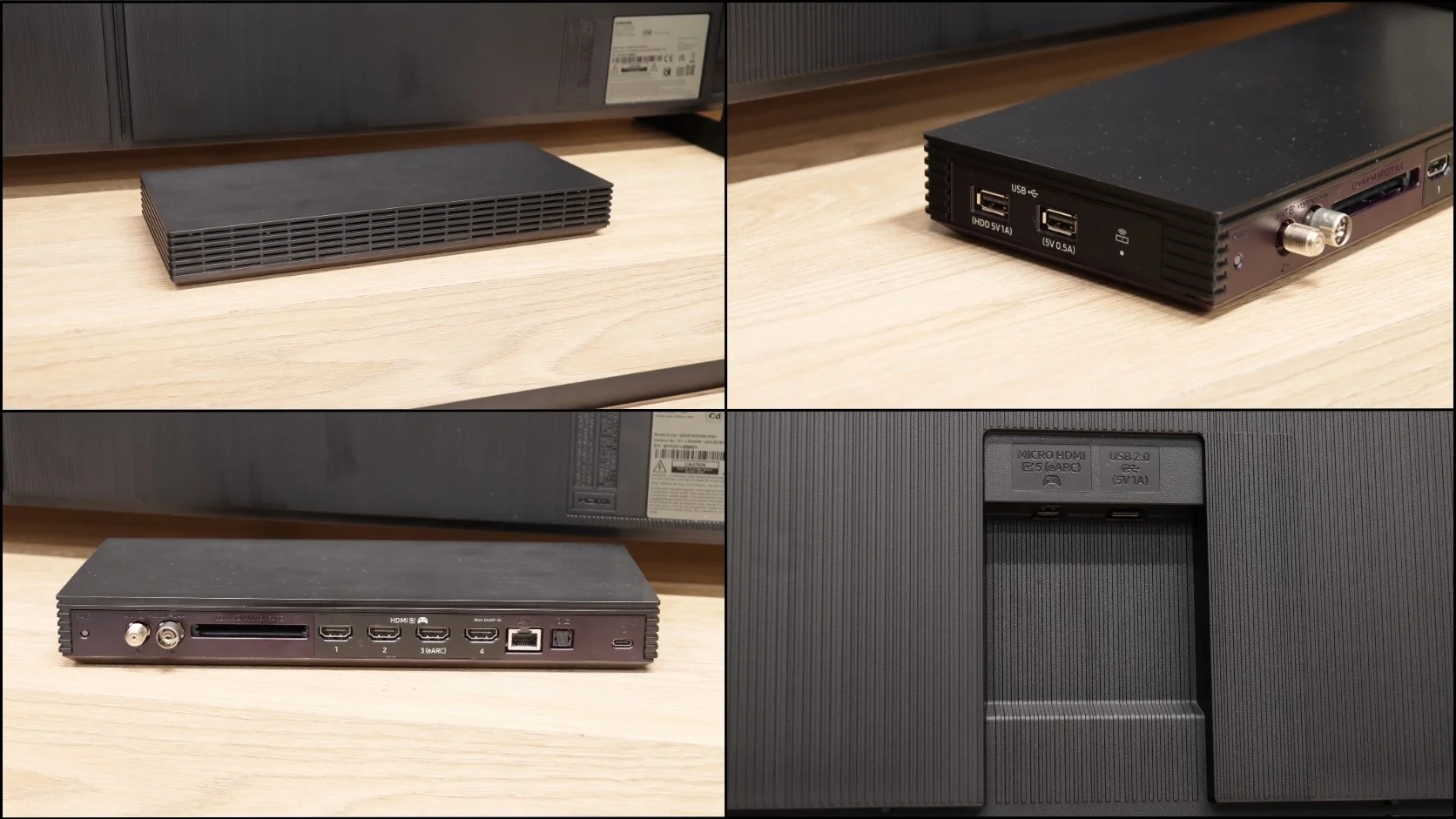
The Frame Pro 2026 makes the most sense when you want a TV that looks good in the living room and isn’t just another large black slab on the wall. And here Samsung still does something most manufacturers can’t match. Flush mounting, interchangeable bezels, Art Mode, a matte finish and the wireless One Connect mean that when The Frame Pro is hung correctly it can really look more like a piece of decor than AV equipment. In our view, it’s the best-executed TV of this kind on the market. Importantly, you don’t entirely pay for the looks with everyday performance. The Frame Pro is bright, the matte finish handles reflections very well, so it works really well in a brightly lit living room. Colors are vivid, motion is handled very well, and there are surprisingly many gamer-friendly features for a TV that’s primarily meant to “look better.” More questions arise when you consider the “Pro” badge and the fact it’s labelled as a Neo QLED screen. From that you might expect a large jump in picture quality over the regular The Frame, but in practice it isn’t that big. The TV uses Mini-LED backlighting and local dimming, but the zones are located at the edges of the screen. That’s a completely different approach than in more advanced Mini-LEDs, where the backlight works across the whole panel. That isn’t a major issue in bright, colorful scenes. It becomes more noticeable in the evening, especially in films with many dark scenes. Then you can see that black levels and backlight control are clearly weaker than in the best Mini-LED TVs. This is where it becomes most clear that “Pro” doesn’t mean top-tier picture quality in this case. An interesting alternative is the Samsung S99H. It has a strong design focus, but in terms of picture it really goes further. Of course it also costs significantly more, so it’s not a direct replacement but rather an option for someone who wants to combine both worlds with fewer compromises. So is it worth buying The Frame Pro 2026? We think yes, but only if you know what you’re paying for. The TV’s biggest strengths are its looks, Art Mode, very good performance in a bright living room, and the wireless One Connect. If that’s what you’re looking for, The Frame Pro is a very appealing option. If the main reason to pay extra is significantly better picture quality, we’re less convinced. It’s simply a better, more refined The Frame, not a full-fledged rival to the best Mini-LEDs.

TV appearance

HDMI inputs
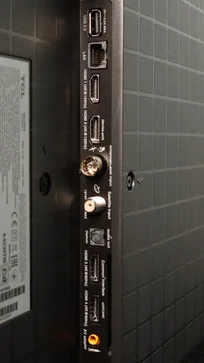
2 x HDMI 2.0, 2 x HDMI 2.1 (48Gbps)
0 x HDMI 2.0, 5 x HDMI 2.1 (48Gbps)
Other inputs
RCA (Chinch)
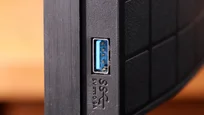
USB-C, Micro-HDMI
Outputs
Toslink (Optical audio), eARC (HDMI), ARC (HDMI)
Network Interfaces
Wi-Fi 2.4GHz, Wi-Fi 5GHz, Ethernet (LAN) 100Mbps
Build quality
Premium
Premium
Stand type
stand-type-
Legs
Bezel color
Graphite
Graphite
Stand
Height adjustment
Flat design
No
Yes
Accessories
Stand
Stand, Wall bracket, One Connect Box

Contrast and black detail

8.6/10

5.3/10

Local dimming function: Yes, number of zones: 1344 (48 x 28)

Local dimming function: Yes, number of zones: 24 (1 x 24)

Contrast:

Review TCL C855 Contrast and black detail

Result

∞:1

Review TCL C855 Contrast and black detail

Result

176,000:1

Review TCL C855 Contrast and black detail

Result

54,000:1

Review TCL C855 Contrast and black detail

Result

30,500:1

Review TCL C855 Contrast and black detail

Result

13,700:1

Review Samsung The Frame Pro 2026 (LS03HW) Contrast and black detail

Result

5,400:1

Review Samsung The Frame Pro 2026 (LS03HW) Contrast and black detail

Result

3,250:1

Review Samsung The Frame Pro 2026 (LS03HW) Contrast and black detail

Result

3,900:1

Review Samsung The Frame Pro 2026 (LS03HW) Contrast and black detail

Result

3,750:1

Review Samsung The Frame Pro 2026 (LS03HW) Contrast and black detail

Result

3,900:1

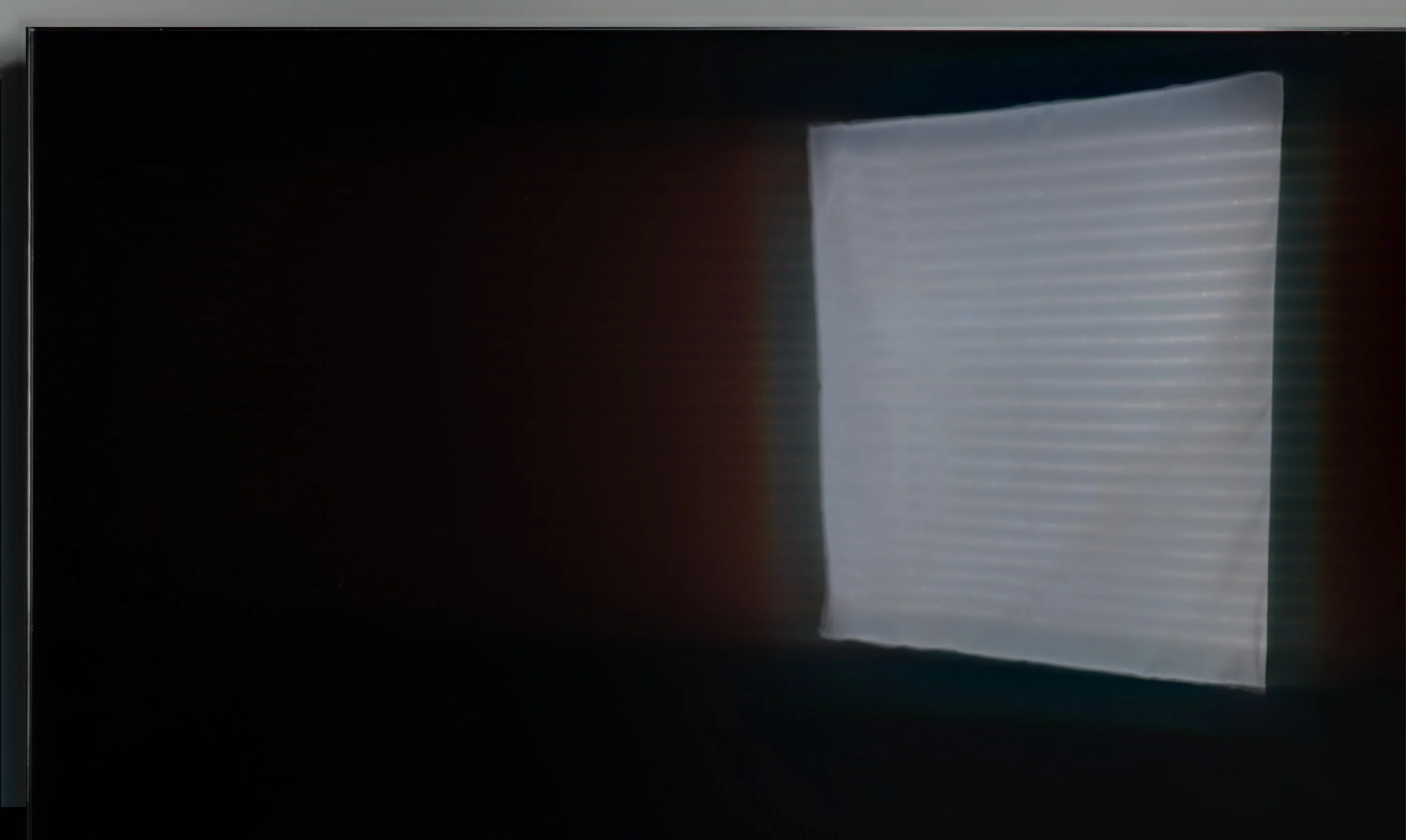
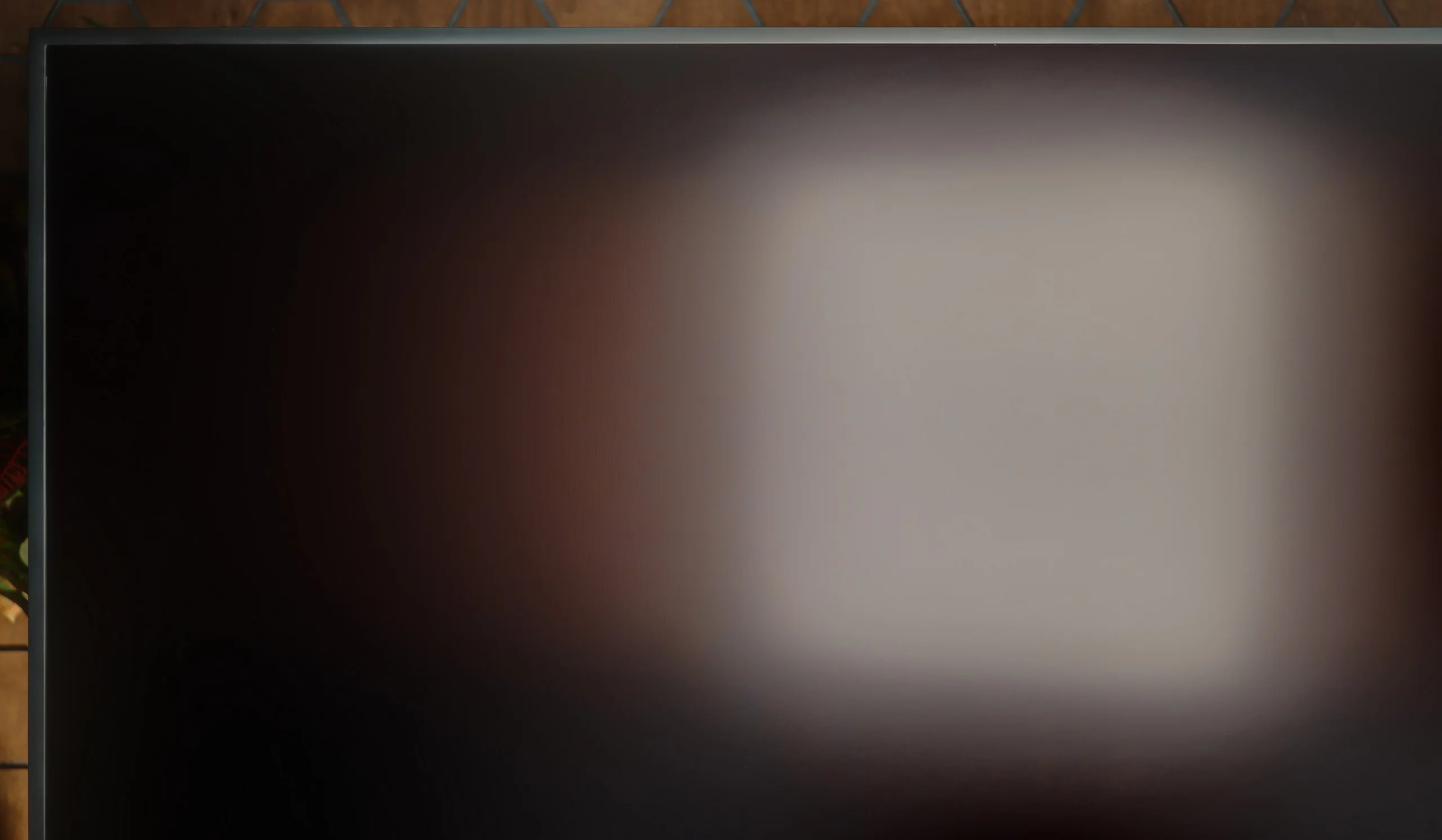
Halo effect and black detail visibility:

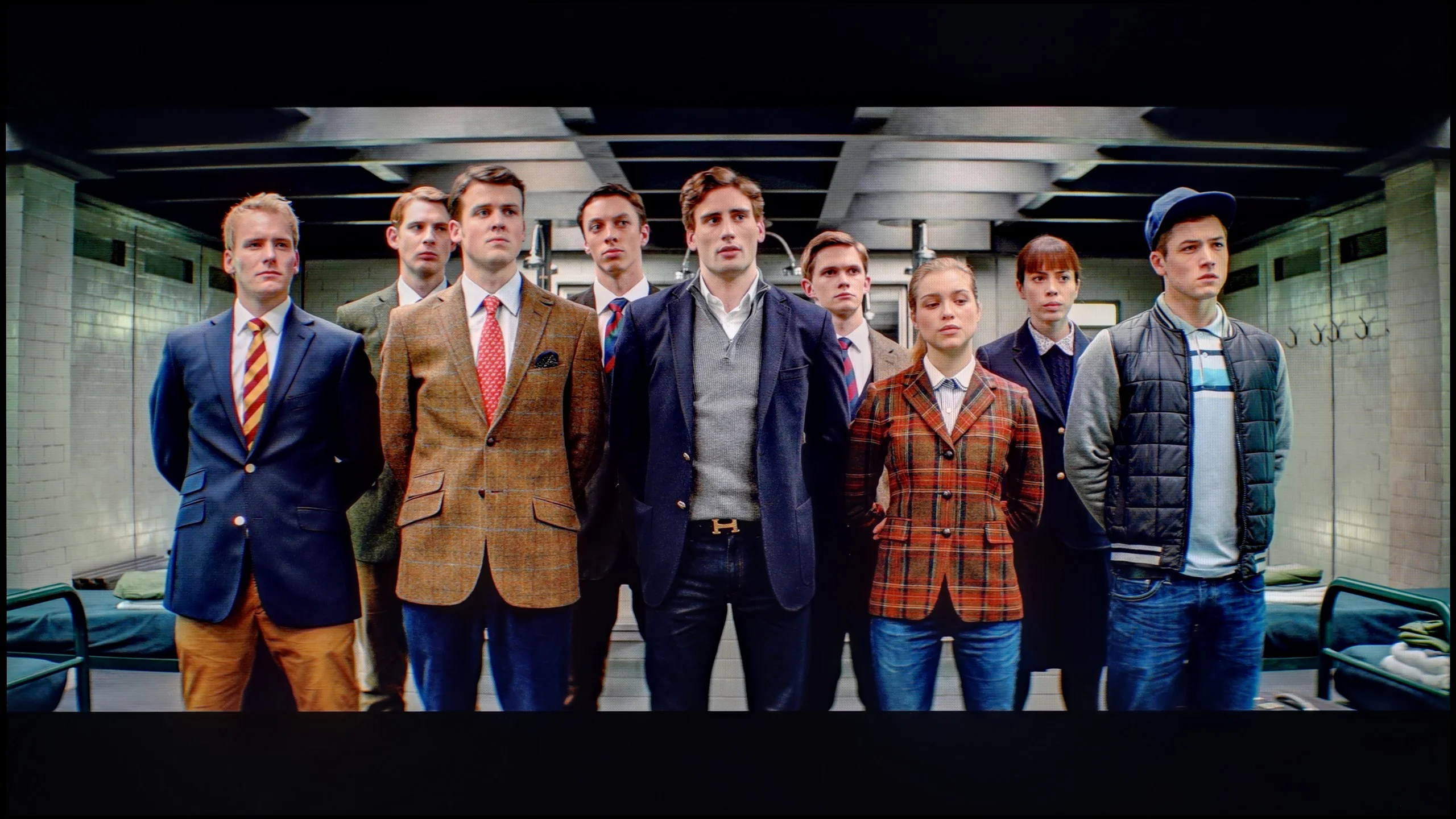
Check the visibility of bright lights on a dark background. Mini-LEDs often struggle with this. The photo does not compare black levels – that’s what the video below is for.

The video accurately shows differences in contrast and black levels between TVs, as well as potential issues: halo around bright objects or Mini-LED zone operation visible as brightness jumps.

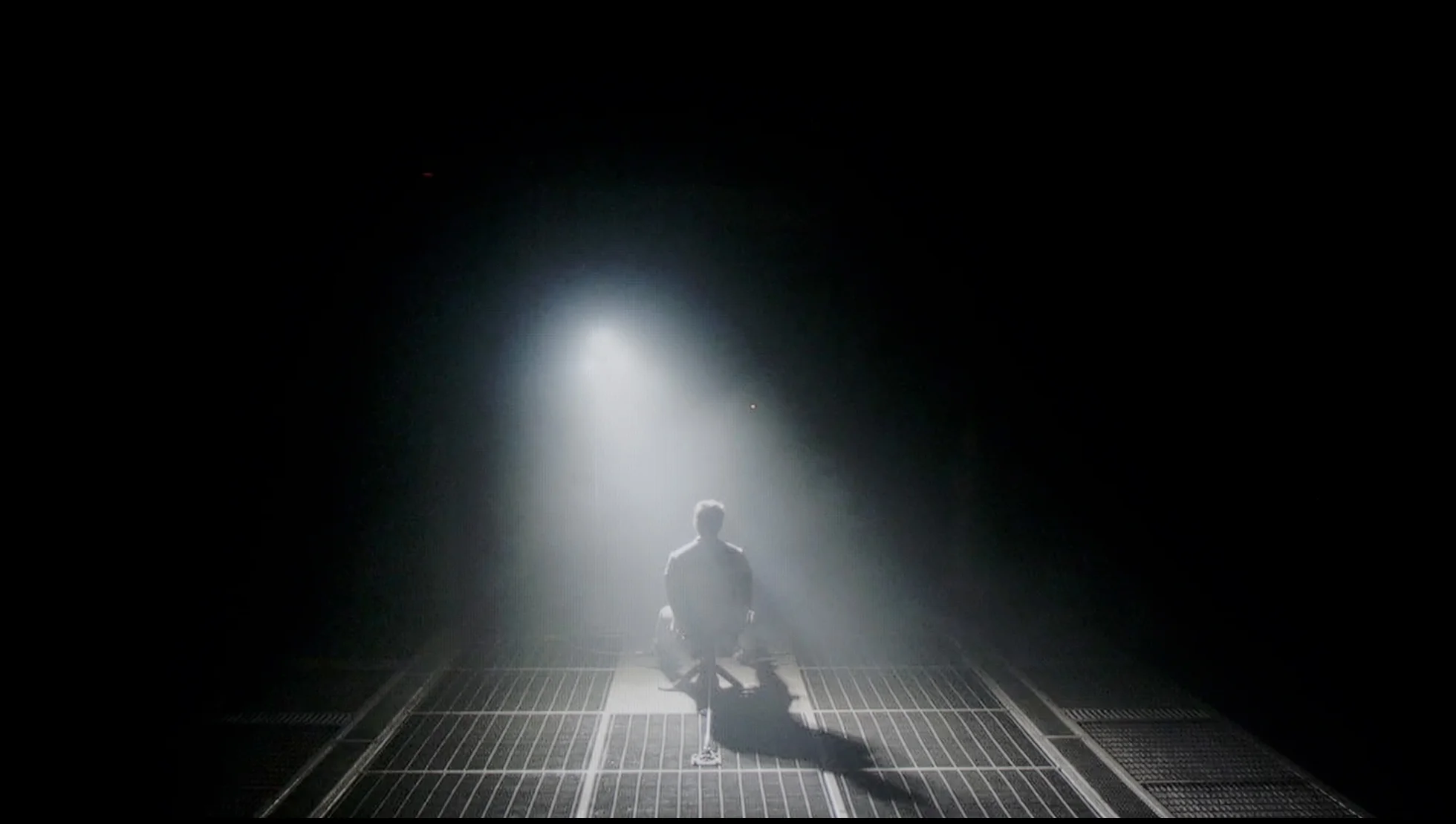
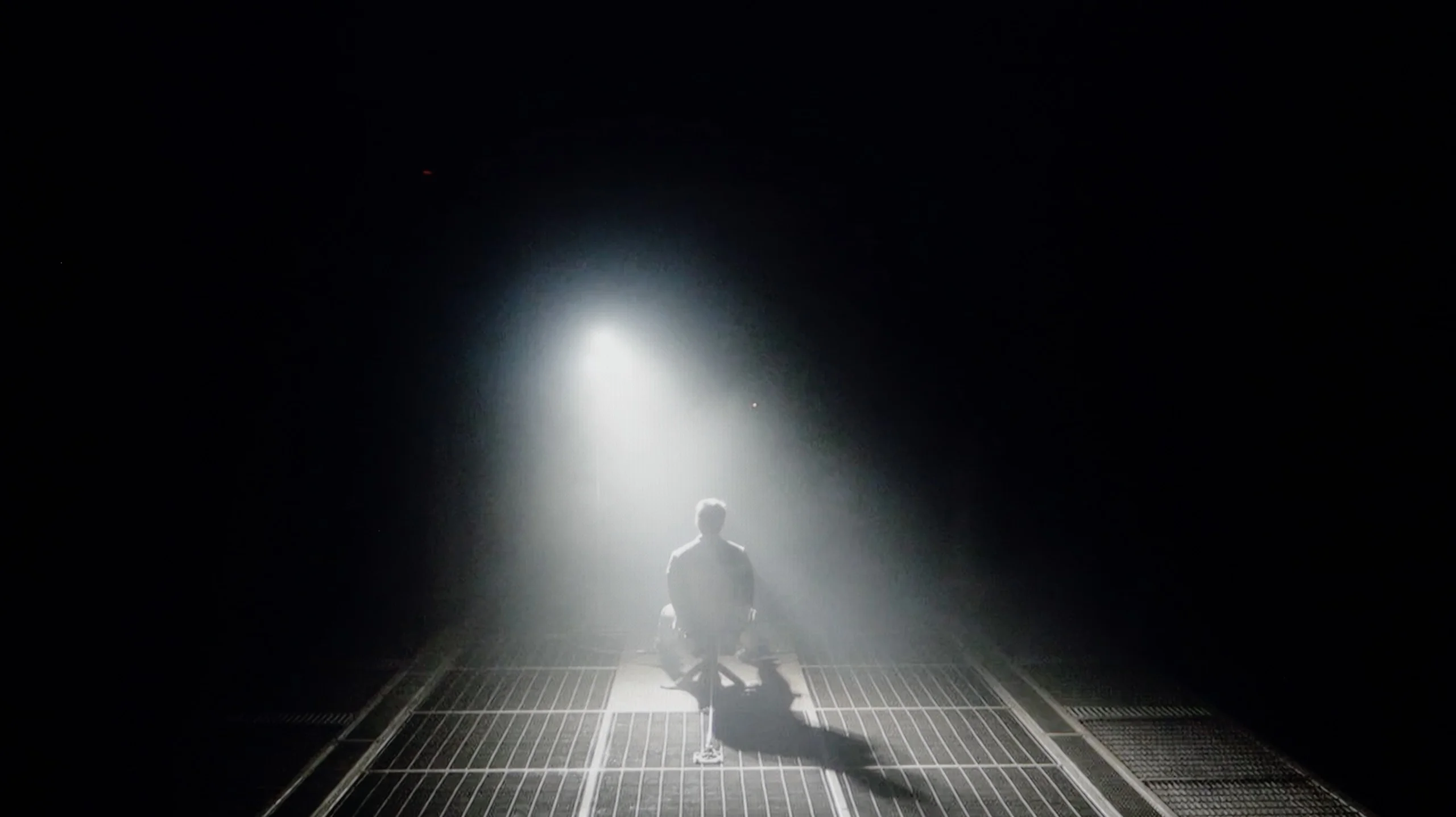
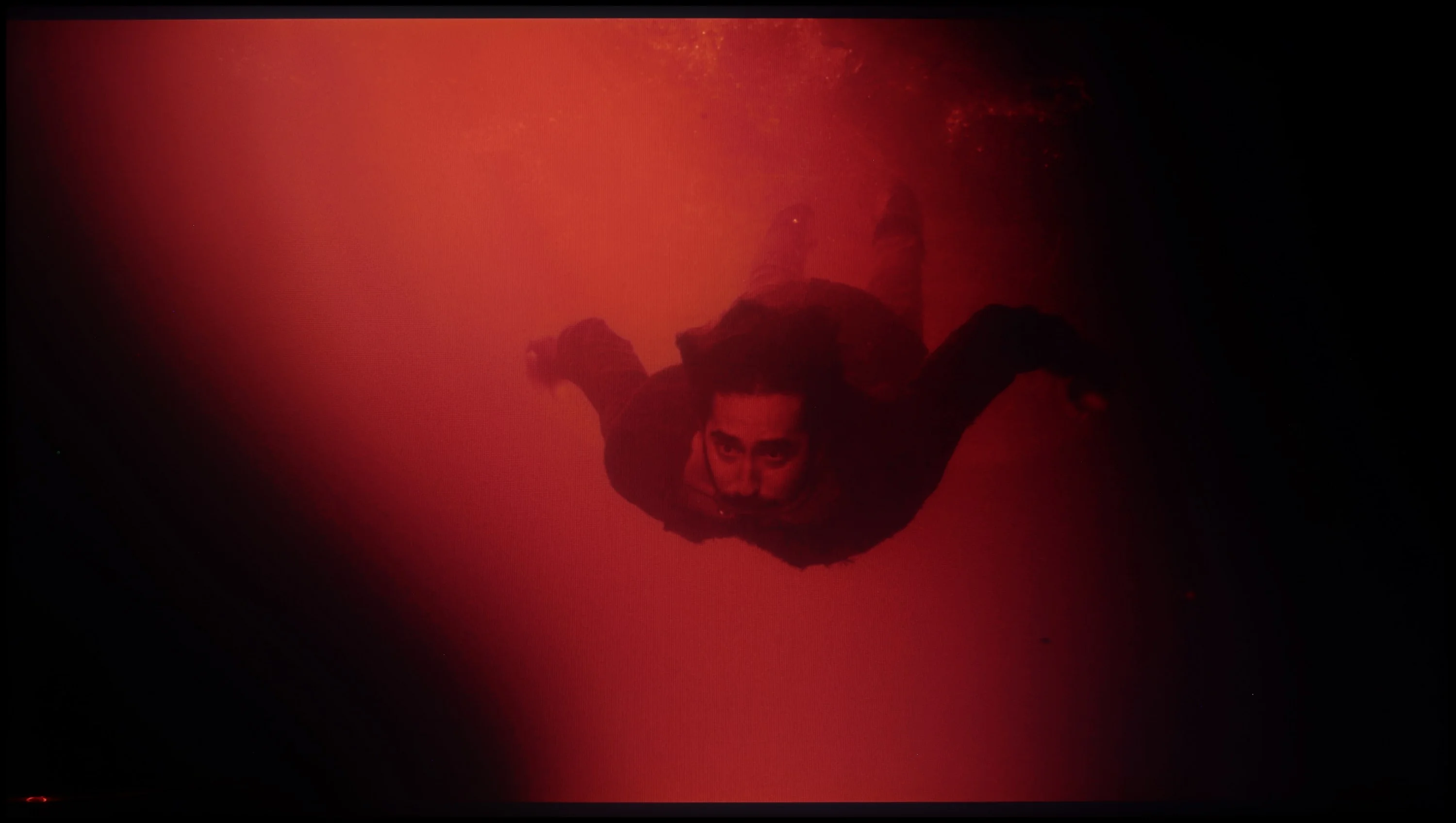
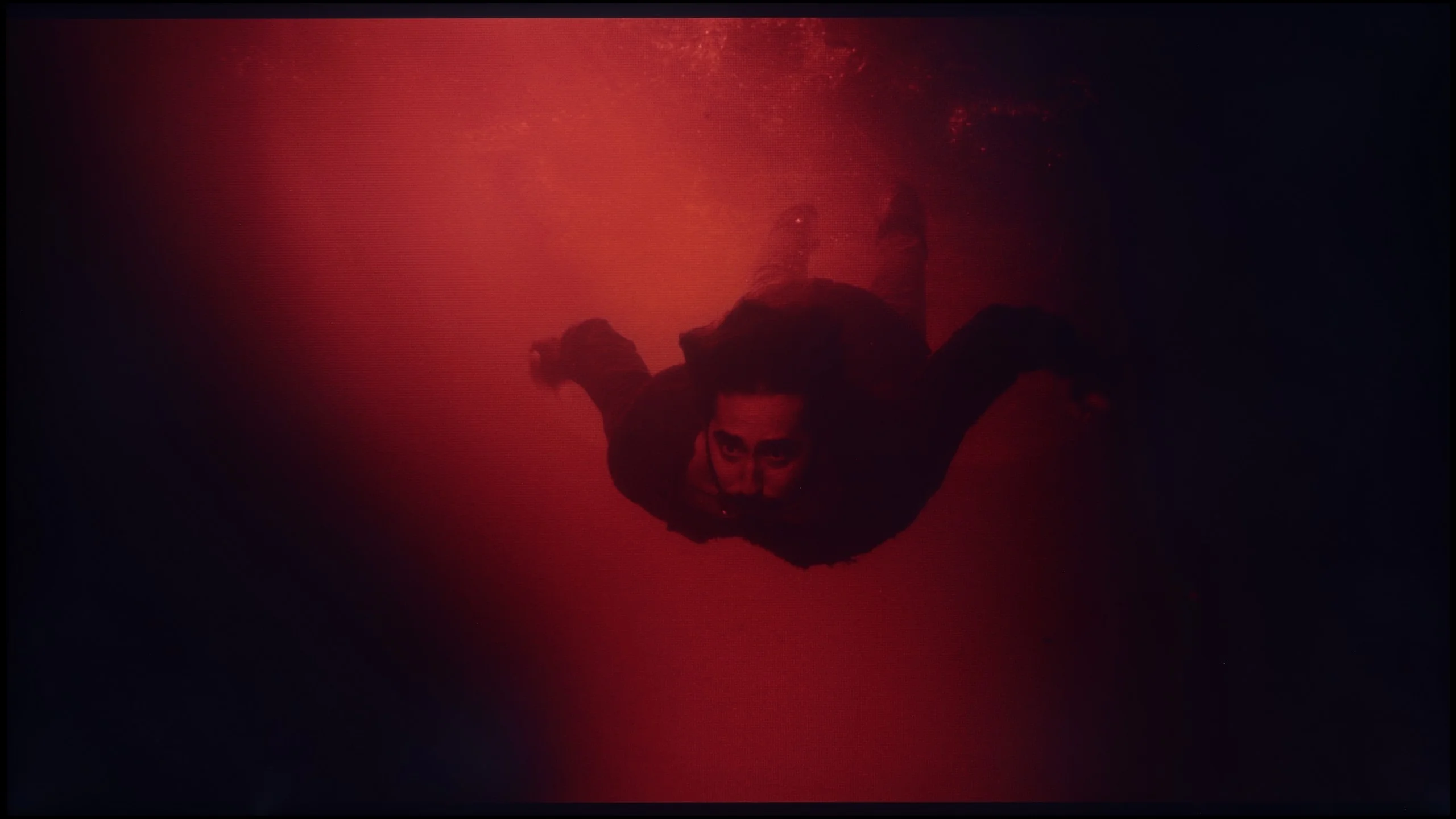
TCL C855 uses a high-contrast VA panel. The ANSI contrast (without dimming) reached a very respectable 5238:1, which allows for at least very good black levels. Additionally, the panel is equipped with multi-zone Mini LED backlighting, which is divided into 1344 independent dimming zones for the 65-inch model. This number allows for very good results in our tests. It is worth noting that TCL, as one of the few manufacturers, offers such a panel specification without spending excessively, unlike the classic big four manufacturers. As you can see, in the vast majority of scenes we've prepared, the results are impressive, particularly in the first three scenes, as even in the third, with a result of 54,000:1, it cannot be said that the black levels and contrast are weak, as they are more than satisfactory. These worsen in two scenarios: scenes with film strips and when there are many elements surrounded by black on the screen. And just as the last of the test scenes still has excellent contrast, in the final tested scenario, a slight blooming of blacks can be noticed. The frame from the film "Oblivion" performed excellently on TCL C855, and the level of black can even be compared to OLED screens, which is no small feat. It is also worth noting the good separation of lights, which is not an easy thing to achieve. Our flagship scene from "Sicario 2" also performed well in terms of contrast, but it is evident that details are lost in the blacks on the first, second, and third planes. The operation of the backlight control algorithm, which minimizes halo/blooming effects to an absolute minimum, deserves praise as well. However, it is worth noting that very small elements, such as stars, can sometimes be completely dimmed by the TCL C855.

The Frame Pro formally belongs to the Neo QLED family, so it uses Mini-LED backlighting. Except this isn't the same kind of Mini-LED we know from most TVs in that series. Instead of a large number of zones placed behind the panel, it only has a single row of zones at the edge. In practice it's an edge-lit design that simply uses smaller LEDs. Unfortunately that's quite quickly visible in blacks. There's just not enough local dimming here for the TV to handle more demanding scenes well. In our measurements contrast most often fell in the range of 3,000–5,000:1, so it's hard to speak of the level you'd expect from more advanced Mini-LEDs. You see it most when single bright elements appear on a dark background. A larger part of the image lights up with them, which makes blacks look noticeably shallower, almost navy. The Sicario 2 scene illustrates this well. Because of that placement of the zones, the TV simply doesn't have the precision to show it any other way. The Frame Pro uses Mini-LED, but its black performance is much closer to simpler designs. It's a bit of a shame, because this is the element we complained about most last year.

HDR effect quality

6.6/10

6/10

Supported formats
HDR10, HDR10+, Dolby Vision, Dolby Vision IQ, HLG
HDR10, HDR10+, HLG
Color gamut coverage
DCI P3: 97.0%, Bt.2020: 79.0%
DCI P3: 95.0%, Bt.2020: 71.8%

Luminance measurements in HDR:

Review TCL C855 Brightness measurement

Result

1472 nit

Review TCL C855 Brightness measurement

Result

445 nit

Review TCL C855 Brightness measurement

Result

754 nit

Review TCL C855 Brightness measurement

Result

237 nit

Review TCL C855 Brightness measurement

Result

1820 nit

Review Samsung The Frame Pro 2026 (LS03HW) Brightness measurement

Result

834 nit

Review Samsung The Frame Pro 2026 (LS03HW) Brightness measurement

Result

536 nit

Review Samsung The Frame Pro 2026 (LS03HW) Brightness measurement

Result

545 nit

Review Samsung The Frame Pro 2026 (LS03HW) Brightness measurement

Result

460 nit

Review Samsung The Frame Pro 2026 (LS03HW) Brightness measurement

Result

668 nit

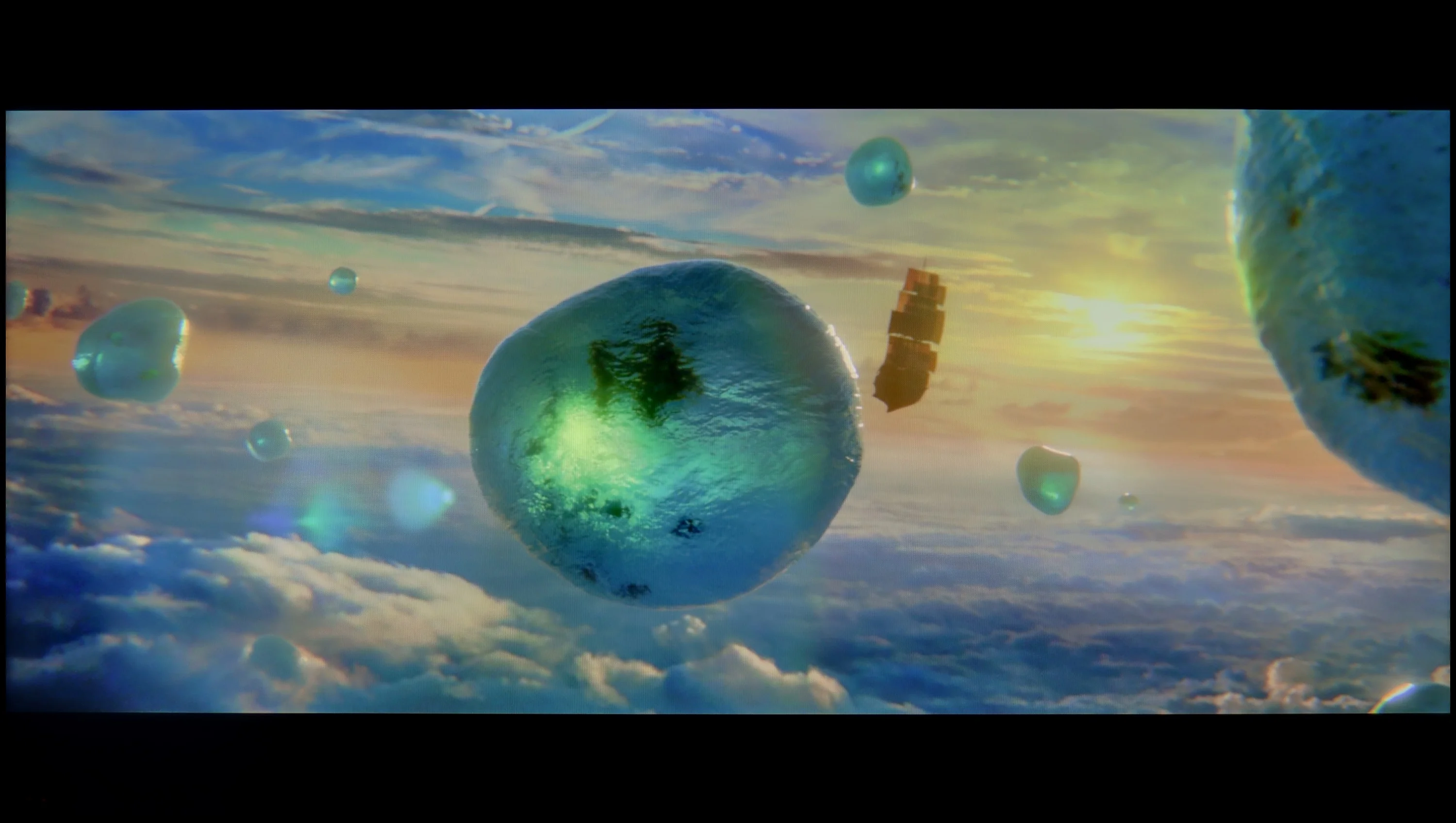
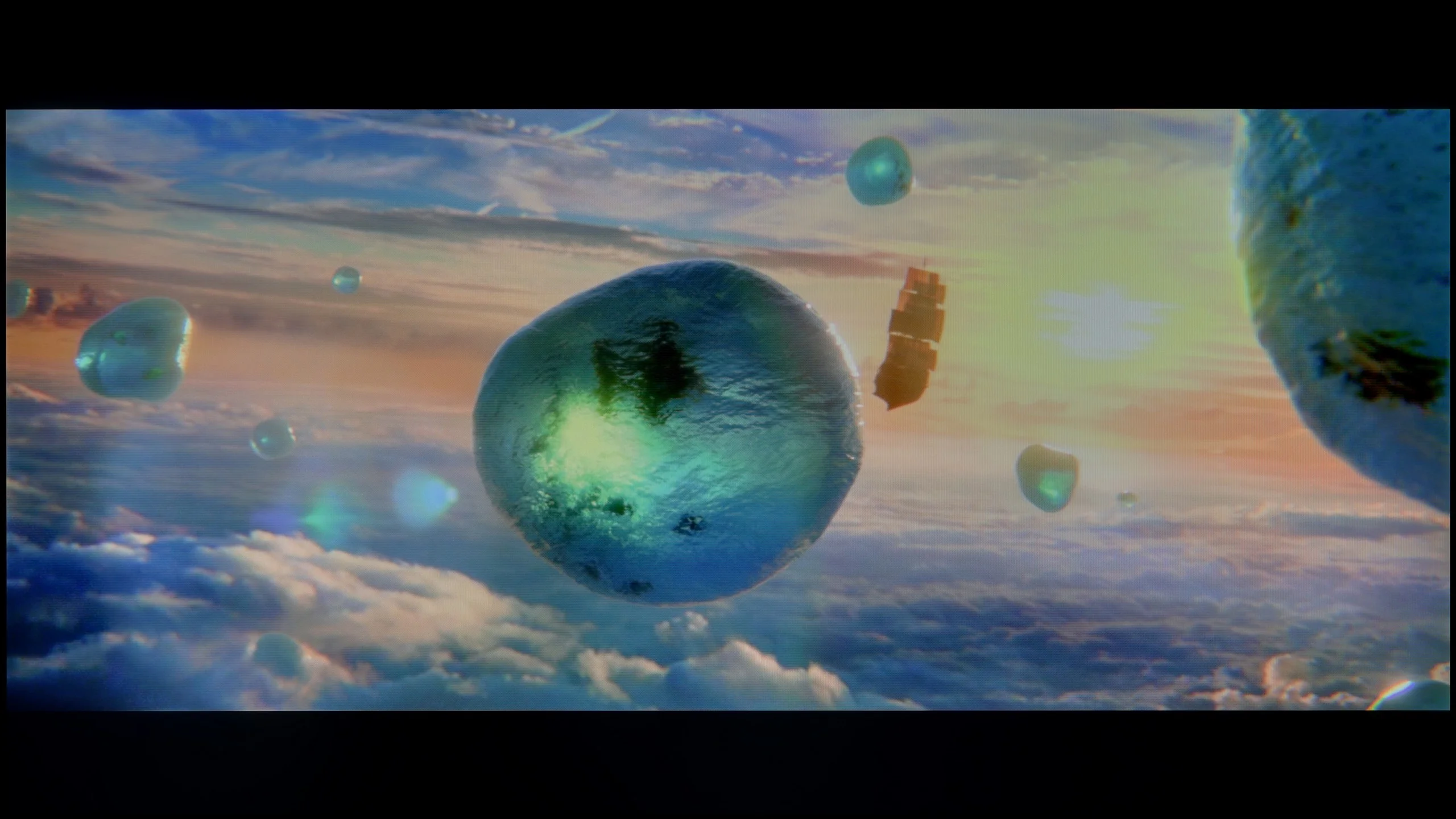
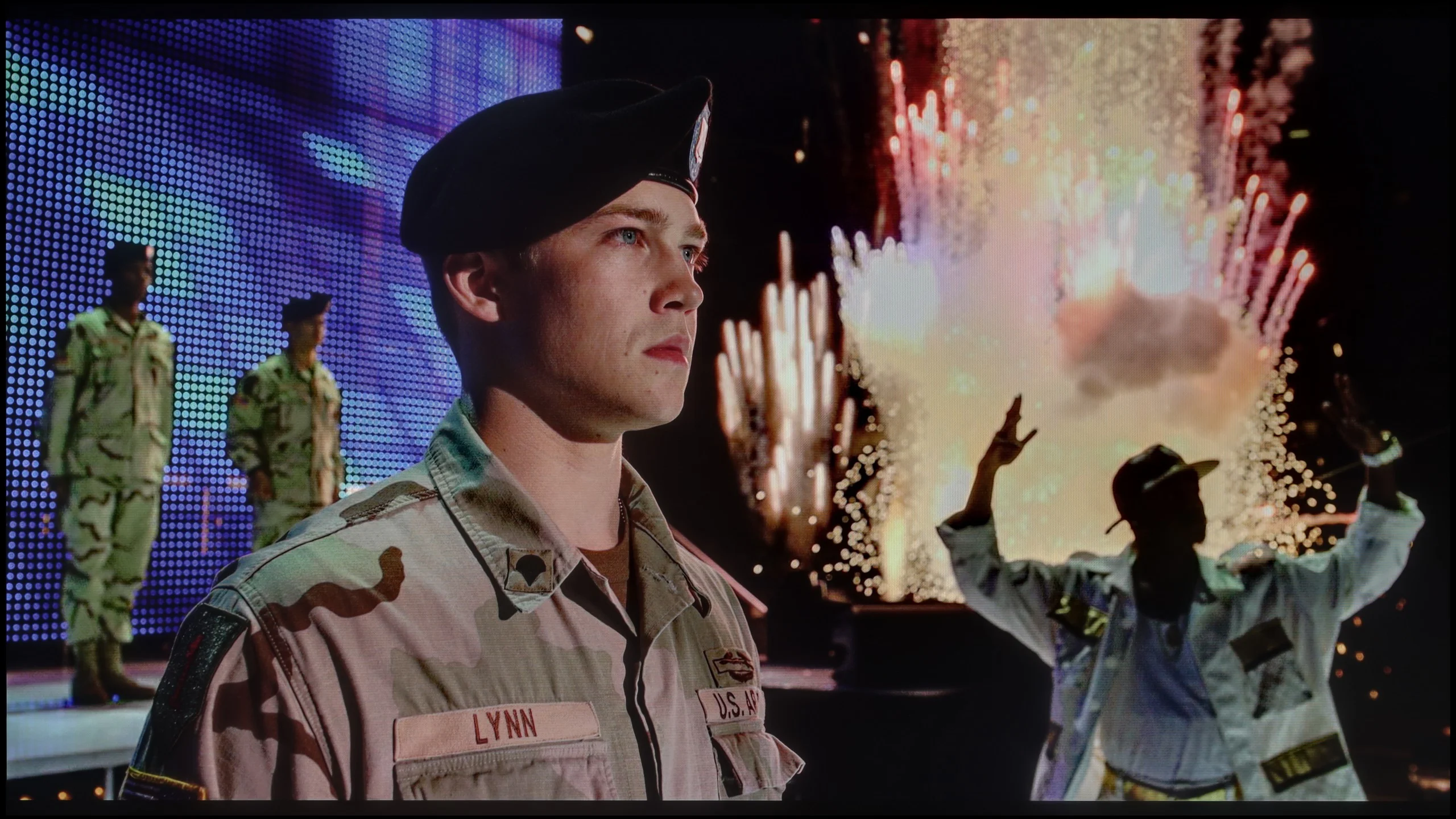
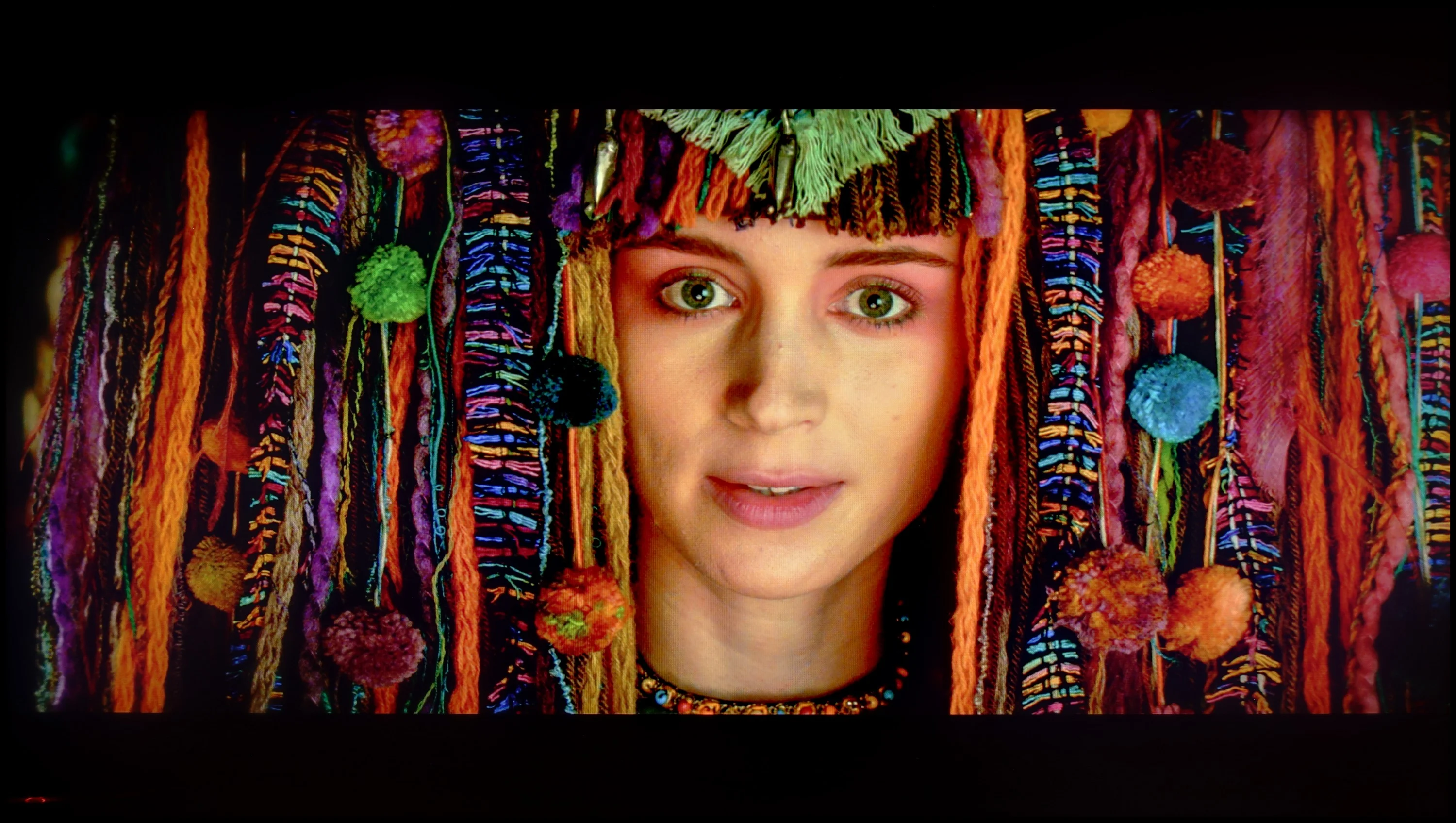
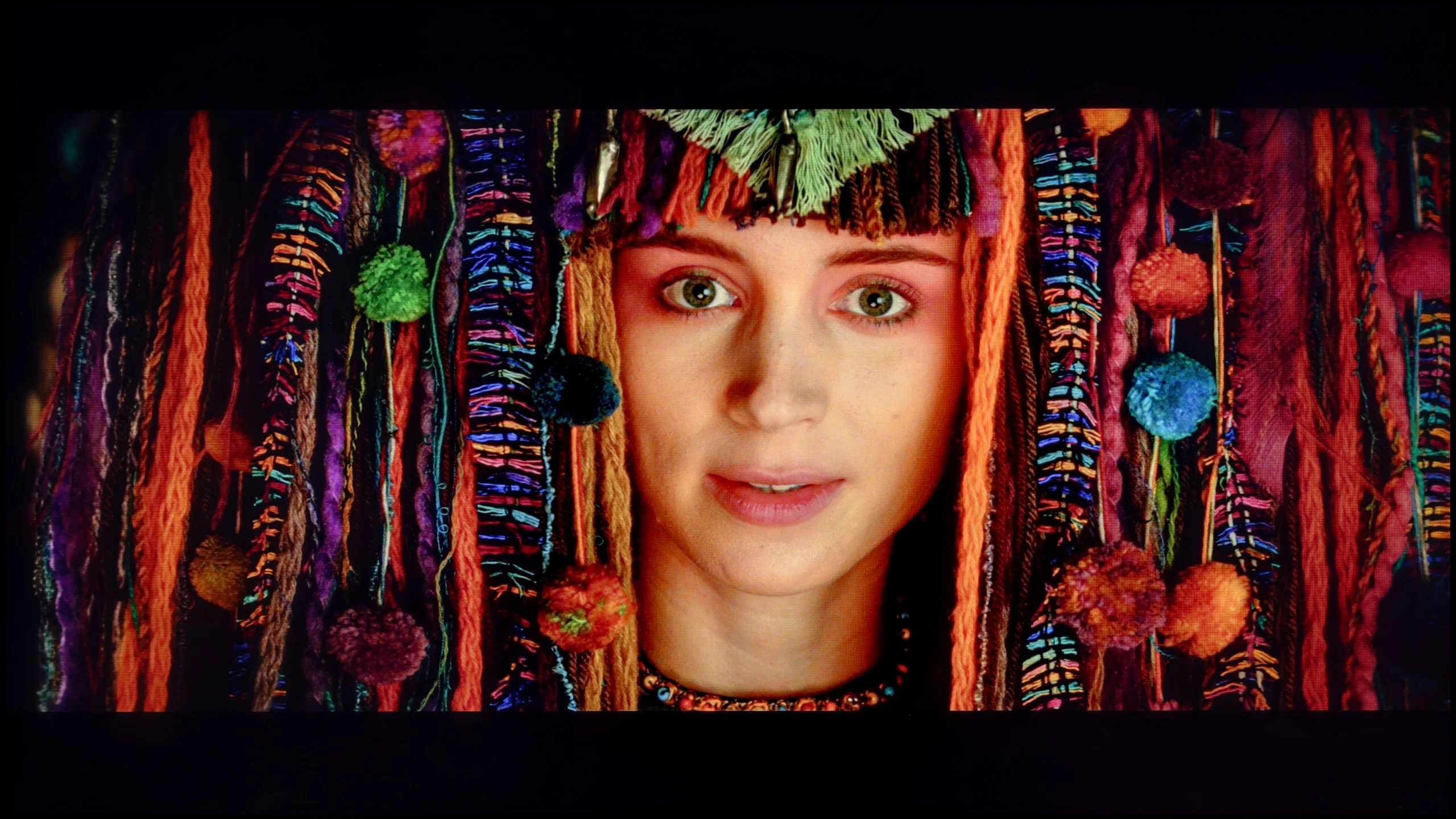
Scene from the movie “Pan” (about 2800 nits)

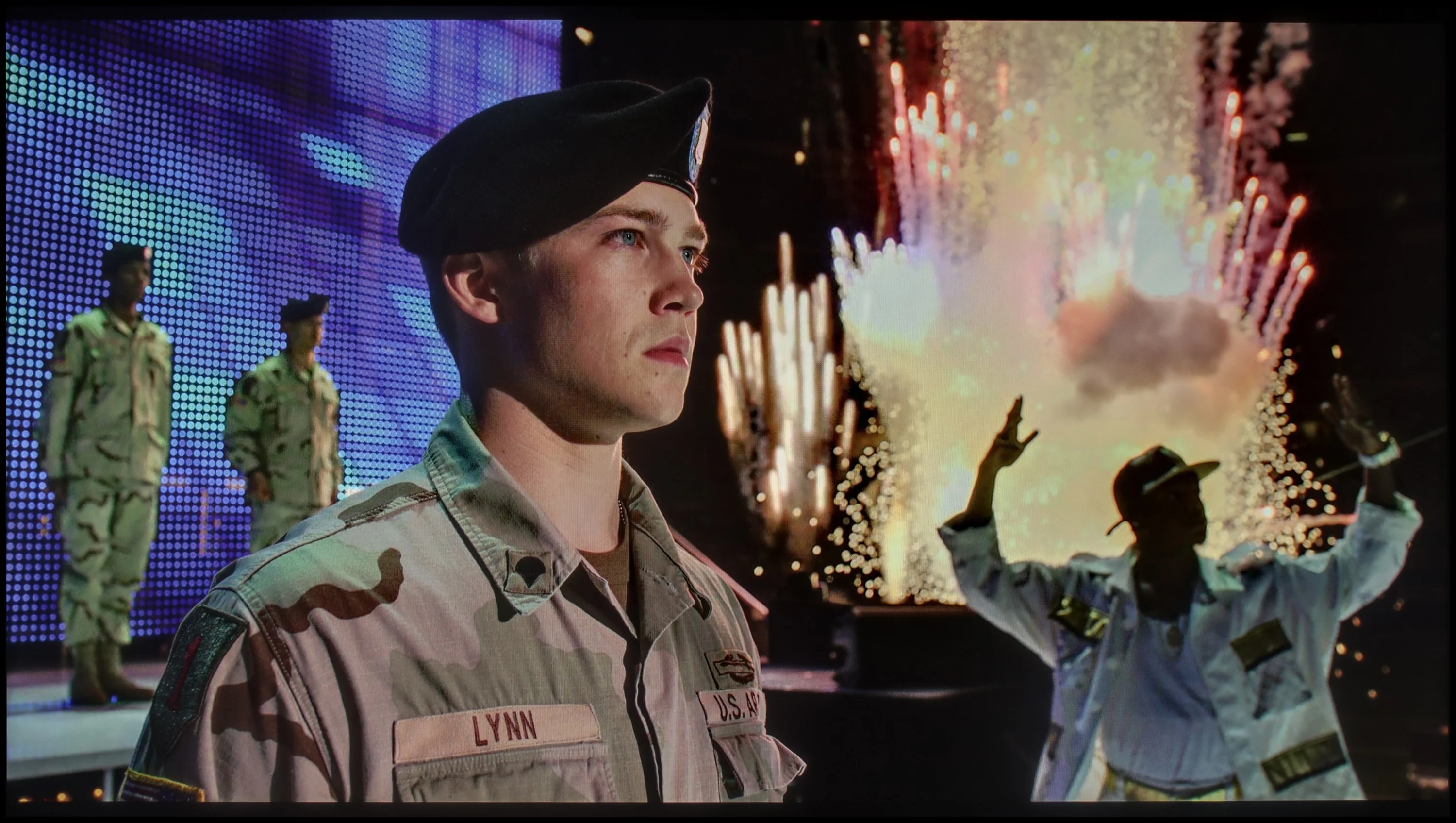
Scene from the movie “Billy Lynn” (about 1100 nits)

The photos show two HDR10 movies. 'Pan' is one of the brightest productions ever made, while 'Billy Lynn' (soldier) has brightness typical of streaming (Netflix, Prime, HBO MAX). Notice the intensity of effects and detail in whites.

Static HDR10

The photos present the visibility of white details in various HDR formats. They do not show brightness differences between TVs (these can be compared in the previous gallery).

Dynamic: Dolby Vision

Dynamic: HDR10+

The photos present the visibility of white details in various HDR formats. They do not show brightness differences between TVs (these can be compared in the previous gallery).

HDR luminance chart:

Samsung The Frame Pro 2026 (LS03HW)

TCL C855

TCL C855 delivers a highly varied HDR effect. On one hand, the television truly shines, while on the other, it resembles a lower model with FALD backlighting. Such a state of affairs is regularly observed with this brand, so it was not a surprise for us. The first and last scene, which has large light elements, looks phenomenal, "shining" with brightness levels of 1470 and 1820 nits respectively. Such effects will certainly make many people squint, while simultaneously feeling the extraordinary dynamism of the scene itself. You can truly feel as if you were inside the movie. The situation drastically changes when small or minor elements with high luminance surrounded by black appear on the screen. The TCL C855, to avoid the halo effect, significantly reduces brightness to a level of even 240 nits, which is a disappointing outcome, causing the film to not look like it was shot in HDR. The HDR effect in TCL C855 makes watching dynamic scenes more engaging, and the viewer can feel like they are part of the action. Even with smaller elements of high luminance, the television manages to maintain details without excessive dimming. Moreover, the TCL C855 test shows that the brightness of the image is adapted to scenes with a large amount of detail, increasing viewing comfort.

You can't fault The Frame Pro for one thing: brightness. At peak we measured about 850-900 nits, so the TV has plenty of power to make many HDR scenes look really impressive. Bright, full-screen shots and more colourful frames perform best. In those scenes The Frame Pro can make a good impression — the image is bright, punchy and has the effect we expect from HDR. In our measurements some scenes reached over 800 nits, and even in tougher passages the TV maintained a fairly respectable brightness level.

The problem starts when HDR depends on small bright elements shown against a dark background. Single lamps, stars or reflections can be bright, but very often the black level across a larger part of the image also rises. As a result the bright point itself can look good, but the whole frame loses a lot of quality. That means The Frame Pro shows HDR best in scenes that are simply full-screen. If a film or series contains many such shots, the effect can be genuinely enjoyable. In darker material the limits of local dimming become much more noticeable.

Colours

The Frame Pro deserves praise for its colour gamut coverage. The TV uses quantum dots, the solution known as QLED, so it can deliver really well-saturated colours. In our measurements coverage of the important DCI-P3 palette was around 94.5%, while the more demanding BT.2020 was about 72%.

Those are very solid results that in most scenes produce pleasant, saturated colours. Of course they are not as eye-catching as the values from the latest panels using RGB backlights, but The Frame Pro makes up for that in another way — colour stability. Regardless of the scene, colour saturation remains fairly consistent and there aren't situations where the TV loses colour badly in more demanding frames.

Factory color reproduction

5.2/10

5.5/10

This gallery shows how colors change after professional TV calibration. If you notice the difference, we recommend ordering this service at SkalibrujTV.com.

Factory Mode

After calibration

This gallery shows how colors change after professional TV calibration. If you notice the difference, we recommend ordering this service at SkalibrujTV.com.

Factory Mode

After calibration

The best factory mode for the TCL C855 is "Film," and it is on this mode that we conducted all our tests. However, like every mode predefined by the manufacturer, it had flaws that are worth correcting to achieve an image that is as close as possible to what the film producer intended. We will look at the colour characteristics in both SDR and HDR materials. Taking the former into account, we see a clear dominance of green in the white balance, which, as you might guess, gave an unpleasant greenish tint to the entire image. Examining a very important gamma chart, responsible for the contrast of the image, we see a significant deviation from the reference line marked at 2.4. From the left, we can observe a strong spike in the measured value, which at this point caused contrast exaggeration and blending of details into a dark blob. This state of affairs persisted for quite a while, up to 20% of the chart’s value, before then diving below the reference. This, in turn, meant that the image was brightened and contrast decreased significantly. The factory mode performed somewhat better in HDR materials, as the white balance looked quite good, except for the second half, where green again took over. Looking at the EOTF curve, which, unlike gamma, shows the rate of brightness increase, we see primarily two errors: the darkest scenes were too dark, and the brightest ones were overexposed. This, by the way, could be observed in the scene from the film "Pan" in the check paragraph for the TV's HDR.

In SDR material The Frame Pro in Filmmaker mode performs quite well, though it falls short of perfect. White balance is relatively even, but as brightness increases the blue component diminishes, so brighter parts of the image can have a slightly warmer tint. A bigger difference is visible in the gamma, i.e. the screen’s brightness handling. Across most of the range it runs below our reference point, which means the TV brightens the midtones a little. As a result, the image can appear a little brighter and less contrasty than it should. The colour errors themselves aren’t huge, but they’re noticeable enough that calibration can still make a significant improvement.

In HDR content the white balance looks similar, being fairly even across much of the range, with larger deviations appearing only at higher brightness. The EOTF curve, however, is more revealing. The Frame Pro holds up fairly well against the reference values in the brighter parts of the image, but clearly lifts the darkest parts. This is primarily due to the TV’s backlight design. This also affects the colours. With less saturated colours the errors are still moderate, but they become significantly larger as saturation increases. In Colour Checker measurements many samples already show high error values. So the out-of-the-box HDR can be considered decent, but it’s definitely not an image we’d call very accurate.

Color reproduction after calibration

6.9/10

8.5/10

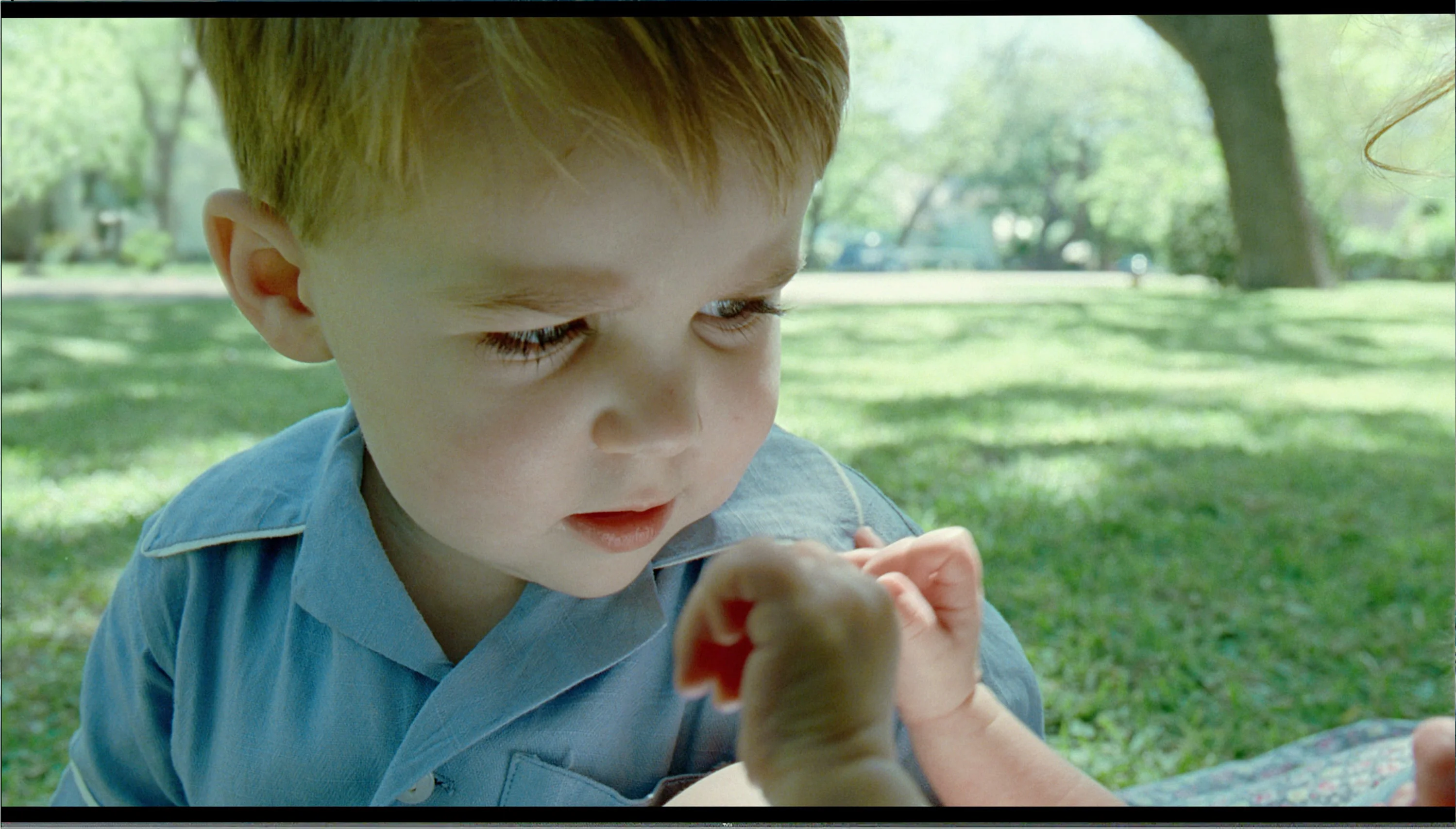
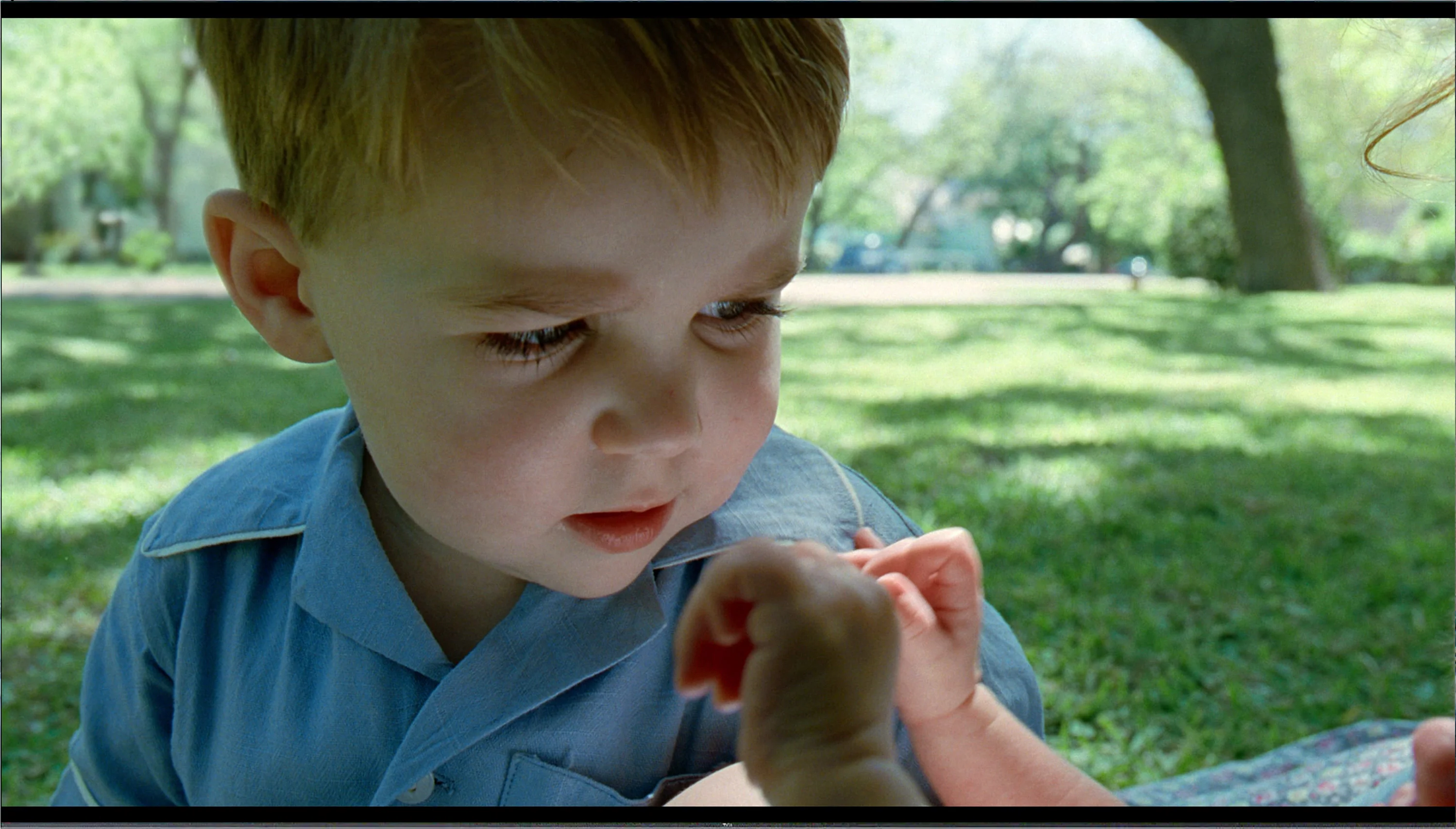
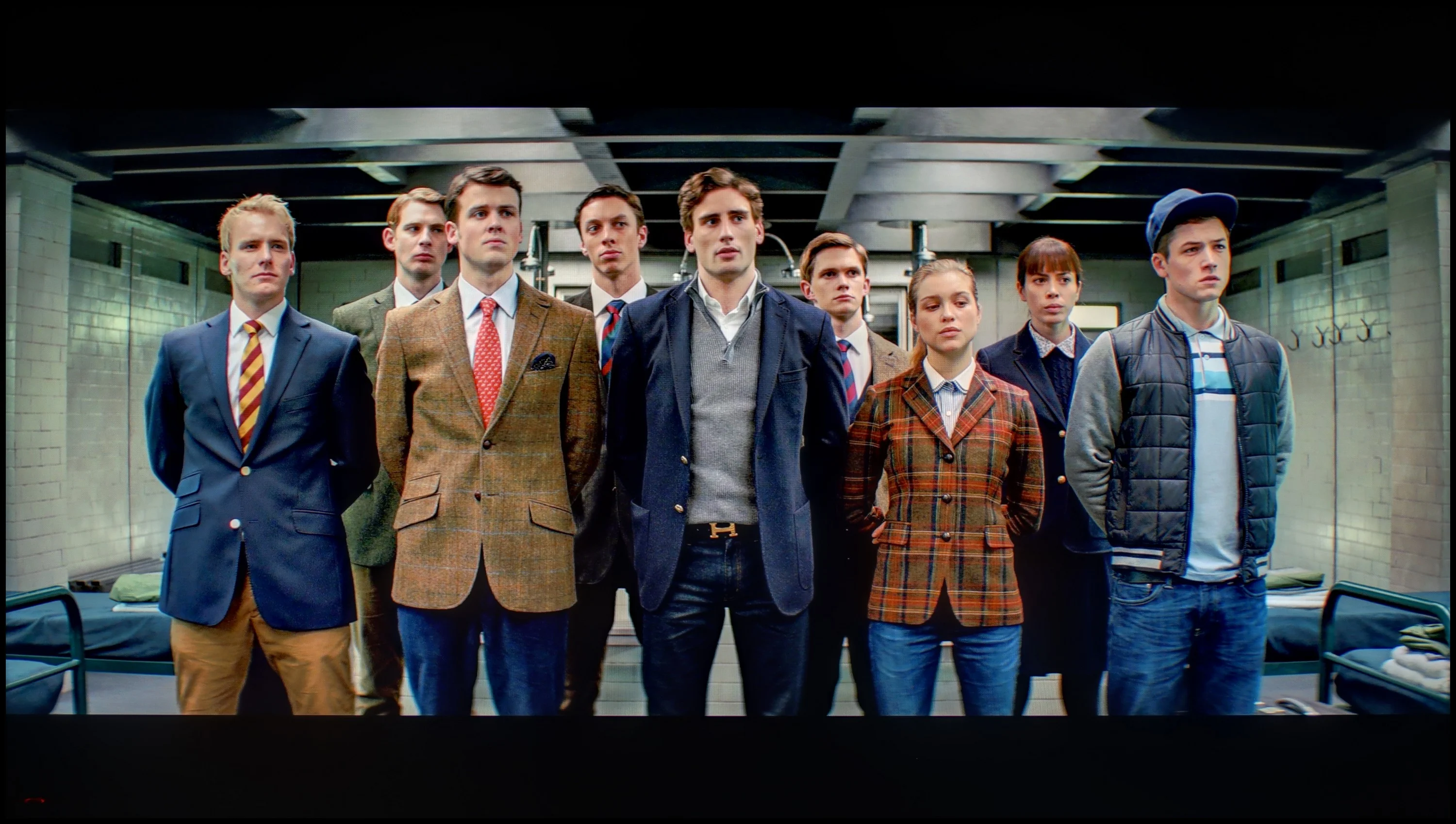
The photos show how movies look on the TV. Pay attention to black detail visibility, colors, and shadow tint.

The photos show how movies look on the TV. Pay attention to black detail visibility, colors, and shadow tint.

TCL, just like the vast majority of manufacturers, provides advanced calibration tools in its televisions. Here we find 2- and 20-point grey scale adjustments as well as an advanced colour management system. The results, as you can see, are very good and in SDR materials we have significantly approached the reference image. We eliminated both the green tint and the gamma issue, although there is still a slight "kink" at the very beginning. It went a bit worse with HDR materials, which the television ChooseTV C855 did not allow us to model properly. We only managed to slightly adjust the EOTF curve and significantly improve the colours themselves.

After calibration, the biggest improvements are seen mainly in SDR material. We managed to even out the white balance, but an even more important change was the gamma correction, which before calibration had the greatest effect on the picture's character. After the adjustments the gamma curve is now very close to the reference, so the image is not as bright in the mid-tones and simply looks more natural. Colour errors have also been noticeably reduced, so the effect of calibration in SDR is clearly visible.

In HDR the situation is a bit more complex. White balance was improved and in some ranges the TV tracks the reference much better, but at higher brightness levels deviations still appear. The same goes for colour reproduction; some errors can be corrected, but not all stem from the settings themselves. This reveals the limitations of the TV's design and the way its backlight and local dimming affect the HDR image. So with The Frame Pro, calibration makes the biggest difference to everyday content. Regular TV, YouTube and films and series in SDR (mainly those from cheaper streaming service tiers) can look noticeably better afterwards.

Smoothness of tonal transitions

9.2/10

9.5/10

These are selected scenes that show smooth tonal transitions from one color to another. If you see distinct banding, it’s the TV panel’s fault.

These are selected scenes that show smooth tonal transitions from one color to another. If you see distinct banding, it’s the TV panel’s fault.

These are selected scenes that show smooth tonal transitions from one color to another. If you see distinct banding, it’s the TV panel’s fault.

These are selected scenes that show smooth tonal transitions from one color to another. If you see distinct banding, it’s the TV panel’s fault.

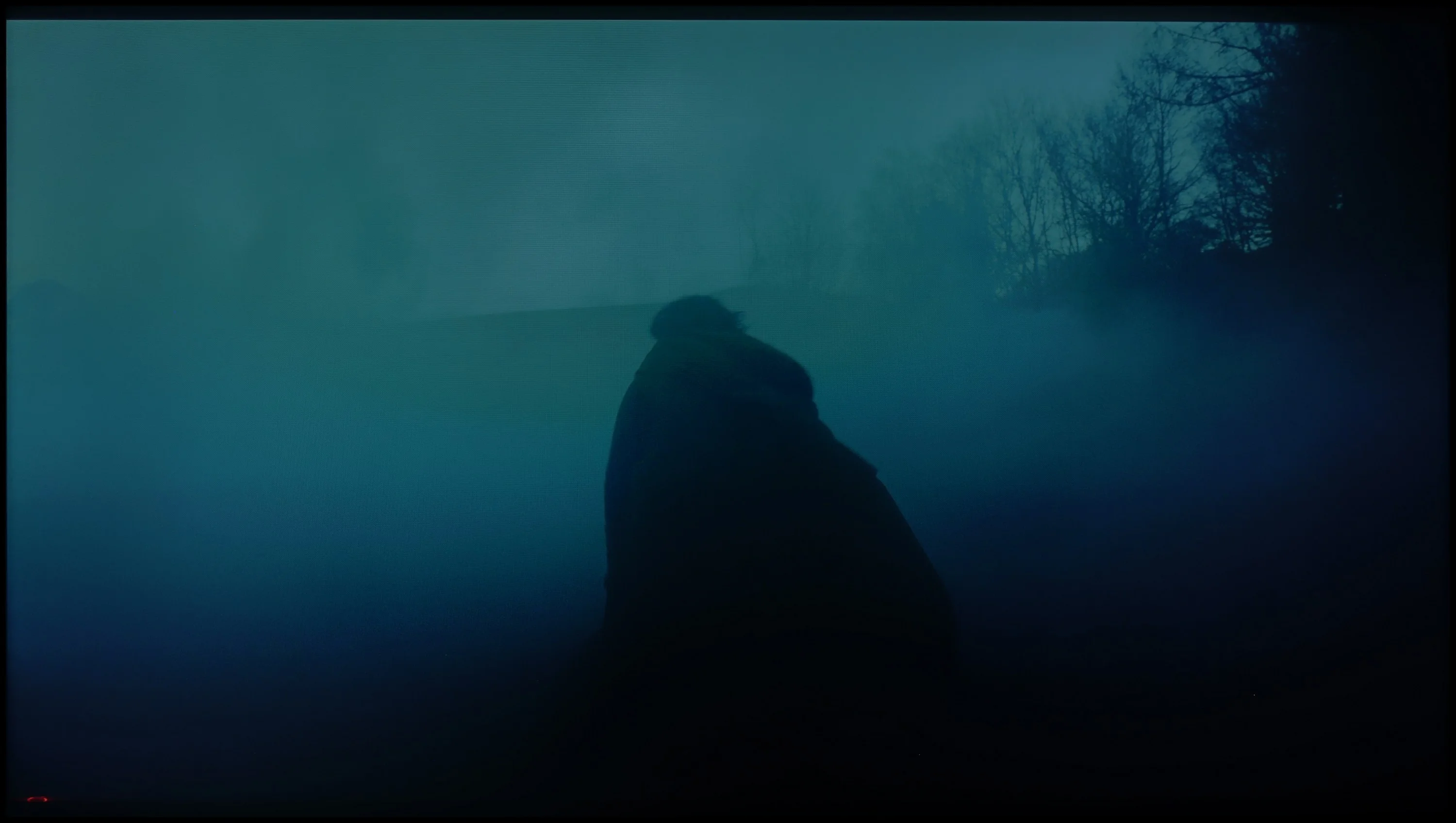
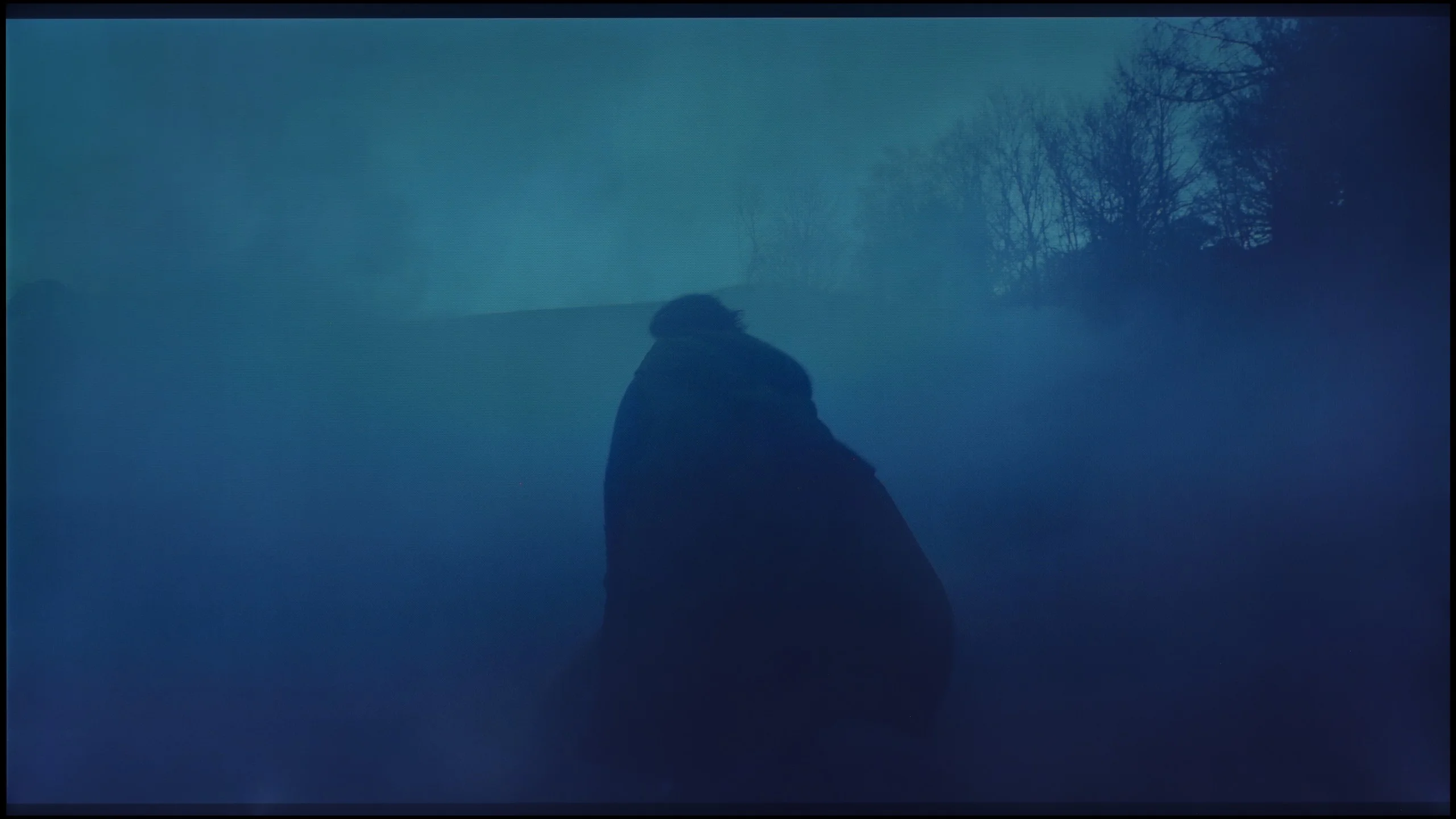
Nevertheless, an important aspect in assessing image quality are tonal transitions. To achieve a clear image free from posterisation effects, the television must demonstrate very good algorithms for smoothing out colour gradation. We must admit that the applied feature in TCL C855 called "Gradual Smoothing" is one of the better ones we have had the opportunity to test. Practically every scene performs very well here, and nothing can be faulted. The best example of this is the scene from "The Green Knight", which is the most demanding due to the vast number of fine and subtle transitions in the fog. The C855 effectively smooths everything present in the scene and allows the viewer to experience its entire suspense. The only moment where a slight posterisation can be noticed is in a frame from the film "The Green Knight", where the reds in the top left section of the screen contrast against each other.

The Frame Pro handles the smoothness of tonal transitions really well. In most content you don't see noticeable banding or ugly breaks between similar shades, and gradients look smooth and natural. Even in more demanding scenes with mist or dark transitions, issues are very rare. It's definitely one of this model's strengths.

Image scaling and smoothness of tonal transitions

5.5/10

7.5/10

Image without overscan on the SD signal
OK
No
Smooth transition function
No
OK

Smooth transition function

The match photo shows how the TV smooths weak tonal transitions in low-quality video.

Image scaling SD (576i)

The model photo shows how it handles upscaling of SD material.

Once again, we will look at the function of smoothing tonal transitions, but this time also image scaling. The latter is particularly important when watching materials of lower quality, such as some TV programs or older films. We will focus on the function responsible for tonal transitions. Interestingly, just like in the scenes in the previous test, it performed splendidly and smoothed out practically all the choppiness, but here it had problems. Using the menu responsible for the operation of this function, we found that none - not even the strongest - setting helped.

The image scaling in TCL C855 is characterised as one of the best we have had the opportunity to test so far. The image is sharp, but in a way that could be described as natural to our eye. Even small, fine branches do not have jagged contours, and there is no white halo around figures, which is characteristic of weaker scaling systems.

The Frame Pro uses the NQ4 AI Gen3 processor, so in terms of image processing it behaves very similarly to other recent Samsung TVs. Upscaling works really well, with lower-resolution material being sensibly sharpened and the picture remaining readable without over-emphasising edges. With regular TV broadcasts or lower-quality YouTube content this can deliver a noticeable improvement, although viewers watching even older sources, such as VHS tapes, may notice a slight cropping on the left side (overscan).

It’s a different story for heavily compressed footage and the reduction of noise and posterization artefacts. The "Noise Reduction" feature can improve poorer material, but it fairly quickly starts to interfere with the picture and removes fine detail and film grain. So it’s best used sparingly and mainly when the source genuinely needs it.

Blur and motion smoothness

8/10

7.9/10

Maximum refresh rate of the panel
144Hz
144Hz
Film motion smoothing option
OK
OK
Blur reduction option
OK
OK
BFI function 60Hz
Yes, 60Hz (image flickers)
BFI function 120Hz
Yes, 120Hz
No
Brightness drop with BFI
51%
70%

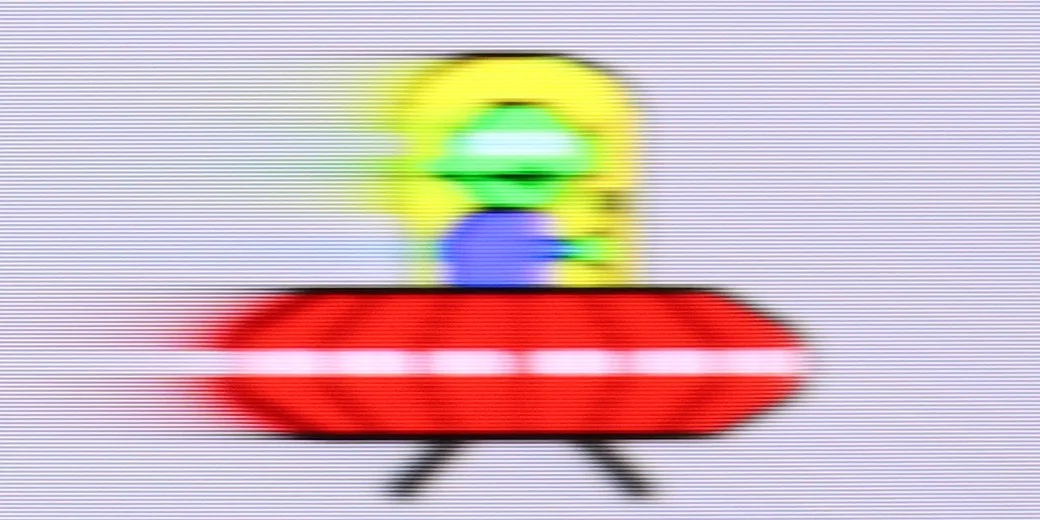
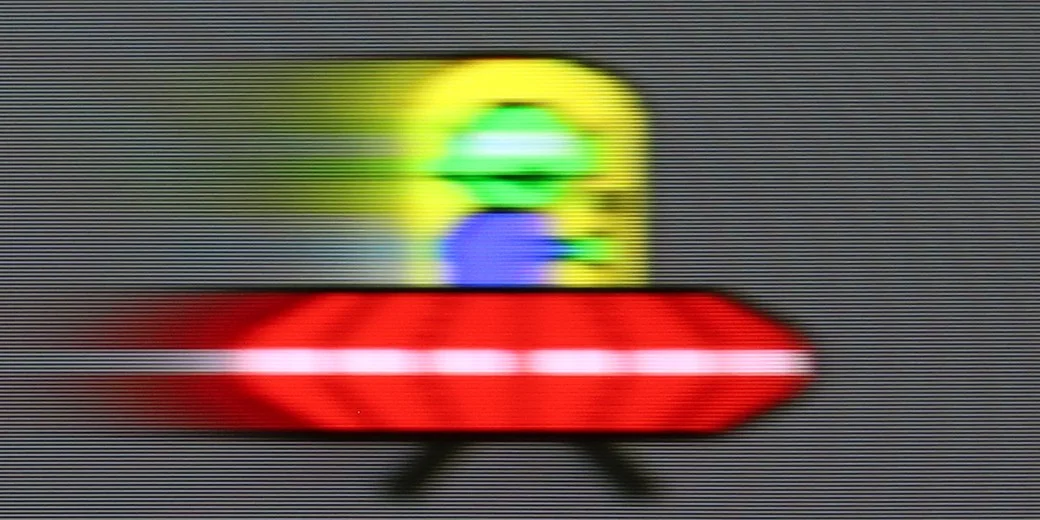
Blur (native resolution, maximum refresh rate):

Blur (BFI function enabled):

Image flickers in this mode

Blur ():

Blur (1080p@240Hz):

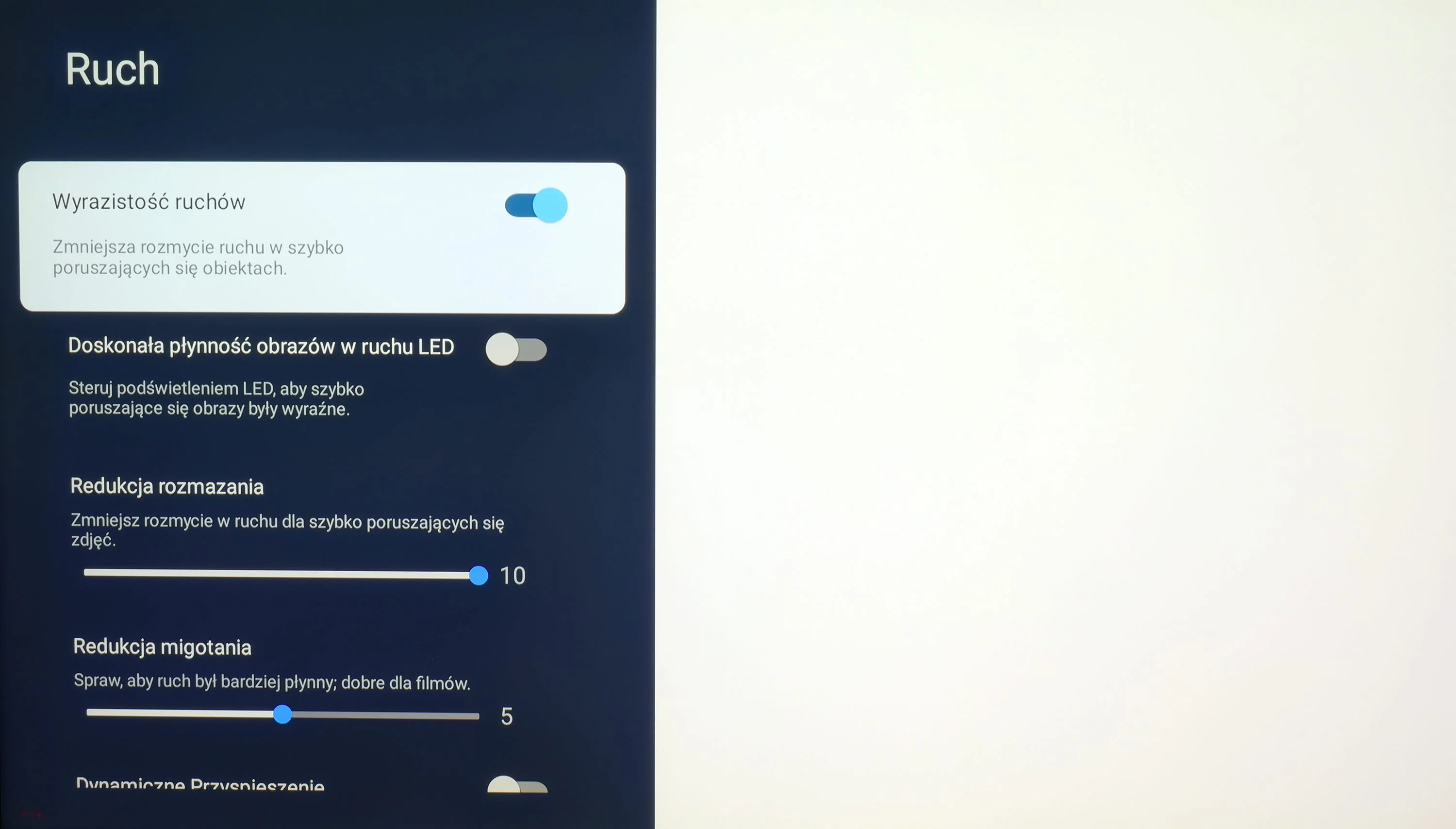
The maximum refresh rate that we can set on TCL C855 is 144 Hz. Naturally, this is only possible when connecting the TCL C855 TV to a very powerful PC. Otherwise, we will operate at a maximum refresh rate of 120 Hz, which is recommended if we primarily want to watch sports or content with a high level of motion dynamics. For those who require high fluidity of image, the manufacturer has implemented a multi-level motion smoother. It has been divided into two separate sliders that adjust the sharpness of moving images (Blur Reduction) and judder (Judder Reduction). Both sliders can be set in the range of 0 to 10, with each level affecting the degree of smoothing, so everyone can find their sweet spot. We present a setting that allows for slight smoothness without the soap opera effect.

The panel of TCL C855 features a very good response time. This is especially important, as VA panels often have issues with so-called ghosting, which is the effect where a black halo can be noticed behind a fast-moving object.

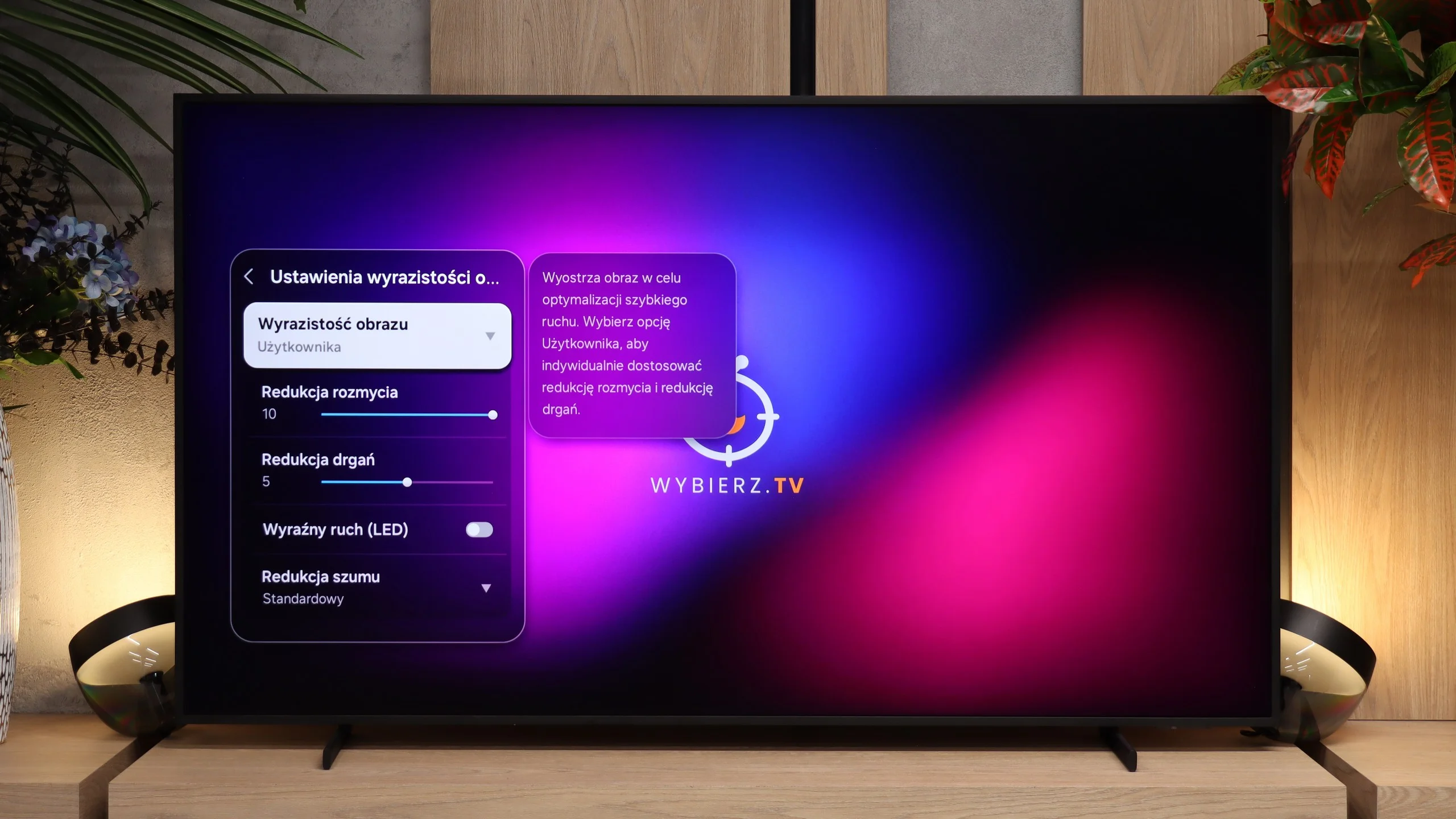
The Frame Pro is equipped with a 144 Hz panel and, when connected to a PC, also supports 240 Hz at Full HD. That's mainly a feature aimed at PC gamers, but the TV also handles the standard 120 Hz refresh rate used for watching sport or gaming on consoles very well. A major plus is the low smearing. For a VA panel, The Frame Pro performs really well in this regard. You don't see the strong, dark trails behind moving objects that are fairly common on TVs with this type of panel. That keeps fast sport and dynamic games clear in motion. There's also a motion smoothing feature with adjustable strength, so for films and sports broadcasts you can tailor the motion to your preferences. You can find our recommended settings in the photo.

Console compatibility and gaming features

9.8/10

9.6/10

  • ALLM
    Yes
    Yes
  • VRR
    Yes
    Yes
  • VRR range
    48 - 144Hz
    48 - 240Hz
  • Dolby Vision Game Mode
    Yes
    No
  • Correct implementation of HGIG
    Yes
    Yes
  • 1080p@120Hz
    Yes
    Yes
  • 1440p@120Hz
    Yes
    Yes
  • 4K@120Hz
    Yes
    Yes
  • Game bar
    Yes
    Yes

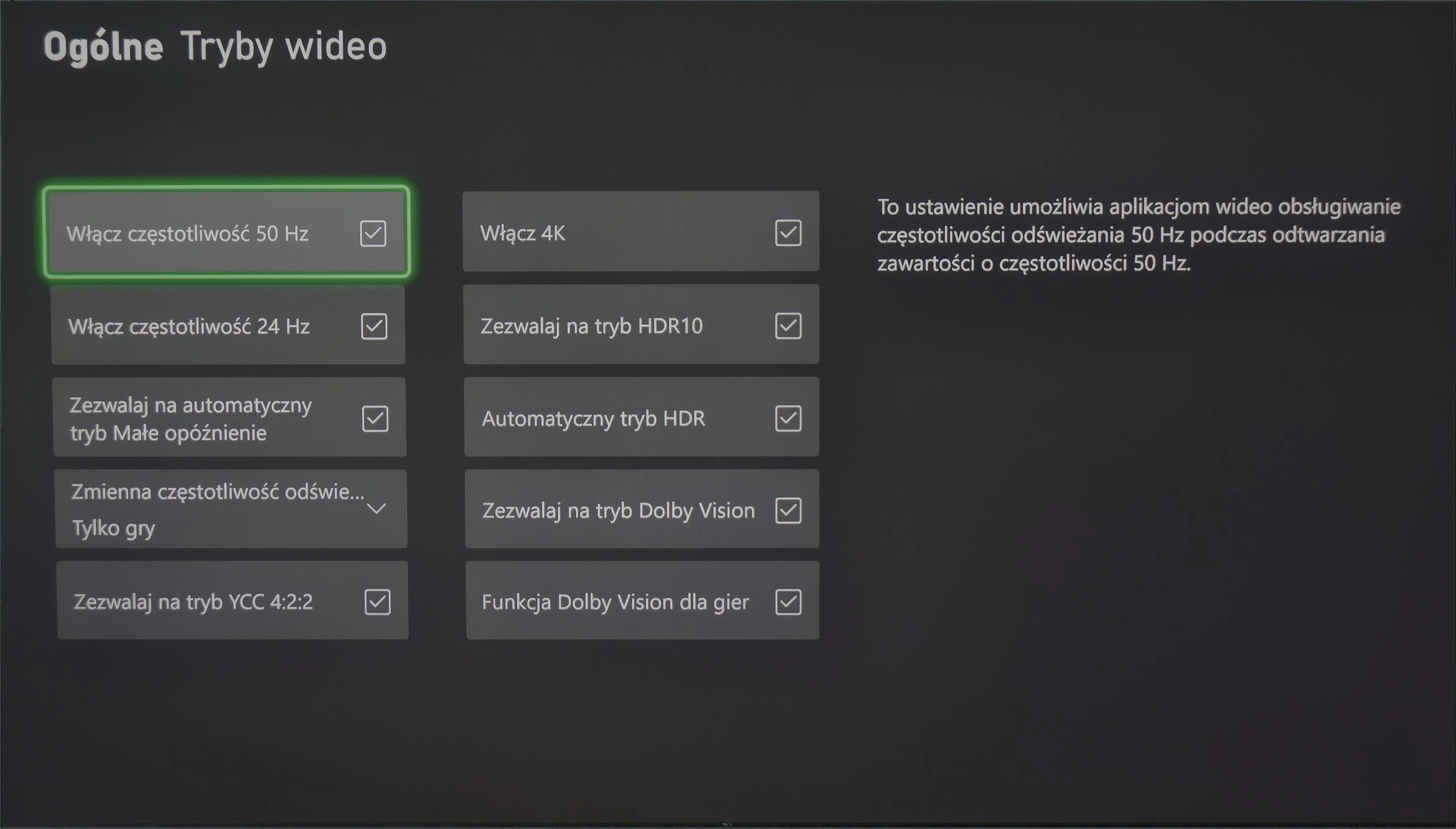
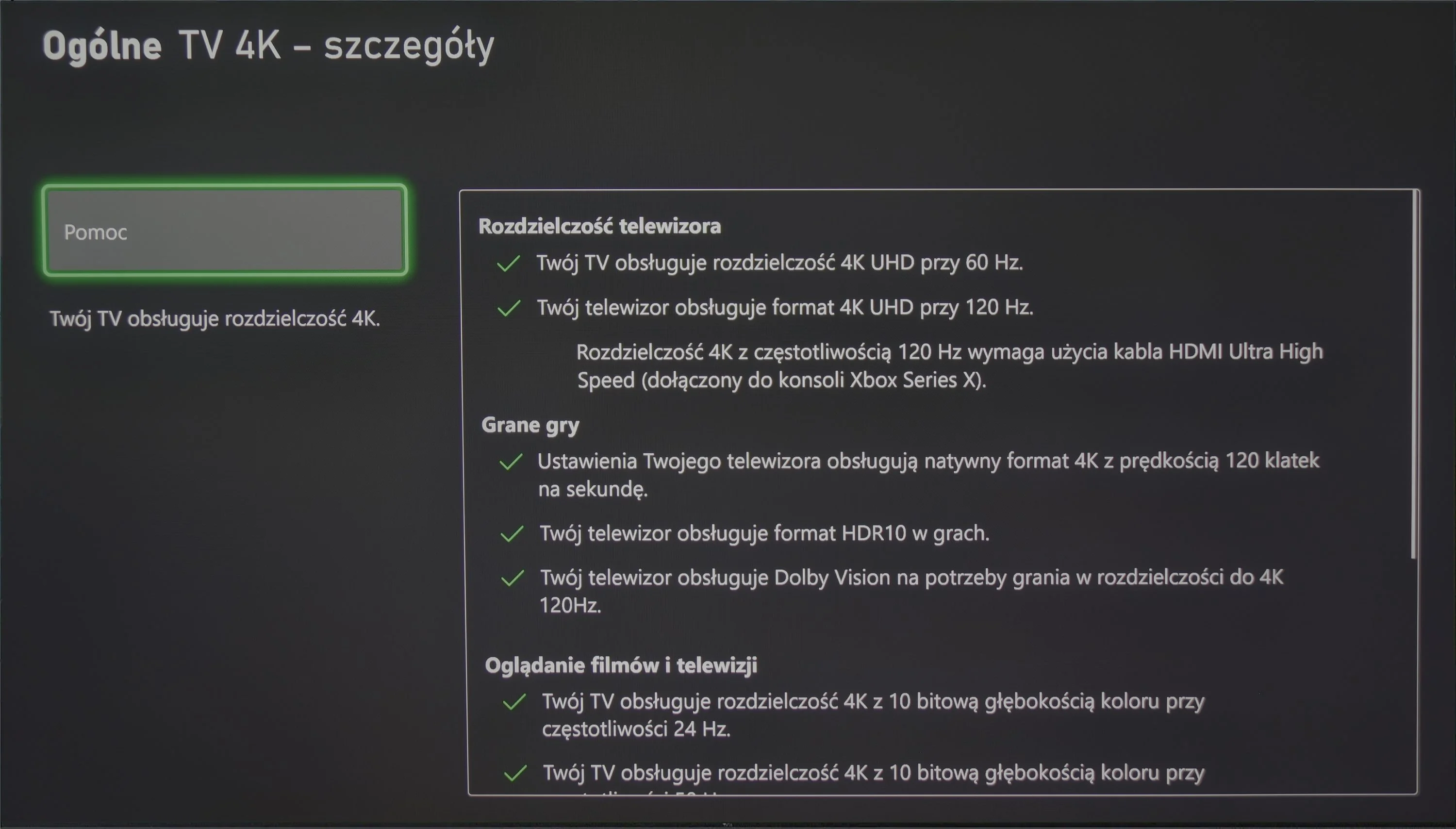
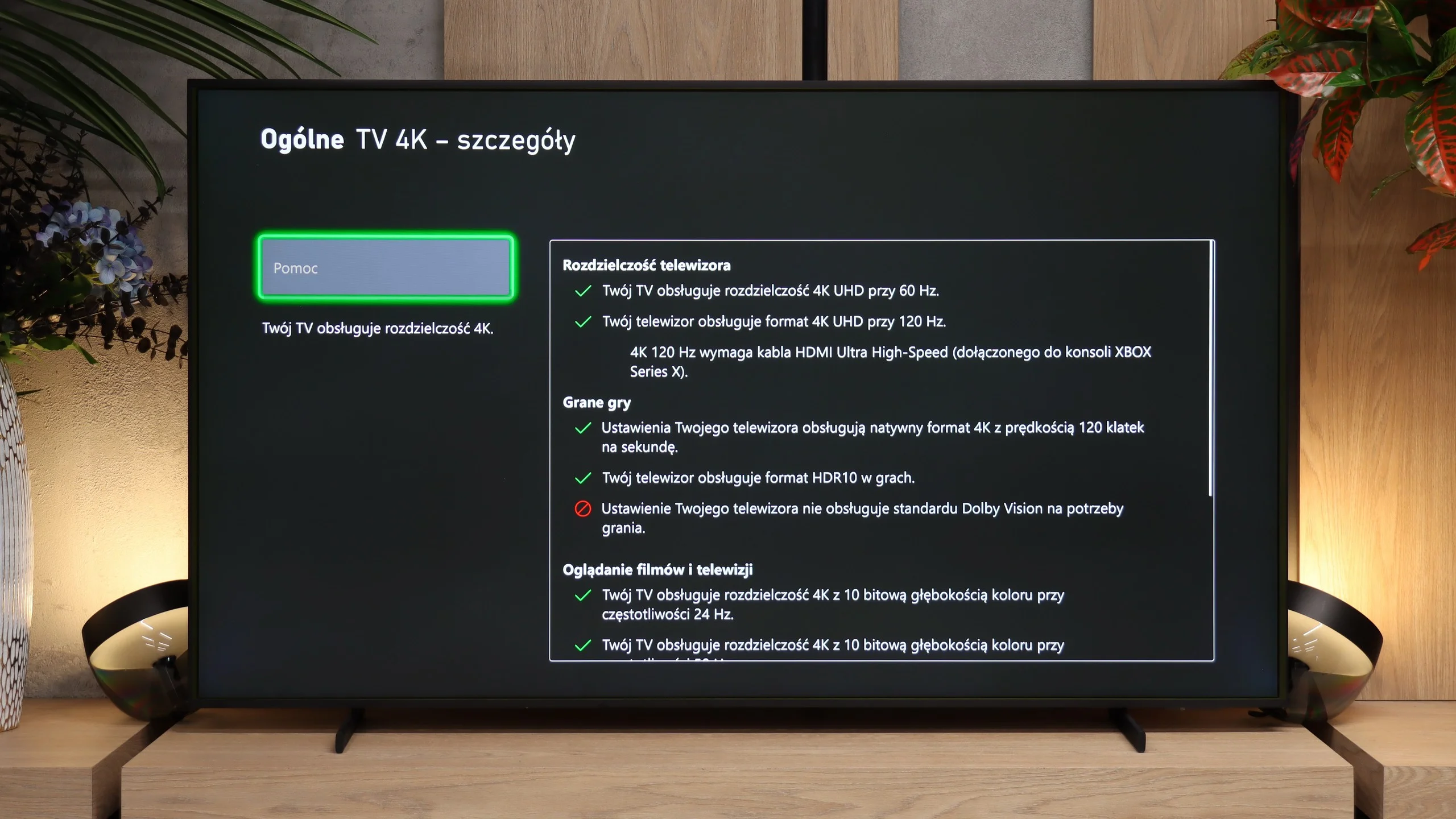
The TCL C855 television is equipped with full HDMI 2.1 ports with a bandwidth of 48 Gb/s. During our tests, we confirmed the seamless operation of all functions that come with this standard. As you can see, all the checkboxes light up green, which will certainly be appreciated by gamers, both console and those using the television as a computer monitor. Additionally, the TCL C855 supports both AMD FreeSync and NVIDIA's G-Sync, which can be easily activated in the graphics card settings. Users with very powerful setups can provide a 144 Hz signal to the C855, which the television handles effortlessly. It's also worth mentioning the implementation of the HGIG mode, which, due to the shortcomings of the "Game" mode, is overly bright, making it difficult to configure properly on-screen. Fortunately, the television performs excellently with the Dolby Vision format.

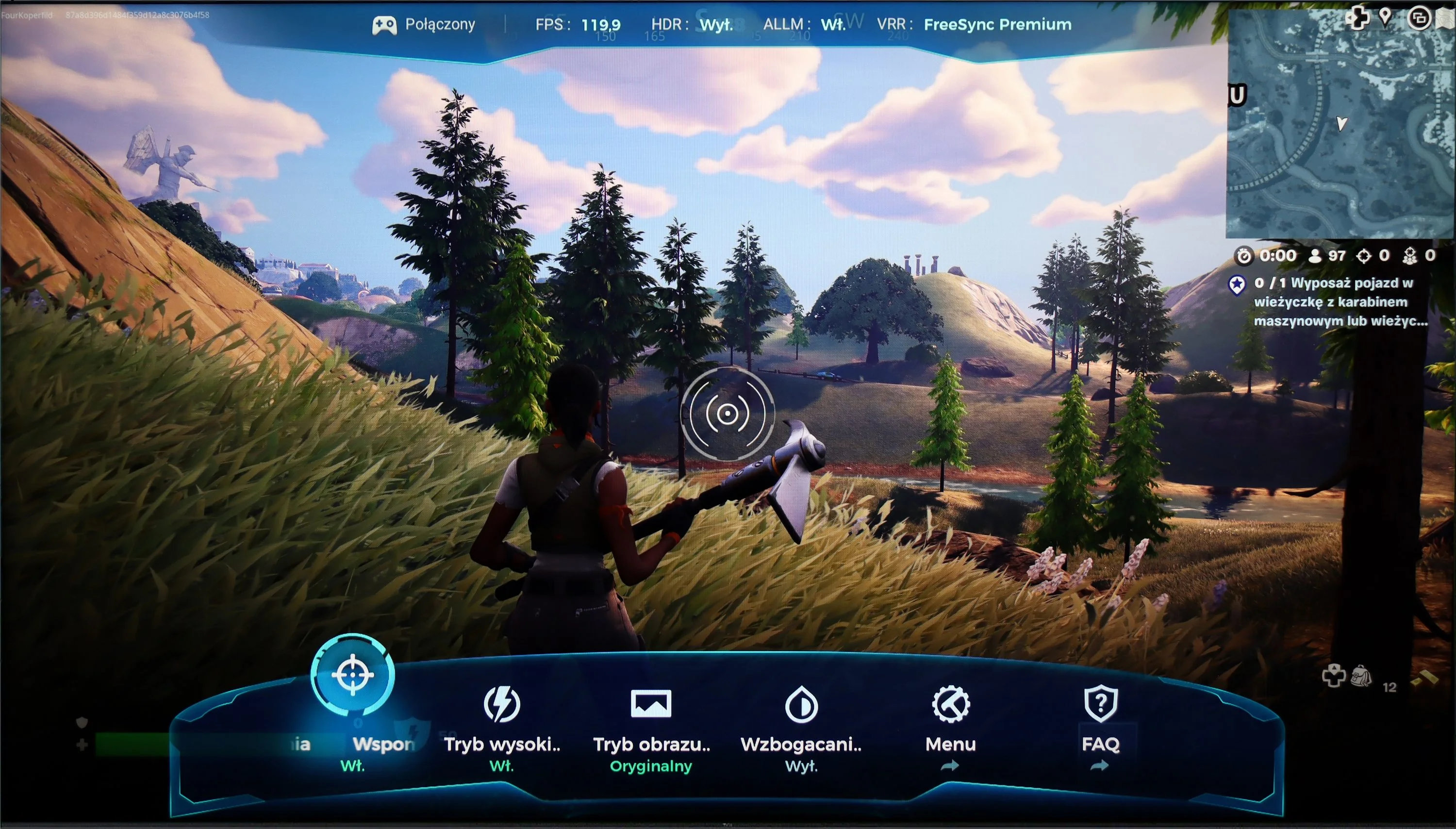
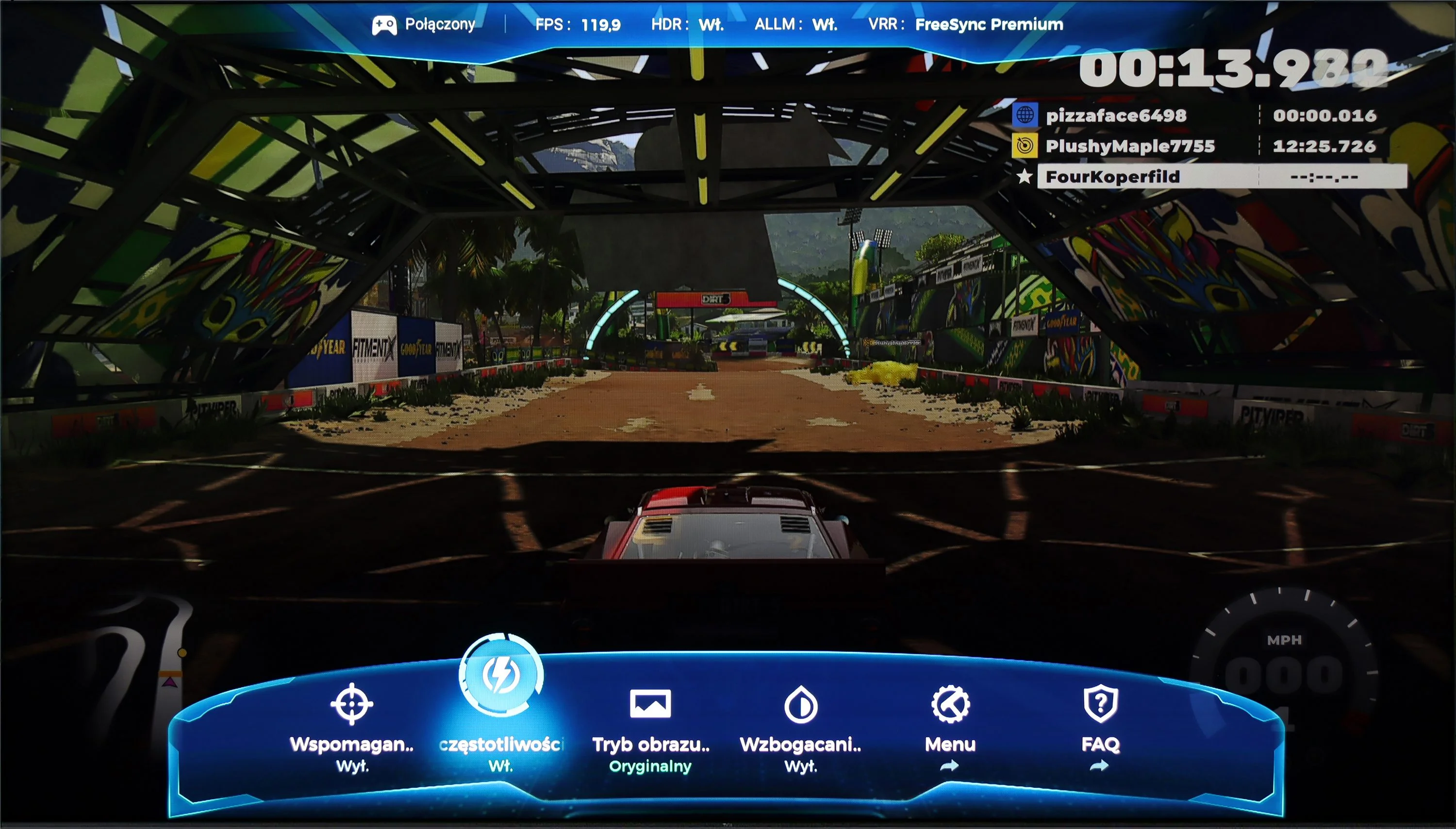
The TCL C855, as one of the first manufacturers, has equipped its televisions with a special GameBar feature that allows extensive setting changes on the fly, without the need to exit the game. It includes functions such as an additional crosshair grid, black level correction, and settings for individuals with disabilities. In the photo, we see the next generation of this solution.

In summary, the TCL C855 television will be an ideal solution for those looking for a screen for any kind of electronic gaming. With all the features supporting such entertainment, it is incredibly engaging. It should also be emphasized that it has very low input lag, regardless of the selected settings, including with the Dolby Vision HDR format.

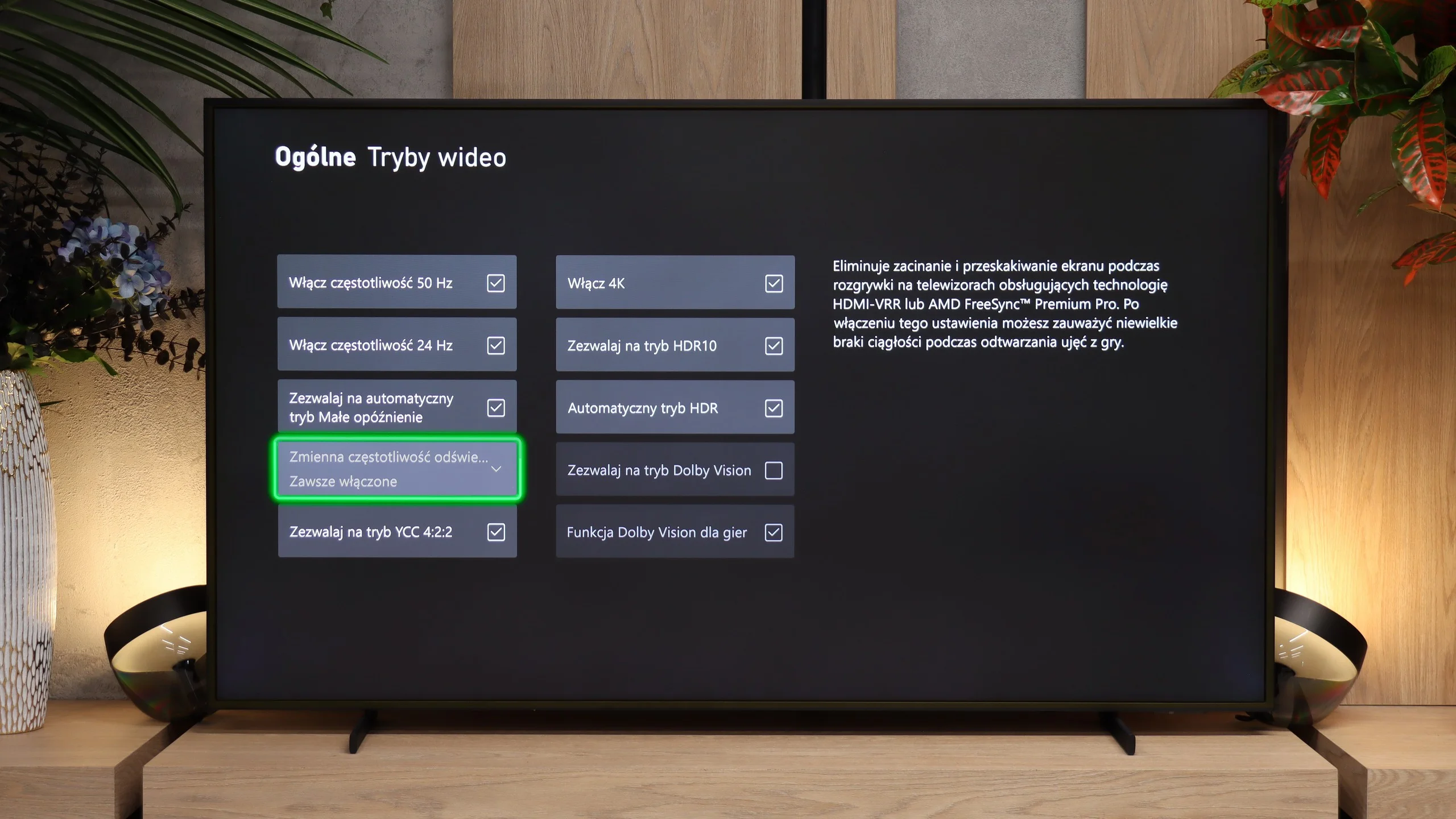
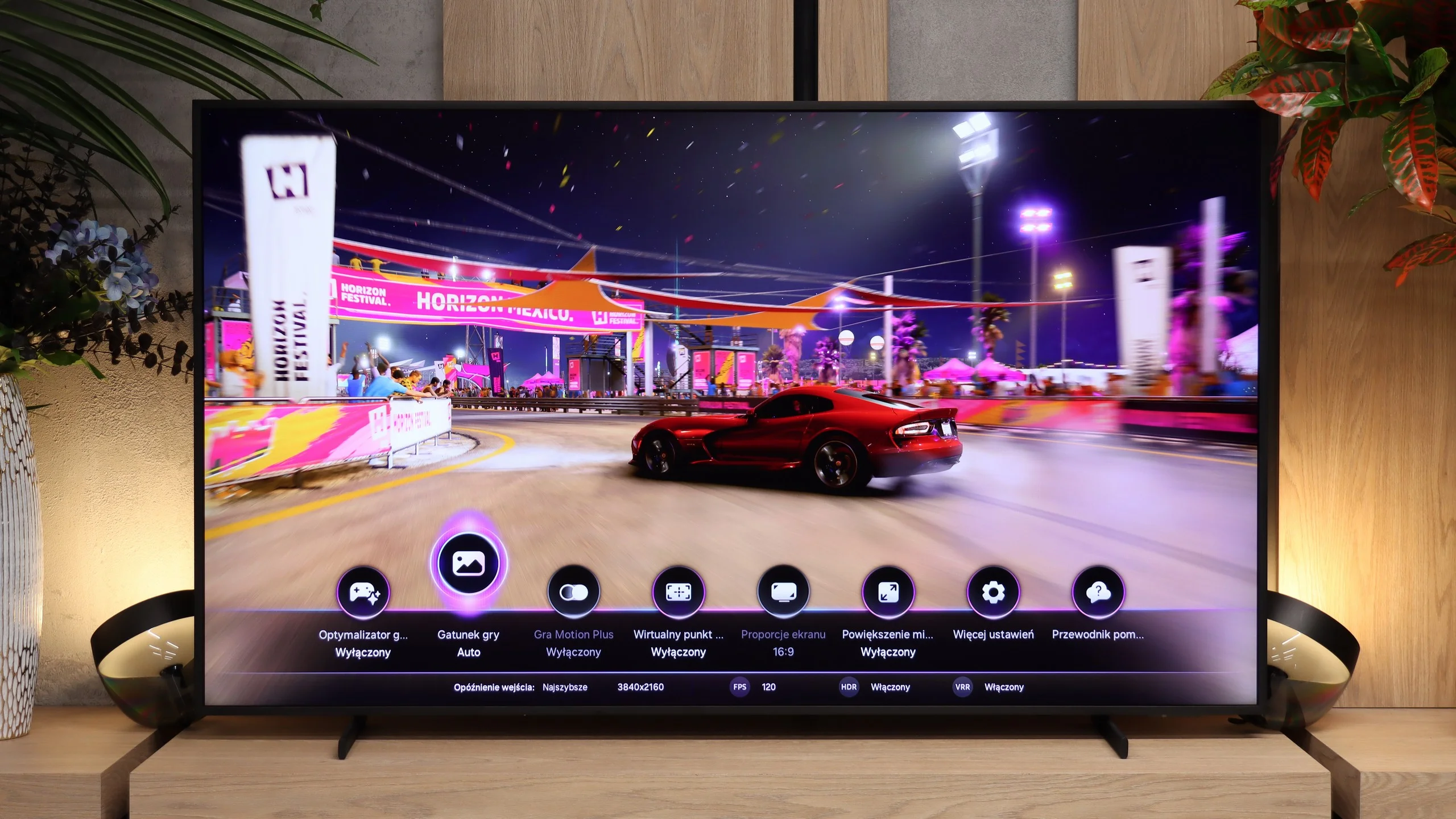
For gamers, The Frame Pro has a lot to offer. The TV supports 4K at 120 Hz, VRR, ALLM and a correctly implemented HGiG. When connected to a PC you can also run 144 Hz at 4K, and even 240 Hz if you drop to Full HD. Samsung also bundles its usual set of gamer extras: an expanded Game Bar that lets you quickly view and change the key settings, and Game Motion Plus to improve smoothness for games running at 30 or 60 fps. There’s also the Gaming Hub and the ability to play in the cloud without needing to connect a console. The only real omission is Dolby Vision Gaming, which Samsung doesn’t support. Aside from that, The Frame Pro offers pretty much everything you’d expect from a well-equipped gaming TV today.

Input lag

9.8/10

10/10

SDR

1080p60
16 ms
13 ms
1080p120
7 ms
7 ms
2160p60
16 ms
13 ms
2160p120
7 ms
7 ms

HDR

2160p60
16 ms
13 ms
2160p120
7 ms
7 ms
4320p60

Dolby Vision

2160p60 DV
17 ms
2160p120 DV
9 ms

The lag time of the TCL C855 is astonishingly low in every scenario. Even the most passionate gamers will surely appreciate the very low input lag at demanding 4K 120 Hz settings with HDR, clocking in at just 7 ms. Furthermore, the lag at these same settings, but with Dolby Vision HDR enabled, remains at the same level, which isn't so obvious with competing models. Therefore, the TCL C855 deserves the highest rating and recommendation.

adasdsadddas

Input Lag Wirales One Connect (2-3 metry od TV)

SDR

HDR

1080p60 Hz: 61

2160p60 Hz HDR: 71

1080p120 Hz: 39

2160p120 Hz HDR: 32

2160p60 Hz: 63

2160p120 Hz: 32

Compatibility with PC

8.6/10

8.4/10

Chroma 444 (max. resolution and refresh rate)
Yes
Yes
Font clarity
Good
Good
Readability of dark text and shapes
Good
Good
Input lag in PC mode (4K, max. refresh rate)
16ms
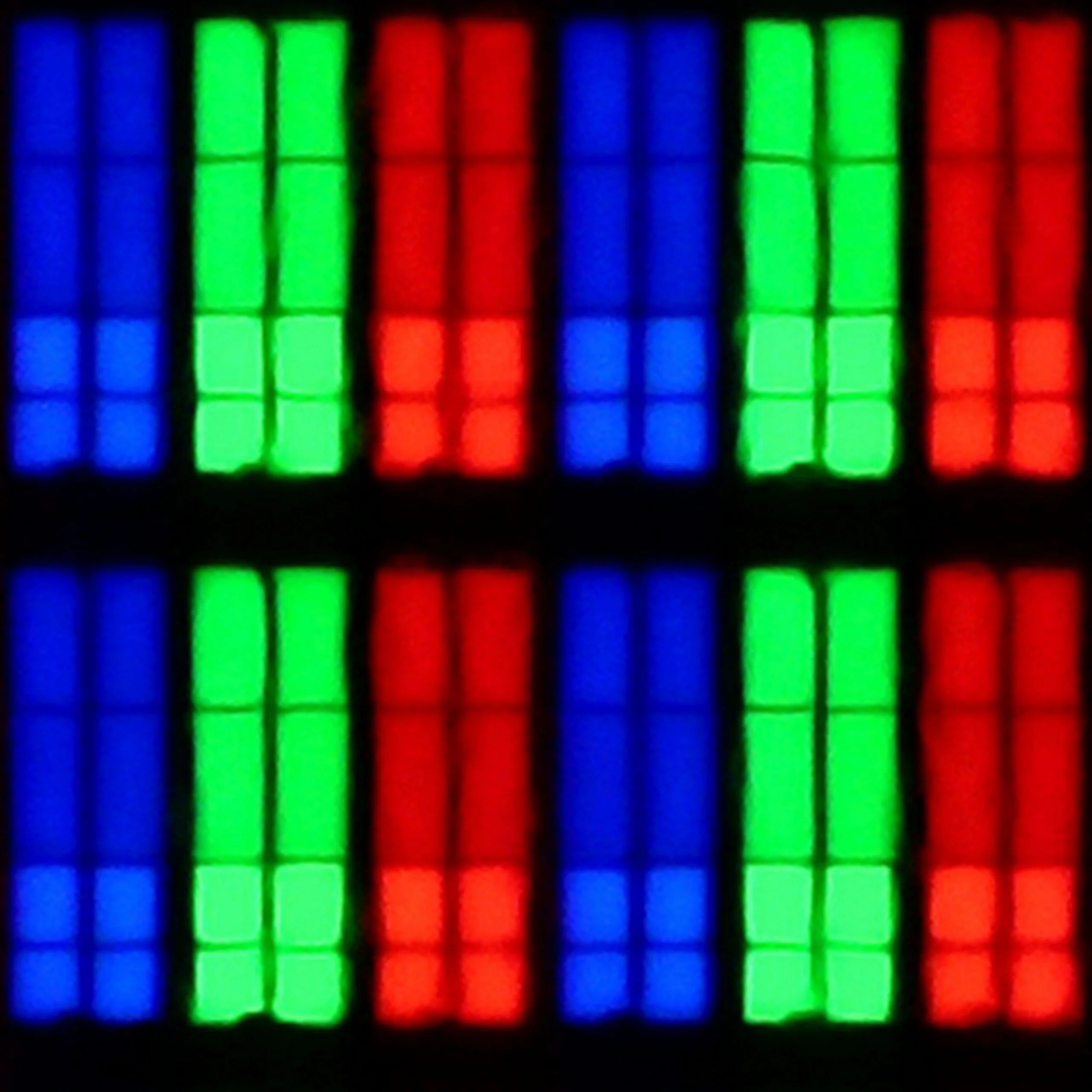
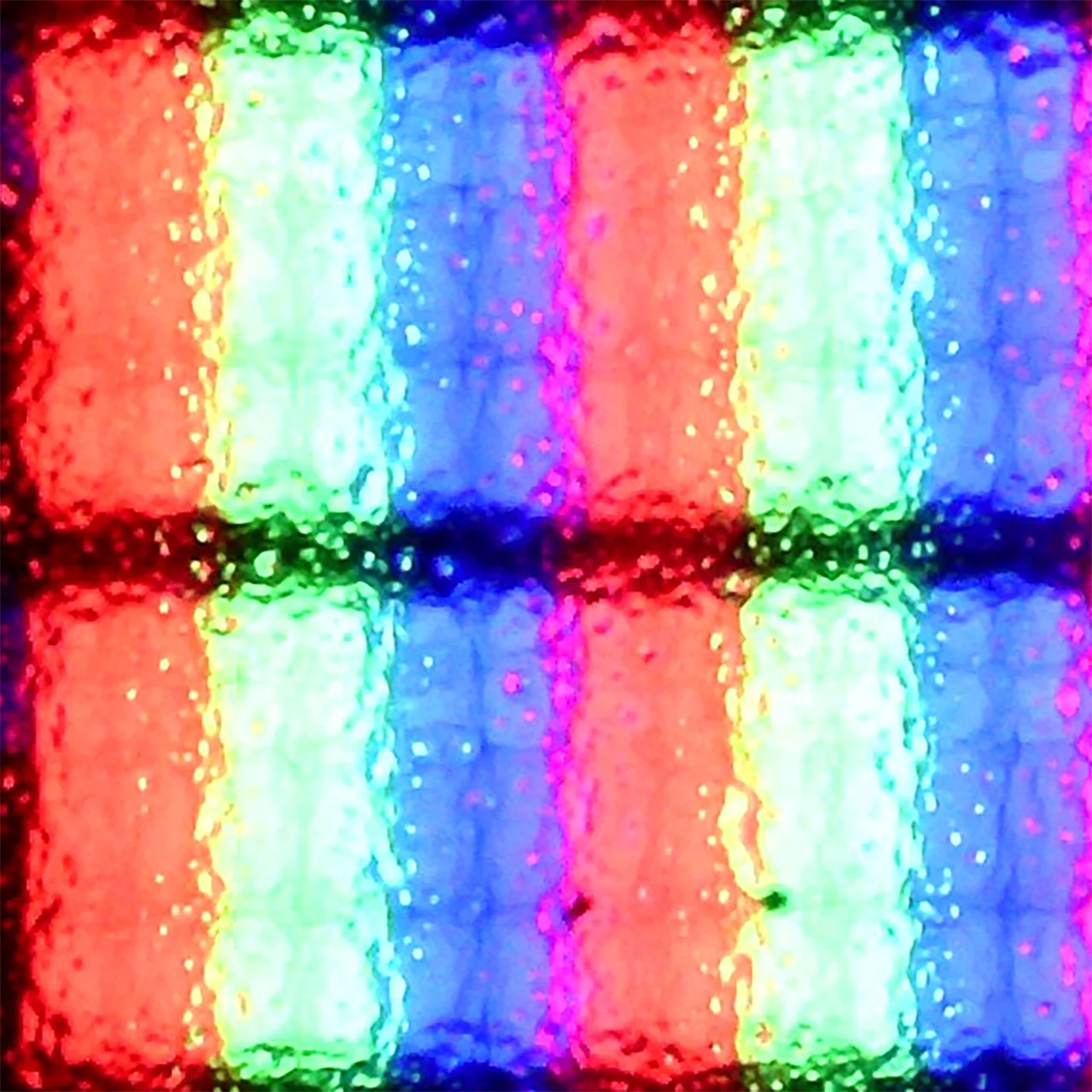
Matrix subpixel arrangement
BGR
RGB
Max refresh rate
144Hz
144Hz
G-Sync
Yes
Yes

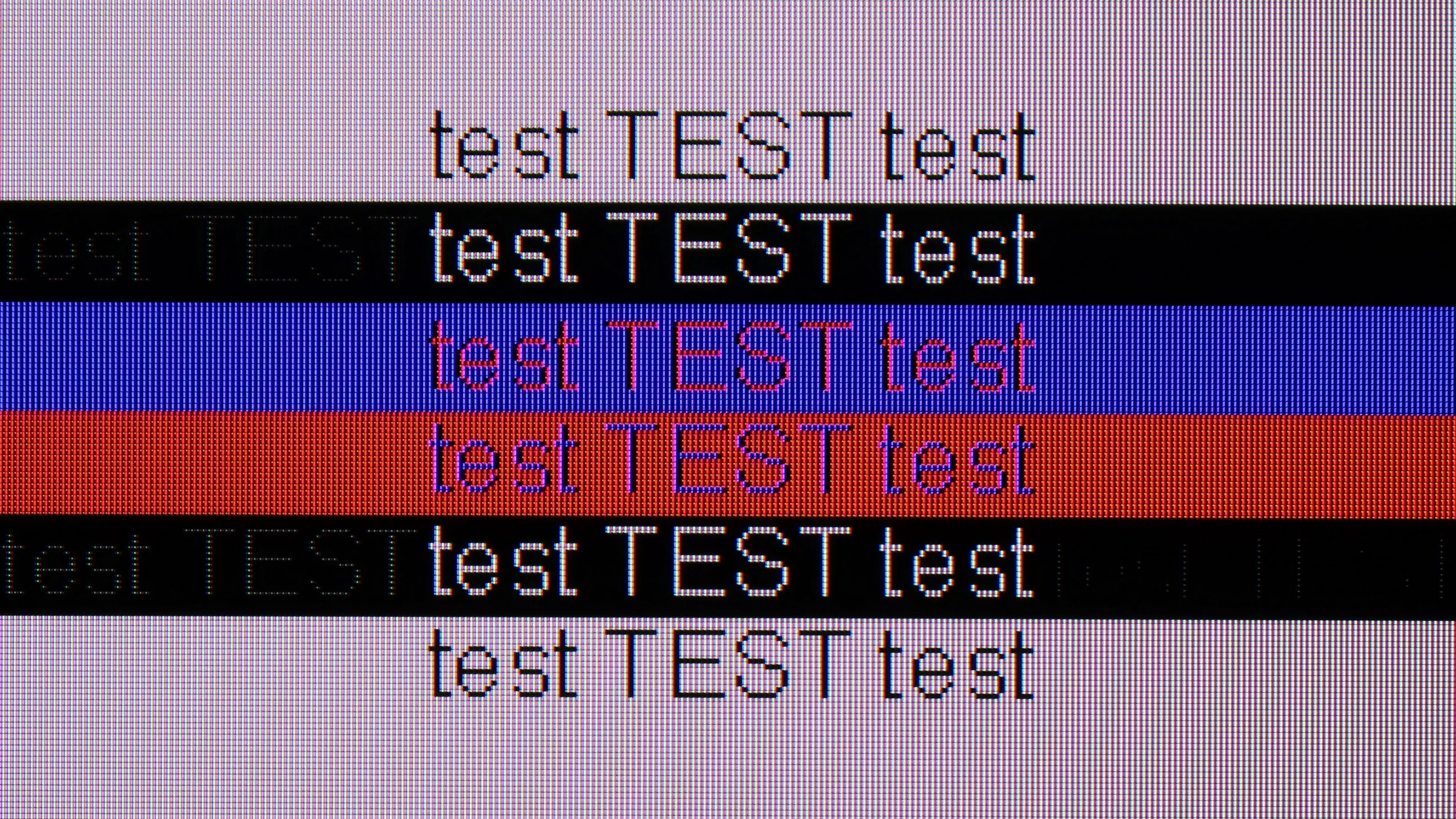
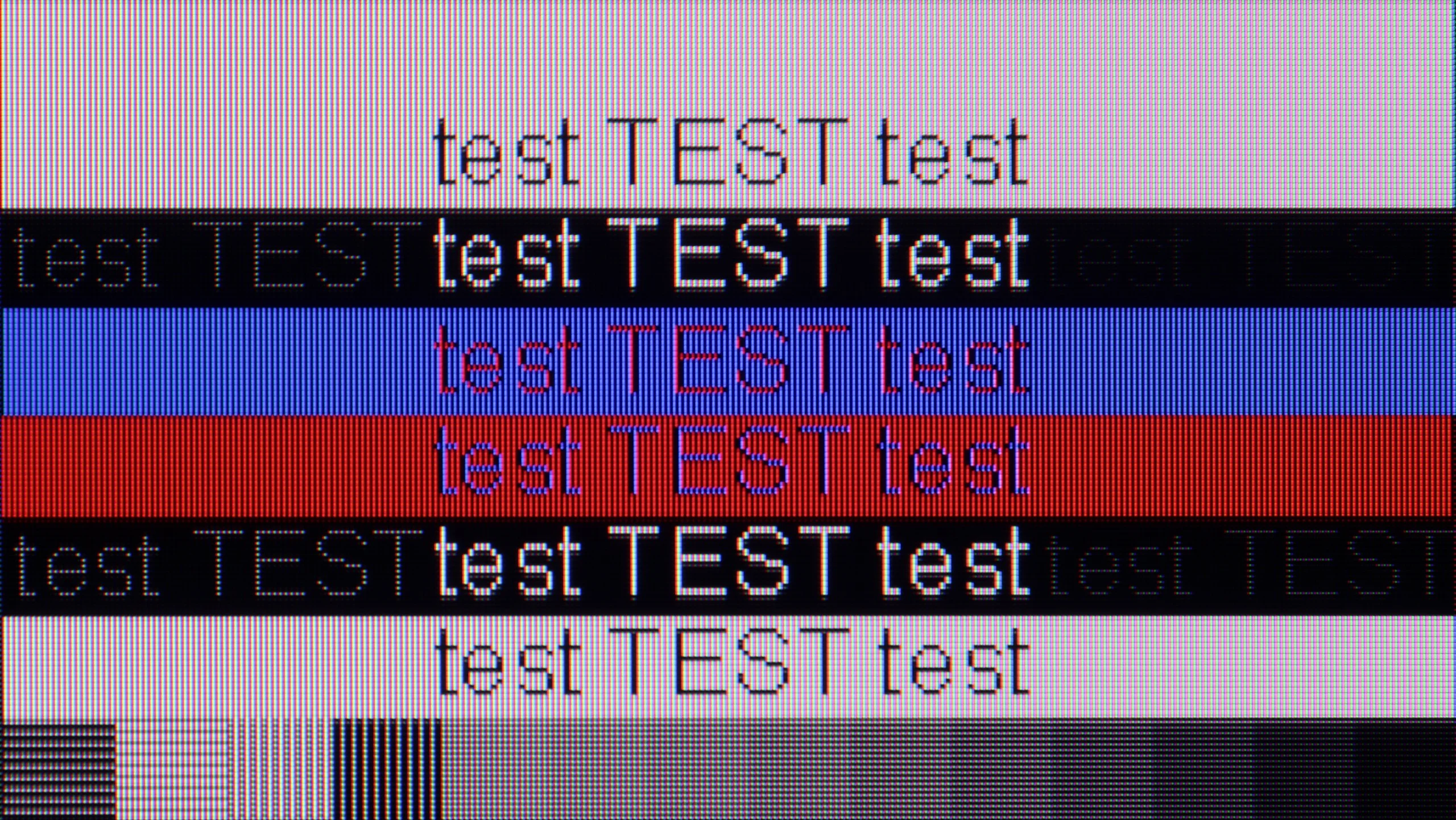
The photo shows the legibility of small fonts. Ideally, lines should be the same thickness on both light and dark text, with minimal pixel gaps.

TCL C855 when connected to a computer as a monitor performs very well. This is thanks to the very low latency between the mouse-eye-screen and the excellent readability of fonts, which comes from the proper implementation of chroma 4:4:4 at all resolutions, including 4K@144Hz. The subpixel layout is BGR, which does not negatively impact usage in Windows. However, the situation may change when using macOS or other software that may not be able to adjust fonts to this subpixel layout. Additionally, the TV has minor issues displaying fonts on a black background, for which we deducted some points.

The Frame Pro performs well when connected to a computer. It supports full 4:4:4 chroma, 144 Hz at 4K and 240 Hz at Full HD. It also works with both NVIDIA's G-Sync and AMD FreeSync. However, it's not ideal for working with text. From a normal viewing distance everything looks fine, but up close you can see minor artefacts around fonts and slightly less crisp edges. That doesn't matter much for gaming or watching content, but you may notice it for office work.

Viewing angles

3.5/10

3.4/10

Brightness drop at an angle of 45 degrees
73%
72%

A widely known drawback of VA panels without an angle coating is their poor performance regarding viewing angles. The same is true for the TCL C855, where even a slight off-axis shift leads to significant image washout and colour degradation.

Viewing angles on The Frame Pro are average, if not poor. The TV uses a classic VA panel and at wider angles the picture loses quality quite quickly. Brightness drops first and foremost, but colour saturation also clearly falls, making the image look more washed out. That's a bit more of a shame on The Frame Pro than on a regular TV. It's a model that's often meant to hang on the wall and also serve as artwork, so better viewing angles would be really welcome here.

Daytime performance

7.4/10

6.5/10

Panel finish
Glare
Matte
Reflection suppression
Average
Very Good
Black levels during daytime
Good
Average

Panel brightness

Samsung The Frame Pro 2026 (LS03HW): 587 cd/m2

TCL C855: 910 cd/m2

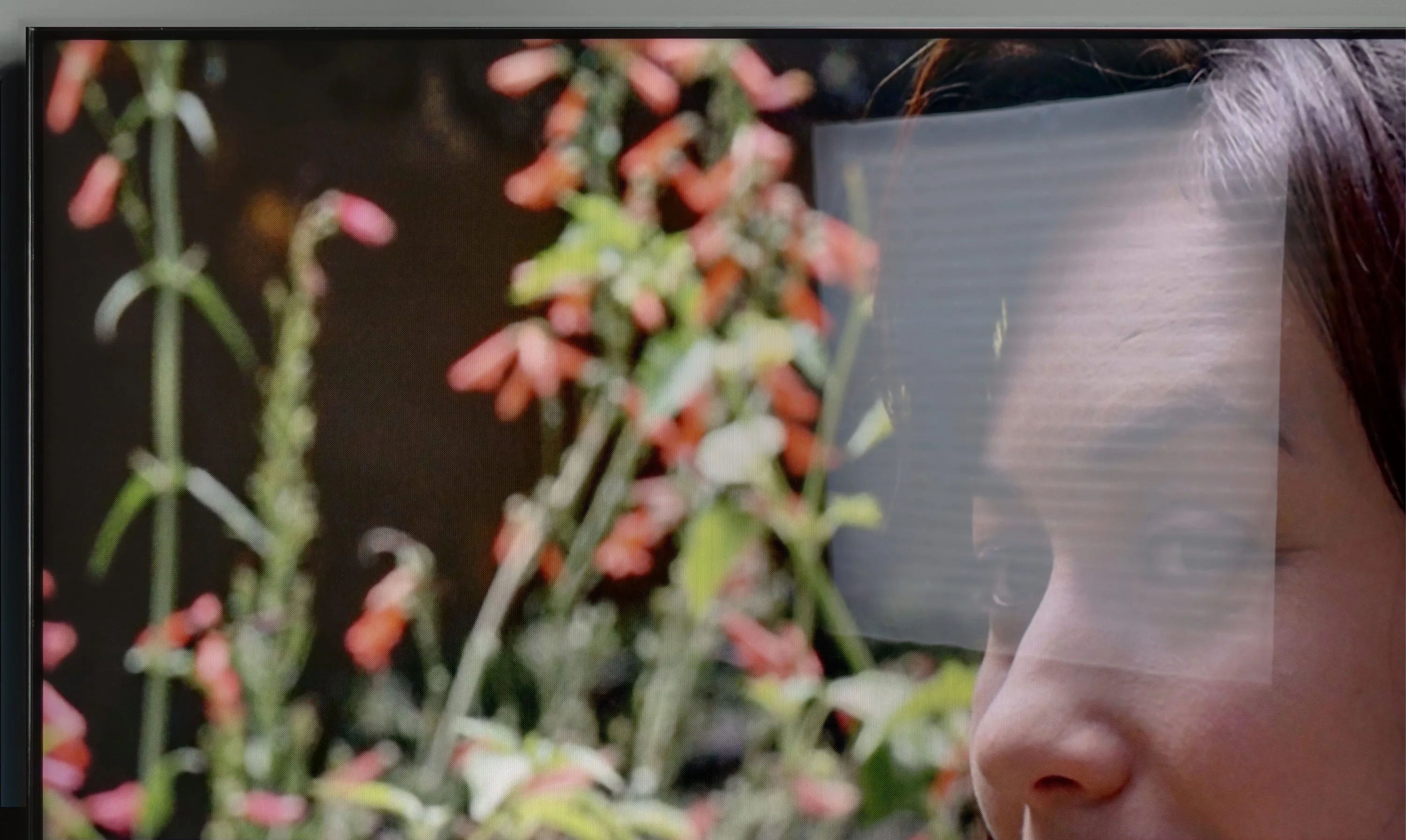
The glossy finish of the panel on the TCL C855 prevented it from achieving the highest rating for TV performance during daytime viewing, although it is precisely due to this that the blacks during the day are very good. Thanks to the high brightness in SDR content, the actress's face strongly stands out through reflections. However, a downside of the panel is that light hitting directly on the TV "spills" out rather than being contained in one spot. Generally speaking, if sunlight doesn't hit the panel, the TCL C855 will be a very good choice for brightly lit rooms.

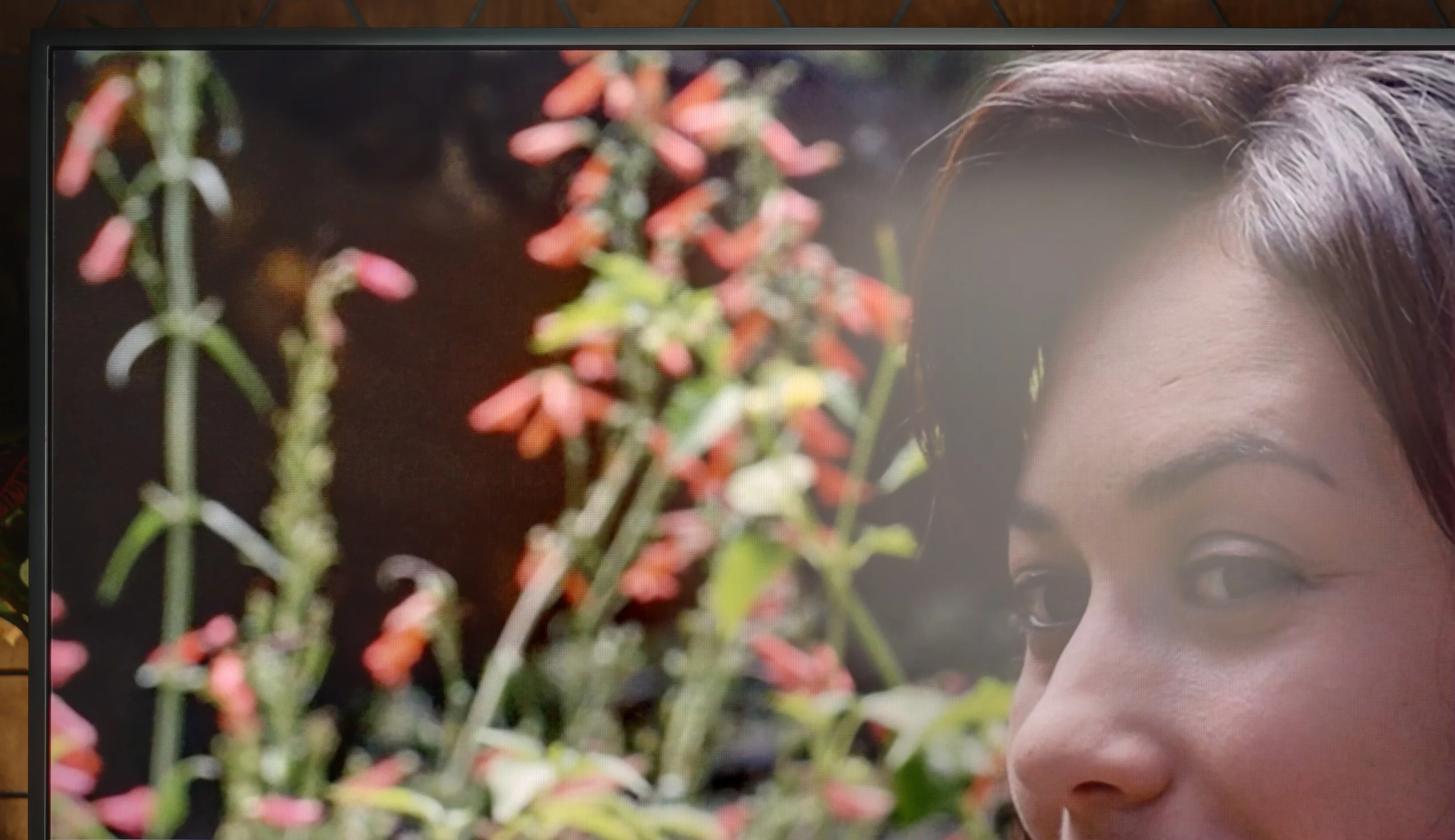
During the day The Frame Pro performs quite well. SDR brightness stays at around 600 nits, so the picture remains readable even in a brighter room. The biggest advantage is the matte screen coating, which very effectively diffuses reflections and means lamps or windows aren't so visible on the screen. However, we noticed that on this year's model the coating affects the image itself a bit more. In stronger light the blacks become slightly lifted and colours lose some of their depth. It's still a very good choice for a bright living room, but in that respect the screen is not without compromises.

Panel details

Backlight Type
Mini-LED QLED
Mini-LED QLED
Software version during testing
TV+:TVM6.0.1_926b00935_240329
1204
Image processor
mt5896

Subpixel Structure:

Panel uniformity and thermal imaging:

Review TCL C855 TV Panel details
Review Samsung The Frame Pro 2026 (LS03HW) TV Panel details

TCL C855

Samsung The Frame Pro 2026 (LS03HW)

TV features

6.7/10

7.7/10

  • System
    Google TV
    Tizen
  • System performance
    Good
    Good
  • HDMI inputs
    2 x HDMI 2.0, 2 x HDMI 2.1 48Gbps
    0 x HDMI 2.0, 5 x HDMI 2.1 48Gbps
  • Other inputs
    RCA (Chinch)
    USB-C, Micro-HDMI
  • Outputs
    Toslink (Optical audio), eARC (HDMI), ARC (HDMI)
    Toslink (Optical audio), eARC (HDMI), ARC (HDMI)
  • Network Interfaces
    Wi-Fi 2.4GHz, Wi-Fi 5GHz, Ethernet (LAN) 100Mbps
    Wi-Fi 2.4GHz, Wi-Fi 5GHz, Ethernet (LAN) 100Mbps
  • TV reception
    DVB-T, DVB-T2, DVB-S, DVB-S2, DVB-C
    DVB-T, DVB-T2, DVB-S, DVB-S2, DVB-C

Classic features:

  • Recording to USB (terrestrial TV)
    No
    No
  • Recording programming
    No
    No
  • Picture in Picture (PiP)
    No
    No
  • RF remote control (no need to aim)
    Yes
    Yes
  • Backlit remote control
    No
    No
  • Teletext
    Yes
    Yes
  • Audio only mode
    No
    Yes
  • Bluetooth headphones support
    Yes
    Yes
  • Simultaneous Bluetooth headphones & TV audio
    Yes
    Yes

Smart features:

  • AirPlay
    Yes
    Yes
  • Screen mirroring (Windows Miracast)
    Yes
    Yes
  • Voice search
    Yes
    Yes
  • Voice search in native language
    Yes
    Yes
  • Ability to connect a keyboard and mouse
    Yes
    Yes
Review TCL C855 TV features
Review Samsung The Frame Pro 2026 (LS03HW) TV features

Sound connection options

  • HDMI audio
    eARC (HDMI), ARC (HDMI)
    eARC (HDMI), ARC (HDMI)
  • Other audio outputs
    Toslink (Optical audio)
    Toslink (Optical audio)
  • Wireless audio
    Bluetooth
    Bluetooth

Supported audio formats (external HDMI eARC audio):

  • Dolby Digital Plus 7.1
    Yes
    Yes
  • Dolby True HD 7.1
    No
    Yes
  • Dolby Atmos in Dolby Digital Plus (JOC)
    Yes
    Yes
  • Dolby Atmos in Dolby True HD
    No
    Yes
  • DTS:X in DTS-HD MA
    Yes
    No
  • DTS-HD Master Audio
    Yes
    No

Senior accessibility

  • Numeric keyboard on TV
    No
    No
  • Font size adjustment
    No
    Yes
  • Audio description
    No
    Yes

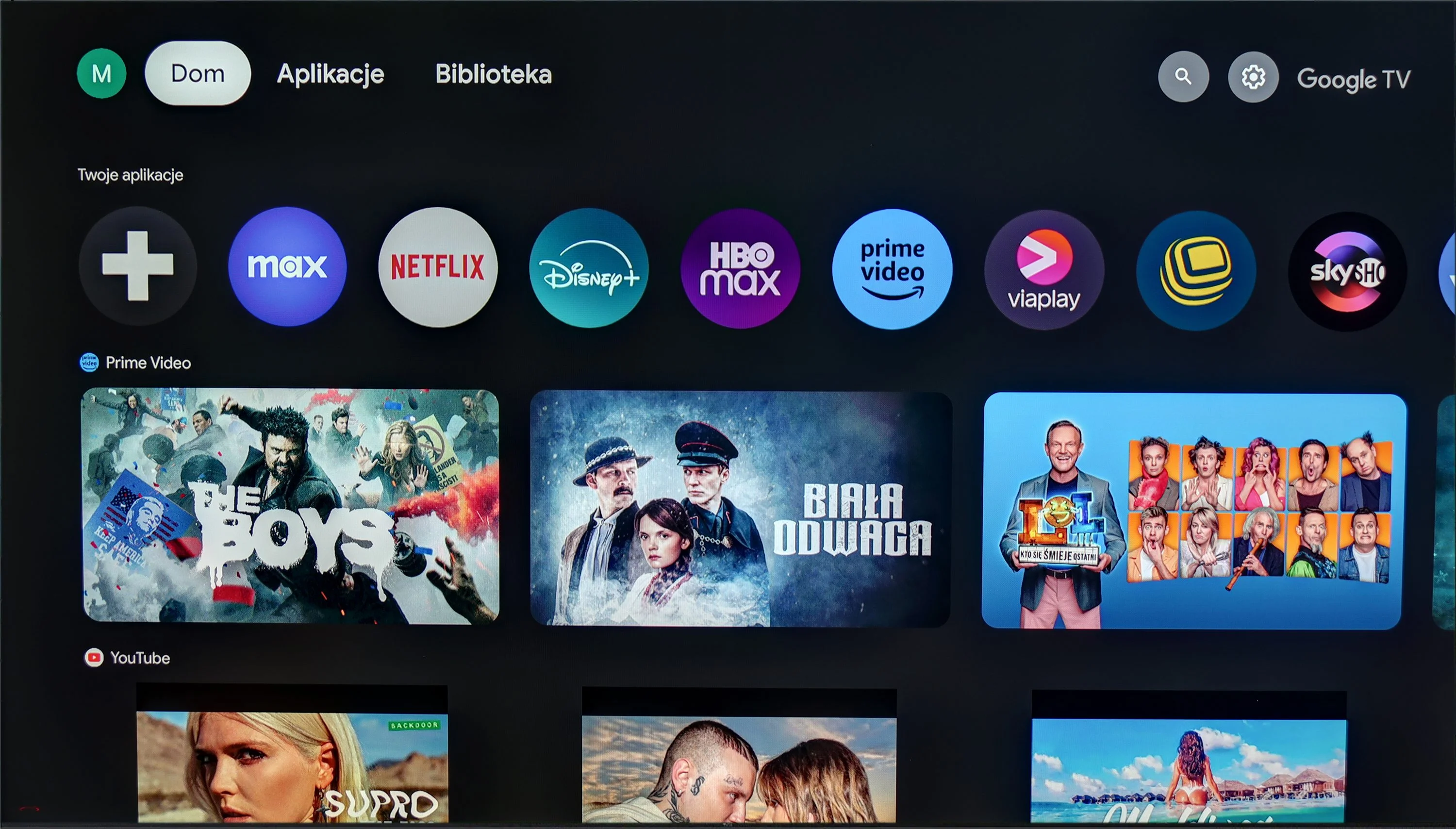
TCL C855 operates on the Google TV system, which is a significant advantage compared to TVs equipped with proprietary systems from manufacturers, where installing applications from a USB drive can be challenging or often downright impossible. With Google TV, we have the option to install almost any application, both from the official store and directly from internet repositories via APK files.

This system also offers many conveniences in terms of control. We can connect a keyboard with a touchpad, which significantly simplifies entering queries. Additionally, thanks to integration with Google, we can utilise voice control features using the remote, which works very well, although there can be minor issues with translating functions and options. It’s worth mentioning that Google TV regularly receives updates that improve functionality and introduce new options. We can also confirm that according to reports from users of older models, the software can have its off days, and sometimes it does have its "bad day".

In summary: Google TV is currently one of the most popular systems on the market. Thanks to its powerful CPU, it runs very smoothly, does not freeze, and has no issues with stuttering for a significant part of its usage. This is definitely the best option for those who want to make the most of the TCL C855 TV’s capabilities and appreciate the openness of the system.

Tizen and Smart TV features

Tizen is, of course, behind the Smart TV features. The system runs smoothly and offers a very large selection of streaming apps. It also supports AirPlay, Miracast and voice search in Polish. In that respect The Frame Pro is not especially different from other new Samsungs – you simply get the manufacturer's feature-rich, well-working system.

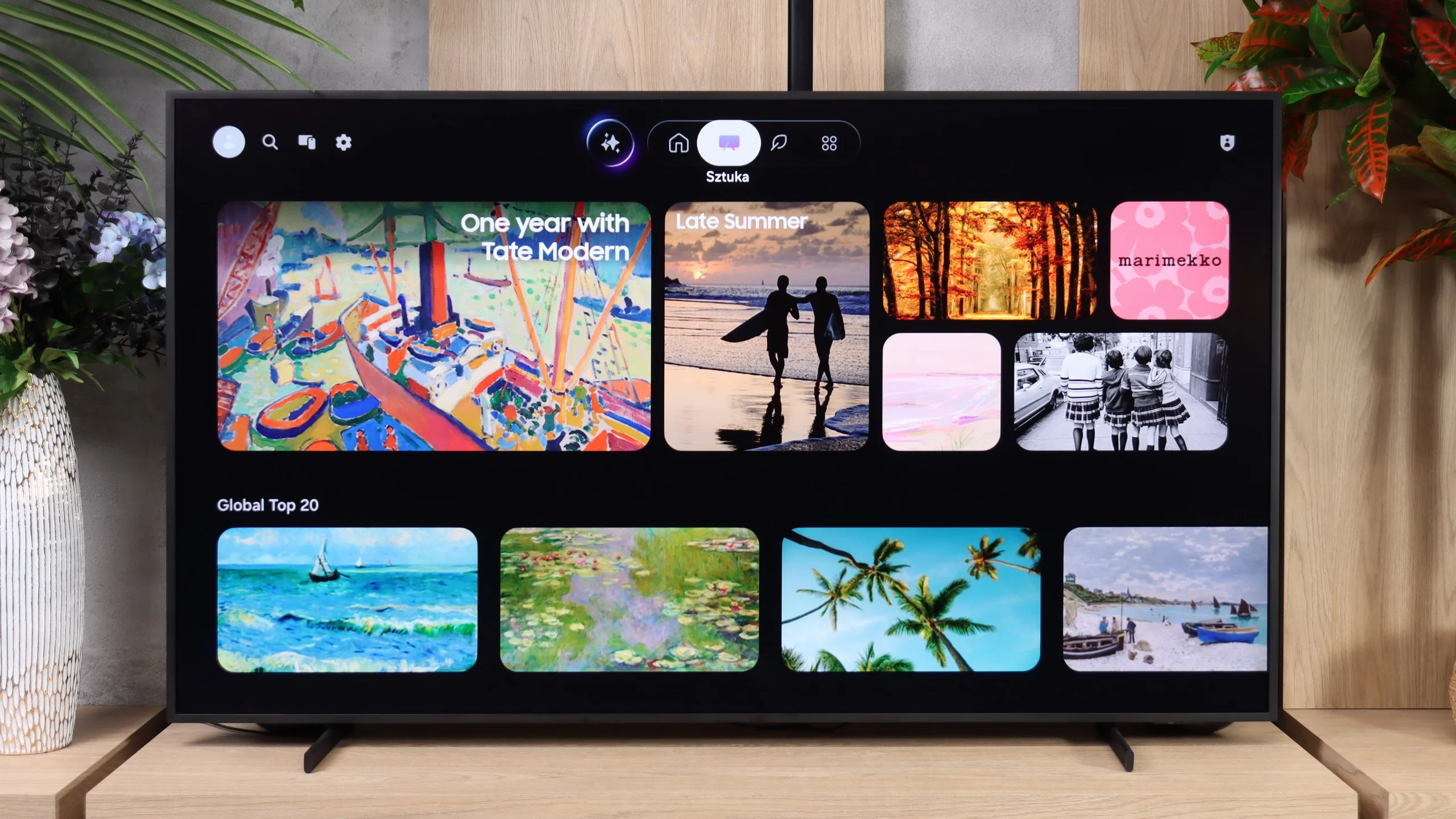
Art Mode and Art Store

Far more interesting is Art Mode, since it's one of the most important features of the whole Frame series. When turned off, the TV can display paintings, photos or graphics instead of a black screen and can genuinely do a good job of imitating a classic picture hanging on the wall. Samsung provides access to the Art Store, where the selection is really large and the materials themselves are prepared to very high quality. The problem is that full access requires a subscription, and in our view that's a significant drawback for a TV whose main selling point is this feature. Fortunately we're not limited to the Art Store. You can upload your own photos or artwork, so nothing stops you from finding a high-resolution piece yourself and displaying it on the screen. The automation of this mode is also handled very interestingly. The Frame Pro not only has an ambient light sensor to adapt the look of the displayed image to the room, but also a presence sensor. The TV can therefore detect that someone is in the room and automatically activate Art Mode.
Classic features

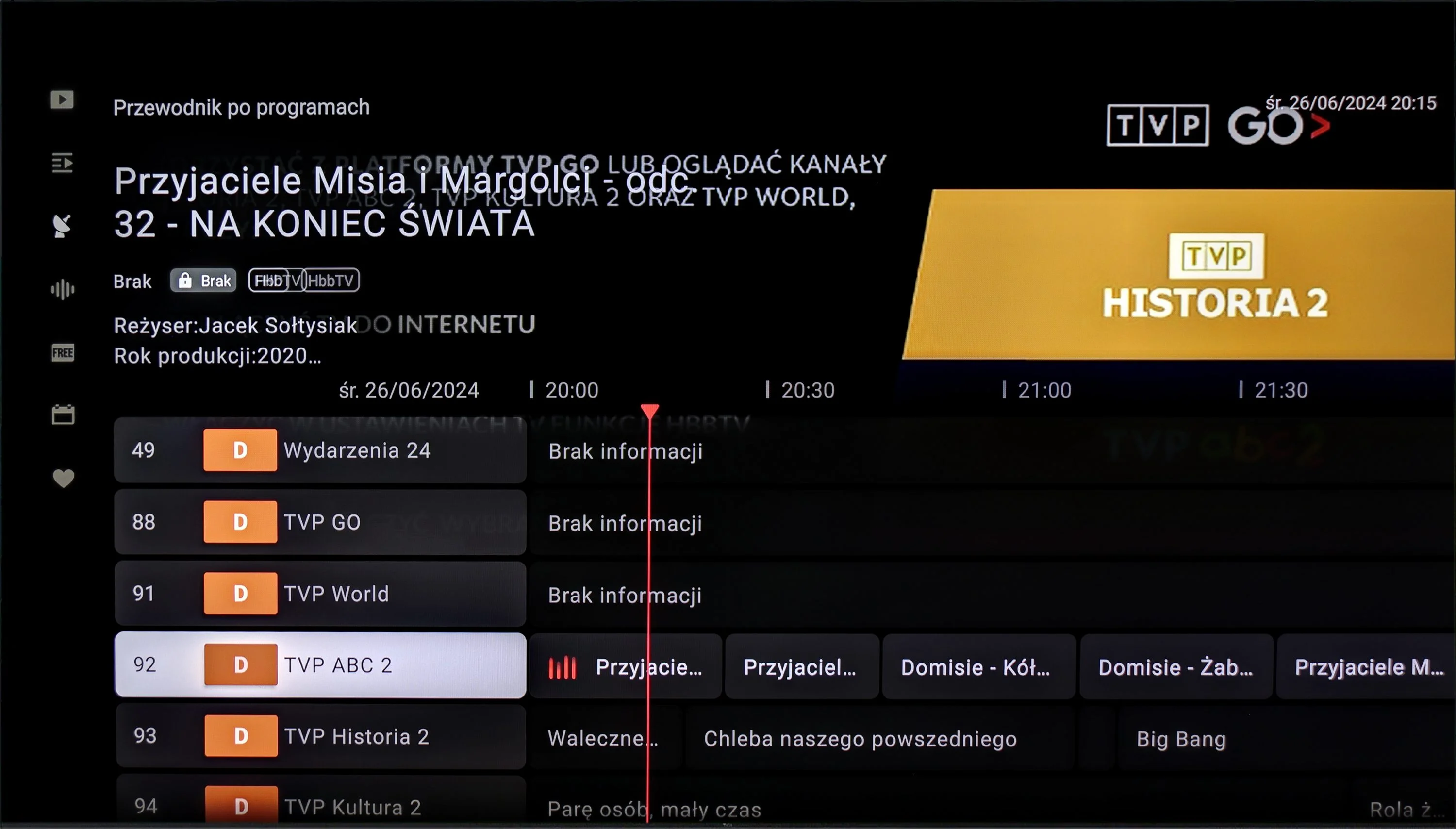
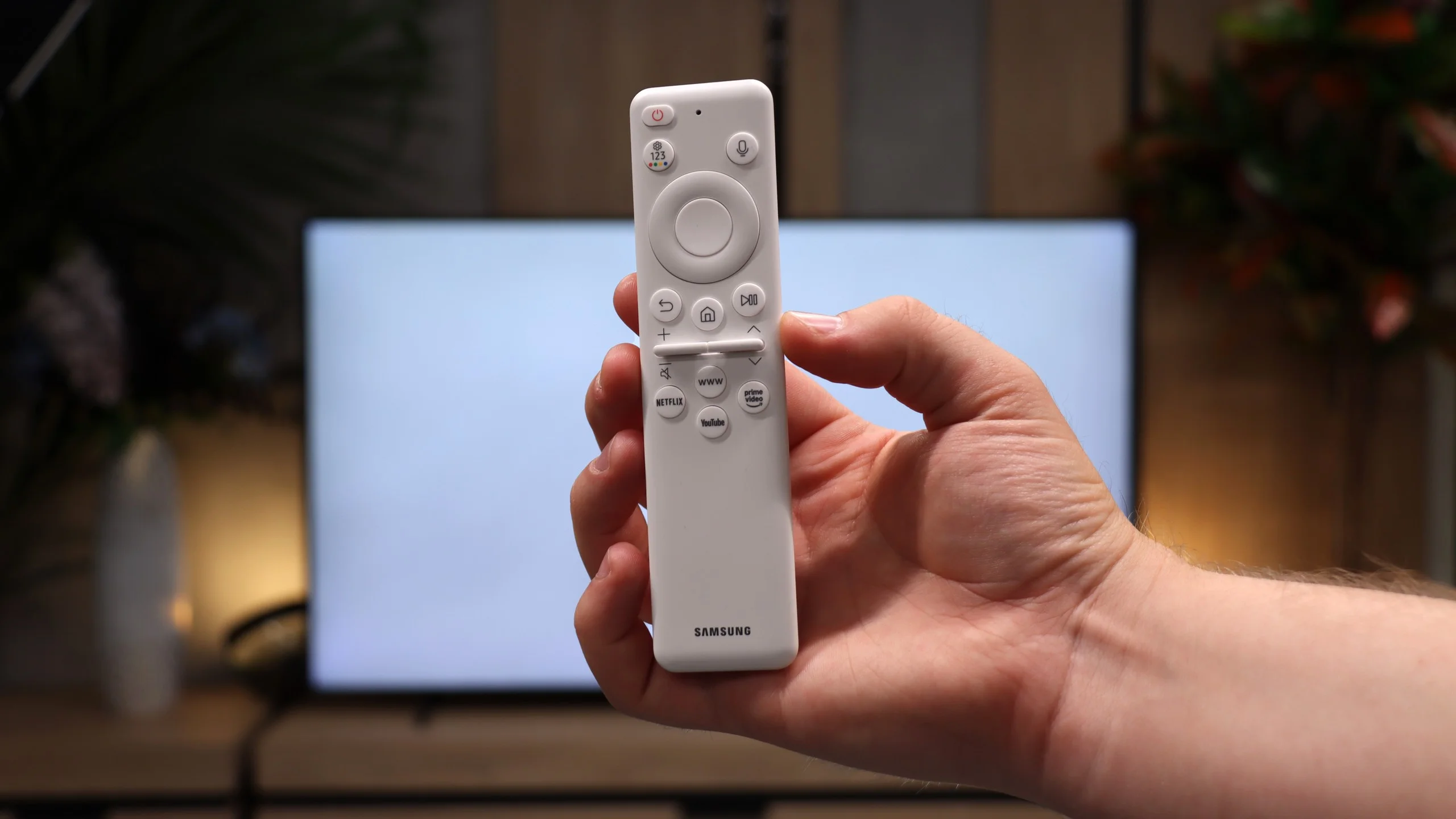
As for classic TV features, The Frame Pro offers a rather basic set of conveniences. We have DVB-T/T2, DVB-S/S2 and DVB-C tuners, teletext, a sound-only mode and the ability to use Bluetooth headphones and the TV speakers at the same time. Missing, however, are USB programme recording, PiP and a more advanced remote, for example one with a numeric keypad. The remote works via radio, so you don't need to point it at the screen.

Apps

9.6/10

9.3/10

OK
Disney_Plus
OK
Amazon_Prime_Video
OK
Player_TVN
OK
Polsat_Box_Go
OK
Canal_Plus_Online
OK
TVP_VOD
OK
Apple_TV_Plus
OK
SkyShowtime
OK
Rakuten
OK
CDA_Premium_Browser
OK
Spotify
OK
Tidal
OK
Netflix
OK
YouTube
OK
HBO_MAX
OK
Kodi
No
Apple_music
OK
Eleven_sports
No
Xbox Game Pass
OK
GeForce NOW
No
Amazon Luna
OK
Boosteroid
OK
Steam Link
OK
Disney_Plus
OK
Amazon_Prime_Video
OK
Player_TVN
OK
Polsat_Box_Go
OK
Canal_Plus_Online
OK
TVP_VOD
OK
Apple_TV_Plus
OK
SkyShowtime
OK
Rakuten
OK
CDA_Premium_Browser
OK
Spotify
No
Tidal
OK
Netflix
OK
YouTube
OK
HBO_MAX
No
Kodi
OK
Apple_music
OK
Eleven_sports
OK
Xbox Game Pass
OK
GeForce NOW
OK
Amazon Luna
OK
Boosteroid
No
Steam Link

Playing files from USB

9.2/10

9.1/10

Supported photo formats:

JPEG
Yes
Yes
HEIC
No
No
PNG
Yes
Yes
GIF
Yes
No
WebP
Yes
No
TIFF
No
No
BMP
Yes
Yes
SVG
No
No

Maximum photo resolution:

4 Mpix
Yes
Yes
6 Mpix
Yes
Yes
8 Mpix
Yes
Yes
10 Mpix
Yes
Yes
12 Mpix
Yes
Yes
16 Mpix
Yes
Yes
20 Mpix
Yes
Yes
24 Mpix
Yes
Yes
28 Mpix
Yes
Yes
32 Mpix
Yes
Yes

The default media player on the TCL C855 handles practically all the media we've prepared for it very well. Almost every video format is supported. However, an important downside may be the lack of a font colour change feature. There are hardly any issues with photos and their maximum resolution. It's definitely worth noting the absence of support for Apple's HEIC and SVG files. On the other hand, we can play audio files without any problems, and we don't think many of you are using AIFF or DSD64. One undeniable advantage of the C855 and its operating system is that at any time we can download another player from the app store that will play anything.

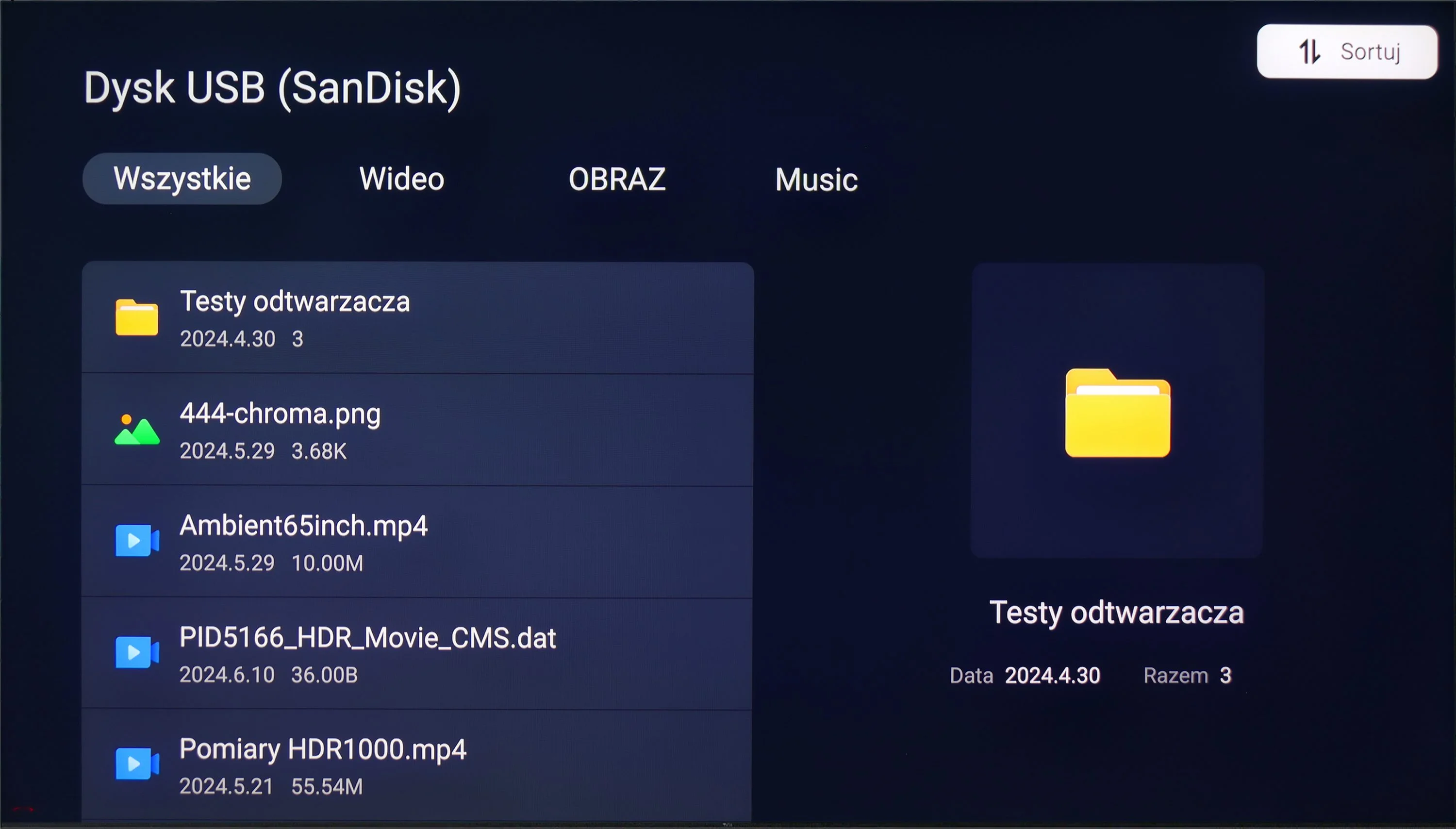
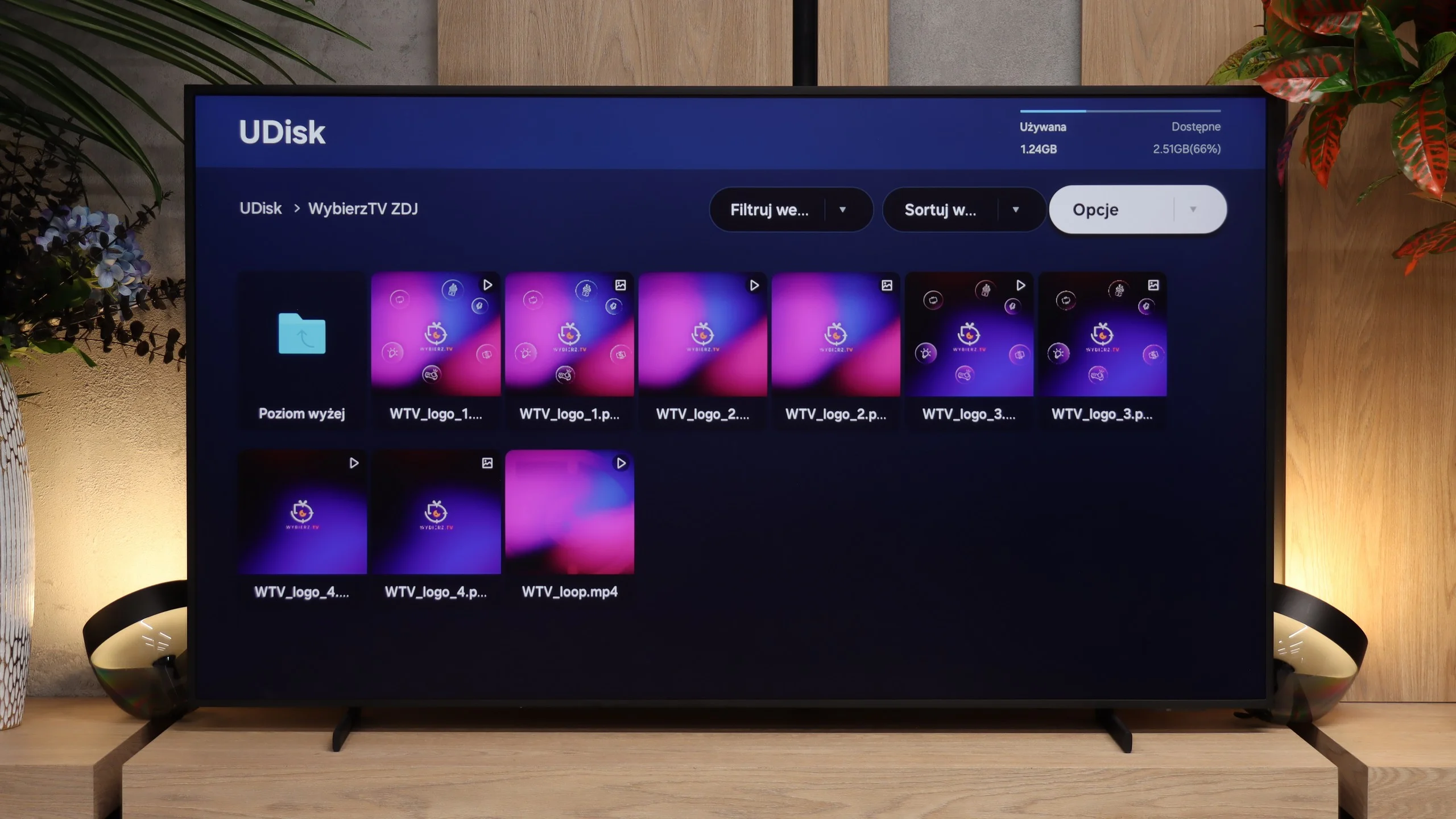
The Frame Pro handles playing files from a USB drive well. Most common video, audio and photo formats work correctly, so you probably won't need to connect a laptop just to play a movie or browse photos. What we miss most is support for HEIC, the format commonly used for photos taken with iPhones. Apple users will therefore have to convert those photos to a supported format beforehand or simply stream them to the TV via AirPlay. Other than that, the player works great.

Sound

7.2/10

6.4/10

  • Maximum volume
    -
    89dB
  • Dolby Digital Plus 7.1
    Yes
    Yes
  • Dolby True HD 7.1
    No
    No
  • Dolby Atmos in Dolby Digital Plus (JOC)
    Yes
    Yes
  • Dolby Atmos in Dolby True HD
    No
    No
  • DTS:X in DTS-HD MA
    Yes
    No
  • DTS-HD Master Audio
    Yes
    No

When assessing the sound on the TCL C855, we pay attention to several key aspects, such as whether the tones are clearly audible and do not interfere with each other, as well as whether none of them dominates the others. In the case of the TCL C855, the sound performs well – it is balanced and does not evoke any negative feelings. Generally, the sound is simply good.

For those with a home theatre system, the TCL C855 offers a wide range of audio codecs, including the two most important ones: DTS-HD Master Audio and Dolby Atmos. This ensures high sound quality that will satisfy users seeking better audio experiences.

The sound on The Frame Pro is decent and hasn't changed much compared with last year's model. The TV handles dialogue particularly well, with voices clear and easy to hear. However, it lacks stronger bass, so films and music don't have much depth. If you care about better sound, it's worth considering a soundbar when buying The Frame Pro. Models from the S series suit it especially well. Their slim design complements the look of the TV. Finally, The Frame Pro supports Dolby Atmos, so with a compatible soundbar or AV receiver you can enjoy immersive audio. It does not support DTS, which is worth bearing in mind when playing films from your own library, for example Blu-ray discs.

Sound Quality Test

No sound test video

Acoustic Measurements

No acoustic data

89dBC (Max)

75dBC

Reader comments

Comments are provided by the external service Disqus (Zeta Global). Once loaded, Disqus may set cookies and process data about your activity.

We will remember your choice on this device. Provider's privacy policy