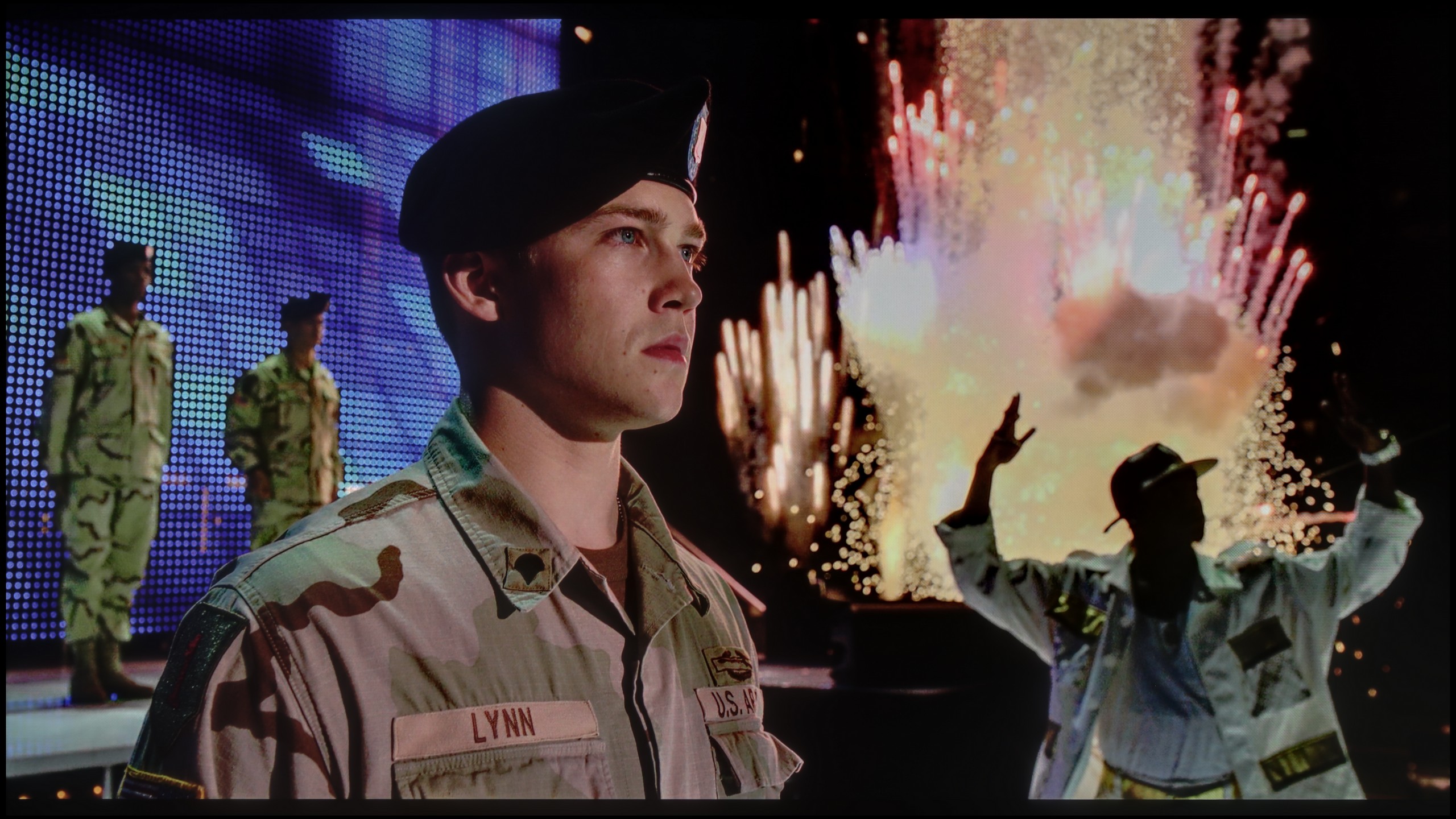
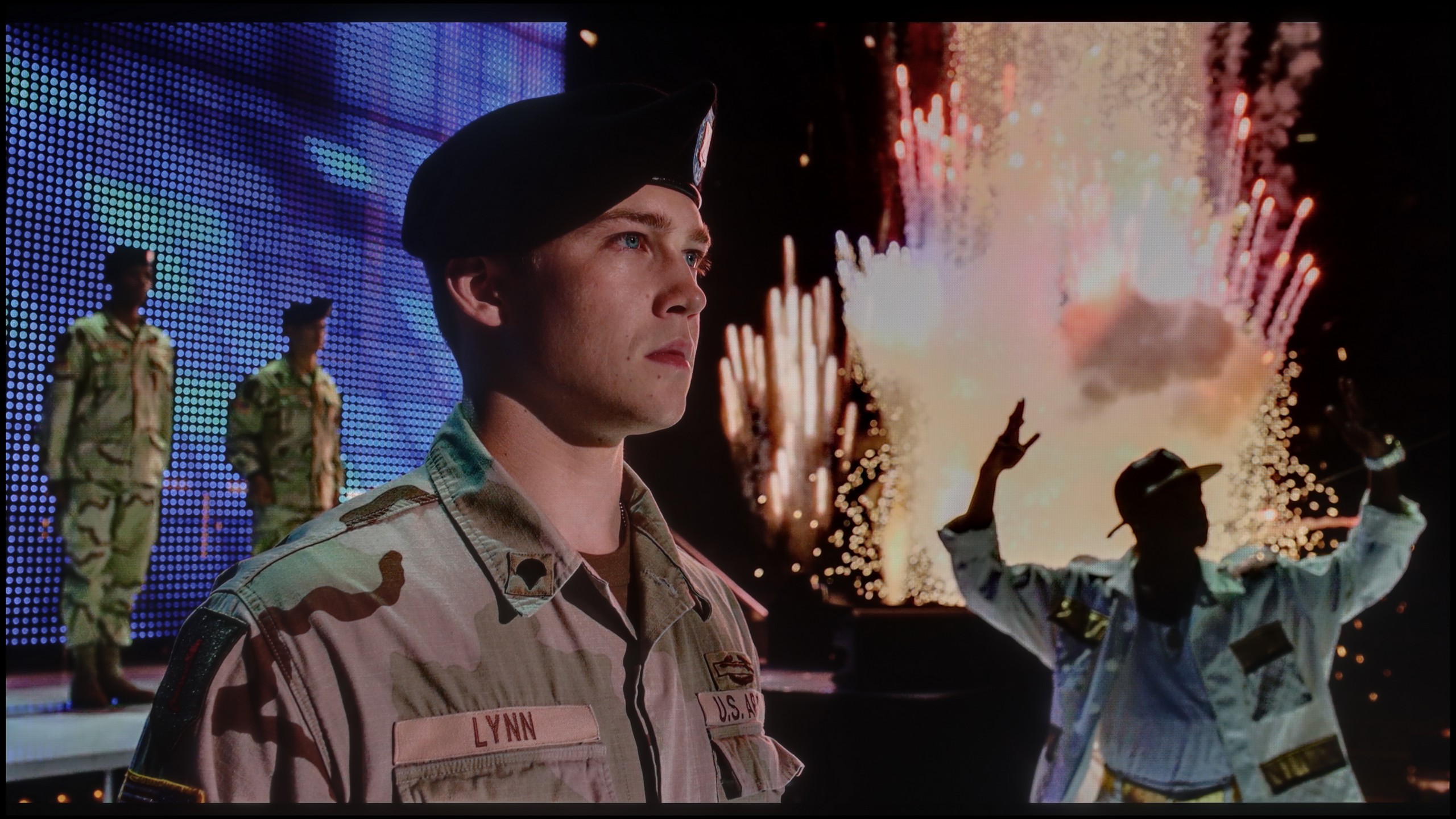
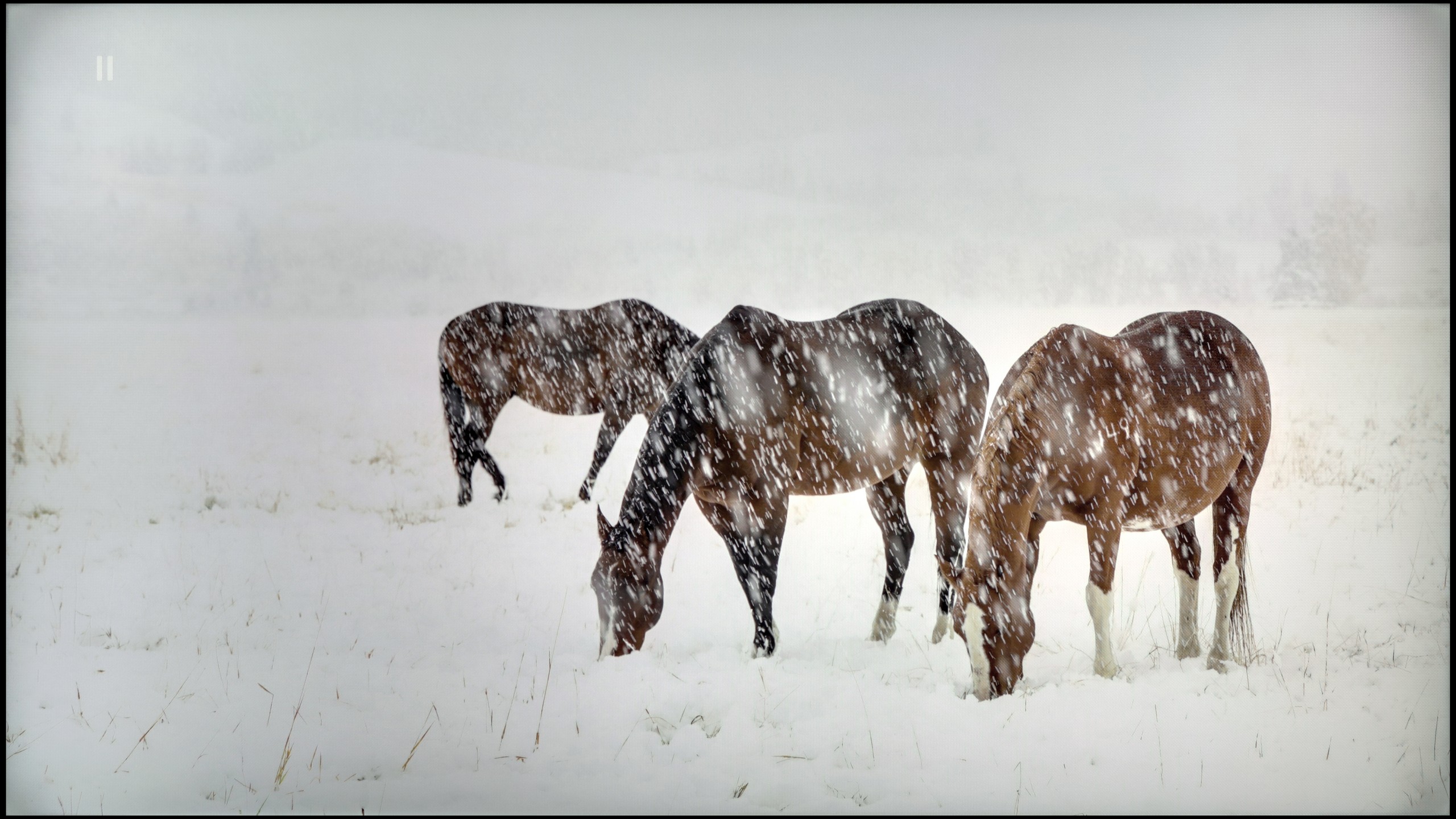
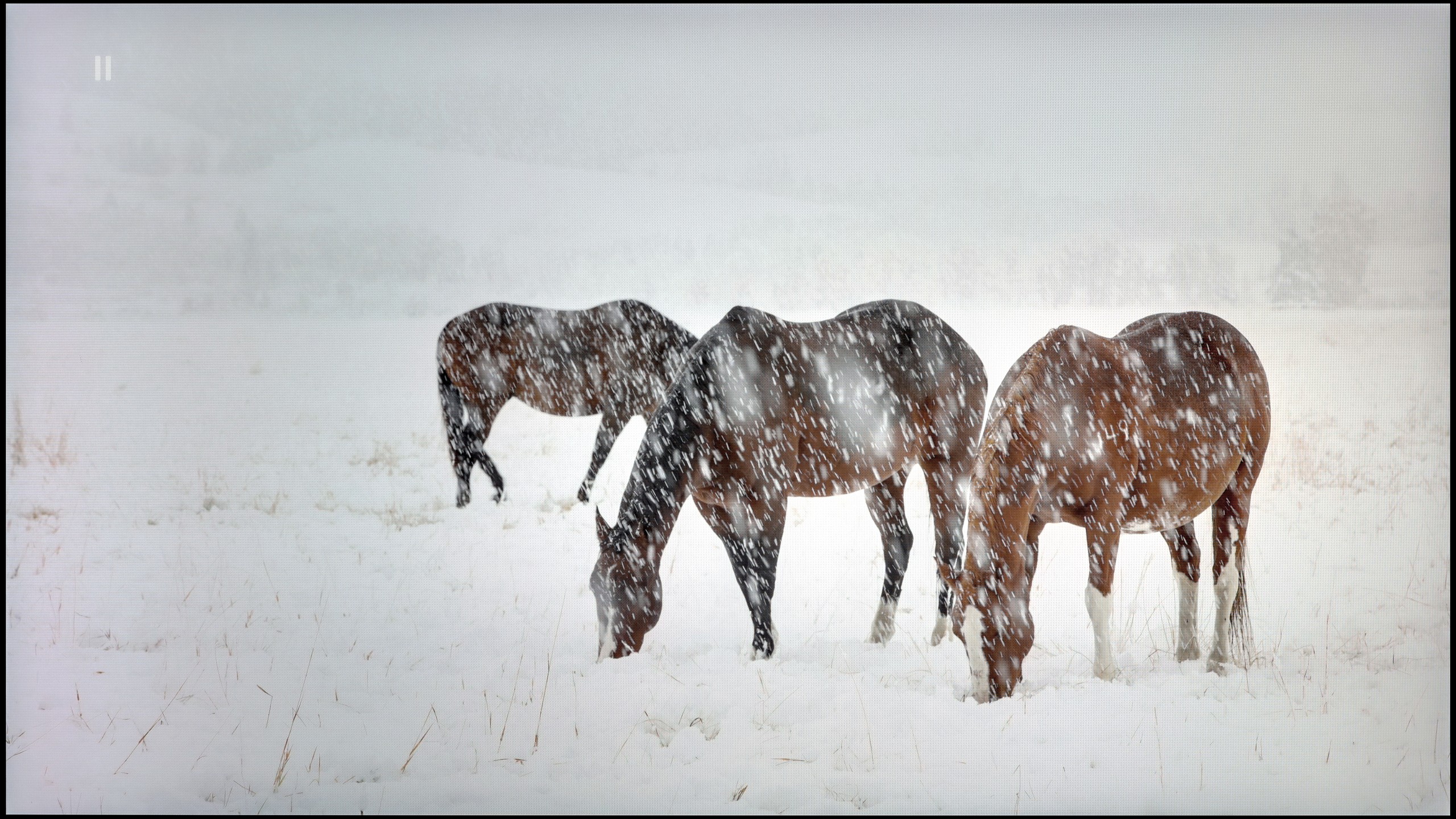
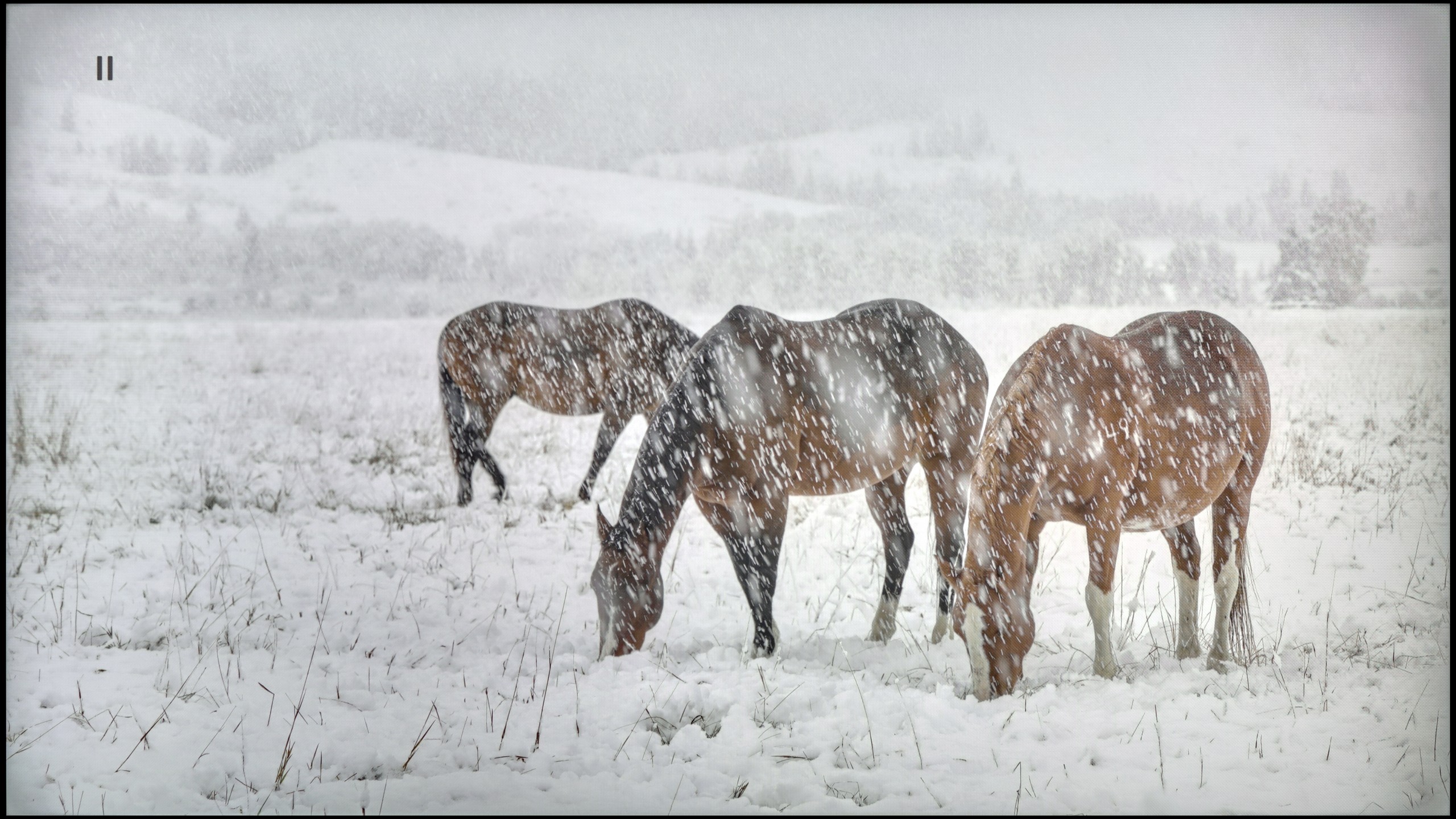
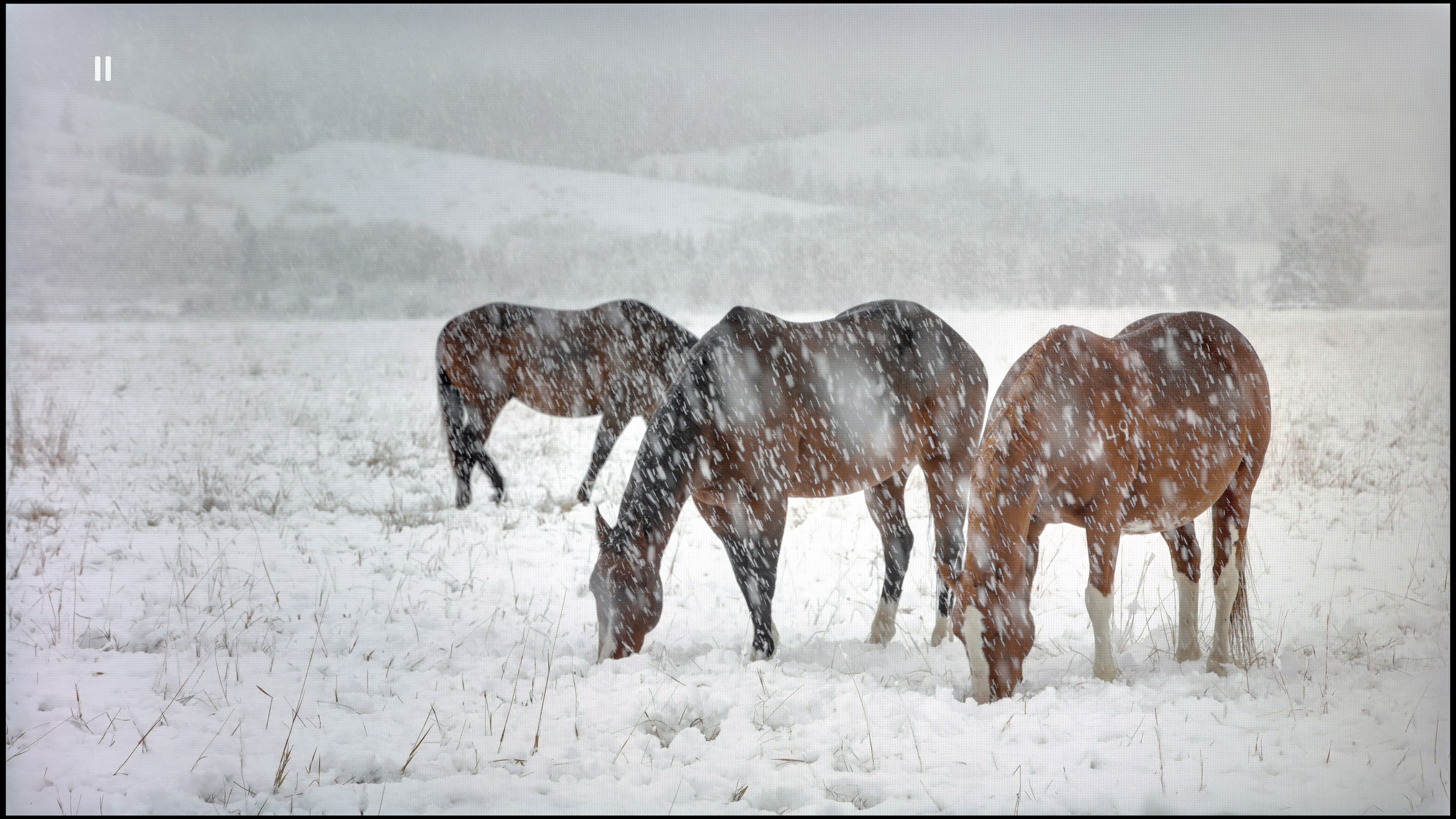
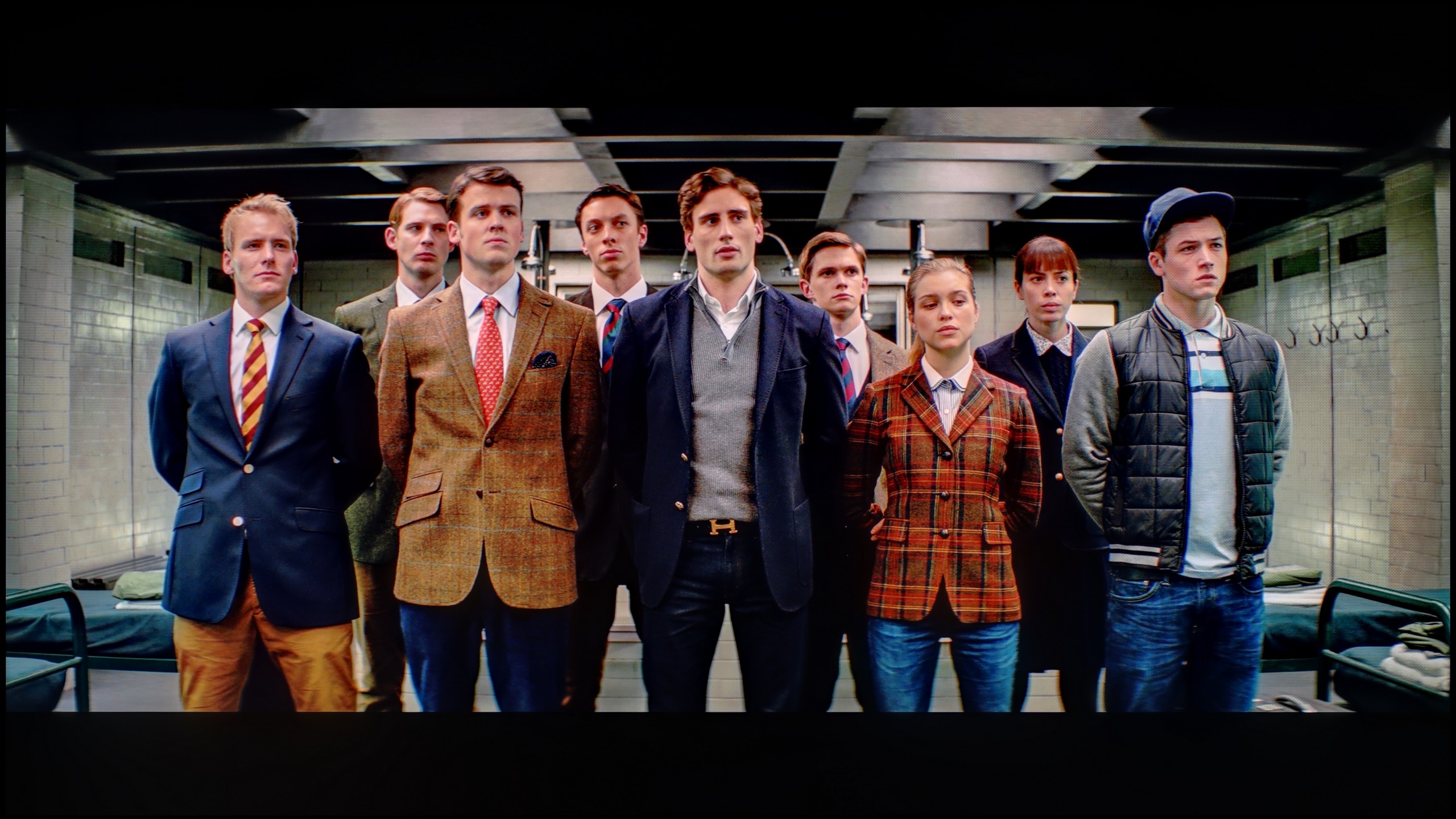
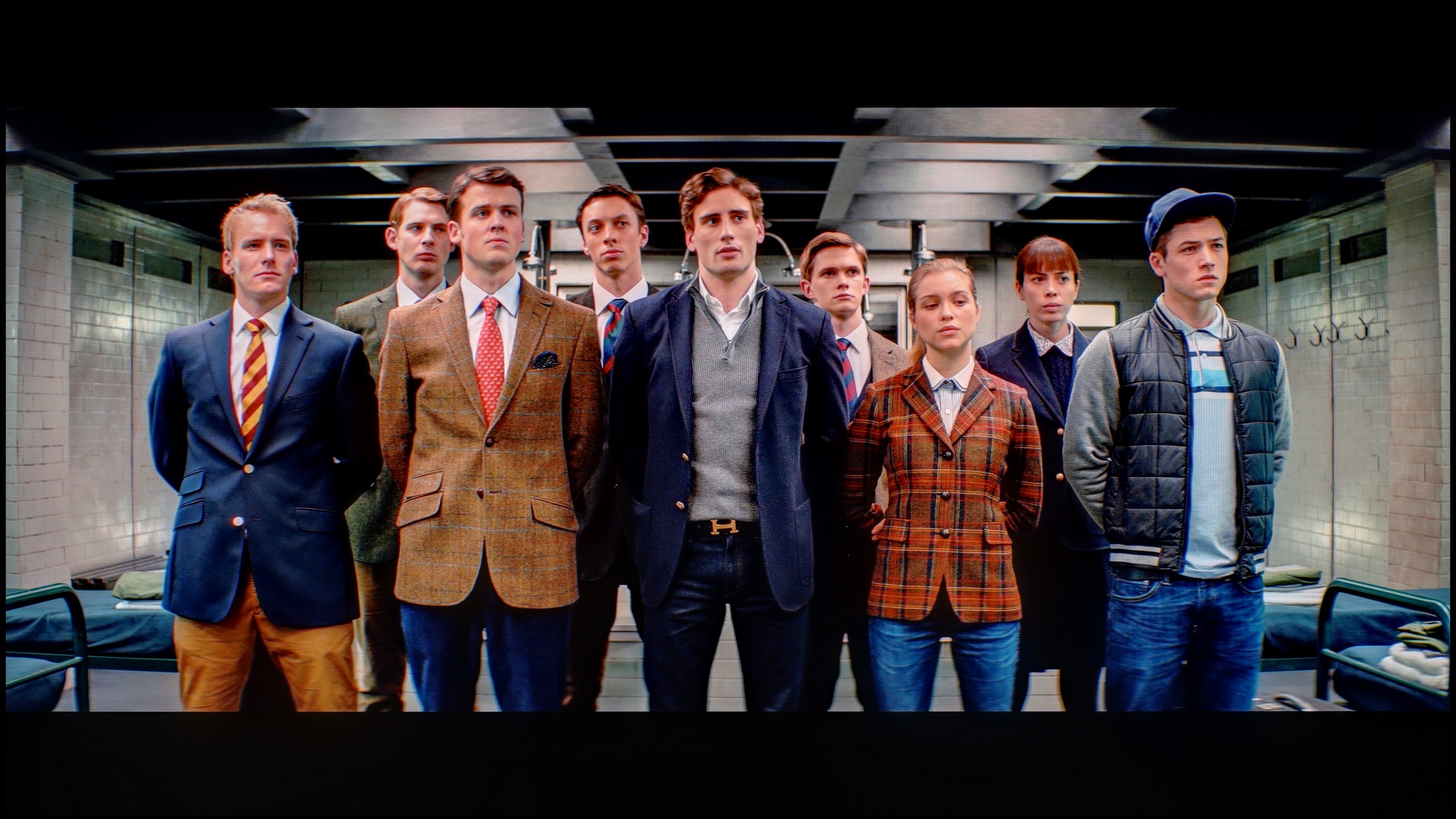
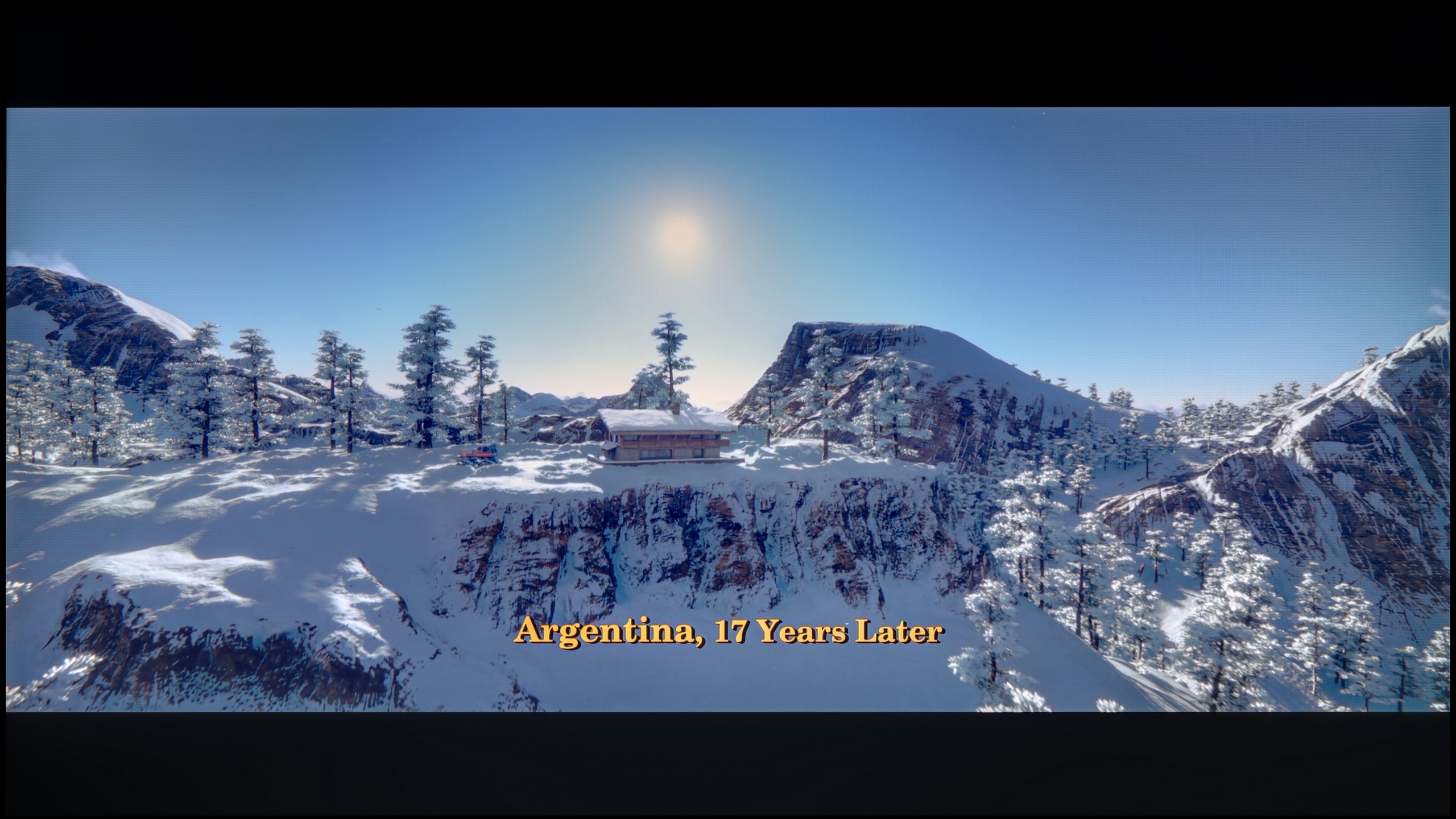
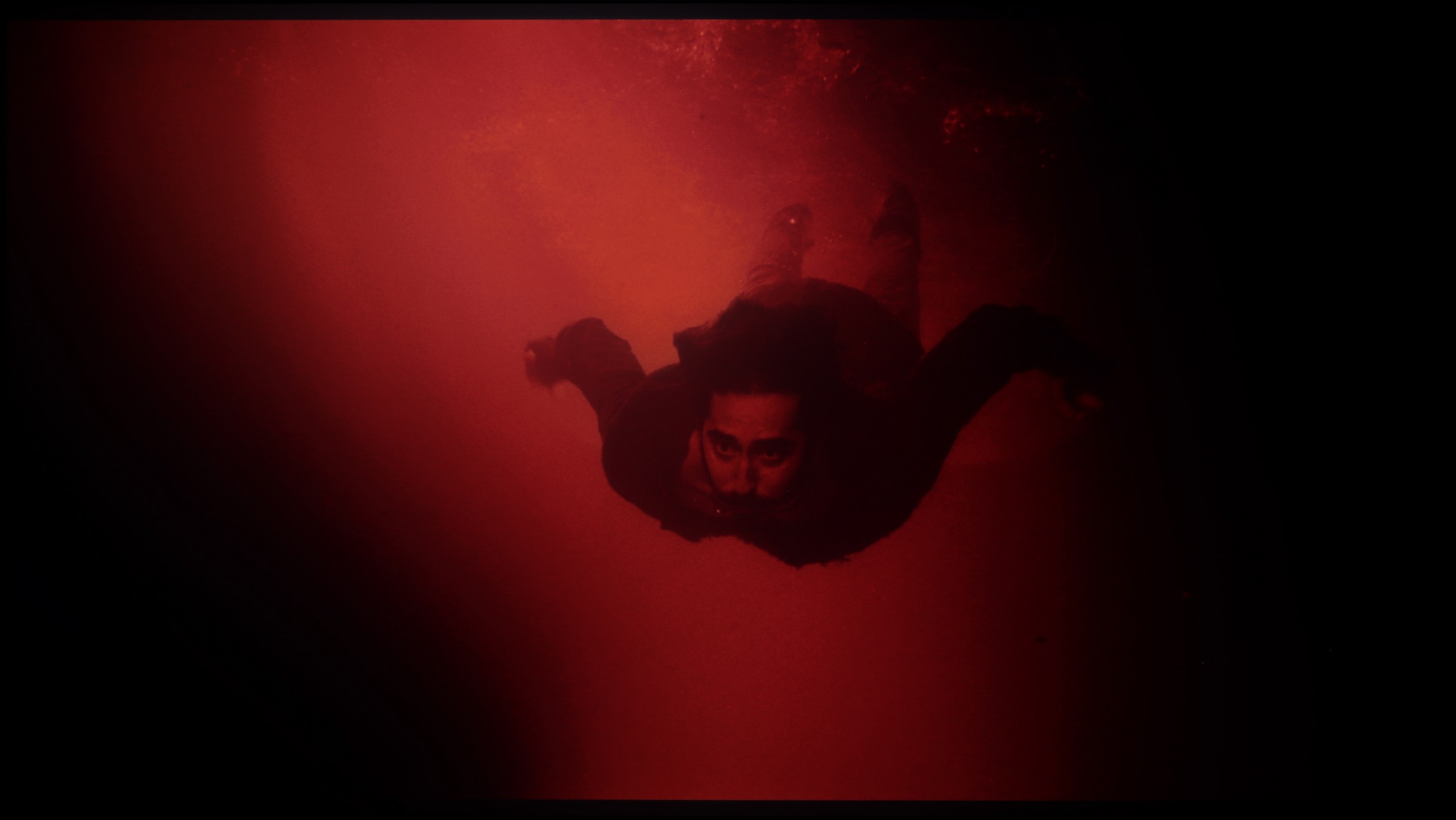
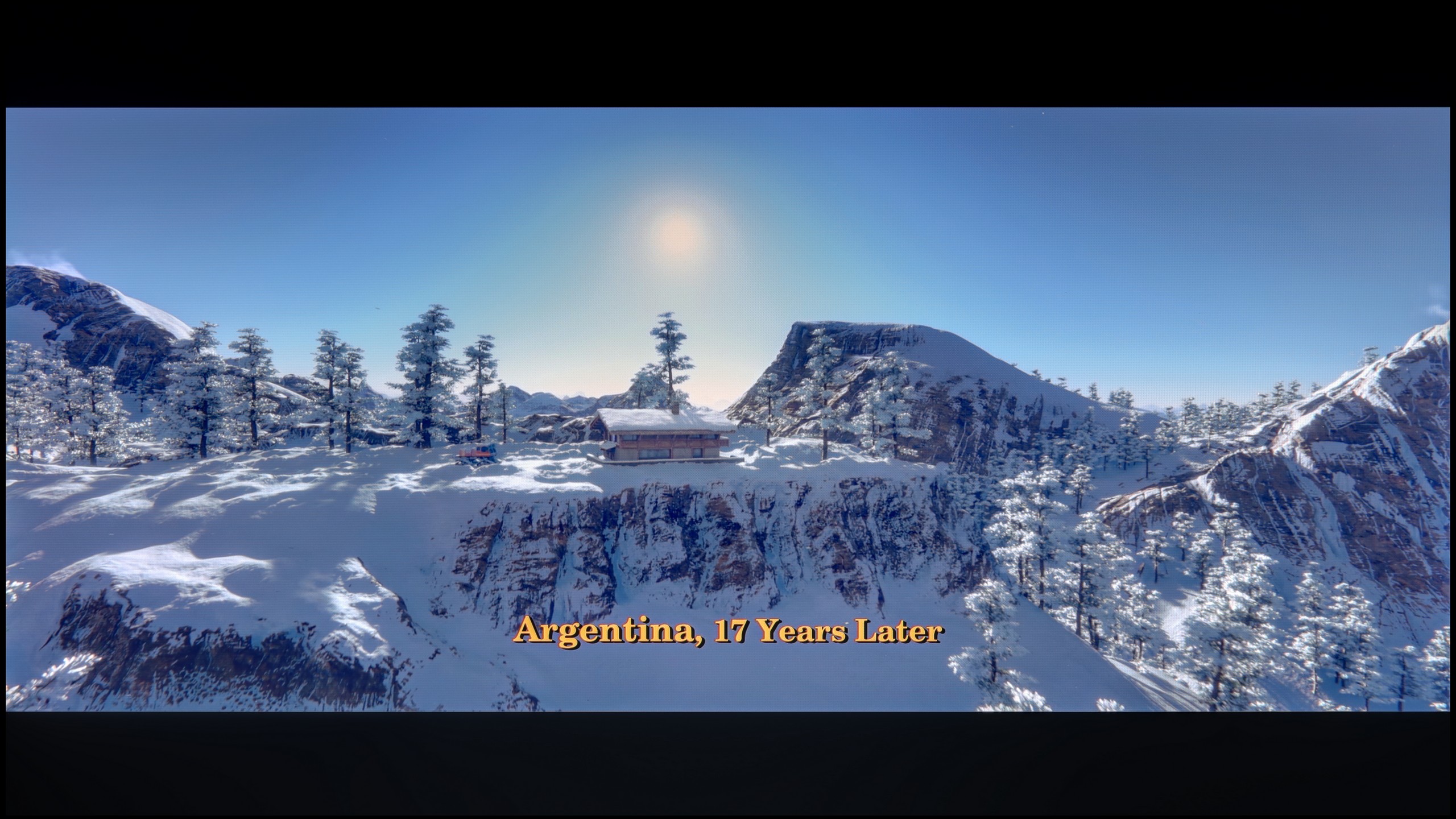
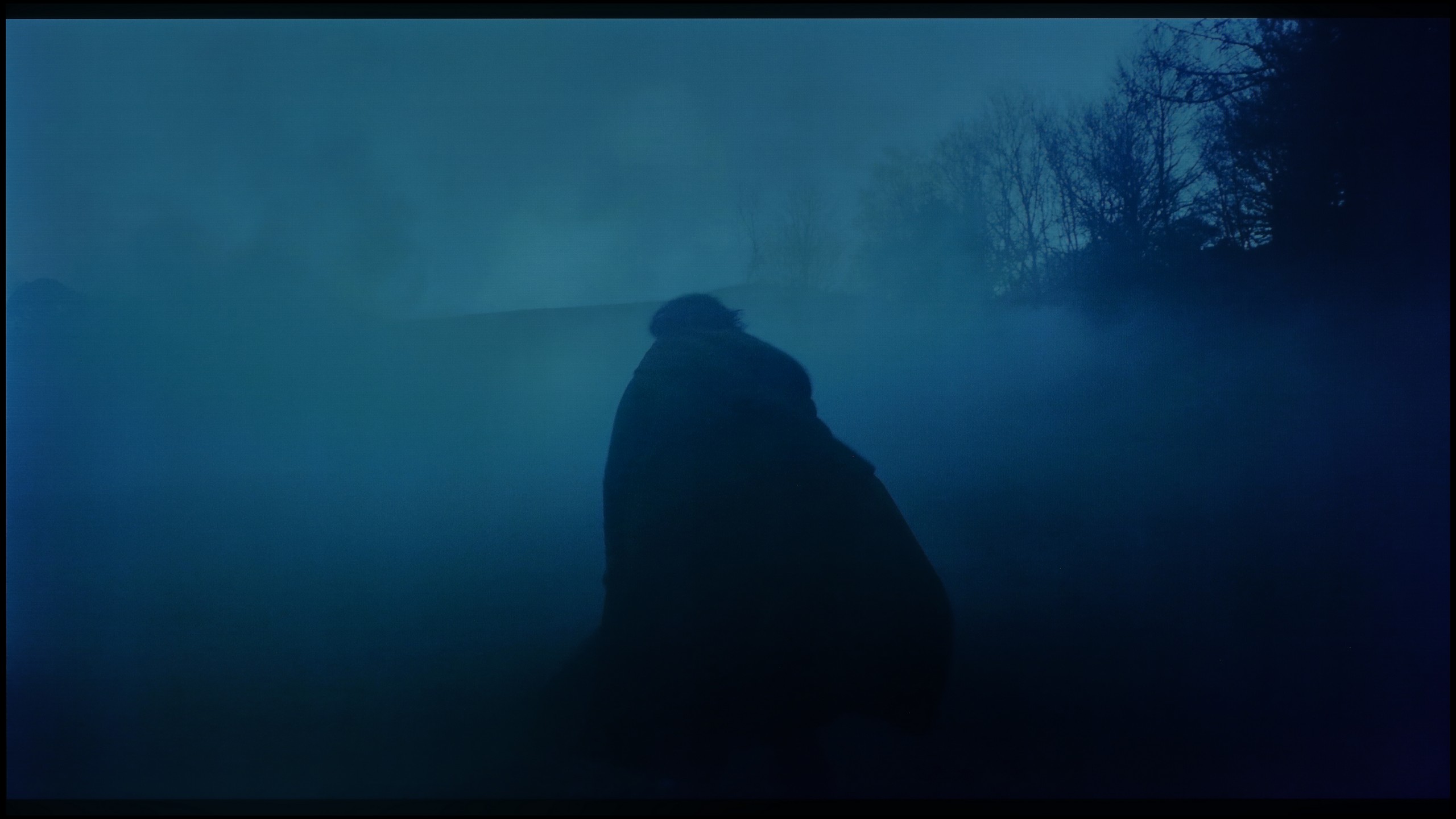
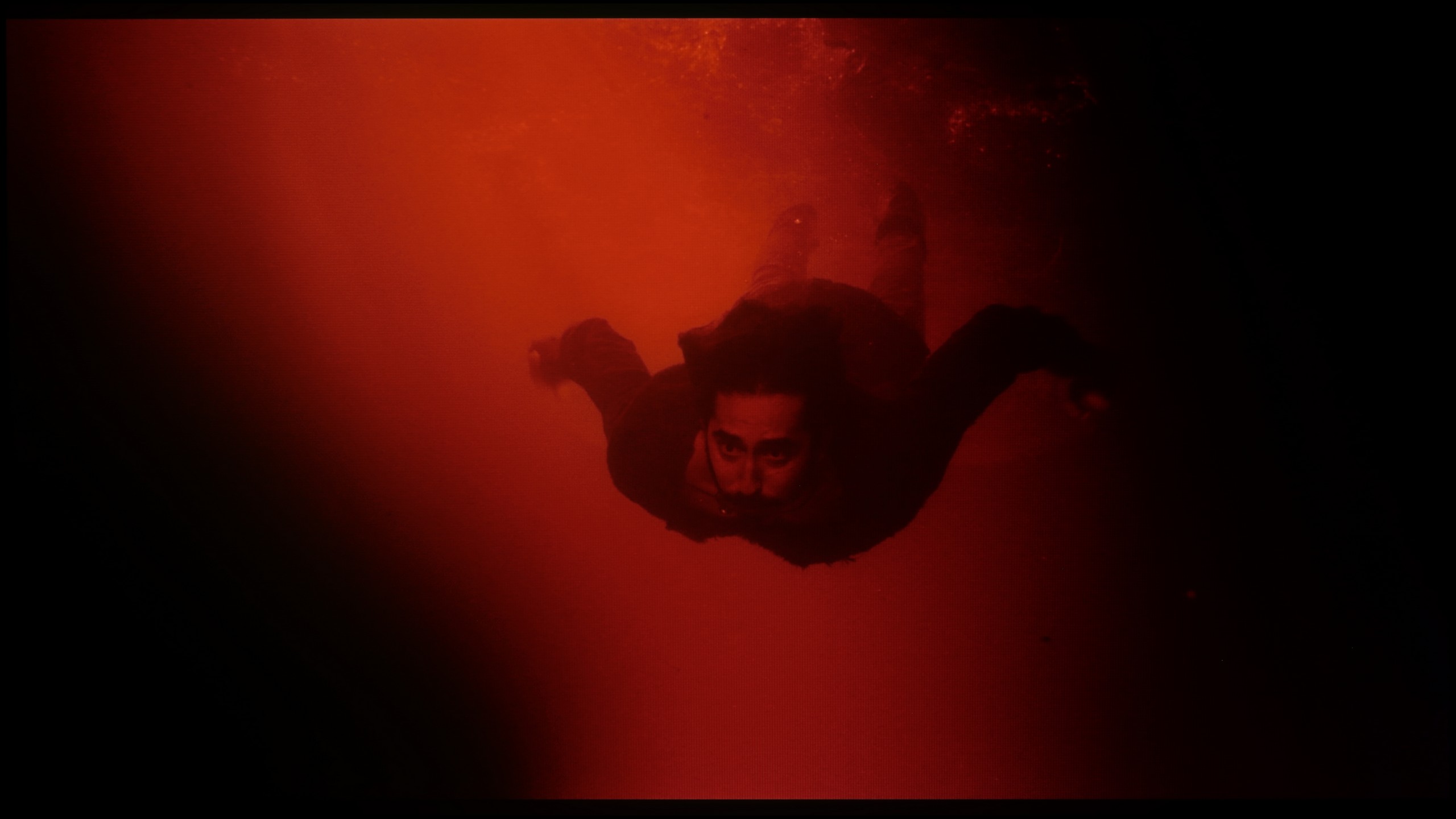
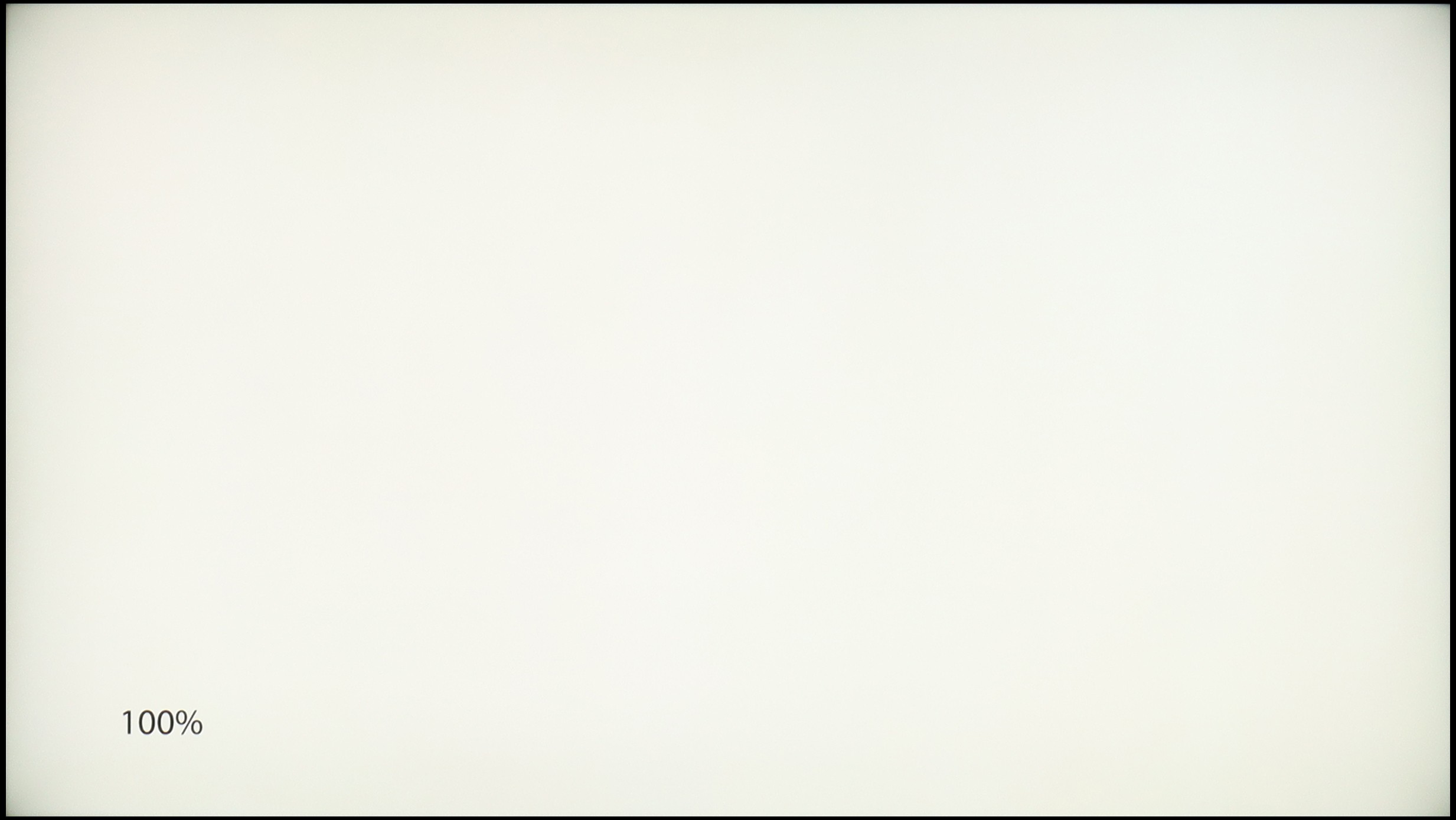
In terms of brightness, the models ranging from 55 to 85 inches in the C7K series are truly impressive. Under optimal testing conditions, the 65-inch screen exceeded 1200 nits, which in practice means that the brightest scenes can dazzle with almost cinematic brilliance. These are not just dry figures from measurements – during screenings, bright skies, explosions, or reflections of light on water looked incredibly striking, often giving the impression that the television exceeds its price range. This is particularly effective in scenes with large areas of illumination, where the screen fills with intense brightness – for instance, in sun-drenched shots or during dynamic action sequences. Viewers looking for strong HDR will definitely be satisfied.
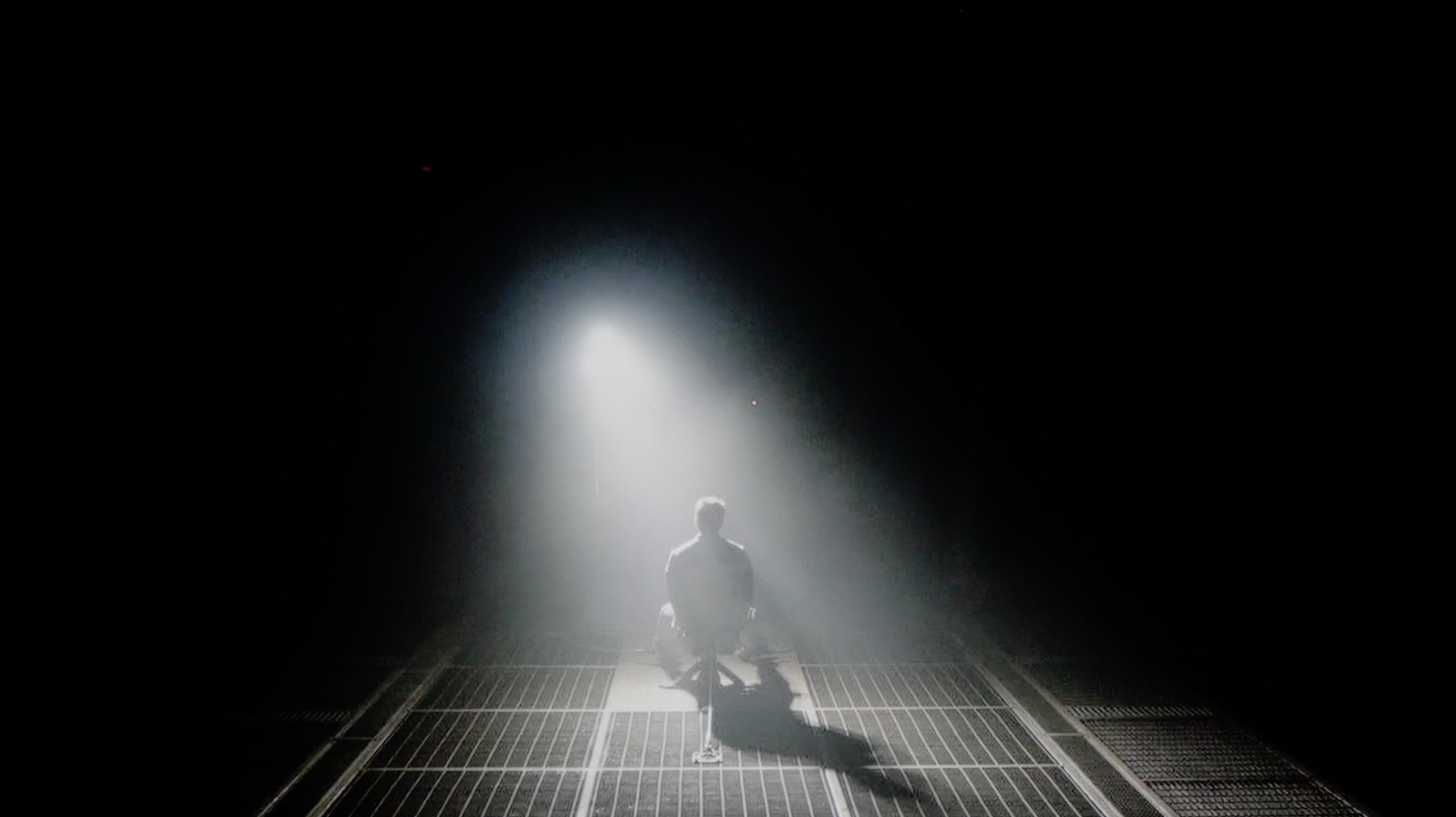
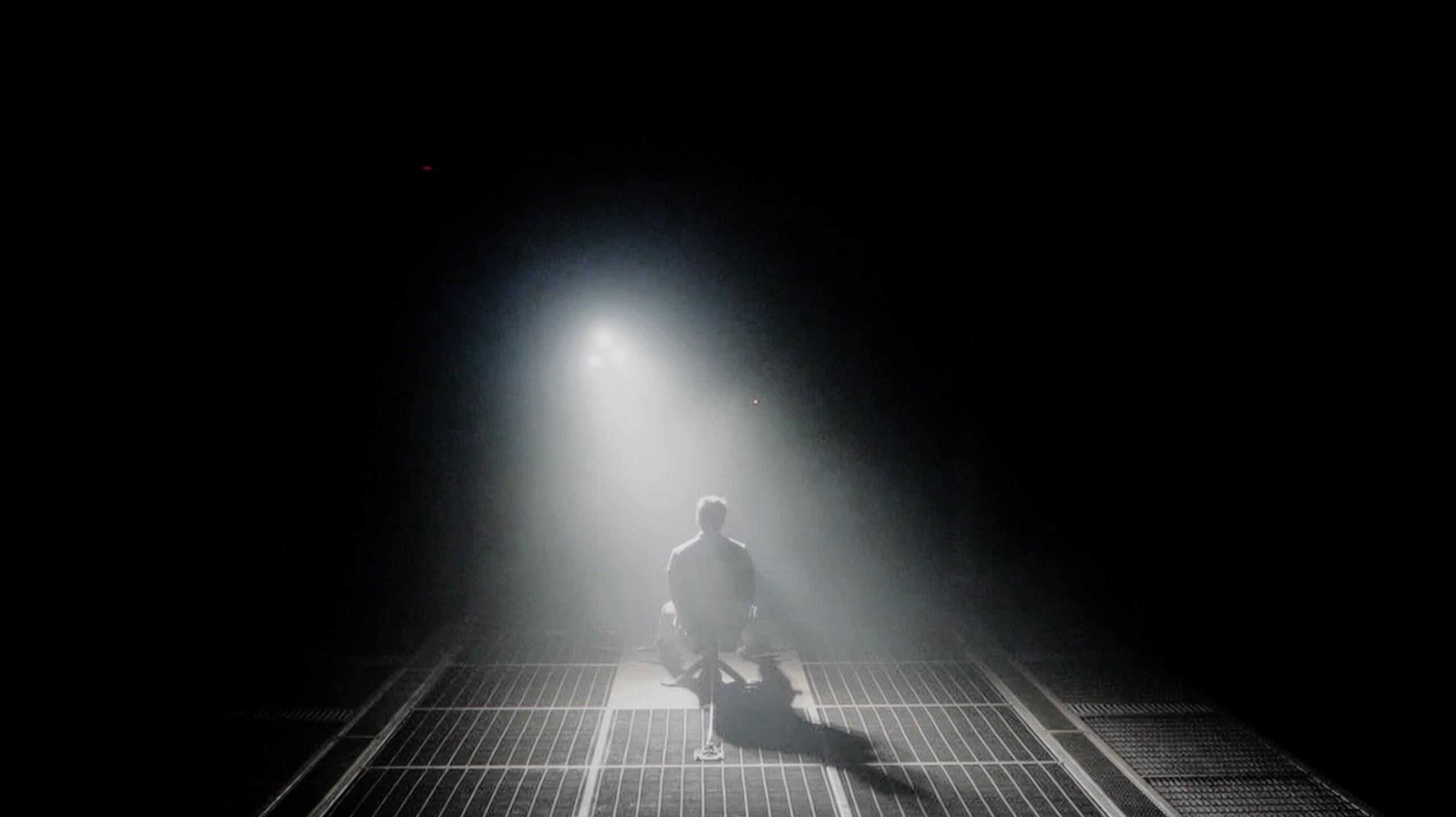
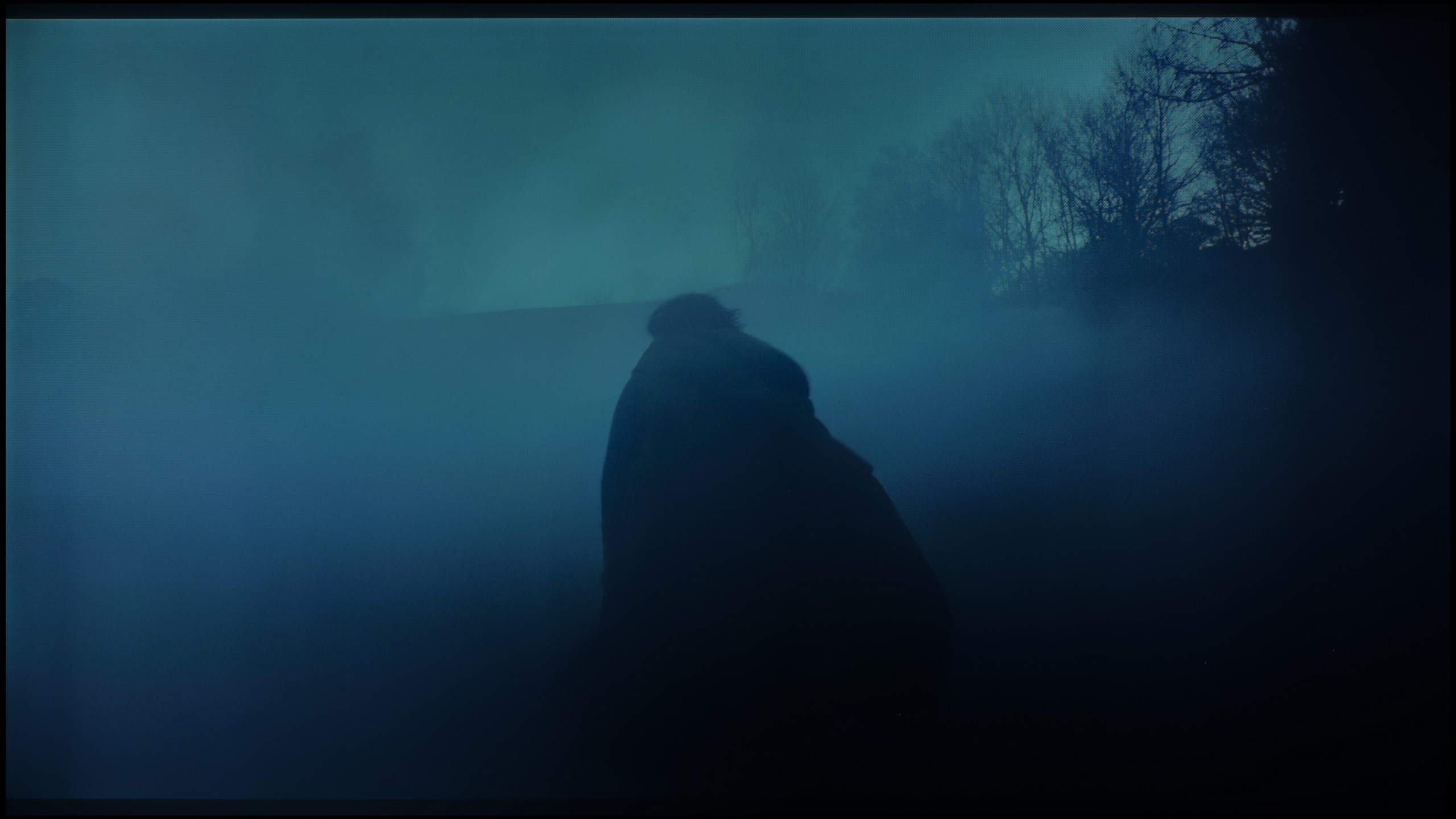
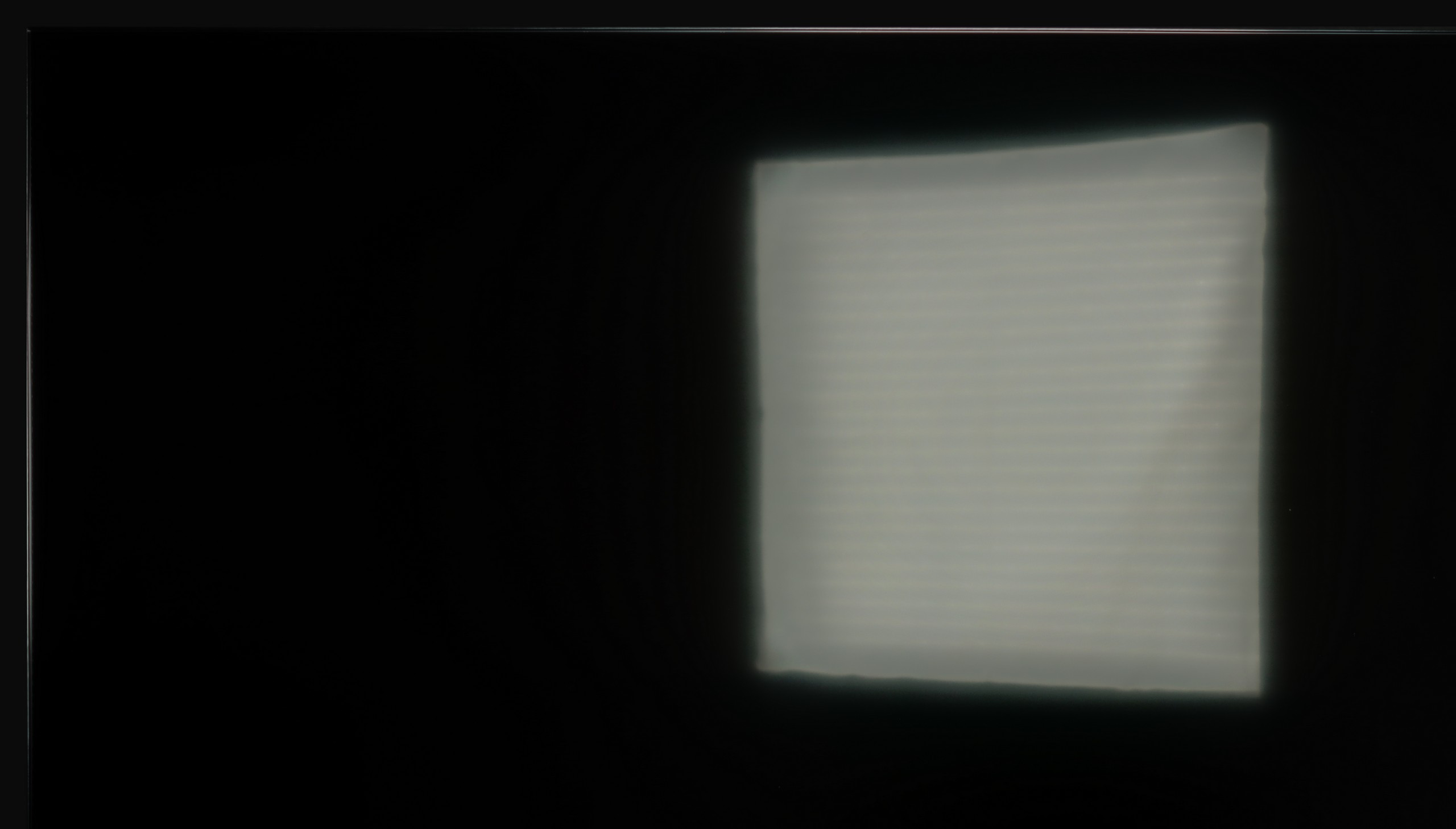
However, scenes that require precise backlight control – with tiny points of light against a dark background – prove to be more challenging. Here, the C7K, despite having over a thousand zones, can still dim brightness to maintain deep blacks. The effect is that in films like Sicario 2 or LIFE of Pi, some details, such as a distant lighthouse or single reflections, may appear less distinct or blend into the surroundings. This is a compromise inherent in MiniLED technology – it provides excellent image depth and blacks at a level not offered by standard LCDs, but this comes at the cost of limited visibility of the tiniest lights.
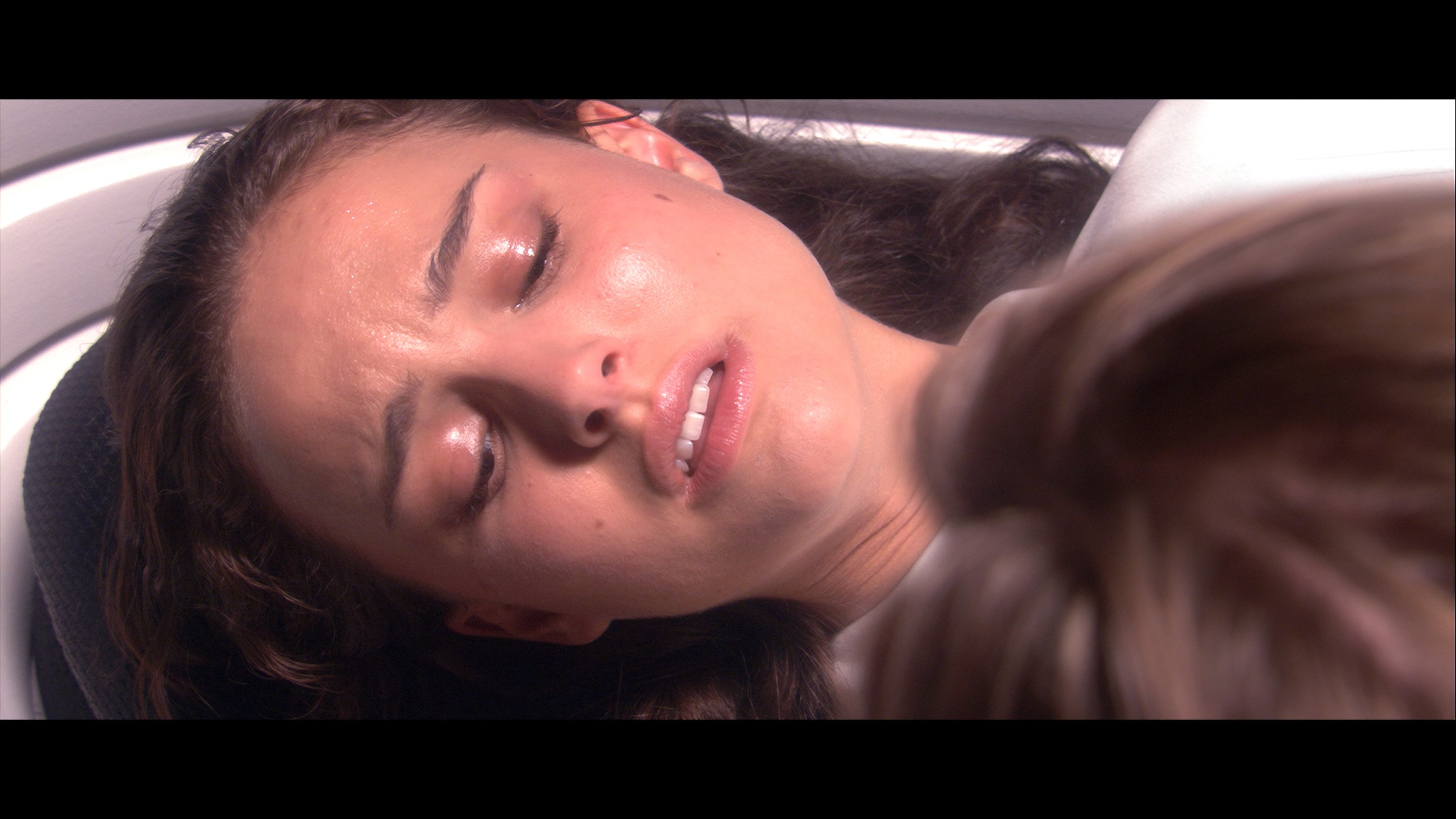
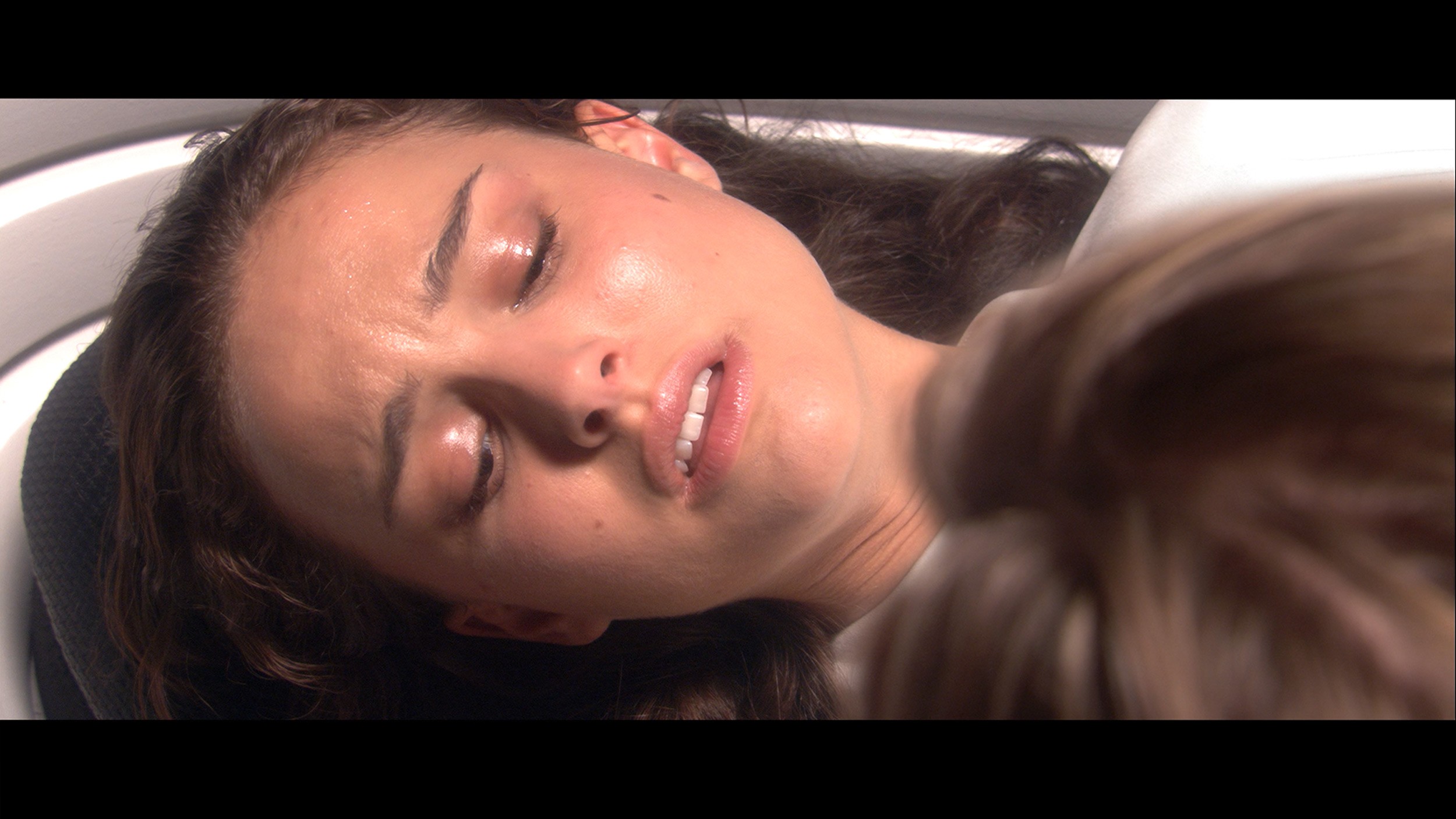
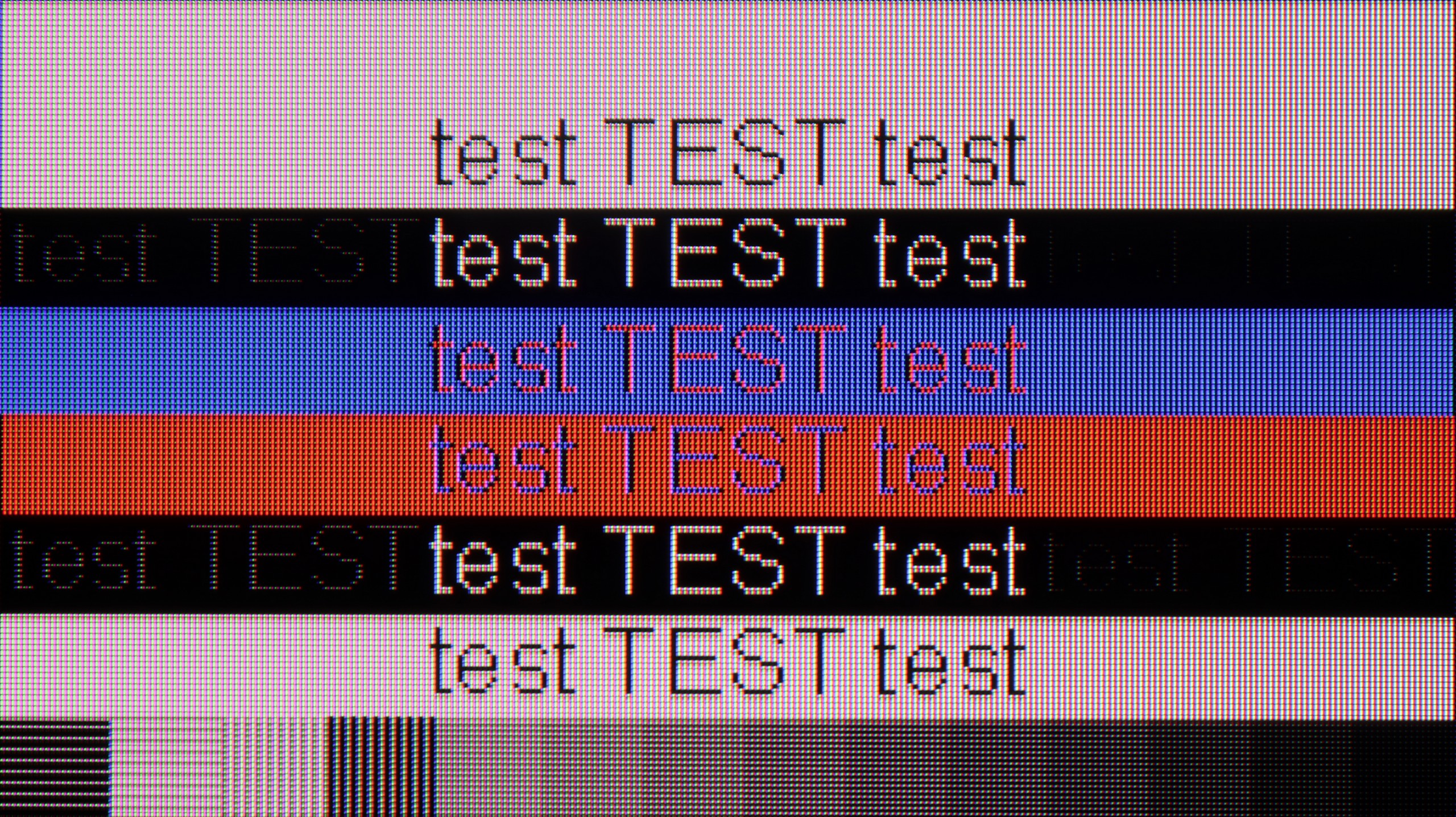
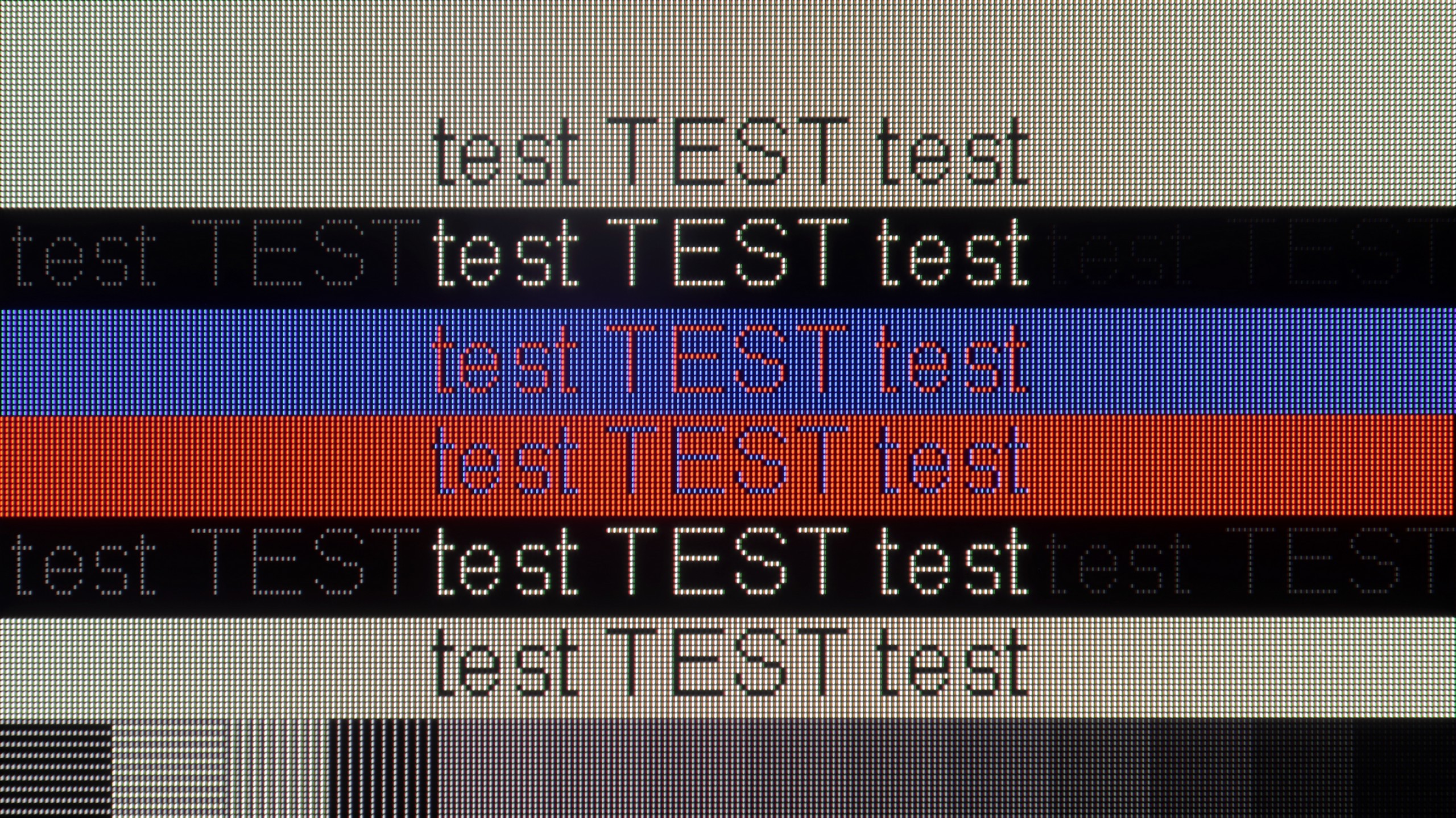
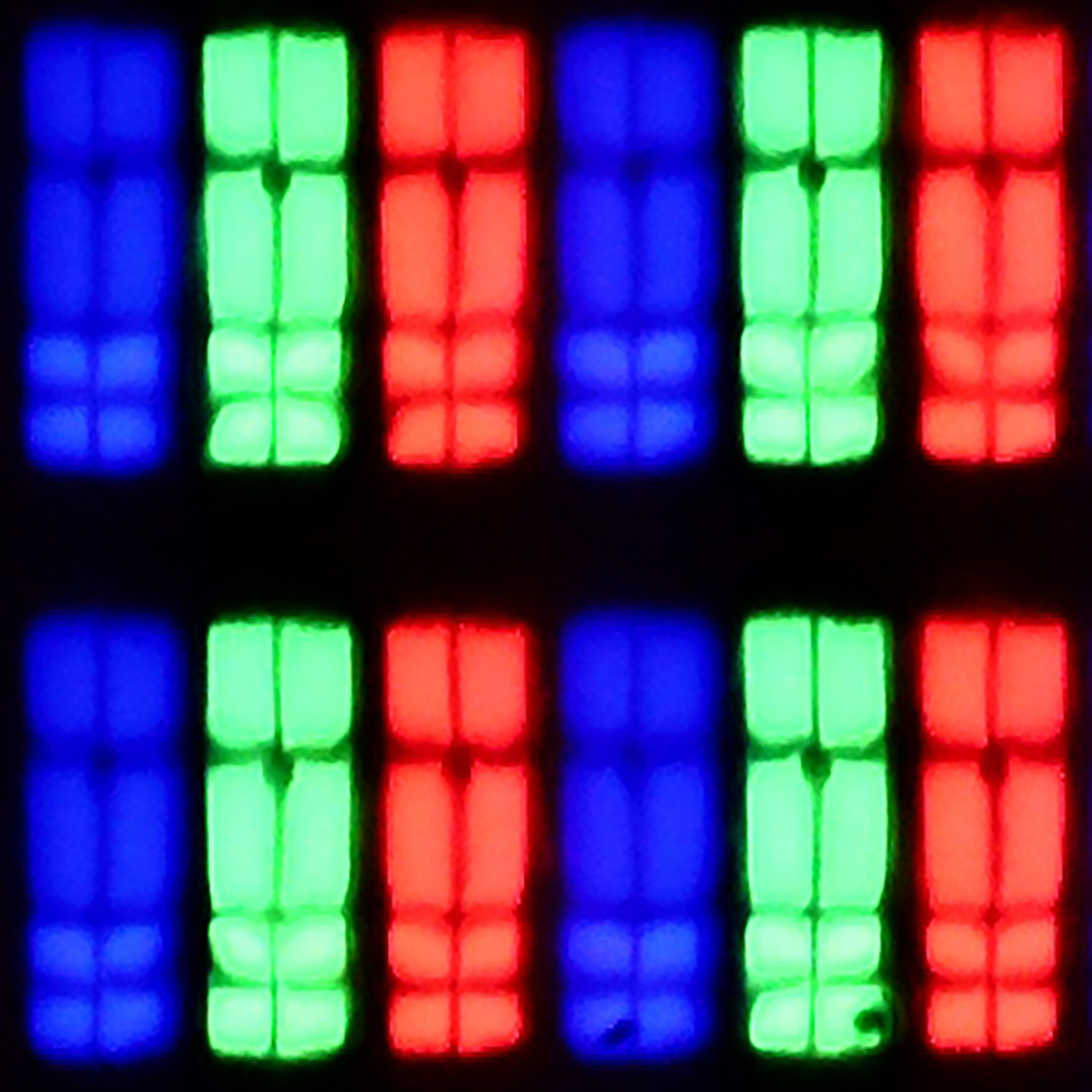
For most of the time, let's say in 90% of film scenes, viewers will hardly see any difference between the S85F versions. When small but very bright light points appear on screen – a lantern in a dark alley, a gunshot, the sun breaking through the clouds – this WOLED panel (just like the smaller S85F) performs exceptionally well. Our measurements showed a peak brightness of around 750 nits. We can confidently state: this is a great result that guarantees fantastic HDR effects. The problem arises in a very specific, uncomfortable situation for any OLED. We're talking about the moment when the entire screen has to shine at full brightness clearly. Examples include a white background screen, a skiing scene, or our test sequences (5) from the film The Meg. And here, unfortunately, the results diverge quite significantly against the WOLED panel variant. Our measurement equipment was able to measure a maximum of around 250 to 300 nits of brightness under such conditions. To be clear: the same model on a QD-OLED panel in the same test is almost twice as bright. The second issue: colours. And here we also have to be honest – QD-OLED has a structural advantage. Why? It’s simple. QD-OLED creates colours from three components (red, green, and blue) and doesn’t need an additional white subpixel. The WOLED panel we’re testing here uses that white subpixel, mainly to boost overall brightness. The effect is that QD-OLED is able to display a slightly wider colour palette, and the colours are a bit "cleaner." But let’s be clear: it’s not that the colours on this WOLED panel are bad! Quite the opposite, they are really very good. Coverage of the DCI-P3 film colour gamut at 97% and 71% for the wider BT.2020 palette is still high-end. We just have to honestly admit that those few percentage points of coverage advantage lie with QD-OLED technology and may be noticeable in very specific moments.
 Direct comparison