The mid-range television segment is expanding rapidly, and TCL C75B demonstrates that it’s possible to get really solid equipment in this price category. This model is clearly designed with gamers in mind – the HDMI 2.1 port offers a lot of potential, providing VRR, ALLM, and impressive 144 Hz refresh rate in 4K (or 240 Hz in Full HD), which will certainly please both gaming and sports fans. The TV’s operation is pleasant and intuitive, mainly thanks to the Google TV system. While there may be minor stutters, the wealth of available apps and features more than compensates for this – practically everything we need is at our fingertips or even at the sound of our voice if we wish to talk to the remote in Polish. As for picture quality, TCL C75B also performs well. Thanks to the VA panel, it boasts quite good contrast, and the presence of Dolby Vision allows for enjoyable HDR effects, even if the brightness isn’t mind-blowing. Of course, it isn't without its flaws – despite the fast panel, there is some motion blur, and the lack of traditional features (like USB recording) may disappoint some users. Nevertheless, in its price category, the C75B is a very attractive option, especially for those looking for a screen designed for high-level gaming.
- Matching (Score) |
- Our verdict |
- TV appearance |
- Where to buy |
- Contrast and black detail |
- HDR effect quality |
- Factory color reproduction |
- Color reproduction after calibration |
- Smoothness of tonal transitions |
- Image scaling and smoothness of tonal transitions |
- Blur and motion smoothness |
- Console compatibility and gaming features |
- Input lag |
- Compatibility with PC |
- Viewing angles |
- Daytime performance |
- Panel details |
- TV features |
- Apps |
- Playing files from USB |
- Sound
TCL C75B vs XIAOMI S Mini 2026 (55"-75") 60Hz
 Direct comparison
S Mini 2026
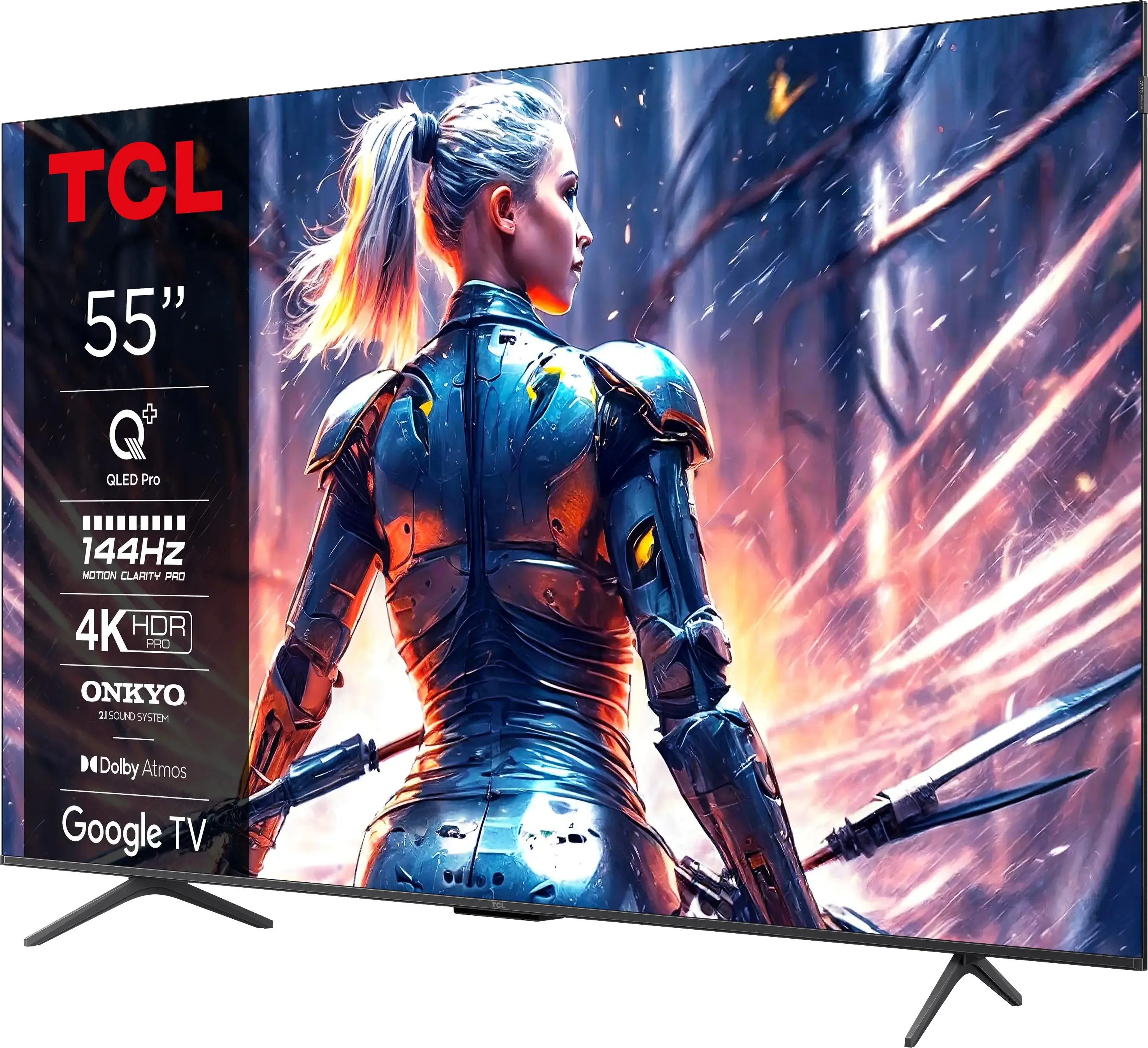
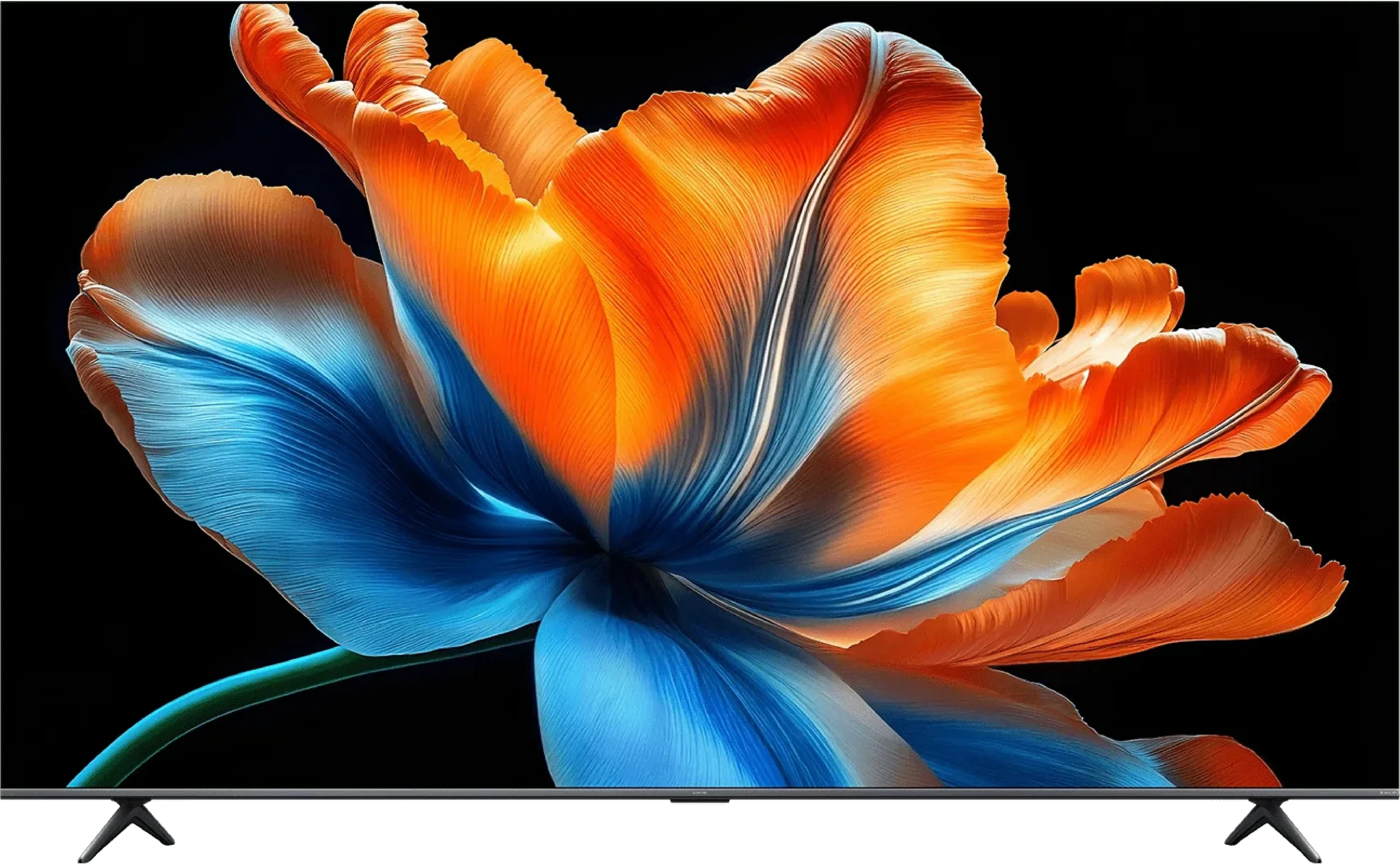
Panel type: LCD VA
Resolution: 3840x2160
System: Google TV
Model year: 2024
Complete the survey to find out the result
Panel type: LCD VA
Resolution: 3840x2160
System: Google TV
Model year: 2026
Complete the survey to find out the result
Overall rating
6.6
6.2
 Movies and series in UHD quality
6.4
6.2
 Classic TV, YouTube
6.0
6.0
 Sports broadcasts (TV and apps)
6.2
5.0
 Gaming on console
8.4
6.9
 TV as a computer monitor
7.6
5.6
 Watching in bright light
4.9
6.3
 Utility functions
6.6
6.7
 Apps
9.6
9.6
 Sound quality
6.6
5.0
Complete the survey to find out what fits your preferences
Advantages

Great TV for gamers - HDMI 2.1: VRR, ALLM, Game Bar
Very high refresh rate - 240Hz in FullHD and 144Hz in 4K
Very low input lag - 9ms
Advanced operating system - GoogleTV
Support for Dolby Vision, HDR10+
Decent black levels thanks to VA panel
Very good contrast: MiniLED + VA
High brightness
Wide colour gamut
Low input lag
120 Hz mode at 1080p/1440p
Google TV with a wide selection of apps
Good result after calibration
Disadvantages

Limited brightness (350 cd/m²), making it difficult to watch in bright rooms
Issues with the smoothness of the Google TV system
Missing traditional features like USB recording or PIP
Average response time of the panel causing motion blur
Only a 60 Hz panel
Poor viewing angles
Poor image processing
Visible posterisation
Flat sound, little bass
Our verdict
At the smaller screen sizes (55–75 inches) the Xiaomi S Mini 2026 makes a genuinely good impression, provided you judge it from the outset by what it costs. Mini LED technology here does exactly what we expect, delivering strong contrast and enough HDR brightness that movie sessions take on a completely different dynamic compared with conventional TVs in this price bracket. Add Google TV and you get an easy-to-use set for everyday entertainment. The catch is that how you rate this model depends heavily on how you plan to use it. The 55, 65 and 75-inch versions use a 60 Hz panel, which automatically puts them on a completely different footing to the larger variants. If you’re after a screen specifically for sport or want to get the most from a new console in 4K at 120 frames per second, this TV will simply miss the mark.
Another issue is Xiaomi’s policy, because the naming confusion can be seriously misleading. The 85 and 98-inch variants are in fact completely different TVs in terms of construction and capabilities. Buyers are perfectly entitled to assume that by choosing a smaller size they only give up inches and perhaps the number of local dimming zones, whereas in practice they get equipment from a totally different technological tier. Looking at the 55–75-inch model on its own, if your benchmark is the best possible picture quality on a very tight budget, the S Mini 2026 can hold its own without any problem.
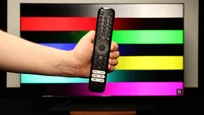
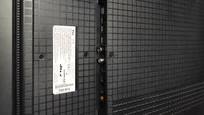
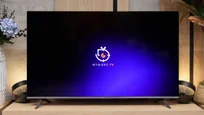
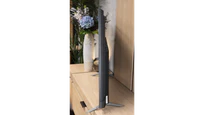
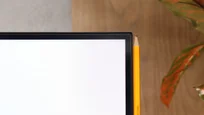
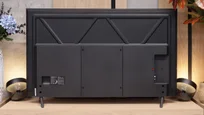
TV appearance

Contrast and black detail
5.9/10
7.8/10
Local dimming function: No
Local dimming function: Yes, number of zones: 308 (22 x 14)
Contrast:


Result
5,400:1

Result
5,700:1

Result
6,600:1

Result
6,250:1

Result
4,100:1
Result
458,550:1
Result
27,450:1
Result
25,200:1
Result
10,950:1
Result
6,650:1
Halo effect and black detail visibility:
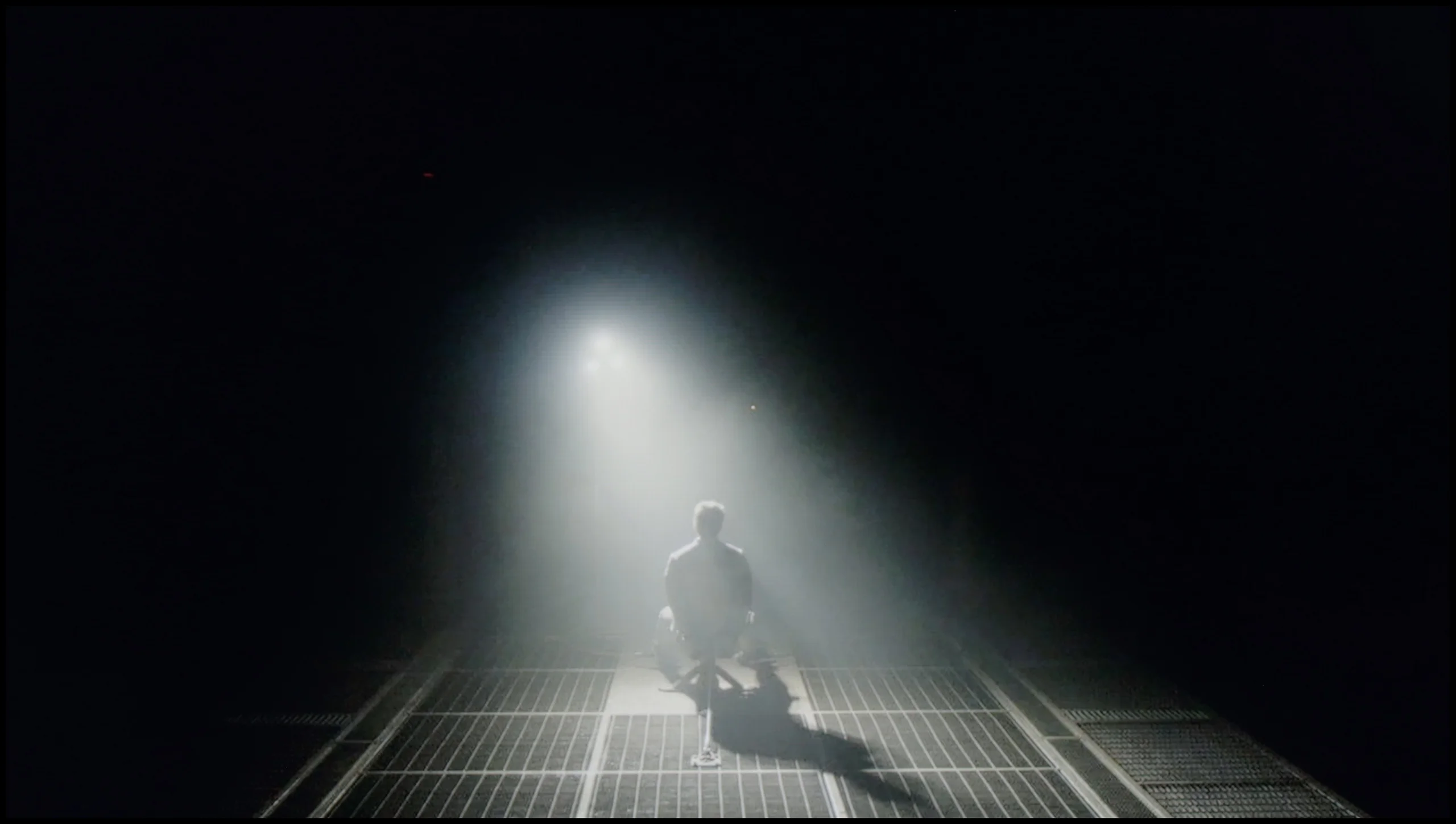
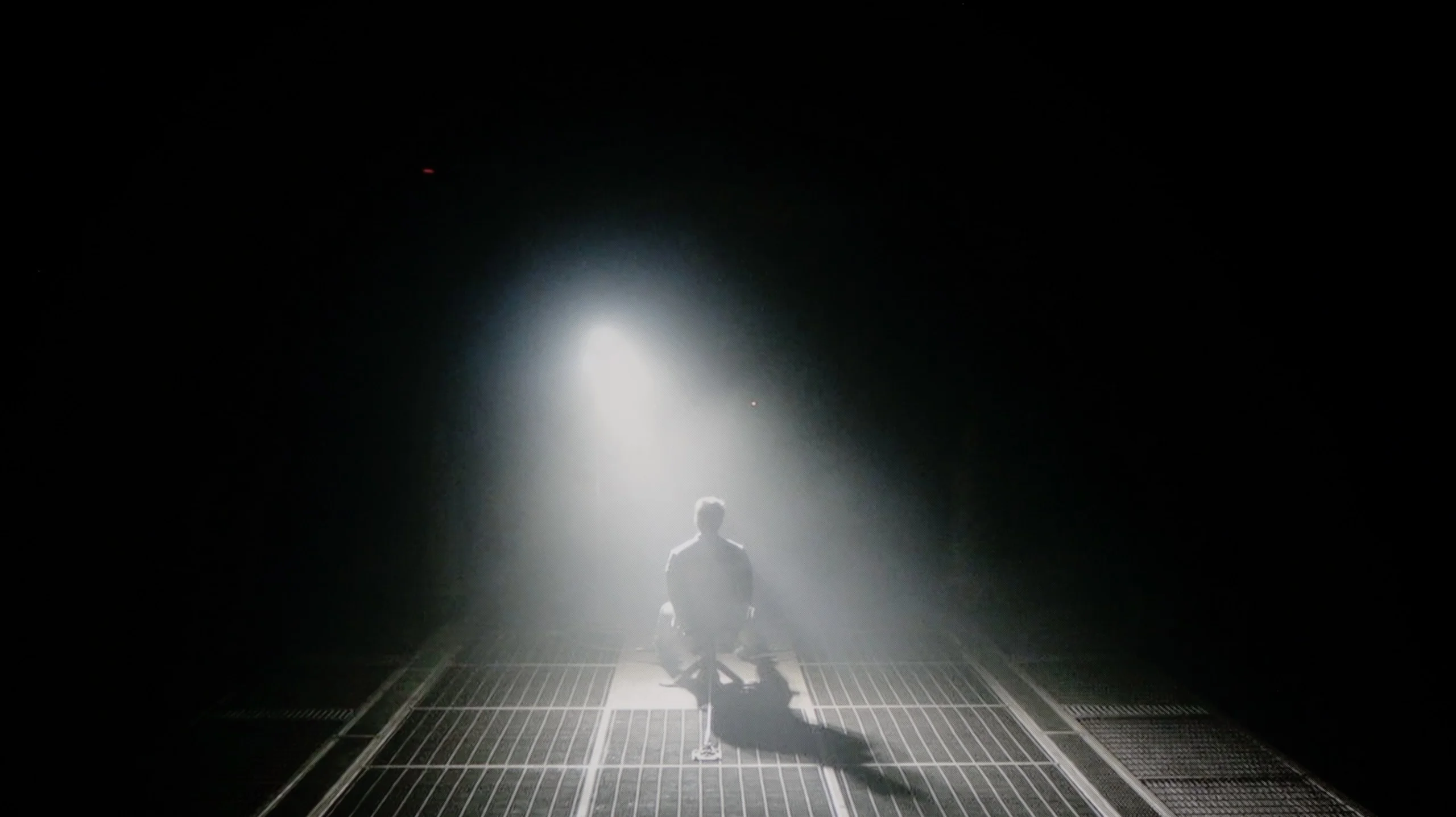
Check the visibility of bright lights on a dark background. Mini-LEDs often struggle with this. The photo does not compare black levels – that’s what the video below is for.
The video accurately shows differences in contrast and black levels between TVs, as well as potential issues: halo around bright objects or Mini-LED zone operation visible as brightness jumps.
The TV we tested, TCL C75B in size X," is equipped with a VA panel, which naturally provides quite decent contrast results – and that’s what we observed during our tests. On each test pattern, the TV achieved a contrast level of around 5500:1. This is a result that can be considered very good in this price category. The black in this model performs really well, though of course, it’s far from perfect.
Due to the C75B belonging to the mid-range segment, we won’t find local dimming technology here. This is particularly noticeable in more demanding scenes, such as those from the film Sicario 2, where we noticed that the black takes on a navy hue instead of a pitch-black. This limitation of panels without local dimming can be particularly evident in evening viewings with the lights off, when dark elements of the image are more pronounced. It's worth keeping this in mind when choosing a TV in this category, especially if we care about the best quality of black while watching movies at night.
In terms of contrast the Xiaomi S Mini 2026 performs really well. The TV uses a VA panel and a Mini LED backlight with 308 local dimming zones on the 55-inch model. Although on paper the number of zones doesn't impress as much as in more expensive models, in practice the TV handles dark scenes very well. In shots where small bright objects appear on a black background it can effectively dim the rest of the image. As a result the blacks are deep and the contrast in many films can be reminiscent of what we see from OLED TVs. Of course not every scene is equally easy for the local dimming system. When there are more bright elements or they are placed close together you can notice a faint halo around them. That's a typical limitation of Mini LED TVs and Xiaomi is no different from the competition here. What deserves praise, however, is the backlight control algorithm itself. Compared with the previous generation it operates much more stably, so when watching you don't see irritating flicker or sudden brightness changes between consecutive shots.
HDR effect quality
5.3/10
5/10
Luminance measurements in HDR:

Result
368 nit

Result
382 nit

Result
429 nit

Result
404 nit

Result
425 nit
Result
993 nit
Result
166 nit
Result
641 nit
Result
157 nit
Result
898 nit
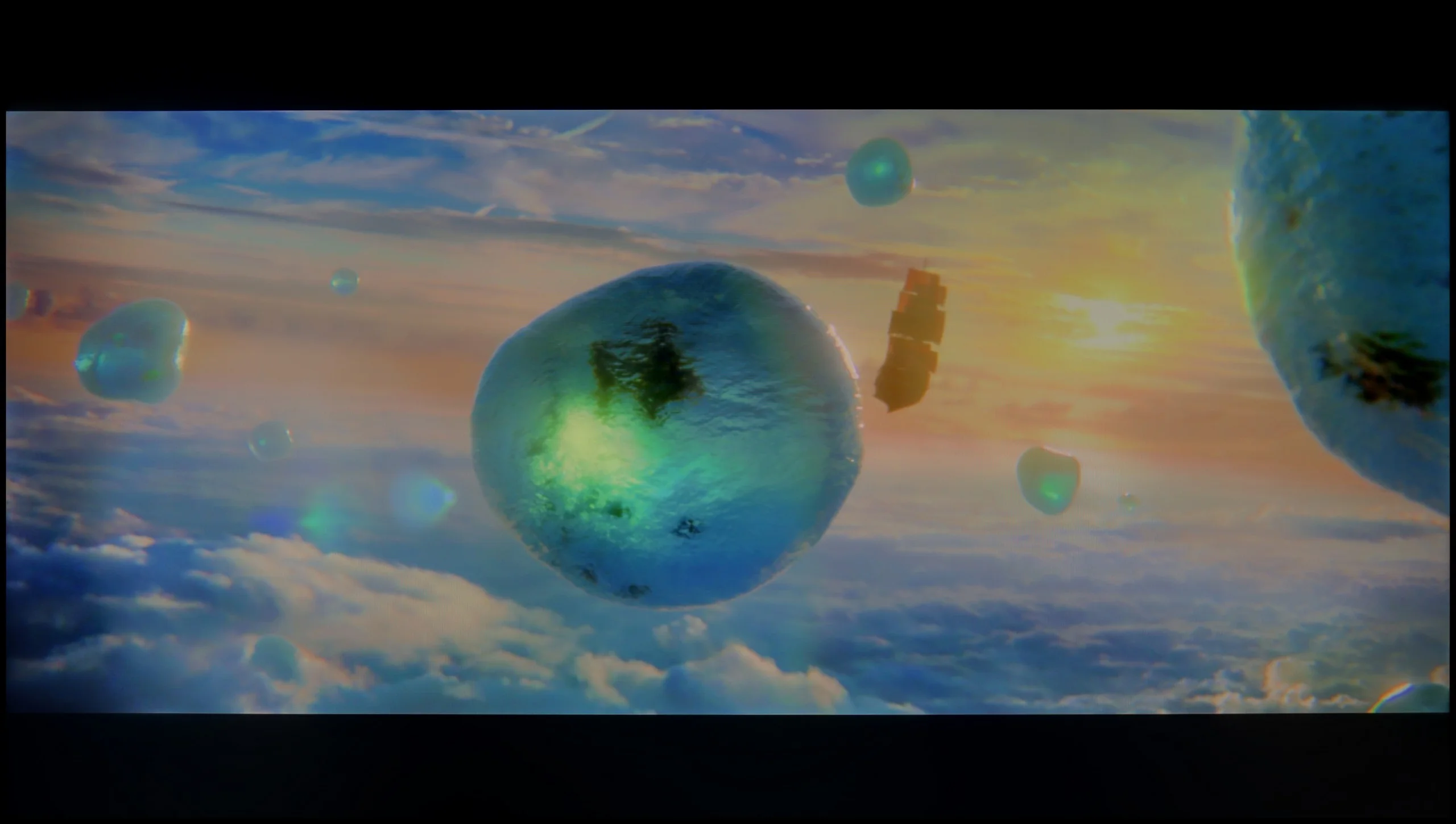
Scene from the movie “Pan” (about 2800 nits)

Scene from the movie “Billy Lynn” (about 1100 nits)
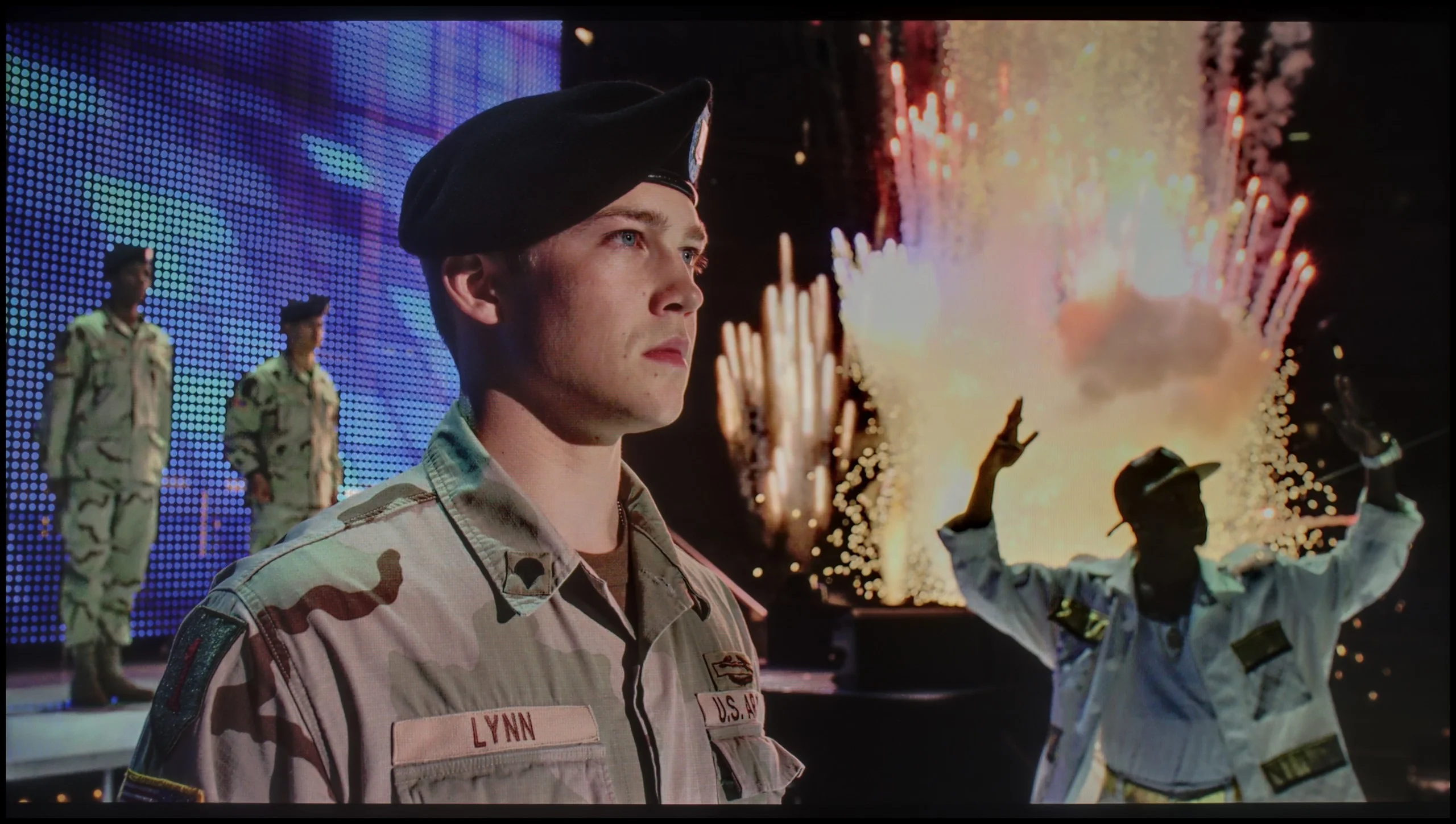
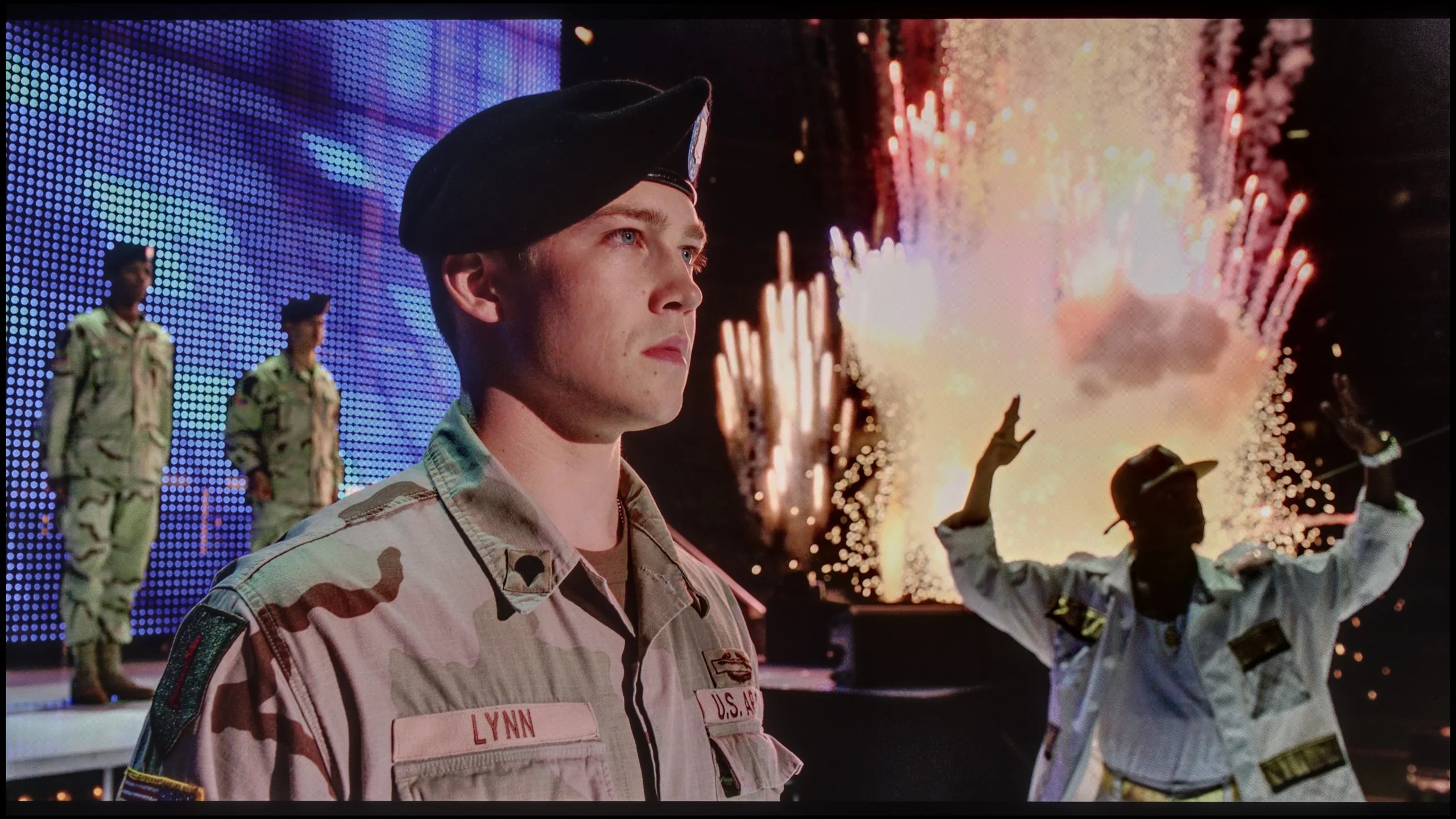
The photos show two HDR10 movies. 'Pan' is one of the brightest productions ever made, while 'Billy Lynn' (soldier) has brightness typical of streaming (Netflix, Prime, HBO MAX). Notice the intensity of effects and detail in whites.
Static HDR10


The photos present the visibility of white details in various HDR formats. They do not show brightness differences between TVs (these can be compared in the previous gallery).
Dynamic: Dolby Vision
Dynamic: HDR10+


The photos present the visibility of white details in various HDR formats. They do not show brightness differences between TVs (these can be compared in the previous gallery).
HDR luminance chart:
XIAOMI S Mini 2026 (55"-75") 60Hz
TCL C75B
During our brightness test, the TCL C75B "spat out" around 380 nits of brightness. We recorded similar results while watching most of the films we tested. These can be considered average – the TV performs decently in this segment, but around 400 nits is definitely too low to fully experience the magic of HDR effects. Of course, such results are better than those of budget models, which can achieve nearly half the brightness values. However, for HDR enthusiasts seeking stronger lighting effects and greater realism, the C75B may prove insufficient. On the plus side, it's worth mentioning the coverage of the DCI-P3 colour gamut at 95%. This is a very good result that easily suffices to enjoy a wide range of colours in content available on popular streaming platforms. Vivid and rich colours are definitely a strong point of this model.
When it comes to HDR, the Xiaomi S Mini 2026 performs really well, especially given the segment this model sits in. The TV can reach around 1000 nits of brightness without much difficulty, so in bright scenes it can deliver a very pronounced HDR effect. The sun, highlights or very brightly lit parts of the picture can be intensely bright and at times really hit you with their intensity. It’s a bit different in dark scenes, though. Very small light sources surrounded by black are rendered at much lower brightness, so they lack the pinpoint intensity seen on the best TVs. That’s not unusual for a Mini LED. The local dimming algorithm reduces the backlight in those cases to preserve as deep a black as possible, which in such scenes matters more than a few extra nits.
HDR colours
Colour reproduction also fares well. Xiaomi markets the S Mini 2026 as a QLED TV, although the solution used here is in practice based on a PFS phosphor. What matters is the result, and that is pretty good. Measured DCI-P3 gamut coverage was around 94%, while in the much wider BT.2020 colour space it was about 74%. That means the TV can show most of the colours used in HDR movies with suitably high saturation. Its limitations are most noticeable with very intense shades of green, where the colour range begins to run out.
Factory color reproduction
7.3/10
5/10
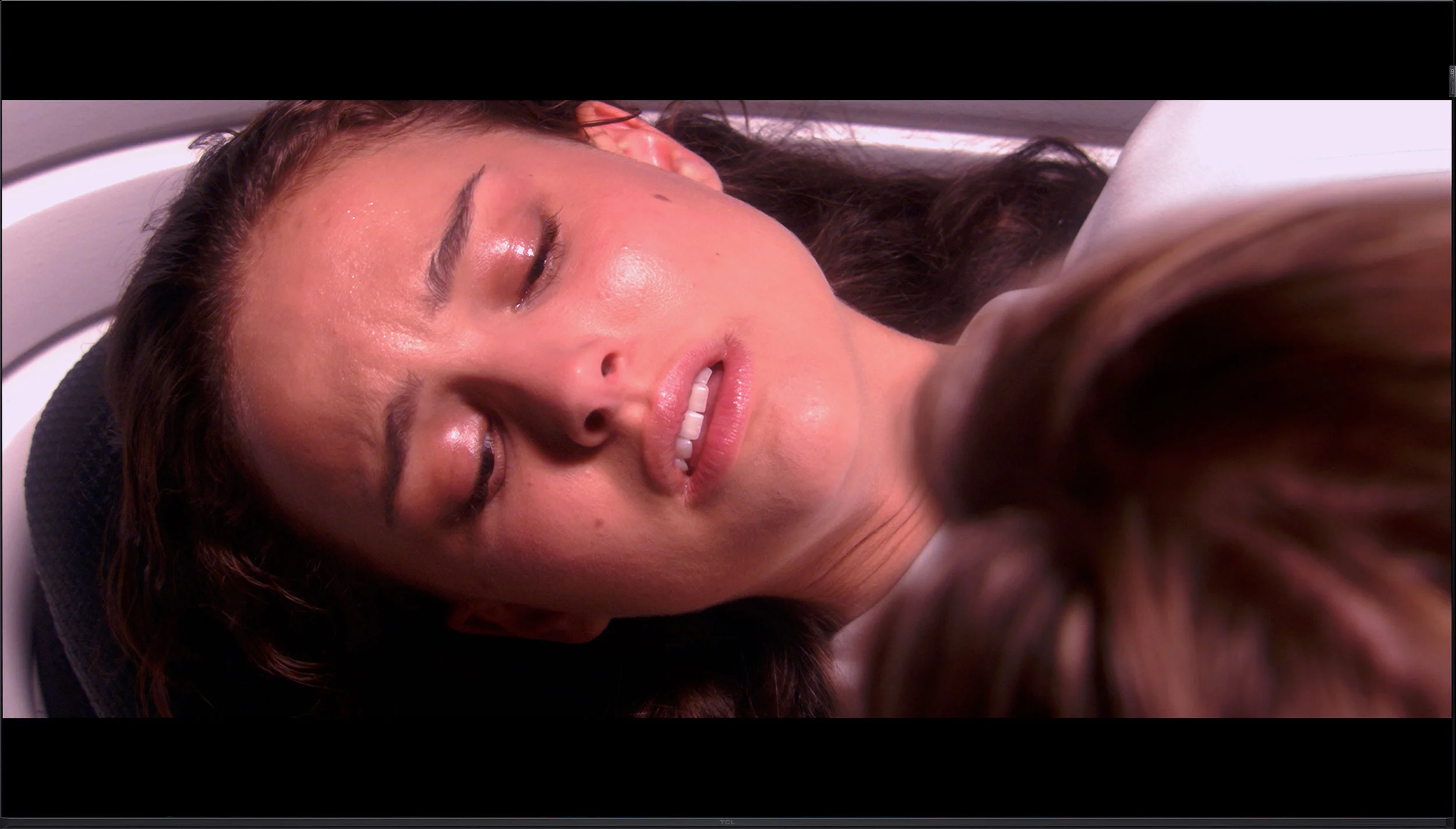
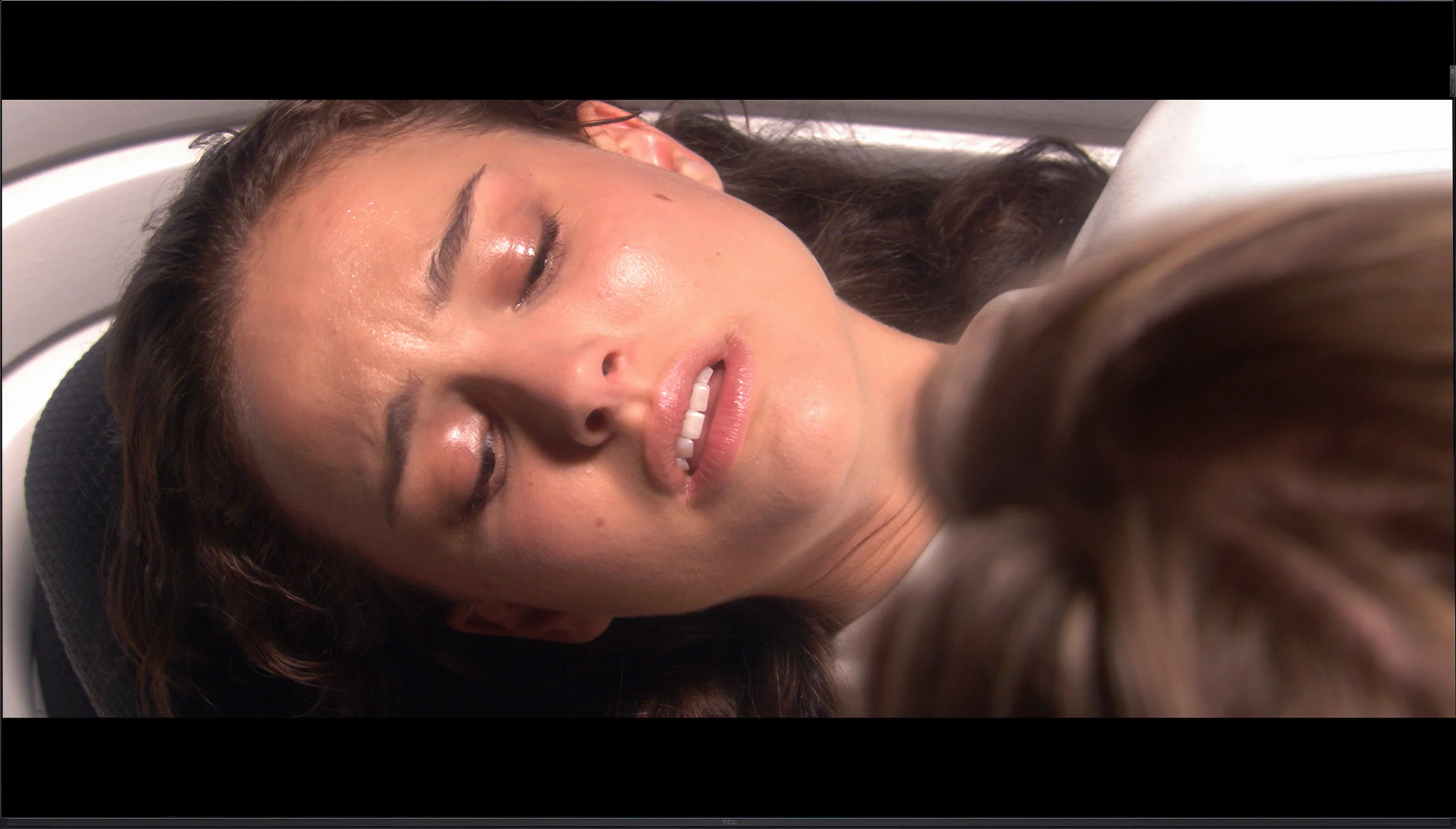
This gallery shows how colors change after professional TV calibration. If you notice the difference, we recommend ordering this service at SkalibrujTV.com.
Factory Mode
After calibration
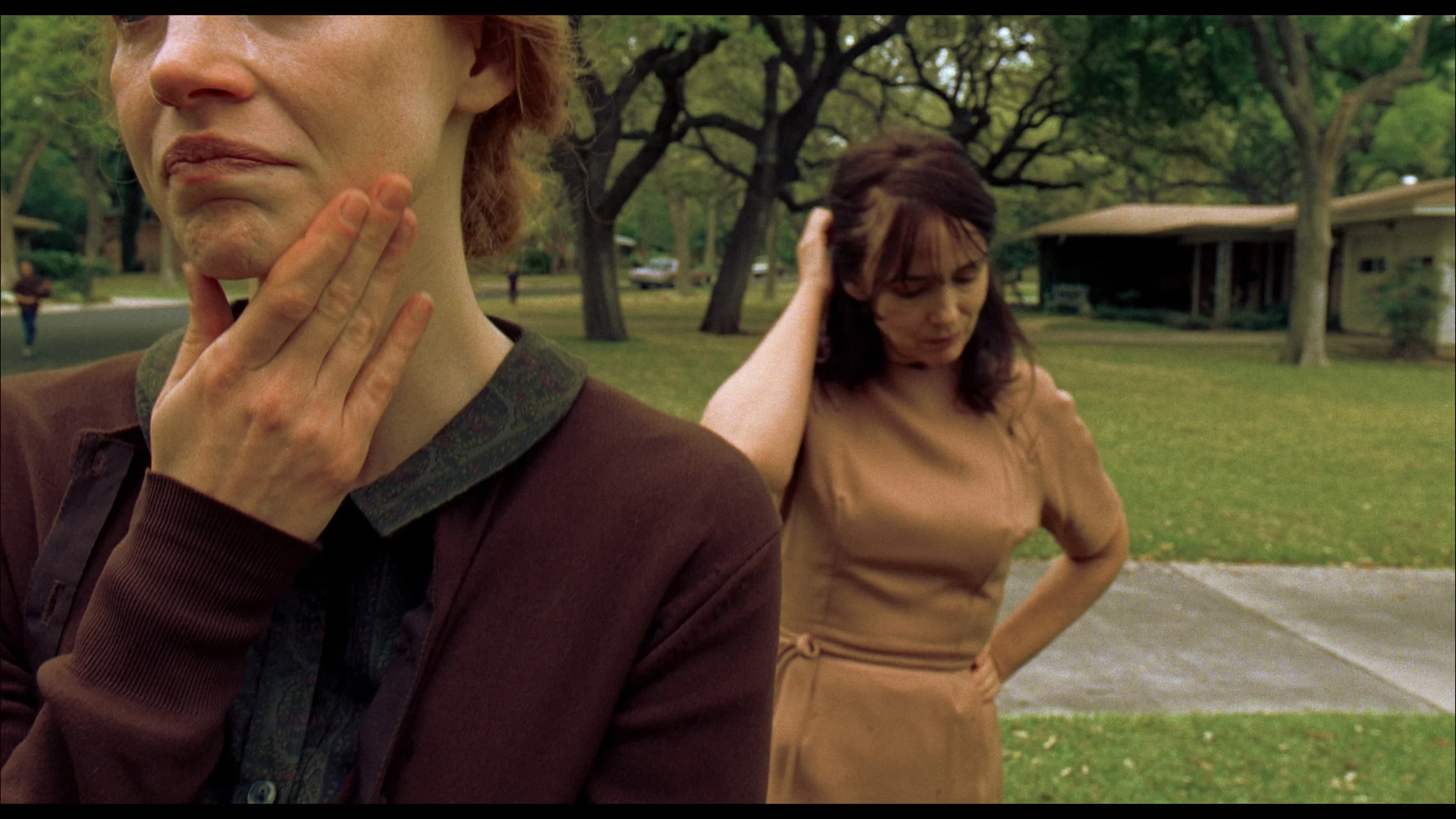
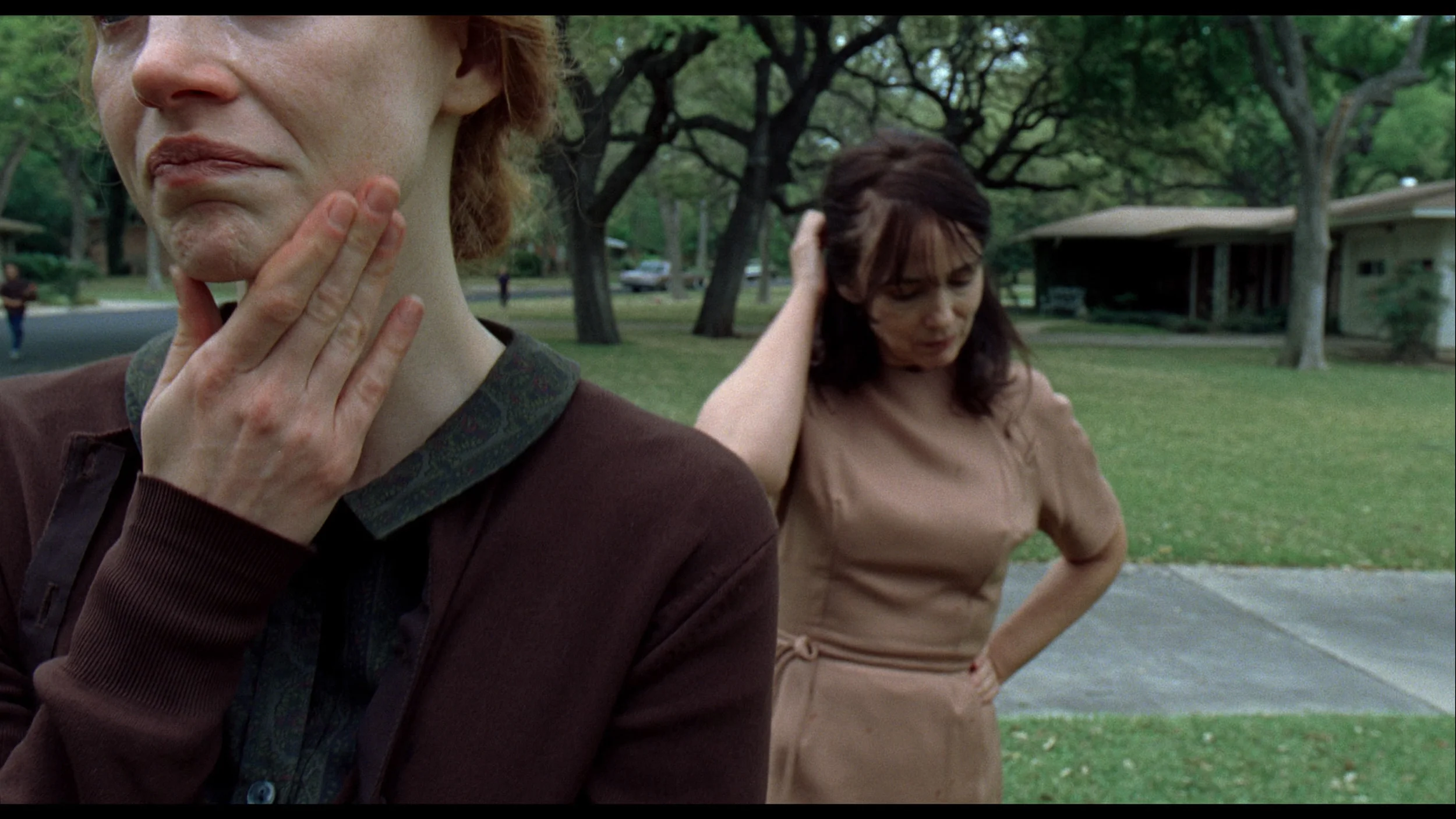
This gallery shows how colors change after professional TV calibration. If you notice the difference, we recommend ordering this service at SkalibrujTV.com.
Factory Mode
After calibration
TCL C75B offers various picture modes, but in our opinion, the best choice is the “Film” mode. Although its settings are quite decent, the TV struggles with certain colour reproduction issues. In tests, we noticed that the image had a noticeably pinkish hue compared to what could be considered correct. This effect was particularly evident in skin tones, which appeared unnaturally flushed. The main culprit of this phenomenon turned out to be the white balance, characterised by an excess of blue and red in both HD and 4K HDR materials.
An additional problem was the way brightness was reproduced. The gamma, which is responsible for the visibility of details in darker materials, was definitely boosted, causing details in the darkest parts of the screen to be invisible, disappearing into complete black (e.g., the bottom part of the screen in the comparison image - the area around the actress's ear). The situation was similar on the EOTF curve, which was below the correct value, suggesting that a similar issue may be encountered in 4K HDR content.
Thanks to our experience and the appropriate tools, we decided to take matters into our own hands and check how much could be extracted from this model after professional calibration. The details are described in the next section.
We tested the Xiaomi S Mini 2026 (55–75 inch models) in Film mode, which compared with the other presets offered the most accurate colours. That did not mean the image was correctly set up straight away. In our unit the white balance was noticeably shifted toward warmer tones. There was too little blue and too much red, giving whites and greys a slightly warm cast. The TV also tended to brighten darker parts of the image too much. This was due to the gamma, which instead of staying around 2.4 fell in places to about 2.0. That made shadow detail more visible, but the image lost some depth. So the factory settings weren't bad, but they still needed some adjustment to reproduce the picture accurately.
Color reproduction after calibration
8.2/10
7.5/10
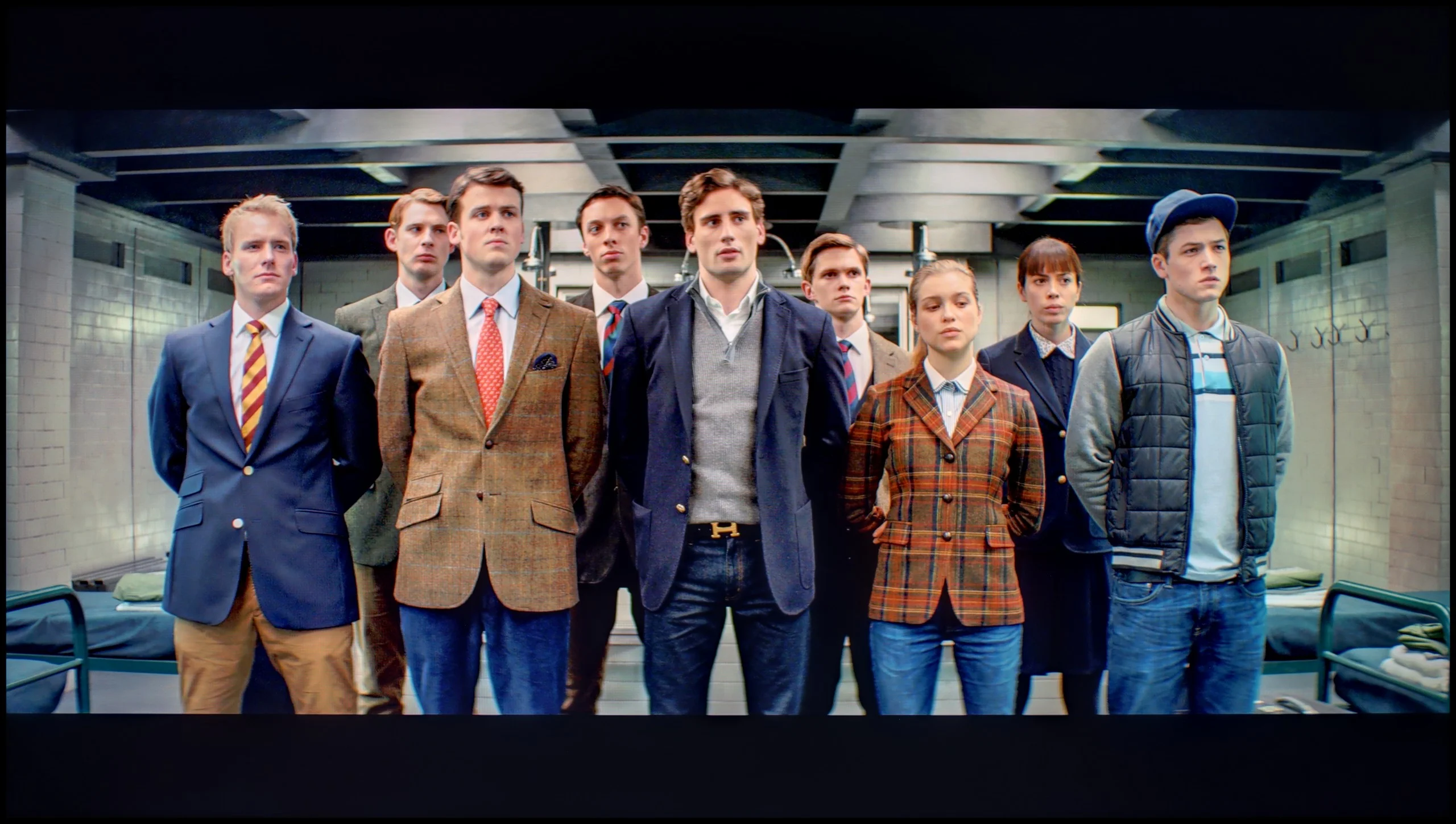
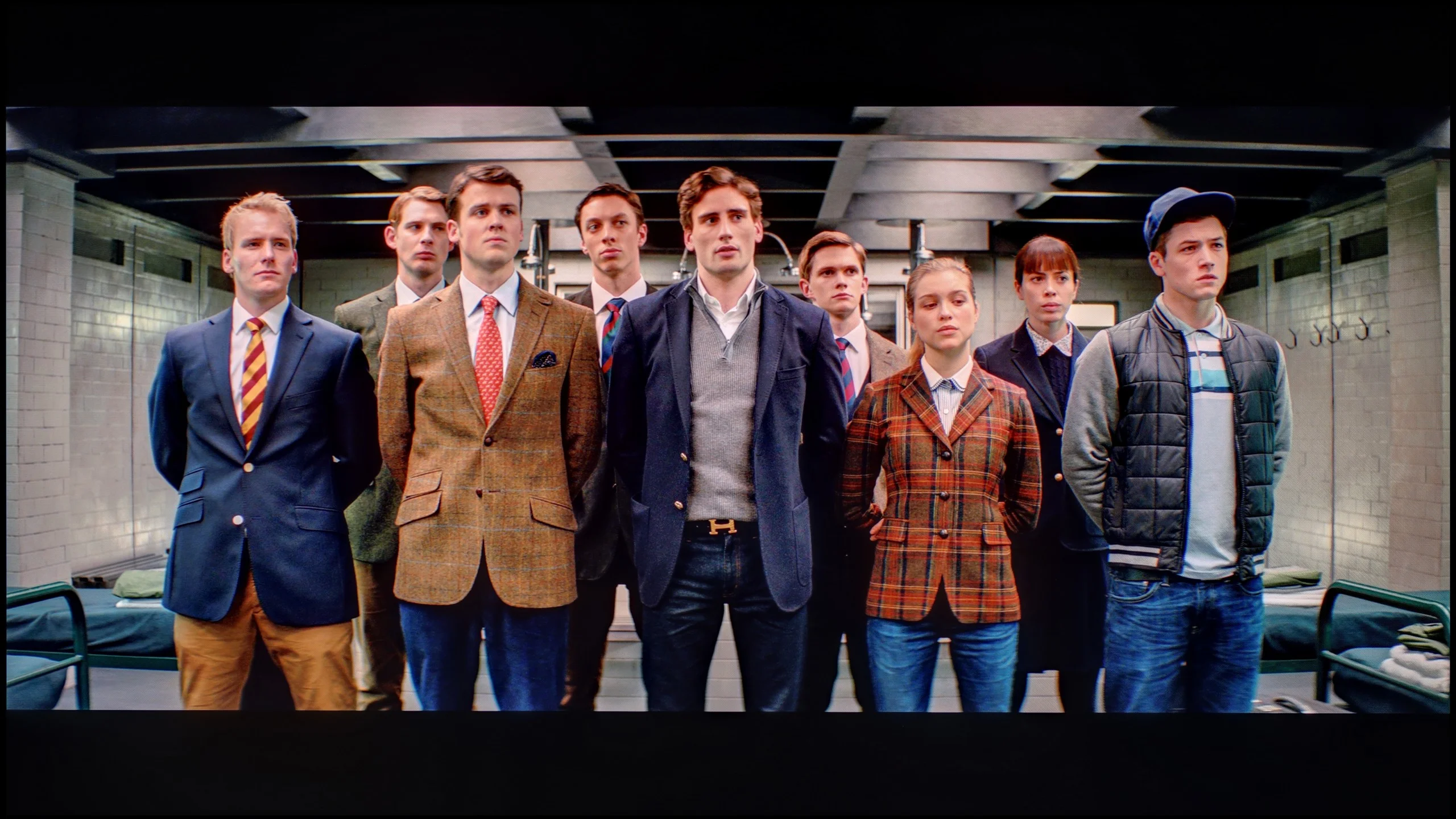
The photos show how movies look on the TV. Pay attention to black detail visibility, colors, and shadow tint.
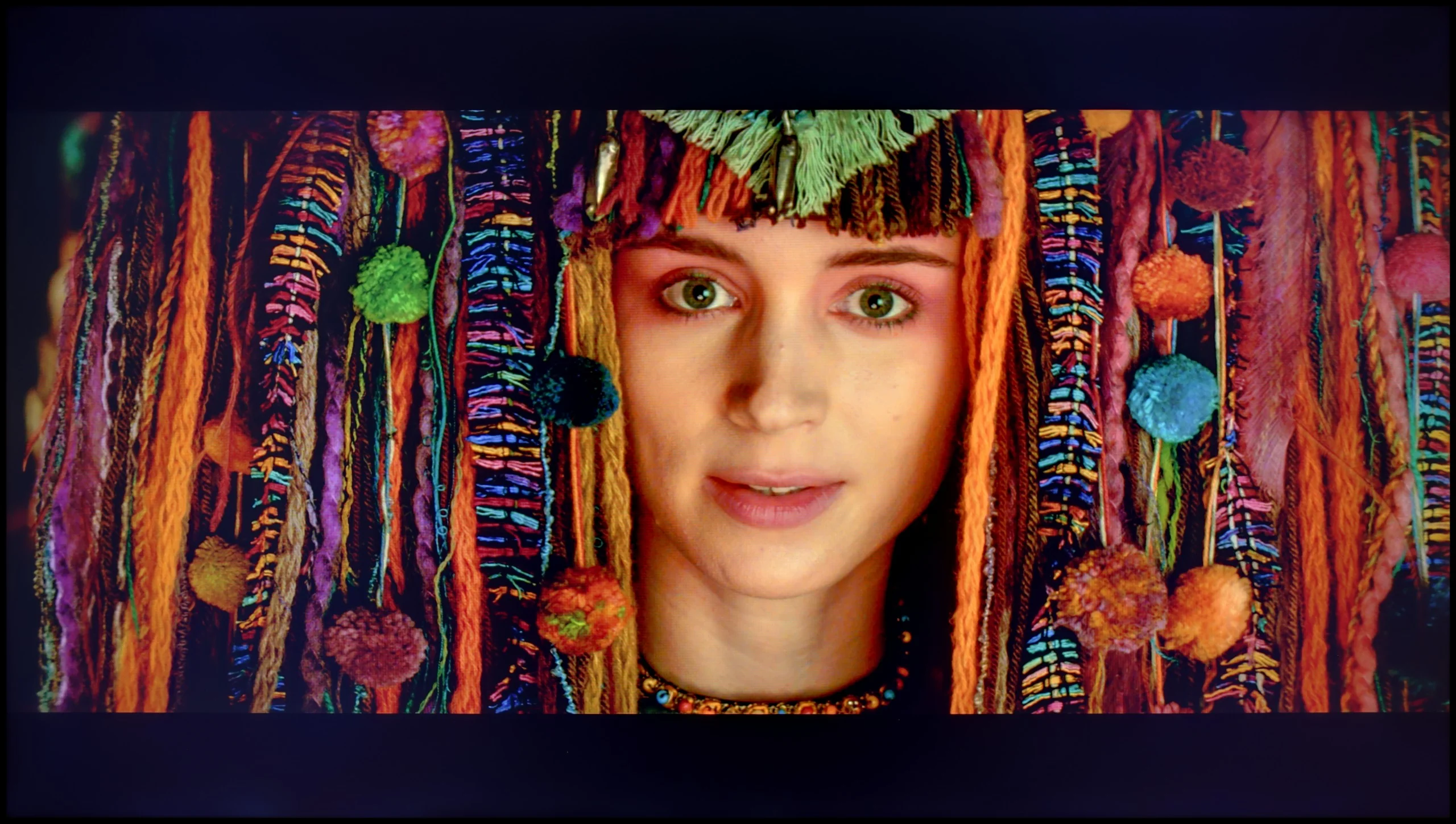
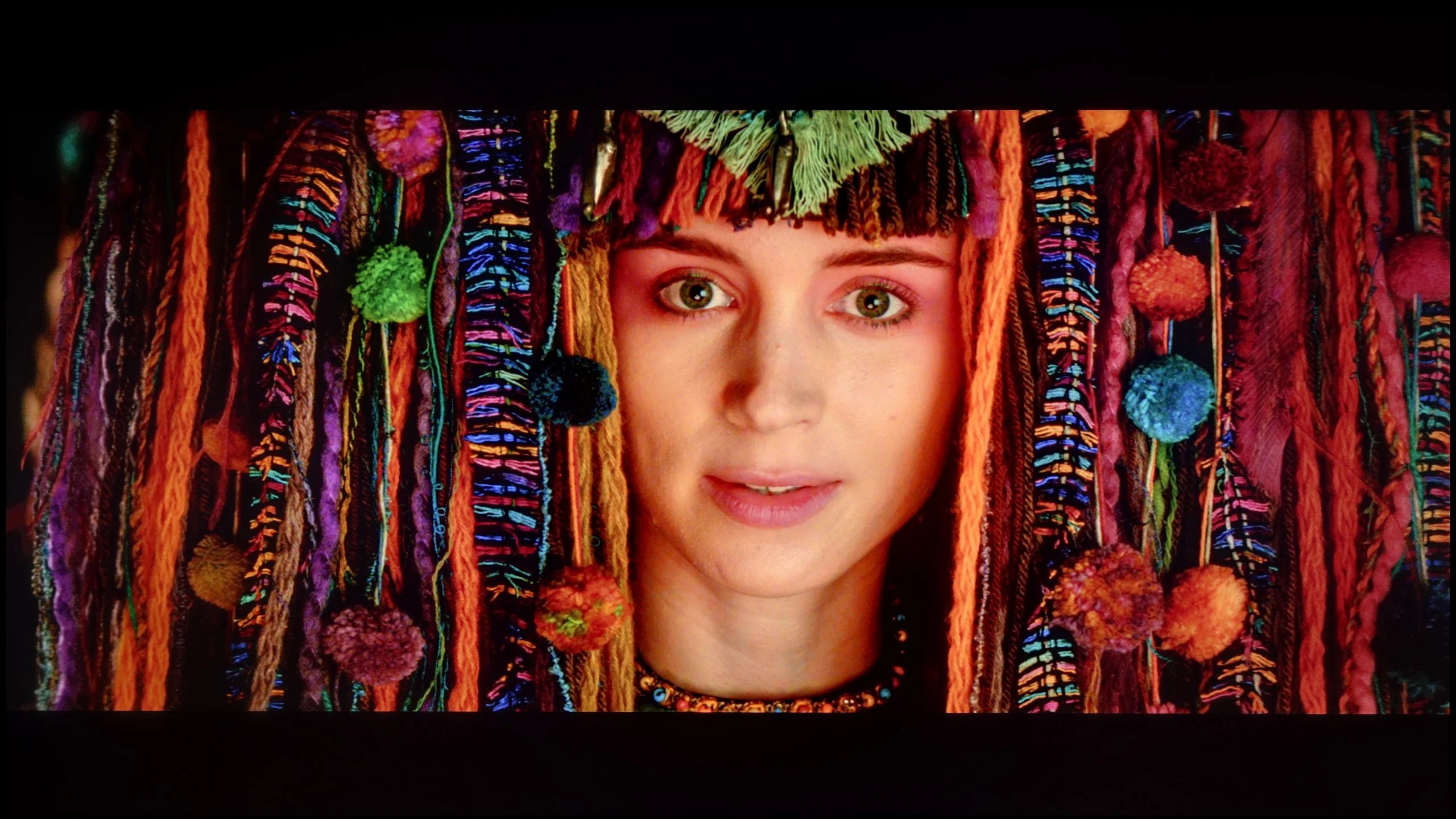
The photos show how movies look on the TV. Pay attention to black detail visibility, colors, and shadow tint.
After calibration, TCL C75B has clearly improved when it comes to colour reproduction. Although the TV doesn't offer too many options for adjusting the white balance, we managed to improve its settings quite a bit. As a result, the image is no longer overly pink, and the colours now look much more natural and harmonious.
The gamma jump that was previously an issue hasn't completely disappeared, but we were able to significantly reduce it. This has made details in dark scenes more visible – both in HD and 4K HDR content.
Unfortunately, the lack of local dimming is still noticeable. The 'blooming black' effect remains, but that's a limitation of the display itself. Still, the colours post-calibration look significantly better, and the image is much more pleasant to watch.
Surprisingly, the Xiaomi S Mini 2026 responds quite well to calibration. After our adjustments we were able to noticeably improve the white balance and the picture stopped leaning toward overly warm tones. In SDR material the result is really good, with the TV able to reproduce such content very accurately and hard to fault for colour reproduction. We made similar adjustments in HDR, although not everything could be corrected there. Colours look better than on the factory settings, but the TV still tends to display the picture a little brighter than it should. You can see this from the EOTF curve, which sits above the reference. In practice this means some HDR scenes are brighter than the creators intended. It's a quirk of this TV and we can't do anything about it.
Smoothness of tonal transitions
8.2/10
5.5/10
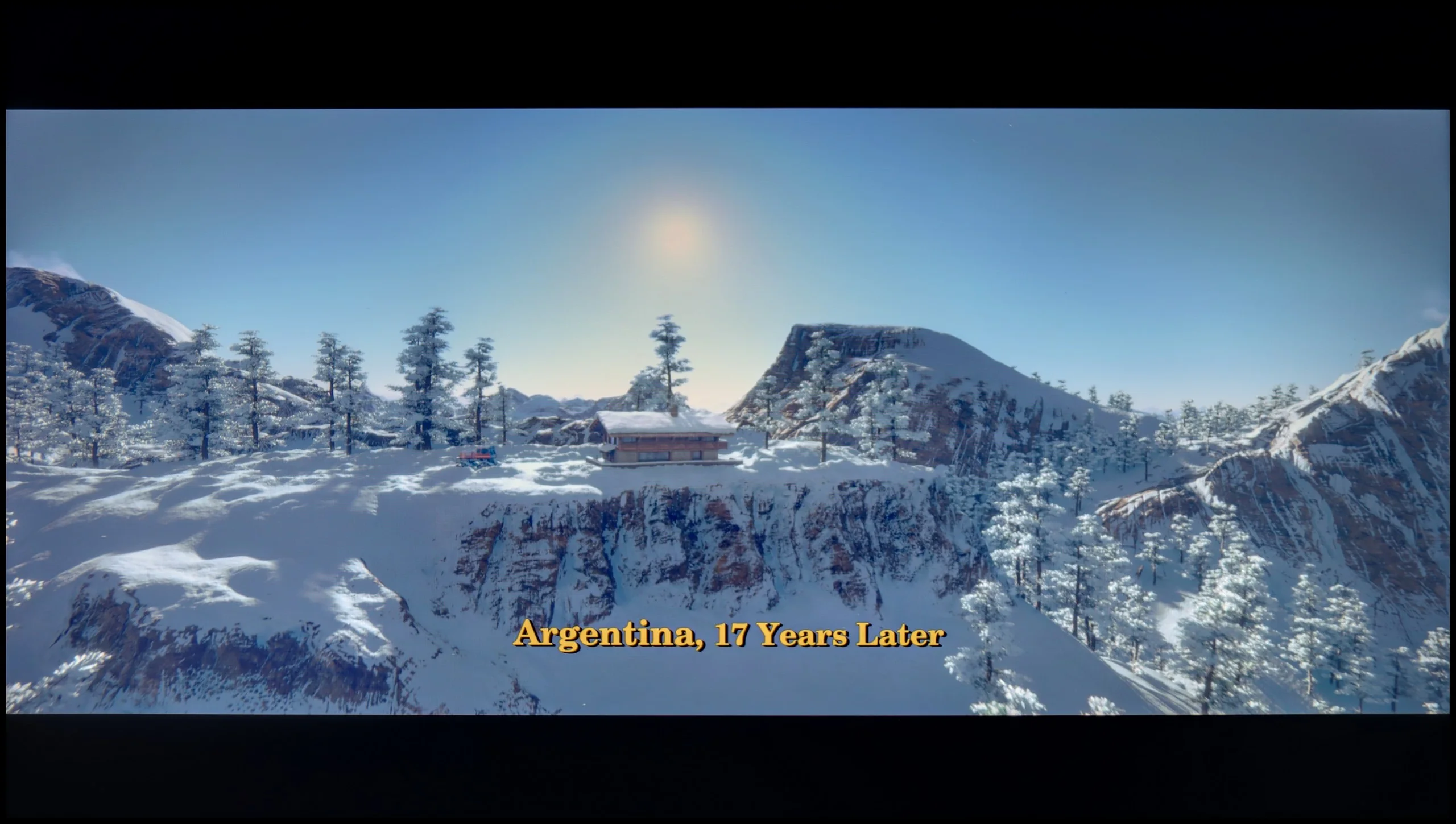

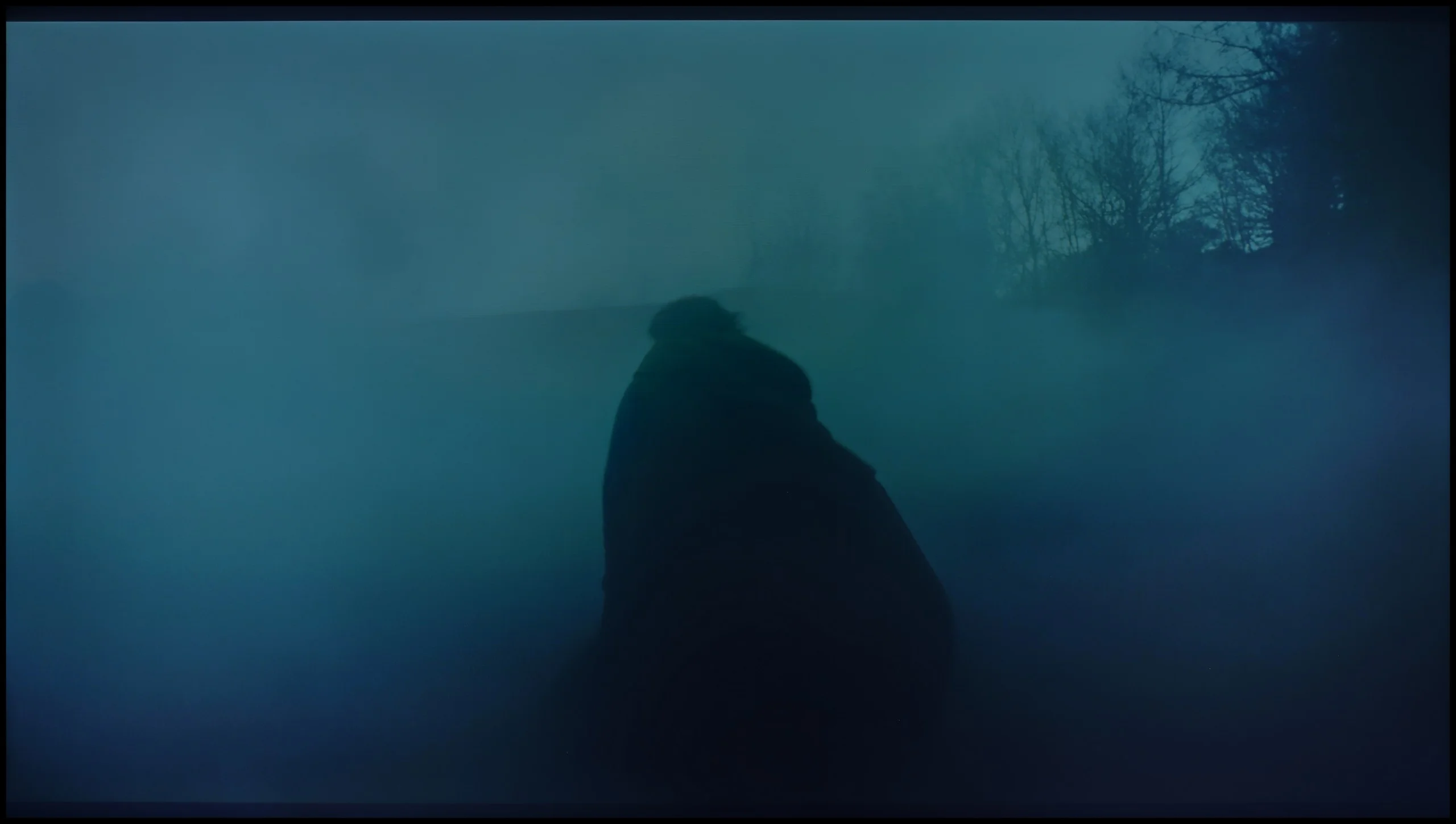
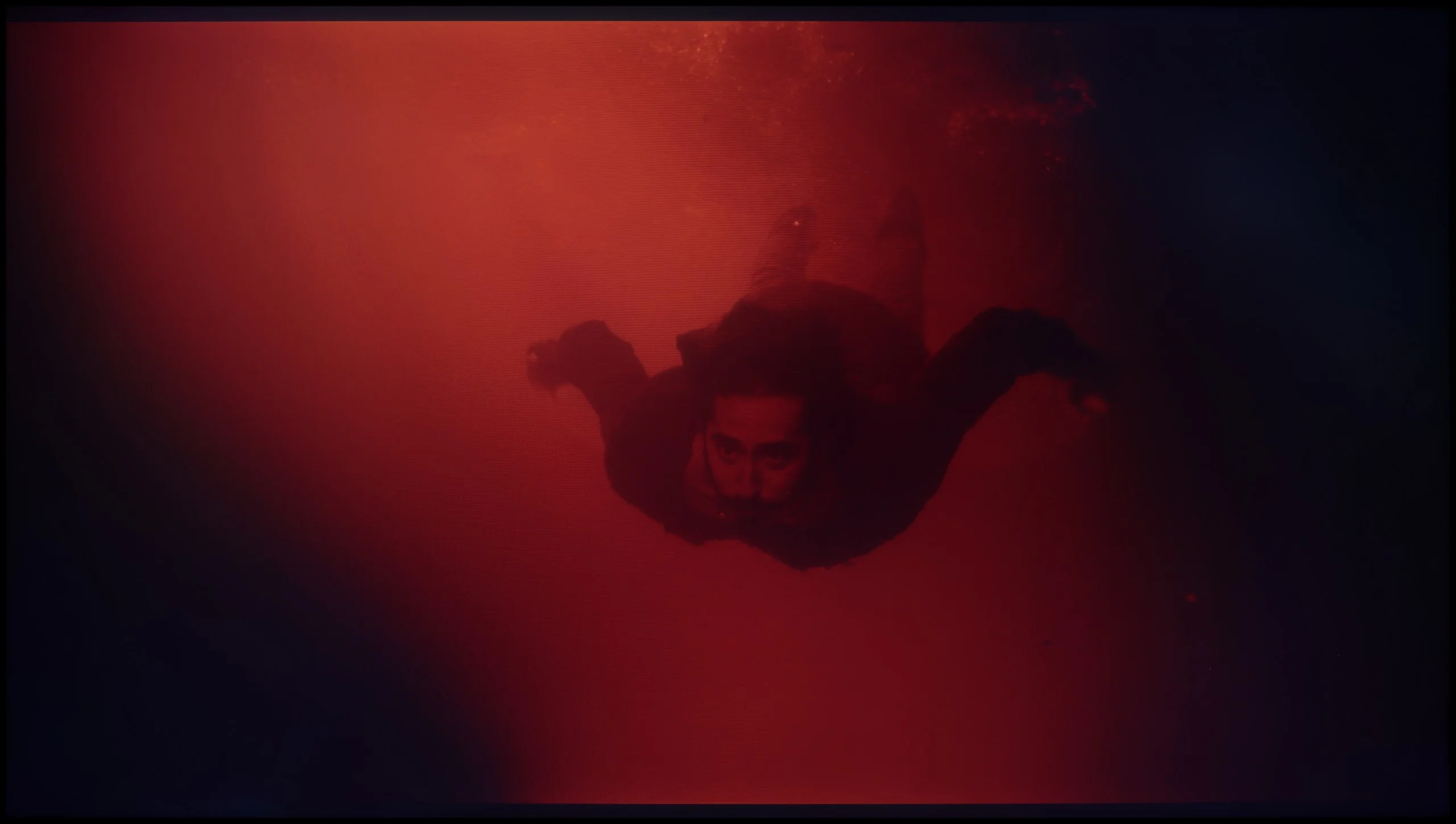
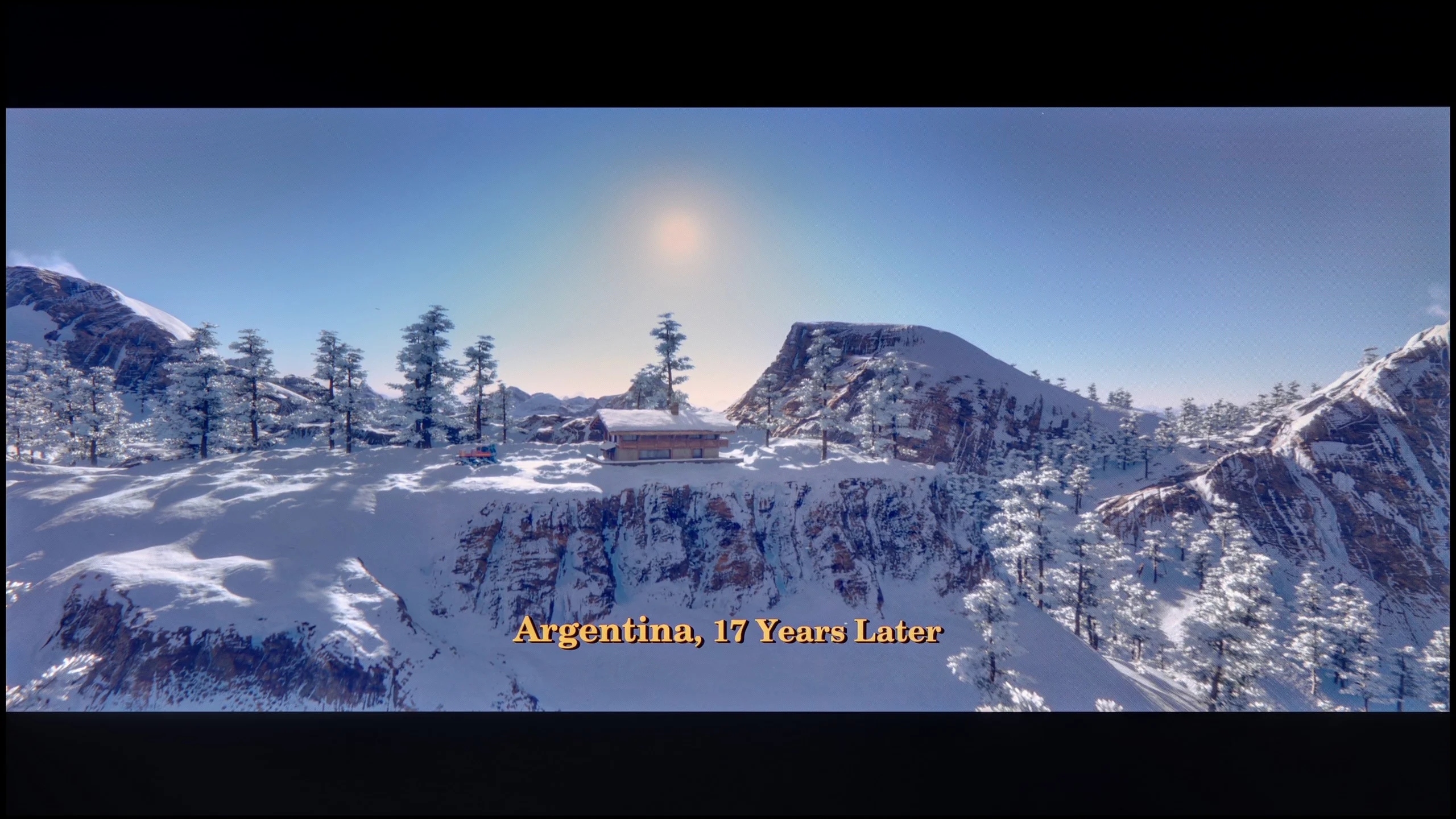
These are selected scenes that show smooth tonal transitions from one color to another. If you see distinct banding, it’s the TV panel’s fault.

These are selected scenes that show smooth tonal transitions from one color to another. If you see distinct banding, it’s the TV panel’s fault.
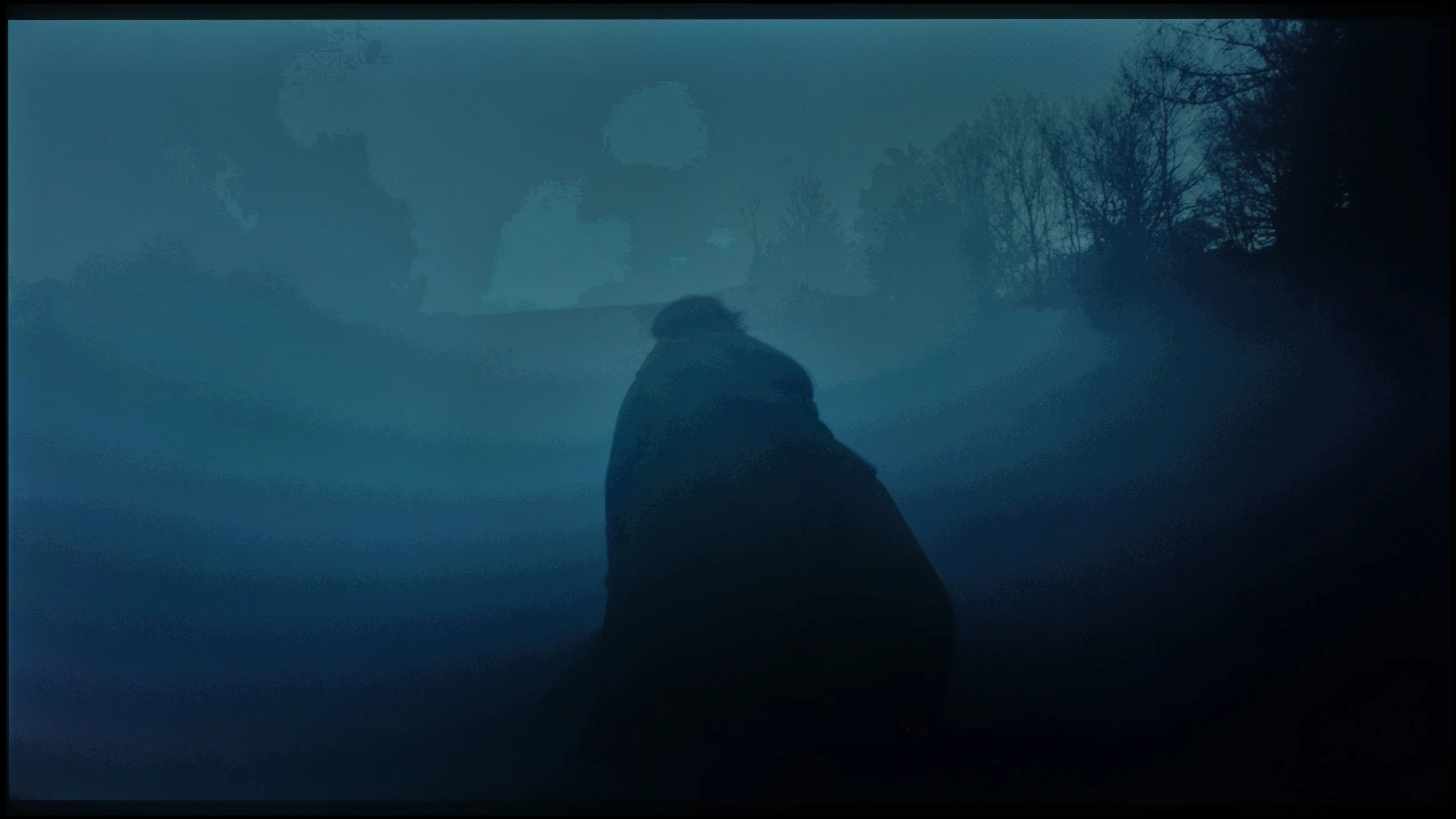
These are selected scenes that show smooth tonal transitions from one color to another. If you see distinct banding, it’s the TV panel’s fault.
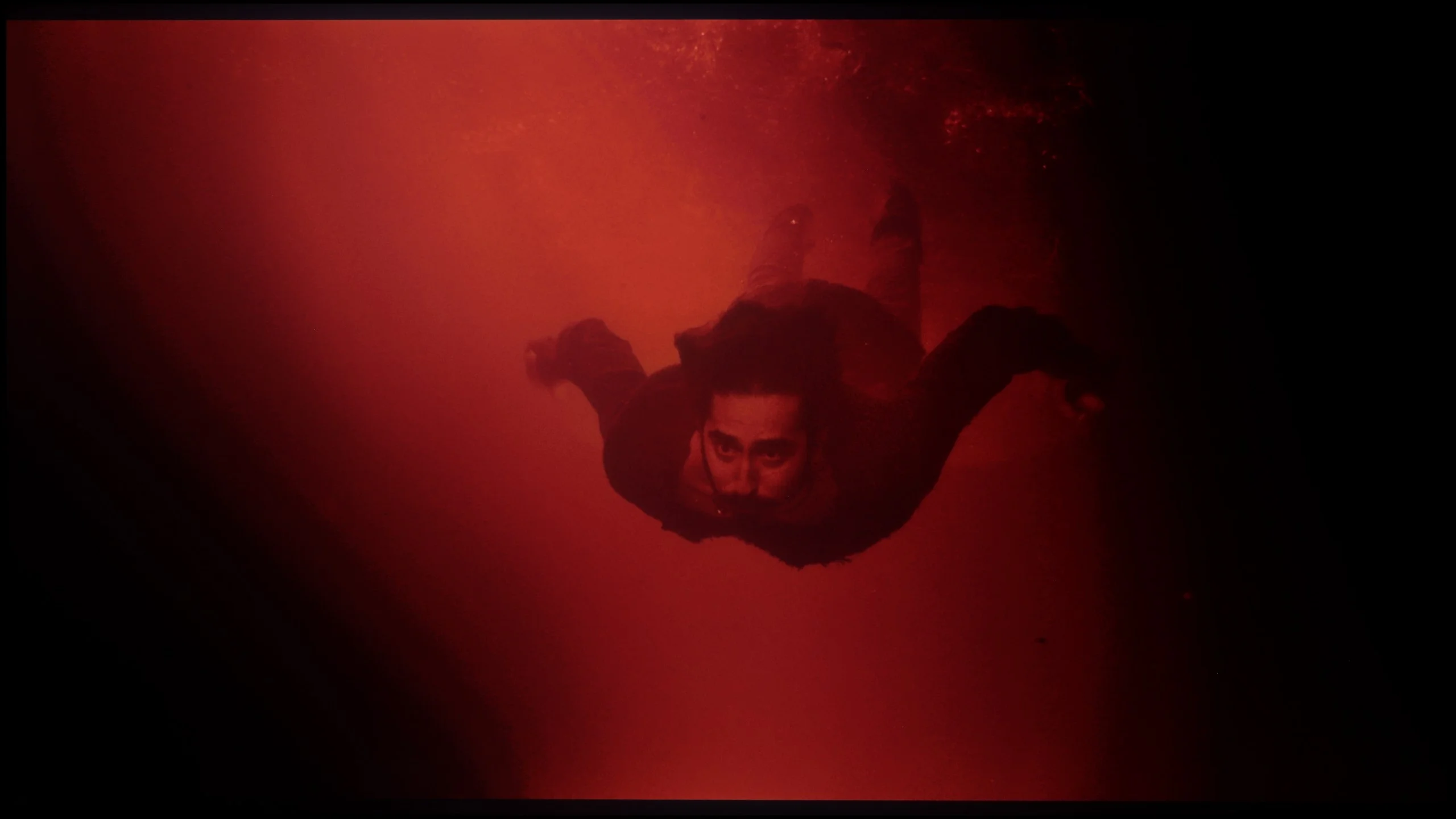
These are selected scenes that show smooth tonal transitions from one color to another. If you see distinct banding, it’s the TV panel’s fault.
When it comes to tonal transition fluidity, TCL C75B performs really well. It particularly excels in gradation of the darkest colours – here the television does not disappoint and presents a high-quality image.
Some imperfections can be noticed in the brightest areas of the screen, such as in a scene from the film Kingsman (sun in a blue sky). Nevertheless, the final effect should satisfy the vast majority of users.
The smoothness of tonal transitions on the smaller Xiaomi S Mini 2026 versions is noticeably worse than on the larger versions. It's most apparent in dark scenes, where posterisation often appears, visible as bands between similar shades. In some shots this can become clearly distracting. Fortunately the issue mainly affects darker parts of the image. In bright scenes, transitions between colours are generally smooth and there's little to complain about here.
Image scaling and smoothness of tonal transitions
5/10
3/10

Smooth transition function
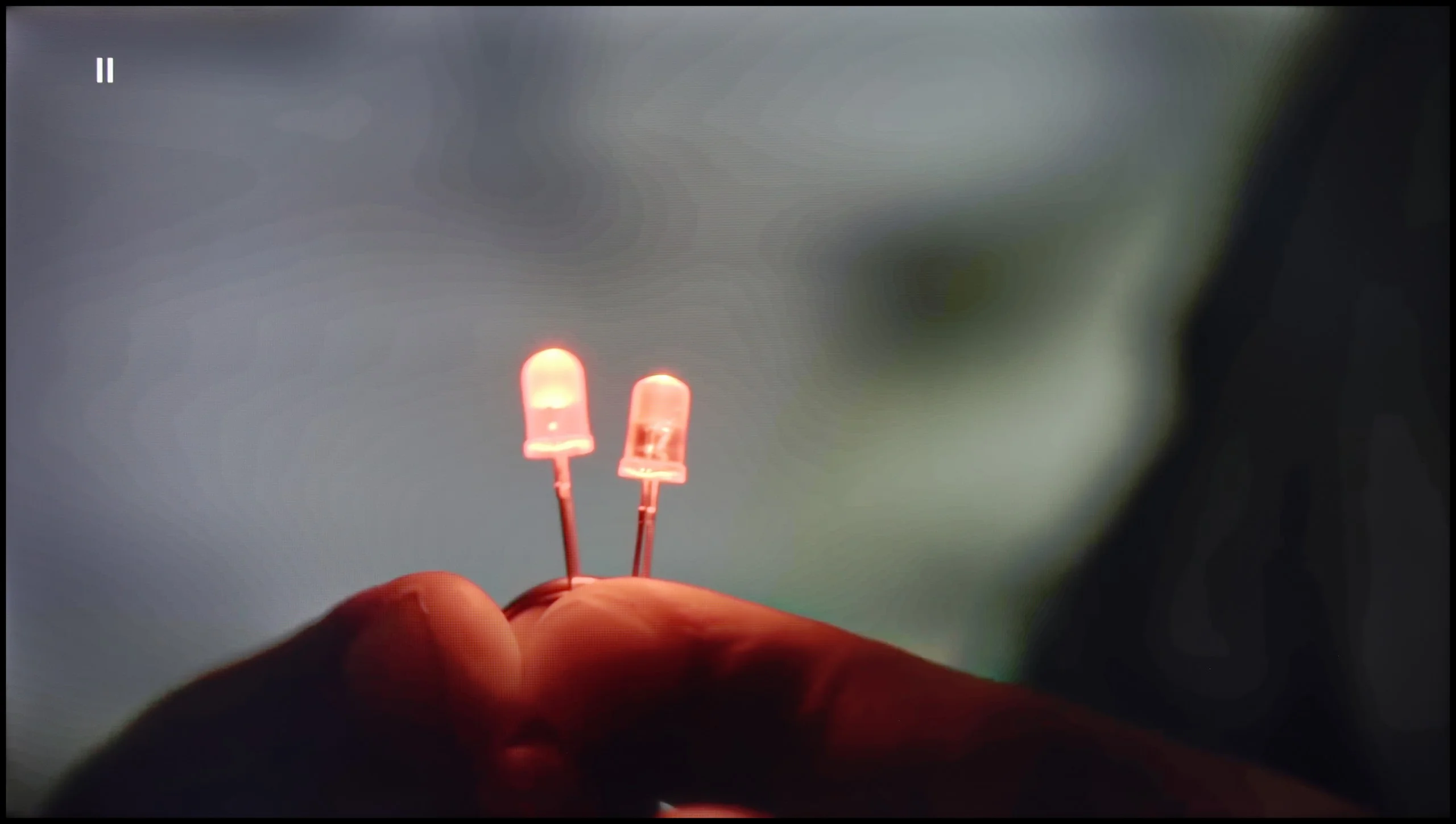
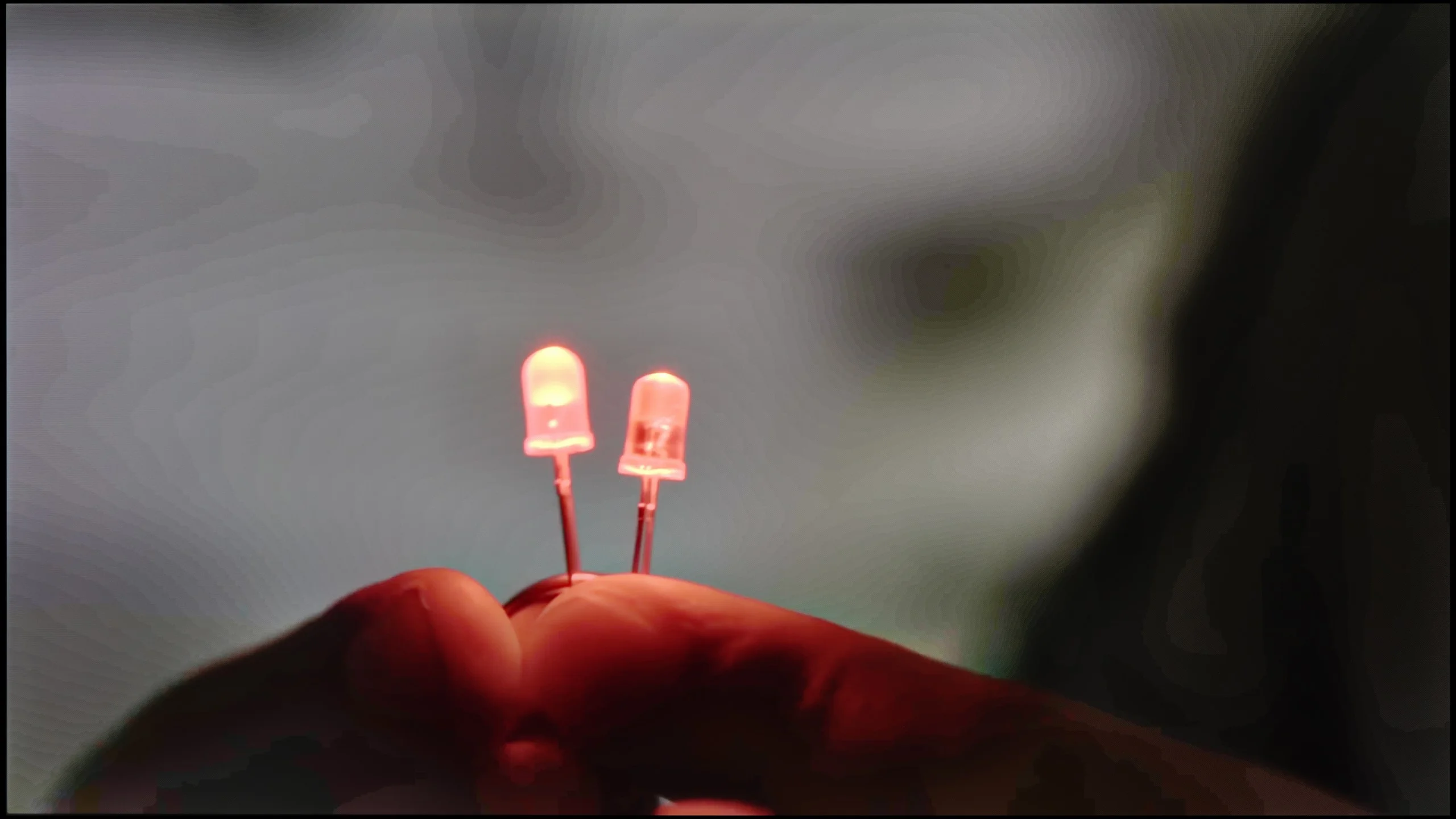
The match photo shows how the TV smooths weak tonal transitions in low-quality video.
Image scaling SD (576i)

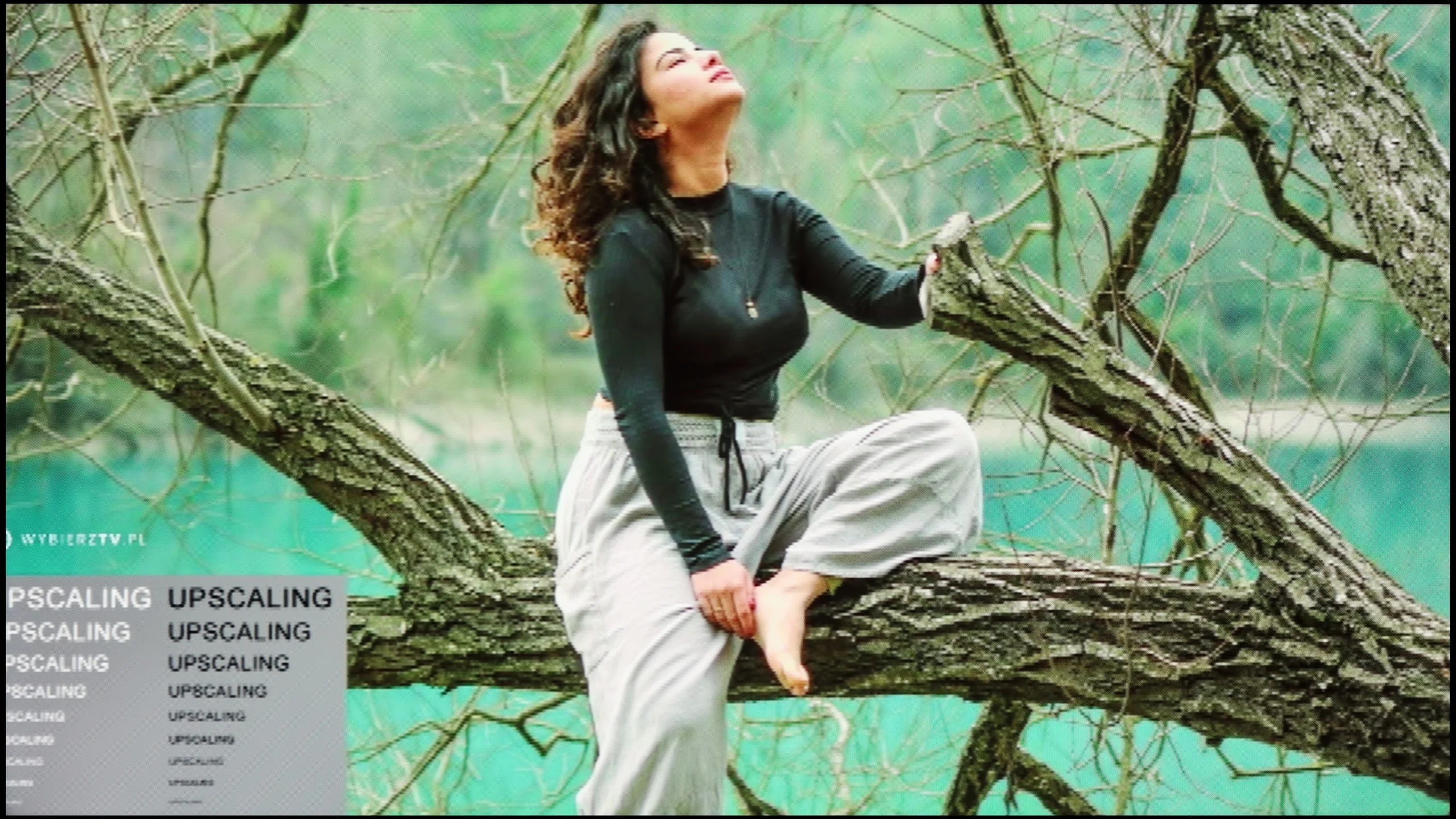
The model photo shows how it handles upscaling of SD material.
TCL C75B has a feature for smoothing tonal transitions, but unfortunately, we cannot praise it. Regardless of the selected level – low or high – tonal transitions in older materials remained visible, as if the feature wasn’t working at all. It’s hard to say anything positive about it, as in practice it seems completely useless.
Image scaling is better. The TV handles it quite decently, although on thinner elements, like branches in the background, you can see slight jaggedness. However, this is not something that significantly hinders everyday viewing.
Unfortunately, a bigger problem turned out to be overscan, or cropping of the image edges. In our tests, it happened that news ticker or other elements close to the edge of the screen were cut off. This is definitely something to pay attention to, especially if we use the TV for watching news programs or content with text on the screen.
The MT5896 processor handles digital image processing in the Xiaomi S Mini 2026. Unfortunately, in this respect the TV is fairly average. Low-resolution content isn't upscaled very well, and its limitations become obvious on a large screen. The picture looks quite digital, and the TV can't pull out many extra details. You also can't turn off overscan for low-resolution content. The handling of posterisation smoothing is even worse. On the smaller models there's not even a separate setting to reduce the visible banding between similar shades. So if those imperfections are already present in the source material, Xiaomi effectively doesn't mask them.
Blur and motion smoothness
7.3/10
4.6/10

Blur (native resolution, maximum refresh rate):
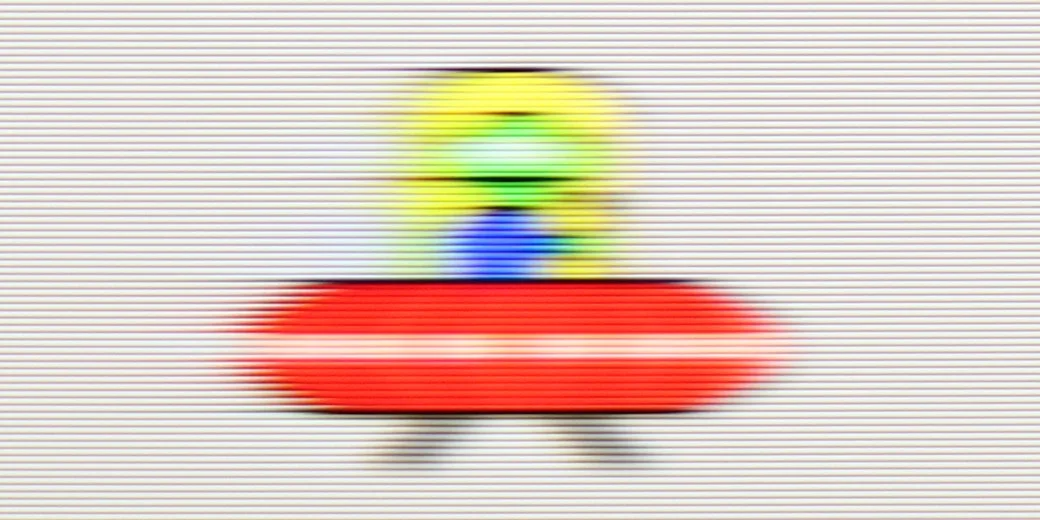
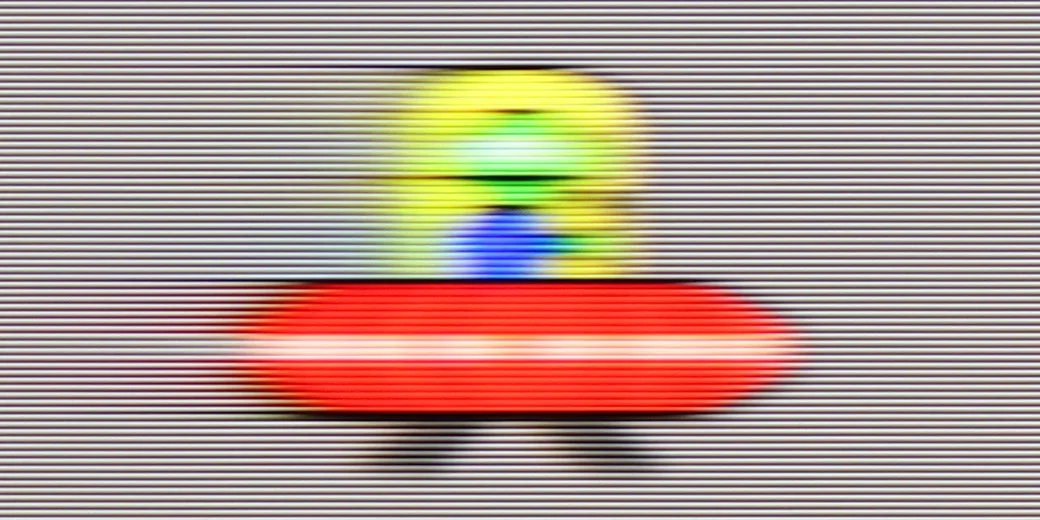
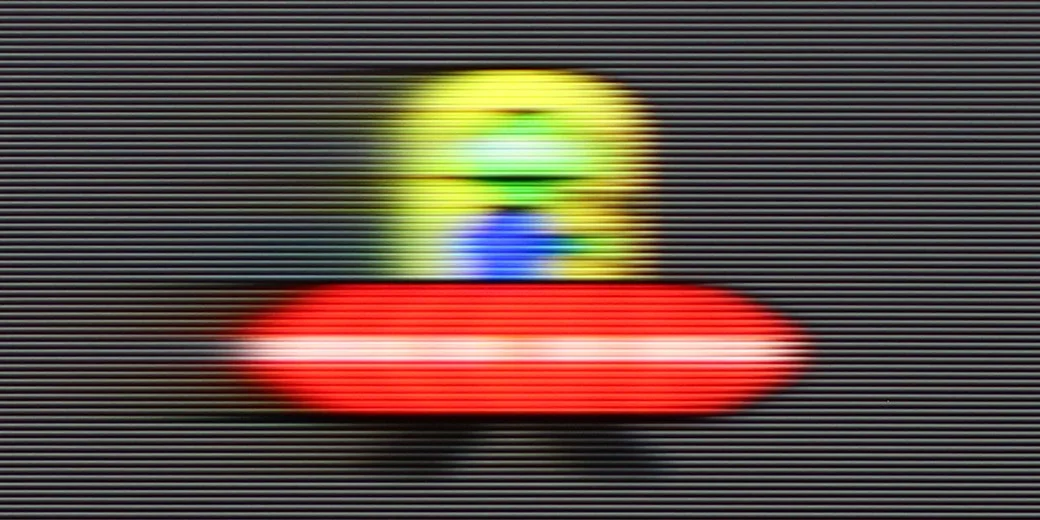
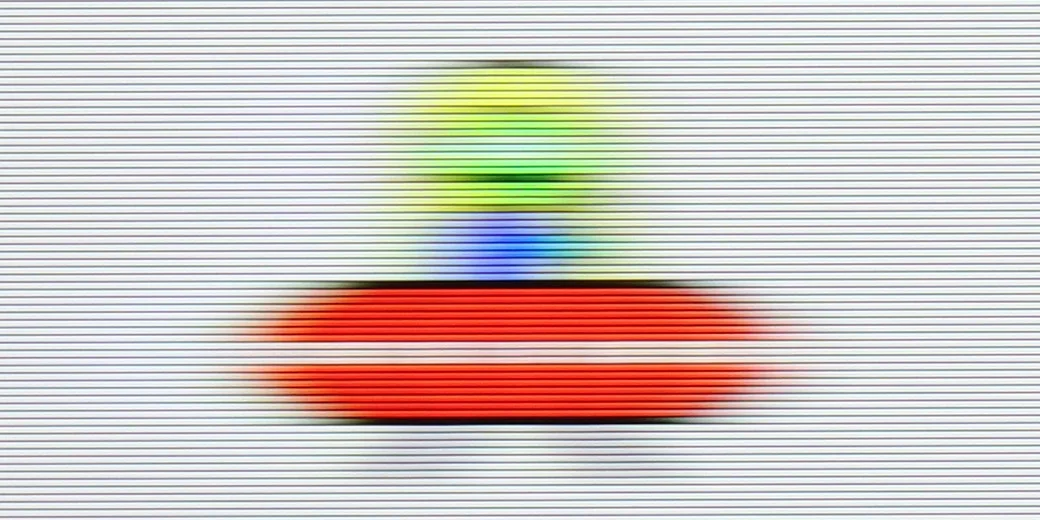
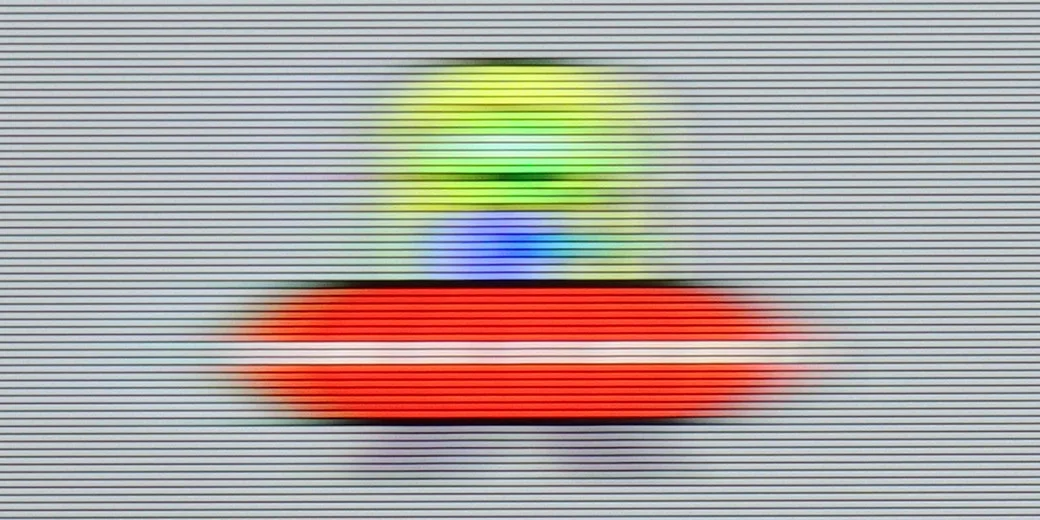
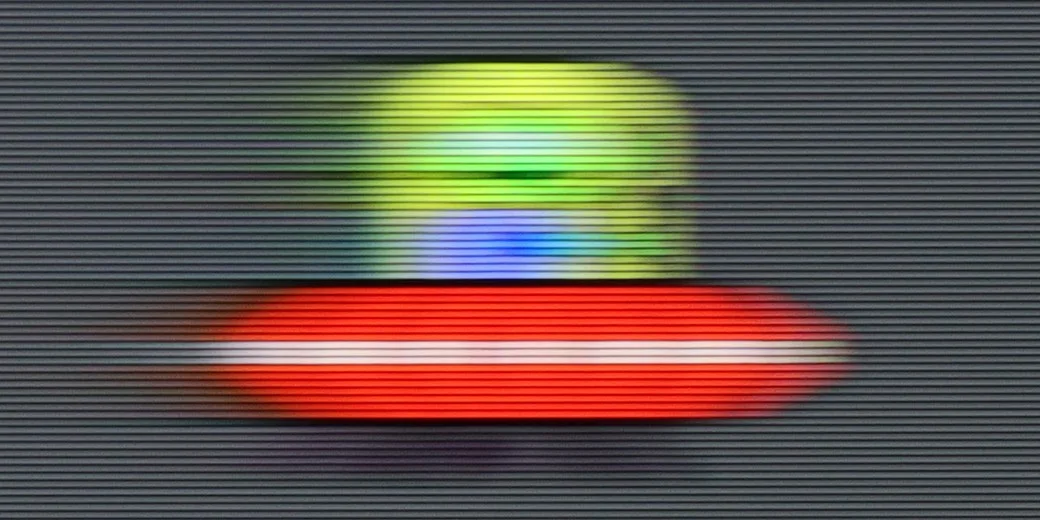
TCL C75B definitely has something to offer gamers. The television is equipped with a panel that can display images with a refresh rate of 144 Hz in 4K, and even 240 Hz in Full HD. These are really impressive results, especially for a model from the budget range.
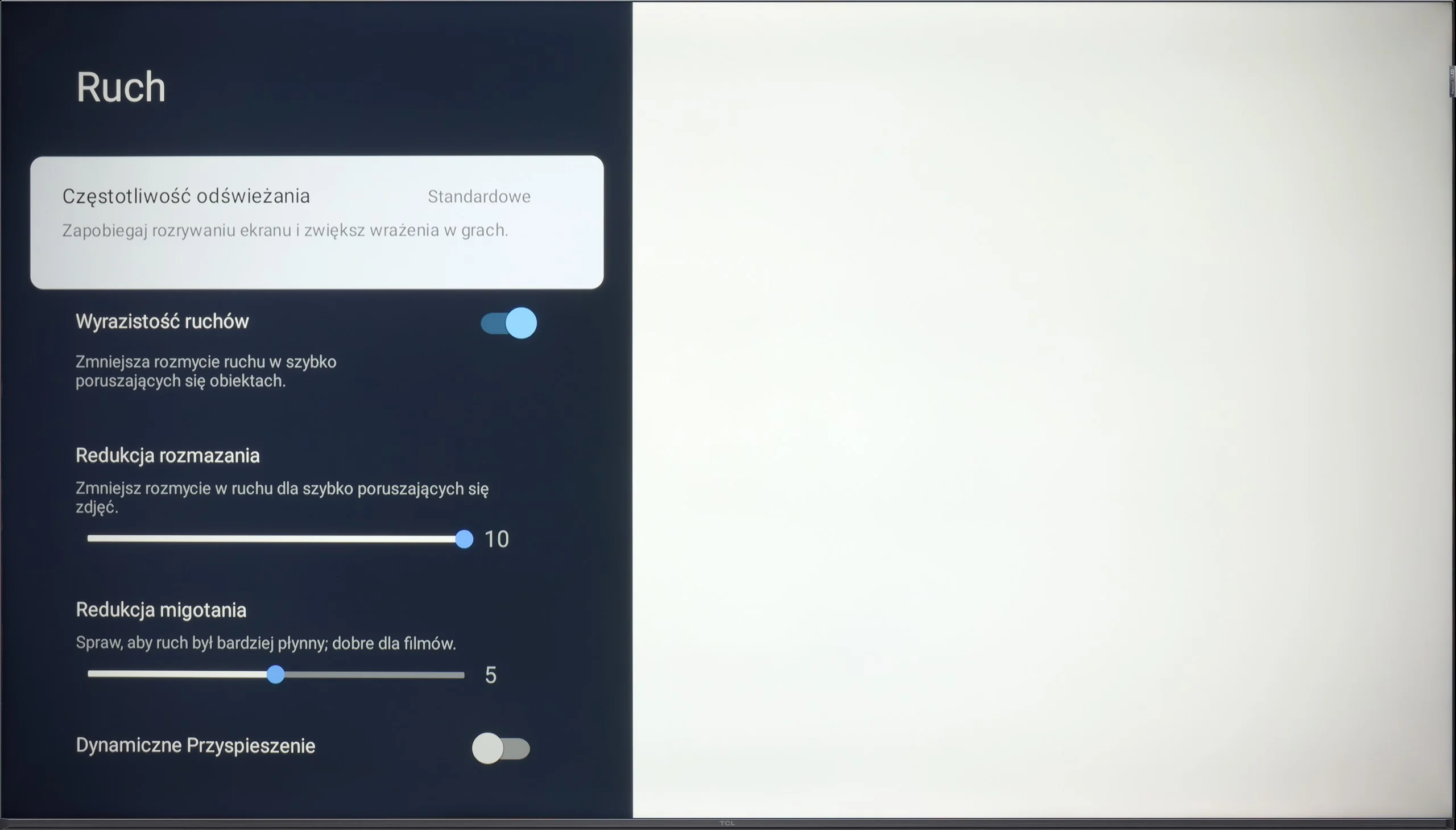
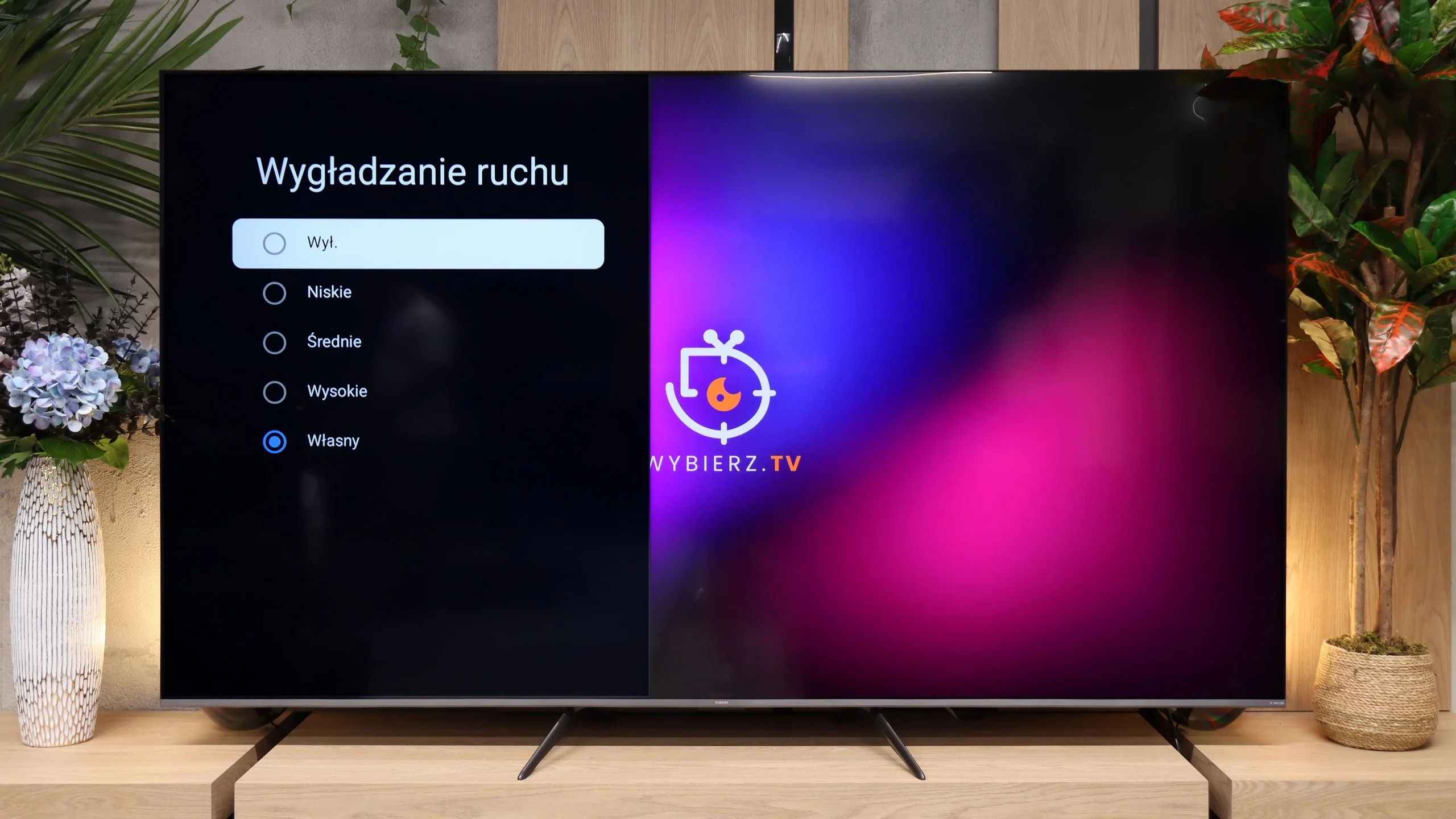
On top of that, there are features for improving smoothness and reducing motion blur in films. The "Motion" option allows for precise adjustment of the effect on a 10-point scale, providing significant personalisation possibilities – everyone can set the smoothness to their liking.
The smaller variants of the Xiaomi S Mini 2026 use a 60 Hz panel, and that's their biggest limitation when it comes to motion. For films and TV series this isn't yet a major problem, because the TV has a classic motion interpolator for 24/30 fps material. So you can reduce the characteristic judder and adjust motion to your own preferences. Sports and other 50/60 Hz material fare worse, because there’s no additional feature to improve smoothness. In such content we’re therefore limited by the panel itself.
In terms of motion blur the TV performs fairly typically for a VA panel. The most trailing is visible behind objects moving against a dark background, while in brighter scenes the effect is noticeably smaller. It’s not at a level that completely ruins the perception of motion, but in dynamic scenes you can see that the panel isn’t one of the fastest.
Console compatibility and gaming features
9.8/10
4.6/10
- ALLM
- VRR
- VRR range48 - 240Hz
- Dolby Vision Game Mode
- Correct implementation of HGIG
- 1080p@120Hz
- 1440p@120Hz
- 4K@120Hz
- Game bar
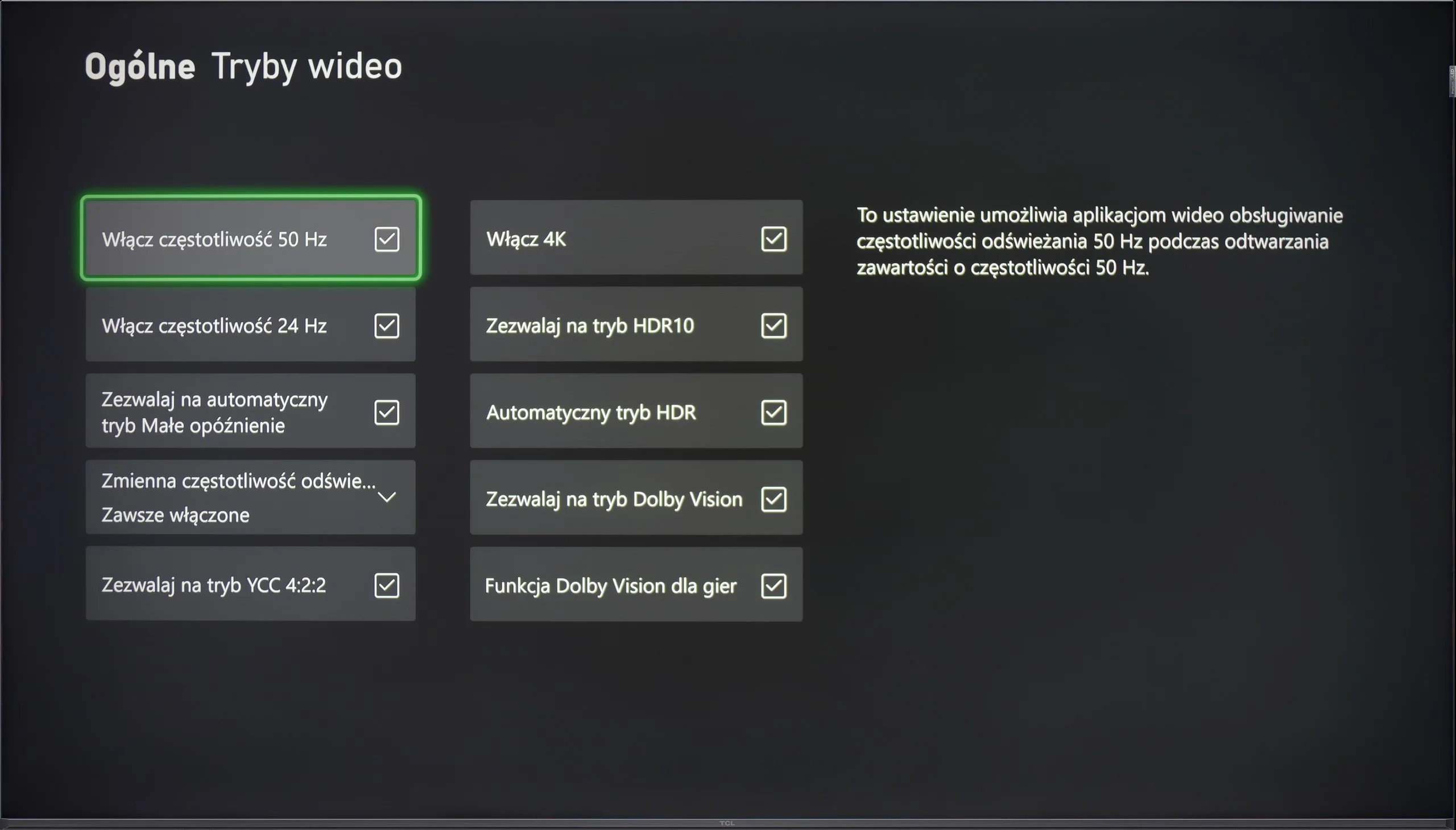
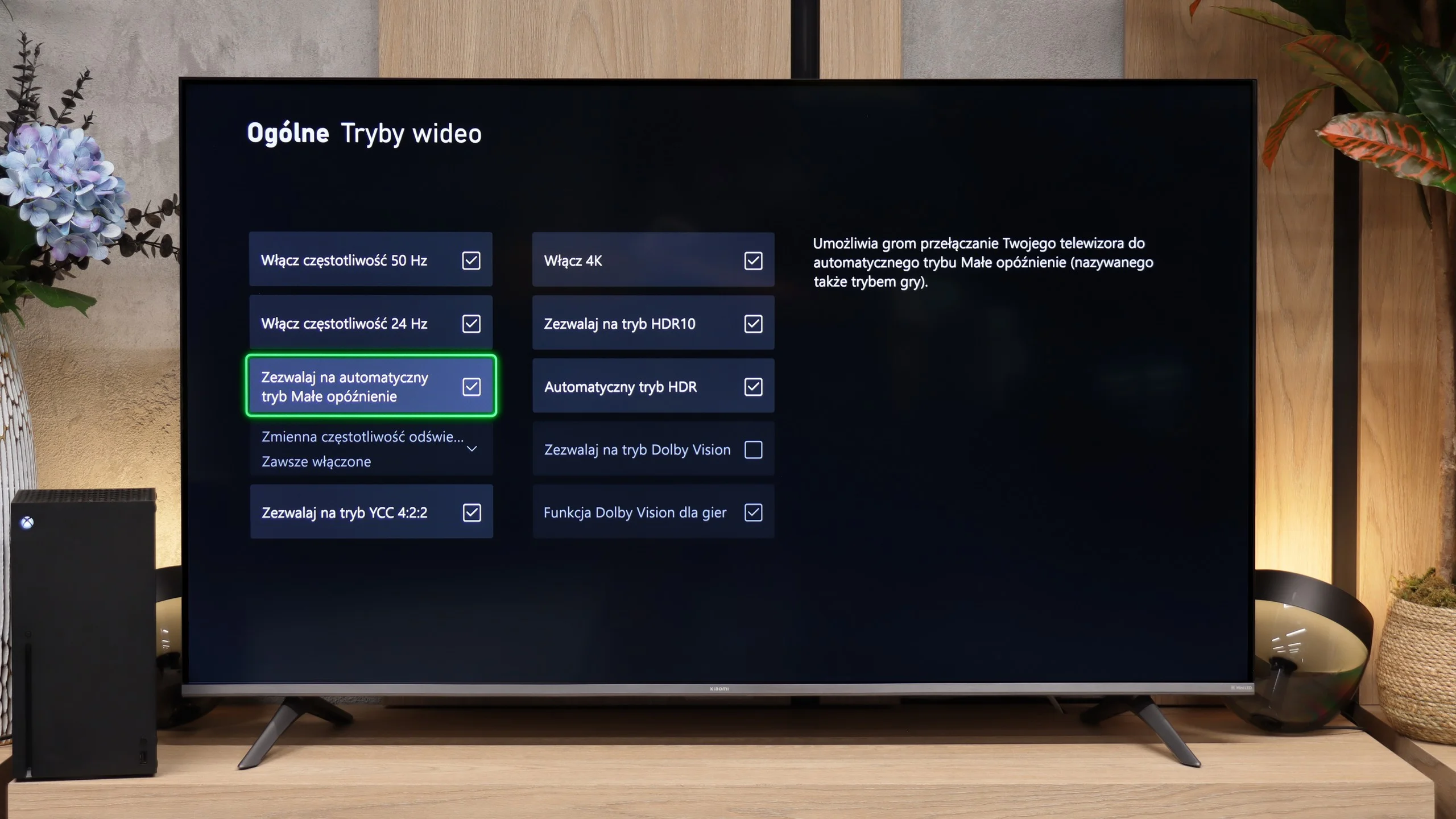
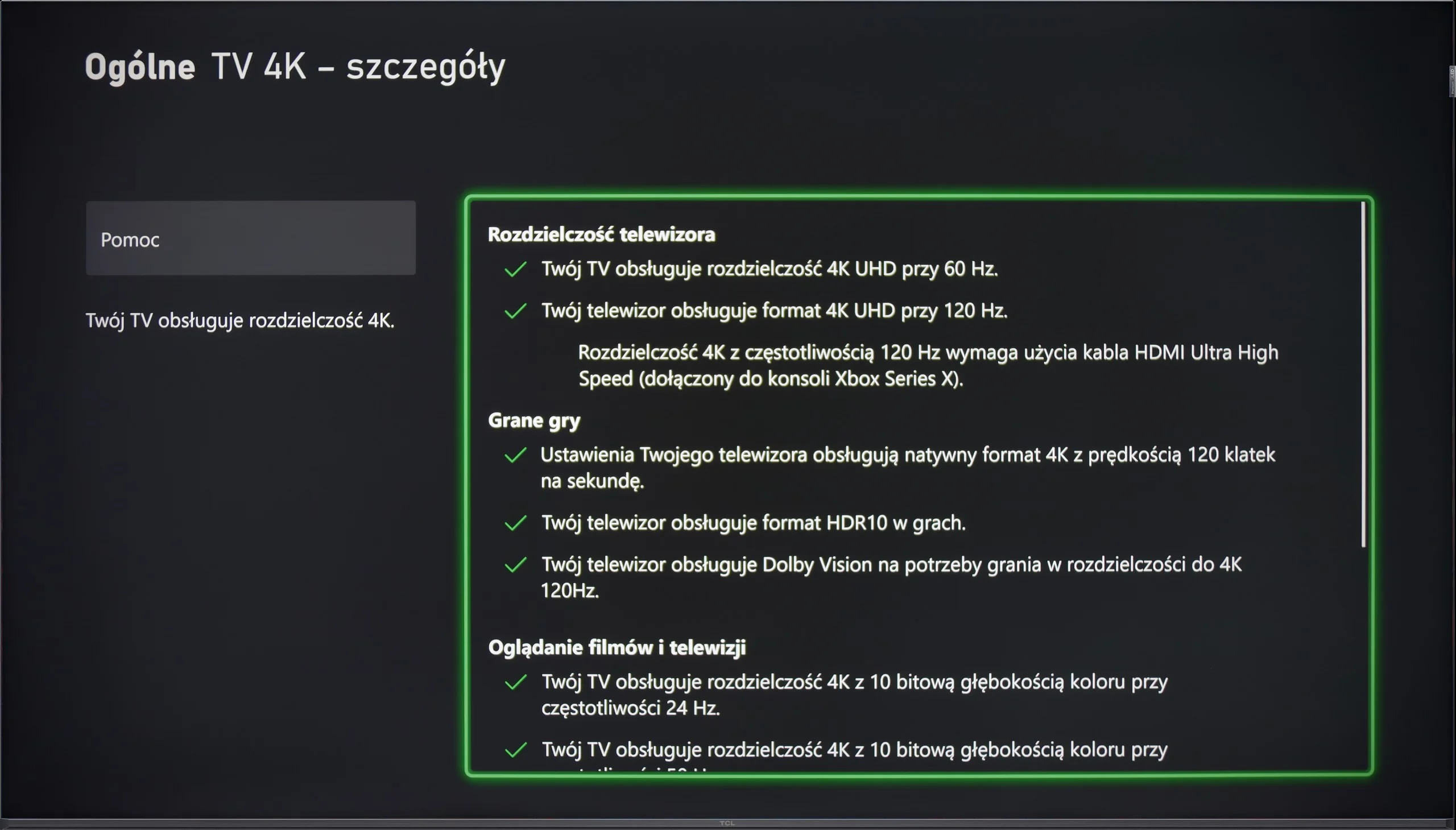
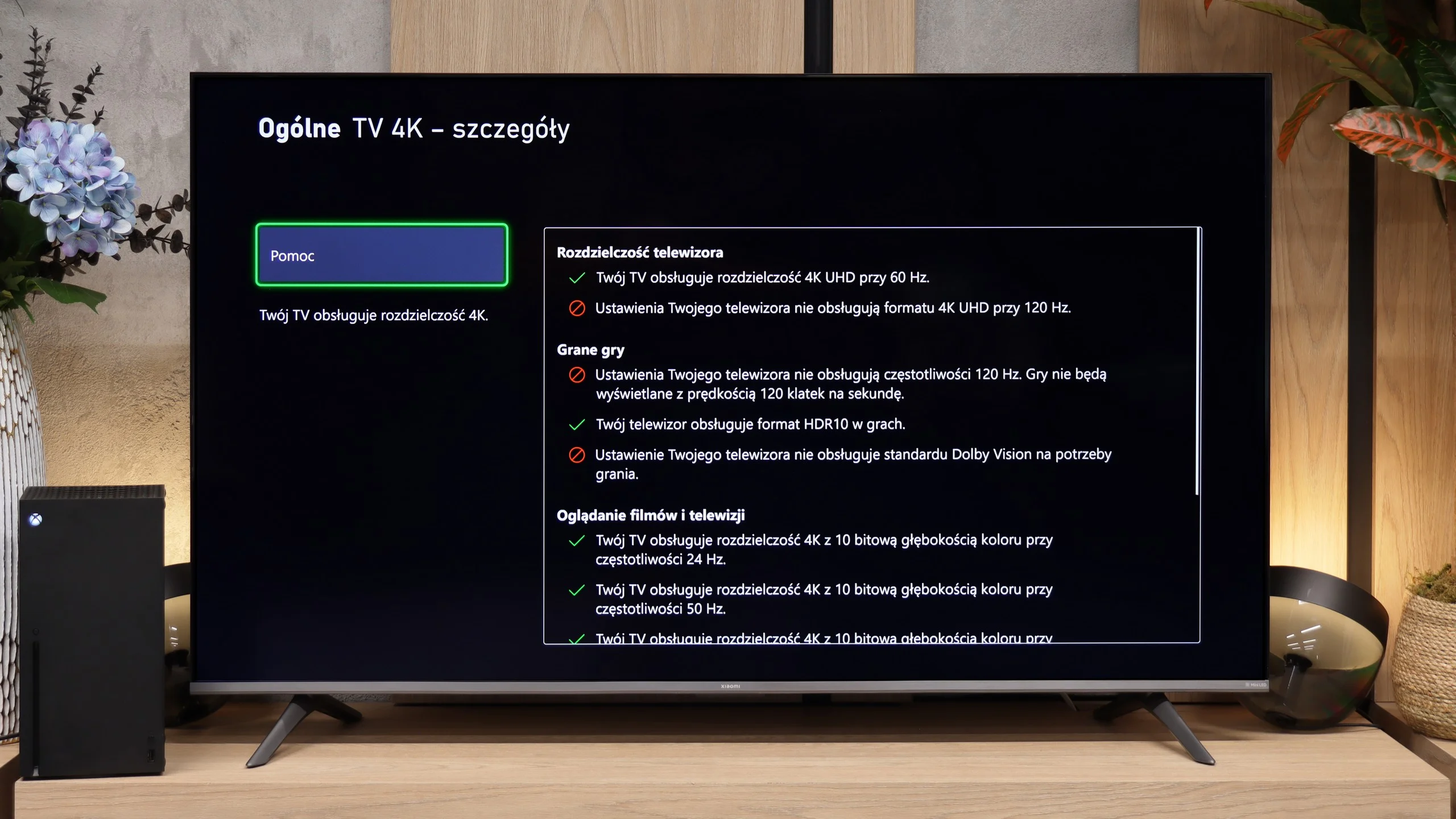
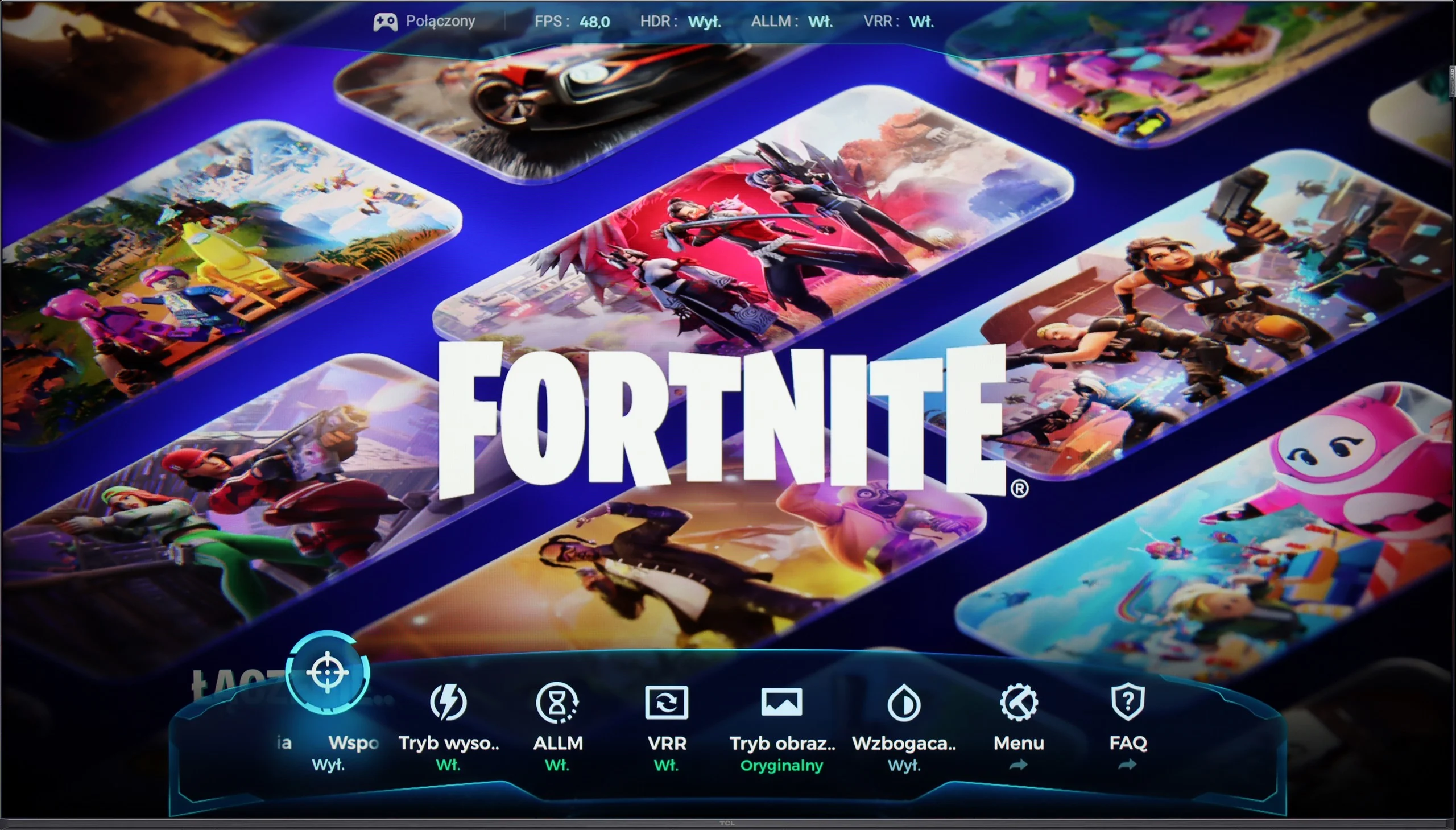
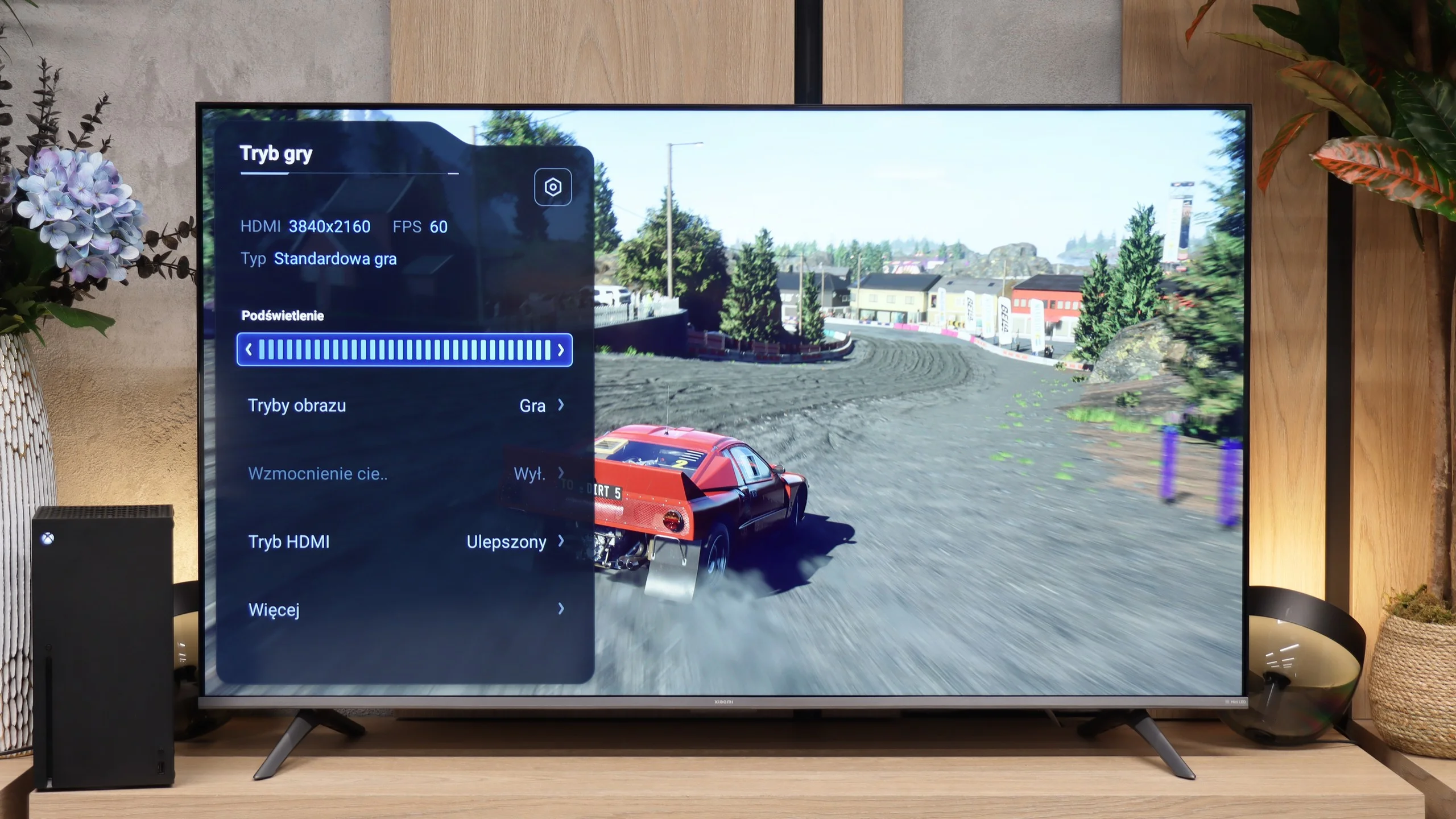
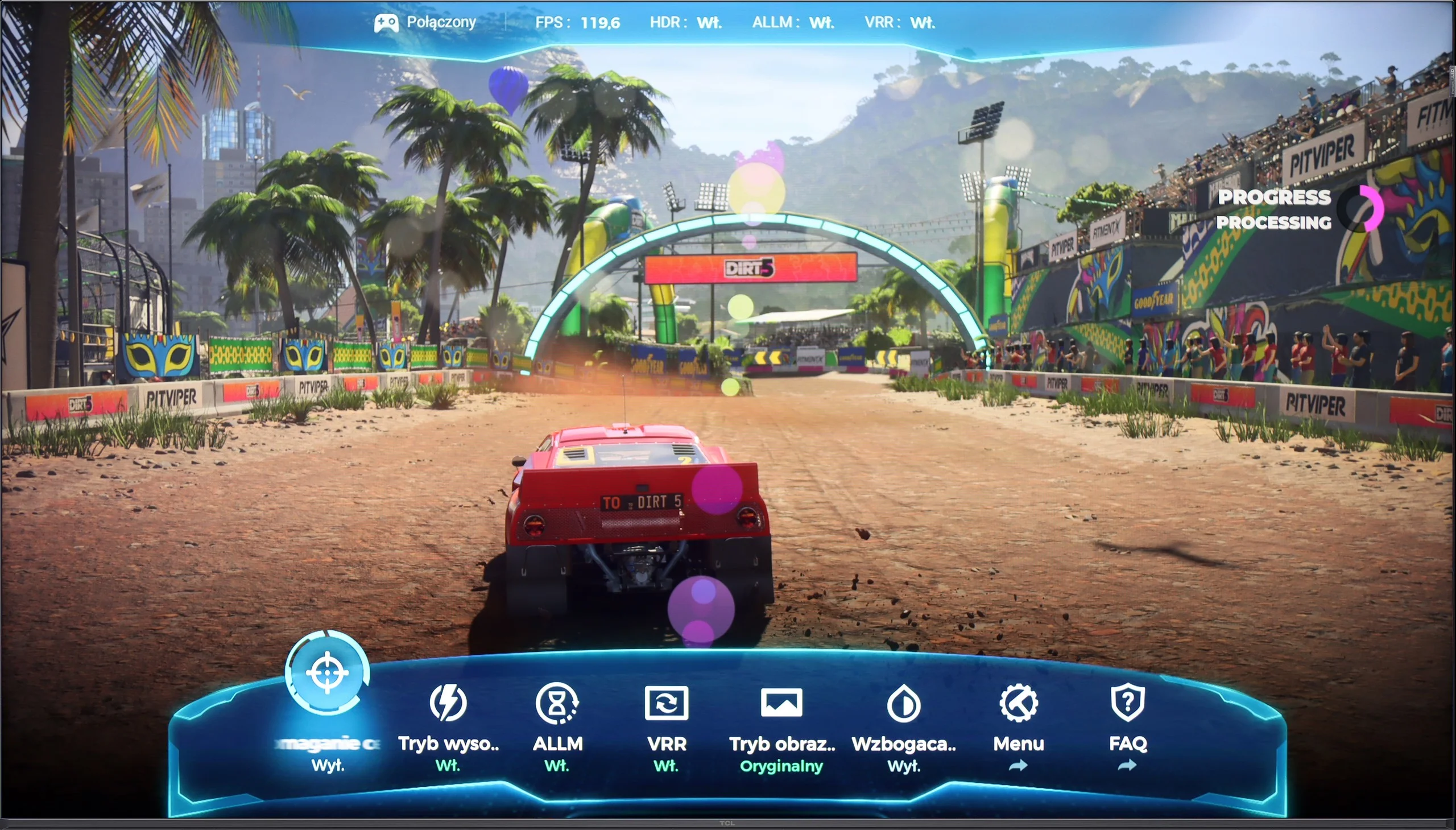
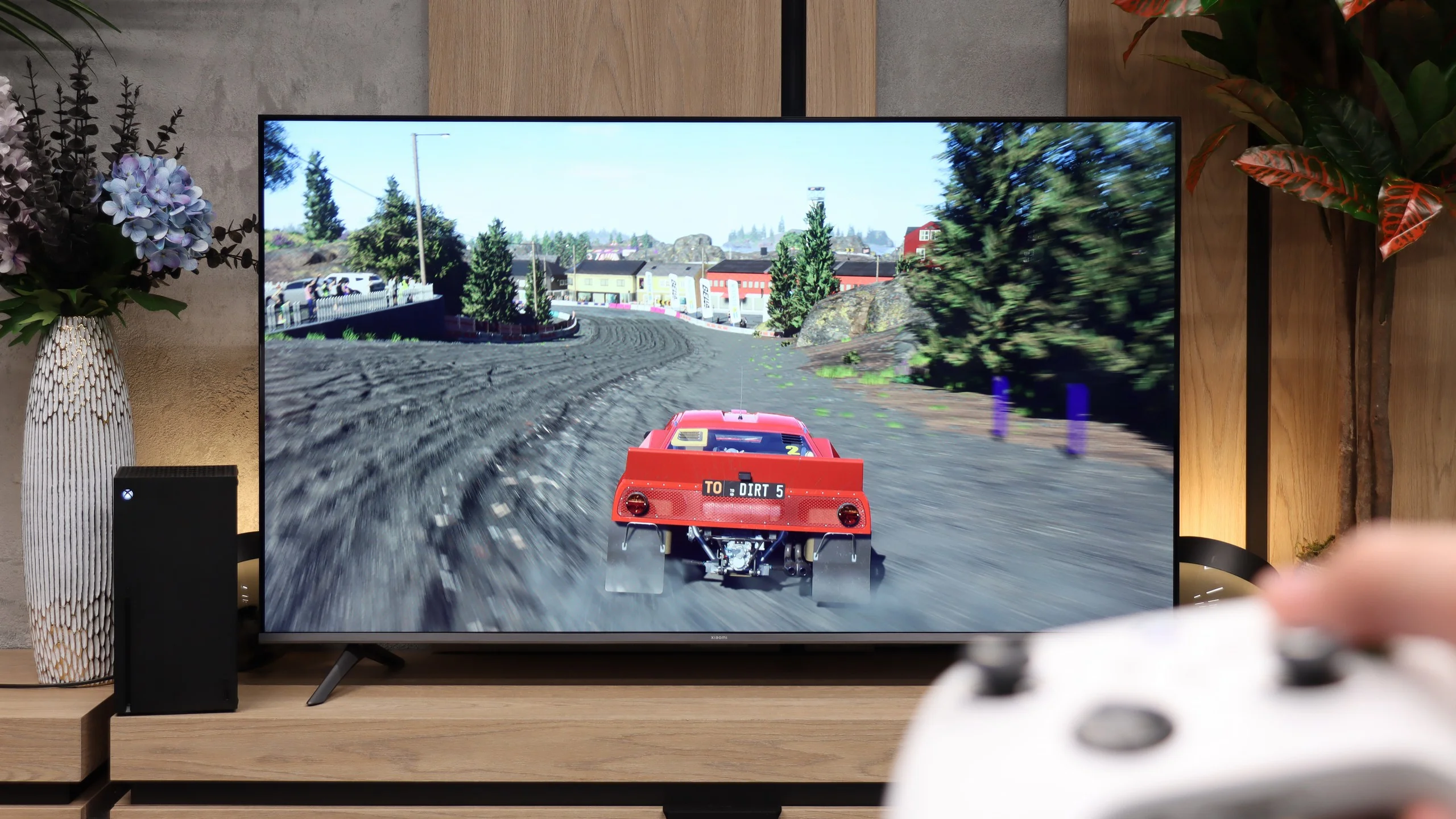
TCL C75B is undoubtedly a television designed with gamers in mind. It has almost everything needed for even the most demanding console users. With the implementation of full bandwidth HDMI 2.1, the TV supports features like ALLM (automatic low latency mode) and VRR (variable refresh rate) – operating within the full capabilities of the TV, up to 240 Hz in Full HD resolution.
Additionally, the television supports advanced HDR technologies, including Dolby Vision and HGiG, which allows for even better detailing in HDR-optimised games. C75B is also equipped with a very convenient interface for gamers in the form of Game Bar, where you can check all key parameters such as refresh rate, input lag, or picture settings – all just a click away.
In one sentence: C75B is a great choice for gamers, offering a wide range of features that fully enable enjoyment of the capabilities of modern consoles and games.
In the larger sizes the Xiaomi S Mini 2026 becomes a far more interesting option for gamers. The panel runs natively at up to 144 Hz, so when you connect a PC you can use the high refresh rate even at 4K. At lower resolutions the TV can go even further, reaching up to 288 Hz. It also offers ALLM, automatic switching to Game Mode, and a Game Bar that keeps the most important settings within easy reach. Of course, the TV has two full-bandwidth HDMI 2.1 ports. So in terms of smoothness the difference compared with the 55–75 inch versions is substantial and particularly easy to notice when using a PC or console. However, not everything works perfectly. As with the smaller variants, we have reservations about the HGiG implementation. The HDR setup screens on the PS5 and Xbox don't precisely reflect the TV's actual capabilities, so if you set the console according to those prompts the brightest parts of the image can be blown out and lose some detail.
Input lag
9.8/10
9.9/10
SDR
HDR
Dolby Vision
The input lag on the TCL C75B is something that truly impresses. With a refresh rate of 144 Hz, the lag is just 9 ms, making the TV's response to our actions on the controller or keyboard practically instantaneous. For 60 Hz, the result is 19 ms – it's not a record low value, but it still falls within a range where the lag is practically unnoticeable during gaming. One could say that the difference is hardly felt, which makes this TV a good choice even for more demanding gamers.
No big problem with input lag here. About 10 ms at 120 Hz and 15 ms at 60 Hz are more than enough for console or PC gaming.
Compatibility with PC
7.6/10
5.6/10
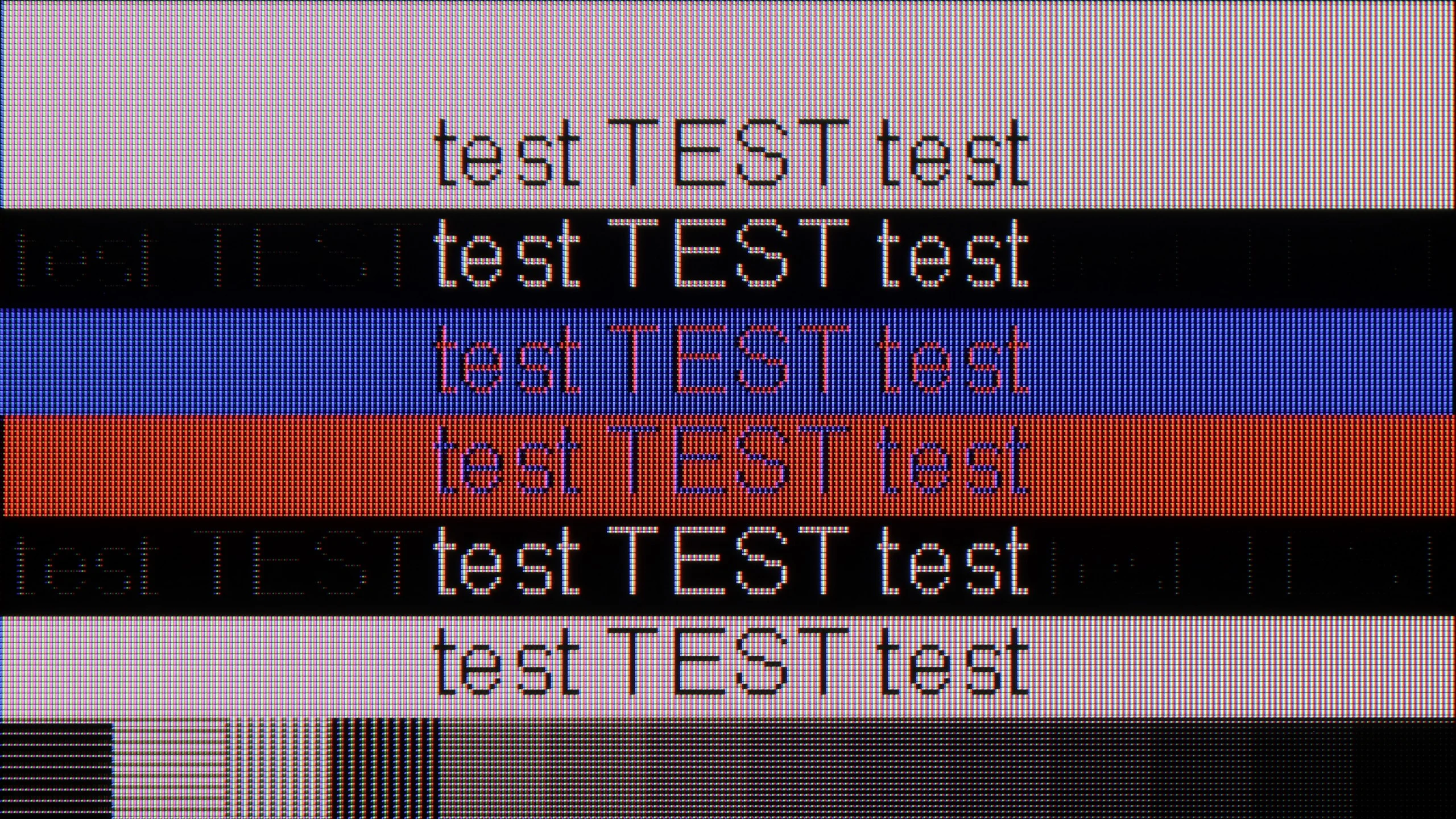
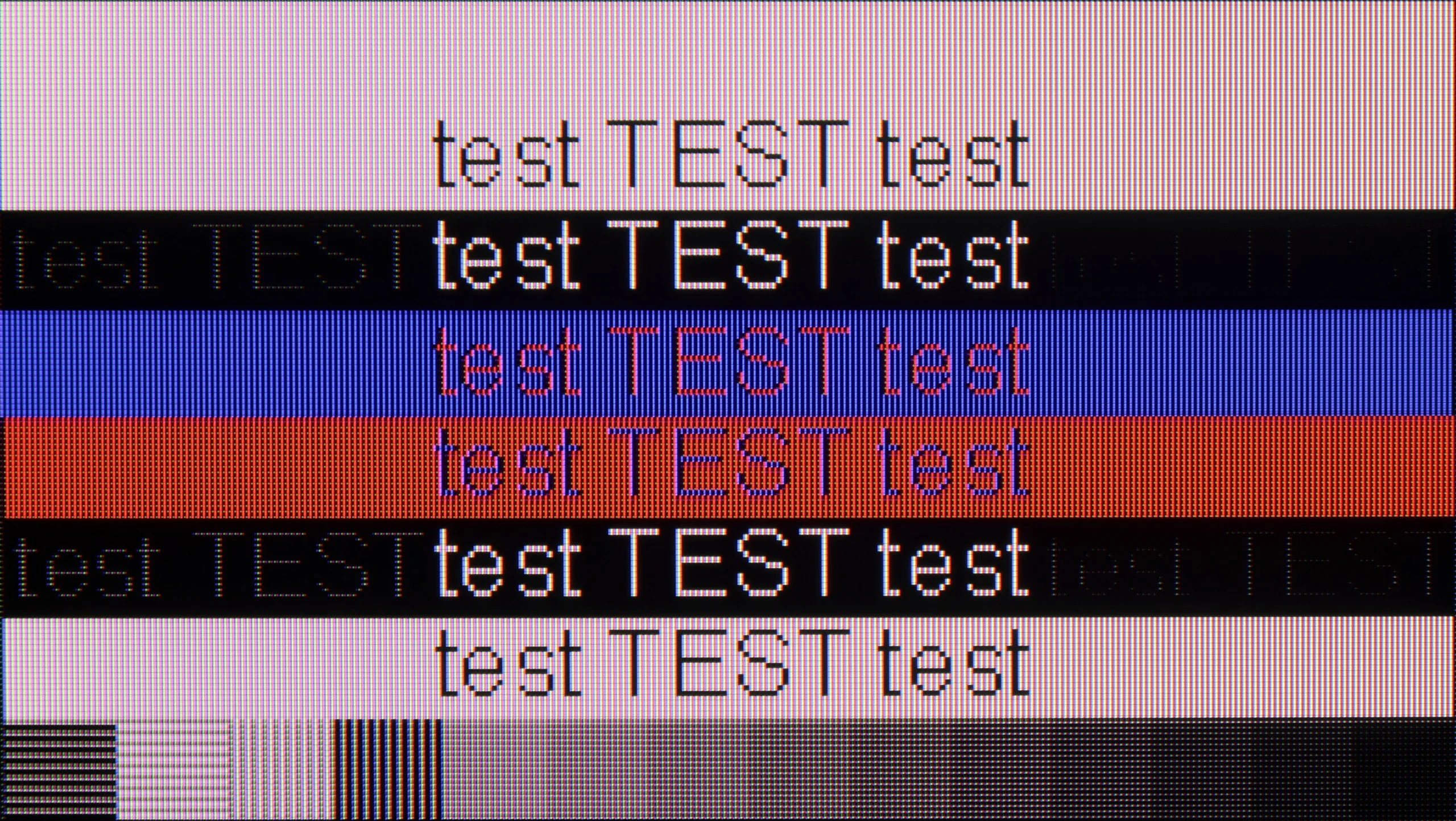
The photo shows the legibility of small fonts. Ideally, lines should be the same thickness on both light and dark text, with minimal pixel gaps.
TCL C75B is quite a good choice for connecting to a computer. With high refresh rates, low input lag, and G-Sync support, the television performs exceptionally well in games – both fast-paced and more demanding ones. The image is smooth, and the response to our actions is quick, which gamers will undoubtedly appreciate.
For office work, the television also holds up well. Text is readable, although on a dark background some imperfections can be noticed – some fonts appear as if they are missing pieces of vertical lines. This may be distracting if we work a lot with documents or text editing. However, if the computer is mainly used for gaming or watching movies, TCL C75B will easily serve its purpose as a monitor. It’s a versatile device that can handle most applications.
Working with a computer isn't the strong suit of the smaller variants of the Xiaomi S Mini 2026. The TV doesn't display chroma 4:4:4 correctly, so some fine interface elements, icons and coloured text may look worse than they should. Plain black text on a light background is still fairly readable, but for typical computer work it's hard to regard this model as a particularly good monitor. A plus is the ability to get a higher refresh rate by lowering the resolution. Instead of 4K at 60 Hz you can switch to 1080p or 1440p and use 120 Hz, which for PC gaming can be much more useful than full resolution.
Viewing angles
2.7/10
3/10
The viewing angles on the TCL C75B are, unfortunately, very poor. This is a typical compromise with VA panels – better blacks at the expense of off-angle visibility. The picture quickly loses quality when viewed from the side, which is the complete opposite of what IPS panel televisions offer. If we plan to watch the TV mainly head-on, this won't be a big problem. However, with a larger number of viewers sitting at different angles, the picture quality may disappoint.
Viewing angles on the smaller models of the Xiaomi S Mini 2026 are unfortunately poor. This is a typical issue with VA panels, but here the effect is quite pronounced. Move just a little off-centre and the picture starts to noticeably fade and lose colour saturation. Brightness itself doesn't fall off as much, but colours very quickly look washed out. If the TV is to be watched by several people sitting well off to the sides, keep that in mind.
Daytime performance
4.9/10
6.3/10
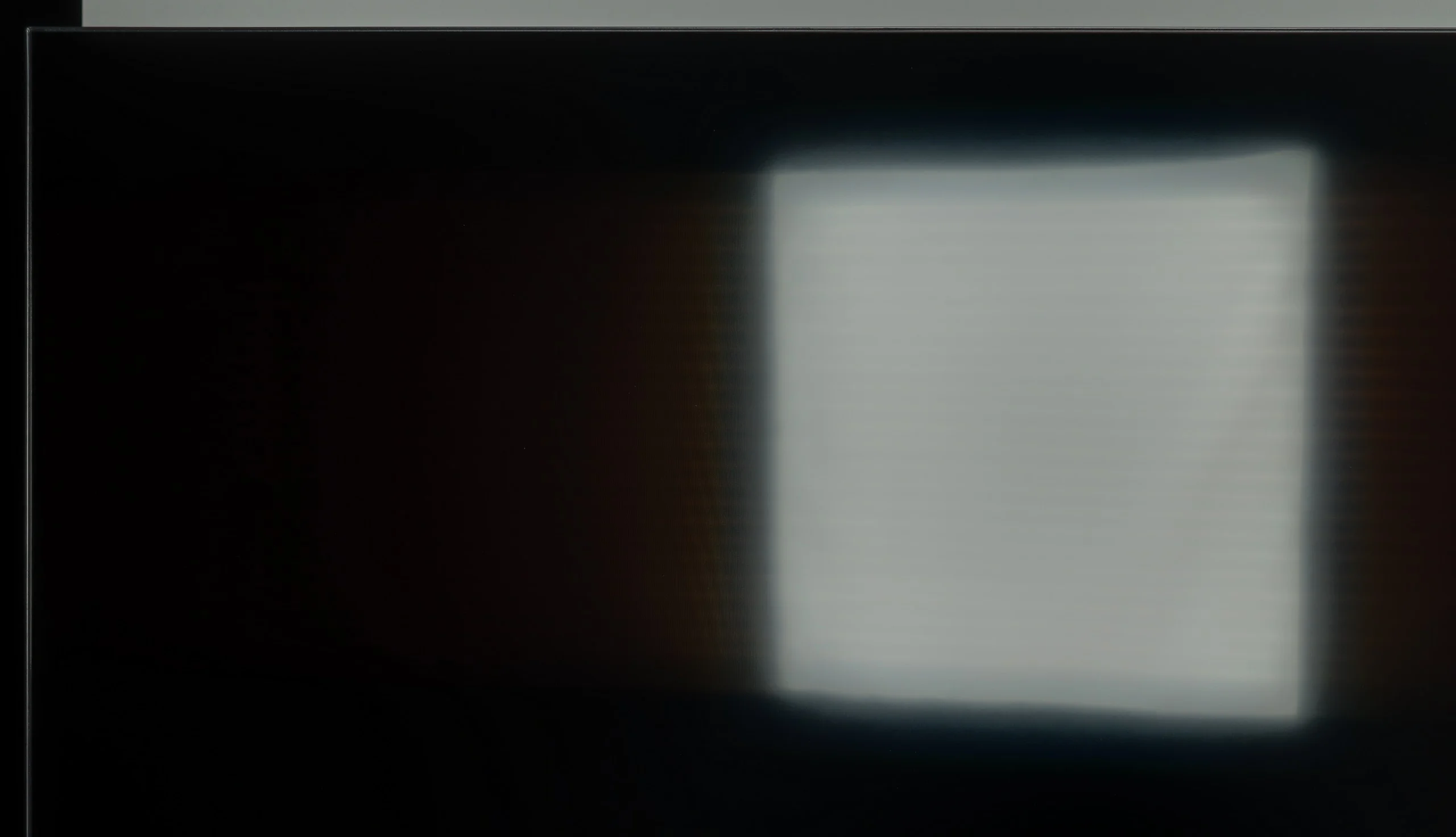
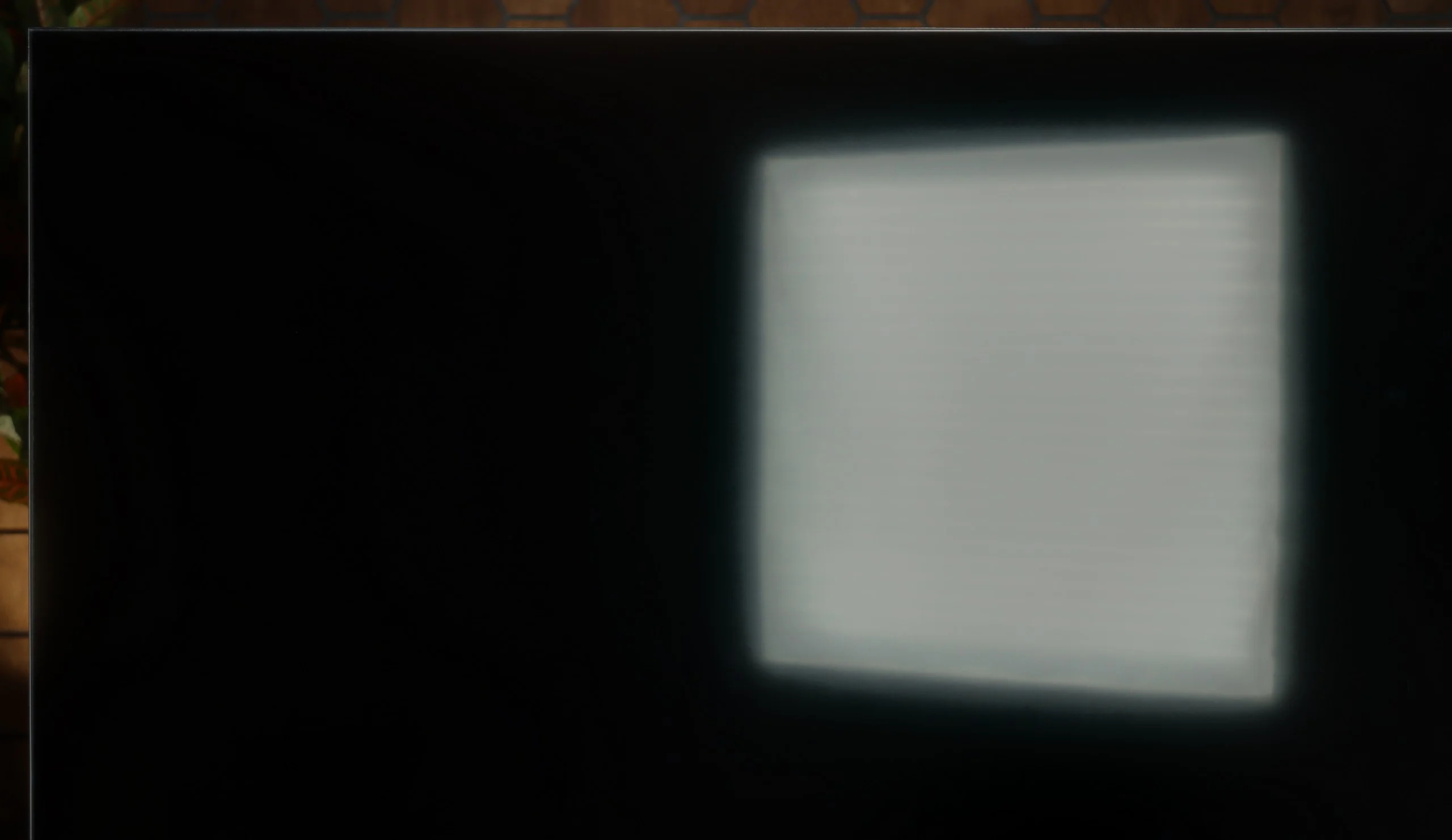
Panel brightness
XIAOMI S Mini 2026 (55"-75") 60Hz : 569 cd/m2
TCL C75B: 366 cd/m2
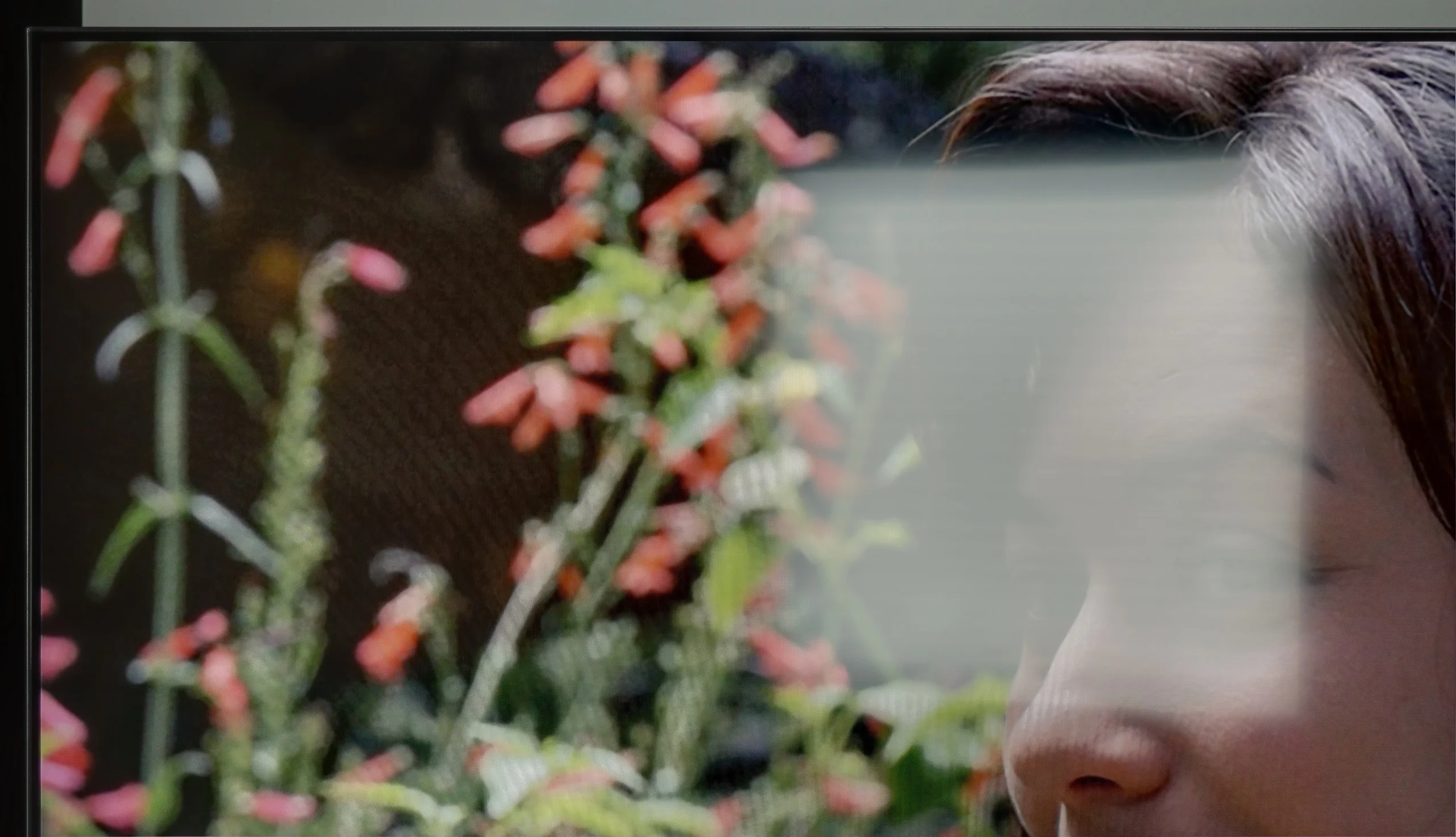
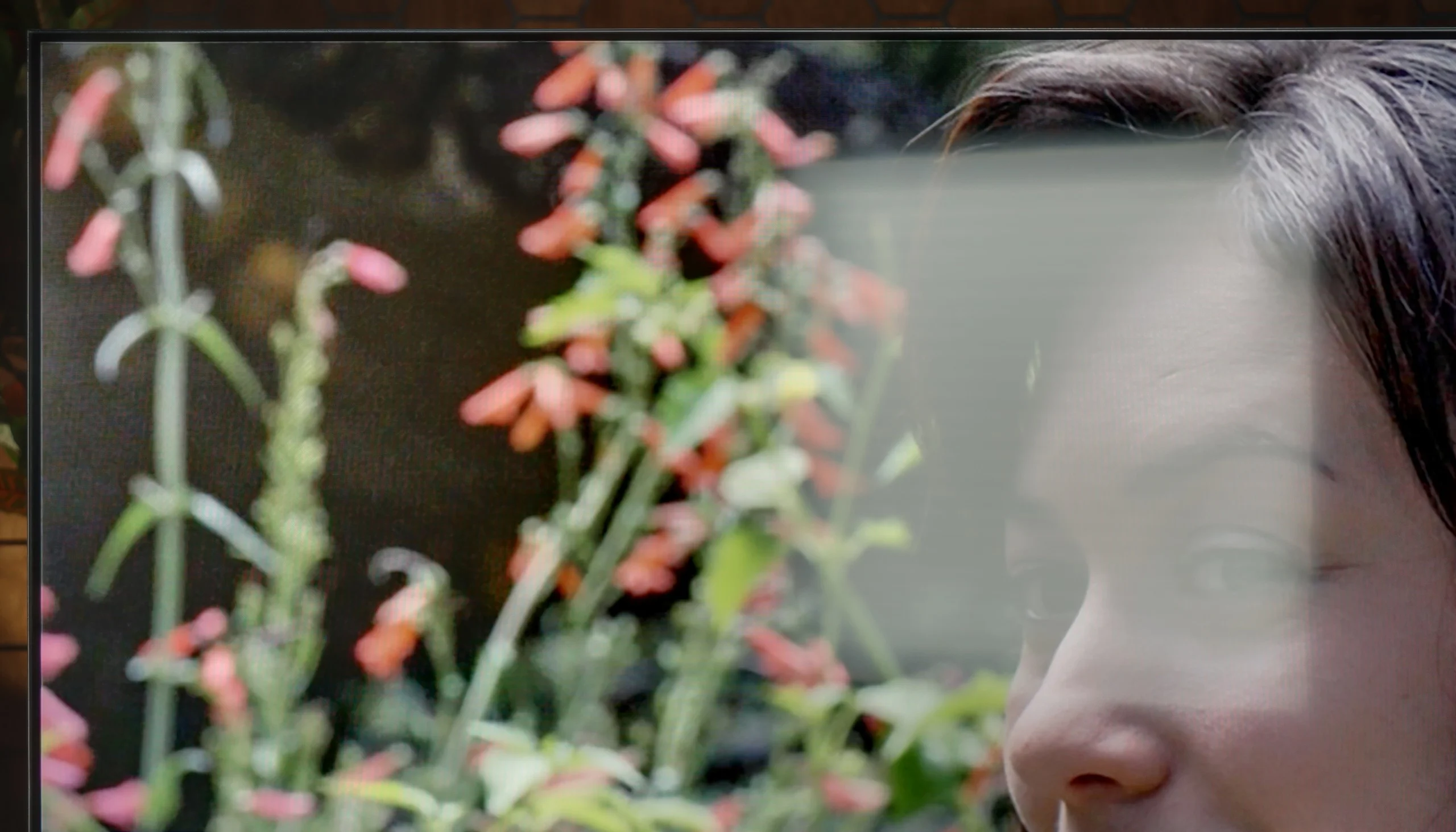
TCL C75B performs okay during the day. The satin display somewhat limits reflections, but it's not an ideal solution. Brightness is also an issue – 350 cd/m² is simply not enough for comfortable viewing in a brightly sunlit room.
In less extreme conditions, for example, in a moderately lit room, the TV does alright. However, if the sun starts streaming directly onto the screen in summer, watching can become tiring. It's worth keeping this in mind when choosing this model.
The smaller variants of the Xiaomi S Mini 2026 handle daytime viewing well. In SDR the TV averages around 570 nits, so it has enough brightness that the picture doesn’t look washed out even in a fairly brightly lit living room.
The screen coating is worse. It’s a satin finish, but it doesn’t suppress direct reflections particularly effectively. If there’s a large window or a bright lamp opposite the TV, the reflection will be clearly visible. The brightness helps partly counteract this, but in terms of reflection handling this isn’t the model’s strongest suit.
Panel details
Subpixel Structure:
Panel uniformity and thermal imaging:

TV features
6.6/10
6.7/10
- SystemGoogle TVGoogle TV
- System performanceSystemResponsiveness-Poor
- HDMI inputs2 x HDMI 2.0, 2 x HDMI 2.1 48Gbps3 x HDMI 2.0, 0 x HDMI 2.1
- Other inputsRCA (Chinch)
- OutputsToslink (Optical audio), eARC (HDMI), ARC (HDMI)Toslink (Optical audio), eARC (HDMI), ARC (HDMI), Mini-Jack (Headphones)
- Network InterfacesWi-Fi 2.4GHz, Wi-Fi 5GHz, Ethernet (LAN) 100MbpsWi-Fi 2.4GHz, Wi-Fi 5GHz, Ethernet (LAN) 100Mbps
- TV receptionDVB-T, DVB-T2, DVB-S, DVB-S2, DVB-CDVB-T, DVB-T2, DVB-S, DVB-S2, DVB-C
Classic features:
- Recording to USB (terrestrial TV)
- Recording programming
- Picture in Picture (PiP)
- RF remote control (no need to aim)
- Backlit remote control
- Teletext
- Audio only mode
- Bluetooth headphones support
- Simultaneous Bluetooth headphones & TV audio
Smart features:
- AirPlay
- Screen mirroring (Windows Miracast)
- Voice search
- Voice search in native language
- Ability to connect a keyboard and mouse
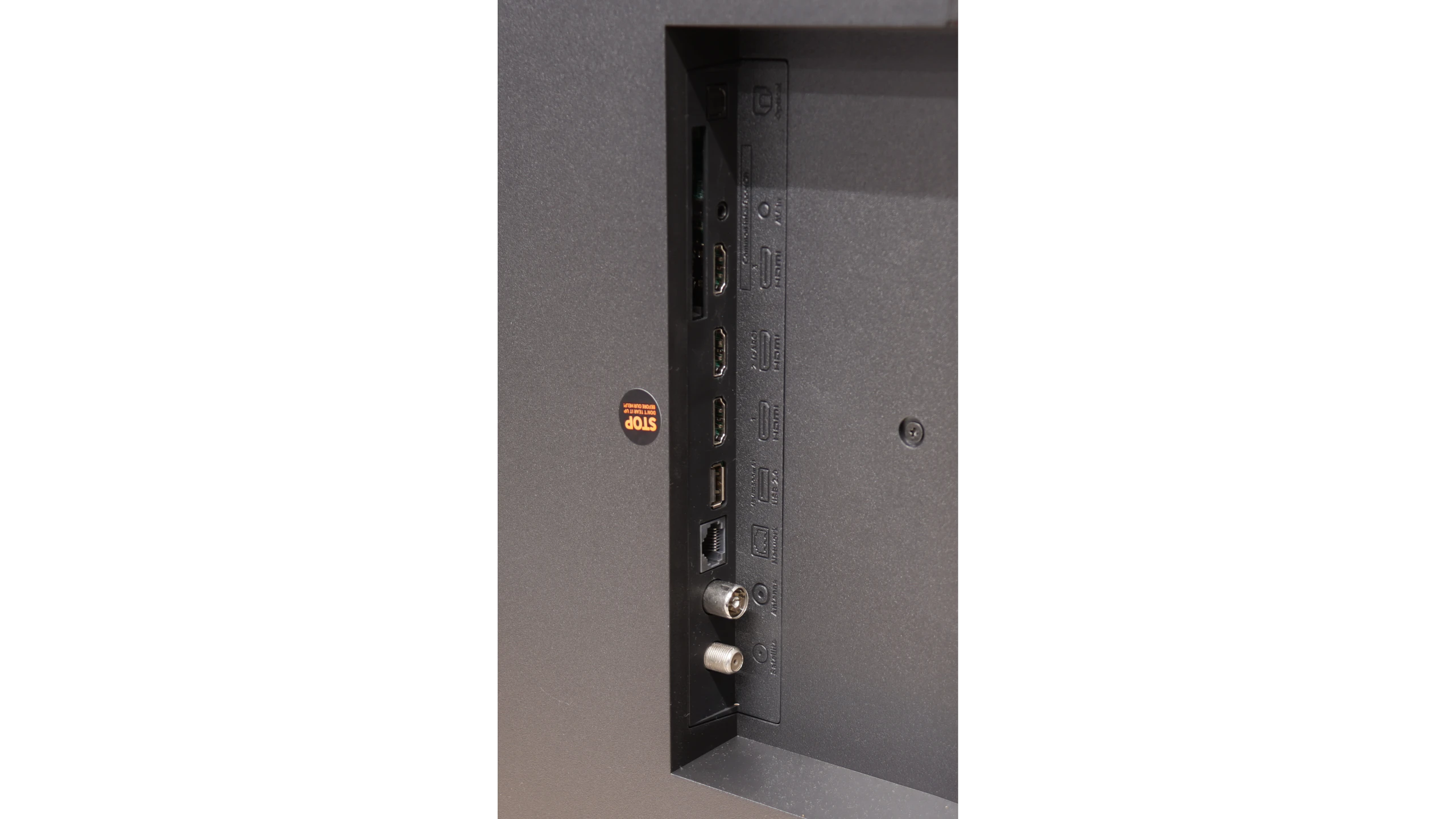
Sound connection options
- HDMI audioeARC (HDMI), ARC (HDMI)eARC (HDMI), ARC (HDMI)
- Other audio outputsToslink (Optical audio)Toslink (Optical audio), Mini-Jack (Headphones)
- Wireless audioBluetoothBluetooth
Supported audio formats (external HDMI eARC audio):
- Dolby Digital Plus 7.1
- Dolby True HD 7.1
- Dolby Atmos in Dolby Digital Plus (JOC)
- Dolby Atmos in Dolby True HD
- DTS:X in DTS-HD MA
- DTS-HD Master Audio
Senior accessibility
- Numeric keyboard on TV
- Font size adjustment
- Audio description
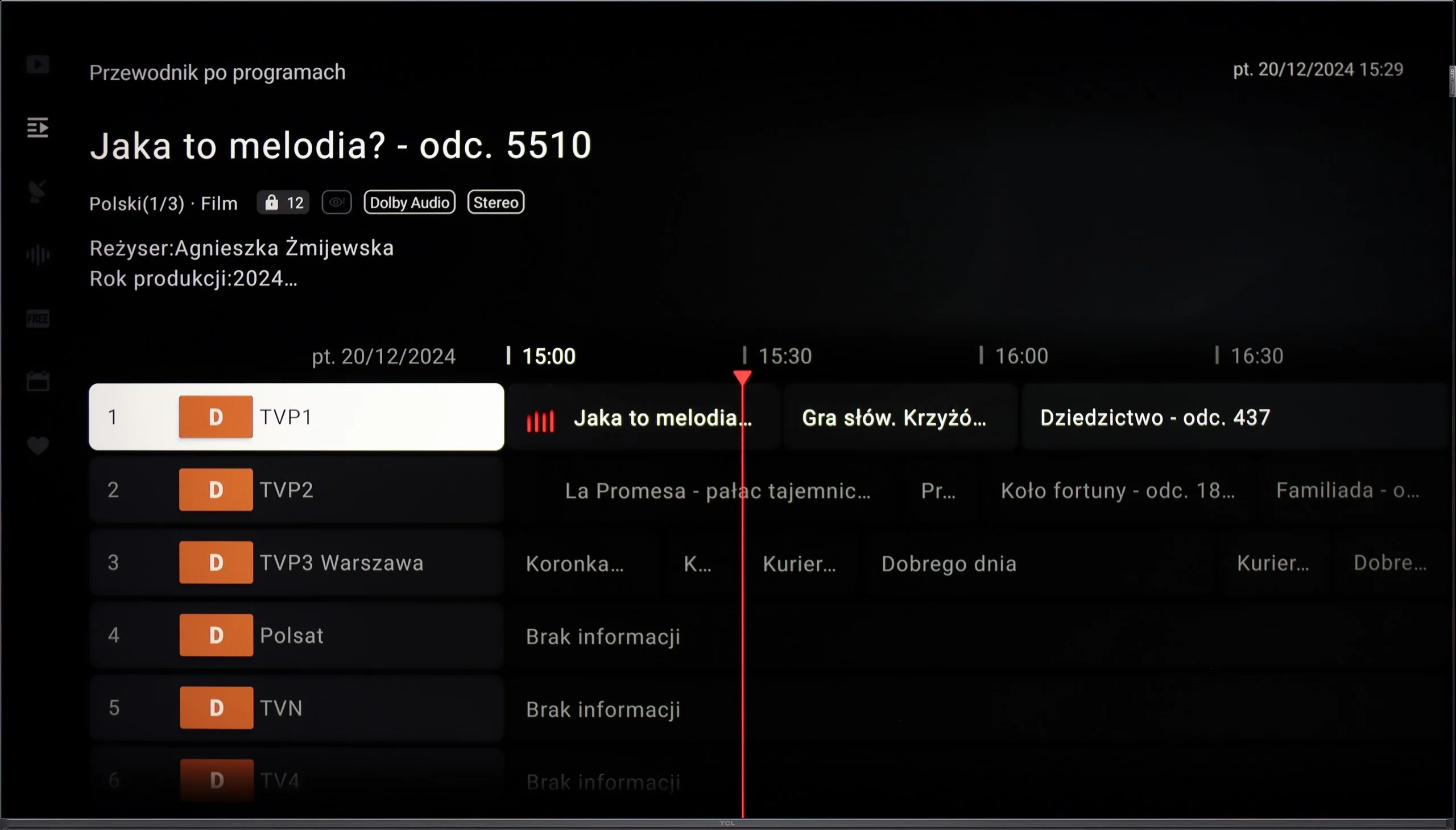
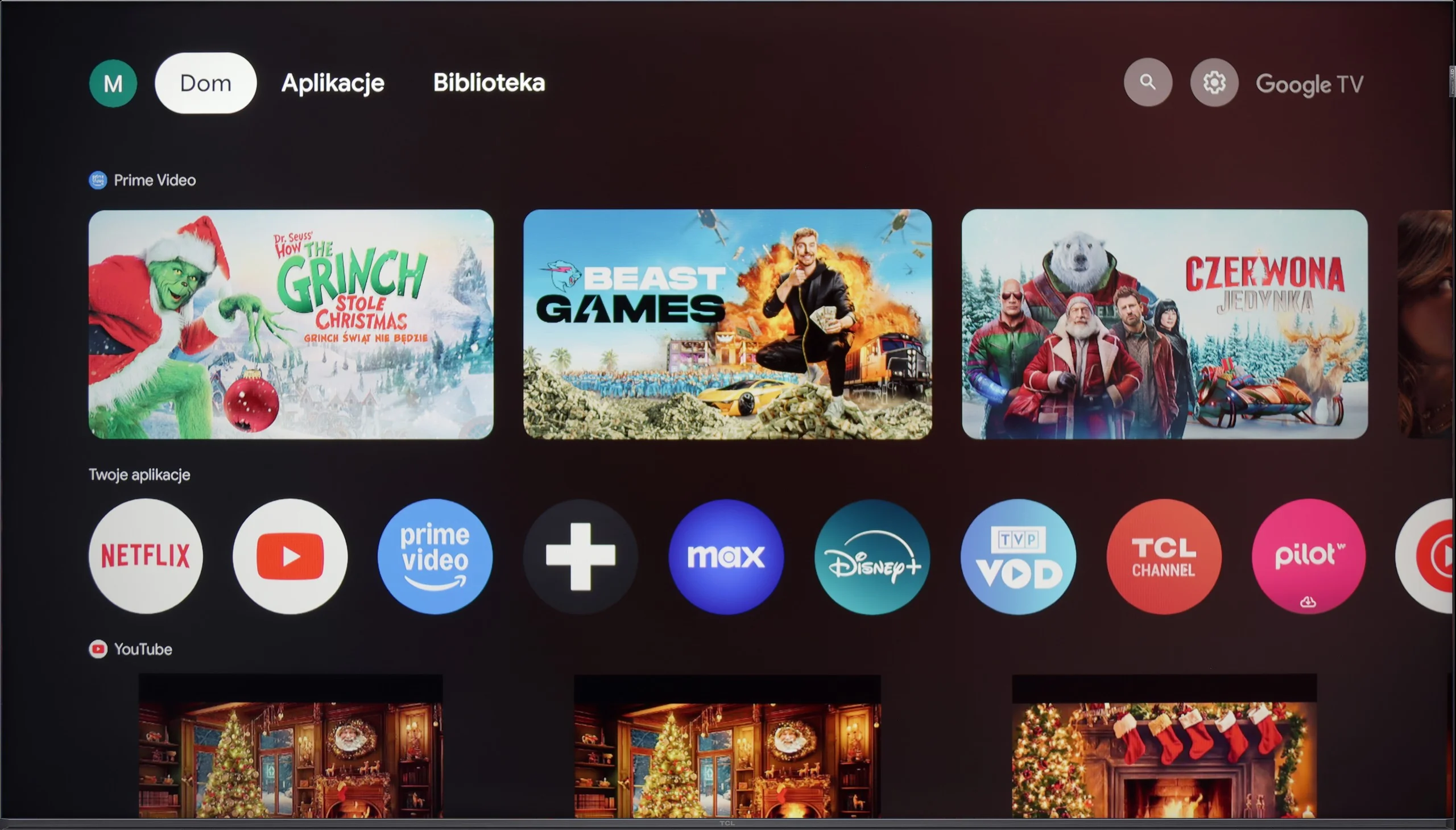
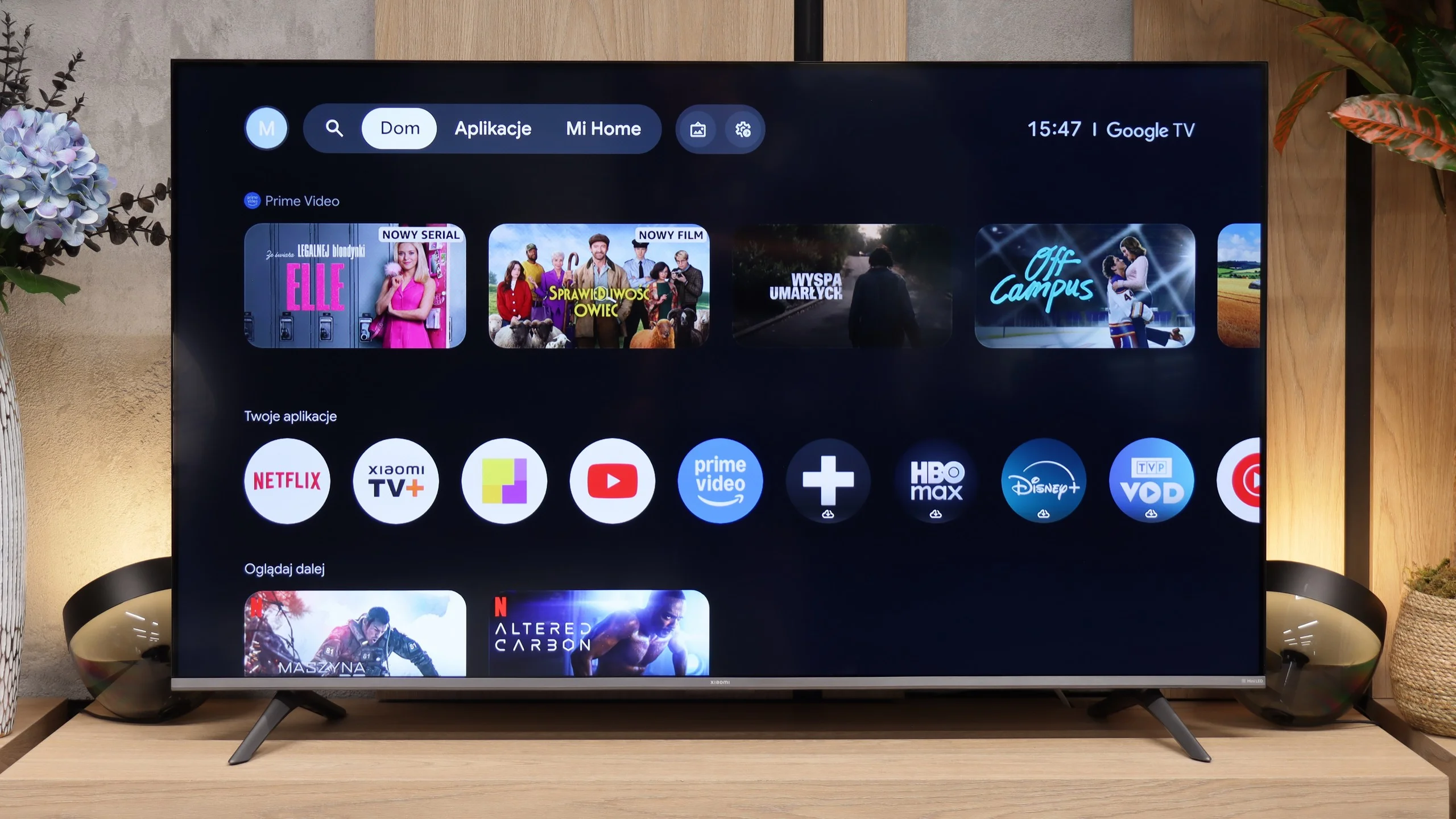
TCL C75B is a television that primarily relies on the Google TV system. The platform offers access to most popular apps, such as Netflix, YouTube, and Prime Video, making it great for watching content from the internet. However, it's worth mentioning that the system can sometimes stutter slightly, which may be noticeable during everyday use.
In terms of smart features, the C75B performs well. Voice control with the help of the built-in assistant works smoothly, and thanks to AirPlay and Miracast, we can easily transfer content from our phone or laptop. Bluetooth allows for effortless connection of headphones, controllers, or other devices.
However, anyone expecting classic television features may be disappointed. There is no option to record programmes on a USB drive or a picture-in-picture (PiP) feature. TCL has been skipping such features for some time, which may not appeal to users who mainly rely on traditional television.
Google TV
Xiaomi S Mini 2026 runs on Google TV, which remains one of the most comprehensive Smart TV platforms. You’ll find practically all the popular apps here, such as Netflix, YouTube, Prime Video, Disney+, HBO Max and Canal+, and thanks to the Google Play Store you can install many other programmes. It also supports Google Assistant, Chromecast and the ability to control the TV from your smartphone.
Unfortunately, on the smaller models the system doesn’t run as smoothly as we’d expect. Switching between apps or navigating the menu can take a moment, and the interface sometimes responds with a slight delay. It’s not a level that prevents using the TV, but compared with the competition it’s clear this isn’t the fastest version of Google TV on the market.
Classic features
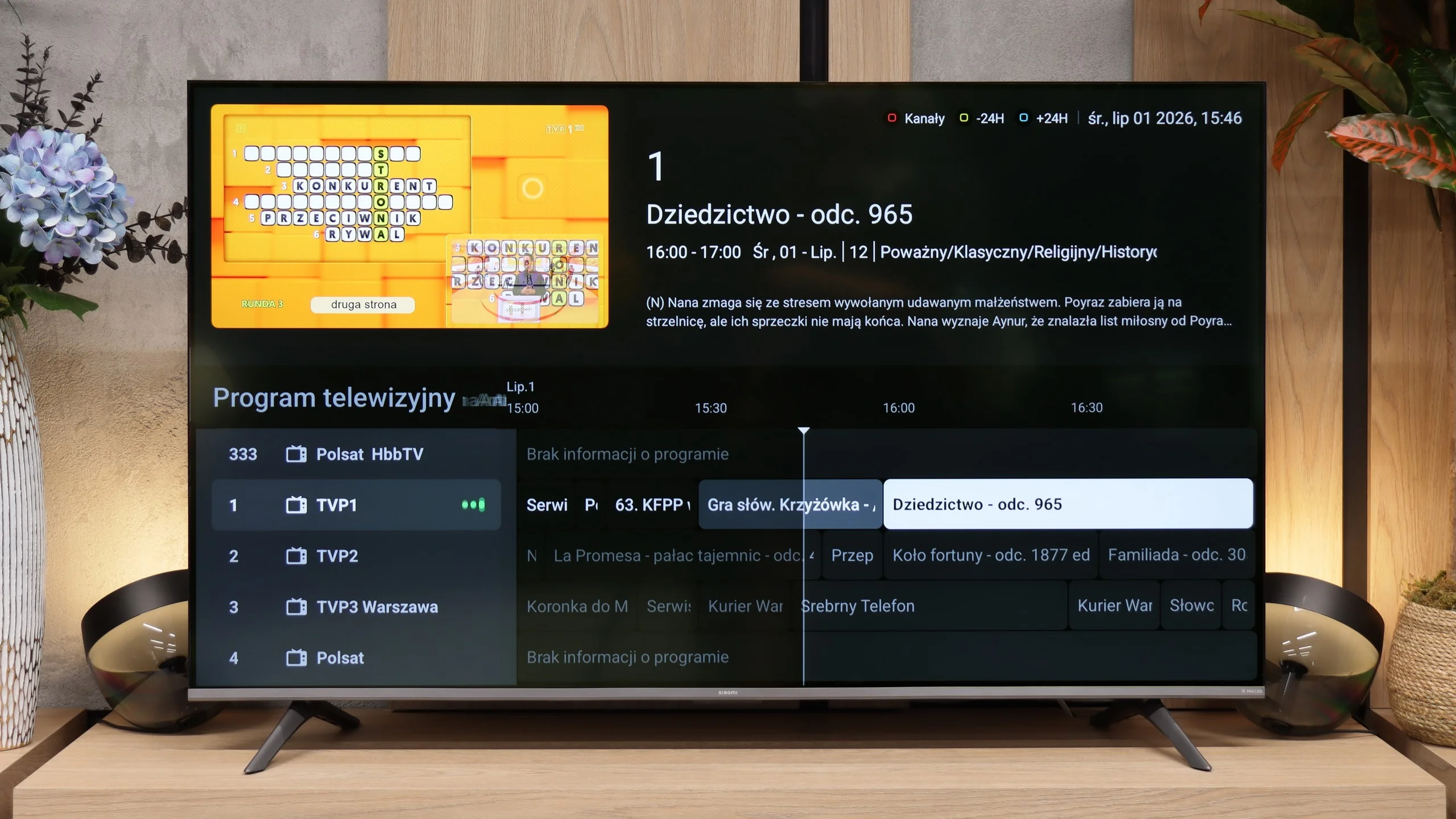
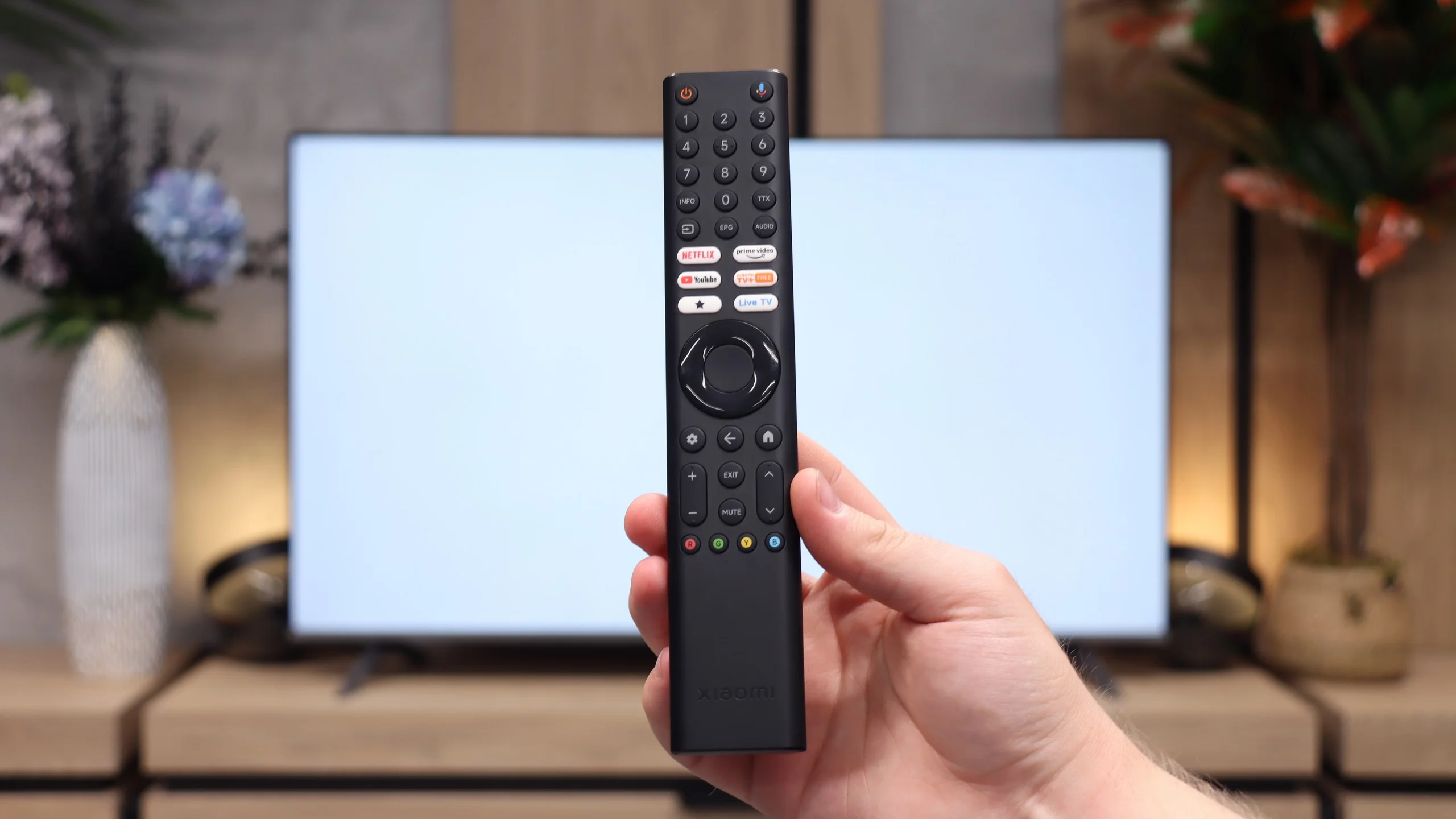
If you mainly use traditional broadcast TV, Xiaomi doesn’t offer anything beyond what you’d expect from a modern television. There’s an electronic programme guide and teletext. The manufacturer also includes a remote control with a classic numeric keypad, which is increasingly rare these days, but for many people will still be a convenient way to change channels.
Worth noting is the presence of an analogue 3.5mm headphone output. This is a feature that is disappearing from TVs year by year, giving way to only digital audio outputs. Thanks to it you can easily connect older wired headphones or speakers without needing extra adapters.
Apps
9.6/10
9.6/10






















Playing files from USB
9.2/10
6.5/10
Supported photo formats:
Maximum photo resolution:
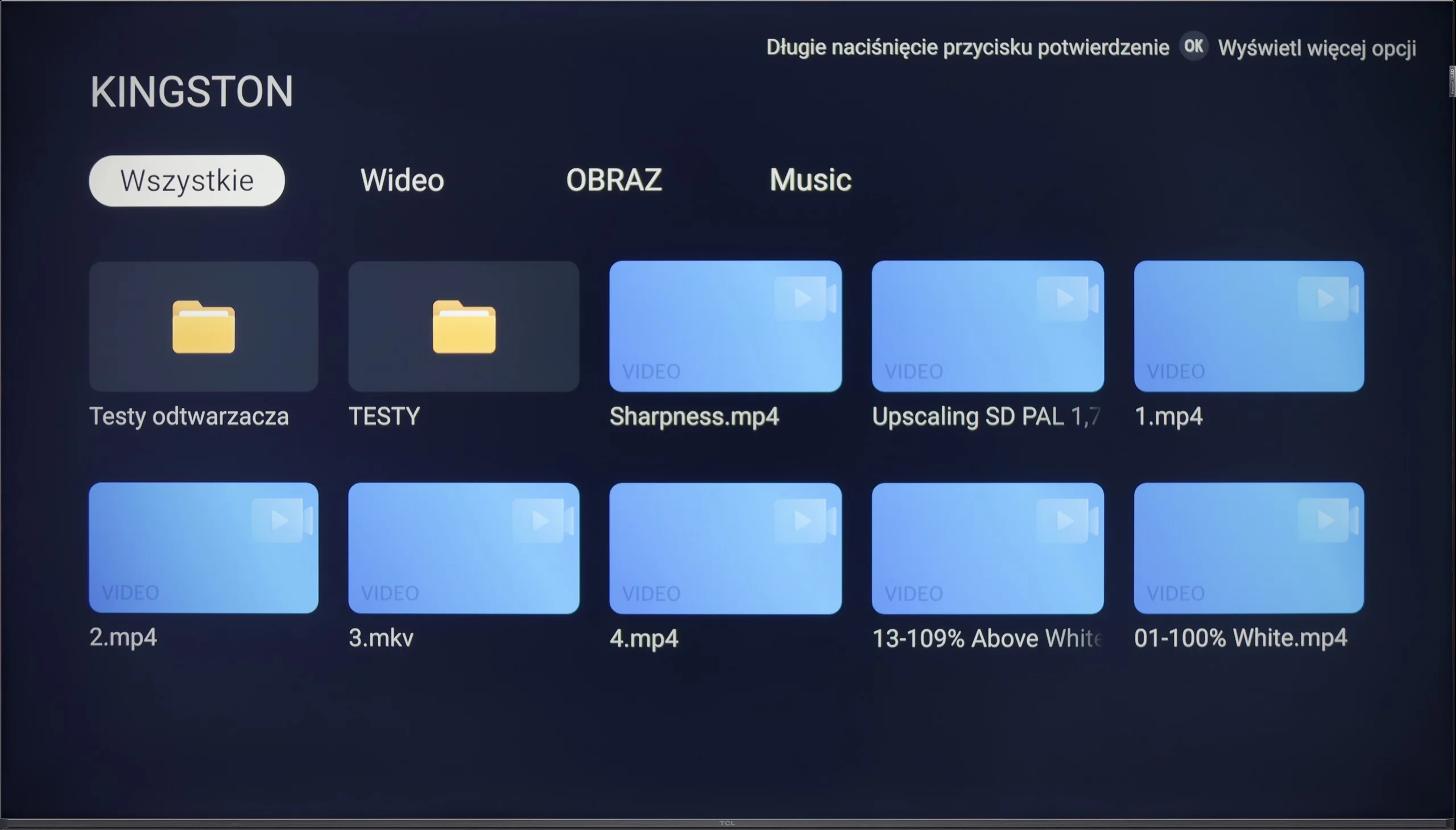
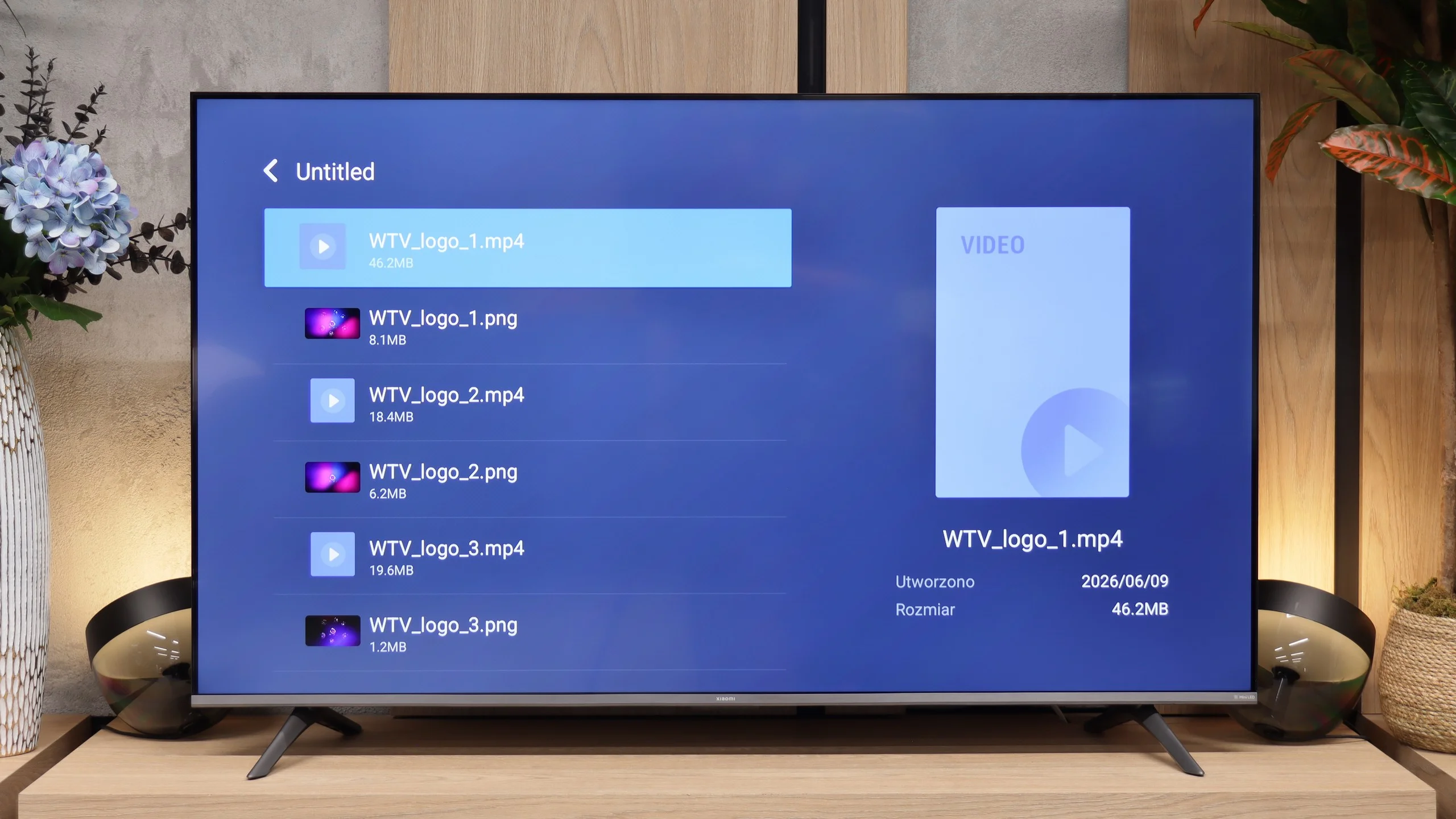
The built-in media player in TCL C75B works really well. It handles most popular image and audio formats with ease. Although there are some shortcomings in the support of certain formats, thanks to Google TV, you can easily install an alternative player that will solve this issue.
The built-in USB file player copes quite well and opens most popular formats without any trouble. However, if you come across a file it doesn't support, Google TV makes it easy to install another player, for example VLC. Our biggest gripe is with subtitles. The stock app doesn't handle some characters outside the basic Latin alphabet correctly, so you may run into problems with Polish letters. If you often watch movies from USB, it's better to use an external app.
Sound
6.6/10
5/10
- Maximum volume-89dB
- Dolby Digital Plus 7.1
- Dolby True HD 7.1
- Dolby Atmos in Dolby Digital Plus (JOC)
- Dolby Atmos in Dolby True HD
- DTS:X in DTS-HD MA
- DTS-HD Master Audio
The sound on the TCL C75B is really pleasant, especially at lower volume levels. The bass is noticeable and complements the sound well, but only up to about 40% volume. At higher settings, problems start to arise – the bass causes unpleasant vibrations, and the speakers begin to crackle. If we plan to use higher volume levels more frequently, it’s worth considering purchasing a soundbar, as the built-in speakers may not meet more demanding situations.
In terms of sound, the Xiaomi S Mini 2026 doesn’t stand out. The speakers are more than adequate for everyday TV watching, but with movies or concerts their limitations quickly become apparent. The biggest shortfall is the lack of bass, which leaves the overall sound rather flat. If you want better audio, it’s worth considering adding a soundbar.
Sound Quality Test
No sound test video
Acoustic Measurements
No acoustic data
89dBC (Max)
75dBC
Reader comments
Comments are provided by the external service Disqus (Zeta Global). Once loaded, Disqus may set cookies and process data about your activity.
We will remember your choice on this device. Provider's privacy policy