TCL C655 / C69B in larger sizes (55"+) is a QLED television from 2024 by a Chinese manufacturer, offered at a very attractive price. This model has many advantages that can appeal to a wide range of users. The first big plus is the Google TV operating system. In the TCL C655 / C69B and beyond, it provides a modern and intuitive interface along with voice command support in Polish thanks to Google Assistant. Easy access to popular streaming applications such as Netflix, YouTube, and Prime Video makes everyday use of the television exceptionally convenient. Support for AirPlay and the ability to connect peripheral devices via Bluetooth increase its versatility. A minor downside might be the lack of recording features and picture-in-picture (PiP), which may disappoint those accustomed to the full functionality of traditional television. Therefore, we recommend connecting an external decoder. As for gamers, the C655 / C69B, despite the lack of 4K support at 120 Hz, offers a lot. The television supports 120 Hz at lower resolutions (1080p and 1440p), so when smoothness of the image is more important than resolution itself, you can set the console to performance mode. As a gaming television, the C655 / C69B offers features such as ALLM (automatic low latency mode switching) and VRR (variable refresh rate), which ensure smooth images and minimize lag. It’s also worth mentioning Dolby Vision in low input lag gaming mode. The picture quality in the TCL C655 / C69B is also quite good, especially considering its price. The television boasts a high native contrast thanks to the VA panel and wide coverage of the DCI-P3 colour gamut with quantum dot (QLED) technology. Although the lack of local dimming (present in the C655 PRO version) sometimes affects the depth of black, in this price range, this model offers really solid picture quality that should satisfy most users.
- Matching (Score) |
- Our verdict |
- TV appearance |
- Where to buy |
- Contrast and black detail |
- HDR effect quality |
- Factory color reproduction |
- Color reproduction after calibration |
- Smoothness of tonal transitions |
- Image scaling and smoothness of tonal transitions |
- Blur and motion smoothness |
- Console compatibility and gaming features |
- Input lag |
- Compatibility with PC |
- Viewing angles |
- Daytime performance |
- Panel details |
- TV features |
- Apps |
- Playing files from USB |
- Sound
TCL C655 / C69B (55"-85") vs LG NANO81A / NANO80A
 Direct comparison
C655 / C69B


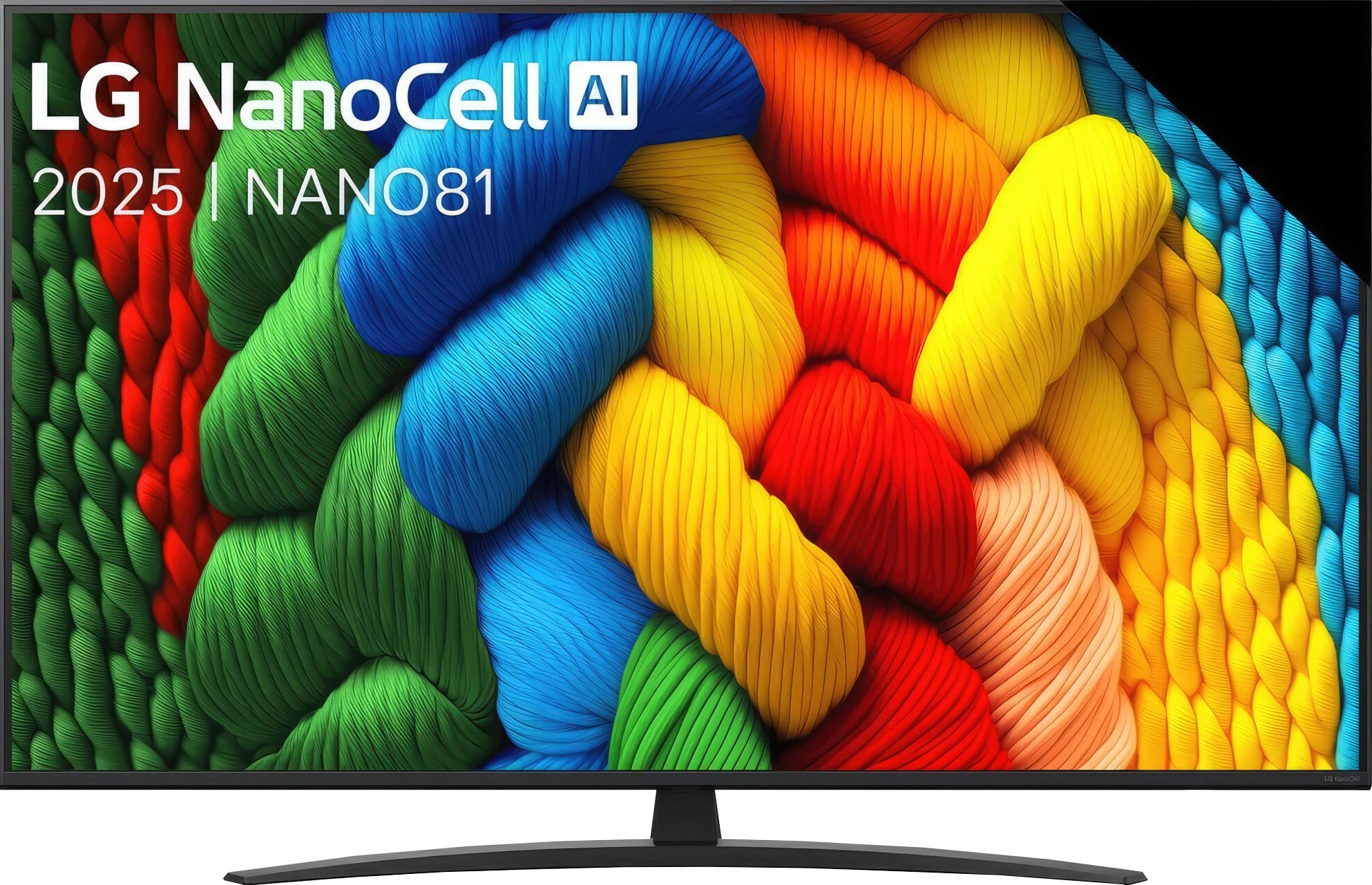
Panel type: LCD VA
Resolution: 3840x2160
System: Google TV
Model year: 2024
Complete the survey to find out the result
Panel type: LCD IPS
Resolution: 3840x2160
System: WebOS
Model year: 2025
Complete the survey to find out the result
Overall rating
6.3
5.7
 Movies and series in UHD quality
 5.7
5.1
 Classic TV, YouTube
 5.6
5.1
 Sports broadcasts (TV and apps)
 5.2
5.4
 Gaming on console
 7.7
6.7
 TV as a computer monitor
 6.0
6.0
 Watching in bright light
 5.6
4.0
 Utility functions
 6.5
6.6
 Apps
Apps 9.6
9.1
 Sound quality
 6.6
6.2
Complete the survey to find out what fits your preferences
Advantages

High brightness of 450 nits
High native contrast
Google TV support with access to multiple streaming apps
Features for gamers, such as ALLM, VRR, and Game Bar, as well as Dolby Vision support in gaming mode
Very low input lag, even in Dolby Vision mode (13 ms)
Support for Apple AirPlay and the ability to connect devices via Bluetooth
Relatively low price
120/144Hz and HDMI 2.1 in the 98' variant *
Wide viewing angles (IPS panel)
Very low input lag (around 10-12 ms)
Smooth webOS 2025 system
Intuitive Magic remote with pointer
Better colour gamut coverage thanks to NanoCell filter
Excellent as a PC monitor (sharp fonts, Chroma 4:4:4)
Decent features for gamers (VRR, ALLM, HGiG)
Extensive calibration options and natural colours after adjustments
Good image processing and efficient scaling of older content
Noticeable low-frequency boost in sound
Disadvantages

Poor viewing angles due to the VA panel – the image loses quality when viewed from the side
No USB recording feature and no picture-in-picture (PiP) option
Poor black level and low contrast
Low brightness (around 250 nits – weak for very bright rooms)
Only 60 Hz refresh rate
USB player does not support HEIC files and very large images (over 20 Mpix)
Our verdict
LG NANO81A is essentially a continuation of the NanoCell series, which has hardly changed over the past few years. Aside from a new operating system, a refreshed remote, and a few marketing add-ons, we are dealing with practically the same construction that we have known for years. Thanks to the nano-particle filter, the television can display better, cleaner colours than standard budget televisions, and the IPS panel ensures really decent viewing angles. Unfortunately, for these advantages, we pay the price of very poor blacks and low contrast, which is immediately noticeable during night screenings. Although webOS is still one of the best systems on the market, the biggest problem with the NANO81A is its price, which we simply do not understand. In 2025, this model has huge competition not only from brands like TCL and Hisense but... from LG itself. The model we tested earlier, QNED80A, is equipped with local dimming technology, has a brighter panel, and offers a wider colour palette. Interestingly, at the time of writing this review, the technically superior QNED80A is often much cheaper than the NANO81A. In this situation, the existence of the NanoCell model loses its meaning – unless your priority is solely wide viewing angles, but in our opinion, the price you have to pay for them (at the expense of terrible blacks and a higher cost) is simply too high.
TV appearance



Contrast and black detail
6.1/10
1.5/10
Local dimming function: No
Local dimming function: No
Contrast:


Result
6,850:1

Result
6,750:1

Result
6,350:1

Result
6,750:1

Result
4,800:1
Result
800:1
Result
850:1
Result
900:1
Result
900:1
Result
750:1
Halo effect and black detail visibility:

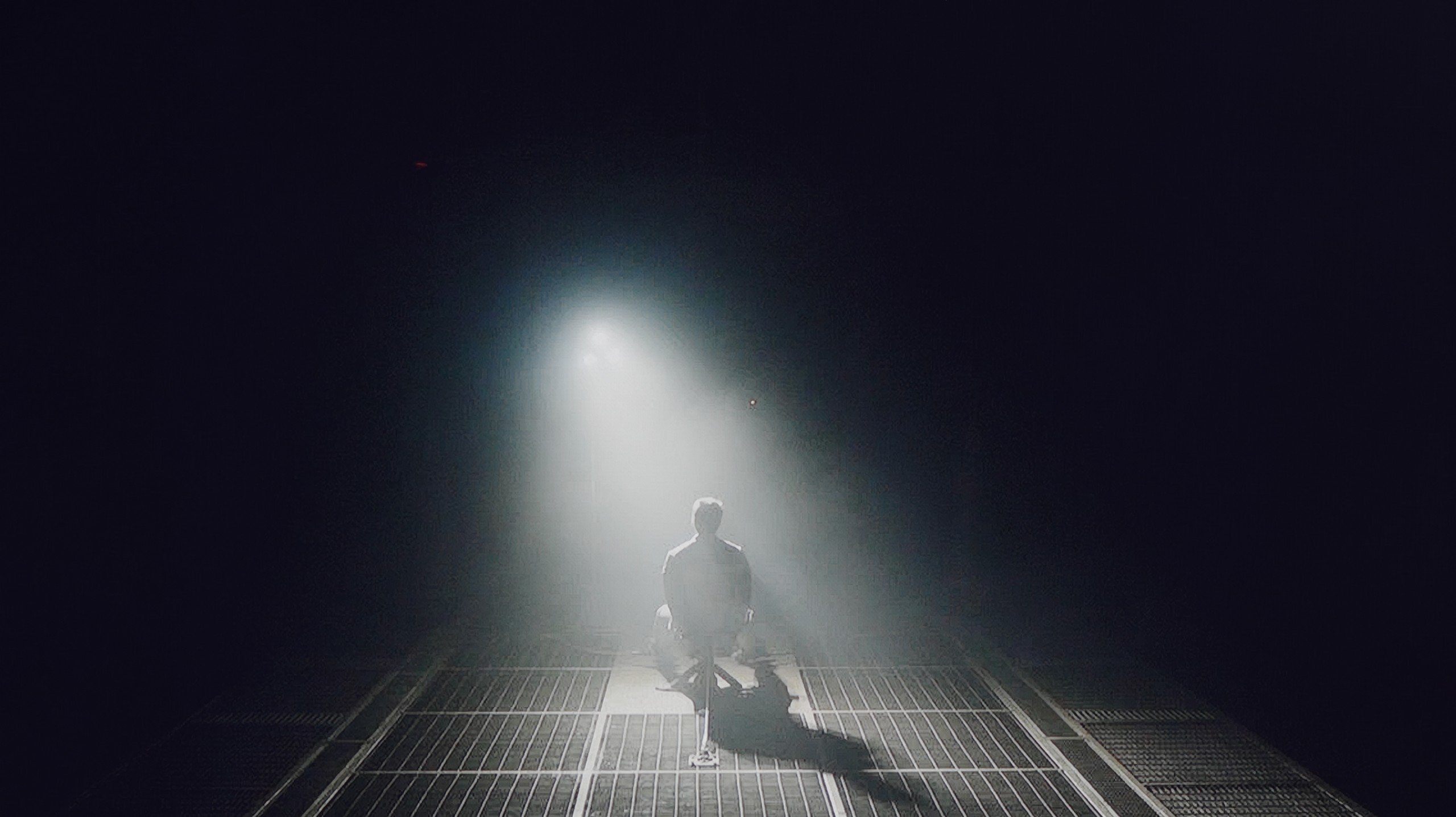
Check the visibility of bright lights on a dark background. Mini-LEDs often struggle with this. The photo does not compare black levels – that’s what the video below is for.
The video accurately shows differences in contrast and black levels between TVs, as well as potential issues: halo around bright objects or Mini-LED zone operation visible as brightness jumps.
The television TCL C655 / C69B is equipped with a VA panel that offers above-average contrast, making the quality of black and depth of image distinctly better than with IPS panels. However, the lack of local dimming technology, which is available in the model with the "Pro" suffix, negatively impacts the quality of black. In some scenes, such as in the movie "Sicario 2," you can notice that the black takes on a navy hue, reducing the sense of immersion. Overall, the black is decent, but it could be better if the television were equipped with local dimming technology.
The NanoCell series, including the model NANO81 we tested, is based on an IPS panel. For anyone who's somewhat familiar with screens, this means one thing: huge problems with blacks and contrast. Our measurements here are merciless. A result of 800:1 is, to put it bluntly, a tragic outcome. In practice, this means that what should appear as deep black on the screen looks like a dark grey blob at night. Watching dark films or series in a completely dark room will simply be torture – the image loses all its depth and appears flat. If you do decide to go for this model, we have one key piece of advice for you: don’t watch it in total darkness. To salvage the situation somewhat, it's best to leave a gentle light on in the room, and the ideal solution would be to install LED strips behind the television. Such wall lighting will trick your eye (this is known as simultaneous contrast) and make that grey on the screen seem a bit darker. Nevertheless, the beginning of the test regarding cinematic experiences is looking grim.
HDR effect quality
5.2/10
3.6/10
Luminance measurements in HDR:

Result
364 nit

Result
416 nit

Result
484 nit

Result
400 nit

Result
450 nit
Result
228 nit
Result
193 nit
Result
250 nit
Result
168 nit
Result
252 nit
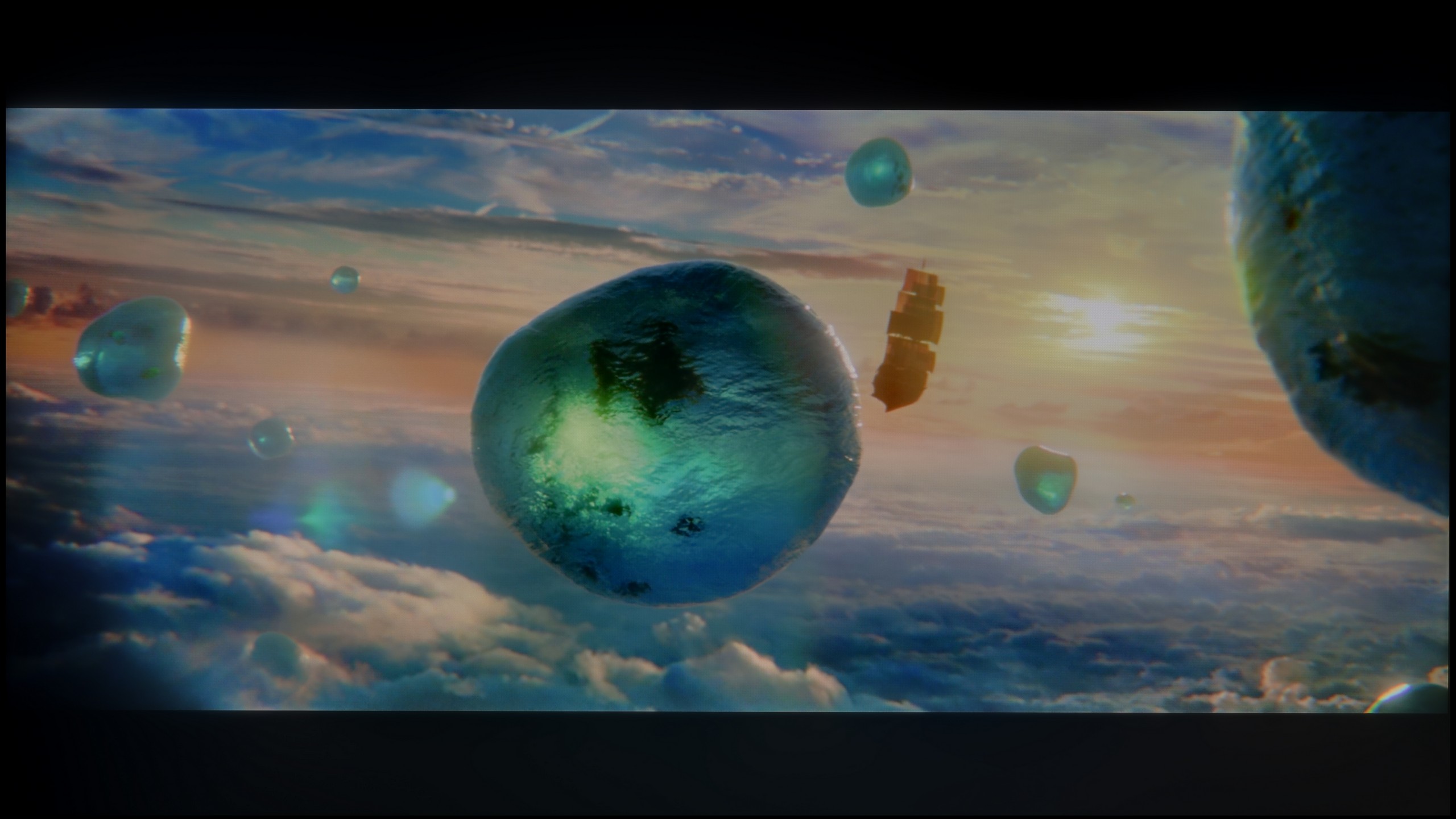
Scene from the movie “Pan” (about 2800 nits)

Scene from the movie “Billy Lynn” (about 1100 nits)

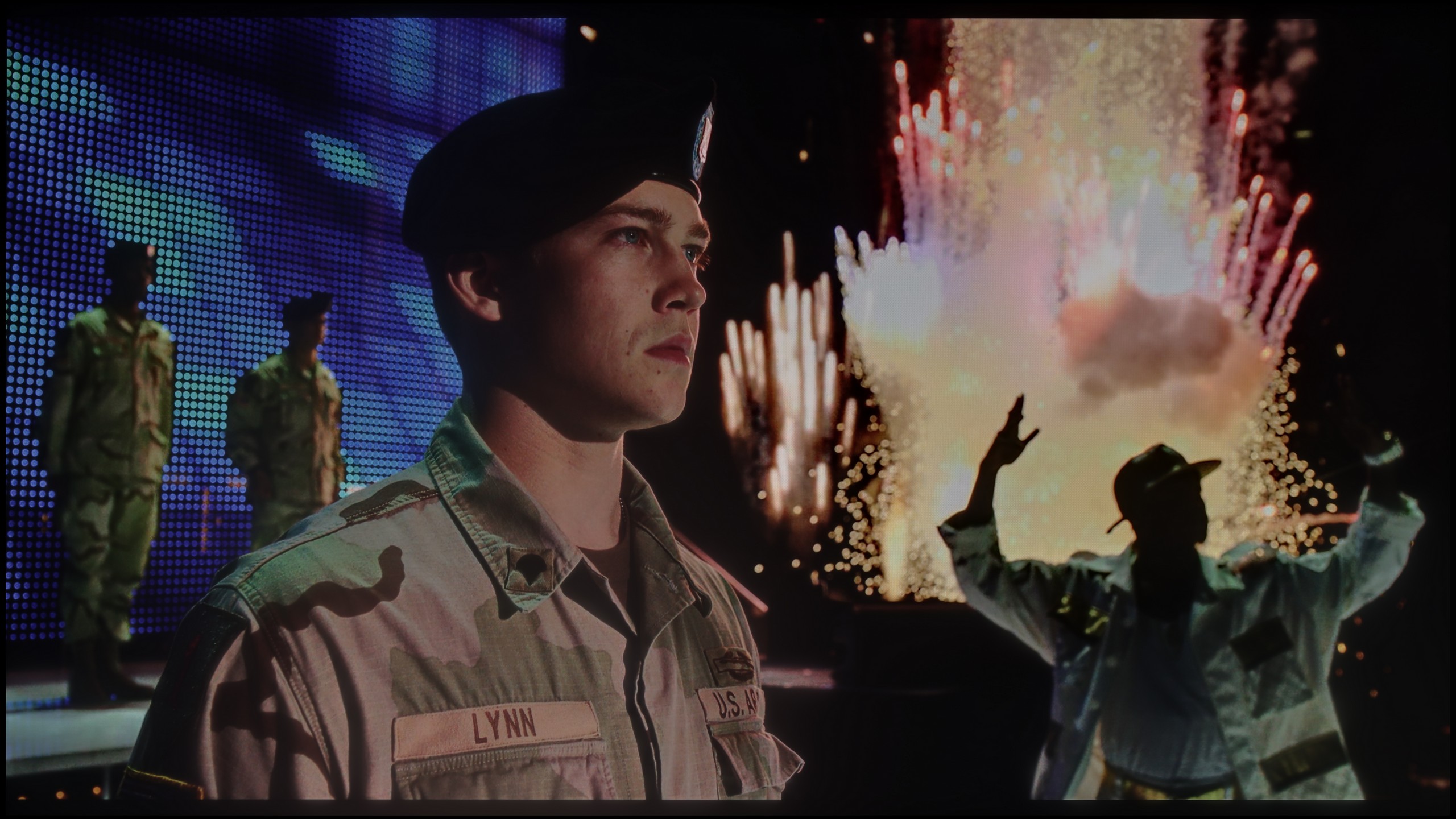
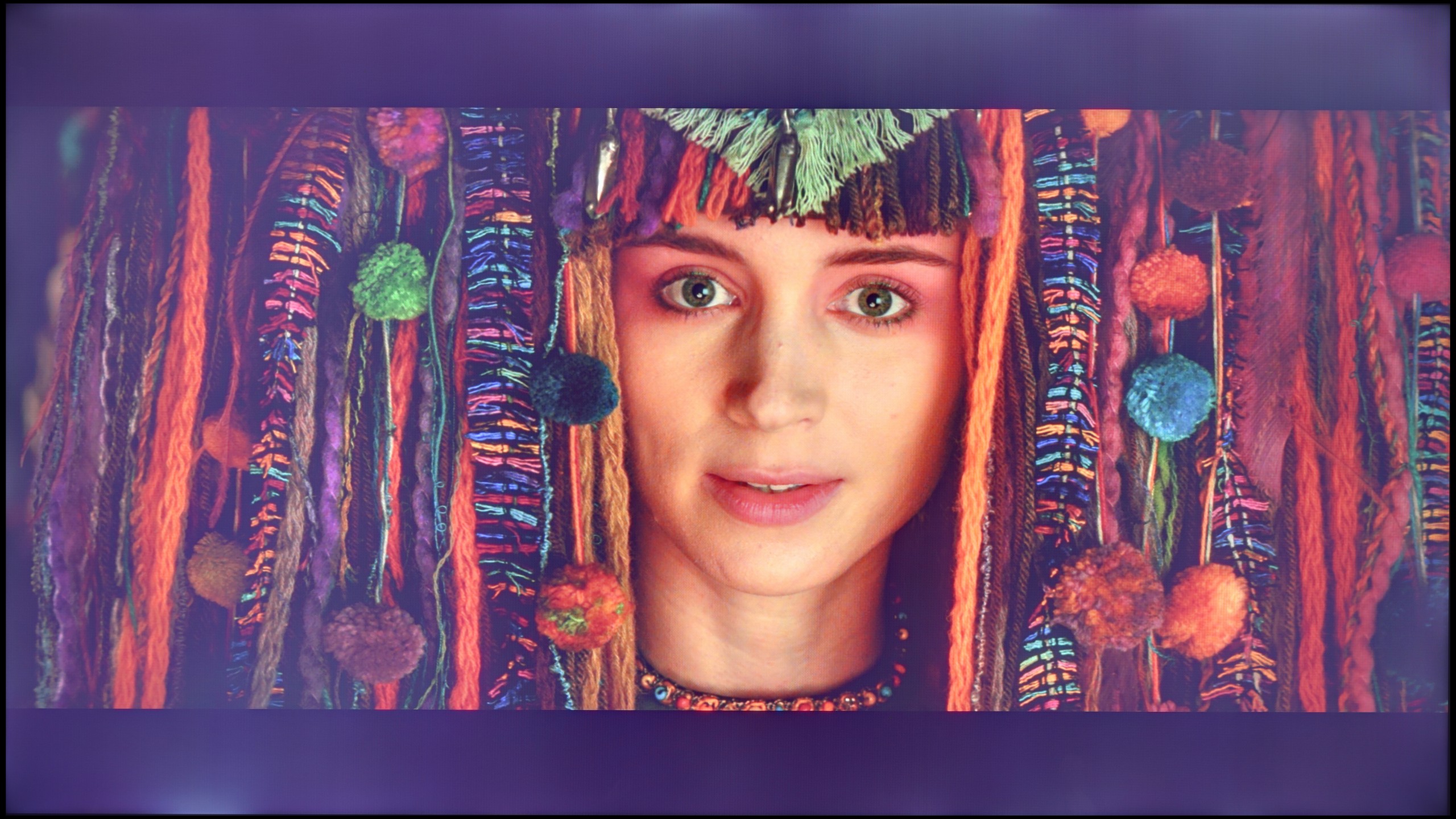
The photos show two HDR10 movies. 'Pan' is one of the brightest productions ever made, while 'Billy Lynn' (soldier) has brightness typical of streaming (Netflix, Prime, HBO MAX). Notice the intensity of effects and detail in whites.
Static HDR10


The photos present the visibility of white details in various HDR formats. They do not show brightness differences between TVs (these can be compared in the previous gallery).
HDR luminance chart:
LG NANO81A / NANO80A
TCL C655 / C69B (55"-85")
Overall, the quality of the HDR effect in TCL C655 / C69B looks quite promising. The average value in the test patterns is around 450 nits, which already allows you to feel the light effects and better image dynamics. However, as mentioned earlier, this effect may be somewhat subdued by slight differences in bright and dark shades, resulting from the lack of local dimming technology. However, the DCI-P3 colour gamut coverage of 94% deserves high praise, and this is possible due to the use of a quantum dot (QLED) panel. This makes the colours vibrant and well-reproduced when watching HDR content.
If you're hoping that HDR on the NANO81A will bring tears to your eyes, I have to disappoint you. This TV is just too dark to show what this format is really about. With a brightness of only 250 nits, HDR really only exists on paper here. In practice, during viewing, it's very hard to tell whether we're watching material in high dynamic range or regular SDR – it simply lacks that “punch” of light in the bright parts of the image. But, to balance out the criticism, we do have one light at the end of the tunnel – and quite a distinct one at that. It's about colour gamut coverage. Here, the NanoCell filter shows that it's not just marketing nonsense. Our measurements indicated that the coverage of the DCI-P3 space is around 88%. That's a really solid result, placing this model significantly above typical budget models based on regular white LEDs without any filters. Of course, it still lags a bit behind QLED TVs or advanced panels with PFS filters, but for this price range, the colours are surprisingly saturated and vibrant. It’s just a shame that this low brightness doesn't allow them to fully “spread their wings” with the Nano filter.
Factory color reproduction
4.2/10
5.3/10


This gallery shows how colors change after professional TV calibration. If you notice the difference, we recommend ordering this service at SkalibrujTV.com.
Factory Mode
After calibration


This gallery shows how colors change after professional TV calibration. If you notice the difference, we recommend ordering this service at SkalibrujTV.com.
Factory Mode
After calibration
The TCL C655 / C69B television offers a film mode that has been tested for colour reproduction quality. Although this mode is called film mode, it unfortunately has quite a few errors that the director would certainly not want to see when filming their work. Starting with image analysis, it's worth looking at the white balance – both in HD content and 4K HDR, the white balance has significant issues. In both cases, the red colour dominates, resulting in colours that are too warm, with an overall pink or yellow tint. This can be seen in the image below from the film "Star Wars." The Colour Checker test confirms these errors – the colour samples stray into incorrect shades, affecting the overall colour fidelity. The brightness characteristics are a lesser issue. However, they are not without flaws either. The gamma chart shows a strong spike at the beginning, which can cause the image to be overly bright, and the EOTF curve responsible for brightness in 4K HDR content also has significant fluctuations – it's evident how the television tries to maintain appropriate brightness, but it doesn't always succeed effectively.
For every film fan, the natural choice in LG televisions is the Filmmaker Mode. It is designed to show the image as the director intended – without unnecessary "enhancements". Unfortunately, in the case of our test unit NANO81A, the factory settings left a bit to be desired. The main issue turned out to be the white balance. Measurements revealed a distinct deficiency of blue, which in practice meant that many scenes had a slightly yellowish, even "yellowed" tint. The white wasn’t perfectly clean, which took away the freshness of the image. Additionally, the brightness management wasn't perfect either – the factory-set gamma was too low. The image often appeared oversaturated, as if it had been pulled too much from the shadows, which detracted from its naturalness and depth. Fortunately, LG, even in this relatively low price range, does not block access to advanced settings. The calibration options for this model are extensive, which is a significant plus for those who enjoy "fiddling" in the menu. We decided to approach the matter our way and see how much we could squeeze out of this panel with professional calibration.
Color reproduction after calibration
8/10
7.5/10

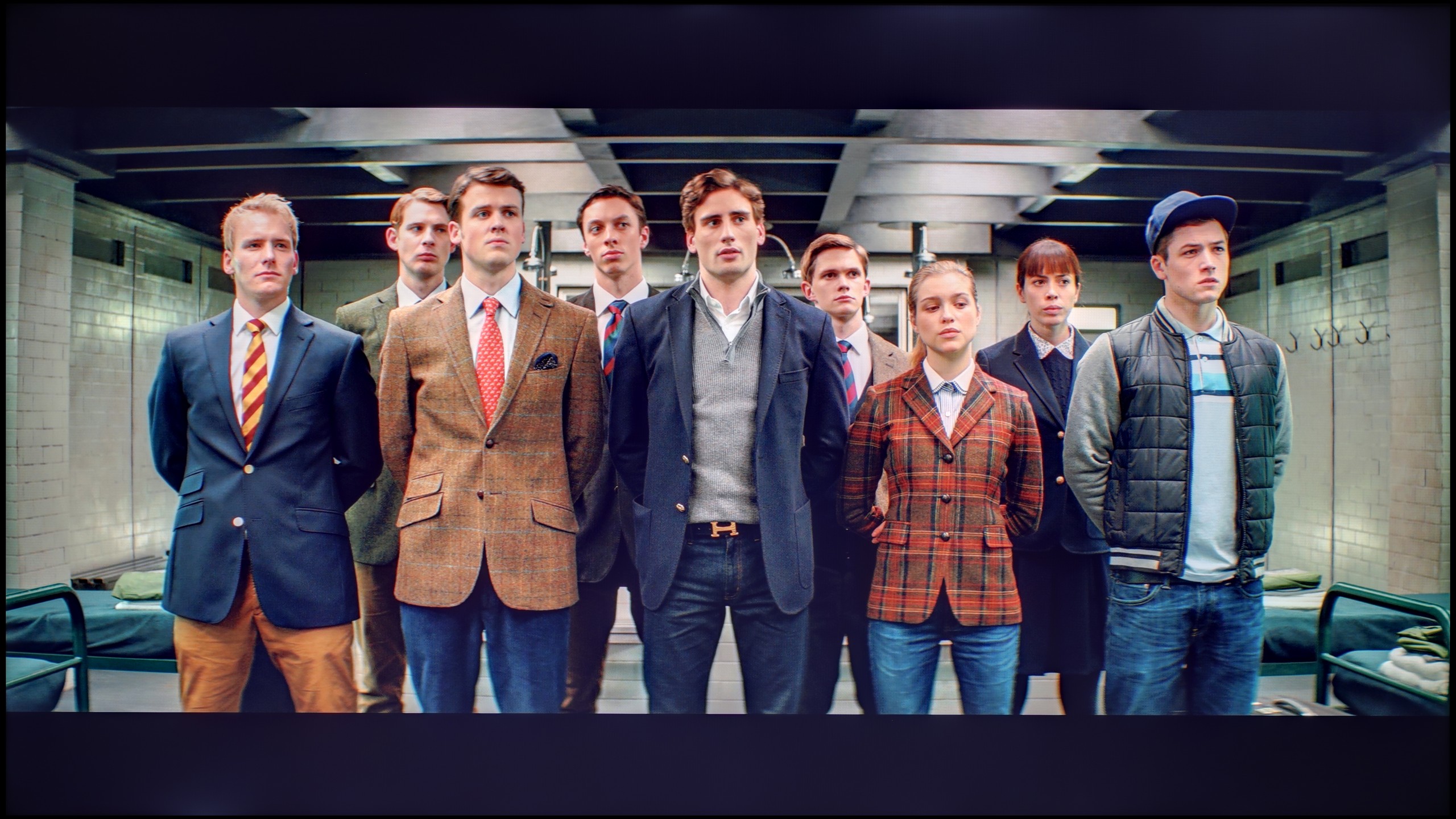
The photos show how movies look on the TV. Pay attention to black detail visibility, colors, and shadow tint.

The photos show how movies look on the TV. Pay attention to black detail visibility, colors, and shadow tint.
After calibrating the movie mode of the television TCL C655 / C69B , the white balance has been adjusted, and the colours look as they should – which is confirmed by only slight deviations in the Colour Checker test. The gamma is really good, which ensures that the television shouldn't have any issues with brightness in low-resolution material. Unfortunately, a similar EOTF characteristic is still noticeable, which is a natural occurrence in televisions that do not have local dimming – they simply struggle to "shine" brighter in a given part of the screen. Despite this design limitation, which cannot be bypassed, we recommend making adjustments in the settings, as the overall colour presentation looks really very good.
After calibration, the NANO81A is a completely different television. What LG offers in terms of image enhancement tools, even in such an affordable model, deserves major credit. We were able to completely eliminate that annoying yellowing of whites and make the colours natural, vibrant, and simply "real". In SDR content (i.e., regular television, YouTube, or older films), the picture now looks miles better – it’s clean, well-balanced, and no longer strains the eyes with strange hues. It’s clear that this panel has significant potential, which is simply wasted out of the box due to poor presets. However, we have one serious reservation that calibration cannot fully overcome – it's about brightness management in HDR mode. The LG algorithm in this model is very conservative. The TV deliberately dims the HDR image to avoid clipping the already weak blacks of the IPS panel. The developers faced a choice: either provide more light and accept that black would become light grey, or dial down the brightness to maintain any contrast. They chose the latter. Despite this, after our adjustments, watching anything on the NANO81 is considerably better.
Smoothness of tonal transitions
4.5/10
9.3/10


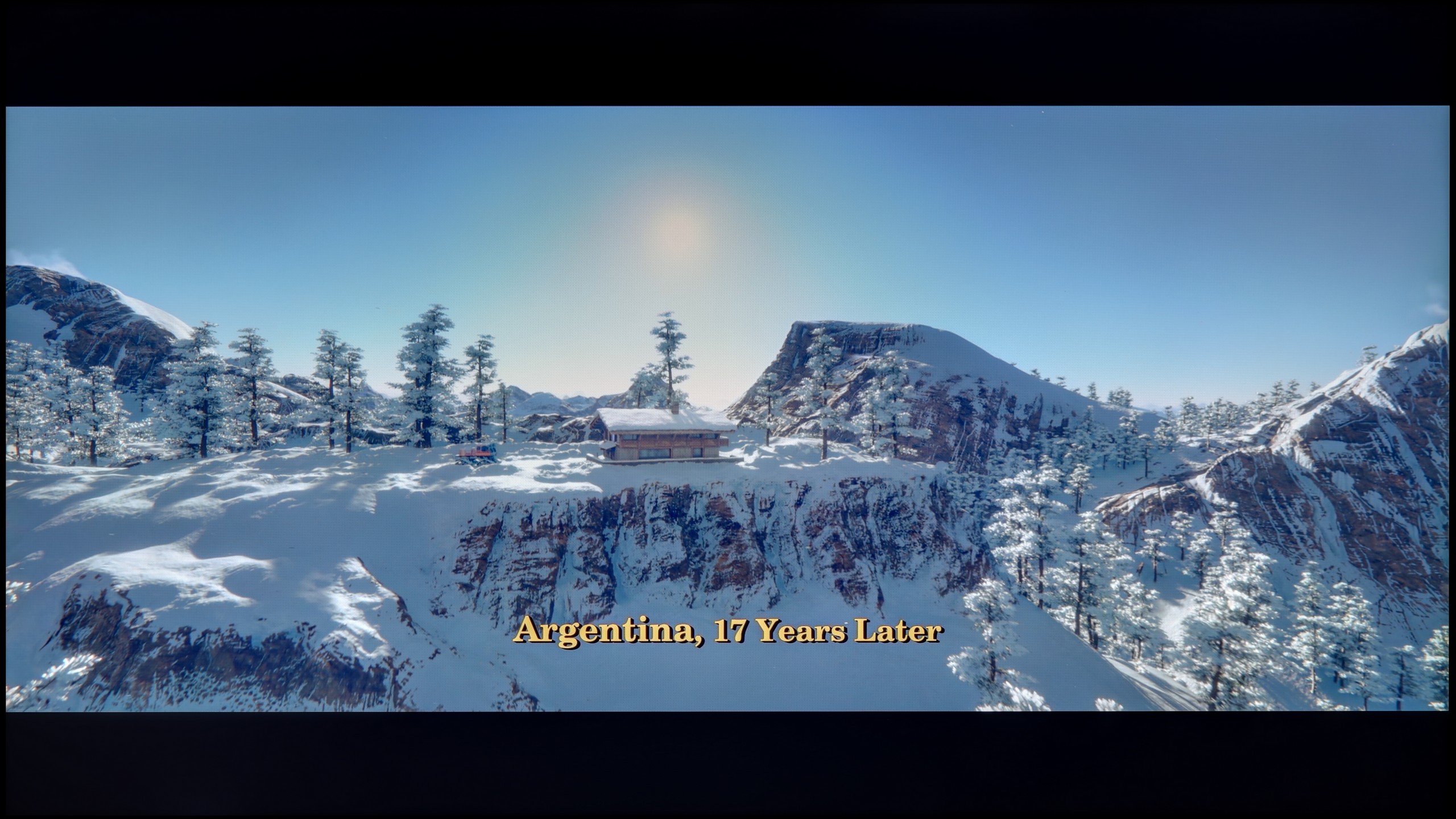
These are selected scenes that show smooth tonal transitions from one color to another. If you see distinct banding, it’s the TV panel’s fault.
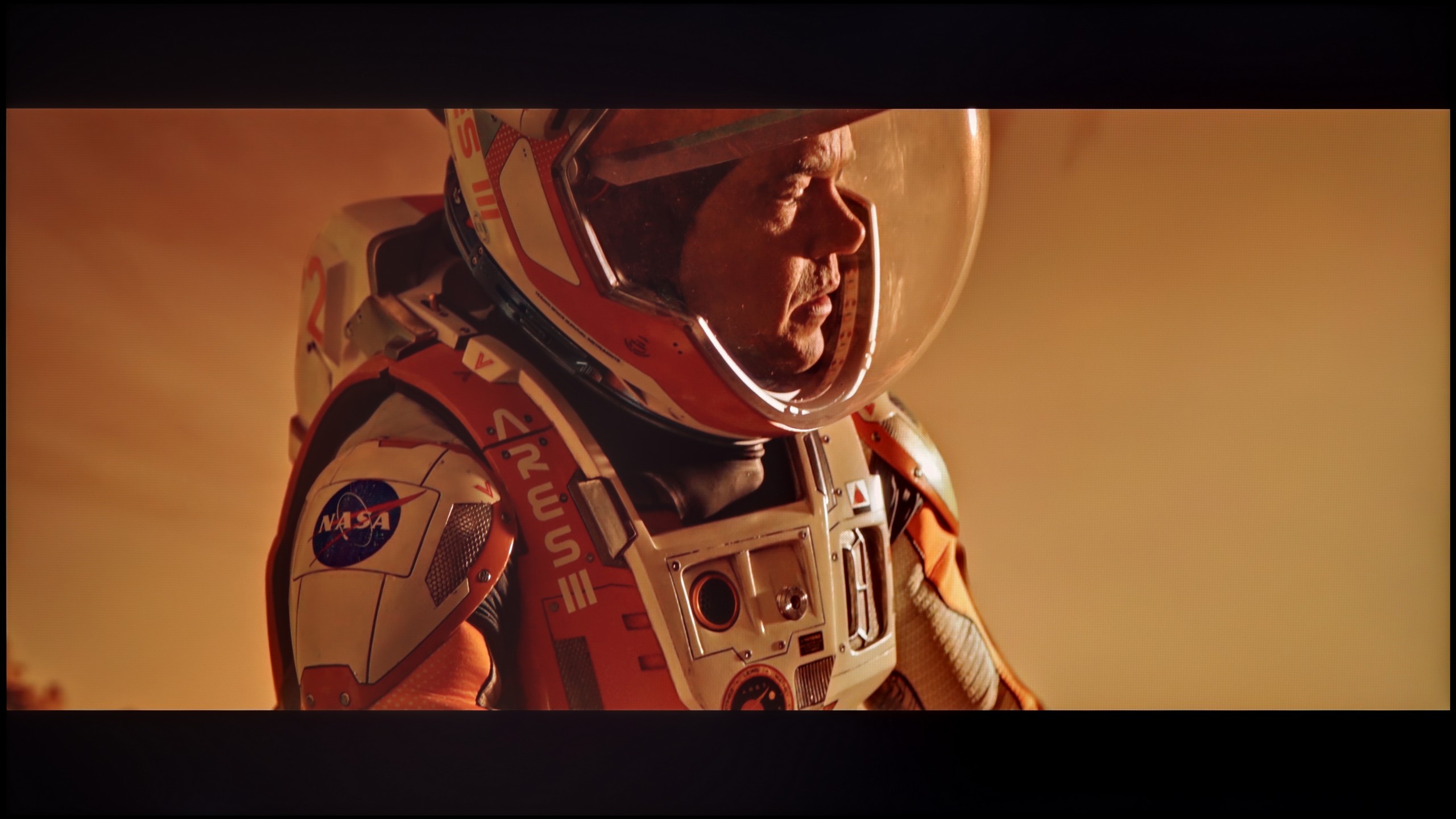
These are selected scenes that show smooth tonal transitions from one color to another. If you see distinct banding, it’s the TV panel’s fault.
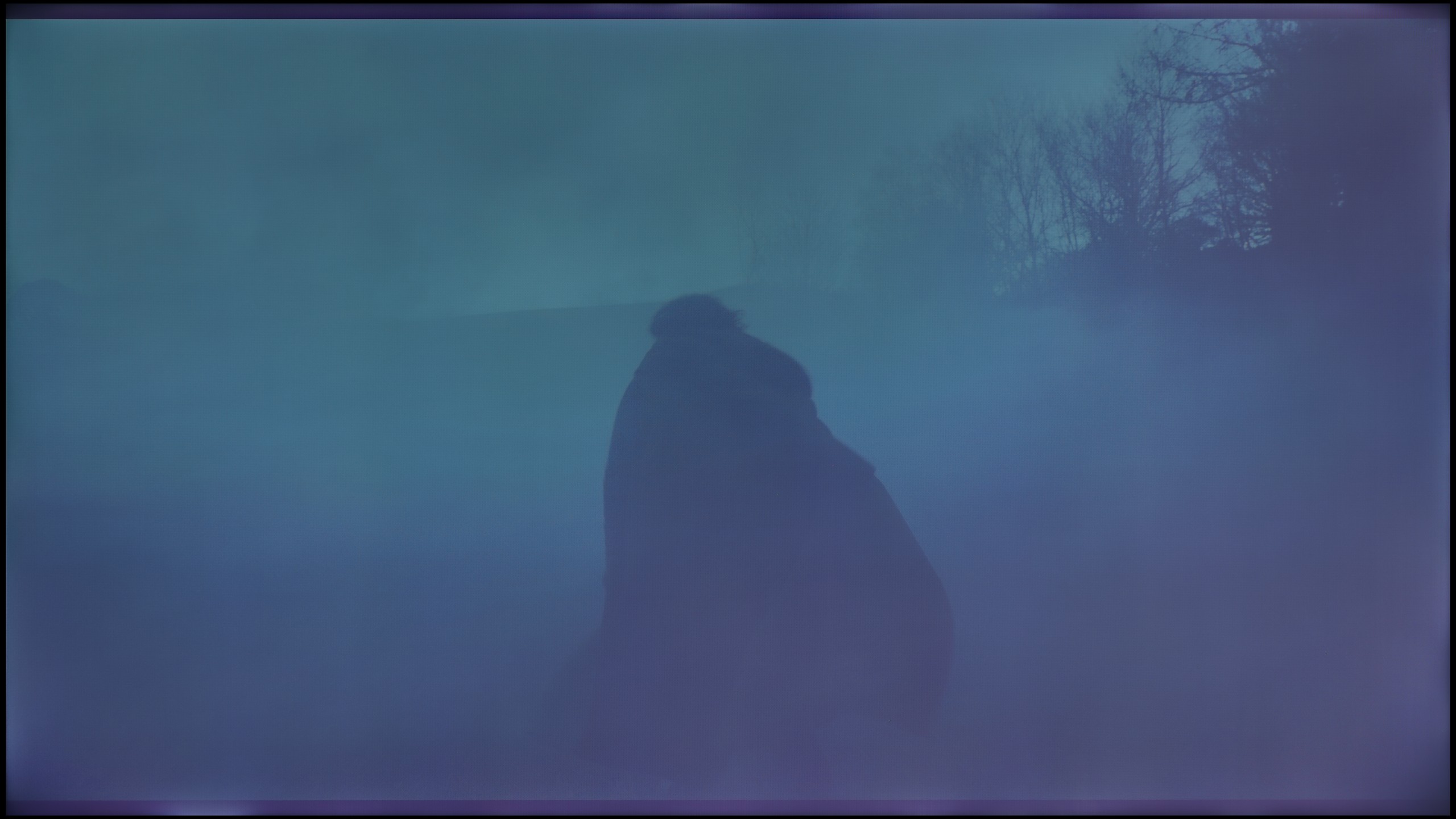
These are selected scenes that show smooth tonal transitions from one color to another. If you see distinct banding, it’s the TV panel’s fault.
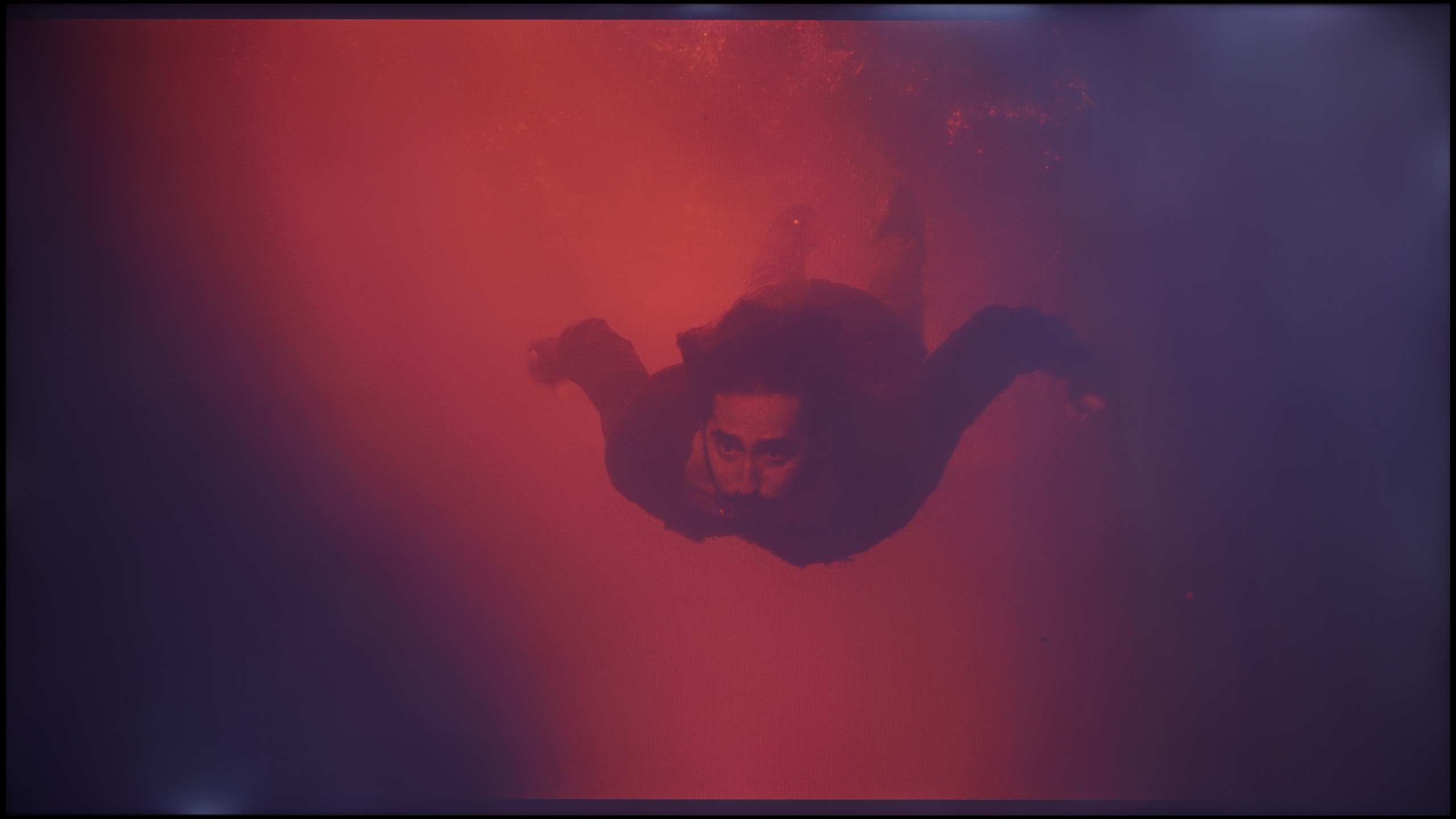
These are selected scenes that show smooth tonal transitions from one color to another. If you see distinct banding, it’s the TV panel’s fault.
Tonal transitions in TCL C655 / C69B are really quite good and deserve a high rating; however, the score has clearly been lowered for another reason - the image is unnaturally sharp despite the "sharpness" setting being at 0. This makes viewing the image unpleasant. While this may be unacceptable for purists, those who are less concerned about perfect image reproduction may find this effect attractive.
The fluidity of tonal transitions is an element where the NANO81A really shines. LG proves here that it can refine image processing algorithms even in its cheaper models. During testing, we practically did not notice any banding phenomenon, that annoying "stepping" visible where one colour should smoothly transition into another. Everything looks incredibly natural and smooth. This is clearly evident in bright scenes from the film Kingsman, where the backgrounds remain clean and free from digital artefacts. However, what makes an even greater impression is how the television handles extremely difficult, dark, and foggy shots in The Revenant. Where many budget panels falter and produce ugly blotches instead of a smooth mist, the NANO81A holds its ground, offering very velvety transitions. The only downside is the fact that with darker shades, you may notice the weaker black levels of this television rather than any issues with colour blending.
Image scaling and smoothness of tonal transitions
5/10
7/10


Smooth transition function

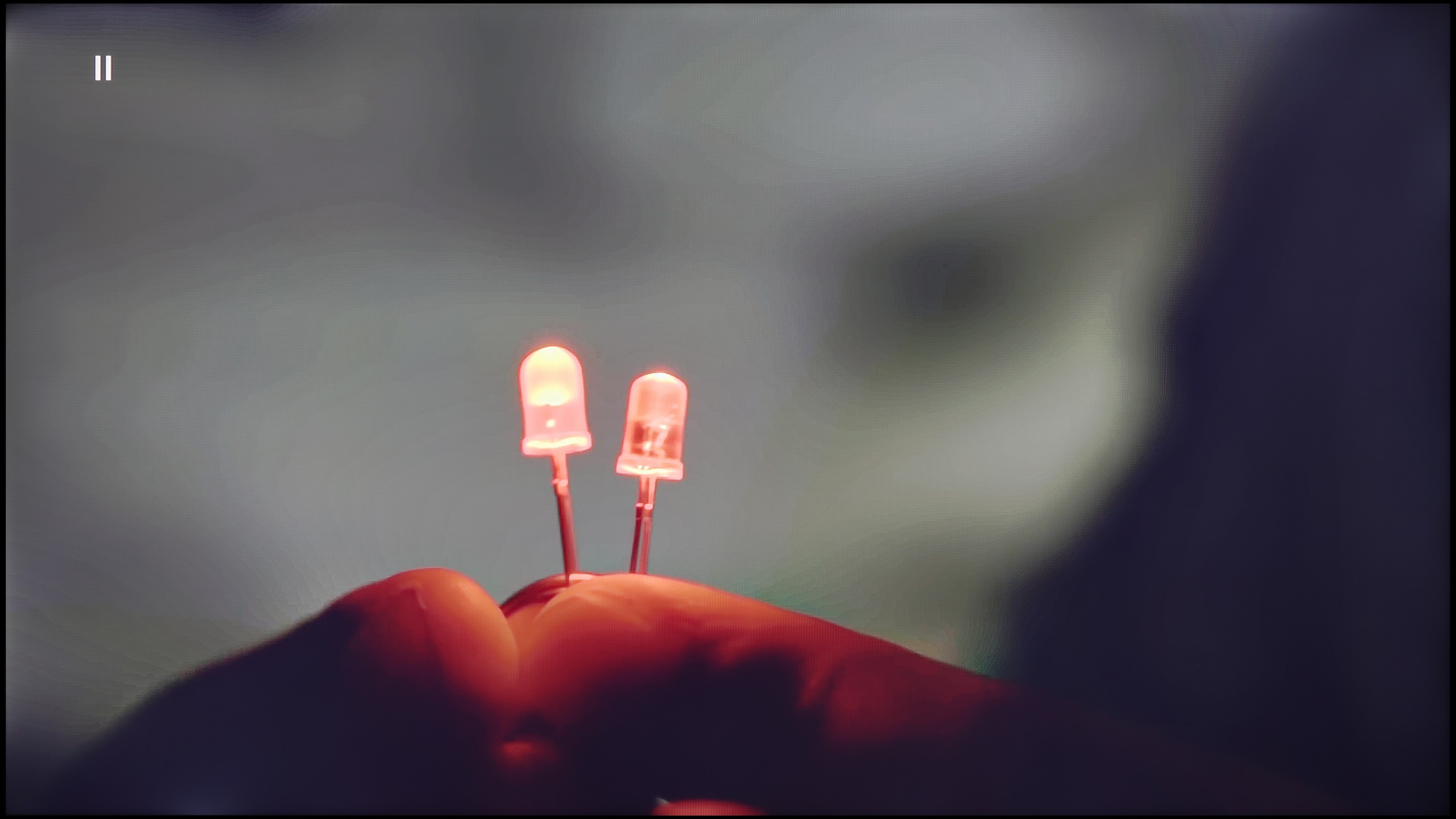
The match photo shows how the TV smooths weak tonal transitions in low-quality video.
Image scaling SD (576i)

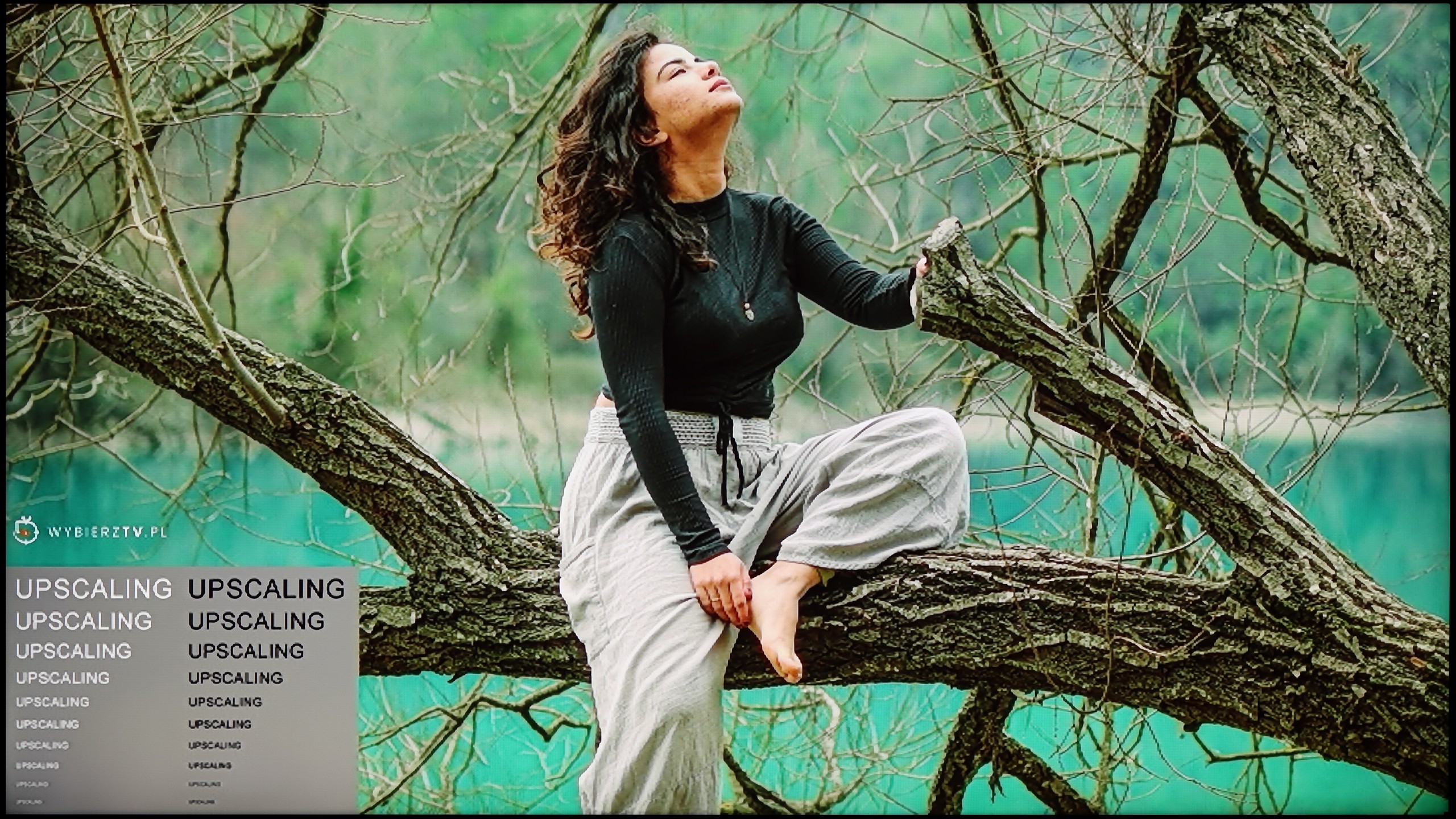
The model photo shows how it handles upscaling of SD material.
Television TCL C655 / C69B handles tonal transitions in low-quality materials fairly well. The "Gradual Smoothing" feature on low settings effectively smooths out tonal transitions, but it also blurs important details, such as the texture of objects. A positive aspect is that it does not negatively affect film grain, which helps to maintain the natural look of the image. In terms of digital processing, the television adds artificial sharpness, which some users who prefer a sharper image might appreciate. However, for those who prefer a softer look, this may be a drawback. Another downside is that the image has been significantly cropped due to the so-called overscan, which reduces the field of view and cuts off the edges of the image.
It often happens that cheap 4K panels ruthlessly expose all the "dirty laundry" and imperfections in lower resolution materials. However, with the LG NANO81A, the situation is completely different. It's a really solid performer when it comes to handling content that's far from ideal. The built-in processor does a great job with upscaling. Even older recordings look quite decent on this screen – the image is coherent, cleaned of digital noise, and simply pleasant to the eye. A big plus is the gradation reduction feature, which you can find in the settings. It is exceptionally effective in combating colour banding, which is a godsend when watching low bitrate materials, such as from some streaming services or older files from the web. However, it is worth maintaining a certain vigilance. Since we are dealing with a less powerful chip than in LG's top models, too aggressive a setting for this option can sometimes result in minor artifacts or slight blurring of details. Despite this risk, I definitely encourage experimentation with this feature – in many cases, it can save the viewing experience and make low-quality material fully watchable.
Blur and motion smoothness
4.7/10
4.6/10

Blur (native resolution, maximum refresh rate):


Blur (1080p 120Hz):


Blur ():
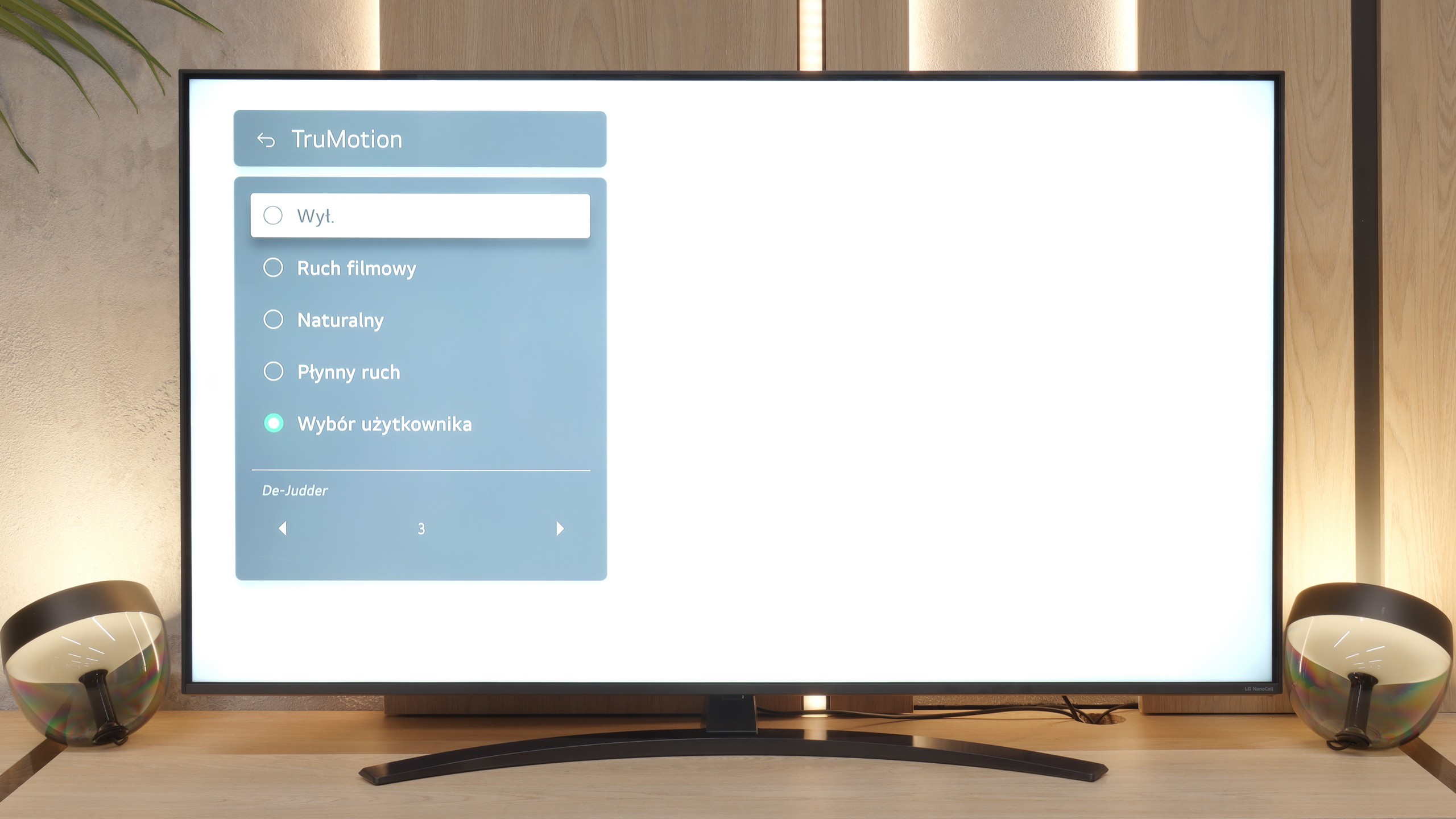
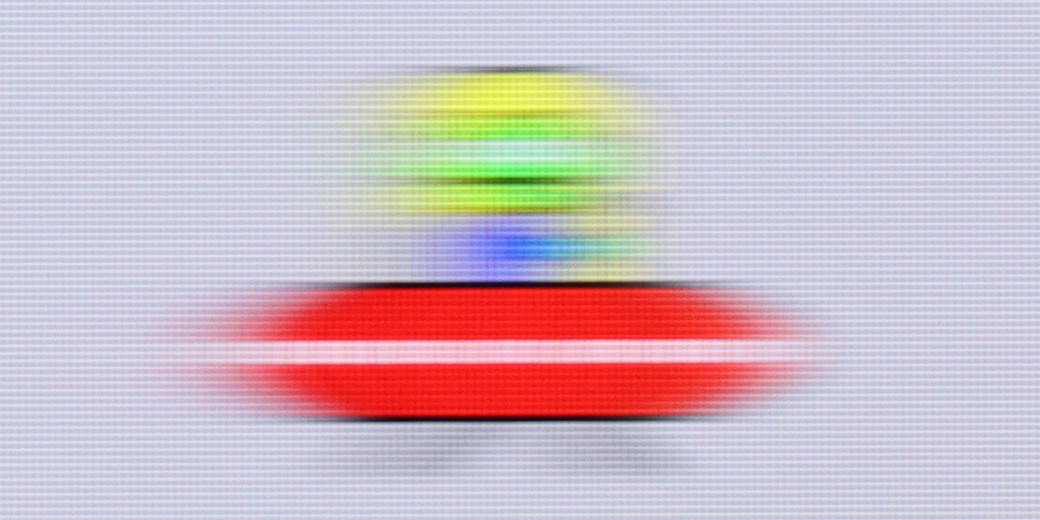
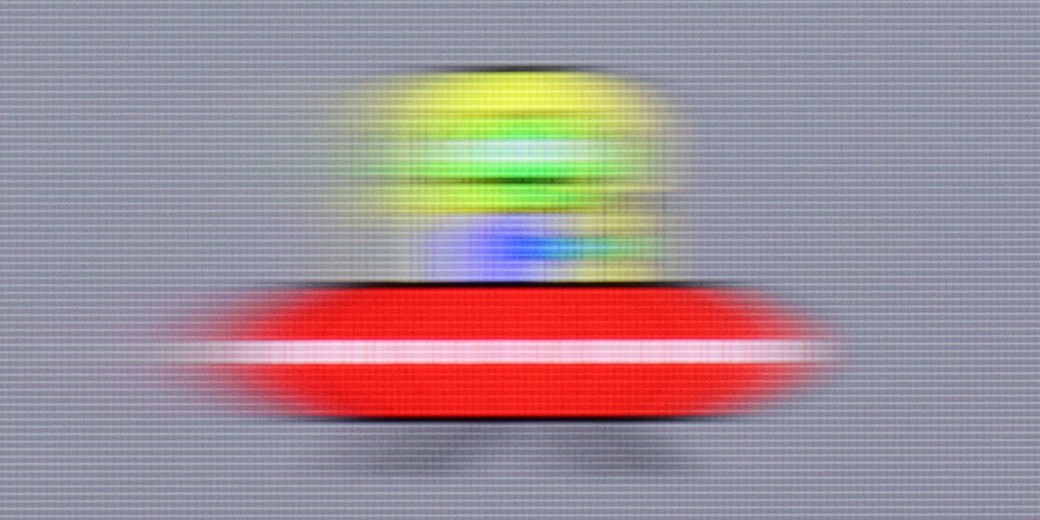
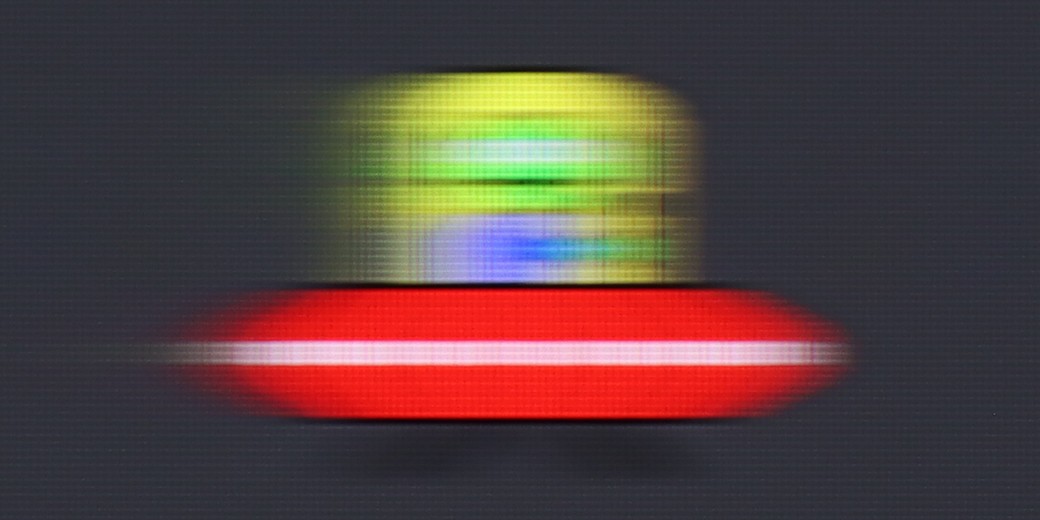
The television C655 / C69B is equipped with a 4K@60 Hz panel, which means it's best suited for watching movies and less dynamic content. It also features a "Flicker Reduction" function, allowing users to adjust the smoothness of the image – they can choose whether they prefer smoother motion or a more cinematic, frame-like effect. The television can also adapt to lower resolutions, such as Full HD and 2K at 120 Hz, which will surely please gamers by offering a smoother image at the cost of resolution. It’s worth noting that this feature is available in sizes starting from 55"+. Additionally, the largest variant, 98", is equipped with a 144Hz panel with full motion smoothing.
In terms of motion fluidity, the NANO81A unfortunately has a bit of a hurdle. The television is based on a panel with a refresh rate of 60Hz. If you're looking for perfect sharpness in dynamic football matches or fast-paced action games, you might feel somewhat dissatisfied. With such a low native refresh rate, fast objects on the screen will always be a bit blurry.
Console compatibility and gaming features
8/10
6/10
- ALLM
- VRR
- VRR range48 - 120Hz48 - 60Hz
- Dolby Vision Game Mode
- Correct implementation of HGIG
- 1080p@120Hz
- 1440p@120Hz
- 4K@120Hz
- Game bar

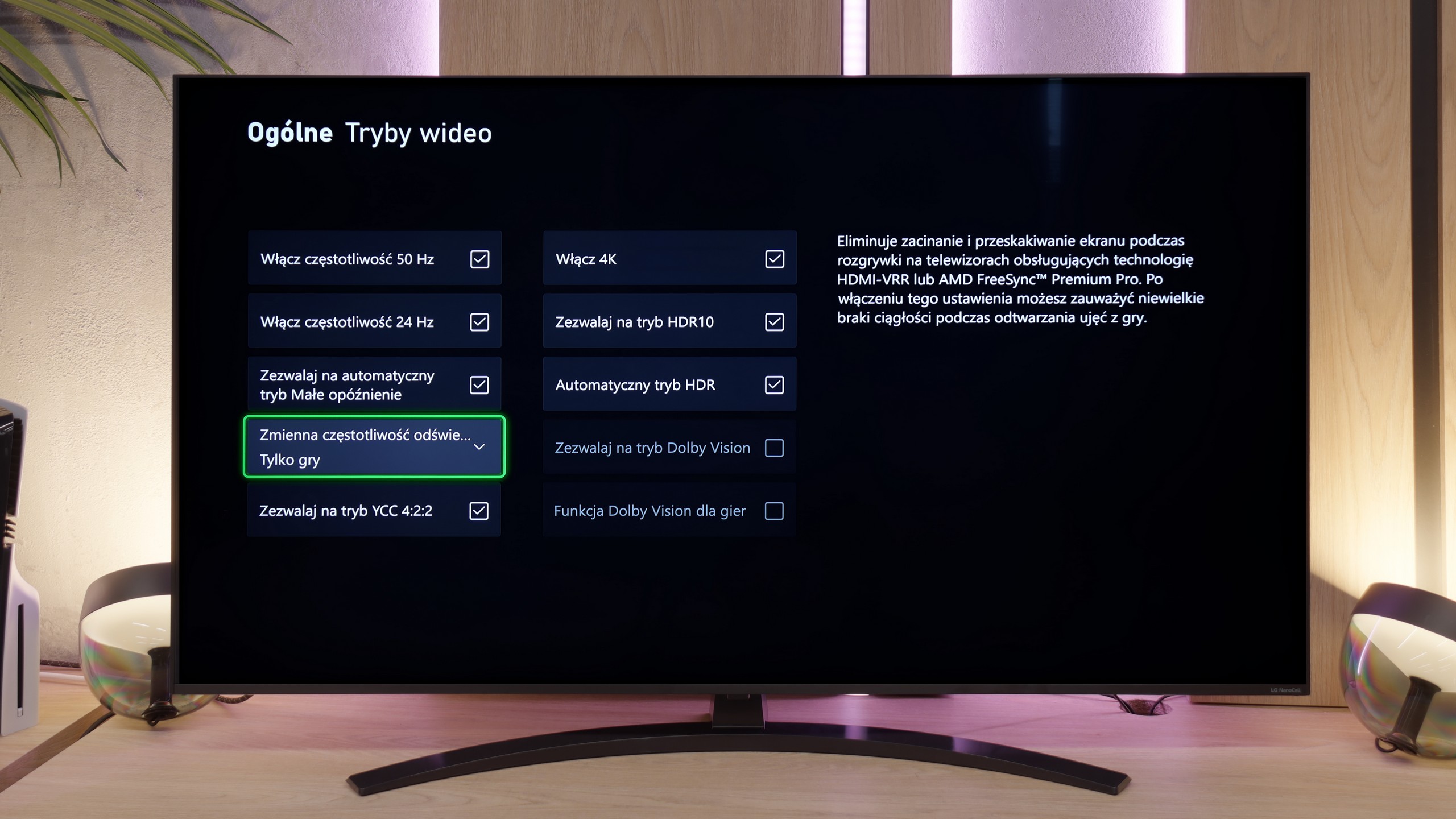

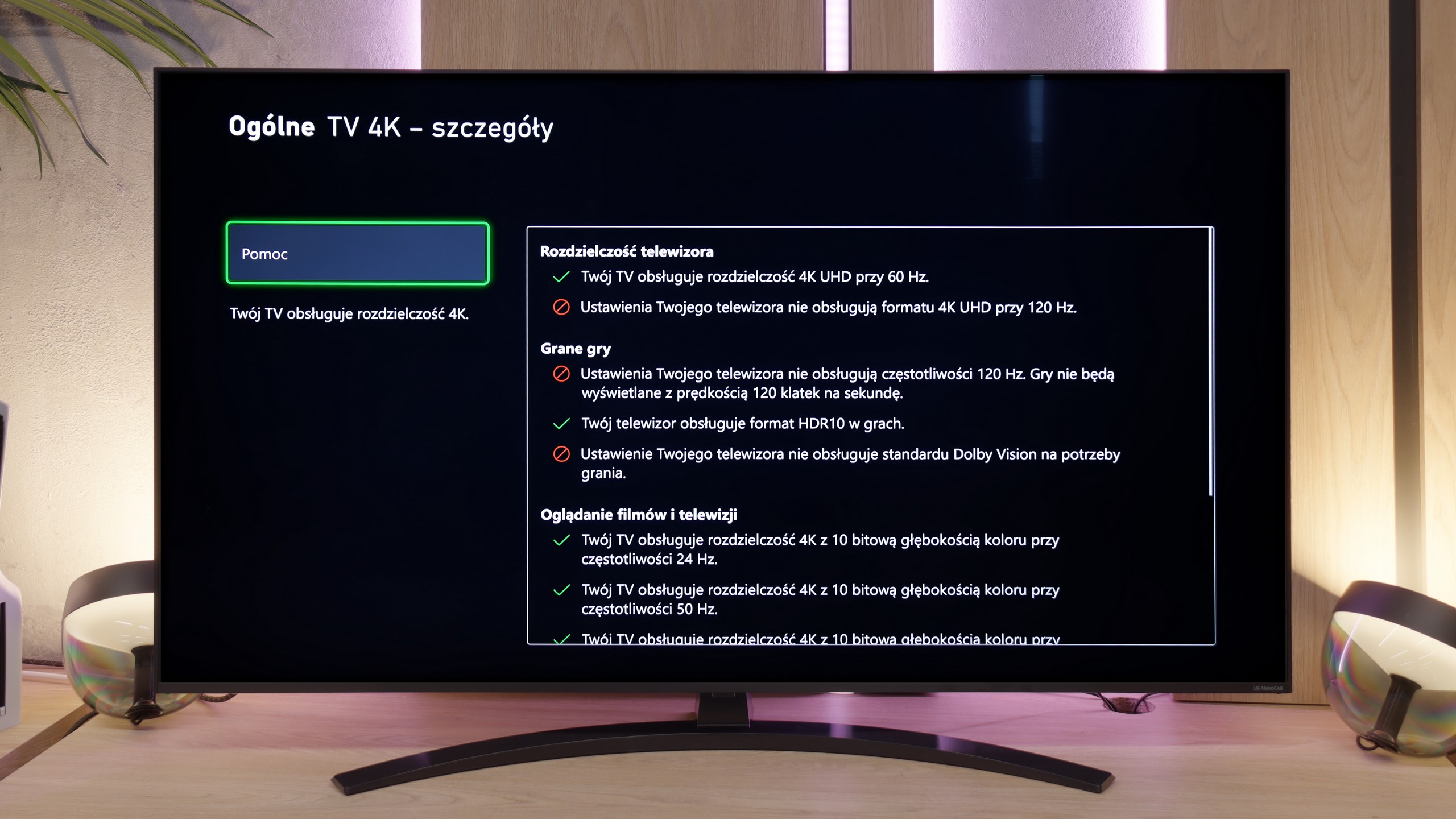

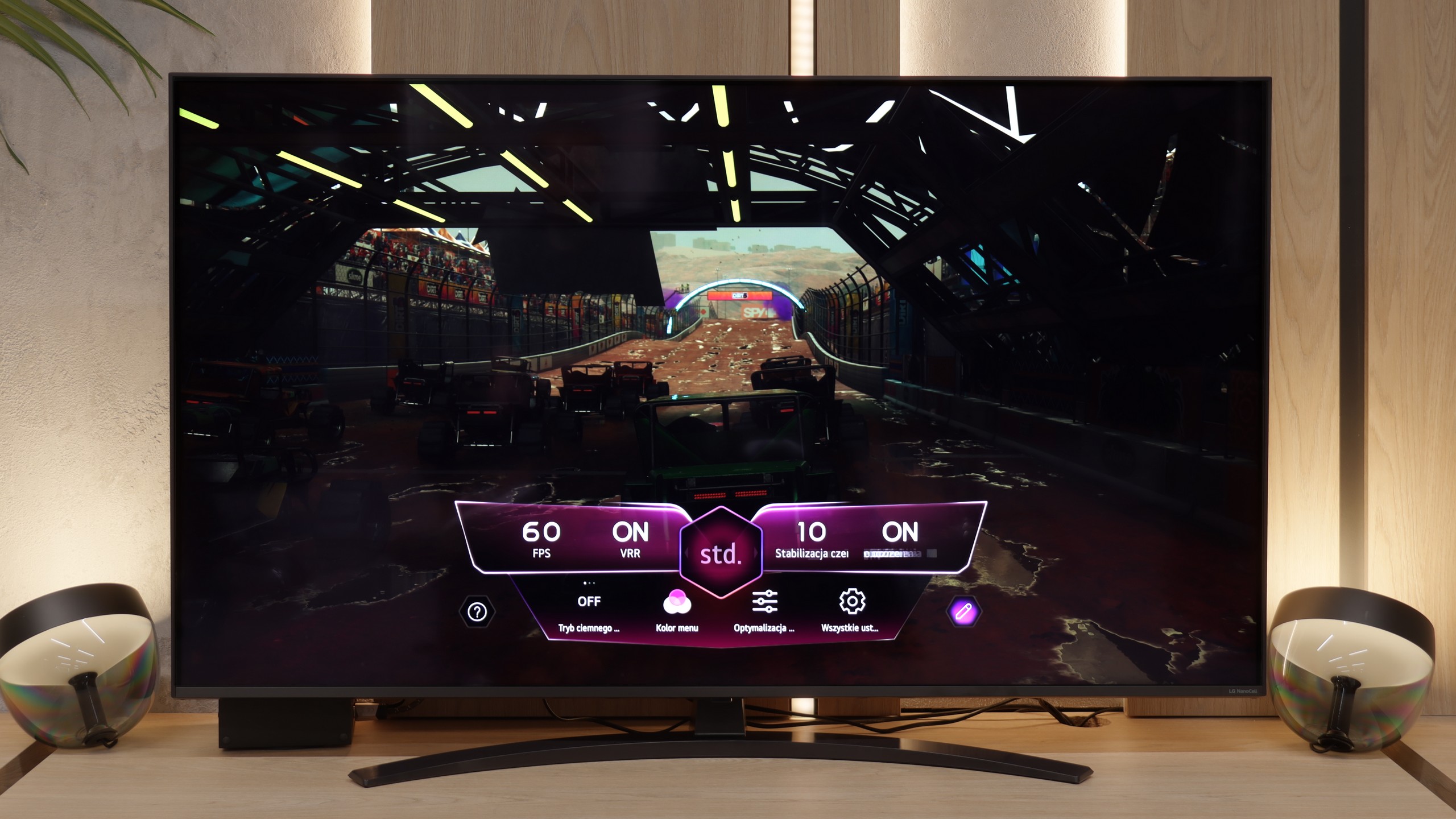

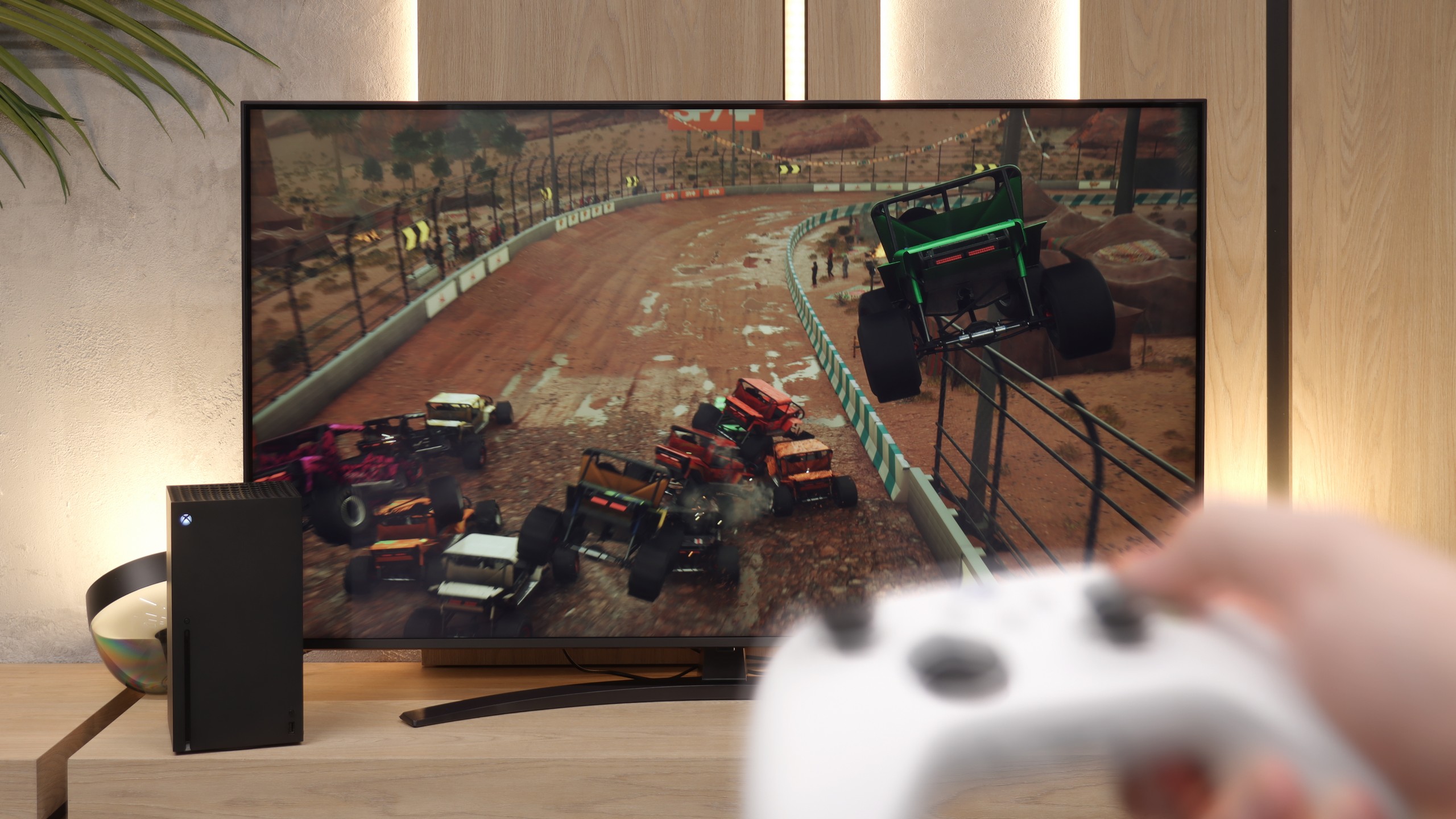
The TCL C655 / C69B TV offers an almost perfect set of features for gamers, supporting all the key technologies. It has an ALLM feature that automatically switches the TV to low latency mode, significantly improving responsiveness and minimising signal lag, which is especially important during dynamic gameplay. The VRR feature allows synchronisation of the screen refresh rate with the number of frames generated by the console, eliminating screen tearing and providing smoother gameplay.
The TV also supports Dolby Vision in gaming mode, ensuring better colour and contrast reproduction in games that support this format, and the Game Bar enables quick access to gameplay-related settings, such as response time, latency level, and other parameters. Unfortunately, the C655 / C69B does not support 4K resolution at 120 Hz (the 98" variant is the exception), which may be disappointing for more demanding gamers seeking the ultimate smoothness in high-resolution games. However, if we can forgo 4K, the TV offers support for Full HD and 2K at 120 Hz, providing a smoother image and serving as a great alternative for those who prefer higher refresh rates at the expense of resolution.
NANO81A is unfortunately not a device designed with esports in mind. The lack of 120 Hz signal support is a fact that users planning to purchase this model simply have to accept. Nevertheless, LG’s engineers have worked hard to squeeze the maximum potential from this 60 Hz panel, offering a set of features that genuinely improve gaming comfort. First and foremost, the television supports VRR technology (in the range of 48–60 Hz) and ALLM. This ensures that the image remains stable and does not "tear," and the device automatically switches to low latency mode as soon as it detects a signal from a console. Managing these settings is extremely simple thanks to a dedicated system overlay that allows for a quick preview of parameters without leaving the game. A very significant advantage is support for the HGiG format. This solution is crucial for owners of modern consoles, as it allows the television to correctly "understand" the intentions of game developers regarding HDR tone mapping. In practice, this helps avoid the effect of "blown-out" bright spots, such as clouds or light sources, which is unfortunately a common issue in budget LCD televisions.
Input lag
10/10
10/10
SDR
HDR
Dolby Vision
TheTCL C655 / C69B television offers an exceptional response time across all supported resolutions and refresh rates. Of particular note is its support for Dolby Vision with a response time of 13 ms, which is rarely seen in the competition. This allows gamers to enjoy outstanding responsiveness even when using advanced HDR effects, significantly enhancing the gaming experience.
When it comes to response speed, the LG NANO81A performs exceptionally well. The input lag we measured is around 12 ms. This is a very low level, which for a gamer means one thing – the delay between moving the stick on the controller and the reaction on the screen is practically unnoticeable. The television excels in dynamic titles where every millisecond counts, and in this respect, it does not fall short of significantly more expensive models.
Compatibility with PC
6/10
6/10

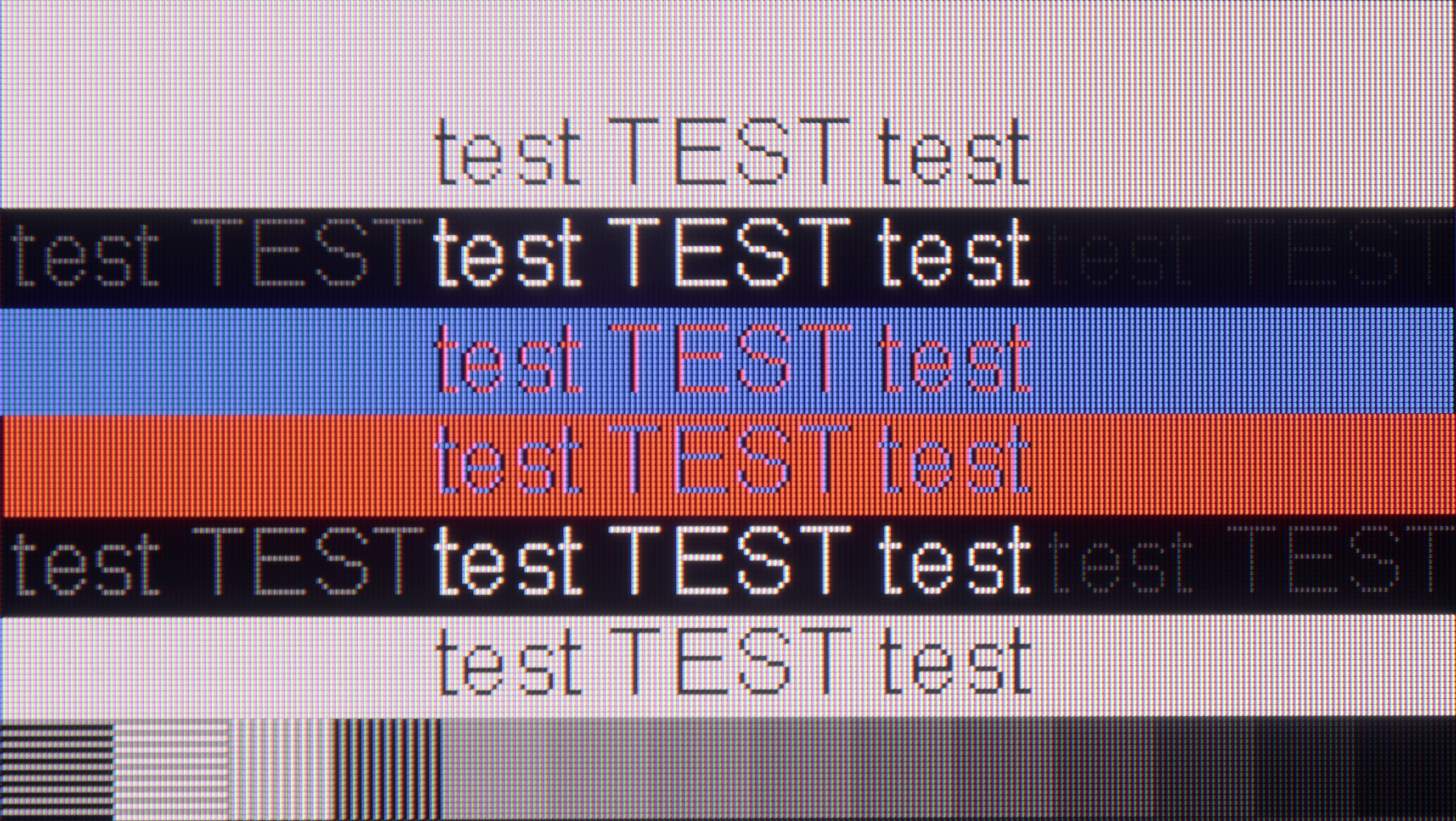
The photo shows the legibility of small fonts. Ideally, lines should be the same thickness on both light and dark text, with minimal pixel gaps.
Collaboration with PC on the TCL C655 / C69B TV works quite well, especially thanks to the 4:4:4 chroma support, which guarantees good readability of fonts. This is a significant advantage if the TV is intended to serve as a monitor for office work, where text display precision is key. Additionally, the low input lag ensures smooth operation, which both gamers and users who need quick responses to mouse or keyboard movements will appreciate. However, the TV has a 60Hz panel for 4K resolution, nevertheless TCL has ensured that users can enjoy smooth gameplay at 120Hz in 2K and Full HD.
One of the minor drawbacks that can be noticed is the fact that vertical lines sometimes show a one-pixel blackout. This can cause letters to appear slightly broken, which in certain situations may somewhat diminish work comfort, although overall this issue should not be very bothersome for less demanding users.
Nano81A is a really solid monitor for text work. Thanks to the IPS panel and proper implementation of Chroma 4:4:4, the fonts are very clear and sharp – practically everyone will be satisfied with how this screen performs as a monitor. We only noticed one small detail that we picked up during our laboratory scrutiny: the vertical lines of dark text are slightly darker than the horizontal ones. However, this is such a minimal phenomenon that we did not decide to deduct points for it. The scores only went down with features typically for PC gamers – there was a lack of G-Sync support and high refresh rates above 60 Hz, which will be a significant downside for those looking for a screen for dynamic gaming on the computer.
Viewing angles
2.5/10
6.1/10
The viewing angles on the C655 / C69B are rather weak, which is typical for a VA panel. Compared to IPS panels, which offer significantly better viewing angles and more uniform picture quality regardless of the viewer's position, the VA panel loses contrast and colours even with a slight deviation from the axis. Watching from the side results in noticeable degradation of picture quality – blacks become more washed out and colours lose their intensity. This is definitely not a television that will perform well in large rooms where viewers watch content from various angles.
This is the moment when the LG NANO81A can finally "breathe" and make up for the points lost in the black and contrast categories. Due to the use of an IPS panel, the viewing angles here are simply very good. It is in this section that the tested model gains the most and clearly shows its advantage over competing televisions equipped with VA panels. In practice, this means that the image does not lose quality even when viewed at a large angle. This makes the NANO81A a great choice for people who have a wide furniture layout in their living room or often watch matches and movies with a larger group.
Daytime performance
5.6/10
4/10

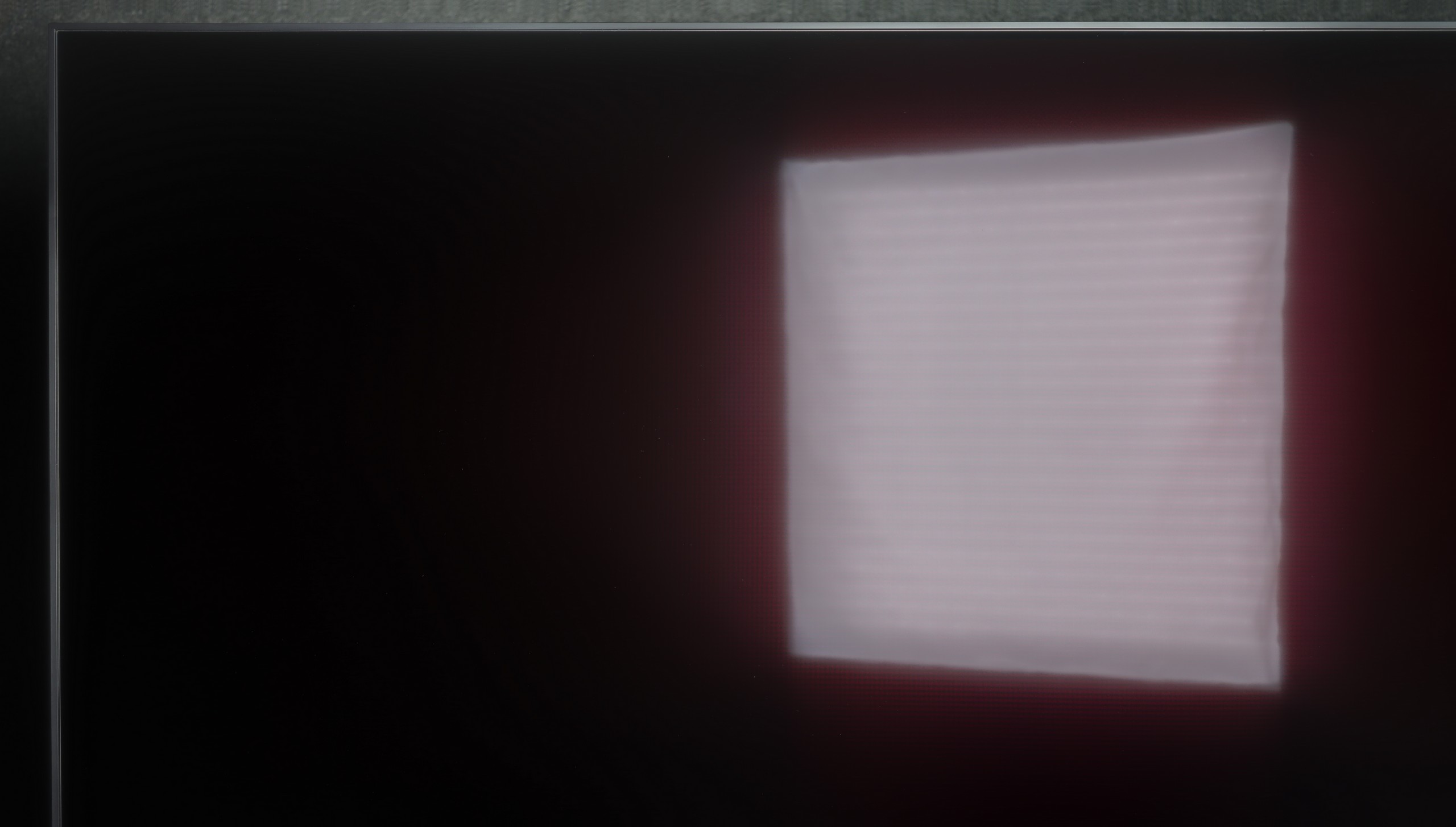

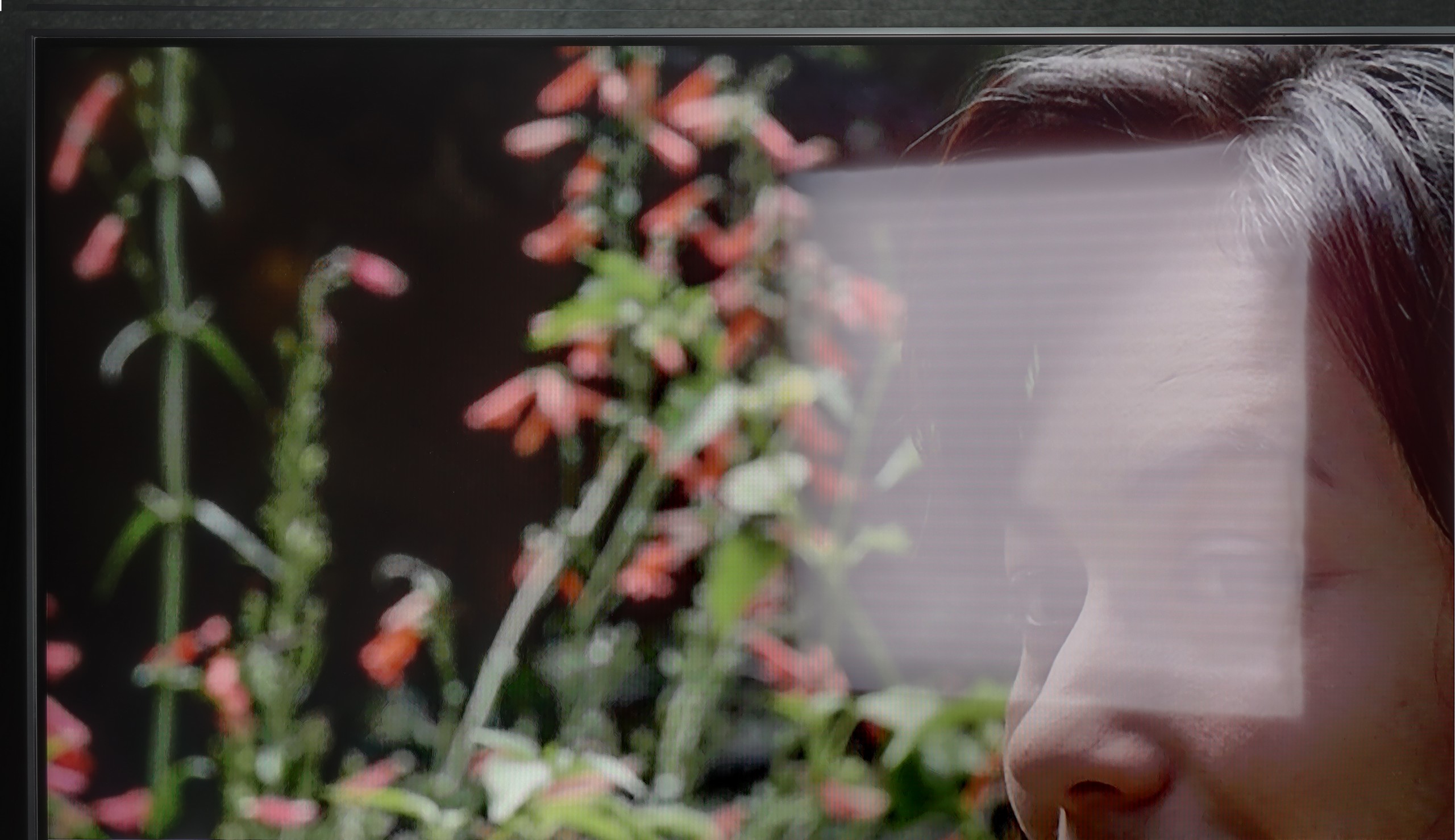
Panel brightness
LG NANO81A / NANO80A : 247 cd/m2
TCL C655 / C69B (55"-85"): 484 cd/m2
Generally, TCL C655 / C69B offers quite good brightness at around 480 nits, which allows for comfortable use of the TV during the day. This brightness is satisfactory and makes the picture well visible even in bright sunlight. Unfortunately, the satin finish of the panel struggles somewhat with glare reduction, which can affect the visibility of the picture in very bright surroundings.
NANO81A is a relatively dark television, so it works best in rooms where you have control over the lighting. With a brightness of around 250 nits, it's hard to recommend it with a clear conscience for very bright, heavily sunlit lounges – in such conditions, the picture will simply lack punch. Nonetheless, LG deserves a small plus for the screen finish. The satin matrix used here quite effectively suppresses reflections. As a result, even if there is a bit of light in the room, you won't see reflections of every detail from your surroundings on the screen. So, if you can slightly close the blinds, a daytime viewing experience will definitely be possible, but this model simply wasn’t designed to "fight" full sunlight.
Panel details
Subpixel Structure:

Panel uniformity and thermal imaging:

TCL C655 / C69B (55"-85")
LG NANO81A / NANO80A
TV features
6.5/10
6.6/10
- SystemGoogle TVWebOS
- System performanceDecentGood
- HDMI inputs3 x HDMI 2.0, 0 x HDMI 2.13 x HDMI 2.0, 0 x HDMI 2.1
- Other inputsRCA (Chinch)
- OutputsToslink (Optical audio), eARC (HDMI), ARC (HDMI)Toslink (Optical audio), eARC (HDMI), ARC (HDMI)
- Network InterfacesWi-Fi 2.4GHz, Wi-Fi 5GHz, Ethernet (LAN) 100MbpsWi-Fi 2.4GHz, Wi-Fi 5GHz, Ethernet (LAN) 100Mbps
- TV receptionDVB-T, DVB-T2, DVB-S, DVB-S2, DVB-CDVB-T, DVB-T2, DVB-S, DVB-S2, DVB-C
Classic features:
- Recording to USB (terrestrial TV)
- Recording programming
- Picture in Picture (PiP)
- RF remote control (no need to aim)
- Backlit remote control
- Teletext
- Audio only mode
- Bluetooth headphones support
- Simultaneous Bluetooth headphones & TV audio
Smart features:
- AirPlay
- Screen mirroring (Windows Miracast)
- Voice search
- Voice search in native language
- Ability to connect a keyboard and mouse


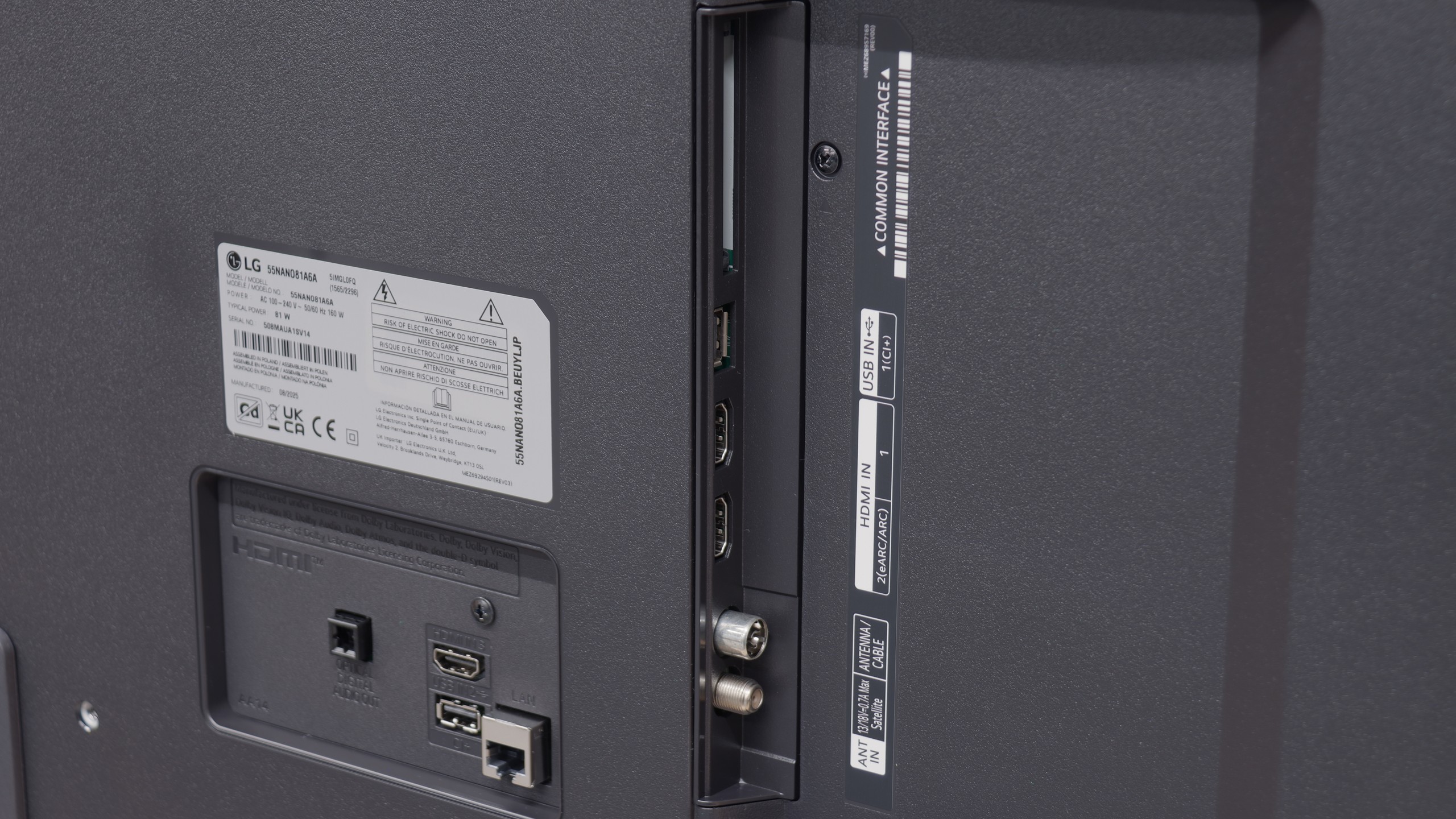
Sound connection options
- HDMI audioeARC (HDMI), ARC (HDMI)eARC (HDMI), ARC (HDMI)
- Other audio outputsToslink (Optical audio)Toslink (Optical audio)
- Wireless audioBluetoothBluetooth
Supported audio formats (external HDMI eARC audio):
- Dolby Digital Plus 7.1
- Dolby True HD 7.1
- Dolby Atmos in Dolby Digital Plus (JOC)
- Dolby Atmos in Dolby True HD
- DTS:X in DTS-HD MA
- DTS-HD Master Audio
Senior accessibility
- Numeric keyboard on TV
- Font size adjustment
- Audio description
The TCL C655 / C69B television runs on the Google TV system, which is an extension of the popular Android TV. Google TV offers personalized content recommendations based on previously viewed materials and user preferences. Convenient and clear navigation in the interface makes it easy to find favorite movies, shows, and apps. This system supports the most popular streaming apps, such as Netflix, YouTube, Prime Video, and Disney+, giving users access to a wide range of content. Google TV also supports integration with the Google ecosystem, allowing control of the television using voice commands with Google Assistant. Additionally, users can easily sync the television with other devices within the smart home.
The C655 / C69B television provides convenience for daily use thanks to features that facilitate connectivity and interaction with other devices. It supports Apple AirPlay, enabling quick content sharing from Apple devices like iPhone or iPad directly to the television screen. The ability to connect peripheral devices via Bluetooth, such as keyboards, mice, or headphones, further enhances user comfort. Unfortunately, the television does not offer USB recording capabilities or picture-in-picture (PiP) options, which may disappoint traditional TV users who are accustomed to these features. The lack of these options means that the TCL C655 / C69B may not be the ideal solution for those expecting full functionality, especially regarding recording favorite programs.
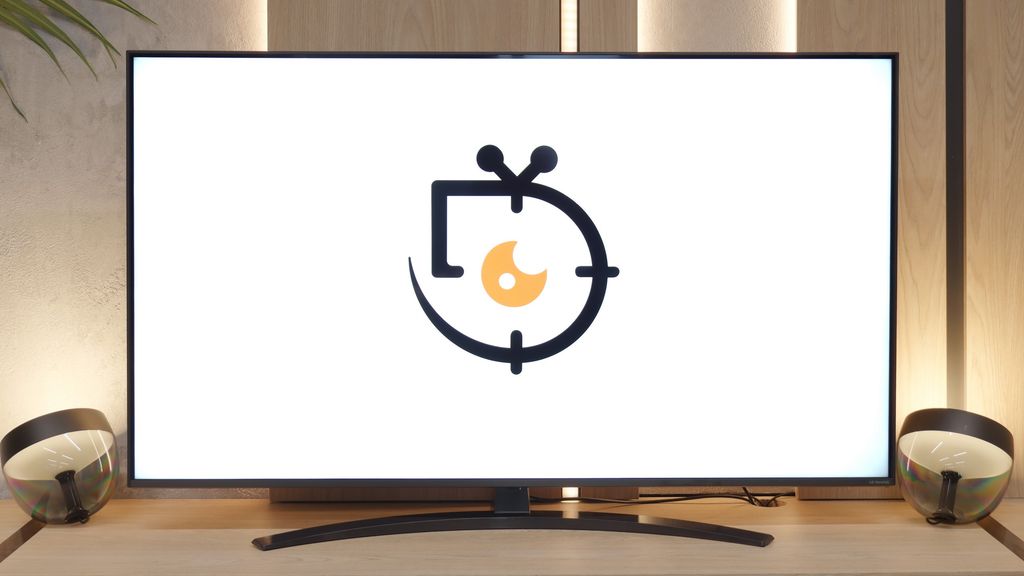
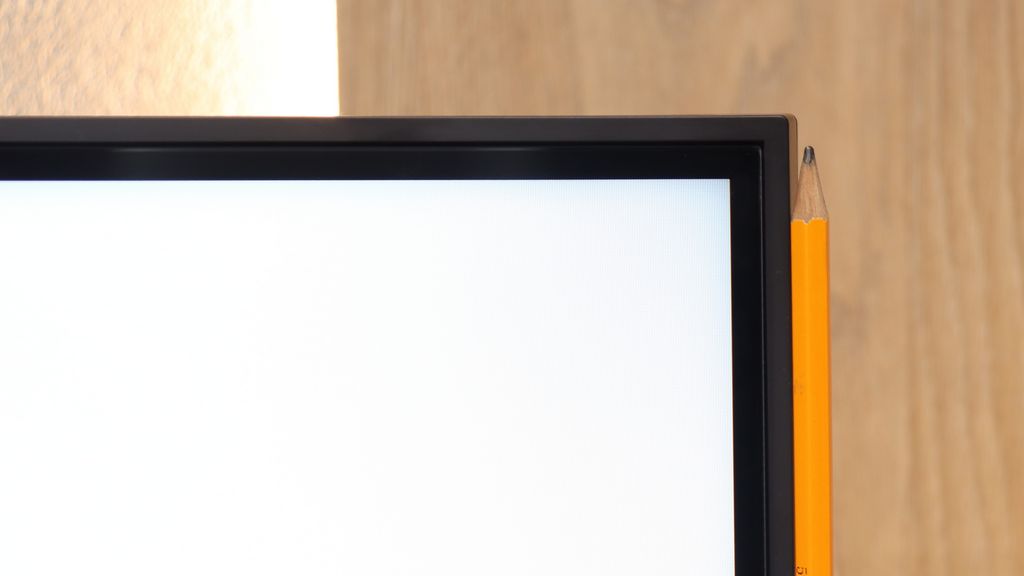
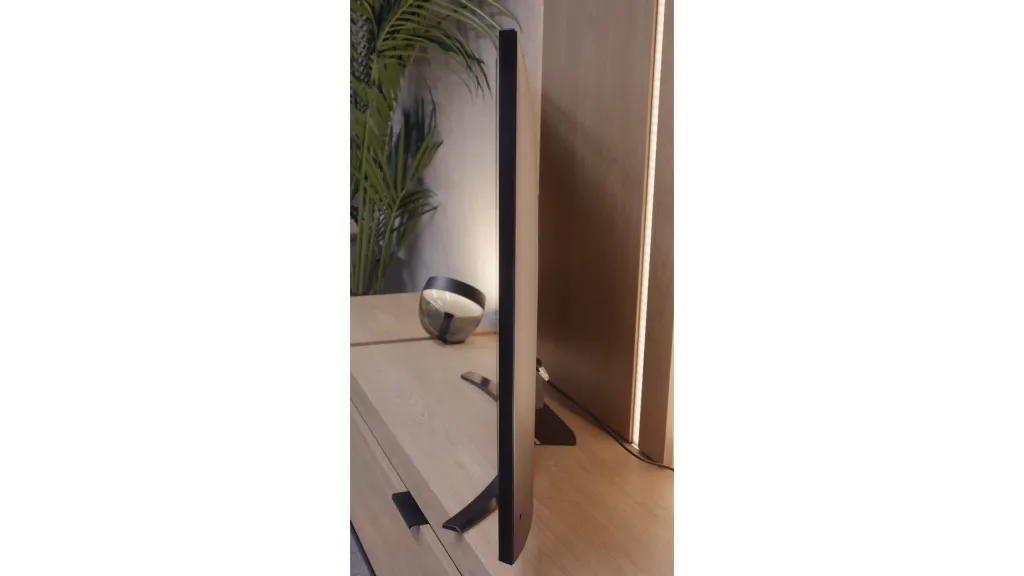
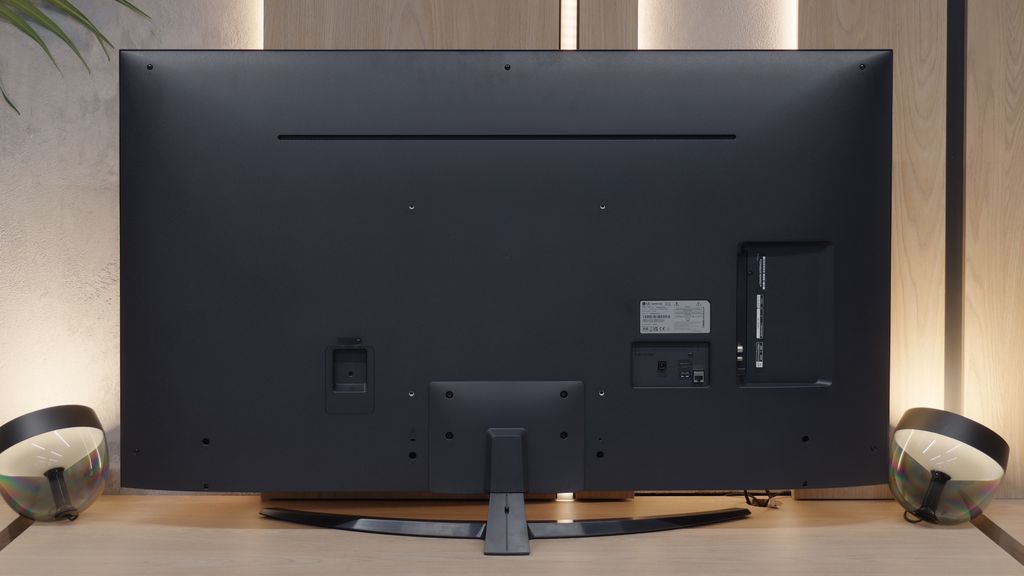
The TCL C655 / C69B boasts a solid design. The television is not one of the thinnest, and its bezels are not the narrowest, but they look modern and aesthetically pleasing. The legs included in the package deserve special praise – they are metal, adding stability, and also offer the possibility of adjustment, even for very narrow setups. This allows the television to be easily adapted to different types of TV stands, which is a practical convenience in many living rooms.
Smart Features: WebOS
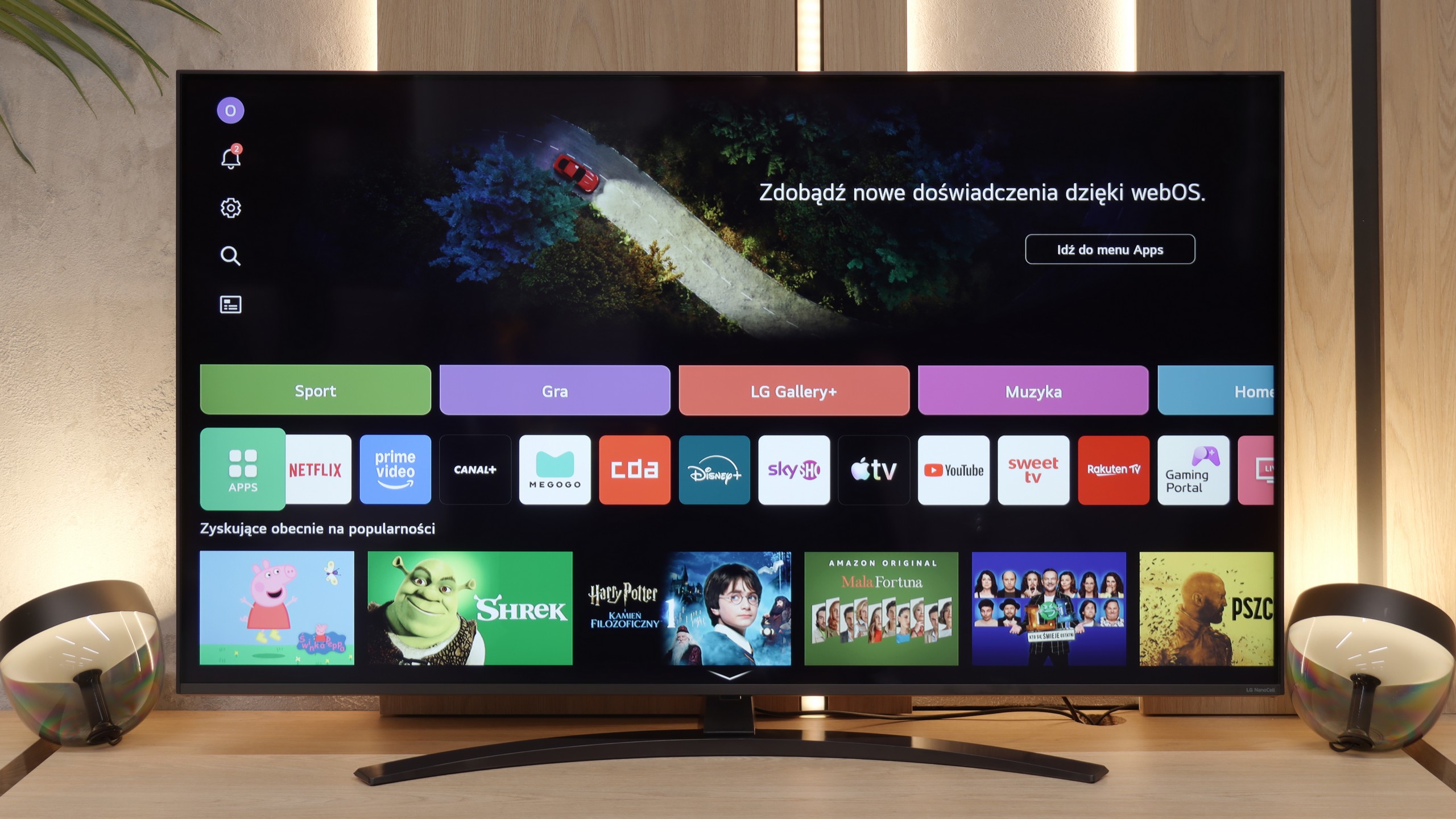
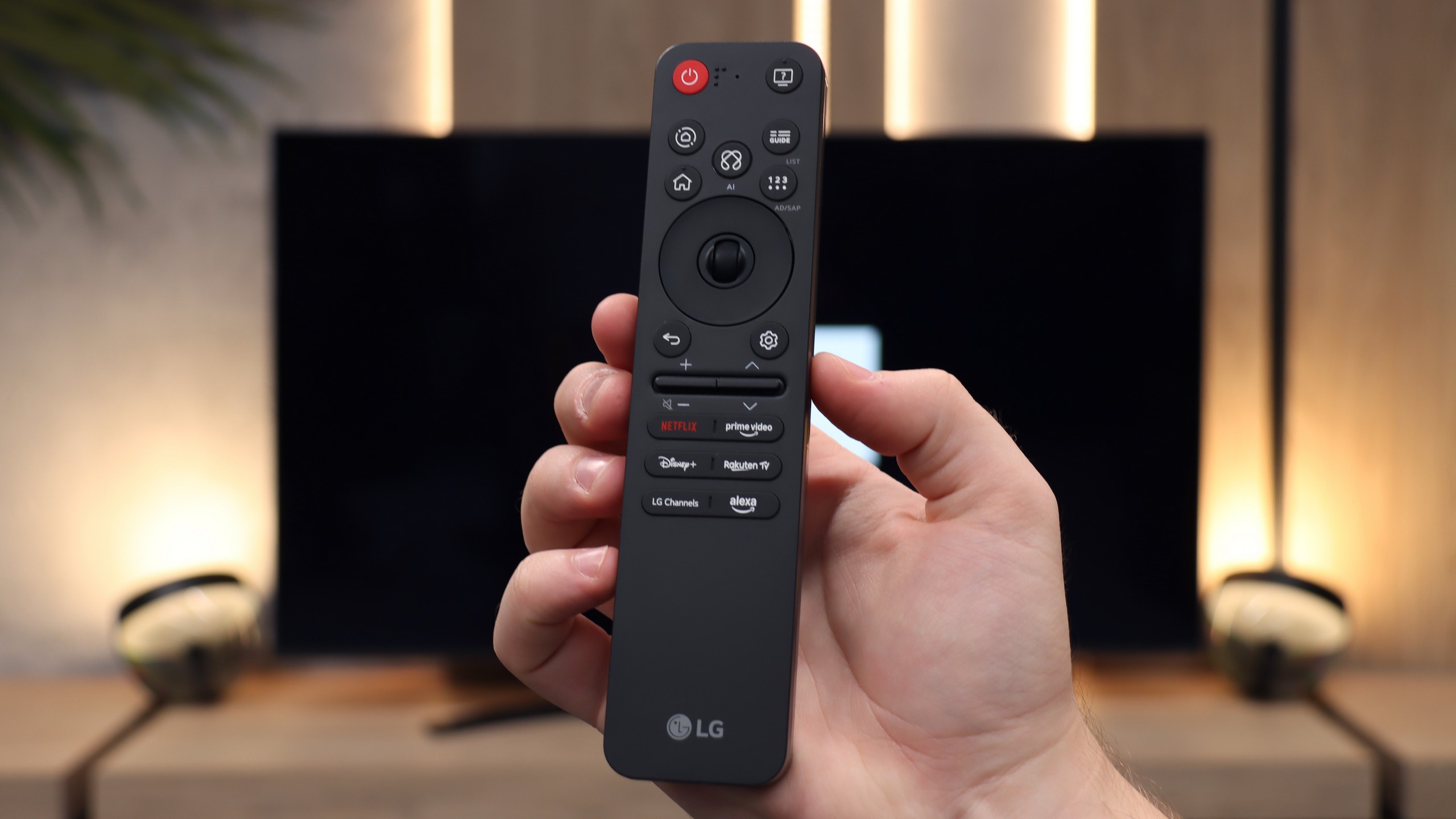
One of the greatest advantages of the NANO81A model is its “brain,” that is, the operating system. LG has implemented a full-fledged WebOS version for 2025, which in terms of fluidity and usability is on par with the more expensive models from this brand. Applications launch smoothly, and navigating the menu is a pure pleasure - there’s no sign of the annoying stutters often found in budget competitors. This is all thanks to the unique remote with a pointer (cursor) function, which has undergone a visual overhaul this year. The manufacturer has opted for minimalism - the new Magic remote is significantly smaller and more ergonomic than its predecessors. It fits perfectly in the hand, but this change has a downside as well. The physical number section has completely disappeared from the casing. For younger users, accustomed to streaming and selecting tiles, this will be no problem. However, older household members, who are used to entering channel numbers from memory, will have to change their long-standing habits.
Everyday Use
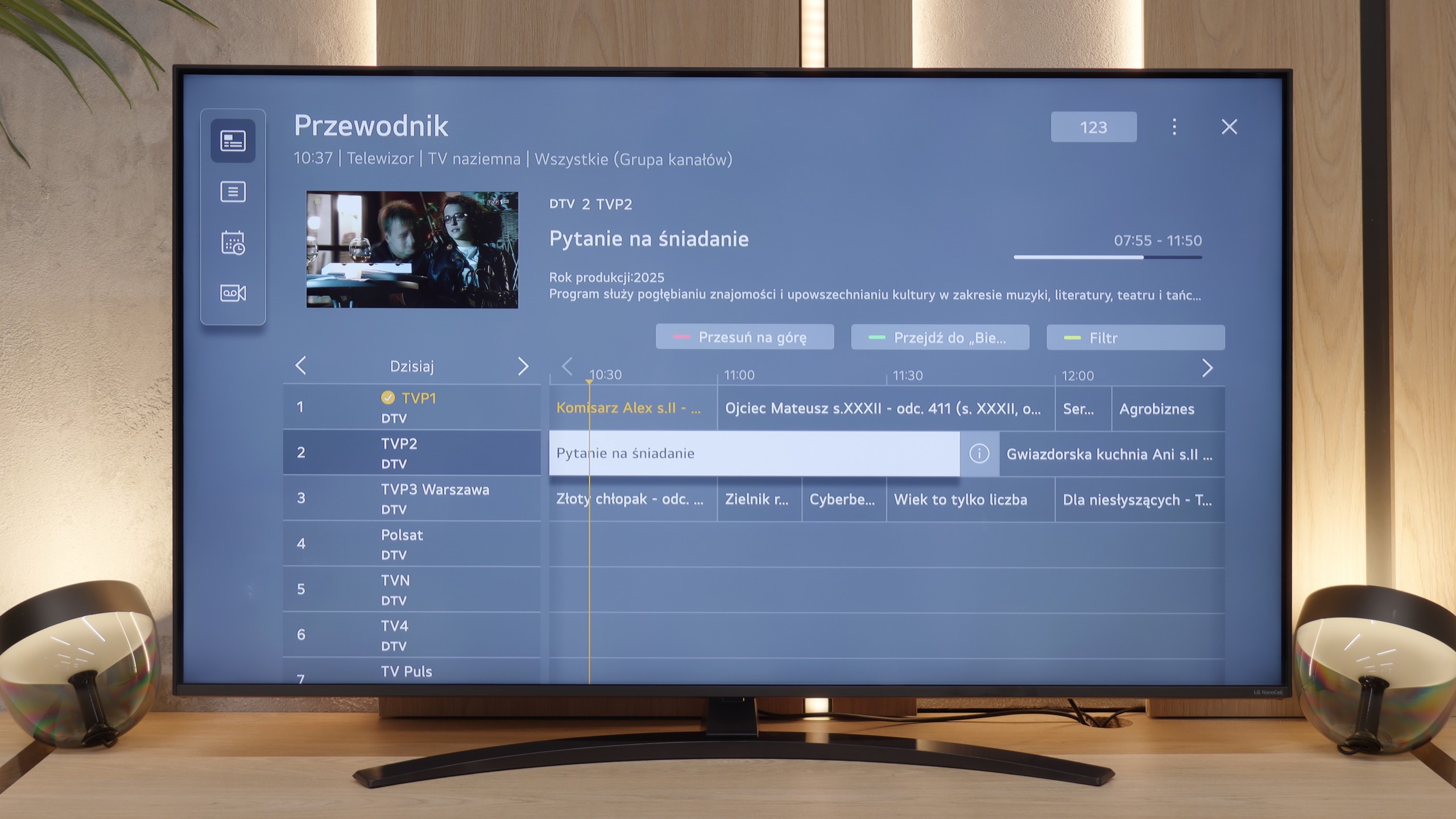
In terms of features that we would call “classic,” the NANO81A relies on tried-and-true standards. It is not a multimedia powerhouse that will surprise you with exotic additions, but in everyday television use, it performs flawlessly. The operation of traditional terrestrial or cable television, including even the old good Teletext, is correct and intuitive. Wireless communication also deserves praise. The Bluetooth module works very reliably, allowing for quick and stable connections to a game console controller or wireless headphones and speakers. It’s simply a television that “works” – it is stable, predictable, and does not cause unnecessary complications in daily use.
Apps
9.6/10
9.1/10






















Playing files from USB
8.3/10
8.2/10
Supported photo formats:
Maximum photo resolution:

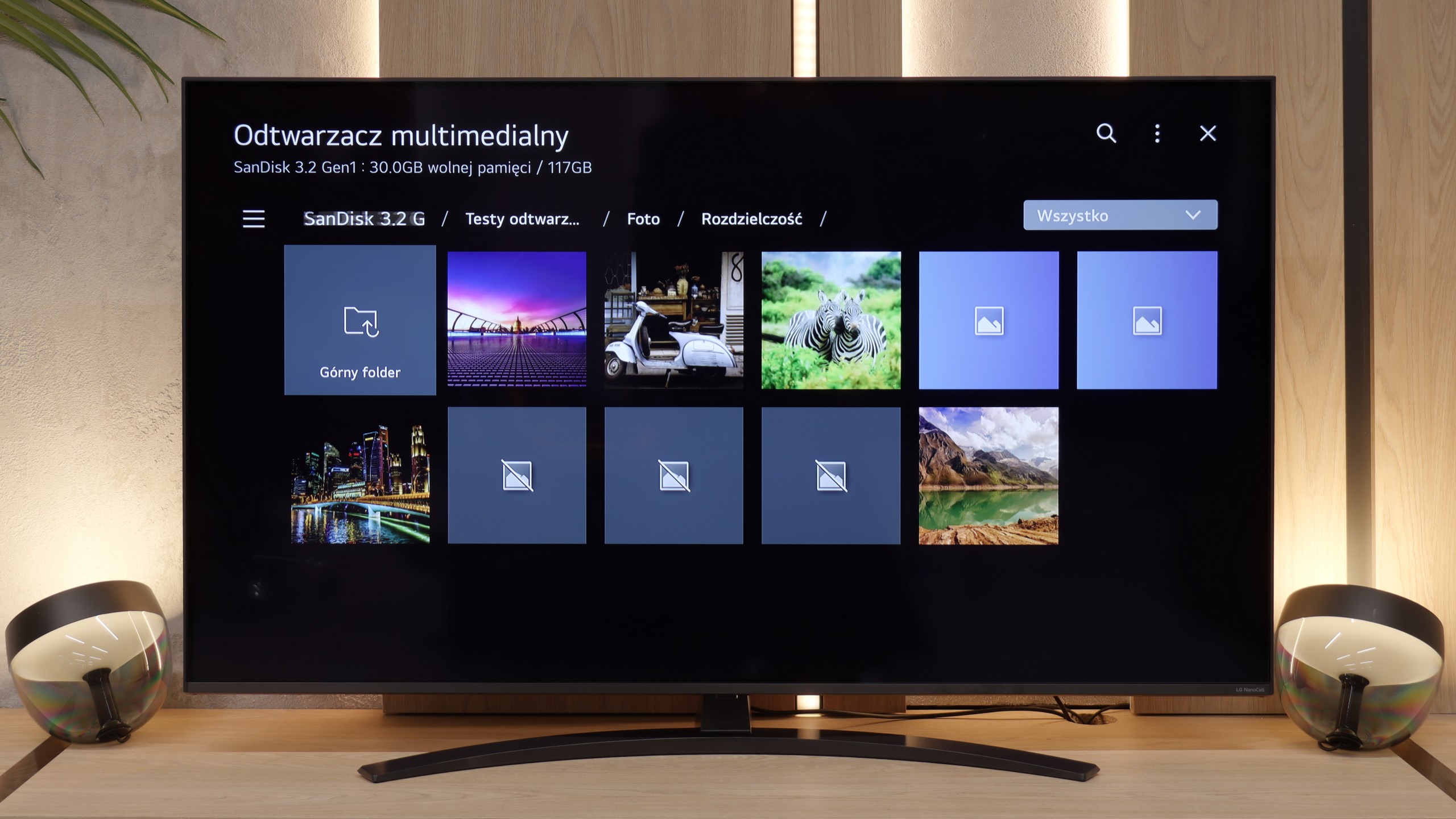
Thanks to the built-in player, the TCL C655 / C69B TV is capable of playing most file formats found on external storage, making it a versatile tool for consuming media. However, there may be some limitations in handling certain formats, which can be a hassle for more demanding users. Fortunately, the Google TV system allows the installation of other media players from Google Play, which helps eliminate compatibility issues. This gives users the option to choose applications that best meet their needs, significantly increasing the functionality of the TV.
Many users still rely on their own USB drives to display movies or photos on a large screen. In this respect, the NANO81A performs quite decently – the built-in player supports a wide range of video and audio codecs, so most movie libraries will fire up "straight away". However, it's important to remember the specifics of the WebOS system. Since it is a closed environment, we are stuck with what the manufacturer has provided for us. There is no option to install alternative players (like the popular VLC), so if the system player can't handle something, there isn't much that can be done about it. During testing, we encountered a few specific limitations. Firstly, there is a lack of support for HEIC files. If you take photos with an iPhone and want to view them directly from a USB drive, the TV simply won't see them – it's worth changing the save format to JPG on the phone right away. We also noticed that the player struggles with processing very large graphic files. Photos with a resolution of around 20–28 Mpix may not load or may cause system errors. Aside from these exceptions, everyday multimedia handling is hassle-free.
Sound
6.6/10
6.2/10
- Maximum volume-81dB
- Dolby Digital Plus 7.1
- Dolby True HD 7.1
- Dolby Atmos in Dolby Digital Plus (JOC)
- Dolby Atmos in Dolby True HD
- DTS:X in DTS-HD MA
- DTS-HD Master Audio
The sound in TCL C655 / C69B is surprisingly good, especially for this class of device. The 2x10W speakers combined with a 15W Onkyo subwoofer (for sizes 55"+) offer surprisingly good sound quality, including noticeable bass. The sound remains clear across the entire volume range, although the high tones could be a bit clearer. The support for DTS audio format is also a plus.
In terms of audio, the LG NANO81A is surprisingly good compared to its higher-end brother, the QNED80A model. Interestingly, the NanoCell performs slightly better, likely due to its somewhat thicker casing. The increased volume allows for the extraction of any low-frequency nuances – while the bass may not be powerful, it is more clearly defined than in thinner constructions. However, one shouldn’t expect miracles. It’s still a standard 2.0 speaker setup with a total power of 20 W, so the overall sound characteristic remains similar to other models in this price range. The mid and high tones are decent, making dialogues in films and news programs clear. While this slight improvement in the lower registers is appreciated, for true home theatre or listening to music, it’s still worth considering the addition of even a simple soundbar.
Sound Quality Test
No sound test video
Acoustic Measurements
No acoustic data
81dBC (Max)
75dBC