Sony BRAVIA 9 is undoubtedly a top-tier product, and there’s no "but" about it, as this is a fact, not a thesis. It’s evident everywhere you look how much effort the manufacturer has put into perfecting the dimming algorithms, which undoubtedly perform their role to every possible degree. Thanks to this, we can enjoy an incredibly deep black and an amazingly vivid image. And since we’re talking about the picture and backlighting, one cannot help but mention the quality of HDR effects, which will brighten the room, enveloping us in over 2000 nits of peak brightness. Such a result certainly looks impressive on paper, but you have to trust us that it’s even better in person. The manufacturer, known for its meticulous approach to image quality, has once again endeavoured to ensure that its television faithfully reproduces what the film director intended to convey, and it has succeeded brilliantly. The Sony Bravia 9 also offers an excellent user experience thanks to the Google TV system. The interface is intuitive, and with a rich library of apps, we have access to countless contents that we can tailor to our own preferences. The integration with Google Assistant allows for quick and convenient searching of favourite movies, shows, or music, as well as controlling other smart devices in the home. It’s these kinds of solutions that make using the television not just a pleasure but also simplifies daily life. Unfortunately, not everything is perfect. The Sony Bravia 9 still has room for improvement, particularly regarding the HDMI port configuration. Sony BRAVIA 9 has only two HDMI 2.1 ports, one of which is eARC, that is a port for a soundbar or home theatre system. For such an expensive piece of equipment, one might expect four full HDMI 2.1 ports, and the lack of Picture-in-Picture (PiP) functionality is also a drawback that can be annoying. Despite these shortcomings, it’s hard not to notice just how exceptional this equipment is. It’s the first LCD television that can truly compete with OLEDs. Infinite contrast, fantastic picture quality, zero compromises — Sony BRAVIA 9 is nearly perfect. Excellent picture, modern technologies, attention to detail make every viewing experience one you won’t forget.
- Matching (Score) |
- Our verdict |
- TV appearance |
- Where to buy |
- Contrast and black detail |
- HDR effect quality |
- Factory color reproduction |
- Color reproduction after calibration |
- Smoothness of tonal transitions |
- Image scaling and smoothness of tonal transitions |
- Blur and motion smoothness |
- Console compatibility and gaming features |
- Input lag |
- Compatibility with PC |
- Viewing angles |
- Daytime performance |
- Panel details |
- TV features |
- Apps |
- Playing files from USB |
- Sound
Sony Bravia 9 (XR90) vs Haier Q80FUX
 Direct comparison
BRAVIA 9 / XR90


Panel type: LCD VA (wide viewing angle)
Resolution: 3840x2160
System: Google TV
Model year: 2024
Complete the survey to find out the result
Panel type: LCD VA
Resolution: 3840x2160
System: Google TV
Model year: 2025
Complete the survey to find out the result
Overall rating
8.8
5.8
 Movies and series in UHD quality
 8.4
5.9
 Classic TV, YouTube
 8.4
5.6
 Sports broadcasts (TV and apps)
 8.5
4.7
 Gaming on console
 9.2
6.7
 TV as a computer monitor
 7.6
6.0
 Watching in bright light
 9.5
4.8
 Utility functions
 8.8
5.6
 Apps
Apps 9.6
9.6
 Sound quality
 8.9
5.5
Complete the survey to find out what fits your preferences
Advantages

Amazing HDR material brightness results
Very good colour reproduction after calibration
Advanced motion smoothing system
Noticeable positive impact of the image processor
Faithfulness to the source material
Versatile GoogleTV operating system
Good (for a VA panel) viewing angles
Very good native contrast and decent black (thanks to the VA panel)
PFS / QLED Filter - Wide colour gamut (about 95% DCI-P3)
Remarkably low input lag (below 10 ms at 120Hz and about 12 ms at 60Hz), making it a great choice for fast-paced games.
Support for 120Hz at lower resolution (Full HD) and the presence of VRR and ALLM
Support for Dolby Vision
Well-functioning file player via USB
Presence of analogue headphone output (jack)
Disadvantages

Only 2 HDMI 2.1 ports - including one ARC
No picture-in-picture (PiP) feature
The image is quite "blown out" in HDR
Google TV software is full of bugs, poor translations, and issues
Lacks any image enhancement features (noise reduction, gradient smoothing)
Average brightness
Flat, bass-less sound
High input lag in Dolby Vision mode for gaming
Weird and not very ergonomic remote
Our verdict
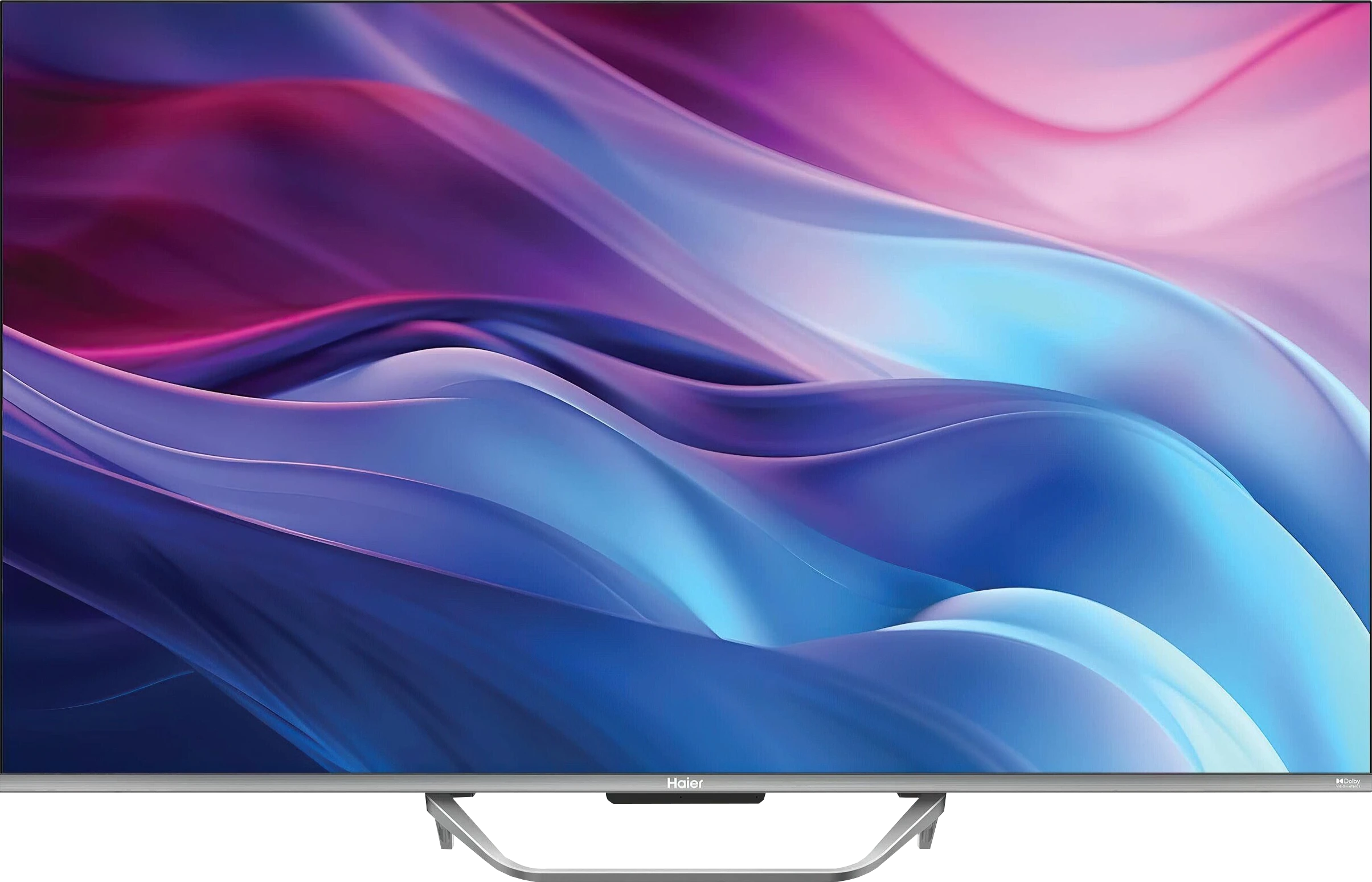
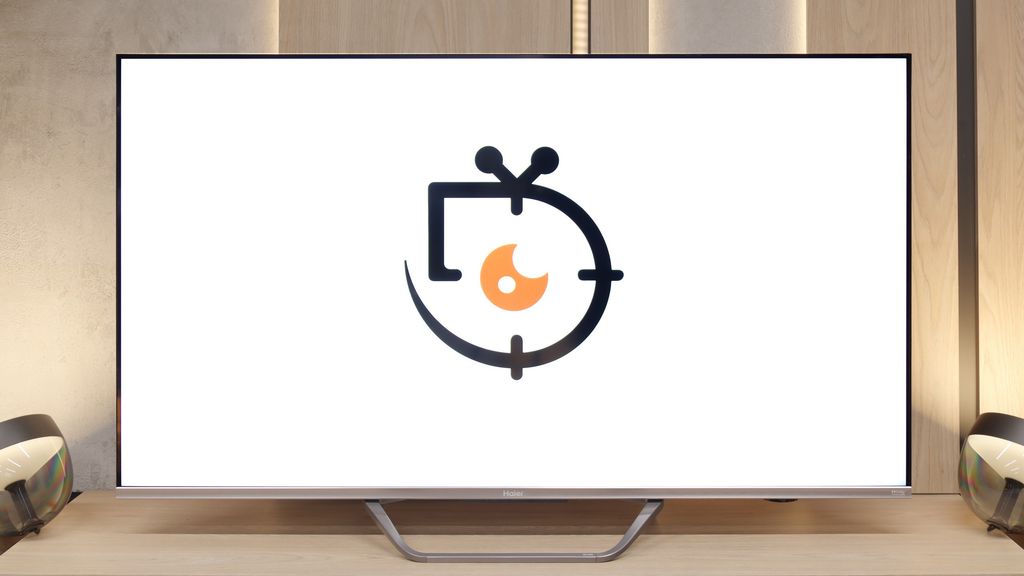
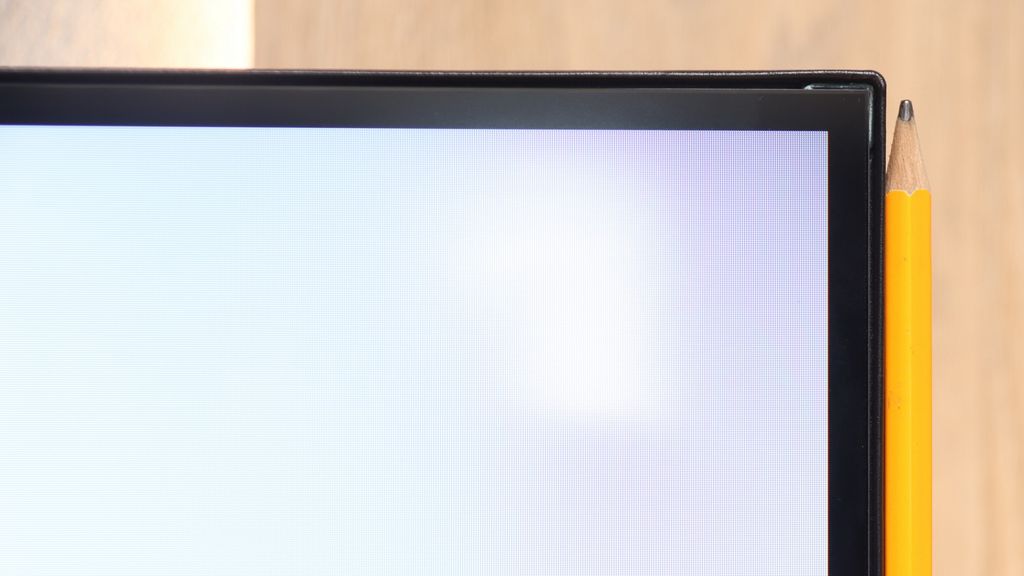
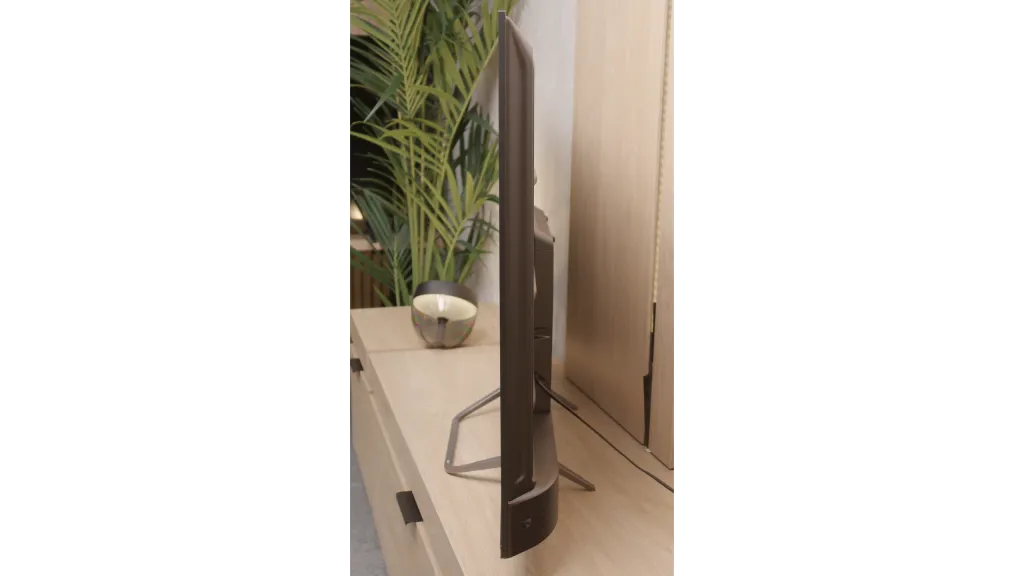
The Haier Q80FUX television is one of the most schizophrenic propositions we have had in our editorial office for a long time. On one hand, we have a solid piece of equipment: a VA panel guaranteeing deep blacks, as expected for this segment, and a QLED quantum filter that can indeed generate juicy, eye-catching colours. This is the foundation on which a truly competitive mid-range receiver could have been built. Unfortunately, all this potential of the matrix is systematically undermined by the software, which is a real anchor for this model. The biggest Achilles' heel of the Q80FUX is its total capitulation in dealing with HDR10 materials. The electronics seem to completely misunderstand how to interpret the signal, resulting in it consistently blowing out the brightest parts of the image, turning them into a flat, milky spot. Adding to this is the Google TV system, which – while functional – is unstable, full of bugs and annoying oversights, giving us an image of a raw product that clearly reveals the producer's lack of experience. Just when we were about to write this model off, we discovered its surprising niche. After connecting a console, the Q80FUX undergoes a transformation. It turns out that this television offers remarkably low input lag, fully supports VRR, and can handle a 120Hz signal in Full HD resolution. In the gaming world, where responsiveness is everything, these parameters put it in a very good light. So we are dealing with a device of very narrow specialization. It is not a universal living room television – it lacks stability and, above all, any correctness in handling films. It is rather a budget, large-format monitor for gamers, who can consciously forgive it all the software flaws in exchange for those few key attributes for console/PC at a relatively affordable price.
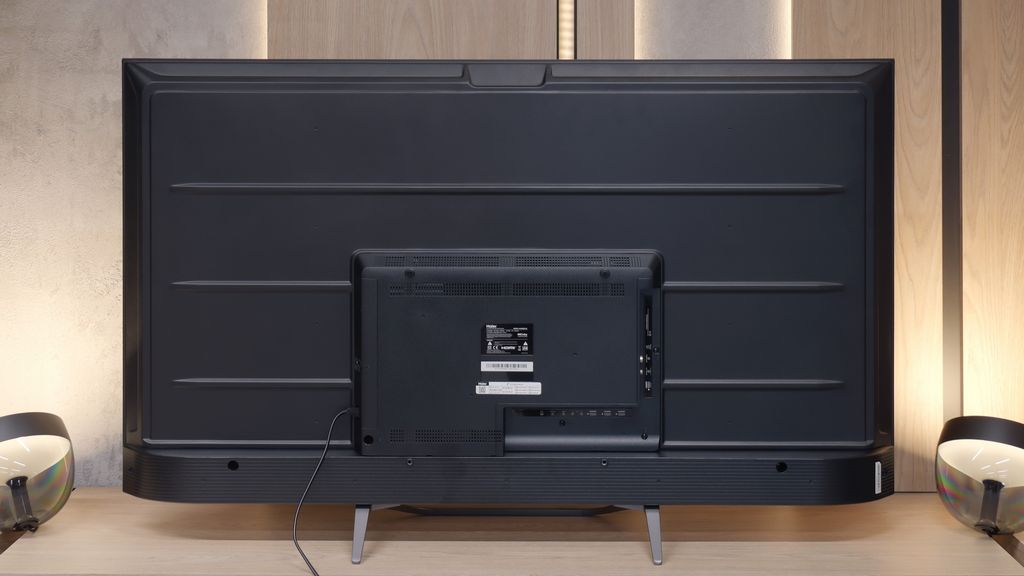
TV appearance



Contrast and black detail
8.6/10
6.3/10
Local dimming function: Yes, number of zones: 1920 (60 x 32)
Local dimming function: No
Contrast:


Result
184,000:1

Result
98,500:1

Result
120,000:1

Result
9,050:1

Result
5,800:1
Result
5,200:1
Result
7,400:1
Result
7,550:1
Result
7,300:1
Result
6,450:1
Halo effect and black detail visibility:

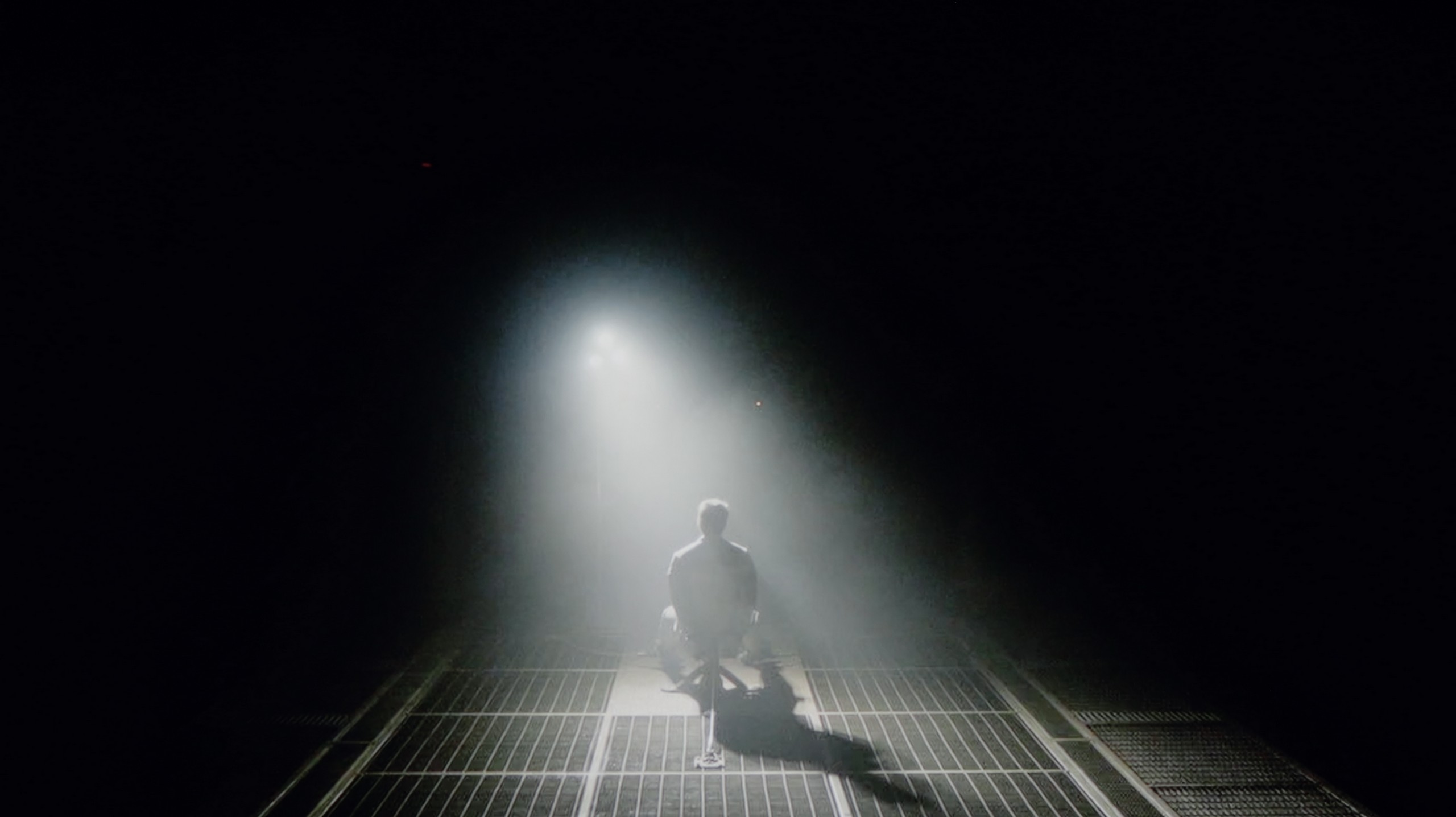
Check the visibility of bright lights on a dark background. Mini-LEDs often struggle with this. The photo does not compare black levels – that’s what the video below is for.
Similarly, the Sony Bravia 9 utilises a high-contrast VA panel, supported by a backlight made up of Mini LED diodes. The total number of zones for the 75" size we tested was 1920. Combining such a number with advanced, and one might boldly say — the best zone dimming algorithms delivers excellent results in contrast and black levels. Practically every scene can display an incredibly deep and immersive image. Of course, the last two won't give us blacks akin to OLED televisions, however, it's fair to say that the results are not weak, as a significant portion of competing TVs will not provide such a faithful representation of the director's vision. Looking below at two test scenes from the Sony Bravia 9 from the film Oblivion and Sicario 2, we can observe very mature behaviour of the backlight algorithms, which ensure that blacks are maintained without sacrificing the original image. Of course, the blooming effect still occurs here due to the operation of the TV's zones (it can be observed on the small lights on the helicopter), but it is definitely one of the best LCD TVs we have had the opportunity to test in terms of black levels and contrast.
I must admit that approaching a TV in this price range, one instinctively crosses their fingers, hoping that at least the black won't be a grey blotch. Meanwhile, the Haier Q80FUX, specifically the 55-inch unit we have in our office, can pleasantly surprise in this regard. Its secret lies in the use of a VA panel, which tends to generate high contrast by nature. And these are not empty promises. During screenings, in the majority of film scenes, the contrast reported itself at levels ranging from 5000:1 with commendable regularity, often reaching as high as 8000:1. These are really strong results, considering the fact that this TV has no, not even minimal, form of local dimming. Translating this into couch-side experiences: for its price point, the Q80FUX offers solid black levels. Of course, it isn’t that perfectly velvety depth that makes the screen disappear into darkness. When we conduct a viewing in total light isolation, we can see that in the darkest parts of the image, the black betrays its budget origins, subtly shifting towards a bluish glow. However, this is a defect that is easy to mask – just a bit of light from a lamp in the corner of the room is enough for this nuance to become invisible, and the image regains a satisfying depth.
HDR effect quality
8.6/10
4.9/10
Luminance measurements in HDR:

Result
2199 nit

Result
1700 nit

Result
1717 nit

Result
1751 nit

Result
1741 nit
Result
308 nit
Result
327 nit
Result
352 nit
Result
330 nit
Result
344 nit
Scene from the movie “Pan” (about 2800 nits)

Scene from the movie “Billy Lynn” (about 1100 nits)


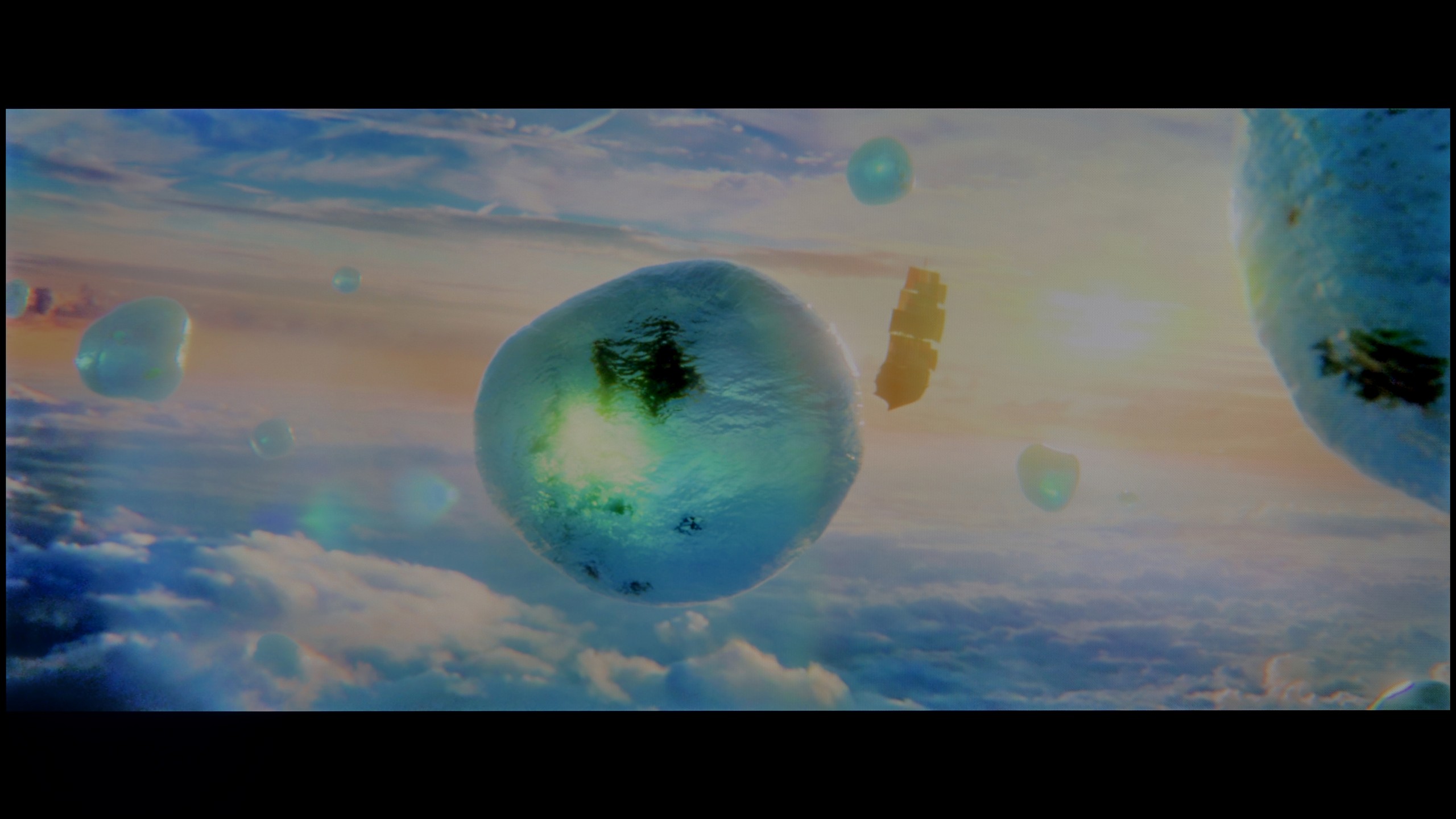
The photos show two HDR10 movies. 'Pan' is one of the brightest productions ever made, while 'Billy Lynn' (soldier) has brightness typical of streaming (Netflix, Prime, HBO MAX). Notice the intensity of effects and detail in whites.
Static HDR10


The photos present the visibility of white details in various HDR formats. They do not show brightness differences between TVs (these can be compared in the previous gallery).
Dynamic: Dolby Vision
Dynamic: Dolby Vision


The photos present the visibility of white details in various HDR formats. They do not show brightness differences between TVs (these can be compared in the previous gallery).
HDR luminance chart:
Haier Q80FUX
Sony Bravia 9 (XR90)
The brightness measurement results on the Sony Bravia 9 are phenomenal. Each scene achieves well over 1500 nits, and while watching movies, the TV can sometimes shine even brighter. It goes without saying that such brightness allows for unprecedented experiences and engagement with video material at the highest possible quality. With a high coverage of the DCI-P3 colour gamut, the image is full of colours and, combined with such high luminance, it practically breathes. Thanks to the high peak brightness, viewers can enjoy the full spectrum of colours even in the most difficult scenes, such as those based on dynamic lighting changes. The Bravia 9 supports Dolby Vision and HDR10 formats, which further enhances the viewing experience.
Alright, let's move on to the topic that really sparks discussions, which is the capabilities of the TV in HDR mode. Let's be clear from the start: the Haier Q80FUX is certainly not a brightness demon. The panel of this set can generate about 350 nits at peak, which in today's reality is an absolute minimum to even talk about the presence of HDR expanded dynamic range. On the plus side, this brightness is at least stable – regardless of the test pattern or film scene we used, measurements consistently hovered around 300-350 nits. These are at best adequate results, definitely far from the dazzling display of capabilities that we know from more expensive models. Fortunately, there is one aspect where the Q80FUX makes up for these shortcomings and does so considerably. We are talking about a QLED TV (or more precisely PFS LED), which means that thanks to the quantum dot filter used on the panel, it can generate truly juicy, vibrant colours. These are not empty promises – covering nearly 95% of the DCI-P3 colour gamut is an impressive result and directly translates into very pleasant, saturated colours for the eye.
Factory color reproduction
8.1/10
4/10


This gallery shows how colors change after professional TV calibration. If you notice the difference, we recommend ordering this service at SkalibrujTV.com.
Factory Mode
After calibration
The best factory mode on Sony televisions has remained "IMAX Enhanced" for years. This is what we used throughout the entire testing procedure. Despite being the closest to the reference compared to other predefined options, it has a number of aspects that can be improved to make viewing even more enjoyable. When we look at the gamma in SDR materials, we notice quite a significant boost that is related to over-contrasting the image. It is worth noting that the very beginning of the graph has an even greater spike compared to the reference, which leads to the merging of details in the blacks, creating a uniform blob. The EOTF curve in HDR content looked quite accurate and only showed slight deviations from the reference. However, a common characteristic for both was: a greenish tint in the white balance, issues with greys, and general colour misalignment. The most noticeable issue was related to the uneven distribution of colours in the white balance. Due to the excess of the aforementioned colour, the image was covered with an unpleasant greenish tint.
Factory settings for movie mode are seldom perfect, but in the case of the Q80FUX, we encountered a noticeable imbalance. In SDR content, the image was definitely too warm, due to an excessive amount of red in the white balance, giving the overall picture a slight sepia tone. Conversely, in HDR materials, the television fell into the other extreme – an excess of blue caused an unnatural, cool effect in perception. However, it wasn't the fickle white balance that was the biggest issue with this TV. The real culprit, responsible for the previously described problems, was hiding deeper. It turned out that the Q80FUX has completely miscalibrated gamma values and, crucial for HDR, a poorly executed EOTF curve. It was these erroneous factory settings that caused the notorious clipping of the brightest parts of the image, imposing that characteristic milky filter over them. Thus, we found the source of the problem. This situation led to general, significant colour inaccuracies that were easy to catch even for an untrained eye. Like every television we tested, we decided to calibrate this model as well, and you can find the results of these adjustments in the next paragraph.
Color reproduction after calibration
9.3/10
6.1/10

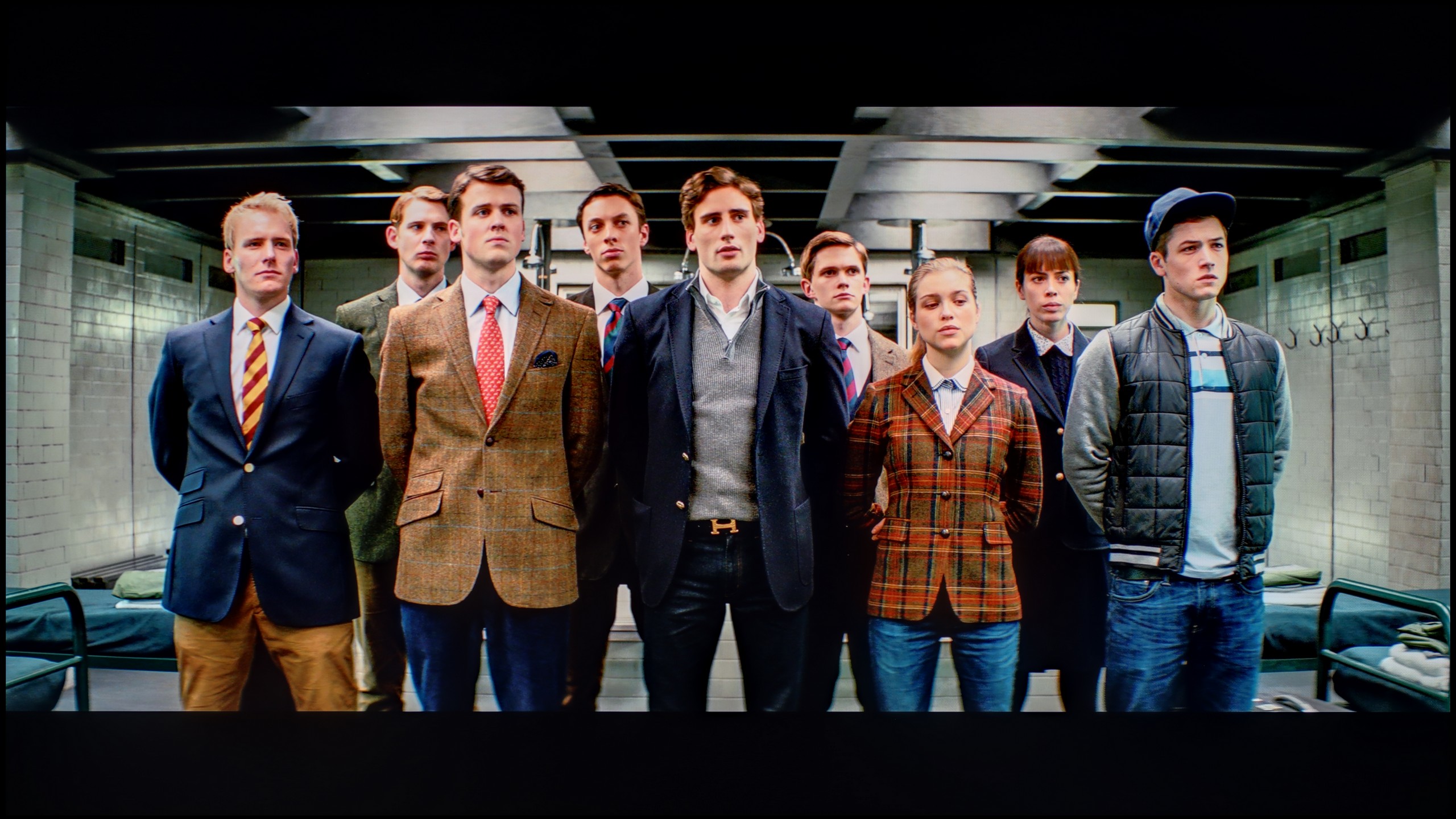
The photos show how movies look on the TV. Pay attention to black detail visibility, colors, and shadow tint.


The photos show how movies look on the TV. Pay attention to black detail visibility, colors, and shadow tint.
The colour reproduction after the calibration process should be regarded as excellent. Regardless of the signal, whether it's SDR or HDR, we can expect an image incredibly close to what the film director saw. Practically every image flaw has been modelled and maximally improved. This was made possible by the advanced tools used for the calibration process, which Sony has provided in its televisions for years, including 2- and 20-point grey scale adjustment and a very elaborate CMS.
The results of our calibration procedures must, unfortunately, be regarded as twofold. Generally speaking, the picture is undeniably better than before the adjustments; however, the biggest winner of this process has been SDR content. It is precisely here, after correcting the gamma curves and white balance, that we achieved results that can safely be called very good. Once set up, the Q80FUX truly shines in standard dynamic range, displaying only slight errors in the most challenging skin tones. Unfortunately, the weakest link remains HDR content. And here's the paradox: even though we managed to calibrate the white balance to near perfection, the overall colour errors still remain at quite a high level. The reason is that the television still interprets the static HDR10 metadata "in its own way," stubbornly enforcing that unfortunate image clipping effect, which inevitably leads to significant distortions. Although we successfully eliminated the factory excess of blue, due to this electronic interference, the screen can still veer into somewhat too cool tones. That’s just how this television is.
Smoothness of tonal transitions
7.1/10
7.5/10


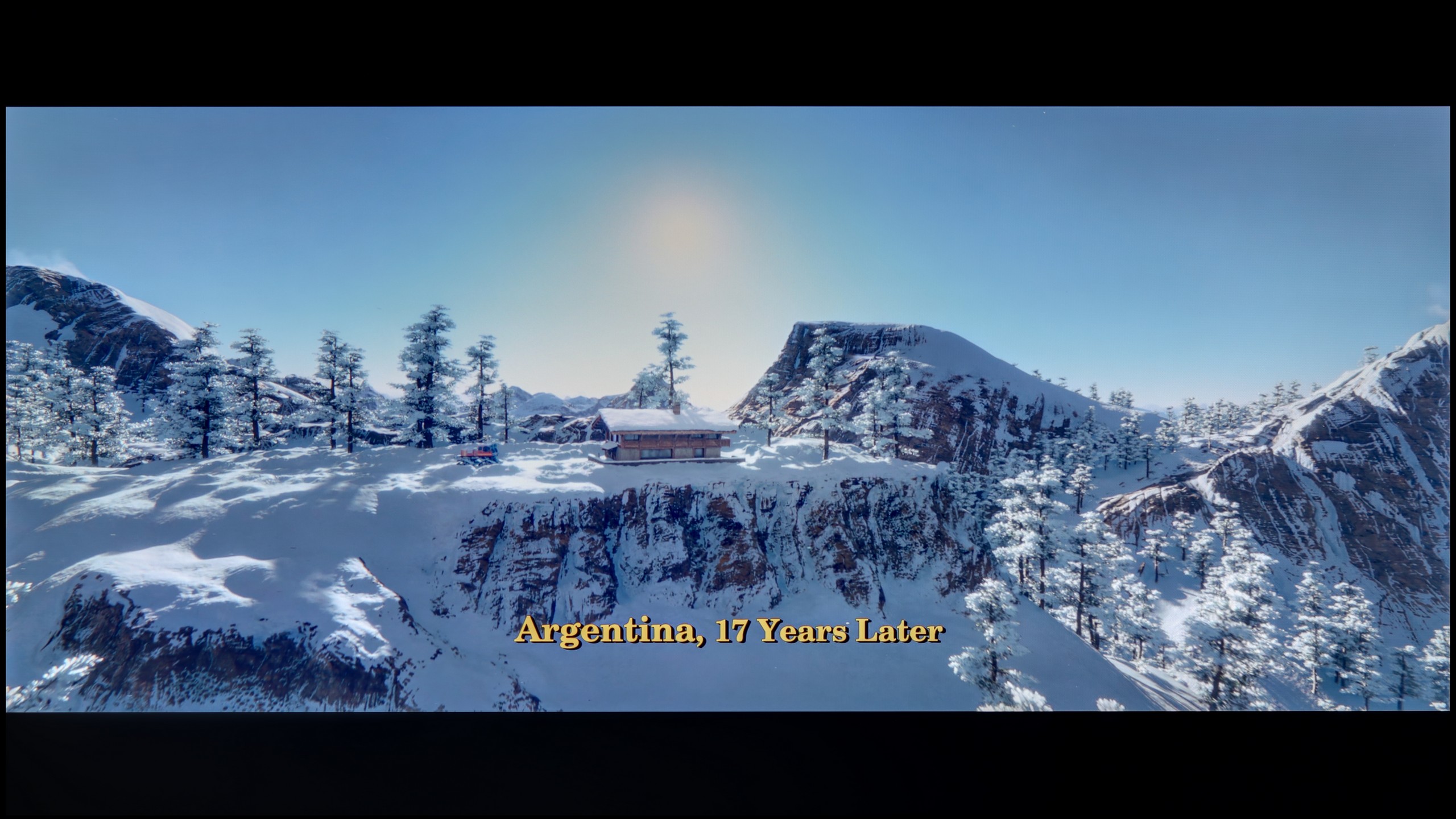
These are selected scenes that show smooth tonal transitions from one color to another. If you see distinct banding, it’s the TV panel’s fault.
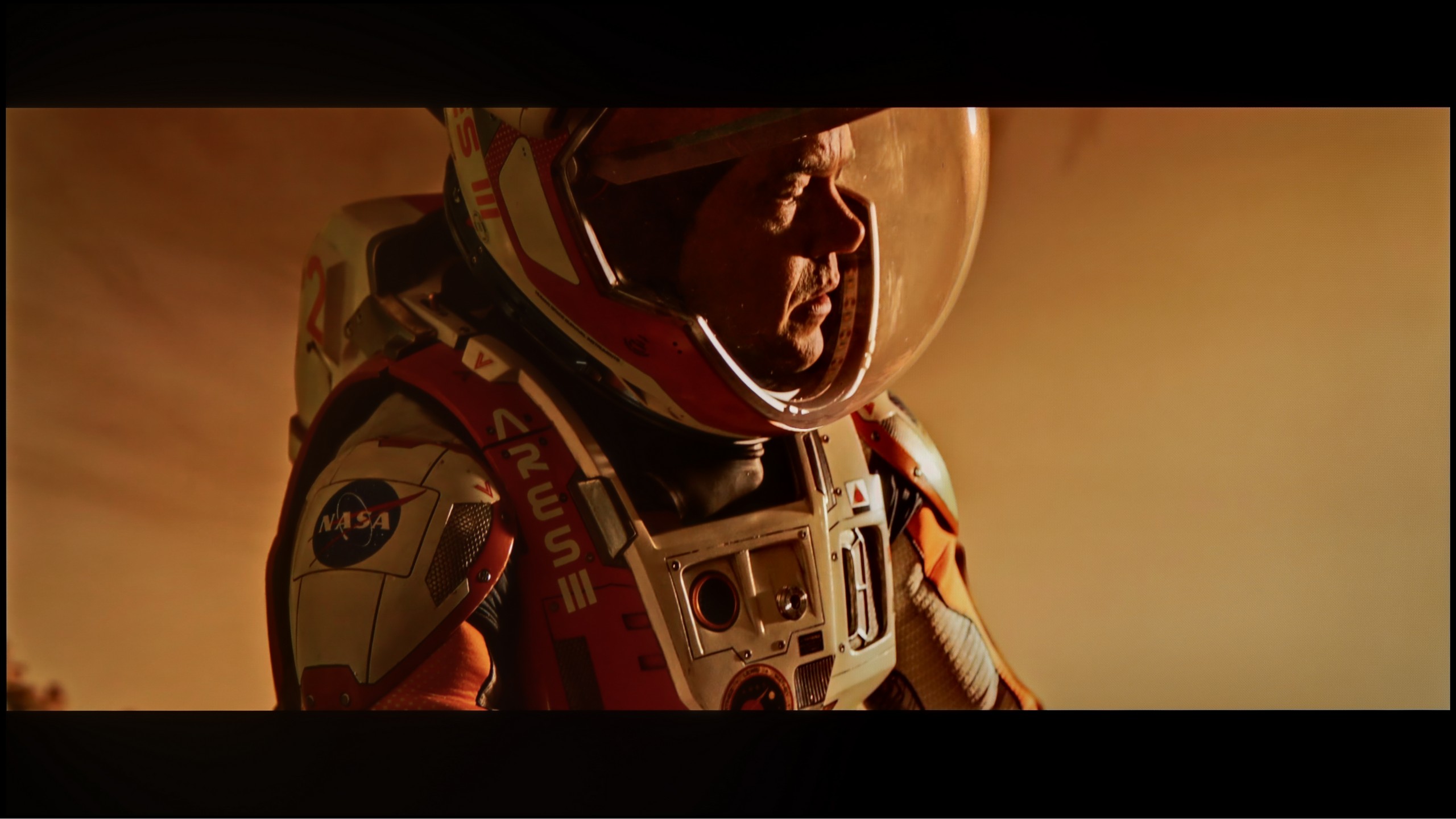
These are selected scenes that show smooth tonal transitions from one color to another. If you see distinct banding, it’s the TV panel’s fault.
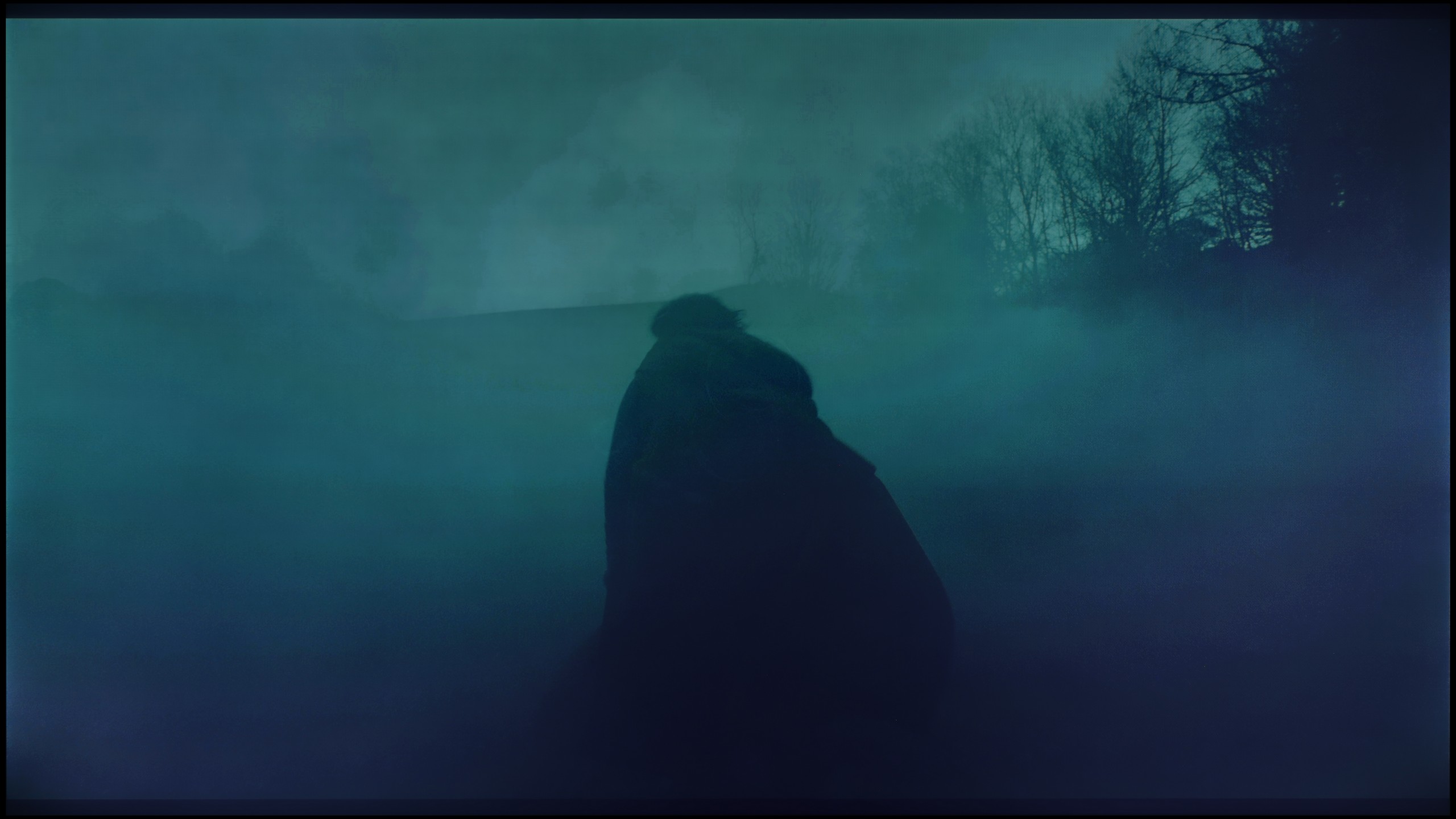
These are selected scenes that show smooth tonal transitions from one color to another. If you see distinct banding, it’s the TV panel’s fault.
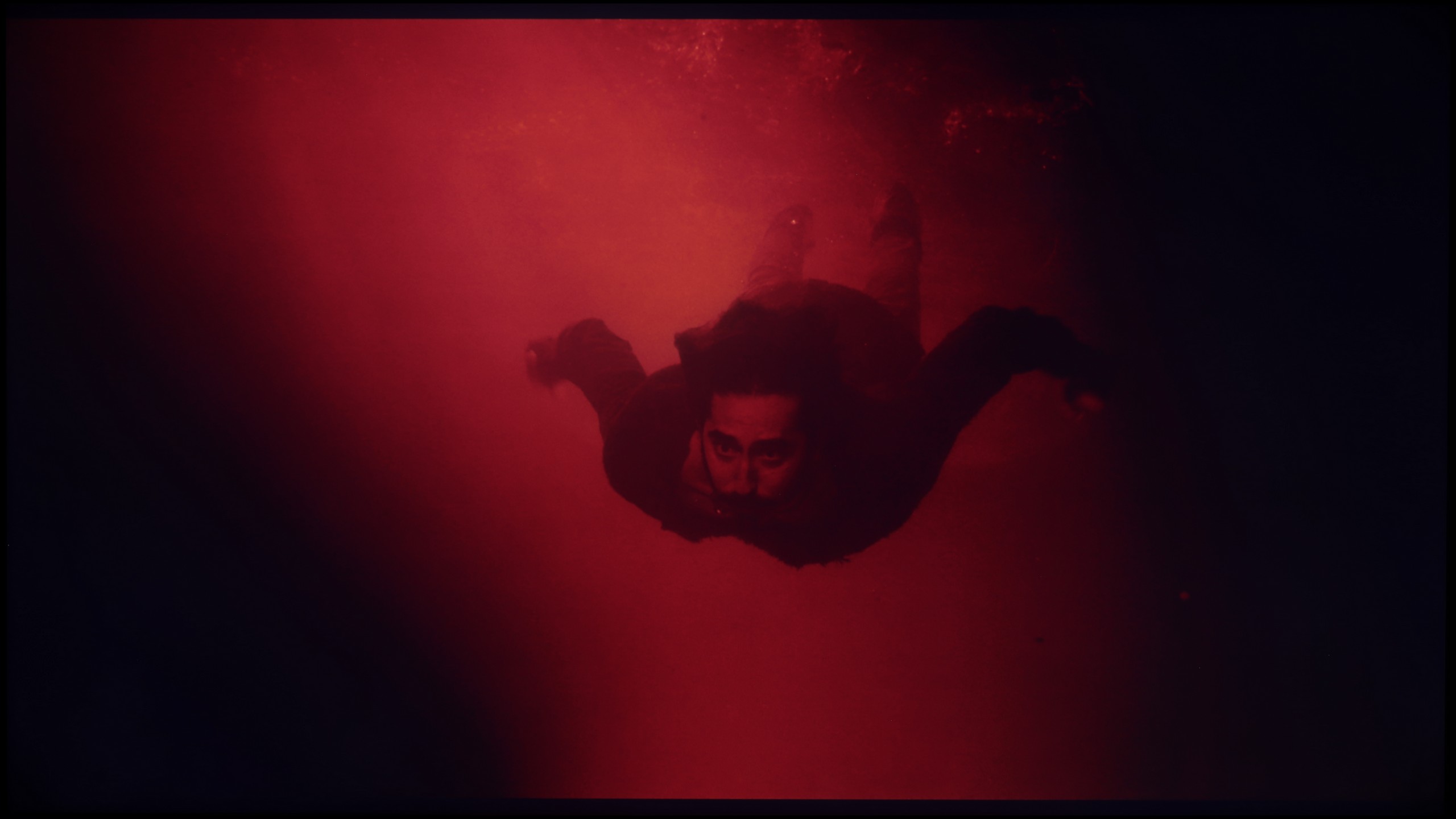
These are selected scenes that show smooth tonal transitions from one color to another. If you see distinct banding, it’s the TV panel’s fault.
The default quality of gentle gradation, i.e. without the enhancement feature activated, is fairly average, considering the price range and class of the device. The issue isn't noticeable with very bright backgrounds, but it's quite prominent on dark ones. This is perfectly illustrated by the last two test scenes, where tonal transitions are apparent and may cause discomfort to image purists.
Analysing the ability of the television to handle subtle tonal transitions, or "banding", leads us to some interesting conclusions. The Haier Q80FUX seamlessly blends adjacent colours in most scenes, creating a smooth, cohesive image. However, this process is not without its flaws. During our tests, we noticed minor issues and imperfections in each of the test scenes we used. These may not be errors that aggressively jump out and ruin the viewing experience, yet their presence is worth noting. Interestingly, this receiver does not exhibit any particular weaknesses or strengths in this regard – it handles this challenge in exactly the same way, regardless of whether it is displaying delicate gradients of a bright sky or dark transitions in shadows.
Image scaling and smoothness of tonal transitions
8.5/10
4/10


Smooth transition function

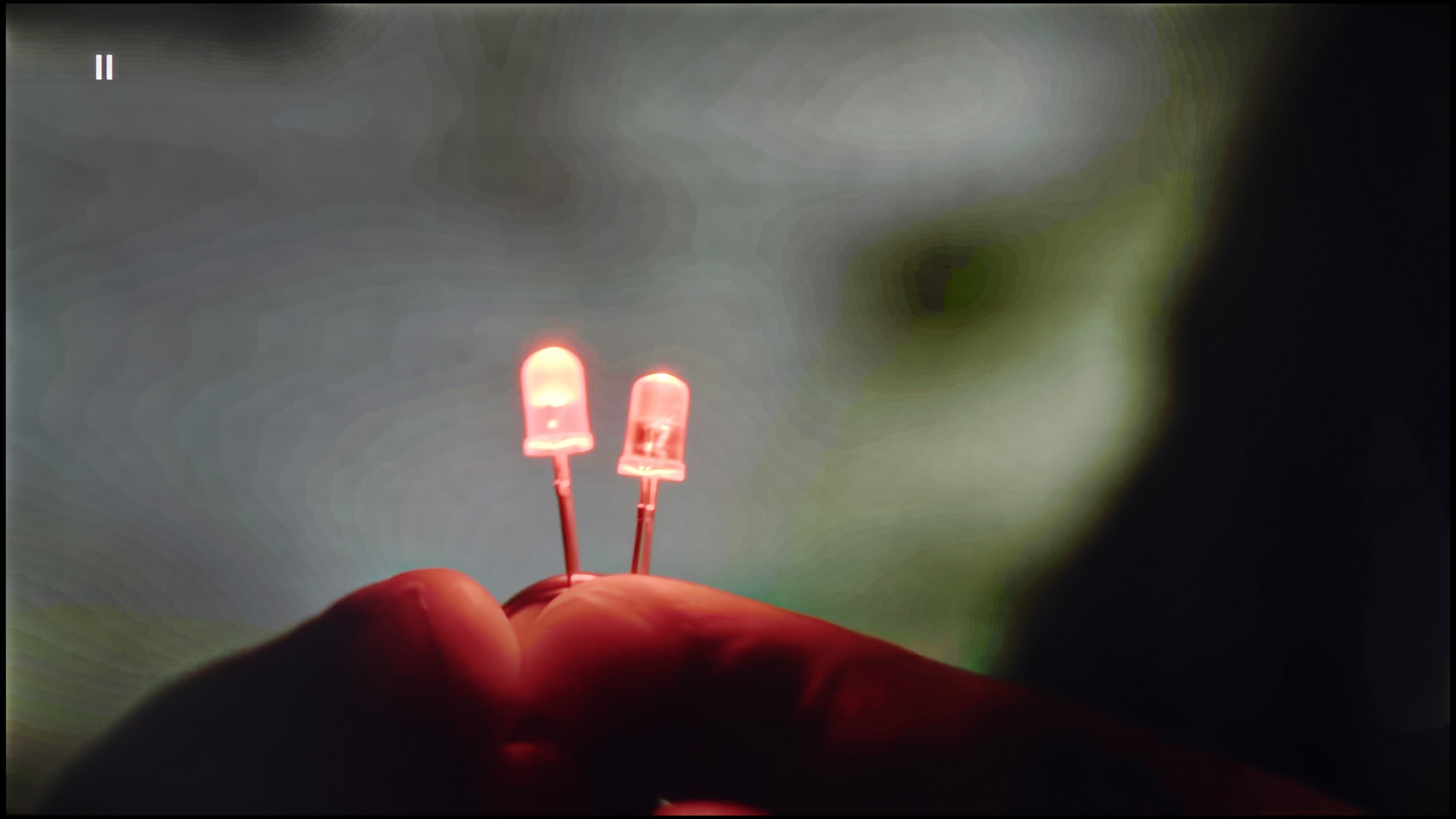
The match photo shows how the TV smooths weak tonal transitions in low-quality video.
Image scaling SD (576i)


The model photo shows how it handles upscaling of SD material.
Let's take another look at the quality of tonal transitions, but this time we will analyse the quality of image scaling, which will be crucial when watching lower quality materials. We'll start with the function responsible for the quality of tonal transitions. While they are quite average by default, after activating the option, even at the smallest degree, we can confidently say that these are some of the better ones we've seen. You can confidently enable this function, as it does not cause any negative phenomena, such as grain blur.
Sony has been boasting for several years that its "XR" processor is unmatched when it comes to image scaling. And it's not hard for us to believe that, because the image is indeed incredibly sharp, yet very natural.
If there's one area where Haier clearly shows it still has a lot to catch up on compared to the market leaders, it's digital image processing. The upscaling, well... it's just okay. And that's really all that can be said about it. It does what it's supposed to do: ensures that lower resolution signals don't scare you with harsh pixelation on the screen and don't look like a forcibly enlarged postage stamp. However, it's far from the finesse and "intelligent" sharpening that more experienced players in this market have developed over the years. The biggest issue with the Q80FUX software is the almost complete lack of additional "cleaning" and smoothing features for the image. The receiver offers no noise reduction mechanisms or gradient enhancement. This means that with older or highly compressed materials, we simply have to accept that all the imperfections in tonal transitions or colour blending, which we mentioned earlier, will constantly accompany us during viewing.
Blur and motion smoothness
8.5/10
4.5/10

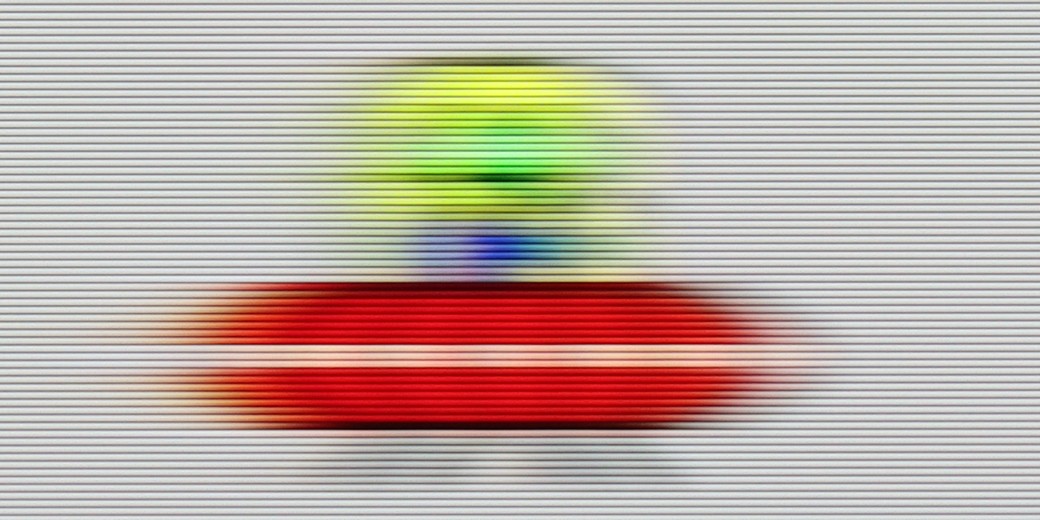
Blur (native resolution, maximum refresh rate):


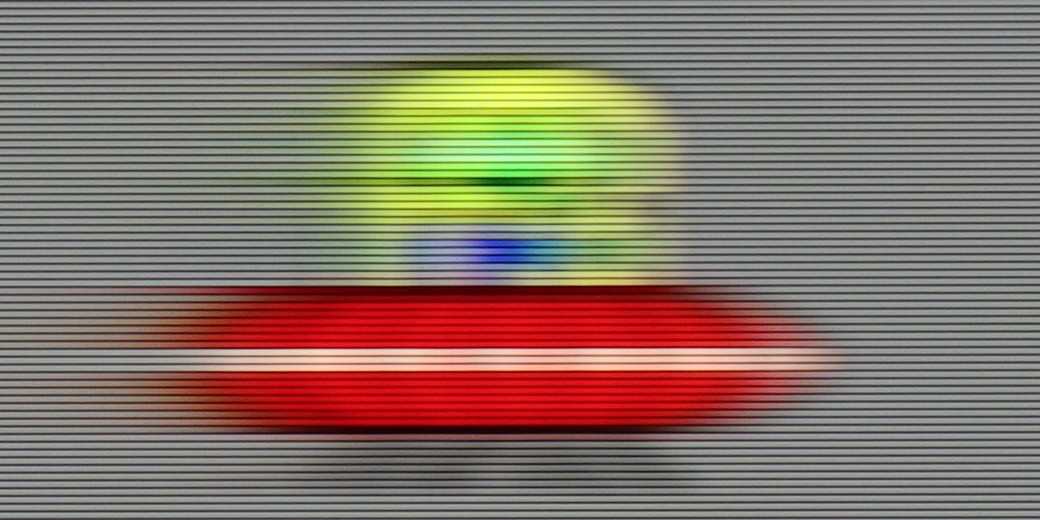
Blur (BFI function enabled):


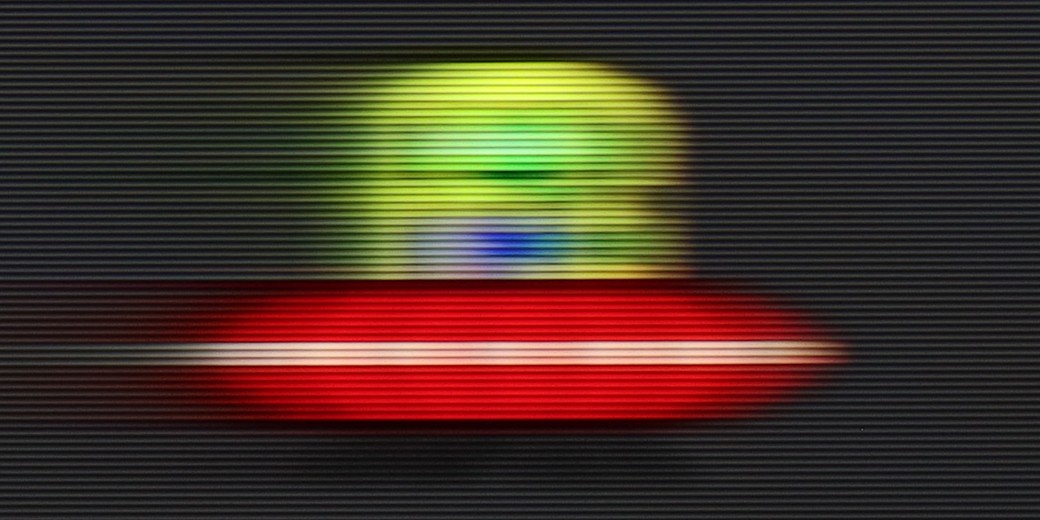
The maximum refresh rate of the Sony Bravia 9 is 120 Hz. This is the essential minimum for watching primarily sports or content that has a lot of movement dynamics while maintaining a sharp and smooth image. For demanding users, the manufacturer has implemented a very advanced smoothing system, which is divided into three segments: Smoothness (Film), Smoothness (Camera), and Clarity. The first two correspond to: blur degree and smoothing degree, respectively. The third option will be described in more detail below. Additionally, we can adjust all settings to various levels, each of which will have an effect, ensuring that we can find our very own sweet spot. In the photo, we present a setting with slight smoothing, without the soap opera effect.
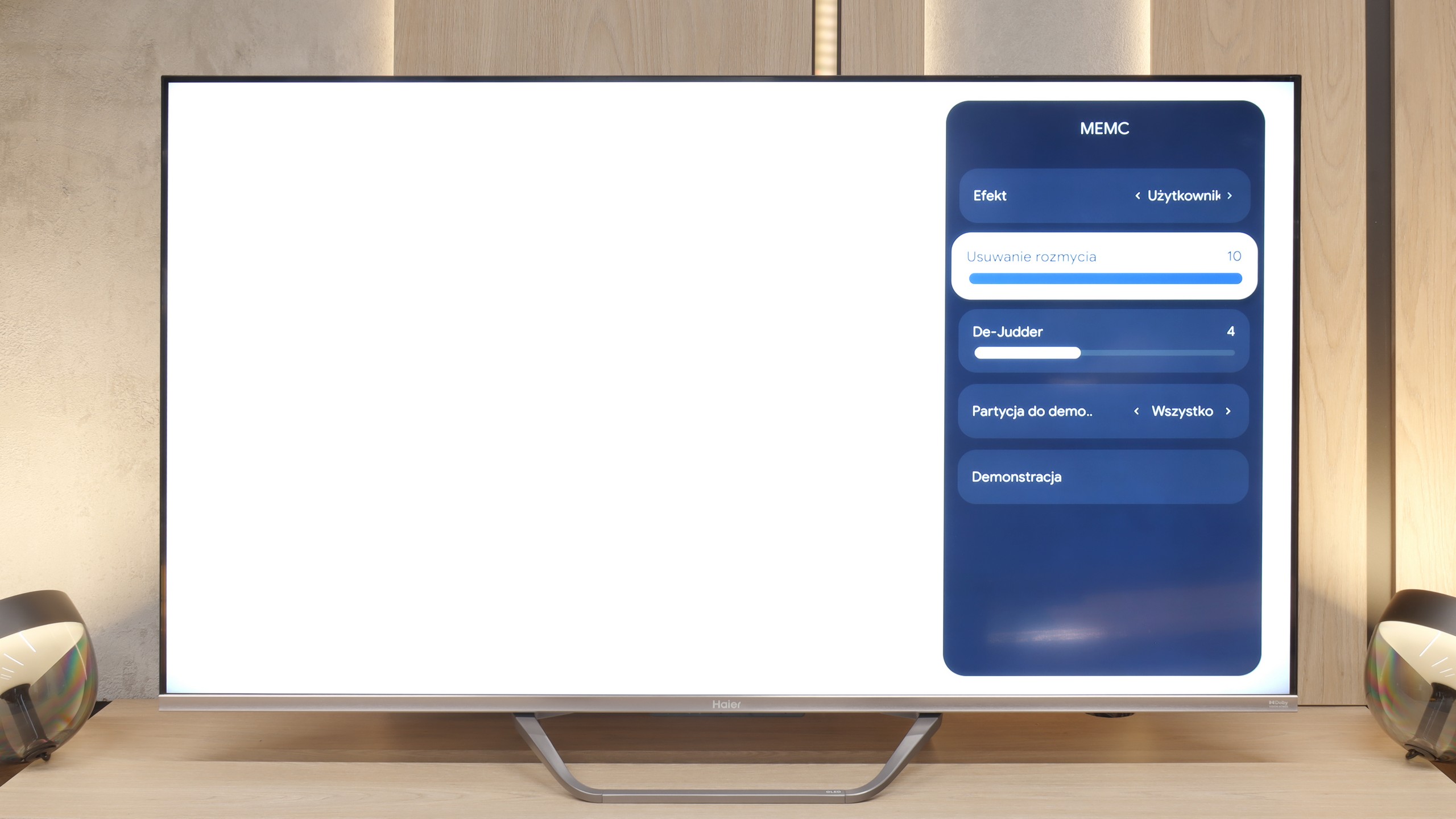
The issue of motion fluidity and blurring is largely predetermined by the use of a 60Hz panel, which naturally makes it difficult to recommend this receiver to enthusiasts of very dynamic content. Fortunately, in the Q80FUX, we find a few options (although, as will soon become clear, really just one) intended to enhance the experience with older film productions. There is a "De-Judder" slider available, which indeed affects motion fluidity and allows us to adjust it to our preferences: from raw, cinematic frame rates to a more theatrical, smoothed presentation. However, a true surprise awaits us right next to it in the menu. There is also a second slider, supposedly dedicated to removing blur – this is a feature we typically encounter in 120Hz panels, aimed at combating blurring in sports. As we expected, recalling memories from testing the K85F model, here too this slider is merely a façade. Its adjustment contributes absolutely nothing to the picture and simply seems to be an oversight by the product engineers who left a non-functional option in the software for this type of panel.
Console compatibility and gaming features
9.4/10
5.6/10
- ALLM
- VRR
- VRR range48 - 120Hz48 - 120Hz
- Dolby Vision Game Mode
 Yes, high input lag
 - Correct implementation of HGIG
- 1080p@120Hz
- 1440p@120Hz
- 4K@120Hz
- Game bar

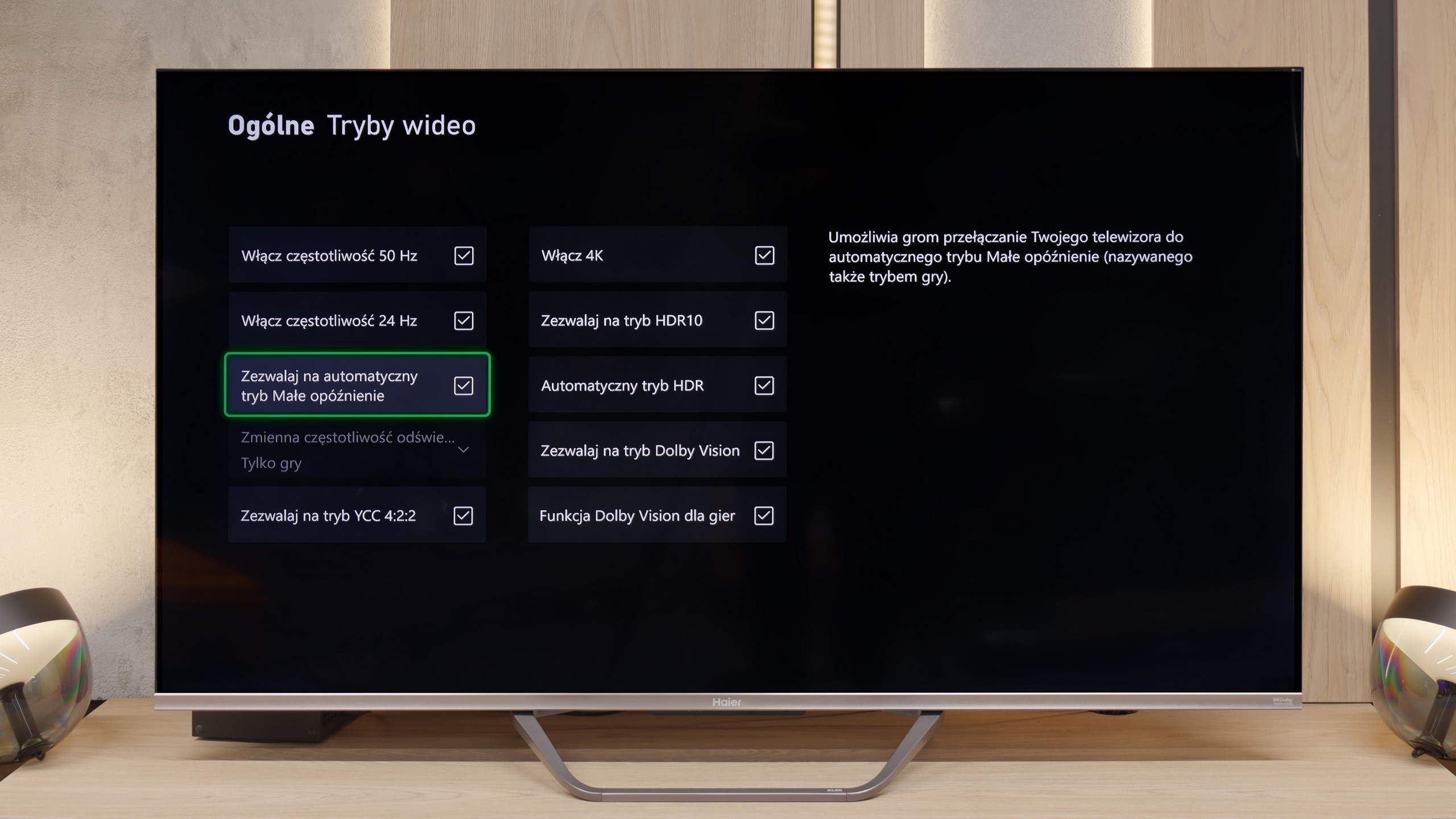

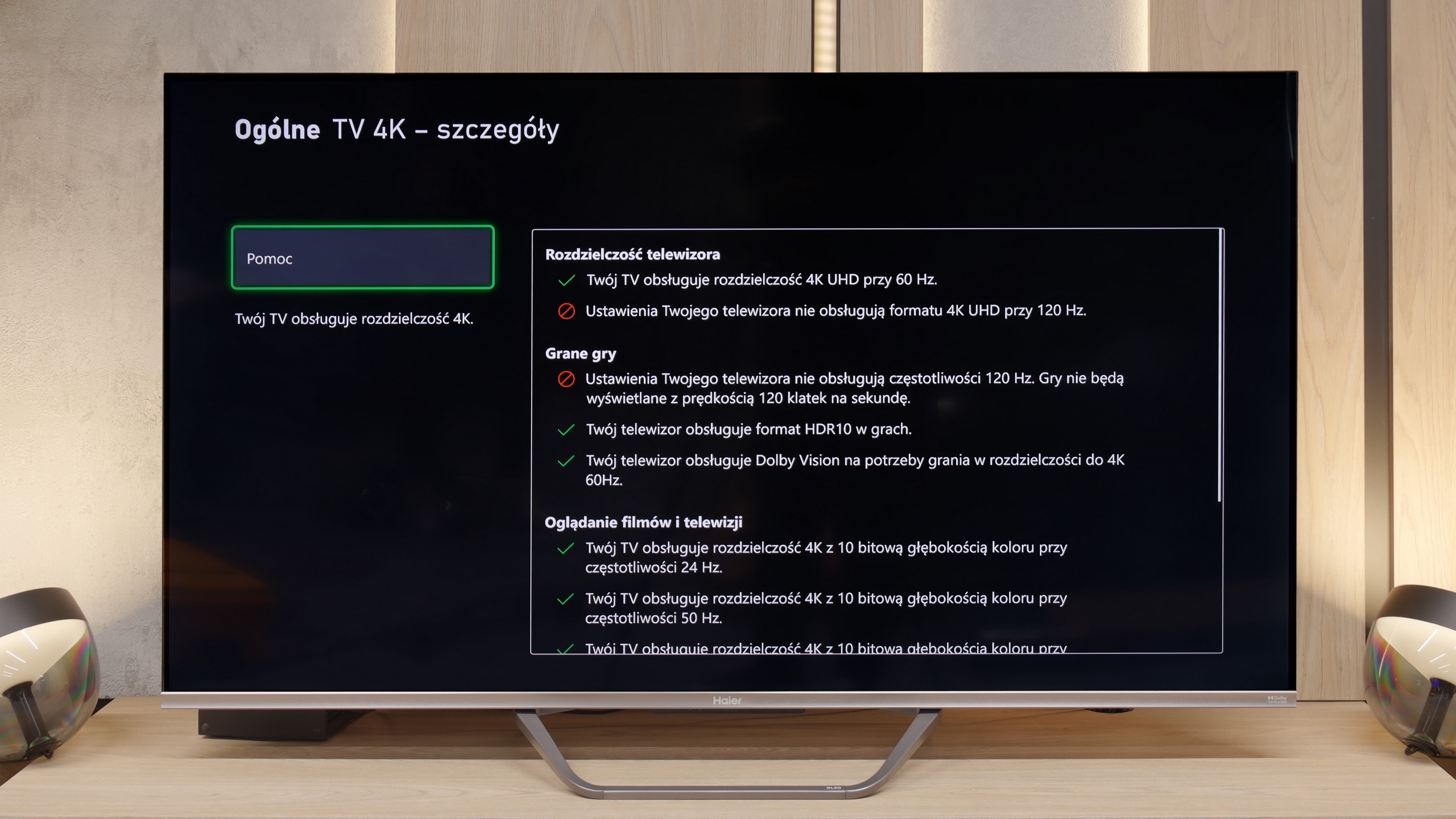

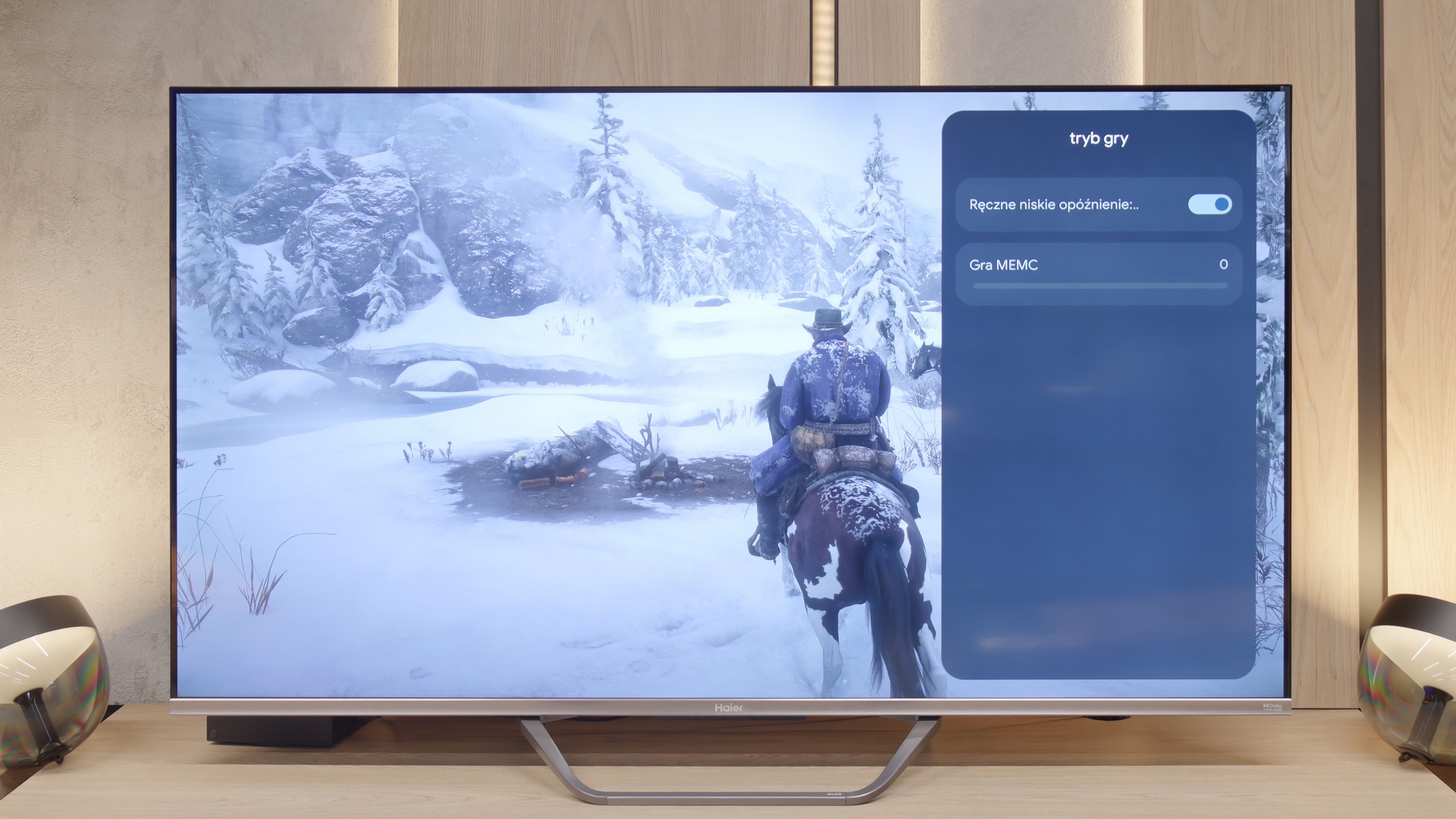

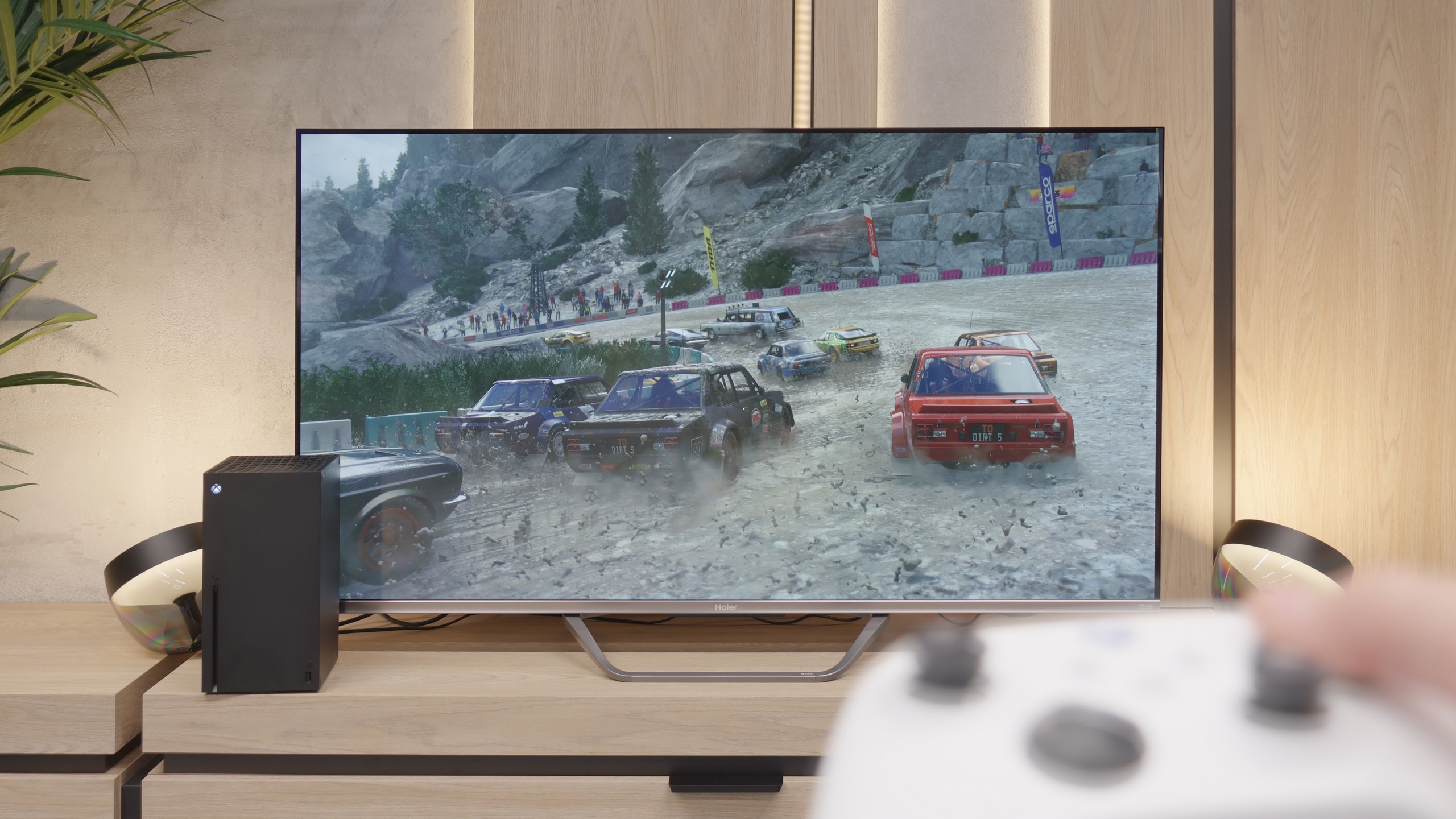
The Sony Bravia 9 television is equipped with four HDMI ports. However, somewhat incomprehensibly for this class of device, only two of them operate in the 2.1 standard. Nevertheless, it shouldn't be taken away that almost all features work excellently and do not cause any negative feelings upon being activated. Games operating in either HDR10 or Dolby Vision have a very short input lag, allowing for a very comfortable session with the title. A consolation remains in the good implementation of the HGIG mode, which after proper tuning does not deviate significantly from Dolby Vision.
A year ago, Sony added to its televisions what has been standard for some manufacturers for years. This is, of course, the GameBar, allowing for quick adjustment of settings without the need to exit the game. The implementation of this feature was successful and works very smoothly. We have been provided with conveniences such as: crosshair grid, black level correction, and the ability to reduce the screen to the proportions of gaming monitors.
Sony Bravia 9 will certainly find its group of fans, most likely among PlayStation enthusiasts. Here, we must admit that this will be the most sensible choice, as in practice both the console and the television have exactly the same capabilities. However, looking more broadly, aside from issues with Dolby Vision in games, one cannot deny that the Bravia 9 is a very good television in the context of gaming.
Entering the realm of gaming, the Haier Q80FUX proves to be quite a good companion for the "casual gamer." It is equipped with some highly sought-after features today such as VRR (variable refresh rate) and ALLM (automatic low latency mode). However, the biggest surprise is something else. Even though we don't have a 4K@120Hz panel here, the television can accept and display a 120Hz signal at a lower resolution (Full HD). This is a very useful feature, allowing you to consciously switch the console to a lower resolution mode in exchange for significantly higher fluidity, which is a perfectly acceptable compromise in the gaming world.
We won't particularly complain about the lack of additions like the "Game Bar," as it's just a nice extra. However, the most concerning issues arise when we enter the world of HDR in gaming. Due to the fact that the television continuously adapts the signal "in its own way," setting the brightness on the console according to the HGIG standard is almost impossible to accomplish according to the instructions. Worse still, in Dolby Vision mode for gaming, the input lag increases to around 50 ms, which is a high enough value that essentially makes this mode unusable. Generally speaking, we still wouldn't recommend gaming on this television in HDR mode, so these aren't that serious shortcomings. What’s most pleasing is the presence of 120Hz in Full HD, making the Q80FUX quite a cool television for the occasional gamer.
Input lag
9.7/10
9.4/10
SDR
HDR
Dolby Vision
Input lag for Bravia 9 is low in every scenario. Even the most dedicated gamers will certainly appreciate the very low input lag of 10 ms at demanding 4K 120 Hz with HDR settings.
If there is one category in which the Haier Q80FUX absolutely shines and shows its claws, it is input lag. In this respect, the TV presents downright outstanding results. In 120Hz mode (achieved, let's remember, at a lower resolution), input lag drops below 10 ms, which is an excellent value, worthy of top gaming monitors. Only slightly worse, but still at a very good level, is the classic 60Hz mode – here, measurements consistently indicated around 12-14 ms. These are results that much more expensive, dedicated gaming constructions would not be ashamed of. The only, but significant, stumbling block is the Dolby Vision mode. As we established earlier, its activation raises input lag to an unacceptable level, so we definitely advise against using it during any interactive gameplay.
Compatibility with PC
7.6/10
6/10

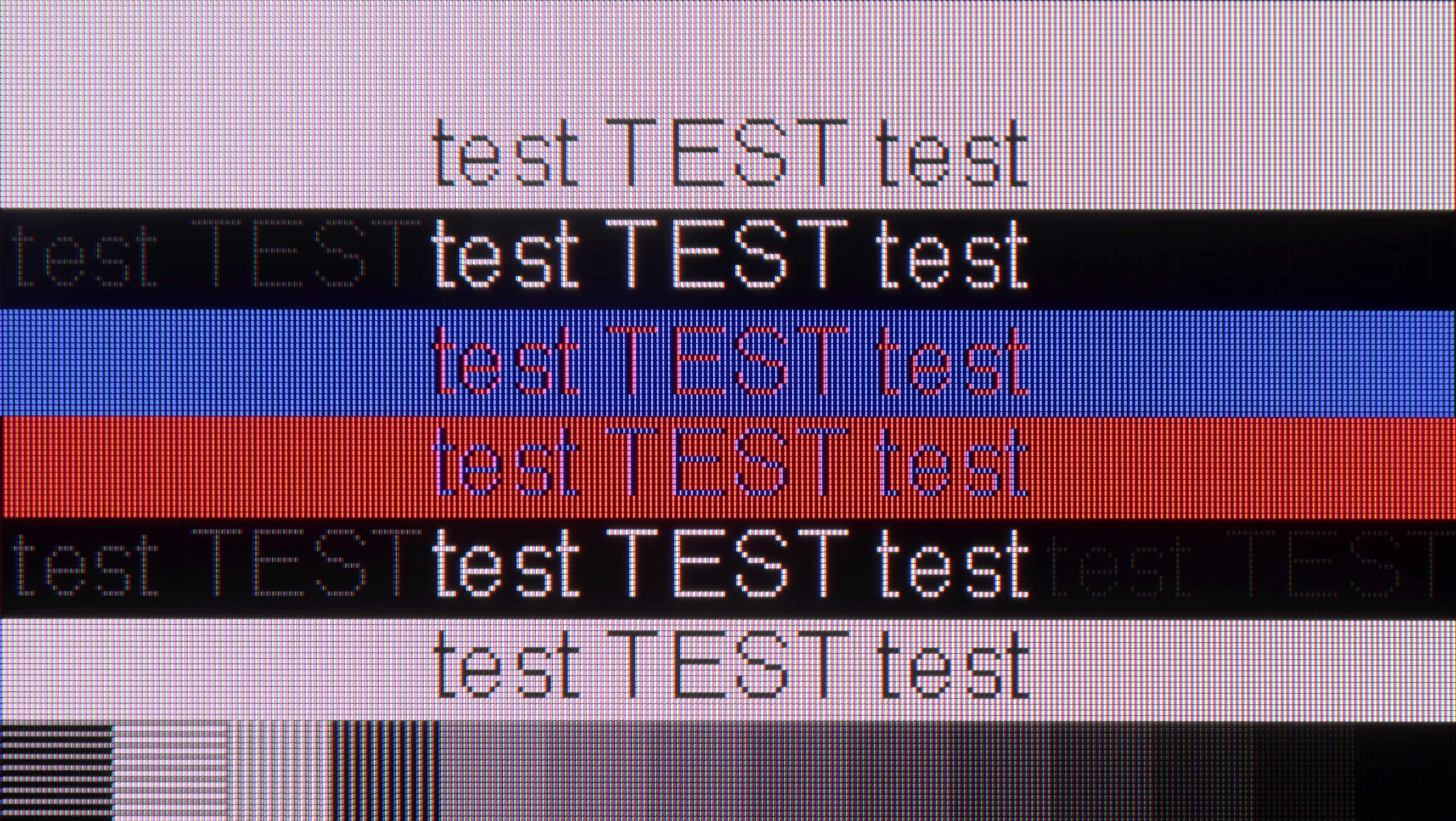
The photo shows the legibility of small fonts. Ideally, lines should be the same thickness on both light and dark text, with minimal pixel gaps.
Sony Bravia 9 coupled with a PC performs excellently, thanks to its very low latency of just 9 ms, providing immediate response between the mouse, eye, and screen. An extremely important aspect while working on the screen is the readability of text, which in the case of the tested television is very good. However, it is essential to remember to switch the television to "Game" mode, as this provides the best text readability, while in other scenarios, the font may become unreadable.
The subpixel arrangement is BGR, which does not negatively impact using the television as a monitor. However, since operating systems are not adjusted for such a subpixel format, this may result in slightly less sharp contours. This is practically negligible, and only a handful of people may notice it.
We also checked how the Q80FUX performs when connected to a computer. Here again, we were pleasantly surprised – it handles this really well. The most important thing is that the fonts are very readable, so nothing blurs and you can work normally on it. Additionally, just like with consoles: we can set a lower resolution here to achieve a high refresh rate of 120Hz in return. What’s crucial is that in this mode, G-Sync started correctly and functioned well. This just confirms that this television is truly a successful and efficient piece of gear for gaming, also on a PC.
Viewing angles
7.4/10
3.3/10
Thanks to the use of an angular coating, colour degradation and contrast loss at an angle are not as drastic as in the vast majority of VA matrix televisions. Only after a significant shift off-axis does greater image destabilisation become apparent; however, the overall experience can be rated very positively.
Anyone planning screenings with a wide family group must be aware of the fundamental compromise that Haier has decided upon by implementing a VA panel in this model. This technology has indeed provided us with deep blacks and high contrast, but an inherent characteristic is also a noticeable narrowing of viewing angles. It’s enough to sit a bit further to the side of the couch to immediately notice how the colours start to lose saturation and the image fades. It’s simply a classic trade-off – we gain something (contrast) at the expense of something else (angles) – and the Q80FUX fits perfectly into this scheme.
Daytime performance
9.5/10
4.8/10

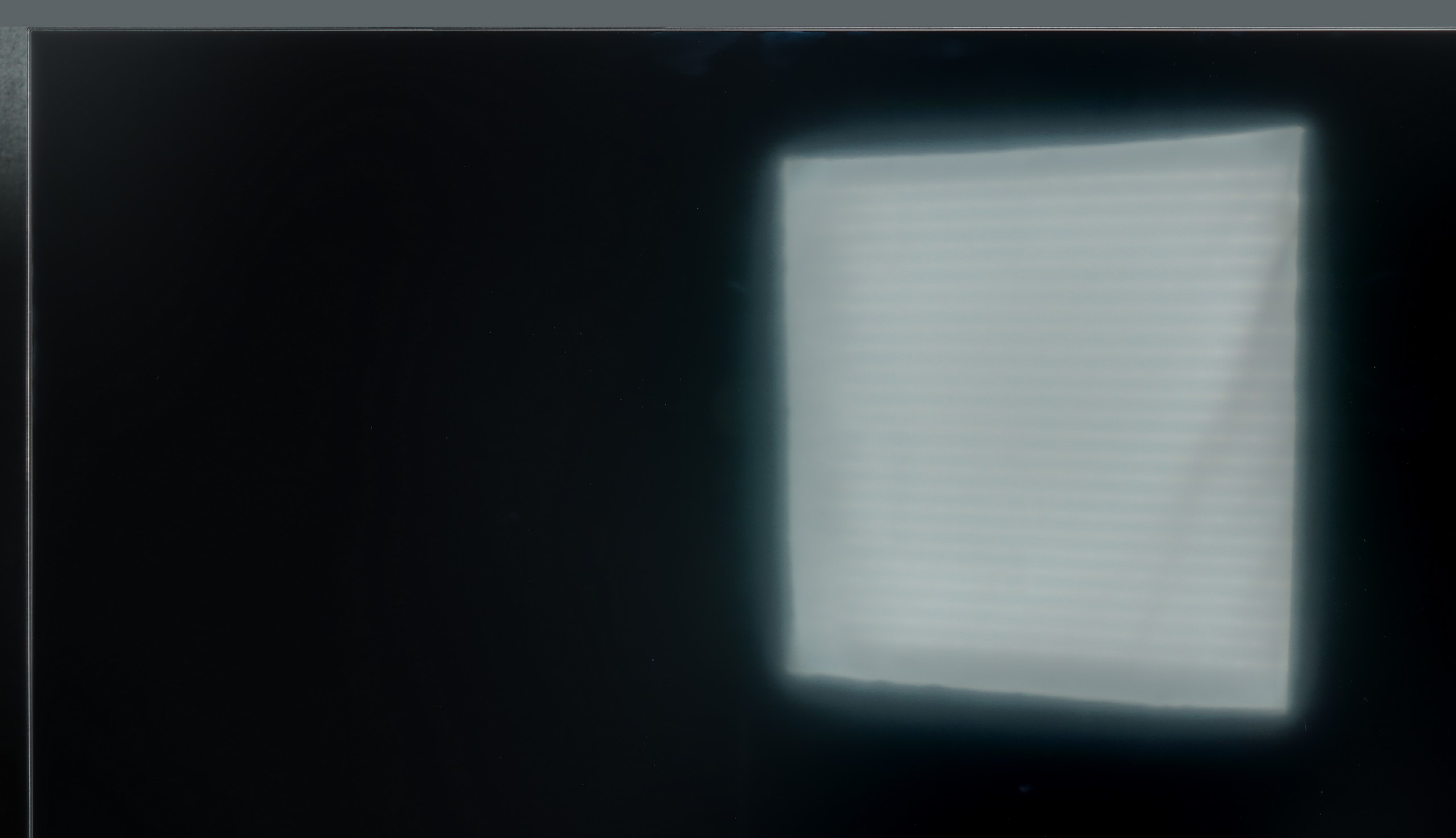

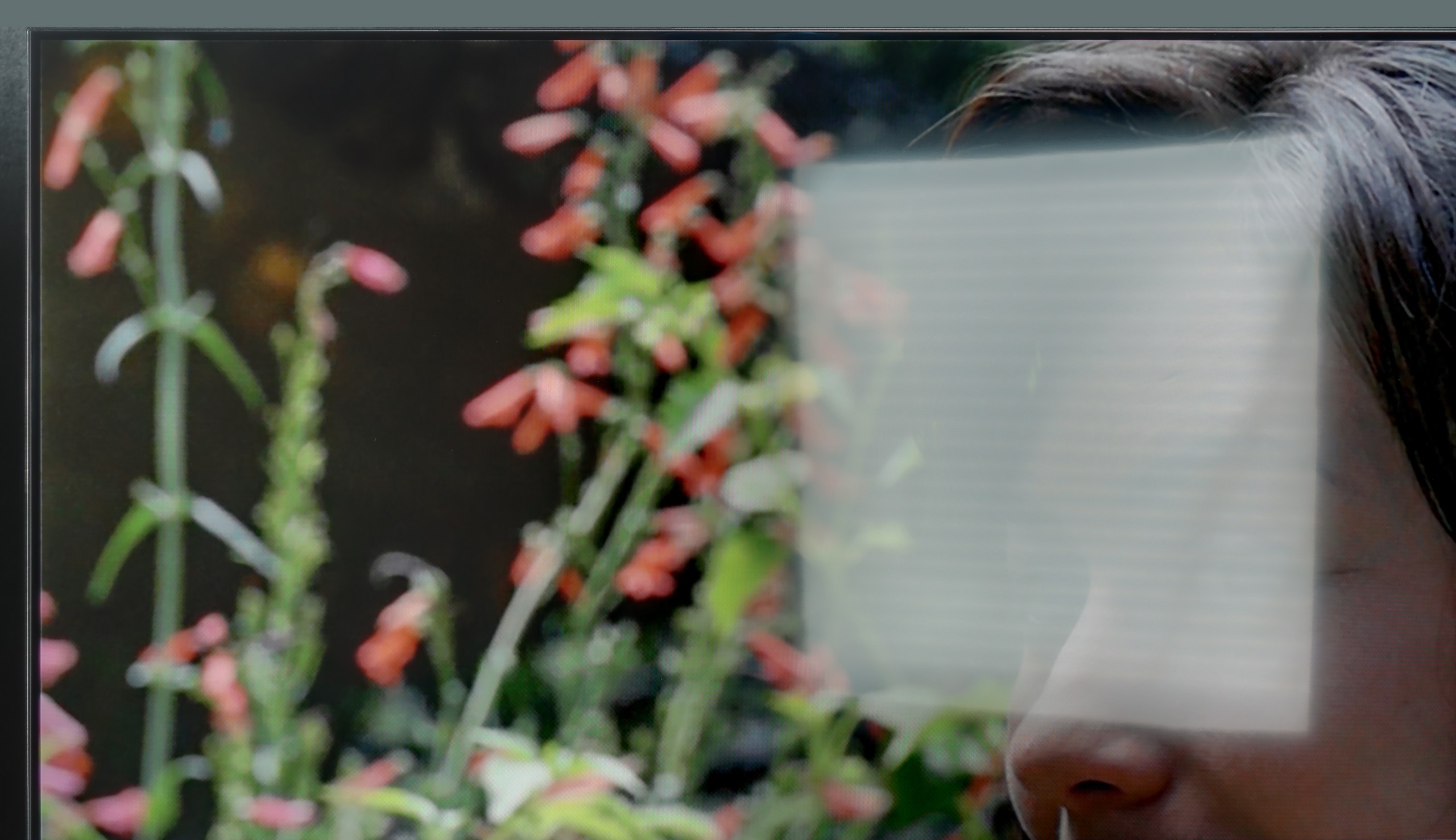
Panel brightness
Haier Q80FUX: 317 cd/m2
Sony Bravia 9 (XR90): 1609 cd/m2
When watching during the day, we can count on an incredibly high brightness of 1600 nits, which allows for very comfortable viewing even when harsh angled light hits the TV. Even reflections that spill across the screen do not detract from the enjoyment of watching on a sunny day. For this reason, the Sony Bravia receives nearly the highest rating from us in this regard.
The receiver's clash with the daily challenges posed by a bright lounge is quite decent with the Q80FUX, although it's certainly hard to talk about perfection here. The panel itself is equipped with a coating that effectively manages to suppress most reflections and glare from the surroundings. Equally important, even in more challenging lighting conditions, the screen can maintain pleasantly saturated colours. However, the weakness of this construction is revealed when backlight brightness comes into play. The previously mentioned, rather moderate maximum brightness (around 350 nits) means that in confrontation with intense natural light coming through the window, the screen often struggles to "break through." On a sunny day, the image might simply lack the necessary expressive strength.
Panel details
Subpixel Structure:

Panel uniformity and thermal imaging:


Sony Bravia 9 (XR90)
Haier Q80FUX
TV features
8.8/10
5.6/10
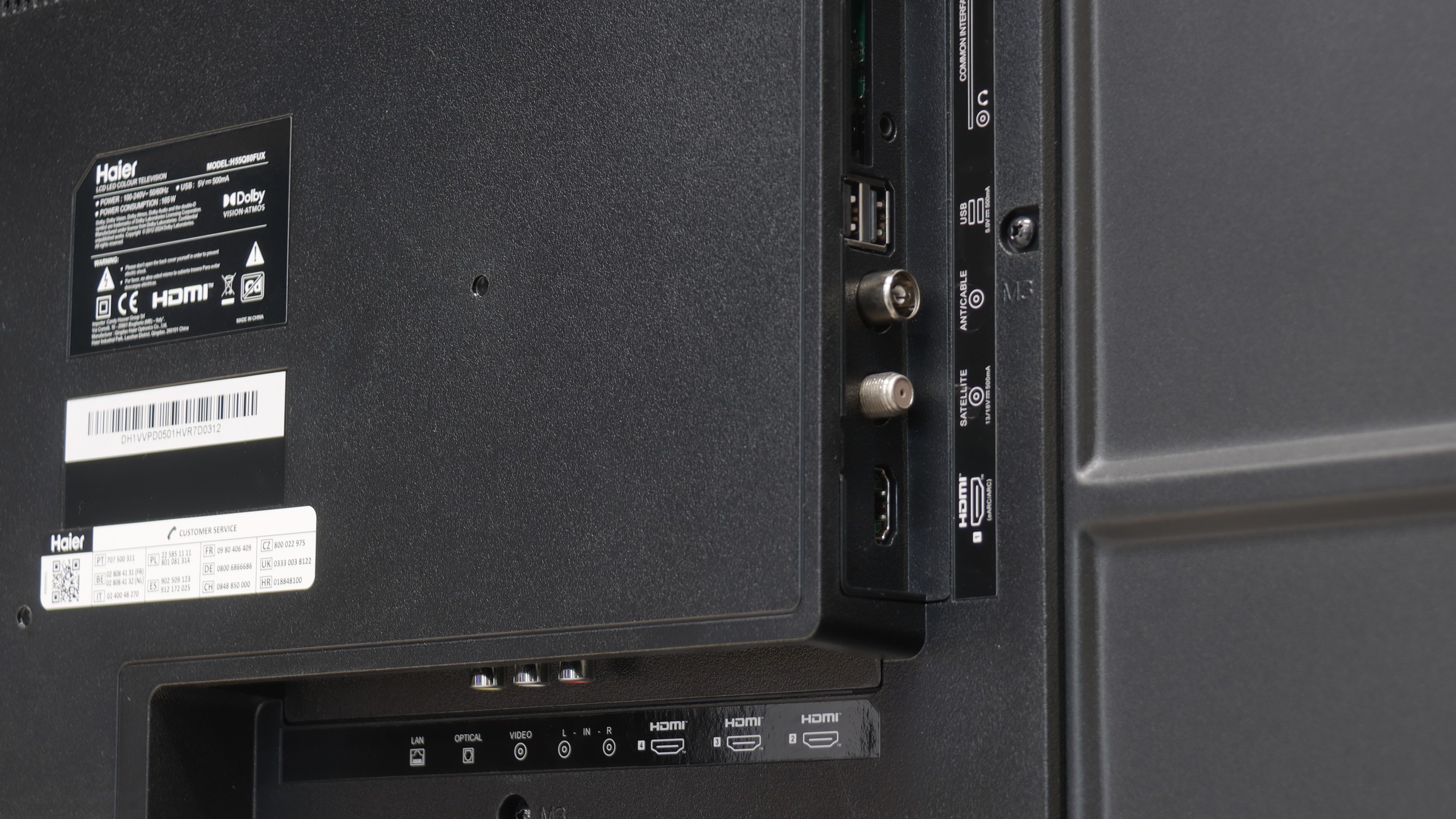
- HDMI inputs2 x HDMI 2.0, 2 x HDMI 2.1 48Gbps4 x HDMI 2.0, 0 x HDMI 2.1
- Other inputsRCA (Chinch)
- OutputsToslink (Optical audio), eARC (HDMI), ARC (HDMI)Toslink (Optical audio), eARC (HDMI), ARC (HDMI), Mini-Jack (Headphones)
- Network InterfacesWi-Fi 2.4GHz, Wi-Fi 5GHz, Ethernet (LAN) 100MbpsWi-Fi 2.4GHz, Wi-Fi 5GHz, Ethernet (LAN) 100Mbps
- TV receptionDVB-T, DVB-T2, DVB-S, DVB-S2, DVB-CDVB-T, DVB-T2, DVB-S, DVB-S2, DVB-C
Classic features:
- Recording to USB (terrestrial TV)
- Recording programming
- Picture in Picture (PiP)
- RF remote control (no need to aim)
- Backlit remote control
- Teletext
- Audio only mode
- Bluetooth headphones support
- Simultaneous Bluetooth headphones & TV audio
Smart features:
- AirPlay
- Screen mirroring (Windows Miracast)
- Voice search
- Voice search in native language
- Ability to connect a keyboard and mouse


Bravia 9 runs on the Google TV system, which is a significant advantage compared to TVs equipped with proprietary systems from manufacturers, where installing applications from a USB drive can be difficult, and often downright impossible. With Google TV, we have the ability to install virtually any application, both from the official store and directly from online repositories via an APK file.
This system also offers many conveniences in terms of control. We can connect a keyboard with a touchpad, which significantly makes entering queries much easier. Additionally, thanks to integration with Google, we can use voice control features via the remote, which works very well, although there are occasional minor issues with understanding functions and options. It's worth noting that Google TV receives regular updates that enhance functionality and introduce new options. We can also confirm that, according to reports from users of older models, the software has its off days and sometimes has a “bad day.”
In summary: Google TV is currently one of the most popular systems on the market. Thanks to its efficient CPU, it operates very smoothly, doesn’t freeze and has no issues with lagging for a significant portion of usage. It is definitely the best option for those who want to fully utilise the potential of their TV and value system openness.
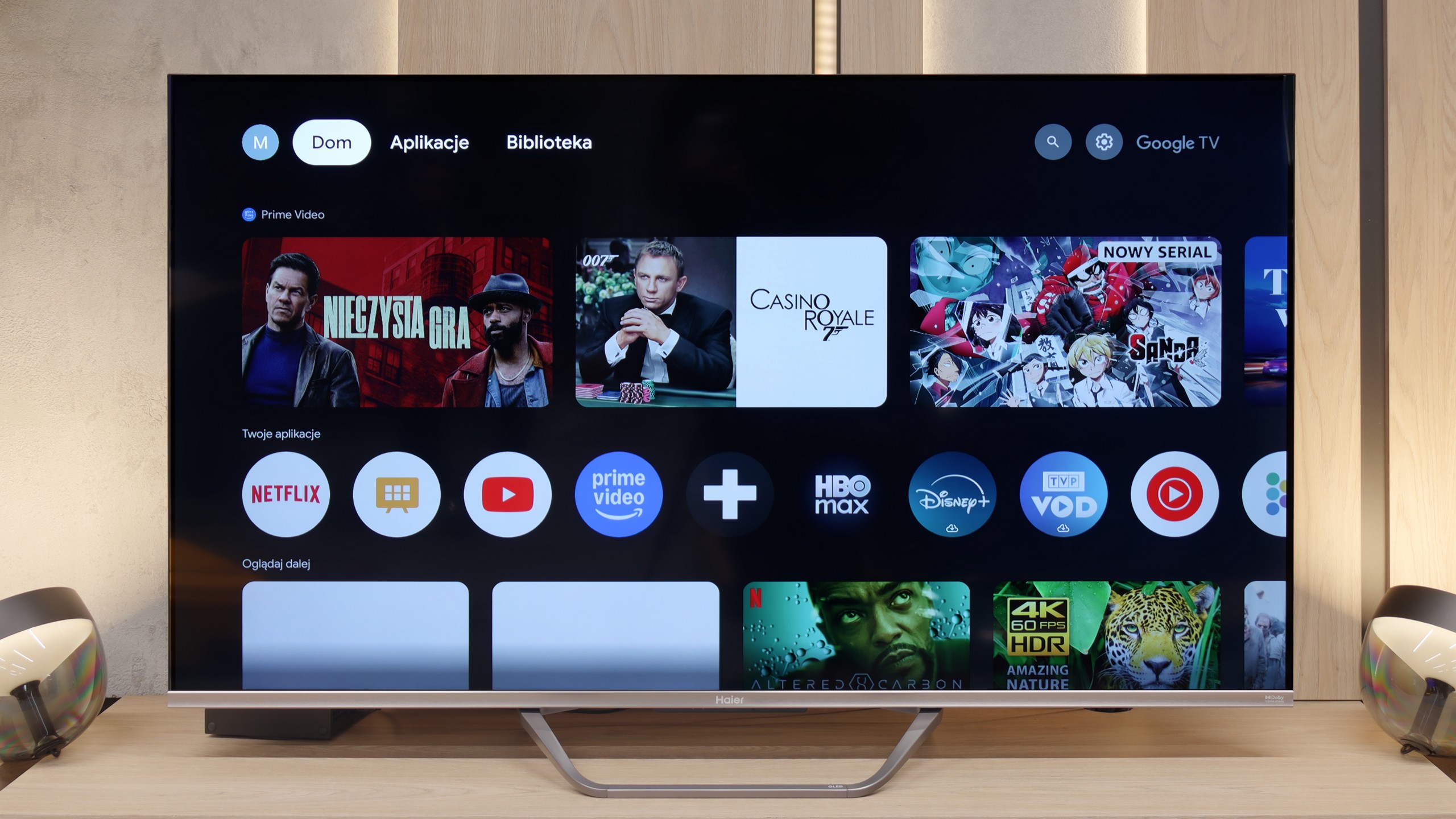
SmartTV on Haier Q80FUX: GoogleTV
First up, let's take a look at the smart layer, which in the Q80FUX is managed by the Google TV system. This is theoretically a huge advantage, providing access to an incredible library of apps, making it easy to cast from mobile devices, and offering convenient voice search. Unfortunately, like in other models from this brand that we've tested, the implementation of this platform leaves much to be desired. It’s not even about drastic freezes or delays in navigation, but rather a festival of minor bugs, shortcomings, and terrible translations in the menu. Because of this, it's hard to consider "Google TV" in Haier's version on par with what we know from Sony or TCL receivers, even though the same, proudly sounding name is on the box.
Classic Features
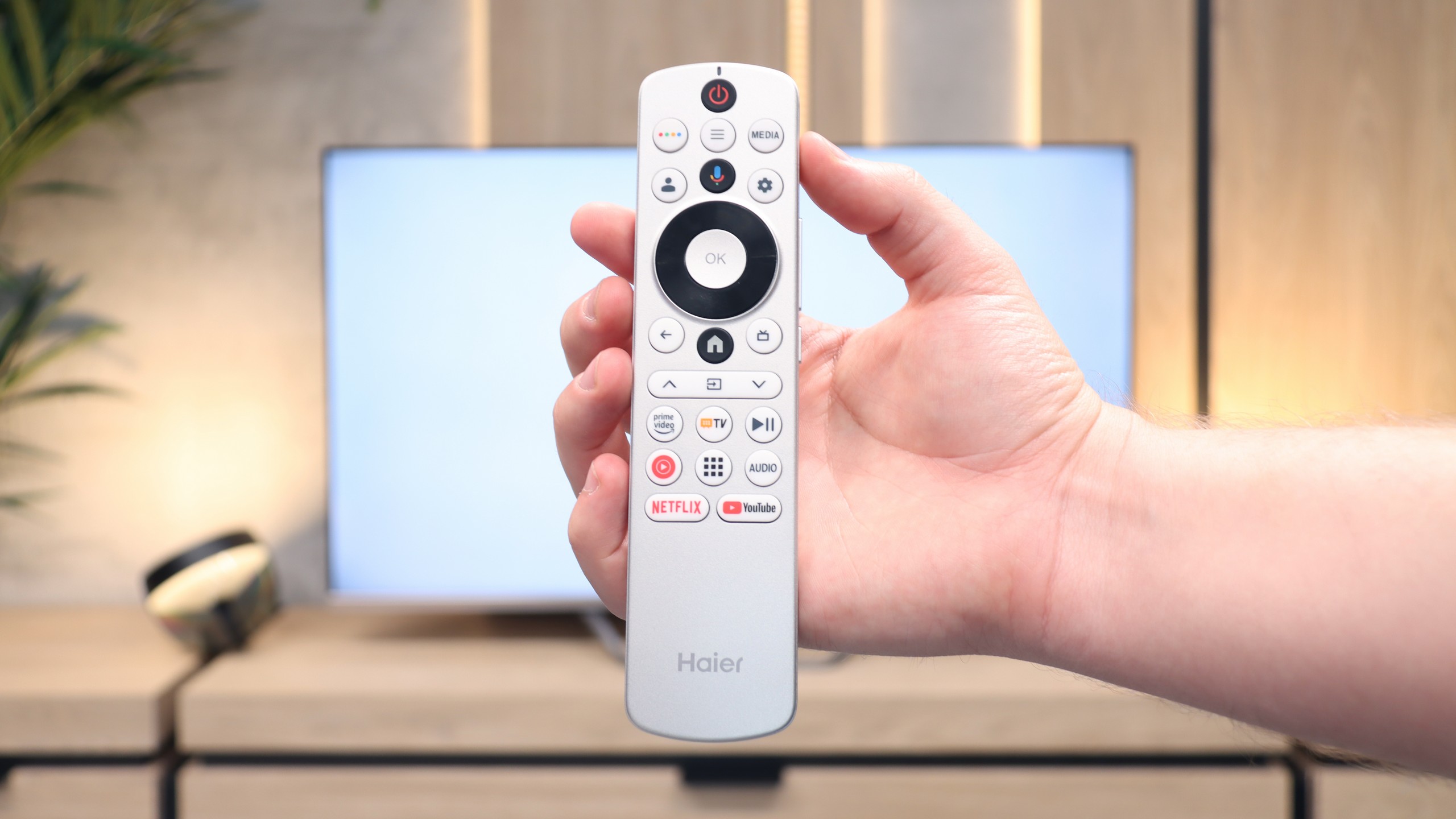
Moving on to the classic, functional features of the TV, the device's performance does not improve at all. The only thing worth praising is the presence of Bluetooth connectivity and an unusual but handy relic of the past in the form of an analogue headphone jack output. Apart from that, it's hard to find anything that would excite us. Due to the problematic software, the receiver (like its predecessors in our tests) was unable to find any terrestrial TV channels, even though other TVs connected to the same installation had no such issues. The remote control is also strange – its design may appeal to some, but due to the lack of a numeric keypad and the absurd placement of some buttons on the side edge, it definitely cannot be called senior-friendly.
Apps
9.6/10
9.6/10






















Playing files from USB
8.7/10
9.6/10
Supported photo formats:
Maximum photo resolution:

The built-in player in Sony Bravia 9 is quite good. While it’s not without its flaws, it must be said that it plays a significant portion of files without a hitch. However, among the missing features, the lack of support for subtitles in .sub, .txt formats or selectively working image formats can be bothersome, with only JPEG and HEIC available. This isn’t really a problem considering the ease of installing applications like VLC or KODI.
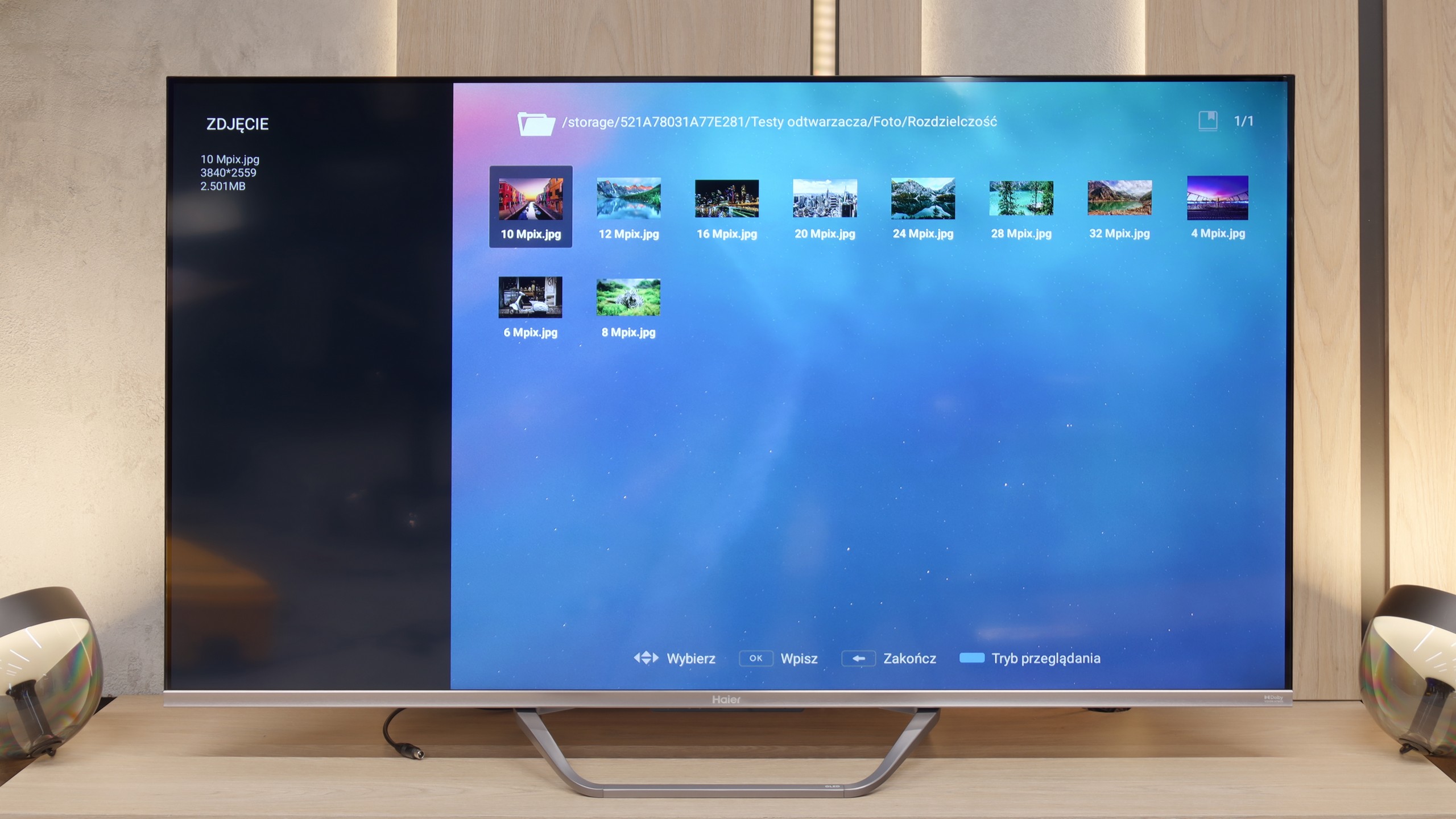
We must admit that after a series of setbacks we faced in assessing the overall implementation of the Google TV system, we approached the media player test with a fair bit of caution. Meanwhile, in this one specific aspect, the Q80FUX served us a real surprise. The built-in app for handling files from USB drives works simply brilliantly. This software component seems to be completely immune to the issues plaguing the rest of the system, opening practically all the most important and popular video file formats that we threw at it.
Sound
8.9/10
5.5/10
- Maximum volume88dB84dB
- Dolby Digital Plus 7.1
- Dolby True HD 7.1
- Dolby Atmos in Dolby Digital Plus (JOC)
- Dolby Atmos in Dolby True HD
- DTS:X in DTS-HD MA
- DTS-HD Master Audio
We must admit that the sound coming from the Sony Bravia 9 left us quite astonished. Of course, we knew it was a top-of-the-line product, but we didn’t expect such sound quality. You can easily hear each instrument individually, and the bass adds the right depth to the whole experience. With a clear conscience, we can say that this is the best sounding television we have had the chance to test. Of course, we realise that people opting for such a television already have their own home theatre setup. And here there won't be any major obstacle, as the Bravia 9 supports DTS-HD Master Audio and Dolby Atmos.
When it comes to "acoustic experiences," the Haier Q80FUX seems to adhere to the principle that sound is simply meant to be. And it is – that's about all that can be said for it. The built-in speakers produce sound in an extremely flat manner, lacking character, and most importantly, they are missing any clear bass foundation. A slight consolation is the fact that the television supports the Dolby Atmos format. However, let's be honest: to realistically take advantage of the benefits of this codec and hear the promised space, passive decoding capability is simply not enough. Connecting an external home theatre system or at least a decent soundbar is not just a recommendation in this case; it's an absolute necessity.
Sound Quality Test
No sound test video
Acoustic Measurements
88dBC (Max)
75dBC
84dBC (Max)
75dBC