Sony Bravia 5 is the continuation of the iconic X90L model, and it's clear that the manufacturer aimed to take a step forward. A greater number of backlighting zones have been implemented, which makes the contrast seem better in many scenes, with deeper blacks than its predecessor. The 120 Hz panel and MotionFlow system allow you to tailor the fluidity of the image to your own preferences – from a slight cinematic texture to crystal smooth motion in sports and games. This is a device that is unafraid of any content, because regardless of whether we're watching a match, an action film, or a concert, the image maintains clarity and character. However, the true strength of the Bravia 5 remains its XR processor. It's what makes older materials look better than they should – upscaling works like magic here, smoothing out noise, improving gradation, and providing coherence even to content of lower quality. As a result, in everyday use, the Bravia 5 can surprise, because instead of battling with signal imperfections, it extracts the maximum from them. Additionally, there's excellent colour reproduction once calibrated, as well as dynamic tone mapping with Dolby Vision mode, allowing you to enjoy details even in challenging, high-contrast scenes. However, it cannot be hidden that at several moments, the Bravia 5 has let us down significantly. Despite the greater number of zones, brightness and contrast are not always better than in the X90L – sometimes they even perform worse. This raises a sense of wasted potential, as we were hoping for a greater qualitative leap. After all, we are talking about a true MINI-LED television here. Nevertheless, the Bravia 5 remains an excellent TV for those who want to enjoy quality image above all. If you're looking for a model that can impress with smooth motion, extracts details from difficult scenes, and works wonders with older materials, the Bravia 5 will easily meet these expectations. It's a television that sometimes cannot quite match the competition in certain respects, but still defends itself with what Sony does best – cinematic imagery.
- Matching (Score) |
- Our verdict |
- TV appearance |
- Where to buy |
- Contrast and black detail |
- HDR effect quality |
- Factory color reproduction |
- Color reproduction after calibration |
- Smoothness of tonal transitions |
- Image scaling and smoothness of tonal transitions |
- Blur and motion smoothness |
- Console compatibility and gaming features |
- Input lag |
- Compatibility with PC |
- Viewing angles |
- Daytime performance |
- Panel details |
- TV features |
- Apps |
- Playing files from USB |
- Sound
Sony BRAVIA 5 (XR5) vs TCL A400 PRO
 Direct comparison
Bravia 5 / XR5
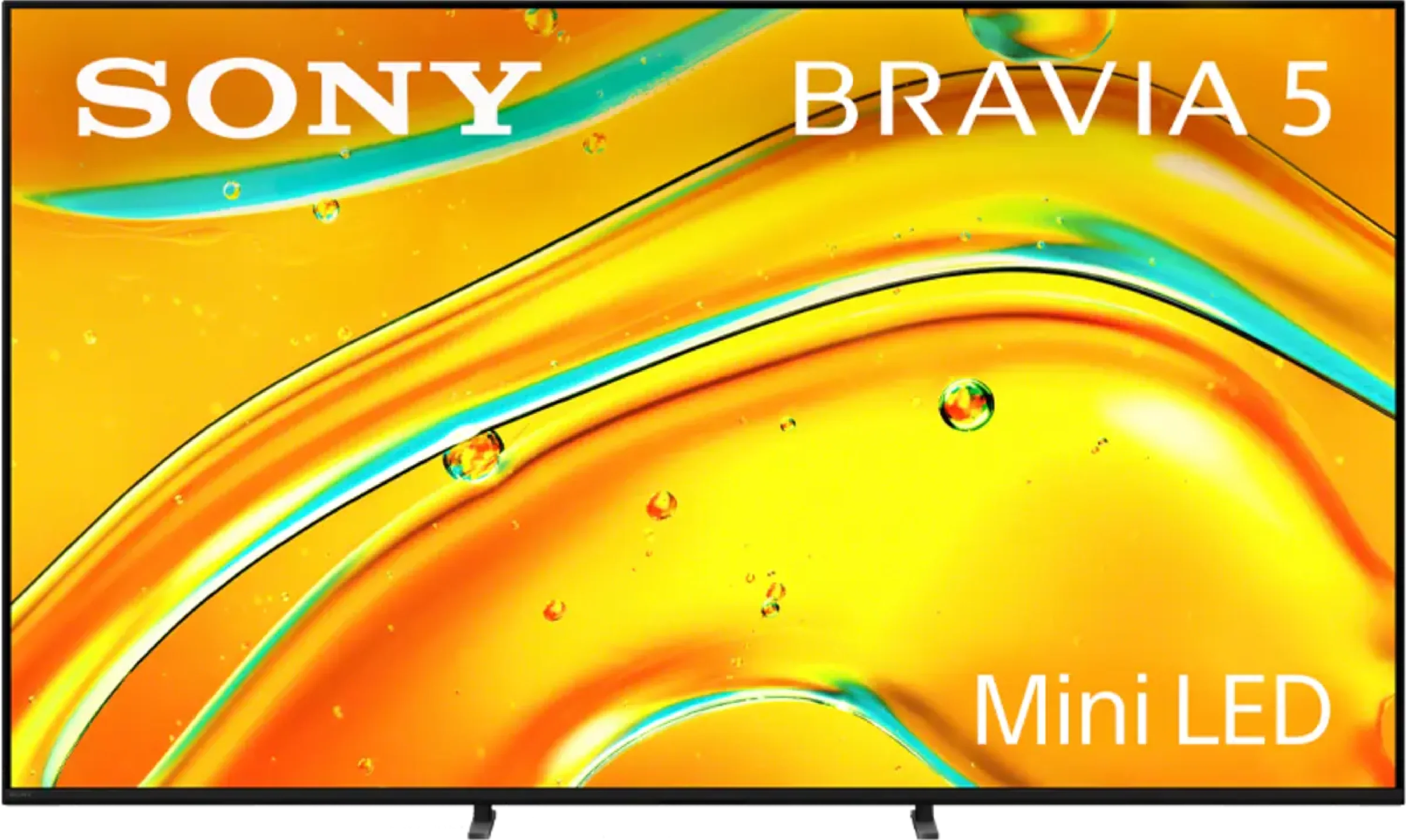
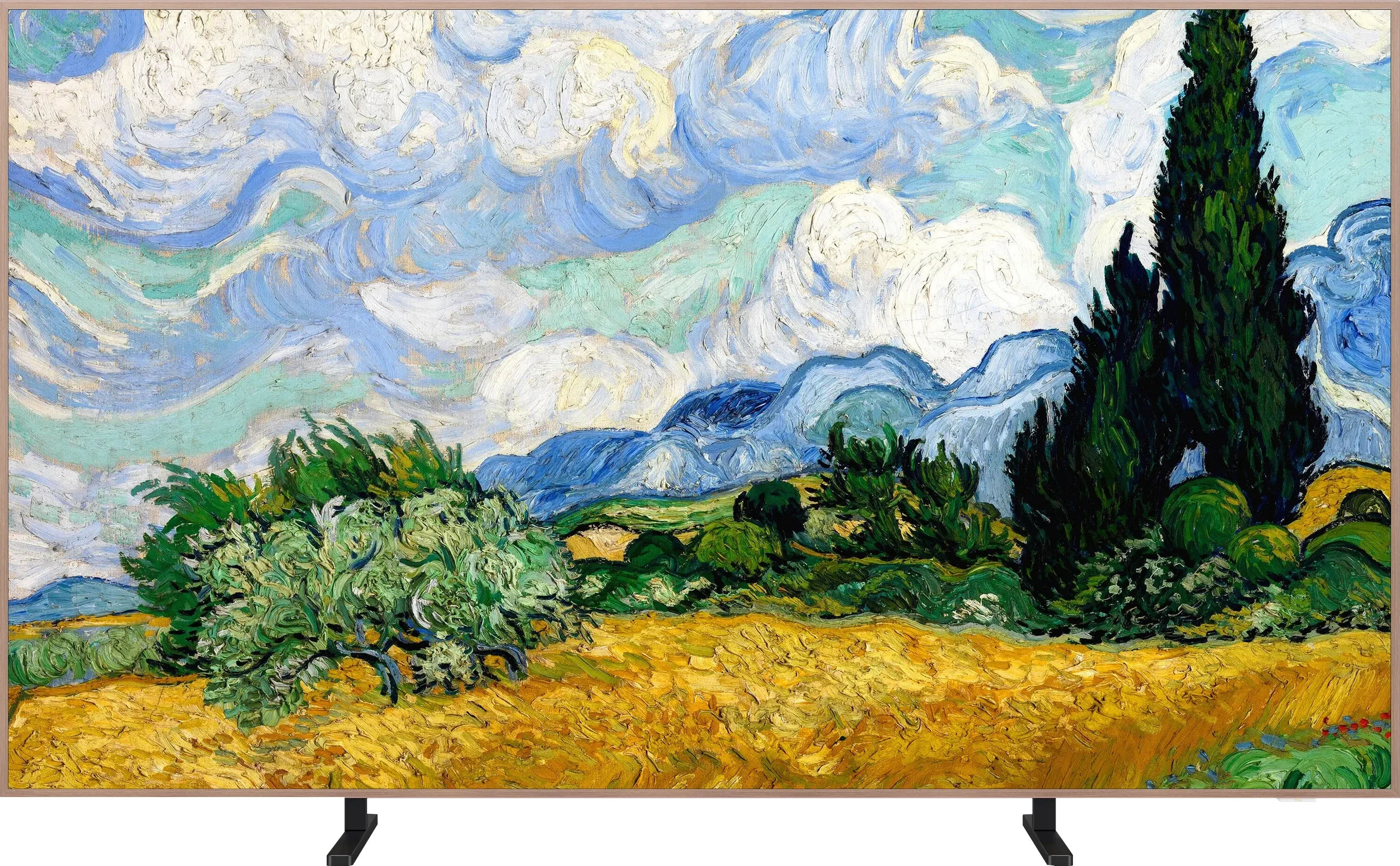
Panel type: LCD VA
Resolution: 3840x2160
System: Google TV
Model year: 2025
Complete the survey to find out the result
Panel type: LCD VA
Resolution: 3840x2160
System: Google TV
Model year: 2026
Complete the survey to find out the result
Overall rating
7.6
7.1
 Movies and series in UHD quality
 7.0
6.6
 Classic TV, YouTube
 7.4
6.9
 Sports broadcasts (TV and apps)
 7.3
6.6
 Gaming on console
 8.7
8.4
 TV as a computer monitor
 8.0
8.9
 Watching in bright light
 6.9
5.7
 Utility functions
 7.6
7.4
 Apps
Apps 9.6
9.6
 Sound quality
 7.0
6.6
Complete the survey to find out what fits your preferences
Advantages

Exemplary upscaling and digital image processing – Sony's proprietary XR processor
Very good picture quality after calibration
Solid contrast for a Mini-LED screen
Great support for HDR content thanks to Dolby Vision and dynamic tone mapping
High motion smoothness at 120Hz
Outstanding input lag (7 ms at 120 Hz)
Very good compatibility with PC – super readability of fonts, support for G-Sync and FreeSync Premium Pro.
Google TV at its best, fast and without annoying glitches
2 remotes included
Pleasant, loud sound at 40 W from a 2.2 system.
Good blacks and contrast thanks to Mini-LED and a VA panel
Very good picture quality for a lifestyle TV
Rich colours thanks to the PFS/QLED filter
Supports Dolby Vision and HDR10+
Excellent factory colour tuning on the review unit
144 Hz panel and very low input lag
Outstanding feature set for gamers
Excellent compatibility with PCs
Matte finish effectively reduces reflections
Google TV with a large selection of apps
Extensive digital art gallery
"Lifestyle" design
Disadvantages

Algorithms need refining – despite the increased number of dimming zones, contrast and brightness in difficult scenes sometimes fall short compared to the X90L
Screen mirroring practically didn’t work with Windows and Android
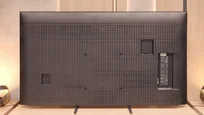
Only two HDMI 2.1 ports – for a TV of this class, that is definitely not enough, especially if someone plans to connect a console, soundbar, and additional devices
Slim mount not included
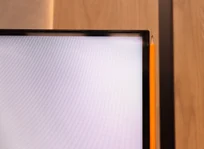
Bezels are fixed
Average digital image processing
Visible VA panel smearing
Average viewing angles
Only two full HDMI 2.1 ports
Sound is fairly flat
Note: No Mini-LED in the 32- and 43-inch versions
Our verdict
TCL A400 Pro is one of the most interesting lifestyle TVs we've tested so far. And not because it turns the whole idea of the "TV as a picture" upside down. In that respect it does roughly what the competition does: it should look good, blend into the interior and not be just another black slab in the living room. Its real strength lies elsewhere: in picture quality. This is the first TV of this kind that actually gives us an image built on solid blacks and high contrast. Full Mini-LED backlighting combined with a VA panel means the A400 Pro can show a depth that has simply been missing from lifestyle TVs until now. Of course it's not Mini-LED that you'd put shoulder to shoulder with the best LCDs on the market, but in its "picture" category the A400 Pro does something really important: it proves that an art TV doesn't have to mean a big compromise in picture quality. Importantly, it doesn't stop at blacks and contrast. The A400 Pro has very good colours, supports Dolby Vision and runs on Google TV, so in everyday use it is simply a convenient, full-featured TV for films, series and streaming. On top of that there are very strong gaming capabilities, so it easily finds a place with a console or PC. And I think it's this versatility that's its biggest surprise. It looks like a lifestyle TV, but it doesn't force you to give up the functions you expect from a regular TV.
The biggest reservations, paradoxically, are not about the picture itself. Sure, the number of local dimming zones could be greater and the upscaling doesn't stand out from the usual. But given the character of this model, what bothers us more are decisions connected with the concept of a picture on the wall. The lack of a slim mount in the box is a strange move, because that is exactly the type of installation that should be standard here. In addition, the wood-effect bezels are permanently attached, so they don't offer the same freedom of personalisation as on other models of this type. And because the casing is thicker, the A400 Pro doesn't always deliver as flat and subtle an effect as you might expect from a TV in this category.
And that's the biggest paradox of the TCL A400 Pro. In terms of image it may be one of the strongest lifestyle TVs on the market, but at the same time it loses a little where such a product should charm the most. Still, the balance is very positive. If the design decisions mentioned earlier don't bother you, the A400 Pro makes a lot of sense. It's a TV for people who want something nicer than a classic television but don't want to pay for looks with a major compromise in picture quality. That's why the TCL A400 Pro is one of the most interesting models in its category.
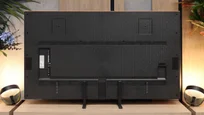
TV appearance


Contrast and black detail
7.5/10
7.7/10
Local dimming function: Yes, number of zones: 190 (10 x 19)
Local dimming function: Yes, number of zones: 180 (10 x 18)
Contrast:


Result
104,650:1

Result
23,850:1

Result
21,300:1

Result
9,350:1

Result
6,450:1
Result
131,100:1
Result
33,750:1
Result
17,350:1
Result
15,000:1
Result
5,900:1
Halo effect and black detail visibility:
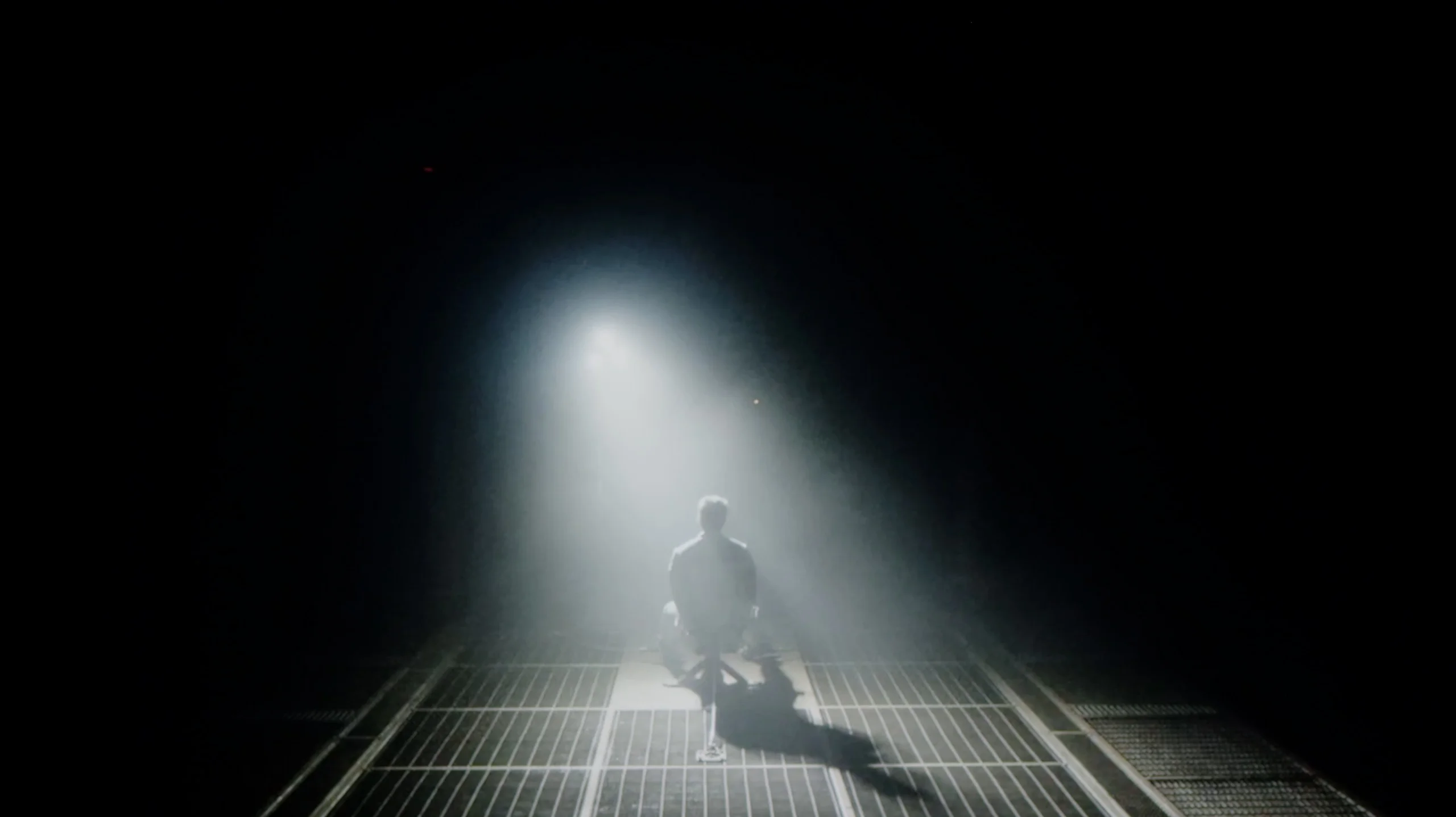
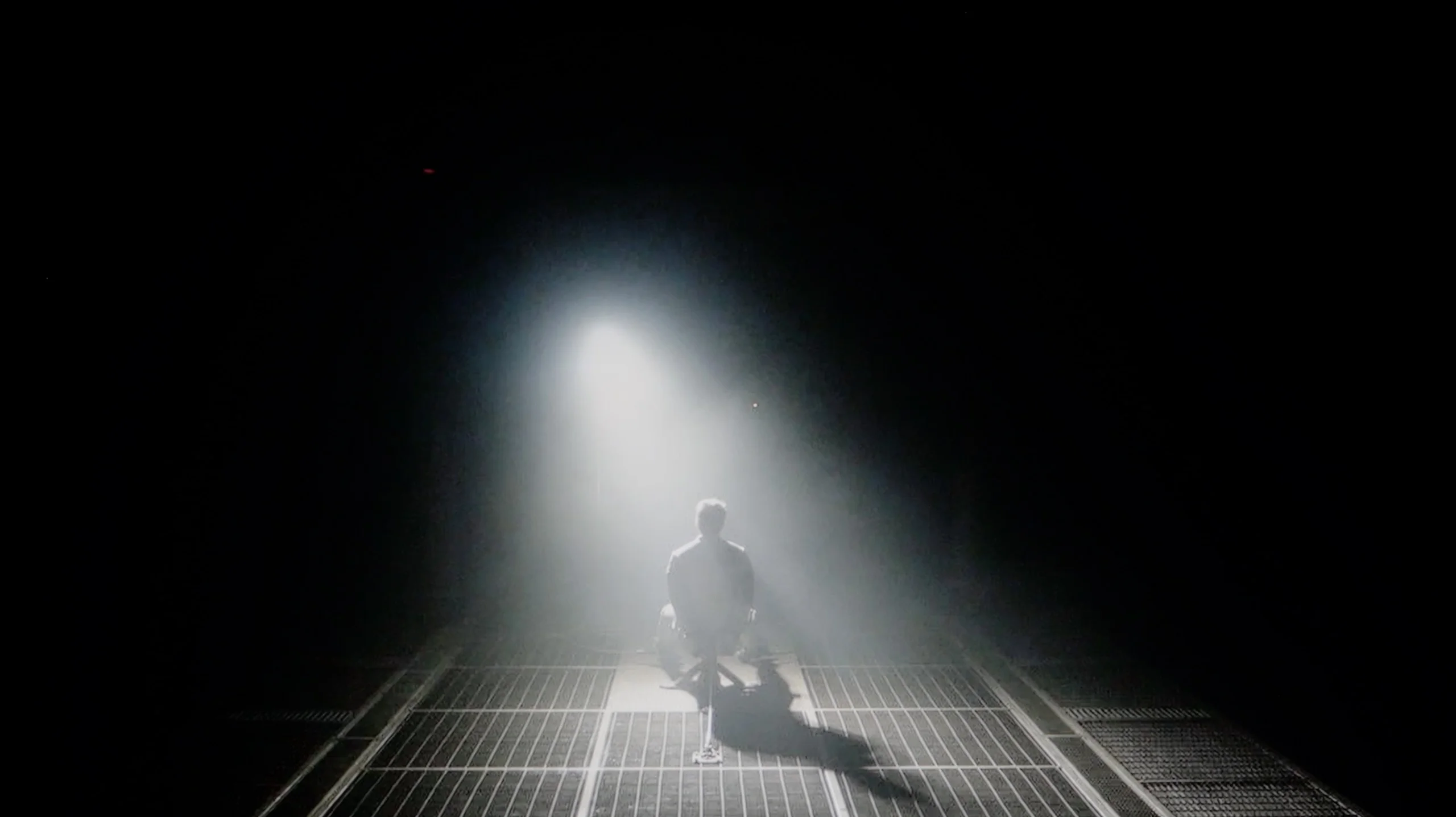
Check the visibility of bright lights on a dark background. Mini-LEDs often struggle with this. The photo does not compare black levels – that’s what the video below is for.
The video accurately shows differences in contrast and black levels between TVs, as well as potential issues: halo around bright objects or Mini-LED zone operation visible as brightness jumps.
Bravia 5 is the entry-level TV in Sony's Mini-LED series for 2025, so naturally we start with the most important thing – how it performs with blacks and contrast. After all, the term "Mini-LED" today sounds almost like a magic spell. In theory, this means thousands of tiny diodes arranged in zones that are meant to work in harmony, dimming and brightening the image so that the viewer's eye perceives more depth than with a classic LCD. In practice, in the 65-inch Bravia 5, we counted around 200 backlight zones. Is that a lot? Definitely more than its predecessor, the legendary X90L model, but when you look at Chinese manufacturers who can pack in hundreds, sometimes even thousands of zones – it comes off as rather modest.
One might expect that combining a greater number of zones with the refined dimming algorithms that Sony has accustomed us to over the years would result in a qualitative leap compared to the X90L. Meanwhile – and this is where a slight disappointment arises – tests showed that the results are surprisingly similar to last year's model. Don't take this the wrong way: the contrast, for an LCD TV with local dimming, is really solid. In most scenes, bright elements are separated from dark ones with surgical precision, and the effect can be breathtaking. But when more demanding shots appear on screen – those that mercilessly test the capabilities of the backlight – it becomes clear that the hardware has its limitations.
Therefore, one could say that in terms of blacks and contrast, the Bravia 5 doesn't so much disappoint as rather fails to meet the hopes that the initial announcements ignited. We were hoping for at least a slightly better performance than its predecessor, and we got "only" good contrast. And that “only” is the key word here – because good contrast in Sony’s rendition still means a level that most competitors would be proud of.
Moving on to the image quality tests, it’s immediately clear that the biggest change compared with typical lifestyle TVs is what the TCL A400 Pro brings to blacks and contrast. This is all thanks to full-fledged Mini-LED backlighting placed directly behind the panel. That allows the TV to locally dim selected parts of the image and not be limited solely to the panel’s native contrast. In the 65-inch sample we tested, we counted 180 dimming zones. That’s not an impressive number compared with conventional Mini-LED TVs, where there can be many more zones, but for a lifestyle TV it’s already a very big step forward. Especially since competitors often either lack advanced local dimming or use much simpler edge-lit backlighting.
In practice this delivers very good results. In simpler scenes where bright elements are clearly separated from a dark background, the A400 Pro can effectively dim the black areas and show genuinely deep blacks. It’s one of those things that immediately sets it apart from many conventional "picture-first" TVs. Of course, that doesn’t mean TCL completely avoids the limitations of Mini-LED LCD technology. 180 zones is still relatively few, so in more complex scenes, for example with small bright elements on a dark background, a halo effect can appear. It also happens that blacks in those conditions take on a more navy-purple tint, because the TV cannot dim the background with the same precision as OLEDs. Despite these limitations, we think the A400 Pro brings a significant breath of fresh air to this category. For a lifestyle TV that’s primarily meant to look good on the wall, the black level and contrast are a very strong selling point.
NOTE. It’s worth noting that the number of local dimming zones depends on the screen diagonal. Larger variants should have more zones, but because the number of zones increases with panel size, we don’t expect major differences in black level and contrast between the Mini-LED versions. The exception is the 32- and 43-inch models, in which TCL did not apply local dimming. These are much simpler LCD designs, so our review does not directly apply to those diagonals, and the prices given in the review should be treated as indicative only.
Number of dimming zones in the TCL A400 Pro
Screen size | Backlight type | Number of local dimming zones |
32" | PFS LED | None |
43" | PFS LED | None |
55" | QD Mini-LED | 112 zones |
65" | QD Mini-LED | 180 zones |
75" | QD Mini-LED | 240 zones |
85" | QD Mini-LED | 264 zones |
98" | QD Mini-LED | 448 zones |
HDR effect quality
5.4/10
4/10
Luminance measurements in HDR:

Result
637 nit

Result
320 nit

Result
550 nit

Result
251 nit

Result
731 nit
Result
439 nit
Result
111 nit
Result
296 nit
Result
74 nit
Result
543 nit
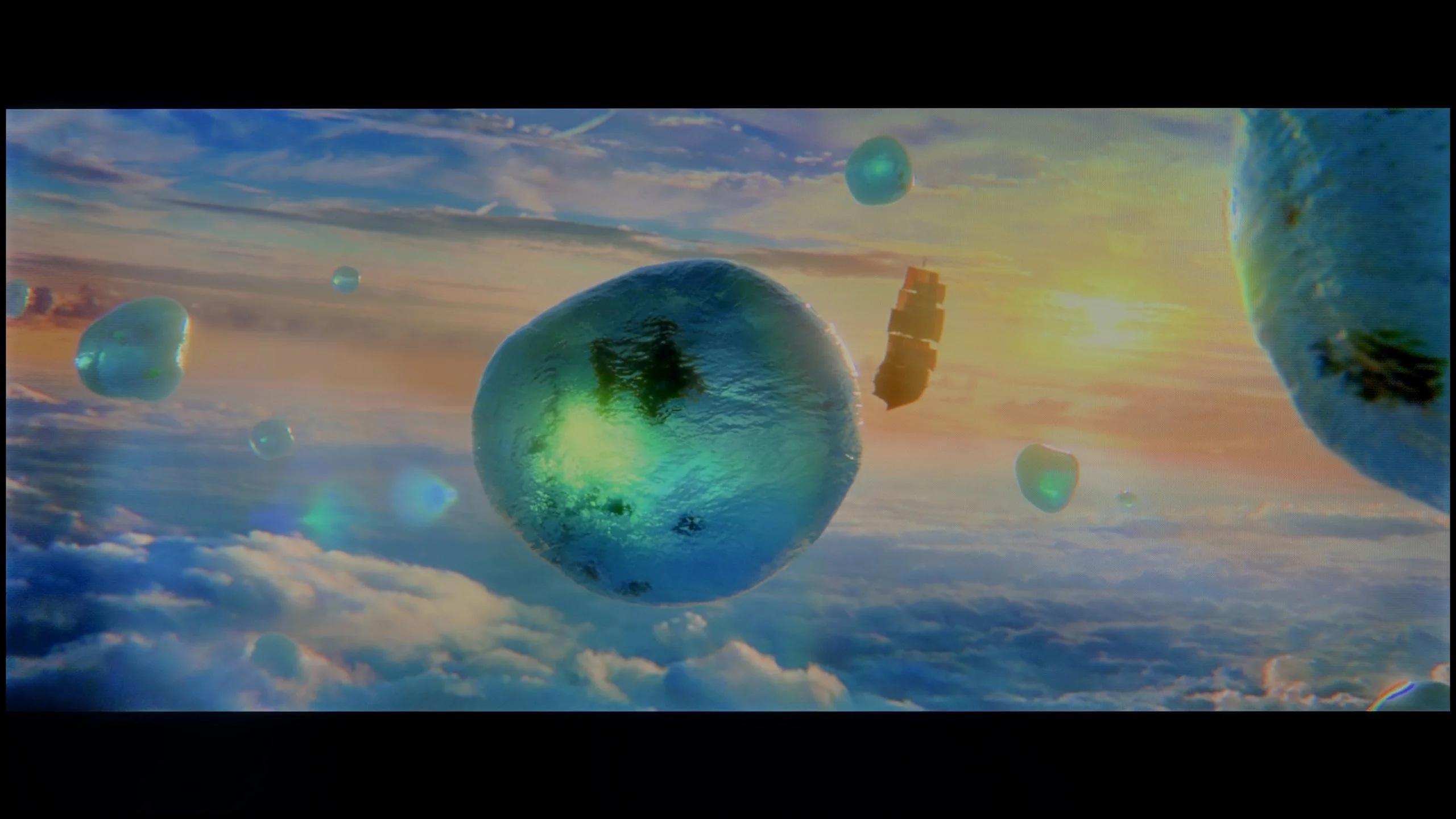
Scene from the movie “Pan” (about 2800 nits)
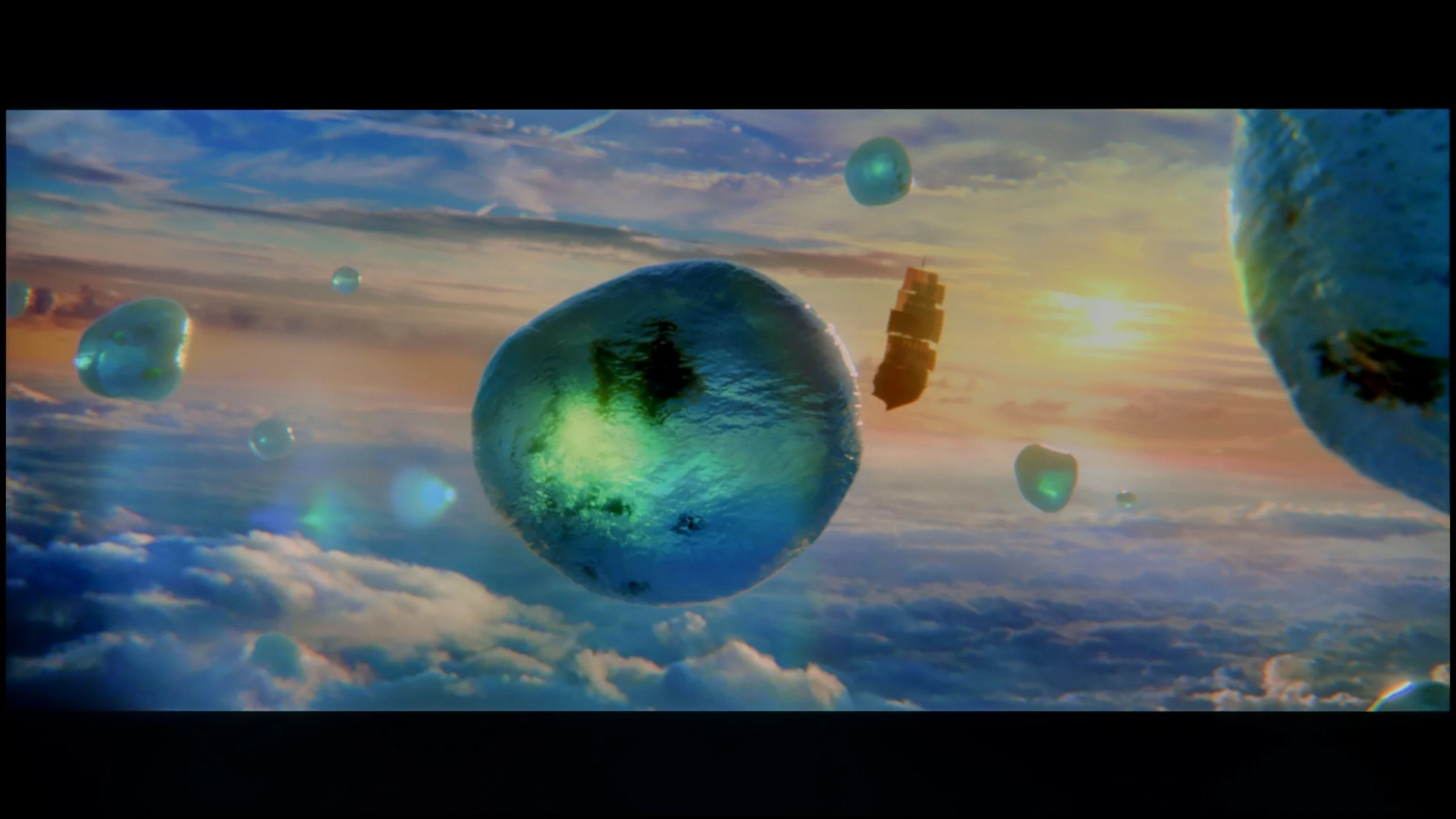
Scene from the movie “Billy Lynn” (about 1100 nits)
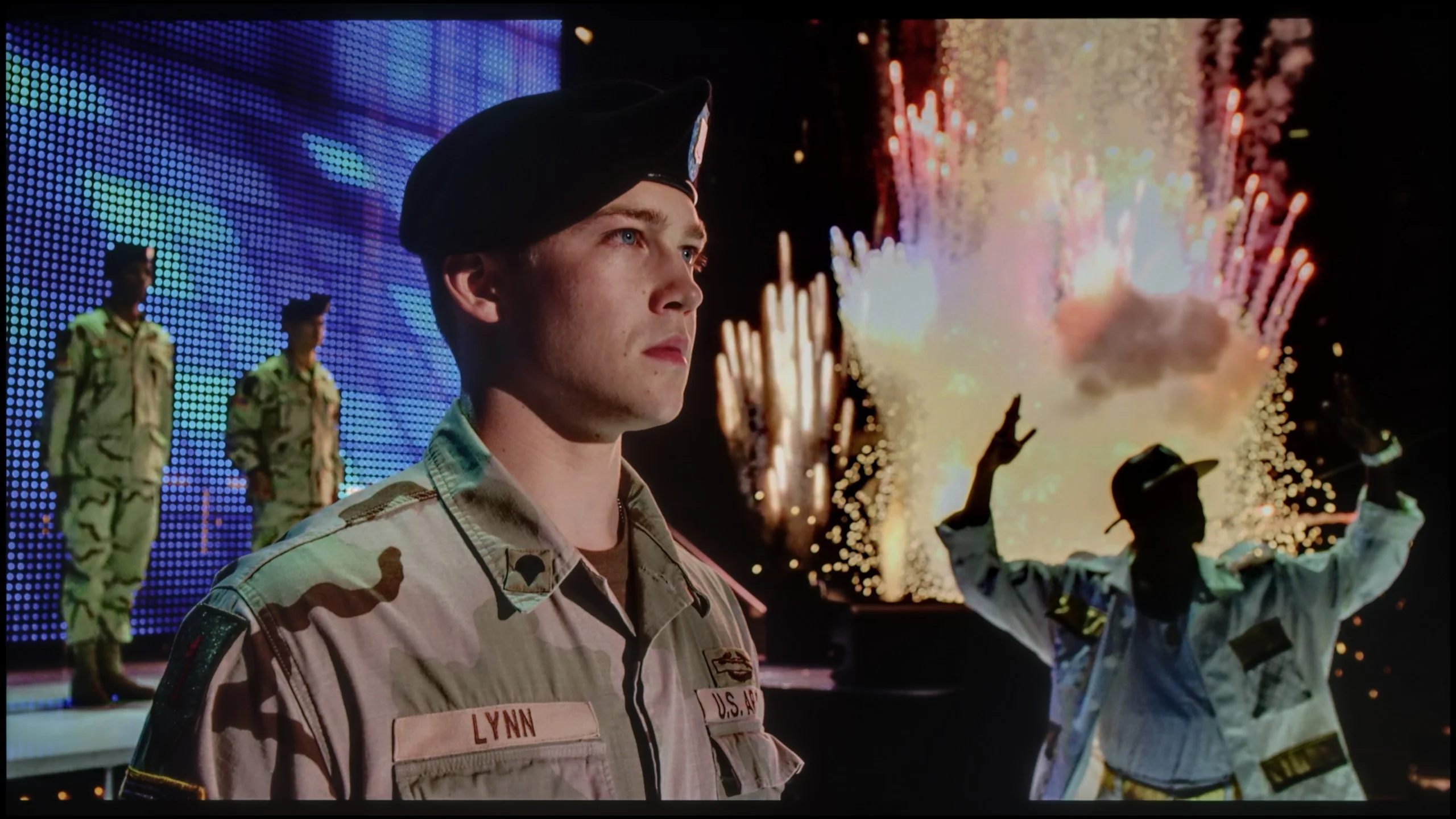
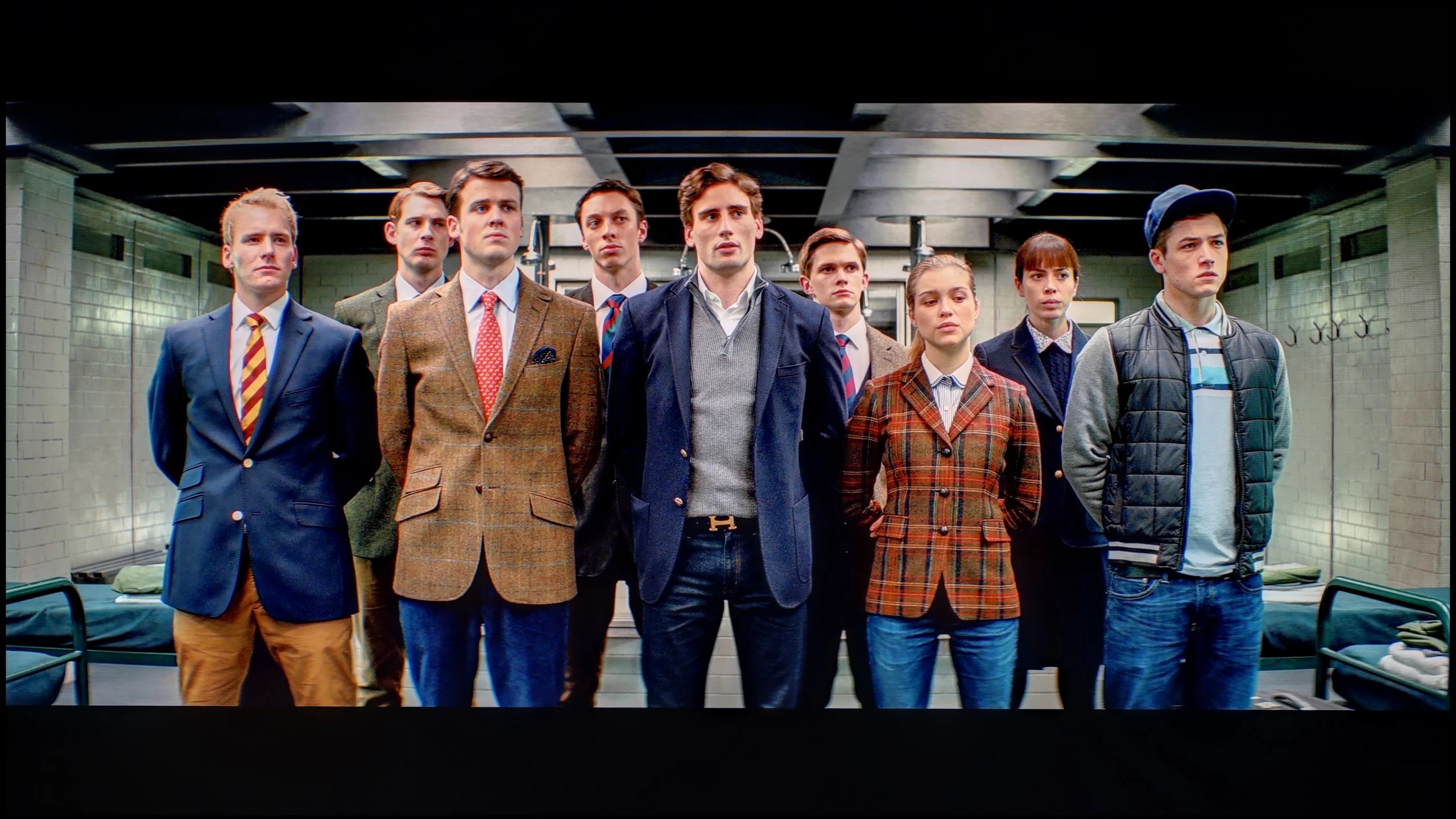
The photos show two HDR10 movies. 'Pan' is one of the brightest productions ever made, while 'Billy Lynn' (soldier) has brightness typical of streaming (Netflix, Prime, HBO MAX). Notice the intensity of effects and detail in whites.
Static HDR10


The photos present the visibility of white details in various HDR formats. They do not show brightness differences between TVs (these can be compared in the previous gallery).
Dynamic: Dolby Vision
Dynamic: Dolby Vision


The photos present the visibility of white details in various HDR formats. They do not show brightness differences between TVs (these can be compared in the previous gallery).
HDR luminance chart:
TCL A400 PRO
Sony BRAVIA 5 (XR5)
Looking at similar results in terms of black levels and contrast, we expected the same stable performance as last year's model when it comes to HDR content. Unfortunately – and this must be said plainly – there has been a regression here that is hard to miss. The paradox is that the peak brightness of the Bravia 5 can be impressive: in our synthetic tests, the TV reached around 1000 nits in HDR. Sounds great, right? The problem is that this power doesn't always have a real impact on all movie scenes. When small, pinpoint elements appear on the screen, something that in Sony's case was usually fine-tuned with surgical precision, this time it clearly falters. The algorithms try to maintain deep blacks around small objects, but the side effect is that details can be dimmed to the point of becoming barely visible. One only needs to bring up the example of the movie Sicario 2 – there, in some scenes, small light sources practically vanished as if someone had covered them with dark film.
Of course, not everything looks so dramatic. In simpler, brighter scenes, where the image is filled with more light, the Bravia 5 shows that it can shine: literally and figuratively. At those times, the TV achieves values in the range of 600–800 nits, which we saw both in synthetic tests and during movie screenings. The impression is really positive; the brightness adds dynamism, and the colours look vibrant and fresh. However, there remains a certain dissonance. We feel a slight confusion because it is evident that something has gone in the wrong direction. Technological progress – more zones, more backlight power – has not been supported by the kind of refined image management that we usually associate with Sony. Fortunately, there are elements that have not been compromised and are actually at a very high level. We are talking about colour reproduction. Thanks to the use of the PFS filter, the colour palette coverage is excellent – about 97% DCI-P3 and 75% BT.2020. These values allow for a truly wide colour reproduction, giving films a natural and cinematic character.
The TCL A400 Pro is a moderately bright TV. Its peak brightness reaches around 600 nits. That level already allows for a real HDR effect and in many films it does deliver a noticeably more appealing picture than in SDR. However, it’s not a level that dazzles by brightness alone. The A400 Pro is not one of those TVs that bombard the viewer with a powerful flash in every dramatic scene. The biggest limitation is visible with small bright elements on a dark background. Because of fairly aggressive zone control, the TV can significantly reduce their brightness, in extreme cases down to around 100 nits. That means small lights, sparks, stars or single highlights can be much less visible than they should be. It should be added, though, that this isn’t done without reason. The A400 Pro does this to keep black levels as deep as possible and to limit the halo effect around bright objects. It’s a deliberate compromise: the TV more often opts for deeper blacks rather than maximising point highlights. On the one hand this is understandable, especially given a limited number of dimming zones, but on the other you should be aware that the HDR effect won’t always be as strong as the peak brightness alone might suggest.
On the plus side, the colours are a strength. The PFS LED filter used here, marketed by the manufacturer as QLED, delivers suitably saturated colours. Our measurements showed about 94% coverage of the DCI-P3 gamut and around 74% of BT.2020, which is a solid result for this class.
Factory color reproduction
5.5/10
8/10


This gallery shows how colors change after professional TV calibration. If you notice the difference, we recommend ordering this service at SkalibrujTV.com.
Factory Mode
After calibration
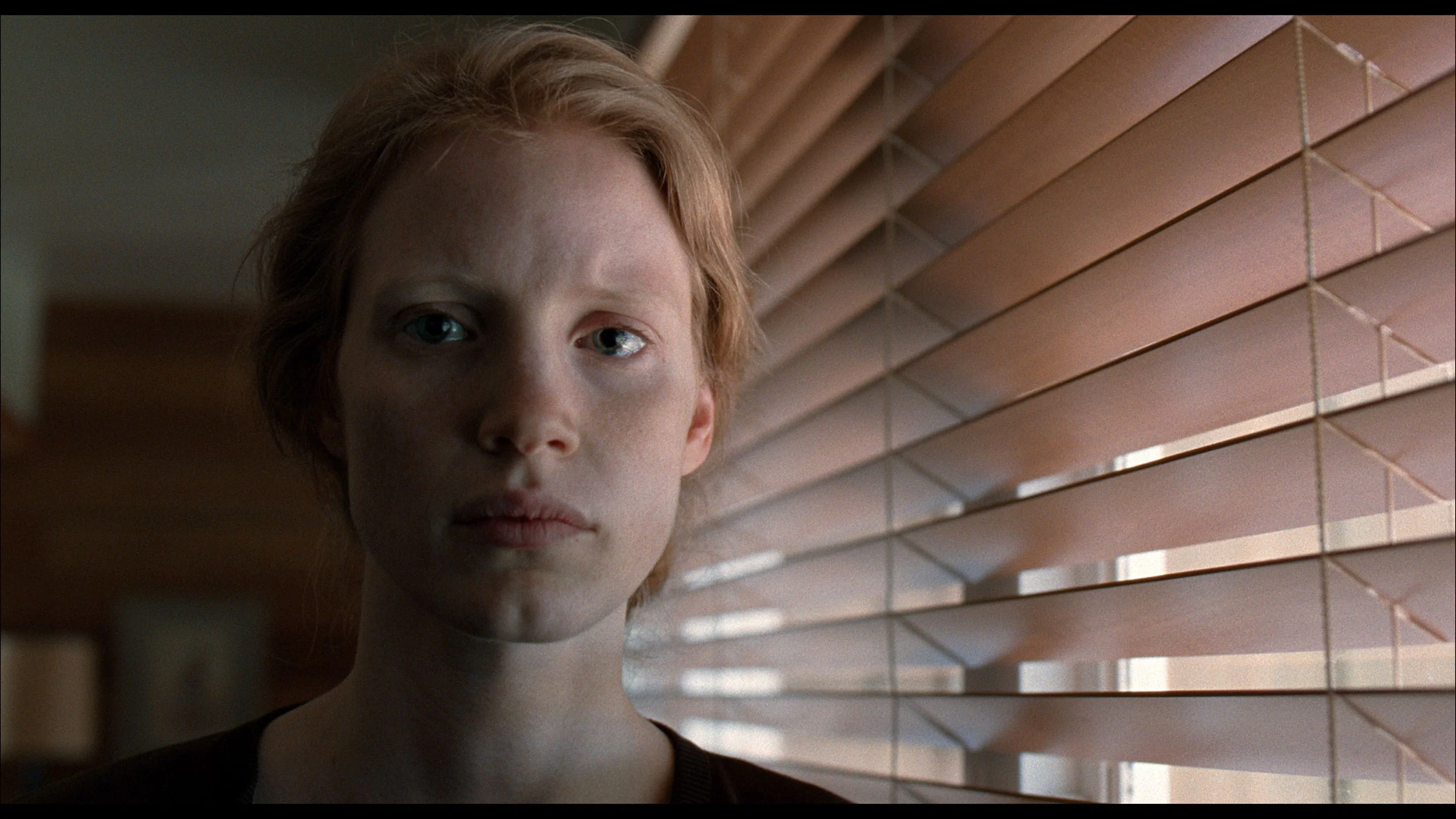
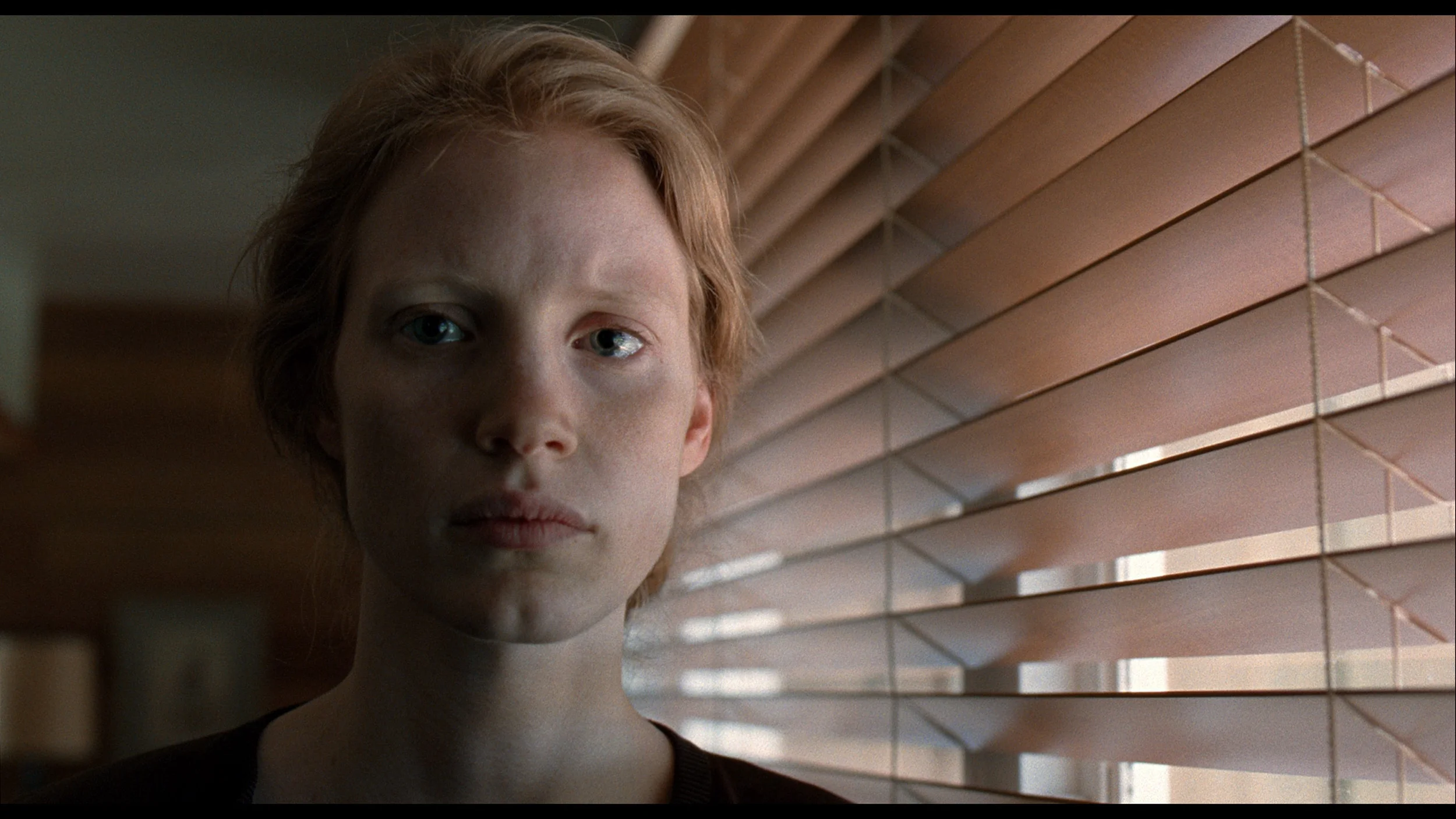
This gallery shows how colors change after professional TV calibration. If you notice the difference, we recommend ordering this service at SkalibrujTV.com.
Factory Mode
After calibration
Sony Bravia 5 was obviously tested in the best possible mode, which is the Movie mode. Right out of the box, it delivers the most natural colours, definitely better than anything offered by the "eco" or "dynamic" modes, which are more suited for a store display than a living room. However, the Movie mode alone does not guarantee that we can always expect cinematic picture quality. In SDR content, we had no significant complaints – the slightly warmed white balance gave the scenes a golden hue, but it was nothing that was glaring. However, a problem arose with HDR materials. Here, the colour reproduction simply looked bad. The white balance was heavily skewed – with an excess of blue and a clear lack of red. At times, it resembled the store mode of "super vivid picture," where everything is blown out and artificially boosted.
This situation made brightness management seem too aggressive as well. The EOTF graph clearly showed that the television has trouble with overexposing many scenes right out of the box. And while we know what Sony televisions are usually capable of, it was hard to remain indifferent here – that’s why we quickly decided to go for calibration.
As usual, we carried out colour measurements in the best‑tuned picture mode, Filmmaker Mode, the one intended to be closest to the creators’ intentions. The A400 Pro, of course, also offers other picture modes, but in practice they show much larger colour errors and interfere more with the image character. So we won’t cover them in detail in this part of the review. How does the factory colour reproduction fare? In short: really very well. In fact, looking at our measurements, it’s excellent. Both the white balance and the luminance response were set surprisingly precisely. The errors were so small that during the measurements we genuinely rubbed our eyes in surprise. Such good factory settings don’t happen often, even in televisions running Filmmaker Mode. All the more reason to praise TCL, because the A400 Pro straight out of the box can produce an image very close to how the source material should look. The results were so good you could easily think someone had already given this unit extra attention and tried to calibrate it. Our one bit of nitpicking comes down to a single issue. In SDR material the image was slightly brighter than the reference for a dark room, because the factory gamma was set closer to 2.3 than 2.4. It’s not a large error and most viewers probably won’t even notice it. We should note, however, that we are talking about our specific test unit. There can always be some variation in factory colour between individual units, production batches or screen sizes. We do not assume every A400 Pro will look identical straight out of the box.
Color reproduction after calibration
8.9/10
8.2/10
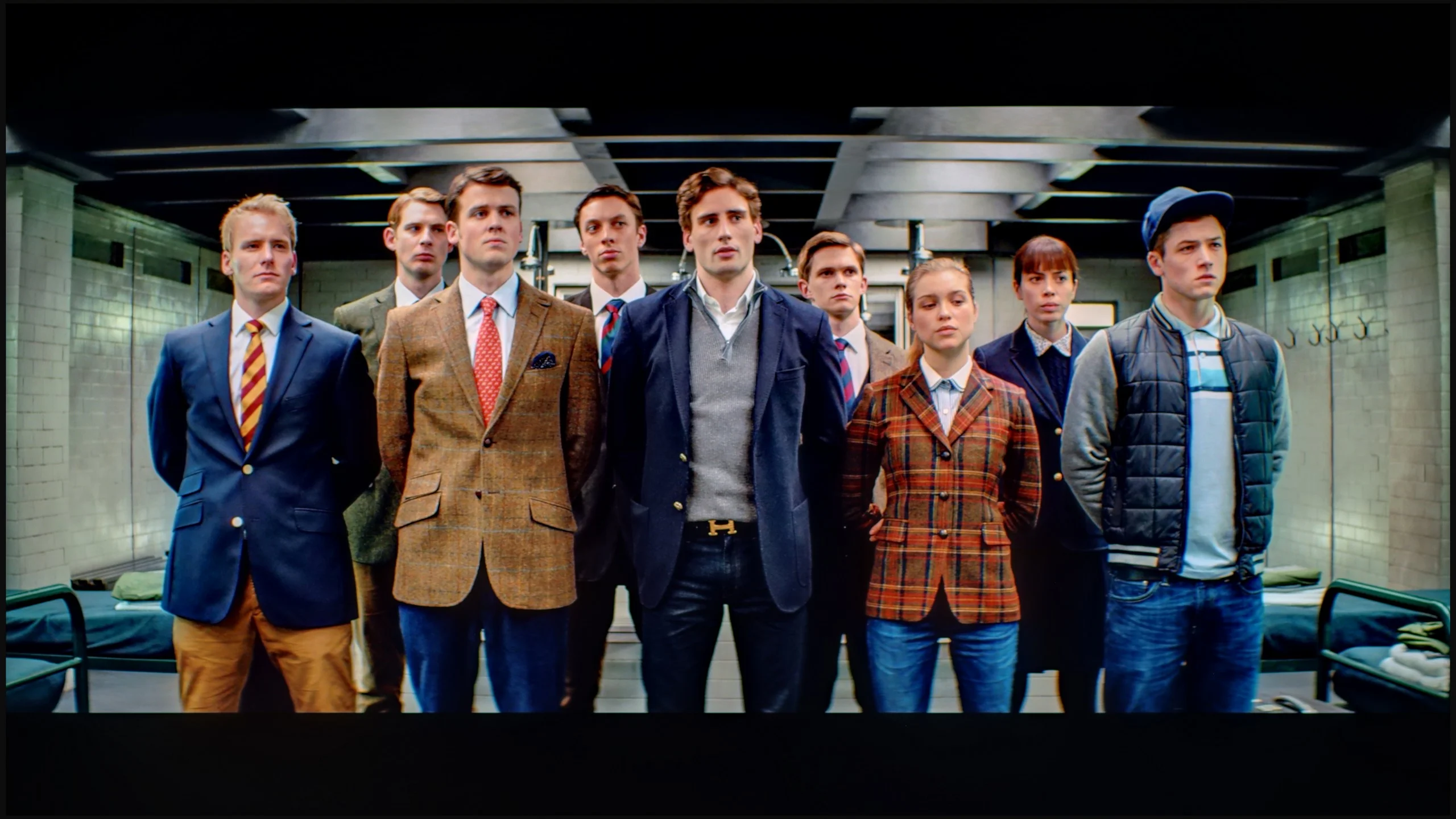
The photos show how movies look on the TV. Pay attention to black detail visibility, colors, and shadow tint.


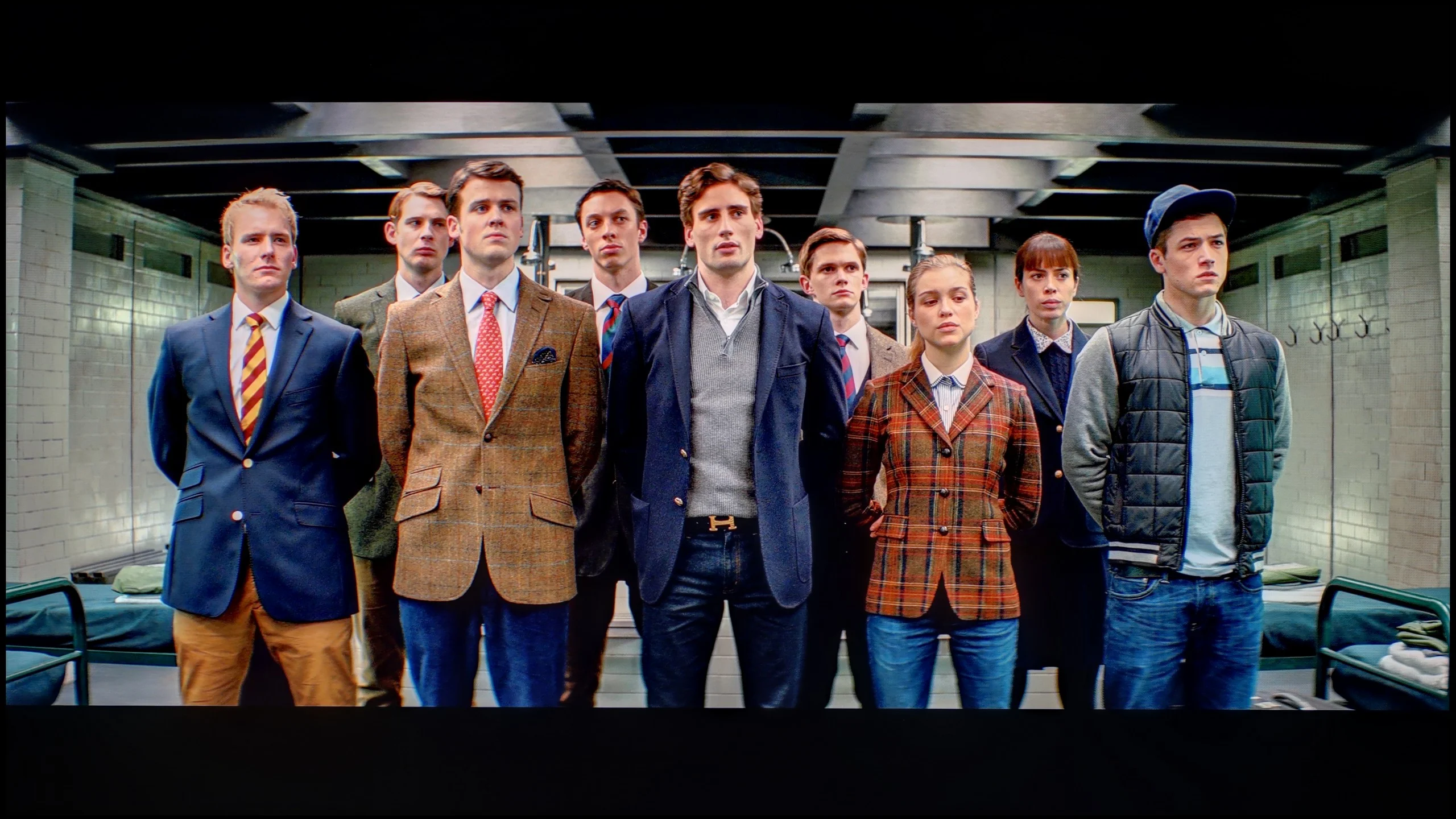
The photos show how movies look on the TV. Pay attention to black detail visibility, colors, and shadow tint.
After calibration, the situation changed dramatically. We managed to tune the white balance so that entire scenes began to look more natural, and the image gained coherence and elegance. In HDR, we finally got rid of that unwanted clipping effect that had previously spoiled some shots. Suddenly, it turned out that the Bravia 5 can extract much more from films than the first contact "straight out of the box" suggested. Indeed, if we look at the graphs and compare them with the standards, we can see that the beginning of the EOTF curve slightly strays beyond the reference line. However, this is not so much a calibration error as it is a natural limitation of the Mini-LED technology that cannot be bypassed. Sony, rather than clinging tightly to perfect black, prefers to prioritise the visibility of details – and in practice, it’s hard to disagree with that. We prefer to see the texture of the material on the screen rather than a pitch-black spot where all nuances disappear.
The calibration itself was really beneficial. After about an hour spent on settings, we felt that the image resembled that of the best cinema halls – of course on a home scale, but with the same sense of quality and refinement. And in such moments, we remember why we love Sony televisions: because once we fine-tune them, they reward us with a picture that captivates for long hours.
Despite the outstanding factory tuning, we couldn't resist checking how the TCL A400 Pro would respond to professional calibration. With such a strong starting point, we were especially curious whether we could squeeze even more from this TV. And here we have to boast: we managed to bring our sample to absurdly low colour errors. Results below 1 are something you don't see every day, even on very good TVs. Such outcomes are more often associated with professional reference monitors than with a lifestyle TV for the living room. In terms of white balance and colour reproduction, the A400 Pro after calibration simply excelled. The only thing we can pick on after closer analysis concerns the brightness response. The TV can vary the luminance level depending on the content being displayed, and quite often the picture is a little darker than it should be according to the reference. This most likely stems from the way the Mini-LED backlight and the local dimming algorithms work in this model. That said, it doesn't ruin the overall impression, because in terms of colour precision the A400 Pro after calibration reached a level that was genuinely hard to expect.
Smoothness of tonal transitions
8.8/10
9/10
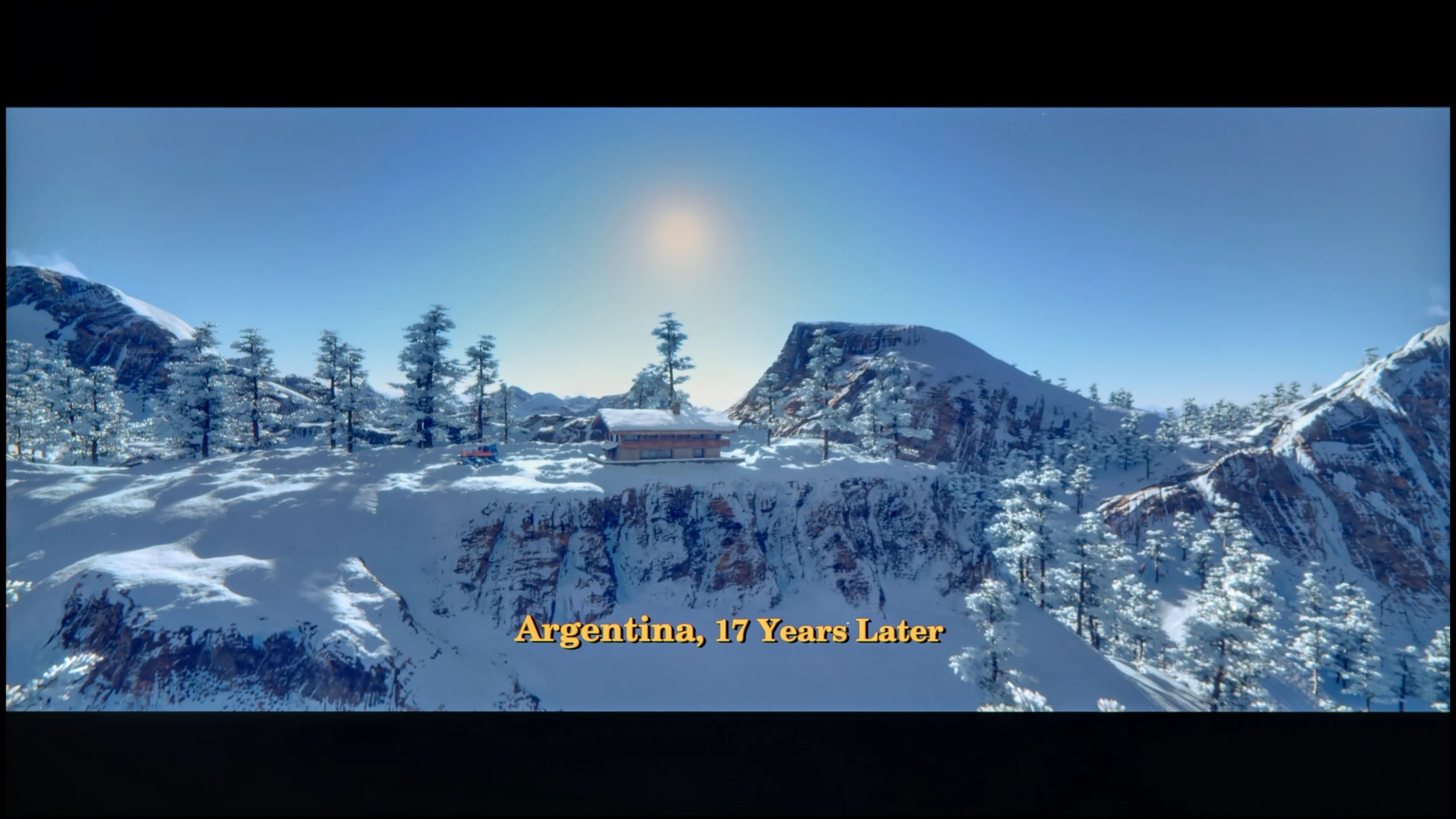
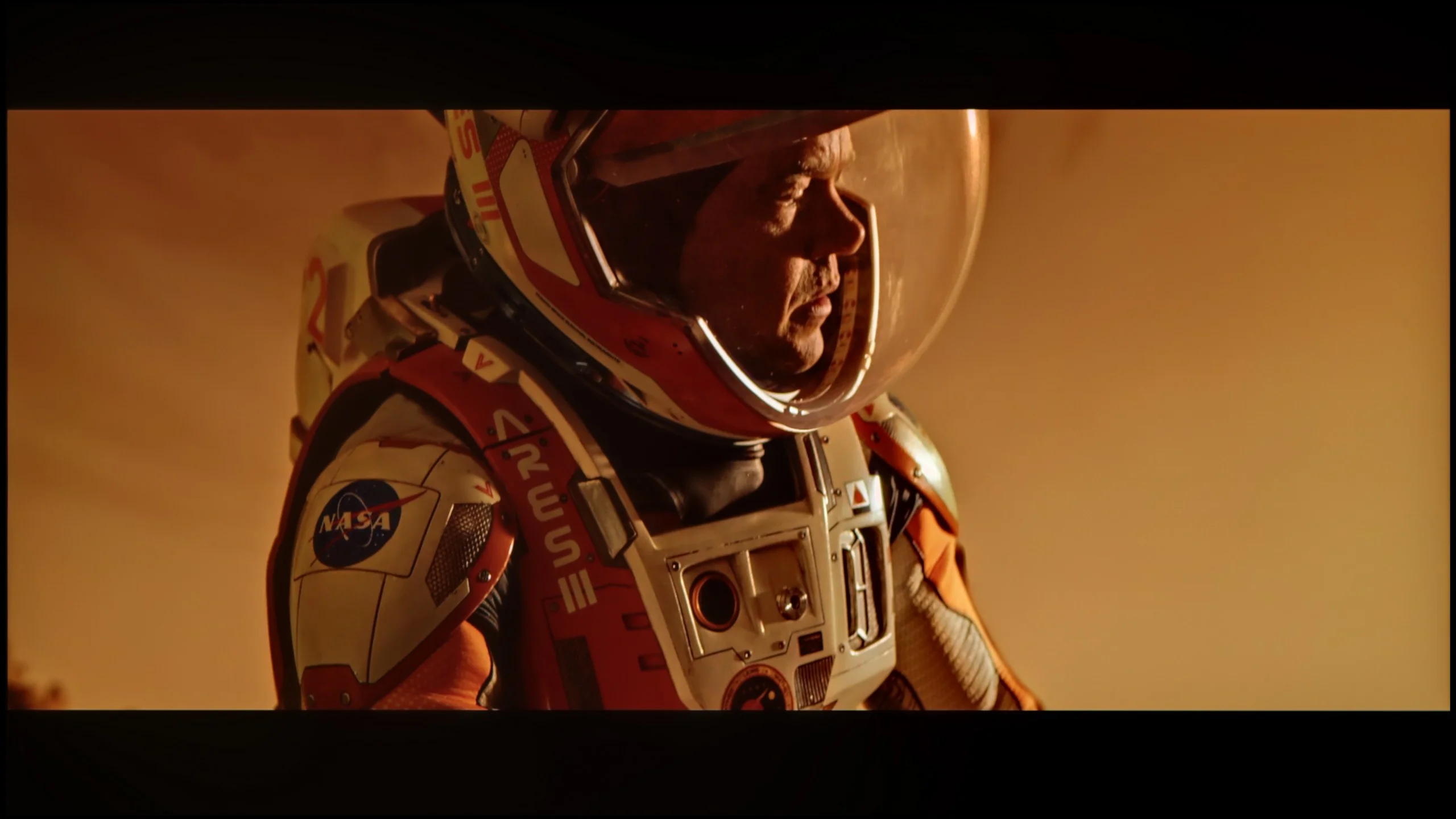
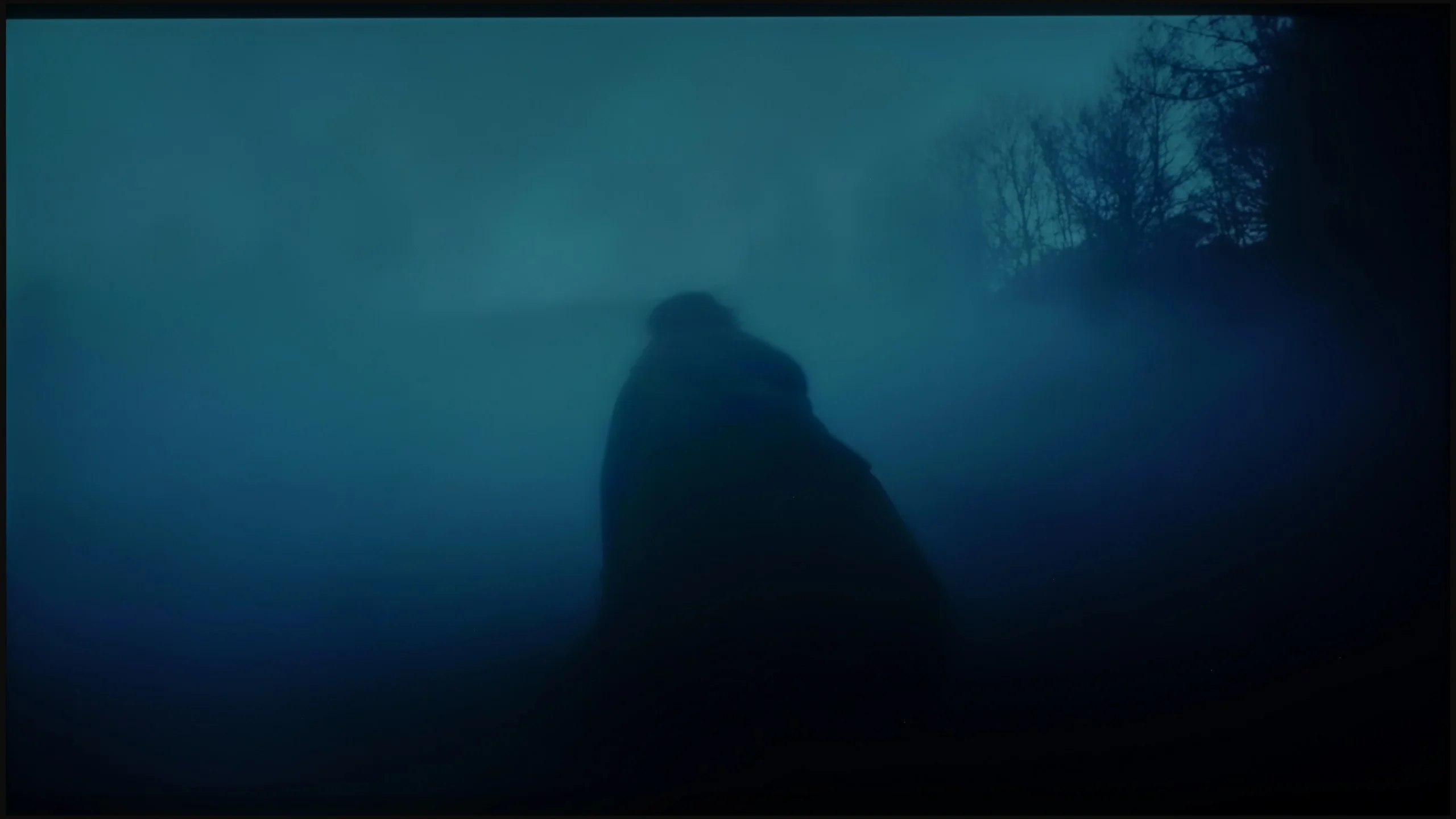
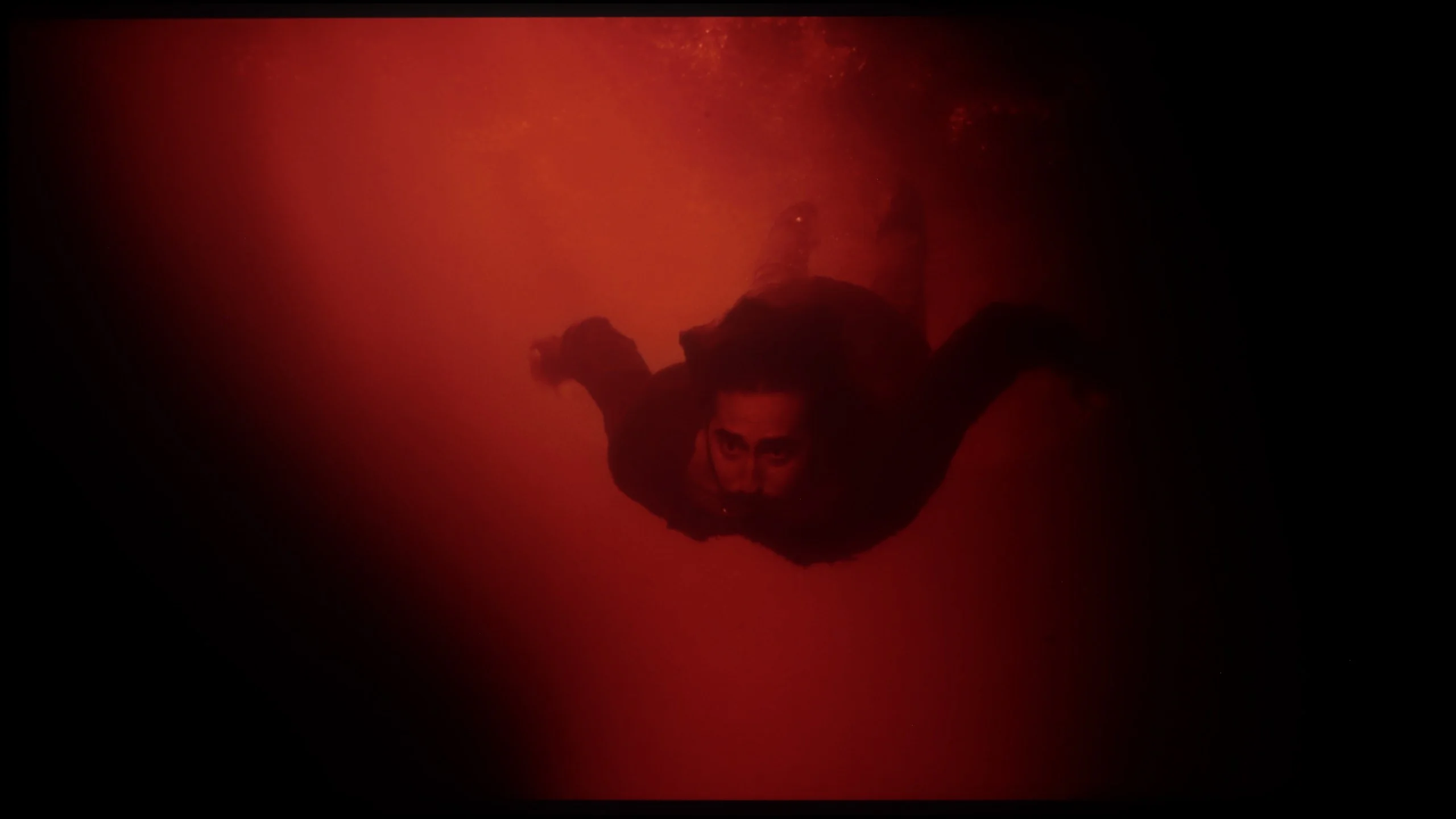
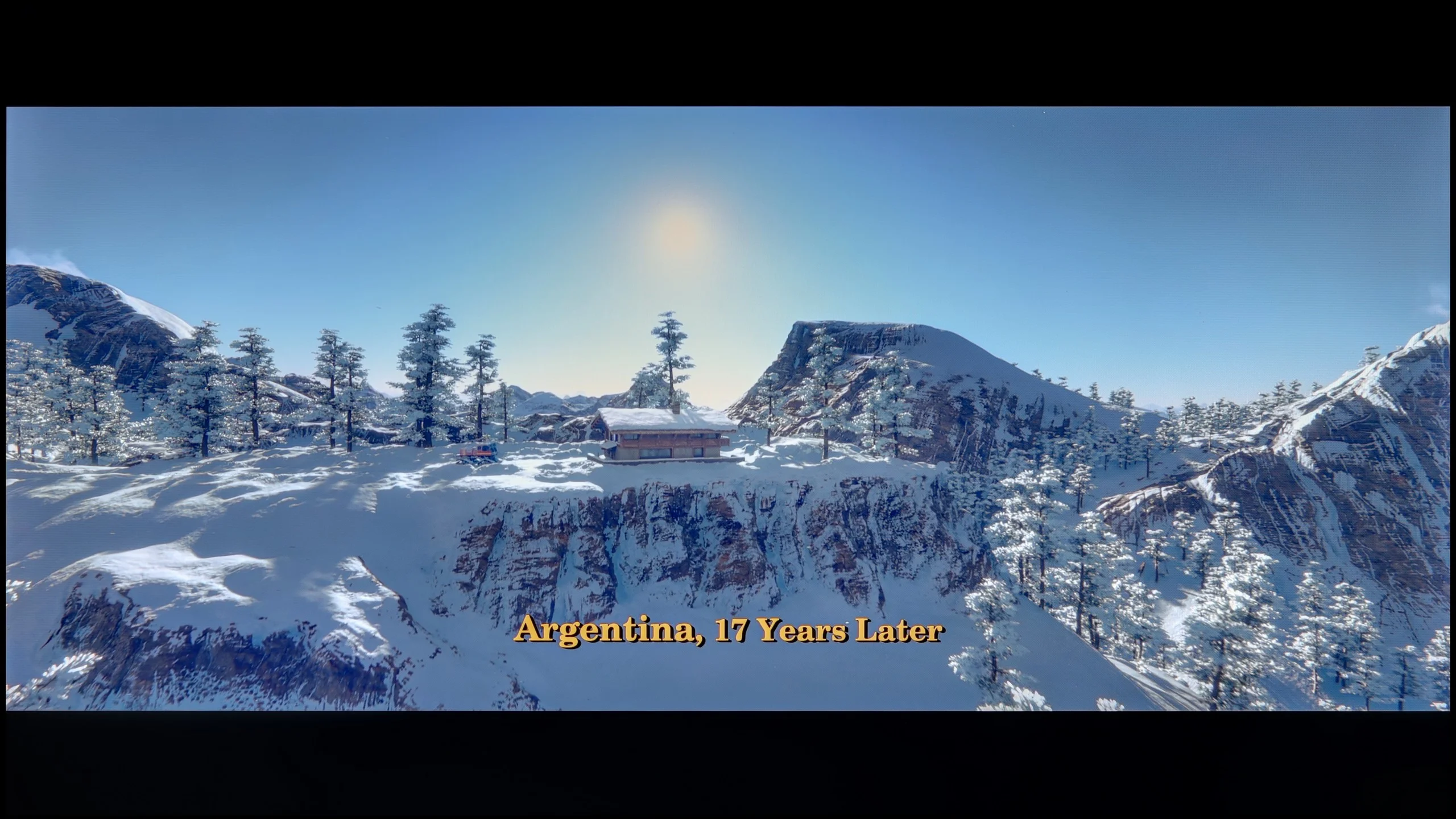
These are selected scenes that show smooth tonal transitions from one color to another. If you see distinct banding, it’s the TV panel’s fault.

These are selected scenes that show smooth tonal transitions from one color to another. If you see distinct banding, it’s the TV panel’s fault.
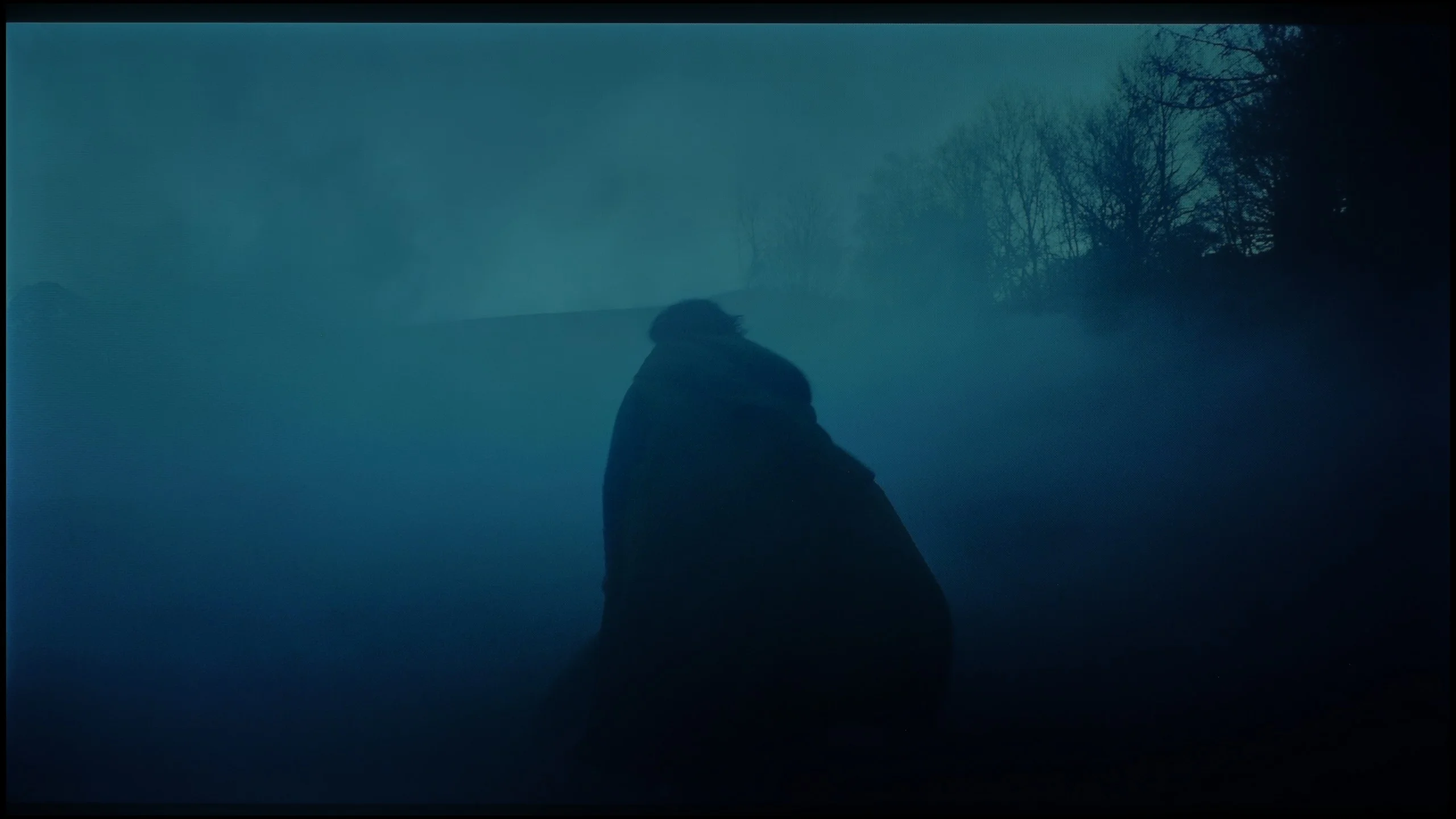
These are selected scenes that show smooth tonal transitions from one color to another. If you see distinct banding, it’s the TV panel’s fault.
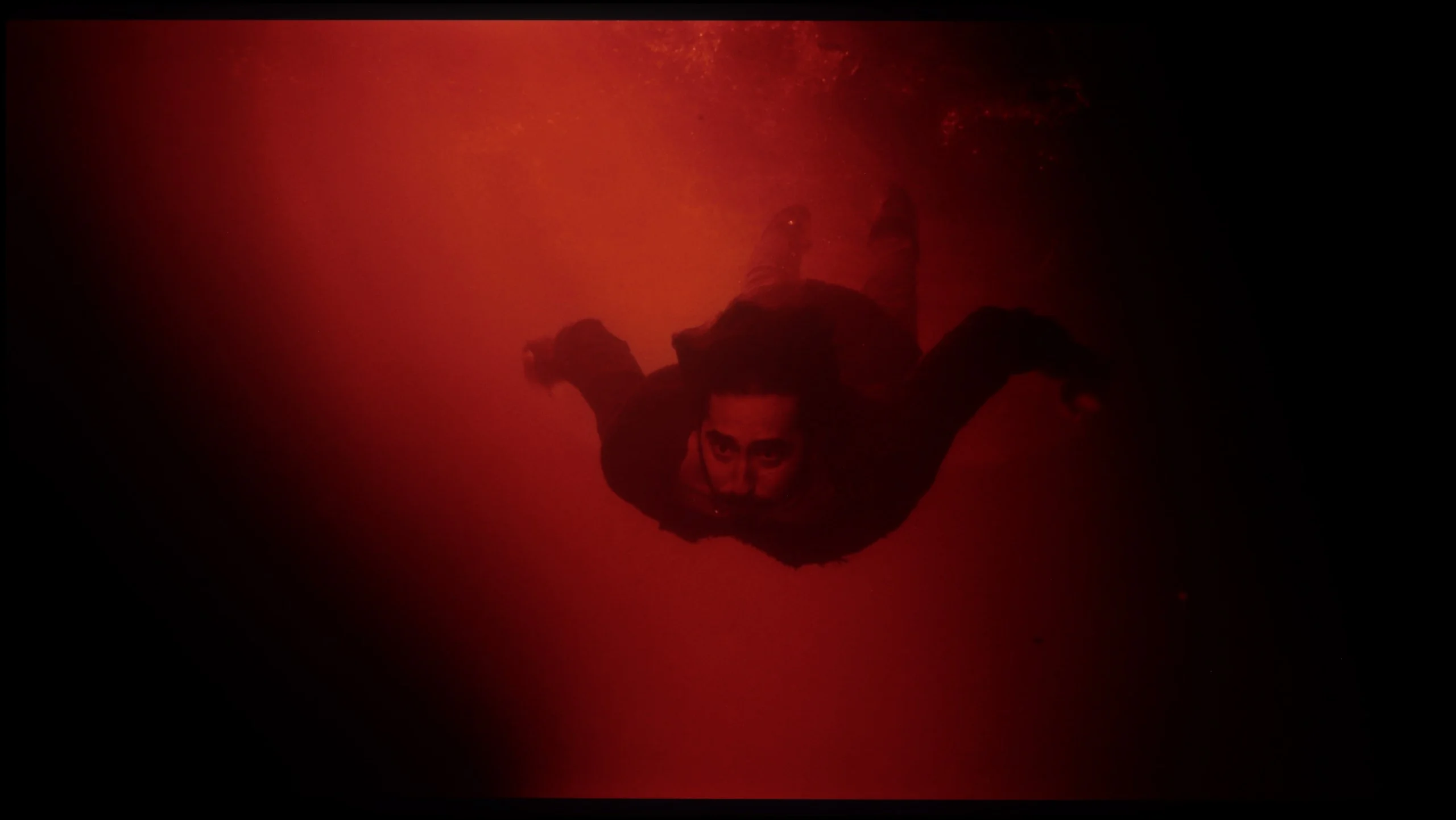
These are selected scenes that show smooth tonal transitions from one color to another. If you see distinct banding, it’s the TV panel’s fault.
Tonality transitions are nothing more than the way a television handles blending colours and shades – from light to dark, from saturated to pastel. If the device struggles with this, you see characteristic "stairs" instead of smooth transitions, and the image loses its naturalness. It's those moments when instead of getting immersed in the film, we start glancing at the screen thinking, "hey, something's off here." Fortunately, in the Sony Bravia 5, such situations are practically non-existent. This is a huge advantage because nothing distracts our attention from the plot or the excitement of sports. The television performs best in bright scenes, where the colour transitions are smooth, and the blending of colours is nearly invisible. The effect is so good that sometimes it can feel like the image was painted in one brush stroke. Of course, there have been a few minor missteps. In darker scenes, certain imperfections can be noticed – slight banding or minimal gradation issues. For that reason, the Bravia 5 received a few negative points from us. Nevertheless, in the vast majority of situations, the television performs excellently and comes through this test with flying colours.
The TCL A400 Pro handles tonal transitions very well. Tonal gradation in most content is smooth, and any imperfections only appear in extreme cases, mainly on subtle grey transitions. It's worth noting that the vast majority of TVs struggle with scenes like these. What's also very good news is the lack of gradation issues in Dolby Vision. The A400 Pro did not introduce extra banding or visible artefacts in that format, which lately you can't take for granted. That's another factor that positively affects the viewing of films and TV series in HDR.
Image scaling and smoothness of tonal transitions
8.5/10
5.5/10

Smooth transition function
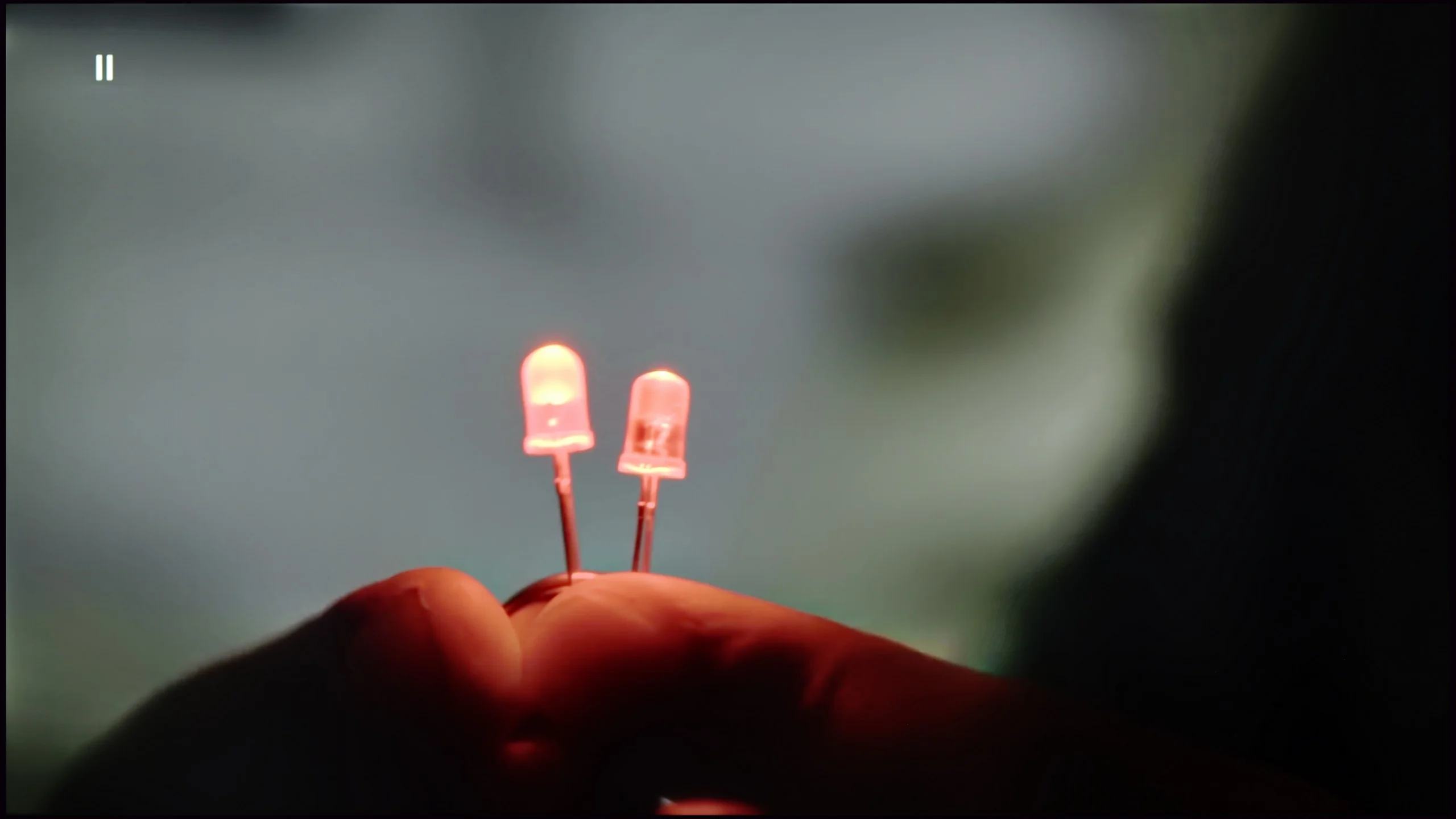
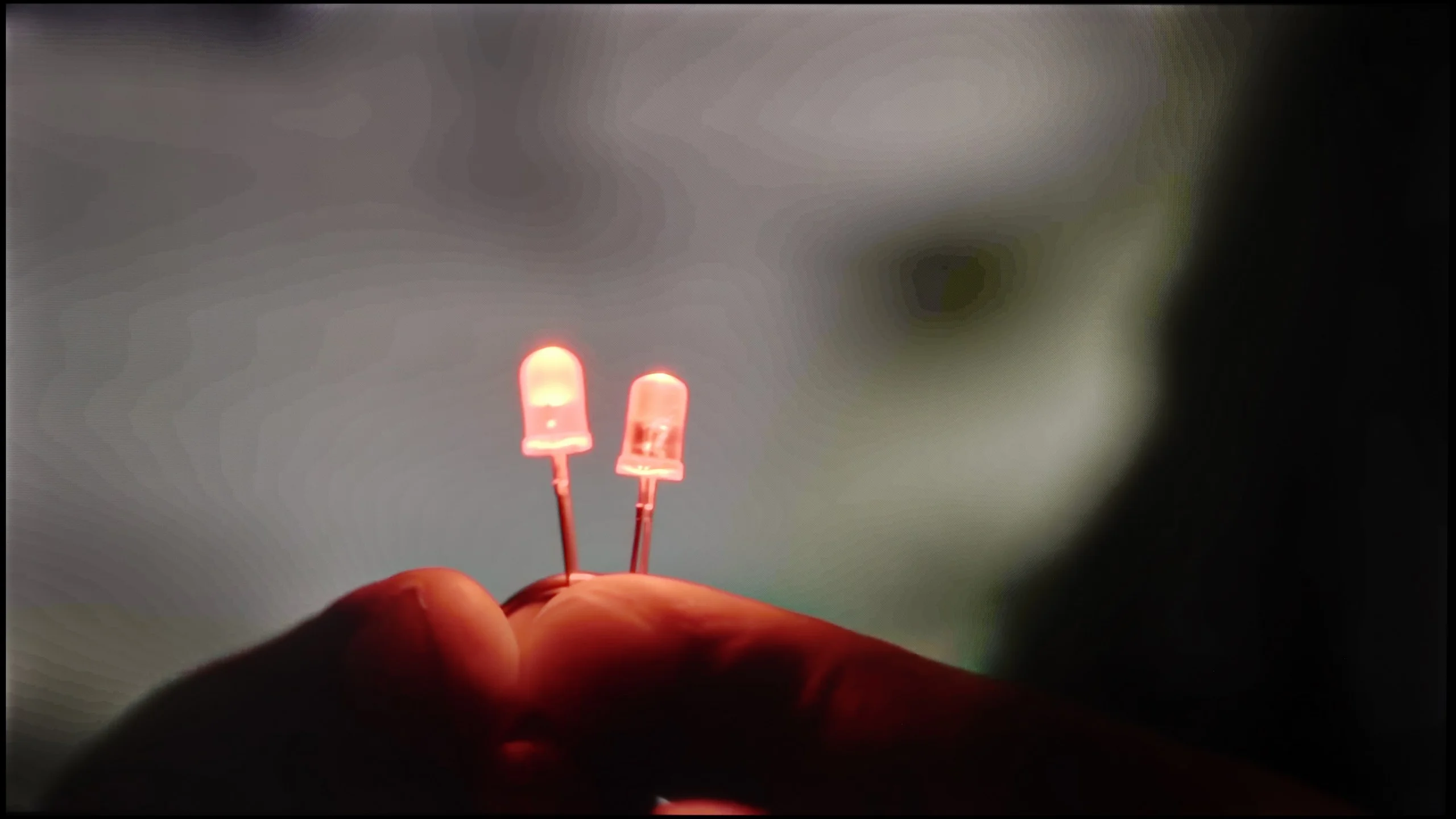
The match photo shows how the TV smooths weak tonal transitions in low-quality video.
Image scaling SD (576i)


The model photo shows how it handles upscaling of SD material.
Bravia 5 carries the genes of Sony, which remain intact – and thank goodness for that, because we're talking about absolutely exceptional digital image processing. It's no coincidence that for years, it's been considered that TVs from this brand set the standard for how a screen should handle lower quality materials. If someone still watches classic television, old films, or YouTube in lower resolutions, here they get equipment that can turn such content into a surprisingly enjoyable experience. On board, we find several tools worth activating. The first of these is "digital noise reduction." Set to a medium level, it works superbly – smoothing out tonal transitions that usually cause the most trouble in low-quality materials while introducing no artificial artifacts. Importantly, it also doesn't remove the cinematic character, which is the natural grain that is intentionally present in many productions. Another advantage of the Bravia 5 is the upscaling capabilities of the XR processor. The image presented after scaling is soft, yet sharp and clear. The outlines of characters are well-defined, and backgrounds maintain their texture without excessive artificial sharpening. It's hard to find a better TV for watching lower quality materials – Bravia 5 only confirms why Sony is considered the benchmark in this area.
Digital image processing is unfortunately one of the weaker points of the TCL A400 Pro. That does not mean the TV performs badly, but it’s hard to call it anything clearly above standard. The upscaling itself is acceptable: edges are fairly well smoothed, the picture does not look overly sharp or “pixelated”, and lower-quality material can be watched without major discomfort. At the same time the overall image has a slightly soft character and you don’t see the kind of precision that the best image processors in more expensive TVs can offer.
Handling of tonal transitions caused by heavy compression is much worse. TCL equipped the A400 Pro with a “Gradual Smoothing” feature that in theory should reduce visible colour banding and artefacts in lower-quality material. In practice, however, its effectiveness is very limited. It does not improve tonal transitions in any noticeable way, and at higher settings it can further smooth image detail, giving it an artificial, slightly blurred character. For that reason we think it’s best to leave this feature off. The A400 Pro copes decently with basic image scaling, but if you often watch heavily compressed material with visible posterisation, this model will not be one of the best choices.
Blur and motion smoothness
7.9/10
7.1/10
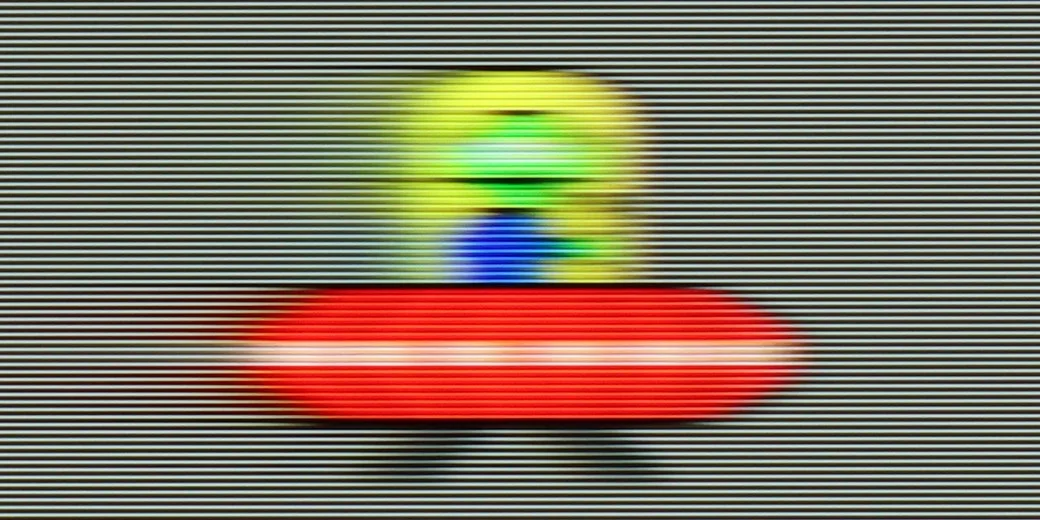
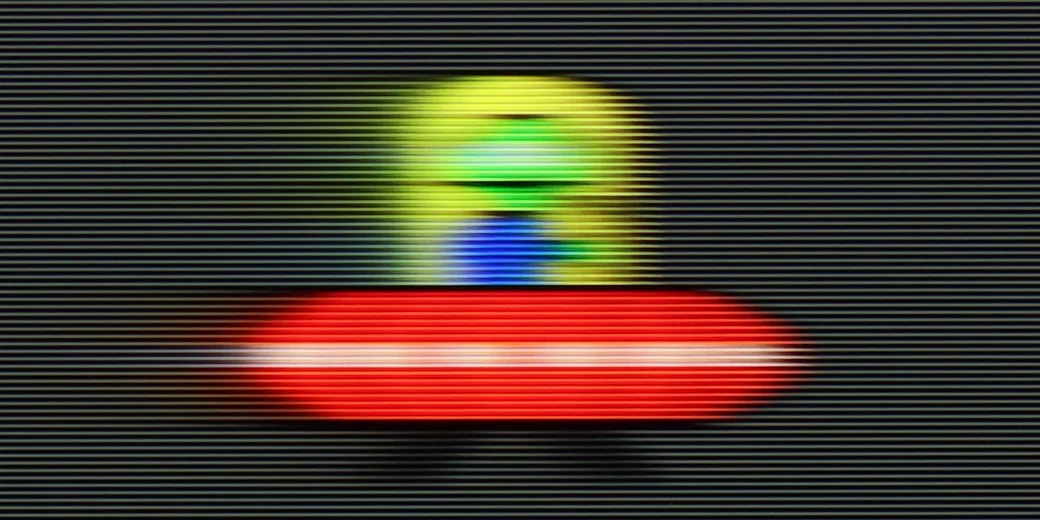
Blur (native resolution, maximum refresh rate):


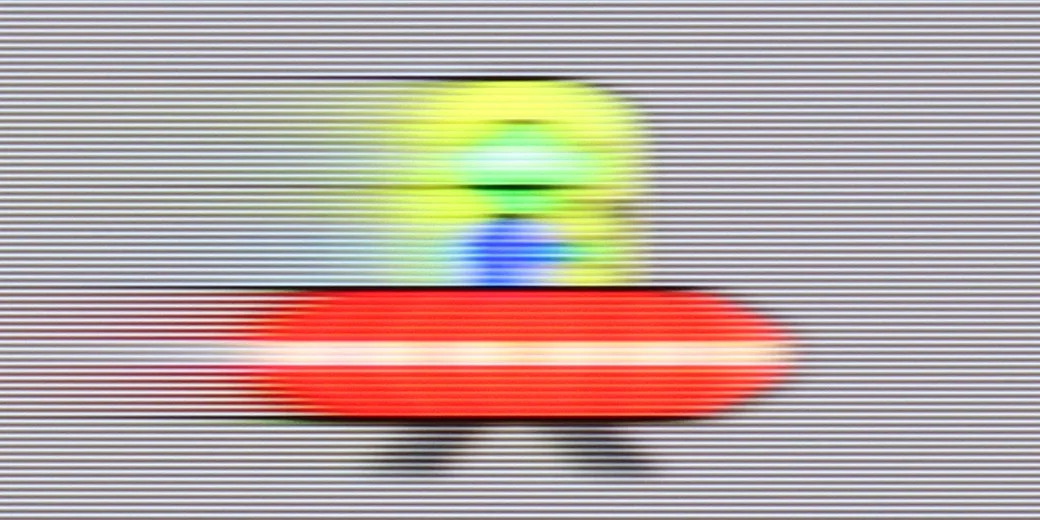
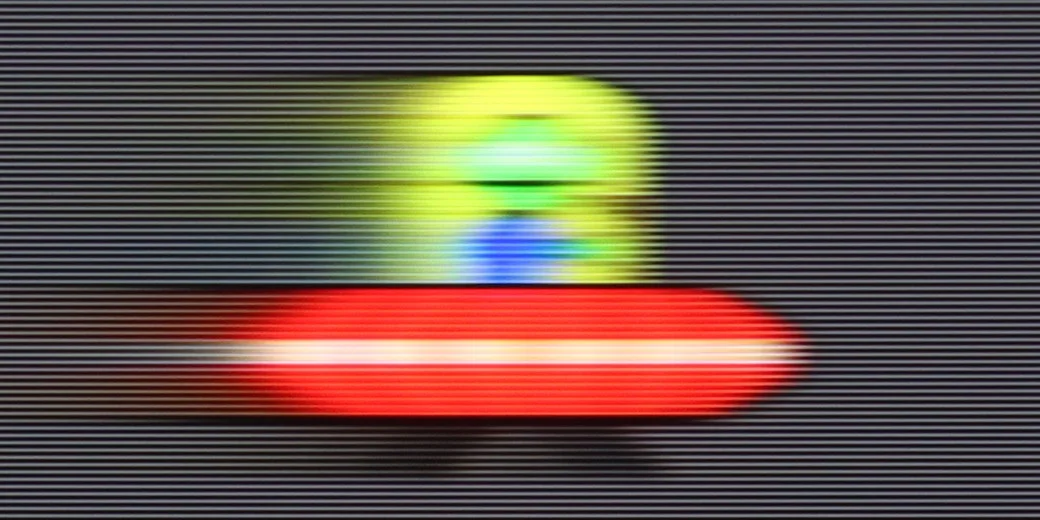
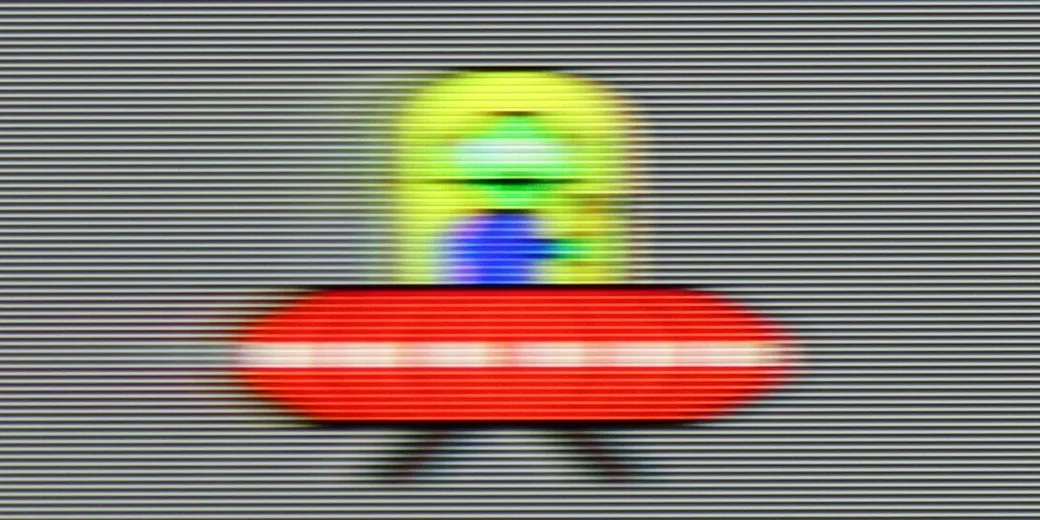
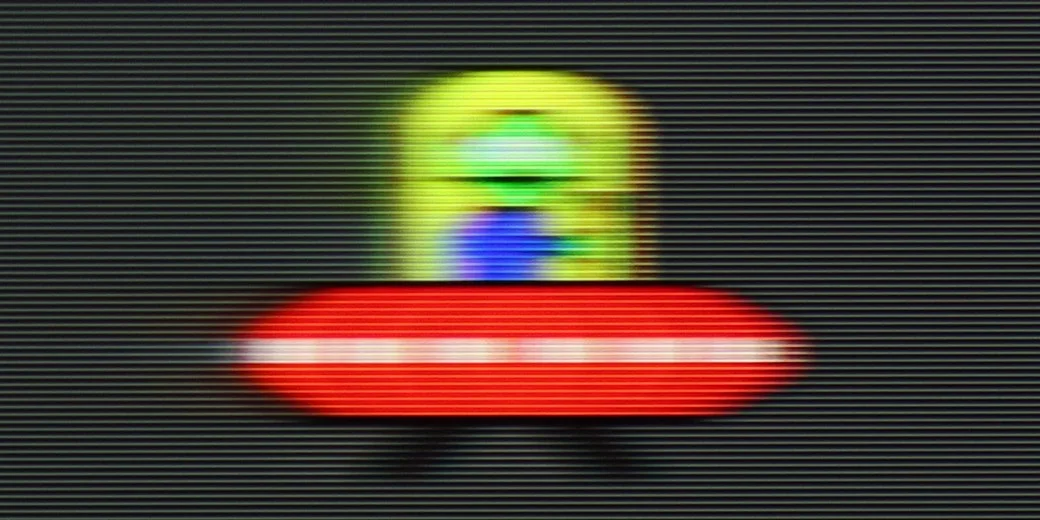
Blur (BFI function enabled):


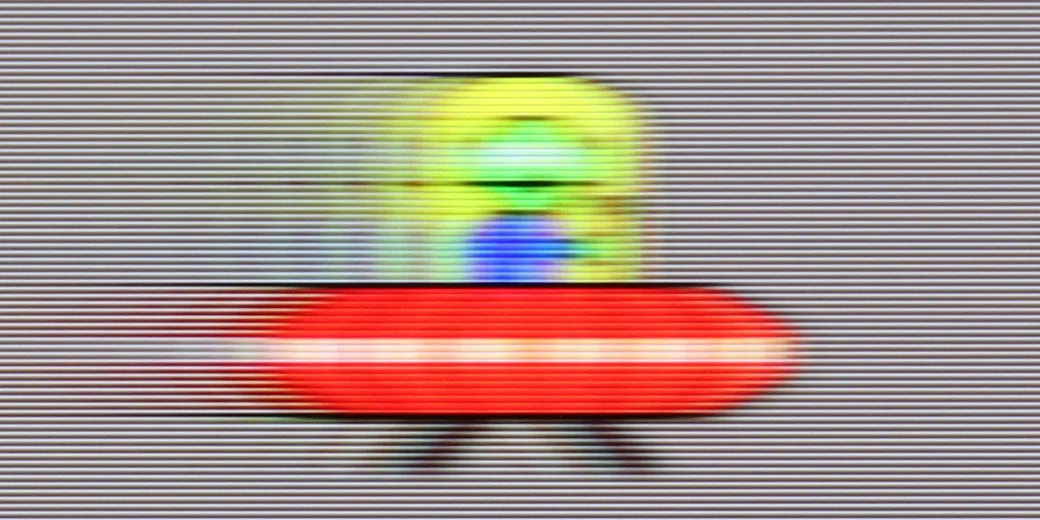
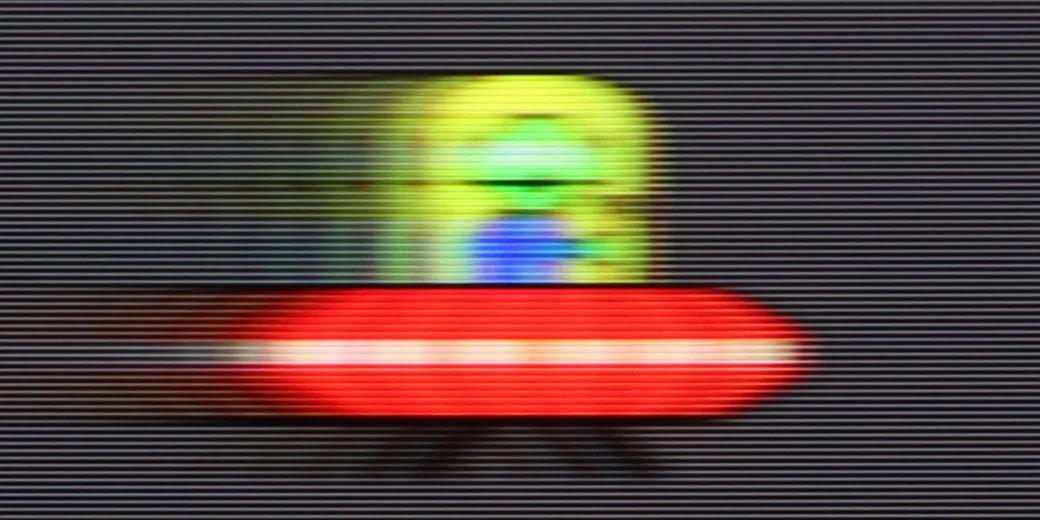
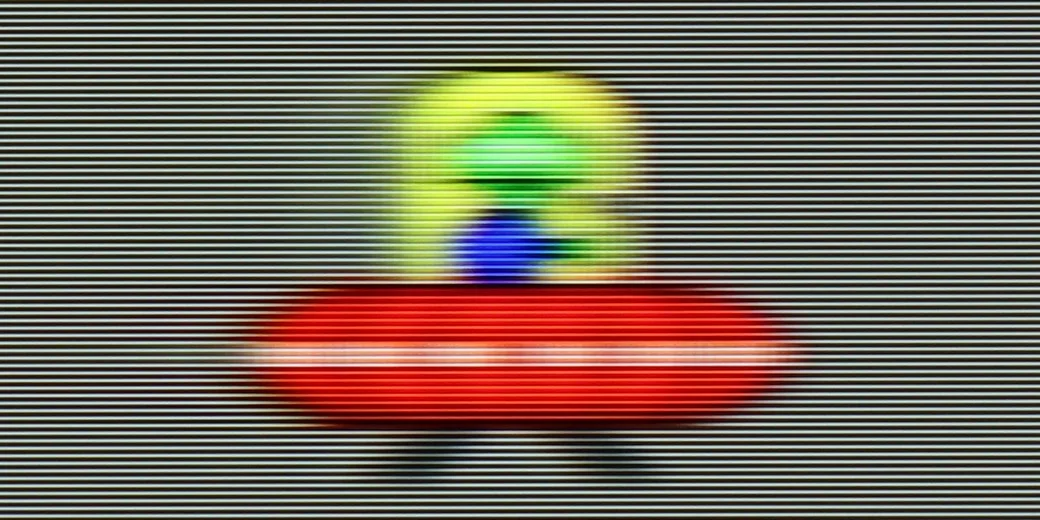
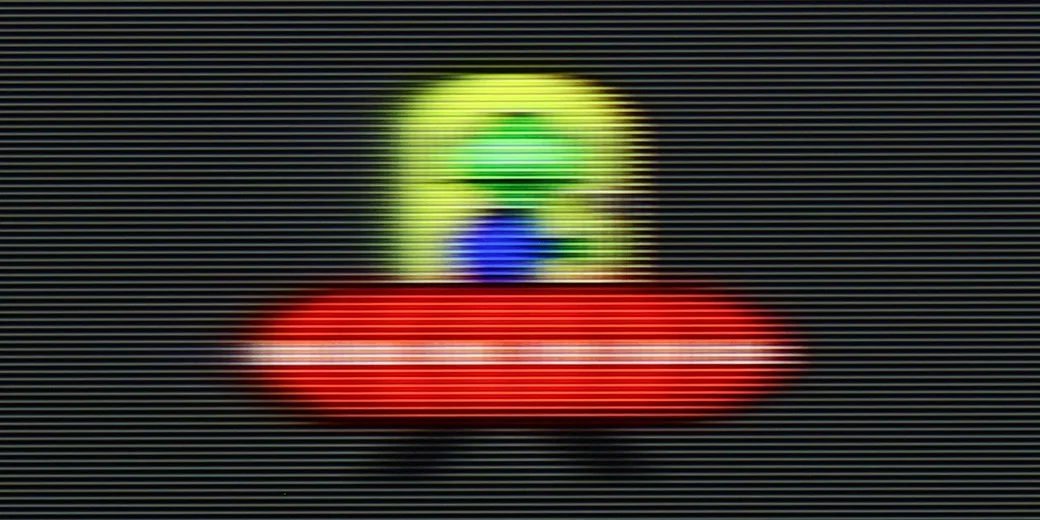
Blur (MotionFlow ON):

Blur (4K@144Hz):

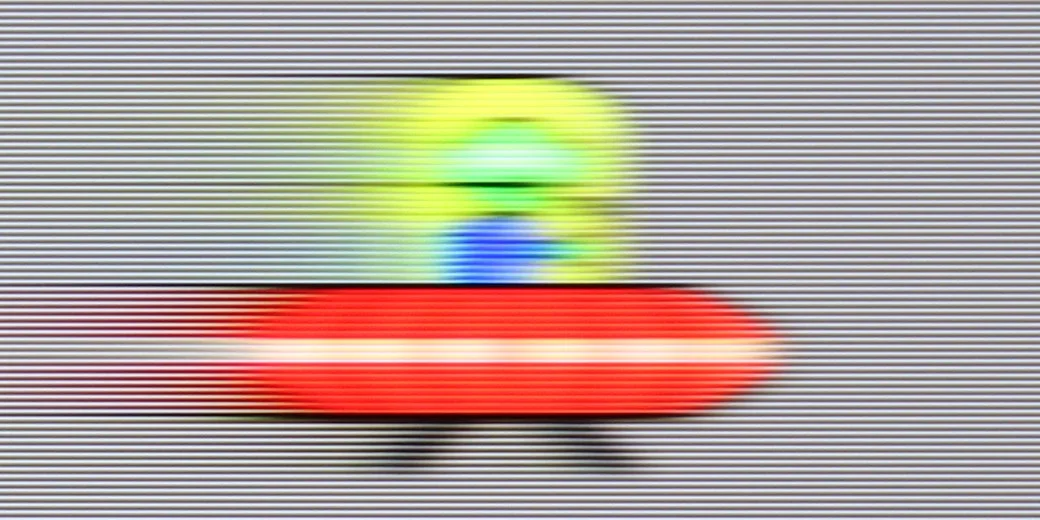
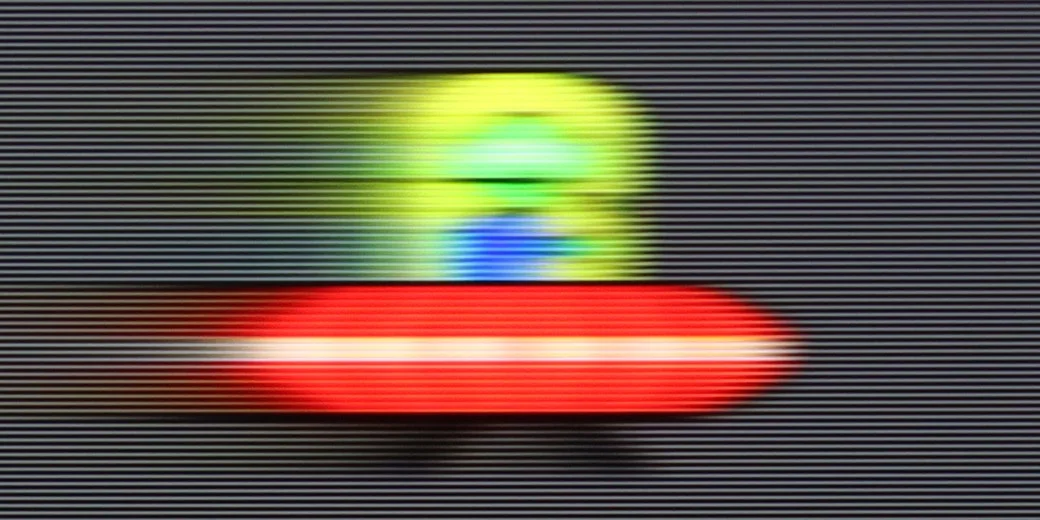
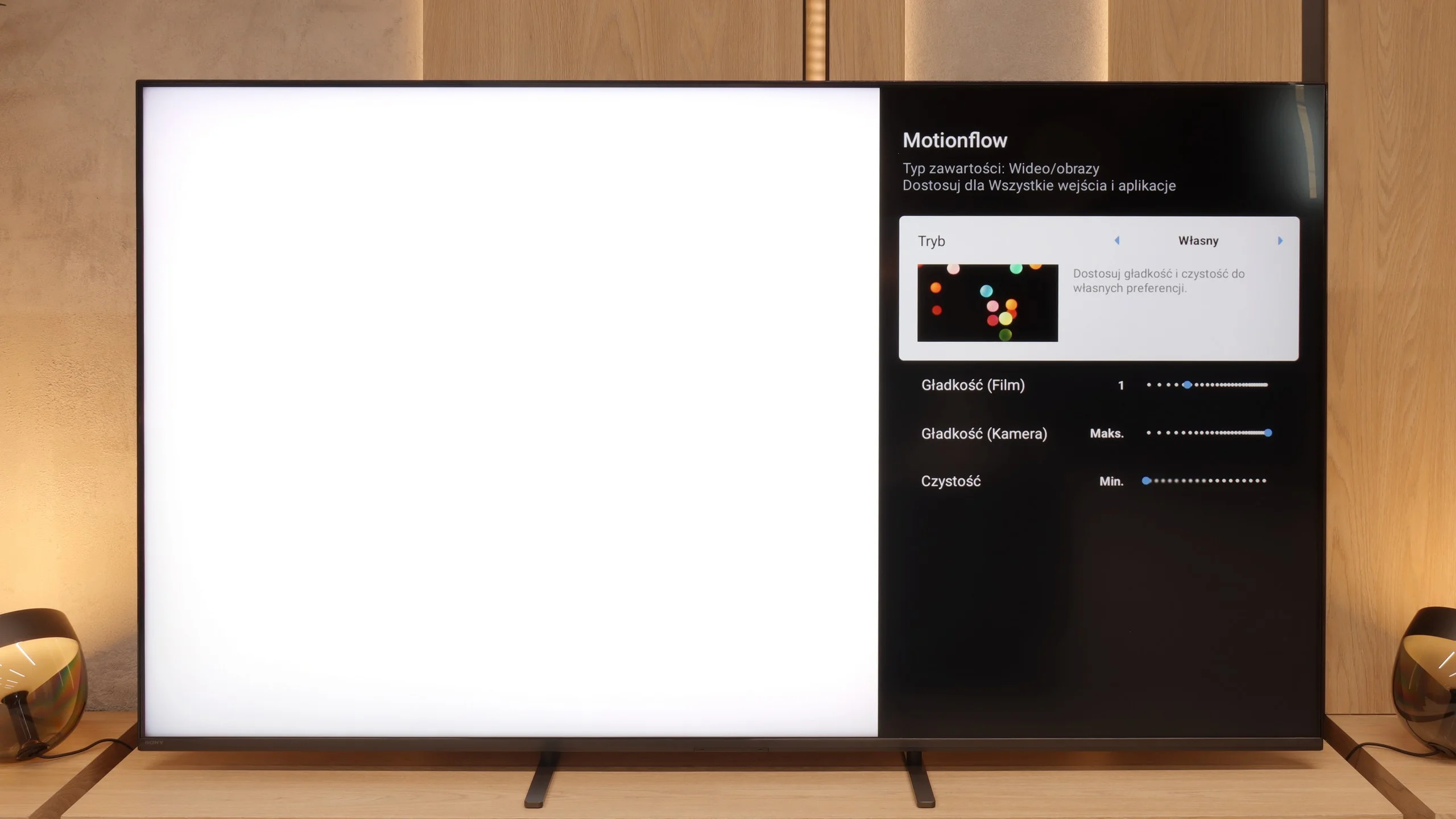
Bravia 5 has a 120 Hz panel, which in itself sounds like an invitation to watch sports, fast matches or spectacular action films. However, the real magic begins when MotionFlow – Sony's proprietary motion smoother – comes into play. Thanks to this feature, we can adjust the character of the picture to our own preferences. The "smoothness" slider allows us to transition from a cinematic feel with a slight "judder" to a theatrical fluidity, where every ball in the match glides across the screen as if on a string. The higher the value, the smoother and more fluid it is; the lower it is, the more film-like and natural it becomes. In the options, we also find an additional setting that Sony calls "clarity". This is nothing more than the BFI function (which inserts black frames) aimed at improving motion sharpness. It sounds great in theory, but in practice, it must be used with caution. Why? Because all higher settings cause brightness drops of up to half, and in some cases, contour doubling also appears. So if we want to use it, we recommend setting it to the lowest level – "1" out of the available ten. That way, we gain a bit better motion sharpness without risking losing half the brightness of the picture.
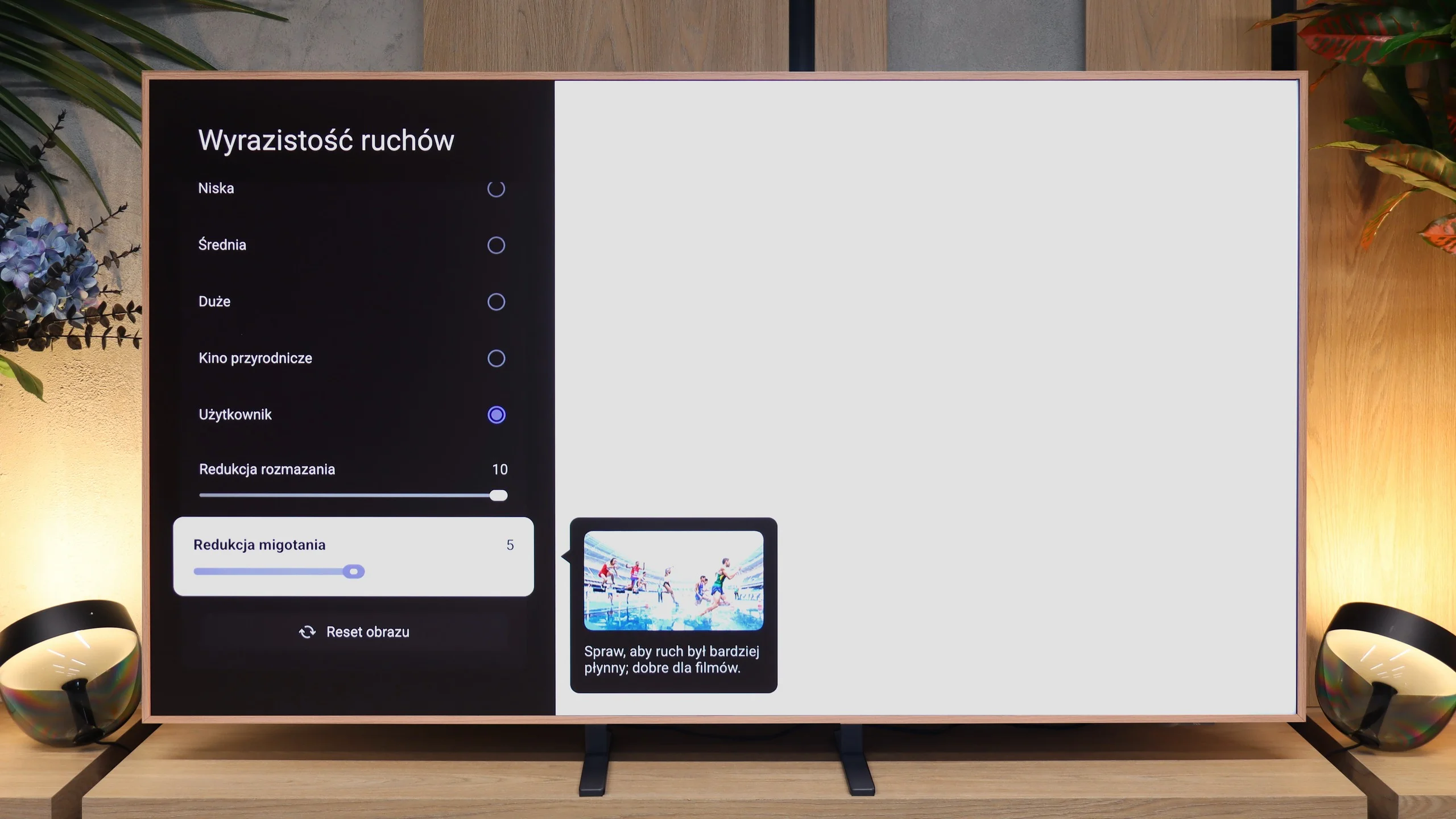
The TCL A400 Pro is equipped with a 144 Hz panel, but in practice we're most interested in how it performs at 120 Hz. That's the refresh rate most consoles, as well as many sports broadcasts and high-motion sources, are limited to today. In that range the TV performs quite well. Motion clarity is really good, especially after properly configuring the motion smoothing. The 'Motion Clarity' function improves smoothness. Its settings include two sliders that let you tailor the motion smoothing to your preferences, separately for low-frame-rate and high-frame-rate content. This allows you to achieve either a more cinematic look or a noticeably smoother image. If you don't want to fiddle with manual configuration, you can use built-in presets such as Low, Medium, High, Cinema or Nature.
Console compatibility and gaming features
9.8/10
9.8/10
- ALLM
- VRR
- VRR range48 - 120Hz48 - 288Hz
- Dolby Vision Game Mode
- Correct implementation of HGIG
- 1080p@120Hz
- 1440p@120Hz
- 4K@120Hz
- Game bar
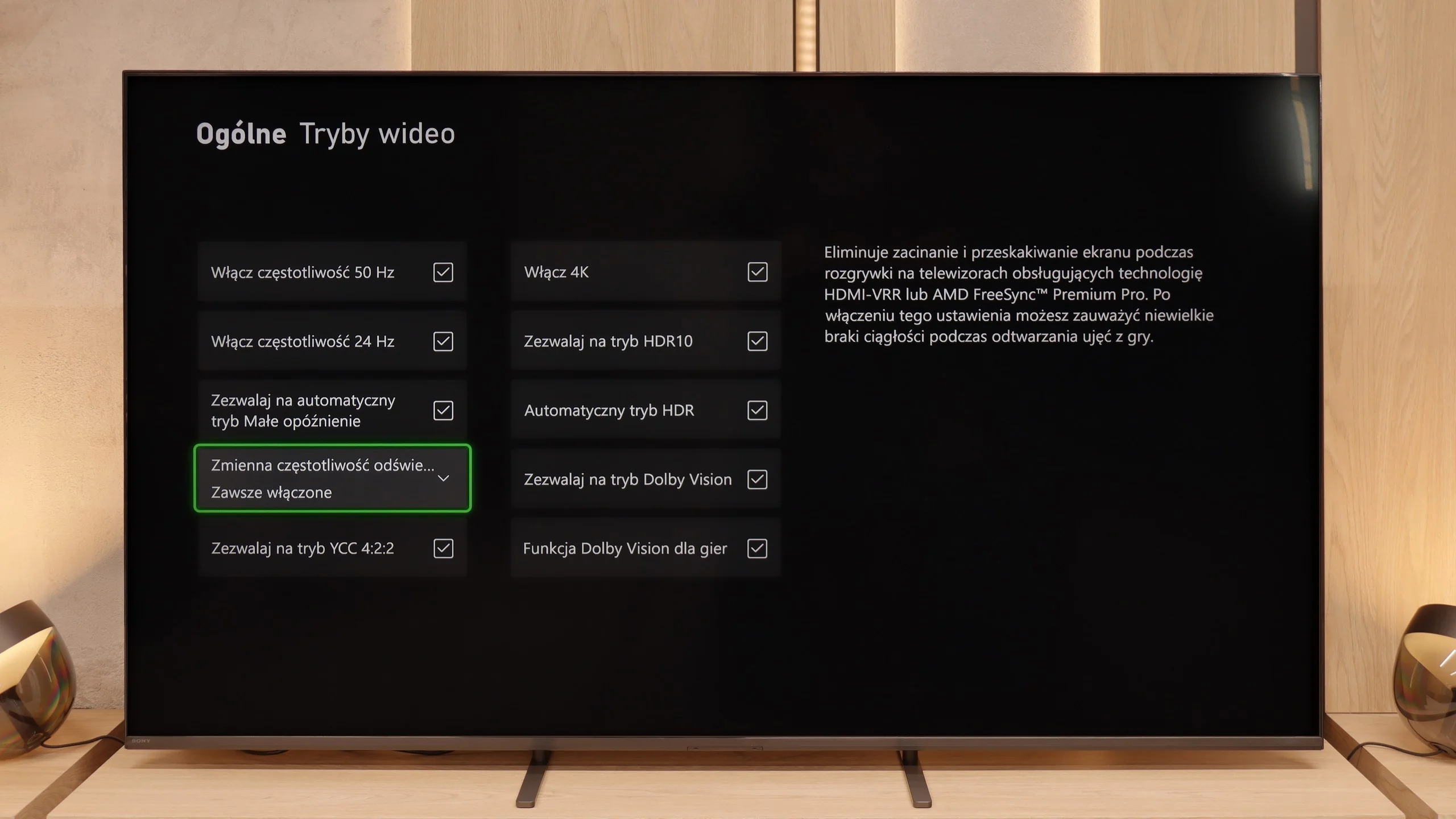
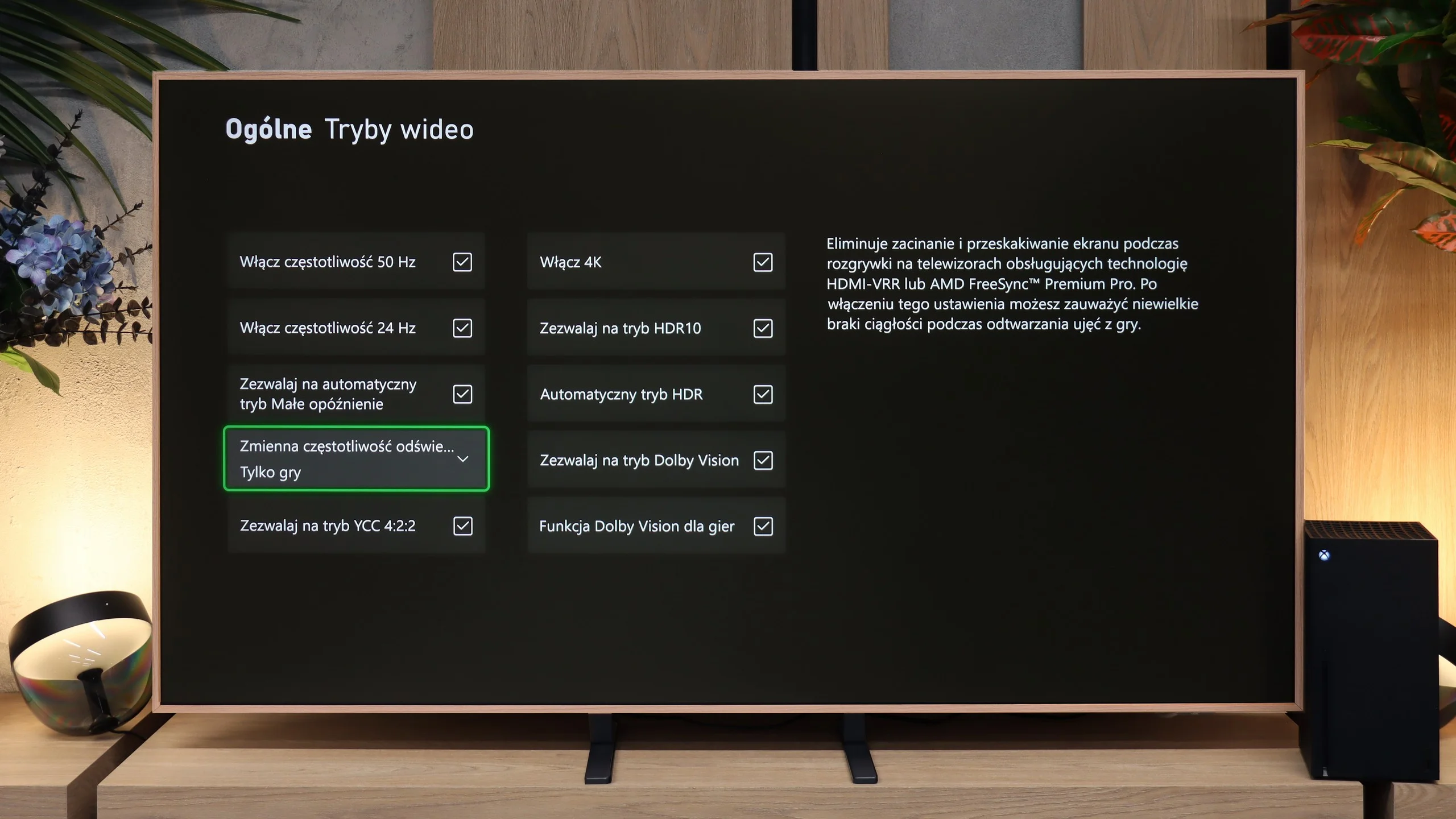
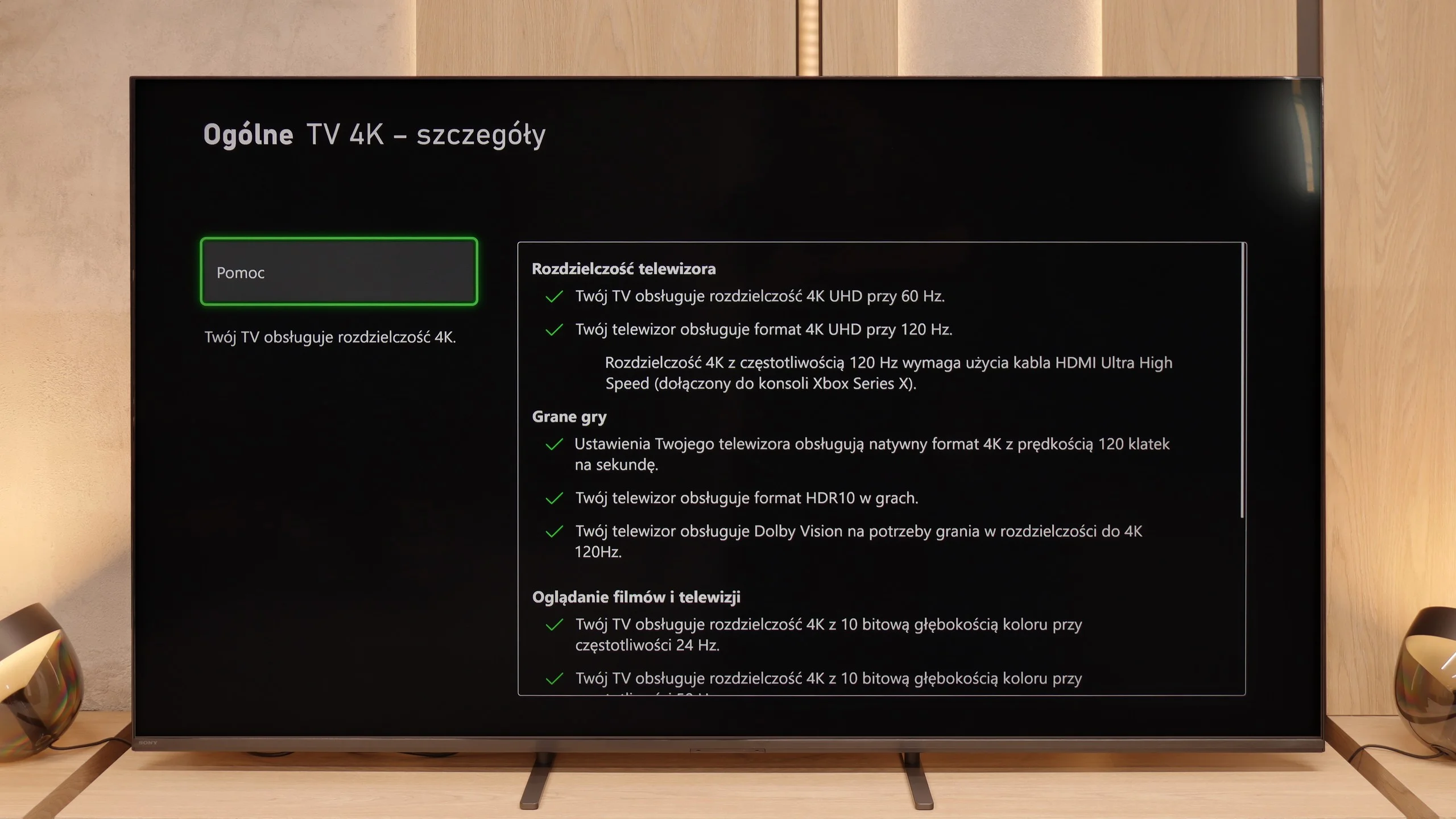
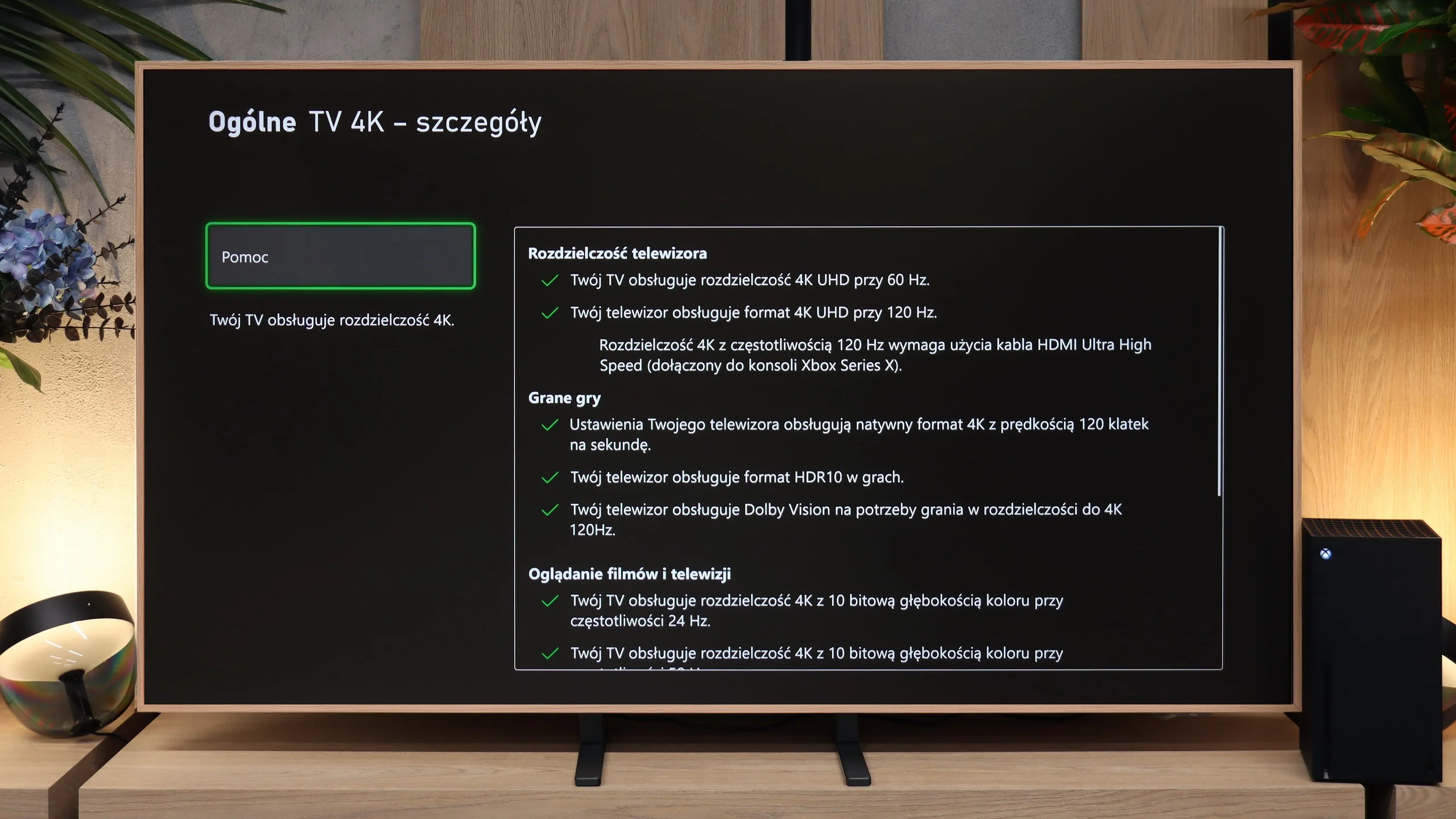
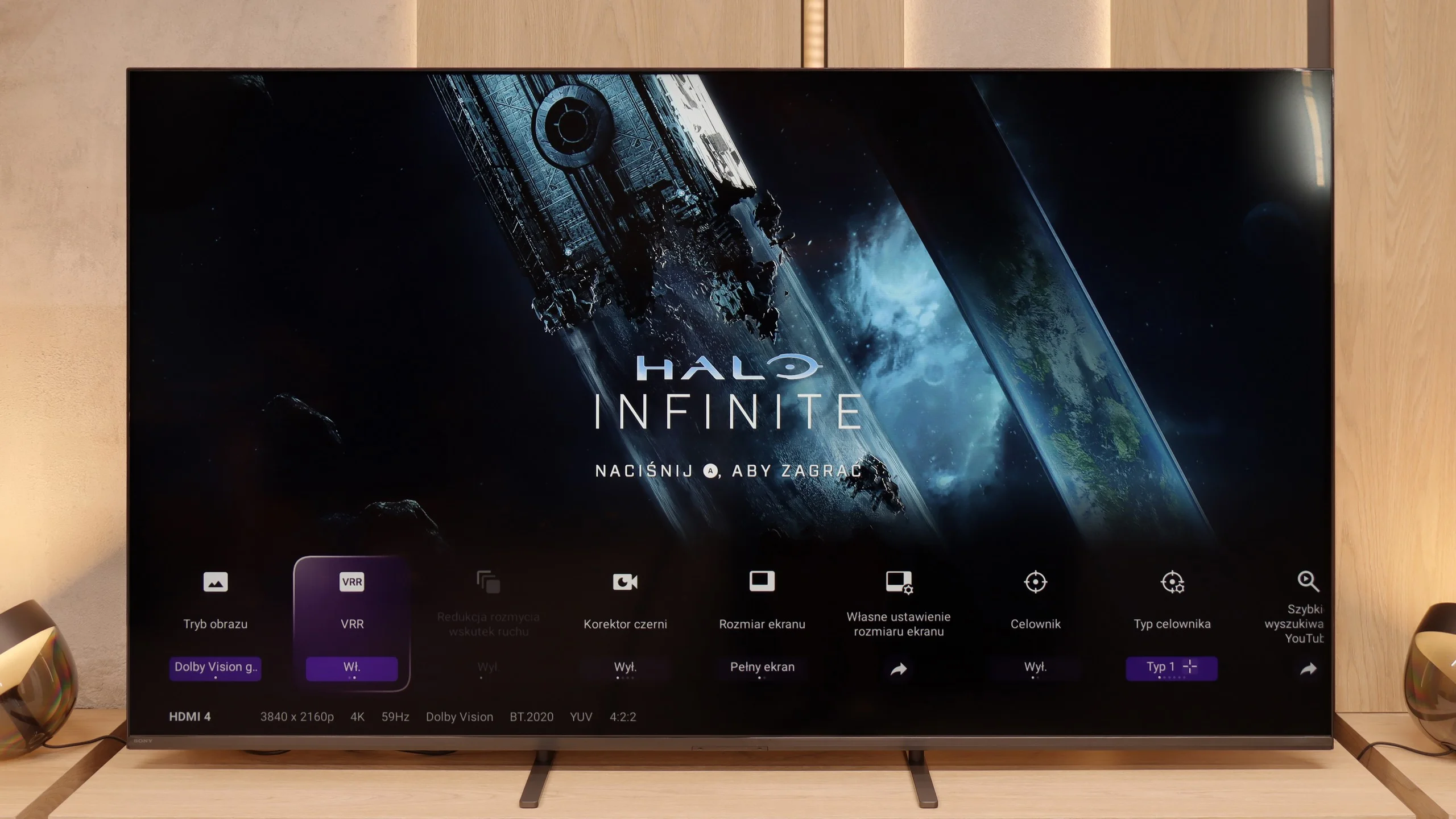
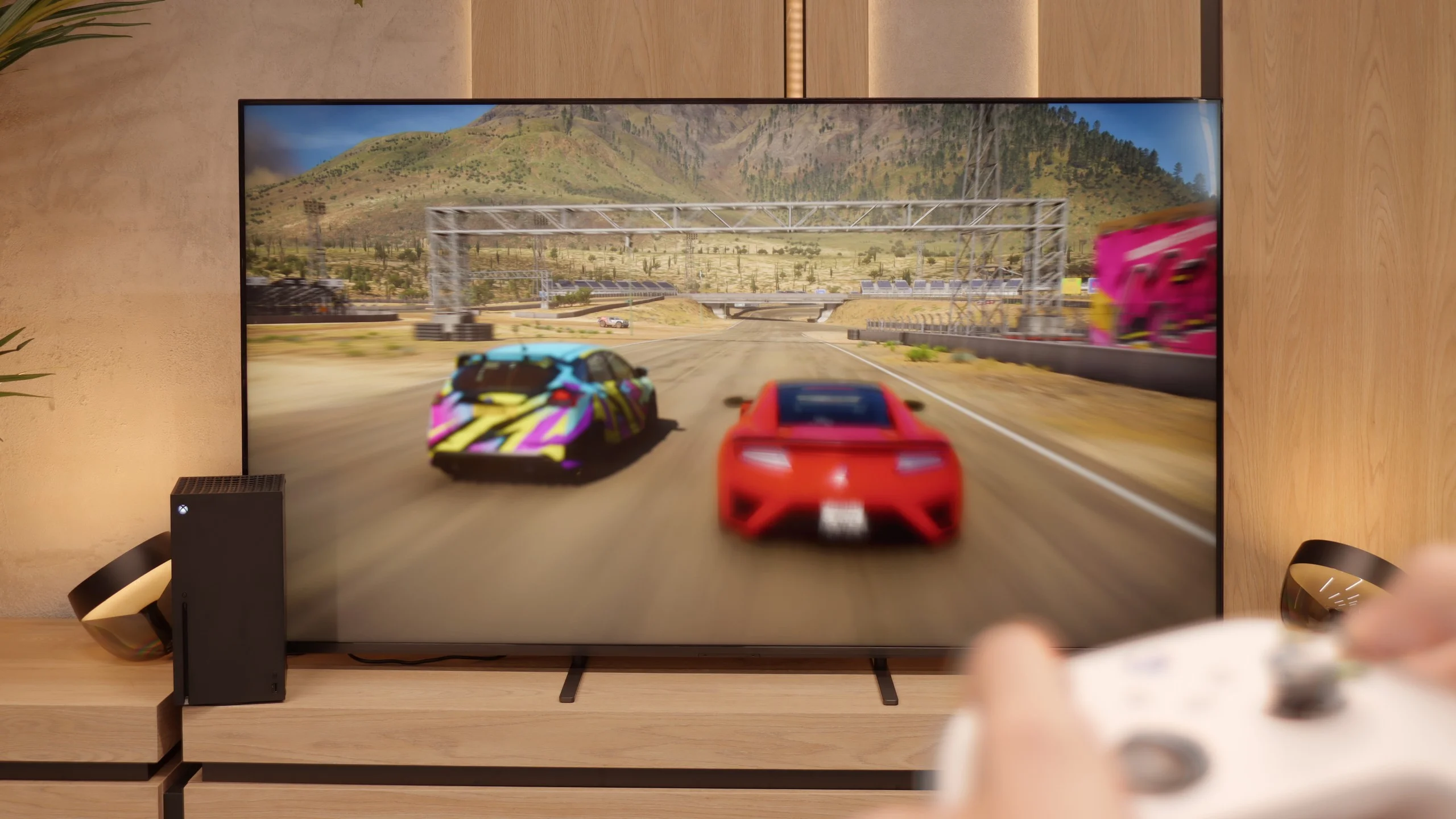
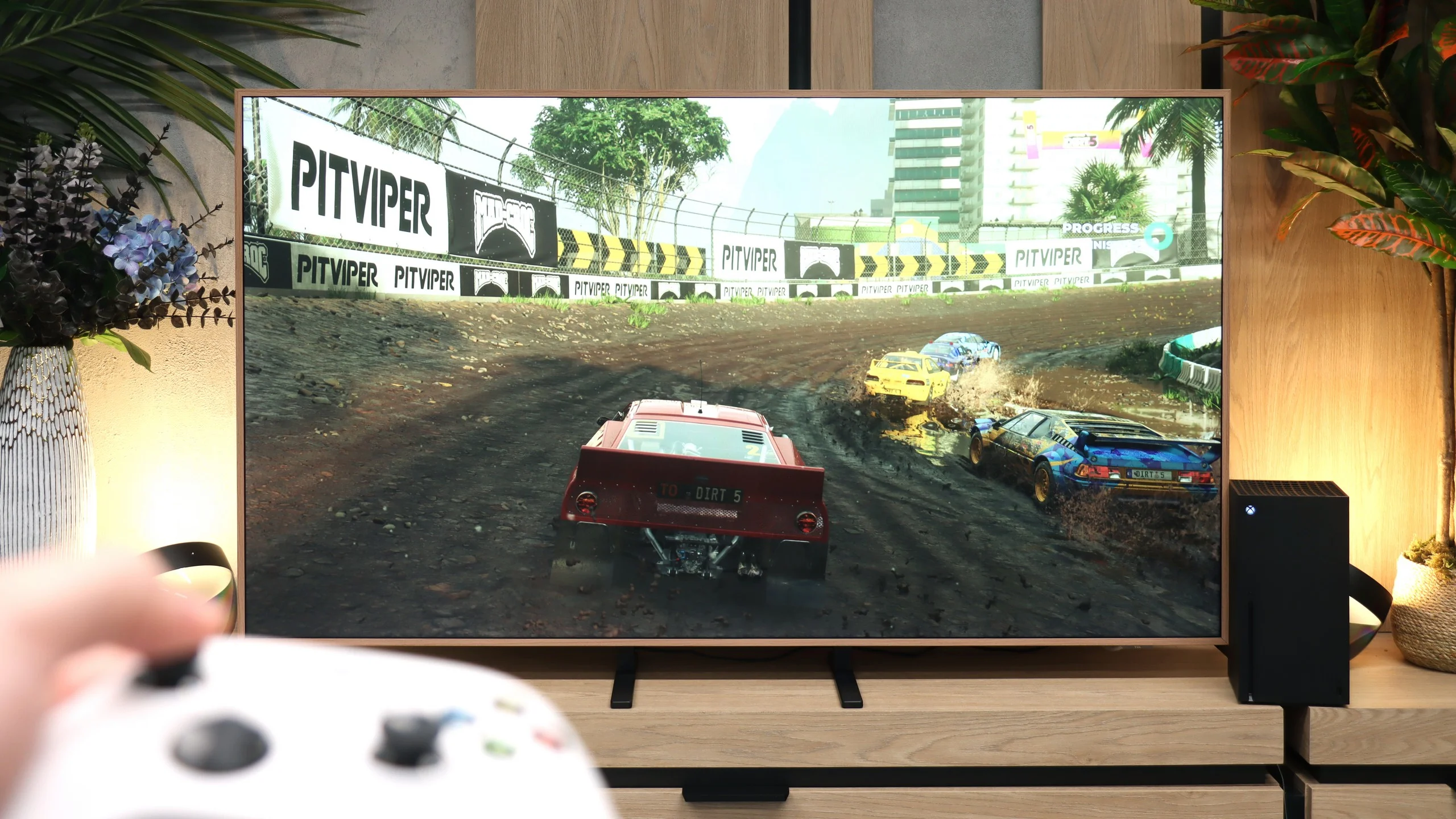
In the Bravia 5, there is a significant improvement compared to the X90L model from two years ago. The television offers literally everything its predecessor had, but this time the issues that could frustrate gamers have been addressed. Problems with setting the variable refresh rate (VRR) have disappeared, and there are no longer issues with configuring HDR content in HGiG mode. In short: we get a device that simply works as it should, without any hassles. So, the Bravia 5 has everything you can expect from a modern gaming TV – and it can be confidently advertised with the slogan "ready for PS5." That's something we couldn't say about the X90L model. Well done, Sony!
It's just a shame that this relatively high-priced model lacks a full set of four HDMI 2.1 ports. In everyday use, this won’t be an issue for most people, but if someone has a console, soundbar, and additional equipment connected via HDMI, at some point they'll have to choose or juggle cables.
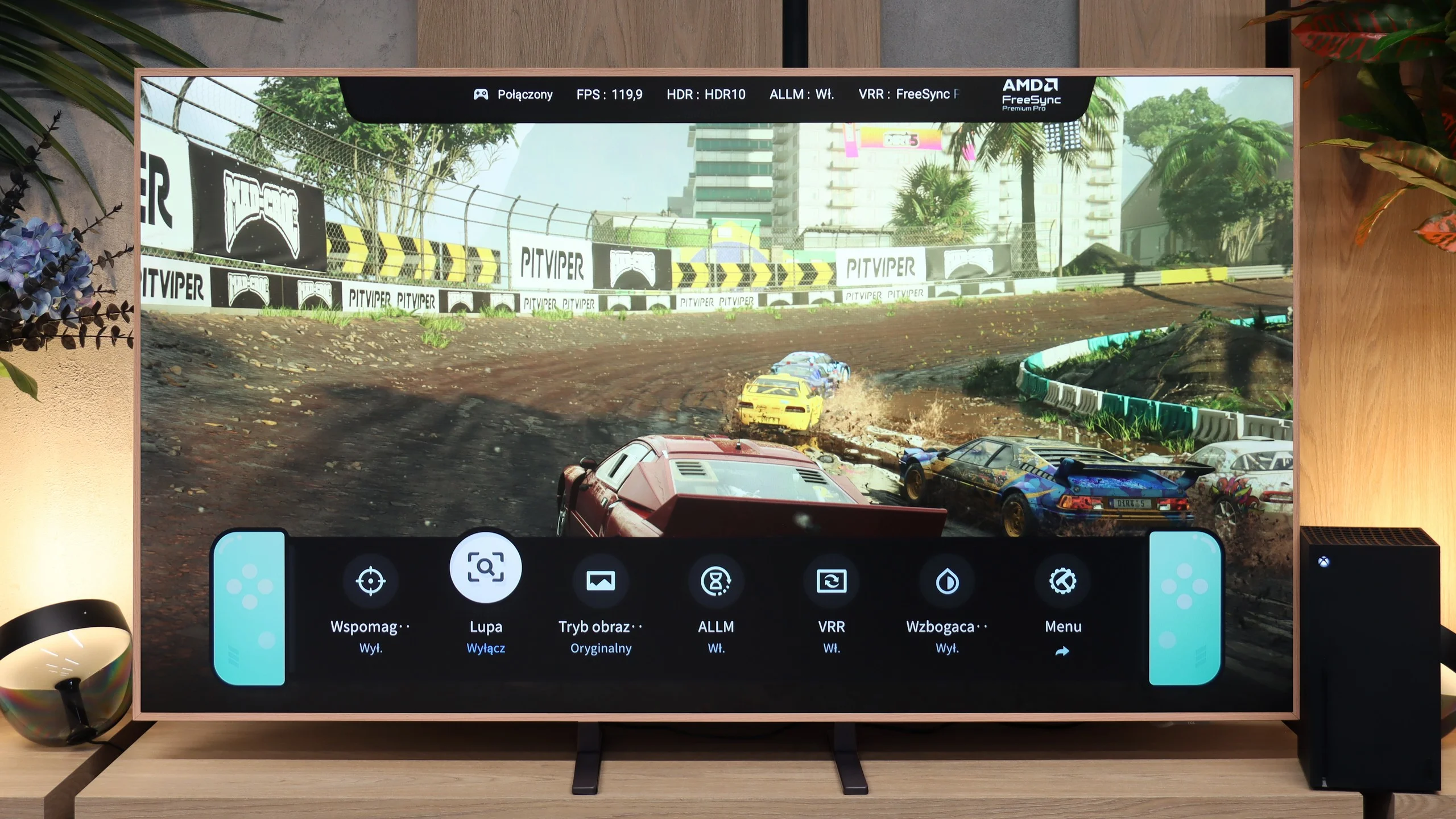
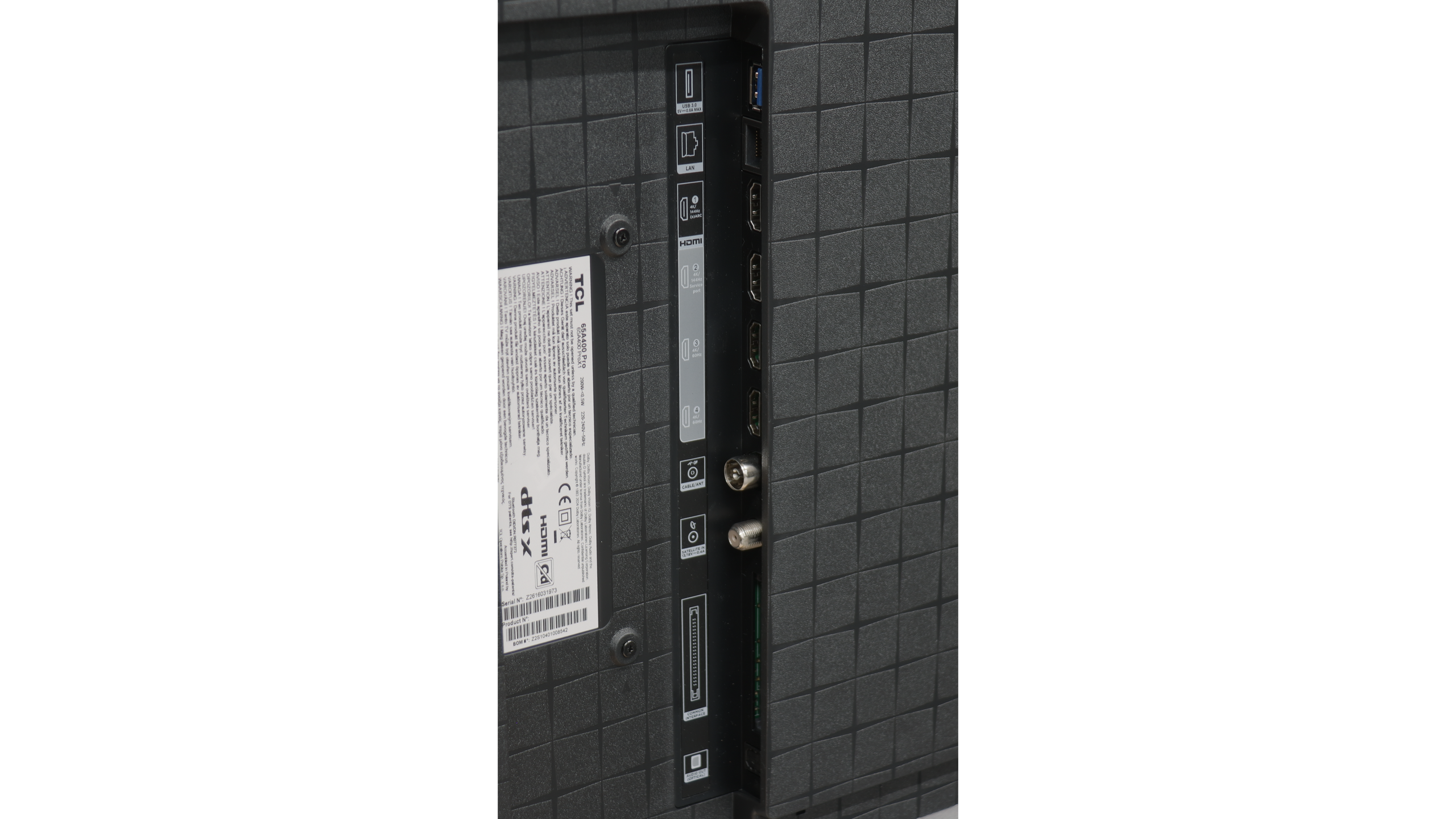
In terms of gaming features the TCL A400 Pro performs brilliantly. The TV has practically everything you’d expect from a gaming TV today: support for 4K at high refresh rates, VRR, ALLM, correct implementation of HDR formats in games, including Dolby Vision, and HGiG. That means it works well with both next‑gen consoles and PCs. Another plus is the inclusion of a Game Bar, a dedicated panel with the most important settings for gamers. From it you can quickly check basic information about the signal, refresh rate or active features, and customise the appearance and behaviour of some settings to your preferences. It’s a solution that may not change picture quality by itself, but it greatly improves the convenience of using the TV while gaming. The only thing to criticise is the number of full HDMI 2.1 ports. The A400 Pro has only two such ports out of four, and one of them also serves as eARC. In practice this means that if you want to connect two next‑gen consoles and a soundbar you may run into some limitations. In that scenario you’ll need to either swap devices or use extra equipment, such as an AV receiver or a soundbar with HDMI inputs. Even so, it’s hard not to rate the A400 Pro very highly as a gaming TV. The gaming feature set here is genuinely powerful.
Input lag
9.9/10
9.8/10
SDR
HDR
Dolby Vision
When it comes to input lag, the Bravia 5 deserves a round of applause. Results of around 7 ms at 120 Hz content are nothing short of phenomenal – it's hard to imagine a gamer complaining about such responsiveness. Even at 60 Hz, where the lag increases to around 15 ms, we're still talking about values that absolutely don't spoil the fun and are practically unnoticeable. Moreover, Sony has finally tamed the Dolby Vision mode. In the X90L, it was practically unplayable – the delays rose to levels of even 150 ms. Meanwhile, the input lag on the Bravia 5 remains at the same low level as with other content. This is a huge improvement and further proof that this television can truly be called "gamer-friendly."
Input lag on the TCL A400 Pro is very low. With a 120 Hz signal we measured about 11 ms, and about 15 ms at 60 Hz. These aren’t as low as the few milliseconds seen on some OLEDs, but in practice it doesn’t make much difference. The lag is small enough that controls remain quick, responsive and entirely comfortable both on a console and when connected to a computer.
Compatibility with PC
8/10
8.9/10
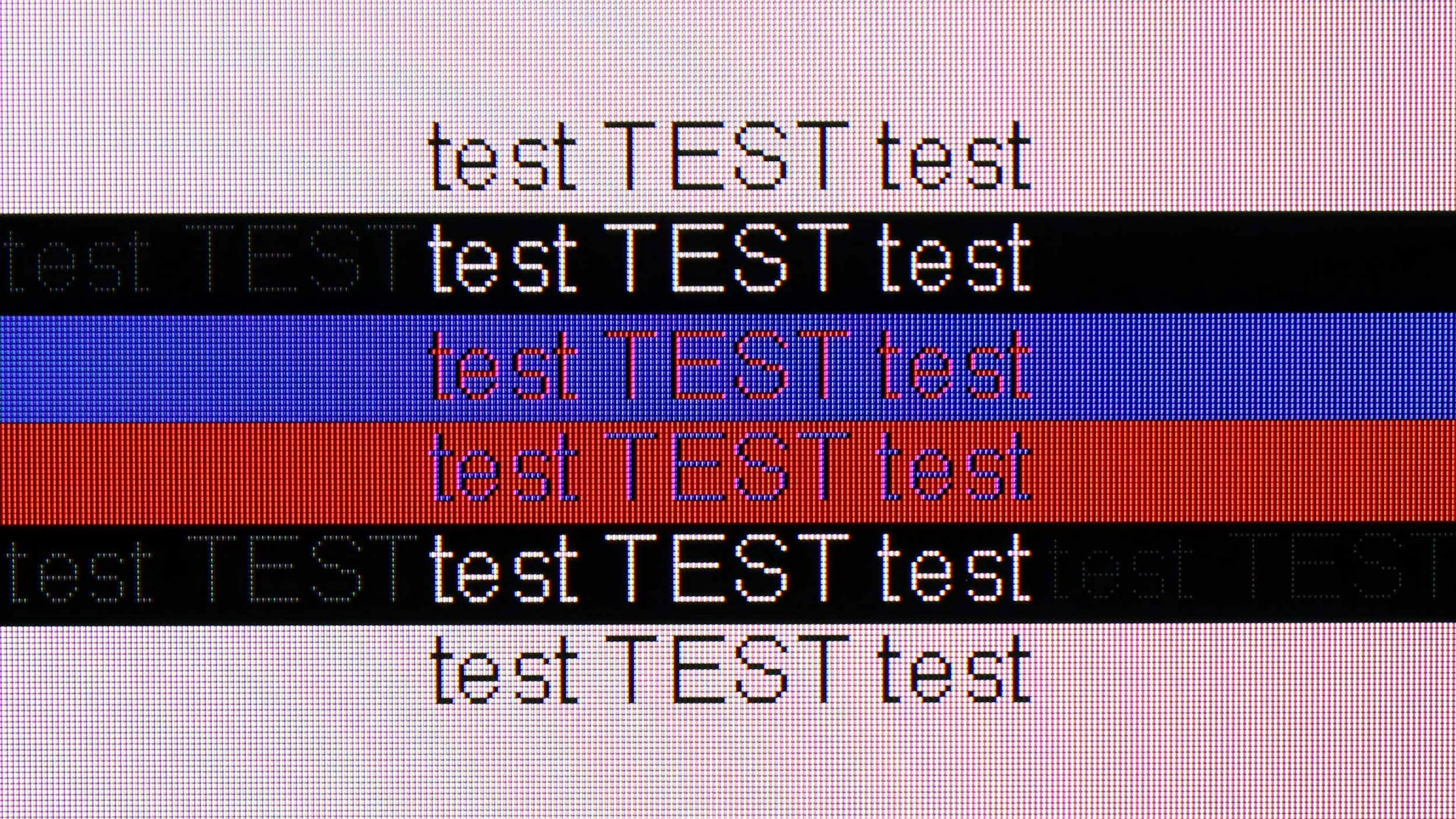
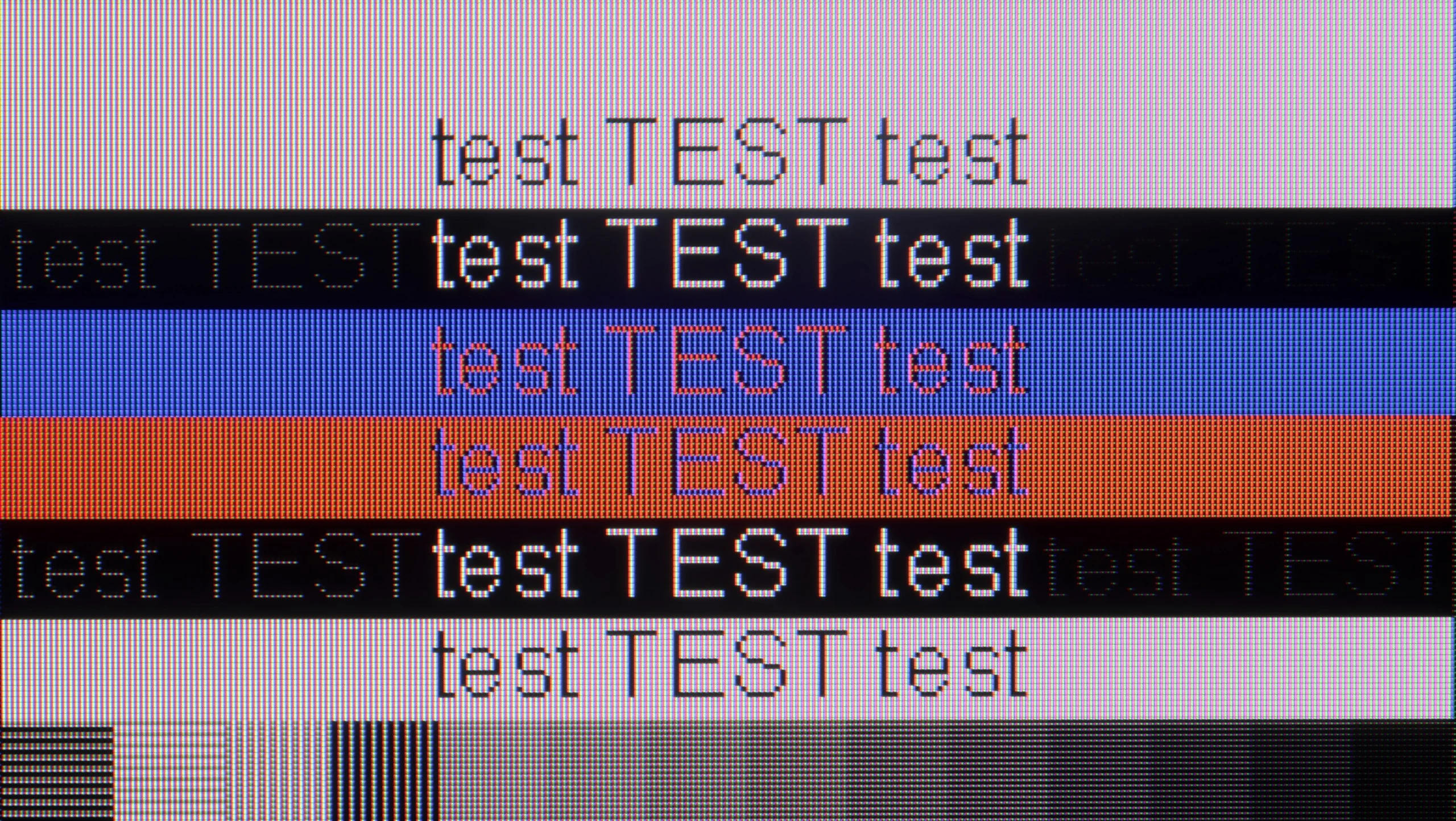
The photo shows the legibility of small fonts. Ideally, lines should be the same thickness on both light and dark text, with minimal pixel gaps.
In this category, the Bravia 5 deserves an exemplary rating. The ideal readability of fonts thanks to 4:4:4 chroma support makes working on this TV a pure pleasure. Whether we are opening Excel, browsing documents, or simply surfing the web – the text is sharp, clear, and free from that characteristic “haze” which can effectively take away the joy of use in many TVs. The letters look as they should: distinct, sharp, and readable even up close.
We also have good news for PC gamers. The Bravia 5 has no problems at all with handling 120 Hz, working with both Nvidia and AMD cards, supporting G-Sync and FreeSync Premium Pro technologies. The result is that the image is not only smooth but also free from tears or micro-cuts that can ruin the experience even in the best-optimised games. You can easily connect a powerful PC and enjoy gaming on the big screen – without compromises, without frustration, and with full comfort. The only thing we could complain about is the lack of additional modes for gamers with higher refresh rates.
TCL A400 Pro also performs quite well as a large PC monitor. Helping with that is, of course, the full suite of gaming features: VRR, FreeSync, G-Sync compatibility, a refresh rate of up to 144 Hz and very low input lag. If someone wants to connect a PC and play from the couch or at a desk, the TV is perfectly suited to that. Importantly, it also handles regular computer work well. At 120 Hz fonts are very clear, so browsing, working with documents or using the system doesn't strain the eyes. It looks a bit worse after switching to 144 Hz. Horizontal parts of letters become slightly darker. However, that's not something that seriously affects everyday use. Overall, text readability is very good.
Viewing angles
3.3/10
3.9/10
Bravia 5 uses a classic VA panel, and that means one thing – the viewing angles are not one of its strong points. For those with smaller screen sizes, this won’t be a problem, as sitting directly in front, the picture looks fantastic. However, with larger sizes, especially 85 inches, the situation becomes less comfortable. It’s enough to sit slightly off-centre on the couch to notice minor imperfections: the image begins to lose saturation, contrast weakens, and black takes on unwanted greys. It’s a shame that Sony did not opt for additional coatings, which in the case of VA panels can bring their capabilities closer to IPS levels. Such solutions exist, and some competitors make use of them. Here, they are missing, so one has to reckon with the fact that Bravia 5 best showcases its strengths when viewed head-on.
Viewing angles are not the strongest suit of the TCL A400 Pro. This is mainly due to the use of a VA panel, which brings advantages like better contrast but naturally performs worse when viewed at an angle. Just move further off the screen's axis and you'll notice a drop in brightness and colour saturation. So it's not on the level we're used to from IPS/ADS panels, and even less so compared with OLED screens, which in this respect still remain out of reach for conventional LCDs. The A400 Pro is simply best viewed as straight on as possible. That's when its picture looks its best.
Daytime performance
6.9/10
5.7/10
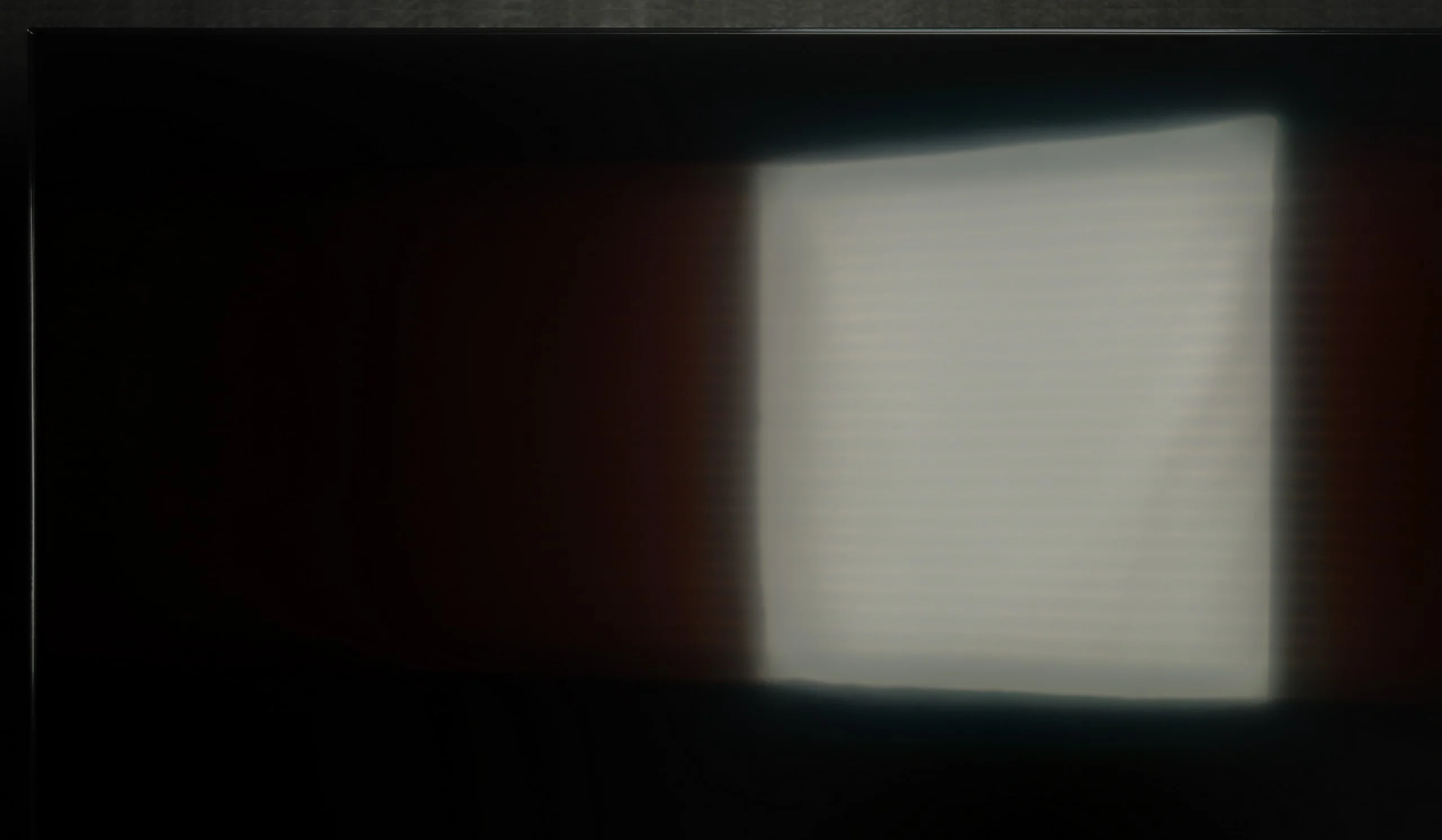
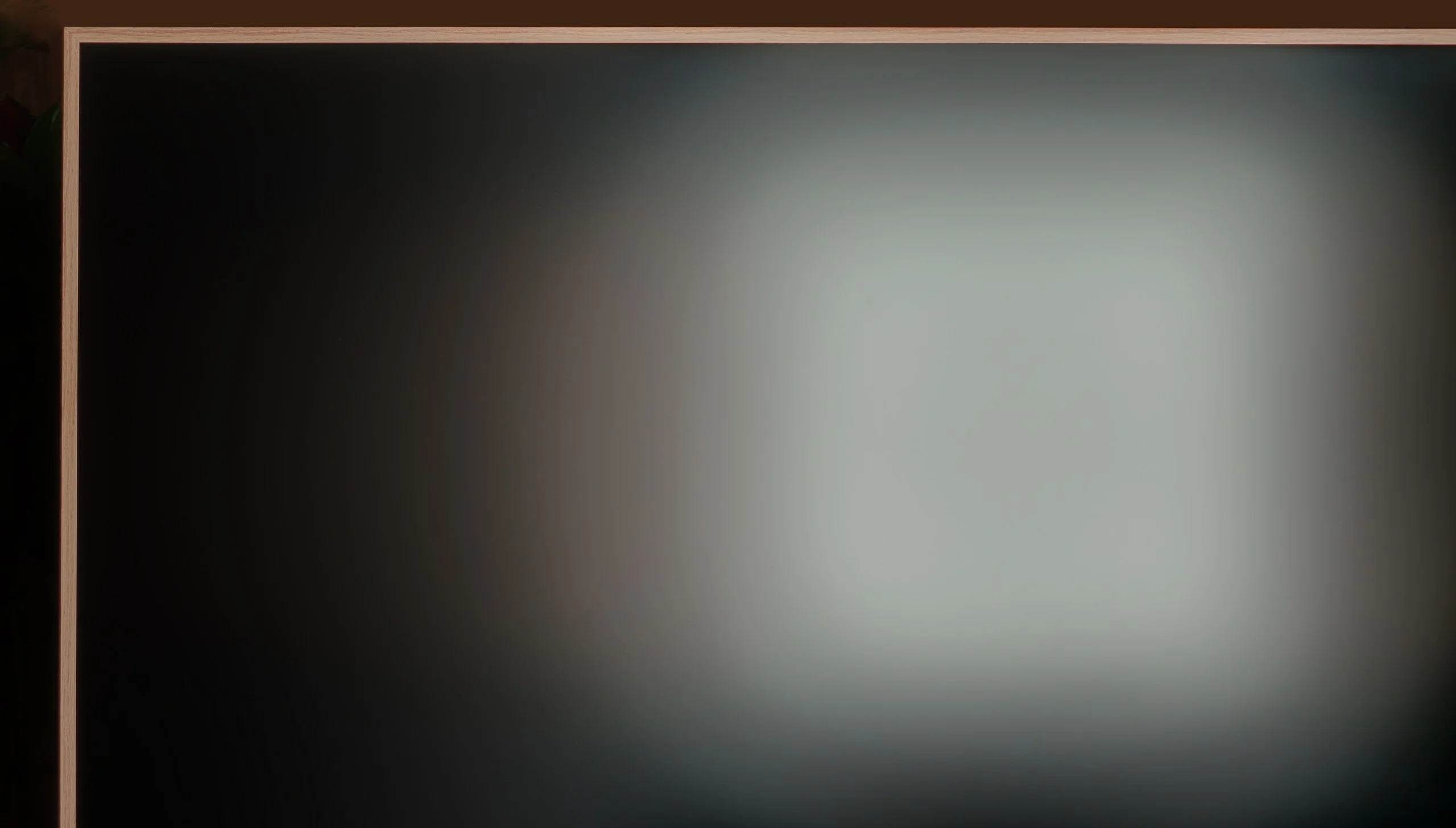
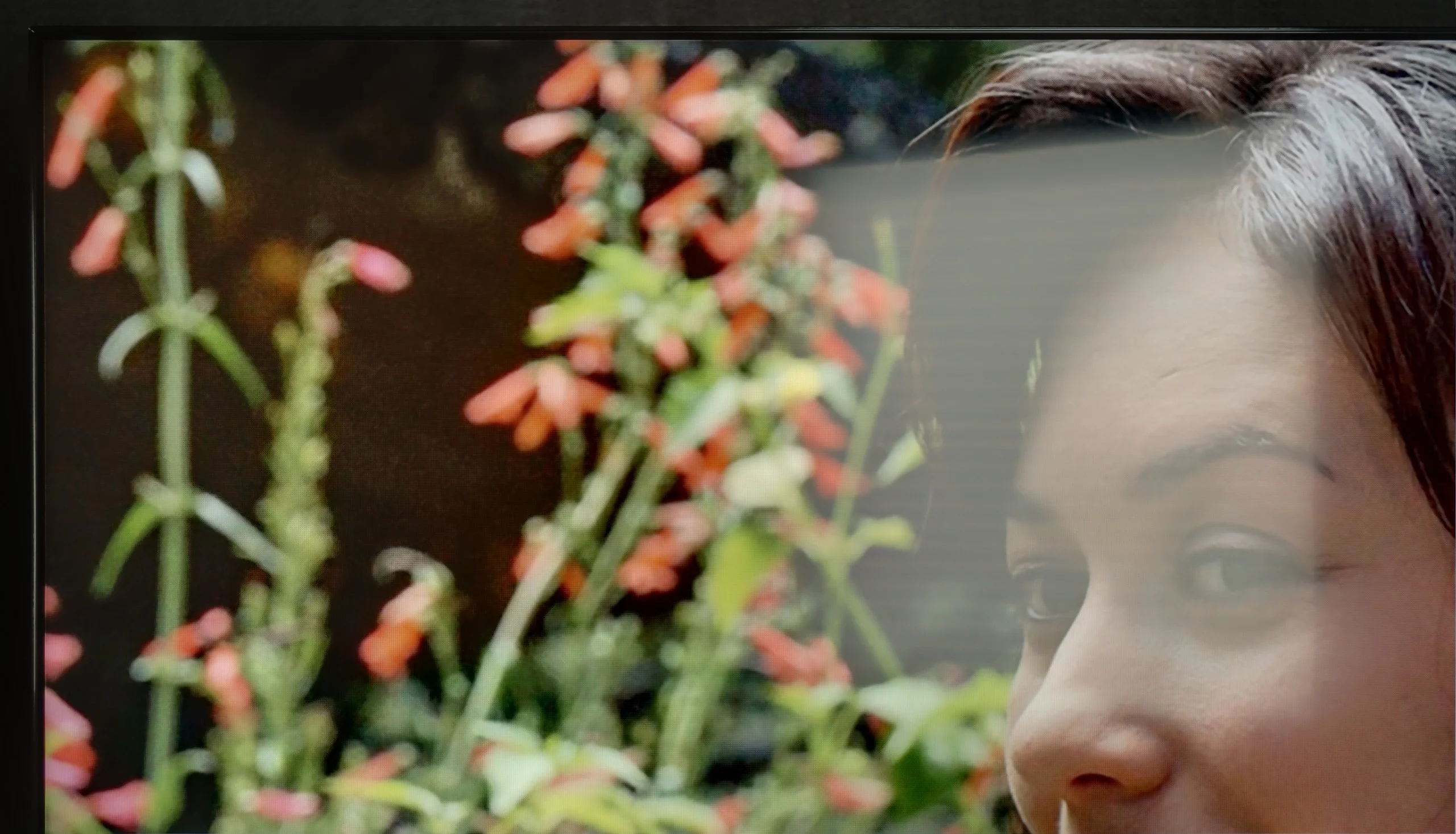
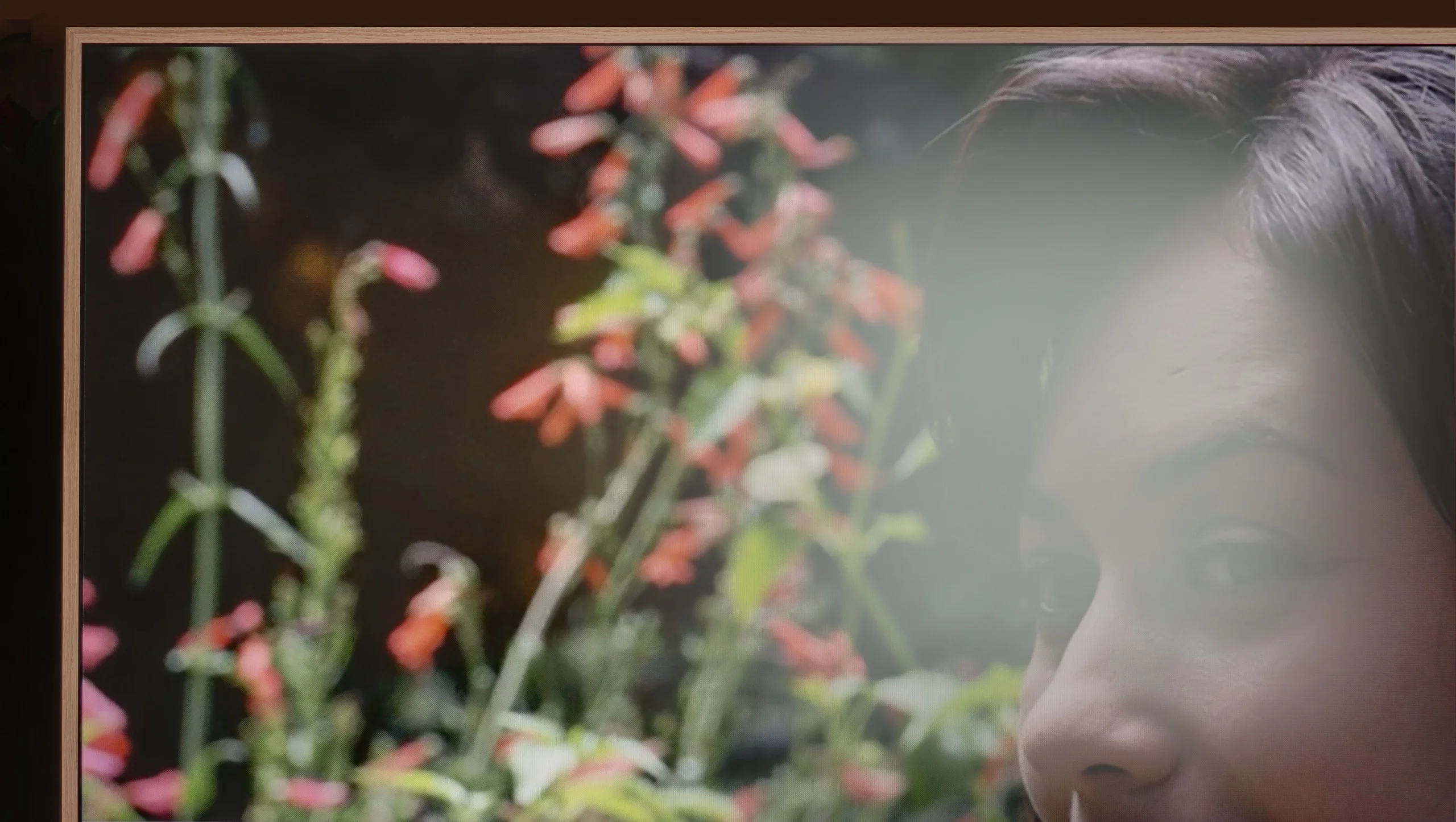
Panel brightness
TCL A400 PRO: 460 cd/m2
Sony BRAVIA 5 (XR5) : 641 cd/m2
Bravia 5 is a piece of equipment that really performs well in challenging lighting conditions. Its high brightness ensures that even in the middle of the day, with the blinds wide open and sunlight streaming through the windows, the picture remains clear and sharp. There’s no feeling that we're watching a "washed-out" screen. The satin finish of the panel also plays a significant role in effectively reducing light reflections. Yes, some reflections do appear, but they are not strong enough to interfere with viewing. They are more like subtle glows that can be noticed when we consciously look for them, rather than a real problem day-to-day. Because of this, the Bravia 5 works well not just in the evening in a dimmed room, but also in bright living areas, where other TVs can falter. One could say that it's a "universally bright" model – suitable for both evening screenings and for watching news or sports in full sunlight.
TCL A400 Pro does quite well in a bright living room. The biggest help is the matte screen finish, which very effectively mutes reflections and means you don't have to battle every window or lamp reflecting off the panel during the day. Add a decent SDR brightness of around 600 nits, so in terms of daytime image visibility it's really good. You should remember, though, that the matte coating has its price. In a brightly lit room the picture can lose a bit of depth, and colours don't look as punchy as they do in the evening. Reflections are much less visible, but at the same time colour saturation clearly drops. It's still a good TV for a bright living room; it just performs best when viewing comfort is the priority rather than the most eye-catching picture.
Panel details
Subpixel Structure:
Panel uniformity and thermal imaging:
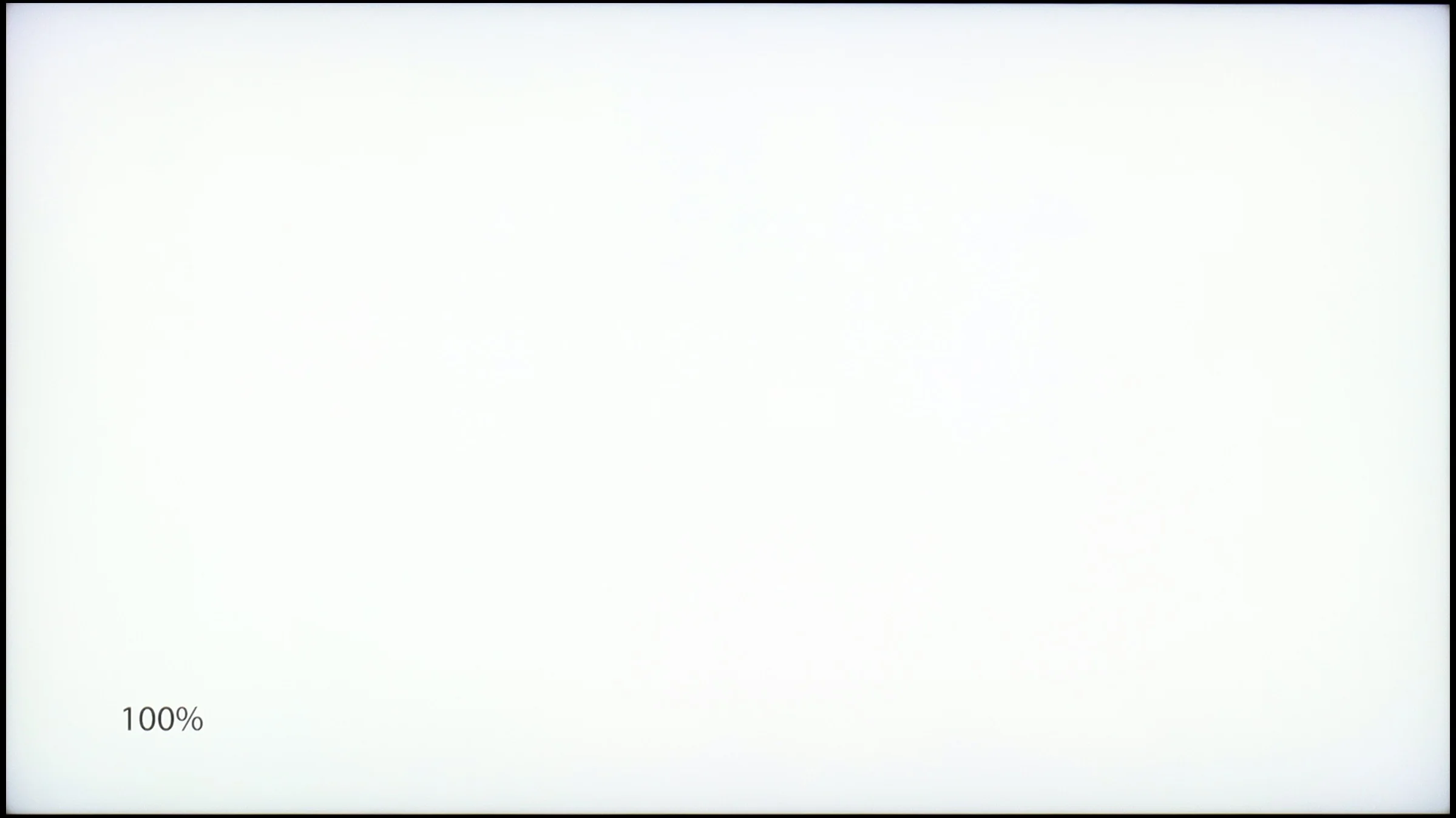
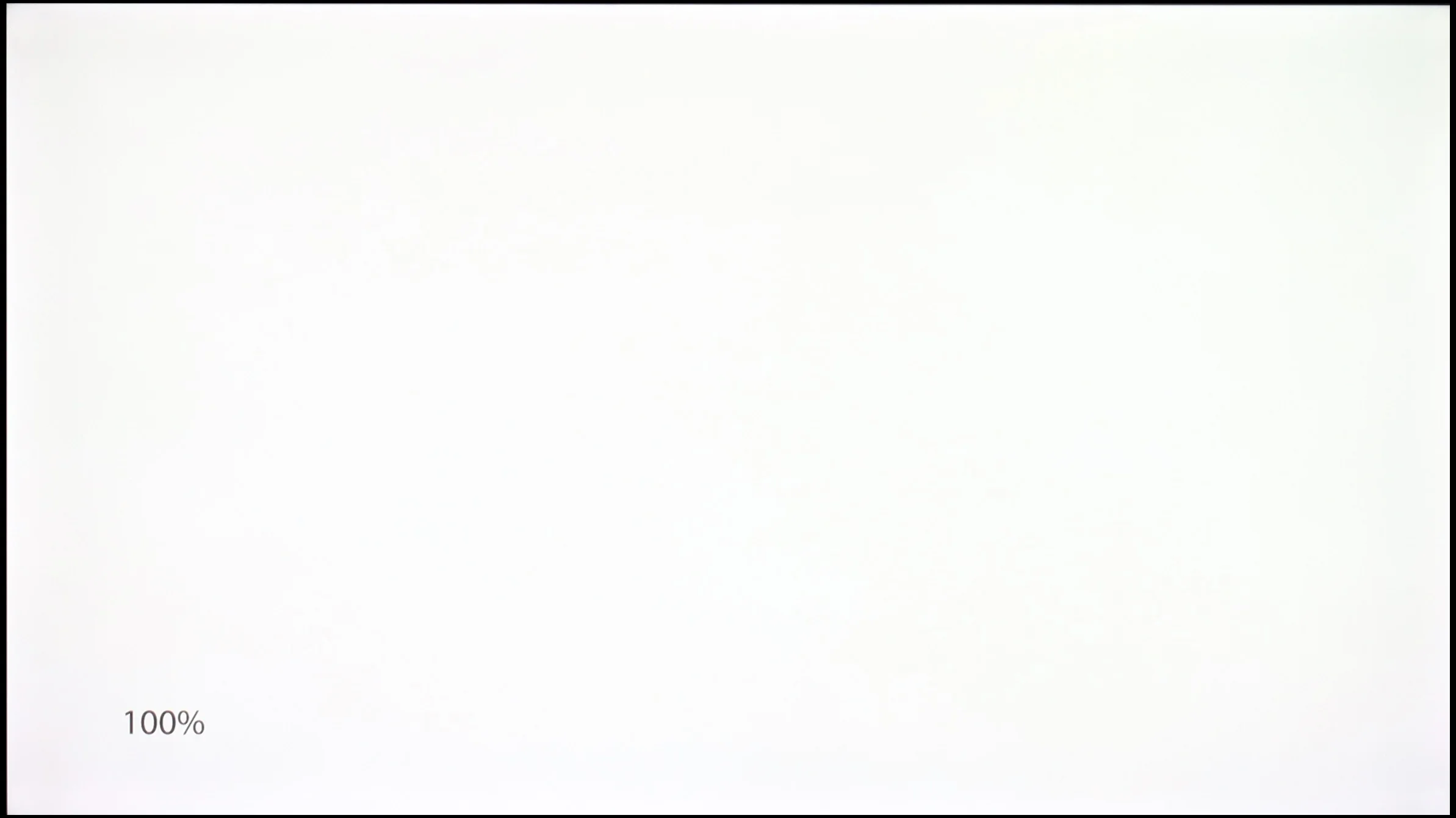
Sony BRAVIA 5 (XR5)
TCL A400 PRO
TV features
7.6/10
7.4/10
- SystemGoogle TVGoogle TV
- System performanceGoodGood
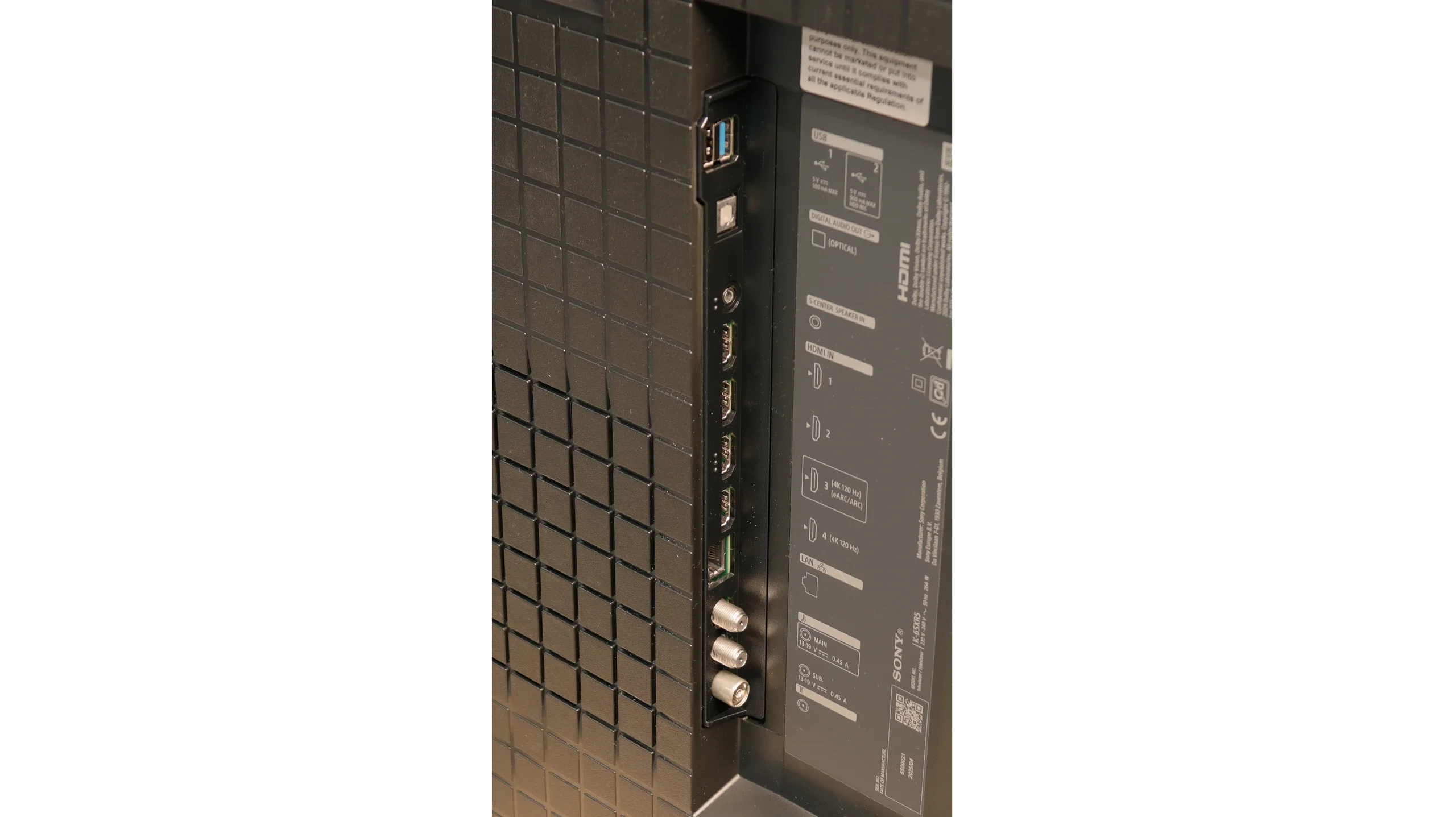
- HDMI inputs2 x HDMI 2.0, 2 x HDMI 2.1 48Gbps2 x HDMI 2.0, 2 x HDMI 2.1 48Gbps
- OutputsToslink (Optical audio), eARC (HDMI), ARC (HDMI)Toslink (Optical audio), eARC (HDMI), ARC (HDMI)
- Network InterfacesWi-Fi 2.4GHz, Wi-Fi 5GHz, Ethernet (LAN) 100MbpsWi-Fi 2.4GHz, Wi-Fi 5GHz, Ethernet (LAN) 100Mbps
- TV receptionDVB-T, DVB-T2, DVB-S, DVB-S2, DVB-CDVB-T, DVB-T2, DVB-S, DVB-S2, DVB-C
Classic features:
- Recording to USB (terrestrial TV)

- Recording programming
- Picture in Picture (PiP)
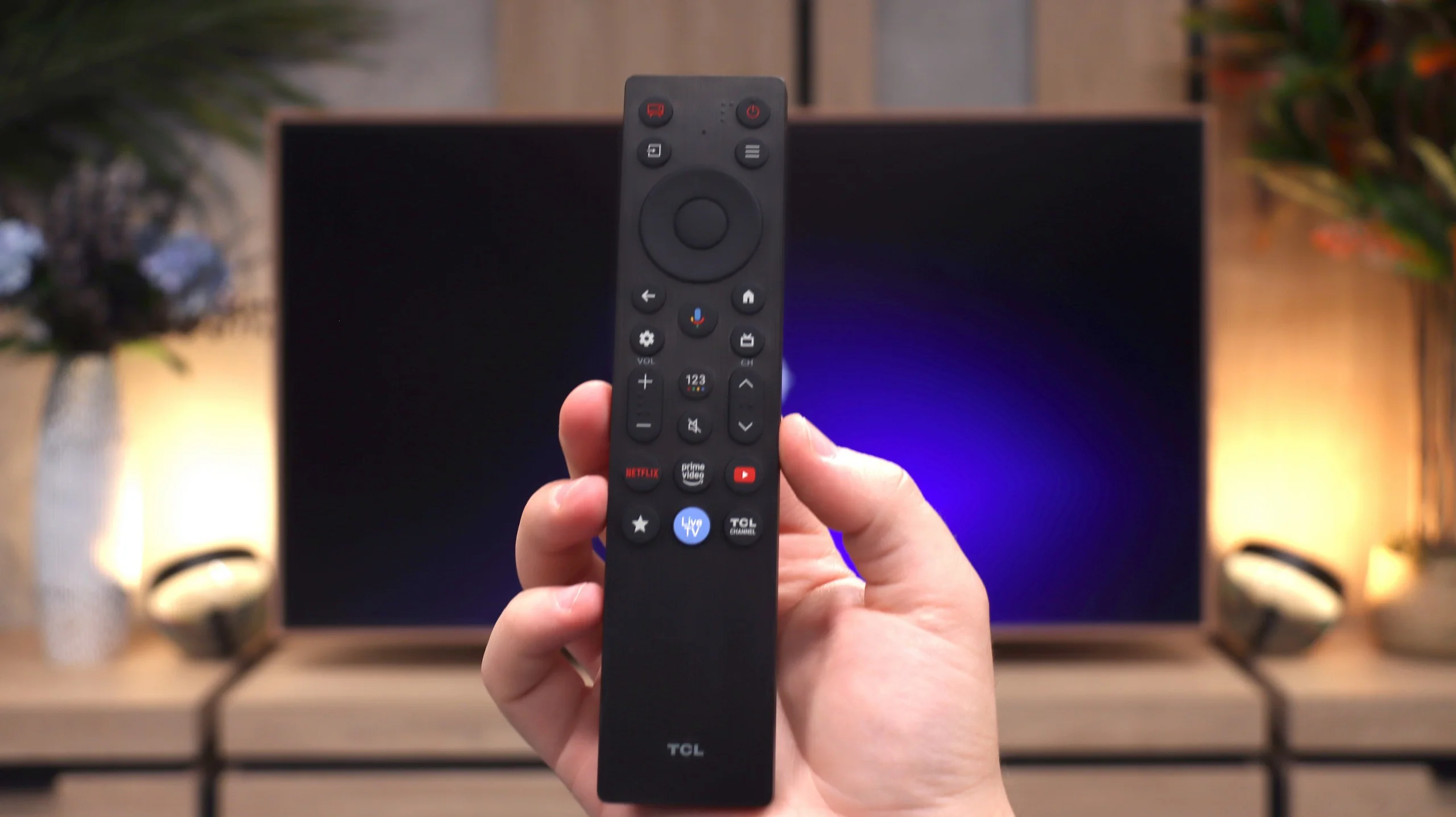
- RF remote control (no need to aim)
- Backlit remote control
- Teletext
- Audio only mode
- Bluetooth headphones support
- Simultaneous Bluetooth headphones & TV audio
Smart features:
- AirPlay
- Screen mirroring (Windows Miracast)
- Voice search
- Voice search in native language
- Ability to connect a keyboard and mouse
Sound connection options
- HDMI audioeARC (HDMI), ARC (HDMI)eARC (HDMI), ARC (HDMI)
- Other audio outputsToslink (Optical audio)Toslink (Optical audio)
- Wireless audioBluetoothBluetooth
Supported audio formats (external HDMI eARC audio):
- Dolby Digital Plus 7.1
- Dolby True HD 7.1
- Dolby Atmos in Dolby Digital Plus (JOC)
- Dolby Atmos in Dolby True HD
- DTS:X in DTS-HD MA
- DTS-HD Master Audio
Senior accessibility
- Numeric keyboard on TV
- Font size adjustment
- Audio description
GoogleTV and SmartTV features
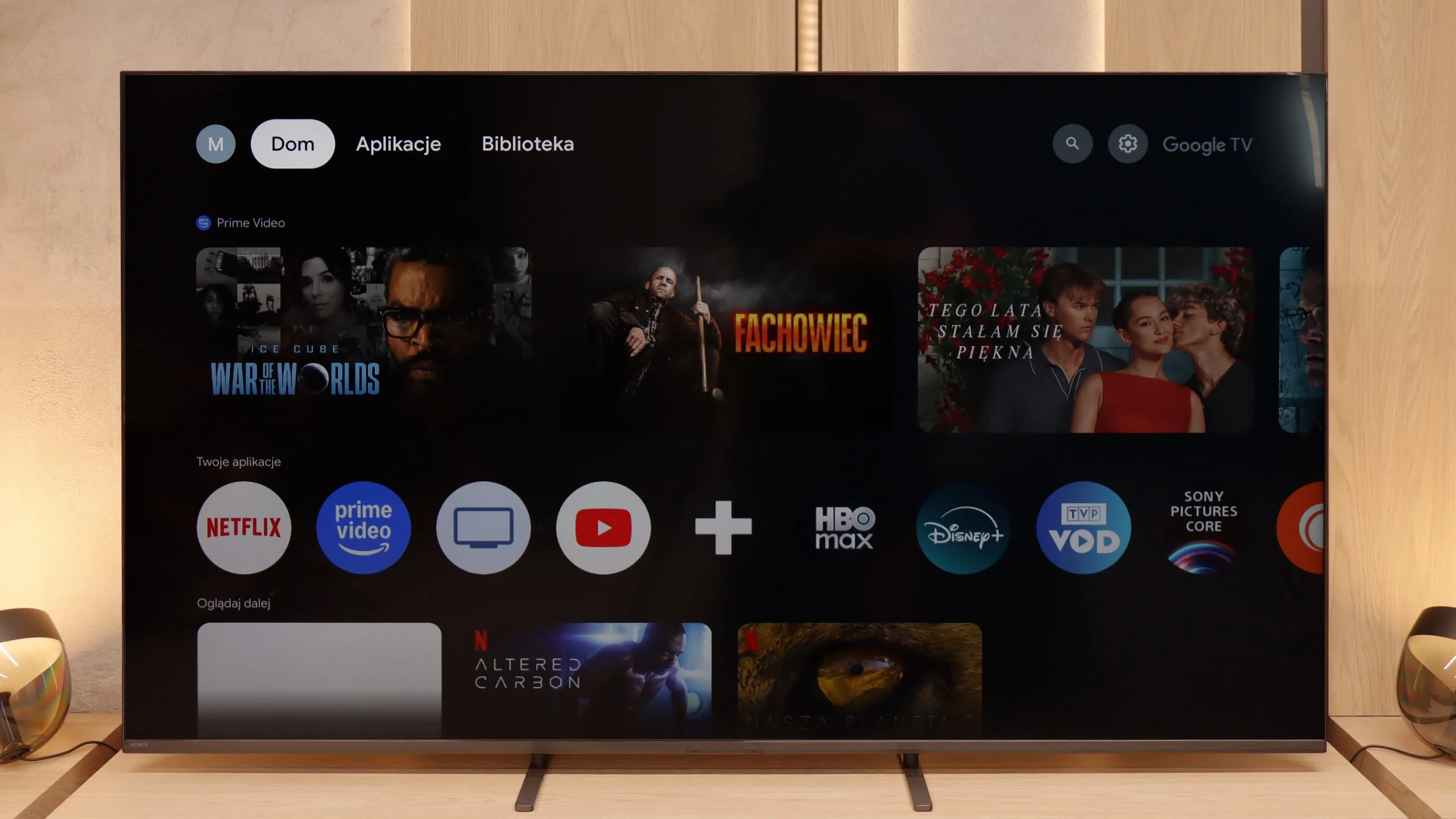
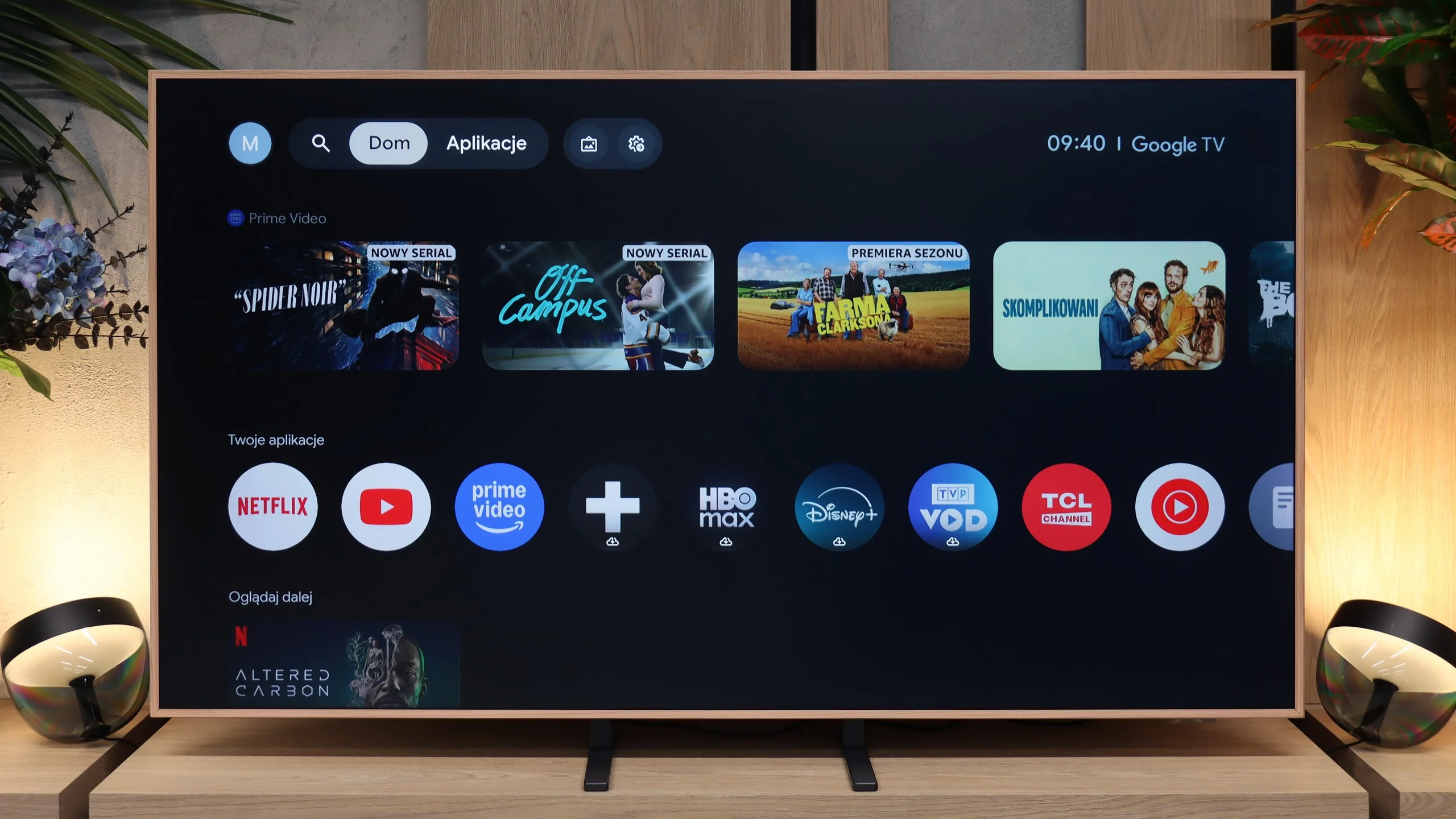
Sony Bravia 5 runs on Google TV, and it must be said that this is one of the best-optimised systems in this brand's offering. The interface works smoothly, with no annoying bugs or bizarre translations, and navigating the menu doesn’t feel like walking through a minefield. Admittedly, there are moments when the whole system catches a slight breath – as if it has its “weaker moments” – but these are rare enough not to spoil the overall impression. We have full AirPlay support, voice search with Google AI assistance, and the ability to download practically any app that comes to mind. The only drawback in tests turned out to be the screen mirroring function, which theoretically should work with laptops and phones, but in practice proved almost useless – there was no stable image on Windows and Android.
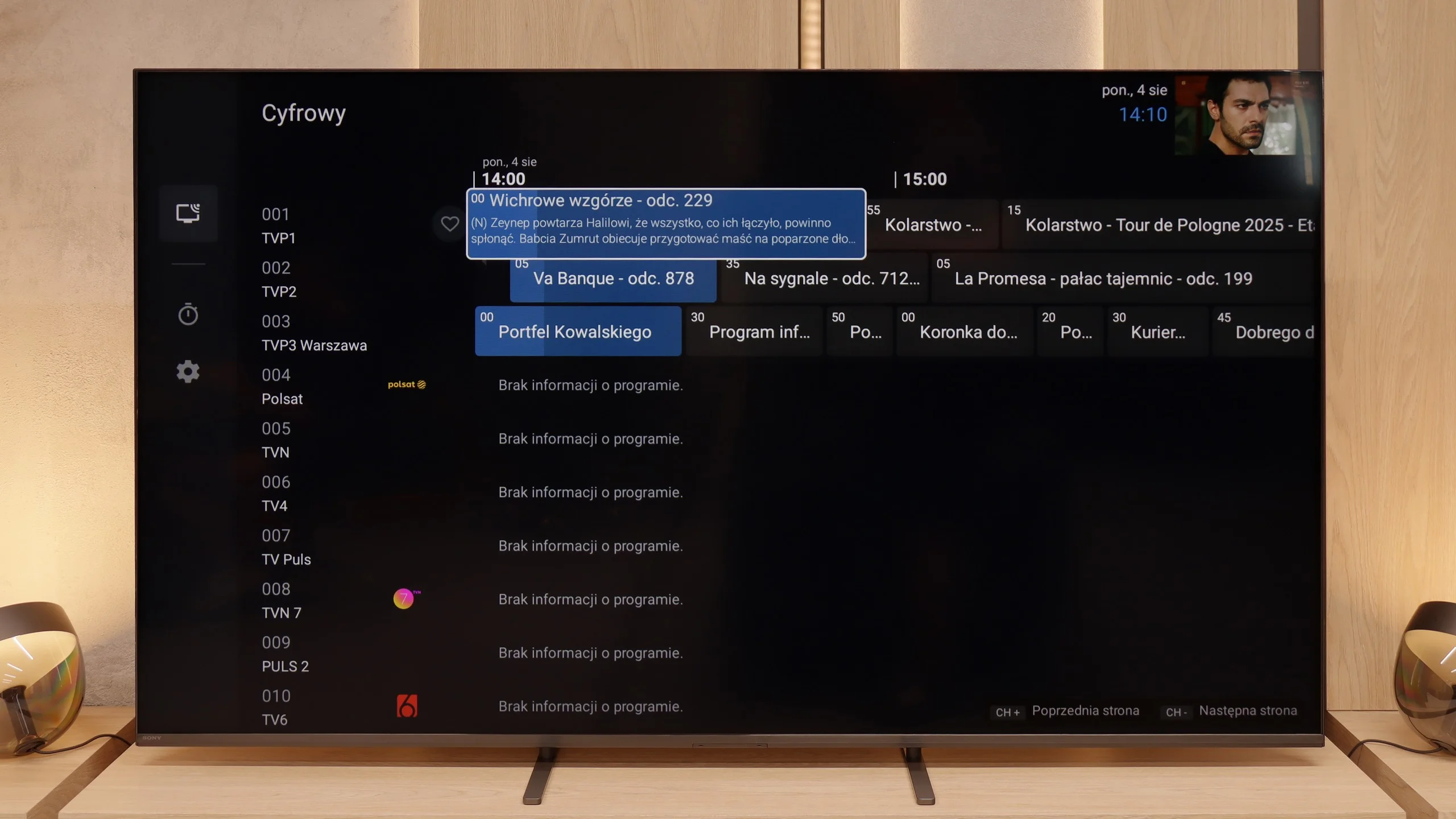
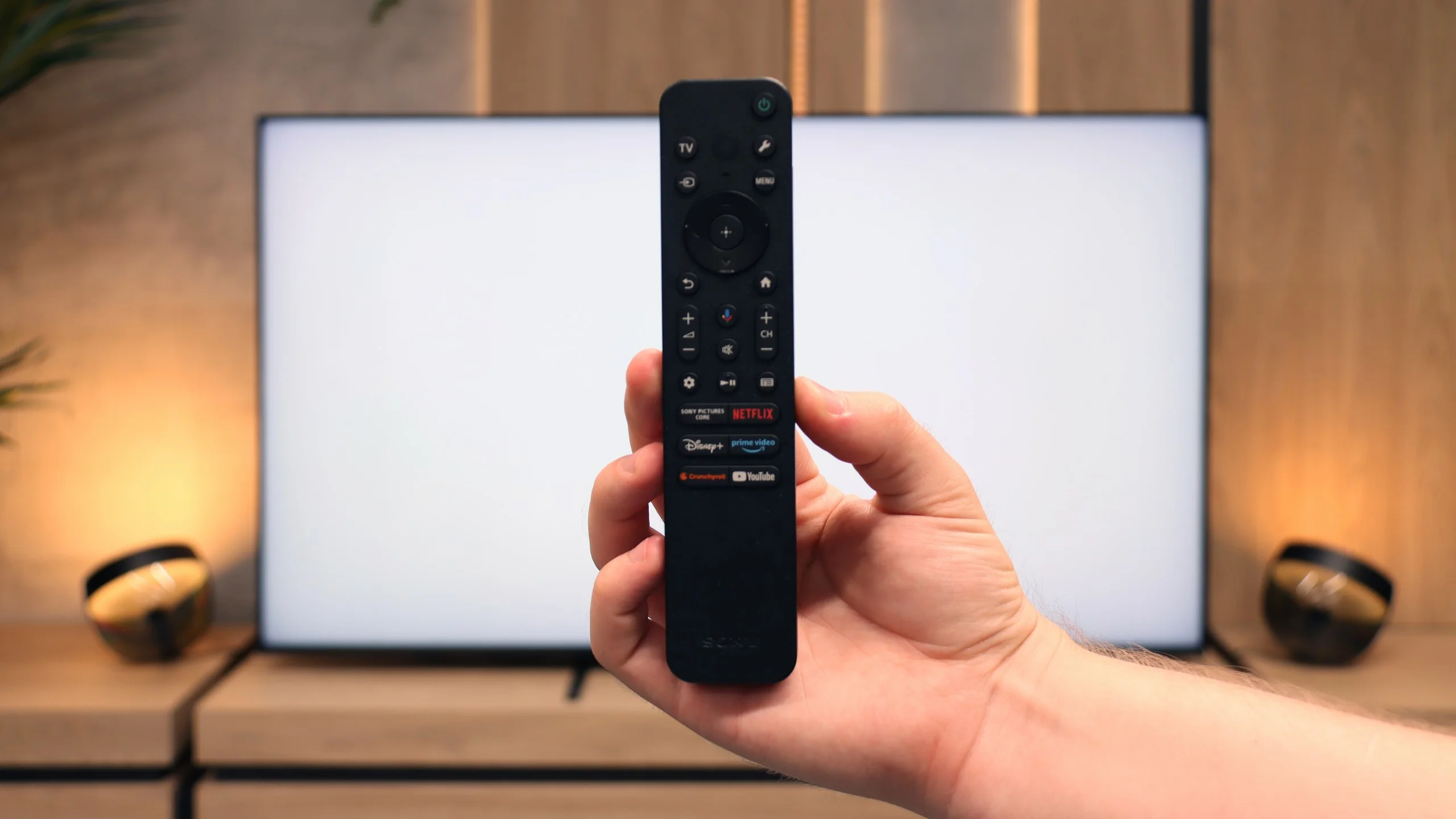
User features
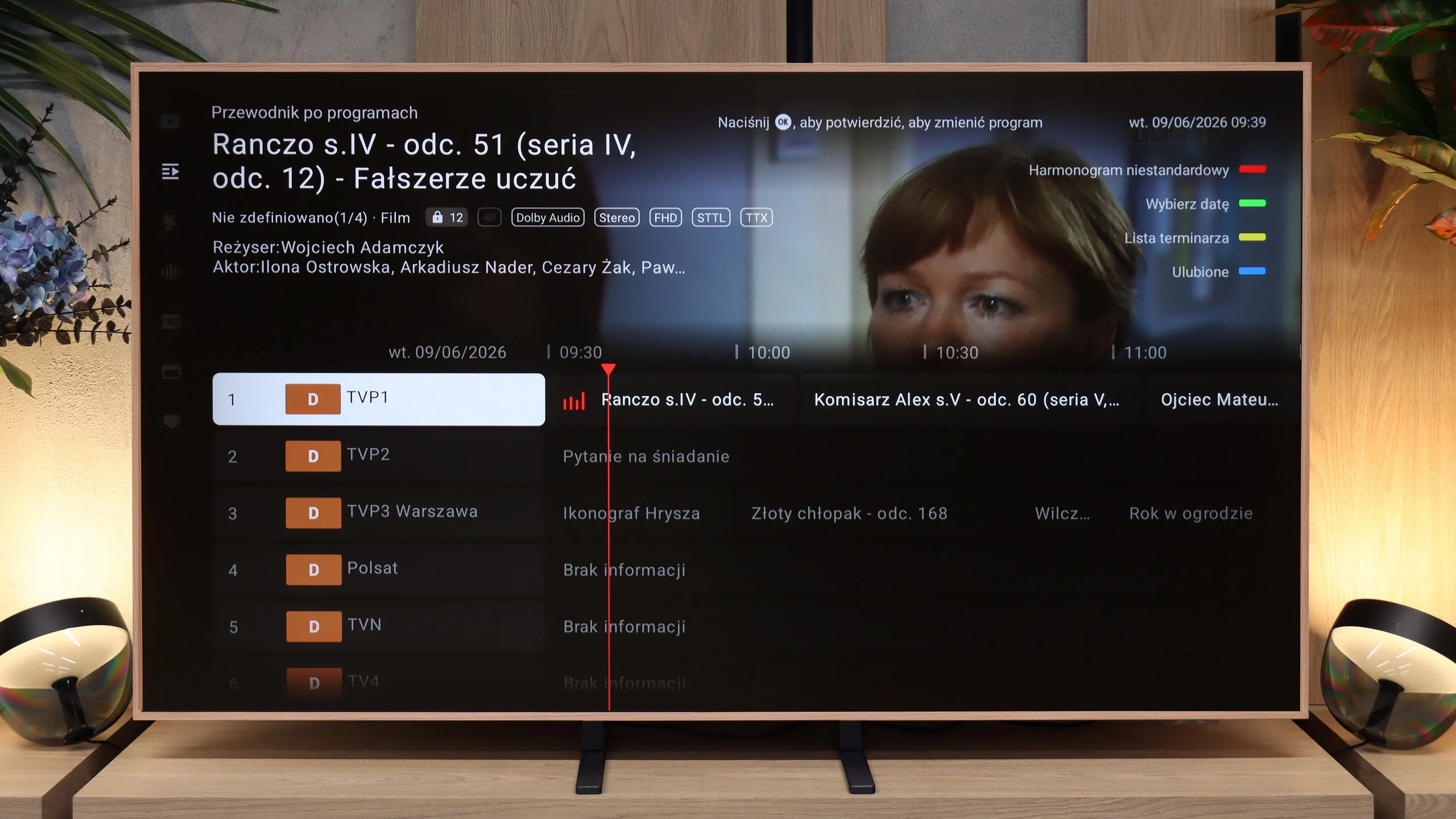
From the perspective of classic functionality, the Bravia 5 performs solidly and practically. A big plus is the presence of two remotes – one is a slim, modern smart remote, while the other, although operating via infrared, has a classic numeric keypad. This way, we can always choose which one suits the situation better. The EPG, or electronic programme guide, is clear and allows you to programme recordings to a USB drive – a seemingly simple solution, but incredibly useful. Additionally, the TV supports connecting a variety of devices: from an amplifier or soundbar via HDMI eARC, to headphones and other wireless accessories via Bluetooth. This is a set that makes the TV not just a screen, but a well-thought-out home entertainment centre.
Google TV
TCL A400 Pro runs on Google TV, so in terms of Smart TV we get a very solid package. All the most important apps are there: YouTube, Netflix, Disney+, Max, Prime Video, Apple TV and the rest of the services you’d expect today. It also includes Chromecast, voice search and Google Assistant. The system itself runs smoothly and is convenient, although, as with Google TV, the home screen can be heavily filled with recommendations and promoted content. Some will like that, others might find it a bit annoying. Functionally, however, it’s hard to seriously fault it.
Digital art gallery
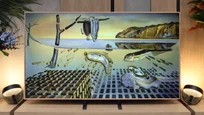
The most interesting part starts with the digital gallery, because this is what is meant to set the A400 Pro apart from ordinary TVs. TCL provides access to over 80 artworks that can be displayed when the screen isn’t being used to watch movies or series. That way the TV doesn’t have to hang on the wall as a black slab but can actually look like a painting. An ambient light sensor, which adjusts the screen to the room’s conditions, helps with this. And here’s some good news compared with the older NXT Vision A300: the annoying brightness issue in art mode has been improved in the A400 Pro. Gallery settings are now separate from normal viewing, so you can set a lower brightness for artworks without disturbing the settings for films or TV. It may seem like a small detail, but in practice it’s very important, because it helps the screen look more like an artwork and less like a glowing TV. TCL also adds the option to create your own images using artificial intelligence. The maker talks about over 100,000 available pieces and variants, so there’s plenty to choose from. You can stick with the ready-made gallery or pick something more in line with your own taste and room decor.
Traditional features
The traditional TV features are much less exciting. The A400 Pro doesn’t stand out here. You get standard broadcast TV, a channel guide and basic options, but no major extras that would change the way you use conventional TV.
Apps
9.6/10
9.6/10






















Playing files from USB
8.9/10
9.5/10
Supported photo formats:
Maximum photo resolution:
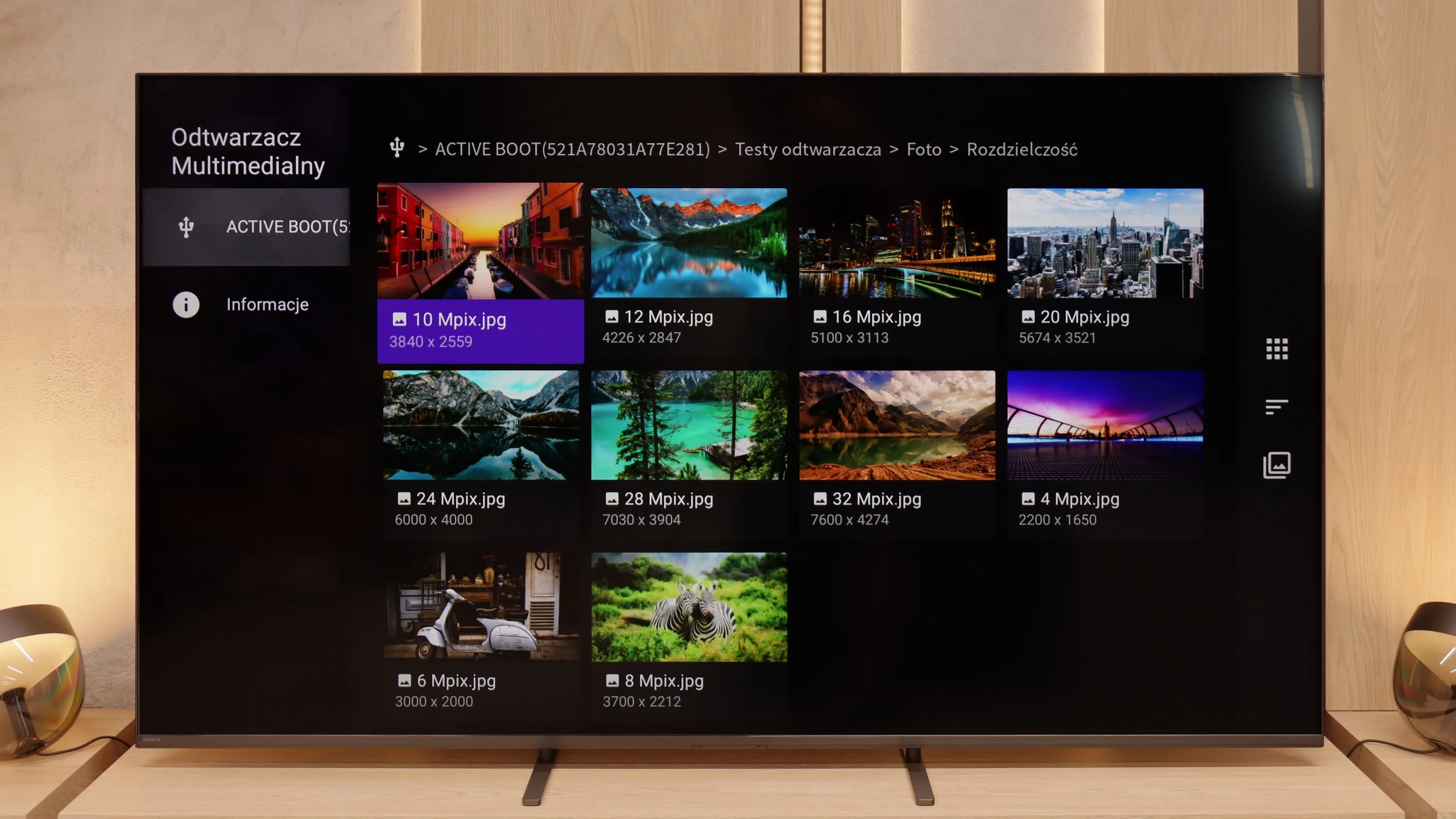
Bravia 5 handles multimedia playback from USB quite efficiently. In practice, nearly everything works – movies, music, photos – although of course we encountered some minor issues. Some subtitles can be troublesome, as can exotic photo formats, which were not always correctly recognised. However, this is standard in the world of televisions, and it's hard to take it too seriously. A significant advantage, though, is that thanks to Android, we are not limited to the system player. It's enough to install an external app, like VLC, and all restrictions disappear. This is the strength of this system – the manufacturer does not confine us to their ecosystem, but rather gives us the freedom of choice.
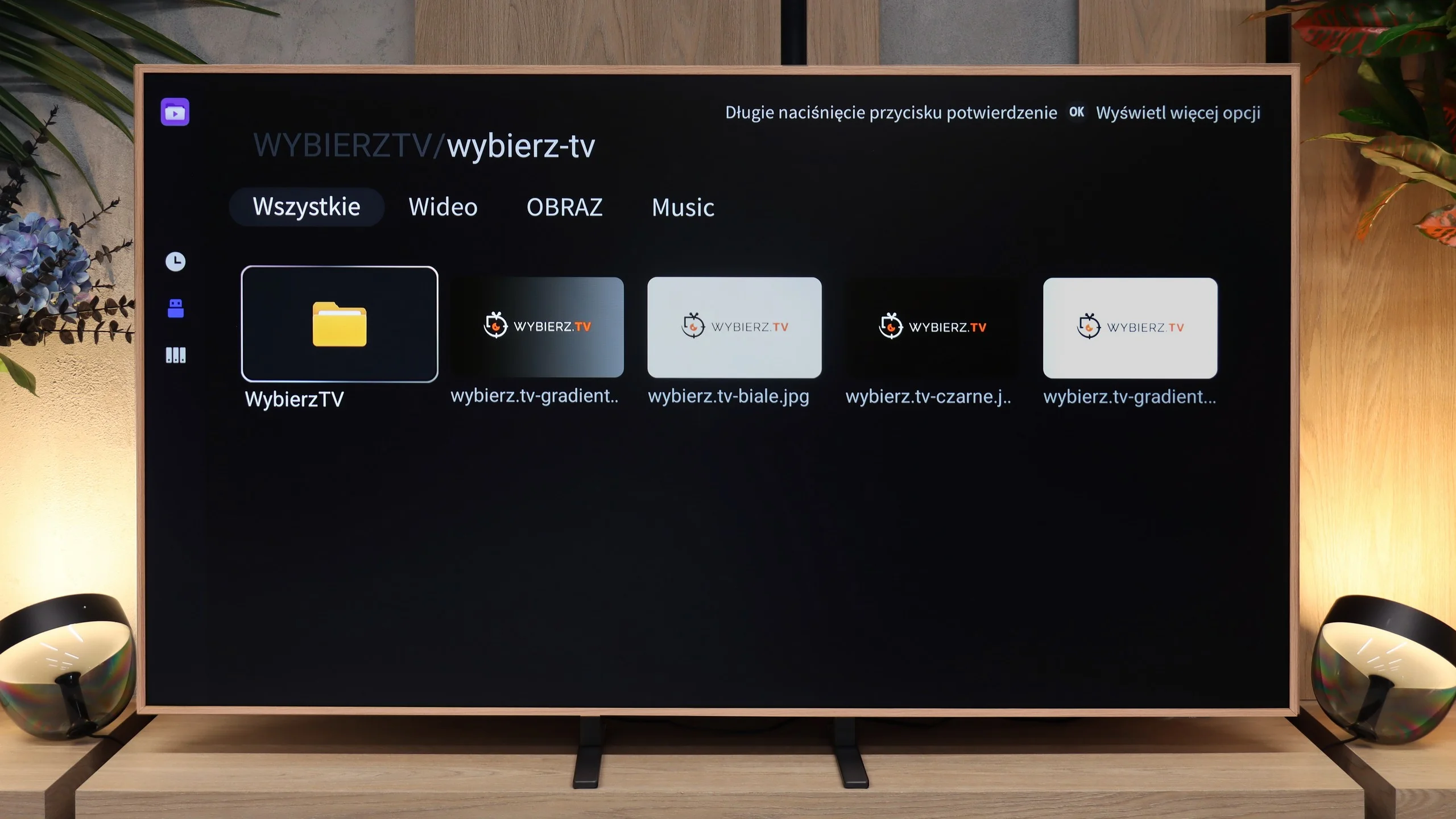
Playing files from USB is one of the strong points of the TCL A400 Pro. The built-in player performs very well and can easily be counted among the best. It handles popular video, audio and photo formats without any trouble, so in most cases you just need to plug in a USB stick or external drive and play the content. That's good news, because you don't have to install third-party players straight away. The A400 Pro natively supports a really wide range of files and in our testing it had no major problems playing them.
Sound
7/10
6.6/10
- Maximum volume84dB83dB
- Dolby Digital Plus 7.1
- Dolby True HD 7.1
- Dolby Atmos in Dolby Digital Plus (JOC)
- Dolby Atmos in Dolby True HD
- DTS:X in DTS-HD MA
- DTS-HD Master Audio
Bravia 5 positively surprises in terms of audio. The sound is pleasant, with a slightly noticeable bass thanks to the proprietary Bass Reflex speakers. Overall, it plays loudly, clearly, and definitely above average for a television – 40 W power in a 2.2 setup is an impressive result in this class. The placement of the speakers on the sides of the casing also plays a significant role, as it allows the sound to fill the room and creates a sense of space. However, one should not get carried away with optimism. This is still not the level of even the simplest soundbar. The Bravia 5 performs excellently in everyday use, but for those who enjoy strong sound and a cinematic effect, additional audio equipment will be a must – as is the case with nine out of ten televisions available today on the market.
Sound on the TCL A400 Pro is fairly average. The most important bit of good news is that the TV can play loudly. It easily reaches around 83 dB, so volume itself isn’t much of an issue. It’s also a plus that it supports formats such as Dolby Atmos and the increasingly rare DTS in TVs. But that’s about where the praise ends. The standard 2.0 speaker setup has its limits and it’s hard to squeeze much more out of it. What’s mainly lacking is bass and a sense of space. The sound is fine for regular TV or YouTube, but with films, series and especially music it quickly becomes too flat. For that reason we would definitely recommend buying at least a simple soundbar or a traditional home cinema system. Especially since the TV itself supports Dolby Atmos and DTS, it practically begs to be connected to external speakers that will actually use those capabilities.
Sound Quality Test
No sound test video
Acoustic Measurements
84dBC (Max)
75dBC
83dBC (Max)
75dBC
Reader comments
Comments are provided by the external service Disqus (Zeta Global). Once loaded, Disqus may set cookies and process data about your activity.
We will remember your choice on this device. Provider's privacy policy