Sony A95L is a TV that has made a huge impression on us. Although a year has passed since its launch, it still deserves a spot among the best models on the market. When it comes to picture quality, it's simply brilliant. Deep blacks, vibrant colours, and excellent brightness in HDR make everything look incredibly realistic. The QD-OLED panel does its job – movies and games look so good that at times you forget it's just a screen. Using the A95L on a daily basis is a pleasure. Google TV runs smoothly, and there are plenty of apps available. The package includes two remote controls: one traditional and the other backlit – a really handy solution, especially in the evenings. Plus, the voice assistant makes life easier, allowing you to quickly search for a movie or control the home from the couch. Gamers will also be delighted. A refresh rate of 120 Hz, low input lag (below 10 ms even in Dolby Vision), and VRR support is a set that will satisfy any gaming enthusiast. And the sound? The Acoustic Surface Audio+ system makes the sound come straight from the screen, providing great, spatial experiences. Of course, there are no perfect things. Two HDMI 2.1 ports (including one for eARC) might be a bit limiting if someone wants to connect a console, soundbar, and other devices. In a bright room, the black can have a slightly cherry hue, which might bother more demanding users. Despite these minor notes, the Sony A95L is a piece of fantastic equipment. The picture, sound, and functionality are top-notch. It's a television that will satisfy both cinephiles and gamers, offering a true premium experience in the comfort of home.
- Matching (Score) |
- Our verdict |
- TV appearance |
- Where to buy |
- Contrast and black detail |
- HDR effect quality |
- Factory color reproduction |
- Color reproduction after calibration |
- Smoothness of tonal transitions |
- Image scaling and smoothness of tonal transitions |
- Blur and motion smoothness |
- Console compatibility and gaming features |
- Input lag |
- Compatibility with PC |
- Viewing angles |
- Daytime performance |
- Panel details |
- TV features |
- Apps |
- Playing files from USB |
- Sound
Sony A95L vs LG OLED C5
 Direct comparison

Check the best price offer:
LG OLED C5A95L
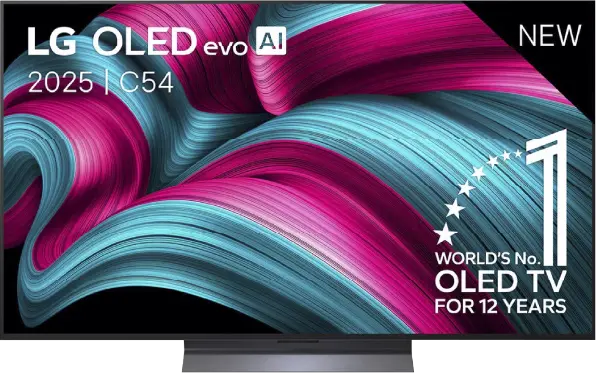
C5 / C54 / C5ELB / C51


Panel type: QD-OLED
Resolution: 3840x2160
System: Google TV
Model year: 2023
Complete the survey to find out the result
Panel type: WRGB OLED
Resolution: 3840x2160
System: WebOS
Model year: 2025
Complete the survey to find out the result
Overall rating
8.2
8.2
 Movies and series in UHD quality
 9.0
8.5
 Classic TV, YouTube
 9.3
8.9
 Sports broadcasts (TV and apps)
 9.0
8.6
 Gaming on console
 9.3
9.4
 TV as a computer monitor
 5.0
8.6
 Watching in bright light
 5.0
6.2
 Utility functions
 8.8
7.9
 Apps
Apps 9.6
9.1
 Sound quality
 7.9
7.2
Complete the survey to find out what fits your preferences
Advantages

Amazing Contrast
Great for HDR movies
Advanced Google TV system
Great Viewing Angles
Gaming Features: Support for ALLM, VRR, 120 Hz refresh rate, low input lag
Great sound
Camera included
Great black and endless contrast thanks to the OLED panel
Above-average brightness (for an OLED TV)
Nearly reference-quality picture after calibration
Full suite of features for gamers: 4xHDMI 2.1, low input lag, HGiG, VRR and more
Very good motion smoothness – 144 Hz OLED panel
Intuitive and modern WebOS system
Convenient Magic remote control with a gyroscope
Disadvantages

Only Two HDMI 2.1 Ports: One of the HDMI 2.1 ports is used for eARC, which may limit the number of devices that can be connected, especially for those using a soundbar and console
Cherry black effect in bright light: The QD-OLED panel causes blacks to lose their depth in bright light
Not the sleekest design
Price compared to competitors
Different versions of the remote in derivative models – it's hard to predict which version we'll get
Average reflection damping – this may be an issue under very bright light
No support for DTS:X – an external amplifier is required for full support of this format
Our verdict
LG C5 is a very successful continuation, and in several aspects, even a step forward compared to last year's C4 model. The biggest change is the significantly higher brightness – for the first time in the history of the C series, the barrier of 1000 nits has been exceeded, which significantly improves the quality of HDR effects. Both movies and TV shows look more dynamic as a result, and bright scenes finally have the appropriate “shine.” After calibration, the picture quality is almost reference-level, and one gets the impression that we are dealing with equipment much more expensive than its price suggests. C5 is also one of the best choices for gamers – four full HDMI 2.1 ports, low input lag, support for VRR, G-Sync, and correctly implemented HGiG. Additionally, the 144 Hz panel makes not only gaming but also watching sports pure pleasure. The convenient WebOS system and the Magic remote with cursor control functionality deserve a mention as well – everything works smoothly and intuitively. This is a television that you simply want to use.
However, there are a few minor reservations. This year, LG decided to abandon support for DTS codecs, which may be troublesome for people using physical media and Blu-ray film collections. It's also worth noting the confusion regarding the different versions of the remote – depending on the model designation, we may receive a completely different remote than the one we held during our tests. Despite these few comments, LG C5 is a television that makes an excellent impression in almost every respect. Brightness, colours, gaming features, fluidity of the image, and overall build quality make it one of the best OLEDs in its class.
TV appearance



Contrast and black detail
10/10
10/10
Contrast:


Result
∞:1

Result
∞:1

Result
∞:1

Result
∞:1

Result
∞:1
Result
∞:1
Result
∞:1
Result
∞:1
Result
∞:1
Result
∞:1
Halo effect and black detail visibility:

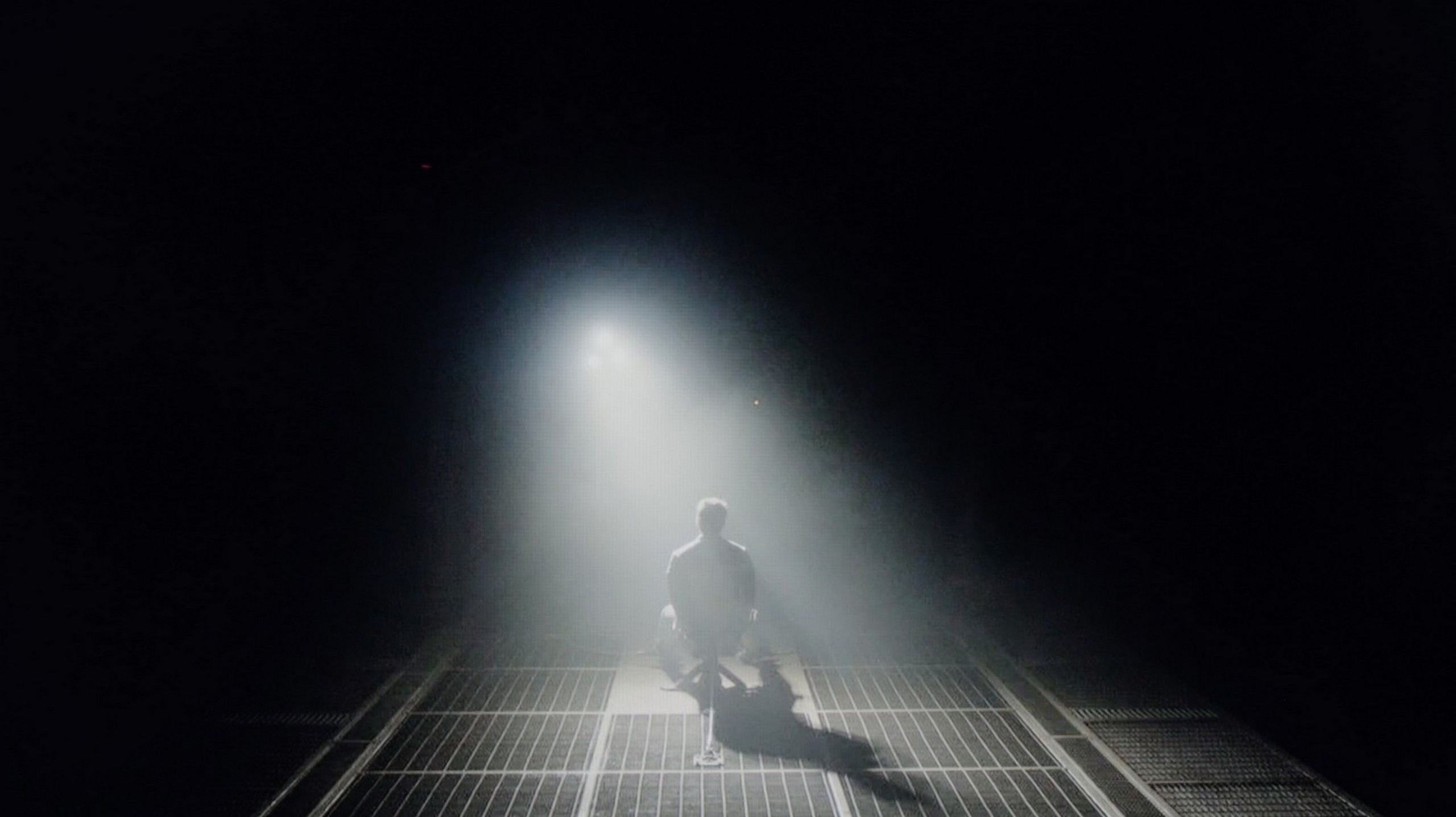
Check the visibility of bright lights on a dark background. Mini-LEDs often struggle with this. The photo does not compare black levels – that’s what the video below is for.
The video accurately shows differences in contrast and black levels between TVs, as well as potential issues: halo around bright objects or Mini-LED zone operation visible as brightness jumps.
Sony A95L is an OLED television that truly impresses when it comes to contrast. With OLED technology, this model offers perfectly deep blacks – in dark scenes, there are no signs of colour bleeding or glow, making images look incredibly realistic. Additionally, QD-OLED technology allows for higher brightness, further emphasizing the difference between bright and dark elements. As a result, in scenes like those from the movies Oblivion and Sicario 2, A95L Sony excels at separating lights from shadows, giving the picture clarity and depth – the perfect solution for those seeking a cinematic experience at home.
In the category of black and contrast, the LG C5 fits perfectly into what we've come to expect from OLED TVs – it's simply ideal. Thanks to the use of an organic matrix (WOLED), each pixel lights up independently, resulting in infinite contrast and perfect black. There are no halos, streaks, or other typical LCD TV artifacts here. Details in bright parts of the image are excellently visible, and watching with the lights off is pure enjoyment. If someone is looking for a TV for evening viewing with great contrast – the C5 is a very strong contender.
HDR effect quality
7.8/10
7.2/10
Luminance measurements in HDR:

Result
1471 nit

Result
1498 nit

Result
1465 nit

Result
1527 nit

Result
626 nit
Result
1079 nit
Result
1059 nit
Result
1120 nit
Result
1094 nit
Result
707 nit
Scene from the movie “Pan” (about 2800 nits)


Scene from the movie “Billy Lynn” (about 1100 nits)


The photos show two HDR10 movies. 'Pan' is one of the brightest productions ever made, while 'Billy Lynn' (soldier) has brightness typical of streaming (Netflix, Prime, HBO MAX). Notice the intensity of effects and detail in whites.
Static HDR10


The photos present the visibility of white details in various HDR formats. They do not show brightness differences between TVs (these can be compared in the previous gallery).
Dynamic: Dolby Vision
Dynamic: Dolby Vision


The photos present the visibility of white details in various HDR formats. They do not show brightness differences between TVs (these can be compared in the previous gallery).
HDR luminance chart:
LG OLED C5
Sony A95L
Luminance of RGB colors
Sony A95L offers an incredible HDR effect, achieving an impressive brightness level of 1500 nits in scenes such as those from Life of Pi and Sicario 2. These results are truly remarkable – the bright elements in these films practically come alive on the screen, providing the viewer with immersive visual experiences. The only thing to note is minor issues with maintaining brightness in the scene from The Meg, where the entire scene is flooded with light. However, this is a natural effect associated with OLED technology. A big plus also goes to the wide coverage of the BT.2020 colour palette at 89%, which places A95L Sony among the top TVs in terms of colour reproduction. All of this is made possible by the QD-OLED panel from Samsung Displays.
LG C5 has finally done what we've been waiting for years in the C series – it exceeds 1000 nits of brightness! This is a significant change compared to previous models in the series and very important – because most HDR content on streaming platforms is created around such luminance today. The image finally has the right "glow," and details in the highlights look as they should even without the use of dynamic metadata. However, there are scenes where the C5, like most OLED TVs, has certain issues. Especially when the screen has to light up entirely. In our test sequences, like the bright scene from the movie The Meg, brightness noticeably drops. Don't get us wrong, this result is not bad; it’s more of a reminder that OLED technology still has its limitations. Year by year, they are getting smaller, but they still exist.
Now, what about the colours? They are very good. Although the C5 doesn't match OLEDs with QD-OLED or Tandem RGB panels, its coverage of the DCI-P3 gamut at 97% and 73% of BT.2020 will satisfy even the more demanding viewers. The colours are saturated, natural, and very consistent in HDR materials.
Factory color reproduction
7.9/10
8.2/10


This gallery shows how colors change after professional TV calibration. If you notice the difference, we recommend ordering this service at SkalibrujTV.com.
Factory Mode
After calibration


This gallery shows how colors change after professional TV calibration. If you notice the difference, we recommend ordering this service at SkalibrujTV.com.
Factory Mode
After calibration
The best factory mode for colour reproduction on the Sony A95L is IMAX Enhanced. This mode seems well-calibrated at first glance, but upon closer analysis, several areas for improvement become apparent. Firstly, the white balance for both SDR and 4K HDR content is marred by an excess of blue and red hues, leading to a subtle pink tint, particularly noticeable on neutral tones. As a result, skin tones are skewed, affecting the realism of the displayed image. This is clearly visible in the comparison photo below. Additionally, the Colour Checker test confirms the presence of these errors – the colour samples often deviate from their reference values, indicating some inaccuracies in the factory colour reproduction of the A95L Sony. The maximum deltaE error values reach up to 5.8, which is a clear indicator that colours are not always reproduced as accurately as they should be.
Regarding brightness characteristics, the gamma for HD/SDR content is generally quite good, maintaining an appropriate balance between brightness and contrast. Unfortunately, a significant jump is visible at the end of the graph, leading to a strong brightening of the image when the screen is fully flooded with white. This can make scenes with very bright backgrounds, such as snowy landscapes or intense daylight, appear too glaring and lose detail. For HDR content, the EOTF curve, which controls luminance, is slightly elevated compared to reference values. This, in turn, causes the image to be somewhat brighter than it should be, which can affect the perception of more subtle details in the darker areas of the frame.
LG C5, like other TVs we tested, was checked in the best possible factory mode – which remains the Filmmaker Mode. And here we have good news: in SDR materials, LG has once again done a solid job. The white balance and colour reproduction right out of the box are at a very high level. Most errors – both in balance and in the Colour Checker test – did not exceed a ΔE value of 3, which is the threshold above which differences become visible to the naked eye. Such factory settings are what we'd like to see in many more TVs!
However, the situation is different for HDR content, which is what the C series was truly designed for. Here, the C5 performs weaker. An excessive amount of blue in the white balance causes the image to appear distinctly cooler – which affects things like unnaturally pale skin tones or somewhat shifted tonality of the entire scene. Fortunately, LG provides very precise calibration tools, and we – as always – made use of them.
Color reproduction after calibration
9.3/10
9.4/10


The photos show how movies look on the TV. Pay attention to black detail visibility, colors, and shadow tint.


The photos show how movies look on the TV. Pay attention to black detail visibility, colors, and shadow tint.
Sony A95L offers excellent tools for professional screen calibration, allowing you to maximise the potential of the IMAX Enhanced mode. We used them to achieve an image quality that satisfies even the most demanding viewers. After calibration, the white balance for both 4K HDR and SDR content looks simply fantastic – nearly perfect. The Colour Checker test confirmed that deltaE errors do not exceed a value of "2", which means that colour reproduction is extremely accurate, and any deviations are practically imperceptible to the human eye.
The calibration also brought a significant improvement in brightness – gamma is now perfectly balanced, eliminating the previous problem of excessive brightening in scenes with very bright backgrounds. Thanks to this, even the brightest moments, such as snowy landscapes or intense daytime scenes, appear natural, without the risk of blown-out highlights. The EOTF curve, responsible for controlling luminance in HDR content, has also been improved – it now reaches reference levels in both synthetic tests and practical movie watching.
As a result of the calibration, A95L Sony provides an excellent experience, whether you are watching regular TV content or your favourite films. Every detail is reproduced exactly as the creators intended – without unnecessary brightenings, with perfectly rendered colours and appropriate depth. This shows that this television, after professional tuning, can compete with the best screens on the market, offering an image that truly impresses.
We must honestly admit – in the case of the LG C5, it took very little to achieve an almost perfect image. After carrying out calibration, we managed to achieve compliance with reference screens at a level that impresses even compared to significantly more expensive models. The image after our adjustments looks exactly as filmmakers and series creators would want – with no colour distortion, natural depth, and subtle plasticity. LG has done a great job this year regarding factory settings and calibration potential. Hats off!
Smoothness of tonal transitions
9/10
8.2/10



These are selected scenes that show smooth tonal transitions from one color to another. If you see distinct banding, it’s the TV panel’s fault.

These are selected scenes that show smooth tonal transitions from one color to another. If you see distinct banding, it’s the TV panel’s fault.
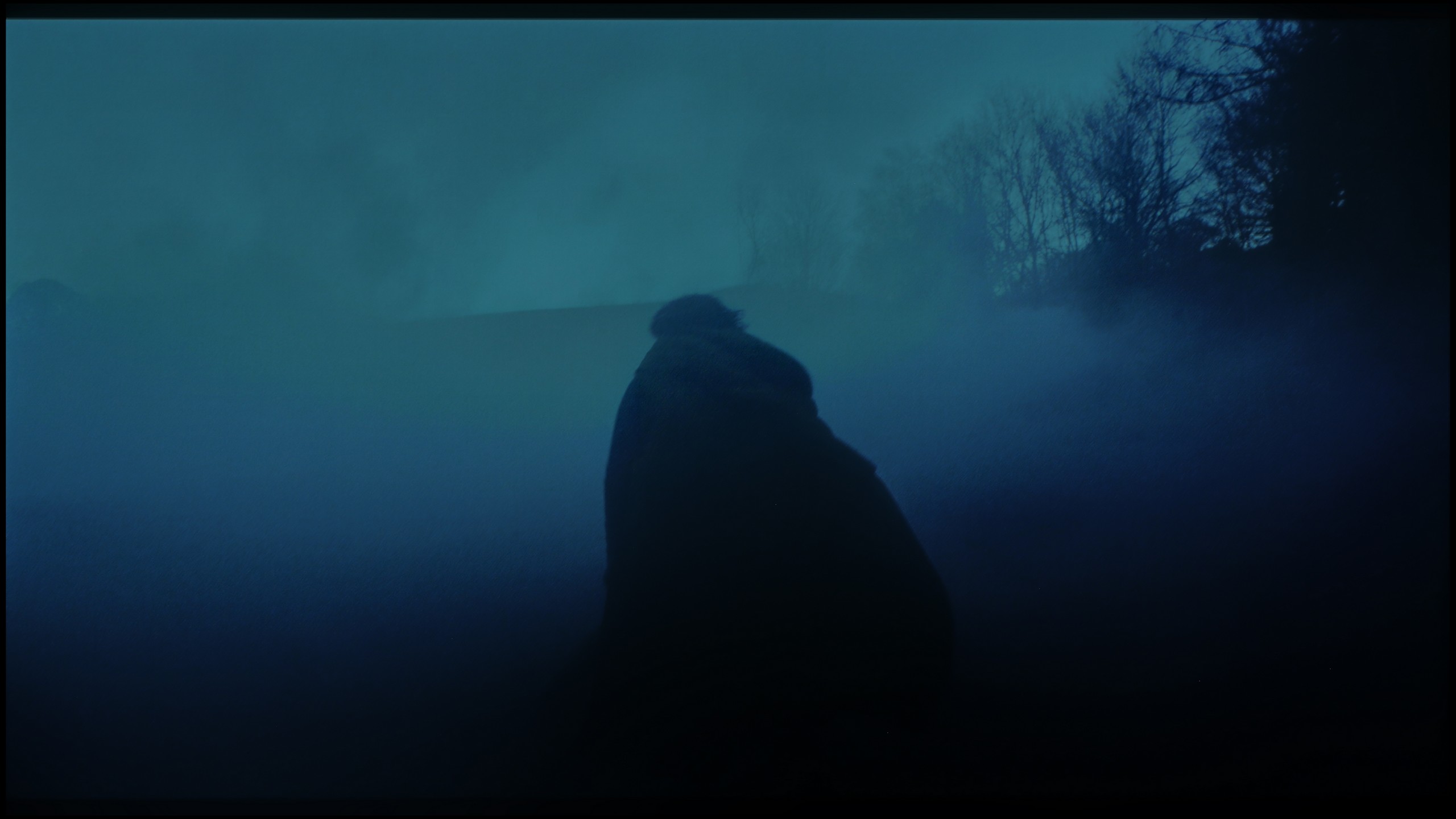
These are selected scenes that show smooth tonal transitions from one color to another. If you see distinct banding, it’s the TV panel’s fault.
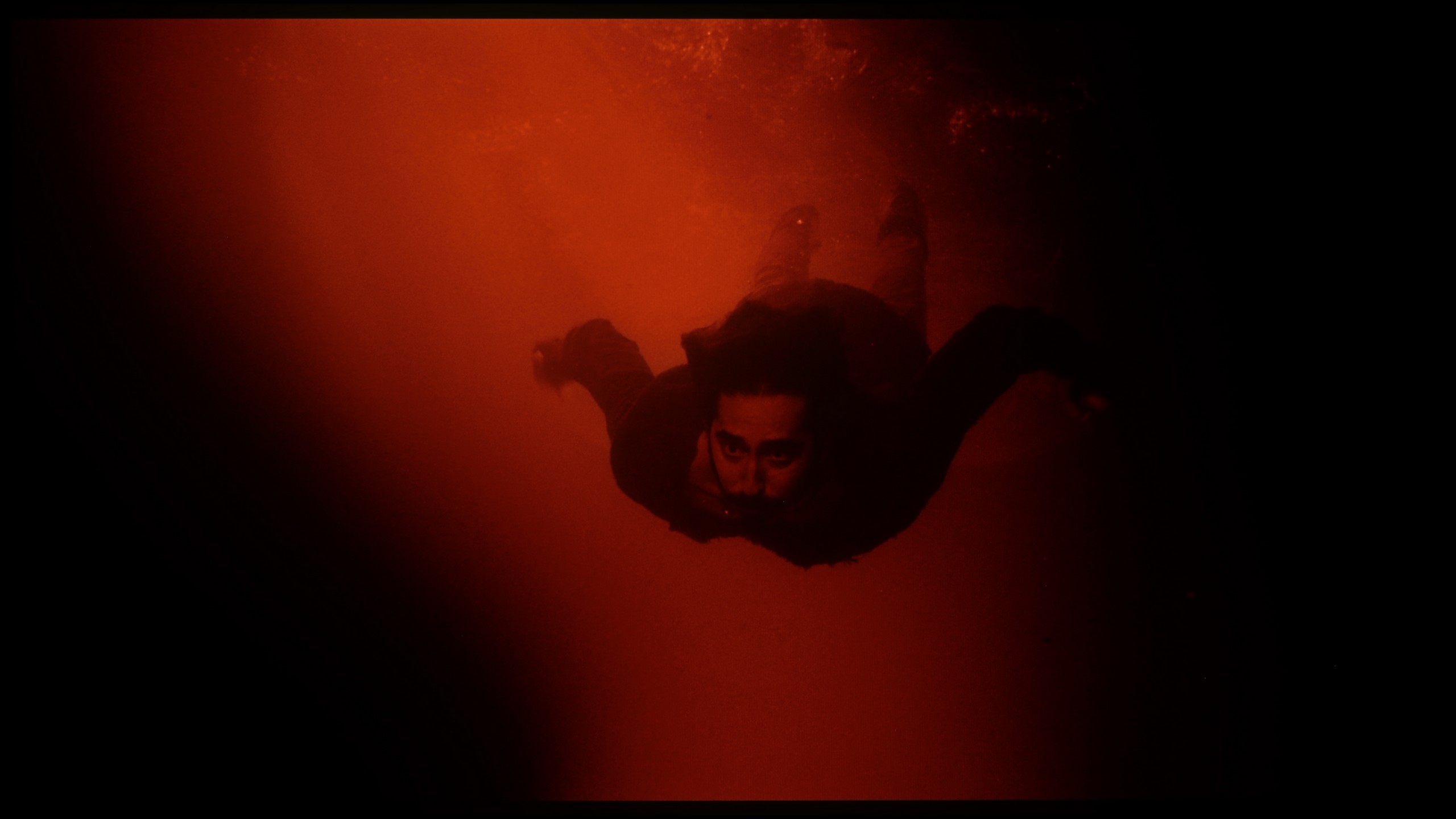
These are selected scenes that show smooth tonal transitions from one color to another. If you see distinct banding, it’s the TV panel’s fault.
The fluidity of tonal transitions in A95L is truly remarkable – it’s one of the greatest advantages of QD-OLED panels. The image appears incredibly smooth, and all transitions between different shades are perfectly rendered, with no noticeable jumps or distortions. As of today, it's challenging to find a panel that handles tonal transition reproduction with such precision. Of course, if someone really looks closely, they might notice slight errors in the black areas, but they are subtle enough that hardly anyone will notice them during normal use of the Sony A95L. For most users, these minor imperfections will be completely unnoticeable, and the fluidity and detail of tonal transitions will satisfy even the most demanding enthusiasts of excellent picture quality.
WOLED TVs have not been known for perfect smoothness in tonal transitions until now. It was often noticeable to see delicate bands between colours – especially in darker parts of the image – which gave the impression that the colours do not transition smoothly, but rather slightly "step". This year, LG has made significant progress. In the C5 model, this issue has been largely eliminated. Indeed, in very dark scenes, you can still see subtle boundaries between colours, but they are non-intrusive enough that hardly anyone except for more demanding viewers will notice them. For most users, the smoothness of tonal transitions in the C5 will simply be impeccable.
Image scaling and smoothness of tonal transitions
8/10
7.8/10

Smooth transition function

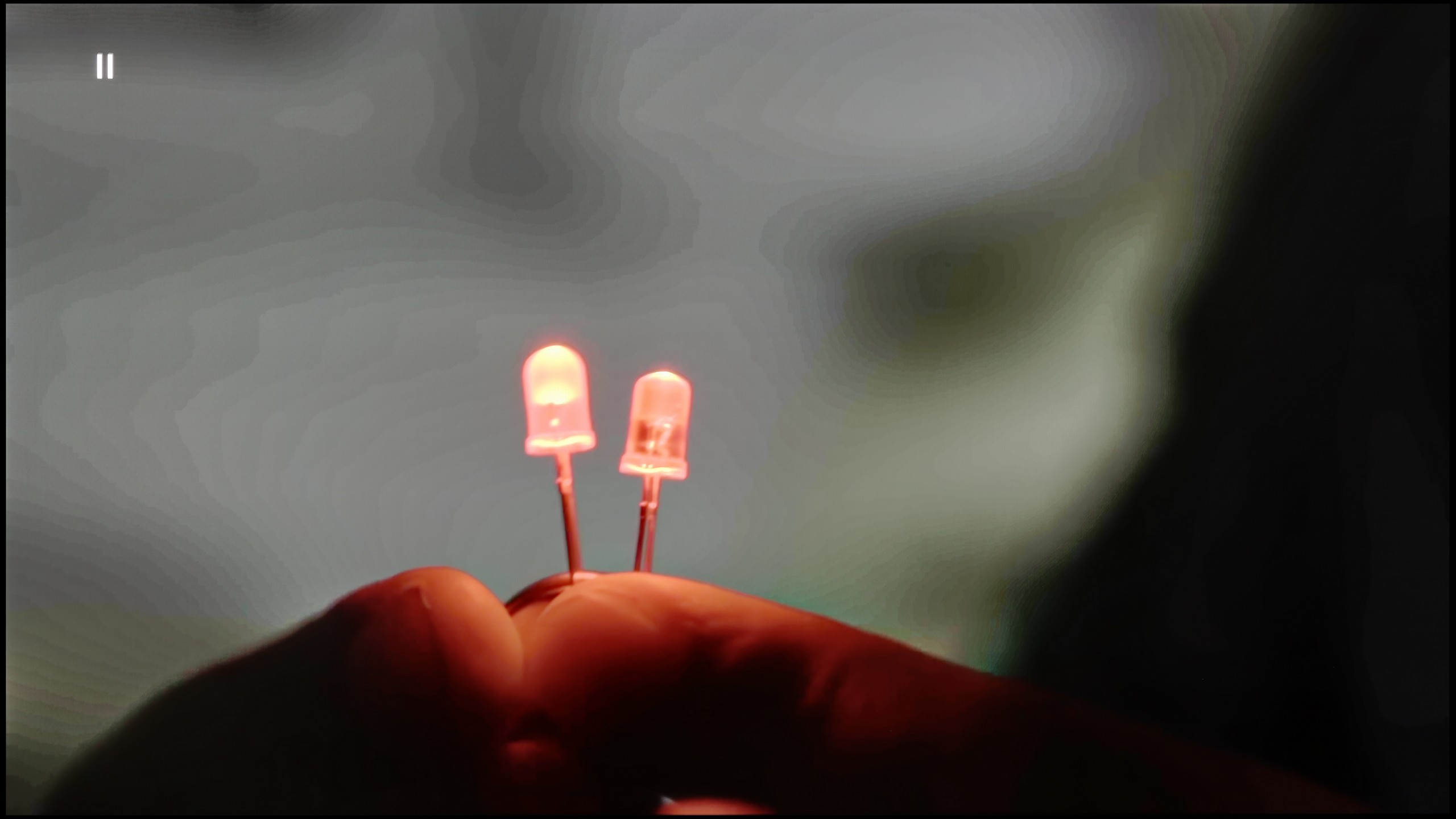
The match photo shows how the TV smooths weak tonal transitions in low-quality video.
Image scaling SD (576i)


The model photo shows how it handles upscaling of SD material.
The tonal transition smoothing function in Sony A95L works really well and is worth noting. We recommend setting it to "Medium" level, as this value achieves an ideal compromise – no artifacts appear, and the image looks incredibly natural and pleasing to the eye. This ensures that transitions between different shades are smooth while maintaining scene detail, which further enhances viewing comfort.
When it comes to upscaling, you can see the full power of the XR processor here. Sony A95L handled our test material featuring a model exceptionally well – the image is remarkably clear, there are no excessive jagged edges, and the background details are perfectly preserved. The XR processor effectively improves low resolution, providing very good results that allow you to enjoy content in nearly high quality, even if its source is not perfect.
LG C5 handles lower quality materials exceptionally well. One of the main issues that older WOLEDs faced was posterisation – unwanted “steps” in colour transitions. The C5 utilises a system function that smooths these transitions, and it works surprisingly effectively. The banding effect is nearly completely eliminated, and the image gains consistency. Compared to last year's model, we feel that this function operates slightly weaker – but the good news is that it doesn't compromise the image structure. Film grain, textures, and details remain on the screen – nothing is forcefully smoothed out.
The C5 also excels at enhancing the quality of older recordings. Thanks to the α9 Gen6 (8th gen) processor, "scaling to 4K" is impressively solid. The image is clear, details are sharp, and the only minor drawback might be a slightly noticeable aliasing on some edges. However, there is no problem with overscan here – the image is not artificially cropped or shifted, which is a significant plus and still not a given.
Blur and motion smoothness
8.5/10
8.5/10

Blur (native resolution, maximum refresh rate):





Blur (BFI function enabled):


Image flickers in this mode
Sony A95L is a television that should satisfy both gamers and movie enthusiasts. When it comes to watching films, this model is equipped with Motionflow technology, which allows you to precisely adjust whether you want the image to be more "framey," like in traditional cinema, or exceptionally smooth, like in cinema TVs. The "Smoothness" slider allows you to control the level of fluidity – from subtle changes to more noticeable effects, while the "Clarity" slider reduces flicker and artifacts, helping to achieve more natural and clear movement. When it comes to gaming and watching sports, the A95L Sony offers a refresh rate of 120 Hz, making every dynamic action look incredibly smooth. Gamers will appreciate the lack of blur, and sports fans will see every movement in full clarity. Overall, the television performs excellently – both with fast-paced gameplay and emotionally charged film sequences.
The LG C5 is equipped with a 144 Hz display, and this, combined with virtually zero response time of the OLED pixels, makes it one of the best screens for watching dynamic content. It doesn’t matter whether it’s sports, fast-paced games, or just action – the image is razor sharp.
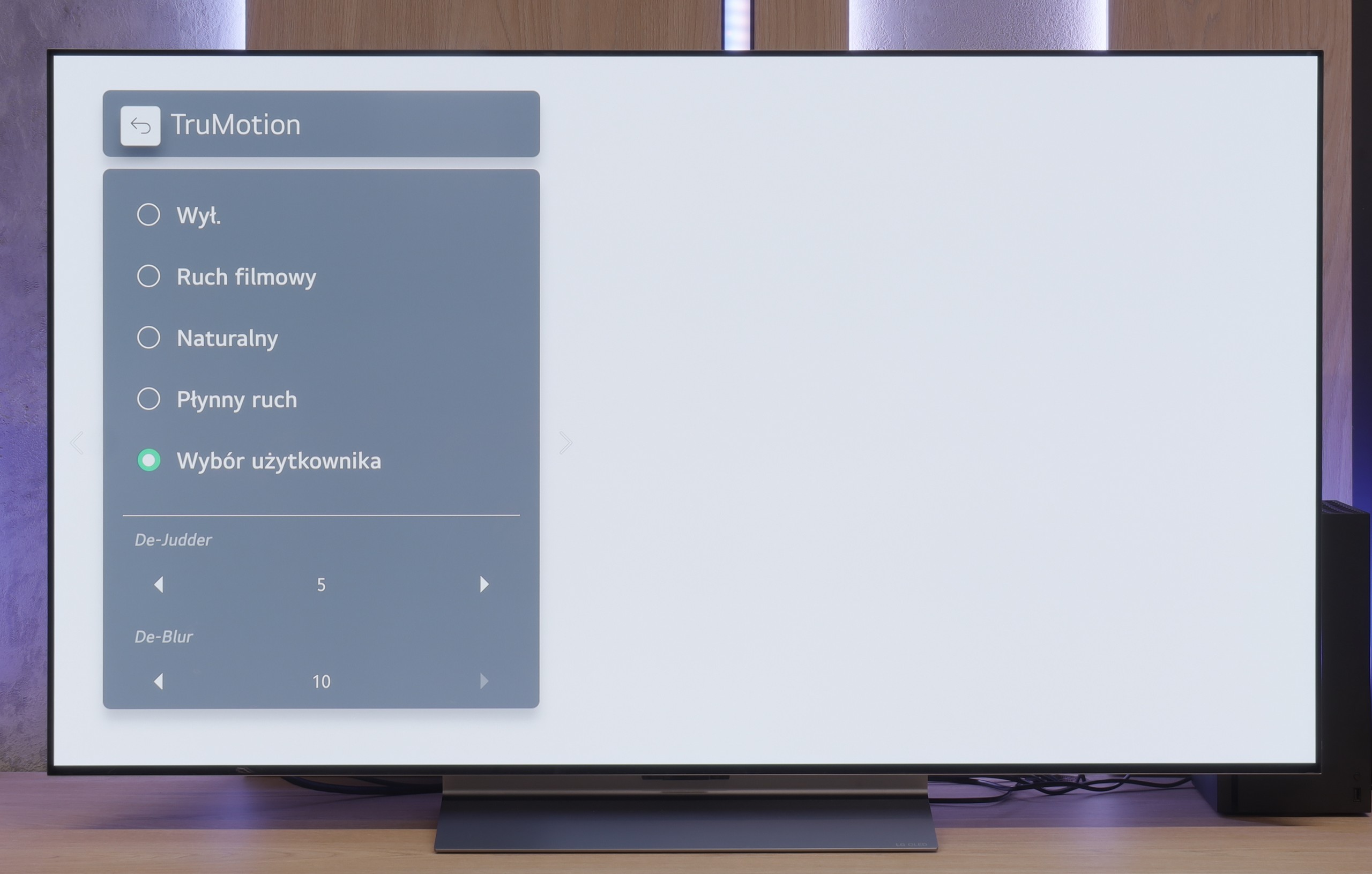
And what about movies at 24 frames? LG has thought of that too. The built-in "TruMotion" smoother allows you to adjust the picture to your own preferences. The “de-judder” slider increases fluidity in films, while “de-blur” subtly reduces motion blur – although to be honest, it’s practically invisible here.
Console compatibility and gaming features
9.4/10
10/10
- ALLM
- VRR
- VRR range48 - 120Hz40 - 144Hz
- Dolby Vision Game Mode
- Correct implementation of HGIG
- 1080p@120Hz
- 1440p@120Hz

- 4K@120Hz
- Game bar

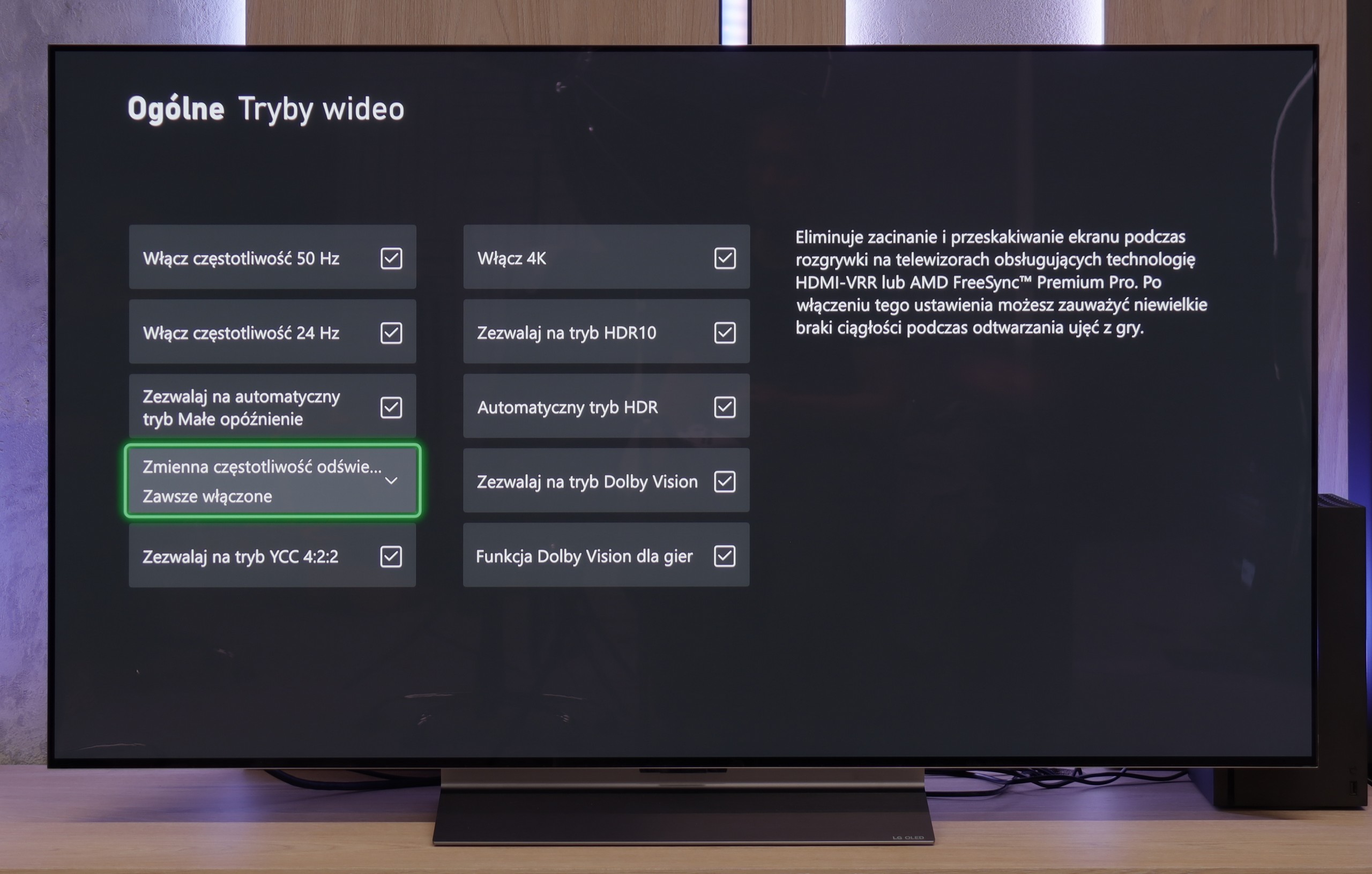

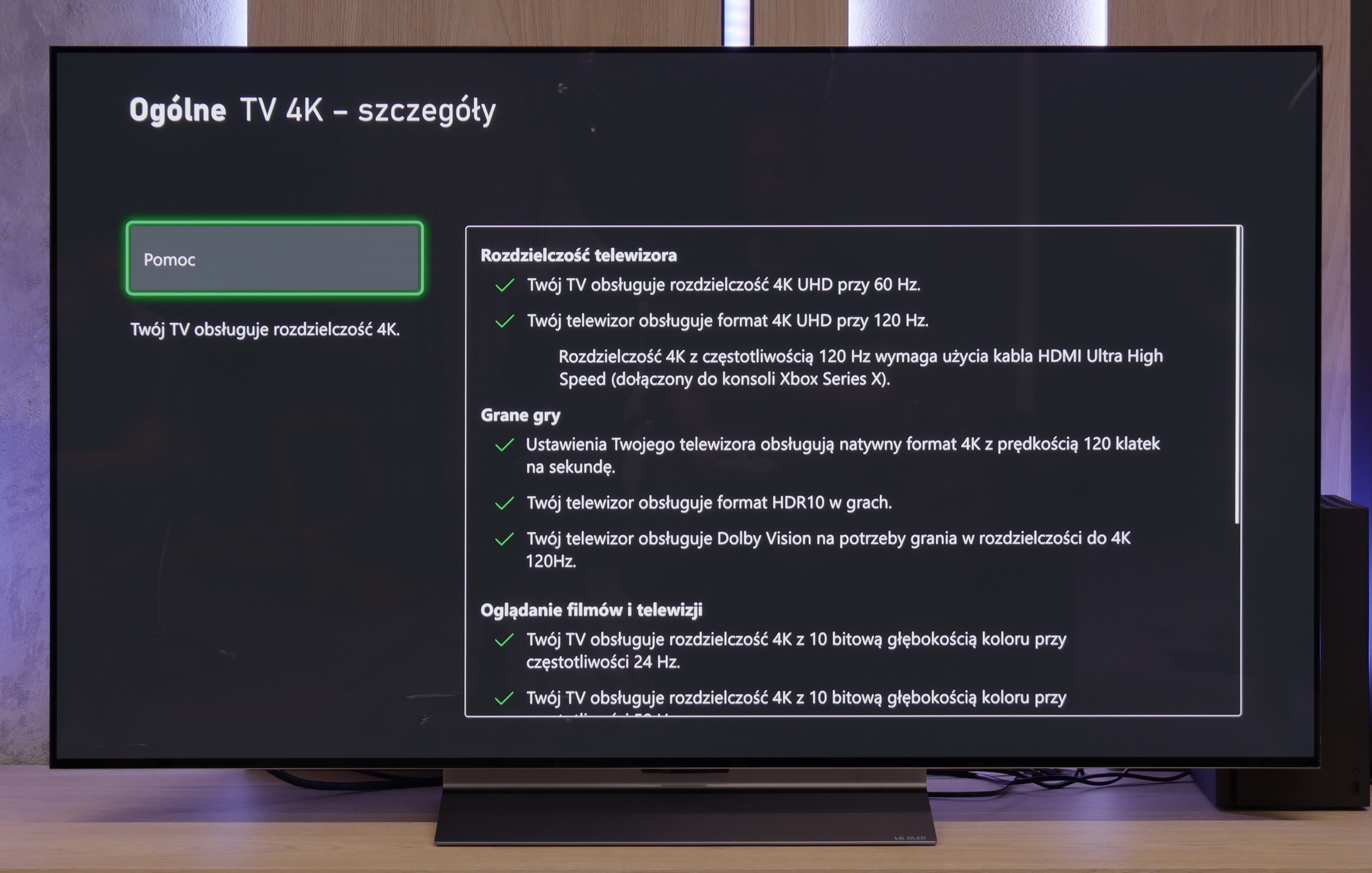

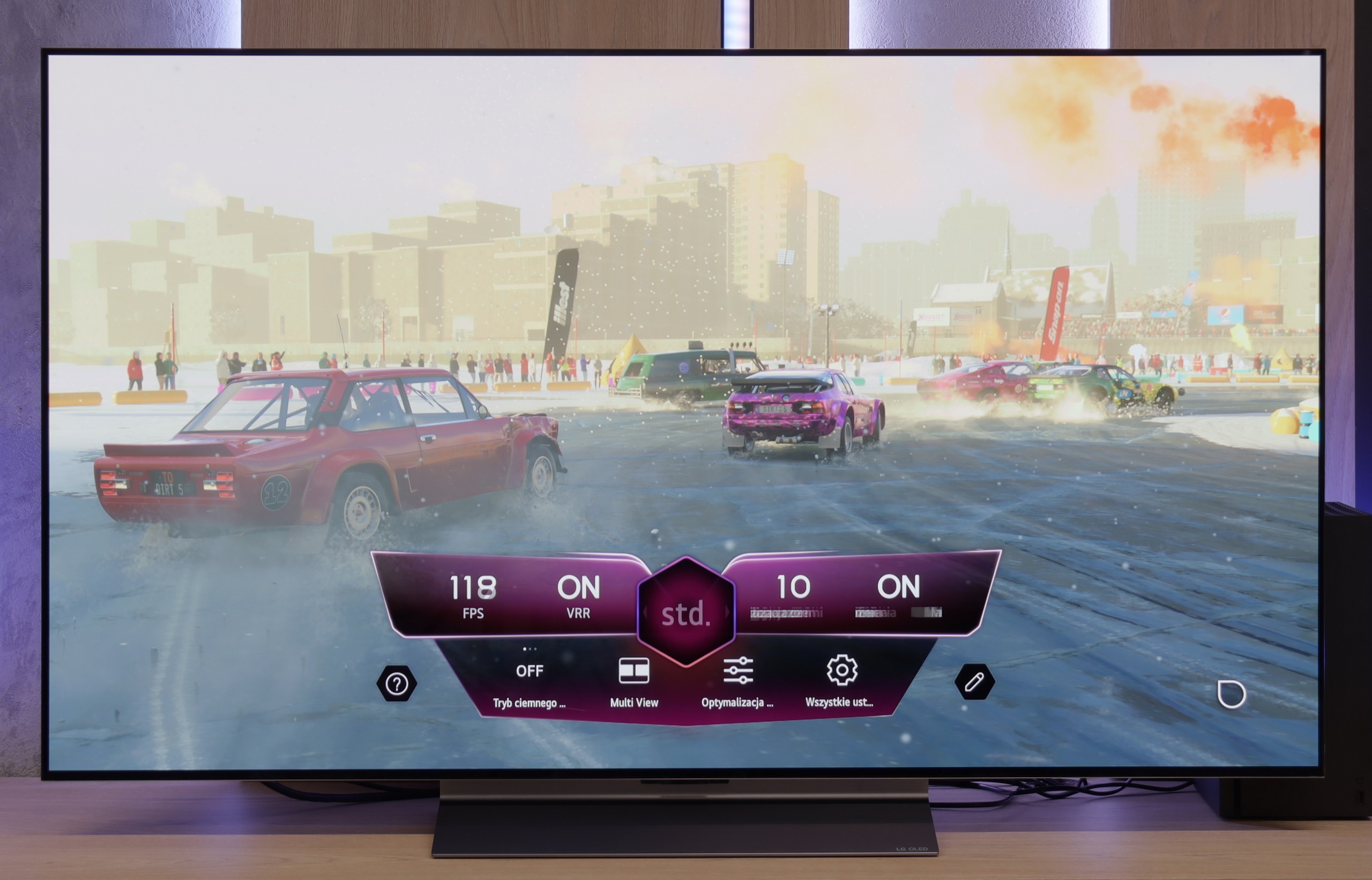

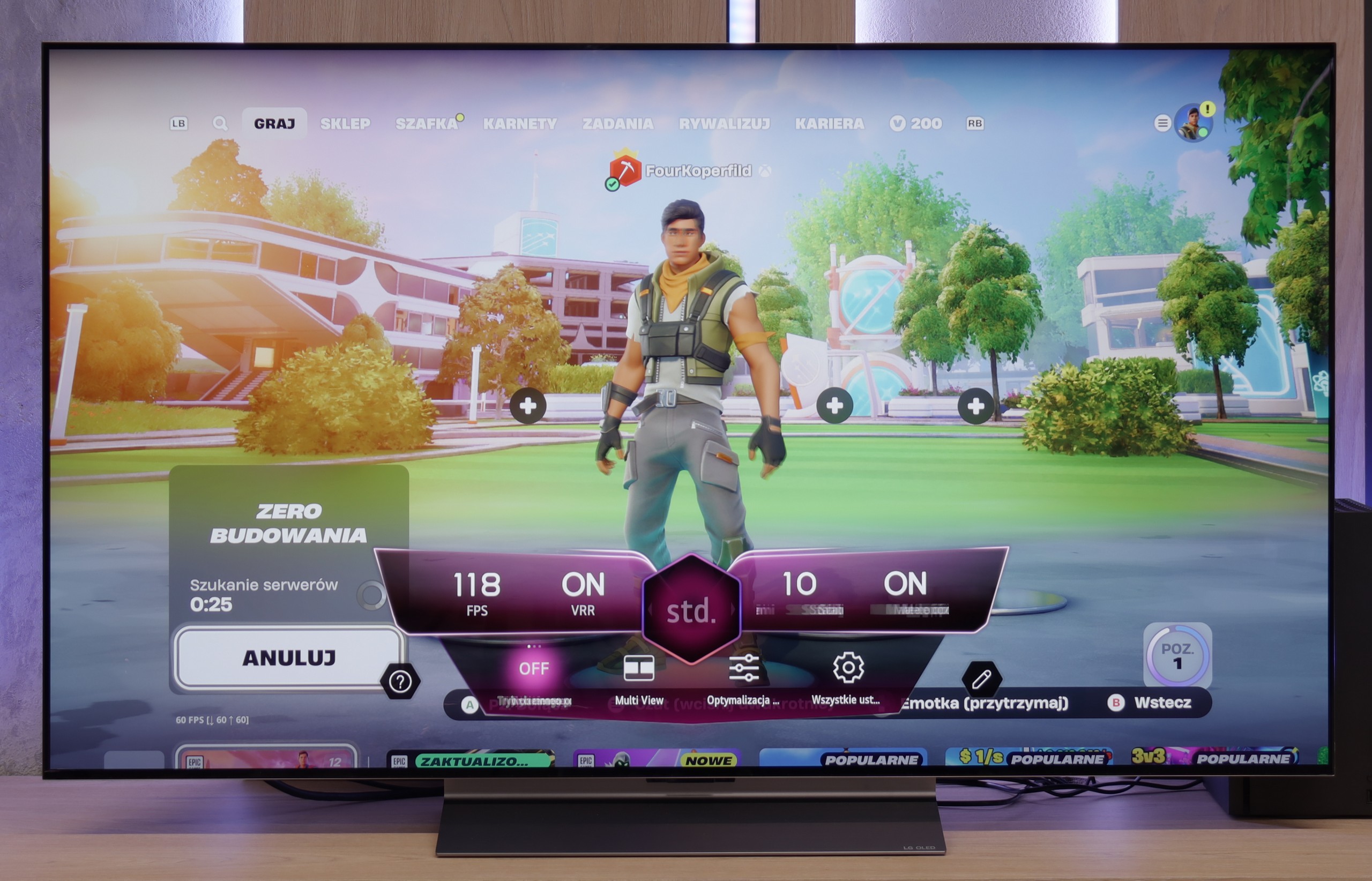
Sony A95L is a television that will truly satisfy gamers, thanks to several key features that set it apart from the competition. To begin with, the 120 Hz refresh rate – this is something that anyone who loves fast-paced action games, racing, or dynamic shooters will appreciate. This makes the image exceptionally smooth, and gameplay more satisfying, without annoying stutters. The A95L Sony also has an ALLM (Auto Low Latency Mode) feature, which automatically activates low-latency mode when we start up a console. What does this mean? Primarily, faster reactions on screen, which in games where every second counts, is simply invaluable. Added to that is VRR (Variable Refresh Rate), which ensures that the image refresh rate adapts to the number of frames generated by the console. The effect? No tearing of the image, and everything looks smooth and cohesive – even with varying FPS.
It's worth mentioning the support for Dolby Vision with low input lag in games – something we don't often see in televisions, but here it is included. As a result, the image in HDR-compatible games is incredibly vibrant, with vivid colors and excellent contrast. Both the brightest and darkest details are visible, making everything look just as the game developers intended. And there's also the "Game Bar" – a small but very practical convenience. It gives us all the essential gaming-related settings at our fingertips, such as VRR and lag information. There's no need to interrupt gameplay to adjust settings – everything is at hand.
However, it's important to note that the A95L offers only two full-bandwidth HDMI 2.1 ports, one of which is allocated for eARC. This could be somewhat limiting if we plan to connect multiple devices – for example, a next-gen console and a soundbar simultaneously. In such cases, eARC occupying one of those ports may be a bit problematic, blocking the option to connect a second console.
LG C5 is a TV designed with gamers in mind – and there's not a hint of exaggeration in that. It's hard to find anything to criticise here. We have a refresh rate of 144 Hz, full support for VRR, ALLM, and as many as four HDMI 2.1 ports with full bandwidth of 48 Gb/s. For those who have an Xbox, PS5, Nintendo, and a gaming PC in one room – no limitations, everything can be connected without any hassle.
Configuring HDR for gaming is also straightforward. The TV correctly supports the HGiG mode, which allows you to achieve an image that aligns with the creators' intentions. For those interested, there is also Dolby Vision in the Gaming version, although we still recommend HGiG as the most predictable and "clean" variant of HDR in games.
It also includes the Game Bar, which is a "command centre" for the gamer. Everything important, from VRR settings, picture modes, to frame rate information – is at our fingertips. The interface is simple and clear. It may look like something out of a space simulator, but it serves its purpose and just works; exactly as it should.
C5 is truly a complete package for any gamer.
Input lag
9.8/10
10/10
SDR
HDR
Dolby Vision
When it comes to input lag, Sony A95L really delivers. Even in Dolby Vision mode, the latency is surprisingly low – results below 10 ms with 120 Hz content are quite impressive. Thanks to such low input lag, gaming is incredibly responsive, and every action in the game is instantly reflected on the screen. For those playing at 60 frames per second, an input lag of 17 ms is also very good. This is a value that practically has no impact on the gaming experience – it falls within the so-called "placebo effect." Sony deserves praise for updating the Dolby Vision Game mode, which solved the issue of high input lag that was present at the TV's launch in 2023.
The response time of the LG C5 to our movements with the controller is exemplary. Regardless of the chosen resolution or frame rate – the lag is so low that it is virtually unnoticeable in practice. Playing on this television is simply a pure pleasure. Some delay is introduced by the Dolby Vision mode, which shouldn't be surprising – this applies to almost every television on the market equipped with this mode. Nevertheless, even with Dolby Vision active, the input lag remains low enough that gameplay is still smooth and responsive.
Compatibility with PC
5/10
8.6/10

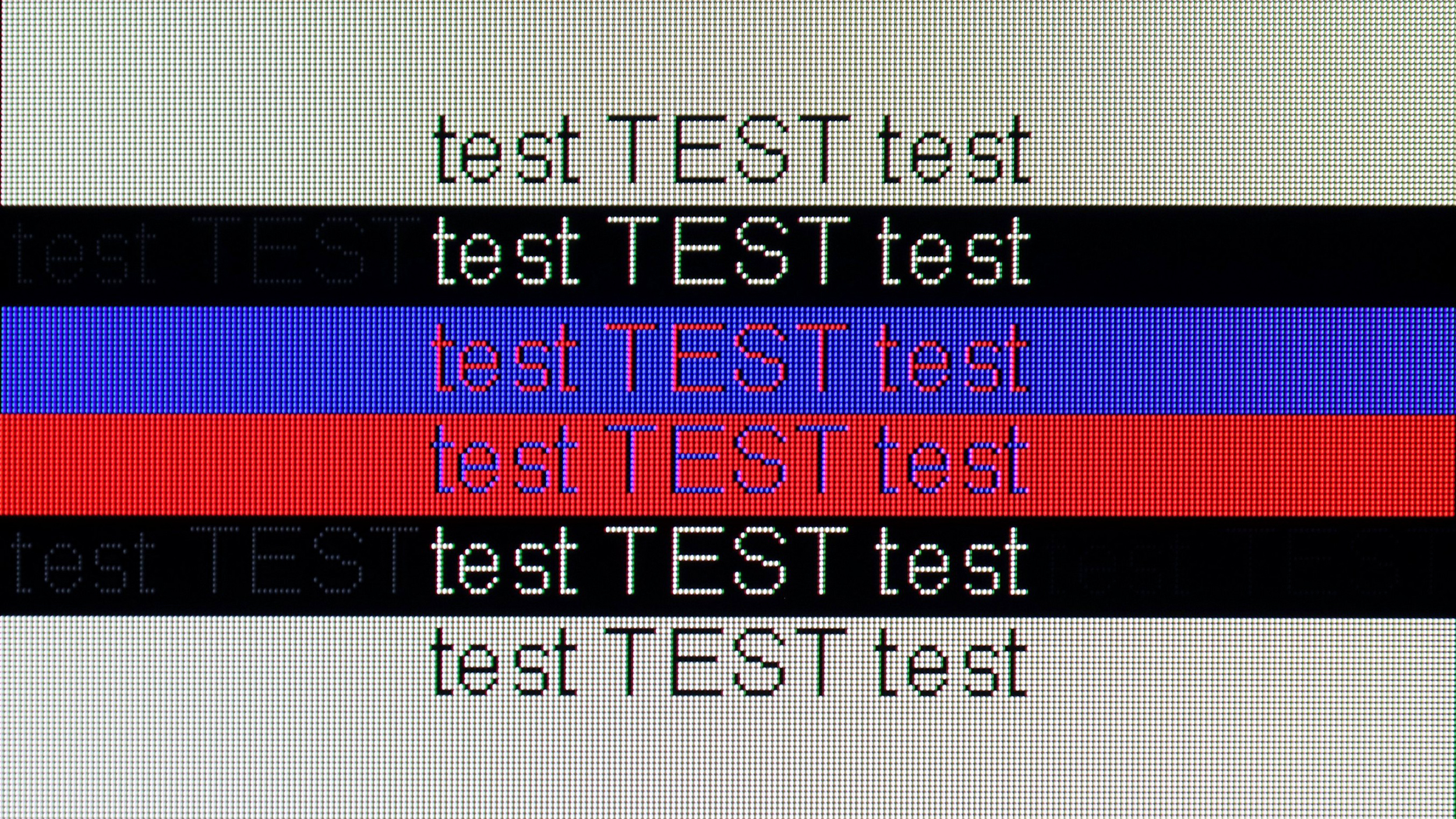
The photo shows the legibility of small fonts. Ideally, lines should be the same thickness on both light and dark text, with minimal pixel gaps.
Sony A95L TV offers compatibility with computers at 4K resolution at both 60 Hz and 120 Hz. In 4K mode at 60 Hz, the readability of fonts is at a good level, making it comfortable to use the TV as a monitor for office work or browsing content.
Unfortunately, when switching to 4K with a refresh rate of 120 Hz, the quality of the displayed text deteriorates – the resolution is reduced by 2 times, negatively affecting the clarity of the fonts. In 4K, fonts lose sharpness, which can make prolonged use of the TV as a computer monitor at higher refresh rates difficult. Of course, the problem disappears if we switch back to 60Hz, but this can be quite inconvenient when the TV forces us to "juggle" the settings.
C5 – as we mentioned – is a television created for gamers, so playing even on a computer is an absolute pleasure. The 144 Hz panel, low input lag, and original G-Sync certification just confirm this.
When it comes to work – it's also very good. The fonts are readable, the interface clear, however, it's worth remembering that we are dealing with a WOLED panel and a WRGB subpixel arrangement (slight shadows visible behind the font). So, if someone plans to place the C5 on a desk in smaller sizes like 42 or 48 inches for everyday office work, it’s worth checking it out for yourself first. For occasional desktop use and primarily for gaming – there are no reasons to be concerned.
Viewing angles
9.7/10
7.4/10
The viewing angles on the Sony A95L are among the best on the market, thanks to the QD-OLED panel. With this technology, colours remain vibrant and contrast hardly changes, regardless of the viewing angle. This is a result that even standard OLED panels fail to achieve, making the A95L perfect for rooms where viewers change position or there is a larger group of spectators.
The viewing angles on the LG C5 are nearly ideal. While they fall slightly short of technologies like QD-OLED or WOLED with MLA micro lenses, the picture quality at wide angles still makes a great impression. Colours remain vibrant, and the screen doesn't lose much brightness even when set at a more challenging angle.
Addressing questions that circulated last year regarding the C4 model – in the case of the C5, we did not notice any green tinting, pinking, or other effects that can be read about online. The picture at an angle looked really clear.
Daytime performance
5/10
6.2/10

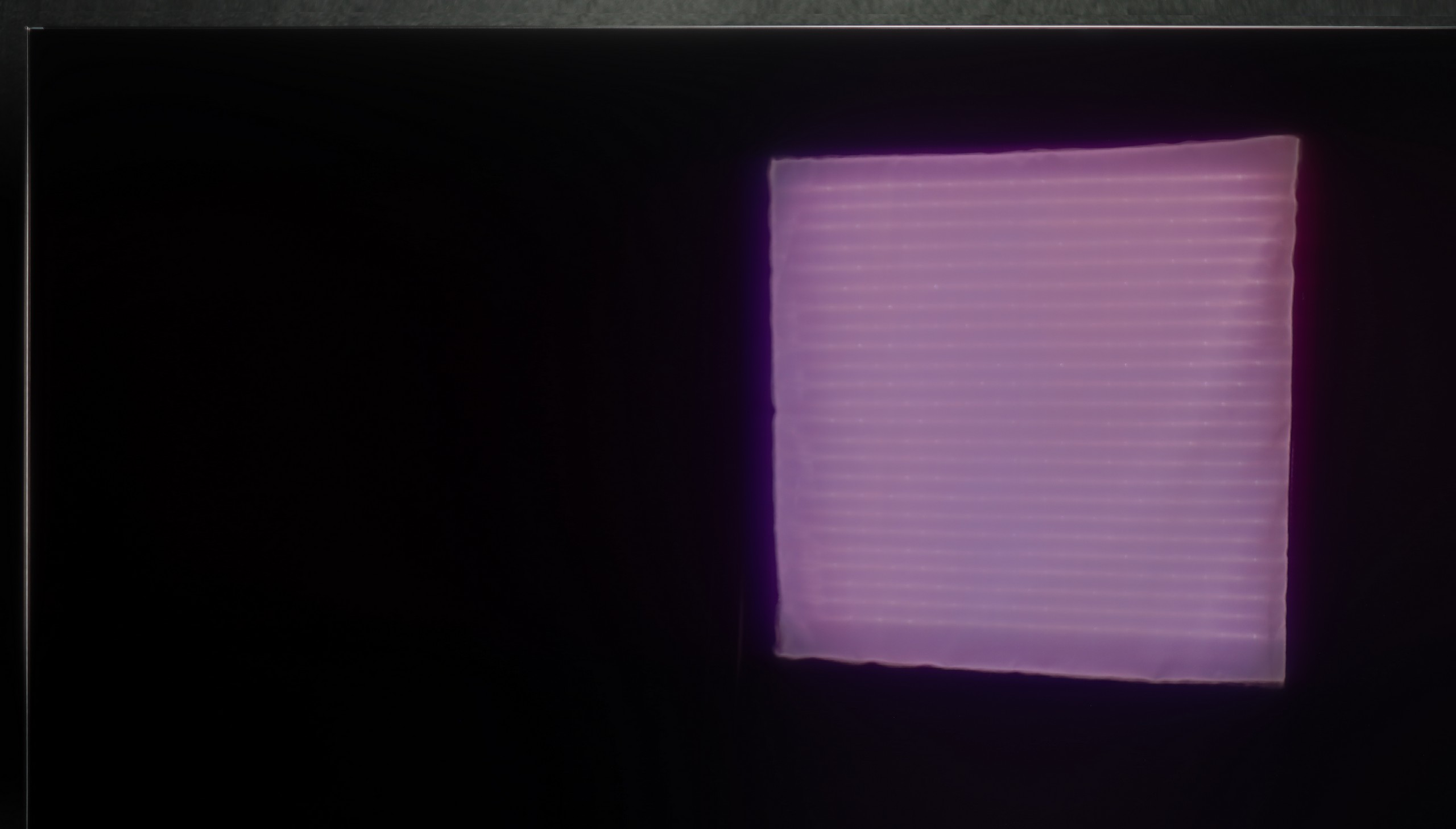

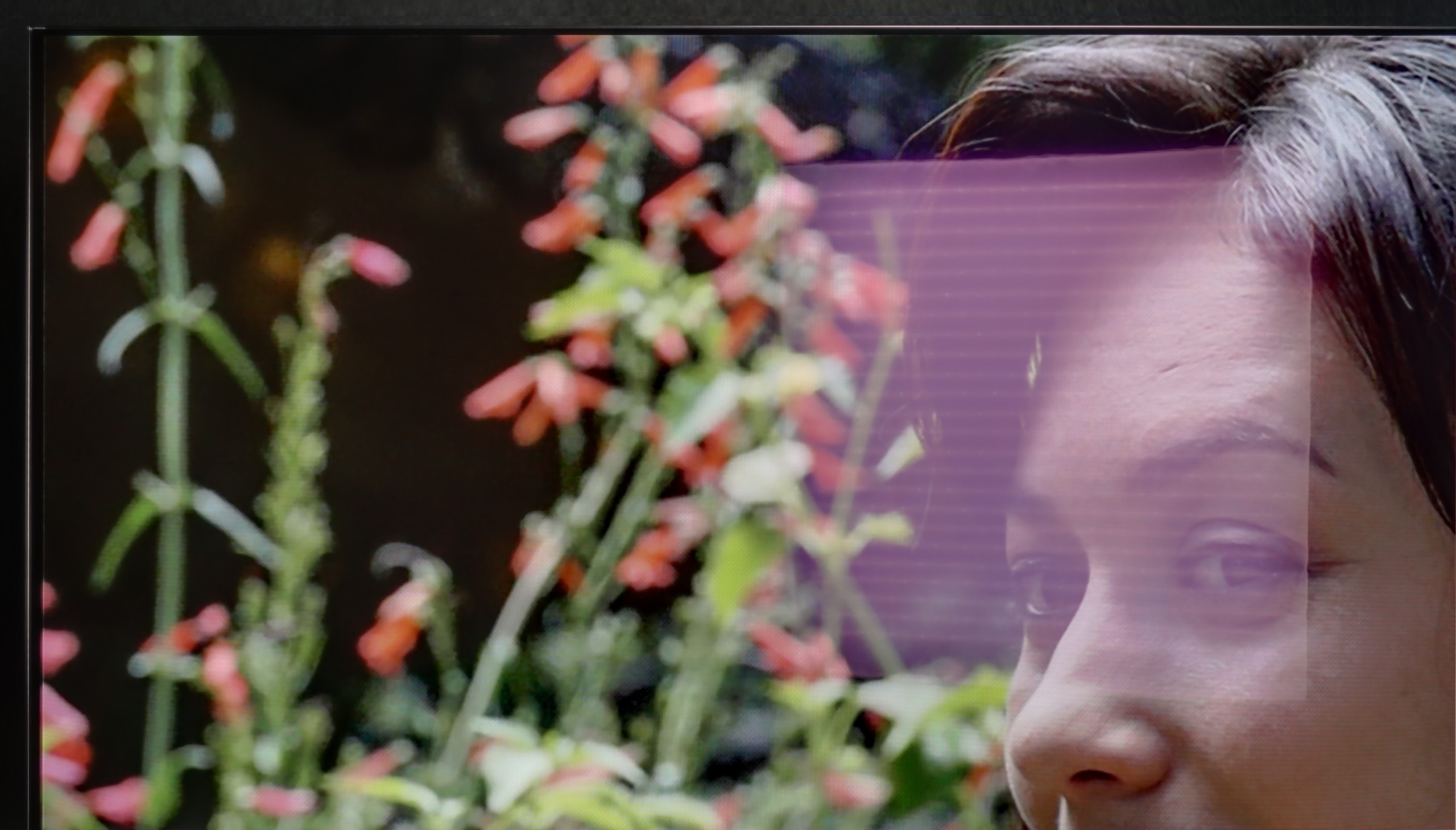
Panel brightness
LG OLED C5: 435 cd/m2
Sony A95L: 387 cd/m2
Sony A95L performs quite well in daytime conditions. The QD-OLED panel effectively suppresses reflections and glare, making viewing comfortable even in bright sunlight. An average brightness of 380 cd/m² is a really good result, especially for an OLED TV – it holds up, although it still can't compete with Mini LEDs, which are unmatched in this regard. One of the issues that may bother some viewers is the characteristic QD-OLED effect, where blacks lose their depth and take on a slightly cherry hue in strong light.
LG C5 is one of the brighter OLED TVs on the market, so it should perform well in moderately bright rooms without major issues. The average brightness in SDR mode is around 450 nits – a value sufficient for the picture to remain readable even during the day. Importantly, the black does not lose depth and does not turn "grey," which can still be a problem with QD-OLED panels.
Reflections, however, may pose a greater challenge. The WOLED panel used in the LG C5 has a glossy coating typical of this technology, which only partially diffuses reflections. In a well-lit living room with large windows, you can see your reflection on the screen – slightly muted but still visible. In a very sunlit room, it may turn out that blinds or curtains are necessary to fully enjoy the great picture quality.
Panel details
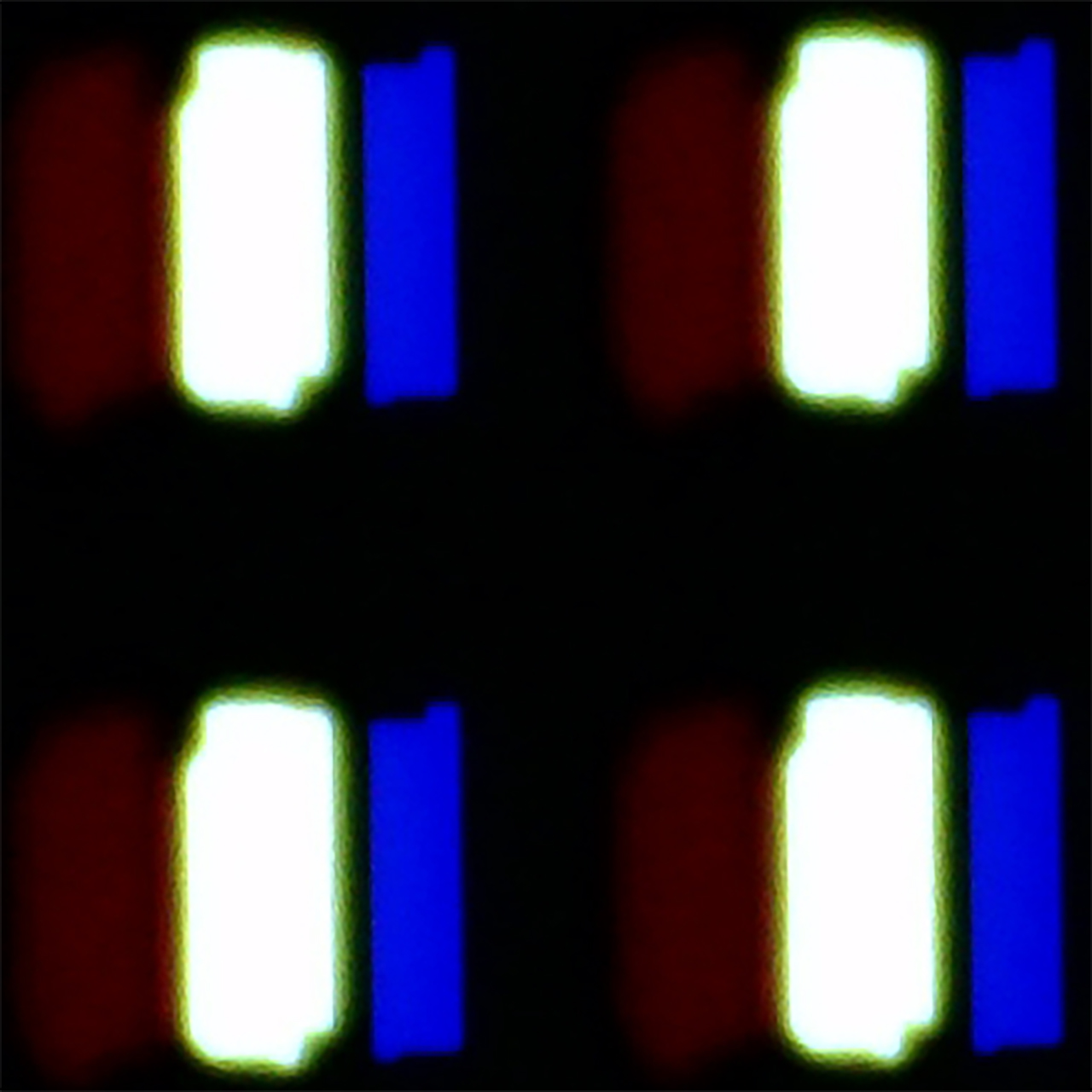
Subpixel Structure:

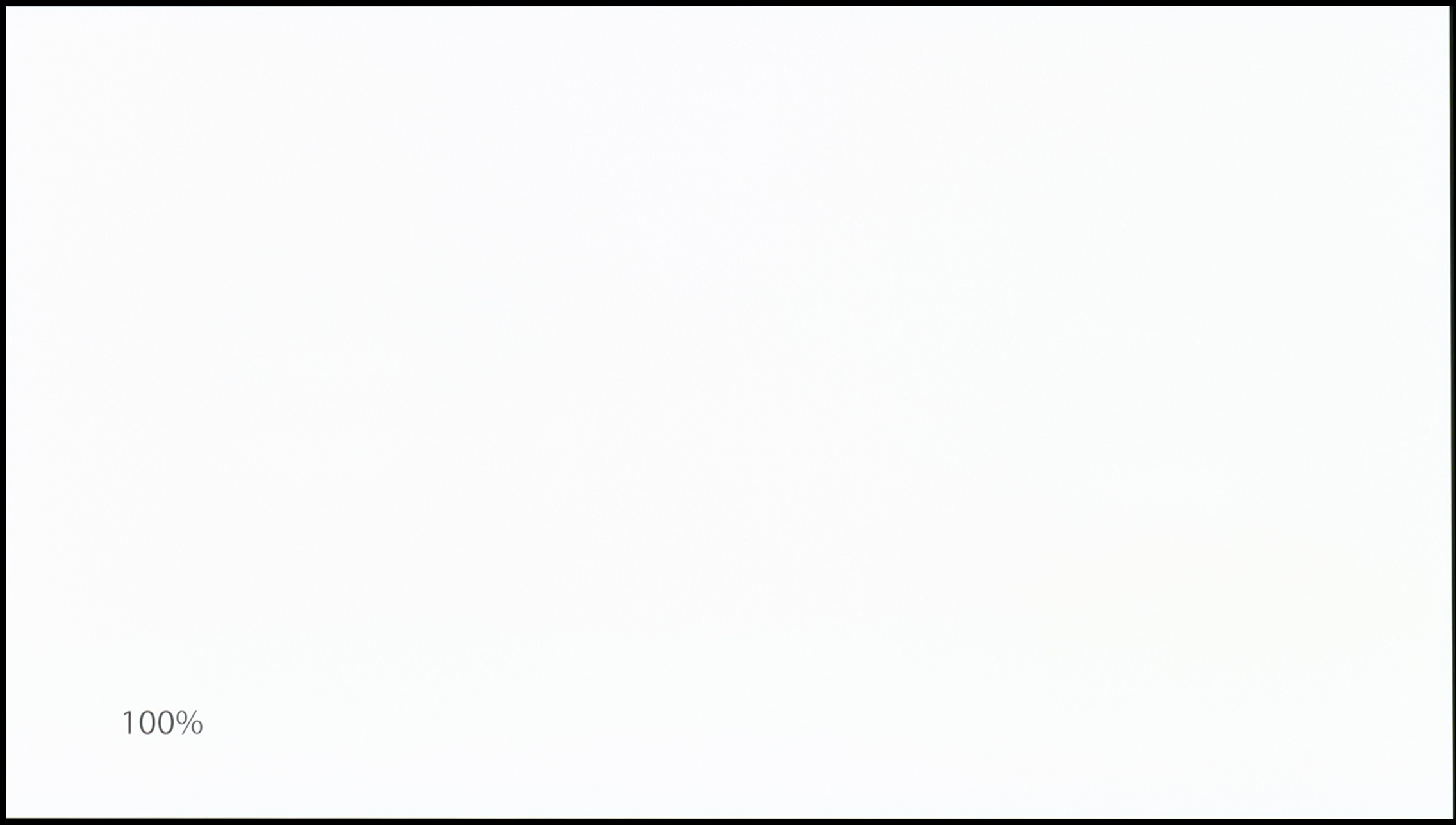
Panel uniformity and thermal imaging:

TV features
8.8/10
7.9/10
- SystemGoogle TVWebOS
- System performanceVery goodGood
- HDMI inputs2 x HDMI 2.0, 2 x HDMI 2.1 48Gbps0 x HDMI 2.0, 4 x HDMI 2.1 48Gbps
- Other inputsIR (remote)
- OutputsToslink (Optical audio), eARC (HDMI), ARC (HDMI)Toslink (Optical audio), eARC (HDMI), ARC (HDMI)
- Network InterfacesWi-Fi 2.4GHz, Wi-Fi 5GHz, Ethernet (LAN) 100MbpsWi-Fi 2.4GHz, Wi-Fi 5GHz, Ethernet (LAN) 100Mbps
- TV receptionDVB-T, DVB-T2, DVB-S, DVB-S2, DVB-CDVB-T, DVB-T2, DVB-S, DVB-S2, DVB-C
Classic features:
- Recording to USB (terrestrial TV)
- Recording programming
- Picture in Picture (PiP)
- RF remote control (no need to aim)
- Backlit remote control
- Teletext
- Audio only mode
- Bluetooth headphones support
- Simultaneous Bluetooth headphones & TV audio
Smart features:
- AirPlay
- Screen mirroring (Windows Miracast)
- Voice search
- Voice search in native language
- Ability to connect a keyboard and mouse


Sound connection options
- HDMI audioeARC (HDMI), ARC (HDMI)eARC (HDMI), ARC (HDMI)
- Other audio outputsToslink (Optical audio)Toslink (Optical audio)
- Wireless audioBluetoothBluetooth
Supported audio formats (external HDMI eARC audio):
- Dolby Digital Plus 7.1
- Dolby True HD 7.1
- Dolby Atmos in Dolby Digital Plus (JOC)
- Dolby Atmos in Dolby True HD
- DTS:X in DTS-HD MA
- DTS-HD Master Audio
Senior accessibility
- Numeric keyboard on TV
- Font size adjustment
- Audio description
Sony A95L runs on the Google TV operating system, which provides easy access to a wide range of apps, streaming services, and various personalisation features. The interface is clear and user-friendly, and the wealth of available apps means that everyone will find something for themselves – from popular streaming services like Netflix, Disney+ or HBO Max, to various music and sports apps. Google TV also supports voice assistant functionality, allowing for easy content search, control of TV settings, and even management of other smart devices in the home – all through simple voice commands.
Sony A95L also offers a range of user-friendly features that make it even more versatile. The TV has the ability to record programs directly to USB memory, a convenient solution if you can't watch something live. It also supports AirPlay, making it easy to stream content from Apple devices, and additionally, you can connect various peripherals via Bluetooth, such as headphones or game controllers. The package includes two remotes – one traditional and one modern, backlit remote, which is particularly useful for evening viewing when the room is dark. It is worth mentioning the lack of PIP functionality, which allows watching multiple TV signals simultaneously.
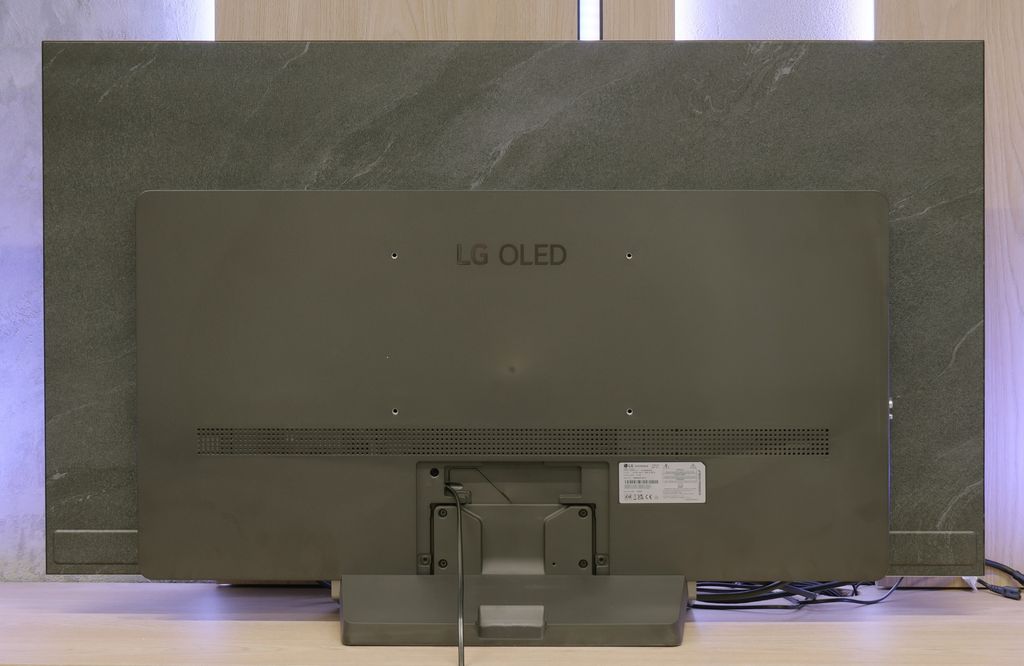
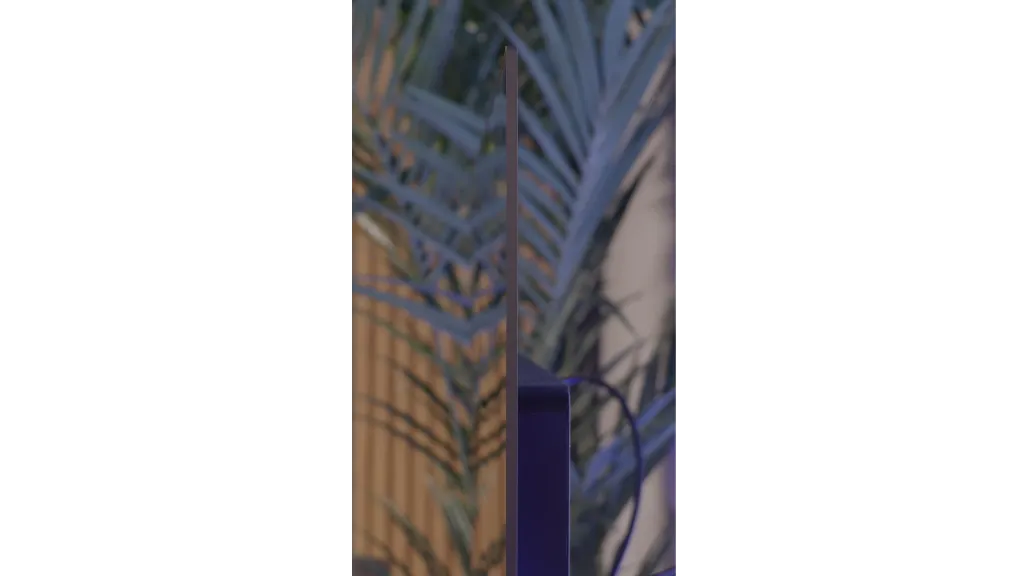
In terms of appearance, A95L Sony may not be the thinnest OLED TV on the market, but it has its strengths. The package includes a practical stand that can be adjusted in various ways, allowing you to tailor the TV to your needs and space arrangement. Additionally, the manufacturer has included the Bravia Cam, which opens up further possibilities – from video calls to smart features such as optimising image and sound based on the viewer’s position. While it may not be the sleekest, its solid construction and useful accessories make the A95L look really good in any living room.
Classic TV Features:
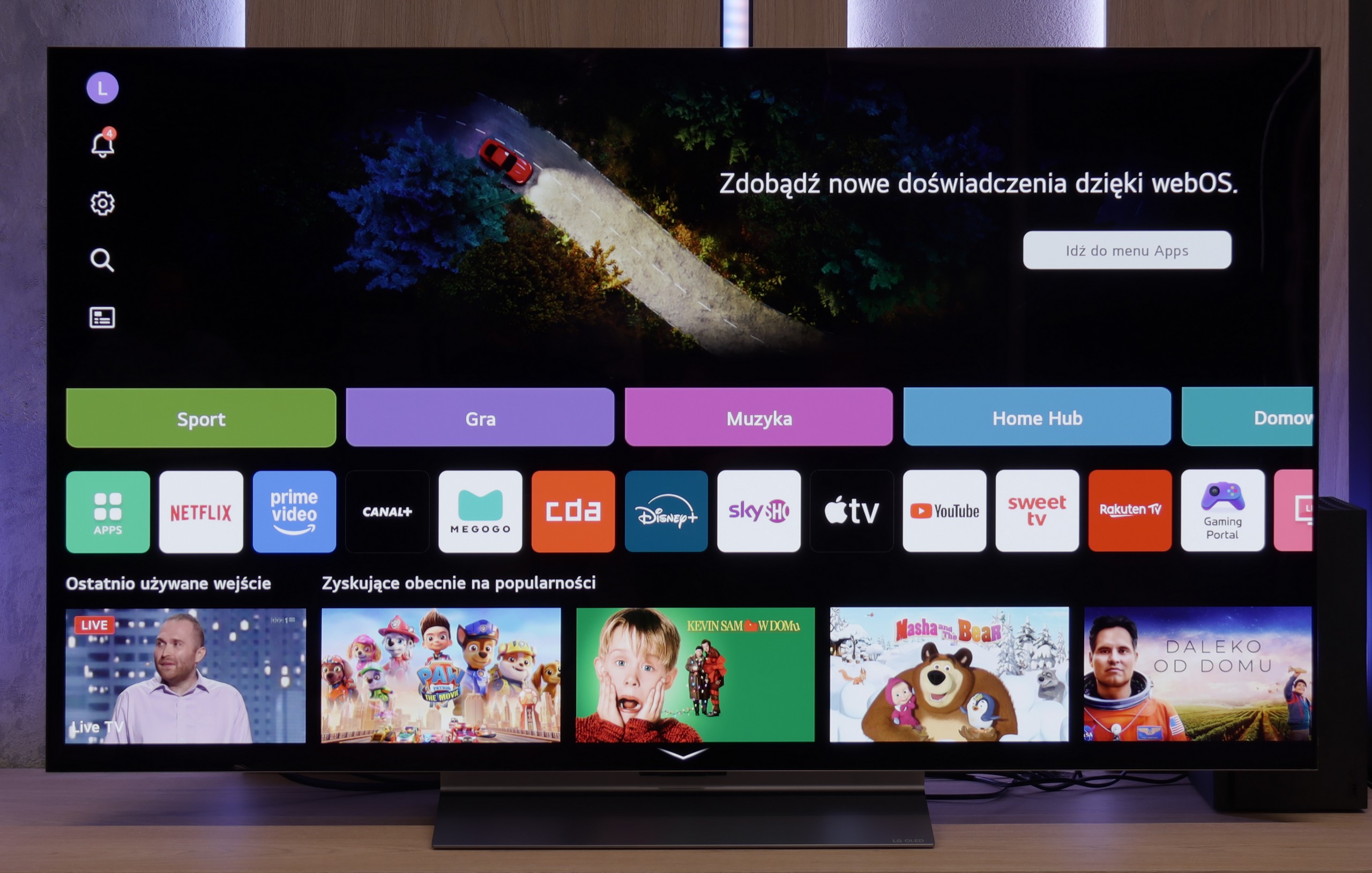
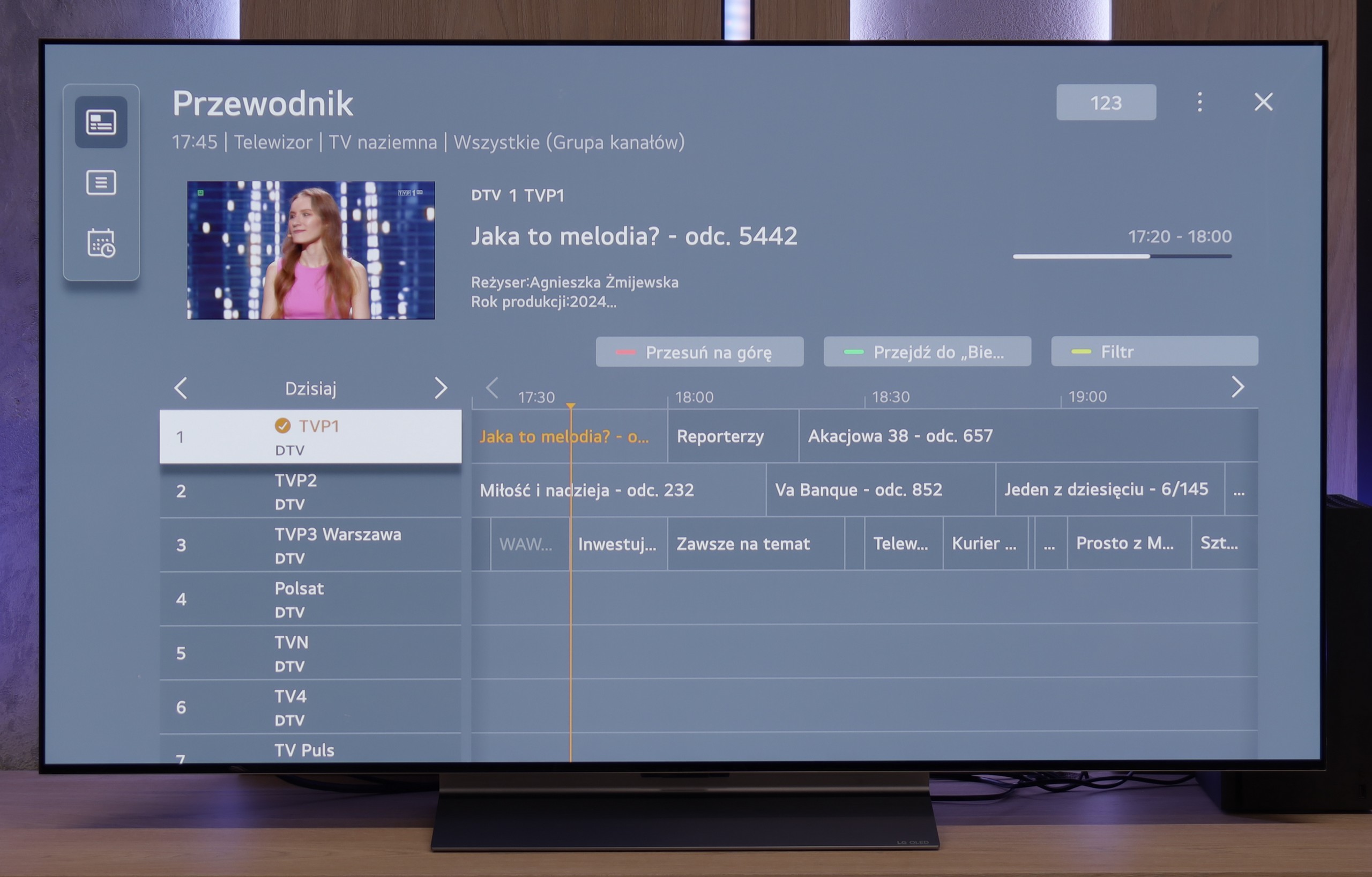
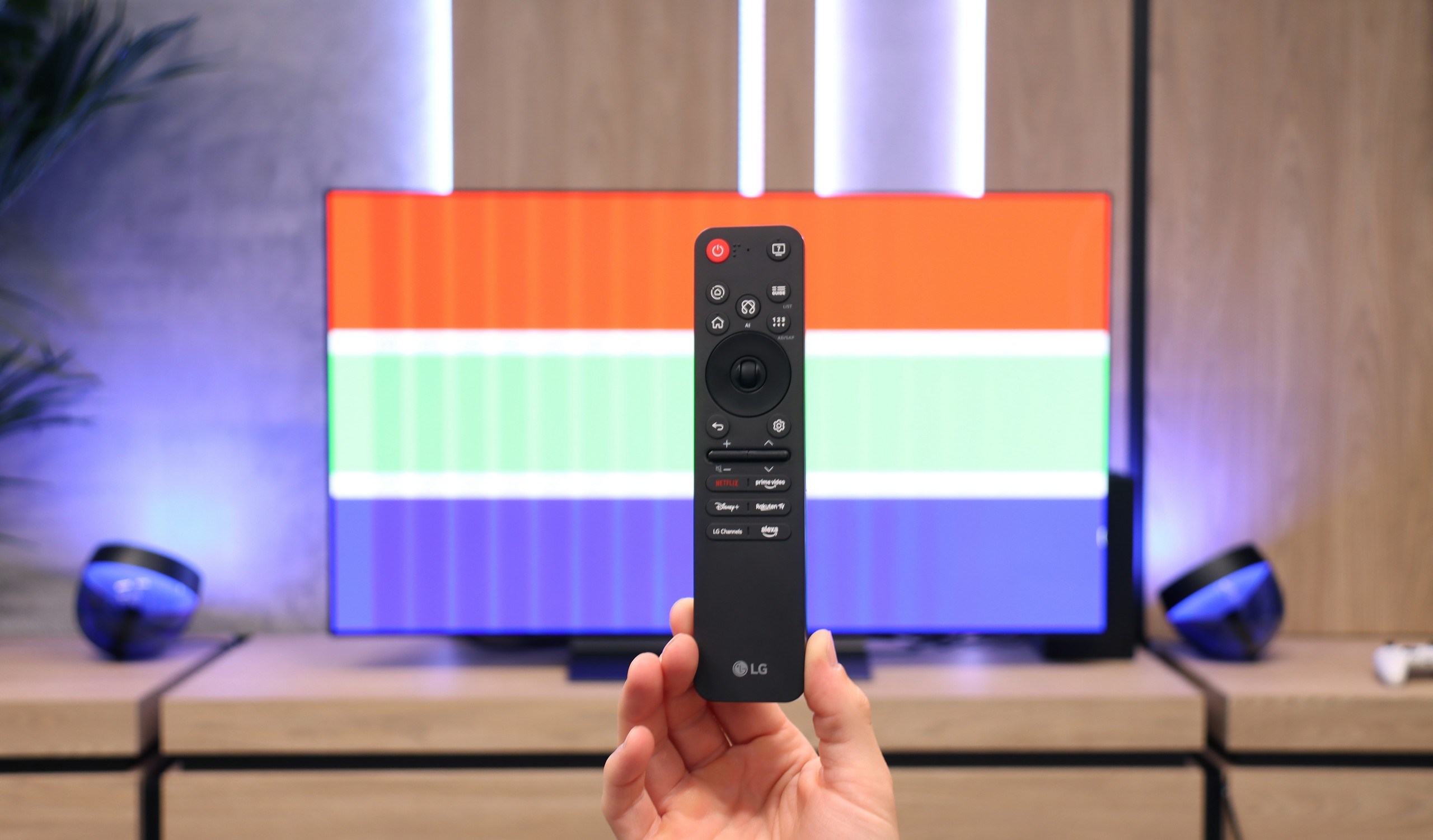
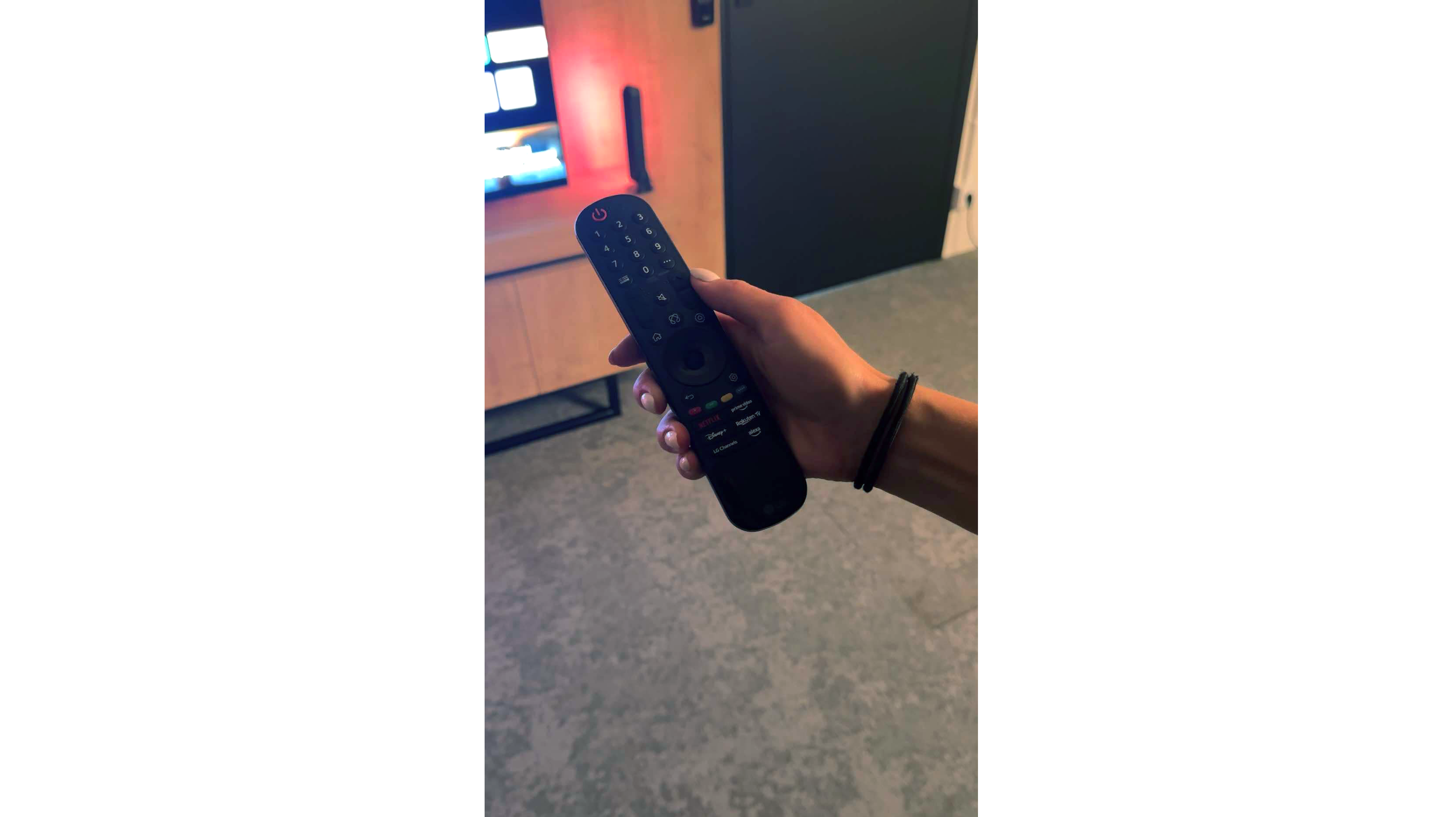
In terms of classic TV functionalities, the LG C5 performs really well. Here, we have the option to record programs to USB from built-in DVB-T(2) tuners, support for teletext, an EPG channel list, and seamless pairing of headphones via Bluetooth. For many users, these are still very important elements of everyday TV use – and LG doesn’t fall short in this area, except for the PIP function. It is worth noting the topic of the remote, or rather... the different versions of the remote. In our test, we used the C54 model, which is equipped with the new version of the Magic remote. It somewhat resembles Samsung's minimalist approach – there’s no numeric keypad or "source" button, but it looks modern and is comfortable for everyday use. Conversely, other variants, such as C5ELB, may be sold with an older version of the remote – a more classic one, with more buttons and a numeric keypad. Some may consider it more practical, while others see it as outdated. In short: quite a bit of confusion, so it's worth checking the model suffix before purchase.
Smart TV:
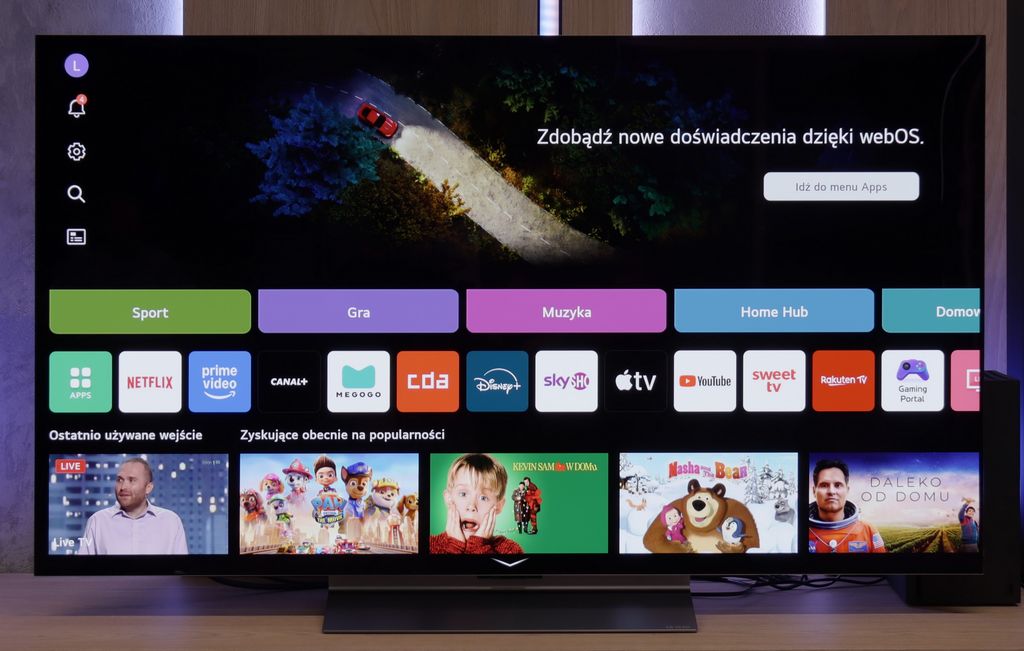
Regardless of the version of the remote, we’re operating the same system – WebOS. This is one of the most enjoyable solutions in the Smart TV world. The intuitive menu, fast performance, and support for popular features, such as AirPlay, screen mirroring, or voice assistant, make the system perform very well in everyday use. Additionally, controlling the cursor using the gyroscope in the Magic remote remains one of the most convenient forms of navigation in TVs. There are really quite a few applications here – Netflix, Disney+, HBO Max, Apple TV, and many more. However, one must remember that this is not a system based on Android/Google TV, so it may happen that we simply cannot find some less popular app in the LG store.
Apps
9.6/10
9.1/10






















Playing files from USB
8.7/10
8.8/10
Supported photo formats:
Maximum photo resolution:

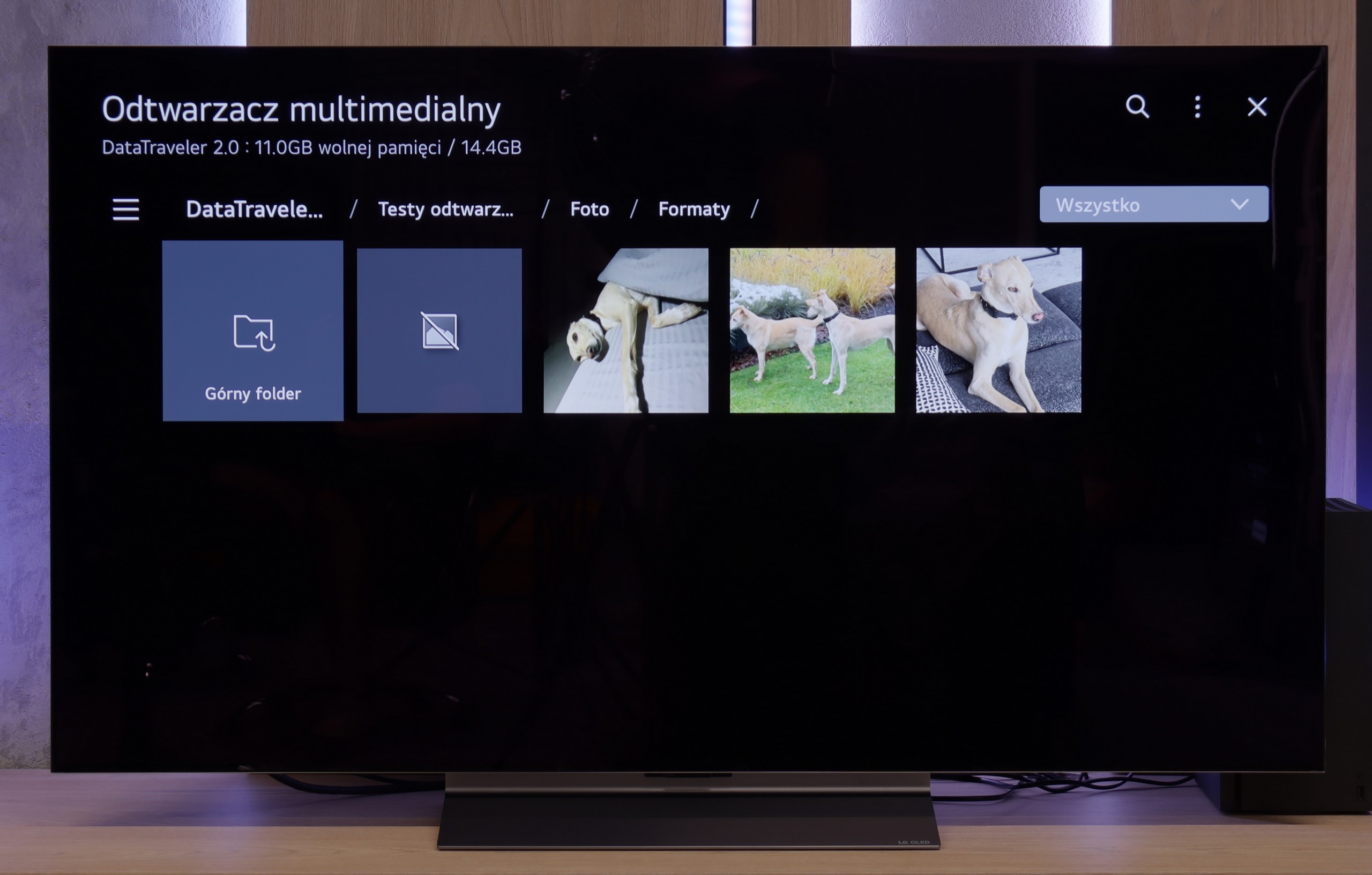
Sony A95L does quite well when it comes to playing files from USB. The built-in media player will satisfy most users – it’s easy to use and supports popular formats, making it simple to play movies, photos, or music directly from a connected USB drive. The only thing missing is the ability to change the font colour in subtitles, which can be problematic in some situations. Fortunately, the Google TV system allows the installation of other media players that offer more advanced personalisation options, so you can easily customise everything to your needs.
The LG C5 is equipped with quite a decent built-in media player that should meet the expectations of most users. It supports popular video and audio formats, handles SRT subtitle files, and opens most graphic files without major issues.
The interface itself is fairly simple and intuitive – it doesn't surprise, but it also doesn't create difficulties in everyday use. Of course, it's not at the level of external players or apps from Google TV, but for basic playback of films from a USB drive or hard drive – it's more than sufficient.
Sound
7.9/10
7.2/10
- Maximum volume-84dB
- Dolby Digital Plus 7.1
- Dolby True HD 7.1
- Dolby Atmos in Dolby Digital Plus (JOC)
- Dolby Atmos in Dolby True HD
- DTS:X in DTS-HD MA
- DTS-HD Master Audio
Sony A95L offers sound that definitely stands out from most televisions. For built-in speakers, the sound is truly impressive – full, with well-balanced bass and mid-tones. Dialogues are clear, and sound effects are well distributed, making the television great for both watching movies and gaming. The Acoustic Surface Audio+ system, which converts screen vibrations into sound, creates a more spatial impression, adding extra depth to the content being viewed.
For such a slim television, the LG C5 surprisingly offers quite good sound quality. The thin body manages to house a set of decent speakers that produce clear audio, with well-defined details and – surprisingly – a light but perceptible bass. For everyday viewing, that's more than sufficient, and in many cases, it may even deliver a pleasant surprise. It's just a pity that this year LG decided to completely abandon support for DTS codecs. For most people, this won't be an issue, but if someone uses Blu-ray discs and enjoys that format – especially in its more advanced versions – they may notice its absence. In such cases, an external receiver or soundbar with appropriate audio support is the solution.
Sound Quality Test
No sound test video
Acoustic Measurements
No acoustic data
84dBC (Max)
75dBC