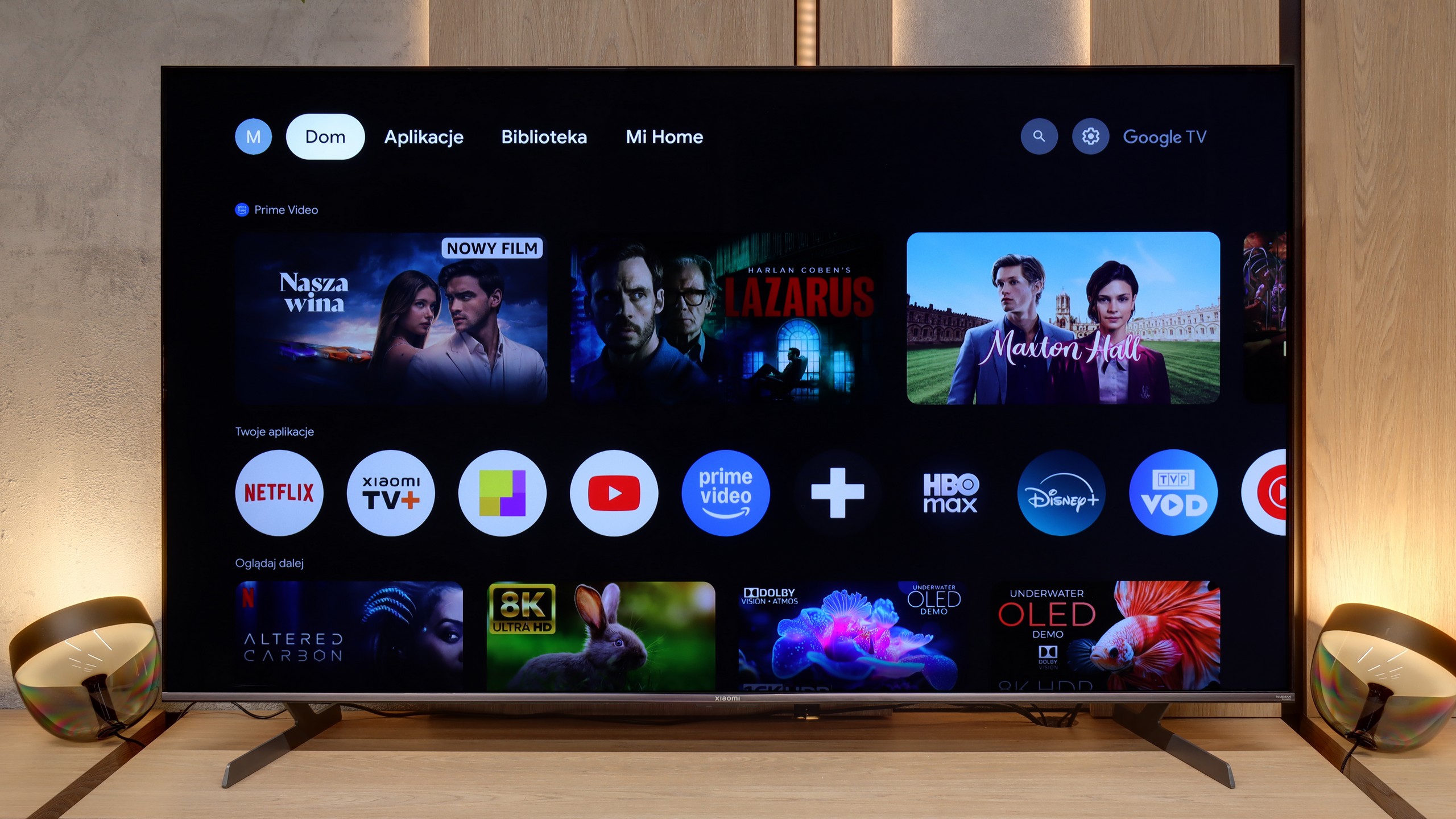
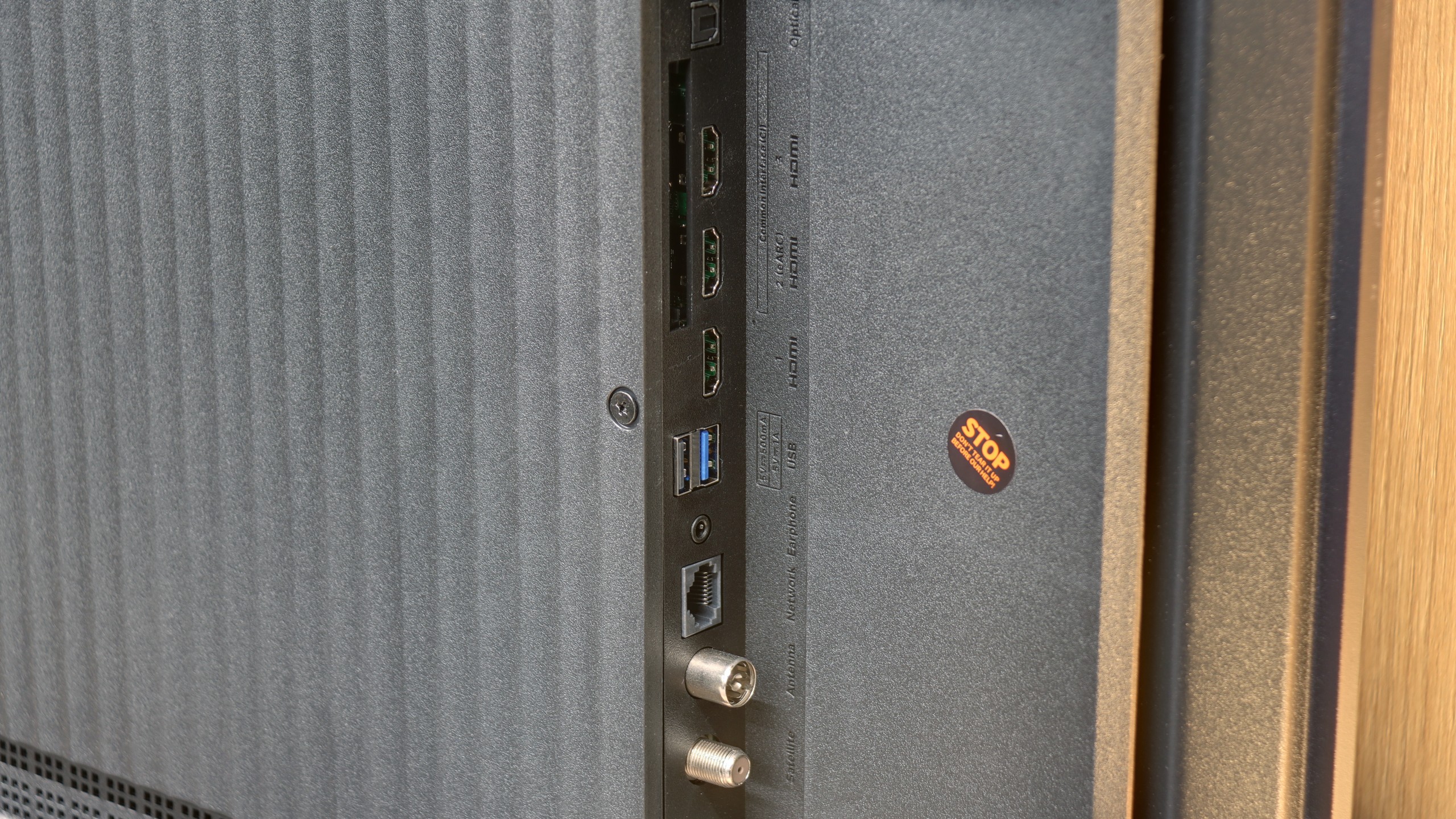
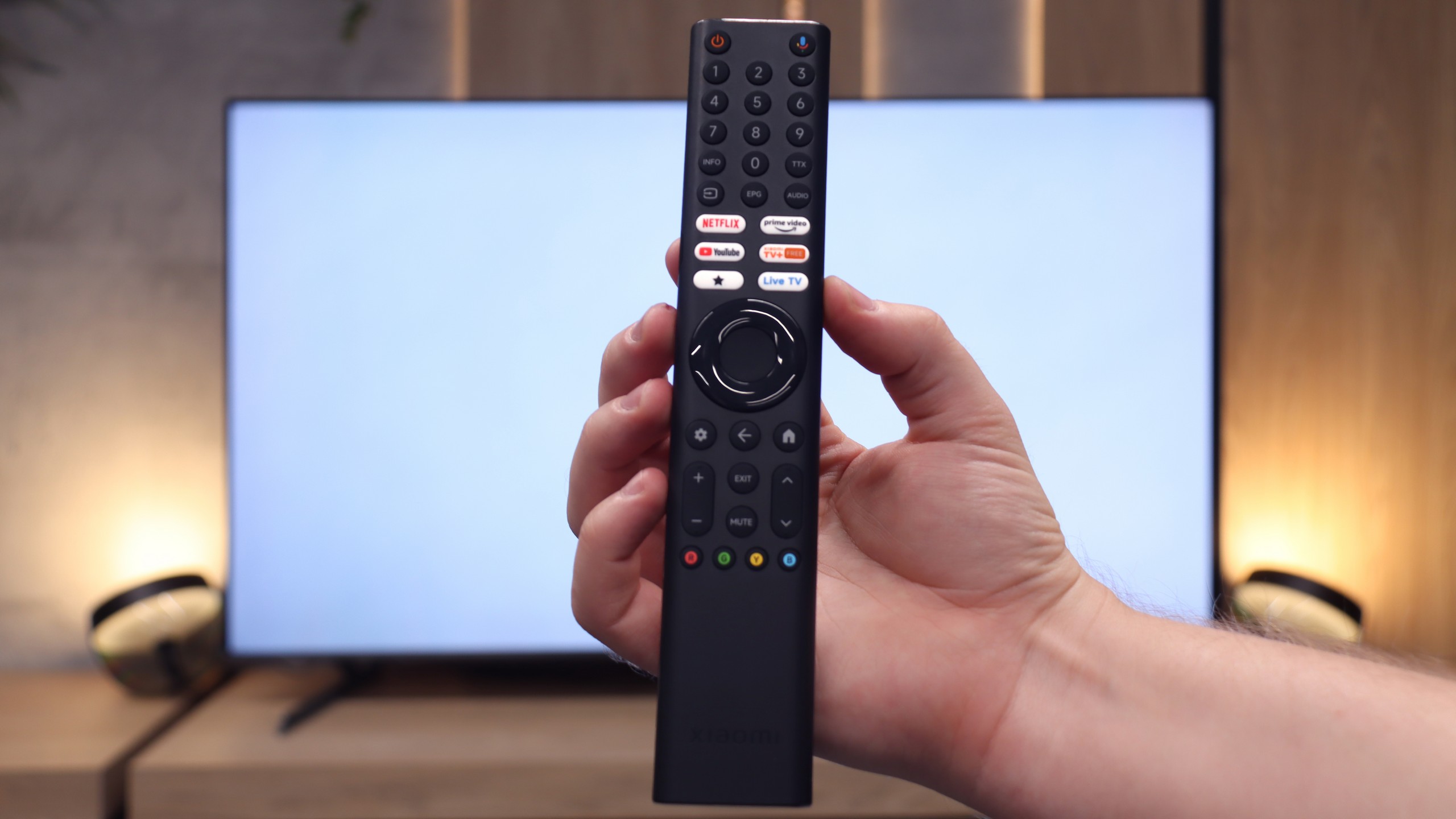
Sharp GP7 is a TV that certainly has its strong points, but it also has a few drawbacks. Is it perfect? No, but at its price, it does a really decent job and will serve well as quite a nice choice in many homes. The biggest plus? The Google TV system. Here Sharp GP7 shows its class – we have an enormous selection of apps, probably the largest on the market. It doesn't matter if we want to watch Netflix, YouTube, or something less known – we’ll find everything in one place. Plus, the interface is simple and intuitive, and if we don’t feel like clicking, we can just say what we’re looking for to the remote, as it supports voice commands in Polish. Google TV is definitely something that elevates the value of this TV, as we don't feel like we're missing anything. It just works. When it comes to picture quality, it's also quite good. A brightness level of 500 nits combined with Dolby Vision does the job – movies look really solid for this price range. Colours, thanks to the PFS (QLED) coating, are vivid, and the contrast from the VA panel makes dark scenes have depth, and the whole picture just "comes alive". It’s not at a premium level, but for this price, you can’t really complain too much. It’s a good picture that will satisfy most users. Of course, there are also weaker sides. The TV struggles with dynamic scenes – sports or video games won't look perfect here. The 60 Hz panel and its response time cannot provide the highest fluidity. Additionally, the manufacturer mentions HDMI 2.1, but all we find here is the ALLM function. There's a lack of VRR, G-Sync, or other additions that could attract gamers.
To sum up – Sharp GP7 is a solid TV for everyday viewing of movies and series. It’s not for gamers or fans of sports broadcasts, but for universal use – absolutely. If we value access to a rich ecosystem of apps and good picture quality at a reasonable price, this model might be just right for us.
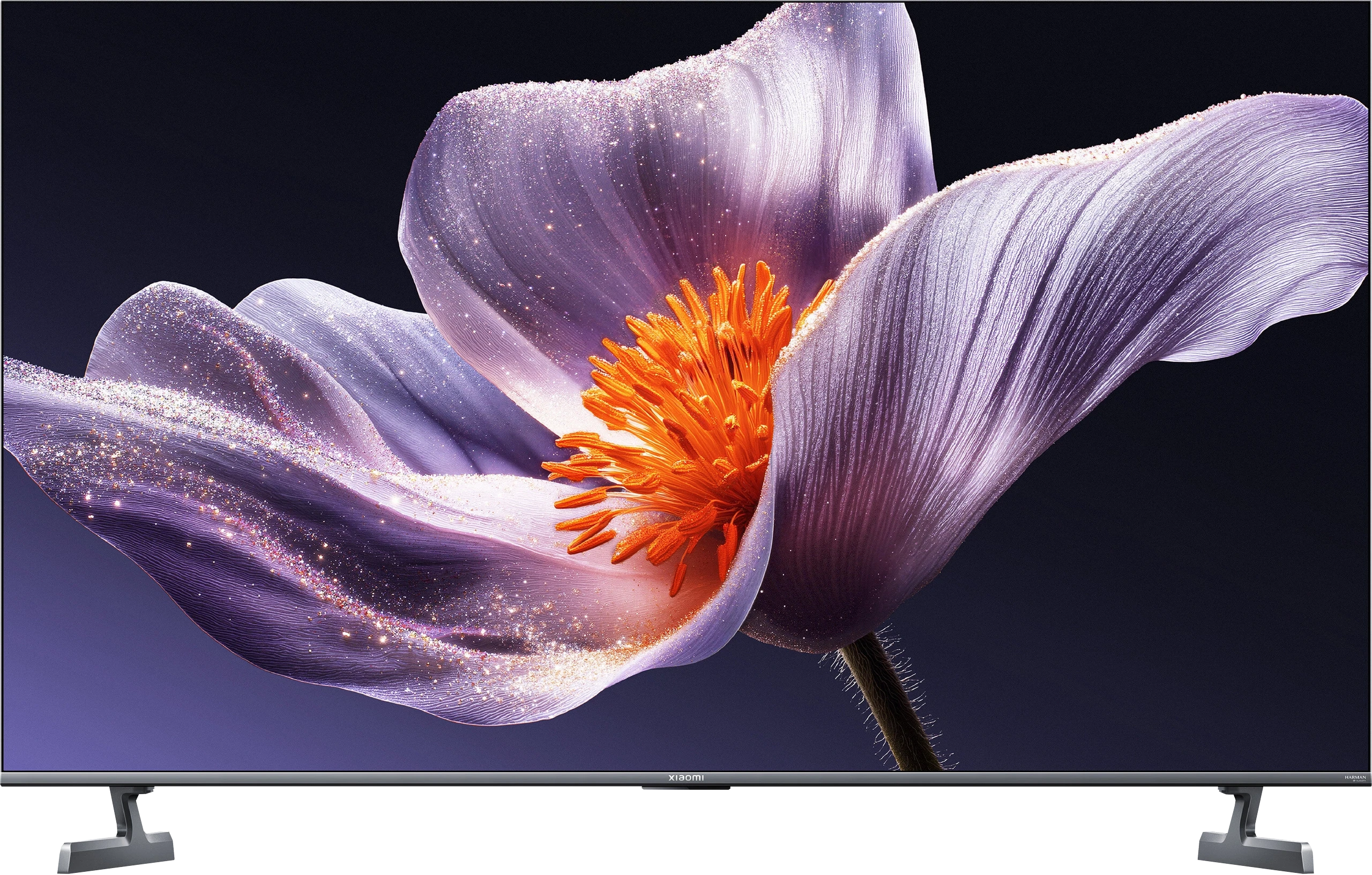
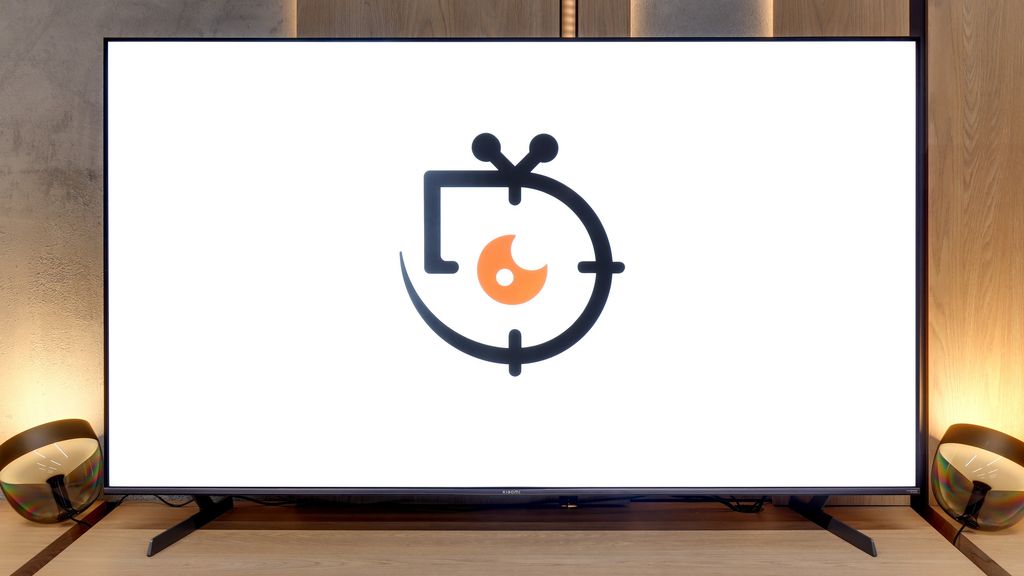
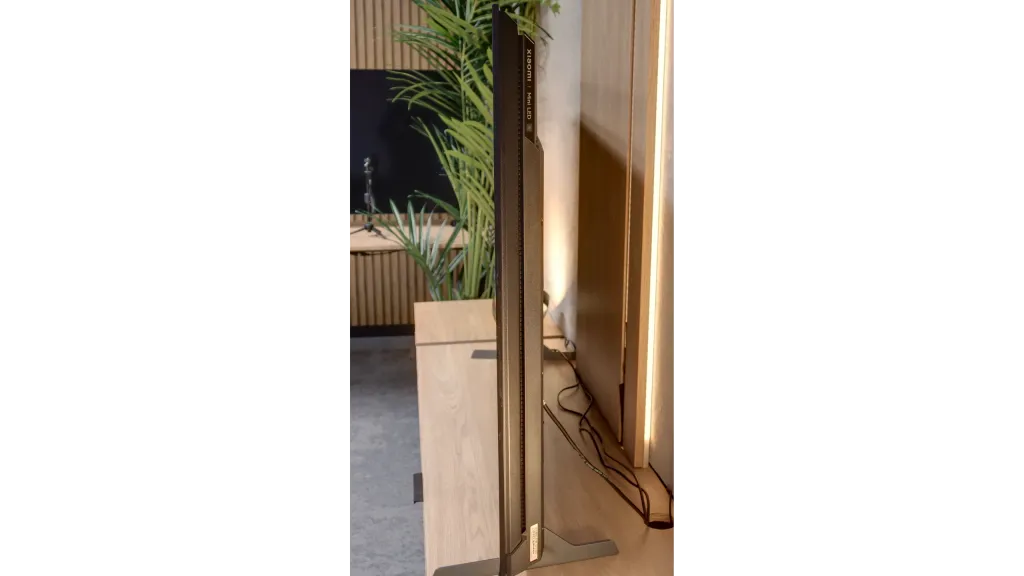
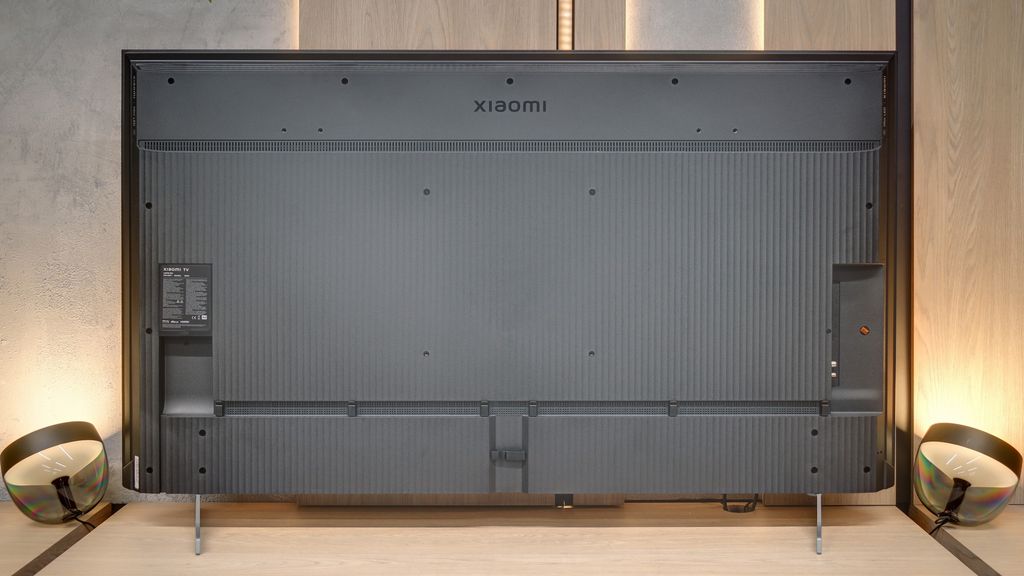
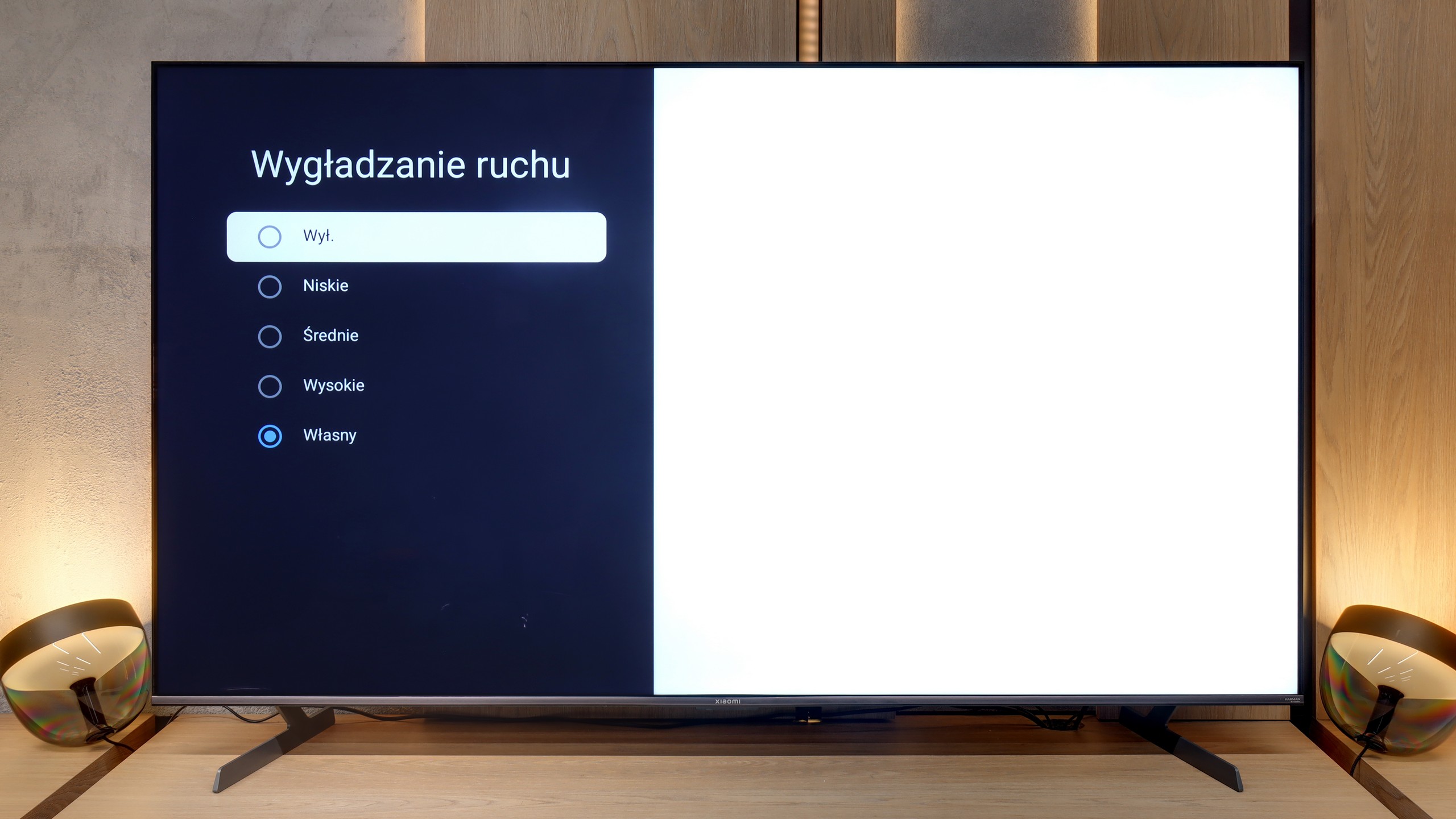
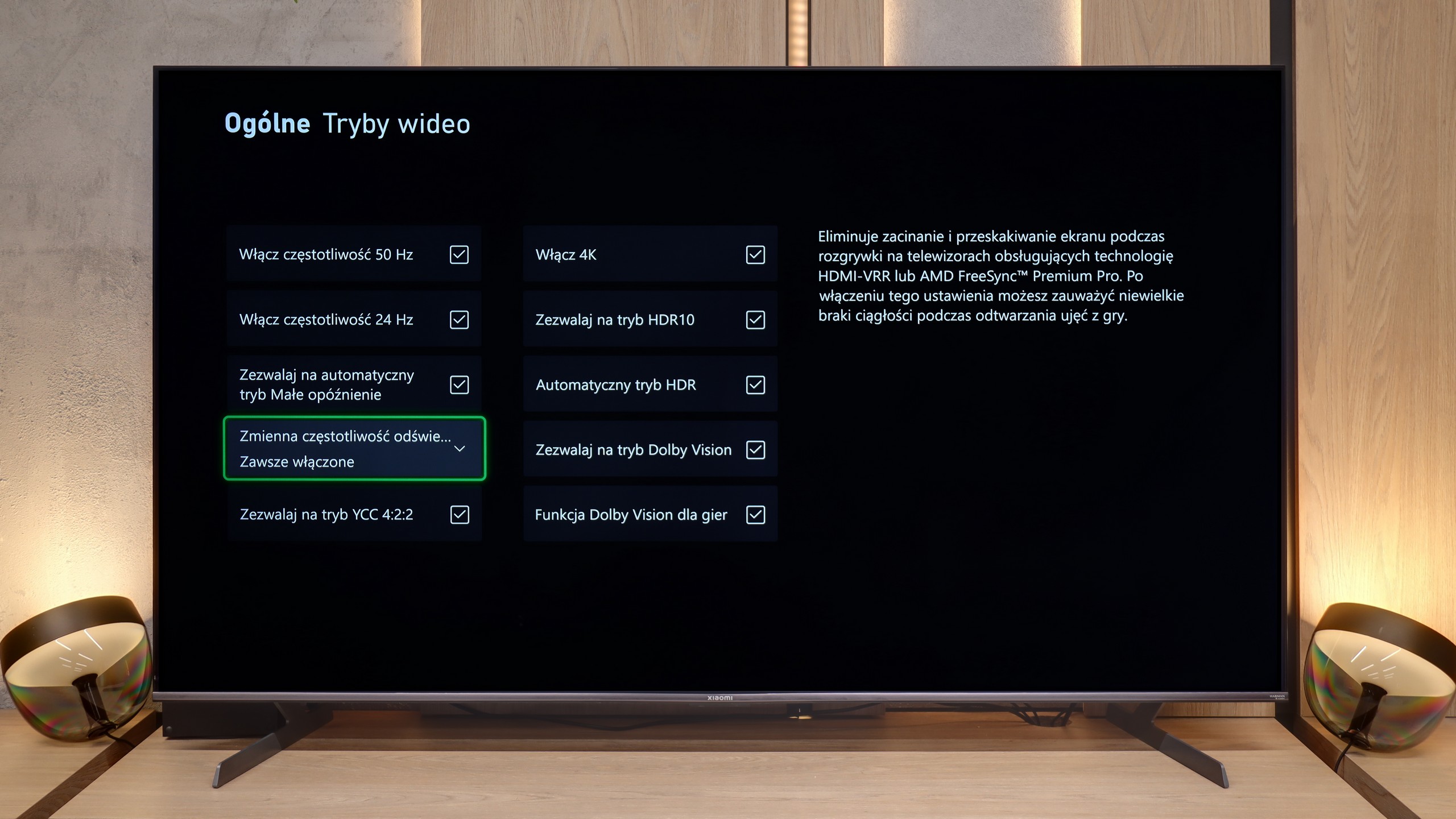
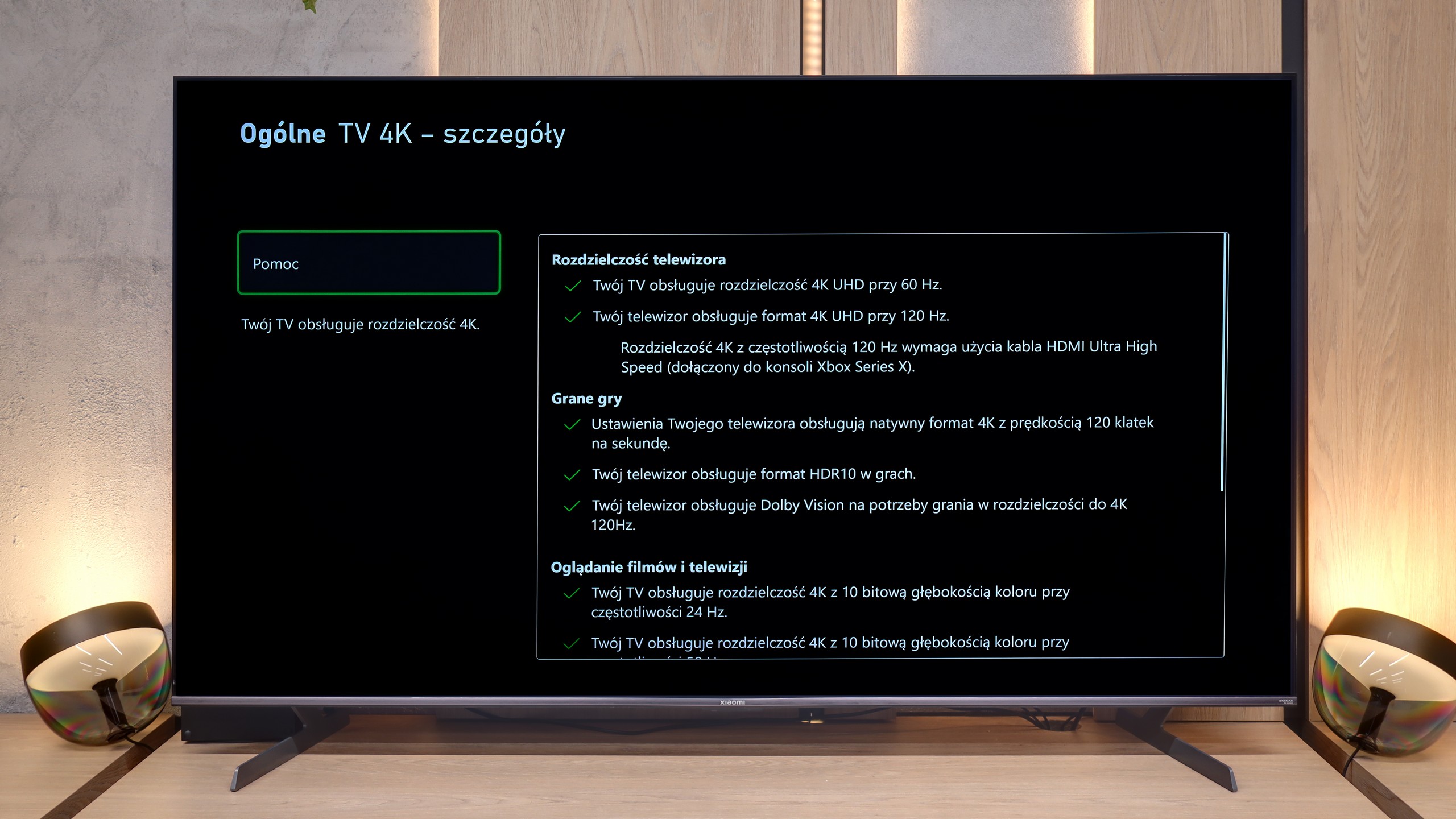
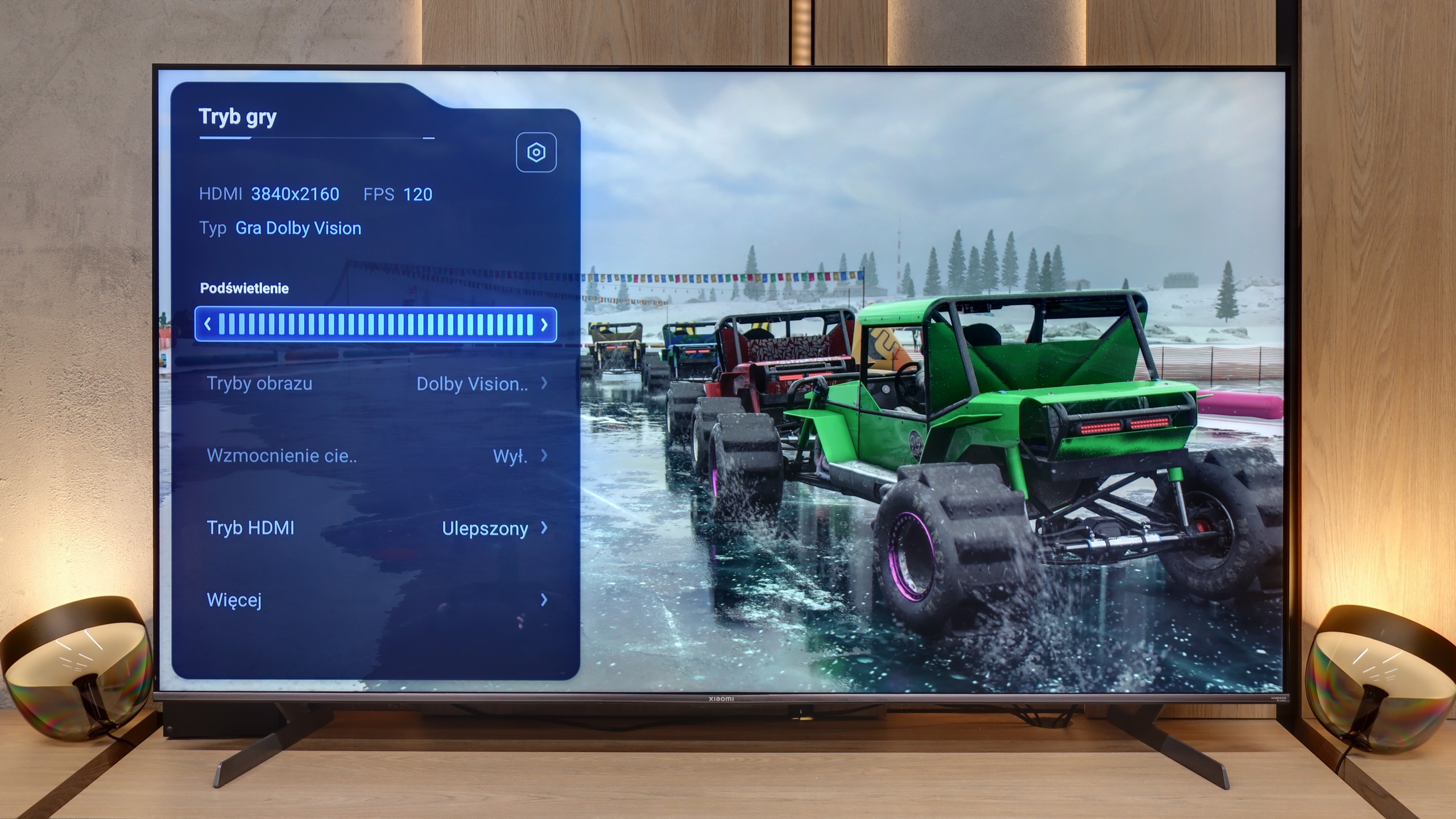
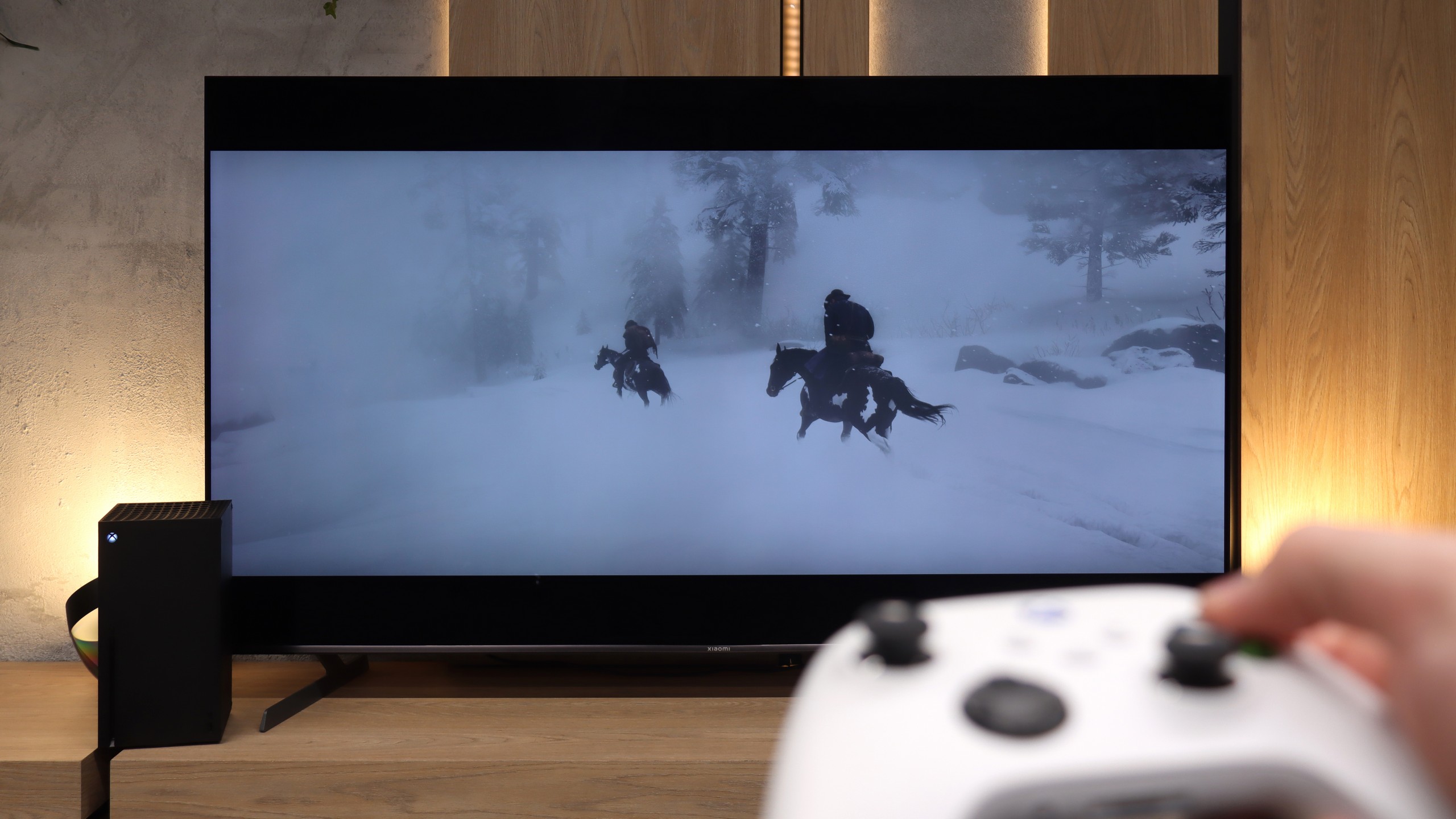
Is it worth buying the Xiaomi S Pro 2026? The answer to this question is quite complicated. Let's start with what is really great about this TV. First of all, the Xiaomi S Pro 2026 has an outstanding price-to-performance ratio. It features a Mini LED panel with very high brightness, which performs excellently in a sunlit living room. Additionally, it has a fast 144 Hz (or even 288 Hz) panel and a full gaming package: two HDMI 2.1 ports, support for VRR, and impressively low input lag (below 10 ms). If you mainly watch 'regular' content and play games, this is a fantastic screen. Even the built-in 30W speakers are surprisingly good and support Dolby Atmos. Unfortunately, there is also a second, very problematic side to this model. In short: the software. We have the impression that Xiaomi has given us great 'parts', but hasn't managed to make them work together properly. The biggest issue is the HDR mode – the main reason why people buy TVs today. For unknown reasons, the TV in HDR mode (HDR10, Dolby Vision) does not manage its dimming zones well. As a result, blacks that should be deep become grey or navy blue, like in a regular LCD TV. On top of that, there are other software issues such as the terrible implementation of HGiG or the fact that the Dolby Vision mode for gamers is unusable due to immense input lag (100 ms). Additionally, the TV's capability to process image digitally is very poor. So how can we summarise this in terms of price? In its price range, the Xiaomi S Pro 2026 crushes the competition in terms of specifications. Other TVs for this money are usually basic LCD models without dimming, and often only have a 60 Hz panel. The question then is: what is more important to you? If you're simply looking for a very bright and affordable TV for watching during the day and gaming, and you're willing to calibrate it – you will be very pleased with it. However, if you're looking for a TV to enjoy impressive HDR in movies and games straight out of the box, you will be terribly disappointed with this model. In that case, in our opinion, it's better to pay a bit more for a basic OLED TV or a more refined Mini-LED model from the competition.
 Direct comparison