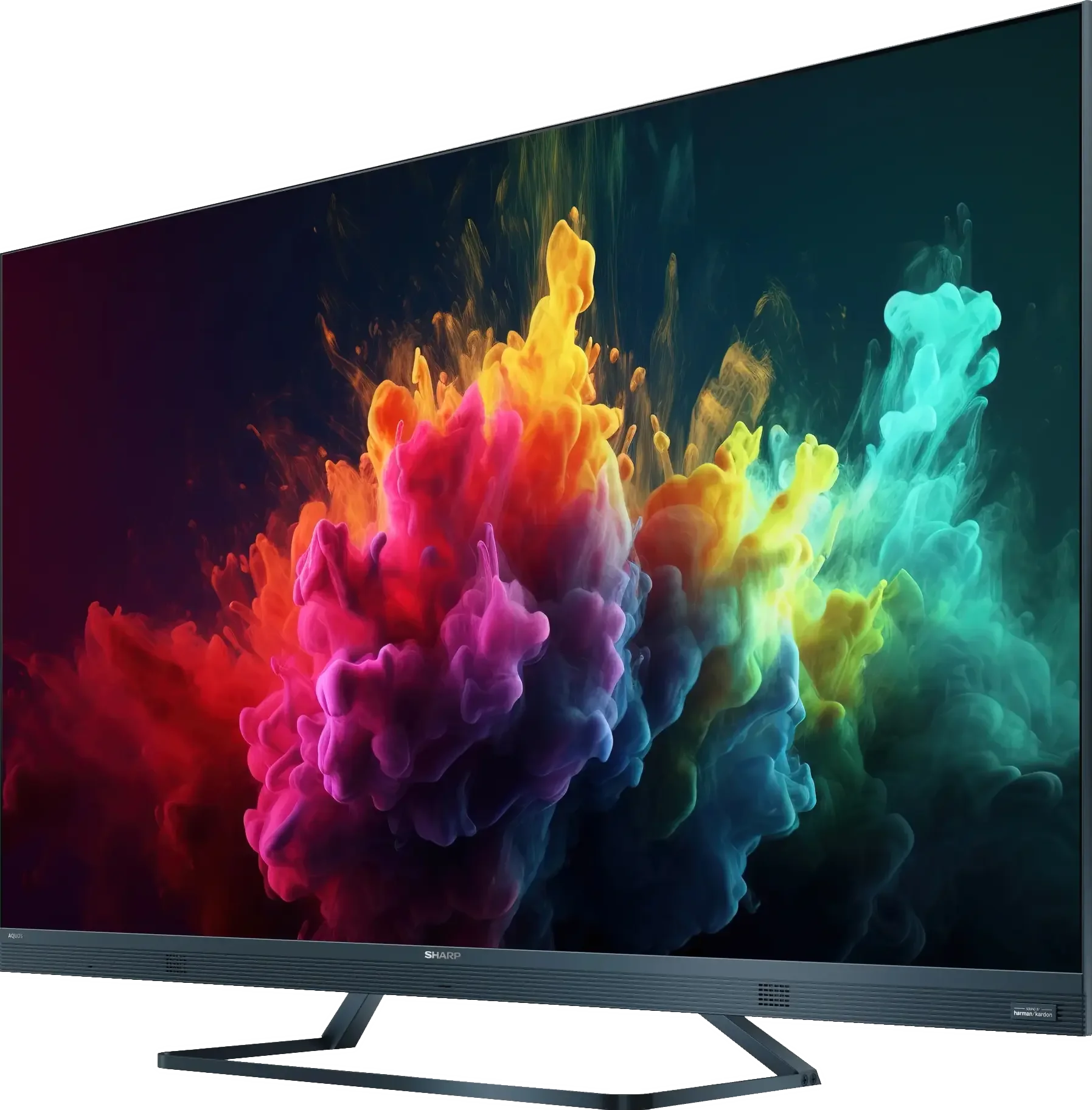
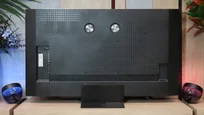
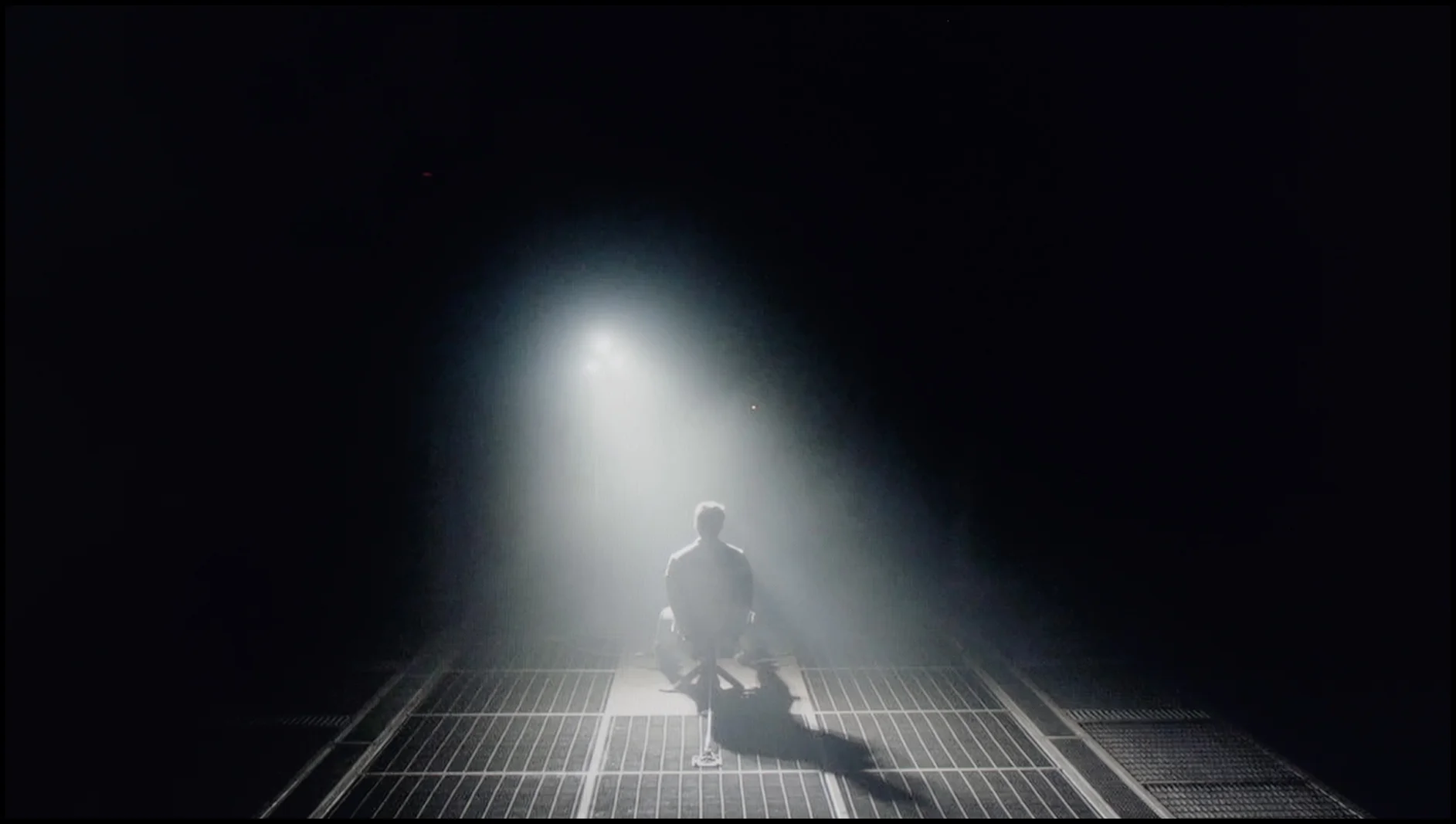
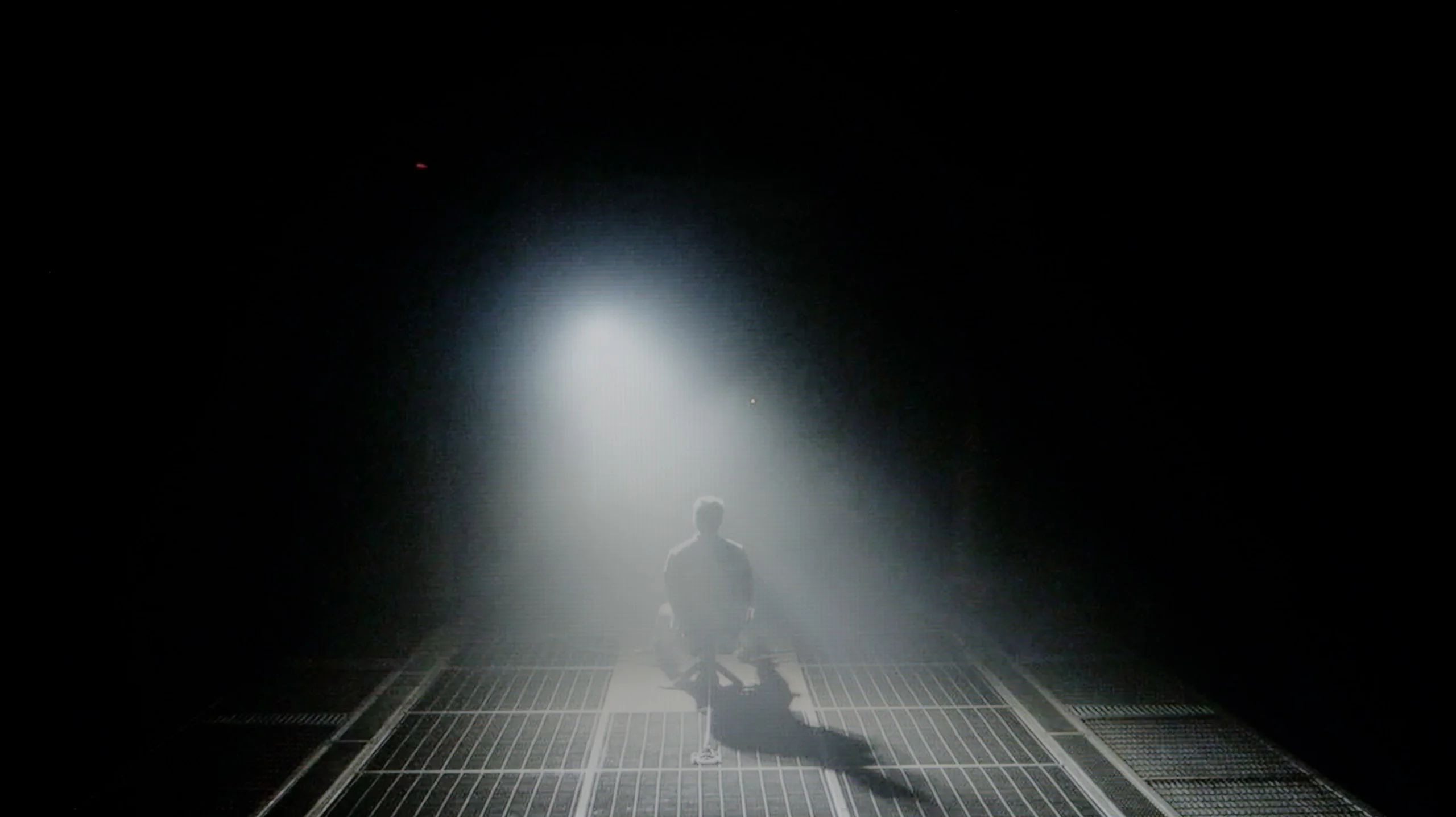
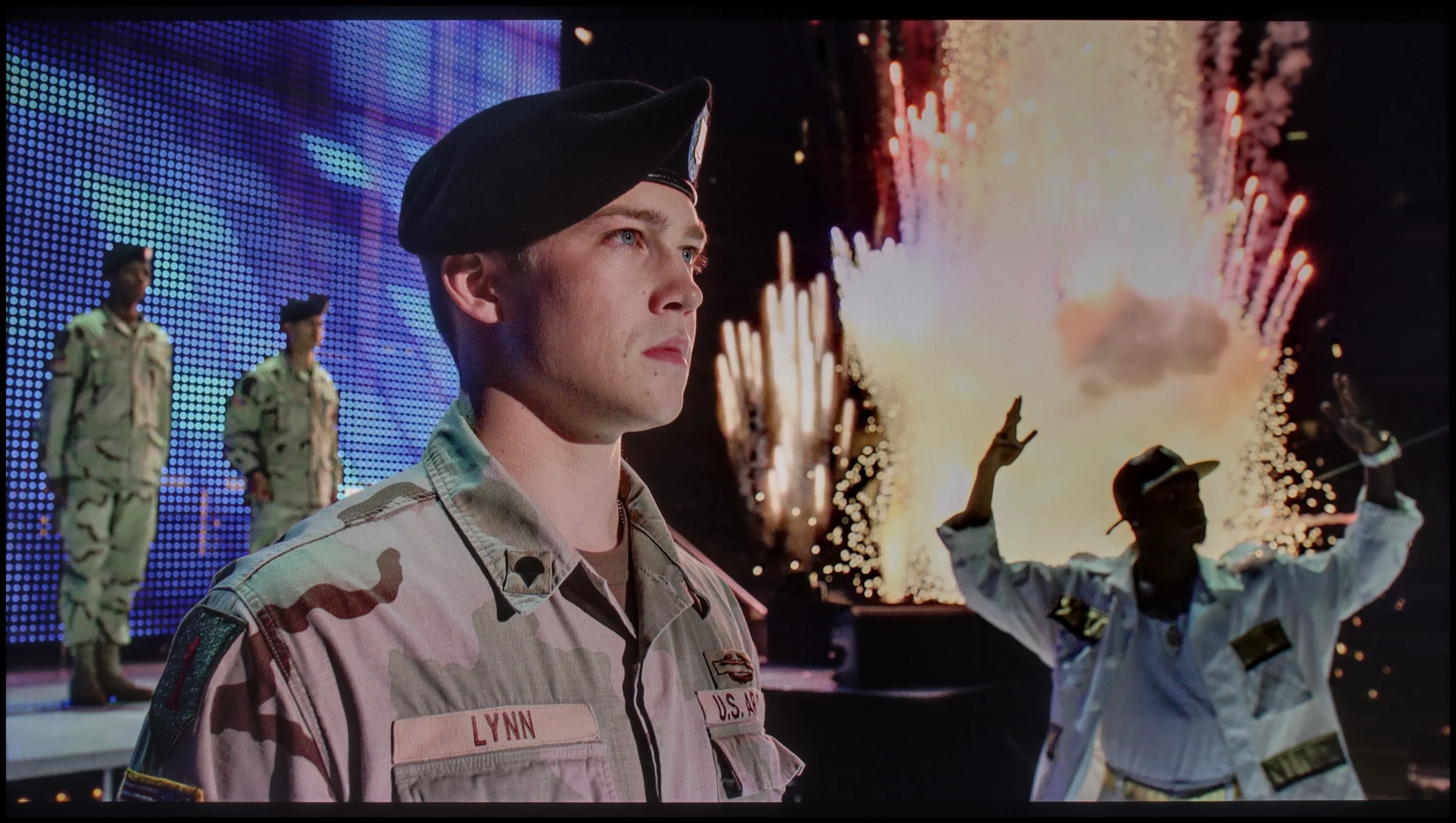
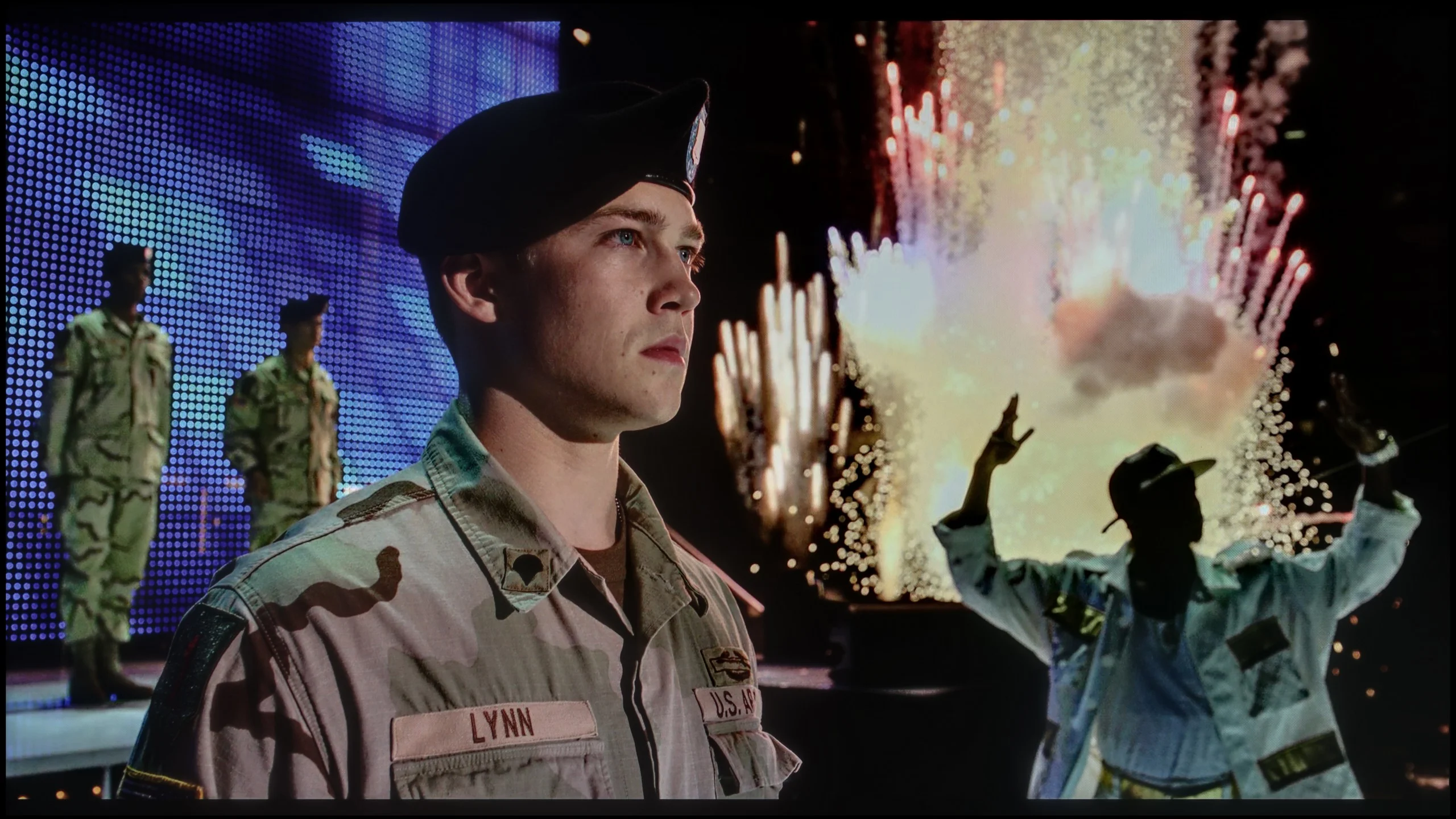
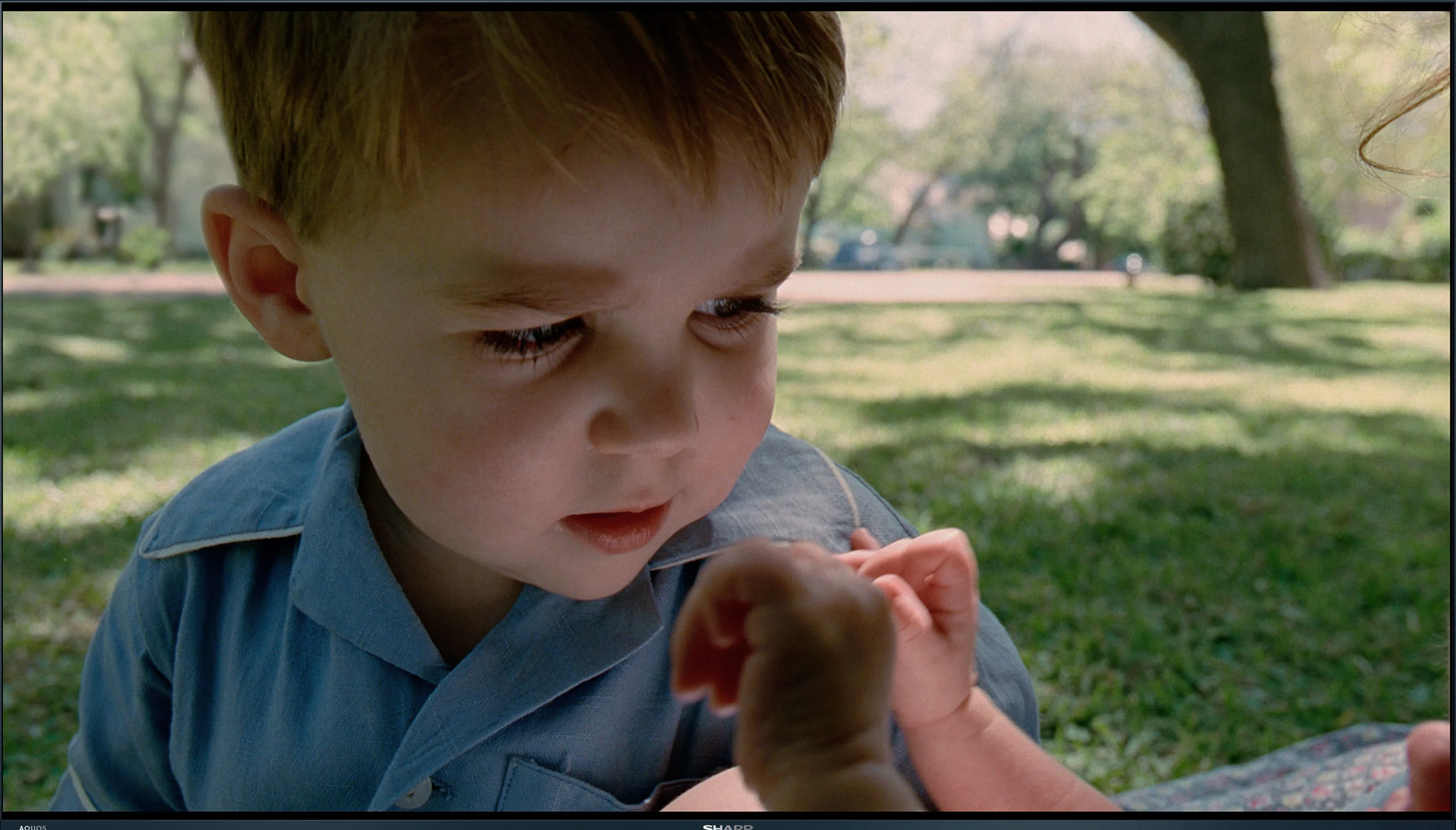
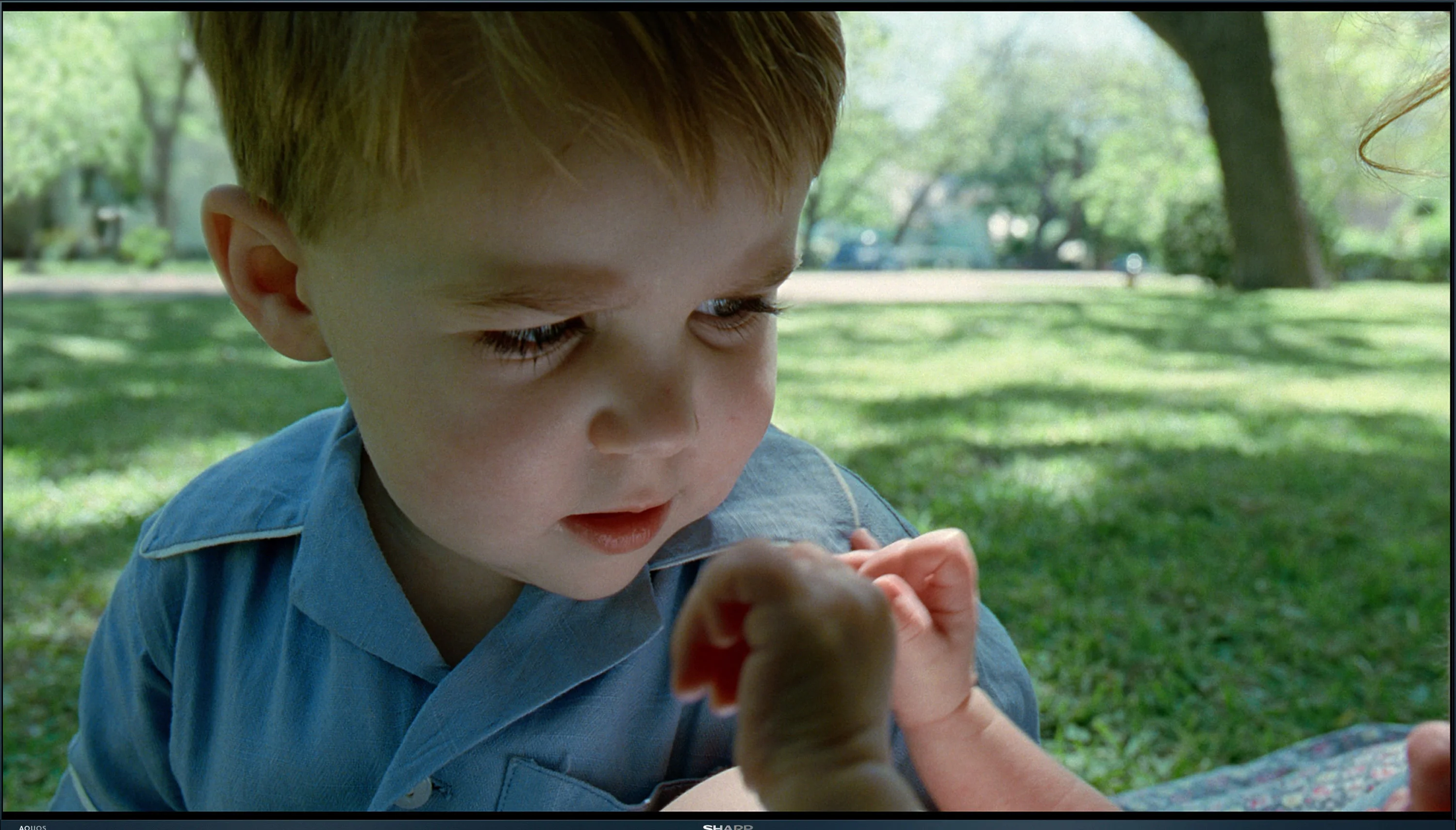
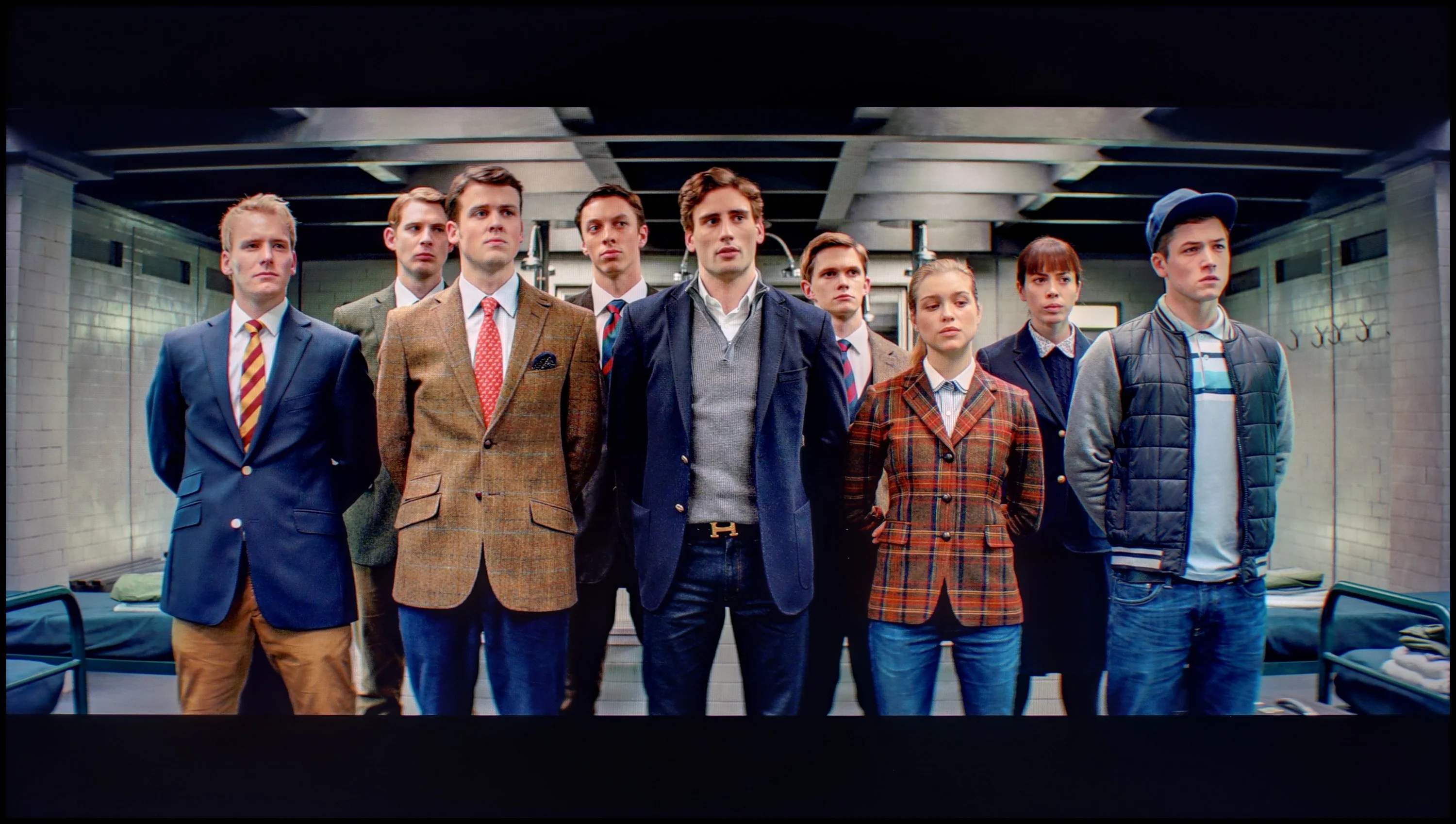
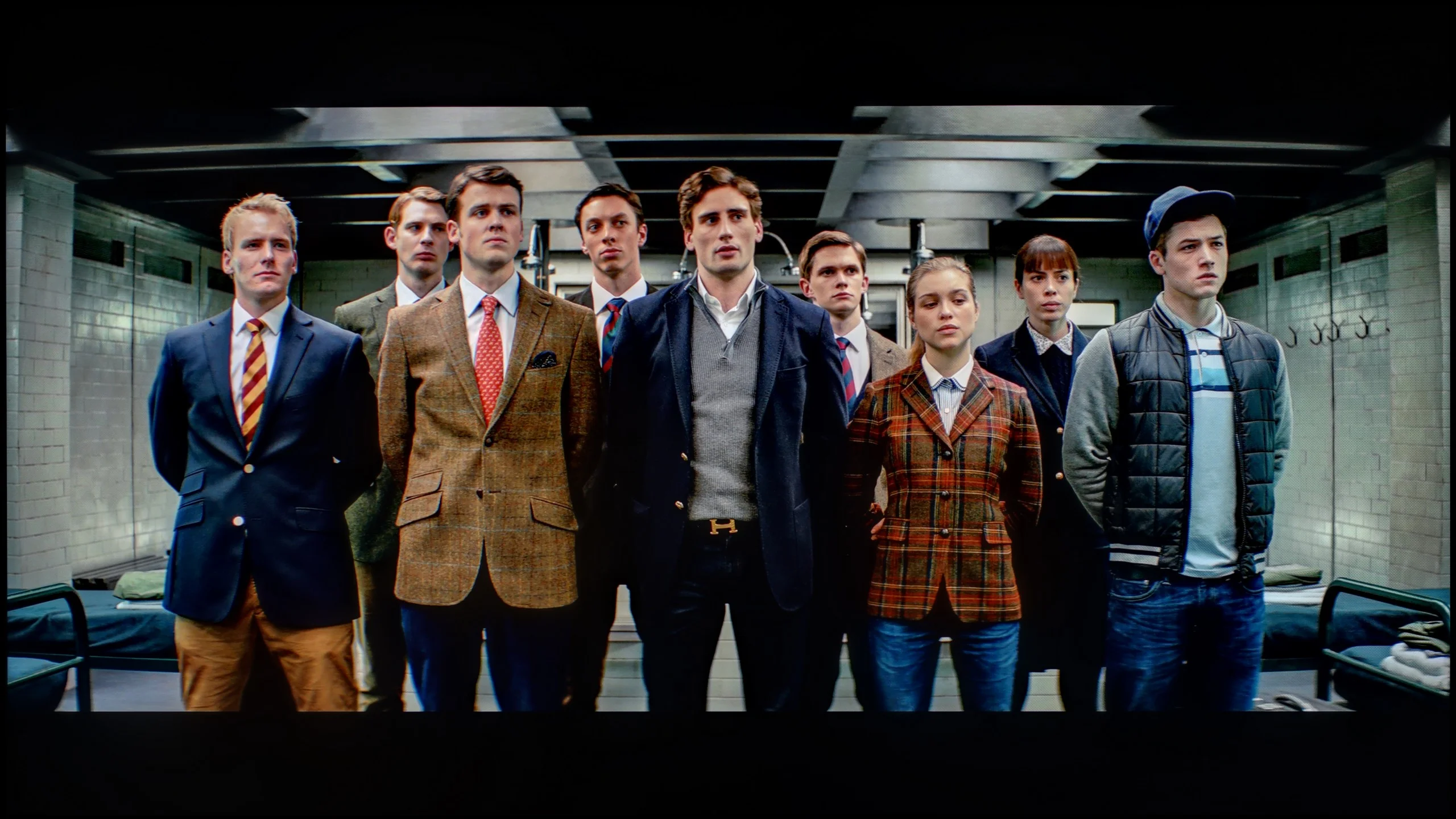
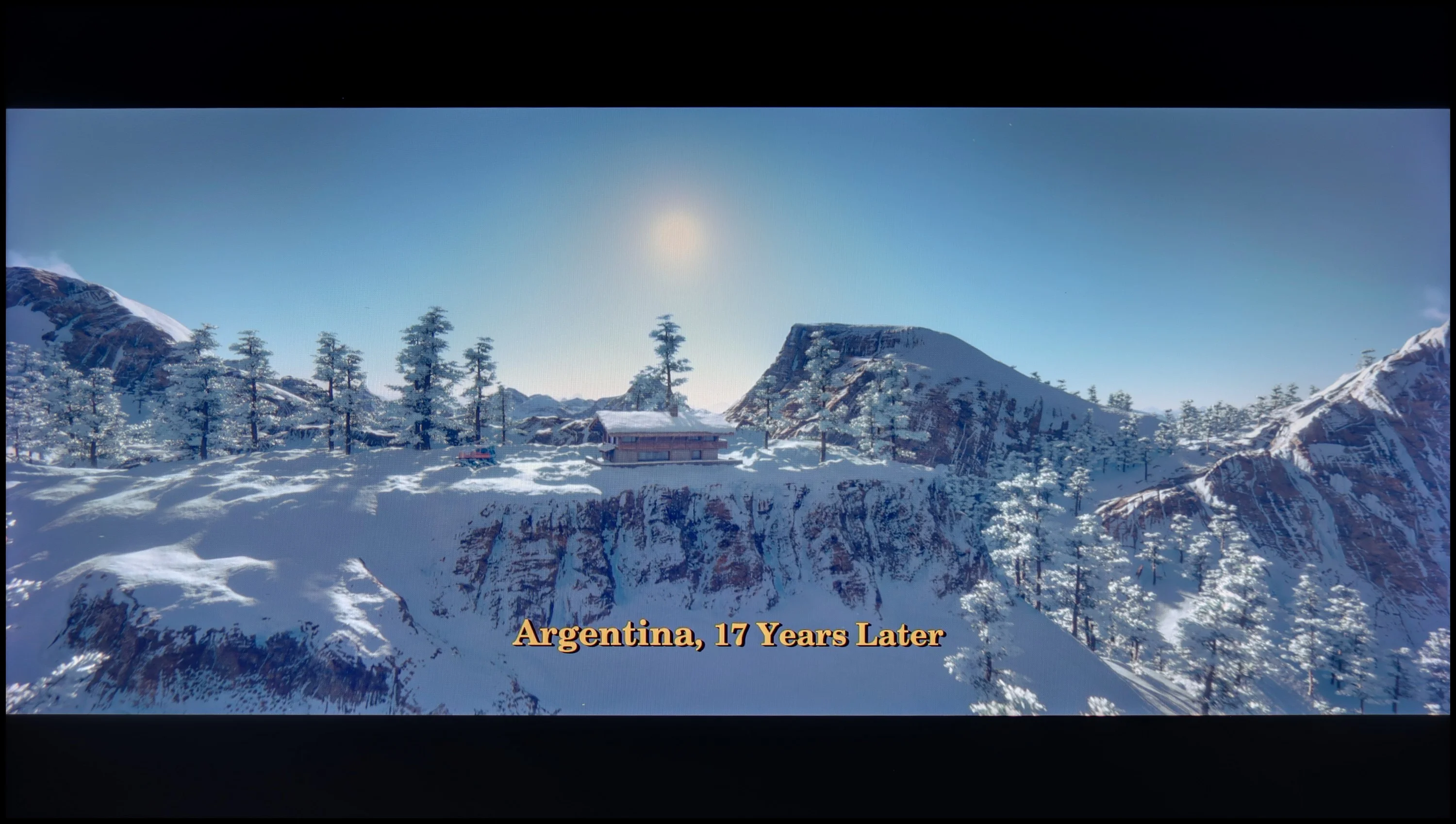
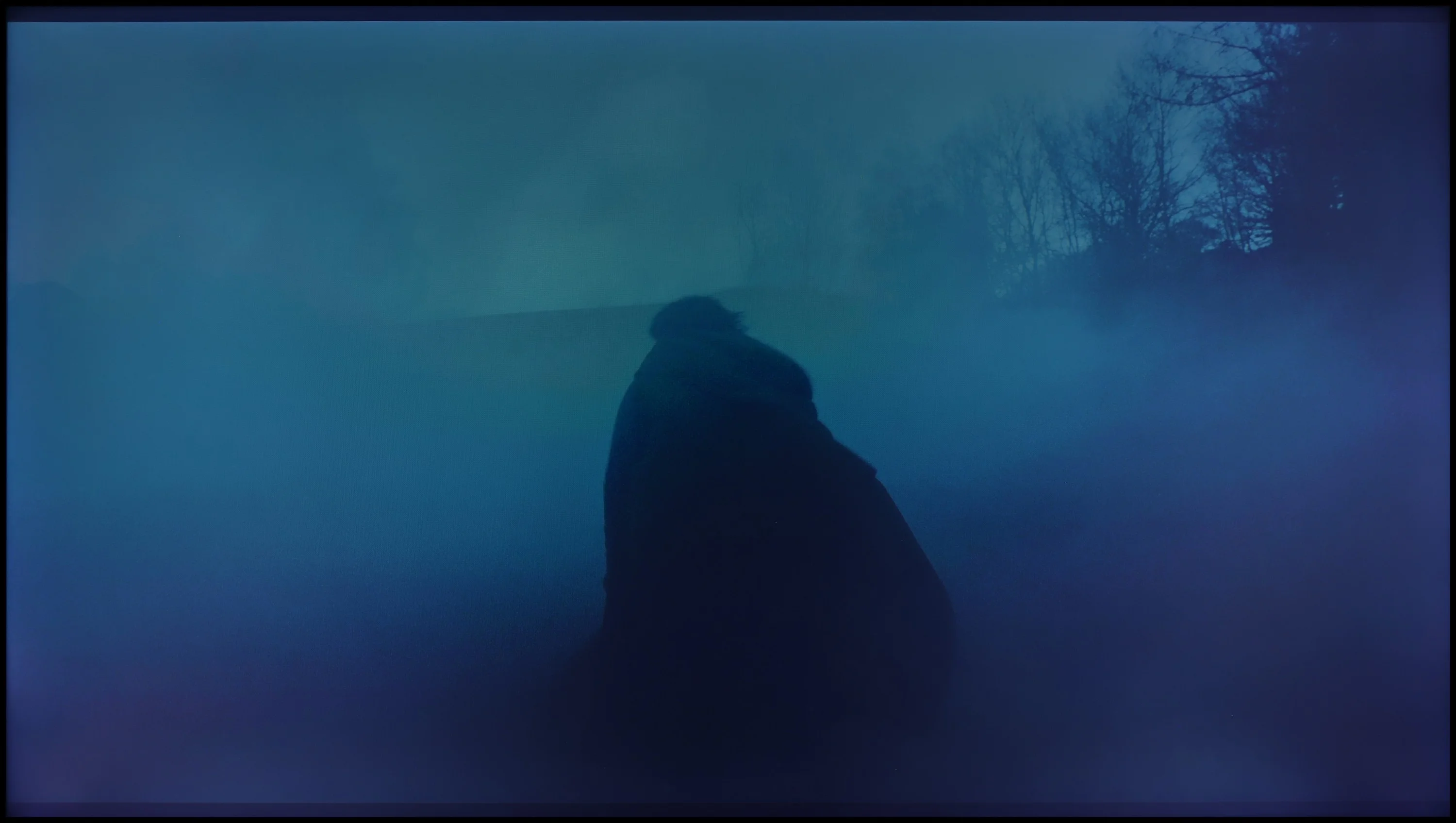
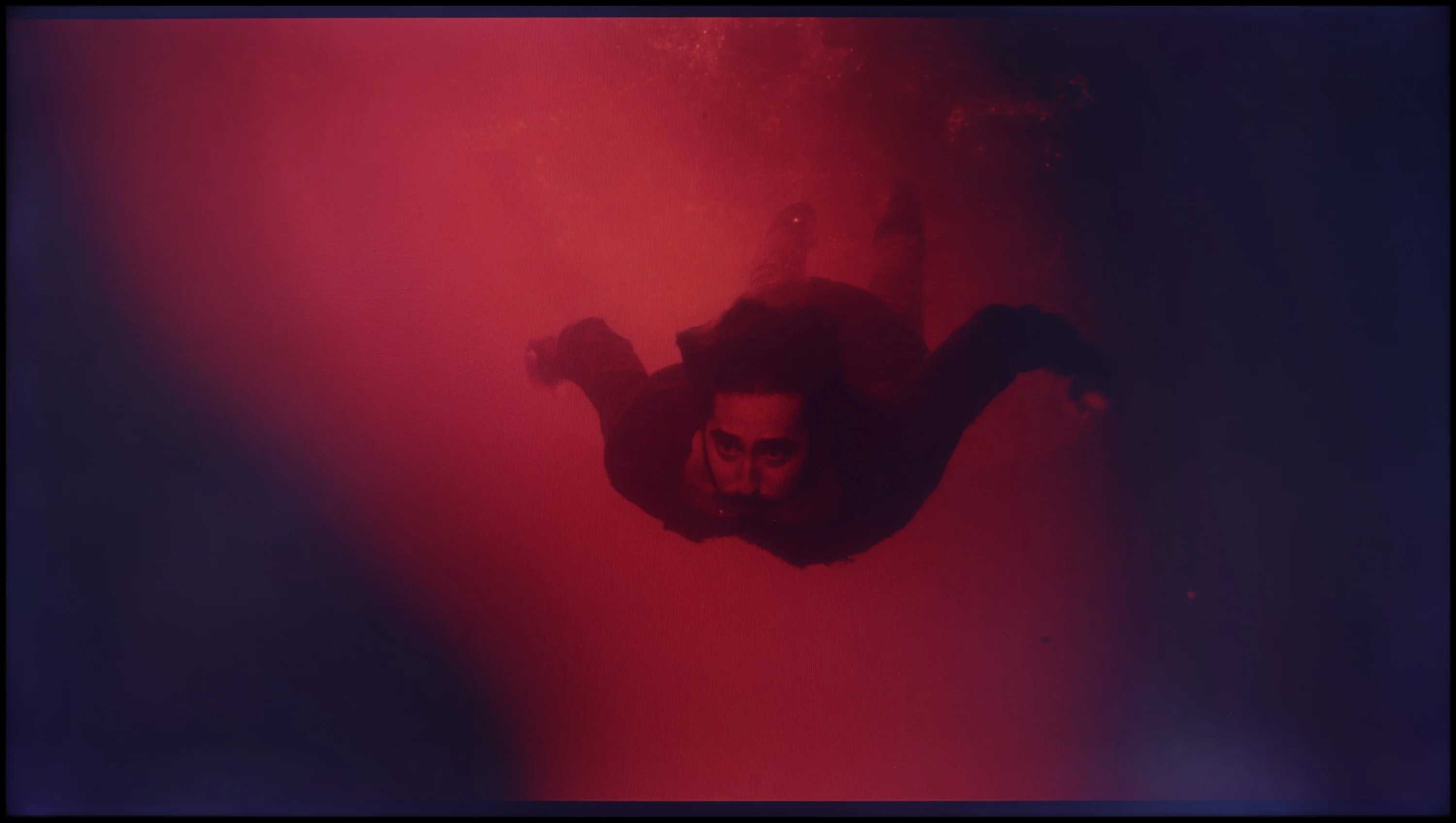
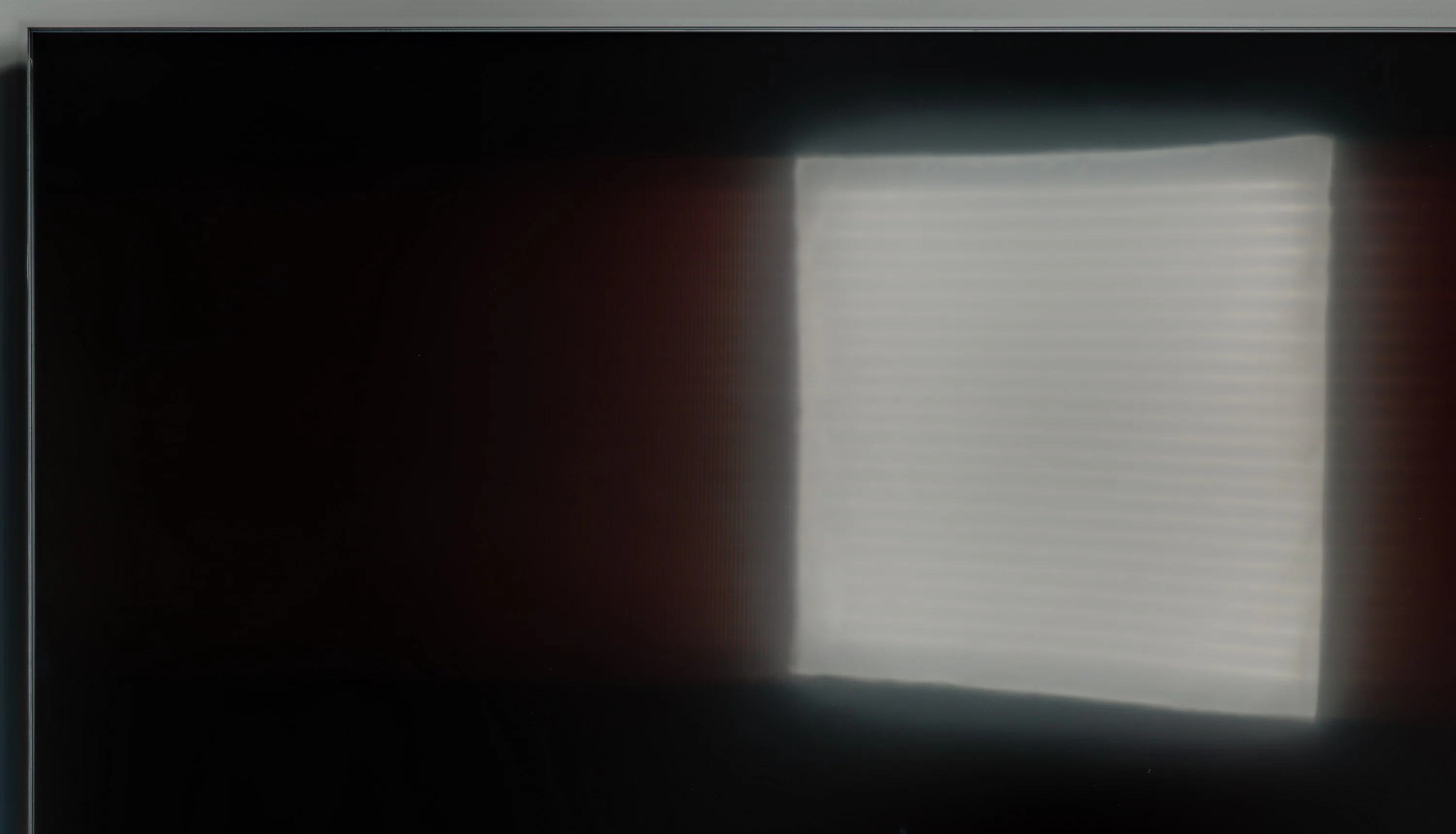
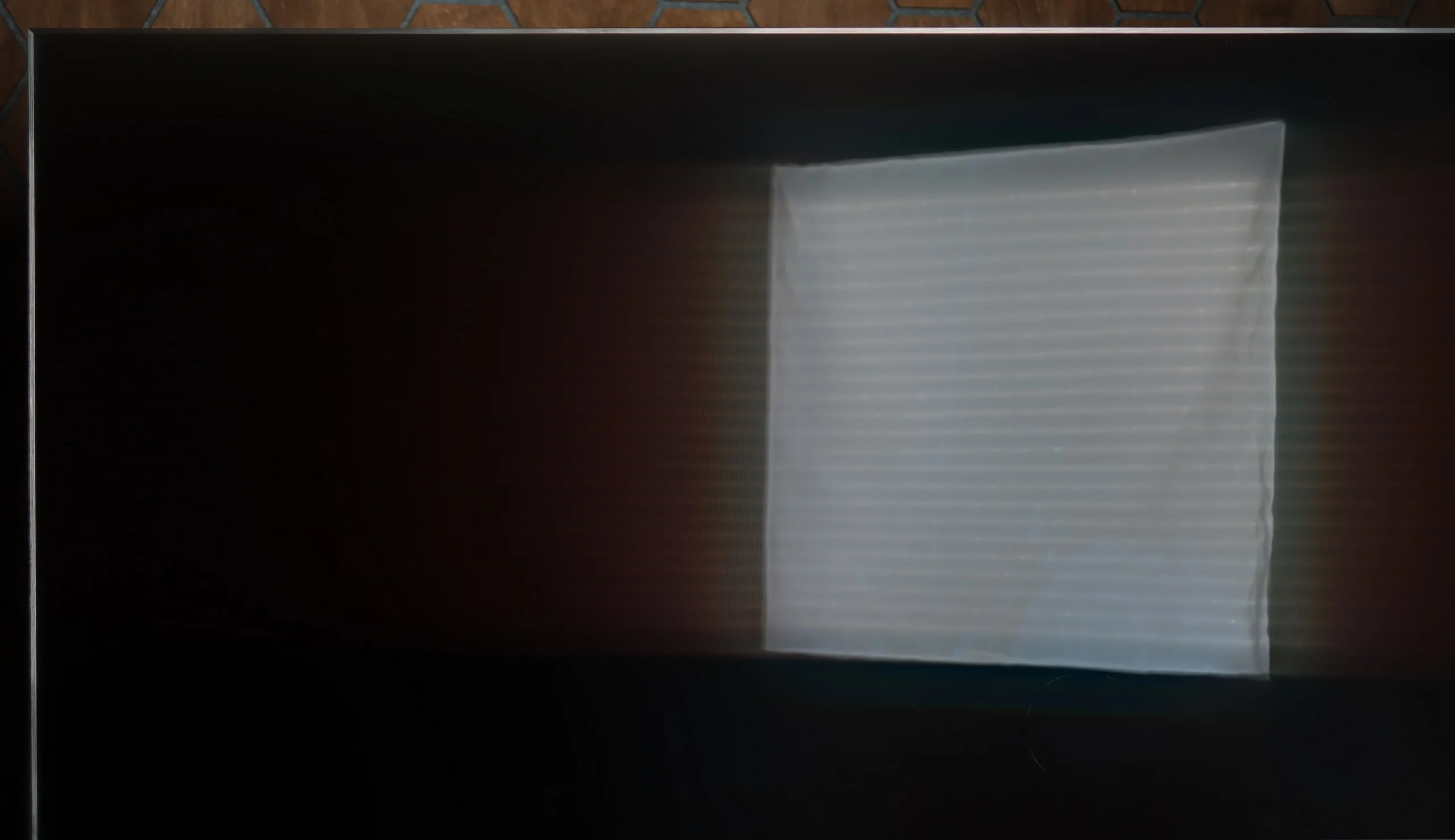
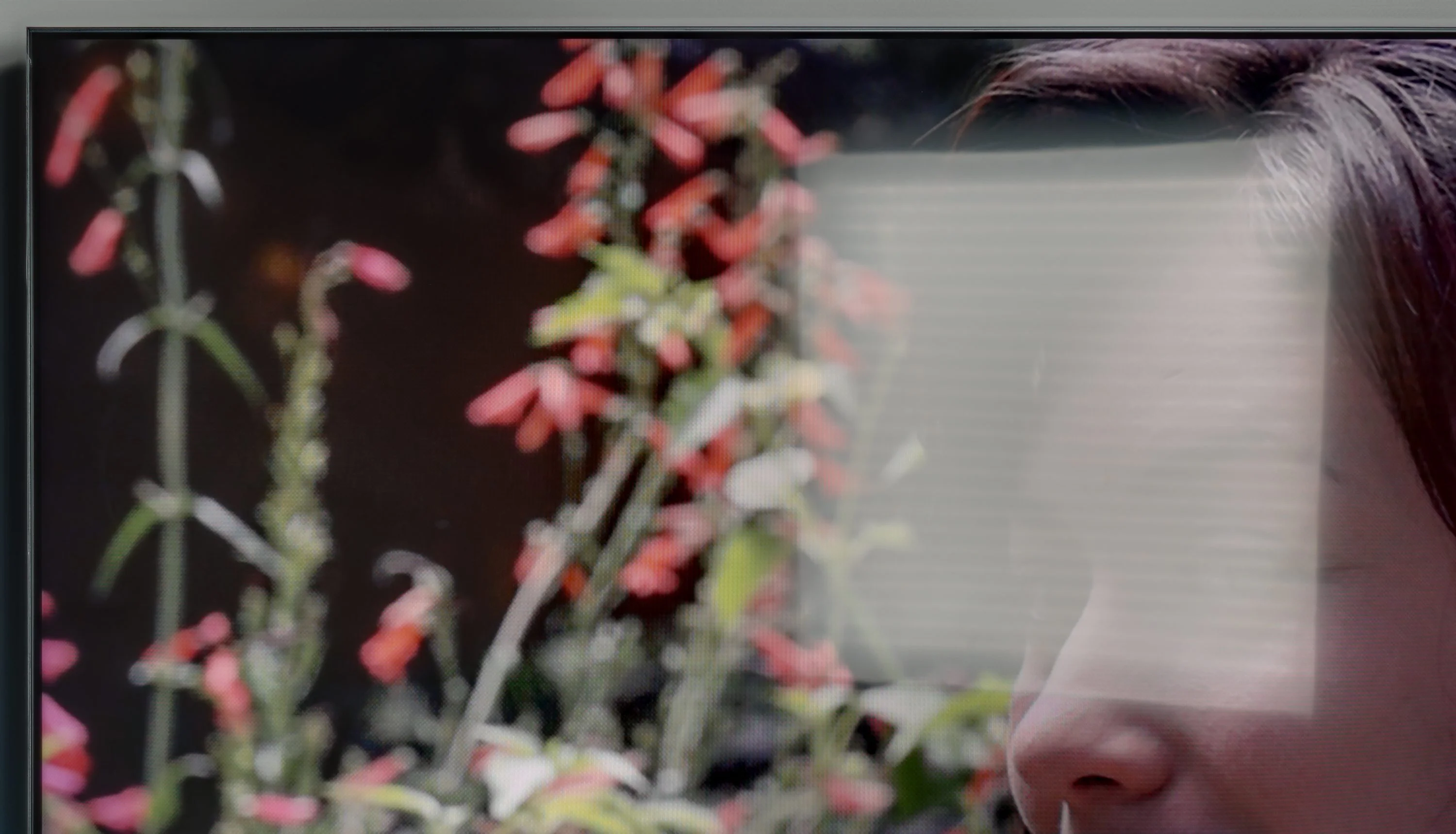
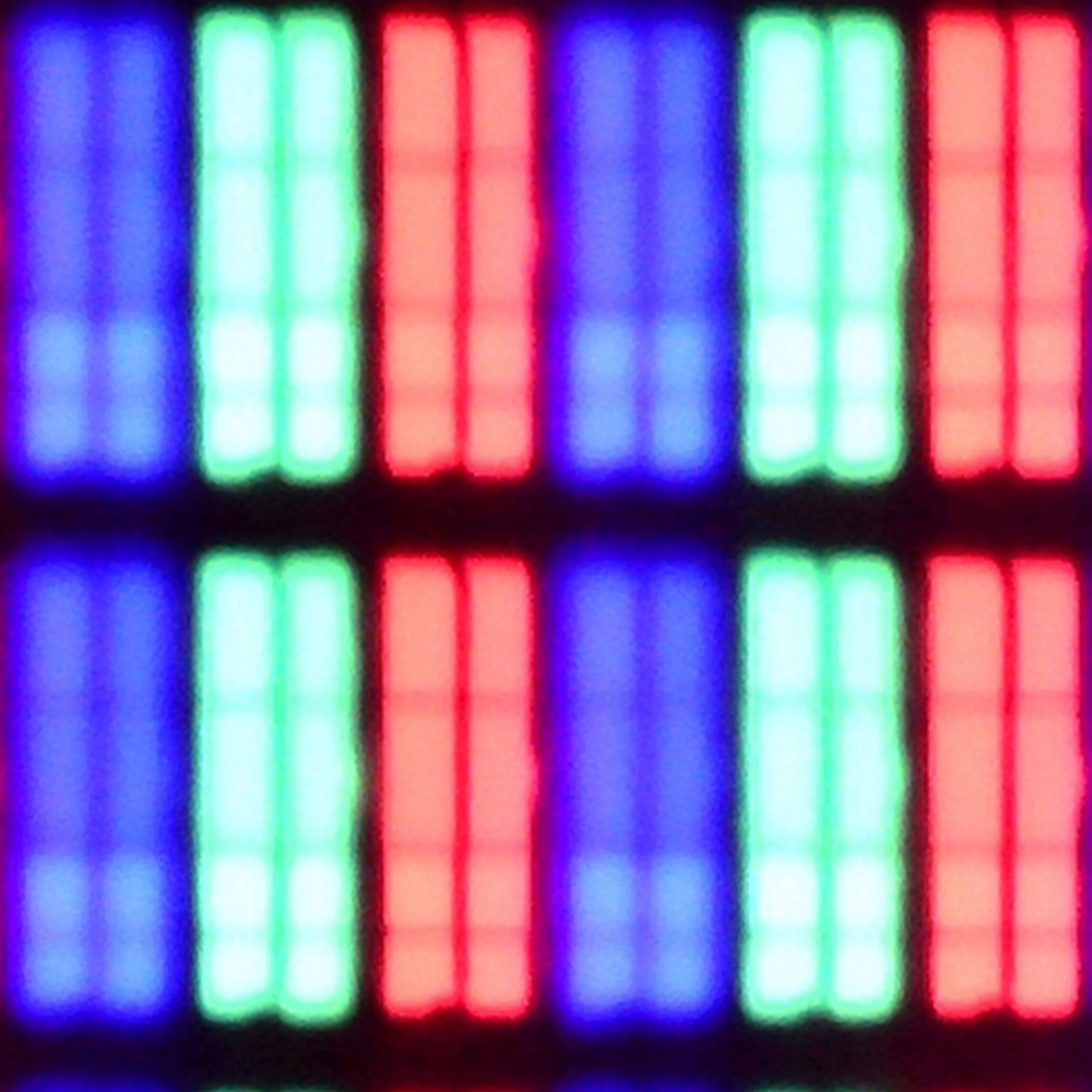
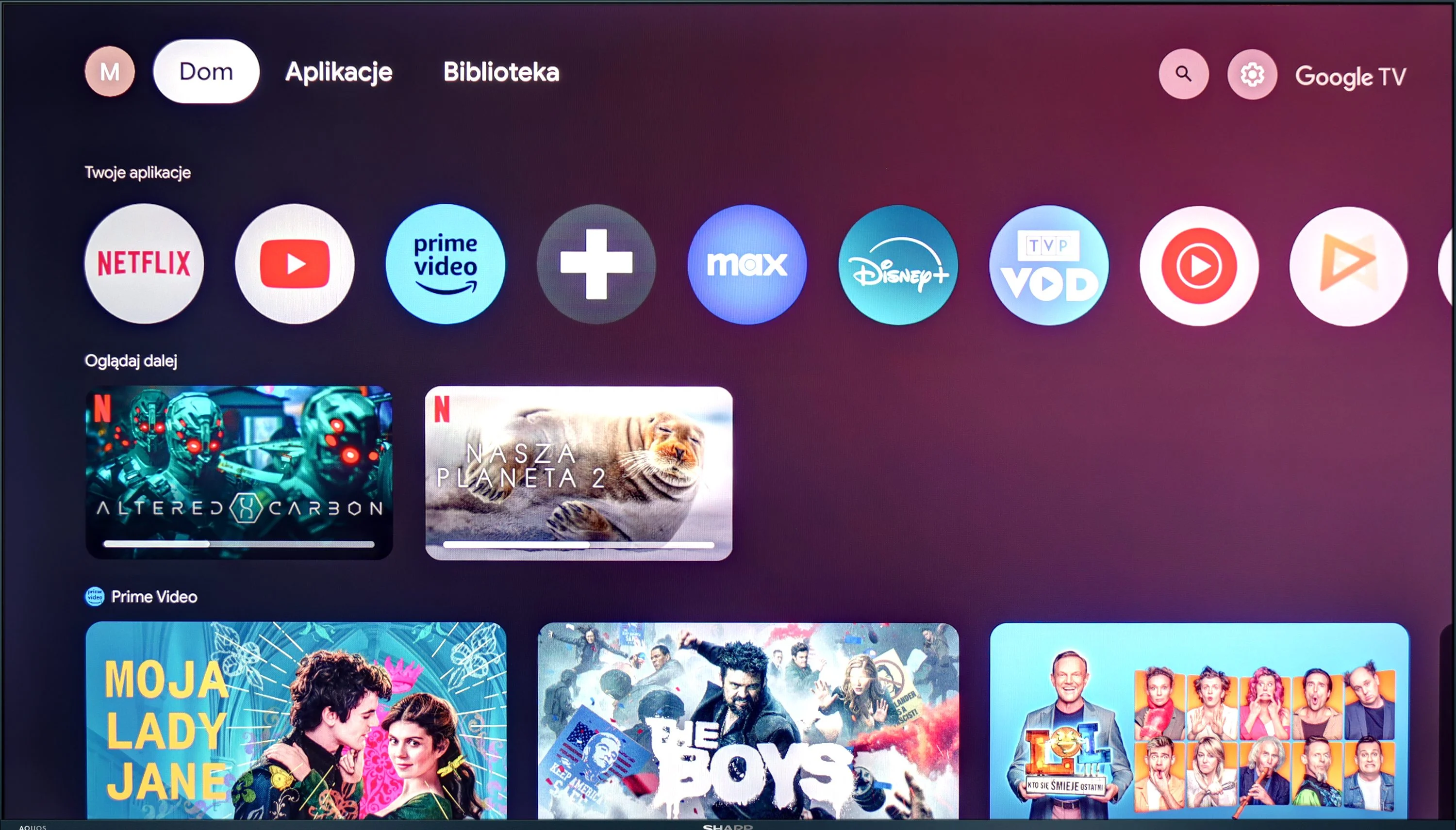
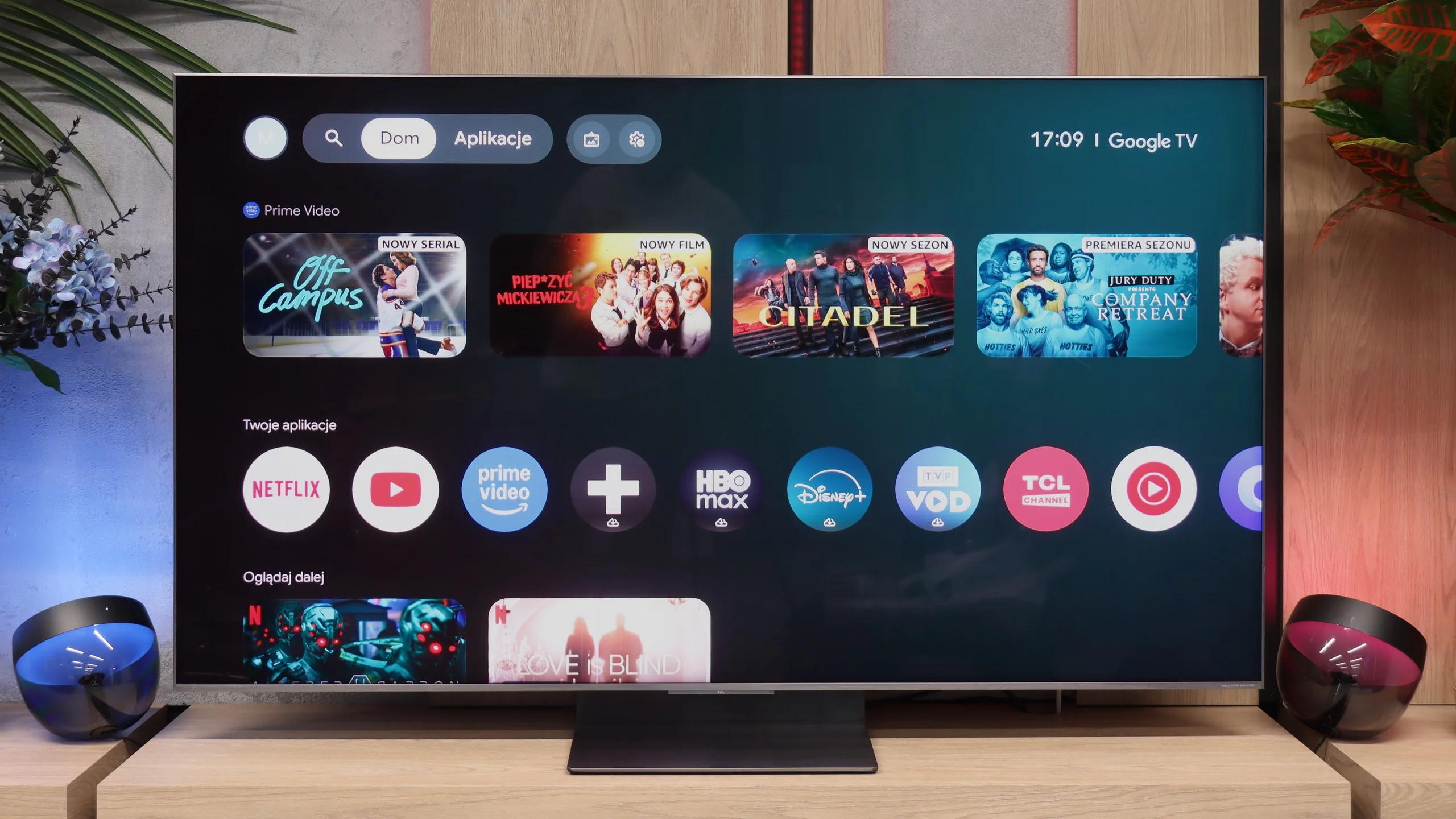
The Sharp FQ8 television offers numerous features that set it apart in its price range. It operates on the Google TV platform, granting access to a wide array of applications and intuitive navigation. A 120 Hz refresh rate panel ensures smooth image rendering, while low input lag makes it an appealing option for gamers. The high native contrast delivers deep, vivid blacks, and the television achieves a respectable brightness of 450 nits, allowing for comfortable HDR content viewing. Additionally, advanced formats like Dolby Vision are supported, and the inclusion of quantum dots (Quantum Dot/QLED) enhances the wide colour gamut coverage.
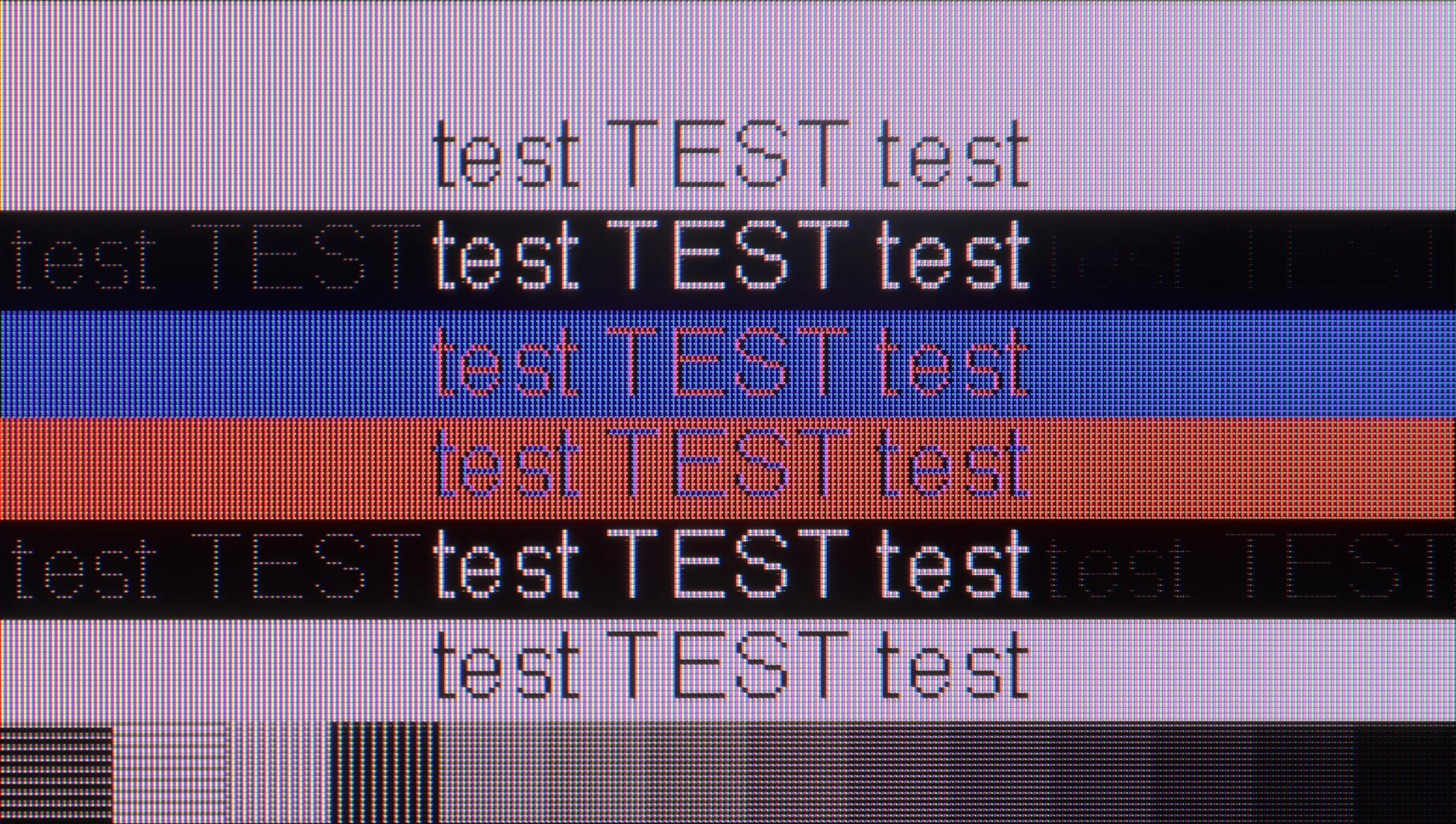
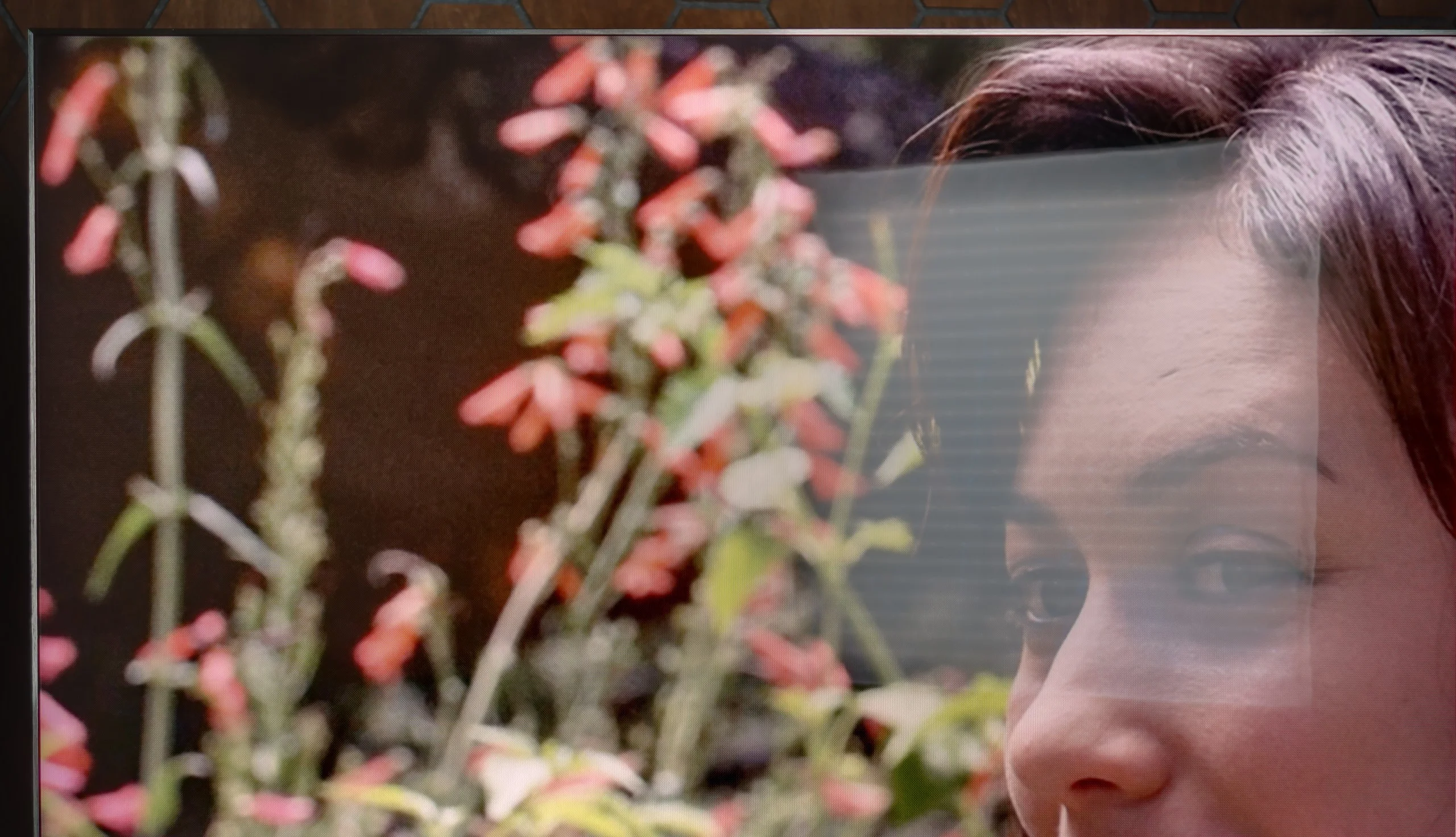
However, the Sharp FQ8 has its shortcomings. The lack of dynamic tone mapping control in HDR mode may disappoint more demanding users, and despite featuring Dolby Vision IQ, its performance is underwhelming. The panel's average response time can impact the clarity of fast-moving scenes, and limited viewing angles significantly reduce image quality when viewed from the side.
Despite these drawbacks, the Sharp FQ8 stands out as a solid choice, offering a good balance of quality, image fluidity, and an enjoyable audio system, all at a competitive price. While not flawless, it should meet the needs of most users seeking an affordable television with a 120 Hz panel.
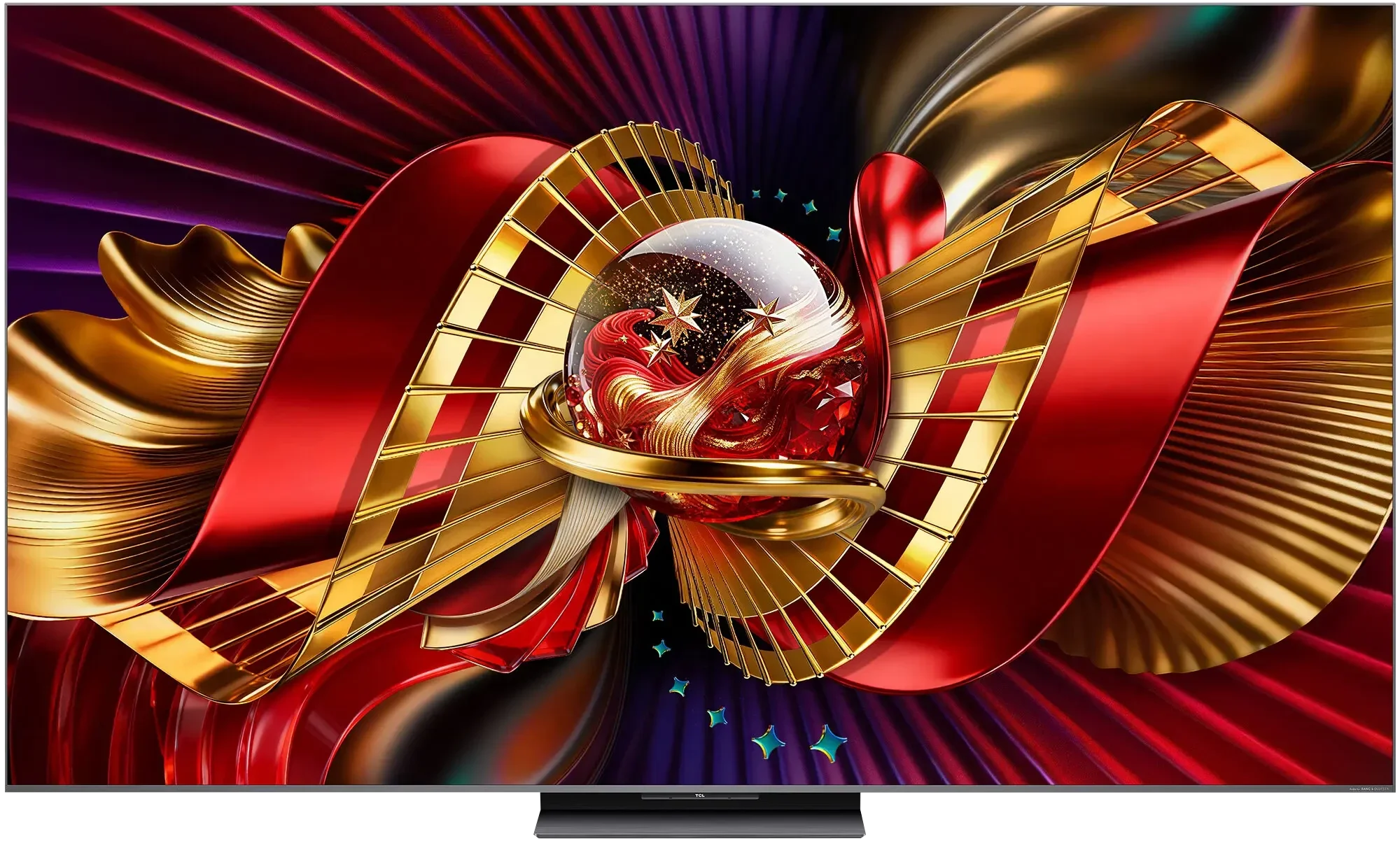
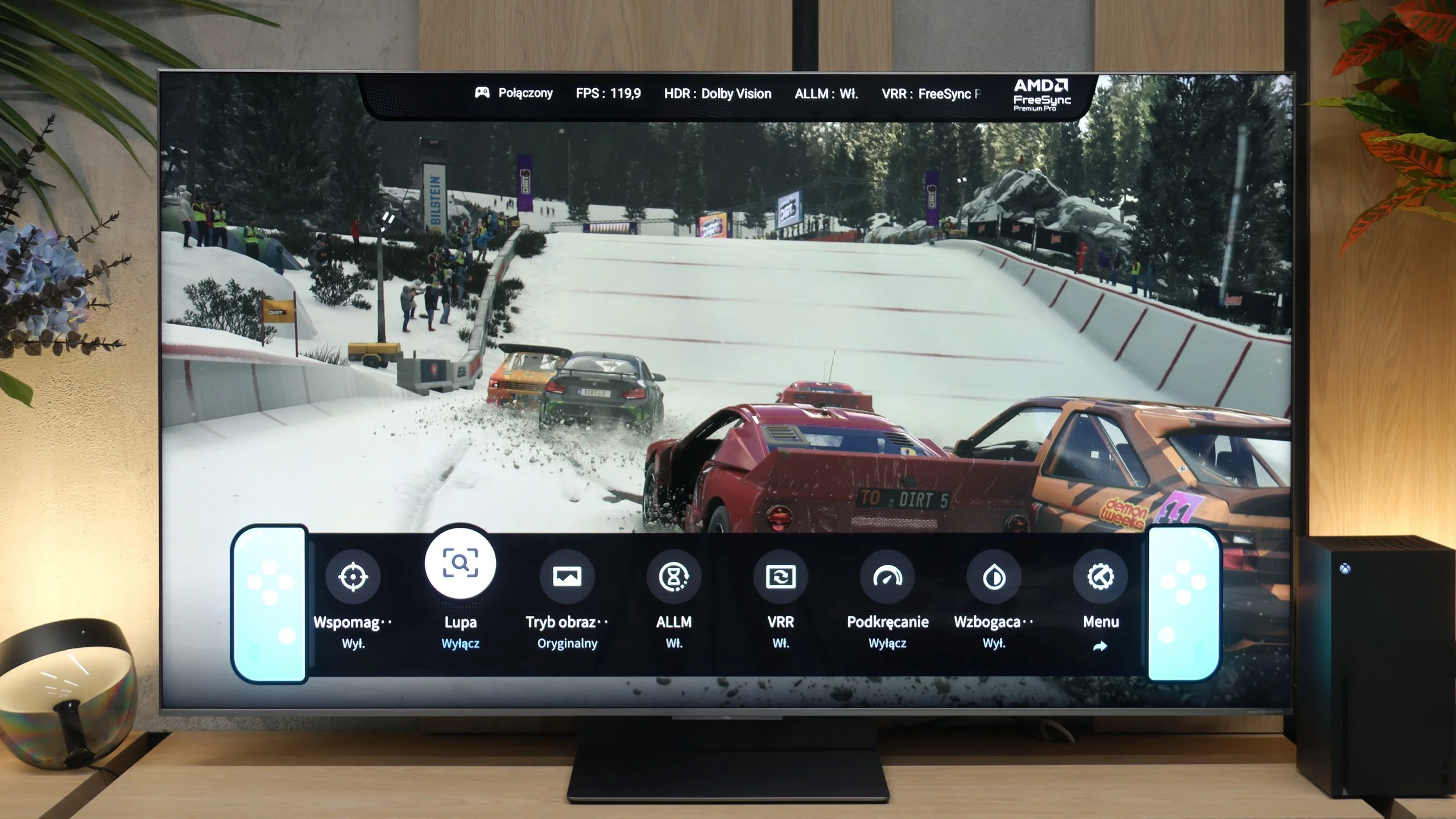
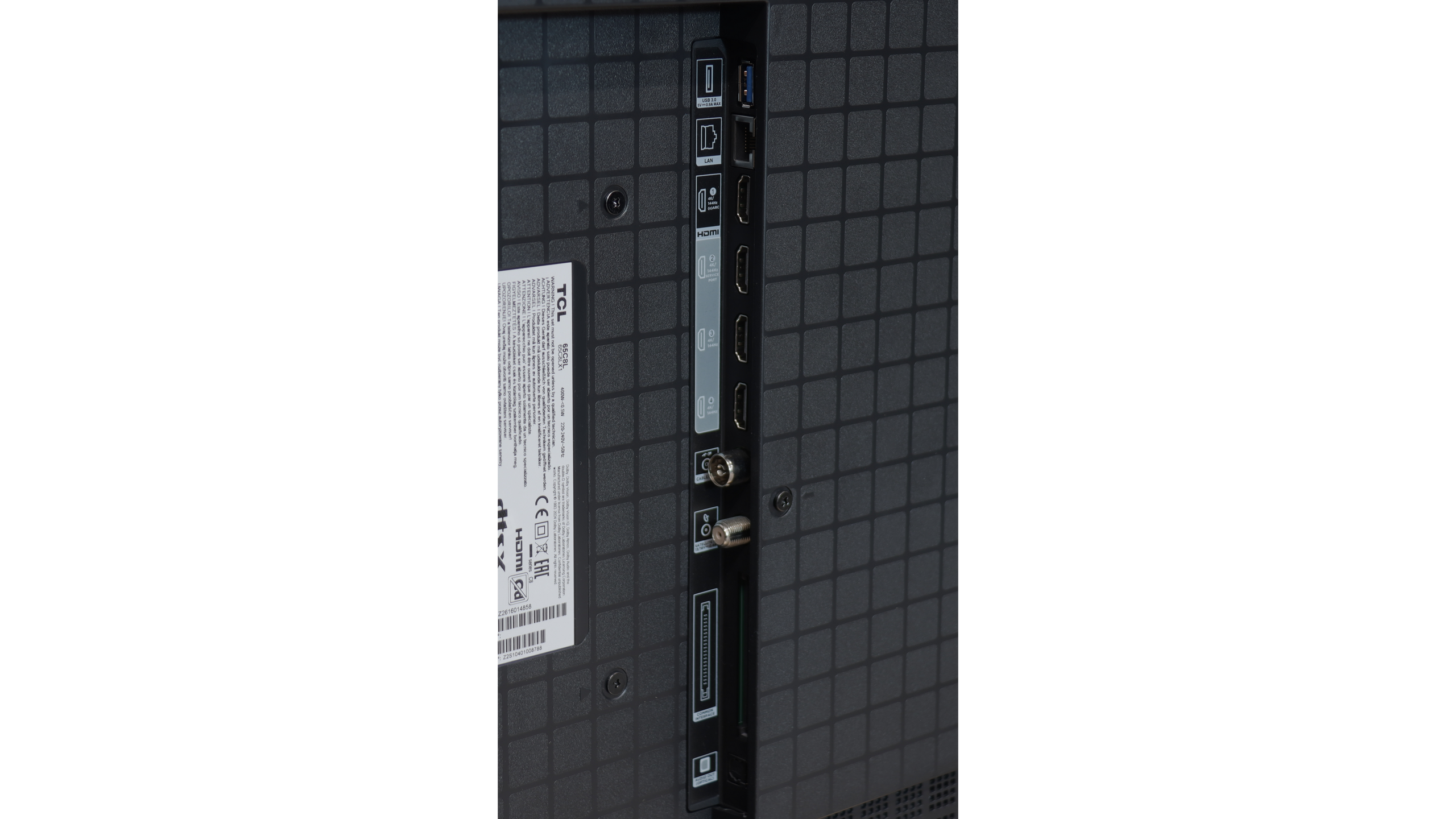
The TCL C8L is without doubt one of the most intriguing Mini-LED TVs to reach our lab this year. It stands out above all for an excellent price-to-performance ratio. TCL has already got us used to aggressively priced screens, but with the C8 series the company pushes that even further. At a price that would typically only buy a mid-range model—or possibly two models like the C8K—here you get features and specs on par with top-tier sets. A new image processor, four full HDMI 2.1 ports, support for extreme refresh rates and huge peak brightness thanks to a very large number of dimming zones are hard to ignore.
That said, looking at the whole picture, we need to be honest about this TV’s character. The C8L is built more to deliver a “spectacular” image than a rigorously faithful one. What do we mean? The software and algorithms controlling the Mini-LED backlight zones are tuned to favour showiness, so the picture is bright, contrasty and strikingly saturated. And what does that mean in practice? The TV tends to interpret the image on its own rather than stick to certain studio standards. For most users seeking bigger thrills from films or games, that effect will be a plus. By contrast, purists and fans of perfectly natural images (people like us 😉) may find it too aggressive and at odds with the director’s intent. So we’ll leave the final judgement on that to you.
Overall, despite this character, the TCL C8L is a TV we can, and in fact must, recommend with a clear conscience. It’s above all a premium product that gets practically everything right, almost to the point of pain. We’d treat certain imperfections simply as characteristics of the set rather than faults—mainly because of technological limits that all Mini-LED TVs from every manufacturer have already taught us to expect. Ultimately, software polish has done a lot for the new C8, giving us a mature, assured and nearly complete TV.
 Direct comparison