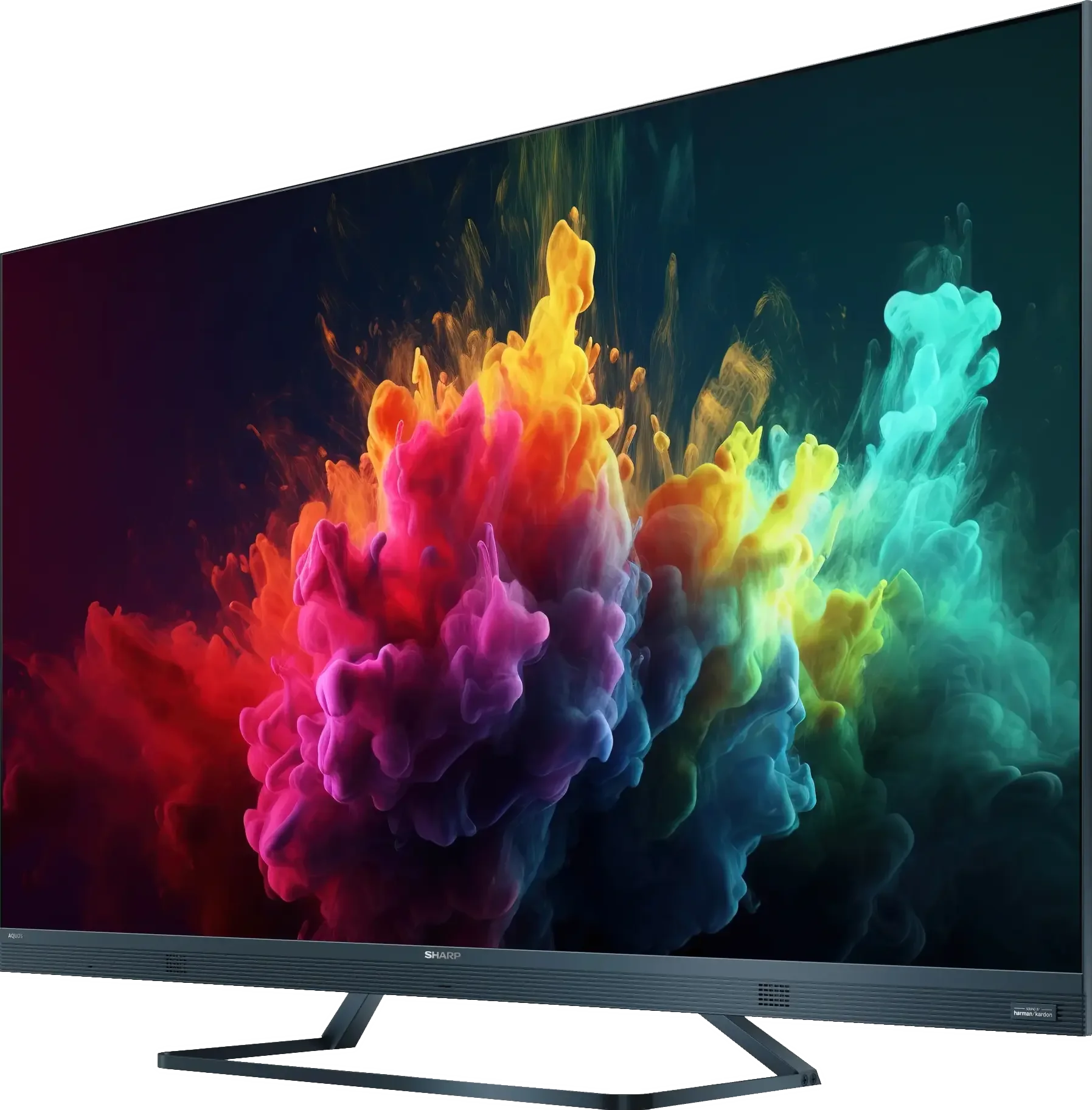
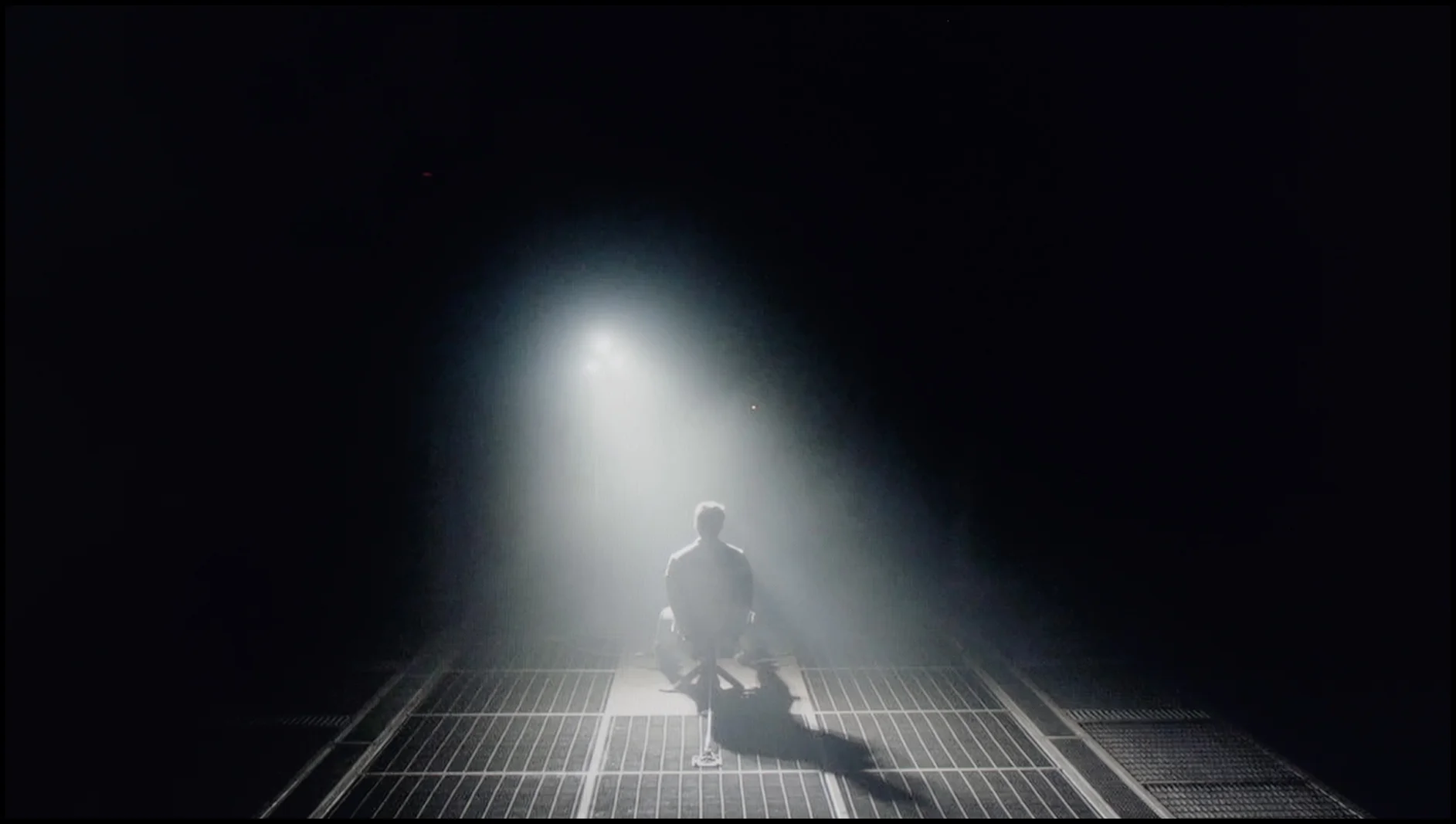
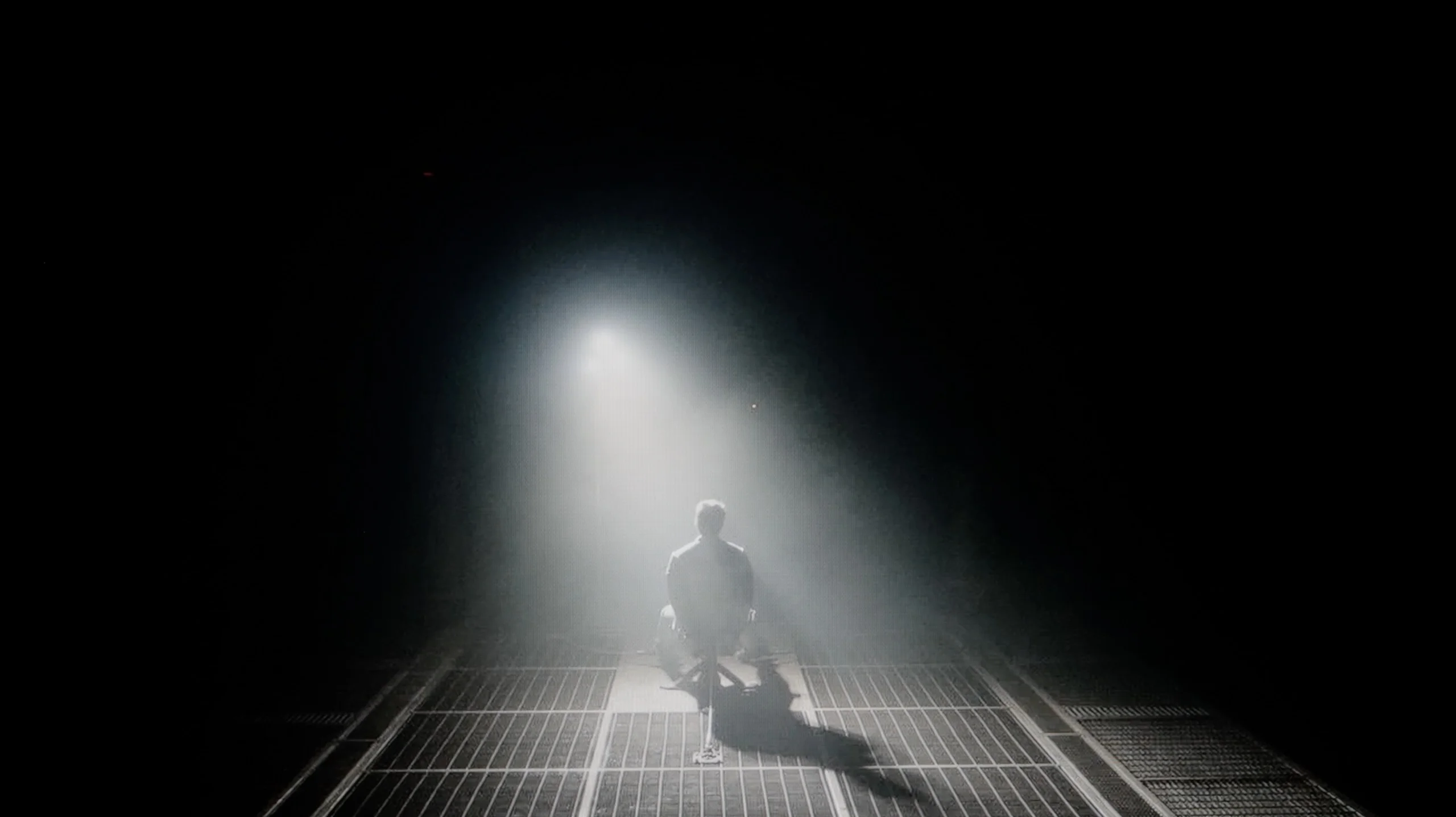
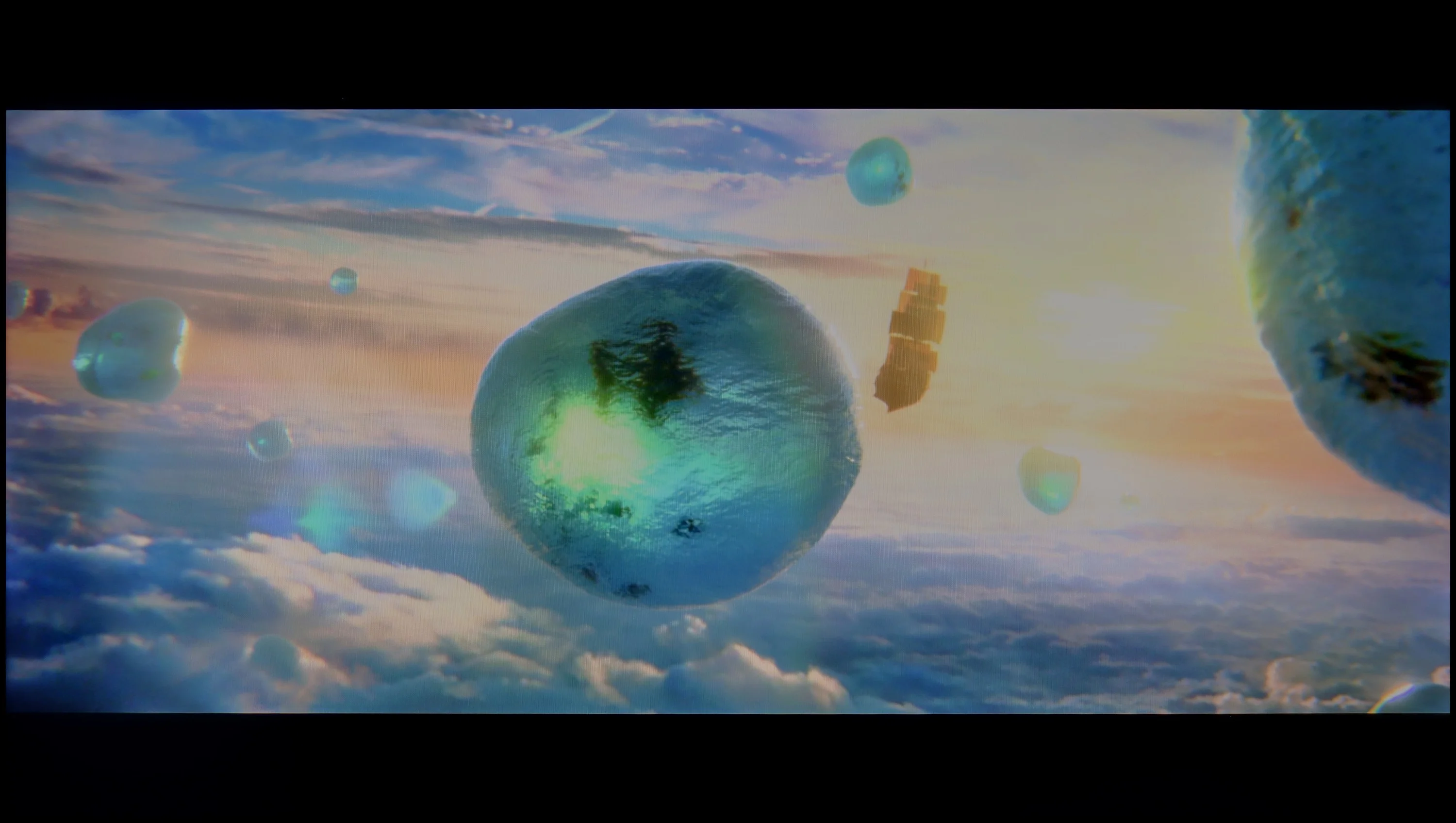
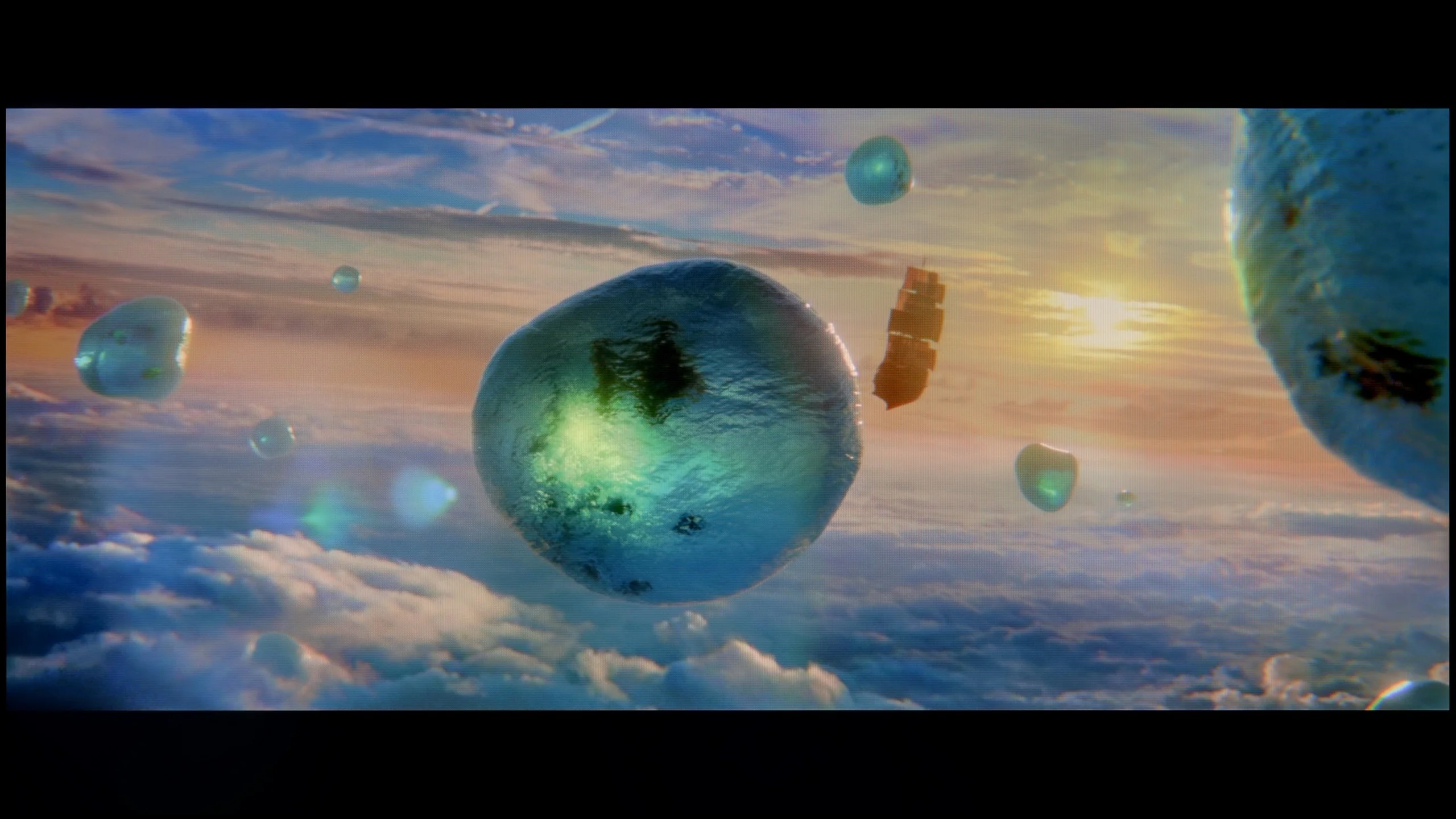
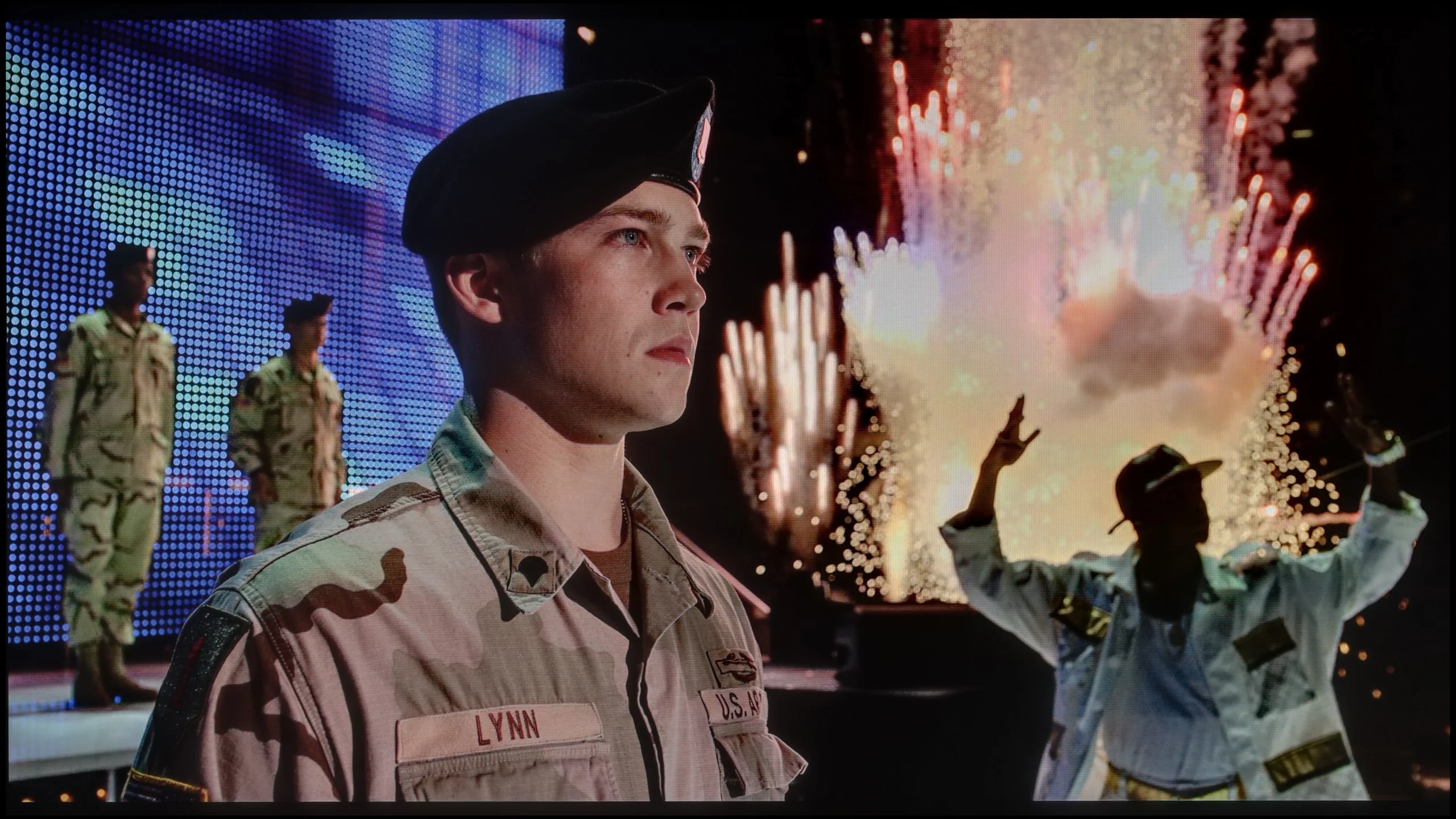
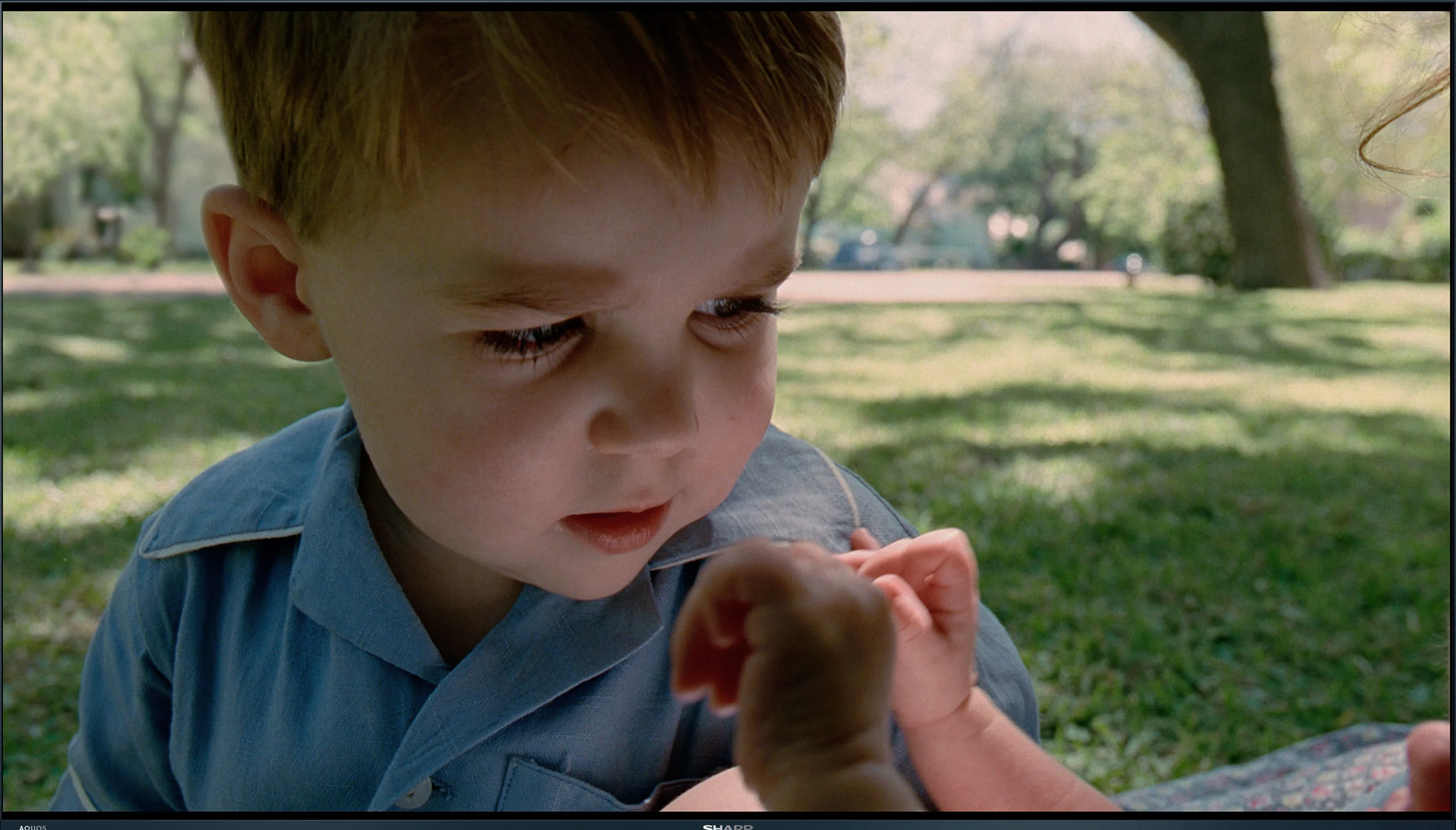
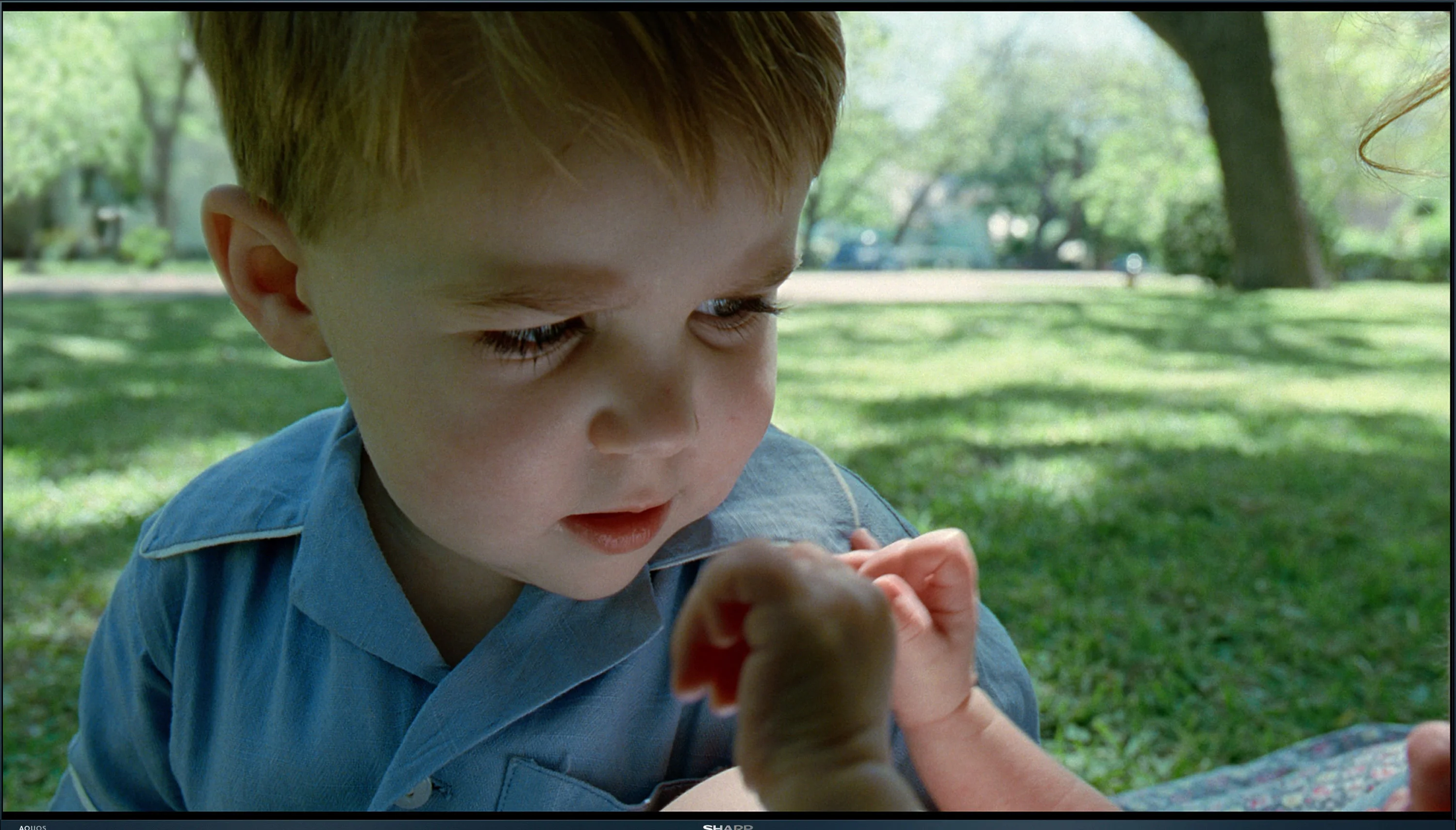
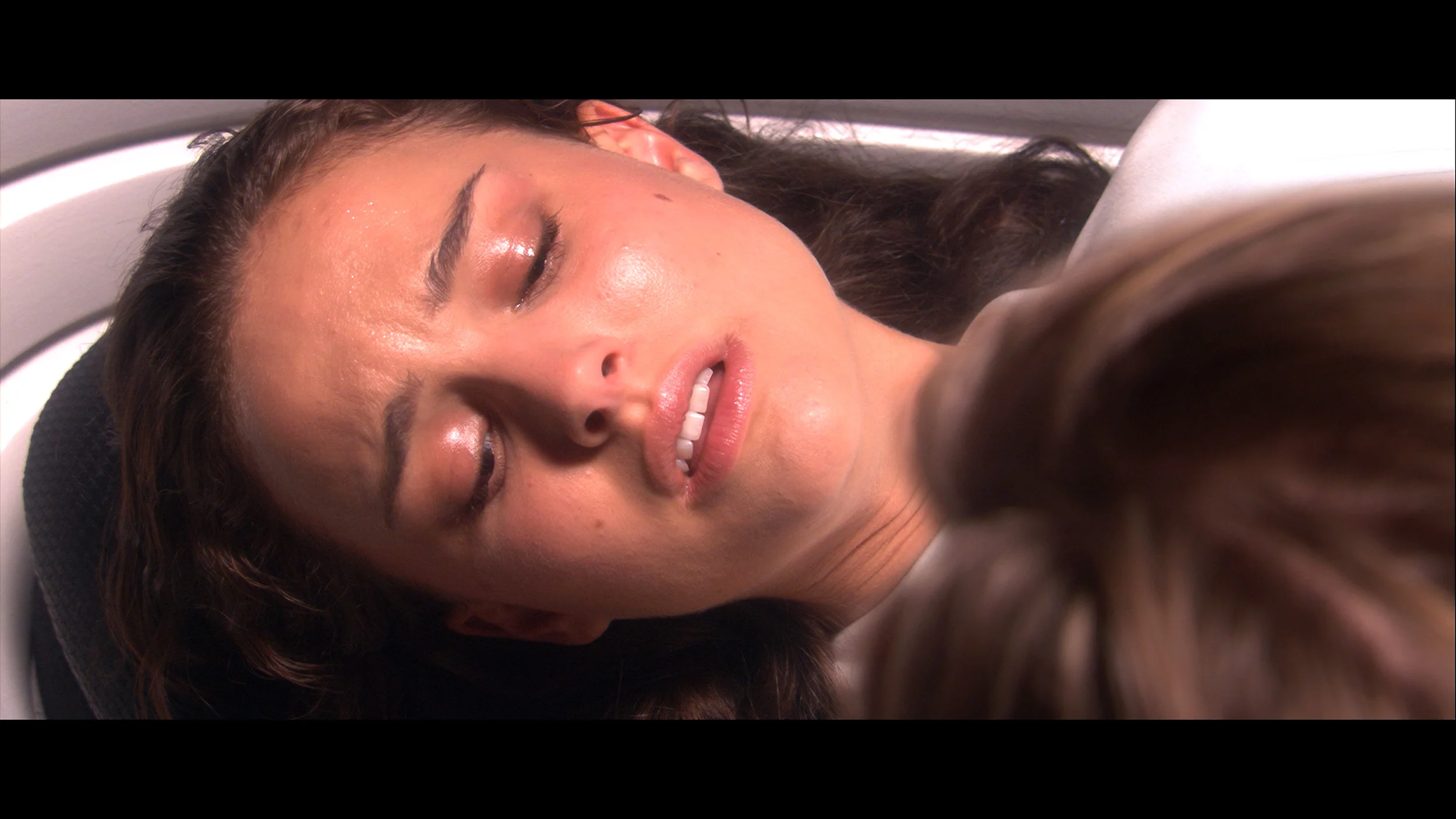
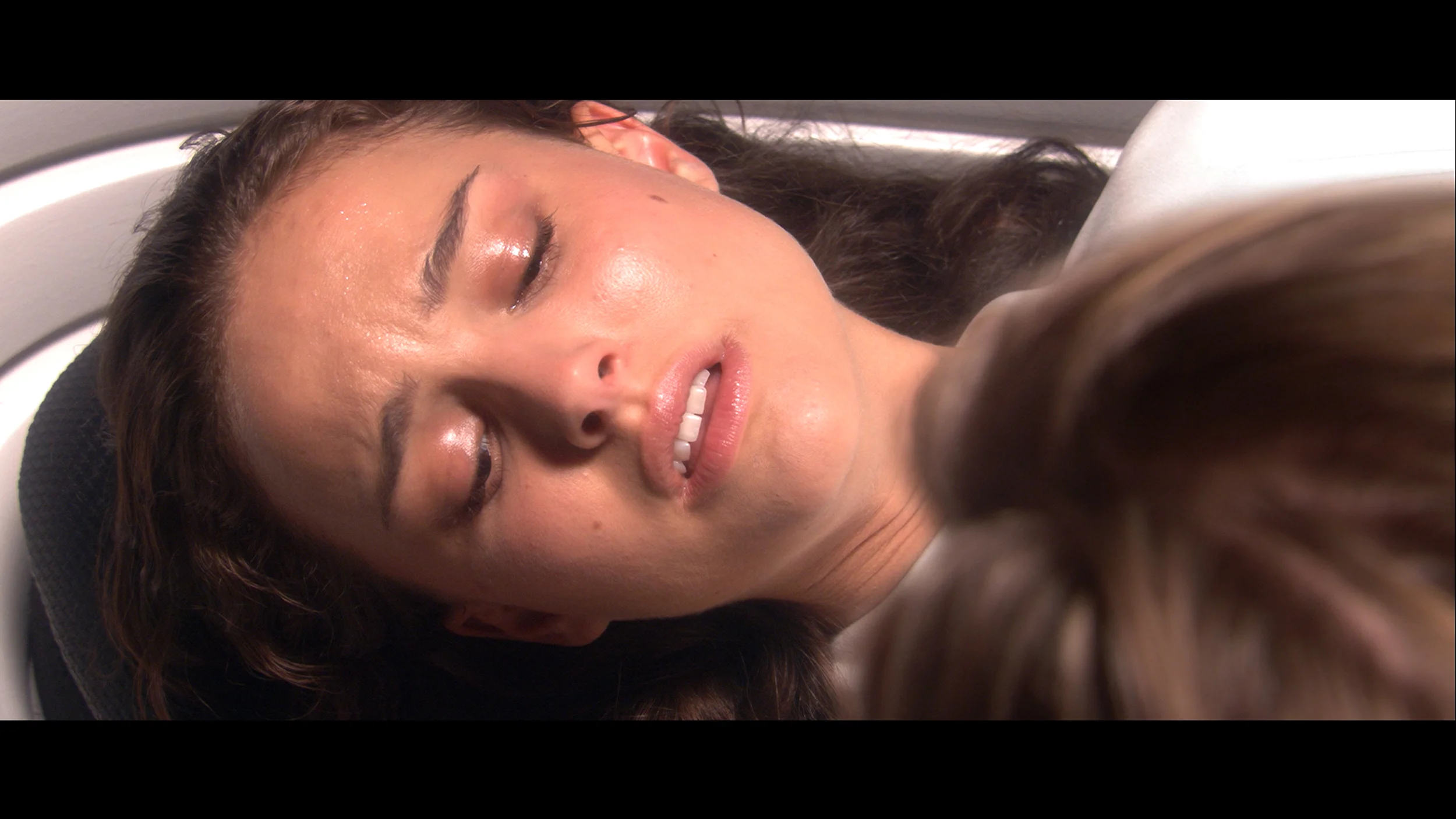
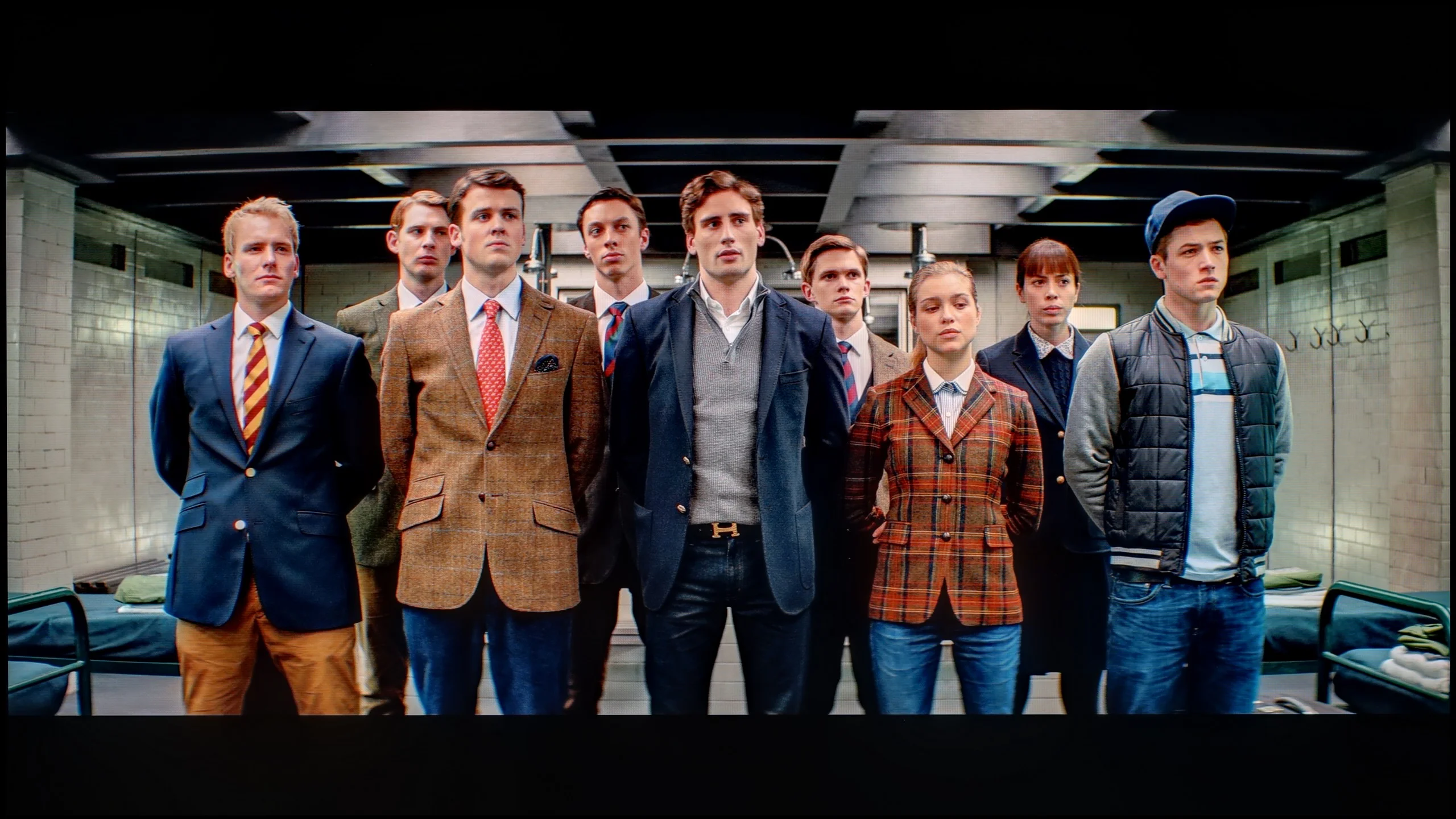
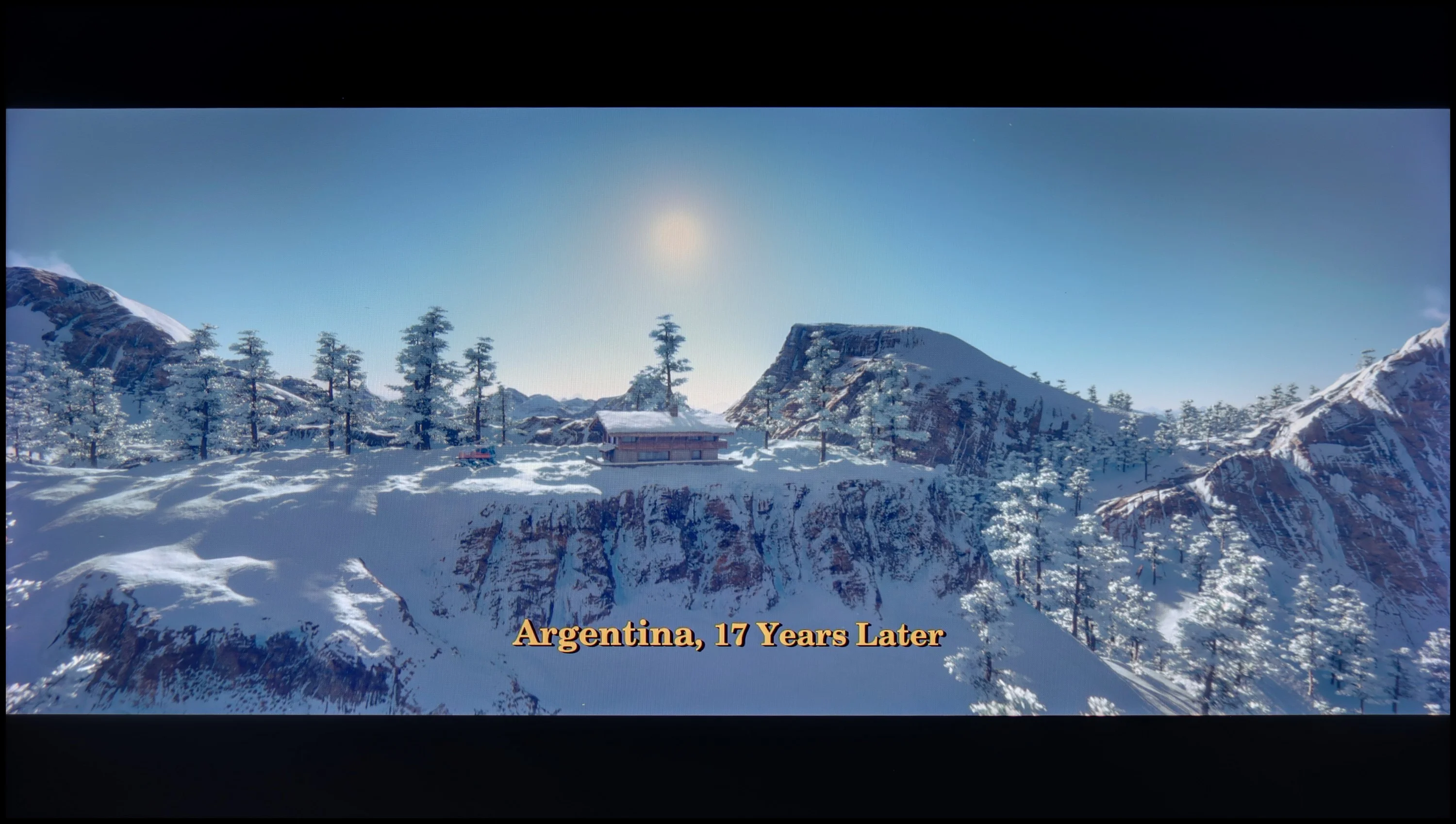
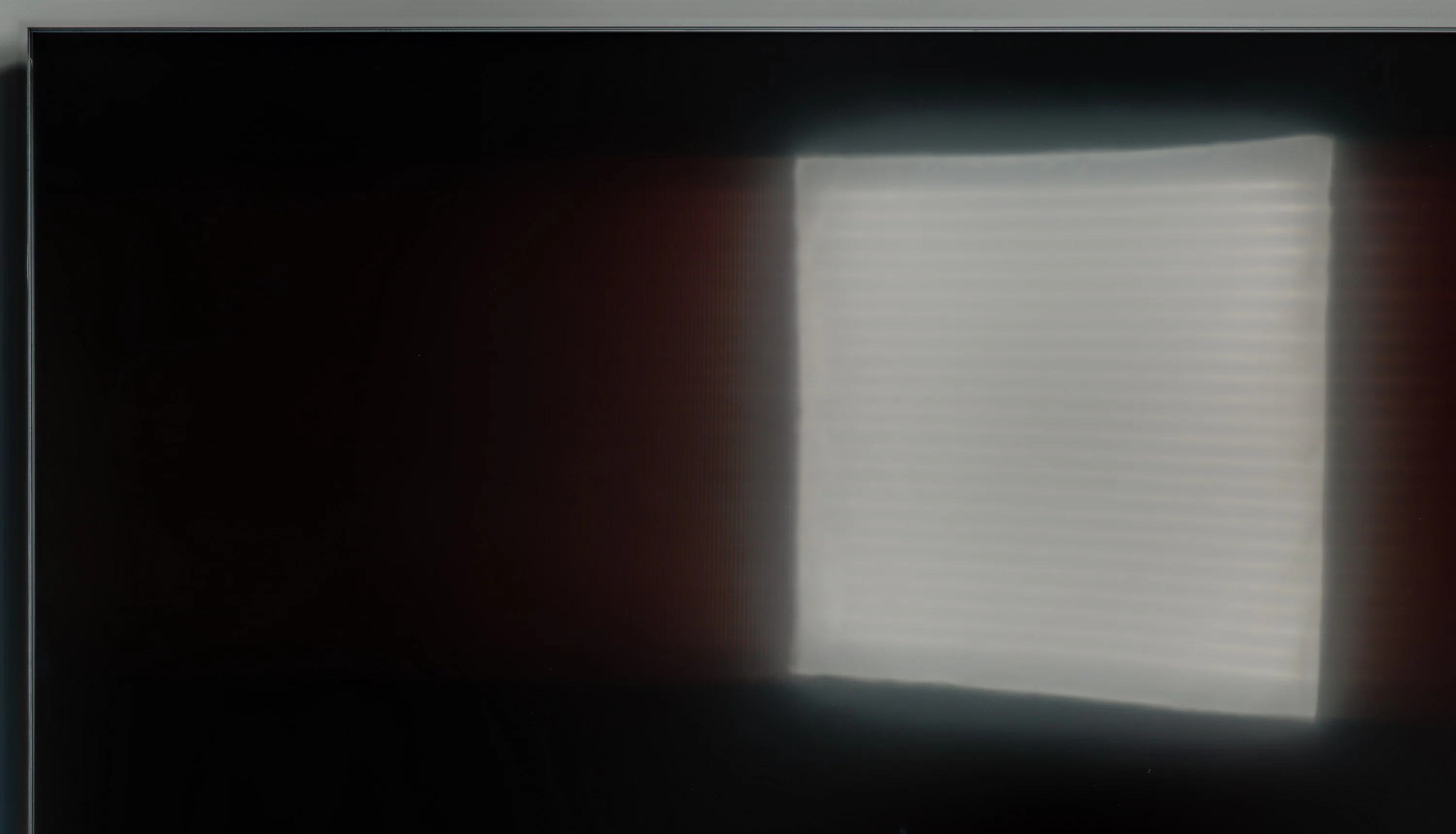
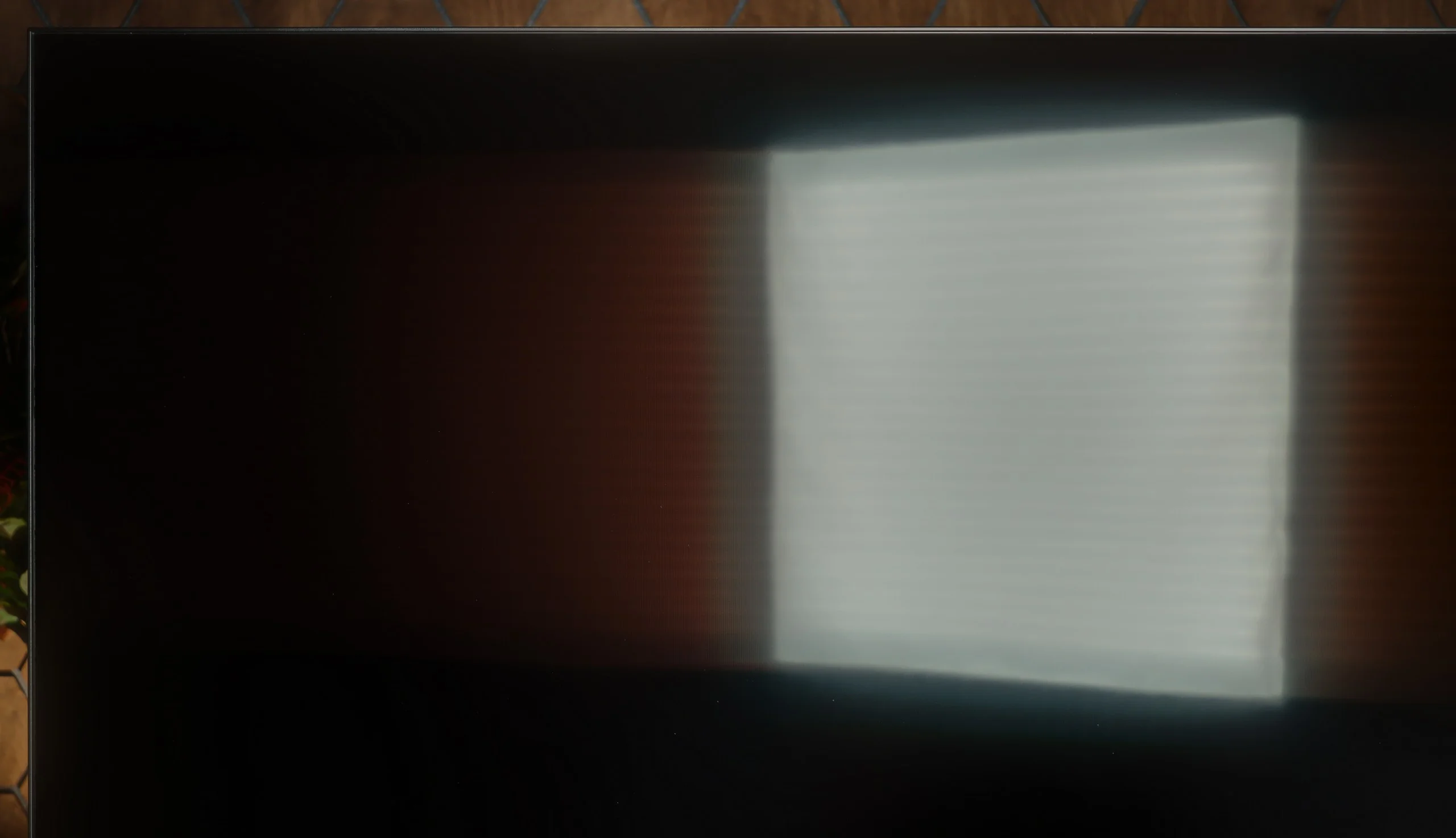
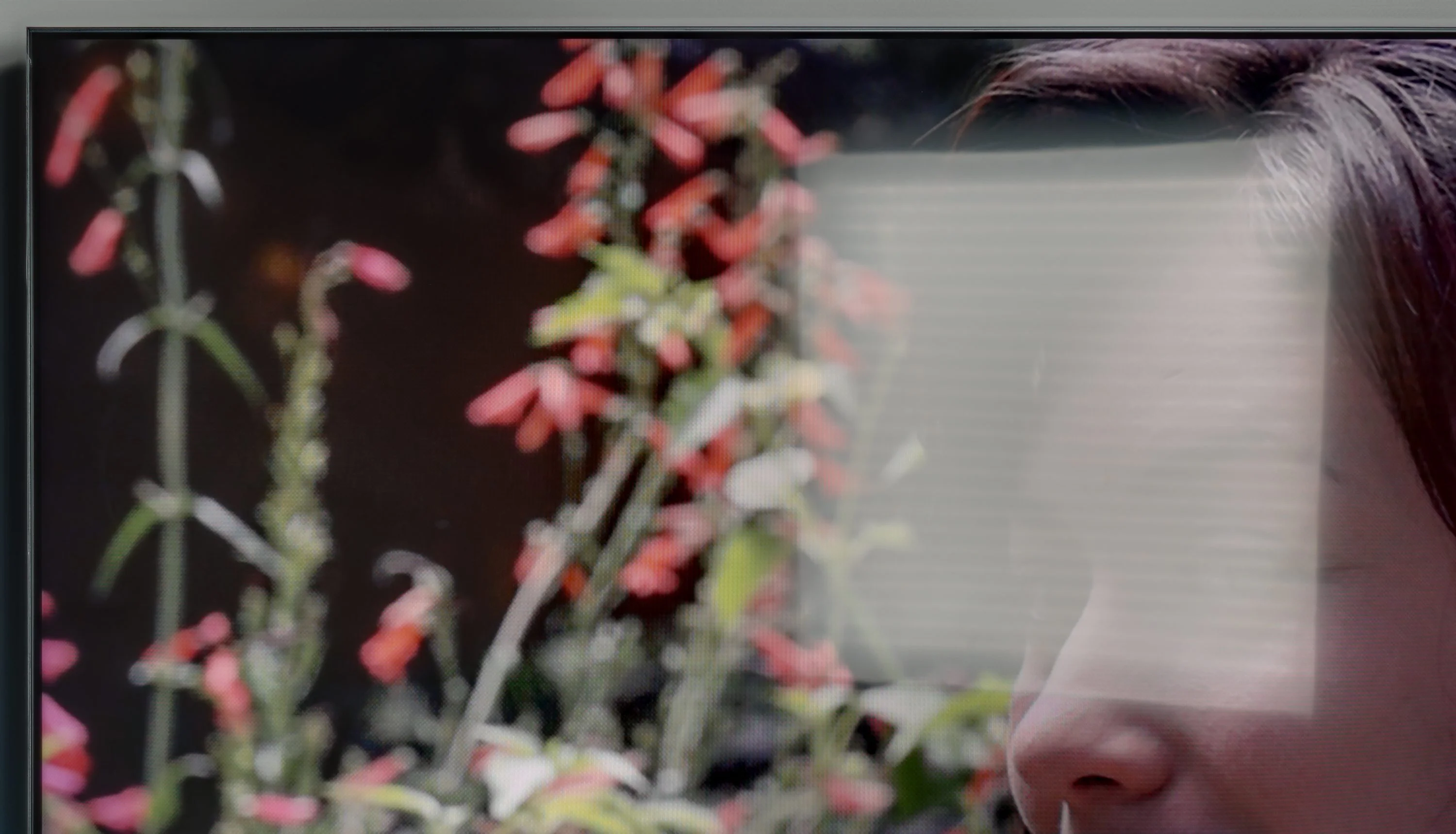
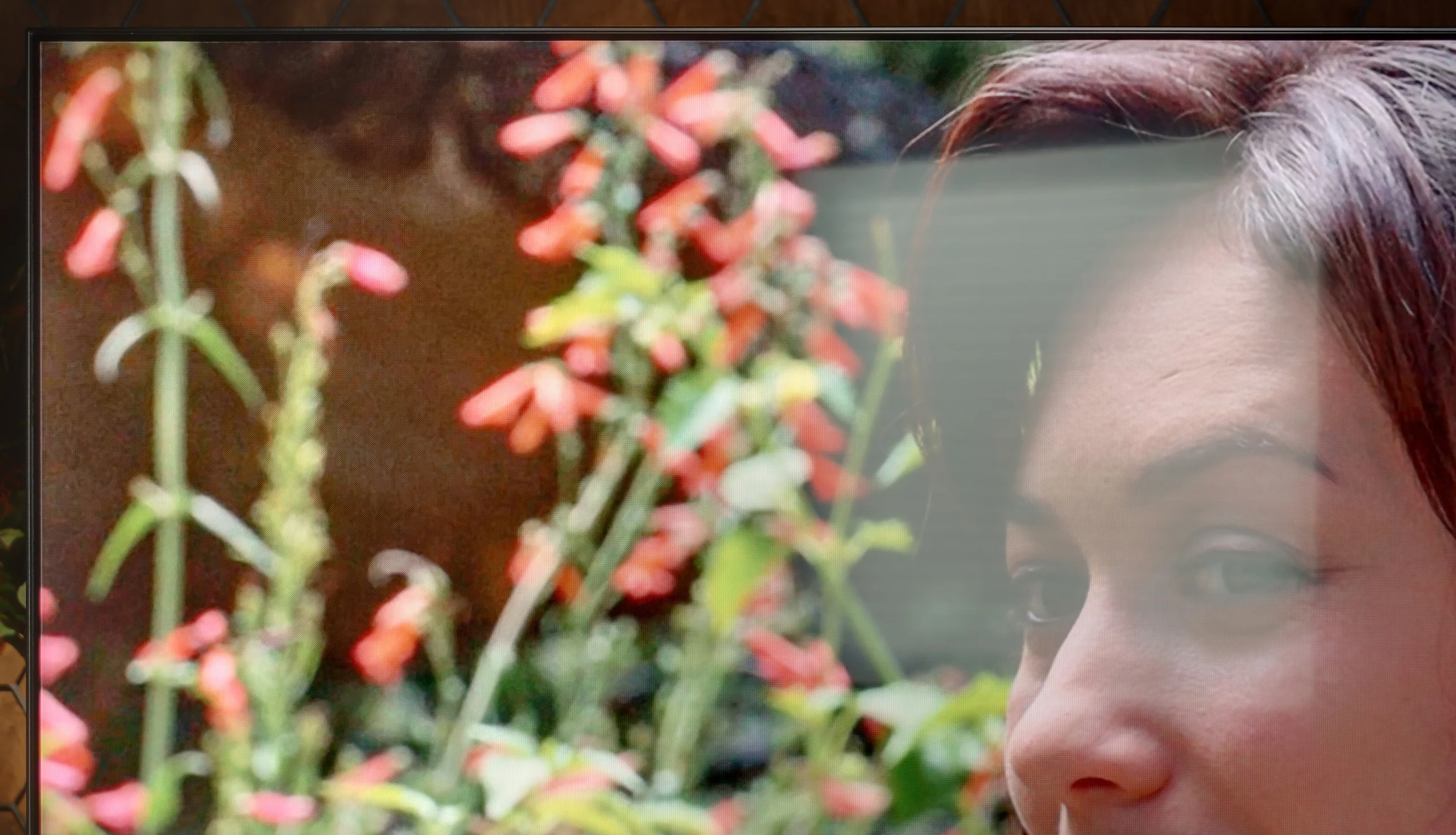
The Sharp FQ8 achieves a maximum brightness of over 450 nits, which is commendable for its price range. While this level might not be groundbreaking, it places the television among the better-performing models in its class. At this brightness, the image appears vivid and detailed, and the HDR metadata functions effectively, offering a more immersive viewing experience compared to dimmer devices.
The television supports the advanced Dolby Vision HDR format, enhancing the depth and richness of the content. It also includes Dolby Vision IQ, which adjusts the image's brightness and colours based on ambient lighting. However, the implementation of this feature on the Sharp FQ8 is suboptimal, introducing artificial brightening and noticeable distortions. For this reason, it is advisable to disable Dolby Vision IQ for the most accurate picture quality.
With quantum dot technology, the television achieves a colour gamut coverage of approximately 94%, resulting in vibrant and realistic colours. This combination of features ensures the Sharp FQ8 delivers an engaging and detailed visual experience, even with some limitations.
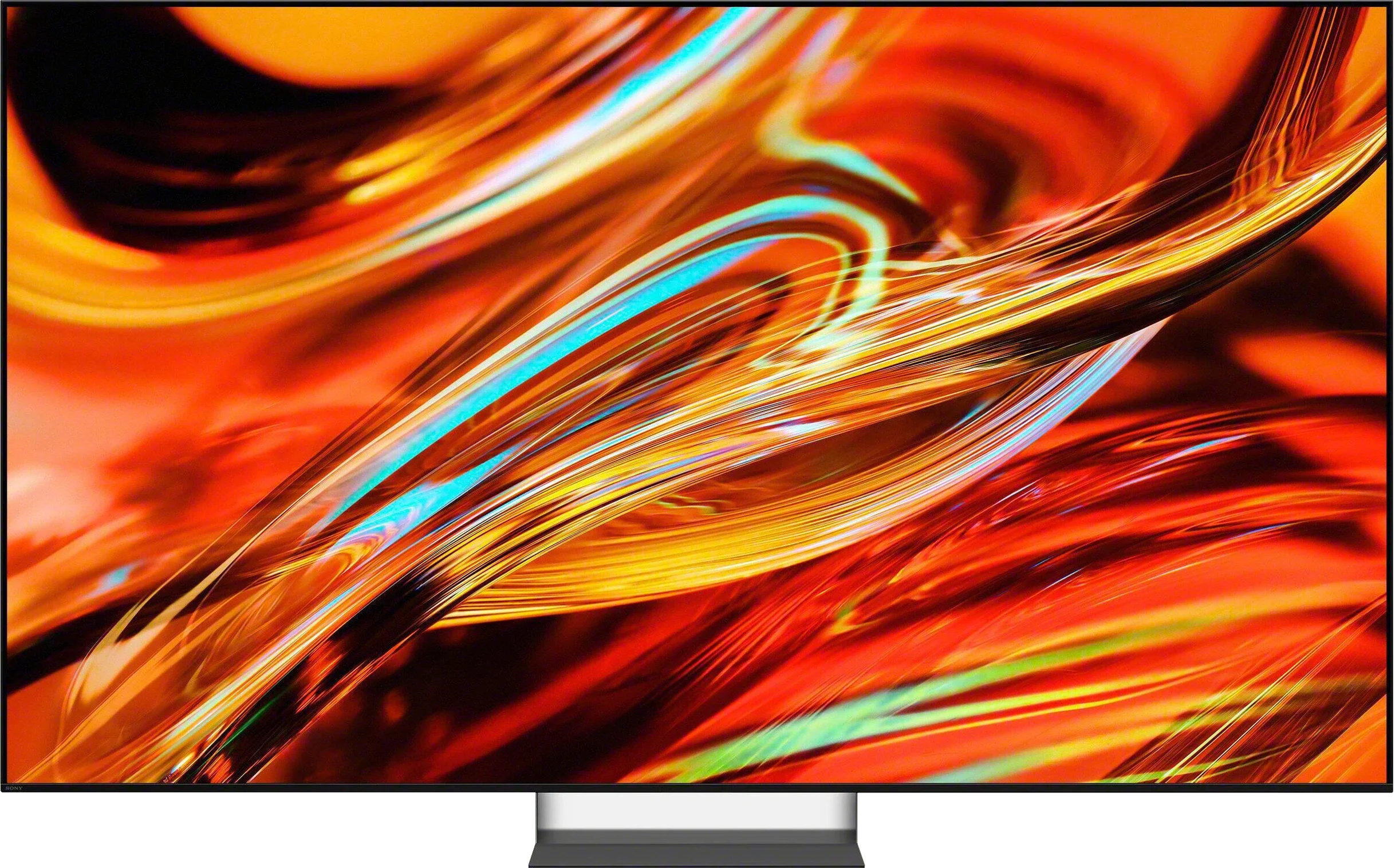
Sony Bravia 7 II handles HDR very well and, above all, is simply a bright television. In the correct viewing mode for watching, Professional, we measured about 2,000 nits of peak brightness, so the panel’s capabilities are truly large. Of course, in Mini-LED sets a test-pattern result is only part of the story, because much still depends on how the TV controls the backlight in real scenes. Here Sony’s algorithms perform really well. Depending on the scene, the brightness we measured in films ranged from about 1,100 to as much as 1,700 nits. That’s a level at which HDR has proper punch and bright highlights can be genuinely impressive. It’s not perfect in every situation. With small bright elements on a very dark background, the Bravia 7 II clearly prioritises maintaining good black levels, so their brightness can fall to around 500 nits. It still looks good, but it’s clear the TV doesn’t always manage this without compromise.
Colours
The second thing that has a huge impact on HDR is, of course, colour. And this is where True RGB was meant to deliver one of the biggest changes. Looking at the panel’s capabilities alone, the Bravia 7 II performs very well. We measured roughly 98% DCI-P3 coverage and 88% BT.2020, so the potential for showing highly saturated colours is substantial. In RGB TVs the matter is a bit more complex. When we repeated the same measurements with a film-like background applied, gamut coverage dropped to about 92% DCI-P3 and 78% BT.2020. Those are still good numbers, especially for an RGB Mini-LED TV, but they show that the final result largely depends on how the algorithms drive the three backlight colours. In most scenes the Bravia 7 II handles this well and colours retain strong saturation. The biggest differences are visible in blue shades, where samples start to deviate more noticeably from the reference values and coverage is weaker than for the other primaries. True RGB therefore offers genuinely greater potential, but, as with brightness, a lot depends on what’s actually happening on screen.
 Direct comparison