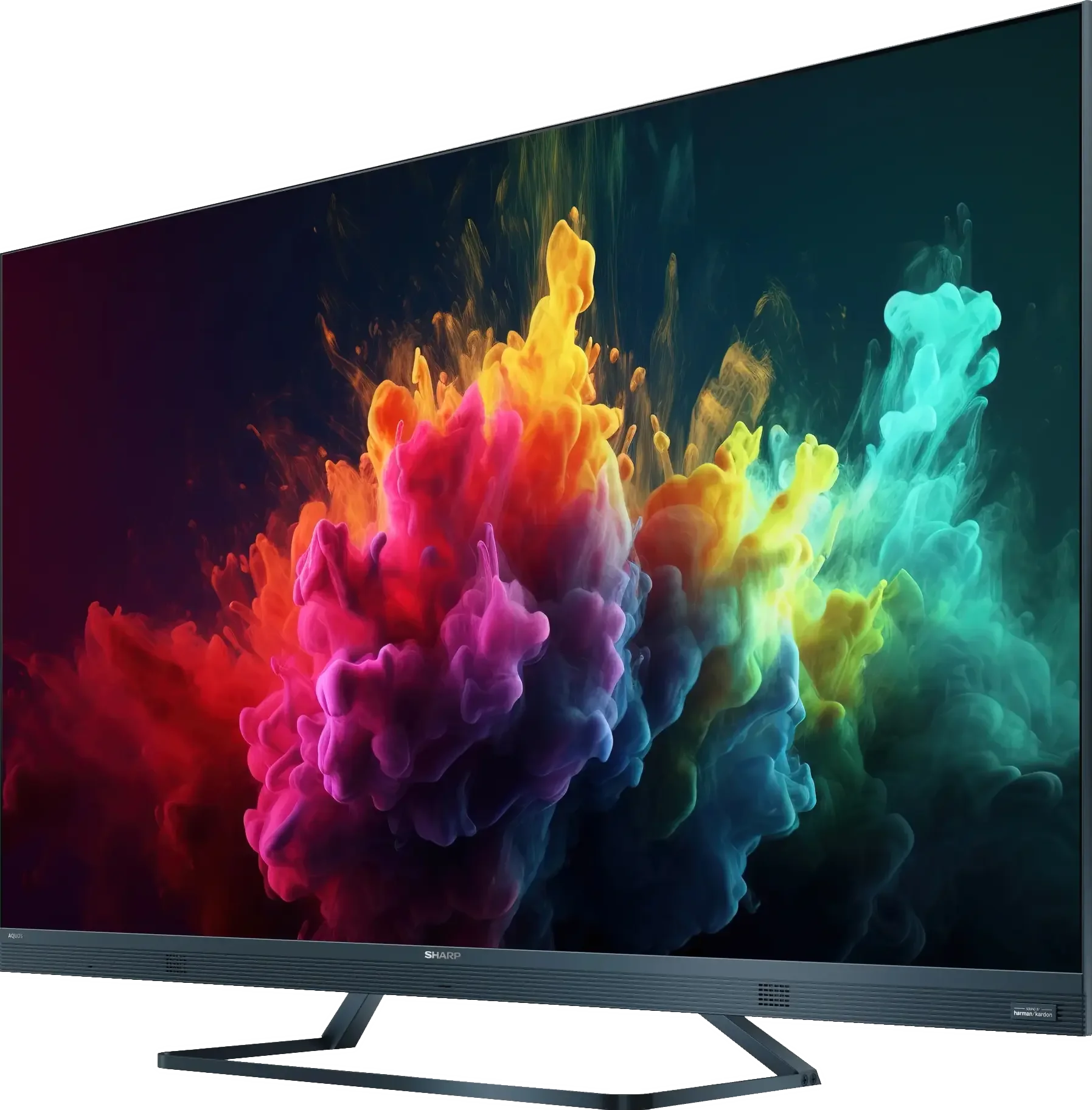
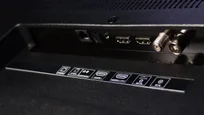
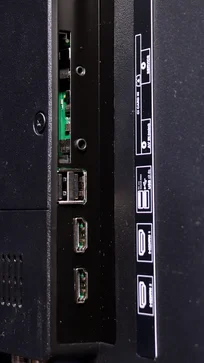
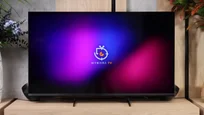
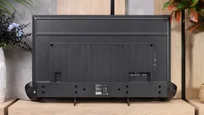
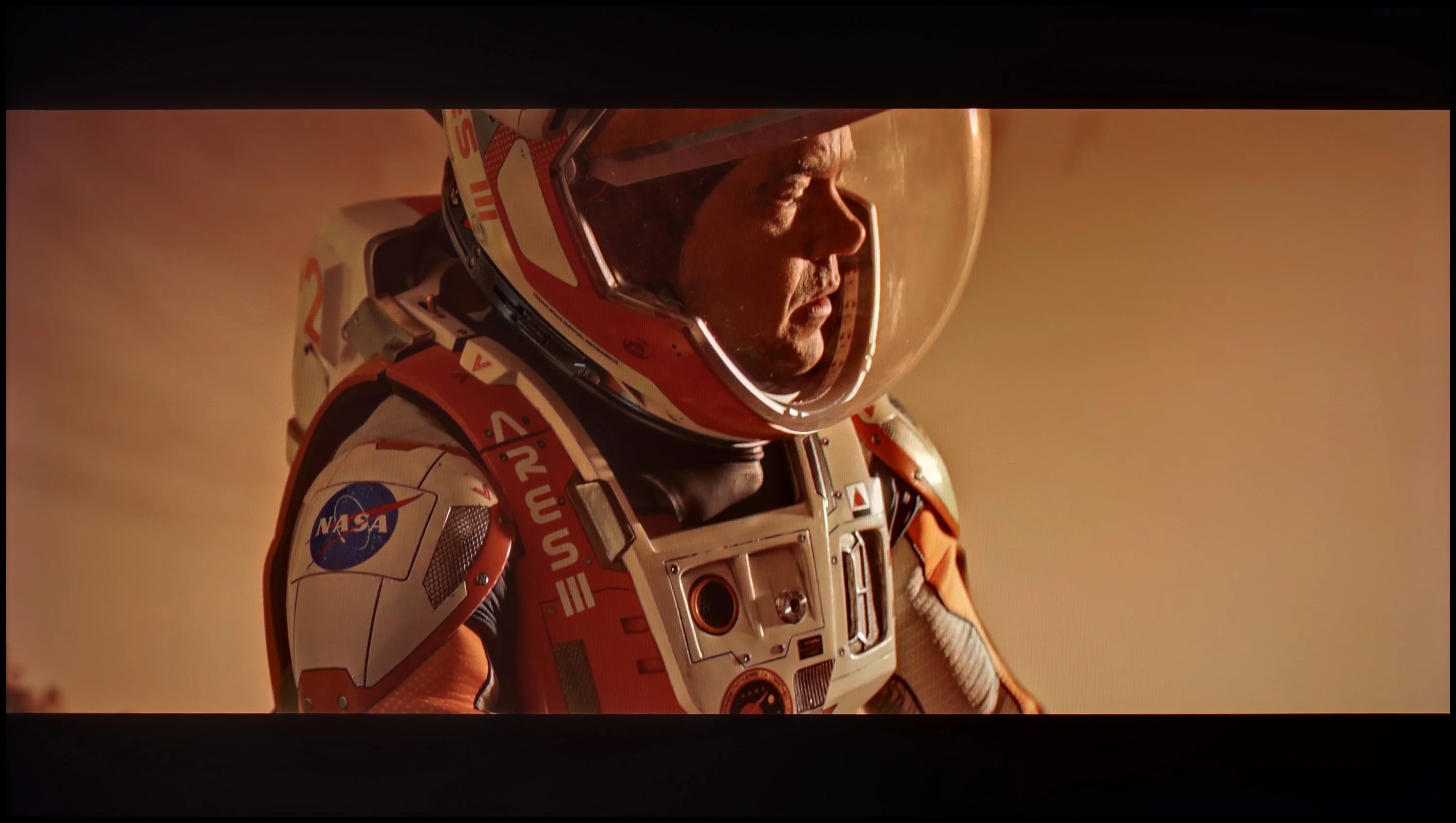
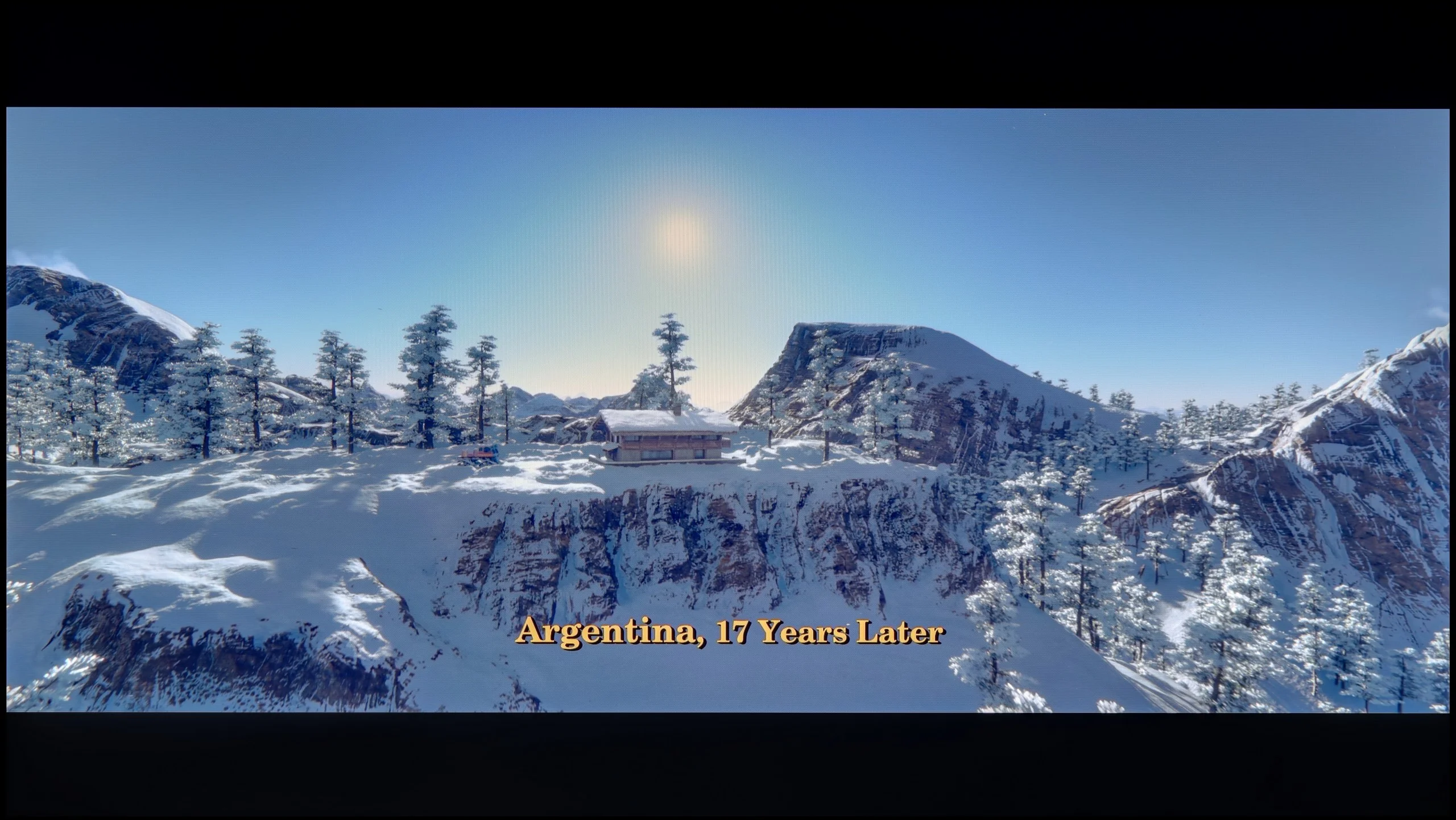
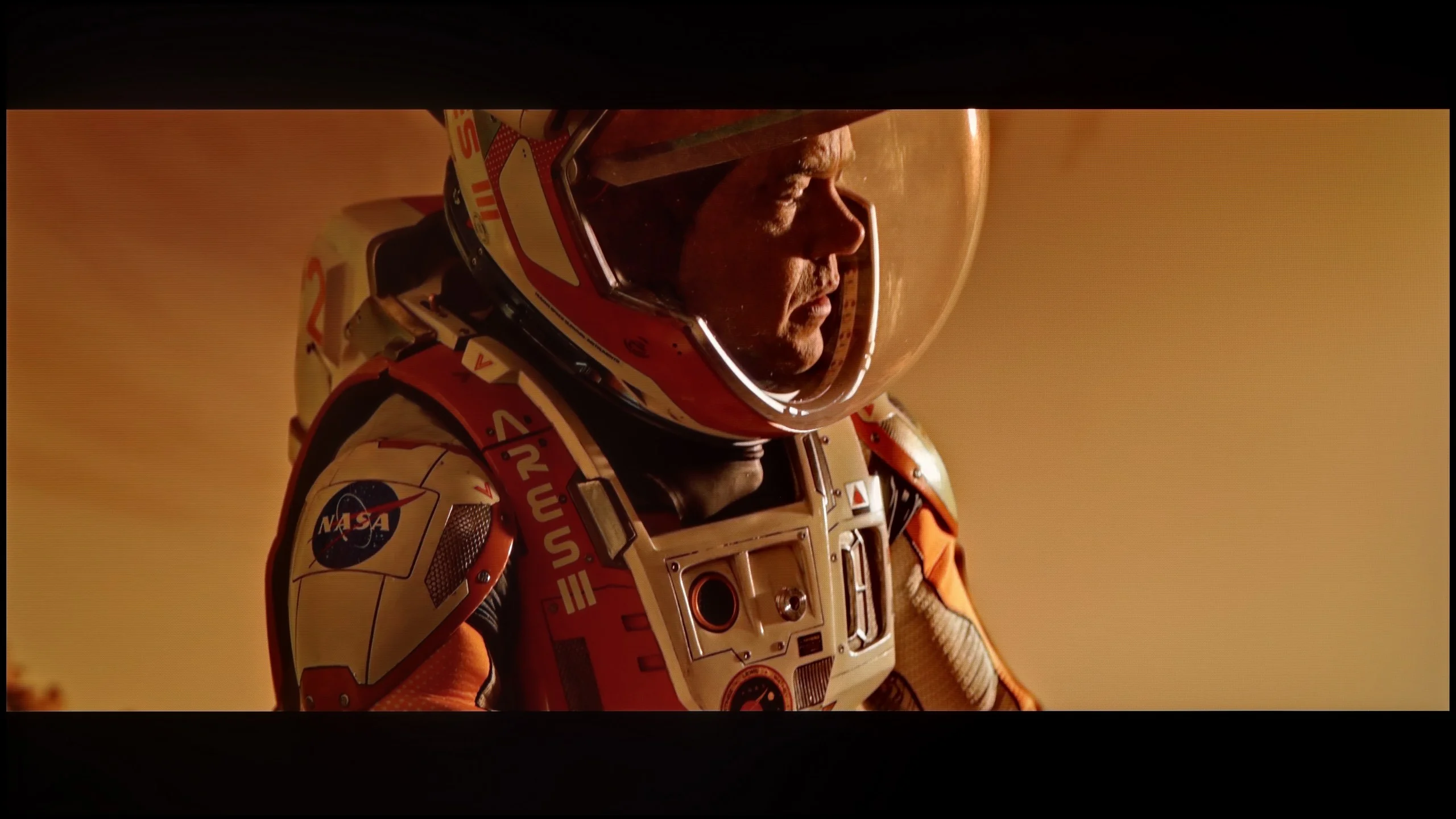
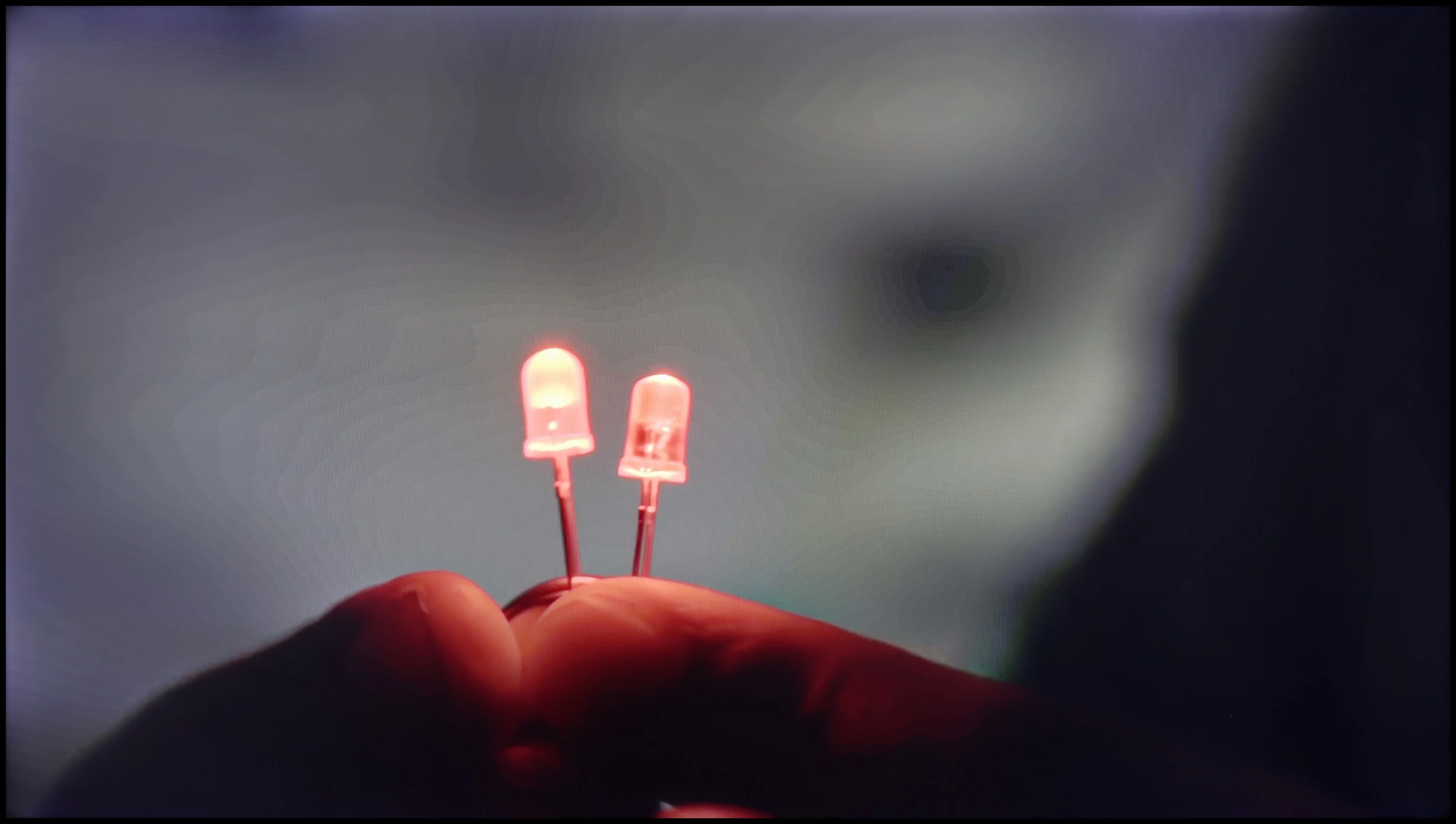
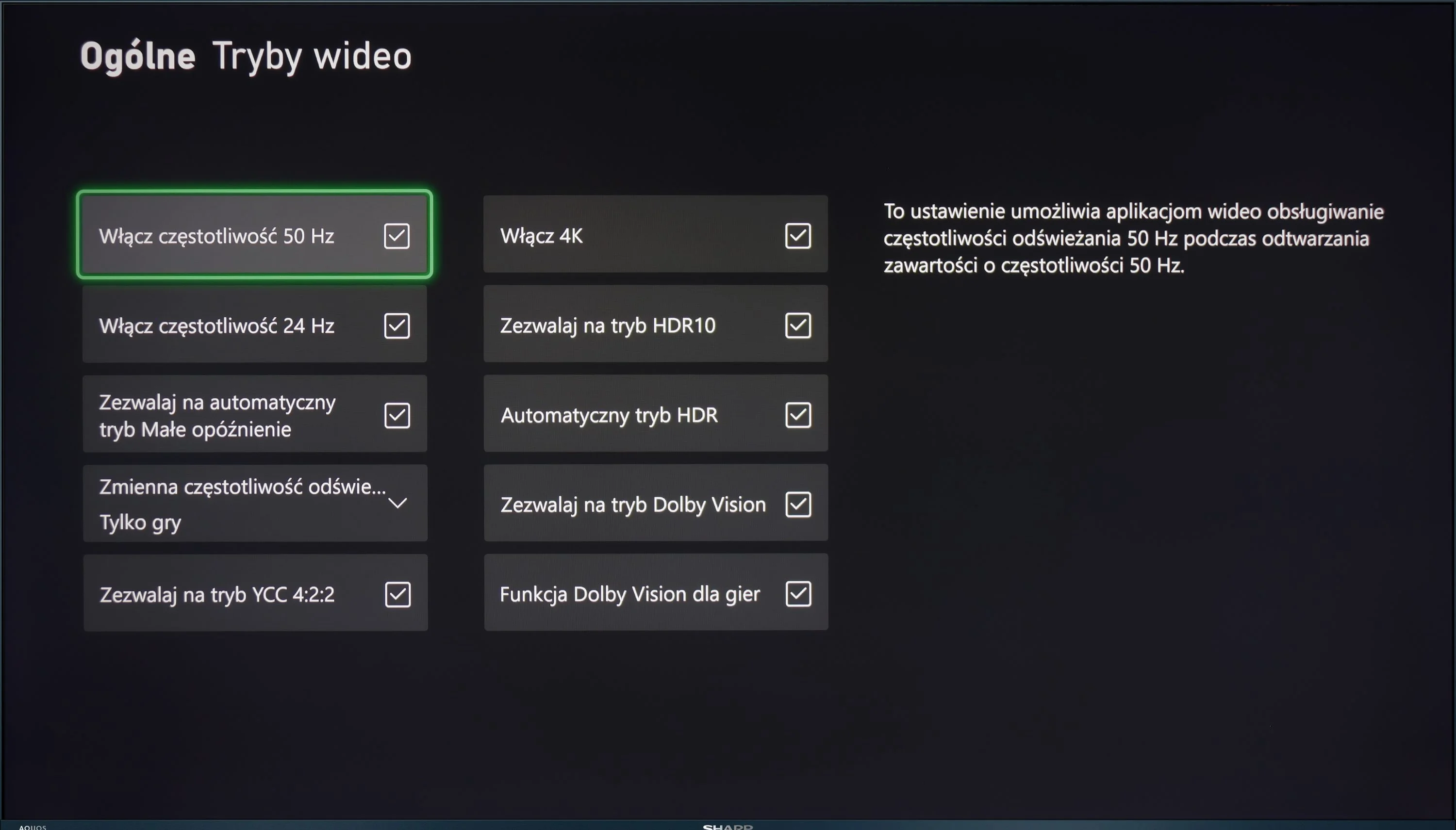
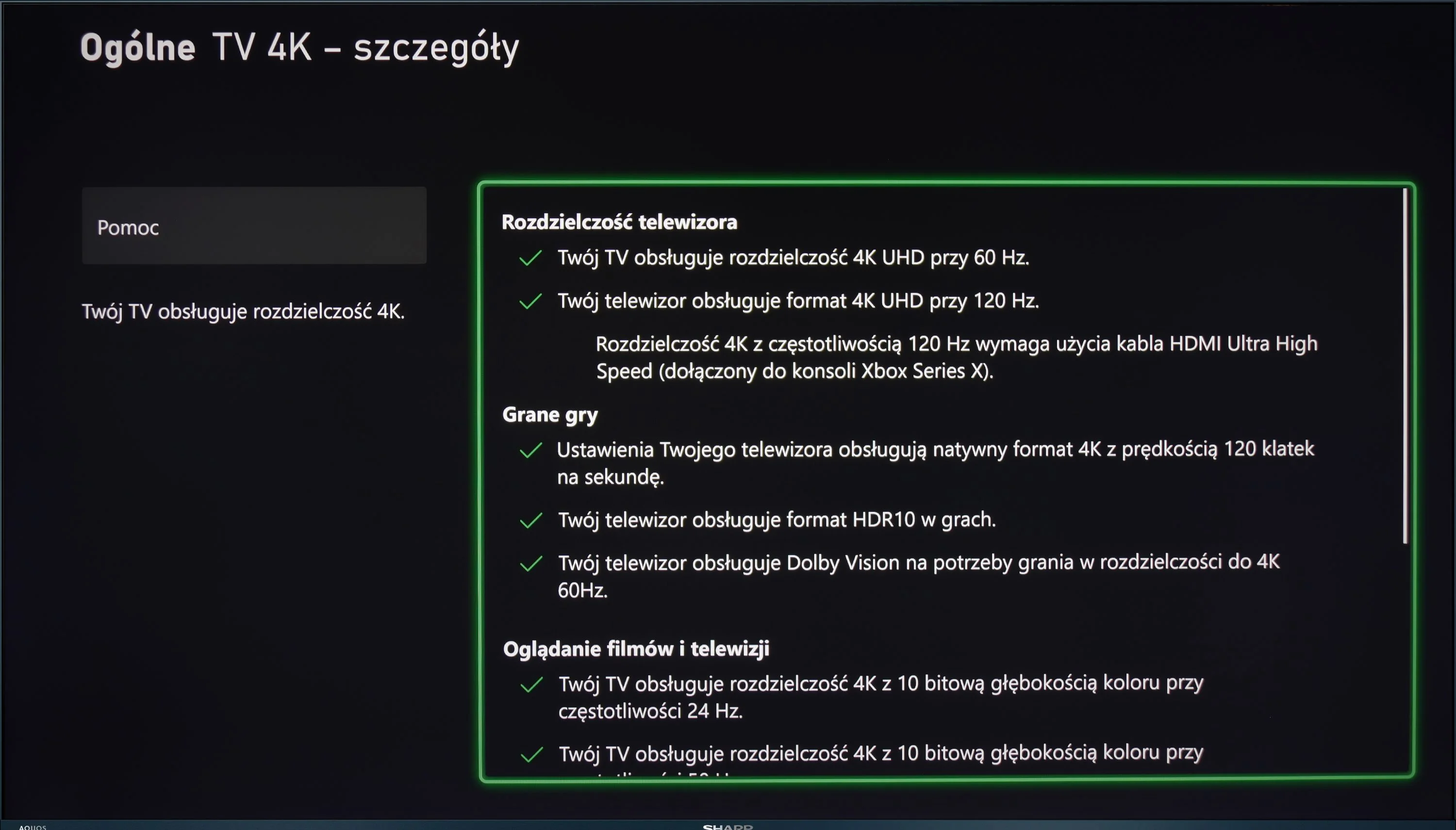
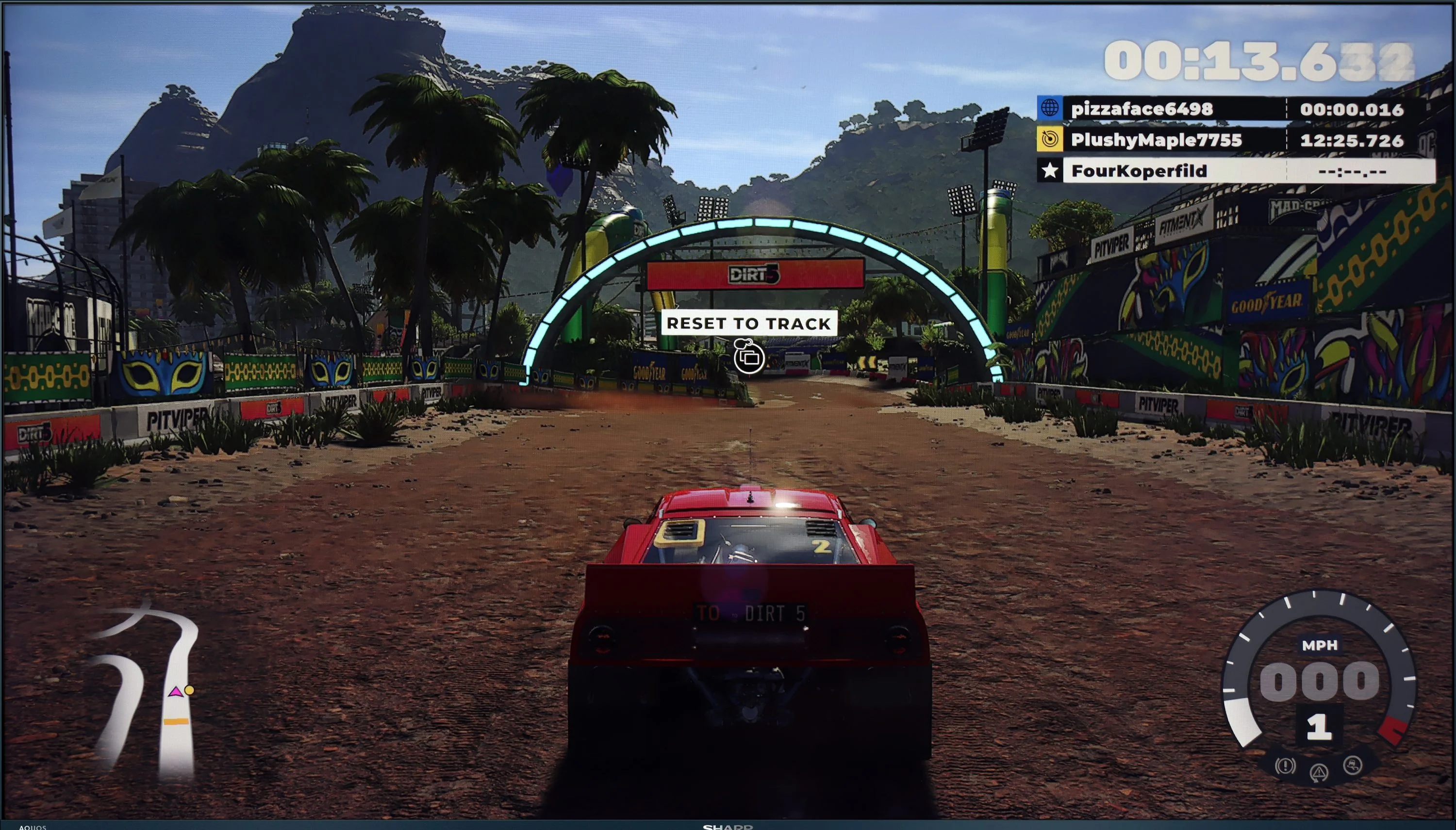
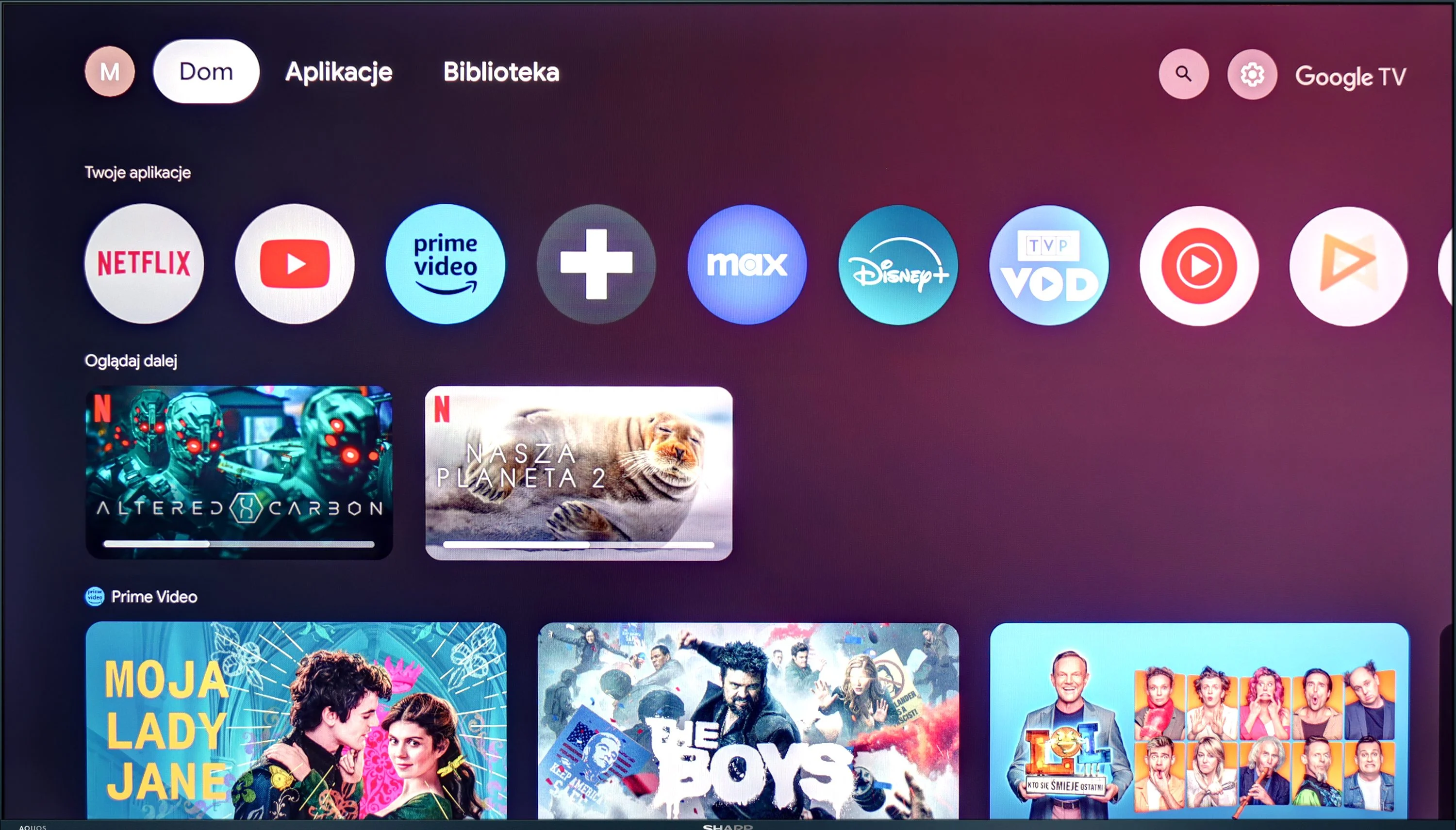
The Sharp FQ8 television offers numerous features that set it apart in its price range. It operates on the Google TV platform, granting access to a wide array of applications and intuitive navigation. A 120 Hz refresh rate panel ensures smooth image rendering, while low input lag makes it an appealing option for gamers. The high native contrast delivers deep, vivid blacks, and the television achieves a respectable brightness of 450 nits, allowing for comfortable HDR content viewing. Additionally, advanced formats like Dolby Vision are supported, and the inclusion of quantum dots (Quantum Dot/QLED) enhances the wide colour gamut coverage.
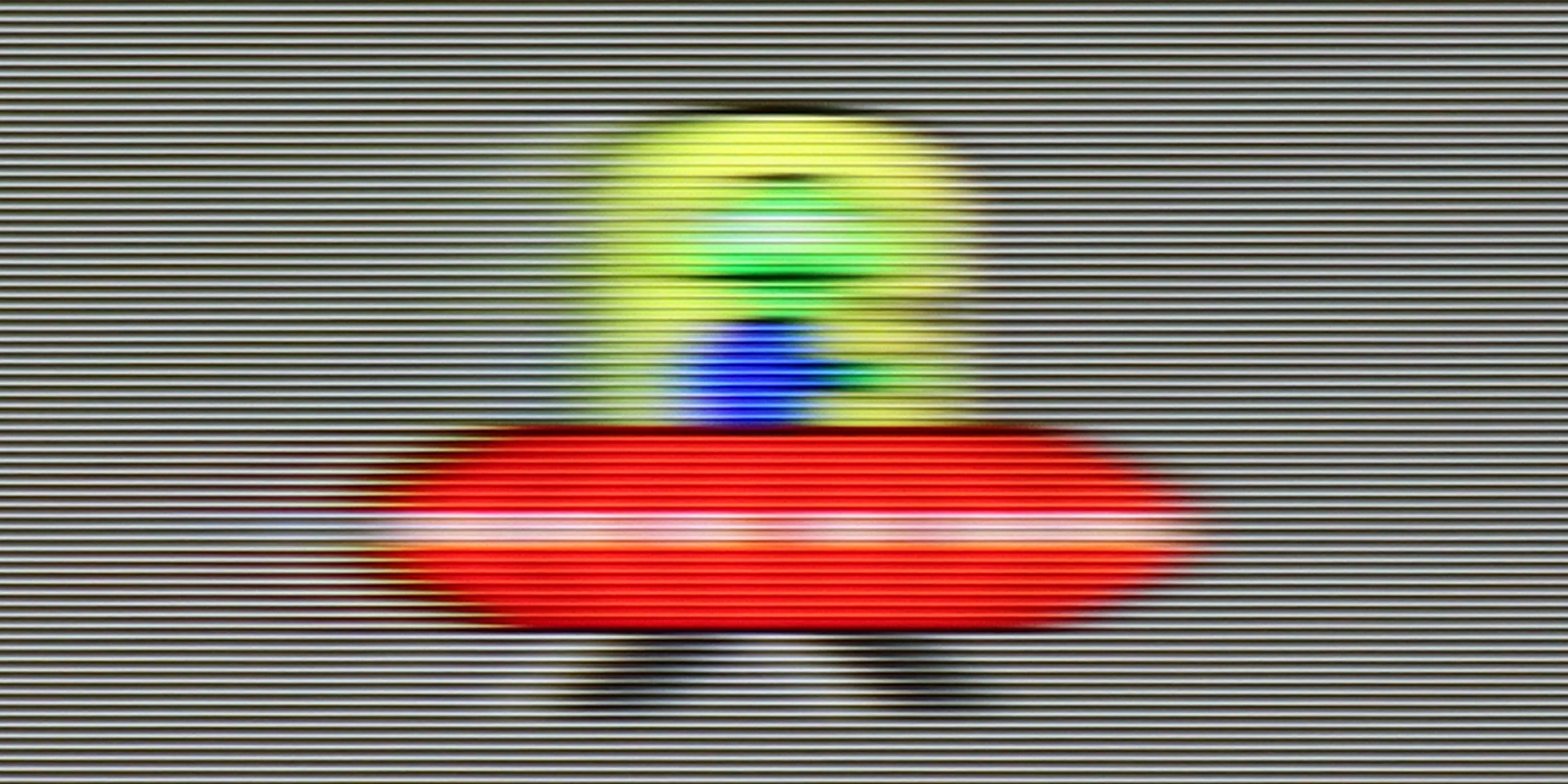
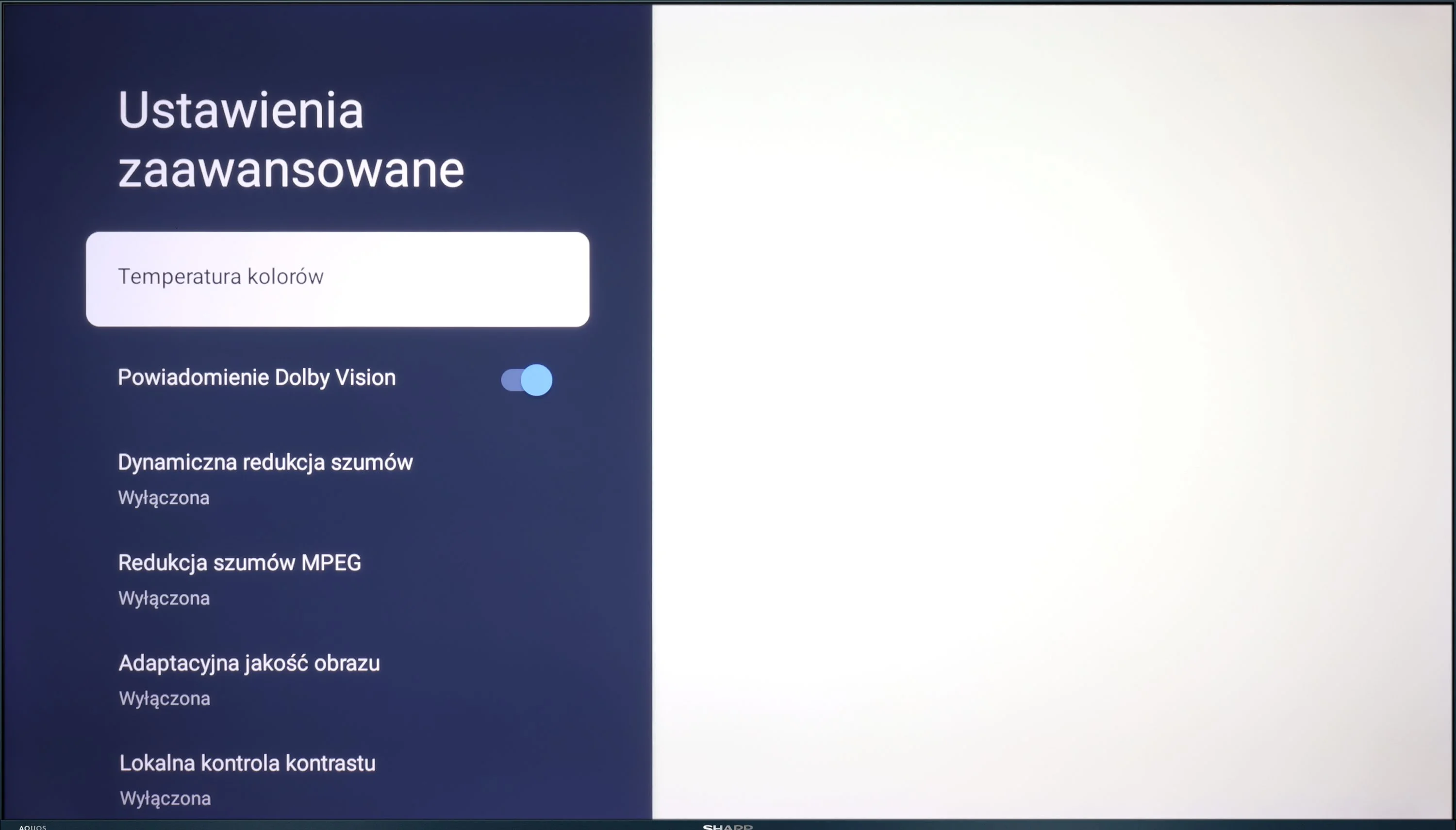
However, the Sharp FQ8 has its shortcomings. The lack of dynamic tone mapping control in HDR mode may disappoint more demanding users, and despite featuring Dolby Vision IQ, its performance is underwhelming. The panel's average response time can impact the clarity of fast-moving scenes, and limited viewing angles significantly reduce image quality when viewed from the side.
Despite these drawbacks, the Sharp FQ8 stands out as a solid choice, offering a good balance of quality, image fluidity, and an enjoyable audio system, all at a competitive price. While not flawless, it should meet the needs of most users seeking an affordable television with a 120 Hz panel.
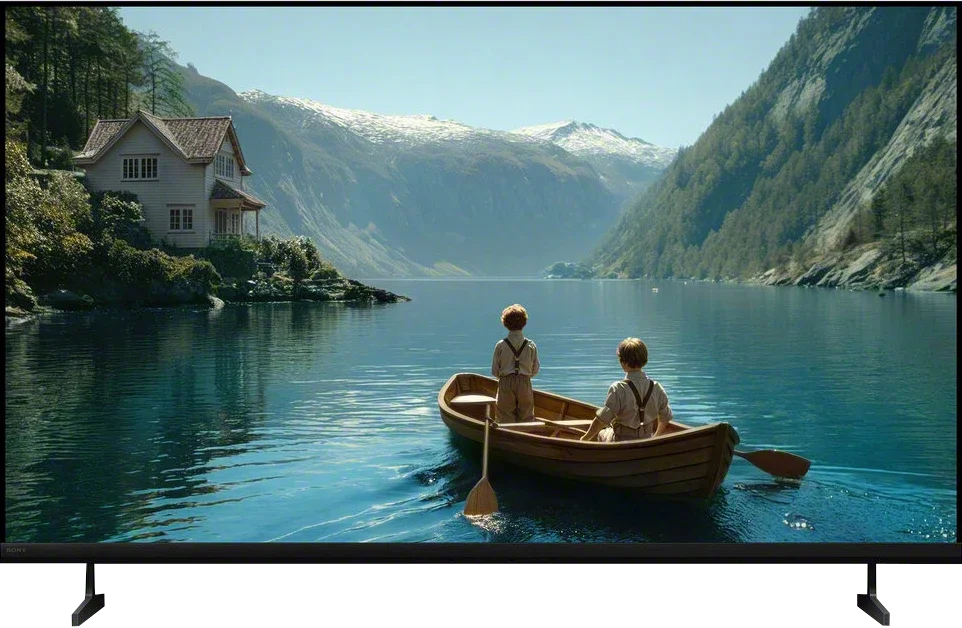
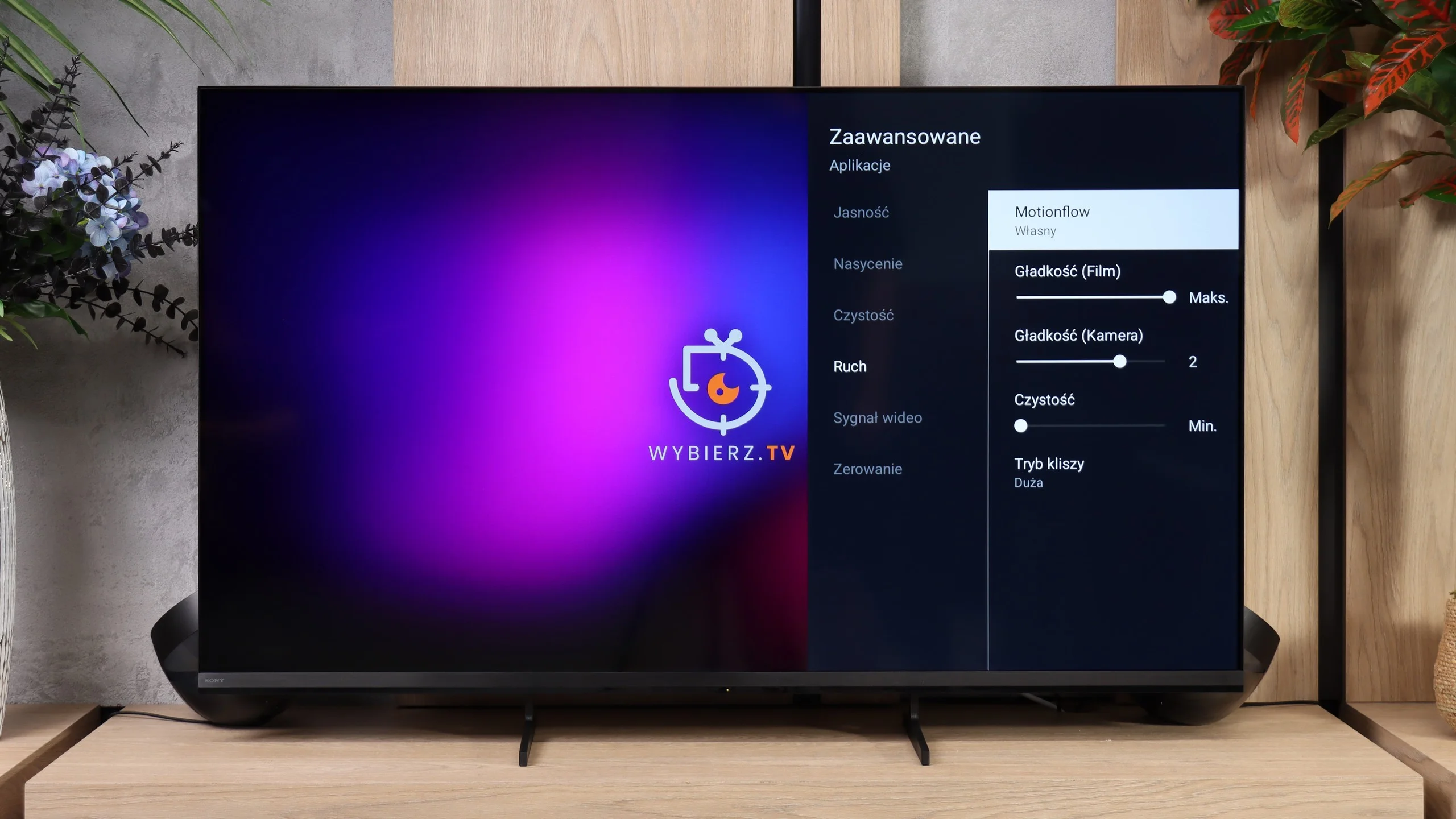
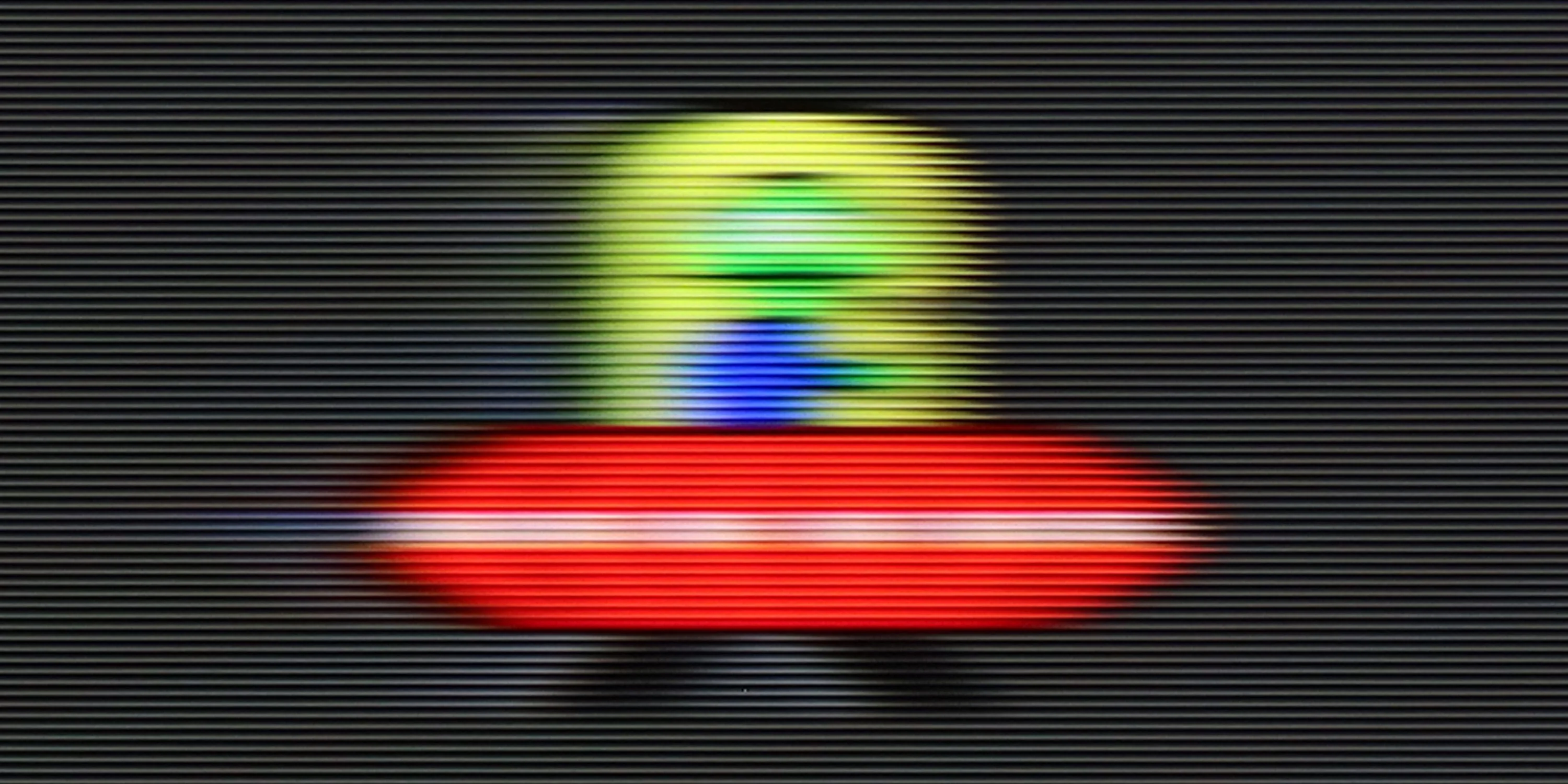
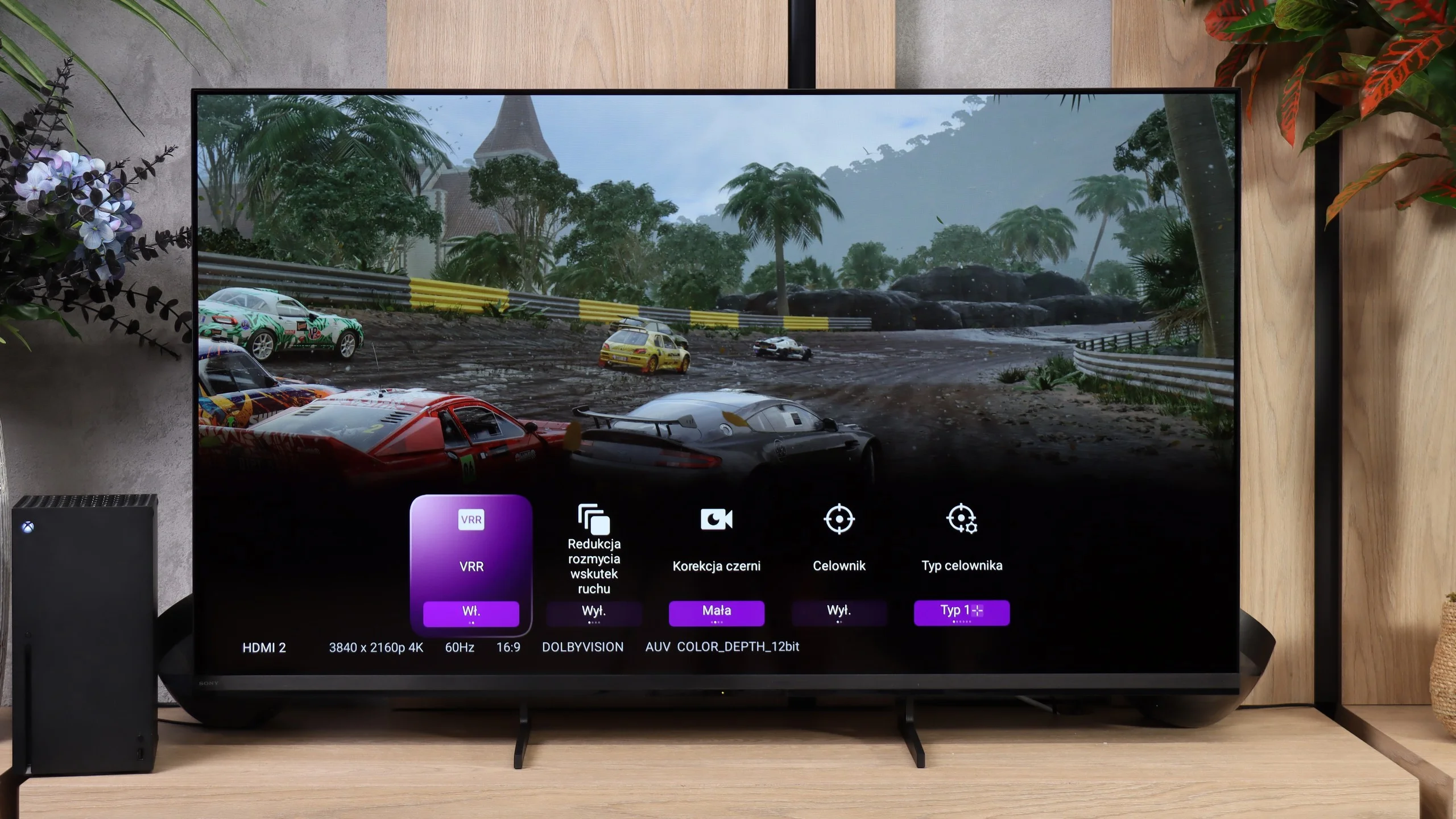
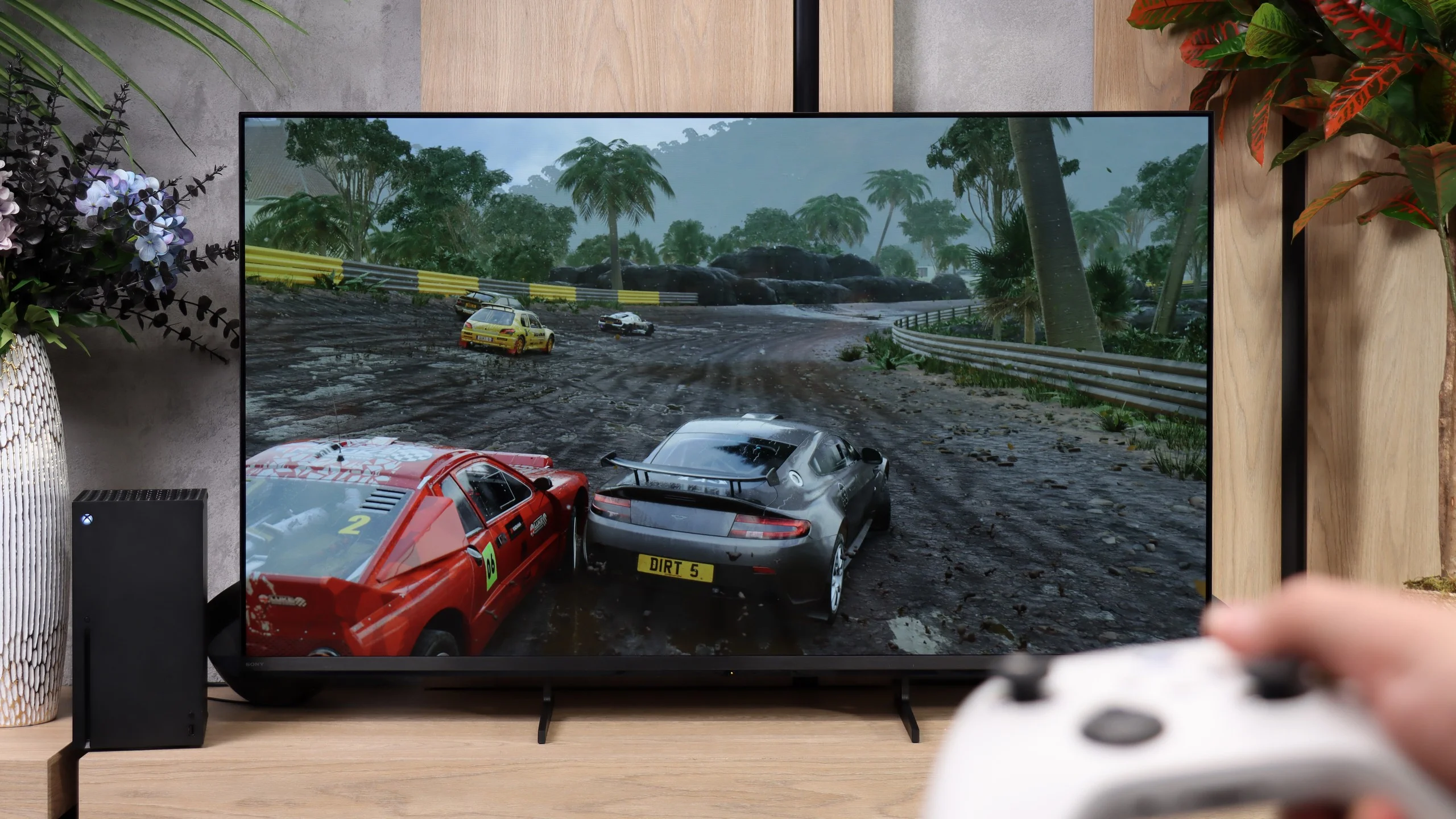
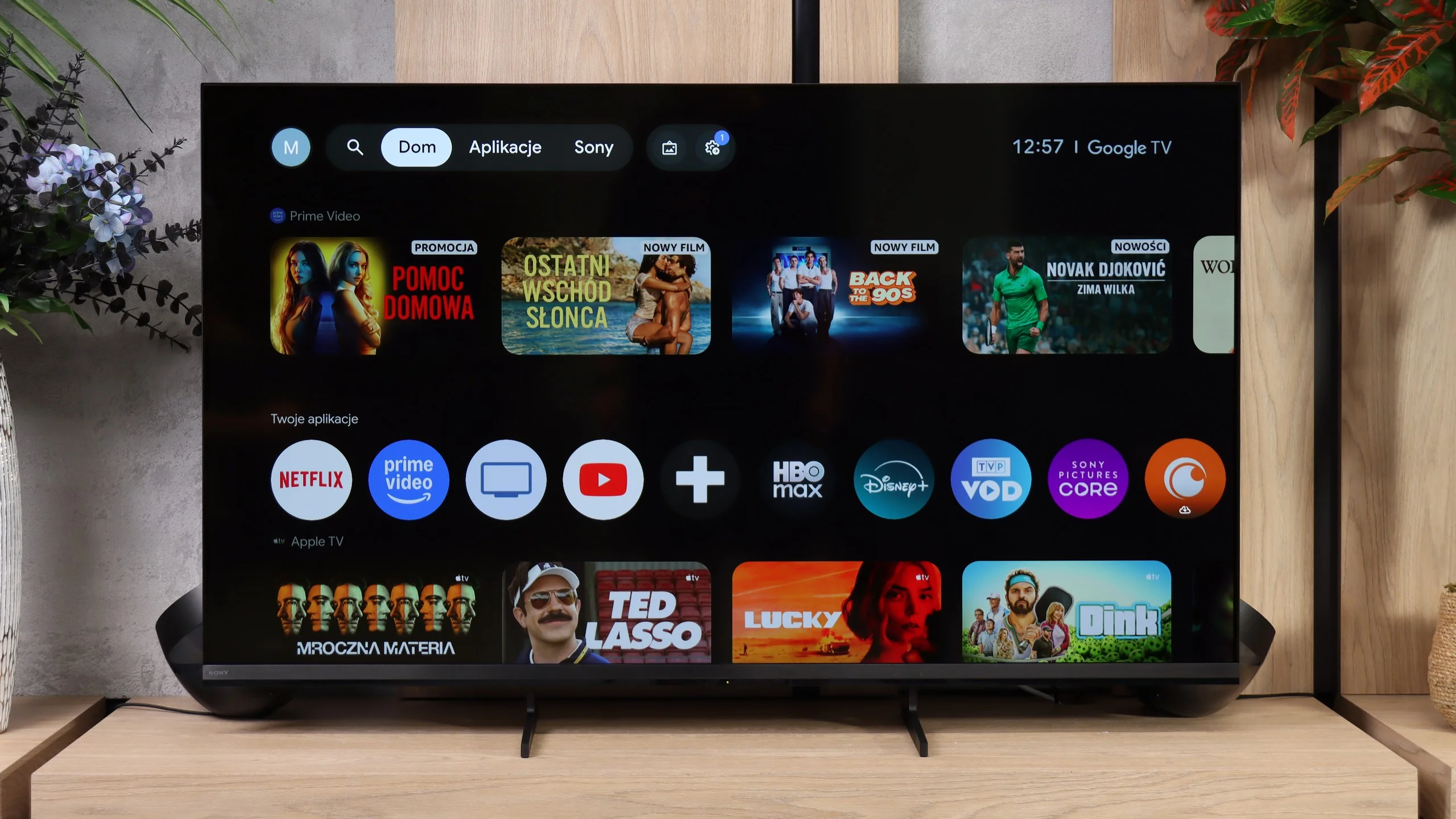
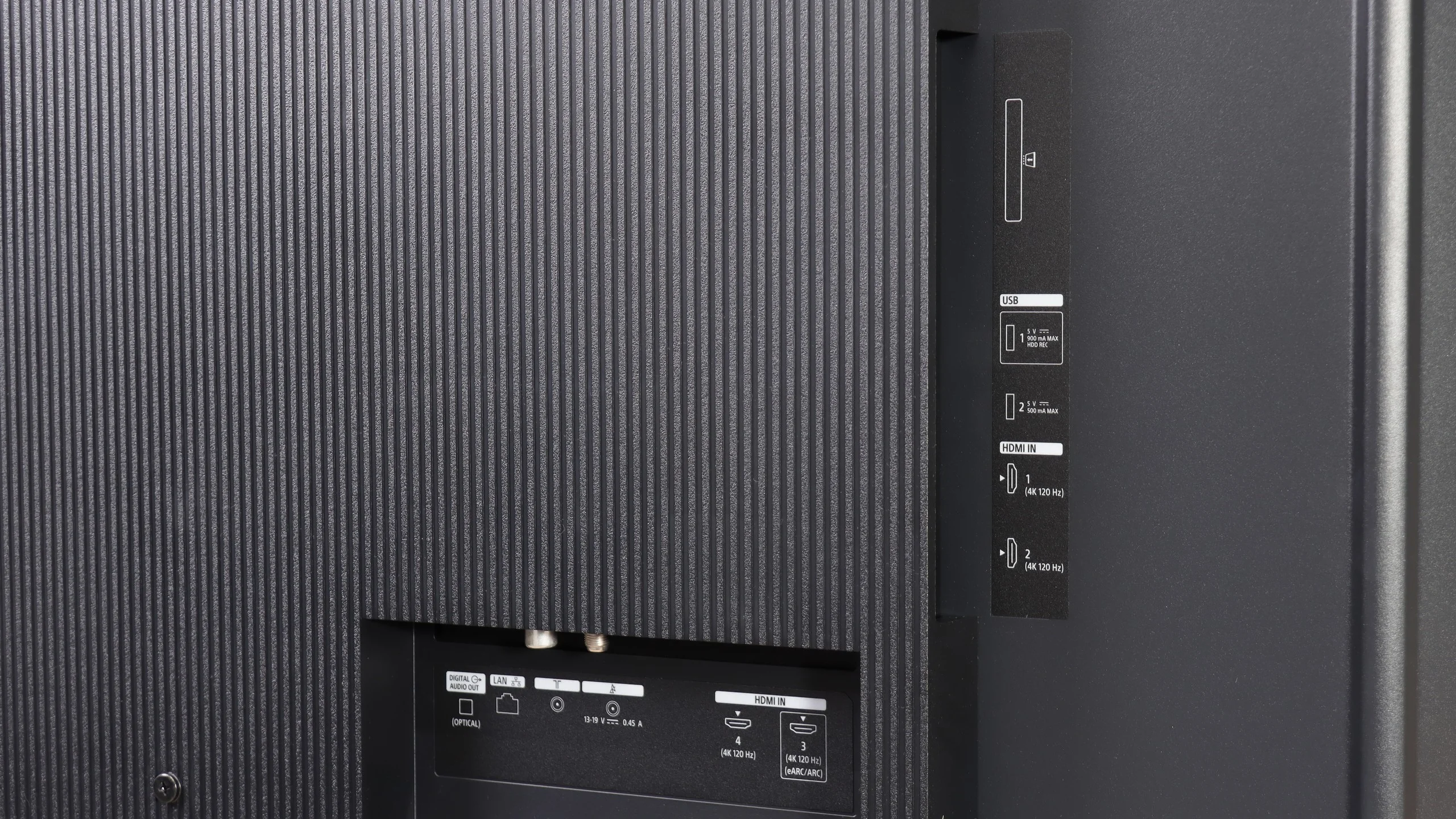
The Sony Bravia 3 II is a TV where you can quickly see what the manufacturer had in mind for this model. It’s meant above all to be a sensible Bravia for gaming, and in that respect the changes are quite significant. Sony has finally fixed one of the biggest headaches of its TVs, namely having only two full HDMI 2.1 ports. This one has four, and that alone makes the Bravia 3 II a much more convenient choice for anyone who wants to connect a lot of gaming gear. Fortunately it’s not limited to gaming. The 120 Hz panel performs very well for motion, motion blur is minimal, and the motion-enhancing systems work surprisingly effectively, at times even better than on Sony’s top sets. That makes sport another use case where the Bravia 3 II feels right at home. Add Google TV with its full suite of apps and features, and in terms of everyday use it’s just the Sony we’ve known for years.
The biggest problem with this model, however, isn’t the TV itself but its current price. The Bravia 3 II is today dangerously close in price to the Bravia 5, and when the extra cost for the higher model is just a few percent, choosing the lower series starts to make less sense. The Bravia 5 already offers a full Mini-LED backlight with local dimming, which is exactly what the Bravia 3 II most lacks for evening viewing and HDR. That’s why we look at this model mainly through the lens of price. The Bravia 3 II itself is a very successful lower-mid-range TV and, at the right price, could easily be one of the more interesting choices for a gamer or sports fan. However, if the gap to the Bravia 5 remains small, it will be hard to recommend it wholeheartedly.
 Direct comparison