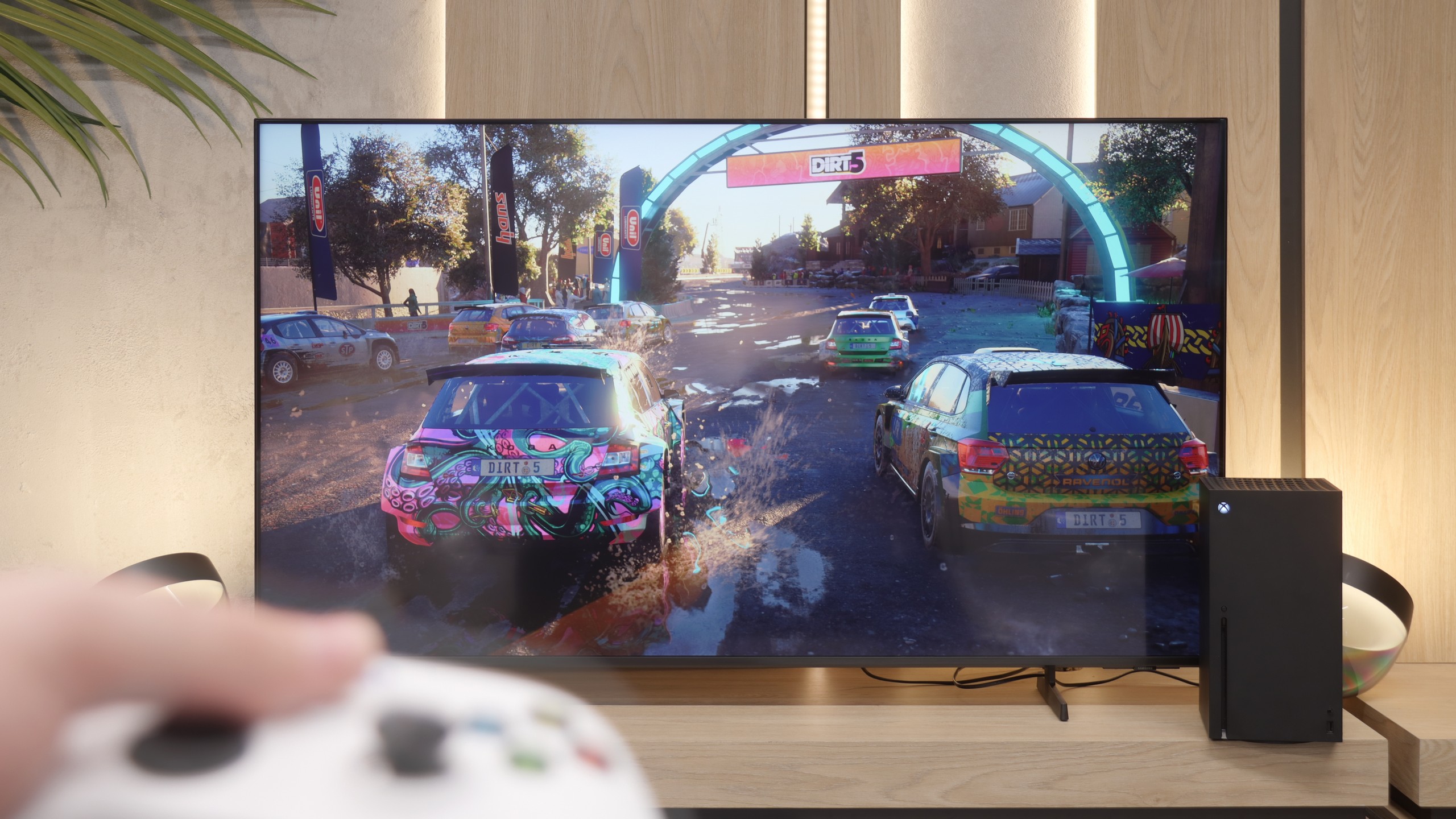
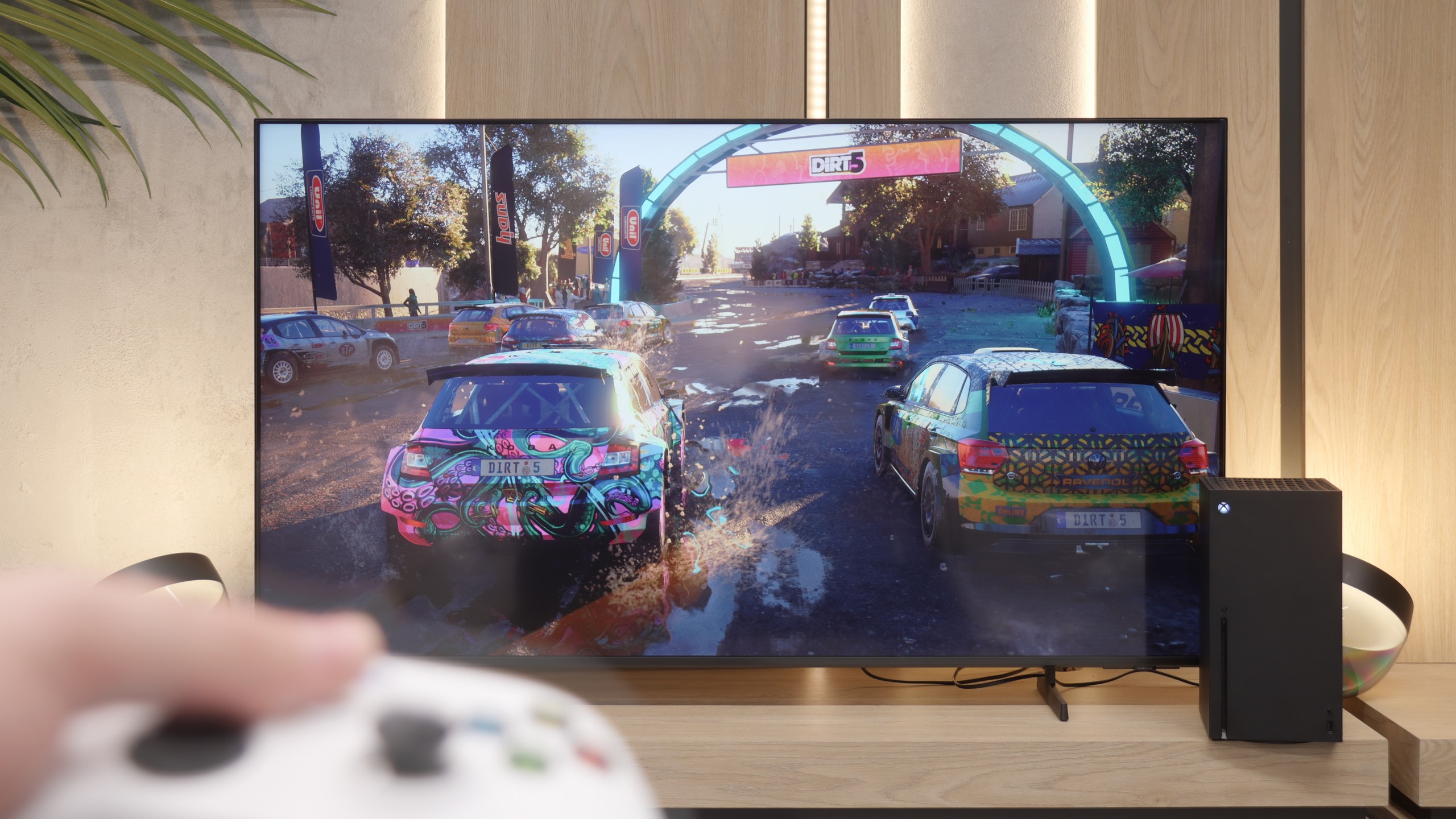
The Sharp FQ8 television offers numerous features that set it apart in its price range. It operates on the Google TV platform, granting access to a wide array of applications and intuitive navigation. A 120 Hz refresh rate panel ensures smooth image rendering, while low input lag makes it an appealing option for gamers. The high native contrast delivers deep, vivid blacks, and the television achieves a respectable brightness of 450 nits, allowing for comfortable HDR content viewing. Additionally, advanced formats like Dolby Vision are supported, and the inclusion of quantum dots (Quantum Dot/QLED) enhances the wide colour gamut coverage.
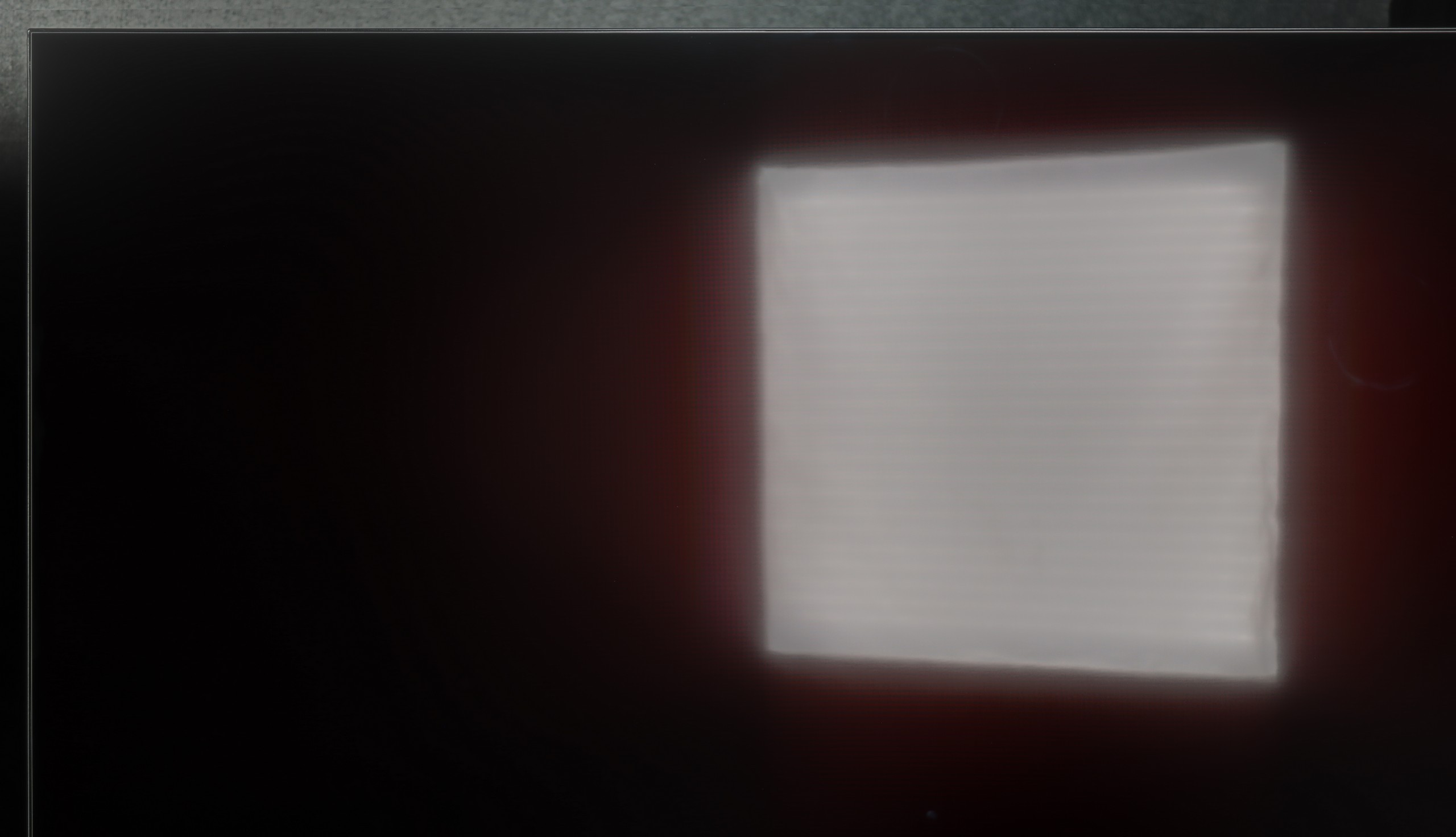
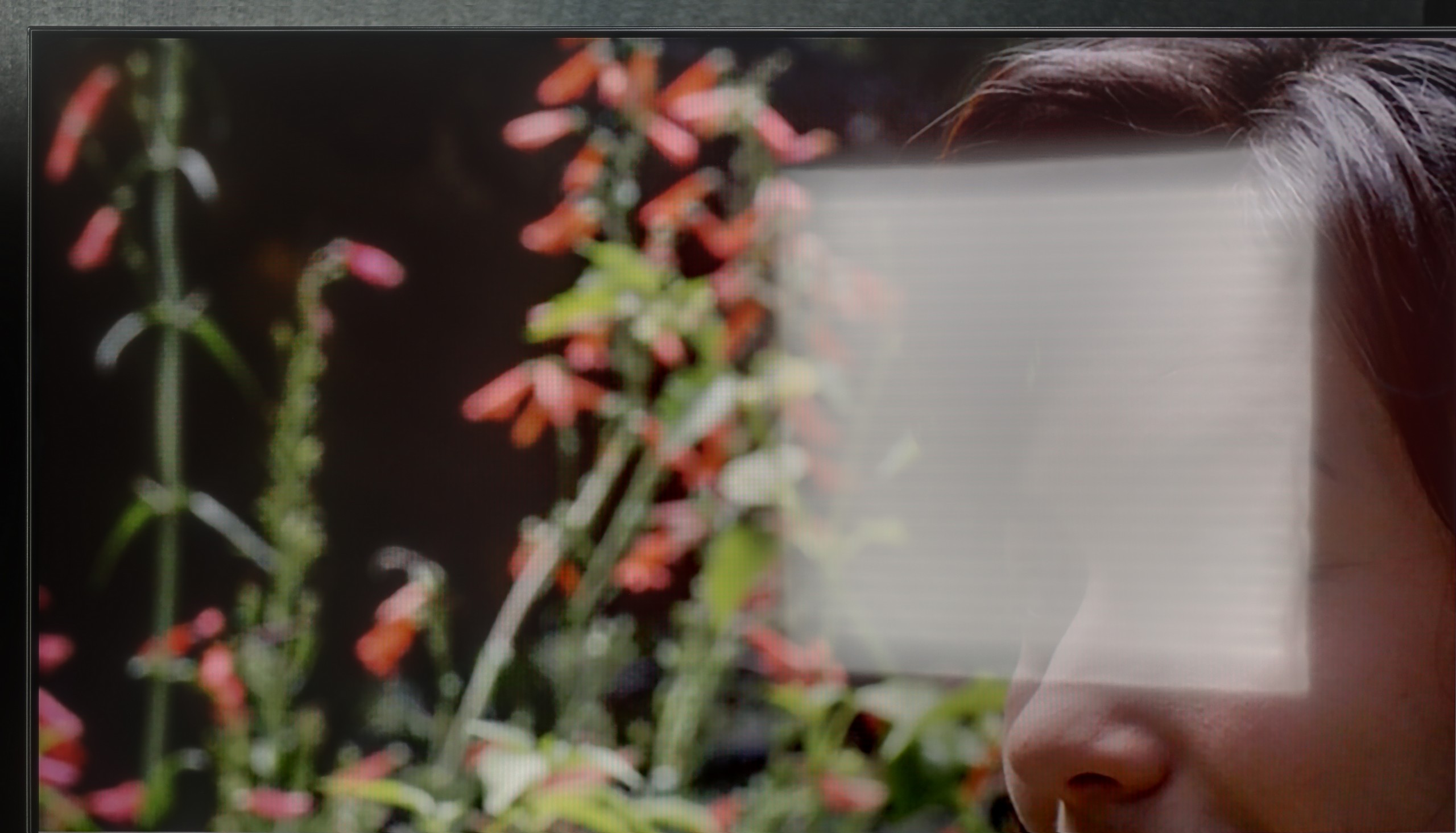
However, the Sharp FQ8 has its shortcomings. The lack of dynamic tone mapping control in HDR mode may disappoint more demanding users, and despite featuring Dolby Vision IQ, its performance is underwhelming. The panel's average response time can impact the clarity of fast-moving scenes, and limited viewing angles significantly reduce image quality when viewed from the side.
Despite these drawbacks, the Sharp FQ8 stands out as a solid choice, offering a good balance of quality, image fluidity, and an enjoyable audio system, all at a competitive price. While not flawless, it should meet the needs of most users seeking an affordable television with a 120 Hz panel.
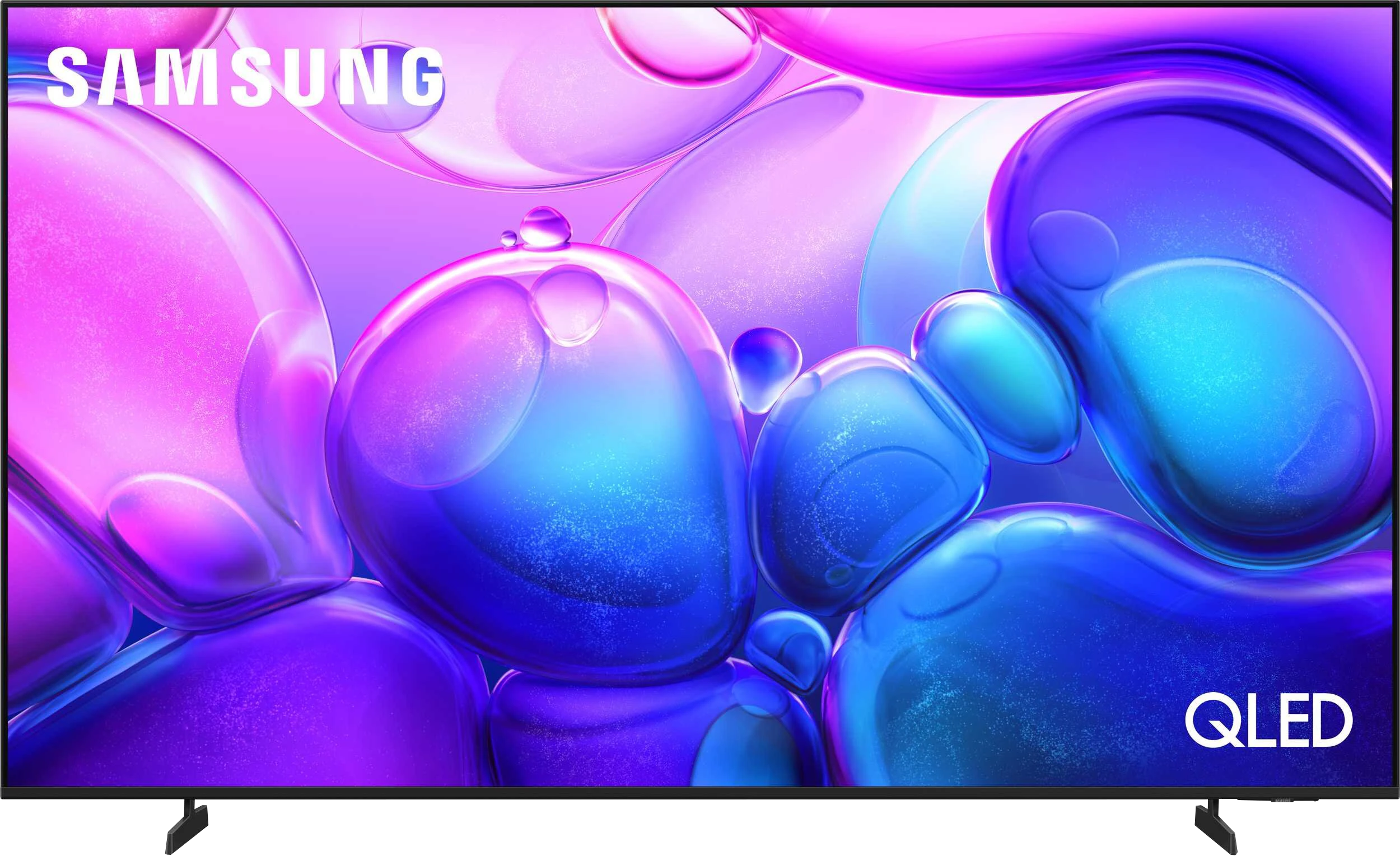
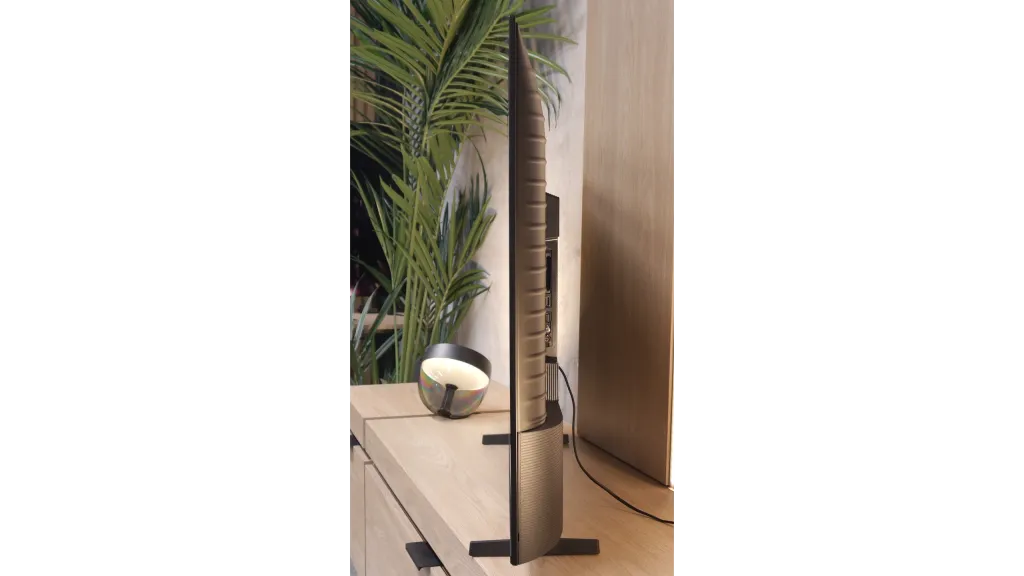
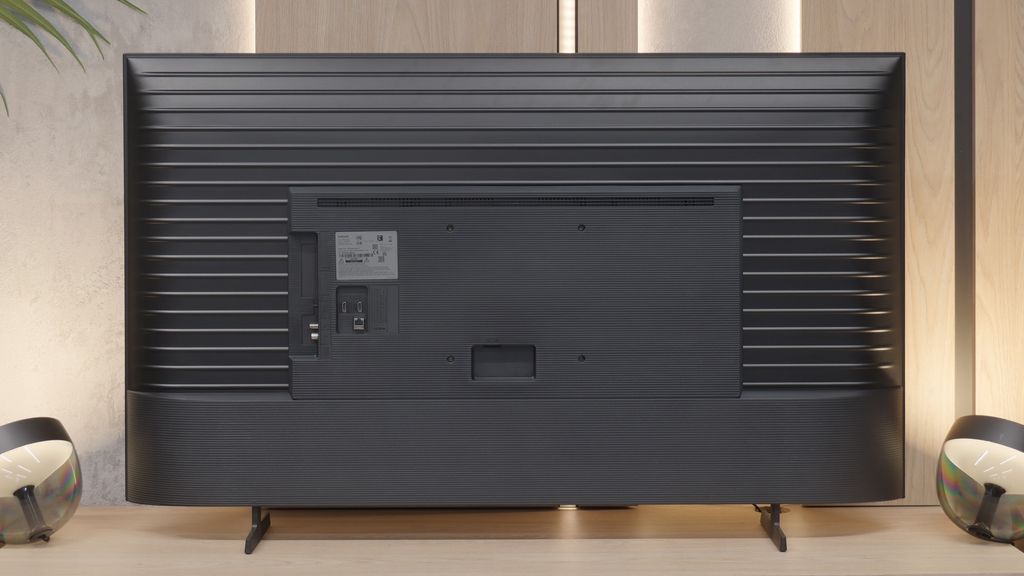
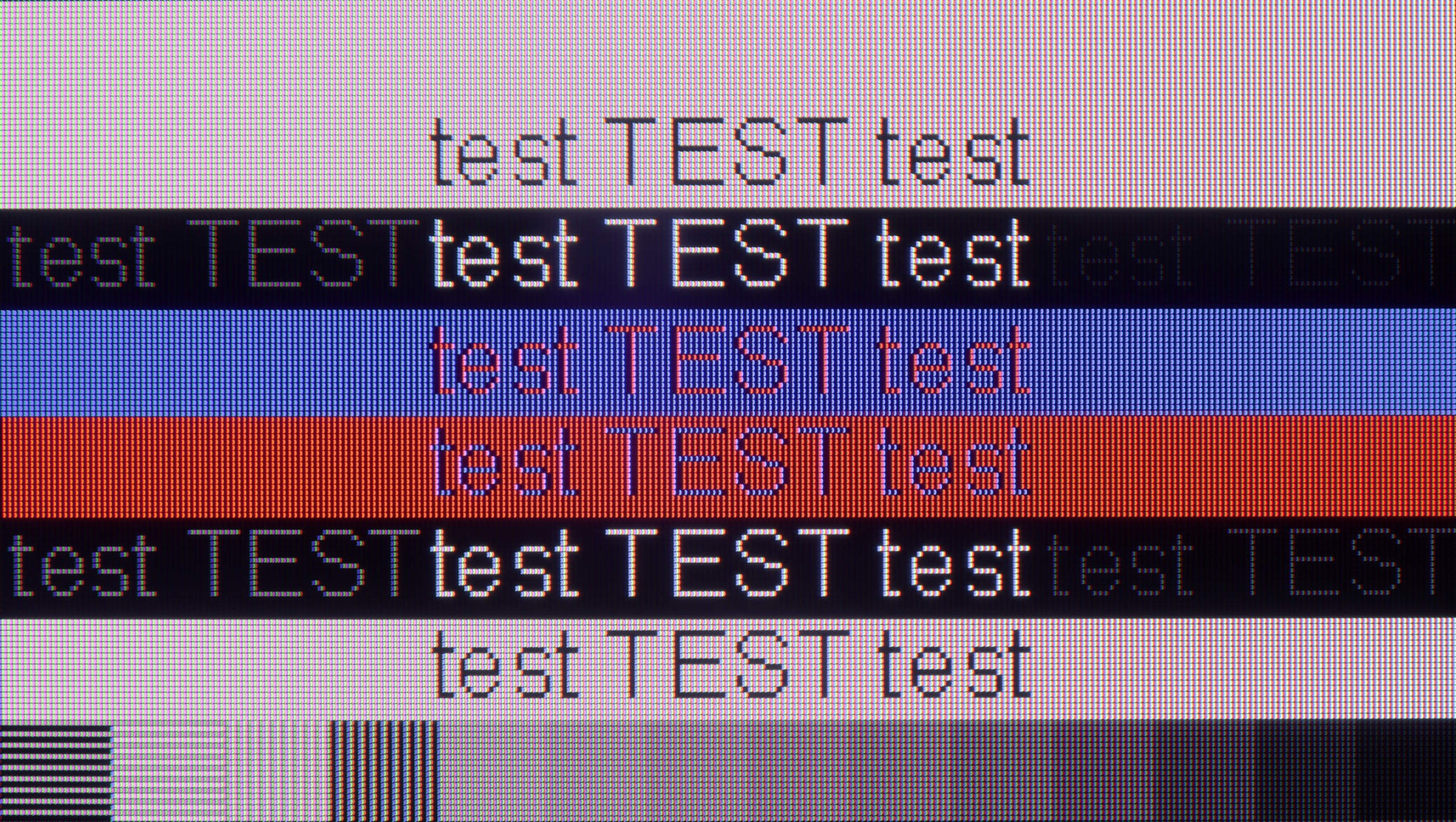
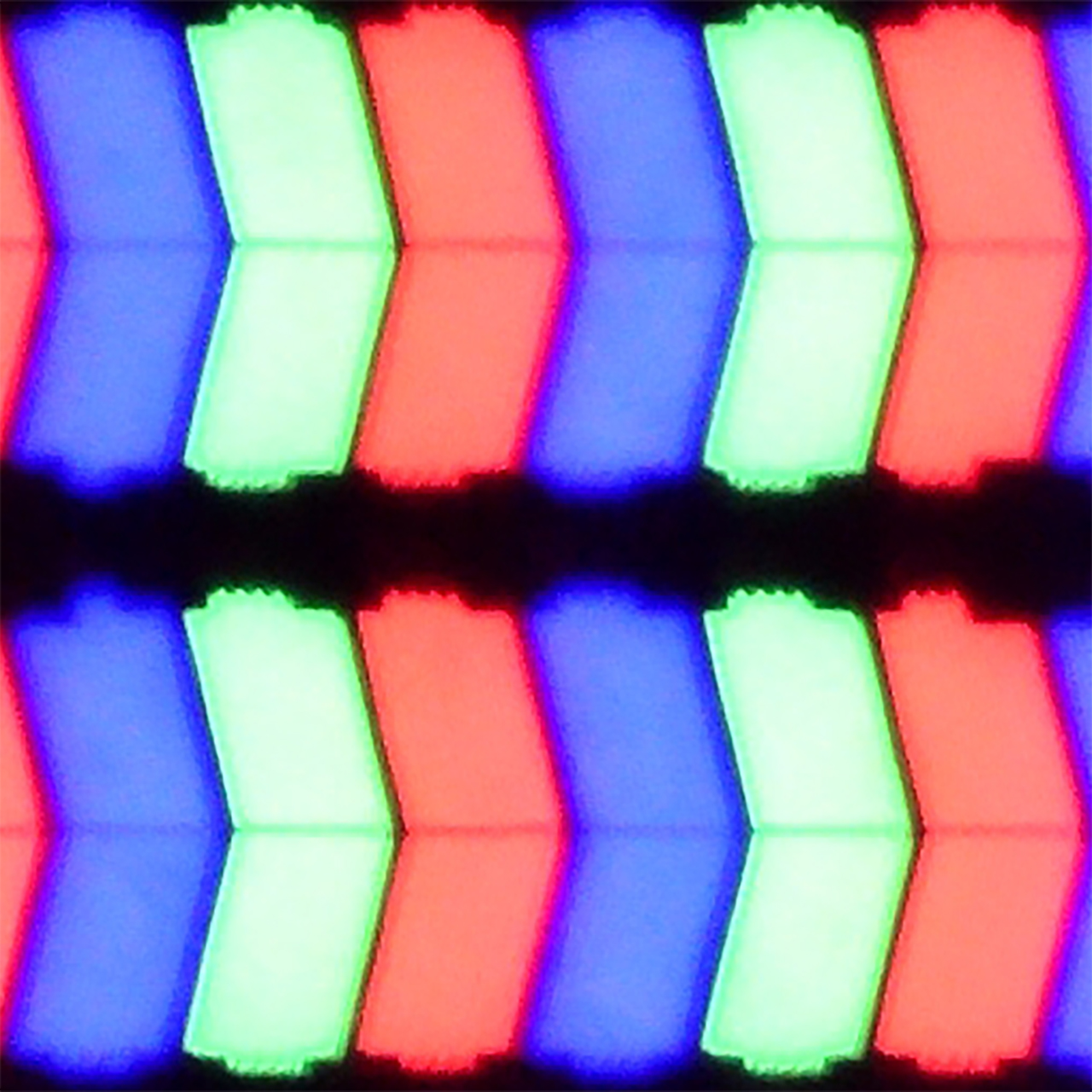
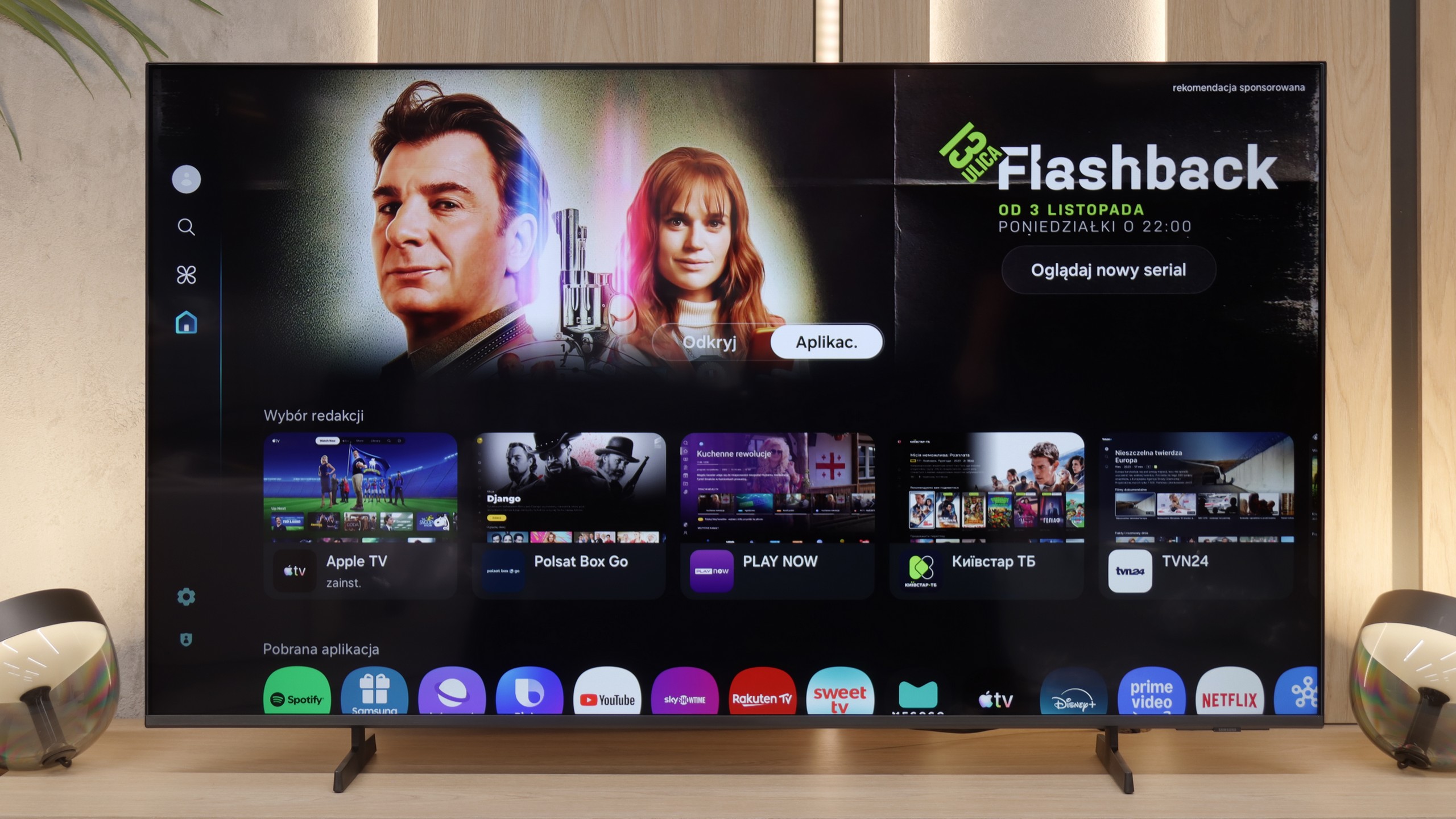
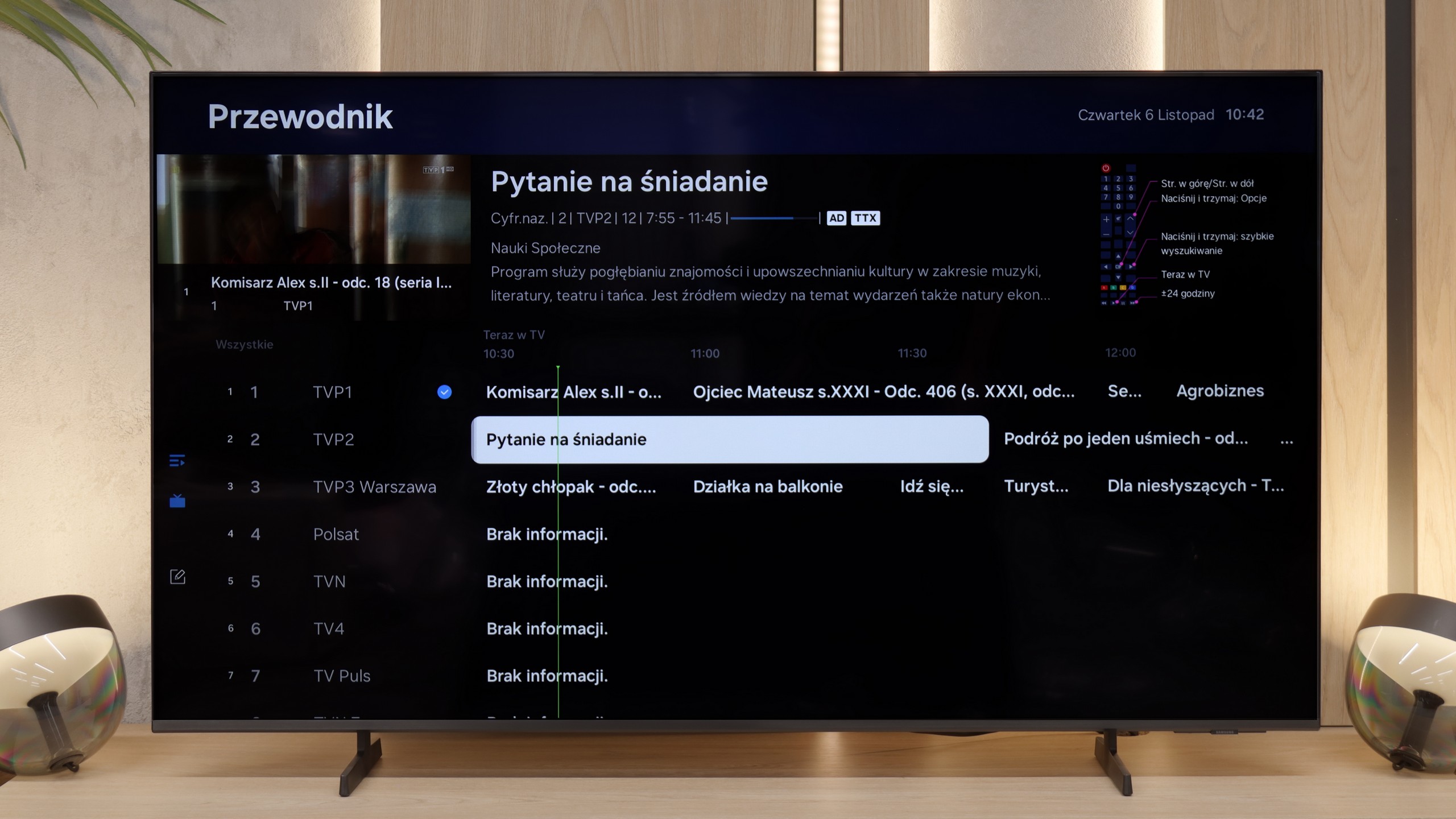
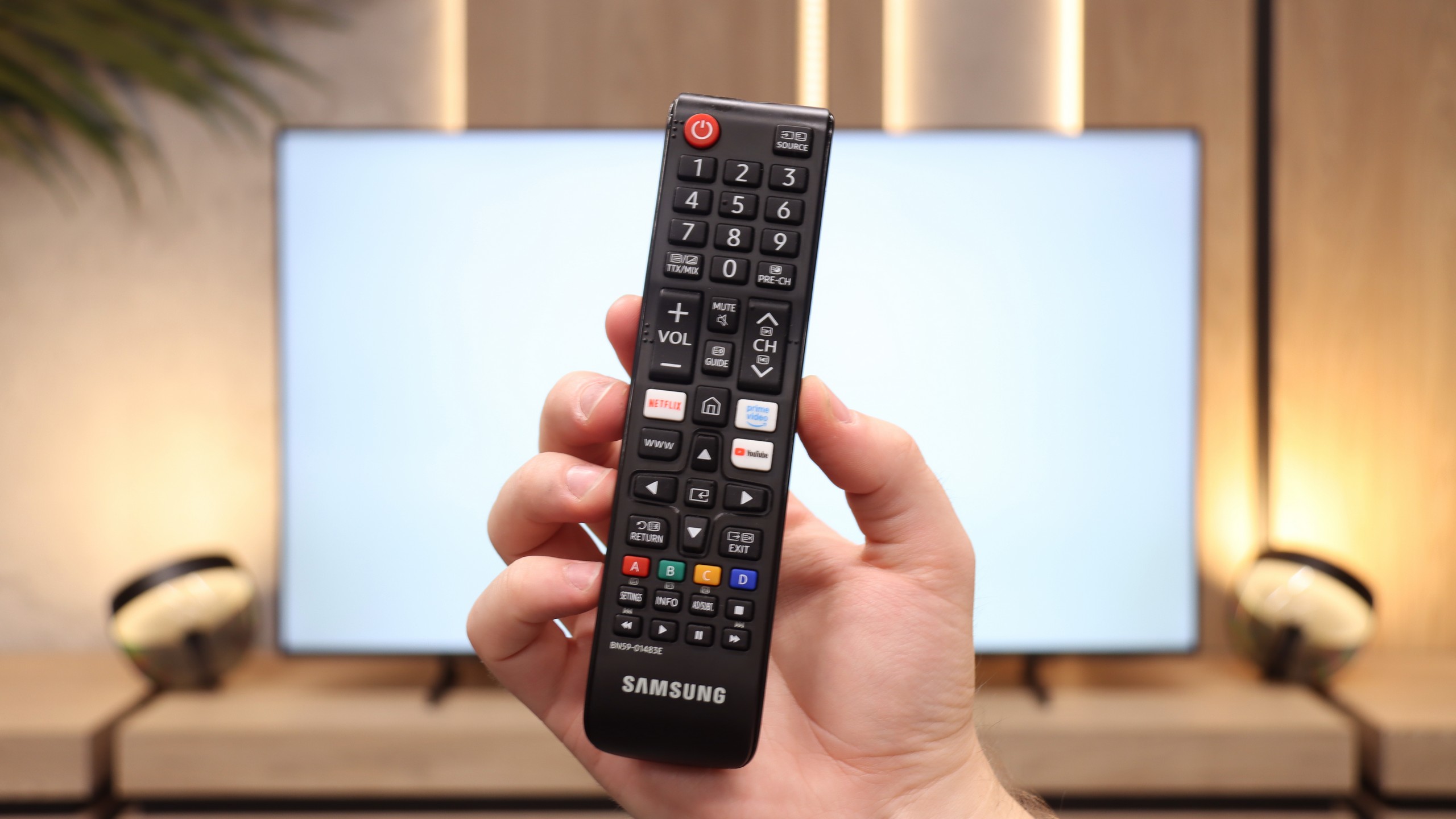
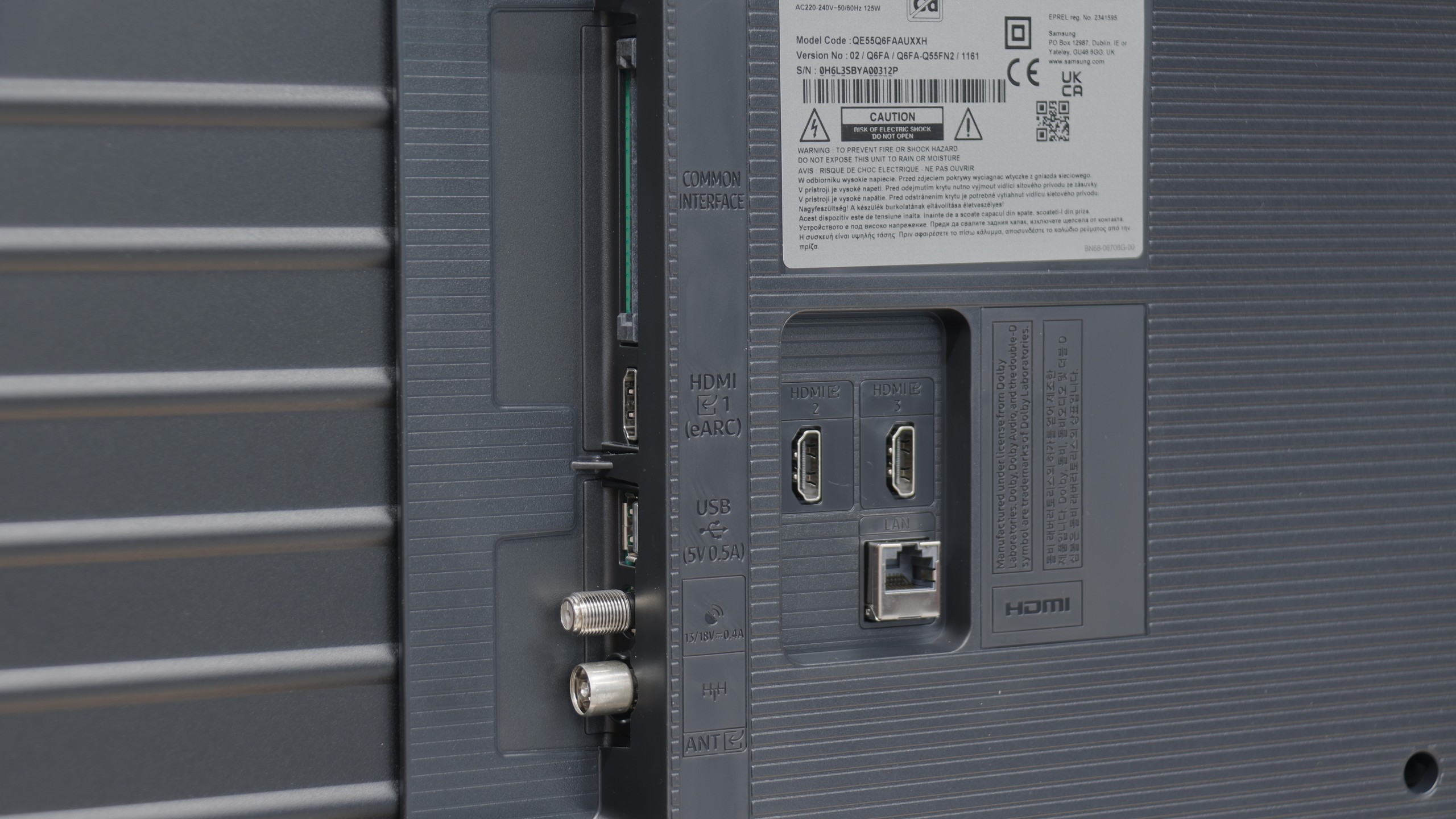
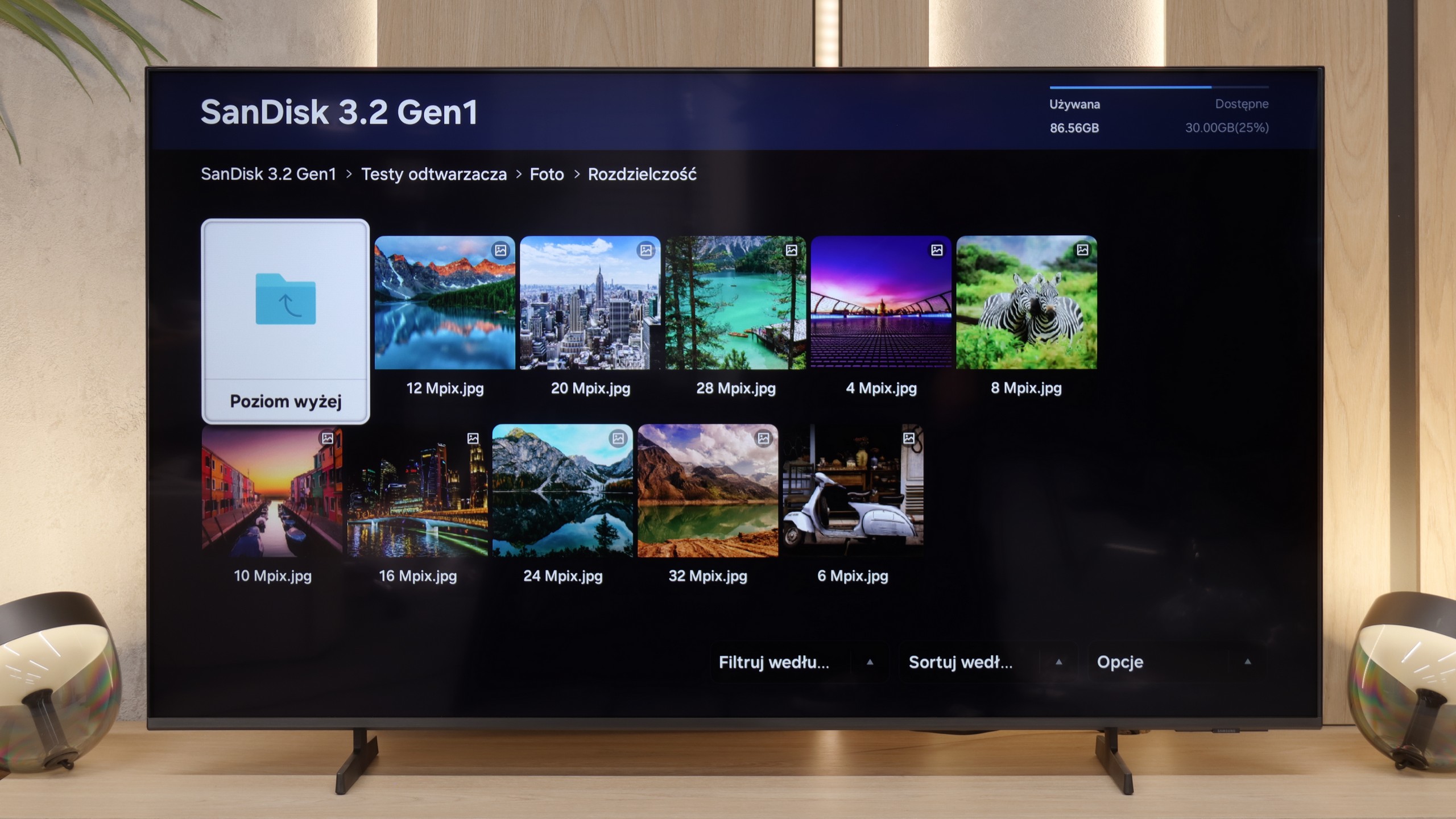
Samsung Q6F is a television that’s difficult to assess through the lens of typical QLED models. We must remember that this is a budget offering aimed at a very specific audience. If you’re looking for an inexpensive device with the logo of a well-known manufacturer that simply needs to work, display multimedia, and offer basic remote control with buttons – the Q6F could be an interesting option for you. It’s a great choice for seniors or anyone who needs a large screen “on the cheap” for everyday television, where its IPS panel and good viewing angles really make a difference. However, we must say it plainly: the biggest drawback of this model is its very low brightness and poor blacks. These are the two foundations on which image quality is built, and here they are simply very fragile. It’s definitely not a television we would recommend for watching HDR content – this format exists here in name only. Although the Q6F has a QLED filter and belongs to the Quantum Dot family, fully utilizing the potential of this technology is practically impossible, as the device is technically unsuitable for such content. We know it’s tempting with its very low price and may appeal to many people with modest expectations. However, you should know that the suffix “QLED” suggesting a premium product is, in this case, far from what Samsung has accustomed us to in recent years. It’s a ticket into the world of Samsung, but in a very basic version.
 Direct comparison