The Sharp FQ8 television offers numerous features that set it apart in its price range. It operates on the Google TV platform, granting access to a wide array of applications and intuitive navigation. A 120 Hz refresh rate panel ensures smooth image rendering, while low input lag makes it an appealing option for gamers. The high native contrast delivers deep, vivid blacks, and the television achieves a respectable brightness of 450 nits, allowing for comfortable HDR content viewing. Additionally, advanced formats like Dolby Vision are supported, and the inclusion of quantum dots (Quantum Dot/QLED) enhances the wide colour gamut coverage.
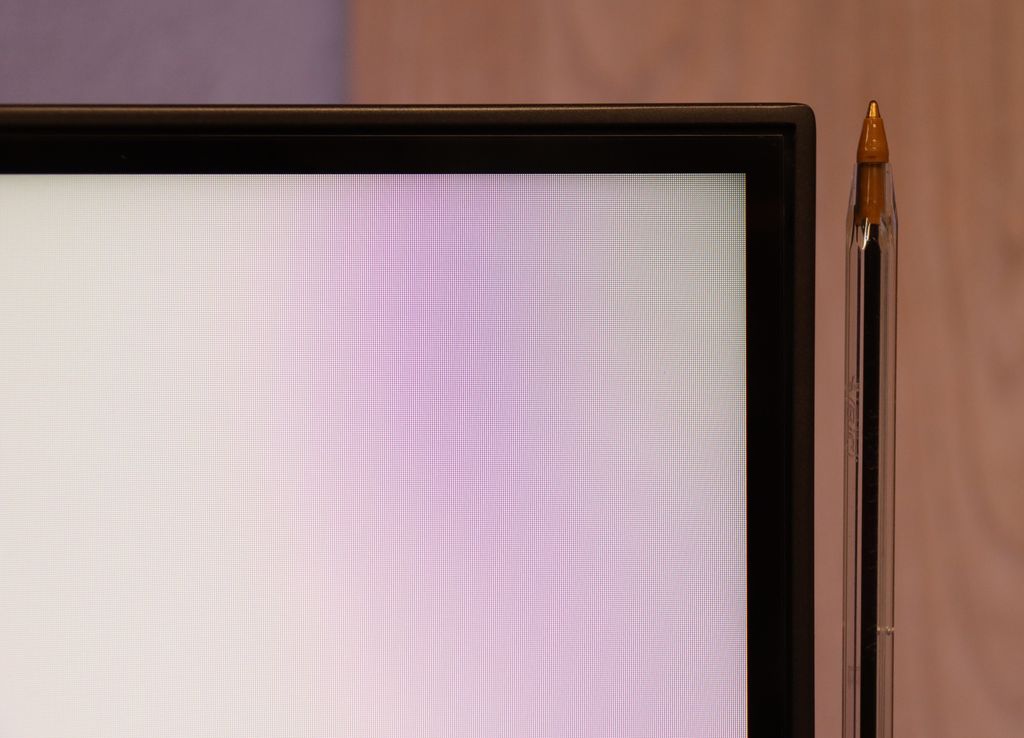
However, the Sharp FQ8 has its shortcomings. The lack of dynamic tone mapping control in HDR mode may disappoint more demanding users, and despite featuring Dolby Vision IQ, its performance is underwhelming. The panel's average response time can impact the clarity of fast-moving scenes, and limited viewing angles significantly reduce image quality when viewed from the side.
Despite these drawbacks, the Sharp FQ8 stands out as a solid choice, offering a good balance of quality, image fluidity, and an enjoyable audio system, all at a competitive price. While not flawless, it should meet the needs of most users seeking an affordable television with a 120 Hz panel.
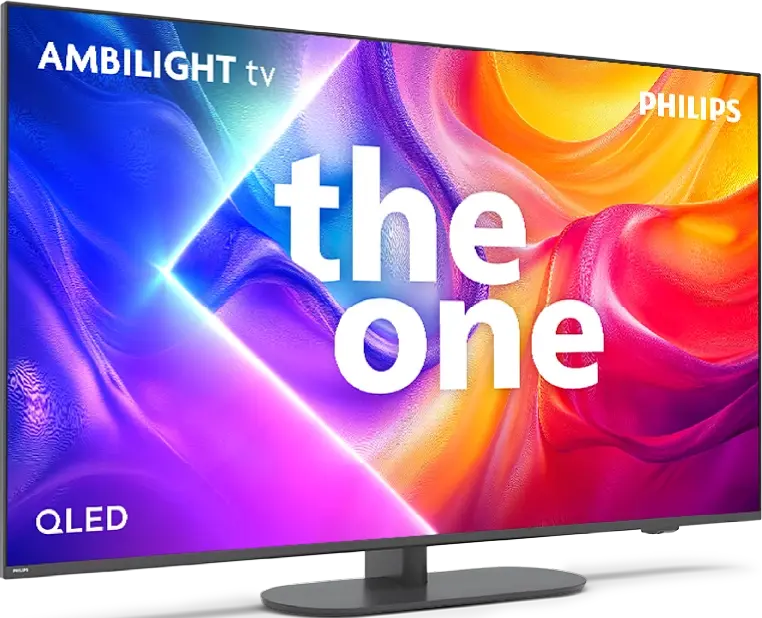
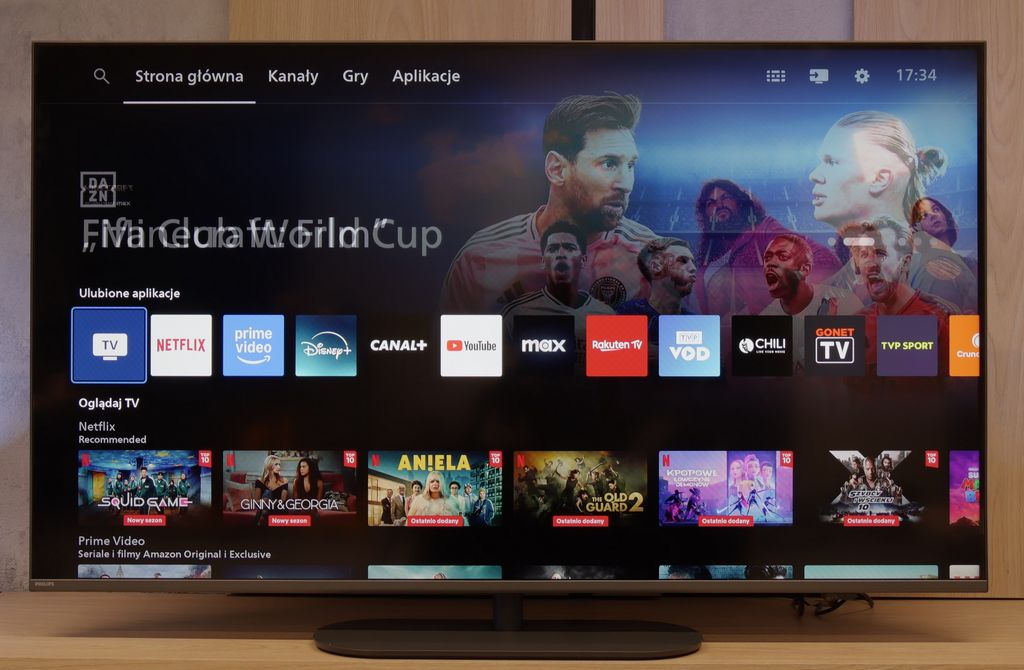
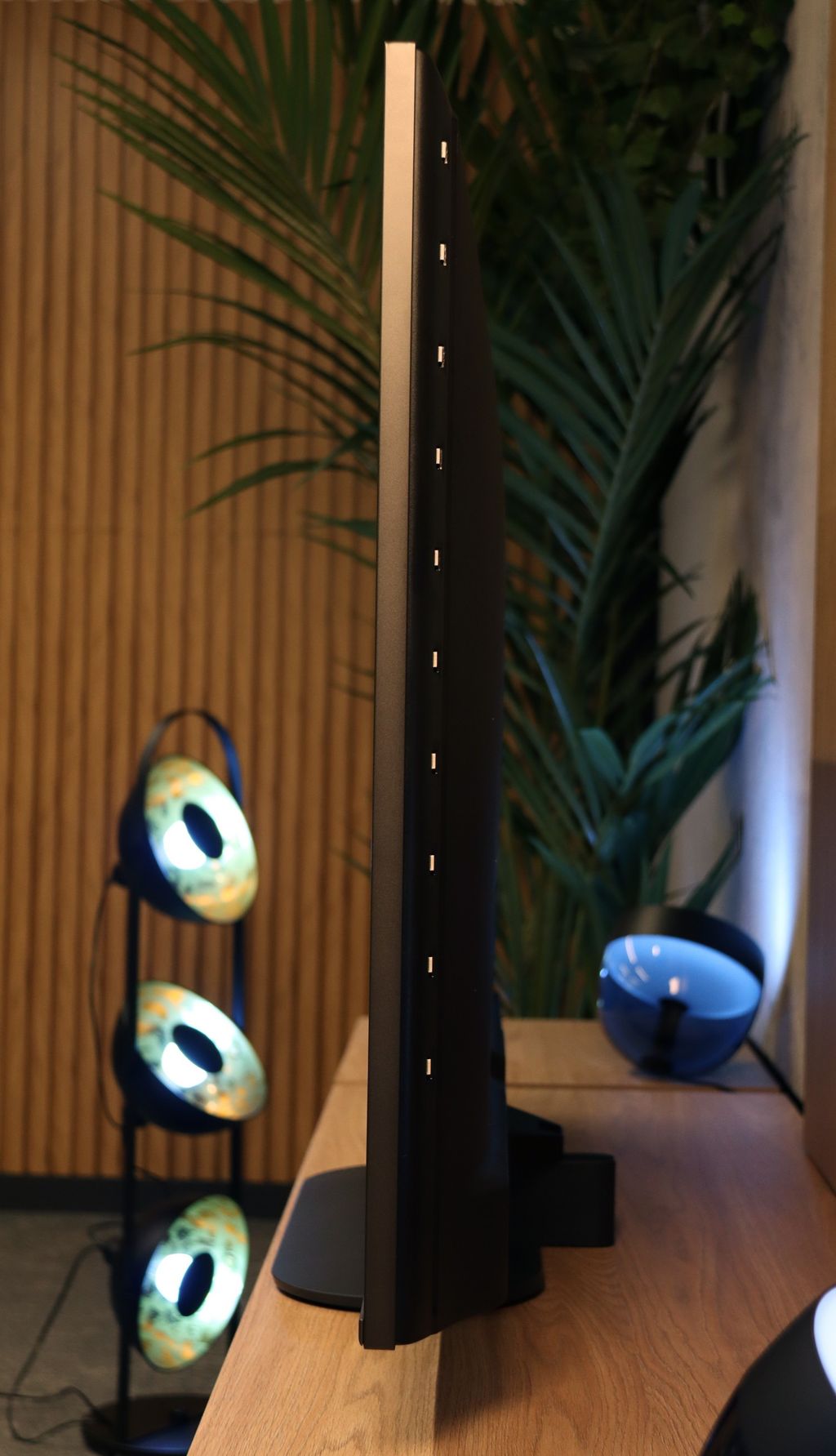
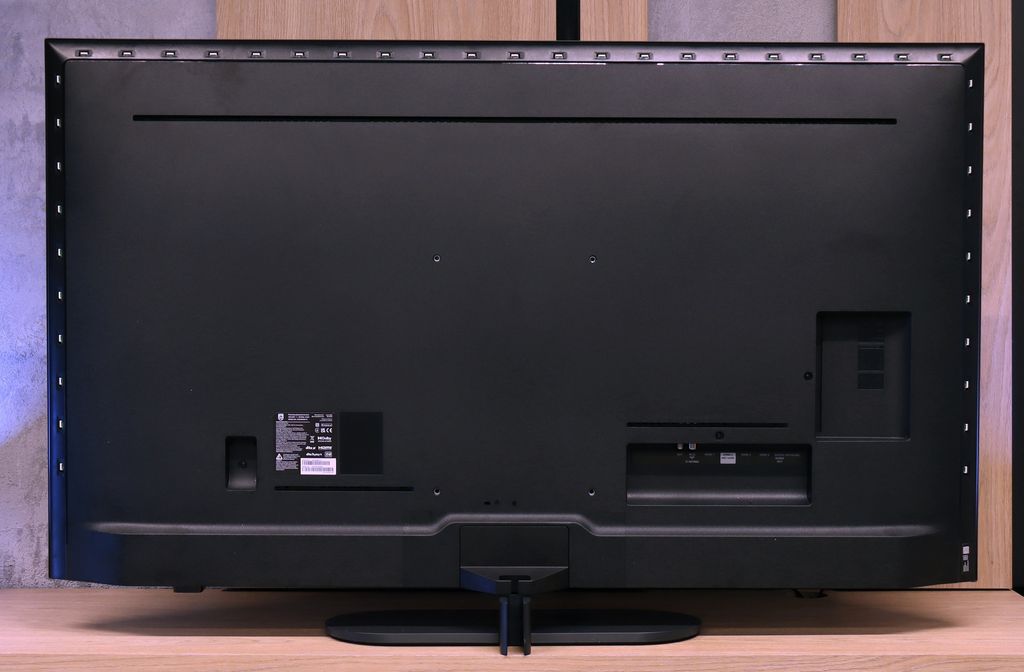
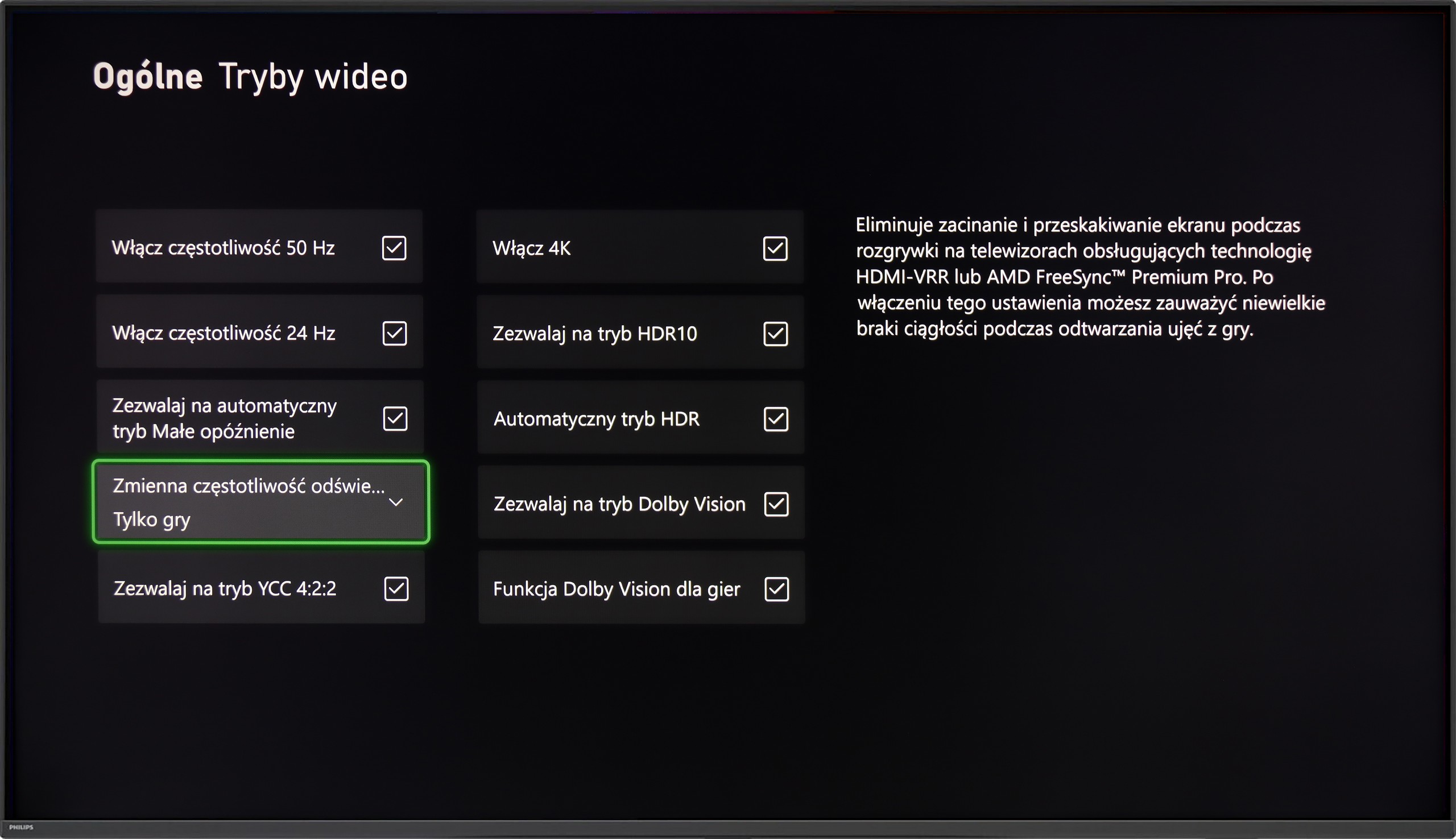
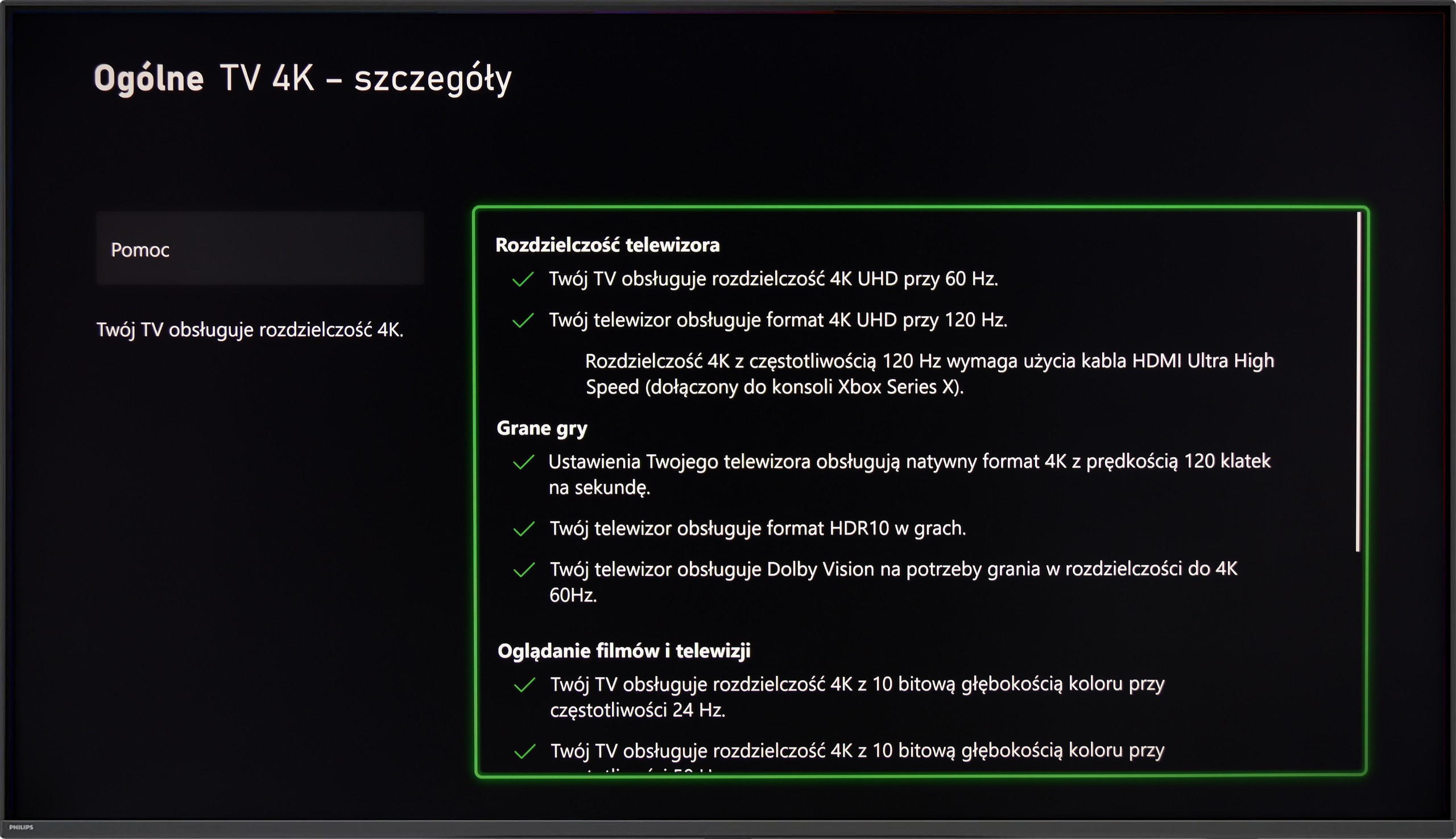
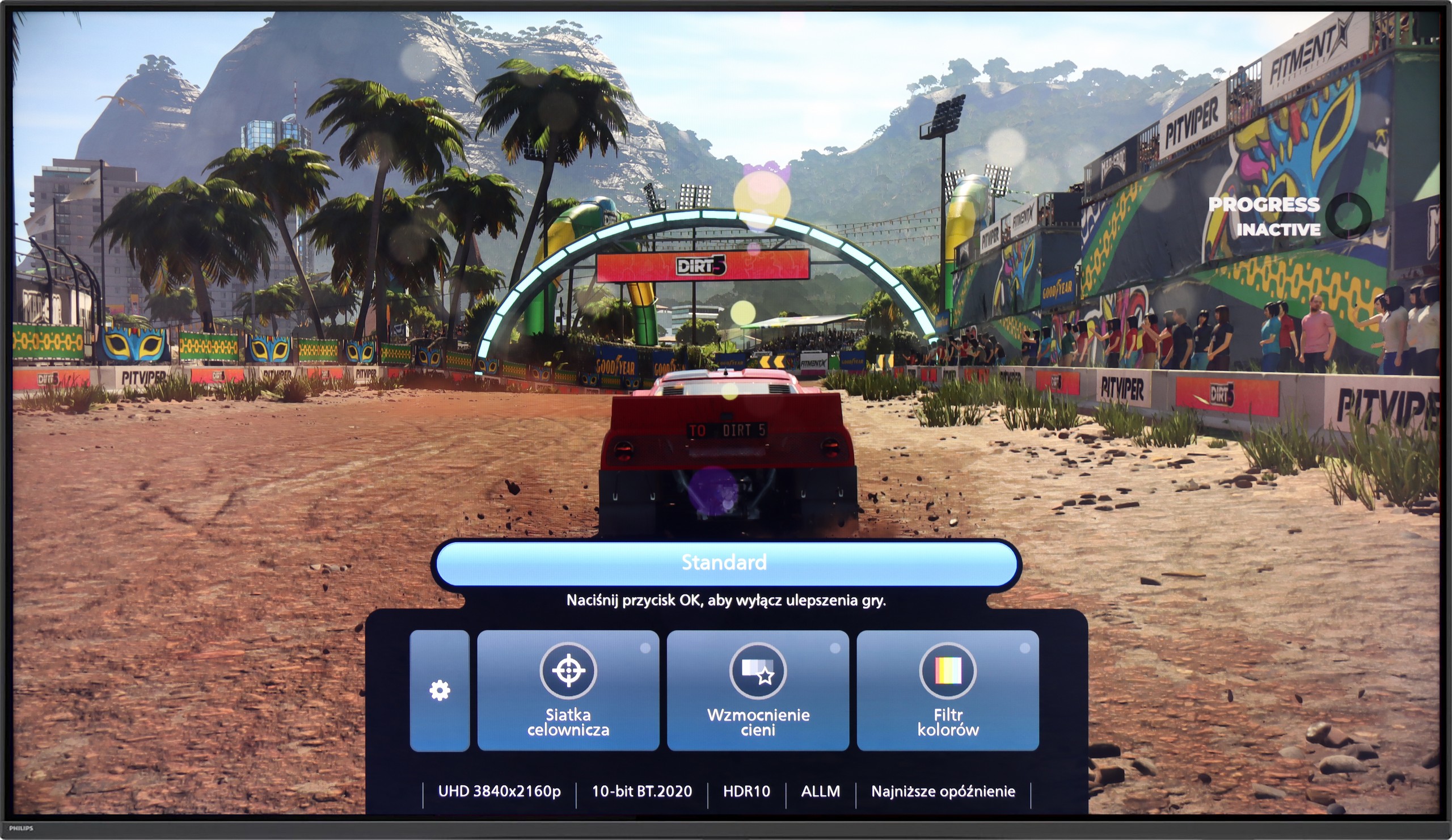
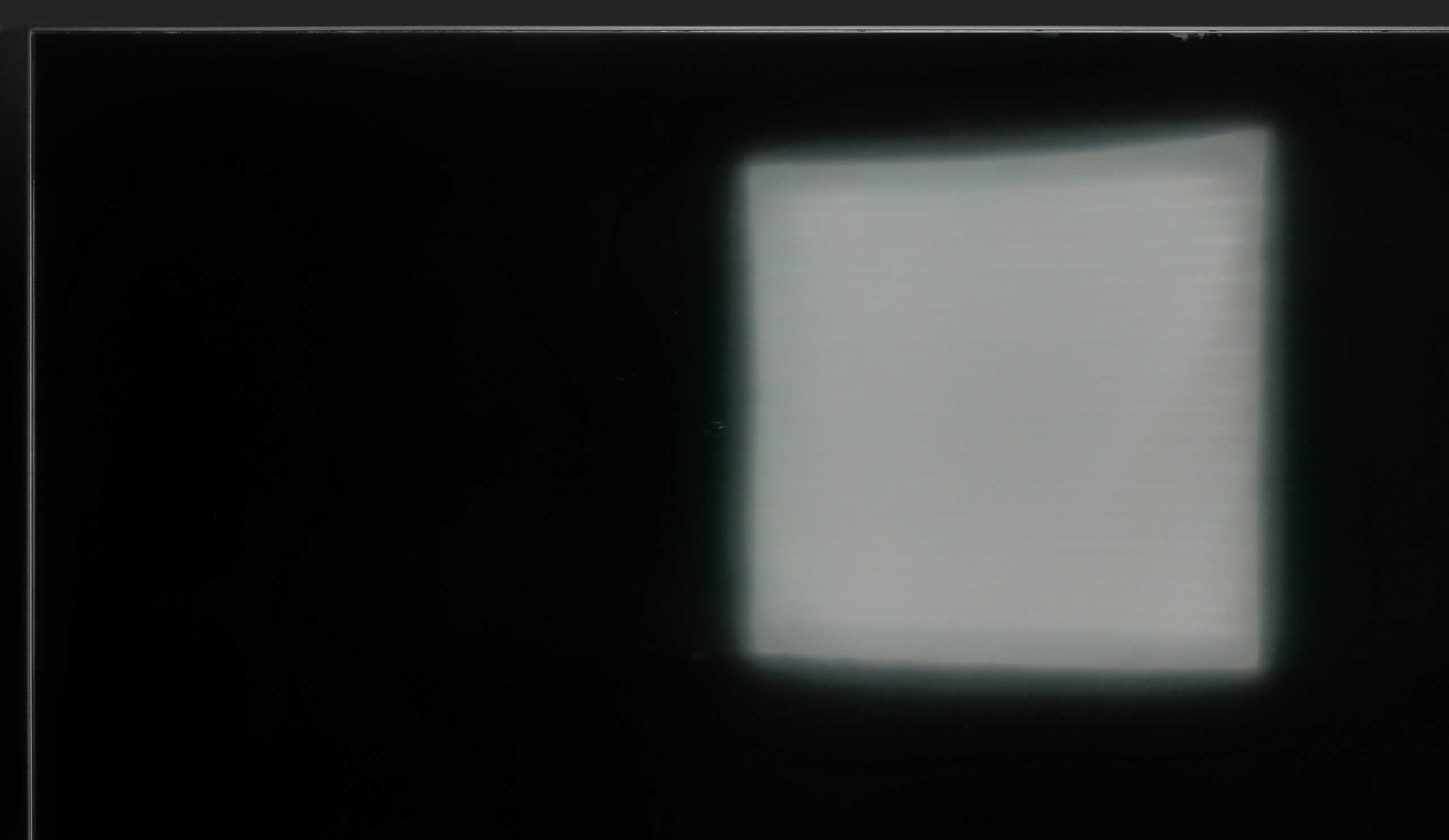
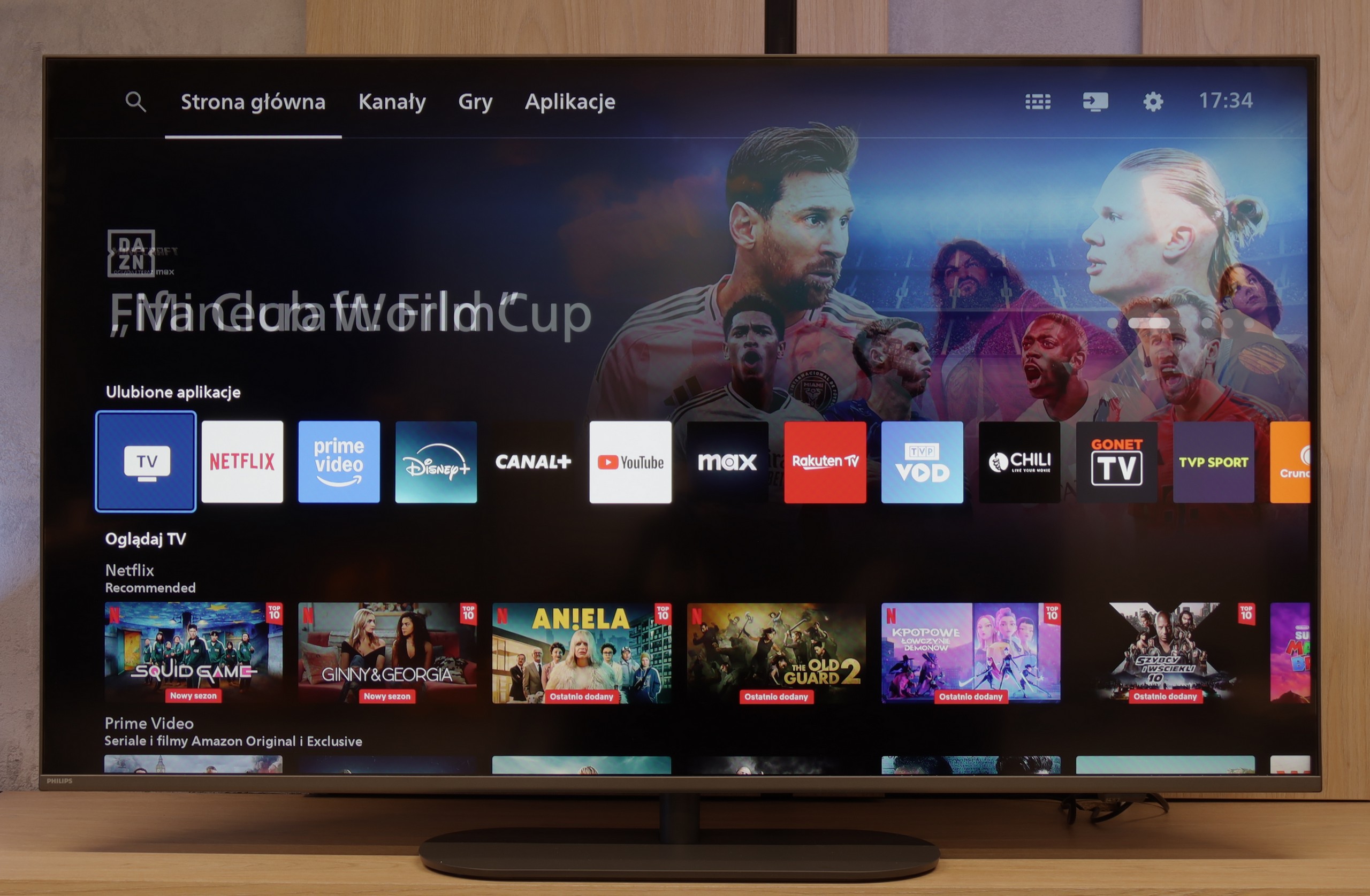
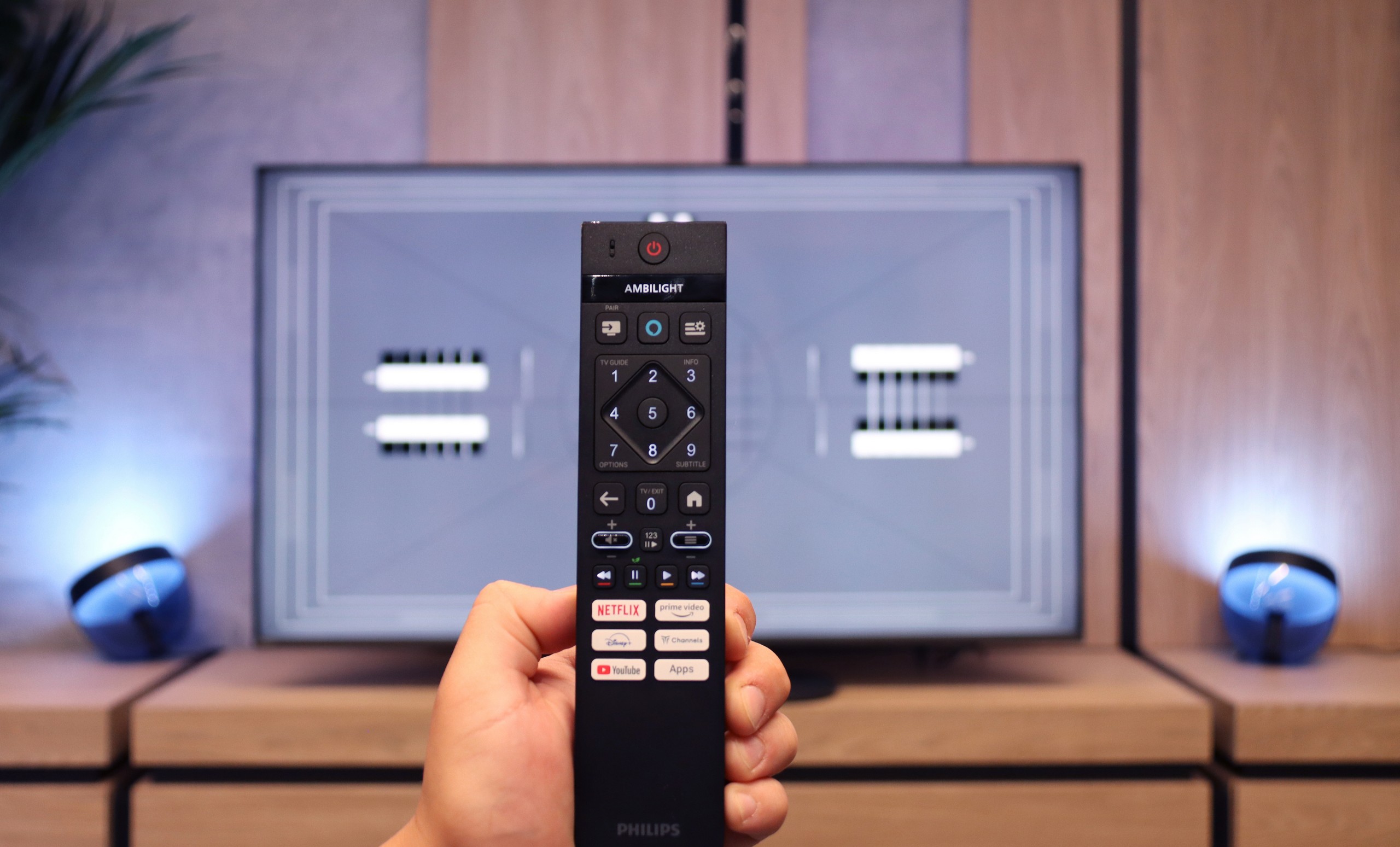
Philips PUS9000 is proof that the manufacturer not only keeps a finger on the pulse but also carefully listens to its users. In the latest version of this popular series, there is a clear progression – especially in comparison to the previous generation that we had the opportunity to test. The use of a VA panel has brought noticeable improvement in blacks, which finally presents itself at a decent level. Brightness reaching 500 nits does not disappoint even in sunny rooms, and support for a wide range of HDR formats – including Dolby Vision and HDR10+ – completes the image of a well-prepared piece of equipment. Additionally, the support for spatial sound technologies like Dolby Atmos and DTS only enhances the positive impression, especially since the presence of all the aforementioned formats is not a given even in the most expensive models from 2025. But what really sets this model apart from the competition is the Ambilight system. The multicoloured backlighting not only makes a visual impression – in a darkened room, it can improve the perceived contrast and completely transform the viewing experience of a movie or series. The gaming mode also deserves recognition. 144 Hz, low input lag, variable refresh rate, G-Sync compatibility, and Game Bar functionality – everything you could expect from equipment designed with consoles and PCs in mind. Unfortunately, not everything works perfectly. The Titan OS system, while operating relatively smoothly, still suffers from shortcomings – many popular apps are missing, minor bugs occur, and the overall experience can be somewhat clunky in daily use. Additionally, the remote, despite its modern appearance, still uses infrared and requires pointing at the TV. Such a shame.
So, who is the PUS9060 for? For those who want to immerse themselves in an evening screening with impressive Ambilight, play on consoles, and stream content from external devices. In this scenario, “The One” could indeed turn out to be “the one and only” – especially given that its price is not off-putting on release day.
 Direct comparison