The Sharp FQ8 television offers numerous features that set it apart in its price range. It operates on the Google TV platform, granting access to a wide array of applications and intuitive navigation. A 120 Hz refresh rate panel ensures smooth image rendering, while low input lag makes it an appealing option for gamers. The high native contrast delivers deep, vivid blacks, and the television achieves a respectable brightness of 450 nits, allowing for comfortable HDR content viewing. Additionally, advanced formats like Dolby Vision are supported, and the inclusion of quantum dots (Quantum Dot/QLED) enhances the wide colour gamut coverage.
However, the Sharp FQ8 has its shortcomings. The lack of dynamic tone mapping control in HDR mode may disappoint more demanding users, and despite featuring Dolby Vision IQ, its performance is underwhelming. The panel's average response time can impact the clarity of fast-moving scenes, and limited viewing angles significantly reduce image quality when viewed from the side.
Despite these drawbacks, the Sharp FQ8 stands out as a solid choice, offering a good balance of quality, image fluidity, and an enjoyable audio system, all at a competitive price. While not flawless, it should meet the needs of most users seeking an affordable television with a 120 Hz panel.
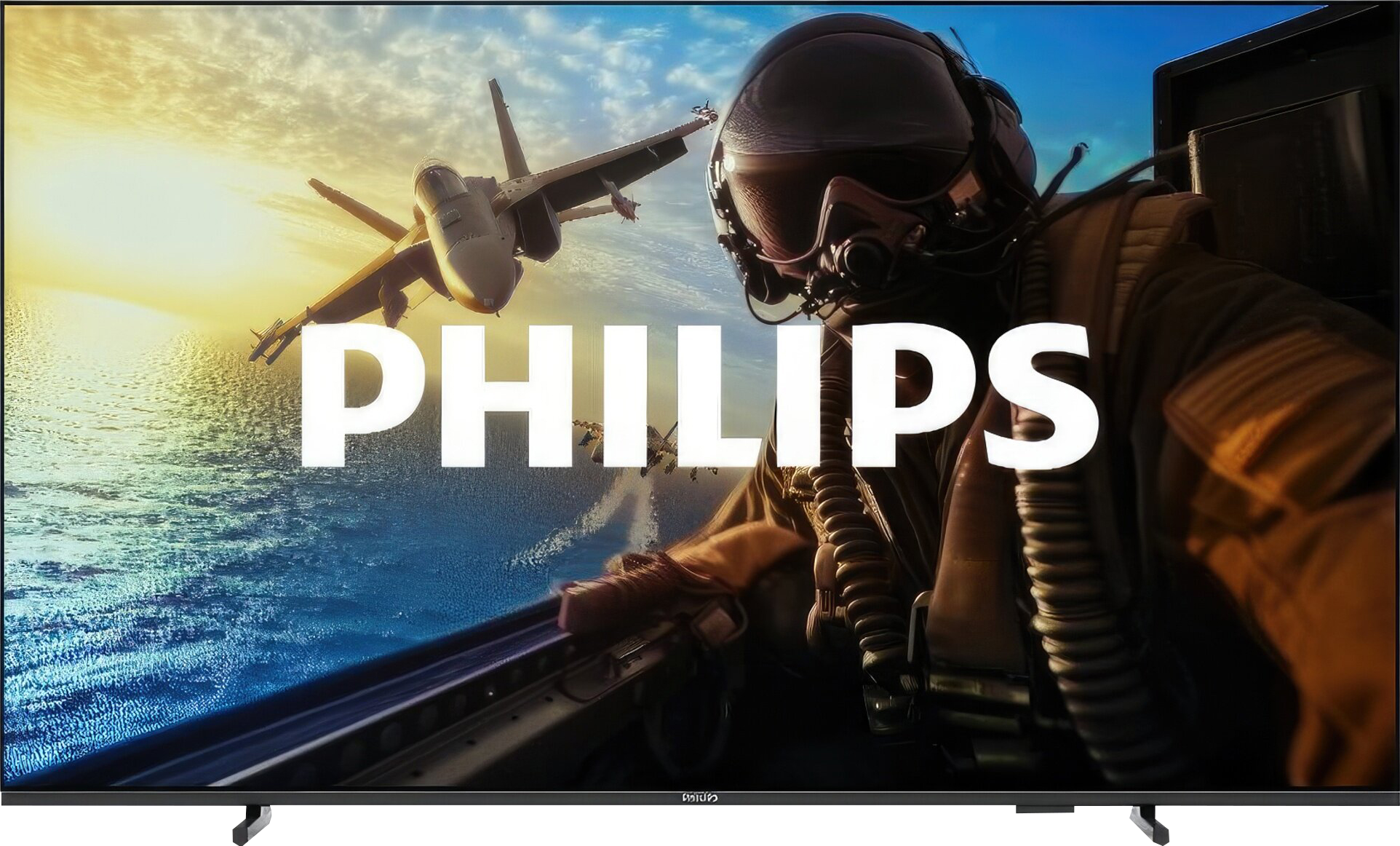
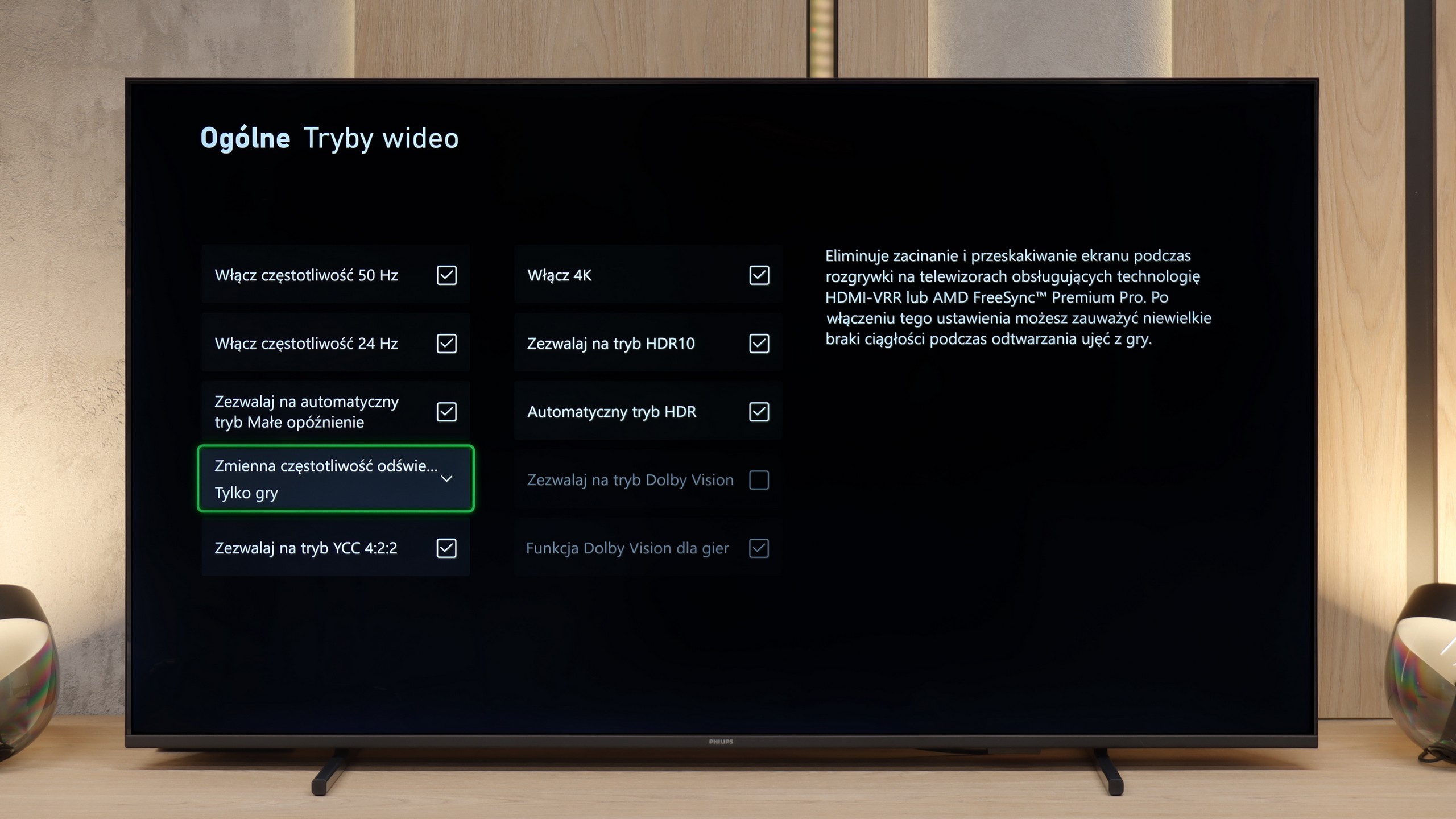
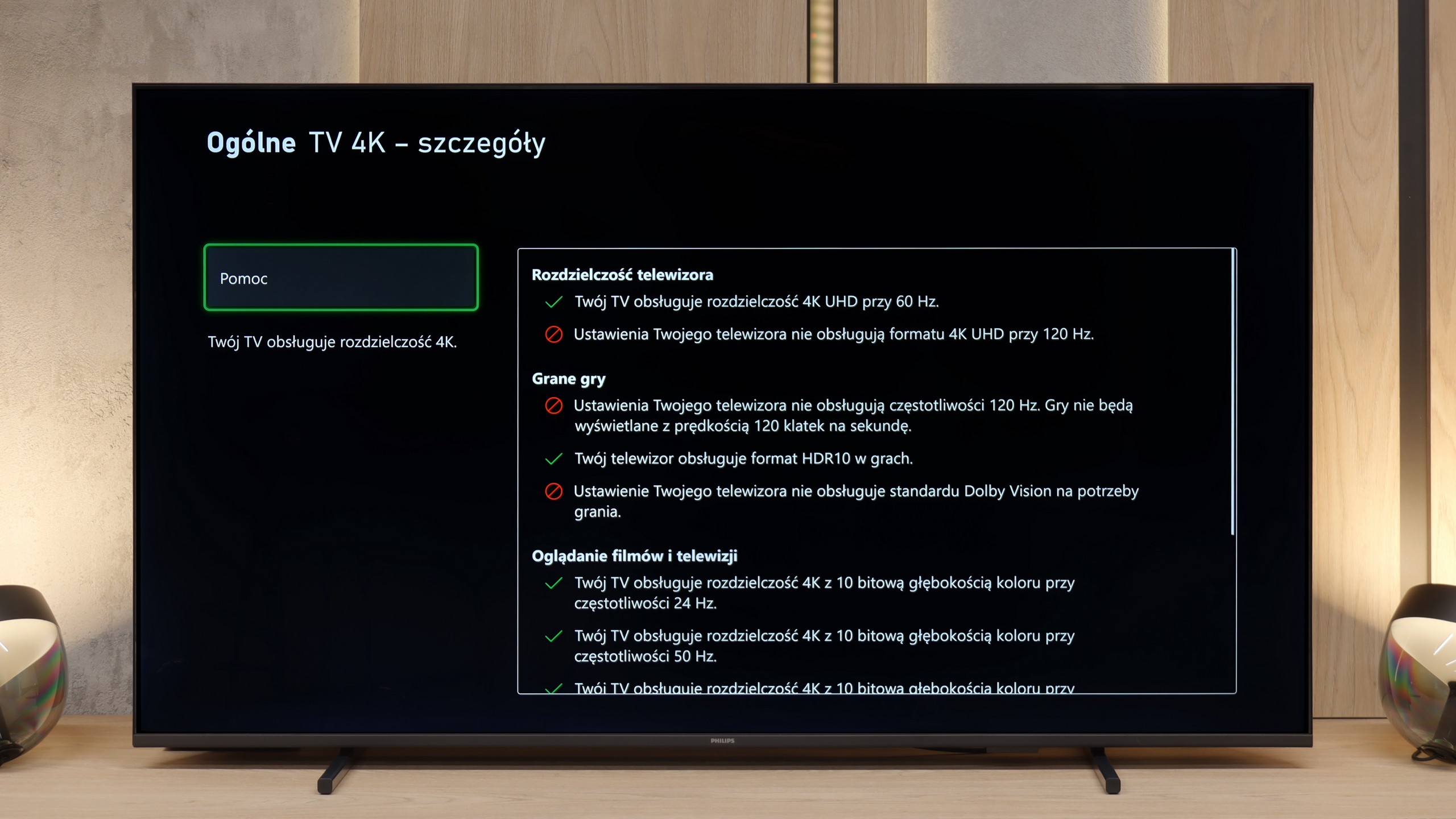
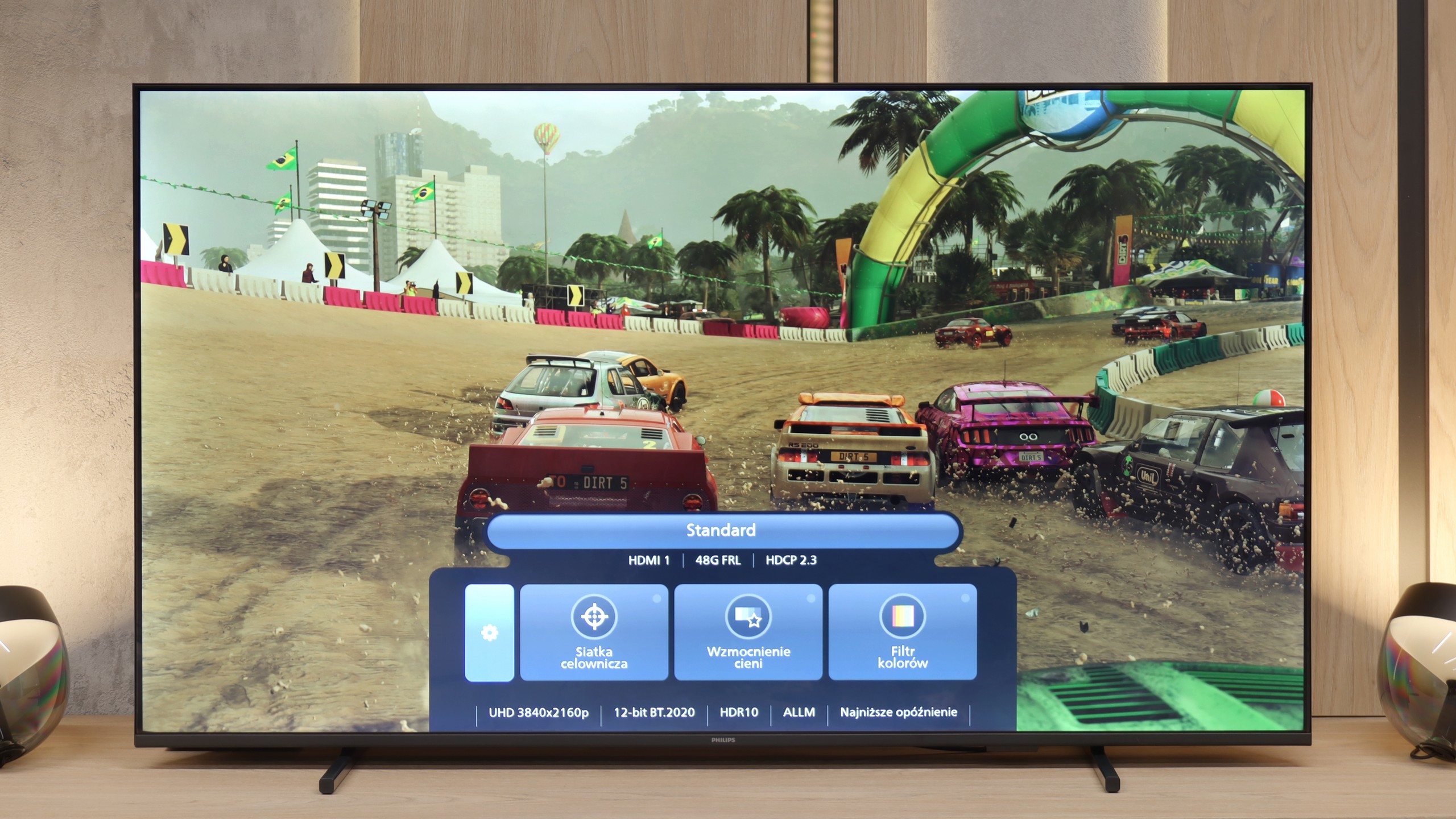
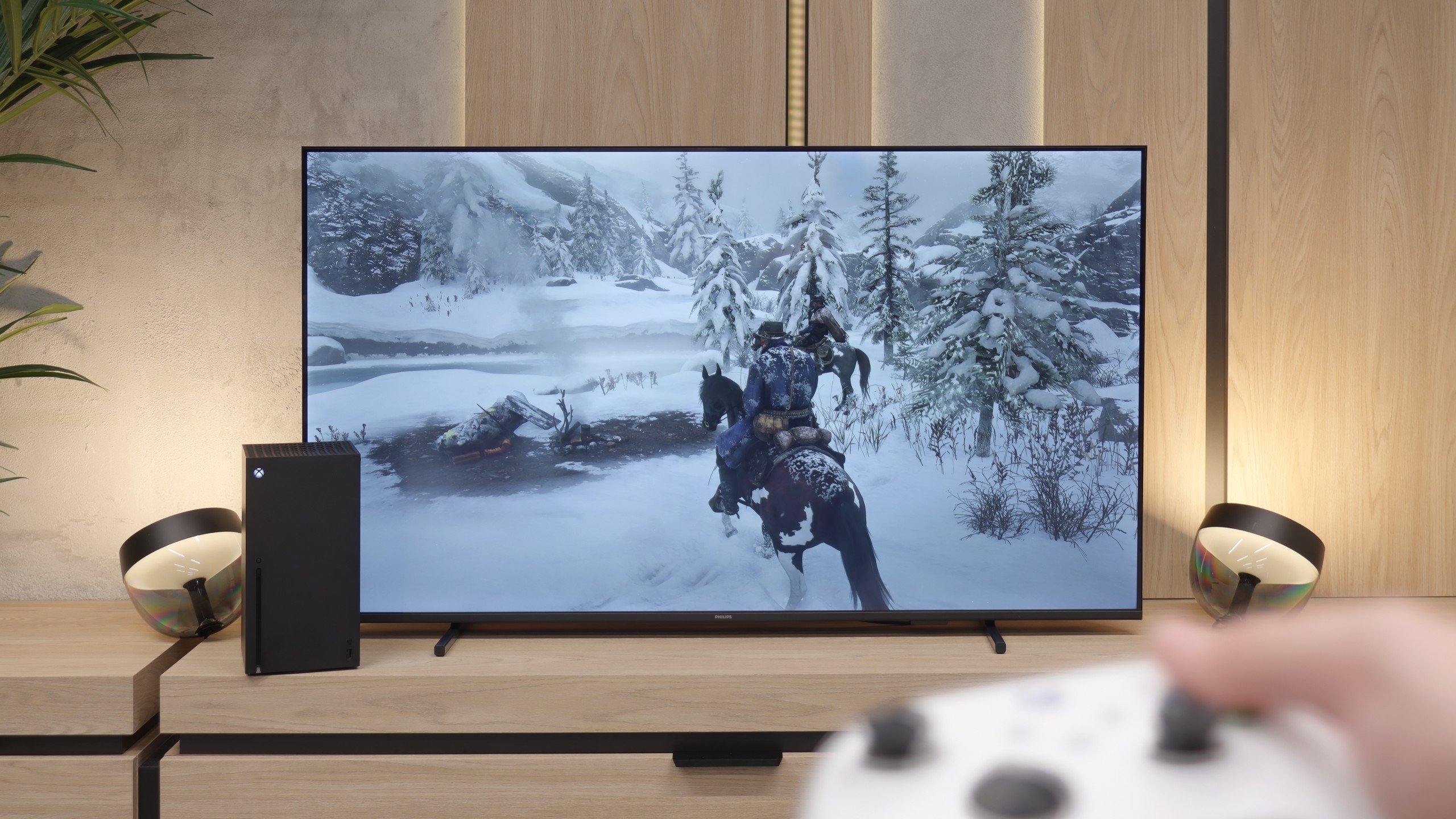
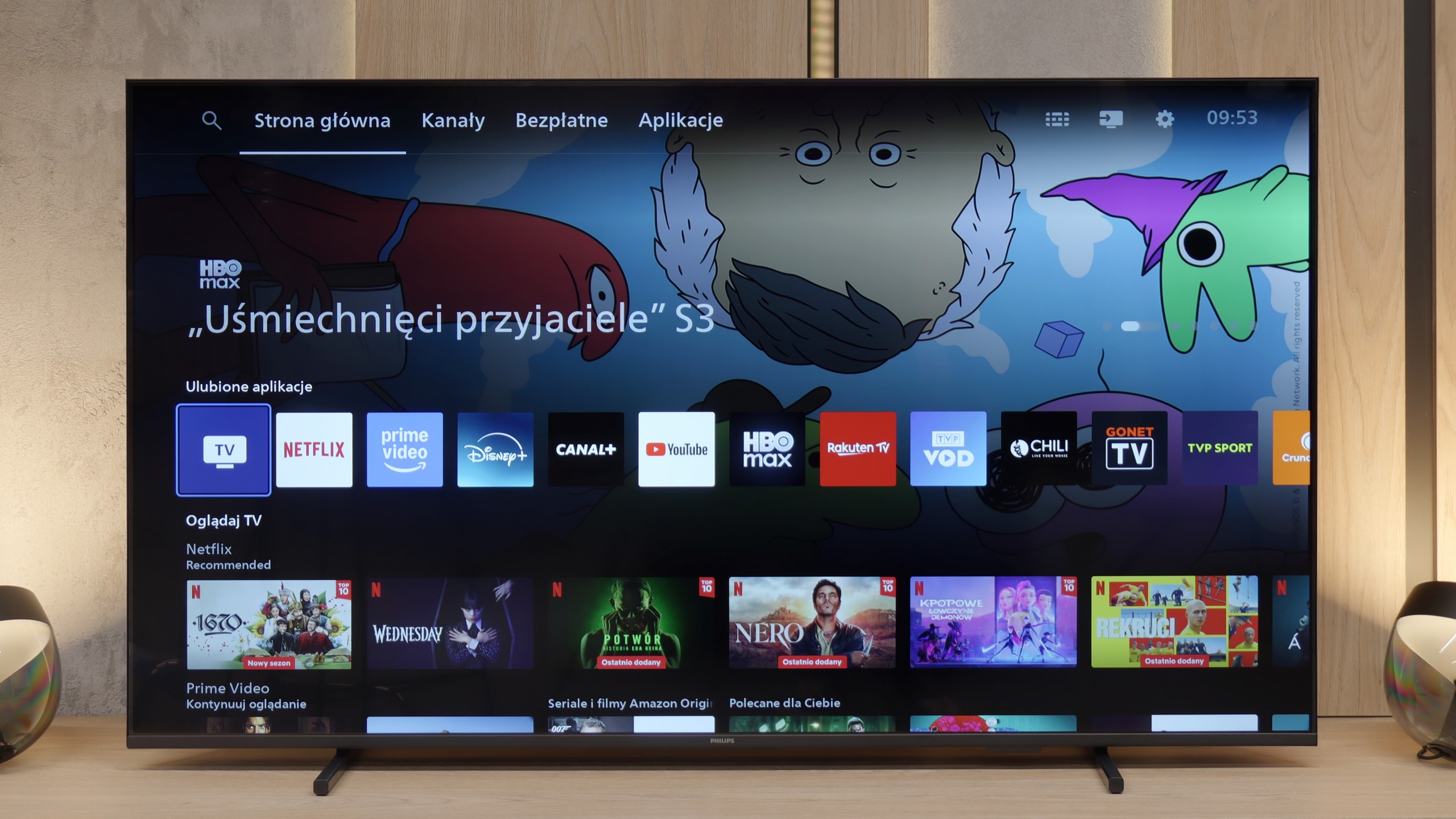
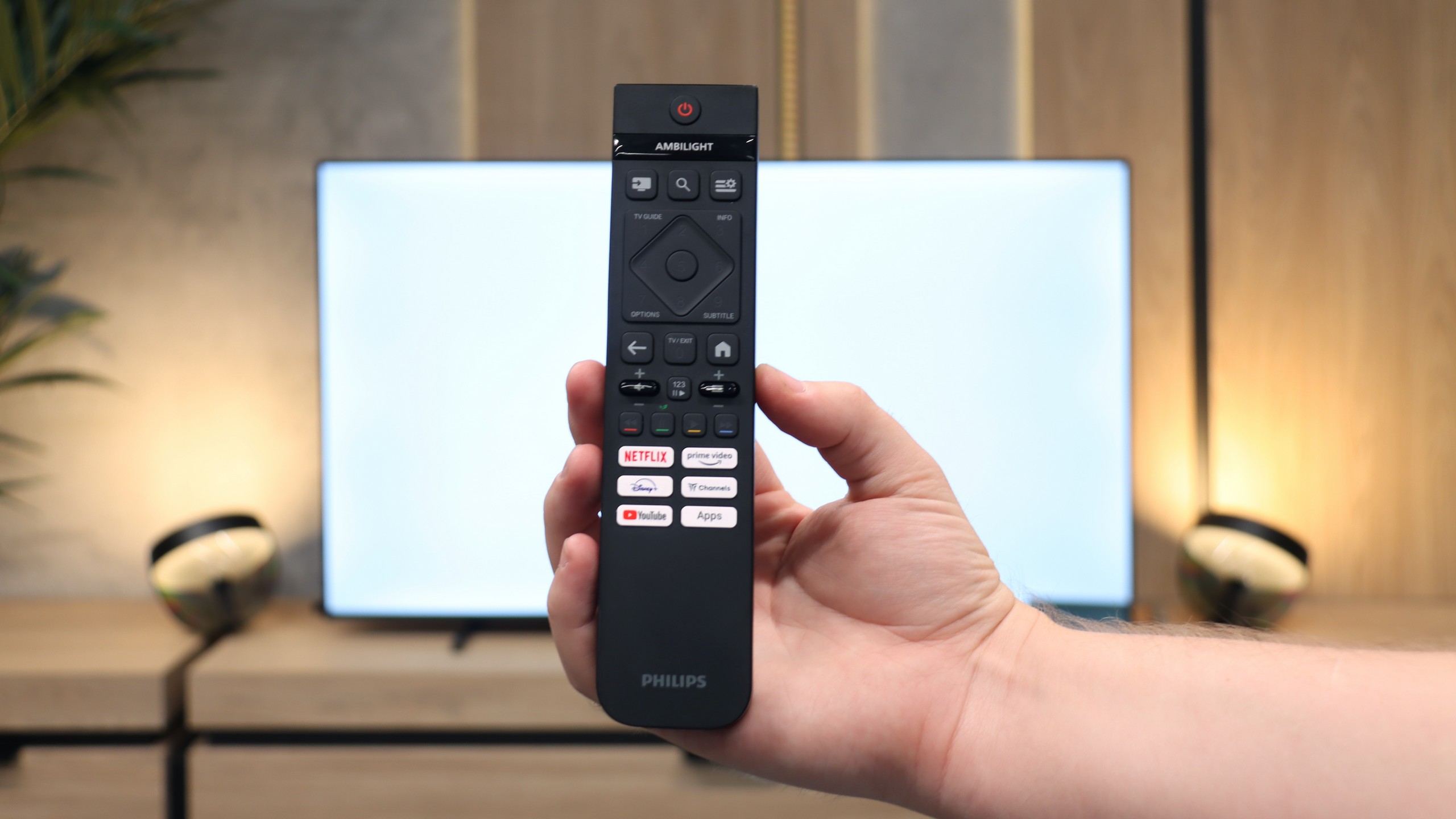
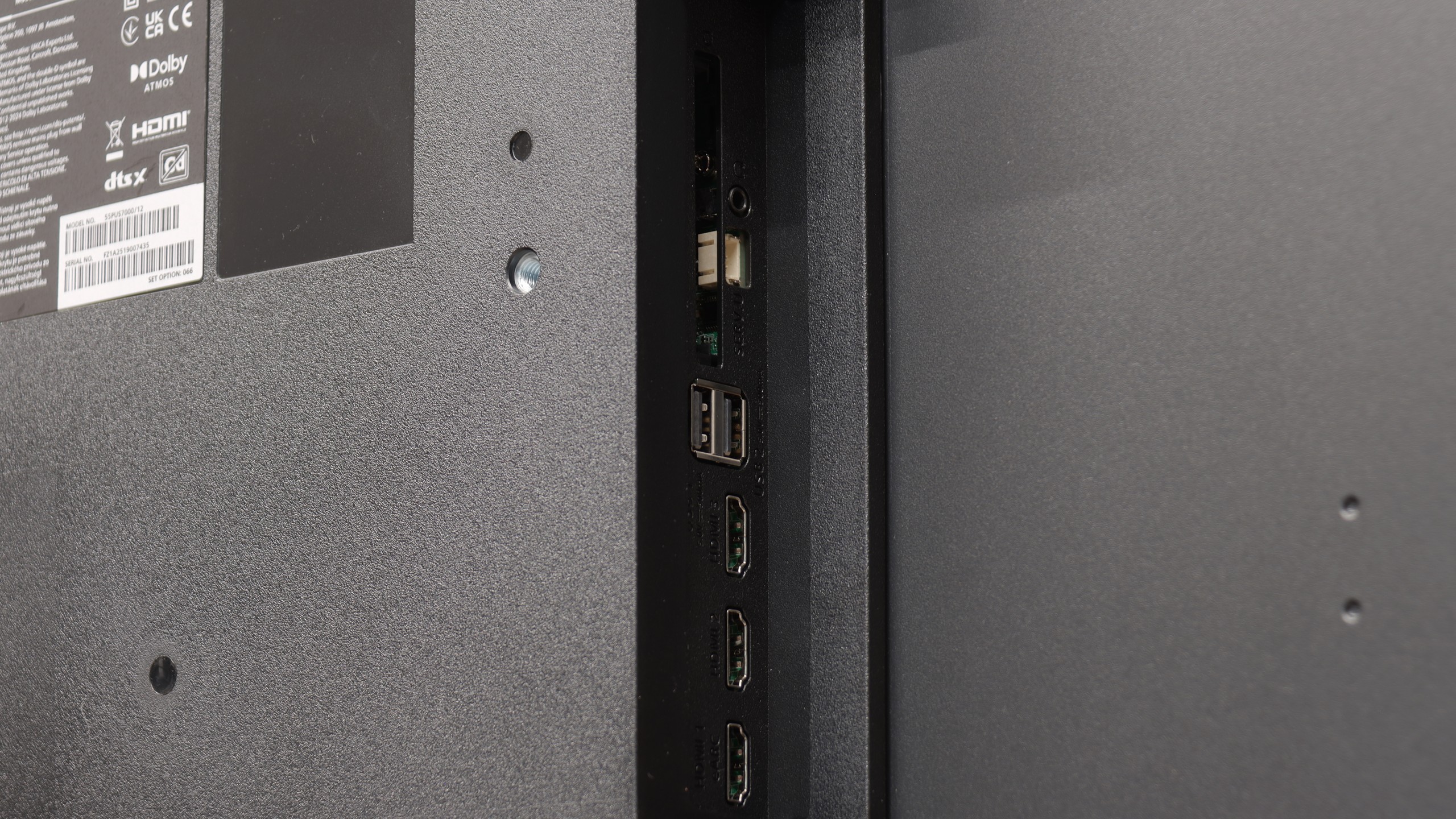
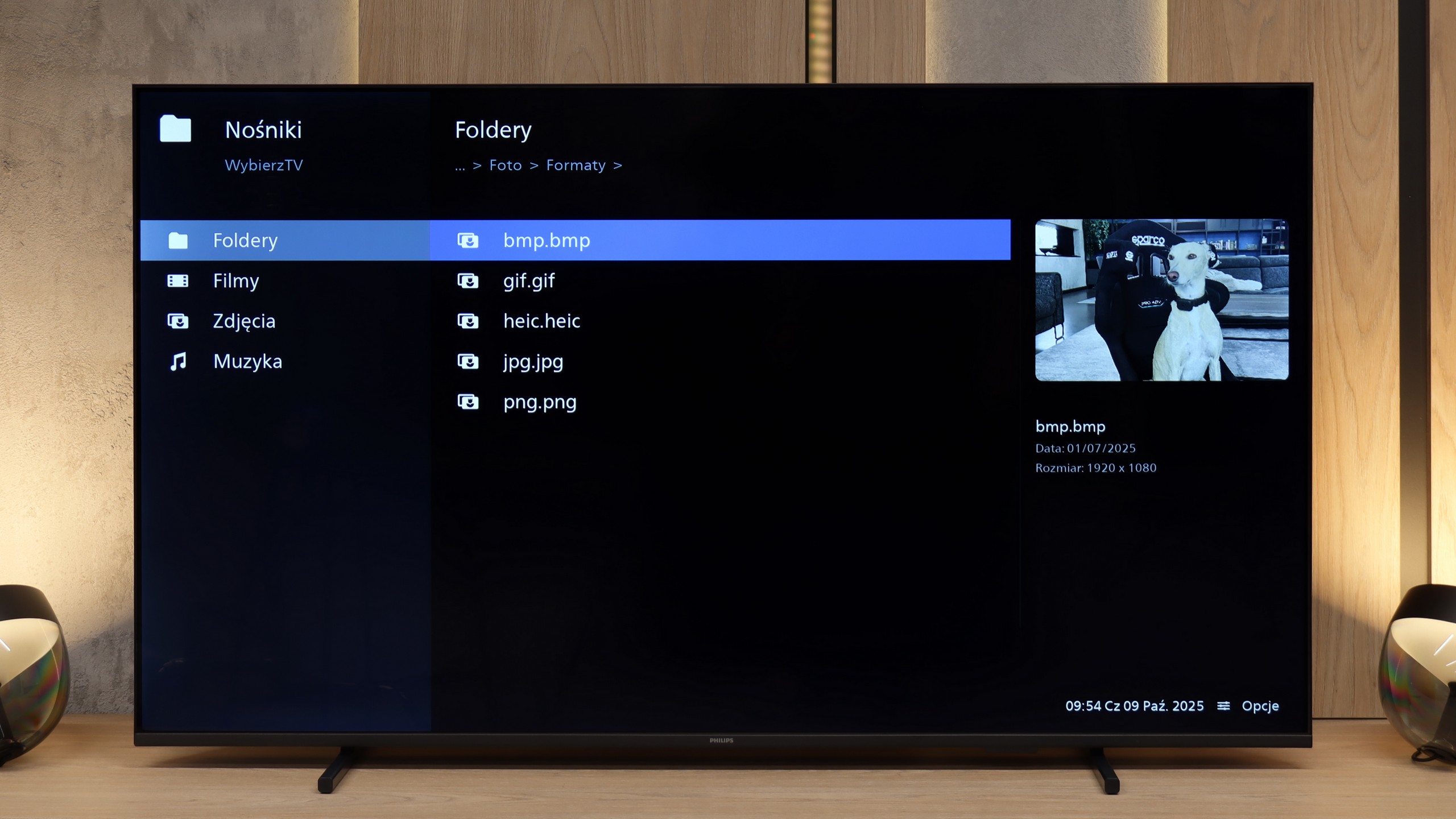
If you're looking for a specific reason to buy the Philips PUS7000, the price is pretty much it. This model is primarily meant to be cheap, and it fulfills that role perfectly. It could be a decent choice for someone who is still using an old Full HD screen and wants to finally upgrade to 4K without emptying the wallet. Interestingly, even though this is a "budget 60 Hz" model, Philips hasn't forgotten about gamers. We get VRR and ALLM, which realistically improve the gaming experience when connected to a console and make everything quite responsive. But... indeed. The biggest problem with this TV is its brightness, or rather the lack thereof. 200 nits is a figure that makes the PUS7000 simply capitulate on a sunny day. The picture will be pale and not very clear despite the fact that it features a high-contrast VA panel. HDR is essentially just a label on the box here. With such a dim panel, HDR materials look artificial and simply lack the necessary punch, so it's better to forget about them and stick to standard SDR. Is it worth buying? At this price, every manufacturer makes similar compromises, so the PUS7000 doesn’t drastically stand out from the other budget screens. The question is whether you'll get along with the Titan OS system, which is still a bit raw and lacks many apps that are standard with competitors. Given today's prices, where Chinese brands like TCL and Hisense are churning out QLEDs and Mini-LEDs like there’s no tomorrow, the Philips PUS7000 faces a really tough battle. If you value the logo of a well-known brand and a low price: you can go ahead. However, if you’re looking for picture quality... it’s better to double-check your budget before making a purchase.
 Direct comparison