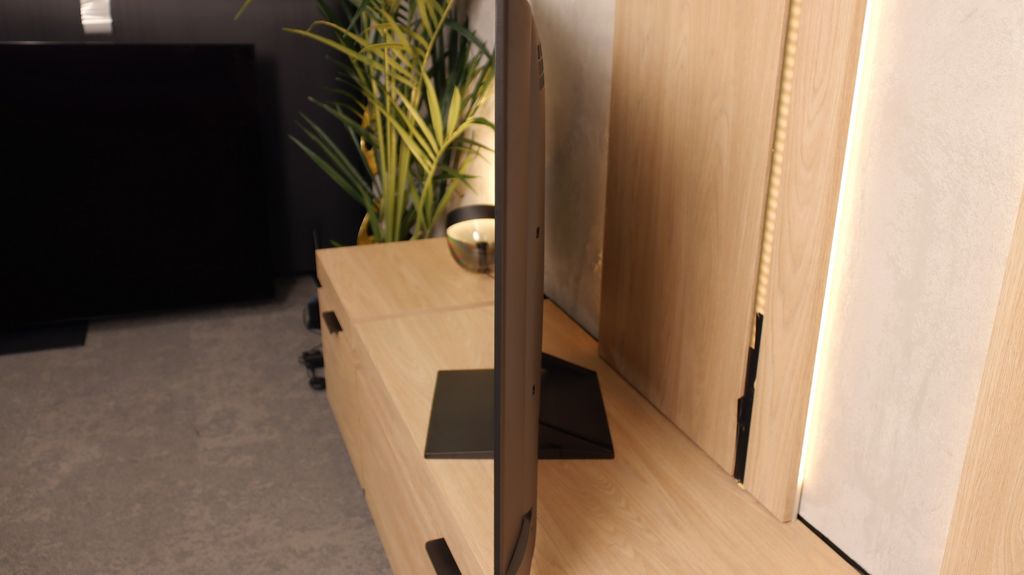
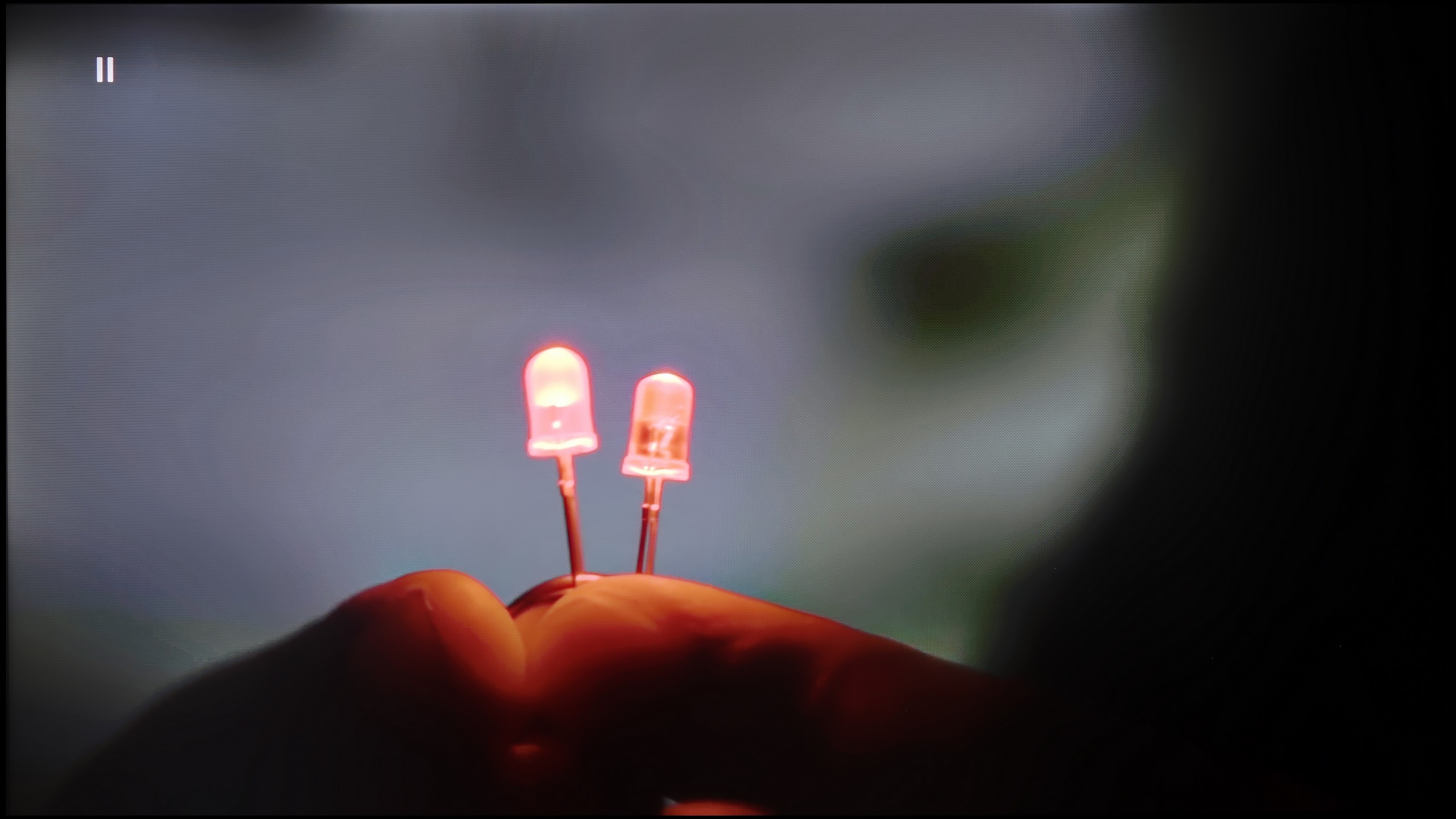
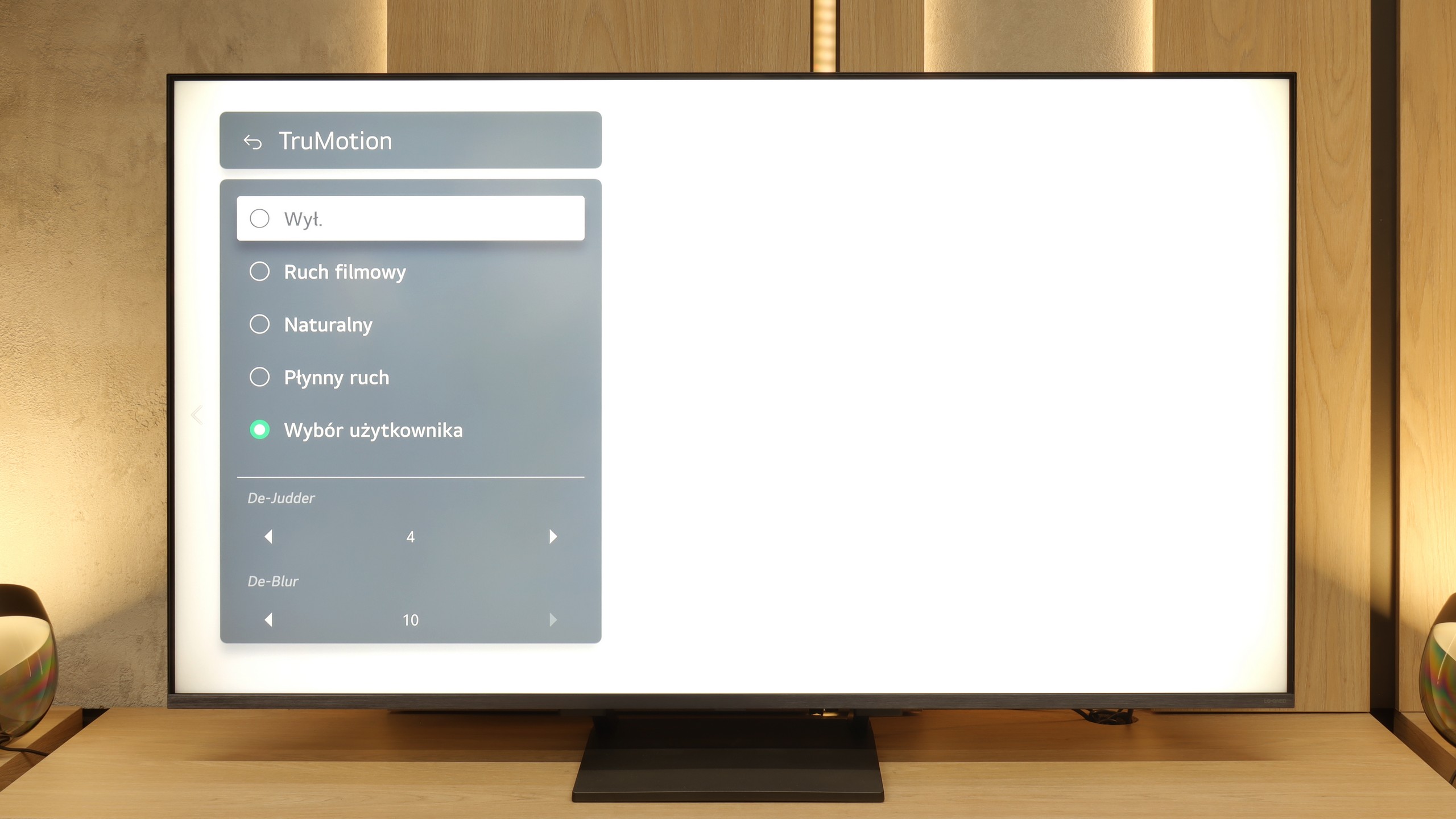
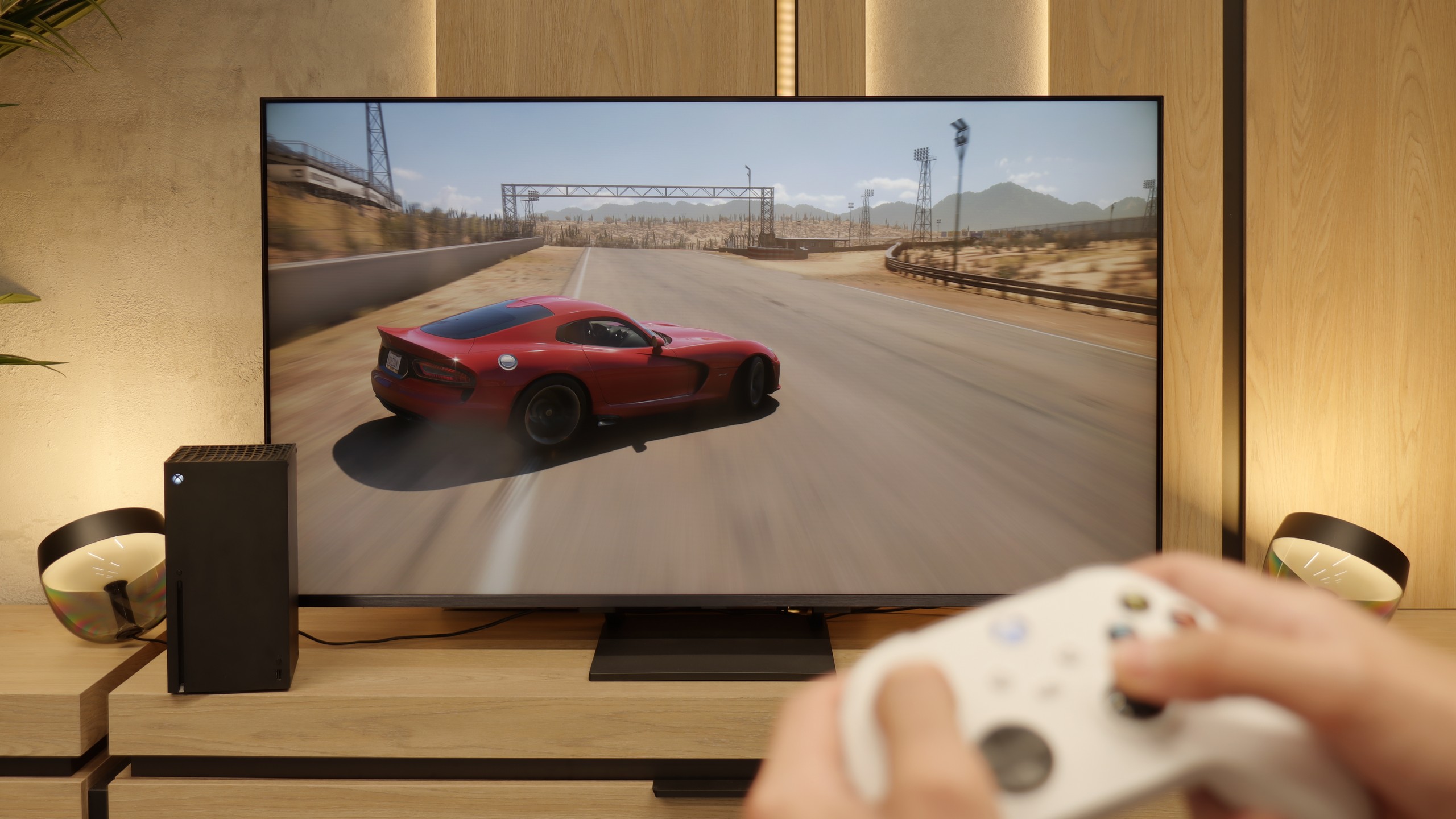
The Sharp FQ8 television offers numerous features that set it apart in its price range. It operates on the Google TV platform, granting access to a wide array of applications and intuitive navigation. A 120 Hz refresh rate panel ensures smooth image rendering, while low input lag makes it an appealing option for gamers. The high native contrast delivers deep, vivid blacks, and the television achieves a respectable brightness of 450 nits, allowing for comfortable HDR content viewing. Additionally, advanced formats like Dolby Vision are supported, and the inclusion of quantum dots (Quantum Dot/QLED) enhances the wide colour gamut coverage.
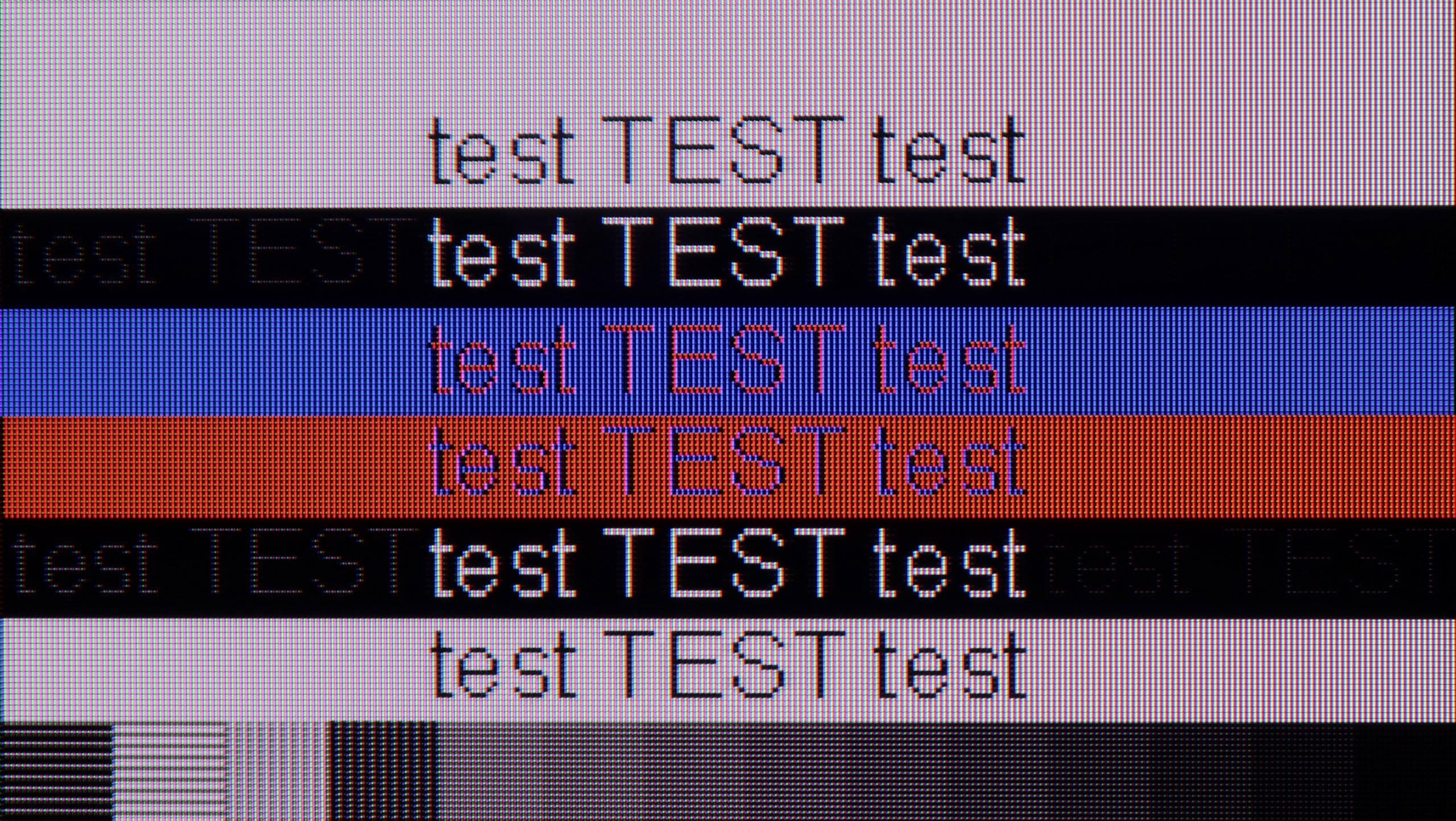
However, the Sharp FQ8 has its shortcomings. The lack of dynamic tone mapping control in HDR mode may disappoint more demanding users, and despite featuring Dolby Vision IQ, its performance is underwhelming. The panel's average response time can impact the clarity of fast-moving scenes, and limited viewing angles significantly reduce image quality when viewed from the side.
Despite these drawbacks, the Sharp FQ8 stands out as a solid choice, offering a good balance of quality, image fluidity, and an enjoyable audio system, all at a competitive price. While not flawless, it should meet the needs of most users seeking an affordable television with a 120 Hz panel.
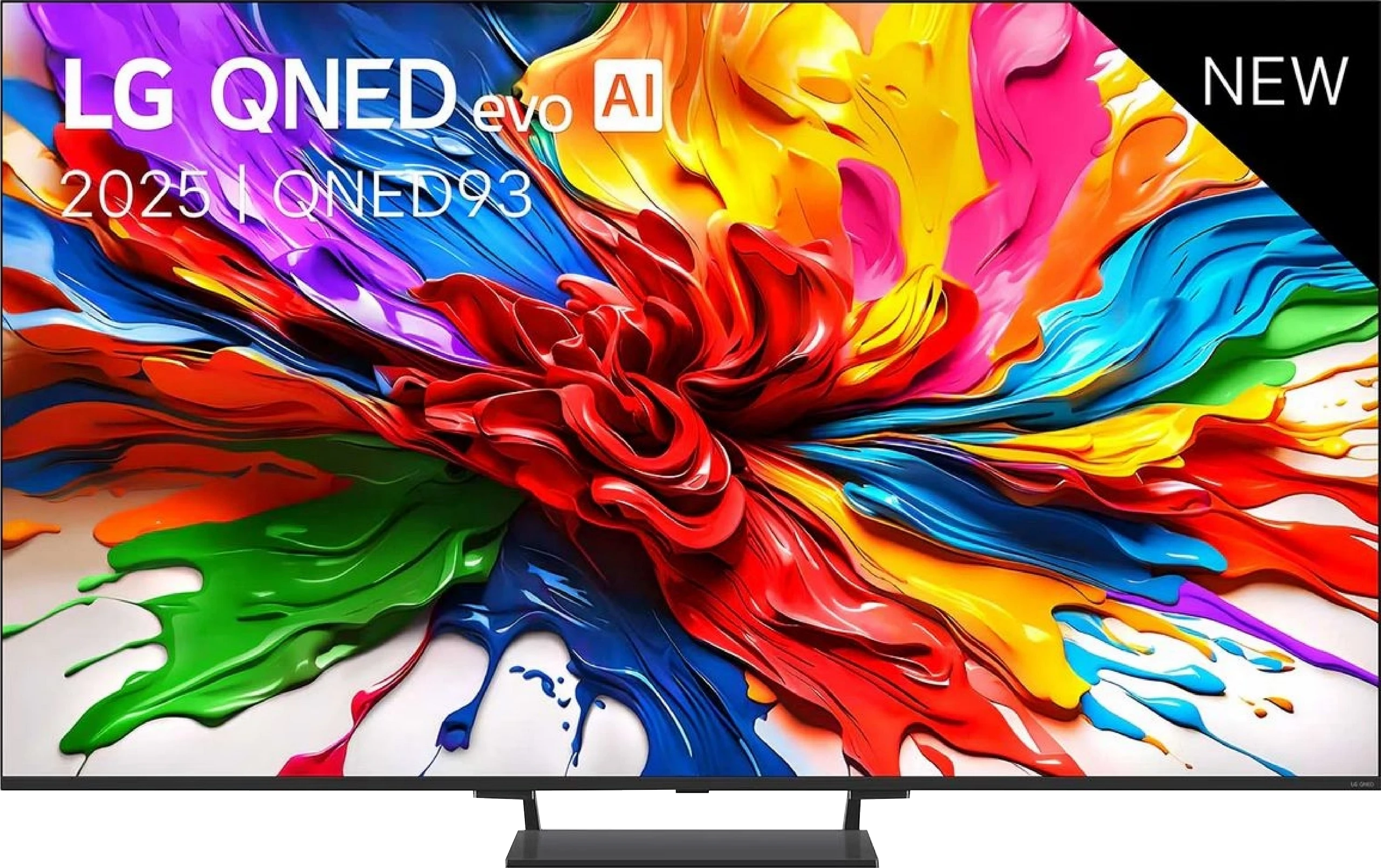
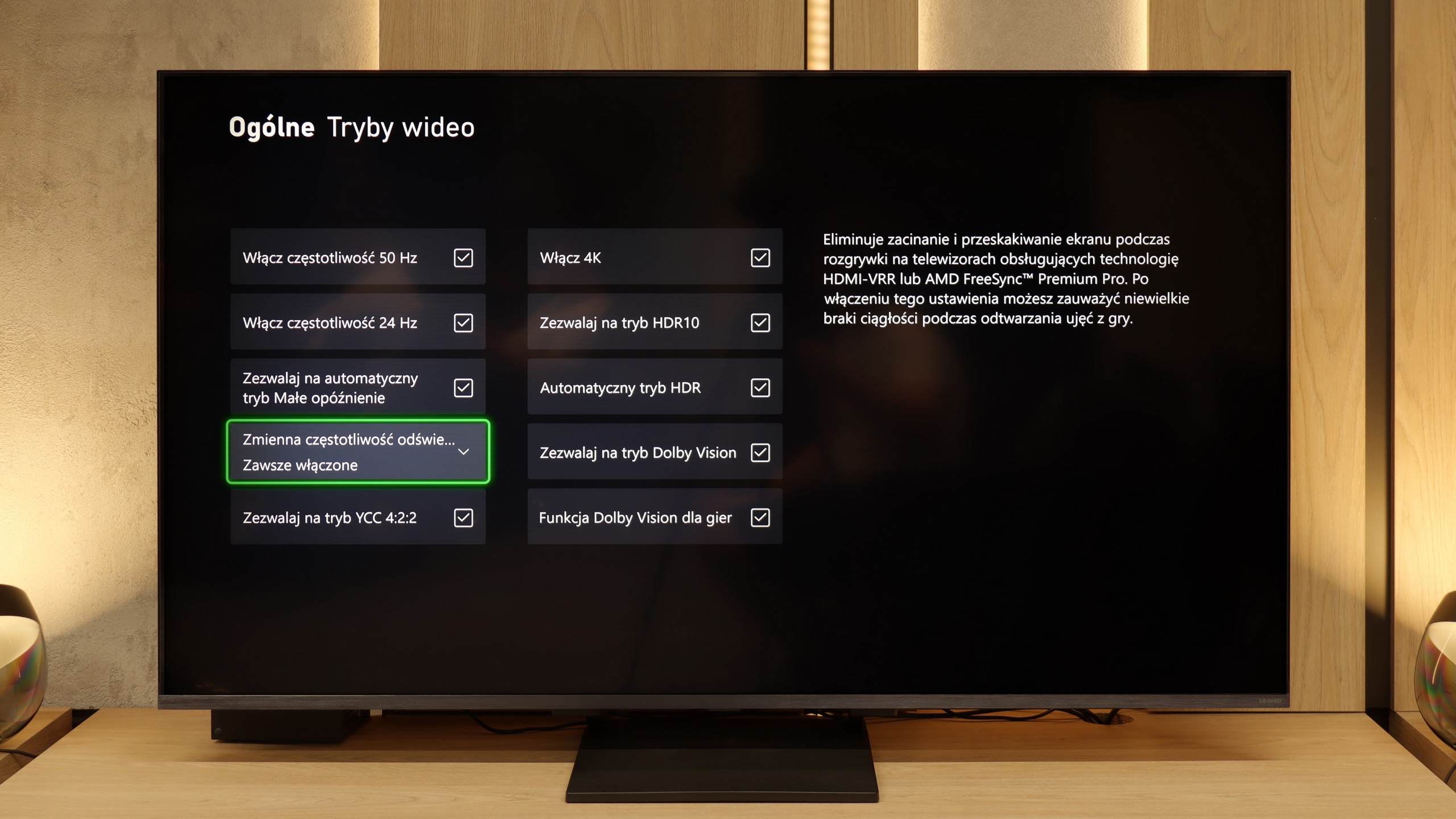
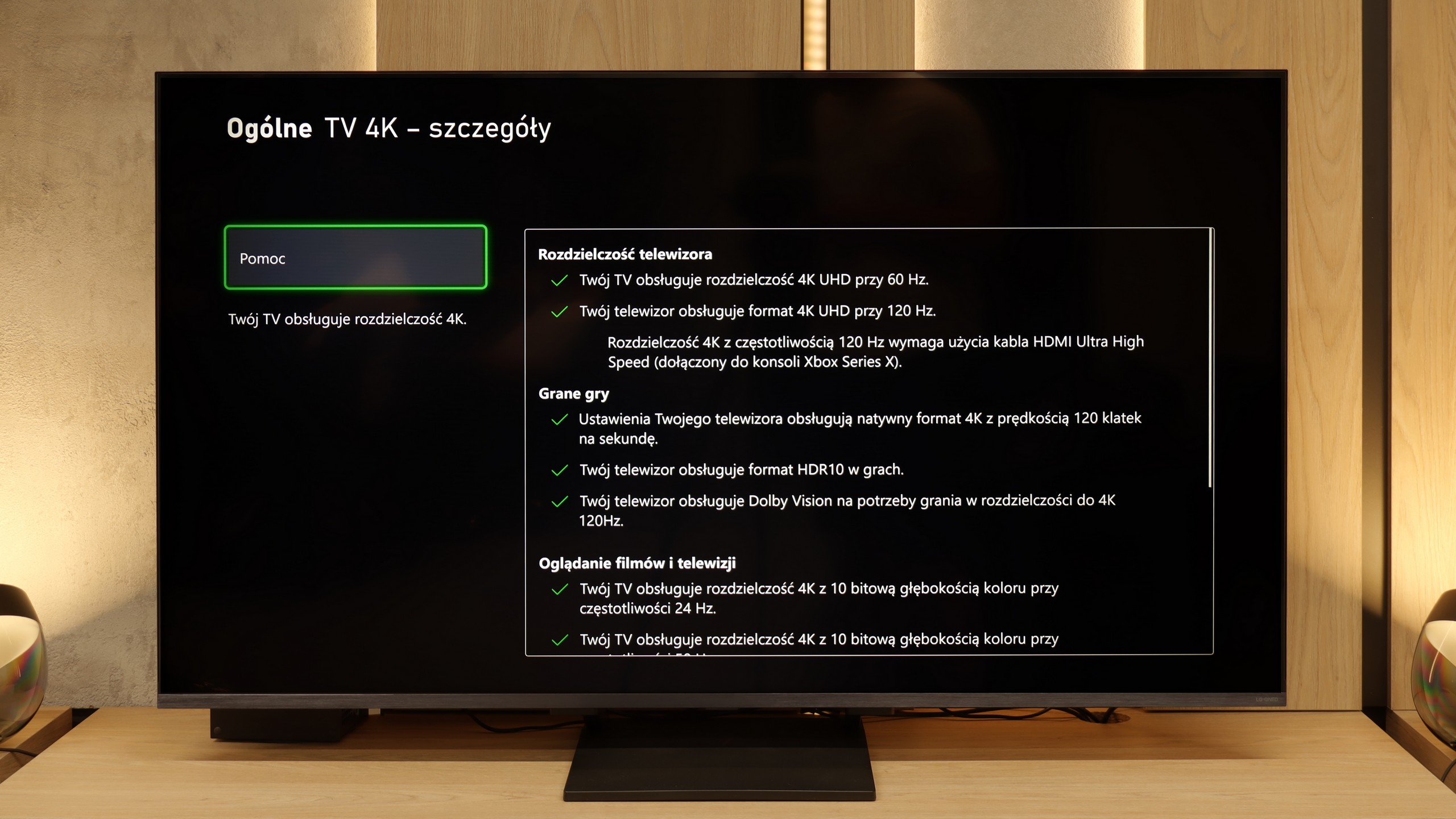
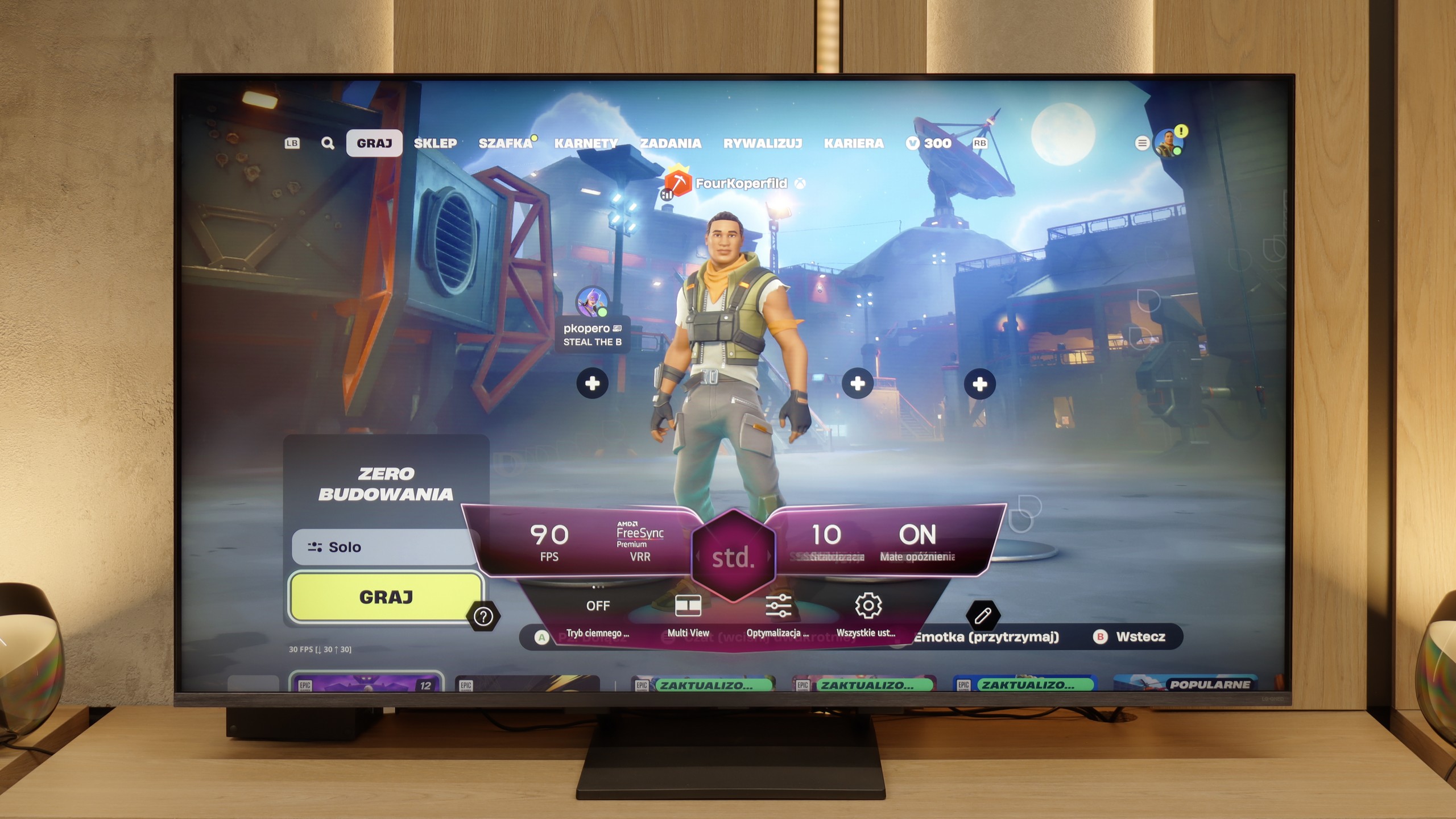
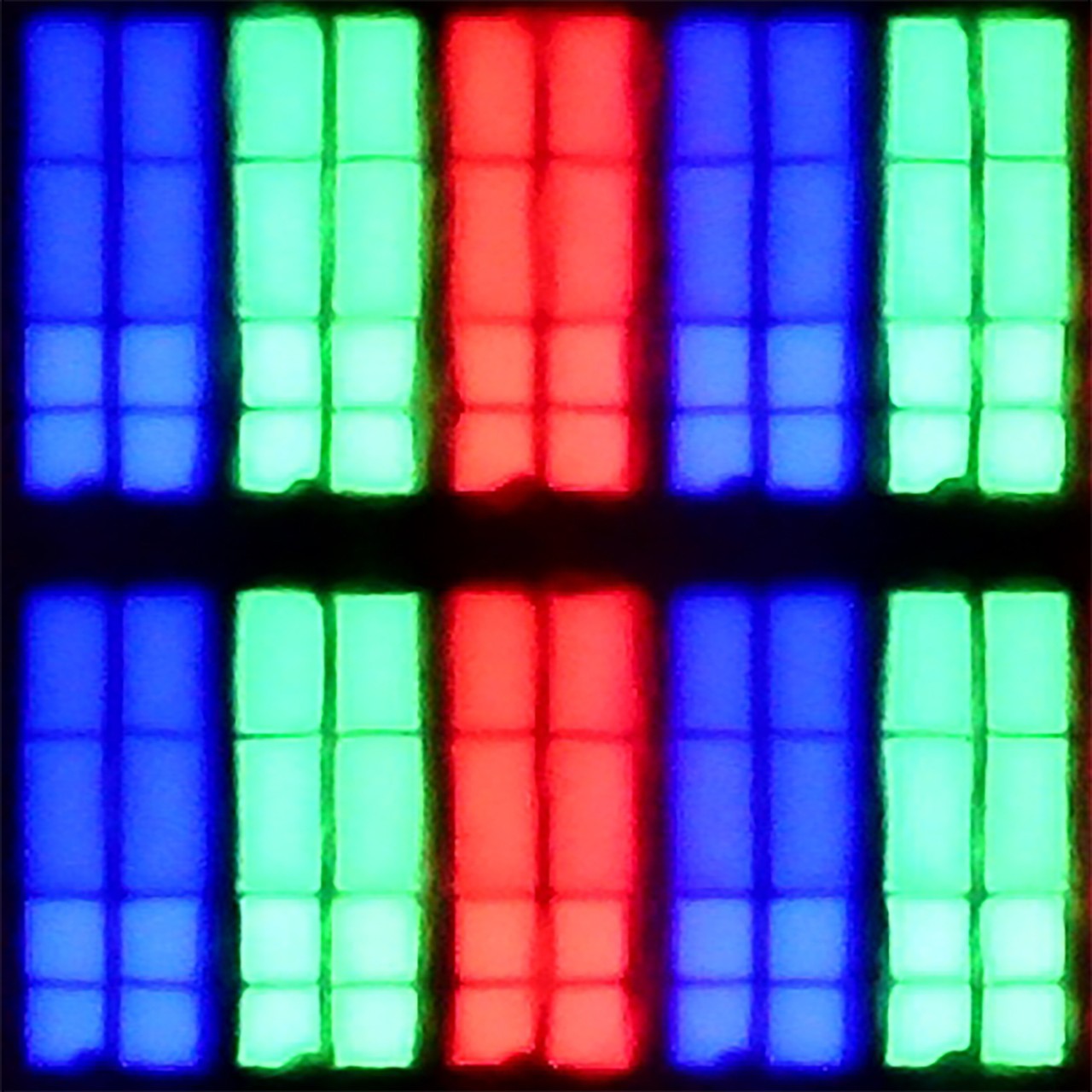
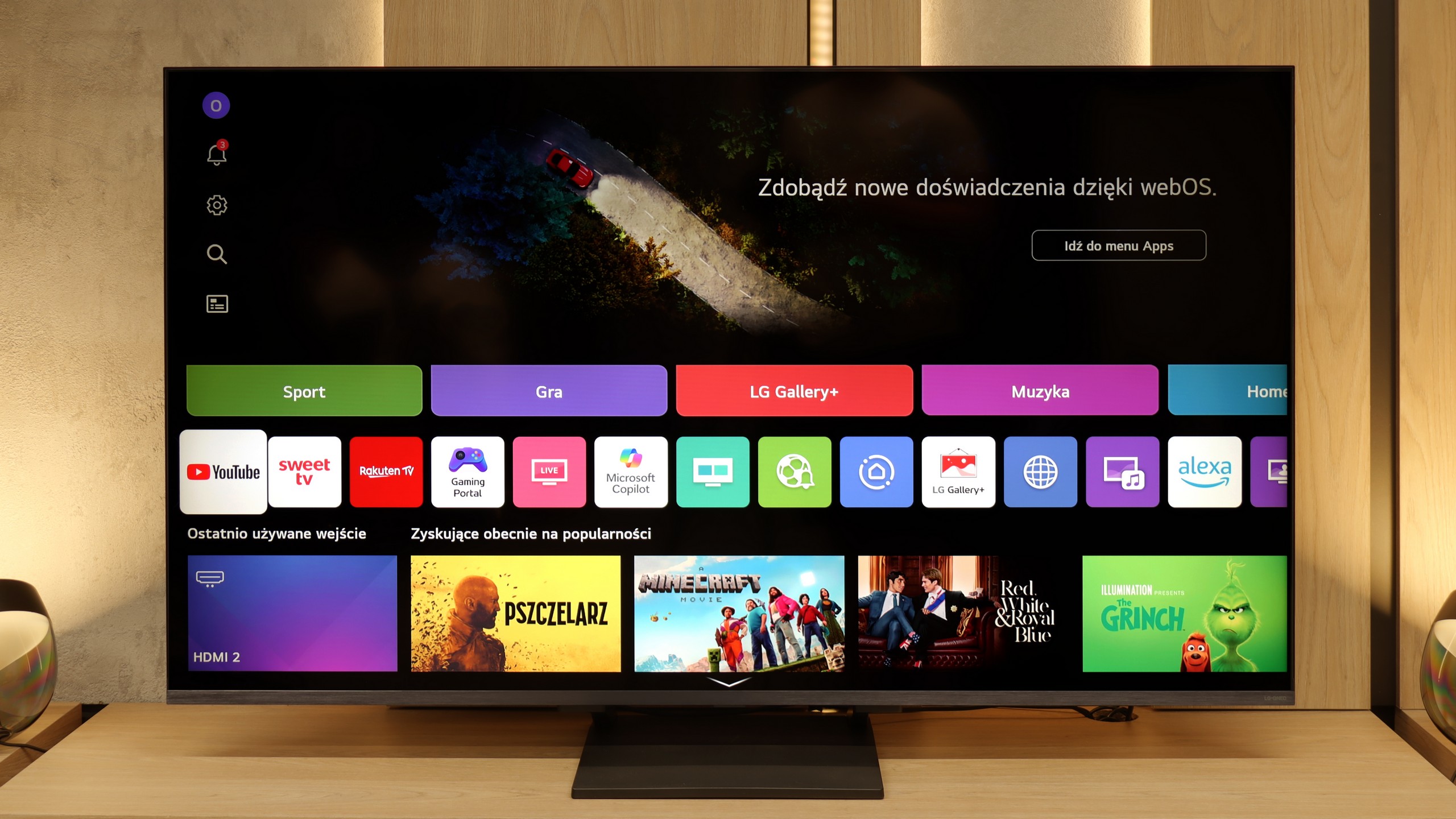
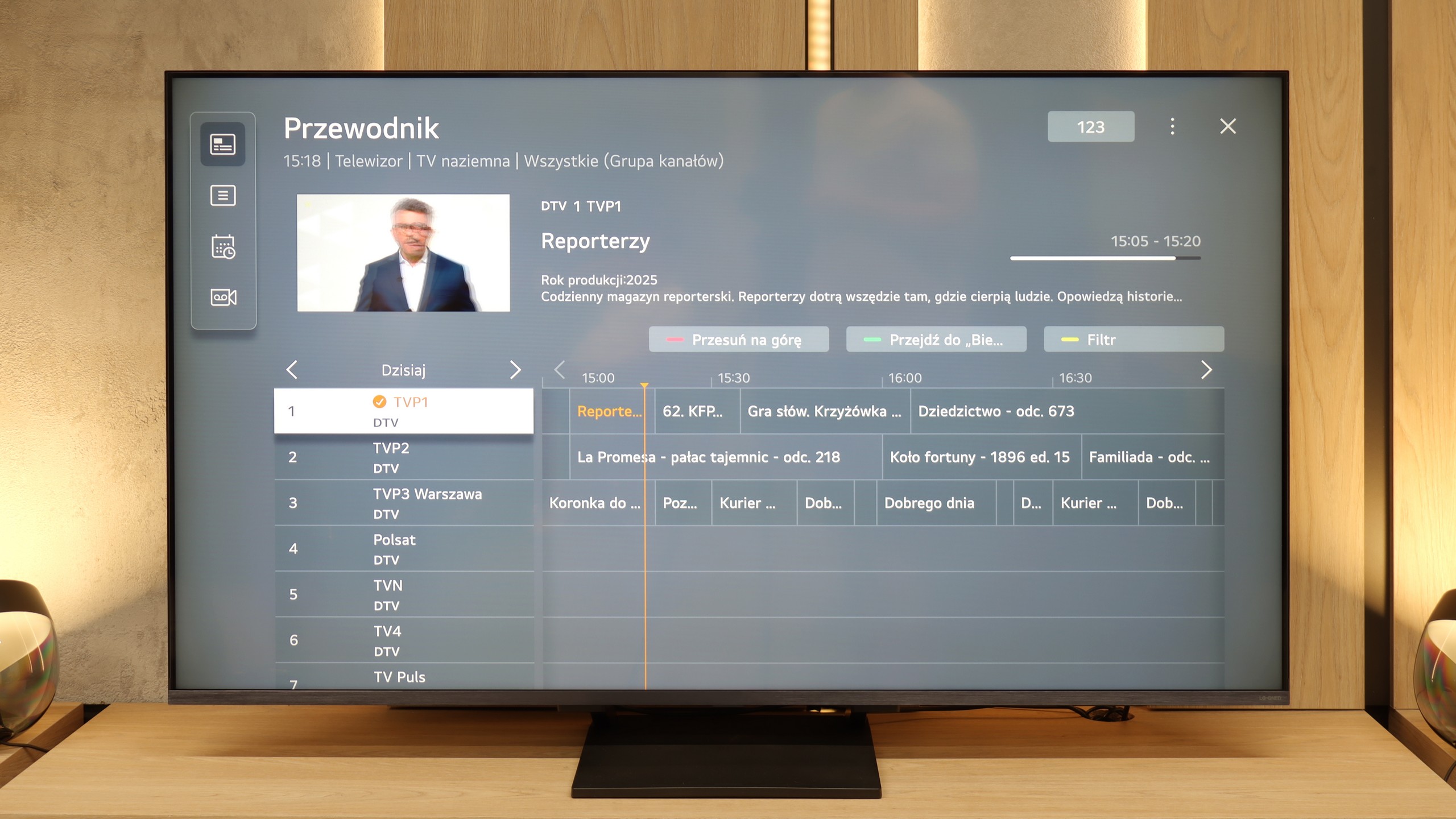
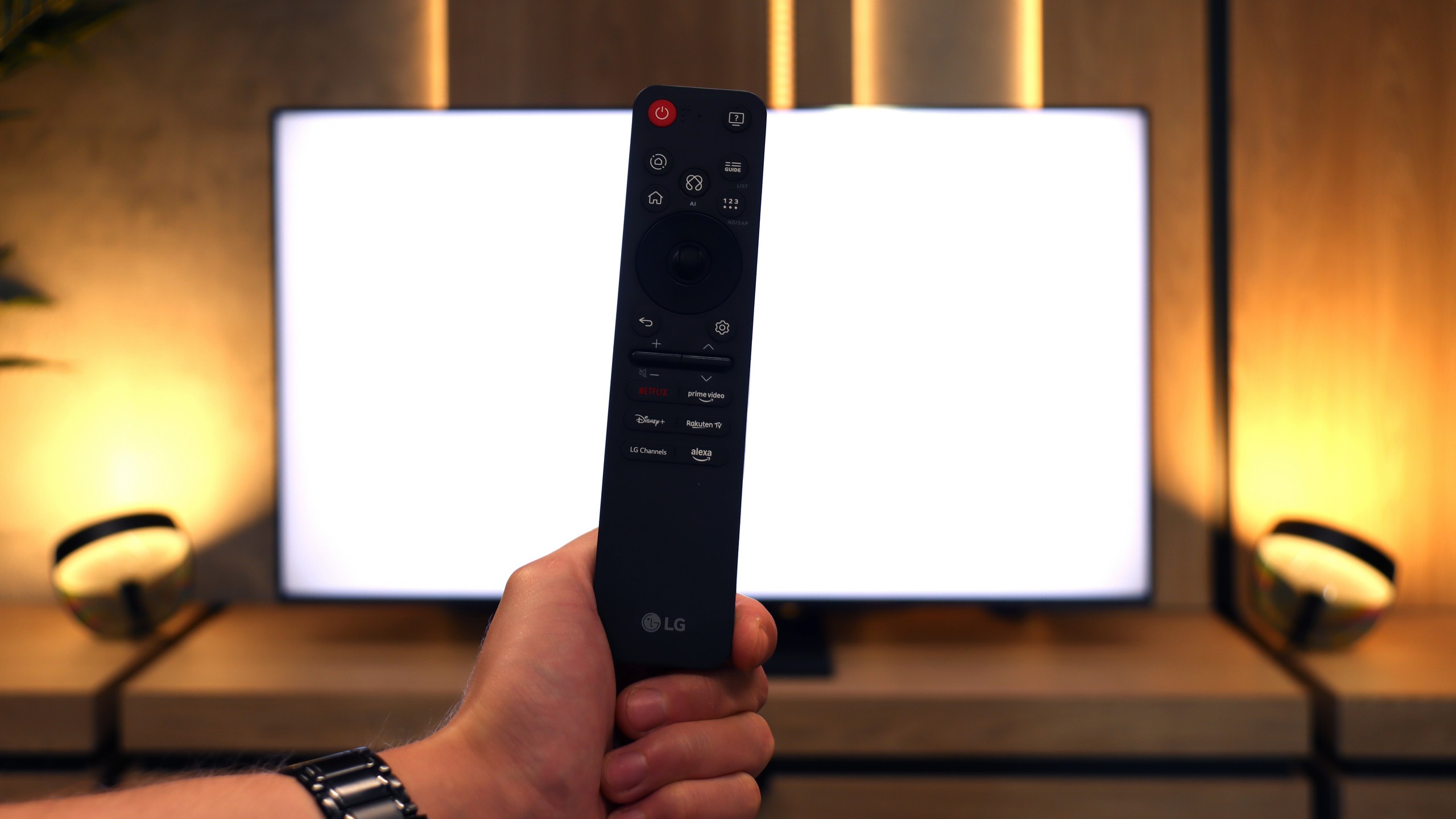
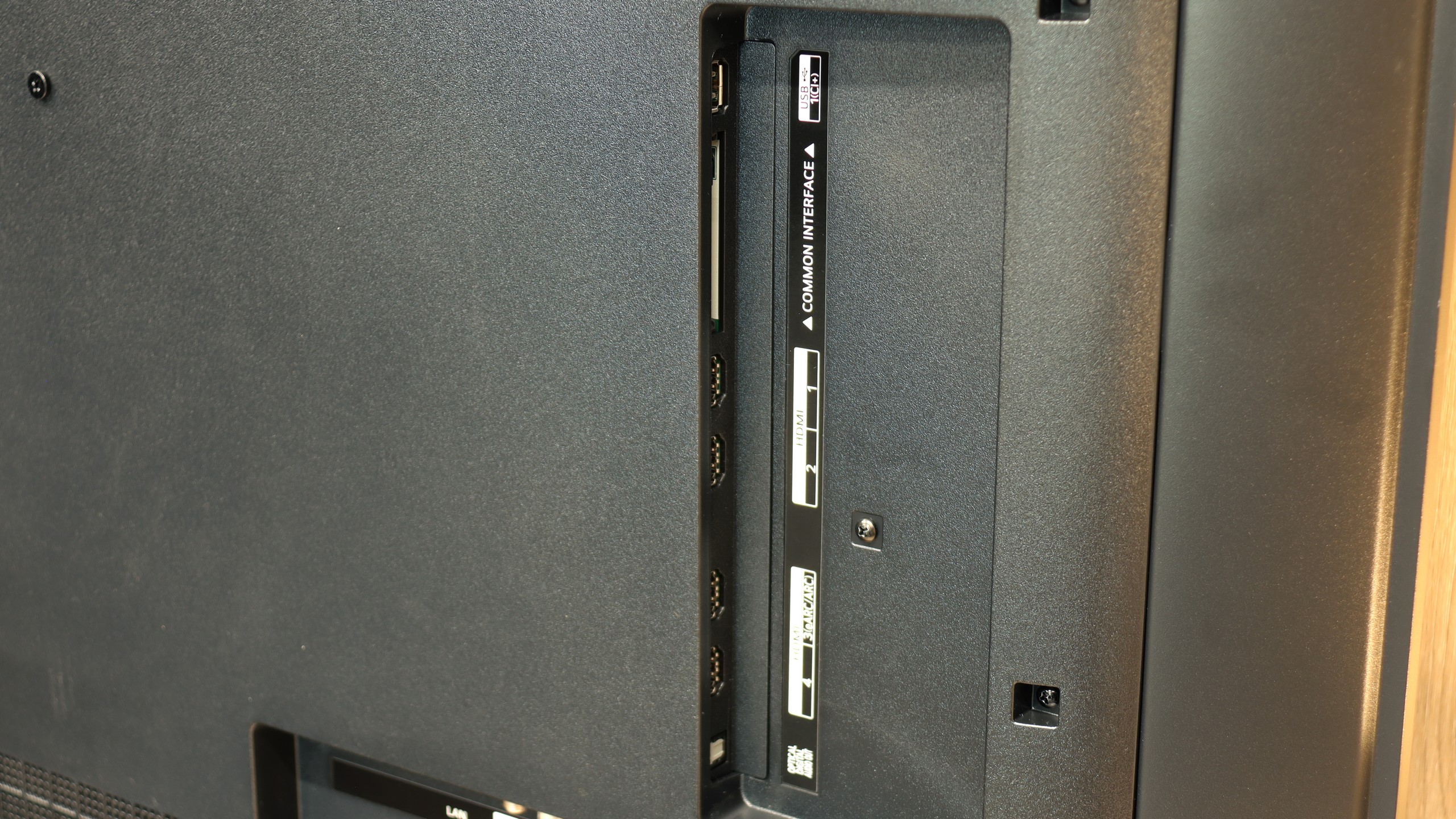
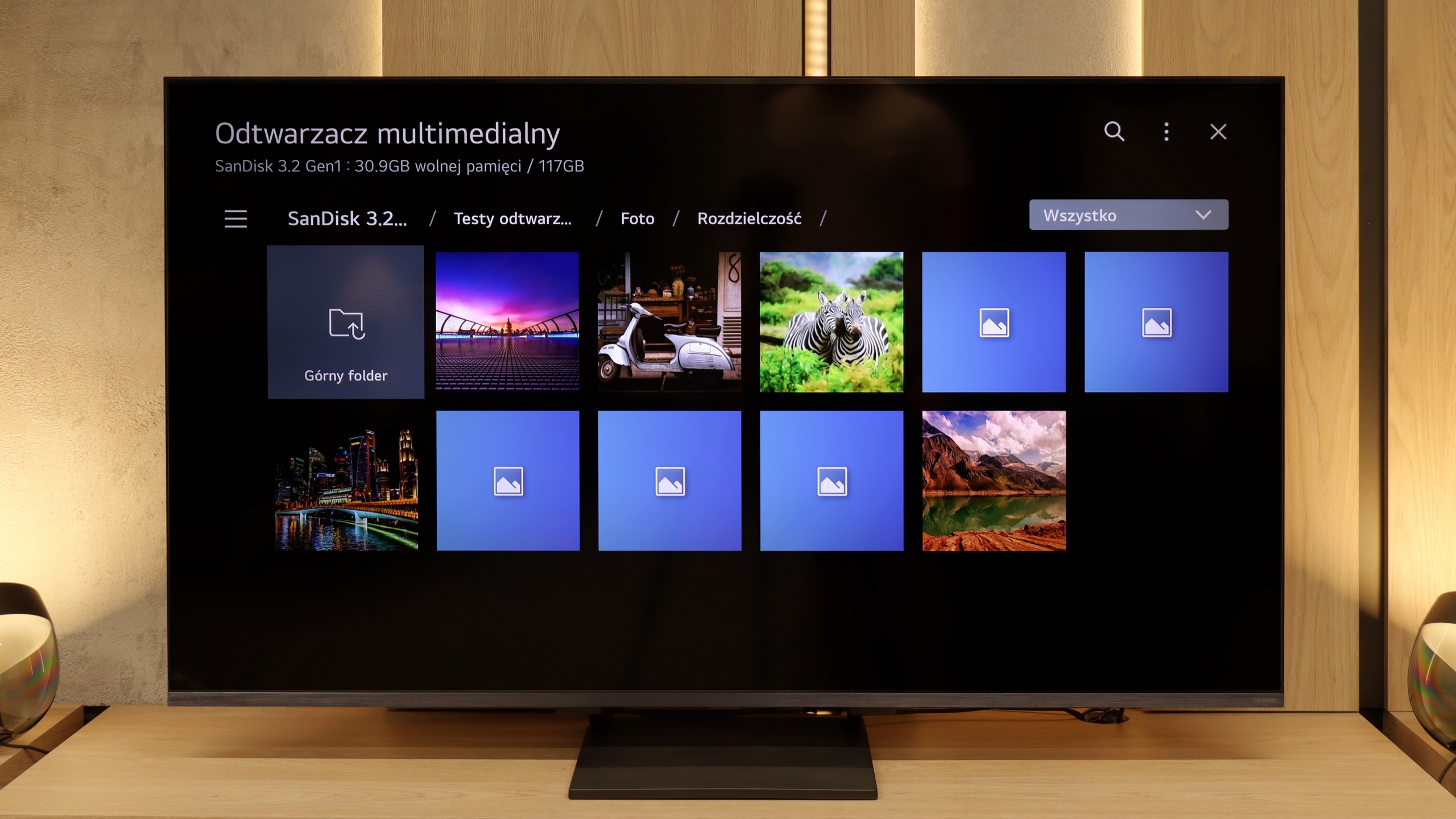
LG QNED93A is a television that at first glance appears to be a solid step forward compared to previous LCD models from this brand. On paper, we get a lot: significantly more dimming zones, 144 Hz refresh rate for gamers, support for all HDR formats, including Dolby Vision, and WebOS with a new Magic remote, which remains one of the most user-friendly control systems. The QNED93A shines most brightly in gaming applications. Four fully-fledged HDMI 2.1 ports allow you to connect consoles and computers without any limitations, and the low input lag is maintained at both 120 and 60 Hz. For PC gamers, an additional advantage will be the 144 Hz mode and full compatibility with G-Sync and FreeSync. So it can confidently be said that in terms of features for gamers, the QNED93A doesn't have any complexes compared to the competition. Another strong point is WebOS. LG's system has been regarded for years as one of the most user-friendly in everyday use, and this is confirmed here. Everything is clear, and the Magic remote allows you to operate the TV like a mouse pointer – quickly and intuitively. Brightness is also a plus. At its peak, it managed to achieve results close to 1400 nits. This is enough for the image to not wash out in brighter rooms and for special effects in movies or games to look convincing. The image processor handles upscaling older content well – television or films in lower resolutions appear clearer and sharper than on many competing screens.
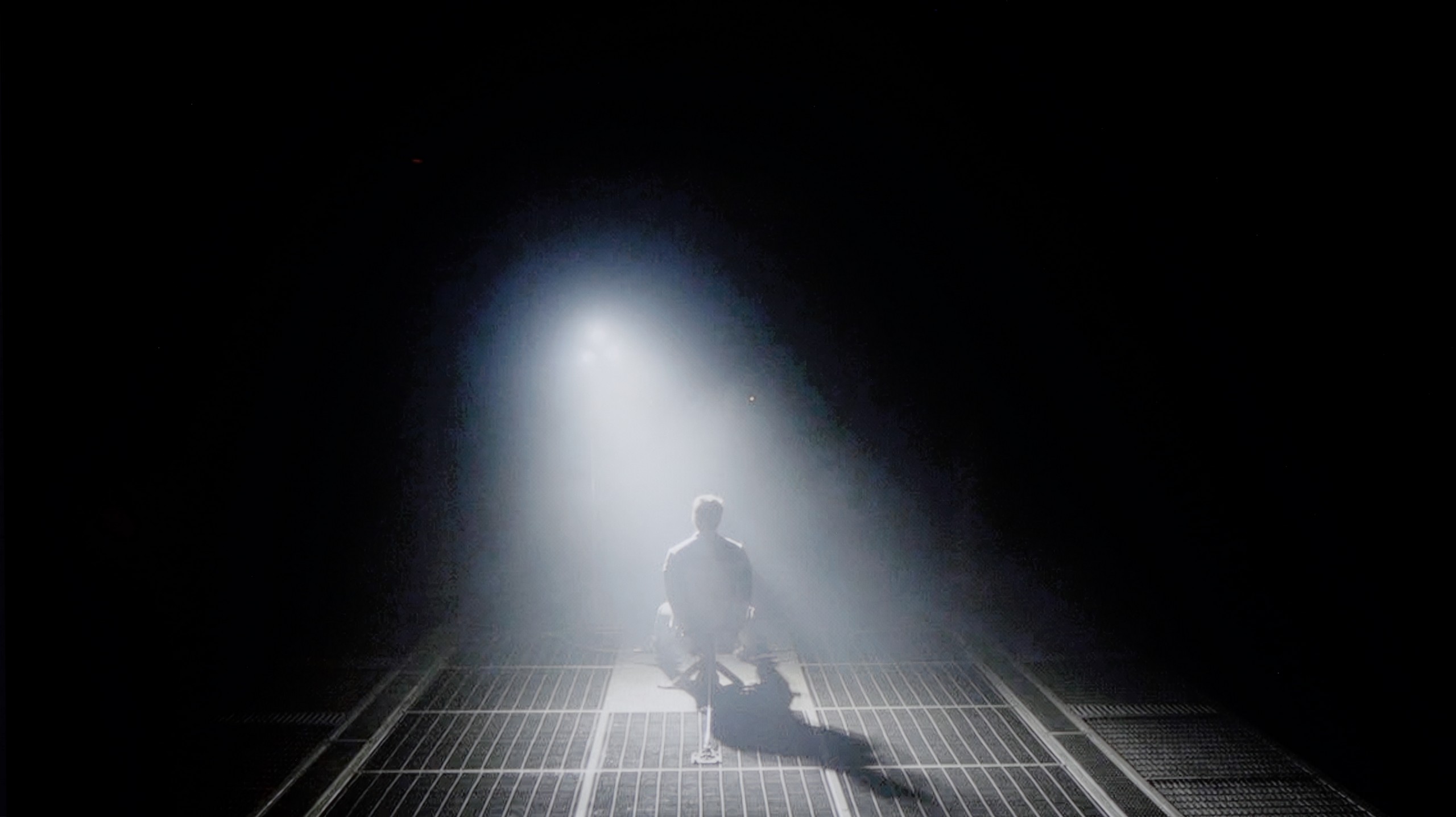
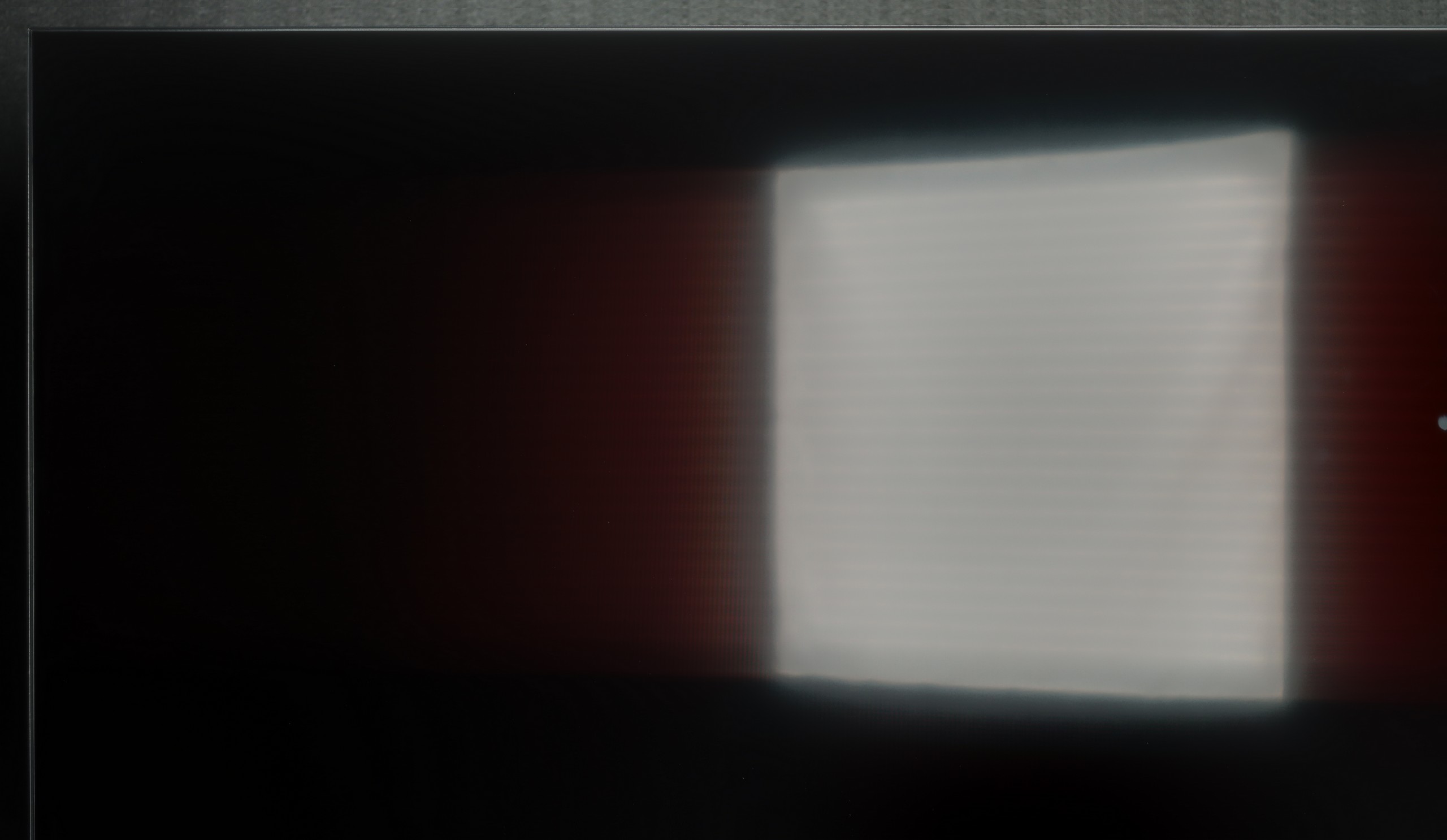
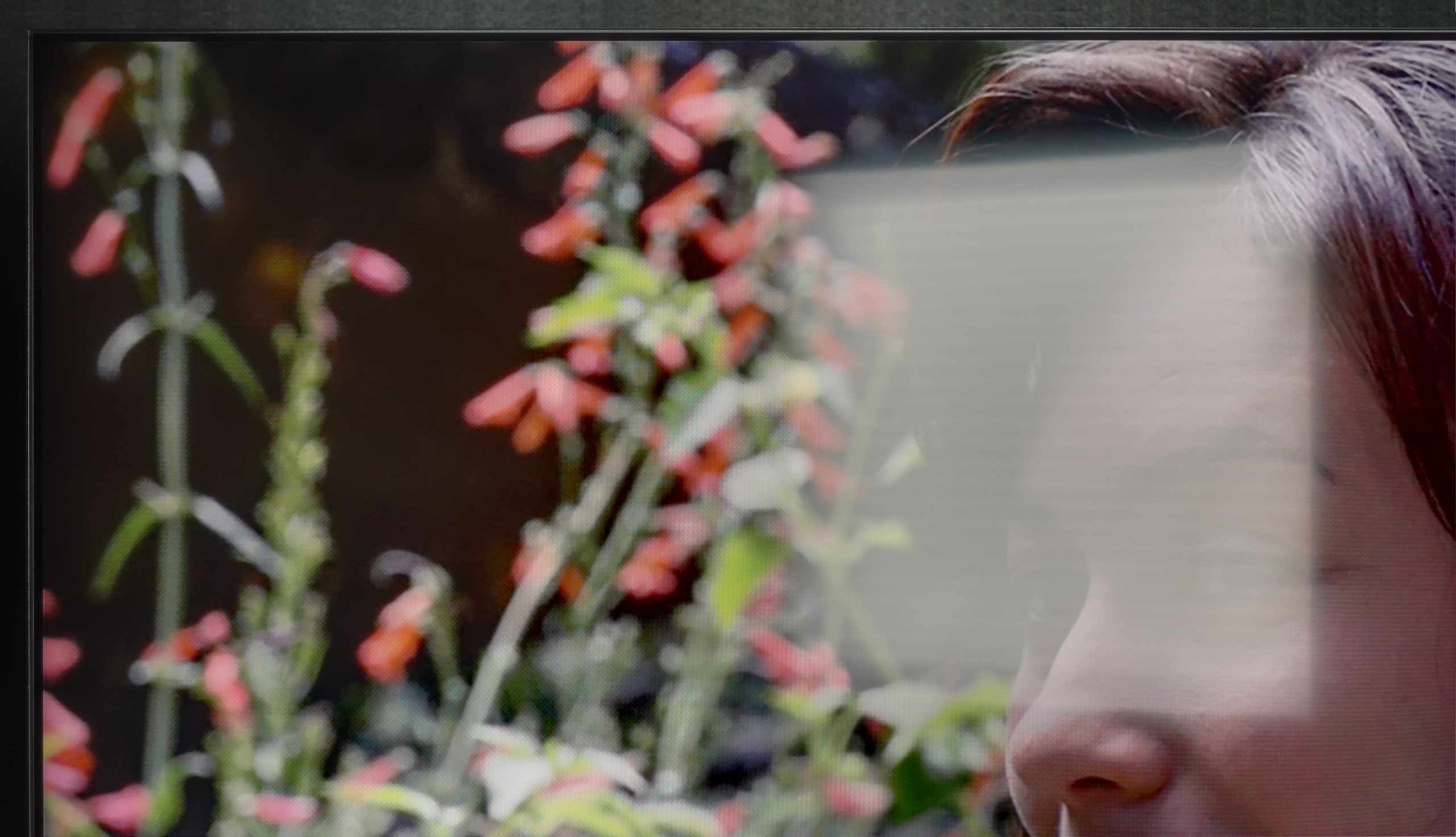
However, it cannot be hidden that the biggest problem with the QNED93A is the local dimming algorithms. In scenes full of blacks, the screen can darken significantly, causing many details to simply vanish. The effect is such that the contrast looks better at first glance, but at the cost of information that should be visible. An additional problem is the Dolby Vision mode, which usually improves certain aspects of screens, but in this case changes very little. The differences between dynamic and static metadata have to be literally searched for with a magnifying glass. This is simply disappointing because the hardware's number of dimming zones and stronger backlighting provide the basis for a better effect. So who is the LG QNED93A for? It is a television that will work excellently as a home entertainment centre, especially if you’re thinking about gaming on consoles or PCs. In everyday watching of TV and films in well-lit conditions, it will also provide a lot of satisfaction thanks to its high brightness and decent image processor. However, one must accept that in scenes with a lot of black and full utilization of HDR, this model does not measure up to its competitors. LG has shown that it can create a very solid LCD screen, but it is also evident that not everything has been refined as it has in their OLED televisions.
 Direct comparison