The Sharp FQ8 television offers numerous features that set it apart in its price range. It operates on the Google TV platform, granting access to a wide array of applications and intuitive navigation. A 120 Hz refresh rate panel ensures smooth image rendering, while low input lag makes it an appealing option for gamers. The high native contrast delivers deep, vivid blacks, and the television achieves a respectable brightness of 450 nits, allowing for comfortable HDR content viewing. Additionally, advanced formats like Dolby Vision are supported, and the inclusion of quantum dots (Quantum Dot/QLED) enhances the wide colour gamut coverage.
However, the Sharp FQ8 has its shortcomings. The lack of dynamic tone mapping control in HDR mode may disappoint more demanding users, and despite featuring Dolby Vision IQ, its performance is underwhelming. The panel's average response time can impact the clarity of fast-moving scenes, and limited viewing angles significantly reduce image quality when viewed from the side.
Despite these drawbacks, the Sharp FQ8 stands out as a solid choice, offering a good balance of quality, image fluidity, and an enjoyable audio system, all at a competitive price. While not flawless, it should meet the needs of most users seeking an affordable television with a 120 Hz panel.
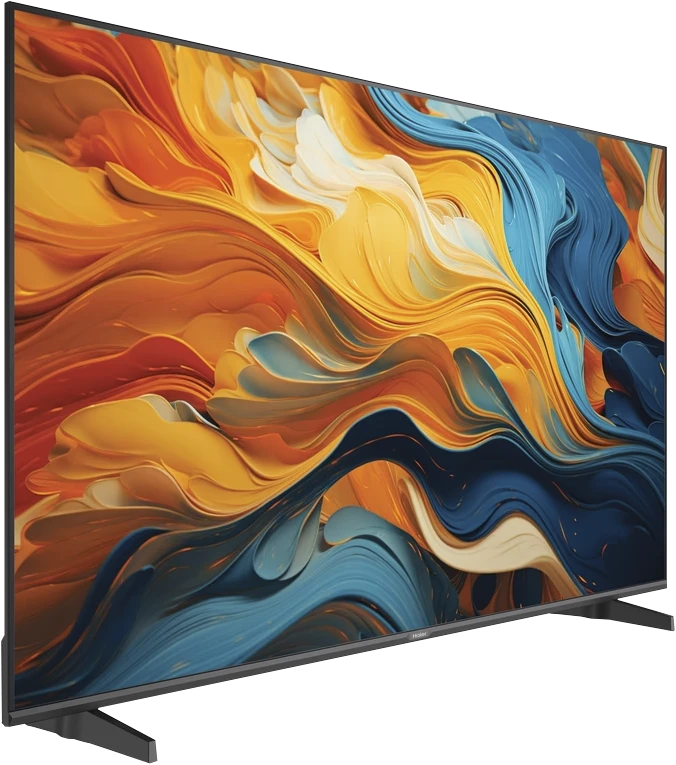
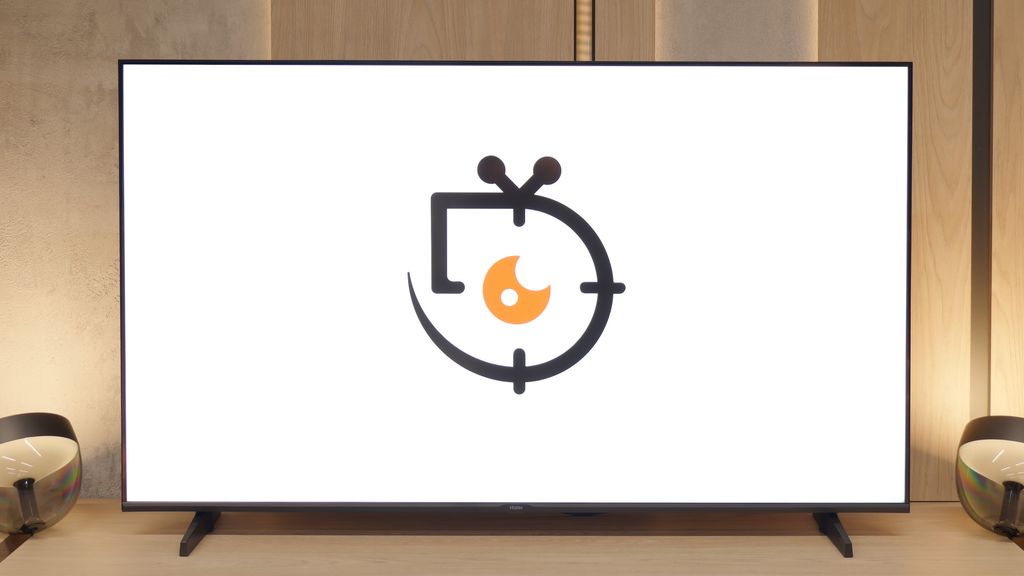
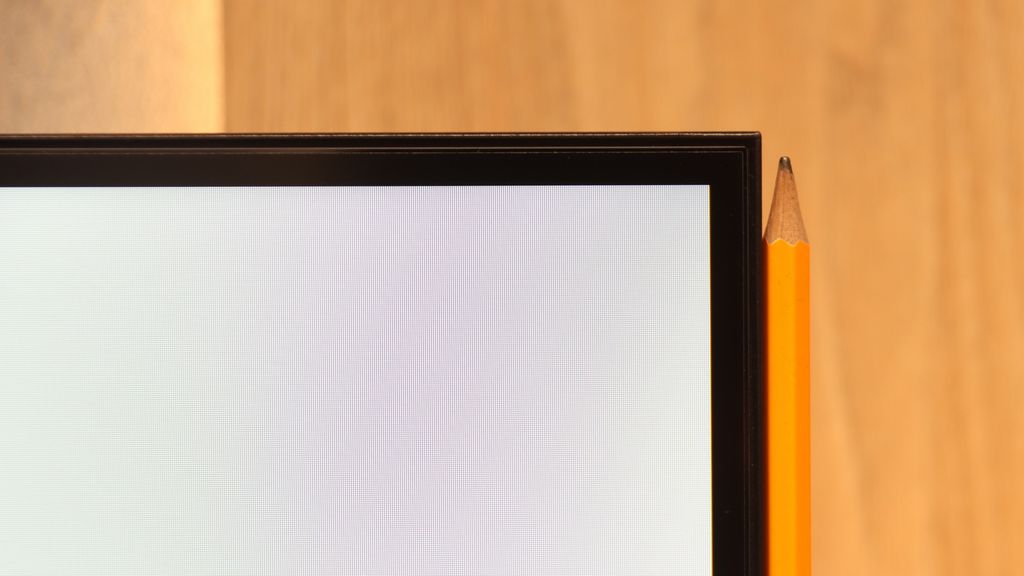
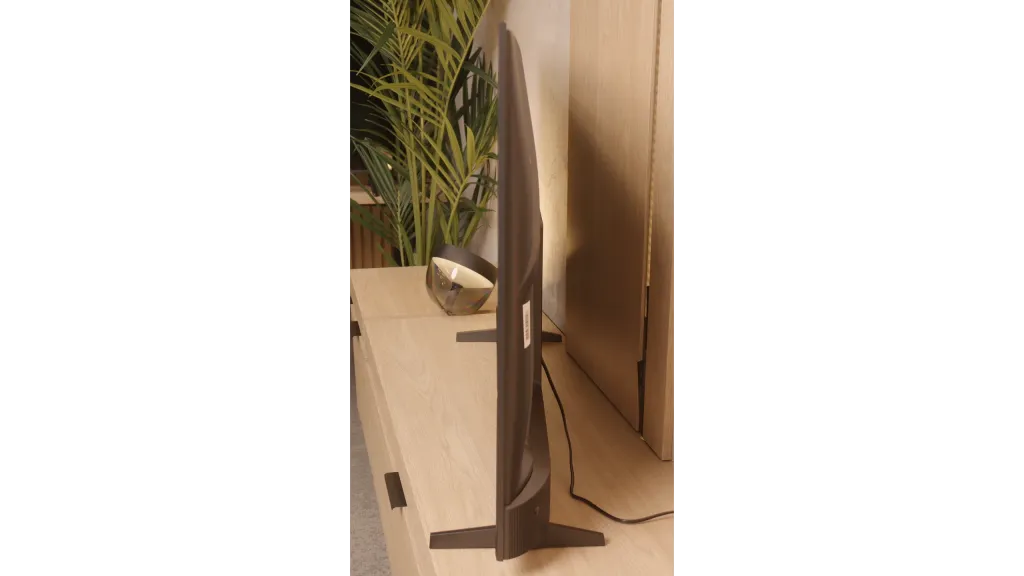
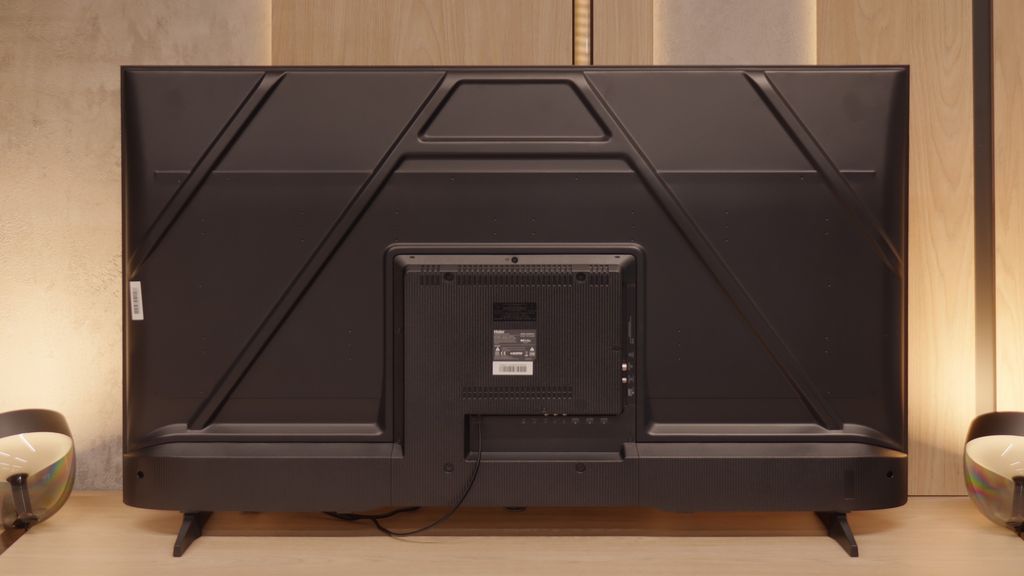
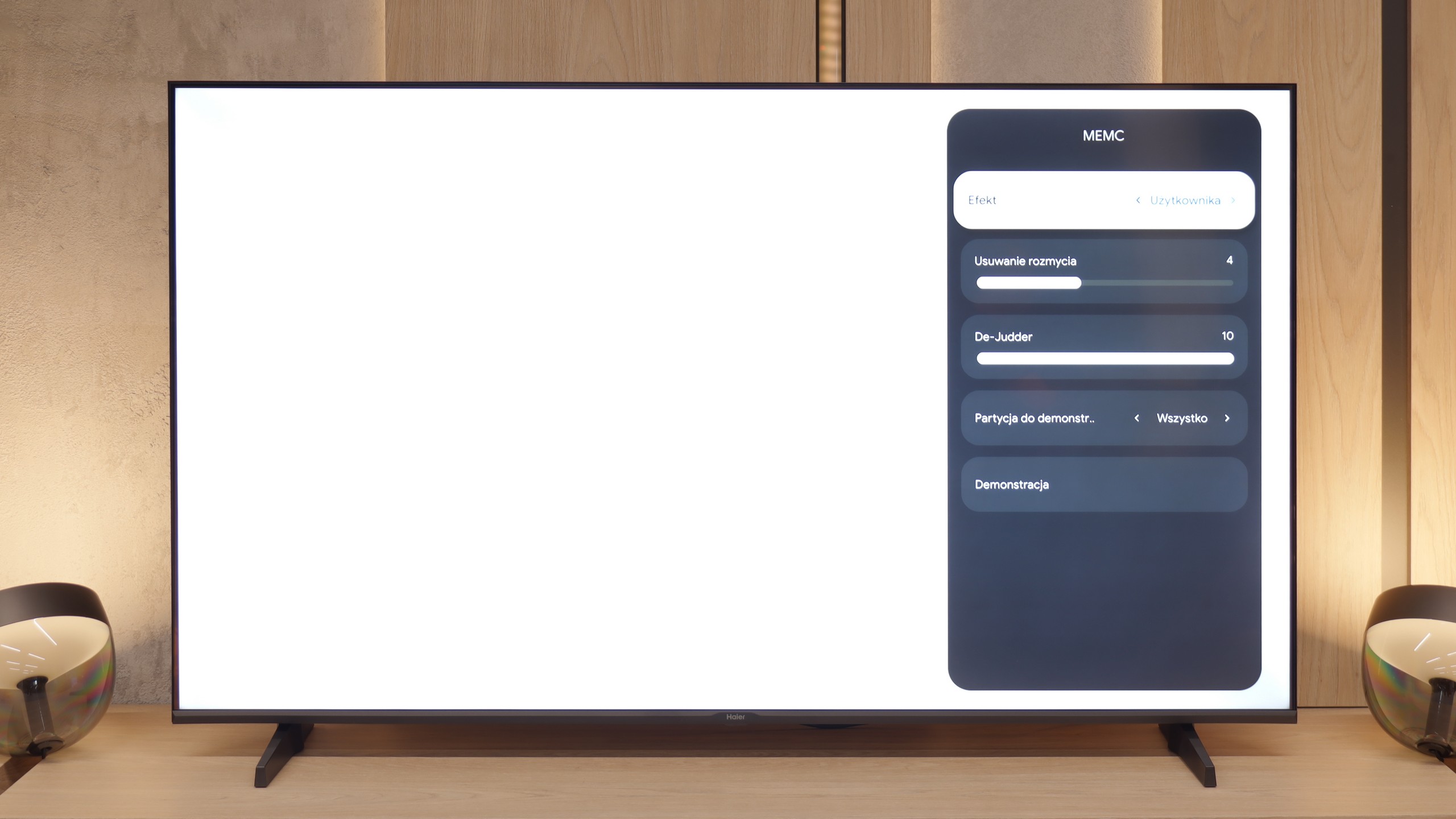
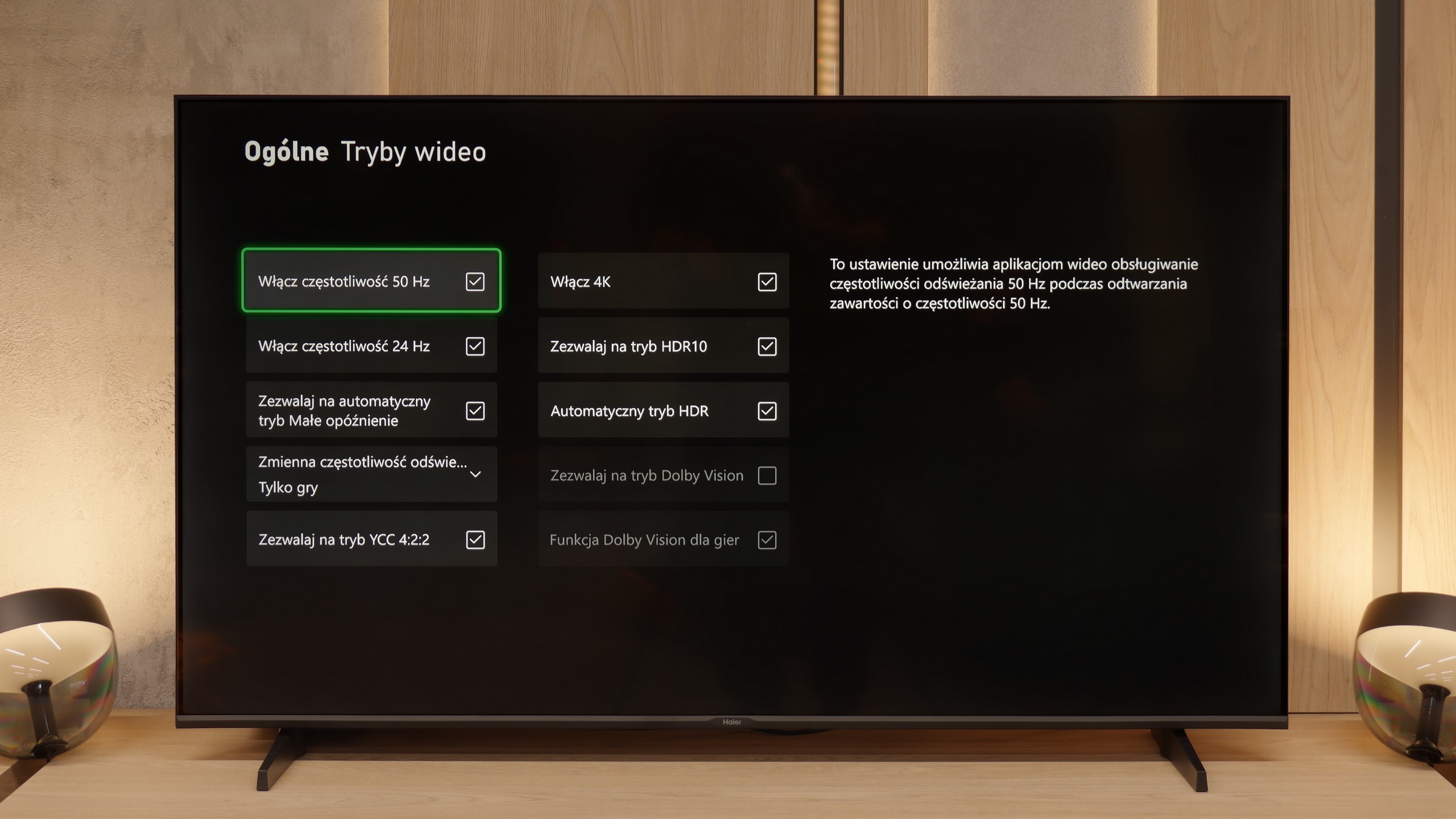
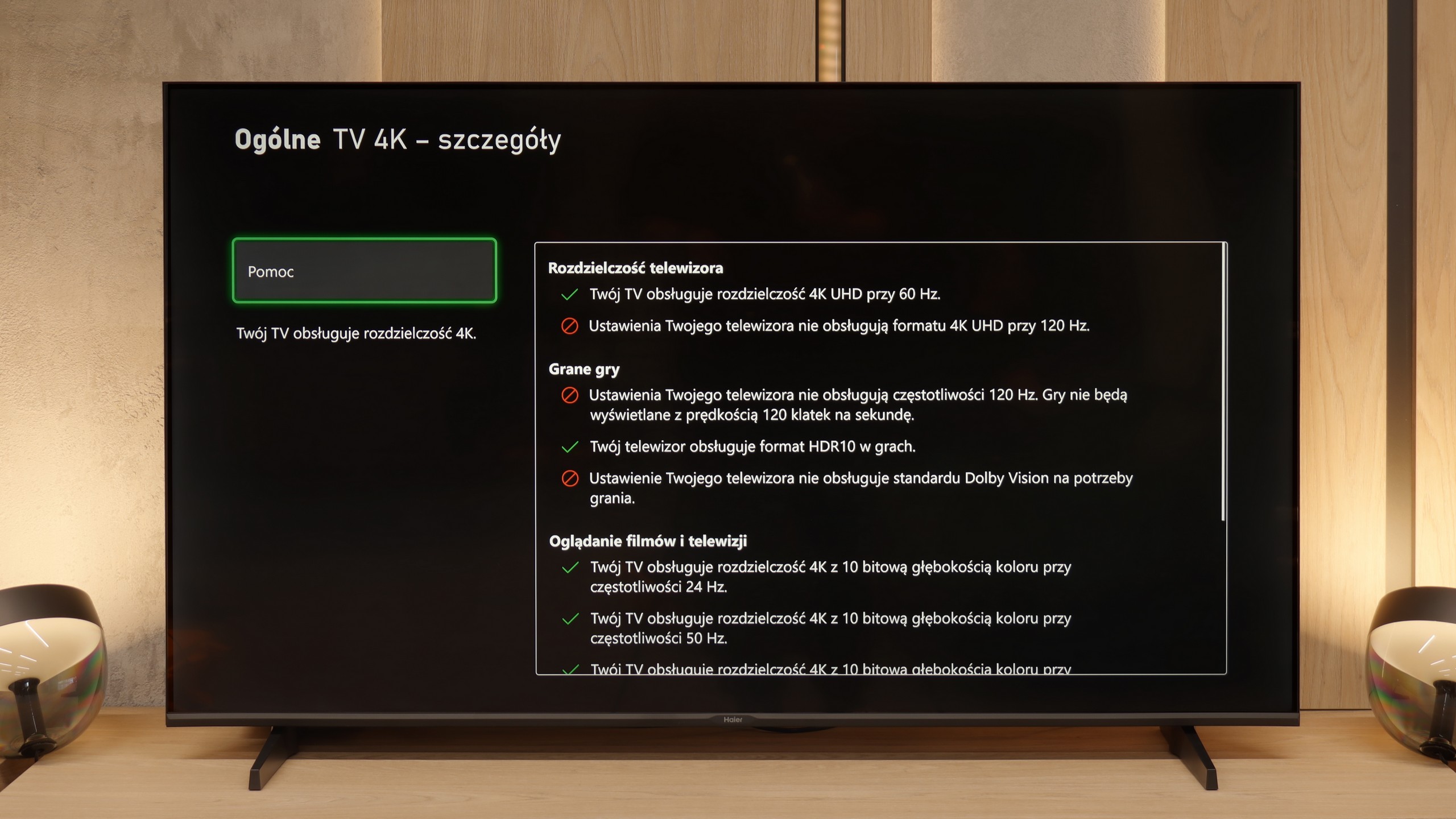
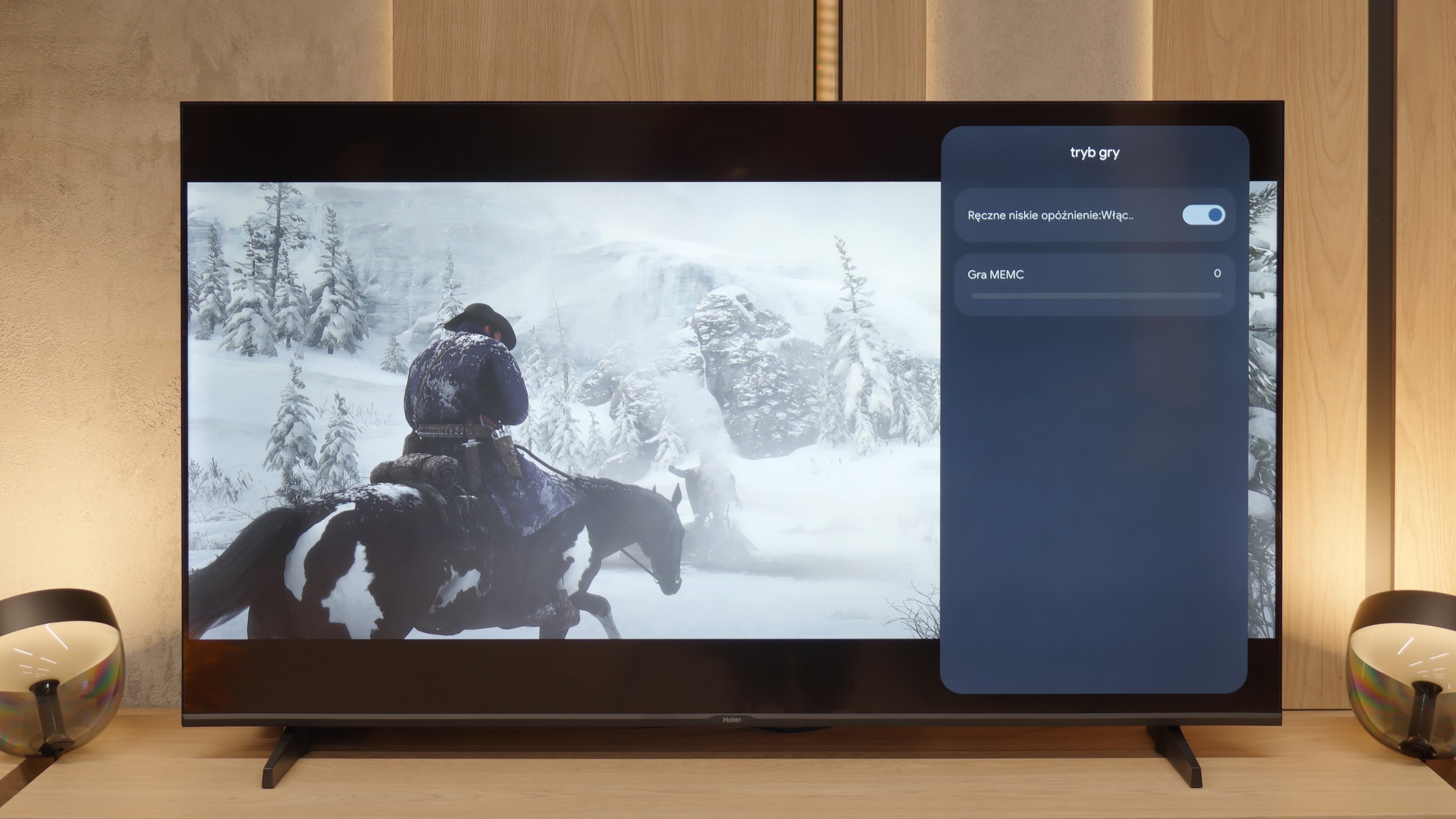
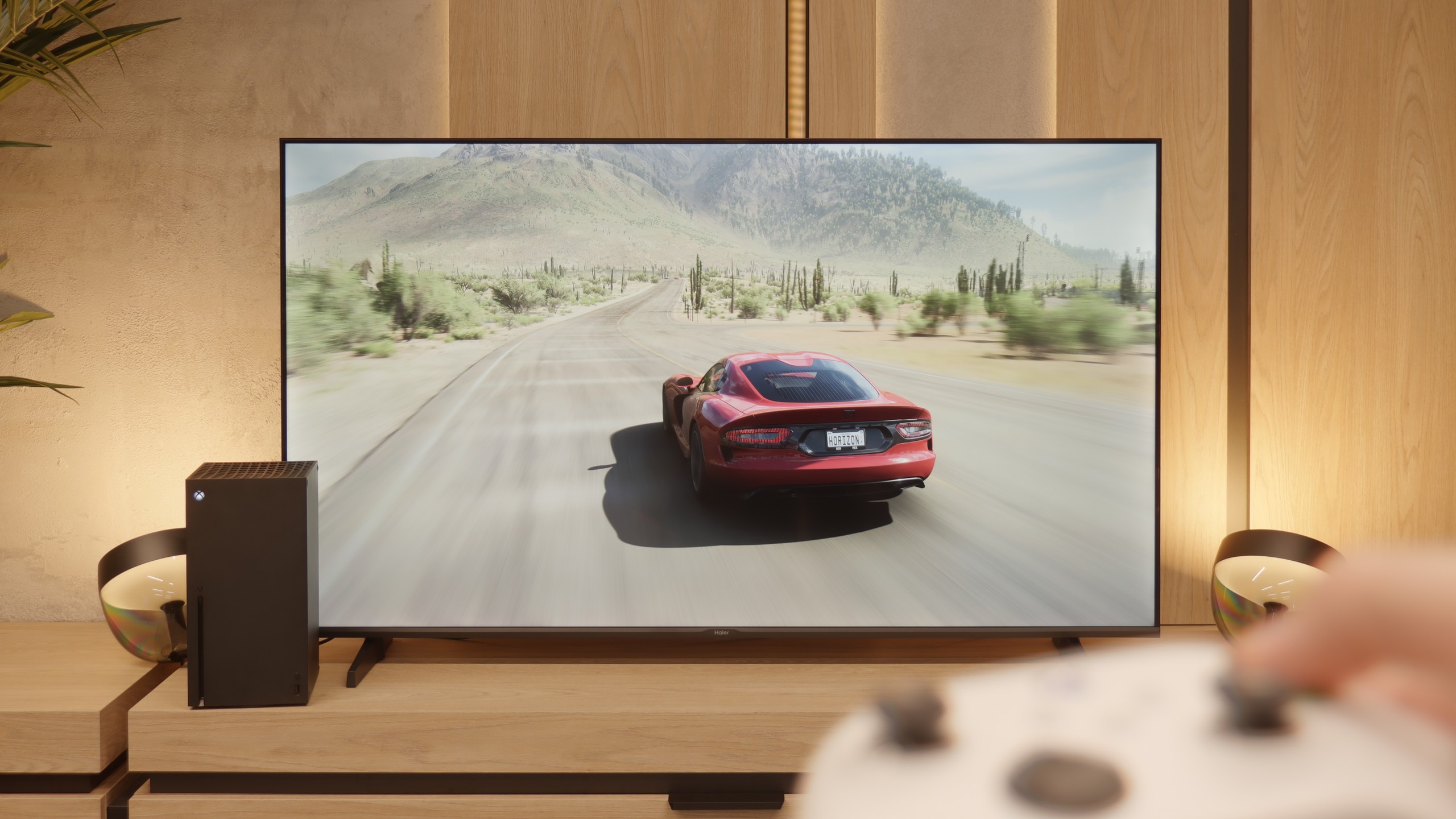
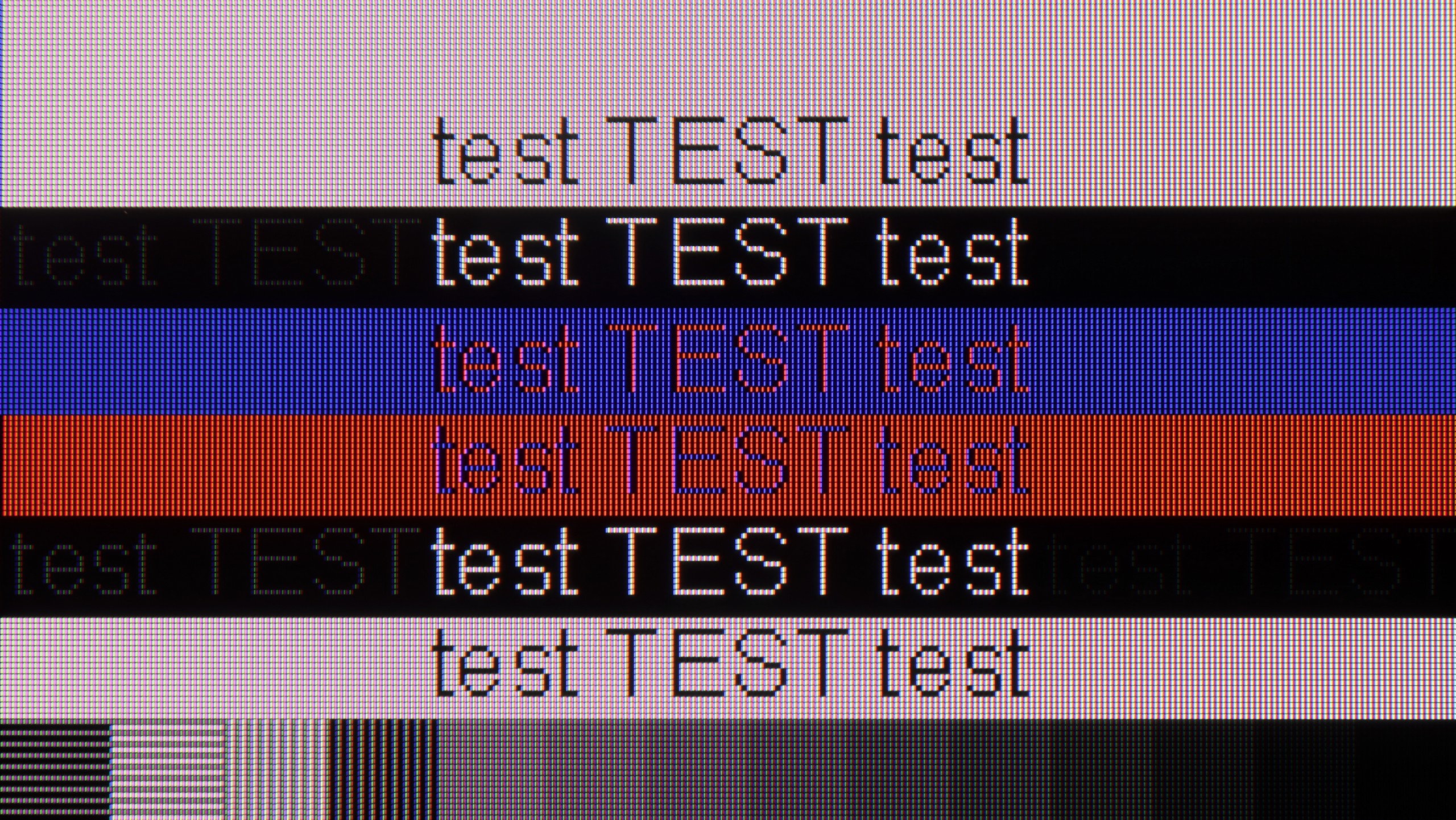
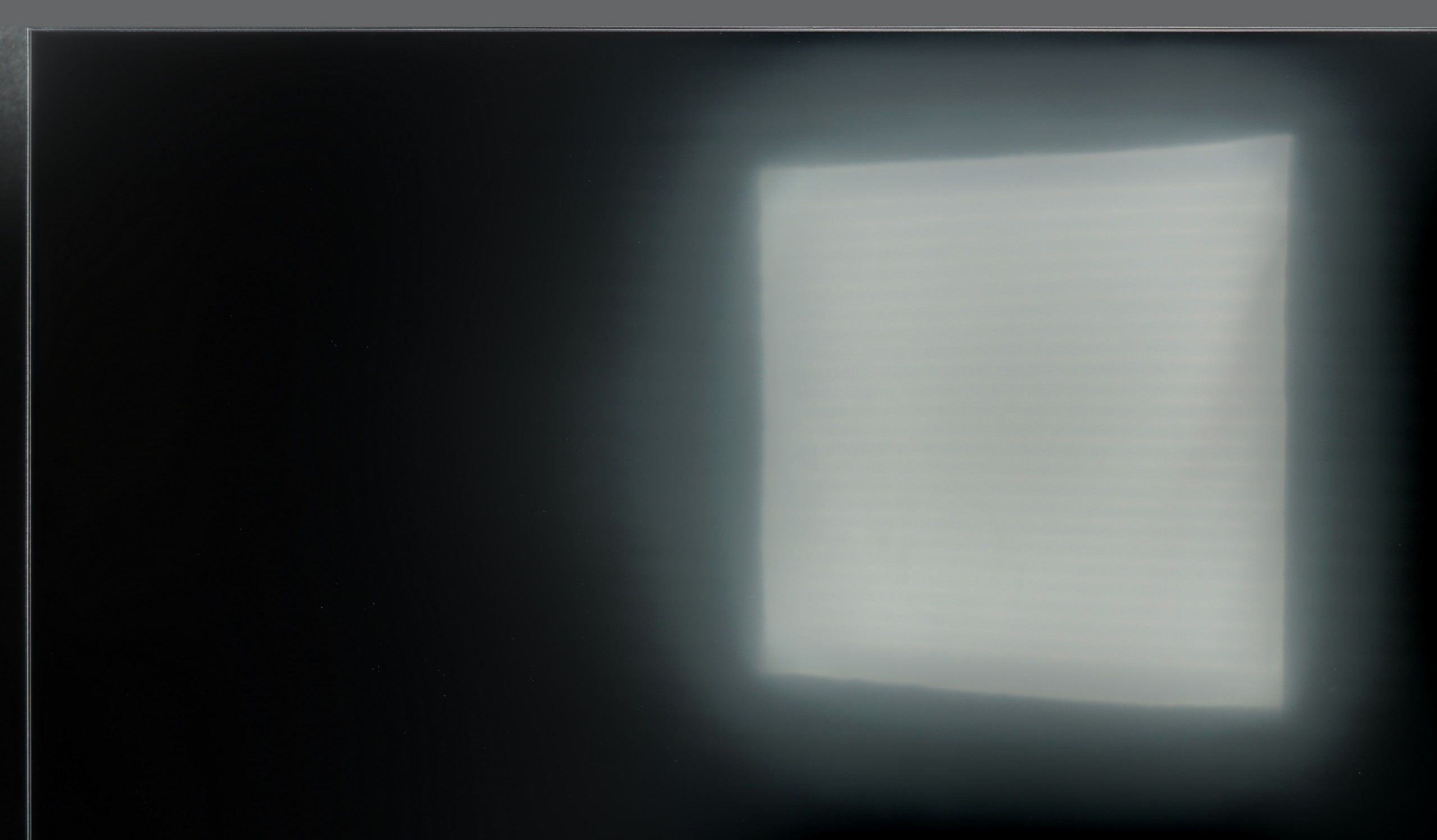
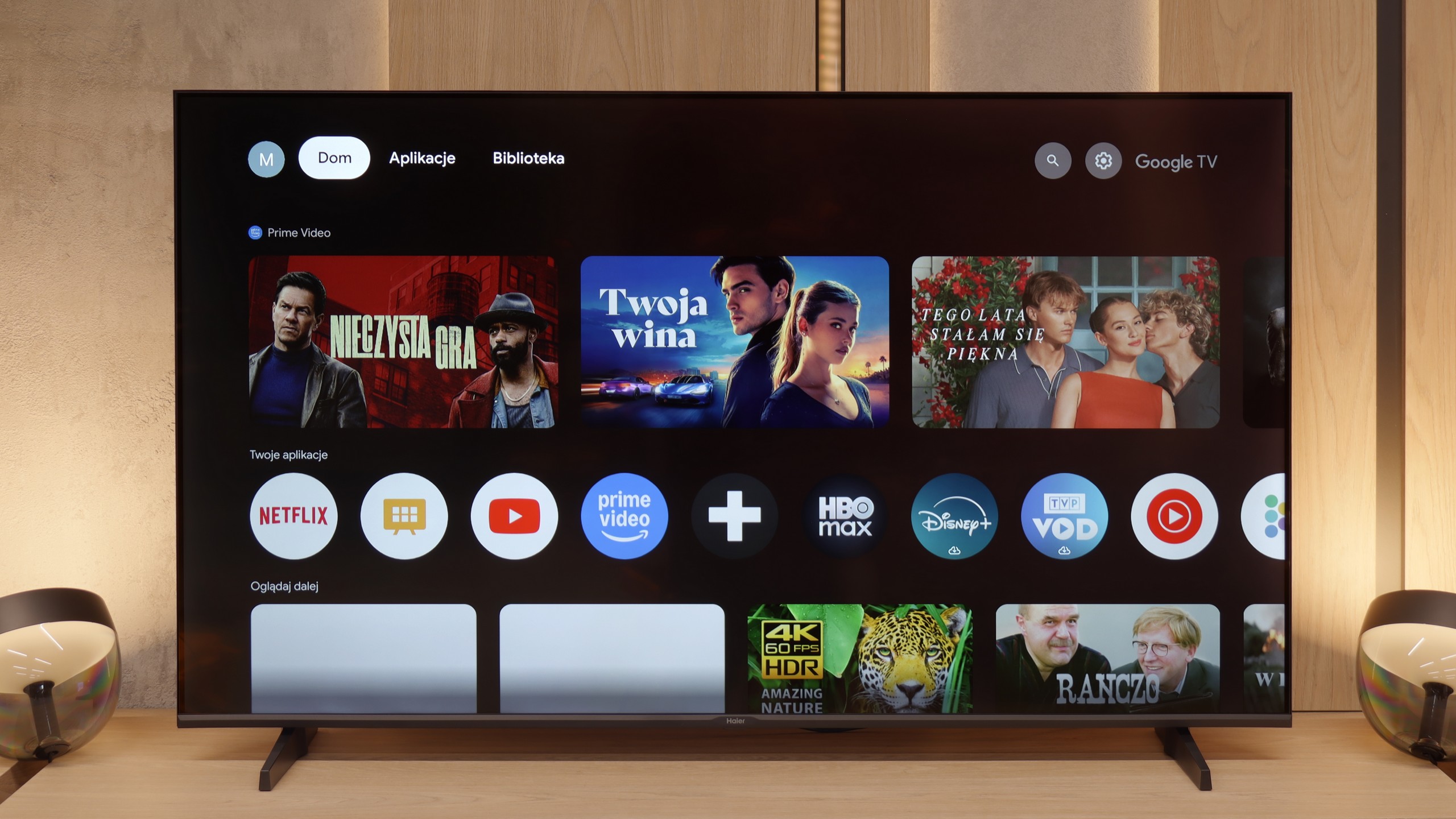
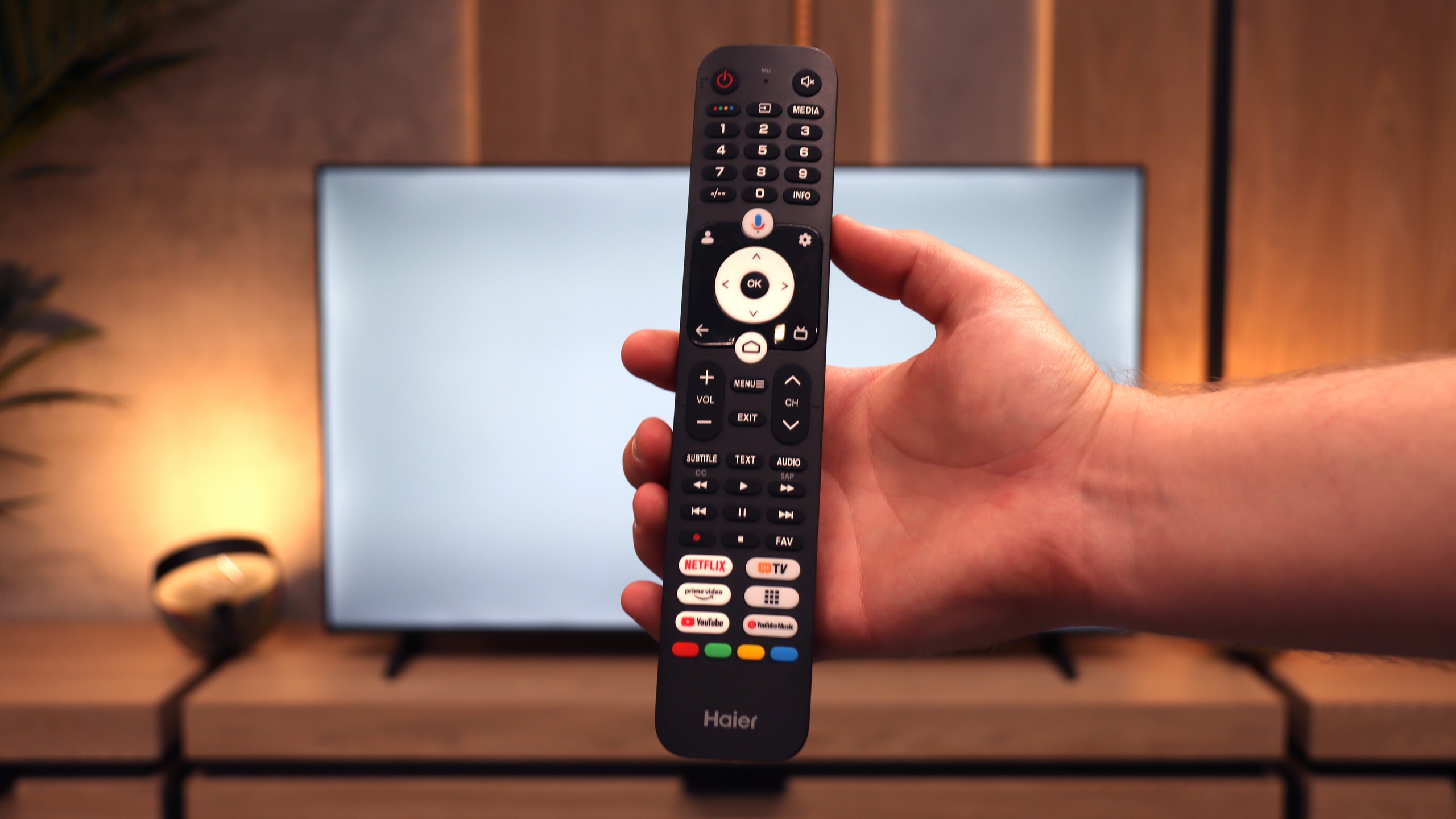
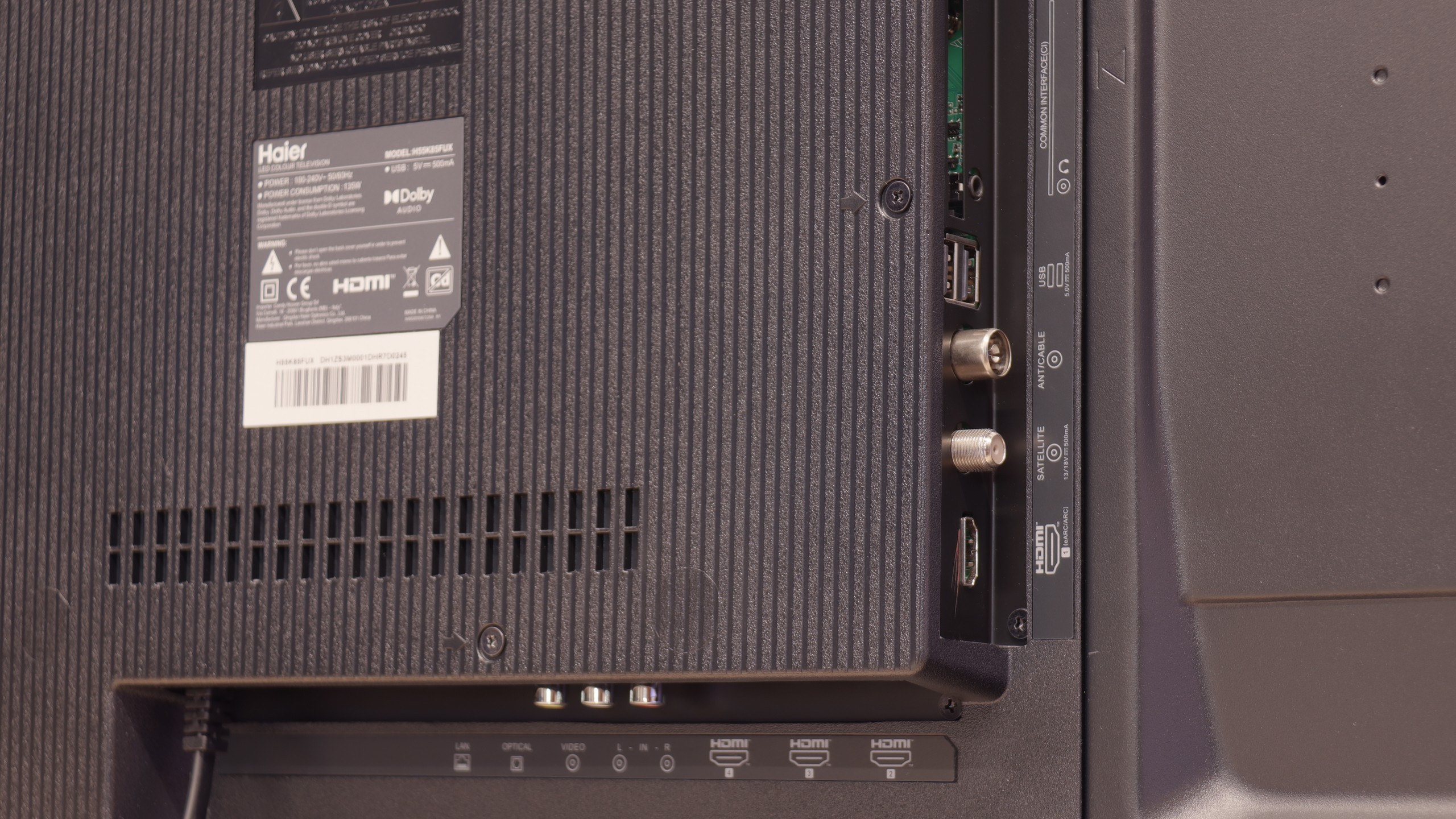
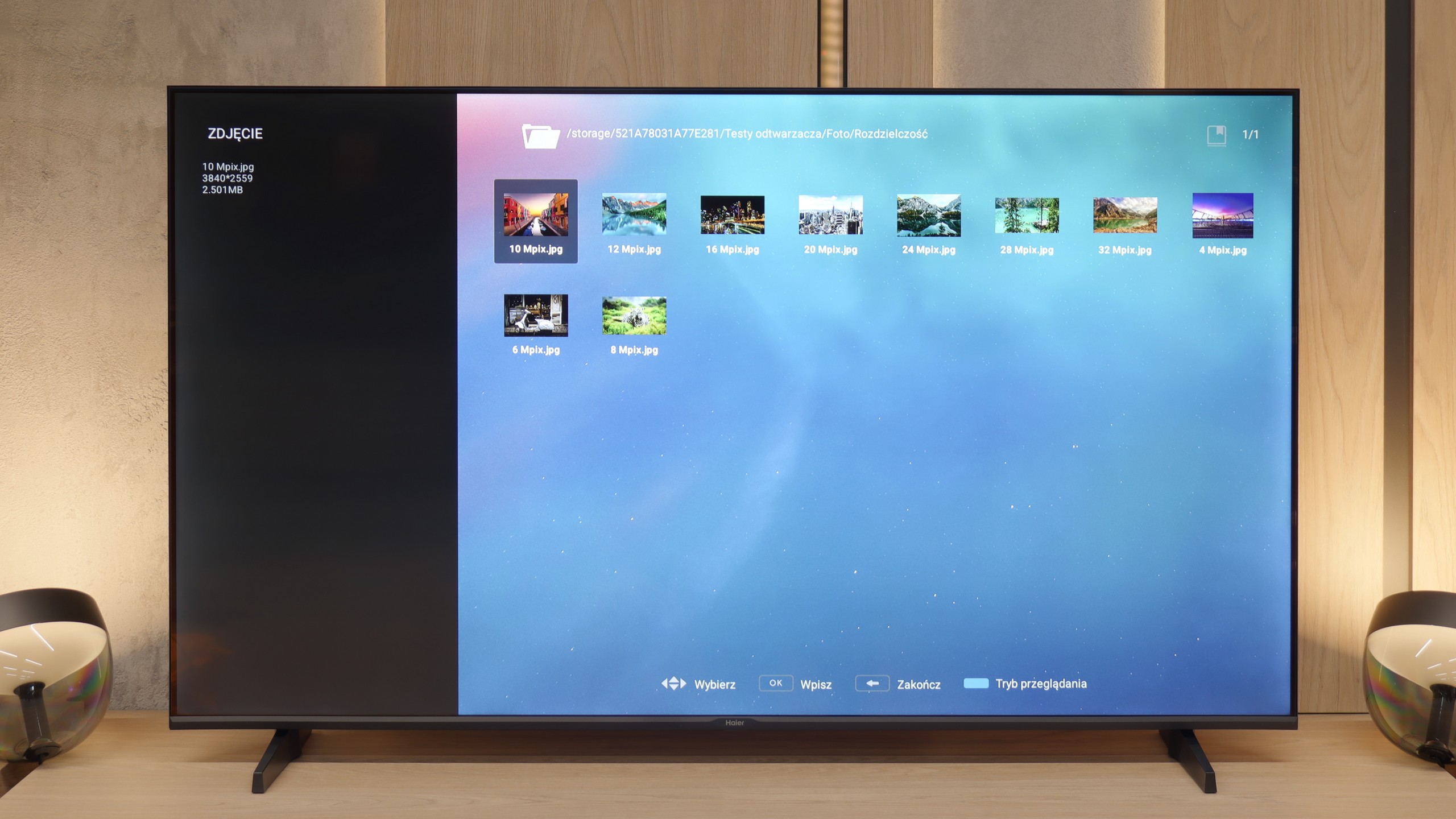
The debut of the Haier brand in the European television market with the K85F model feels quite rushed, and after thorough testing – almost unfinished. Analyzing this product leads to a fundamental conclusion: its biggest problem is not the quality of the panel used. Considering the price segment, it is simply average, with typical VA technology advantages such as high contrast and equally typical disadvantages like poor viewing angles. What truly disqualifies this model as a home entertainment centre is the glaring lack of engineering and, above all, software refinement. The list of shortcomings is long and starts with the first contact with the device. Shoddy assembly, which could have been avoided at the quality control stage, a terribly optimised and poorly translated Google TV system, or annoying issues with basic functions like pairing the remote – all contribute to an impression of a product that seems to have been launched without due diligence. Catastrophic picture quality in HDR mode, resulting not only from low brightness but also from a complete lack of smart adaptation to the signal, only adds to this disappointing picture. However, it turns out that this model has a surprising second face. Just looking at it not through the lens of a home television, but rather as a large and inexpensive display for special tasks, shifts its shortcomings to the background, bringing unexpected strengths to the forefront: a fantastically functioning media player with USB, excellent font readability from a PC, and access to a vast array of applications. In such a role – as a screen in a conference room, hotel lobby or a simple advertising player – the Haier K85F performs surprisingly well. For a typical user searching for a reliable and simply well-functioning television for the living room in 2025, however, the Haier K85F is a proposition that is extremely hard to recommend with a clear conscience. It is a product full of contradictions, which fails in too many areas in its primary, intended function as designed by the manufacturer.
 Direct comparison