The Sharp FQ8 television offers numerous features that set it apart in its price range. It operates on the Google TV platform, granting access to a wide array of applications and intuitive navigation. A 120 Hz refresh rate panel ensures smooth image rendering, while low input lag makes it an appealing option for gamers. The high native contrast delivers deep, vivid blacks, and the television achieves a respectable brightness of 450 nits, allowing for comfortable HDR content viewing. Additionally, advanced formats like Dolby Vision are supported, and the inclusion of quantum dots (Quantum Dot/QLED) enhances the wide colour gamut coverage.
However, the Sharp FQ8 has its shortcomings. The lack of dynamic tone mapping control in HDR mode may disappoint more demanding users, and despite featuring Dolby Vision IQ, its performance is underwhelming. The panel's average response time can impact the clarity of fast-moving scenes, and limited viewing angles significantly reduce image quality when viewed from the side.
Despite these drawbacks, the Sharp FQ8 stands out as a solid choice, offering a good balance of quality, image fluidity, and an enjoyable audio system, all at a competitive price. While not flawless, it should meet the needs of most users seeking an affordable television with a 120 Hz panel.
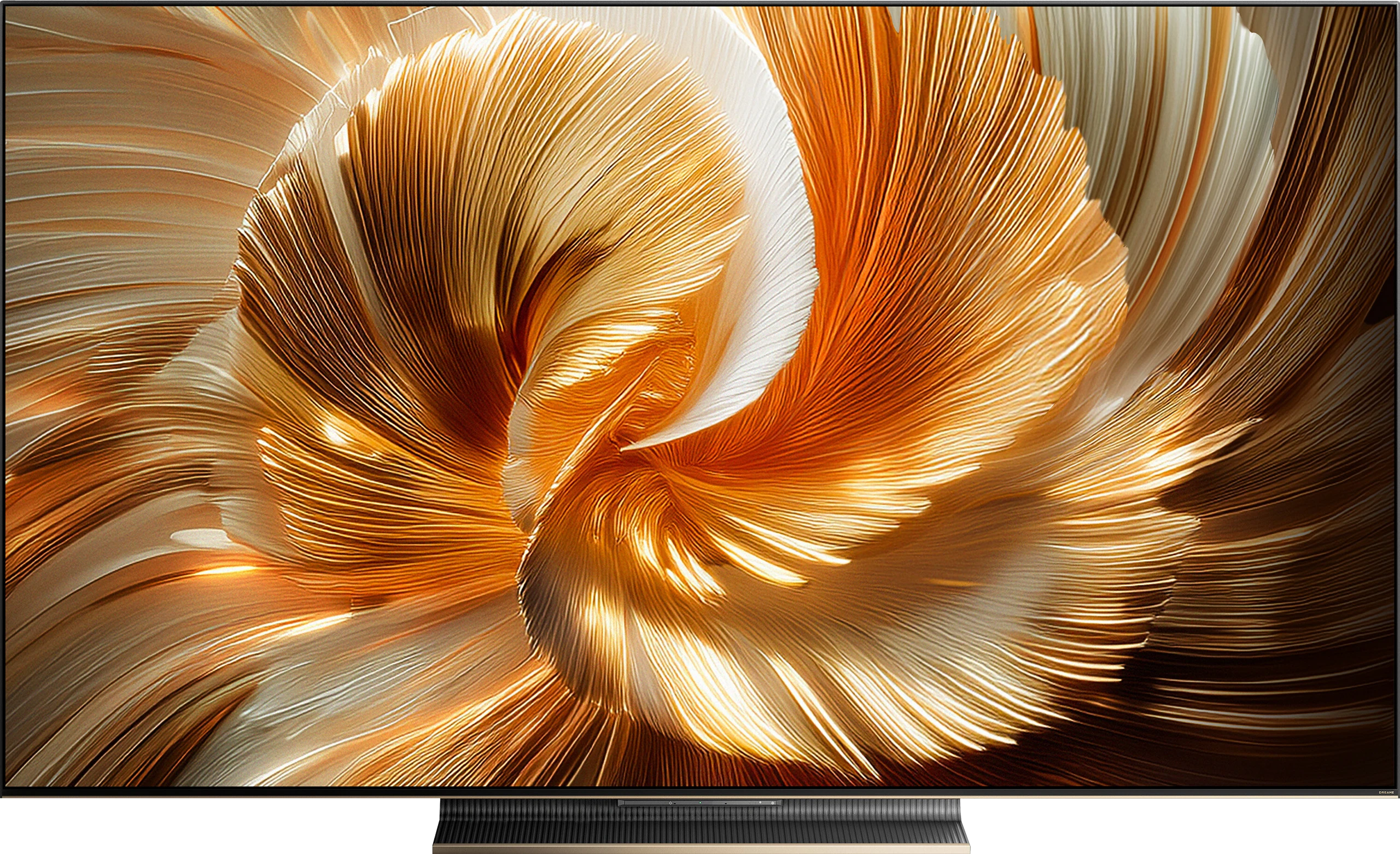
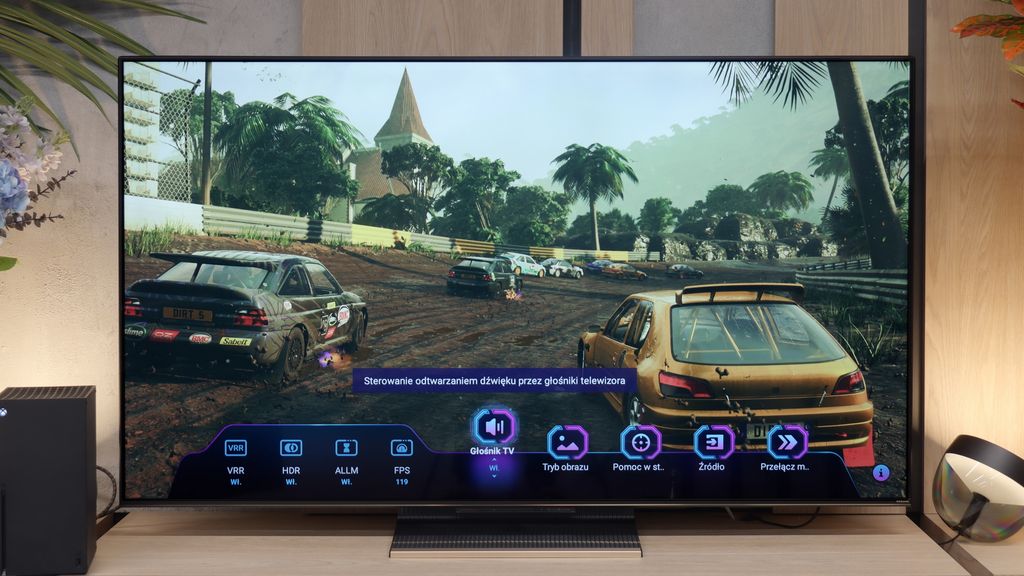
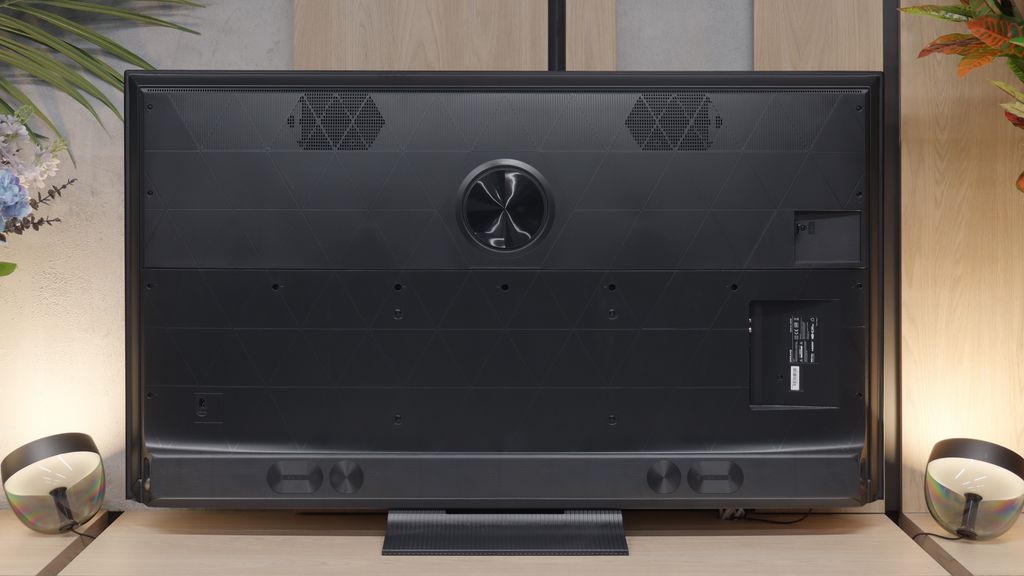
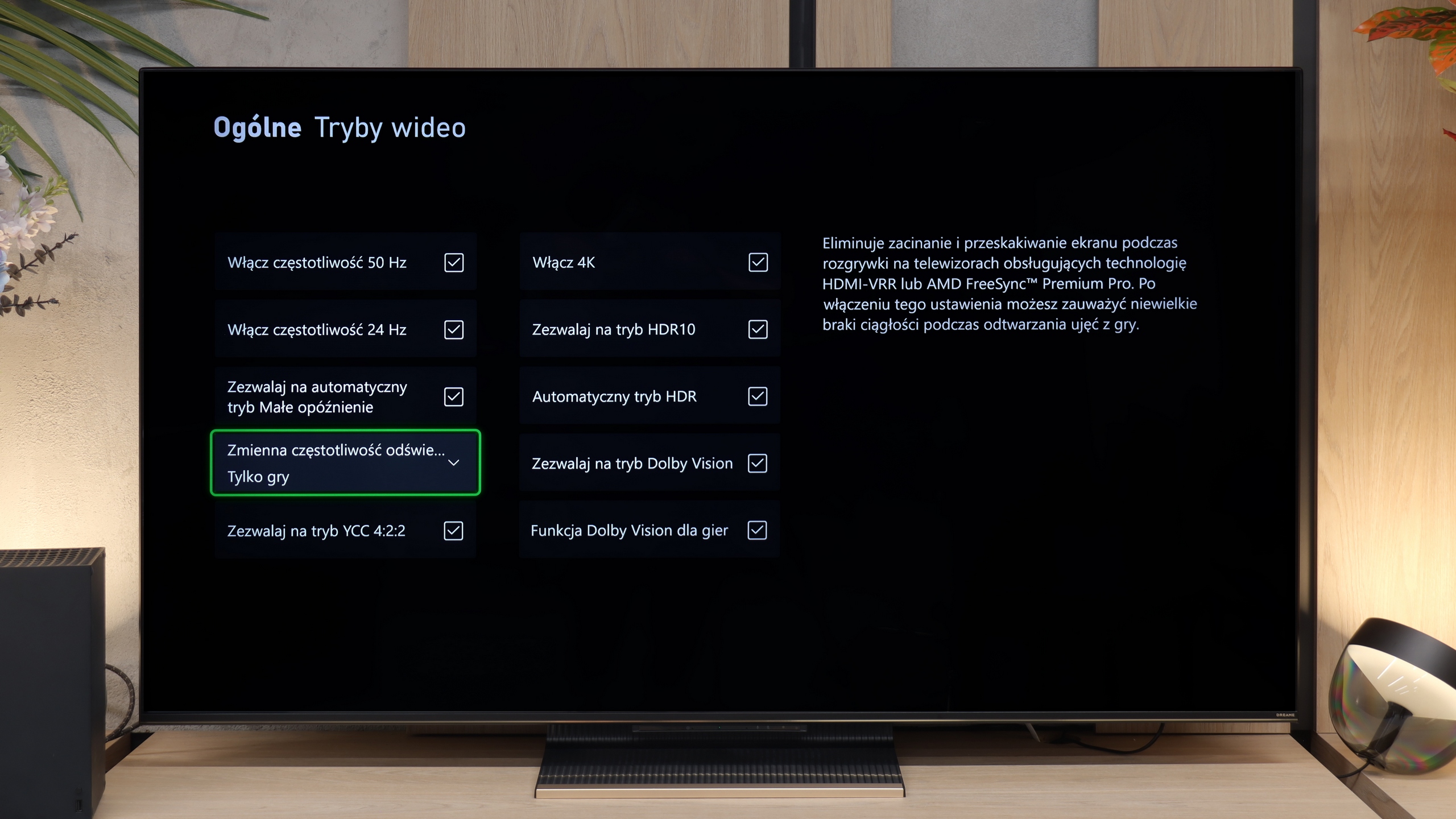
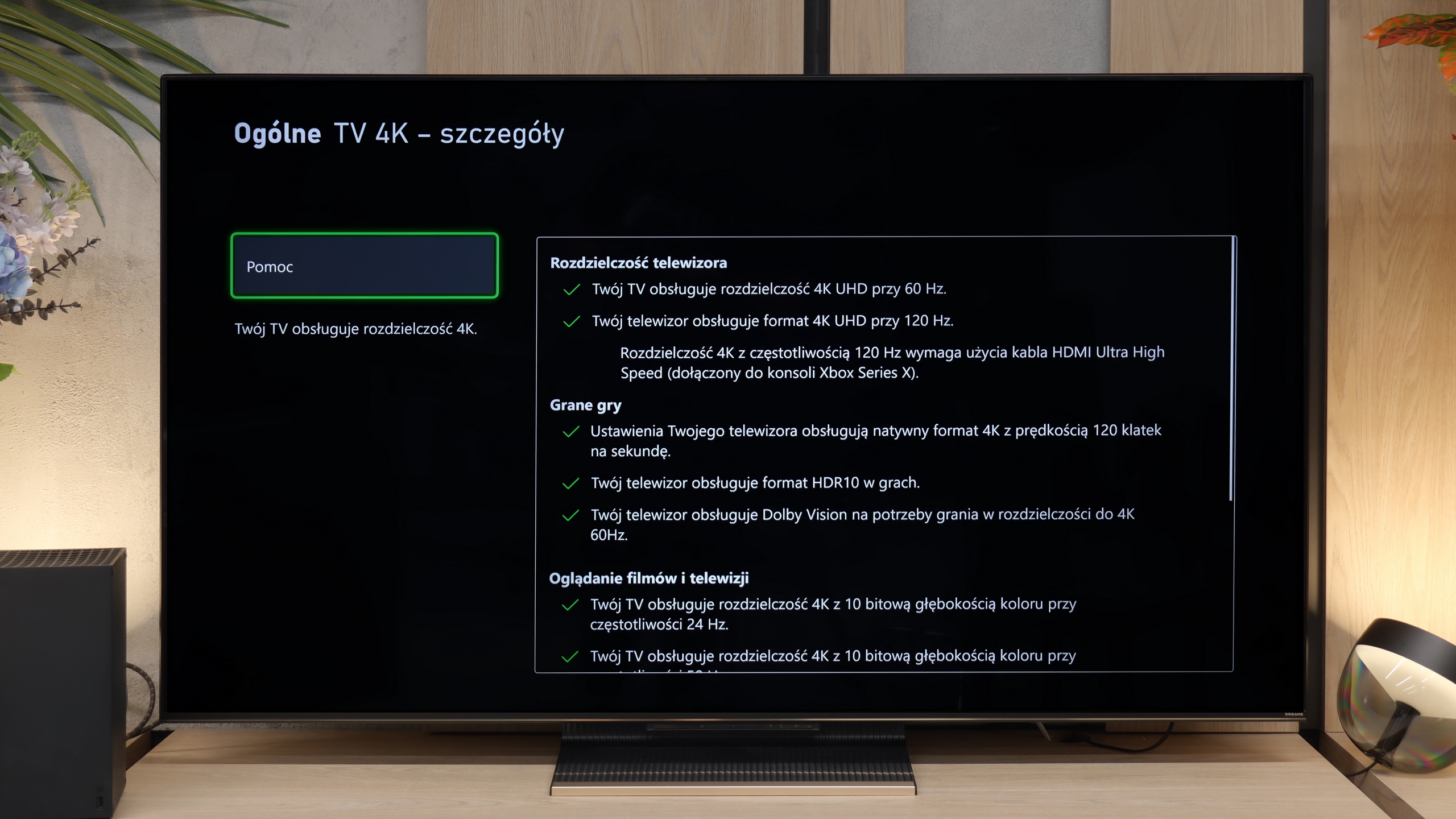
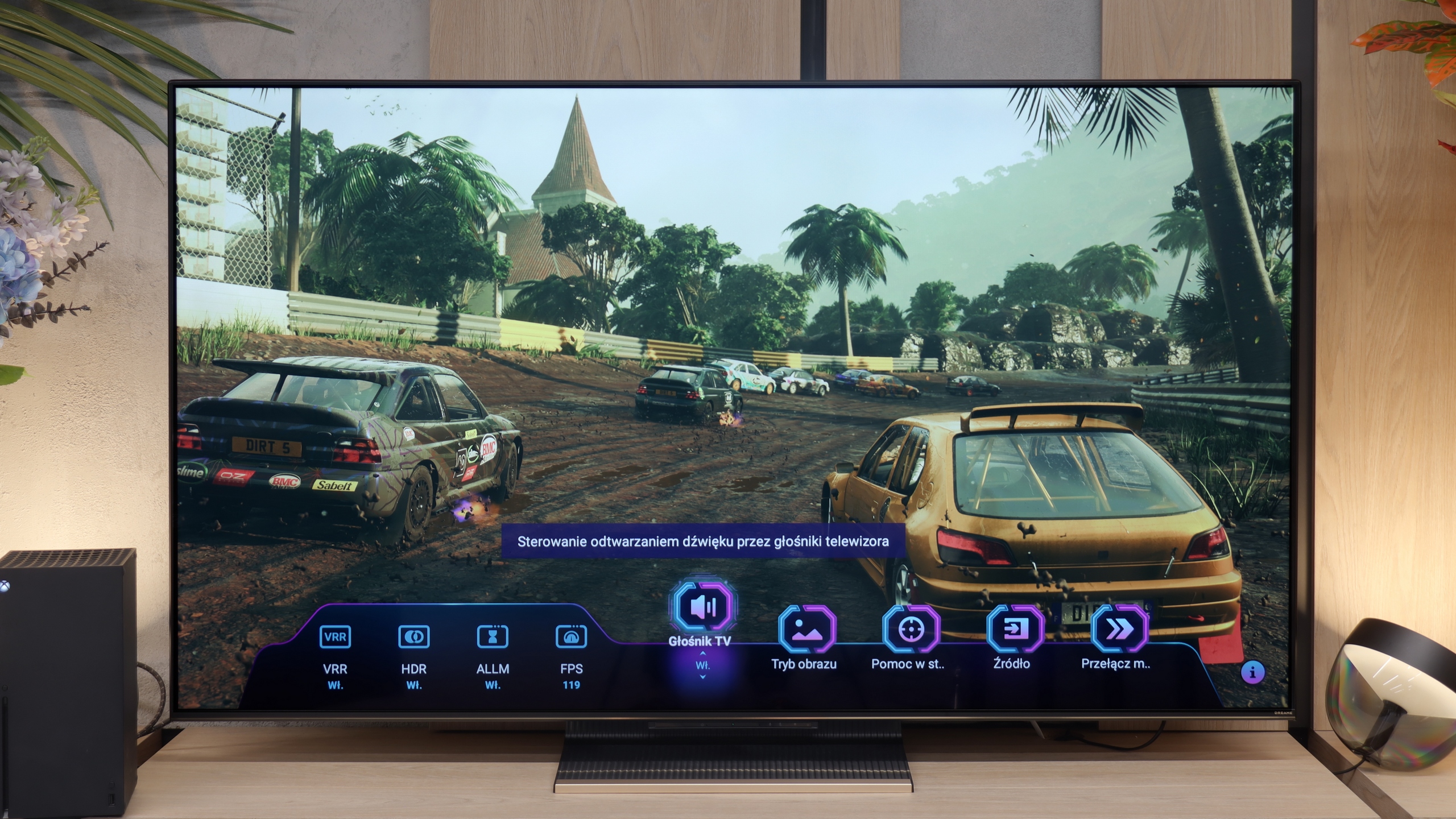
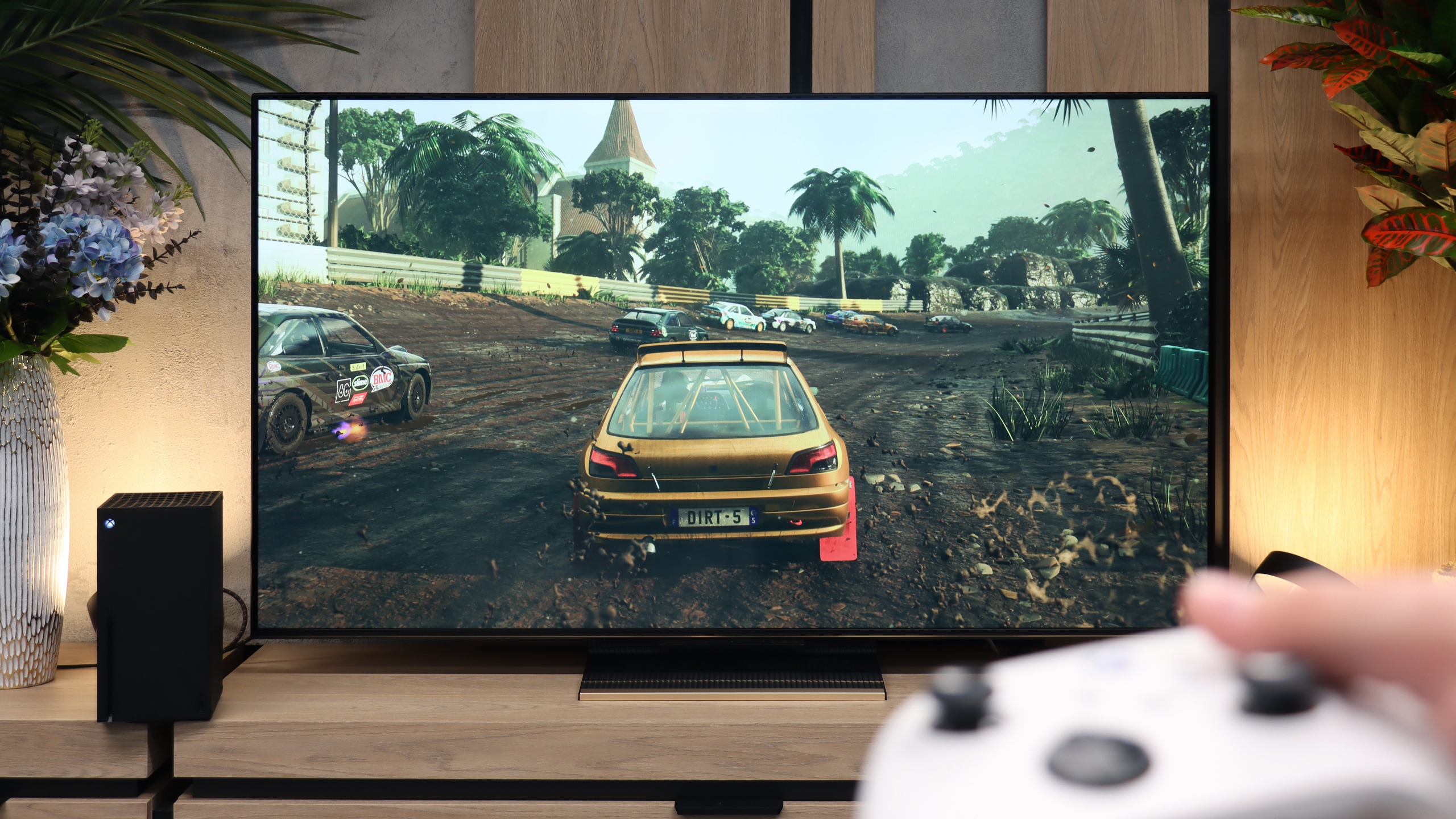
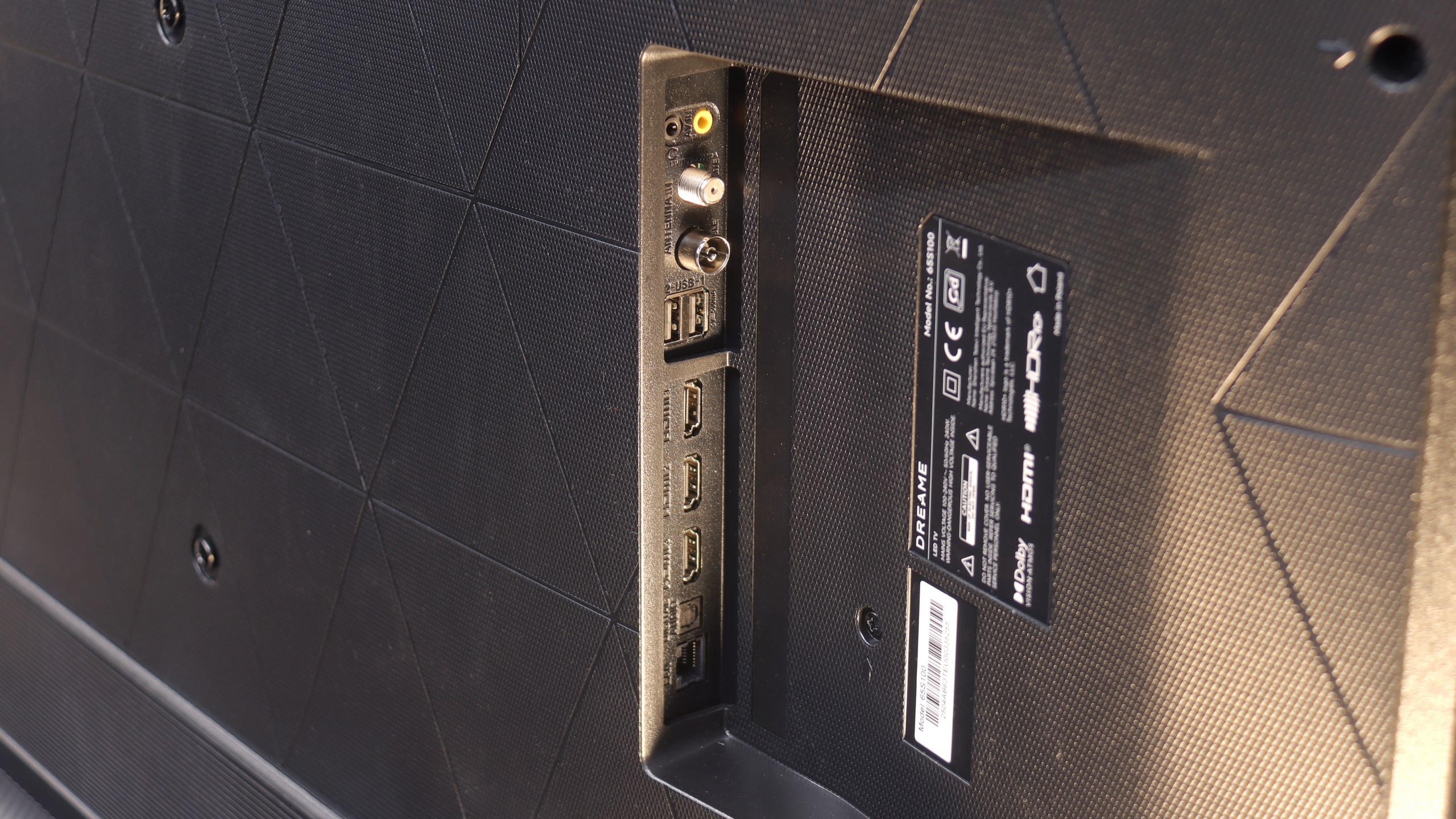
Dreame S100 is a successful, though still somewhat rough debut in the Mini-LED segment. Hardware-wise, the TV stands up for itself: Mini-LED technology with local dimming provides a deep and appealing black for the average viewer, and the IPS/ADS panel offers brilliant viewing angles. This is an interesting combination, as it is extremely rare in the LCD TV segment, which will certainly please those with wide living rooms or large corner sofas. If we add to this a full gaming package (HDMI 2.1, 144 Hz), the Google TV system with an almost endless number of apps, and very strong 4.1.2 audio with 70 W power, which performs well above the market average, we have an incredibly versatile screen.
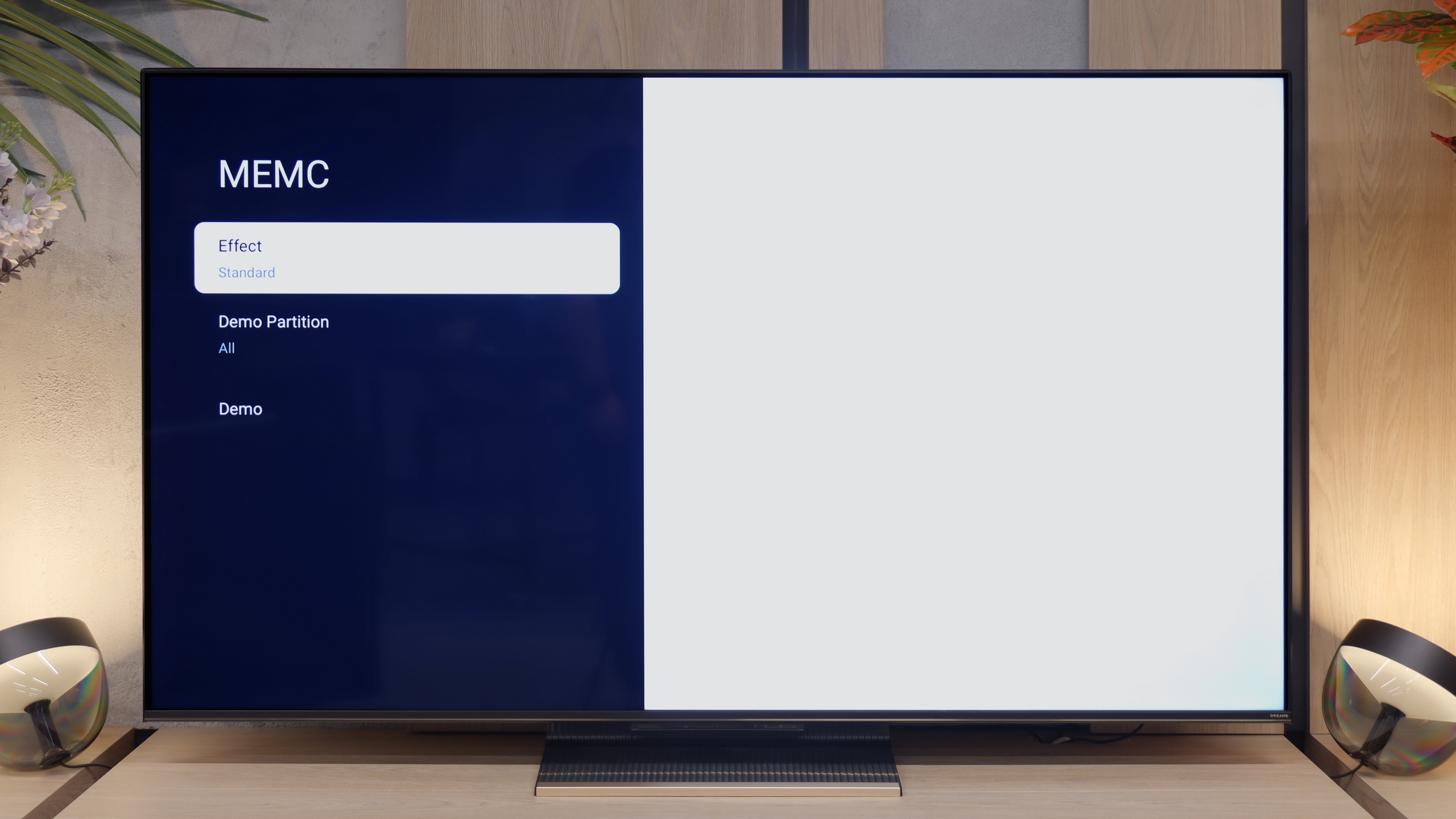
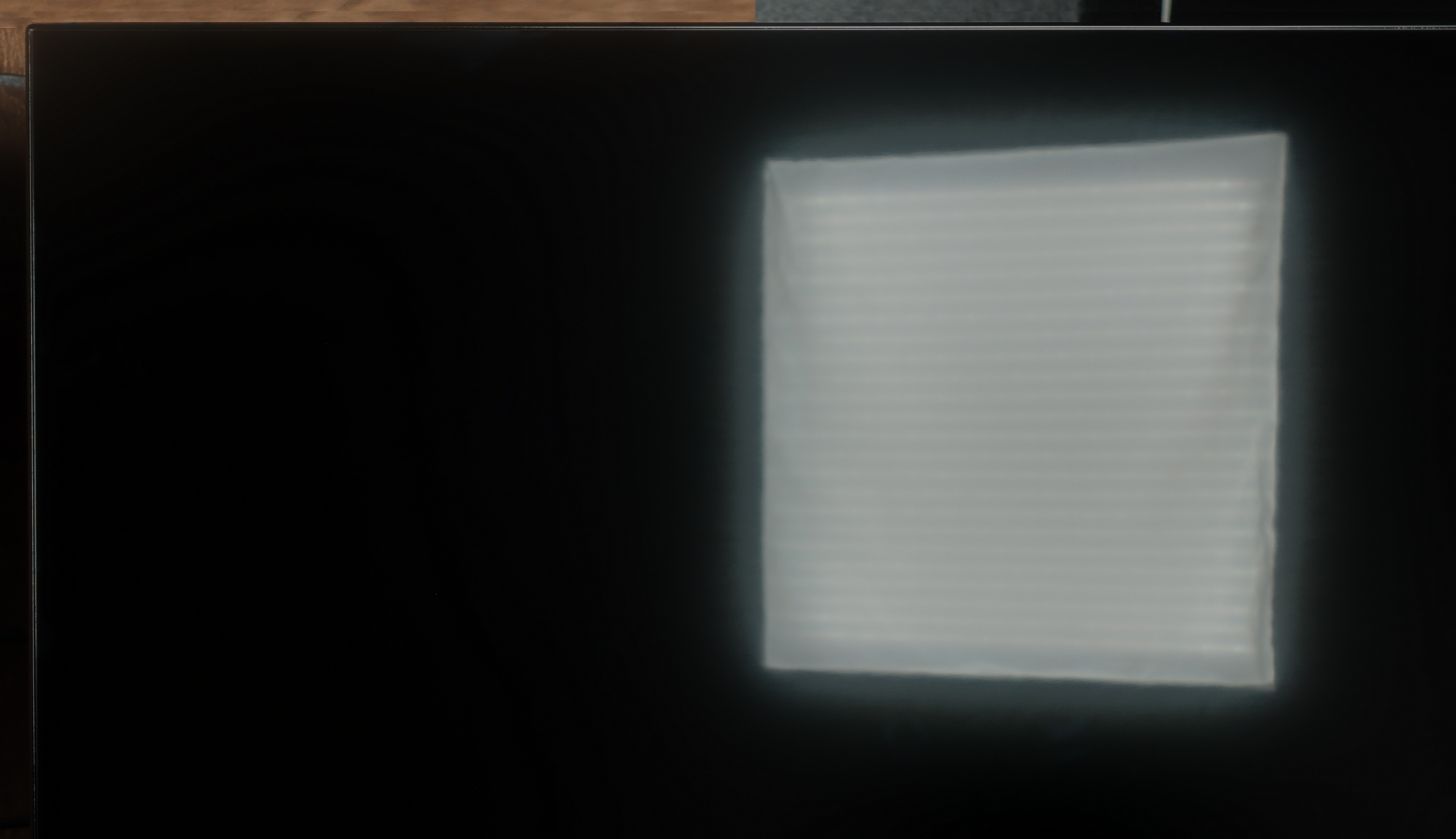
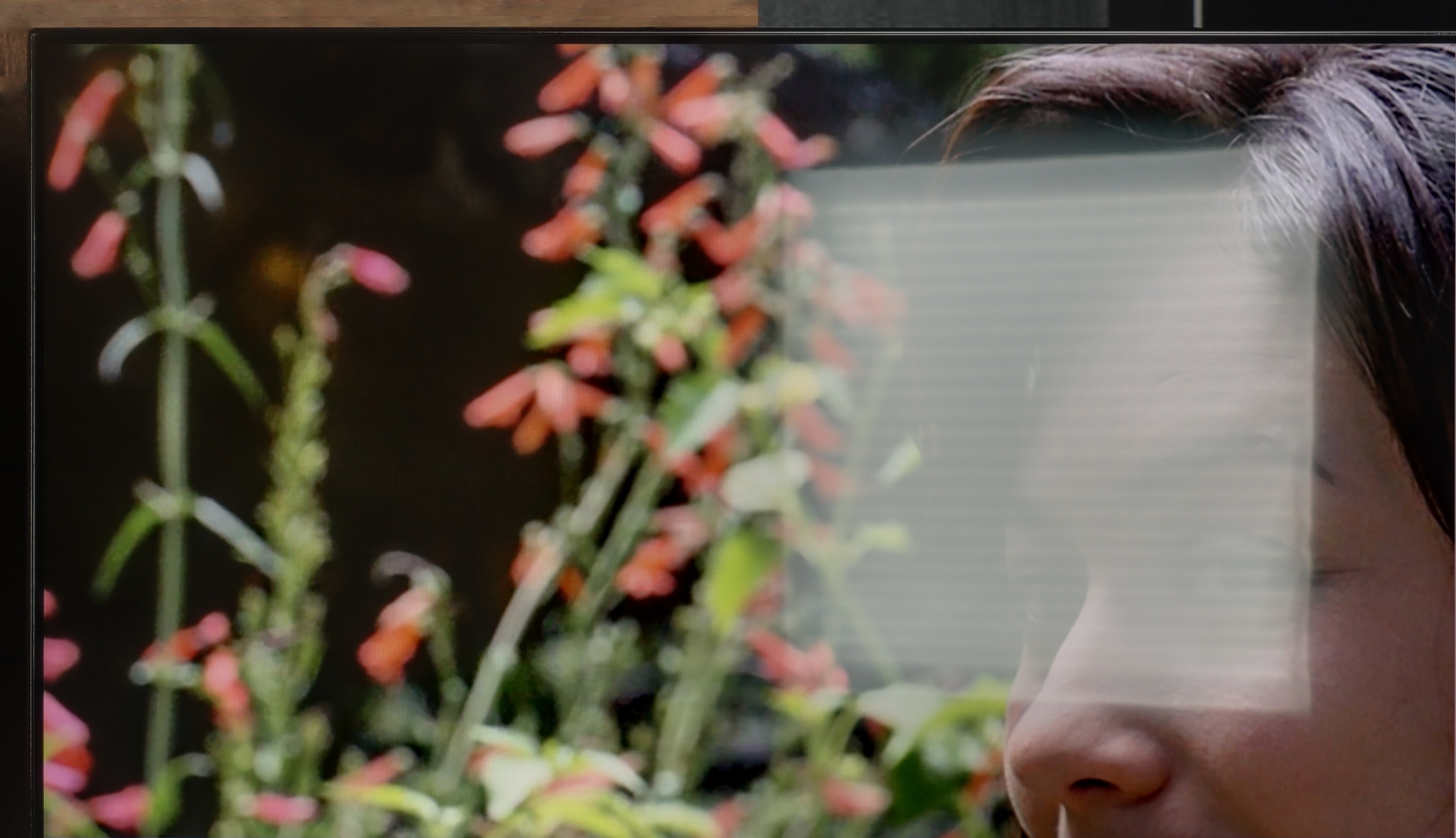
Where's the catch? In the software. Unfortunately, the Dreame S100 suffers from typical “growing pains” – the outdated processor struggles with advanced digital processing, and the local dimming algorithms can be frustrating in more demanding scenes. Additionally, the Google TV system itself can occasionally experience slight stutters. So if you're looking for a well-equipped Mini-LED for a wide living room and are willing to overlook its minor system hiccups that the manufacturer can hopefully fix with future updates – this is a very interesting option. The hardware potential is huge, although the software still needs some final polishing.
 Direct comparison