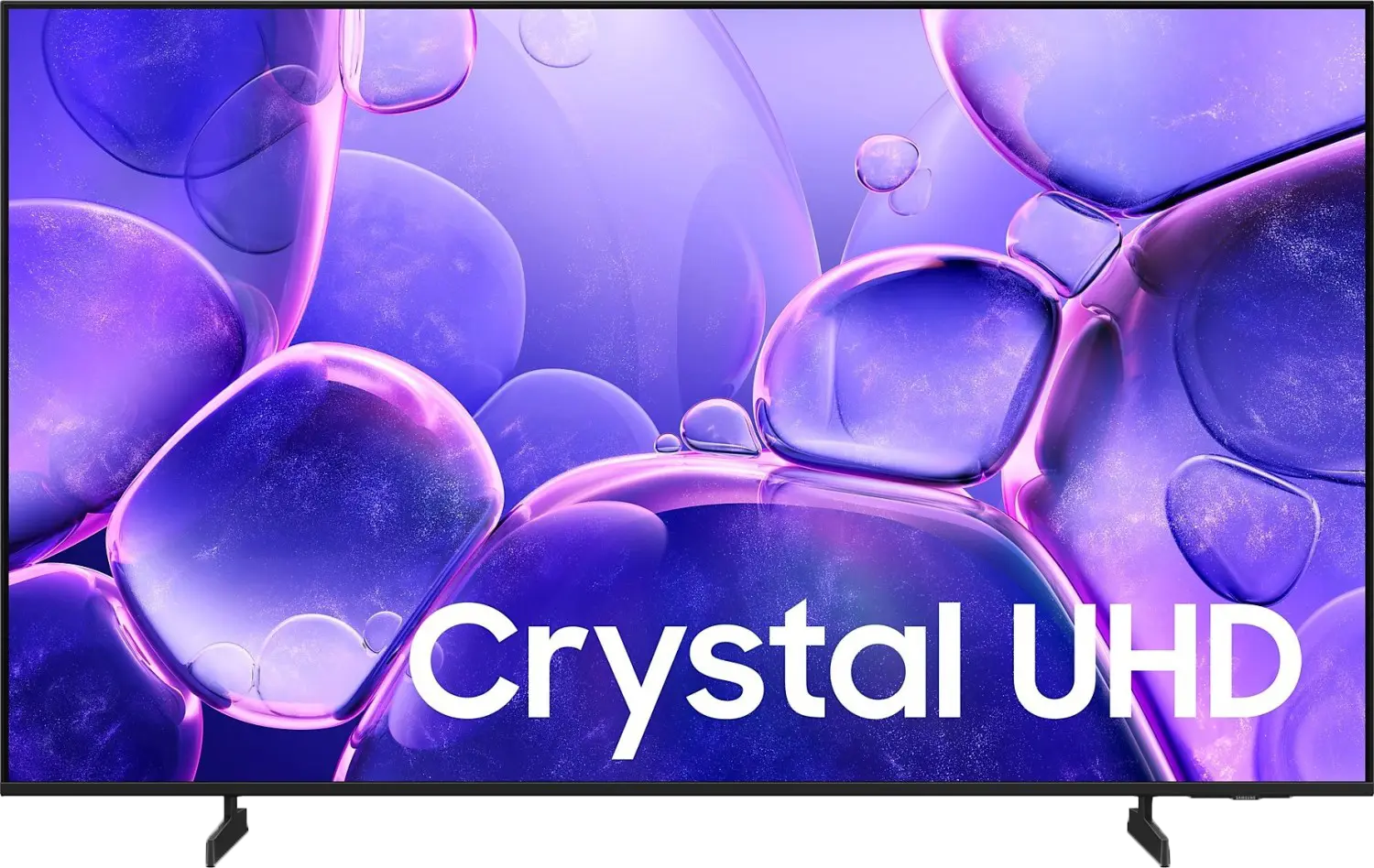
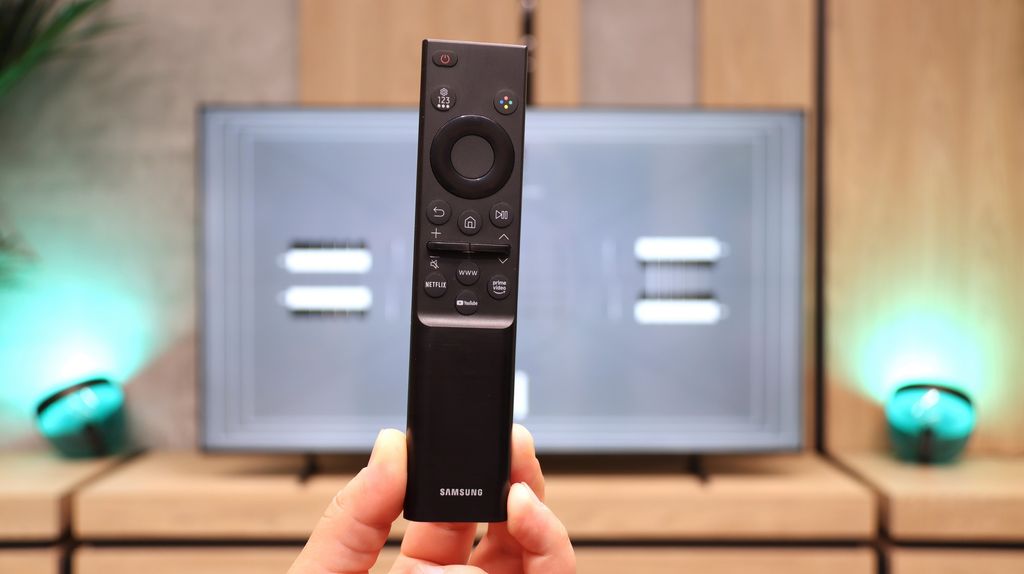
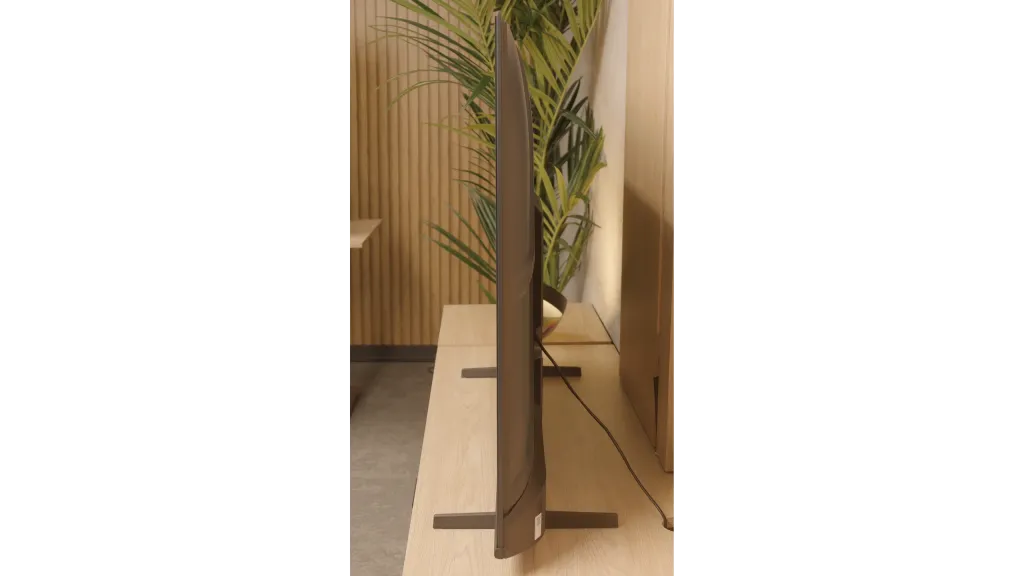
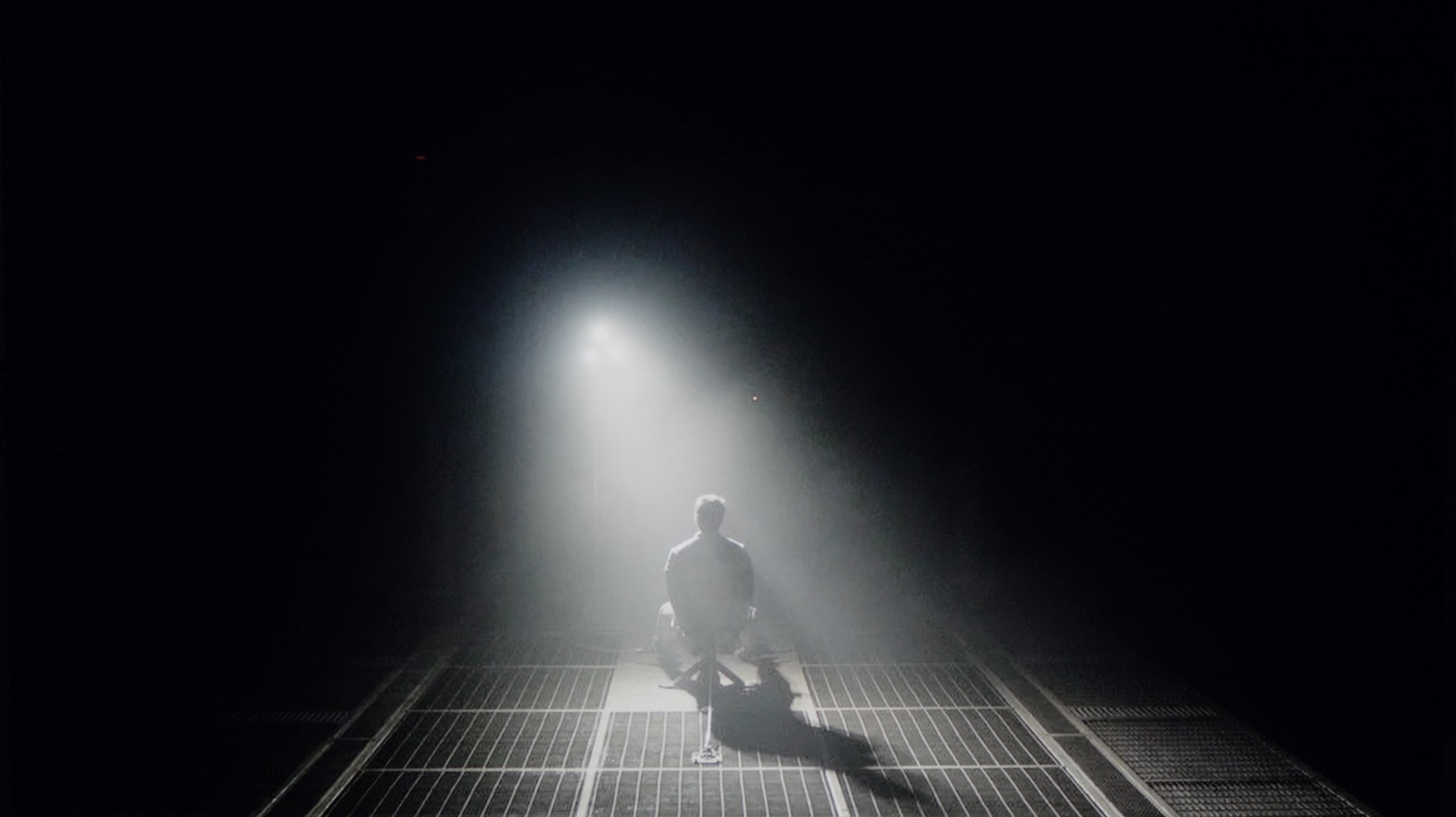
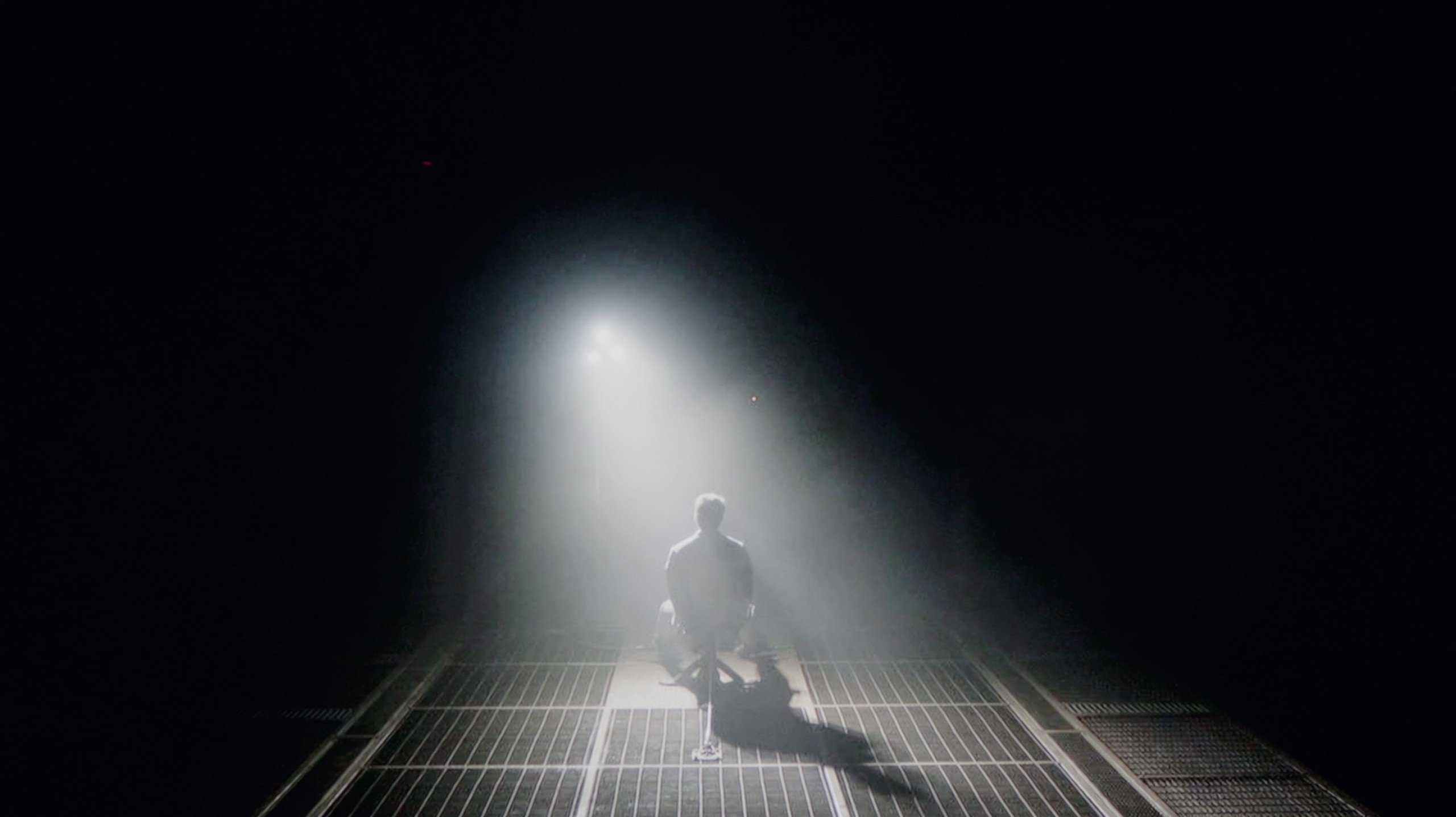
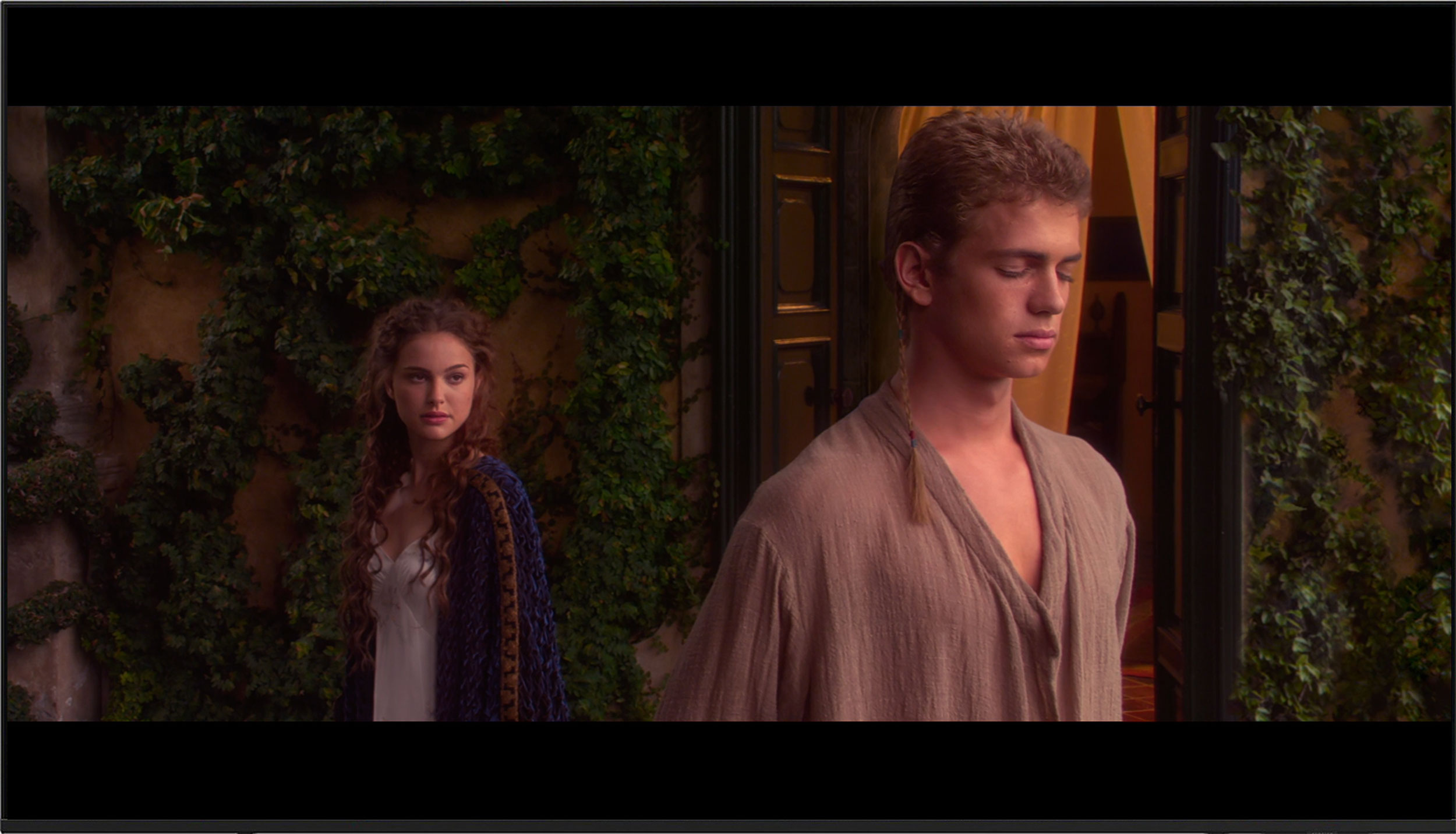
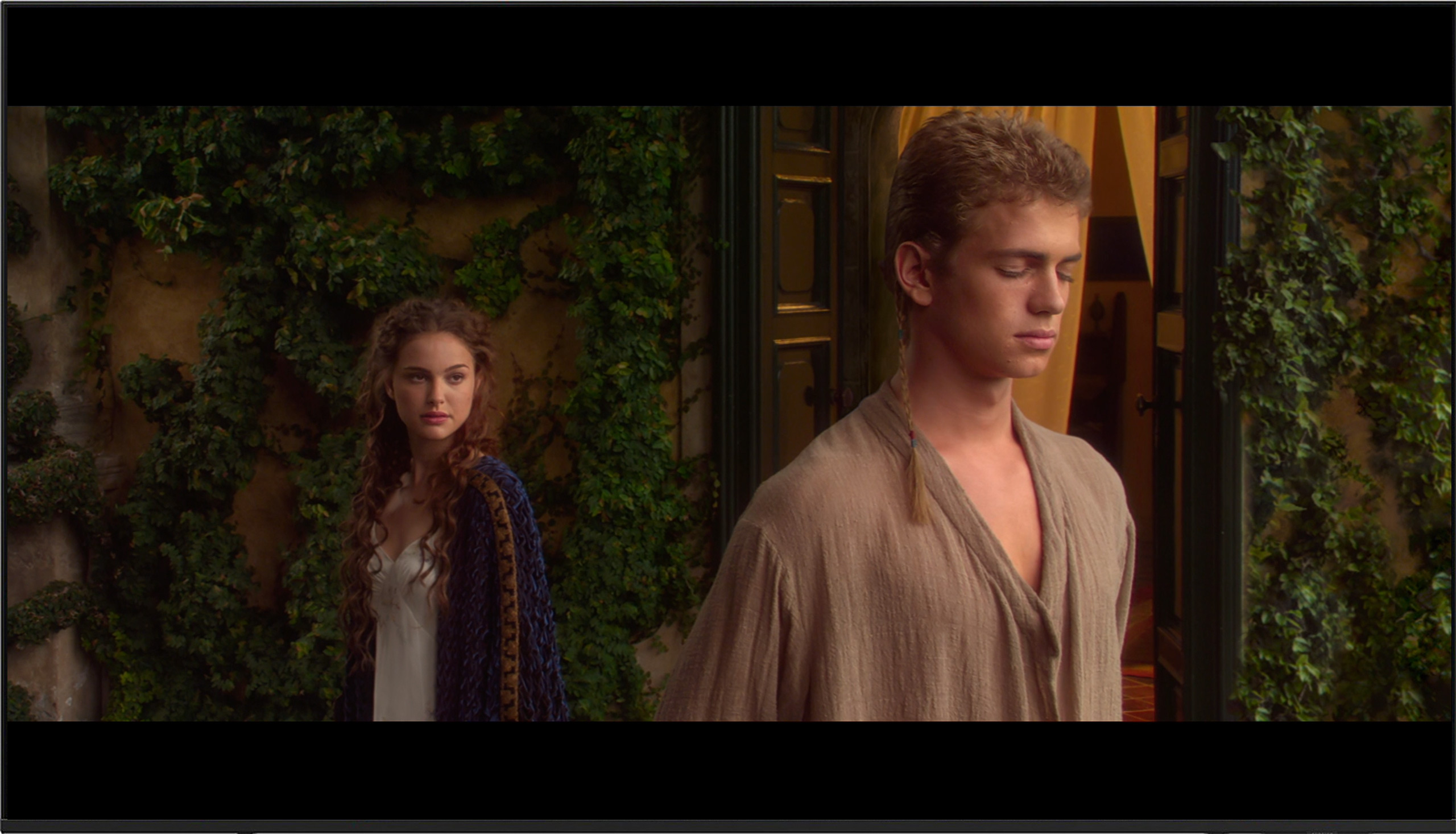
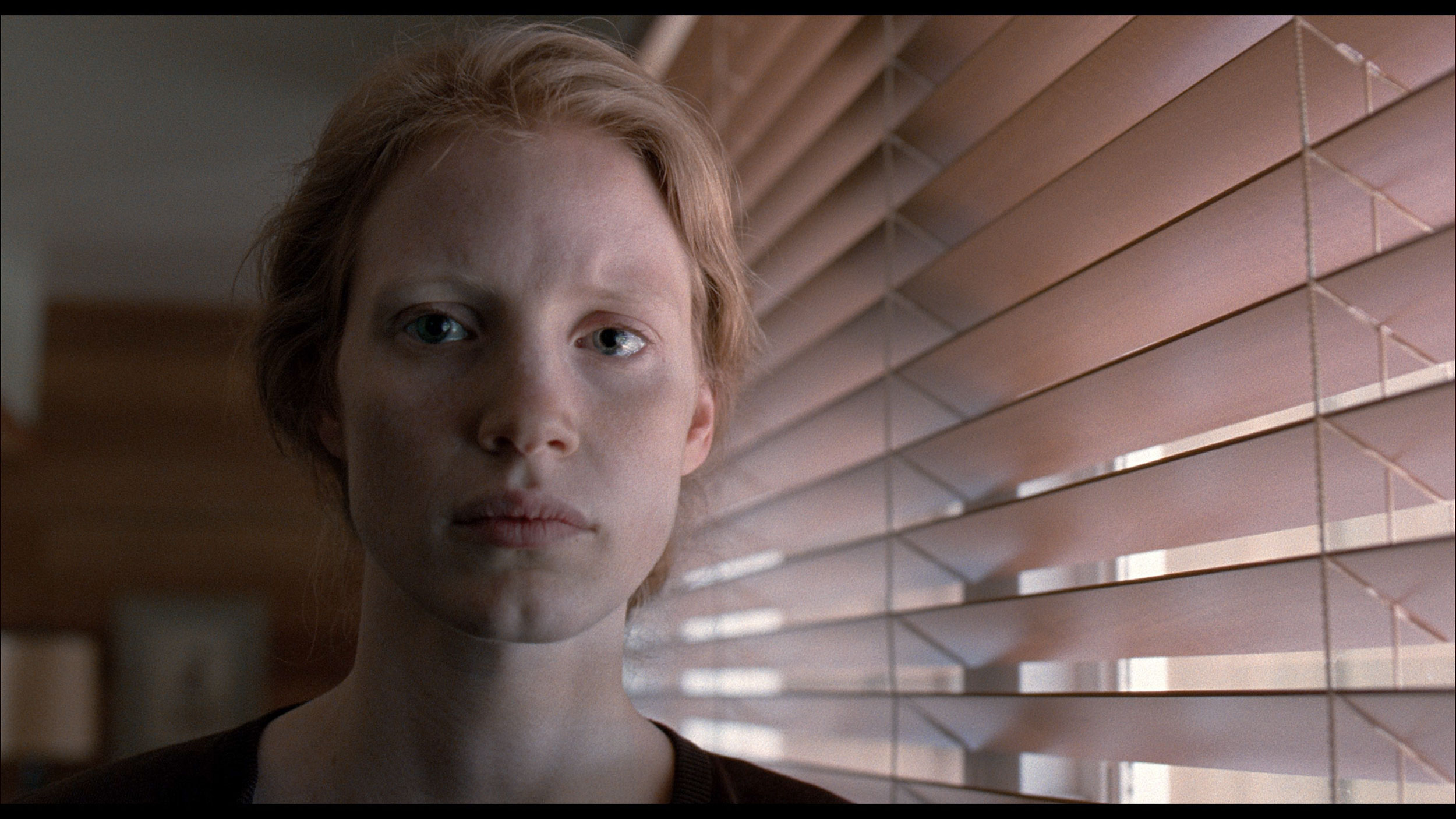
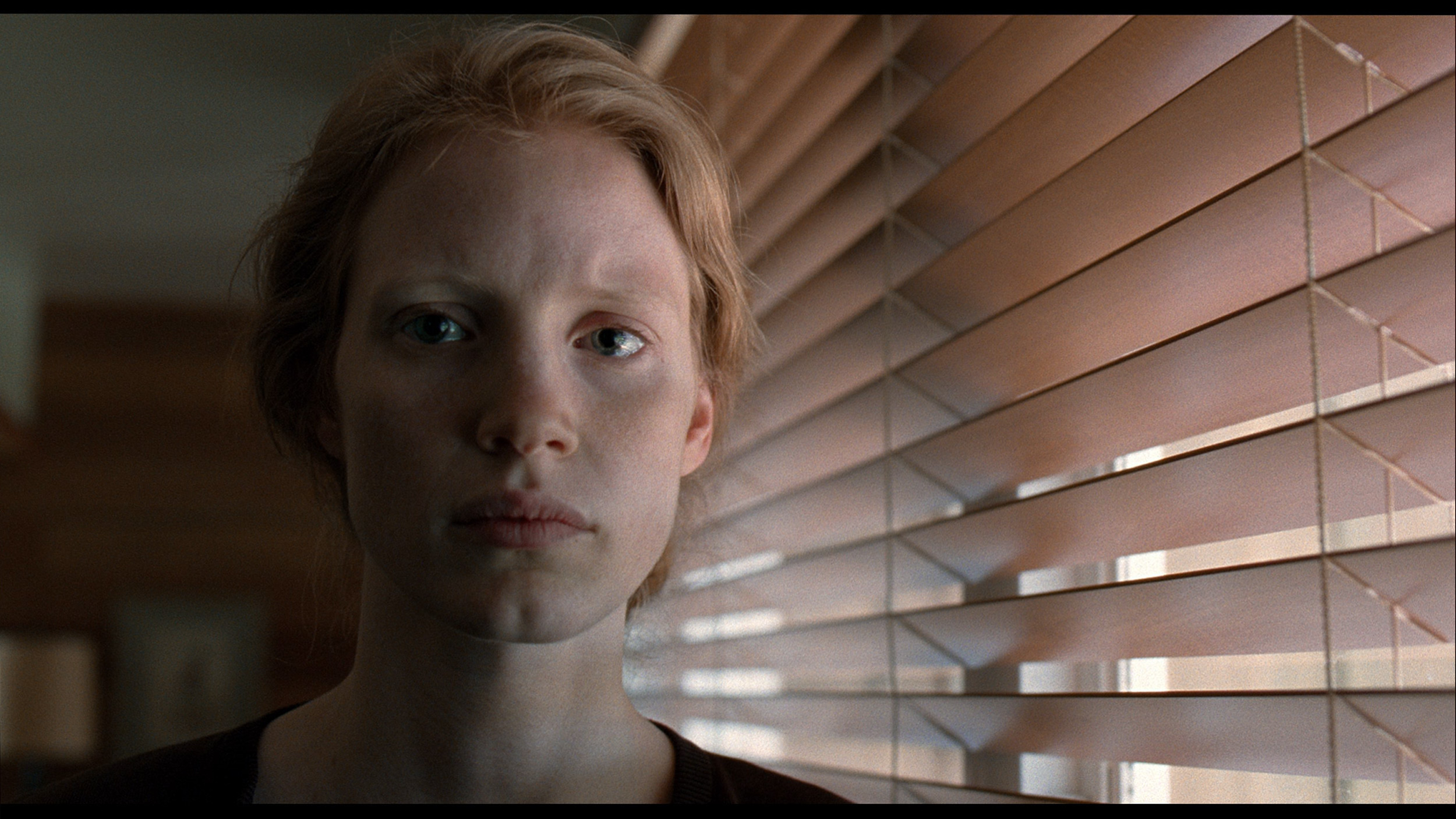
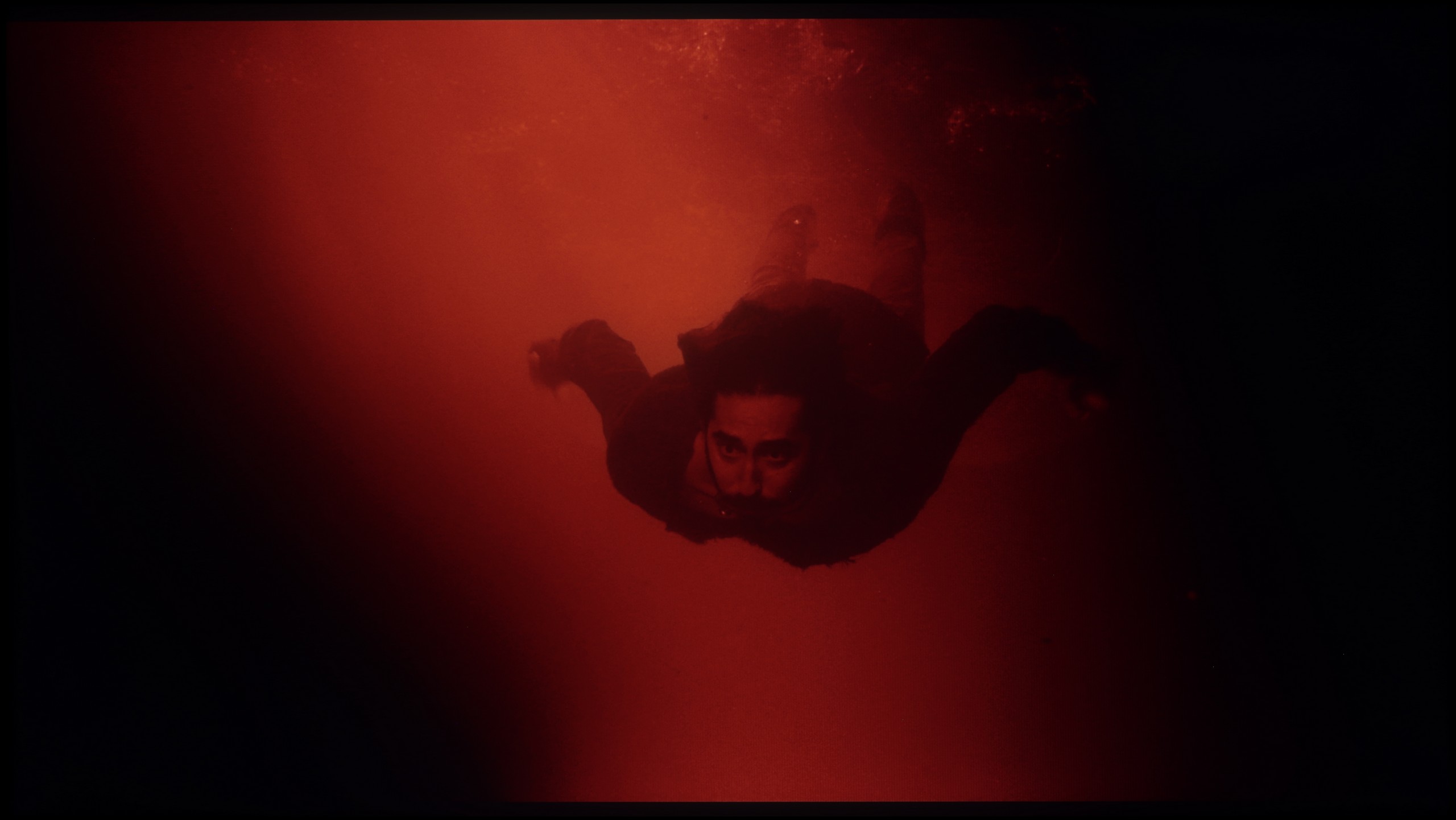
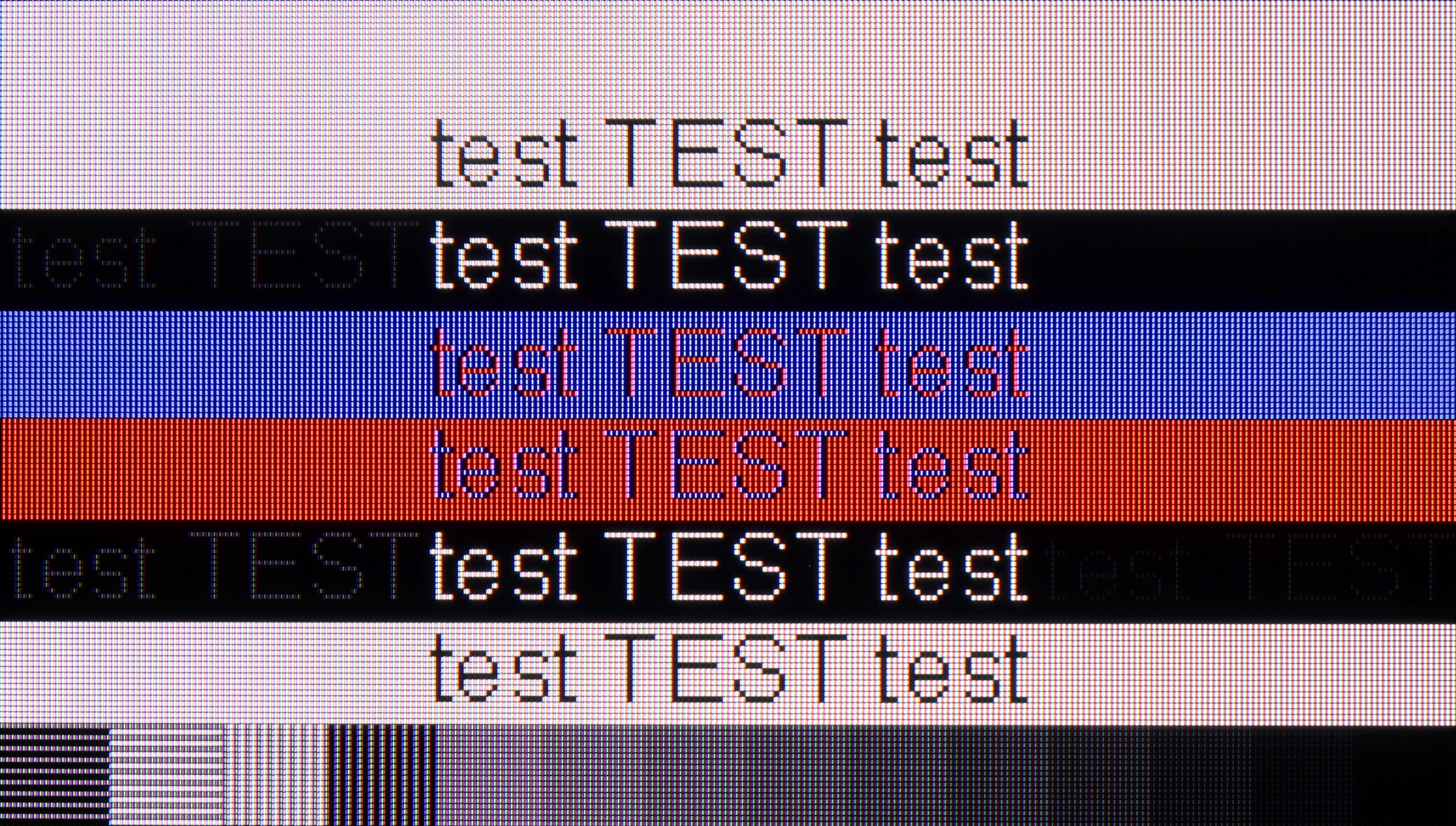
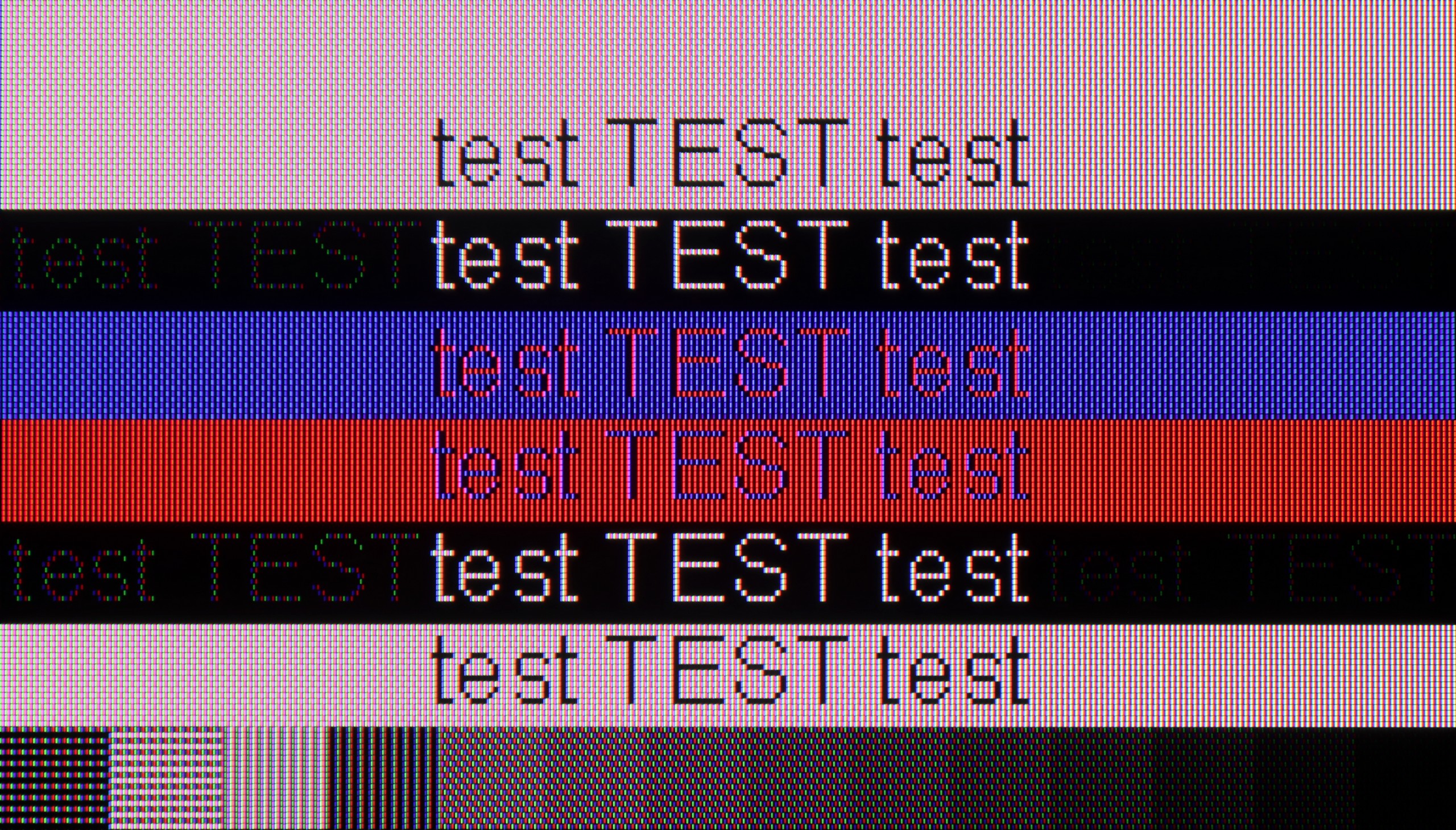
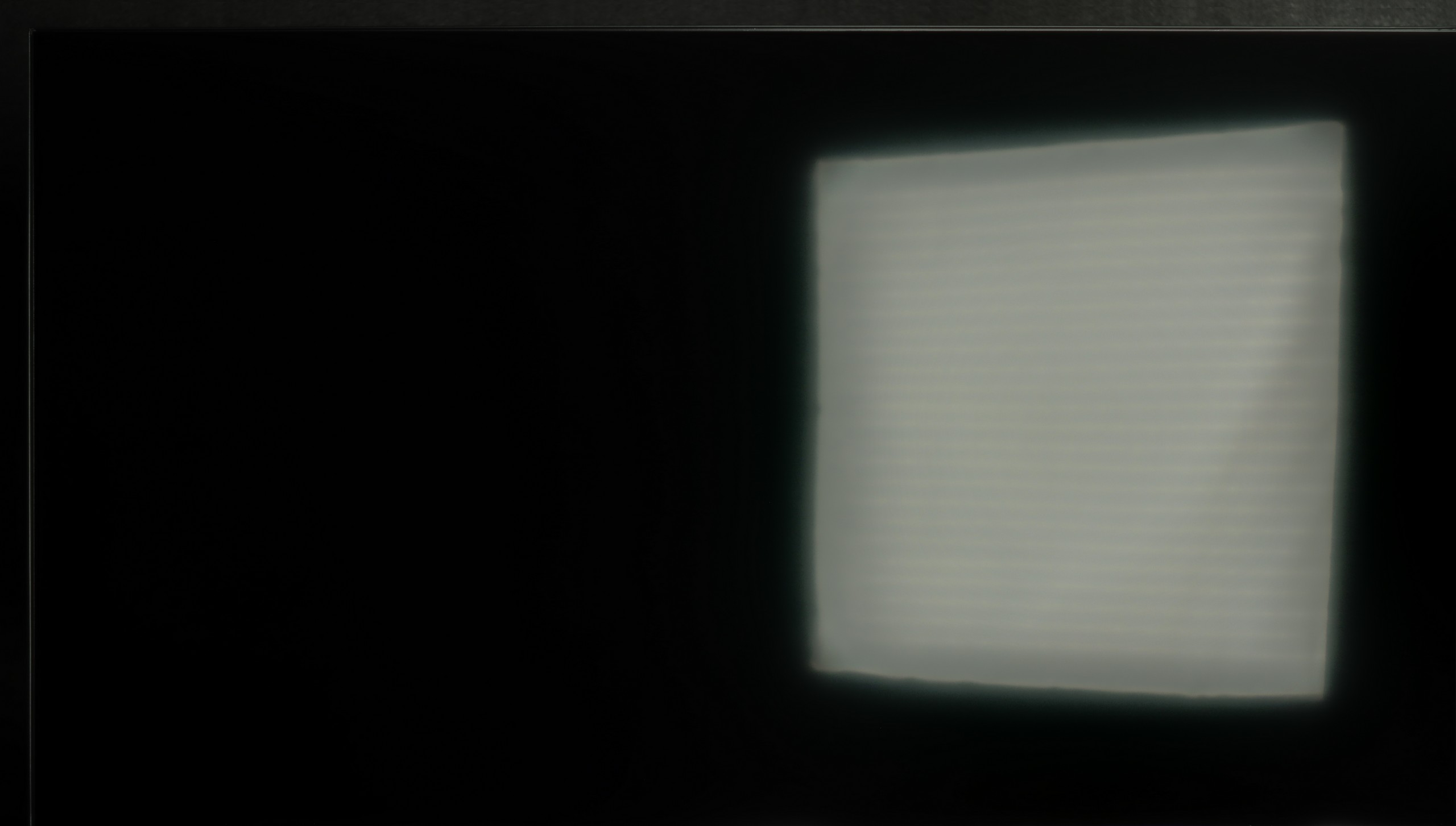
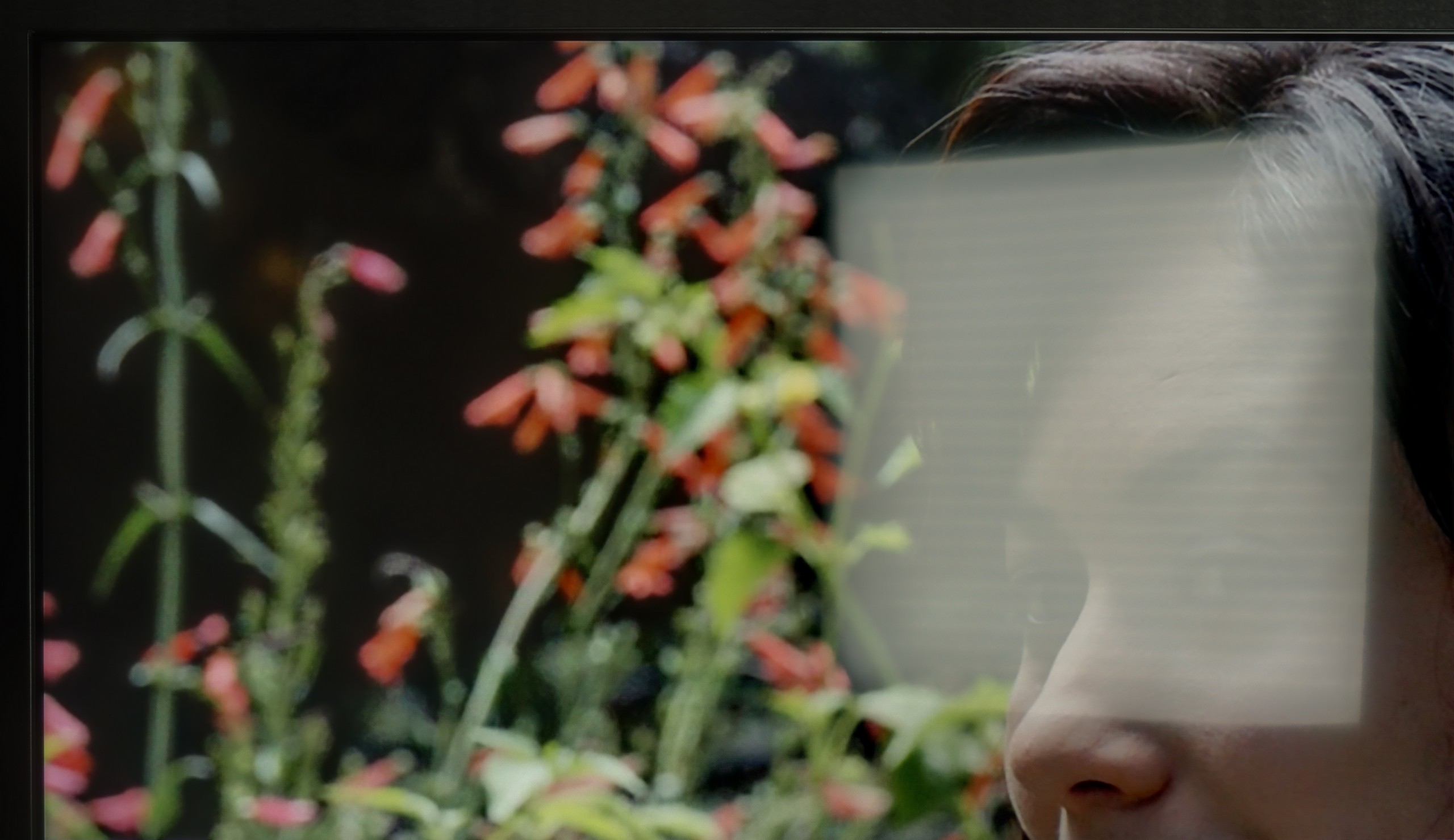
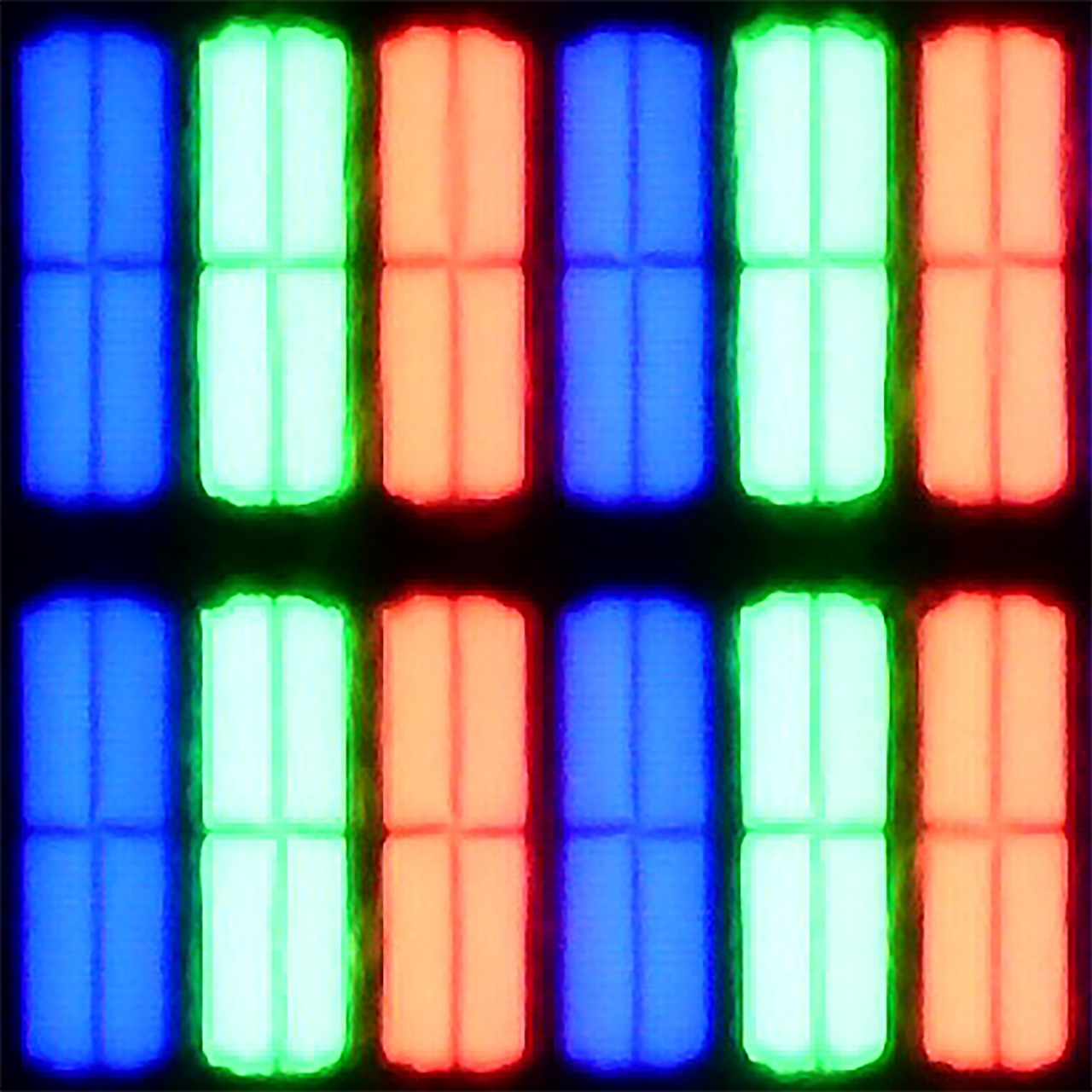
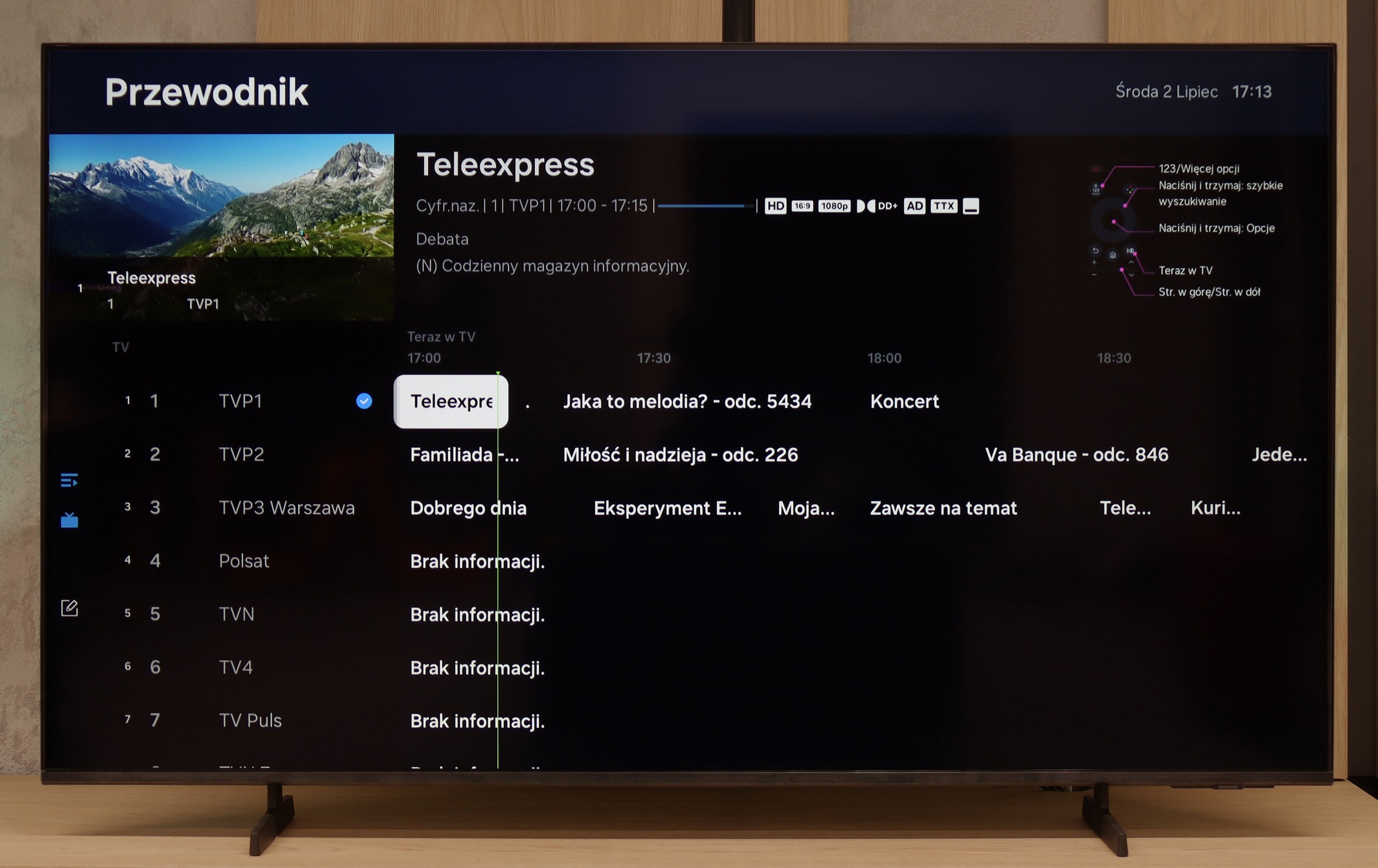
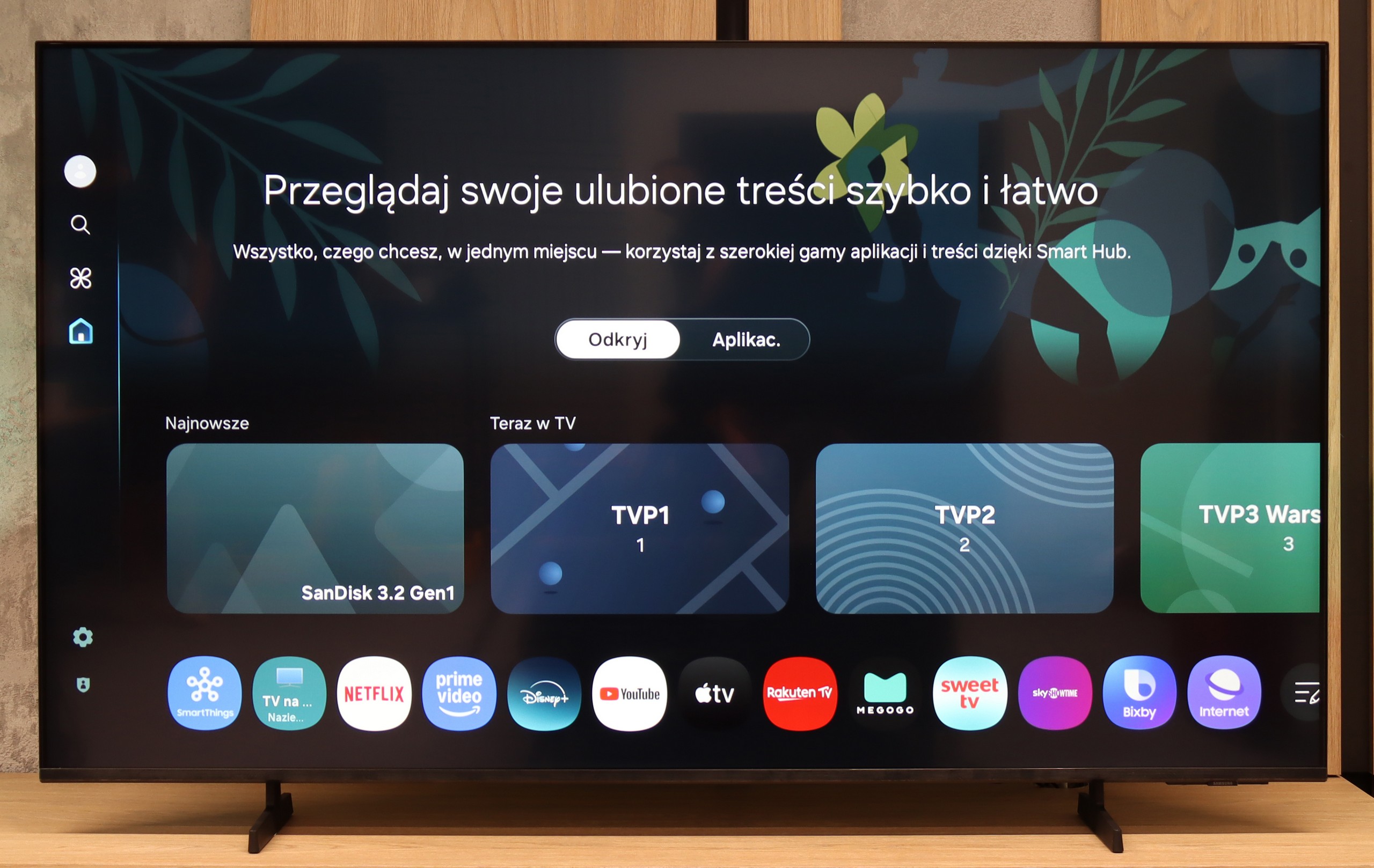
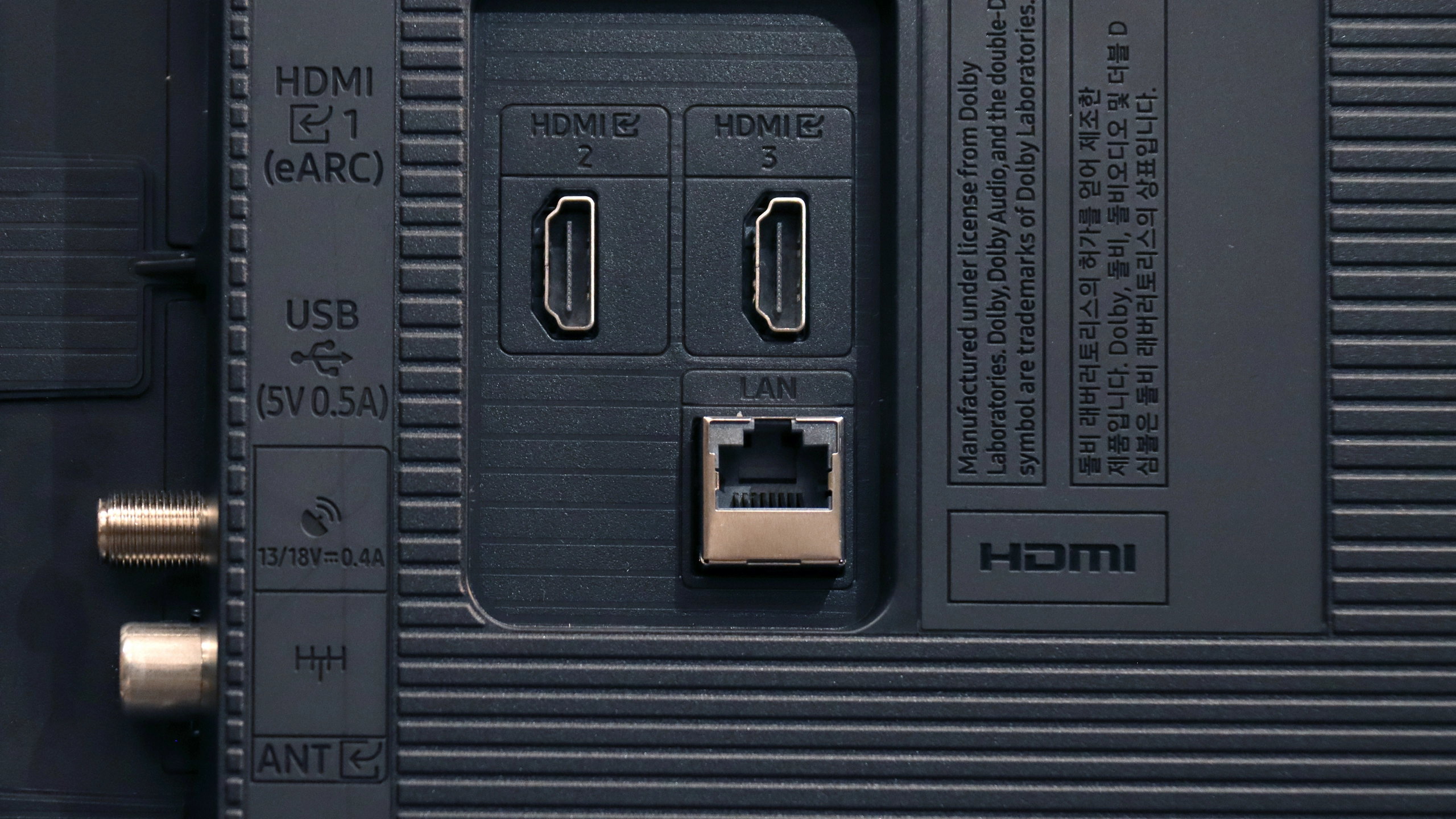
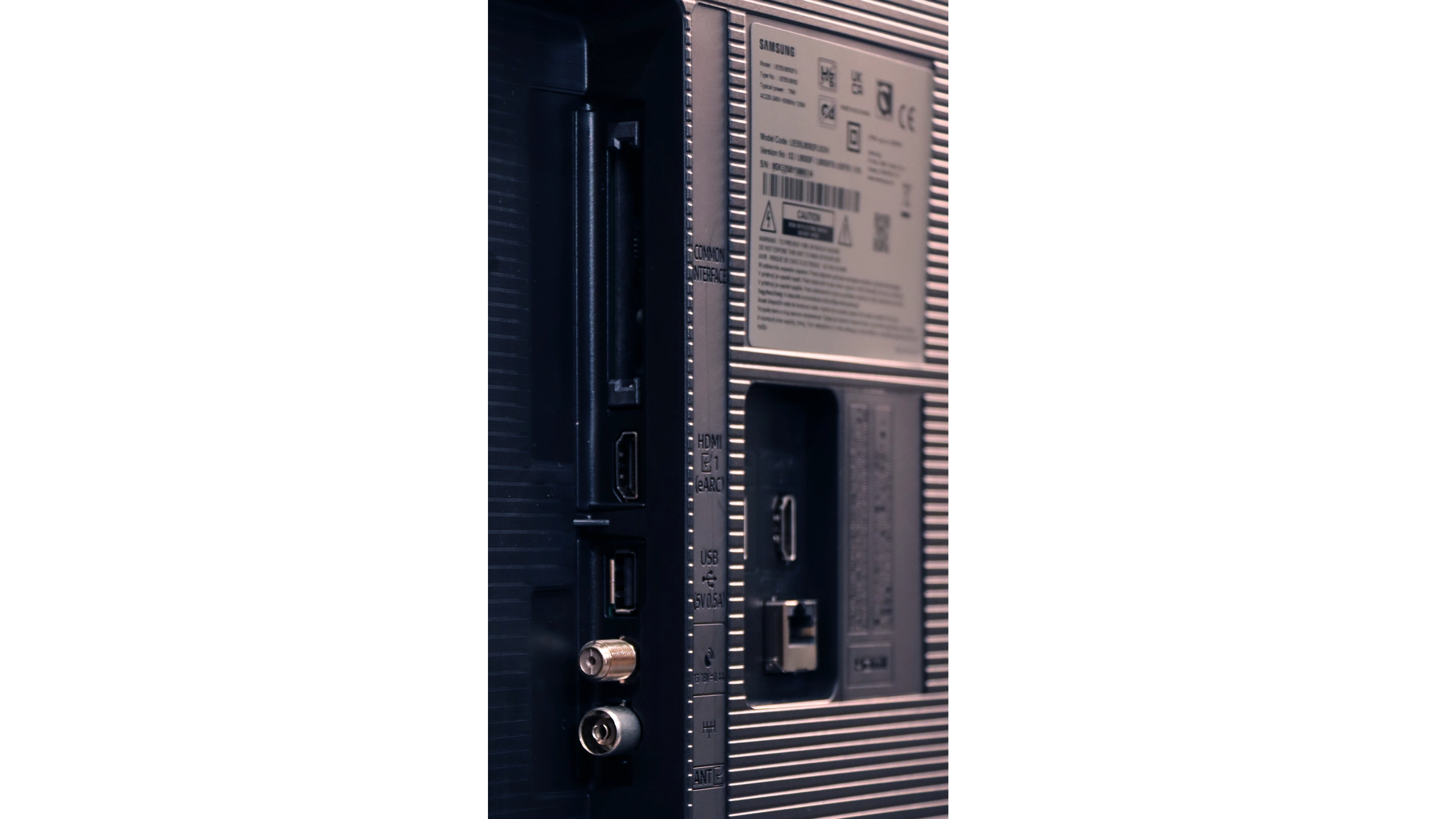
Samsung U8000F with a VA panel is a television that can pleasantly surprise in its class – of course, if we know what to expect from it. The greatest strength of this variant is definitely the quality of blacks. Compared to the version with an IPS panel, the difference is huge – the image gains depth, contrast looks significantly better, and evening movie sessions no longer resemble watching content through a grey filter. For a device from the budget segment, this is really a nice surprise. Additionally, we have the proven Tizen system, which not only runs smoothly but also offers access to a full range of applications, support for SmartThings, and voice assistant (via an app). The PC mode and console connection work flawlessly – fonts are clear and readable. Plus, there are basic features for gamers, such as VRR and ALLM, which – although they won’t turn this television into an esports machine – are perfectly adequate for occasional gaming.
Of course, like any construction in this budget, the U8000F with a VA panel also has its limitations. Viewing angles are not its strong suit – watching the image from the side reveals a drop in quality. However, it’s hard to regard this as a serious drawback – because you gain some advantages elsewhere. Better blacks always come with a bit less flexibility in setting. When it comes to HDR, we have a rather symbolic approach – the brightness is too low to talk about a true “wow” effect, and the color palette is limited. But let's face it – that’s not the reason you buy such a television. So if you’re planning to purchase the U8000F, we definitely recommend opting for the variant with the VA panel. It’s still a very basic model, but in this version, it offers more than you might expect – especially in terms of black quality. And in this price range, that’s quite a lot.
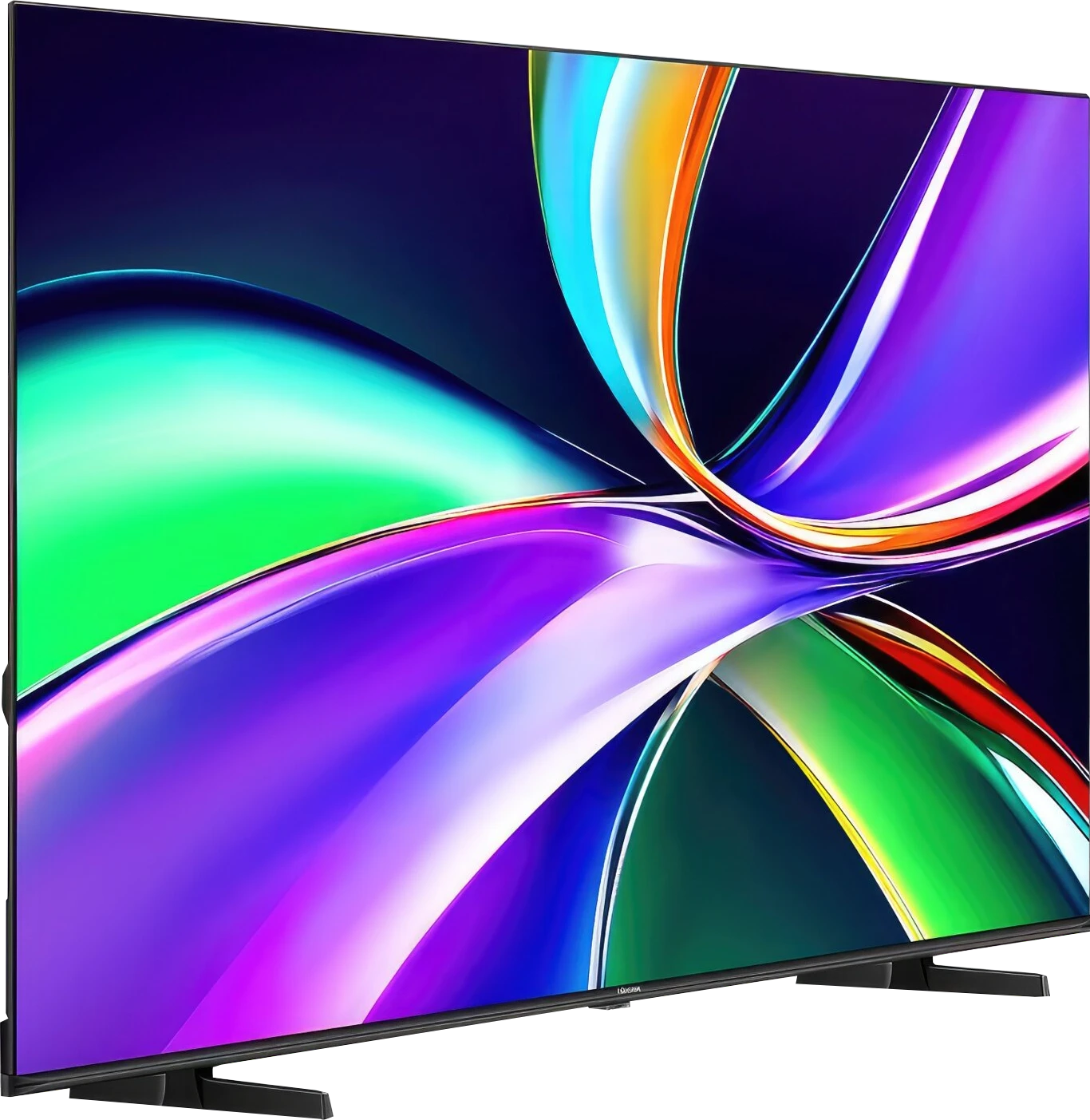
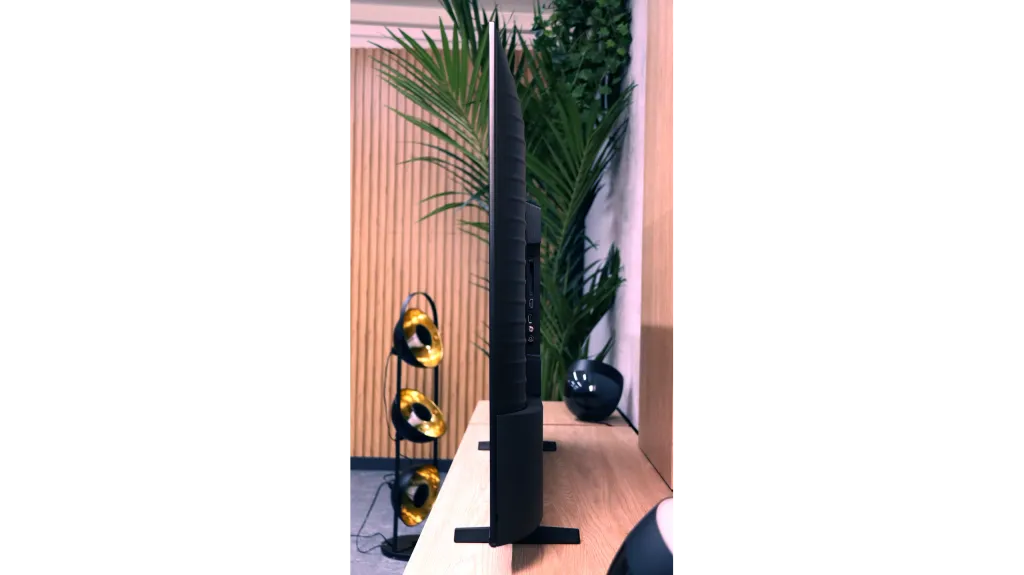
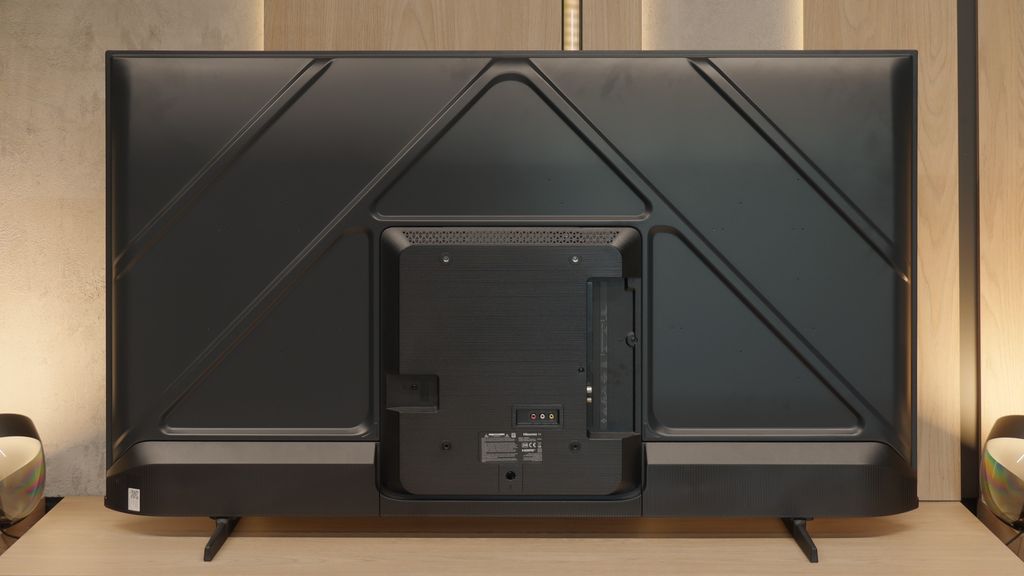
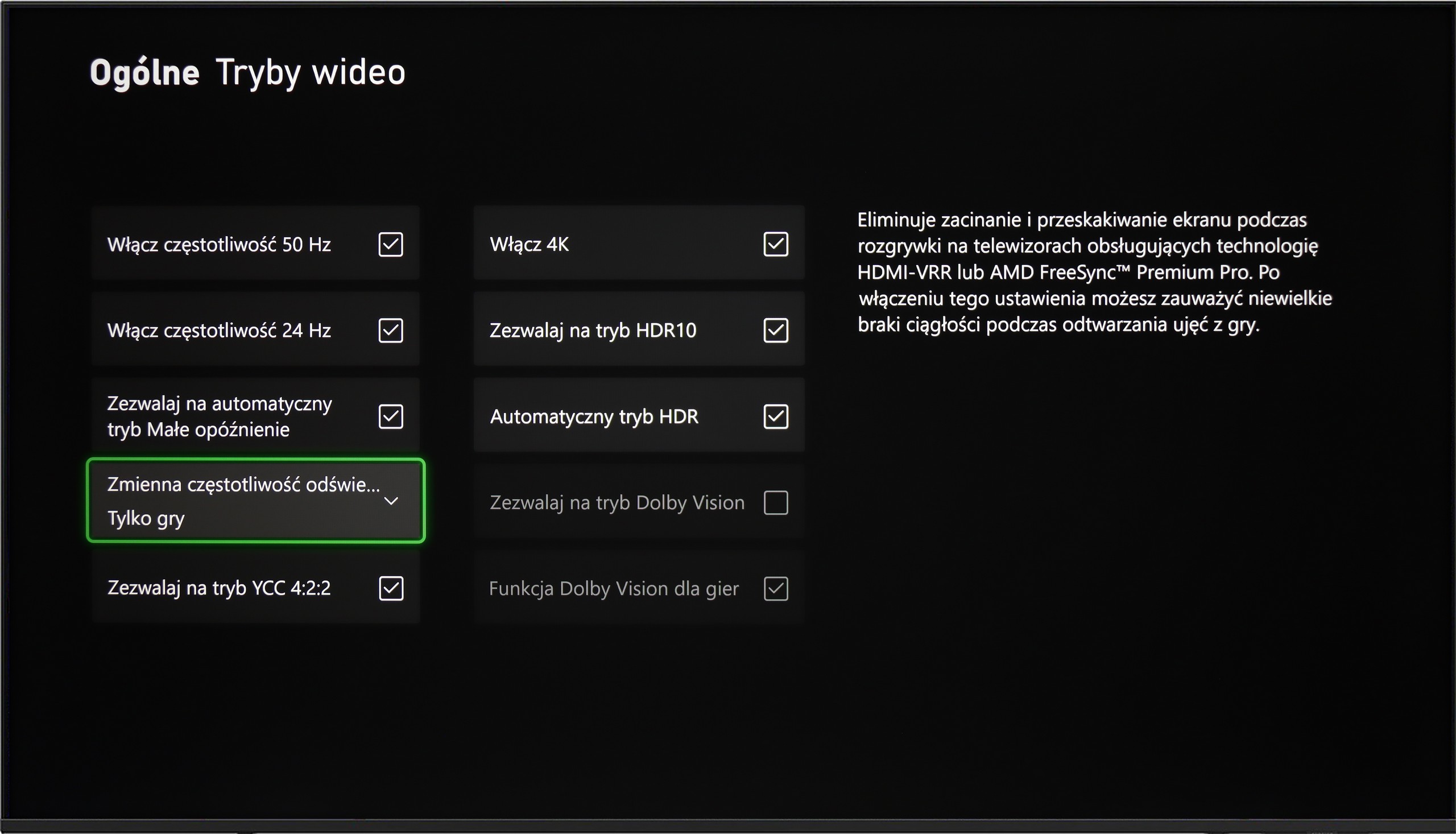
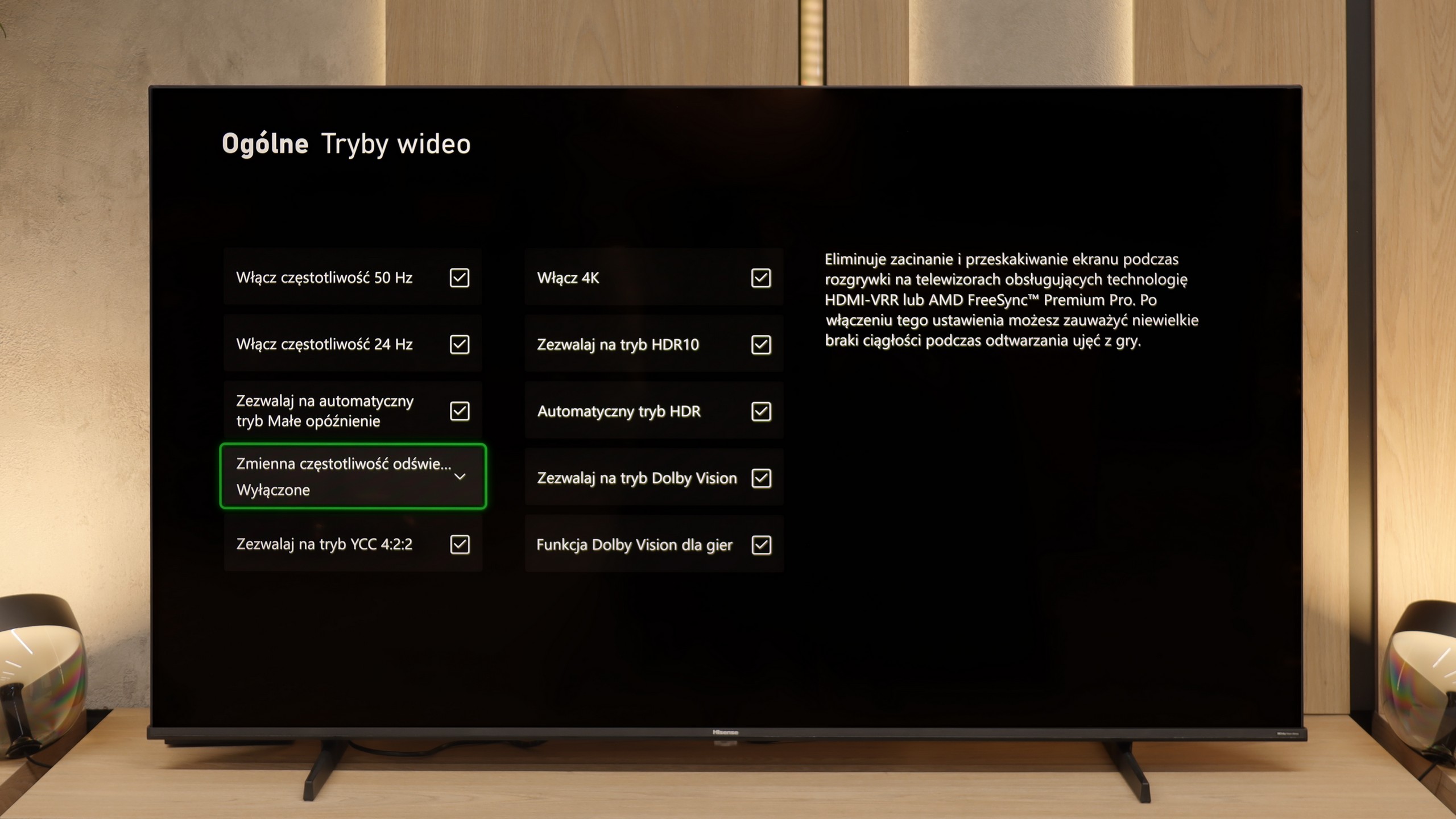
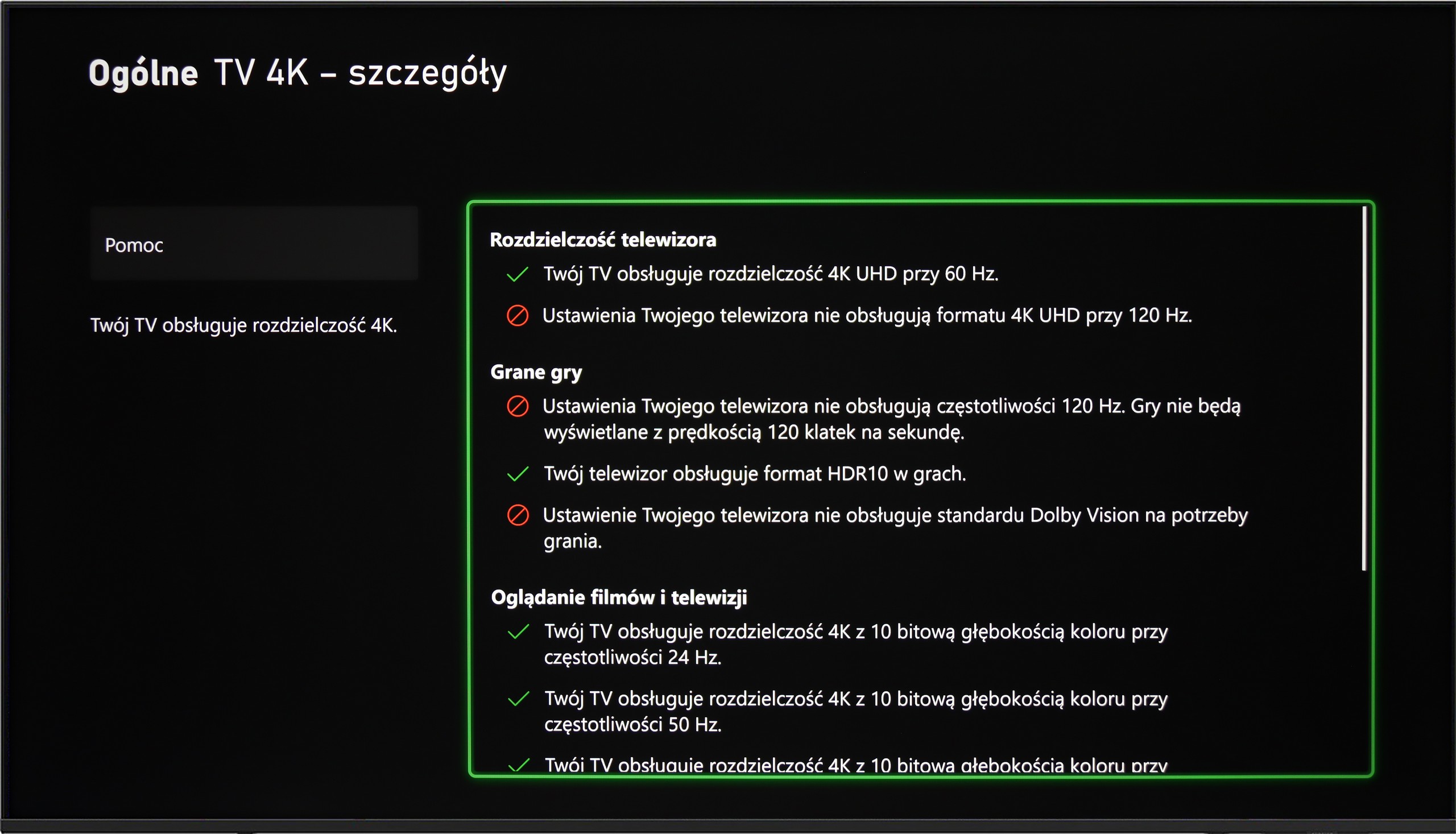
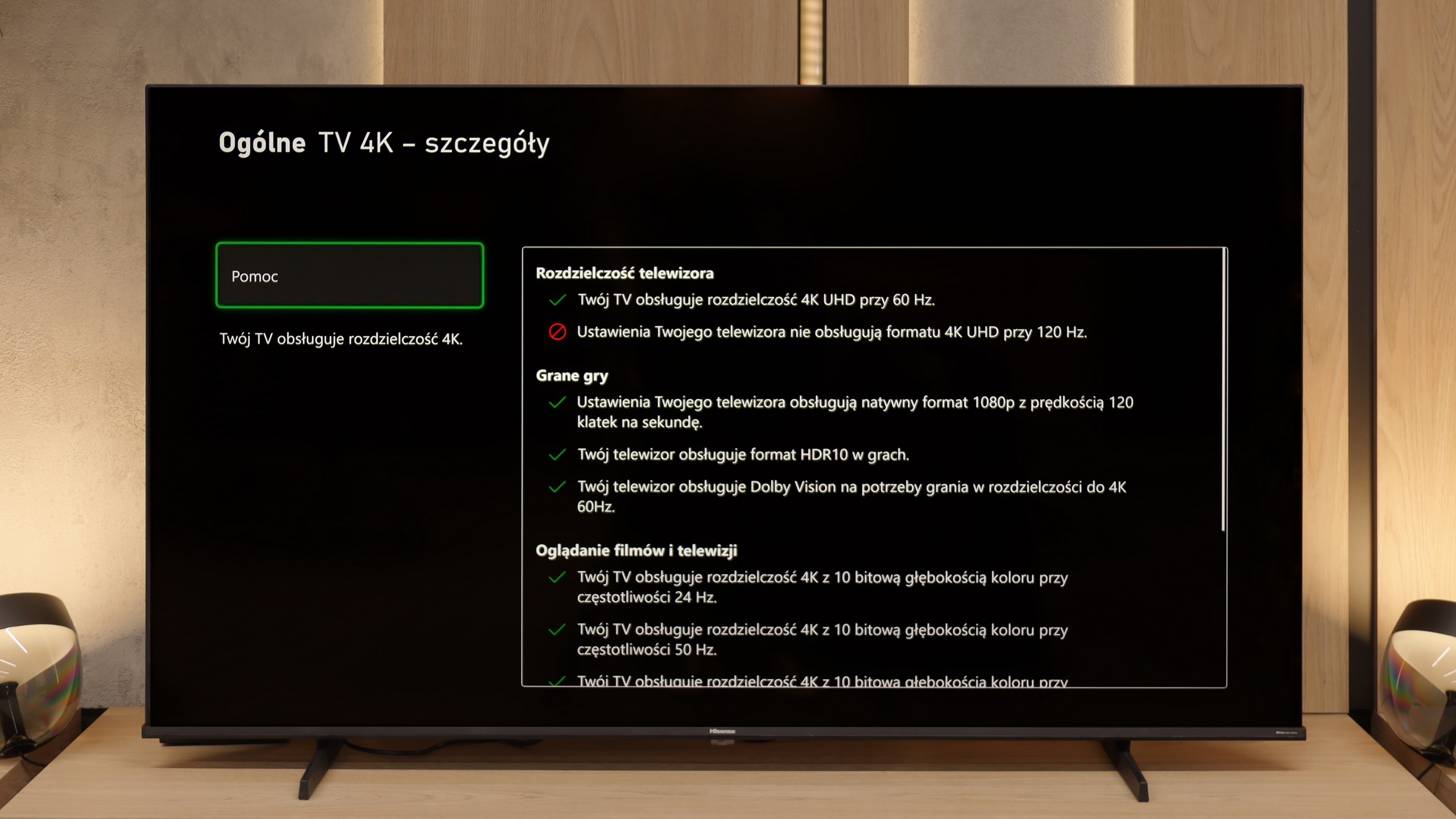
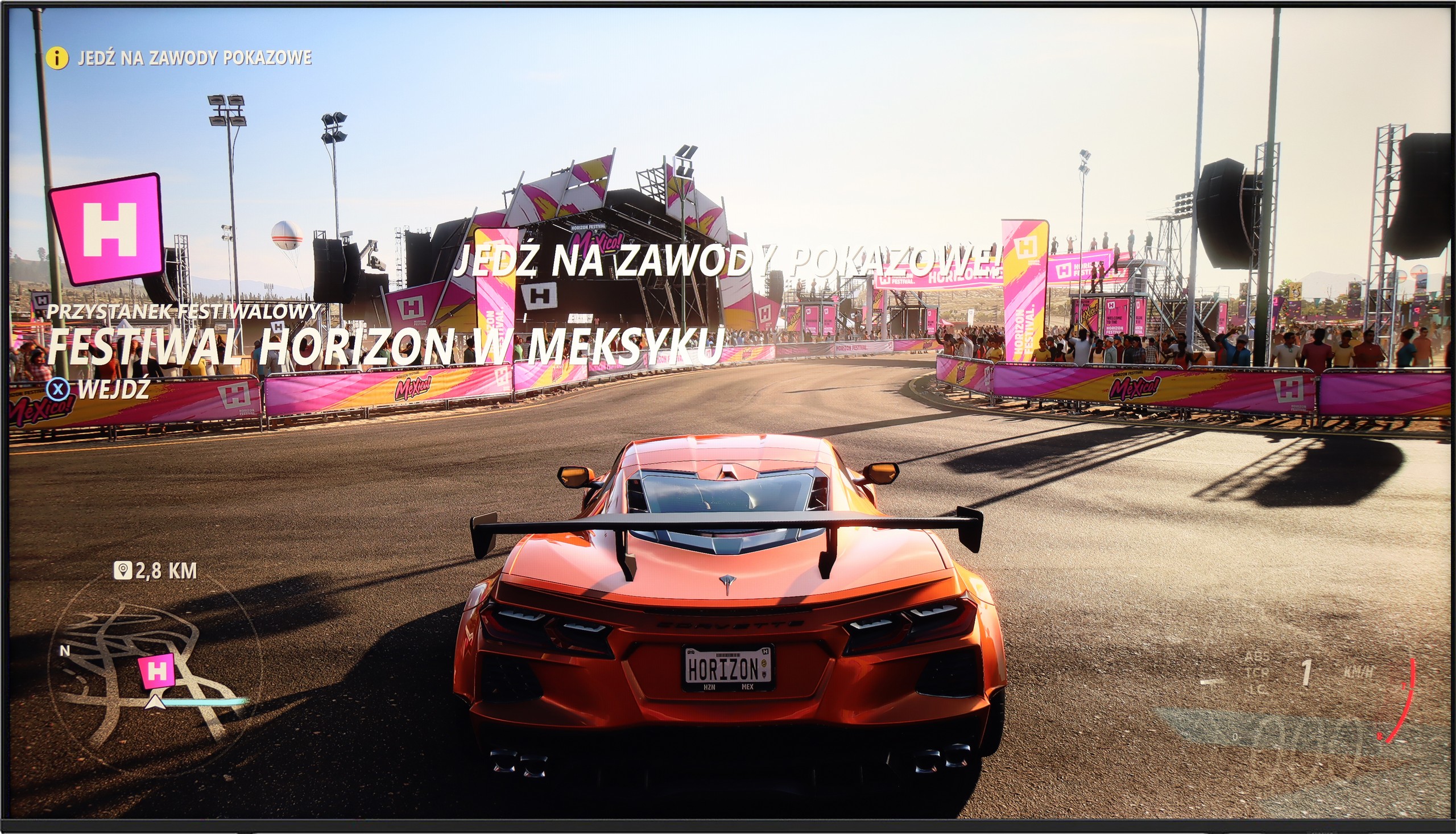
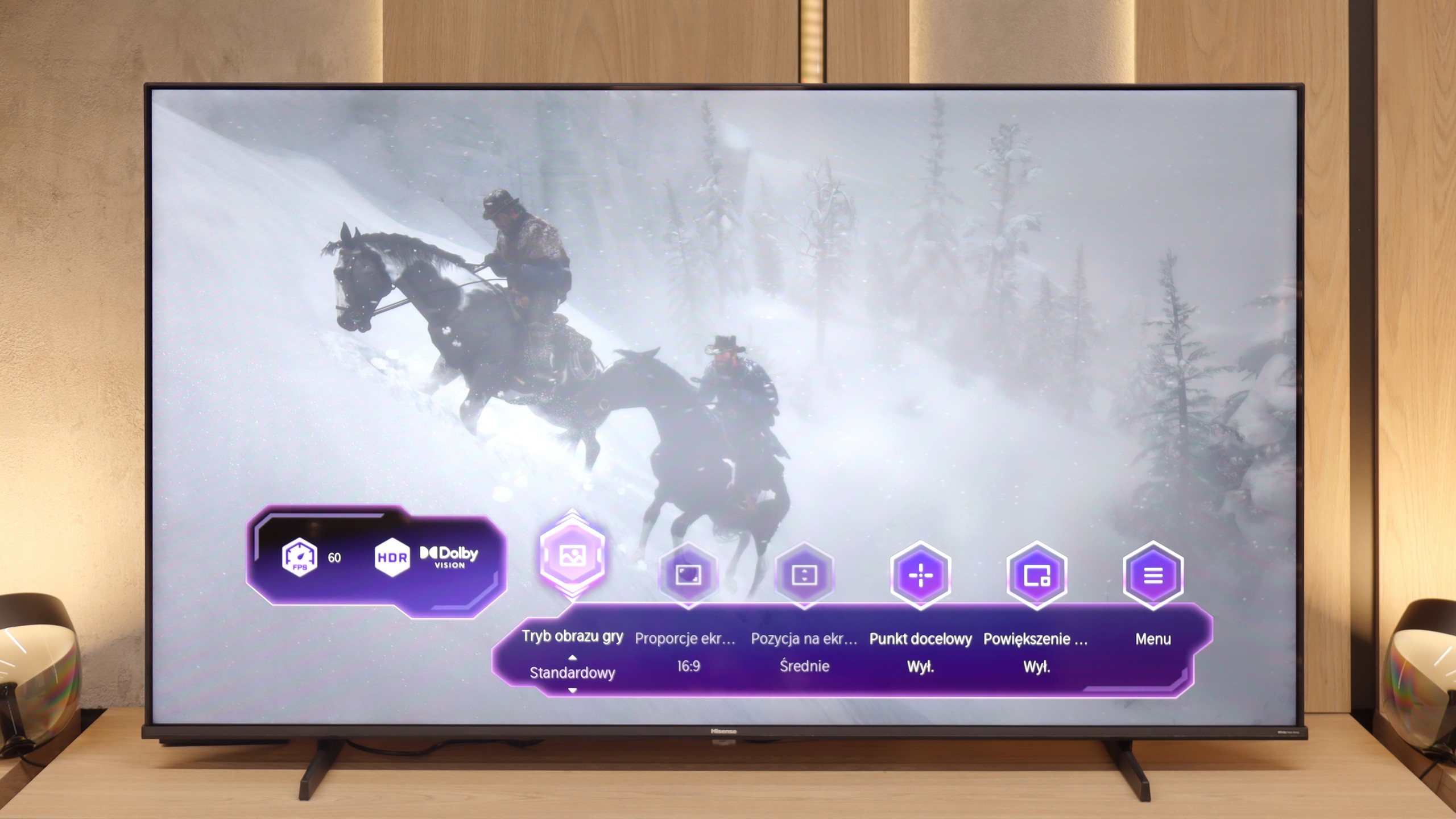
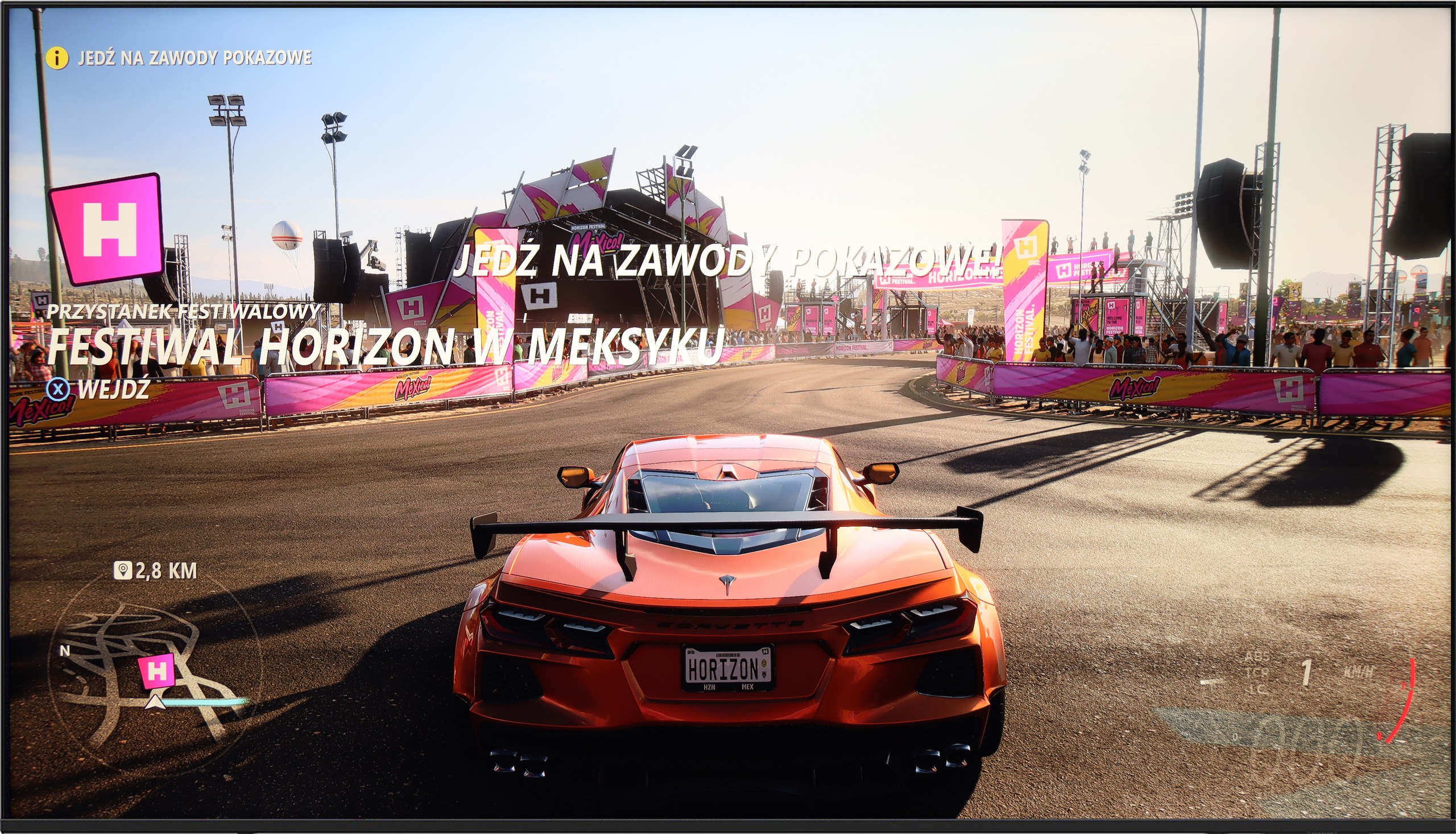
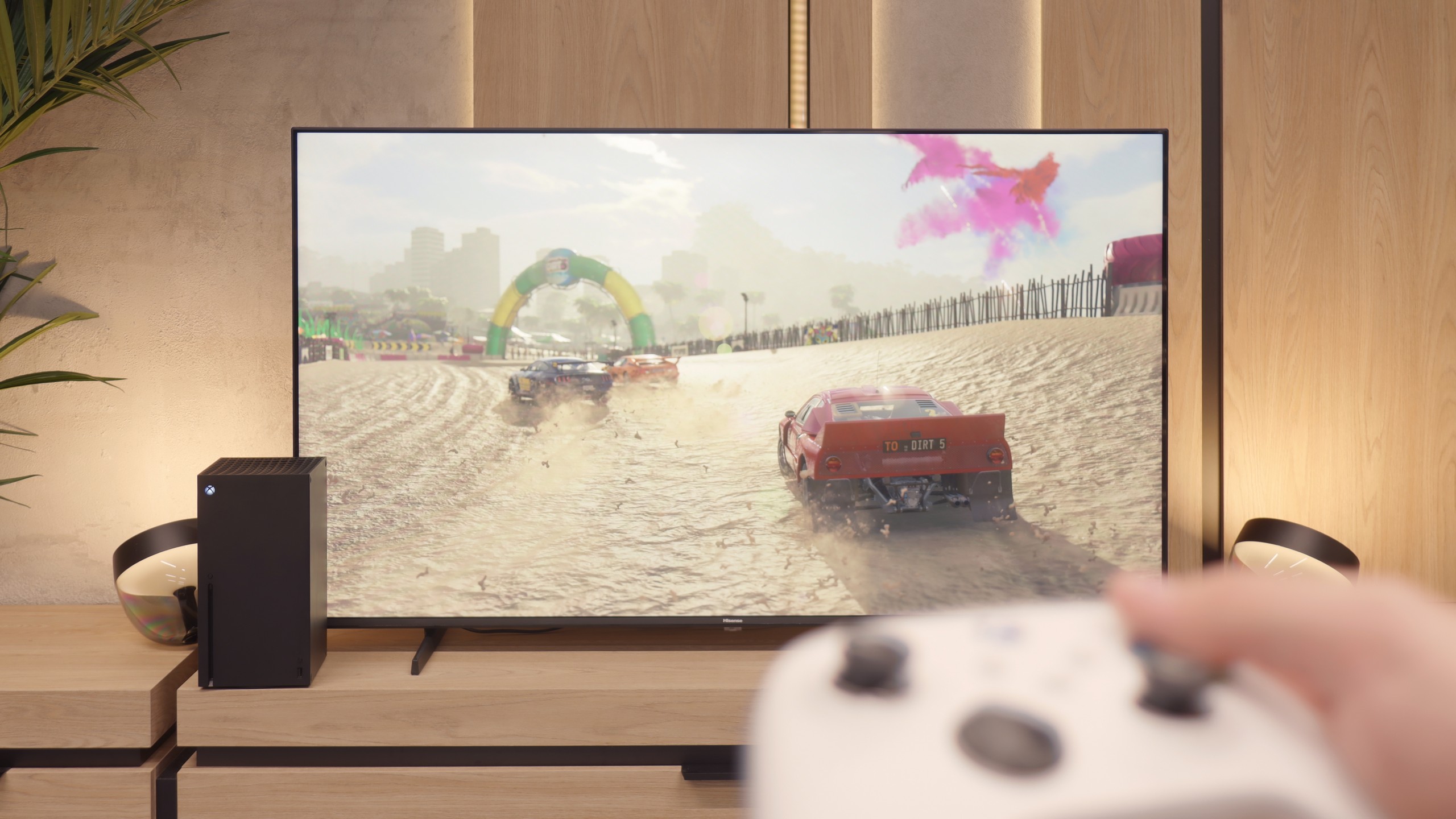
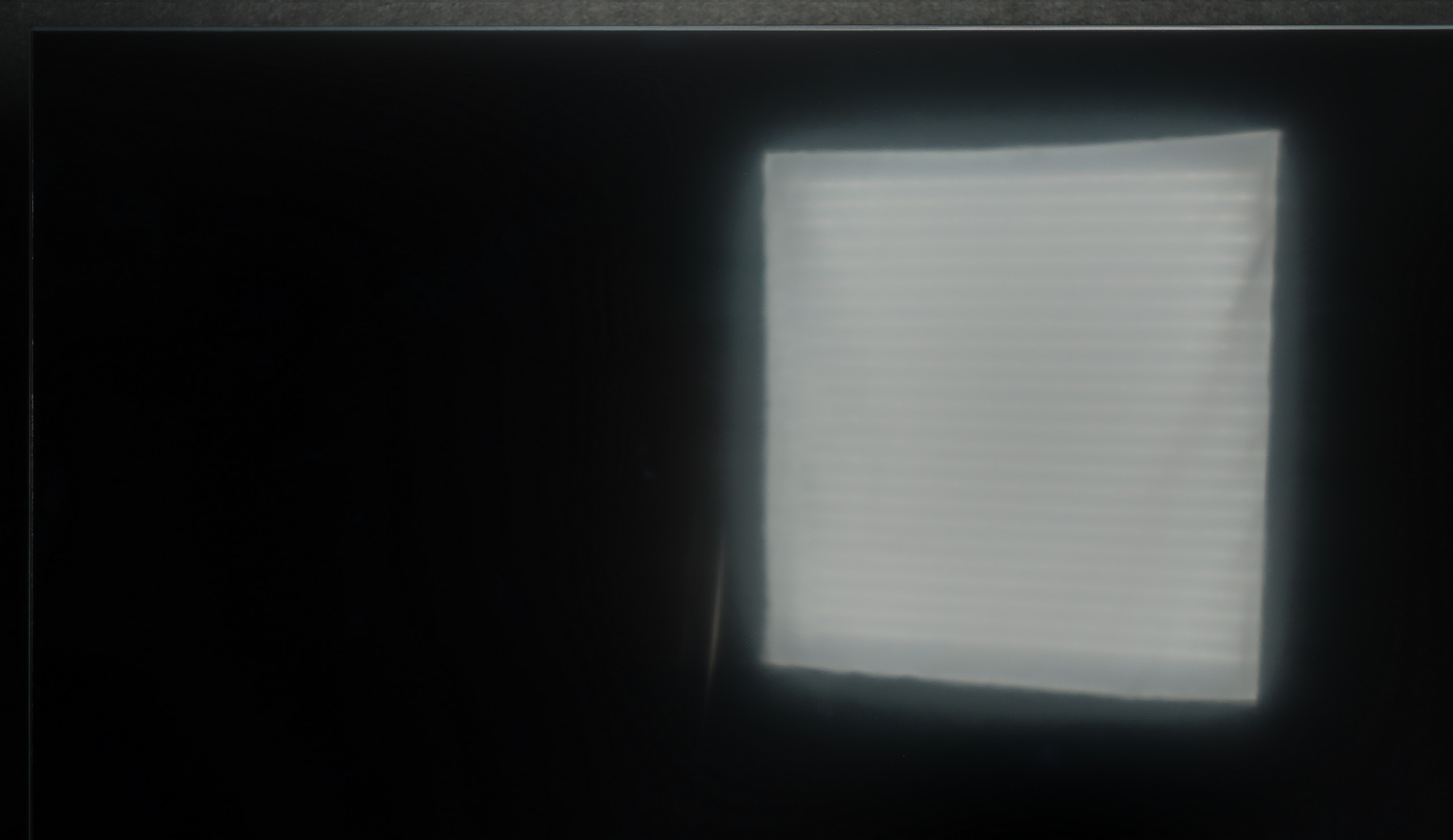
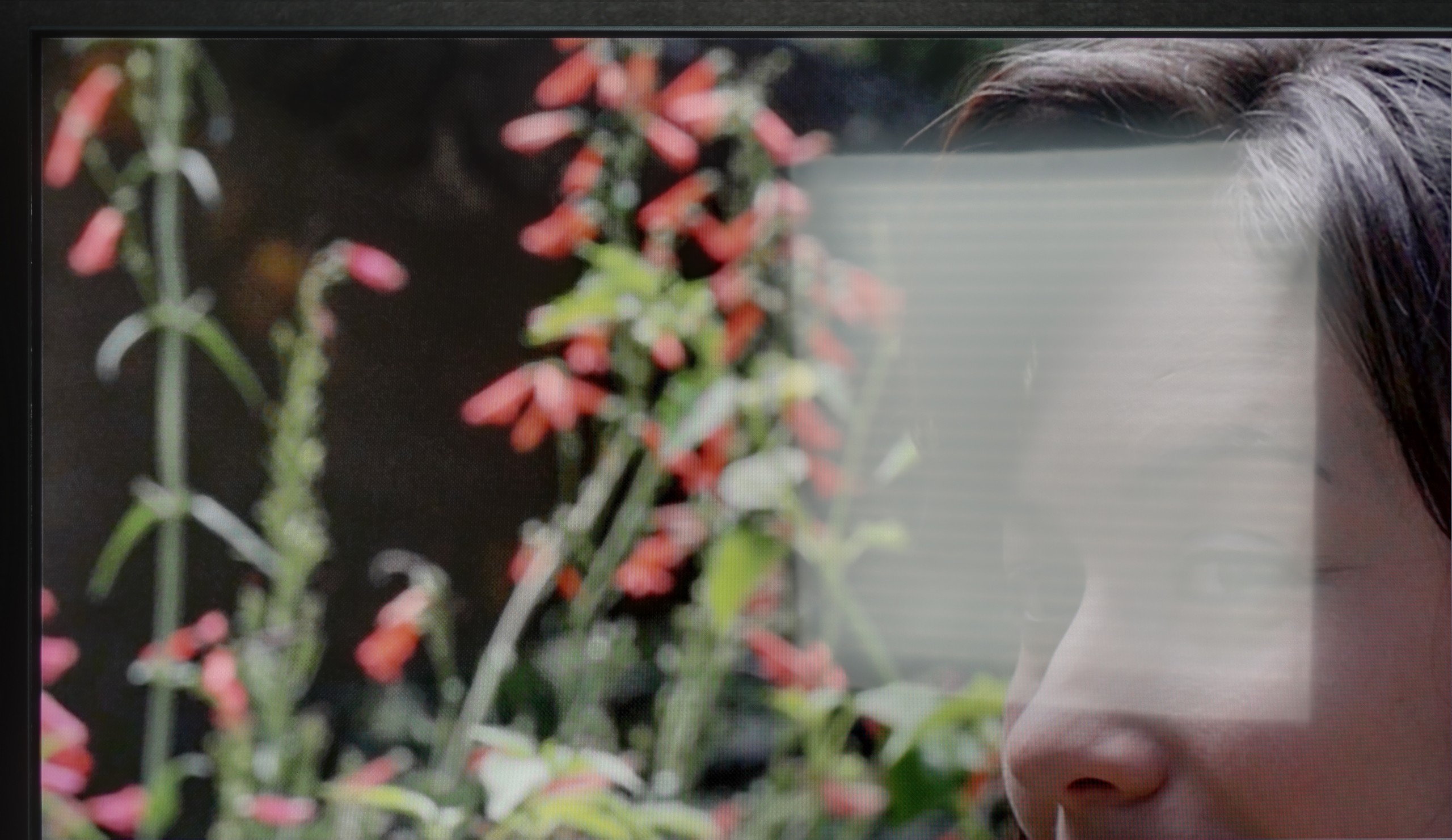
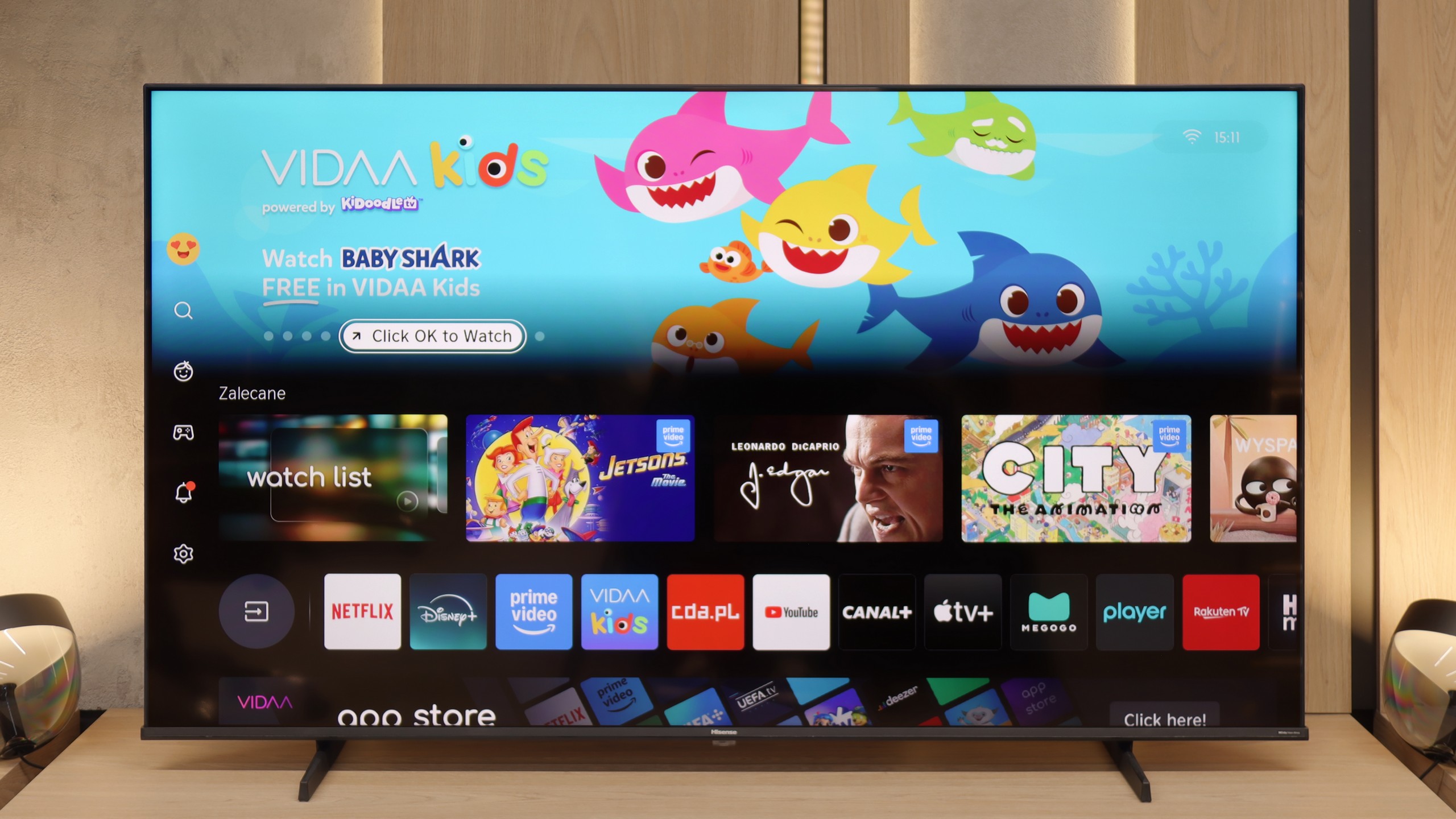
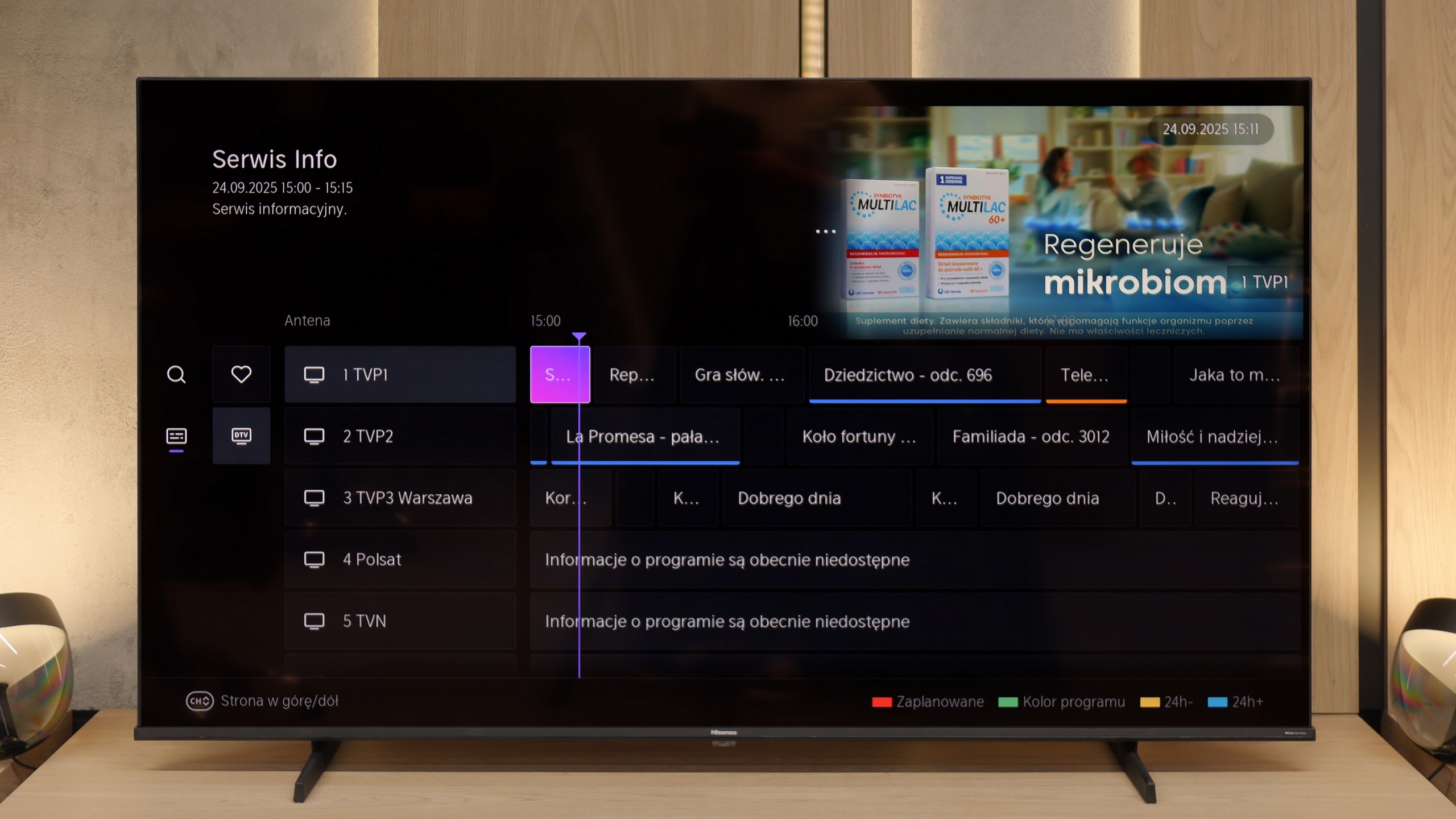
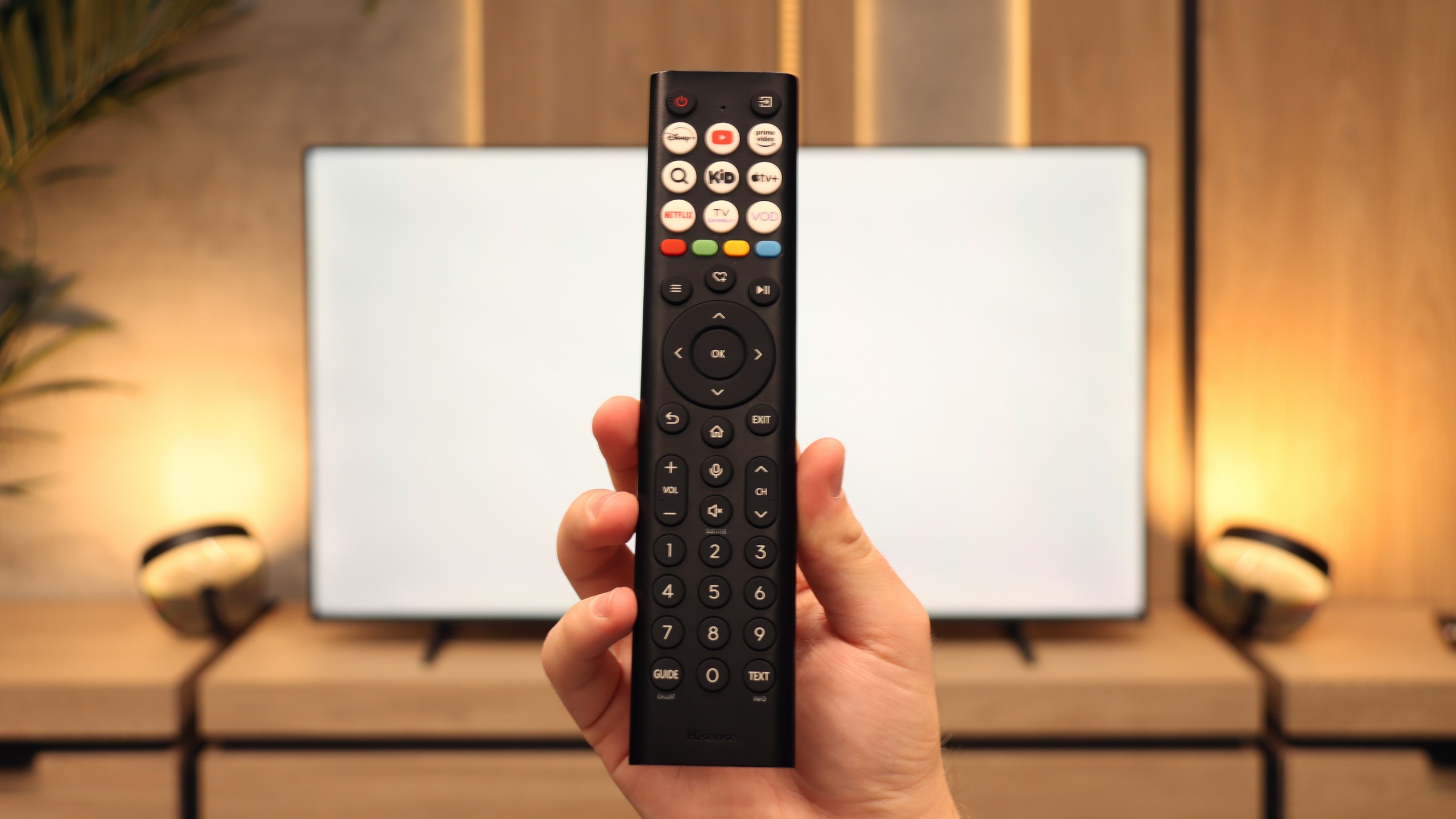
Hisense E7Q / E79Q is a type of television that doesn’t promise miracles – and maybe that's why it can pleasantly surprise. It doesn’t try to pretend to be high-end equipment; it just gets the job done. If you’re looking for a cheap screen for everything that can handle Netflix, consoles, and morning YouTube while enjoying your coffee, this model makes a lot of sense. The VIDAA system has matured over the past few years, and it’s clear the manufacturer is learning. We have AirPlay, screen mirroring, and voice search in Polish – everything works, maybe not at lightning speed, but smoothly enough not to be annoying. You won’t find thousands of apps like in Google TV, but the most important ones are at hand. It’s a system that's meant to be simple and practical, not overloaded with unnecessary gimmicks – and in that sense, it really holds up. There’s something interesting for gamers too. The E7Q / E79Q offers low input lag, automatic low latency mode (ALLM), VRR support up to 60 Hz, and even a 120 Hz mode at 1080p resolution. It’s not a screen for hardcore e-sports enthusiasts, but if you just like to fire up your console in the evening and play a few rounds, this TV will do its job without complaining. And what about picture quality? We won’t deceive you – it’s not spectacular, but there’s also no reason to complain. A brightness of around 350 nits won’t impress, but the contrast thanks to the VA panel can really surprise positively. The blacks are quite deep, and the colours have a pleasant intensity, especially in SDR mode. It’s a bit of a shame that Dolby Vision doesn’t add much – because if it worked as it should, we’d have a TV that could confidently be recommended for HDR viewing as well. On the other hand, it’s hard to expect that in this price range. It’s simply a fair, well-priced screen that doesn’t make a fuss about itself but can deliver solid picture quality and surprisingly good features. And while it’s not perfect, after a few days of use, it’s hard not to think, “gee, this cheap Hisense really holds its own.”
 Direct comparison