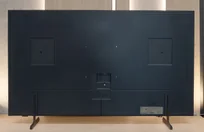
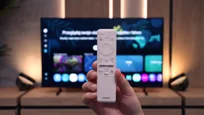
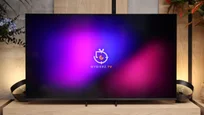
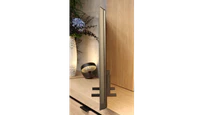
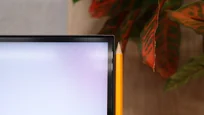
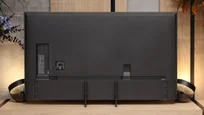
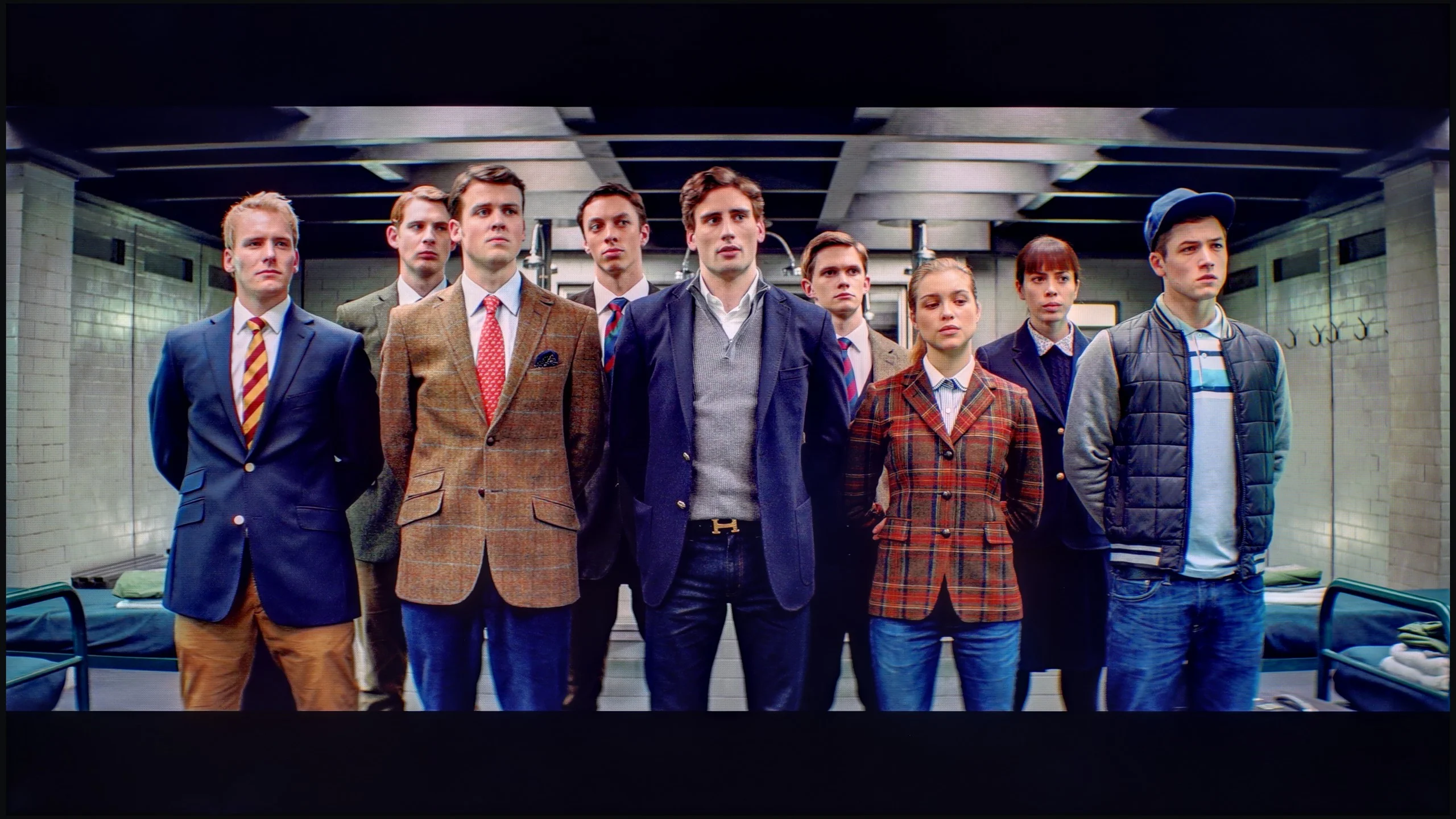
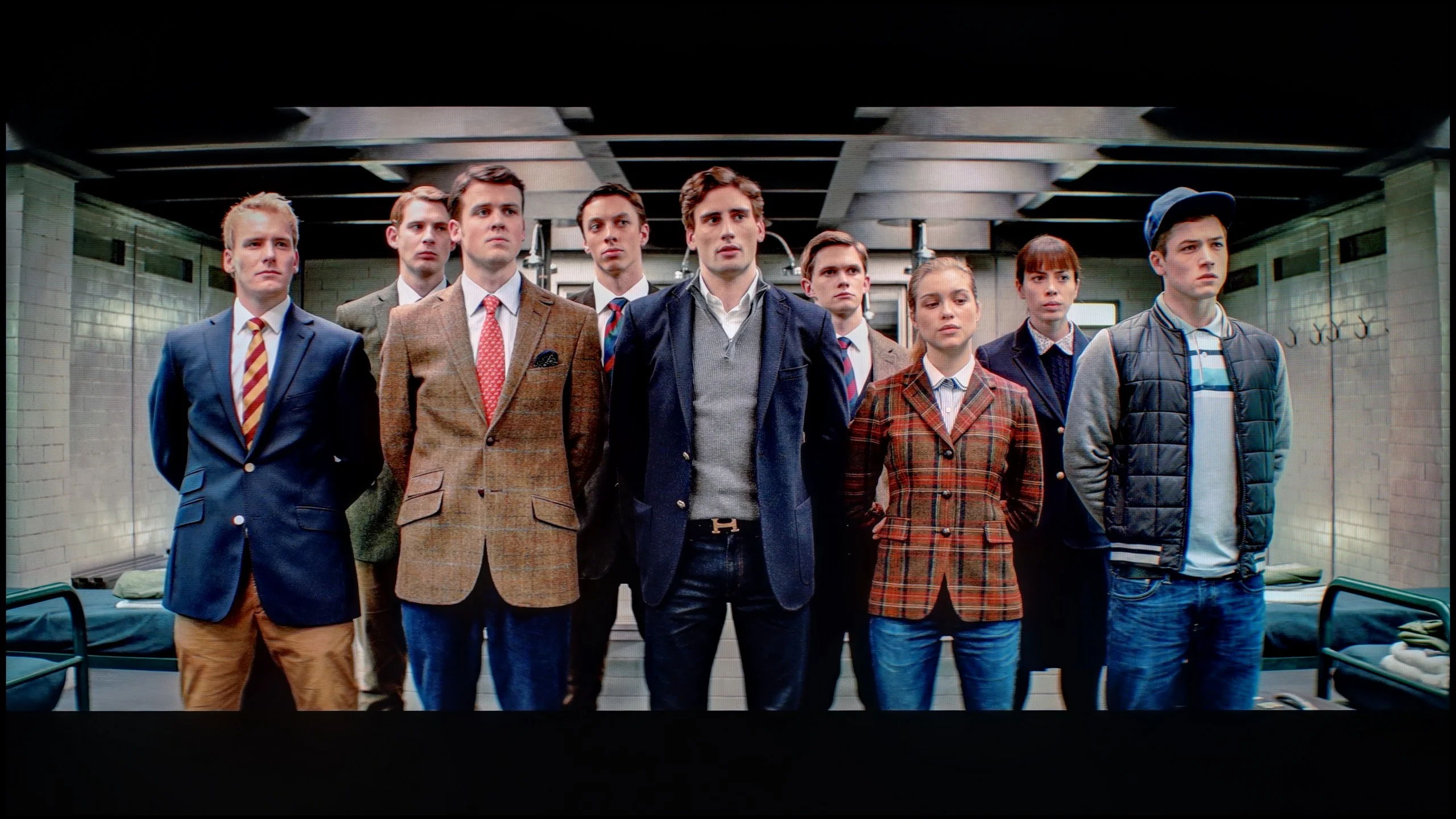
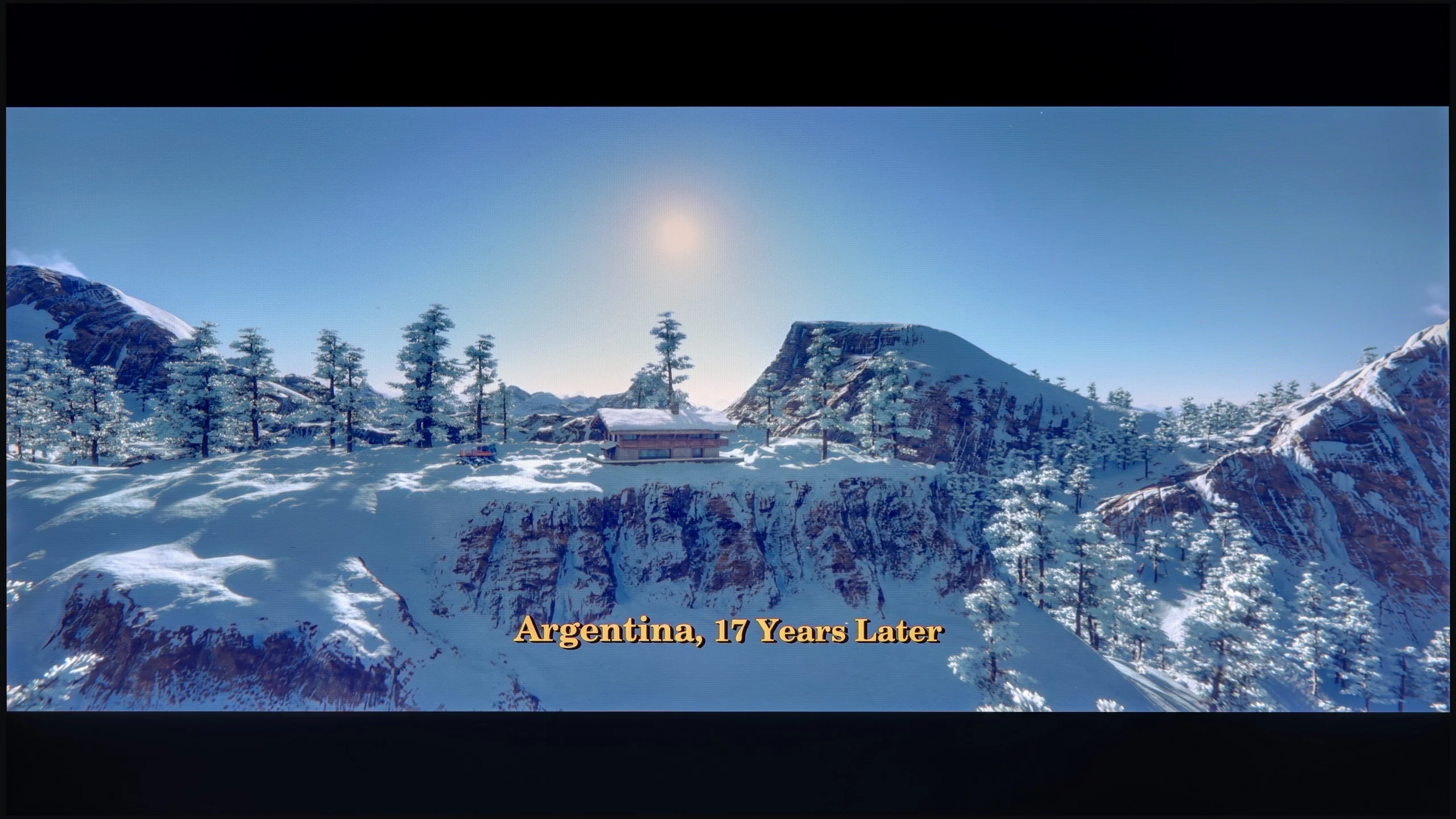
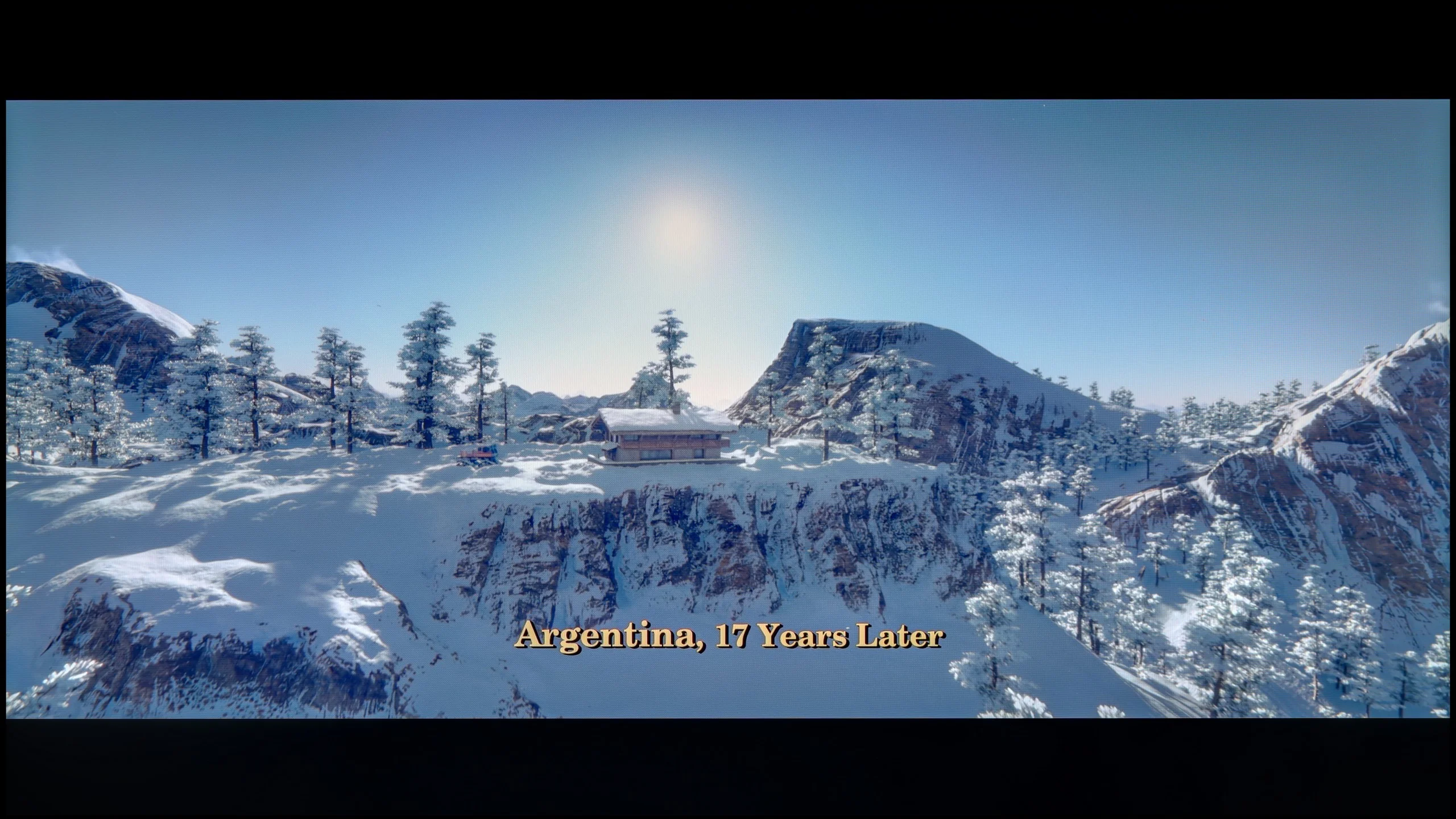
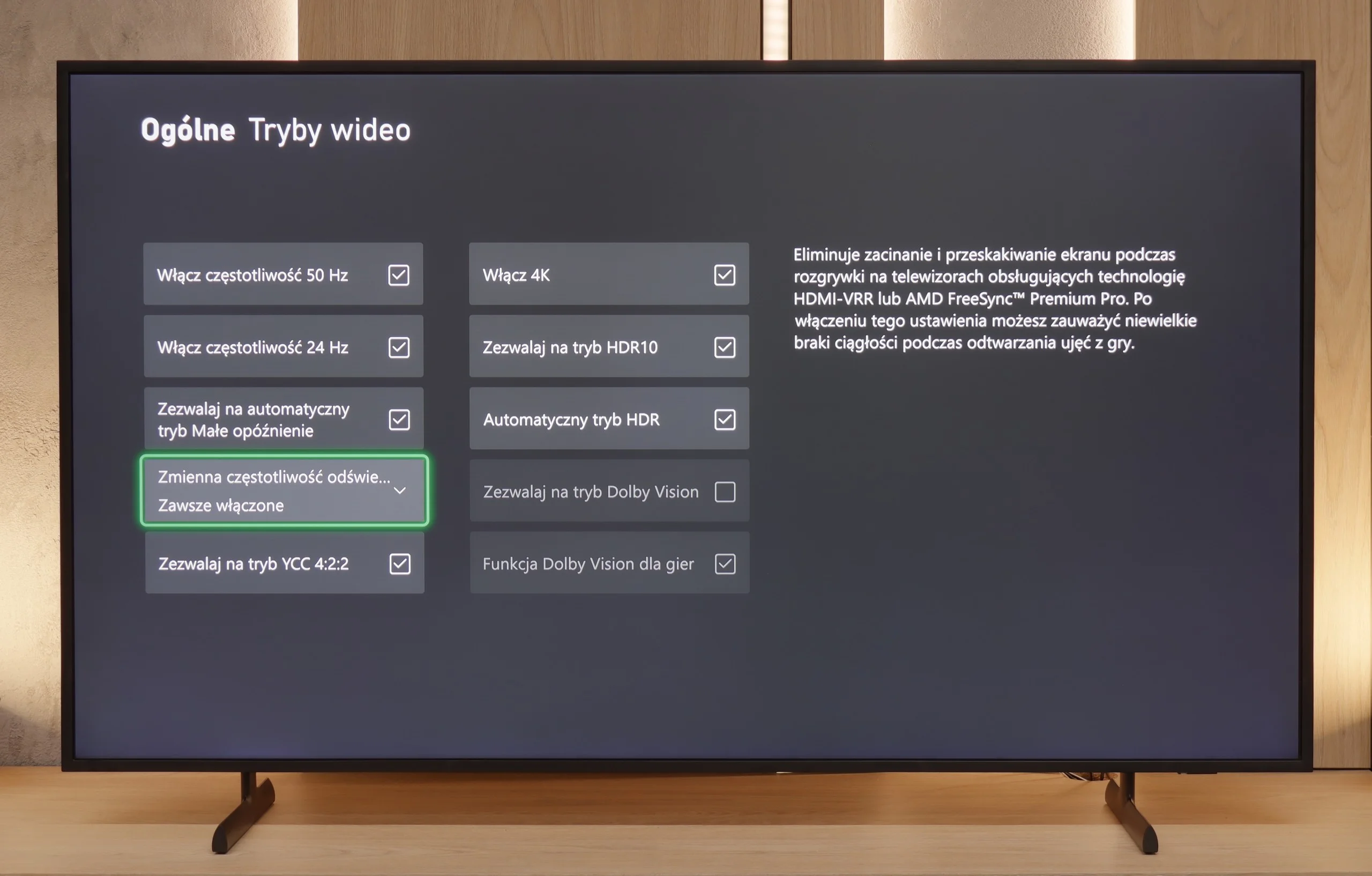
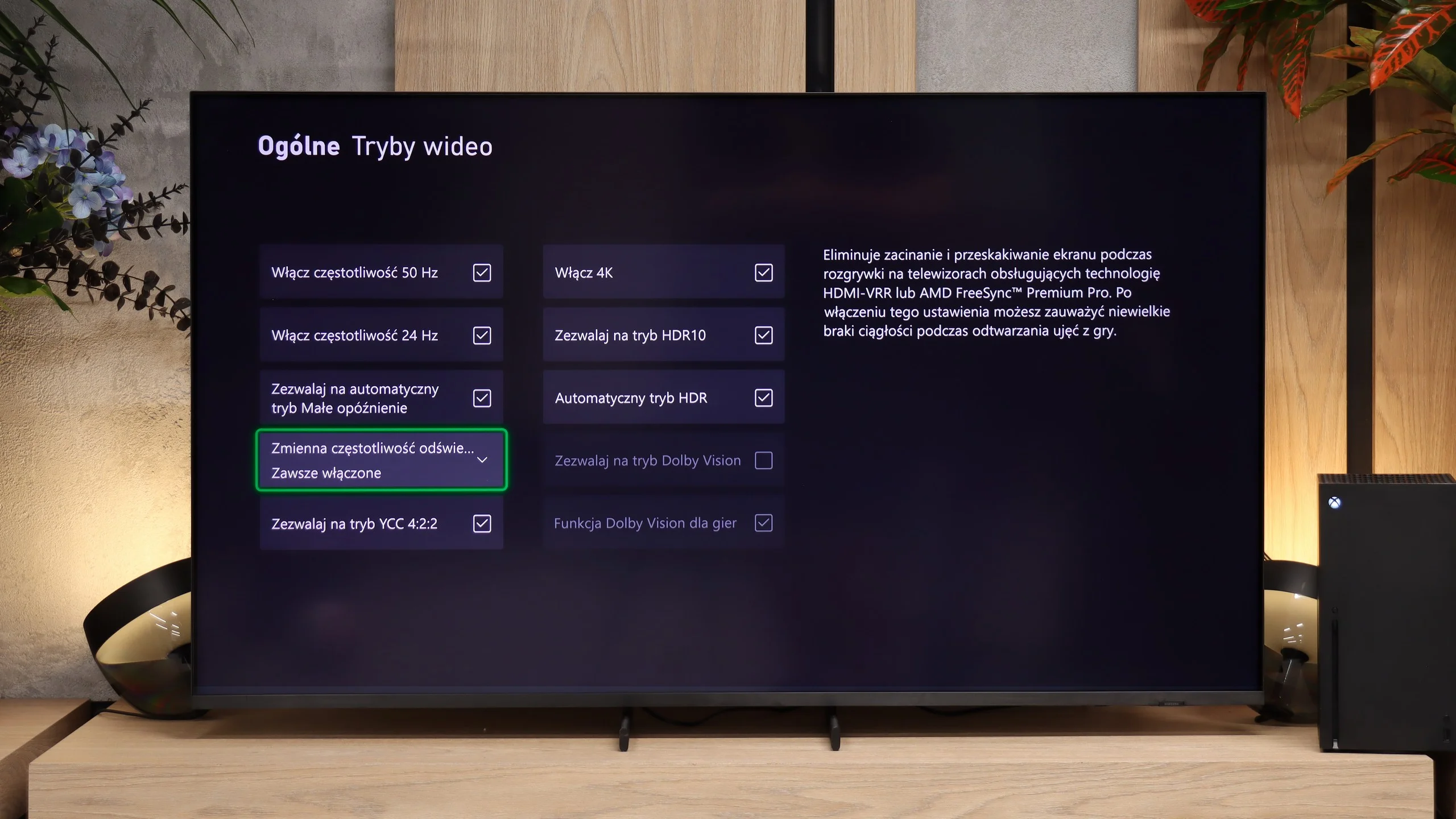
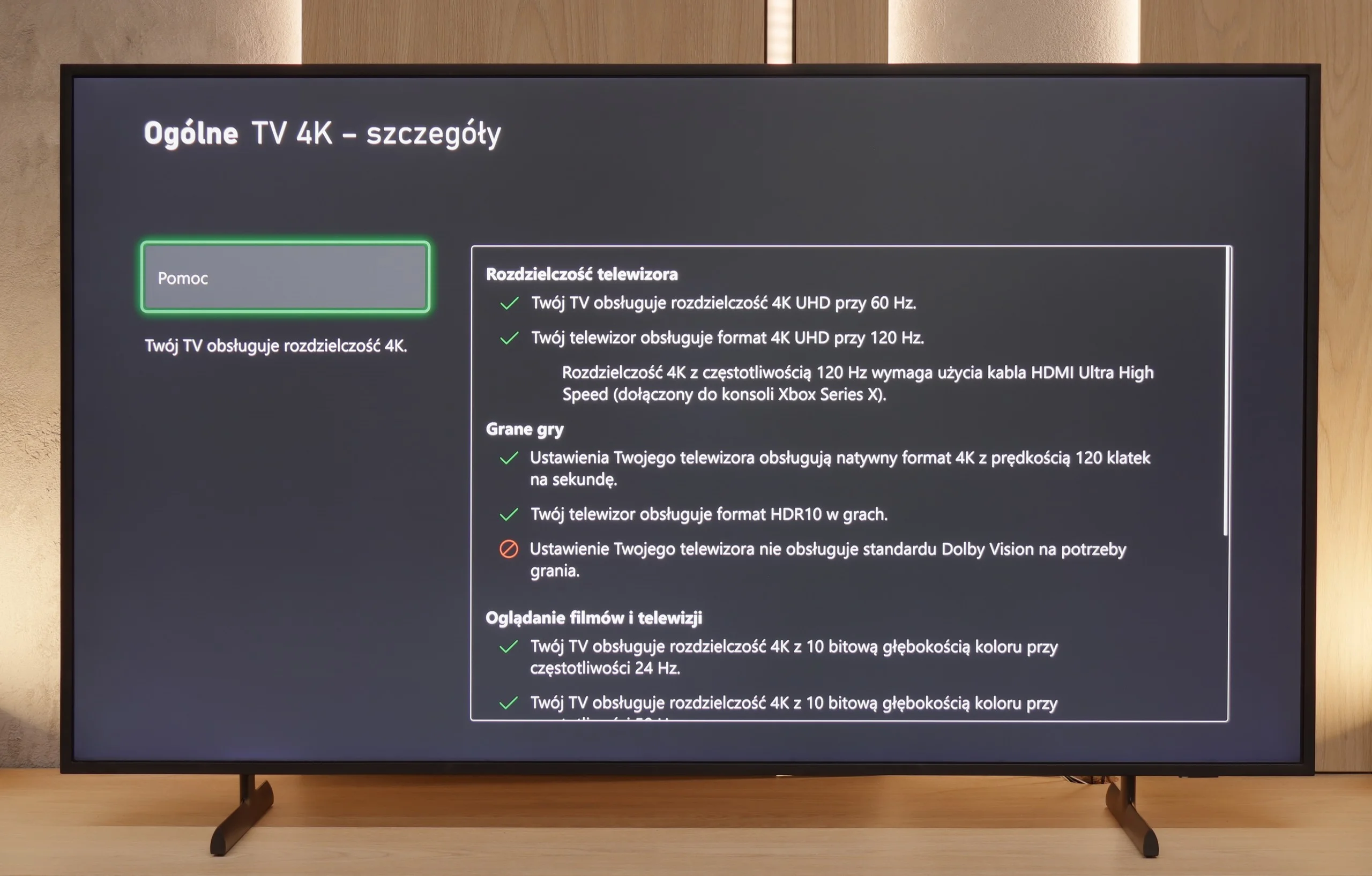
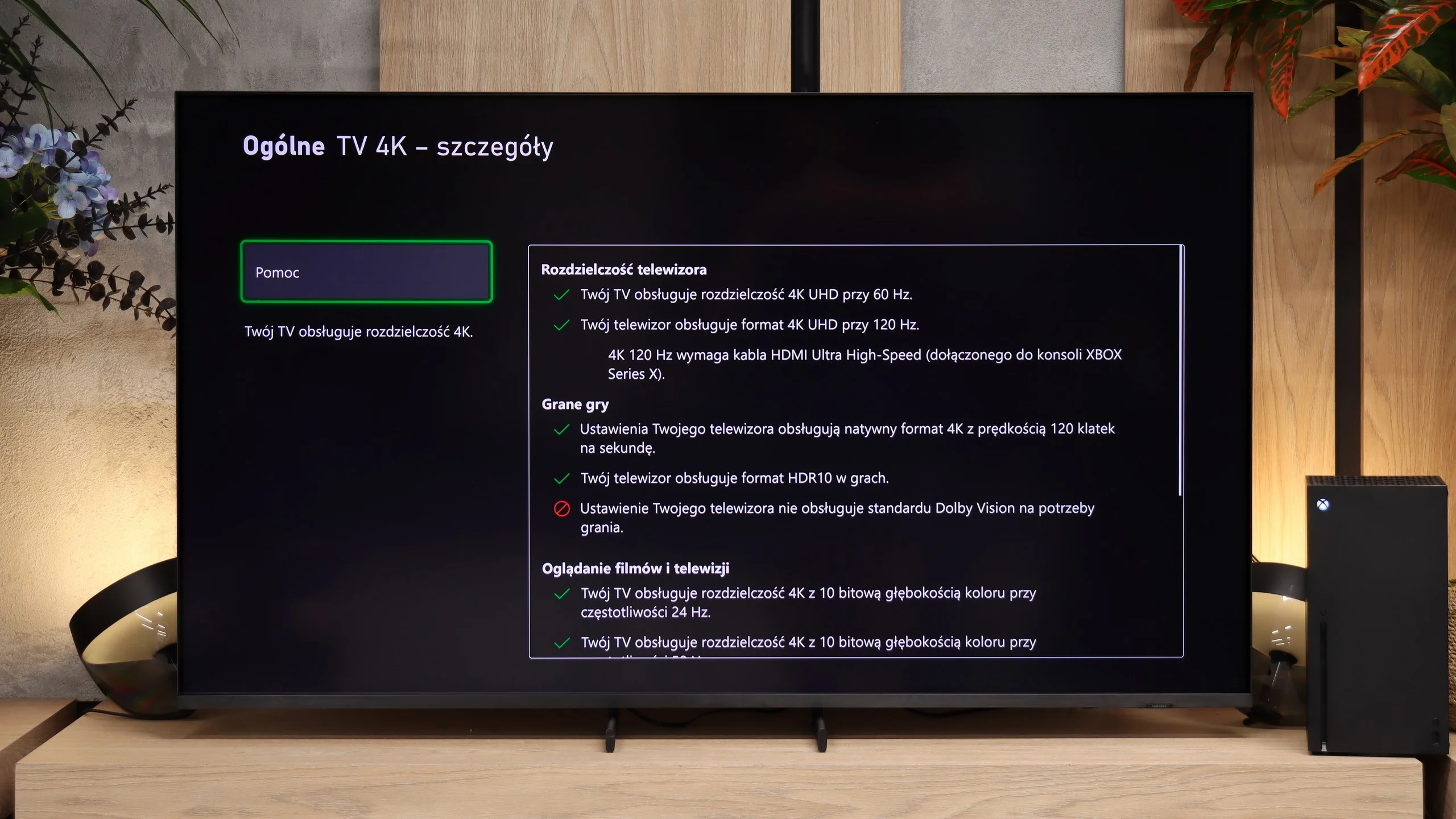
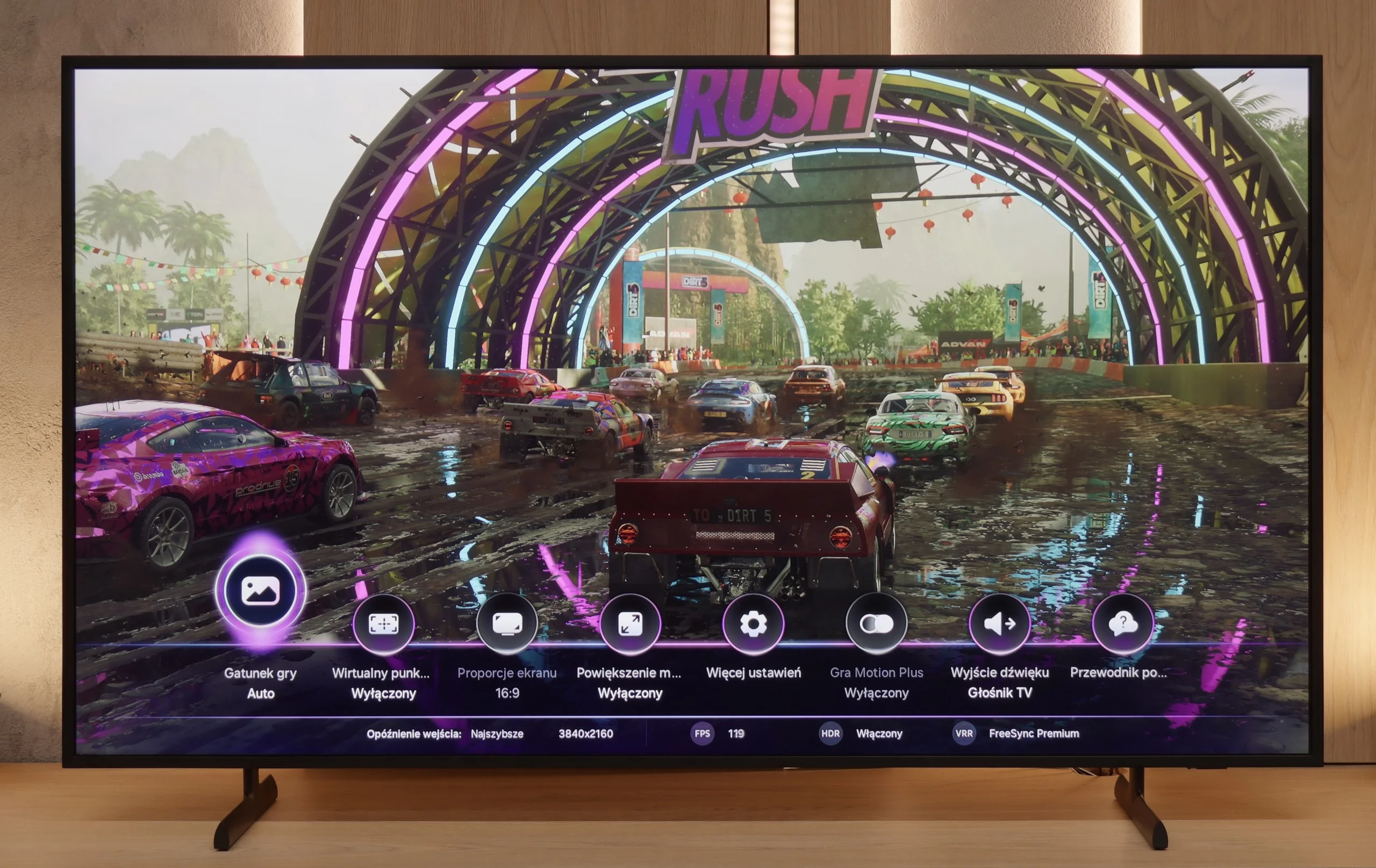
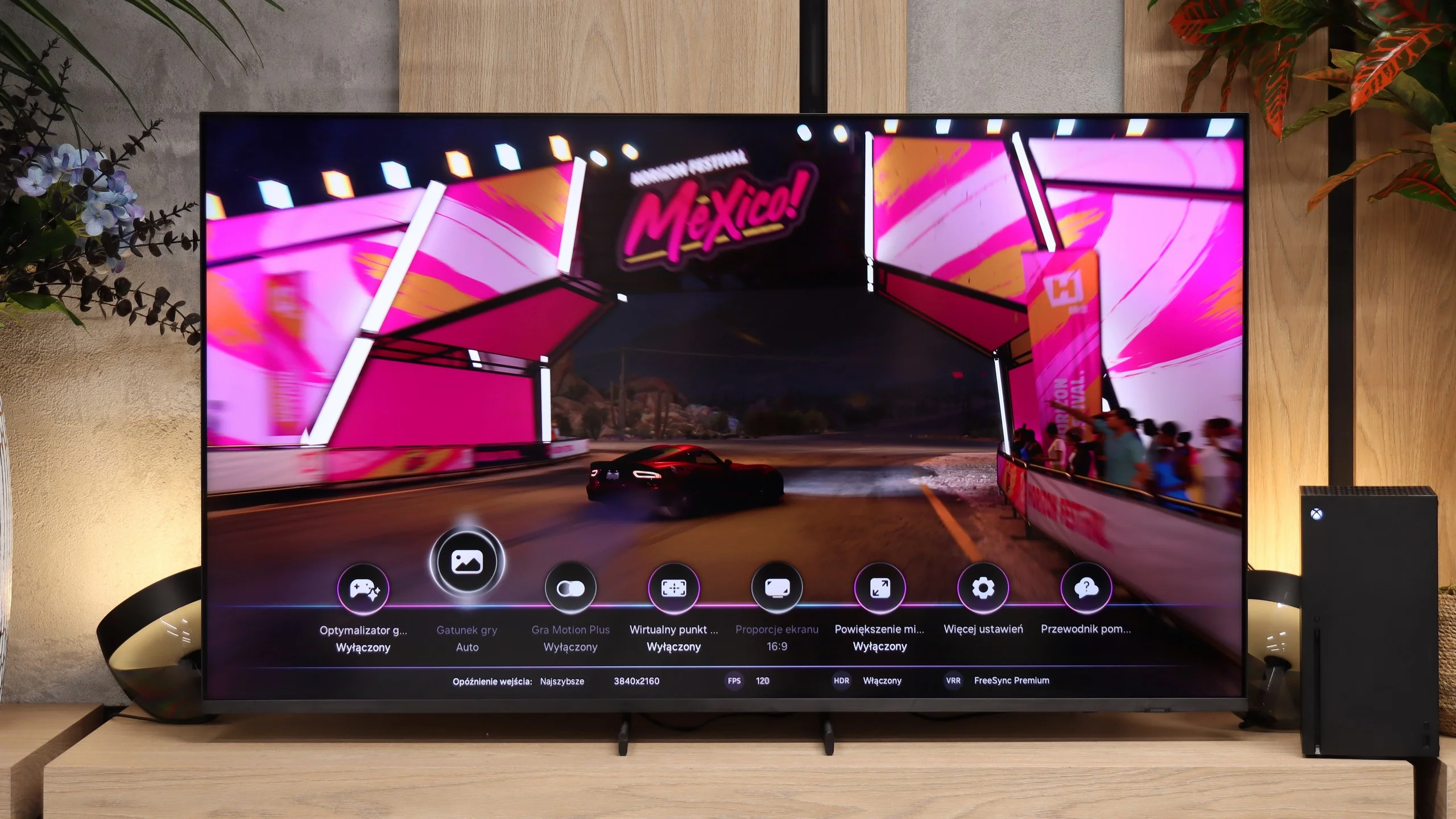
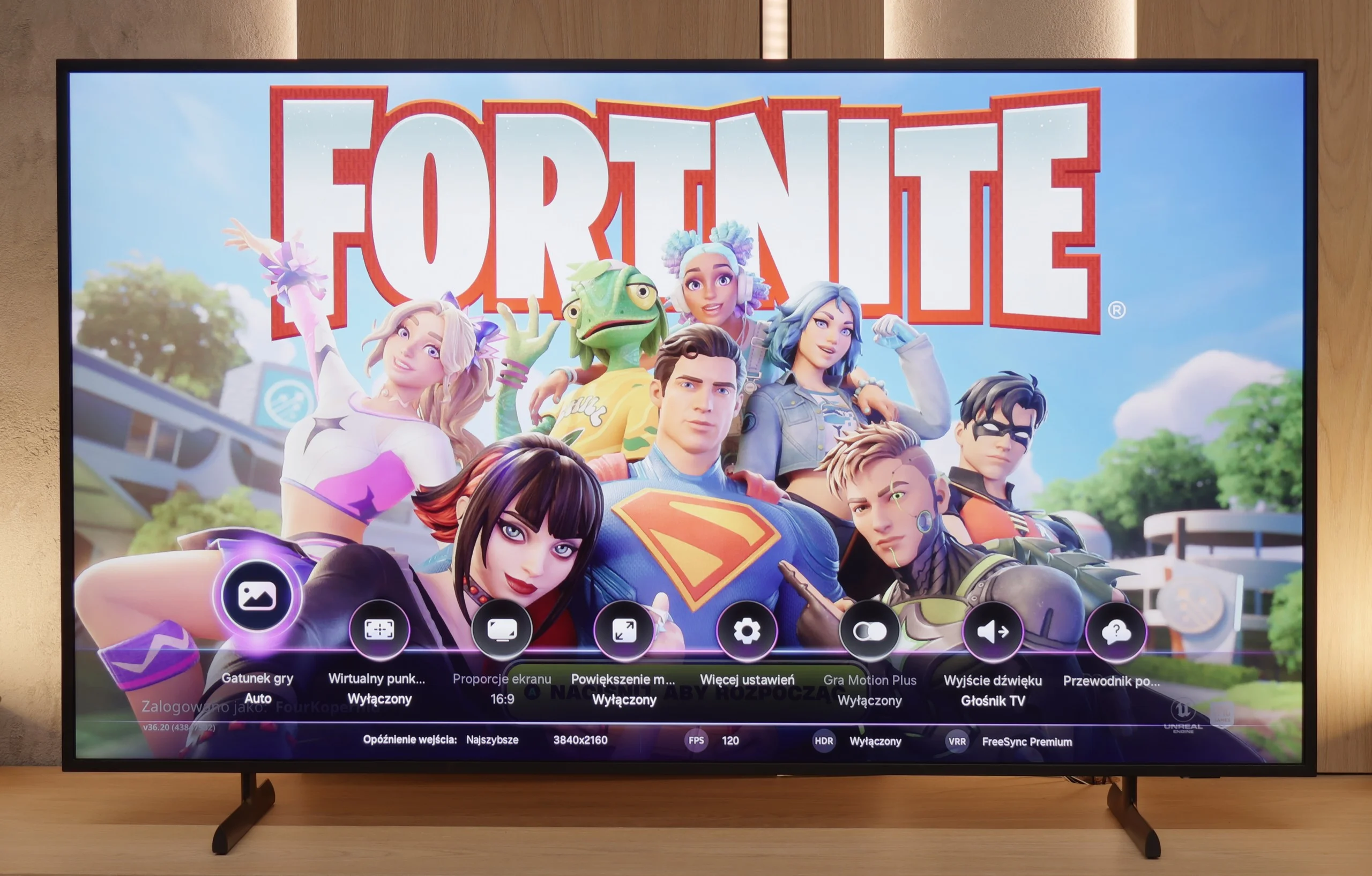
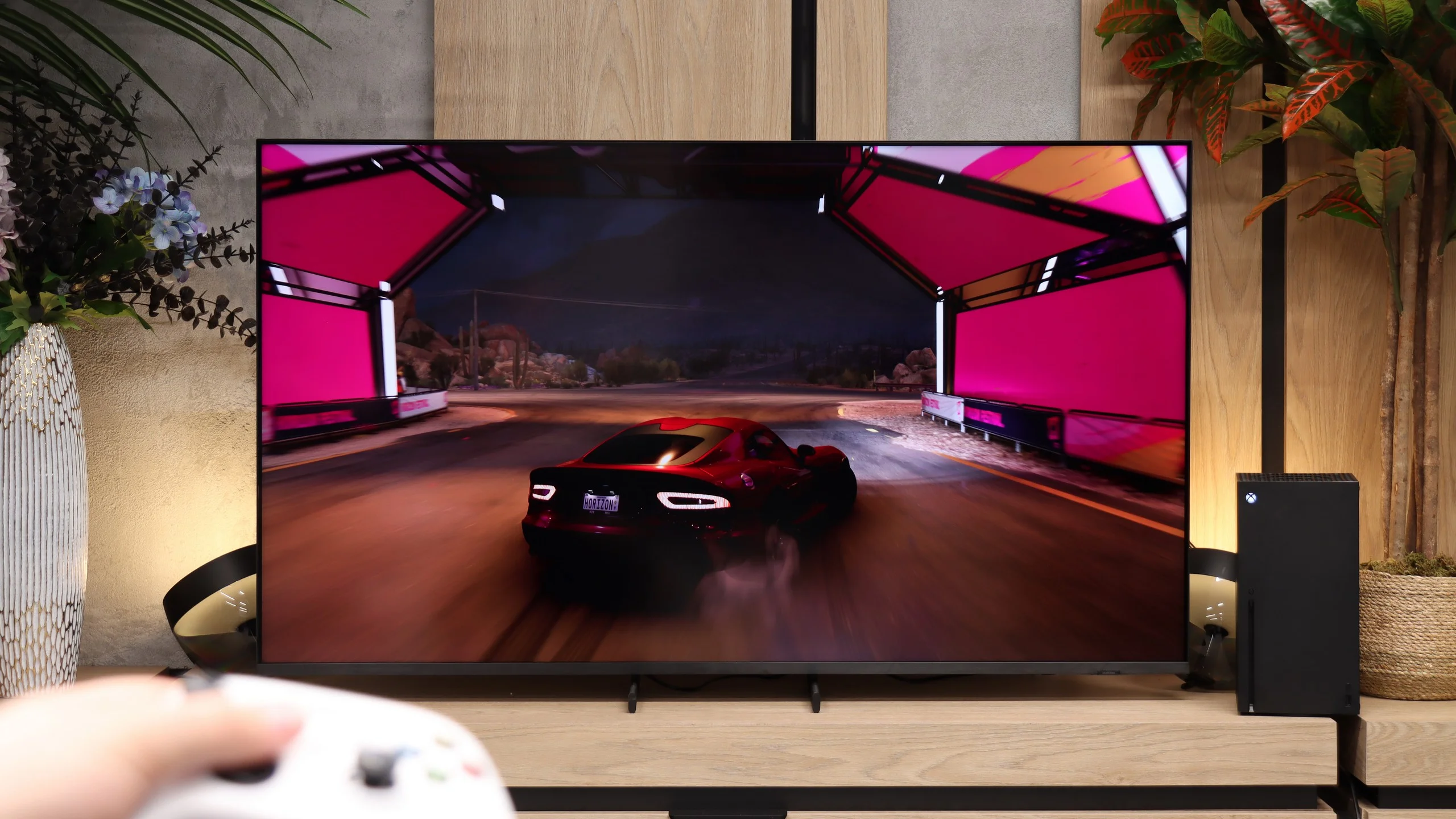
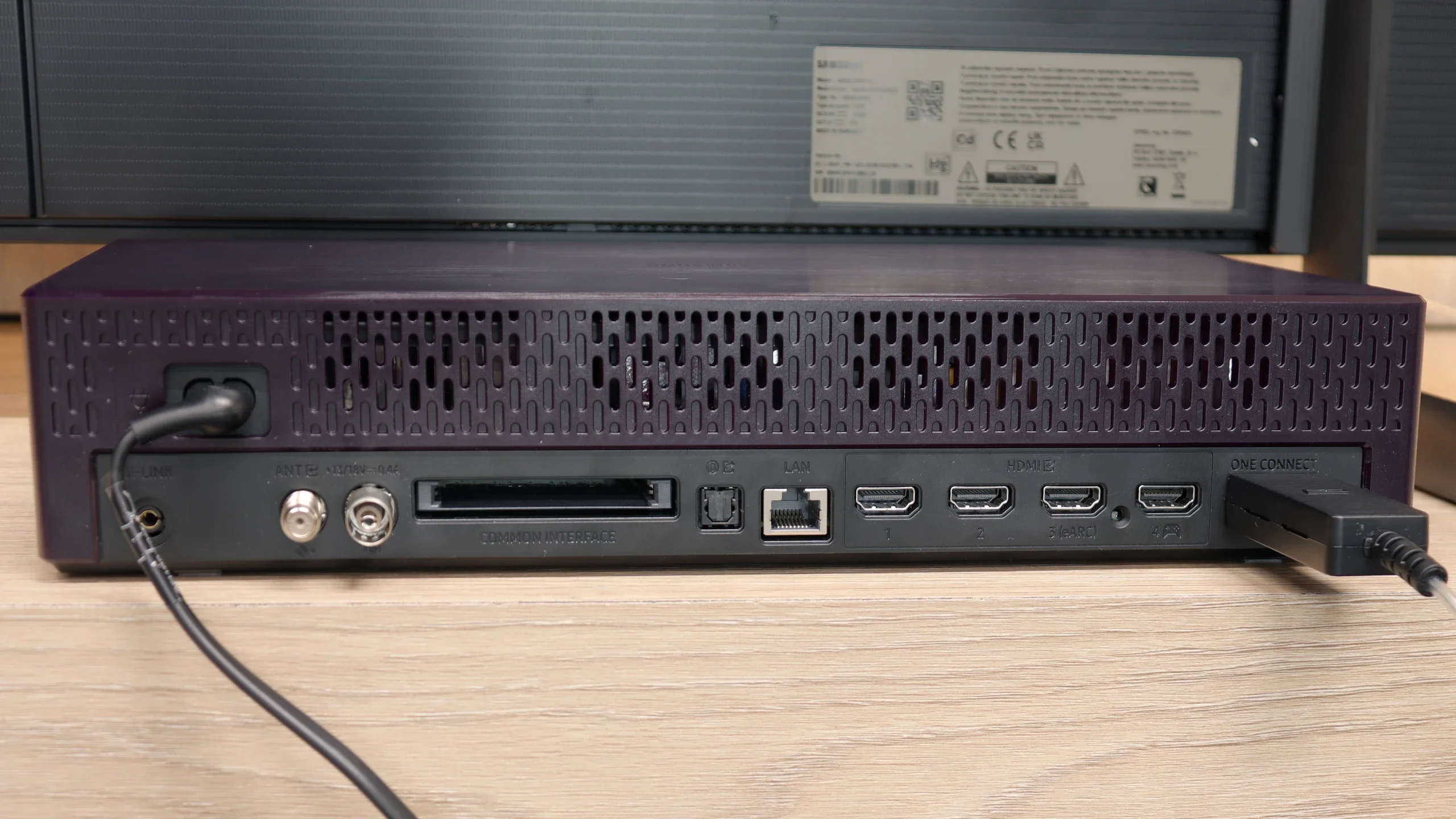
Samsung The Frame 2025 is a TV like no other – and even though competition has emerged, it still does it best. The matte display, flush with the wall, and a single thin cable thanks to the One Connect module make the device resemble a painting more than any other screen. The Art Store app still offers the best art scans on the market (even if they are subscription-based), and with interchangeable frames, we can match the TV to the interior almost like furniture. As for the picture itself, because after all, we are talking about an ordinary TV, there are no significant changes, but also no disappointments compared to last year's LS03D model. The Frame still offers high native contrast and solid brightness at 600 nits, which combined with the matte coating provides very comfortable use during the day. The colours aren't as vibrant as those on glossy screens, but against competitive matte designs – they perform the best. A new feature is the 144 Hz refresh rate, although in practice, it will mainly benefit PC gamers. And indeed – in terms of features for gamers, The Frame has almost everything: low input lag, variable refresh rate (VRR) support, automatic game mode (ALLM), Game Bar, and a one-of-a-kind motion smoother designed for games. Unfortunately, not everything is as perfect as it might seem. Why? Well, because the HGiG mode, which suddenly disappeared from the latest version of the Tizen system, is missing. And Samsung really should respond here, as it is a key element for many gamers when choosing a screen. And we fully understand that. Even though LS03F The Frame 2025 doesn't bring major revolutions, it remains a unique TV that, besides its appearance, offers a quite solid picture and expanded gaming features. It's just a pity that year after year we also get new compromises.
[UPDATE] We have updated our tests of Samsung TVs from the 2025 model year due to the release of software version 1131, which restored the crucial HGiG feature for gamers.
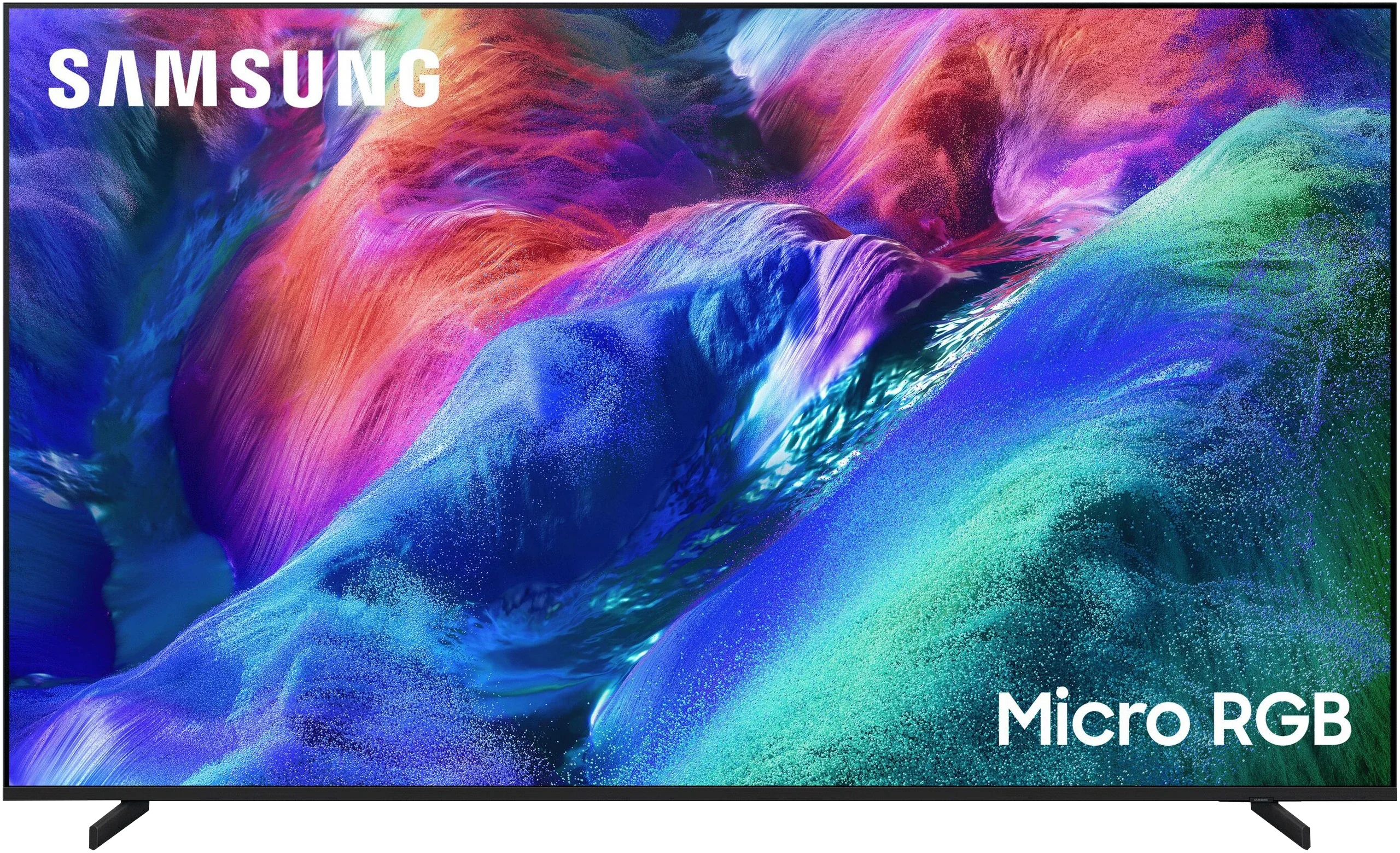
The Samsung R85H is above all a very versatile TV that performs well in pretty much any use case. You can put it in a bright lounge, hook up a console, watch a movie or series in the evening, or use it for everyday broadcast TV, and each time you’ll get a solid picture. It may not make the same immediate impression as Samsung’s best OLEDs, but it’s hard to point to a single feature that would seriously limit its usefulness. That versatility is probably its biggest strength. Of course the thing that draws most attention with the R85H is the new "Micro RGB" backlight. From our tests we’d say it can indeed deliver an advantage over classic Mini-LED, although not always in the areas the manufacturer emphasises most. On measurement charts its colour reproduction is impressive, but in real, more complex scenes the TV doesn’t always exploit the full potential of the three‑colour backlight. Its benefits are easiest to spot on simpler parts of the image, where intense reds, greens and blues can look really striking. Viewing angles are also slightly better, since colours retain their saturation off‑axis longer than on typical LCD TVs. Micro RGB doesn’t, however, solve all the limitations of RGB technology. With very saturated elements you can sometimes notice slight colour bleeding into adjacent bright parts of the image, and the relatively small number of local dimming zones means the backlight can’t always act as precisely as its on‑paper capabilities might suggest. The R85H shows that RGB does have potential and could be the next step in LCD TV development, but using coloured LEDs alone doesn’t automatically produce a huge jump in image quality. We’d therefore treat the R85H mainly as a somewhat better and more interesting alternative to the QN80H, not as a TV you must buy at all costs just because it says Micro RGB. If the price gap between the models is sensible, we’d pick the R85H. We wouldn’t pay a large premium solely for the new backlight, because its everyday advantage isn’t always as big as the marketing materials might imply. All the same, the R85H is a successful all‑round TV, and that’s probably the best way to look at it.
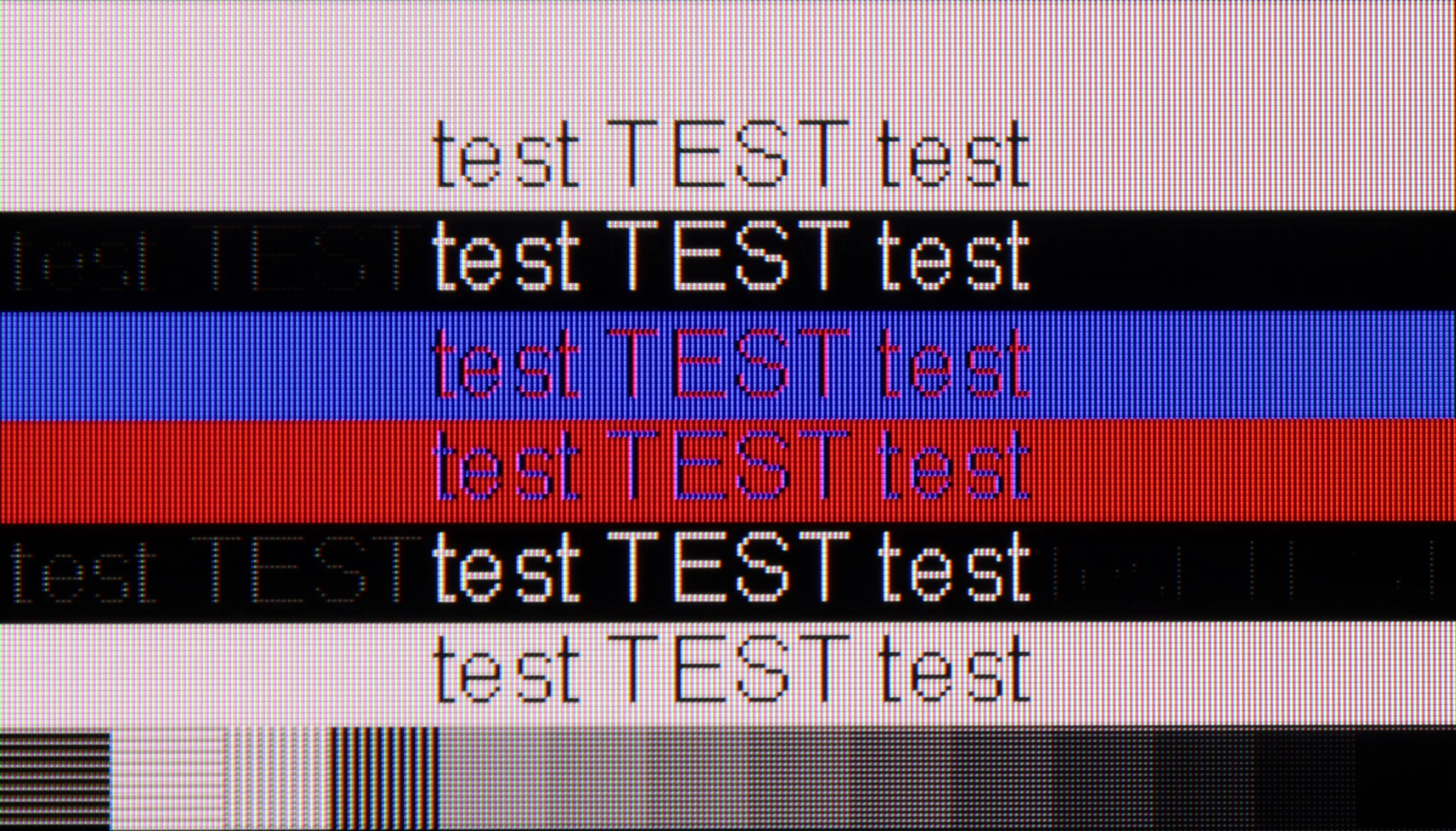
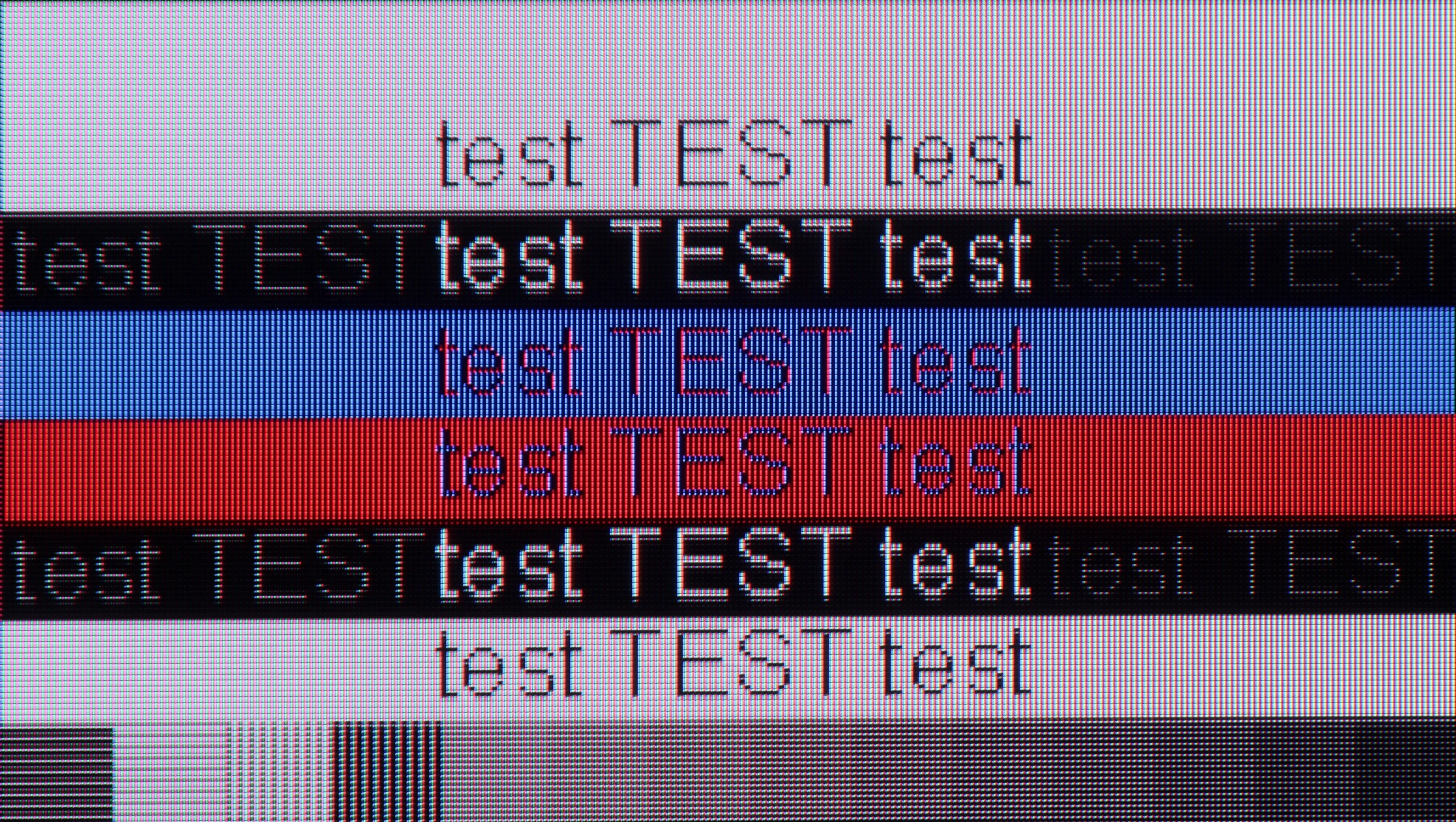
 Direct comparison