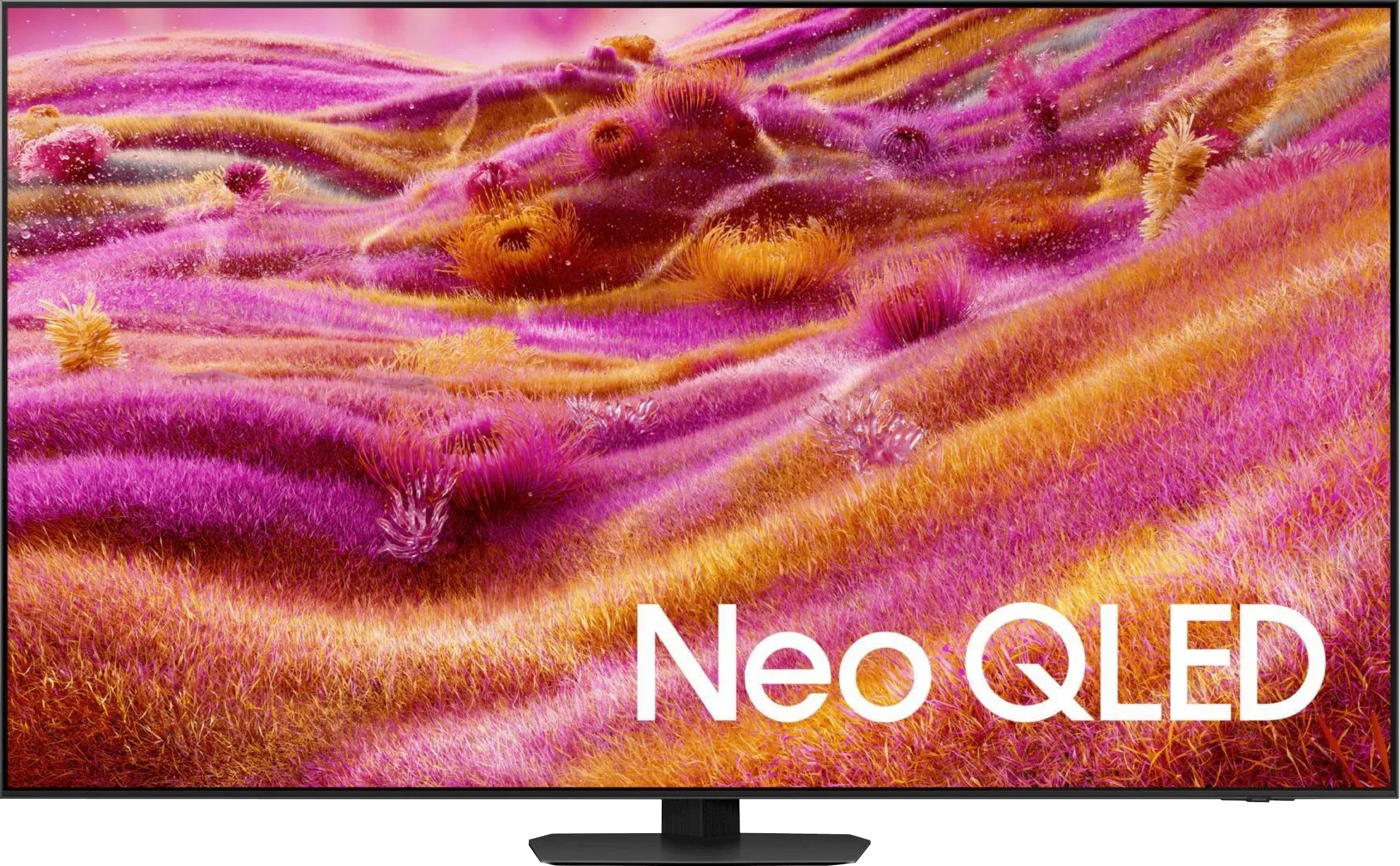
Samsung QN90F is a television that, in many respects, demonstrates how mature miniLED technology can be developed. It offers excellent contrast and blacks, very high HDR brightness that works well for both movies and games, and a matte screen that makes a significant difference in everyday use. It is this feature that makes the QN90F one of the best televisions for viewing in sunny living rooms – reflections and glare practically disappear, and the image remains sharp and clear. Gamers, on the other hand, receive a package of all the essential features, very low input lag, and a unique Game Motion Plus mode, which remains a strong advantage for Samsung over its competition. Additionally, there’s a fast Tizen system, high-level smart features, and quite pleasant audio that can be expanded with a soundbar via Q-Symphony. However, there are some compromises. Samsung opted to forego the coating that broadens viewing angles – and while the matte screen performs excellently during the day, there is a noticeable drop in brightness and loss of colour intensity at wider angles. Despite these remarks, the QN90F is still one of the best, if not the best, 4K miniLED televisions currently available for purchase. This model combines excellent image specifications, high functionality, and modern design, while being exceptionally practical for everyday use. If someone is looking for a television for a bright living room that can handle movies, sports, and games – it's hard to find a better choice today.
- Matching (Score) |
- Our verdict |
- TV appearance |
- Where to buy |
- Contrast and black detail |
- HDR effect quality |
- Factory color reproduction |
- Color reproduction after calibration |
- Smoothness of tonal transitions |
- Image scaling and smoothness of tonal transitions |
- Blur and motion smoothness |
- Console compatibility and gaming features |
- Input lag |
- Compatibility with PC |
- Viewing angles |
- Daytime performance |
- Panel details |
- TV features |
- Apps |
- Playing files from USB |
- Sound
Samsung QN90F / QN92F vs TCL C6KS / C69KS / Q6CS
 Direct comparison
C6KS / C69KS / Q6CS


Panel type: LCD VA
Resolution: 3840x2160
System: Tizen
Model year: 2025
Complete the survey to find out the result
Panel type: LCD VA
Resolution: 3840x2160
System: Google TV
Model year: 2025
Complete the survey to find out the result
Overall rating
7.9
6.4
 Movies and series in UHD quality
 7.8
5.9
 Classic TV, YouTube
 7.6
6.1
 Sports broadcasts (TV and apps)
 7.2
5.3
 Gaming on console
 9.1
7.7
 TV as a computer monitor
 8.8
1.7
 Watching in bright light
 7.2
6.6
 Utility functions
 7.7
7.0
 Apps
Apps 9.3
9.6
 Sound quality
 7.8
6.5
Complete the survey to find out what fits your preferences
Advantages

Very good contrast and black levels
Amazing HDR brightness in films
Very good TV performance during the day thanks to the matte panel and high brightness
High motion fluidity – up to 165 Hz in PC mode
Low input lag
Plenty of features for gamers, including the proprietary gaming smoother Game Motion Plus
High susceptibility to picture calibration
Smooth Tizen operating system with smart home (IoT) features
Pleasant sound with noticeable bass despite the slim design
Modern design
Very good contrast and black level: VA panel and MINI-LED backlighting
Quite high (around 600 nits)
Many features for gamers: VRR, ALLM, HGiG
Additional gaming mode: 120Hz and 144Hz
Google TV system with a wide selection of applications
Support for multiple HDR formats including Dolby Vision
Support for Dolby Atmos and DTS
Quite pleasant sound from built-in speakers
Disadvantages

Worse viewing angles compared to its predecessor QN90D.
No DTS audio for Blu-ray home theatres.
The panel has heavy blooming
Strong visible dithering (looks like artificial 4K)
Very poor compatibility with PC
Minor system errors
Lots of chaos in naming (many derivative models that are no different)
Our verdict
TCL C6KS (also known as C69KS and Q6CS) is a television that on paper promised to be a hit in the "value for money" category. And indeed, in many respects, it's a successful piece of equipment: thanks to the Mini-LED backlighting, we get good blacks and brightness that rivals more expensive models. In fact, it’s identical to that of the slightly pricier C6K, which we have already tested for you. Additionally, it features the same excellent Google TV system and surprisingly rich features for gamers, which make it enjoyable to play on, even with a 60 Hz panel. Unfortunately, the good impression is marred by the performance of the panel used. The television struggles with noticeable motion blur, and aggressive dithering (digital noise) makes the image often look unnatural and artificial – as if it has been unnaturally sharpened. Ultimately, the biggest problem with the C6KS is not its flaws but its sibling, the C6K. At its current price, this model is in a strange "in-between" position. It costs almost the same (or only slightly less) than the full-fledged TCL C6K, which offers a significantly better 120 Hz panel and is simply a complete construction without those annoying issues. The C6KS is a compromise model that will only become attractive under one condition – if its price drops drastically. For now, the much safer and better choice remains to pay the (often nominal) extra for the C6K model. One could jokingly assert that the letter "S" in the name actually stands for "Slim". However, it's not about an exceptionally slim body, but how much this model has been "slimmed down" in terms of features compared to the fully-fledged C6K.
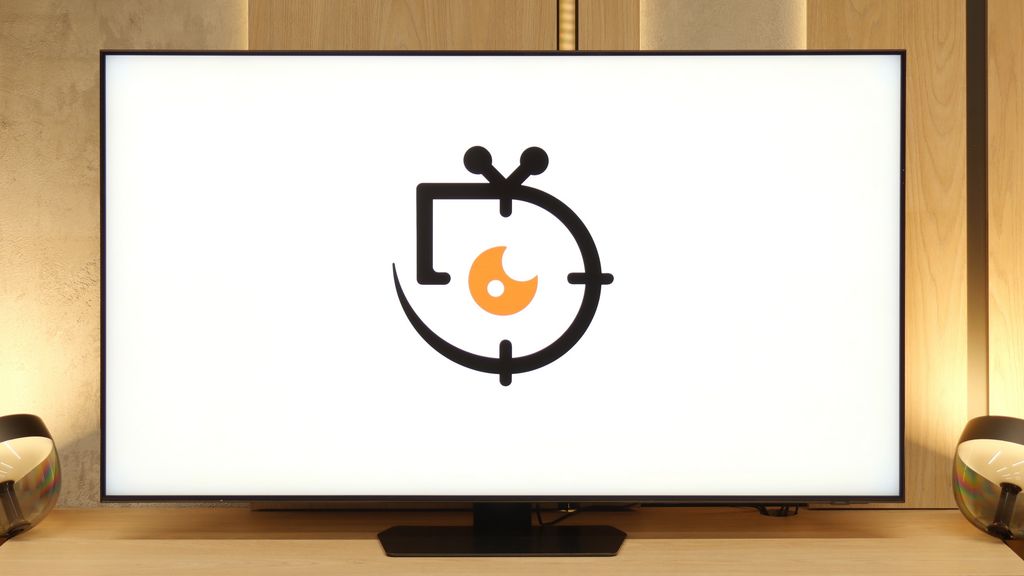
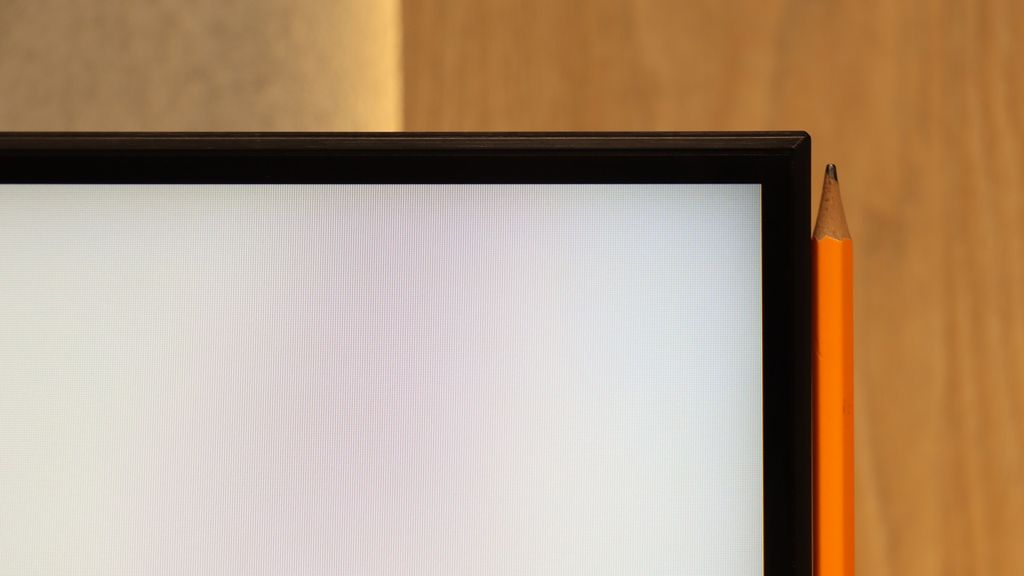
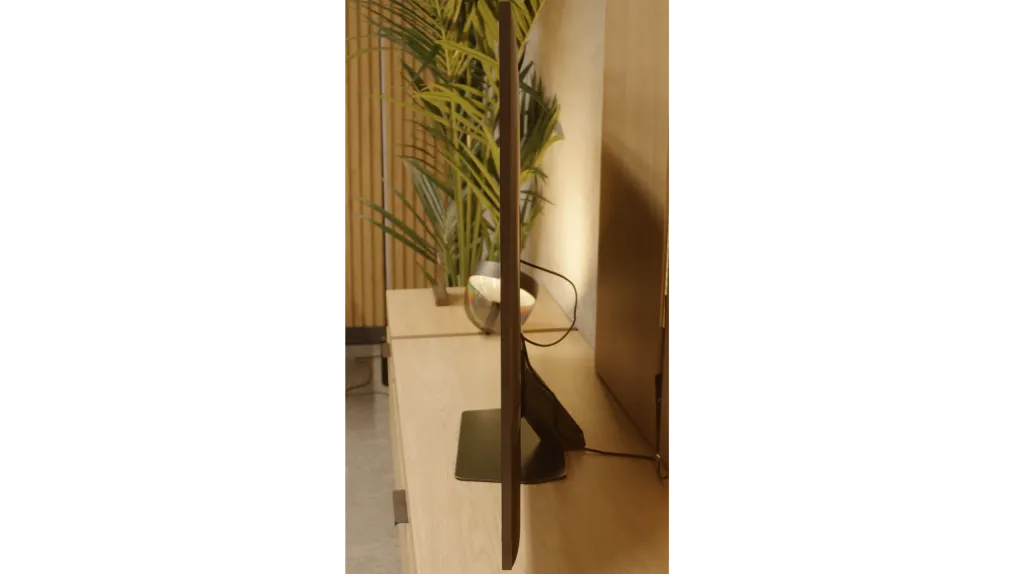
TV appearance
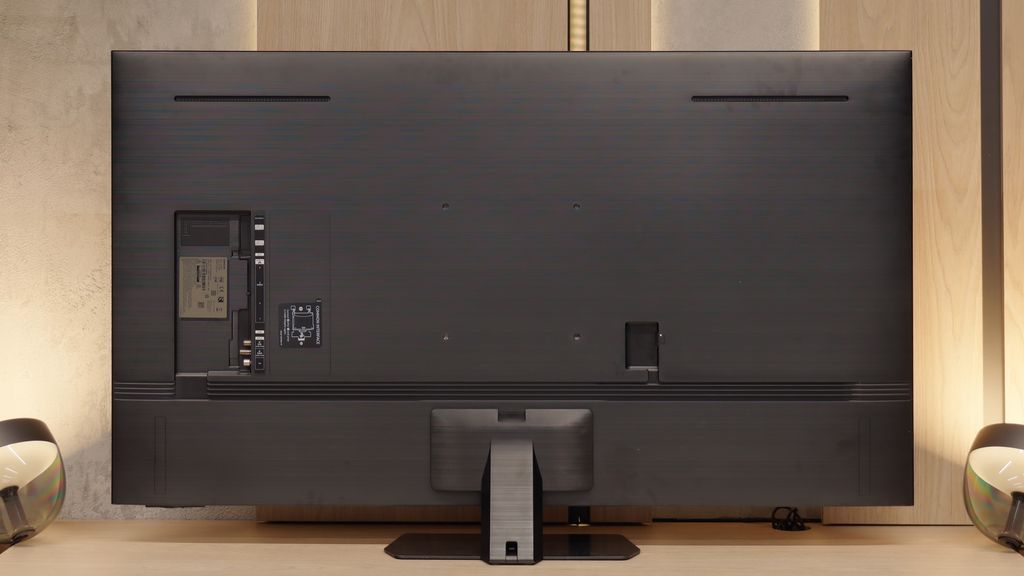
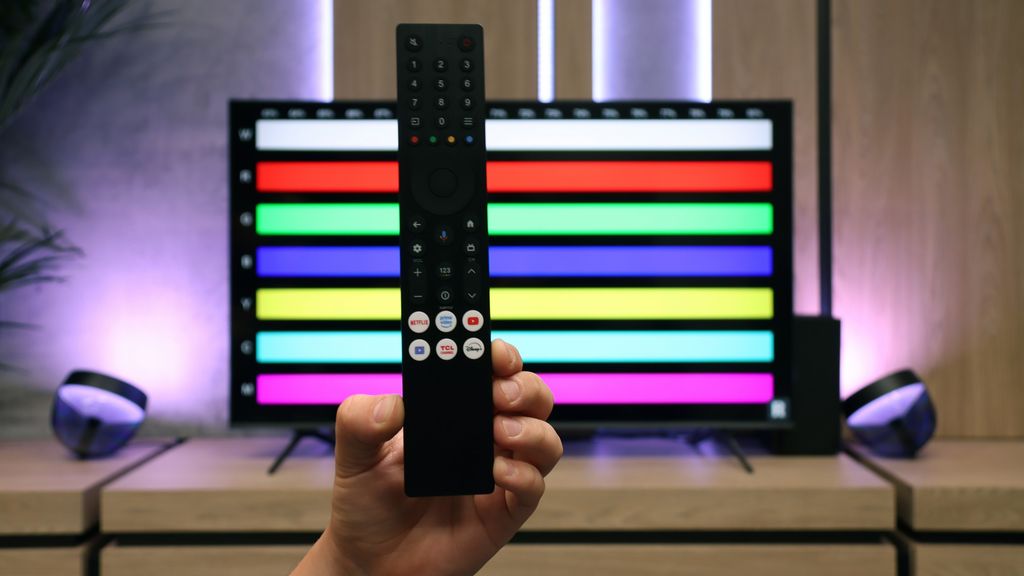
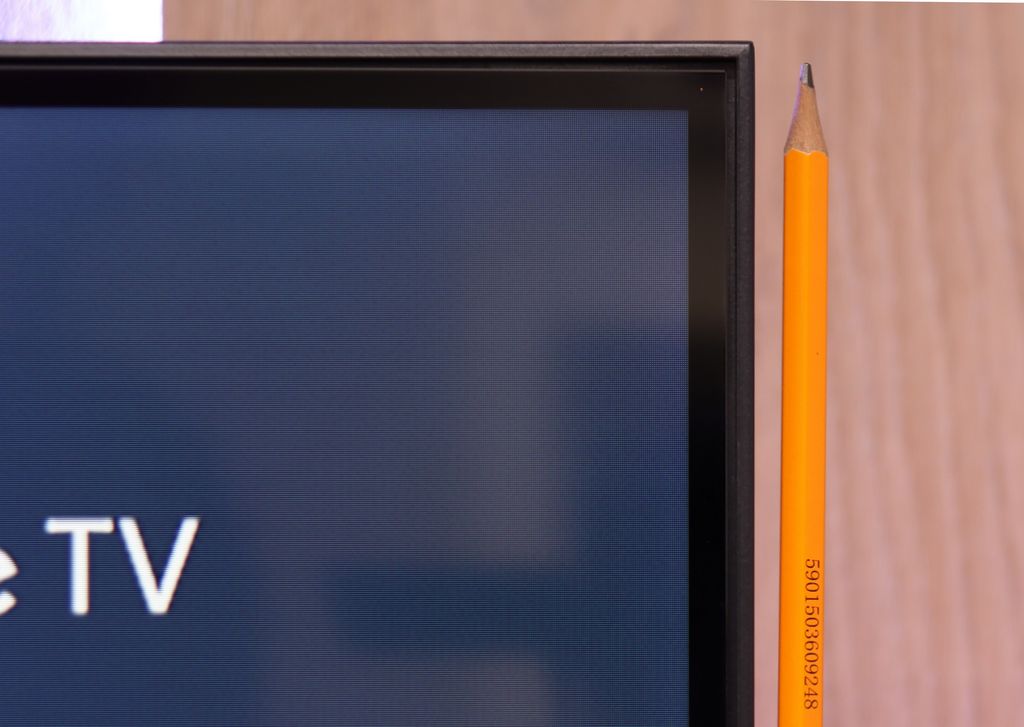

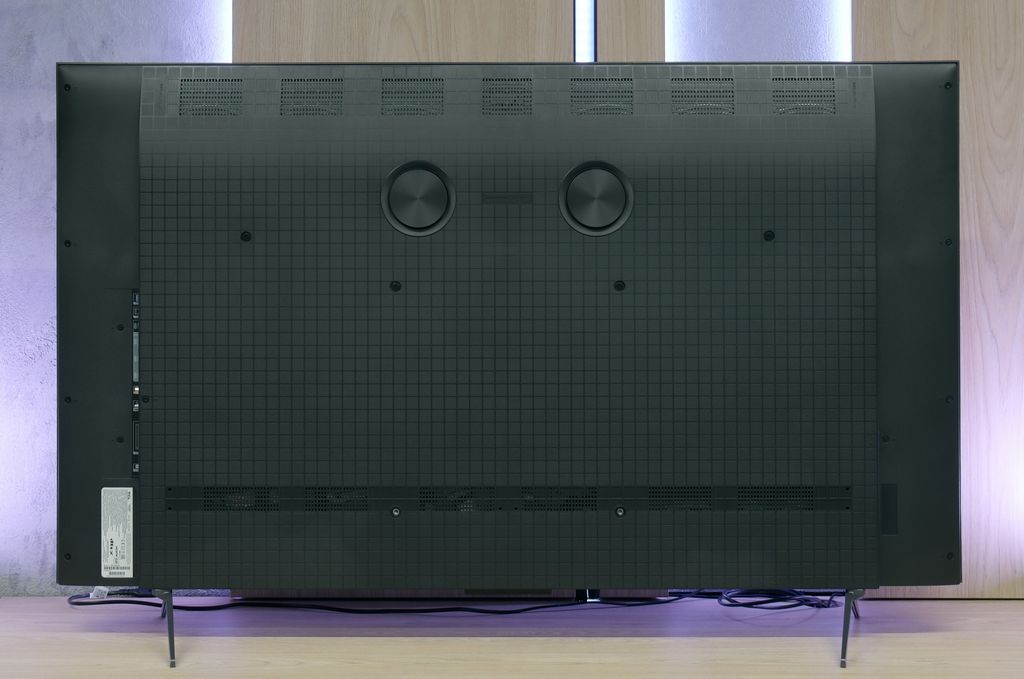

Contrast and black detail
8/10
7.5/10
Local dimming function: Yes, number of zones: 504 (14 x 36)
Local dimming function: Yes, number of zones: 180 (10 x 18)
Contrast:


Result
1,530,000:1

Result
62,450:1

Result
186,400:1

Result
7,400:1

Result
4,500:1
Result
129,650:1
Result
26,650:1
Result
12,900:1
Result
12,600:1
Result
6,250:1
Halo effect and black detail visibility:
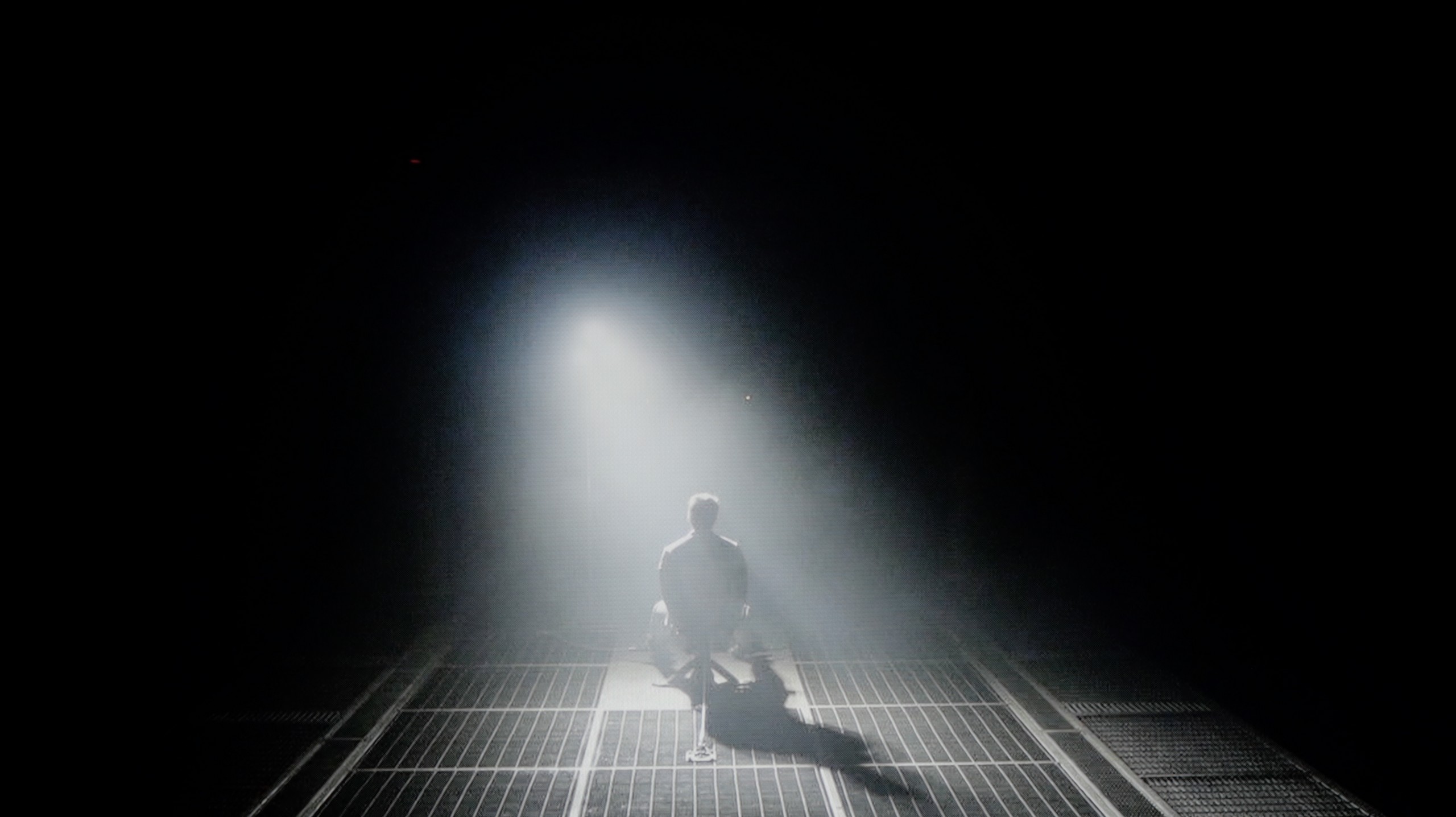
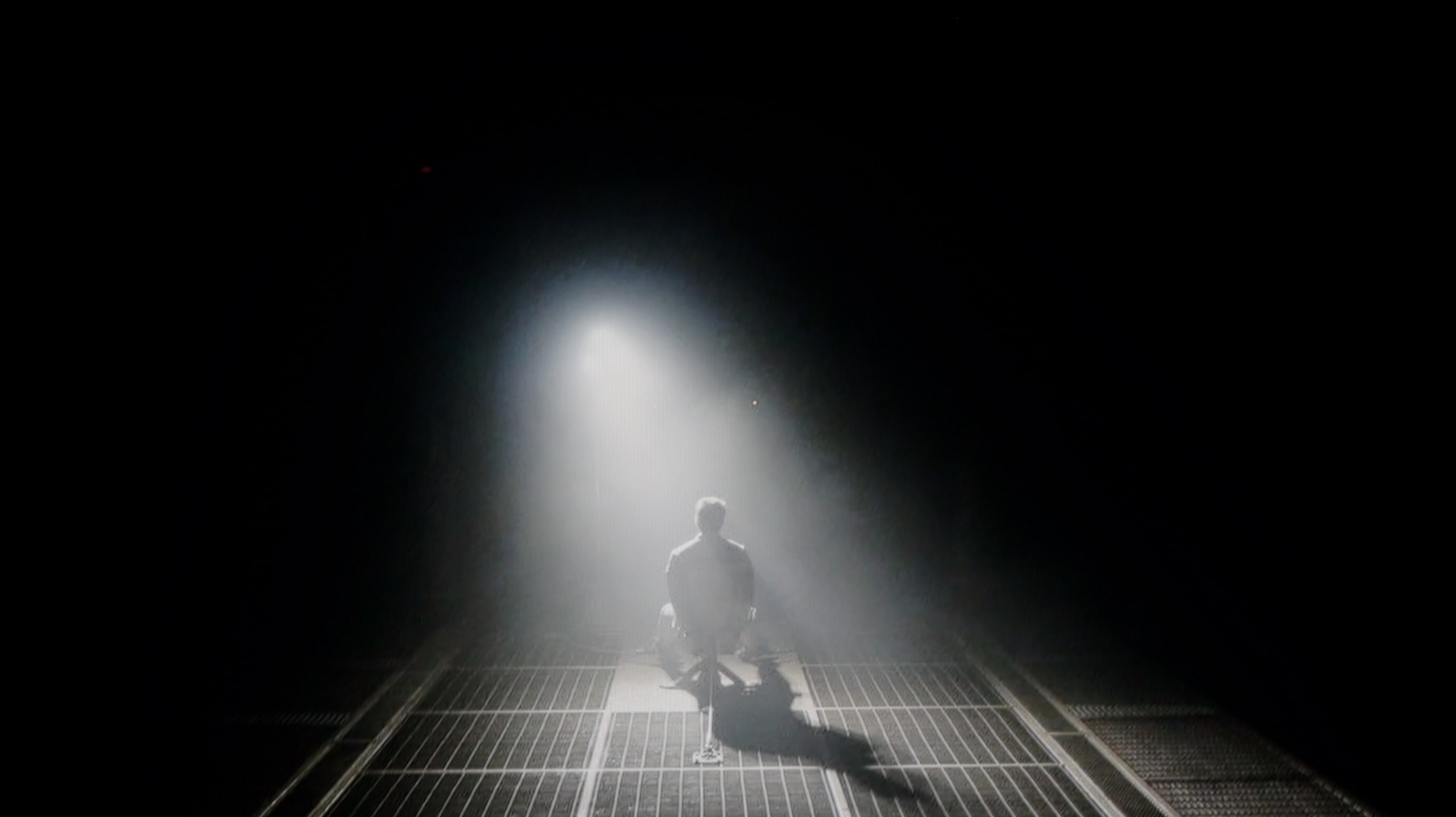
Check the visibility of bright lights on a dark background. Mini-LEDs often struggle with this. The photo does not compare black levels – that’s what the video below is for.
The video accurately shows differences in contrast and black levels between TVs, as well as potential issues: halo around bright objects or Mini-LED zone operation visible as brightness jumps.
If you compare the contrast results of this year’s QN90F with last year’s QN90D, it quickly becomes clear that the differences are minimal. In the best movie scenes, the contrast can reach values well over six digits, and sometimes even seven digits, which can be confidently regarded as results almost infinite. And indeed – in typical cinematic shots, the effect closely resembles that known from OLED televisions. Samsung deserves commendation because, despite the relatively "modest" number of dimming zones – 504 in the 55-inch variant (modest compared to Chinese competitors like Hisense U8Q or TCL C8K/C9K) – it has managed to refine the local dimming algorithms. This is particularly evident in the most challenging scenes, where compared to last year's model, the precision of dimming has nearly doubled. Of course, we still don’t have perfectly separated bright objects from black, and we can’t speak of a lack of halo effects (subtle glows around small bright objects) known from MINI-LED televisions, so QN90F still doesn’t win against OLEDs. But it is definitely approaching them in a more mature and refined way than the year before.
Let's move on to what tigers like best, which is black and contrast. If you were worried that the lower price of the C6KS model (C69KS/Q6CS) was due to drastic cuts in image quality, I have great news for you regarding black levels and contrast. In direct comparison with the more expensive C6K, the tested model is almost on par with it. Just like in the higher series, we find here a VA panel supported by a local dimming system. What’s most interesting – and here’s a big surprise – during the tests we counted exactly the same number of dimming zones (in the same size) in the C6KS as in the more expensive counterpart! The black level is very good. The contrast measurement results speak for themselves – for such a relatively inexpensive television, the black is deep and free from major flaws that often plague budget models without local dimming. Of course, we can't defy physics. One must reckon that in very demanding scenes (e.g., bright text on a black background), we may sometimes notice undesirable effects, such as blooming (the halo effect around bright objects). However, this is not something that disqualifies this television – generally, the black level here is at a very decent, satisfying level.
HDR effect quality
7.4/10
4.9/10
Luminance measurements in HDR:

Result
1638 nit

Result
763 nit

Result
1119 nit

Result
562 nit

Result
1947 nit
Result
602 nit
Result
204 nit
Result
421 nit
Result
152 nit
Result
590 nit
Scene from the movie “Pan” (about 2800 nits)


Scene from the movie “Billy Lynn” (about 1100 nits)


The photos show two HDR10 movies. 'Pan' is one of the brightest productions ever made, while 'Billy Lynn' (soldier) has brightness typical of streaming (Netflix, Prime, HBO MAX). Notice the intensity of effects and detail in whites.
Static HDR10


The photos present the visibility of white details in various HDR formats. They do not show brightness differences between TVs (these can be compared in the previous gallery).
Dynamic: HDR10+
Dynamic: Dolby Vision


The photos present the visibility of white details in various HDR formats. They do not show brightness differences between TVs (these can be compared in the previous gallery).
HDR luminance chart:
TCL C6KS / C69KS / Q6CS
Samsung QN90F / QN92F
Samsung QN90F can really shine with brightness. In our measurements, it reached even over 2200 nits, which directly translates to the viewing experience. In practice, this means that when a very bright scene appears in a film – for example, a sunrise in The Meg – the screen looks as if natural light is actually shining on us. This isn't just a number from a table, but a real sense of image intensity! However, the TV can't always deliver its full power. With smaller details, such as spotlights or lamps, brightness drops to 500–700 nits. This is a deliberate decision by the algorithms – by doing this, the contrast between large and small elements is better controlled, and the image doesn't lose balance. Importantly, this is still a huge improvement compared to last year's QN90D, where similar details were almost invisible, shining at just 200 nits. Here, the HDR effect is much more cohesive and credible. The only downside is the colours. The coverage of the DCI-P3 spectrum has plateaued at 91%, which can be considered a rather average result in this price range.
And what about HDR? Here the C6KS performs quite well and – as is becoming the theme of this review – just like in the C6K model. The maximum brightness generated by this television is around 600 nits. In bright scenes, this translates to a really solid, cinematic effect and generally, video materials look good here. However, it's important to keep in mind the specifics of the dimming algorithm in this model. When very small, bright points (e.g. stars) appear on a dark background, the television can quite significantly dim them. The goal is simple: to eliminate blooming and maintain the best possible black. It's a reasonable compromise. Most viewers will definitely appreciate deep, “true black” more than additional microscopic details, the display of which could cause the screen to appear greyed out. Such is the nature of local dimming technology in this price range, and one must be aware of this. It’s also worth noting that the TCL C69KS (C6KS) has an additional PFS coating, which is marketed under the QLED technology slogan. Thanks to this, the colours are saturated and vibrant – our measurements showed that the coverage of a wide colour gamut reaches as much as 92%.
Factory color reproduction
5/10
5/10
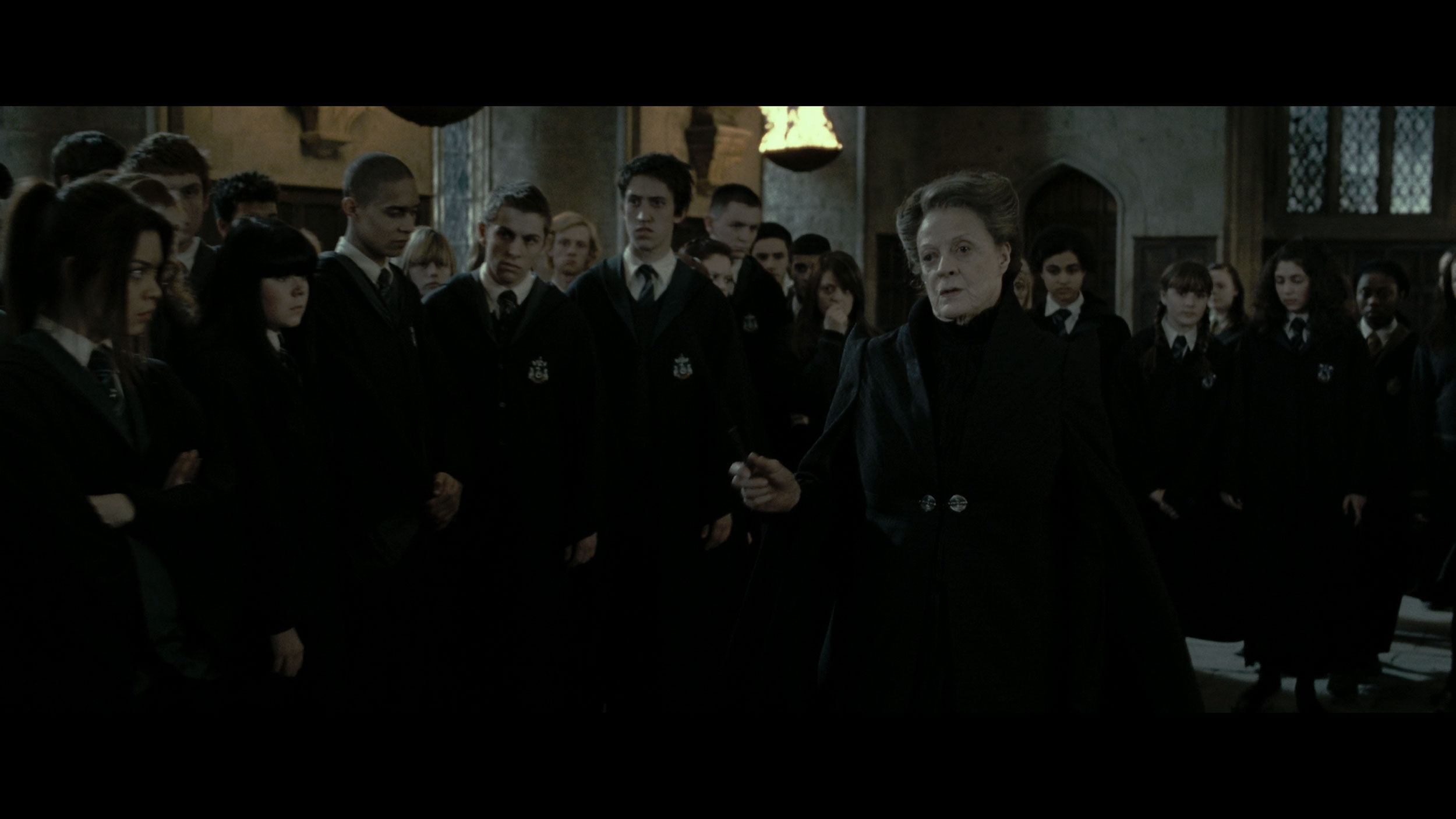
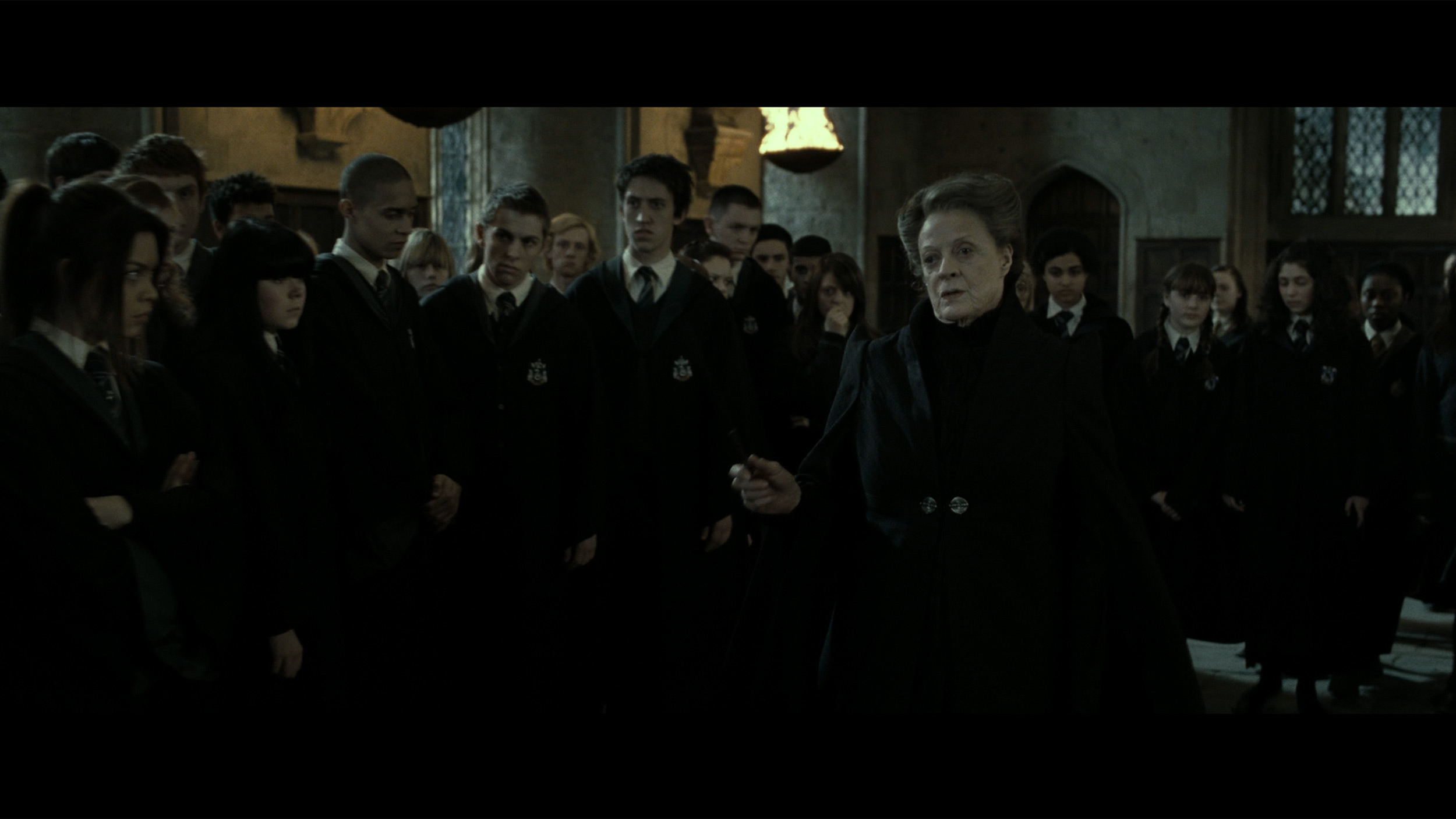
This gallery shows how colors change after professional TV calibration. If you notice the difference, we recommend ordering this service at SkalibrujTV.com.
Factory Mode
After calibration
The colour reproduction in the QN90F was tested in Filmmaker mode and, as is usually the case with Samsung TVs, this mode proves to be the best starting point straight out of the box. However, this does not mean that we are dealing with an image free of flaws. The white balance in SDR and HDR content was surprisingly good – colours didn't drift in any direction and even in its factory settings it looked solid. However, a problem arose with the gamma and EOTF curves, which determine how the TV manages brightness. Here, the QN90F significantly brightened the entire image, causing the black levels and colours to lose their intensity, and the overall effect resembled that of an applied milky filter. Fortunately, Samsung, unlike many competitors in the miniLED world, provides users with plenty of tools to control settings that we won't find in other manufacturers, such as Chinese brands. Therefore, we decided to see if we could squeeze the full potential out of the QN90F because we know that such a high series is capable of much more.
In contrast to the more expensive C6K model, in the tested C6KS we don't find an option in the menu labelled as Filmmaker Mode. Is this a reason to cry? Absolutely not. Our tests showed that in practice, in terms of colour reproduction, the lack of this specific label makes virtually no difference. The best available Film/Cinema mode here offers an almost identical picture profile to the aforementioned Filmmaker in the more expensive model. So we get a very similar image, just under a different name. Therefore, if you were wondering whether paying extra for the C6K would give you better colours – the answer is: no, in both cases the base is the same and requires slight adjustments.
Color reproduction after calibration
9/10
7.5/10
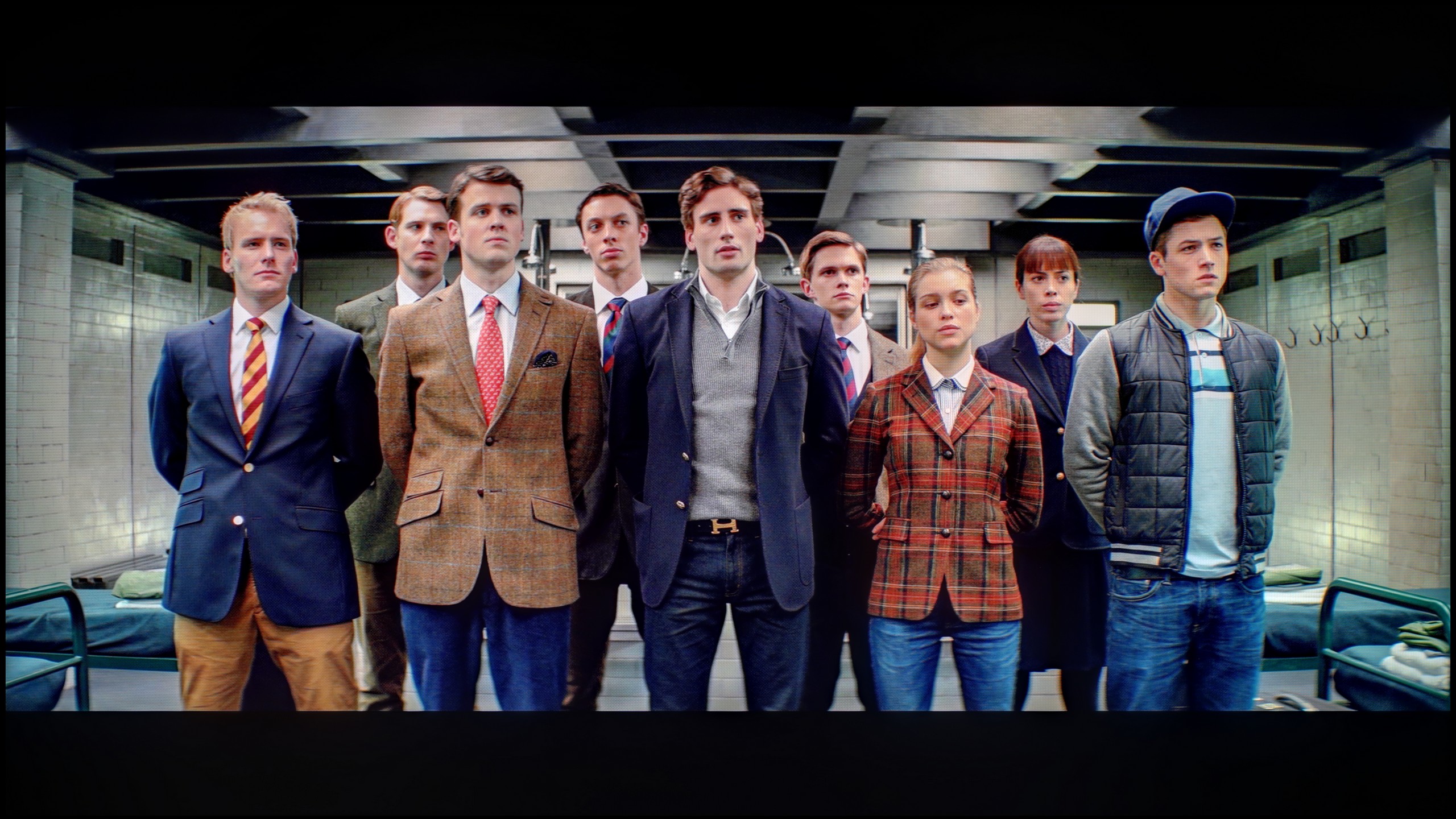
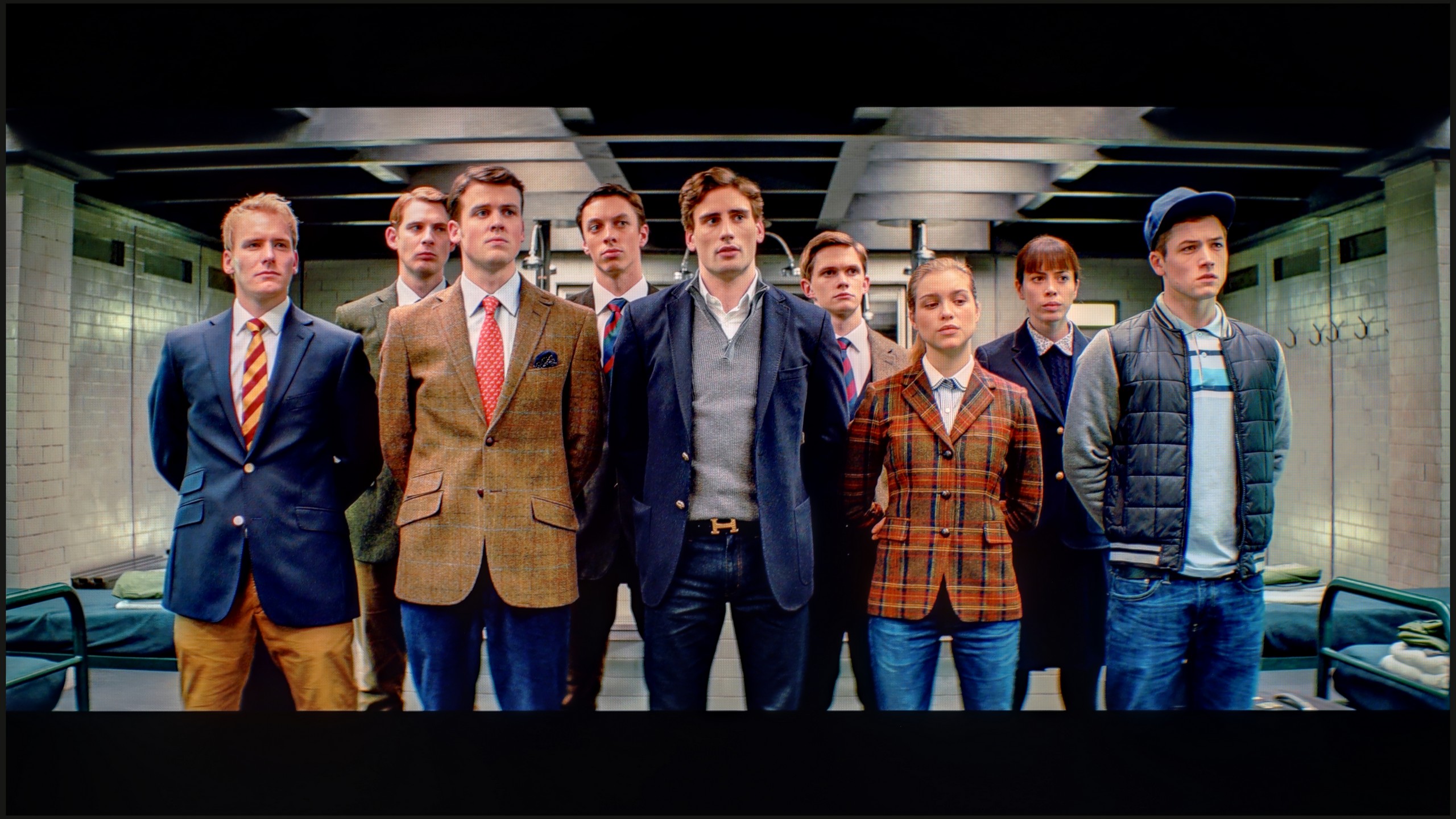
The photos show how movies look on the TV. Pay attention to black detail visibility, colors, and shadow tint.


The photos show how movies look on the TV. Pay attention to black detail visibility, colors, and shadow tint.
After our adjustment of the settings, the QN90F showed what it’s really capable of – and we have to admit, it’s one of the best images we’ve seen on a miniLED screen this year. As we mentioned earlier, the white balance wasn’t a big issue even in the factory settings, but it was only after gamma calibration that we were able to get close to reference values. The same goes for HDR content, where the EOTF curve post-adjustment presents mature and consistent results. Indeed, in some films, you can notice that the smallest elements of the image are slightly brightened, and with a limited number of local dimming zones, there's still a risk of halo effect. However, it’s important to remember that such phenomena are characteristic of all miniLED TVs and it’s difficult to expect miracles even from the QN90F. The most important thing is that after calibration, the television displays an image that confidently competes with many OLED screens available on the market in terms of expressing the director's vision.
Thanks to the white balance adjustment, the C69KS's tendency to distort colours has been effectively limited, leading to a very good final effect. After calibration, we will no longer see excessive warmth in SDR scenes or overly cool tones in HDR. However, it is worth noting the brightness characteristic. In SDR content, there are hardly any objections – the image looks very good, especially in older films, TV shows, or YouTube materials. Evaluating the television's performance in HDR is much more difficult. Analysis of the EOTF curve suggests correct behaviour, but its practical variant shows certain limitations. The C69KS can overly brighten the smallest elements of the frame, while at other times it can dim the entire scene. Calibration has therefore brought clear benefits in terms of colour, but certain limitations resulting from local dimming and the way it is controlled by the C69KS cannot be avoided, which we also observed in the C6K test.
Smoothness of tonal transitions
8.9/10
4.8/10
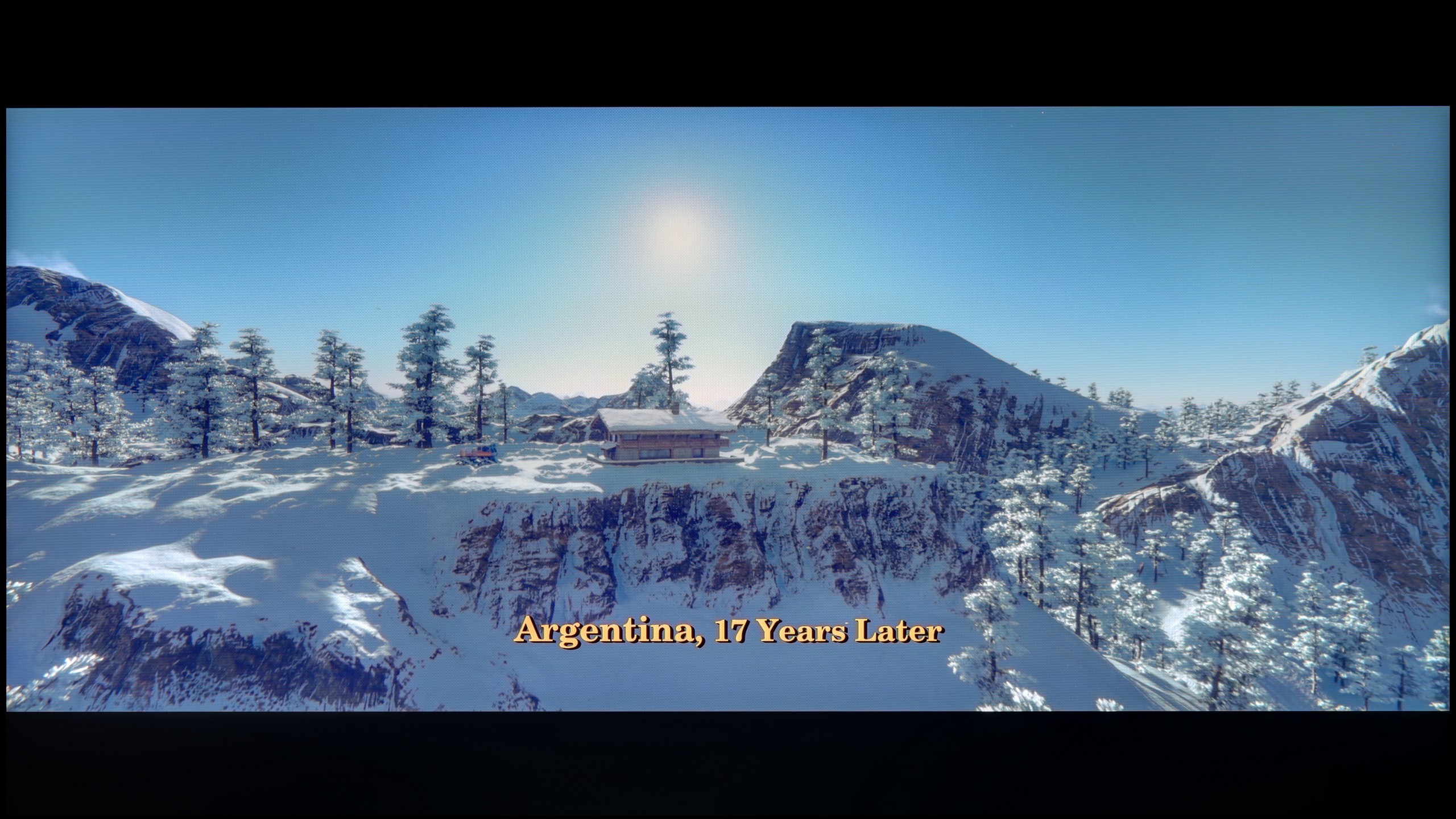

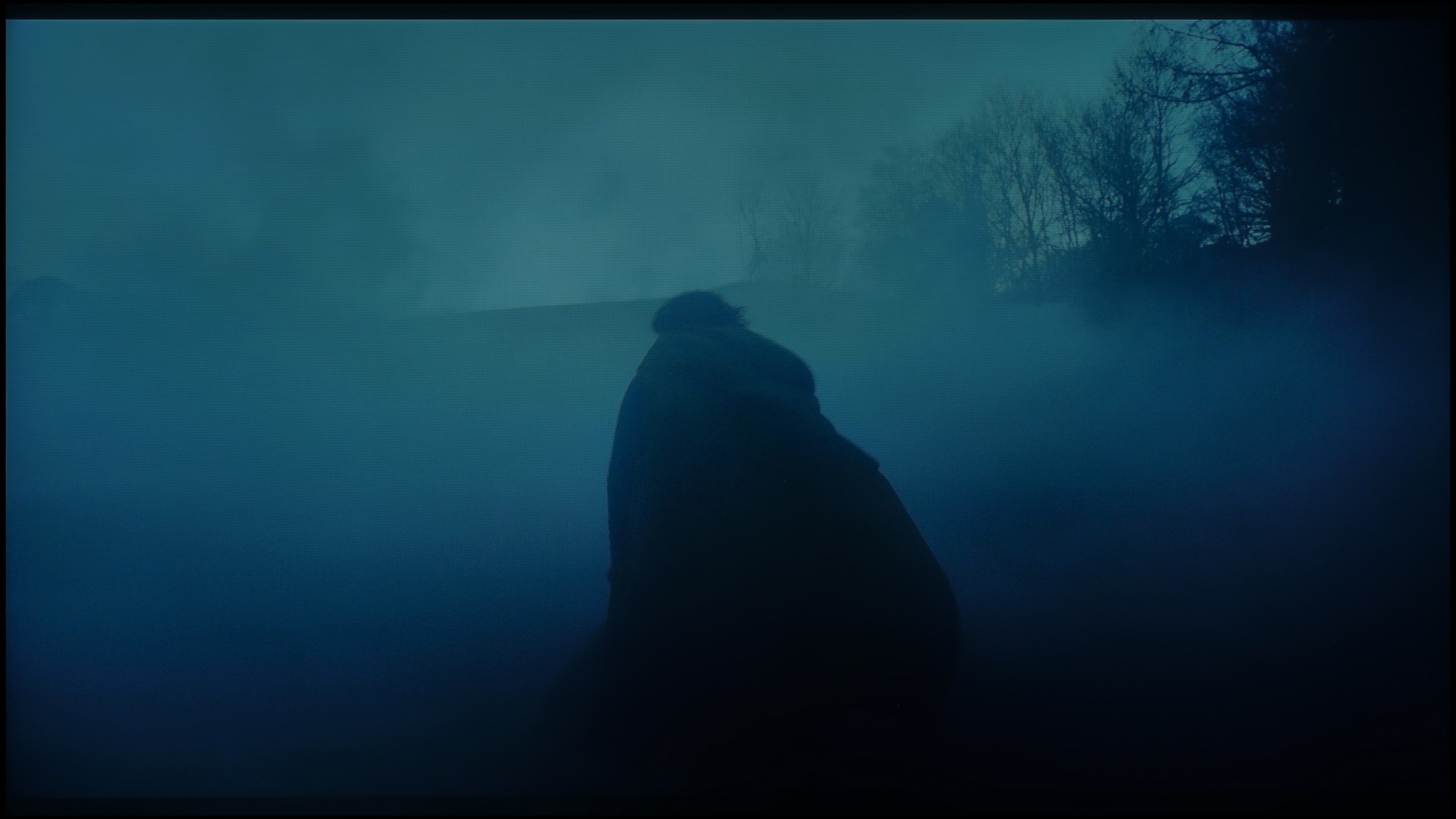
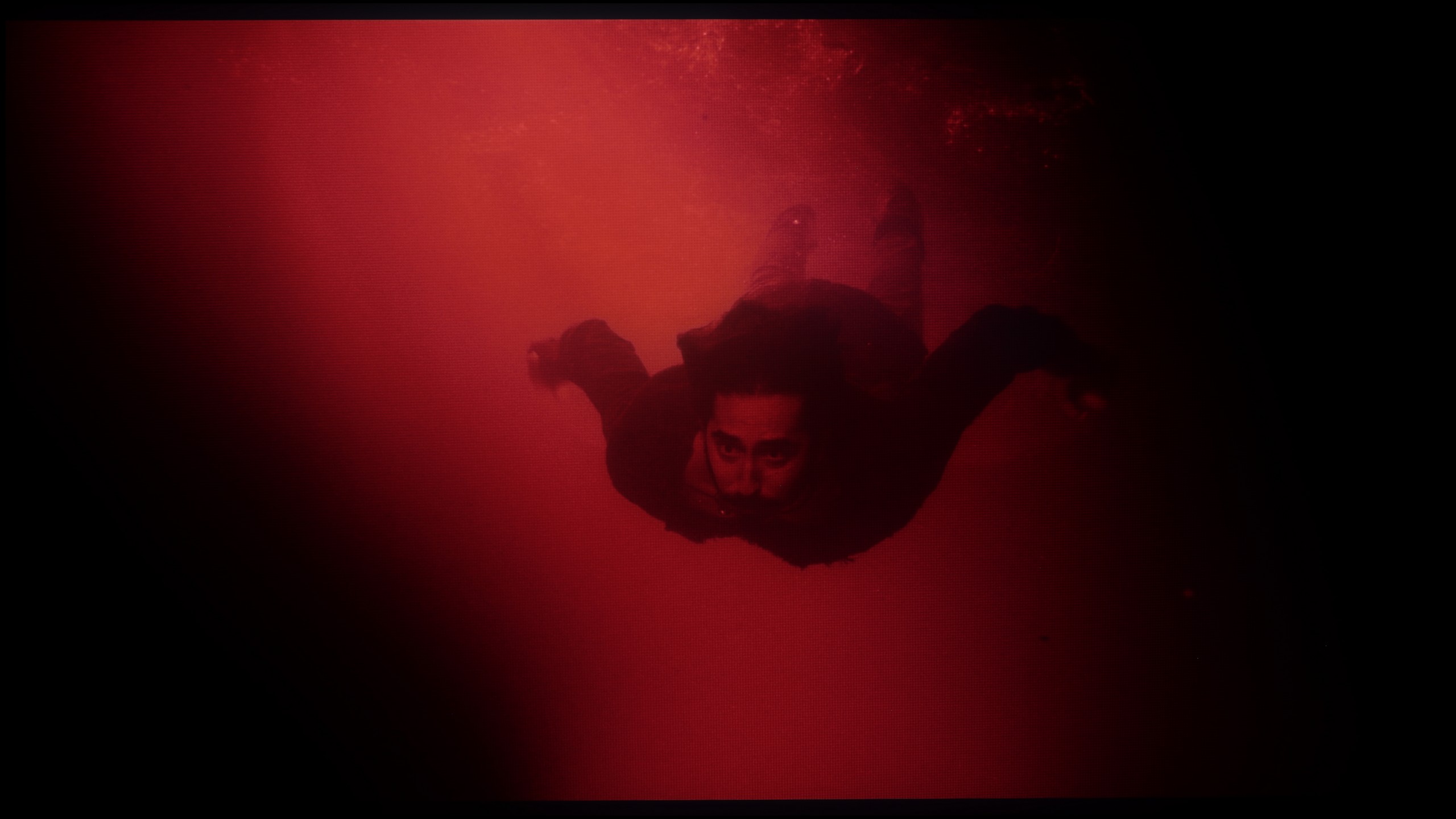
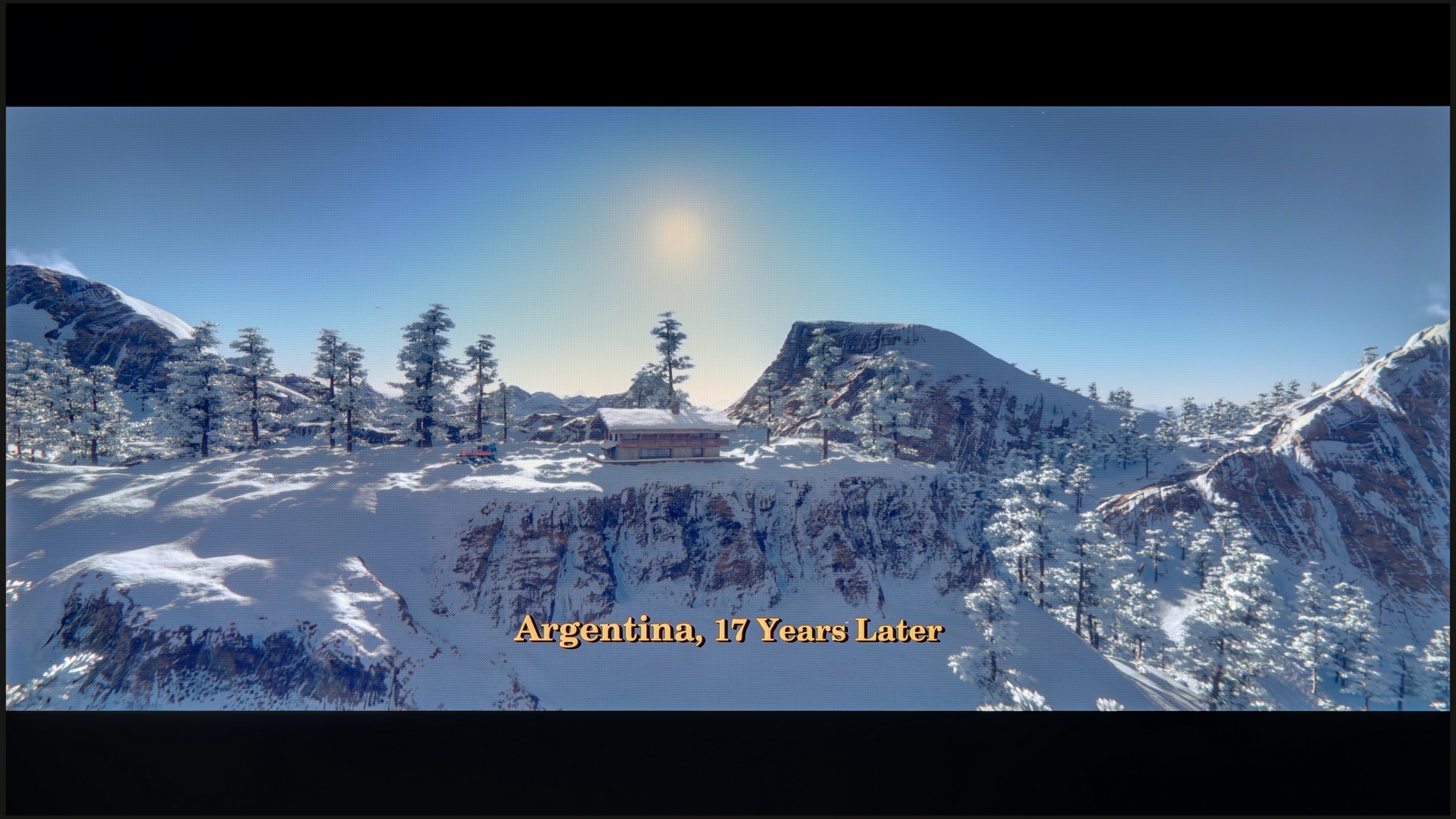
These are selected scenes that show smooth tonal transitions from one color to another. If you see distinct banding, it’s the TV panel’s fault.

These are selected scenes that show smooth tonal transitions from one color to another. If you see distinct banding, it’s the TV panel’s fault.

These are selected scenes that show smooth tonal transitions from one color to another. If you see distinct banding, it’s the TV panel’s fault.
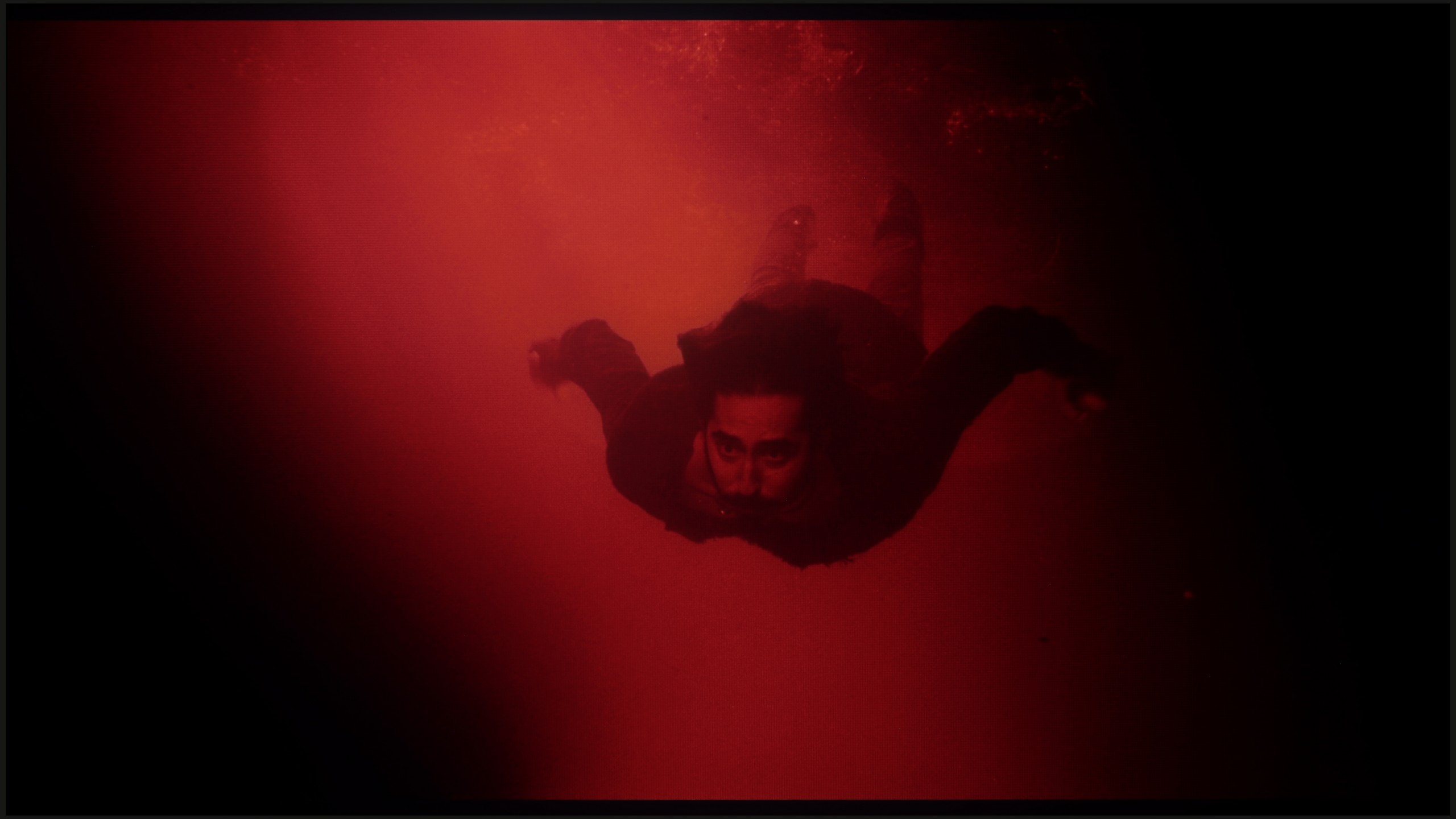
These are selected scenes that show smooth tonal transitions from one color to another. If you see distinct banding, it’s the TV panel’s fault.
The tonal transitions in the QN90F are at a very good level. Regardless of the scene being tested, it was hard to find clear problems with colour blending or visible banding. Even in demanding segments, such as the scene from the film Green Knight where the actor immerses himself in red water, the image presented itself smoothly and naturally. Indeed, with careful watching, one might notice minor micro-imperfections – for example, in greys or in very bright shots – but they do not affect the overall perception. The TV performs well enough that most viewers won't notice these imperfections.
When looking solely at the fluidity of tonal transitions, the C69KS provides no real reasons for complaint. The gradation of colours is appropriate, and more challenging sequences do not reveal any significant issues. However, you may be surprised by the low rating in this category. This is due to very strong dithering and artificially boosted "resolution," which lead to a grainy and unnatural character of the image. For this reason, the final rating is significantly lower, despite the correct gradation of the tonal transitions themselves.
Image scaling and smoothness of tonal transitions
7.5/10
5/10


Smooth transition function
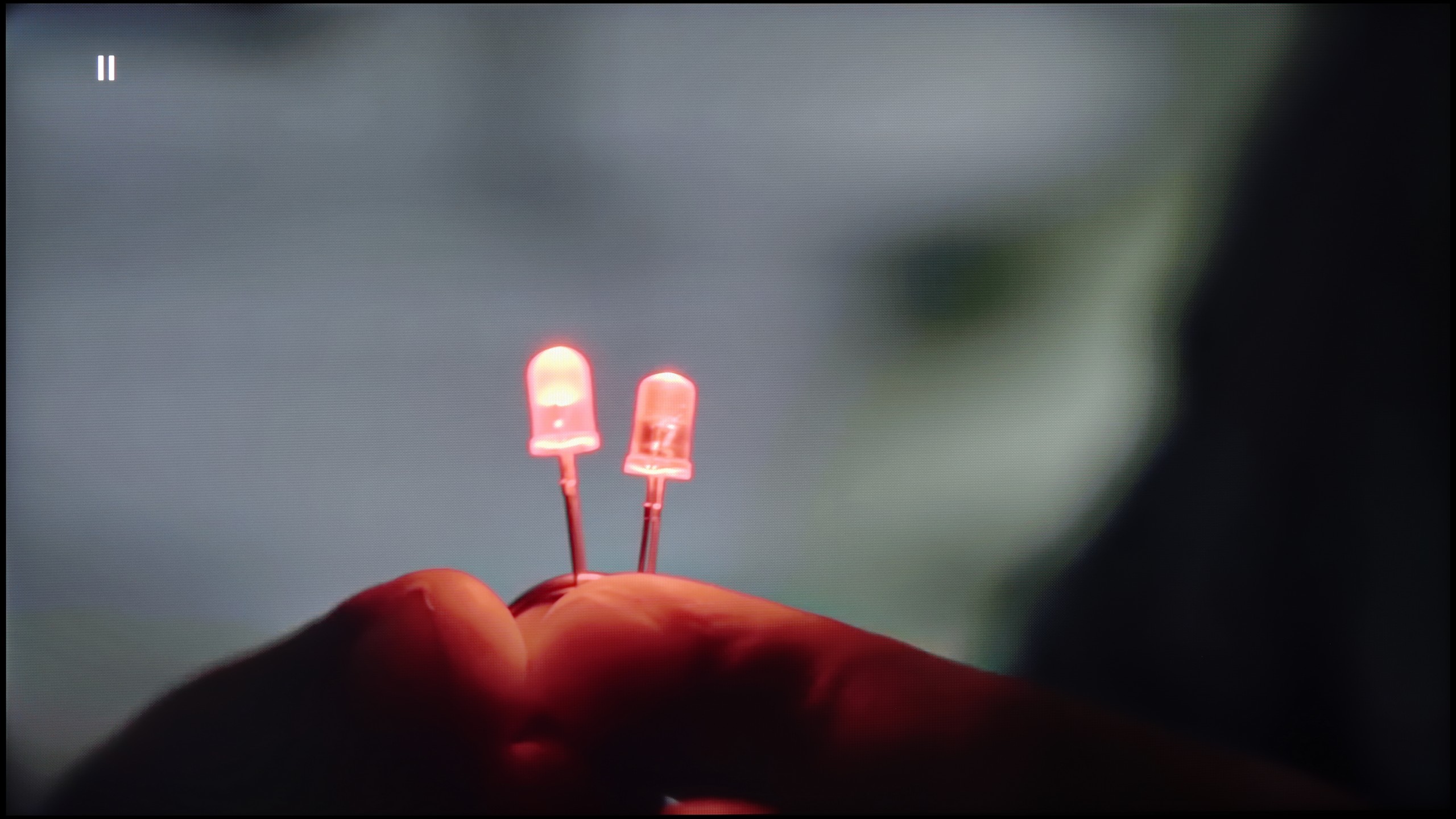
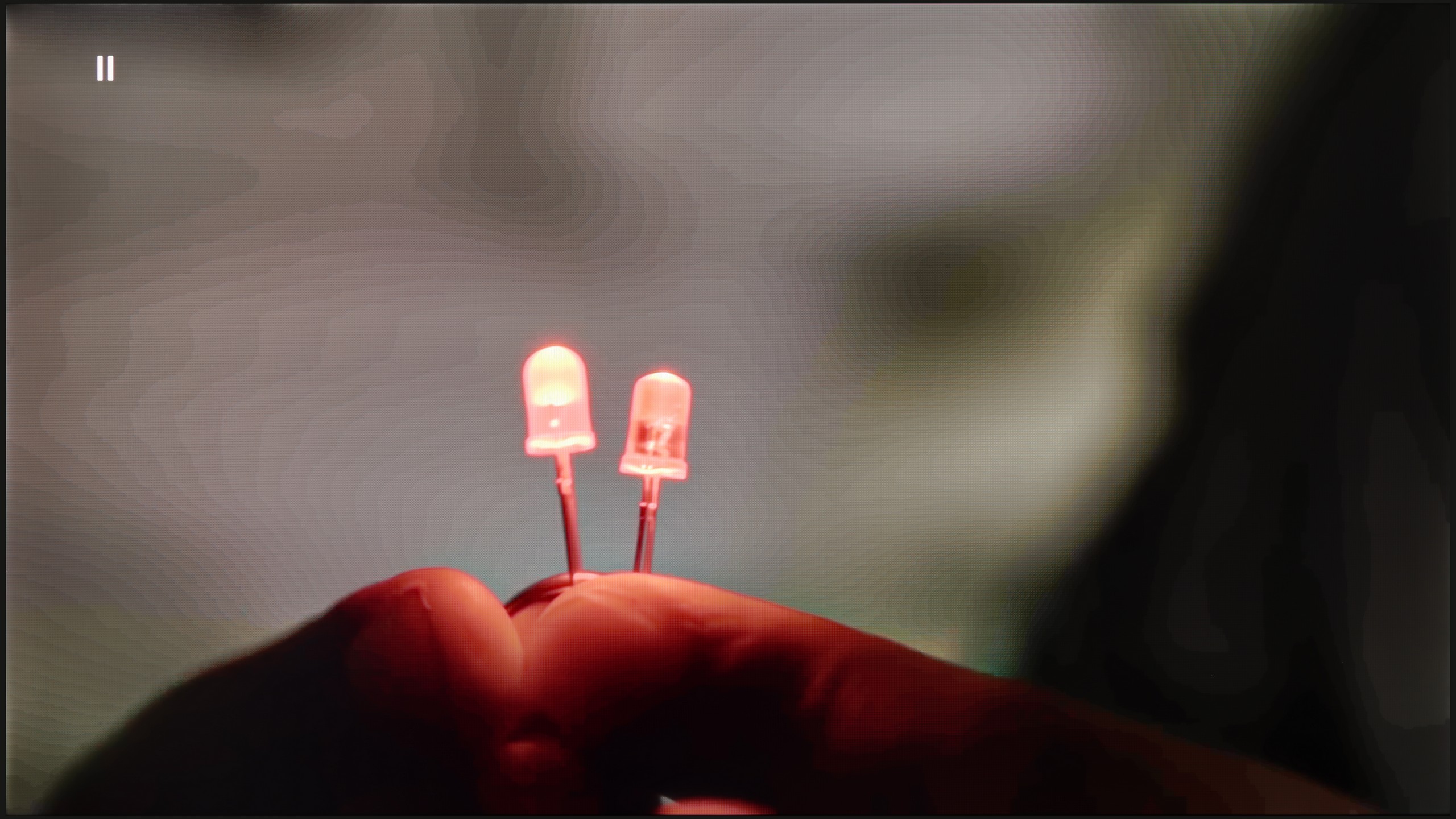
The match photo shows how the TV smooths weak tonal transitions in low-quality video.
Image scaling SD (576i)


The model photo shows how it handles upscaling of SD material.
QN90F handles upscaling very well. Materials in lower resolutions, even SD, are enhanced to a clear and sharp image, where a lot of background detail can be seen. This is a big advantage, as the TV makes older content or everyday television look significantly better than on most budget screens. However, the issue of overscan remains, which is the cropping of the screen edges that cannot be turned off on Samsungs. This can cause some subtitles on the screen to disappear or Auntie's face from the wedding on a VHS tape to be slightly cropped. 😉
The digital image processing also performs well. In the menu, we find a feature called "noise reduction," which can smooth tonal transitions and improve the viewing of lower quality materials, such as those from YouTube. In the medium setting, the effect is most beneficial – it doesn't heavily interfere with details while simultaneously eliminating the problem of "banding" in colours. However, it's worth noting that the feature can be quite aggressive and removes natural film grain in older movies, so it's best to use it sparingly.
The C69KS handles upscaling quite well. The tested 576p content looks surprisingly decent – a considerable amount of detail is preserved, and the algorithm adds a subtle ‘rounding’ effect to sharp edges, making the image appear more cohesive. However, it doesn't perform as well when it comes to smoothing tonal transitions. The television practically cannot improve them, leaving the image in a rather raw state. With older materials, this can be simply exhausting, as the lack of additional processing highlights all imperfections.
Blur and motion smoothness
7.5/10
4.9/10
Blur (native resolution, maximum refresh rate):



Blur (BFI function enabled):
Image flickers in this mode



Blur (4K@165Hz):



Blur (4K@144Hz):

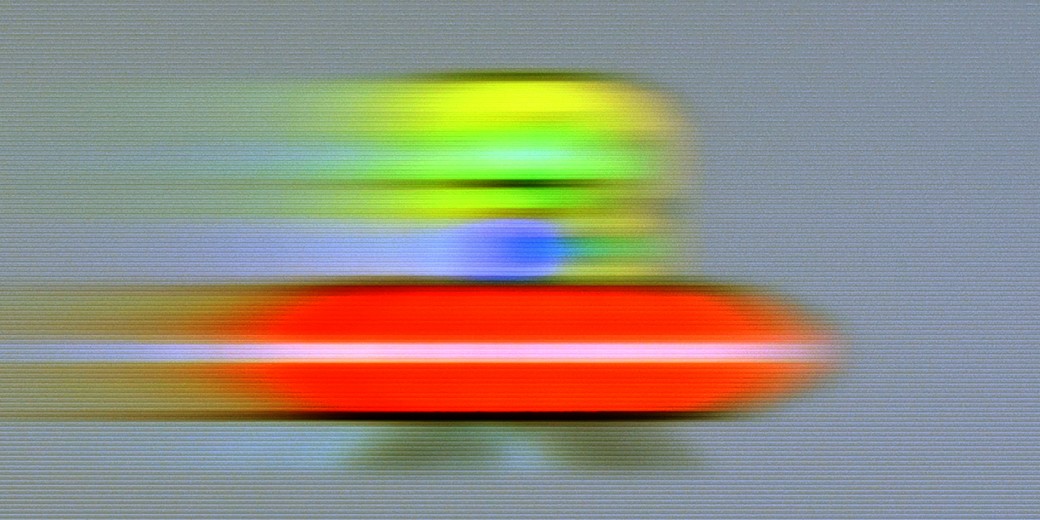
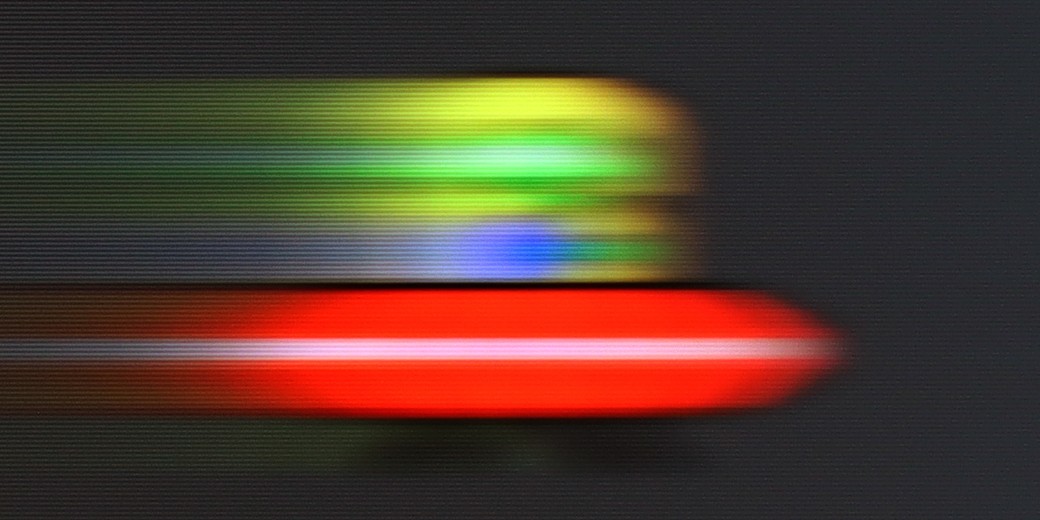
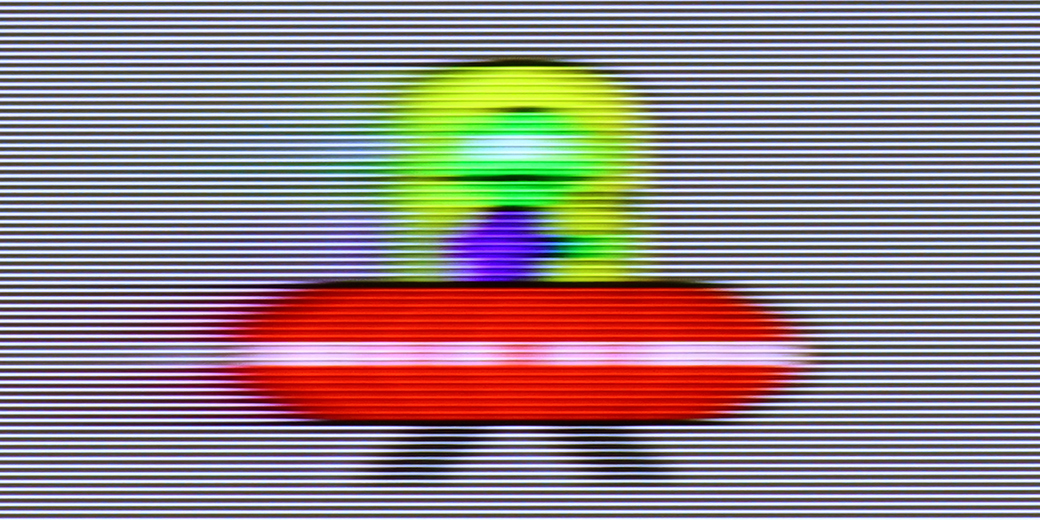
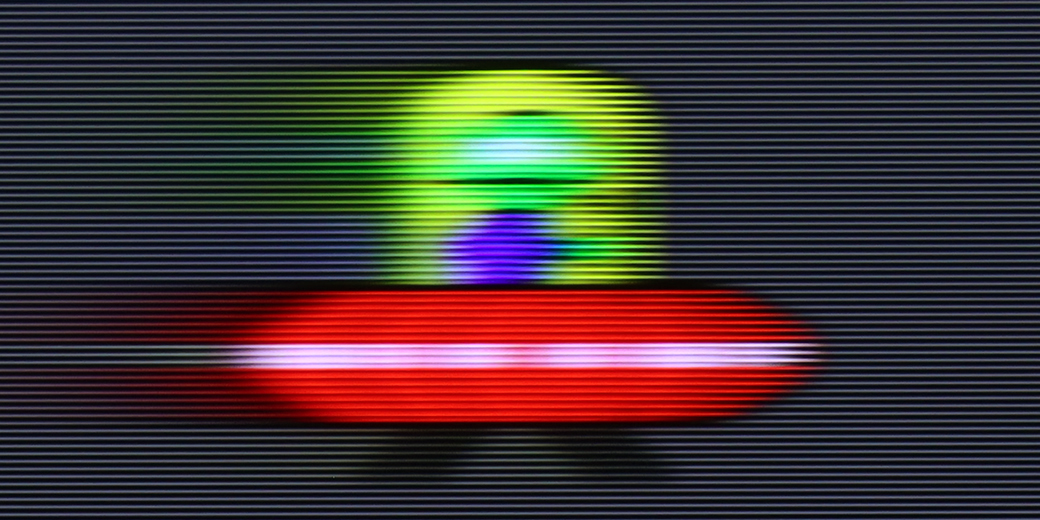
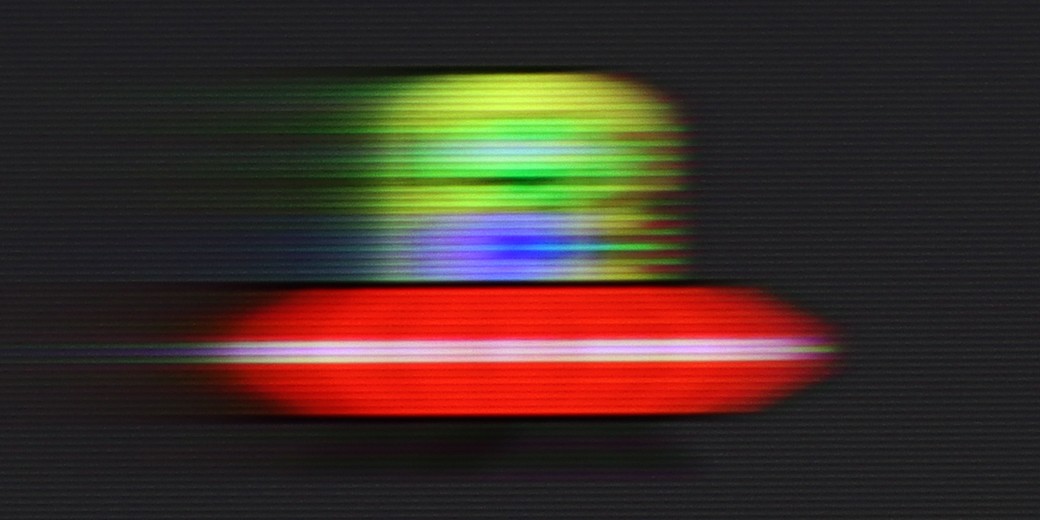
QN90F has been equipped with a panel that has a maximum refresh rate of 165 Hz, and while this advantage will mainly be appreciated by PC gamers, it’s still worth highlighting. In movies or sports broadcasts, we are limited to the classic 120 Hz, but this is not a cause for concern. In practice, the additional motion smoother is more significant here. Thanks to the "Motion Clarity" setting, we can adjust the picture to our own preferences. The blur reduction option is responsible for fluidity and ghosting in sports. Meanwhile, the "judder reduction" function improves motion fluidity in productions recorded at 24 frames, namely films and series. If we set it high, the film looks smoother and more fluid than it was actually shot. Lower values, on the other hand, preserve its cinematic "rawness" with the visible film frame.
C69KS offers a simplified motion enhancement panel in movies, allowing users to adjust the intensity of the effect using a slider. This makes it easy to tailor the smoothness to personal preferences. It also deserves credit for the ability to utilise higher refresh rates – even though the panel operates natively in 4K at 60 Hz, by lowering the resolution to 1440p, modes of 120 and 144 Hz can be enabled, on both consoles and PC. This sounds like great news, however, in practice, the image at these settings trails exceptionally badly. The effect is so pronounced that the overall experience simply appears mediocre and loses its appeal in everyday use.
Console compatibility and gaming features
9.6/10
8/10
- ALLM
- VRR
- VRR range48 - 165Hz48 - 144Hz
- Dolby Vision Game Mode
- Correct implementation of HGIG
- 1080p@120Hz
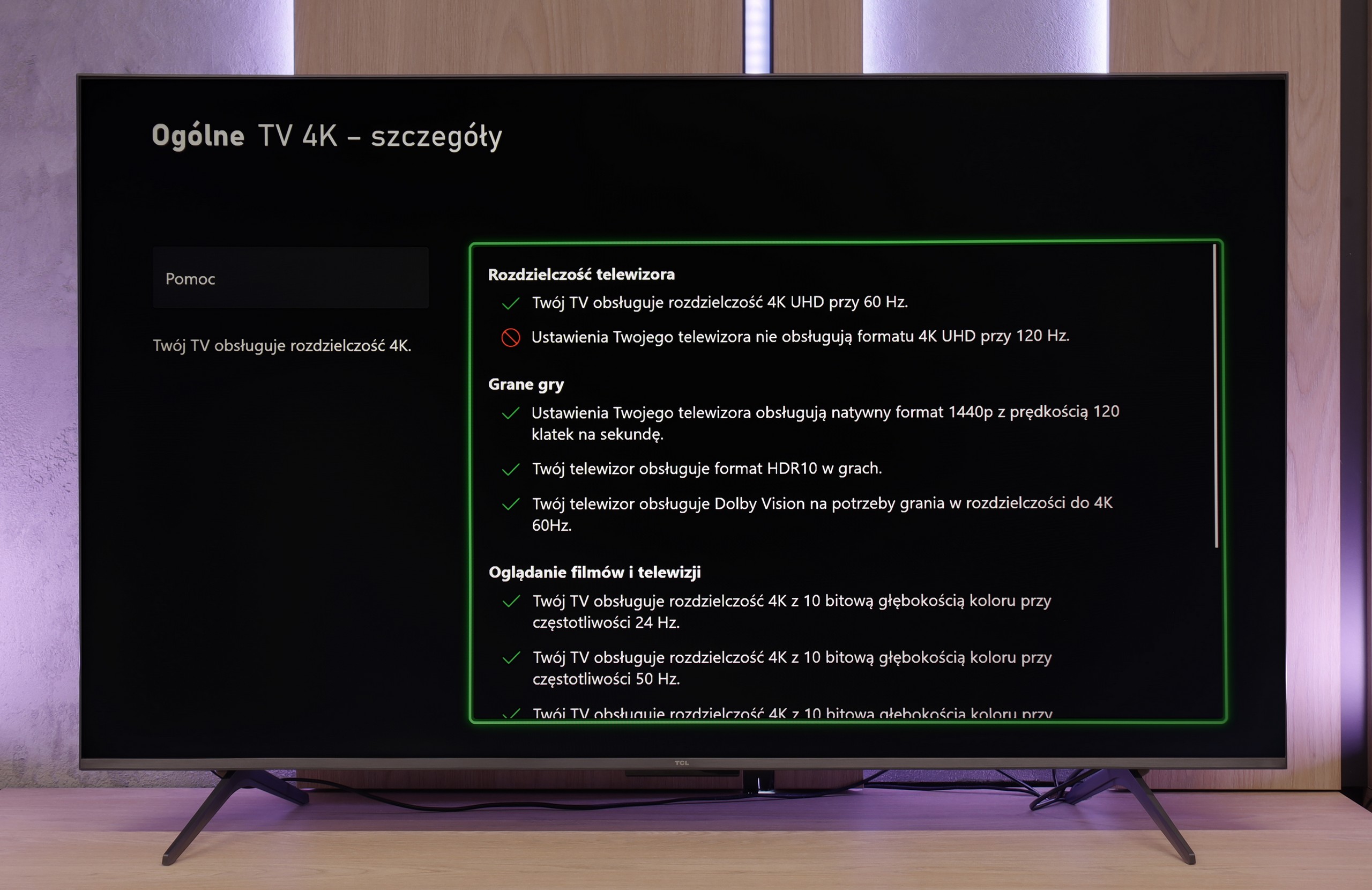
- 1440p@120Hz
- 4K@120Hz
- Game bar
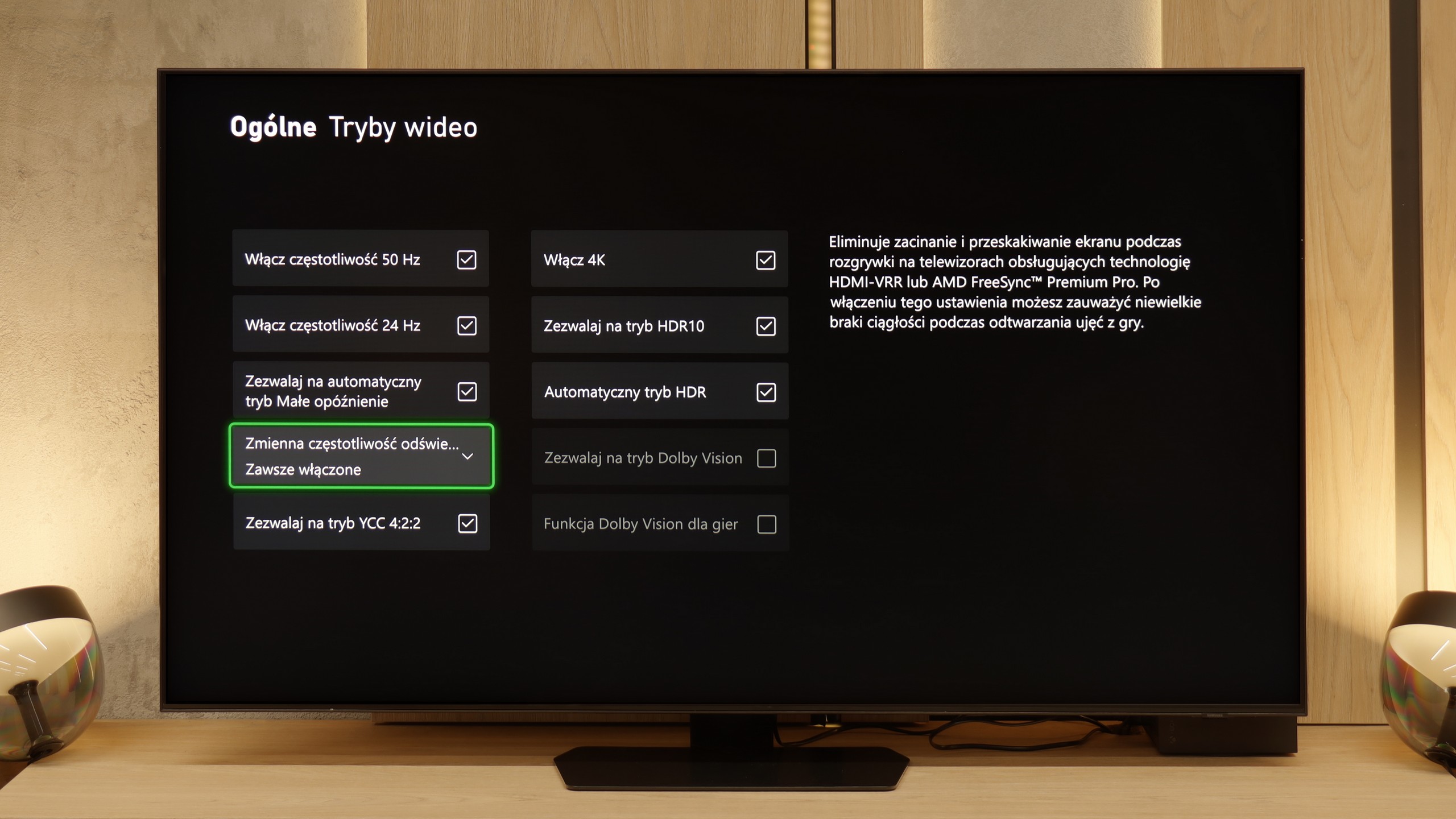

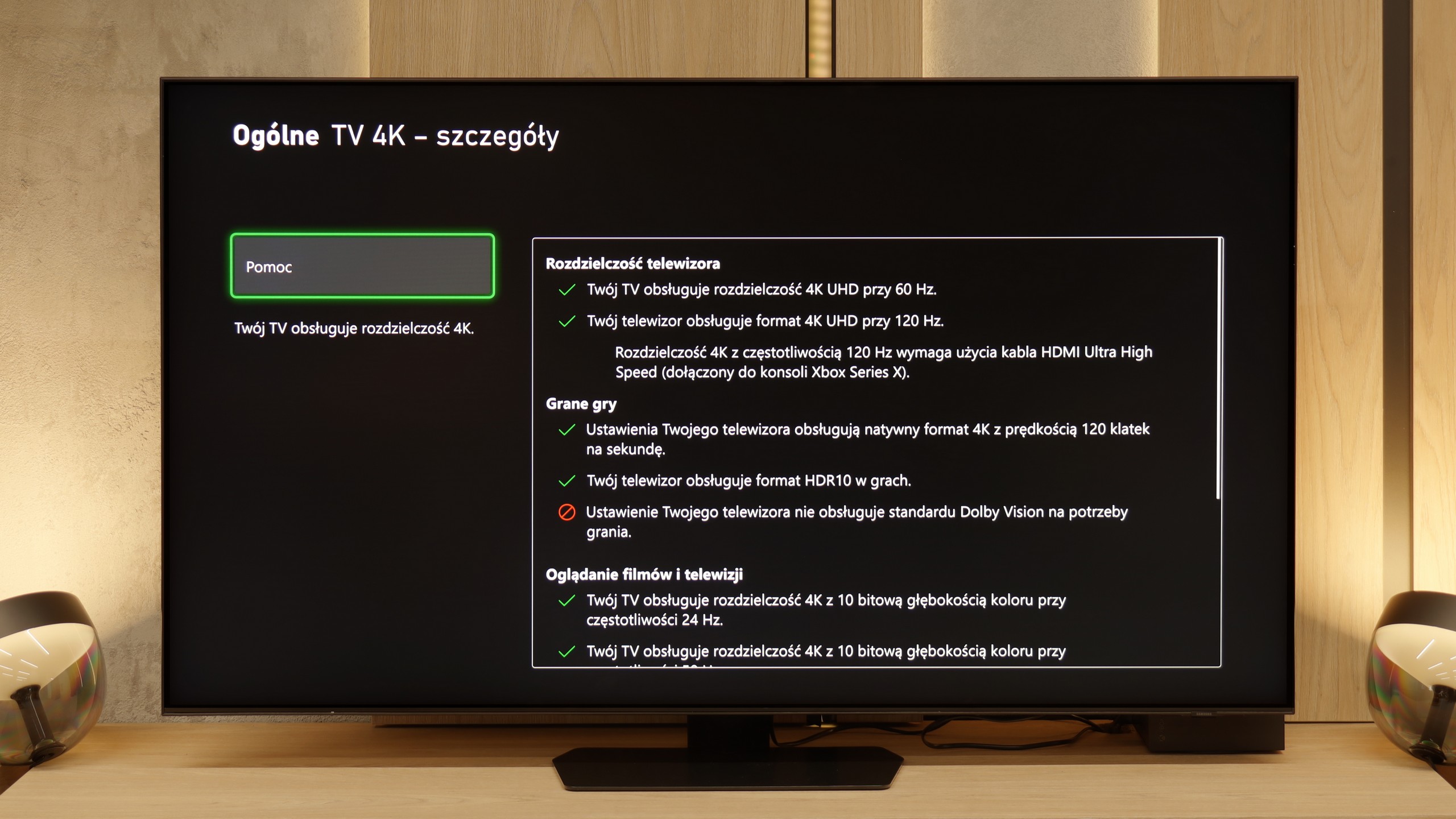
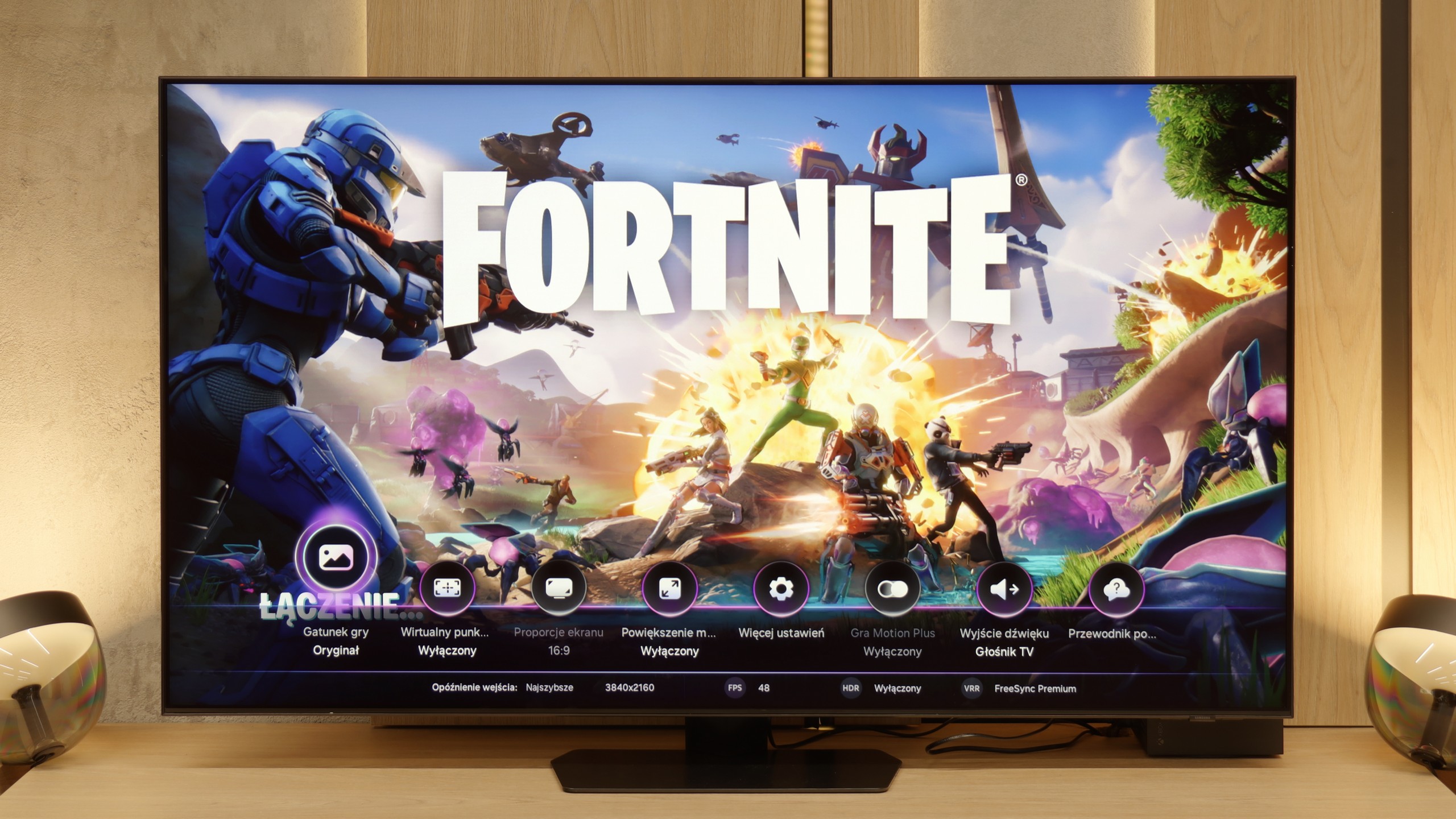

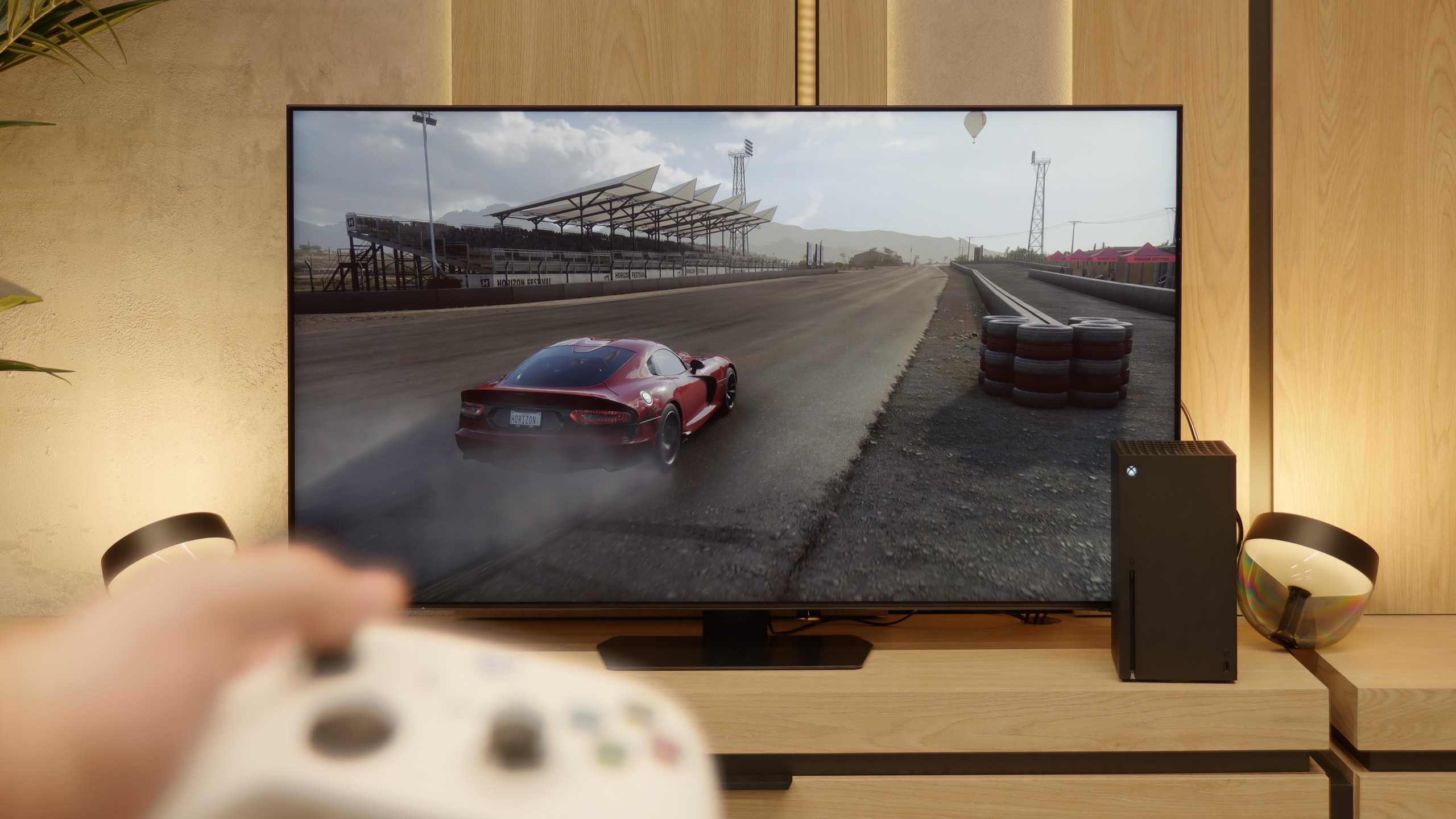

QN90F has almost everything to become the perfect TV for gamers. Things like four HDMI ports, VRR, ALLM, or refresh rates reaching up to 165 Hz need no reminder. The Game Motion Plus mode deserves a big thumbs up, which is the proprietary motion smoothing technology for games. With it, you can add a few 'artificial' frames and make the image generated from the console look smoother than it should. This is a very unique solution in the world of TVs – competing systems usually do not offer this – and that's why Samsung has had a strong selling point among gamers for years, even despite the lack of support for the still niche Dolby Vision in games.
[UPDATE] We have updated our tests of Samsung TVs from the 2025 range due to the release of firmware version 1131, which restored the crucial HGiG feature for gamers.
So why do we refer to it as an 'almost' perfect screen? Unfortunately, just like in recent Samsung models, we've noticed a problem with the lack of HGiG functionality. This is a solution that allows the TV to leave control over tone mapping to the console, so that games look exactly as the creators intended. Worse still, this feature was previously present and disappeared after software updates. Instead of minor fixes, we got a step backward. It's a shame, because if it weren't for this lack, the QN90F could have been a truly ideal choice for gamers in the miniLED category.
If we overlook the smudging and lack of native 4K at 120 Hz, the C69KS is impressive in how well it performs for gaming. You get everything you would expect from a gaming TV: Variable Refresh Rate (VRR), Auto Low Latency Mode (ALLM), Dolby Vision Gaming mode, and a consistently functioning HGiG. The TV can also operate at 120 or even 144 Hz at lower resolutions, making gameplay on console or PC smoother. Additionally, there's a clear Game Bar that allows you to quickly check key settings while gaming. As a result — despite a few limitations — the C69KS can be a genuinely successful screen for gamers.
Input lag
9.6/10
10/10
SDR
HDR
Dolby Vision
Input lag on the QN90F is very low. For 120 Hz content, it measures around 10–12 ms, and at 60 Hz it drops below 20 ms. These are values that can confidently be called exemplary. The slightly higher input lag – by 1–2 ms – is due to the fact that the lowest latencies, below 10 ms, are reserved for the 165 Hz mode. Regardless of resolution or refresh rate, you can count on the QN90F always responding quickly and responsively to our movements on the controller or keyboard and mouse.
TCL C6KS performs very well here — the latency drops below 10 ms, which means responses in games are instantaneous. This is an excellent result in this class and definitely good news for those playing dynamic titles.
Compatibility with PC
8.8/10
1.7/10
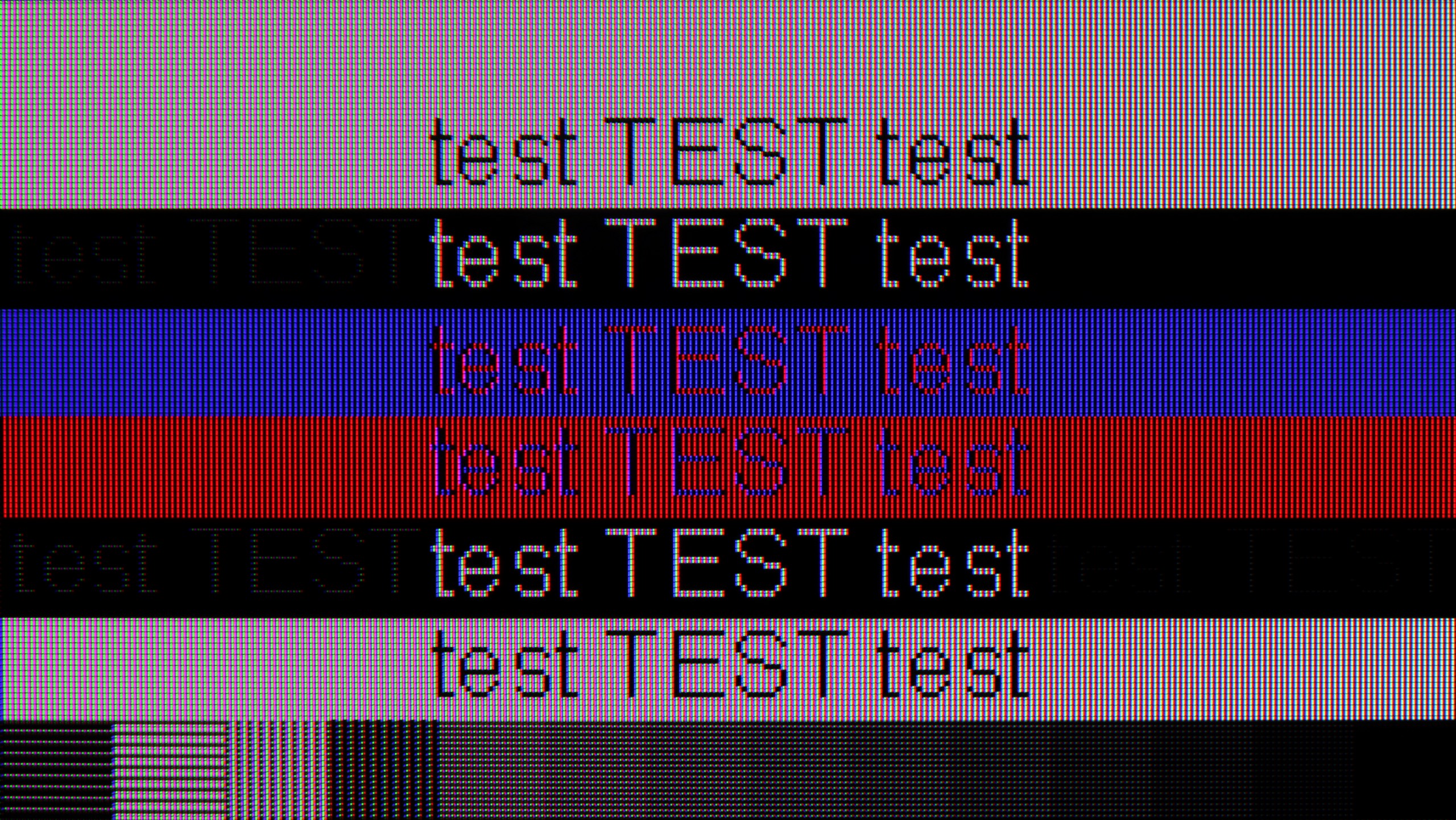
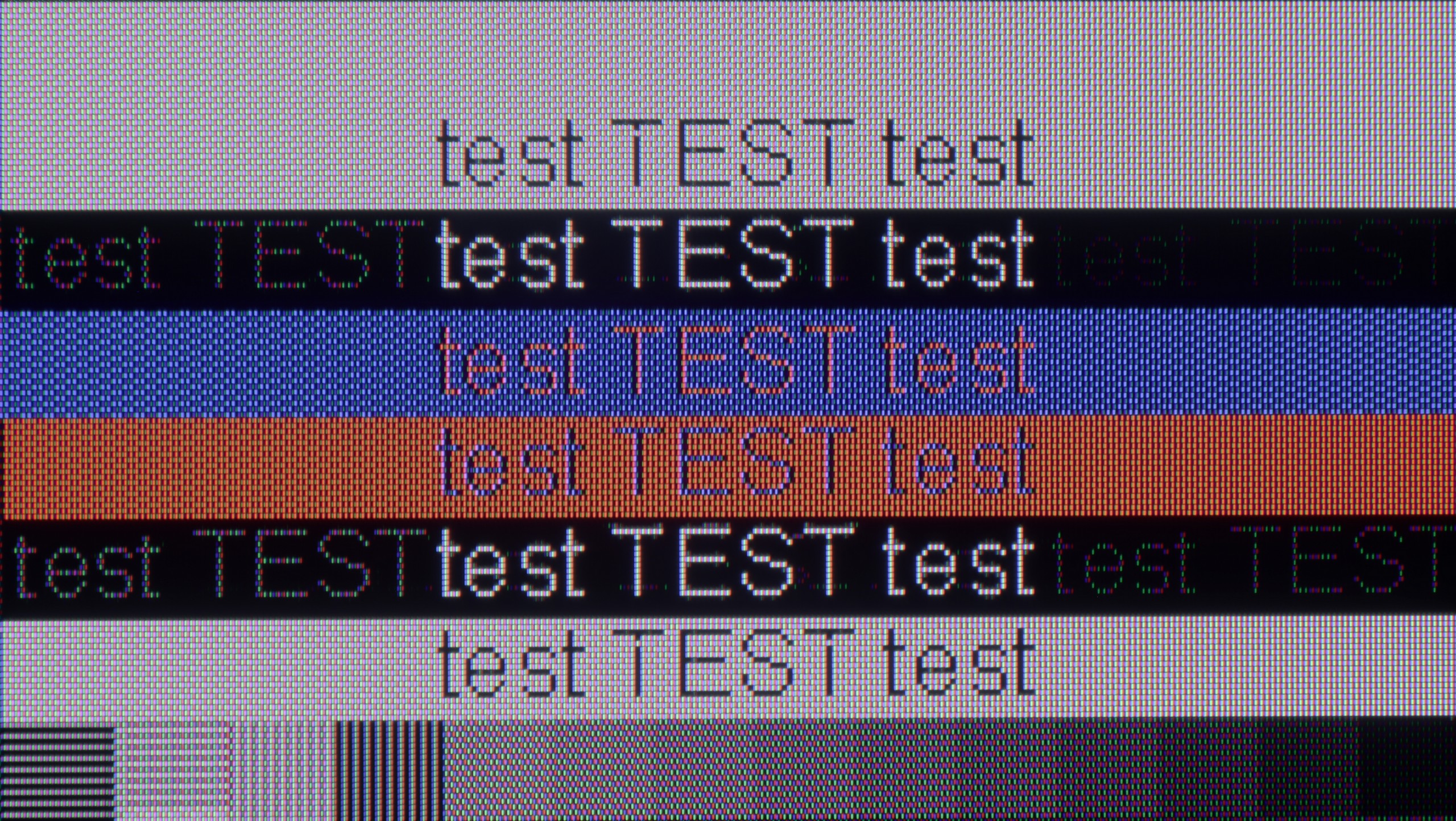
The photo shows the legibility of small fonts. Ideally, lines should be the same thickness on both light and dark text, with minimal pixel gaps.
Collaboration with a PC is another strong point of the QN90F. It’s a screen that performs well for both work and gaming. This makes sense especially in smaller sizes, e.g., 43 inches, where the television can easily fit on a desk. The 165 Hz mode, primarily intended for PC gamers, supports technologies like G-Sync and AMD FreeSync Premium Pro, so gameplay is smooth and very responsive. Office work performs equally well – the readability of fonts is high thanks to proper chroma handling. However, we noticed that switching the refresh rate from 165 Hz to 120 Hz further improves the readability of very dark text and thin lines. Therefore, if someone wants to use the QN90F as a work monitor, it's worth considering the 120 Hz mode.
Aside from the previously mentioned ability to work at 144 Hz at lower resolutions, the C6KS offers nothing that would encourage its use as a monitor. The fonts look really poor — the darkest ones have a distinct, rainbow halo, and the standard text is surrounded by strange artifacts. The effect is noticeable enough that prolonged work at the computer can be simply tiring.
Viewing angles
3.6/10
2.7/10
The viewing angles on the QN90F are rather average and typical for LCD screens with a VA panel. It’s a bit of a shame that Samsung opted out of additional coatings to widen the viewing angles in this model – probably at the cost of using a matte panel. The effect is that at larger angles off centre, the drop in brightness is quite significant, and the colours lose their intensity. This is a compromise that one has to consider when choosing a screen with a classic VA panel.
The viewing angles in the C6KS are very poor, typical of VA panels. It’s a compromise we pay for by choosing high contrast — head-on, the image looks good, but any significant deviation quickly causes drops in brightness and saturation.
Daytime performance
7.2/10
6.6/10
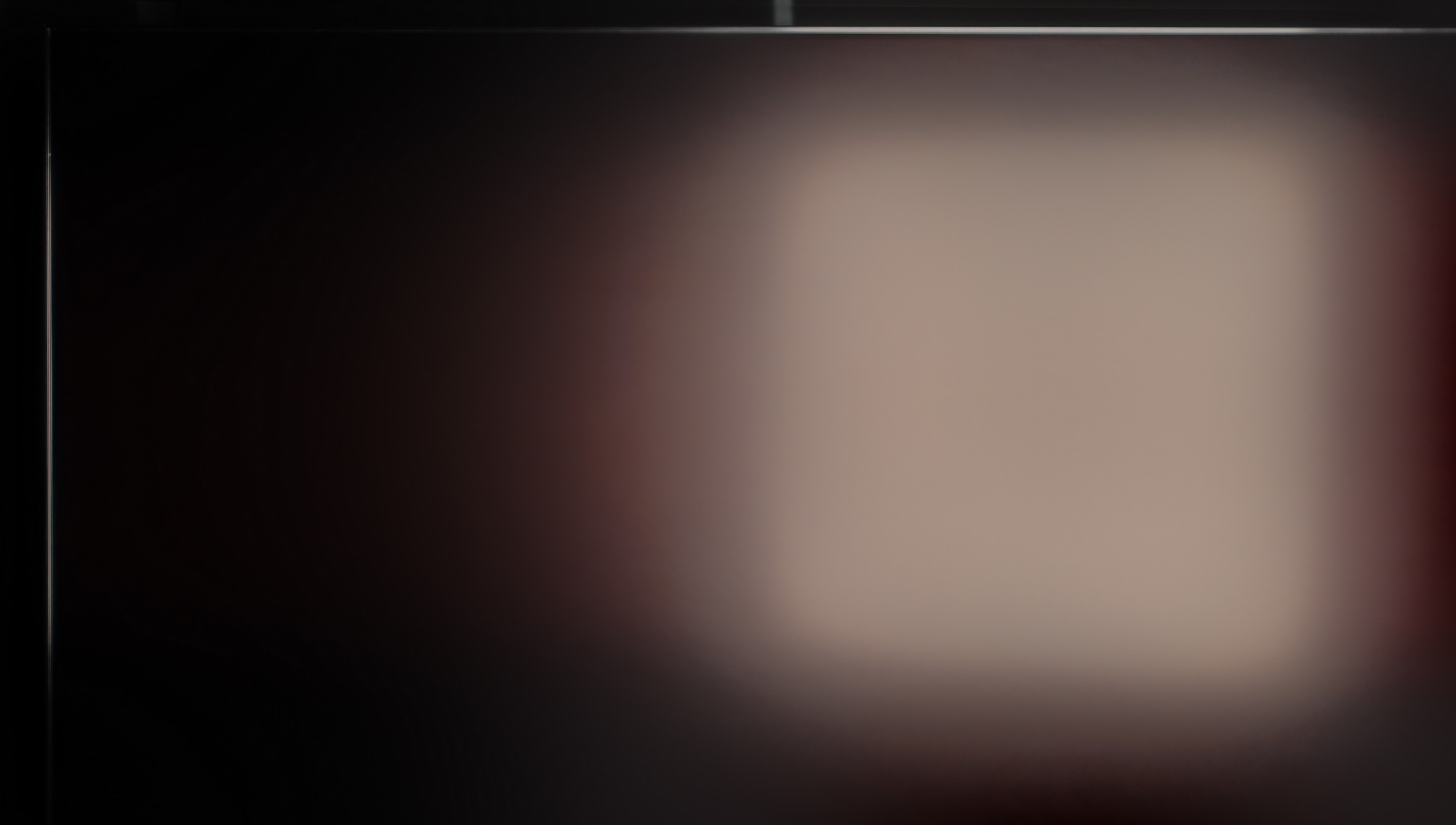
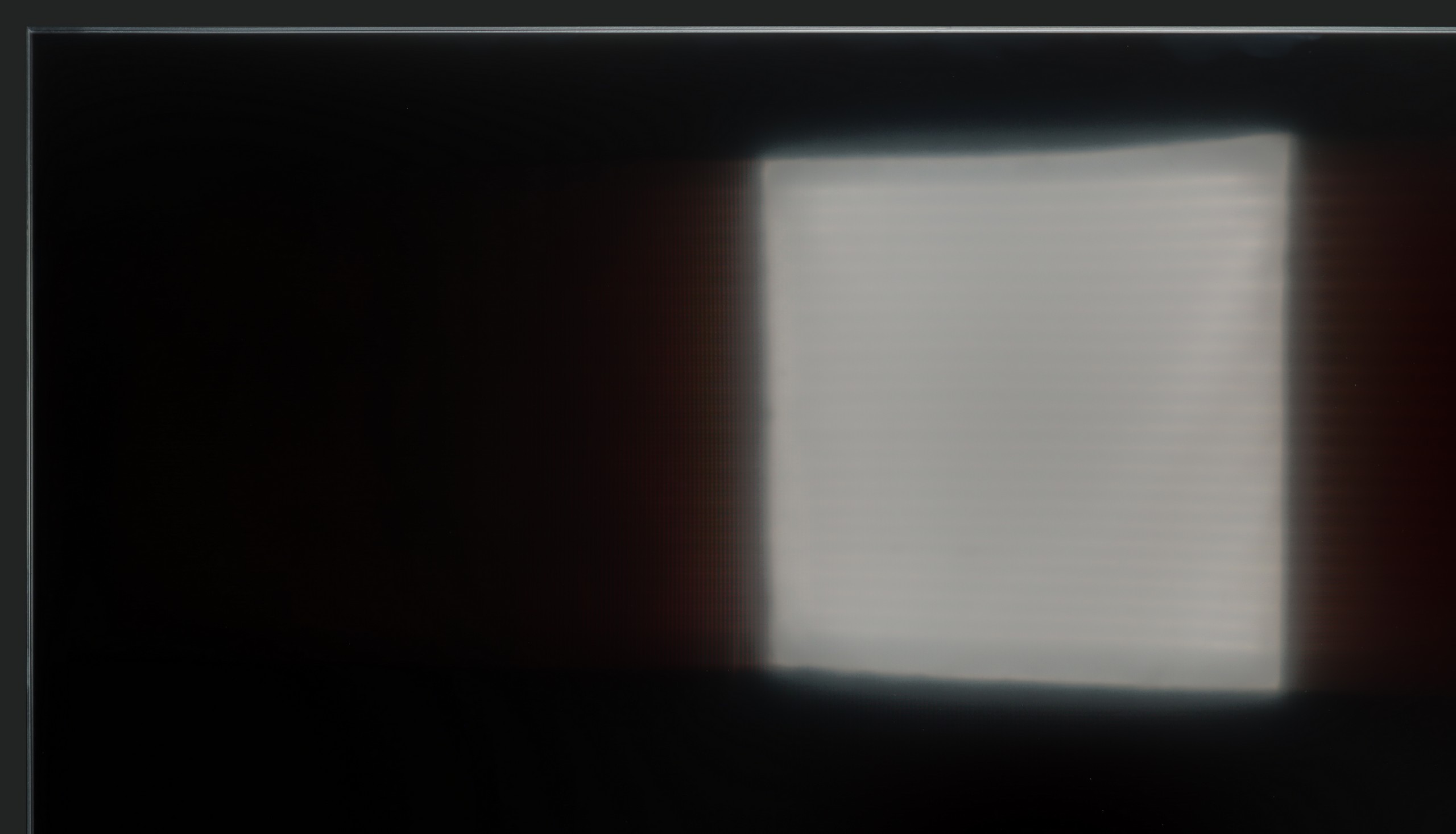
Panel brightness
TCL C6KS / C69KS / Q6CS: 527 cd/m2
Samsung QN90F / QN92F: 665 cd/m2
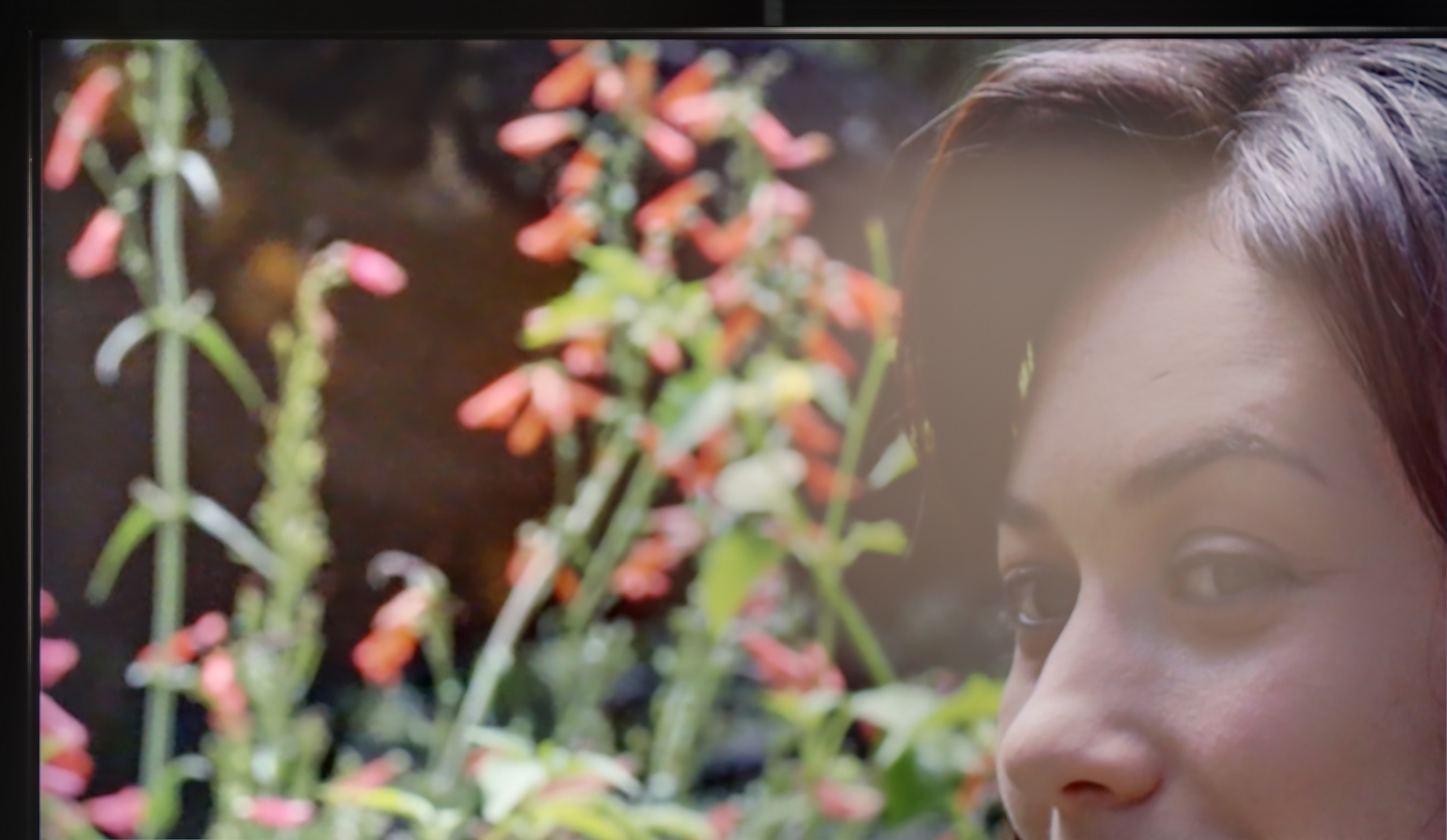
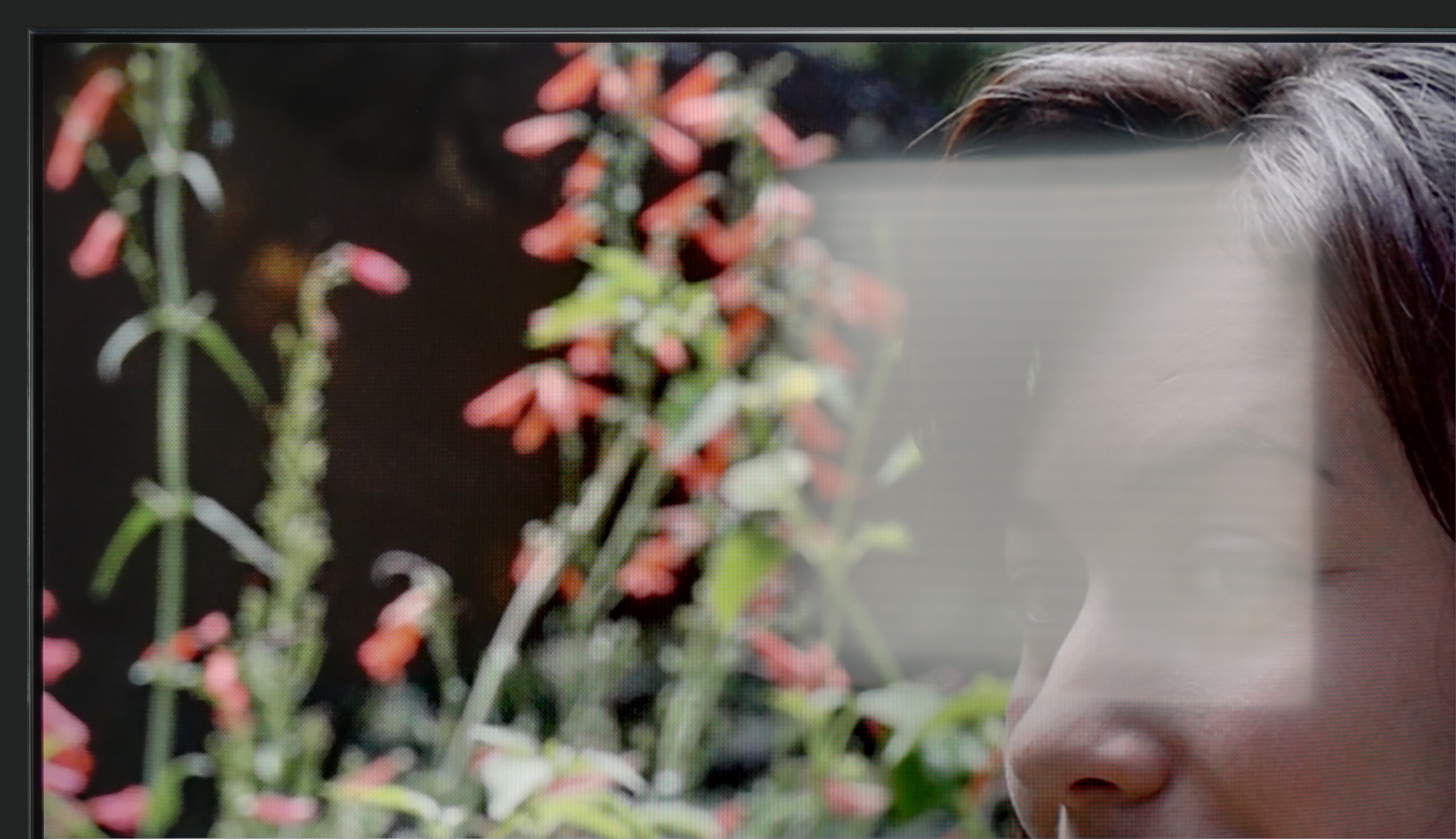
QN90F is the first Neo QLED 4K with a matte display, and it must be said that this change is noticeable straight away. During the day, the screen behaves completely differently than typical LCD TVs – reflections are heavily suppressed, glare nearly disappears, so there’s no need to constantly cover windows or reconfigure furniture. Colours in a bright room appear natural, though their intensity can slightly drop with very strong lighting. However, this is not something that ruins the viewing experience – rather a small price to pay for comfortable viewing in the sunlight. Additionally, the average SDR brightness is around 700 nits, which means the TV can easily "cut through" in very sunny living rooms. It’s hard to give a better recommendation: if someone is looking for a miniLED 4K TV that can handle a brightly lit living room, the QN90F is one of the safest choices.
The C6KS performs really well as a TV screen for daytime viewing. Its brightness of around 500–600 nits easily cuts through challenging lighting conditions. Additionally, it features a satin finish that effectively reduces reflections. As a result, the TV impresses during daytime viewing, even in brighter rooms.
Panel details
Subpixel Structure:
Panel uniformity and thermal imaging:
Samsung QN90F / QN92F
TCL C6KS / C69KS / Q6CS
TV features
7.7/10
7/10
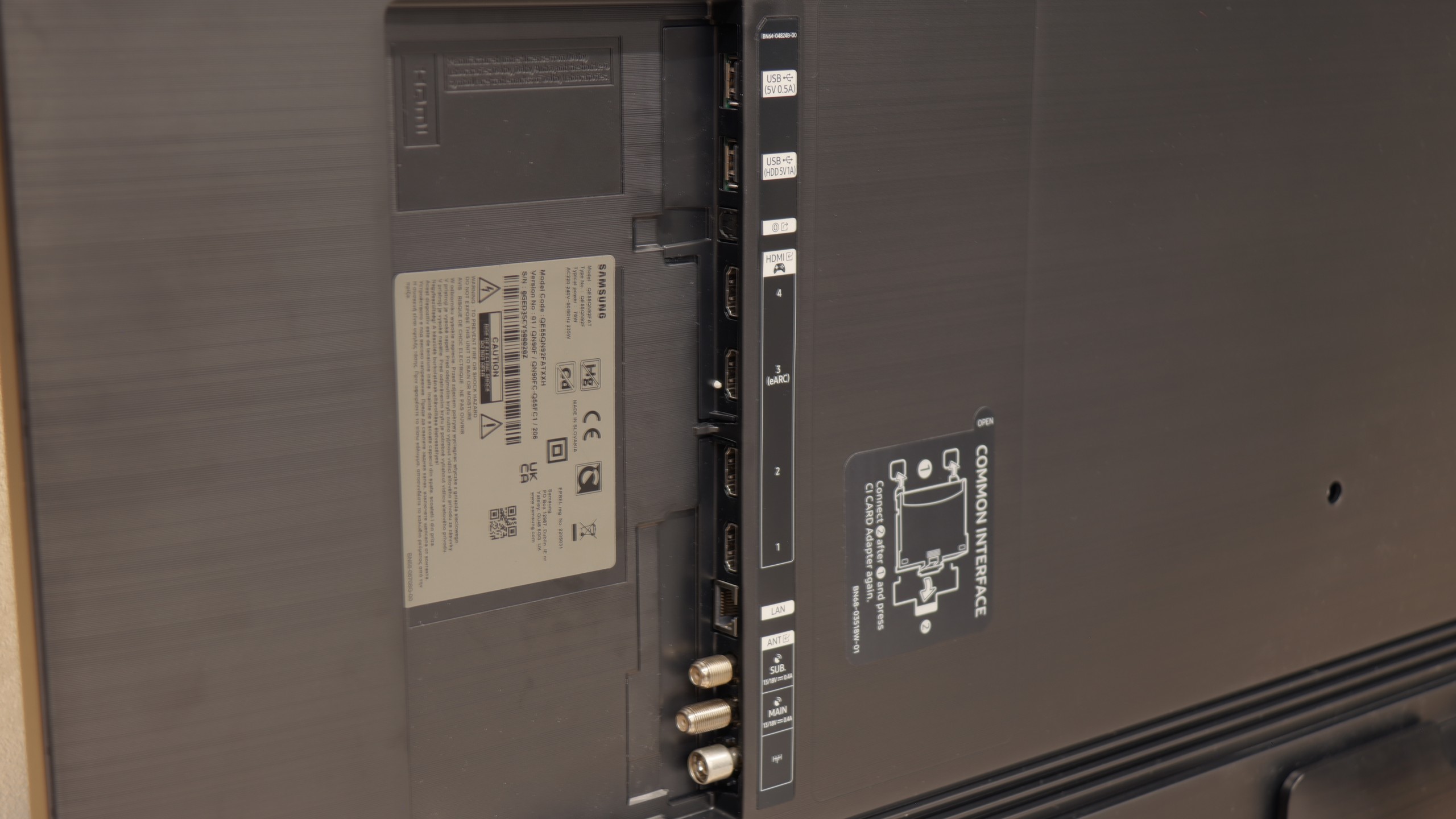
- HDMI inputs0 x HDMI 2.0, 4 x HDMI 2.1 48Gbps3 x HDMI 2.0, 0 x HDMI 2.1
- OutputsToslink (Optical audio), eARC (HDMI), ARC (HDMI)Toslink (Optical audio), eARC (HDMI), ARC (HDMI)
- Network InterfacesWi-Fi 2.4GHz, Wi-Fi 5GHz, Ethernet (LAN) 100MbpsWi-Fi 2.4GHz, Wi-Fi 5GHz, Ethernet (LAN) 100Mbps
- TV receptionDVB-T, DVB-T2, DVB-S, DVB-S2, DVB-CDVB-T, DVB-T2, DVB-S, DVB-S2, DVB-C
Classic features:
- Recording to USB (terrestrial TV)
- Recording programming
- Picture in Picture (PiP)
- RF remote control (no need to aim)
- Backlit remote control
- Teletext
- Audio only mode
- Bluetooth headphones support
- Simultaneous Bluetooth headphones & TV audio
Smart features:
- AirPlay
- Screen mirroring (Windows Miracast)
- Voice search
- Voice search in native language
- Ability to connect a keyboard and mouse
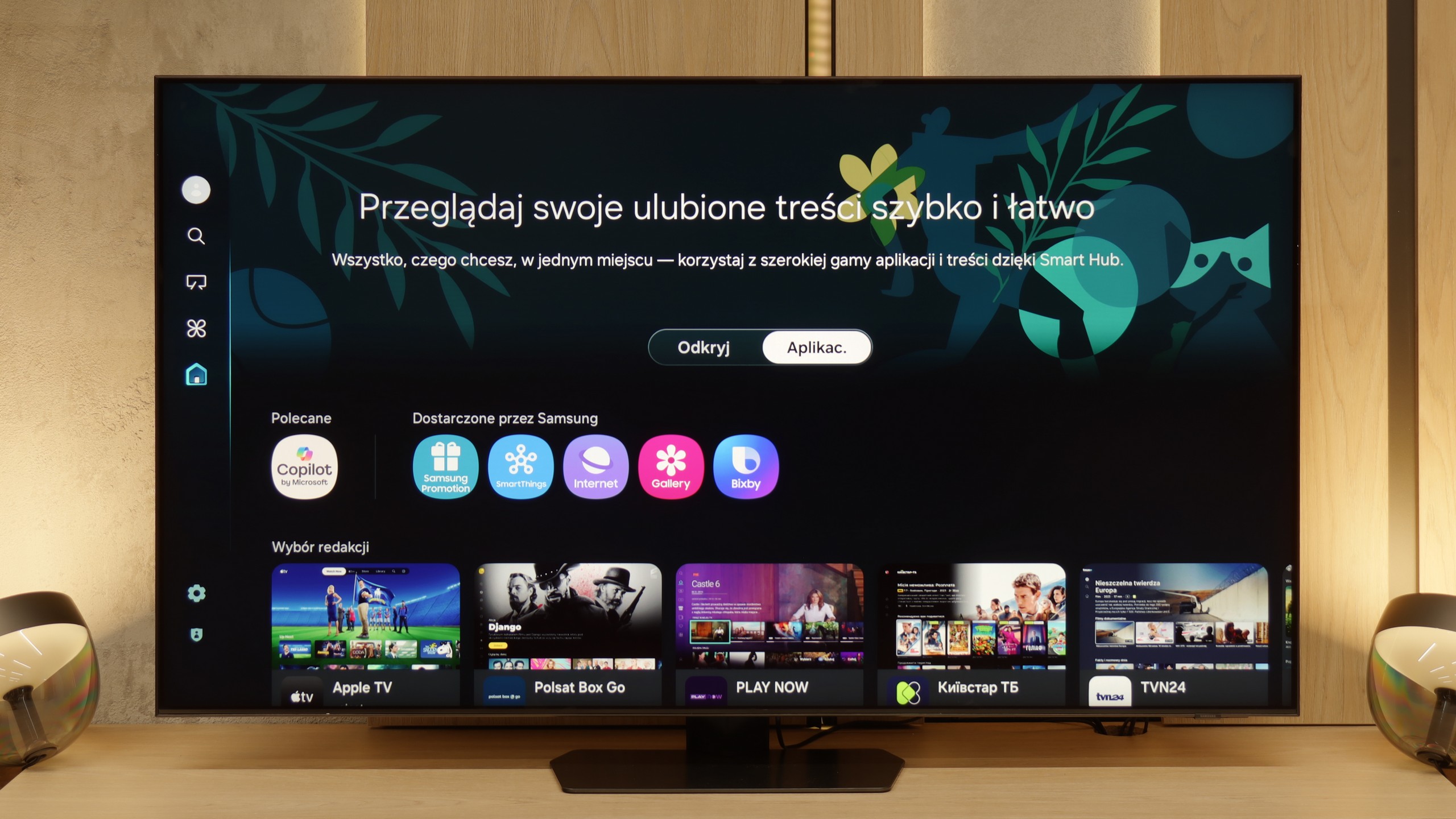
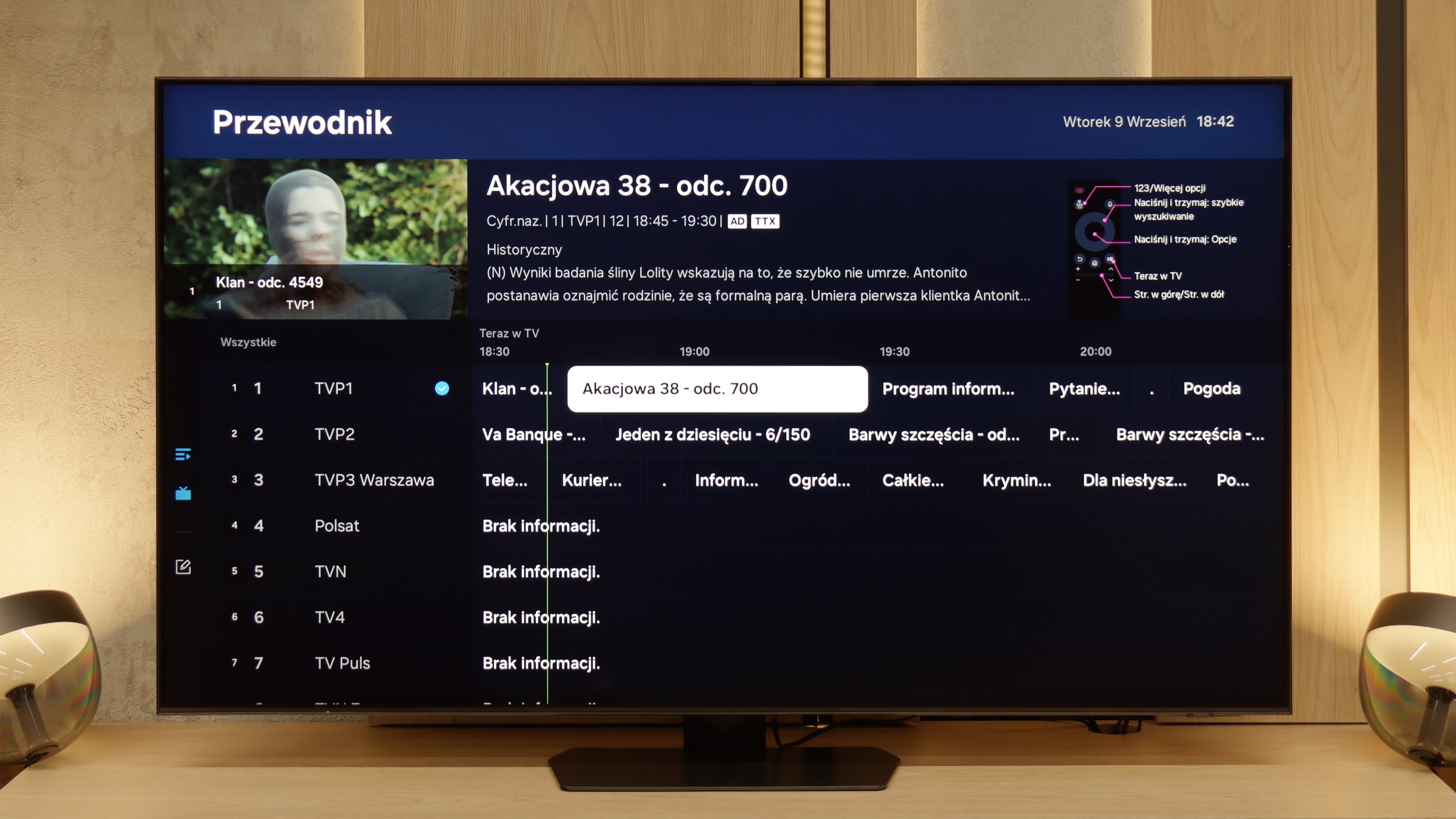
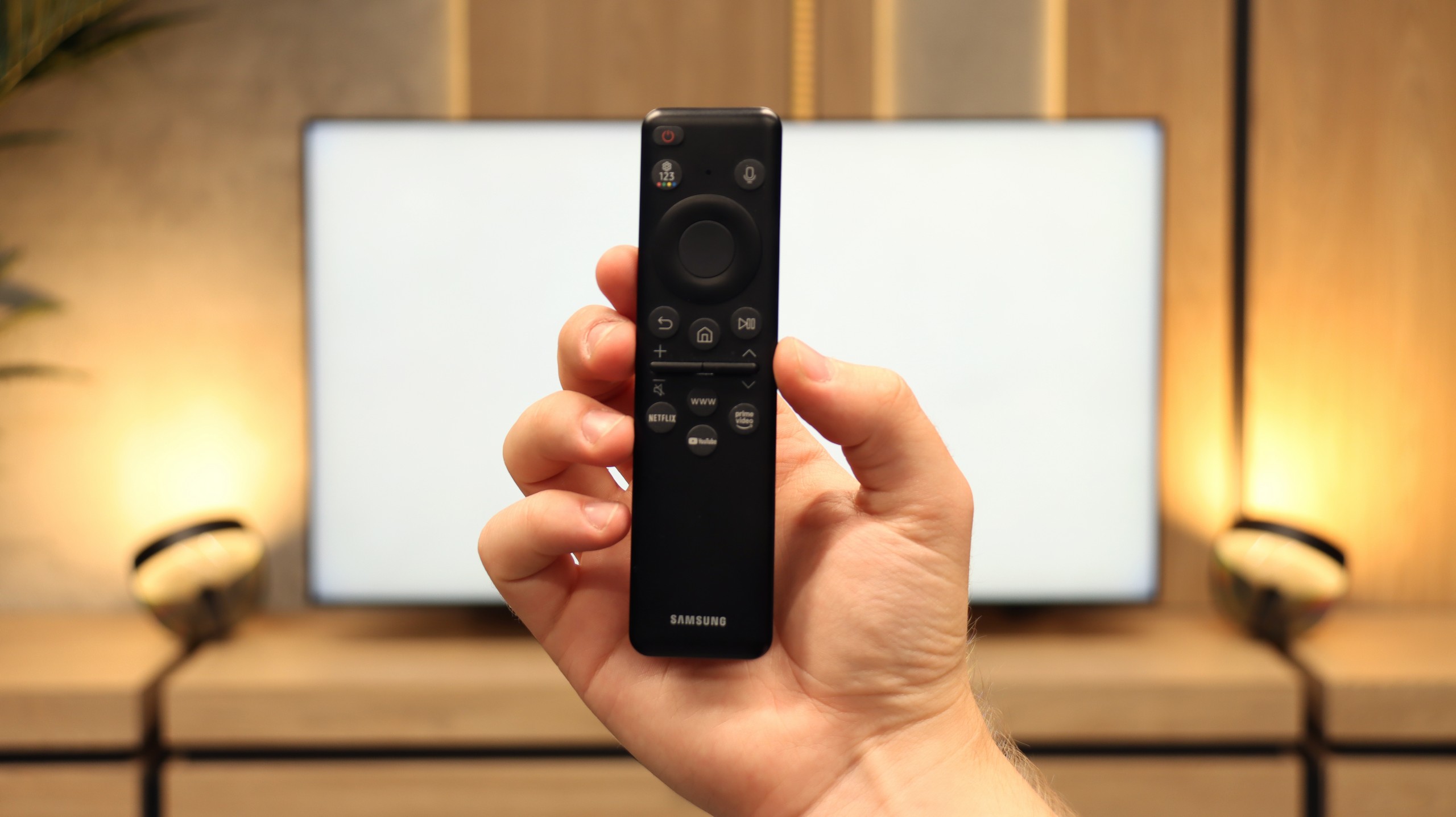
Smart TV Features: Tizen
Samsung has been developing its Tizen system for years, and in the QN90F, it shows that it has reached a point where it's really hard to nitpick. The system runs smoothly, responds quickly to commands, and doesn't struggle with more demanding applications. If someone uses an iPhone – there's AirPlay and screen mirroring. If someone has an Android phone – there won’t be any problems either. Additionally, there's a voice assistant that understands commands in several languages, including Polish, so you can play a movie or change the channel without reaching for the remote. An interesting feature is the integration with Microsoft's Coopilot and AI functions, but SmartThings proves to be much more practical – thanks to it, the TV can become the centre of the home ecosystem, connecting not only Samsung devices but also, for example, Philips Hue bulbs.
Classic Features
The QN90F can also serve as a regular television. While we can forget about USB recording, we do get PIP mode, which is picture-in-picture – a function that's rarely seen these days. With it, you can follow a match and a series simultaneously, which can save the evening in many households. Also, there's a clear EPG guide and a small remote that charges with light (so no batteries are needed) and can take control of the decoder, soundbar, or even a console. It may not be the most advanced on the market, but it proves to be simply convenient in everyday use.
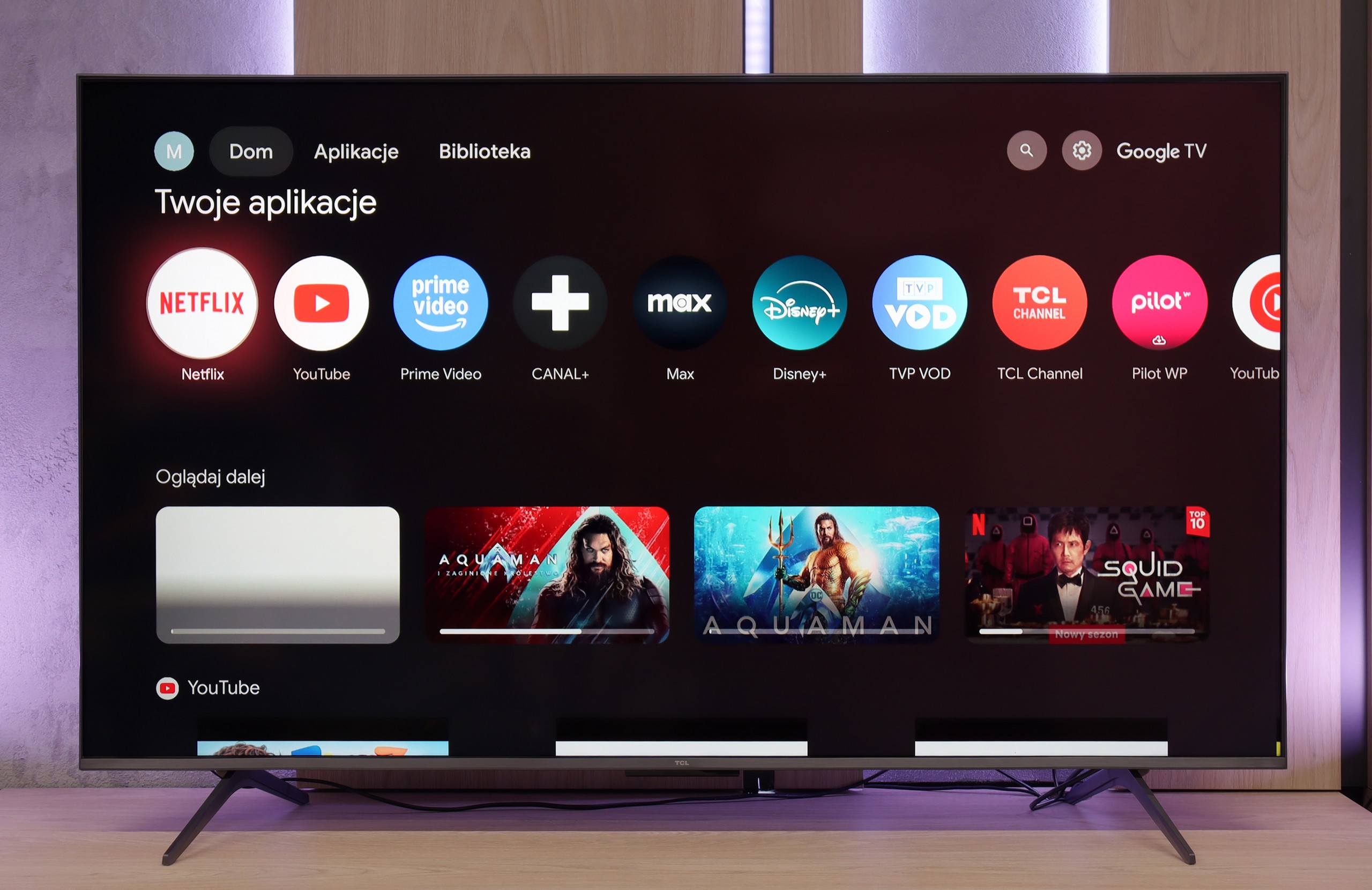
The biggest advantage of the C6KS is the Google TV system. It's an environment that offers a lot — ideal for those who value a wide selection of apps and convenient use of streaming services. AirPlay, screen sharing functionality, and the voice assistant work very well here, making daily use of the television simply convenient.
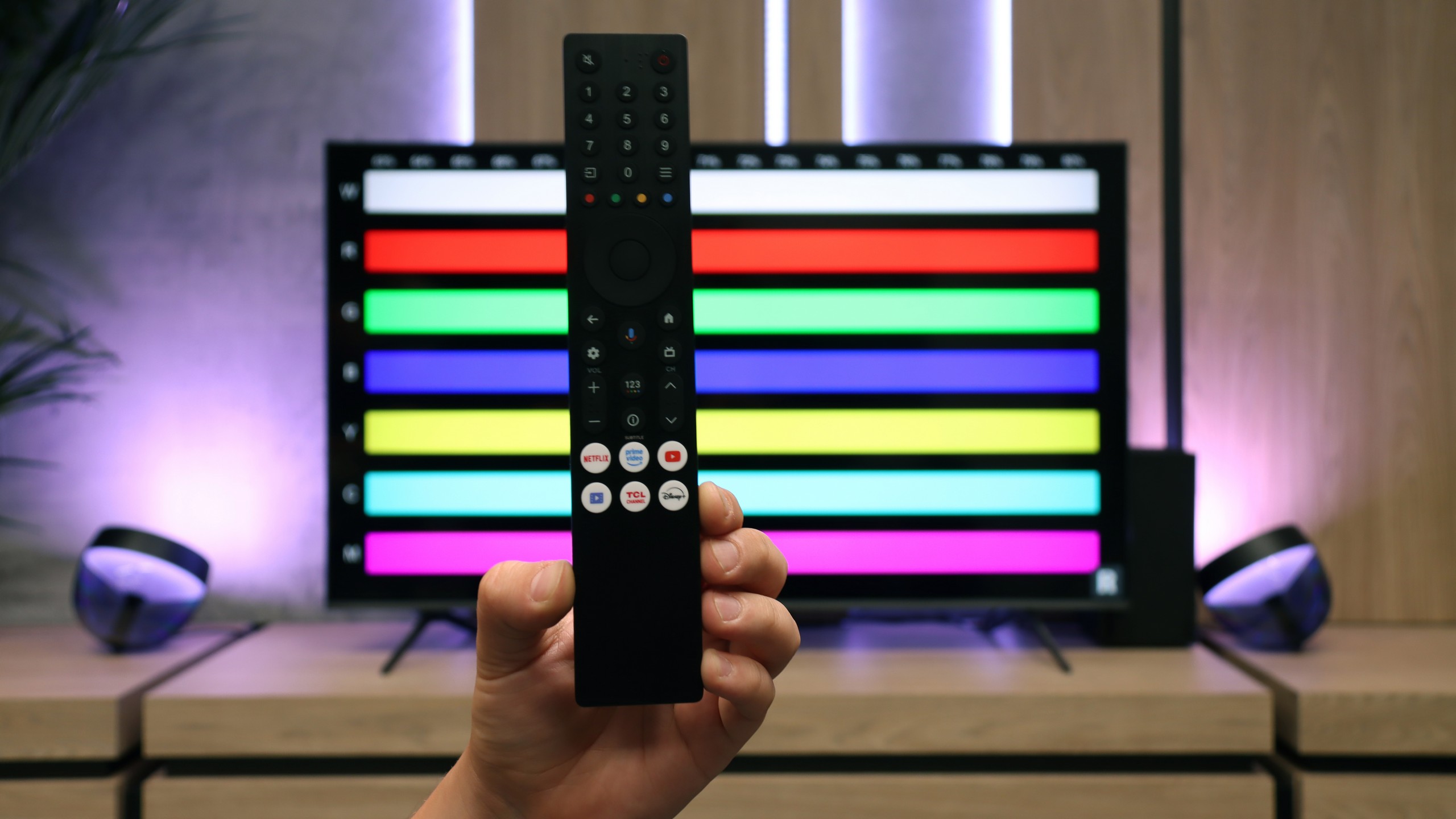
The support for traditional television is somewhat lacking. Users who are counting on extensive "TV" features may feel overlooked. Besides the smoothly functioning Bluetooth remote with a numeric keypad, we won't find conveniences like USB recording or PiP functionality here.
Apps
9.3/10
9.6/10






















Playing files from USB
9.1/10
8.9/10
Supported photo formats:
Maximum photo resolution:
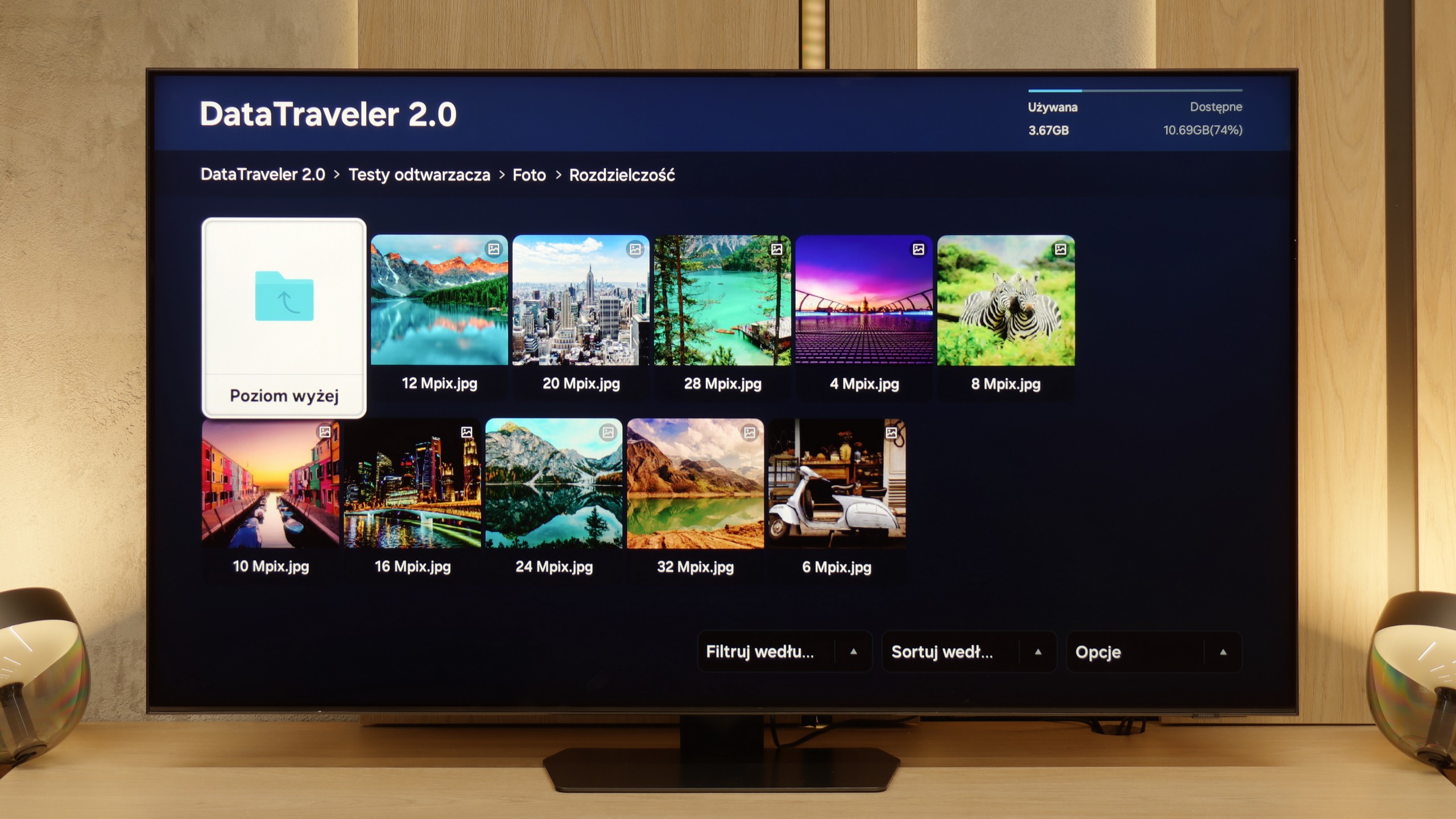
The built-in media player on the QN90F performs quite well. It supports most popular audio and video formats and can also easily play graphic files such as JPEG and PNG. The problem arises with HEIC files – a kind of high-quality photo standard used in iPhones. In theory, the television should support them, as they are listed among the compatible formats, but in practice, trying to open a HEIC file can freeze the entire system and force a power reset. It’s a bit of an odd situation and another small glitch that shouldn't happen in equipment of this caliber. On the other hand, one can be very pleased as it supports most popular audio and video formats.
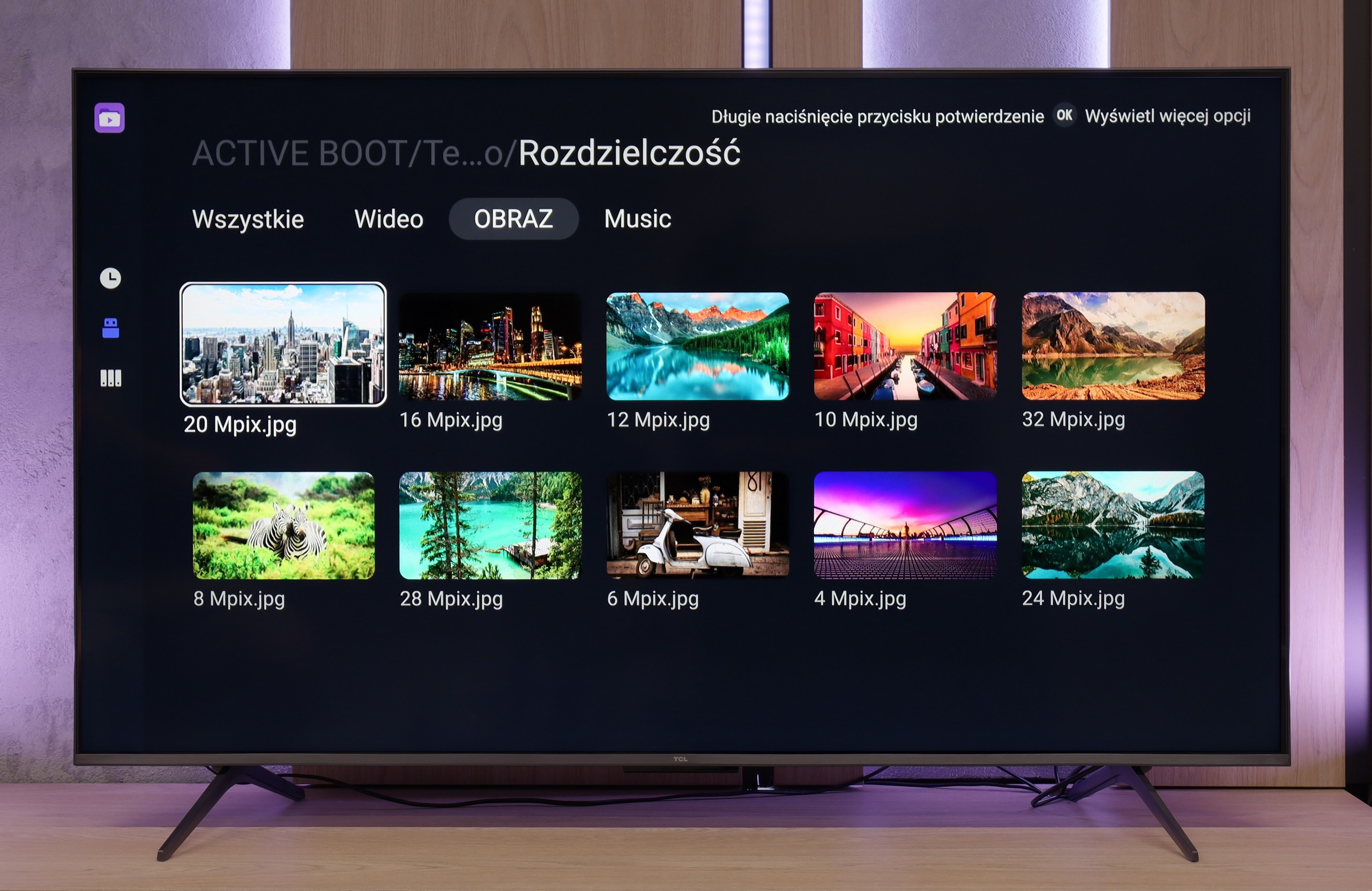
The system player really does a great job and smoothly handles popular formats. The only hiccup appears with files from the Apple ecosystem (e.g., HEIC) – here TCL just gives up. Fortunately, a huge plus of Google TV is that you can install your own app, e.g., VLC. This way, you can quickly patch up the shortcomings of the factory player and play practically any material, customizing the TV to your needs.
Sound
7.8/10
6.5/10
- Maximum volume86dB-
- Dolby Digital Plus 7.1
- Dolby True HD 7.1
- Dolby Atmos in Dolby Digital Plus (JOC)
- Dolby Atmos in Dolby True HD
- DTS:X in DTS-HD MA
- DTS-HD Master Audio
QN90F plays really well. Despite the sleek design of the television, you can sense a slight bass that adds depth to the sound. The speaker system operates in a 4.2.2 configuration and offers a total power of 60 W – for built-in speakers, that's a truly solid result. Moreover, with materials that support Dolby Atmos, one can experience a subtle spatial effect, which works quite well for everyday viewing. Of course, with equipment of this class, it's hard not to recommend an additional soundbar. It's best to opt for one that supports Q-Symphony technology – thanks to it, the television and soundbar play simultaneously, creating a fuller and definitely more cinematic effect.
The TCL C6KS performs almost identically to the C6K model, as it uses the same speaker set branded by Onkyo. For a TV of this class, the sound is quite good — you can even feel a slightly defined bass, which is not common in the budget segments. However, it's worth keeping the proper perspective in mind. This bass is decent compared to other TVs, but a home theatre system or even a basic soundbar will offer a much fuller, more dynamic sound. The C6KS will therefore be suitable for regular TV viewing, but if someone is after a stronger sound, additional audio equipment will be the natural choice.
Sound Quality Test
No sound test video
Acoustic Measurements
86dBC (Max)
75dBC
No acoustic data